Warner Wetlands 6-7-12

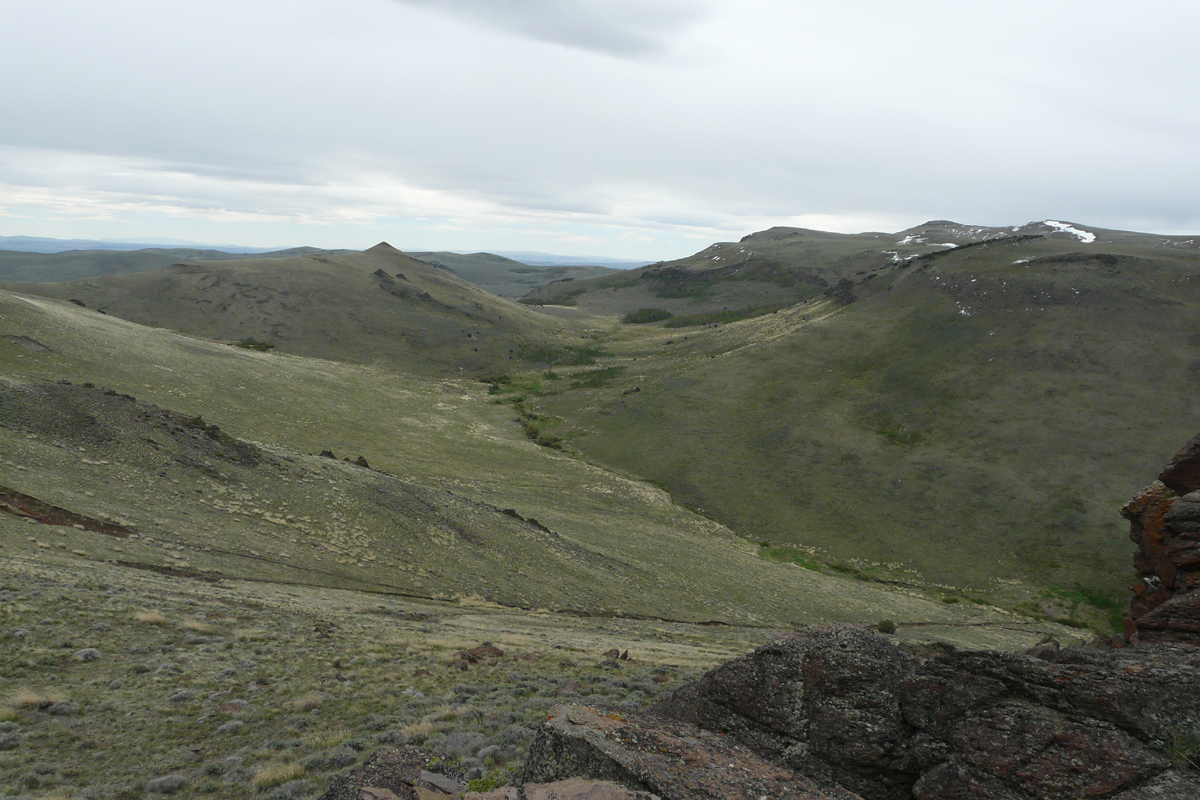
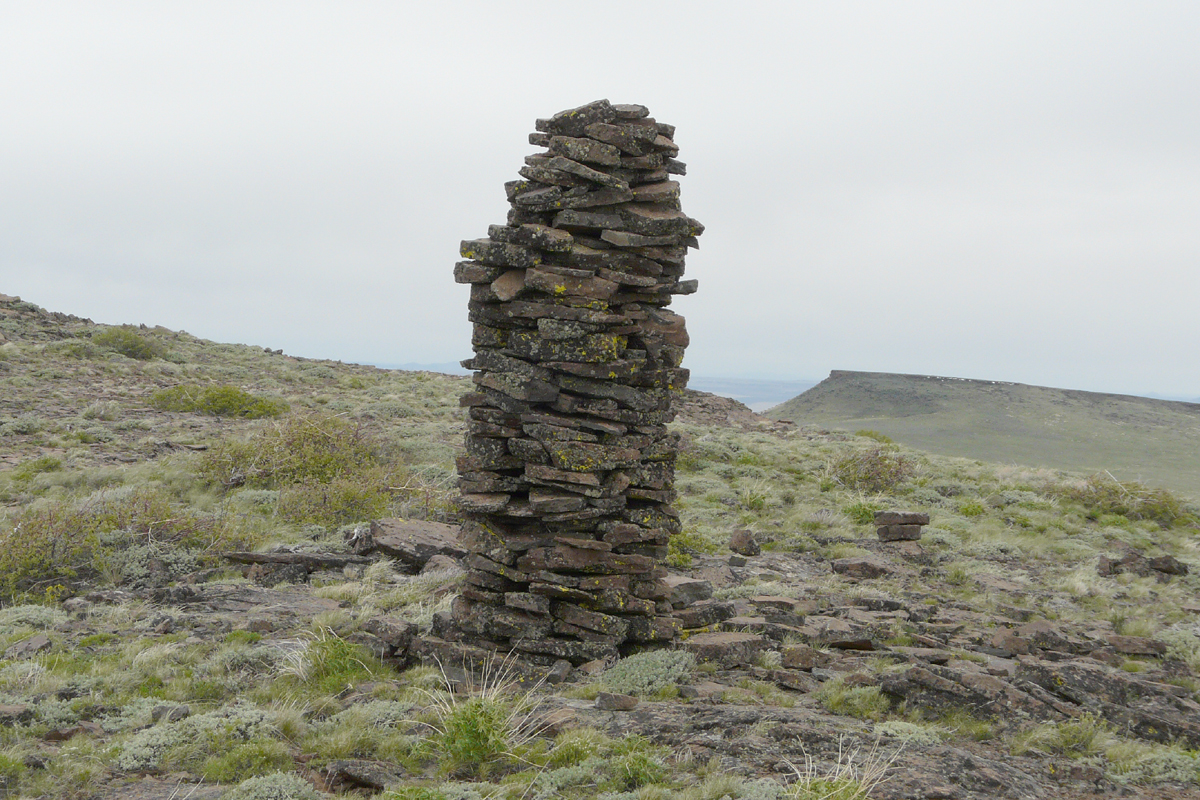
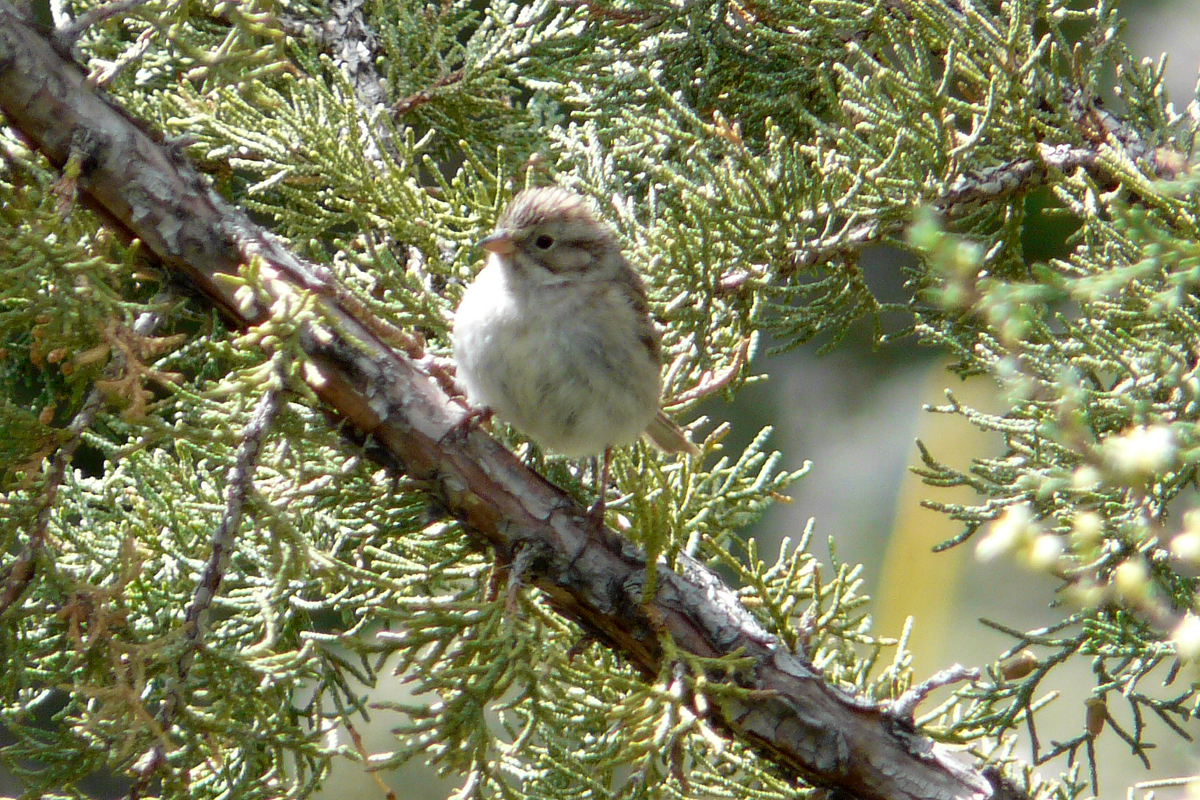
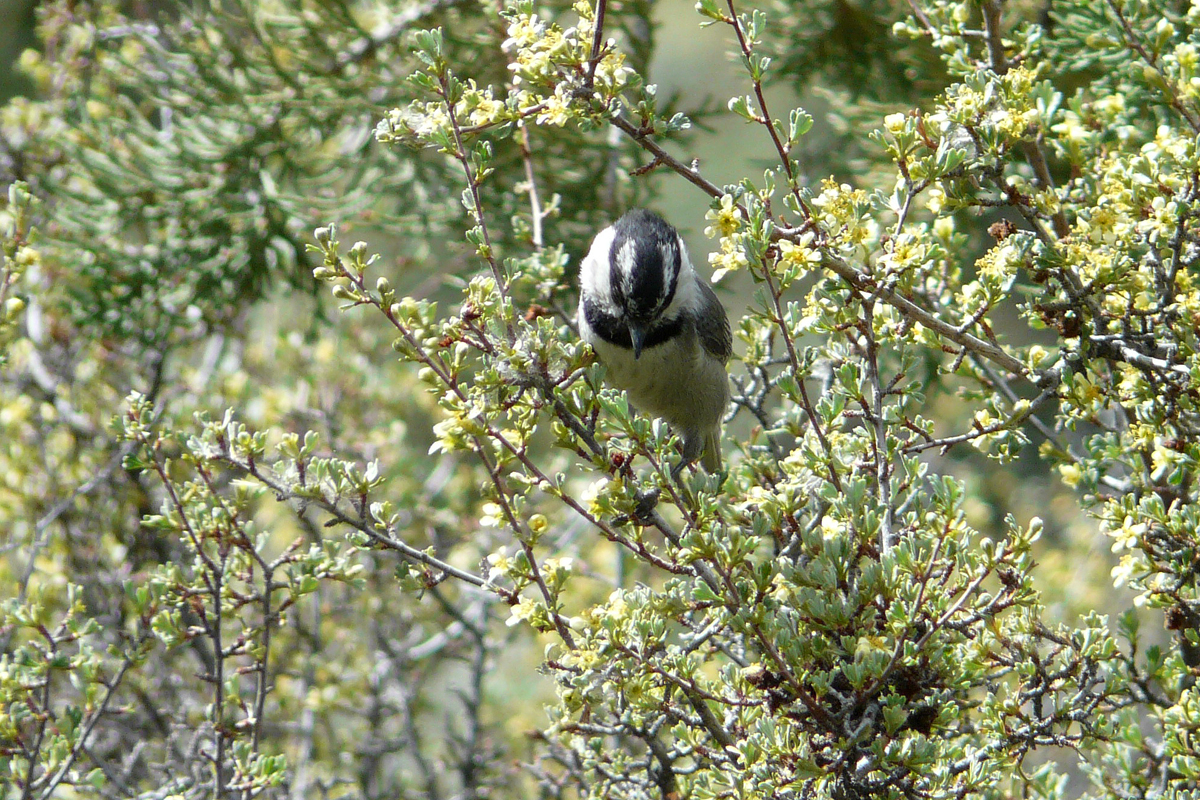
Just north of the little town of Plush, OR, is Hart Bar, a small interpretive site at the southern end of the Warner Wetlands Area of Critical Environmental Concern (Birding Oregon p. 21). A short trail leads through the marsh, providing views of shorebirds and waterfowl. The parking area has a primitive toilet and several interpretive signs. On the day of my recent visit, the wind was quite strong, making it difficult to hold optics steady but also protecting me from the clouds of mosquitoes that can be a problem here.

White-faced Ibis feed in the grassy areas near the water. I think the tall grasses provided them with shelter from the wind.


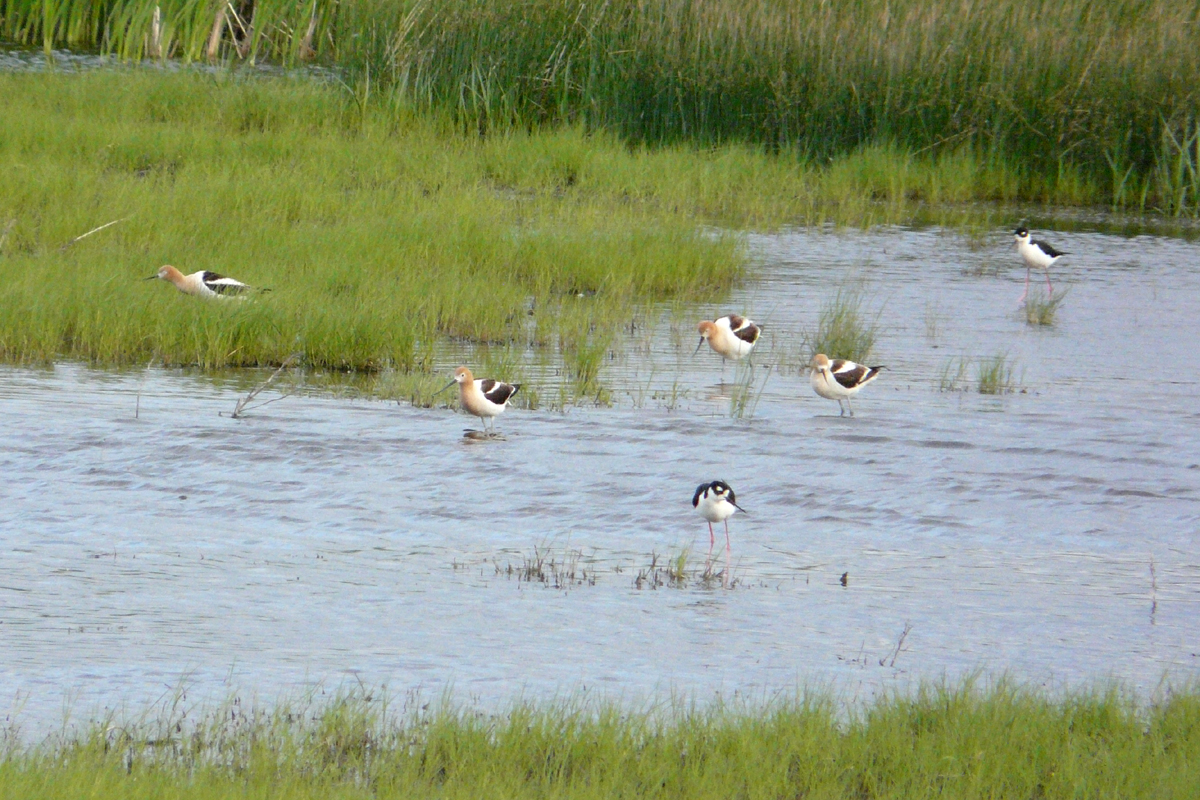
American Avocets and Black-necked Stilts are two common nesting species in this area. Willets are also common, but proved to be a little shy.


American Avocet


Black-necked Stilt


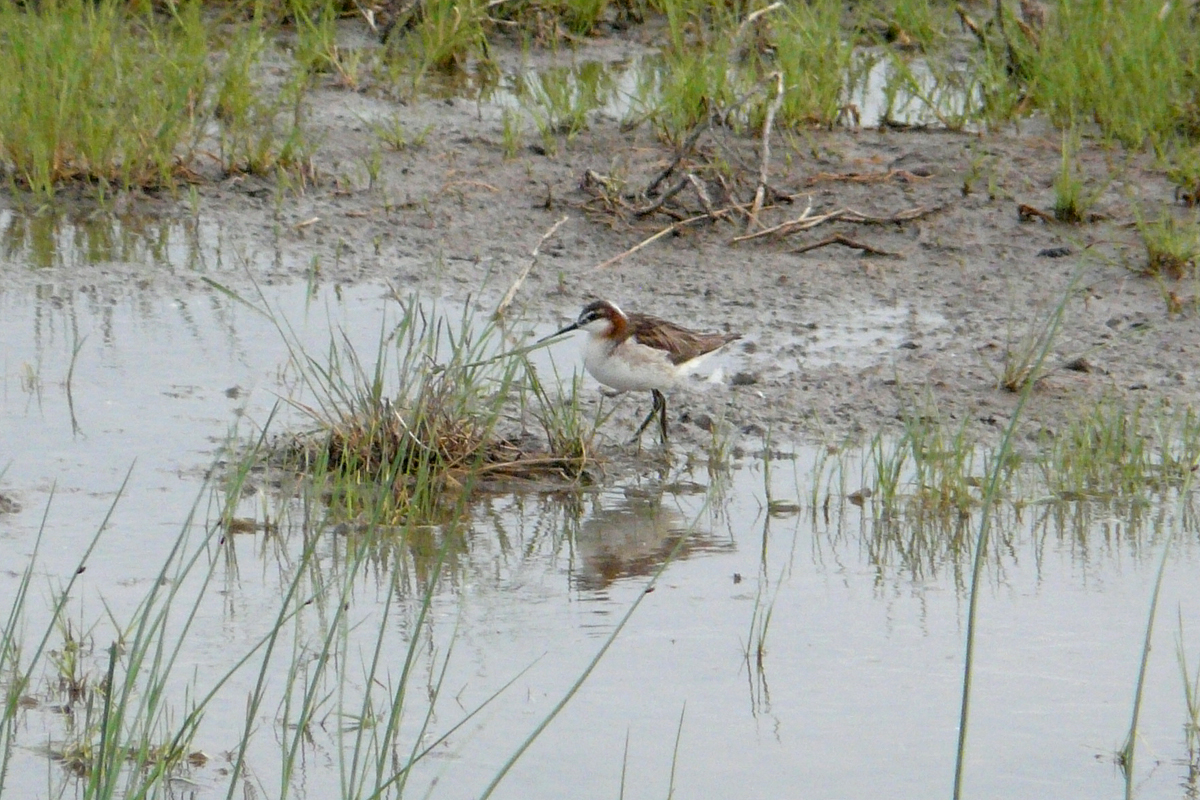
Wilson’s Phalarope


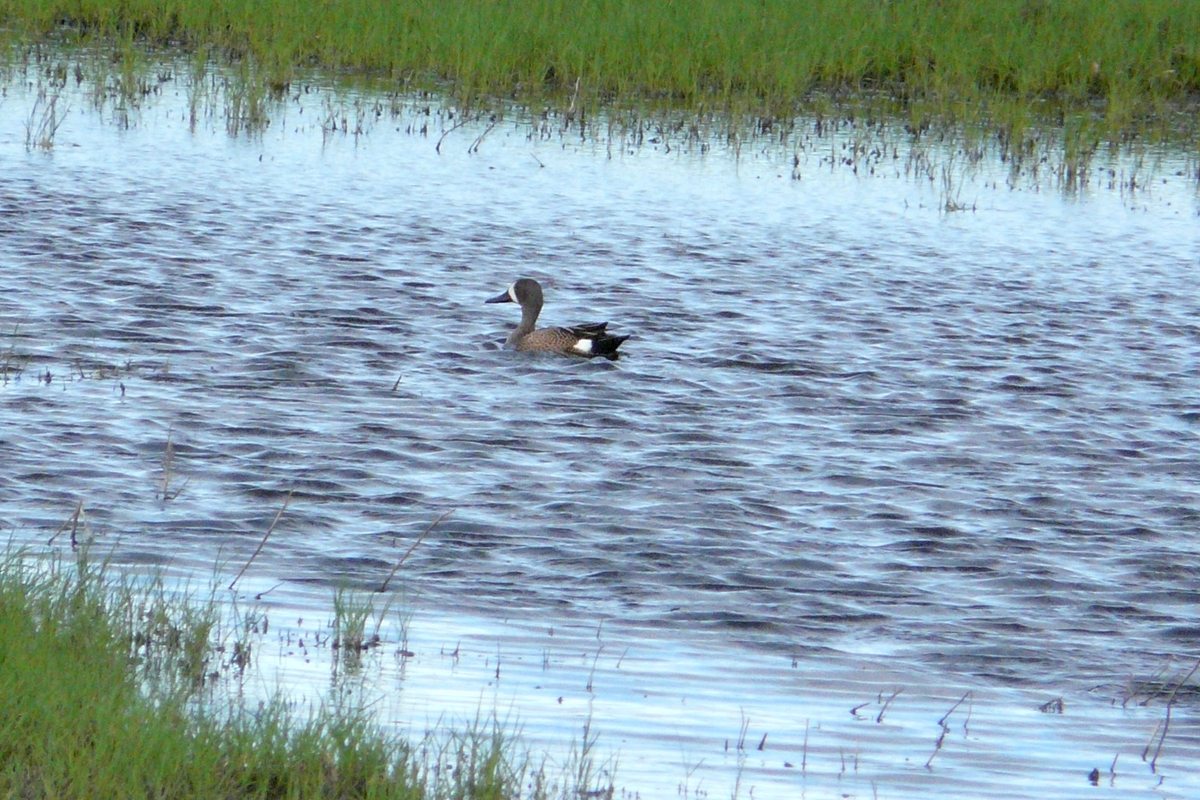
Blue-winged Teal is always a good find in Oregon. Gadwall and Cinnamon Teal are more plentiful here.


Yellow-headed Blackbirds share the marsh with Brewer’s Blackbirds.

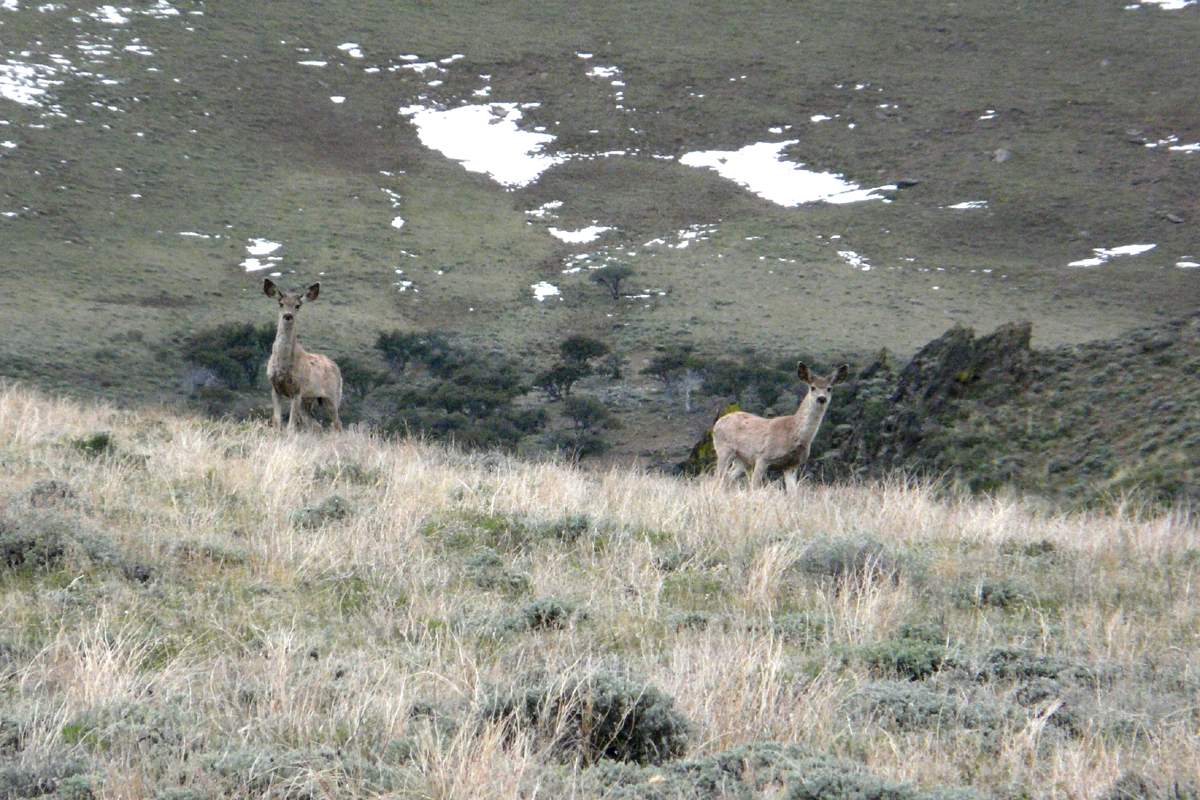
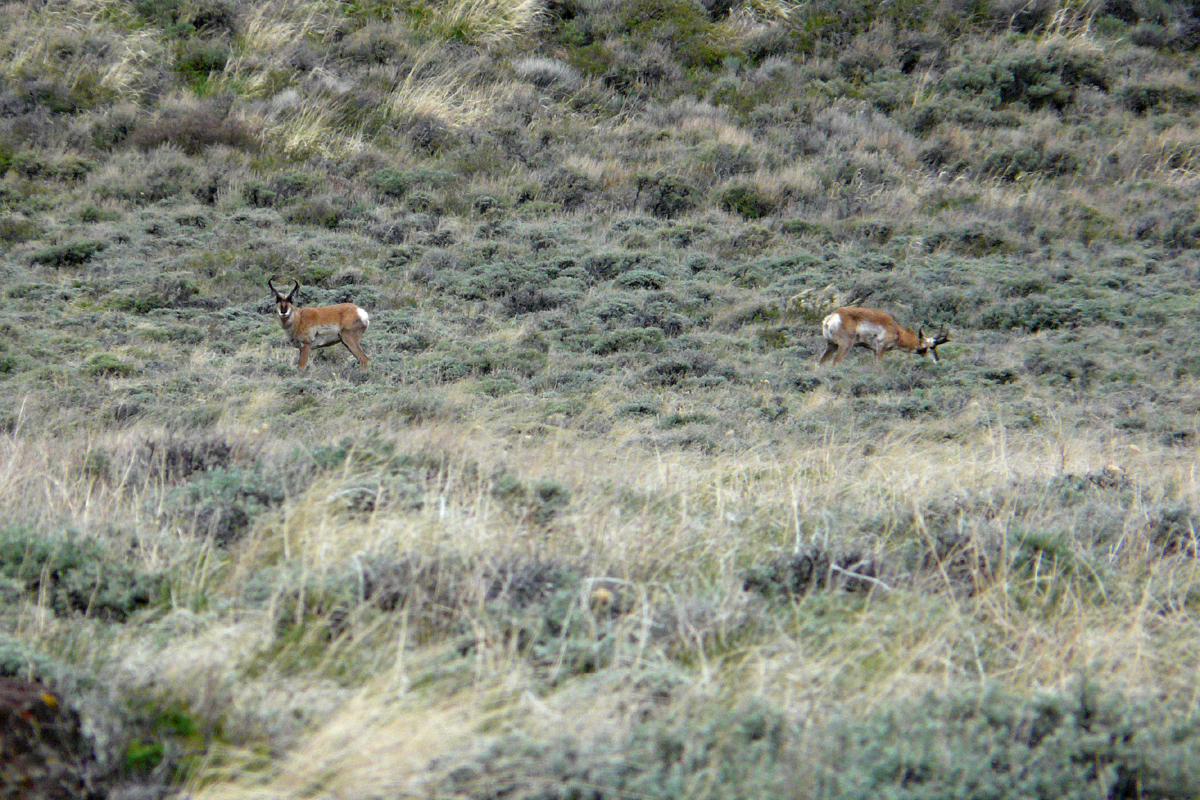
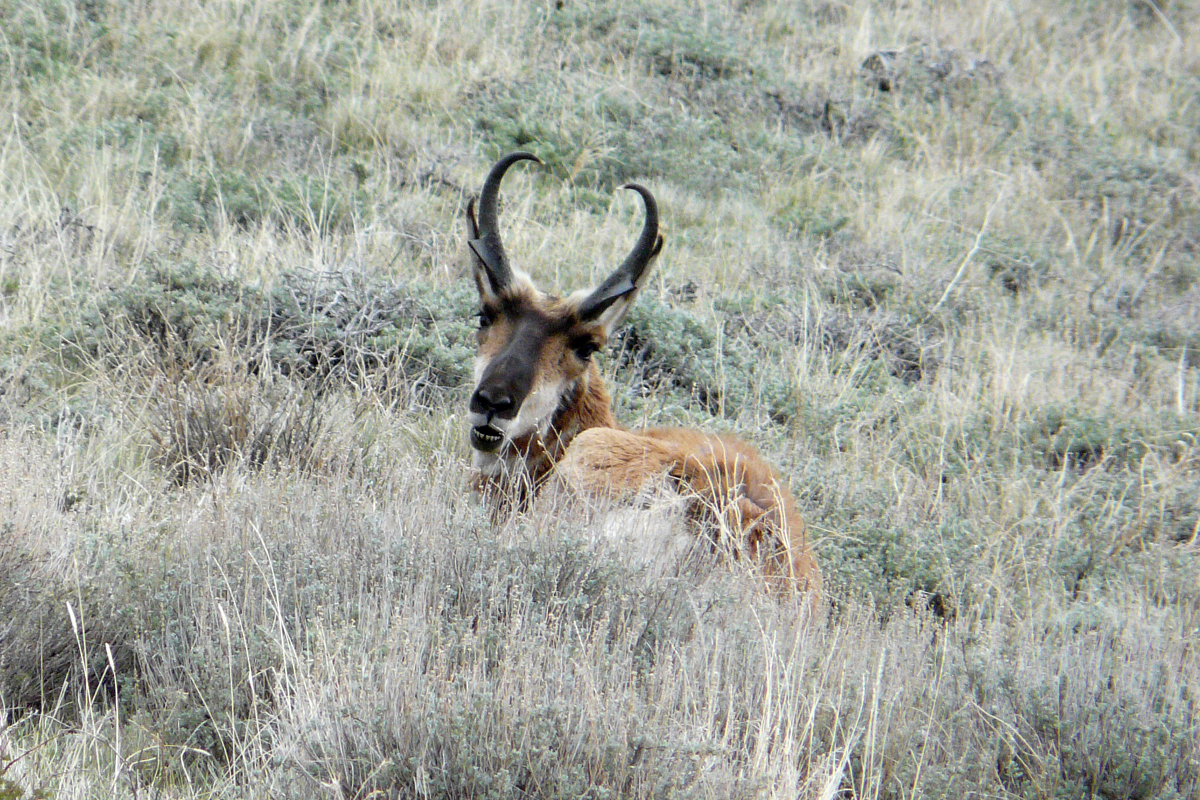
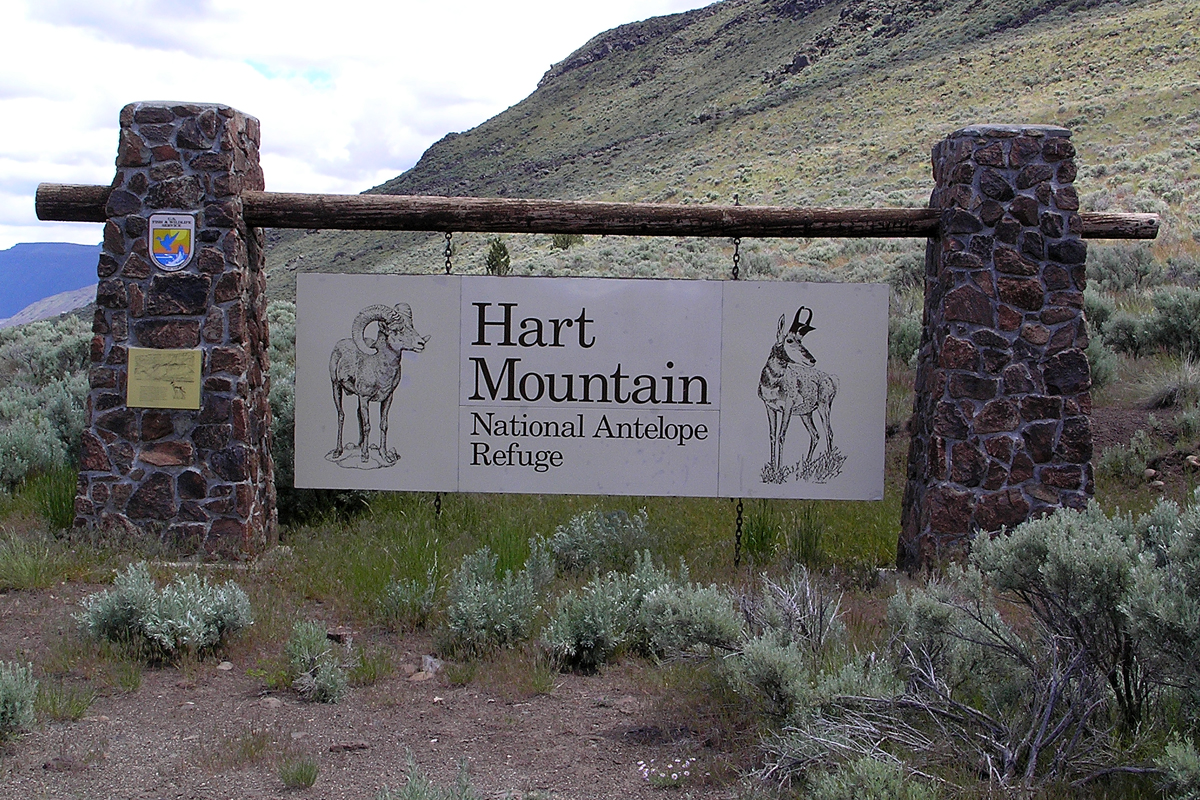
There are gravel roads running through the Warner Valley. But Hart Bar is easily accessed from paved Hogback Road, and provides a nice variety of wetland species. It is definitely worth a stop on your way to Hart Mountain National Antelope Refuge.

Vanport Wetlands


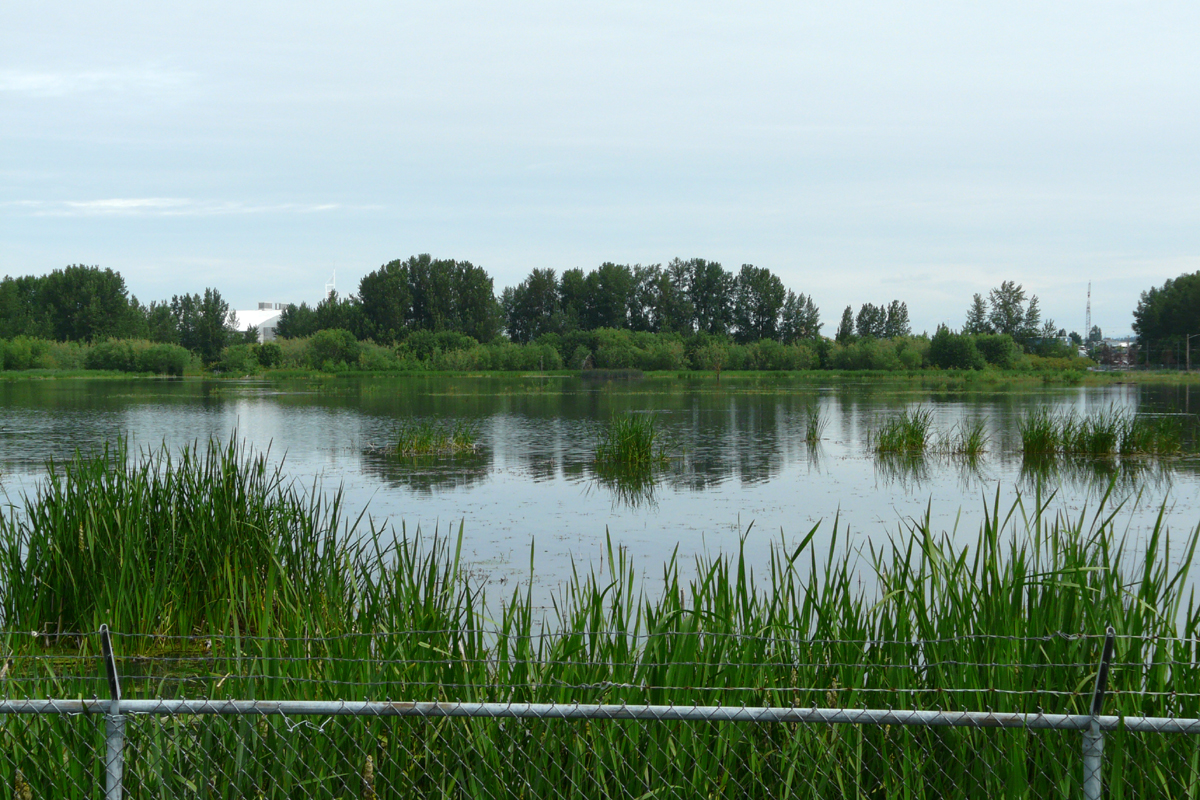
Vanport Wetlands, in north Portland, is an unassuming little site next to an off-leash dog park. A chain-link fence surrounds the property, so most views of birds are distant. Despite the small size and limited access, Vanport almost always hosts some interesting birds.


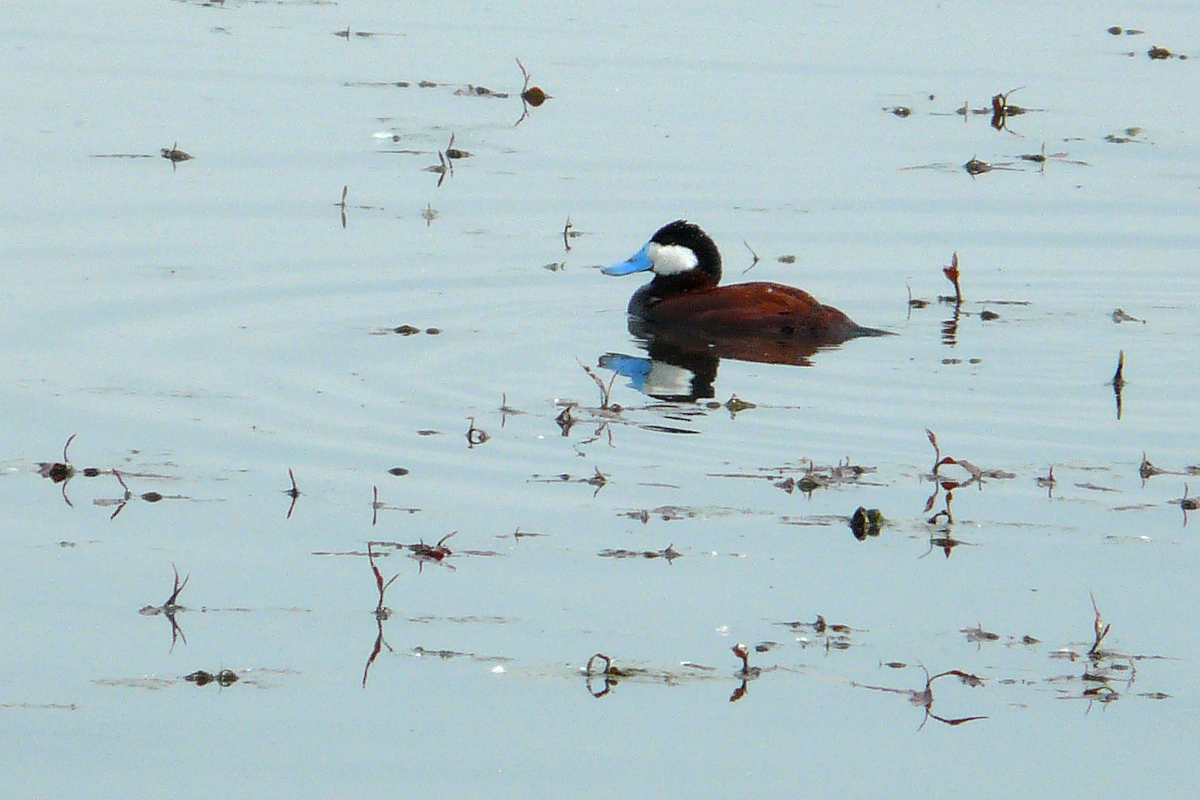
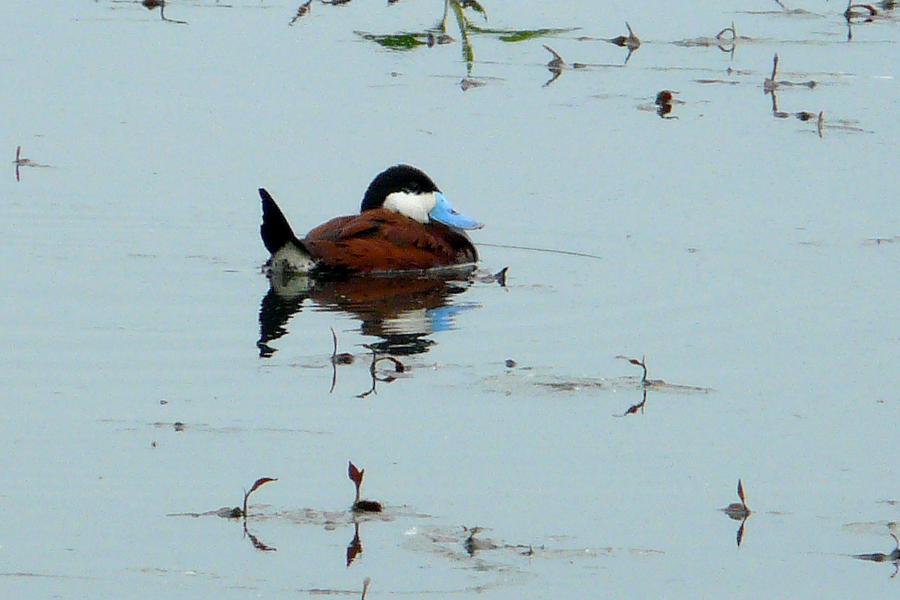
The Ruddy Ducks are sporting their breeding plumage.


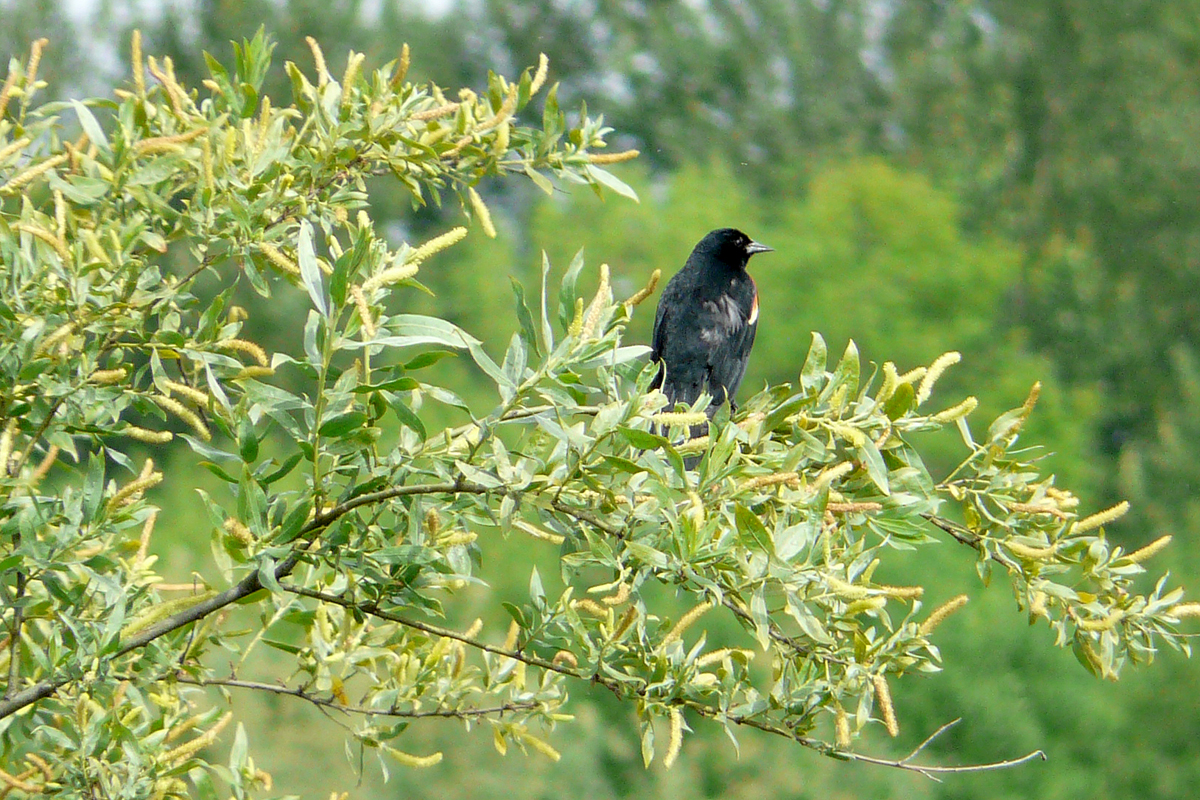
Red-winged Blackbird


Vanport is the only reliable site in Portland that I am aware of that hosts Yellow-headed Blackbirds.


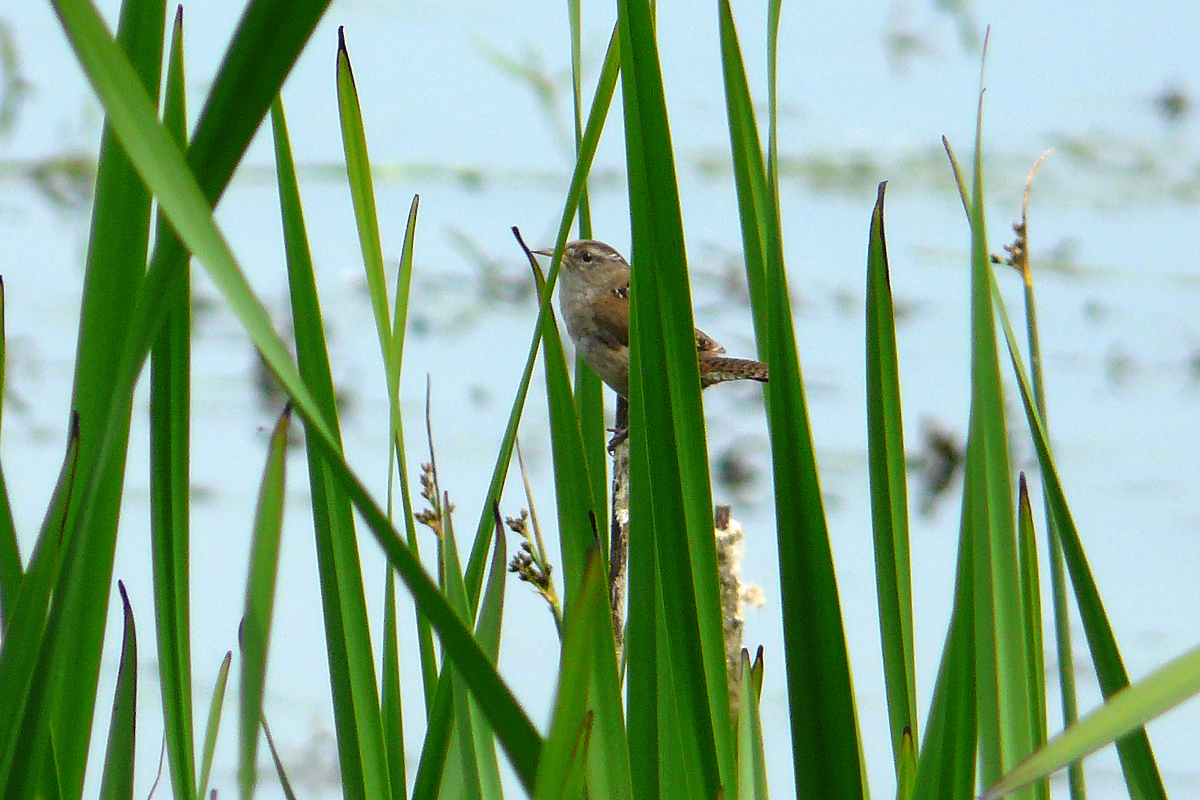
Marsh Wren


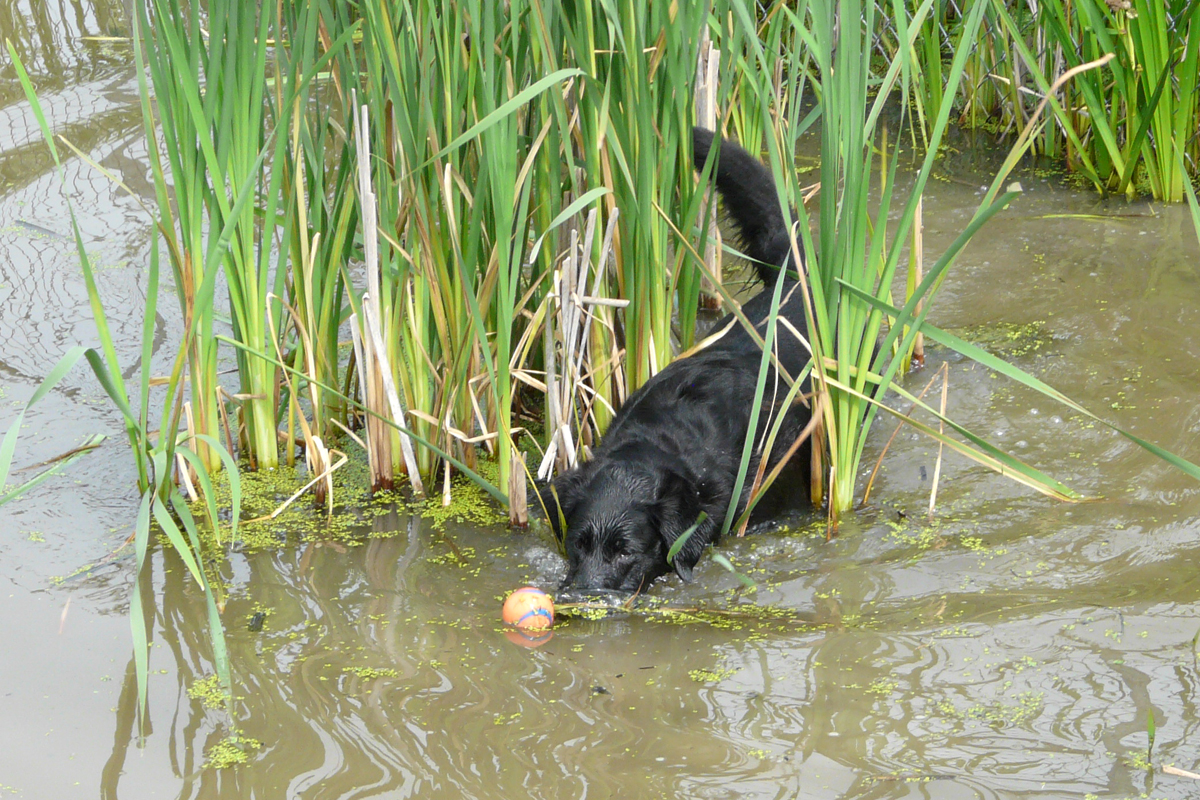
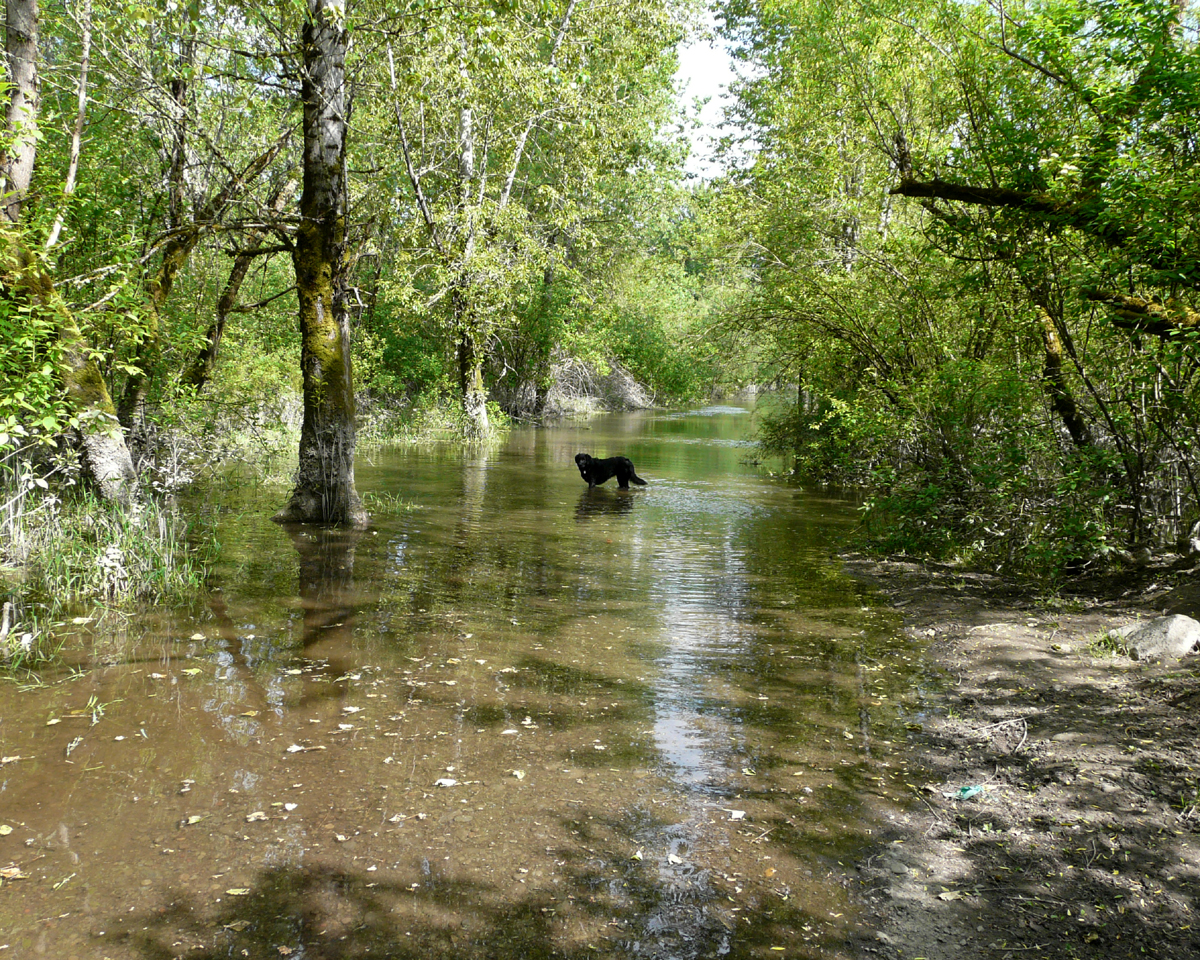
Nala, the Swamp Thing. The water currently extends beyond the fence, providing a place for dogs to play without disturbing the birds swimming nearby.

Sandy River Delta

Migration is winding down and the summer residents are back in force at the Sandy River Delta. Specialty species such as Eastern Kingbird and Yellow-breasted Chat put in appearances, but were not photogenic.


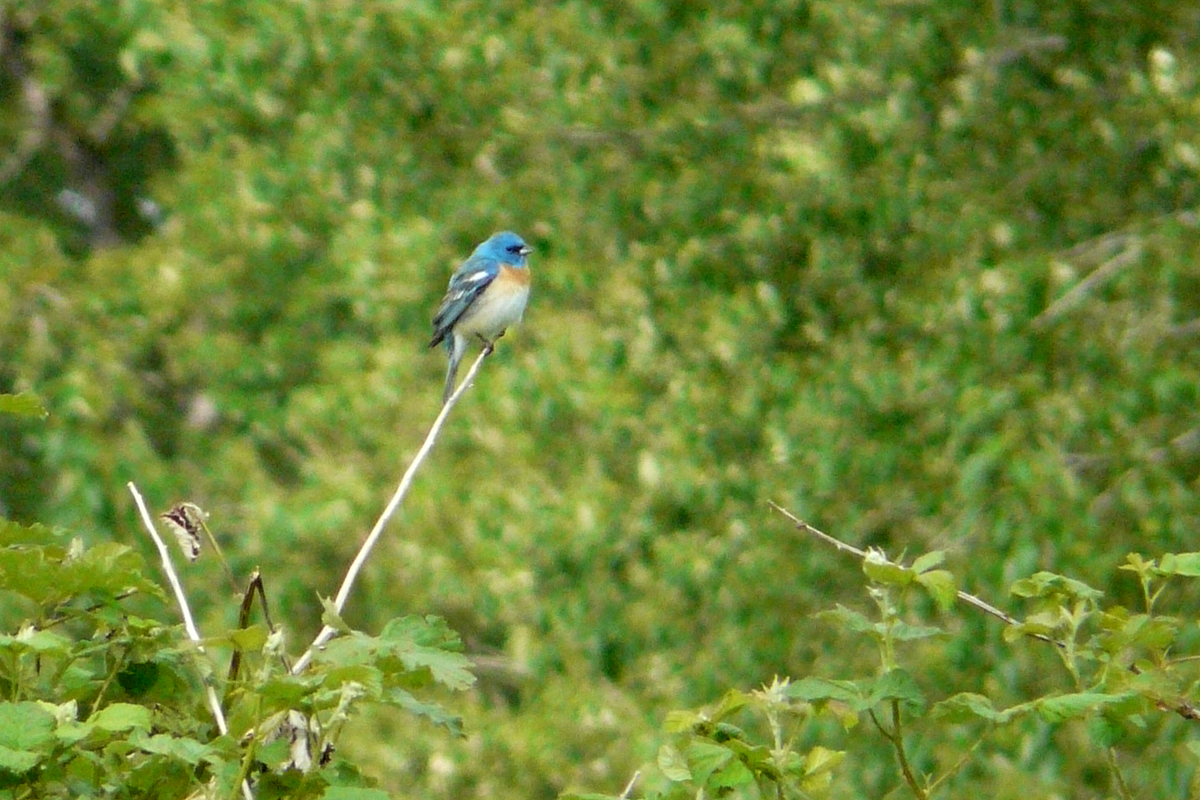
Lazuli Buntings can be found singing from virtually every blackberry thicket.


This male Brown-headed Cowbird was wooing a female. Cowbirds don’t really form pairs. The males display, sometimes in groups, to attract a female. After mating, the two go their separate ways. Since the female deposits her eggs in the nests of other species, there is no need for the male to stick around to help.


I never tire of seeing Bullock’s Orioles, especially when they pose in the open sunshine.


River levels are still very high, so some of the trails at the north end of the site are flooded. Nala, the all-weather, all-terrain, all-the-time puppy, does not mind at all.

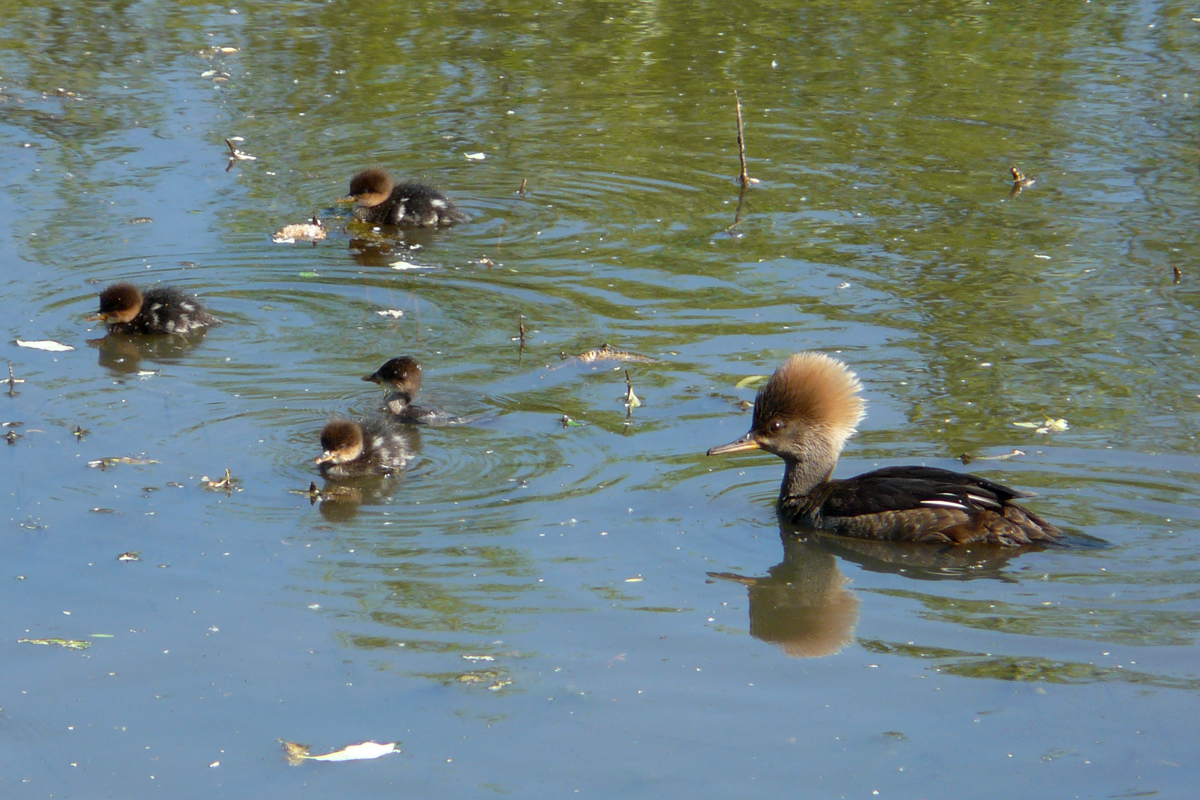
Hooded Merganser


This Hooded Merganser, found at Jackson Bottom Wetlands Reserve, had a brood of 10 little ones. The young birds were spread out over a large area, so I could never get them all in the same frame. They were actively feeding among the emergent vegetation, and a few of them were diving.

Hooded Mergansers nest in hollow trees or nest boxes, just as Wood Ducks do.

Random Images

Early May is always a good time for seeing returning migrants and other signs of spring. Despite our cool damp weather, spring continues to slowly make inroads. Here are some random images from the past week.


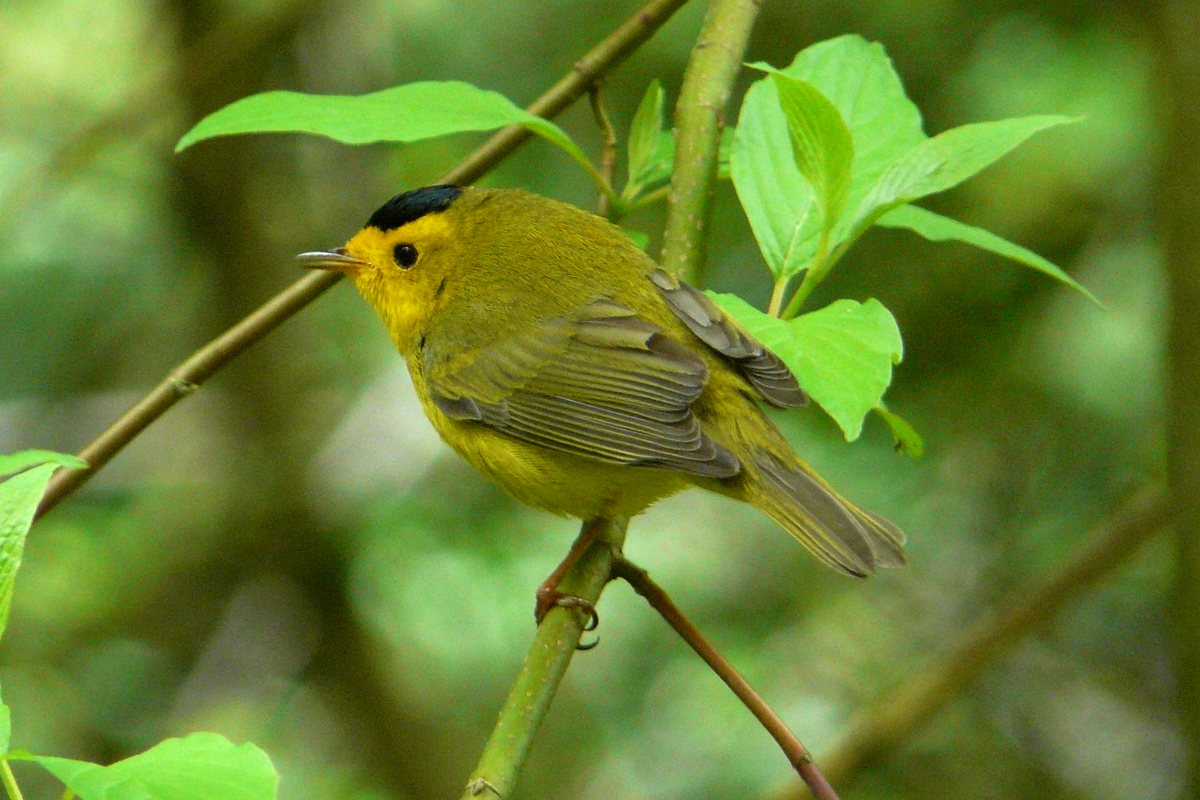
May is warbler month across most of North America. This Wilson’s Warbler was feeding just outside our living room window.


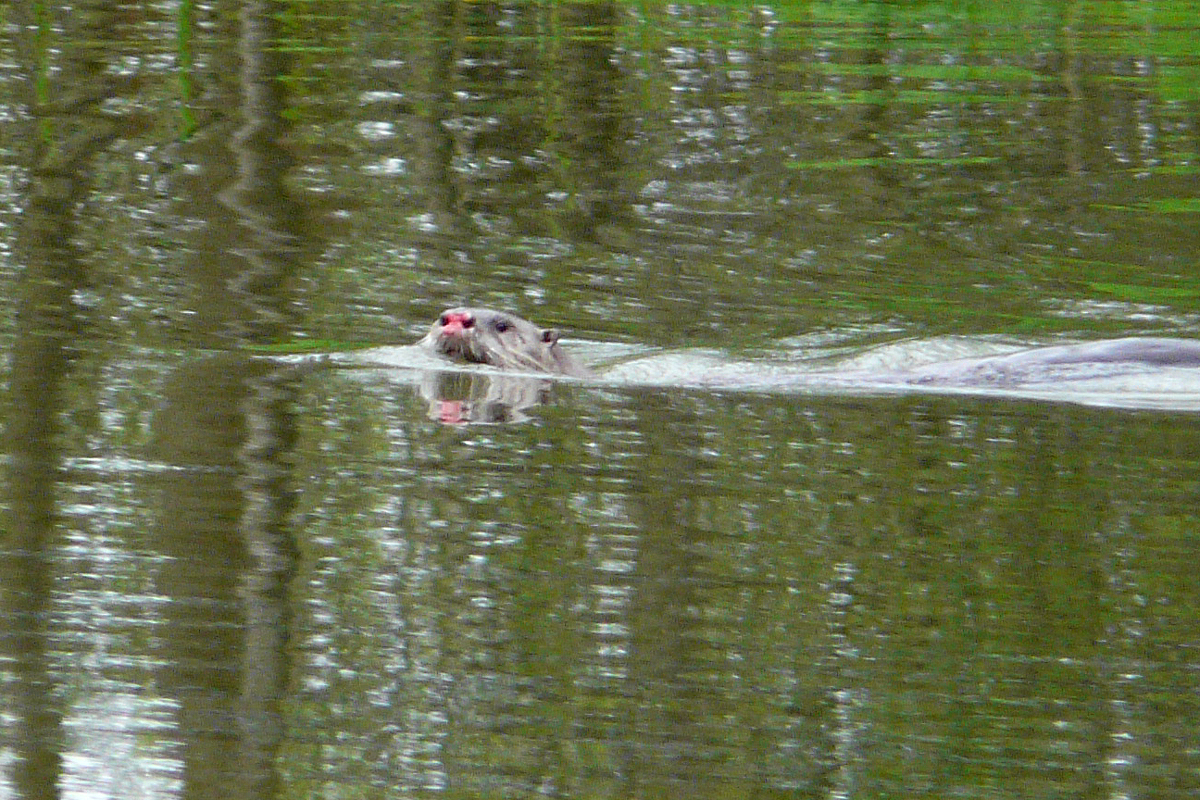
Two River Otters were swimming in the wastewater ponds at Cannon Beach.

This otter had a pink nose, perhaps from an injury.


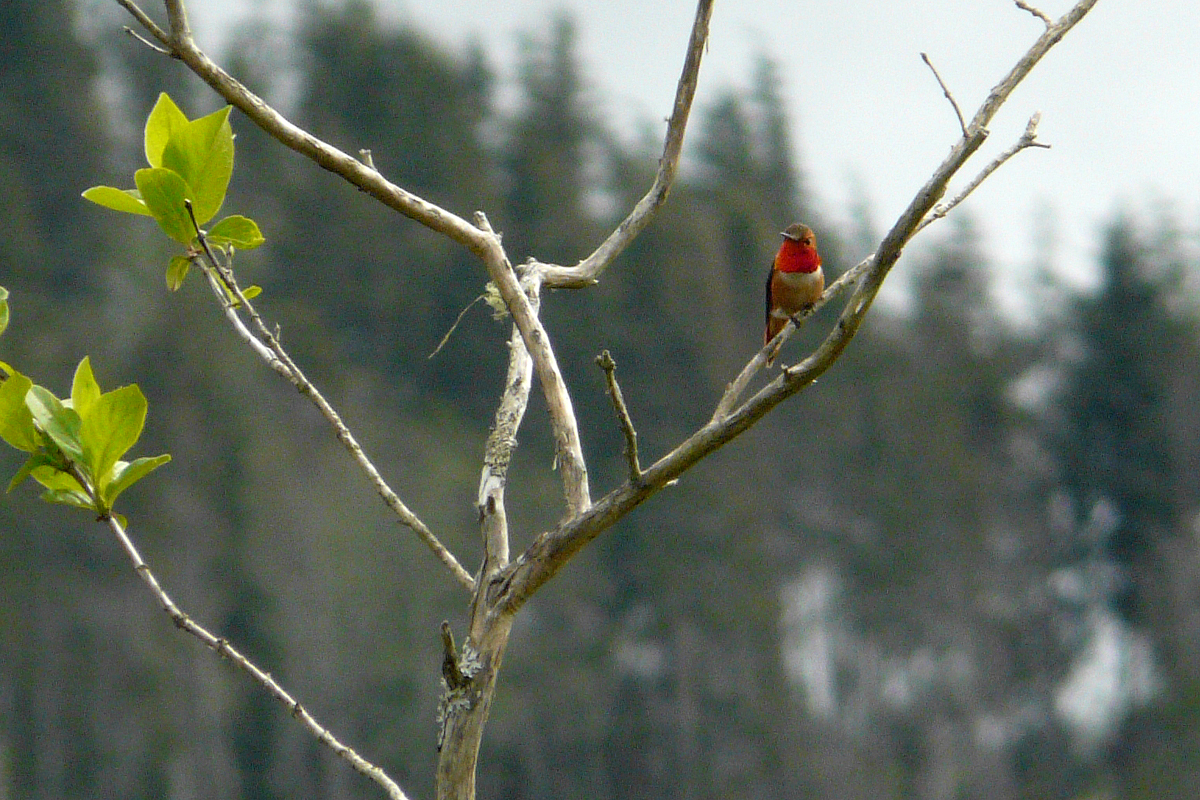
This male Rufous Hummingbird was flashing his colors at Stanley Lake in Seaside.


Surf Scoters at Fort Stevens


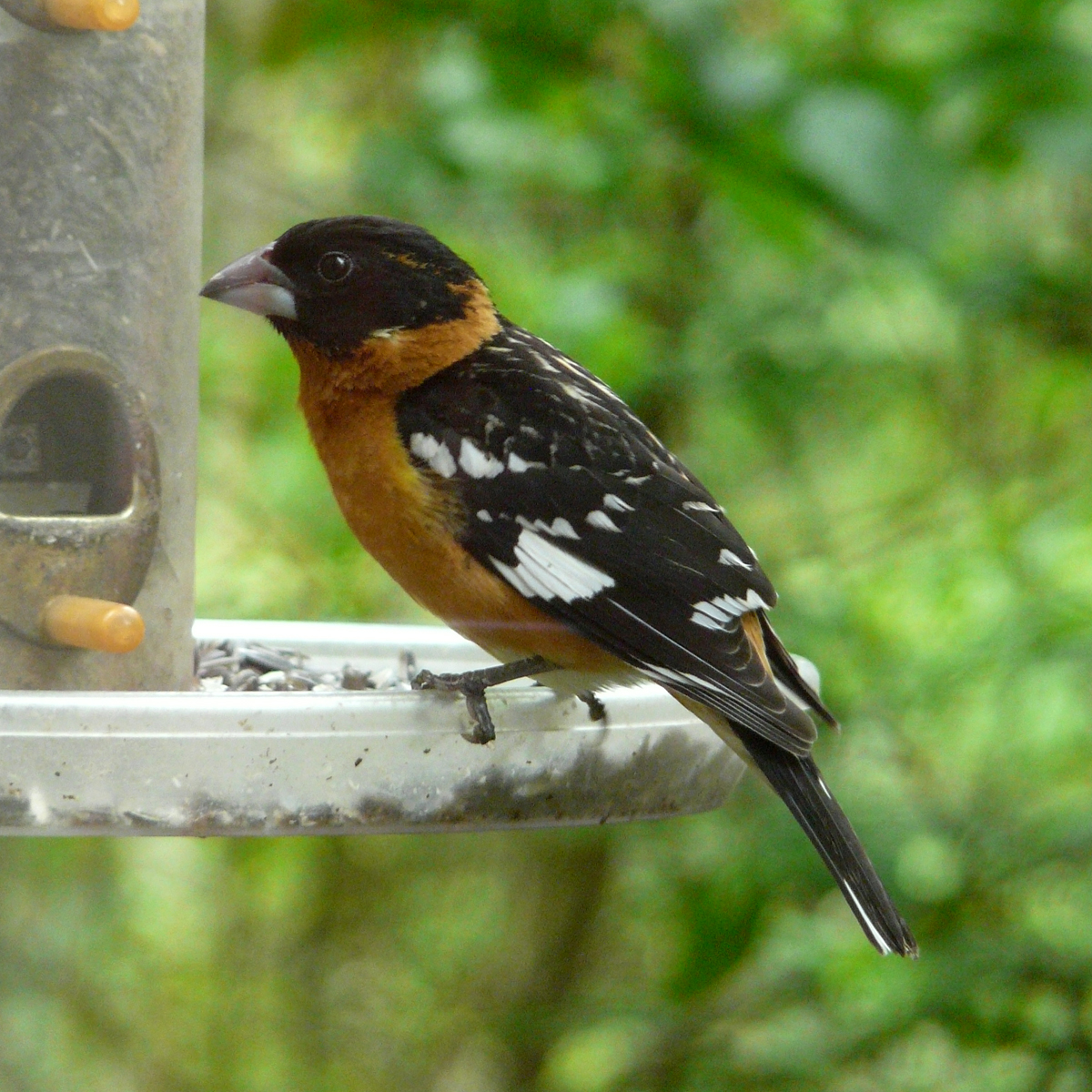
Black-headed Grosbeaks returned this week. After a winter of little finches, these birds make a bold impression when they appear at the feeder.

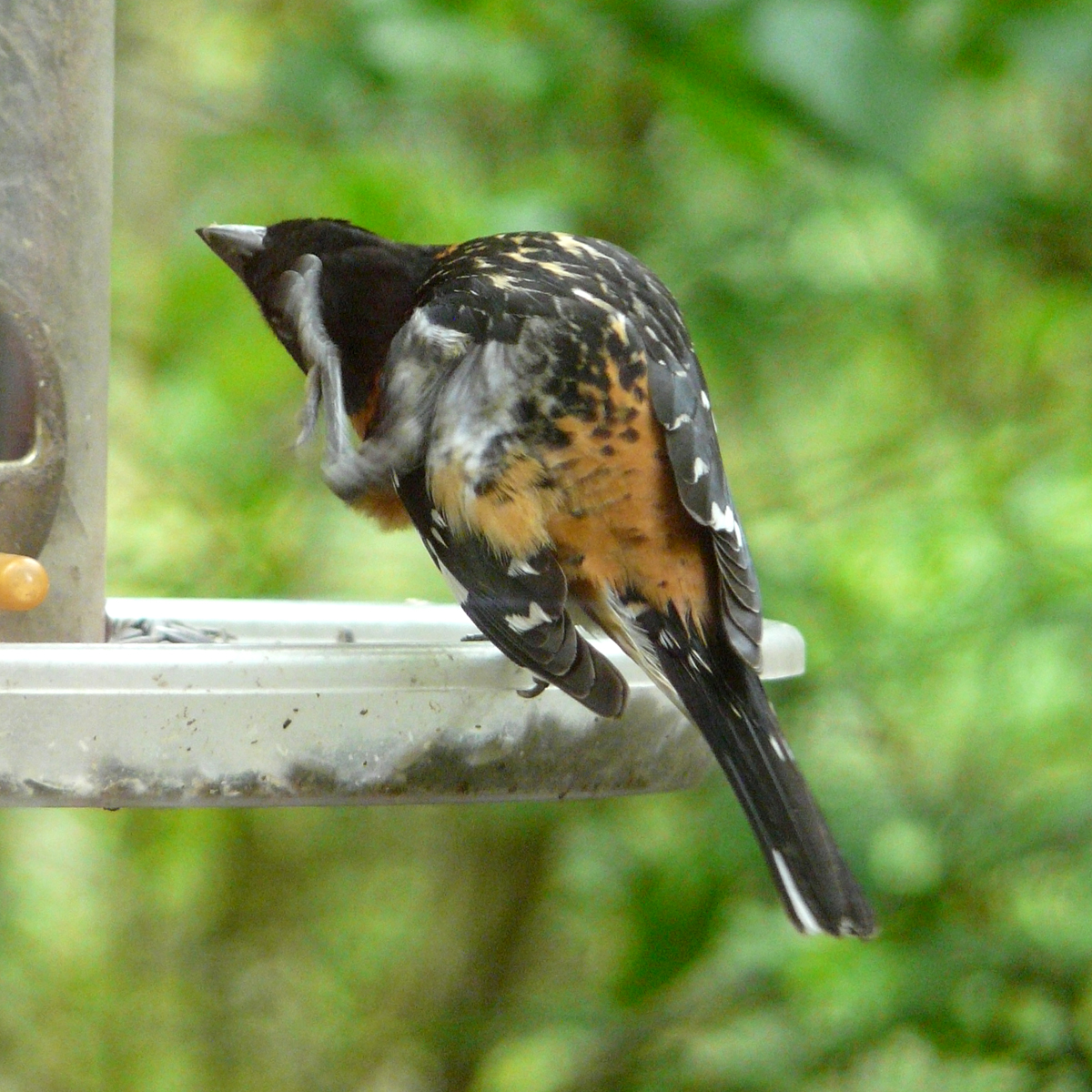
Like most birds, this grosbeak brings his leg up over his wing to scratch his head. I would think it would be easier to go under, but it seems to be working for him.


This Raccoon was soaking up a bit of sun at the Sandy River Delta.


This large aquatic mammal was also seen at the Sandy River Delta engaging in an activity known as “fetching.” Scientists still have not determined the purpose of this obsessive behavior.

Jackson Bottom 4/26/12

I took a client to Jackson Bottom Wetlands Reserve in Hillsboro (Birding Oregon p. 60).  Continuing restoration efforts at that site are creating some nice habitat, and the birds are responding.


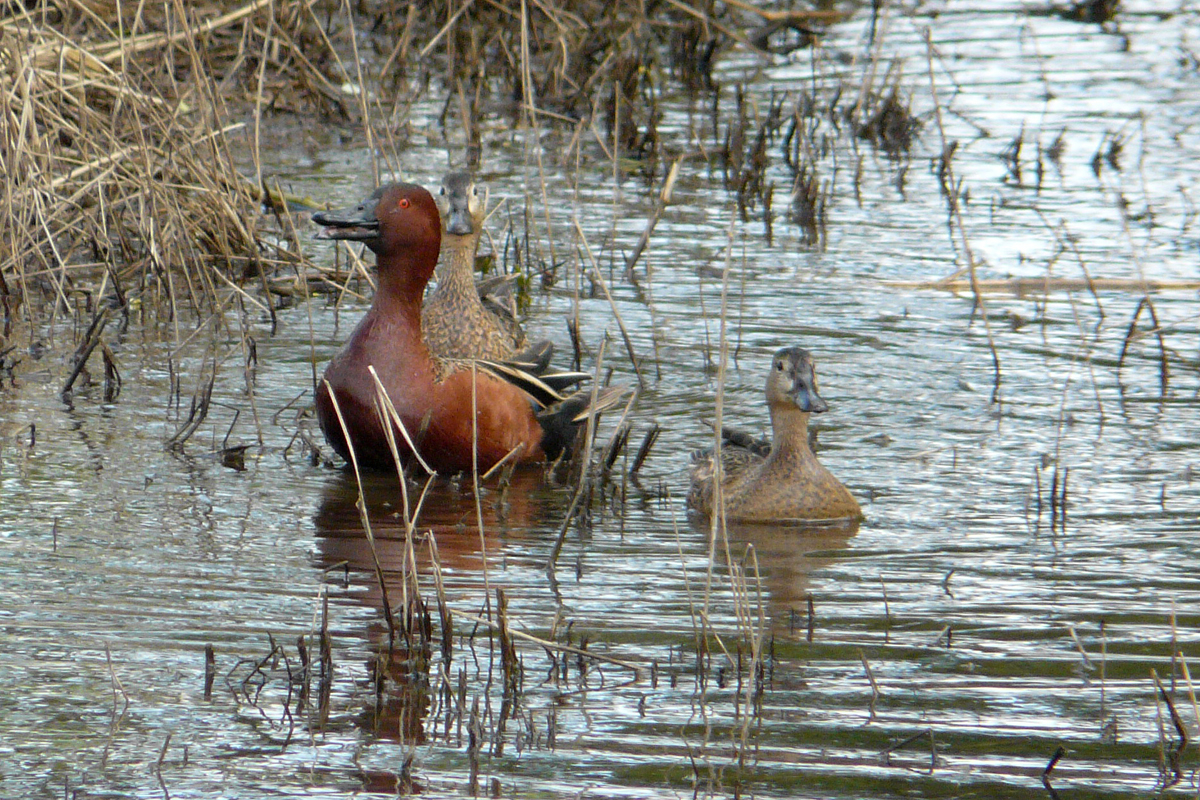
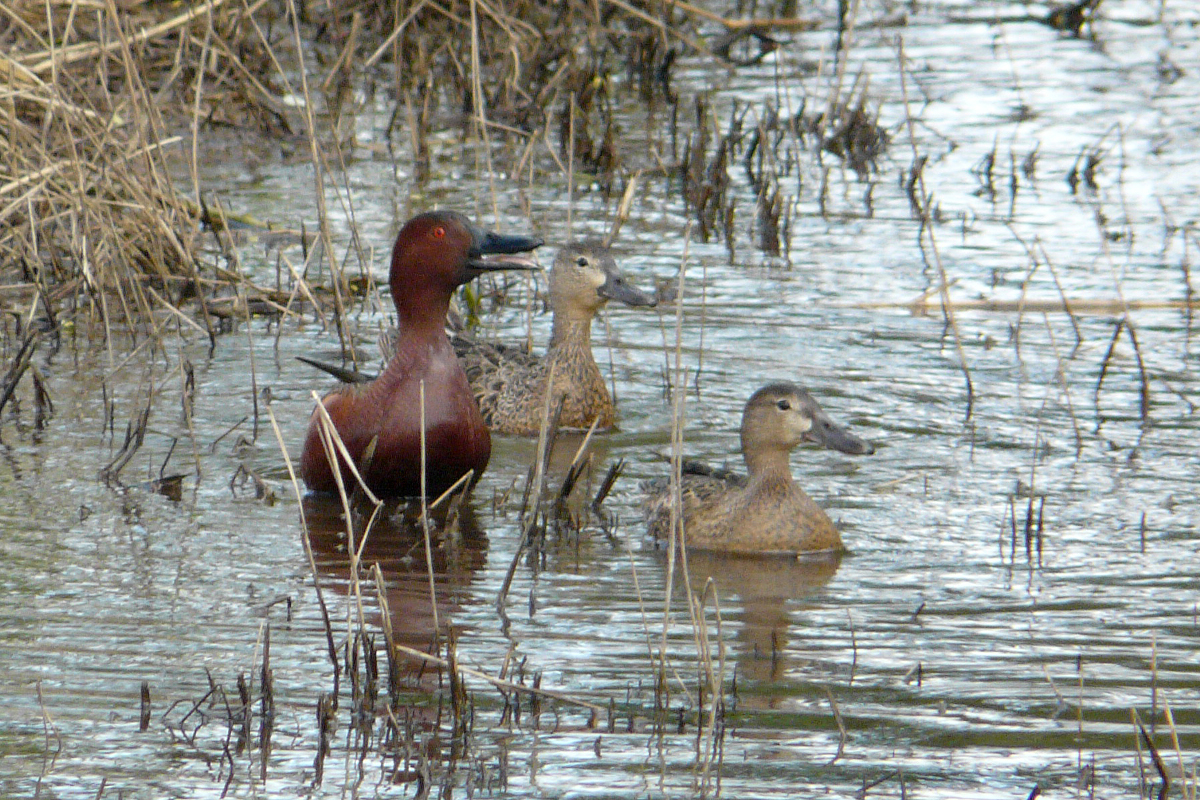
Cinnamon Teal were actively courting.

There was lots of head bobbing and chasing of rival males.

taking a break


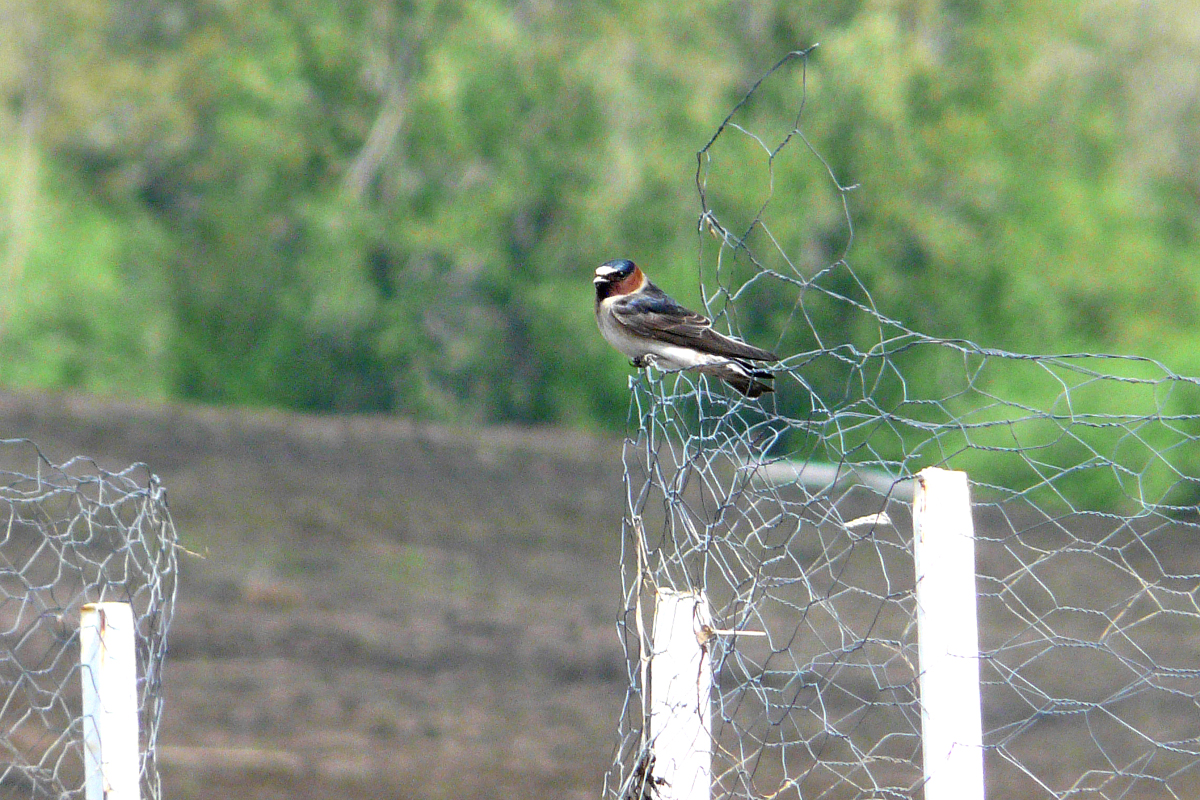
Jackson Bottom is swarming with swallows. Tree Swallows claim most of the many nest boxes.


Cliff Swallow


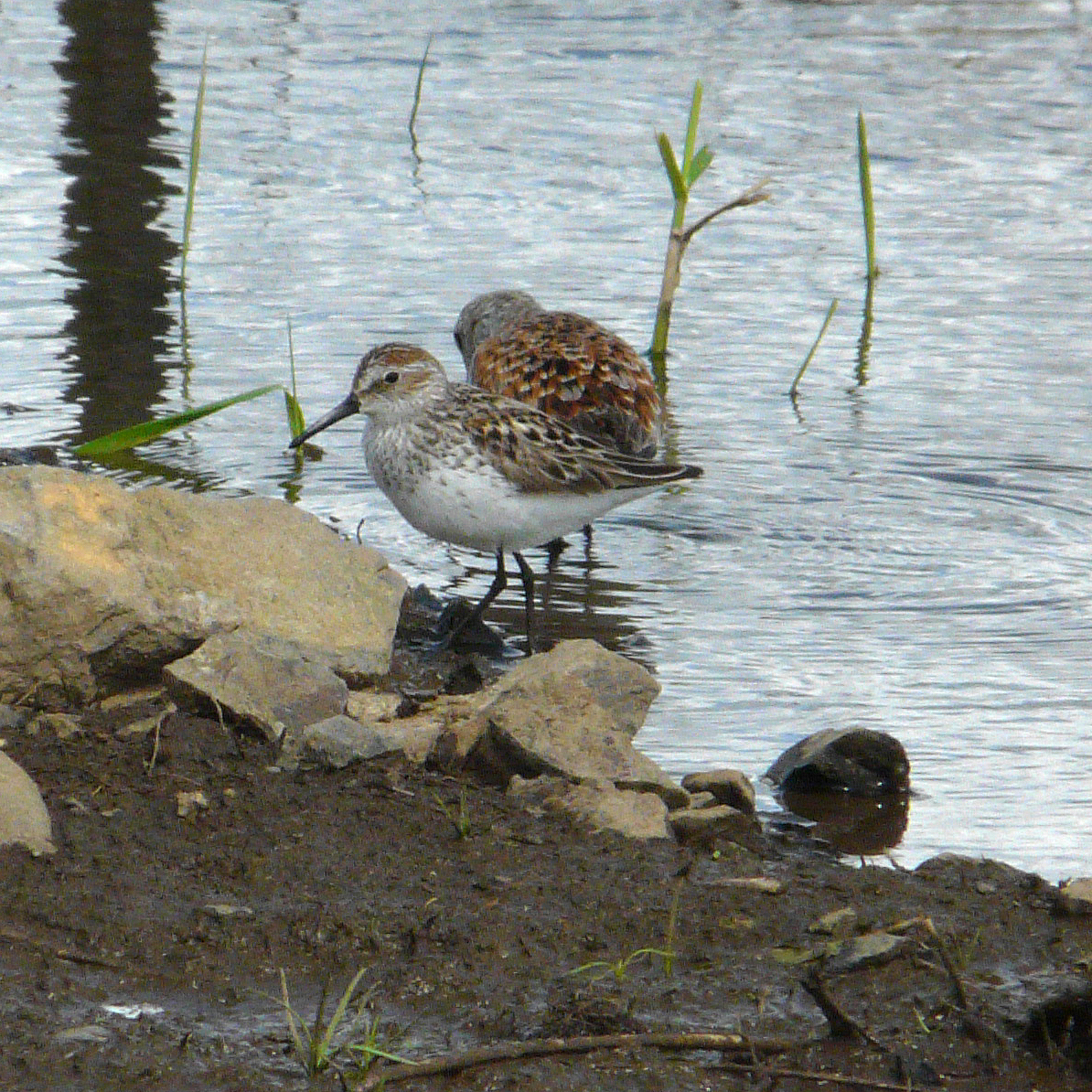
Restoration work has created shallow ponds and open mud, which is attractive to migrant shorebirds like these Western Sandpipers.


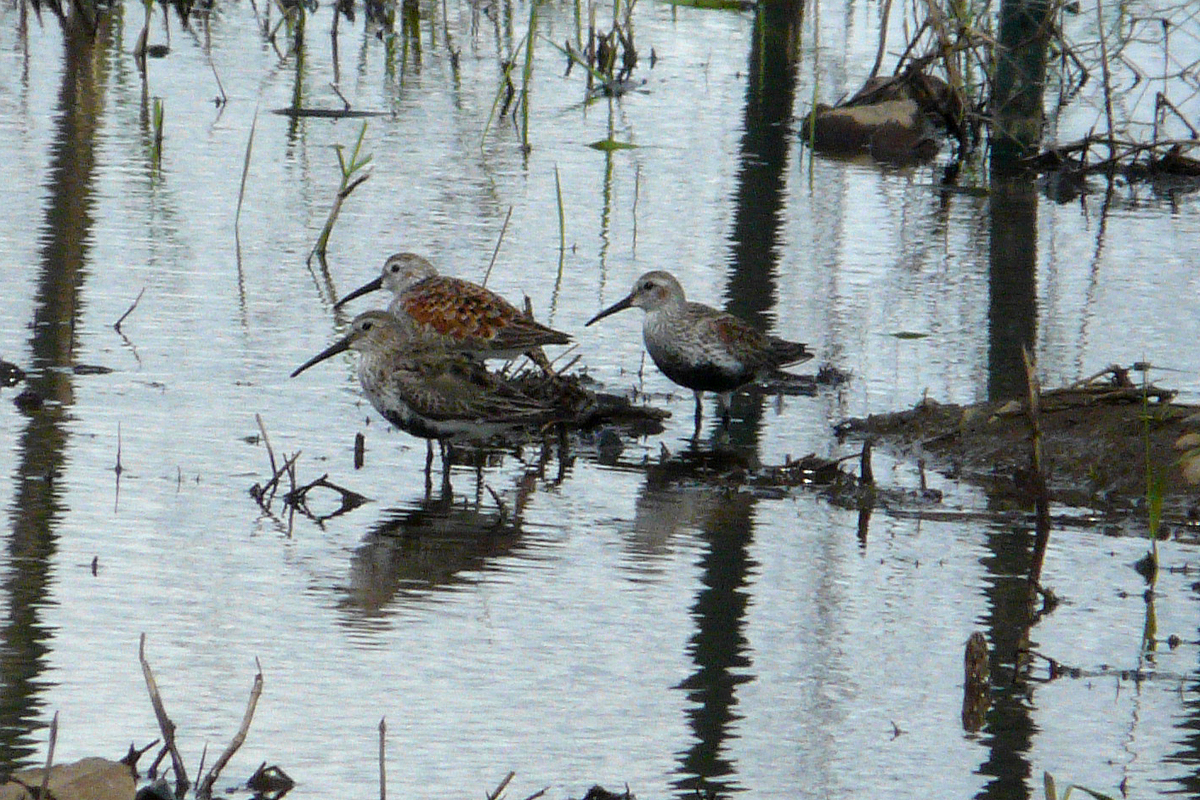
Three Dunlins in various states of molt. The front bird is least advanced, while the bird in back is in full breeding plumage.


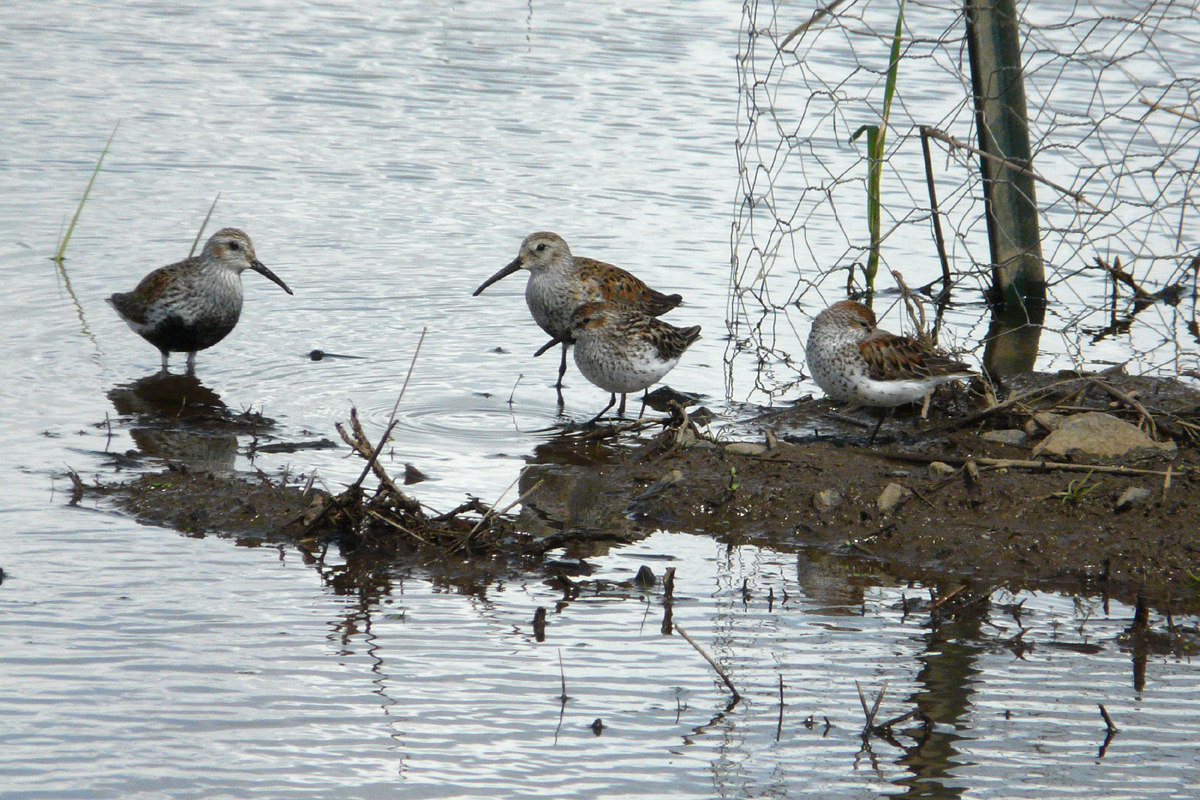
Two Dunlins on the left, Western Sandpipers on the right.


Western Sandpiper, with Dunlin in the background


Least Sandpipers


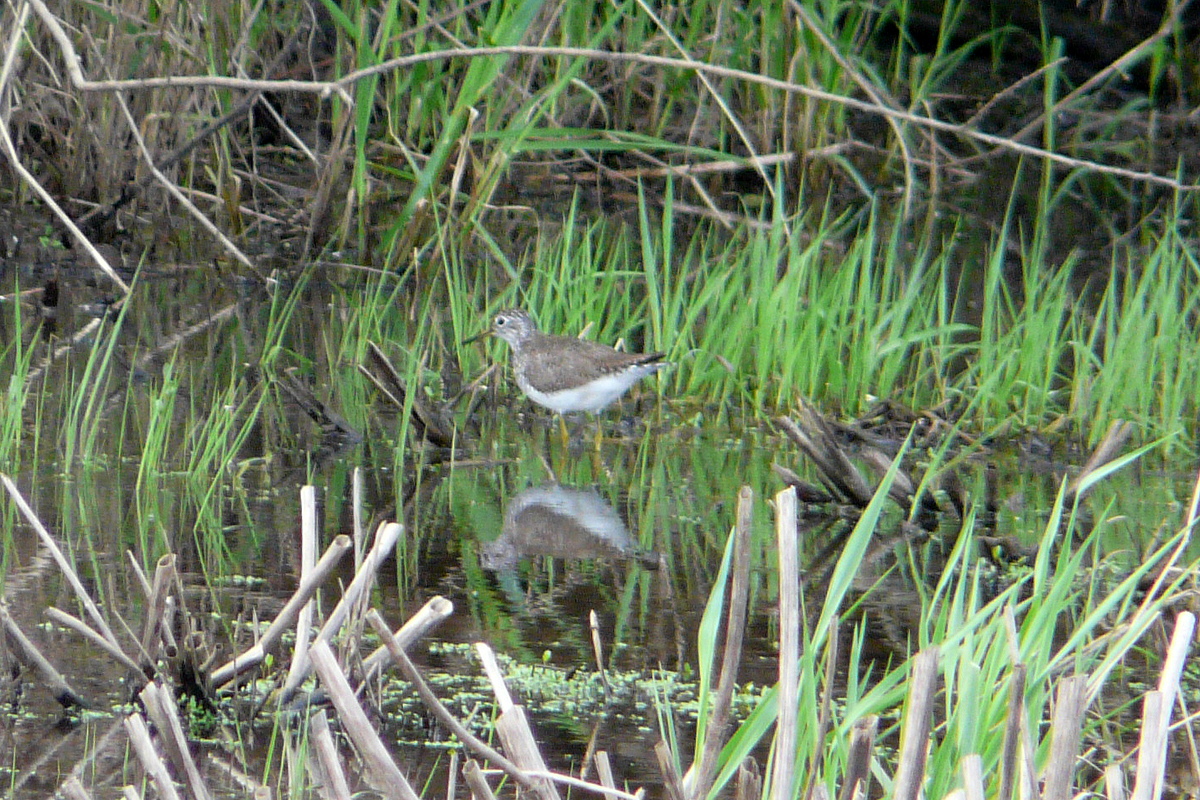
This Solitary Sandpiper was a nice surprise. They are an uncommon spring migrant.


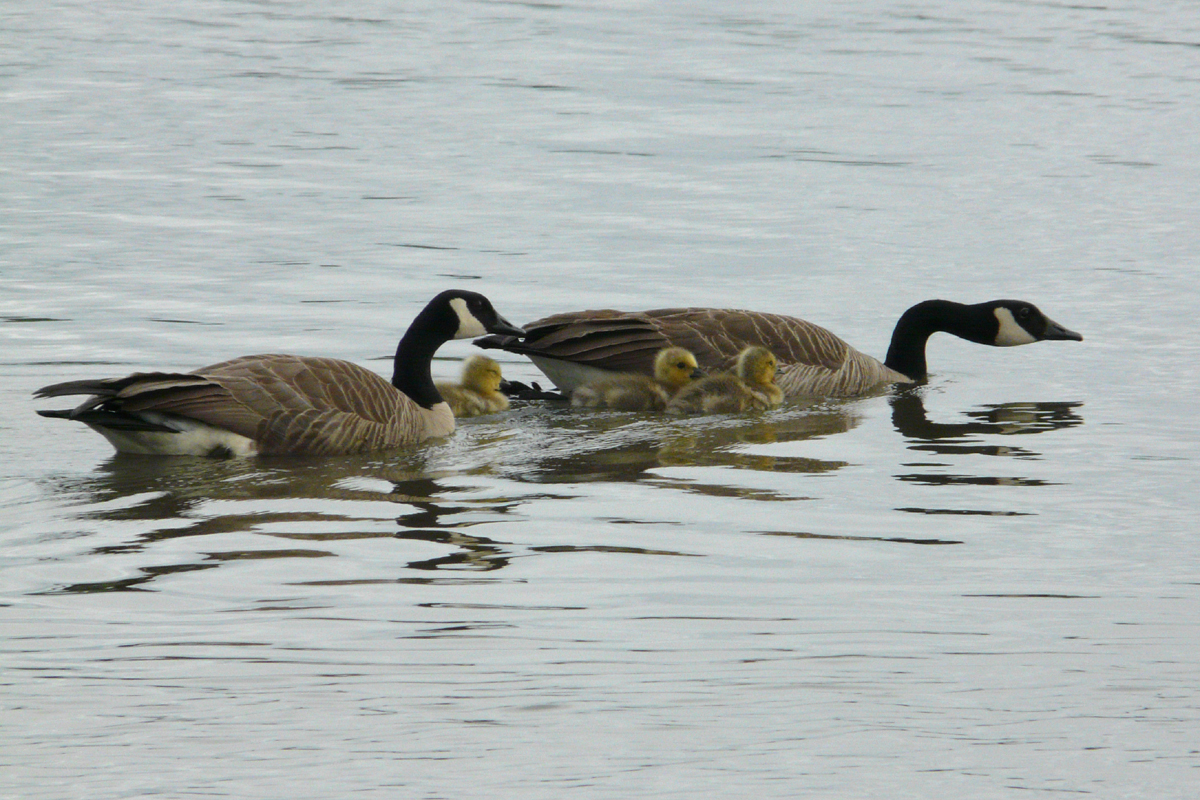
The resident Canada Geese have already hatched their broods.

April Teasers

After the wettest March on record, April has  provided a few sunny days to help awaken us from our rain-induced torpor.


I made a quick trip out to Fernhill Wetlands to look for the Swamp Sparrow that has been reported there. Between the sunbreaks, I still had to dodge a few passing squalls.


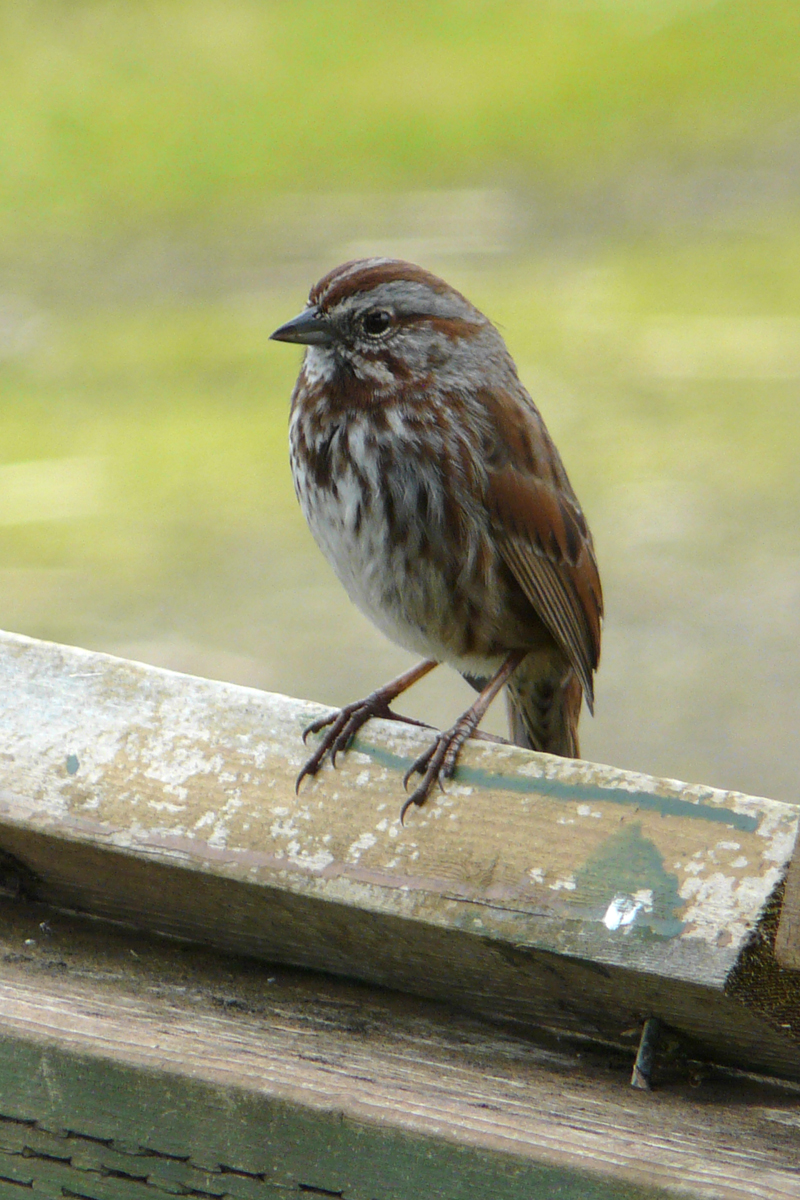
I missed the Swamp Sparrow, but this Song Sparrow was very cooperative.


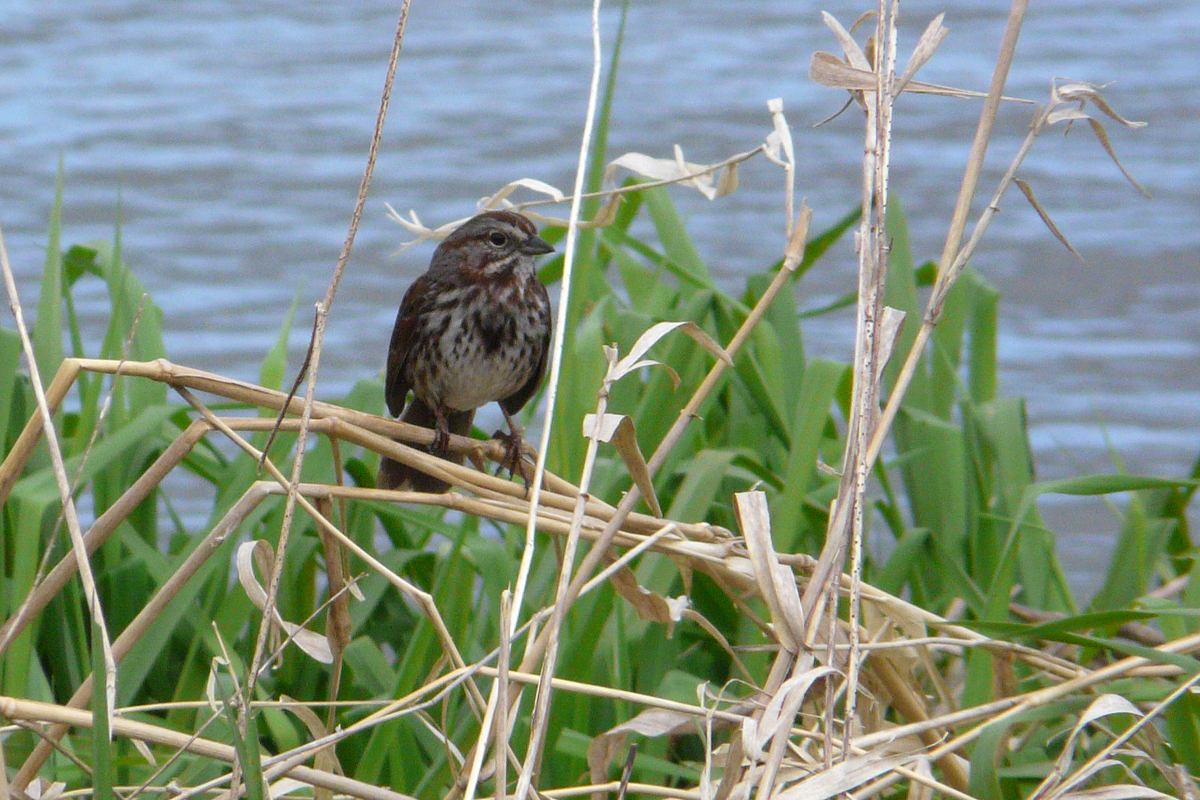
Here is the same Song Sparrow in a little more natural setting, if you consider invasive Reed Canary Grass to be natural.


Much of the loop around Fernhill Wetlands has been blocked off, supposedly to reduce disturbance to the new Bald Eagle nest.

A pair of eagles has been hanging out in this little grove of cottonwoods for years, so I would imagine they are used to birders and joggers going by, but better safe than sorry.


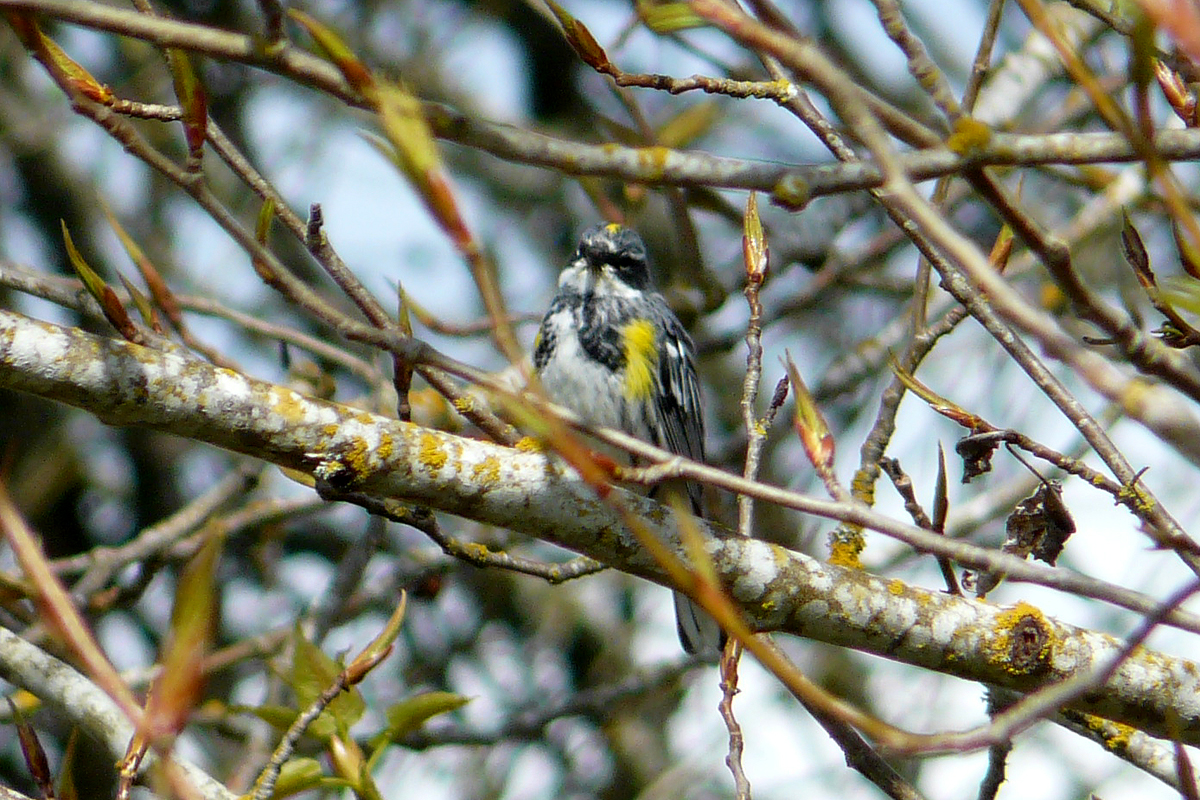
The Yellow-rumped Warblers have molted into their flashy breeding plumage. This one is an example of the “myrtle” race.


On Saturday I took some clients out to Sauvie Island for a morning of birding. This view of Mt. St. Helens is from the west end of Rentenaar Road.


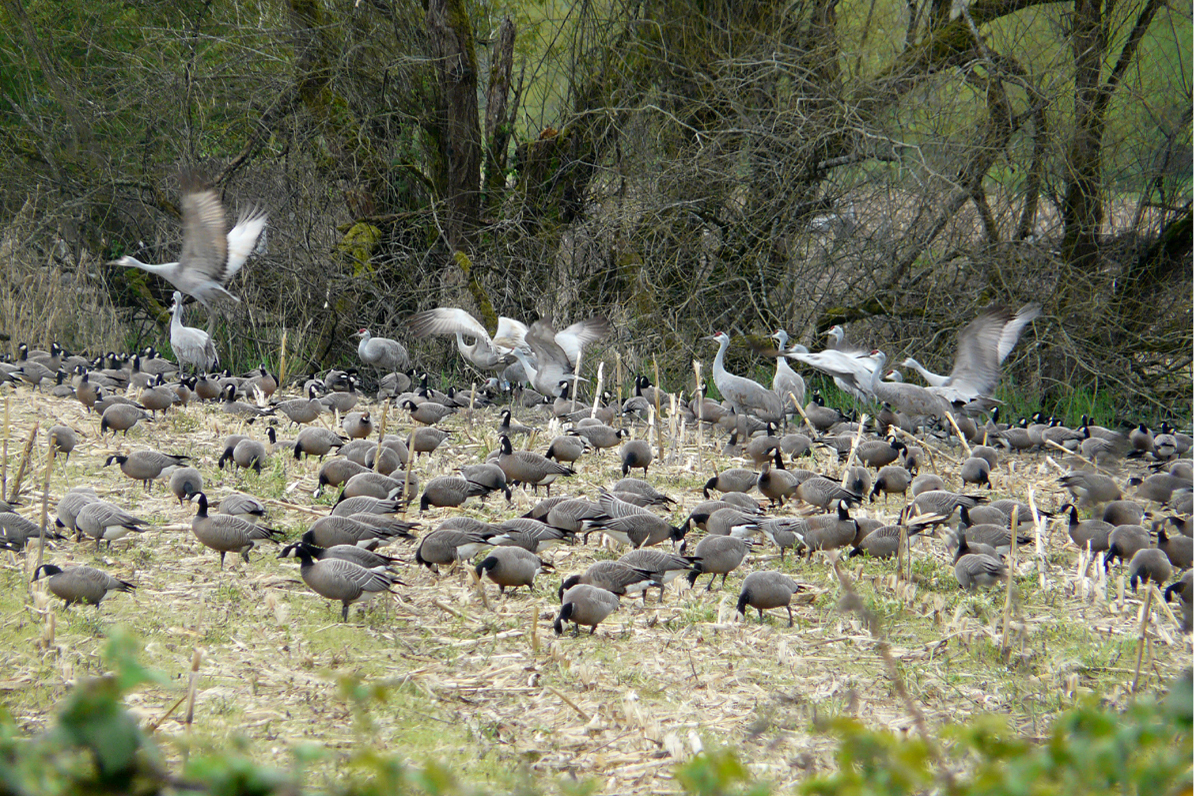
Sandhill Cranes, seen here with a flock of Cackling Geese, were common in the morning.  But as the day progressed, many birds circled up on thermals and then headed north. By noon, most of the cranes were gone.


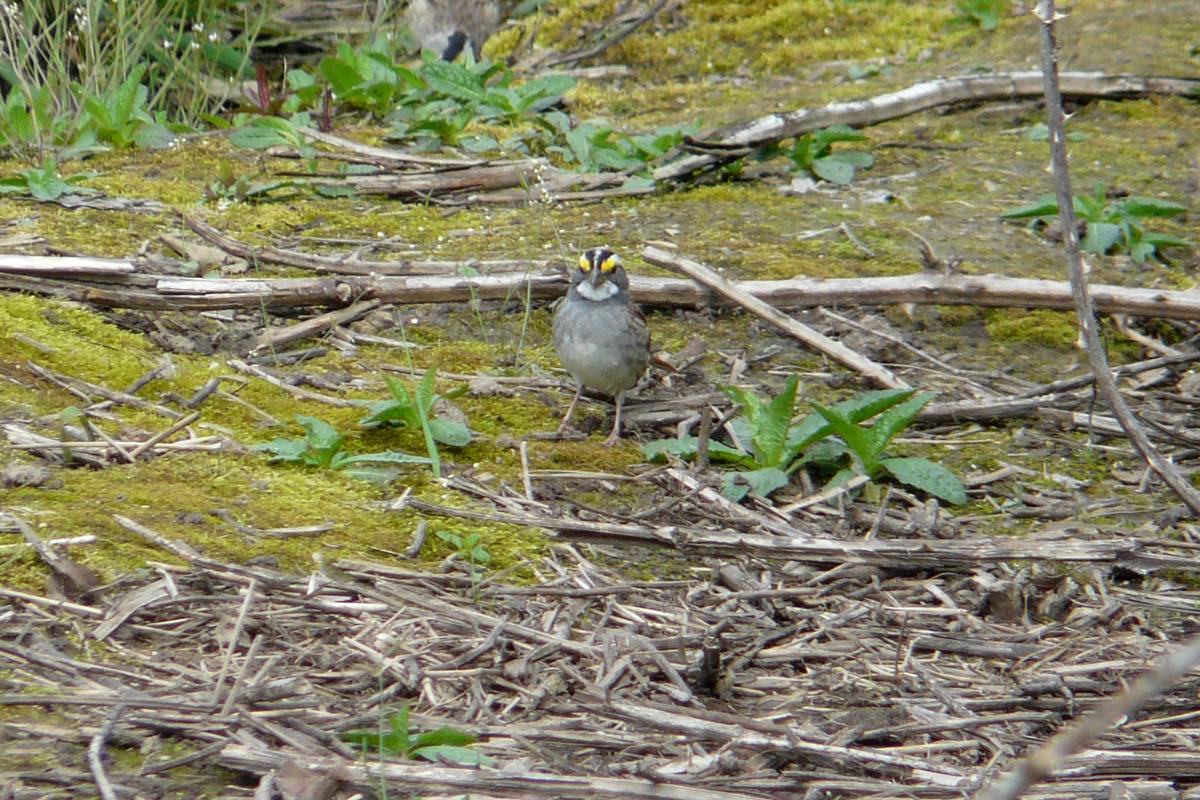
Most of the sparrows seen just a week earlier had moved on. Two White-throated Sparrows were a treat. Singing Orange-crowned Warblers and five species of swallows were other good signs that migration is stepping up. I’m looking forward to the next sunny day.

Sauvie Island 4/5/12

I took advantage of the dry weather to scout Sauvie Island (Birding Oregon p. 55) for my Little Brown Birds field trip.


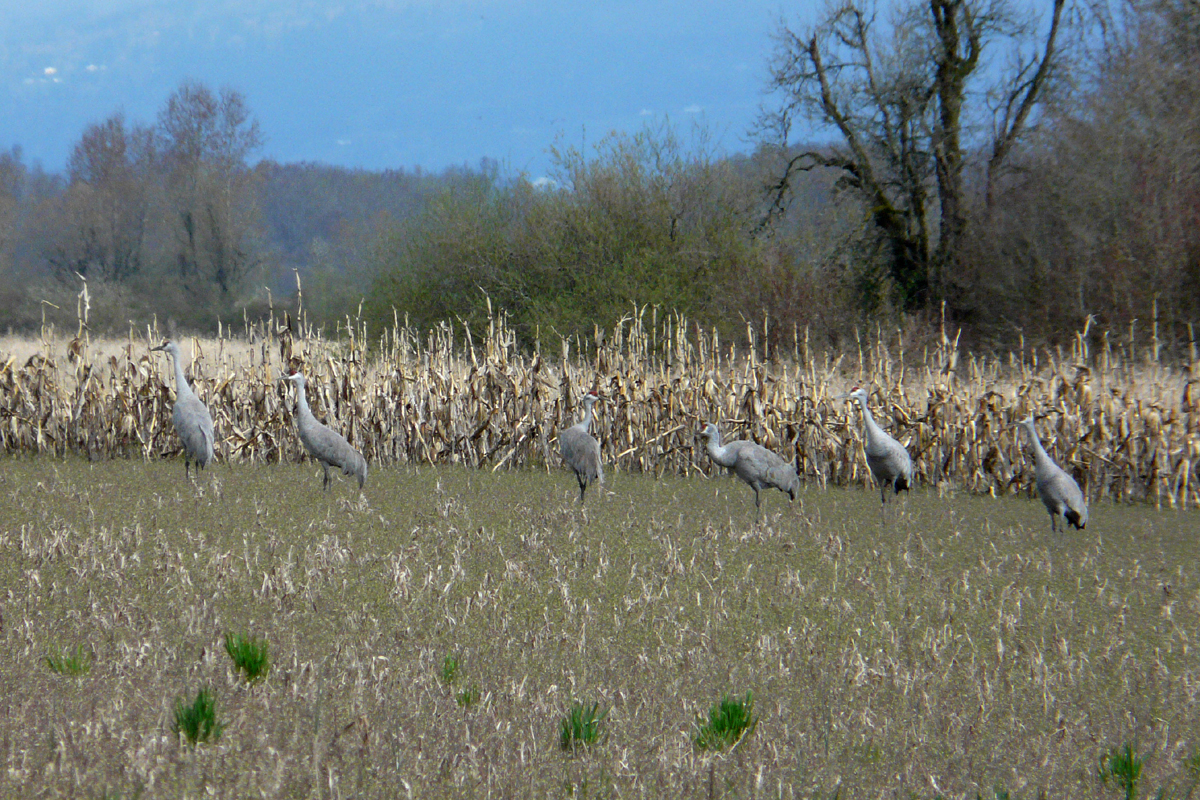
Sandhill Cranes are still present in good numbers.


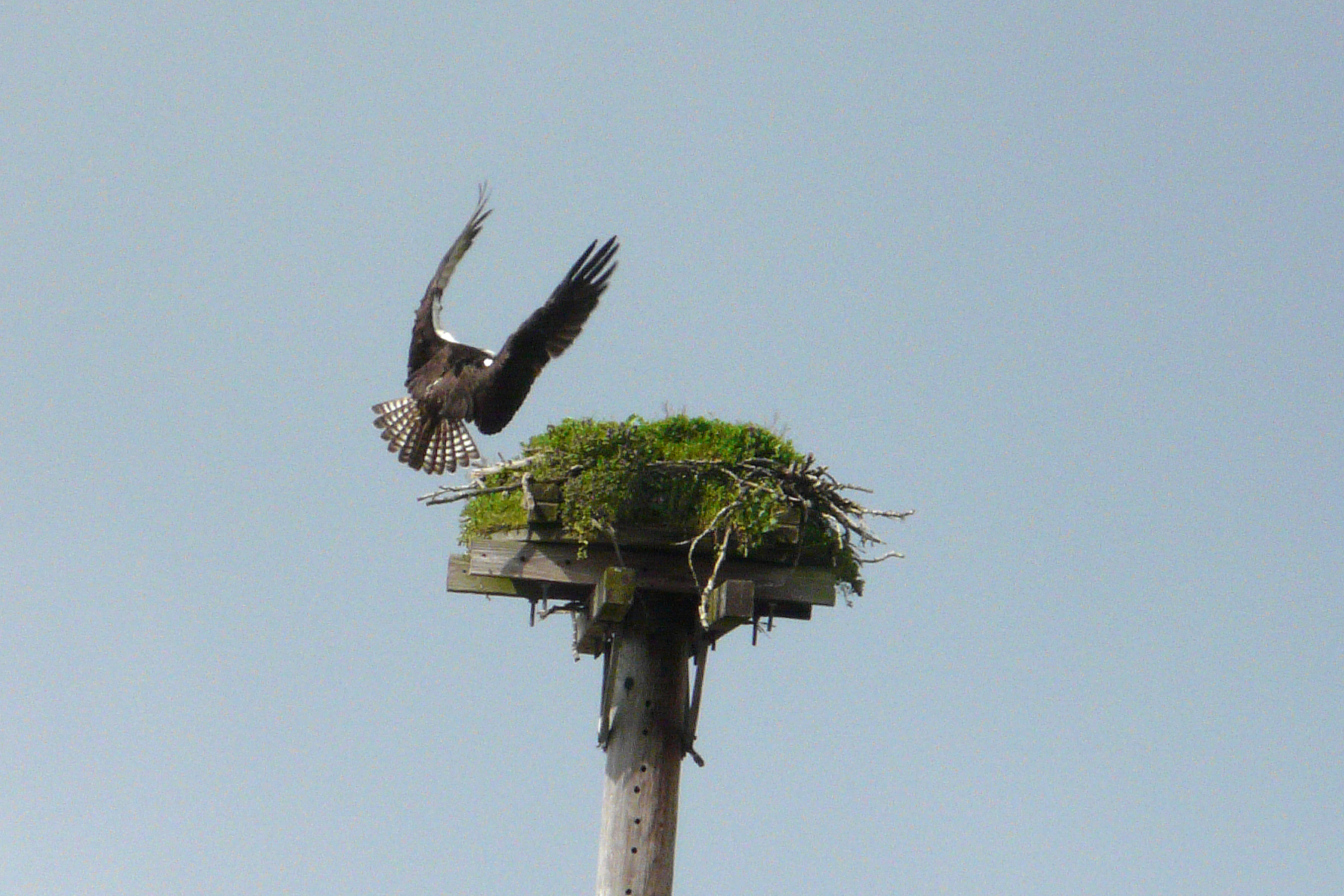
The Osprey nest along Rentenaar Road is occupied again.


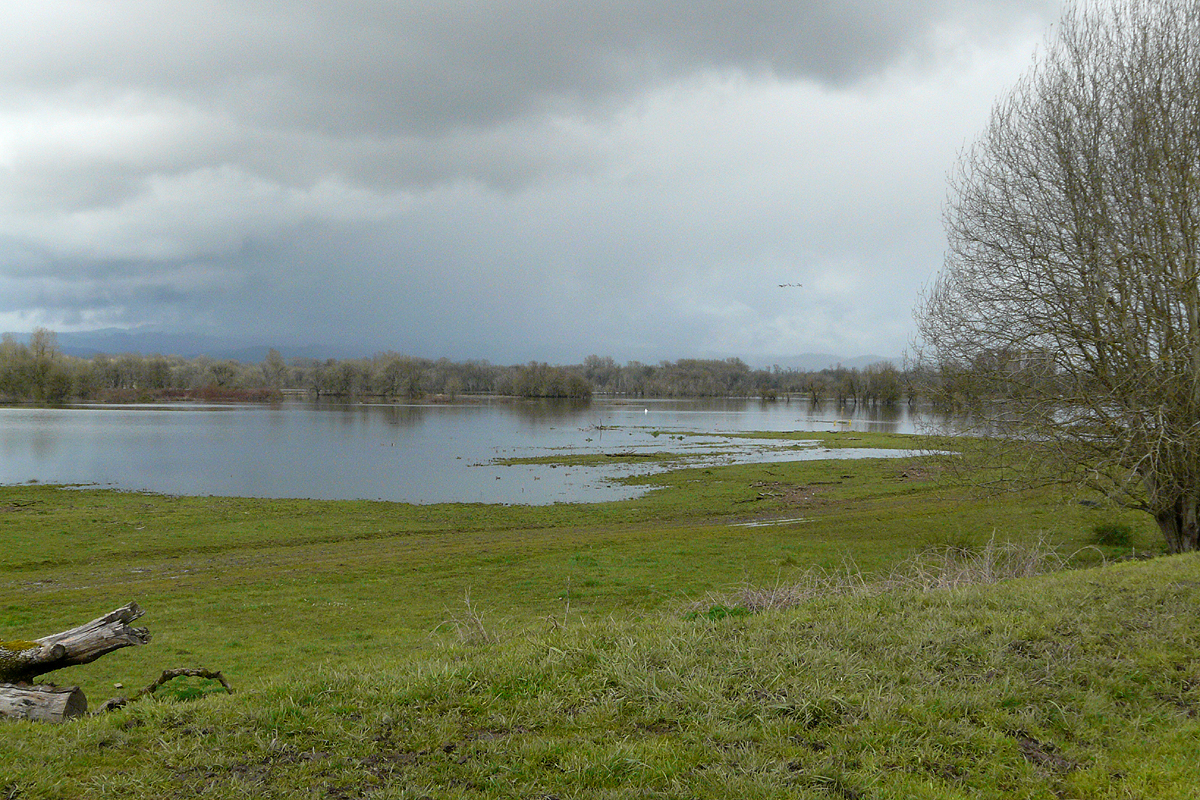
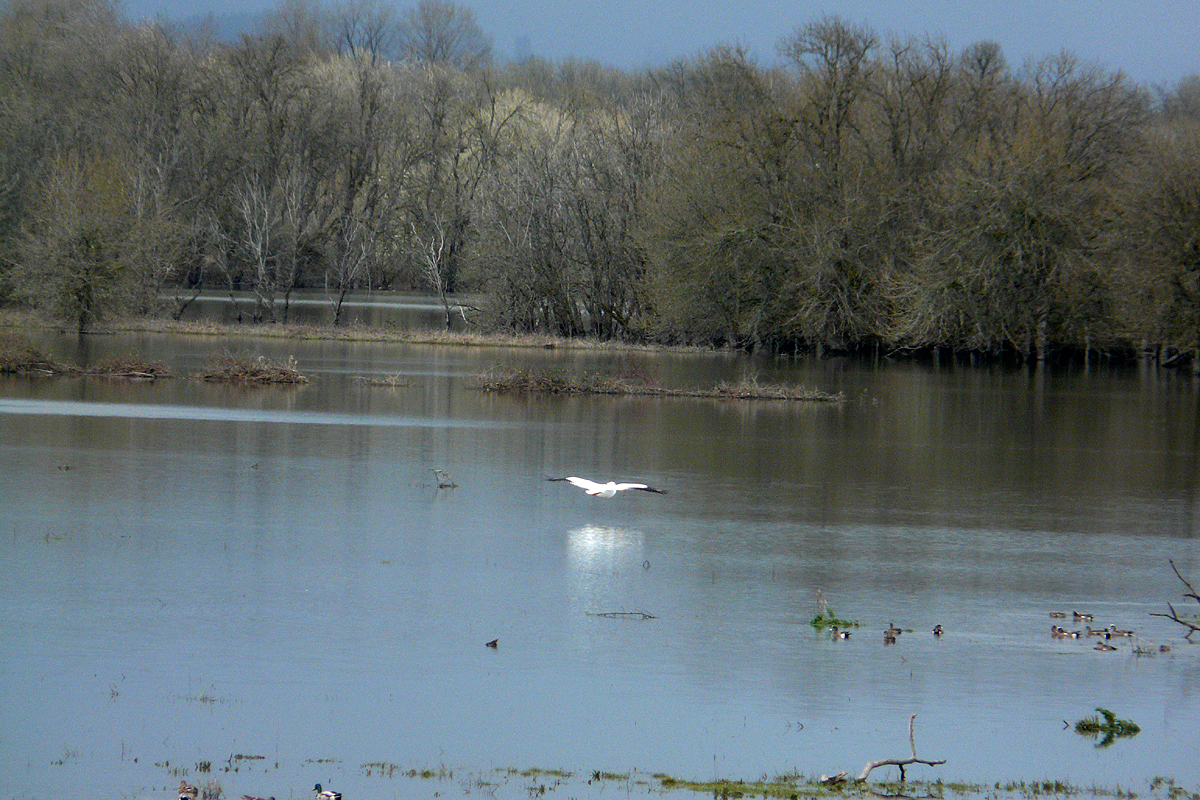
We just had our wettest March on record, so water levels are high. This is the view from the end of Rentenaar Road. The white speck on the lake is an American White Pelican. White Pelicans have become increasing common on Sauvie Island in recent summers, but sightings this early in the year are unusual.


Here is the same bird coming in to land.


I take my LBB class to Sauvie for the abundance of sparrows. (We ended up with ten species of sparrow on our trip.) Here is a White-throated Sparrow, one of the rarer species in our area.


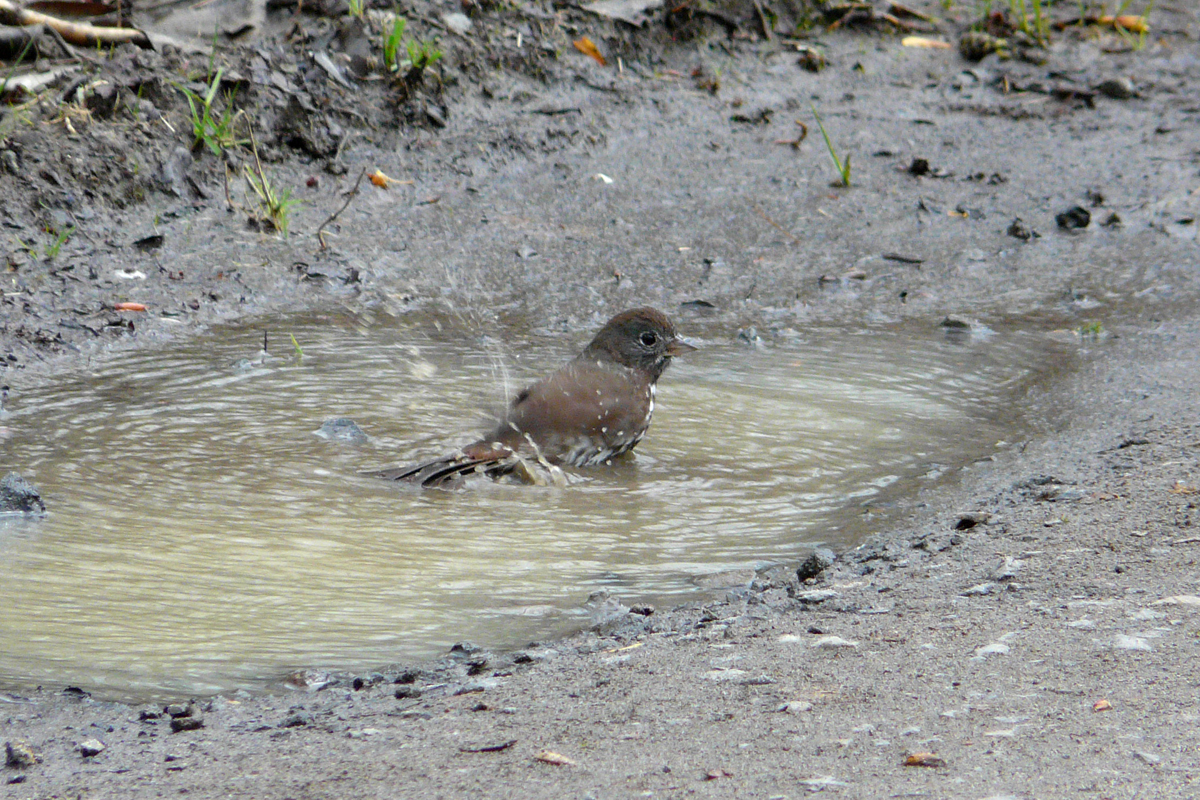
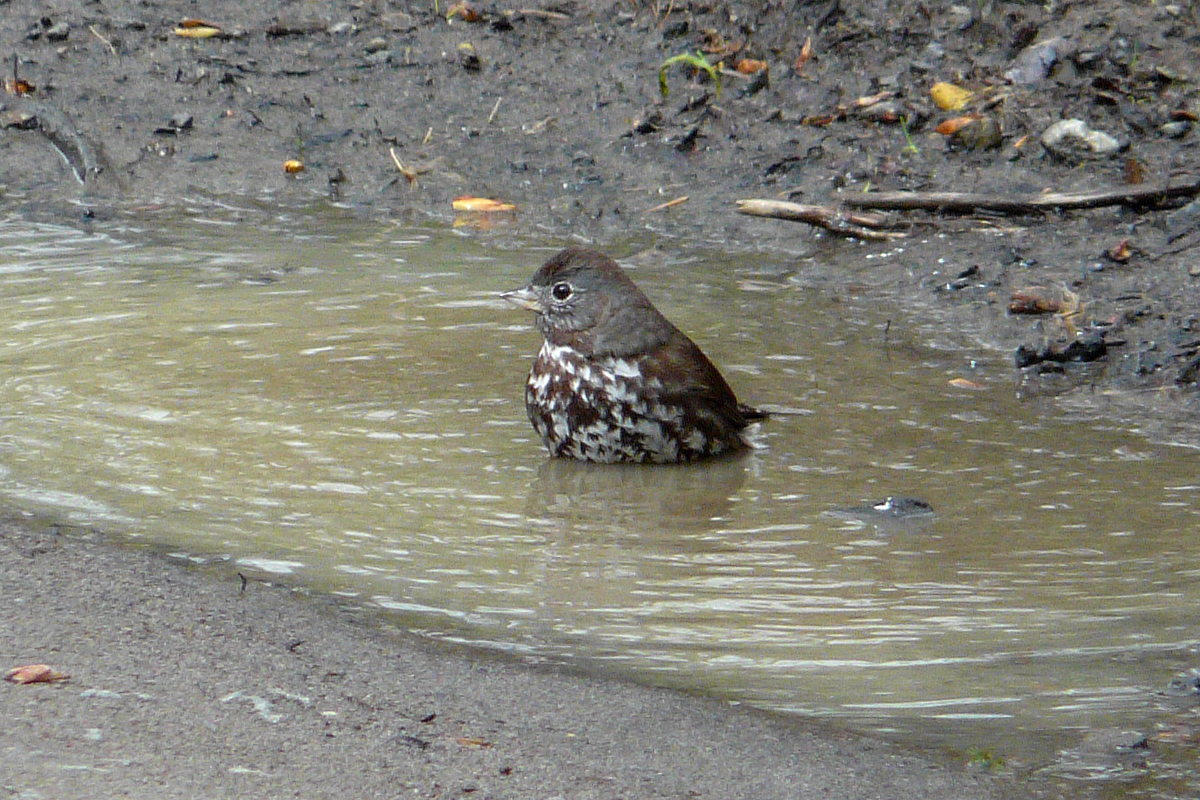
This Fox Sparrow was bathing in a puddle.


still bathing


all clean

Individualism: All of these things are not like the others

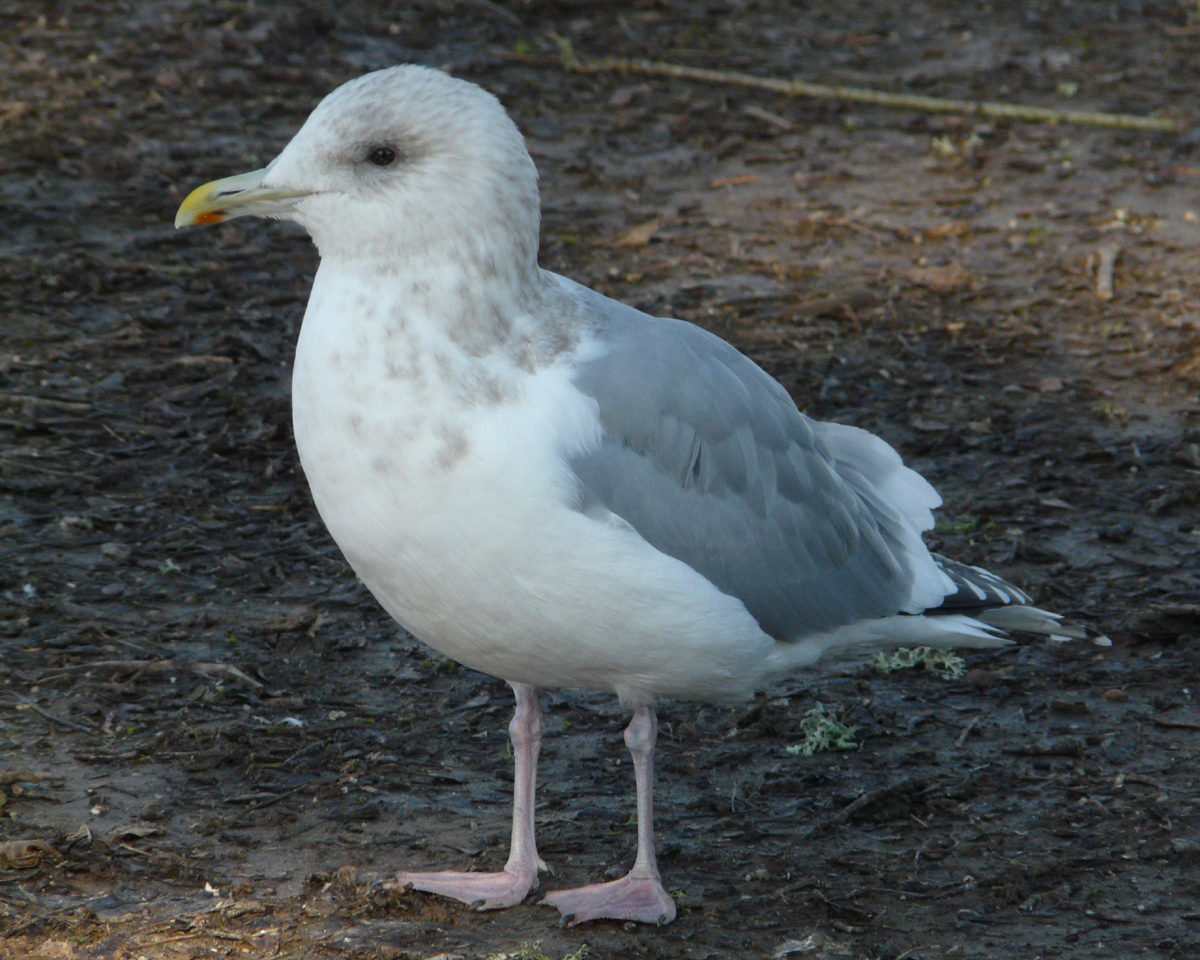
There are two statements that will immediately and significantly damage a birder’s credibility: “I’m sure of the ID, because the bird looked exactly like the picture in my field guide.” and “It couldn’t be that species because it doesn’t look like the bird in my field guide.”

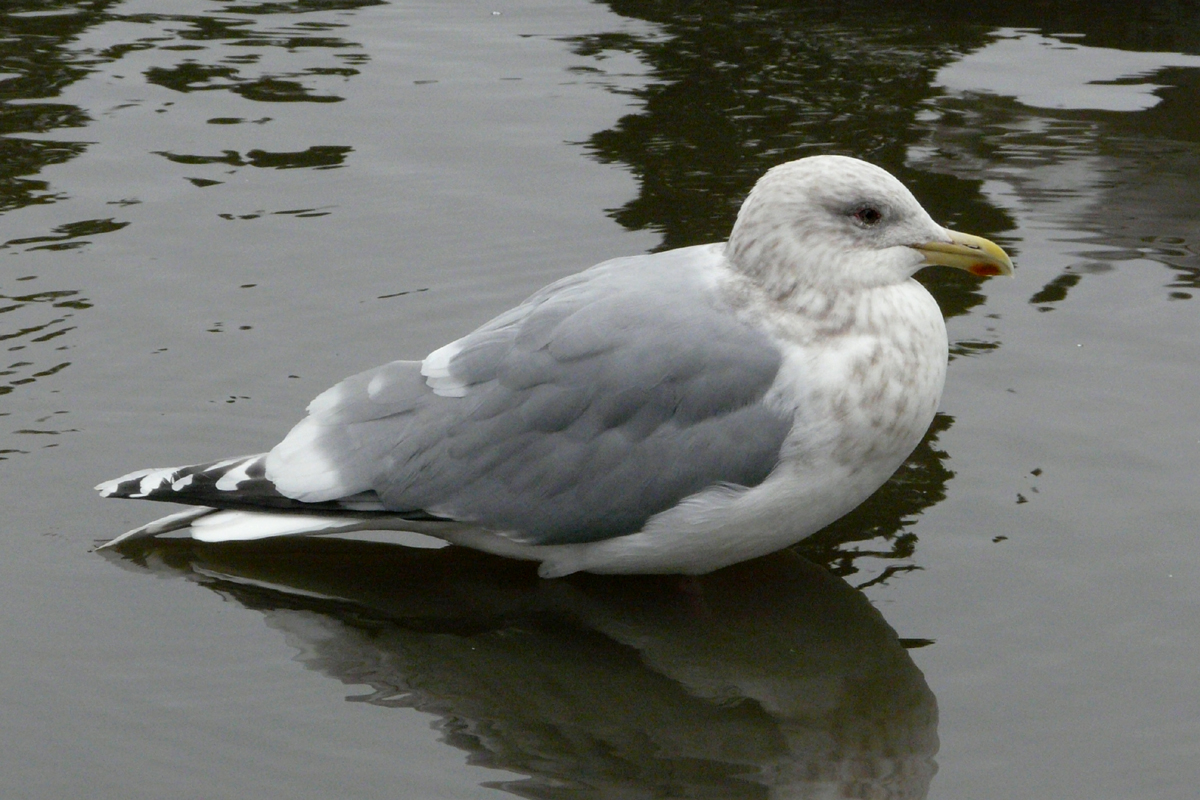
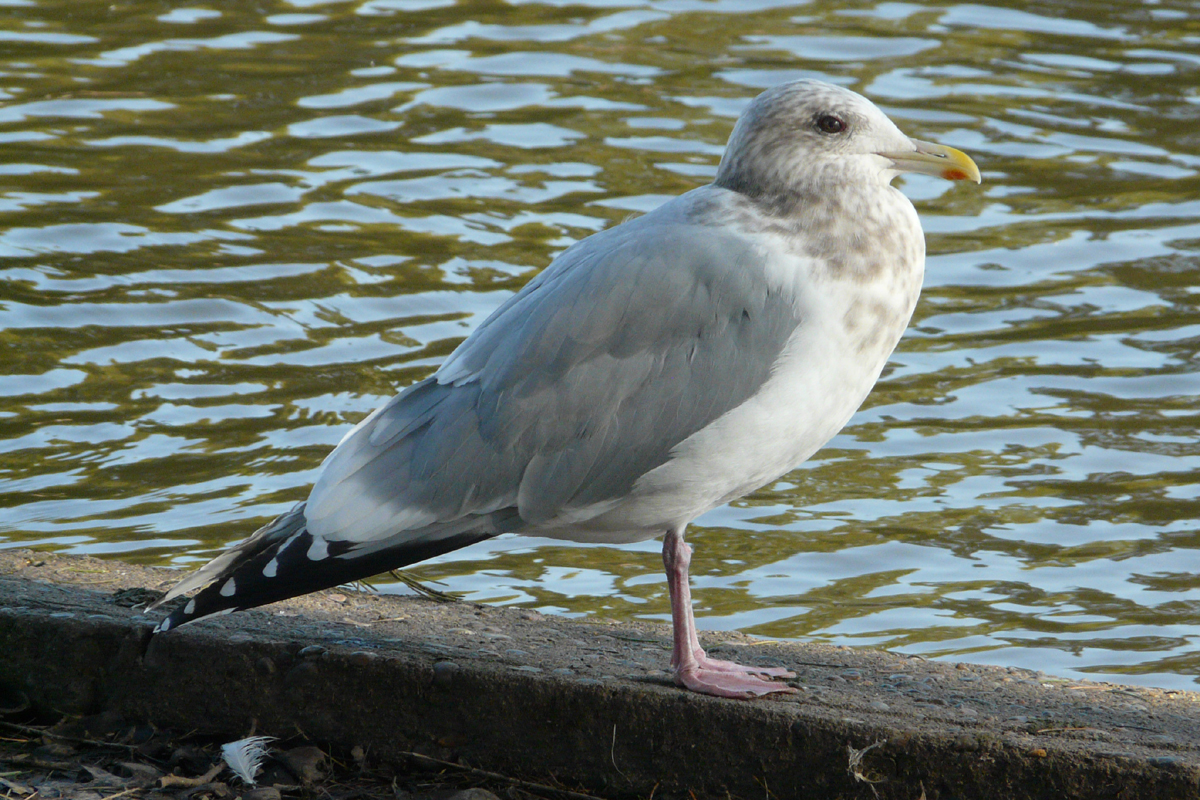
The fact is, no bird looks exactly like the picture in the field guide. Field guide illustrations are either an artist’s interpretation or a photo of a particular individual at one moment in time. Every bird is slightly different from every other bird. Rather than looking for birds that are an exact match to a picture, our goal in field identification is to combine elements of size, shape, color, pattern, sound, and behavior into a recognizable species.


Here we have a “textbook” Thayer’s Gull in winter plumage. The head is round, giving the bird a petite or gentle expression.  The eye is dark, the underside of the primaries show a lot of white, and the bill is that characteristic greenish-gray color with a bright yellow tip.


This Thayer’s Gull is not quite as round-headed as the previous bird, and the the bill is more yellow, but everything else seems OK. Head shape will vary with the bird’s position, and males tend to be more “robust” than females. So we have a little variation on this bird, no need to panic.


The forehead on this bird is really flat, like that of a Herring Gull, and the bill is noticeably longer. The white underside of the outer primaries is still good for Thayer’s. If you zoom in, you can see the pink orbital ring, also good for Thayer’s. While some Herring Gulls show dark flecks on the iris, their eyes never appear this dark.  It appears that we have a very butch Thayer’s Gull.


And now we know why some birders avoid gulls. The pale eye suggests Herring Gull, but up to 20 percent of Thayer’s Gulls can have a pale iris. The head is pretty round, suggesting Thayer’s. The bill is neither too big or too small, and is very yellow. No orbital ring is visible. What we can see of the underside of the primaries is white, but we can’t see it all. So do we have a robust Thayer’s Gull with a light iris, or a very demure Herring Gull?


Here is a similar bird, but the bill is a little smaller and you can see a pink orbital ring, making this a good pale-eyed Thayer’s Gull.

All this variation cannot be covered in a standard field guide. For complicated groups like gulls, more detailed identification guides are very useful. Then you can say, “The bird looked similar to the one in the gull guide.”

Feeding Frenzy

For the past few weeks I have been enjoying a large flock of Pine Siskins at my feeder. But as often occurs during years of high siskin numbers, I started noticing a few sick birds. So I stopped feeding for a few days. With the feeder empty, the large flocks of birds dispersed, reducing the risk of disease spreading from bird to bird.

Packing birds into unnaturally high densities at a bird feeder can create risks for the birds we are trying to help. While many of us enjoy feeding birds and other wildlife, it is important to do so mindfully. We have to be aware that feeding birds is something we do for our own entertainment, not something that the birds actually need. My feeder is outside my window for the sole purpose of drawing birds in close so that I can enjoy watching them from the comfort of my home. If the feeder wasn’t there, the birds would do just fine. It is my responsibility to be aware of how my bird feeding impacts the birds.

It was reported recently that Scotts Miracle-Gro was selling bird food treated with pesticides known to be harmful to birds (see story here). A few years ago, it was revealed that sunflower farmers in the Dakotas have taken such measures as destroying cattail marshes and poisoning and/or shooting birds to reduce the impact of blackbirds feeding in their fields. These stories illustrate how the seemingly innocuous hobby of feeding birds can have broader implications. We need to know where the food comes from and what is in it.

My feeder is filled again and, with the large flock of siskins gone, other species are becoming more visible.


Lesser Goldfinches, our smallest finch, are coming more frequently now that things have quieted down.


Two Purple Finches have appeared this week.


A few Pine Siskins stayed behind when the main flock left. A Purple Finch towers in the background.