Water Babies, Tualatin River NWR

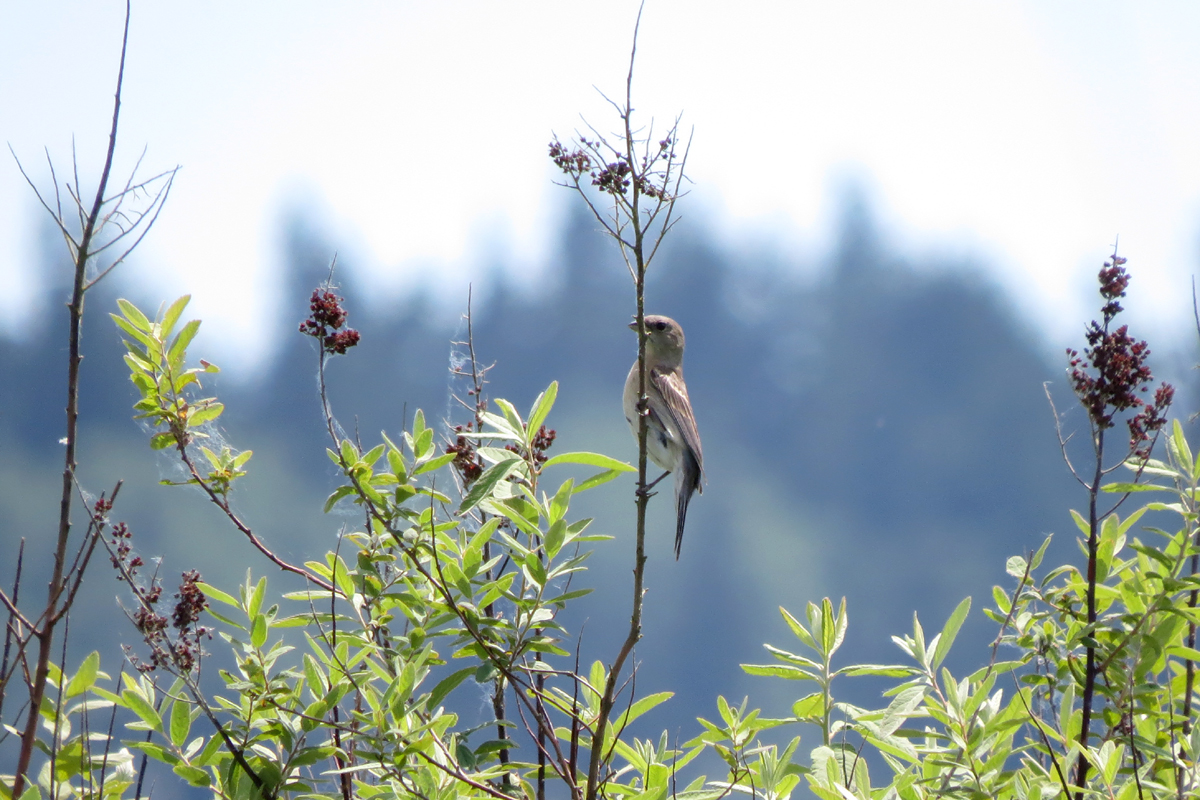
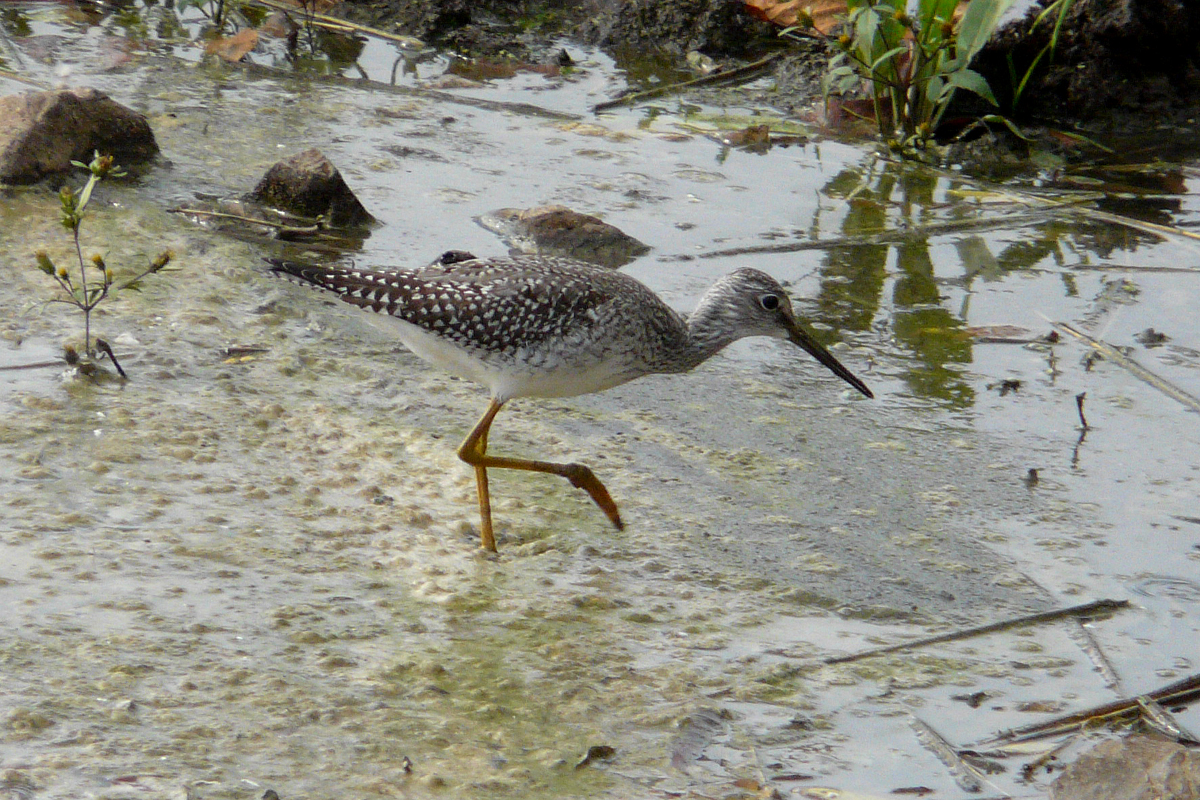
juvenile spotted walkingThere are lots of youngsters in the wetlands these days. We haven’t had any rain in July, so water levels are dropping, concentrating wetland animals into smaller areas. This is a Spotted Sandpiper in that awkward adolescent stage.

spotted in culvertThe same Spotted Sandpiper, peeking out of a culvert
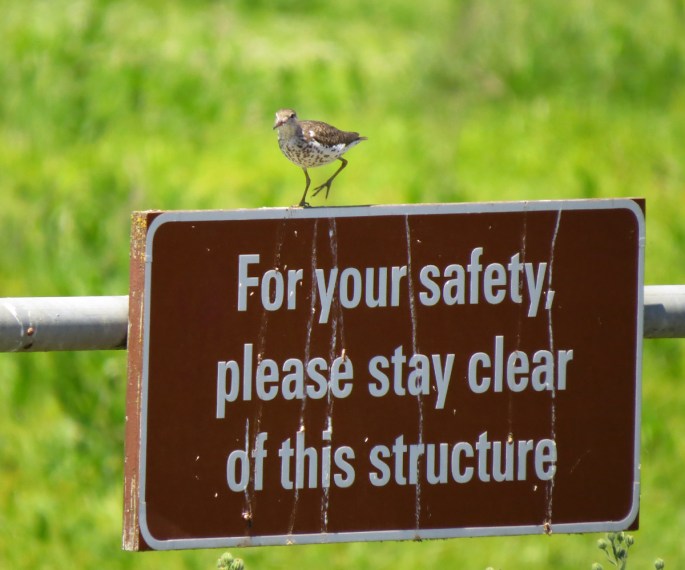
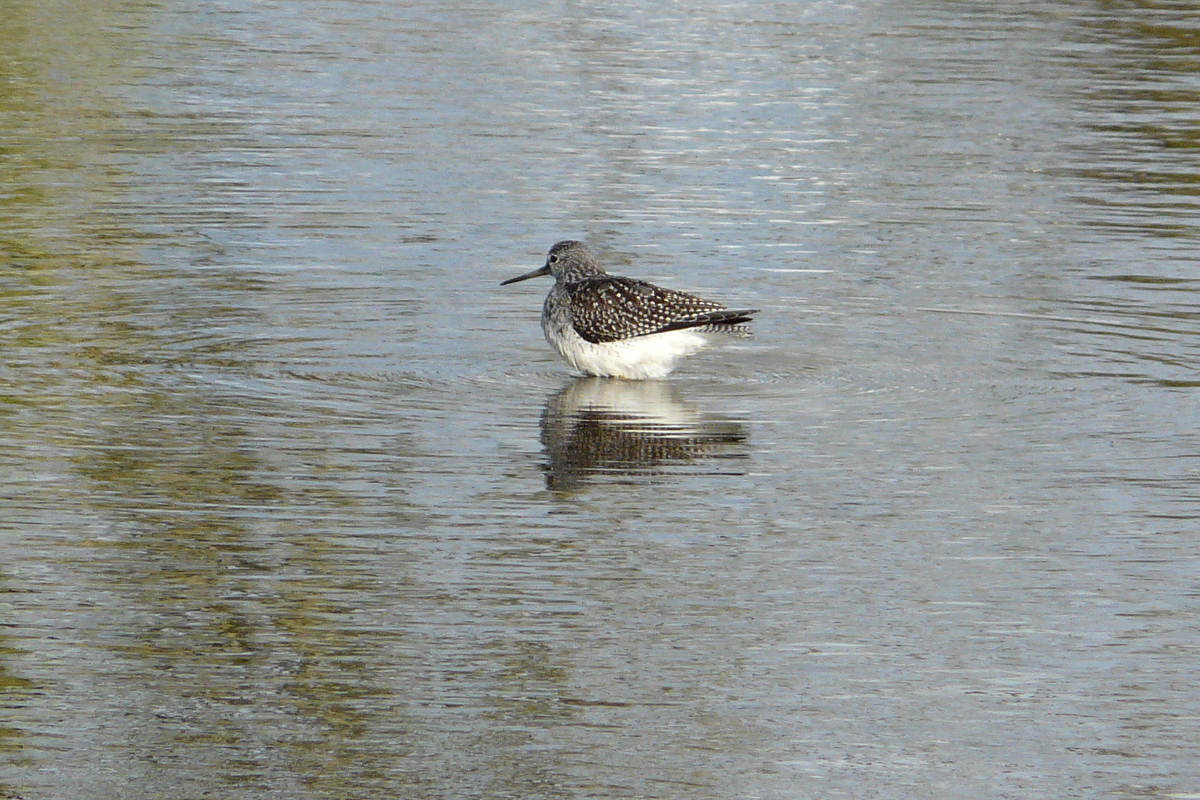
spotted 1This adult Spotted Sandpiper may be the parent of the juvenile pictured above. Like many birders, she assumes the sign does not apply to her.
spotted 2
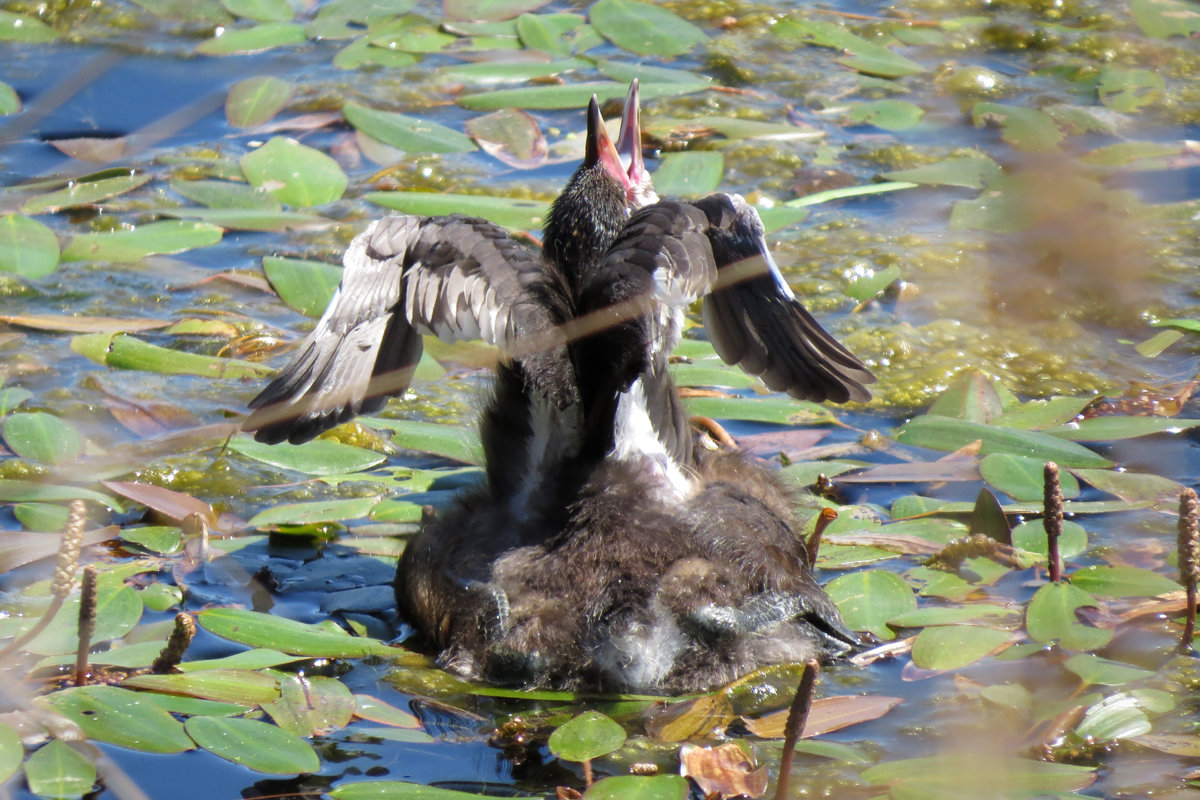
pb grebe scratchingThis young Pied-billed Grebe was grooming and stretching in the canal.
stretching pb grebe
pb grebe left

tadpolesThere are lots of tadpoles in the canal.
bullfrogUnfortunately, they belong to the invasive American Bullfrog.
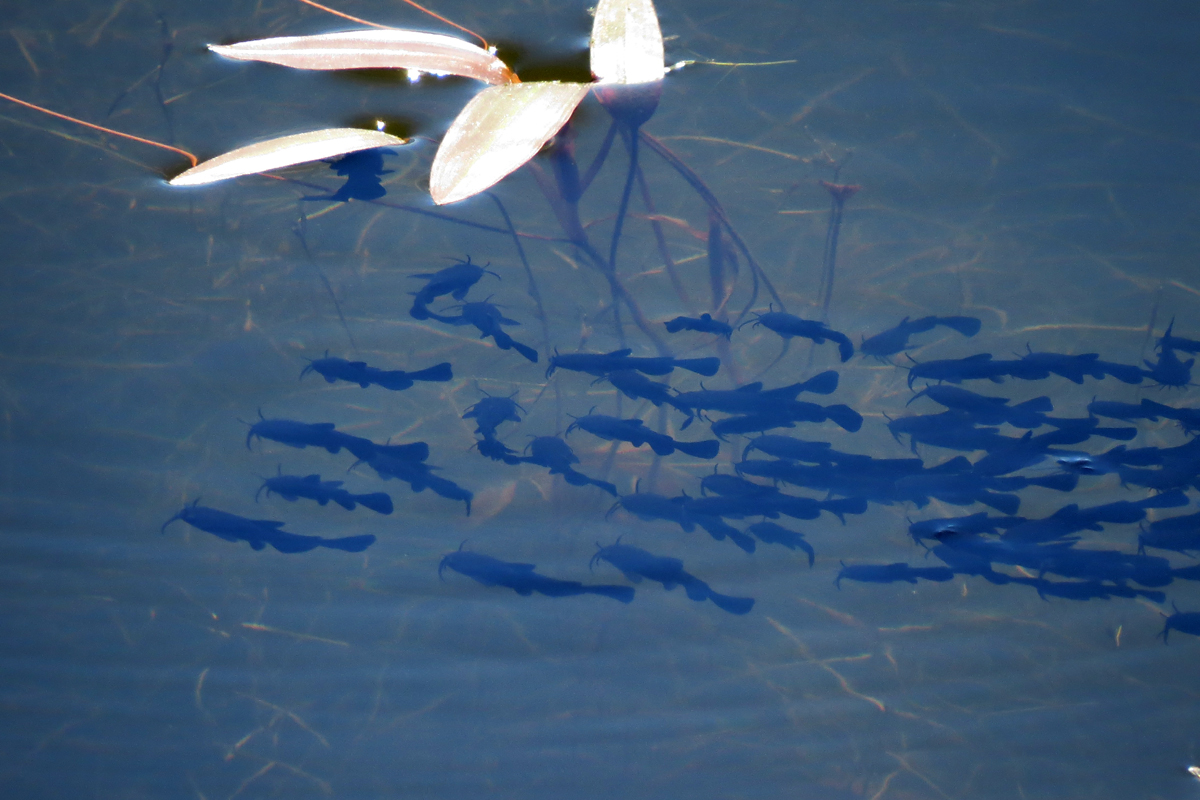
bullheadsEvery puddle has a school of baby bullheads this time of year.
bullheads 2

nutria eatingAnother invasive species, but darned cute, is this young Nutria nibbling on aquatic vegetation.
nutria eating 3

Maine, June 23-29, 2013

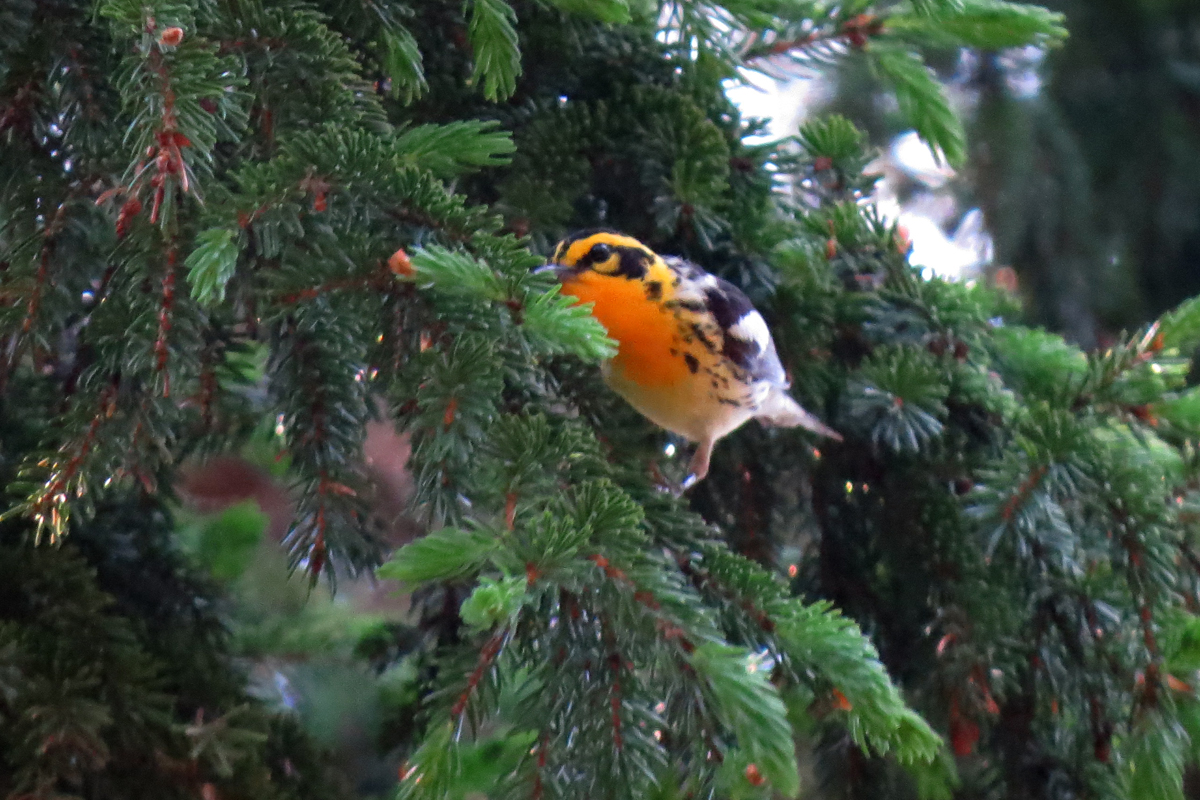
blackburnian warbler 2I spent last week in Maine, around Bangor and the central coast. The weather went from hot and muggy to cold and rainy, which might have to contributed to the overall poor birding compared to previous visits. I did see two lifers, one on the first day (Saltmarsh Sharp-tailed Sparrow) and one on the last (Great Cormorant). It is always nice to see some eastern warblers, like this Blackburnian.

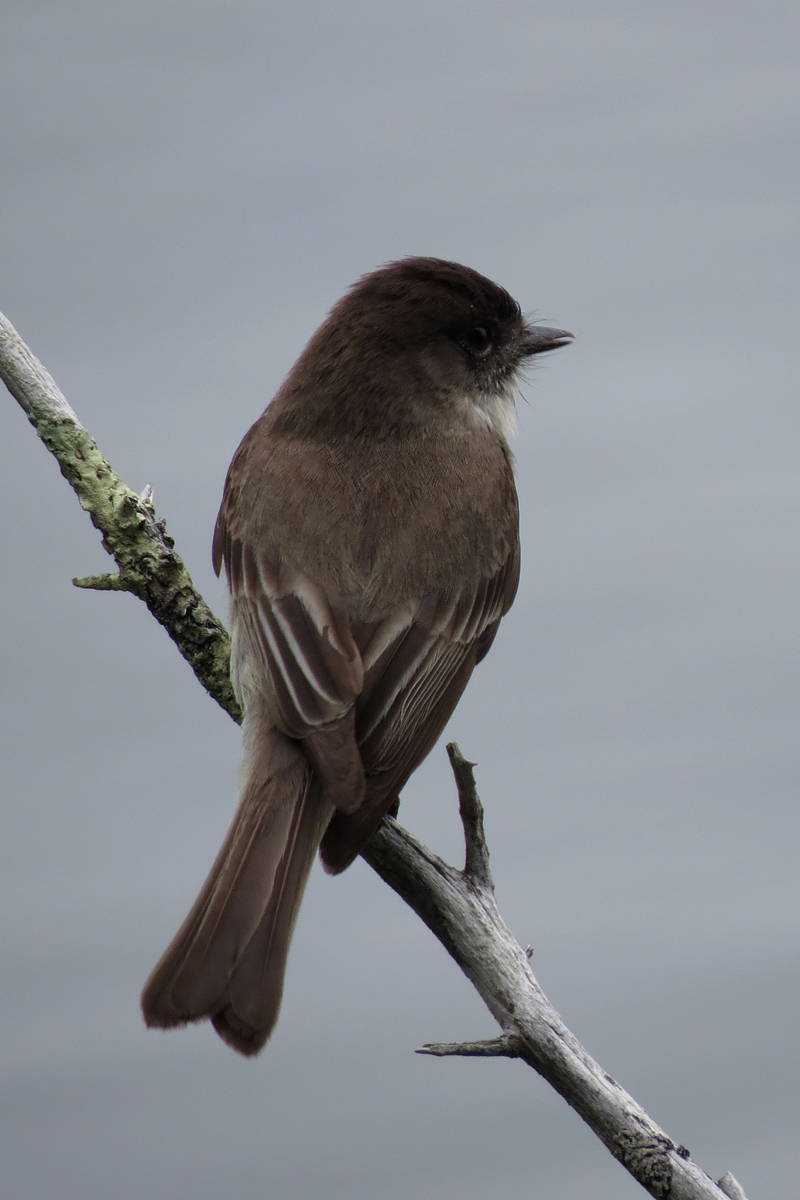
eastern phoebeEastern Phoebe, Mount Desert Island

great black-backed gullsGreat Black-backed Gulls, Schoodic Point

great black-backed gullGreat Black-backed Gulls in this area are rather shy, perhaps because biologists have been “discouraging” them from hunting on the offshore tern nesting colonies. The gulls do not allow a close approach and quickly take off if you point a camera at them.

herring gullThe Herring Gulls are happy to pose for mug shots.

great shearwaterGreat Shearwater, Gulf of Maine

great cormorant 1Great Cormorant, Schoodic Point, way out there, in the rain, but he still counts.

bullfrogAmerican Bullfrogs are an invasive species here in Oregon, so it was nice to see them in their natural range.

petit manan nwr MaineThis dragonfly species was common in wooded areas, where they blended in with the tree trunks.

petite manan nwr, METhis more colorful species was at the edge of a meadow.

spotted sandpiperSpotted Sandpiper, Petit Manan NWR

spotted and willet smallSpotted Sandpiper and Eastern Willet, Petit Manan NWR

willet 2aEastern Willet, looking a little sleepy
willet 3a

Tualatin River NWR

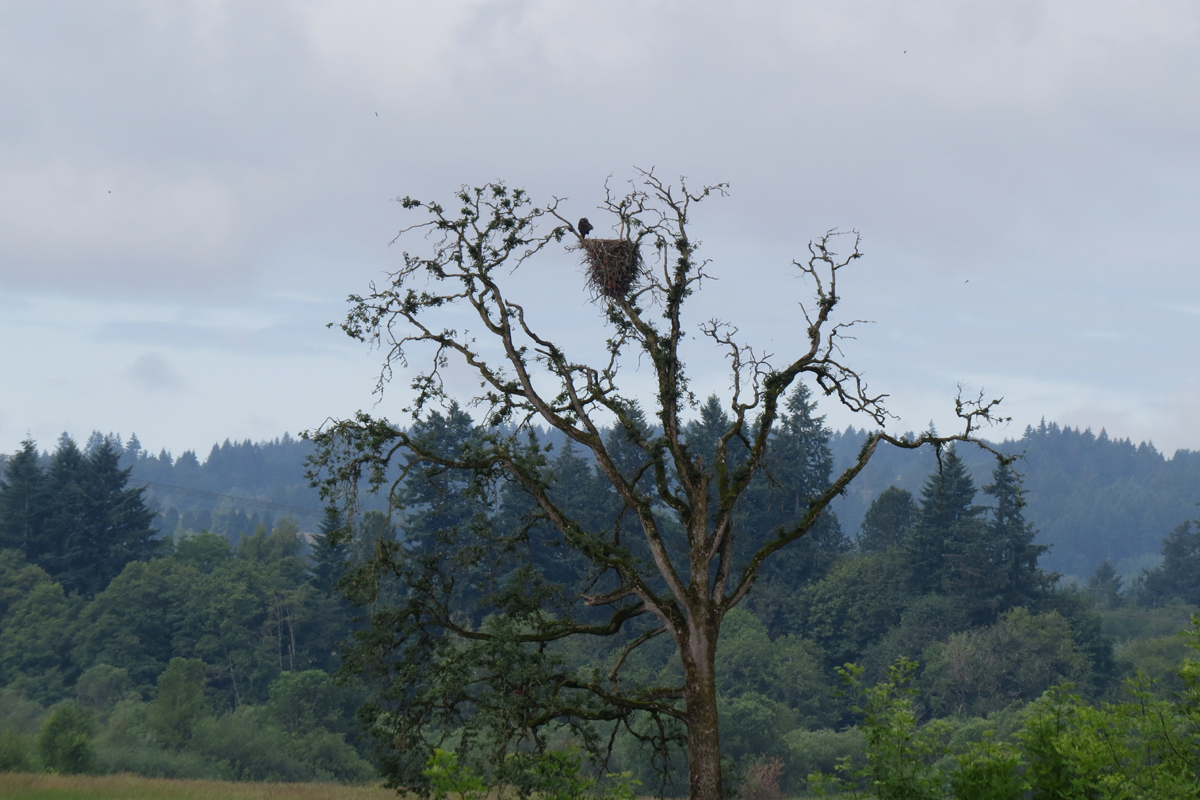
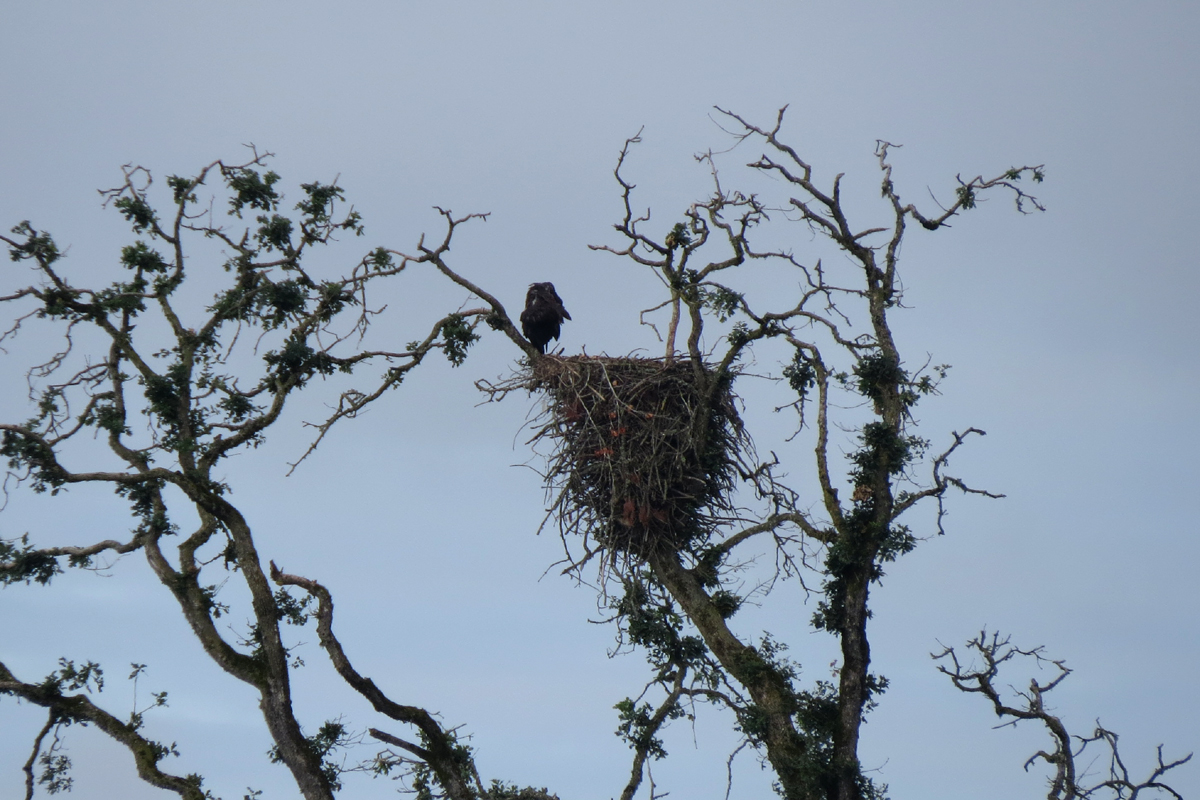
eagle nestWhile the bird diversity has thinned out considerably in the past couple of weeks, I had some nice views of the summer residents at Tualatin River NWR. The resident Bald Eagles still have one youngster in the nest. He is expected to fledge any day now.

eagle nest 2

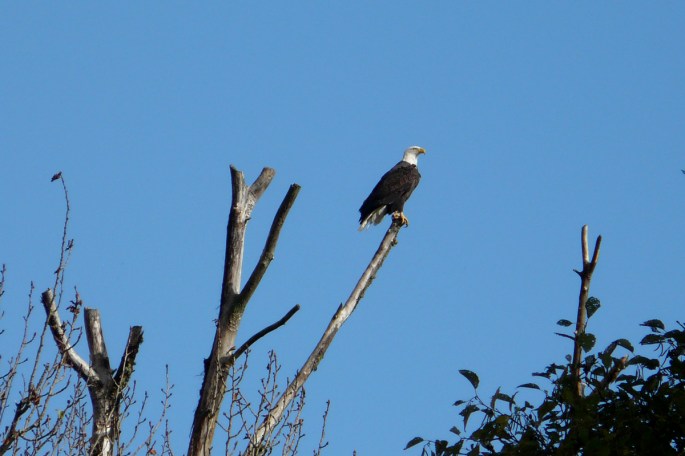
bald eagleOne of the parents was hanging out near the refuge headquarters, looking all regal.

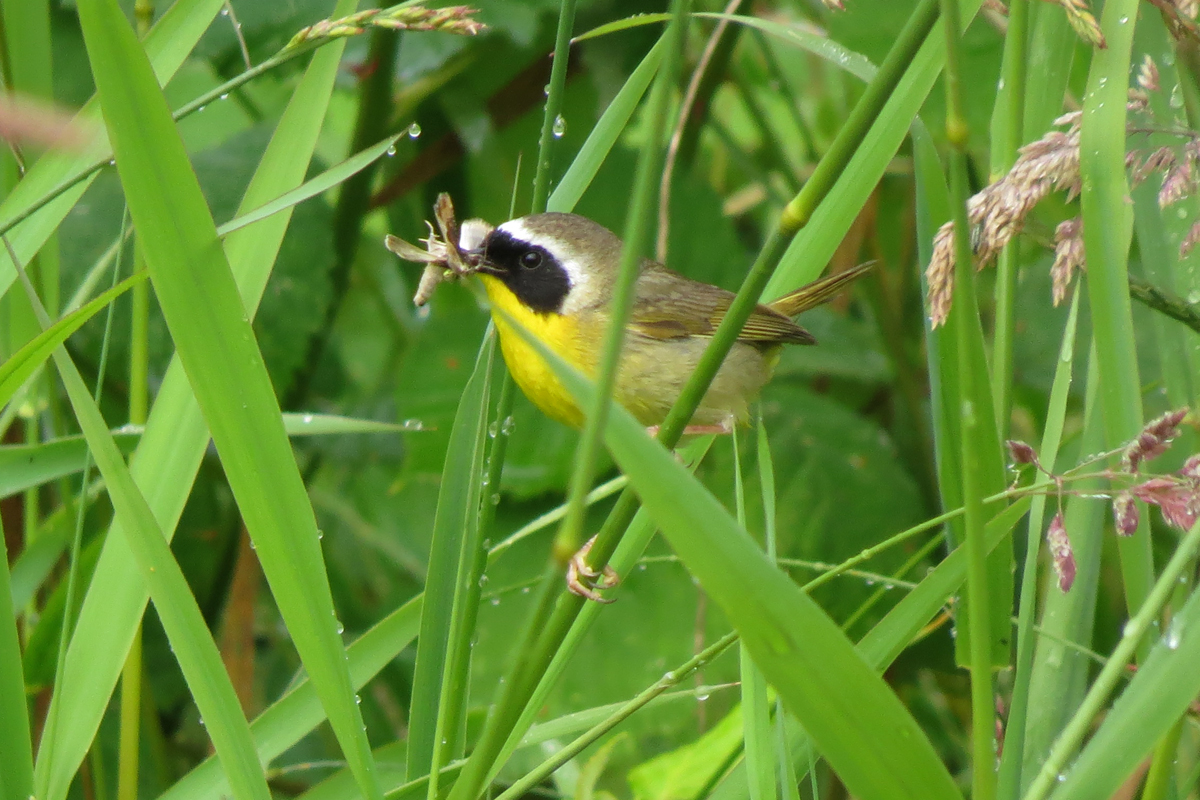
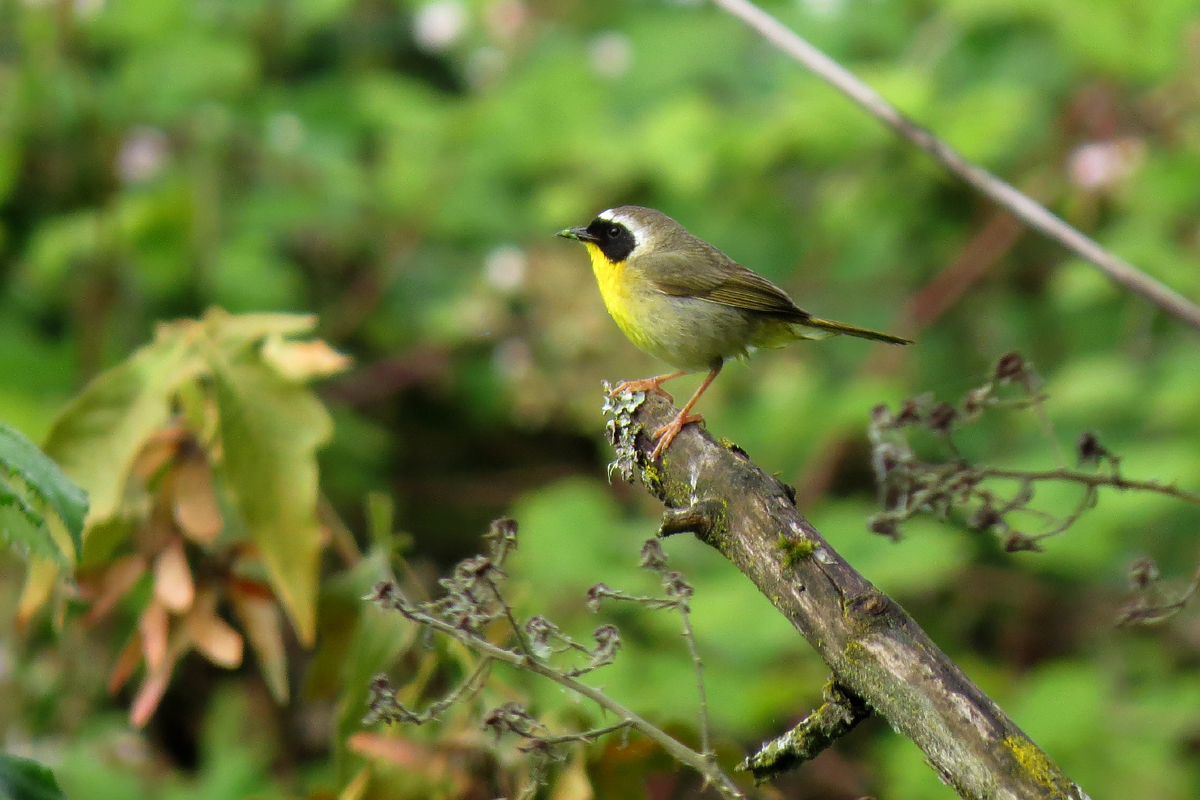
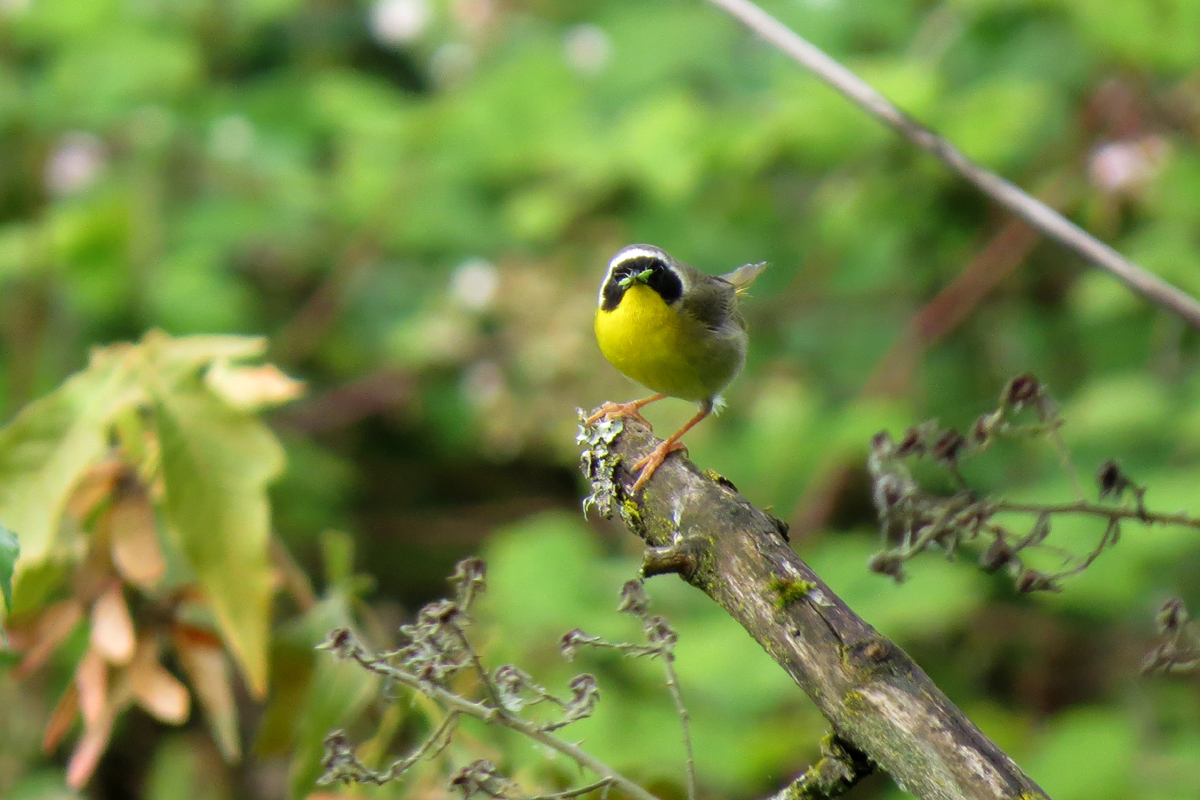
common yellowthroat 1This Common Yellowthroat was frequently seen carrying food, indicating he had a nest nearby.
common yellowthroat 2 common yellowthroat front

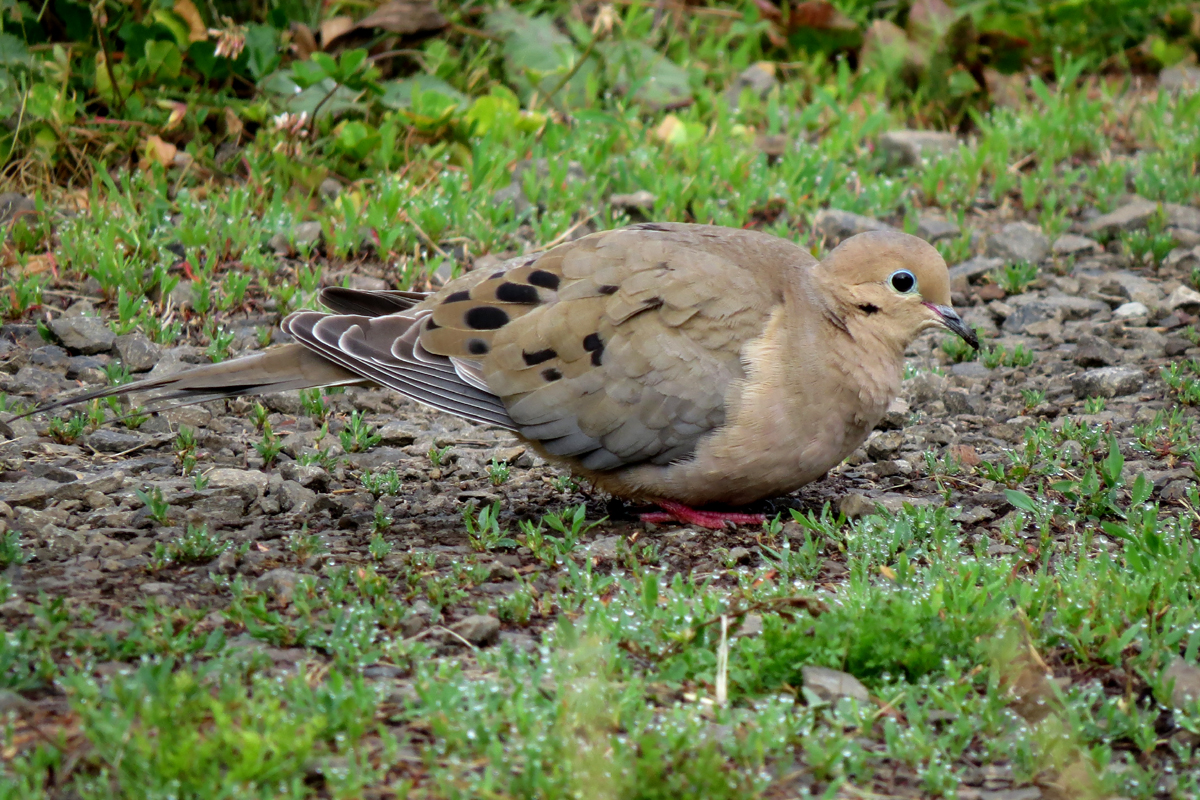
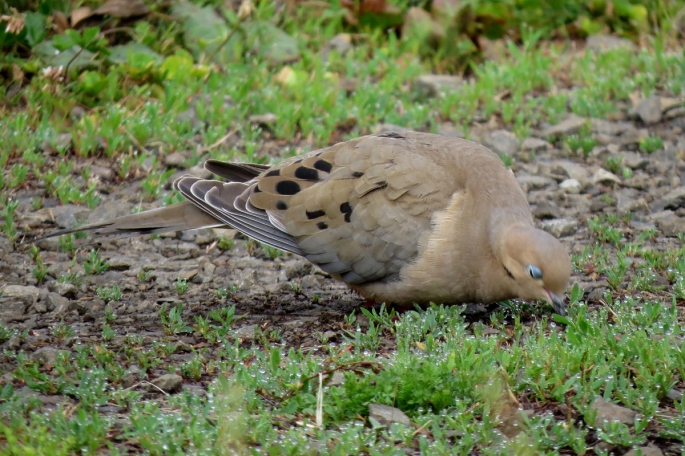
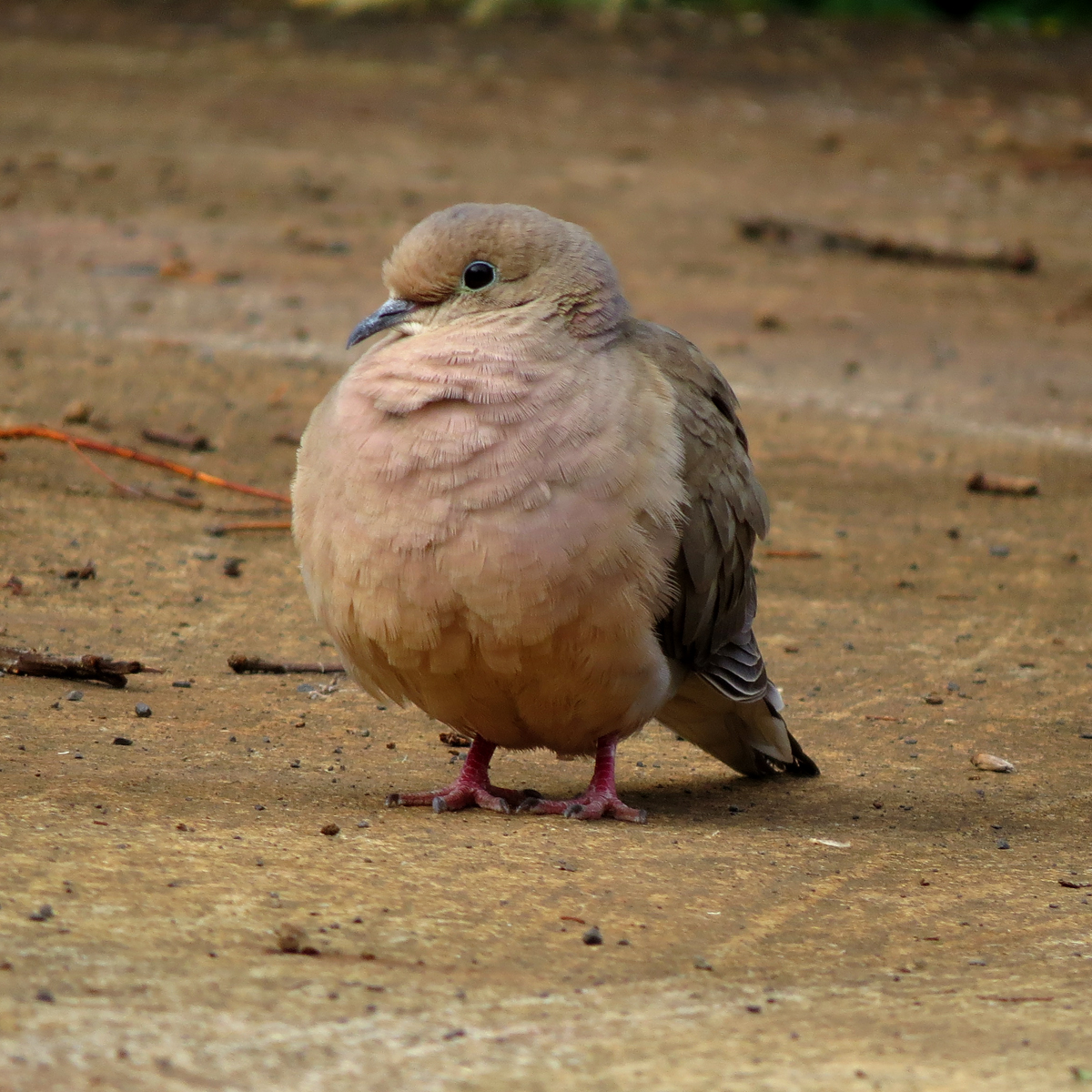
mourning dove3Mourning Dove, feeding on the gravel road.
mourning dove eyes closedI think the blue eye shadow makes her look a little trashy.
mourning dove front

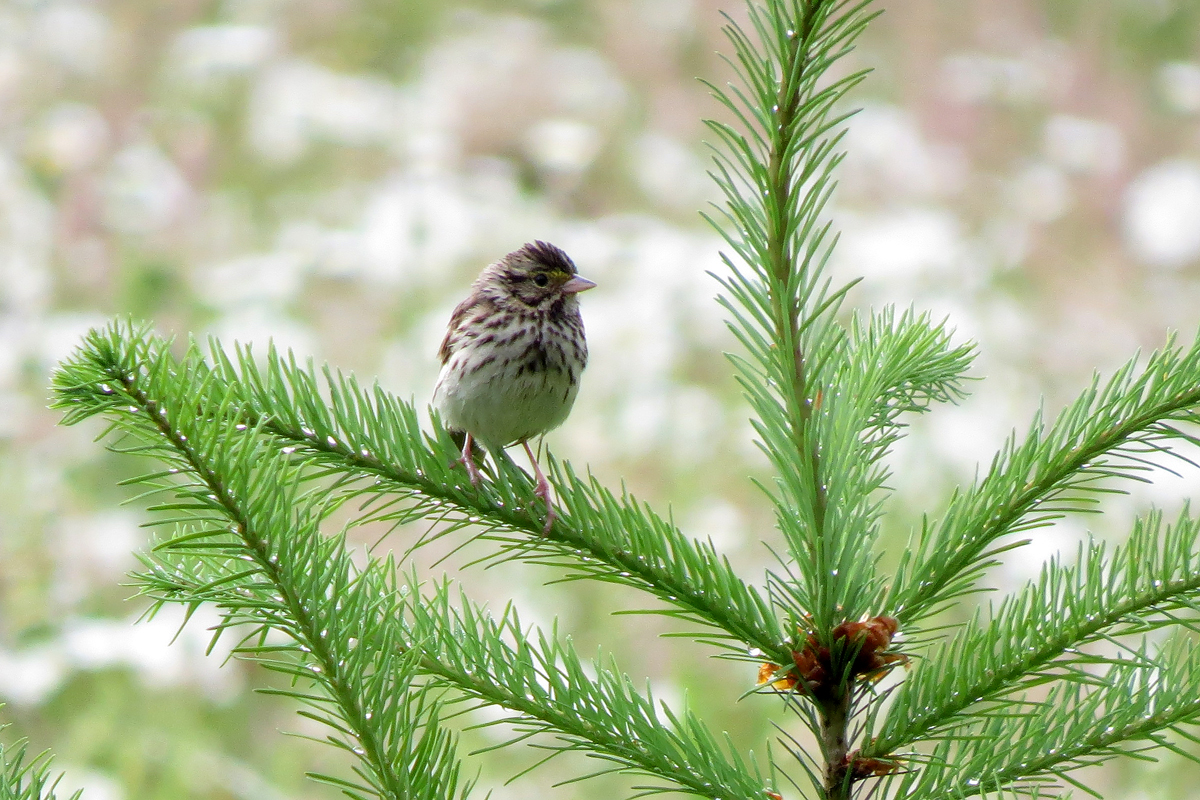
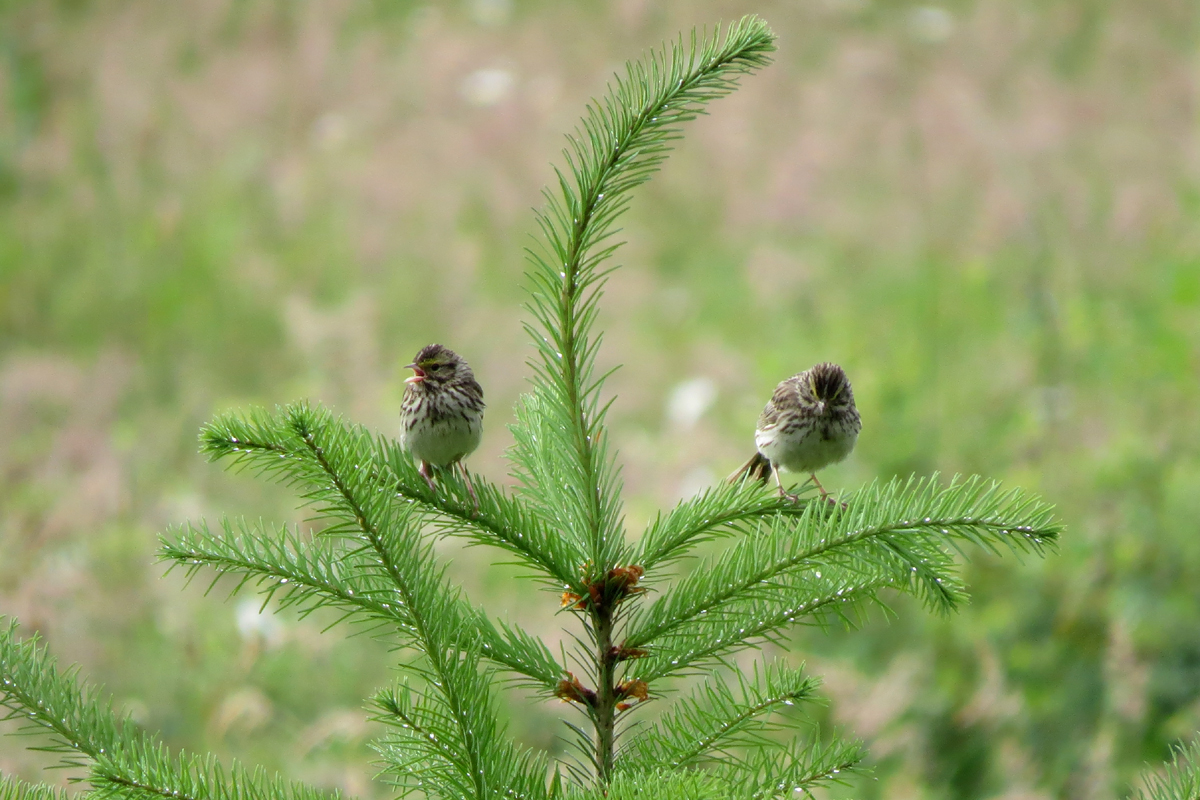
savannah sparrowsSavannah Sparrows are common in the open habitats here.
savannah sparrow

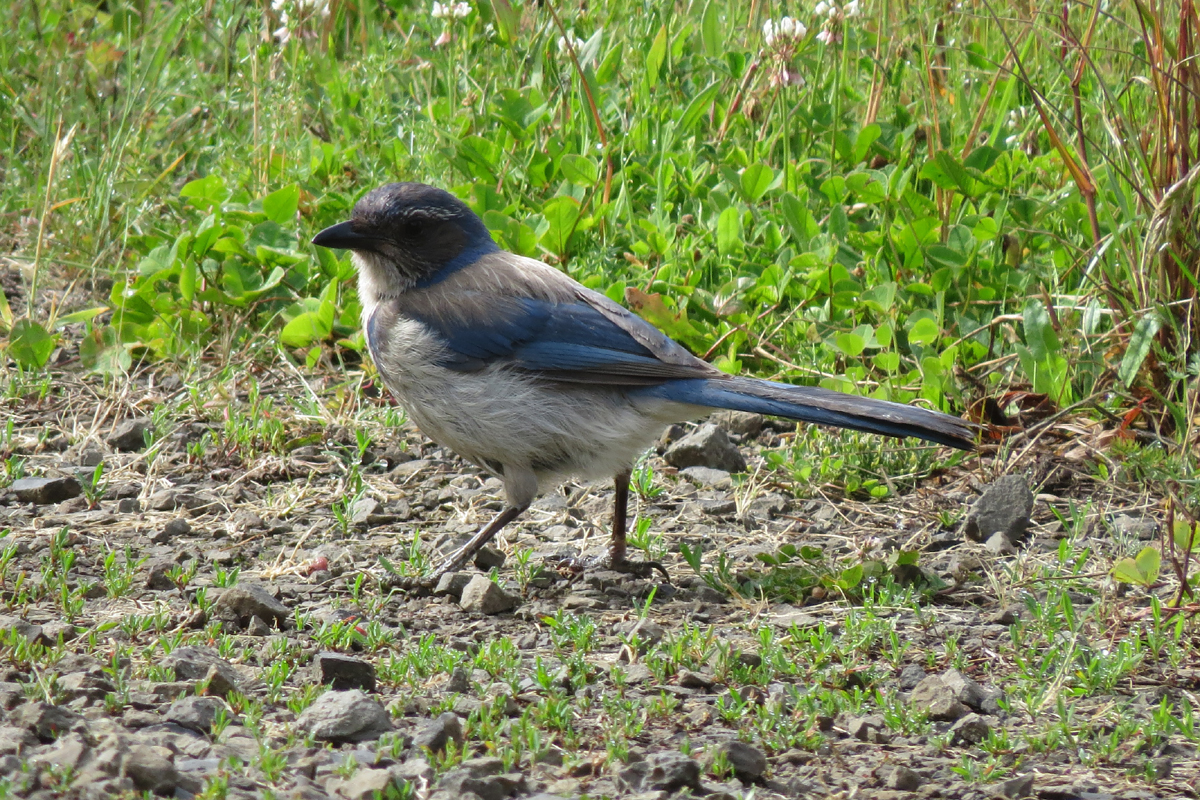
western scrub-jayWestern Scrub-Jay

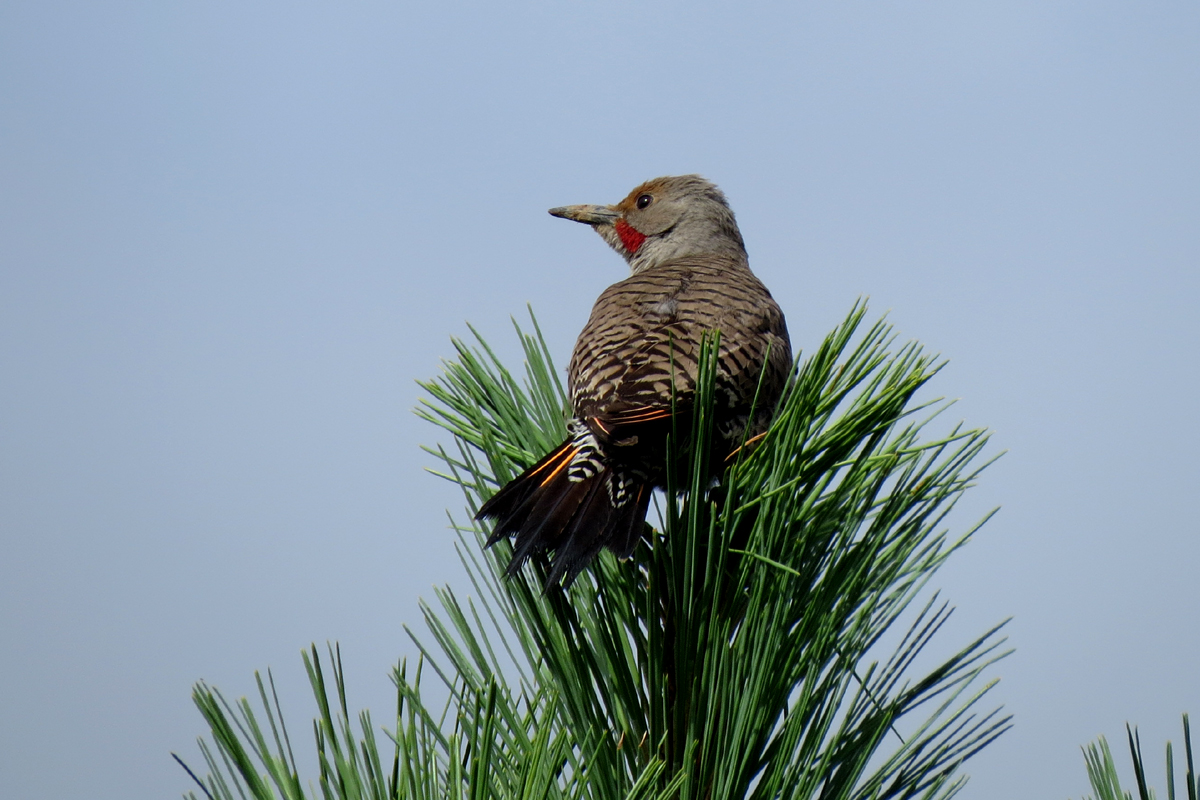
northern flickermale Northern Flicker

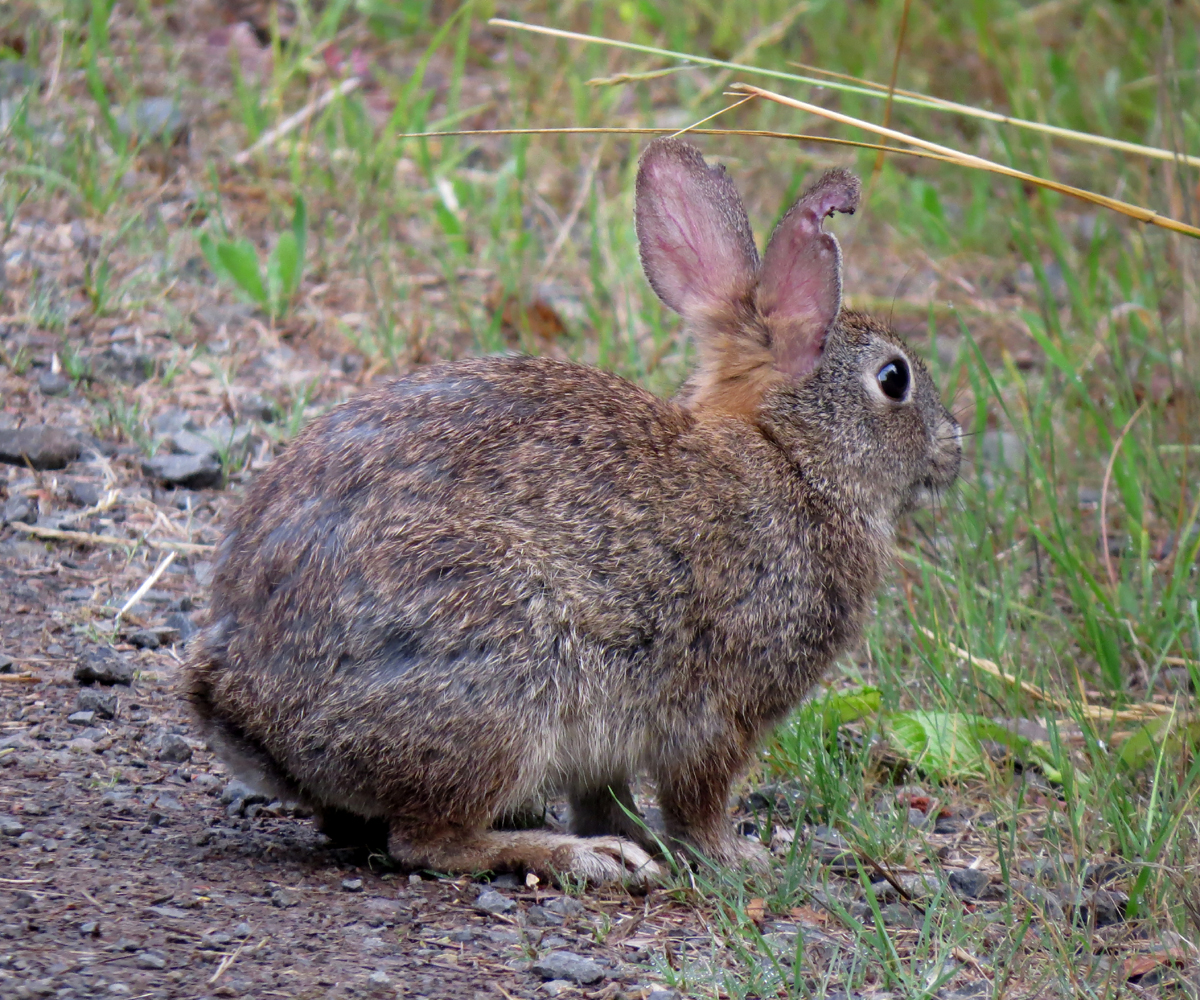
brush rabbit 1Brush Rabbit. The tattered ear suggests that he has had a close escape or two.

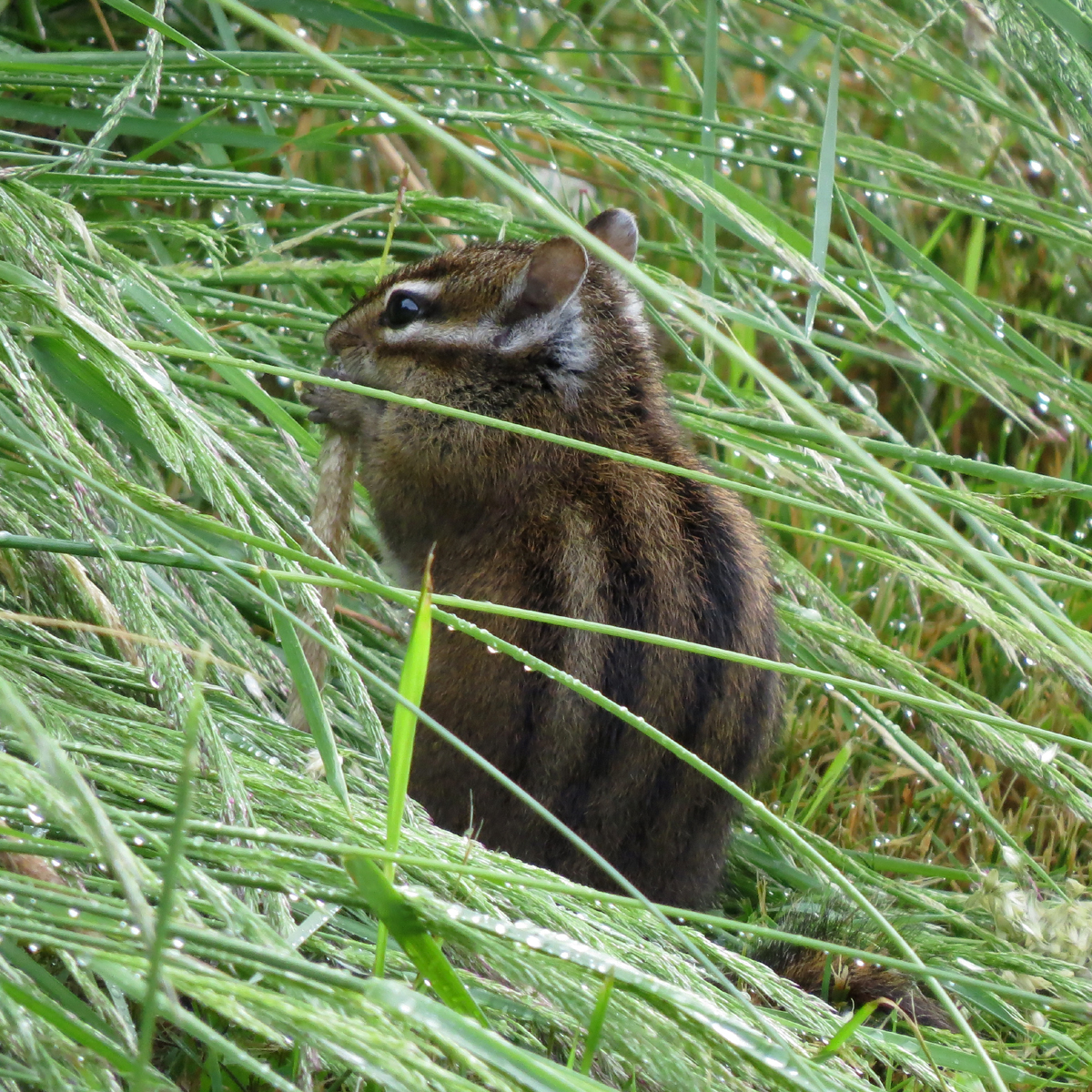
townsend's chipmunkThis Townsend’s Chipmunk was eating grass seeds.

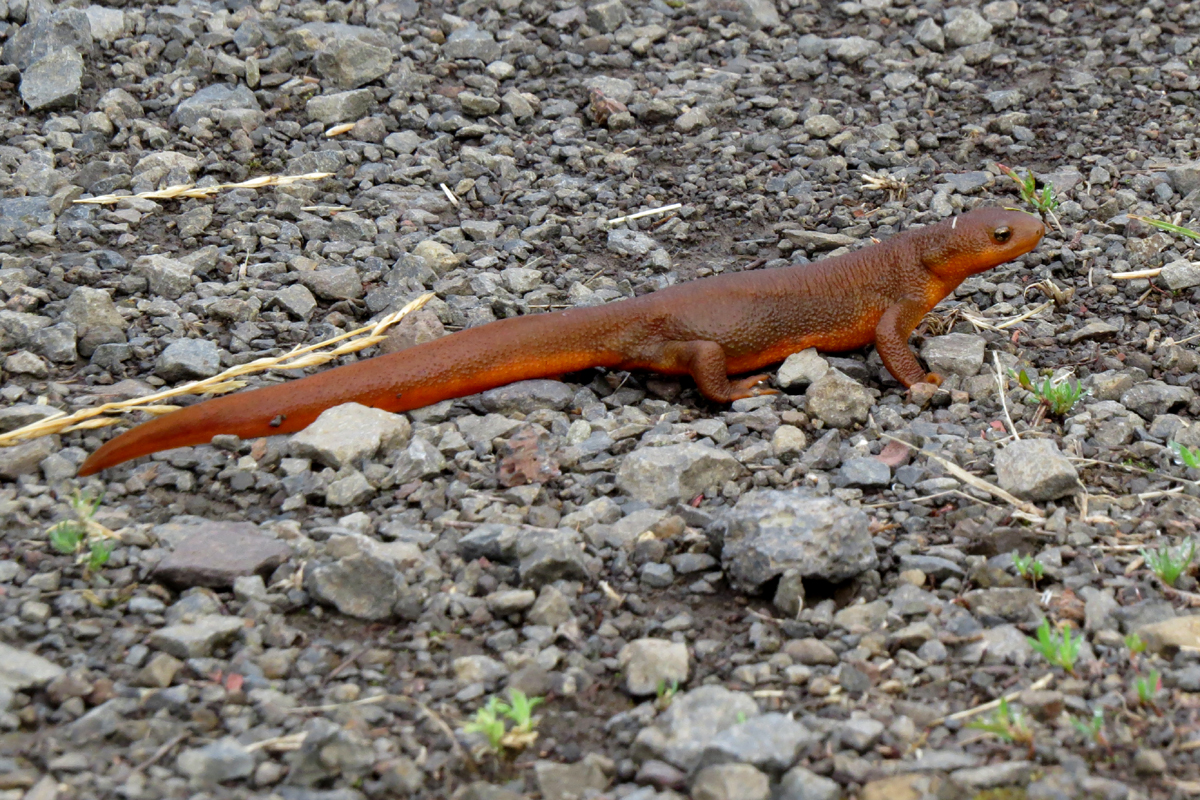
rough-skinned newt 2I saw two Rough-skinned Newts crossing the road. One of the most poisonous animals known to science, this species exudes equal amounts of toxins and cuteness.

Sandy River Delta, 5 June 2013

I took Nala on a hiking/swimming tour of the Sandy River Delta. We were there at midday, so we missed the dawn chorus, but the common species were still active and vocal.

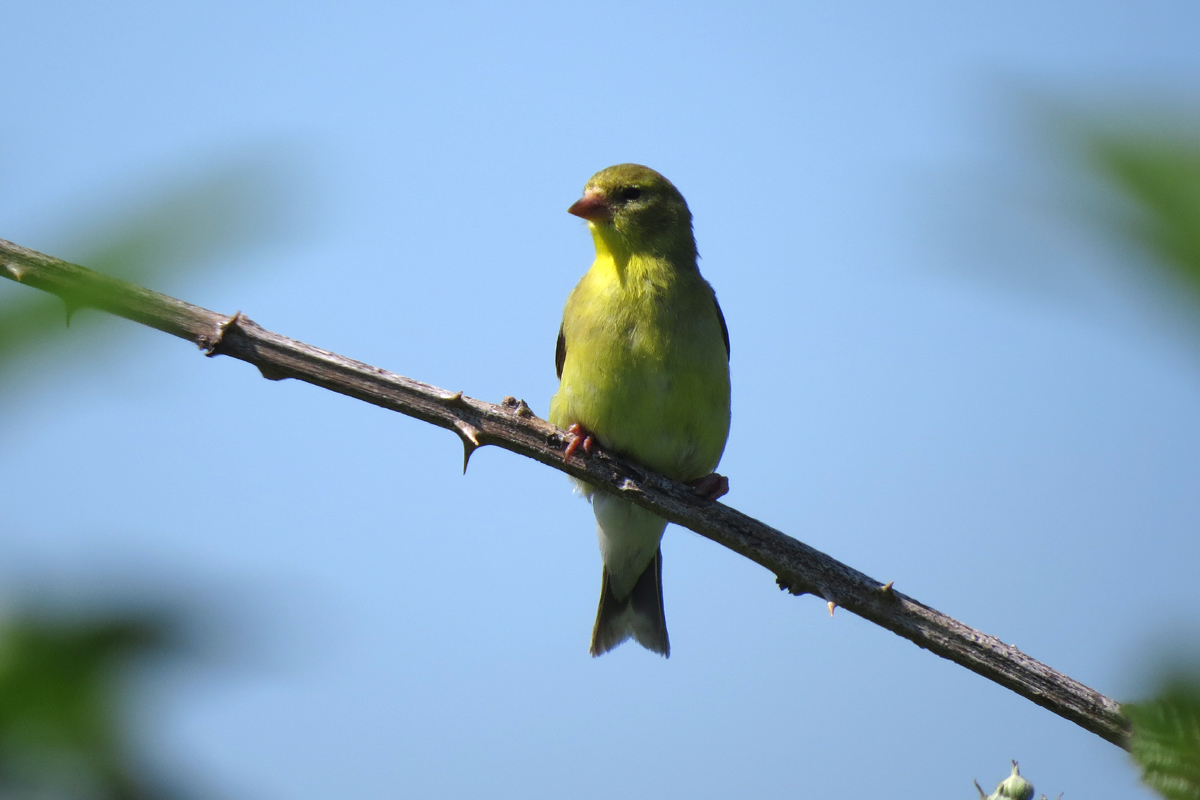
american goldfinchAmerican Goldfinch

lazuli buntingIn the open brushy habitats, you can’t turn around without seeing a Lazuli Bunting.

lazuli bunting maleLazuli Bunting

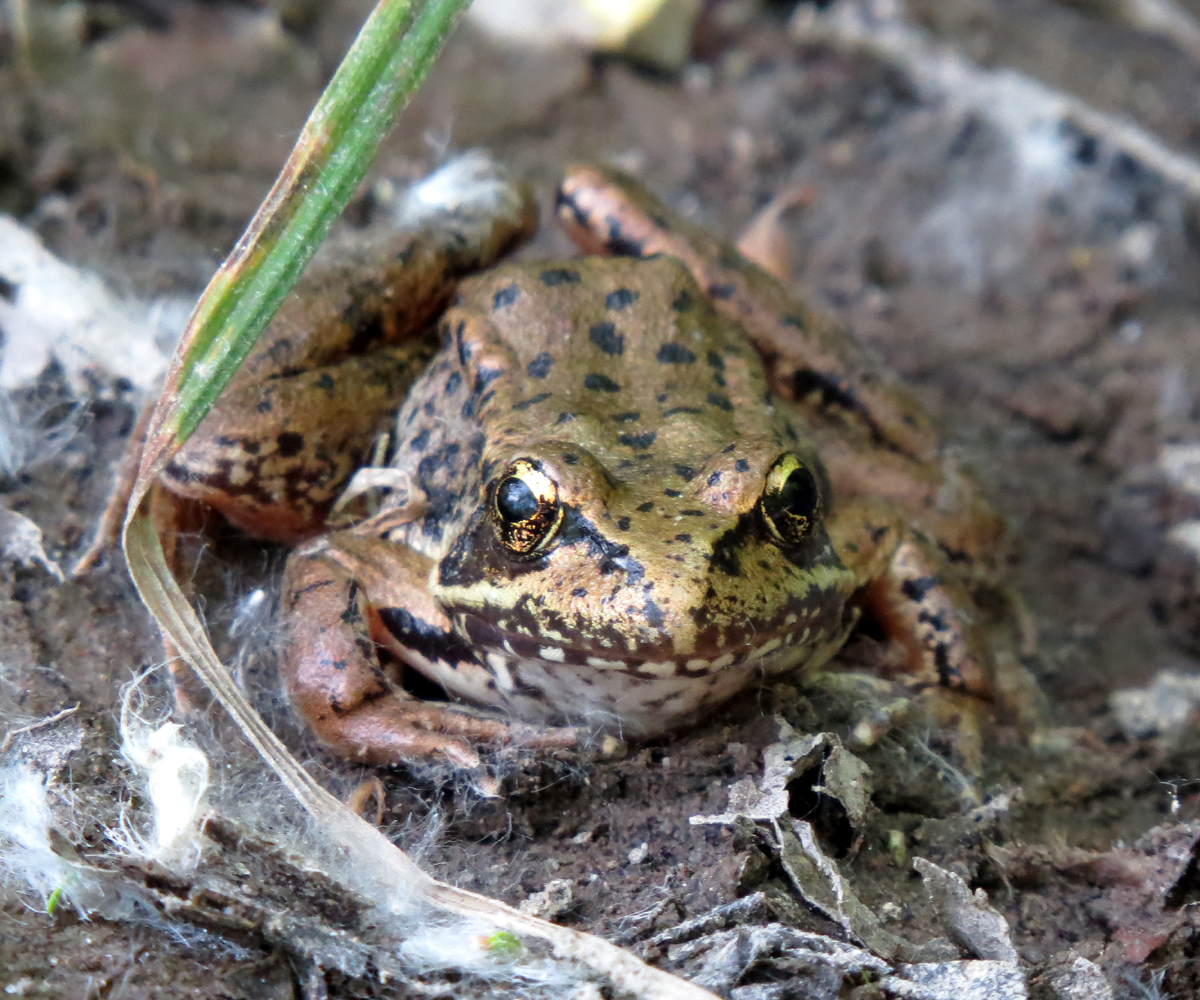
red-legged frog 4It was nice to find a couple of native Red-legged Frogs. This species often succumbs to introduced American Bullfrogs.
red-legged frog 3

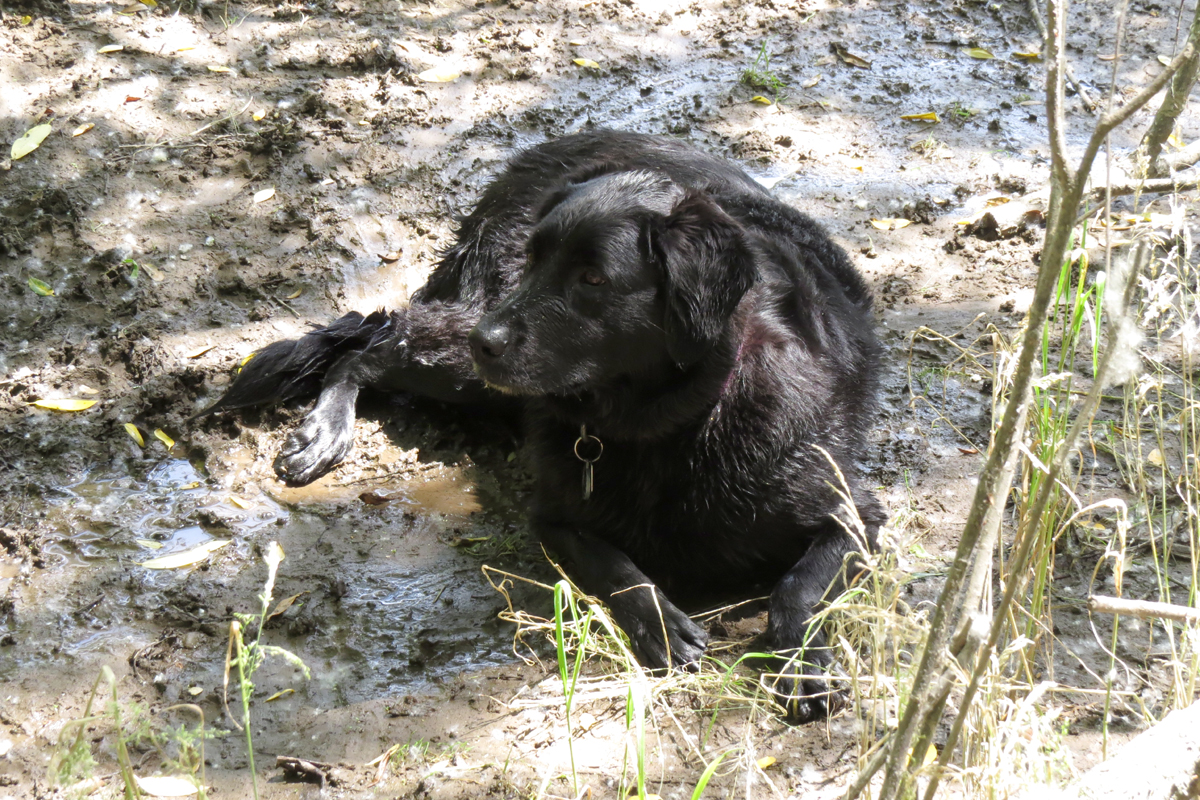
Nala’s main interest in the trip was swimming. She swam in a vernal pool, the Sandy River, and the Columbia River.

mud puppyDuring the long hot walk back toward the car, she needed to cool off in this convenient mud hole.

nala drinking

SE Arizona Lizards

I have always enjoyed studying herps, and my recent trip to SE Arizona provided a nice opportunity to enjoy some new species. I don’t have a reptile reference for that area, so I am using this post to practice letting go of my need to name things. I invite you to enjoy the pretty lizards. If you know their names, feel free to leave a comment.

fiveRamsey Canyon

oneRamsey Canyon

short horned lizardMadera Canyon

twoPatagonia

fourSaguaro National Park

striped lizardRamsey Canyon

Early Spring

This is that long awkward time of year between winter and spring. The big winter flocks have broken up, but the spring migrants haven’t returned yet. As I have said before, there is always something to see, but we have to find simple pleasures until the full decadence of spring migration commences in a month or so.

varied thrush frontOn a recent sunny day, this Varied Thrush perched outside the living room window. I don’t often see this species in sunlight. They are usually muted by the gloom of a rainy day or the shadows of the forest.
varied thrush profile

pine siskin sidePine Siskin at the nyjer feeder

pine siskin frontFor some reason, songbirds just look weird when viewed from the front.

lesser goldfinch backLesser Goldfinch

american goldfinchThe male American Goldfinches are starting to get their summer color.
american goldfinch clinging

golden-crowned 2Golden-crowned Sparrow, Vanport Wetlands

beaver chewThis fairly large tree has been felled by Beavers at Smith and Bybee Wetlands. None of the branches appear to have been eaten, so I don’t know why the Beavers felled it, perhaps because it was there.

northwestern garterNorthwestern Garter Snake, Tualatin Hills Nature Park. I am making the identification based on the small head, although I am not completely comfortable differentiating Northwestern Garter from Common Garter.

Fernhill Wetlands 11/1/12

Things are hopping at Fernhill Wetlands, with rising water levels, an influx of several thousand geese and other waterfowl, and a few other goodies.

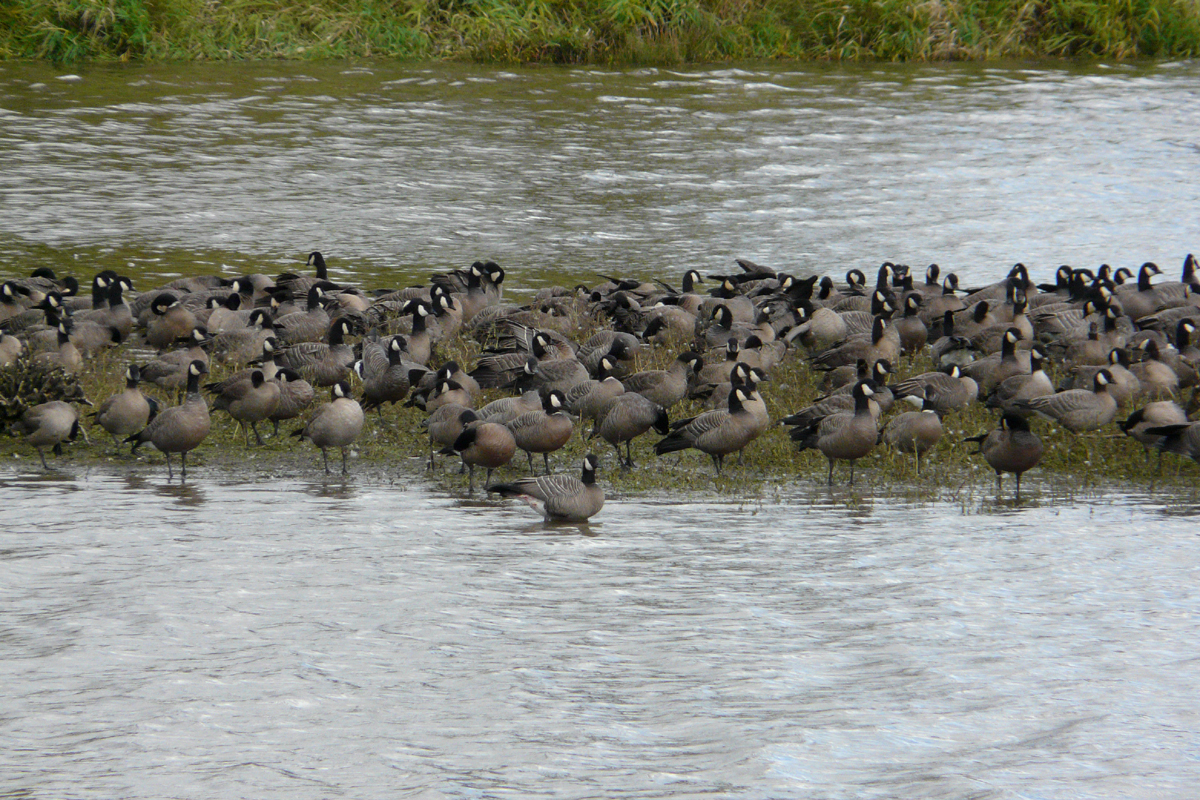
Cackling Geese have been arriving for weeks now, and the skies and fields around Fernhill are covered with these little guys.

A small flock of Greater White-fronted Geese were hanging out with the Mallards in Dabblers Marsh.

This interesting beast is a hybrid, a product of one of the local Canada Geese and a domestic Greylag Goose.

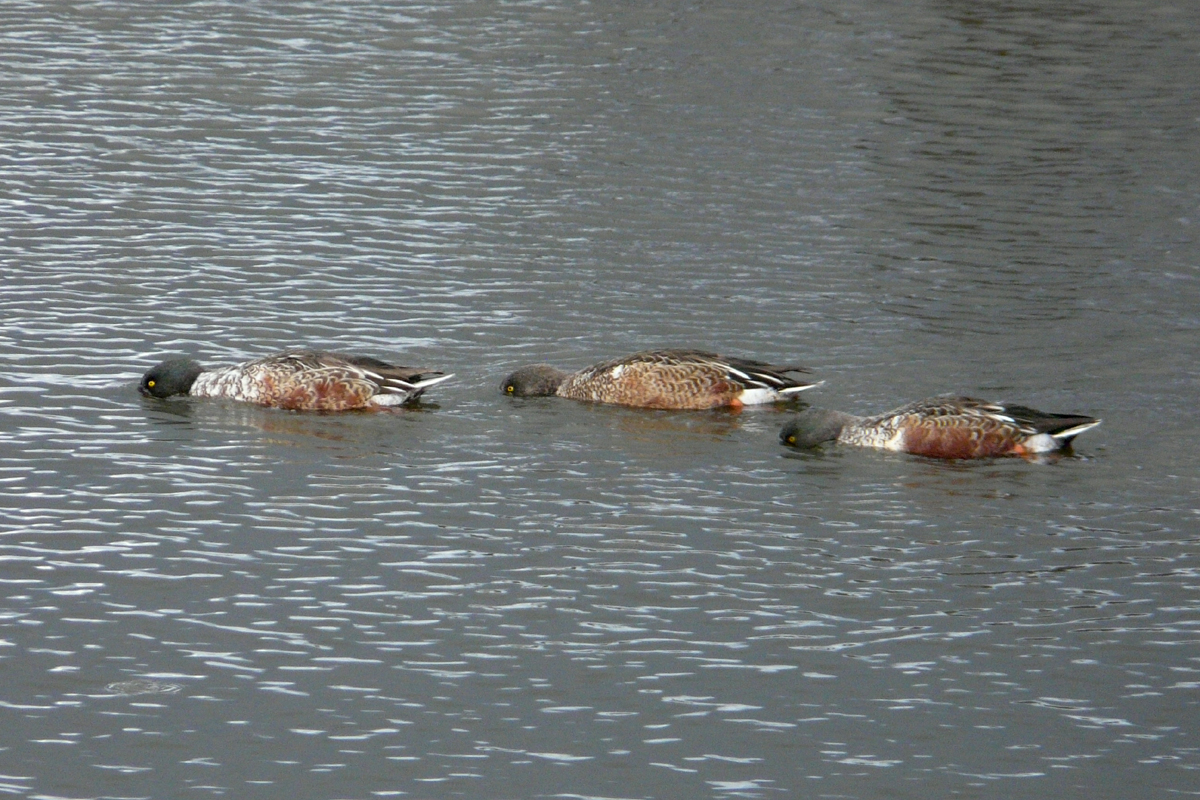
Here are some of the many Northern Shovelers feeding in their typical manner, swimming along with their faces in the water, as if their enormous bills are too heavy to hold up.

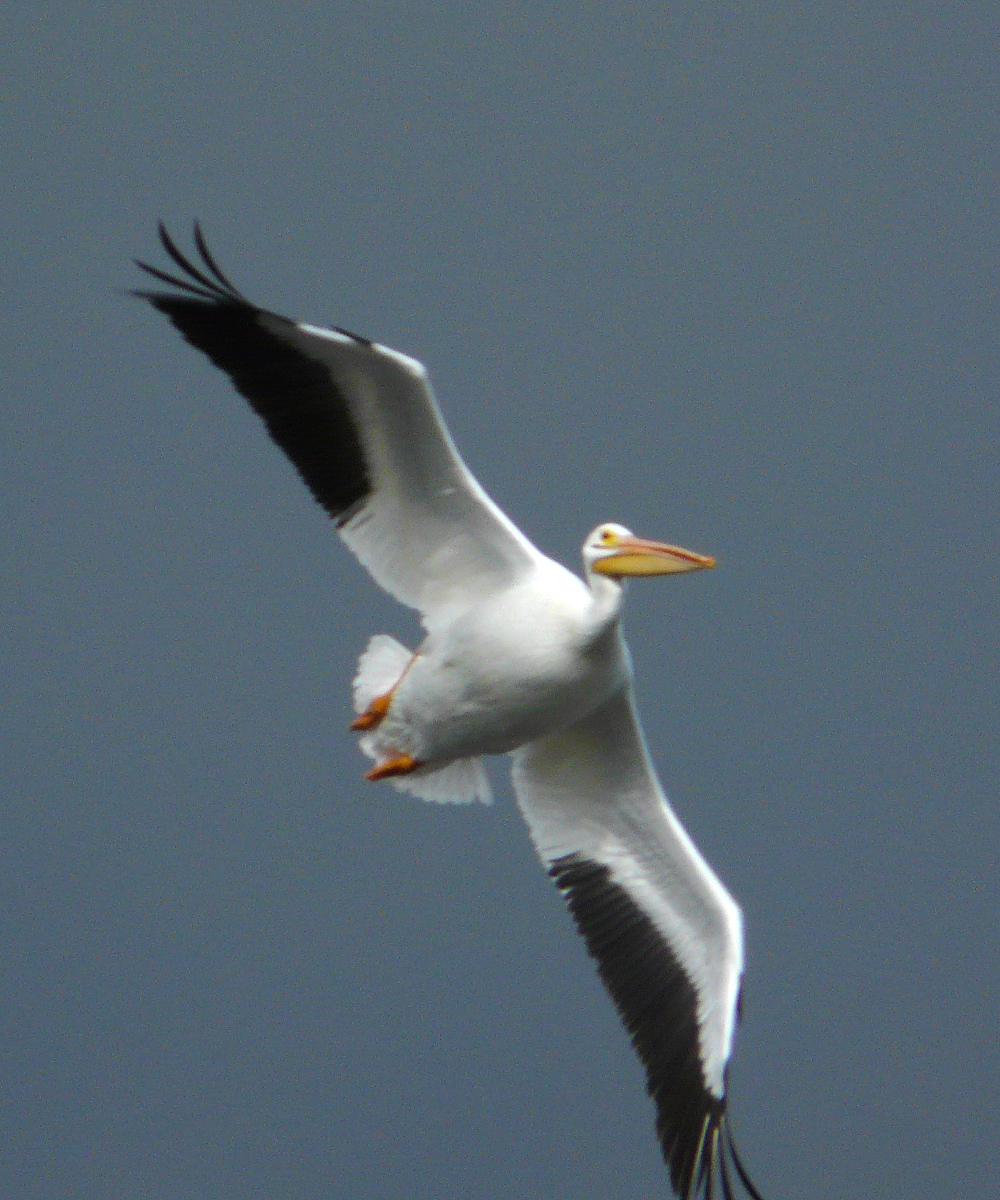
Two American White Pelicans have been hanging out at Fernhill for a couple of months now.
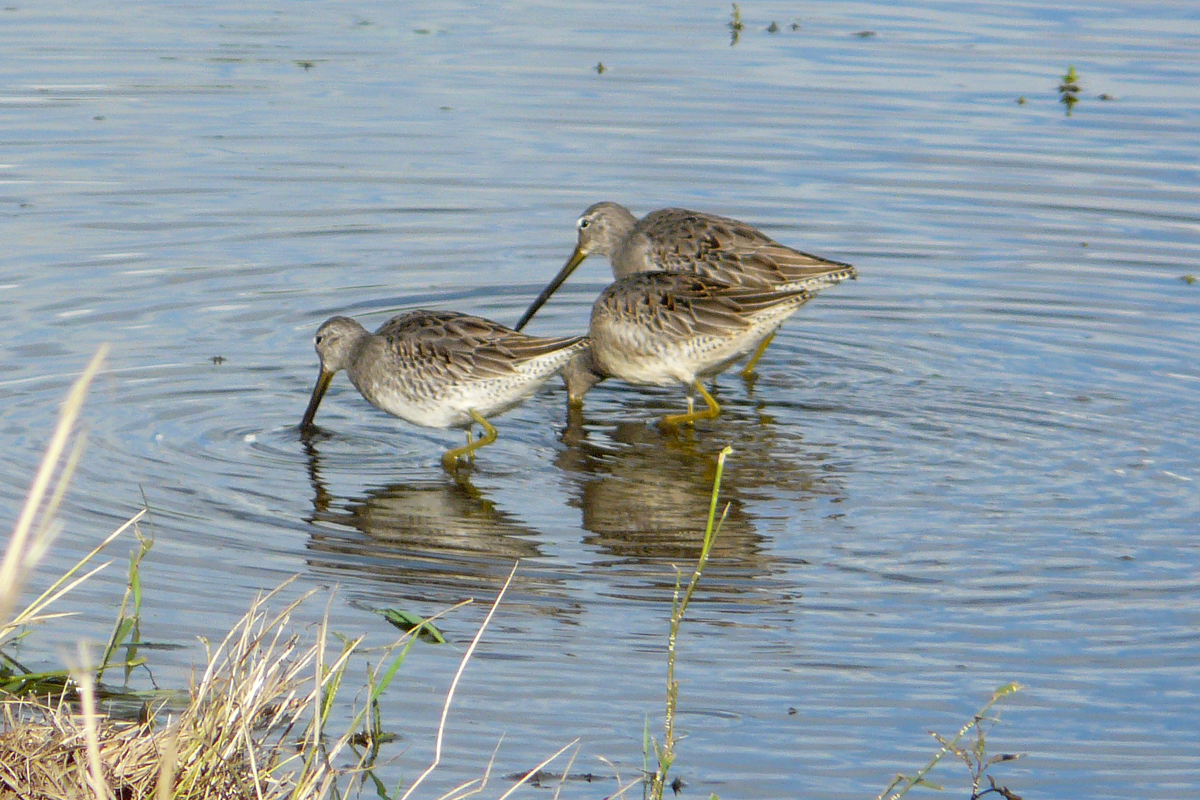
Shorebird numbers and diversity have dwindled. Here are a few Long-billed Dowitchers.

Greater Yellowlegs

The resident Bald Eagles were sitting around looking majestic. I watched one carrying a stick to add to their nest.

Great Egret

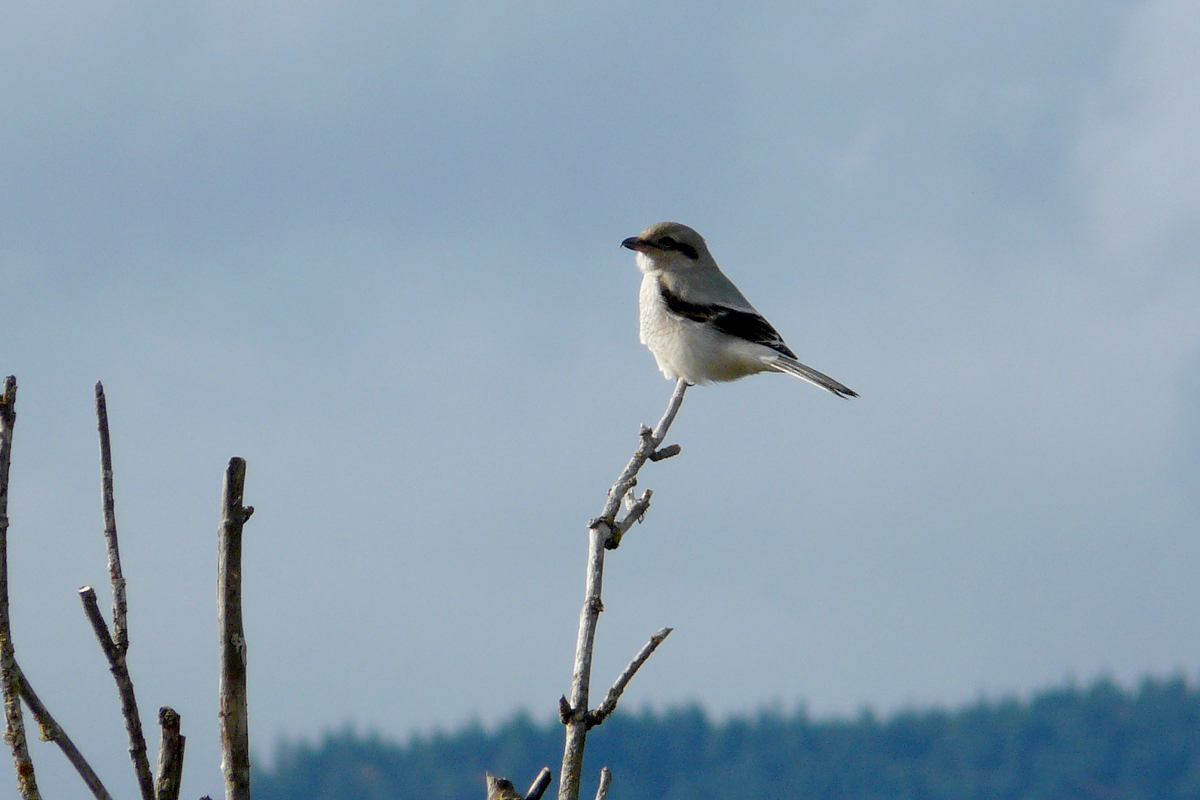
Several Northern Shrikes have been reported around the Portland area in recent days. This one is snacking on a large insect.

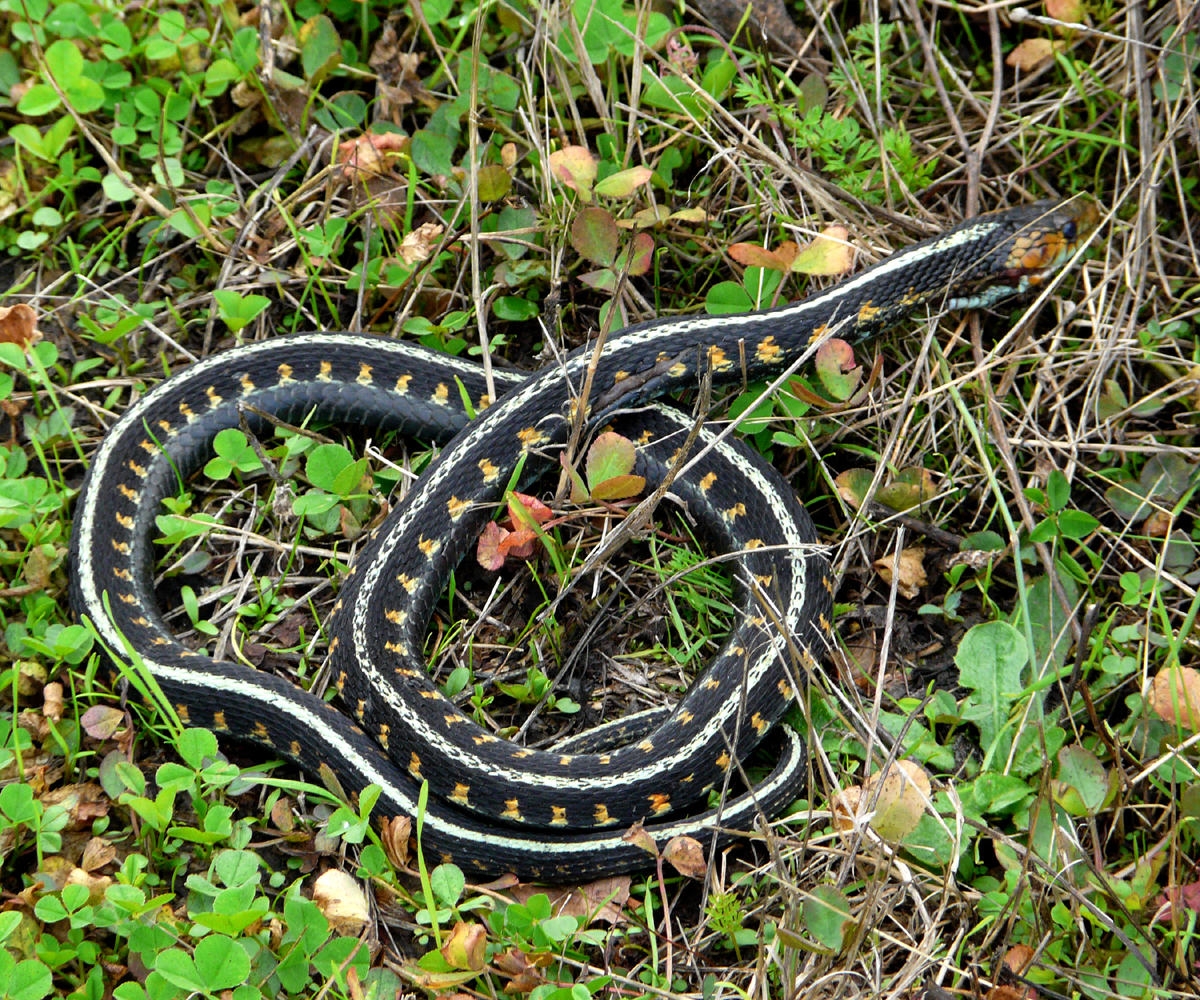
I saw three Common Garter Snakes on this trip, including one very young newborn about the width of a linguine. The colorful individual in this photo was about 20 inches long. Note the large laceration on his neck, presumably from a predator. Despite the severity of the wound, the snake was not bleeding and he crawled away after this photo was taken, so I am hopeful he will recover.

Sunkhaze Meadow NWR, Maine

Sunkhaze Meadow NWR lies just northeast of Bangor, Maine. It is a huge open wetland surrounded by woods. During my recent trip to Maine, most of the sites I visited were along the coast. Sunkhaze is inland, so the birds were a little different, and the mosquitoes were much more abundant.

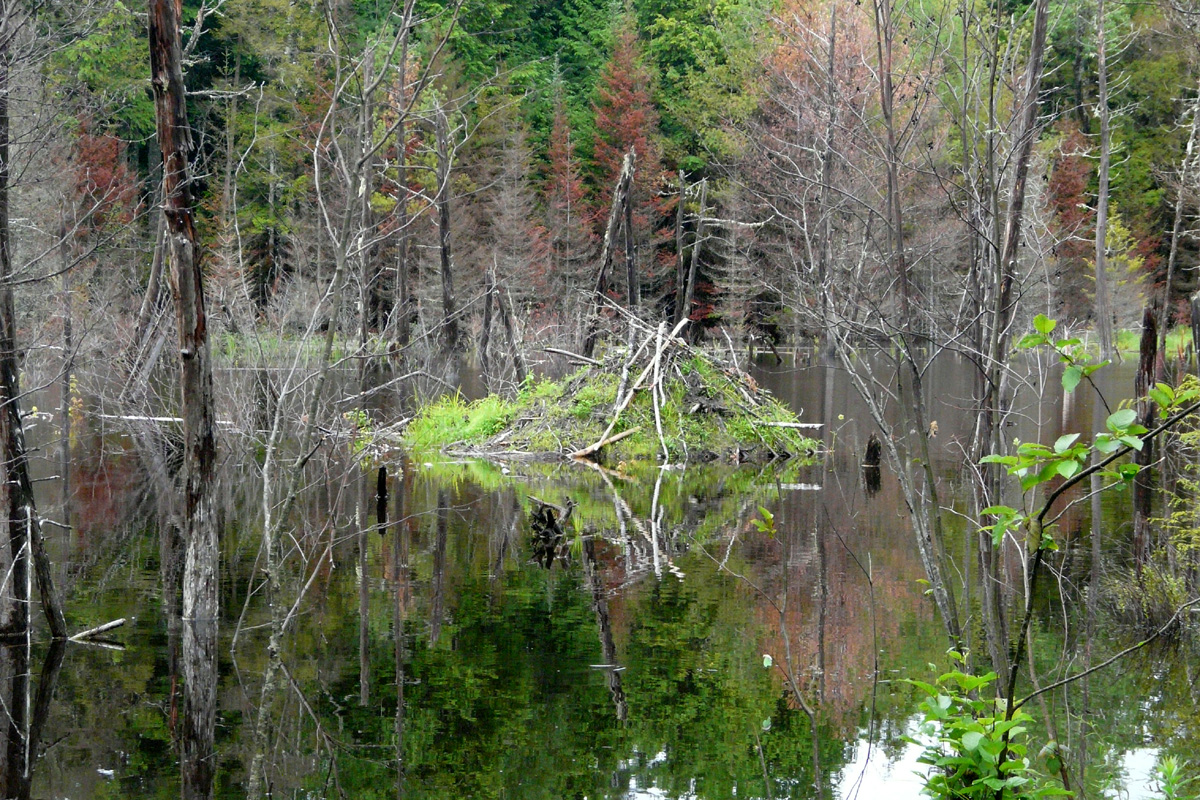
Beaver pond. The area had received a lot of rain recently, so the pond was very full.

Here’s a closer look at the Beaver lodge. The Beavers were out of sight, as expected during the day. A Star-nosed Mole was a nice find here, although he moved too fast for a photo.

Eastern Phoebe carrying food for her young.

Slugs were feeding on this colorful fungus.

Northern Leopard Frog

Red-eyed Vireo

Baby Turkeys! (Turklets? Turkitos?) I saw two females, each with a brood of about a dozen young. These were photographed through the windshield.

This is a neat site. Had the bugs not been so bad, I would have liked to have explored it more thoroughly.

Maine, 6-2011


I spent just over a week along the coast of Maine, visiting sites between Ellsworth and Cutler. It is always fun to get reacquainted with eastern bird species and to hike in the boreal forest.


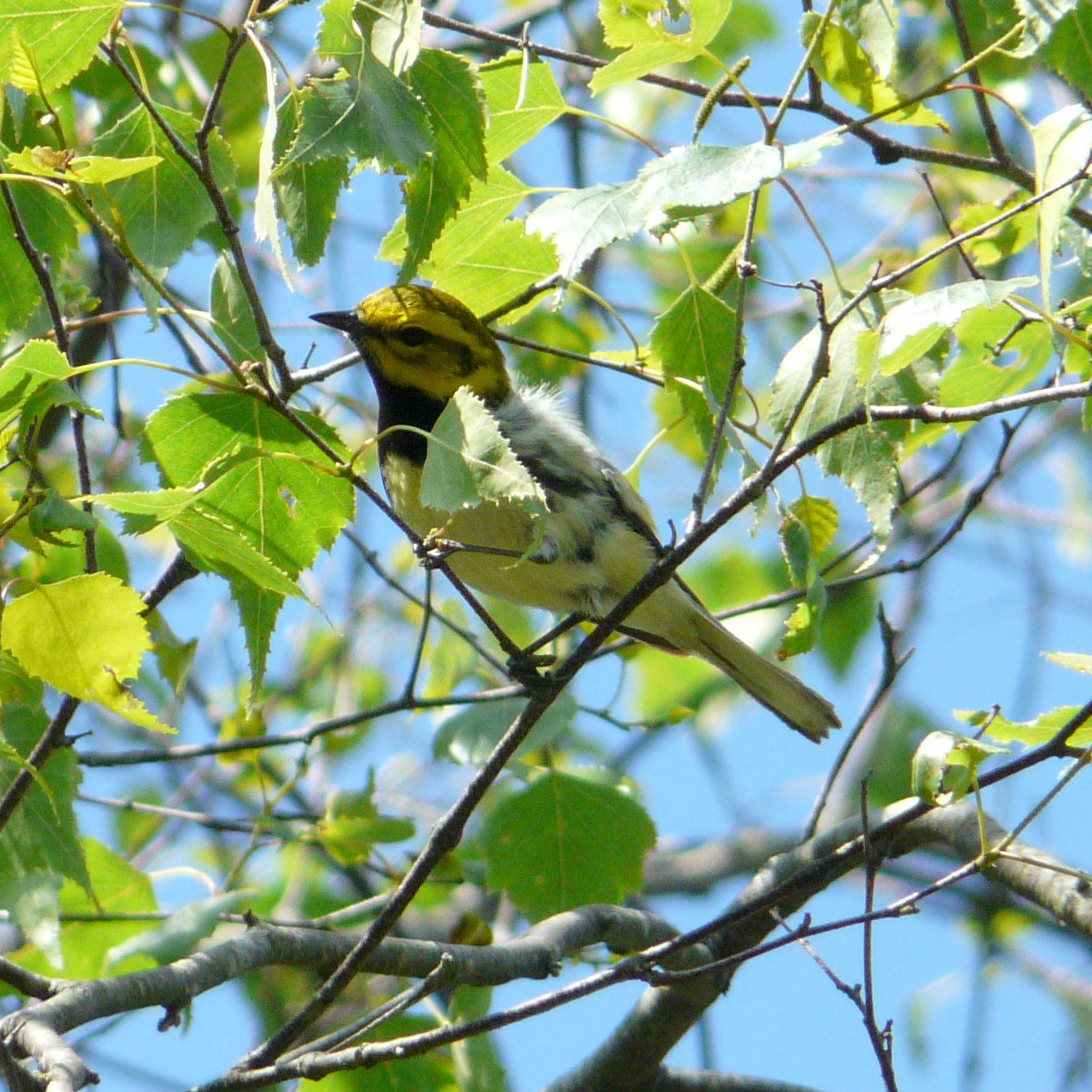
I saw 14 species of warblers on this trip. The vast majority of birds I saw were male, presumably because the females were on nests. Their small size, active habits, and dense habitat take them beyond the realm of point-and-shoot photography, but I managed to capture useuable images of two species. Black-throated Green Warblers were by far the most common species.


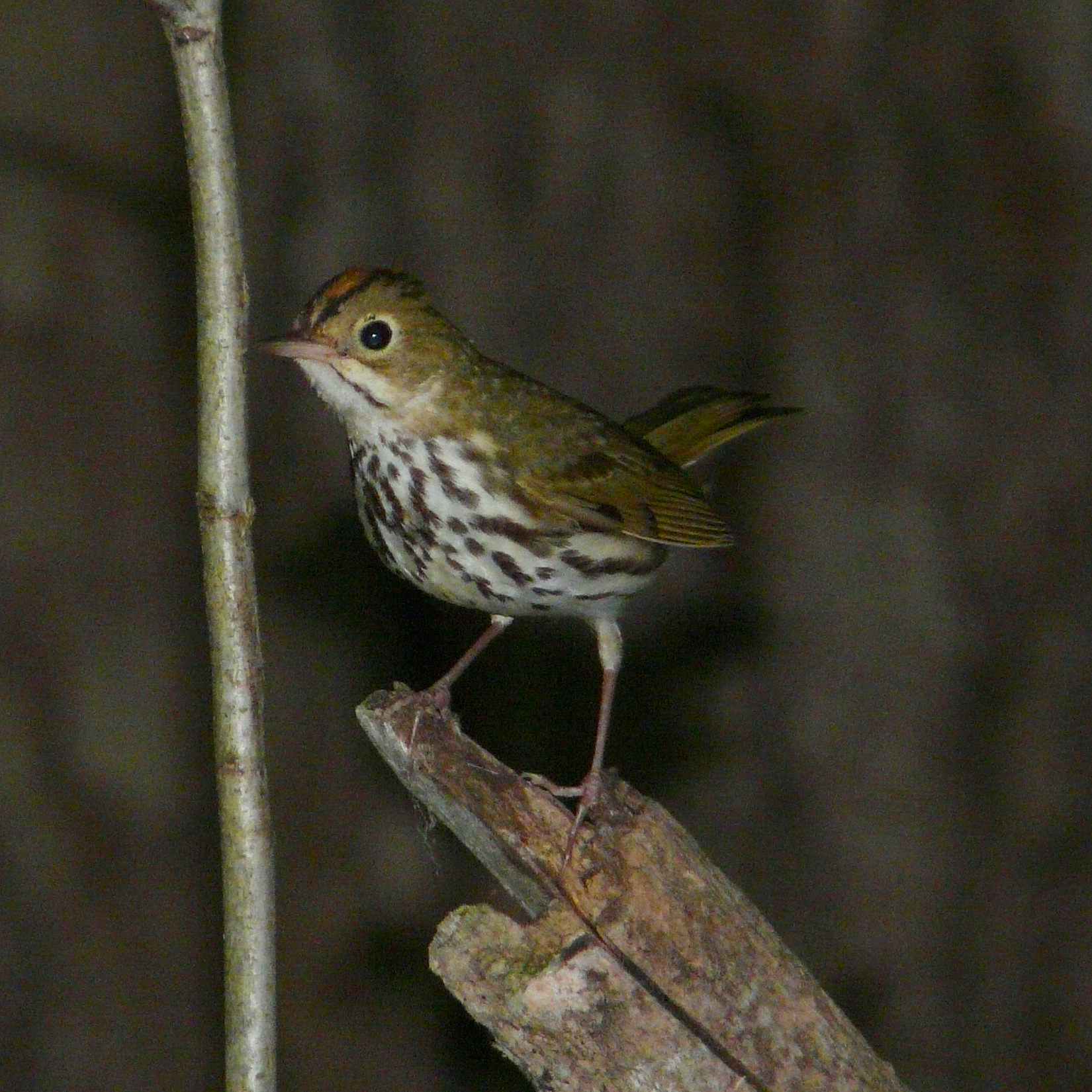
Ovenbird


This Spruce Grouse was at Petit Manan NWR. She had several downy chicks with her. The chicks are actually capable of flight, and flew into dense cover when startled. The adult remained on foot, keeping an eye on me and making contact calls to keep her brood together.


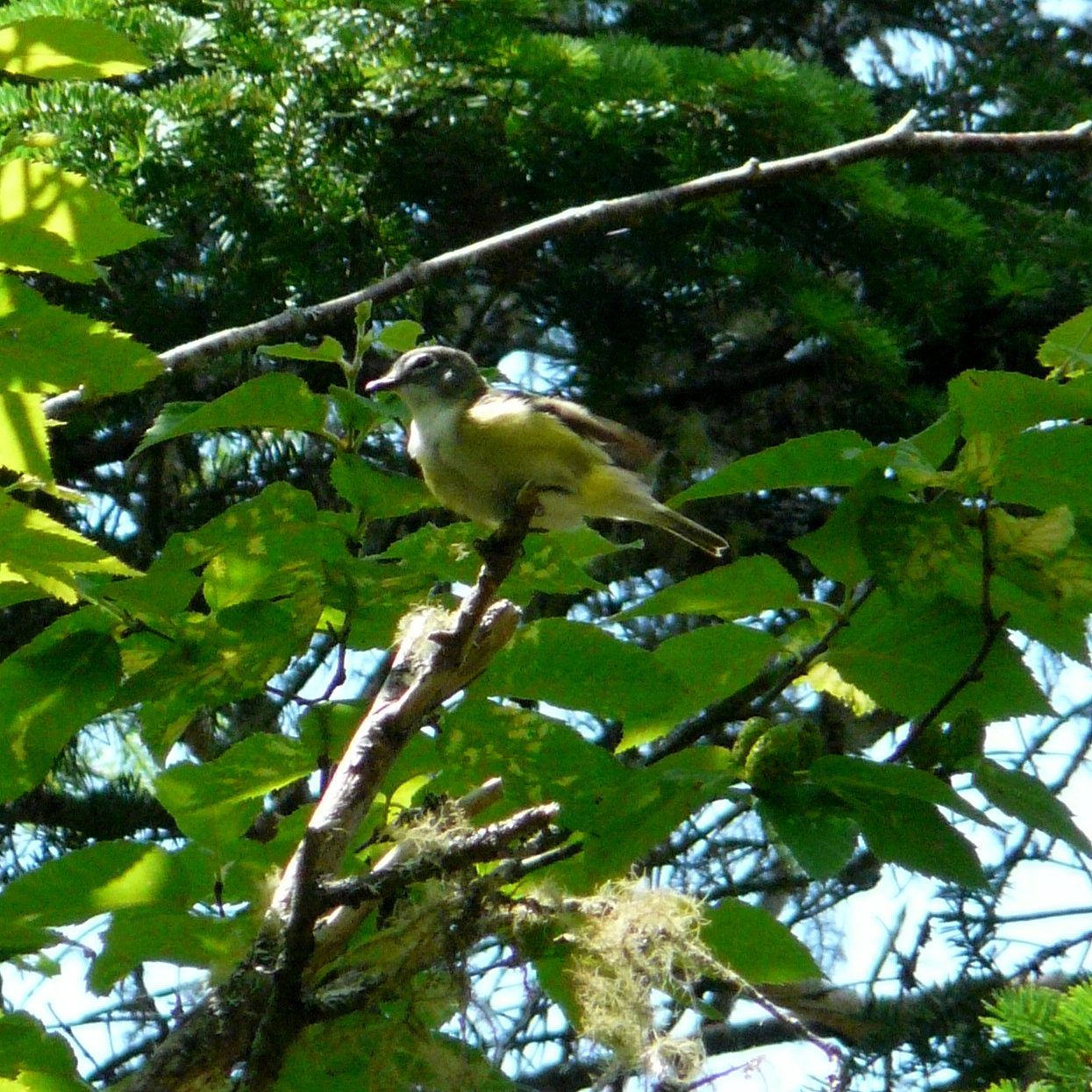
Blue-headed Vireo


White-throated Sparrow


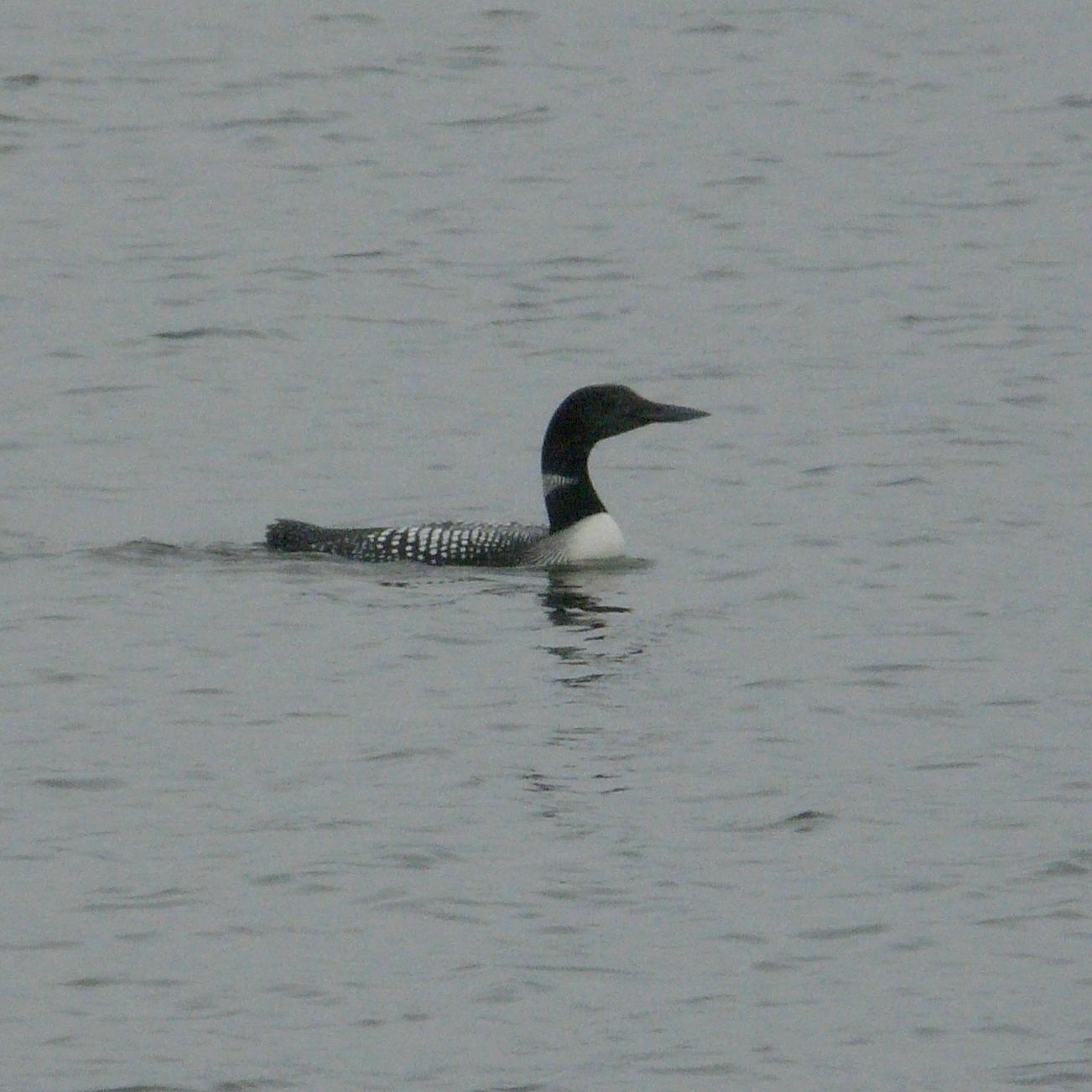
Common Loon


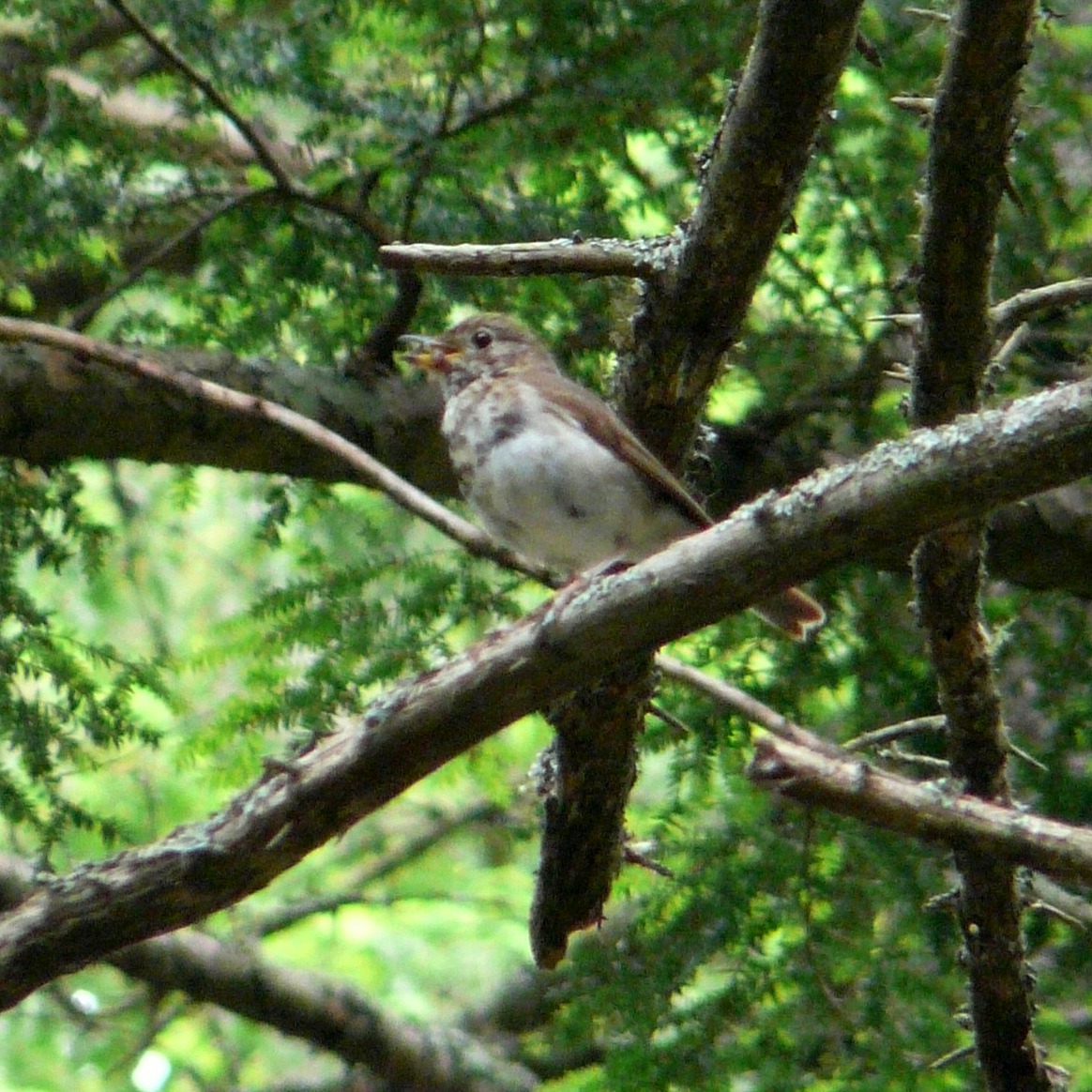
Hermit Thrush, calling with a bill full of food for nestlings.


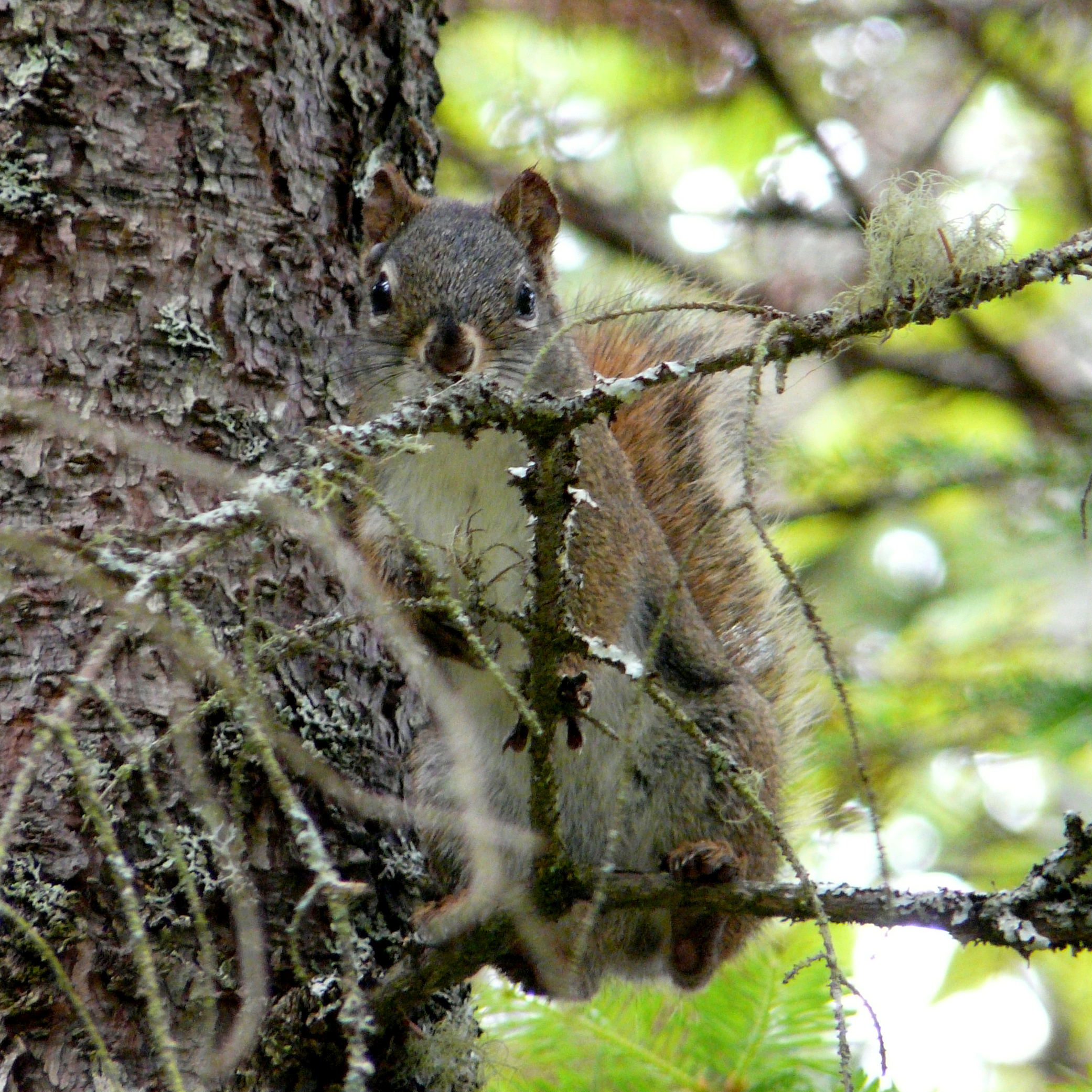
Red Squirrels were common and noisy in wooded areas.


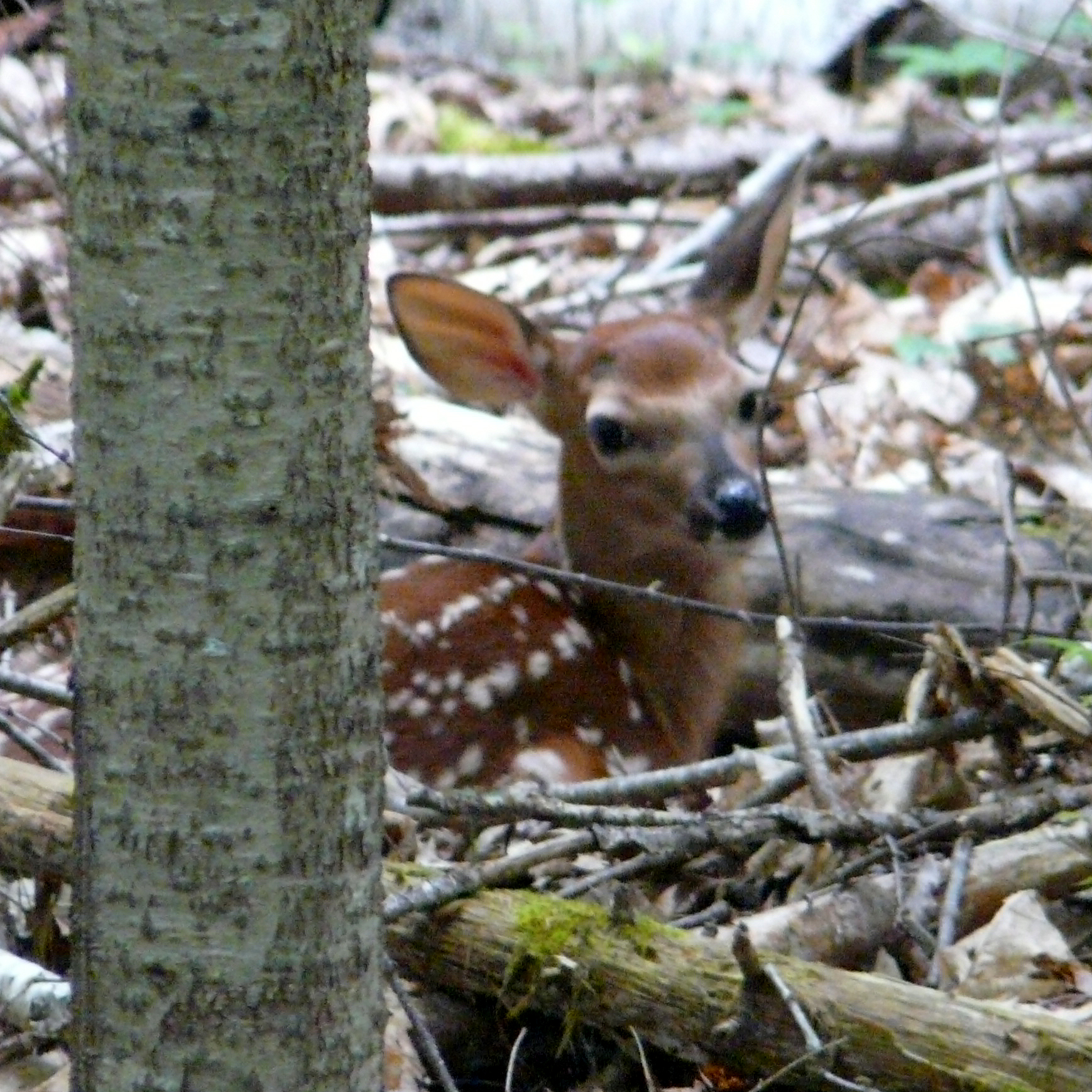
This White-tailed Deer fawn was well-hidden in the woods. I only located her because she got up to take a stretch just as I was looking in that direction.


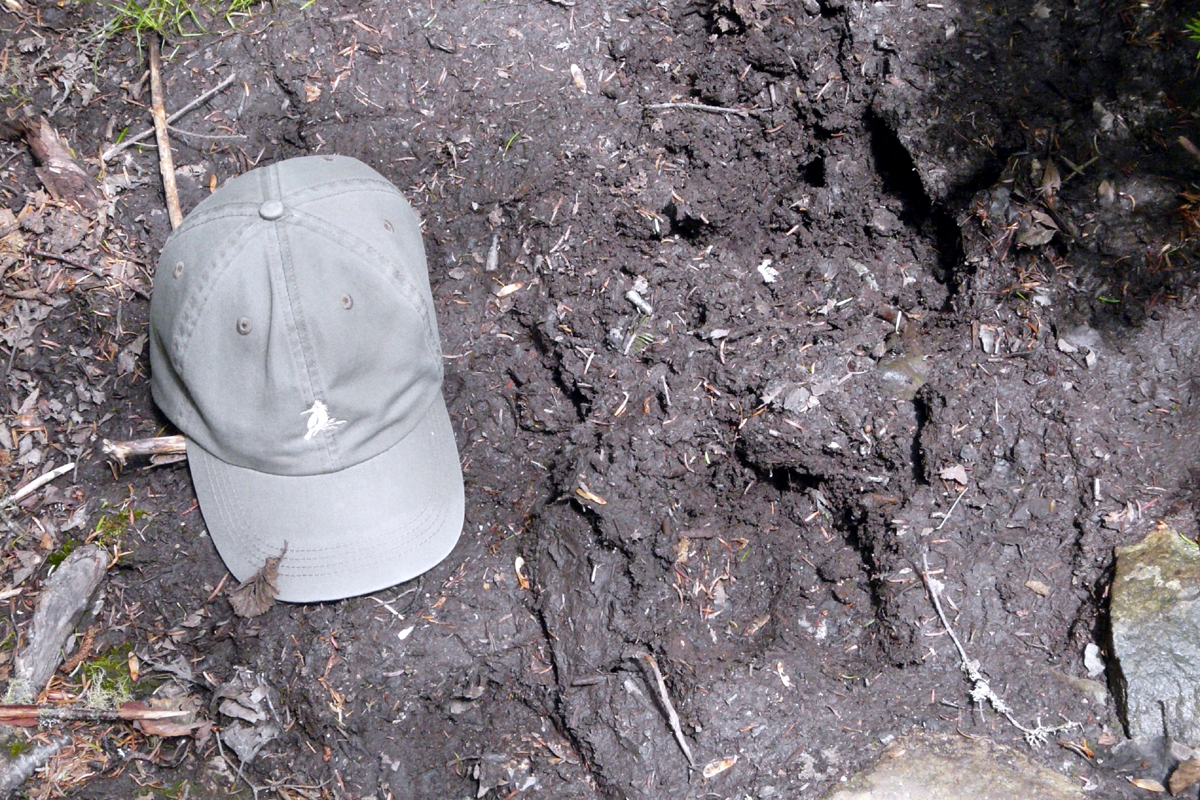
Moose tracks


Green Frog


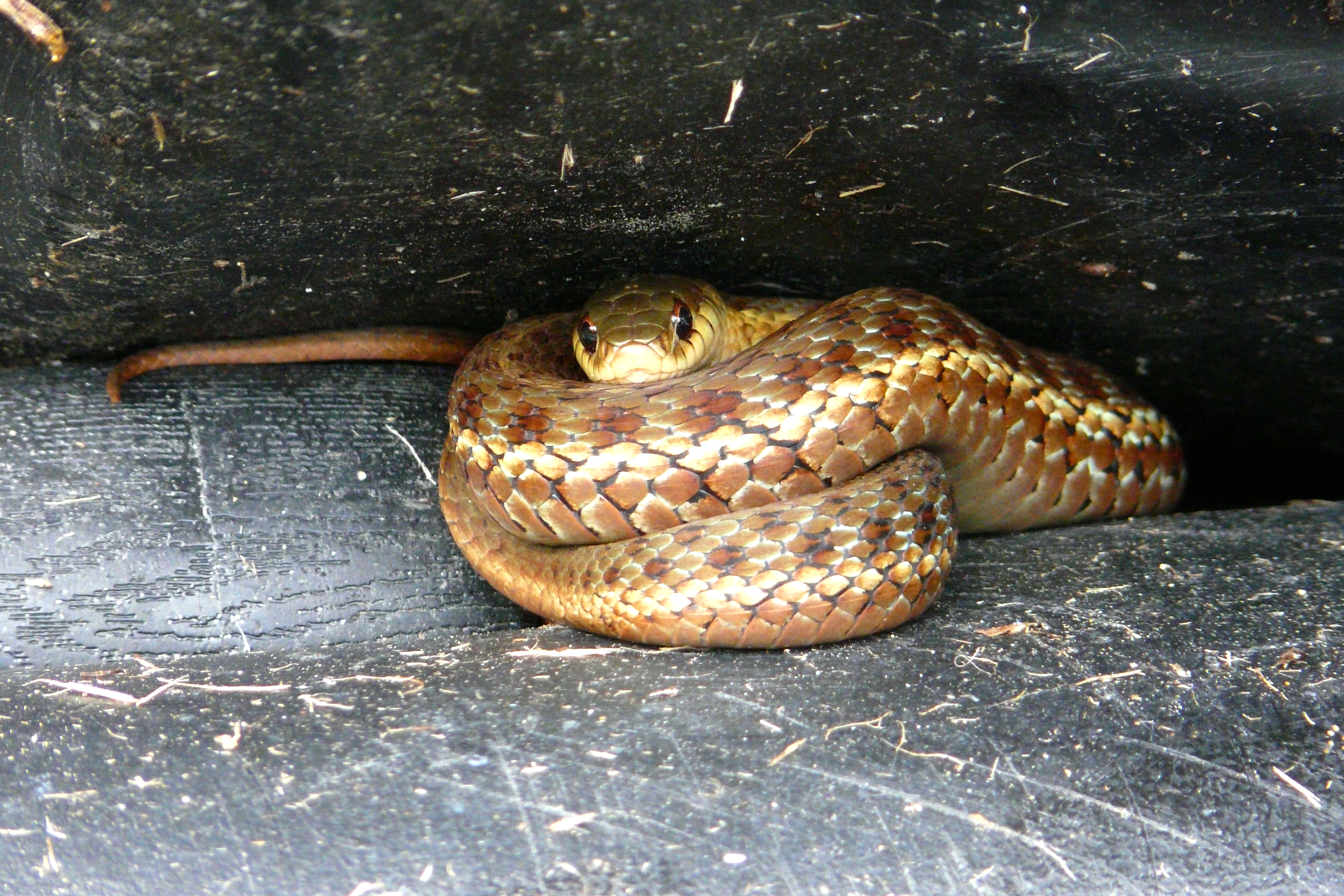
This Eastern Garter spent much of the day basking beneath a compost bin.


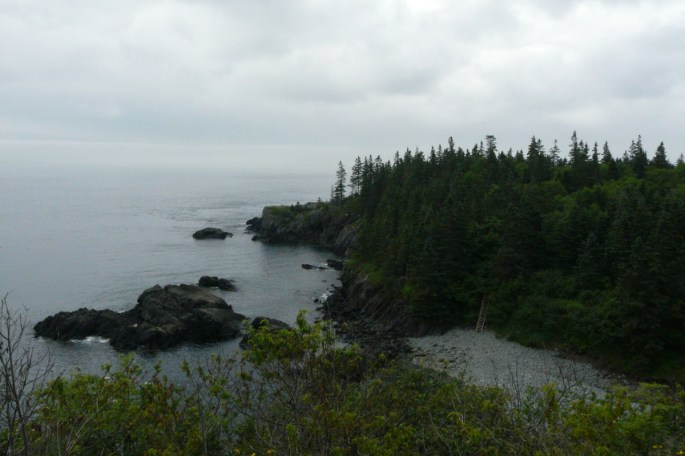
Rugged shoreline near Cutler.

Malheur NWR

Malheur National Wildlife Refuge is one of the most popular birding destinations in Oregon, not just for the abundant expected species, but also for the eastern vagrants that turn up there every year. Our Birdathon team from the Audubon Society of Portland visited the area June 7-9.


The trees and shrubs around the refuge headquarters are very attractive to birds.


Pine Siskins


Yellow-headed Blackbird


Western Tanagers were abundant in the trees and in the sagebrush.


The lawn at headquarters hosts a large colony of Merriam’s Ground Squirrels.


The view from Buena Vista, with Steens Mountain in the background


In warmer weather, this part of the state is great for herps, like this Western Fence Lizard.


Eastern Kingbird


Black-necked Stilt


Common Nighthawk


Northern Flicker, nesting in the town of Frenchglen, near the southern end of the refuge