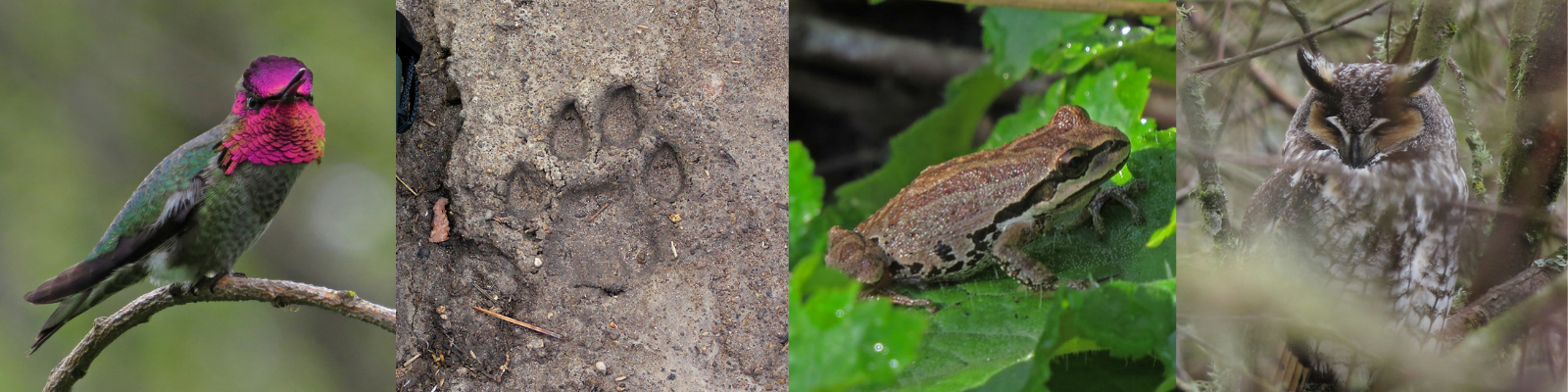
Fernhill Wetlands

If you haven’t been to Fernhill Wetlands since the major renovations were completed, you should definitely check it out. There is still a fairly large lake to attract divers, but now there is also a large emergent wetland to explore.

brewer's bbBrewer’s Blackbirds were holding court in the parking lot.

rw blackbirdThe Red-winged Blackbirds are setting up their territories.
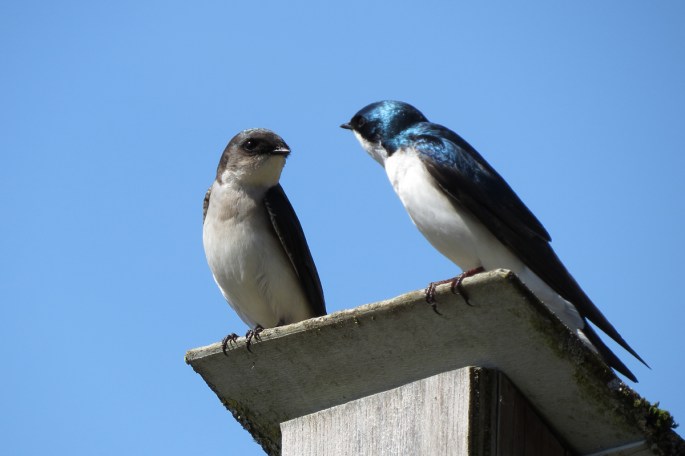
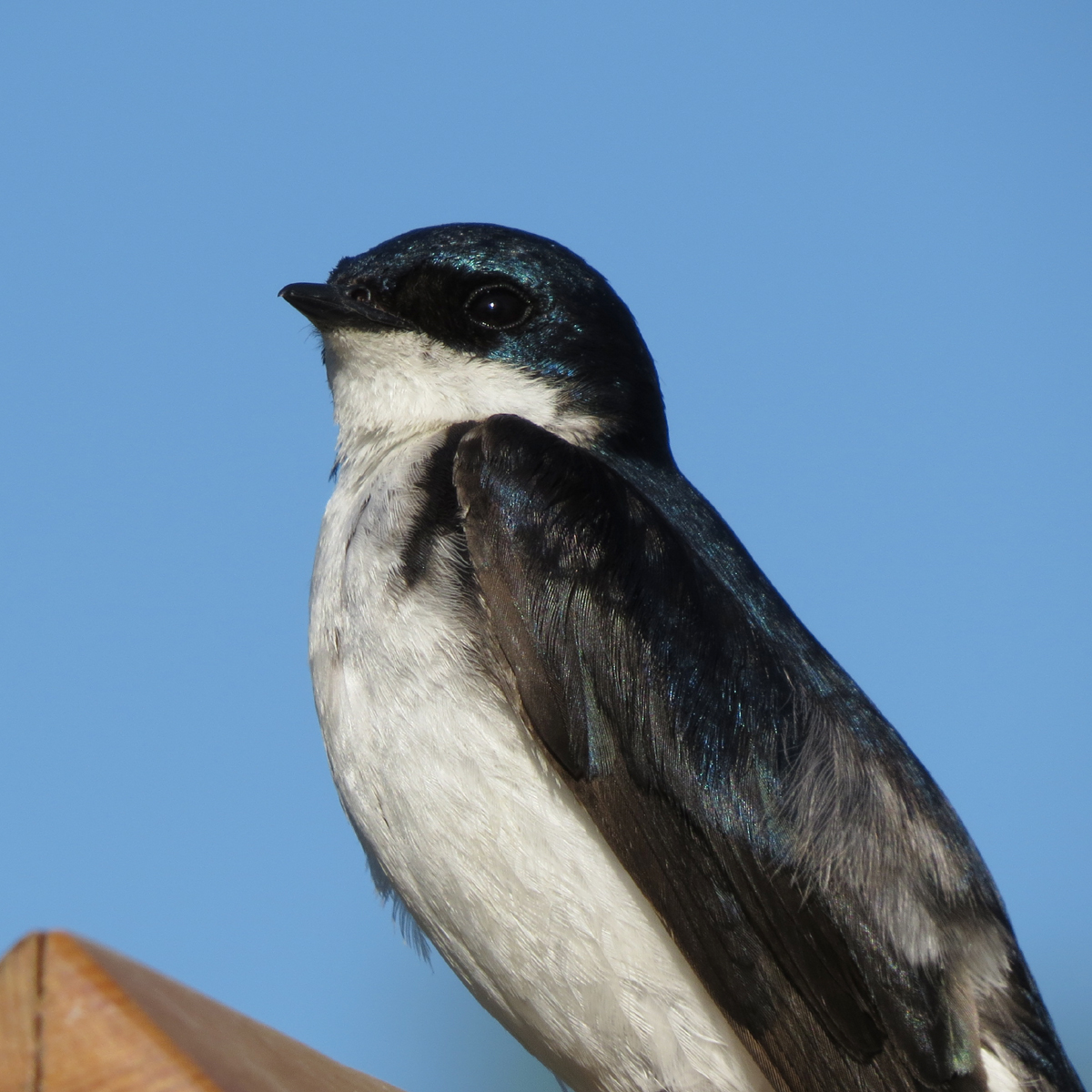
swallowsTree Swallows, giving each other that “come hither” look.

ridgeway's cacklingEven though the local nesters are getting down to business, there are still plenty of wintering Cackling Geese around. These are Ridgeway’s Cackling Geese.

bullfrogThere is certainly no shortage of American Bullfrogs at Fernhill, which may explain why I didn’t find any native frogs.
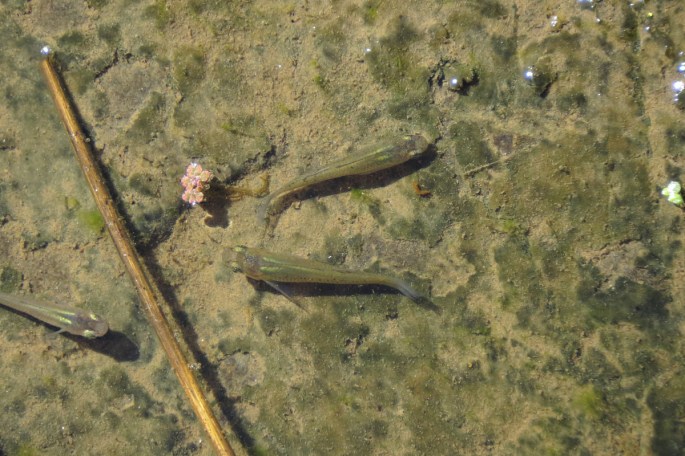
fishThe shallow waters are teaming with these minnows. I can’t tell what species they are.

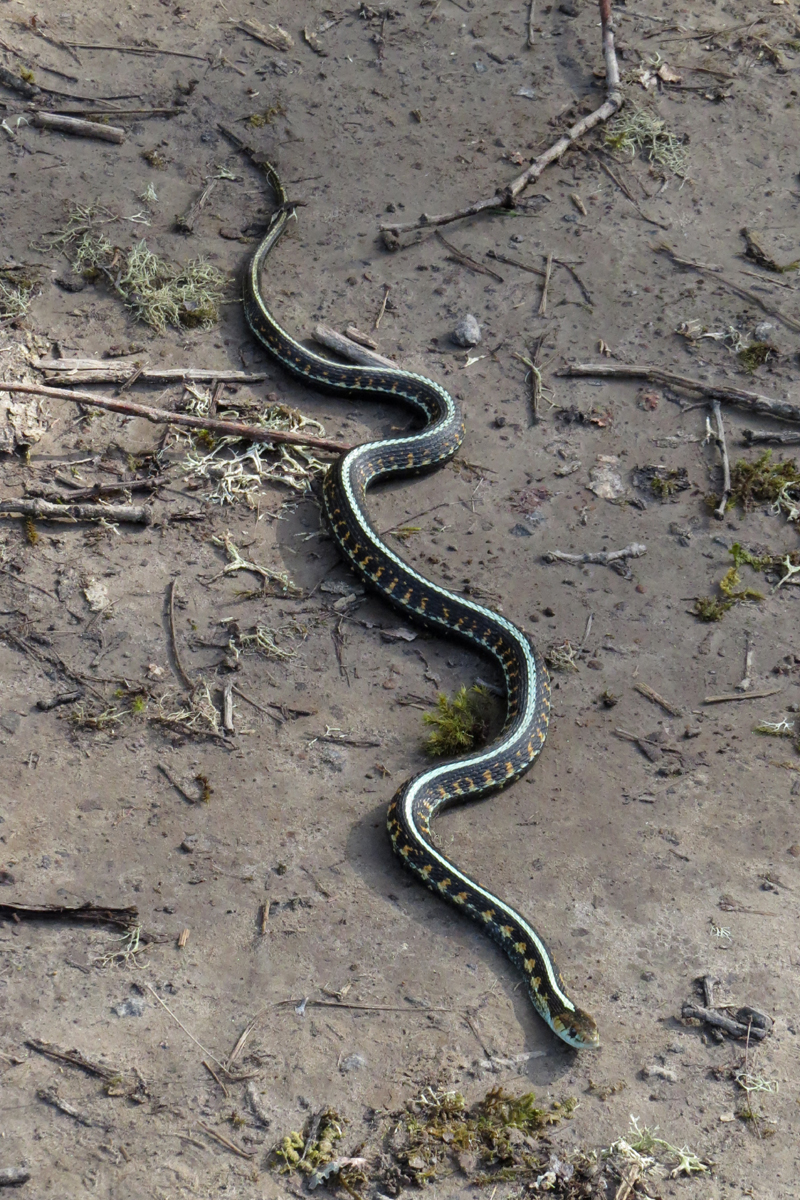
garter and feetI surprised this little Northwestern Garter Snake while she was sunning herself. I saw a Common Garter later in the visit.
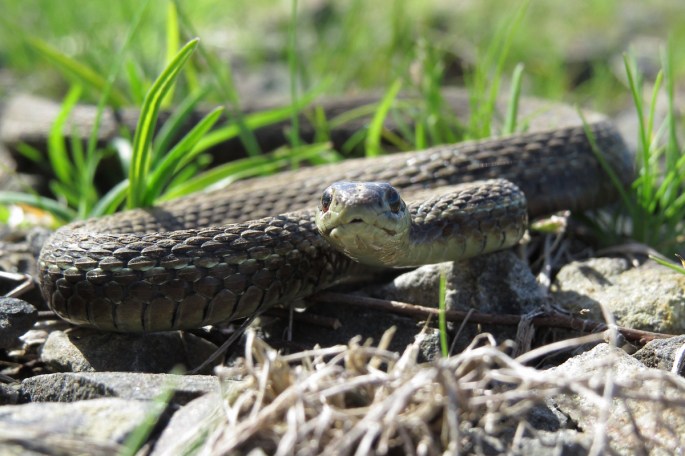
nw garterNorthwestern Garter Snake
Jackson Bottom

great egretsI scouted Jackson Bottom Wetlands Reserve in Hillsboro for my shorebird class this week. Much of the area is dry, but Pintail Pond still has enough water to create mudflats and easy fishing for the Great Egrets.

ring-billed gullOne Ring-billed Gull was hanging out with several California Gulls.

northern harrierThis Northern Harrier repeatedly strafed the mudflats, sending all the shorebirds into a panic. Jerk.

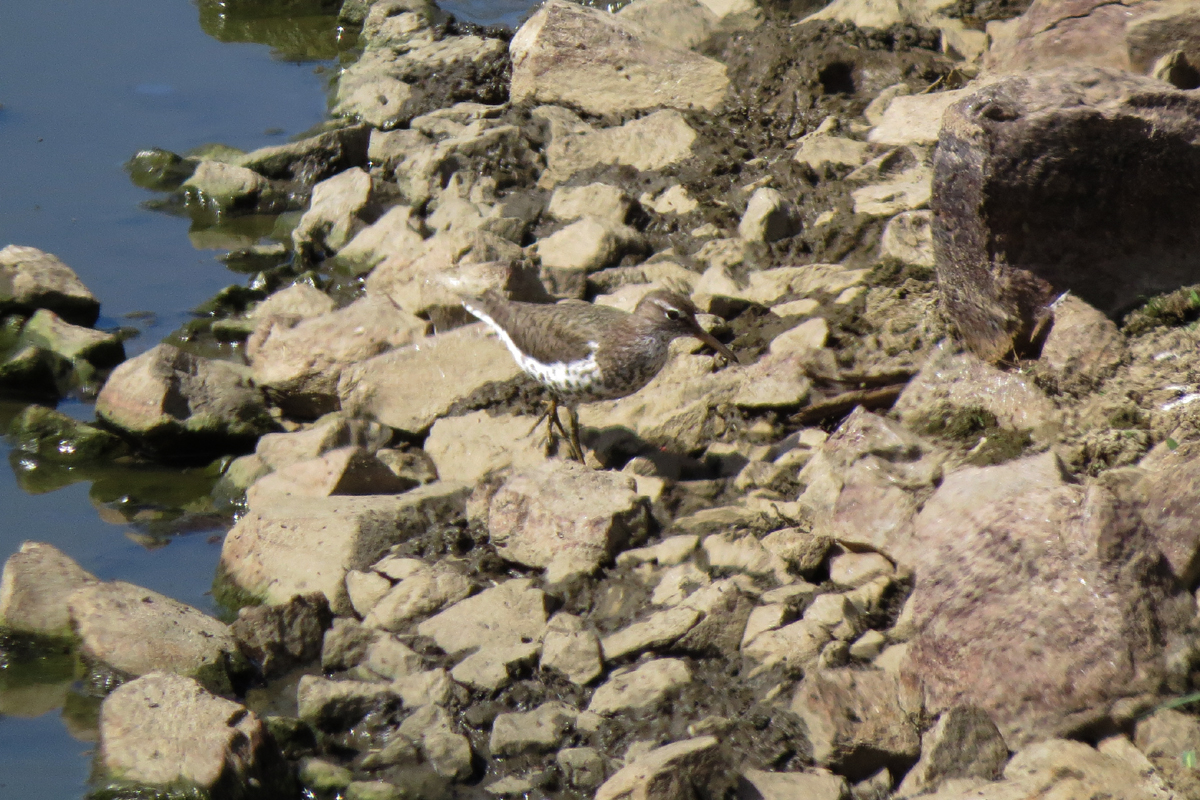
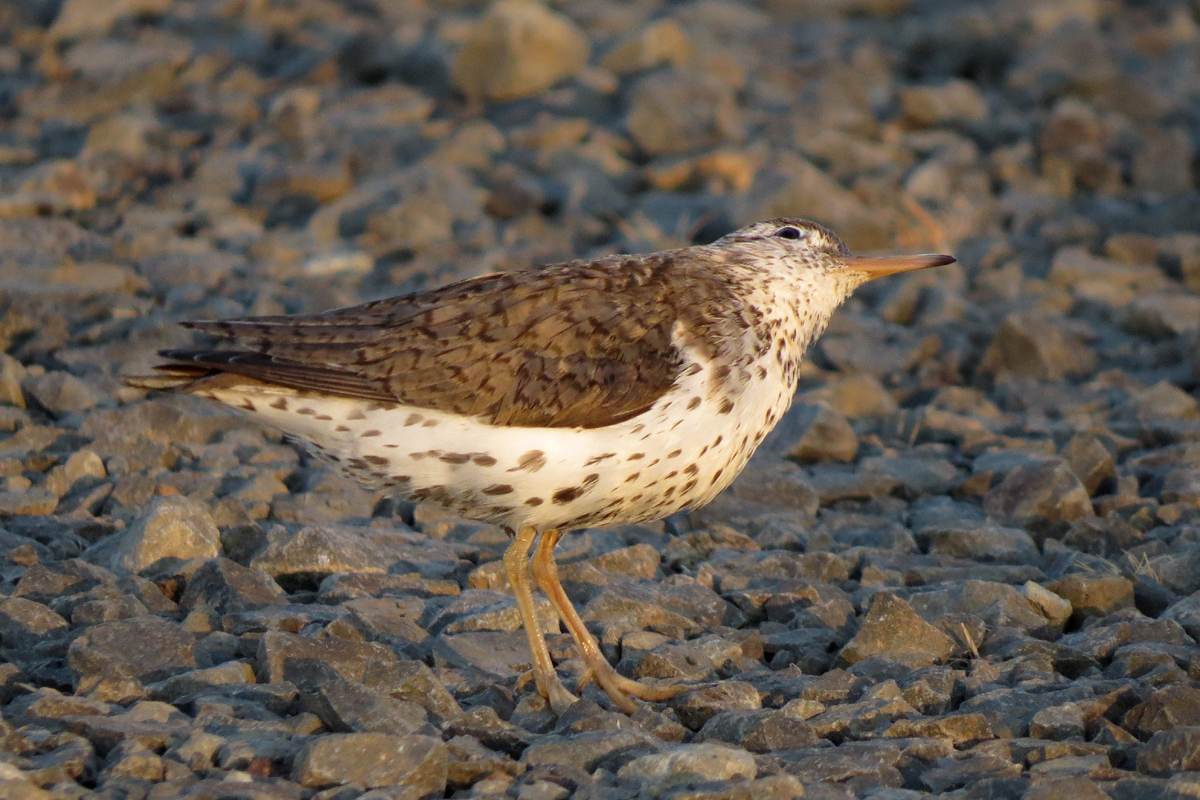
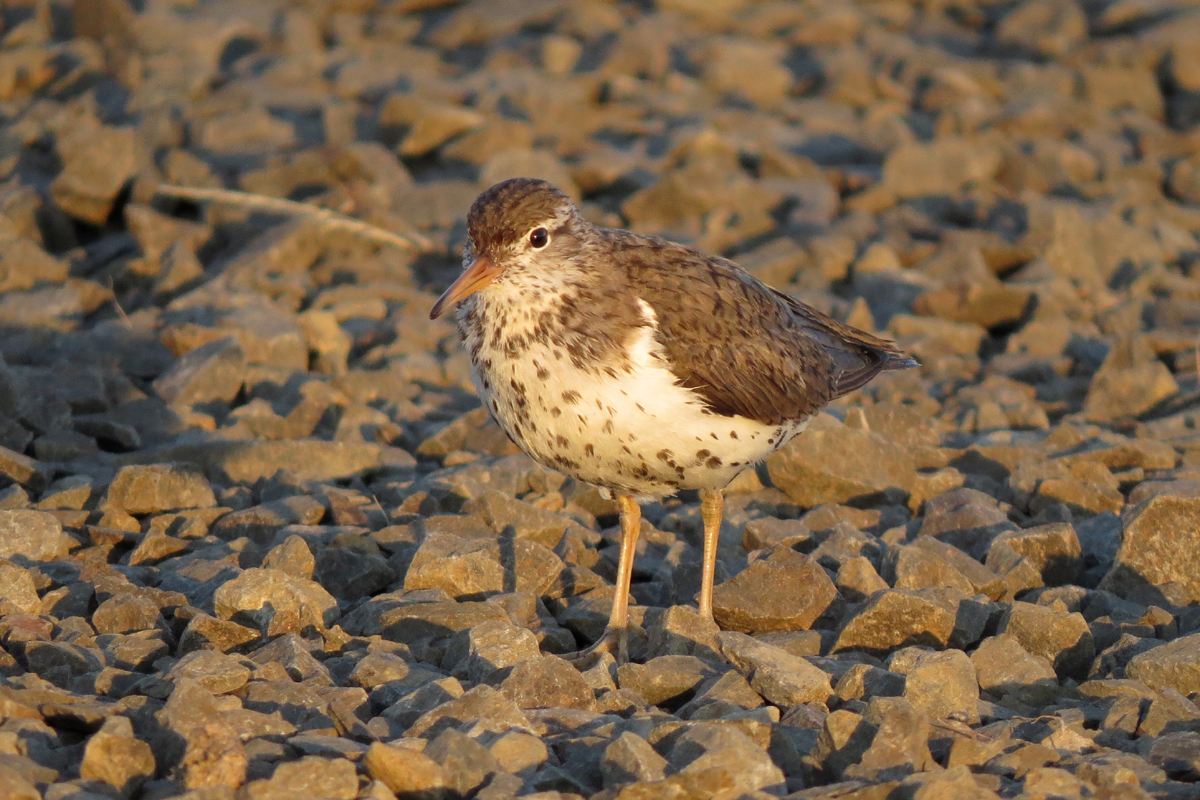
spotted sandpiperMost of the shorebirds were beyond decent photo range, but this Spotted Sandpiper came fairly close.

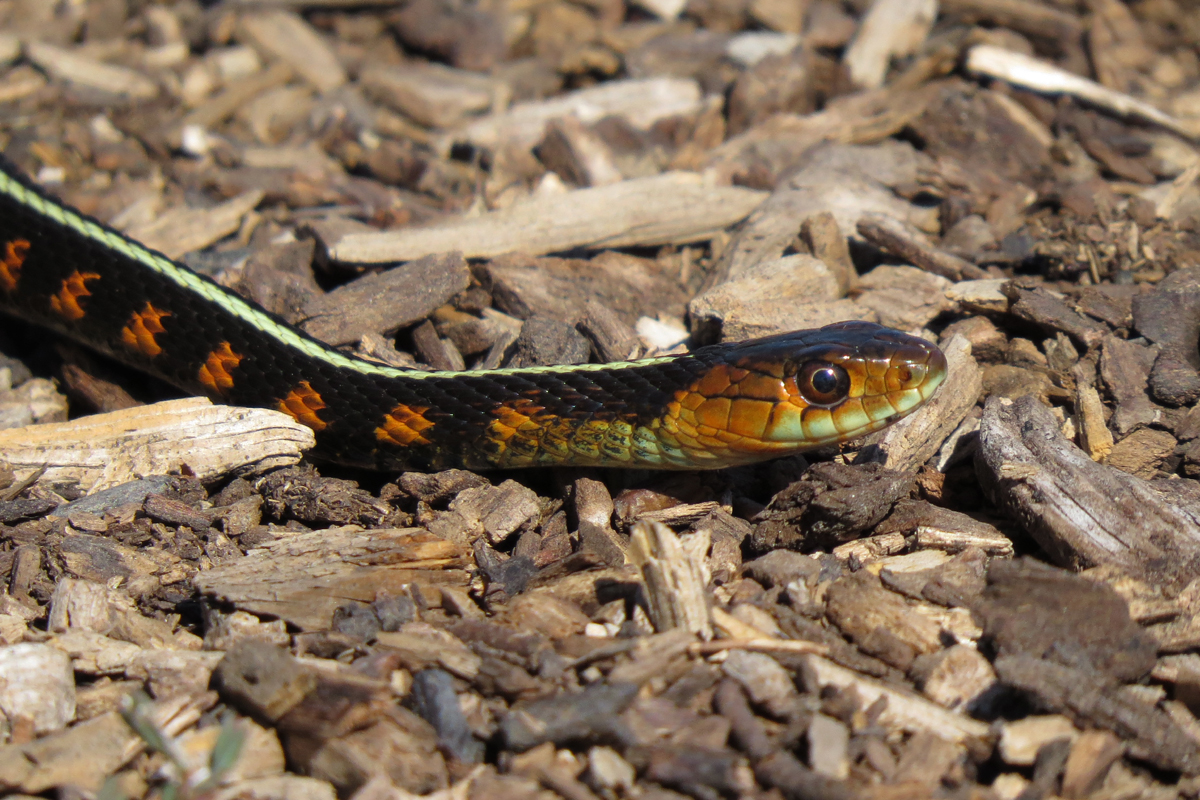
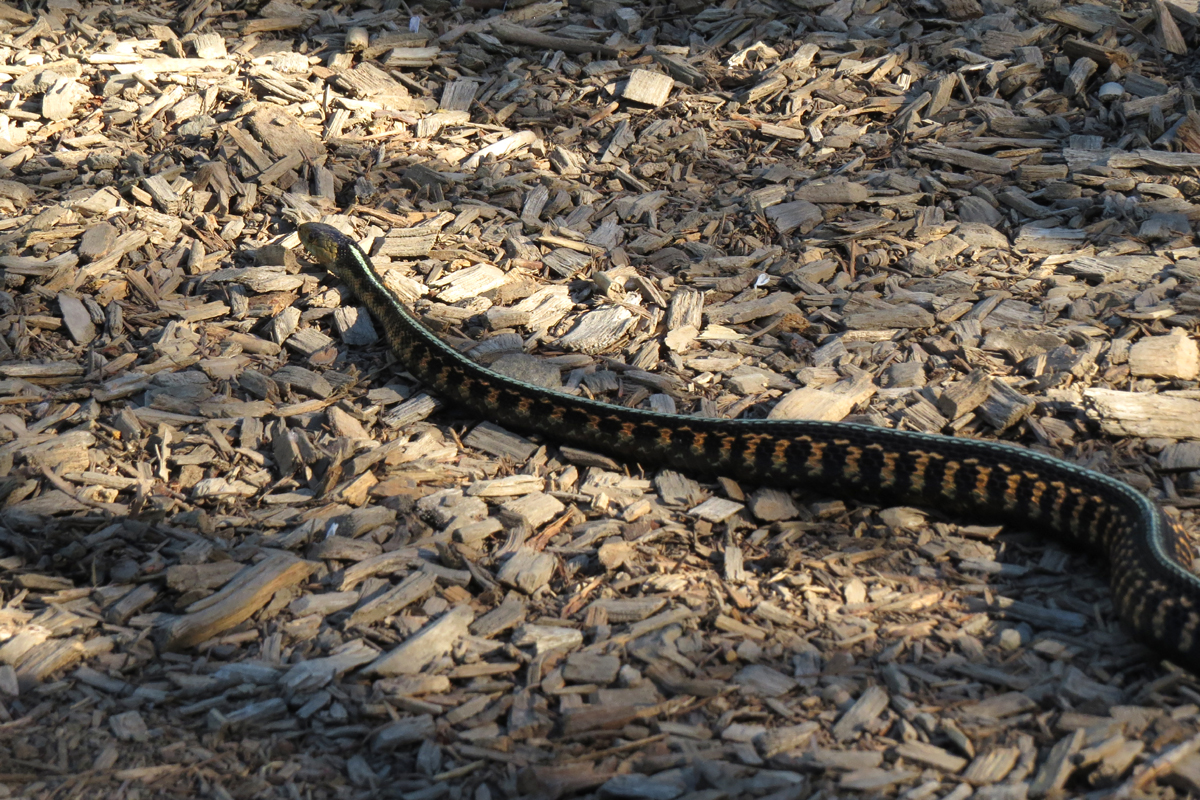
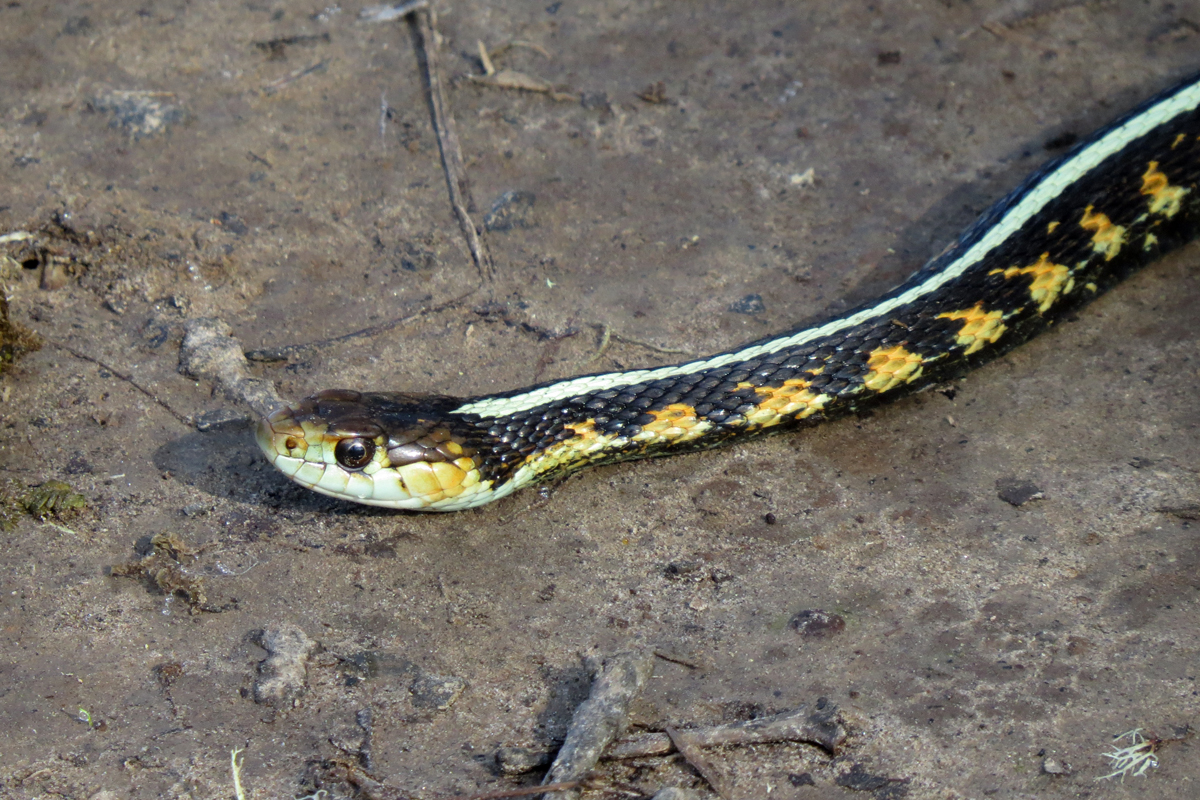
common garter 1The Common Garter Snakes at this site have great coloring. We saw several chasing fish in the shallow water.

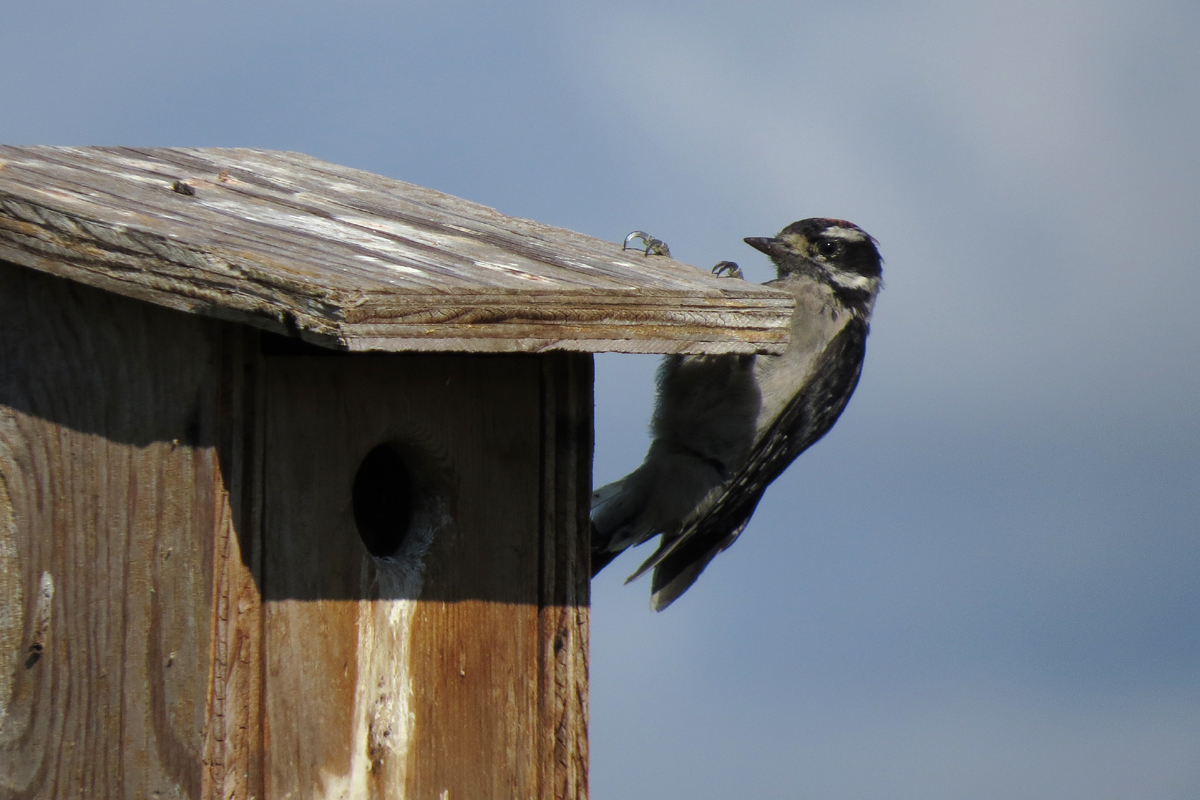
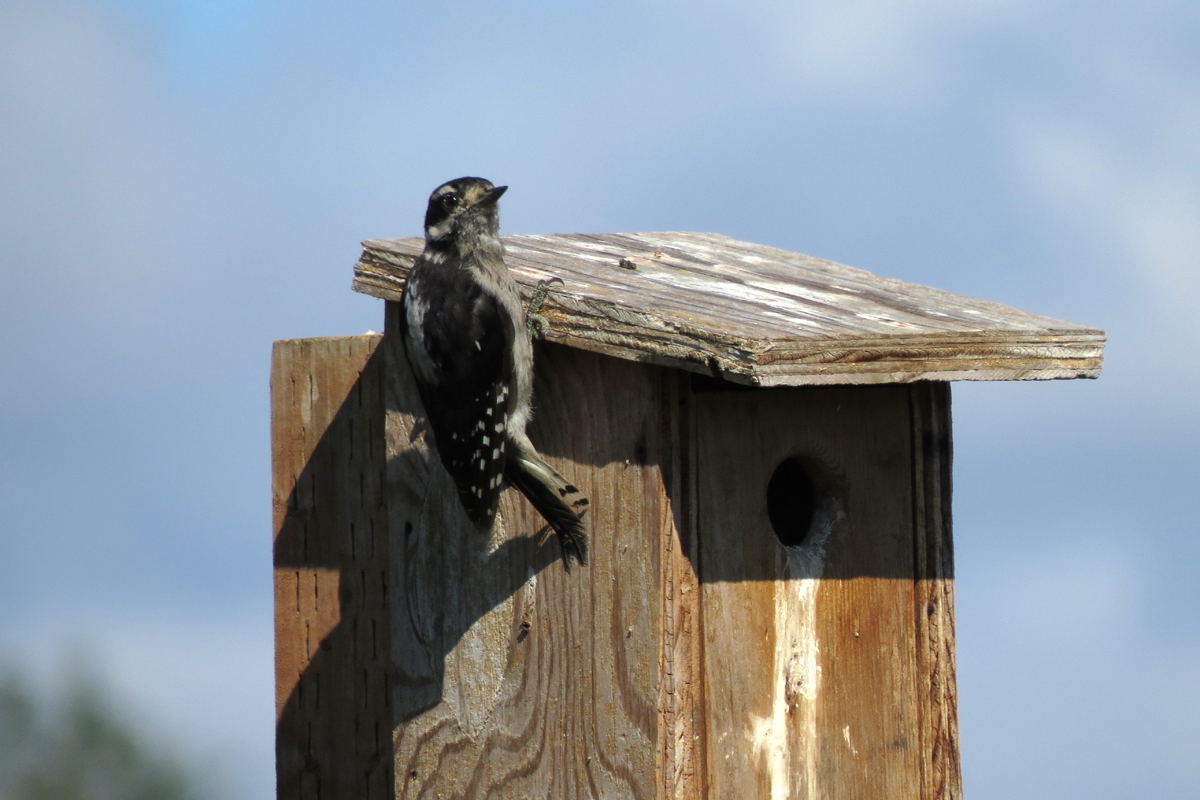
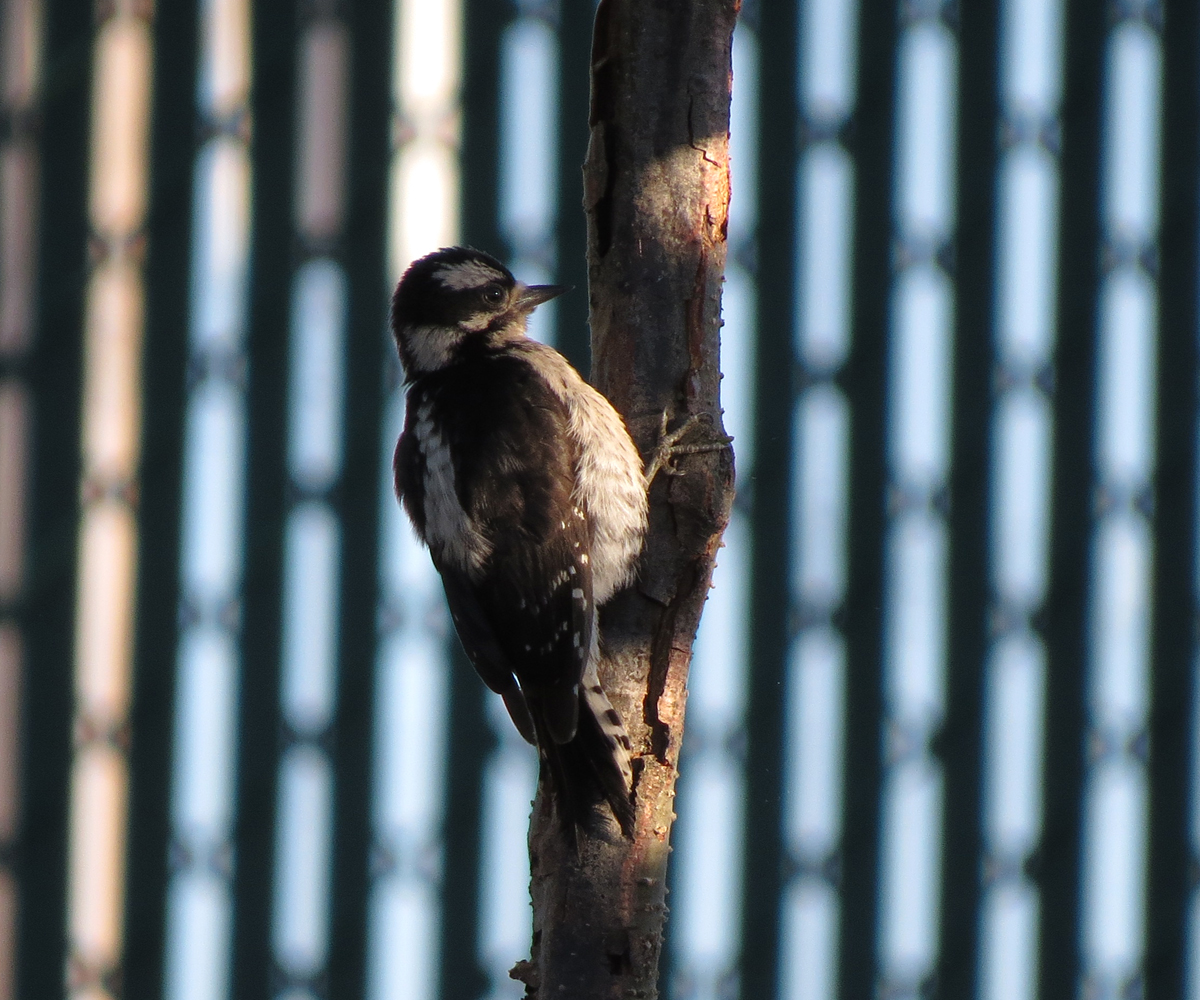
downy frontThis young Downy Woodpecker was checking out a swallow house. He didn’t go in, but explored all around the outside.
downy rightdowny left

Fernhill Wetlands and Jackson Bottom

We are two weeks into a nasty heat wave in the Portland area. Sunrise is the only time of day when you can bird in any comfort and hope to find any birds active and singing. So I got up early and did a bird survey at Fernhill, then made a quick stop at Jackson Bottom on the way home.

am. goldfinchSome of the flowers have gone to seed, providing forage for both American (above) and Lesser (below) Goldfinches.

lesser goldfinch
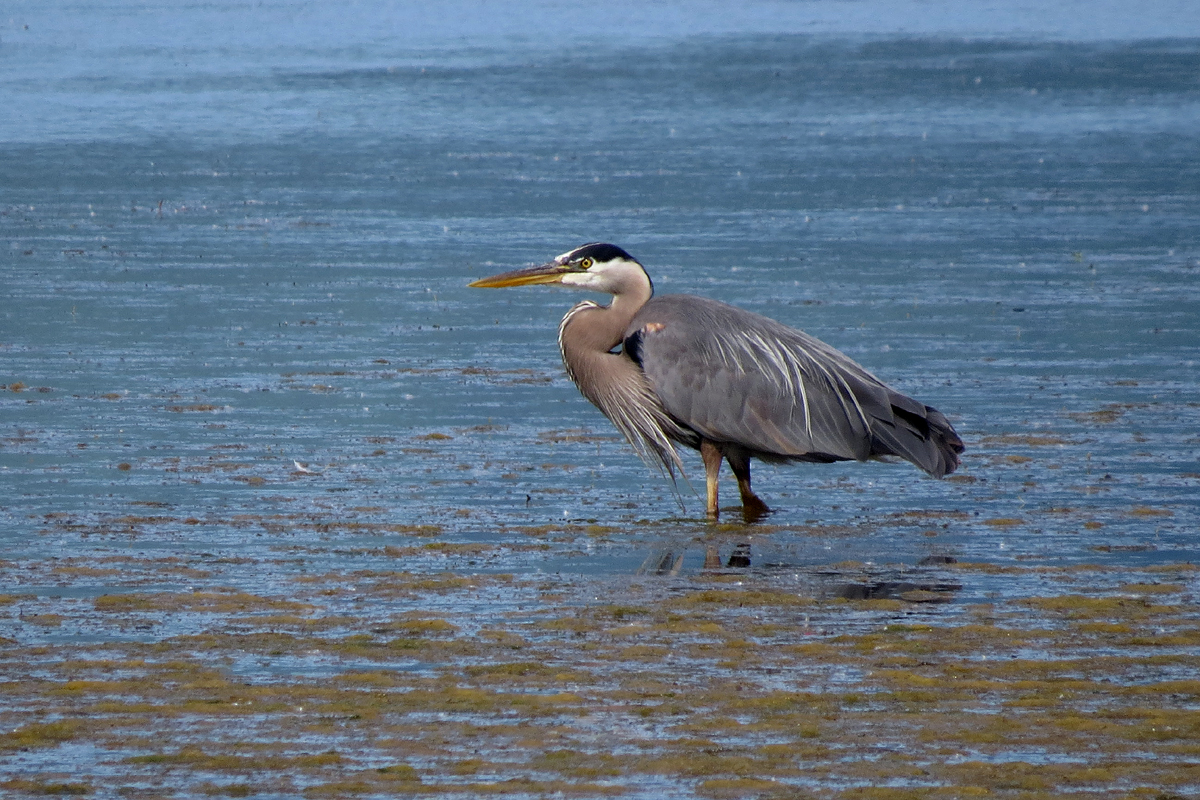
great blueThe refurbished wetlands at Fernhill have lots of tree trunks installed vertically to provide perches for birds like this Great Blue Heron.

green heronGreen Heron

downyThis Downy Woodpecker was checking out some of the new plantings around the water garden at Fernhill.

killdeera young Killdeer, at that awkward teenager stage

spotted sandpiper leftSpotted Sandpipers are the other shorebird that nests at Fernhill and Jackson.

spotted sandpiper upChecking the sky for falcons

garterThis Common Garter Snake was very thick in the middle. I assume she is gravid. Garters give birth starting in late July. Broods are typically around a dozen, but broods of over 80 young have been reported.

tree swallowmale Tree Swallow, being all sparkly

Smith and Bybee Wetlands

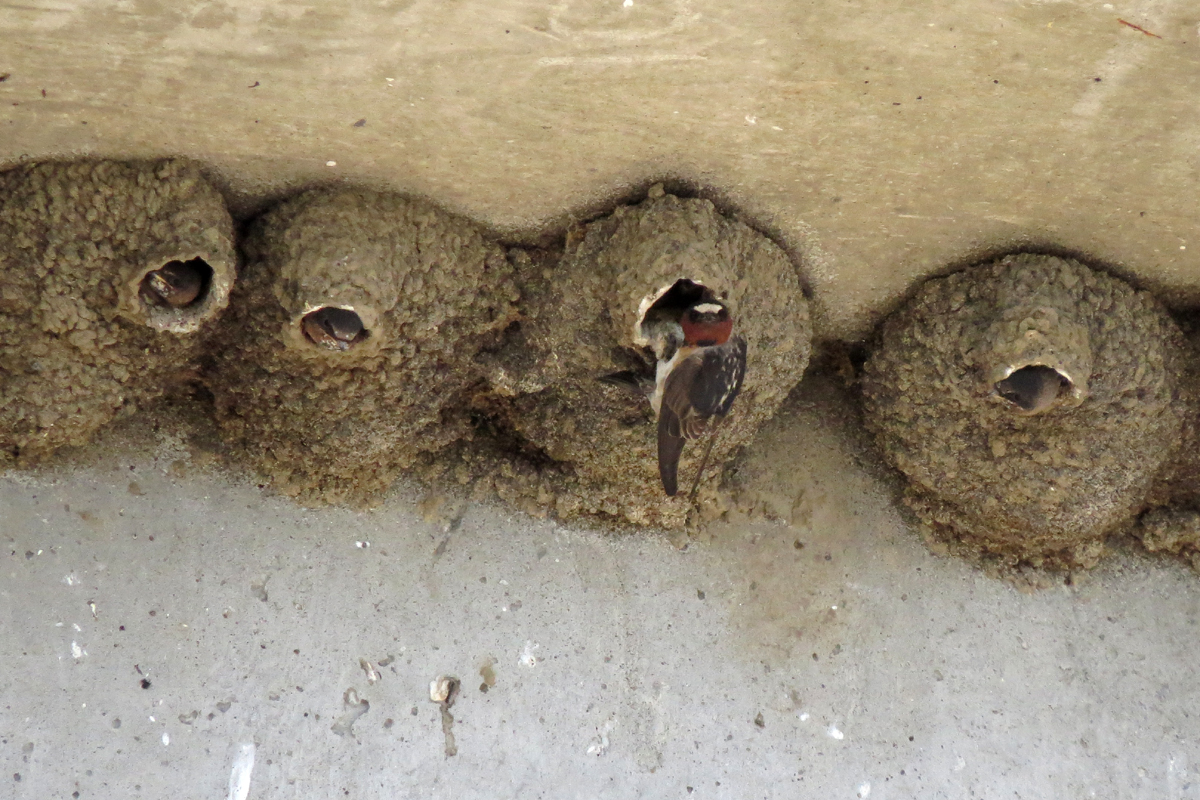
cliff swallow 1Nesting season is in full swing at Smith and Bybee Wetlands in northwest Portland. There is a small colony of Cliff Swallows nesting under the highway overpass.

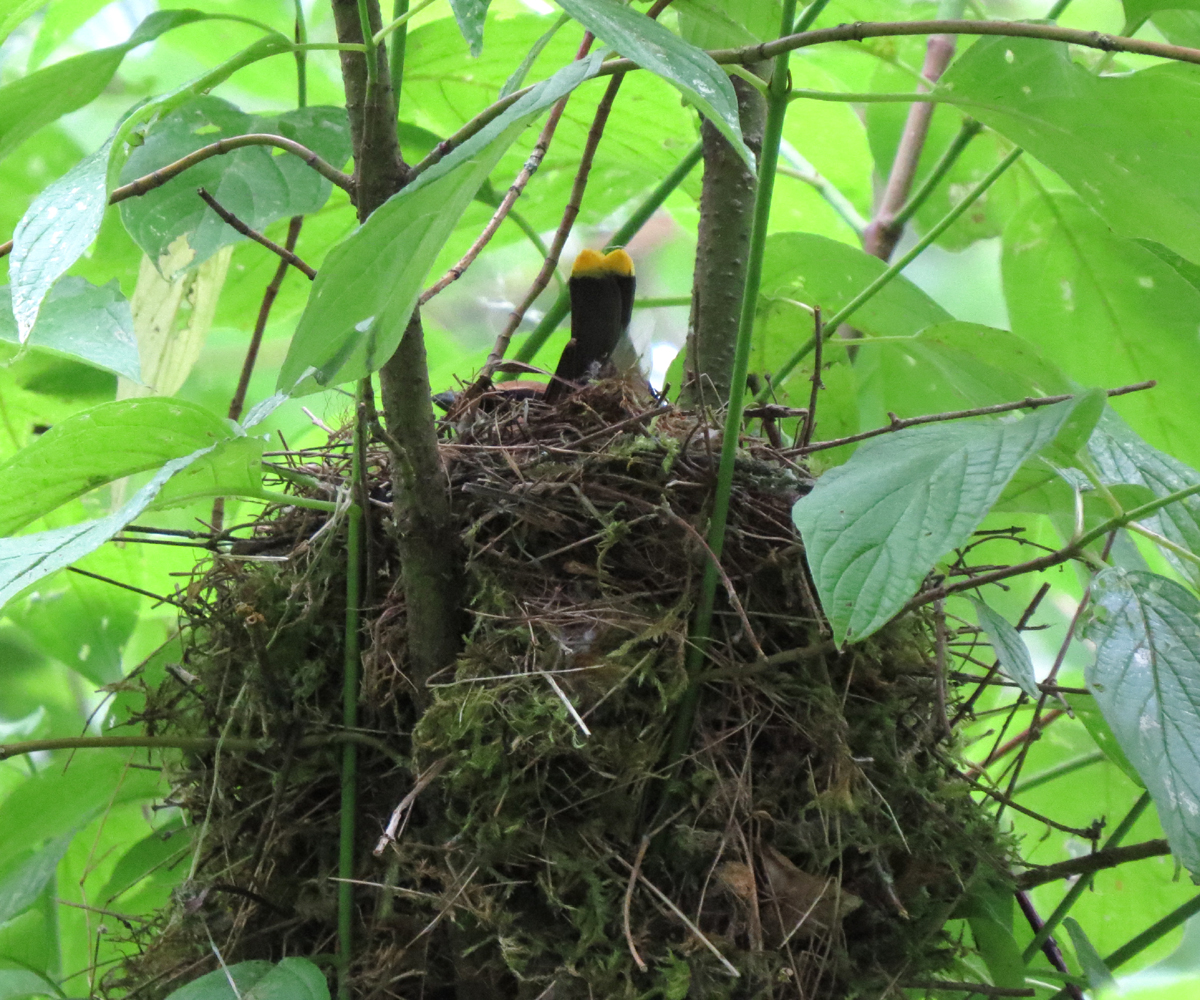
waxwing nestHere is the tail end of a Cedar Waxwing sitting on a nest. This seems like an awfully large nest for such a small bird.

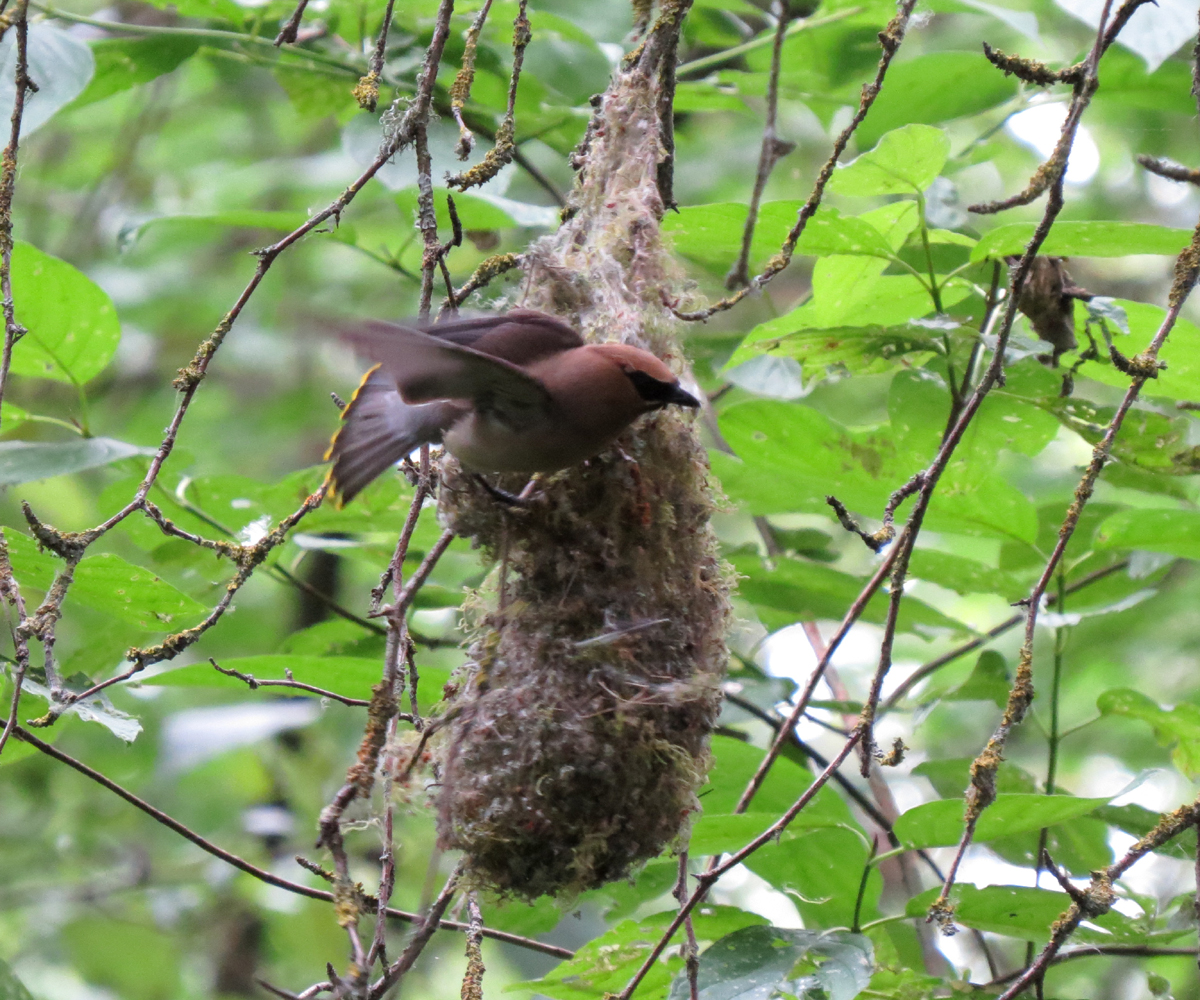
waxwing raiding nestSeveral Cedar Waxwings were raiding nesting material from this Bushtit nest. I hope the Bushtits were done with it.

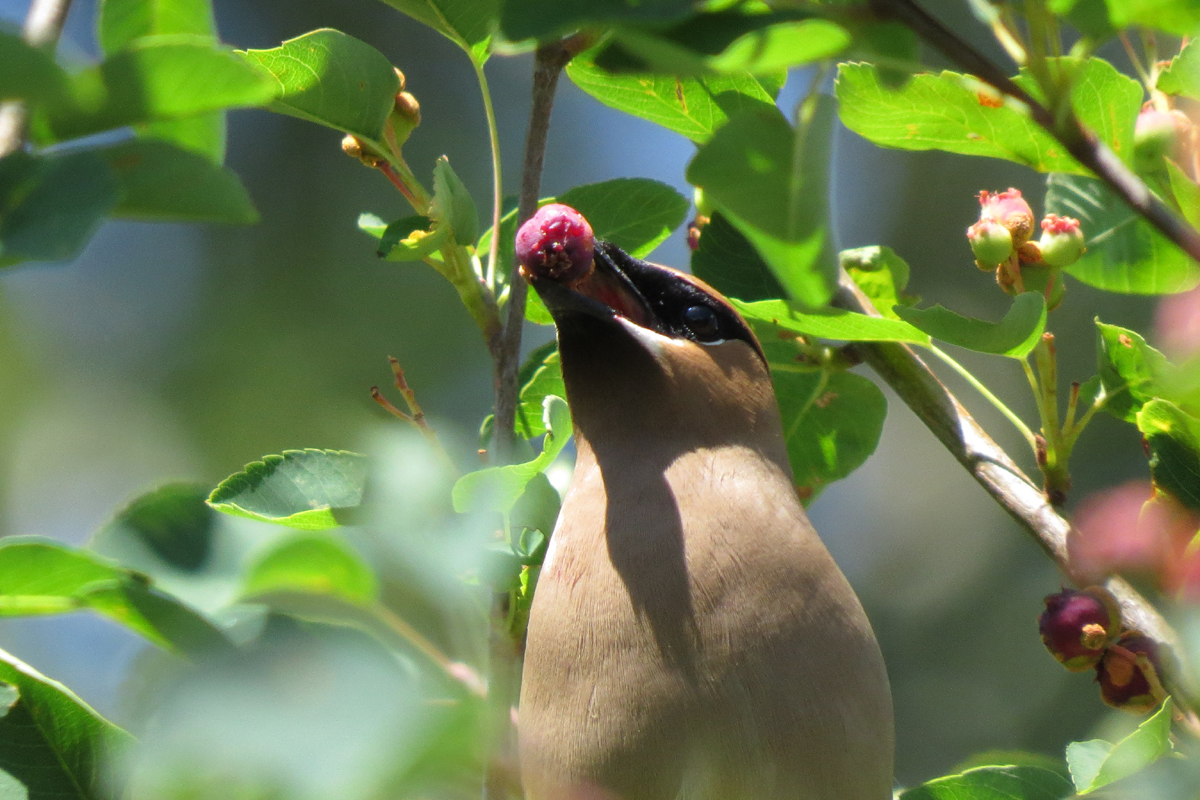
waxwing with fruitCedar Waxwing with fruit

song sparrow 2This Sparrow was carrying a mouthful of bugs, indicating that she had a nest of babies nearby.

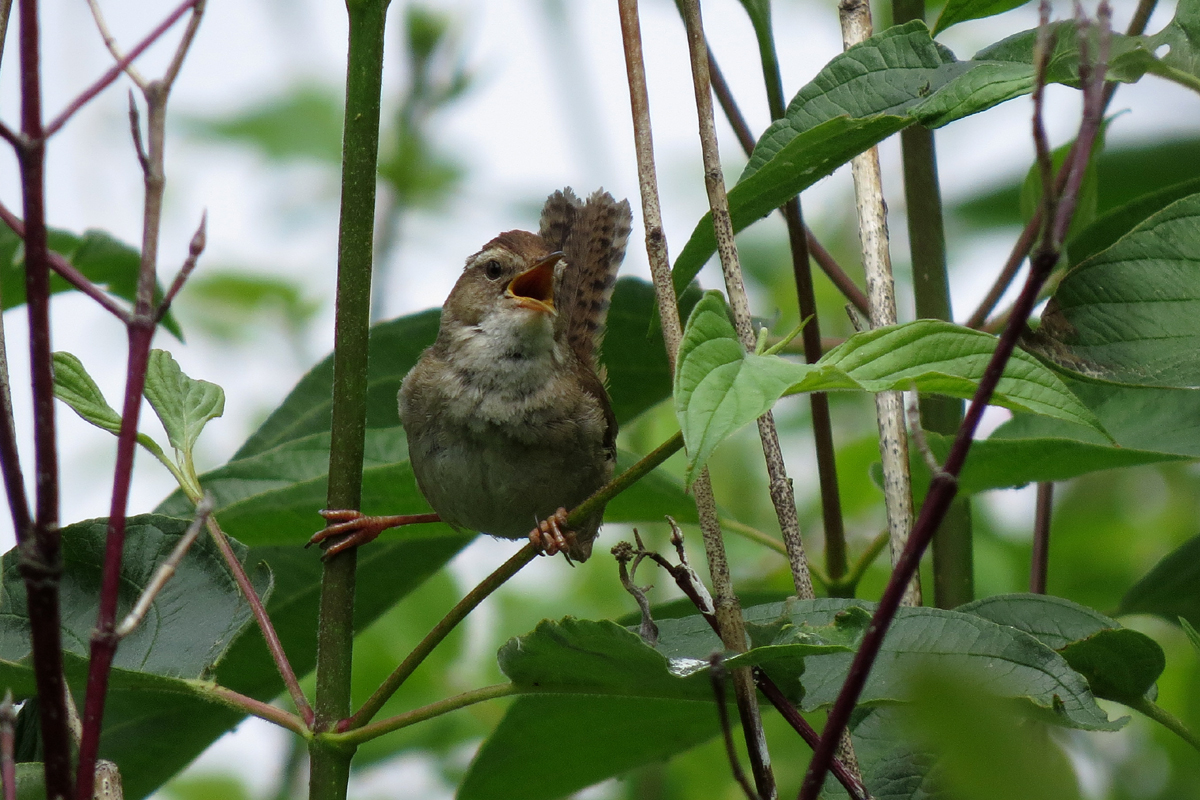
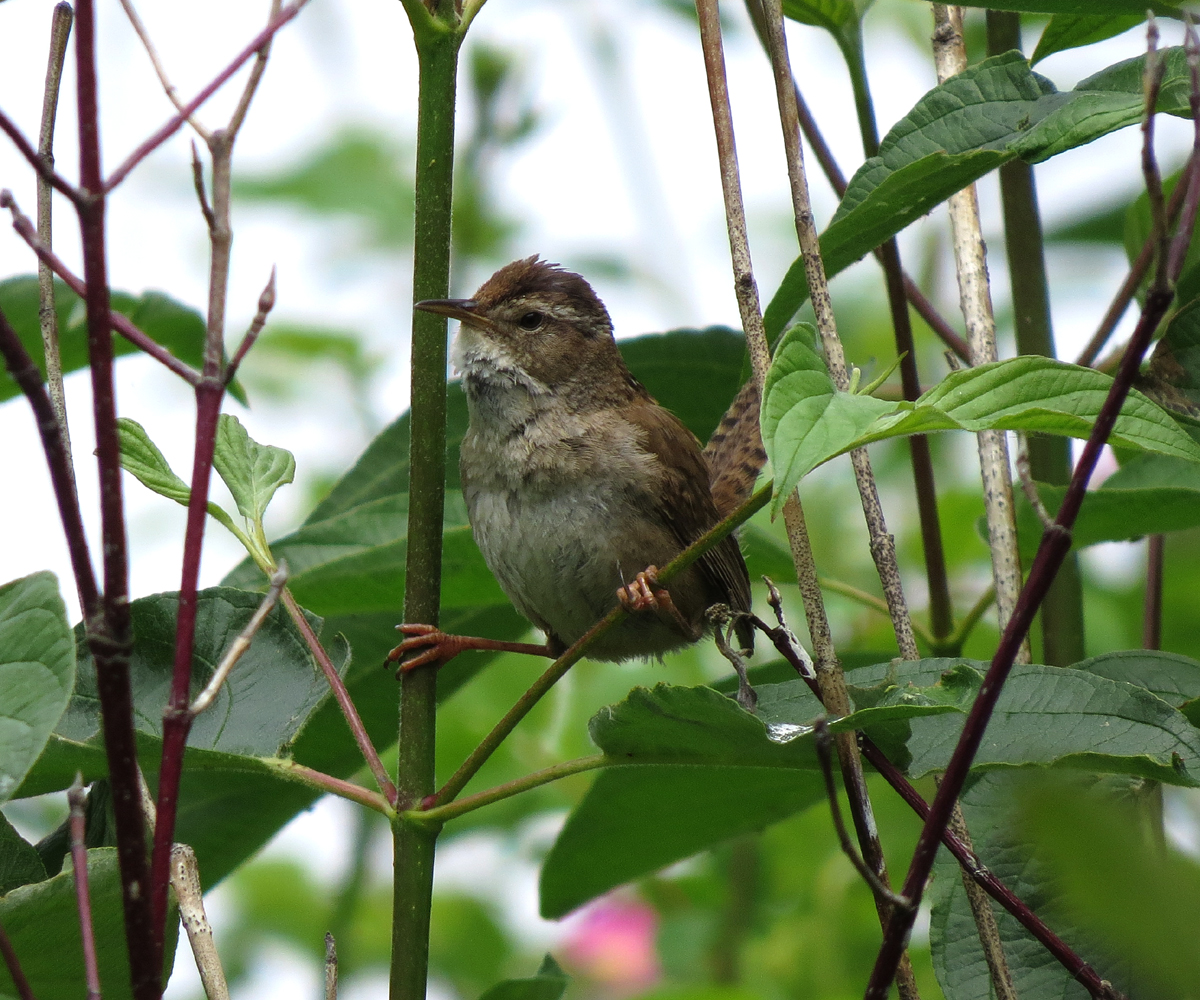
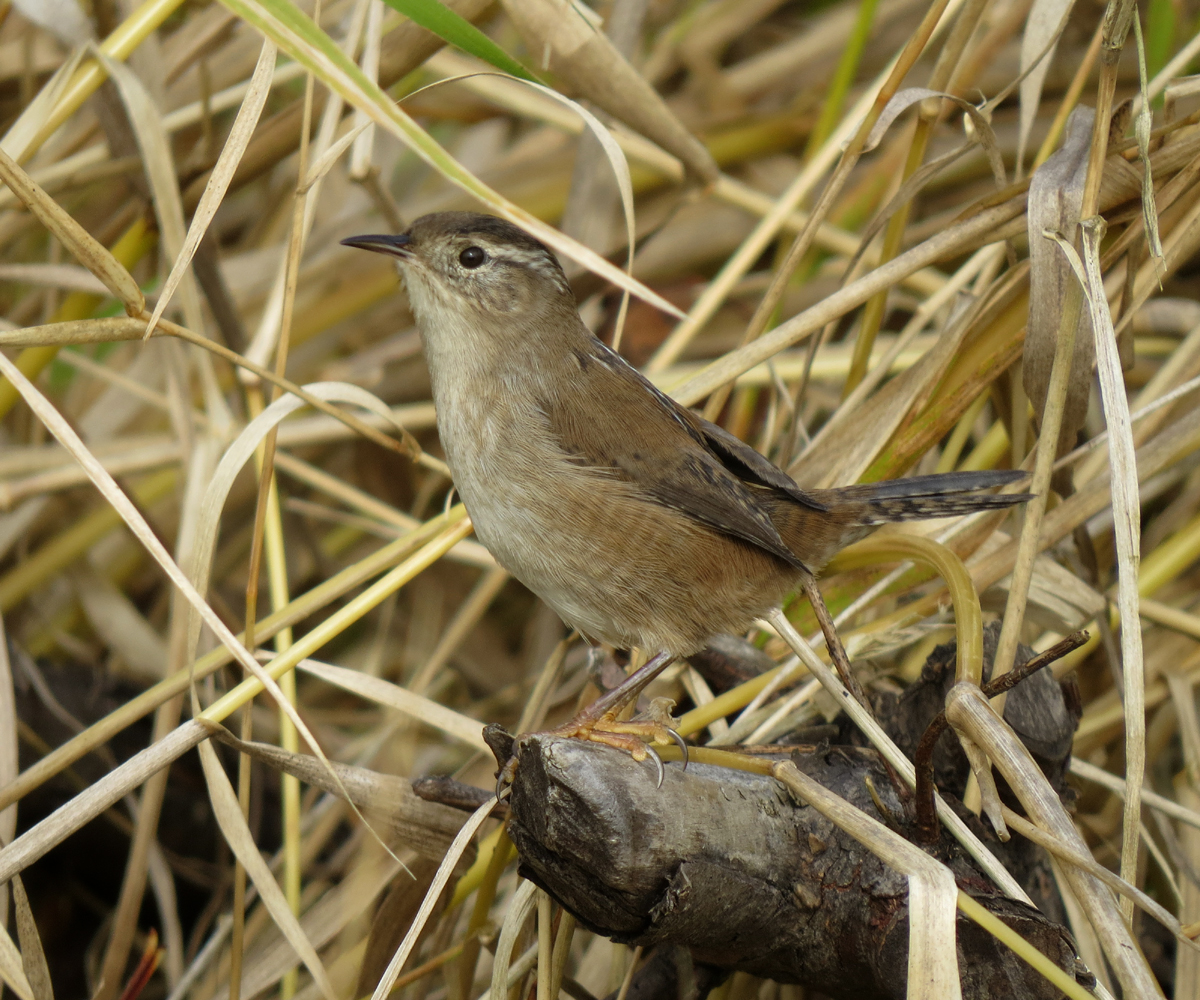
marsh wren 1Marsh Wrens were actively singing in several locations.
marsh wren 3

cowbirdBrown-headed Cowbird

gb heronGreat Blue Heron on Smith Lake

turtlesThe warm sun brought the reptiles out in good numbers. Smith and Bybee is a stronghold for the threatened Western Painted Turtle.

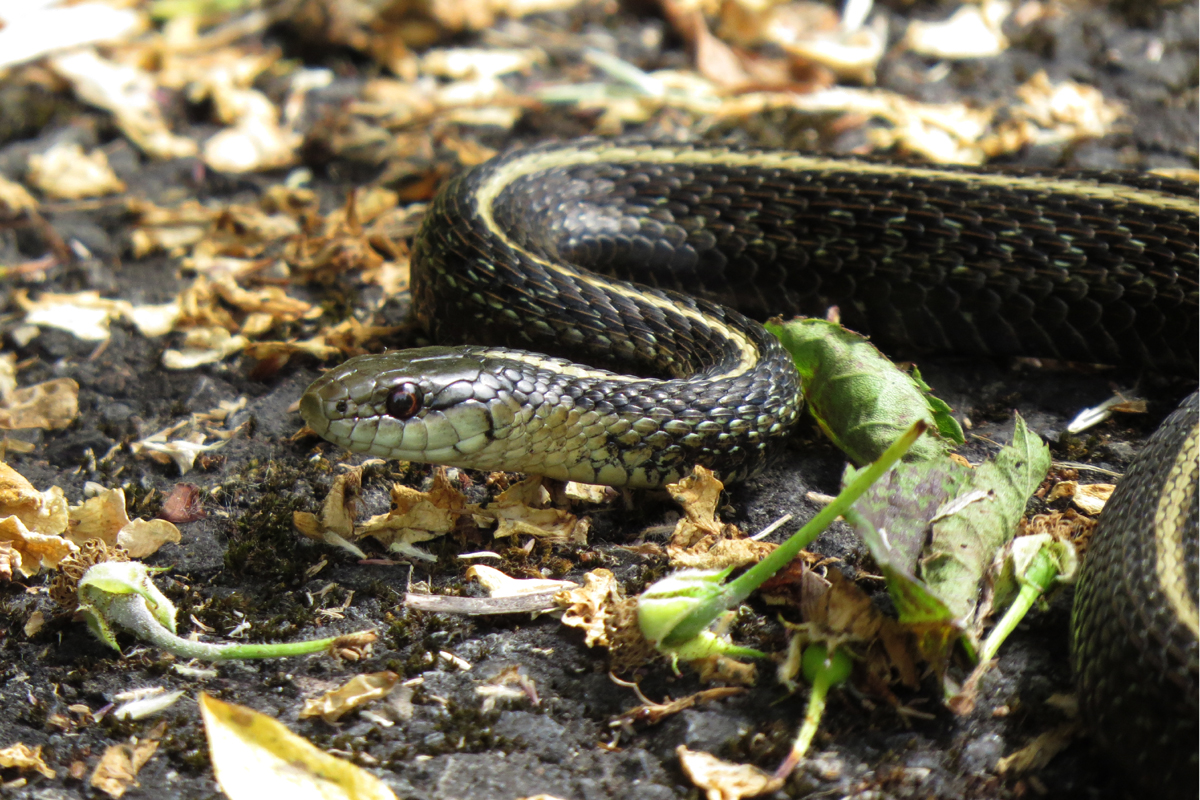
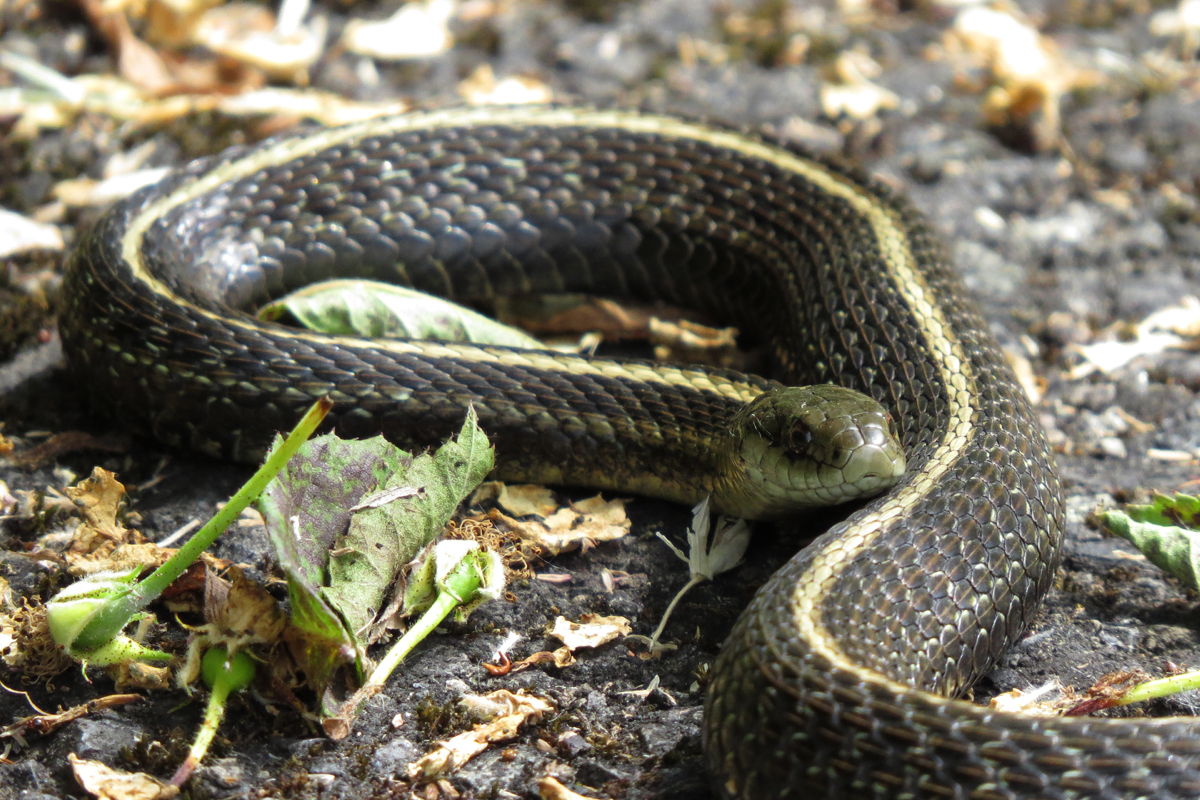
garter 3Northwestern Garter Snakes were also enjoying the sun. Northwestern Garters are distinguished from Common Garters by their smaller head and gentler disposition.
garter 1

Sauvie Island

I made a couple of trips out to Sauvie Island for my Little Brown Birds class. The weather was freakishly nice for late March, although the mild winter has not been conducive to large sparrow flocks.

quail (3)One highlight of the trip on Saturday was a large flock of California Quail. This species has become more difficult to find in recent years.
quail pair Wapato Access Greenway State Park is a great place for herps on Sauvie Island.
garter 2This is a large Common Garter Snake. The subspecies found in this area is Red-spotted Garter Snake (Thamnophis sirtalis concinnus)
garter 1

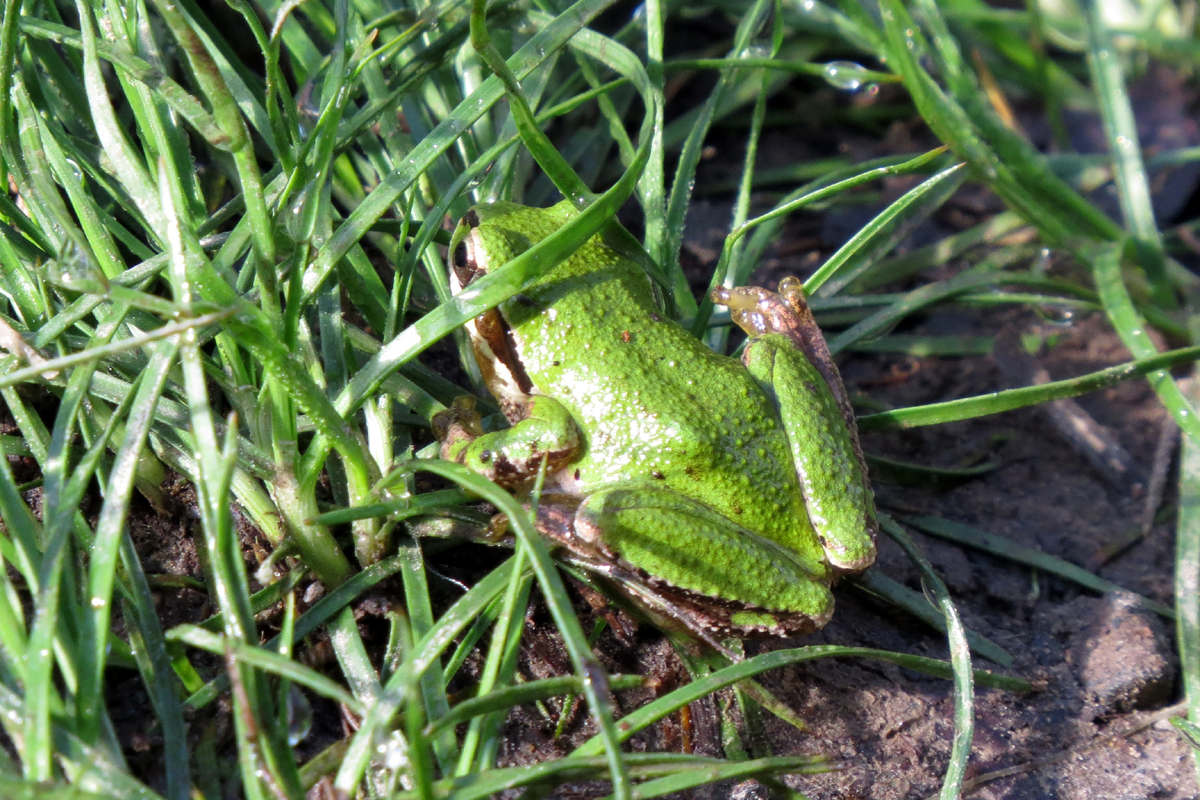
pacific chorus frogPacific Chorus Frogs (also known as Pacific Tree Frogs) were common in the grassy areas. Their call is surprisingly loud for such a small frog.

Tualatin River NWR

eagle nestI made a quick visit to Tualatin River NWR in the afternoon heat. One of the main trails is closed off until this young Bald Eagle decides to leave the nest. Despite the flock of European Starlings cheering him on, he didn’t show any sign of leaving.

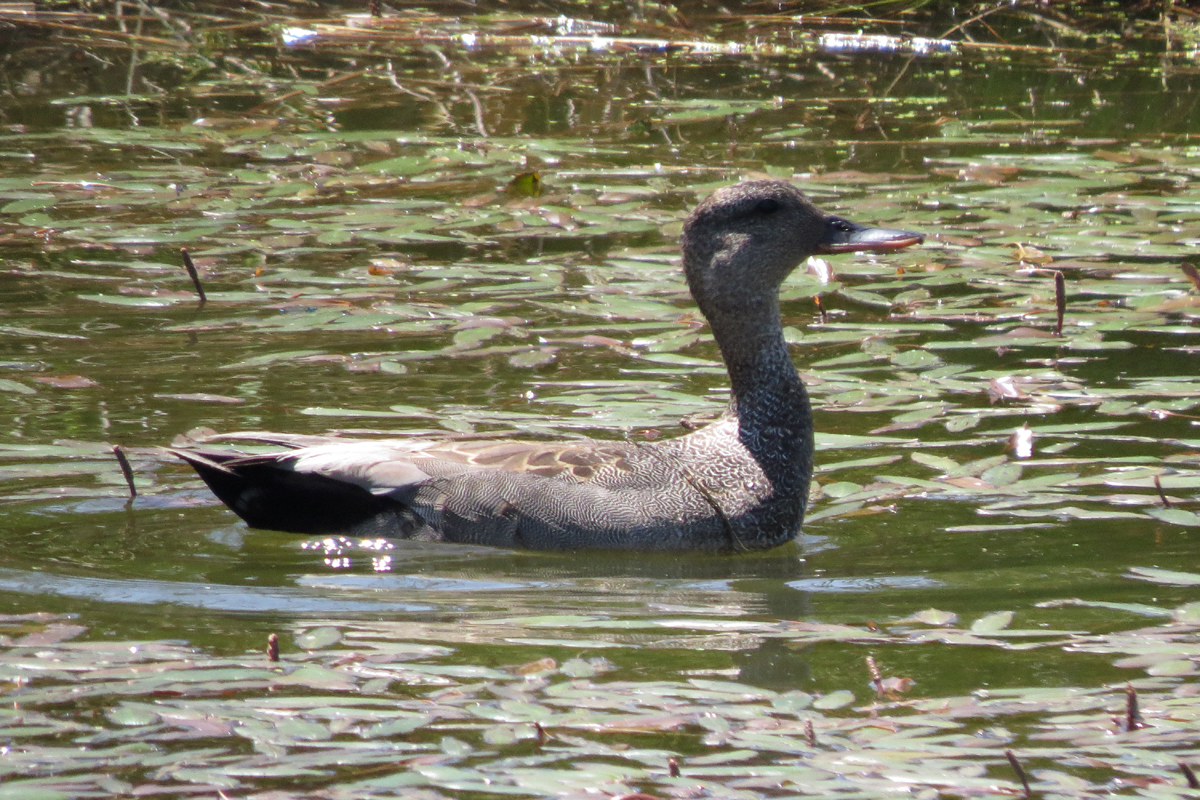
gadwallI saw several pairs of Gadwall, but no ducklings yet. This male was putting on a show for his lady friend.

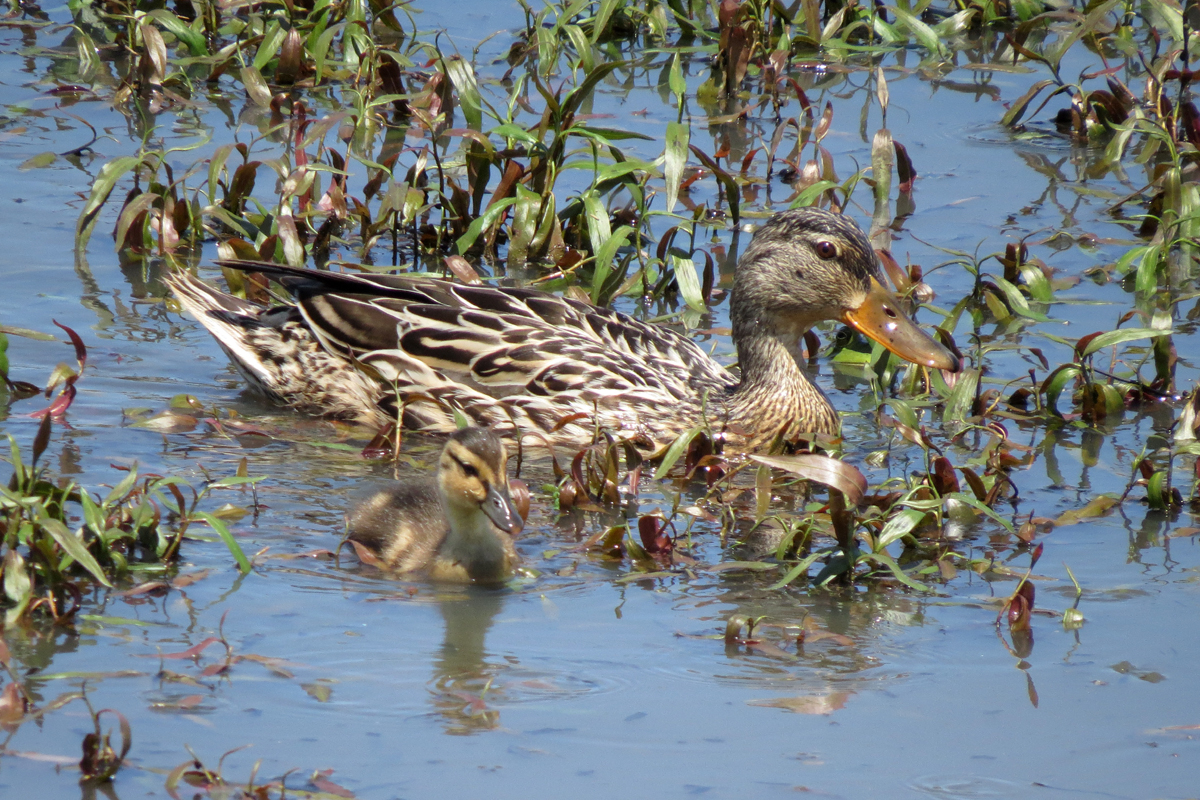
mallard momMallards have been out with broods for weeks now.
duckling
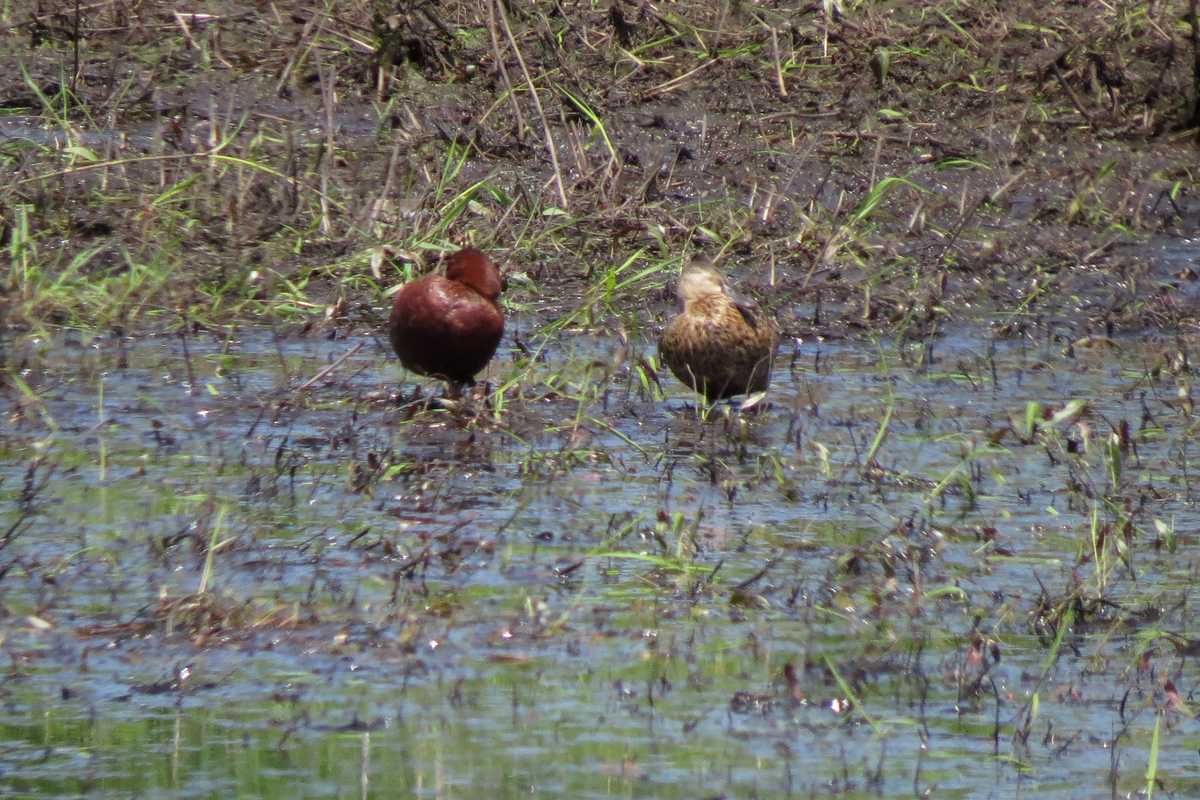
cinnamon tealCinnamon Teal siesta

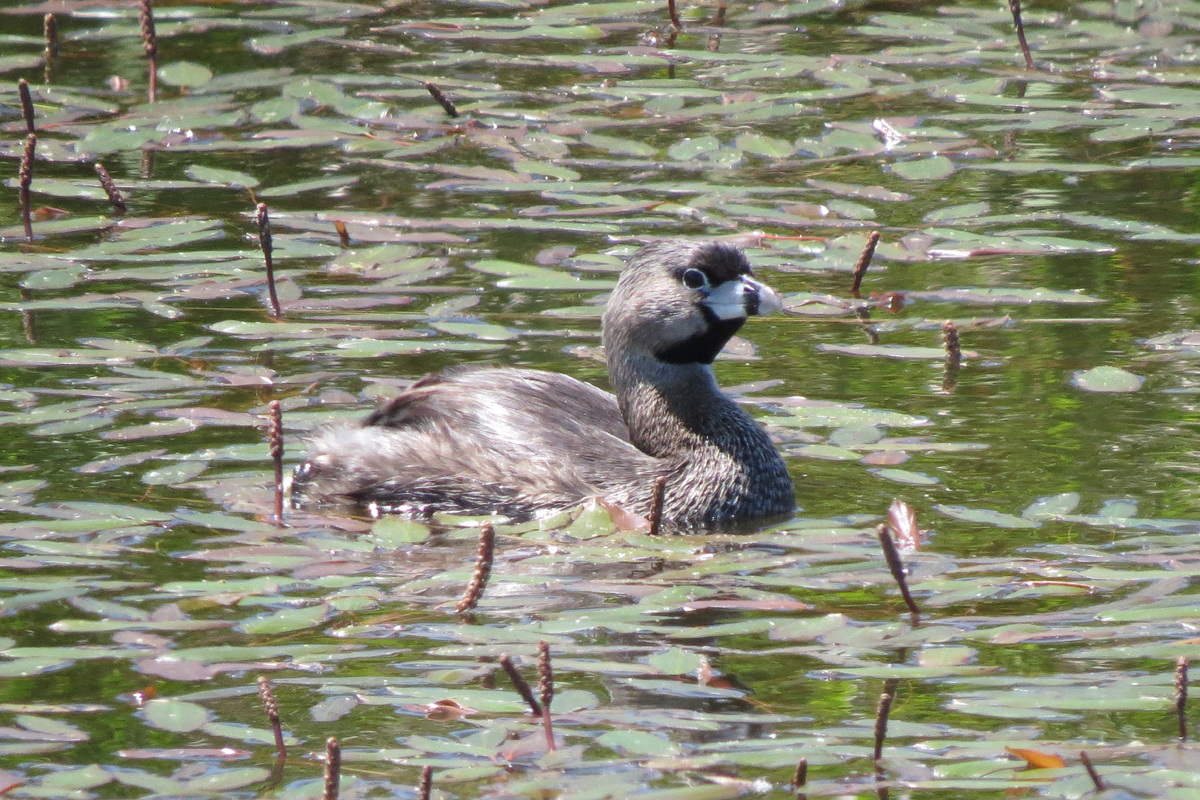
pb grebePied-billed Grebe showing off his black throat

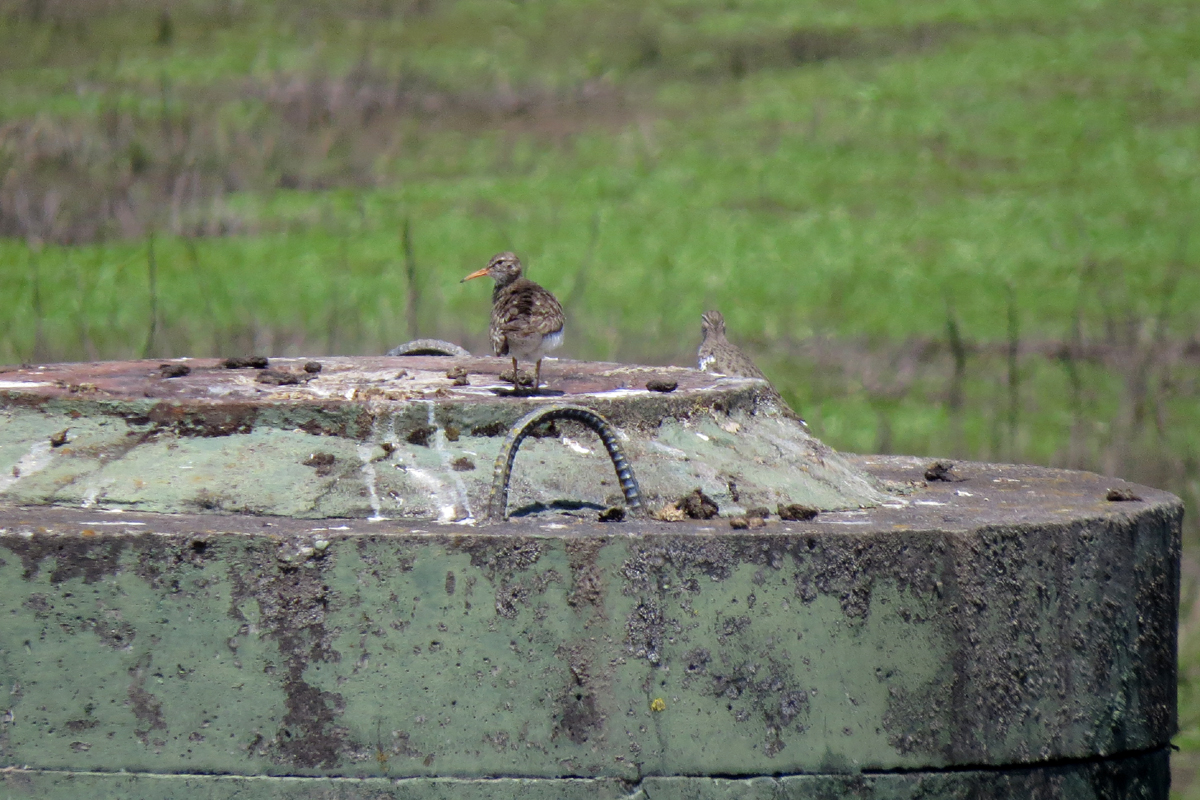
spotted sandpipersI often find Spotted Sandpipers perched on man-made structures.

bullfrog Despite the time of day, American Bullfrogs were actively singing and defending territories. This introduced species is so common in the Willamette Valley. I would think they would be a favored prey item (Great Blue Heron, Mink, River Otter, etc.) but I seldom find any evidence of predation. Bullfrogs are unfortunately very good at preying on native frogs and turtles.

Fernhill Wetlands 10 April 2014

I took a quick tour of Fernhill Wetlands this week. Great changes are planned for this site. The main lake will be made smaller, and the other two impoundments will be replaced with emergent wetlands. I am looking forward seeing how things progress. Here are some birds and other critters from the trip.
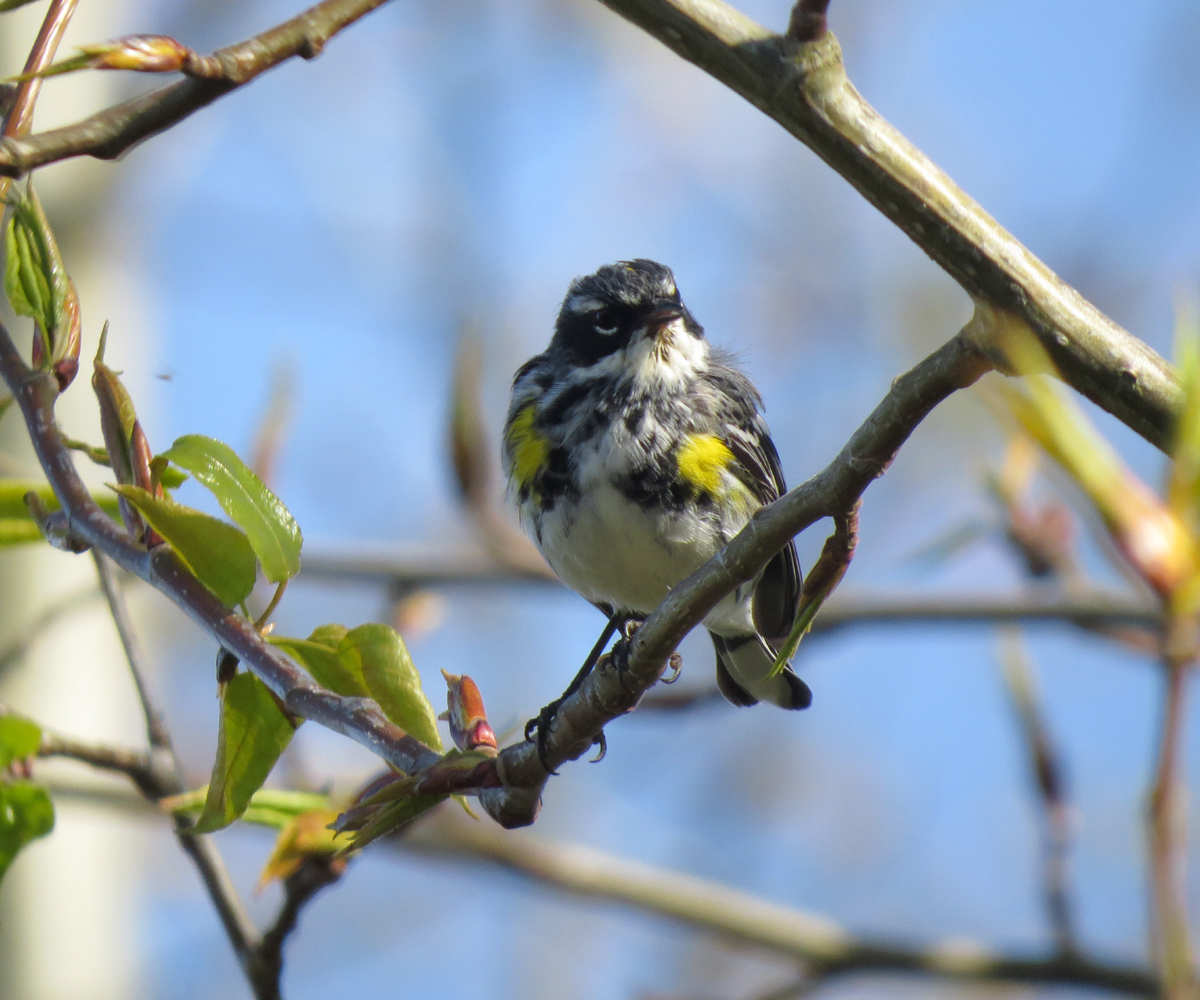
yellow-rumped warblerMany Yellow-rumped Warblers were passing through, mostly the Myrtle race, with only one Audubon’s.

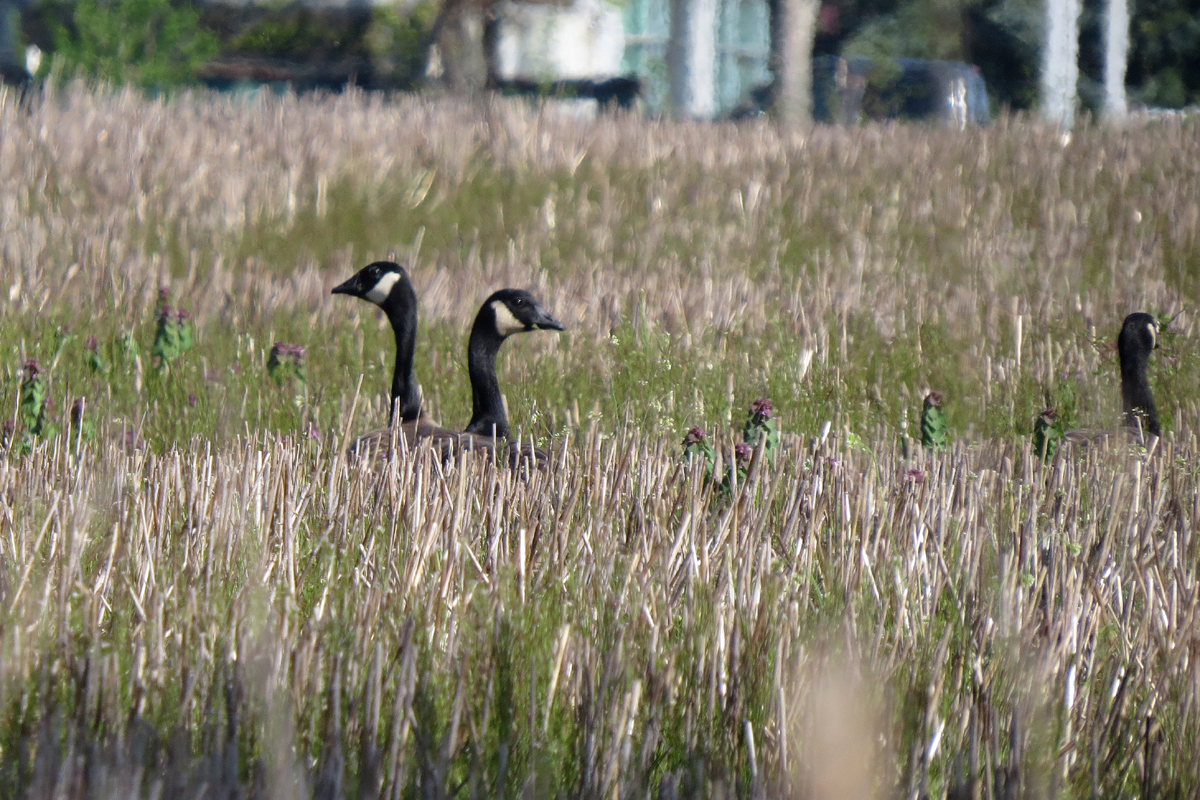
cackling geeseFlocks of Taverner’s Cackling Geese were feeding in the fields north of the main lake.

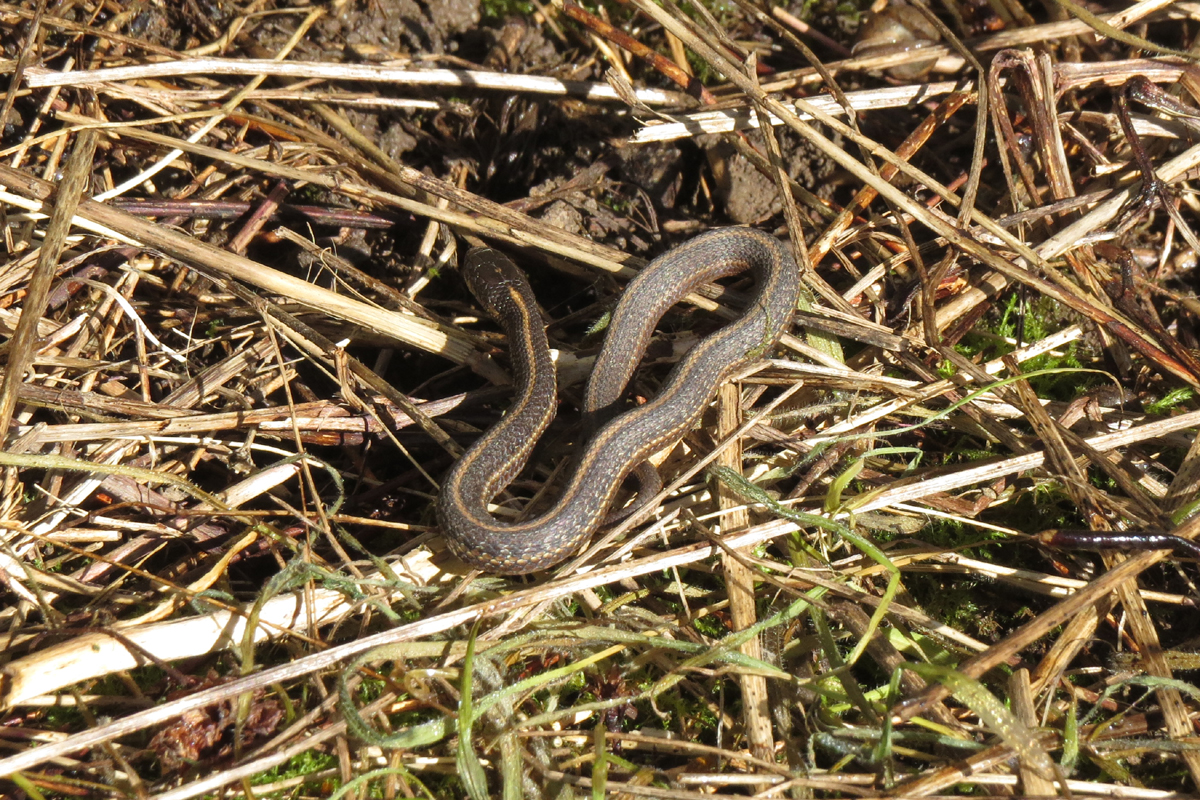
garter snakebaby Garter Snake. I’m not sure if this is a Common or Northwestern Garter.

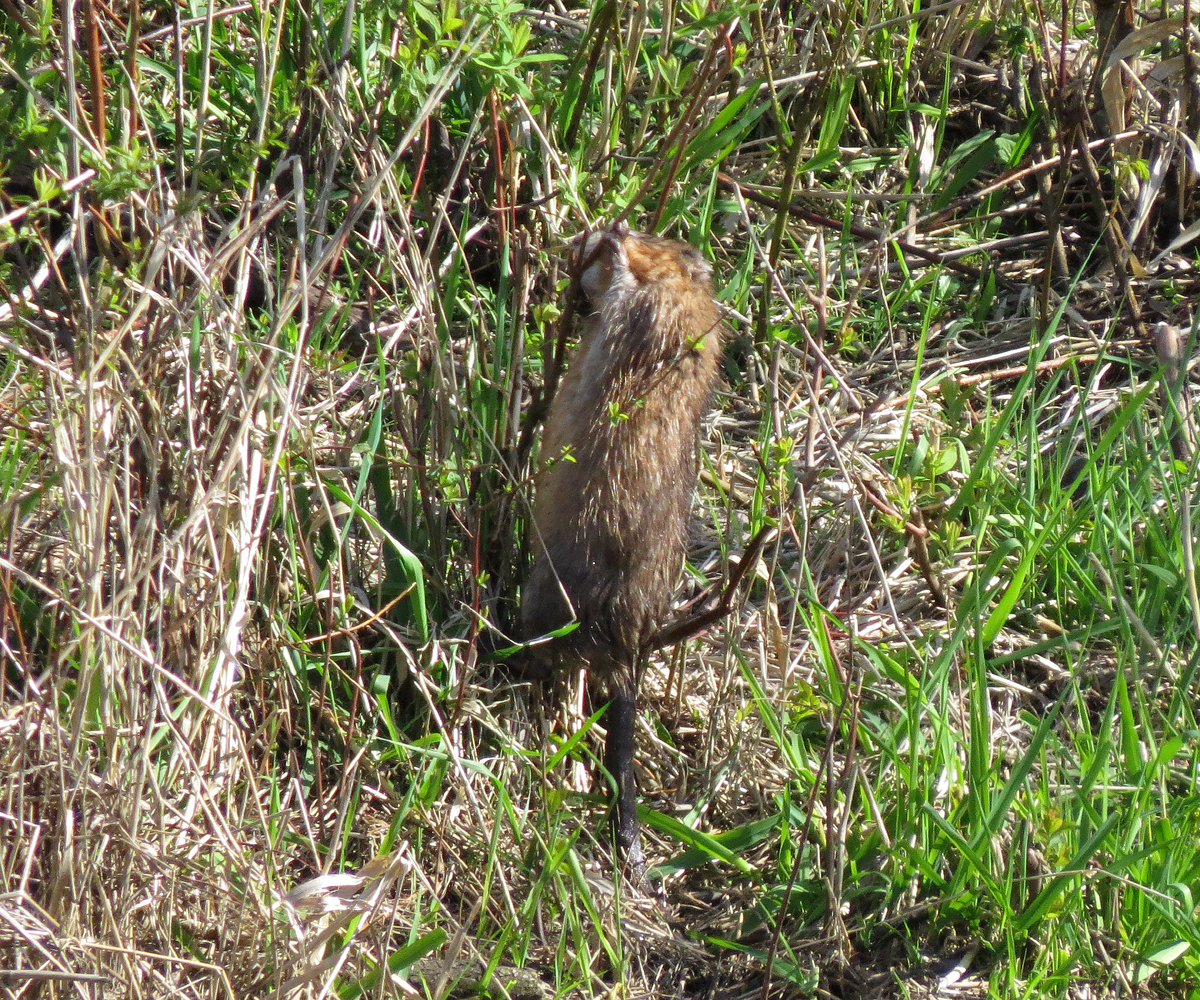
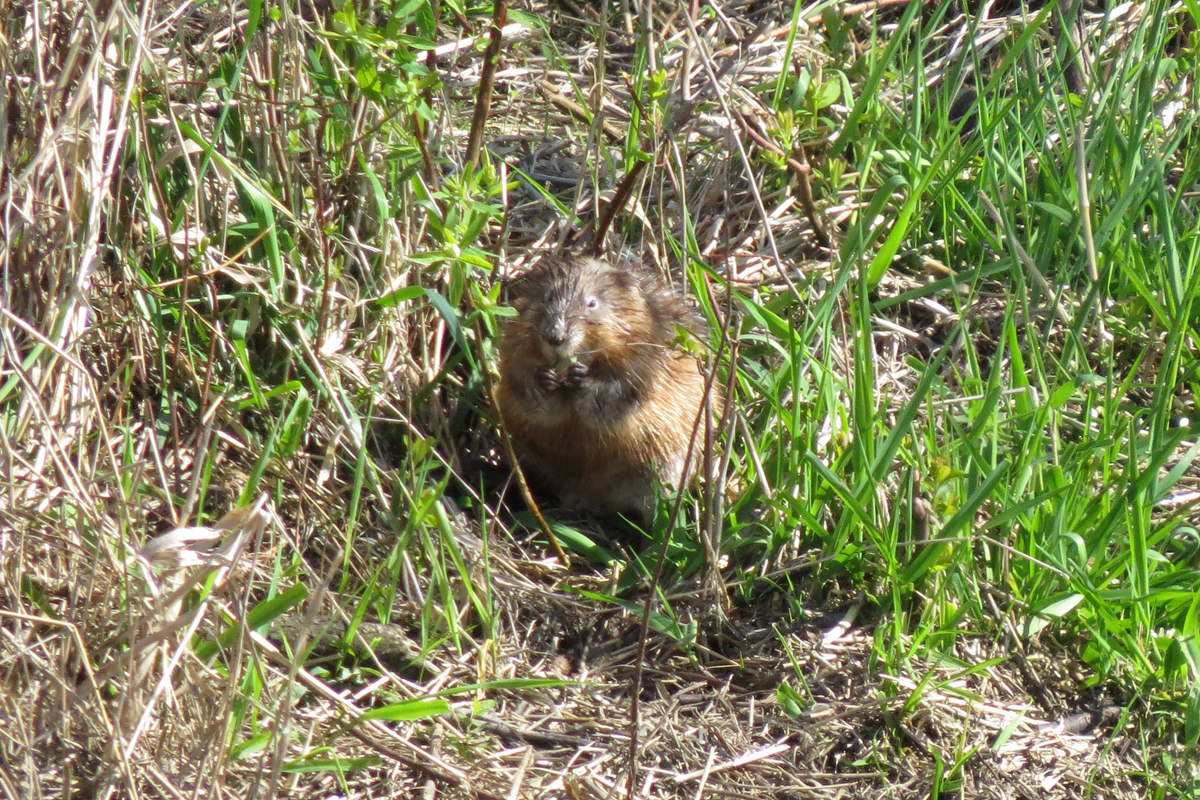
muskrat climbingI don’t think I’ve ever seen a Muskrat climbing a tree before. This one was gnawing off a branch to get to the leaves.
muskrat front

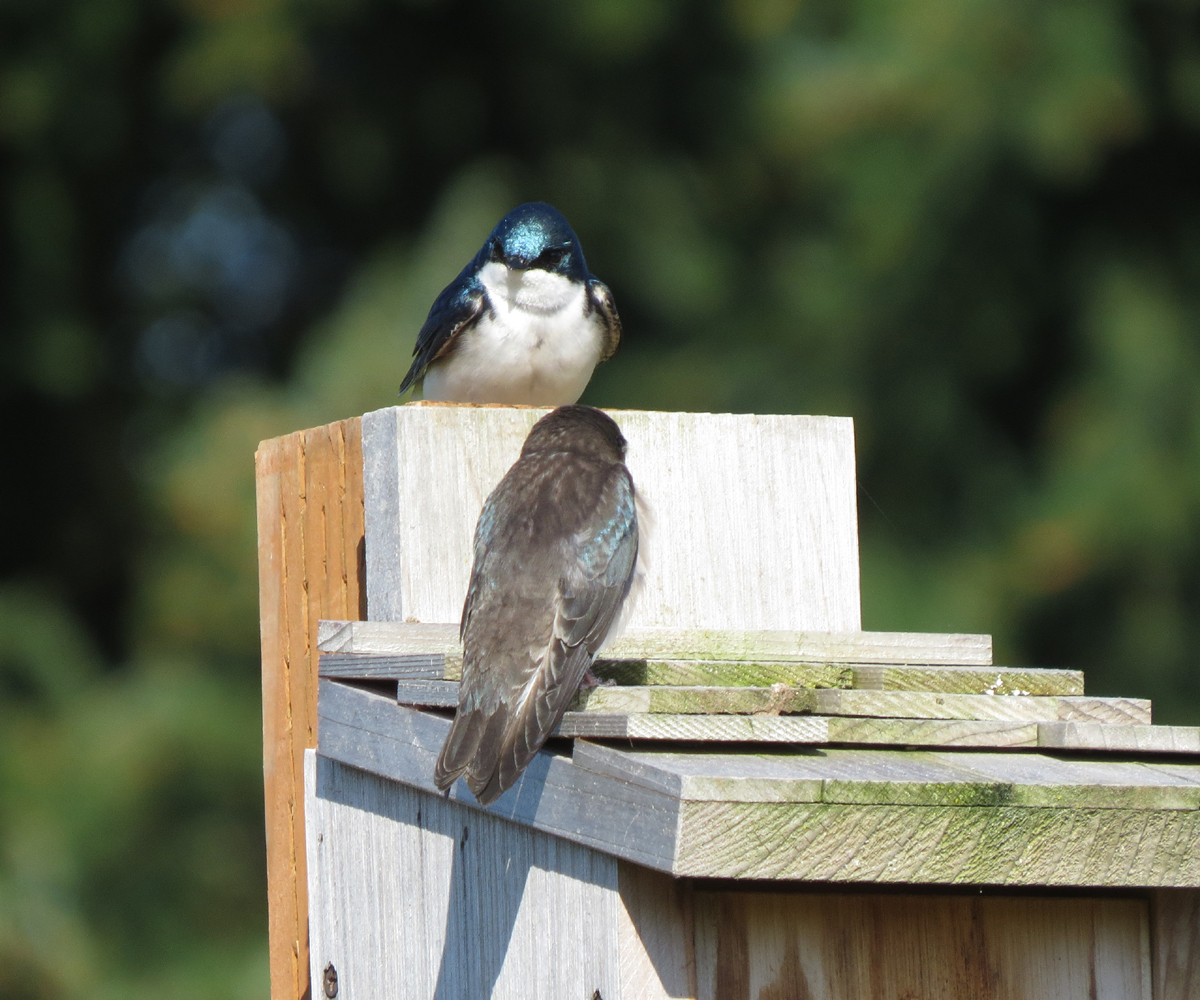
tree swallowTree Swallows are swarming around Fernhill Wetlands, no doubt encouraged by the many nesting boxes that have been installed at the site.
tree swallows

northern shovelersNorthern Shovelers were the most common duck species on the lake.

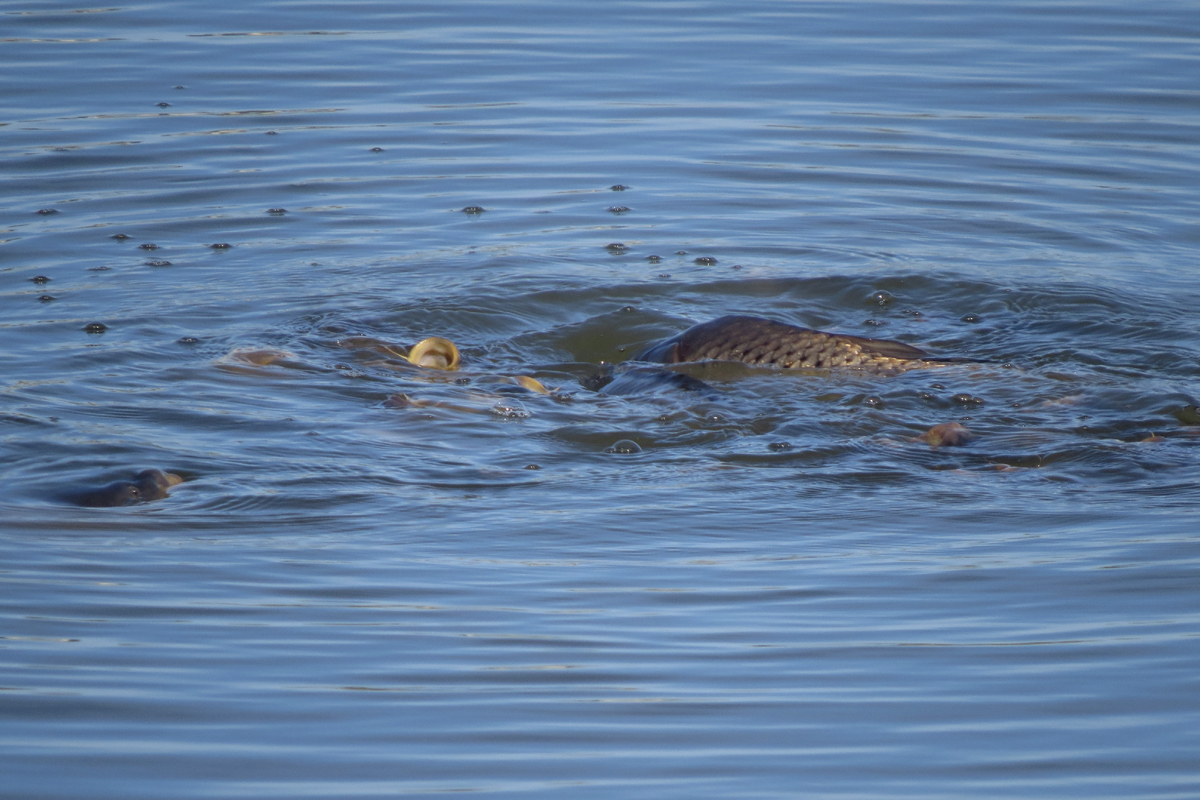
carpSeveral schools of Common Carp were active at the surface. I don’t know if they were feeding on aquatic insects or involved in spawning.

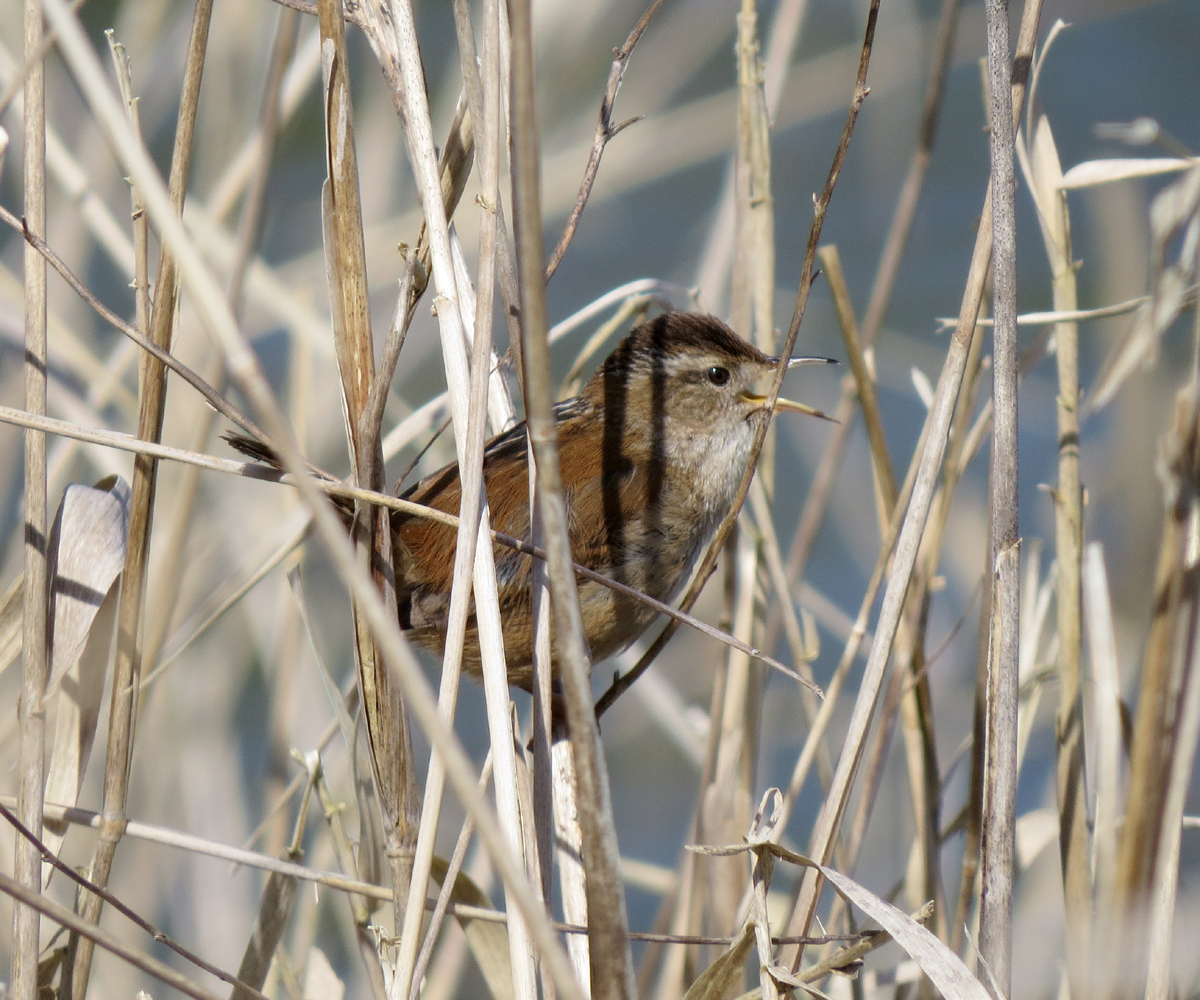
marsh wren singingMarsh Wrens are starting to sing.

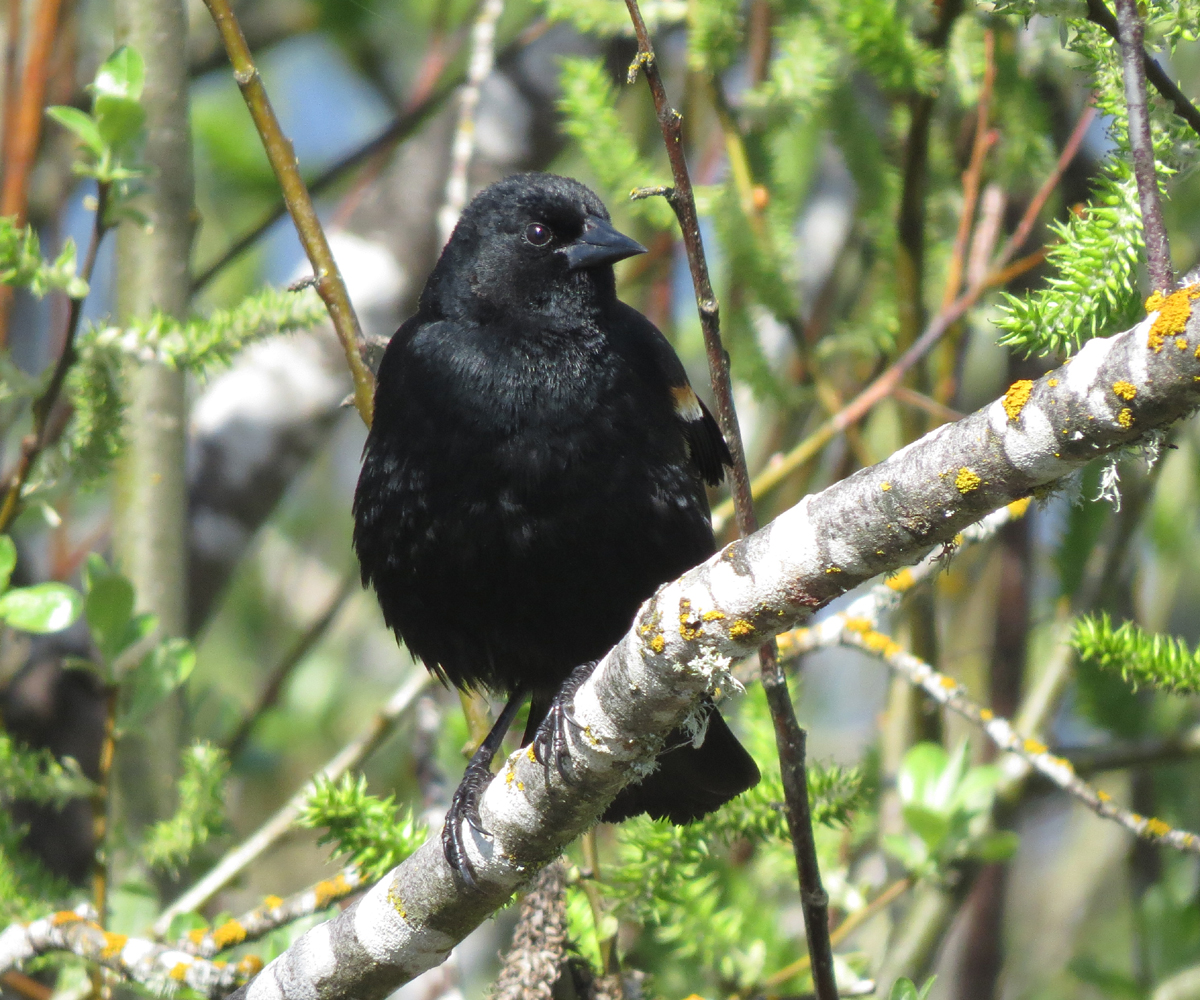
red-winged blackbirdA few Red-winged Blackbirds were displaying. There aren’t very many Red-wings at Fernhill since most of the cattails died off several years ago.

Slow Spring

The end of March and beginning of April have been cool and wet. Spring is progressing, but seemingly very slowly. Here are a few images from the past week.

pacific wren frontPacific Wrens are singing everywhere. This bird was at Powell Butte Nature Park in SE Portland.

savannah sparrow frontSavannah Sparrows are staking out their territories in the grassland at the top of Powell Butte.
savannah sparrow side

ruddy duckThis Ruddy Duck at Vanport Wetlands is sporting his spring colors.

pileated woodpecker 2This Pileated Woodpecker is excavating a cavity at Tualatin Hills Nature Park. Thanks to Michele for sharing the location of this nest.
pileated woodpecker 3

common garterThis tiny Common Garter was also at Tualatin Hills.

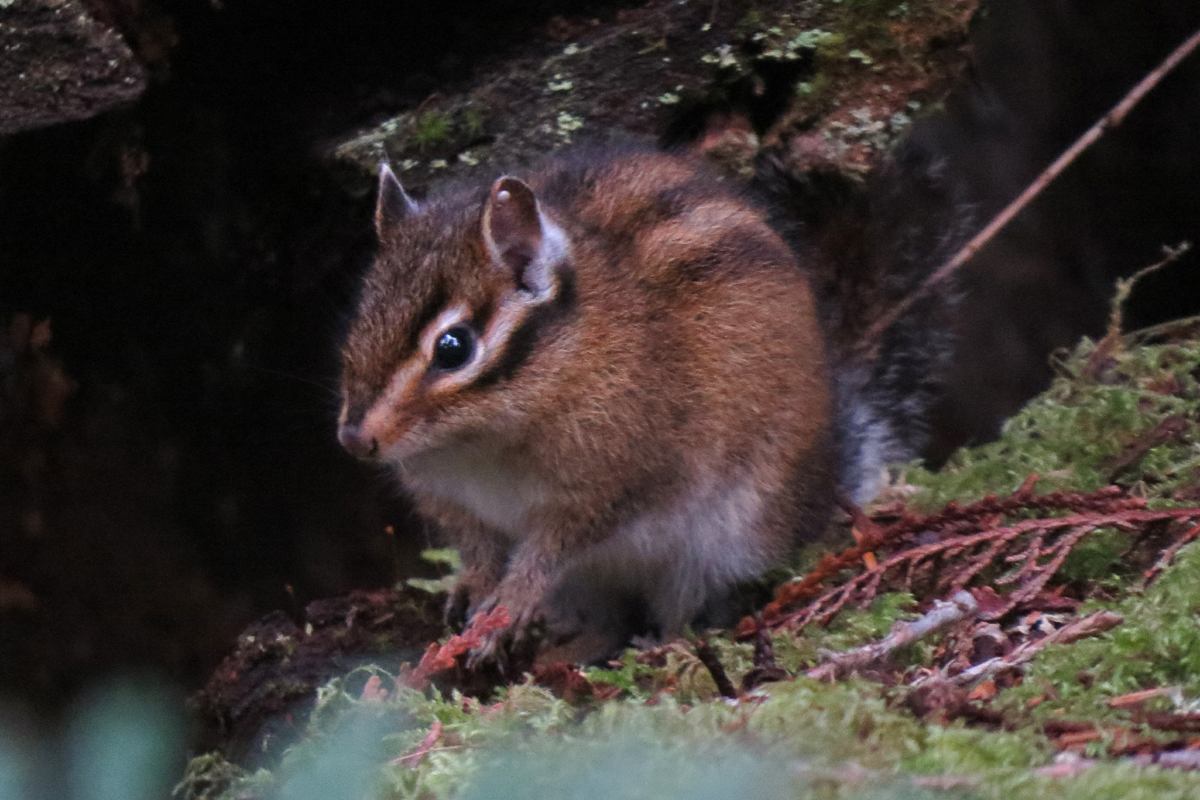
townsend's chipmunkAs was this Townsend’s Chipmunk.

nala frontNala is far more interested in fetching sticks from the river than looking at birds. This “stick” in the Columbia is probably her biggest to date.
nala back


Smith and Bybee Wetlands 24 Oct. 2013

wf geese duoThe morning at Smith and Bybee Wetlands in northwest Portland started out foggy. At the Smith Lake canoe launch, 12 Greater White-fronted Geese were among the many waterfowl. It is getting late for White-fronts in the Willamette Valley.
waxwing 1There were a lot of Cedar Waxwings flycatching and feeding on various fruiting trees. This is a young bird, given the overall scruffy appearance and the lack of red tips on the tertials.

pileatedThis Pileated Woodpecker was very vocal and perched out in the open on a distant utility pole.

rs hawkThis Red-shouldered Hawk was among the many Red-tailed Hawks and Northern Harriers present on the property.

marsh wren front 1The current low water levels allow you to hike quite a ways out into the wetlands. Marsh Wrens are common in the shrubs and reed canary grass.
marsh wren side 2

song sparrowSong Sparrows are also common in the tall grasses. The best bird of the day was a Swamp Sparrow, but he eluded the camera.

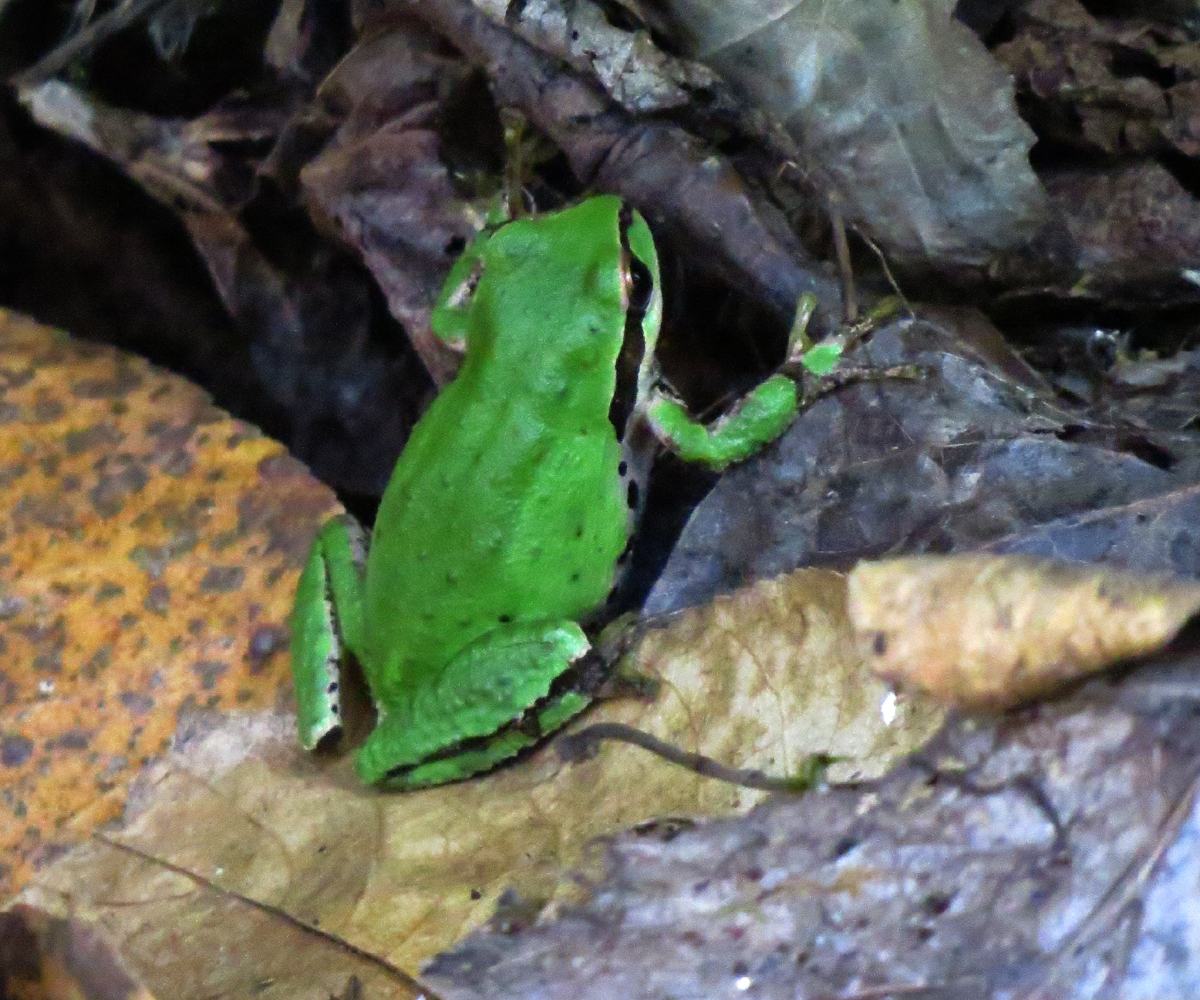
frog 3Pacific Chorus Frogs were singing everywhere, but this is the only individual I could see.

Delta Ponds, Eugene

I made a very brief stop at Delta Ponds in Eugene. Since the site is right by a major highway, the traffic noise effectively eliminates any birding by ear. But the ponds attract good numbers of waterfowl and herons. A Black Phoebe was a nice find.

egretGreat Egrets and Great Blue Herons were common. I am incapable of photographing white birds on a sunny day without them totally washing out.

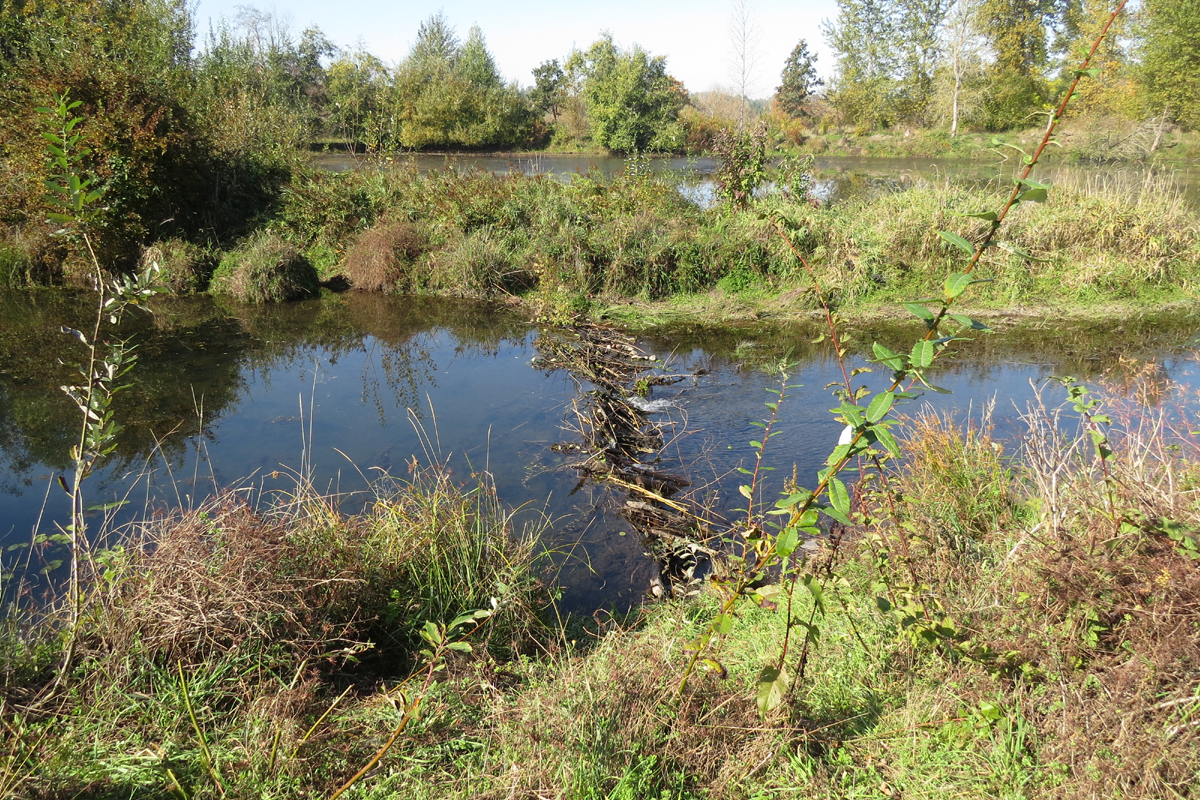
beaver dam low resBeaver dam. We didn’t see any Beaver, but we did find two River Otters.

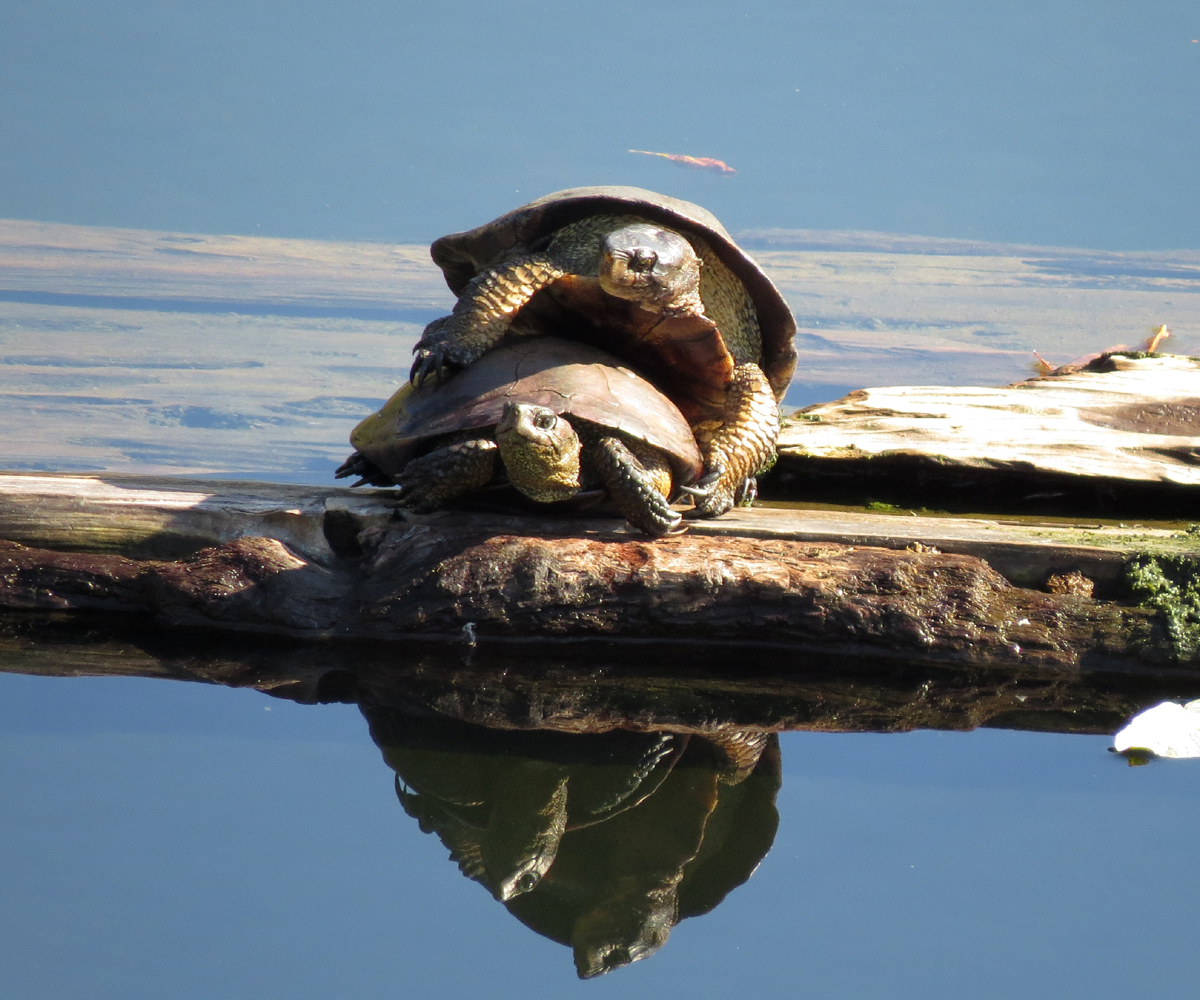
pond turtlesThe best sighting of the day, despite the slight social awkwardness, was this pair of Western Pond Turtles, a lifer for me. Western Pond Turtles, one of only two native turtle species in Oregon, are nearly extirpated from their range north of Eugene, and are listed as critical on the the Oregon list of sensitive species.