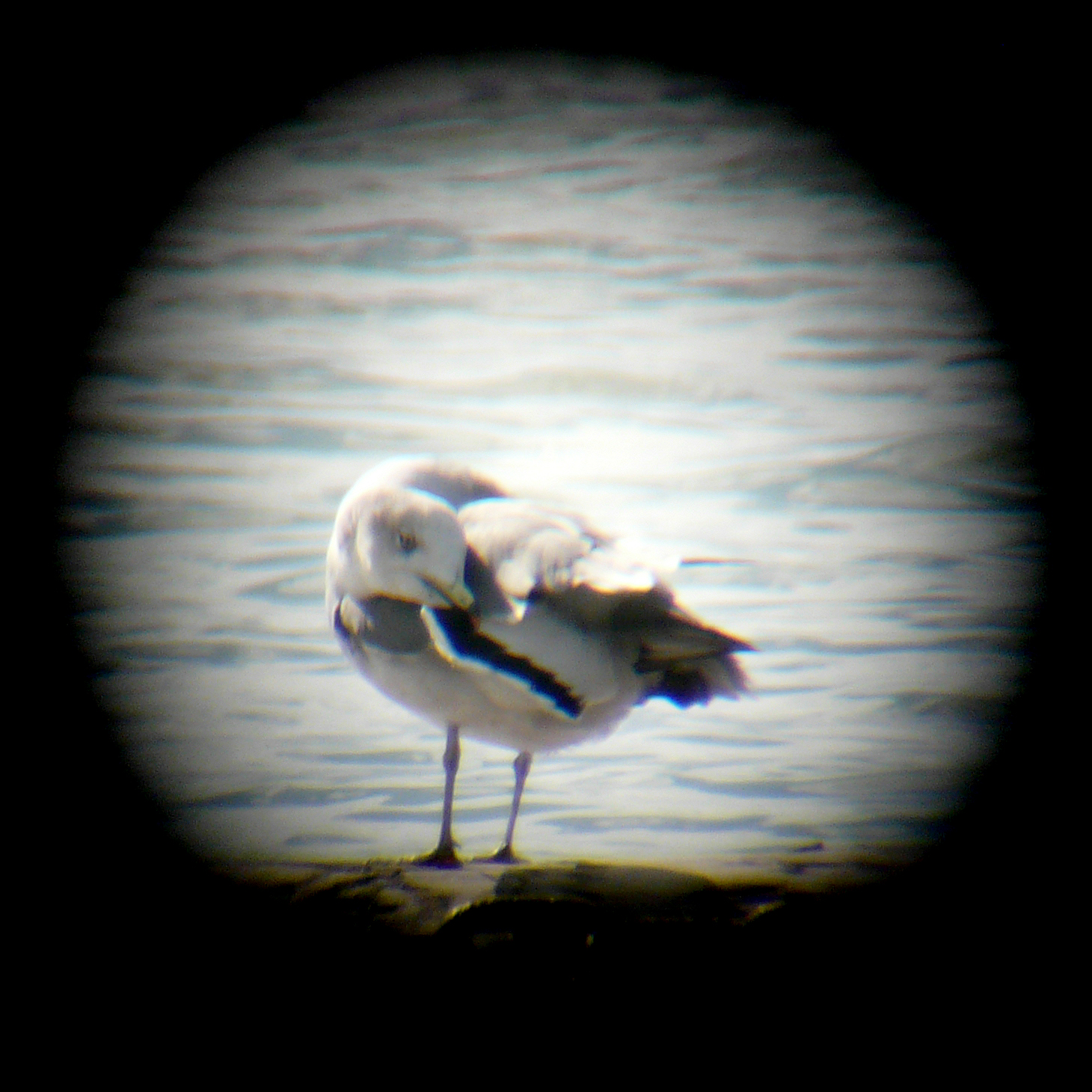
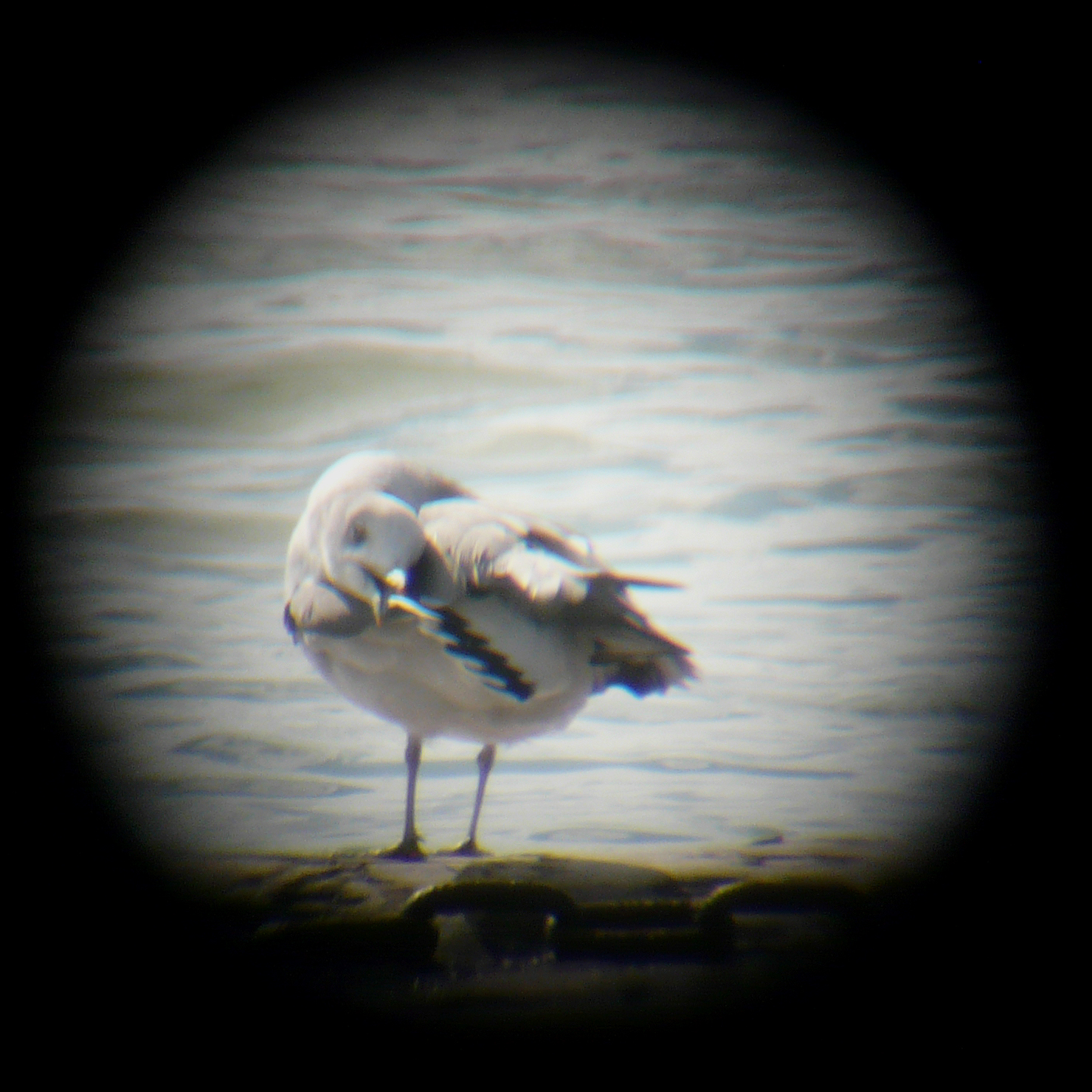
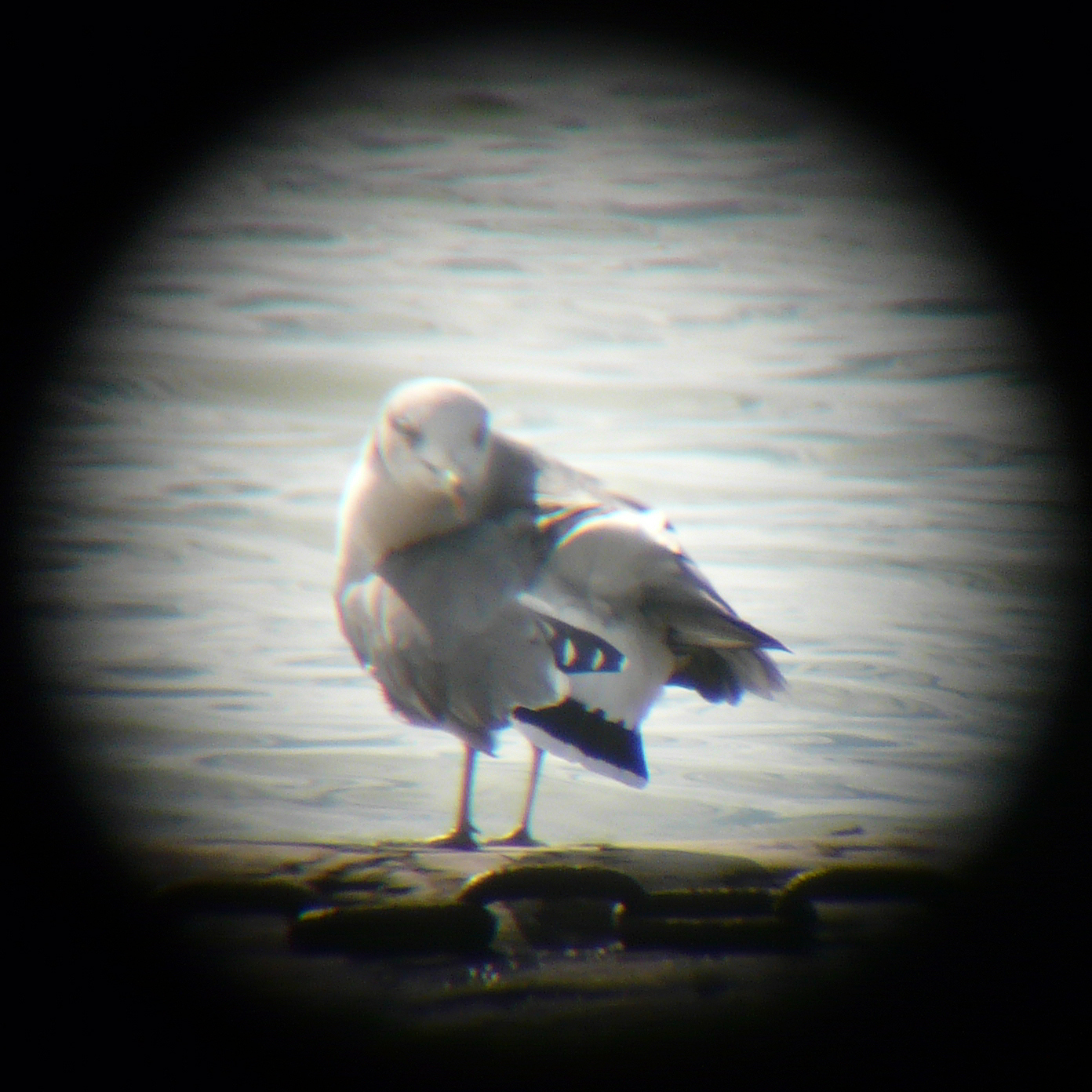
Black-tailed Gull

A Black-tailed Gull (Larus crassirostris) has been hanging out on a log boom in Tacoma, WA, for the past couple of weeks. Tacoma is normally far outside my “chase radius” for a single bird, but Marsha was working a conference in Seattle last Saturday, so it was only a half-hour drive from there to the bird. Since this is probably the only chance I will have to see this Asian species, I was happy to spend the four and a half hours standing on the shoreline waiting for this bird to appear.
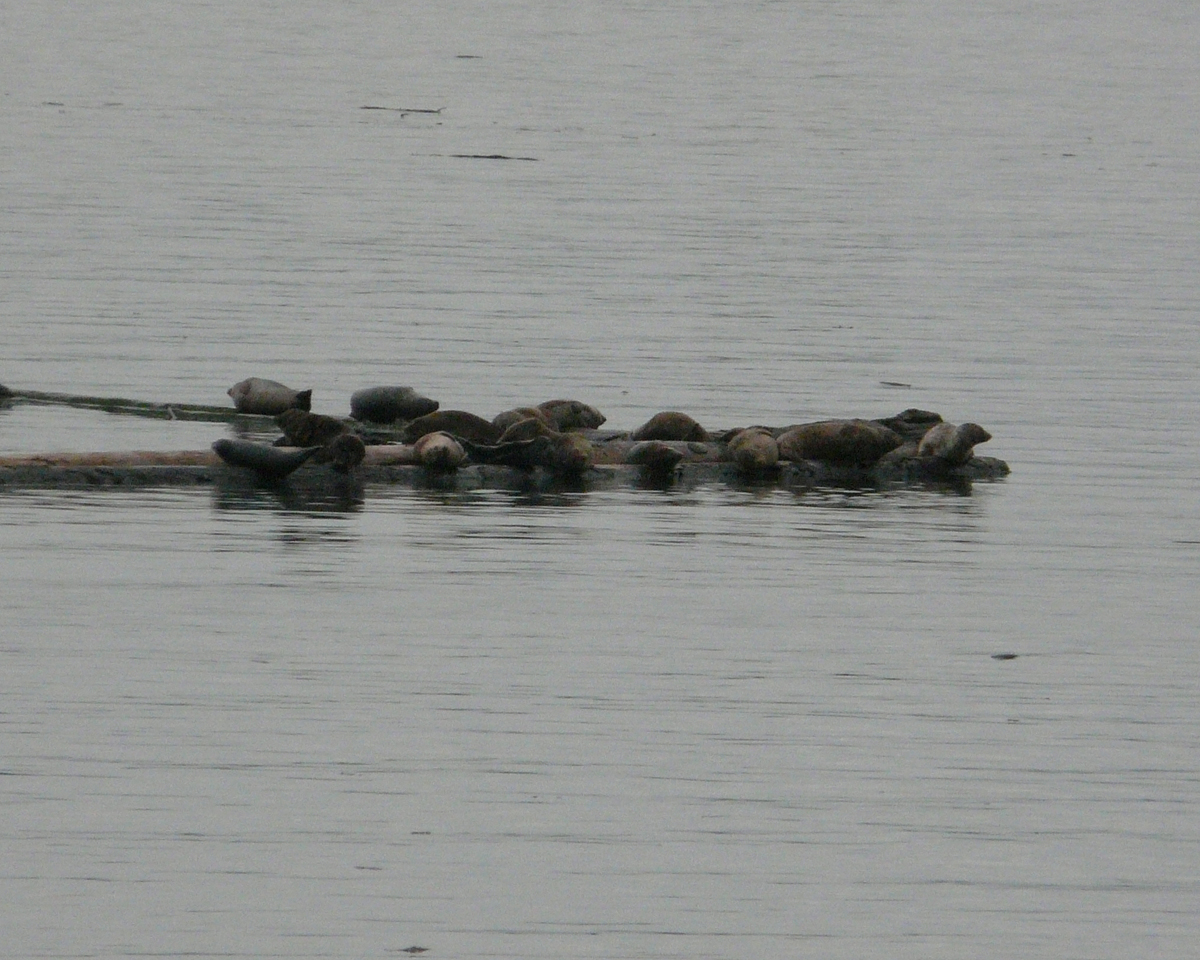

While waiting for the gull, I enjoyed watching the many Harbor Seals in the area. Most were just resting on the logs, while others swam around munching on salmon.


I really want to give this seal a belly rub.


The Black-tailed Gull finally arrived around 2:30 and provided extended views of the field marks that make this species so distinctive. This photo and the ones that follow were taken through my scope. While the camera and scope are obviously not compatible for digiscoping, these photos show that you can obtain documentation of rarities without a lot of special equipment. The key field marks for this species include: yellow drooping bill with bright red tip and black subterminal band, solid black tail with white terminal band, pale irises, white crescents above and below the eyes, and dusky markings on the nape that wrap around the head (winter).
Maine, 6-2011


I spent just over a week along the coast of Maine, visiting sites between Ellsworth and Cutler. It is always fun to get reacquainted with eastern bird species and to hike in the boreal forest.

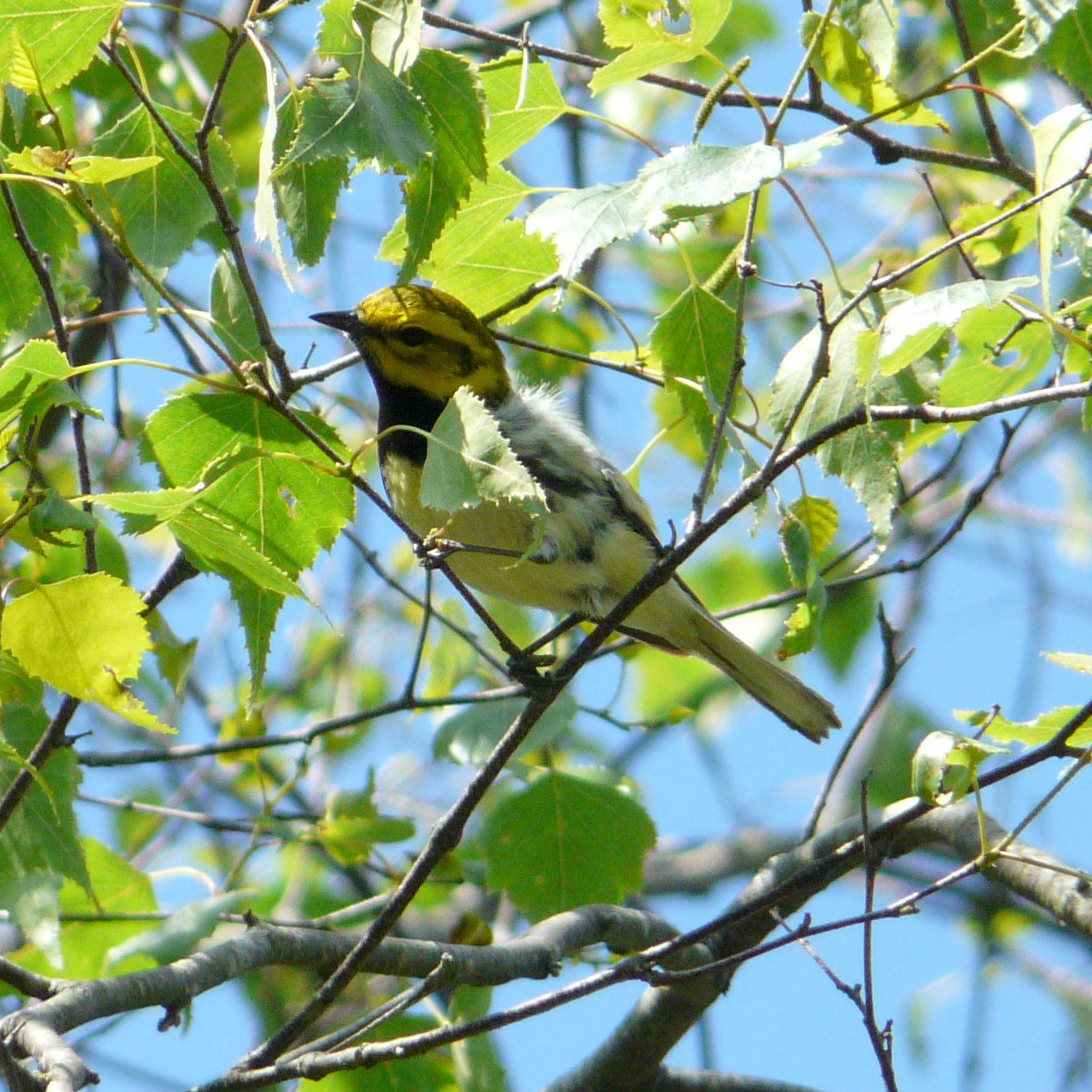
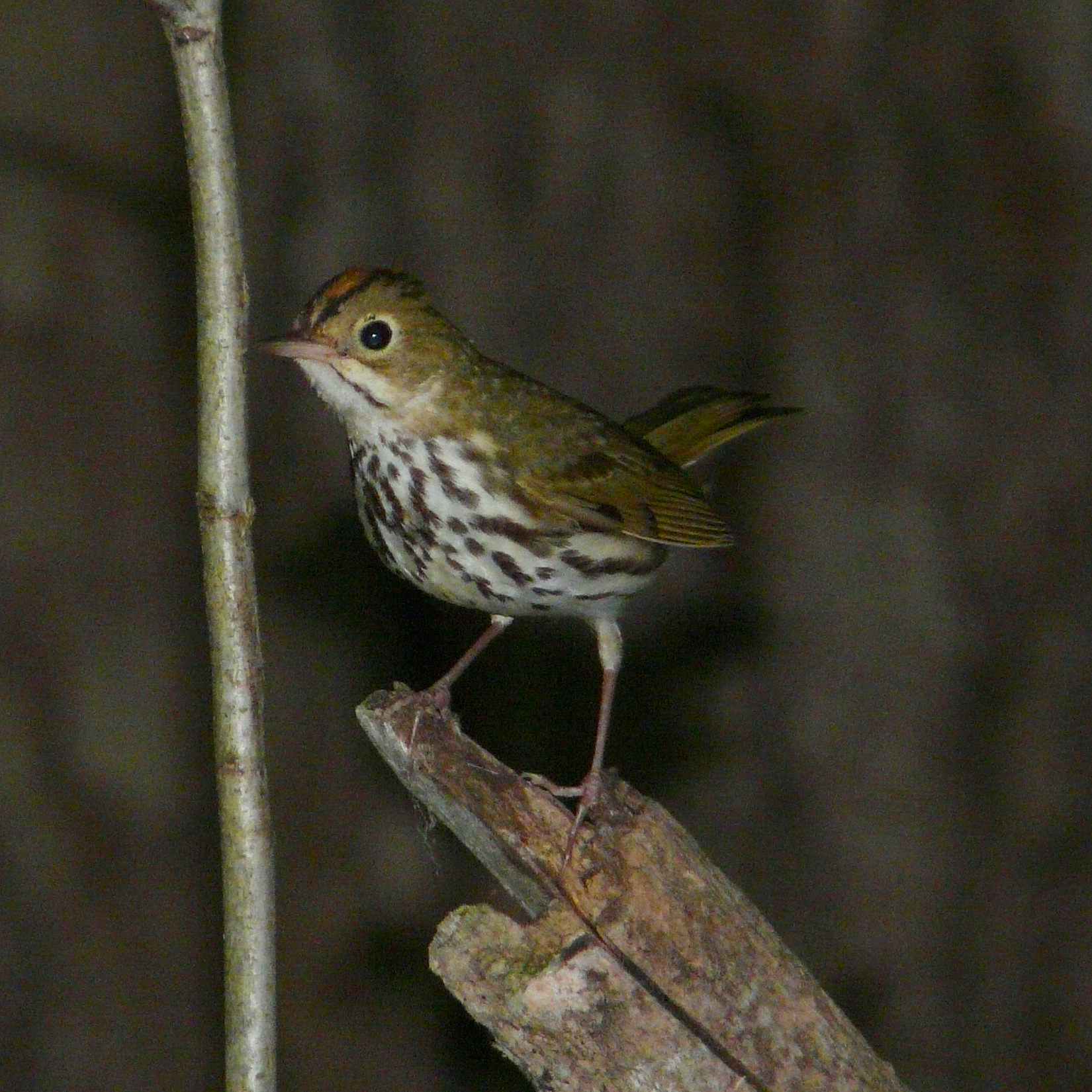
I saw 14 species of warblers on this trip. The vast majority of birds I saw were male, presumably because the females were on nests. Their small size, active habits, and dense habitat take them beyond the realm of point-and-shoot photography, but I managed to capture useuable images of two species. Black-throated Green Warblers were by far the most common species.


Ovenbird


This Spruce Grouse was at Petit Manan NWR. She had several downy chicks with her. The chicks are actually capable of flight, and flew into dense cover when startled. The adult remained on foot, keeping an eye on me and making contact calls to keep her brood together.


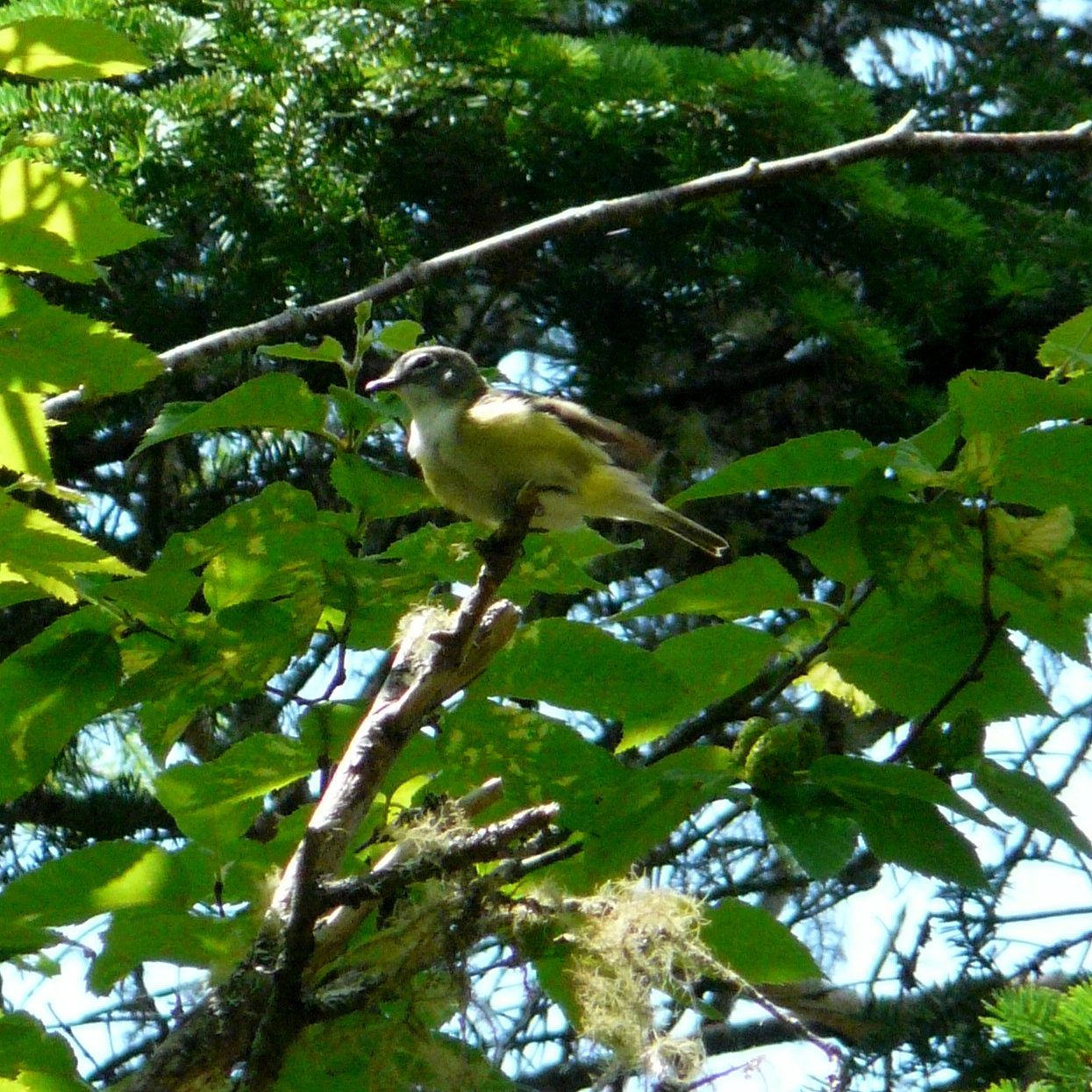
Blue-headed Vireo


White-throated Sparrow


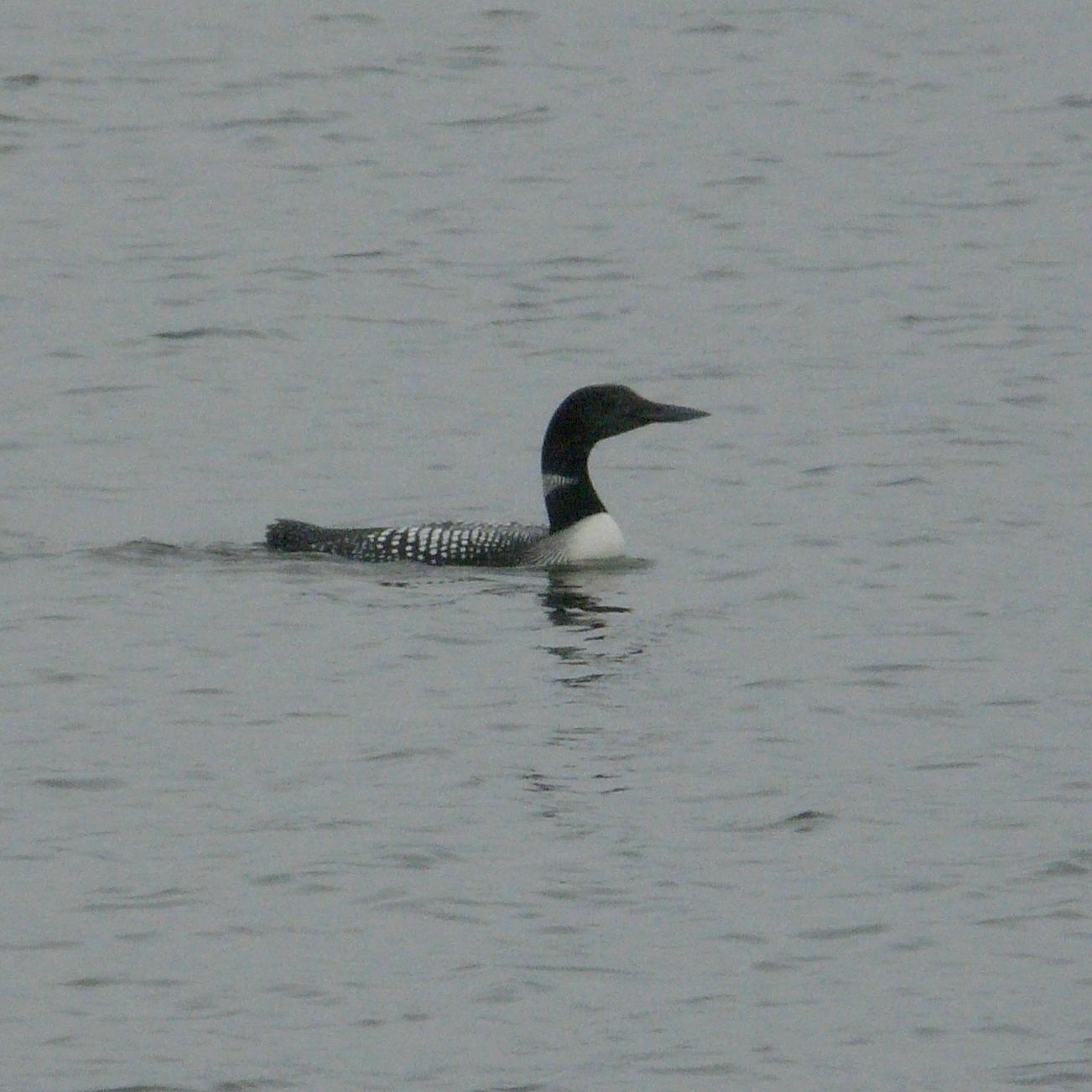
Common Loon


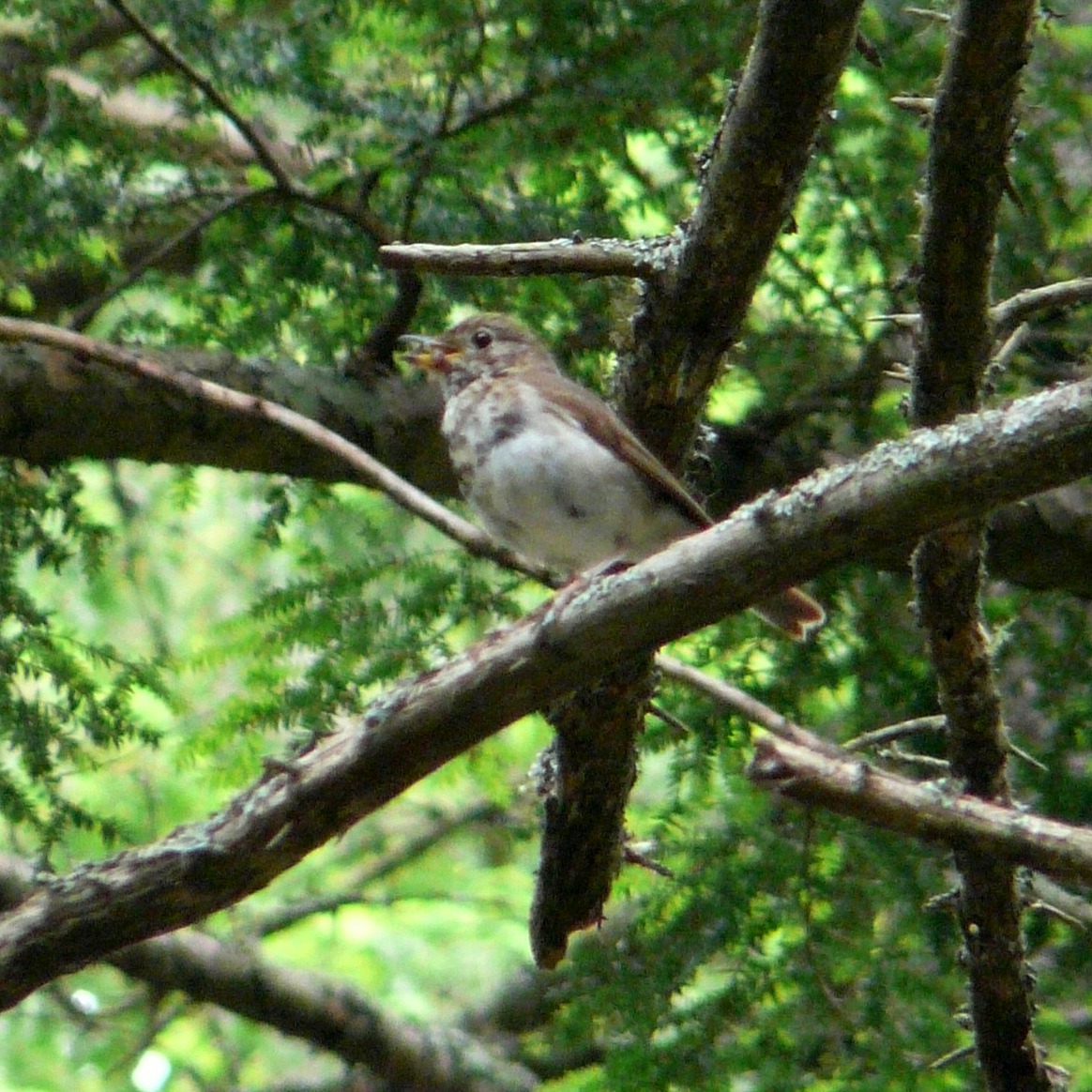
Hermit Thrush, calling with a bill full of food for nestlings.


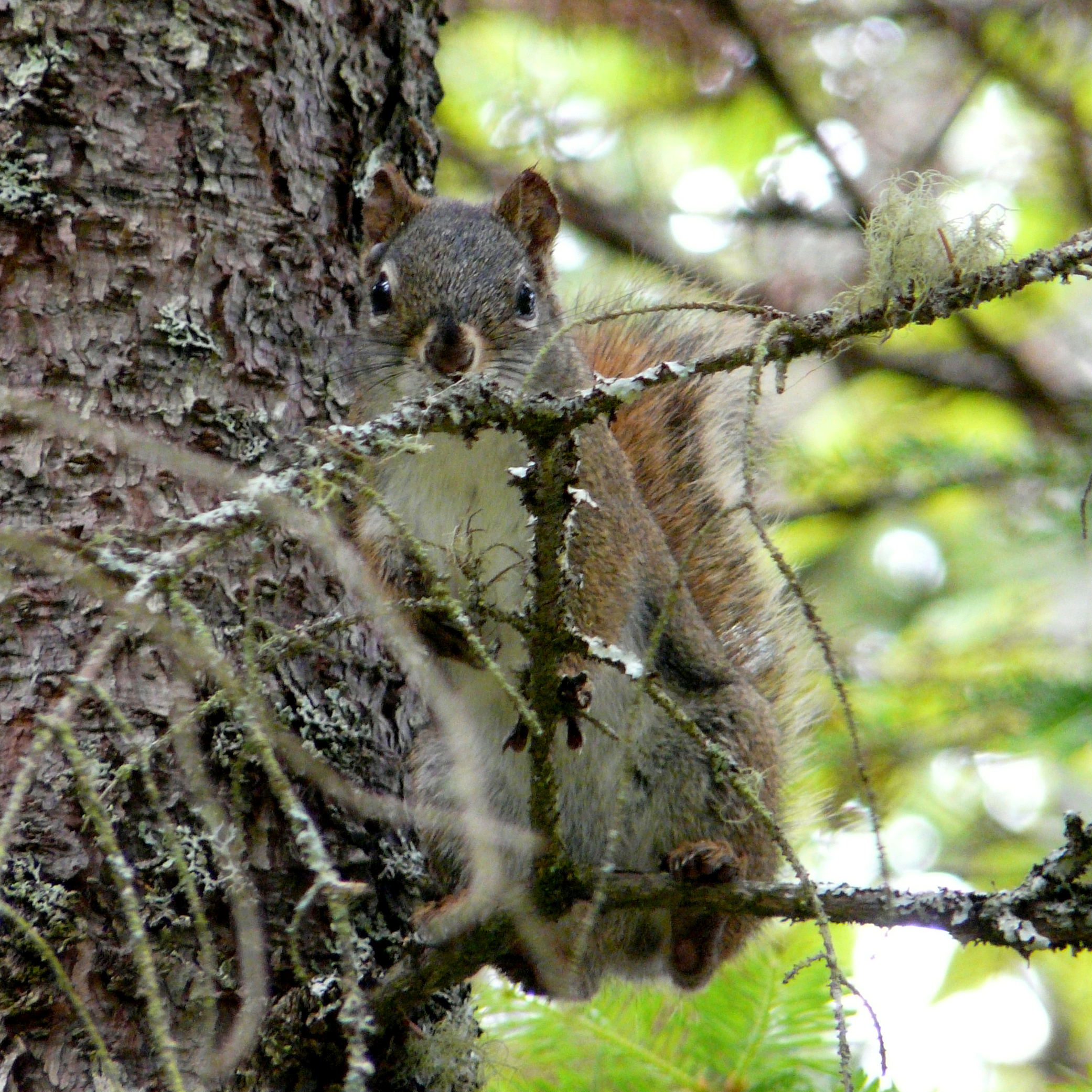
Red Squirrels were common and noisy in wooded areas.


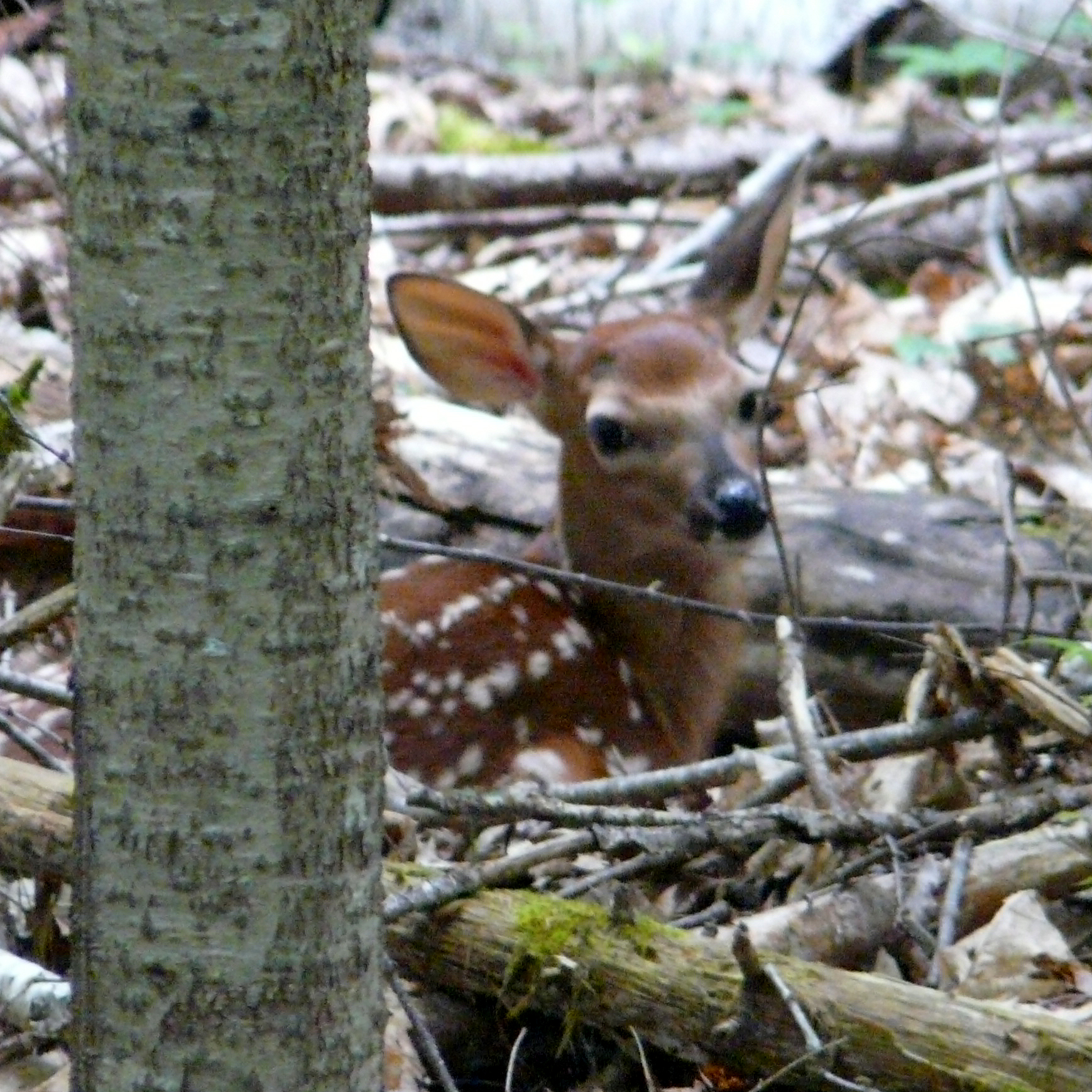
This White-tailed Deer fawn was well-hidden in the woods. I only located her because she got up to take a stretch just as I was looking in that direction.


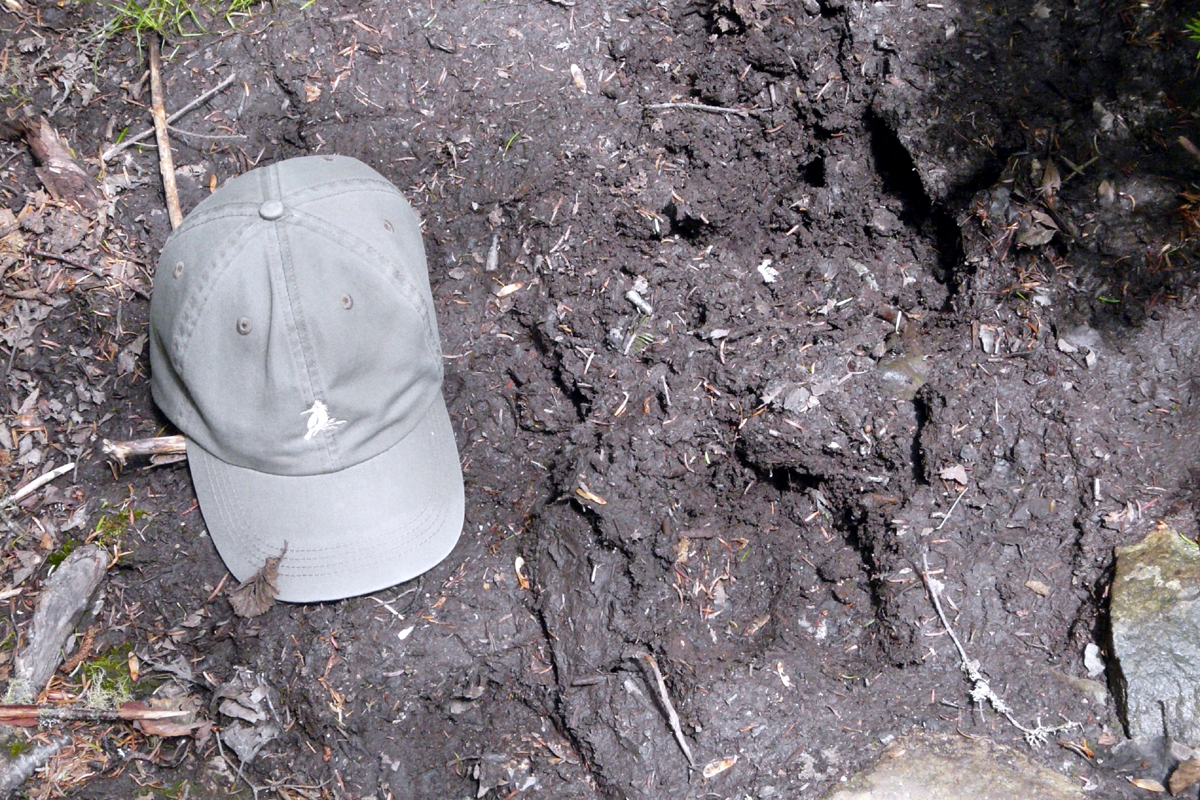
Moose tracks


Green Frog


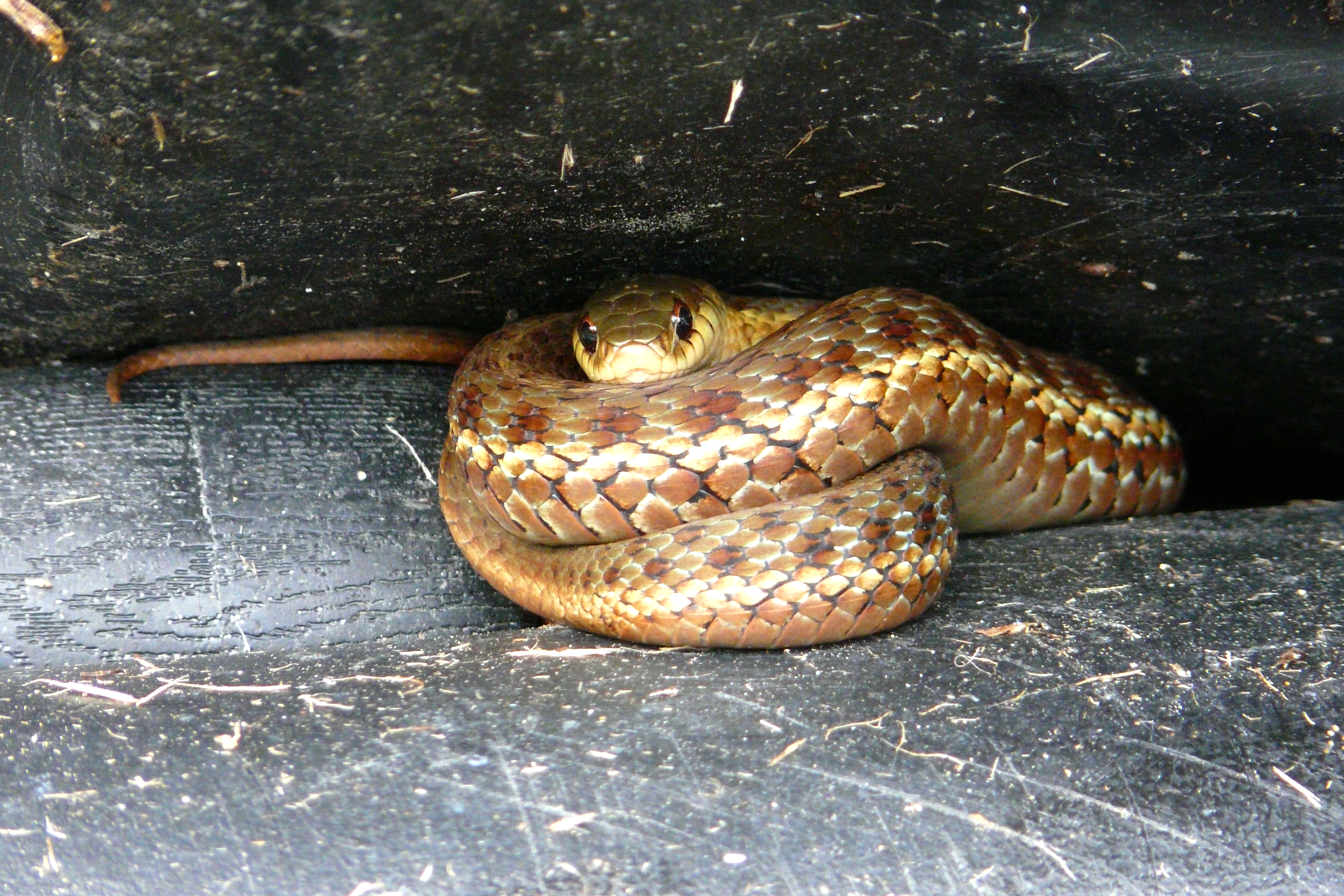
This Eastern Garter spent much of the day basking beneath a compost bin.


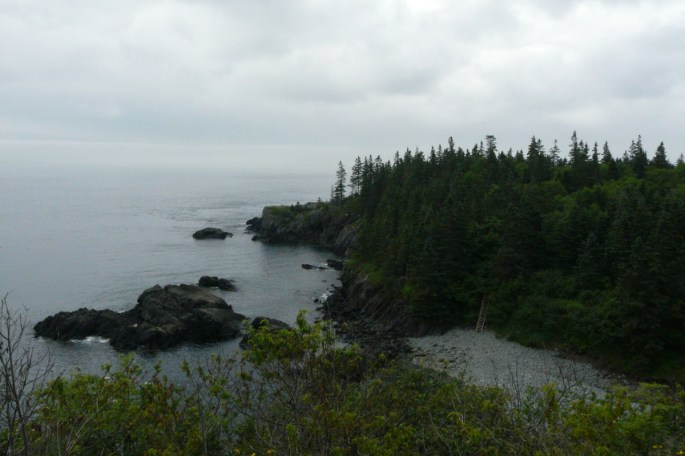
Rugged shoreline near Cutler.

Malheur NWR

Malheur National Wildlife Refuge is one of the most popular birding destinations in Oregon, not just for the abundant expected species, but also for the eastern vagrants that turn up there every year. Our Birdathon team from the Audubon Society of Portland visited the area June 7-9.


The trees and shrubs around the refuge headquarters are very attractive to birds.


Pine Siskins


Yellow-headed Blackbird


Western Tanagers were abundant in the trees and in the sagebrush.


The lawn at headquarters hosts a large colony of Merriam’s Ground Squirrels.


The view from Buena Vista, with Steens Mountain in the background


In warmer weather, this part of the state is great for herps, like this Western Fence Lizard.


Eastern Kingbird


Black-necked Stilt


Common Nighthawk


Northern Flicker, nesting in the town of Frenchglen, near the southern end of the refuge

North Coast

I made two trips to the coast for my shorebird class last week. Migration is picking up, and the sun is actually making  occasional appearances.


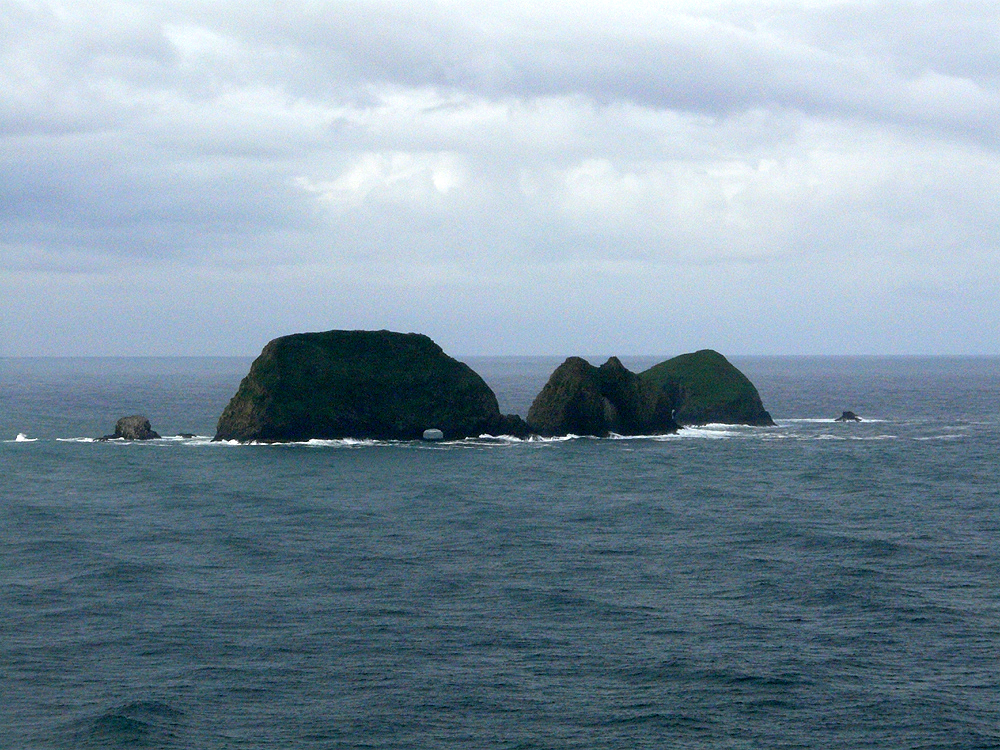
Three Arch Rocks, viewed from Cape Meares (Birding Oregon p. 129) This is the site of large seabird nesting colonies, but the rocks are too far out to see much. The small rock on the far left is a favorite haul out site for Steller’s Sea Lions, which you can see with a decent scope.


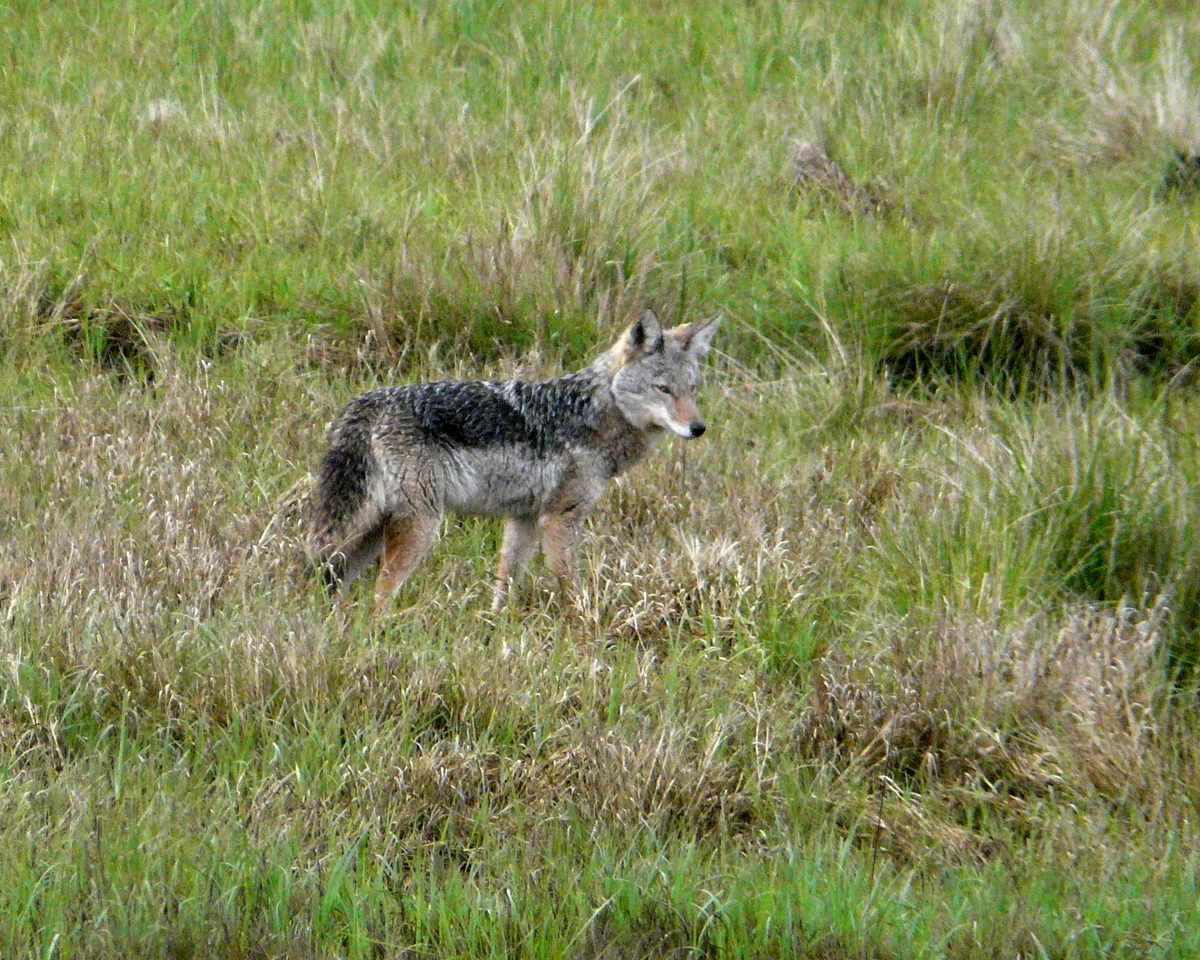
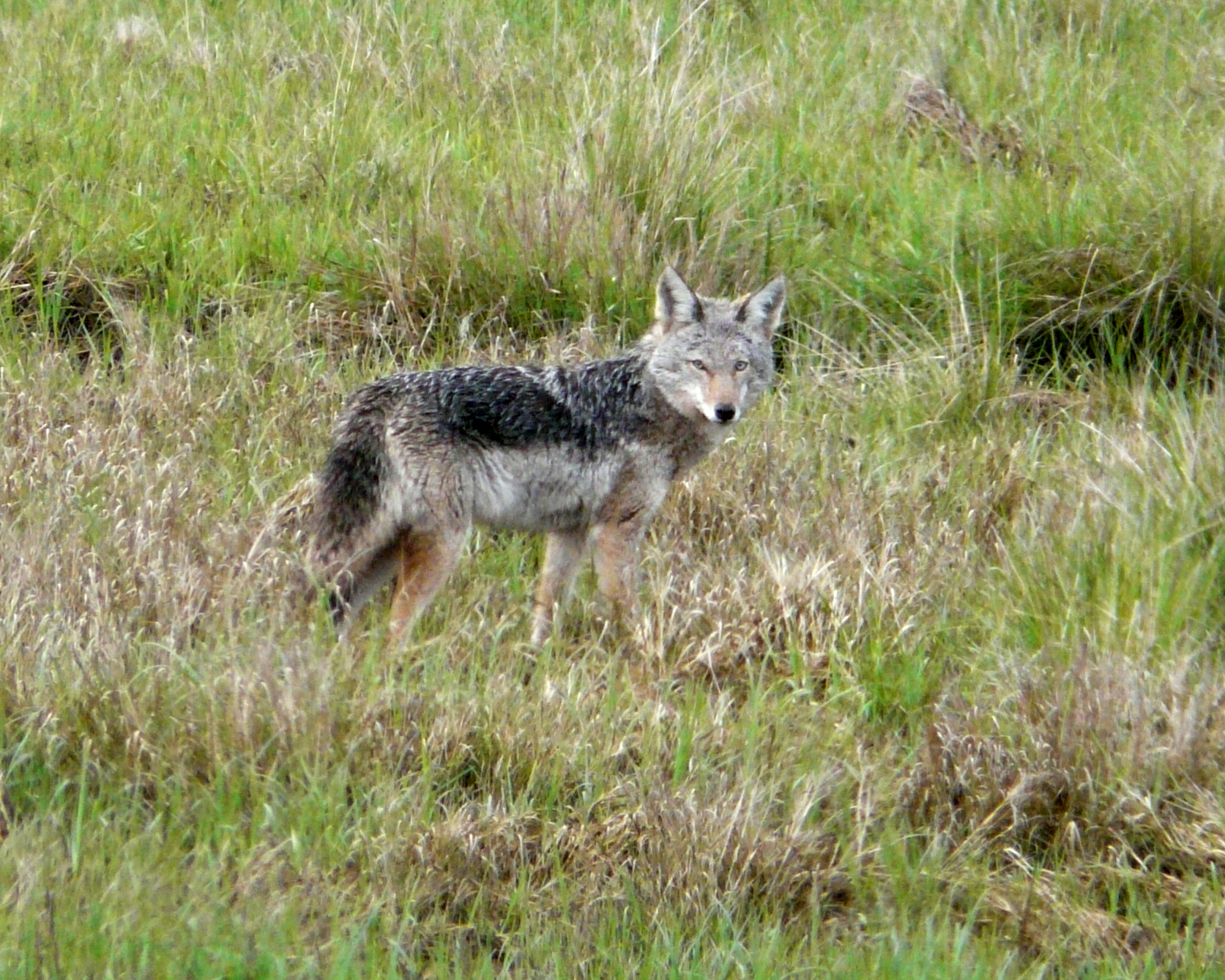
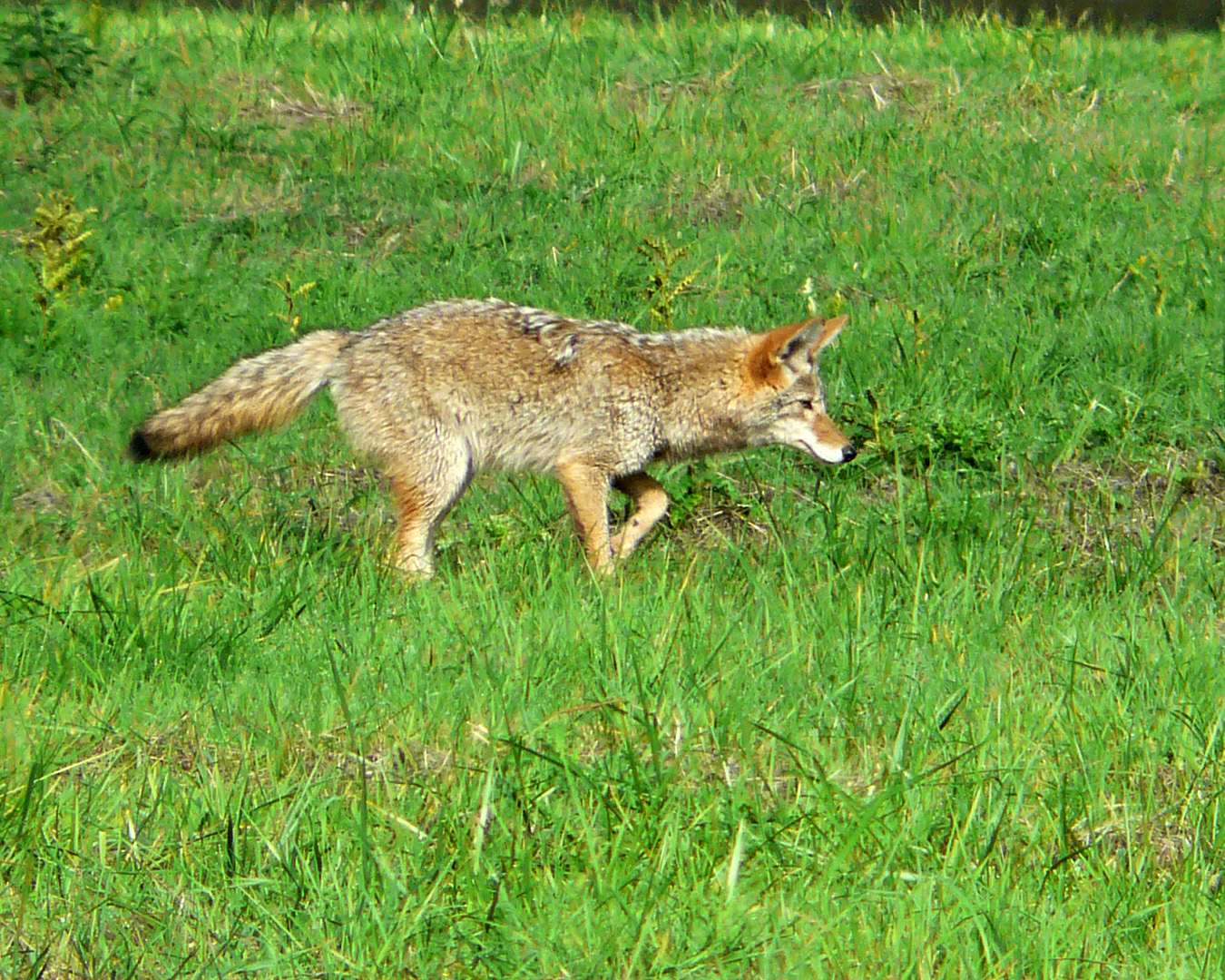
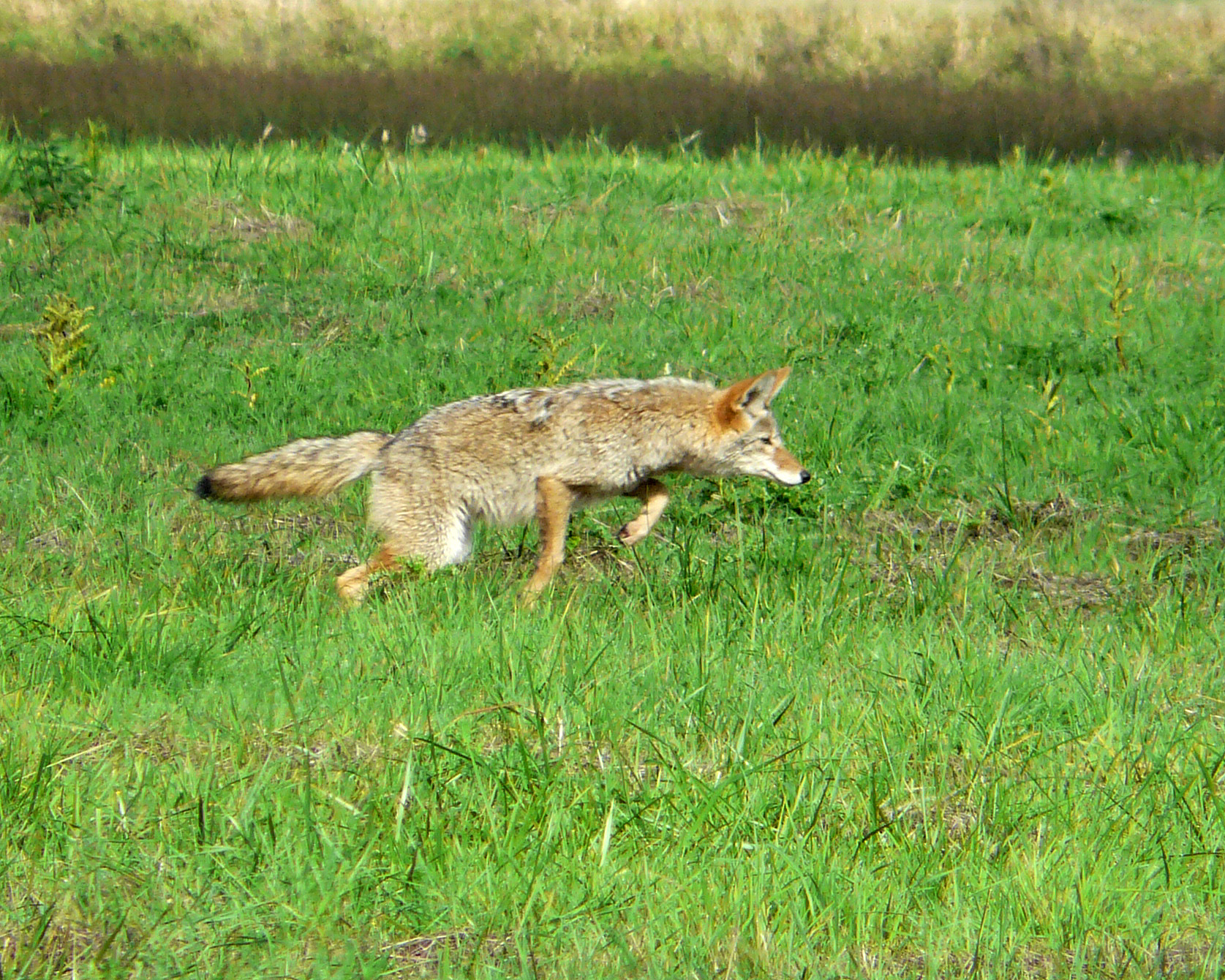
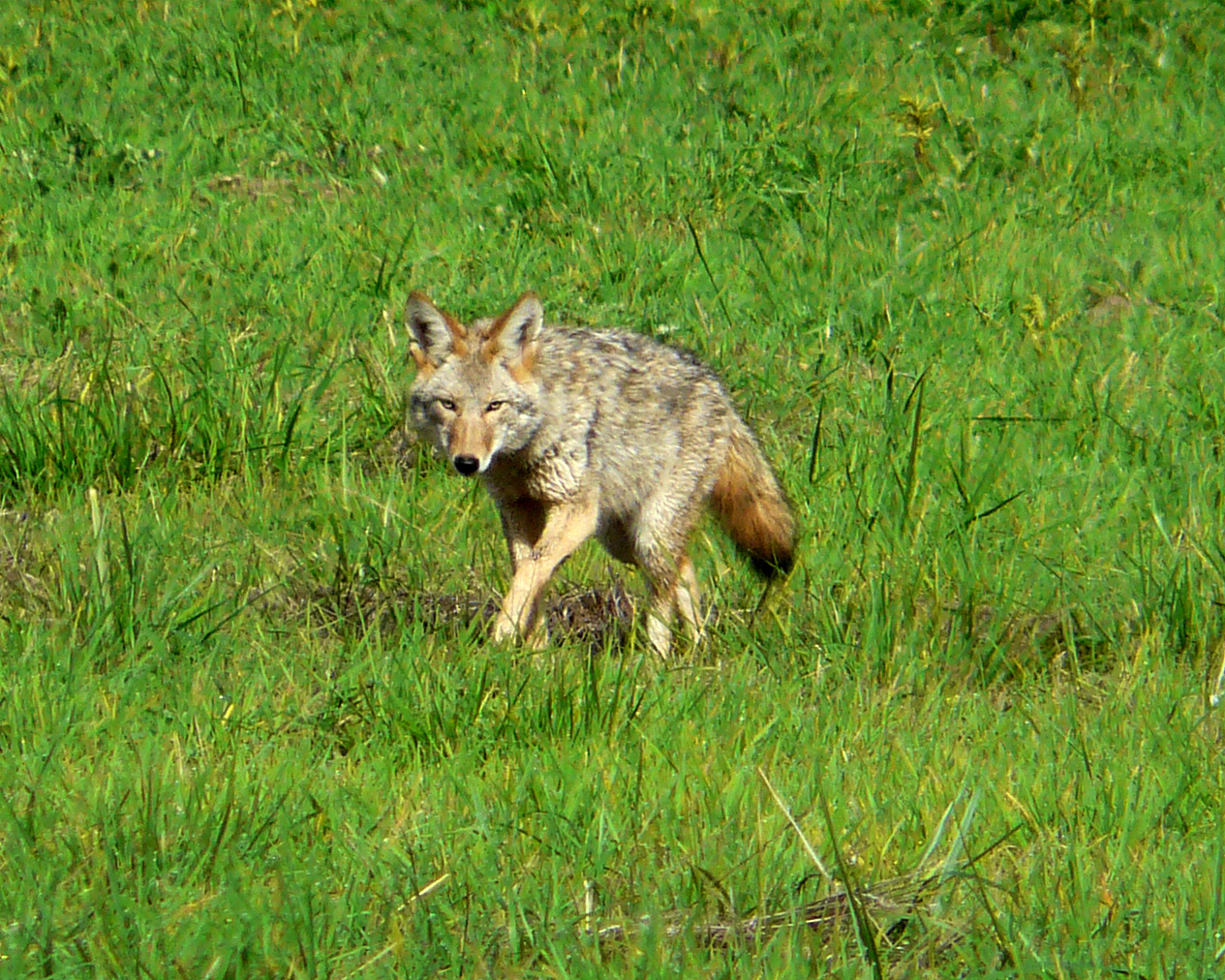
Two Coyotes were hunting in a meadow along Tillamook Bay. There is no shoulder along much of Bayocean Road, so I had to make a brief stop in the middle of the road to snap a couple of photos. I was struck by how dark these animals were, compared to Coyotes I see inland.


Keeping an eye on me. Coyotes are right to be nervous whenever a vehicle slows down nearby. Luckily, this human was only pointing a camera.


Black Oystercatcher on Barview Jetty (Birding Oregon p. 125) This jetty was recently rebuilt. As a result, the surface is smooth and easy to walk on, allowing you to go out much farther than before. But please don’t get the impression that it is EVER safe to walk out on a jetty. Even though you don’t have to hop from rock to rock, sneaker waves can still knock you onto the rocks or into the ocean. The jetty might have to age a bit before it attracts as many birds as before, since newer rocks don’t have as much sea life encrusted onto them.


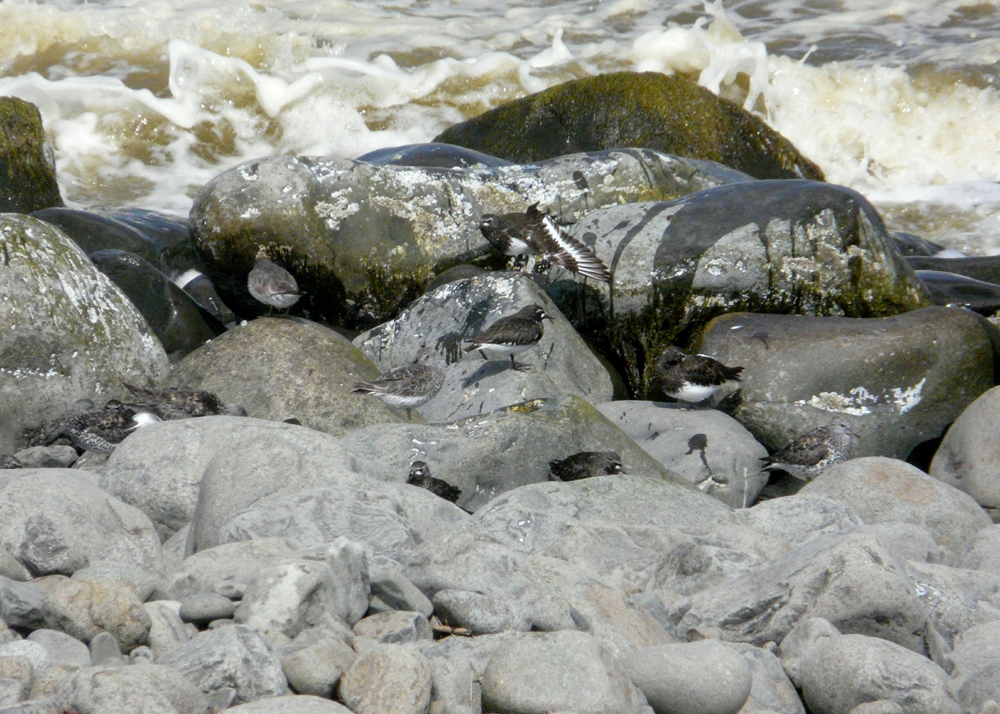
Black Turnstones and Surfbirds at The Cove in Seaside (Birding Oregon p. 121) These birds put on a great show for my shorebird class.

Random Rodents

Here are some photos from recent encounters with non-native rodents.


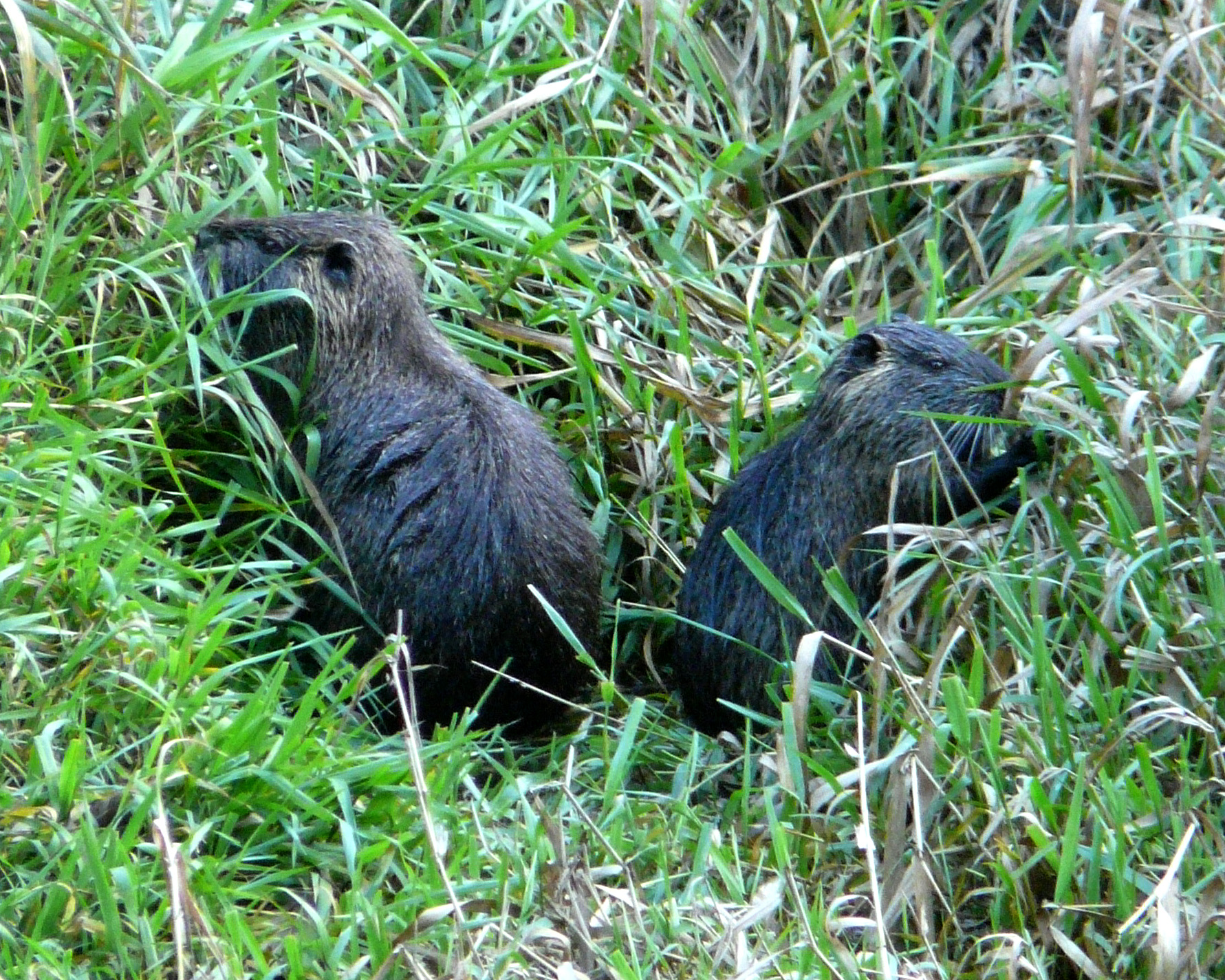
Two Nutria (Myocastor coypus) munching on grass. This species is native to South America. They were brought to the U.S. in the 1930s to be raised for fur. When the “raise Nutria for fun and profit” dreams proved to be unprofitable, many animals were simply released into the wild. In areas that don’t receive severe winter weather, such as western Oregon, the animals thrived. Nutrias are considered an invasive species, as their appetite for marsh vegetation alters local ecosystems and threatens some native species.


Eastern Fox Squirrel. I don’t know when or why this species was introduced to Oregon. In their native range, they prefer oak savannah and forest edge.


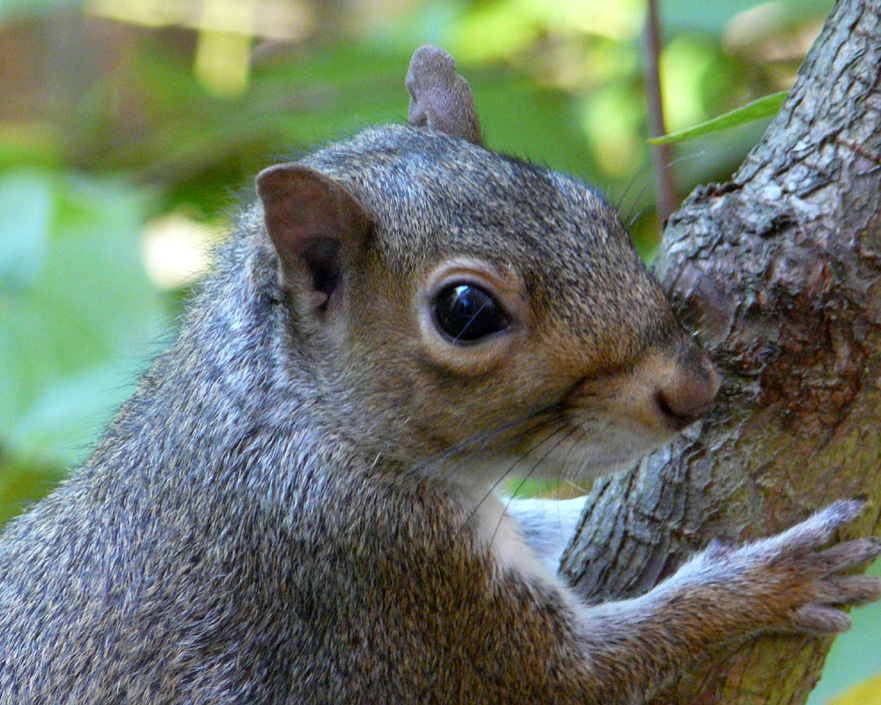
Eastern Gray Squirrel, another species introduced from the eastern U.S. While quite at home in Portland, in their native range they prefer extensive deciduous forests.

Coyote


A recent trip around the Auto Tour Route at Ridgefield NWR in Washington provided a great opportunity to watch a Coyote hunting in a meadow. Ridgefield is one of those few places where Coyotes can go about their business without having to worry about idiots with rifles.


Here we can see the rufous ears, a key field mark for this species. The prey of the day was small rodents, I assume some species of vole, and hunting was good. The technique is illustrated in the four images below.


1. Listen


2. Leap


3. Pounce


4. Enjoy. Bon appetit!

Ft. Stevens State Park, 9-28-’10

I took a client birding along the northern coast this week. Ft. Stevens State Park (Birding Oregon p.119) is a mandatory stop when spending a day in this area.


An observation deck overlooks the south jetty of the Columbia River. This is usually a great place to find birds on the water, but the surf was very rough on this day. Notice the waves washing over the jetty.


This California Sea Lion had hauled out onto the beach to take a break from the big surf.


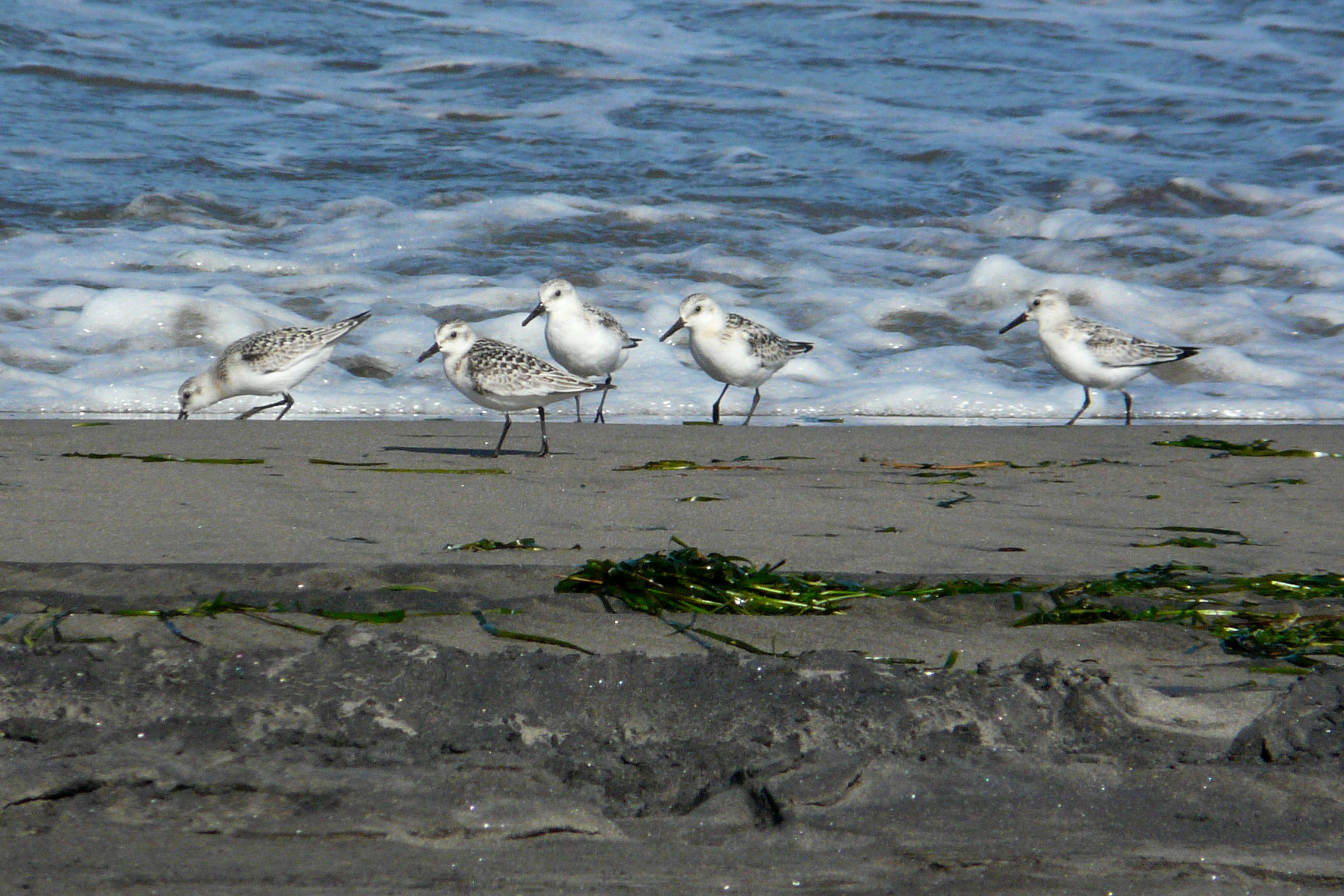
This flock of Sanderlings was feeding on the calmer side of the spit.


Notice how the second bird from the right is bending his upper mandible. Shorebird bills are flexible, allowing the birds to grab onto prey beneath the surface of the sand.


Running along at the very edge of the waves is typical behavior for Sanderlings.


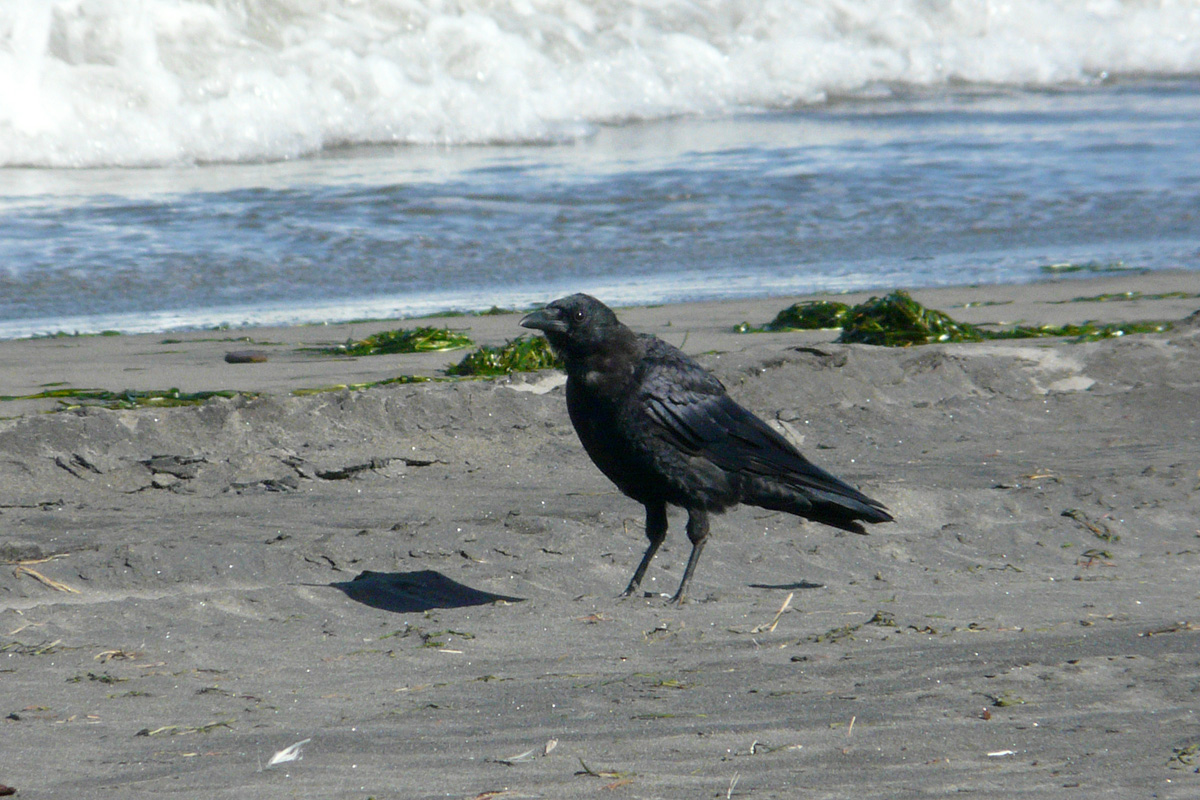
An American Crow on the beach. Some sources list Northwestern Crows as occurring at Fort Stevens, but there is no physical evidence to show that Northwestern Crows have ever inhabited Oregon. The race of American Crow found along the West Coast is considerably smaller than the races found inland. This might lead to confusion among visitors who are used to seeing larger crows.

Pelagic Trip 9/11/2010

I took a pelagic birding trip out of Newport, OR, on September 11. This was a trip offered by Greg Gilson of The Bird Guide, Inc. His trips are always well organized and I highly recommend them.


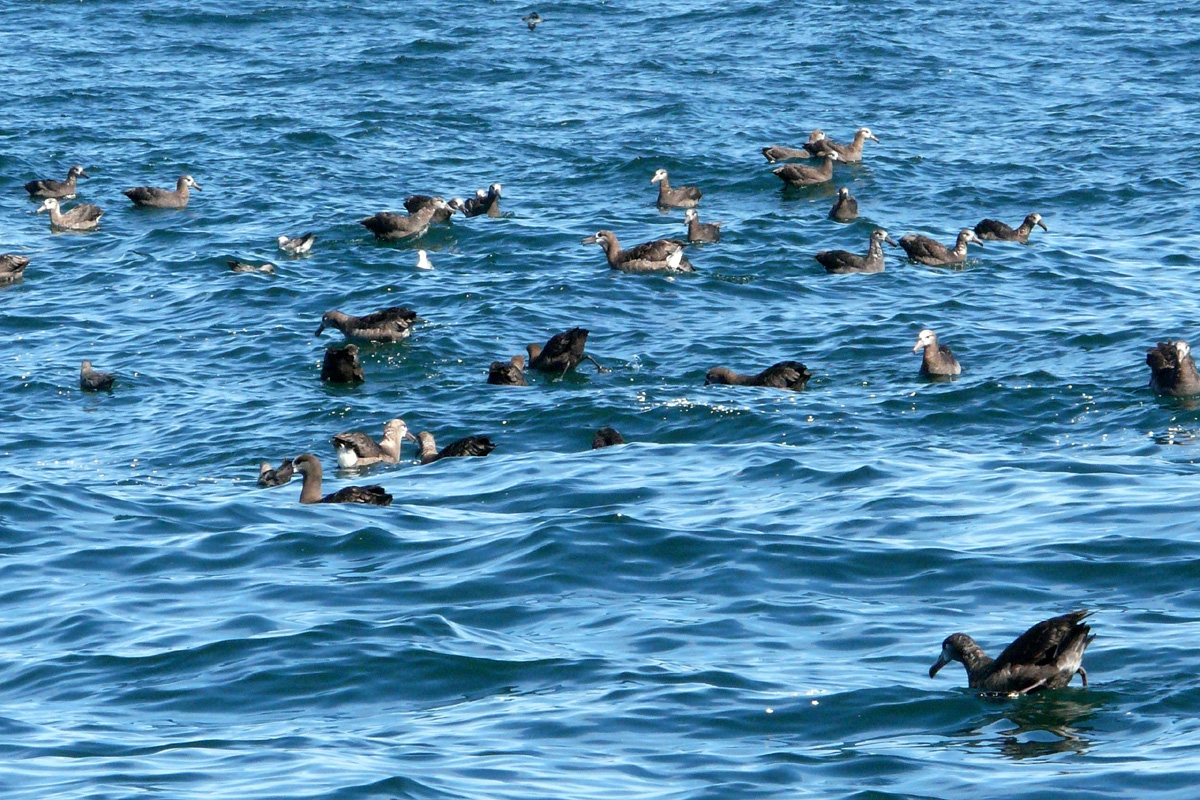
Black-footed Albatrosses are common off the Oregon Coast, and are readily attracted to chumming.


This is a small portion of the flock of Black-footed Albatrosses attracted to our boat. The older birds have white on their heads, while younger birds are darker overall. The smaller birds near the upper left corner are Northern Fulmars.


Pink-footed Shearwaters were the most numerous shearwater species on this trip, with well over 2000 birds seen. Despite their abundance, they seldom got close enough or still enough for a chance at a decent photo.


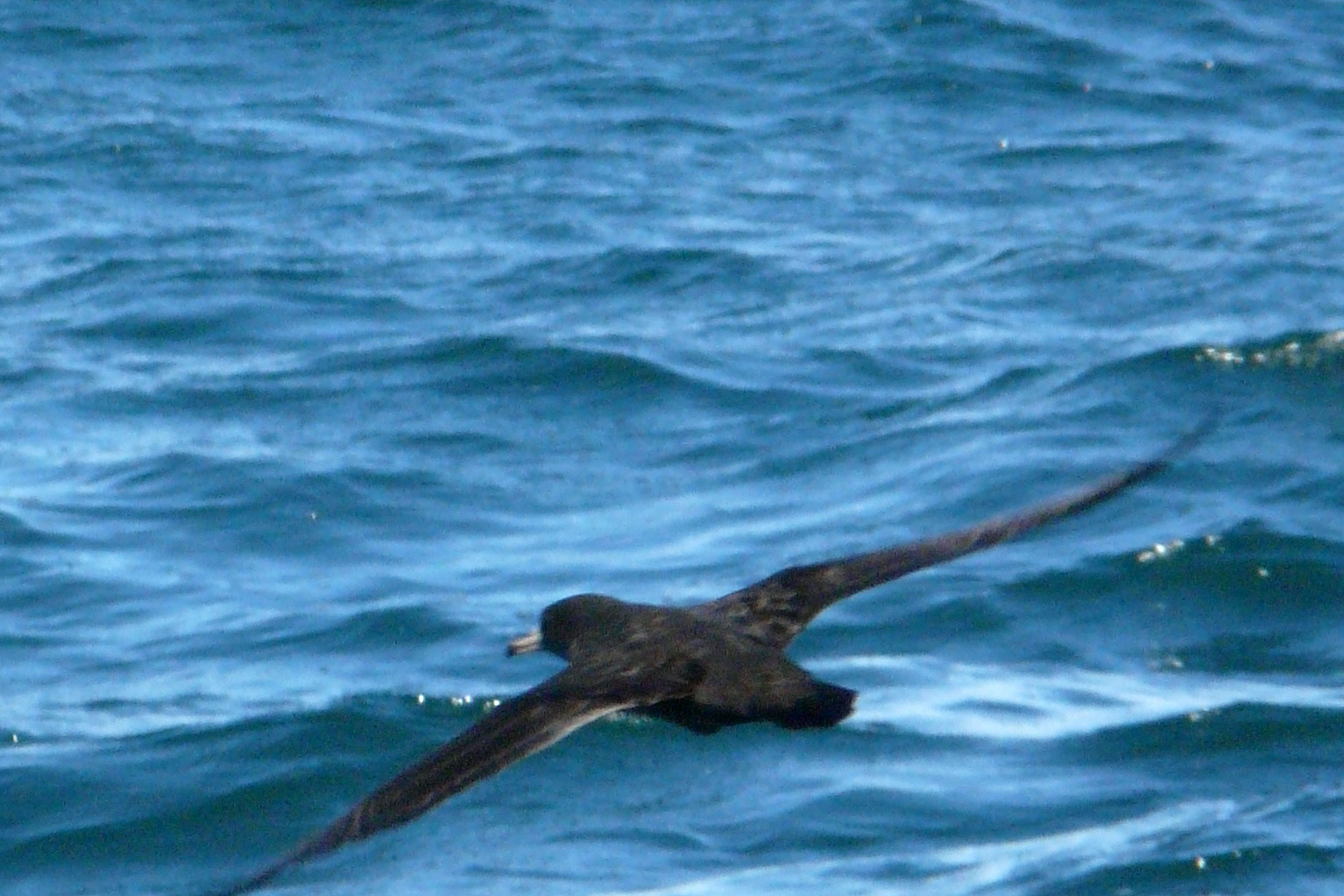
The rarest bird of the trip was this Flesh-footed Shearwater, which I almost captured in the frame of this photo.


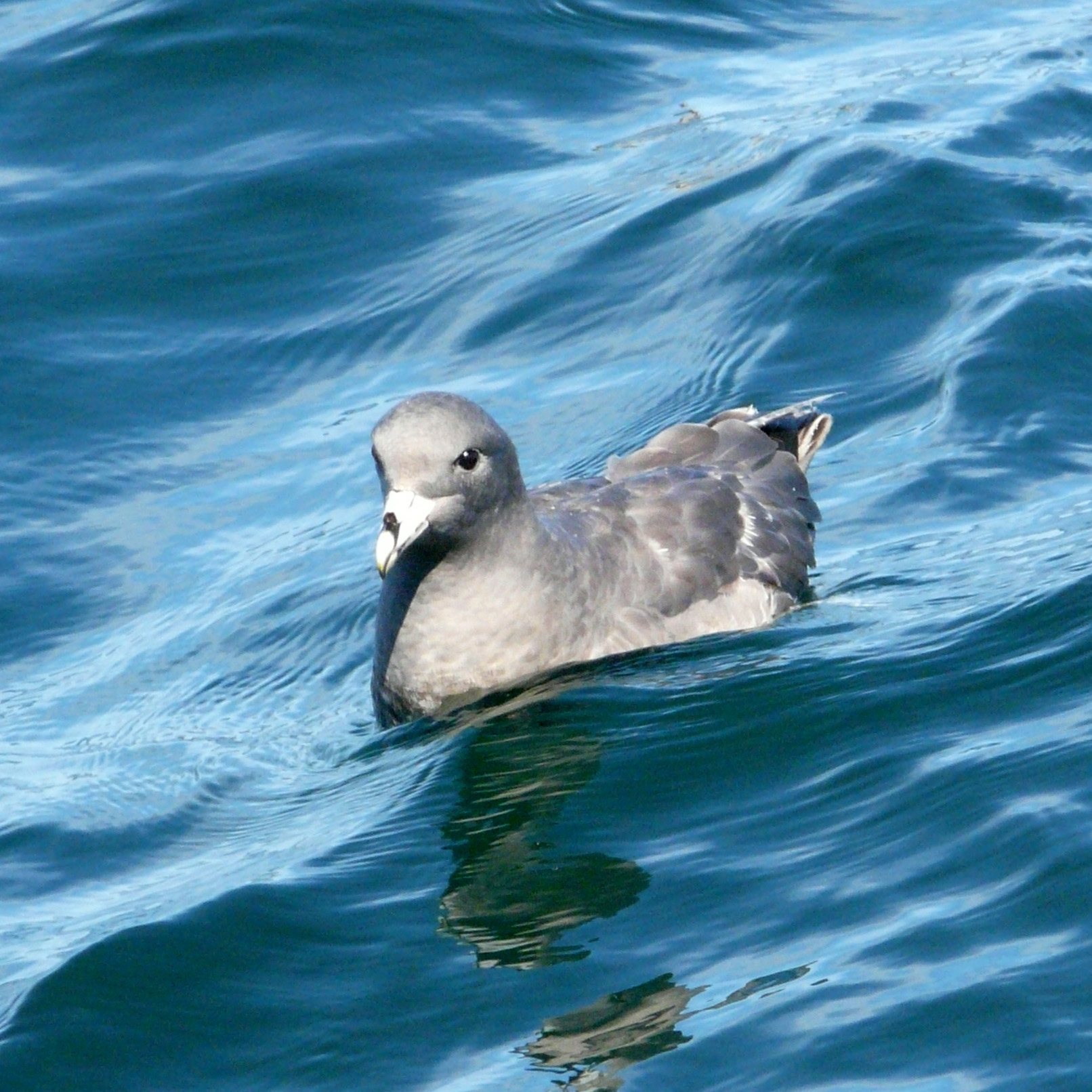
Northern Fulmars will often come very close to the boat. Notice the tube on top of the bird’s bill.


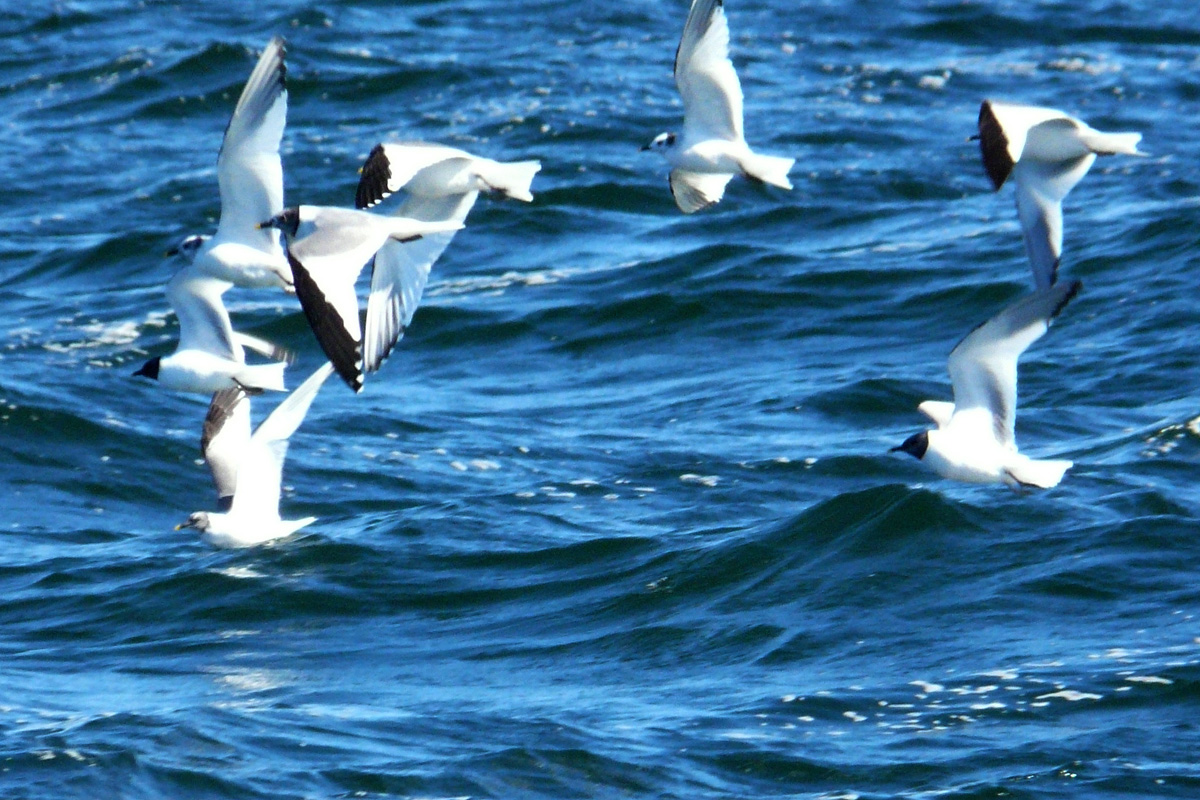
Sabine’s Gulls are easily recognized by their striking wing pattern.


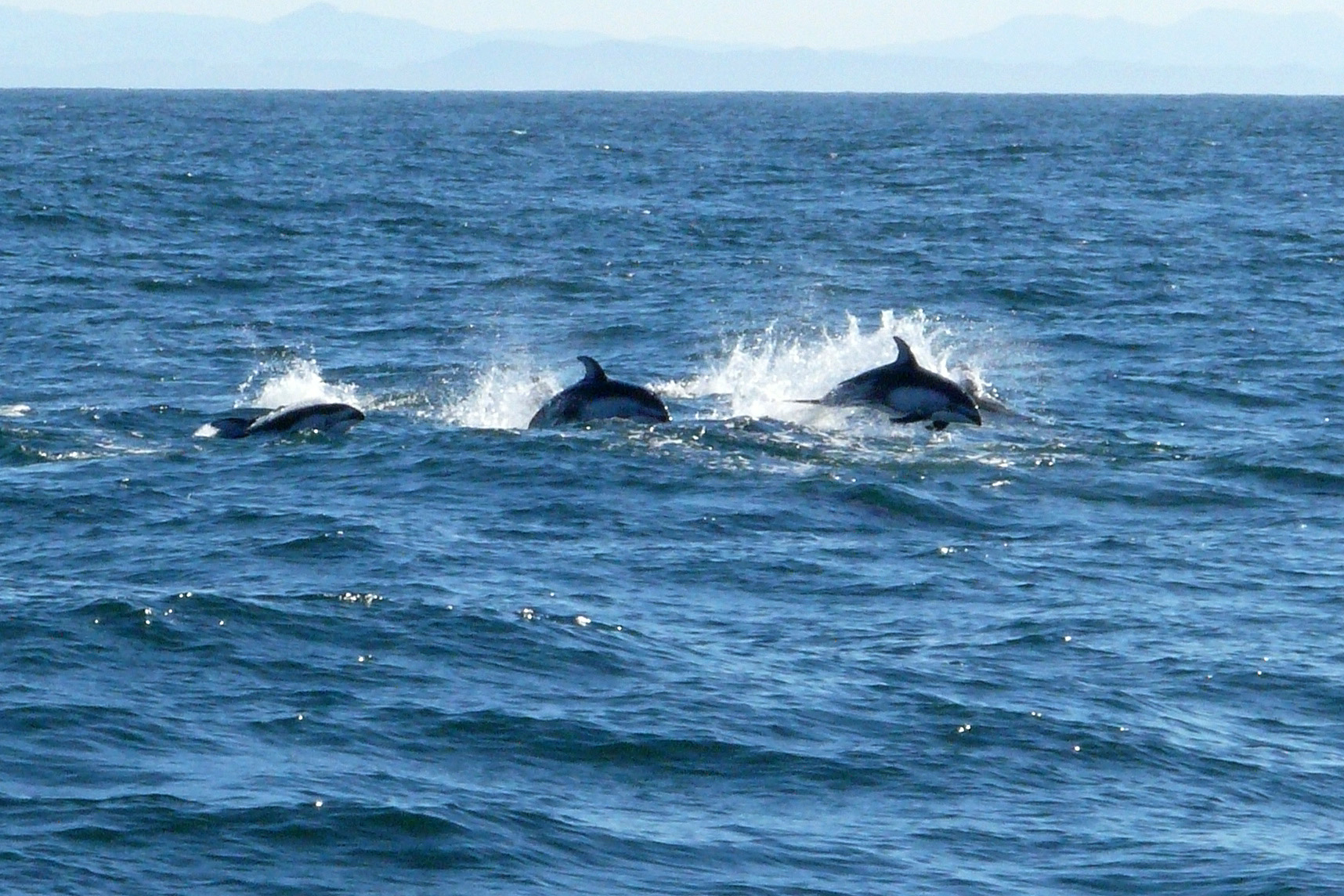
Pacific White-sided Dolphins surfed the boat’s wake.

Golden-mantled Ground Squirrel


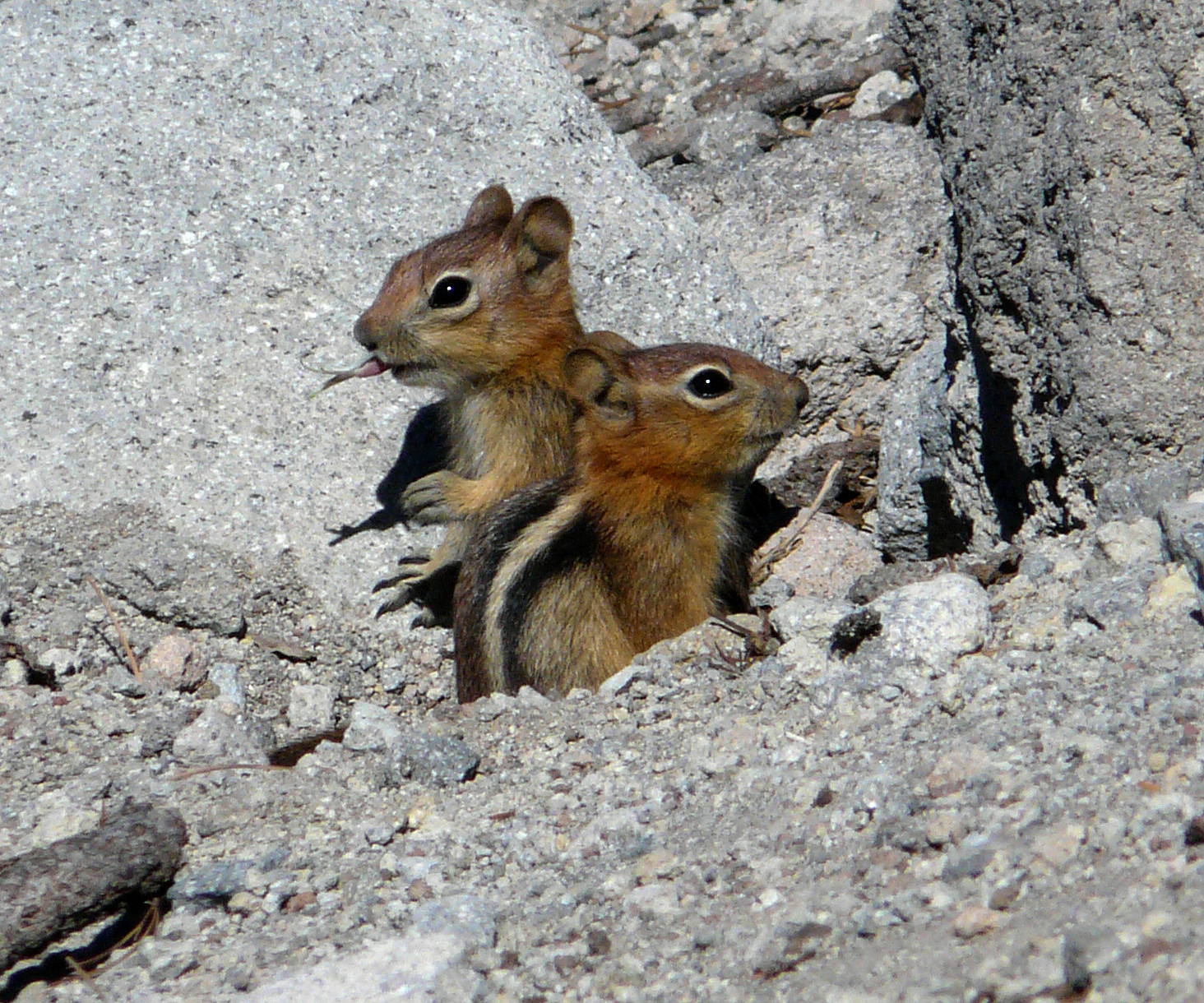
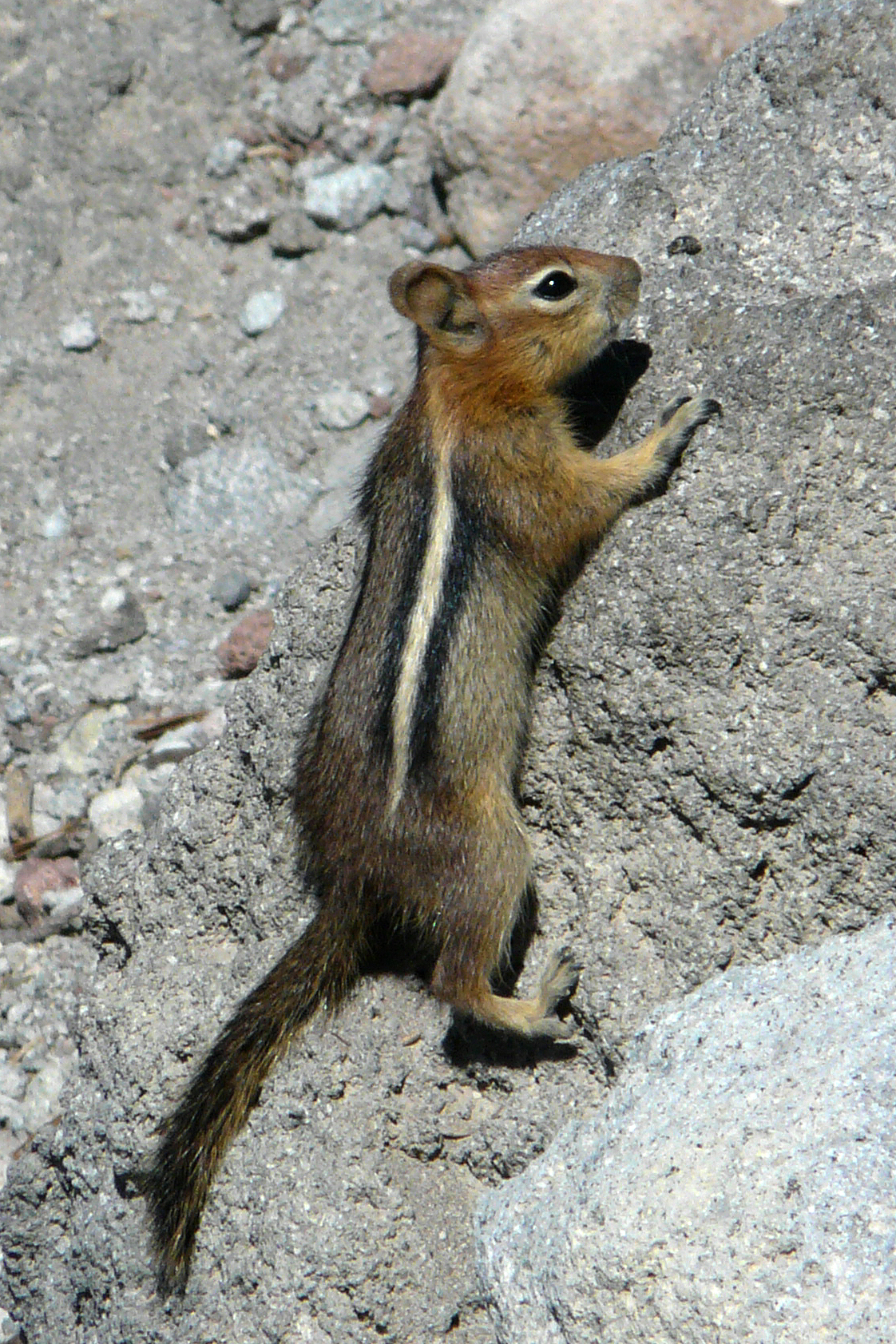
On a recent (almost birdless) trip to Timberline Lodge on Mount Hood (Birding Oregon p. 74) I enjoyed watching these Golden-mantled Ground Squirrels. While they might not qualify as “charismatic mega-fauna,” these little rodents are always a pleasure to see. Even a grizzled old birder can appreciate cuteness when it presents itself.

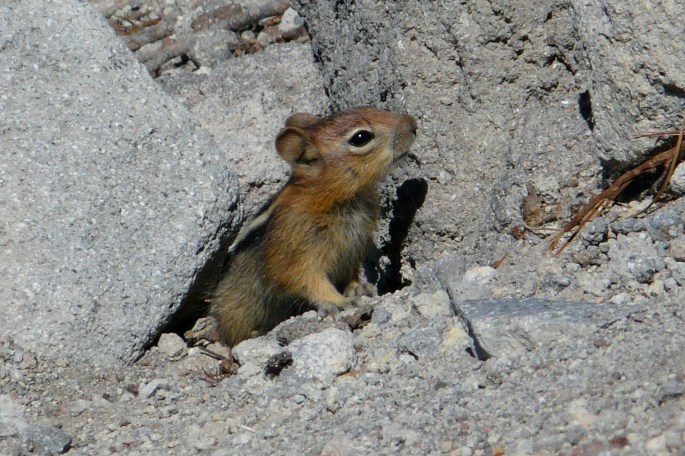
Sometimes confused with chipmunks, Golden-mantled Ground Squirrels lack stripes on the face and down the center of the back. They get their name from the buffy coloring around their neck and shoulders.


They feed on vegetation, seeds, insects, carrion, and pine nuts, building up fat reserves to carry them through hibernation. Habitats include rocky outcrops in coniferous forest and alpine tundra.

Timberline Lodge


Timberline Lodge (Birding Oregon p. 74) is a great place to for some high-elevation birding in the Cascades. A good paved road leads right up to the treeline, and you can access the Pacific Crest Trail just uphill from the lodge. The parking lot is often full of tourists and skiers, even in late summer. But if you are willing to walk for a while, you can enjoy solitude and stunning scenery.


Cassin’s Finch


Brewer’s Blackbirds are common residents of parking lots in the Portland area, but it is nice to see them in a more natural setting here.


This female Brewer’s Blackbird is one of the small percentage of the population with pale eyes.


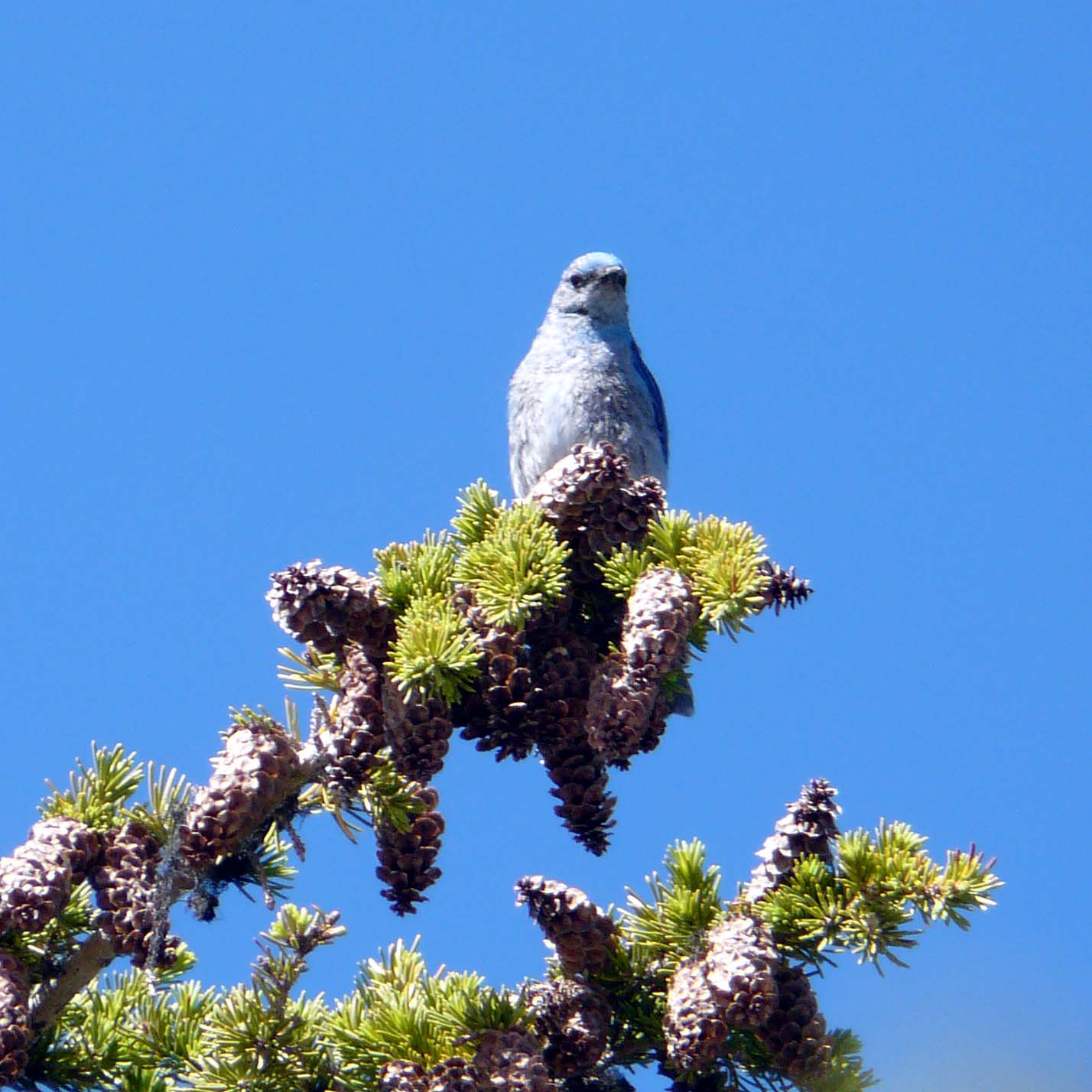
Mountain Bluebird, male


Mountain Bluebird, female


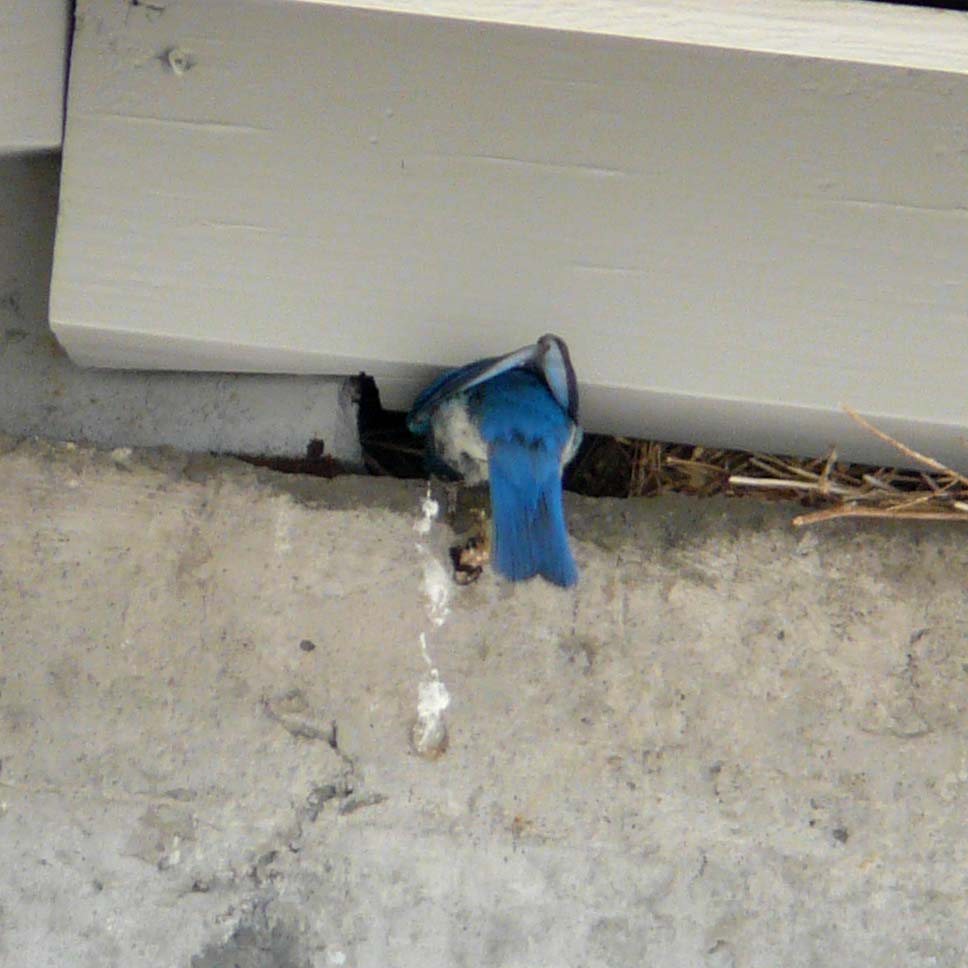
This pair of Mountain Bluebirds had built a nest in a gap under the eave of a small building above the lodge.


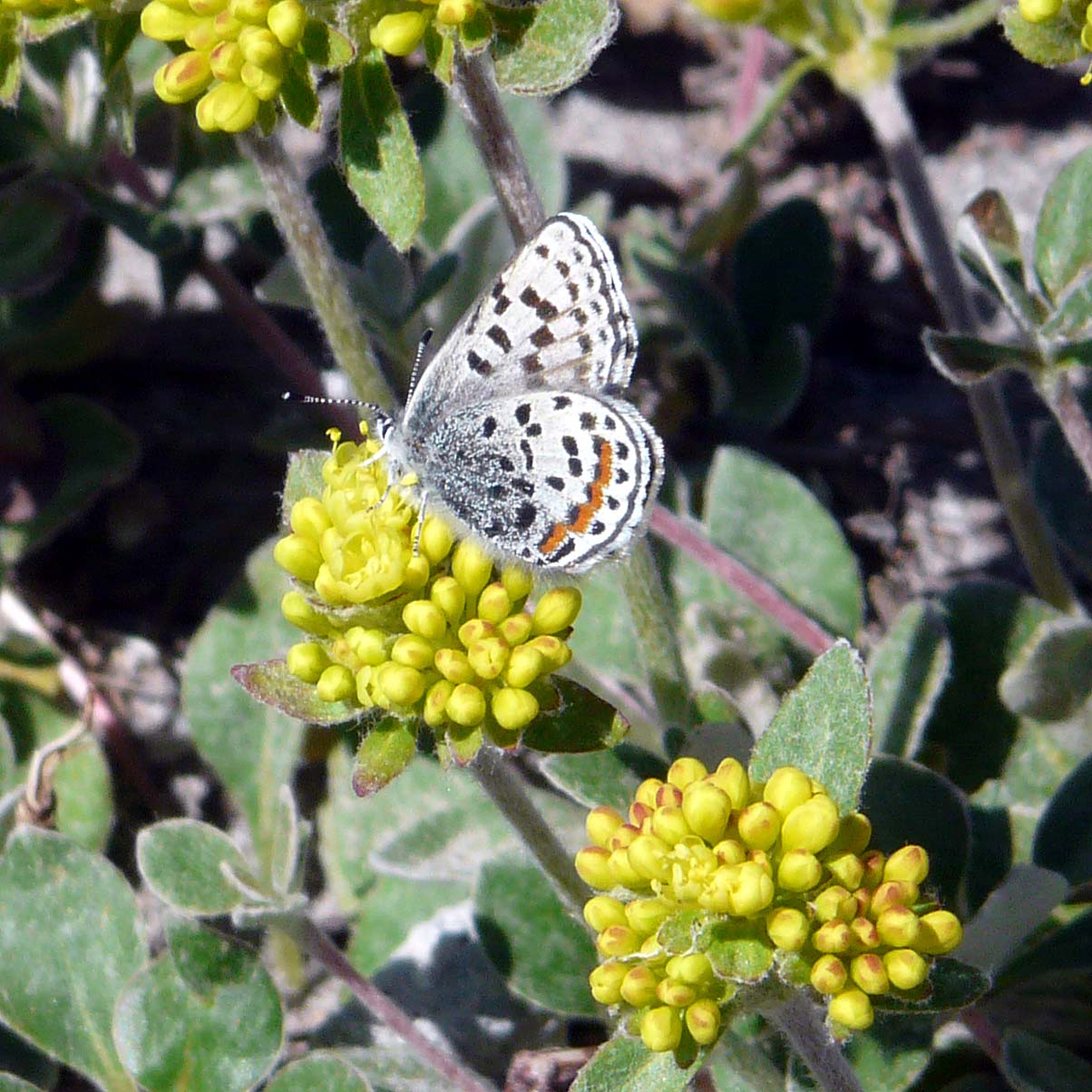
Lots of these little butterflies were feeding on the scattered wildflowers. My best guess is Acmon Blue.


The highlight of my long oxygen-deprived hike uphill from Timberline Lodge was this Yellow-bellied Marmot. He looks very regal in this pose.