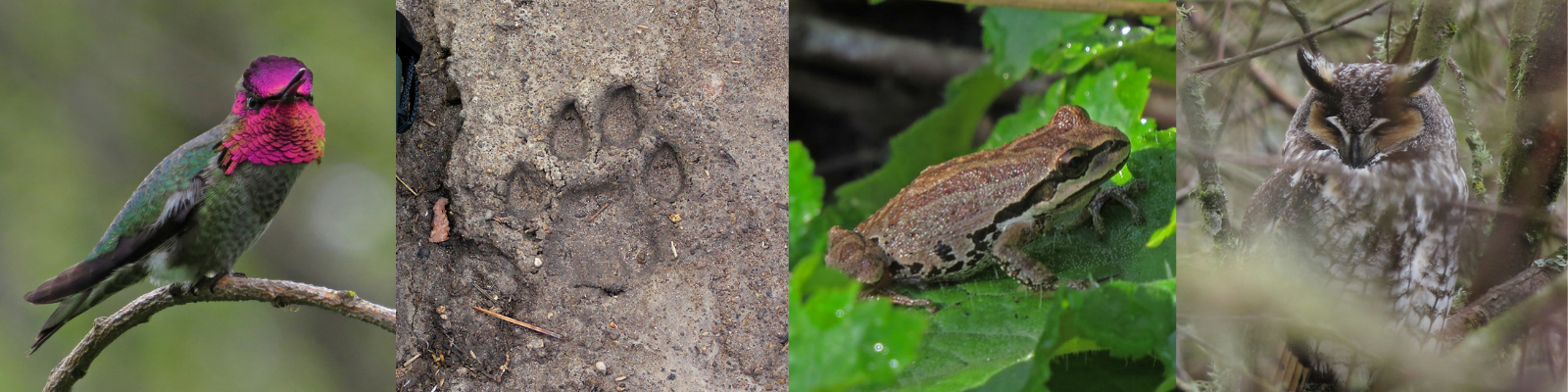
Shorebirds at Grays Harbor, WA

I took my shorebird class to Grays Harbor in Washington, one of the prominent staging areas for migrant shorebirds on the West Coast. The cold wet spring continues, so diversity was a little low, but there were lots of birds to see.
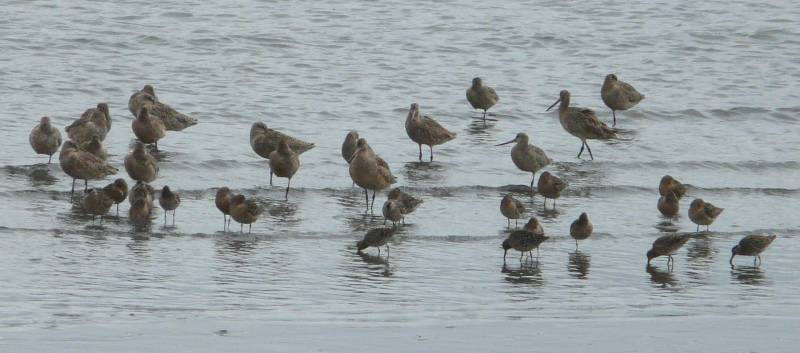
godwits-sbdowitchers
At Damon Point State Park, near the mouth of the bay, we found good numbers of Marbled Godwits and Short-billed Dowitchers.

flight
At Bowerman Basin, part of Grays Harbor NWR, a long boardwalk extends along the edge of the mudflats. As the basin fills with the rising tide, the birds are pushed closer to shore for excellent views.
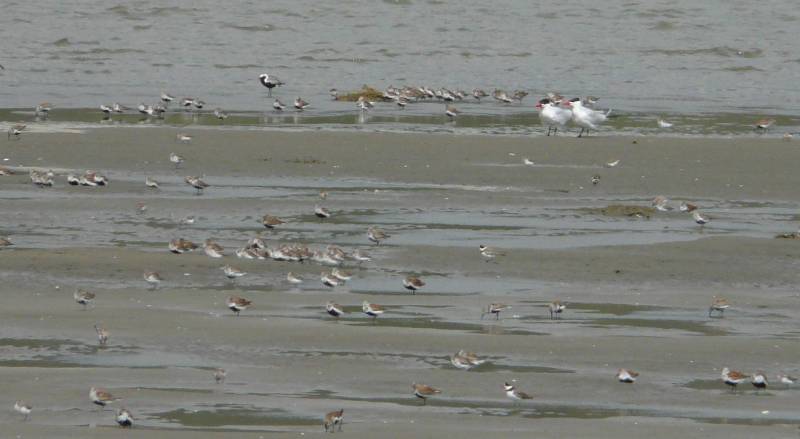
mixed-flock3
Here we can see a Black-bellied Plover, a couple of Semipalmated Plovers, two Caspian Terns, lots of Dunlin, and some Western Sandpipers.

semiplamated-plover
Here is a closer look at the lovely Semipalmated Plovers mixed in with Western Sandpipers.

western-least
I didn’t notice the bird at the time, but when I downloaded this shot of Western Sandpipers I immediately noticed the Least Sandpiper among them. Least Sandpipers feed in a crouched position with their feet far forward. On closer inspection, you can see the tiny bill and the pale legs. (lower right corner, if you are still looking)

least-western
Here’s a closer look at the Least Sandpiper between two Westerns.

New Arrivals at the Hummingbird Feeder

rufous-hummer-2

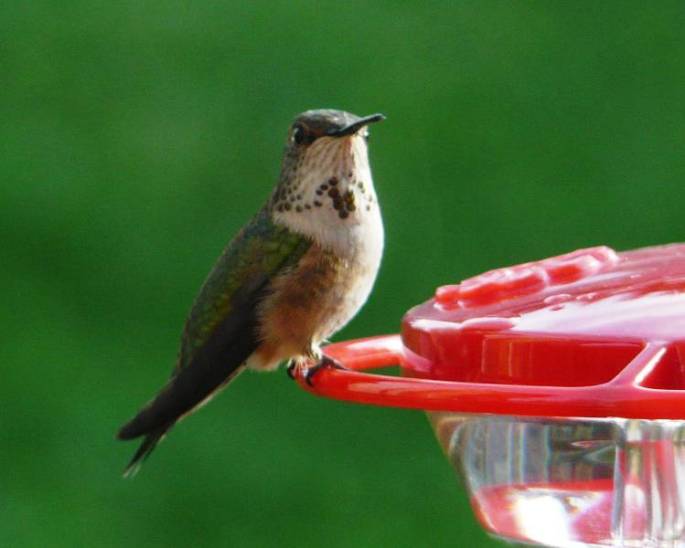
Rufous Hummingbirds have returned, causing much angst among the resident Anna’s Hummers. This guy caught my eye with his gorget of copper, gold, and green.

rufous-hummer-3
Notice how the colors change with the angle of the light.

female-rufous
Here’s a female rufous, with her few irridescent dots and buffy sides.

rufous-stretch
She flashes her tail colors when the male is being too pesky.

goldfinch-on-hummer-feeder
I’m not sure what this American Goldfinch was doing, but he was checking out the hummingbird feeder for over a minute.

Autumn Movements

With the autumnal equinox this week, we are seeing migrants returning to the Willamette Valley. The first flocks of Cackling Geese have arrived along with good numbers of Greater White-fronted Geese. The brambles are once again hosting Golden-crowned Sparrows.


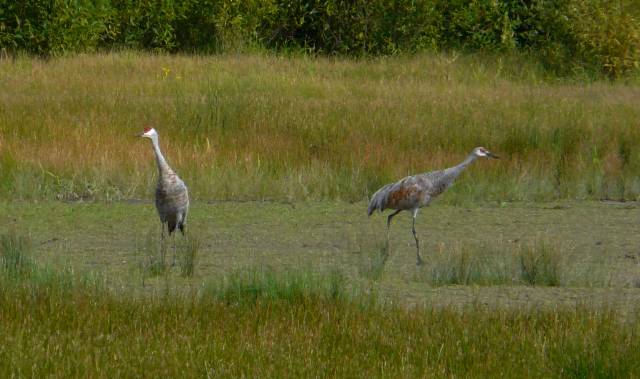
Sandhill Cranes are gathering on Sauvie Island (Birding Oregon p. 55). These birds were seen along Sturgeon Lake on Oak Island.


Flocks of Yellow-rumped Warblers were moving through the woods and brushy areas of Oak Island today. This individual is a female of the Myrtle race. Notice how the white throat is cleanly separated from the gray cheek, with the white starting to wrap around the ear coverts. Audubon’s race does not show this clear demarcation.

North Coast Shorebirds

I birded Fort Stevens and Seaside on the coast today. I met a birder from the east who asked me when the shorebirds would be coming through. I explained that shorebirds were on the move now, but they tended to trickle through. The northern part of the Oregon coast doesn’t currently have any big shorebird staging areas. The birds stage at Grays Harbor and Willapa Bay in Washington, then tend to head straight for California. Oregon gets its share of migrants, but you have to be at the right place at just the right time to see them.

I found a few shorebirds today.


This Western Sandpiper had an injured right wing and foot. The line of rusty-fringed scapular feathers is part of this specie’s juvenal plumage.


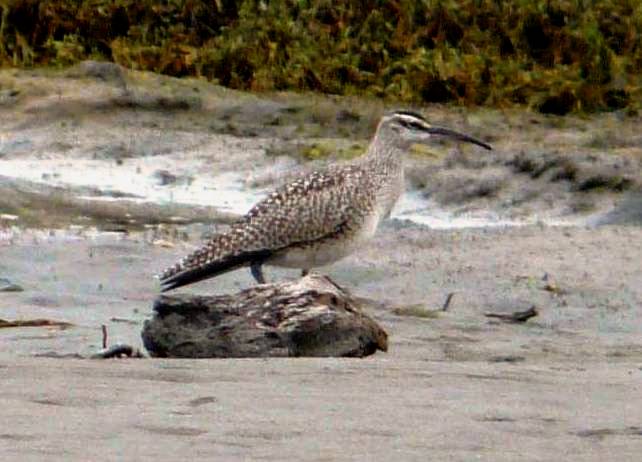
Whimbrel


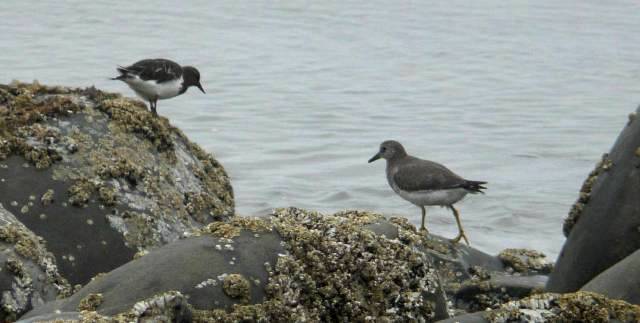
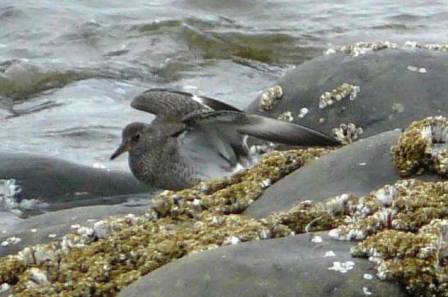
Here are two species in the “rockpiper” group of shorebirds, named for their preferred habitat. The bird on the left is a Black Turnstone. On the right is a Surfbird.


Surfbird

Black-headed Grosbeaks

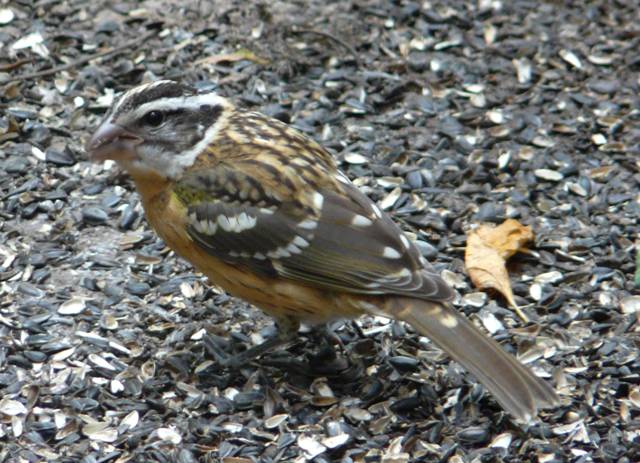
We are starting to see some songbird movement in the Portland area. Swainson’s Thrushes can be heard flying overhead at night. Several people are reporting Black-headed Grosbeaks under their feeders. Most of the adult grosbeaks have already headed south by the end of August, so many of the birds being reported now are young of the year.


Two grosbeaks have been hanging out under my feeder in recent days. The pattern on these birds is really stunning, so it is nice to see them on the ground. I’m not positive whether the bird above is a female or first-winter male.


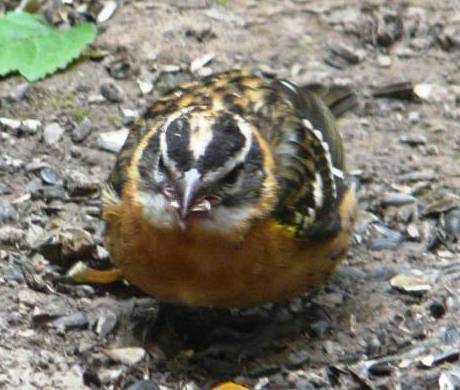
The intesity of the breast color on this bird suggests a young male. You can see just a bit of the yellow area under the bird’s wing.

Sauvie Island

I did a point count at Oak Island on Sauvie Island today, then birded several other areas. Migration is starting to pick up with large numbers of Purple Martins and several warblers and shorebirds on the move. I also saw four Sanhill Cranes, which seemed a bit early.


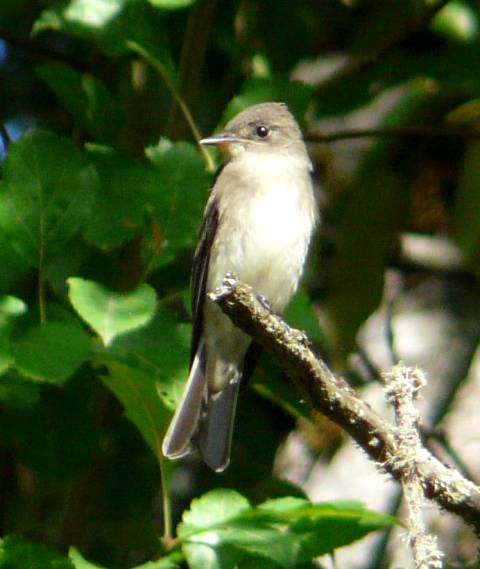
Western Wood-Pewees are everywhere, and still very vocal.


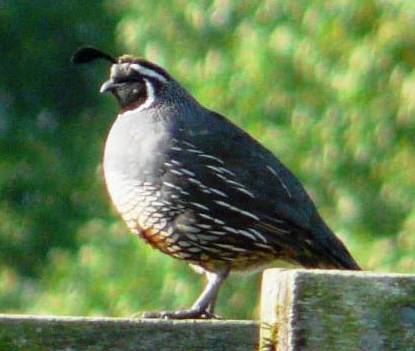
This California Quail spent some time on top of a corral fence, before disappearing into the blackberry brambles.


Here is a very distant shot of two Red-necked Phalaropes in front of a Cinnamon Teal. Notice the big blue patch on the extended wing of the teal.


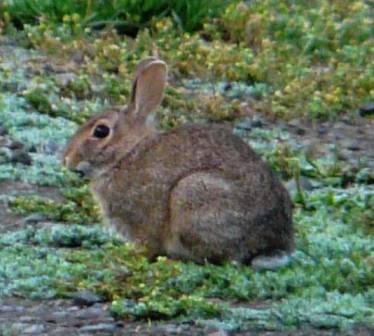
A Brush Rabbit, not a bird, nor uncommon, but still cute.


Pacific Treefrog. It is amazing how such a tiny animal (about 1 inch from snout to vent) can have such a loud call.

Sauvie Island

Migration has wound down by now, and the summer breeders are out in force. Here are a few birds I found on Sauvie Island this morning.


Savannah Sparrows can be heard at the edges of all the pastures.


Rufous Hummingbird


This Bald Eagle hovered over me, scolding the whole time. That behavior is more typical of Red-winged Blackbirds. I thought the eagles would be done nesting by now, but apparently they still have young in the nest.


Blue-winged Teal, uncommon in the Willamette Valley


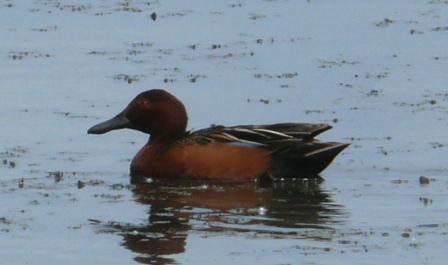
Cinnamon Teal, common, but always a delight


hungry Barn Swallow chicks


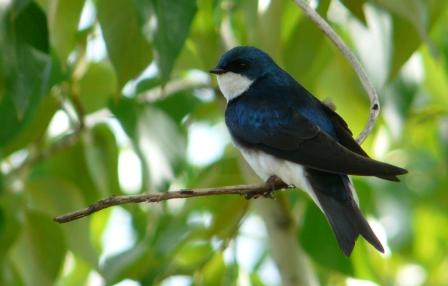
Tree Swallow

Torn between two seasons

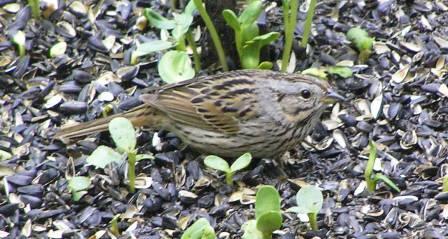
Since the March-like weather has continued into mid-May, we are seeing an interesting mix of species in the Willamette Valley. Even as spring migration kicks into high gear, with a major push of Western Tanagers joining the expected warblers and flycatchers, a few winter residents, like the flock of Pine Siskins, are still hanging around. Two Lincoln’s Sparrows spent a couple of days under my feeder last week, and a Golden-crowned Sparrow is still visiting. Some have suggested that the heavy snows in the mountains this year are keeping birds in the valley a little later than usual. Meanwhile, the young American Robins and House Finches have already fledged.


Lincoln’s Sparrow, one of my favorites

Just for fun, you get extra points if you can name the insipid song from the mid-1970s that inspired the title of this post.

Klamath Basin

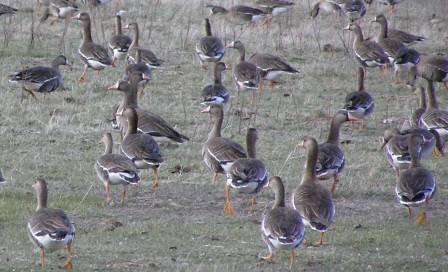
Some colleagues and I made a quick sweep through the Klamath Basin on April 30 and May 1. Late snows and cold weather have really delayed spring in that area, causing the Greater White-fronted Geese to remain in unusually high numbers. The morning of May 1 was clear and calm, inspiring thousands of geese to continue north.

Two of our favorite birding sites around Fort Klamath were snowed in, so we missed some upland species we were hoping for. We did spend some time at the Williamson River Day Use Area, across the highway from Collier State Park. As we were walking back toward the car, this Clark’s Nutcracker put on a nice show in the lawn.

Sauvie Island

I spent a gorgeous day at Sauvie Island, northwest of Portland. There are still good numbers of waterfowl and Sandhill Cranes, but the sparrows have started to thin out.

sandhills.jpg
Sandhill Cranes (and Mallards)

dusky-sandhills.jpg
Dusky Canada Geese, Sandhill Cranes (and Mallards)

lesser.jpg
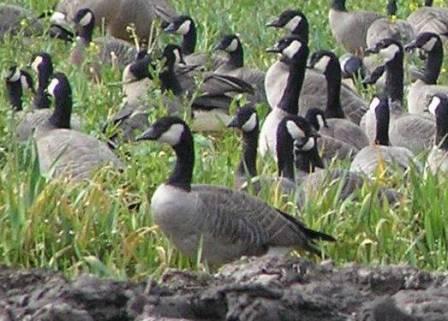
I believe the front bird is a Lesser Canada Goose. The bill is long and slopes gently into the forehead, unlike the stubby bills and rounded foreheads seen on Cackling and Taverner’s Cackling Geese.

garter.jpg
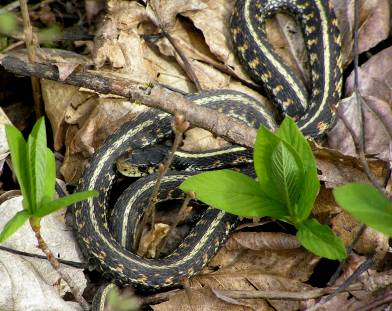
I saw at least a dozen Garter Snakes around Wapato Access Greenway. This was one of two that sat still long enough for photos.