Smith and Bybee Wetlands

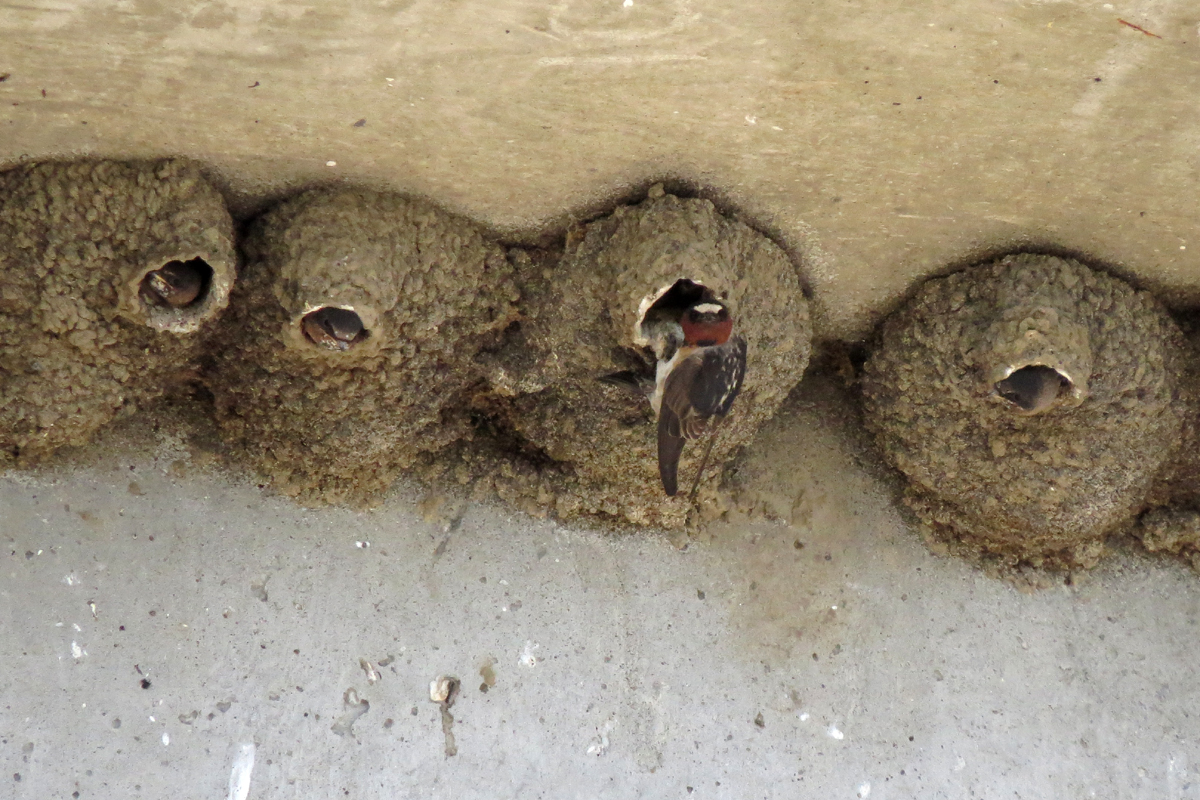
cliff swallow 1Nesting season is in full swing at Smith and Bybee Wetlands in northwest Portland. There is a small colony of Cliff Swallows nesting under the highway overpass.
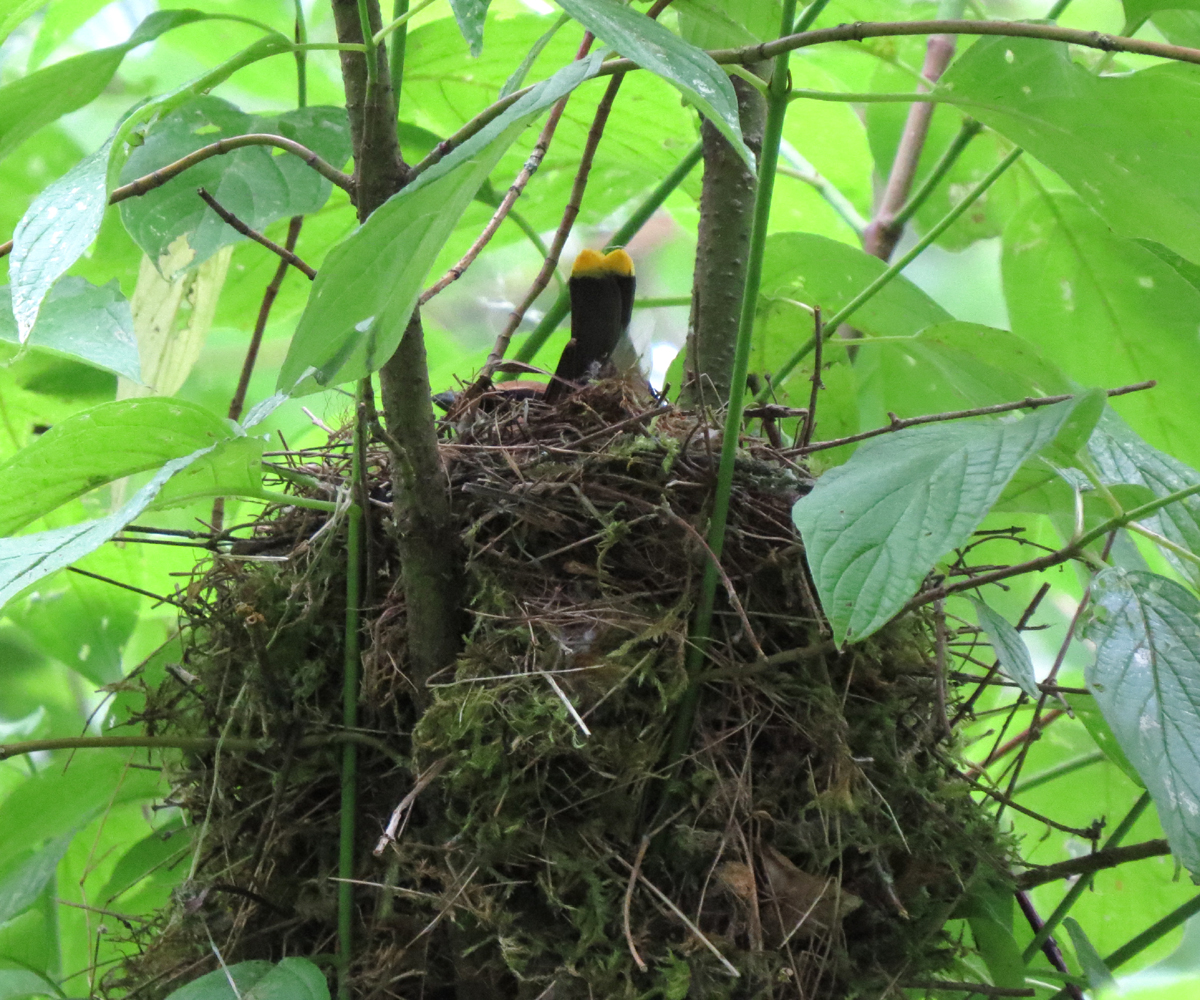
waxwing nestHere is the tail end of a Cedar Waxwing sitting on a nest. This seems like an awfully large nest for such a small bird.
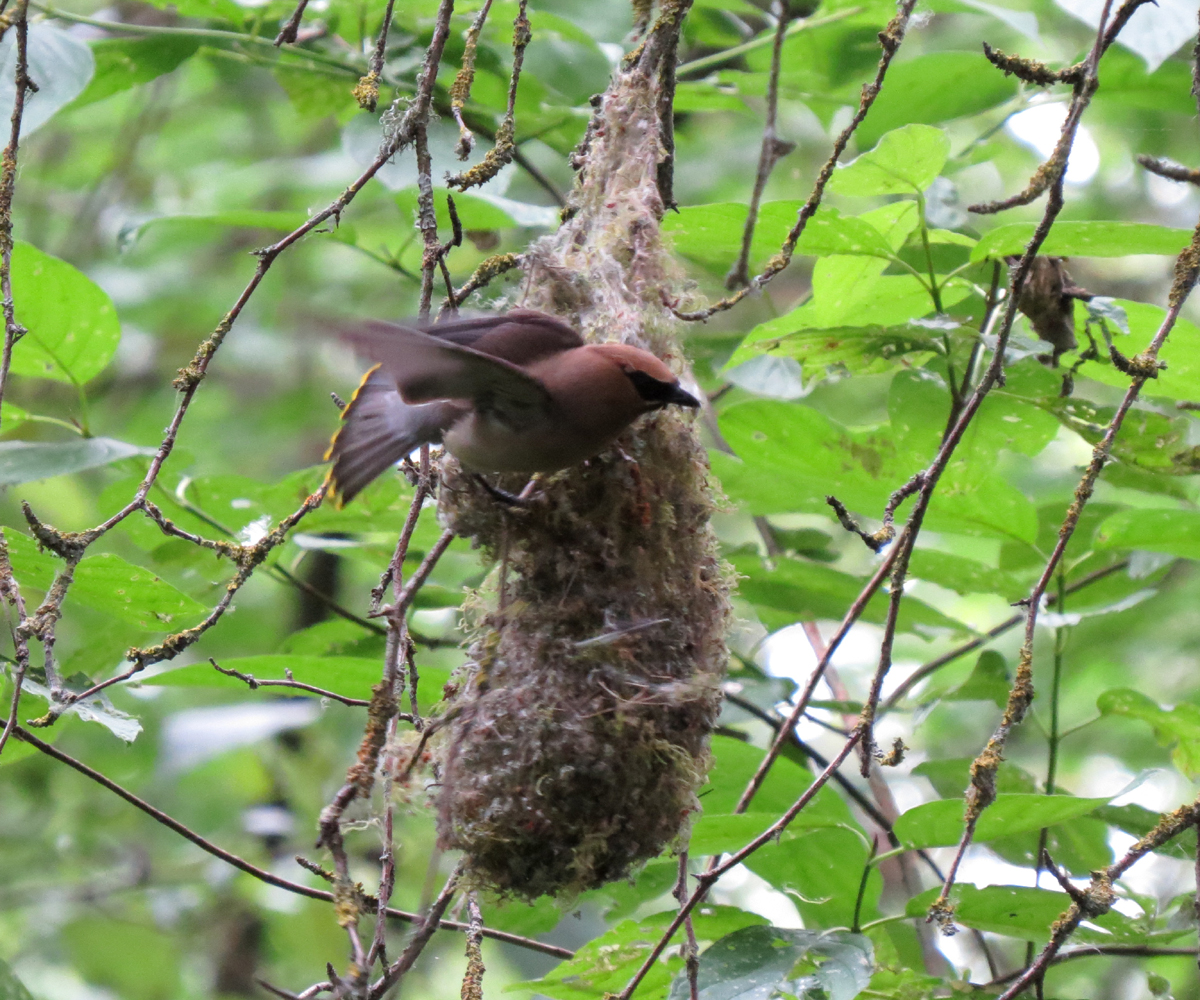
waxwing raiding nestSeveral Cedar Waxwings were raiding nesting material from this Bushtit nest. I hope the Bushtits were done with it.
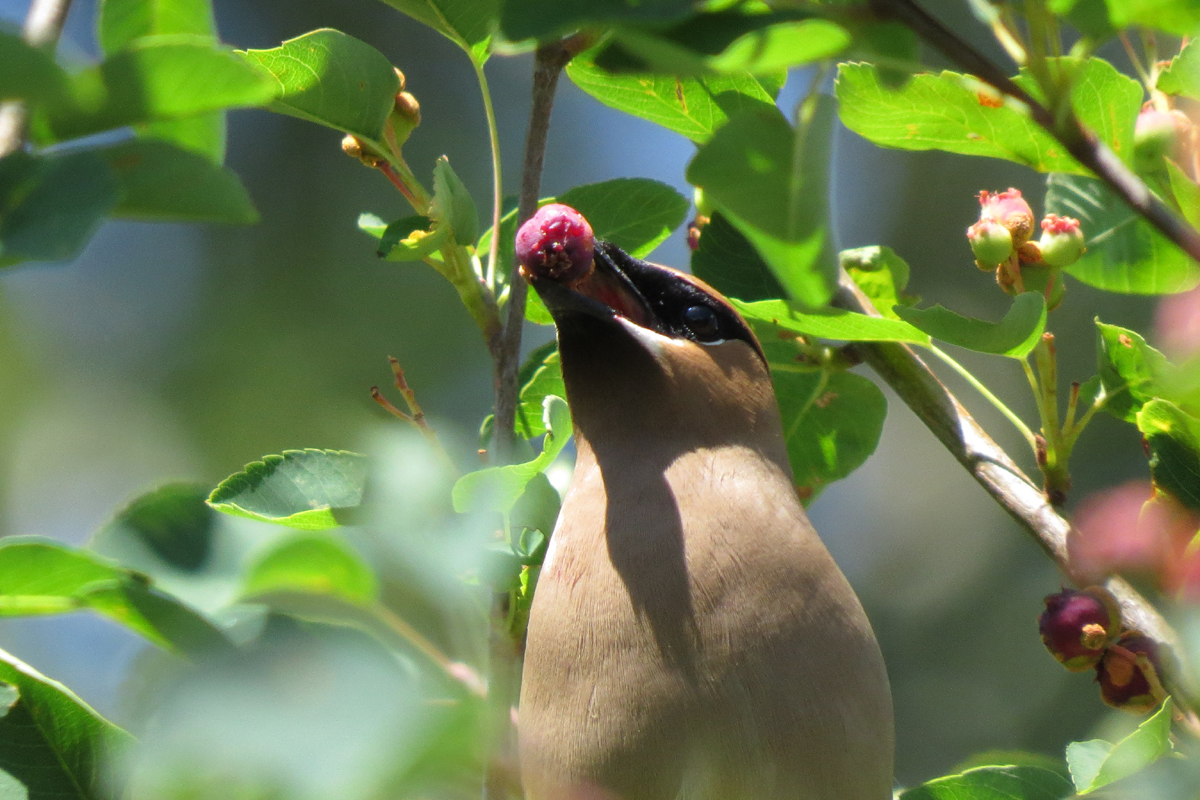
waxwing with fruitCedar Waxwing with fruit

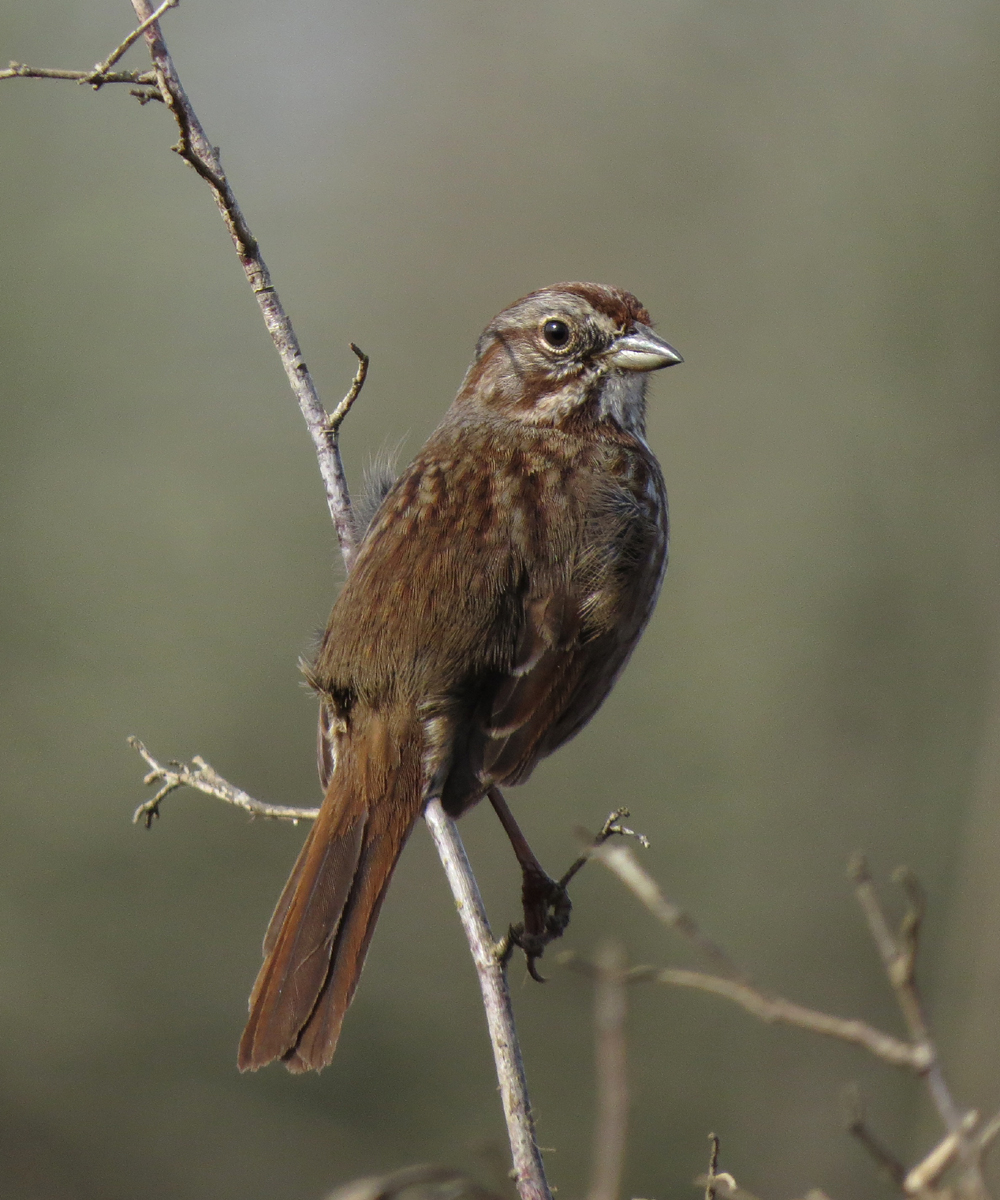
song sparrow 2This Sparrow was carrying a mouthful of bugs, indicating that she had a nest of babies nearby.
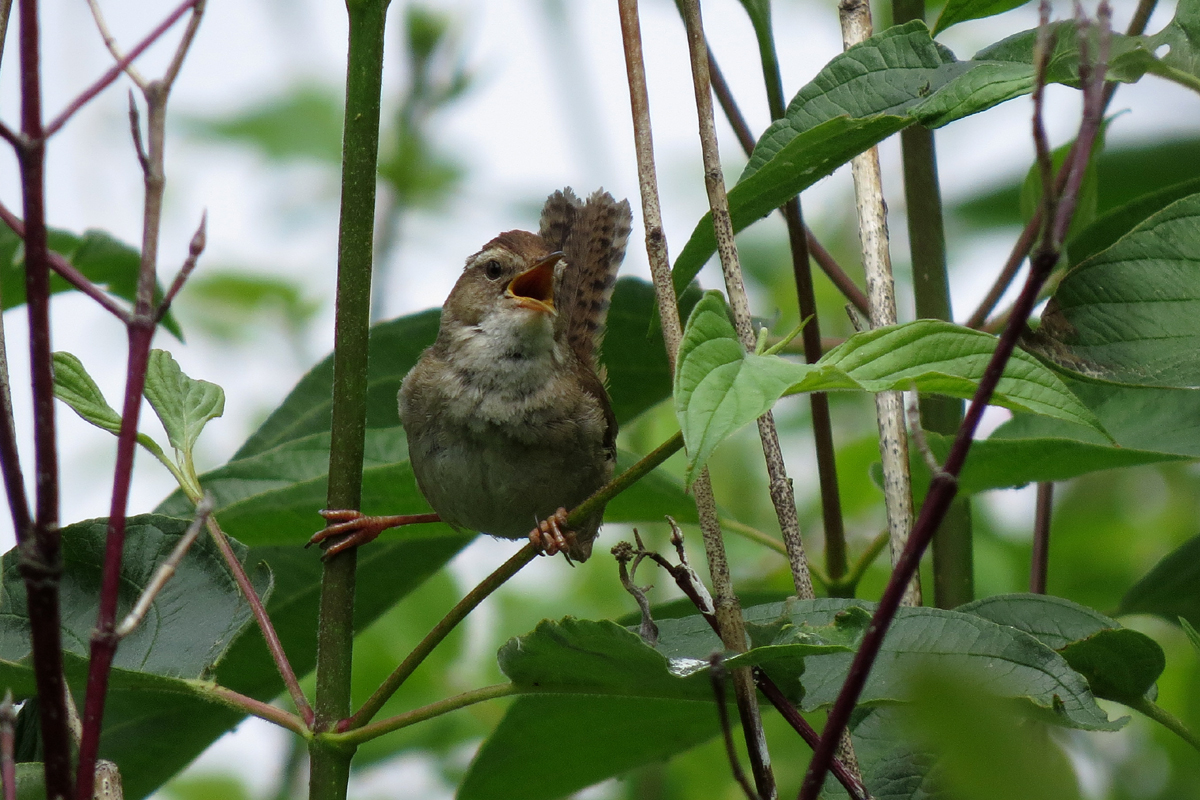
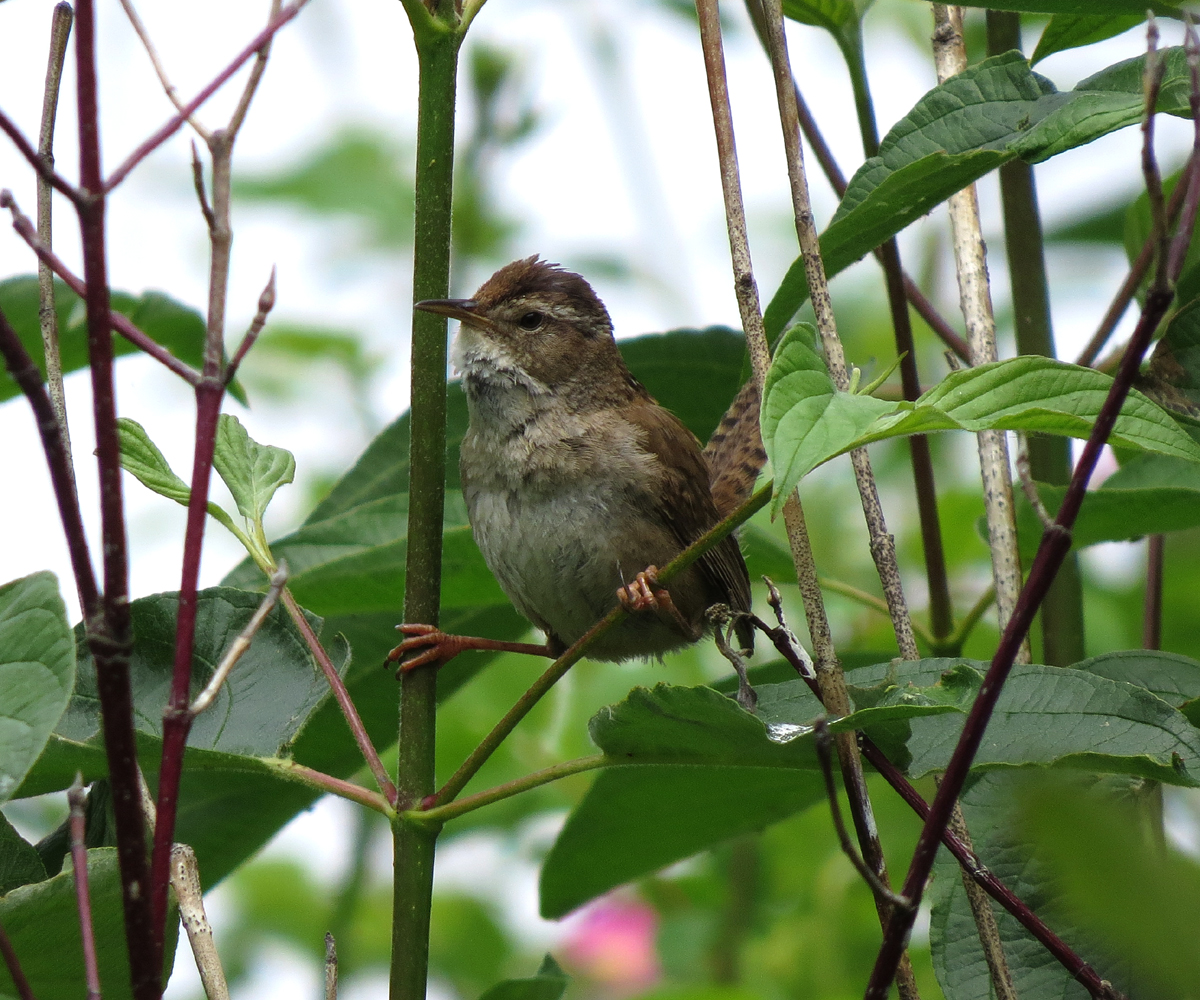
marsh wren 1Marsh Wrens were actively singing in several locations.
marsh wren 3

cowbirdBrown-headed Cowbird

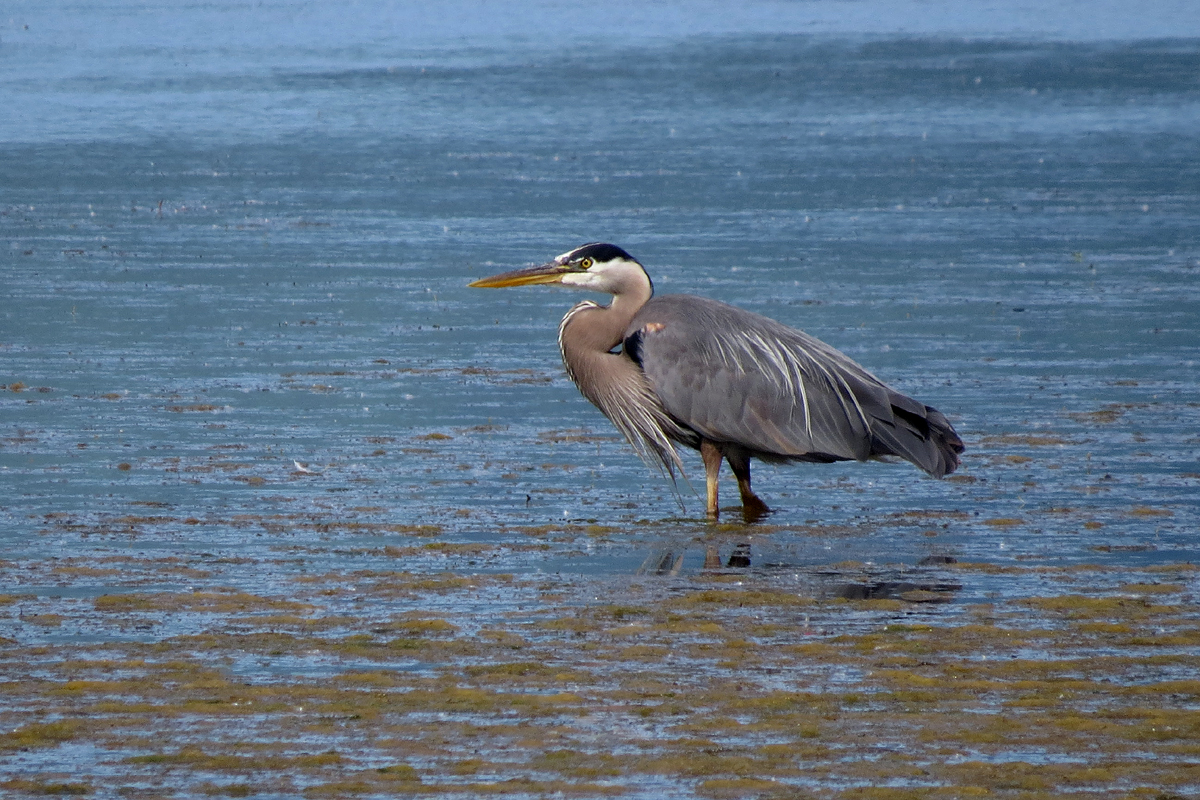
gb heronGreat Blue Heron on Smith Lake

turtlesThe warm sun brought the reptiles out in good numbers. Smith and Bybee is a stronghold for the threatened Western Painted Turtle.
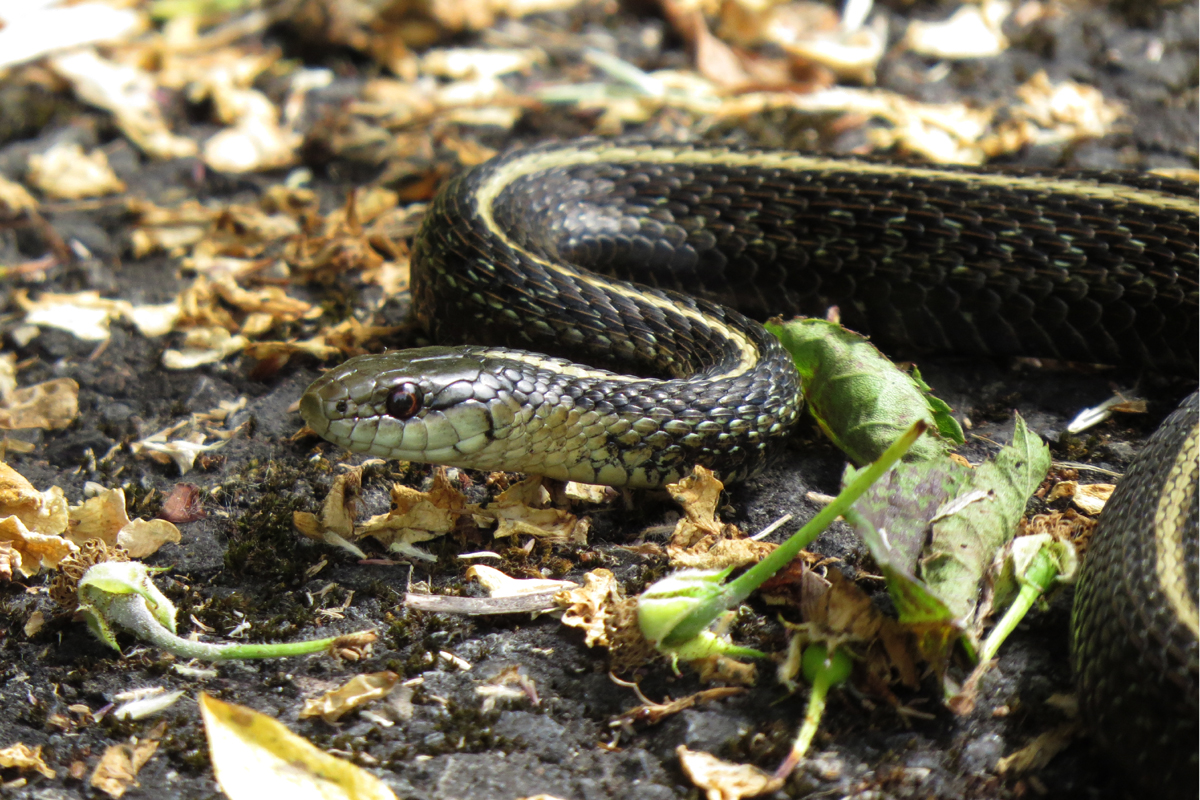
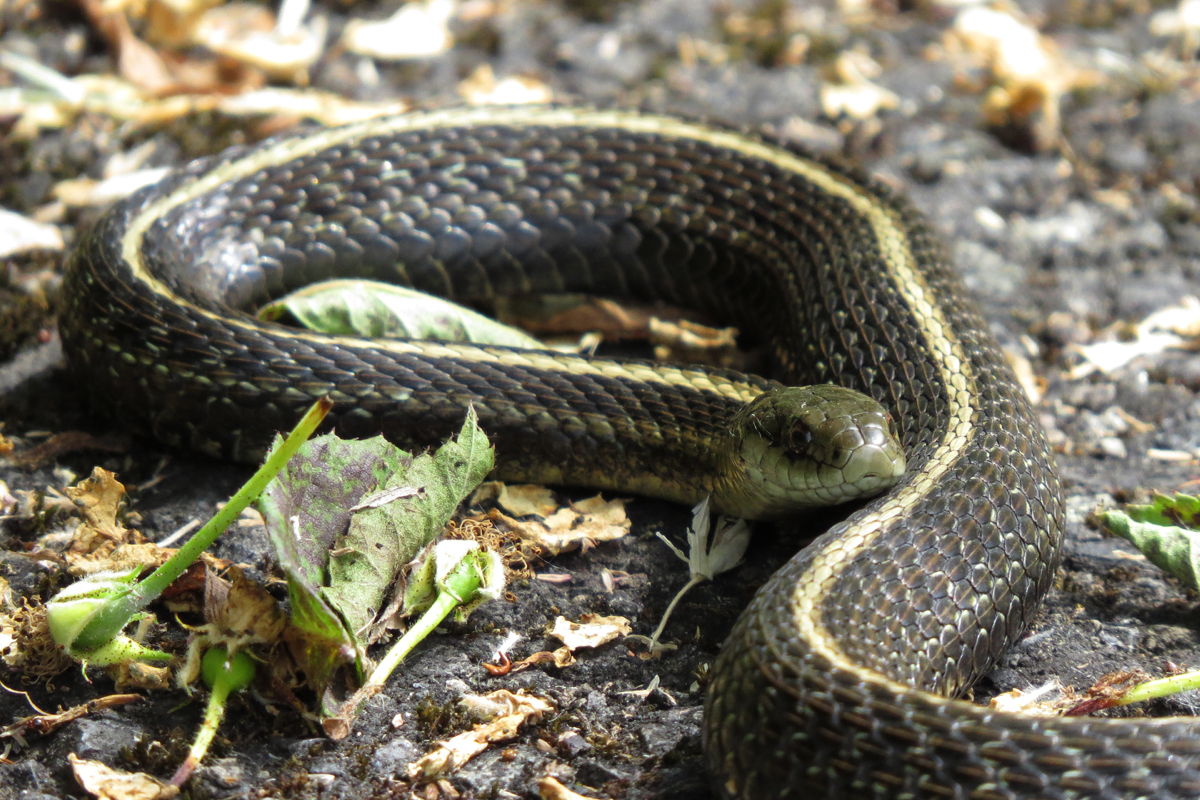
garter 3Northwestern Garter Snakes were also enjoying the sun. Northwestern Garters are distinguished from Common Garters by their smaller head and gentler disposition.
garter 1

Sandy River Delta

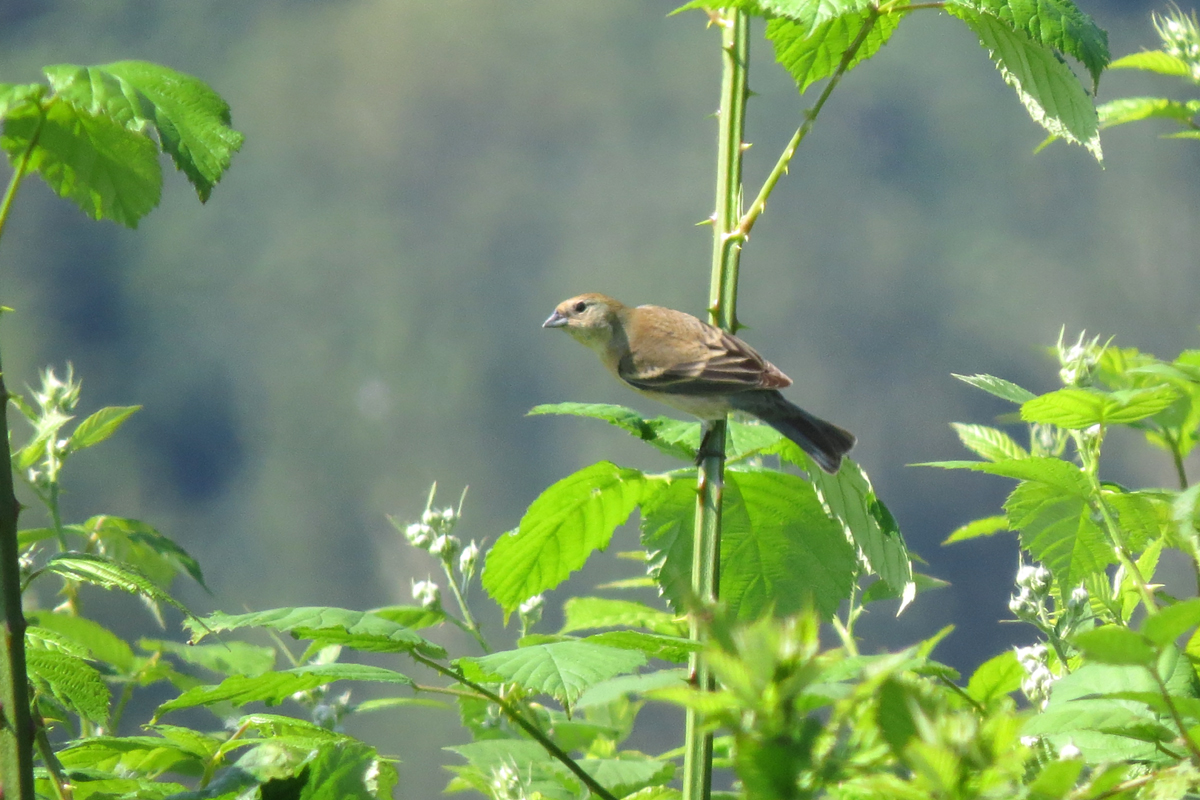
IMG_7181Nala and I spent several hours hiking (and swimming) at the Sandy River Delta. Local nesters, like this Common Yellowthroat, were busy gather food for nestlings.

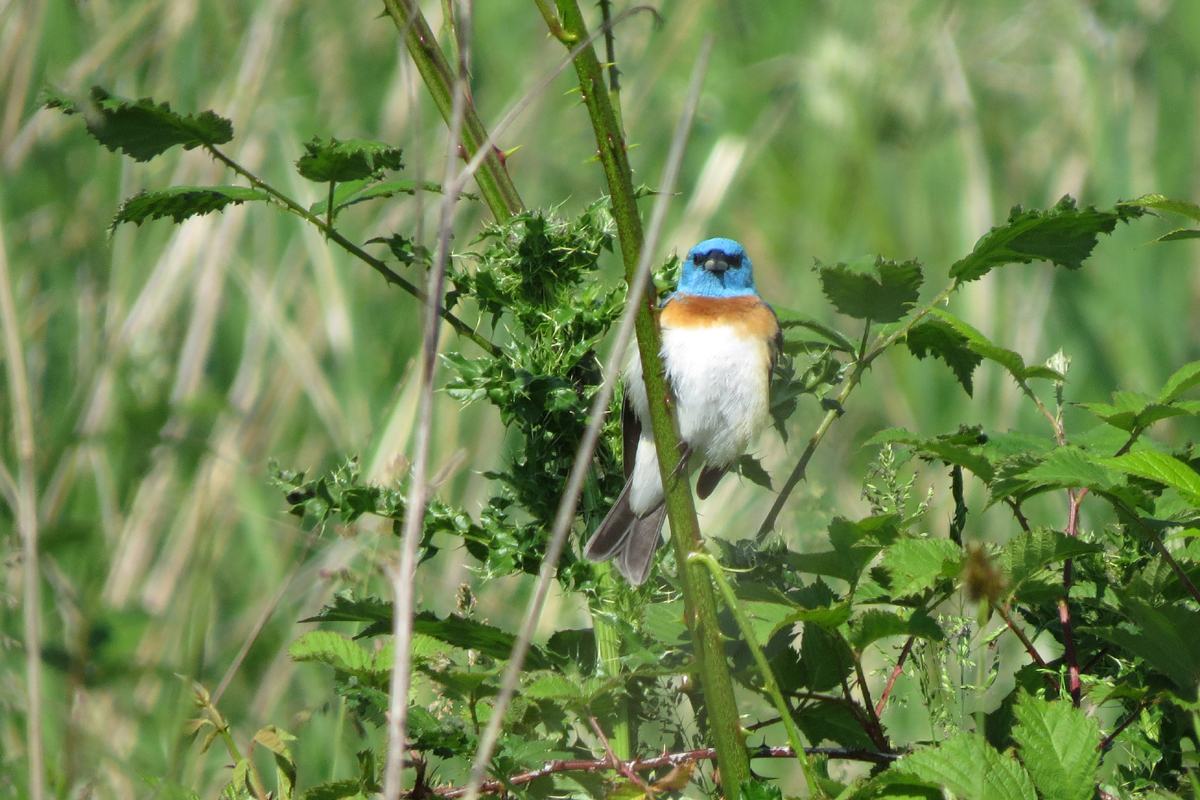
IMG_7198Male Lazuli Buntings were very vocal, and seemed to be vying for the attention of the females (below).
IMG_7208

IMG_7204

IMG_7175Osprey flying along the Columbia River

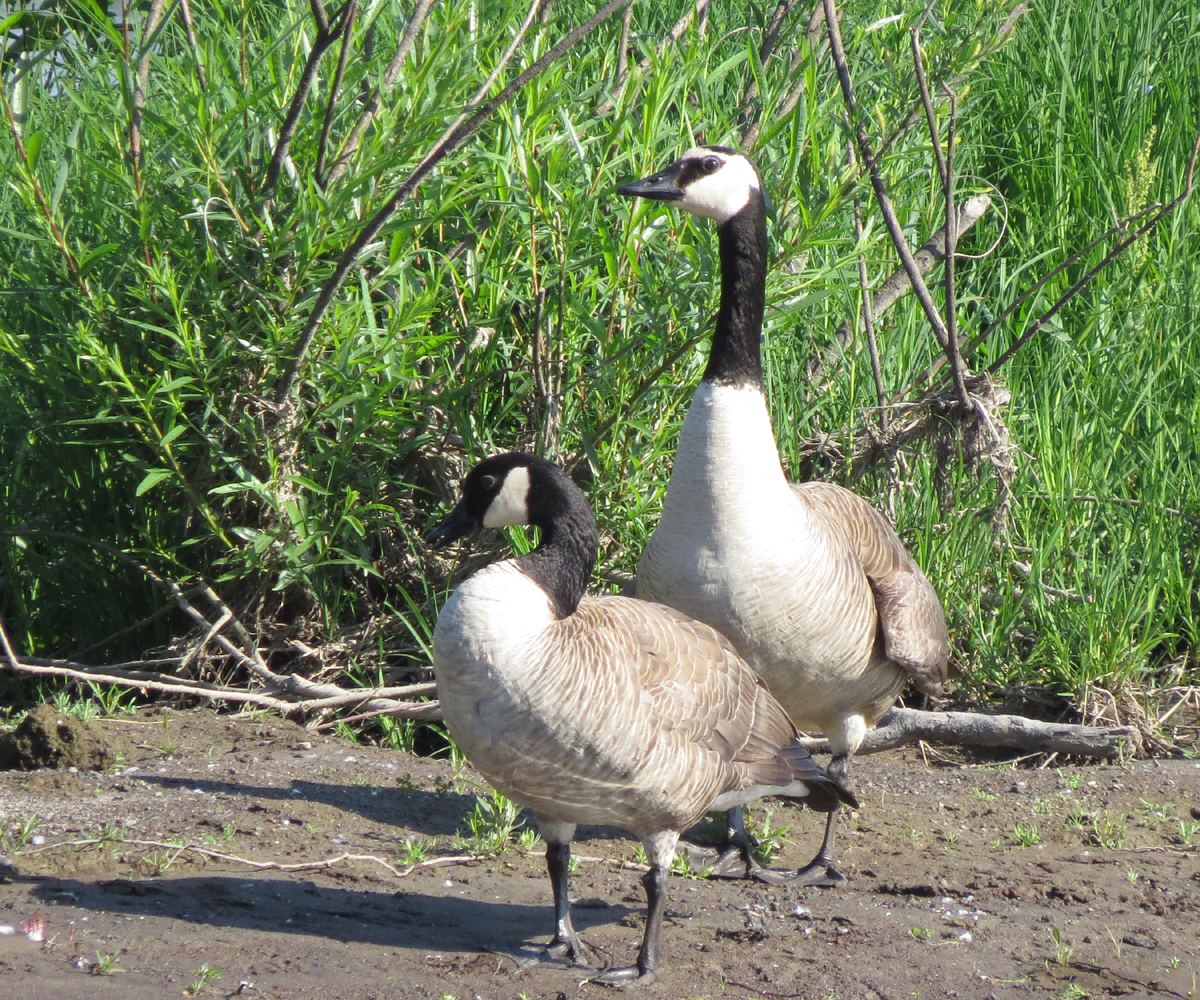
IMG_7163This Western Canada Goose had an unusual head pattern, with white reaching across the forehead and around the nape.

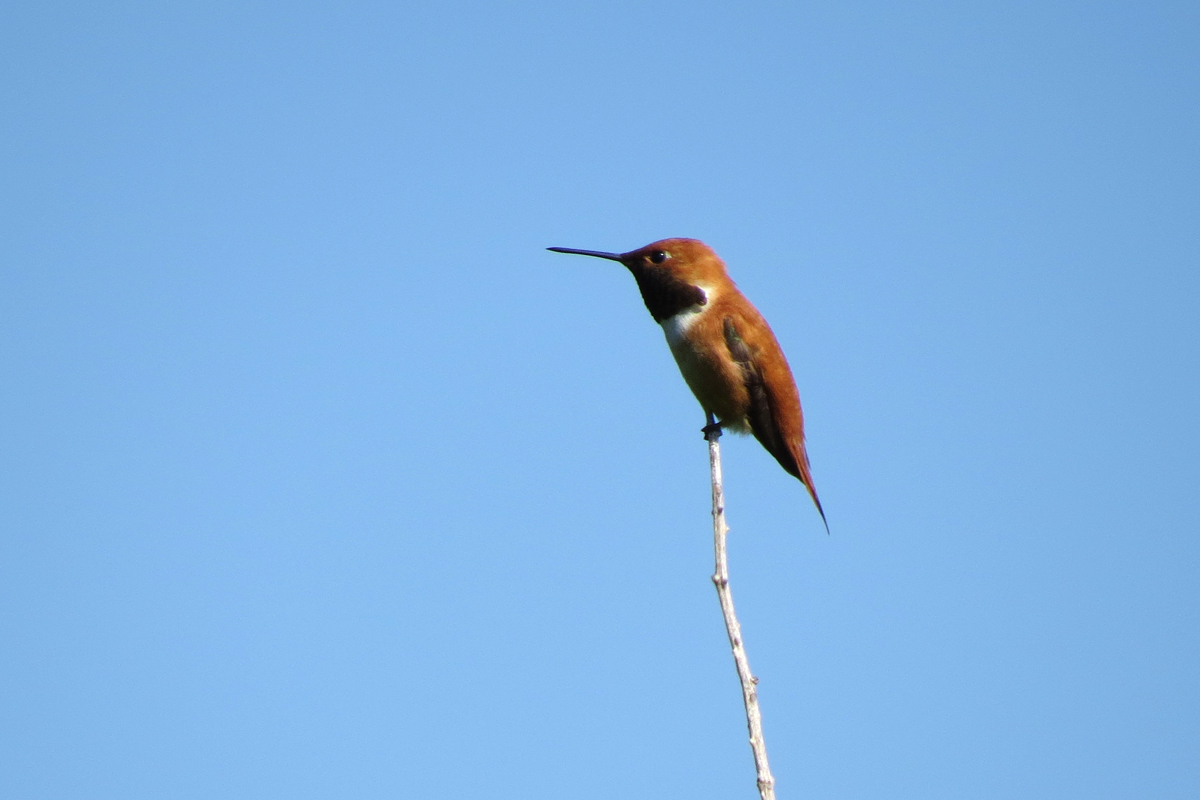
IMG_7215Rufous Hummingbirds were defending their blackberry patches.

Wetland Birds

While spring migration has not really ramped up yet, locally nesting birds at Fernhill Wetlands and Jackson Bottoms are starting to pair up, and the winter flocks are breaking up.

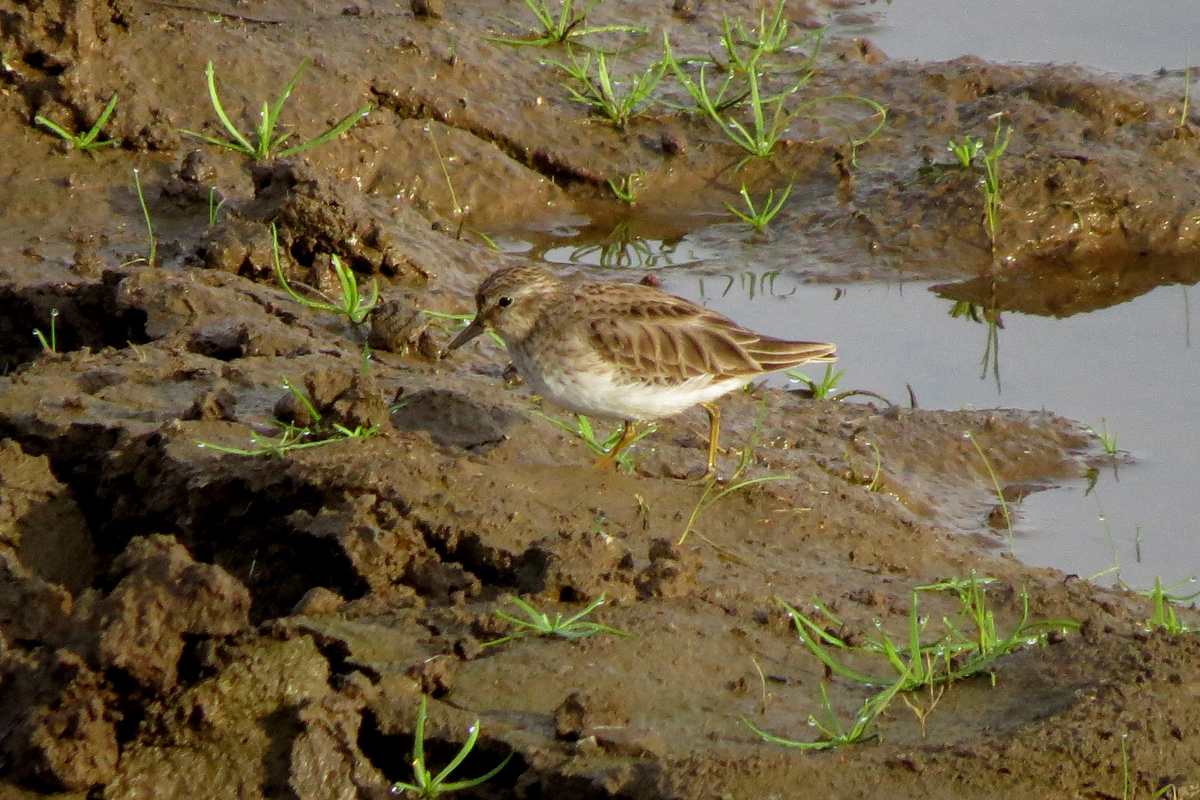
least sandpiperA few Least Sandpipers have arrived at Fernhill.

killdeer quartetThese Killdeer were vying for position. I think this species would be more highly regarded if their voices weren’t so grating. Their plumage and red eye ring are rather stunning, but they just don’t shut up.
bushtitI found a pair of Bushtits weaving a nest. The normally gray birds were stained bright yellow with pollen.

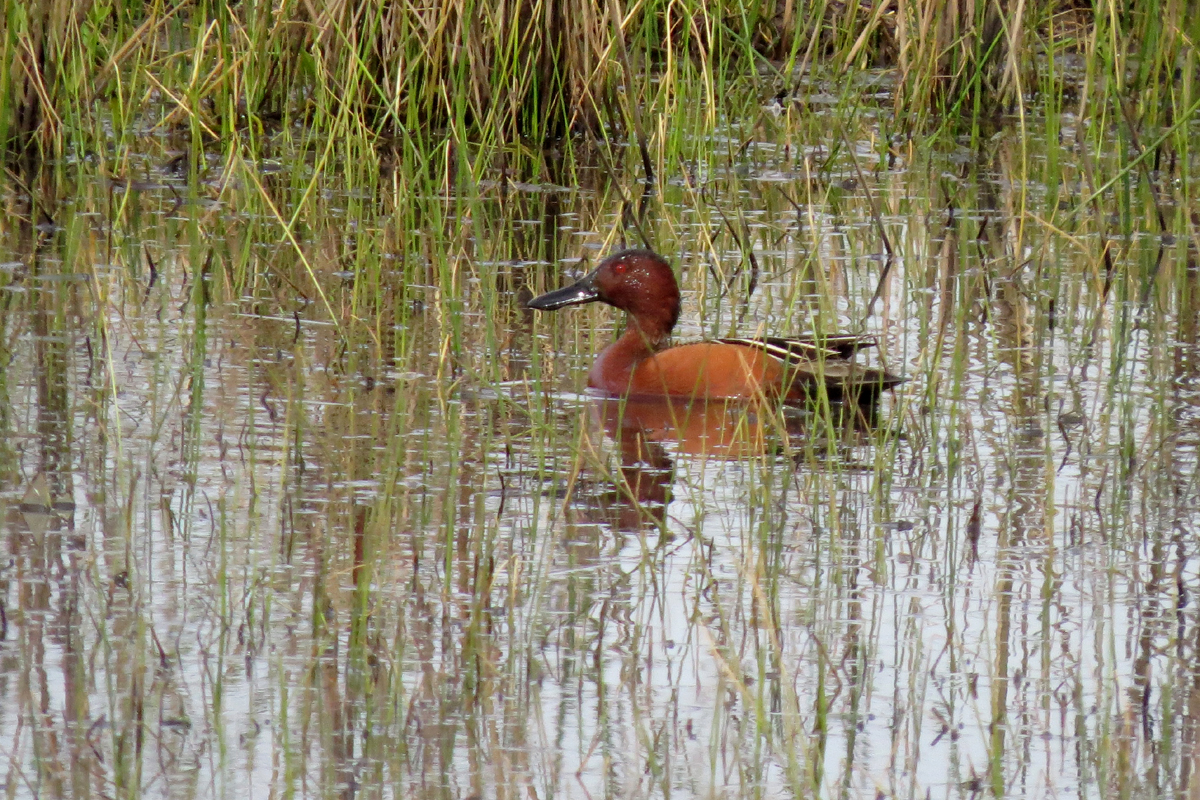
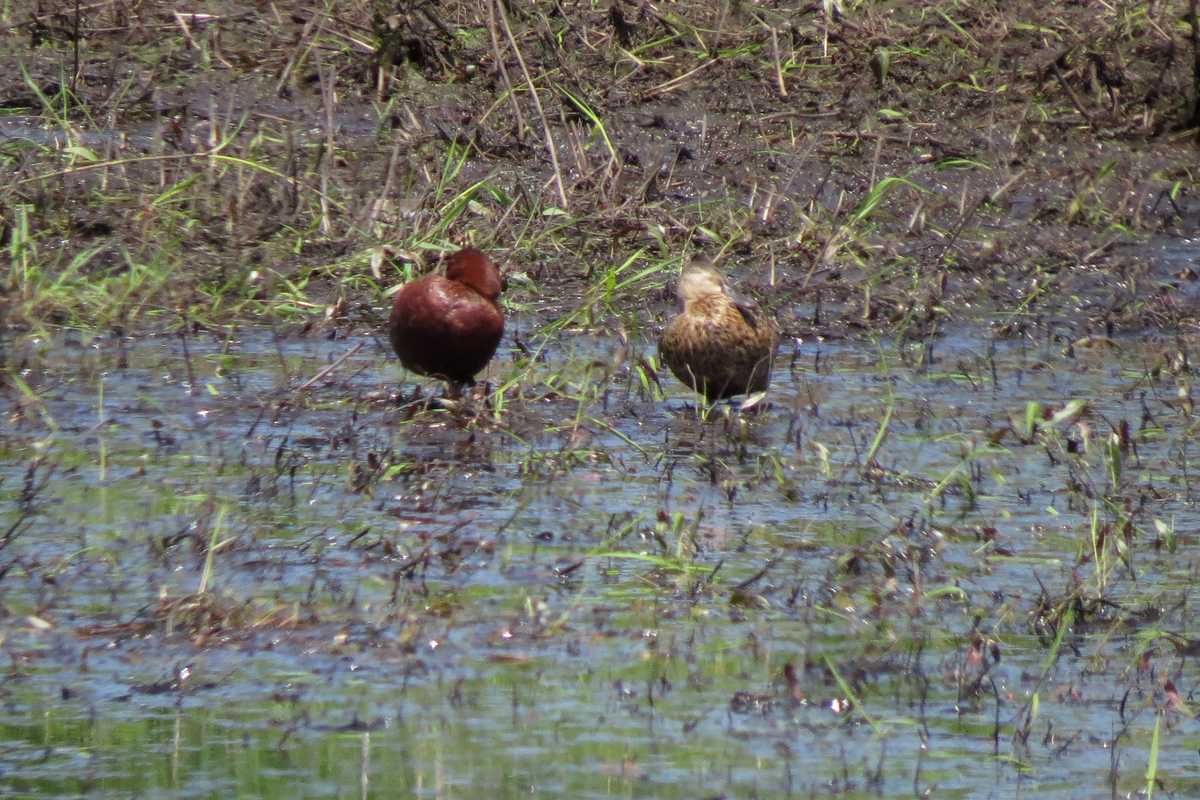
cinnamon tealCinnamon Teal, looking all dapper

golden-crowned frontGolden-crowned Sparrow

white cheeked golden-crownedThis Golden-crowned Sparrow had odd white patches on the cheeks, and a few white feathers on the nape.

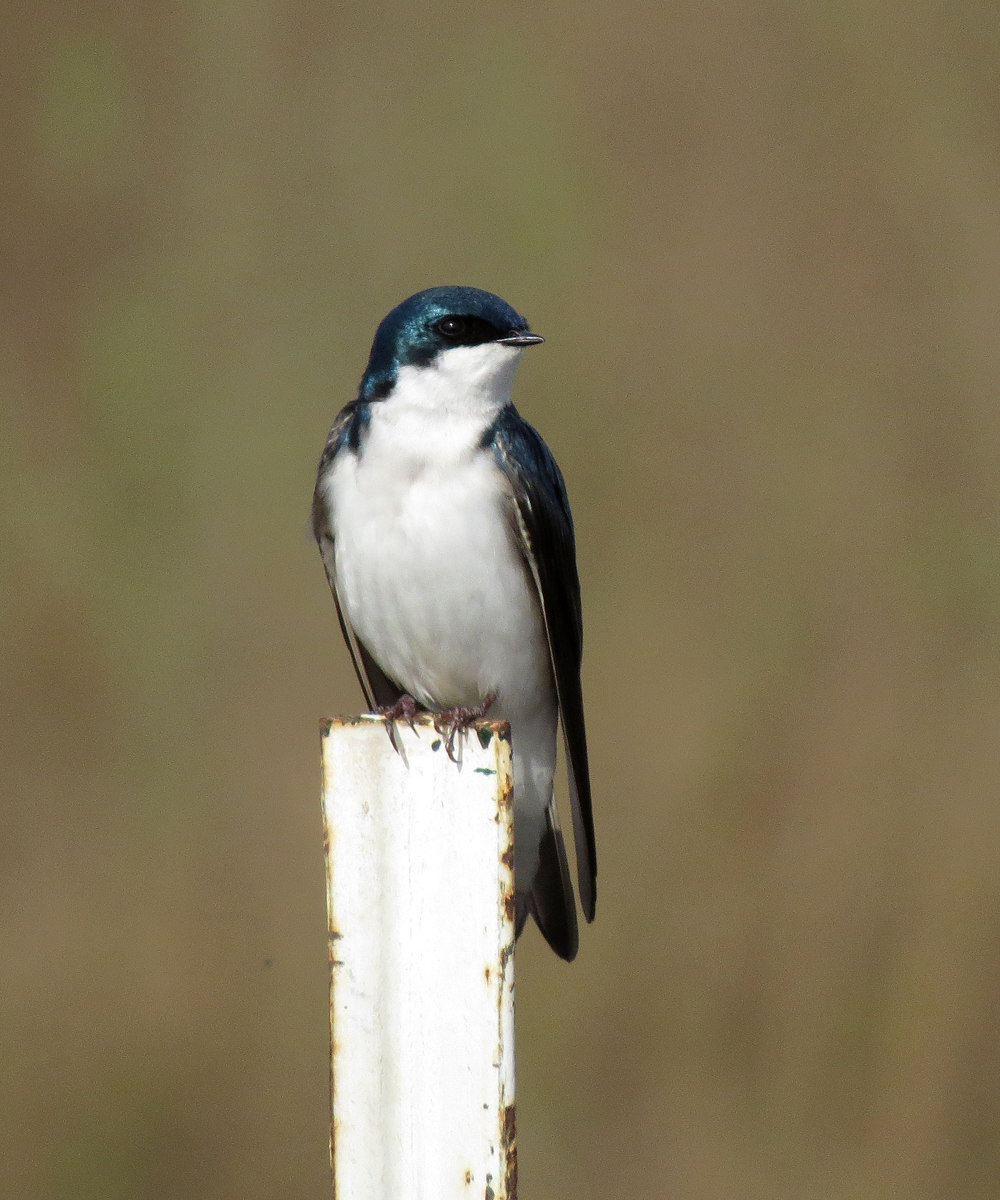
tree swallowTree Swallows are everywhere, pairing up and claiming nest boxes.

song sparrow 3Song Sparrow, not unusual, but unusually cooperative

red-winged blackbirdRed-winged Blackbird. Females and immature males have much more interesting plumage than that of the adult males.

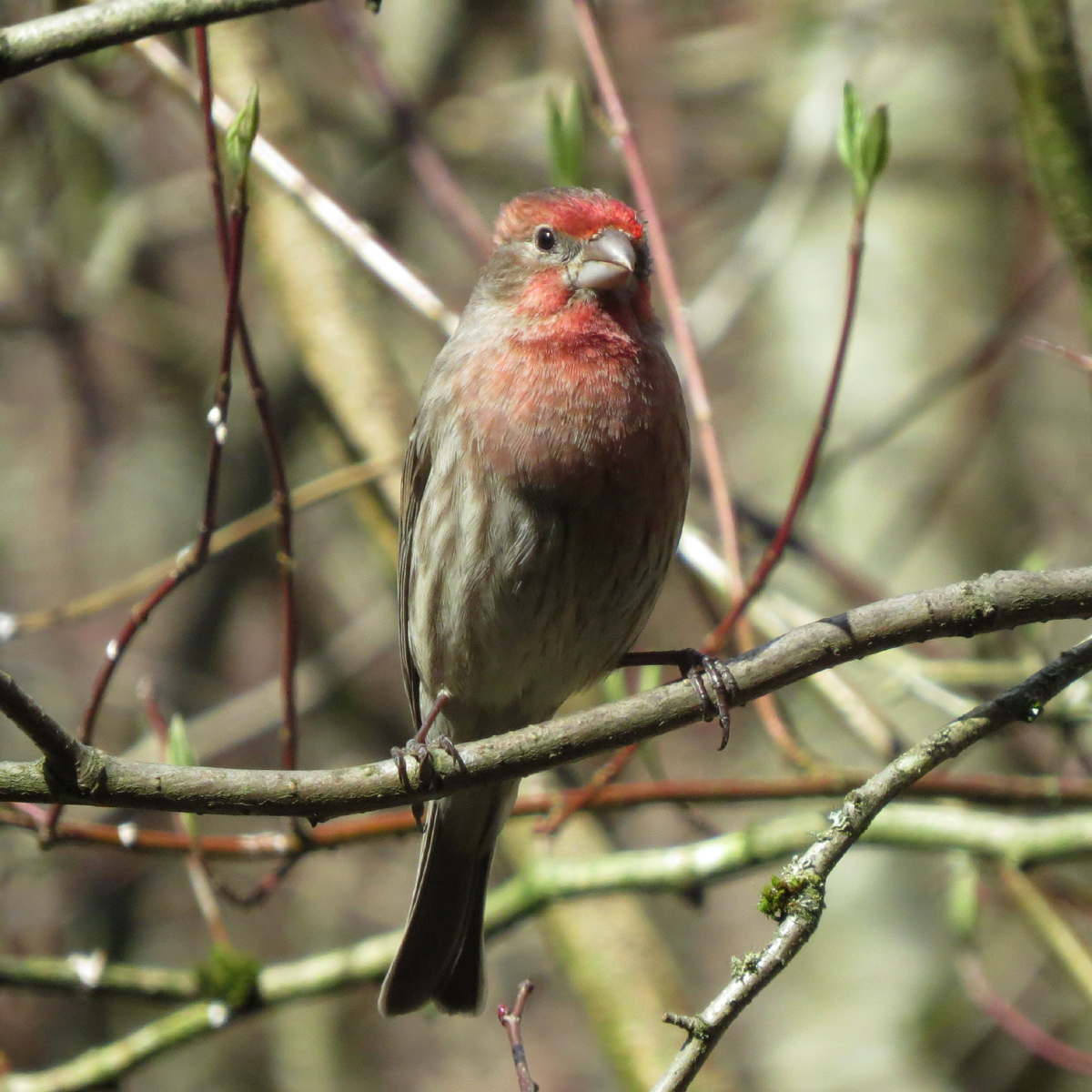
house finch 1House Finch, just because

Tualatin River NWR

eagle nestI made a quick visit to Tualatin River NWR in the afternoon heat. One of the main trails is closed off until this young Bald Eagle decides to leave the nest. Despite the flock of European Starlings cheering him on, he didn’t show any sign of leaving.

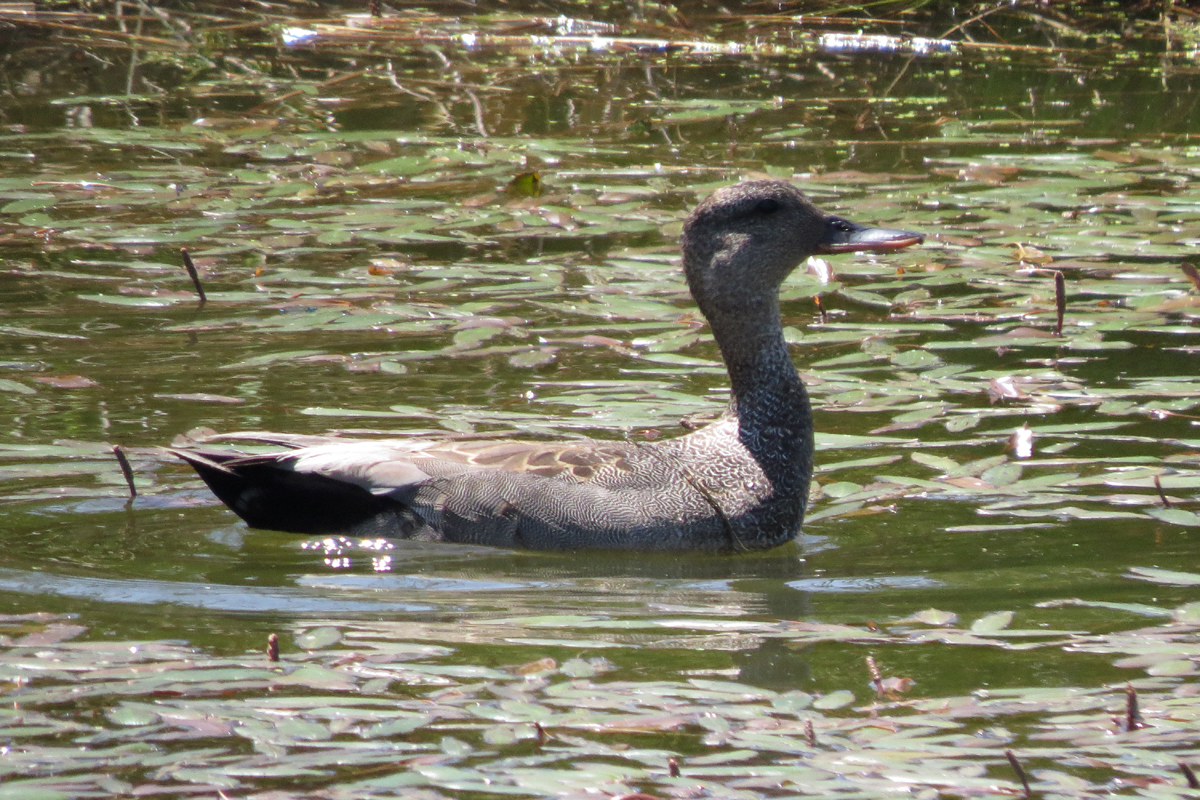
gadwallI saw several pairs of Gadwall, but no ducklings yet. This male was putting on a show for his lady friend.

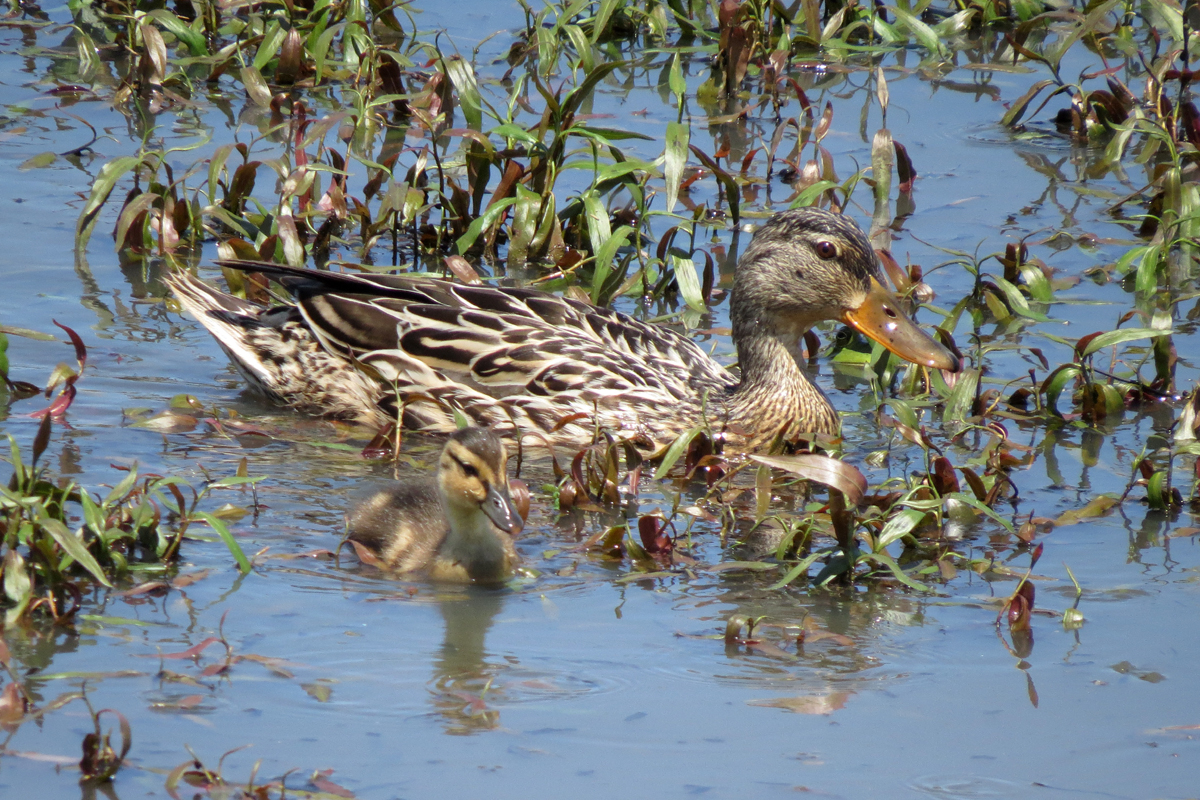
mallard momMallards have been out with broods for weeks now.
duckling
cinnamon tealCinnamon Teal siesta

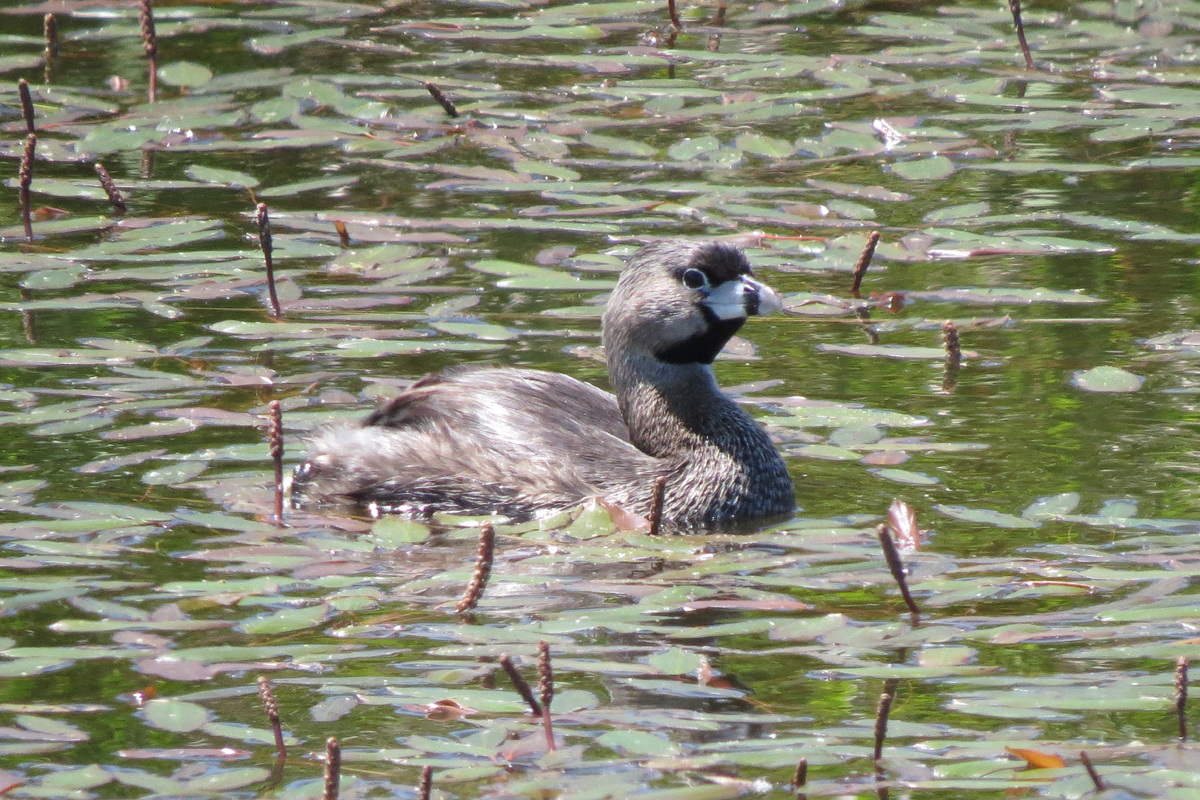
pb grebePied-billed Grebe showing off his black throat

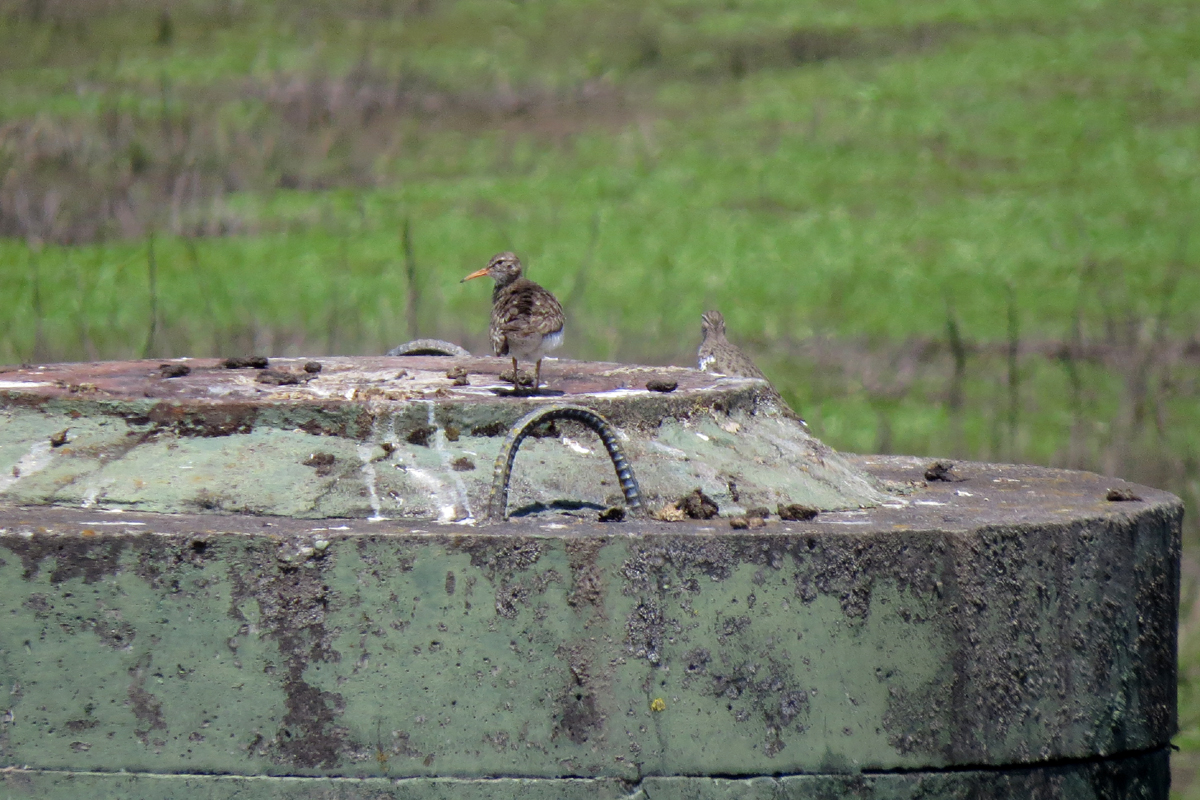
spotted sandpipersI often find Spotted Sandpipers perched on man-made structures.

bullfrog Despite the time of day, American Bullfrogs were actively singing and defending territories. This introduced species is so common in the Willamette Valley. I would think they would be a favored prey item (Great Blue Heron, Mink, River Otter, etc.) but I seldom find any evidence of predation. Bullfrogs are unfortunately very good at preying on native frogs and turtles.

Silver Lining

I led the field trip for my Warblers and Flycatchers class Saturday morning. We walked around Mt. Tabor Park in SE Portland for several hours. Spring migration tends to occur in waves, with some days producing large numbers of migrants, and other days producing very few. Unfortunately for the class, Saturday was one of the “very few” days. But despite the total lack of flycatchers and the near absence of warblers, we still enjoyed whatever birds we came across.

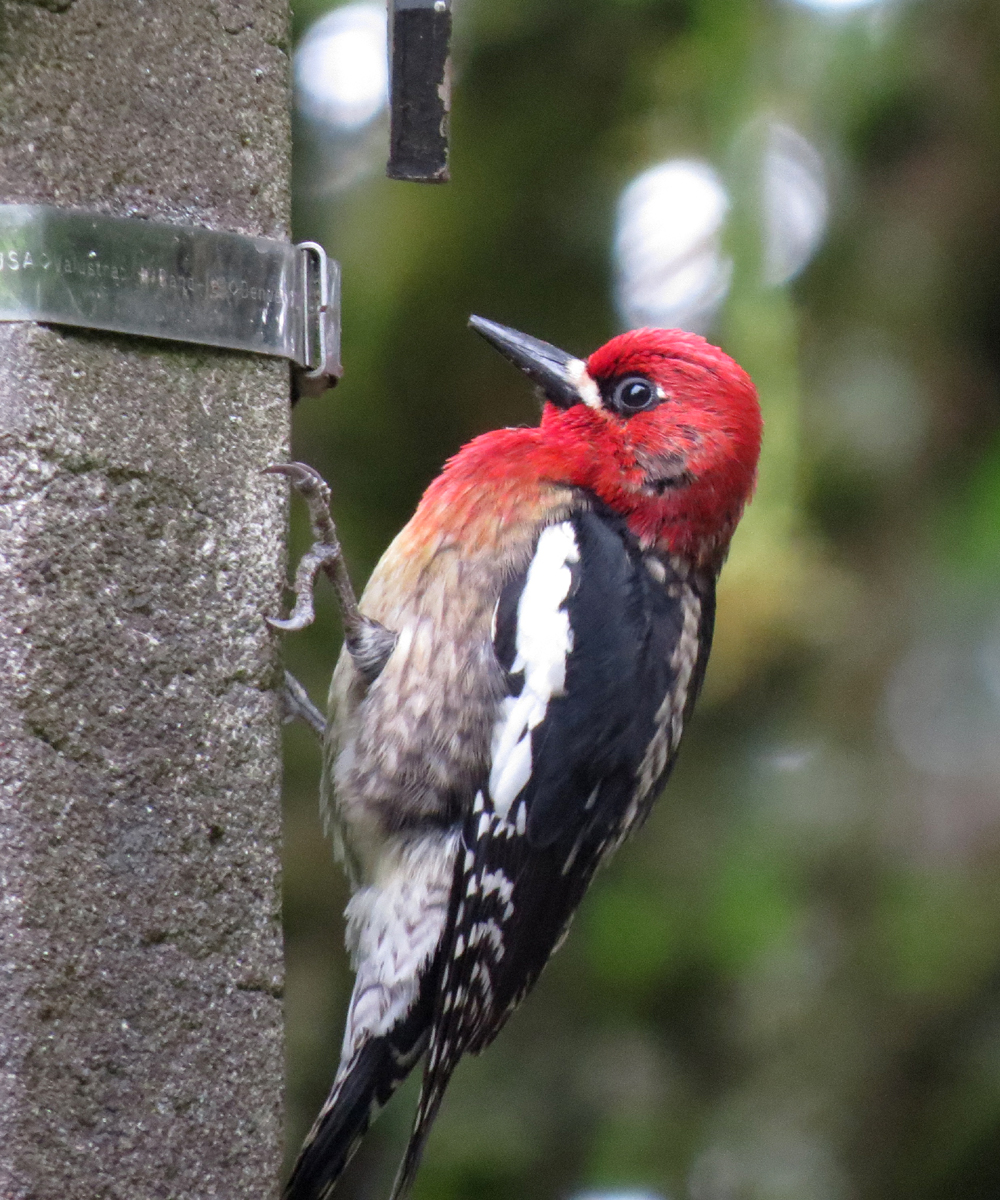
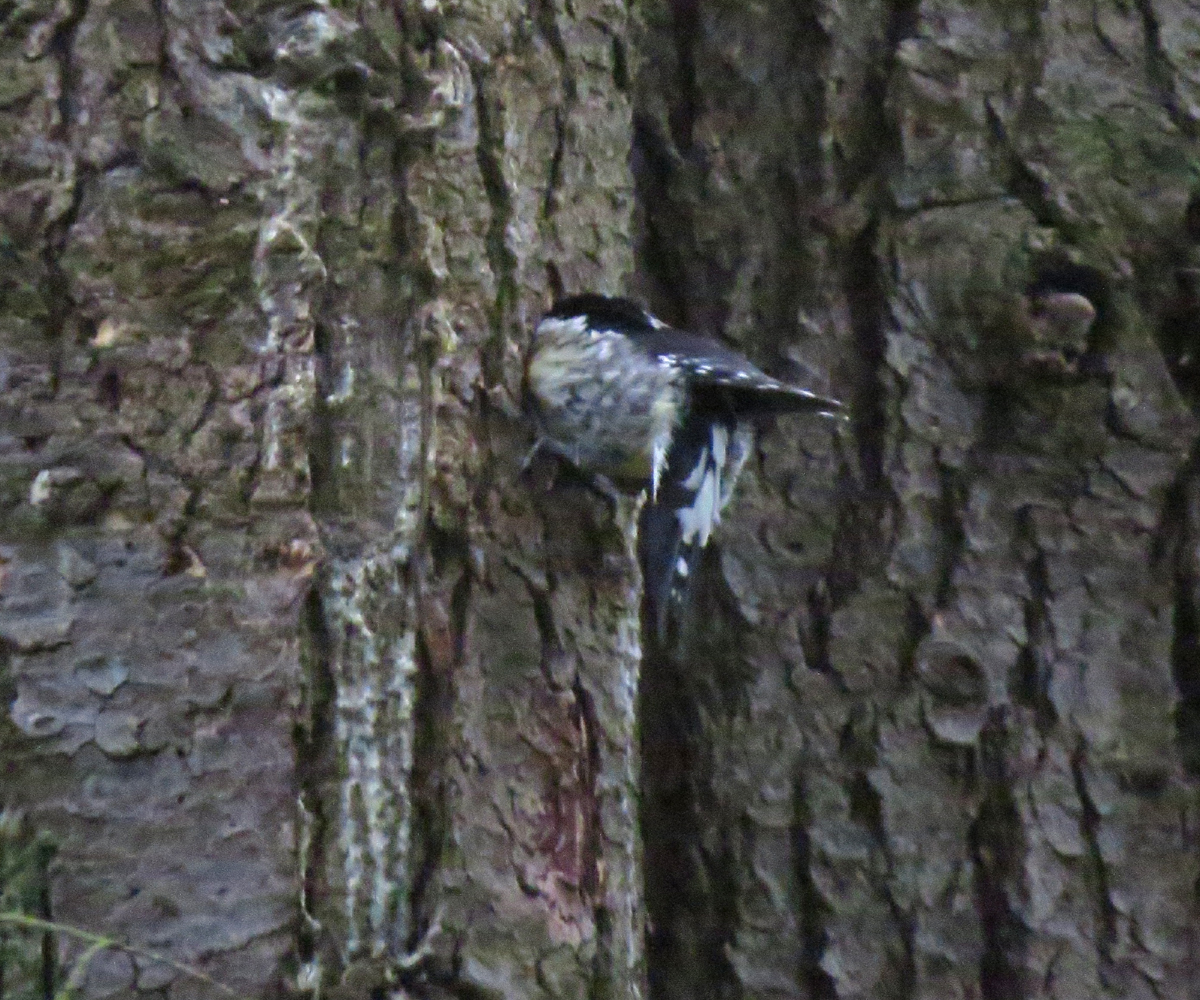
sapsucker on post 2One of the more entertaining birds of the day was this Red-breasted Sapsucker. This individual has become rather famous for drumming on the metal band on the concrete street light.

IMG_4556In the woods nearby, we found this sapsucker excavating a new cavity.
IMG_4554So even though we dipped on most of our target species, we proved again that there is always something to see.

Any Minute Now

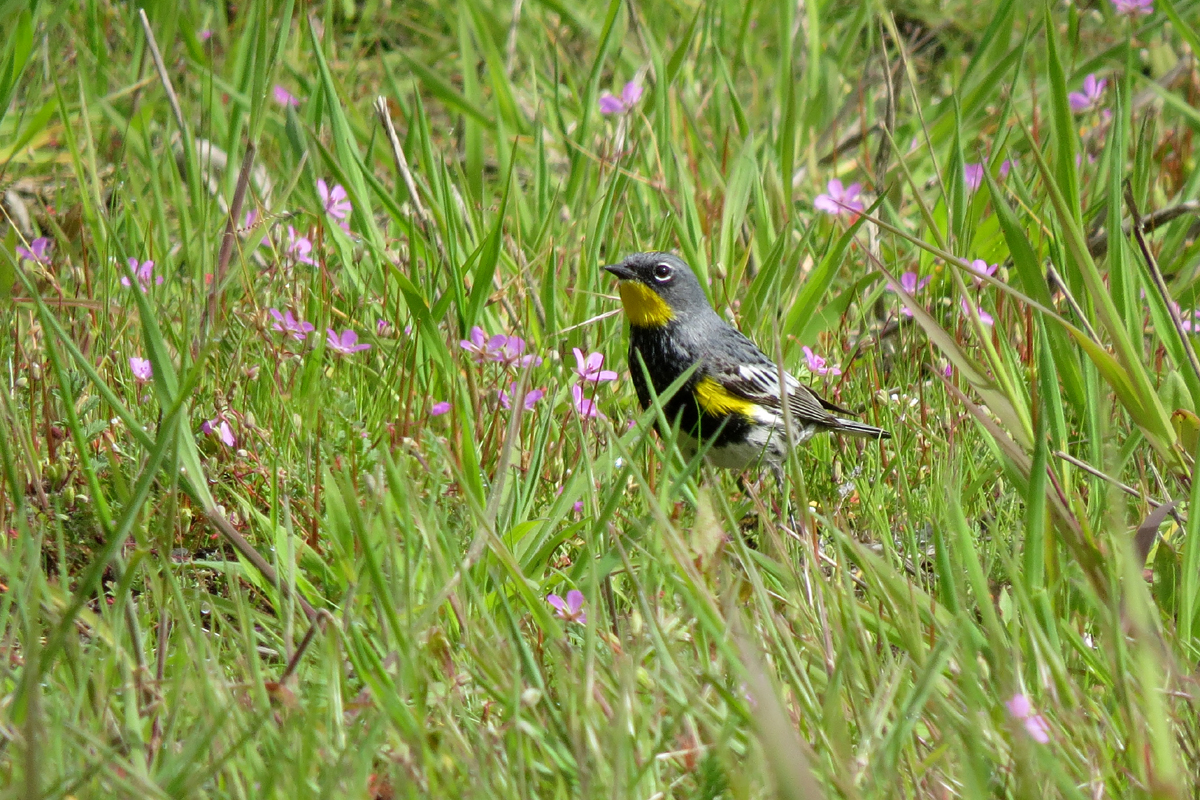
yellow-rumpedSpring migration is picking up, with good numbers of warblers just starting to arrive, just in time for my Warblers and Flycatchers class next week. Here is a Yellow-rumped Warbler in a field of little flowers which I think are spring beauties. How appropriate is that?

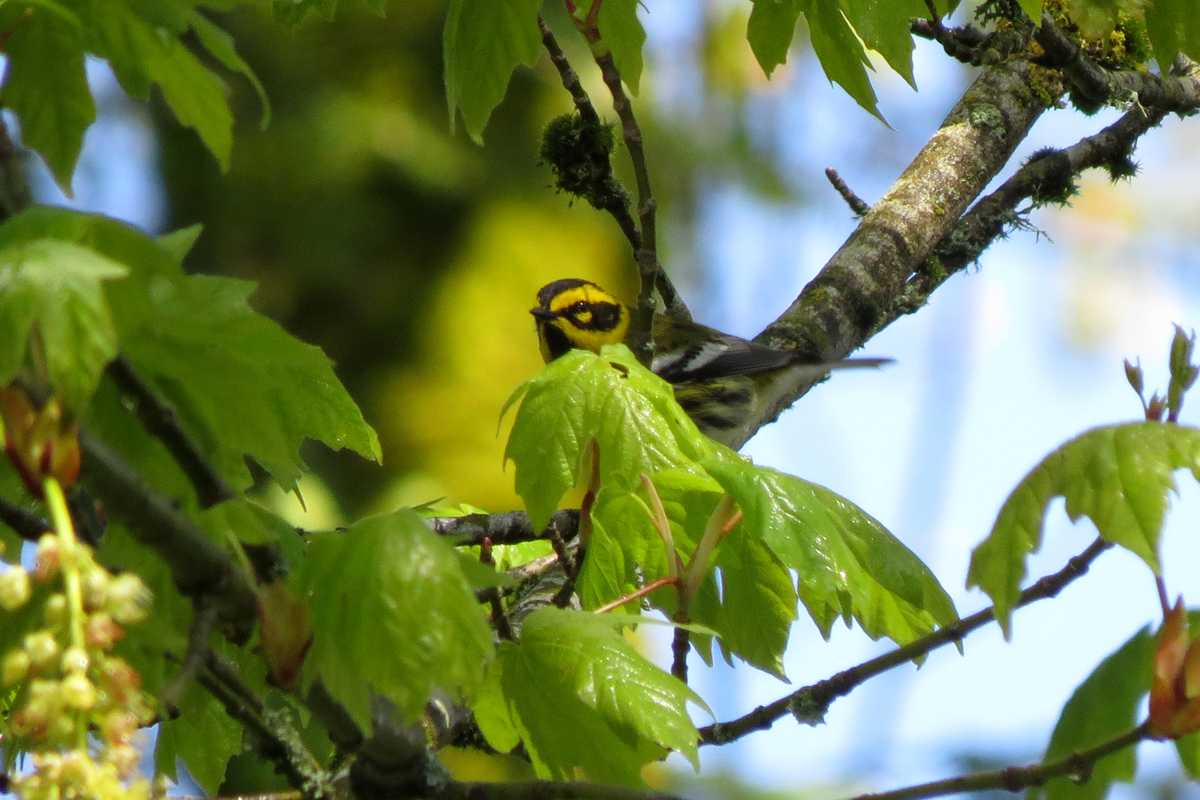
Townsend's WarblerTownsend’s Warbler

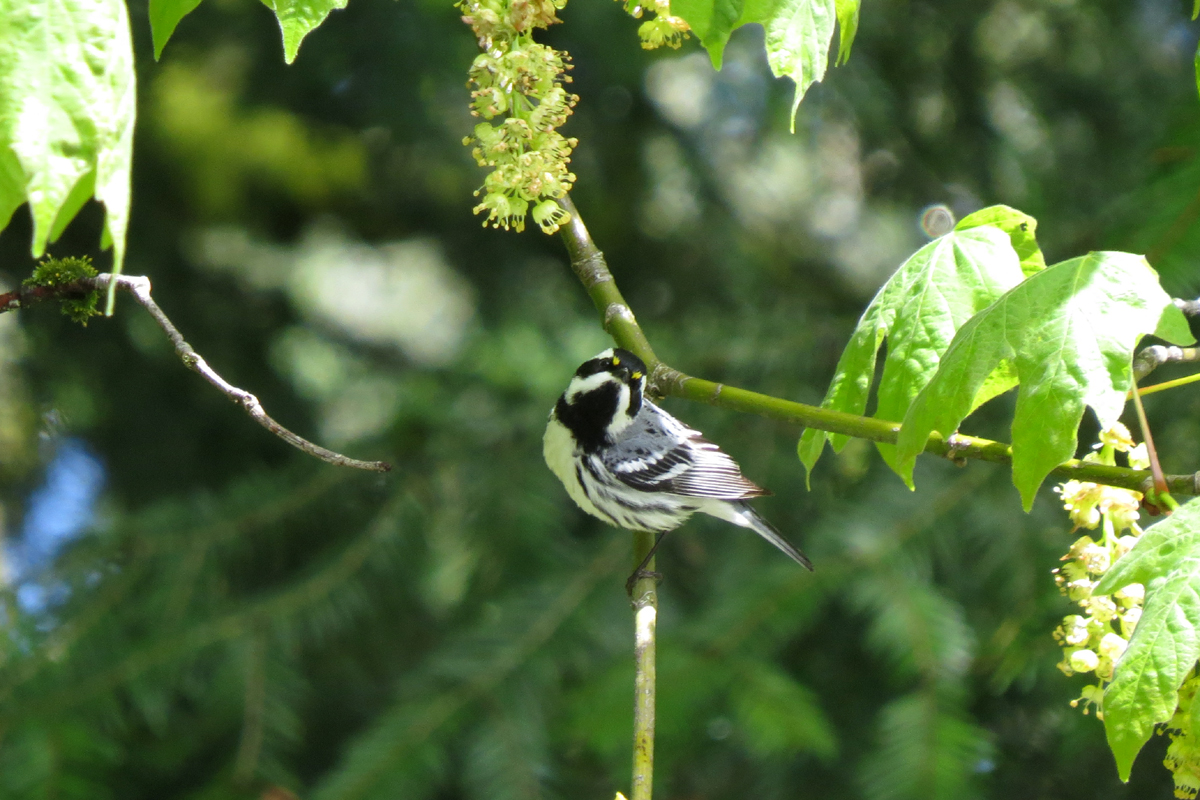
black-throated gray sideBlack-throated Gray Warbler
black-throated gray frontMigrant warblers are often found in big leaf maples this time of year. The blossoms attract insects that the birds feed on.

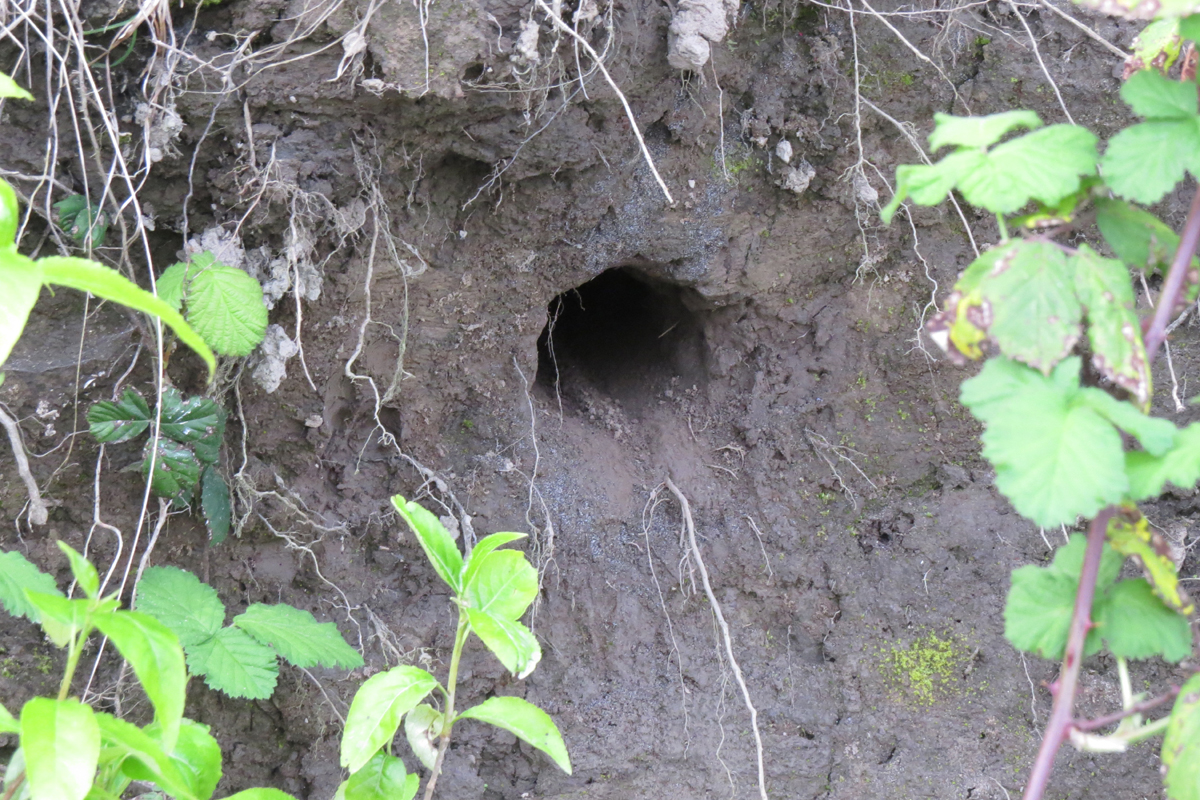
kingfisher burrowNot a warbler, but still a neat find is this Belted Kingfisher burrow along the Columbia River. The burrow is pretty low, and in a area that gets a lot of human and dog traffic, so it will be interesting to see if the birds can successfully nest here.

Slow Spring

The end of March and beginning of April have been cool and wet. Spring is progressing, but seemingly very slowly. Here are a few images from the past week.

pacific wren frontPacific Wrens are singing everywhere. This bird was at Powell Butte Nature Park in SE Portland.

savannah sparrow frontSavannah Sparrows are staking out their territories in the grassland at the top of Powell Butte.
savannah sparrow side

ruddy duckThis Ruddy Duck at Vanport Wetlands is sporting his spring colors.

pileated woodpecker 2This Pileated Woodpecker is excavating a cavity at Tualatin Hills Nature Park. Thanks to Michele for sharing the location of this nest.
pileated woodpecker 3

common garterThis tiny Common Garter was also at Tualatin Hills.

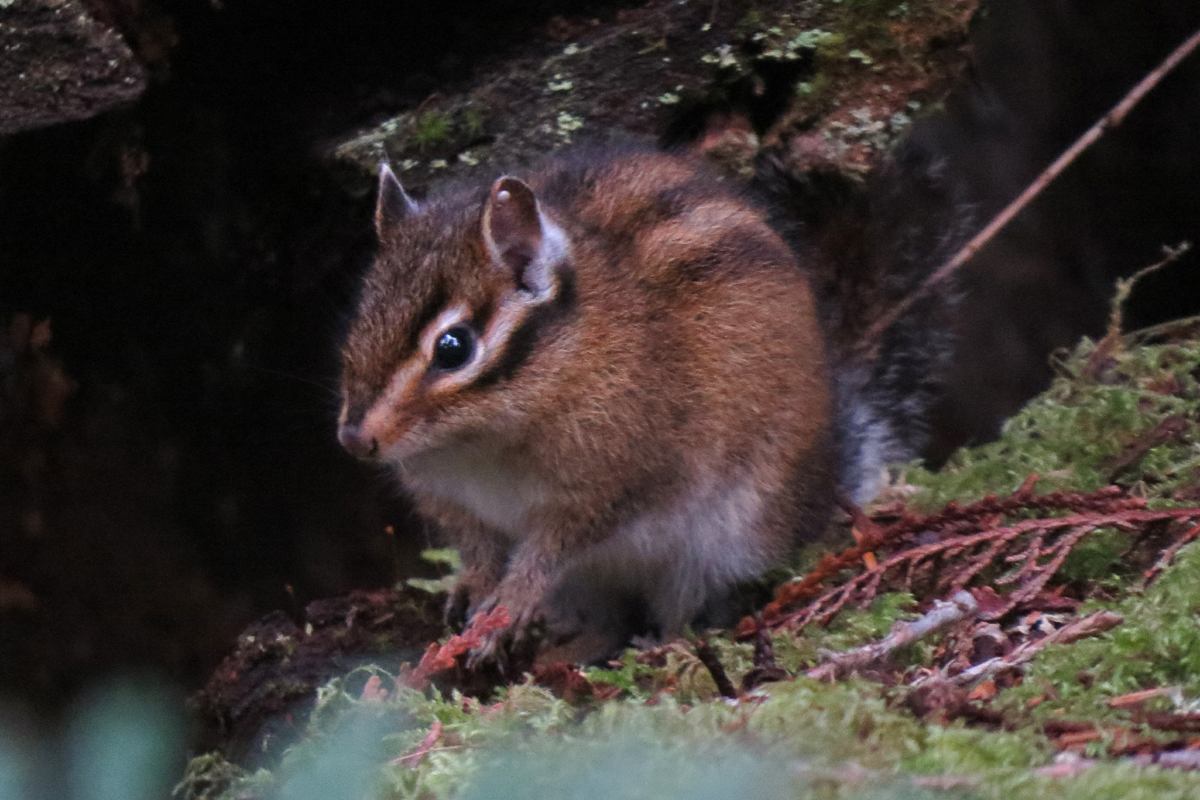
townsend's chipmunkAs was this Townsend’s Chipmunk.

nala frontNala is far more interested in fetching sticks from the river than looking at birds. This “stick” in the Columbia is probably her biggest to date.
nala back


North Coast

haystack rockI spent a warm sunny morning around Cannon Beach and Seaside. The first stop was Silver Point, just south of Cannon Beach, for a sea watch. There were plenty of birds out there, way out there. It is what I call birding at the edge of imagination. You have an idea of what you are seeing, but realistically, there is a lot of guessing involved. I did see the wing flash of Sooty Shearwaters and several flocks of White-winged and Surf Scoters, but most of what I saw were unidentifiable specks. Nala was waiting somewhat patiently in the car, so we soon went to Tolovana Wayside and walked to Haystack Rock.

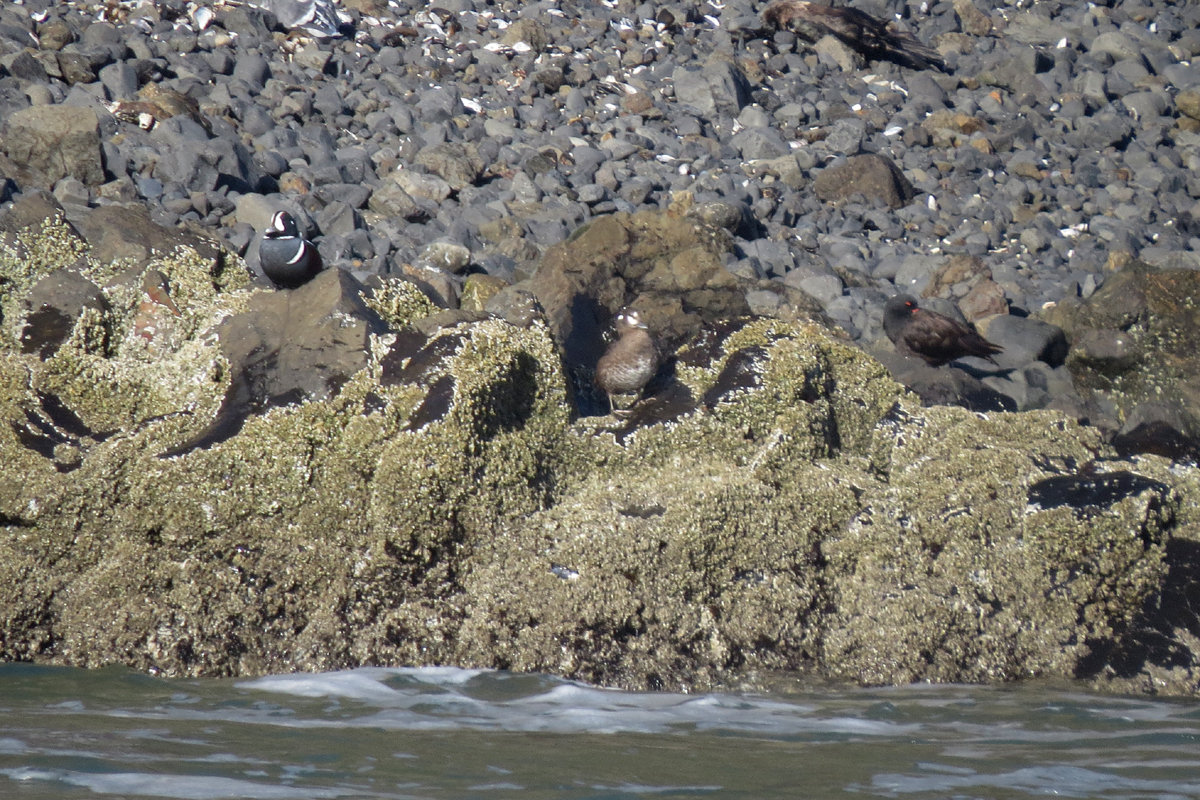
harlequinsThe tide was coming in, so I couldn’t get too close to the rocks. Still, you could see several Harlequin Ducks. Here is a male and female, with a Black Oystercatcher on the right. I didn’t see the Oystercatcher when I was in the field, only when I developed the photo.

oystercatcheranother Black Oystercatcher

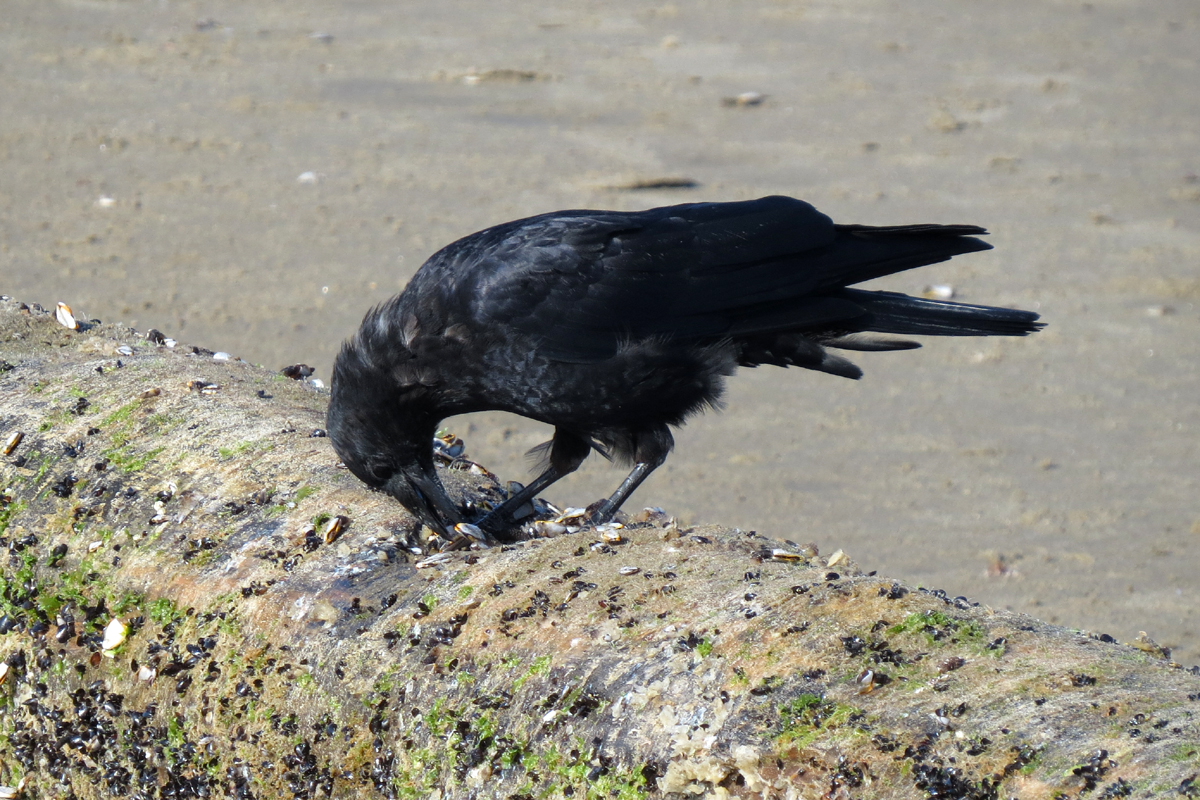
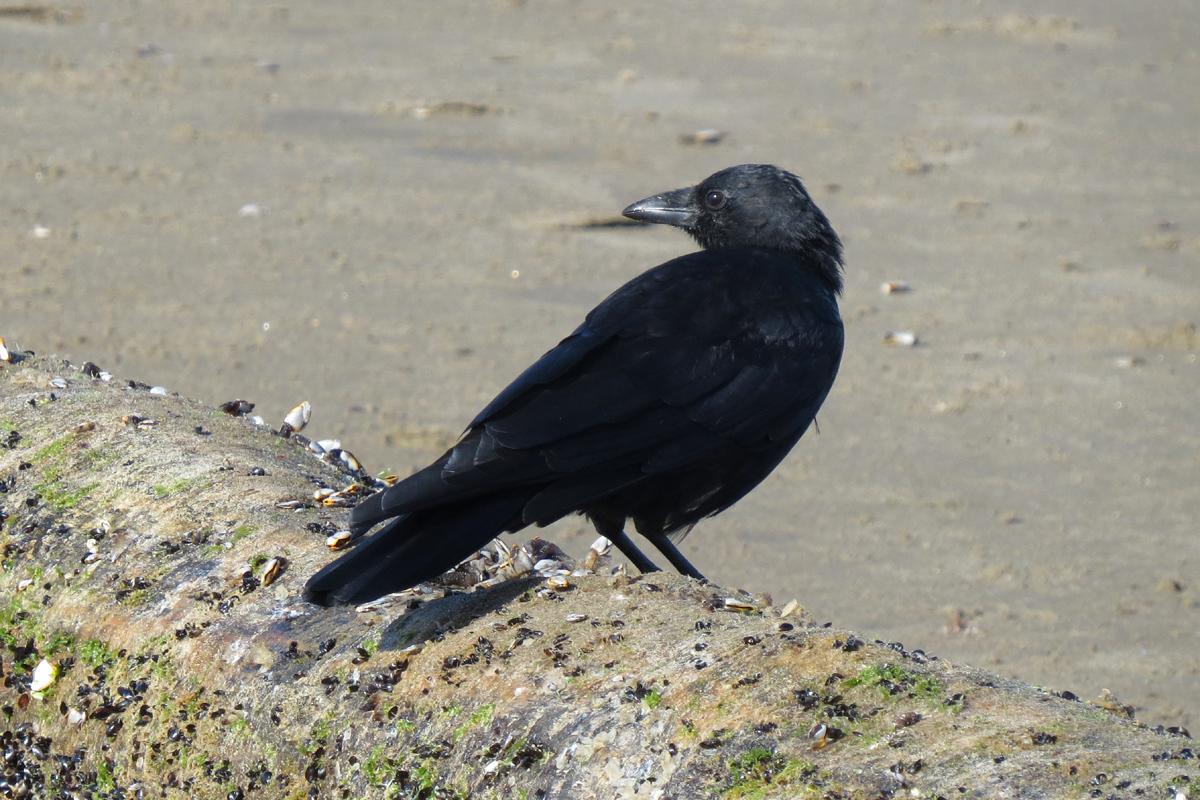
crow eatingA log, which has obviously been in the water for a long time, had washed up on shore, and the American Crows were busy picking at the barnacles.
crow

nala in streamNala, taking a break

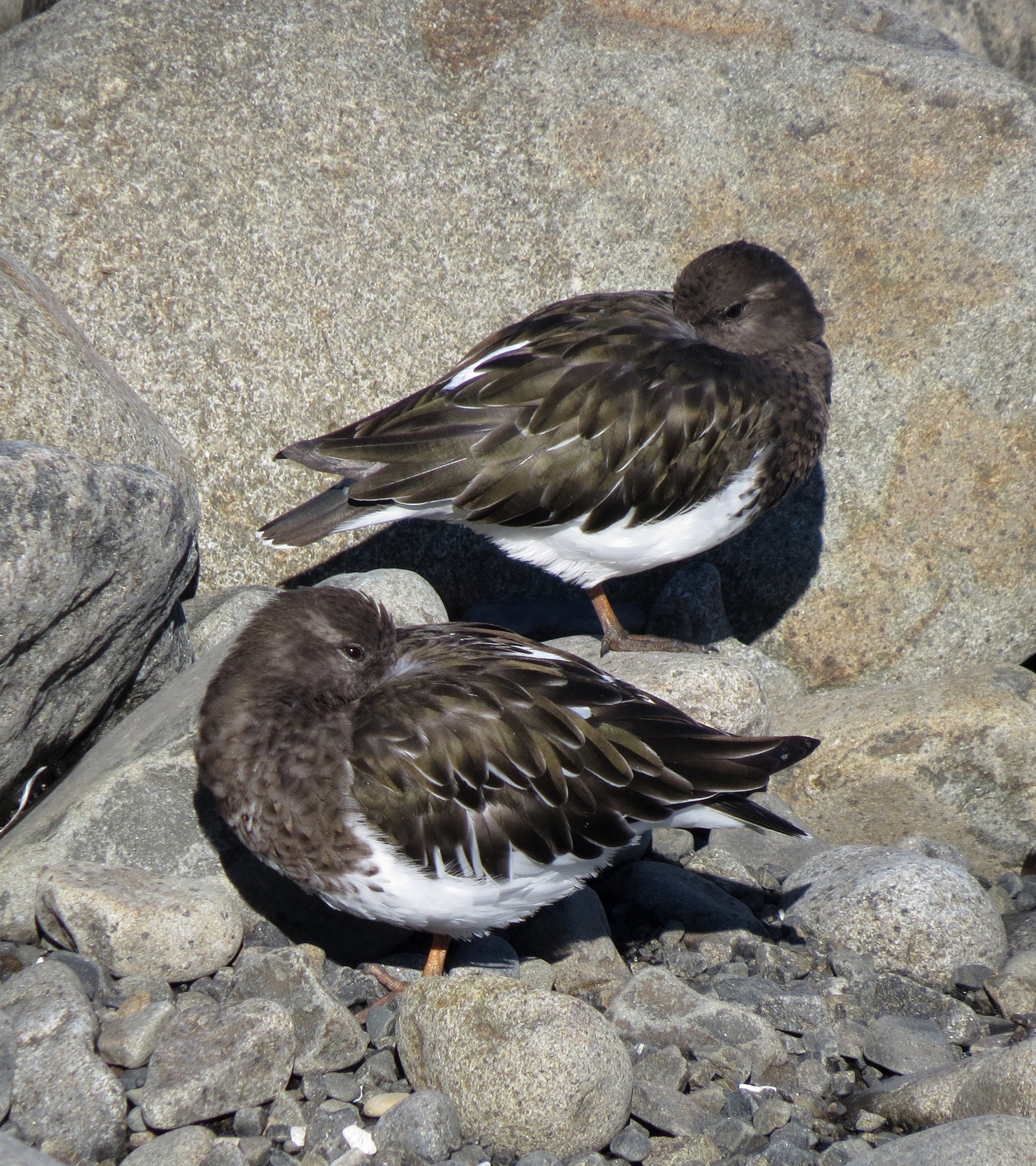
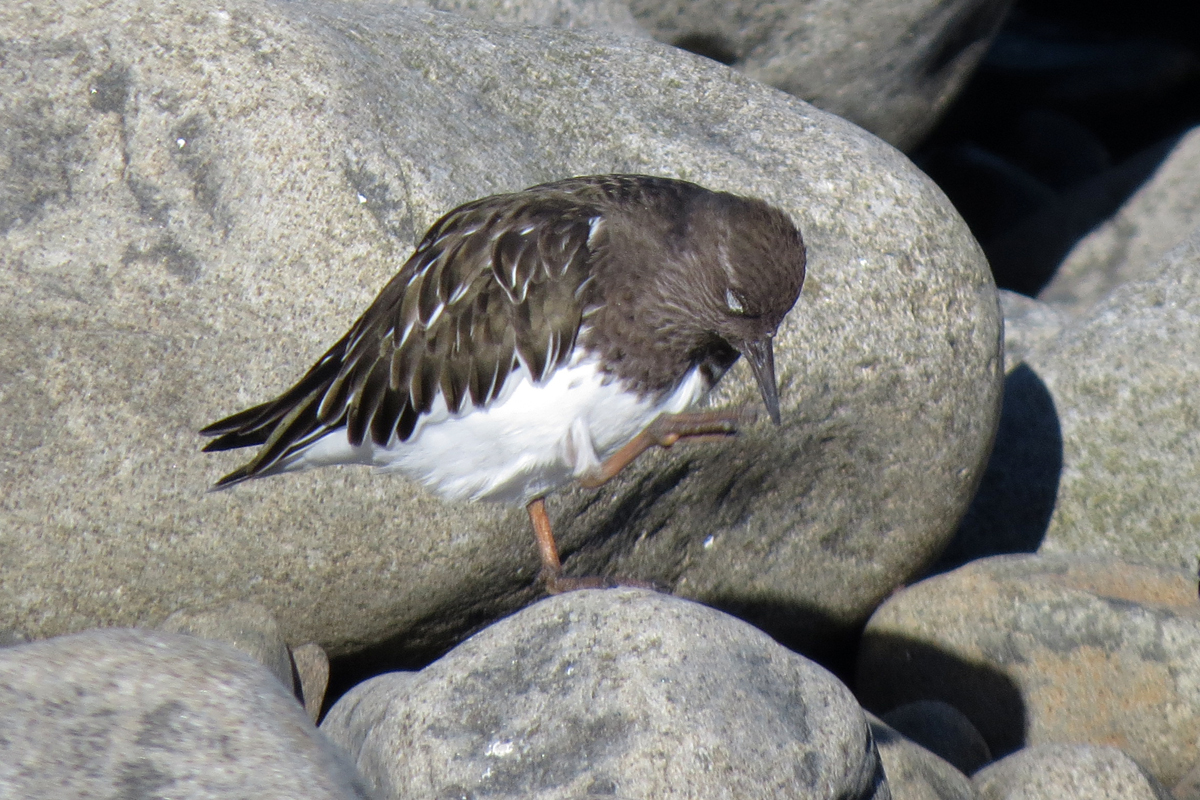
turnstones sleepingThe next stop was the Cove, at Seaside. As is often the case, there was a nice congregation of Black Turnstones on the rocks.
IMG_3241

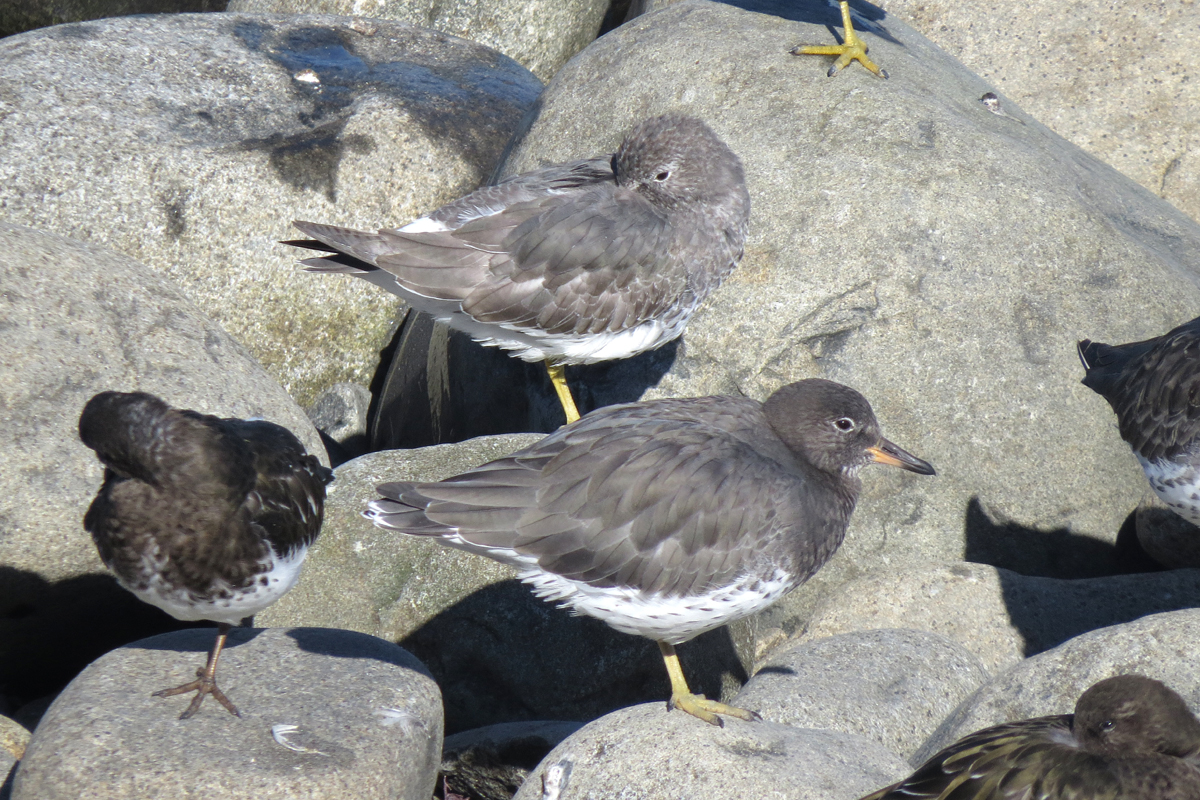
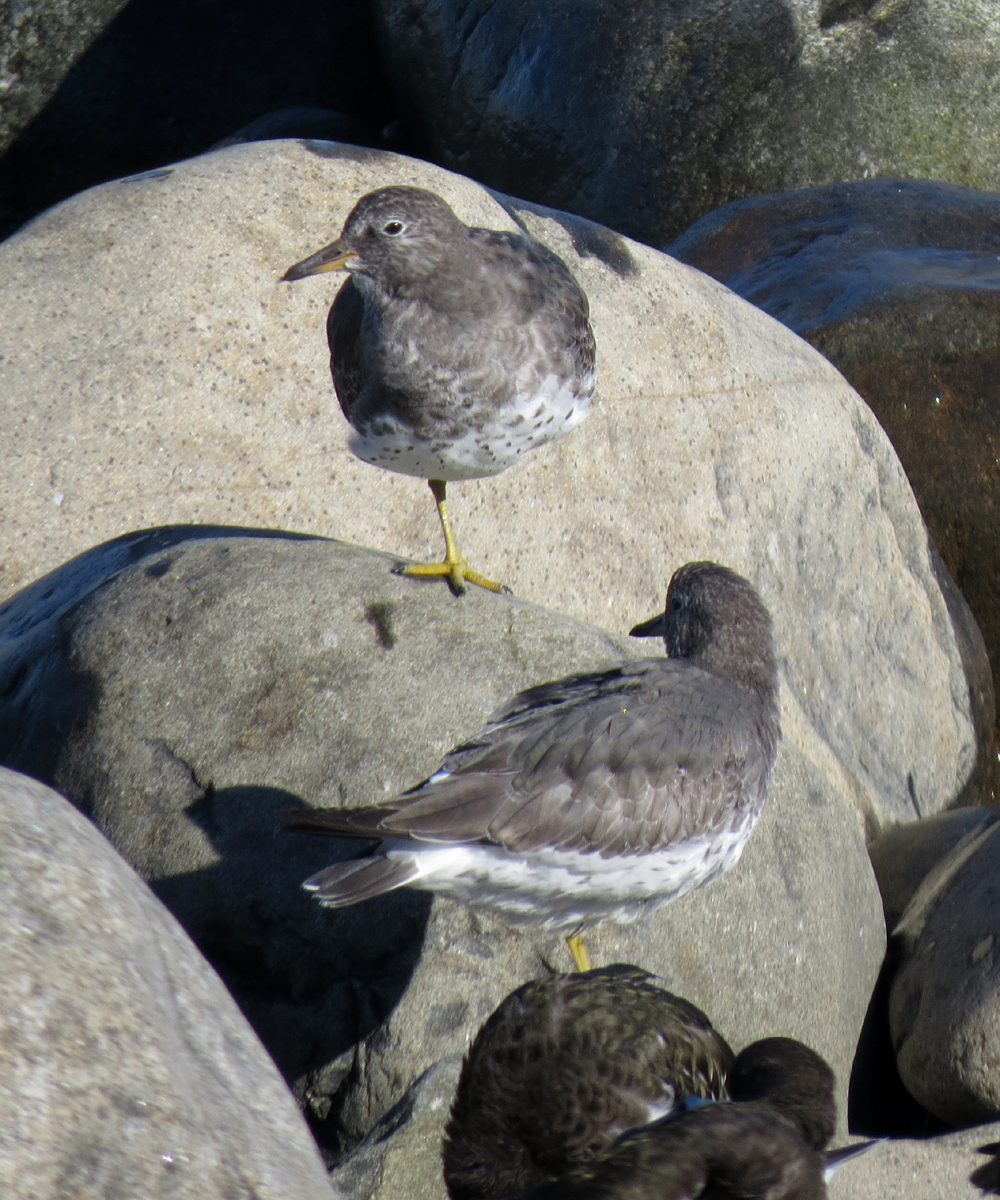
surfbirdsThere were also good numbers of Surfbirds.
surfbirds vertical

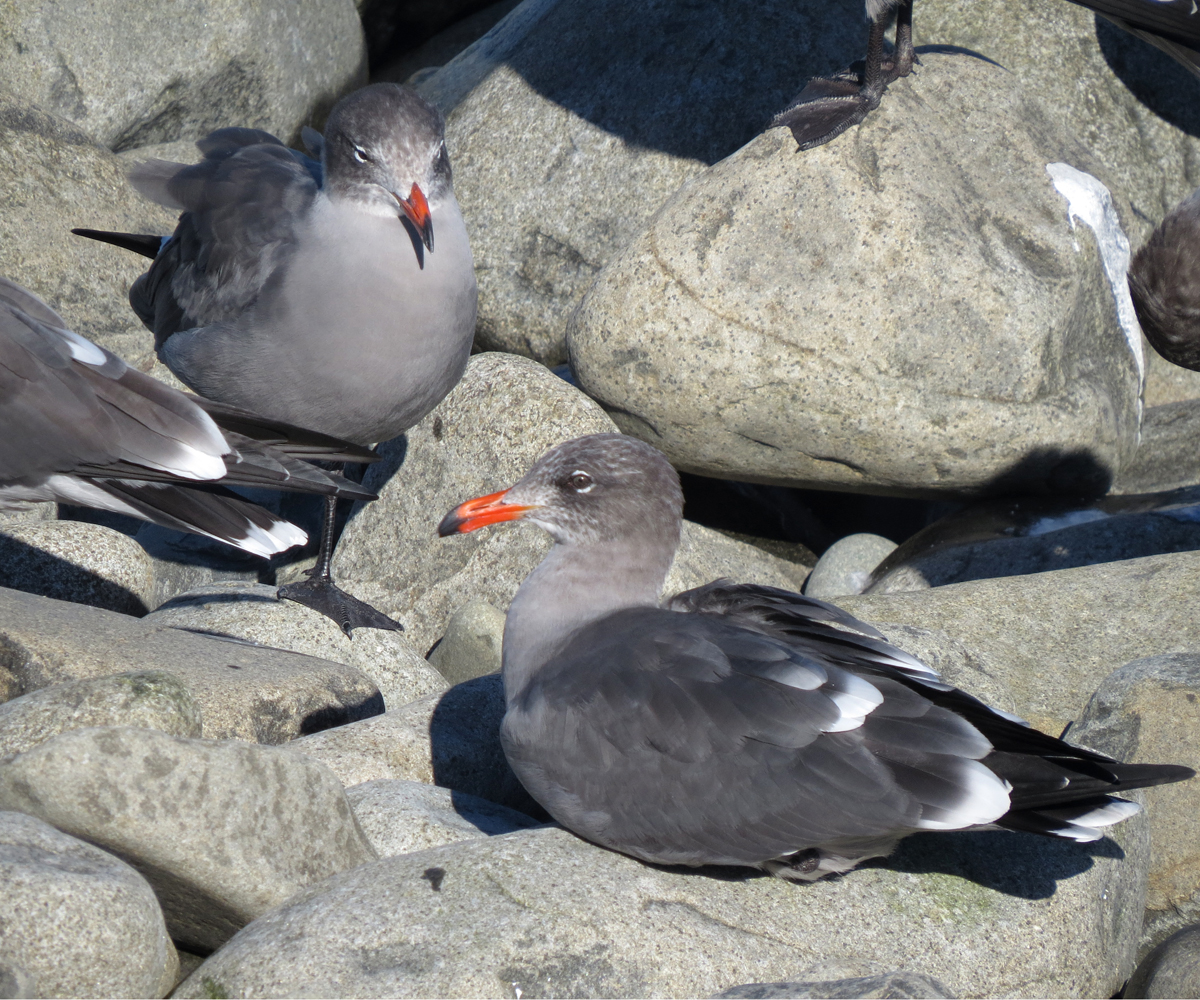
Heermann'sHeermann’s Gulls should be heading south very soon.

caspiansOur last stop was the Necanicum Estuary. This spot is very hit-or-miss, with either lots of birds or none. Today was closer to the latter. But along with the few California Gulls were several Caspian Terns still feeding young. Most Caspian Terns have already moved south, so it seems late to have begging fledglings still around.

Ulysses, KS

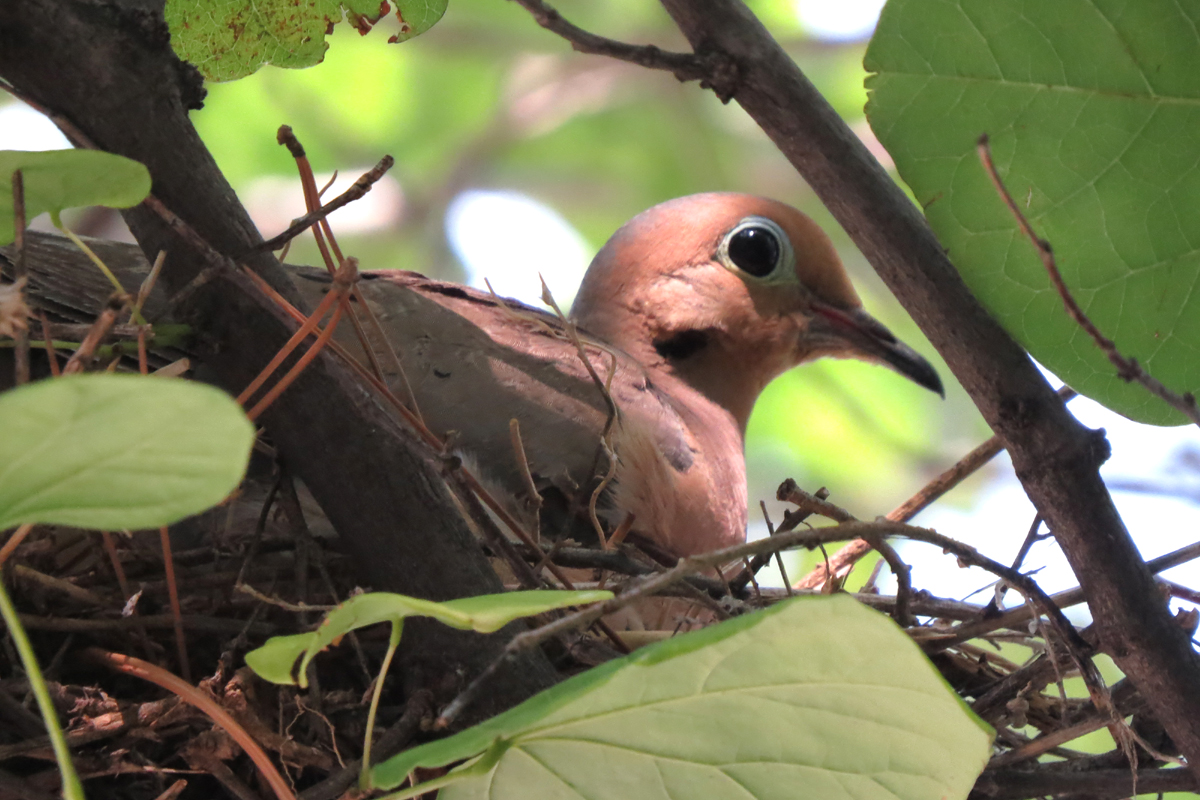
mourning doveWe were visiting family in Ulysses, KS, the past week. The town is swarming with doves. This Mourning Dove was sitting on a nest over my mother-in-law’s driveway.

mourning dove nestlingsThis nest with two young Mourning Doves was about 20 feet away from the nest pictured above.

eurasian collared 1Eurasian Collared-Doves are now much more common than Mourning Doves in town.

kitingAfter the two species of doves, the most conspicuous birds in Ulysses are Mississippi Kites. They are constantly flying over town, hunting dragonflies and cicadas.

miss. kite 2 Here is a rare look at a Mississippi Kite sitting still in the open.

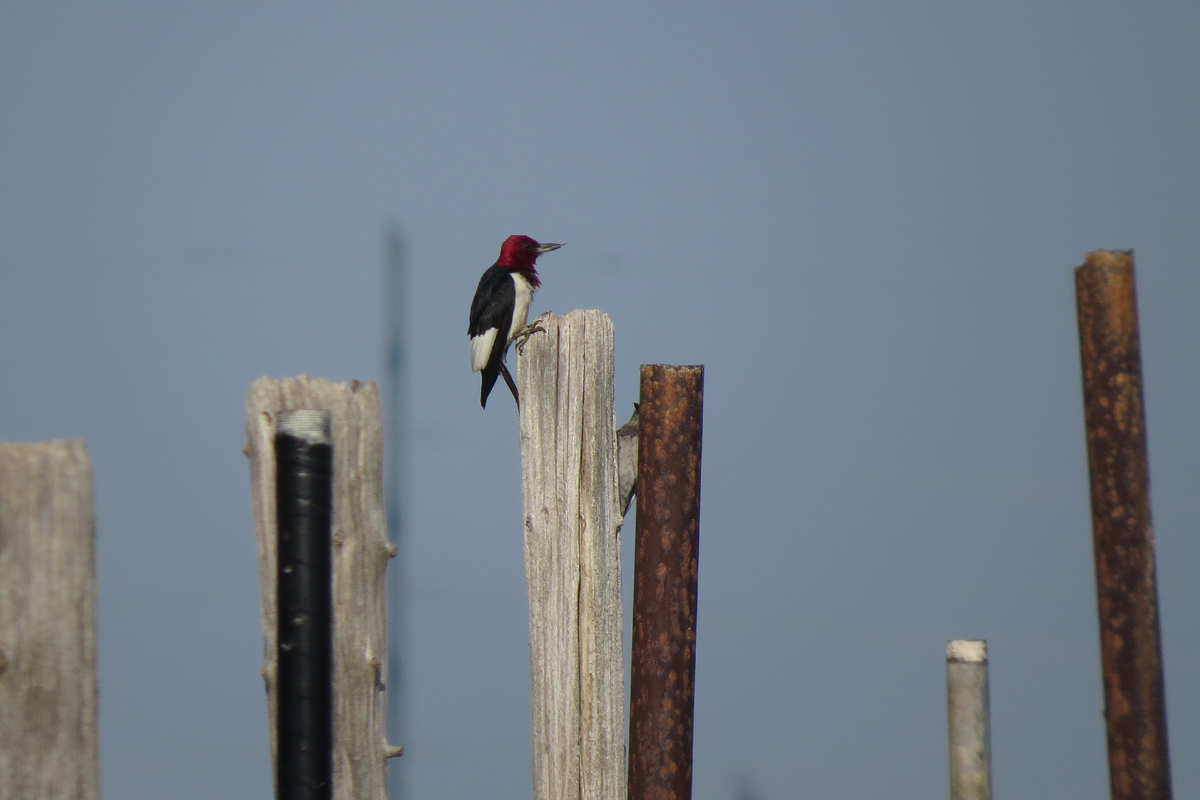
red-headed 1It has been a good summer for Red-headed Woodpeckers. I saw several families with young (note the young bird below and to the right of the adult above).

red-headed 2This is surely the most beautiful woodpecker in North America.

Youngsters

Two species have brought fledglings around recently. Both were visiting bird feeders, but for different reasons.

lesserThis Lesser Goldfinch was eating the dead needles from a cedar tree near the feeder. The fluffy “horns” and general clumsiness reveal the bird as a youngster.

cooper's hawk A Cooper’s Hawk with two young visited my neighbor’s feeder the other evening. Low light conditions only allowed this photo of one of the babies. They were constantly screaming and crashing through the branches, so I don’t think their hunting trip was successful.