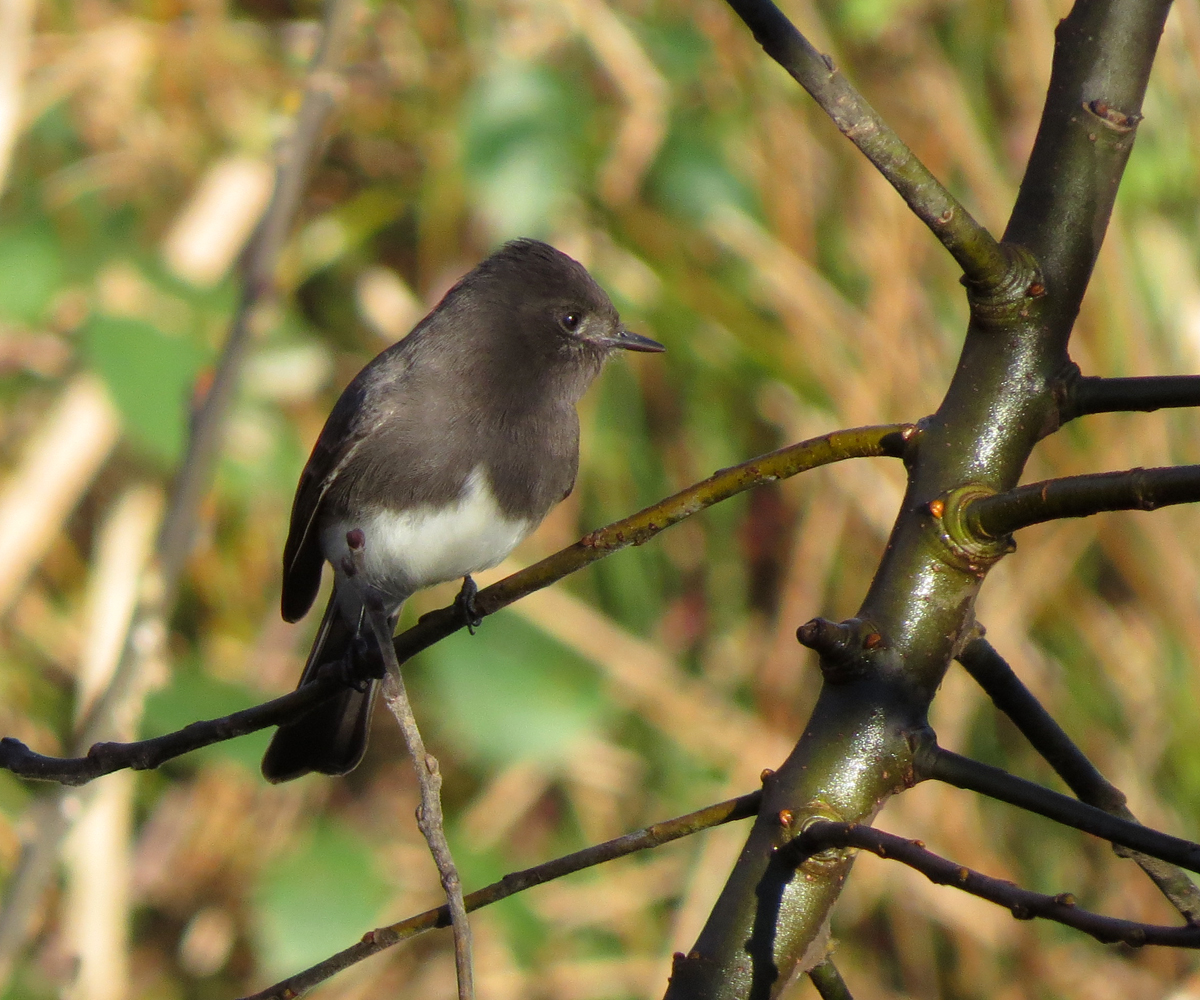
North Coast, 21 November 2013

phoebe 2I spent a cold but sunny day on the coast, from Seaside to the Columbia River. One of the best surprises of the day was this Black Phoebe at Millponds Park in Seaside. This species continues to expand its range northward, both along the coast and in the Willamette Valley.
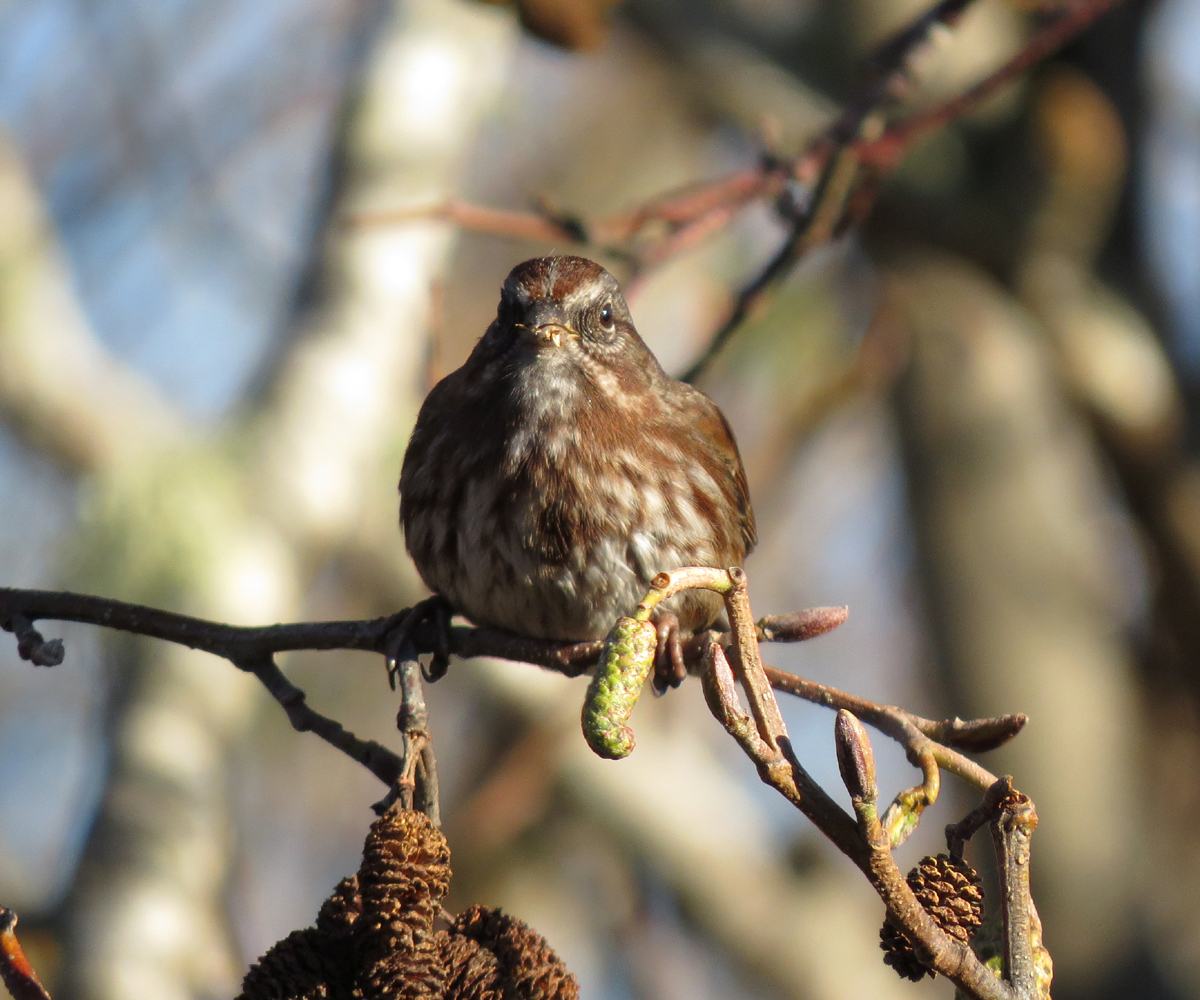
song sparrowWhile the ponds at this park are attractive to freshwater waterfowl like Ring-necked Ducks and Hooded Mergansers, the brushy areas hold good numbers of sparrows. Here is a Song Sparrow in the harsh sunlight.
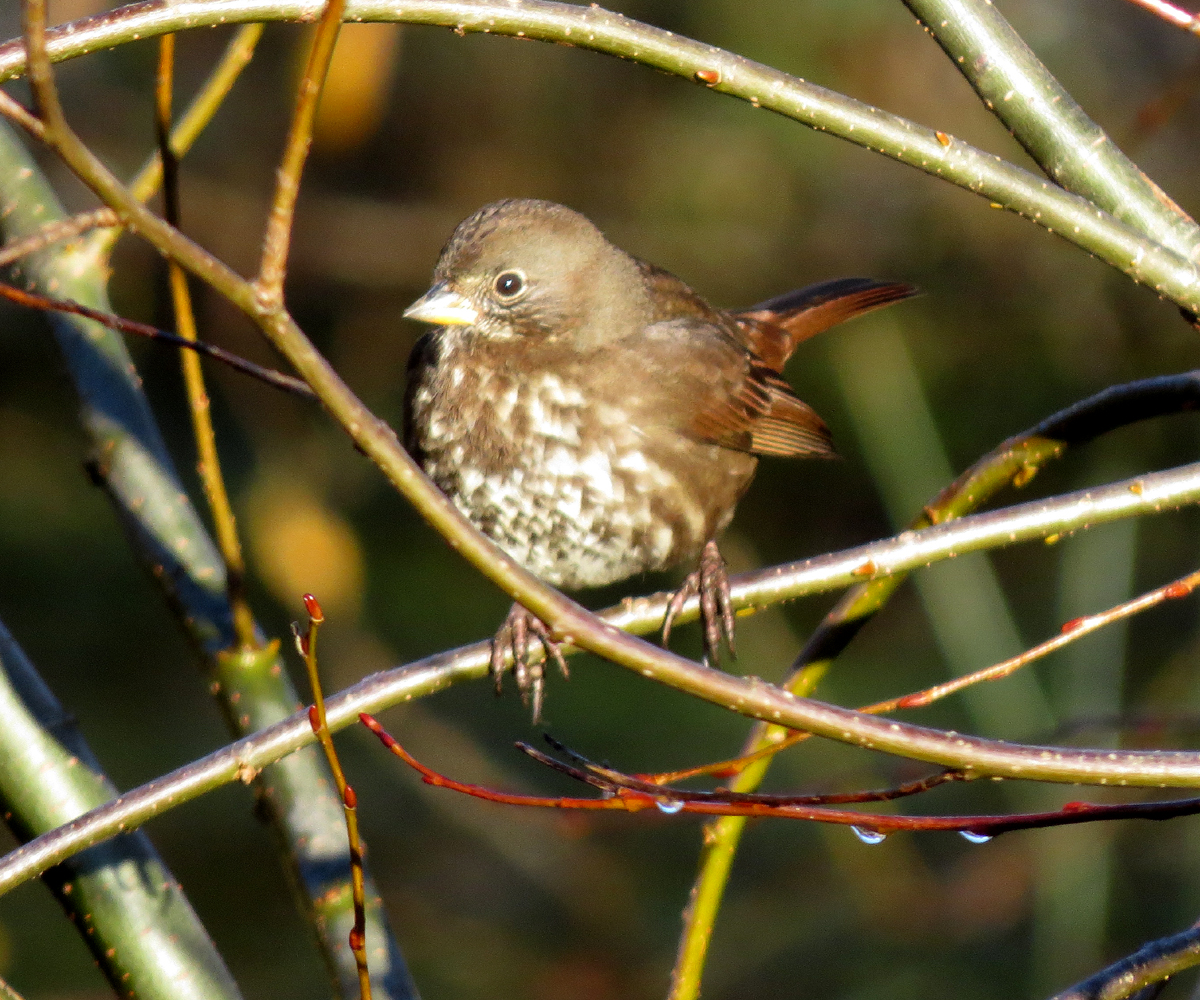
fox sparrowFox Sparrows are common in the brushy areas. Unfortunately, my camera prefers to focus on the brush, rather than on the birds.

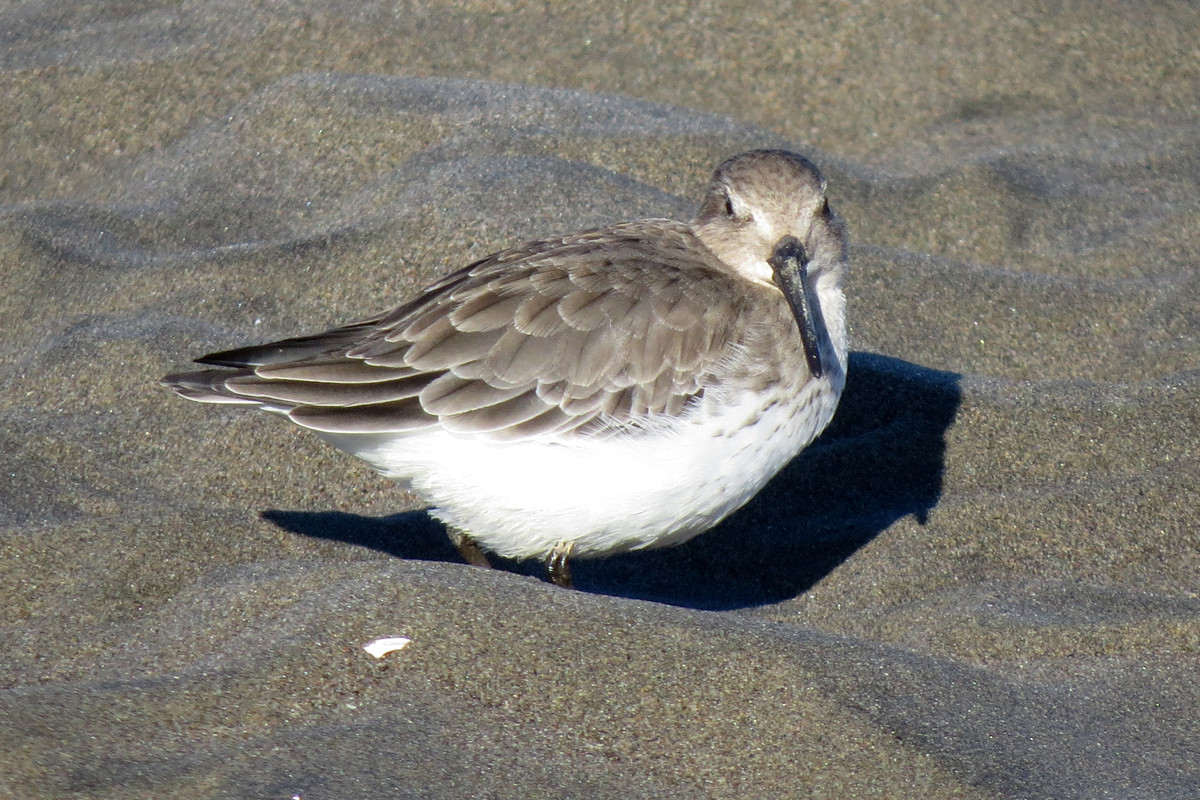
dunlin 6This lone Dunlin was the only shorebird I found at Fort Stevens. He was very tolerant of my presence.
dunlin 3The same bird, blending in well with the sand
dunlin 2
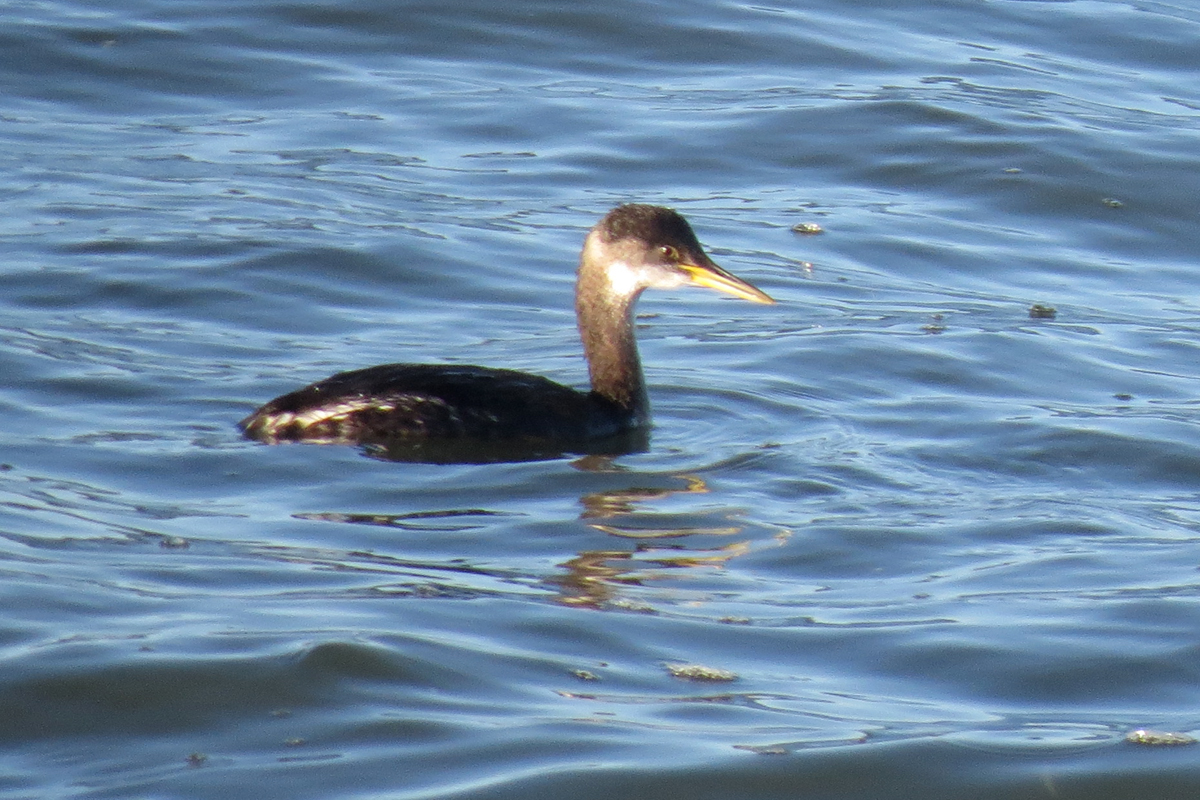
rn grebeThe Seaside Cove hosted huge rafts of birds; all three scoters, Greater Scaup, Western Grebe, and a single Long-tailed Duck. Most birds were beyond the breakers (aka beyond camera range), but this Red-necked Grebe came in close enough for a blurry photo.
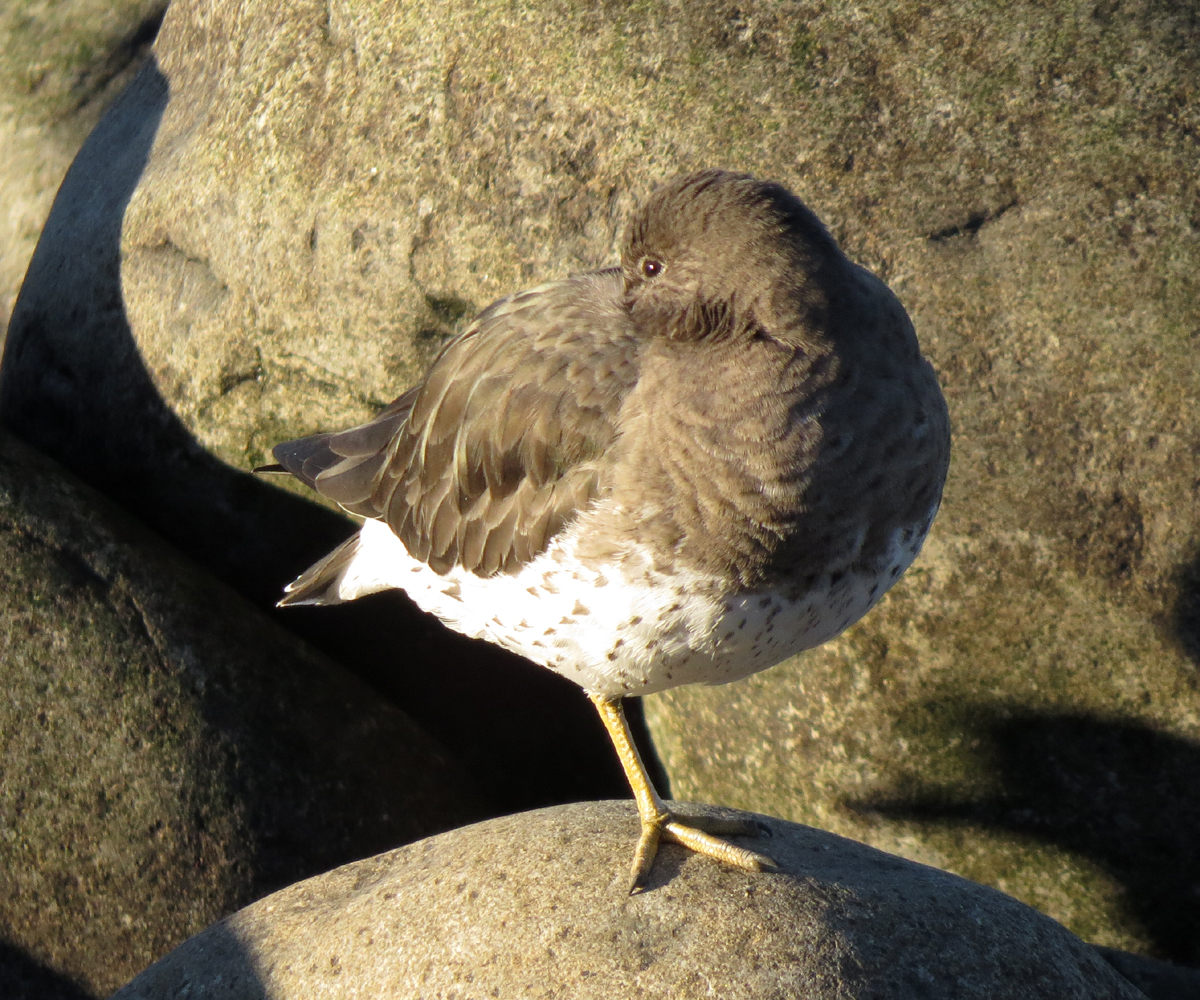
surfbird 1sleepy Surfbird

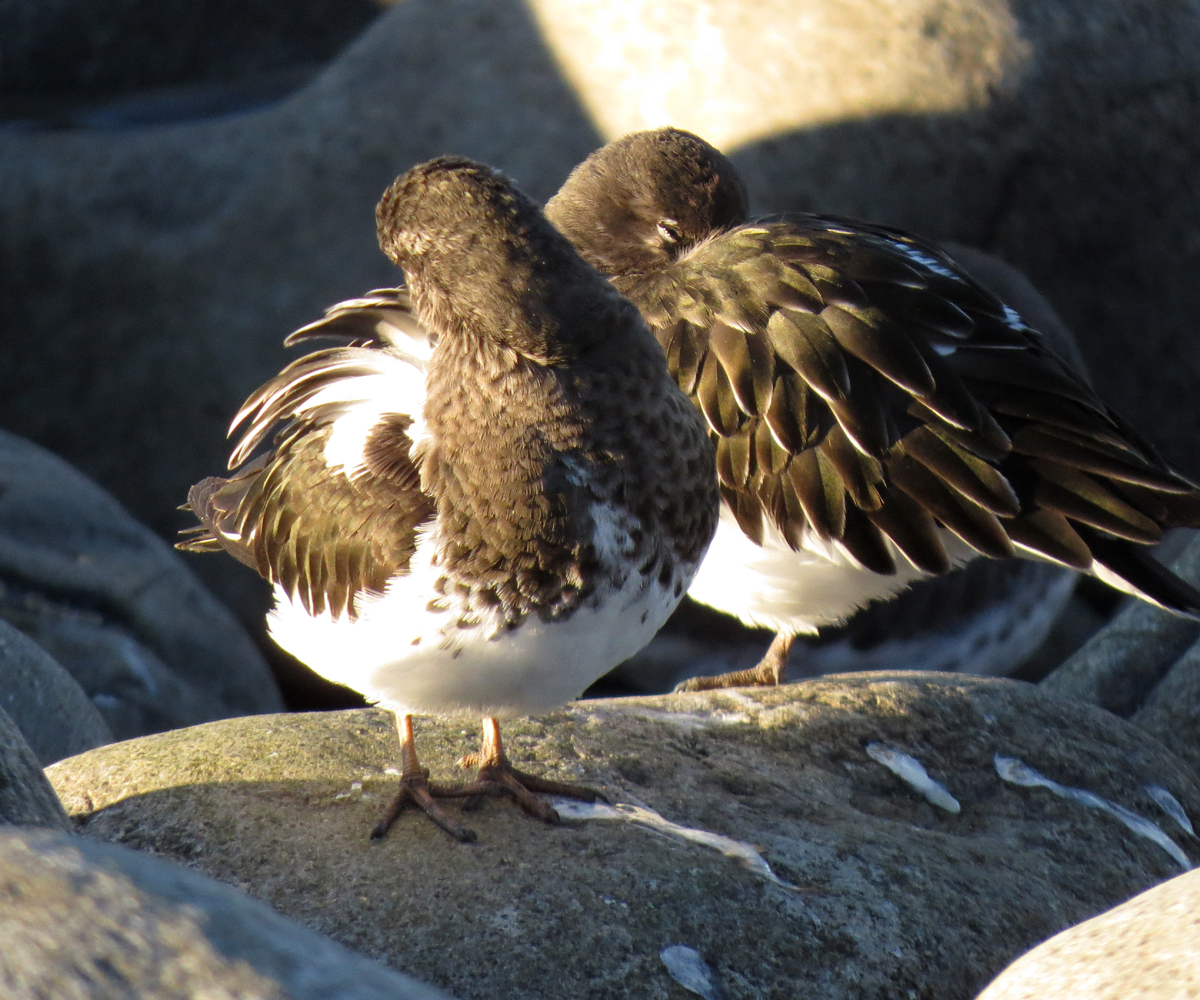
turnstones 1preening and sleeping Black Turnstones

turnstone and surfbird 2sleepy Black Turnstone and Surfbird

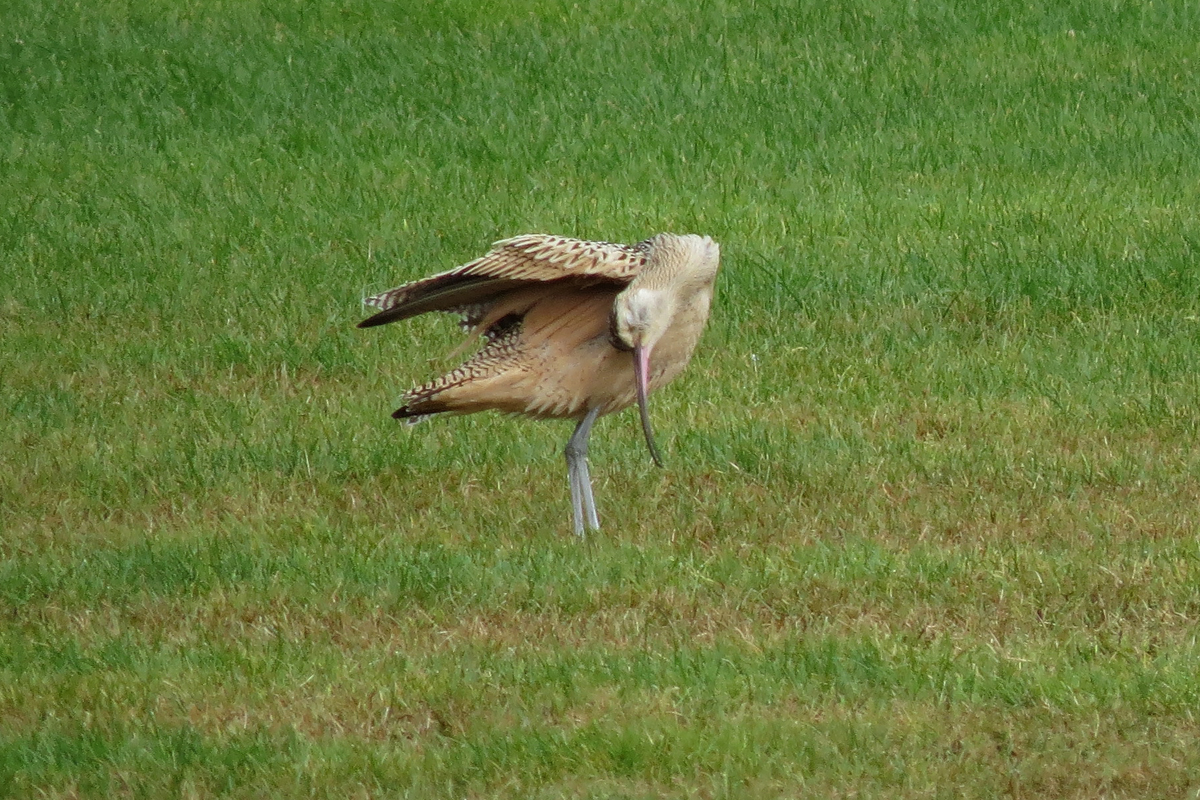
Long-billed Curlew, Seaside, OR

IMG_3016I guided a group of birders to the north coast this week. We saw a lot of good birds, but the rainy weather forced me to keep my camera in the car most of the time. The best surprise of the day was this bird, hanging out in the middle of the high school soccer field in Seaside. As we drove by, I thought we had a Marbled Godwit, but when got out to take a better look, we discovered he was a Long-billed Curlew. This is a common nesting species in southeastern Oregon, but is uncommon along the coast in migration.

IMG_3020This is a young bird, with fresh plumage and a bill that isn’t all that long for a Long-billed Curlew.

IMG_3022Here he is showing the cinnamon buff color under the wings, typical for this species.

IMG_3028I don’t know what he was finding to eat in the soccer field, but he seemed to be content there.

Sauvie Island 30 May 2013

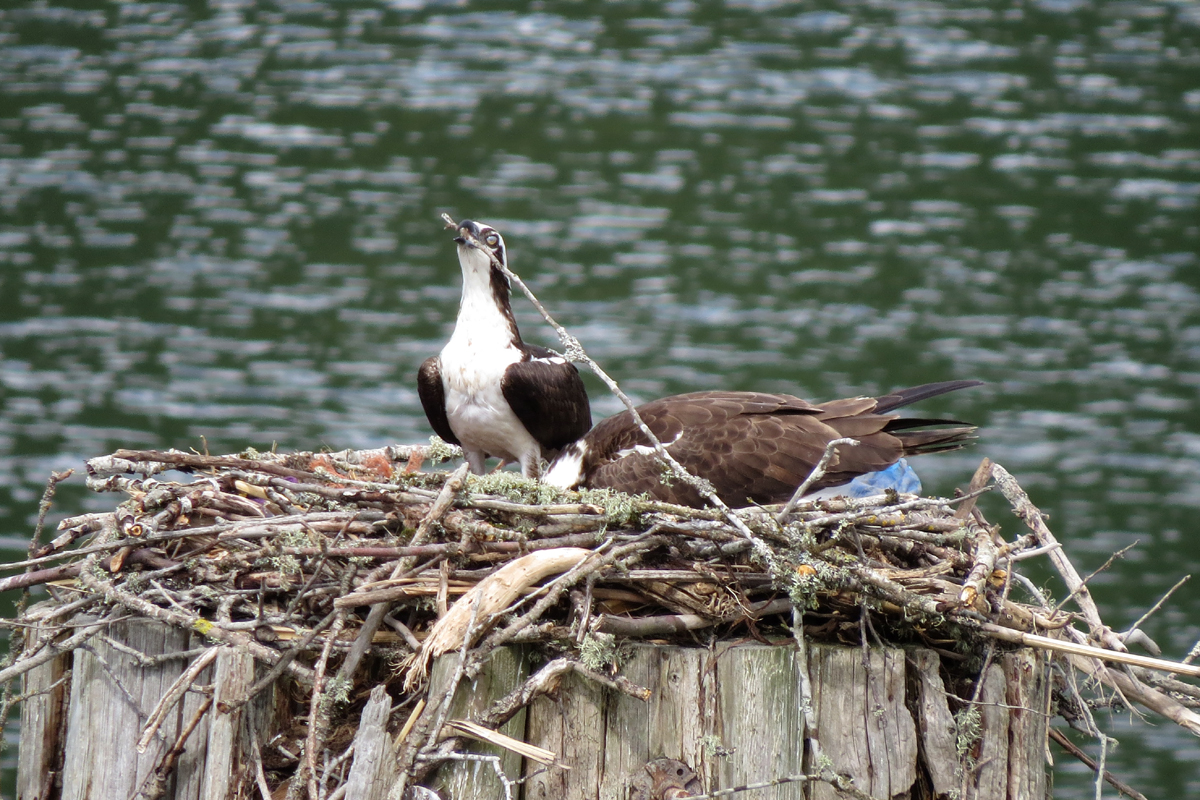
osprey 2This pair of Ospreys is nesting on a piling along Sauvie Island Road. The elevation of the road provides an eye-level view of the nest. Note the piece of blue plastic.

osprey 3The female is sitting on eggs, so she remained pretty still the whole time I was there, aside from from making a few adjustments. Meanwhile, the male was bringing additional sticks and continued to build the nest around her.

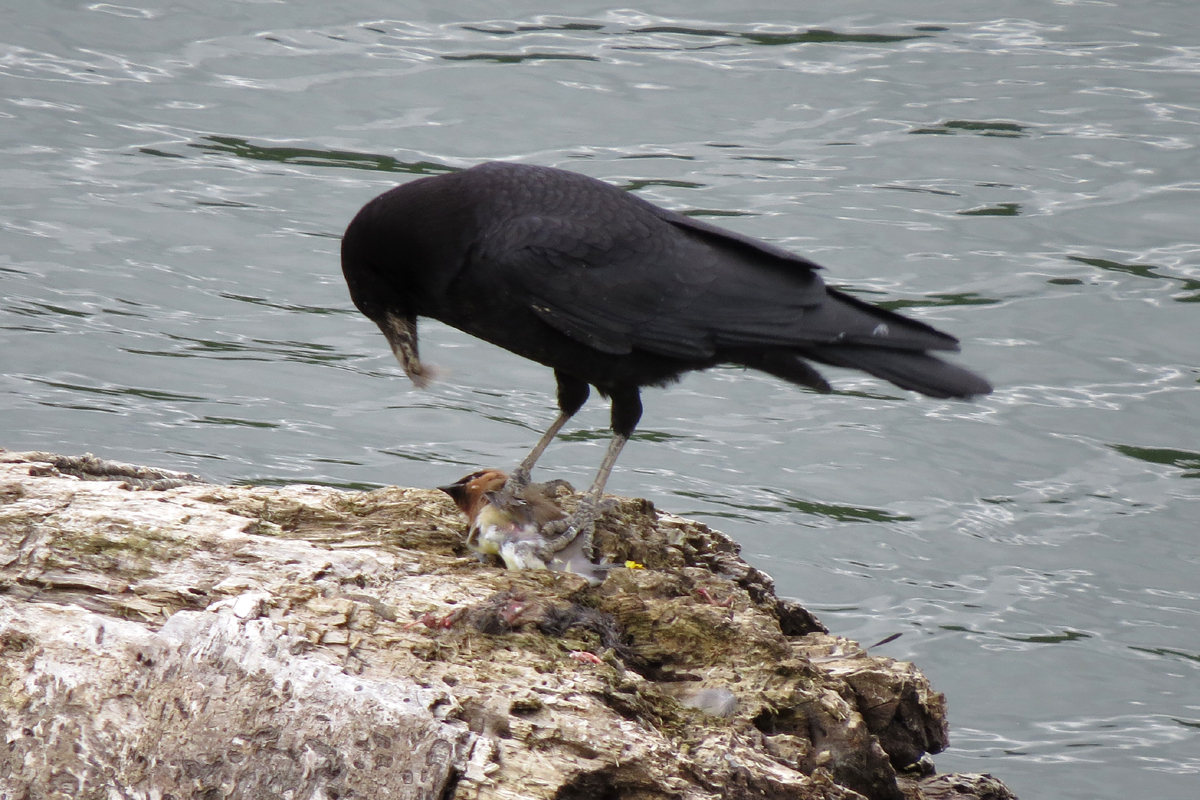
crow 1While I was watching the Ospreys, this young American Crow flew in carrying a Cedar Waxwing, landed on a log, and proceeded to eat. I don’t know if the crow actually caught the waxwing or happened to find a dead one, but the crow didn’t hesitate to chow down and had the waxwing consumed in about one minute.  crowI am aging this bird as a youngster by the pale color on the bill and the scaly pattern on the back.
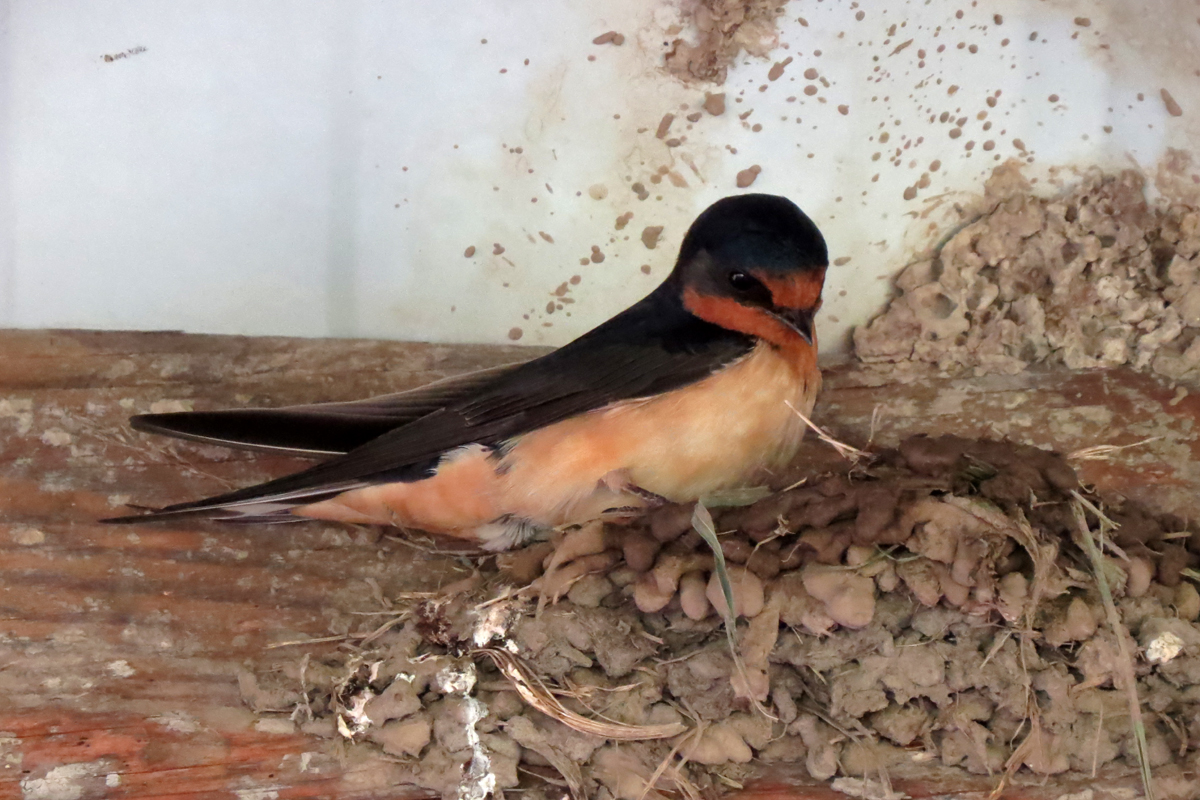
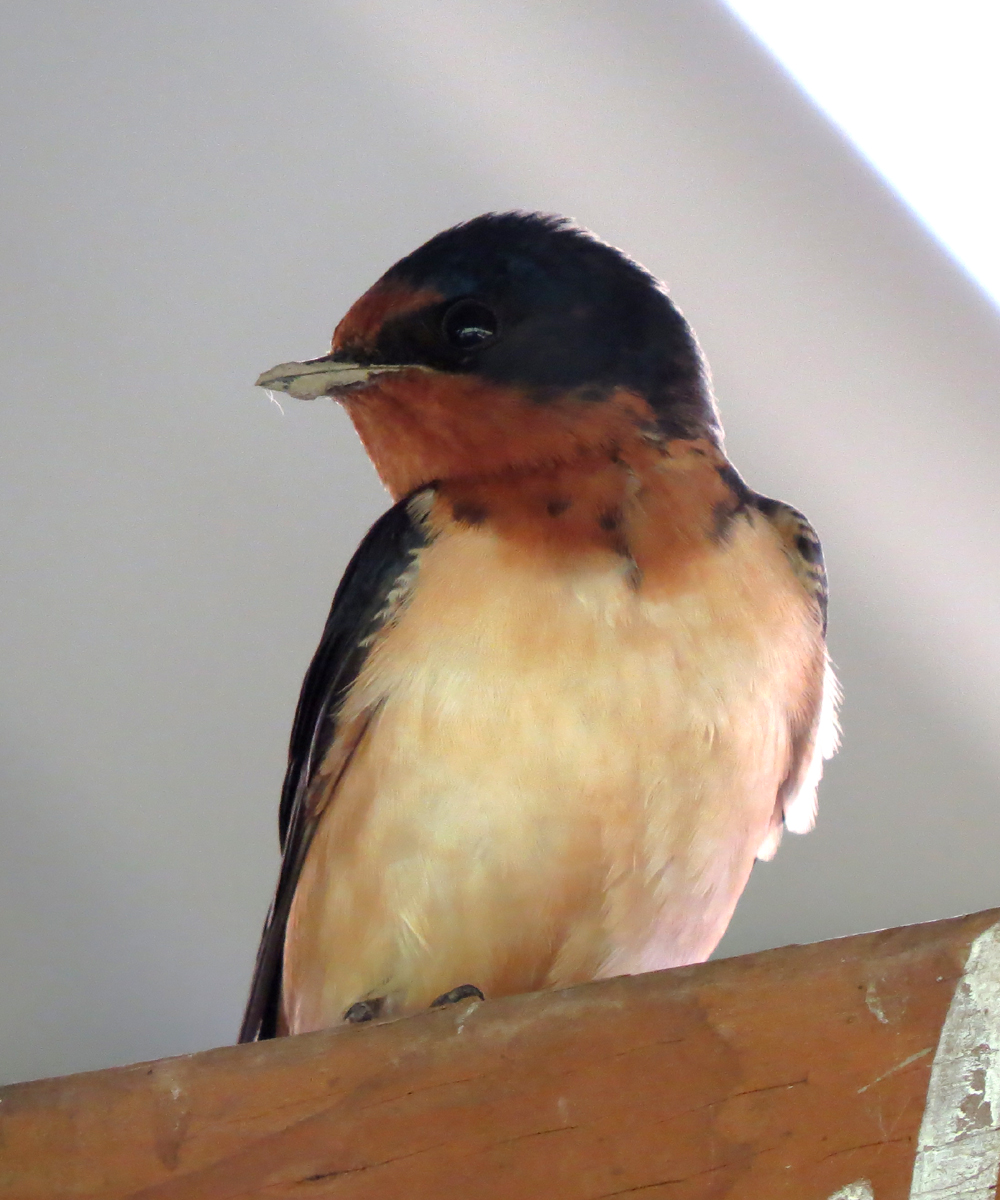
barn swallow 1On a less gruesome note, a pair of Barn Swallows was building a nest in the observation platform on Reeder Road.

barn swallow 4

barn swallow 5

IMG_1991This is a view from the end of Rentenaar Road, lots of flowers and Great Egrets.
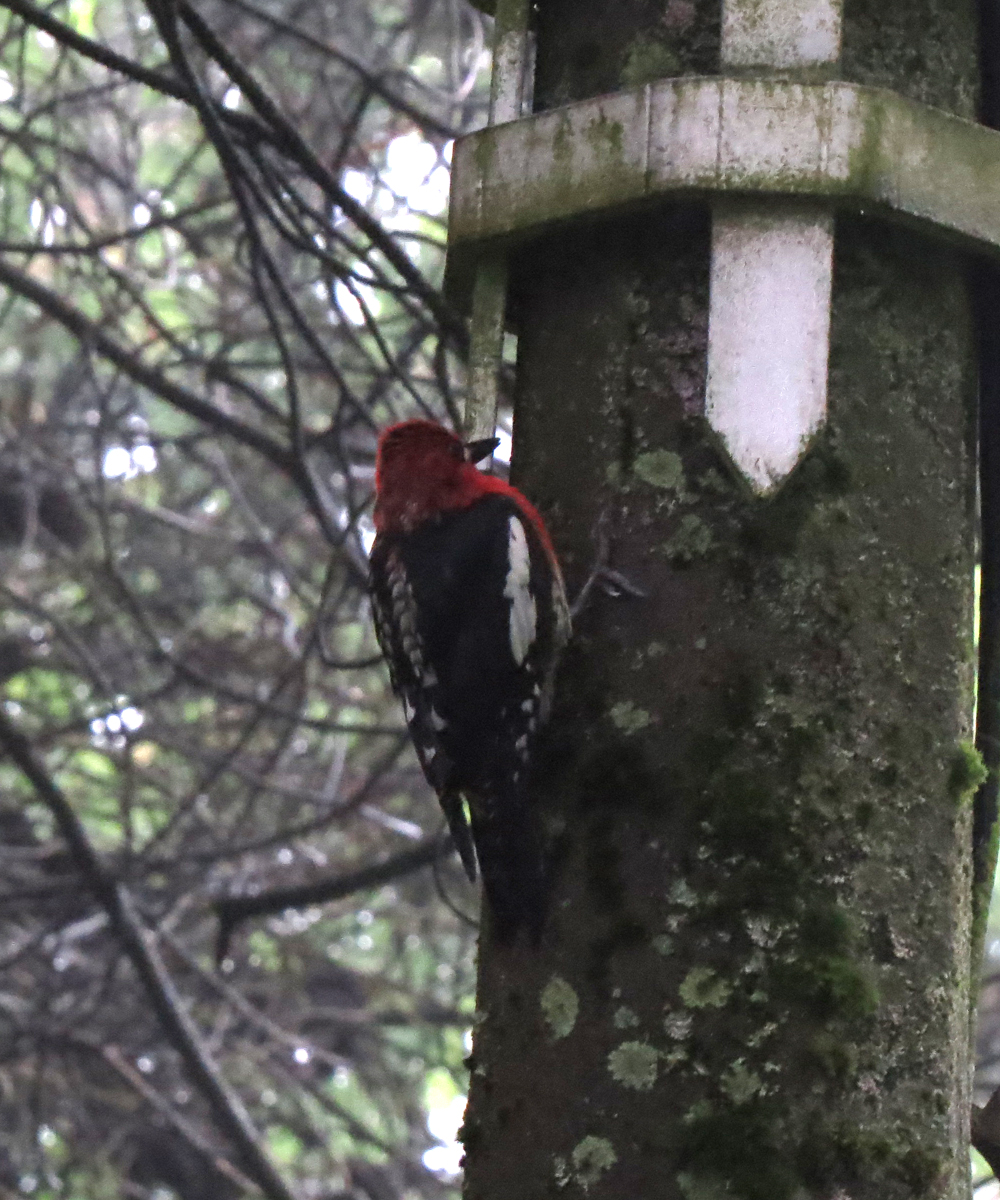
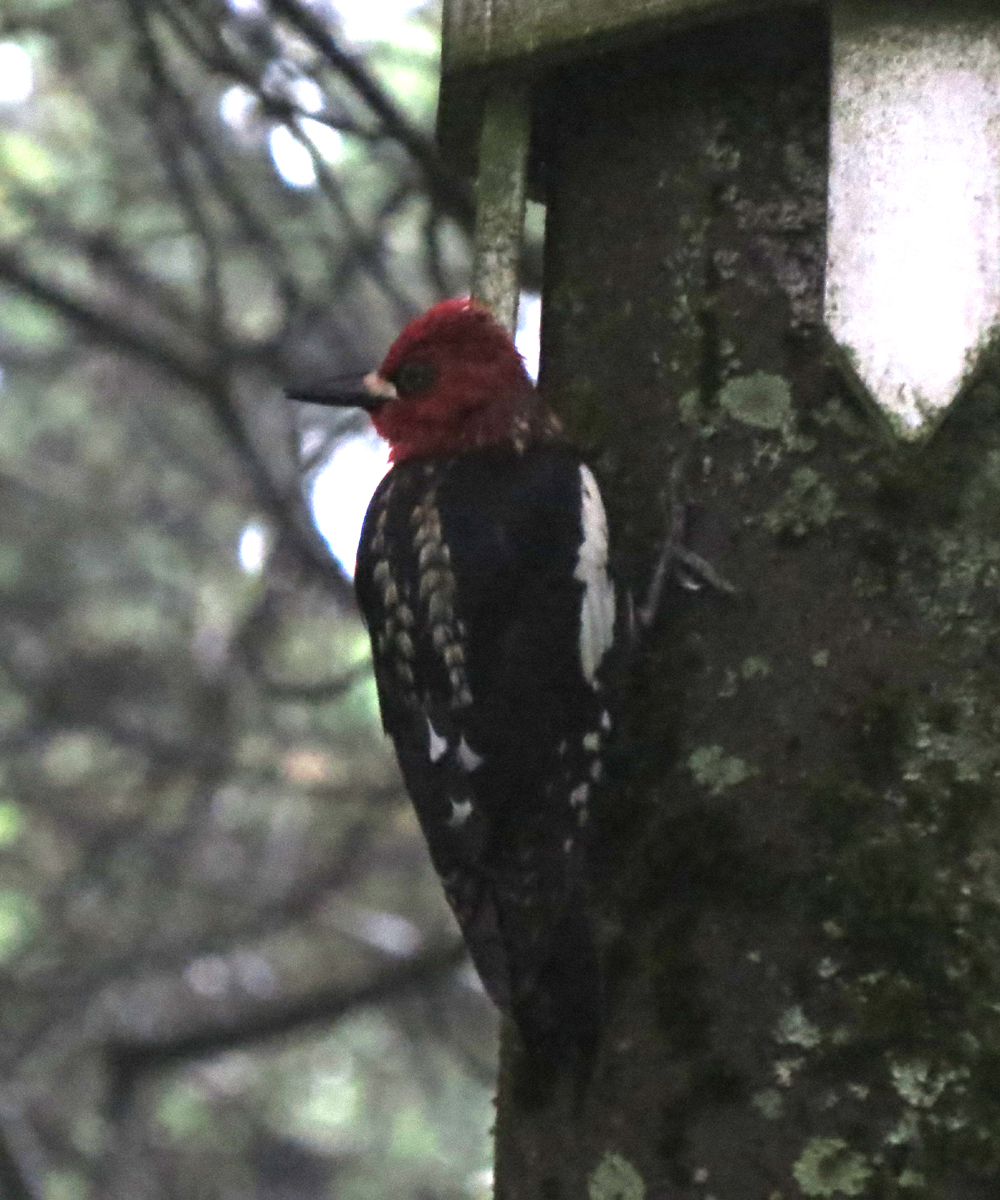
 

Red-breasted Sapsucker

red-breasted sapsucker 2I joined the Audubon Morning Birdsong Walk at Pittock Mansion Friday morning. The cold damp weather kept most birds hunkered down out of sight, but this Red-breasted Sapsucker put on a nice show. He would fly to the concrete light posts and drum on the metal light fixtures to declare his territory. Several woodpecker species, flickers in particular, are known to drum on metal.

red-breasted sapsucker

Winter in the Wetlands

We are in that late winter season when birding seems to slow. I don’t know whether there are actually fewer birds around this time of year or we have just already seen the local winter residents so they don’t hold our attention. In any case, the best birding is usually found in and around wetlands. Here are some recent shots from area wetlands from the past couple of weeks.

great blue heron 1Great Blue Herons are always around, and have started hanging out in their nesting colonies.

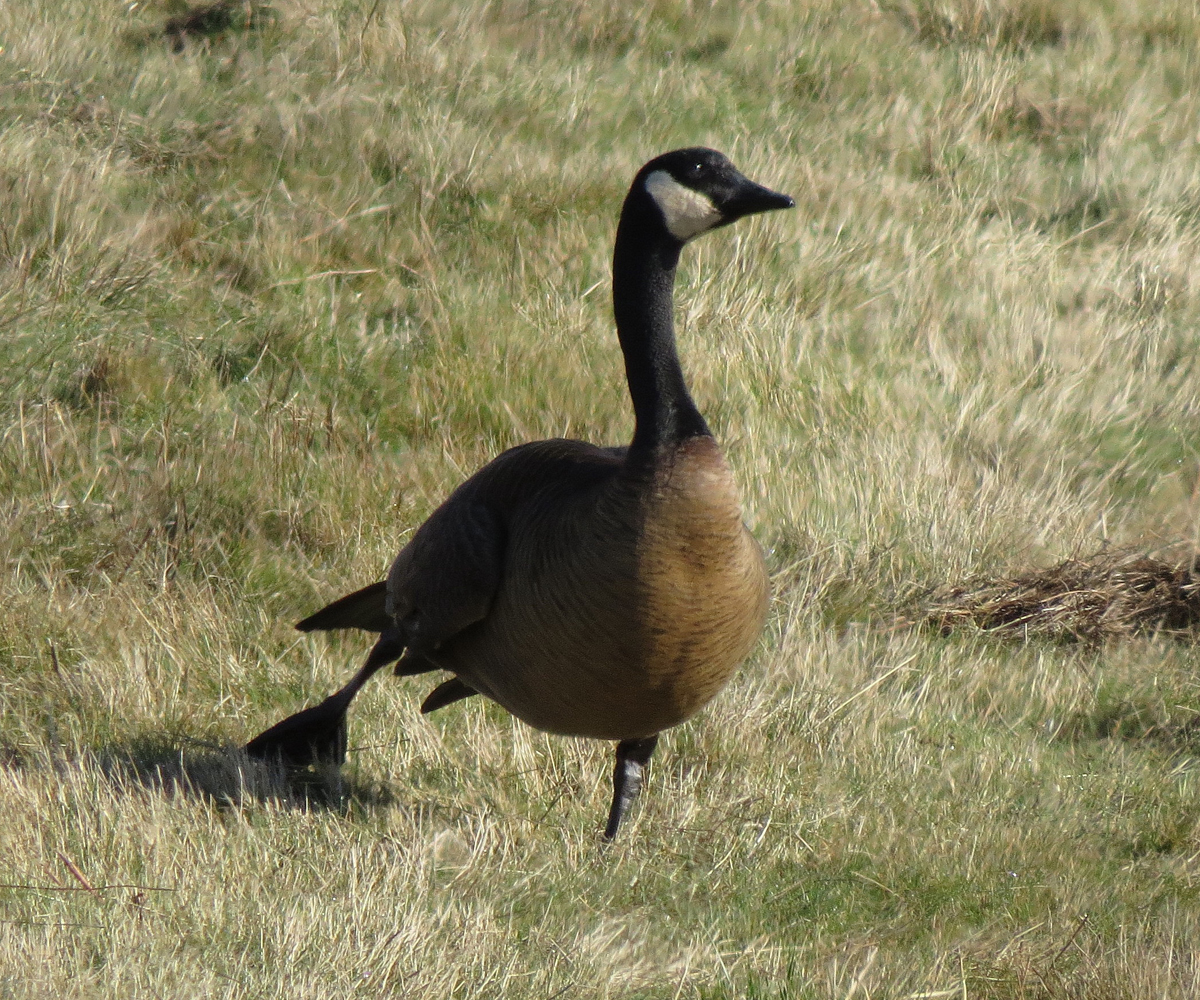
dusky canada stretchingThis Dusky Canada Goose was enjoying the sunshine at Ankeny NWR.

dusky canada feeding

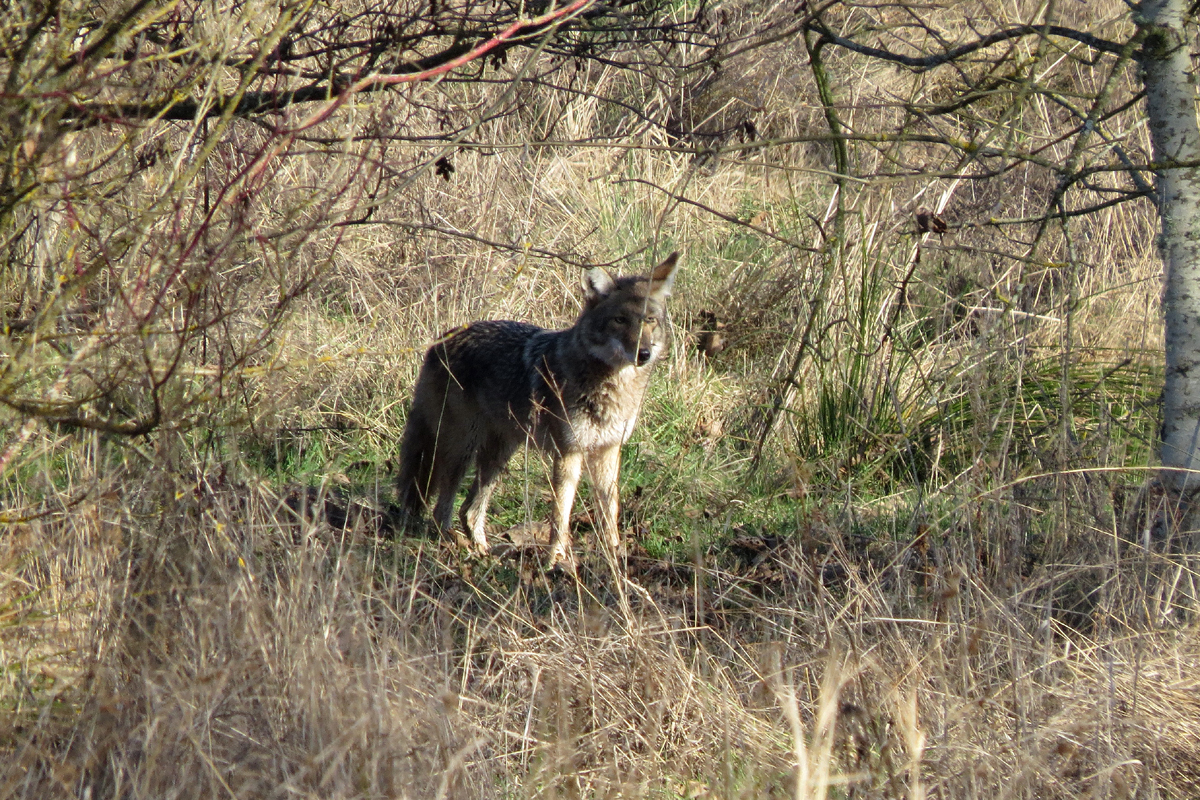
coyoteCoyote, Vanport Wetlands

coyote ankenyAnother Coyote, at Ankeny NWR

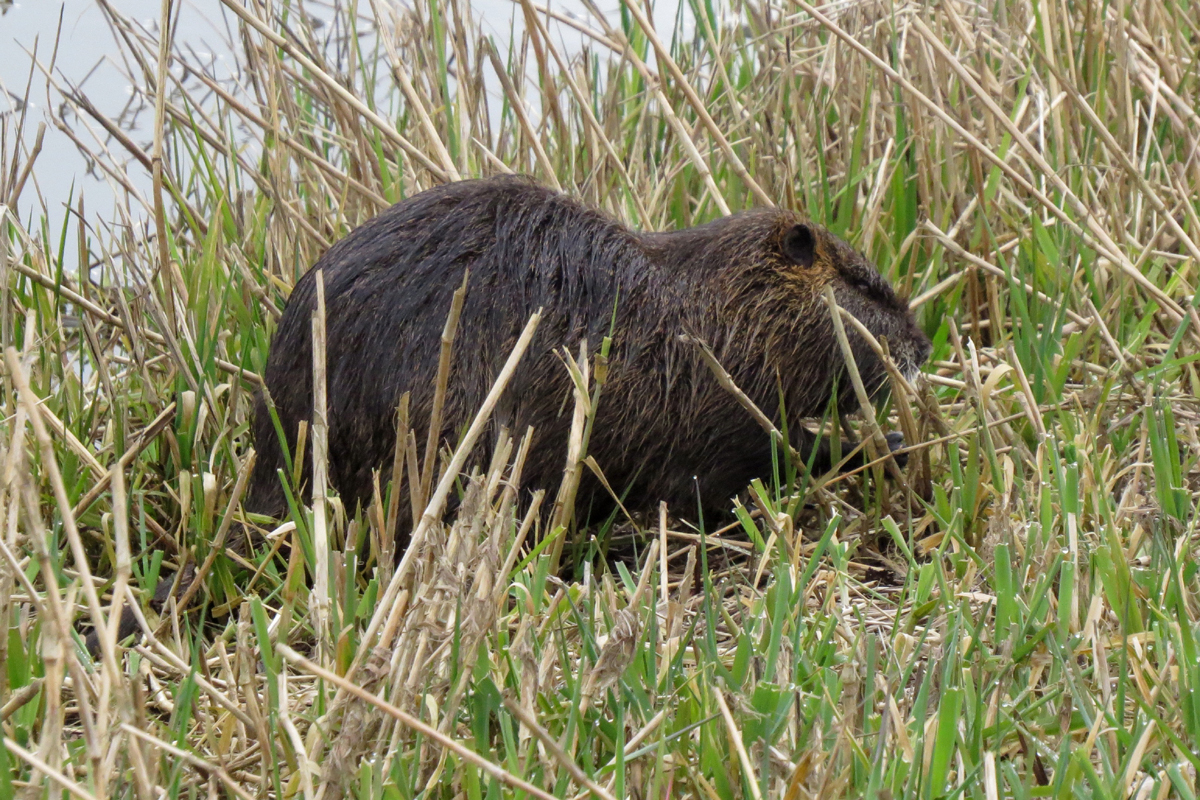
nutriaThis Nutia at Fernhill Wetlands seemed unconcerned with the group of birders walking by.

red-winged blackbird and lesser goldfinchHere is a Red-winged Blackbird sharing a nyjer feeder with a Lesser Goldfinch at Jackson Bottom. I don’t recall seeing blackbirds eating nyjer before.

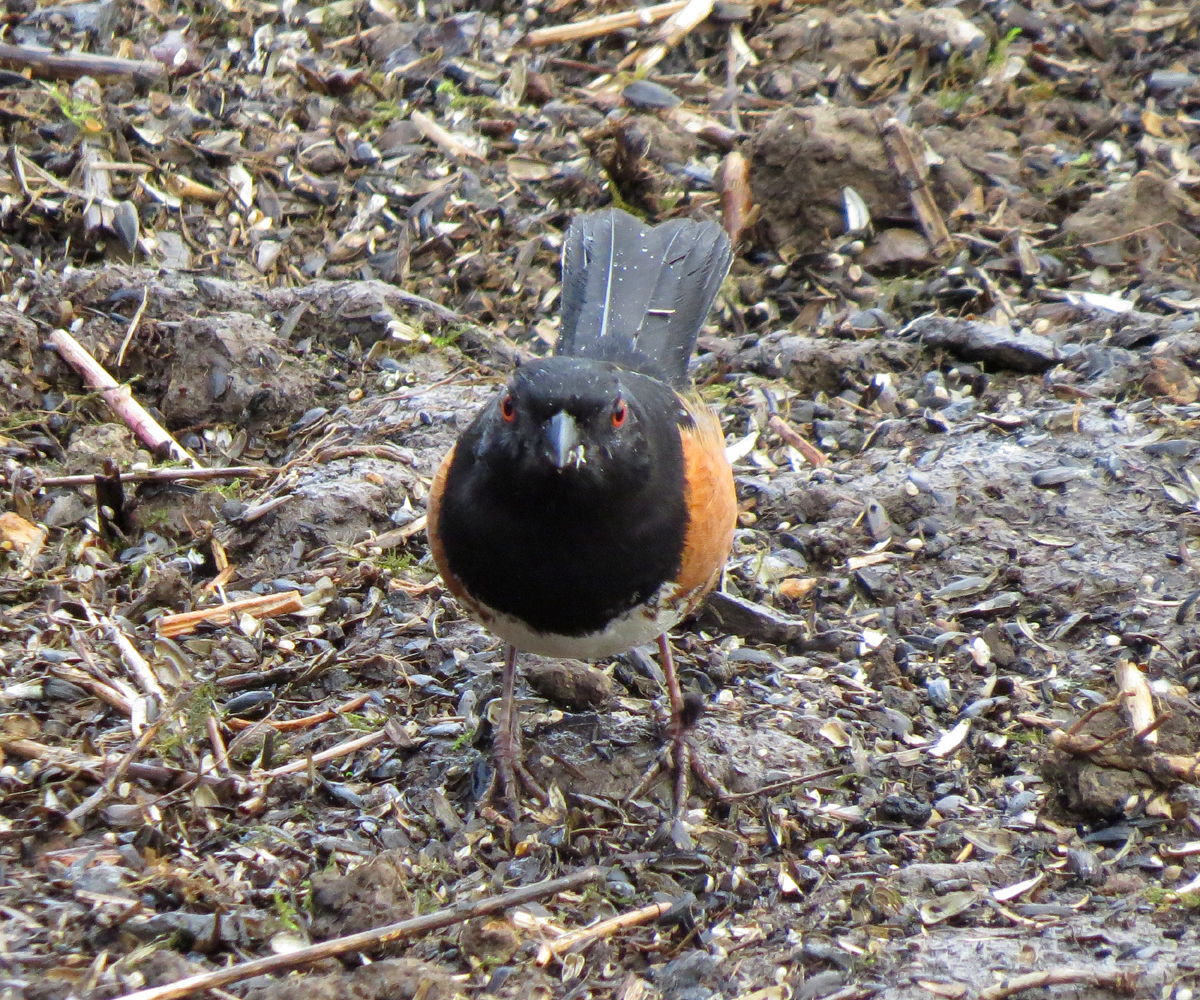
spotted towheeSpotted Towhee, Jackson Bottom

Yellow-rumped Warbler

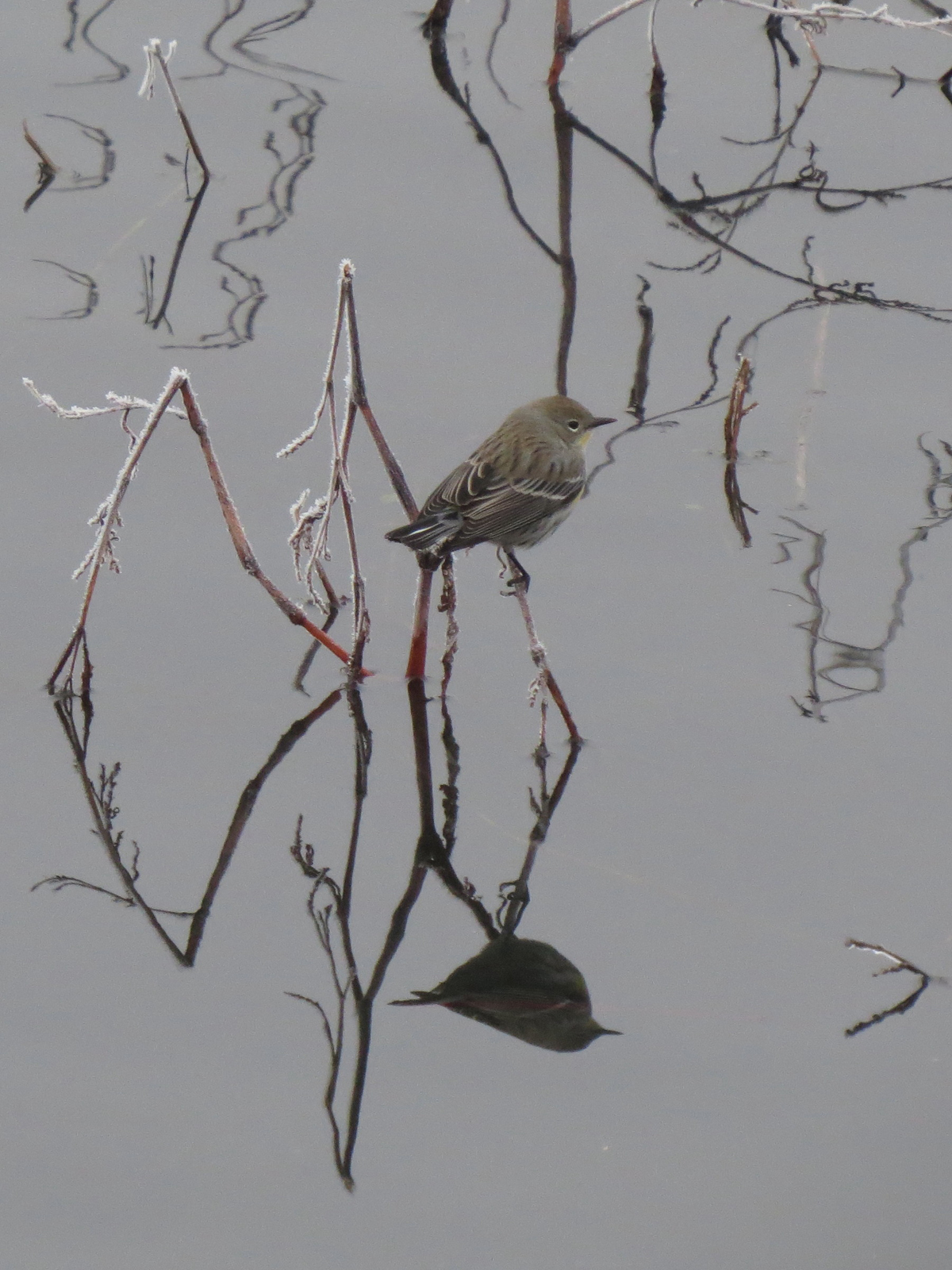
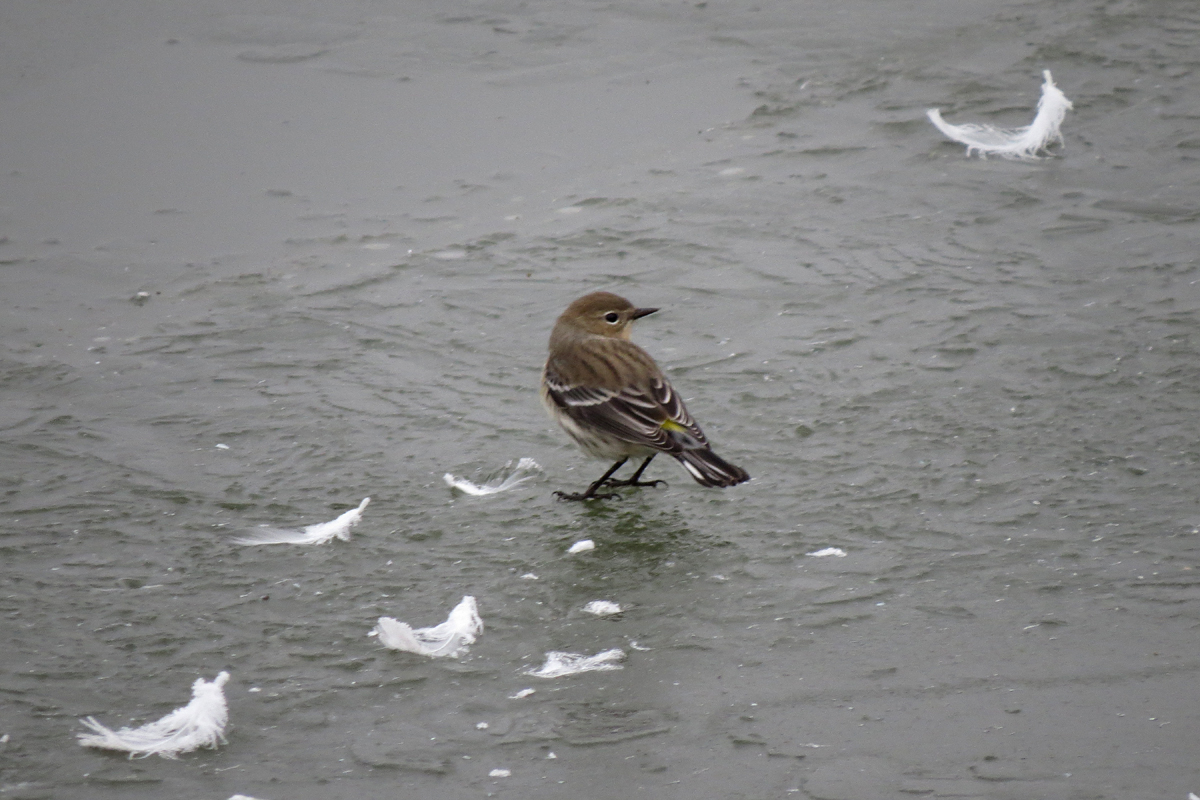
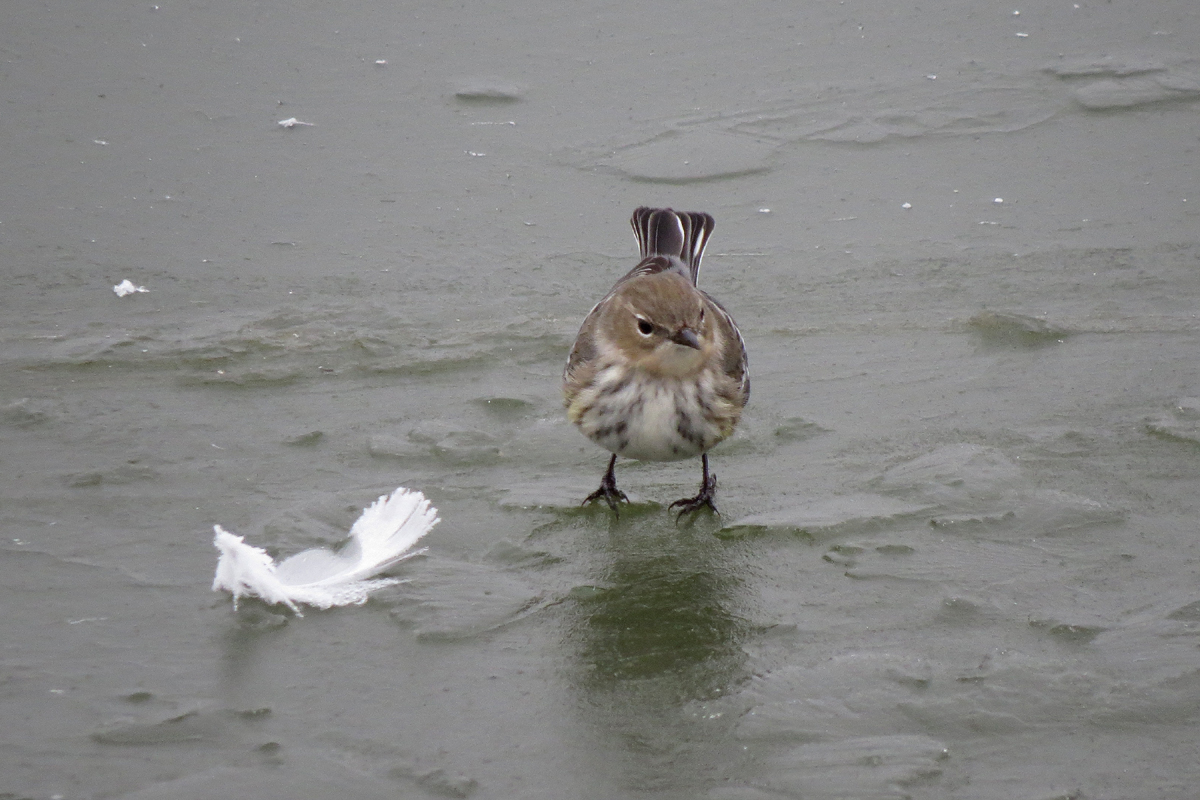
yellow-rumped reflection 1On a recent trip to Fernhill Wetlands (Birding Oregon p. 61), I watched this Yellow-rumped Warbler feeding over the water. The air temperature was below freezing, so I believed the bird was searching for insects in the slightly warmer zone near the water’s surface. This theory was challenged on the other side of the lake when the bird was seen foraging on the shoreline, and then on the ice itself. Yellow-rumps are known to feed on arthropods and fruit in the winter, so I can only assume there were some small insects on the surface of the ice.

yellow-rumped on rocksYellow-rumped Warbler on the rocks.
yellow-rumped feathers  Yellow-rumped Warbler on ice. yellow-rumped soloThis individual is a member of Audubon’s race of Yellow-rumped Warbler (eye crescents, buffy throat). The Myrtle race also occurs in Oregon in winter, but reportedly seldom feeds on the ground.

yellow-rumped with feather

Random Images

I haven’t been out much lately, a situation I hope to remedy this week. In the meantime, here are a few images from around home.

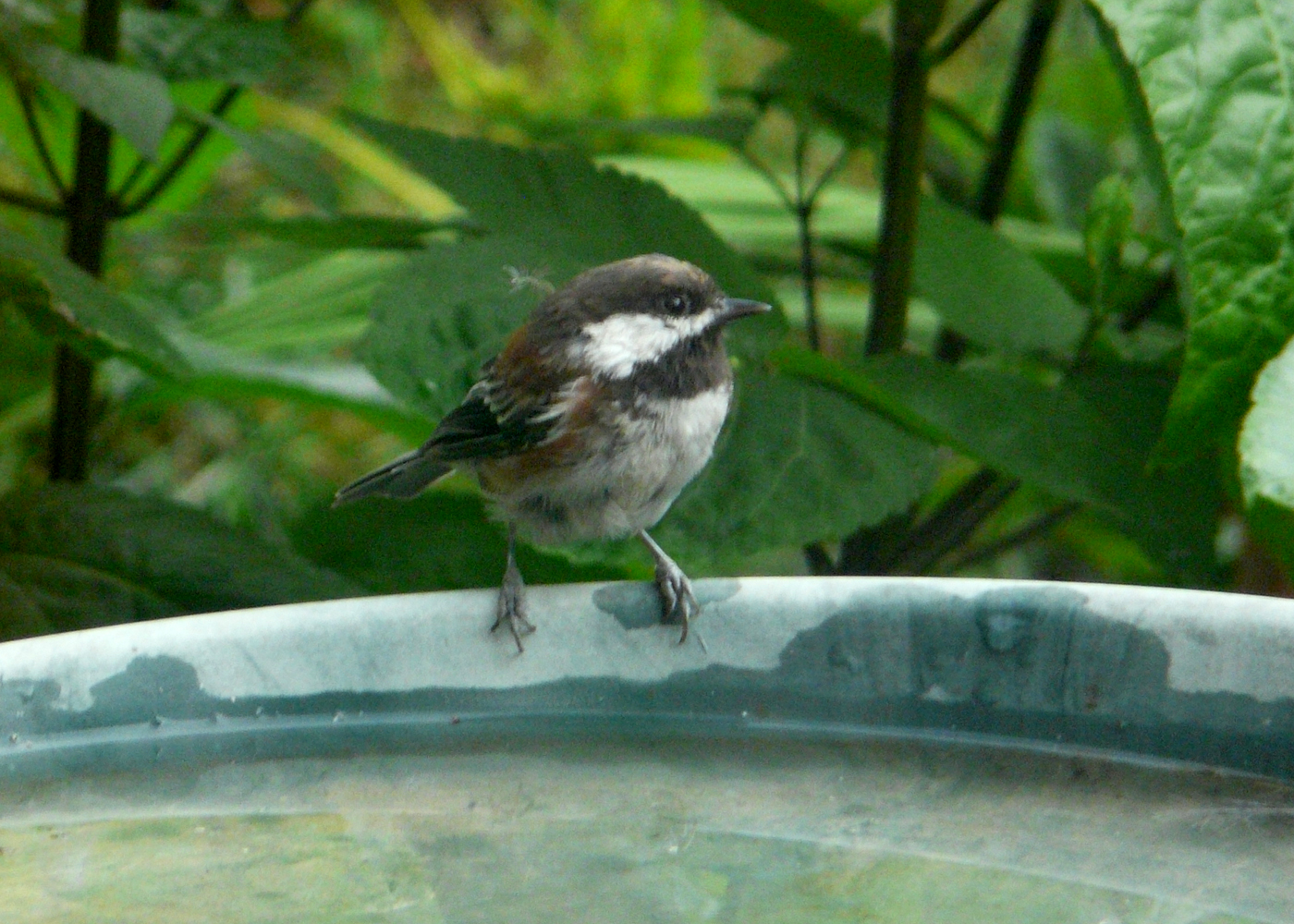
Many of the local songbirds are undergoing an extensive molt, leaving them looking very bedraggled. This Chestnut-backed Chickadee is a prime example.

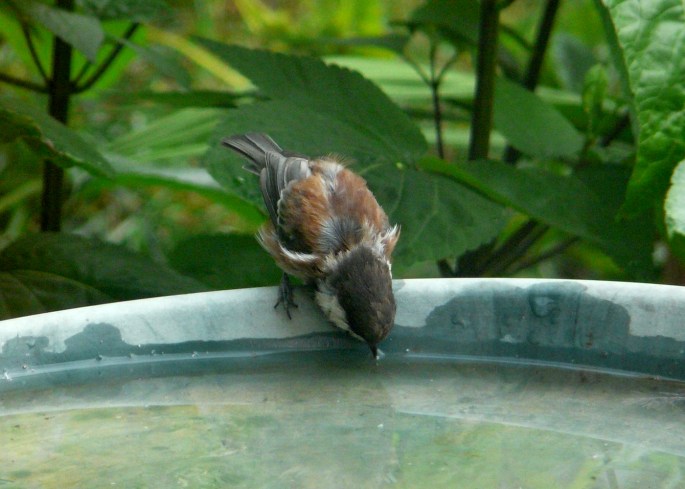
We have had no measurable rain in the past month or so, so the birdbath has been a little more popular than usual.
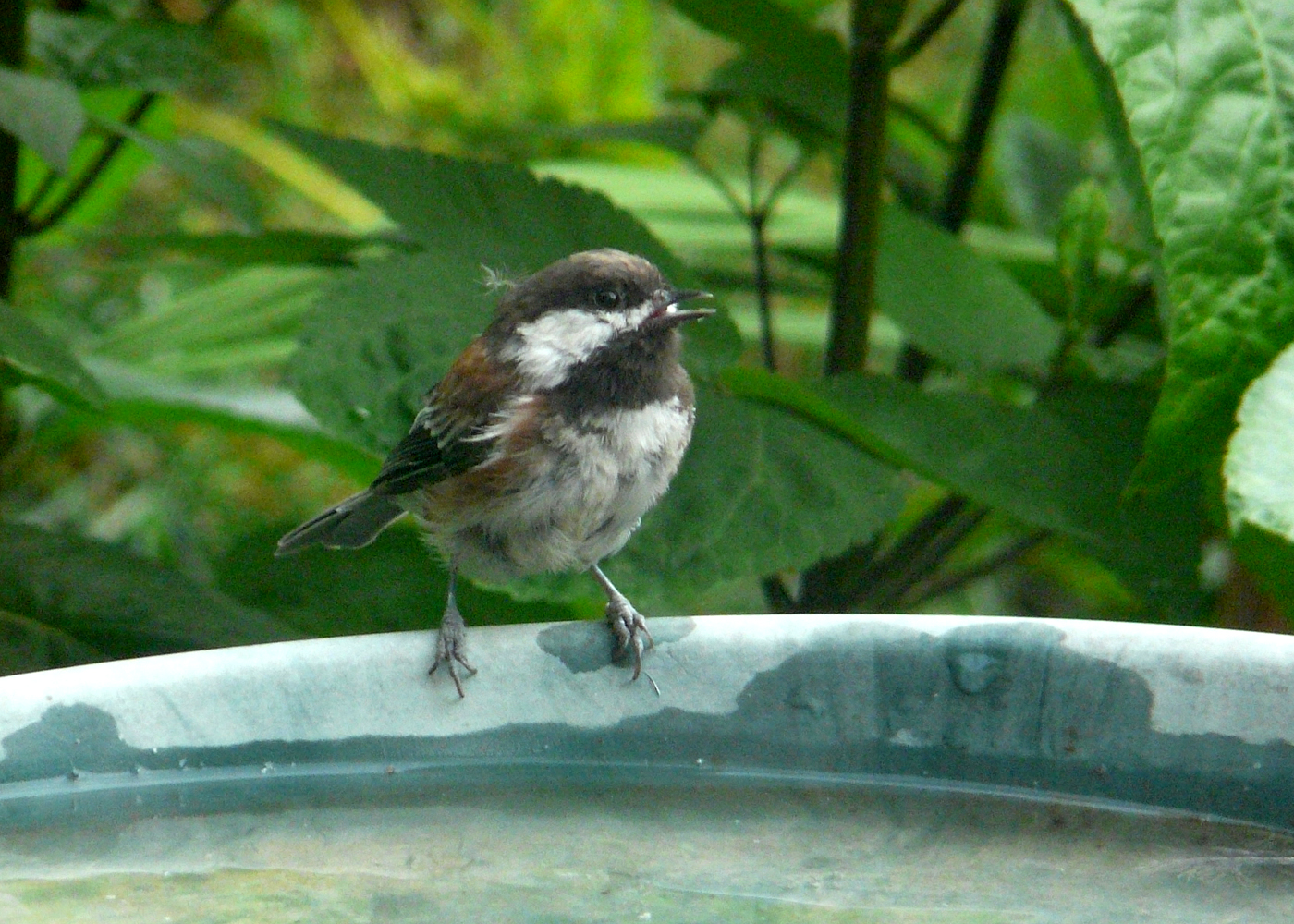
It is unusual for me to see Chestnut-backs at my house during summer, as we don’t have the larger conifers that they prefer for nesting. This bird might just be a product of post-breeding dispersal, or might be ranging farther to find water.

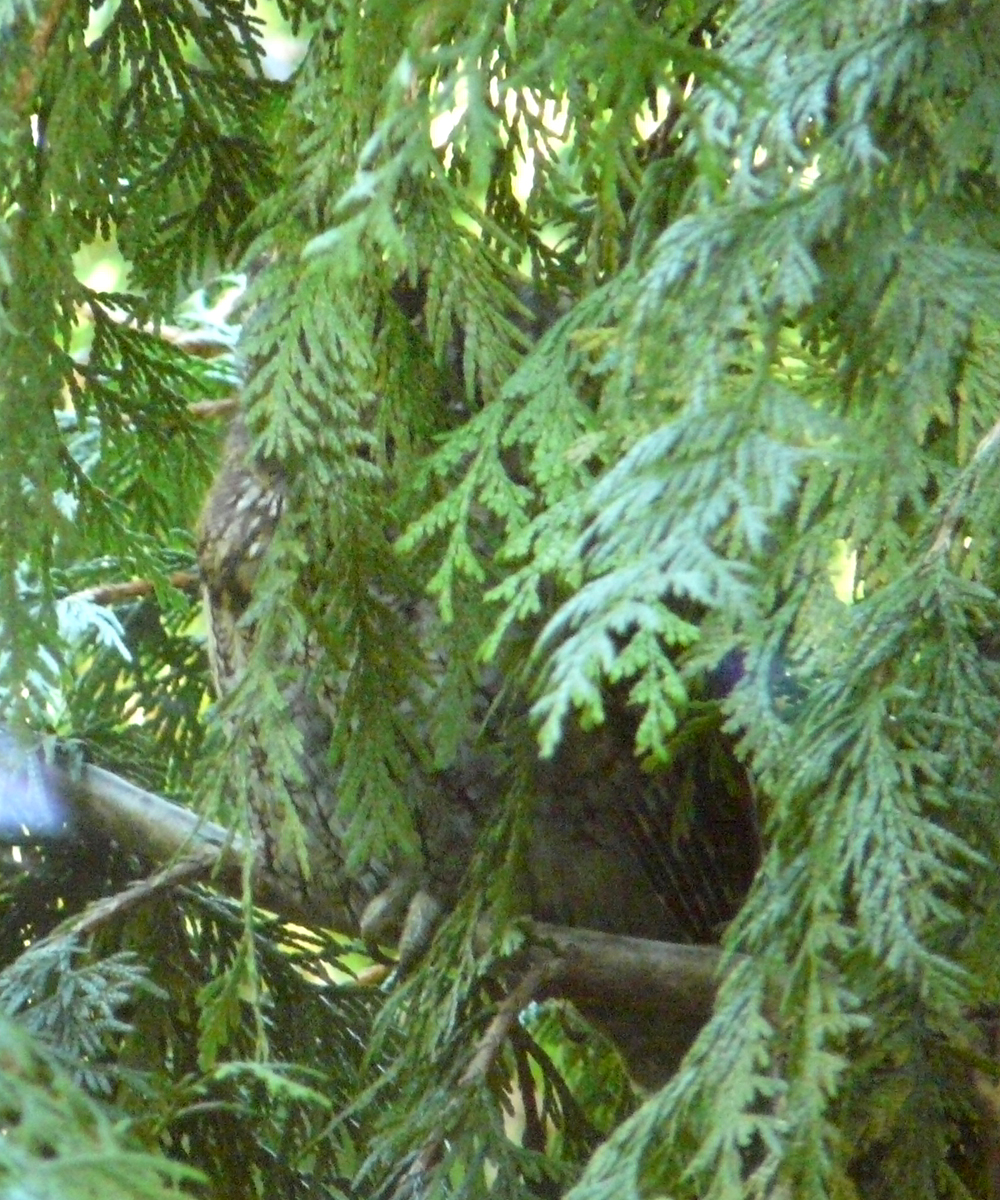
I noticed an Anna’s Hummingbird checking out the cedar tree near the bird feeder. A closer look revealed this brown lump near the trunk.

  The hummingbird was joined by chickadees, Red-breasted Nuthatches, Western Scrub-Jays, and a Swainson’s Thrush, all harassing this Western Screech-Owl throughout the day.

Perhaps ten feet from the bird feeder is not the best place for an owl to try to get any rest.

Sandy River Delta

Migration is winding down and the summer residents are back in force at the Sandy River Delta. Specialty species such as Eastern Kingbird and Yellow-breasted Chat put in appearances, but were not photogenic.


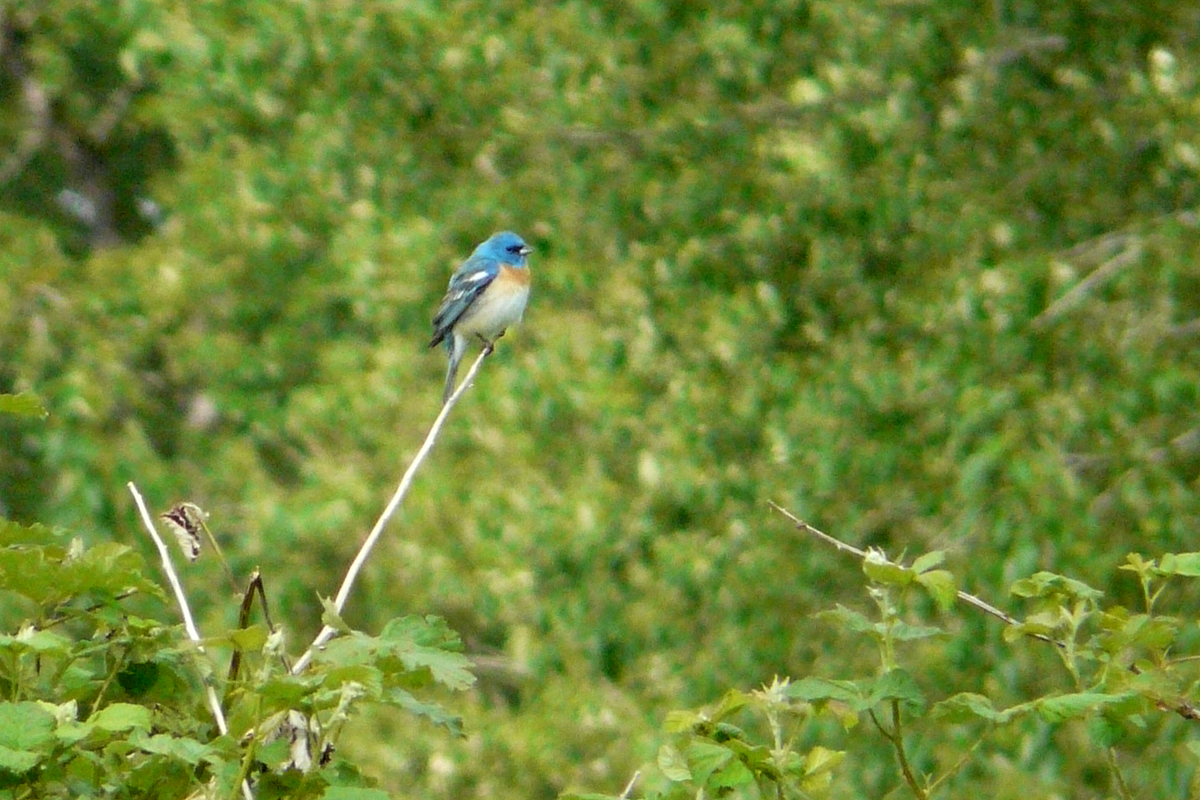
Lazuli Buntings can be found singing from virtually every blackberry thicket.


This male Brown-headed Cowbird was wooing a female. Cowbirds don’t really form pairs. The males display, sometimes in groups, to attract a female. After mating, the two go their separate ways. Since the female deposits her eggs in the nests of other species, there is no need for the male to stick around to help.


I never tire of seeing Bullock’s Orioles, especially when they pose in the open sunshine.


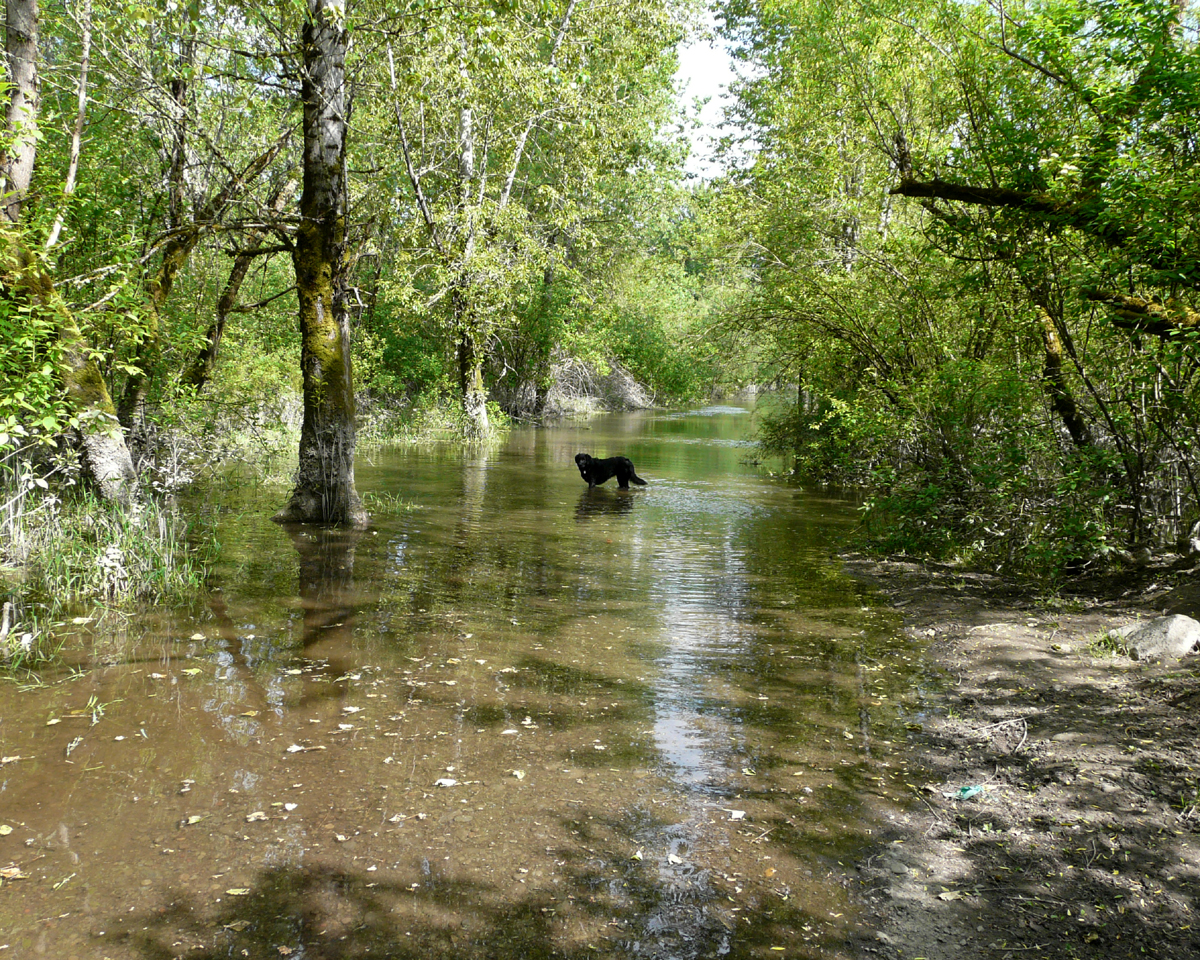
River levels are still very high, so some of the trails at the north end of the site are flooded. Nala, the all-weather, all-terrain, all-the-time puppy, does not mind at all.

Sauvie Island 4/5/12

I took advantage of the dry weather to scout Sauvie Island (Birding Oregon p. 55) for my Little Brown Birds field trip.


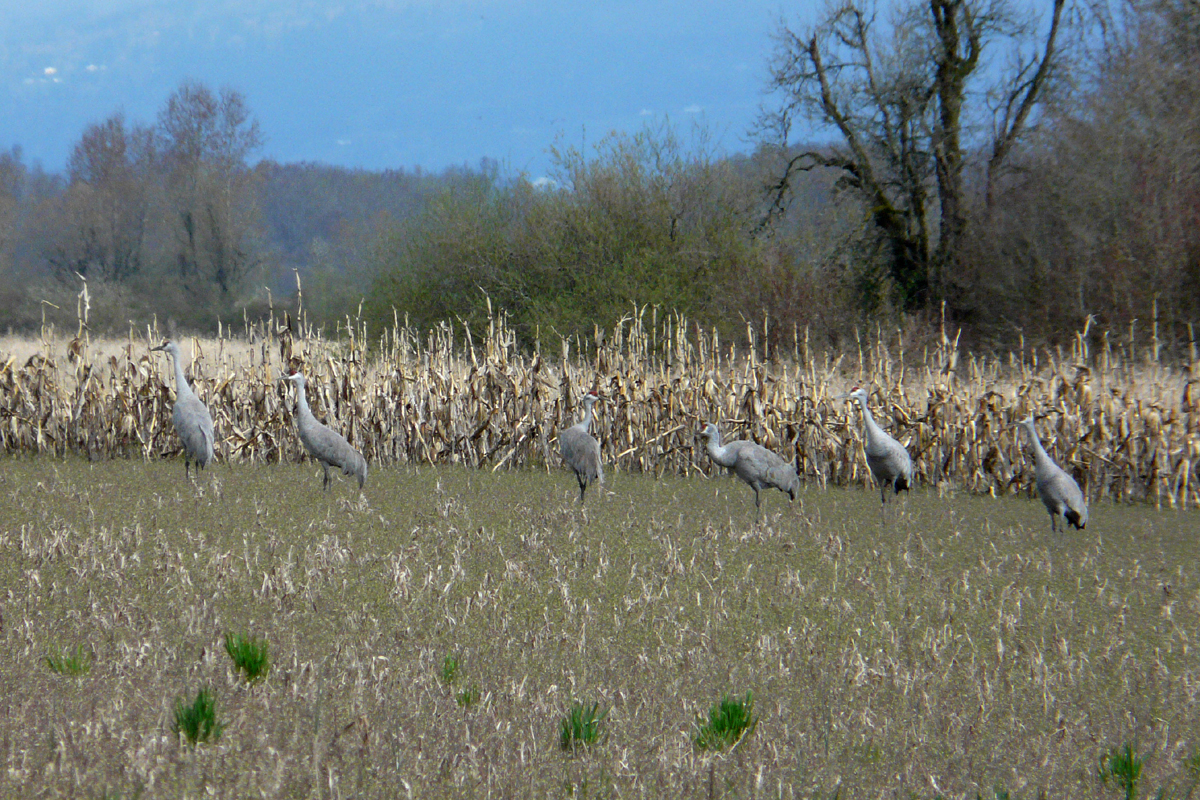
Sandhill Cranes are still present in good numbers.


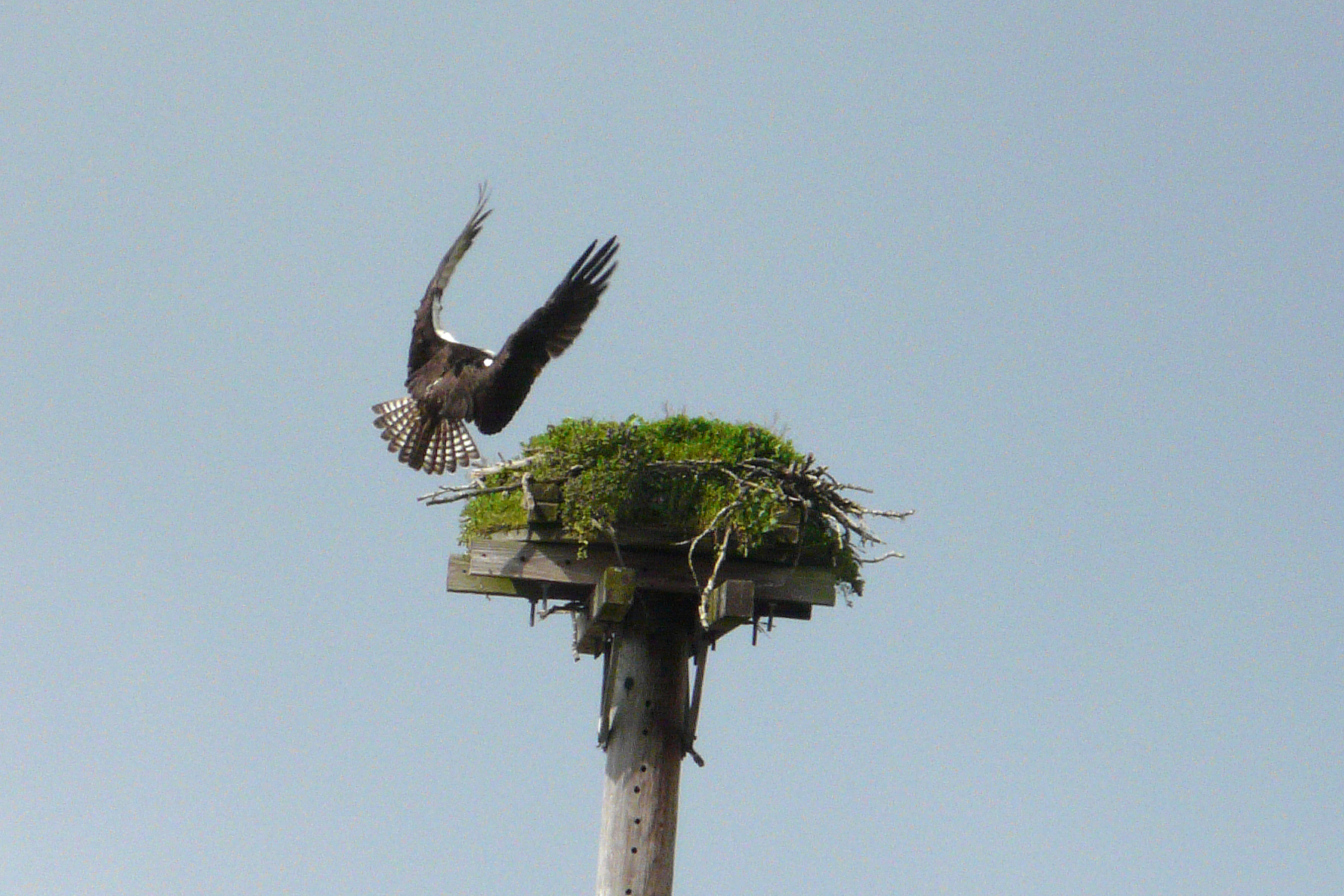
The Osprey nest along Rentenaar Road is occupied again.


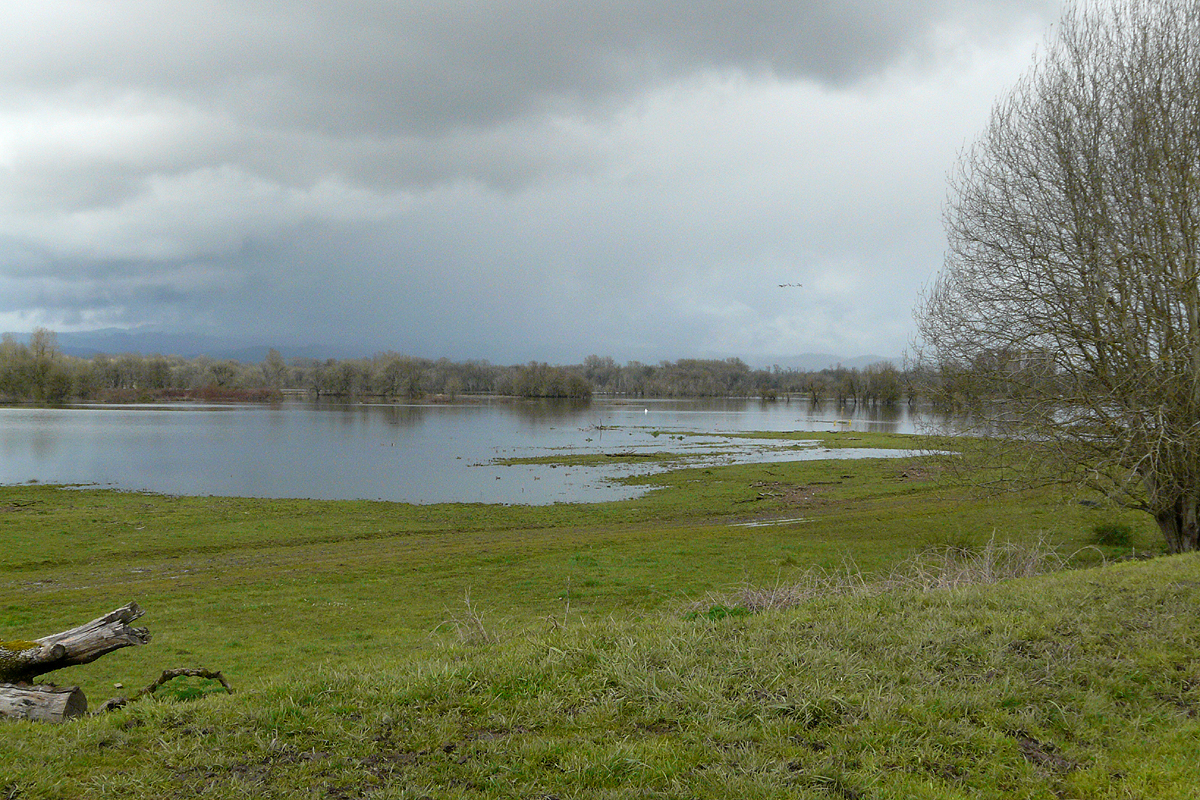
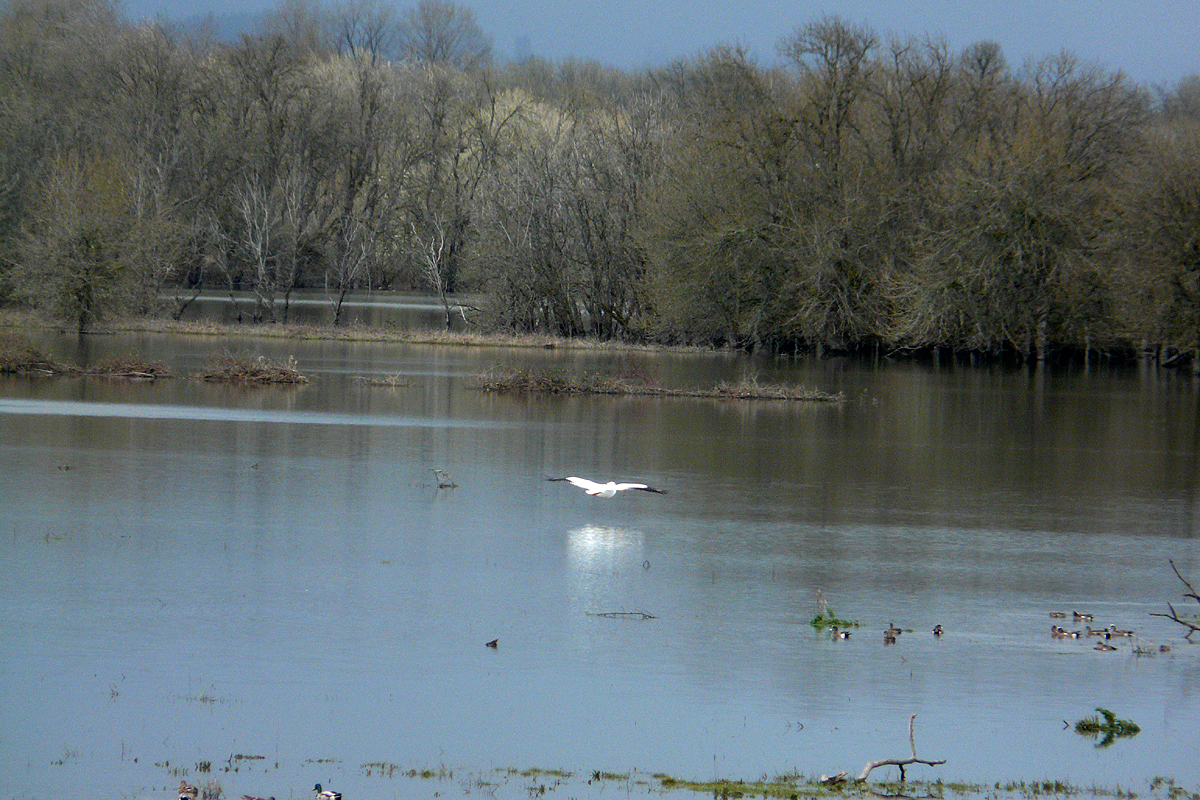
We just had our wettest March on record, so water levels are high. This is the view from the end of Rentenaar Road. The white speck on the lake is an American White Pelican. White Pelicans have become increasing common on Sauvie Island in recent summers, but sightings this early in the year are unusual.


Here is the same bird coming in to land.


I take my LBB class to Sauvie for the abundance of sparrows. (We ended up with ten species of sparrow on our trip.) Here is a White-throated Sparrow, one of the rarer species in our area.


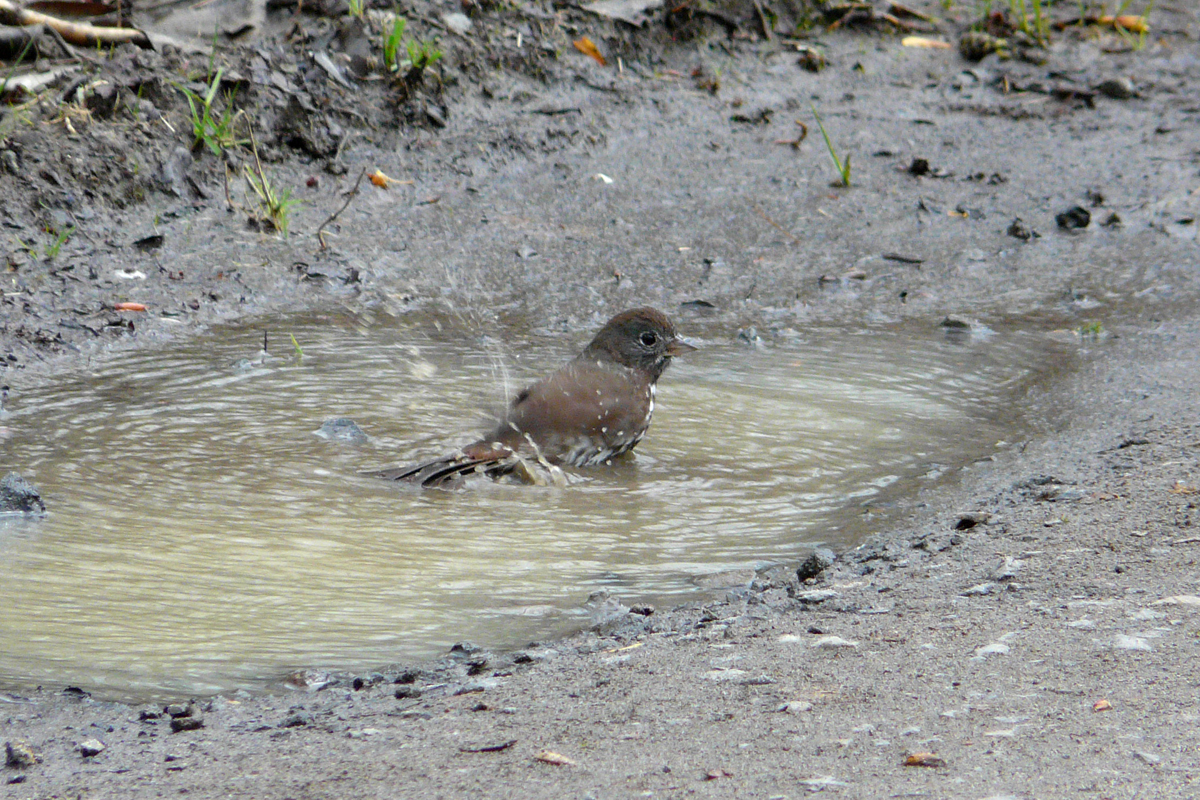
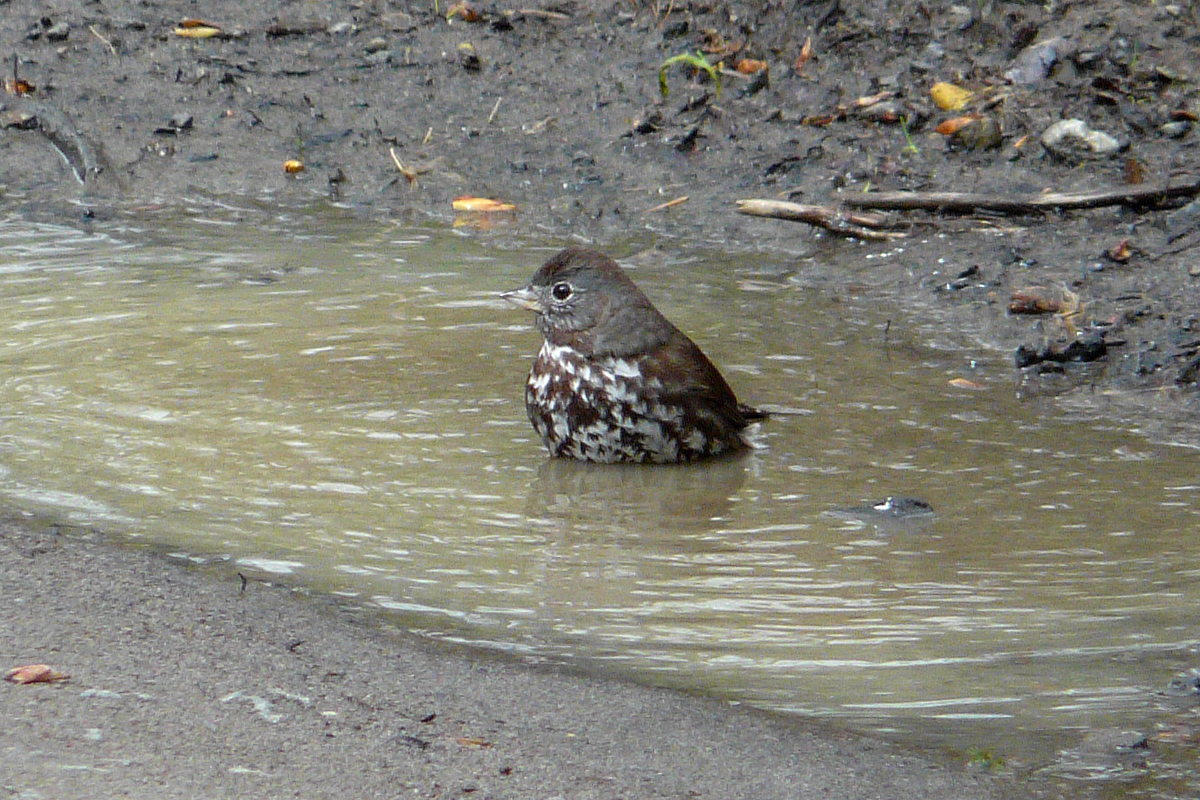
This Fox Sparrow was bathing in a puddle.


still bathing


all clean