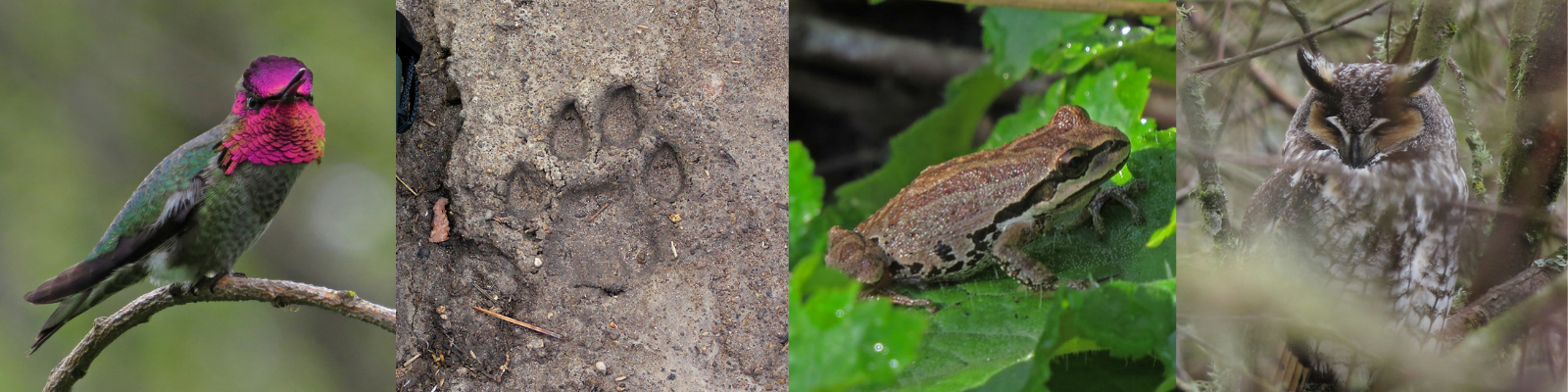
Vanport Wetlands

I took advantage of the short breaks in the recent rainy weather to visit Vanport Wetlands in north Portland. The dark foggy conditions did not create great photo opportunities, but there are a lot of birds using this site.
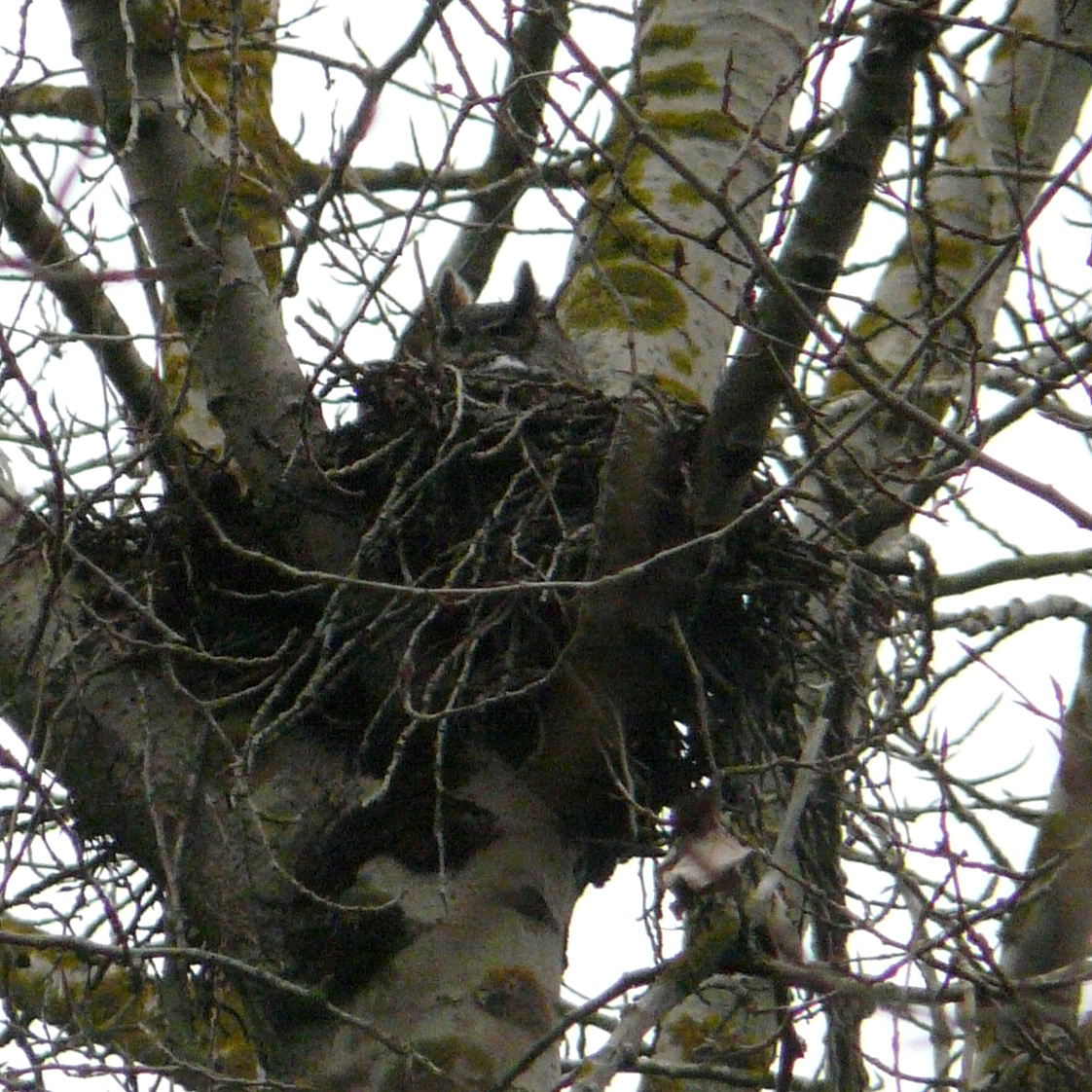

The local Great Horned Owl is already sitting on her nest. This nest successfully fledged young last year.


In another sign of spring, this Great Egret is already sporting long nuptial plumes.


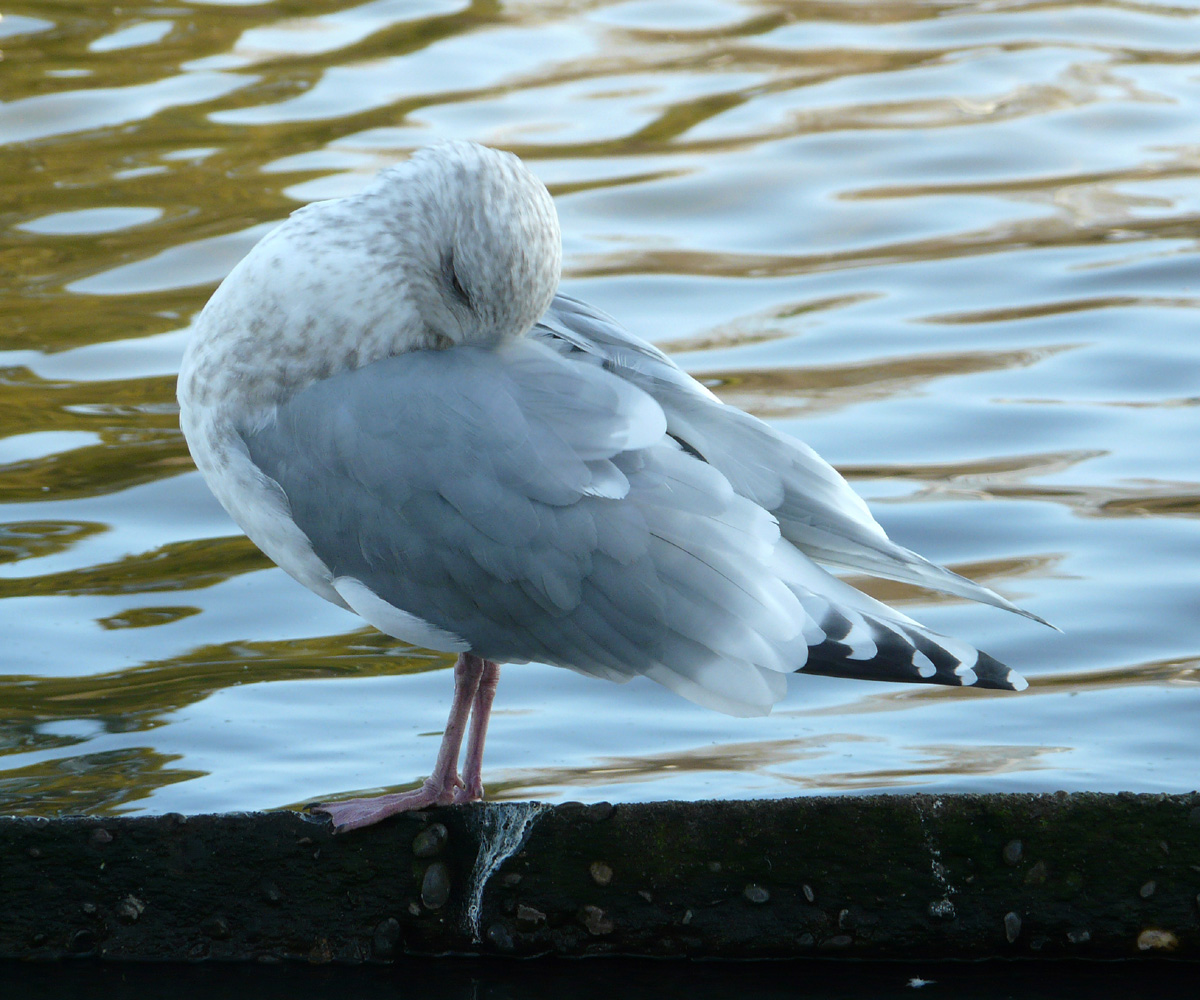
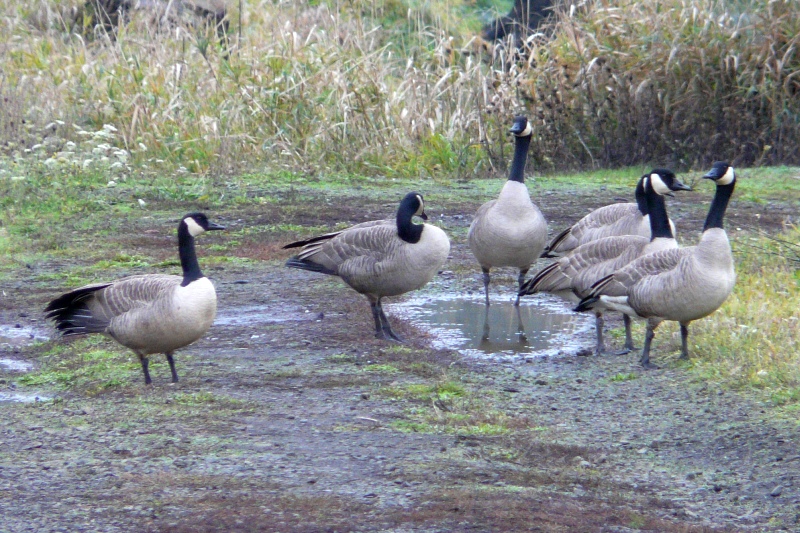
These Cackling Geese (and one Glaucous-winged Gull) were hanging out on the nearby Heron Lakes Golf Course. A Brandt has been seen on the golf course this week, but I didn’t find him on this visit.


A flock of ten Greater White-fronted Geese were sitting on Force Lake, just north of the Vanport Wetlands.
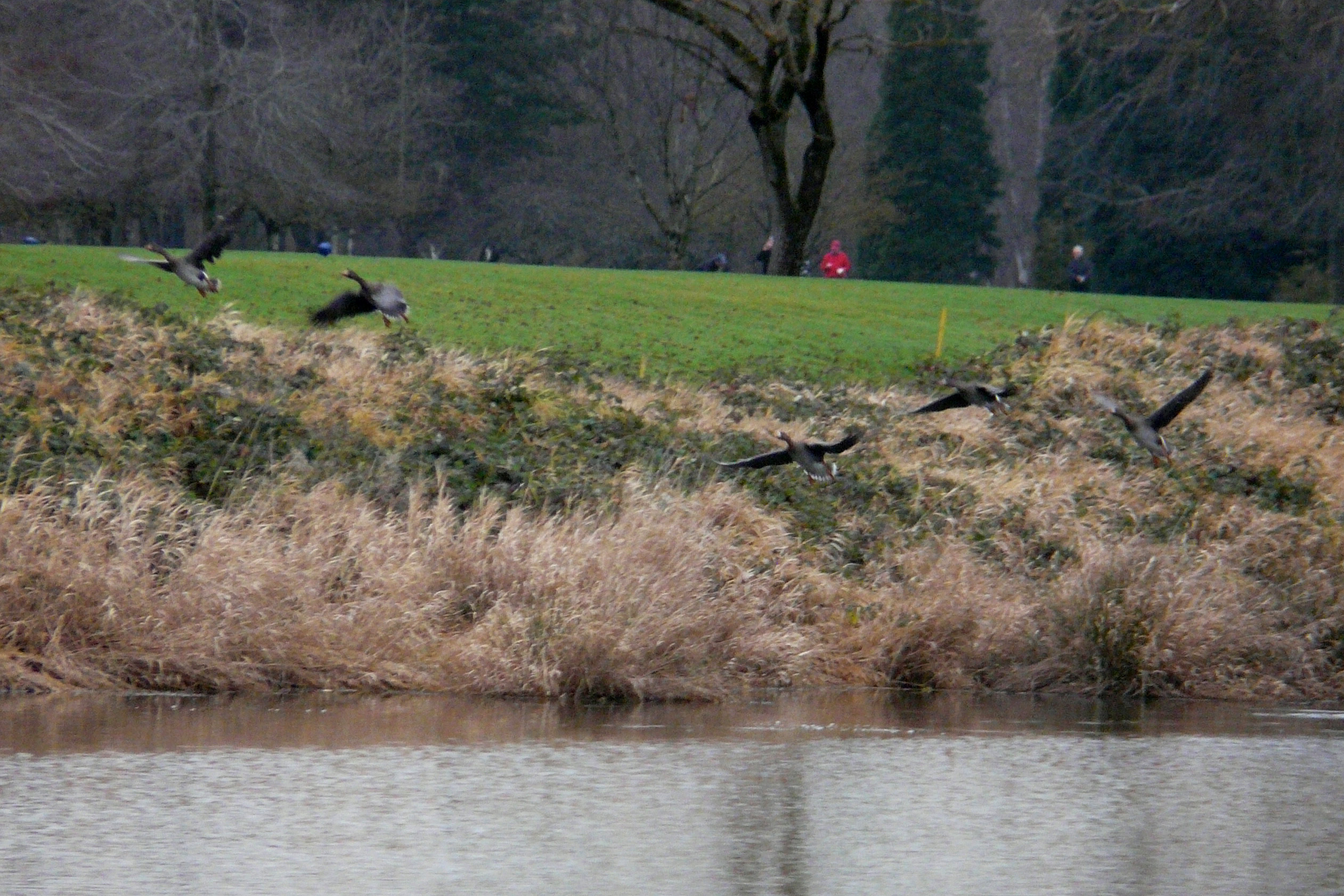

These geese are young birds, lacking the black and white speckling seen on the bellies of adults.
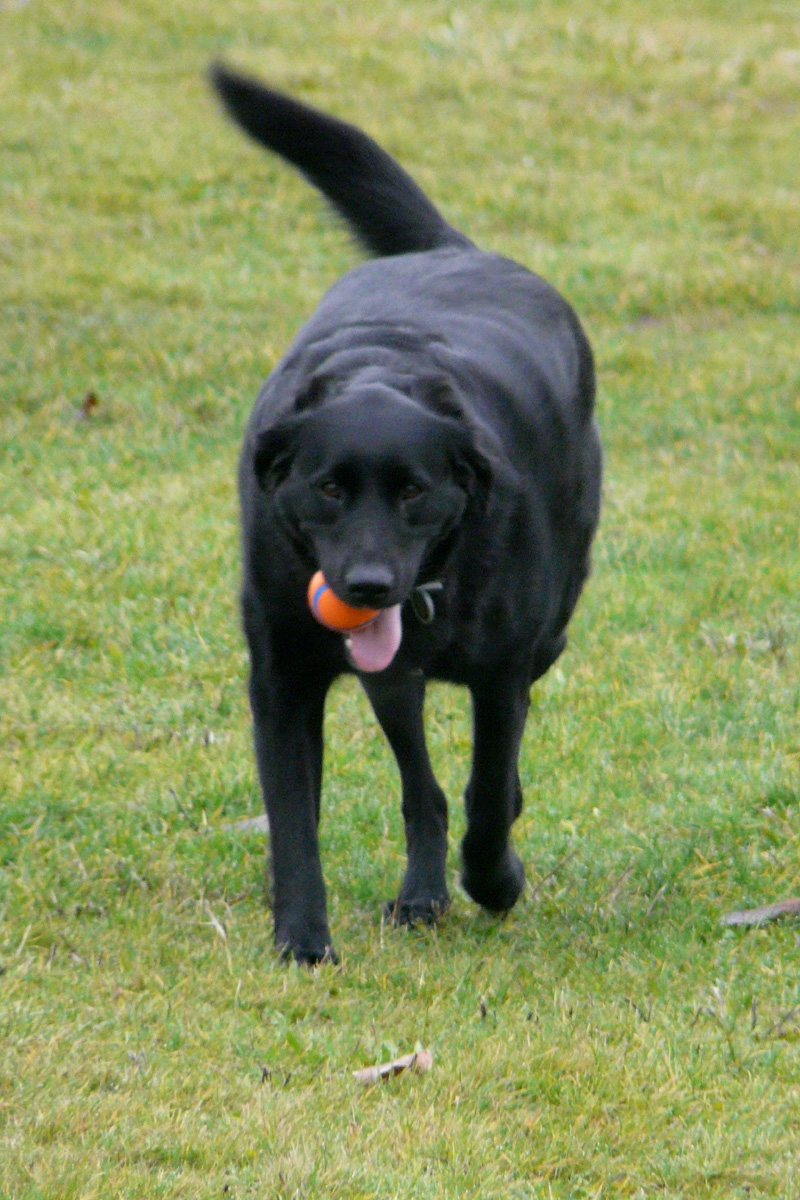

Nala is not nearly as interested in the birds of Vanport Wetlands as she is in the adjacent off-leash dog park, where she can pursue her prime interest, chasing the Orange Orb of Delight.
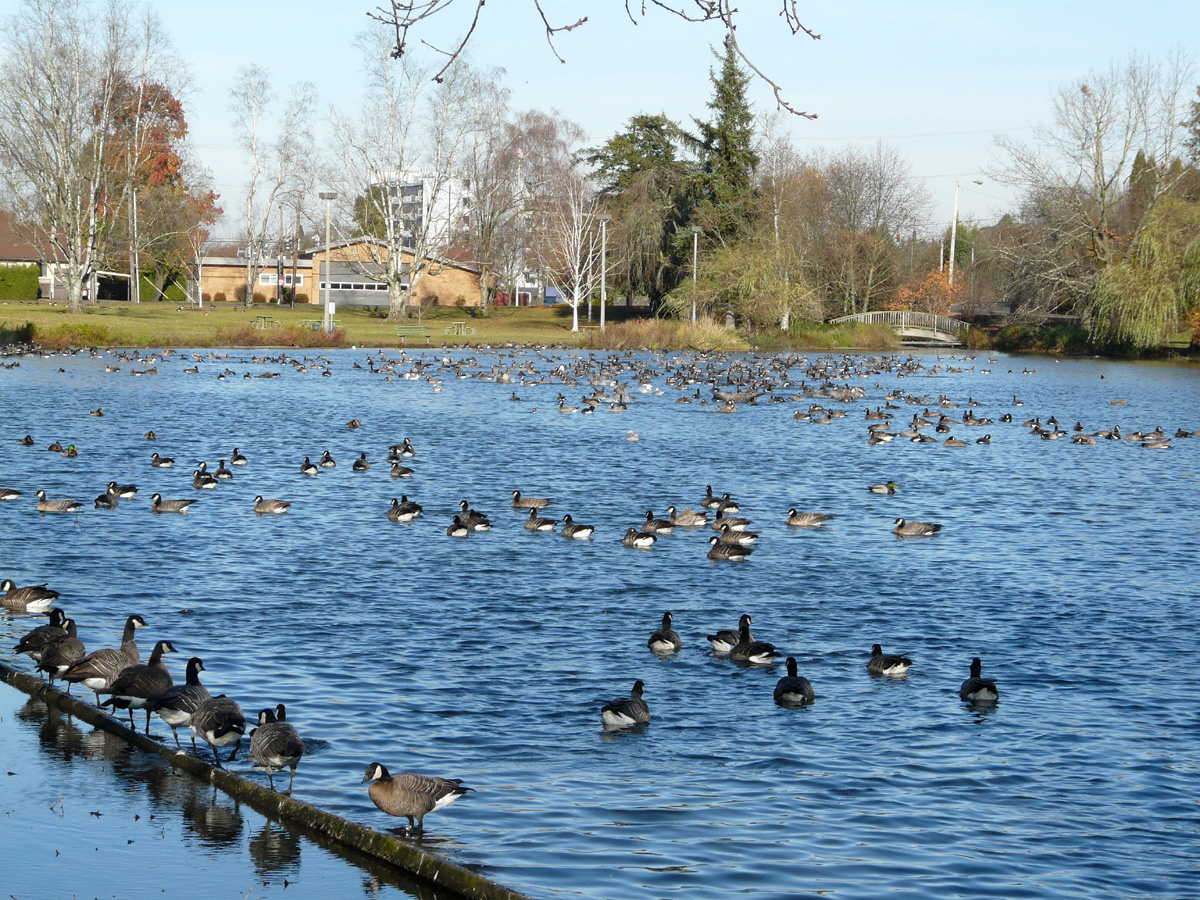
Sunny Day at Westmoreland Park


Best known as a local gull hotspot, Portland’s Westmoreland Park also hosts good numbers of Cackling Geese in winter. This December has been unusually dry and sunny, so instead of my photos being grainy and dark, they are now overexposed.


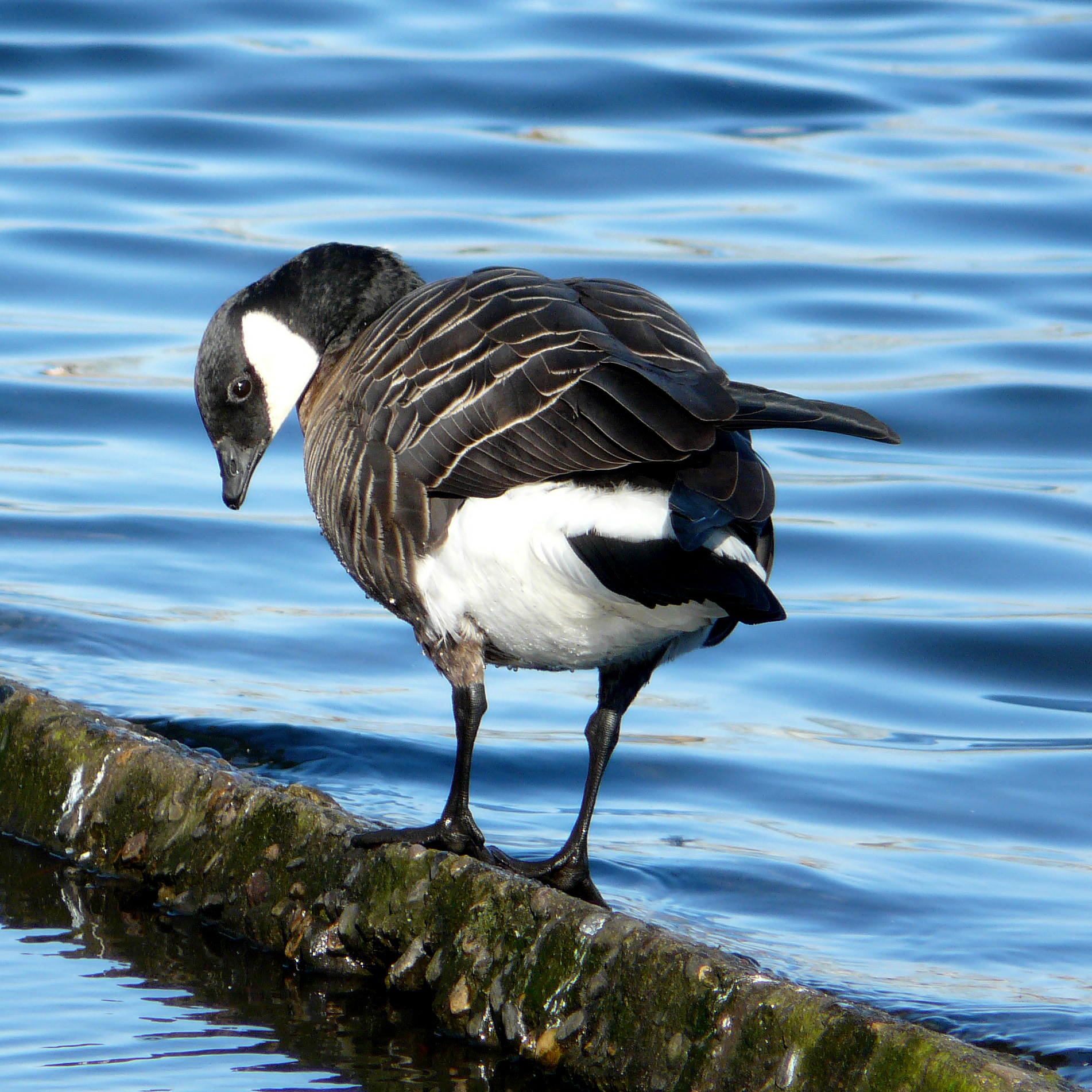
Ridgeway’s Cackling Goose (Branta hutchinsii minima) is the smallest race of Cackler, only slightly larger than a Mallard. Their stubby bills and purplish breasts are good field marks. Many individuals also display a prominent white collar.


cuteness


Of course, you can’t visit Westmoreland in winter without appreciating a Thayer’s Gull. This is such a hard bird to find throughout much of the country, I always stop to enjoy them, despite their local abundance. You can’t see this bird’s eye or bill, but the white underside of the far wing and the amount of white visible on the outermost primary (p10) on the near wing are both good clues to the bird’s ID. (yeah, I’m a bird nerd, and I’m proud.)


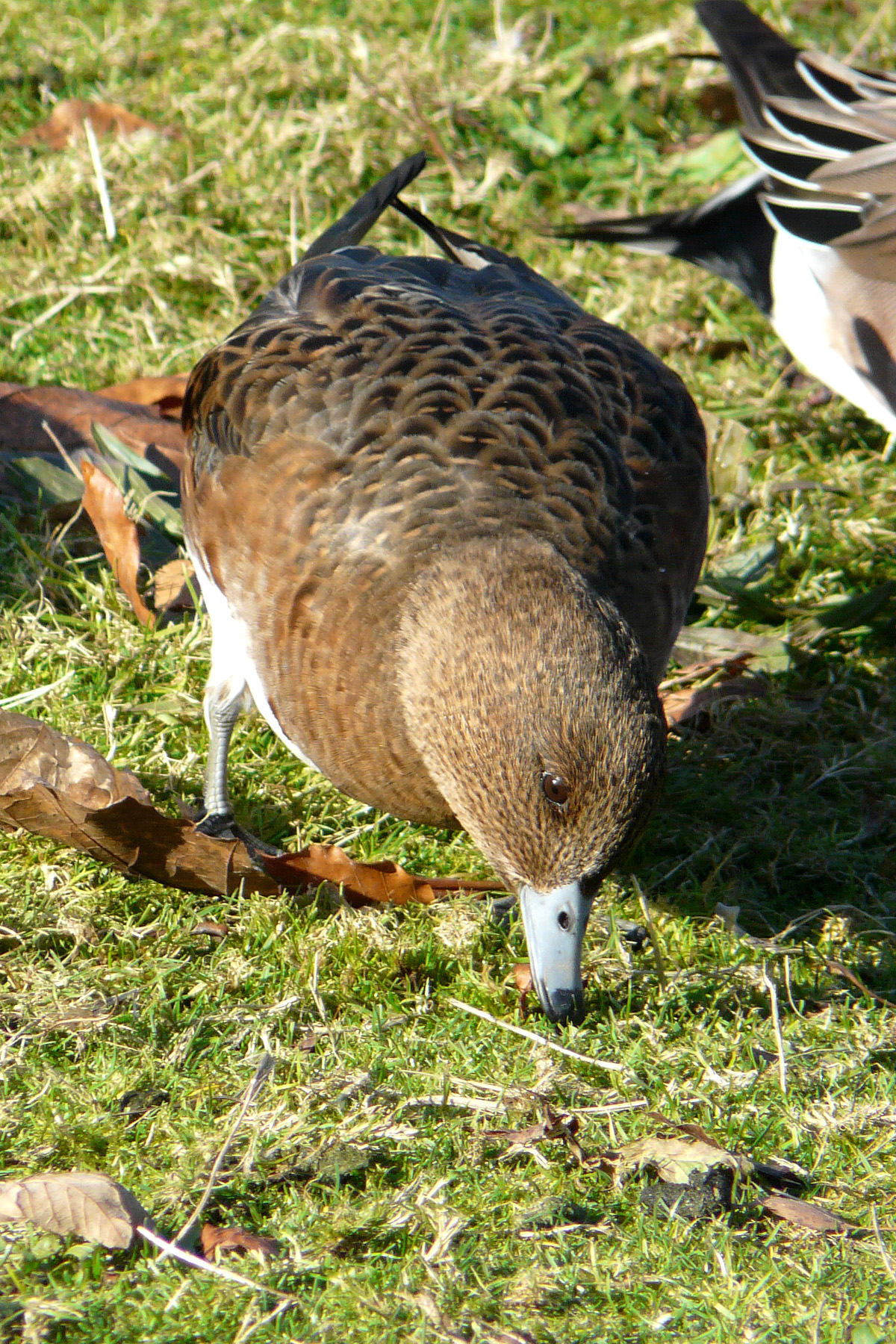
Eurasian Wigeon is another species that Portlanders enjoy on a regular basis, while birders elsewhere can only dream.

Fernhill Wetlands, 10/19/2011


Wintering waterfowl are returning to Fernhill Wetlands (Birding Oregon p. 61). Cackling Geese started arriving this week, and will soon be joined by a few thousand more.


a former waterfowl


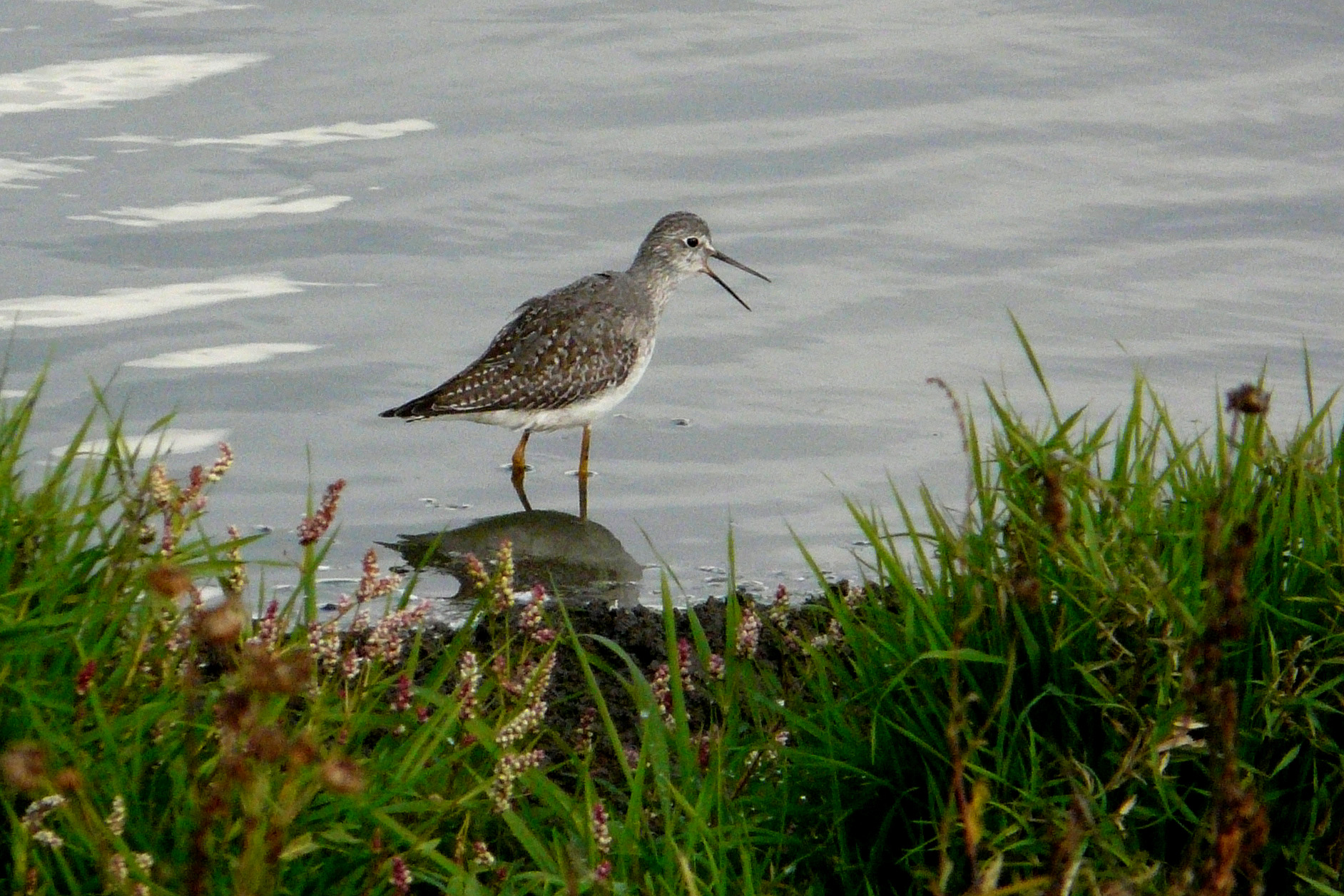
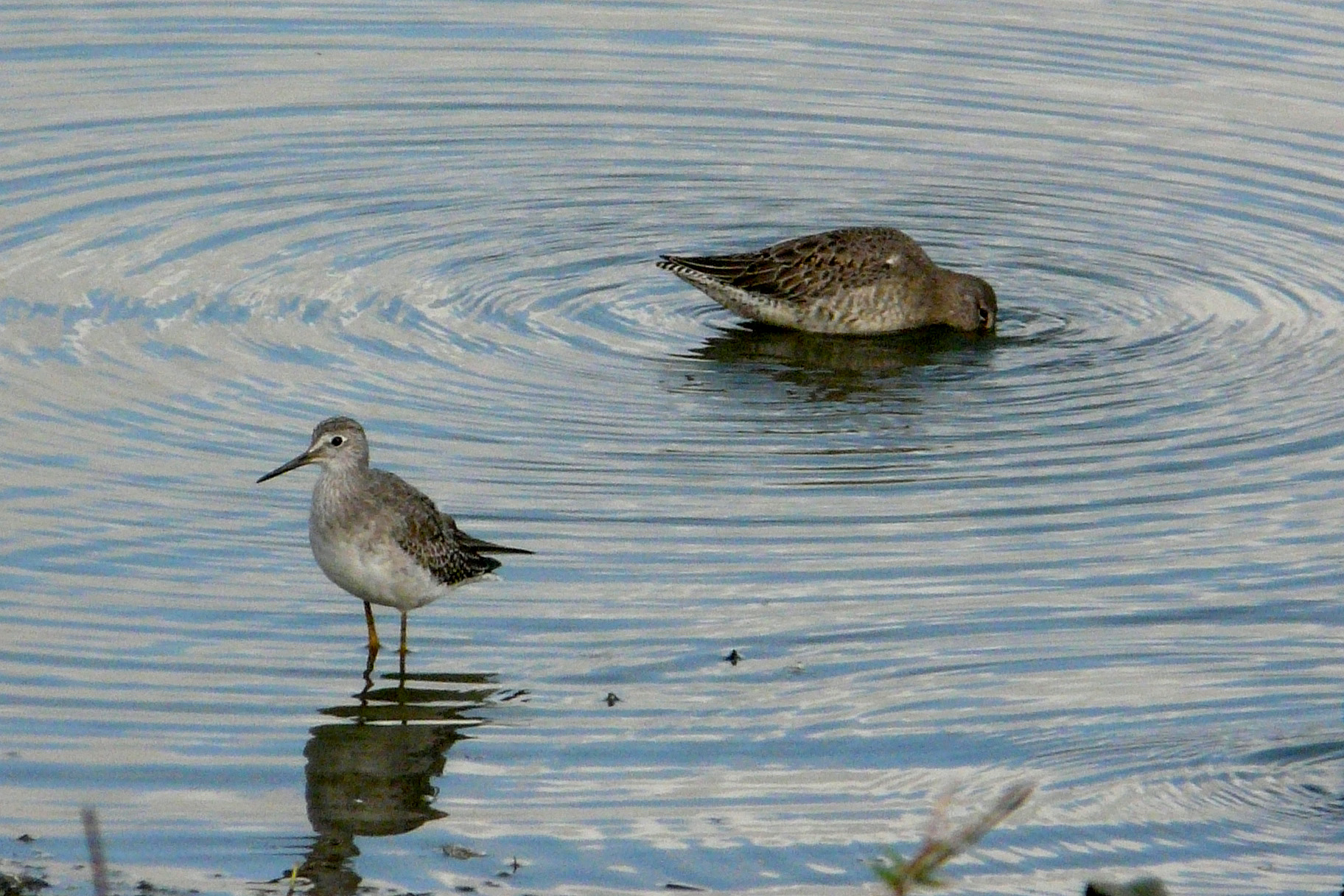
Most shorebirds have moved on by now. This Lesser Yellowlegs was feeding by himself.


The Lesser Yellowlegs was eventually joined by a small flock of Long-billed Dowitchers.


One of the paths at Fernhill has recently been extended around the back side of Dabblers Marsh. This brushy area hosted a large flock of Bushtits (a female above), along with Mourning Doves, Northern Flickers, Black-capped Chickadees, and my first-of-season Golden-crowned Sparrow.


male Bushtit

Fernhill Wetlands 7/4/10

A quick walk around Fernhill Wetlands (Birding Oregon p. 61) produced two out-of-season species this morning.


Cackling Geese (Branta hutchinsii minima) winter here in the hundreds, but an individual in July is quite unexpected.


Note the stubby bill, short neck, and dark purplish breast typical of this subspecies.


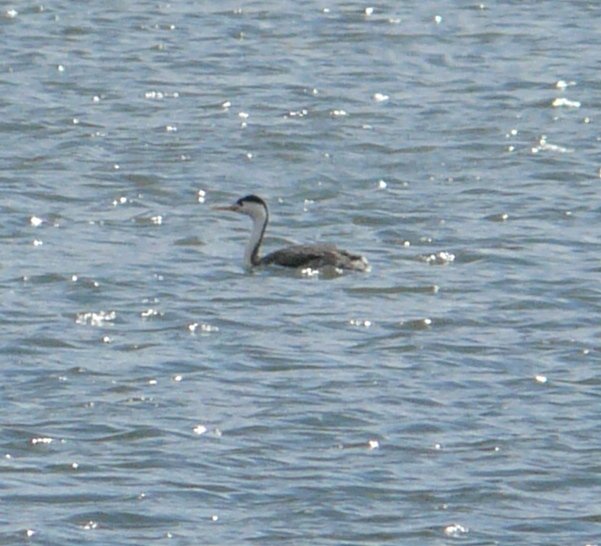
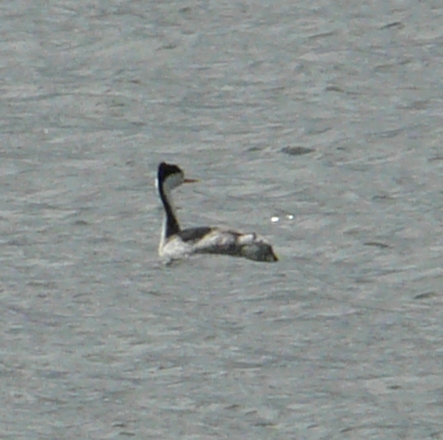
Clark’s Grebe is rare at Fernhill during migration, but never expected in summer. Here you can see the white of the face surrounding the eye, unlike the more expected Western Grebe, which shows the eye surrounded by the black of the cap.


With more white on the face and neck, Clark’s Grebe shows a more narrow black line down the back of the neck than does Western Grebe.


Green Herons are often flushed from the shores. This one sat in a tree briefly.


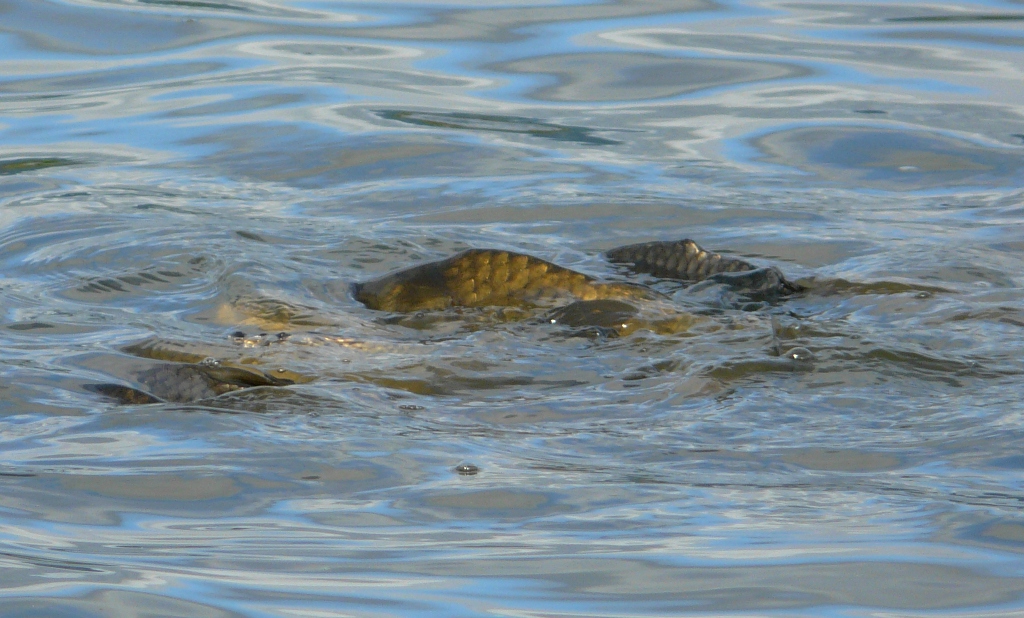
Common Carp were spawning in the main lake. Small groups of fish were swirling near the surface in several areas.

Random Waterfowl

Here are some random shots of some of the many waterfowl species that winter in the Willamette Valley


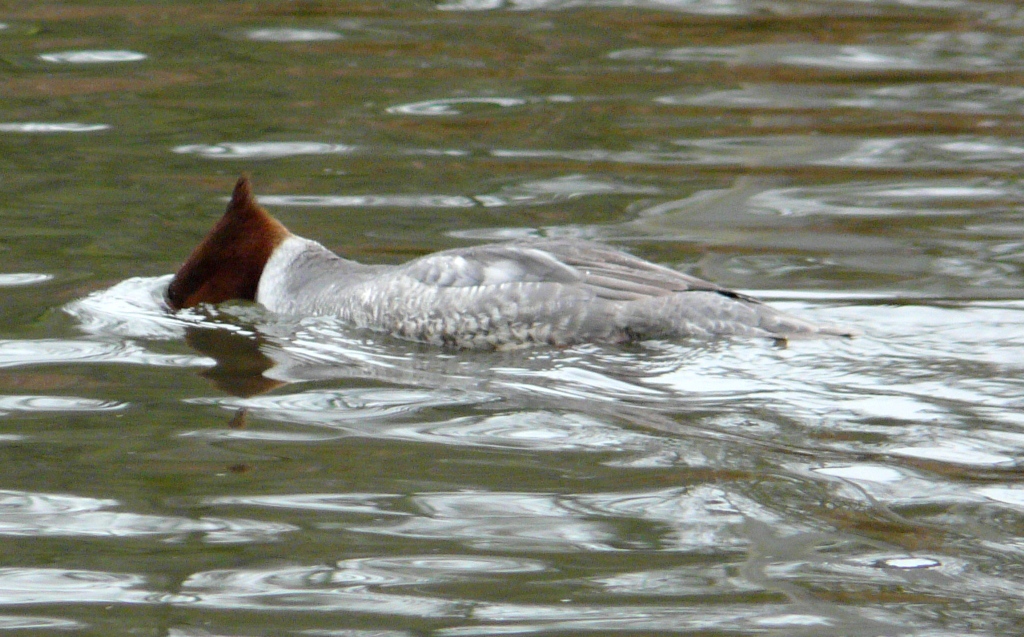
This Common Merganser was swimming with her face submerged, looking for fish. I have also seen loons hunt in this way.


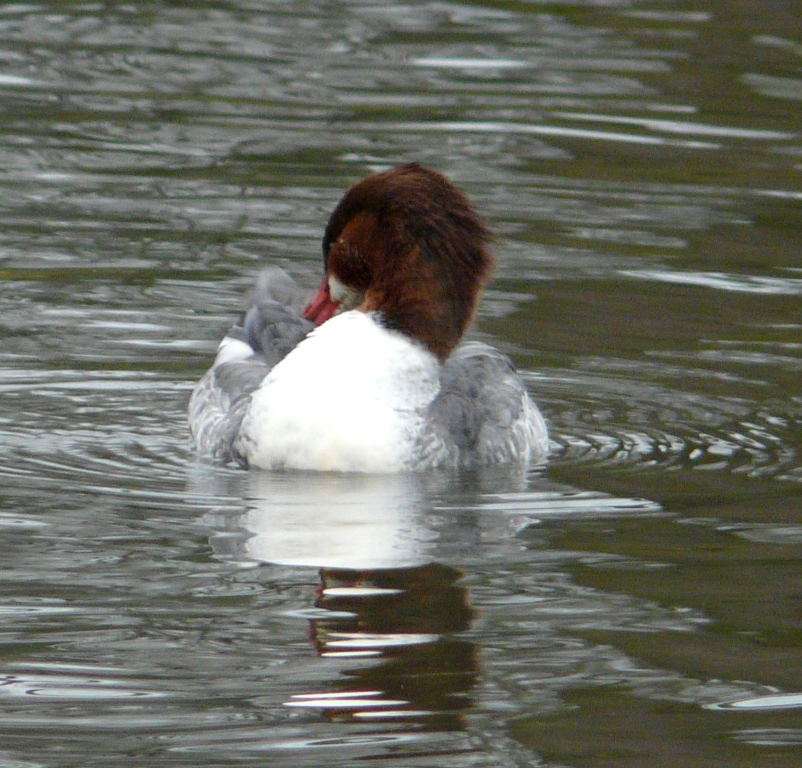
the same bird preening


Here she finally shows her face. The clearly demarcated white chin helps to differentiate this species from the similar Red-breasted Merganser.


This female Eurasian Wigeon is recognized by her brown head. Notice the female American Wigeon on the right with her gray head.


Here is a distant shot of a mixed flock of waterfowl (click to enlarge). From left to right, you can see Ring-necked Duck, Canvasback, Cackling Goose, American Coot, and American Wigeon.

Fernhill Wetlands 11/11/09

I took a brief walk around Fernhill Wetlands (Birding Oregon p. 61) while meeting with a reporter today. The weather was rather dreary, but, as always, there were some birds around.

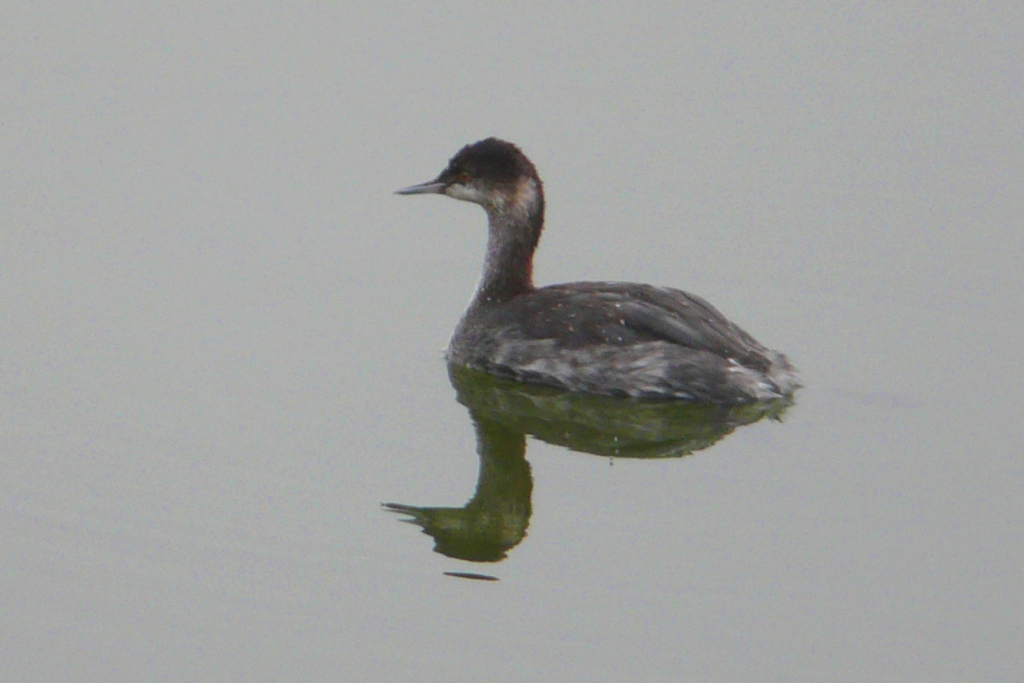
eared grebe
Eared Grebe is an unusual visitor to the main lake. Note the thin bill and dusky cheeks. The more common Horned Grebe has a thicker bill, white cheeks, and a neat black cap.
eared grebe 2
Another view of the Eared Grebe. The back end of this species tends to float fairly high in the water.

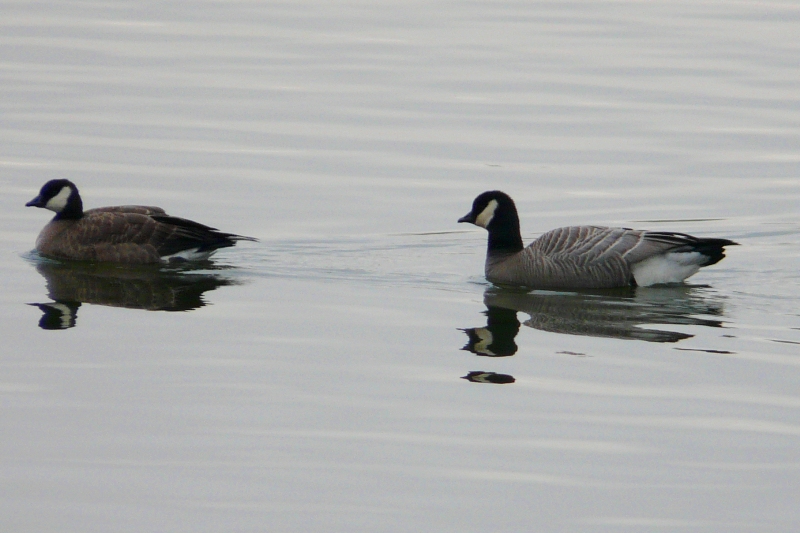
cackling geese
Most of the wintering Cackling Geese were off grazing somewhere, but these two were hanging out on the lake. The bird on the right has pale feather edges, indicating a young bird.

canada geese
In contrast to the Cackling Geese, these resident Canada Geese are much larger with long snakey necks.

common mergansers
Common Mergansers were indeed common on the main lake this morning, but did not allow a close approach.

great egret
Great Egrets stand out on a dreary gray day.

Autumn

Autumn officially started just over a week ago. Here are a few shots of the season.

black-tailed doe and fawn
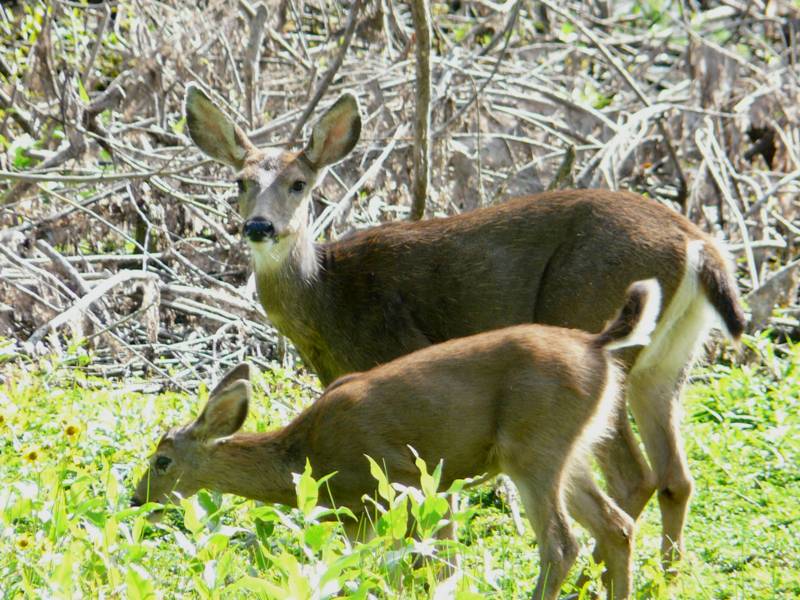
The Black-tailed Deer fawns have lost their spots, but are still smaller than the does.

black-tailed doe

cackling geese
The first flocks of Cackling Geese have arrived, soon to be followed by about 200,000 of their cohorts.

fungus
The cool nights and wetter weather bring out various fungi.

western gray squirrel
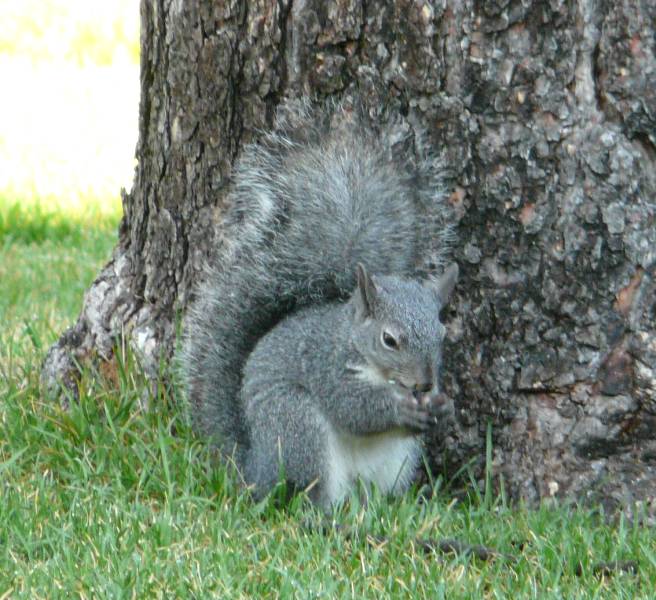
Squirrels, like this Western Gray Squirrel, are taking advantage of the acorn crop.

Crystal Springs in the Spring

I visited Crystal Springs Rhododendron Garden (Birding Oregon p. 69) on May 28. This site is best known as a good spot for wintering waterfowl. This late in the spring, most of the ducks and geese have moved on, leaving just a few resident species. But even with the lower diversity, it is still nice to be able to get such close looks at birds that are normally much more “wild” in other locations.

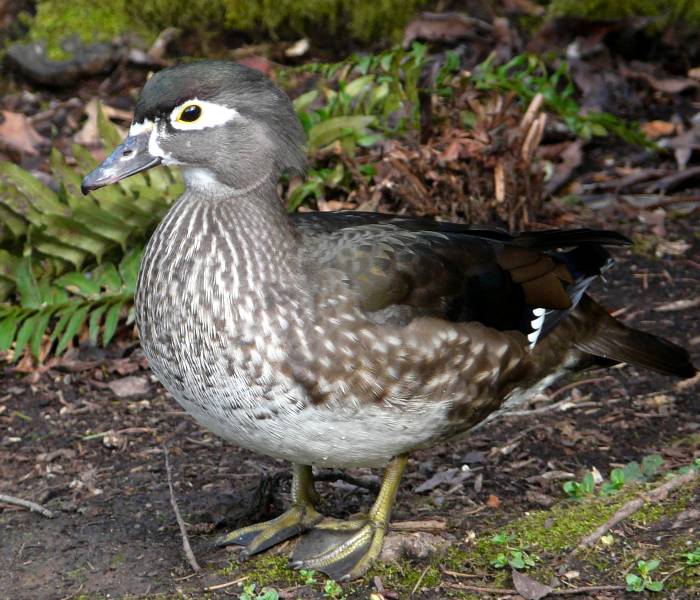
wood duck female
Wood Ducks are always a treat.
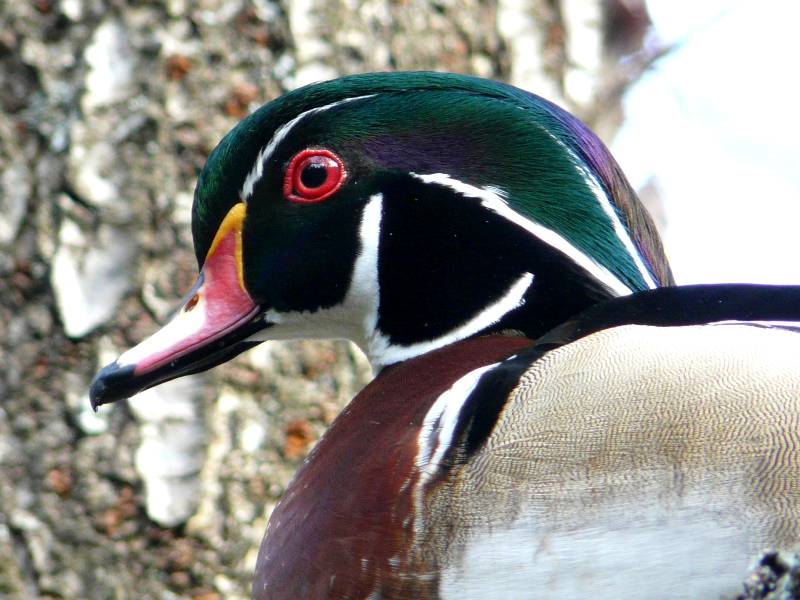
wood duck male
This male Wood Duck was in a tree, providing a view of the white throat.
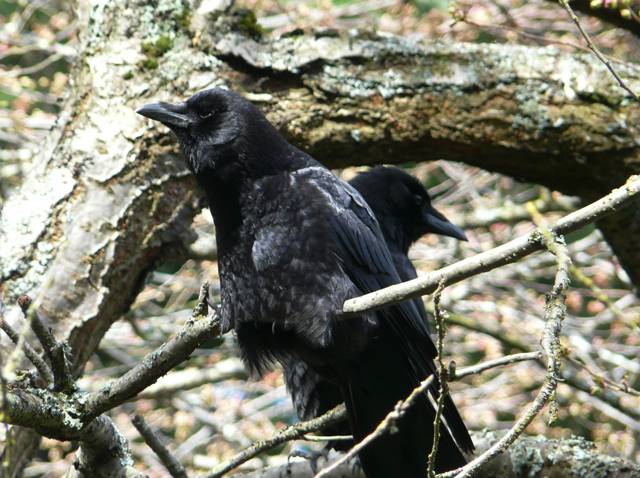
crow
American Crows in the bright sun showed some interesting feather patterns.

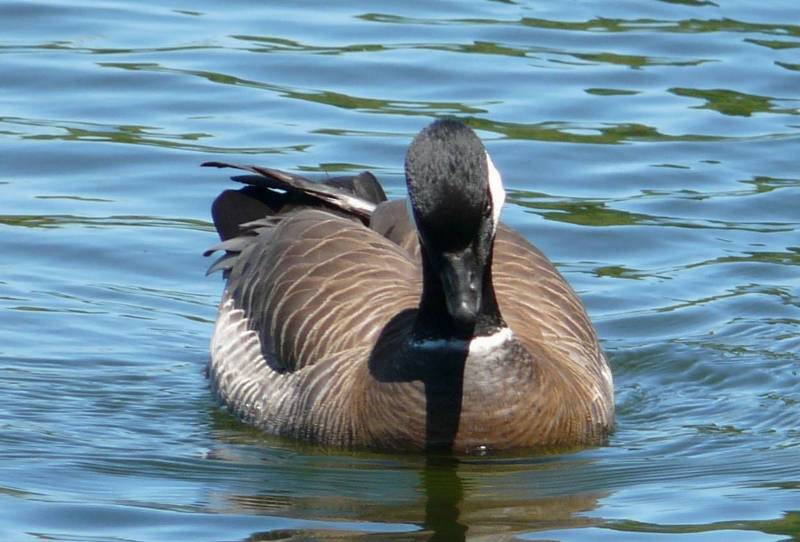
cackling2
Two Cackling Geese (Branta hutchinsii minima) were still present. This is a very late date for this species to still be in Portland. This species nests on the Arctic tundra, so most have left by mid-April. Perhaps these two thought that a summer on the duck pond would be nicer than flying all that way.

cackling 1
Here is another view of the Cackling Goose. Notice how far the wing tips extend beyond the tail. Long wings are typical for species that migrate long distances.

Ankeny NWR

I took my Portland Audubon waterfowl class to Ankeny National Wildlife Refuge (Birding Oregon p. 86). The weather was glorious and the birds were abundant.

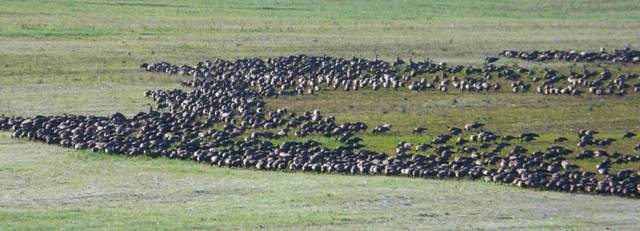
field-of-geese
Many of the fields on the refuge hosted large flocks of geese, mostly the minima race of Cackling Goose.

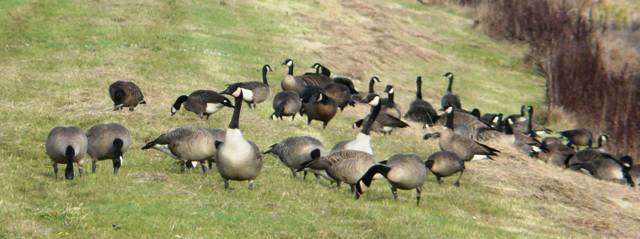
mixed-geese1
This little mixed flock contains Western Canada, Dusky Canada, and Taverner’s Cackling Geese.

tundra-swans
Eagle Marsh held several dozen Tundra Swans.

Taverner’s Cackling Goose vs. Lesser Canada Goose

As I continue my study of the white-cheeked goose complex, I often return to the problem of separating Taverner’s Cackling Goose (Branta hutchinsii taverneri) and Lesser Canada Goose (Branta canadensis parvipes). Some sources argue that we shouldn’t be attempting to separate these two in the field until more study is done. Other sources claim to have definitive field marks for each. Some sources contradict each other as to what those definitive field marks are. So here are few photos from my recent goose encounters along with my opinions/guesses about their subspecific identity. I welcome your opinions and comments. (The comment,”Get a life!” is obvious and does not need to be repeated here.)

taverners-lesser.jpg
#1. The length of a goose’s neck appears to vary with the bird’s position, so it is dangerous to judge neck length from a single photo. But the bird on the right appeared consistently longer-necked than the birds on the left. A long thin neck supports the ID of Lesser Canada while the shorter thicker necks suggest Taverner’s Cackling.

western-lesser.jpg
#2. The large geese in the background are Western Canada Geese (B.c. moffitti). The smaller bird in front shows a fairly long bill that slopes gently onto the forehead. This head shape is consistent with Lesser Canada Goose.

tav-mallard.jpg
#3. The bill on this goose is on the short side, and the forehead angles steeply up from the base of the bill. These features, along with the thick neck, suggest Taverner’s Cackling Goose.

tav-lesser.jpg
#4. The bird on the left looks good for Taverner’s Cackling Goose, with its short bill and very steep forehead. The goose to the right seems to show a gentler slope to the forehead. Is this just an illusion caused by the different neck position, individual variation, or a slightly short-billed Lesser Canada? It is at this point that my eye is drawn back to the gulls, a much easier bunch to sort out.