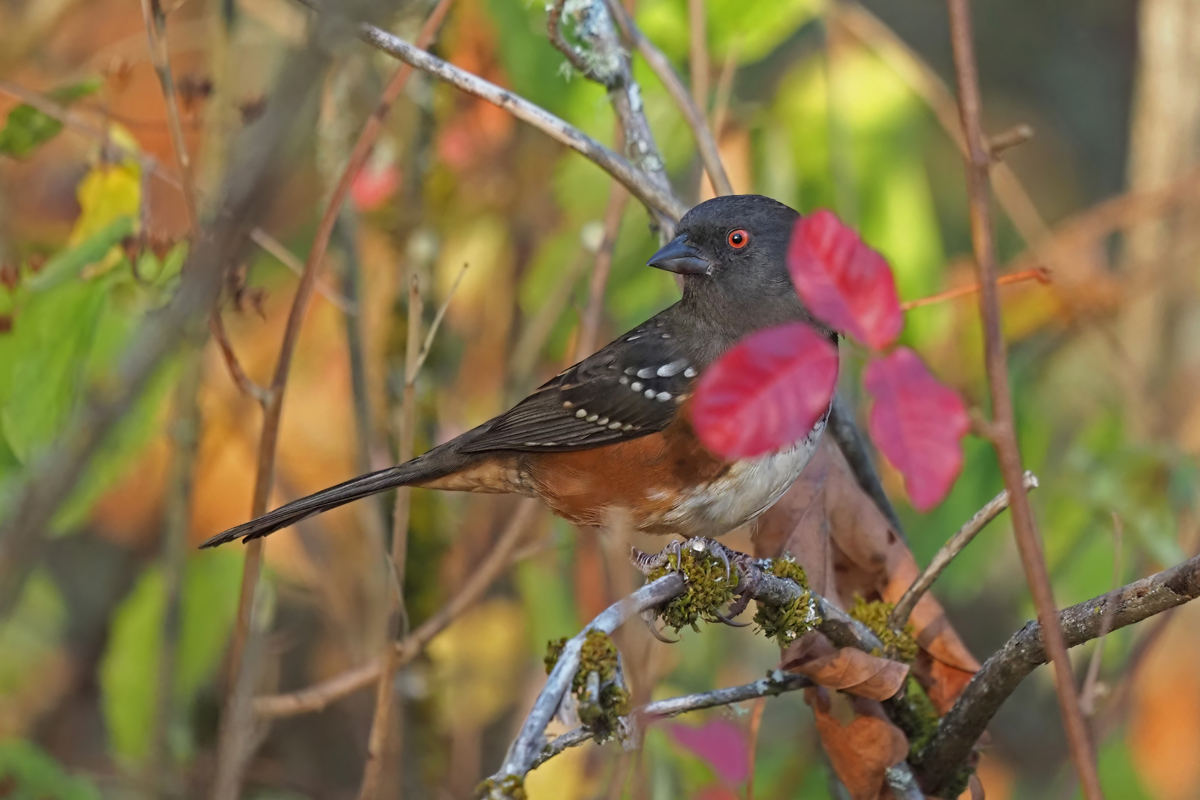
After a very long dry summer, autumn has finally arrived. While we don’t get the extensive fall colors found in eastern forests, the red Poison Oak highlights the eyes on this Spotted Towhee.
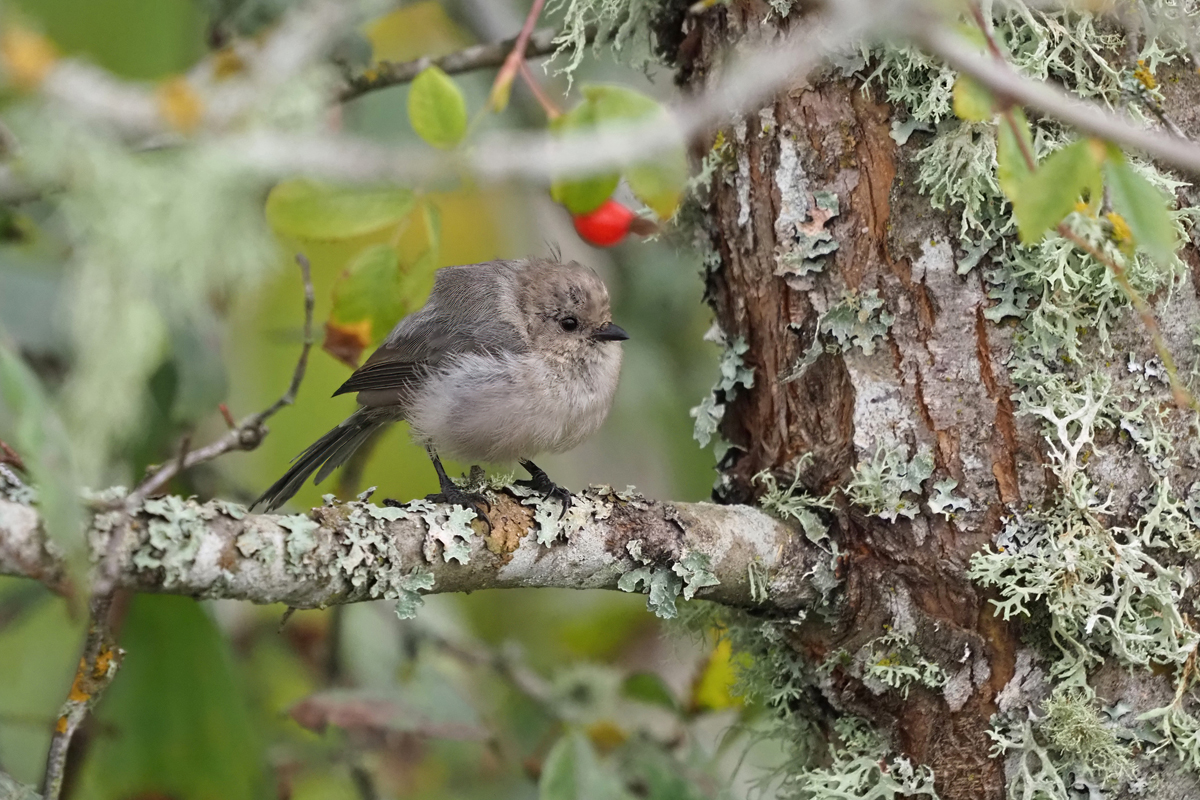
This very ragged Bushtit was found at Wapato Lake NWR, which has finally opened up to birders after a long wait. The refuge will be closed to non-hunters from December-February, but should offer some great birding when it is open.
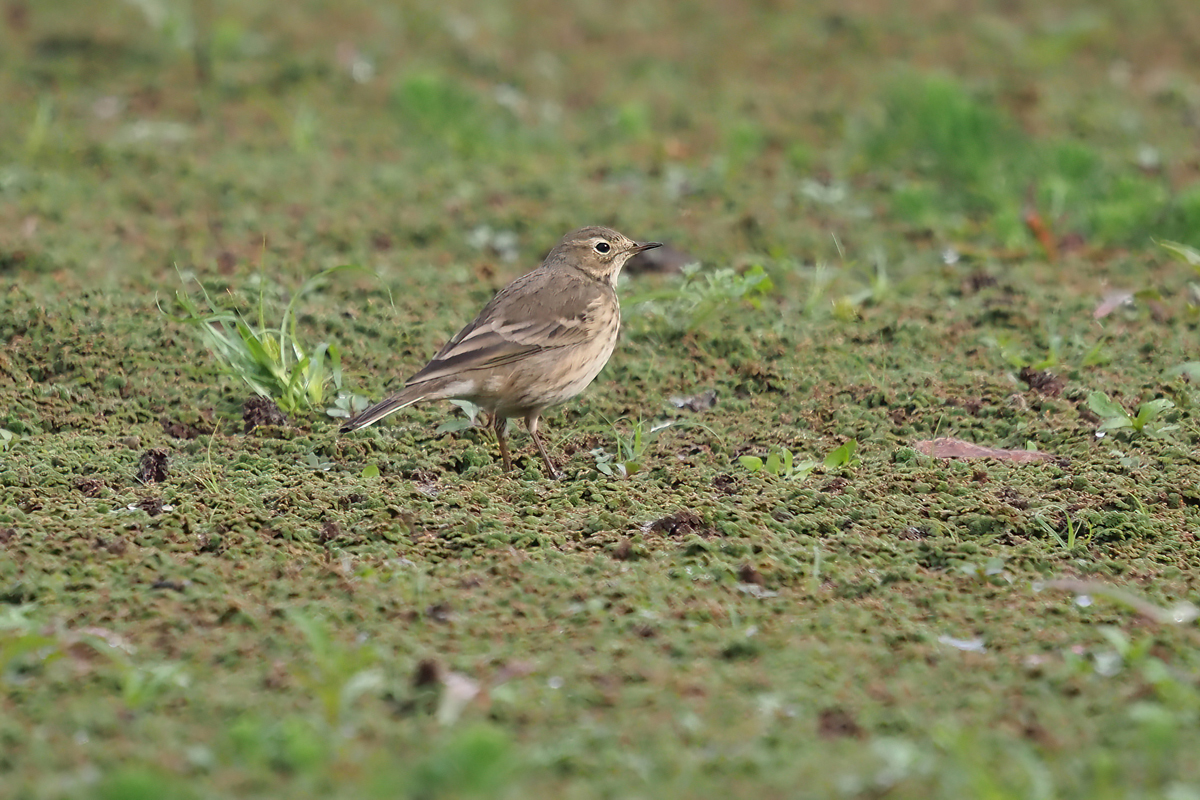
American Pipits are common migrants this time of year on mudflats and other open habitats.
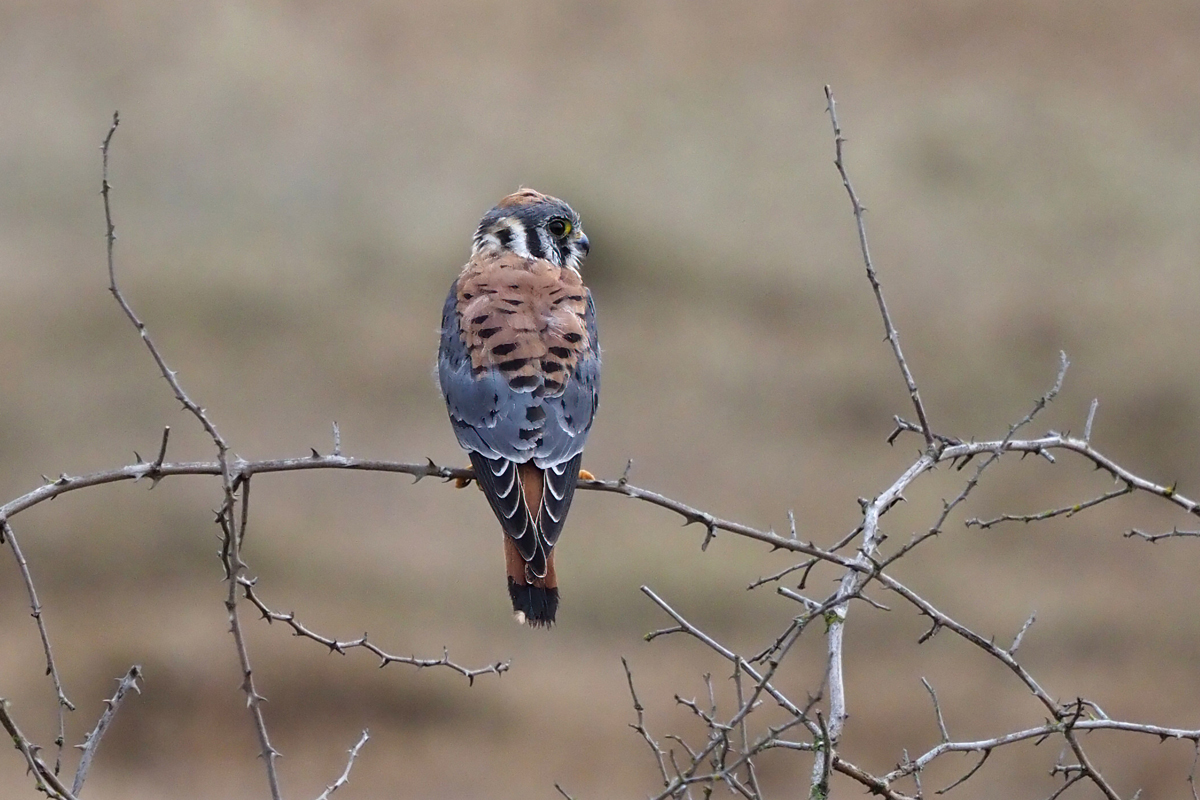
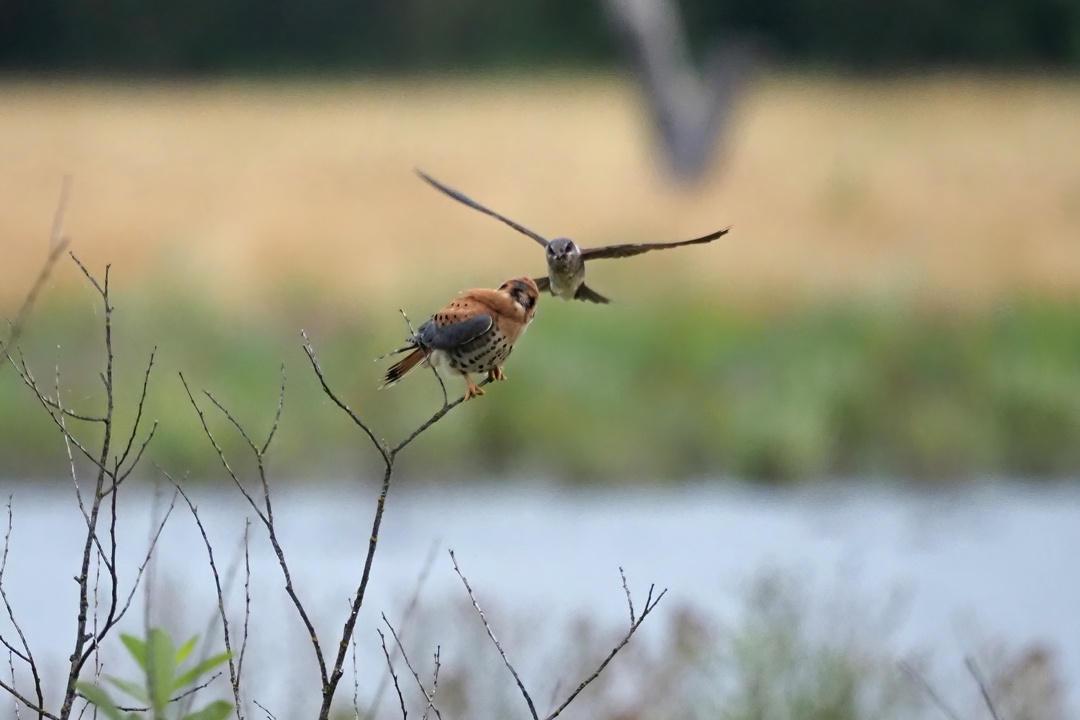
Male American Kestrel
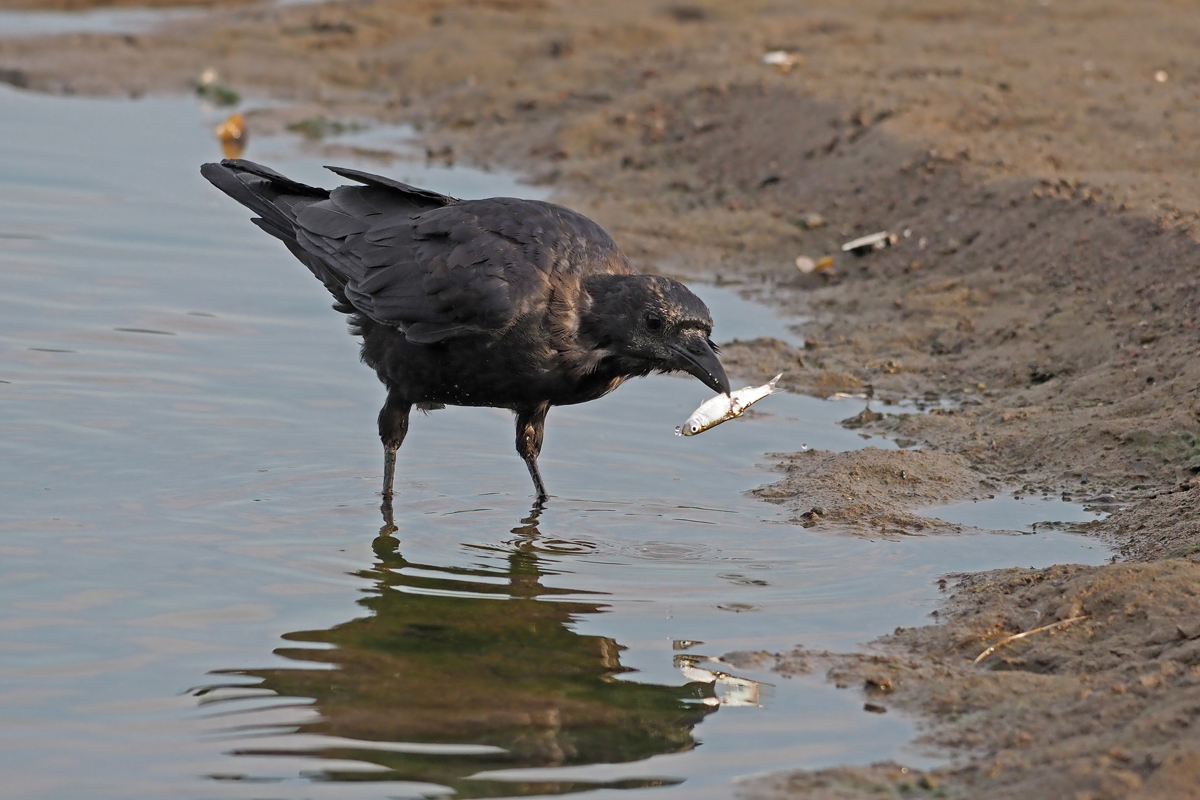
This American Crow was actively fishing in a tide pool along the Columbia River. I don’t normally think of crows as fish-eaters, but they take advantage of whatever food source is available.
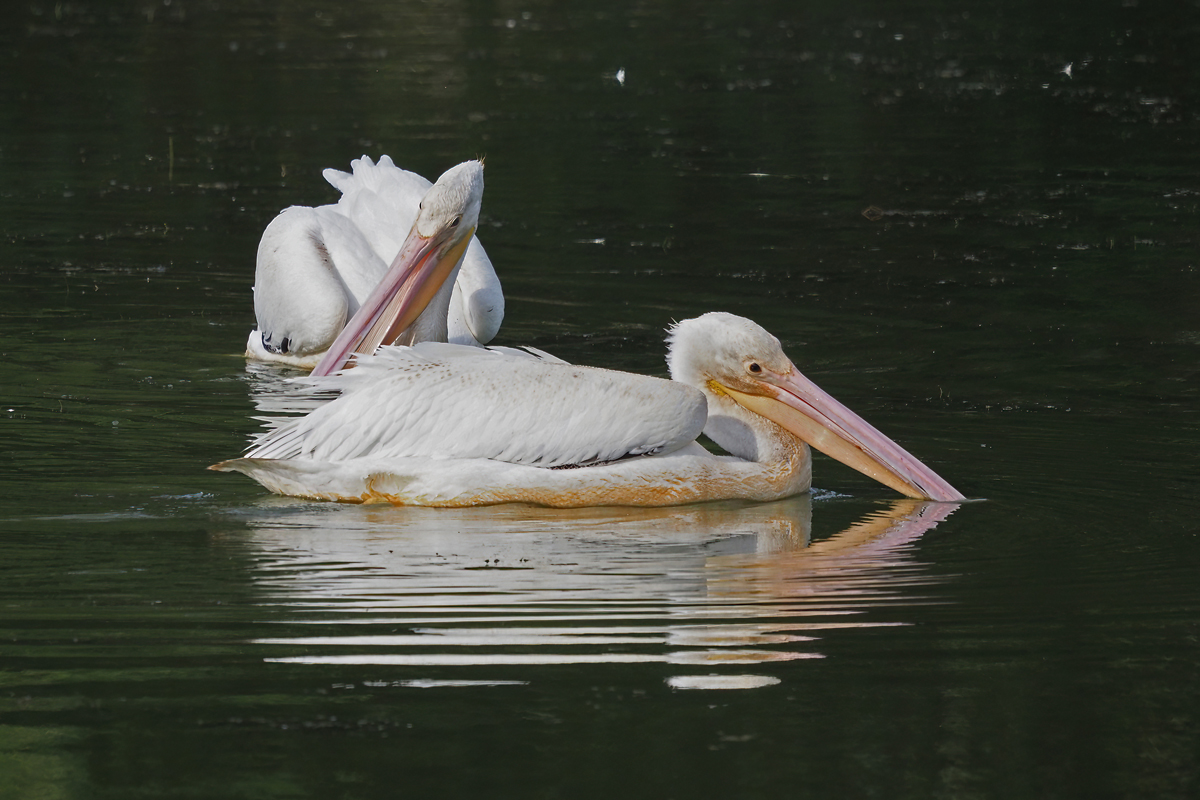
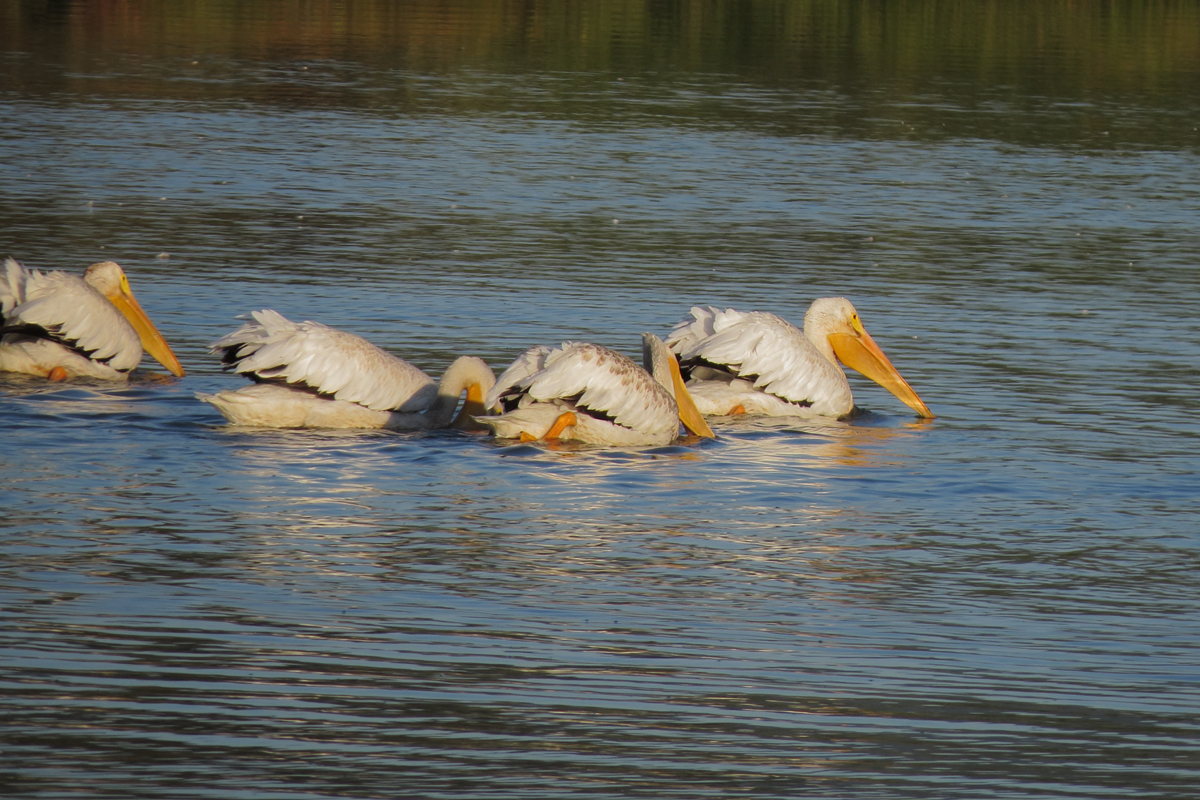
There are still a few American White Pelicans around. They will be gone soon.
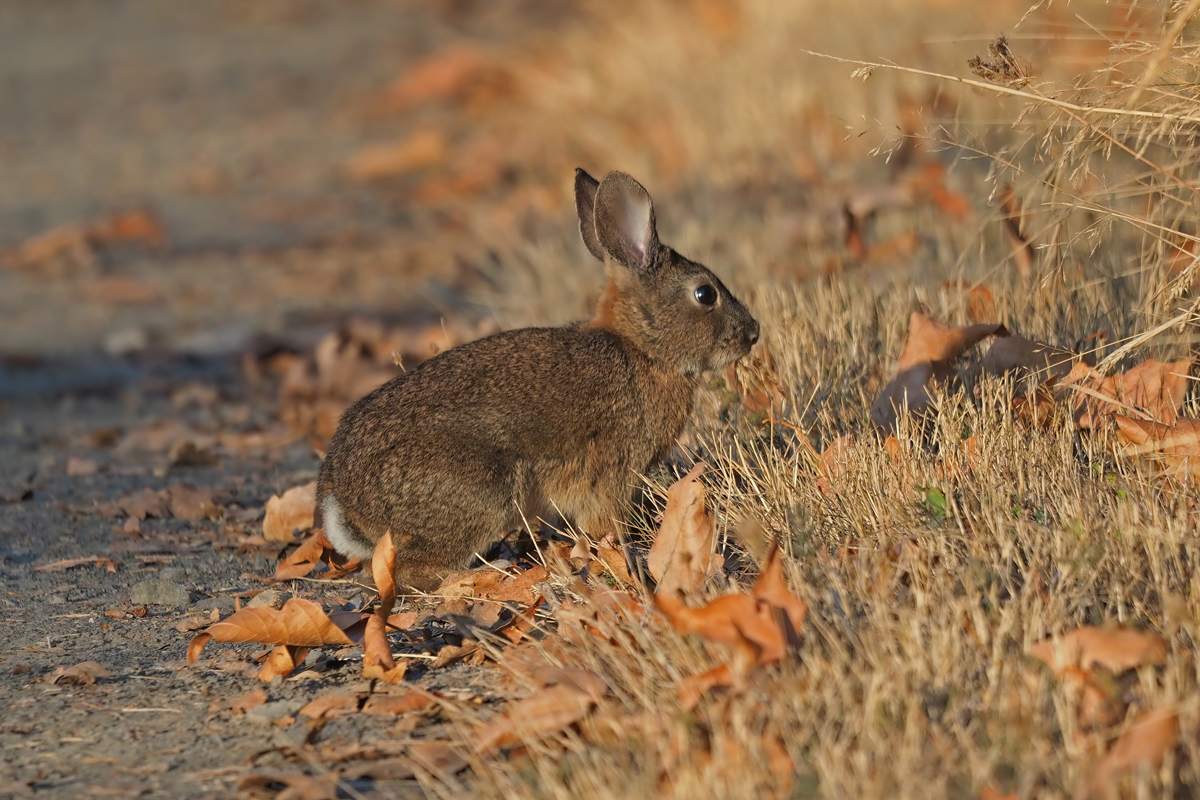
Brush Rabbit, blending in with the fall colors
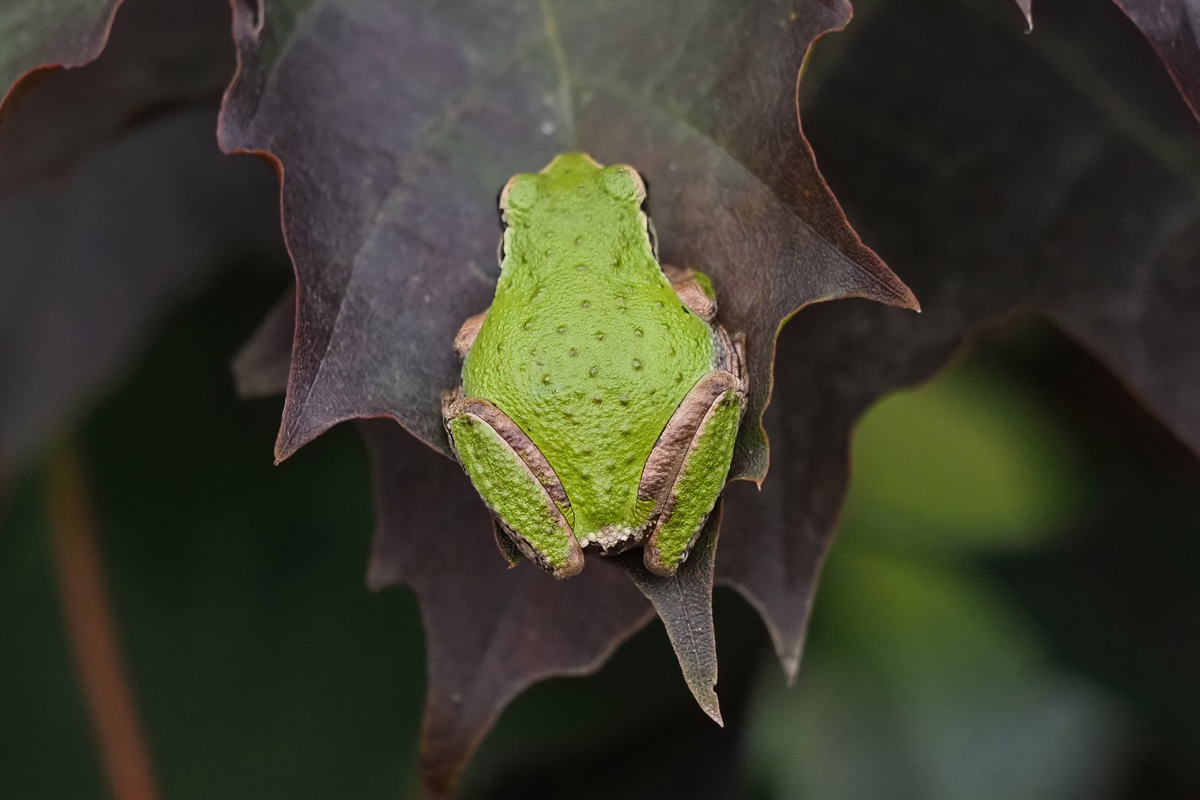
Pacific Tree Frog on a maple leaf. These frogs are very common, but they seldom perch out in the open.
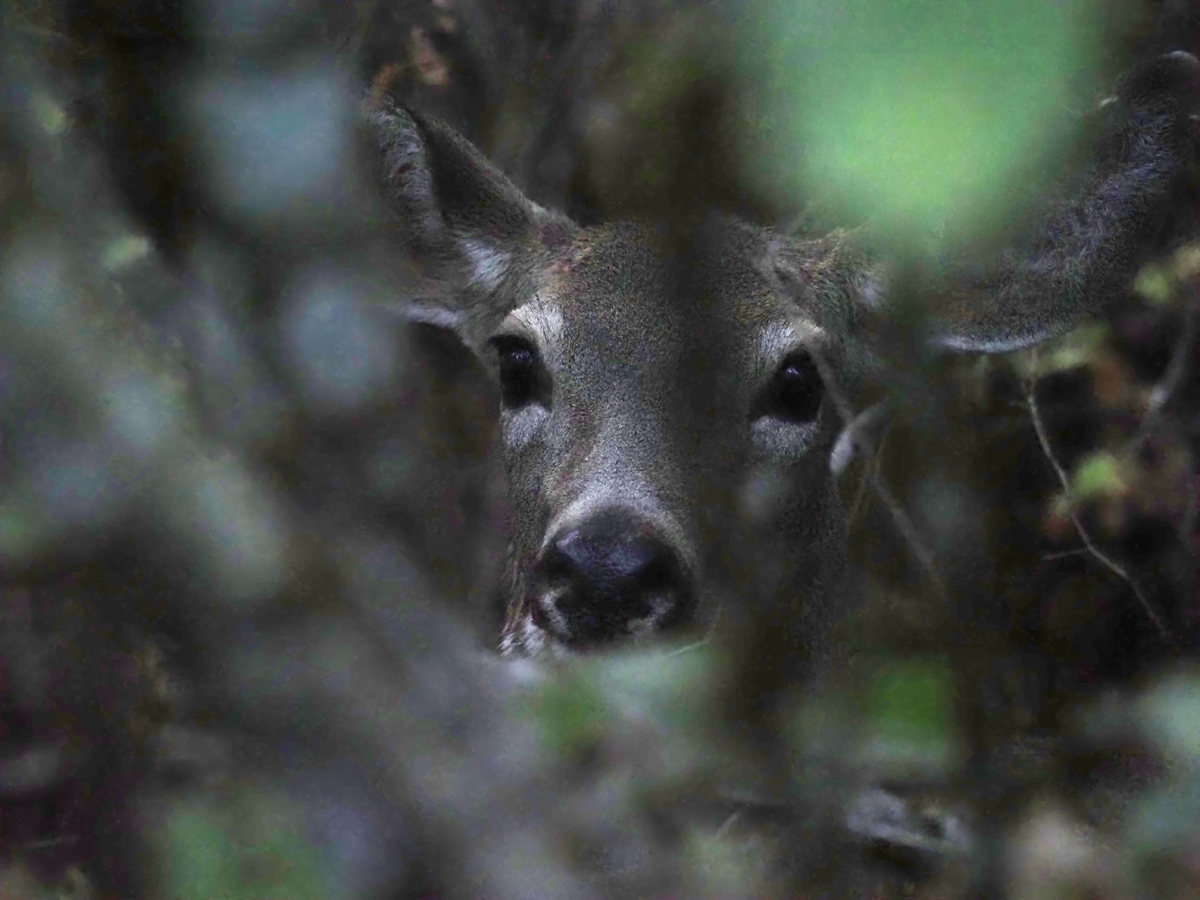
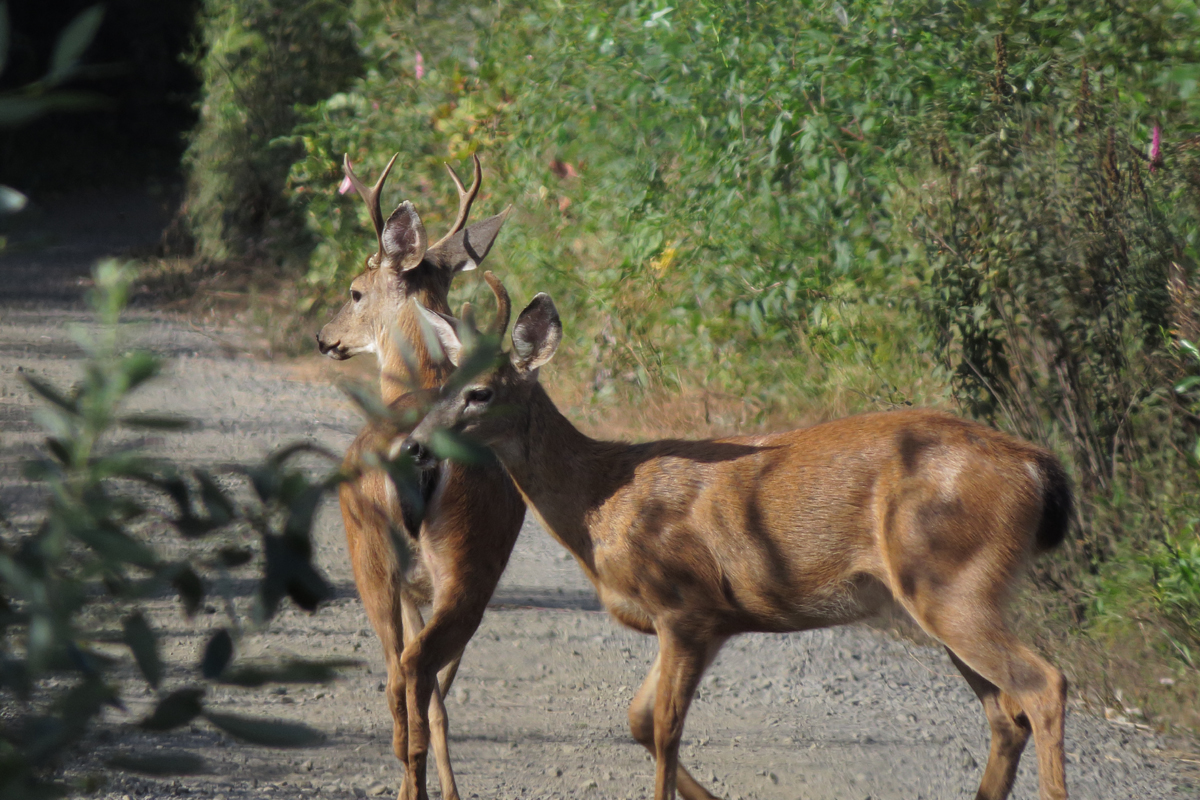
This Black-tailed Deer was just off the path at Cooper Mountain Nature Park.
Happy Autumn
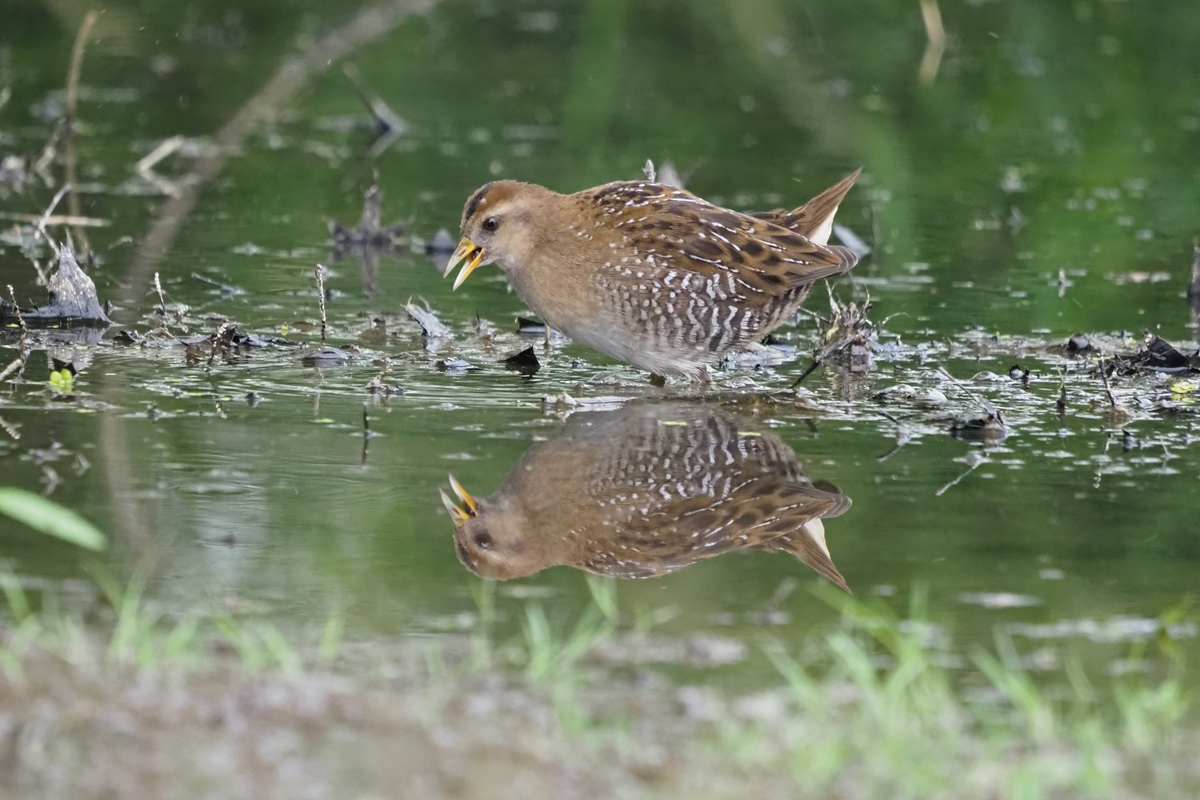
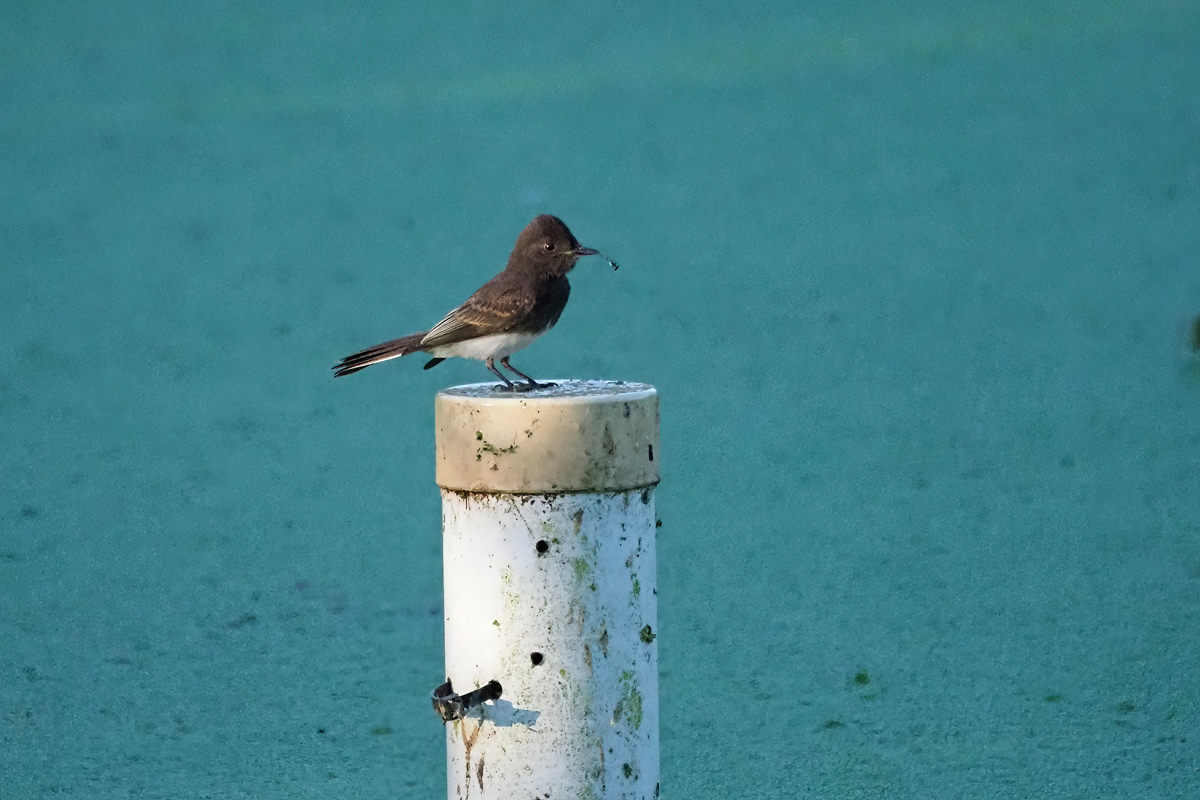
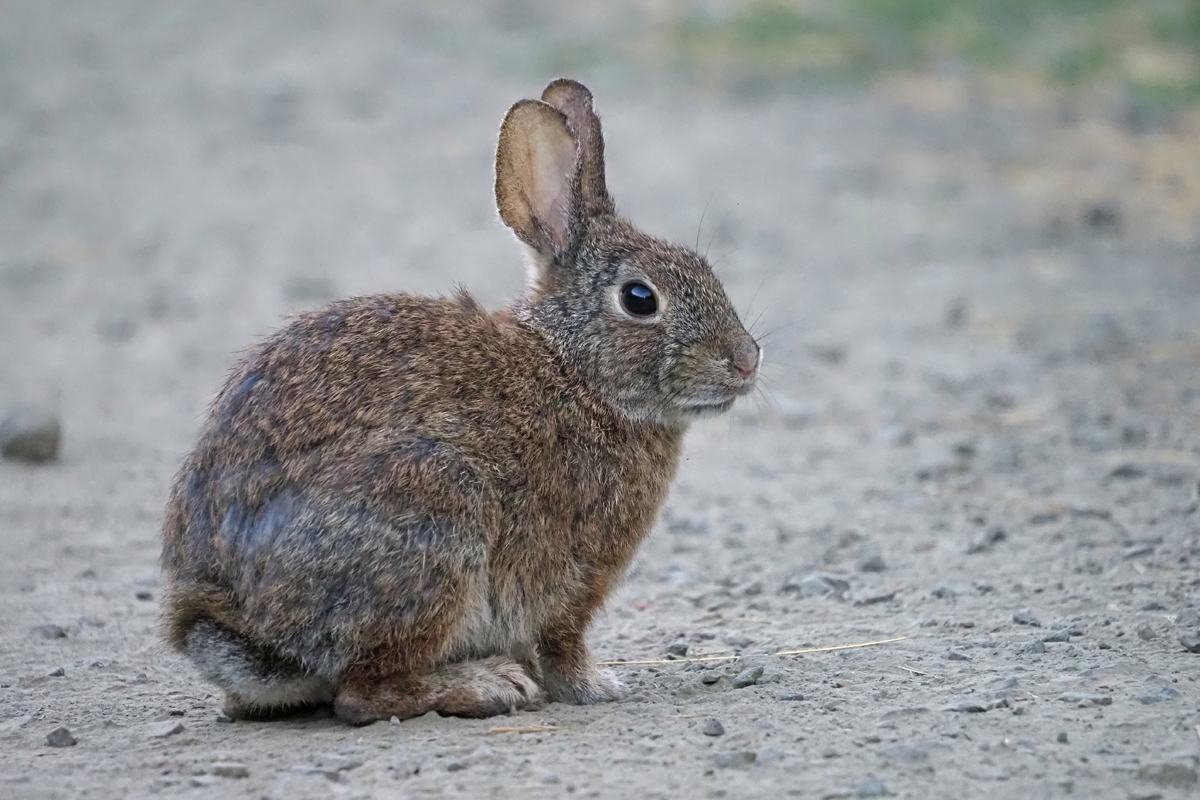
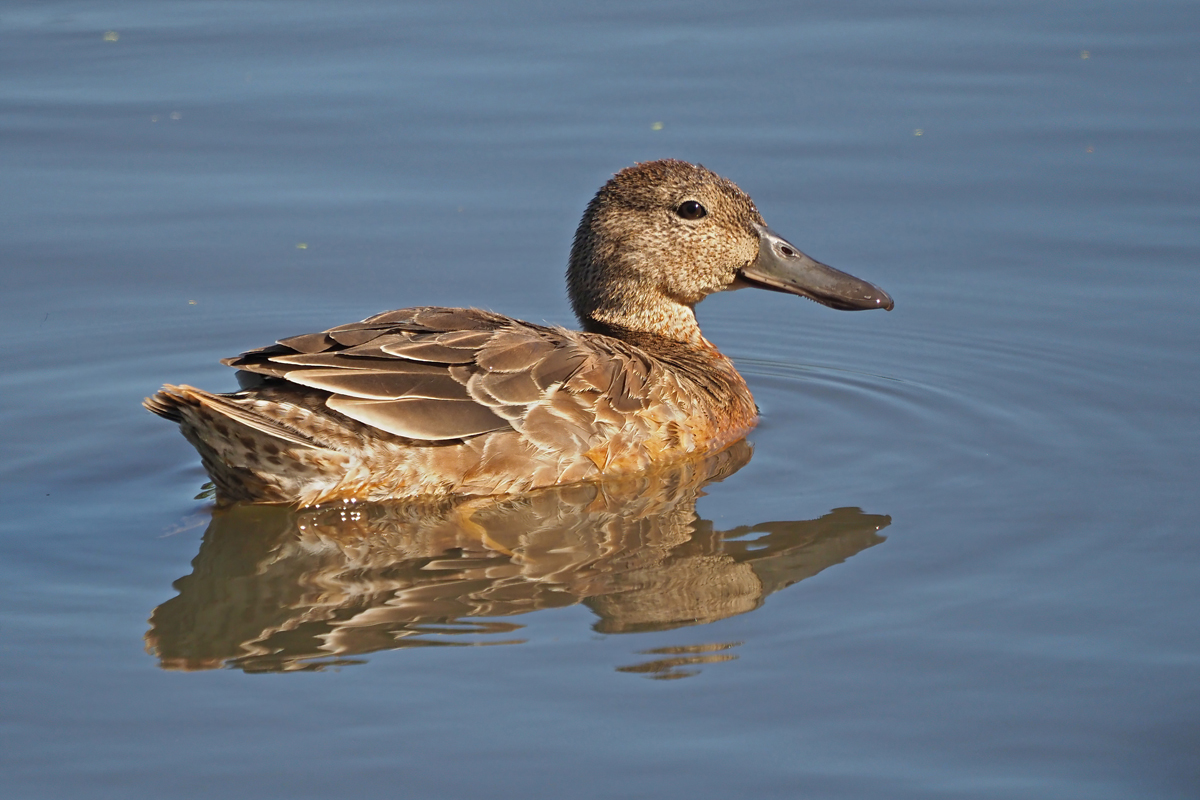




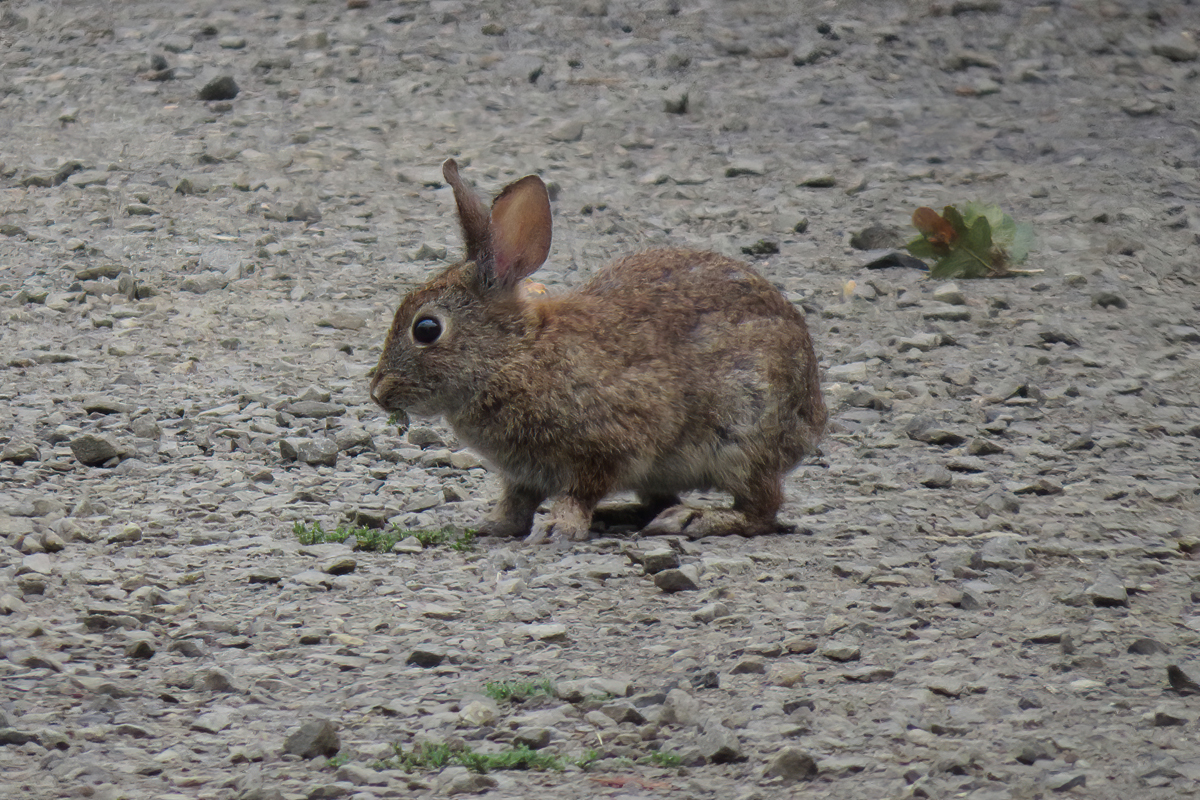 Brush Rabbit, Fernhill Wetlands
 The top image shows a massive male American Bullfrog found at Dober Reservoir. Note the injury around his right eye. The bottom image is of a newly emerged female. At this stage, she was about the size of the males head, but females typically grow larger than males of this species.
 Orange Sulphur, found at Jackson Bottom. Unfortunately, this species perches with their wings closed, so you can’t see the vibrant colors on the top.
 This Mylitta Crescent at Fernhill Wetlands was much more cooperative.
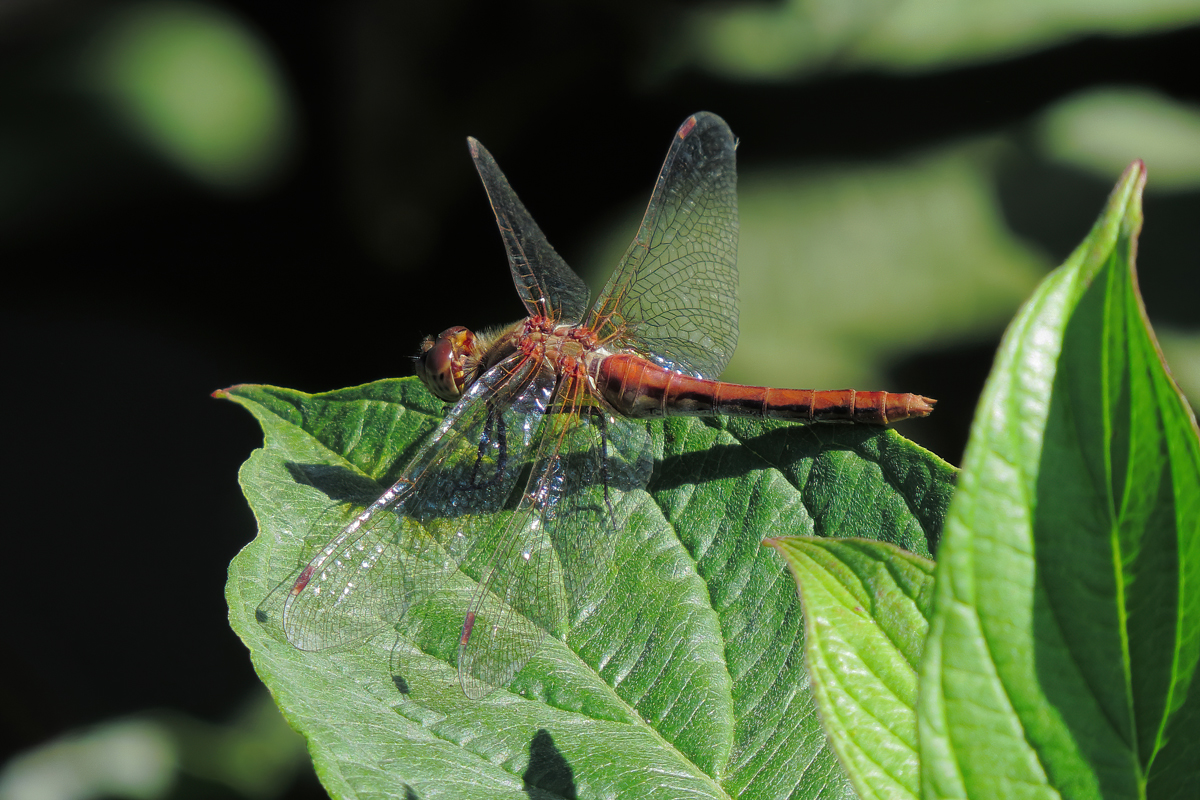 I don’t know the dragonflies, but I am told this individual from Fernhill Wetlands is a Striped Meadowhawk.
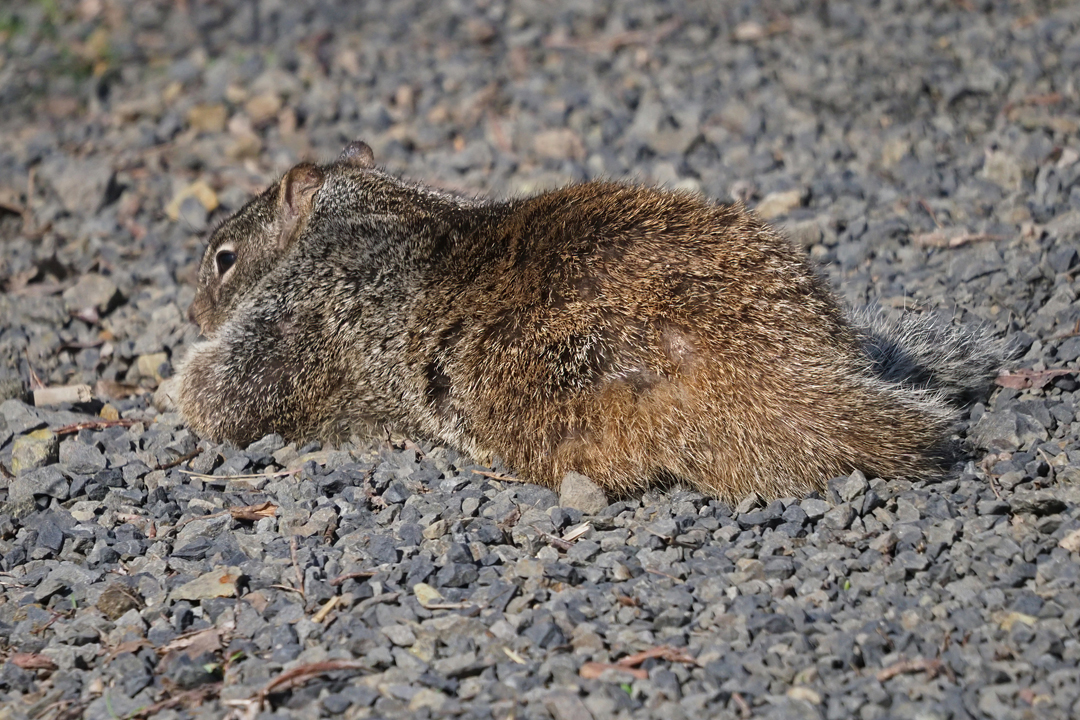
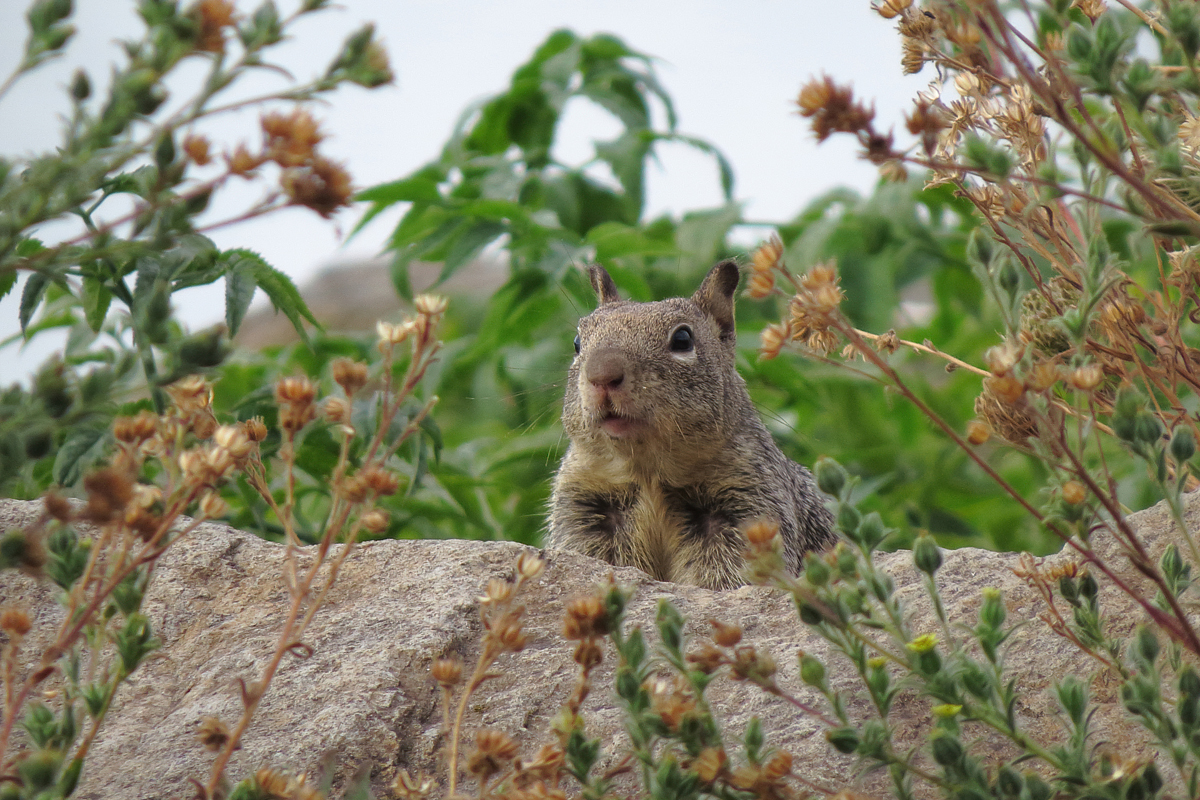 California Ground Squirrels, one of my favorite rodents, have become more common at Fernhill Wetlands since the reconstruction a few years ago.
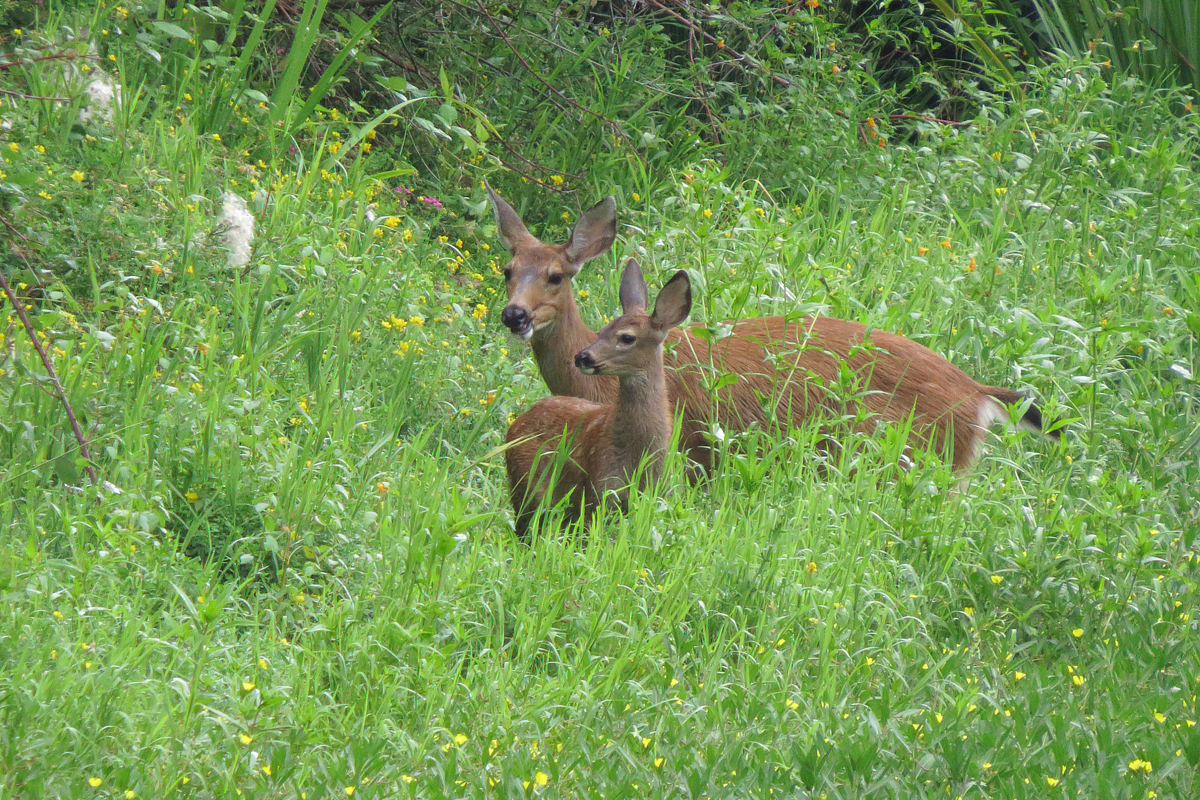 This Black-tailed Deer and her fawn were enjoying the lush vegetation at Smith and Bybee Wetlands.
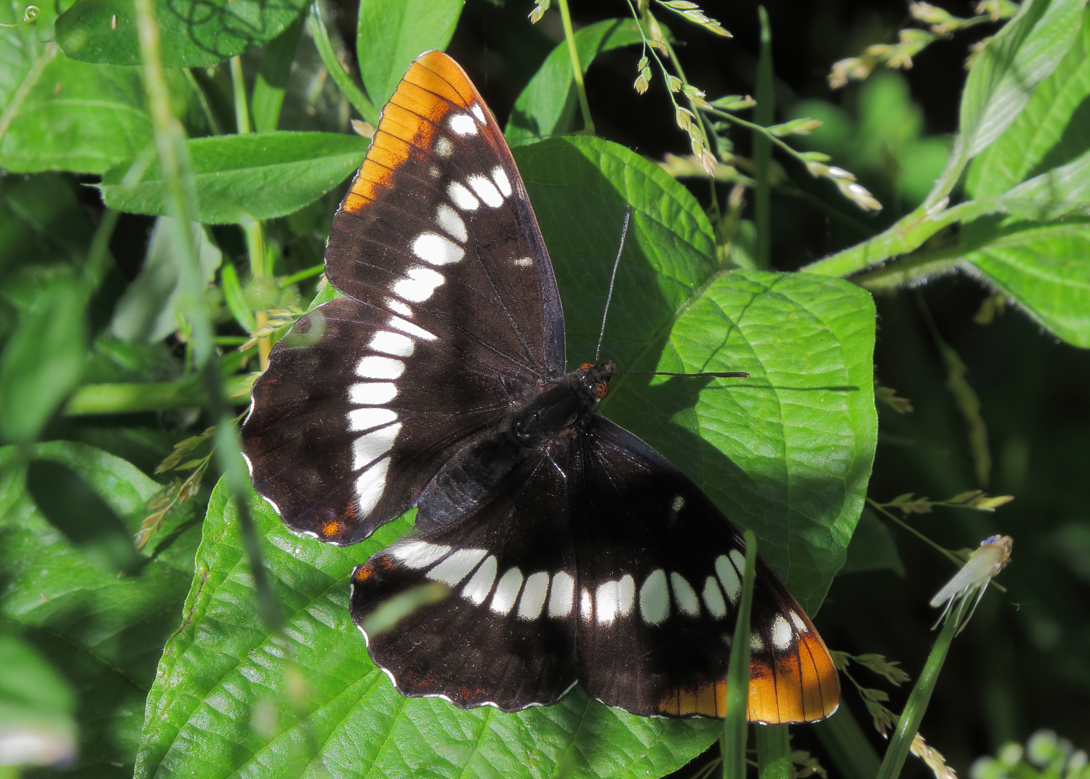 I don’t spend a lot of effort looking for butterflies, but I do appreciate it when one poses for me. This is a Lorquin’s Admiral.
 This Northwestern Garter was hiding under a piece of bark near a stump. The cloudy eyes indicate that the snake is about to shed. Snakes in this condition cannot see well, so I generally avoid handling them.
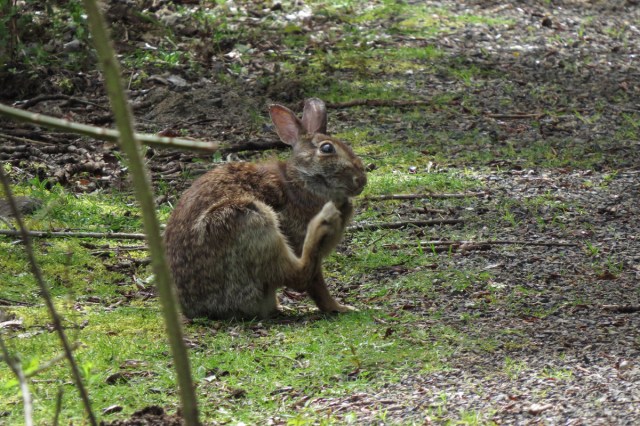
 I am having trouble distinguishing Brush Rabbits from the introduced Eastern Cottontail. I have recently learned that the two species will hybridize, making identification even harder. The rusty nape on this individual makes me think it is an Eastern Cottontail.
 I first saw this Long-tailed Weasel chasing a Brush Rabbit down the trail and into the vegetation. After a brief tussle, the rabbit was subdued.
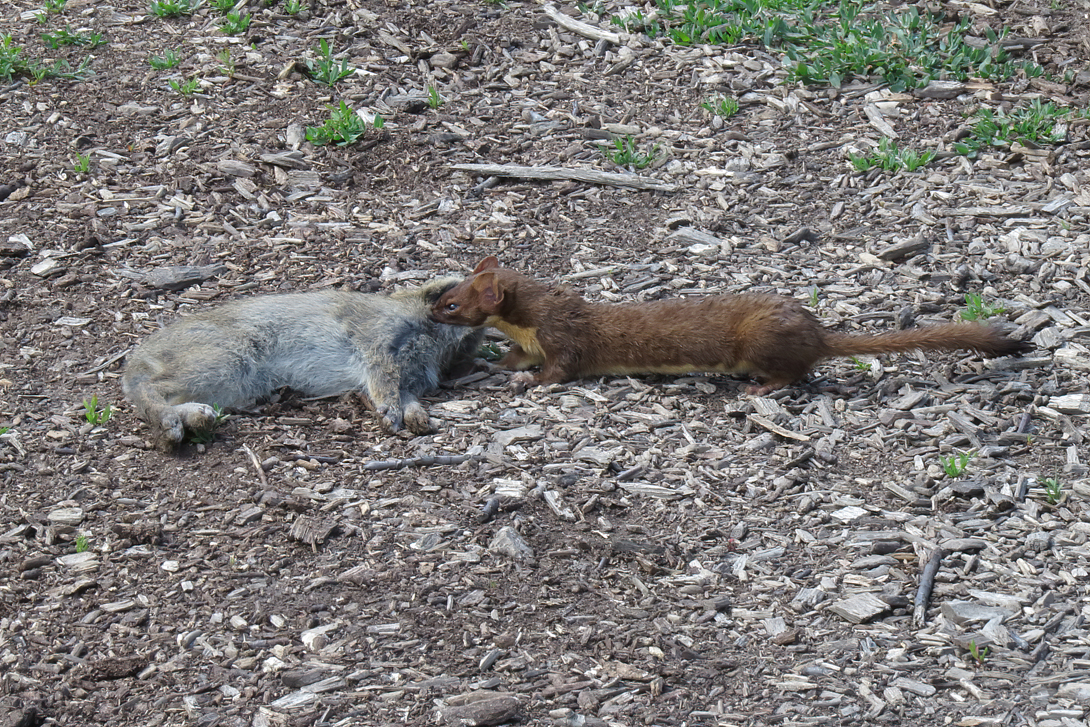 The weasel then dragged the rabbit across the trail and into the brush, despite the fact that the rabbit was significantly heavier than the weasel. These are impressive little predators.
 A quick tour of Fernhill Wetlands showed bird activity picking up, with the appearance of newly arrived migrants and nest building by the local breeders. This Tree Swallow was staking out a cavity.
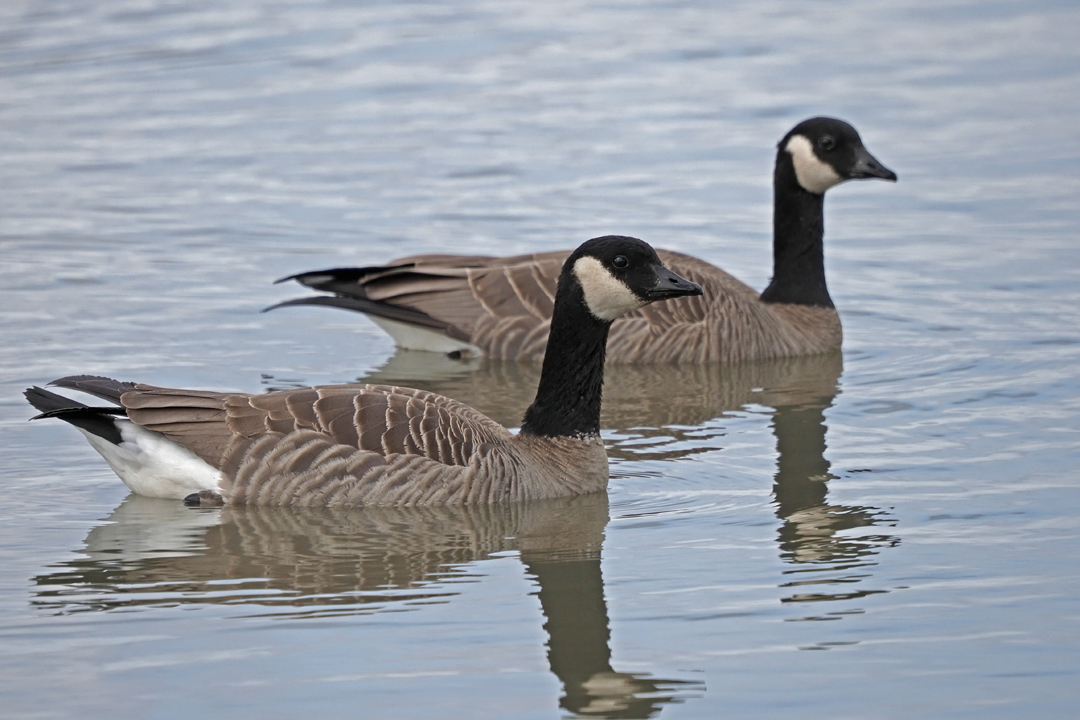
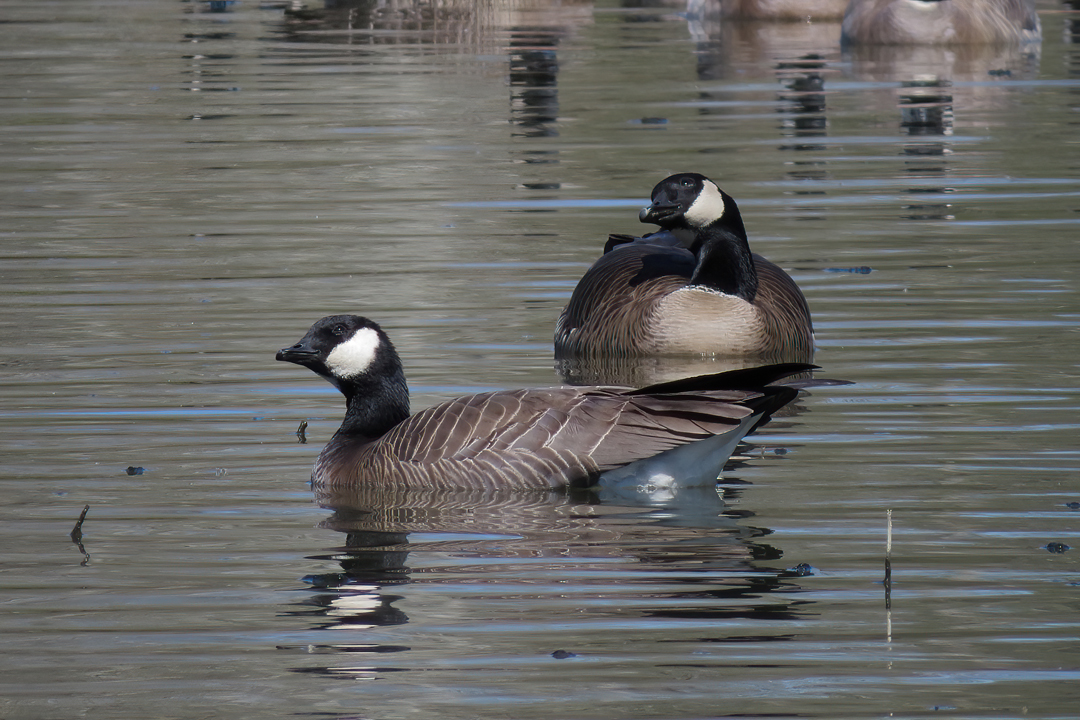 There are still some Cackling Geese around, although they should be heading north any day now. Here is a nice side-by-side view of a Ridgeway’s Cackling Goose and a Taverner’s Cackling Goose.
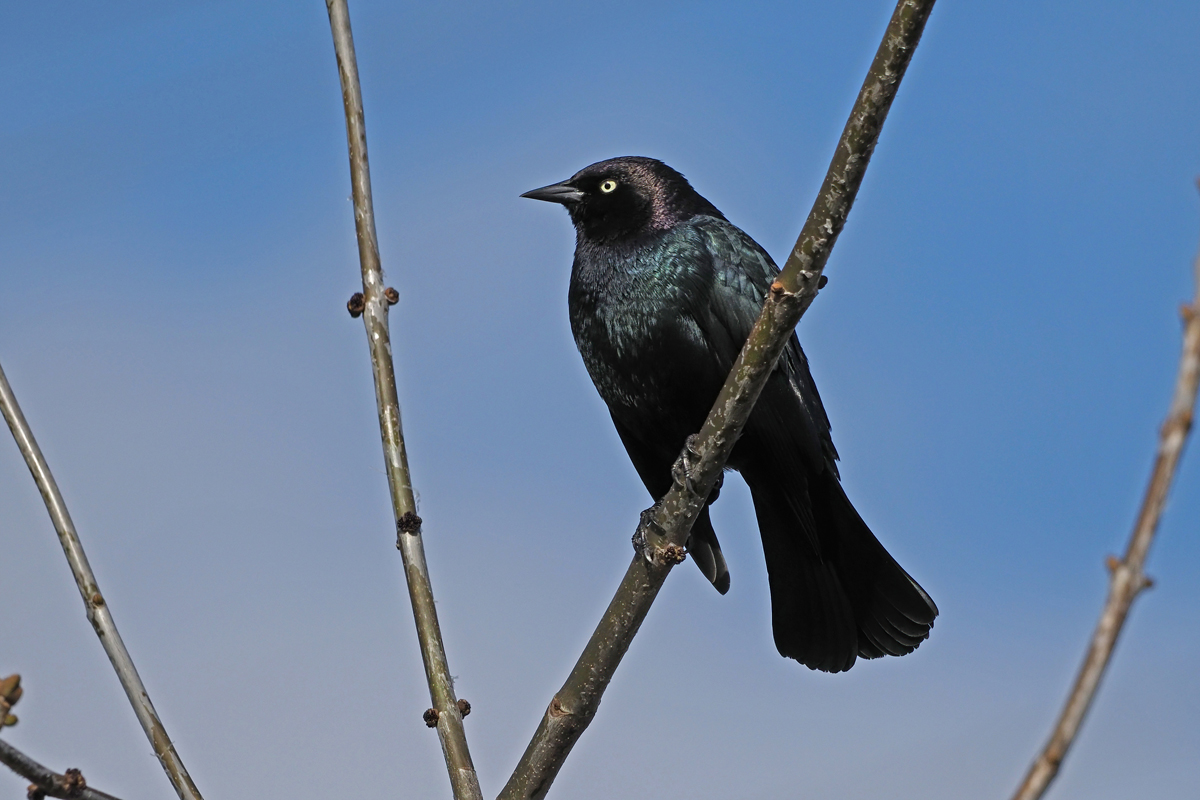
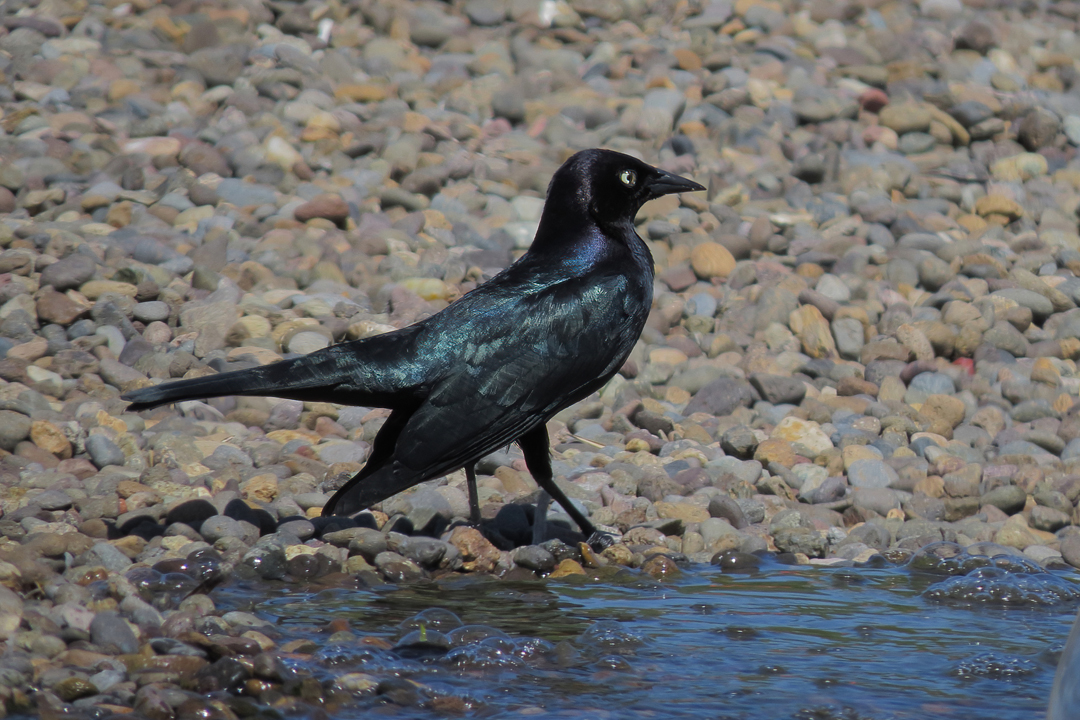 The male Brewer’s Blackbird was showing his colors in the bright sunlight. I caught him in the middle of a blink, so his eye looks weird.
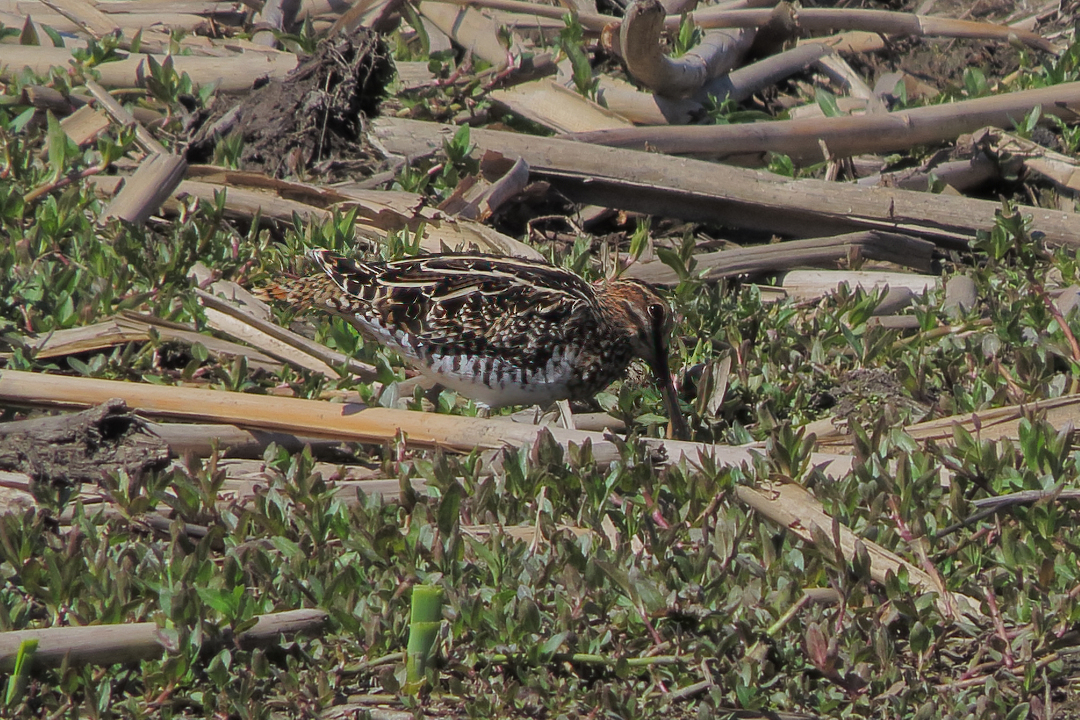 Wilson’s Snipe
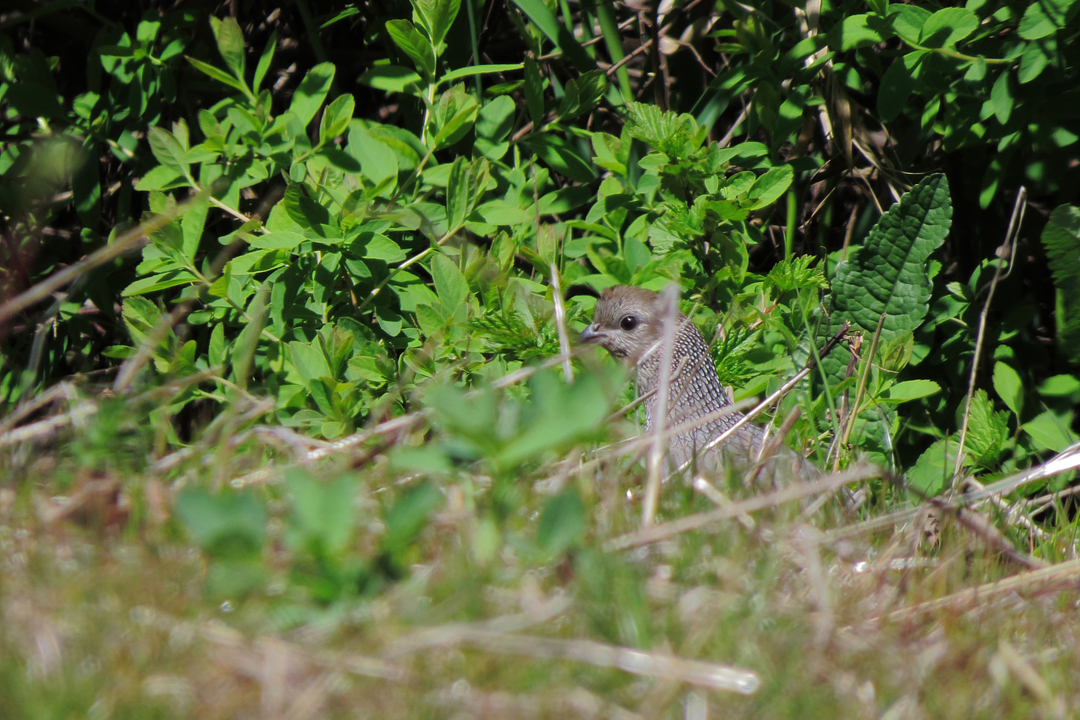 California Quail have become slightly more common at Fernhill in recent years.
 The Common Carp are spawning in Fernhill Lake.
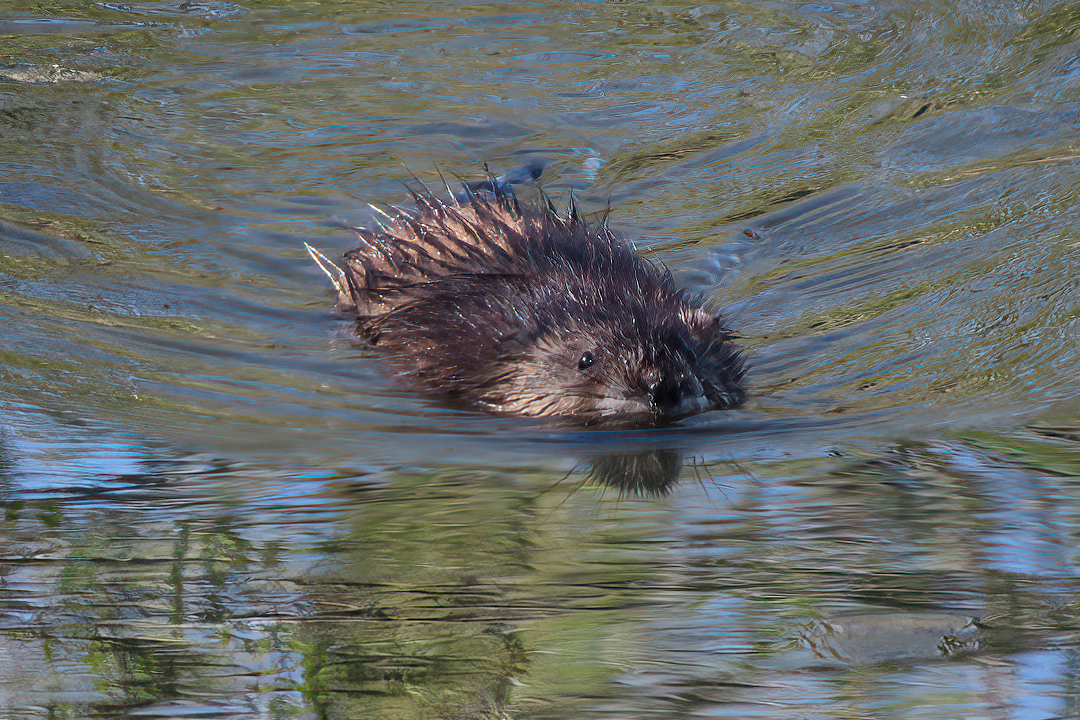 I was pleased to find this Muskrat. The non-native Nutria have become so common at this site I worry they might crowd out the native Muskrats and Beavers.
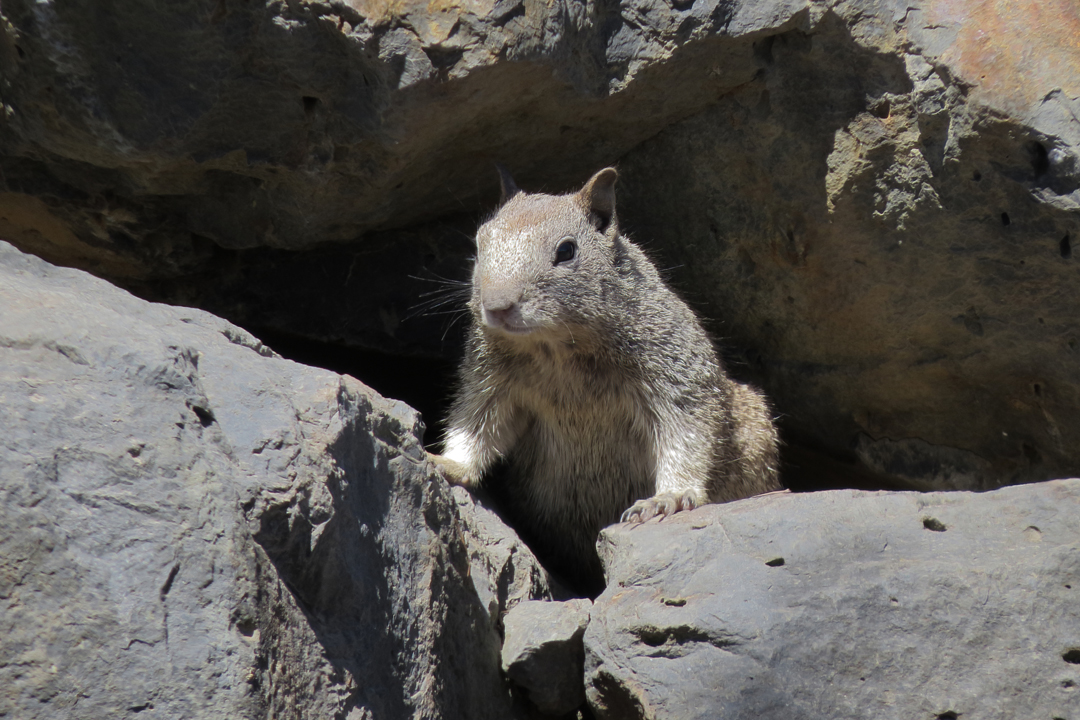 California Ground Squirrels have been taking advantage of the large rocks used in the landscaping at this site.
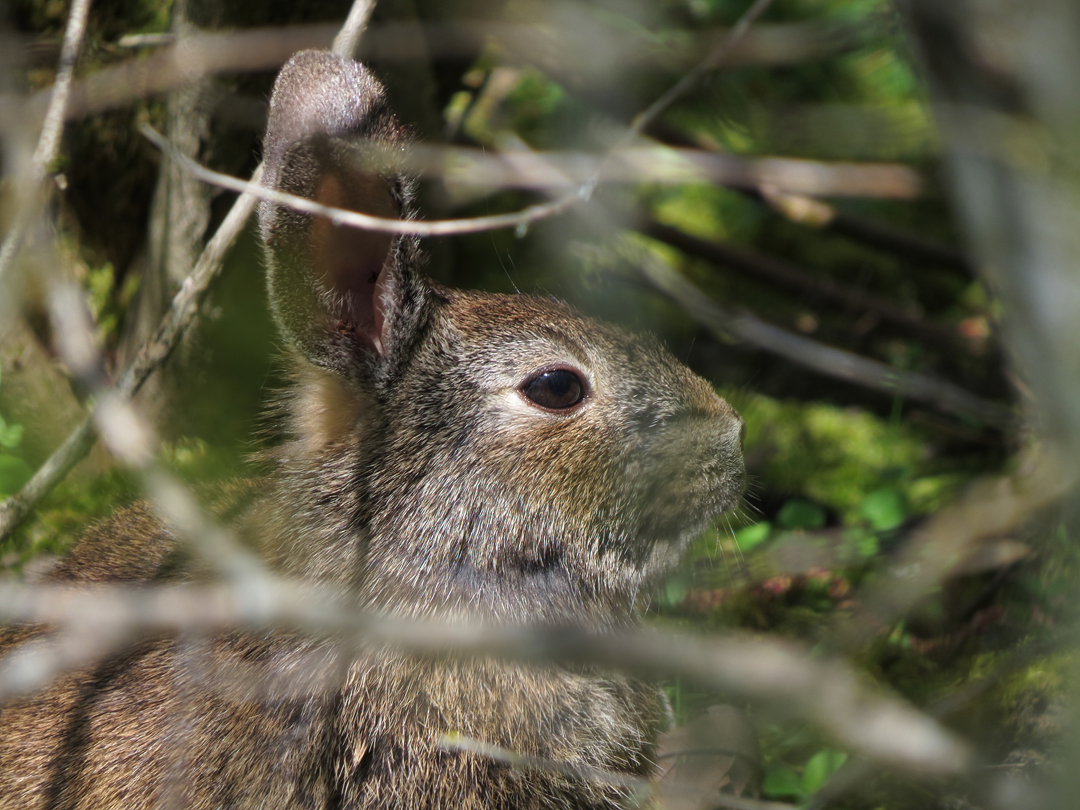 This Brush Rabbit was looking very regal in his thicket.















 Ethical Birder