Northwest Portland Wetlands

I went out to Smith and Bybee Wetlands and Vanport Wetlands to check for migrants. The Smith and Bybee area was pretty slow. Water levels were high so some of the trails were inaccessible. Vanport had some really interesting birds, including several Redheads and Yellow-headed Blackbirds, both hard to find in the Portland area.

The small colony of Cliff Swallows at Smith and Bybee was active with nest building.
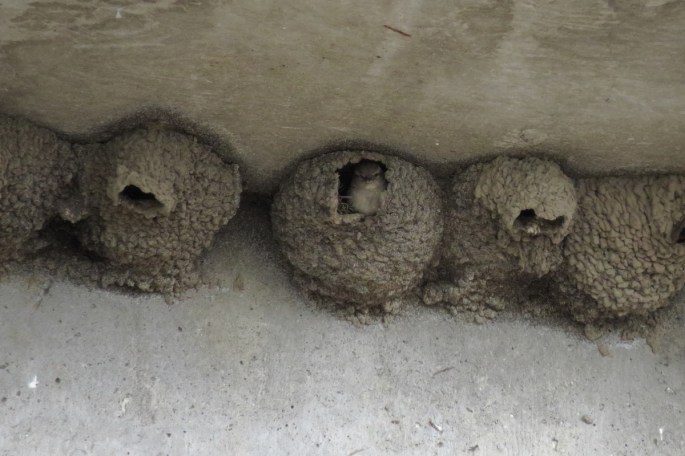
This House Sparrow had moved into an old Cliff Swallow nest.

American Bullfrogs were enjoying the spring weather.

Brush Rabbit scratching an itch
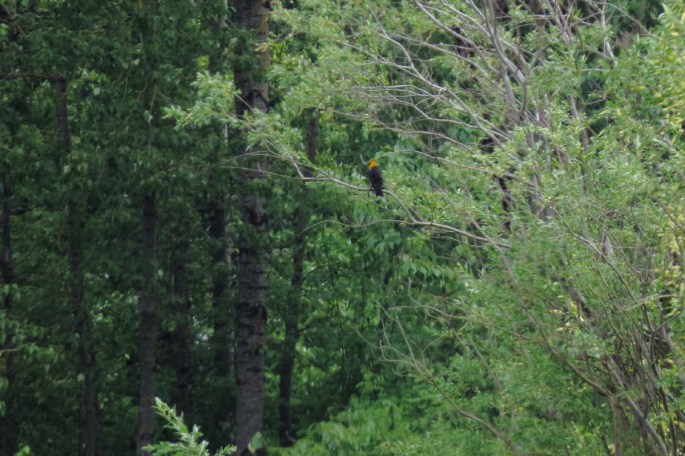
At Vanport, most birds were pretty far away, like this Yellow-headed Blackbird. His song was easily heard, even from across the lake.

This Ruddy Duck was doing his motorboat impression to impress the ladies.

This Cooper’s Hawk was atop a tall tree overlooking the racetrack. The loud engines did not seem to bother him. I can’t say the same for me.
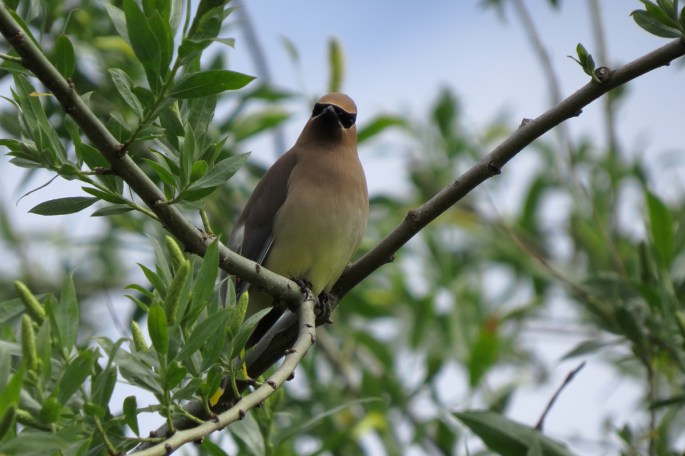
A few birds, like this Cedar Waxwing, were down in the small trees along the near shore of the lake.
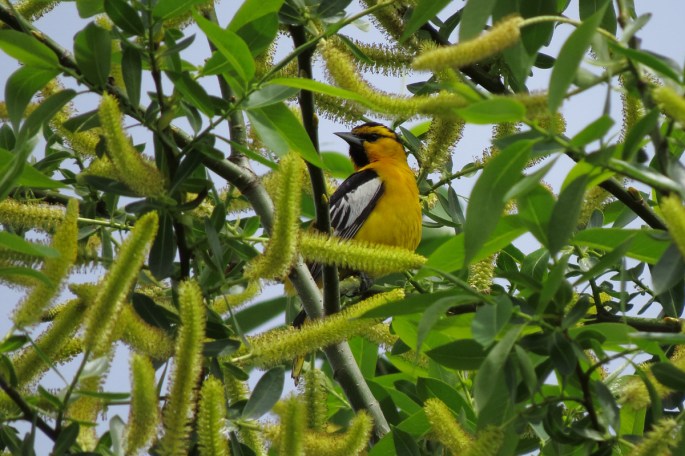
Bullock’s Orioles are often obscured by foliage in the treetops. This individual was low enough for a brief glimpse among the blossoms.
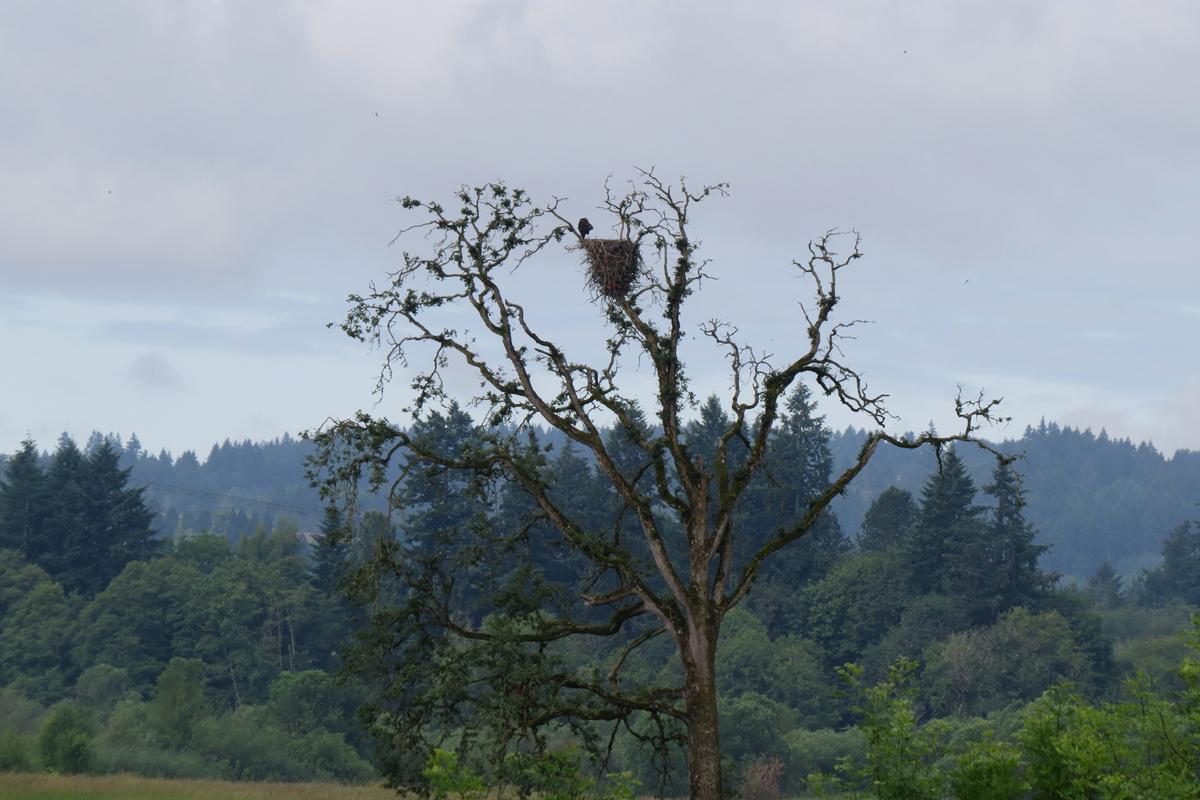
Tualatin River NWR

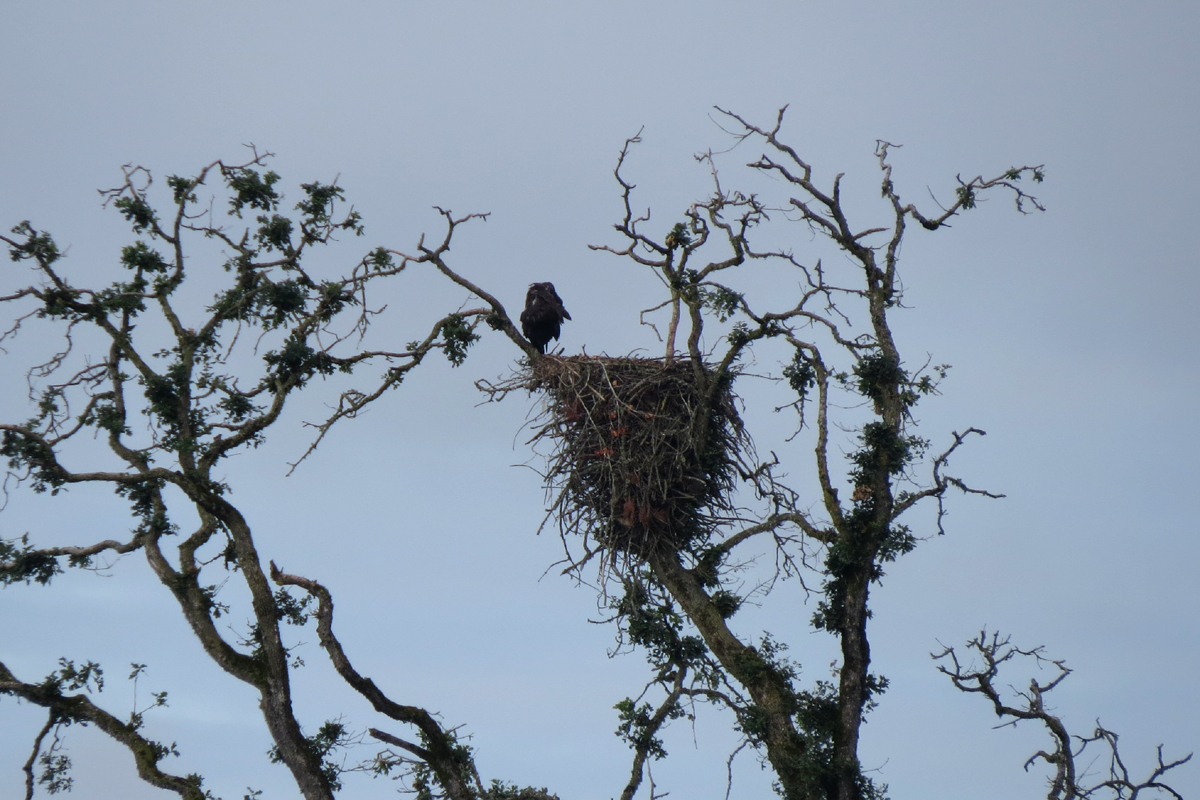
eagle nestWhile the bird diversity has thinned out considerably in the past couple of weeks, I had some nice views of the summer residents at Tualatin River NWR. The resident Bald Eagles still have one youngster in the nest. He is expected to fledge any day now.

eagle nest 2

bald eagleOne of the parents was hanging out near the refuge headquarters, looking all regal.

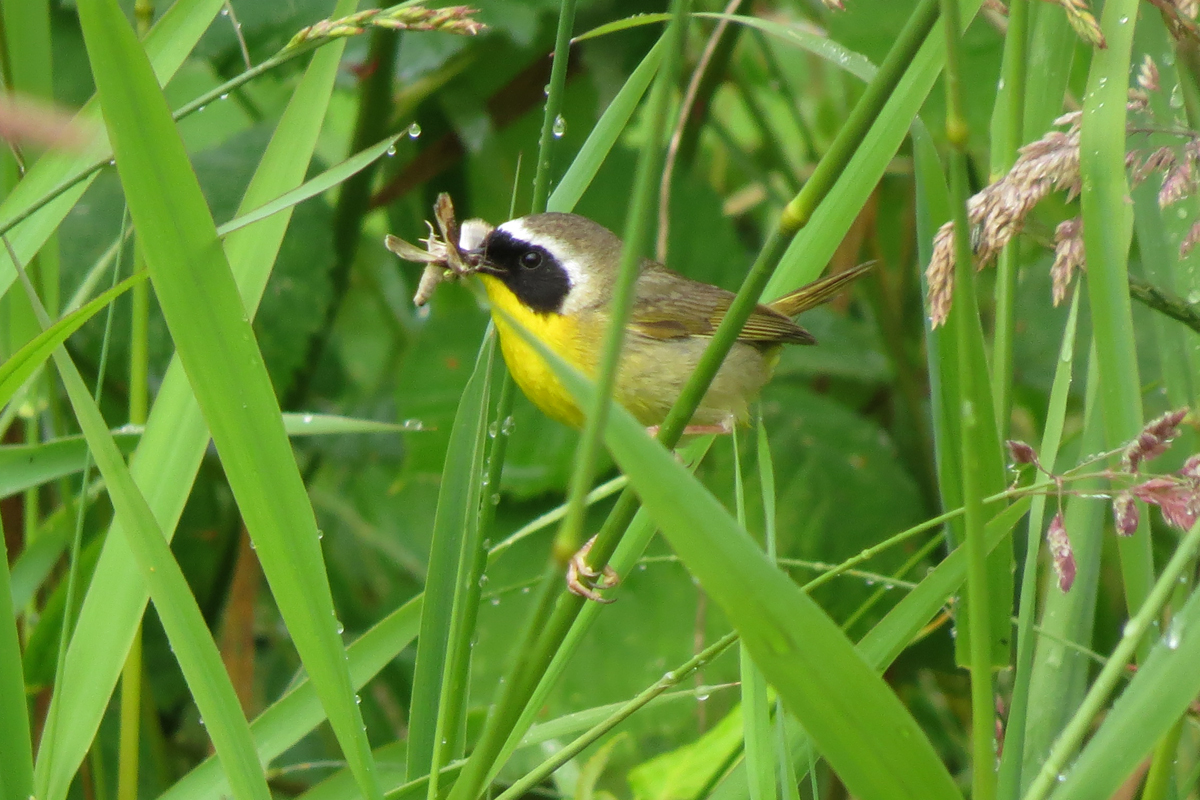
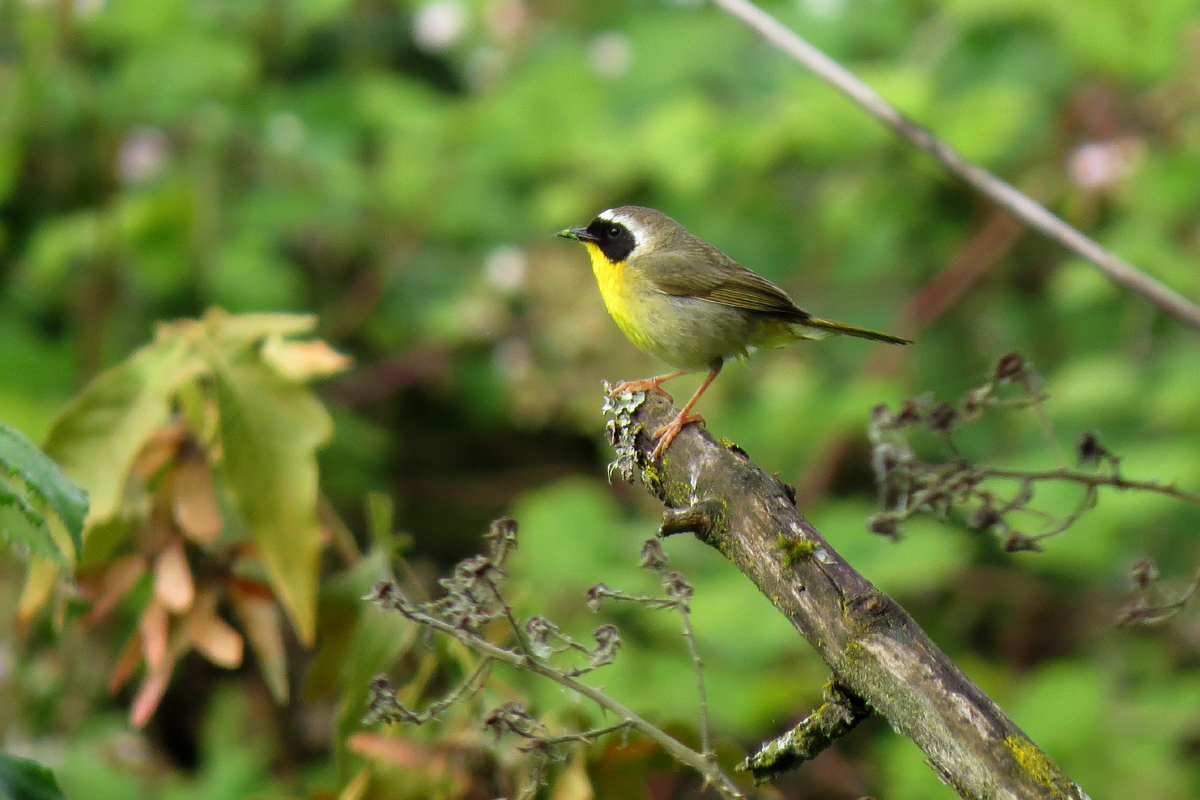
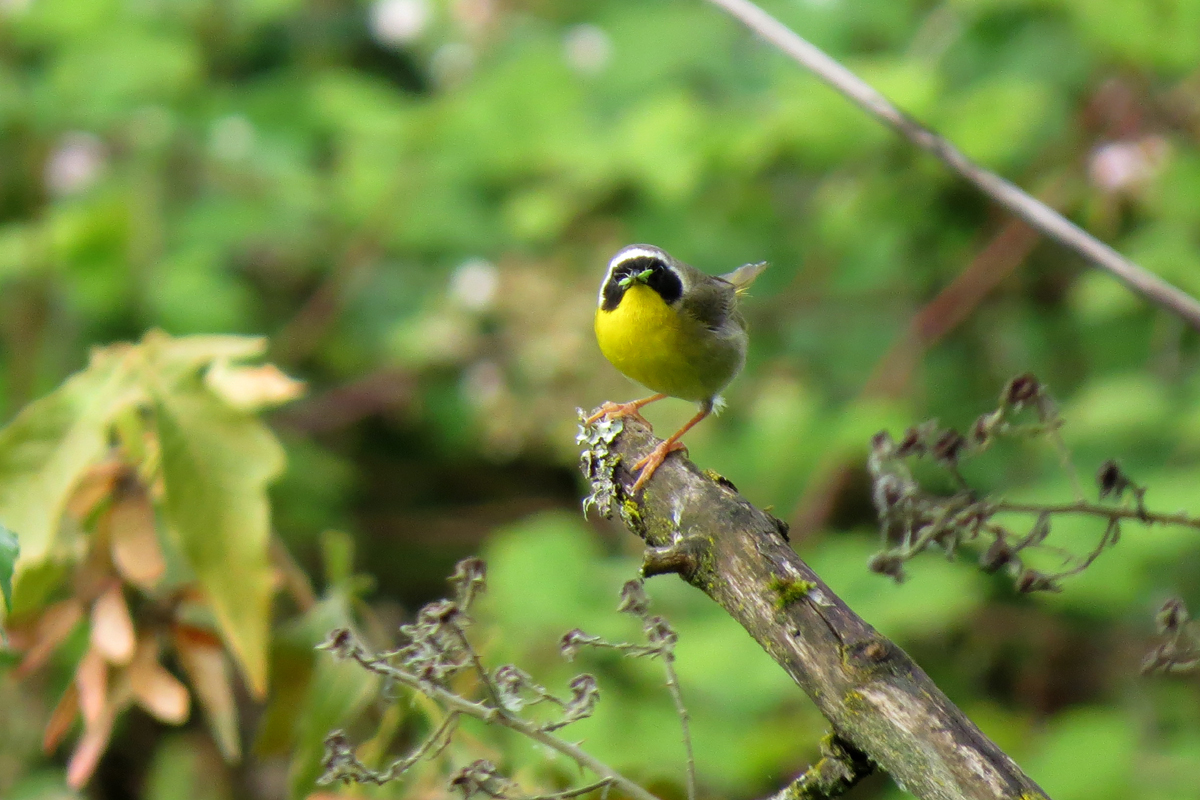
common yellowthroat 1This Common Yellowthroat was frequently seen carrying food, indicating he had a nest nearby.
common yellowthroat 2 common yellowthroat front

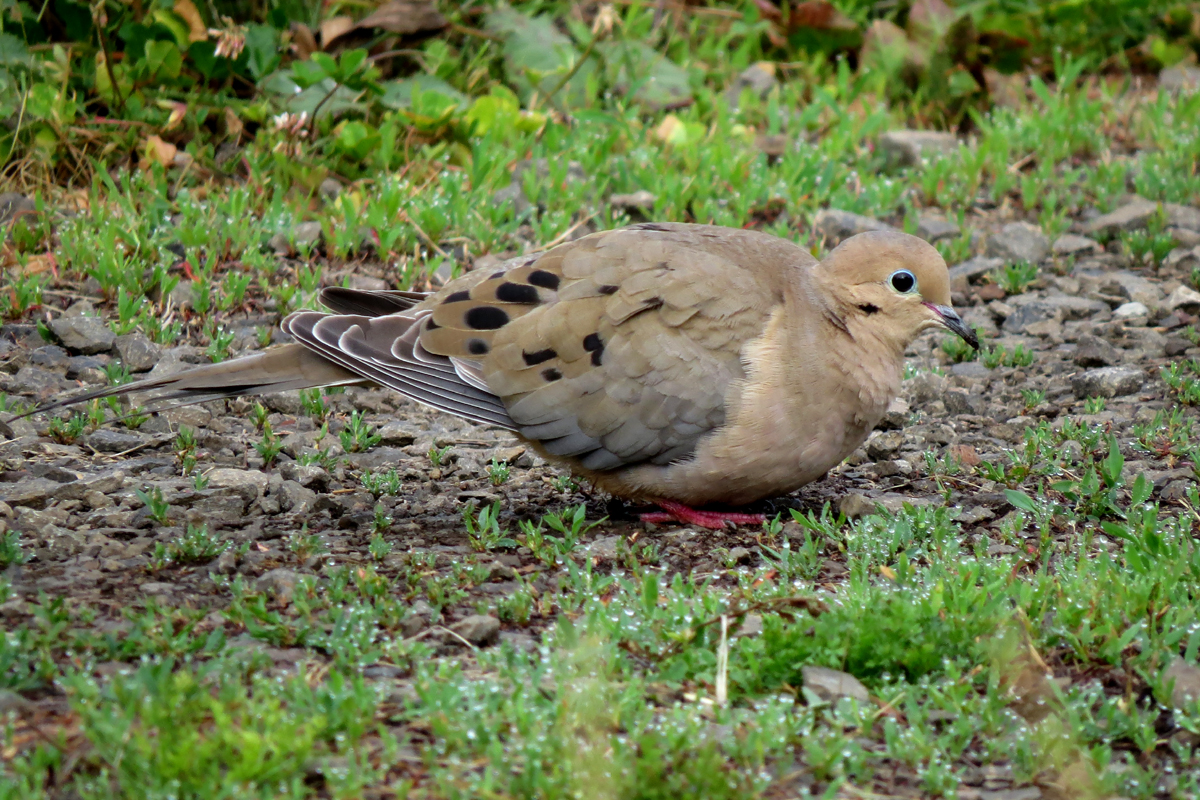
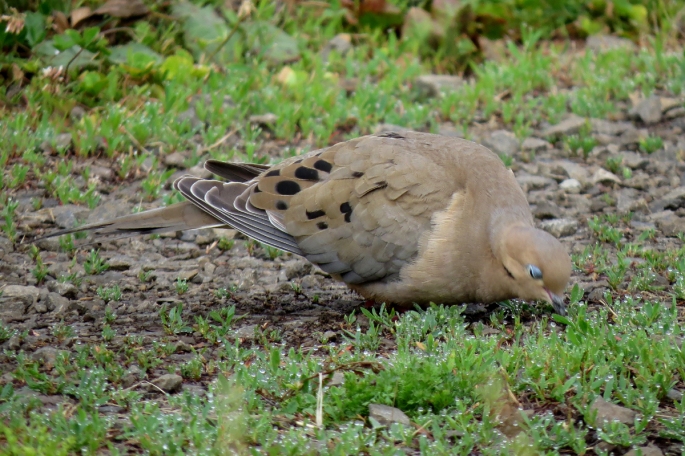
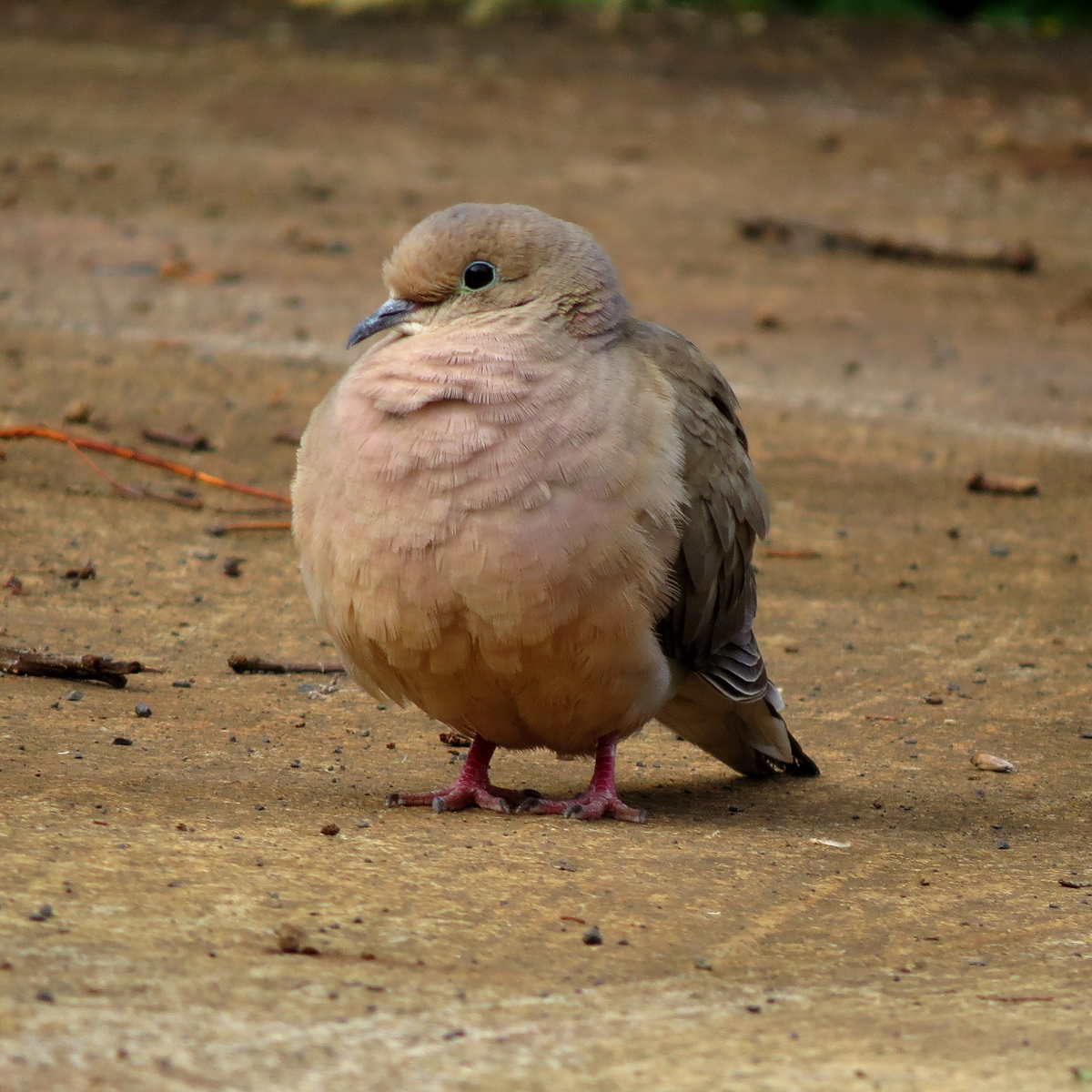
mourning dove3Mourning Dove, feeding on the gravel road.
mourning dove eyes closedI think the blue eye shadow makes her look a little trashy.
mourning dove front

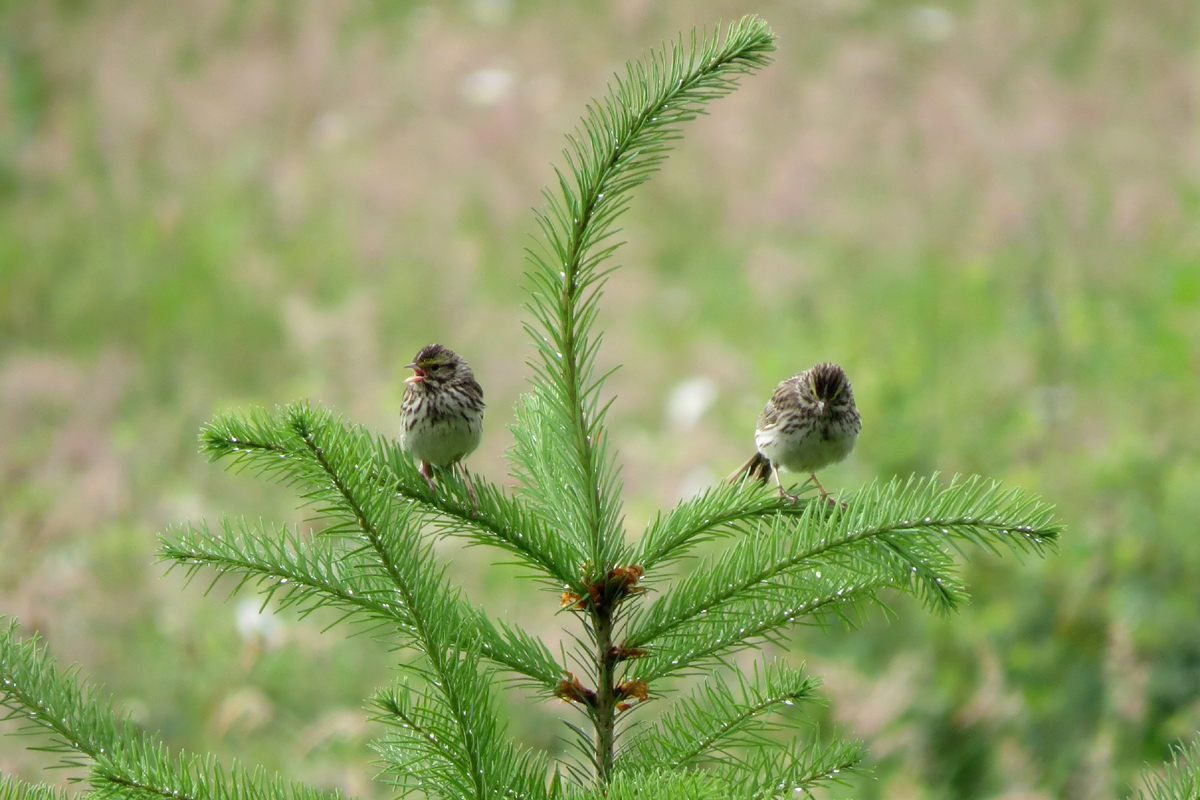
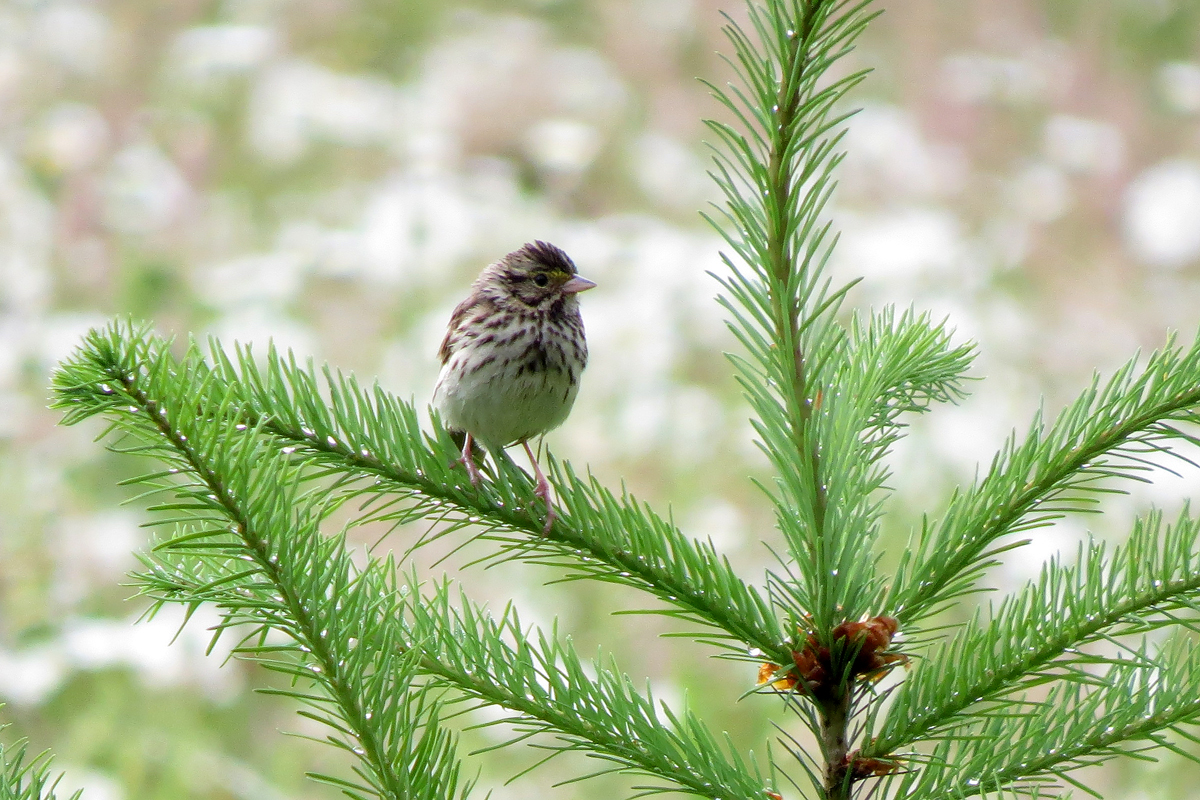
savannah sparrowsSavannah Sparrows are common in the open habitats here.
savannah sparrow

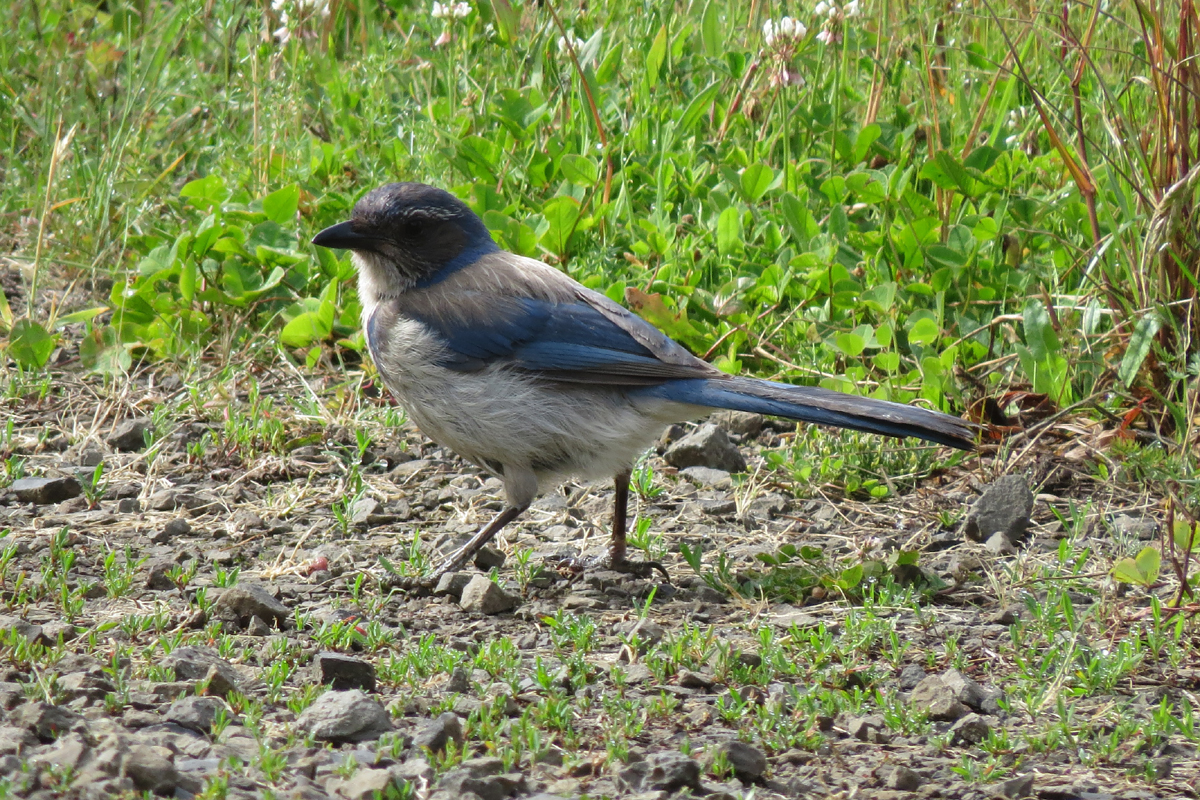
western scrub-jayWestern Scrub-Jay

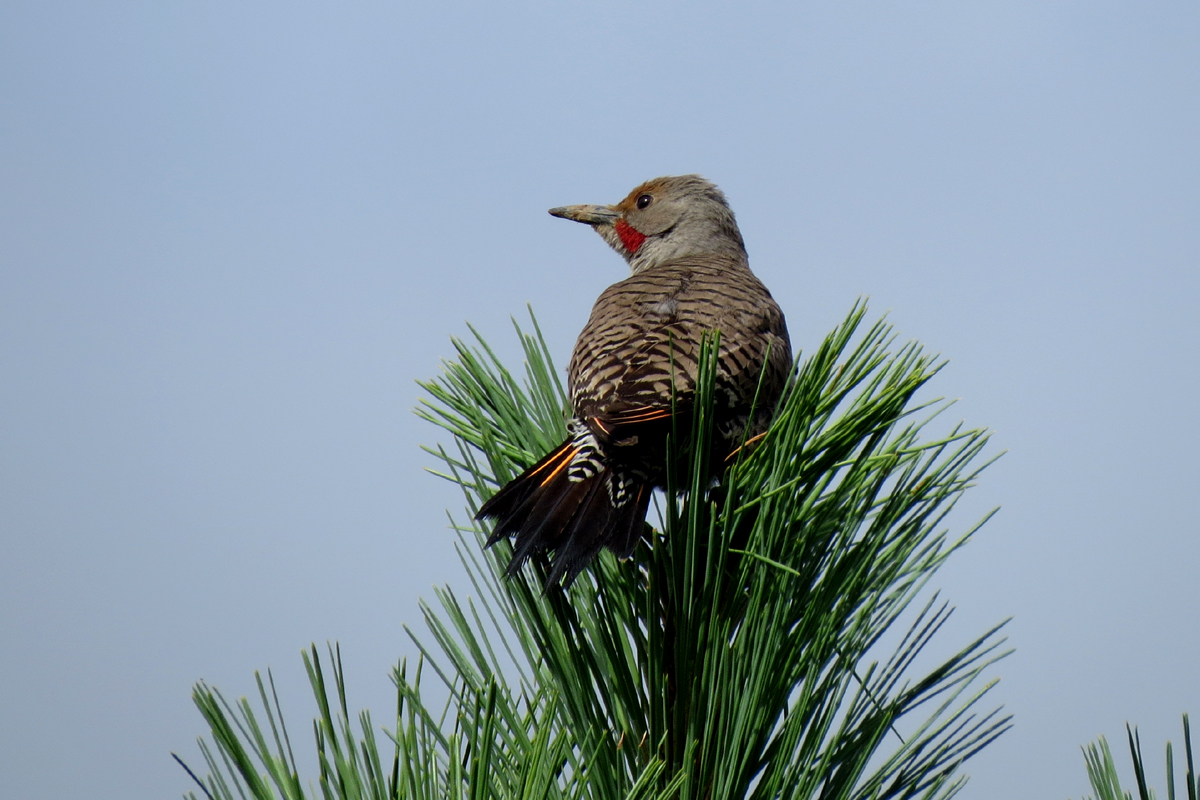
northern flickermale Northern Flicker

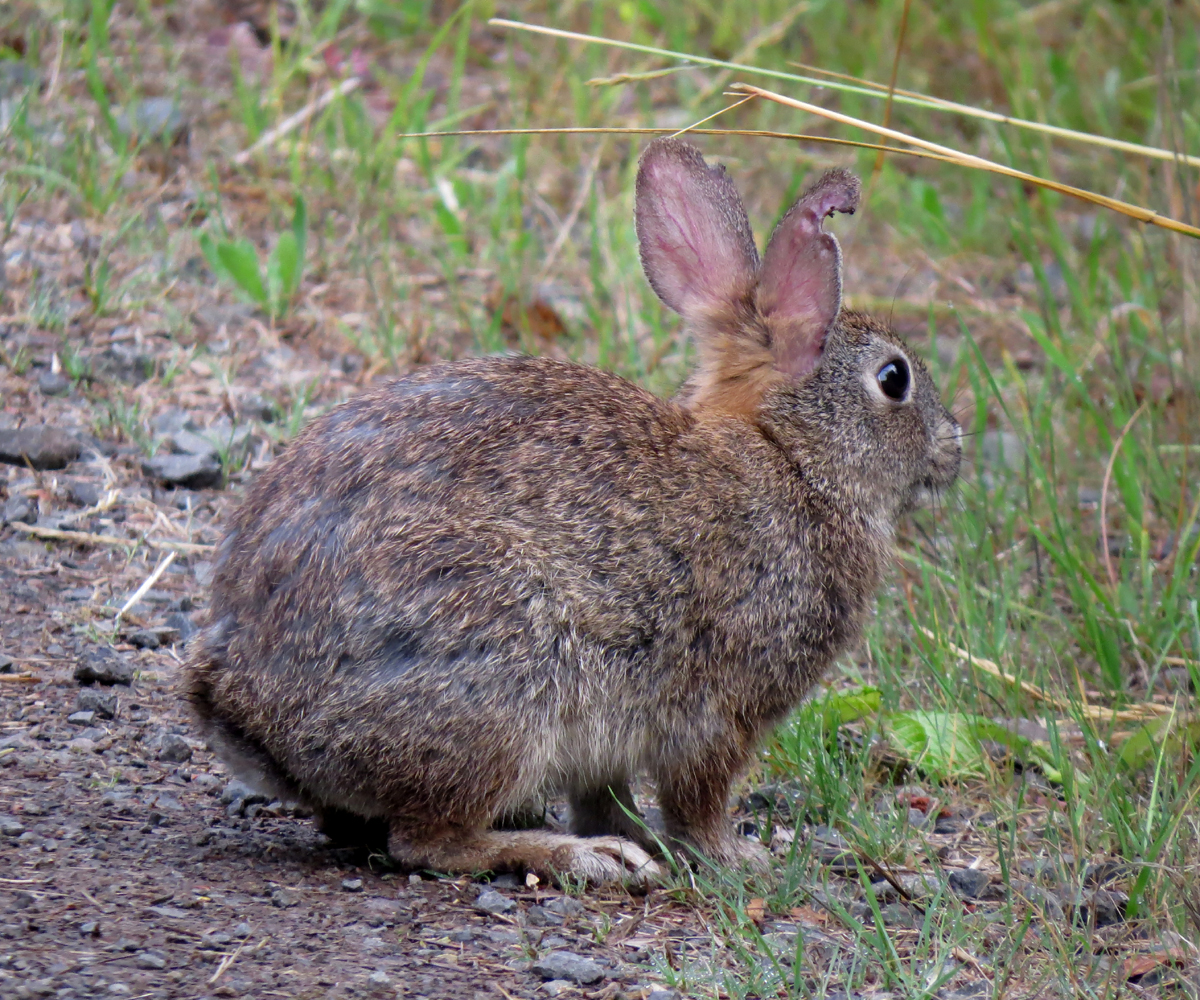
brush rabbit 1Brush Rabbit. The tattered ear suggests that he has had a close escape or two.

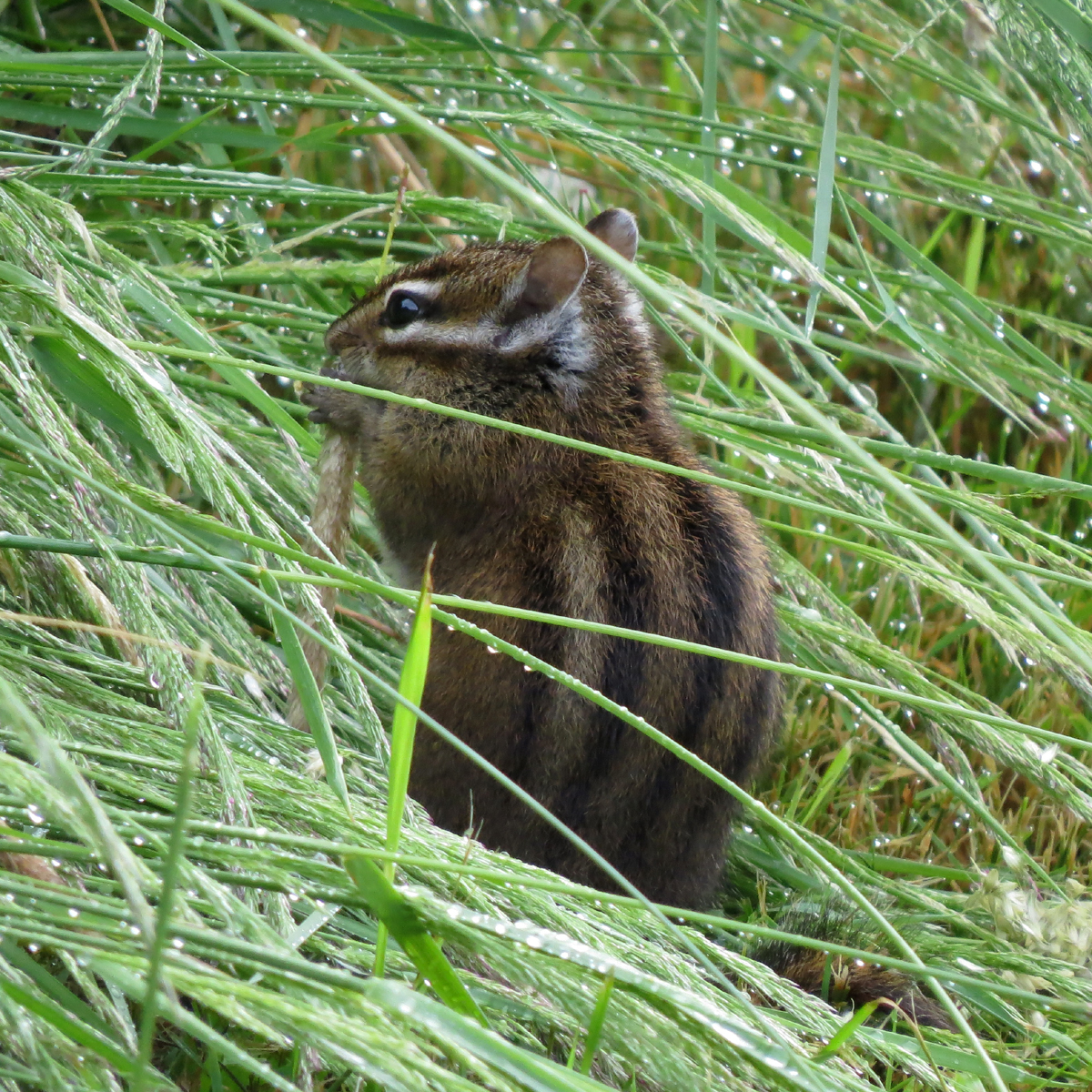
townsend's chipmunkThis Townsend’s Chipmunk was eating grass seeds.

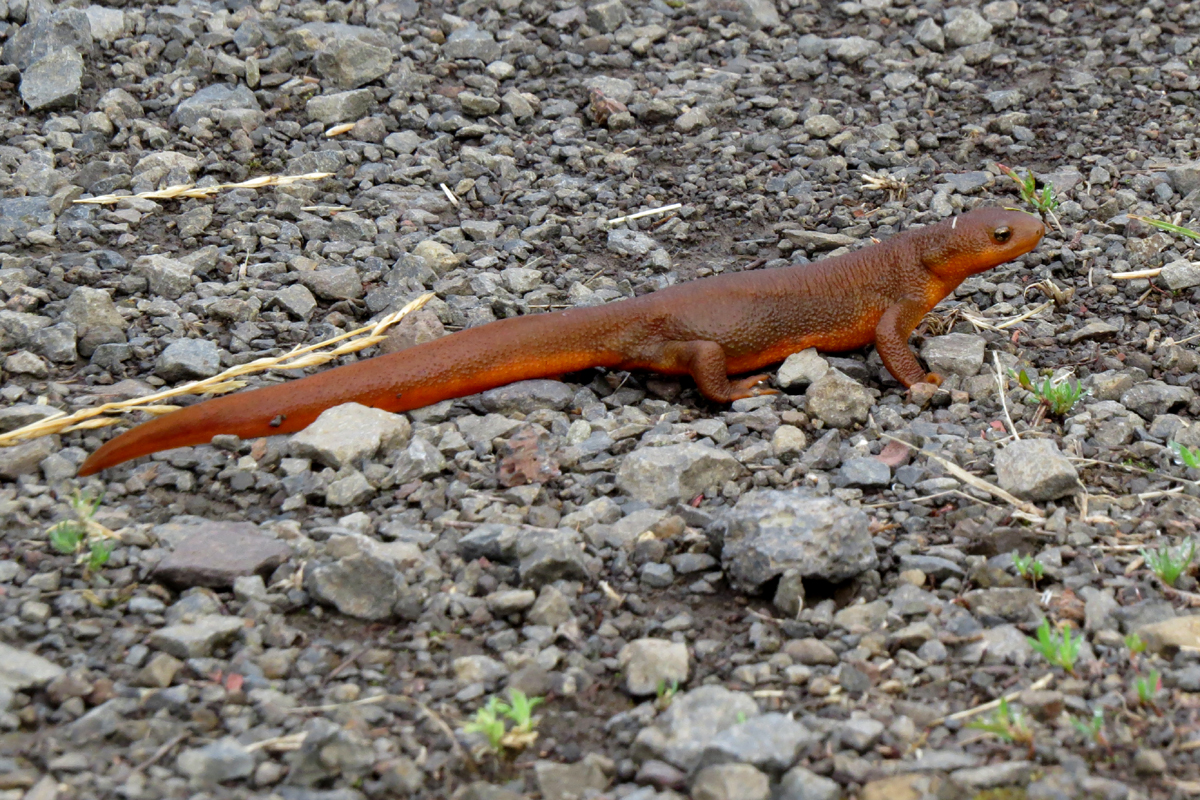
rough-skinned newt 2I saw two Rough-skinned Newts crossing the road. One of the most poisonous animals known to science, this species exudes equal amounts of toxins and cuteness.

Columbia River Gorge

The Columbia River Gorge is not a terribly birdy place. You can hear some of the common species, and see a bird or two on any given hike, but there are better places to see the birds of the western Cascades.  Occasionally, however, I remind myself that there is more to life than birds. Recently I left my binocular at home and took a couple of hikes in the gorge. Here are some highlights, minus the shortness of breath and sore calves.

angel's rest
This is a view from the rocky outcrop known as Angel’s Rest. From here you can see the Columbia River, forests in various stages of regrowth, and rimrock.

ocean spray
A view of the river with blooming Ocean Spray.

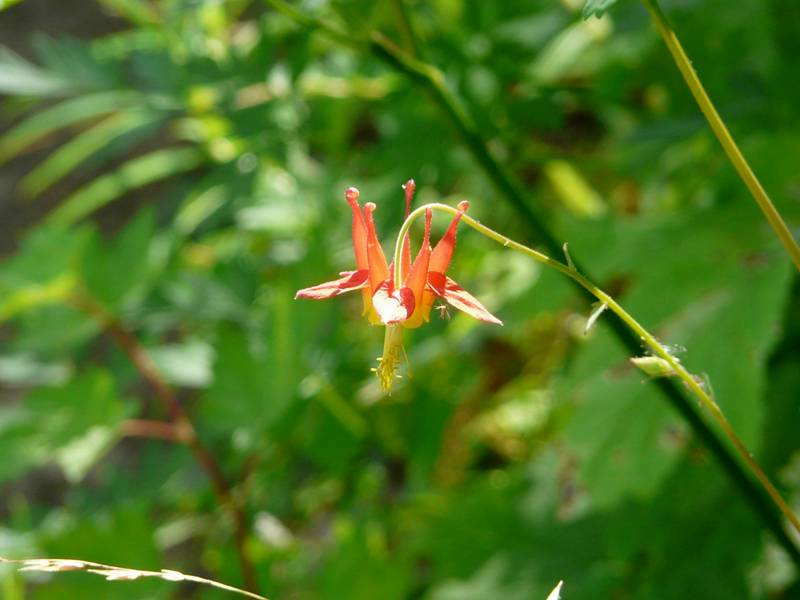
columbine
Red Columbine

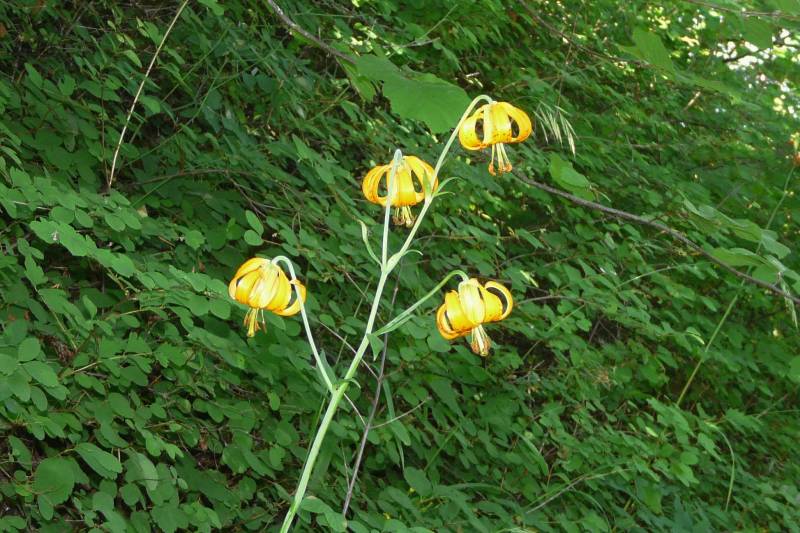
tiger lily
Tiger Lily

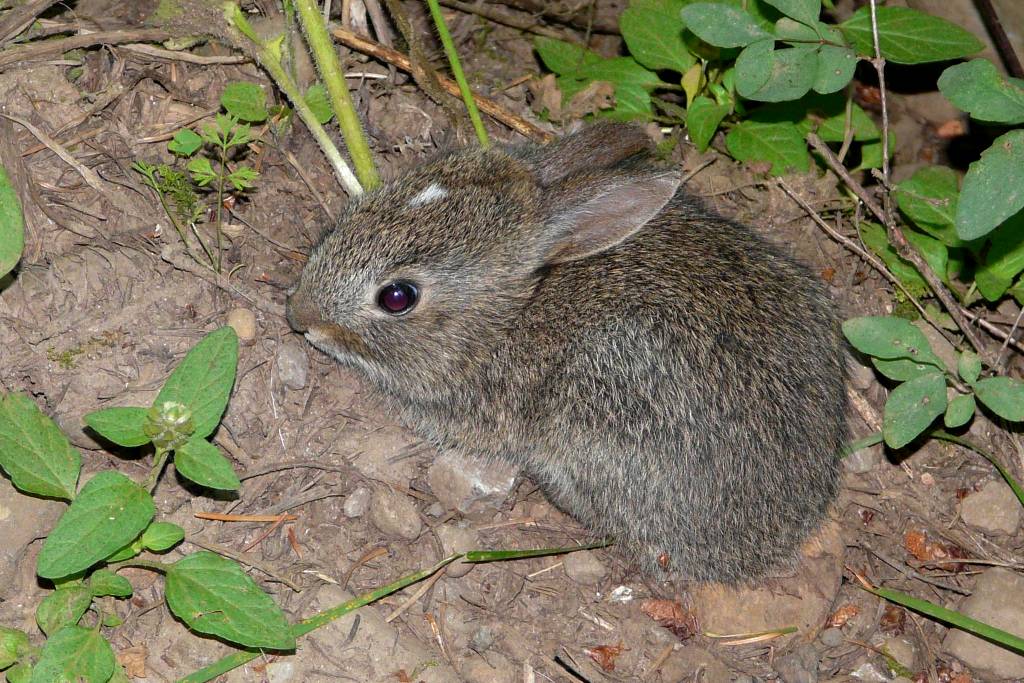
brush rabbit
This young Brush Rabbit was sitting right by the trail. So cute.

thimbleberries
Thimbleberry

admiral
Lorquin’s Admiral drinking near a stream

steam
We passed this stream in the Wahkeena Falls area.

western tanager
Western Tanager. I have to include at least one bird per post.

Sauvie Island

I did a point count at Oak Island on Sauvie Island today, then birded several other areas. Migration is starting to pick up with large numbers of Purple Martins and several warblers and shorebirds on the move. I also saw four Sanhill Cranes, which seemed a bit early.


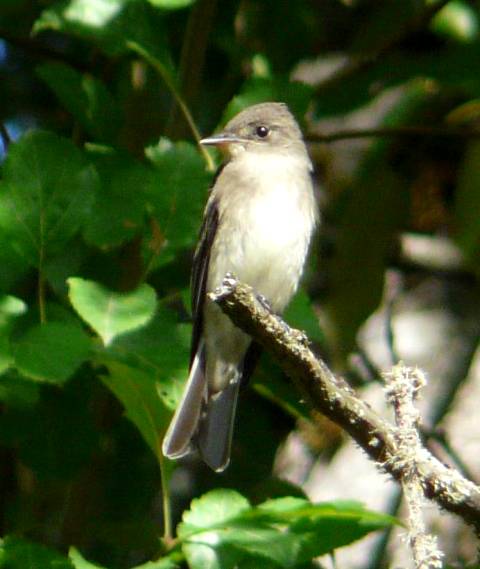
Western Wood-Pewees are everywhere, and still very vocal.


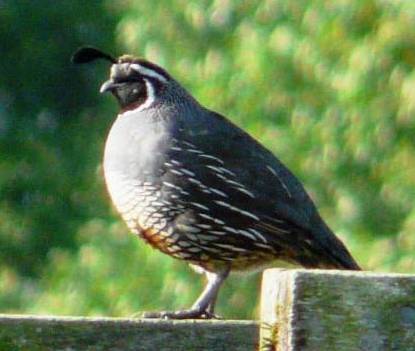
This California Quail spent some time on top of a corral fence, before disappearing into the blackberry brambles.


Here is a very distant shot of two Red-necked Phalaropes in front of a Cinnamon Teal. Notice the big blue patch on the extended wing of the teal.


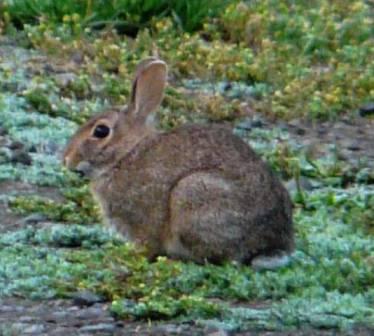
A Brush Rabbit, not a bird, nor uncommon, but still cute.


Pacific Treefrog. It is amazing how such a tiny animal (about 1 inch from snout to vent) can have such a loud call.