
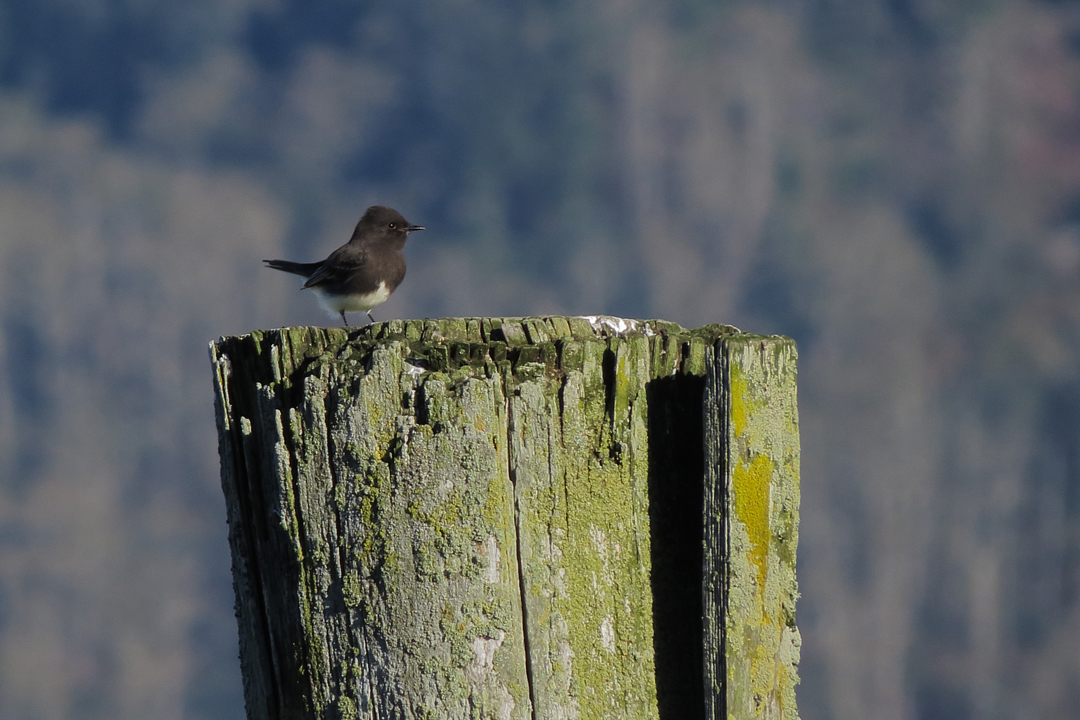
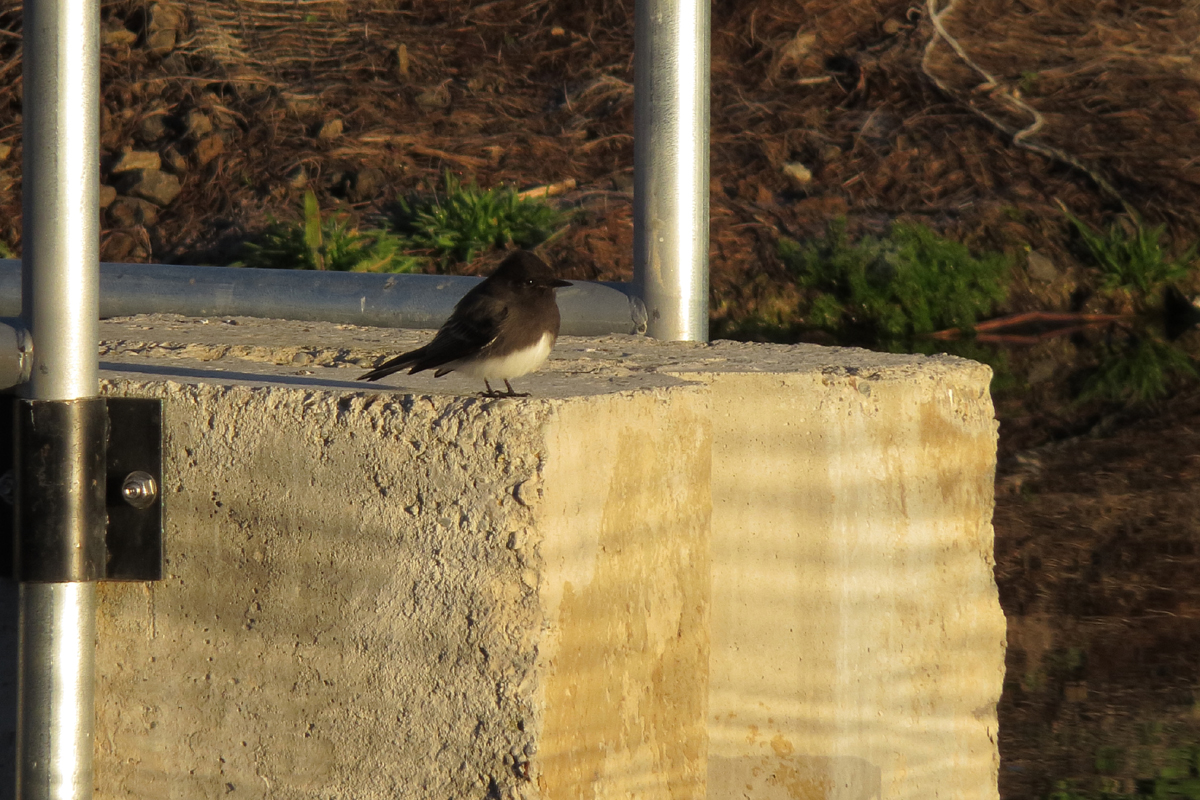
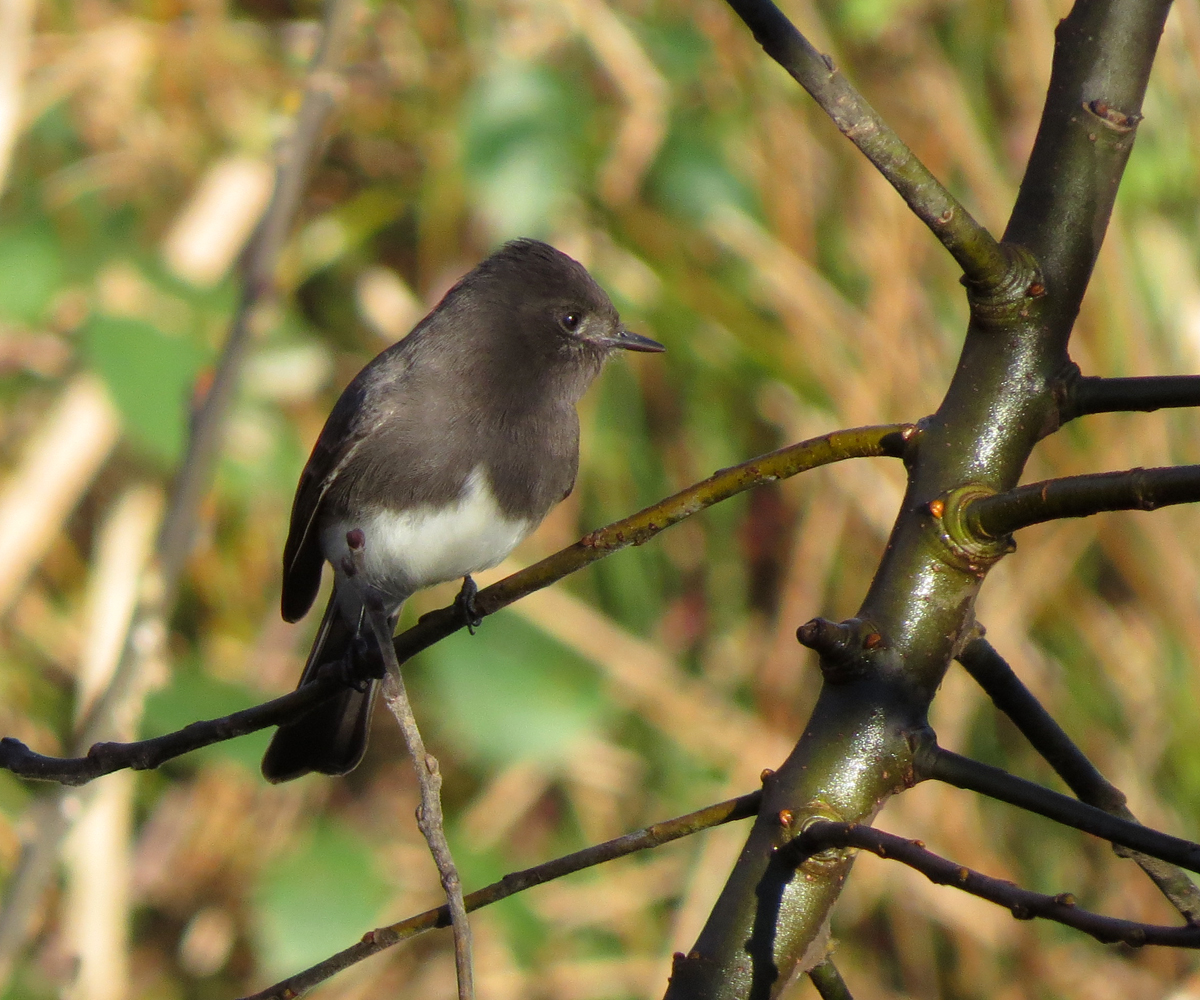
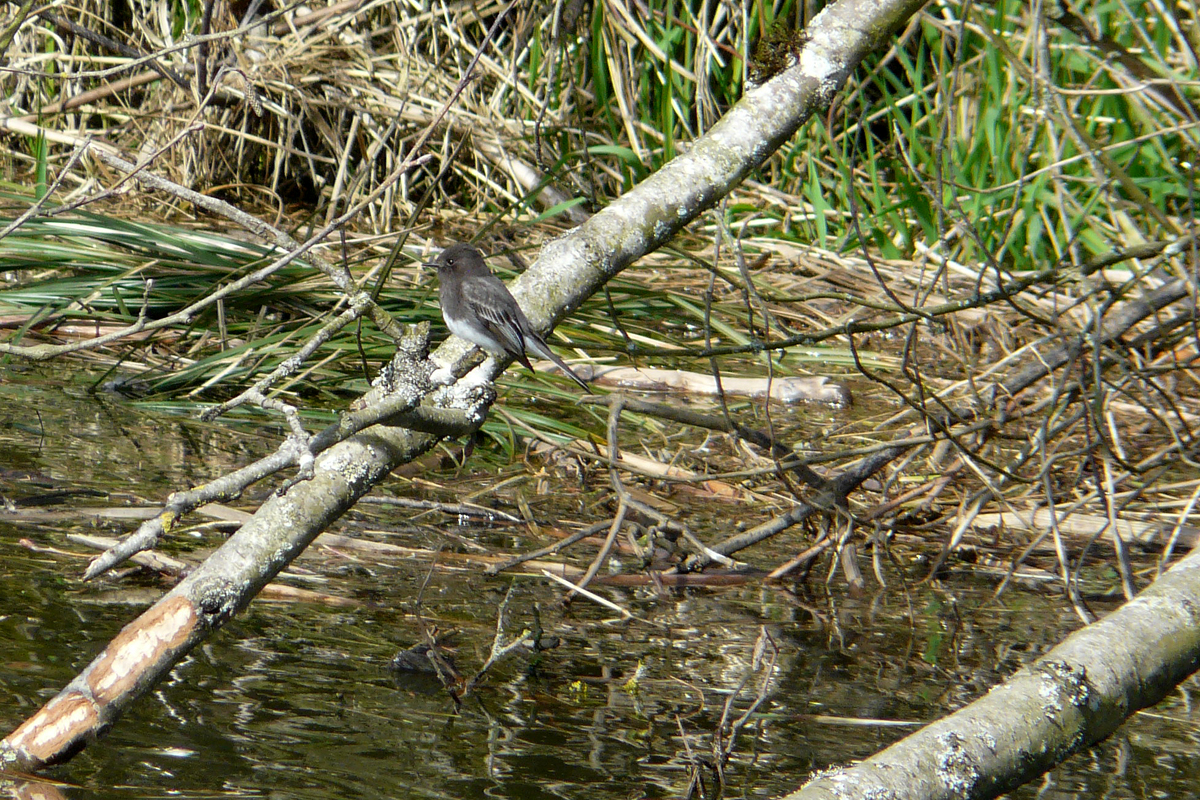
I enjoyed a walk around Fernhill Wetlands recently. We are in that in-between time when the seasons haven’t decided exactly who is in charge, so you never know what or who you will find out and about this time of year. This Black Phoebe still shows the pale gape and buffy wingbars of a juvenile.
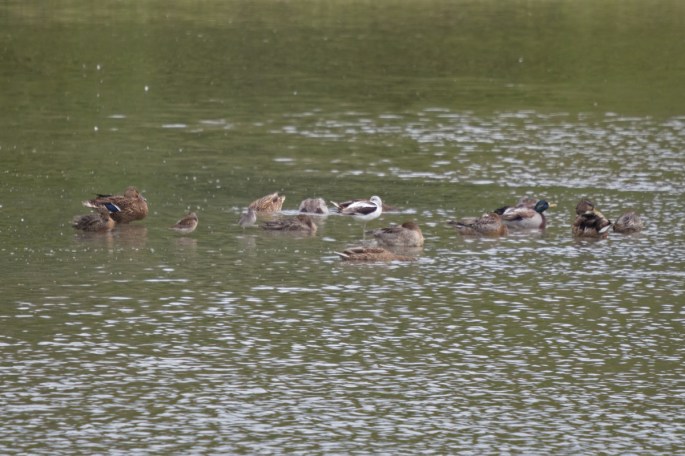
Most of the migrant shorebirds have moved on, but this wayward American Avocet was hanging out with the local waterfowl.

American Coot, enjoying their greens

I still haven’t taken the leap into studying dragonflies, but I am noticing them more and more. I believe this is a female Cardinal Meadowhawk, but please correct me if I am wrong.


Southbound raptor migration is pretty hit and miss in the Portland area. You have to be out at the right time when a flock is passing over. I missed the big flights this year, but did get to see a little flock that included a couple of Red-shouldered Hawks.
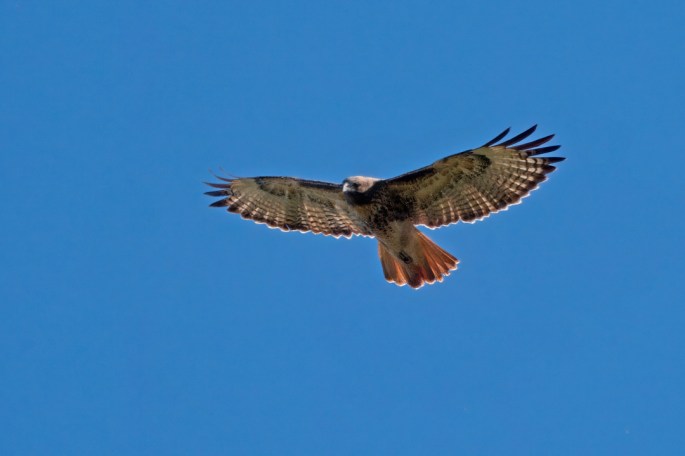
I don’t know if this Red-tailed Hawk is a migrant or a resident.

Now that the rains have begun, the Pacific Treefrogs have become more vocal and more visible. This youngster was sitting in the middle of a leaf on a cottonwood sapling. I missed most of the spring herp activity this year due to the demands of a certain puppy, so it has been great to see a few herps this fall.
Happy Autumn
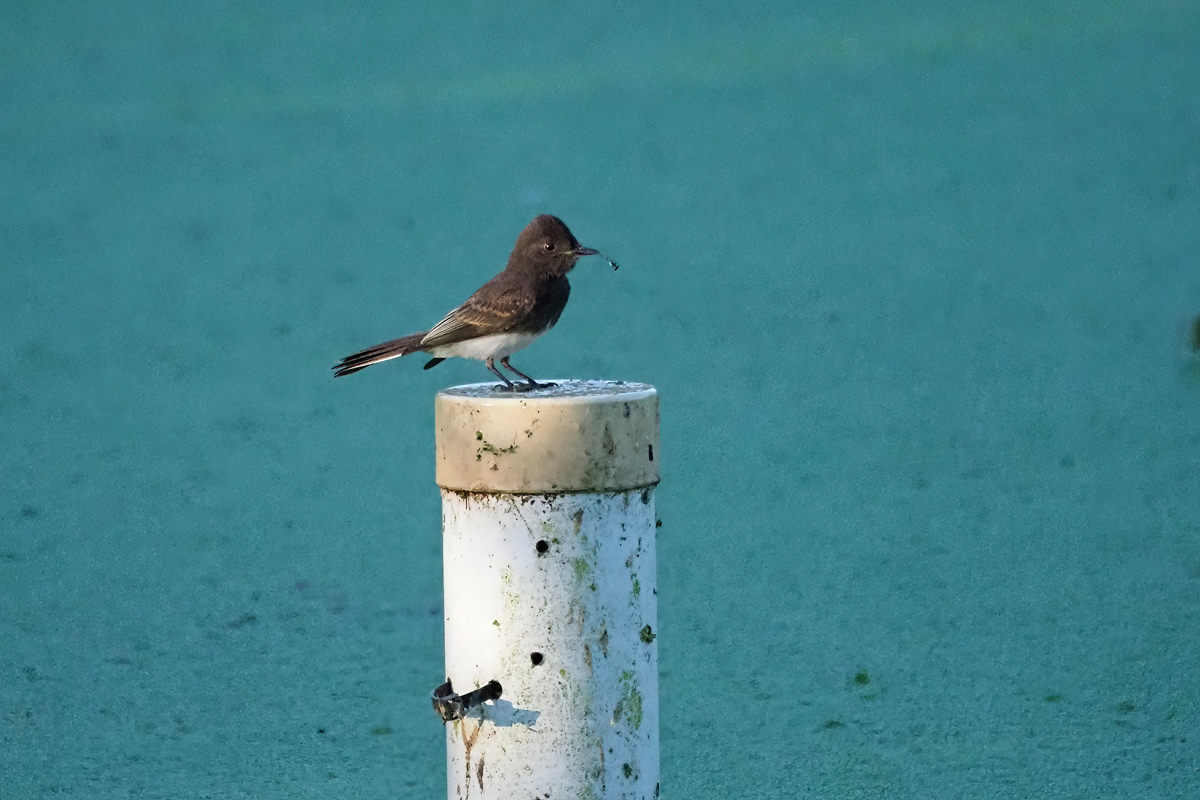
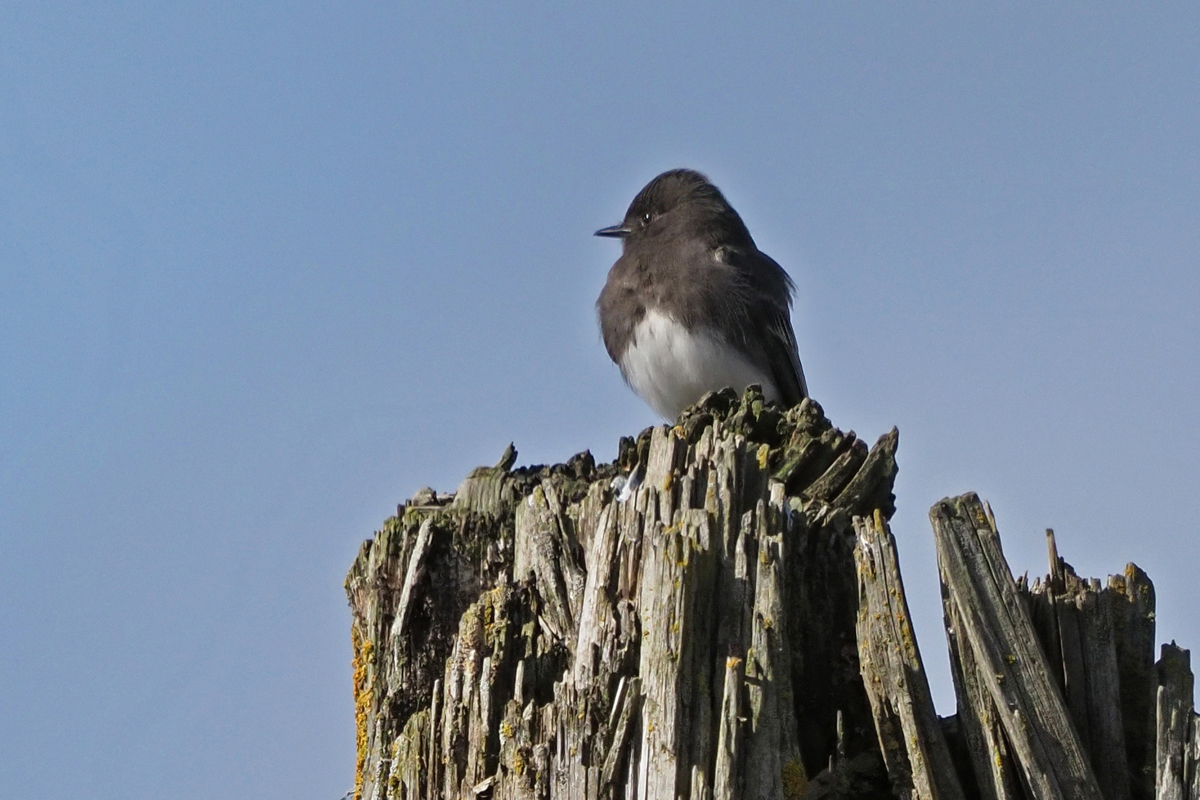




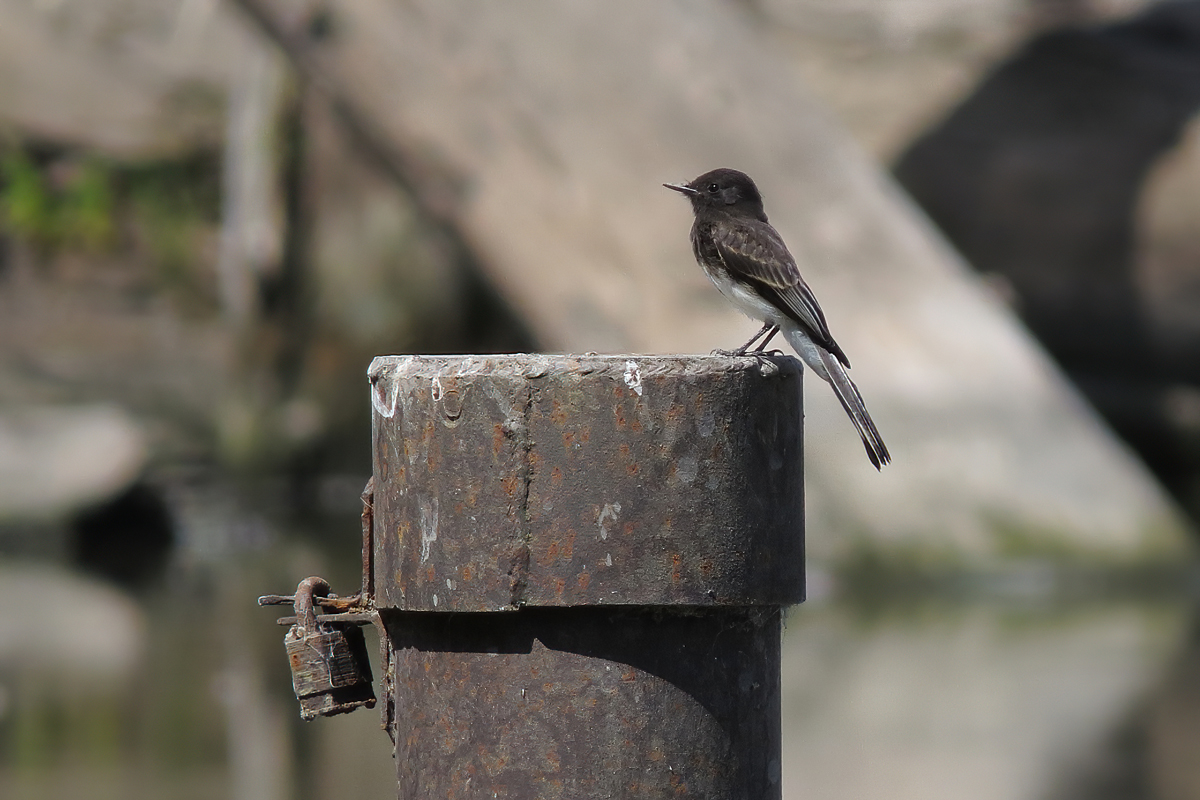 The first record of Black Phoebe in Washington County was in 2006 (by yours truly). Now they are rare but regular at both Jackson Bottom and Fernhill.
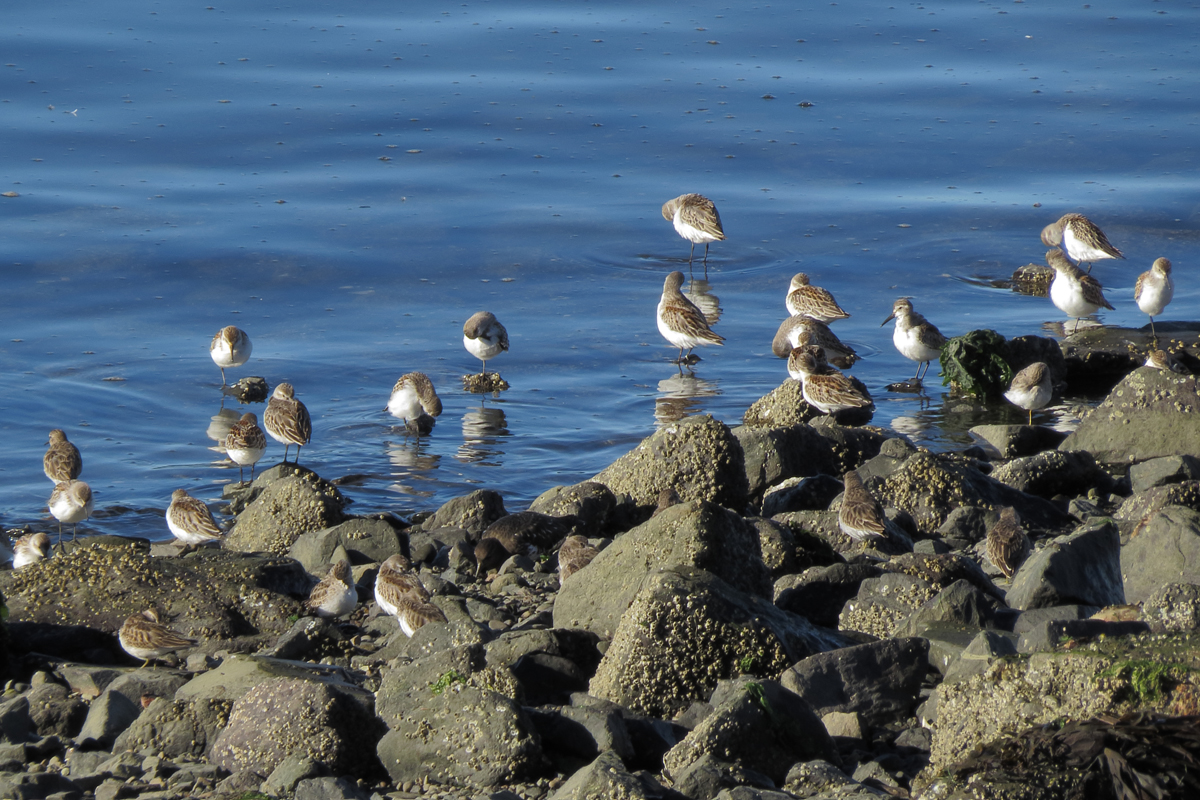
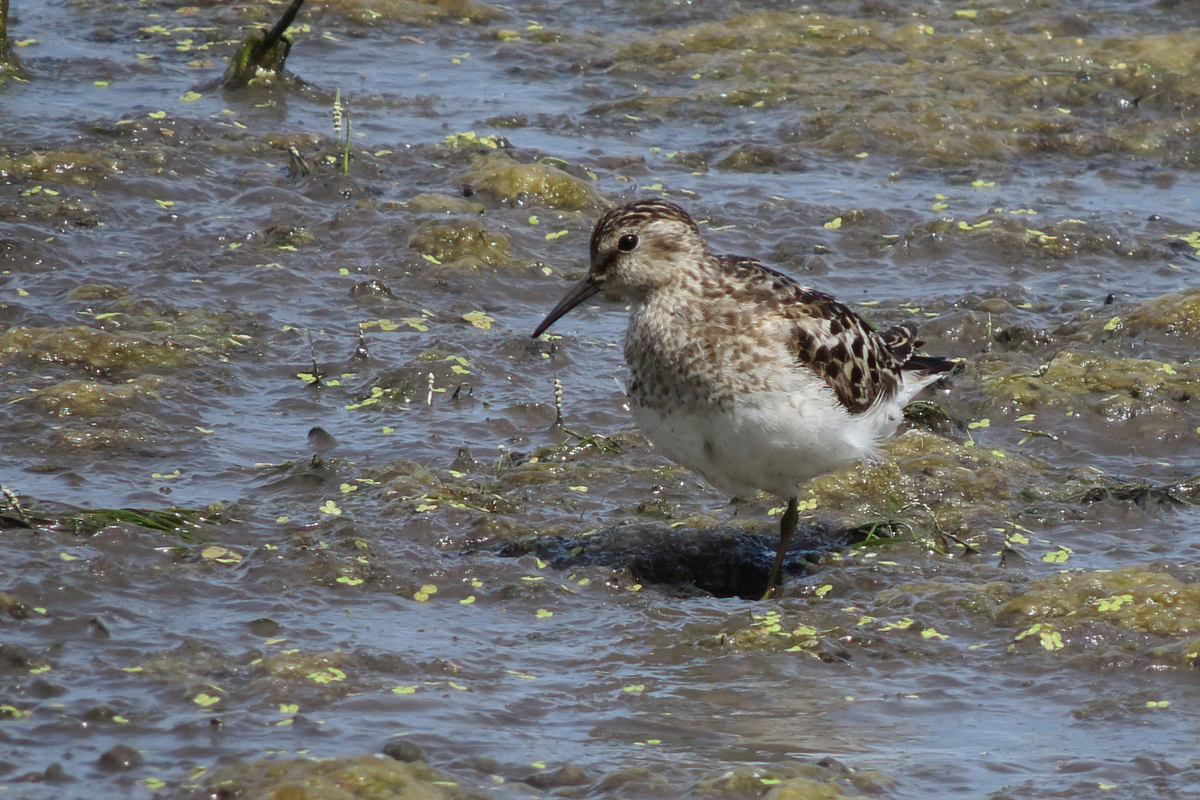 Shorebird migration is in full swing. Numbers are better at the coast, but some birds are finding the small patches of mud at inland locations. This Least Sandpiper was feeding on some newly exposed mud at Jackson Bottom.
 Here is the underside of a Lorquin’s Admiral. Those red eyes are intense.
 Green Heron at Fernhill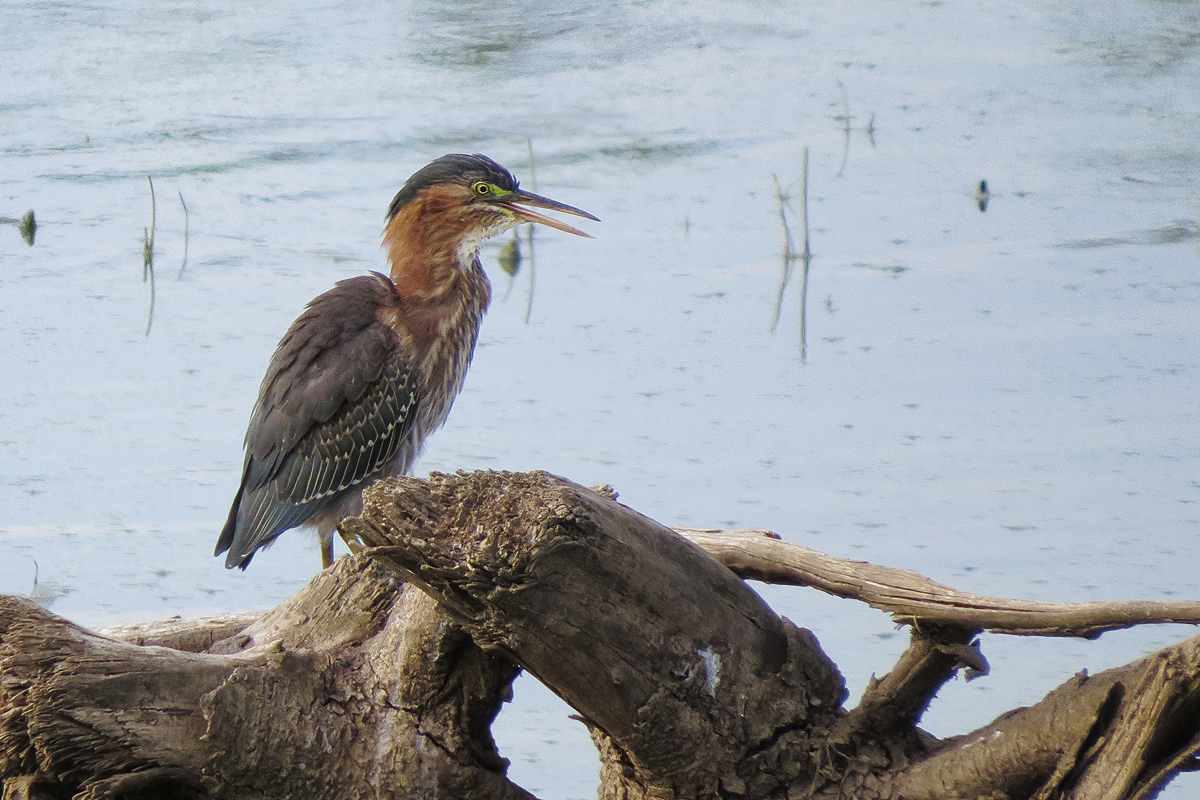
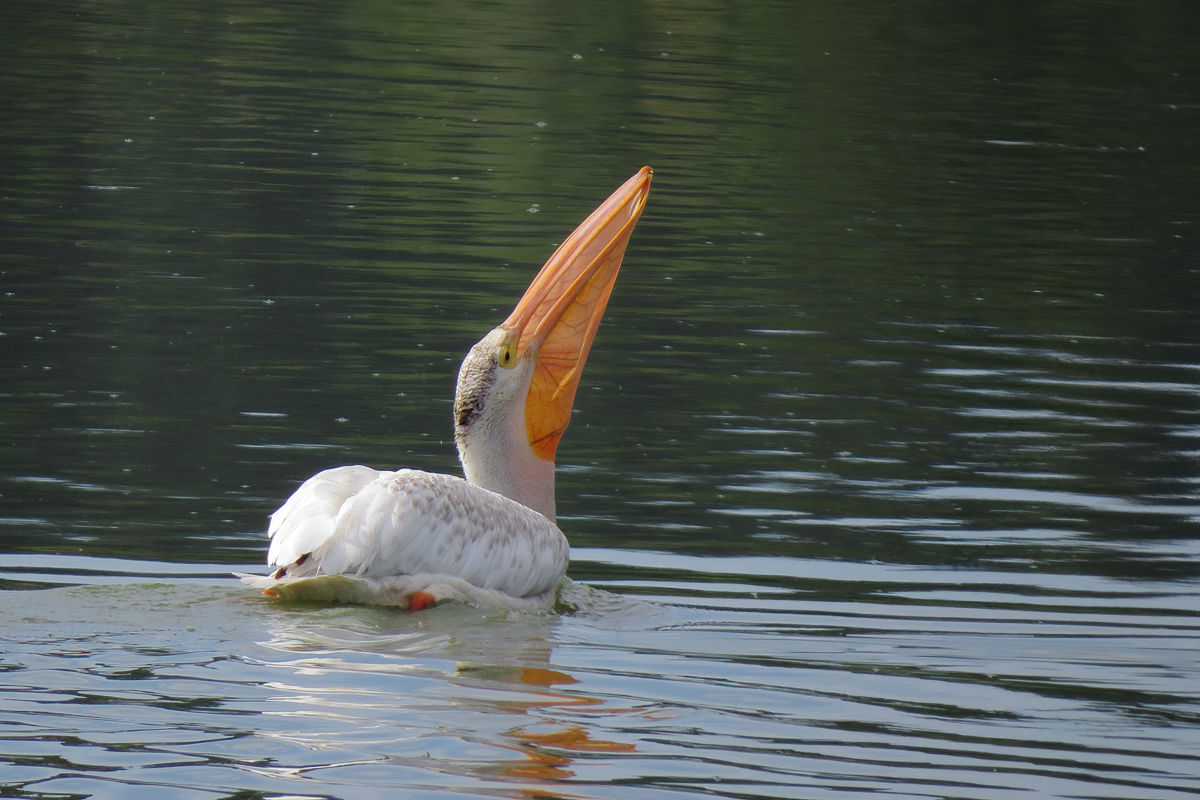 American White Pelican is another species that has become more common in the Portland area is recent years. They don’t nest here, but summer brings large numbers of young birds and post-breeding adults.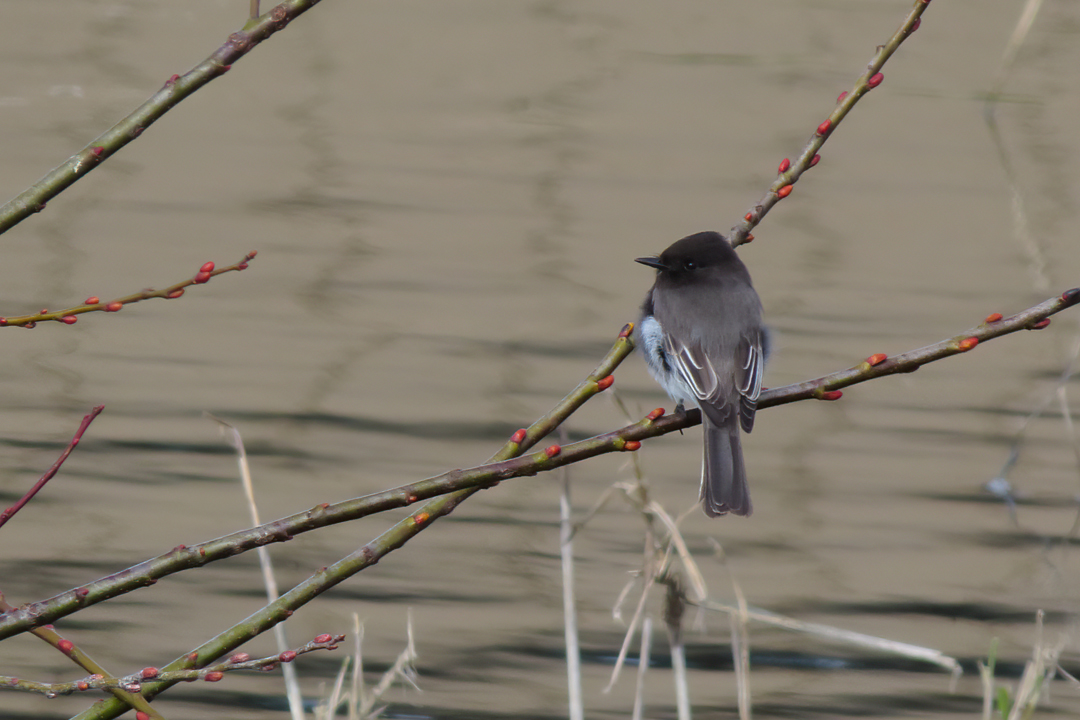

















 Ethical Birder