Pelagic trip, September 10, 2011

On Saturday I went on another excellent pelagic trip out of Newport with Greg Gillson and his band of wonderful guides. The weather was cool, windy, and foggy. Seas were very rough, so many cookies were tossed and chunder was blown among my fellow birders. But thanks to Bonine, my stomach survived the trip unscathed. Rough seas made photography very challenging, but here are a few images from the day.


A foggy sunrise beneath the Yaquina Bay Bridge.


Once we we got well offshore, the fog cleared and the Black-footed Albatrosses appeared. These are common birds on virtually every Oregon pelagic trip, but they are always magnificent to see.
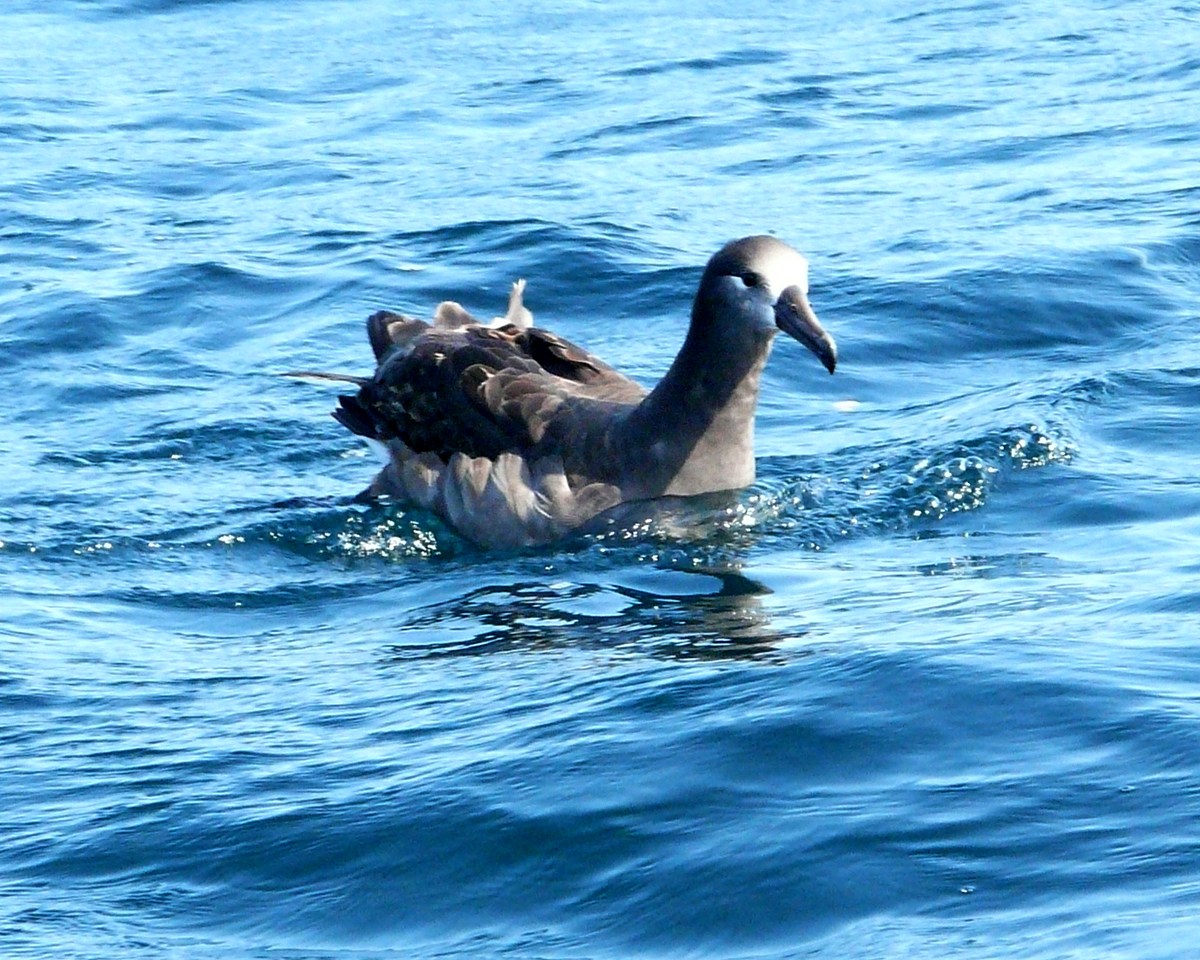

Black-footed Albatross


Black-footed Albatross next to a Northern Fulmar


This Northern Fulmar is dining on a chunk of beef fat.
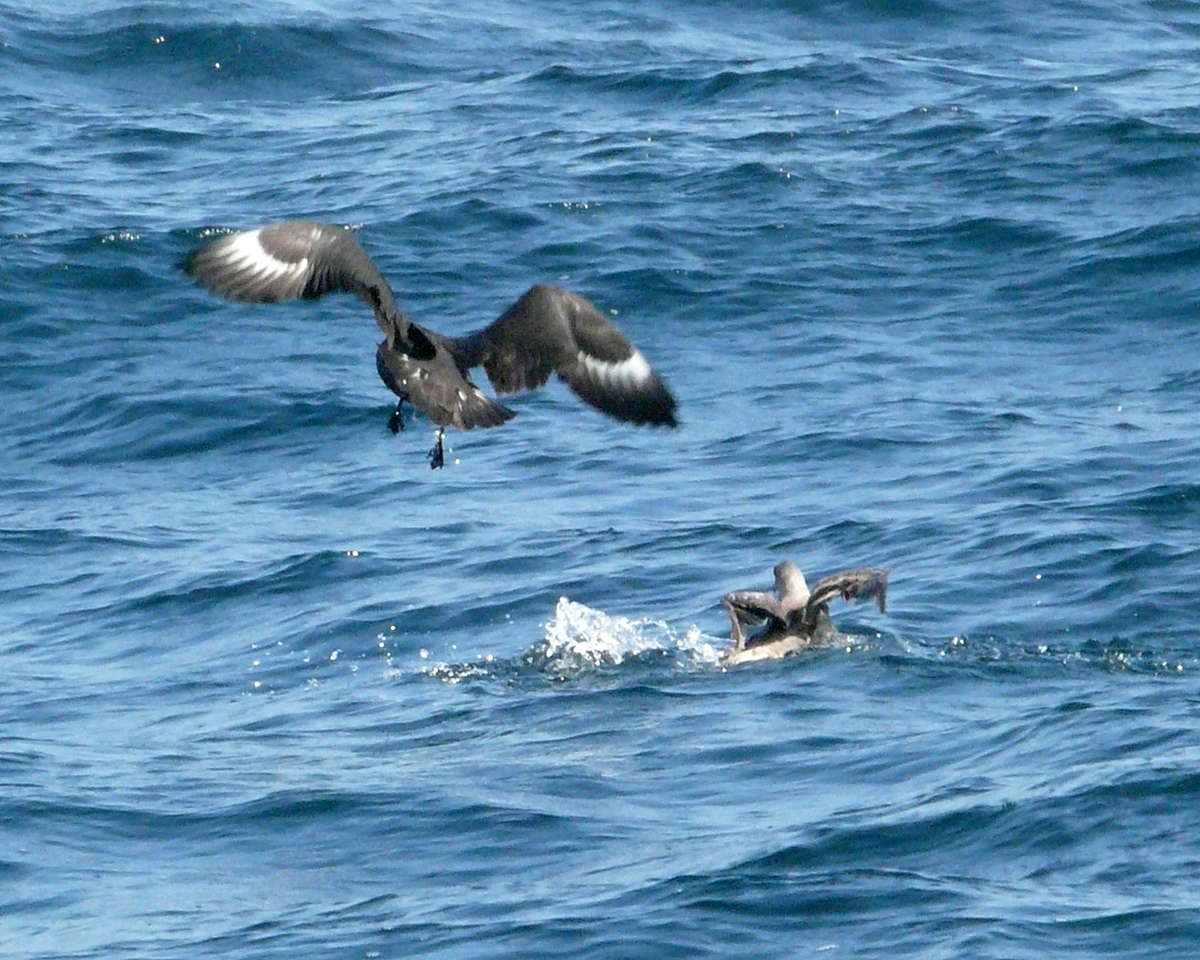

The Northern Fulmars make a hasty retreat at the appearance of a South Polar Skua. Skuas make their living beating up smaller seabirds and stealing their lunch.
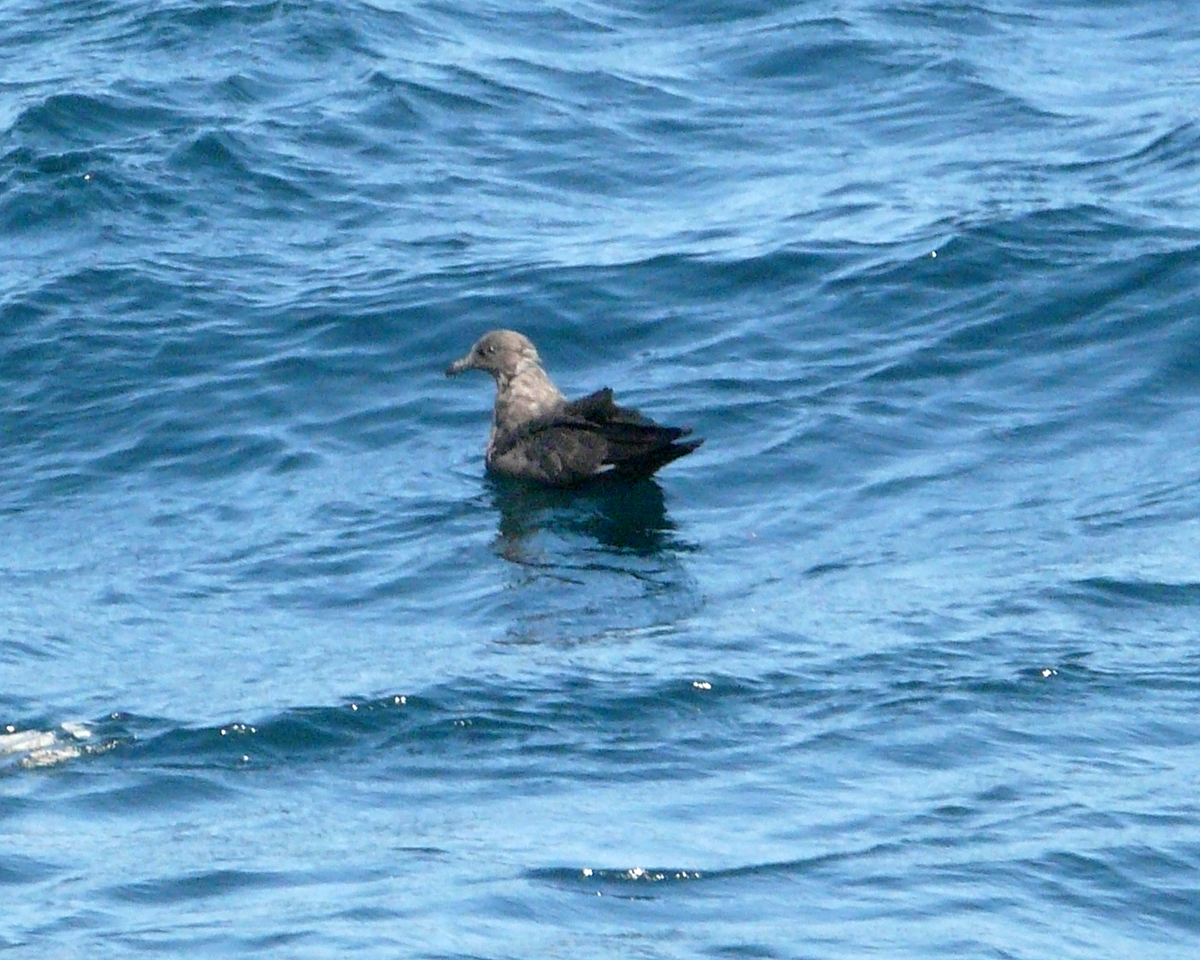

While I have seen South Polar Skuas on many other trips, this is the first time I have seen them resting on the water.
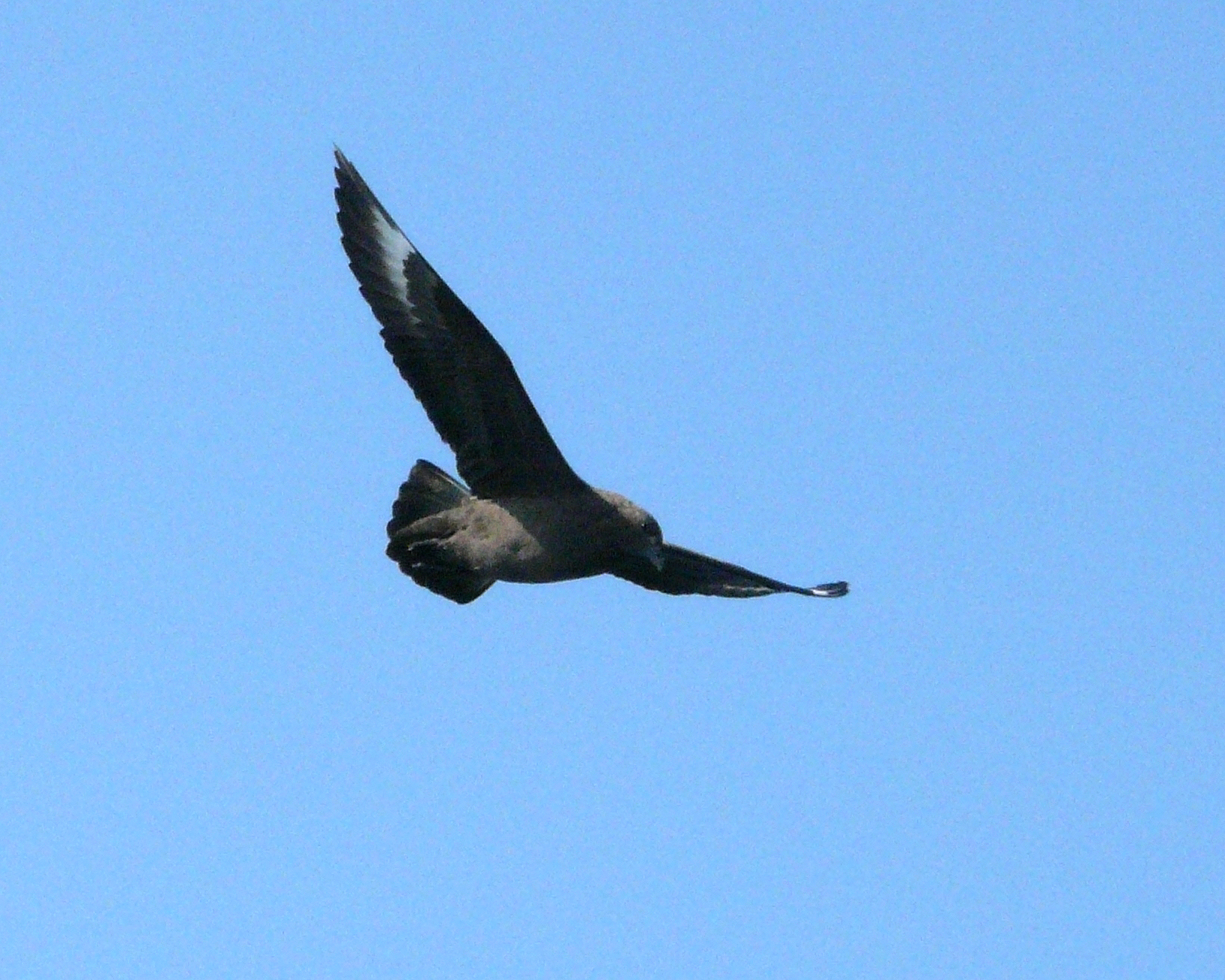

In flight, South Polar Skuas are easily recognized by their barrel-chested shape and white patches at the base of the primaries.
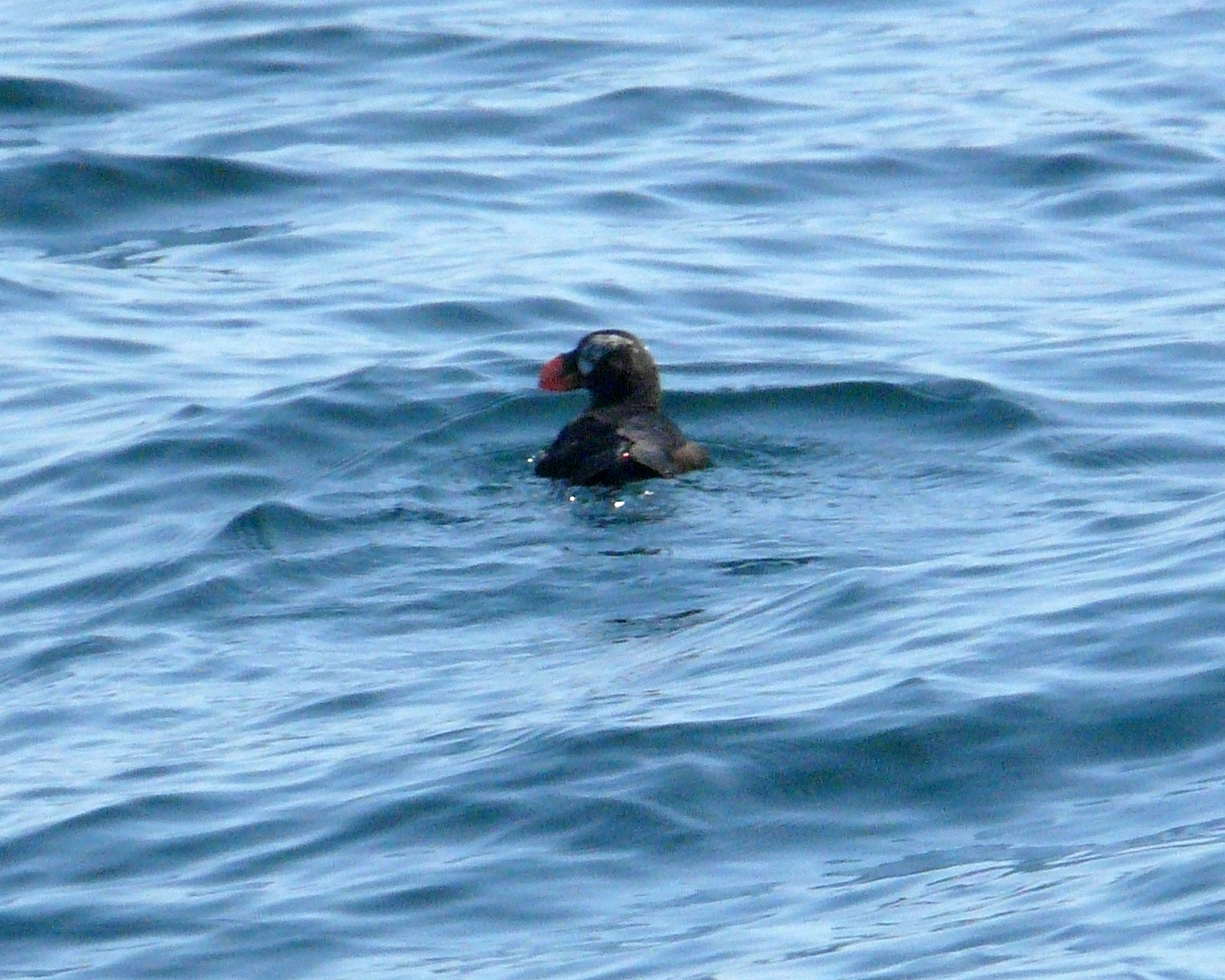

As we got back closer to shore, we found this Tufted Puffin.
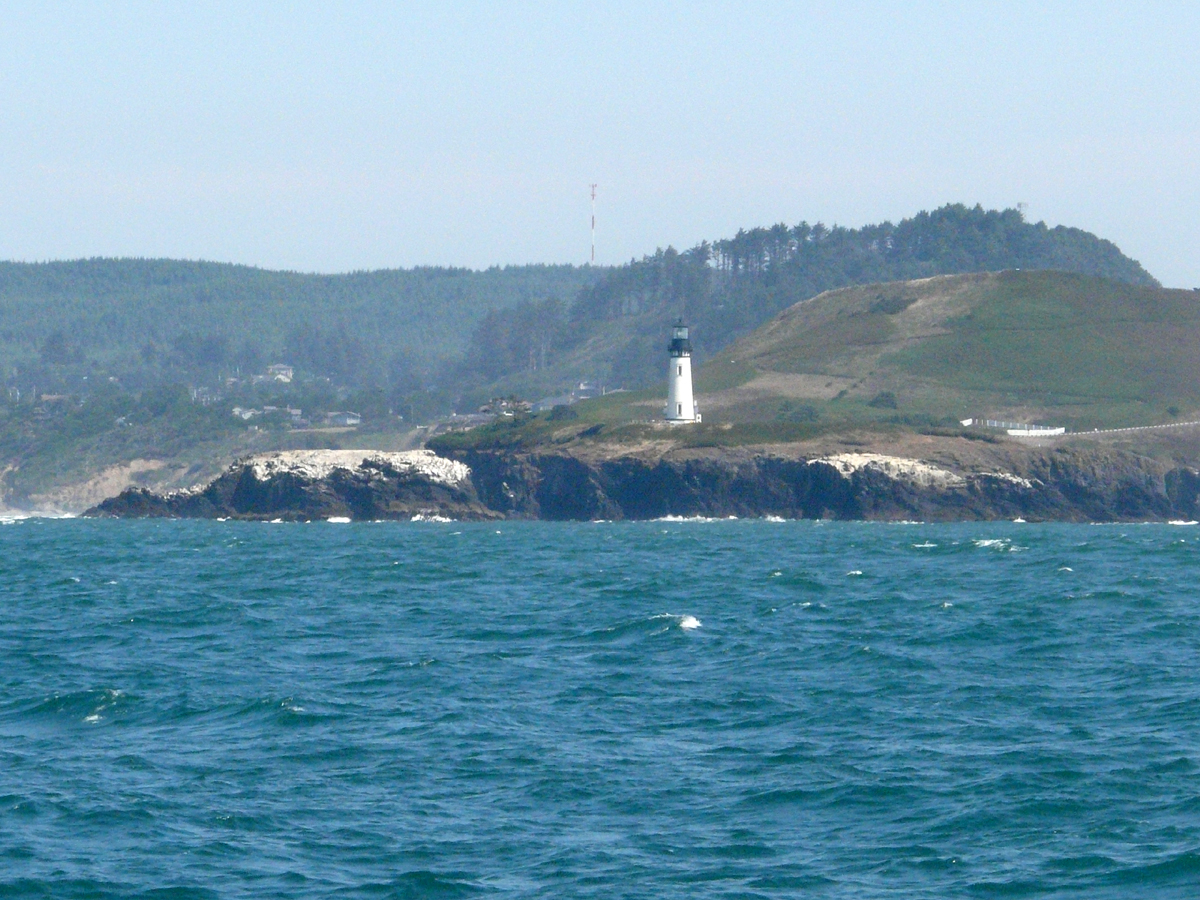

Yaquina Head, just north of Newport. The rocks just offshore here are important nesting colonies for many seabirds.
Fernhill Dog Days

In preparation for my shorebirds class for Portland Audubon, I have made several trips to Fernhill Wetlands (Birding Oregon p. 61) in recent weeks. As expected in the Willamette Valley in late summer, species diversity is fairly low, but there is always something to see.


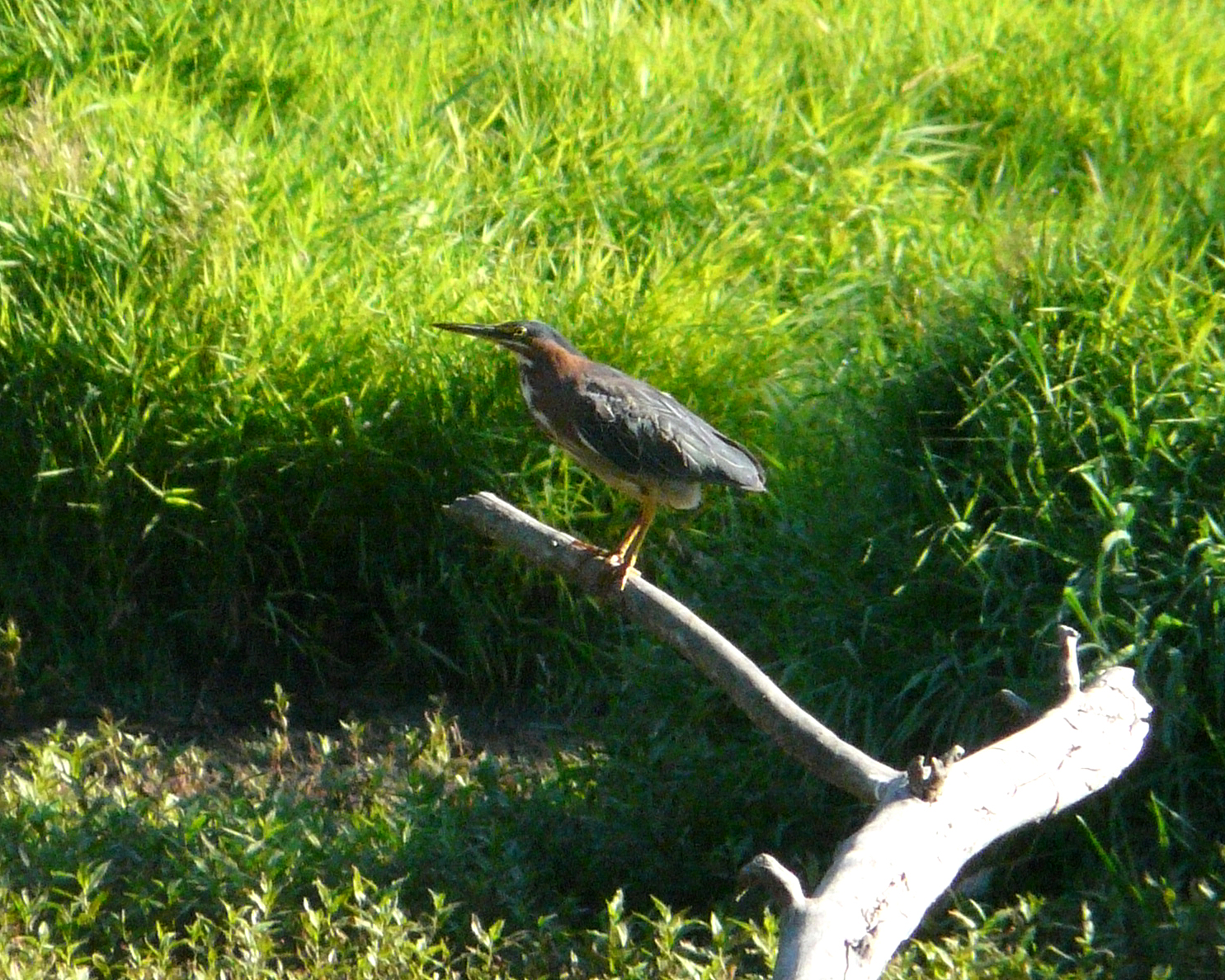
Green Herons are common at this site, flushing from the shores of the main lake or hunting in Dabblers Marsh.


High water levels this year have left little mud for the shorebirds. This Killdeer has found some higher ground.


Greater Yellowlegs


The shorebird class found at least six Stilt Sandpipers on their field trip. This species is a rare migrant in Oregon. I had only seen one individual in Oregon prior to this trip, also at Fernhill.

Two Stilt Sandpipers


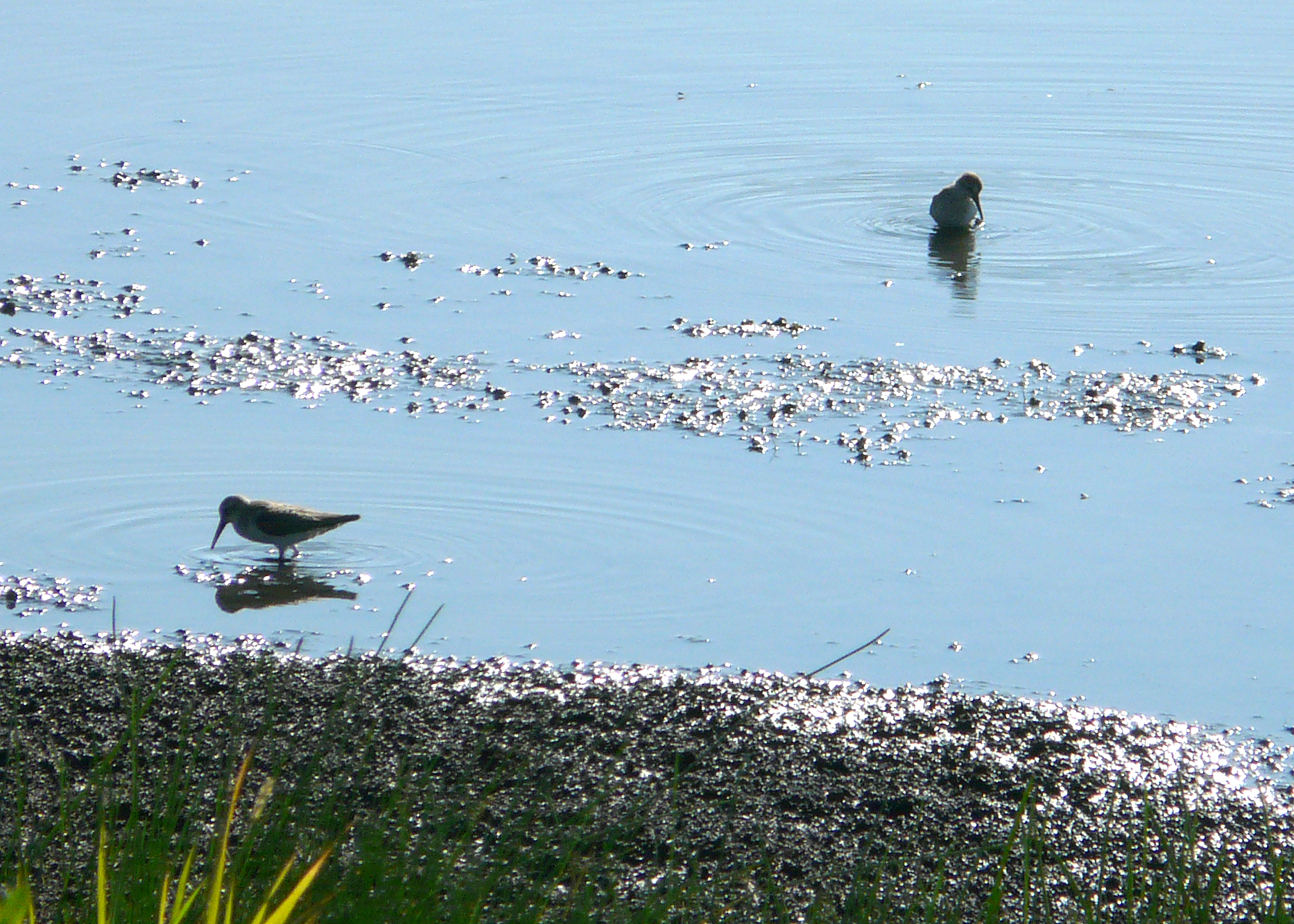
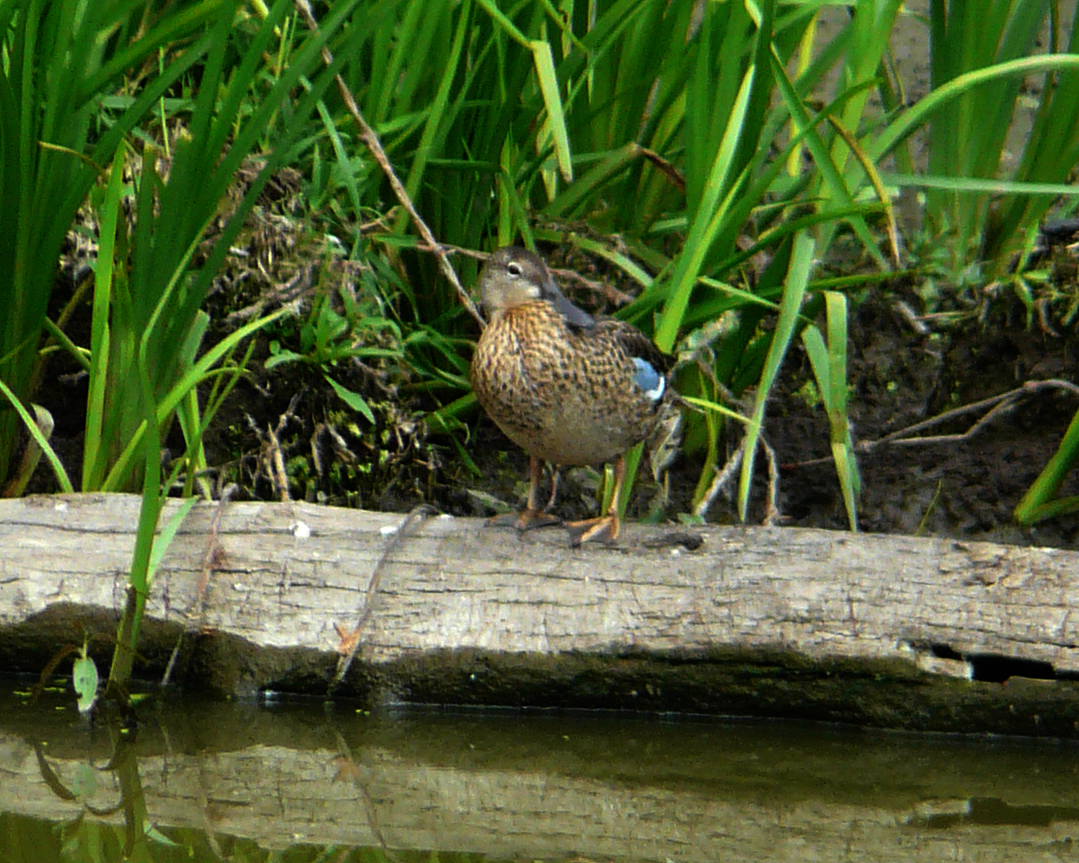
Late summer is the ugly duck season, with most birds in their summer alternate, or “eclipse” plumage. I think I know what this little duck is, but I would be interested in your opinions. Leave a comment.


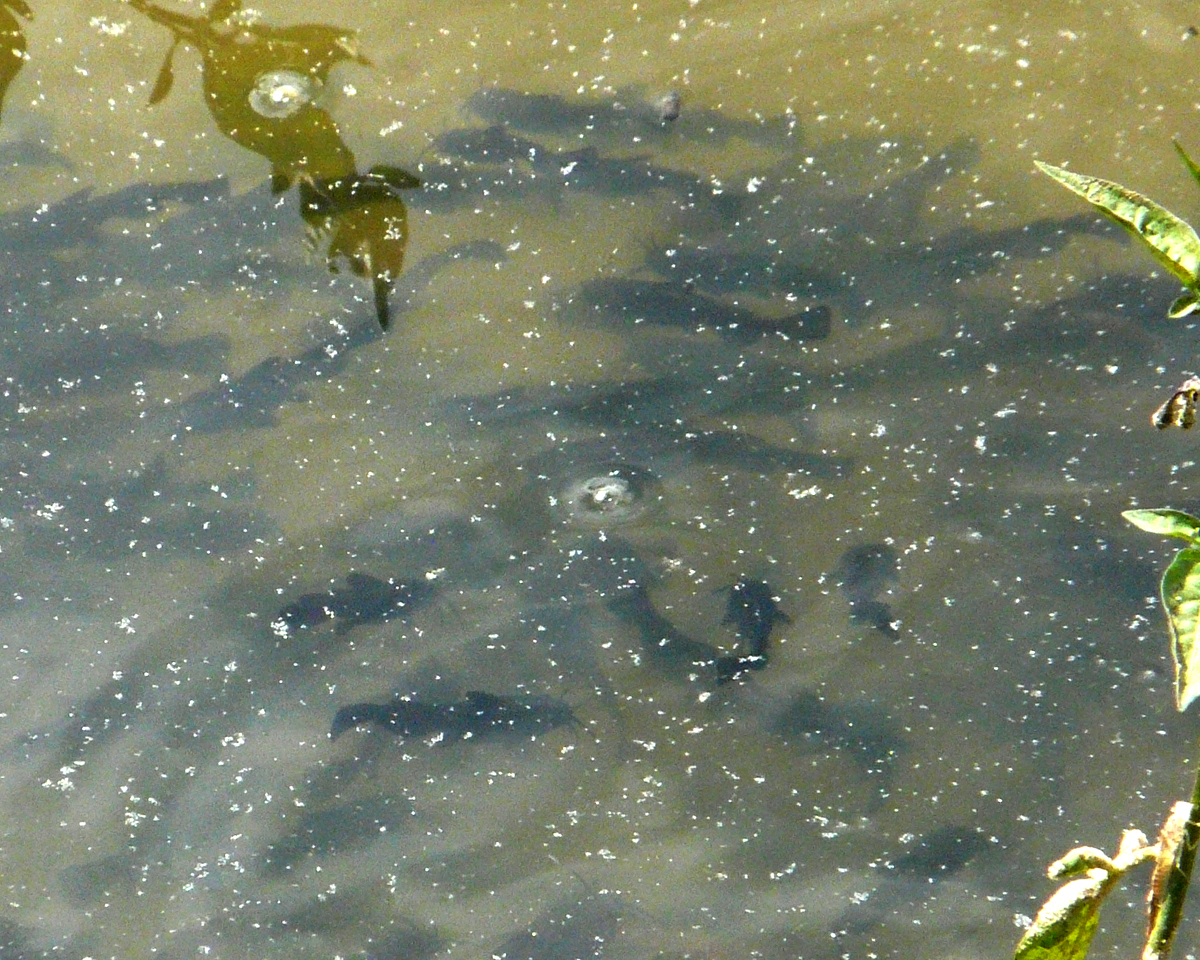
This is a school of young bullheads, I assume Black Bullheads. The young school together while the adult male stays close by to protect them. There were many broods of these little fish in Cattail Marsh.


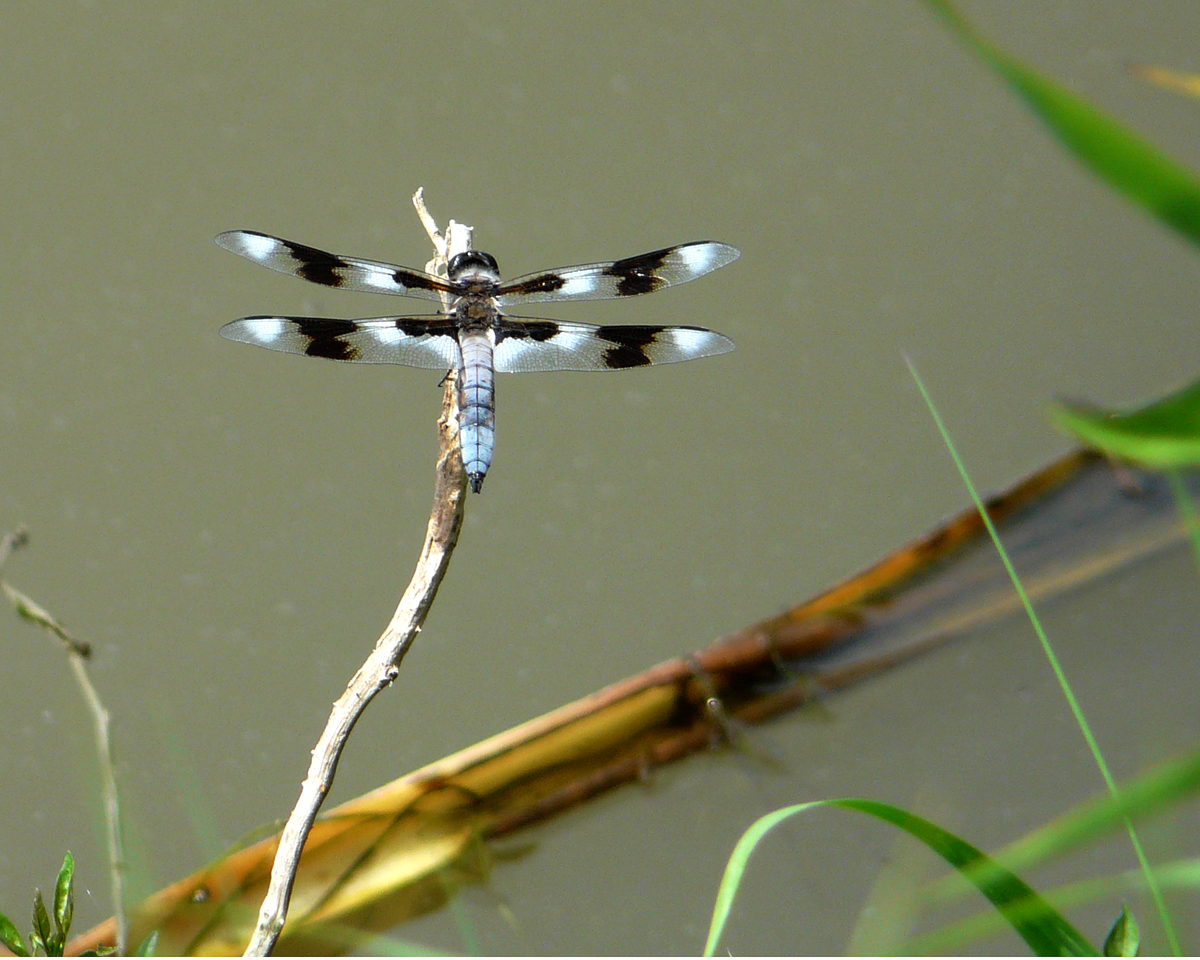
I haven’t learned to ID the local dragonflies, so if you know who this is, leave a comment.

Barview Jetty


Barview Jetty (Birding Oregon p. 125) forms the northern edge of the entrance to Tillamook Bay. It is a good site for viewing rock-loving shorebirds, gulls, and seabirds. The jetty was rebuilt last year, so the surface is now smooth enough that you can walk out all the way to the end. After the first few winter storms, most of the gravel and smaller rocks will wash away, leaving the jetty too rough to safely walk on. The photo was taken from the end of the jetty. I broke my first rule of jetty birding to take this picture; Never turn your back on the ocean. One never knows when a big sneaker wave will wash over the jetty, sweeping oblivious bird-nerds such as myself into the sea.

The only shorebirds visible on this visit were this flock of Red-necked Phalaropes swimming near the end of the jetty. A cold front had just gone through, creating strong NW winds. You might think those conditions would have brought in migrating shorebirds. But it has been my experience that cold fronts move out any shorebirds that have been staging in an area. It then takes several days for new migrants to trickle in. So the the longer it has been since the last cold front, the more likely it is that you will find larger numbers of south-bound migrants.


Two Harbor Seals were swimming in the channel, along with a few Pelagic and Double-crested Cormorants, and a very distant Rhinoceros Auklet.

Seaside, OR 8-4-11

I spent the day birding sites around Seaside, OR (Birding Oregon p. 121).


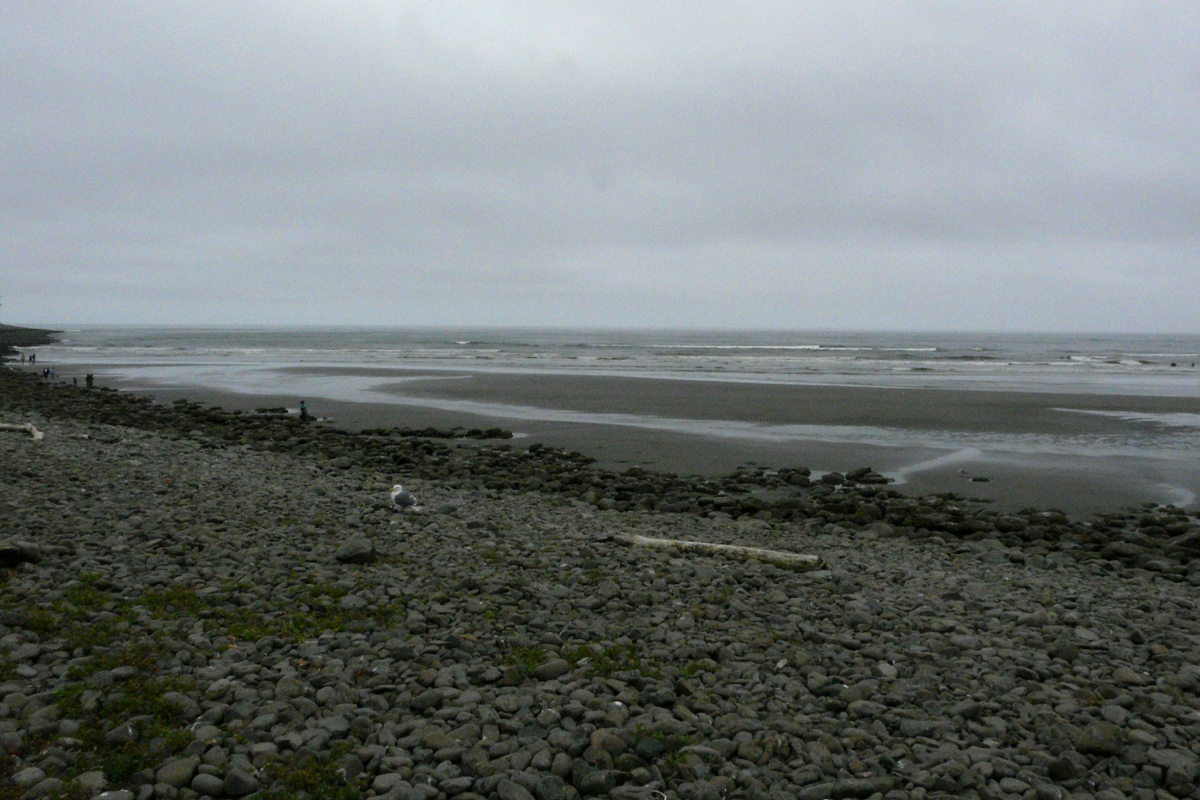
The tide was the lowest I have seen at The Cove, revealing its sandy bottom.


The low tide allowed lots of beach-combers to wander along the rocky edges, so the only shorebirds present was a small flock of Black Turnstones.


This is a Western Gull in very worn plumage. Note the black-tipped primary just starting to grow in. The lumpy neck on this bird was caused by the large sea star he had just swallowed.


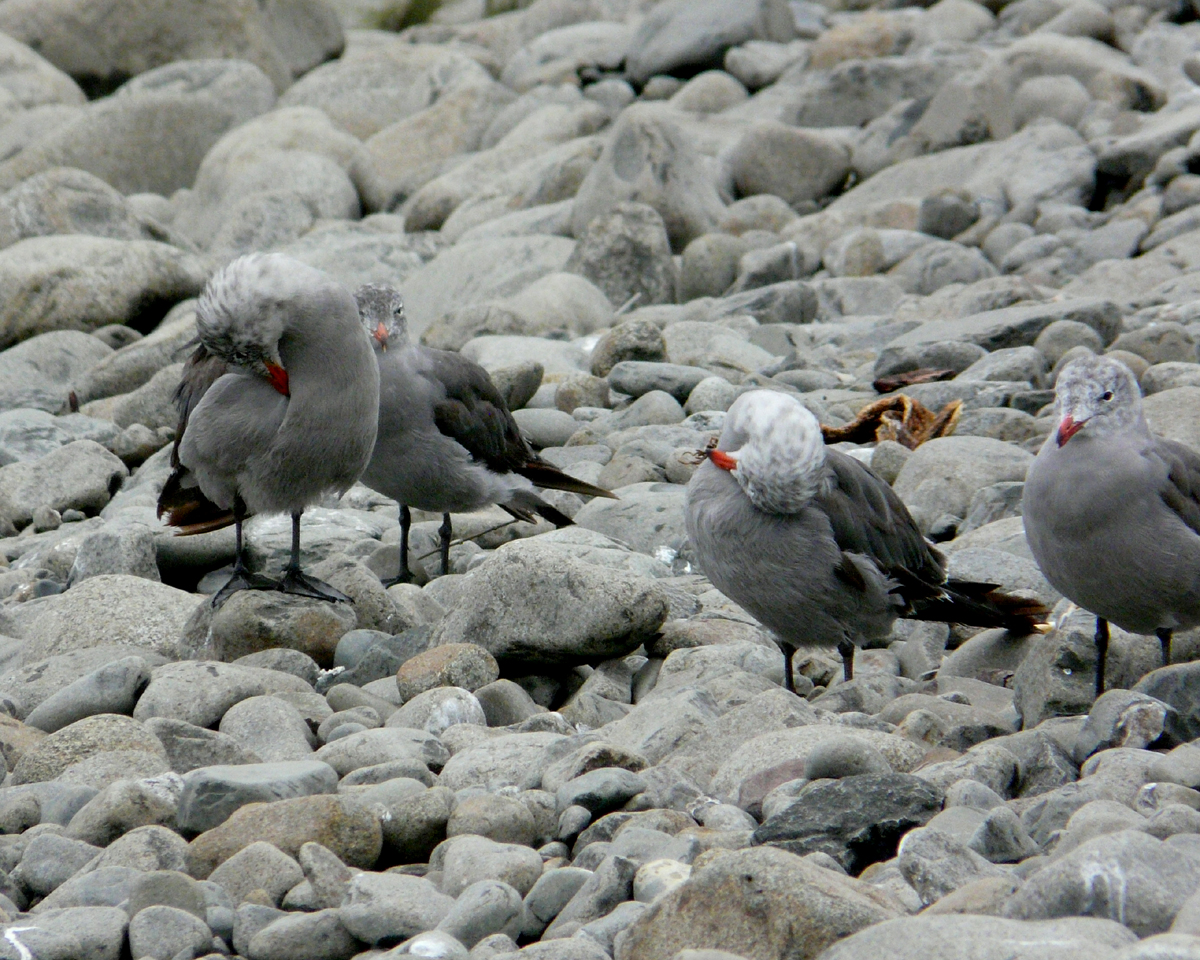
Heerman’s Gulls are normally one of the most beautiful gull species, but this individual was also extremely worn.


These birds were in better shape.


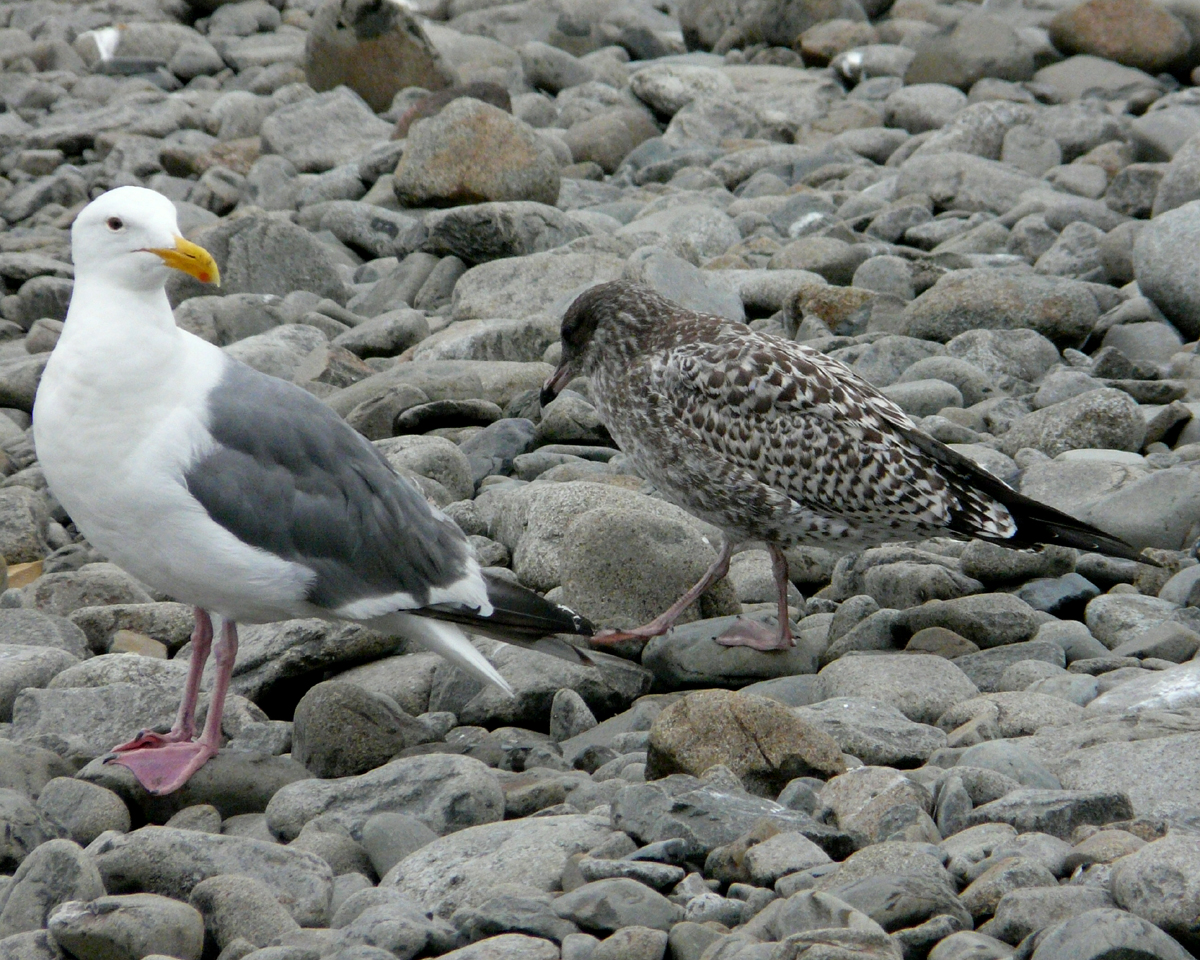
California Gulls are starting to gather along the Oregon coast. This juvenile was keeping company with an adult Western Gull.


At the north end of town is the Necanicum Estuary, also at very low tide. The exposed mud and aquatic vegetation attracted nice numbers of shorebirds.


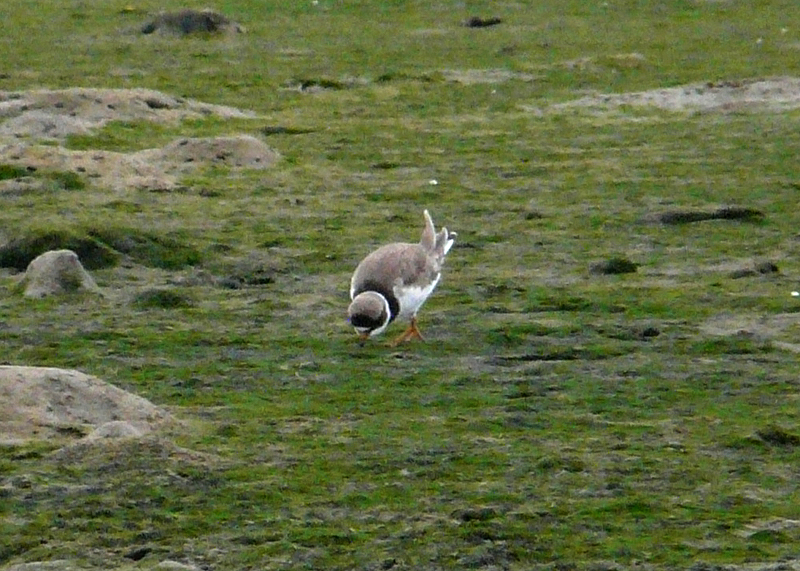
Semipalmated Plover


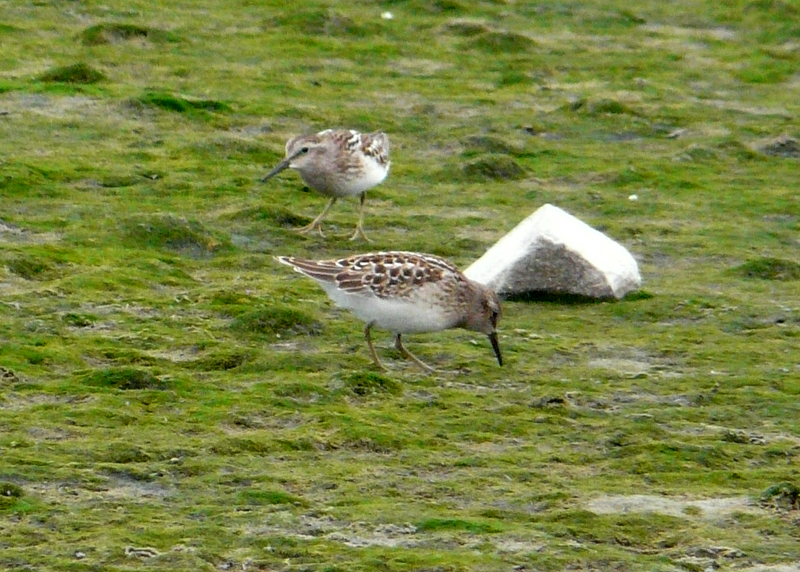
Least Sandpipers


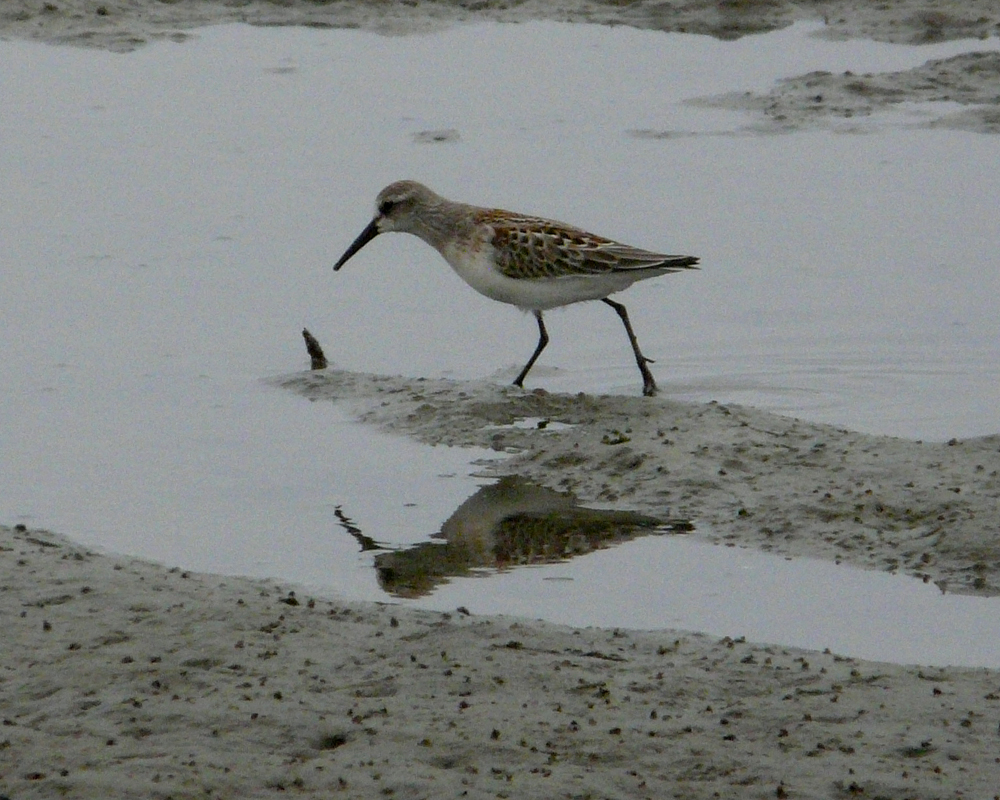
Western Sandpiper


The rarest bird of the day was this Semipalmated Sandpiper.


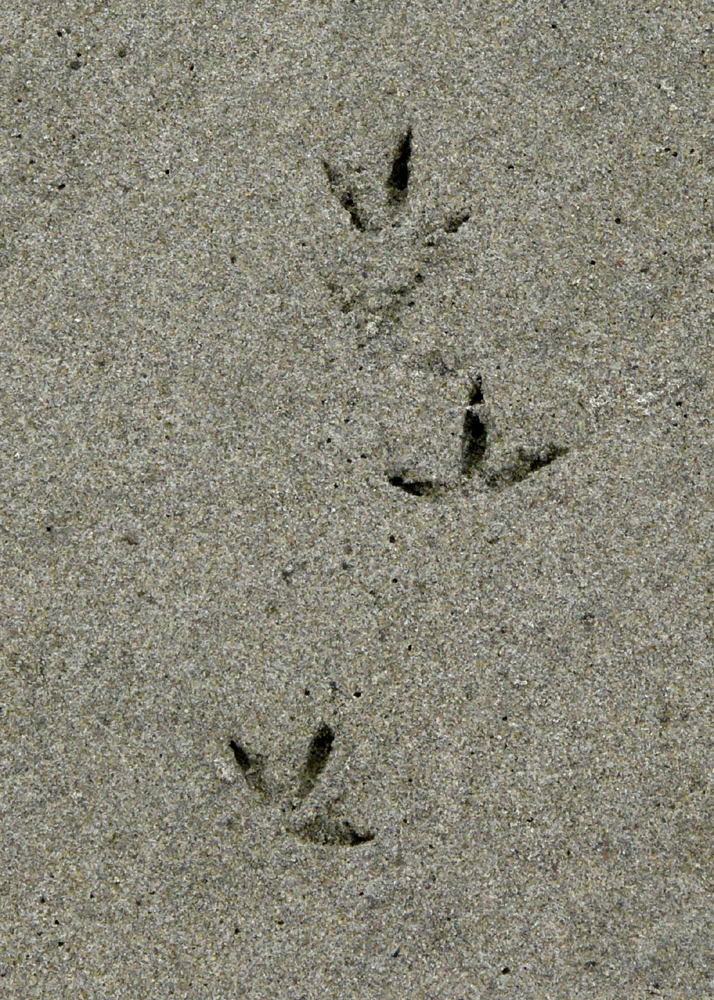
Notice on these shorebird tracks that the toes are partially webbed, or semipalmated. So these tracks were made by either a Western Sandpiper, Semipalmated Plover, or Semipalmated Sandpiper.


These tracks don’t show any sign of webbing, so they were probably made by a Least Sandpiper.


The estuary is a favorite hang-out for Caspian Terns, here joined by California Gulls.


Eastern Kingbird

A few years ago I blogged on birding and aesthetics , describing how beautiful birds and beautiful scenery do not always occur together. I saw another example of this recently.


Tucked away in this scene of power lines and invasive Himalayan Blackberries is a lovely Eastern Kingbird. This species is very hard to find in the Portland area, regularly occurring in small numbers only at the Sandy River Delta.

Part of birding’s appeal is the fact that birds can show up just about anywhere. No matter how badly we have degraded the landscape, there is still a chance that some wonderful creature might fly in, at least for a brief stop.

Sandy River Delta


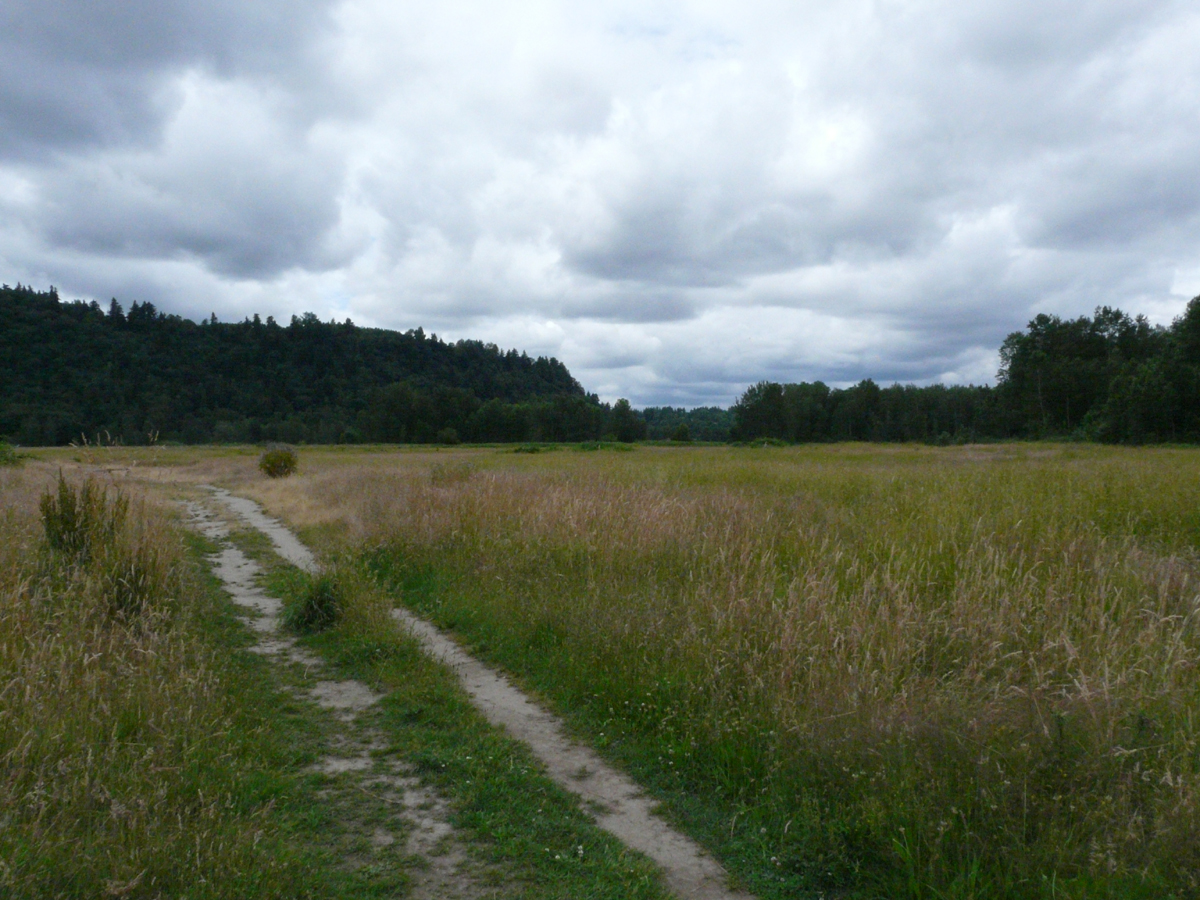
The Sandy River Delta (Birding Oregon p. 63) lies at the western end of the Columbia River Gorge. Habitats include large areas of grassland and riparian forest.


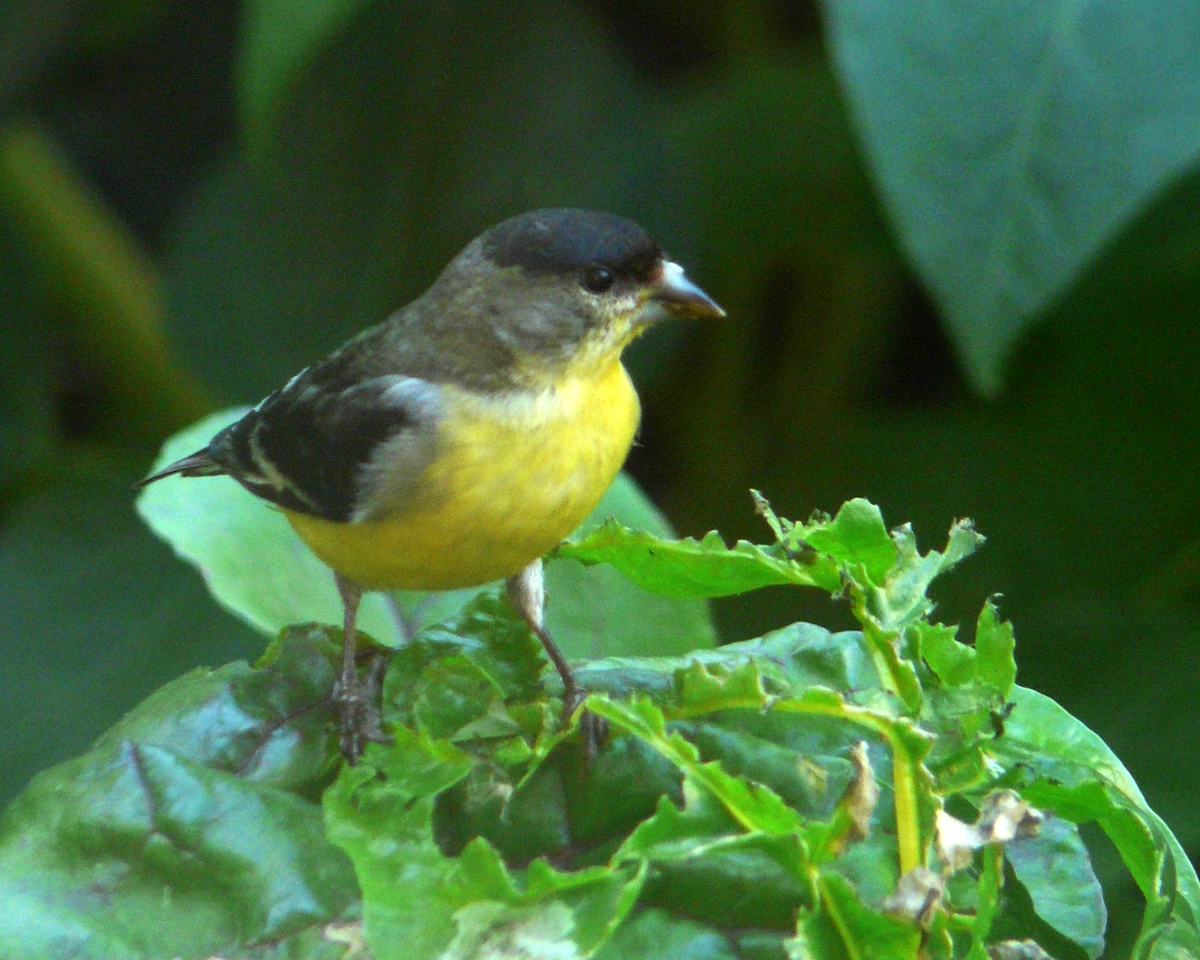
Within the grassy areas are little islands of Himalayan Blackberry. This is an alien invasive which can overwhelm native plant communities, but Common Yellowthroats (above), Willow Flycatchers, and Lazuli Buntings (below) will take advantage of the cover and perches offered by the thorny vegetation.


The groves of cottonwoods are home to many of the common woodland species found in the Willamette Valley. Bushtits (above), Black-headed Grosbeaks, Bullock’s Orioles, Swainson’s Thrushes, Red-eyed Vireo, and Yellow-breasted Chat can all be found here.


The Sandy River Delta is also known as the 1000 Acre Dog Park. Dogs are allowed off-leash except in the parking lot and on one trail. Despite the many trash cans available, some people do not pick up after their dogs, so watch your step. Here is a photo of Nala, The Birding Dog, showing off her retriever moves.

Maine, 6-2011


I spent just over a week along the coast of Maine, visiting sites between Ellsworth and Cutler. It is always fun to get reacquainted with eastern bird species and to hike in the boreal forest.


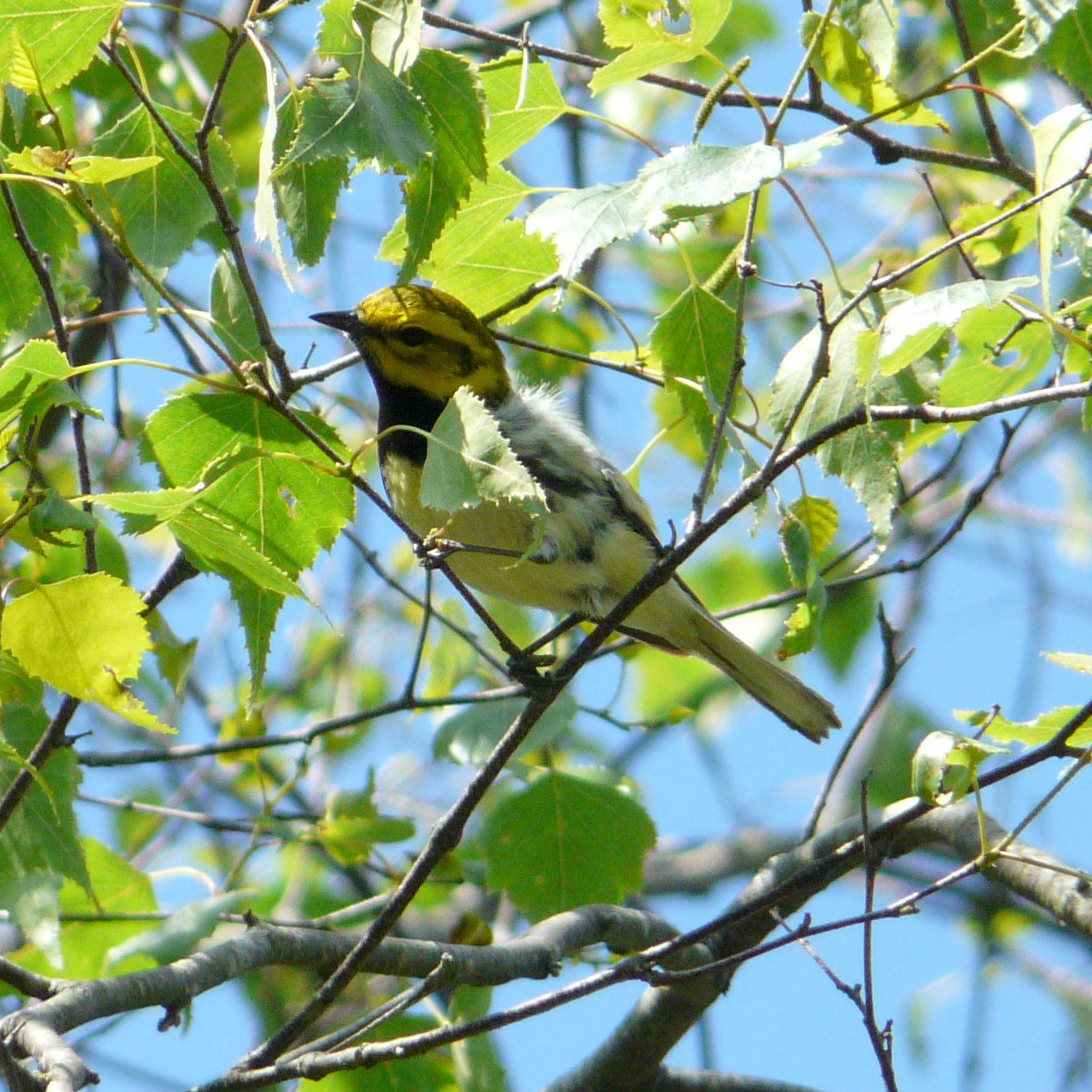
I saw 14 species of warblers on this trip. The vast majority of birds I saw were male, presumably because the females were on nests. Their small size, active habits, and dense habitat take them beyond the realm of point-and-shoot photography, but I managed to capture useuable images of two species. Black-throated Green Warblers were by far the most common species.


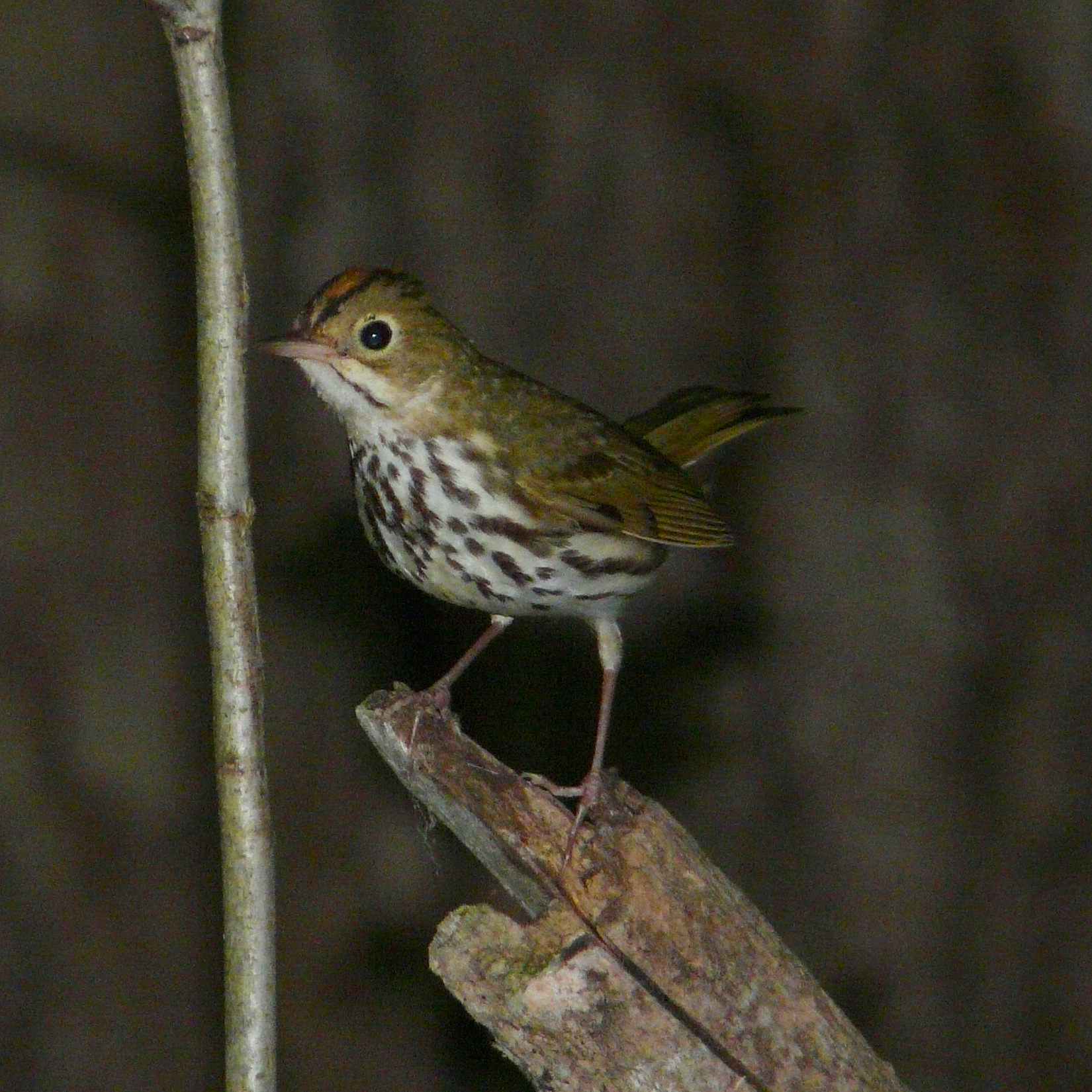
Ovenbird


This Spruce Grouse was at Petit Manan NWR. She had several downy chicks with her. The chicks are actually capable of flight, and flew into dense cover when startled. The adult remained on foot, keeping an eye on me and making contact calls to keep her brood together.


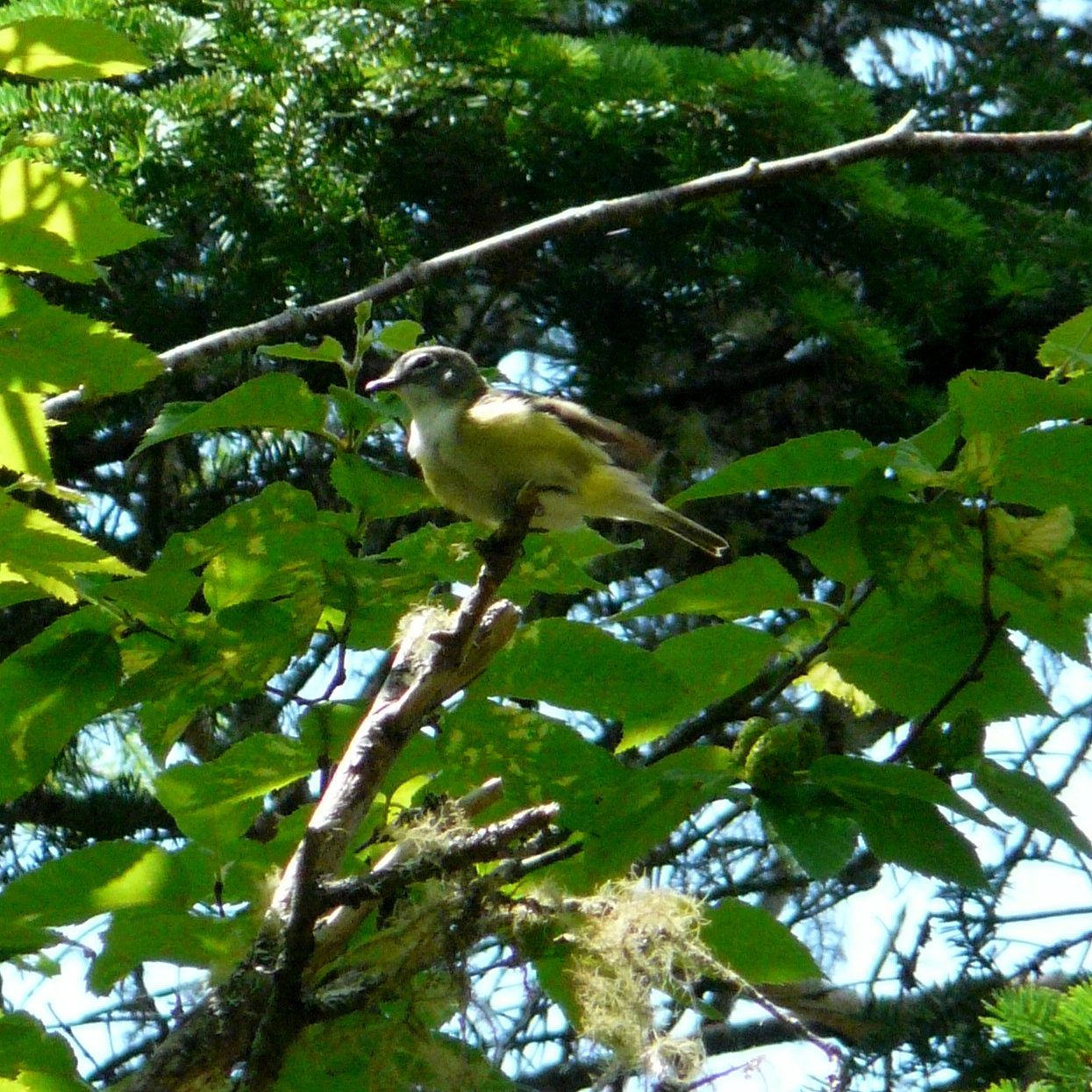
Blue-headed Vireo


White-throated Sparrow


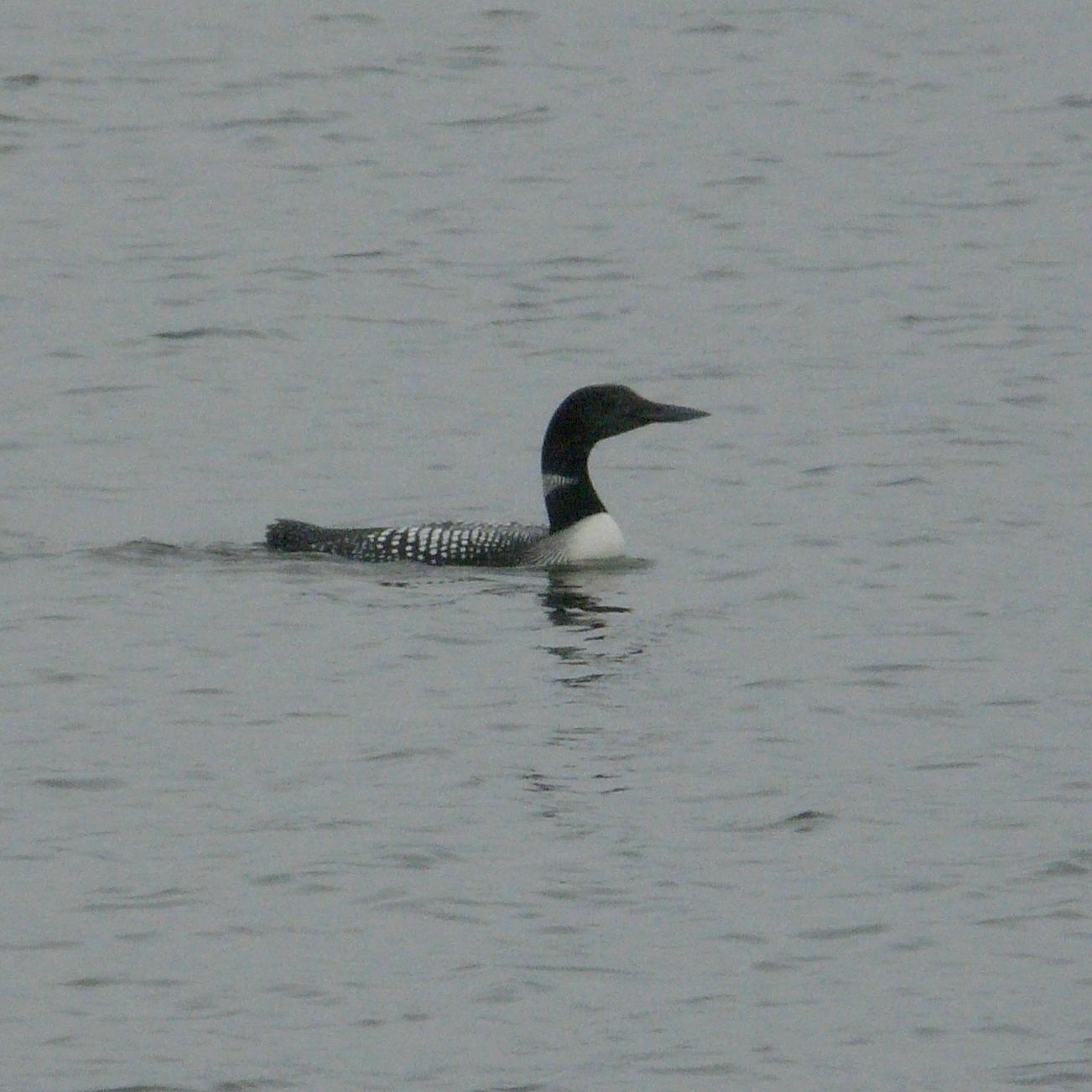
Common Loon


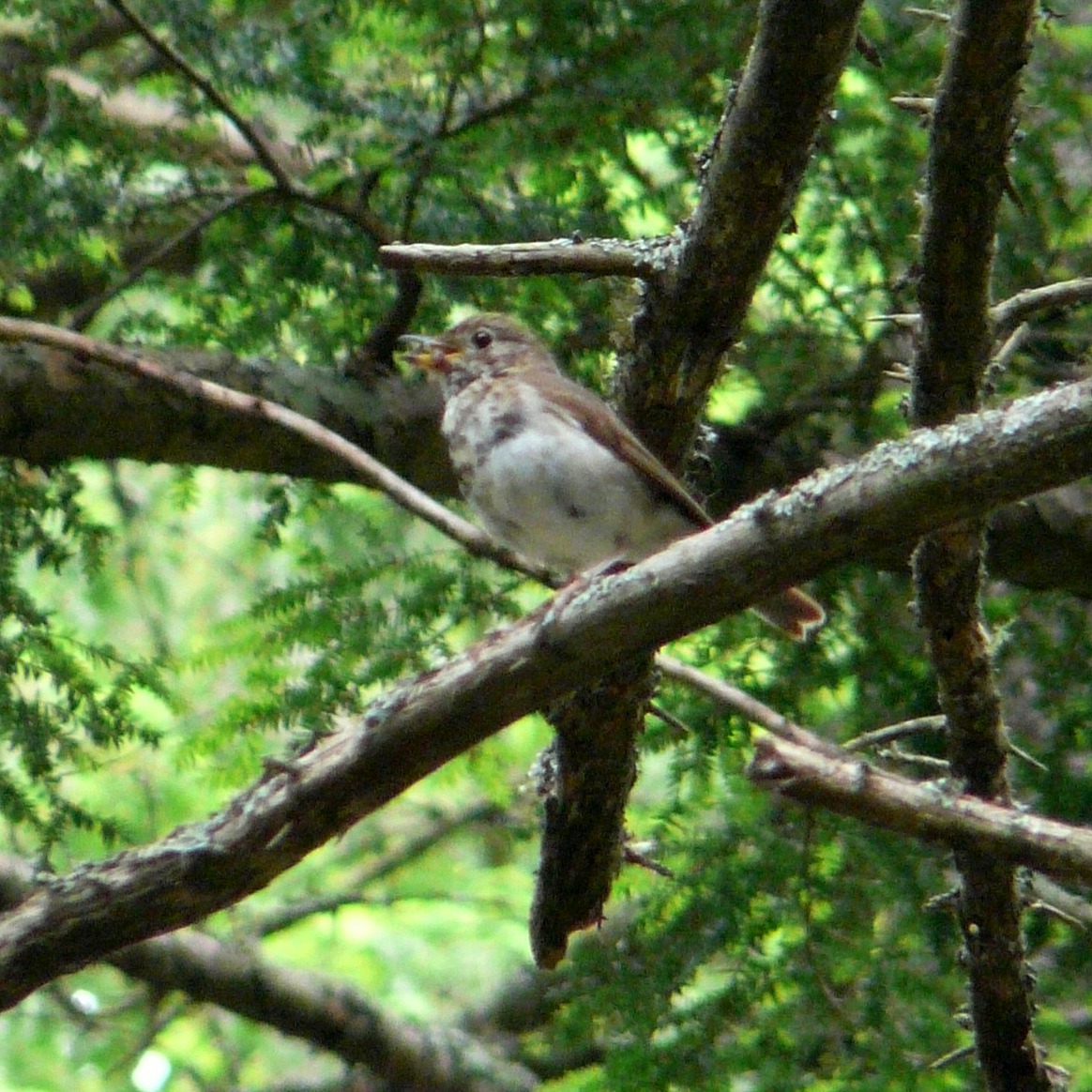
Hermit Thrush, calling with a bill full of food for nestlings.


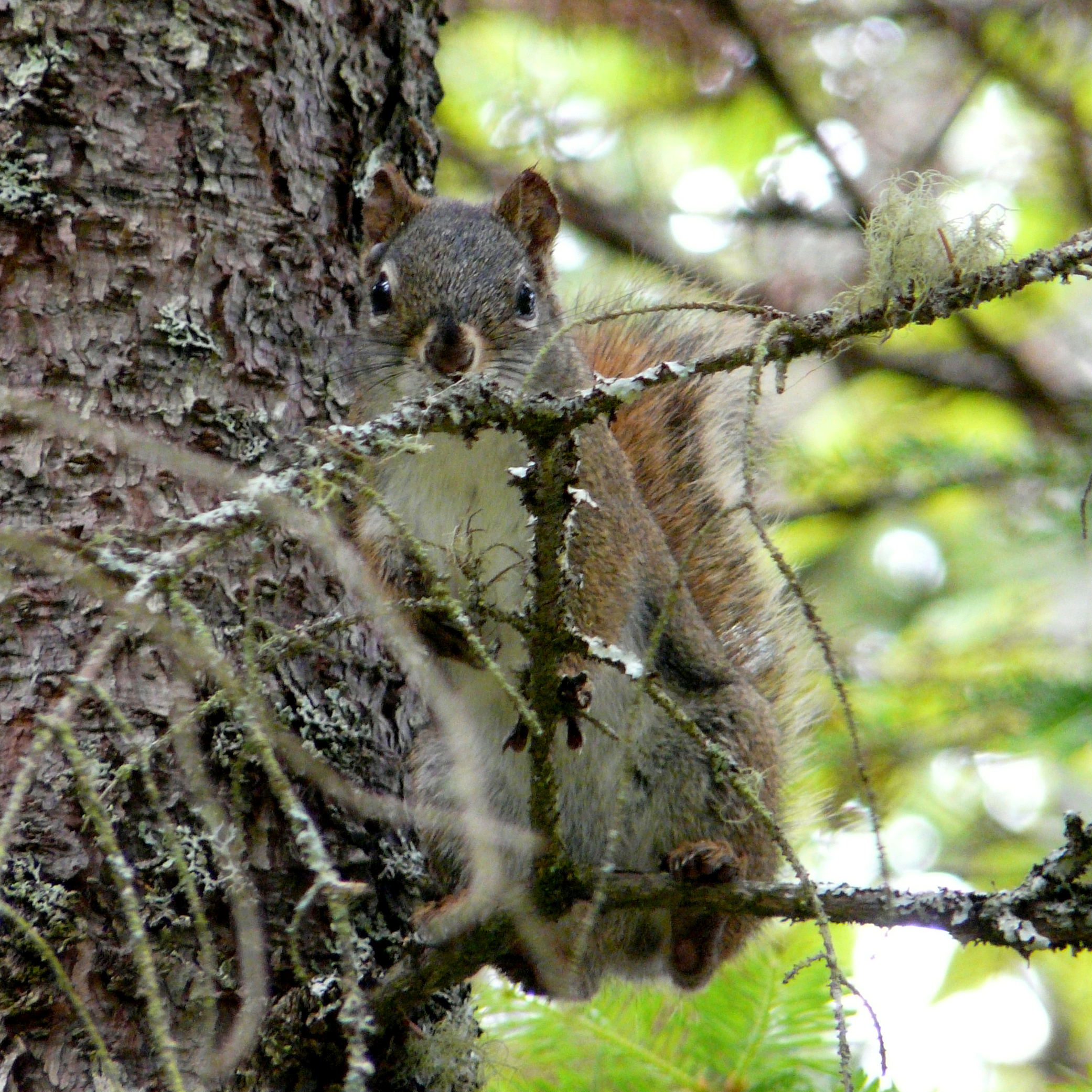
Red Squirrels were common and noisy in wooded areas.


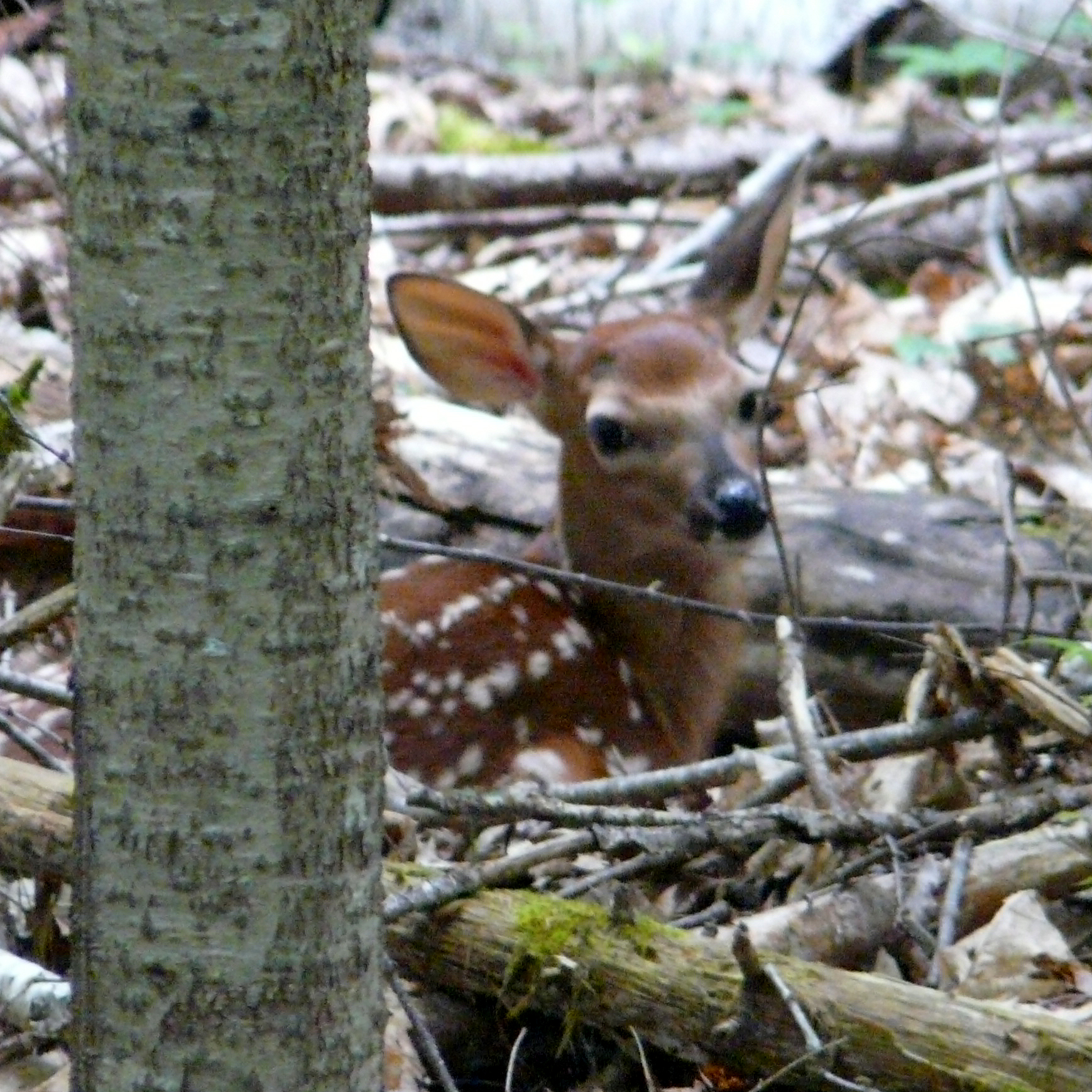
This White-tailed Deer fawn was well-hidden in the woods. I only located her because she got up to take a stretch just as I was looking in that direction.


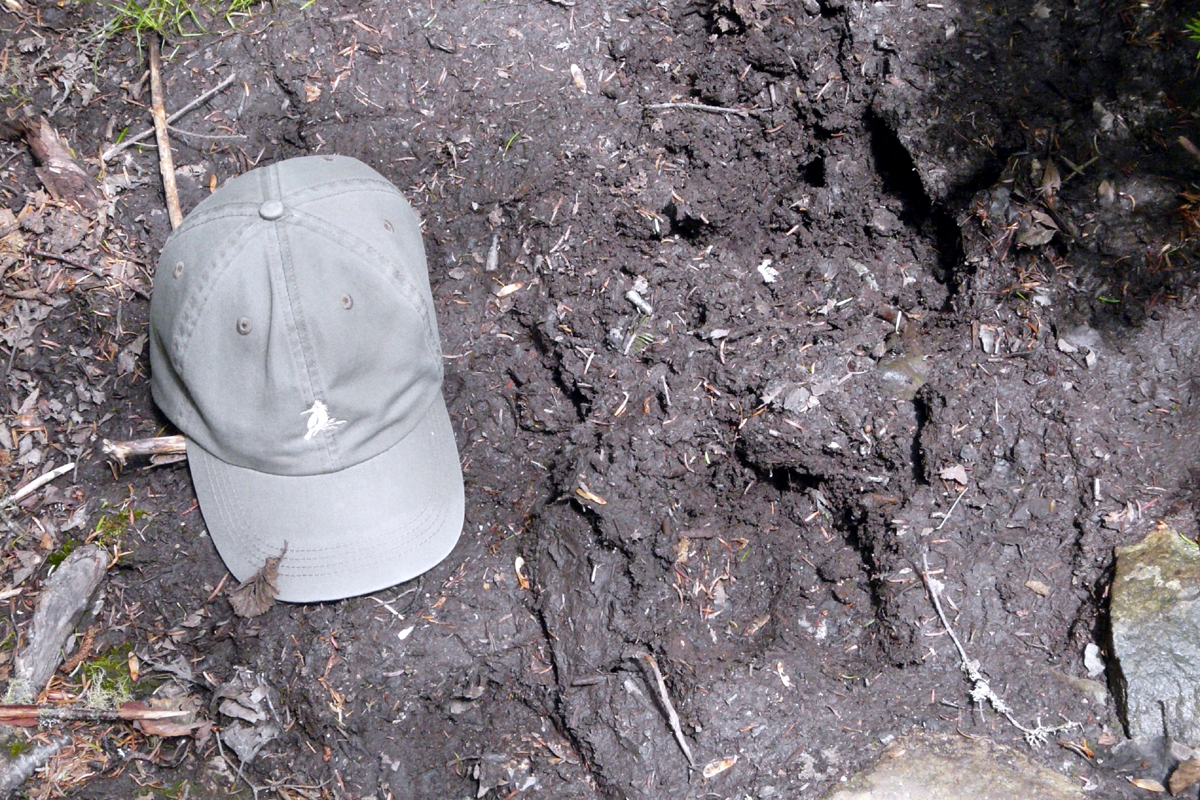
Moose tracks


Green Frog


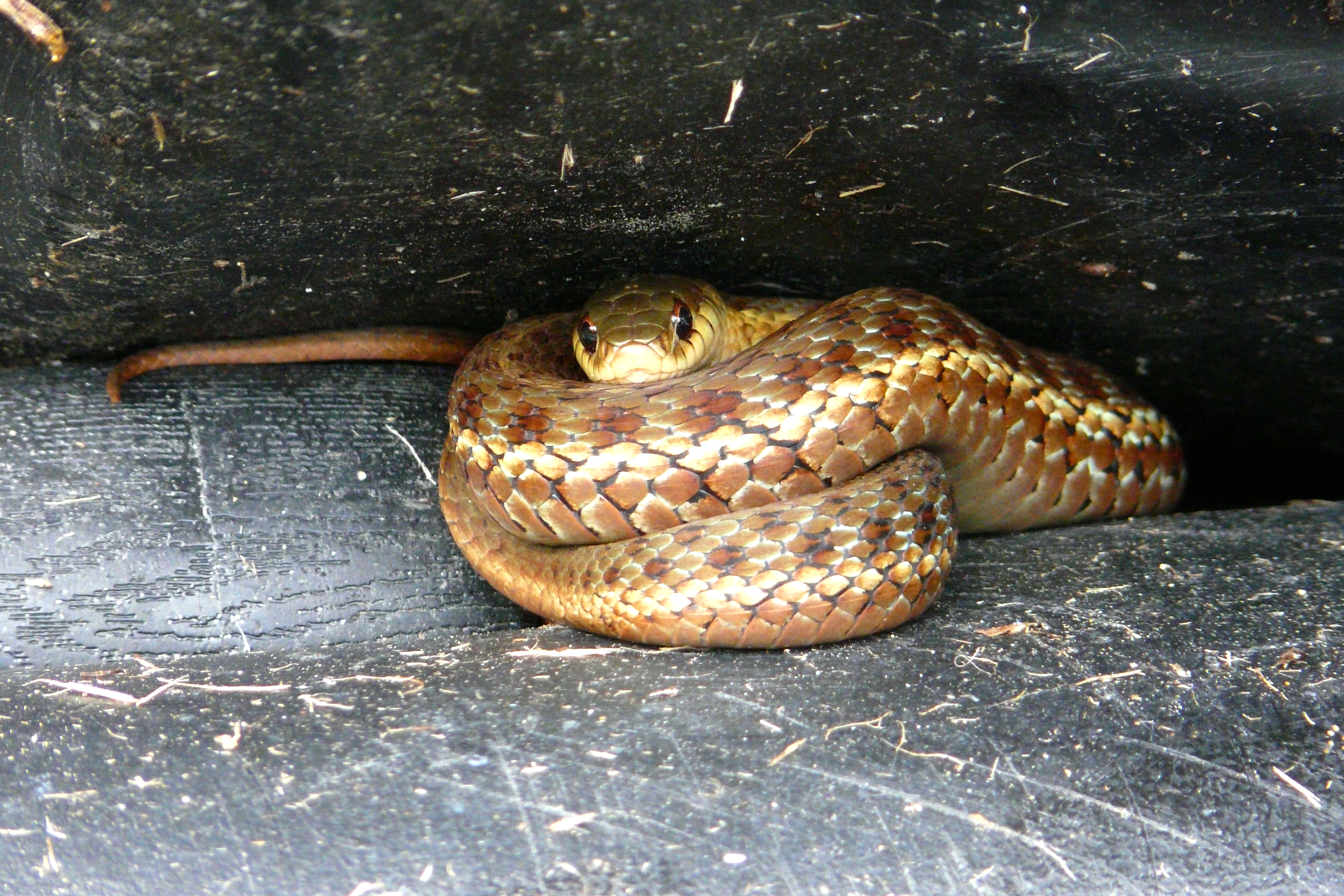
This Eastern Garter spent much of the day basking beneath a compost bin.


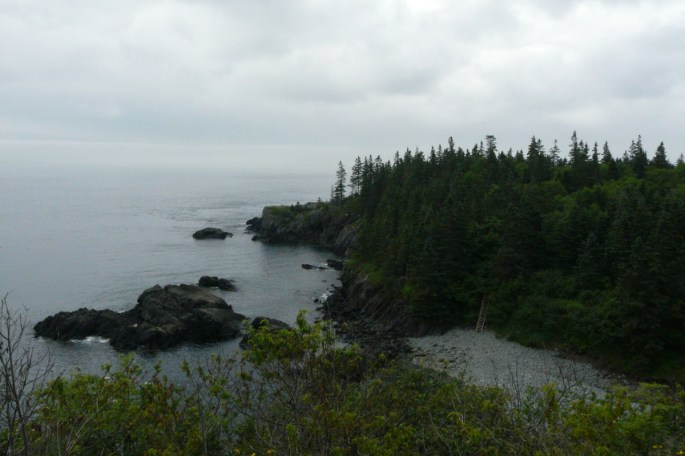
Rugged shoreline near Cutler.

Malheur NWR

Malheur National Wildlife Refuge is one of the most popular birding destinations in Oregon, not just for the abundant expected species, but also for the eastern vagrants that turn up there every year. Our Birdathon team from the Audubon Society of Portland visited the area June 7-9.


The trees and shrubs around the refuge headquarters are very attractive to birds.

Pine Siskins


Yellow-headed Blackbird


Western Tanagers were abundant in the trees and in the sagebrush.


The lawn at headquarters hosts a large colony of Merriam’s Ground Squirrels.


The view from Buena Vista, with Steens Mountain in the background


In warmer weather, this part of the state is great for herps, like this Western Fence Lizard.

Eastern Kingbird


Black-necked Stilt


Common Nighthawk


Northern Flicker, nesting in the town of Frenchglen, near the southern end of the refuge

Fields Oasis

The oasis at Fields (Birding Oregon p. 19) is a tiny site, but one of the better known hotspots in Oregon. This little clump of willows around a spring is surrounded by miles of sage steppe, so it is very attractive to species normally found in woodland habitats.


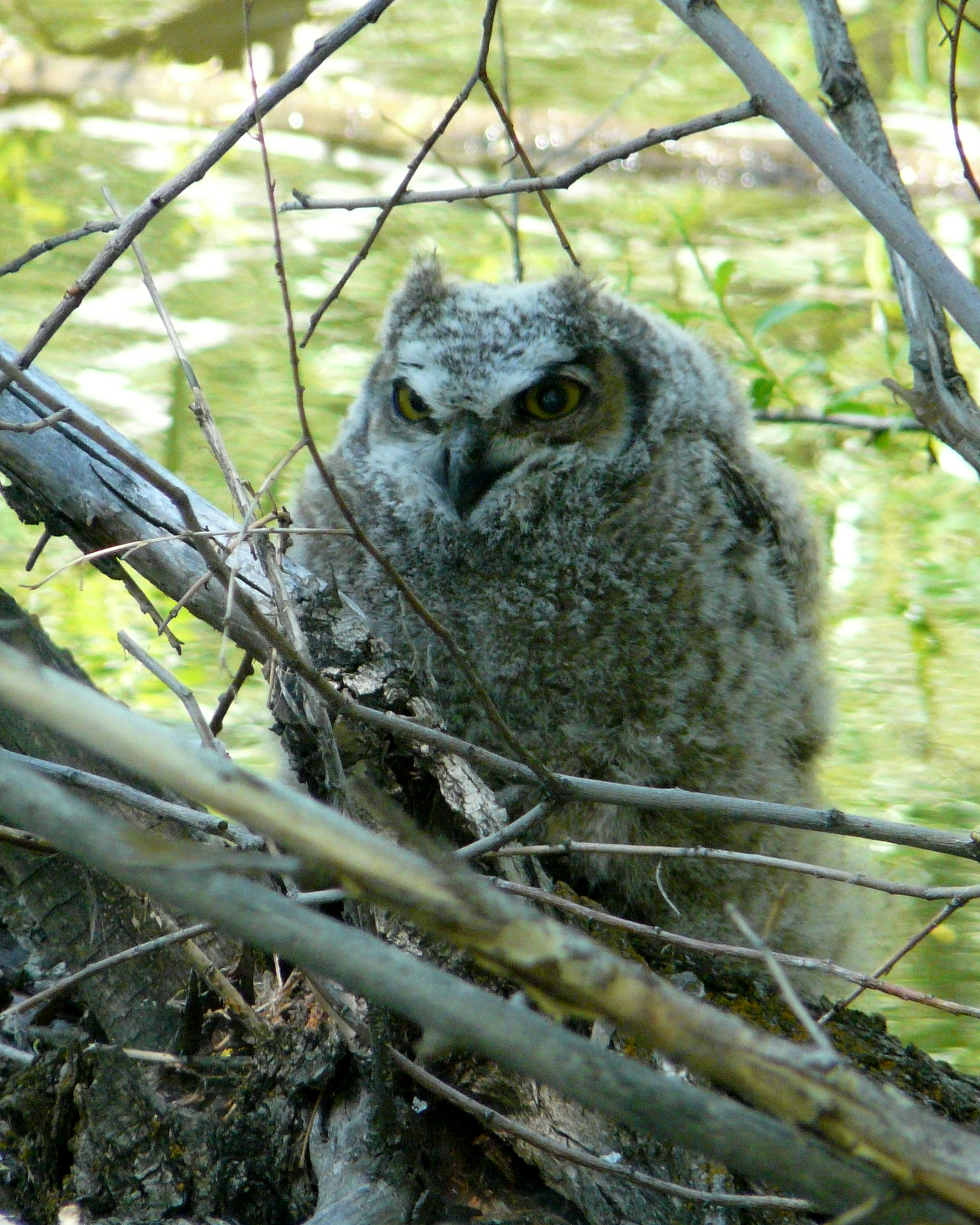
A pair of Great Horned Owls can usually be seen here.


This adult was sitting on a fallen tree right over the water.


They were keeping track of this little guy.


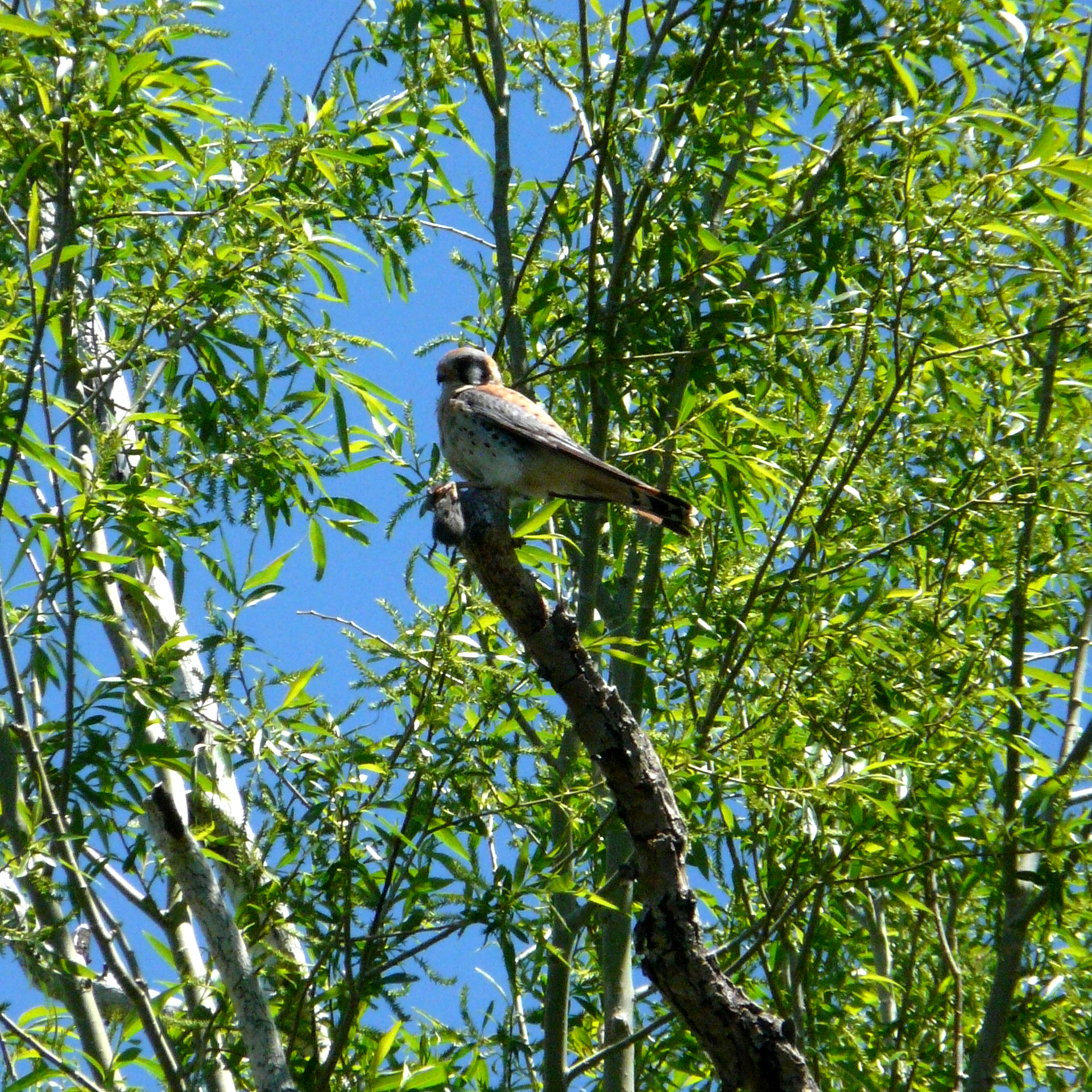
A pair of American Kestrels were also nesting at the oasis. Here is the male with a rodent.


The big attraction for birders is the possibility of vagrants from the east. On this day a Northern Parula was the highlight. Other eastern warblers had been found the week before, and still others appeared later. One never knows what will show up on a given day.