Sunny Day at Westmoreland Park


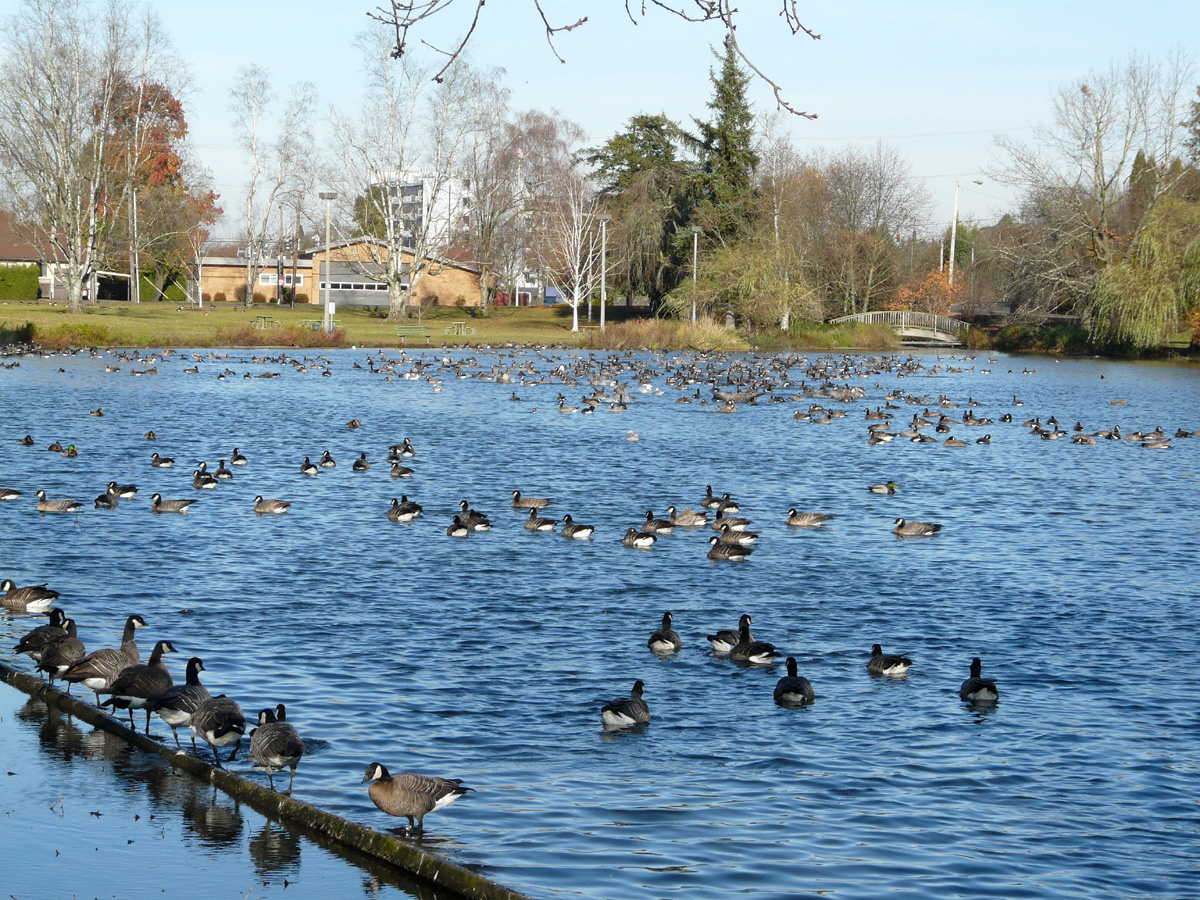
Best known as a local gull hotspot, Portland’s Westmoreland Park also hosts good numbers of Cackling Geese in winter. This December has been unusually dry and sunny, so instead of my photos being grainy and dark, they are now overexposed.


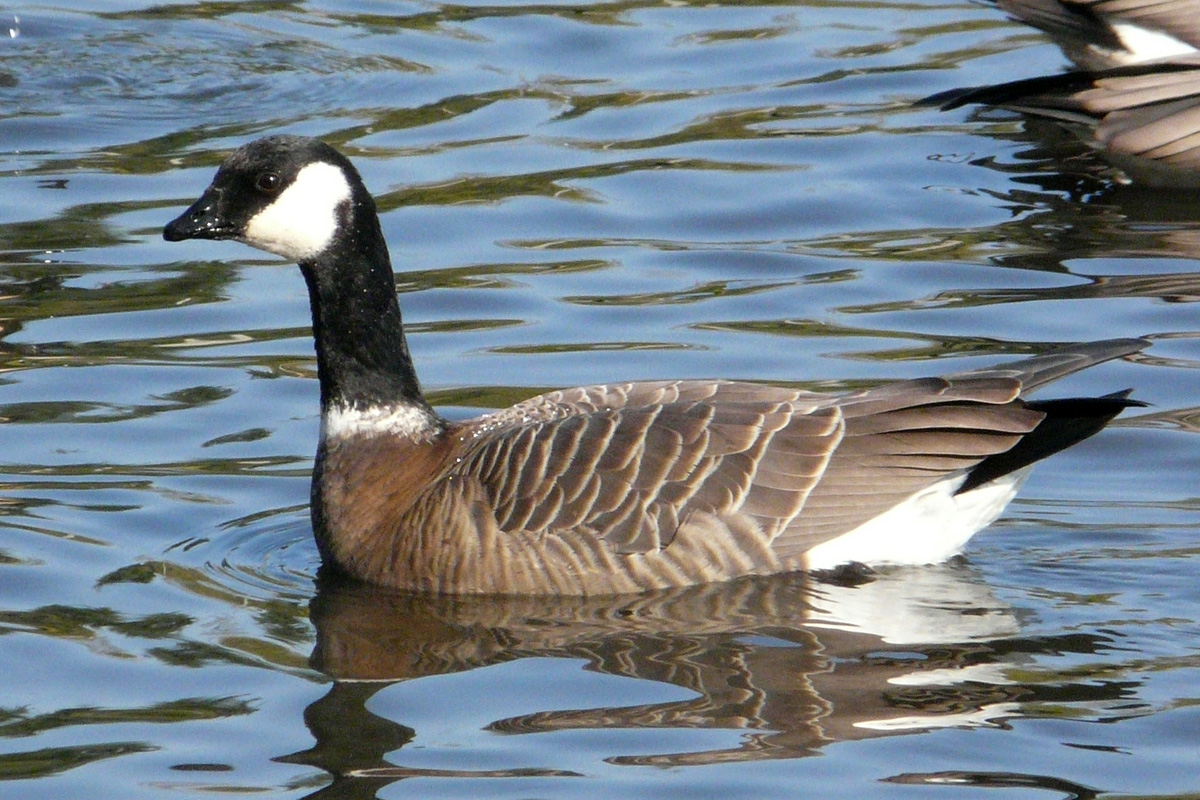
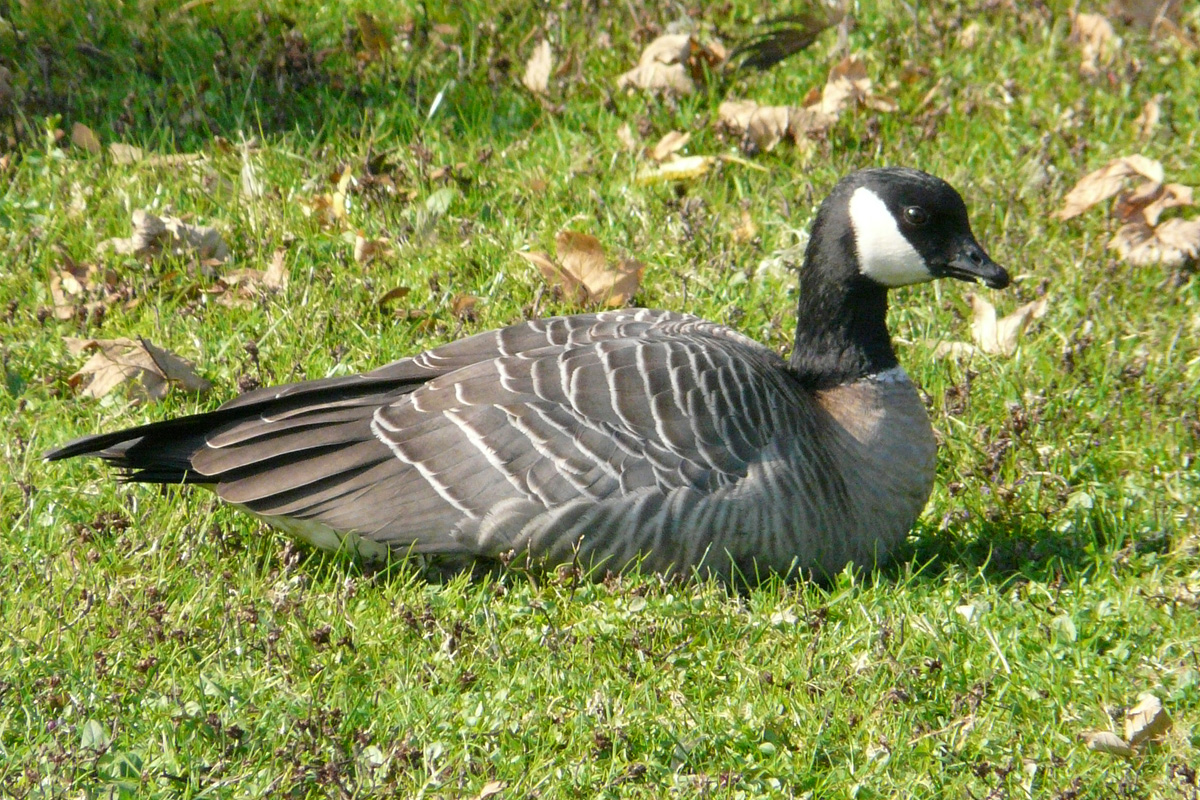
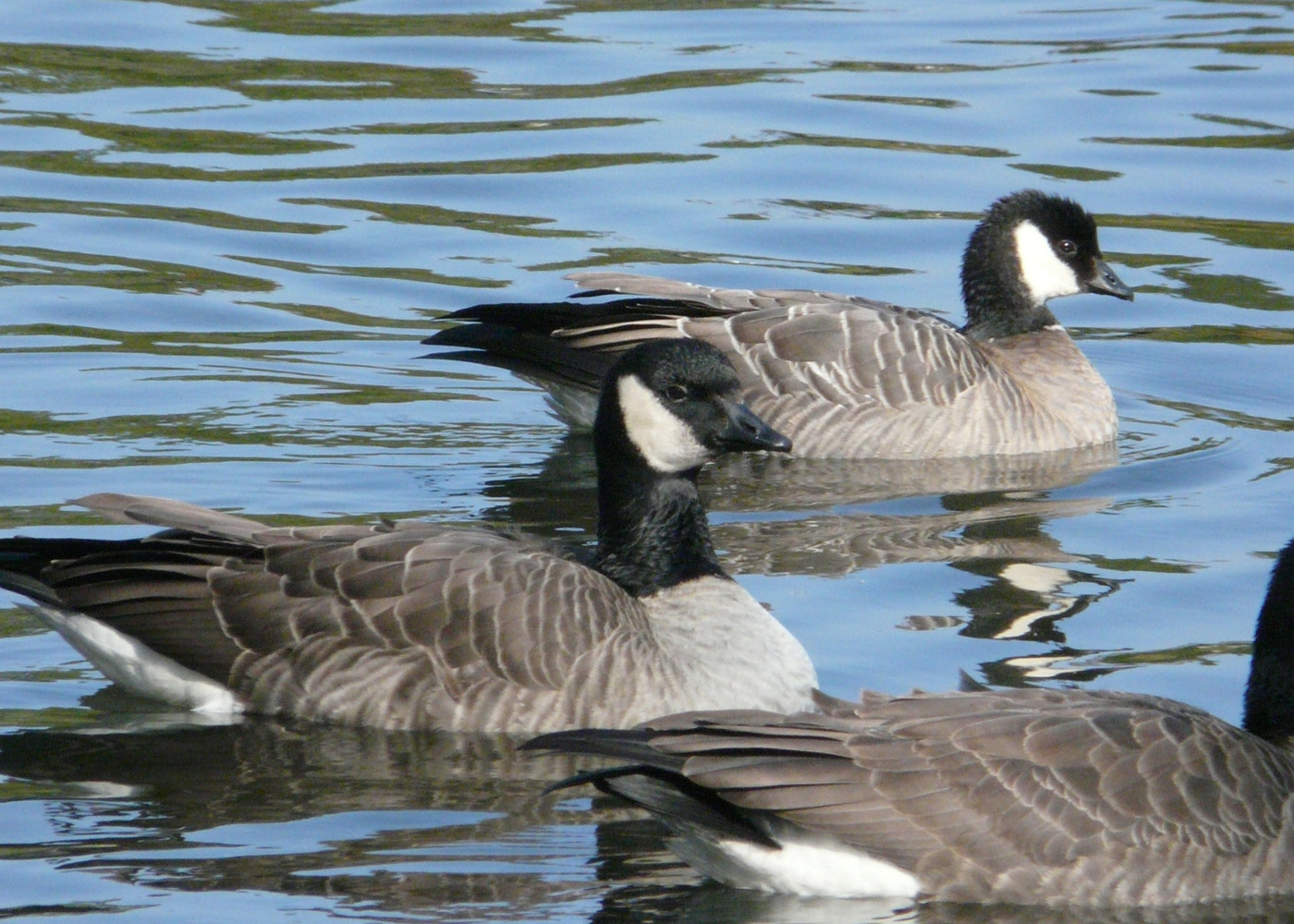
Ridgeway’s Cackling Goose (Branta hutchinsii minima) is the smallest race of Cackler, only slightly larger than a Mallard. Their stubby bills and purplish breasts are good field marks. Many individuals also display a prominent white collar.
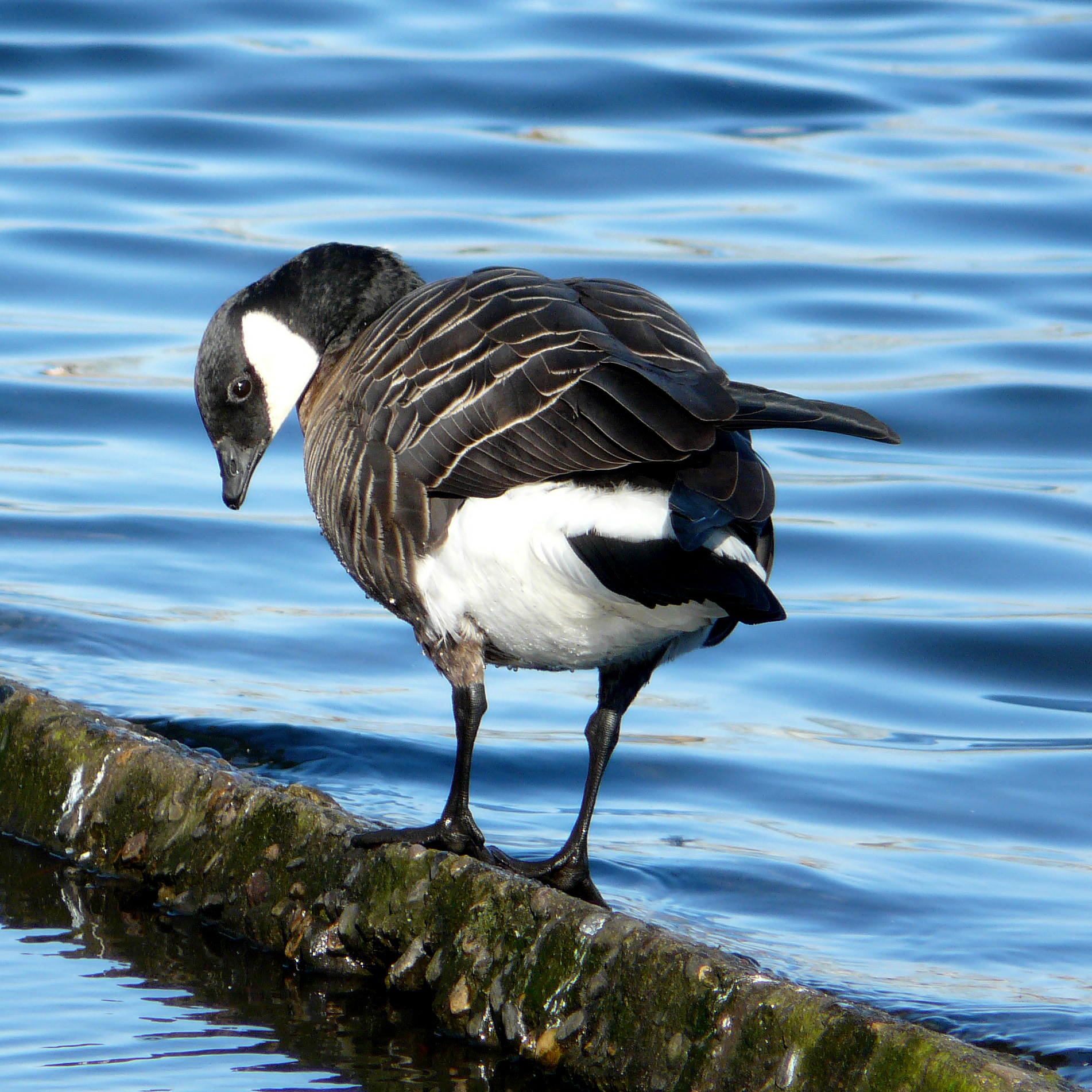

cuteness


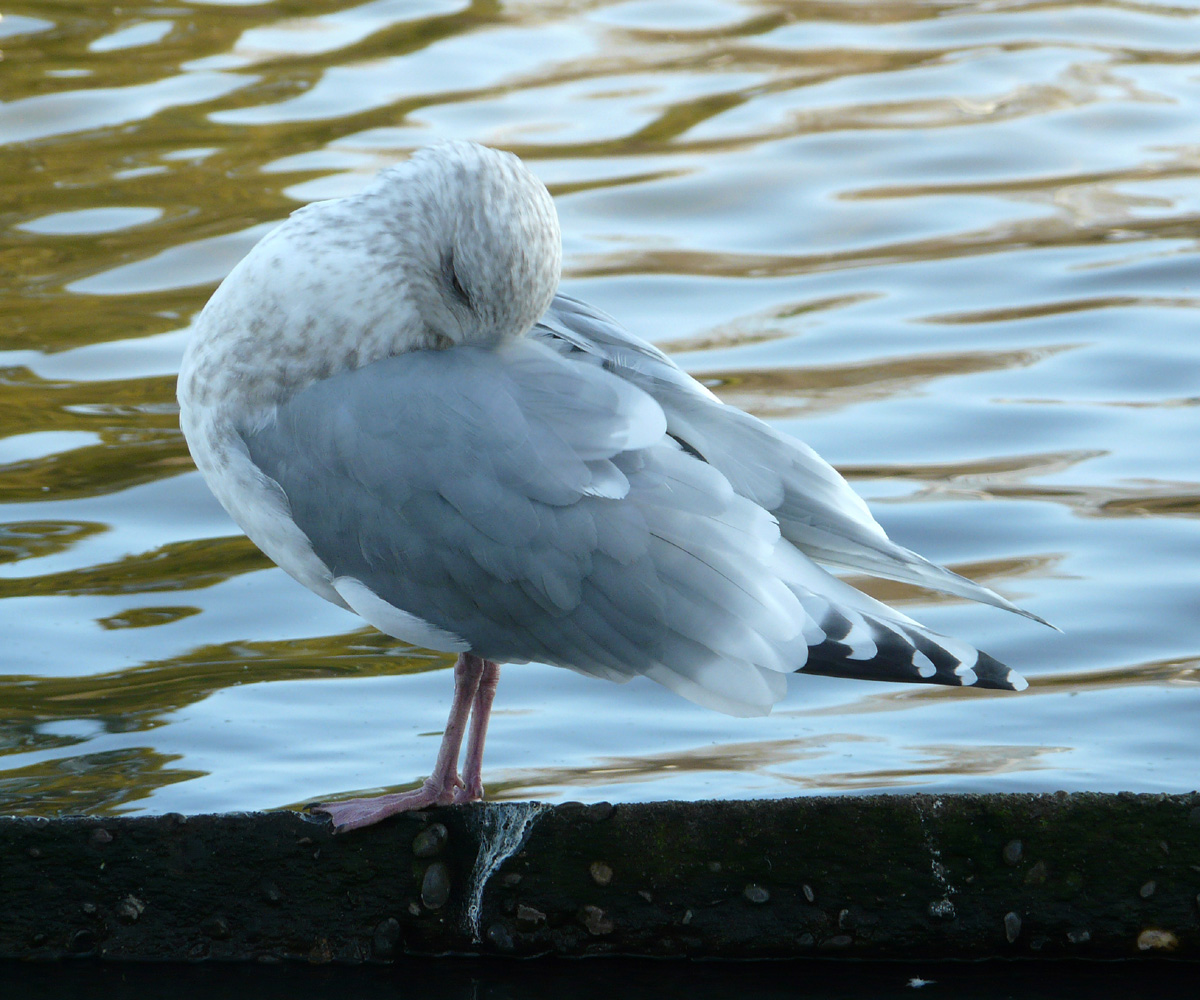
Of course, you can’t visit Westmoreland in winter without appreciating a Thayer’s Gull. This is such a hard bird to find throughout much of the country, I always stop to enjoy them, despite their local abundance. You can’t see this bird’s eye or bill, but the white underside of the far wing and the amount of white visible on the outermost primary (p10) on the near wing are both good clues to the bird’s ID. (yeah, I’m a bird nerd, and I’m proud.)
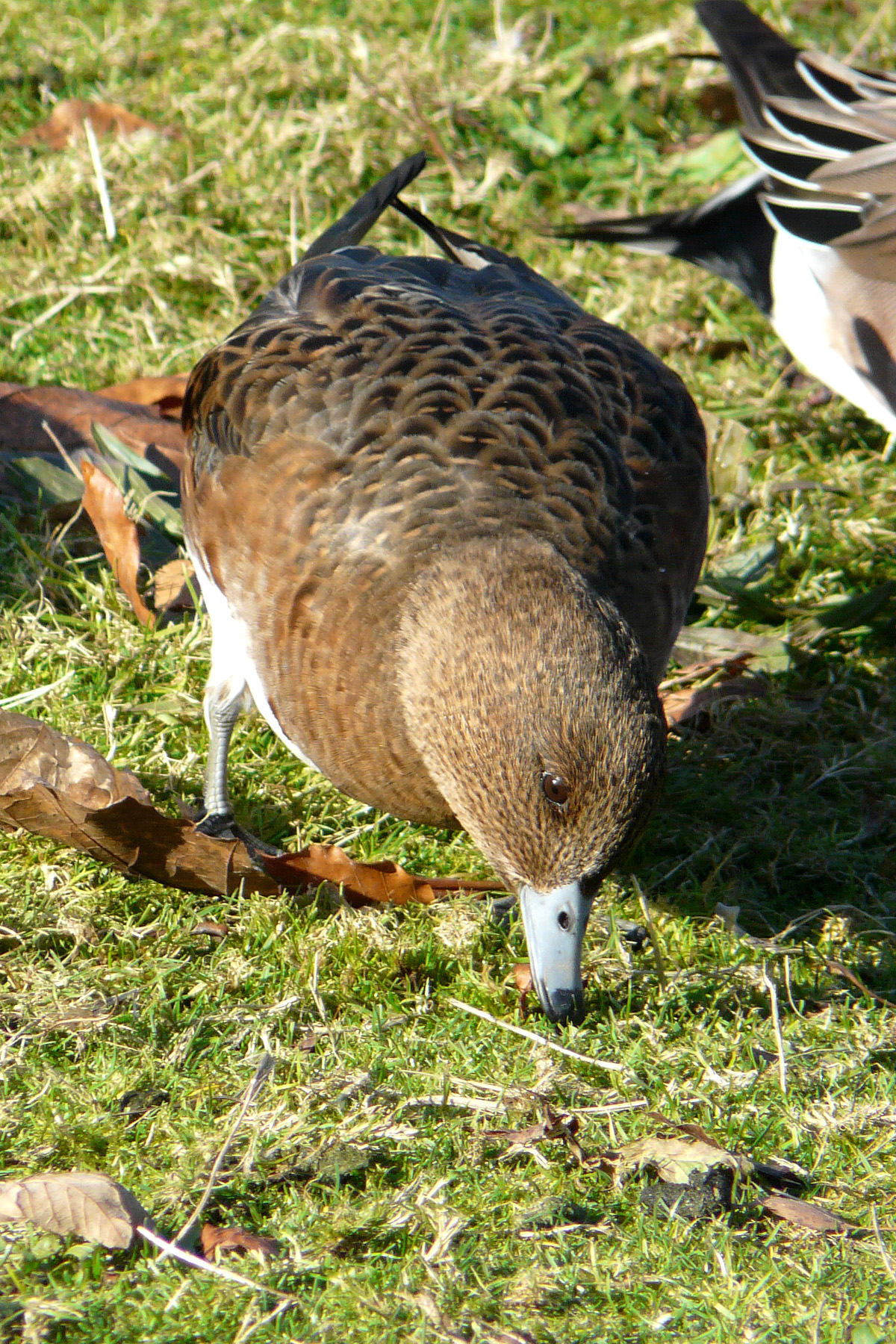

Eurasian Wigeon is another species that Portlanders enjoy on a regular basis, while birders elsewhere can only dream.

Sparrowpalooza

I spent the morning in Scappoose, OR, this morning looking for a Brambling that was seen about a week ago. I didn’t have any luck with the Brambling, but it was great fun watching the variety of sparrows that were feeding in the area. Winter brings great flocks of sparrows to the Portland area. I saw the eight species pictured below, all within a few minutes, while sitting at the edge of the trail.

Dark-eyed Junco


Song Sparrow


Lincoln’s Sparrows are among the most beautiful sparrows in North America, but are also rather shy, so they tend to stay out of range of point-and-shoot photography.


Lincoln’s Sparrow, with a Song Sparrow in the background


Fox Sparrows tend to lurk in the thicker cover.


He finally emerged for some millet.


White-crowned Sparrow


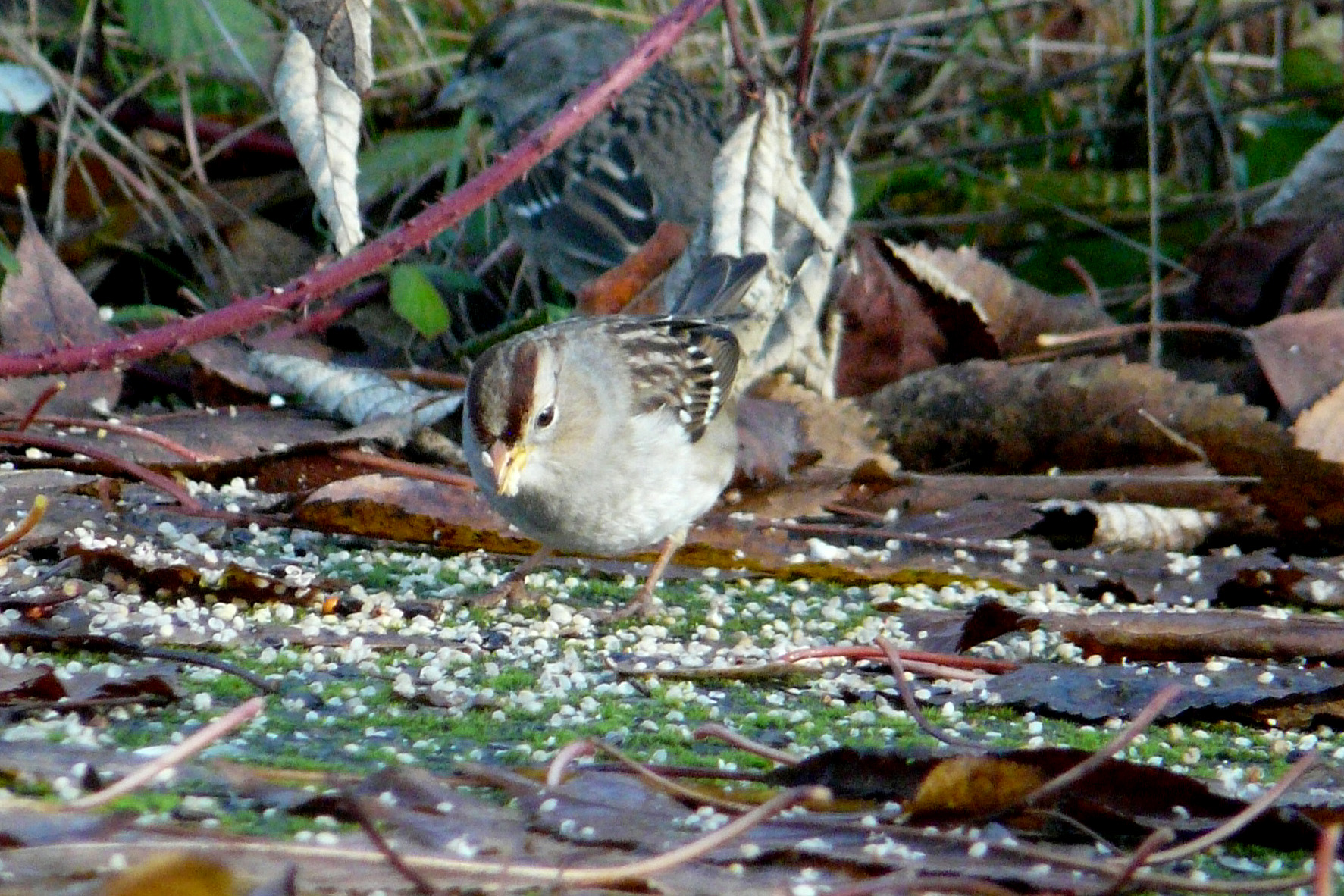
White-crowned Sparrow, first winter


Golden-crowned Sparrow


White-throated Sparrow, with a Golden-crowned in the background


Spotted Towhee

Seaside, 11/10/2011

Here are a few more images from a recent trip to the coast.


Black Turnstone at The Cove in Seaside (Birding Oregon p. 121)


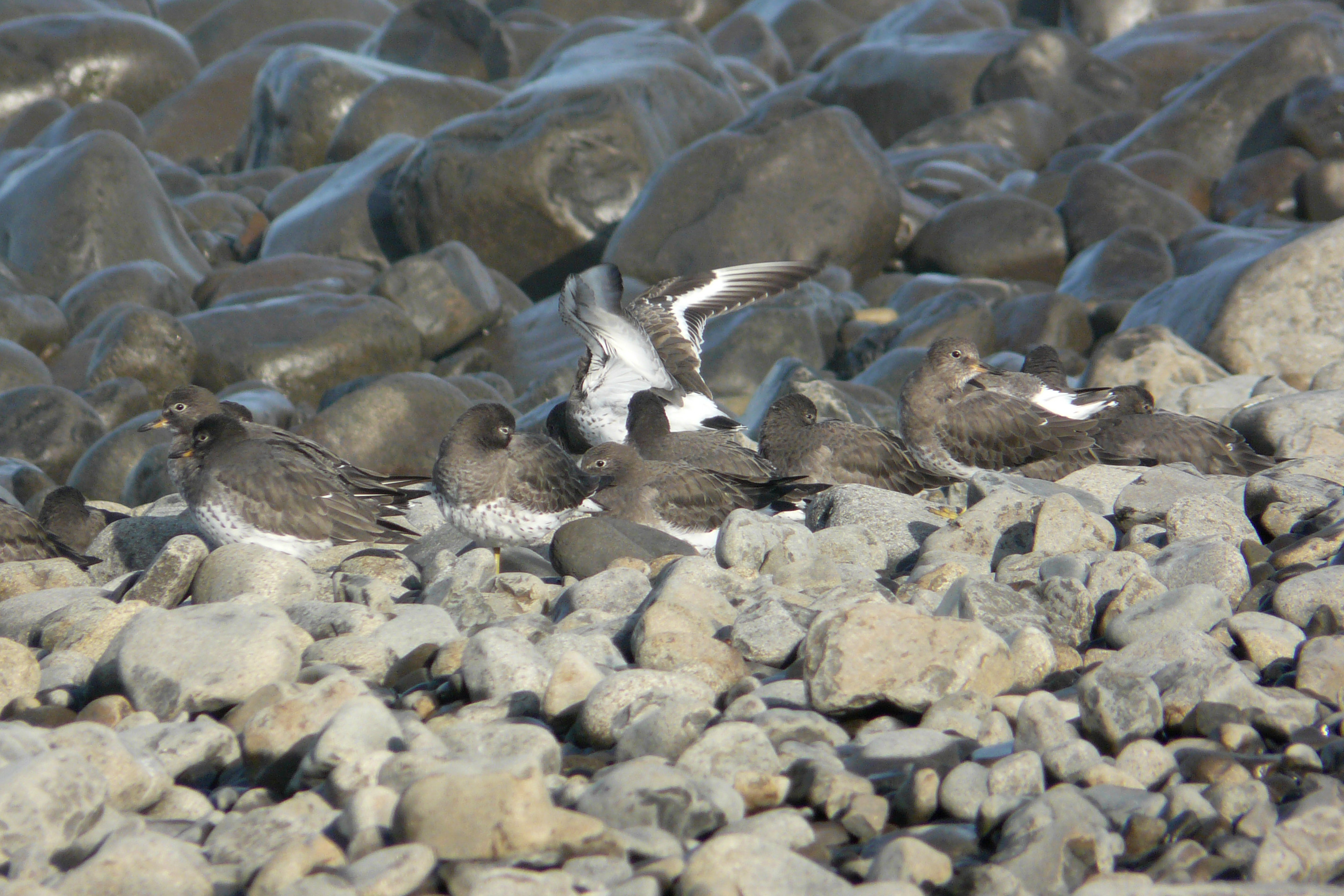
Surfbirds blend in with the rocks very well until someone opens their wings.


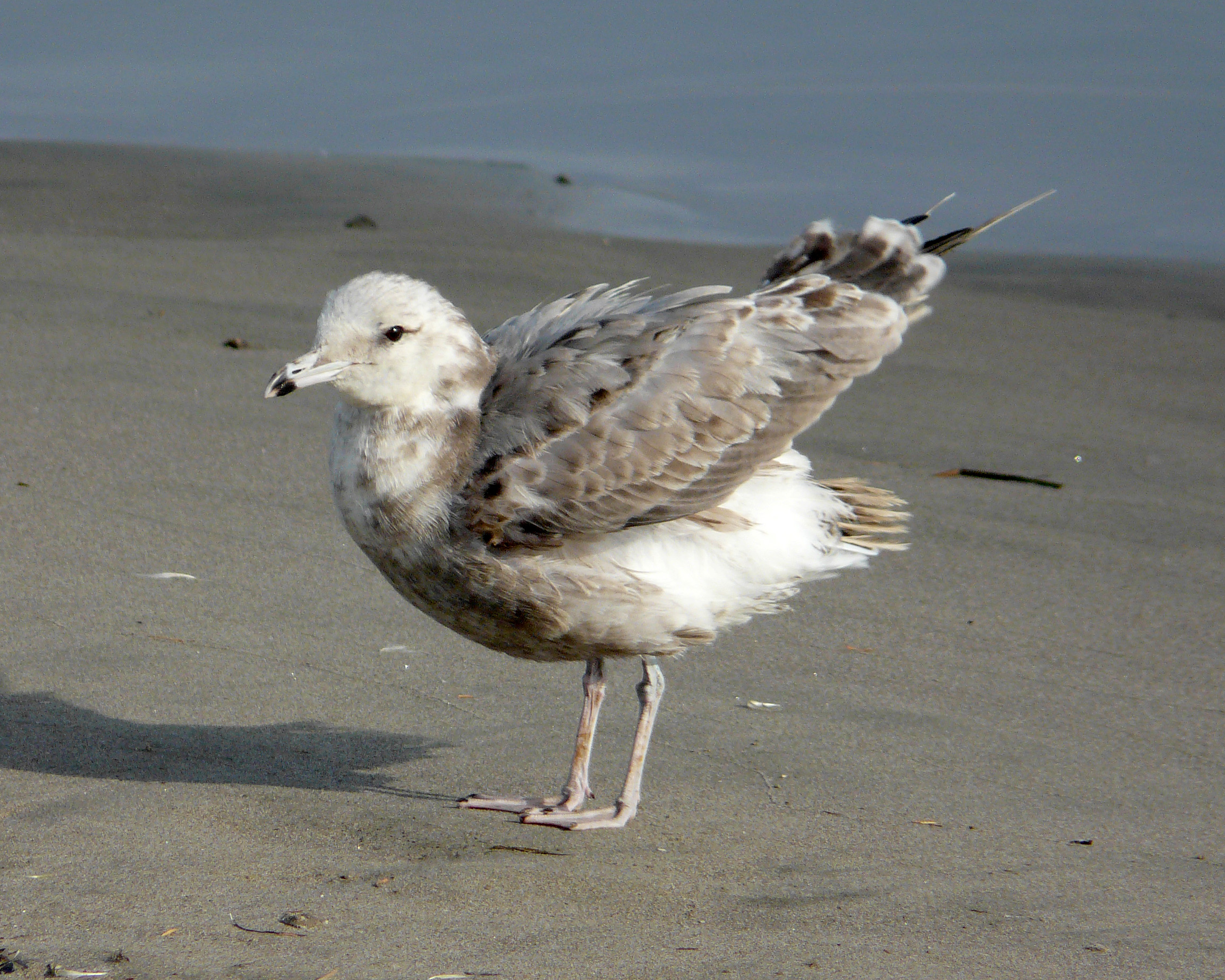
California Gull in extremely worn plumage. Notice how the primaries have worn down almost to the shaft.


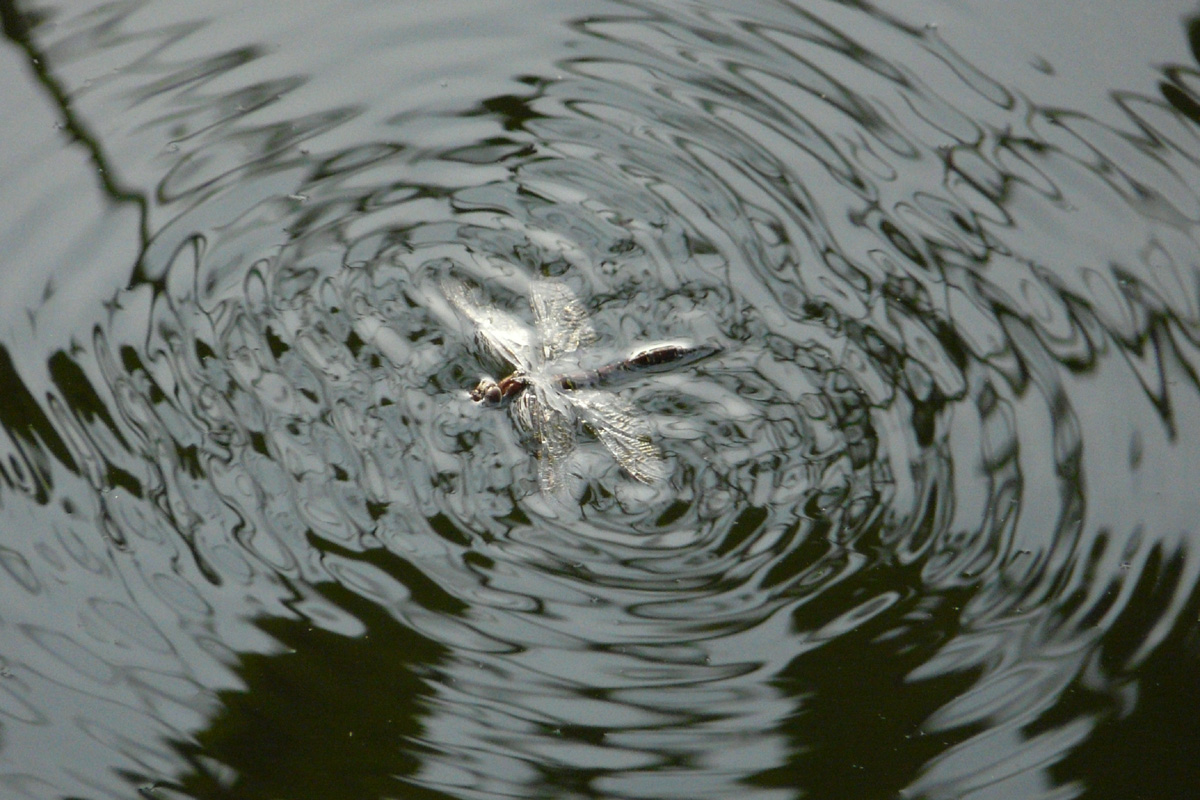
Dragonfly on the water, Neawanna Wetlands


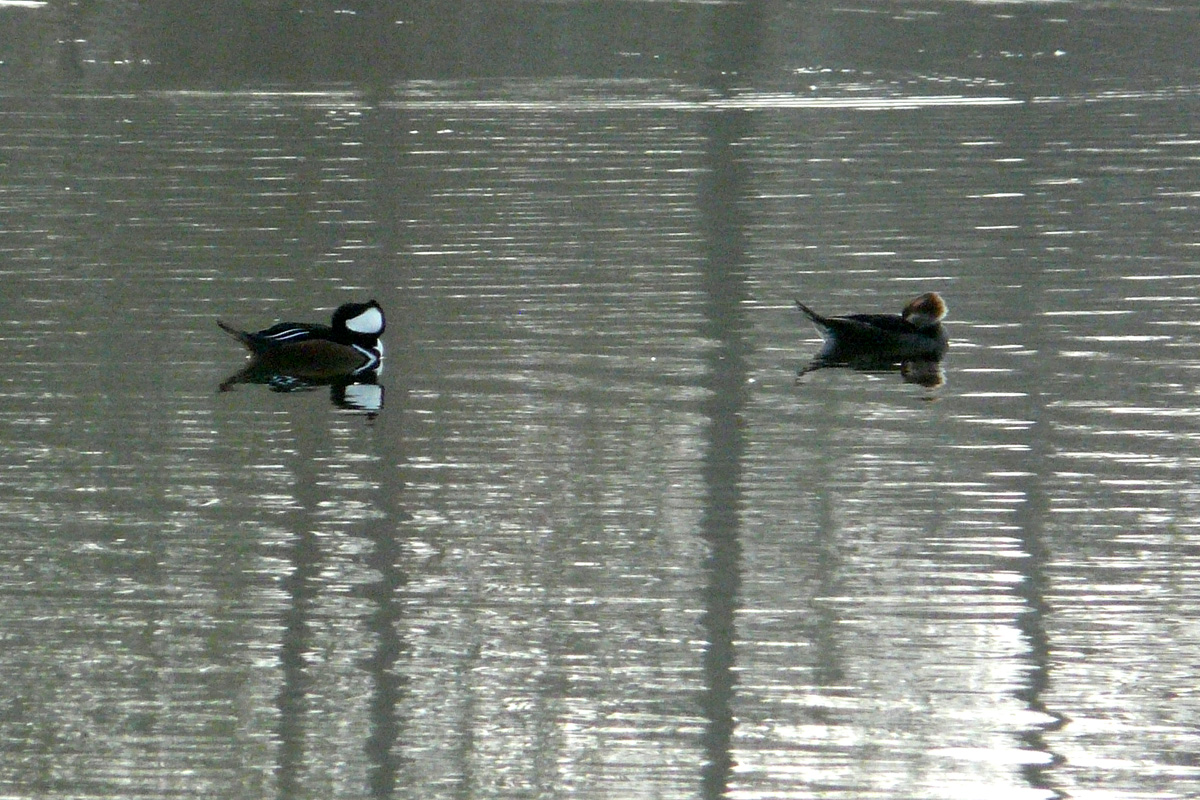
Hooded Mergansers, Neawanna Wetlands


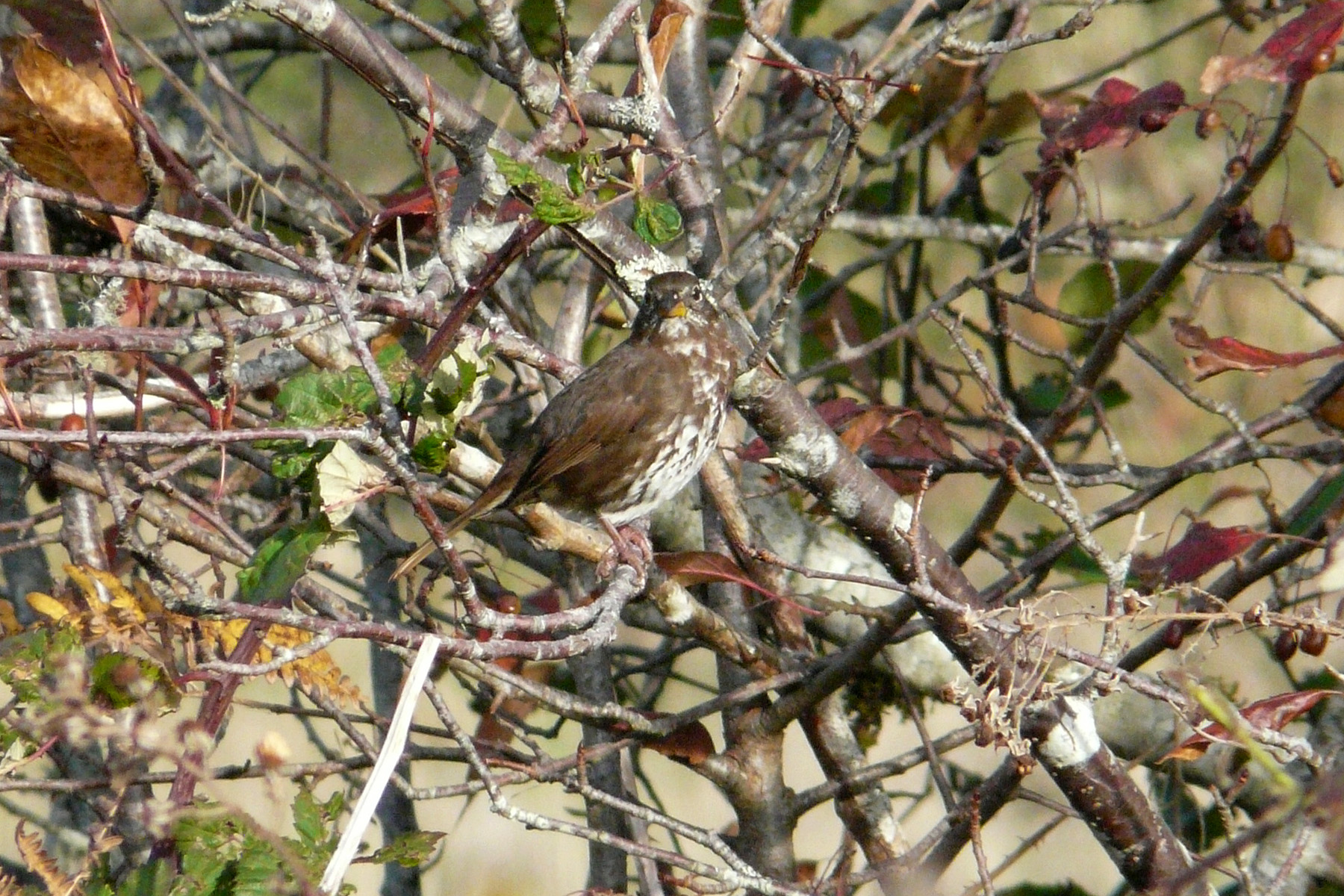
Fox Sparrow

Ft. Stevens, 11-10-2011


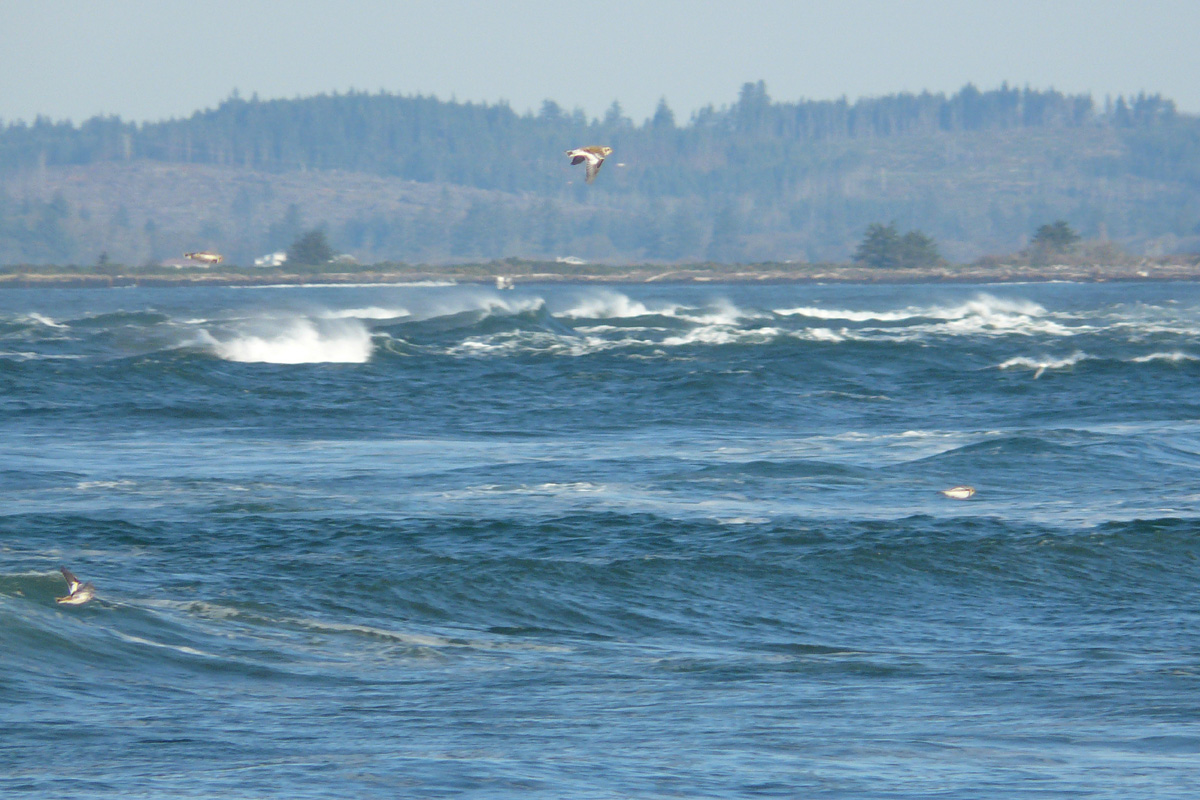
I spent a warm sunny November day at Ft. Stevens (Birding Oregon p. 119). The tide and winds were both high, so the sea was too rough to find any birds on the water near the south jetty at parking lot C.


The best birds of the trip were a flock of five Snow Buntings, a species that has eluded me in Oregon until now. They appeared on the beach near the jetty, then quickly moved on.


This image shows three Snow Buntings in flight. No, really.


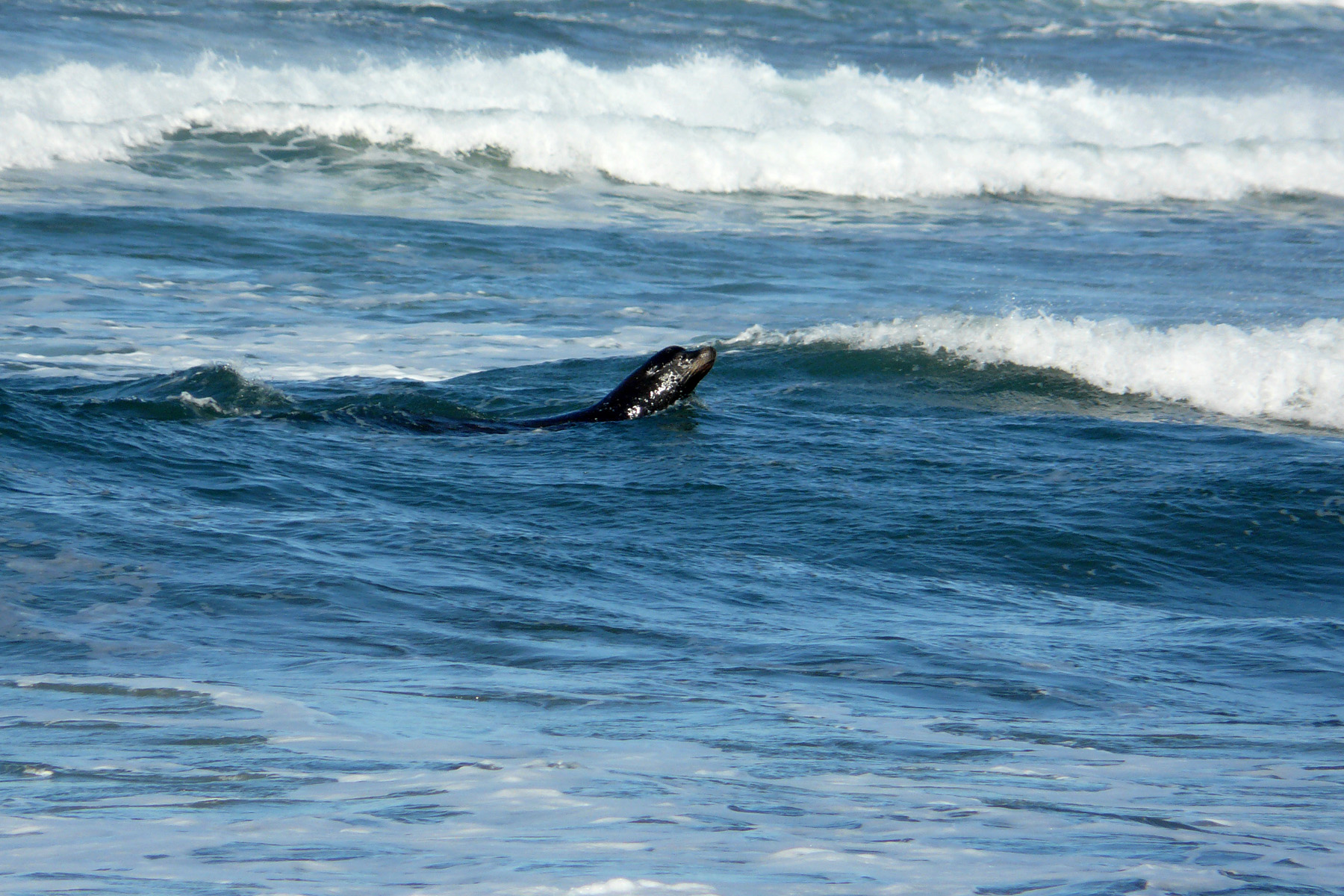
There were hundreds of California Sea Lions in the area, both on the jetty and in the surf.


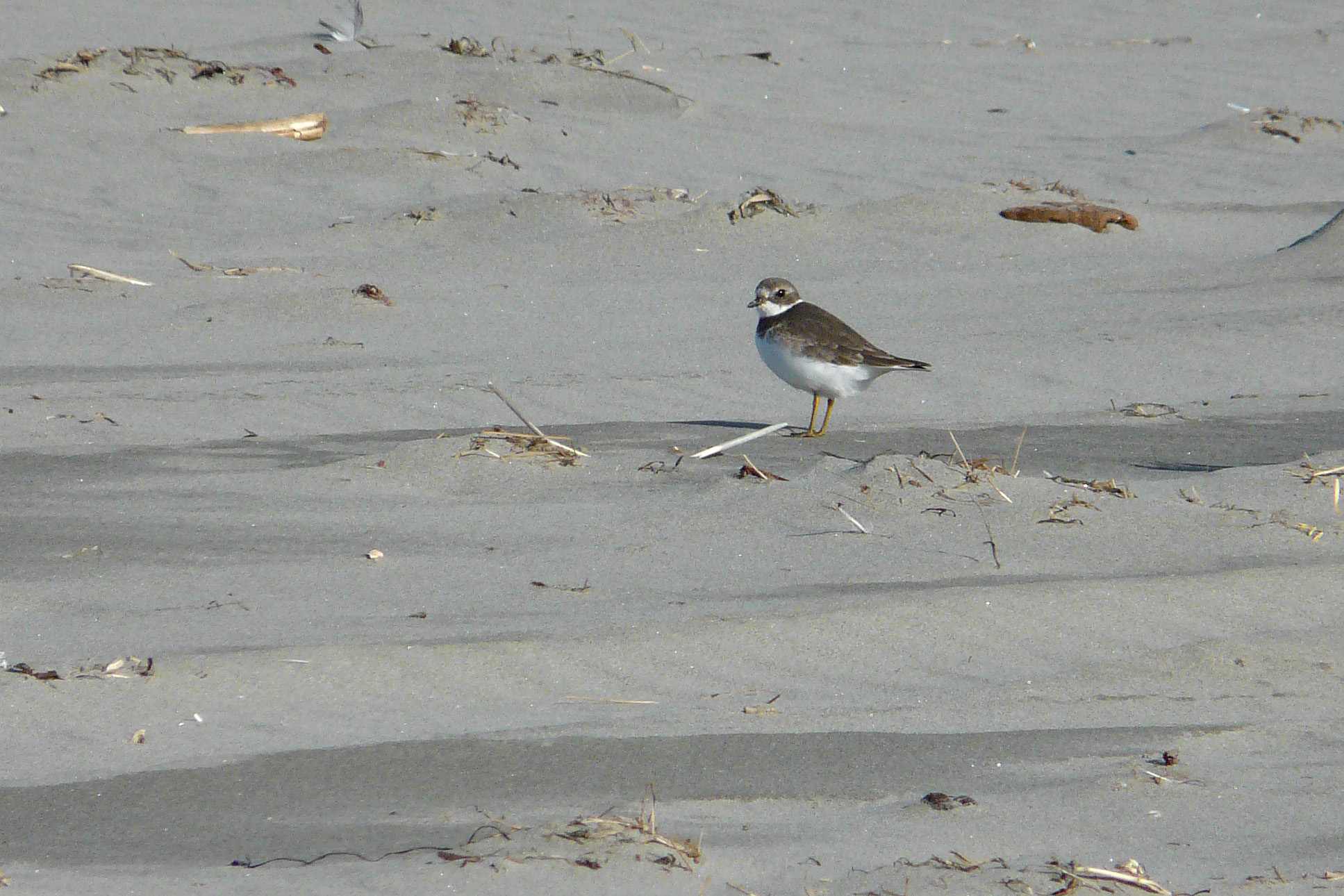
A flock of at least 35 Semipalmated Plovers were working the wrack line. There are ten in this image. No, really.


Here’s a better view of a Semipalmated Plover.


This Palm Warbler was a nice surprise. This species is rare along the coast in autumn.


Brown Pelicans were very common. The Heerman’s Gulls that harass them during the summer have already moved south for the winter, so the pelicans can feed in relative peace.


An adult (left) and juvenile Brown Pelican


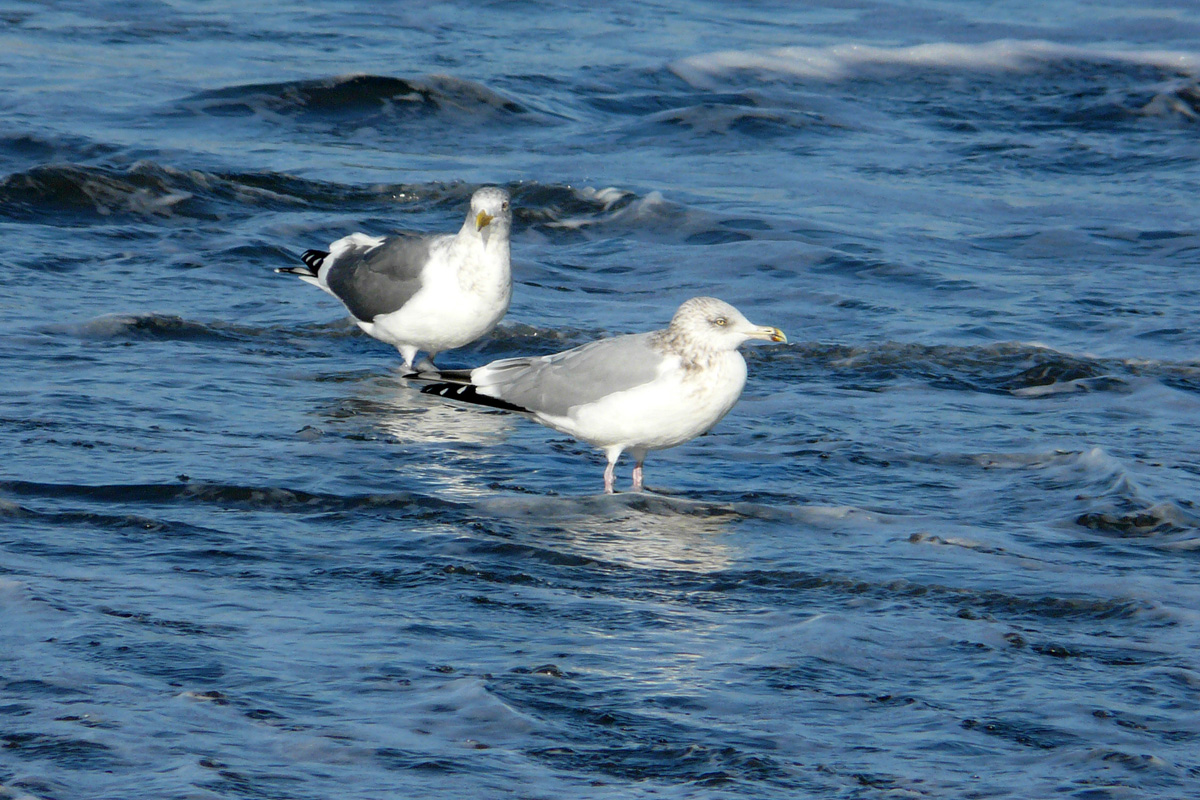
Western Gull (left) and Herring Gull. The gulls on the beach are much more wary than those that spend the winter in Portland.


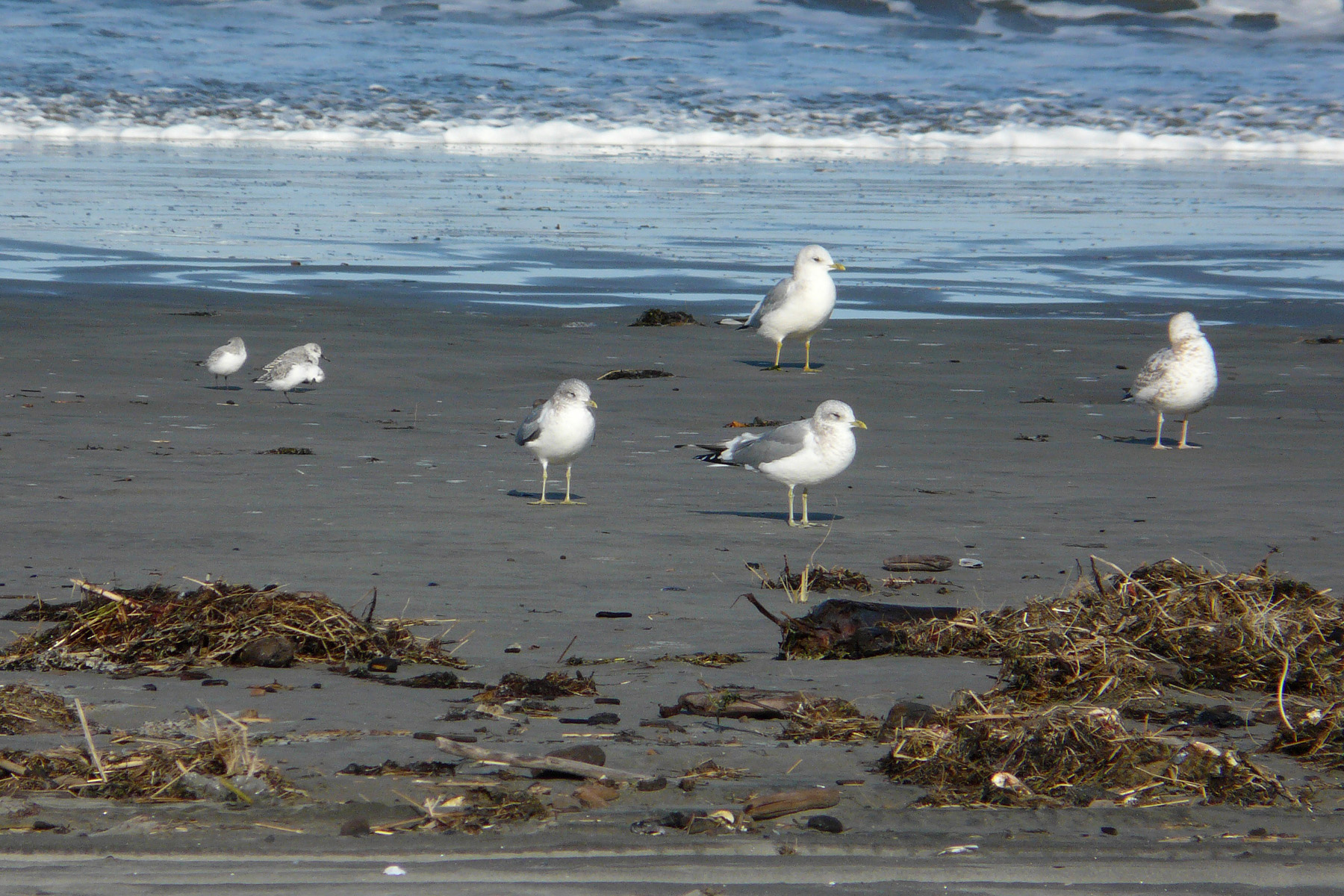
Sanderlings and Mew Gulls

Other goodies that escaped the camera were a Peregrine Falcon on the beach, a Northern Shrike, and three Western Meadowlarks. It was a great day to enjoy the sun before the cold wet weather settles in to stay.

Westmoreland Park

Westmoreland Park (Birding Oregon p. 69) is one of Portland’s premier loafing spots for gulls and waterfowl in autumn and winter. The city is planning to restore the natural flow of the creek in what is now an urban duck pond, so it will be interesting to see how these changes will affect bird use over time.


The main pond, with a few hundred Cackling Geese


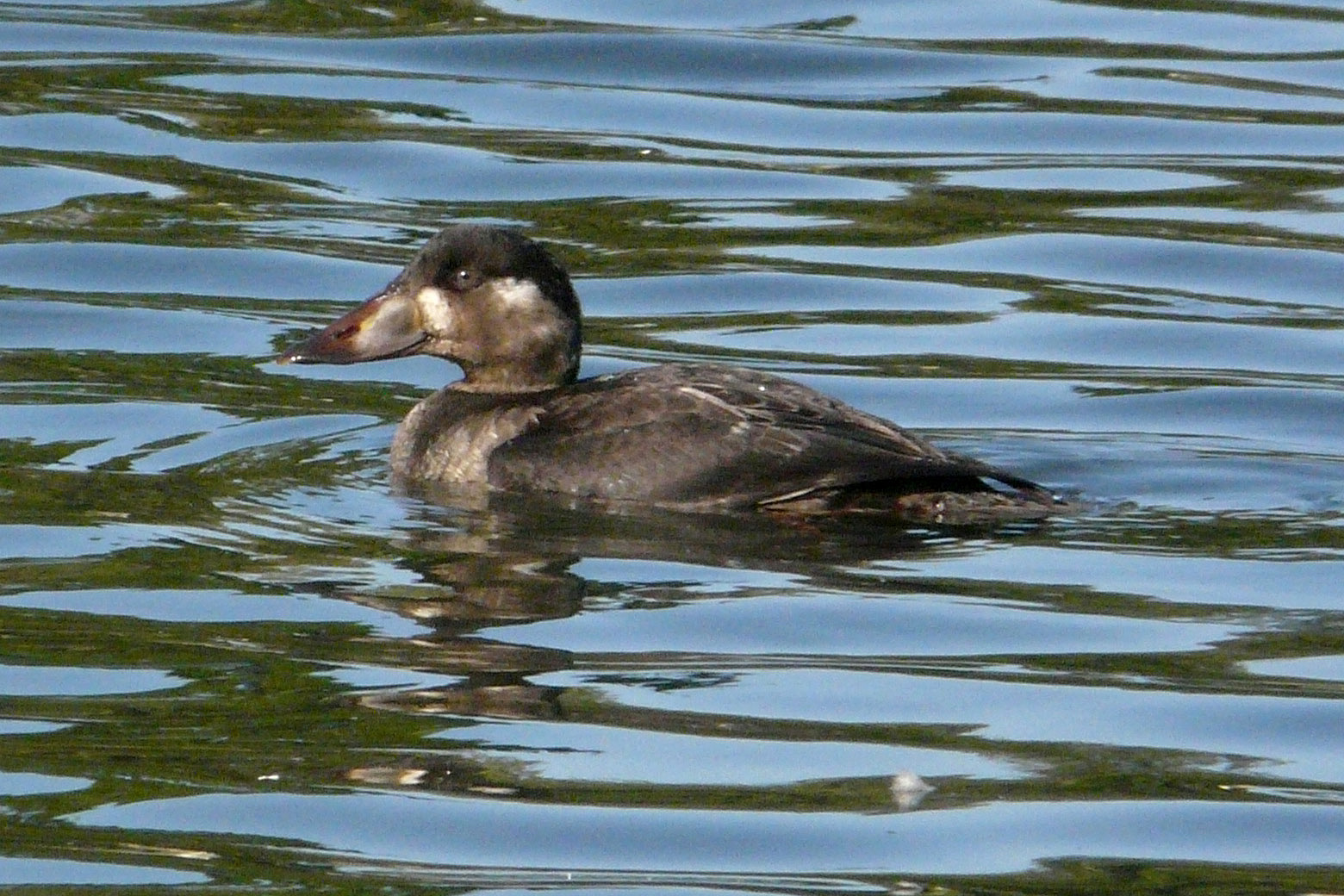
This female Surf Scoter has been hanging out for about a week. She is apparently finding enough mollusks to eat in this muddy pond. A few of these sea ducks are found on the Columbia River and on larger bodies of water in winter, but they are unexpected on such a small pond.


She spent a lot of time feeding under water.


Westmoreland is one of the easier places to find a cooperative Thayer’s Gull.


Ridgeway’s Cackling Goose (Branta hutchinsii minima) is the most common of the “white-cheeked” geese in the Willamette Valley in winter.


The Cackling Geese graze in the lawns at Westmoreland, but are more cautious than some of the other waterfowl.


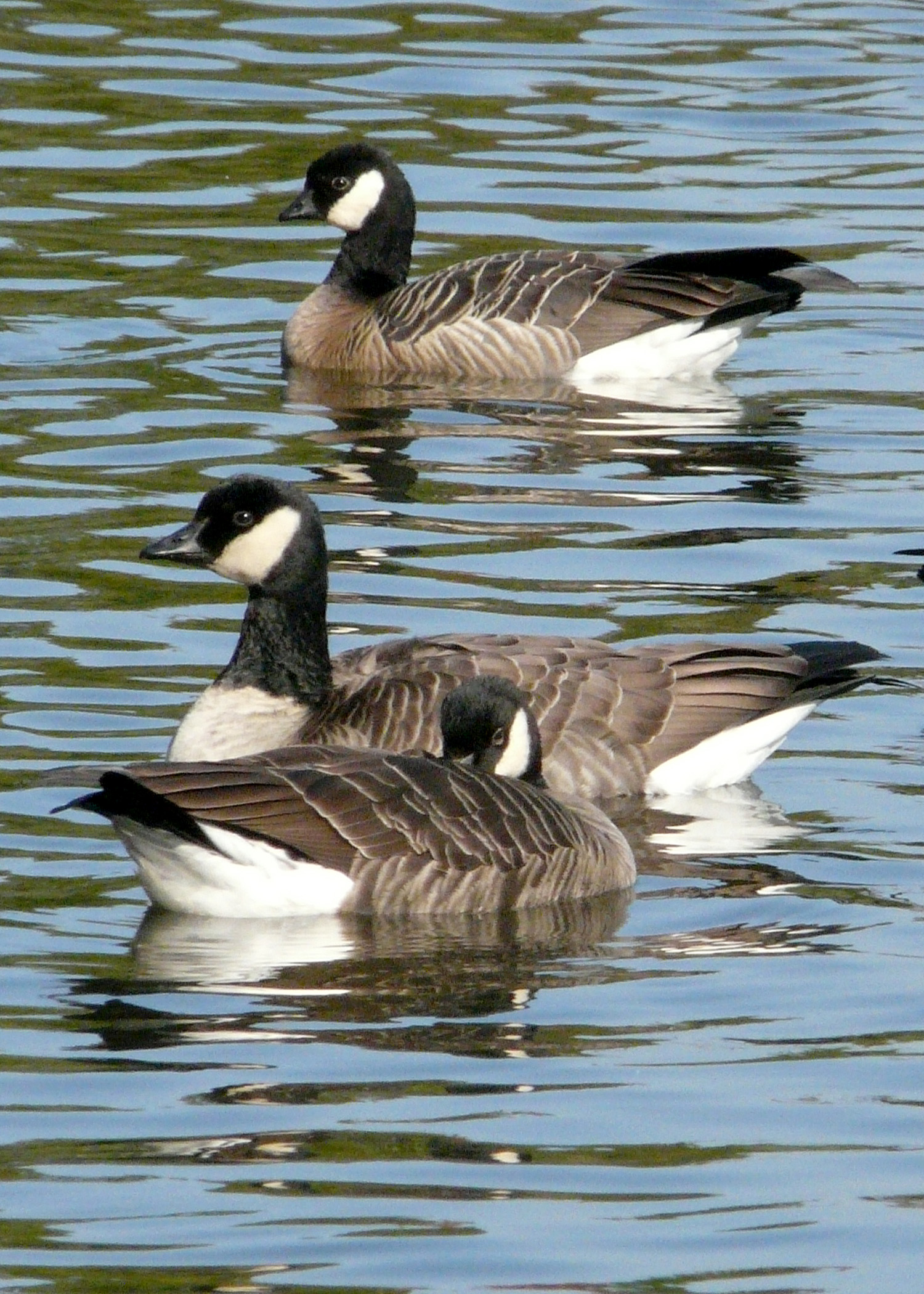
Taverner’s Cackling Goose (B. h. taverneri) in the foreground, with a Ridgeway’s Cackling Goose in the background


Taverner’s Cackling, with another Ridgeway’s Cackling in the background


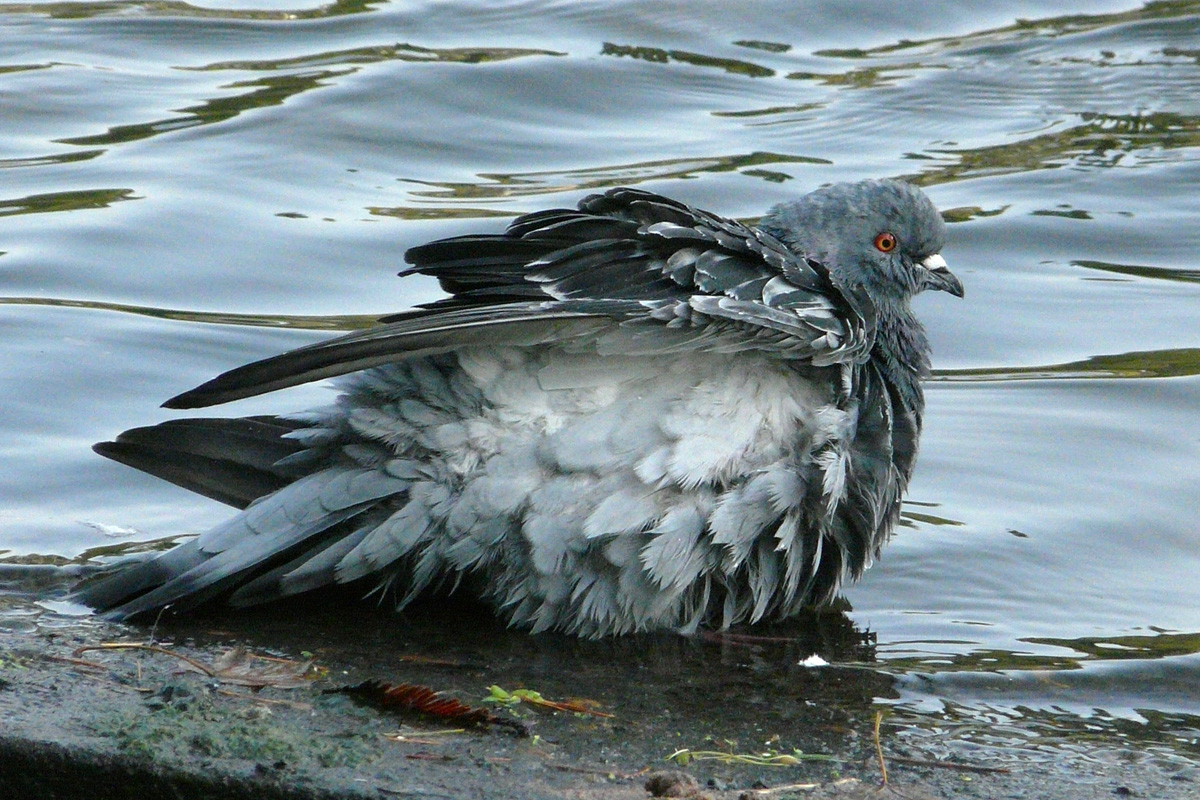
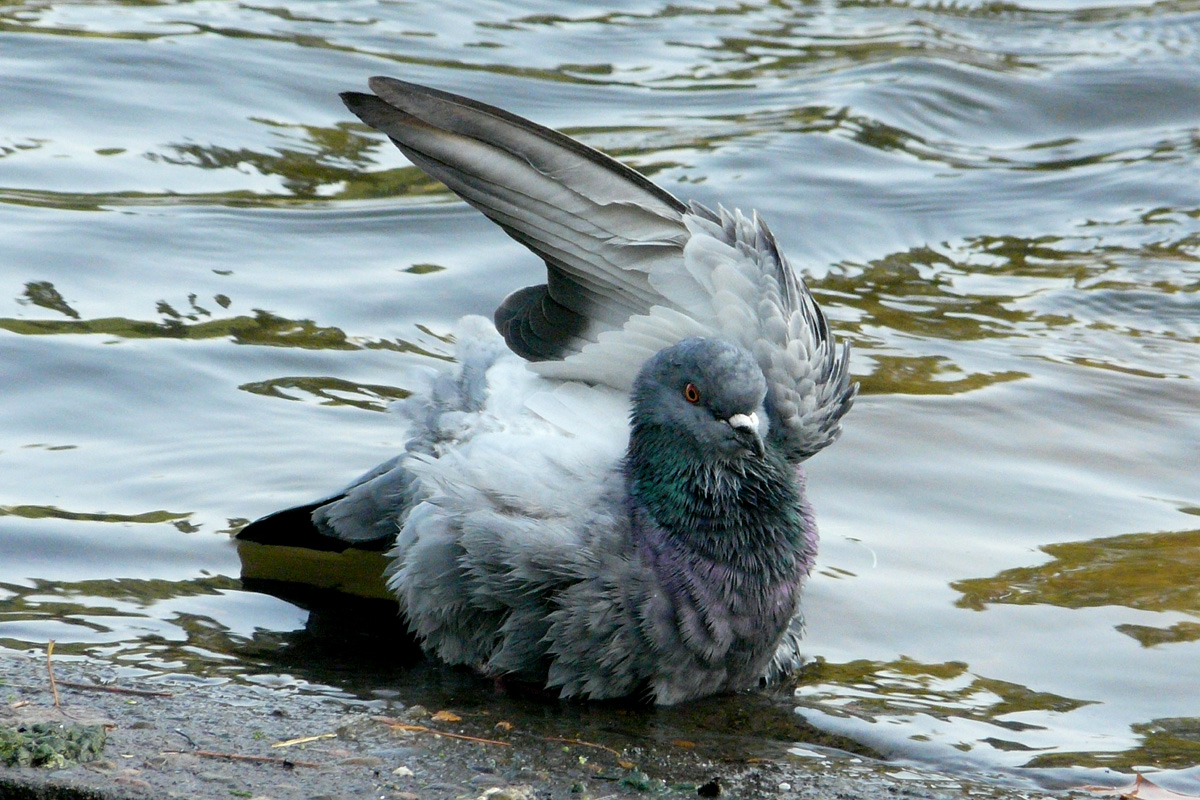
This Rock Pigeon was enjoying a bath at the pond’s edge.

Fernhill Wetlands, 10/19/2011


Wintering waterfowl are returning to Fernhill Wetlands (Birding Oregon p. 61). Cackling Geese started arriving this week, and will soon be joined by a few thousand more.


a former waterfowl


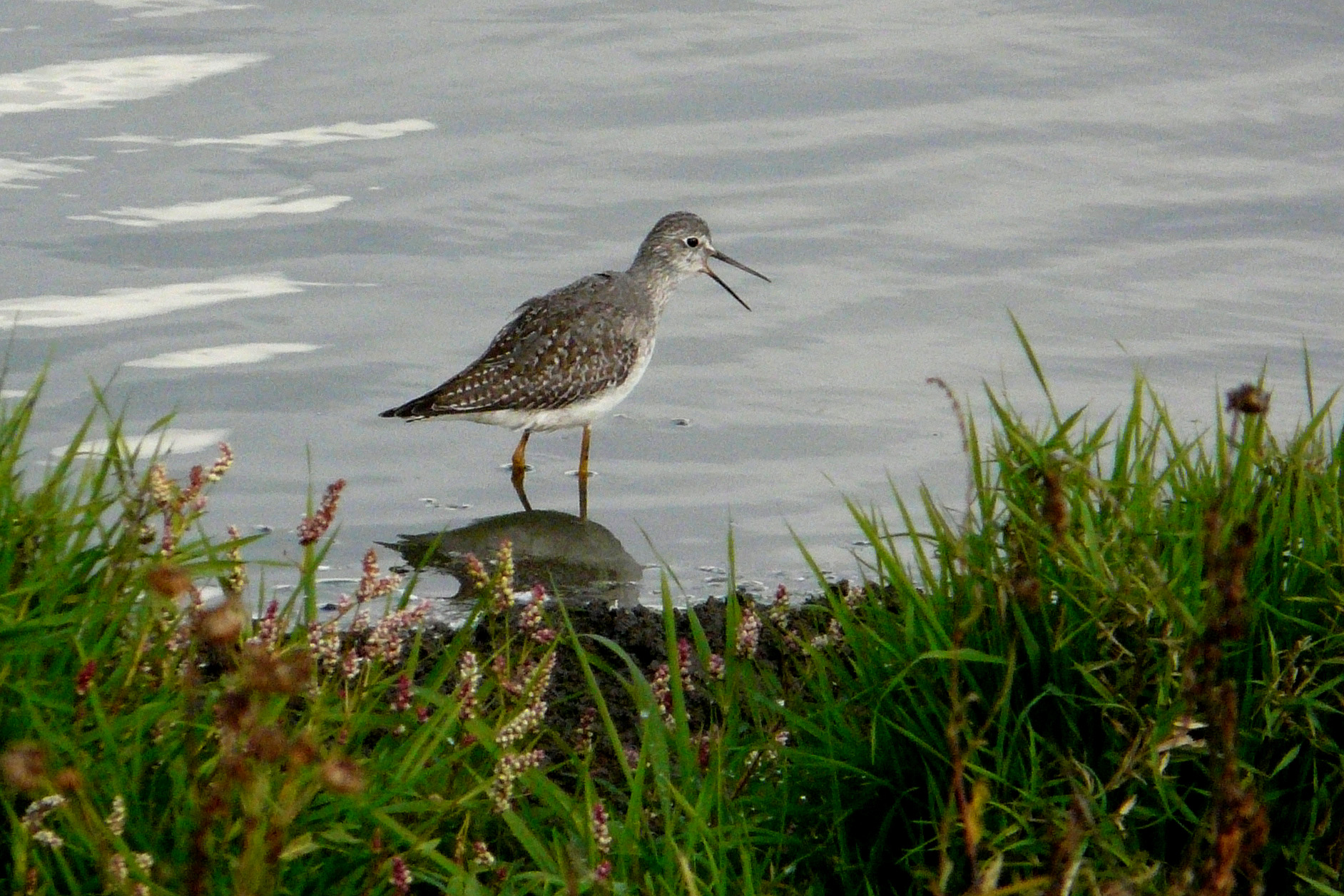
Most shorebirds have moved on by now. This Lesser Yellowlegs was feeding by himself.


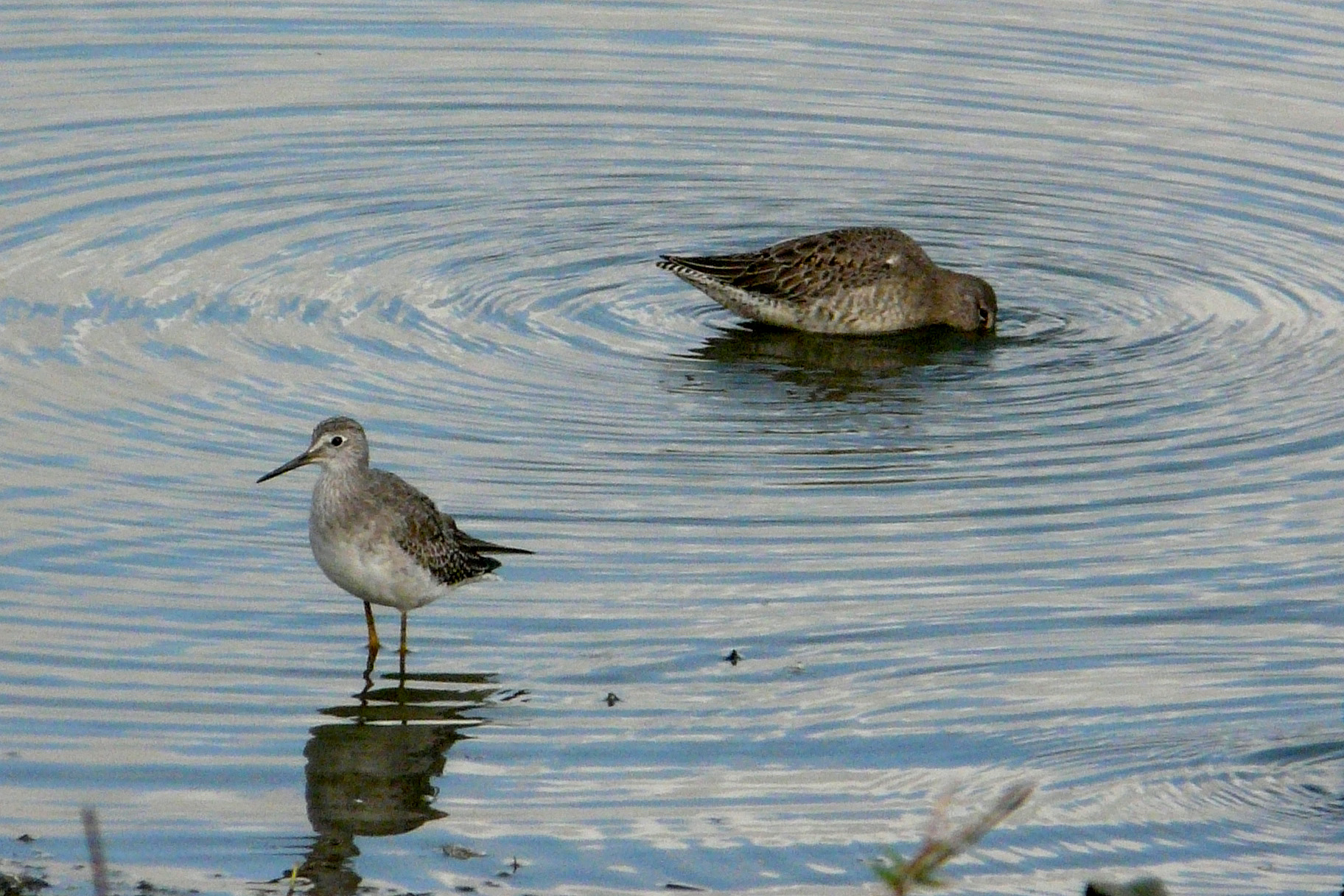
The Lesser Yellowlegs was eventually joined by a small flock of Long-billed Dowitchers.


One of the paths at Fernhill has recently been extended around the back side of Dabblers Marsh. This brushy area hosted a large flock of Bushtits (a female above), along with Mourning Doves, Northern Flickers, Black-capped Chickadees, and my first-of-season Golden-crowned Sparrow.


male Bushtit

Smith and Bybee Wetlands

Smith and Bybee Wetlands in NW Portland, (Birding Oregon p. 65) is a great spot for waterfowl, waders, and shorebirds in the late summer and autumn. Paved trails lead to observation platforms overlooking both lakes, and primitive paths are available to the more adventurous.


Great Egret, here with a couple of Great Blue Herons and numerous waterfowl on Bybee Lake, are common this time of year. Other waders that have occurred here include Snowy Egret and Little Blue Heron.


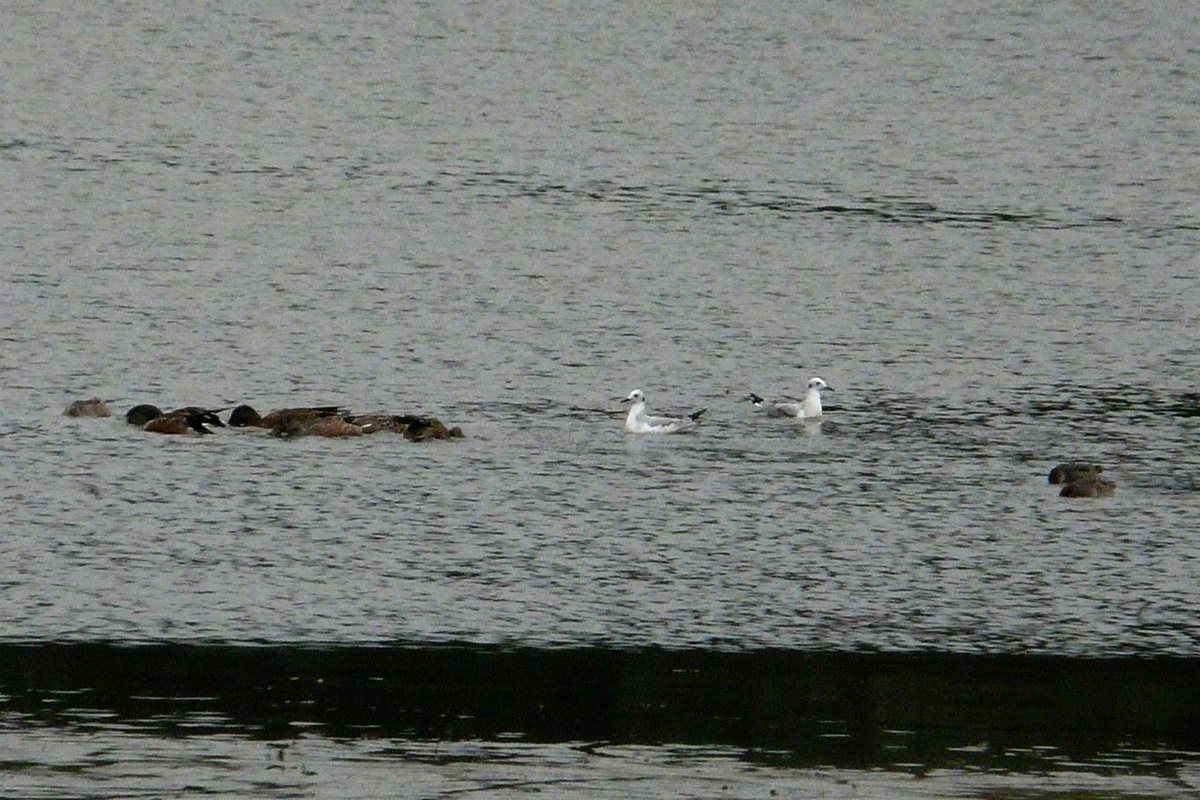
These Bonaparte’s Gulls were feeding with a flock of Northern Shovelers, picking up little food items stirred up by the ducks.


Many trees in this area have fencing around them to protect them from Beavers. Flood conditions last winter enabled the Beavers to float above the level of the fencing and nibble away.


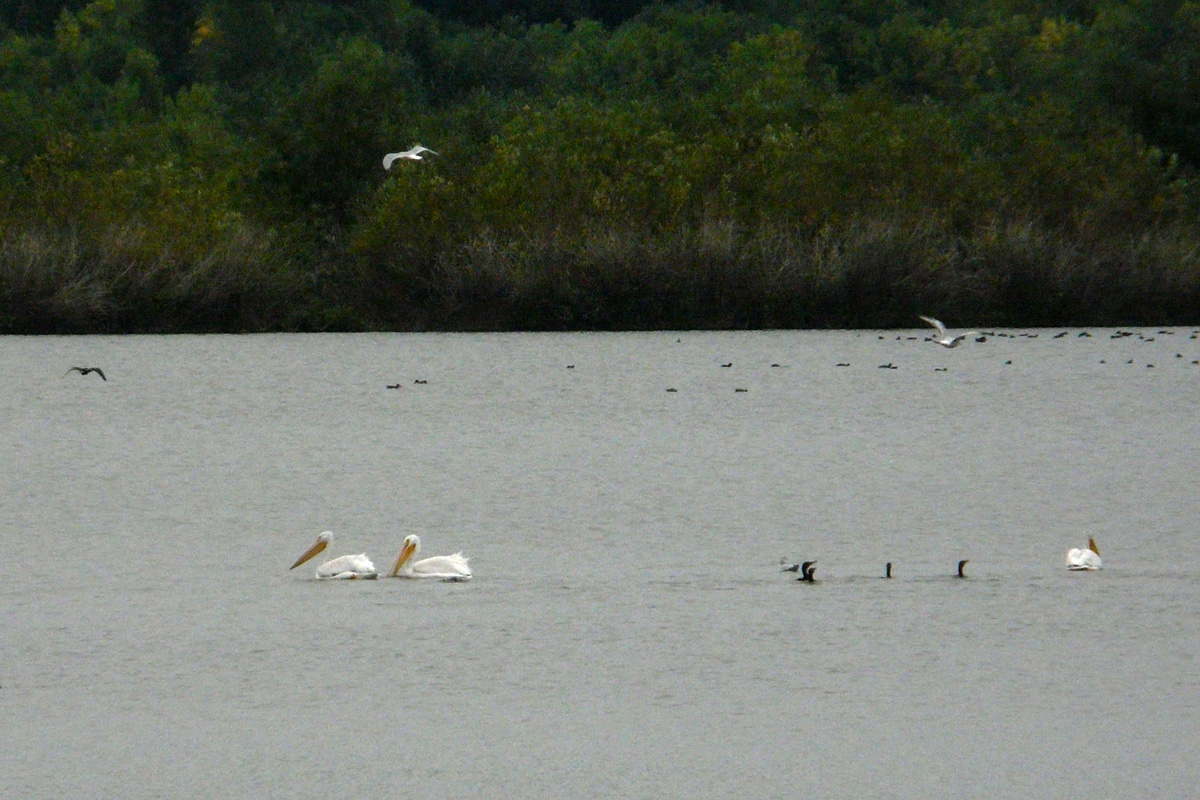
Three American White Pelicans swim with Double-crested Cormorants on Smith Lake. Ten years ago, pelicans were considered rare in Portland, but large flocks are now expected every summer and fall.


more American White Pelicans on Smith Lake

Black-tailed Gull

A Black-tailed Gull (Larus crassirostris) has been hanging out on a log boom in Tacoma, WA, for the past couple of weeks. Tacoma is normally far outside my “chase radius” for a single bird, but Marsha was working a conference in Seattle last Saturday, so it was only a half-hour drive from there to the bird. Since this is probably the only chance I will have to see this Asian species, I was happy to spend the four and a half hours standing on the shoreline waiting for this bird to appear.


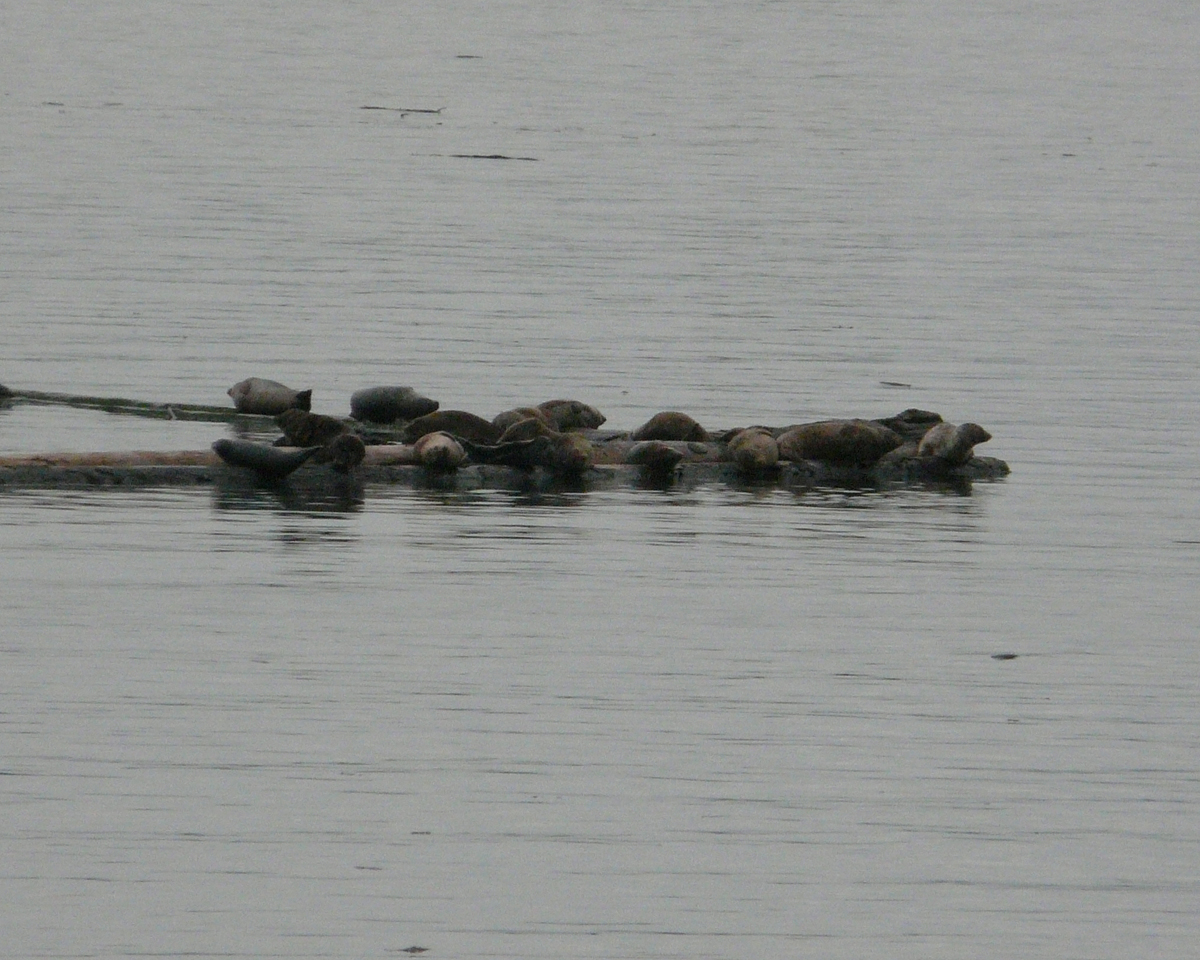
While waiting for the gull, I enjoyed watching the many Harbor Seals in the area. Most were just resting on the logs, while others swam around munching on salmon.


I really want to give this seal a belly rub.


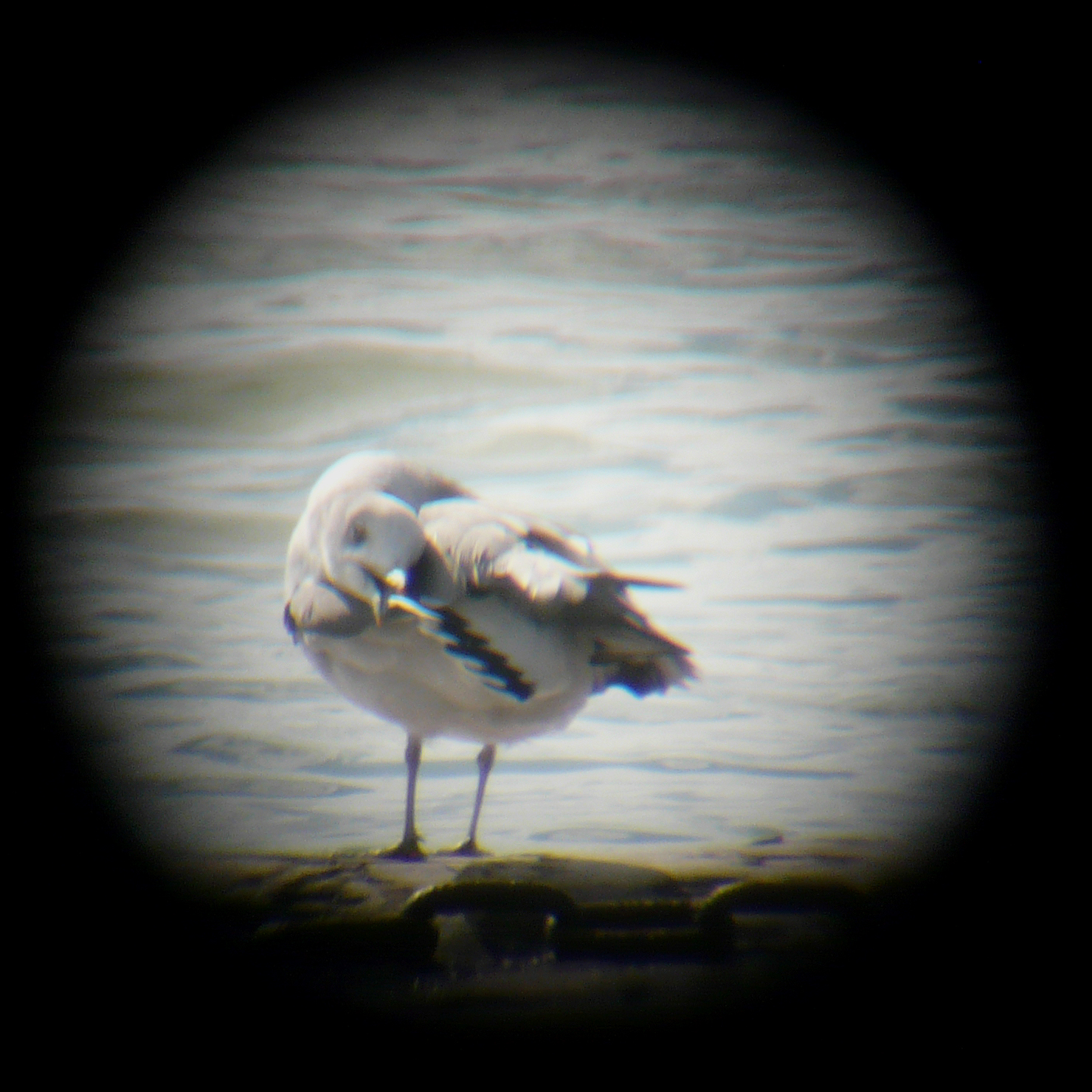
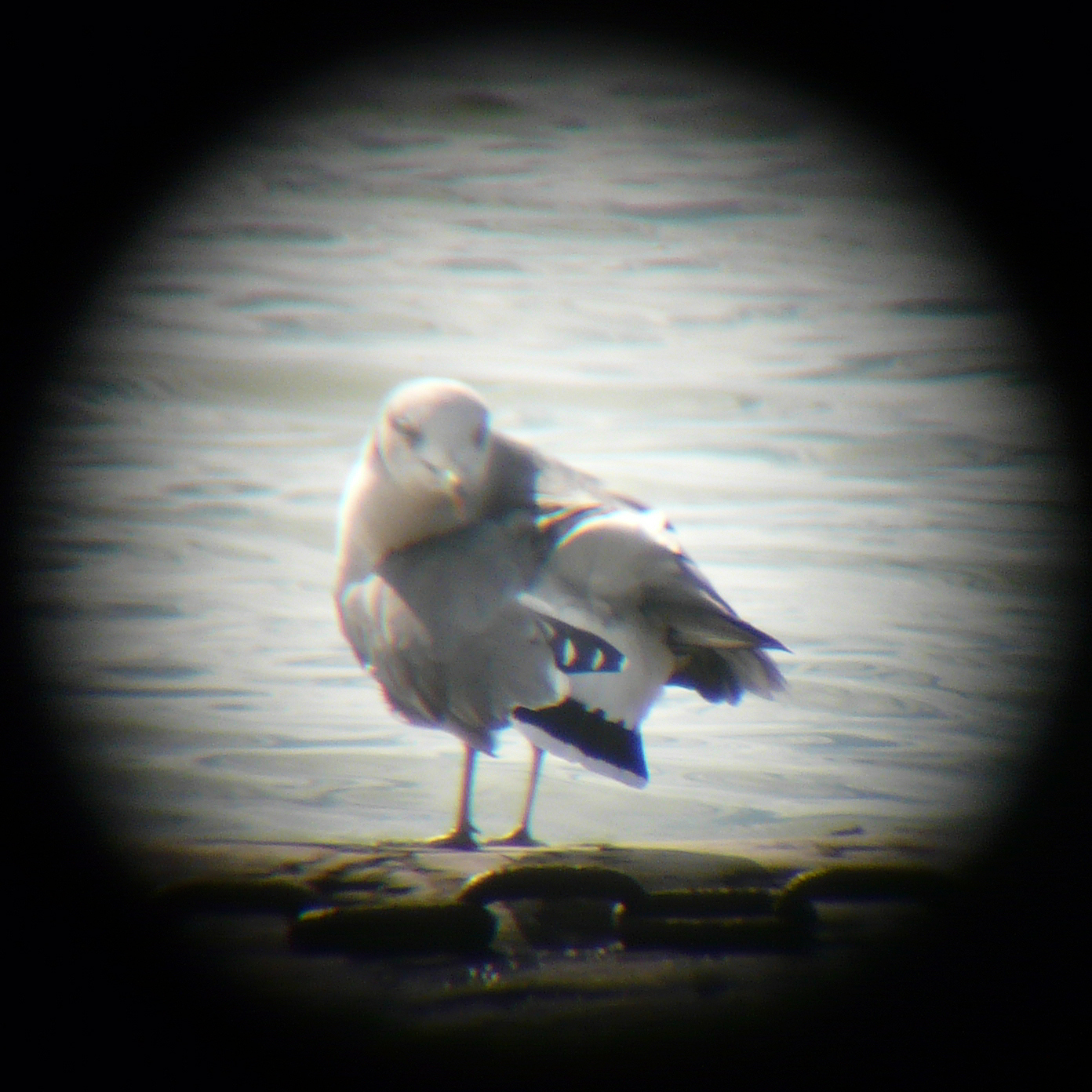
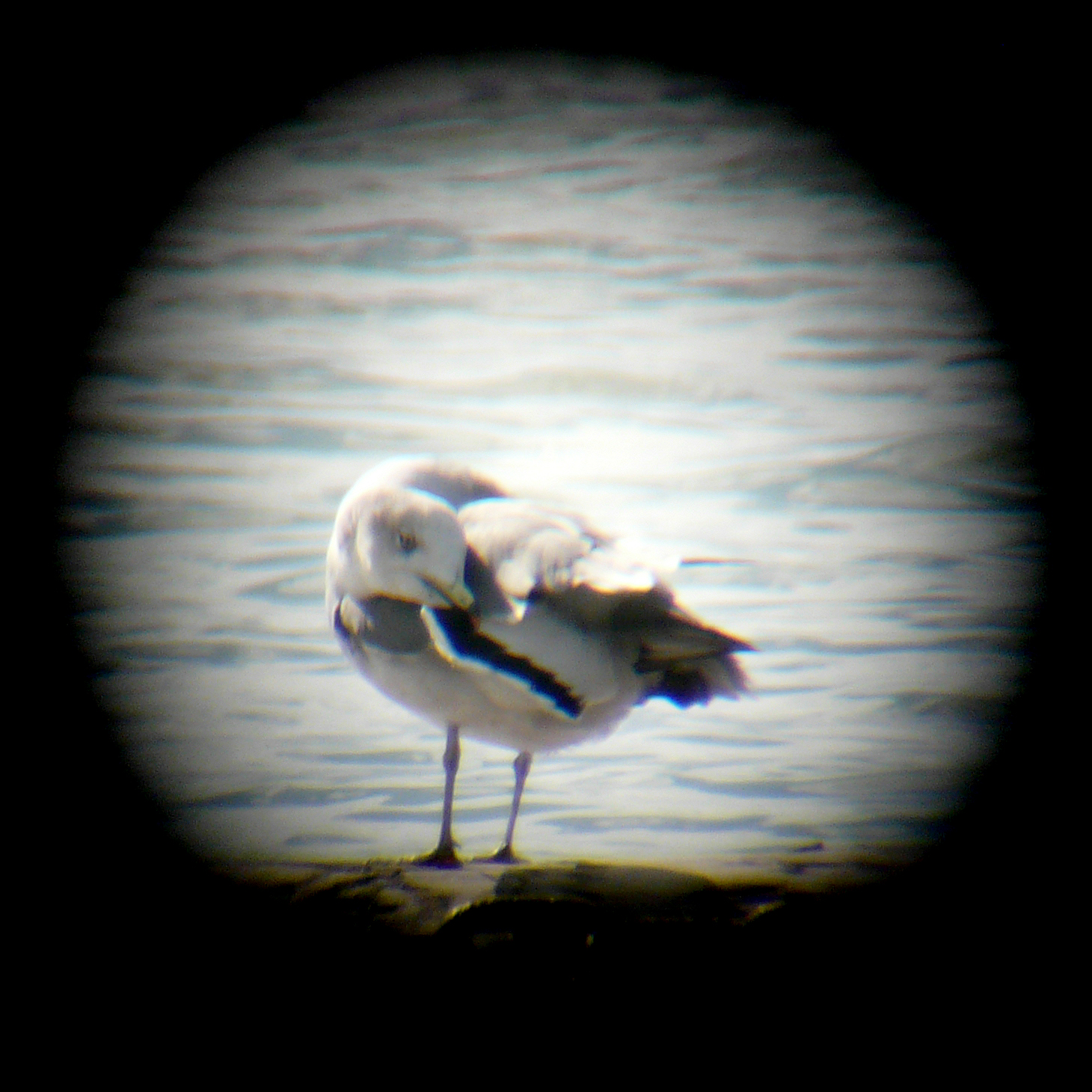
The Black-tailed Gull finally arrived around 2:30 and provided extended views of the field marks that make this species so distinctive. This photo and the ones that follow were taken through my scope. While the camera and scope are obviously not compatible for digiscoping, these photos show that you can obtain documentation of rarities without a lot of special equipment. The key field marks for this species include: yellow drooping bill with bright red tip and black subterminal band, solid black tail with white terminal band, pale irises, white crescents above and below the eyes, and dusky markings on the nape that wrap around the head (winter).


Tillamook Bay, 9/24/11


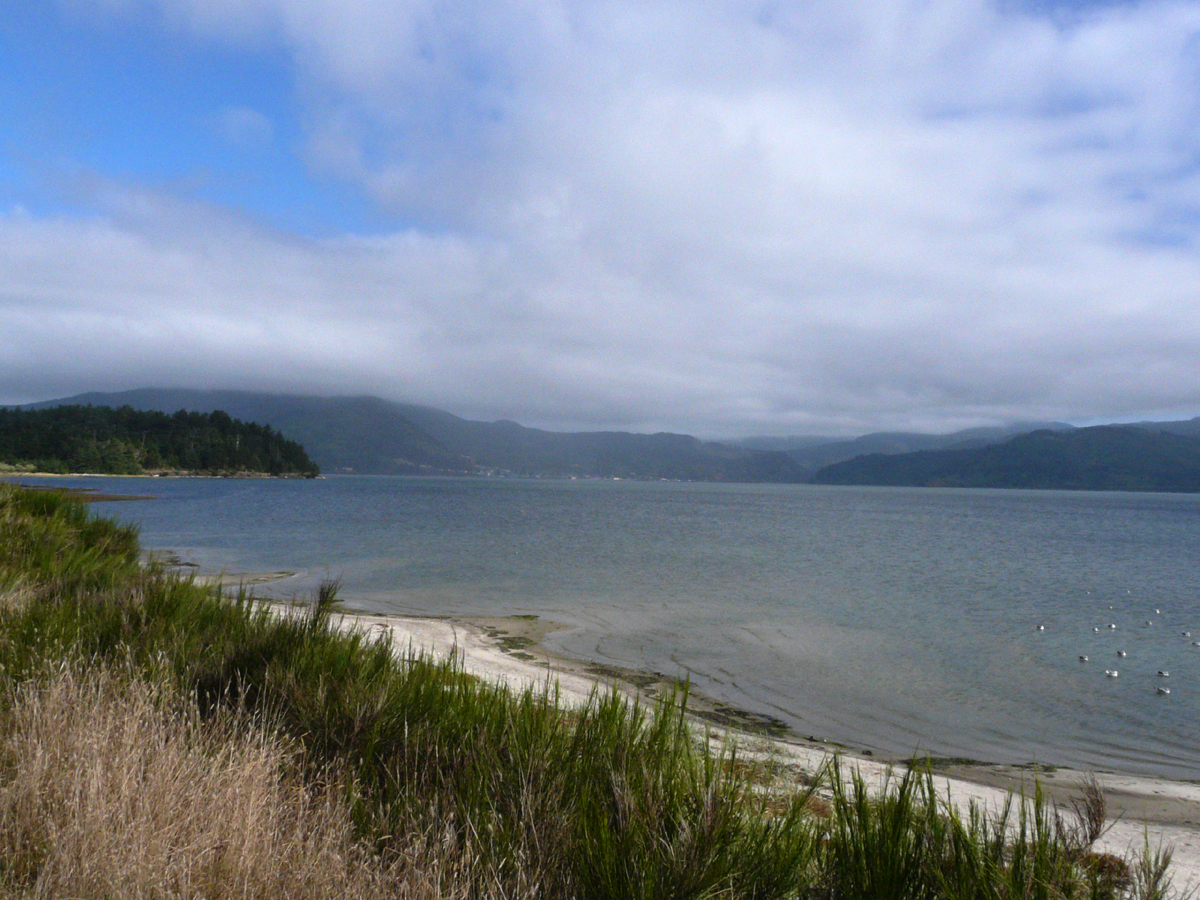
I took my Portland Audubon class to Tillamook Bay (Birding Oregon p. 125). We found strong winds, high tides, and rough seas, but the weather was warm and mostly sunny. This photo was taken on the bayside of Bayocean Spit. The water was high enough to cover the mudflats, so we didn’t find any shorebirds, but we did find good numbers of gulls loafing in the shallow water.


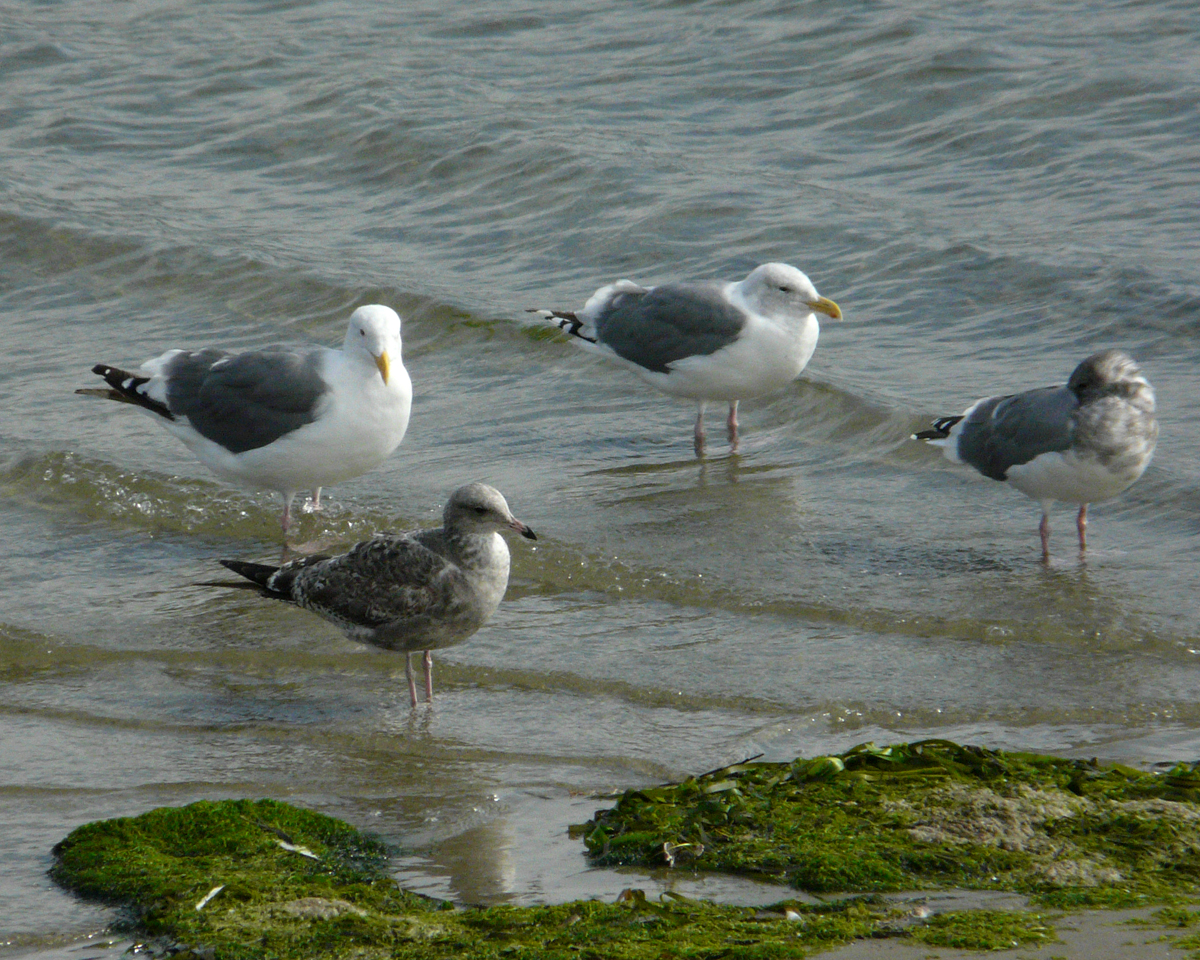
Here is a first-cycle California Gull with two adult Western Gulls and a probable third-cycle Western Gull.


The largest concentration of birds was at the Bay City Oyster Plant. This little jetty was covered with gulls, Brown Pelicans, and Black Turnstones.


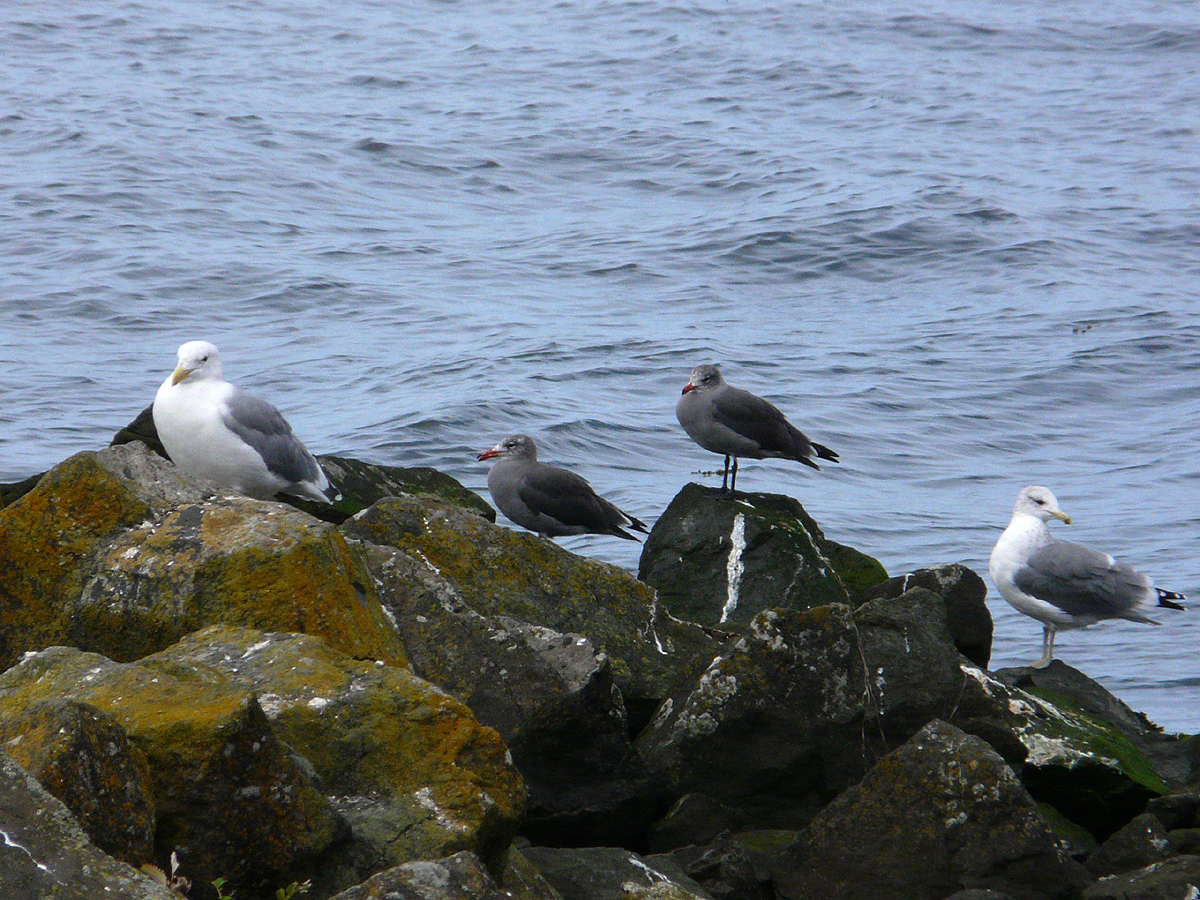
Western Gull, two Heerman’s Gulls, and a California Gull


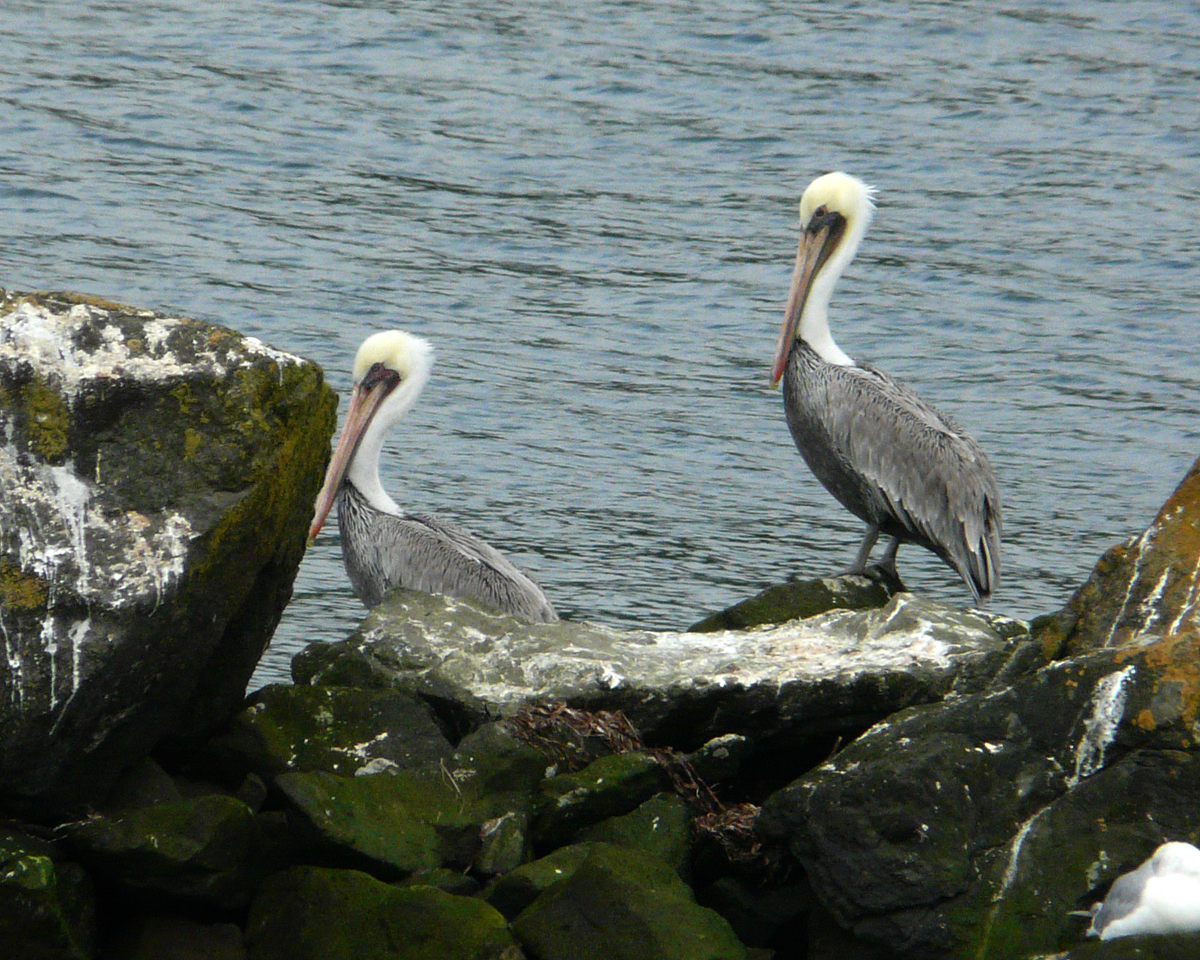
Brown Pelicans


juvenile Brown Pelican and Heerman’s Gull


We found at least four Black Oystercatchers at the Three Graces Tidal Area.


At Barview Jetty, the rough seas and howling winds kept the expected seabirds out of the channel. But the big waves did reveal lots of Ochre Sea Stars.


This lone Black Turnstone was the only shorebird we found braving the rough conditions.

Mt. Hood National Forest, 9/17/2011


Nala and I walked part of the Pacific Crest Trail in Mt. Hood National Forest, starting at Little Crater Lake (Birding Oregon p. 75) and walking north for about seven miles before turning around. The edge of this old clearcut provides a view into the valley below. If it weren’t for the low cloud cover on this day, you would be able to see Mt. Hood in this photo.


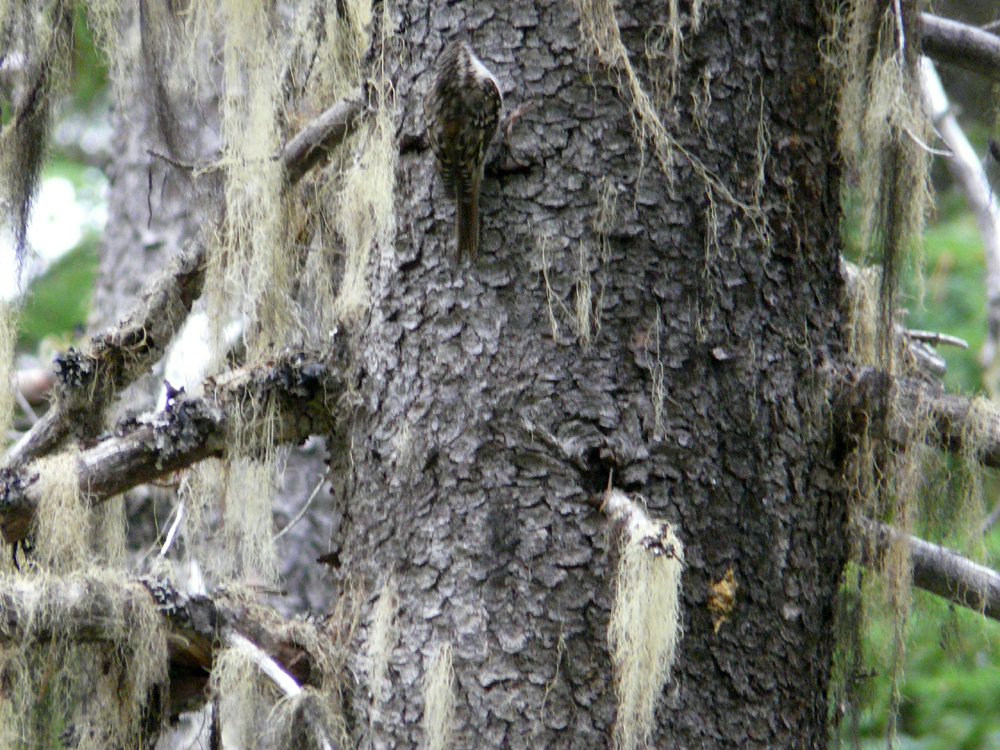
As expected this time of year, the forest held very few birds. Once the nesting season ends in July, most birds on the west slope of the Cascades take off. For some reason, forests on the east slope maintain a higher species diversity. In five hours of walking, I found (in order of decreasing abundance) Chestnut-backed Chickadees, Red Crossbills, Gray Jays, American Robins, Swainson’s Thrushes, Red-breasted Nuthatches, Common Ravens,  Dark-eyed Juncos, and singles of Brown Creeper (above) and Wilson’s Warbler.


There was plenty of evidence of woodpecker activity. The rectangular holes suggest Pileated Woodpecker.


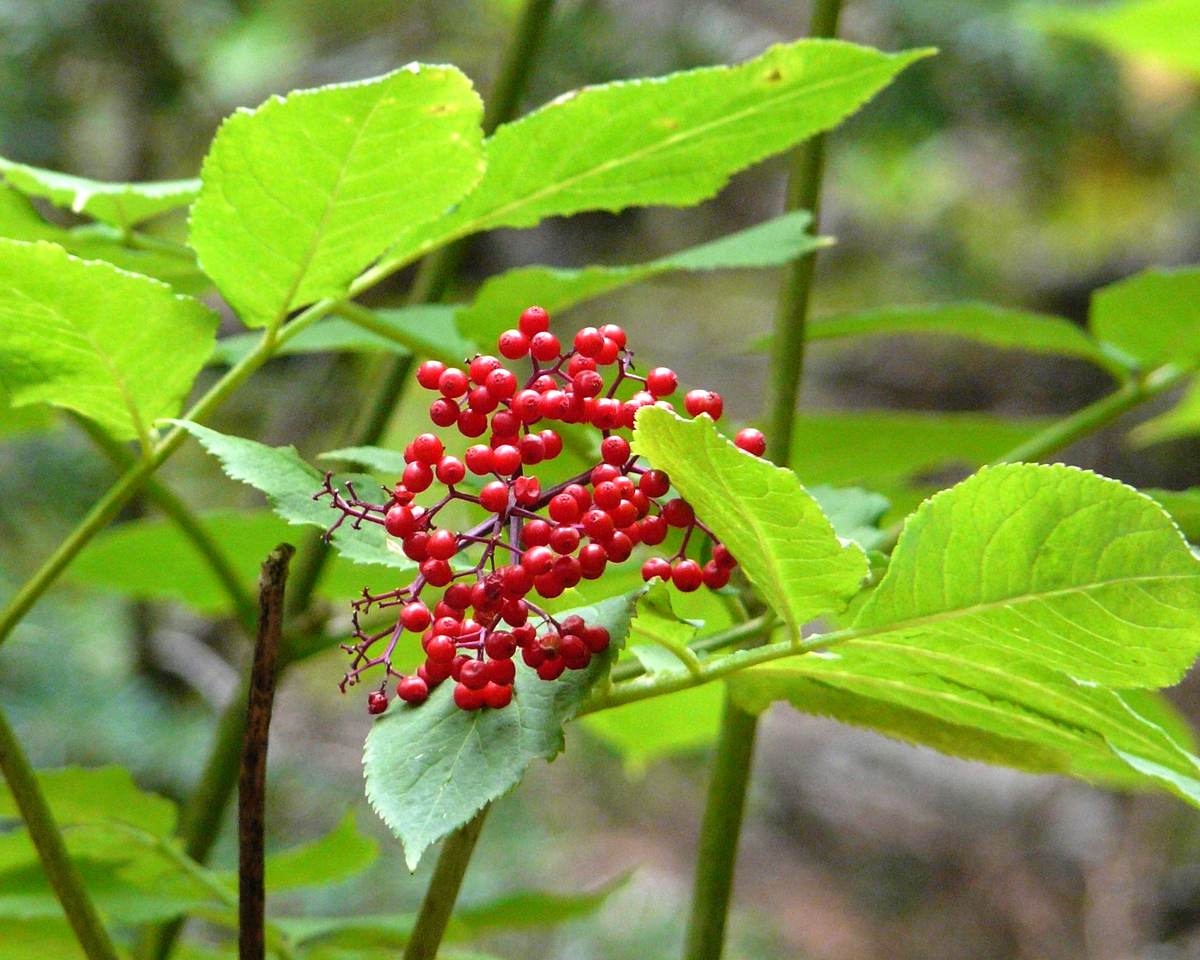
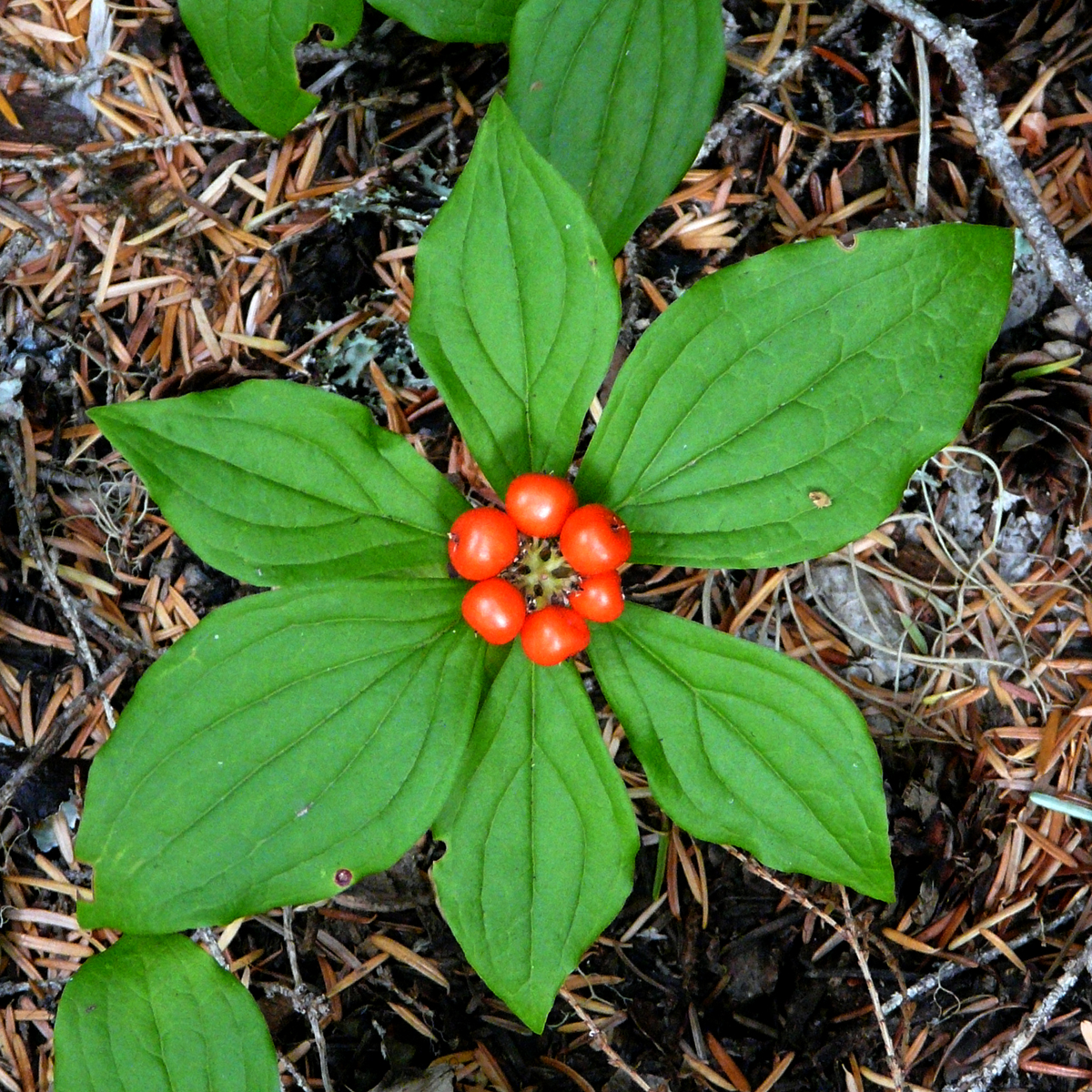
Various berries provided a dash of color.


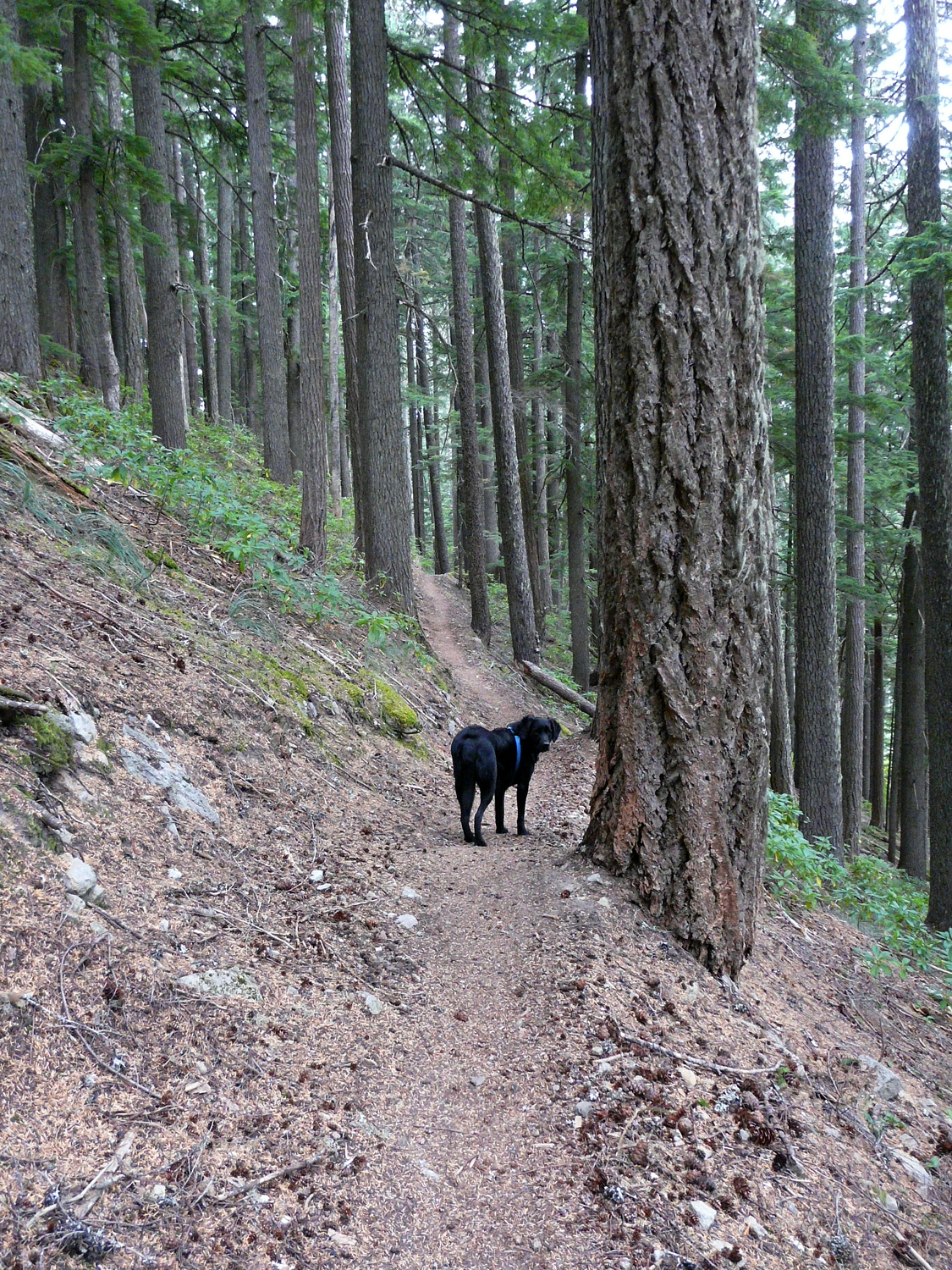
Nala on the trail


Douglas’ Squirrel


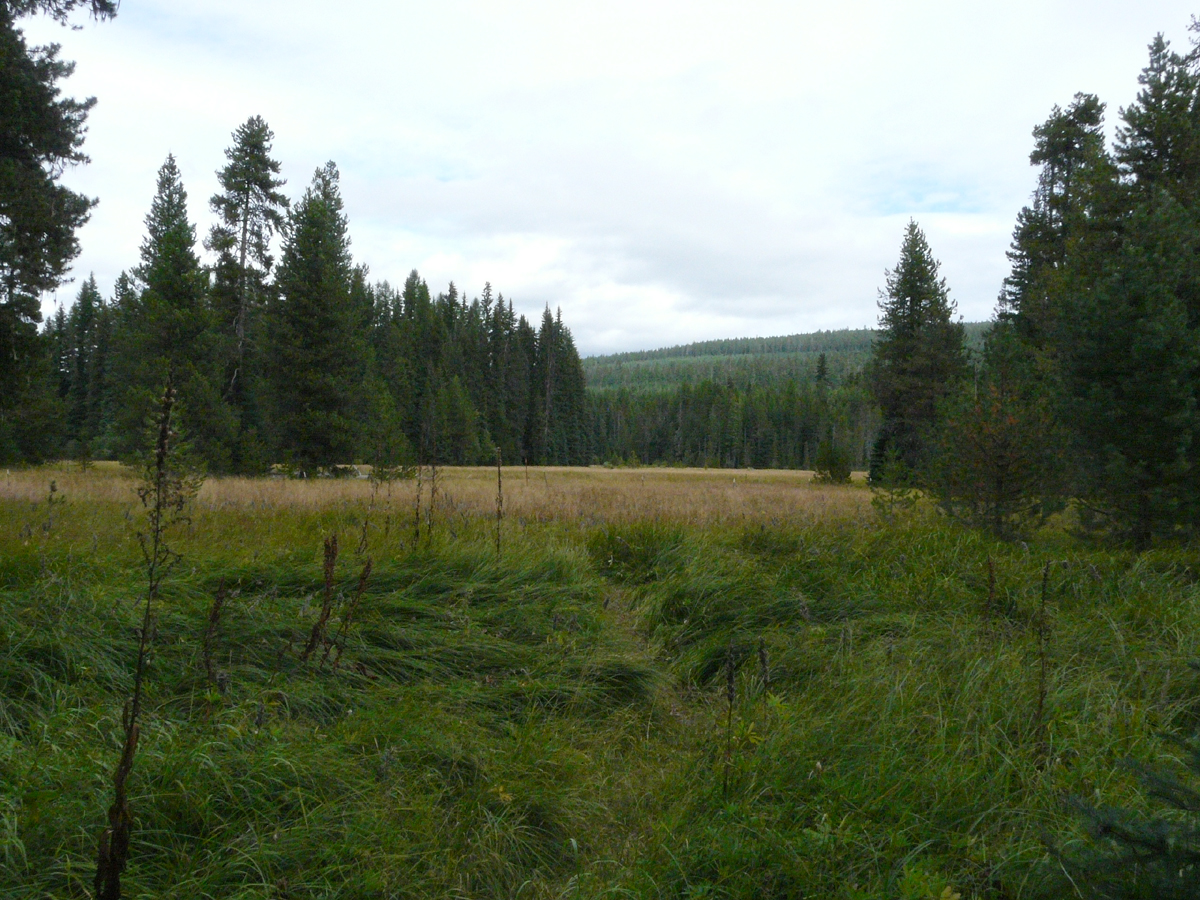
the wet meadow near Little Crater Lake