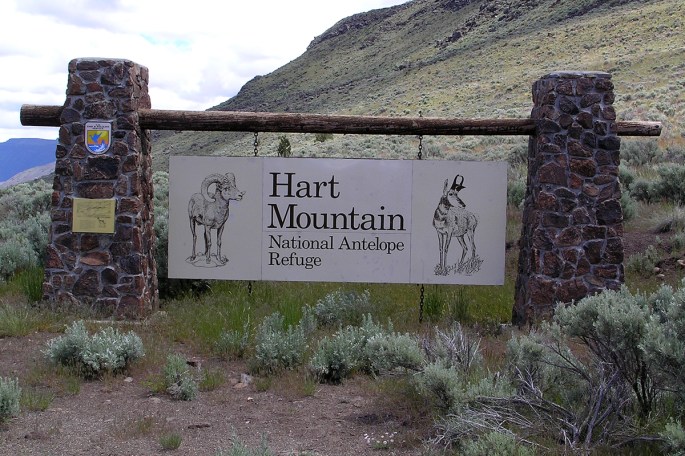
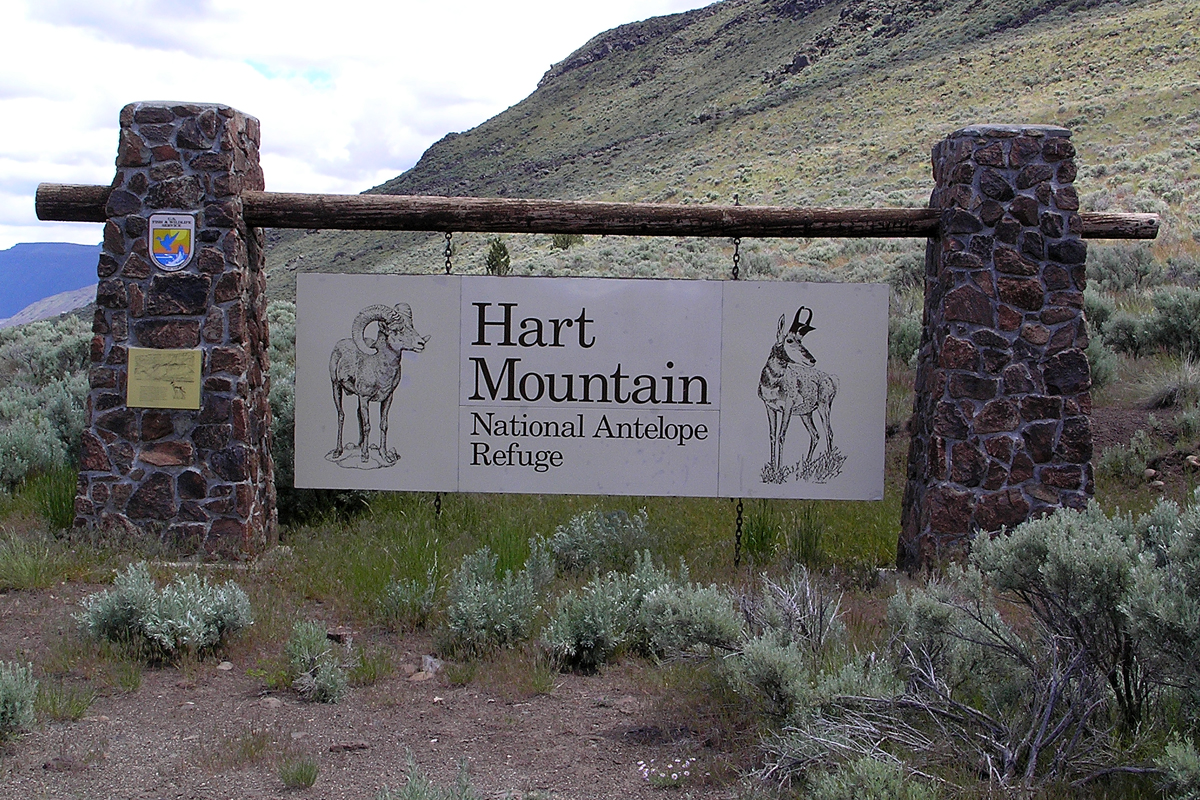
 Hart Mountain National Antelope Refuge includes about a quarter million acres in Lake County, OR. It is not close to anything, but is definitely worth the trip. The weather here in early June tends to be cool and breezy, and my recent visit was true to form.
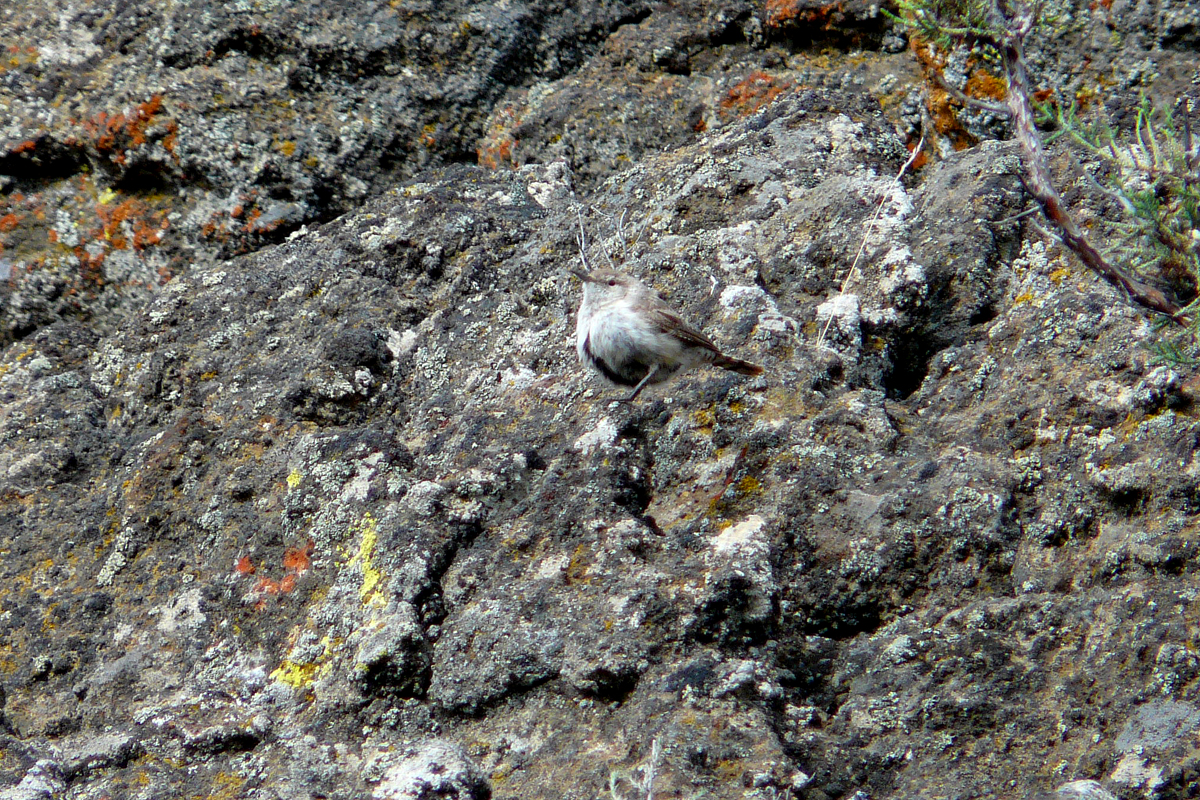
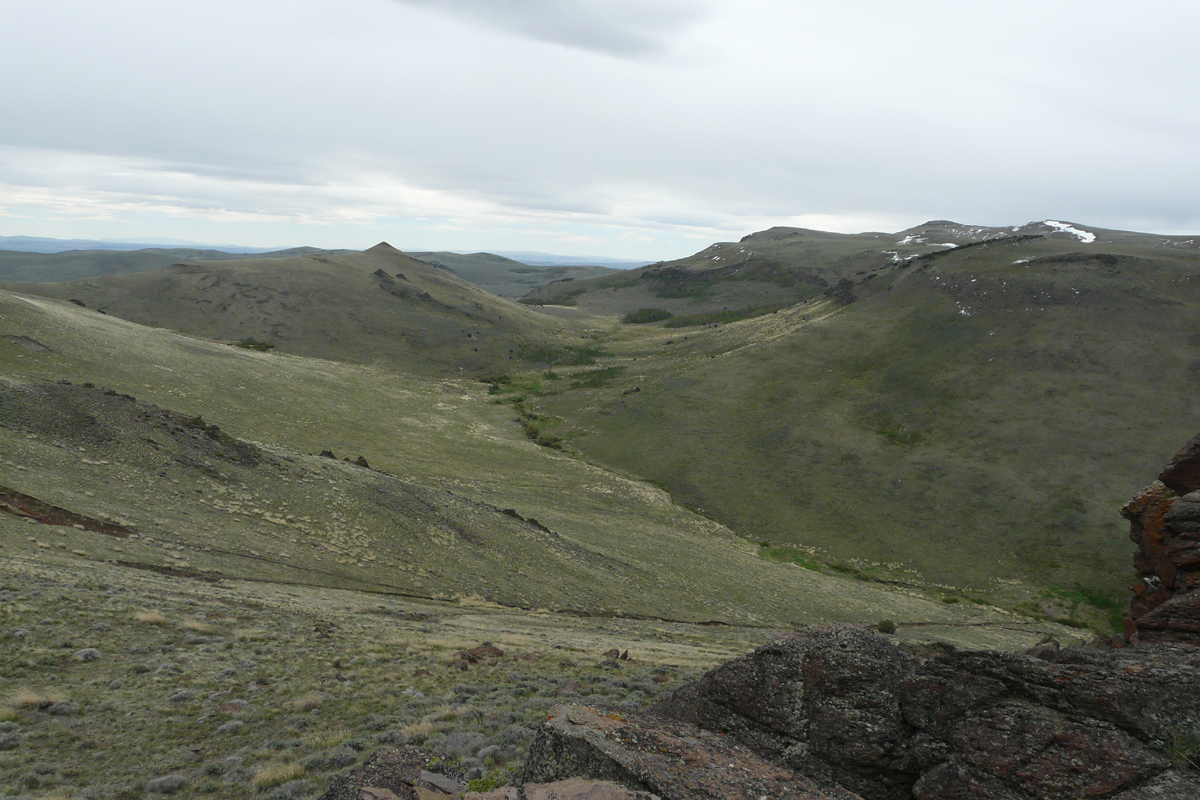
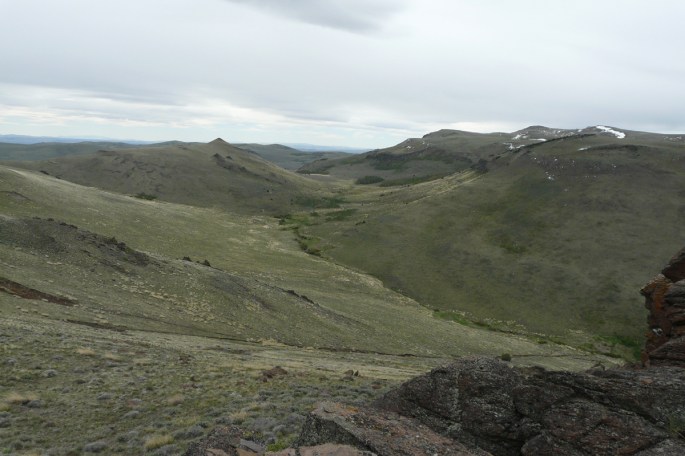 In the morning, I parked at the campground and walked up toward the top of the large fault block that is Hart Mountain. It was a four-hour round trip through low sage steppe with aspen groves along the creeks. The riparian areas held MacGillivray’s and Yellow Warblers, Dusky Flycatchers, Bullock’s Orioles, and lots of Robins. In the more open habitats, the most common birds were Brewer’s and Vesper Sparrows, Rock Wrens, and Horned Larks.
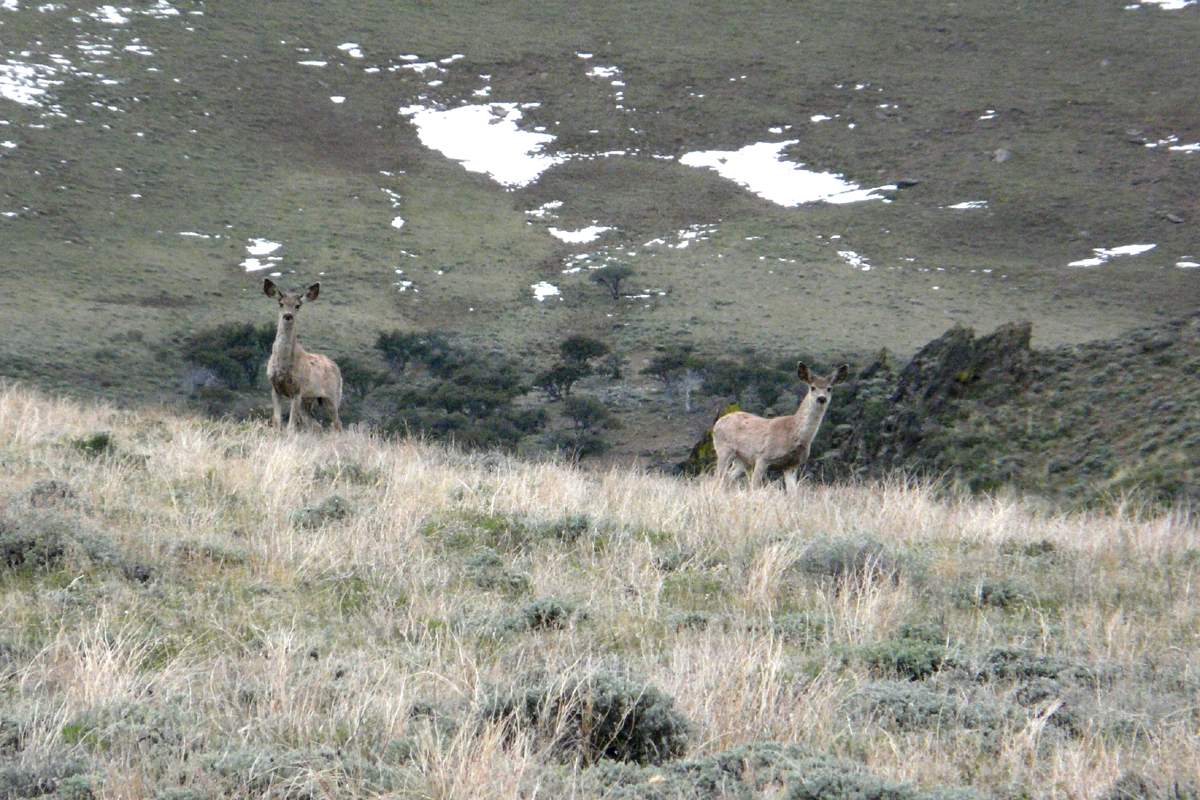
 These two Mule Deer kept a close eye on me as a walked up the jeep trail.
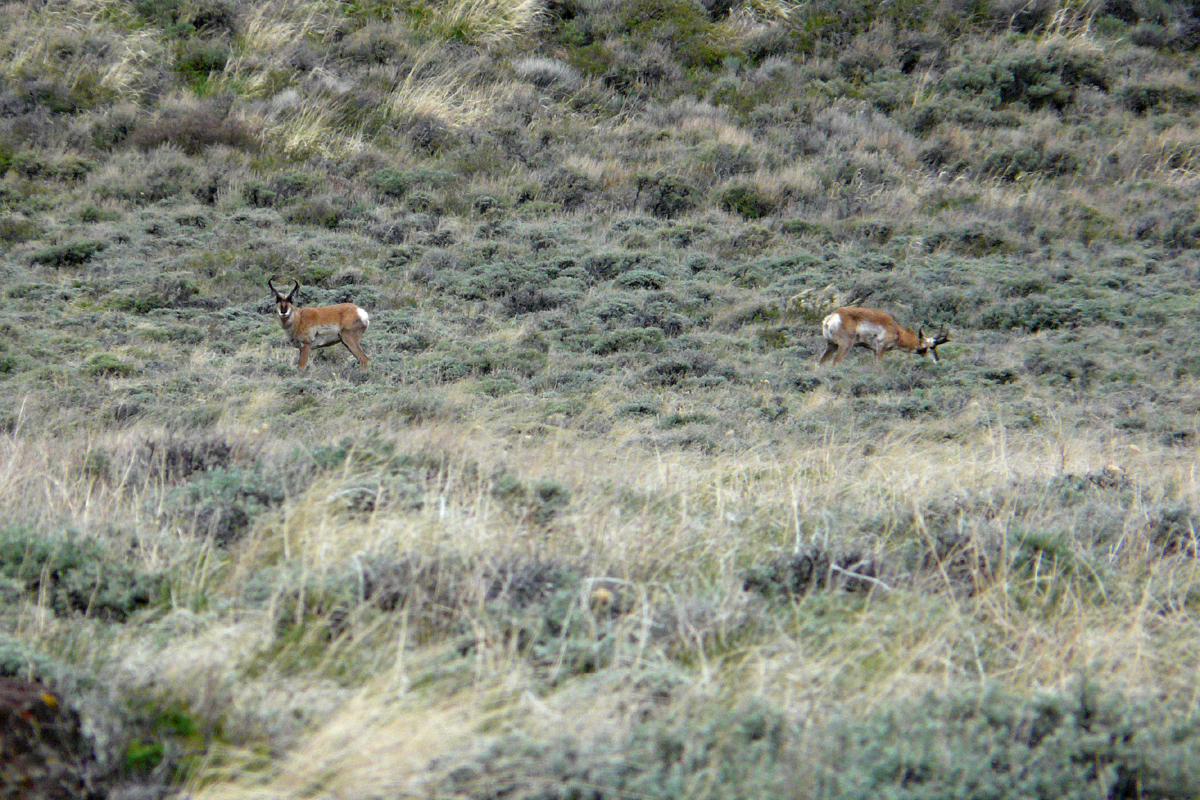
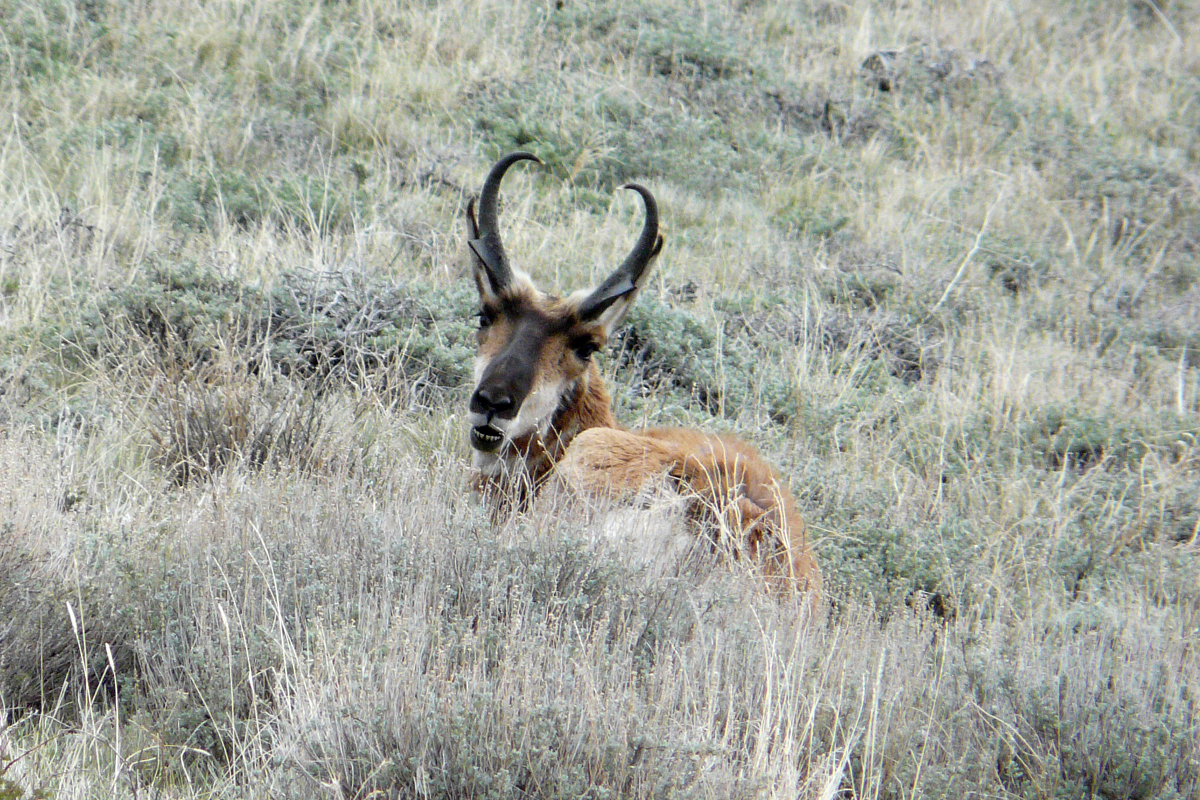
 Pronghorns are the main reason this refuge came into being. Not actually antelope, Pronghorns are the fastest land animals in North America, having evolved alongside the now-extinct American Cheetah. Most of the Pronghorns I saw that day were rather skittish, keeping a good distance from me.
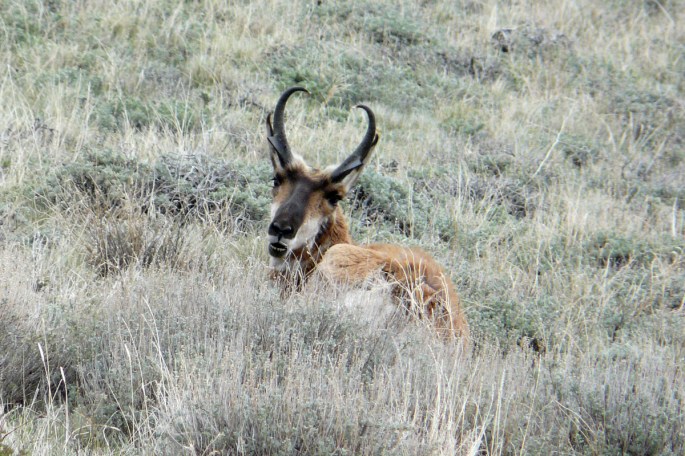 This individual was apparently not too concerned. On my way up the mountain, he lay fairly close to the road and watched me go by.
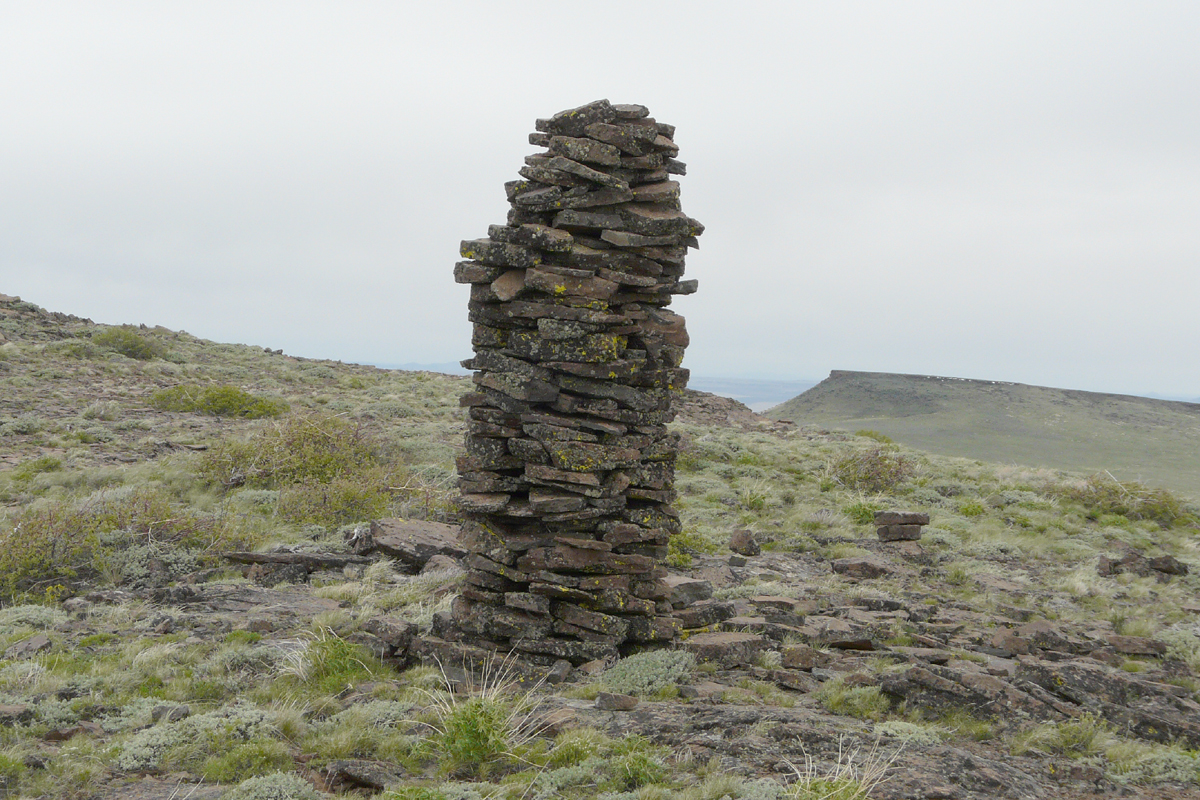
 Near the top of the ridge is this large cairn, which stands almost eight feet tall. I’m not sure why some people are compelled to stack things. Monty Python addressed this issue with their Royal Society for Putting Things On Top of Other Things.
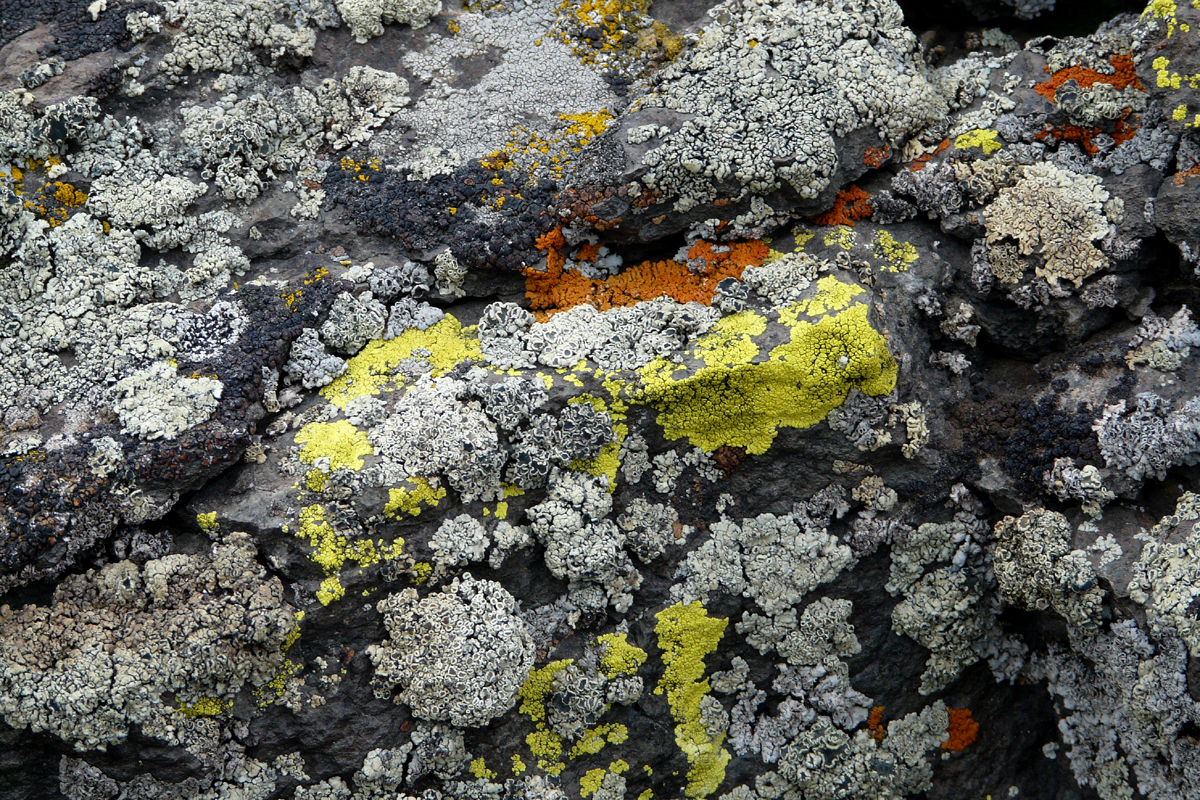
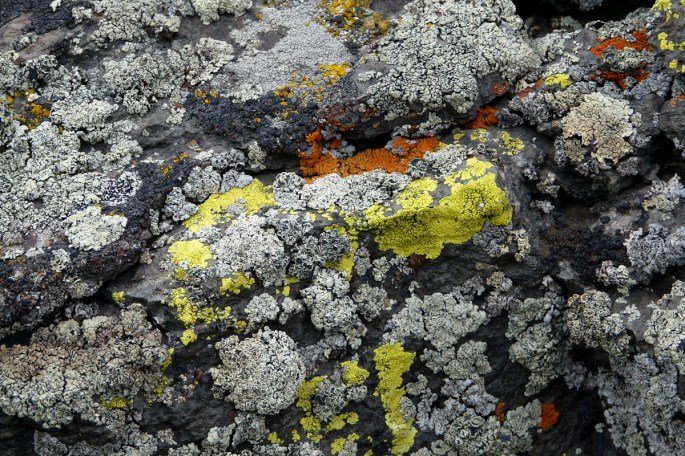 Exposure to cold and wind limits plant growth near the top of Hart Mountain, but many of the rocks host colorful lichens.
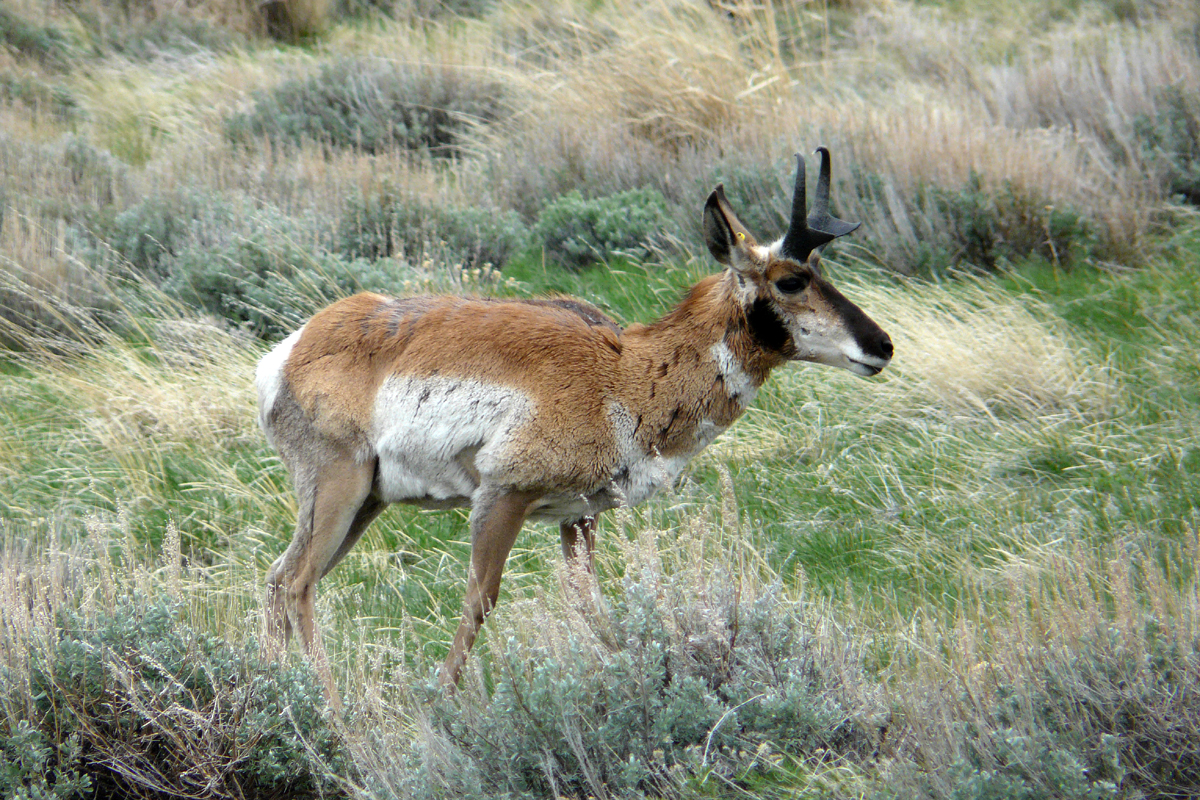
 On my way back down the mountain, I again passed the unconcerned Pronghorn.
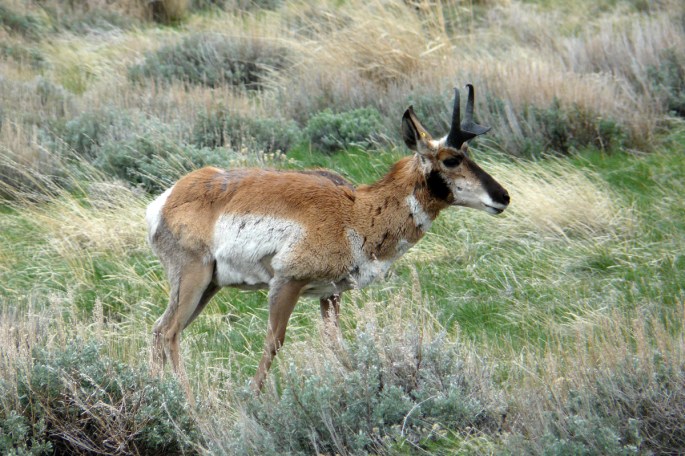 Despite the cold, he has already started to shed his winter coat. If you look closely, you can see just a bit of a yellow tag in his left ear. This identifies this animal as part of a study tracking Pronghorn migration between Hart Mountain and Sheldon NWR in Nevada.
 Farther south on the refuge lies a little patch of Ponderosa Pine forest known as Blue Sky. Since the habitat is so different from the surrounding sage steppe, it is worth exploring for different bird species, especially in migration. On this cold blustery day, I found Lazuli Bunting, Green-tailed Towhee, Warbling Vireo, and White-crowned Sparrows. The large trees are attractive to various owls, I am told.
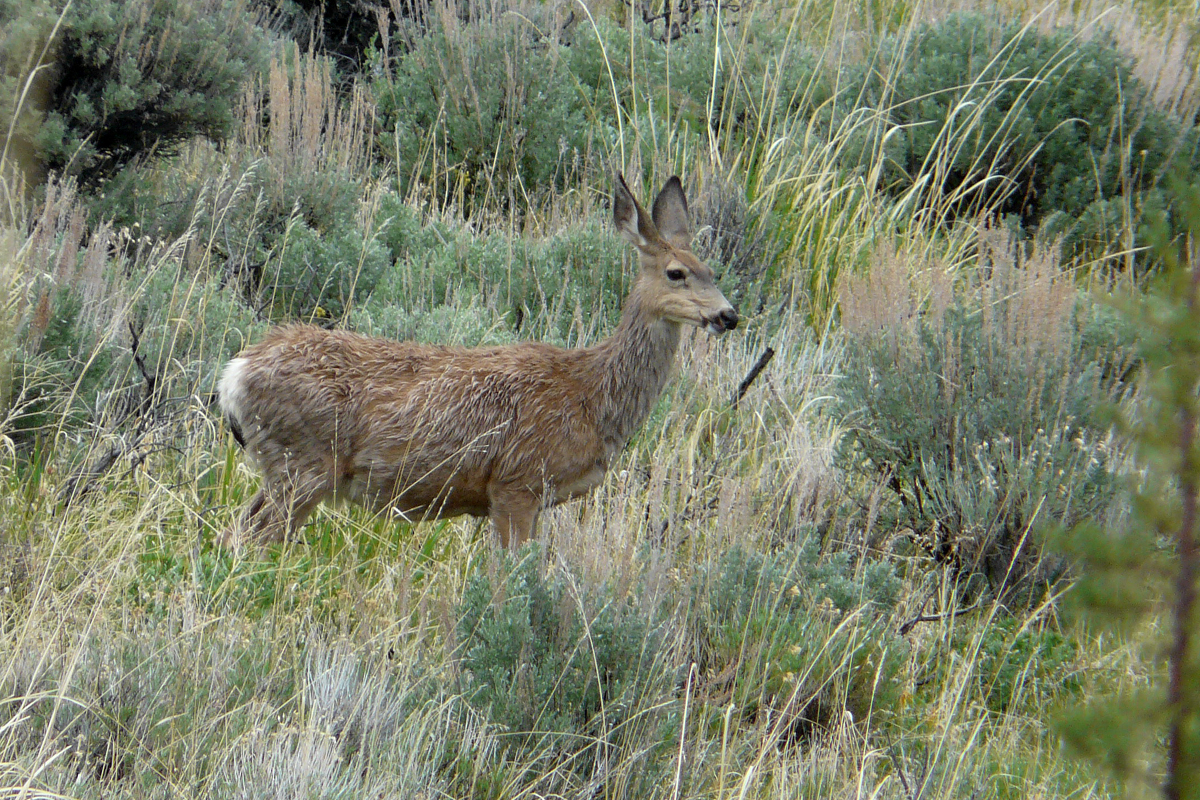
 Another Mule Deer
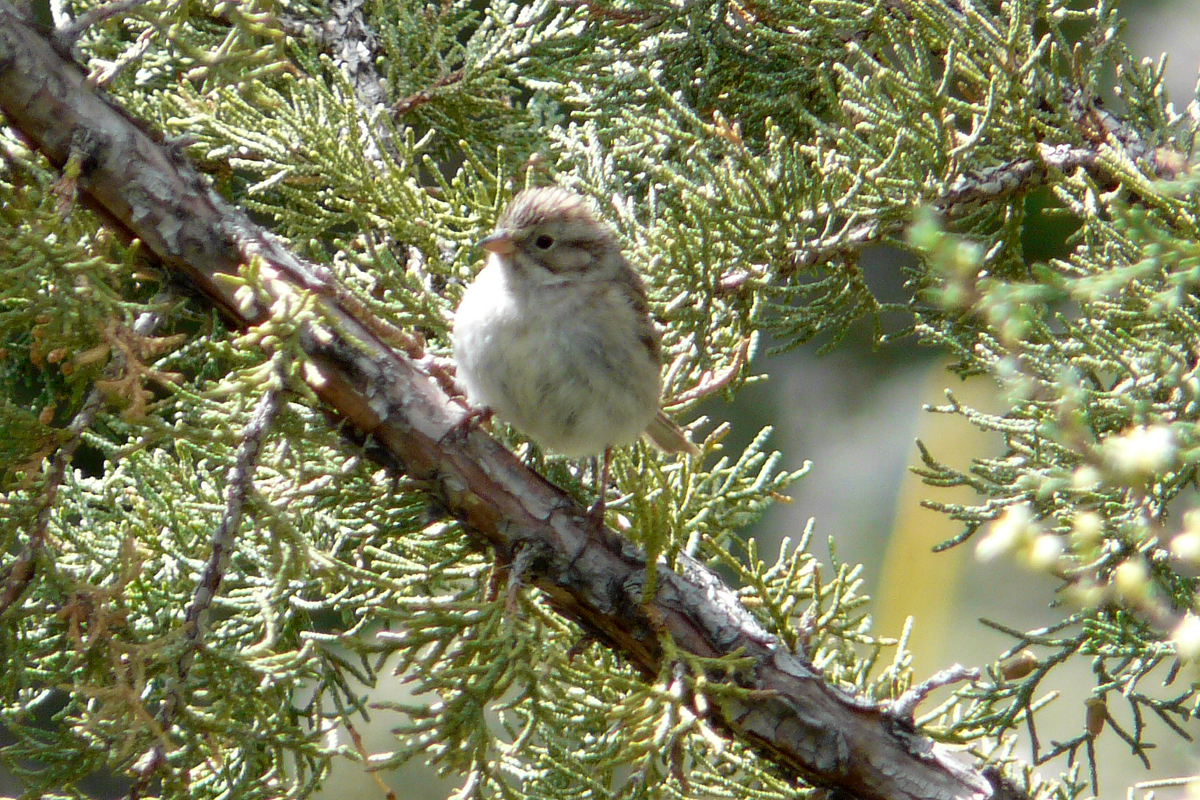
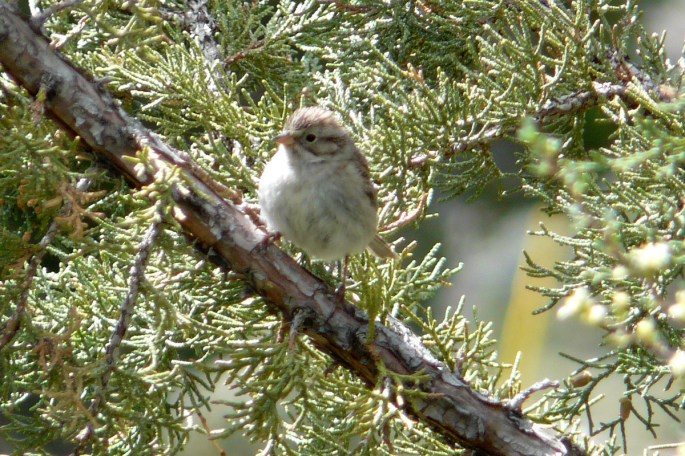 Brewer’s Sparrow. Like most small songbirds, they live their lives in defiance of auto-focus point-and-shoot cameras.
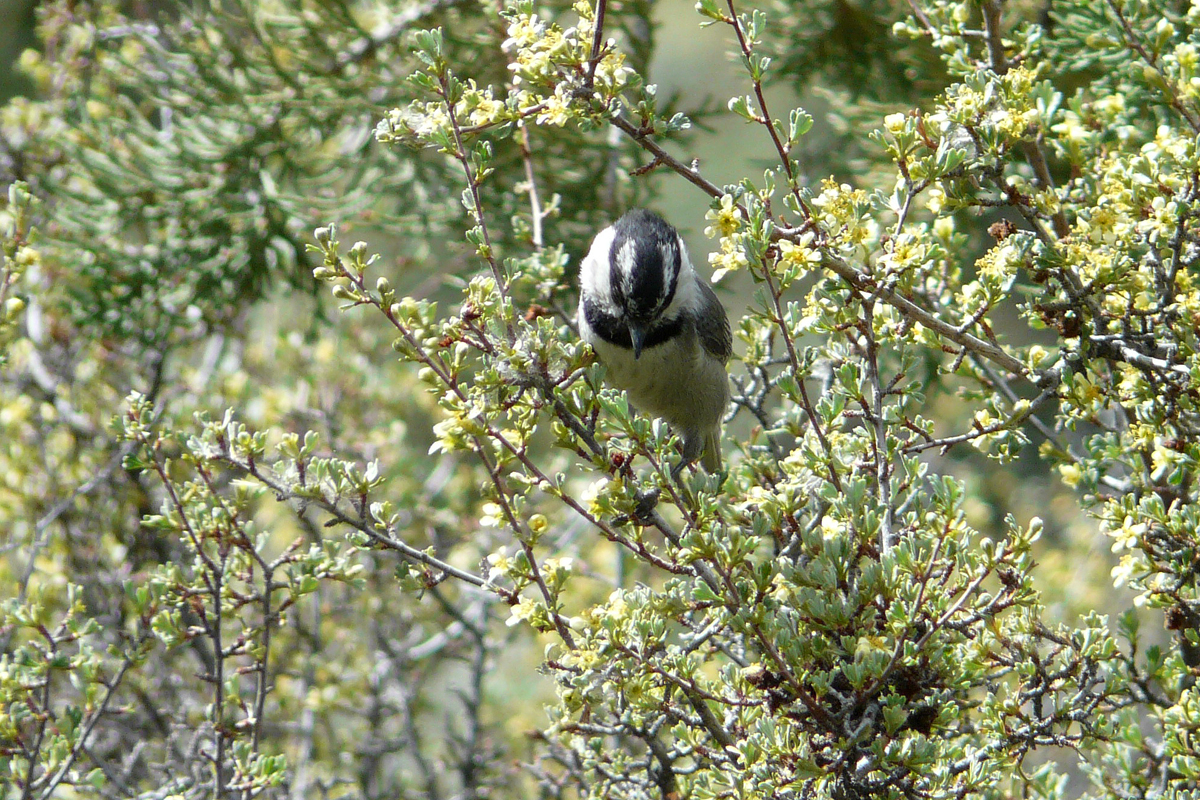
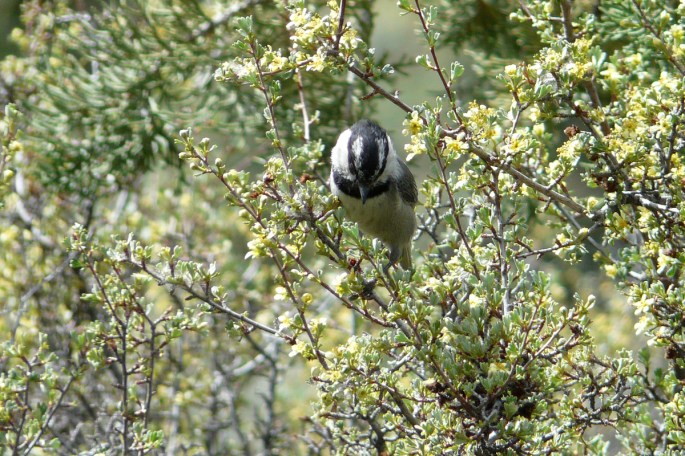 Mountain Chickadee, in slightly better focus.
 The Nature Conservancy has a preserve on Great Wass Island, just south of Jonesport on the Maine coast. The property has a nice variety of habitats, including spruce forest, cedar bog, and rocky coast.
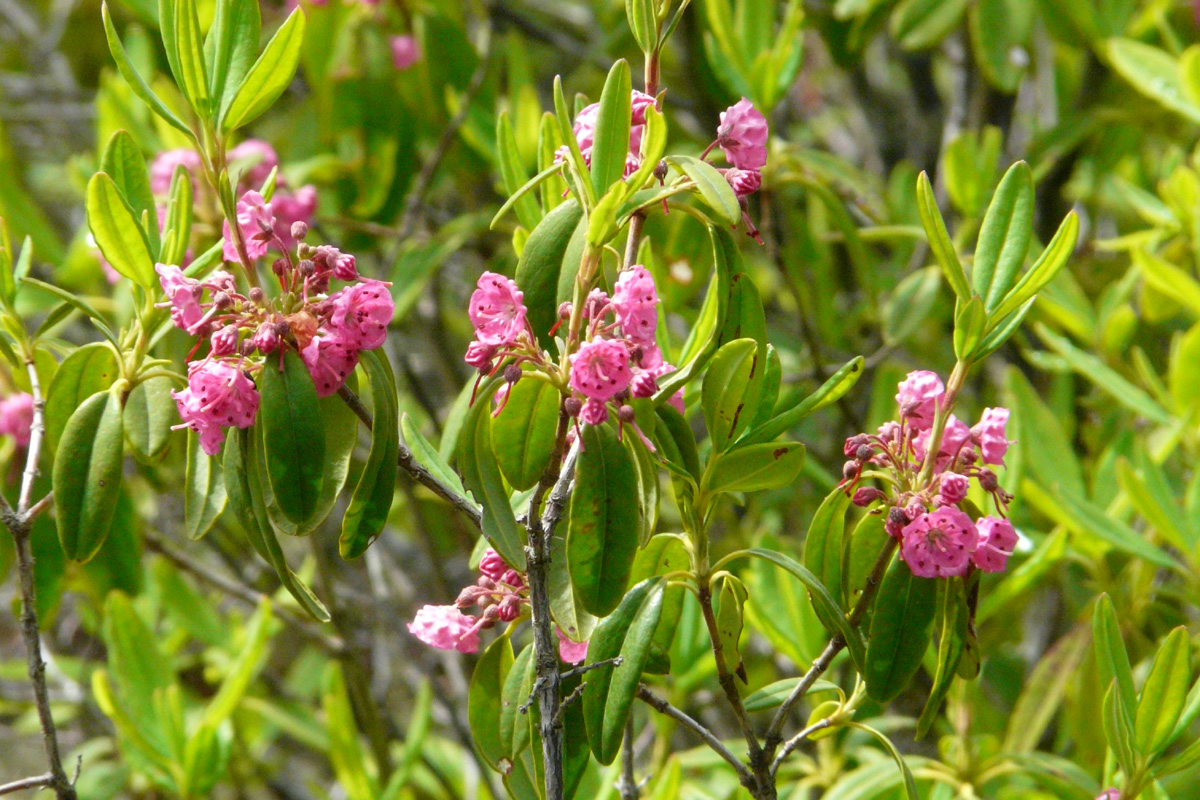 Wild Blueberries grow in the open areas at the top of the hills.
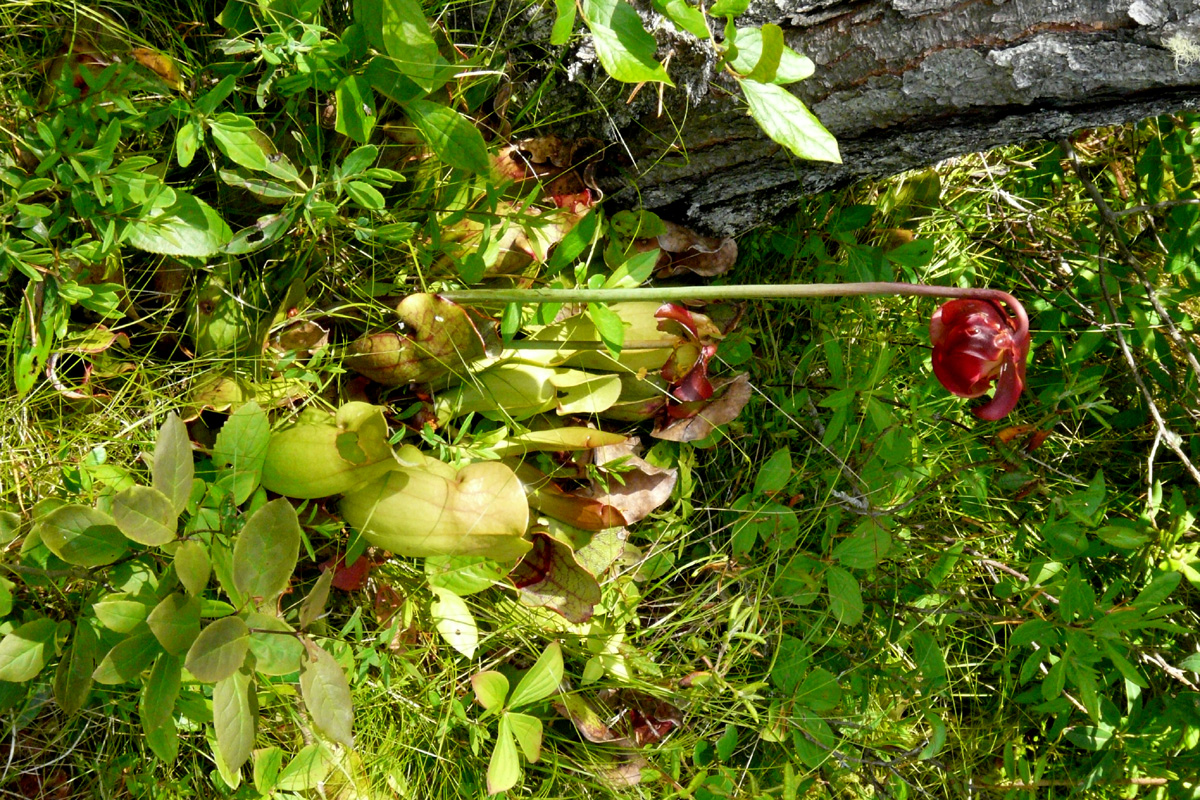 The cedar bogs are home to carnivorous plants, like this pitcher plant.
 Runoff from the bogs is the color of tea.
 The shore offers some good tidepooling at low tide.
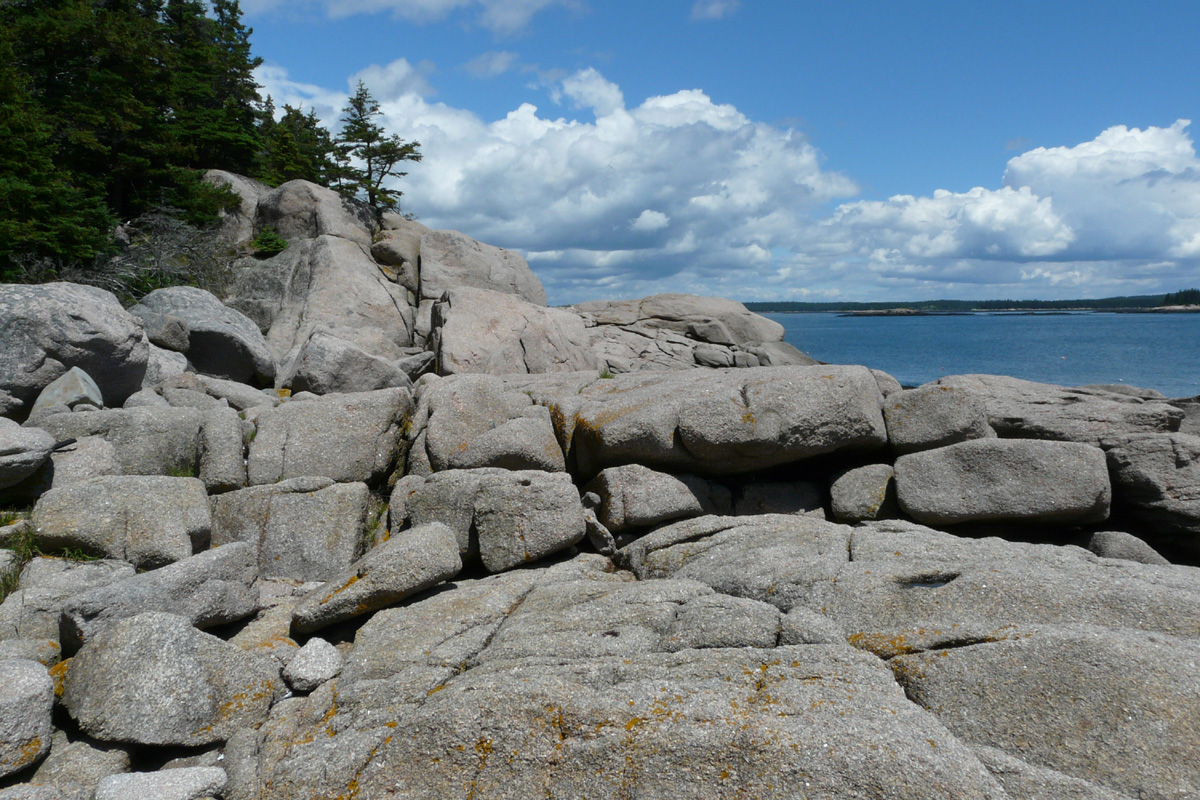 This is the “trail” along the shoreline. The occasional dab of blue paint lets you know you are not completely lost.
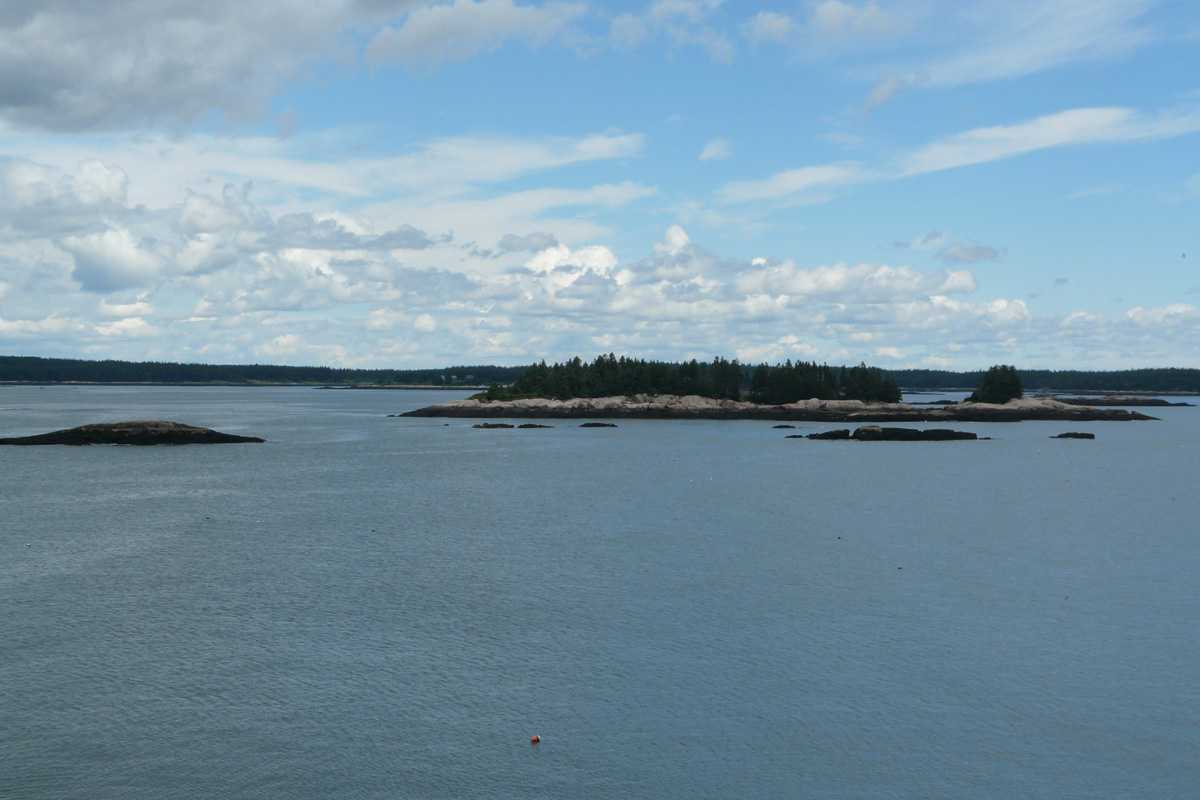 Lots of little islands lie just offshore.
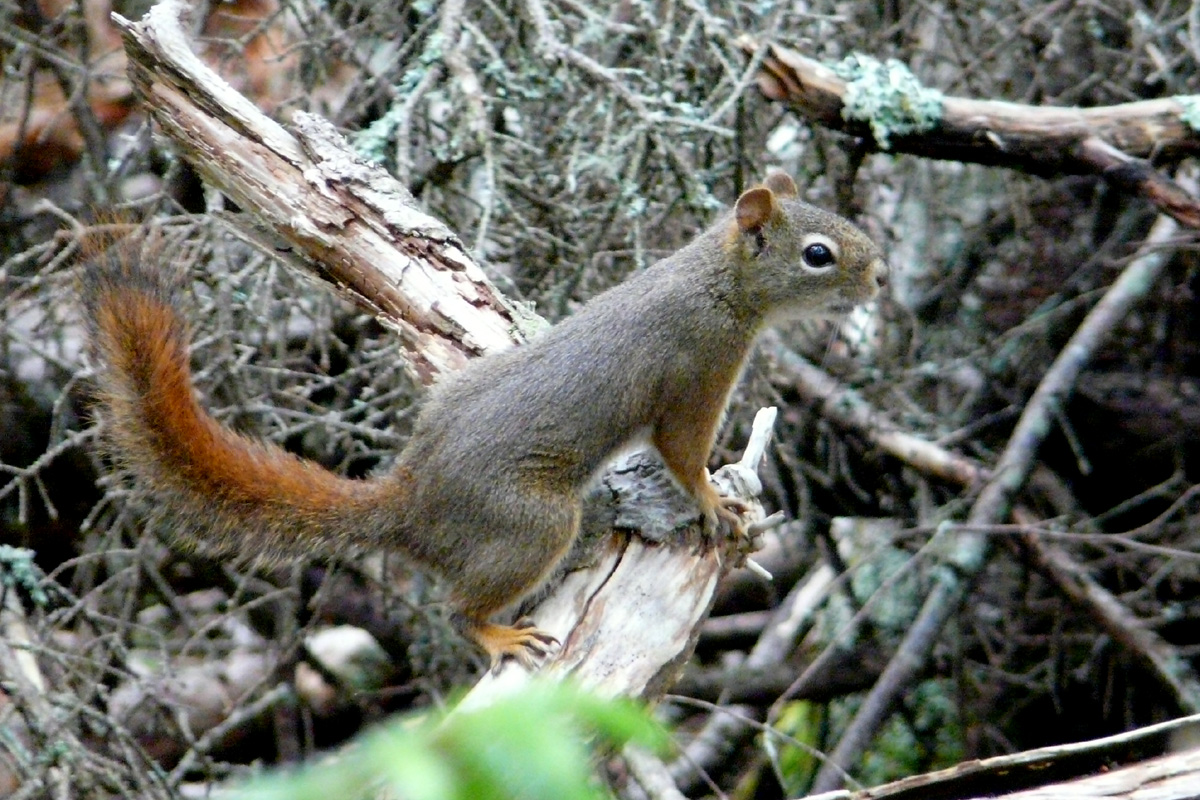
 Red Squirrels are common in the woods.
 And that is the last of the photos from my Maine trip. Now back to Oregon.











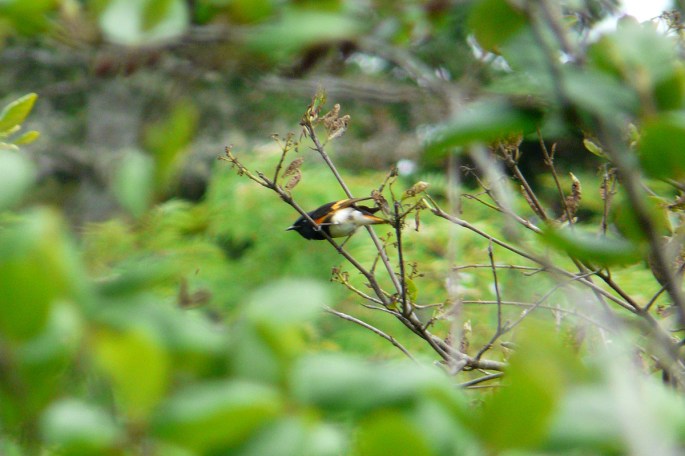 An American Redstart about to take off. This species does not like to sit still for me.















 Ethical Birder