When the tides are right, the area around Parking Lot D at Fort Stevens State Park can be very productive.
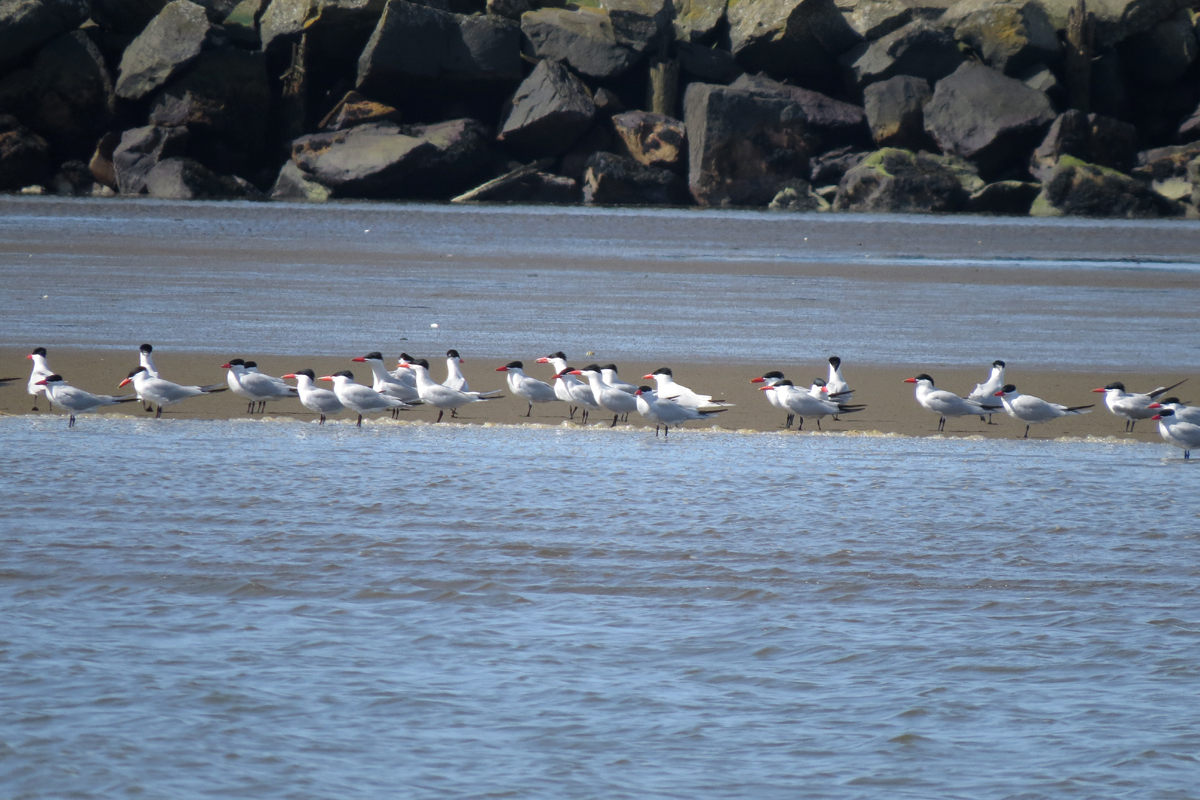
 On my recent visit, I found about 400 Caspian Terns in the bay. Many of the birds were presenting fish to their lady loves, and a few were rewarded accordingly (nudge, nudge, wink, wink). A Bald Eagle would occasionally take a pass at the flock, sending the terns off in a big swirling mass, but the birds would quickly settle down again.
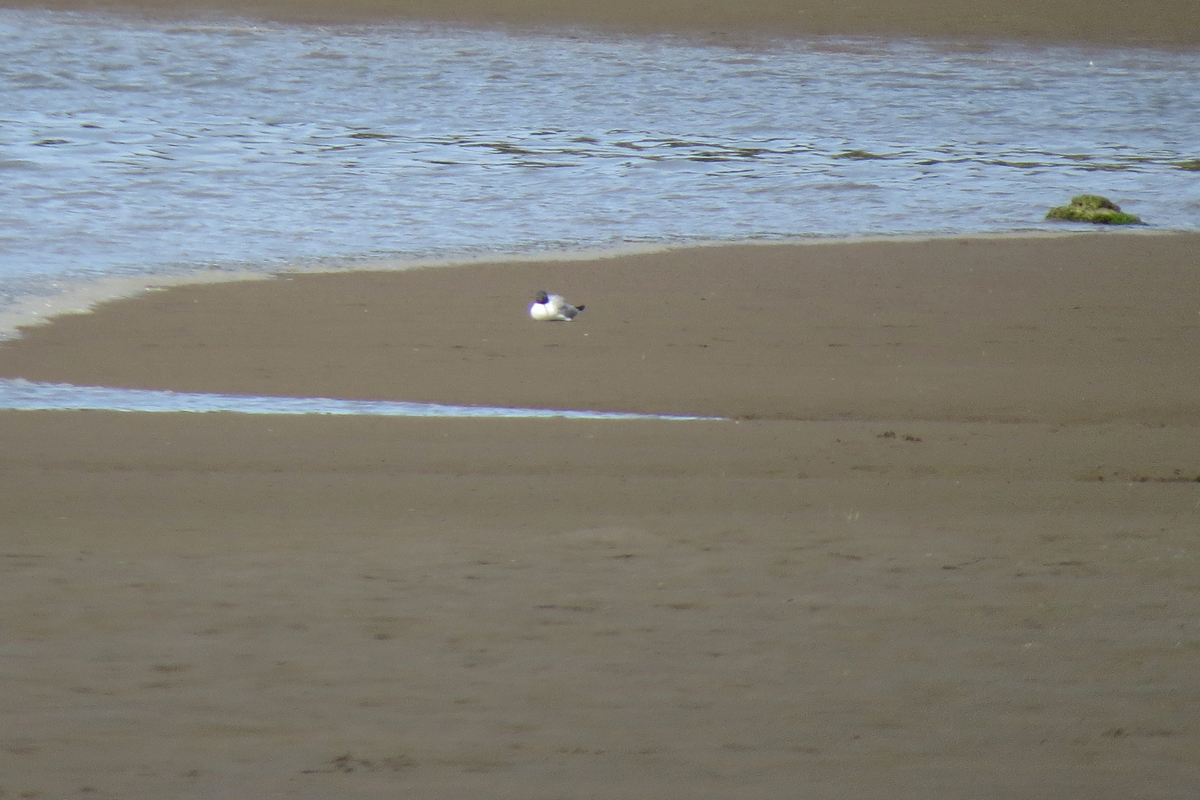
 One of my favorite birds of the day was this breeding plumaged Bonaparte’s Gull. I watched the bird fly in and settle on the mud flat. I snapped a couple of frames from a great distance, planning on getting better views. But, as is often the case, the bird took off before I could get any closer.
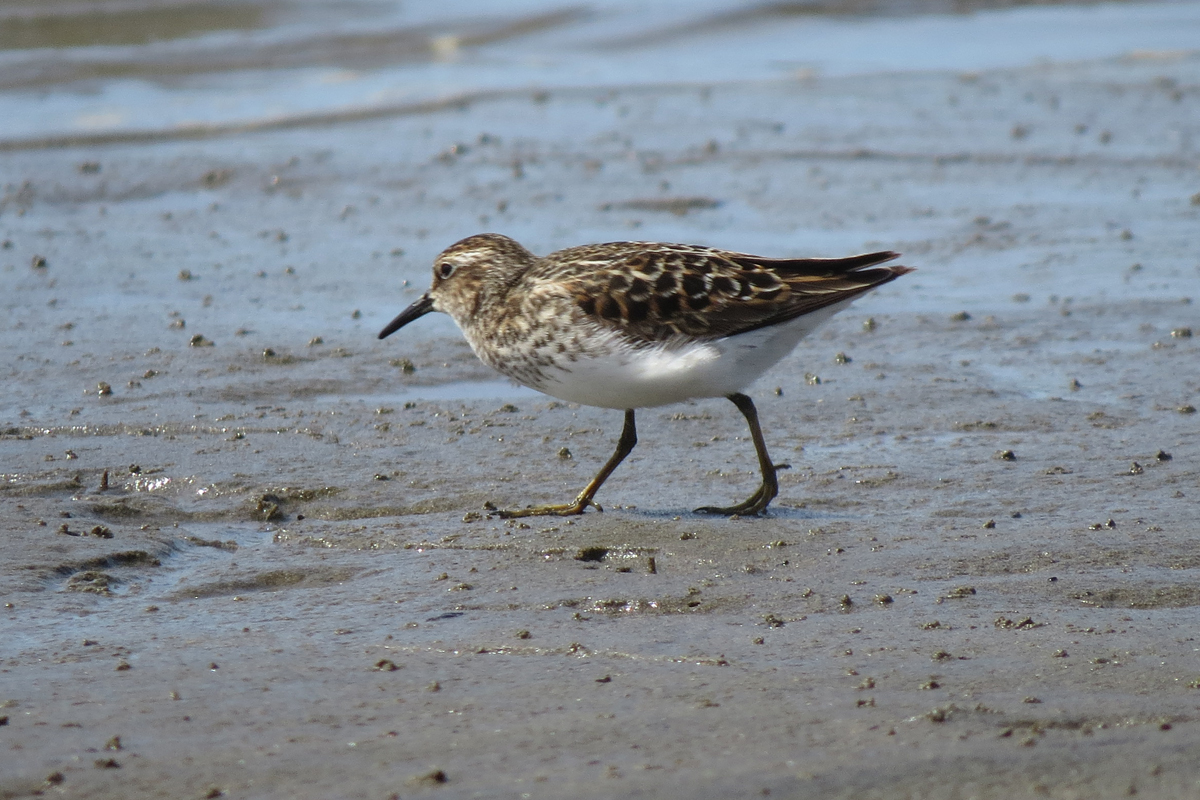
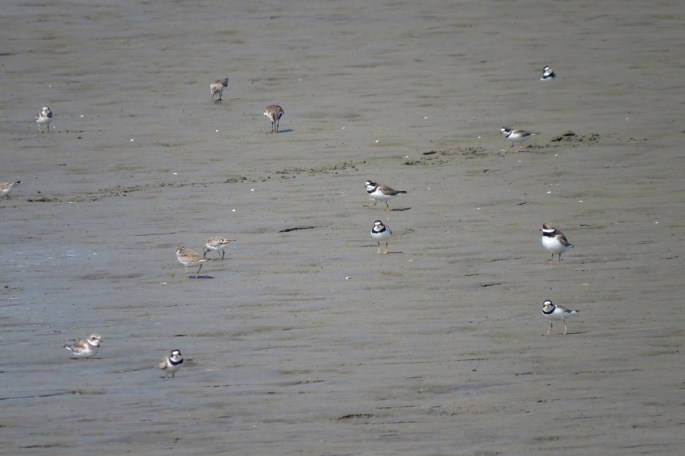 Over the past few years, this site has been become a productive spot for shorebirds. The spring shorebirds migration is well past its peak, but there were still a few birds around. This little flock was actively feeding along the shore, so I sat on my knees in the sand and waited for the birds to come to me. Shorebirds are very wary of people standing upright, but if you sit down, or better yet, lie down, the birds will come quite close.
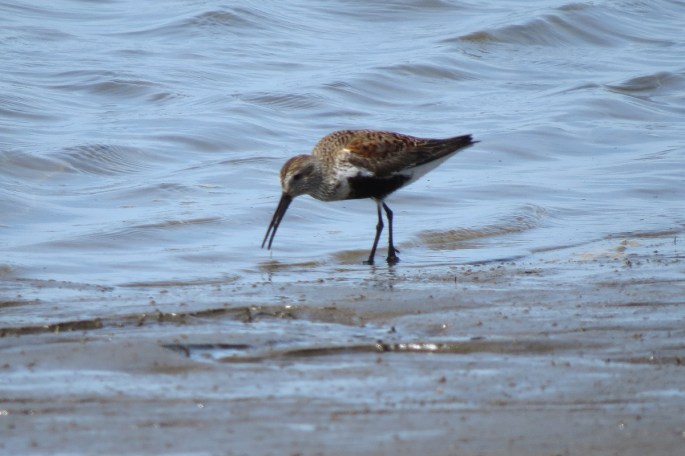 This blurry Dunlin was the only member of her species in the flock.
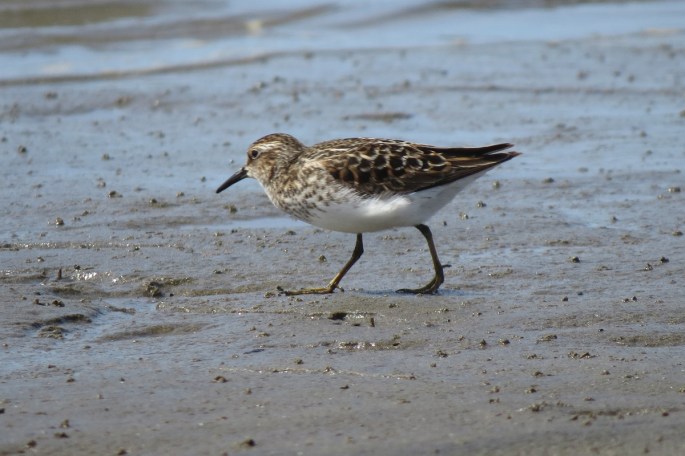 Least Sandpiper
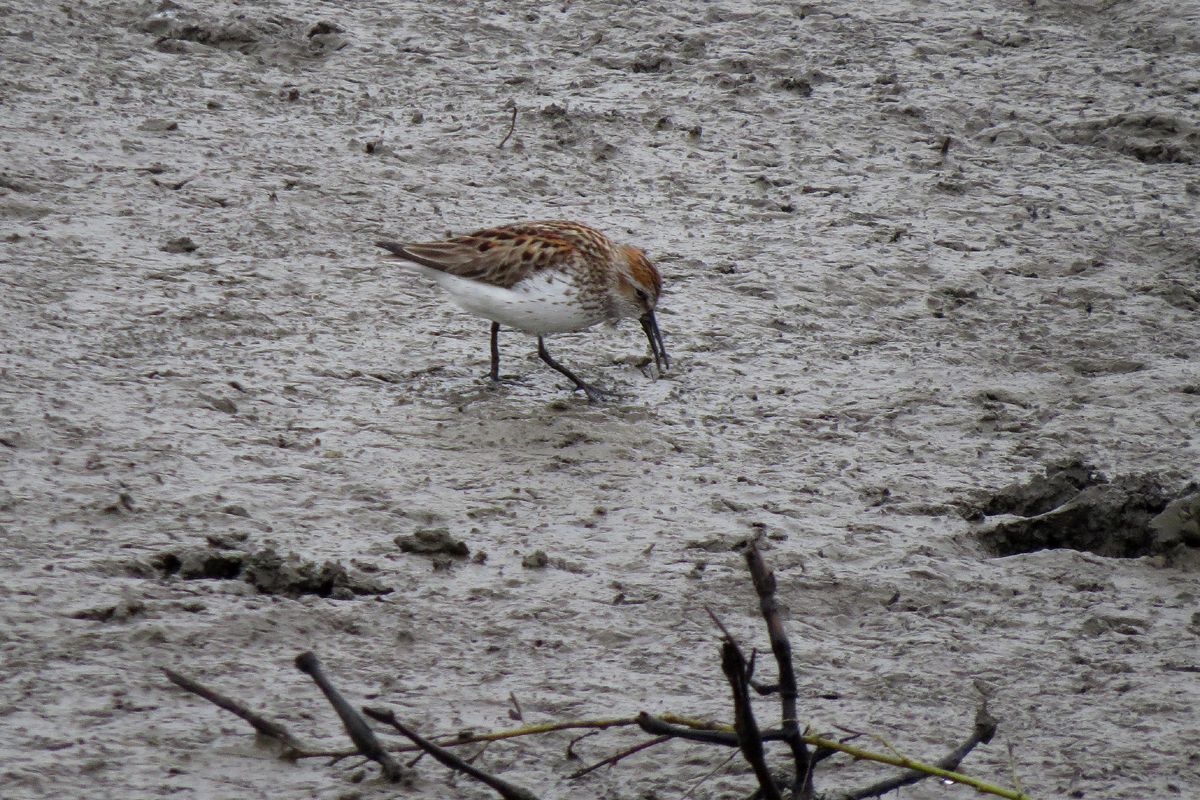
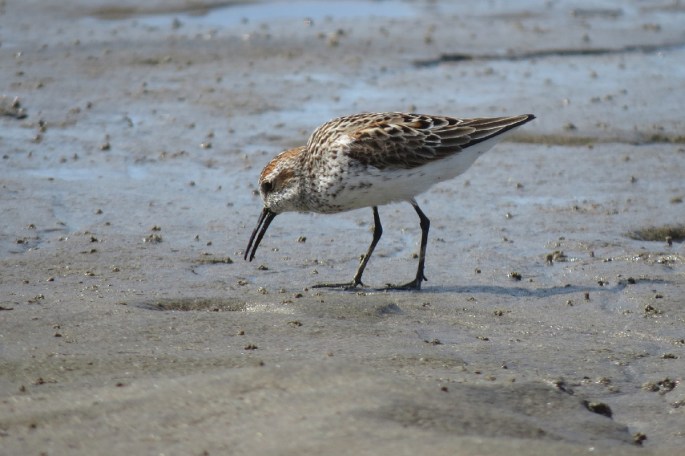 Western Sandpiper
 Semipalmated Plover and Least Sandpiper
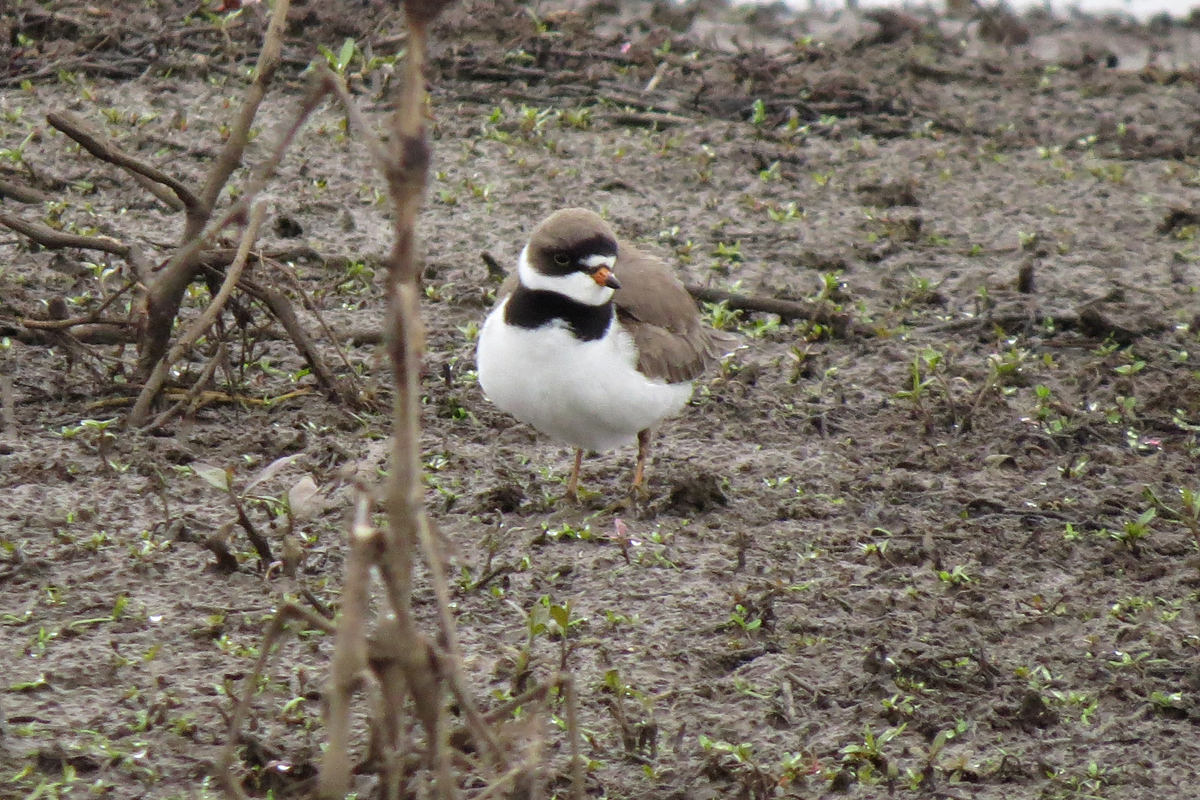
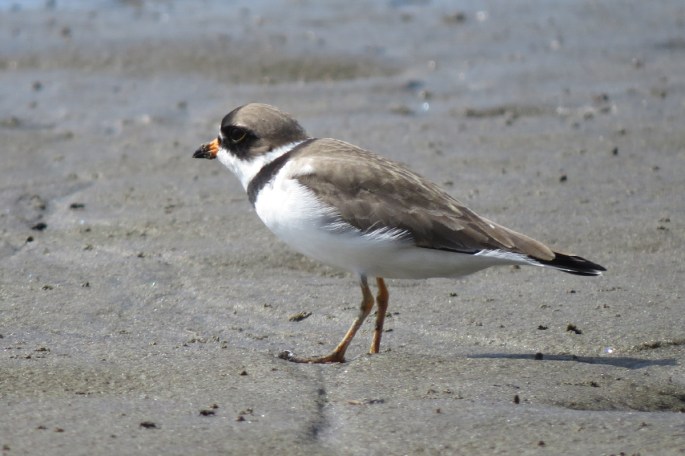 Semipalmated Plovers made up the bulk of this flock.
 While the spring shorebird movement is about done, the southbound migration begins in about six weeks, so we don’t have too long to wait for another shorebird fix.
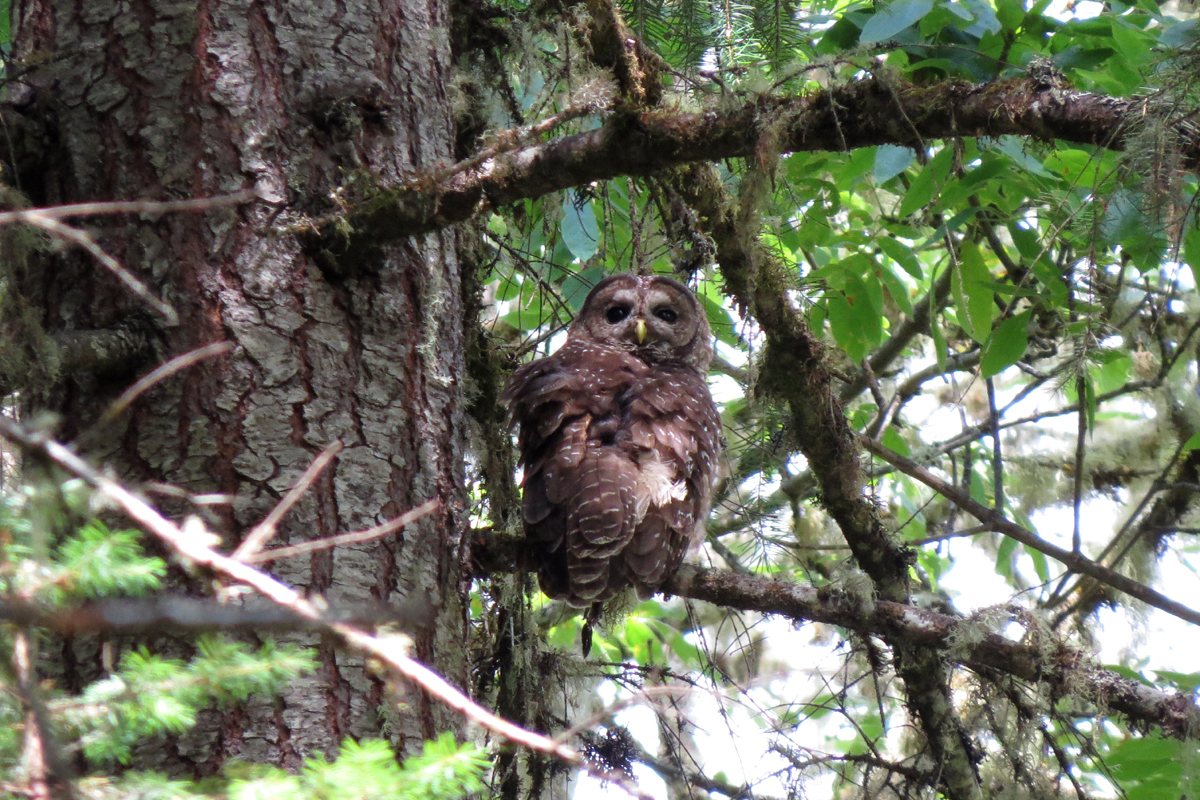 After 13 years in Oregon, I finally had the opportunity to see a Northern Spotted Owl. This subspecies continues its decline, so I was losing hope of ever seeing one. But this female and her fluffy baby gave me great, albeit distant, looks. For the record, I did not call this bird in, nor did I leave the trail to attempt a closer look.
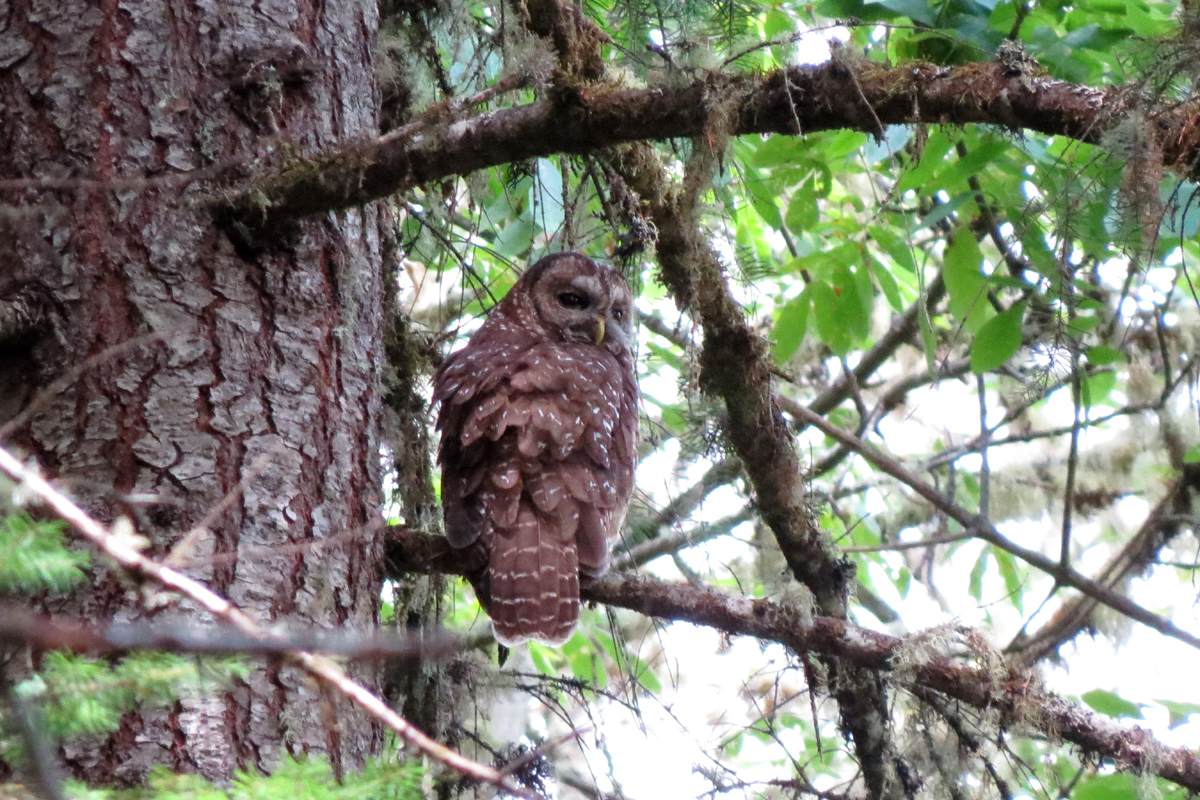 The habitat these birds were using was marginal at best. One one hand, it is encouraging that the birds were making use of younger fragmented forest, since large tracts of old growth are now so rare. On the other hand, using this habitat increases the chances of encountering Great Horned and Barred Owls, both of which can prey on Spotteds.
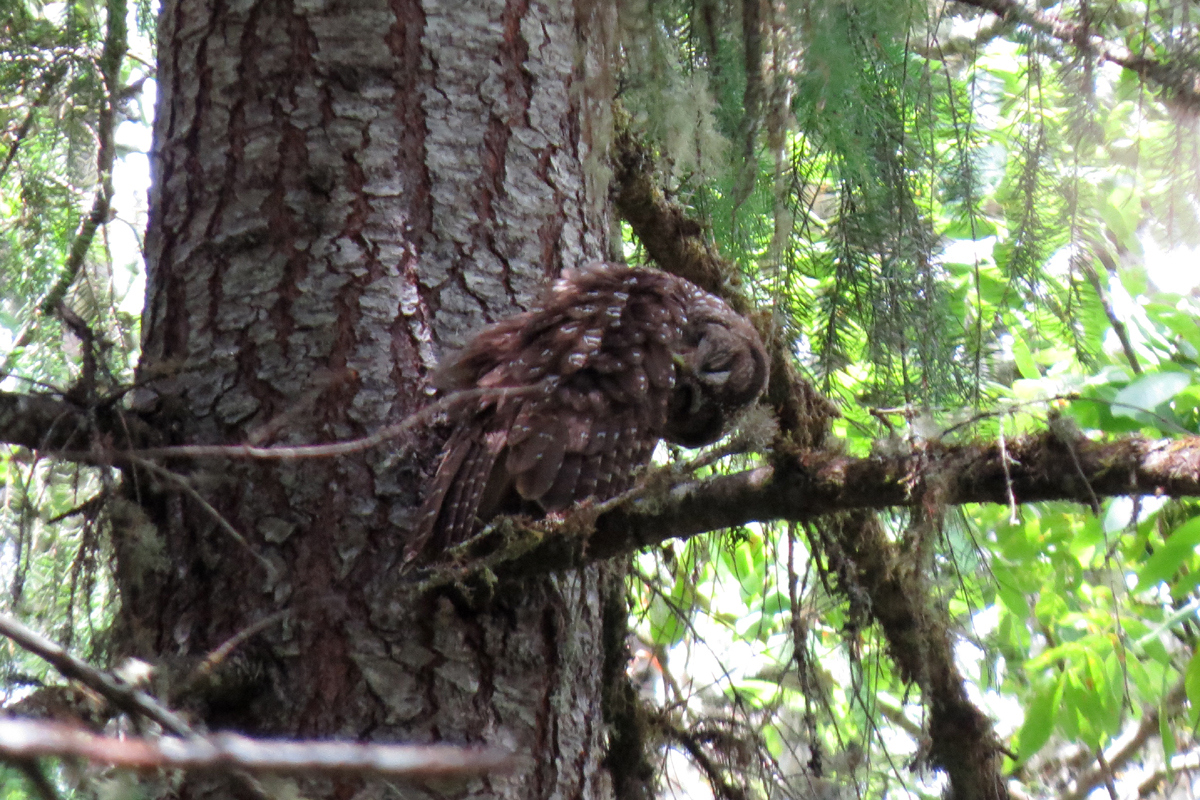 Doing a little preening
 fuzzy baby owl, cuteness in the forest
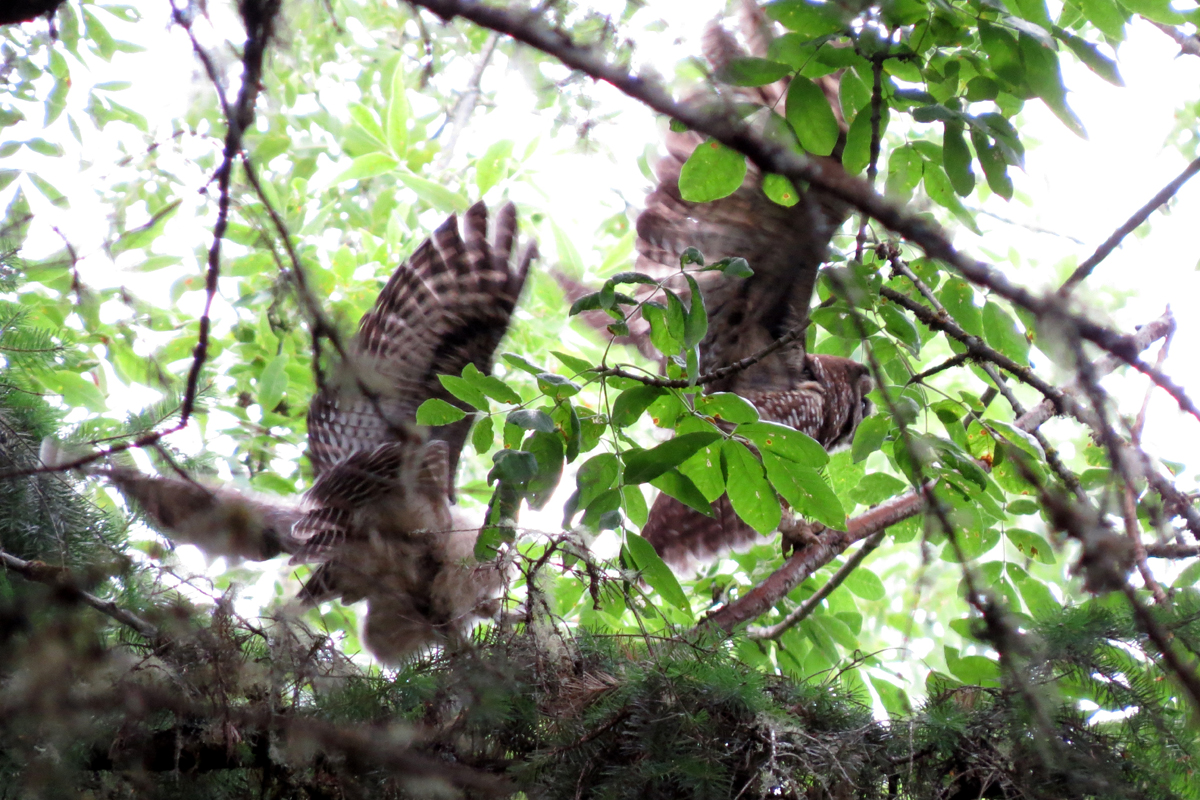 Mom and baby