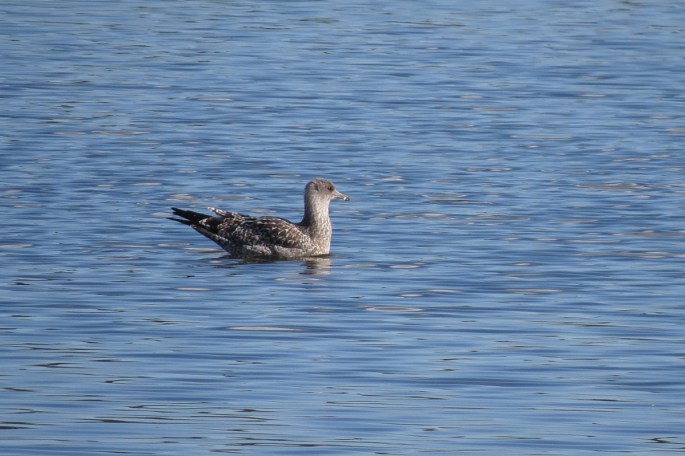
 My recent gull class field trip found ten species of gulls (Western, Glaucous-winged, Glaucous, Herring, Thayer’s, California, Ring-billed, Mew, Bonaparte’s, and Heermann’s). This was a new record for the class, and it got me wondering. How many species of gulls could one conceivably find in one day in Oregon?
The best time for such a quest would be early November. By then, the wintering species would be here, and there are usually a few lingering Heermann’s Gulls that haven’t gone south yet. Bonaparte’s Gulls are migrating south at this time, as well. If you waited until December, the migrants would have already moved on. By late January, many of the wintering birds have already left.
The best location for a gull quest would be the coast. Eight species regularly occur in the Willamette Valley as well, (Western (rare), Glaucous-winged, Herring, Thayer’s, California, Ring-billed, Mew, and Bonaparte’s), but anything else would be extremely rare. Ring-billed can be challenging to find on the coast, but you can usually find one among the Mew Gulls in the estuaries. So with some searching, you could count on these eight species, plus Heermann’s makes nine.
If your quest occurred the day after an autumn storm, you would have a chance at two pelagic species, Black-legged Kittiwake and Sabine’s Gull. That would bring your total to eleven.
To exceed eleven species, you would need to find a rarity. Glaucous Gull is probably the most likely. Other less likely candidates include Lesser Black-backed, Slaty-backed, or a wayward Franklin’s.
So if you could find a rarity (or go see a previously reported bird) and timed your quest to coincide with some west winds, you could conceivably see twelve gull species in a day. Has anyone done this? This sounds like a noble quest to me.




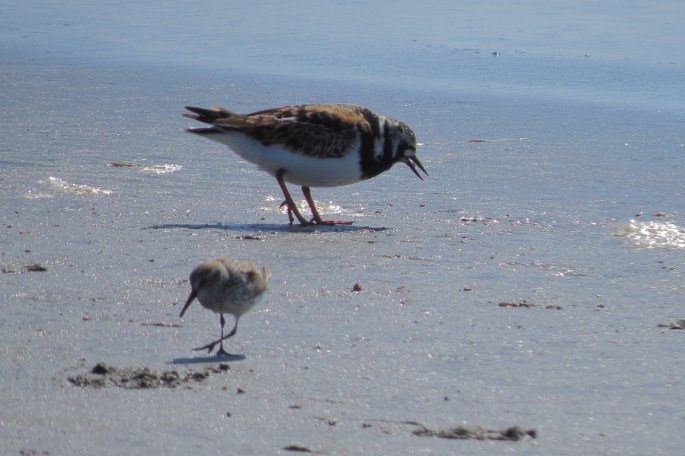
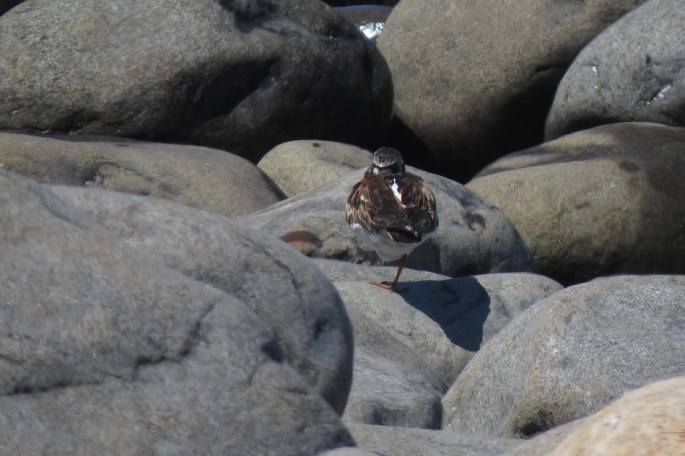 This Ruddy Turnstone was snoozing with the Black Turnstones at the Seaside Cove.
 Surfbirds are another specialty of Seaside Cove
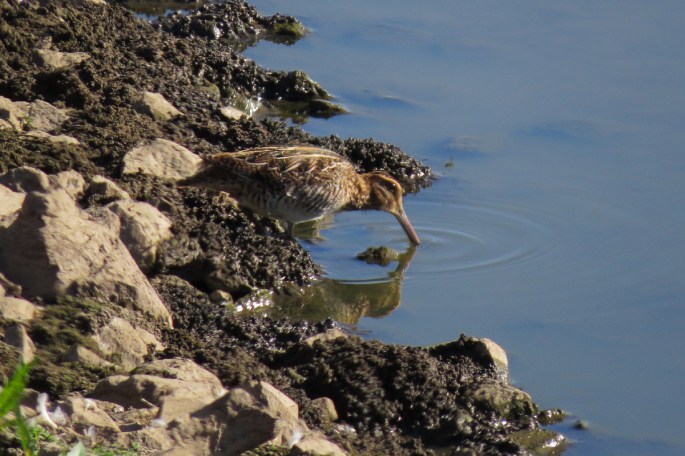 This Wilson’s Snipe gave great scope views at Jackson Bottom.
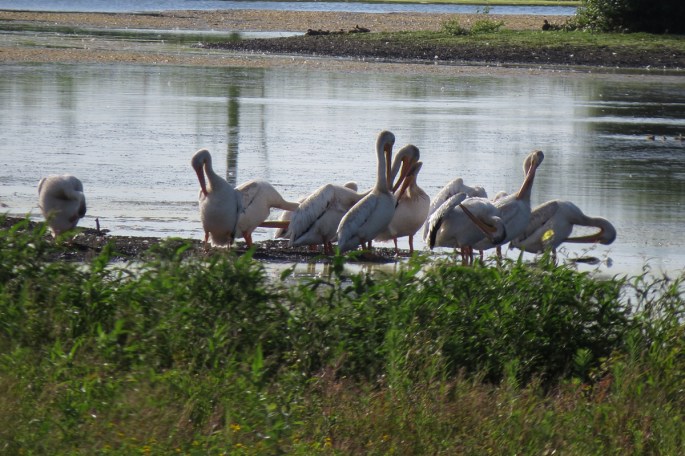
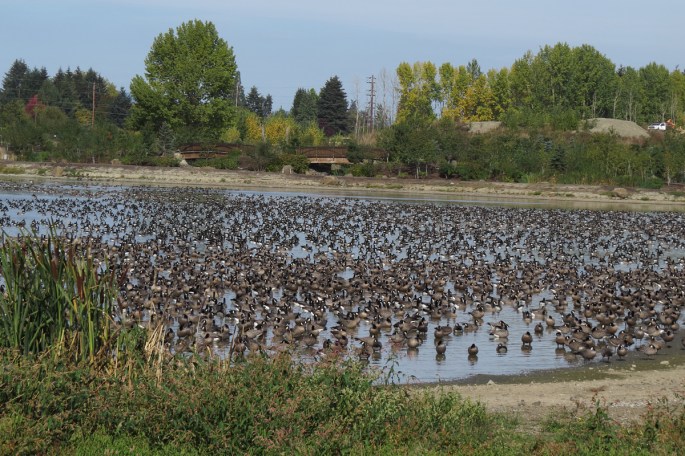
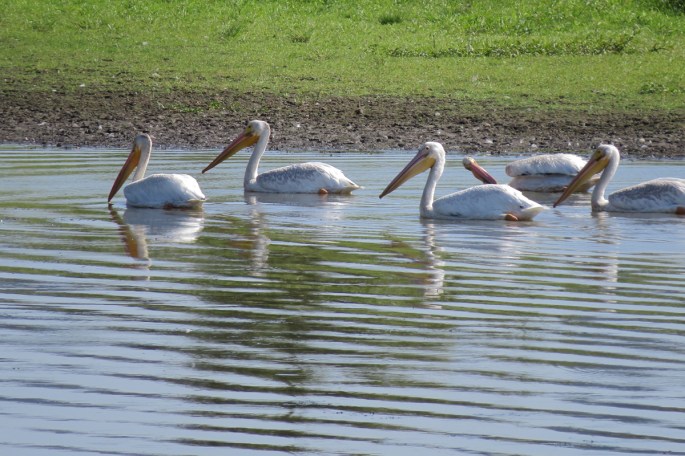 Not shorebirds, but always nice to see, this flock of American White Pelicans was at Fernhill Wetlands.
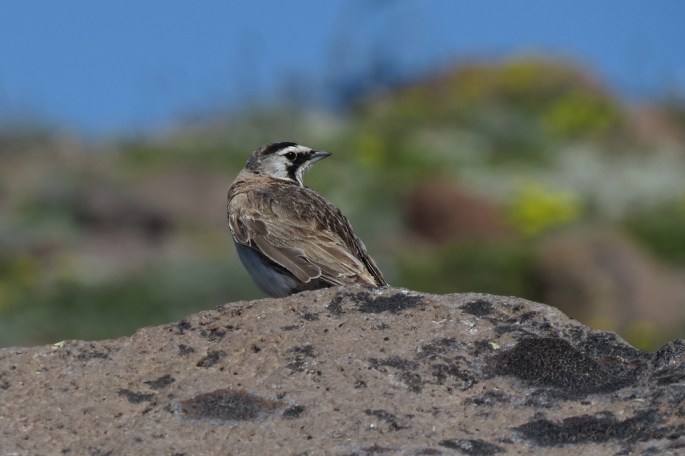
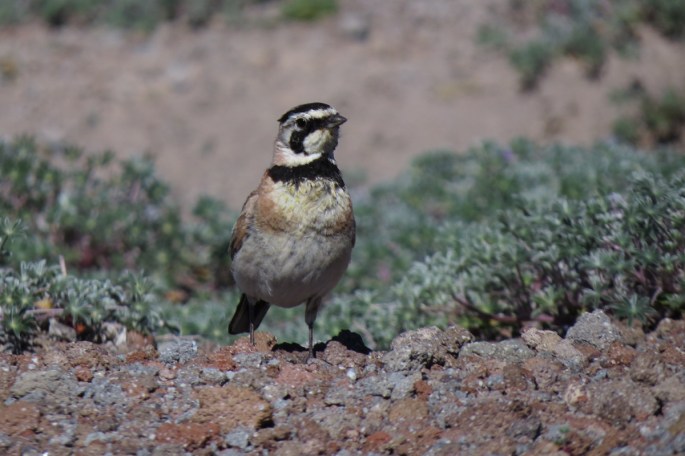
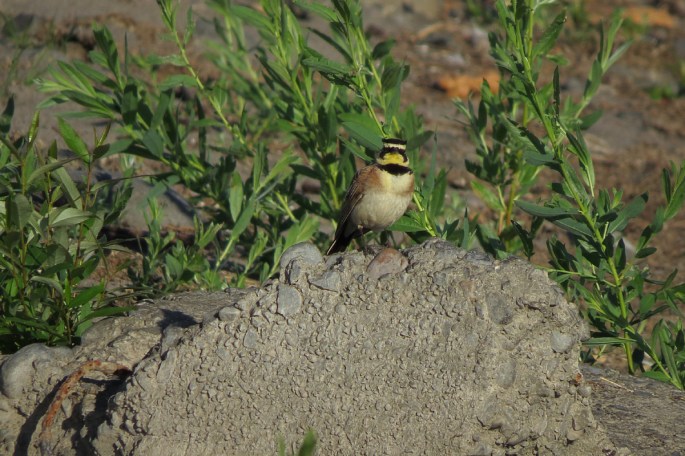 Broughton Beach, along the Columbia River, has been a favorite spot in Portland to check for shorebirds, gulls, and waterfowl, depending on the season. On my recent visit I enjoyed watching a family of Horned Larks working the beach. There are many subspecies of Horned Lark, and I don’t have a reference that provides a good description of the possible subspecies in this area. These birds had much more yellow on their faces than did the birds I saw recently on Mount Hood.
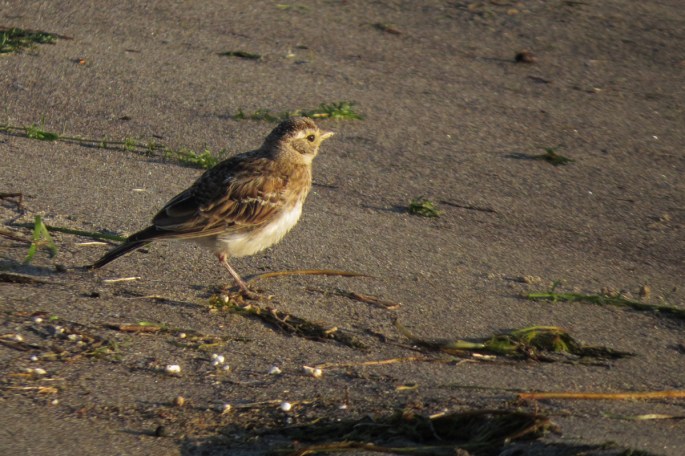 This juvenile showed more muted colors and lacked the distinctive facial pattern of the adults.
 I’m not sure if this bird is a juvenile or an adult female.
 adult female, I think
 adult male, I think
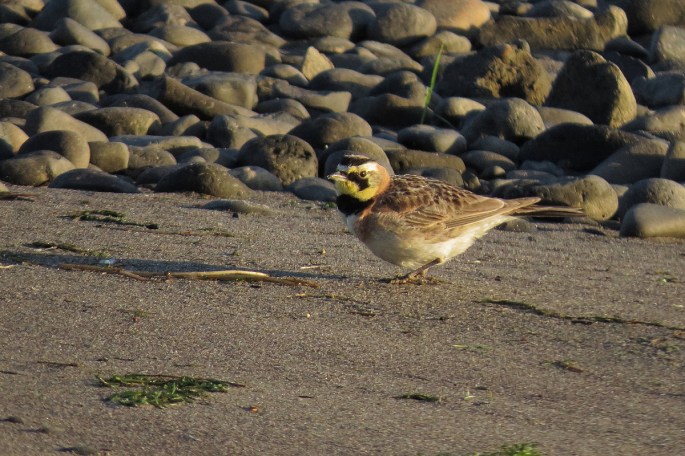 adult male
 Not a Horned Lark, but Brewer’s Blackbirds are among my favorites. This is a female.
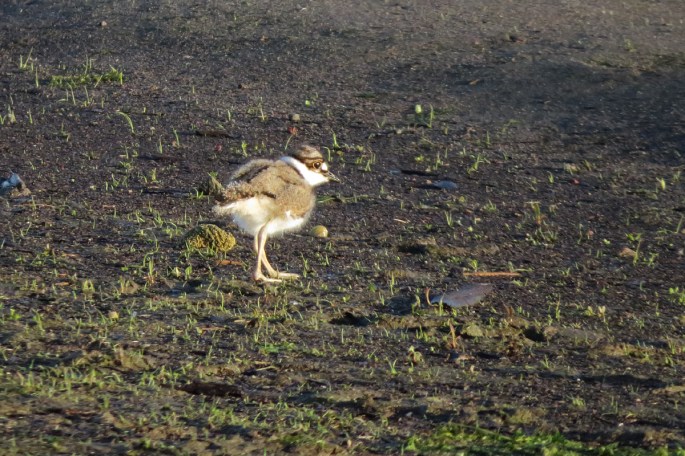 And we end with a ball of fluffy cuteness. I was surprised to find such a young Killdeer so late in the summer.