Coastal Birds

My annual gull class visited the Coast from Cannon Beach to Gearhart. Stormy weather caused us to postpone the trip by a week. The weather was lovely the day of our trip, but nice weather, combined with the week’s delay, kept our gull total to a modest seven species.
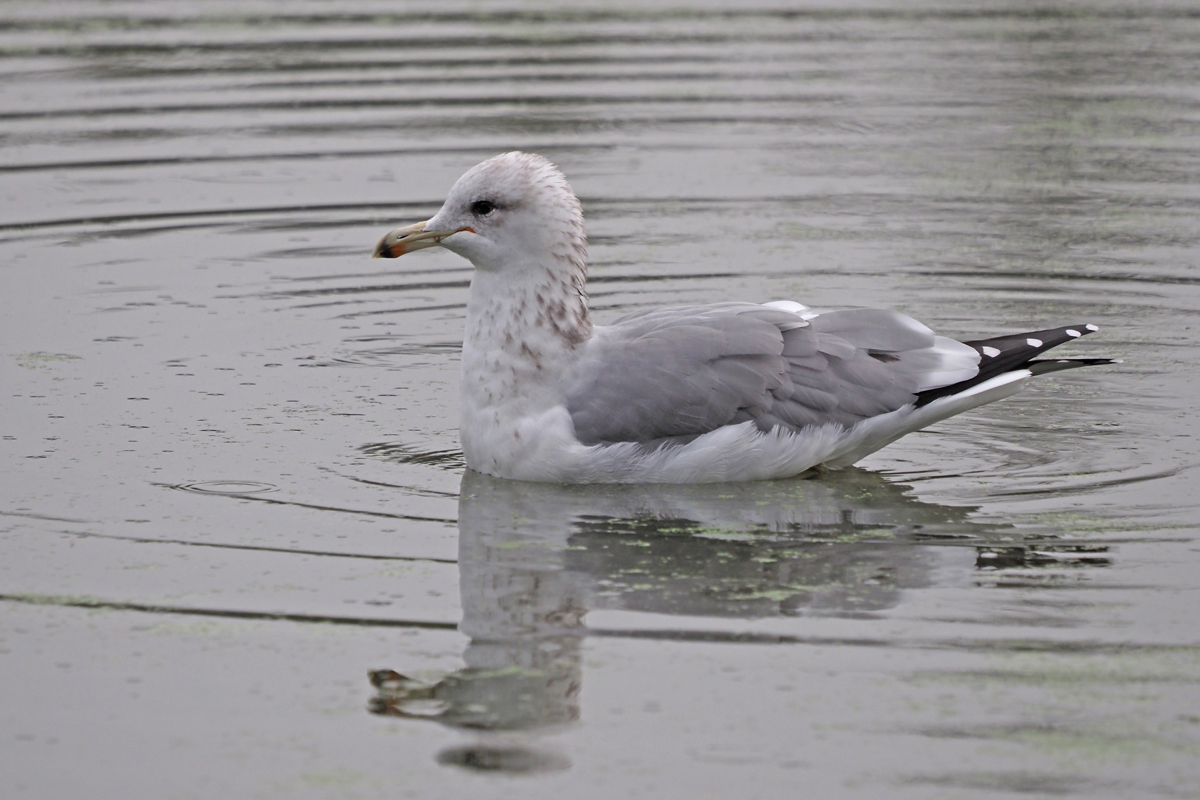
California Gulls are among the most common species on the coast right now.
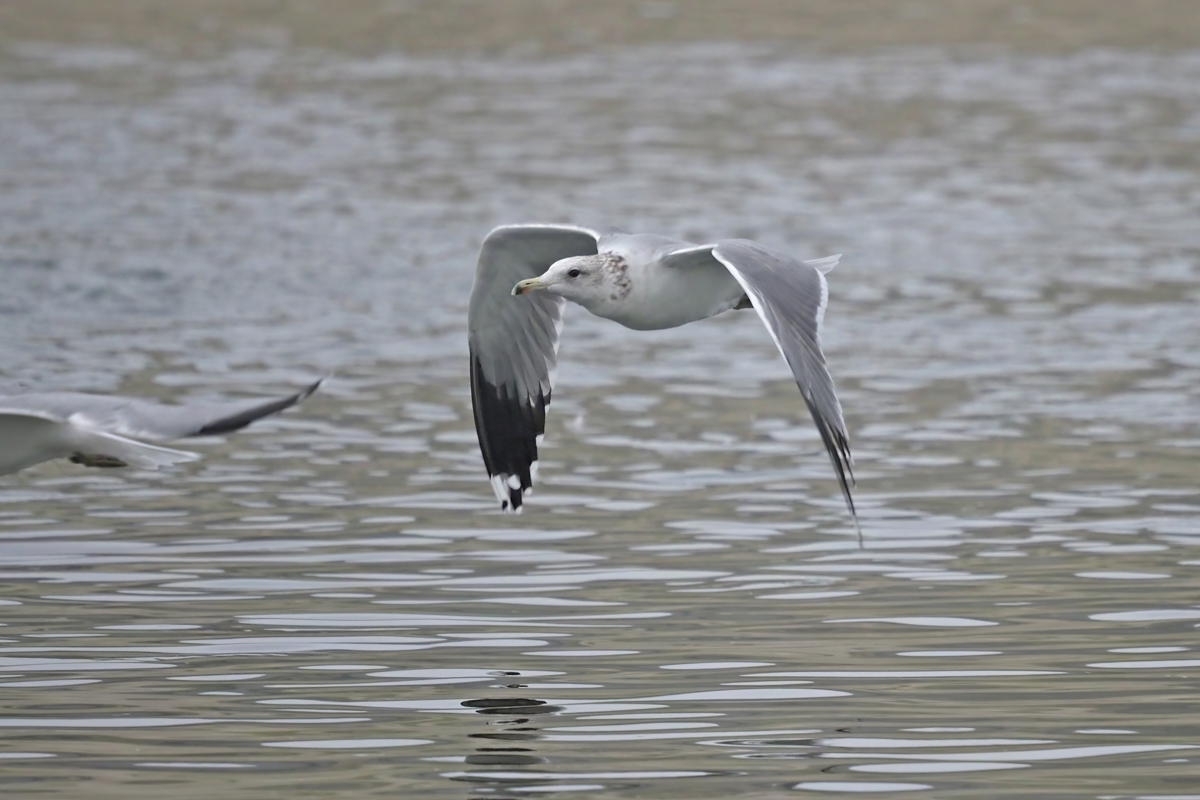
California Gull in flight, showing the extensive black in the primaries
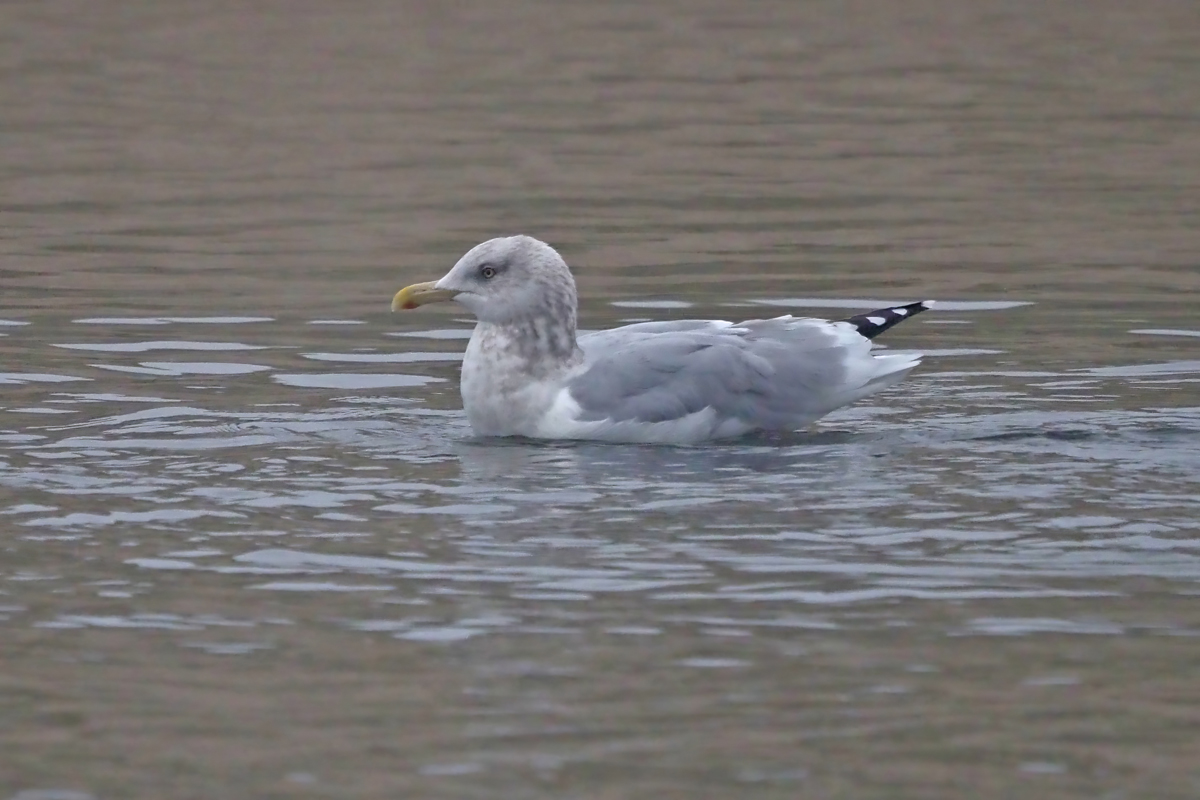
Herring Gull
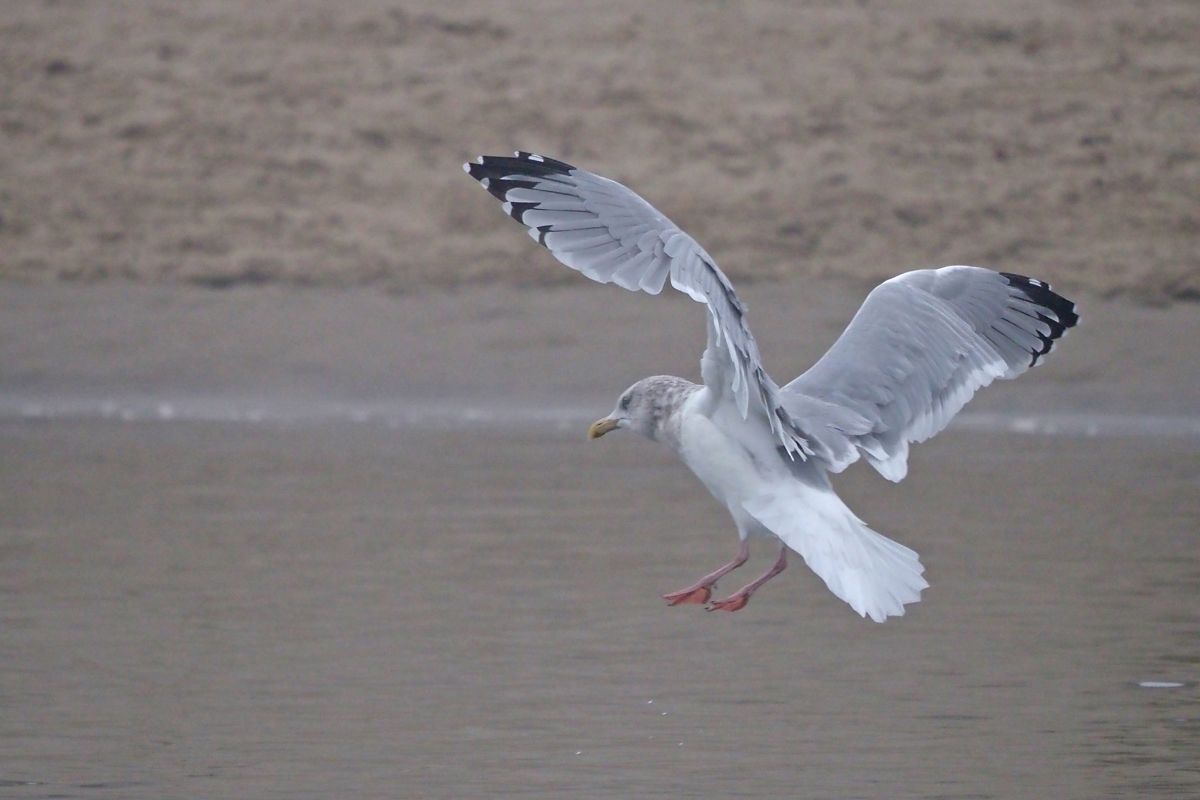
Herring Gull coming in for a landing
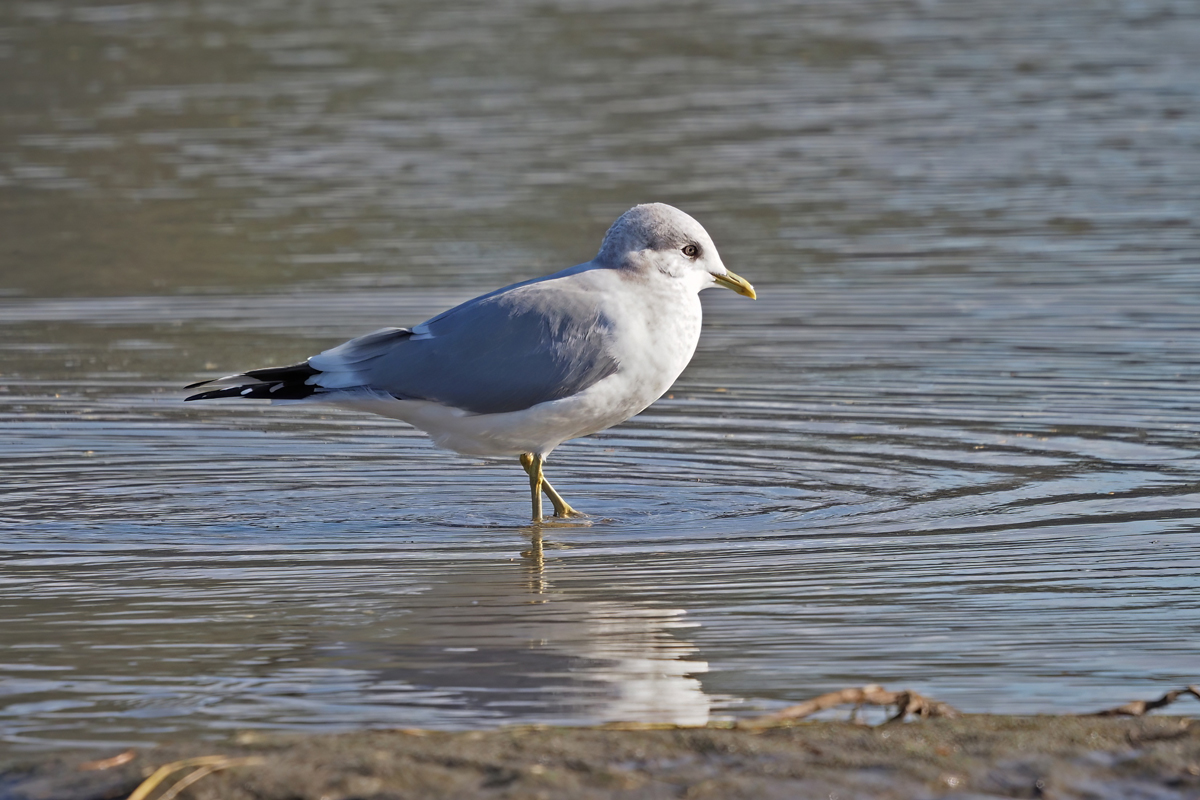
Short-billed Gulls frequent the Necanicum River Estuary in Gearhart. This bird was stamping their feet in the shallow water to stir up food items.
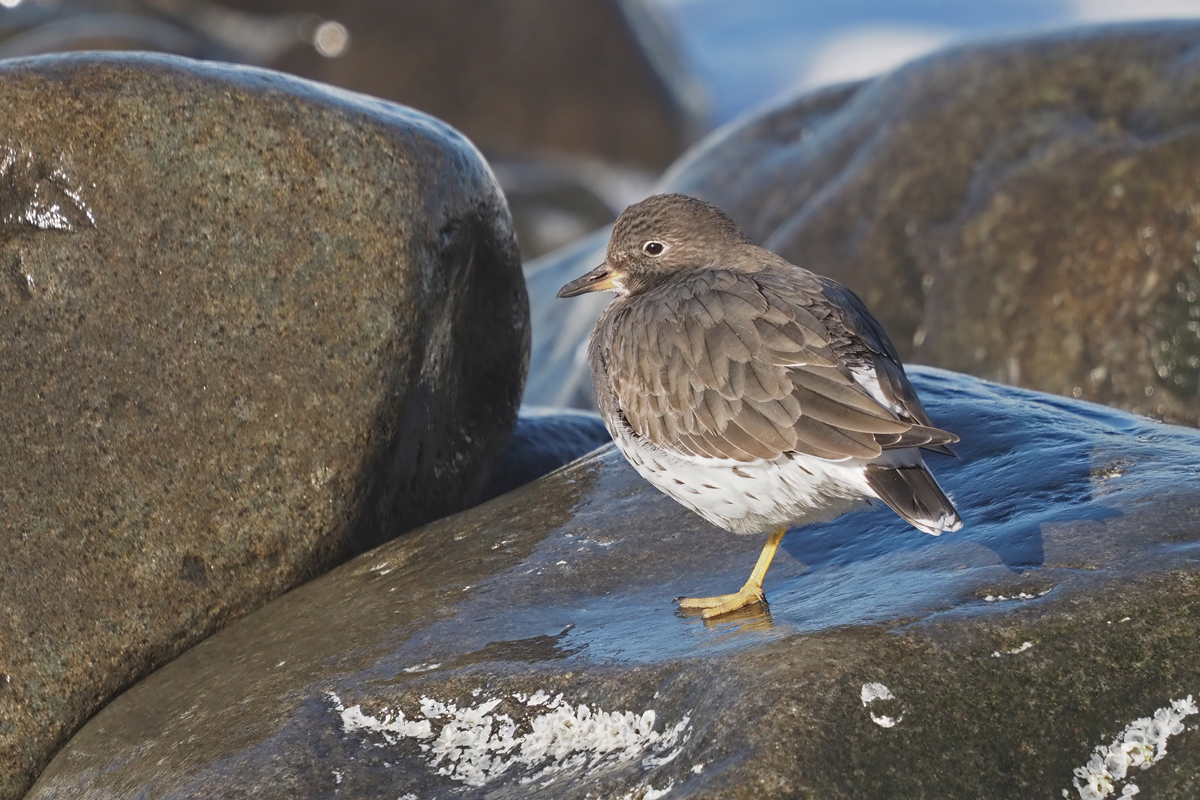
A stop at the Seaside Cove produced a large flock of Surfbirds.
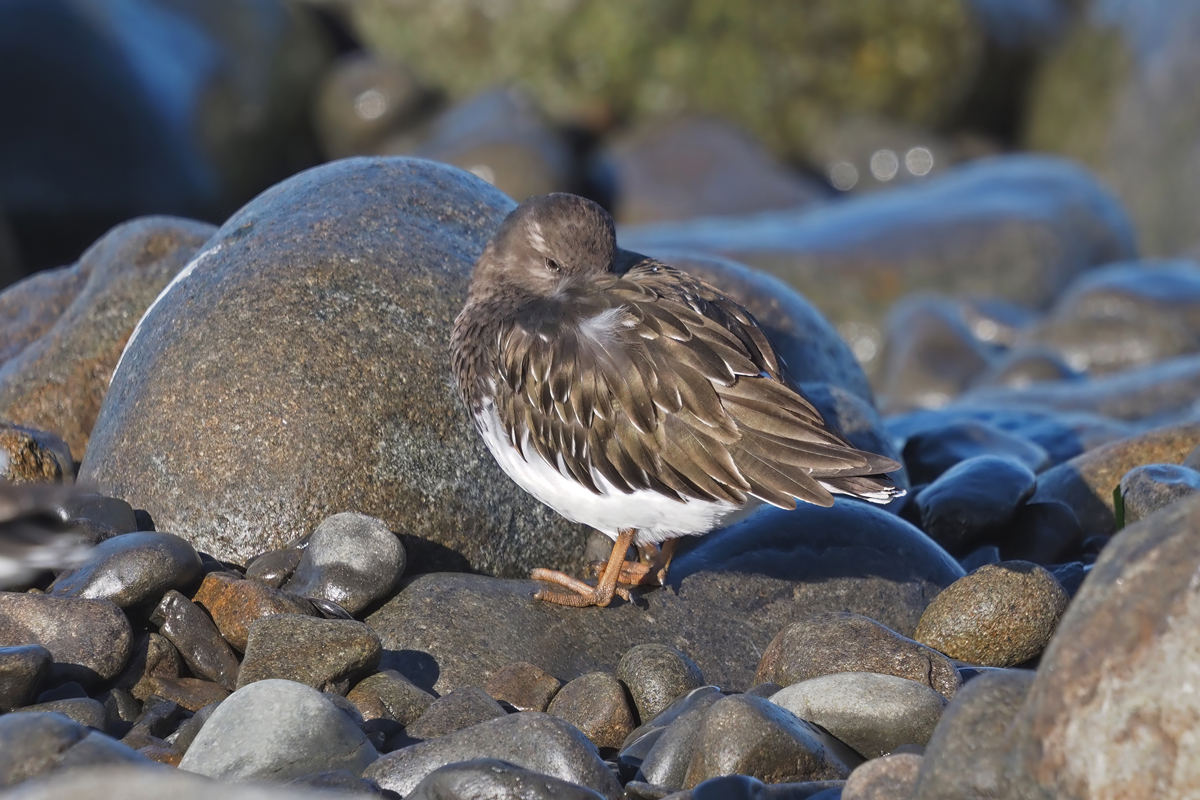
Just a few Black Turnstones were mixed in with the Surfbirds.
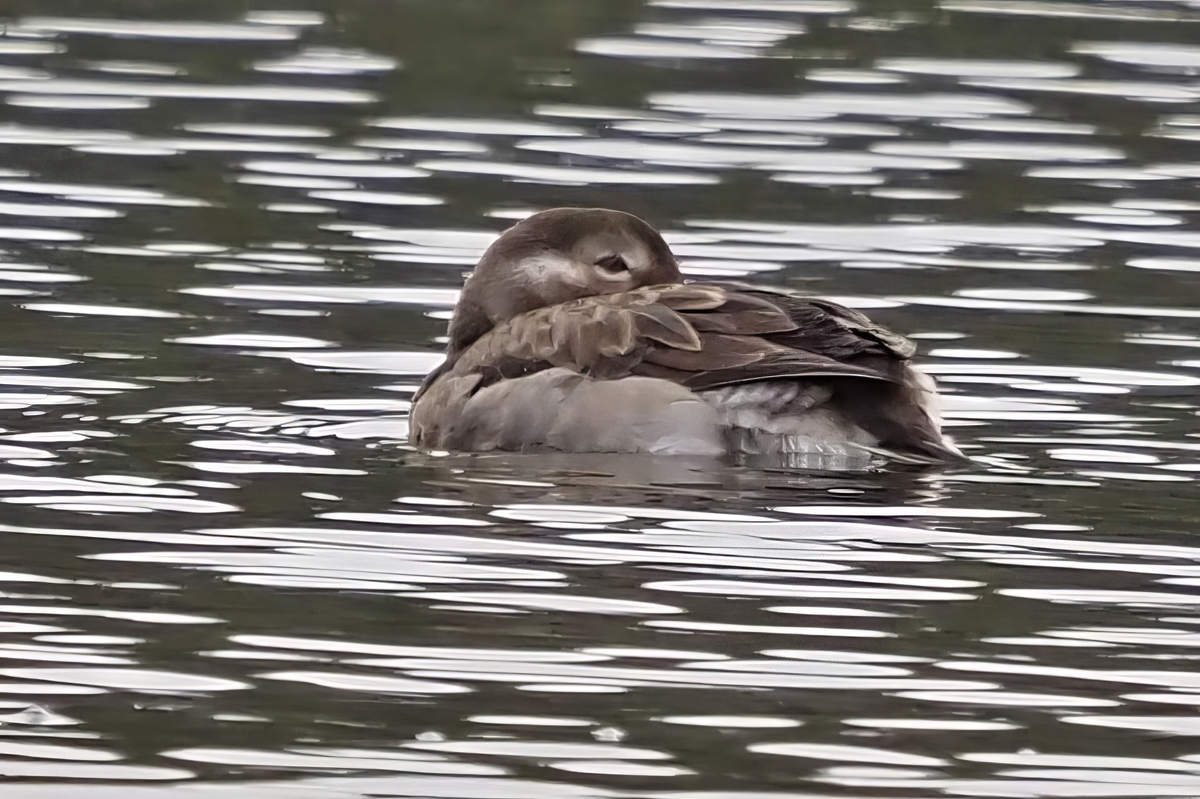
The most unusual bird of the trip was this Long-tailed Duck at the Cannon Beach Settling Ponds. This is a young female, whose dark coloring blended in surprisingly well with the water’s surface.
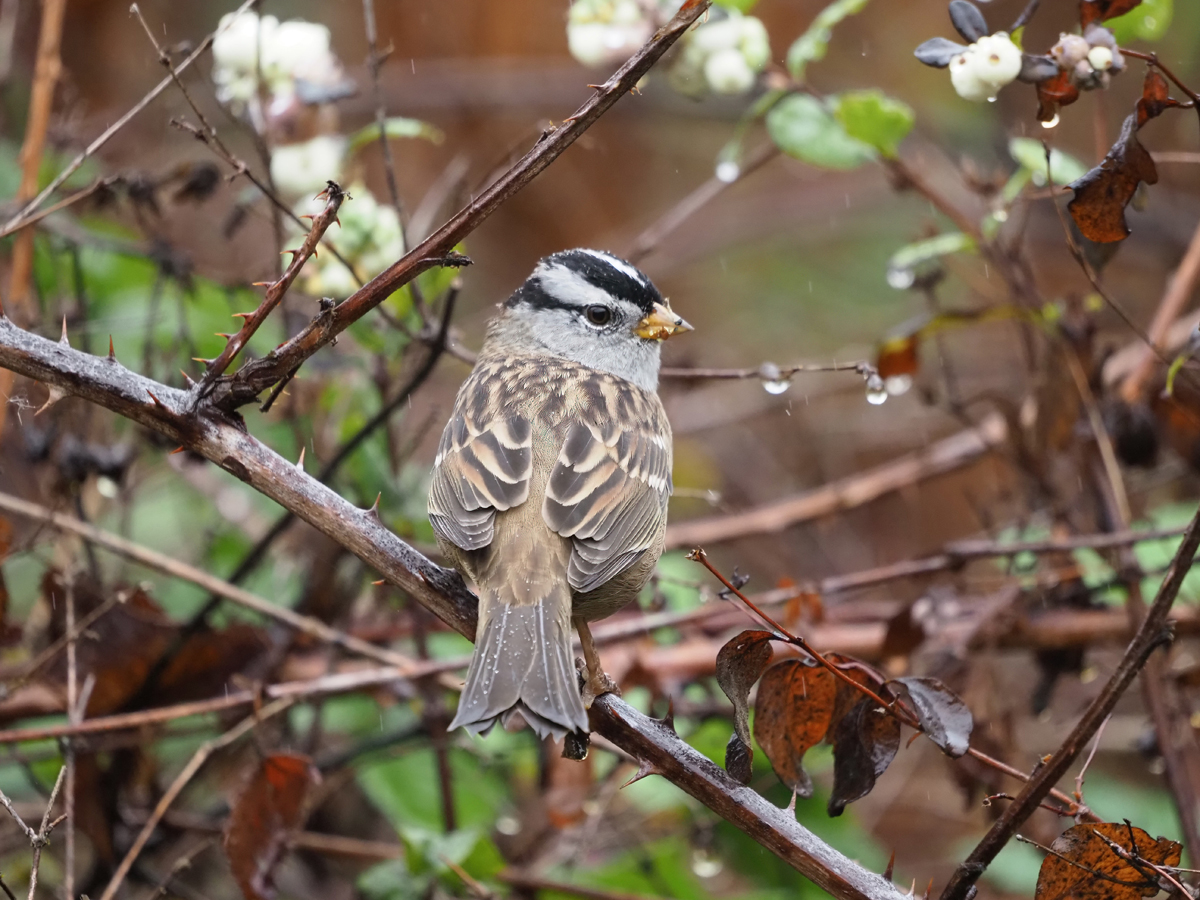
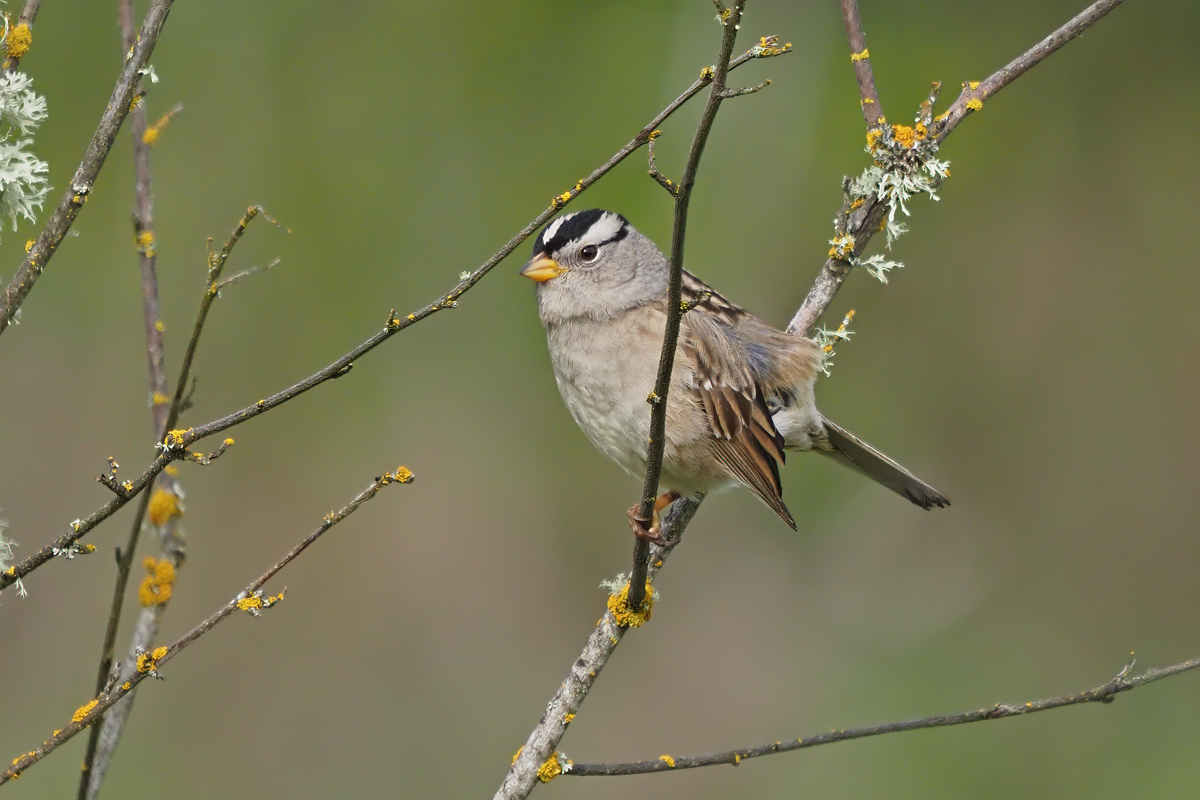
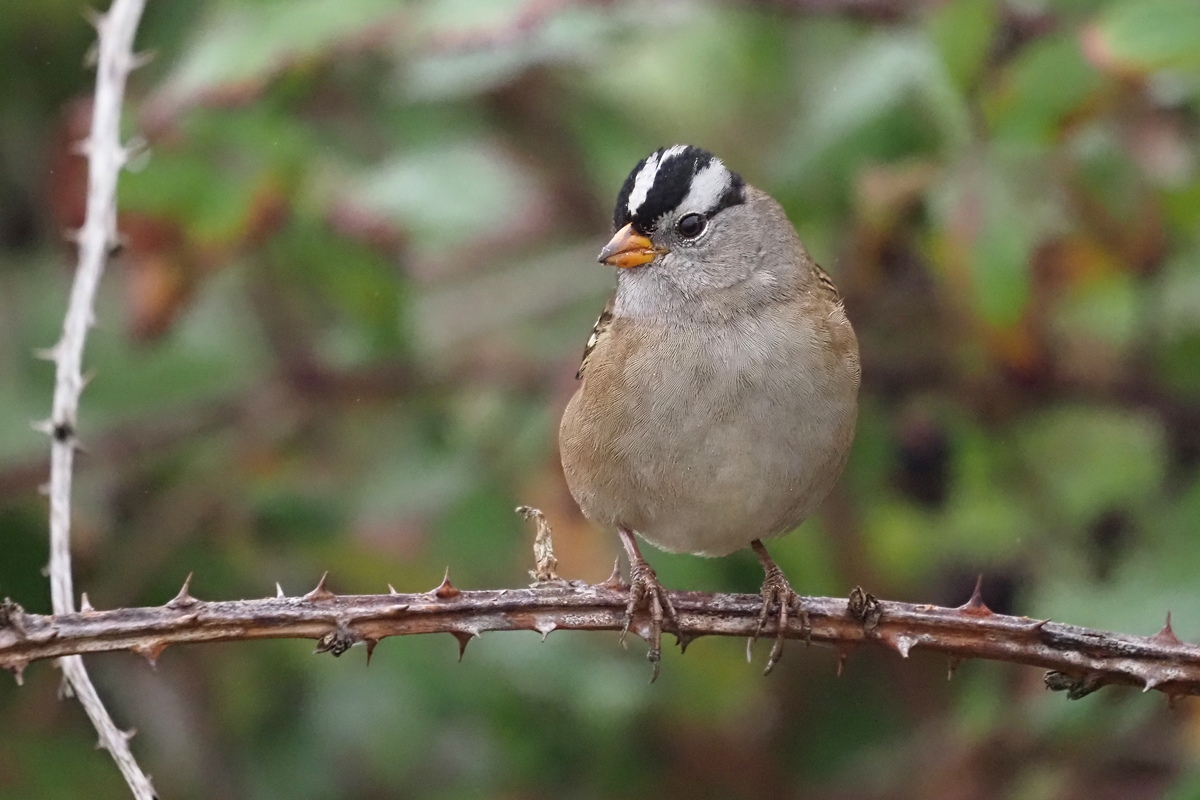
We didn’t have much time to look for songbirds, but White-crowned Sparrows are always obliging.
Happy Autumn
Autumn at Last

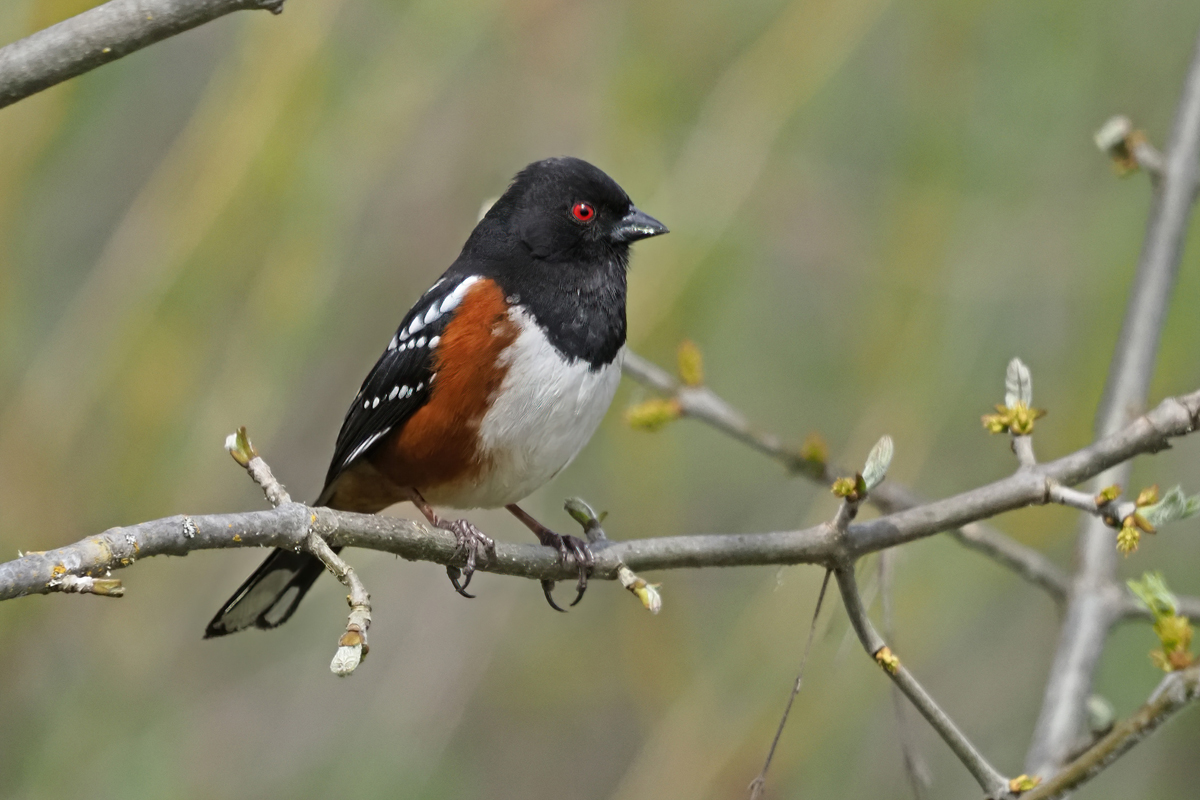
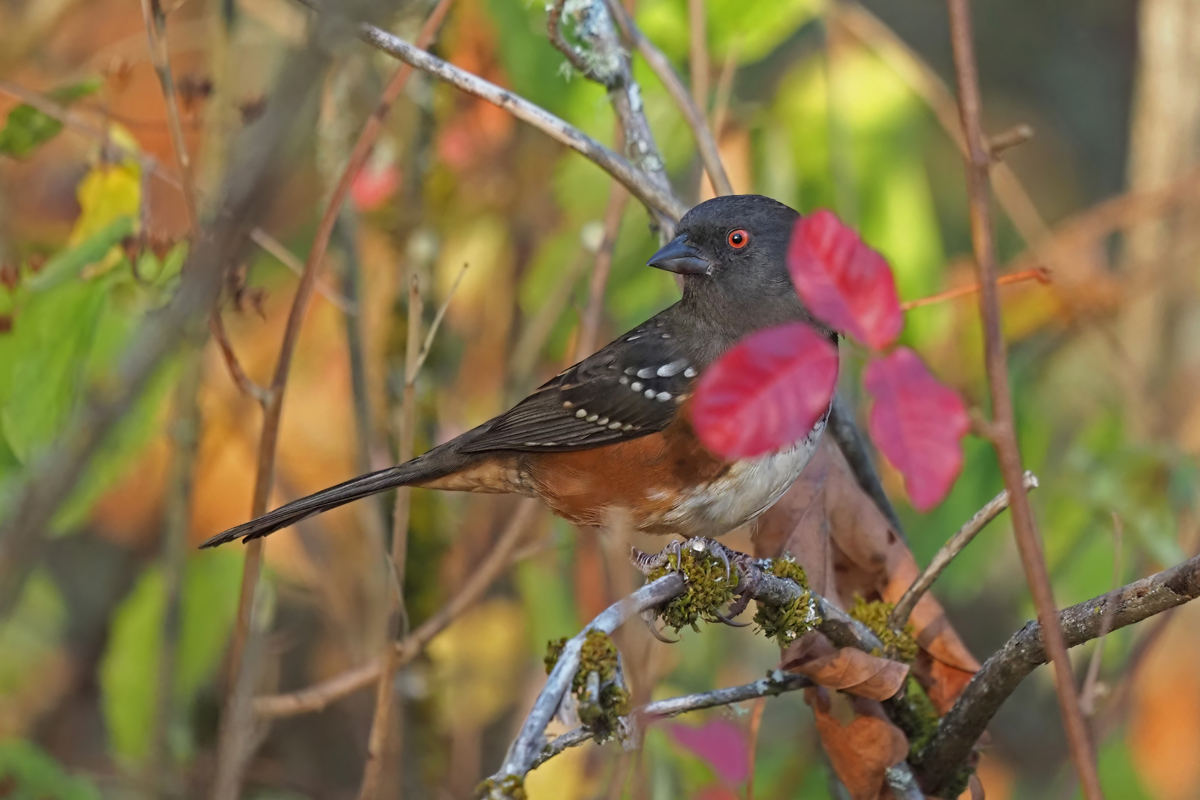
After a very long dry summer, autumn has finally arrived. While we don’t get the extensive fall colors found in eastern forests, the red Poison Oak highlights the eyes on this Spotted Towhee.

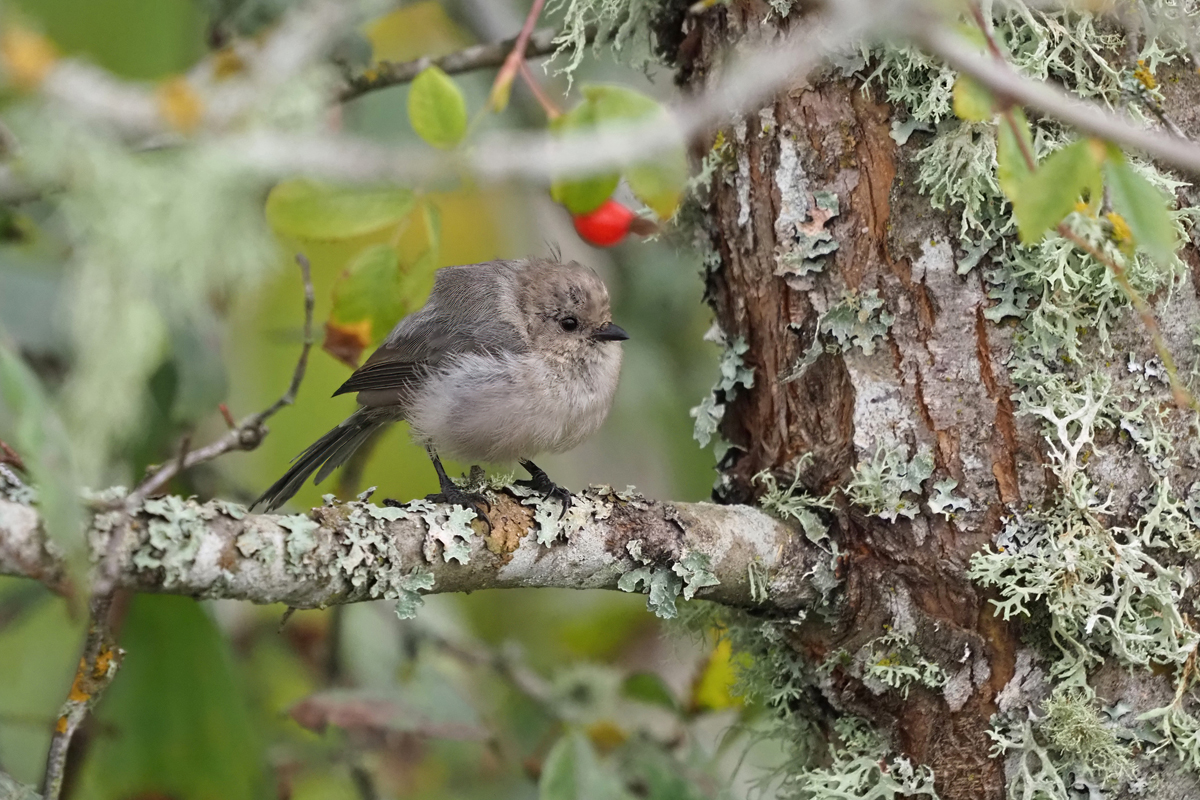
This very ragged Bushtit was found at Wapato Lake NWR, which has finally opened up to birders after a long wait. The refuge will be closed to non-hunters from December-February, but should offer some great birding when it is open.

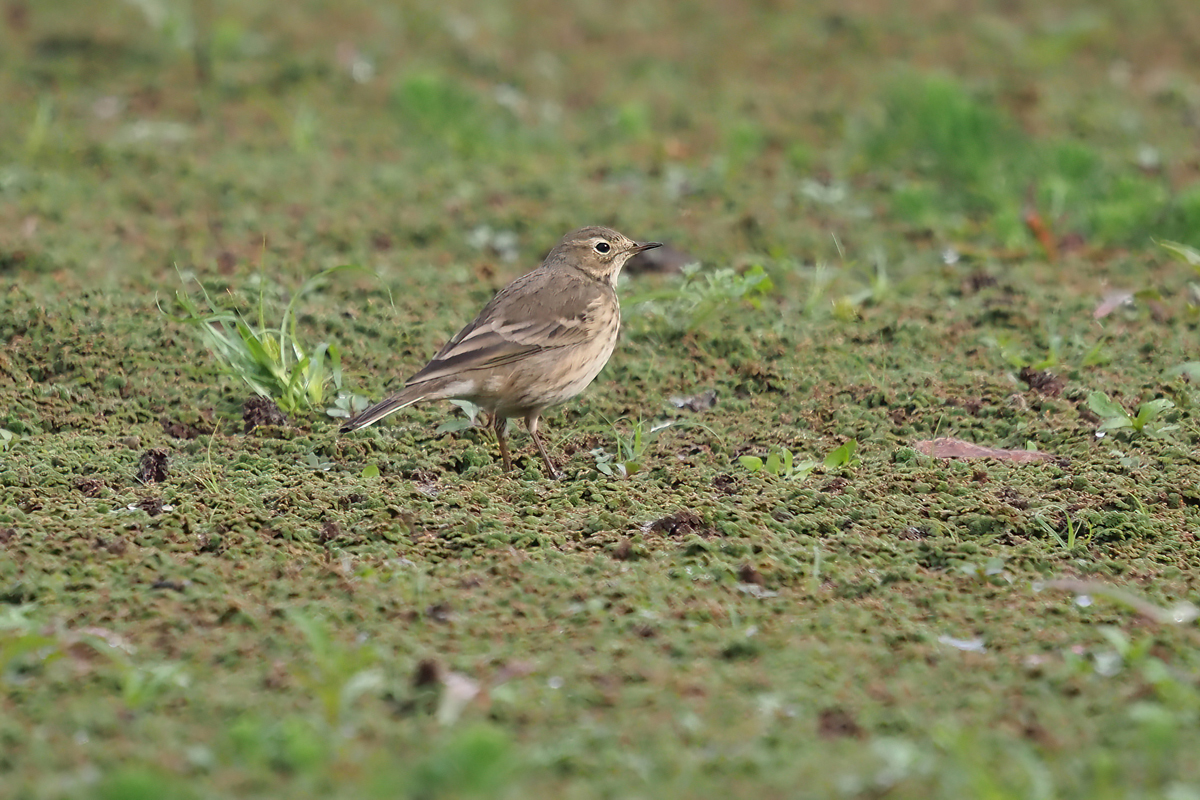
American Pipits are common migrants this time of year on mudflats and other open habitats.

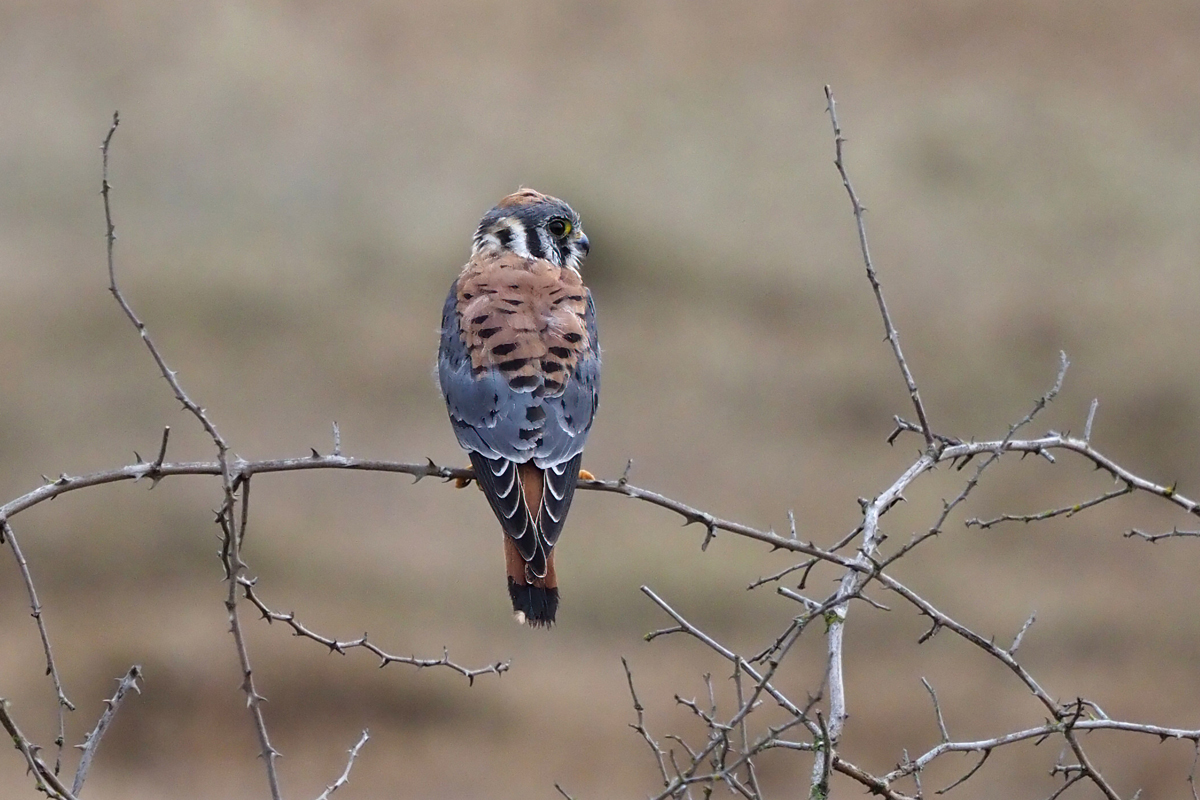
Male American Kestrel

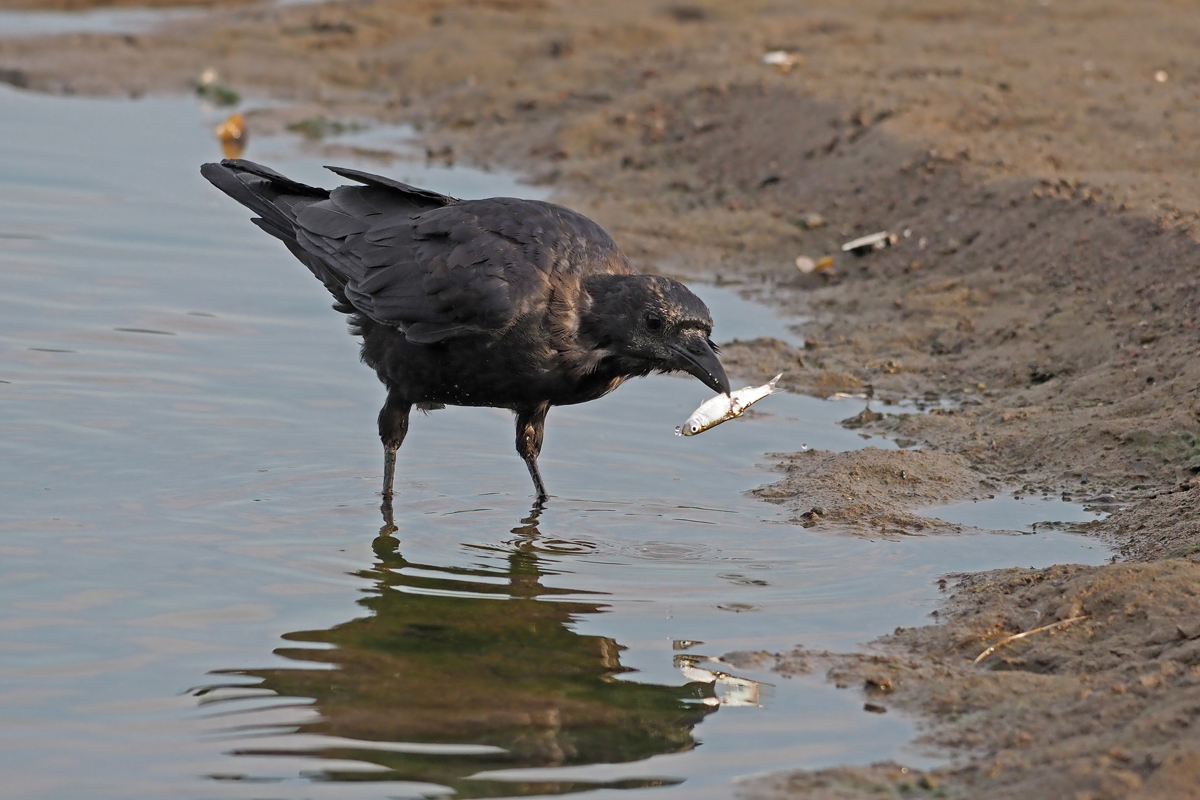
This American Crow was actively fishing in a tide pool along the Columbia River. I don’t normally think of crows as fish-eaters, but they take advantage of whatever food source is available.

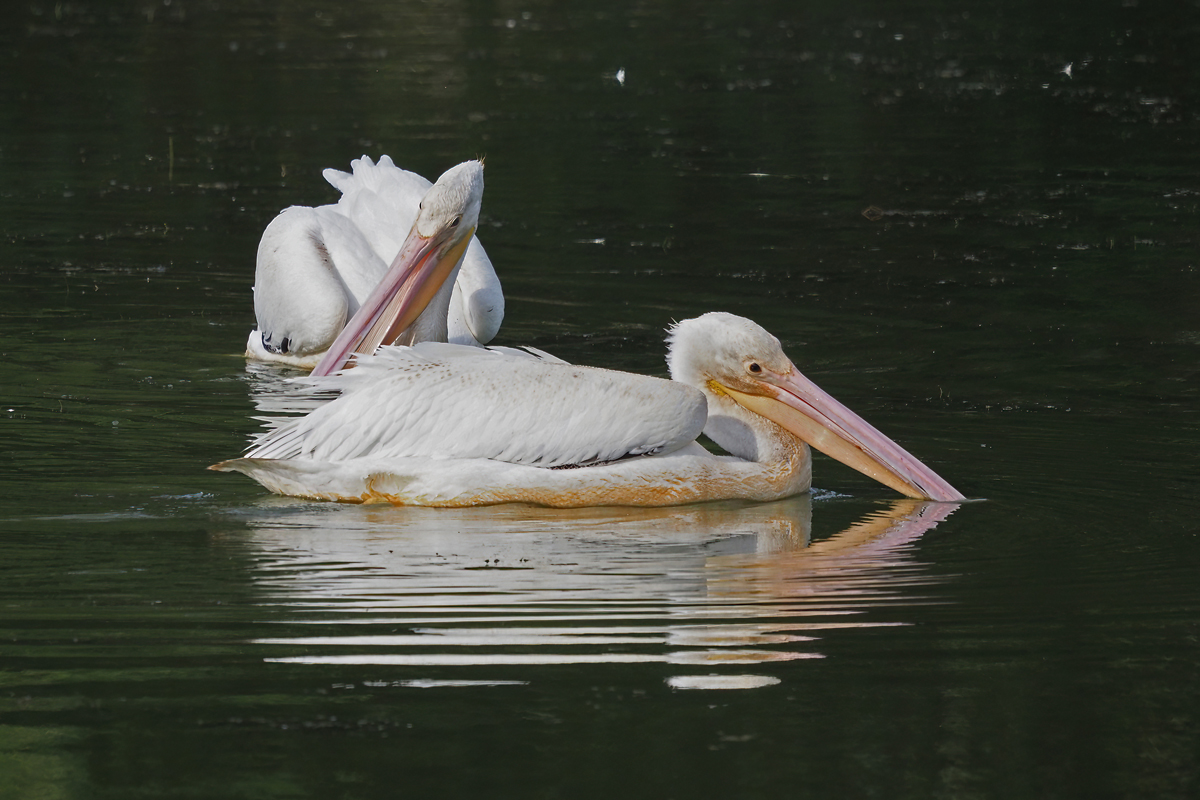
There are still a few American White Pelicans around. They will be gone soon.

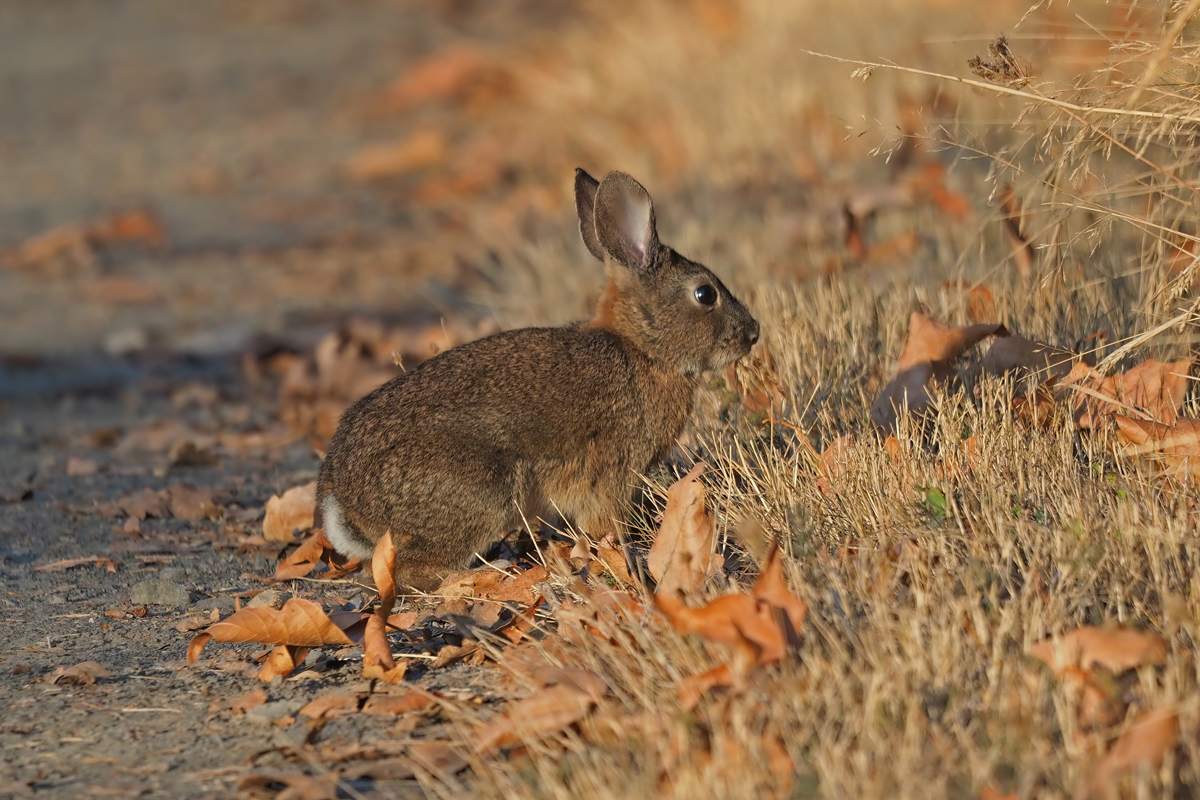
Brush Rabbit, blending in with the fall colors

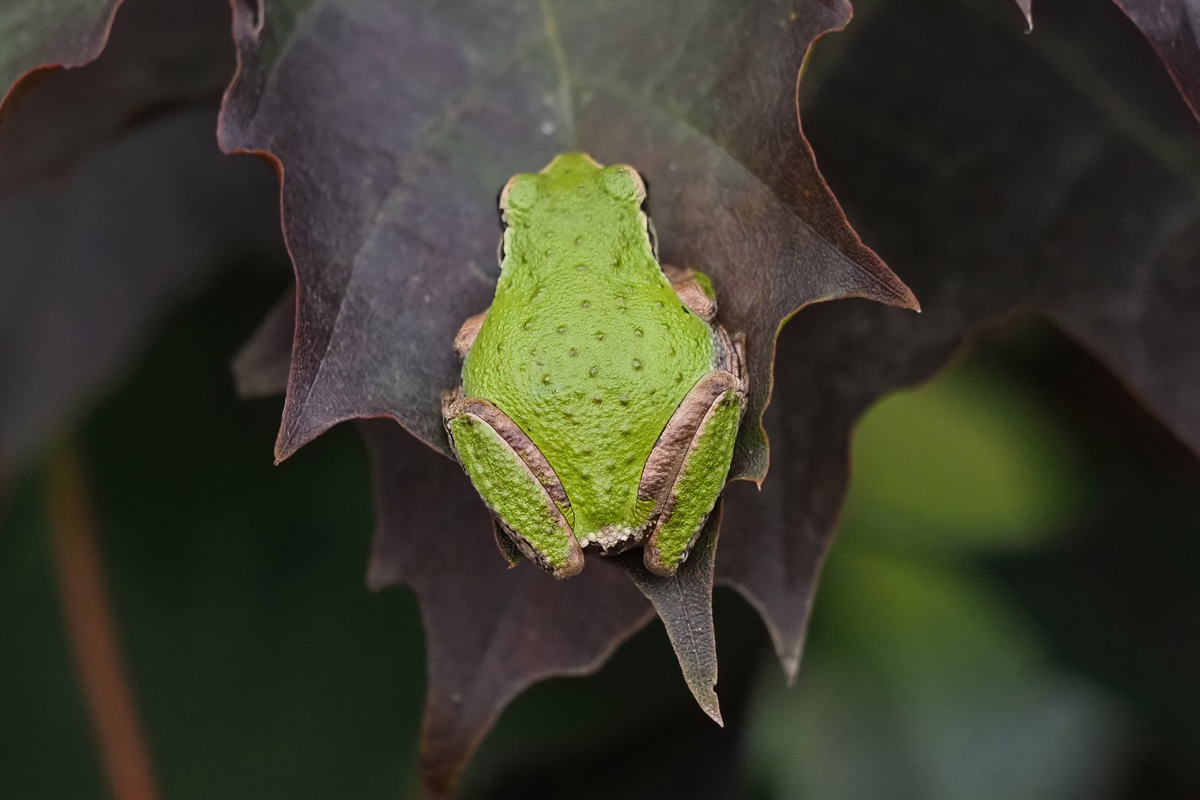
Pacific Tree Frog on a maple leaf. These frogs are very common, but they seldom perch out in the open.

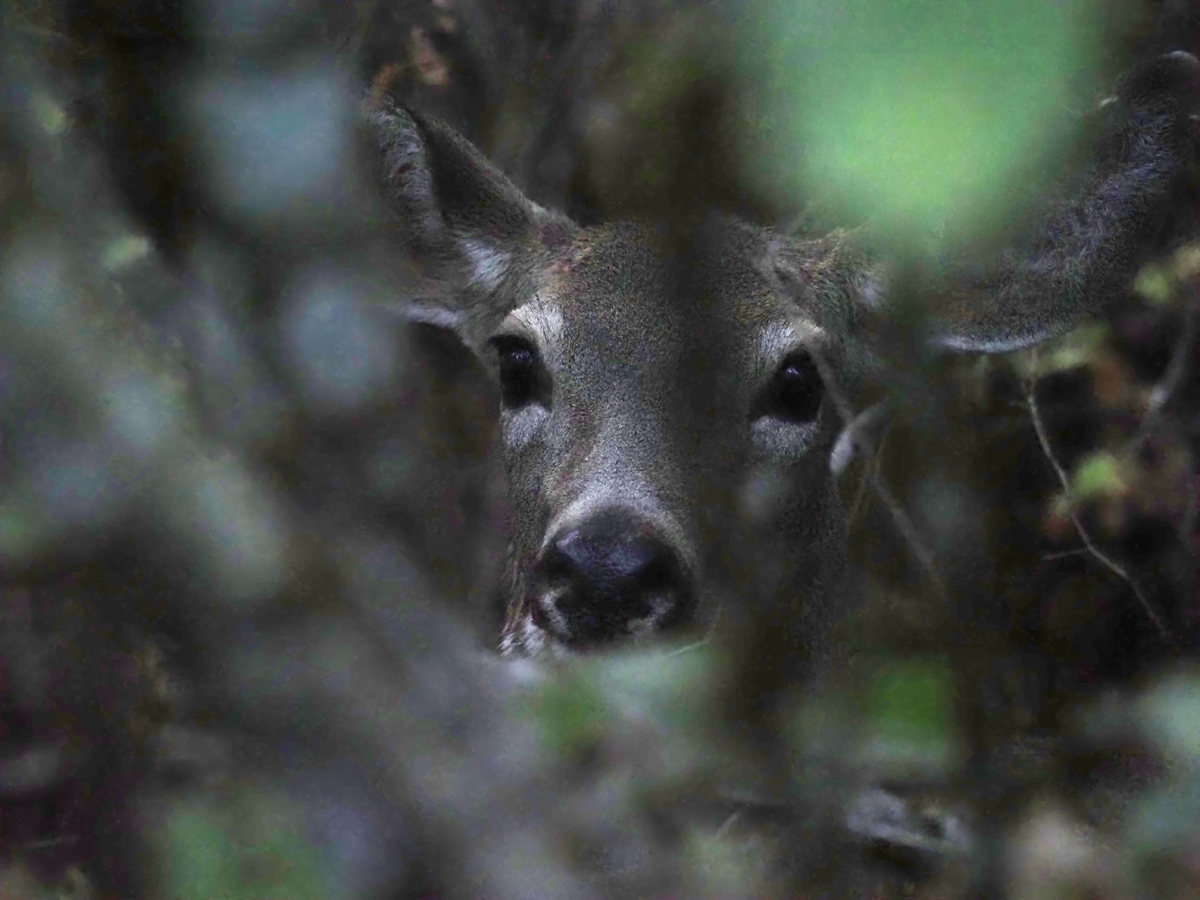
This Black-tailed Deer was just off the path at Cooper Mountain Nature Park.

Happy Autumn
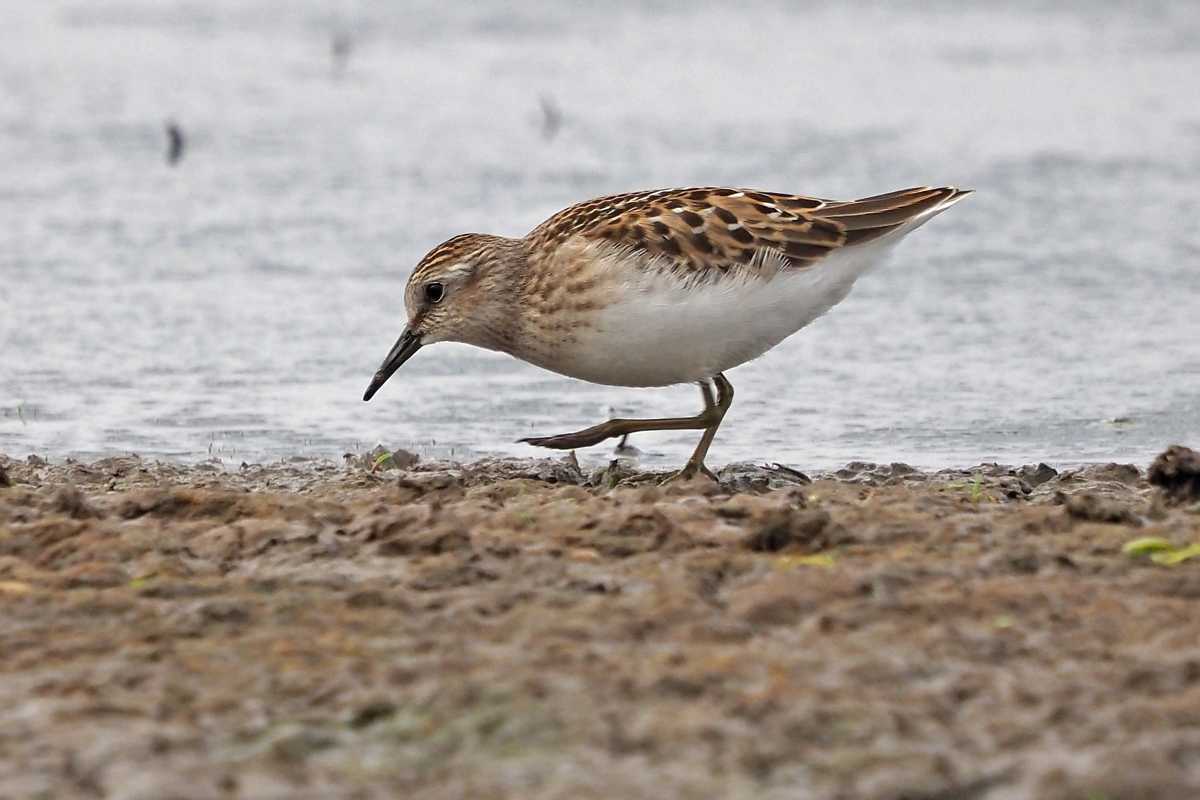
Wetlands in the Summer

In mid to late summer, when conditions are very hot and dry in Oregon, most of the wildlife activity is found near wetlands, at least until they dry up as well. Here are a few images from various wetlands in the Portland area this summer.

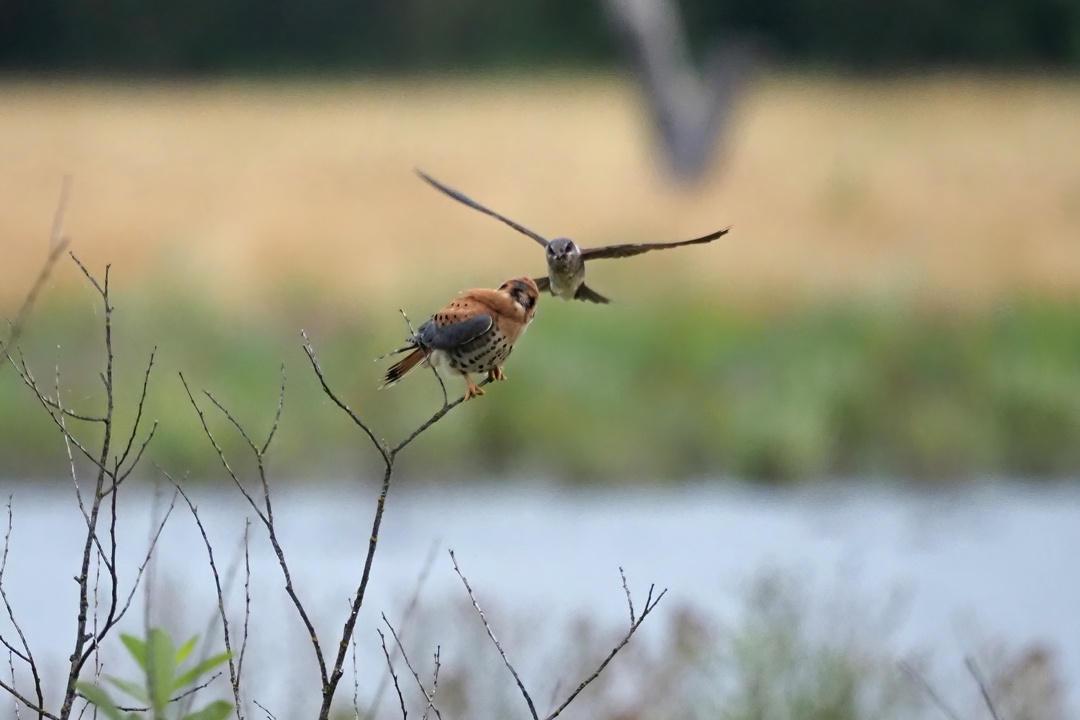
A Purple Martin strafes an American Kestrel at Tualatin River NWR
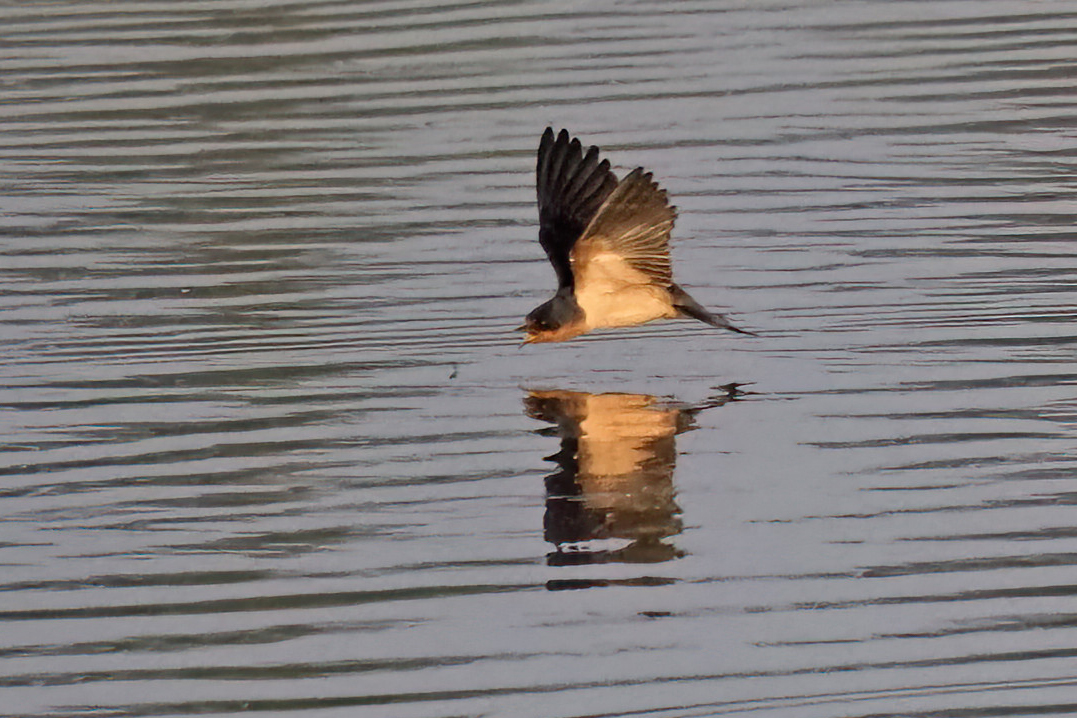
Barn Swallow about to nab an insect off the water’s surface
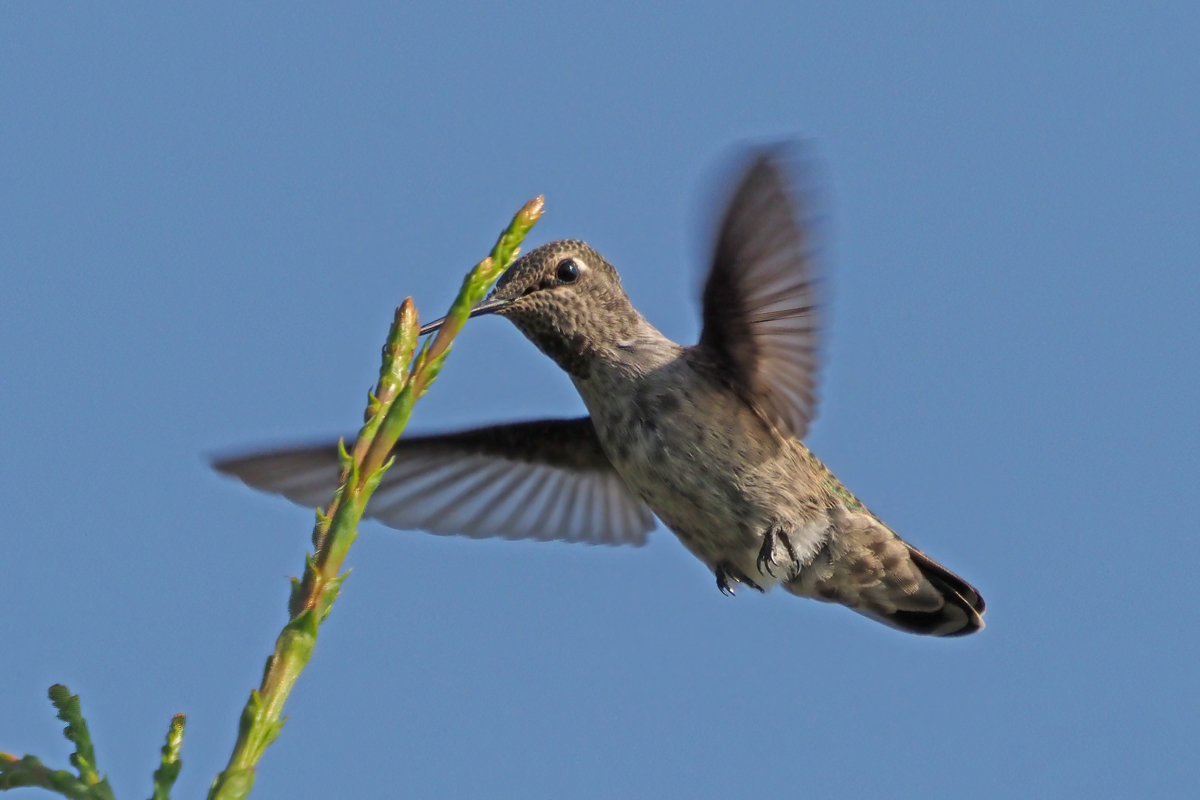
Anna’s Hummingbird feeding on a cedar at Fernhill Wetlands
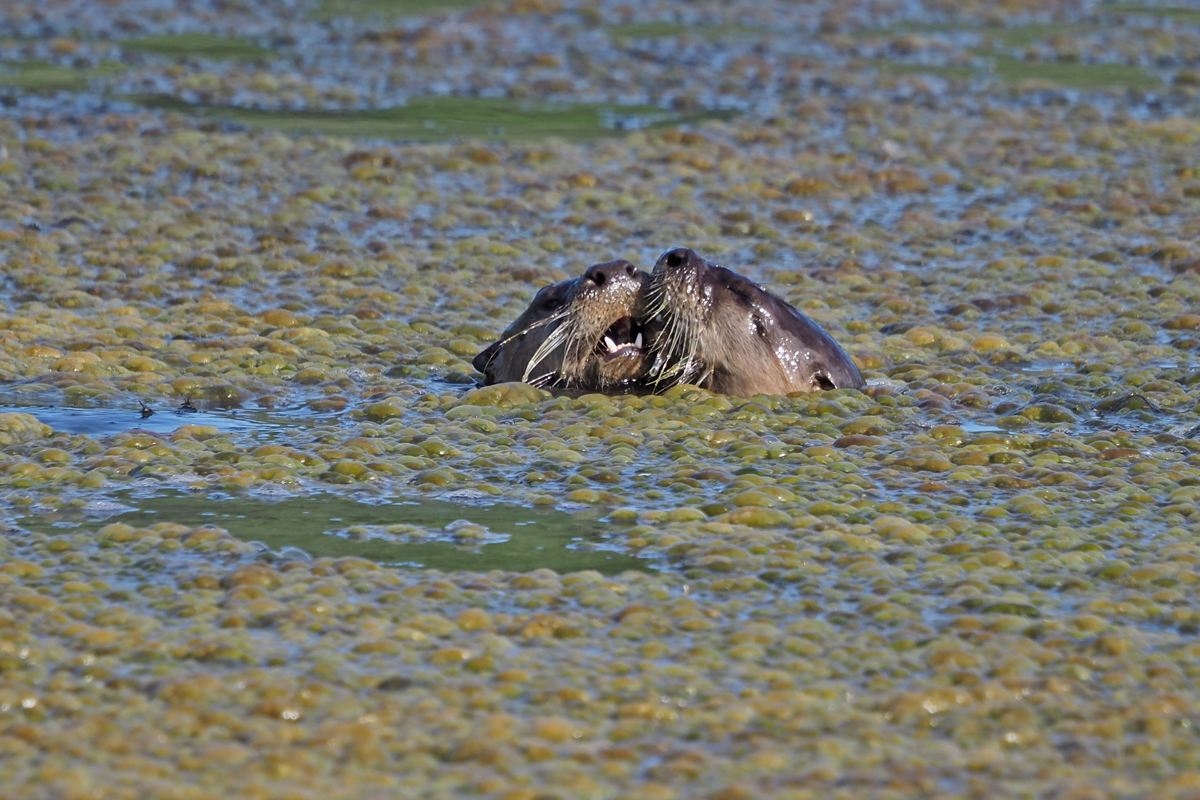
Two Northern River Otters at Koll Center Wetlands
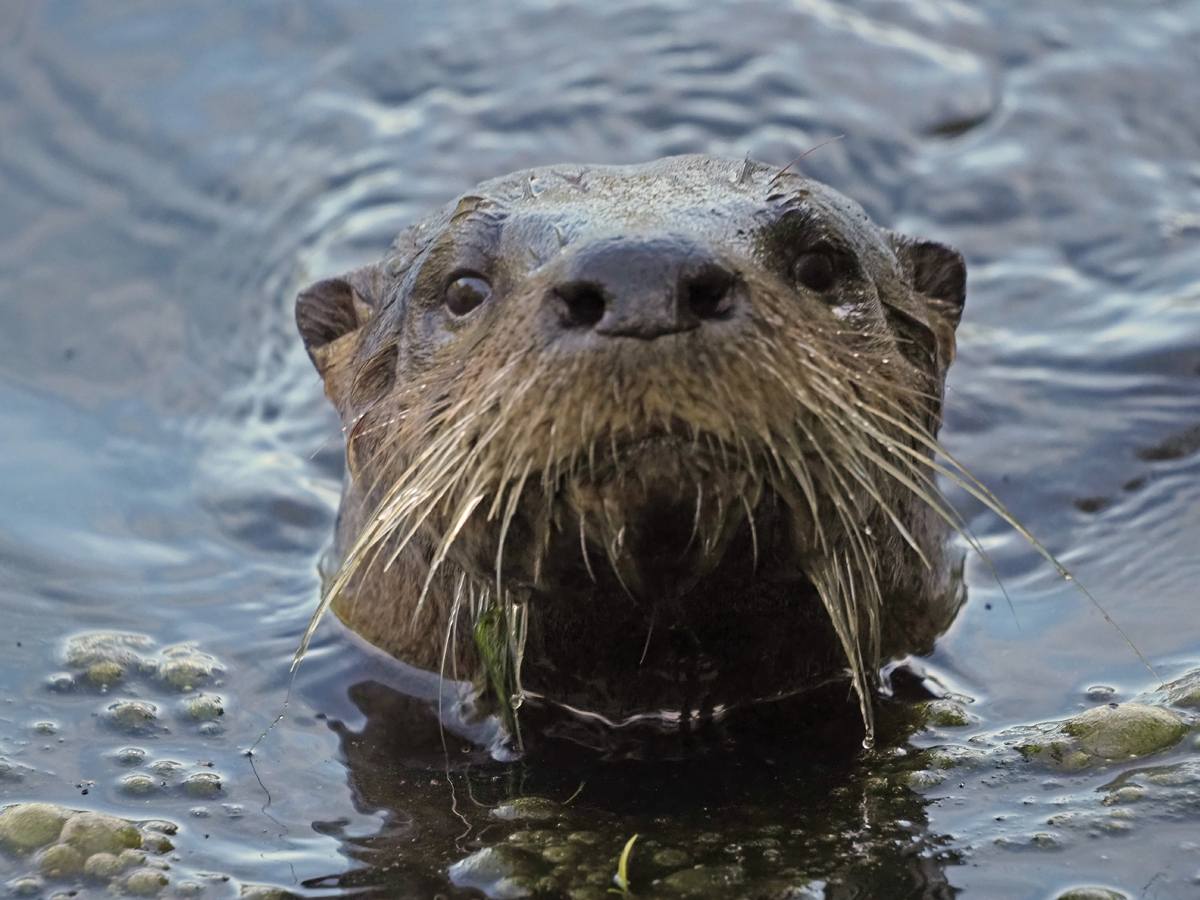
This otter was almost too close for my camera to focus
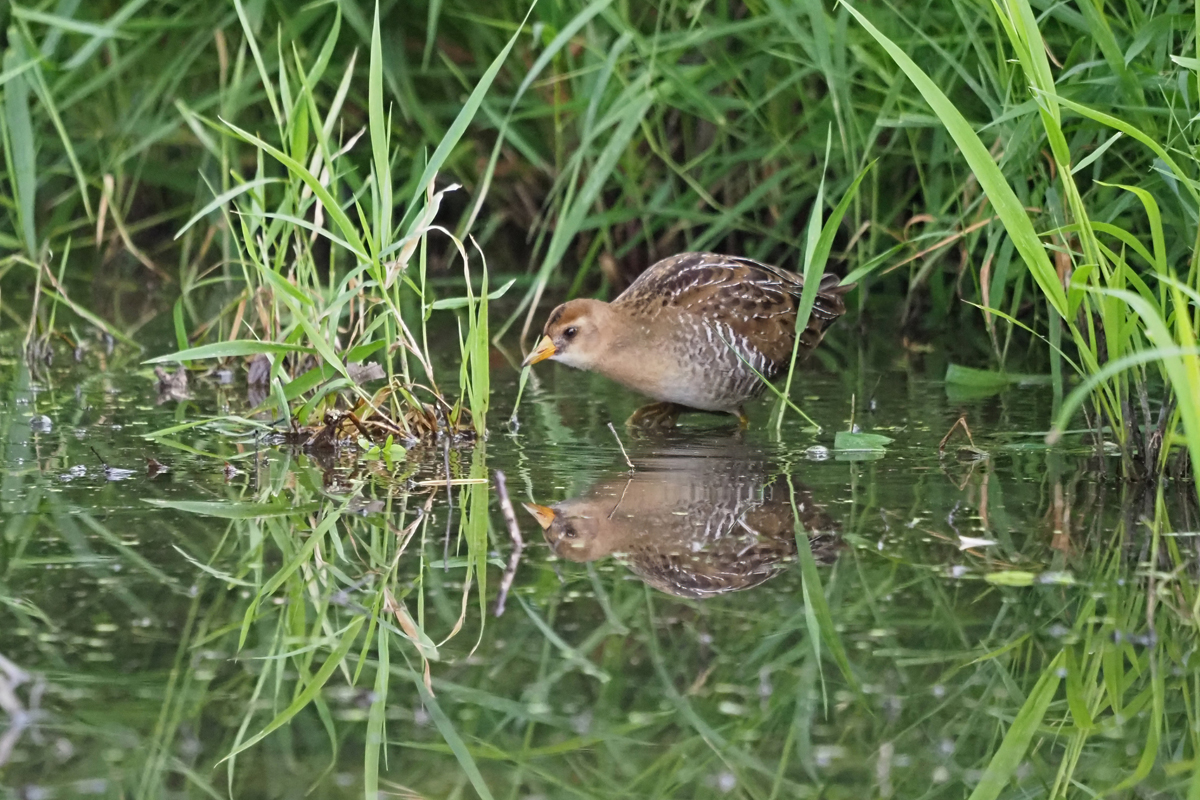
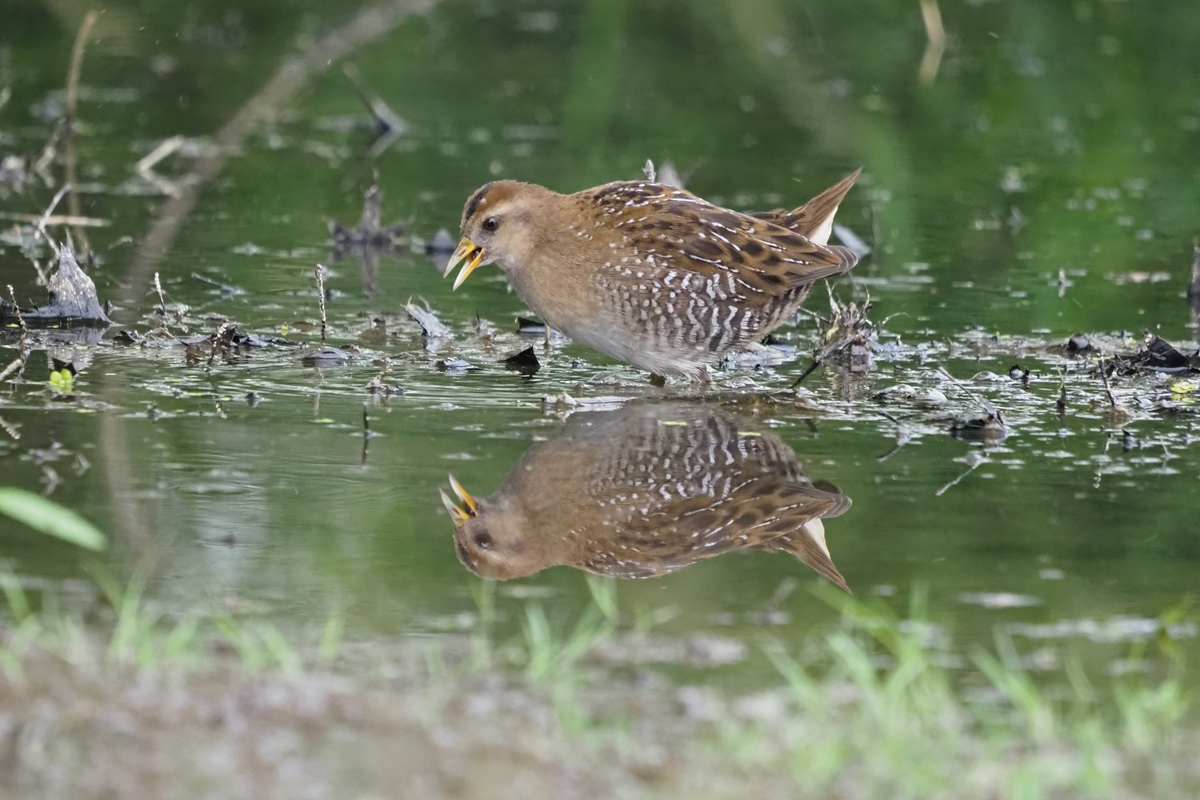
Several young Soras put on a nice show at Commonwealth Lake Park
Snacking on a snail
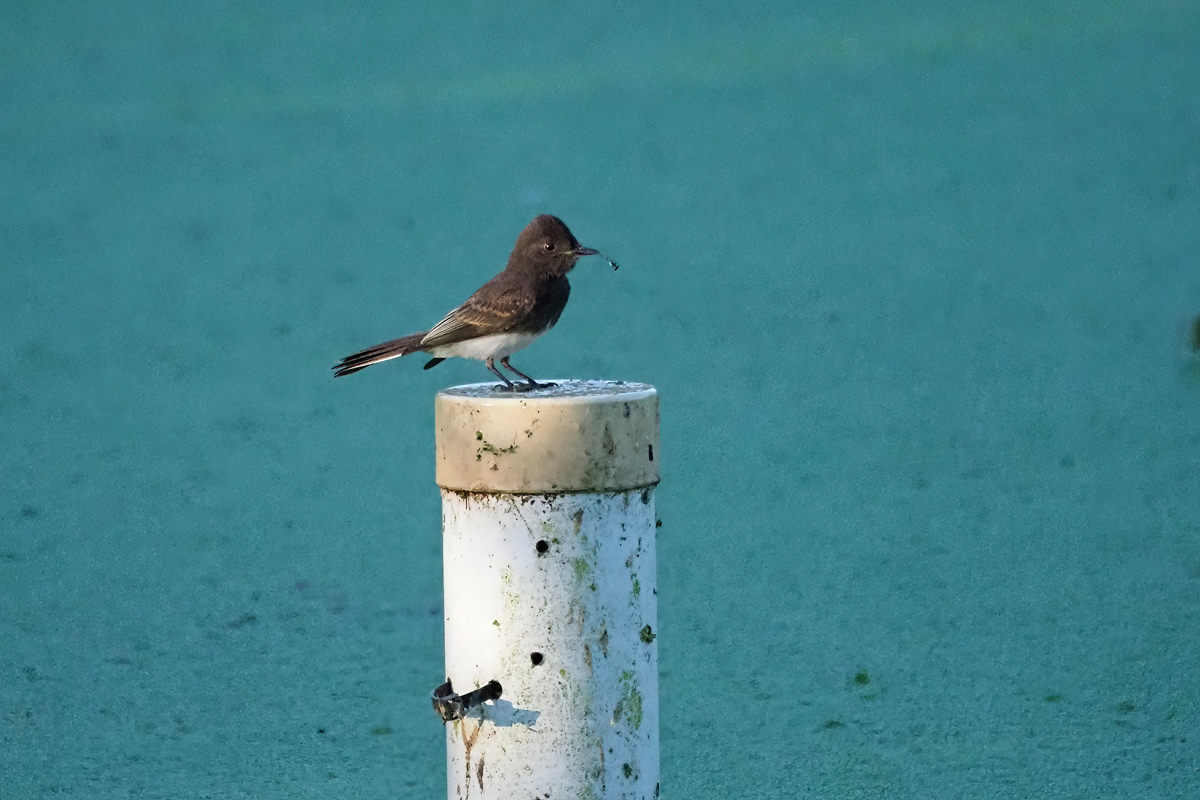
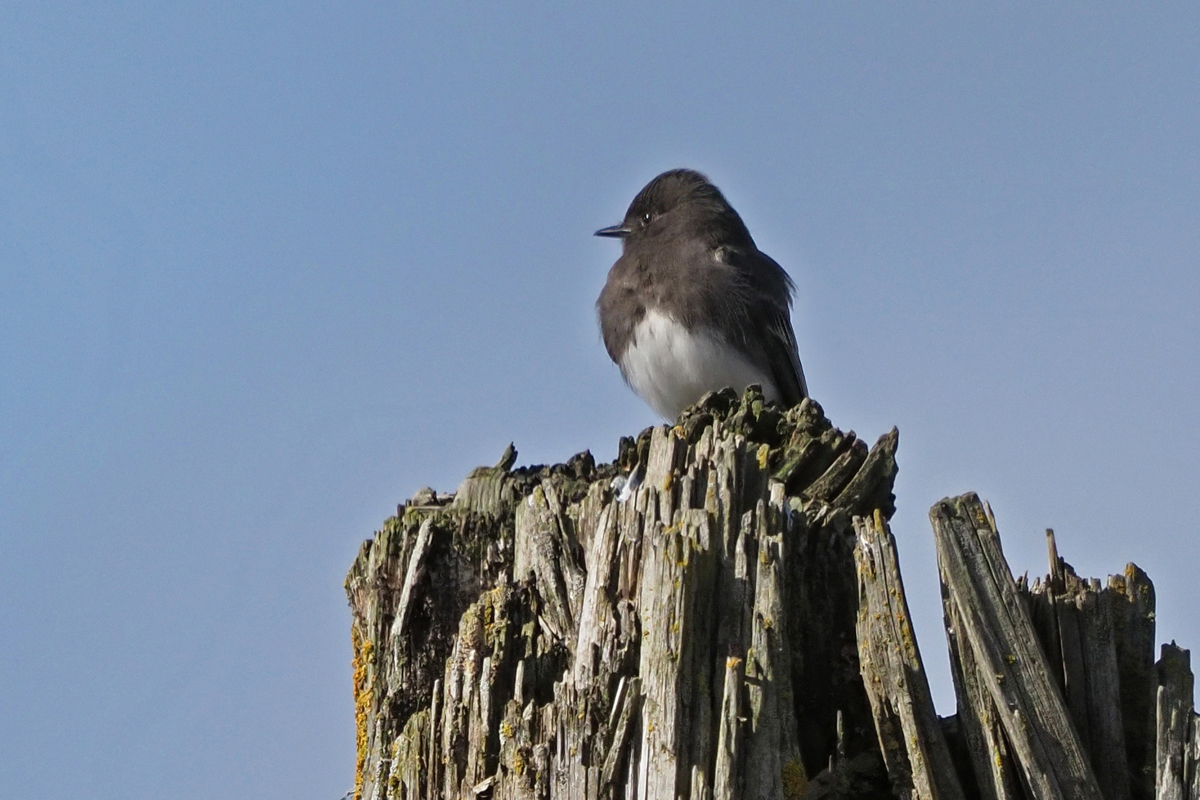
Black Phoebe with a damselfly at Fernhill Wetlands
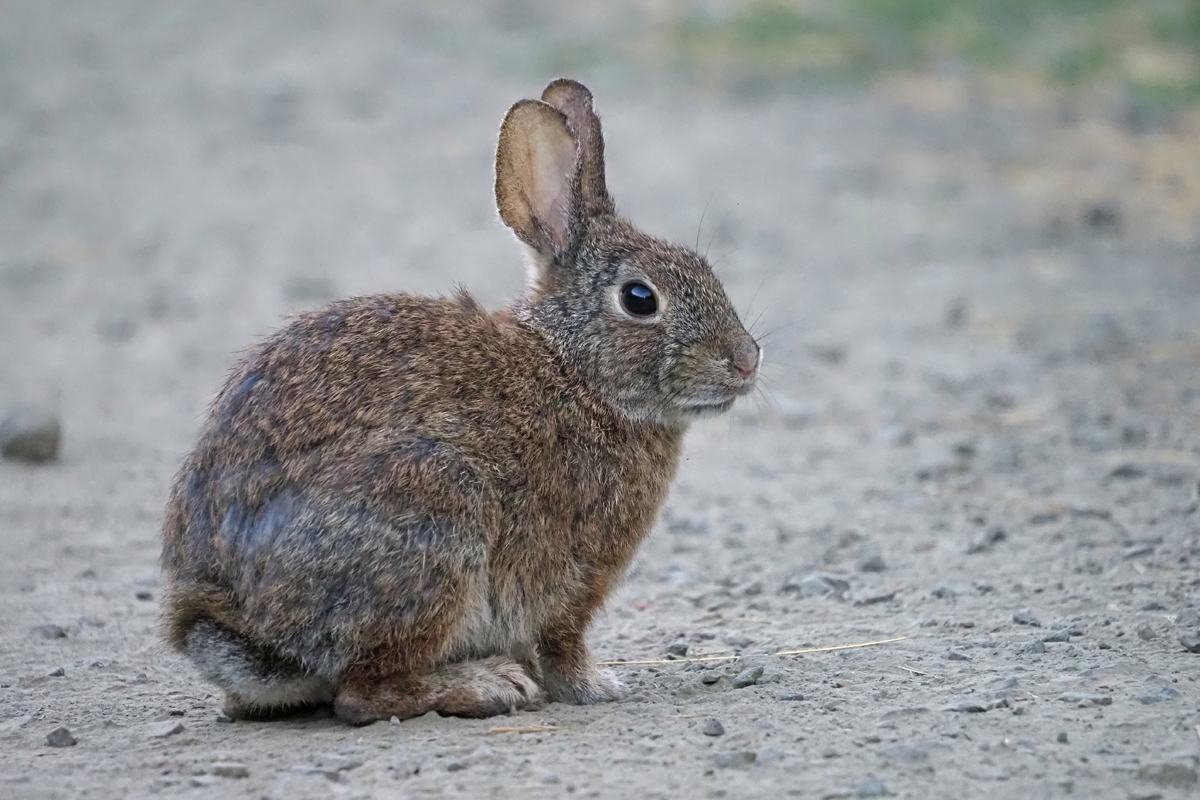
I always love seeing Brush Rabbits
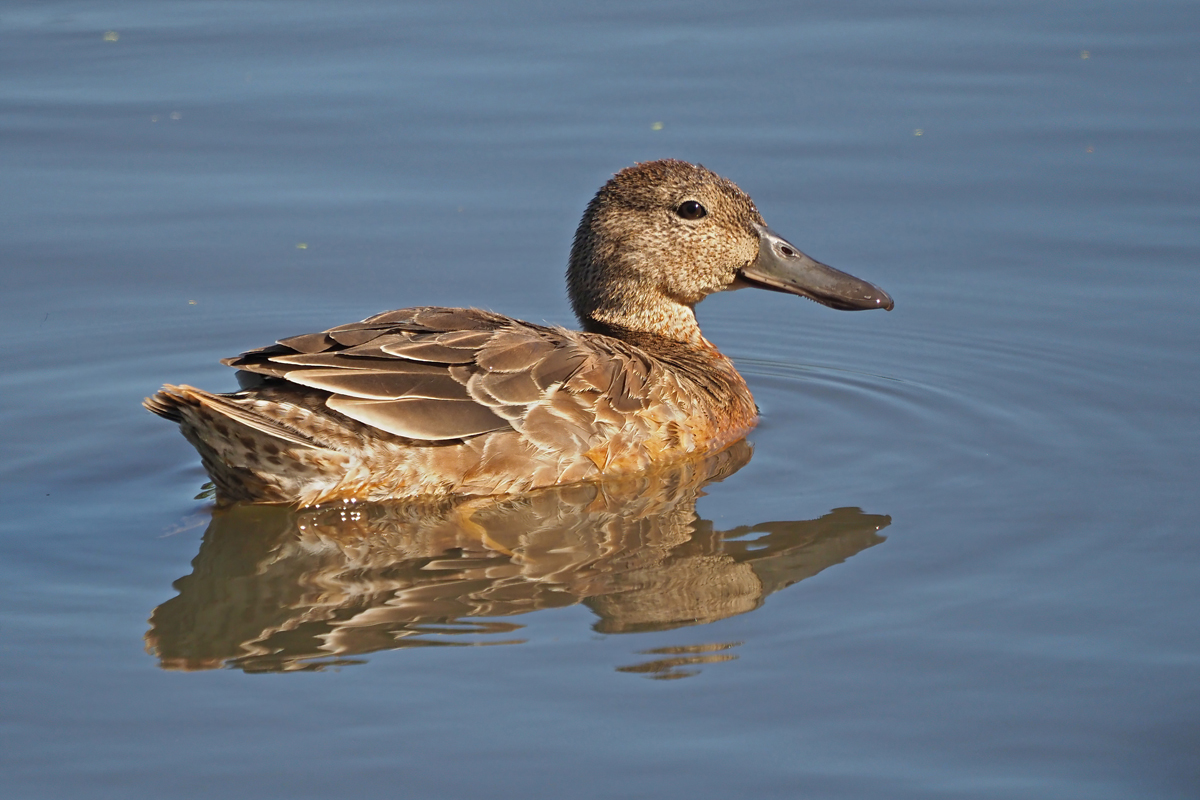
Summer is Ugly Duck Season, as males molt into eclipse plumage and all the duck replace their flight feathers. This Cinnamon Teal at Beal Street Wetland is best identified by his shape.

Happy Summer

Shorebirds at Tualatin River NWR

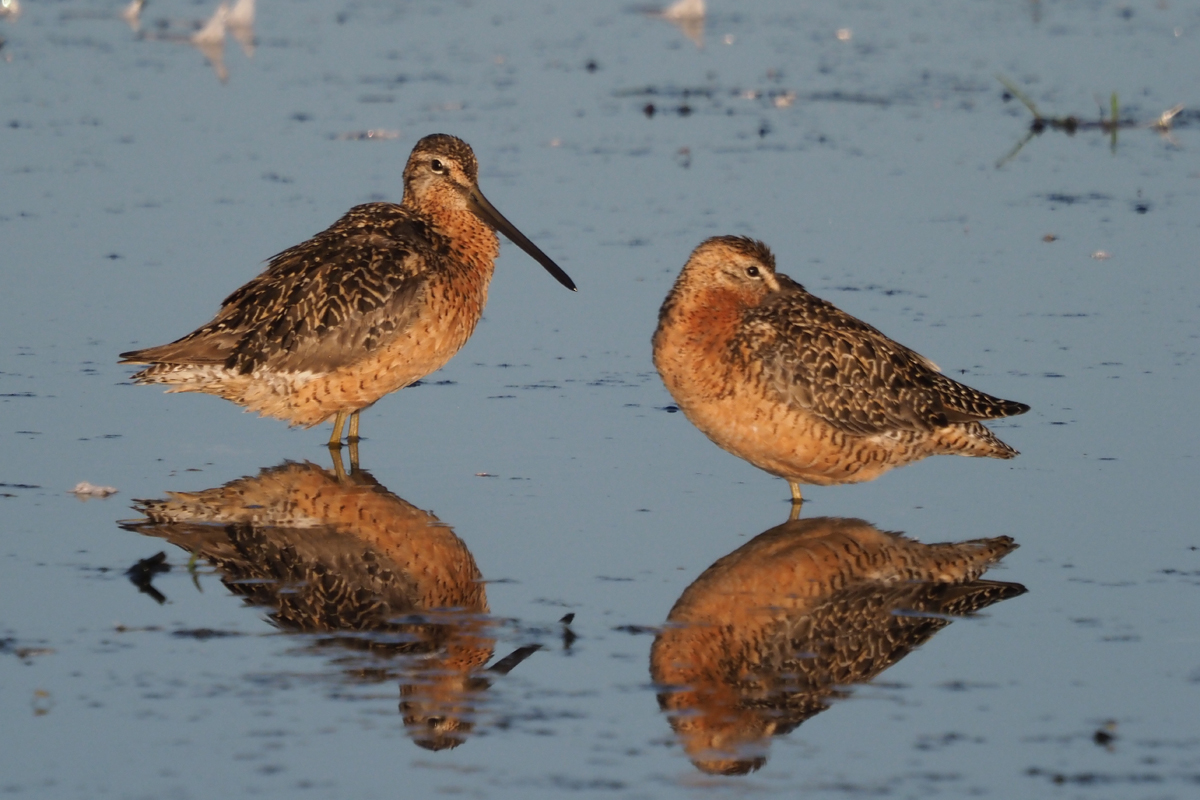
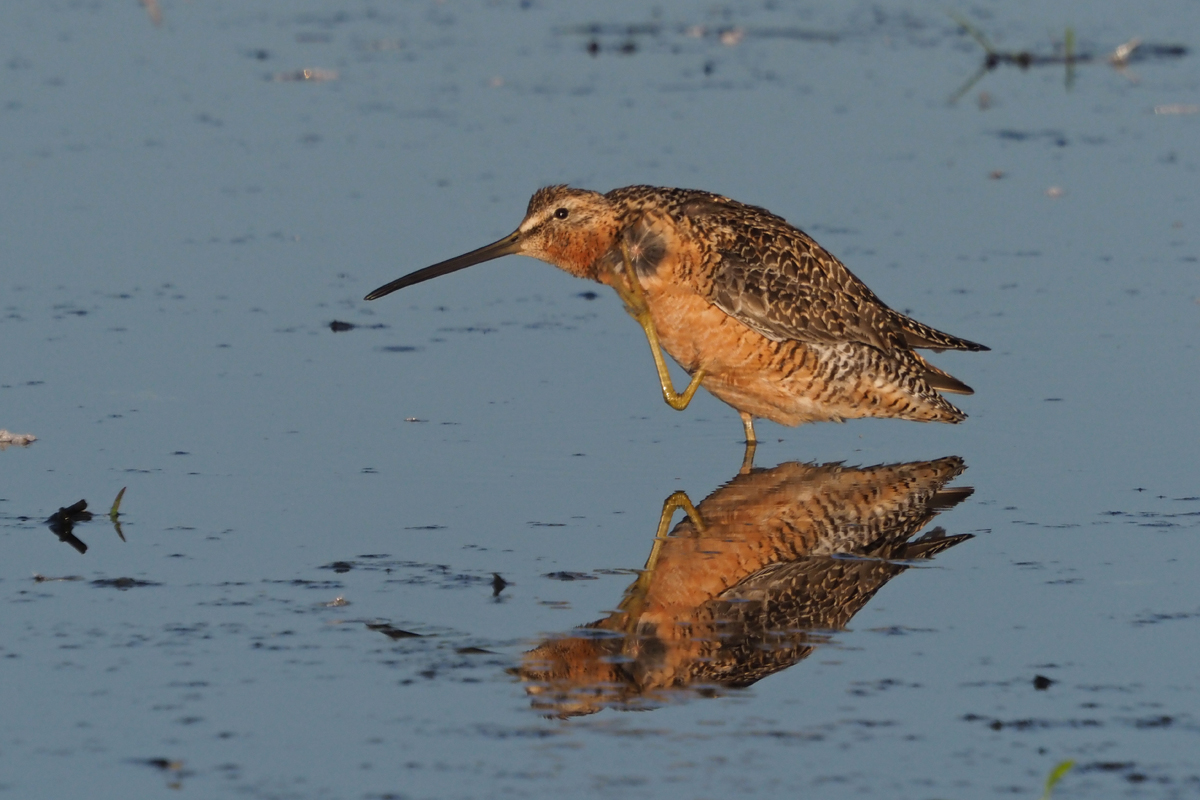
Tualatin River National Wildlife Refuge has been good for southbound shorebirds this summer. Early in the season, the Long-billed Dowitchers were still sporting their breeding plumage.

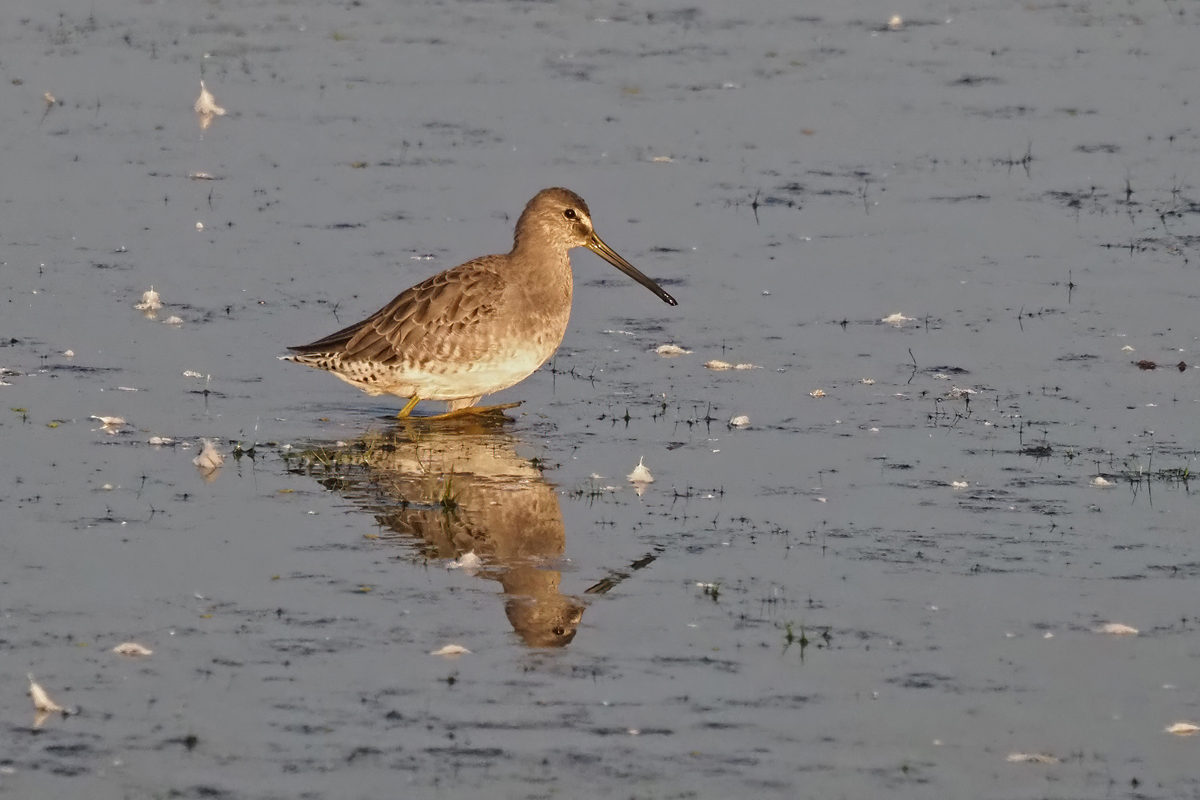
At this point, most of the dowitchers have molted into winter plumage.

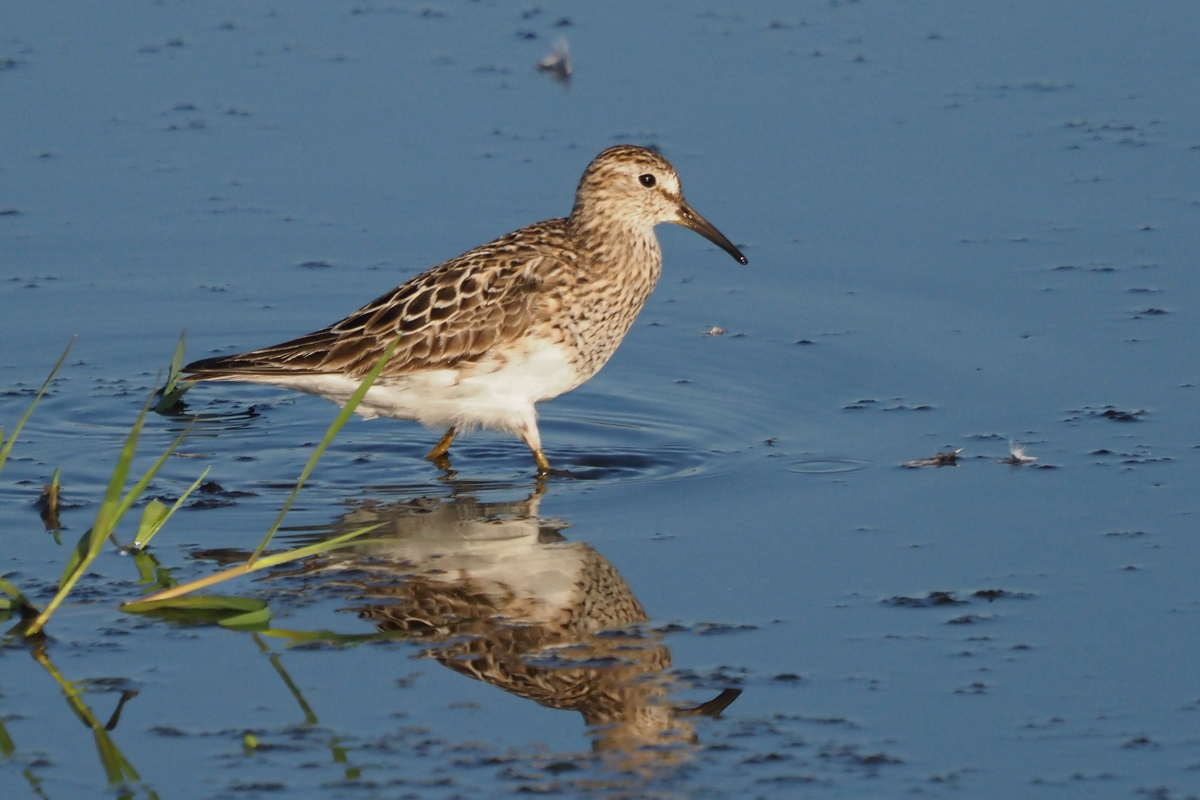
Normally seen later in the fall, a few Pectoral Sandpipers have made an appearance at the refuge.

Up to three young Wilson’s Phalaropes were at the refuge this summer.

Least Sandpiper

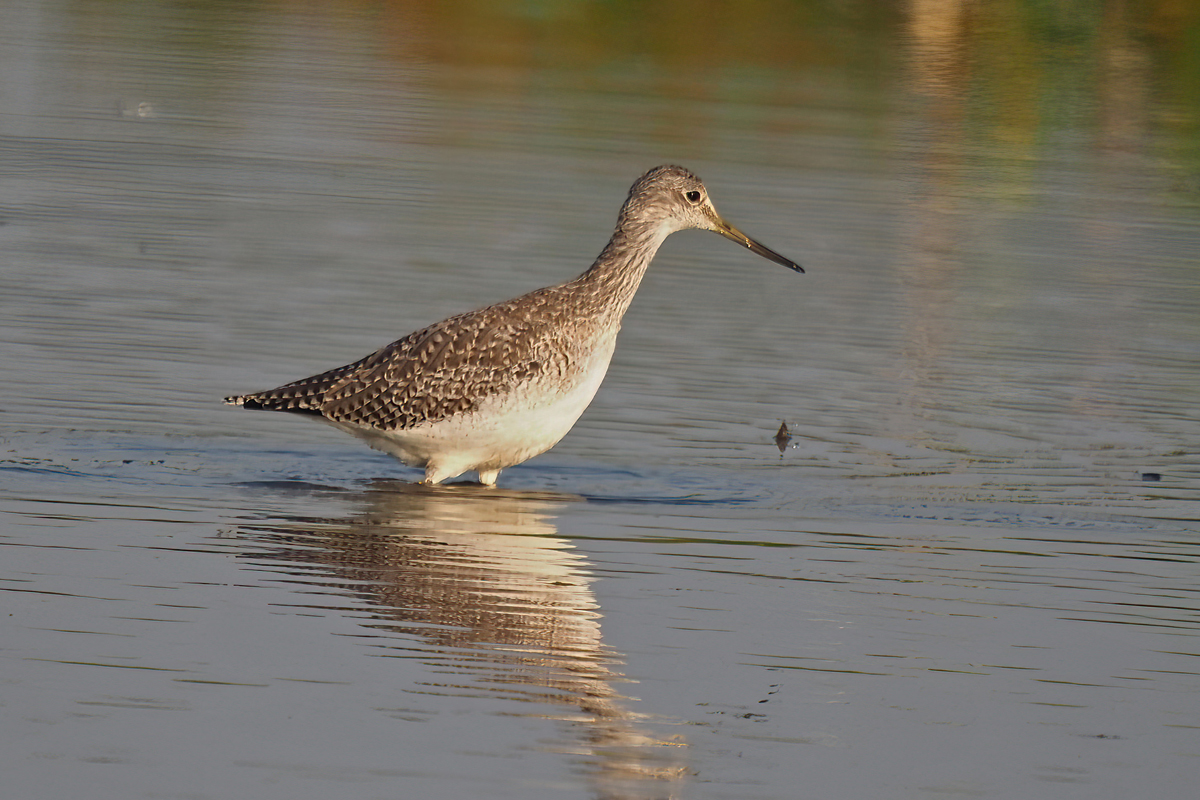
Greater Yellowlegs are one of the more common, and more vocal, of the migrant shorebirds.

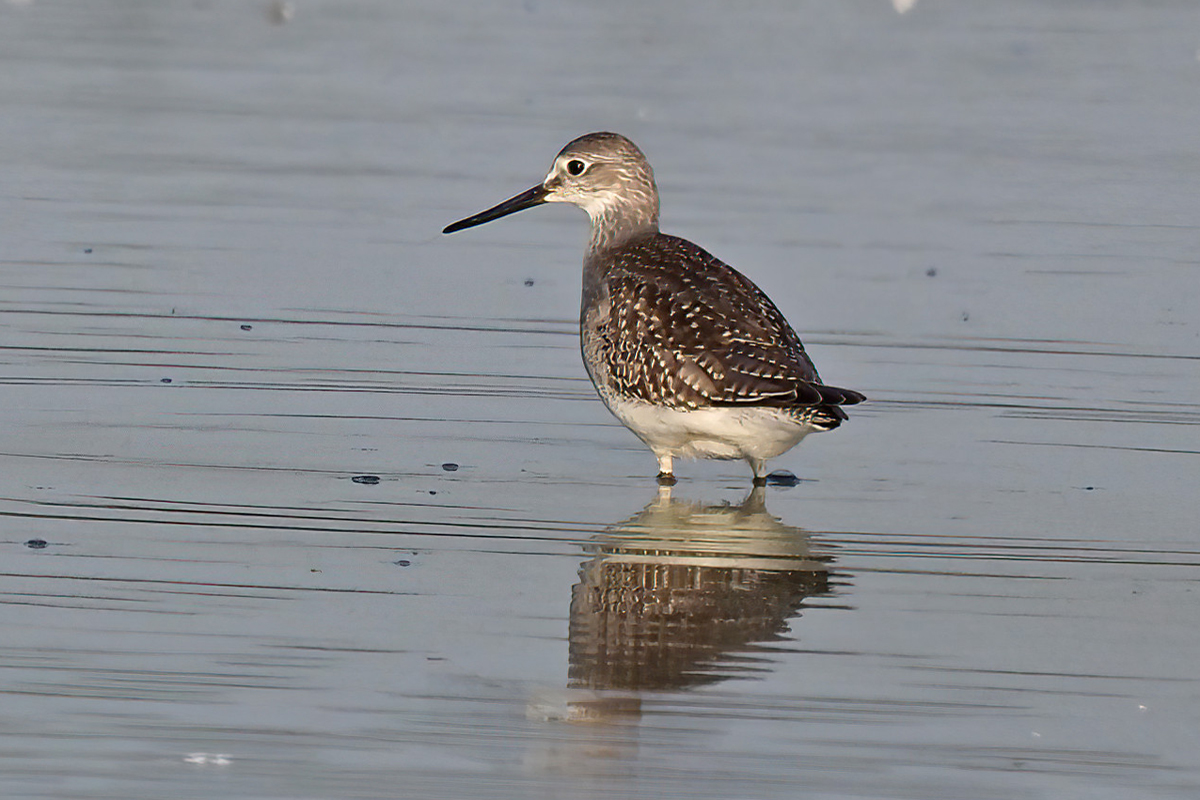
Lesser Yellowlegs are harder to find, but have been reliable at the refuge this summer.

Occasionally, the Greater and Lesser Yellowlegs will pose together for a nice comparison.

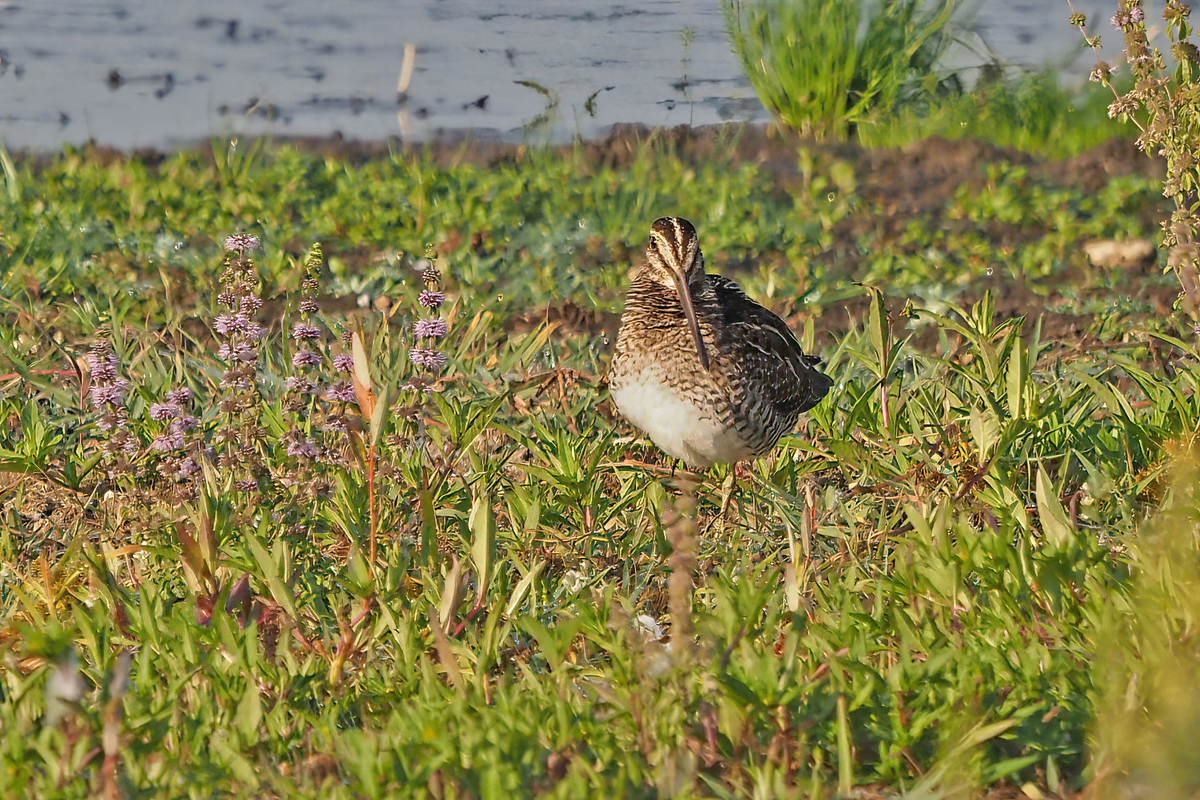
This Wilson’s Snipe made an unusual appearance out in the open.

Shorebird migration lasts through October, but the water at the refuge typically dries up before then. We’ll see how recent restoration efforts affect water levels this year.

Happy summer

Migration Update

Our cold wet April has blossomed into a cold wet May. I shouldn’t complain, since we need whatever moisture we can get, but a few balmy spring days would be nice.

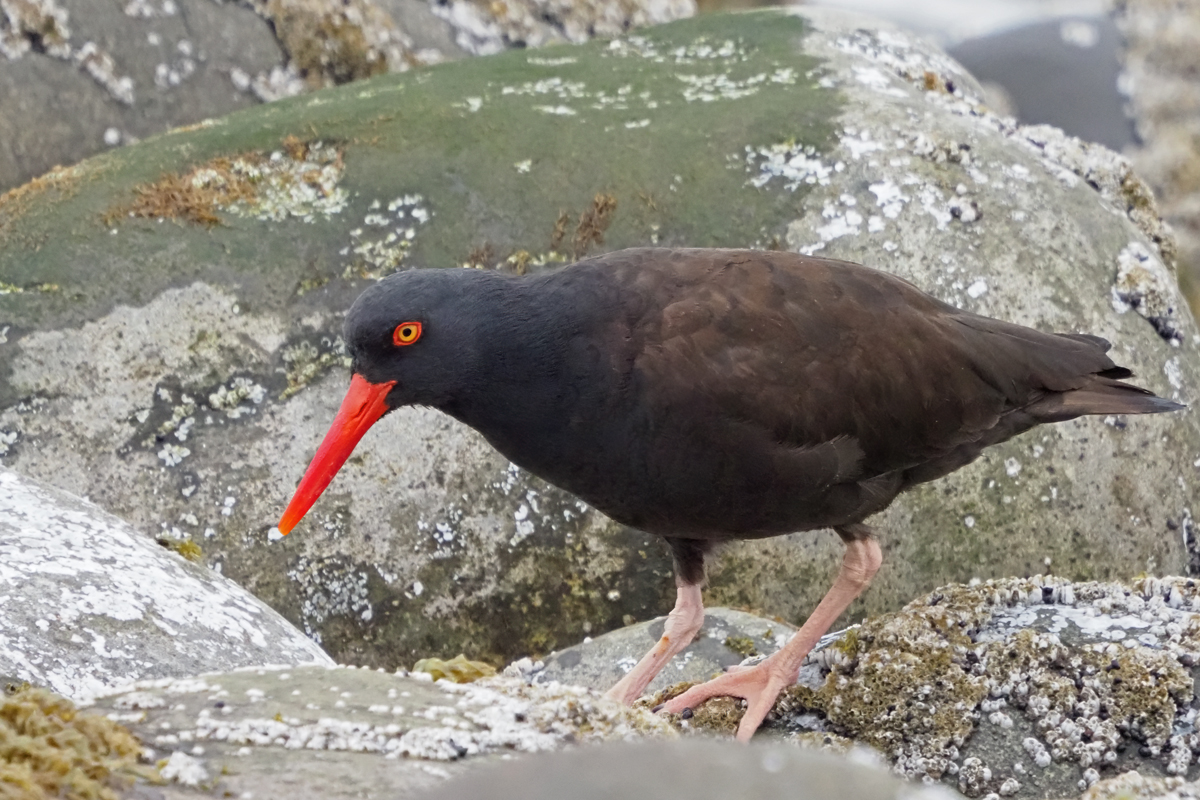
Shorebirds on the northern Oregon coast peaked last week. This Black Oystercatcher was one of four hanging out at the Seaside Cove.

Black Turnstones are common in winter at Seaside Cove, but the few that remain are sporting crisp breeding plumage.

A single Ruddy Turnstone has been at The Cove for a while now.

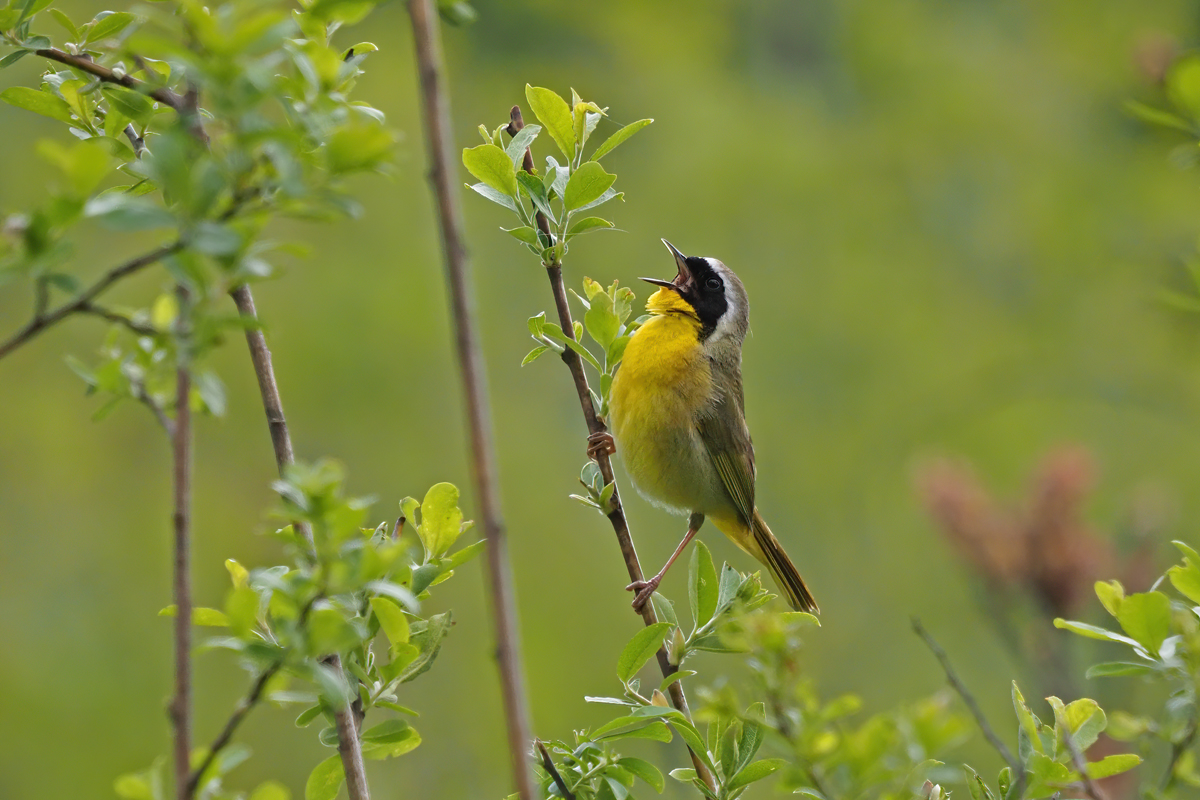
Songbirds have been moving, too, despite the weather. This Common Yellowthroat was singing at Cooper Mountain Nature Park.

The locally nesting White-crowned Sparrows are on territory and ready for nesting.

Ruby-crowned Kinglets don’t nest around here, but they have been singing like crazy. I cannot seem to get a decent photo of a kinglet, but at least the parts of this bird we can see are clear.

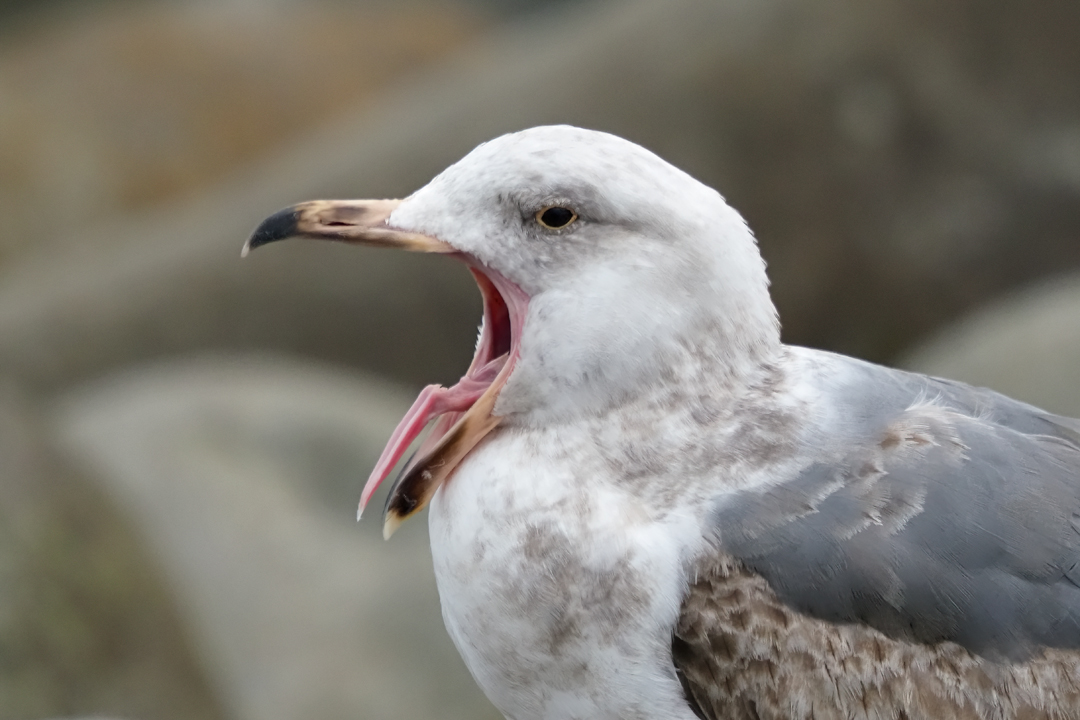
In the “totally creepy and yet fascinating” department: here is a second cycle Western Gull showing the structure of their tongue. I didn’t realize their tongues were that big, let alone such an interesting shape. The more you look, the more you see.

Happy Spring

This is April?

OLYMPUS DIGITAL CAMERAI think we had more snow in April than we did in December. It has been cold and wet most of the month, and while I am very grateful for the rain and the added mountain snowpack, the weather has seemed to delay the onset of spring. Migrants have been few, and resident species a just starting to get revved up for the season. This Pacific Wren was trying out his song at Tualatin River NWR.
OLYMPUS DIGITAL CAMERA

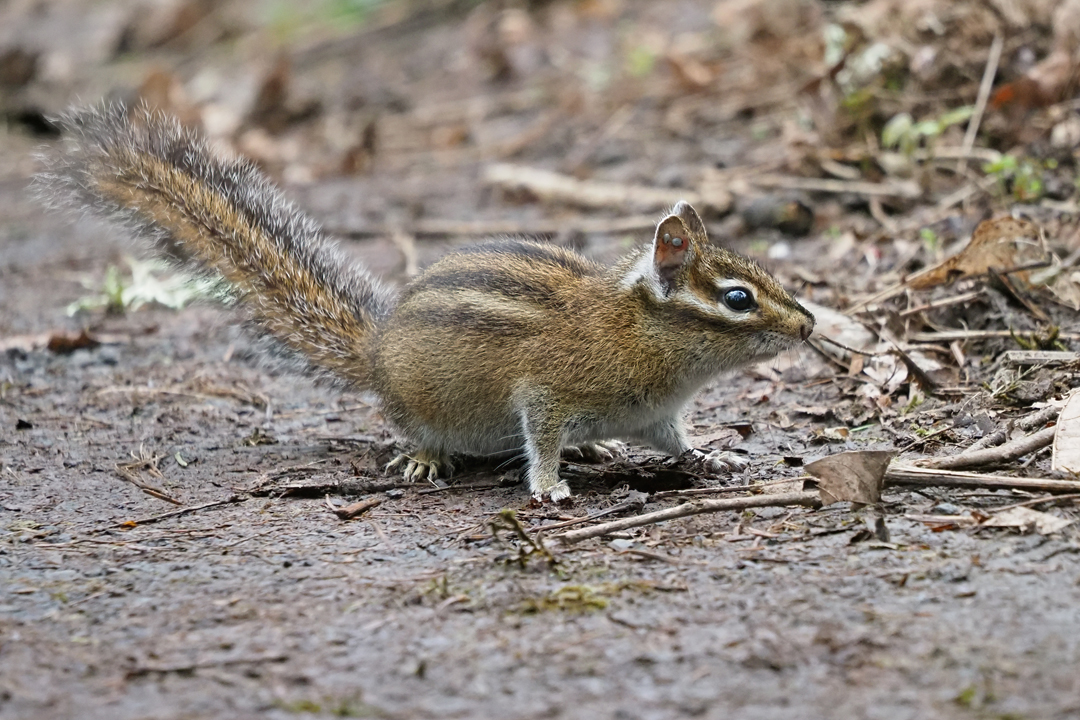
The Townsend’s Chipmunks are out and about. I think the two lumps in this one’s ear are ticks.

OLYMPUS DIGITAL CAMERA

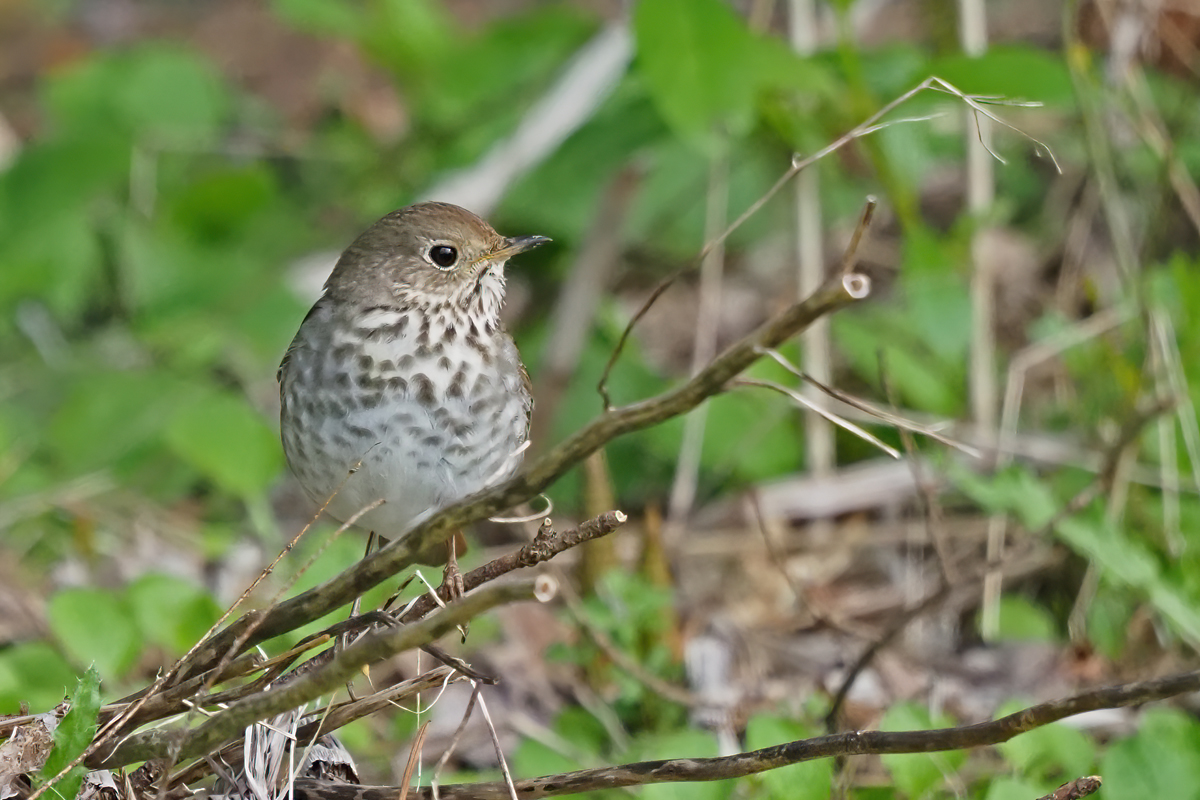
Hermit Thrushes, which are considered a winter species here in the Willamette Valley, are still around.

OLYMPUS DIGITAL CAMERA

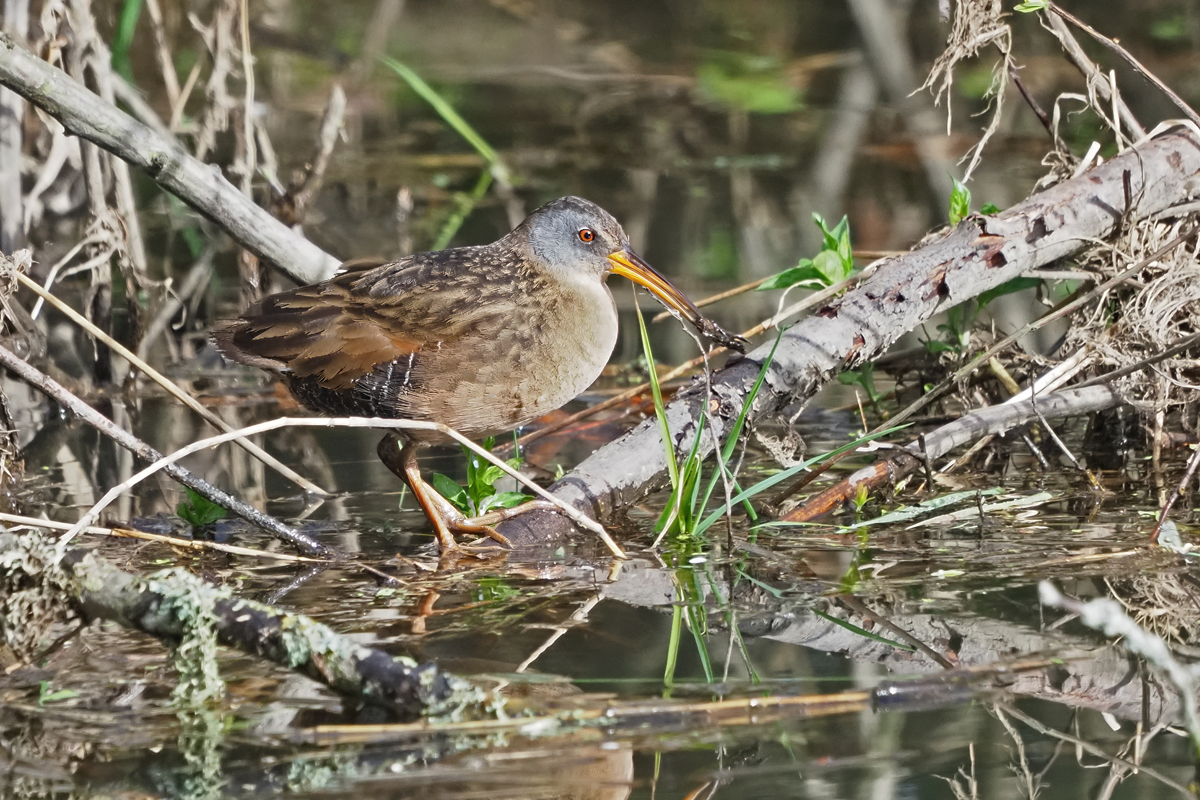
This Virginia Rail put on a nice show at Commonwealth Lake Park.

OLYMPUS DIGITAL CAMERA

If we can’t have spring migrants yet, we might as well enjoy the local residents. Spotted Towhees never fail to impress.

OLYMPUS DIGITAL CAMERA

On a recent semi-birdless outing, I noticed a nice flight of these, Western White-ribboned Carpet Moth. These are tiny, with a wingspan of about an inch and a stunning pattern. It is always great to learn a new species.

So, colorful migrant birds and will show up any minute. Right? 

Happy Spring

Early Spring

OLYMPUS DIGITAL CAMERA
Spring is kicking into gear. Lots of birds have starting pairing up in anticipation of nesting. These Tree Swallows were checking out a tree cavity.

OLYMPUS DIGITAL CAMERA
Yellow-rumped Warblers are becoming more common and some have acquired full breeding plumage.

OLYMPUS DIGITAL CAMERA
There are still a lot of “winter” sparrows in the Willamette Valley. Here is a typical view of a Lincoln’s Sparrow. This bird had no interest in posing out in the open.

OLYMPUS DIGITAL CAMERA
Green-winged Teal do not nest in western Oregon, but they have started to pair up and are looking very dapper.

OLYMPUS DIGITAL CAMERA
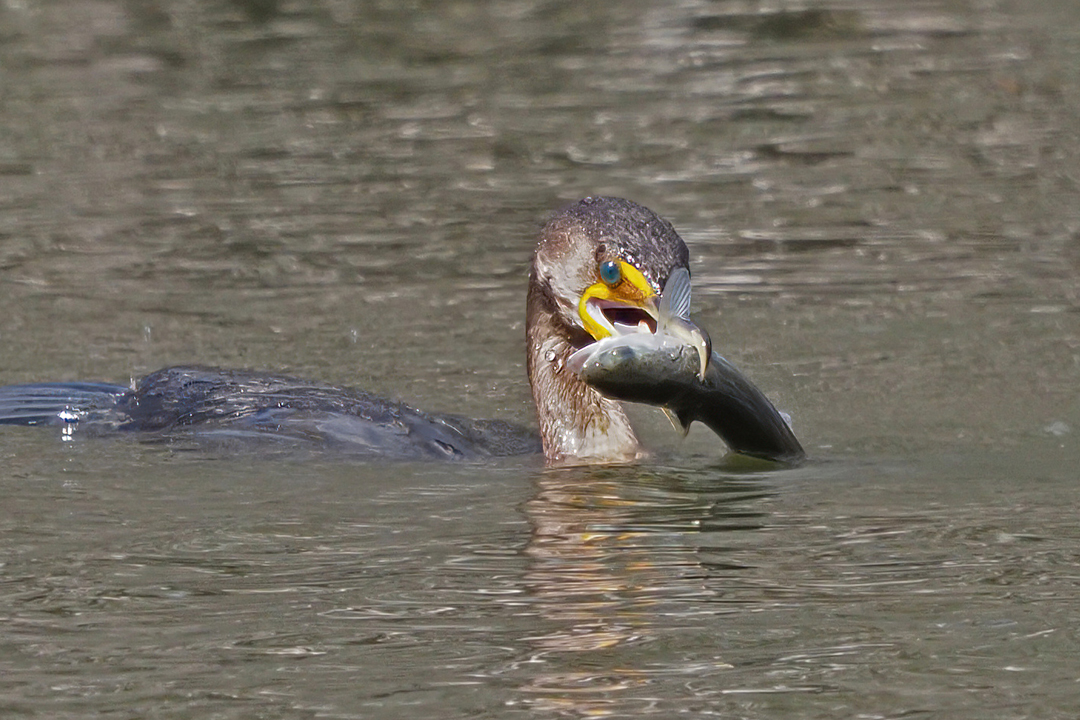
This Double-crested Cormorant has caught a Rainbow Trout. When the county parks department stocked this lake with trout, I doubt that cormorants were the intended recipients, but I always like to see native wildlife benefiting whenever they can.

OLYMPUS DIGITAL CAMERA
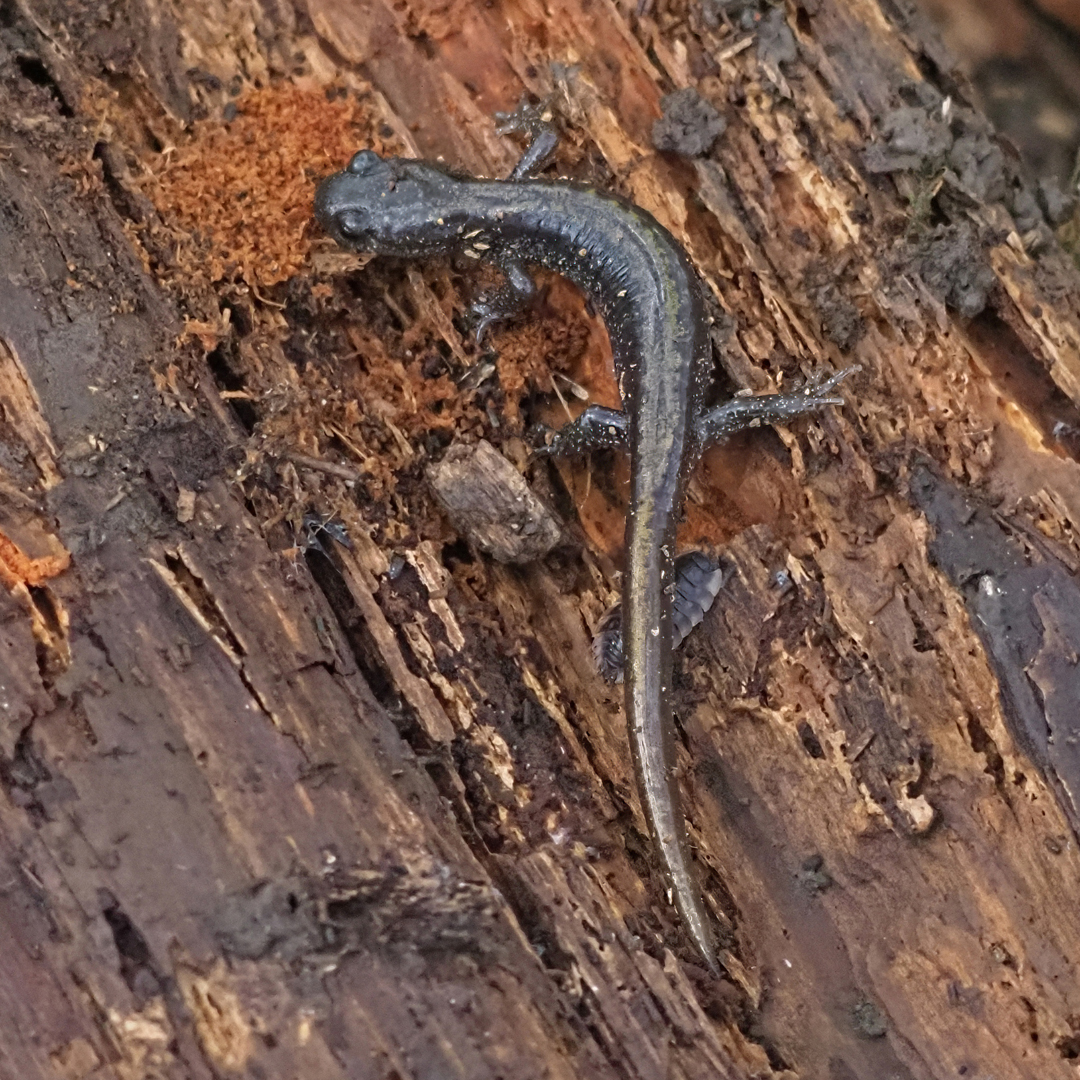
I have found just a few Long-toed Salamanders so far this year. Amphibians should become more active in the next week or so.

Happy Spring

Fernhill Wetlands

OLYMPUS DIGITAL CAMERA

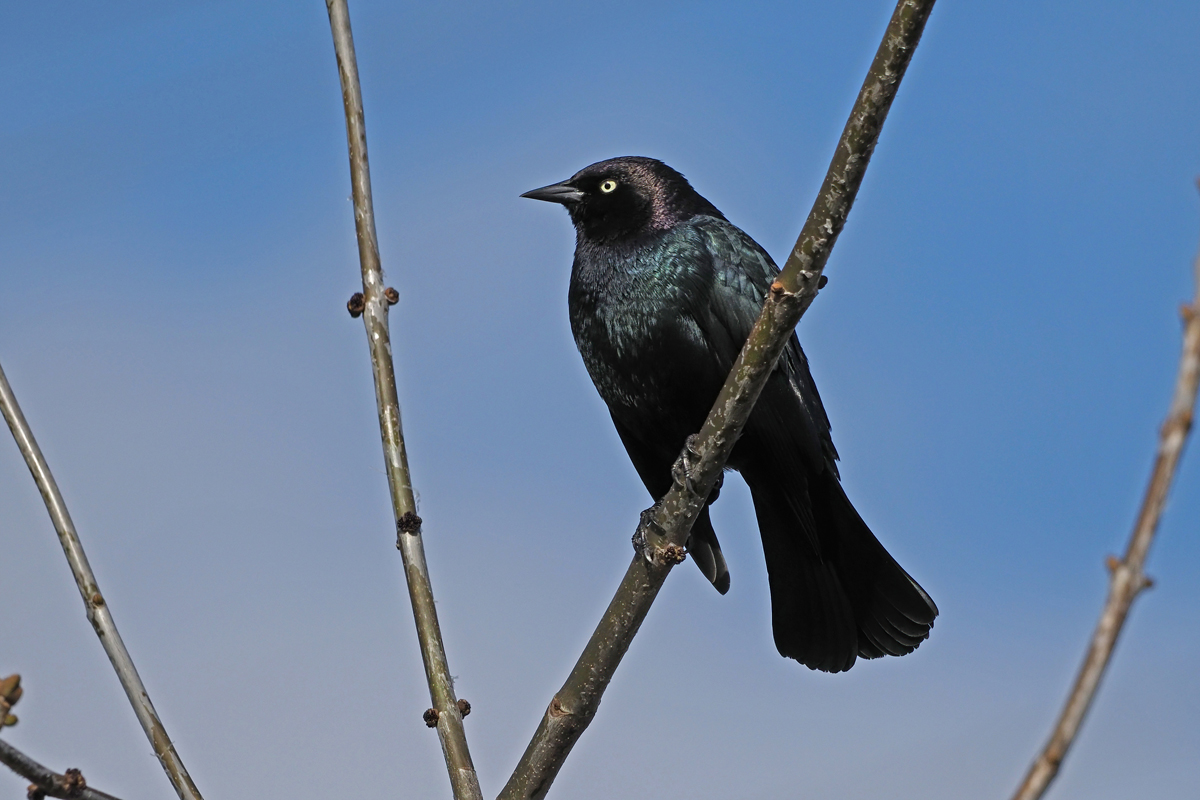
Spring migration hasn’t really kicked in, yet, but the birds that are here are getting more active. Here are some recent images from Fernhill Wetlands. This Brewer’s Blackbird was looking good in the sunshine.

OLYMPUS DIGITAL CAMERA

Black Phoebes are now expected at Fernhill Wetlands. It doesn’t seem like that long ago that I found Washington County’s first Black Phoebe there.

OLYMPUS DIGITAL CAMERA

This was my first Rufous Hummingbird of the year. He refused to perch in decent light.

OLYMPUS DIGITAL CAMERA

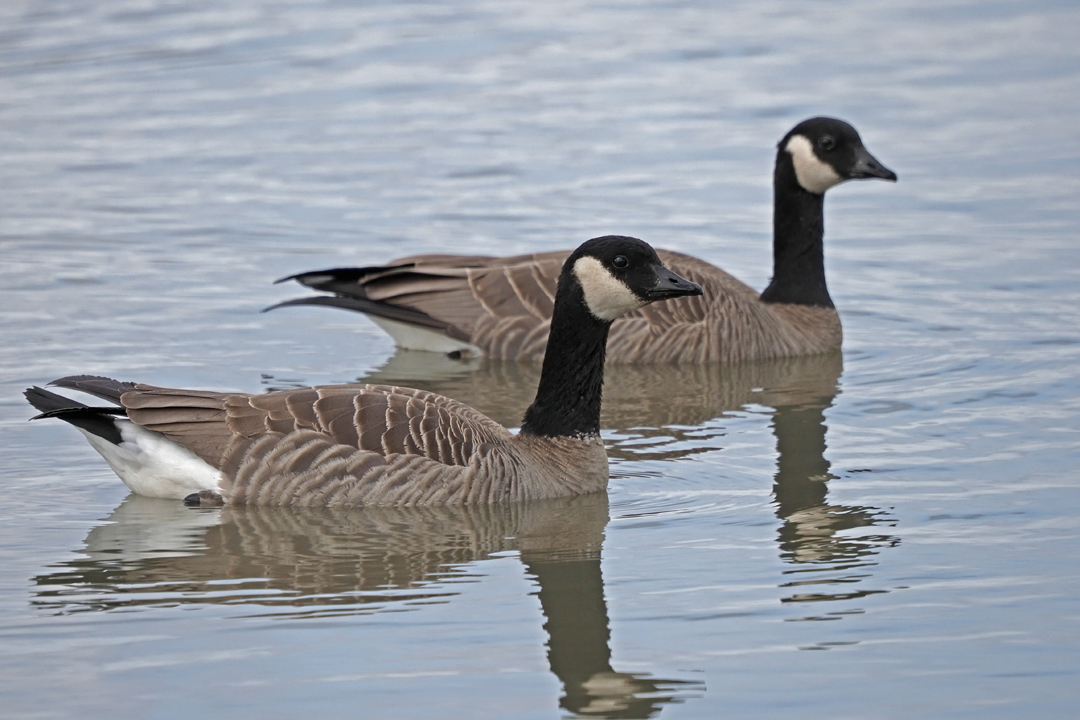
A large flock of Taverner’s Cackling Geese were hanging out on Fernhill Lake. The Ridgeway’s Cackling Geese were either off feeding somewhere or have moved on.

OLYMPUS DIGITAL CAMERA

Brush Rabbit, always adorable

OLYMPUS DIGITAL CAMERA

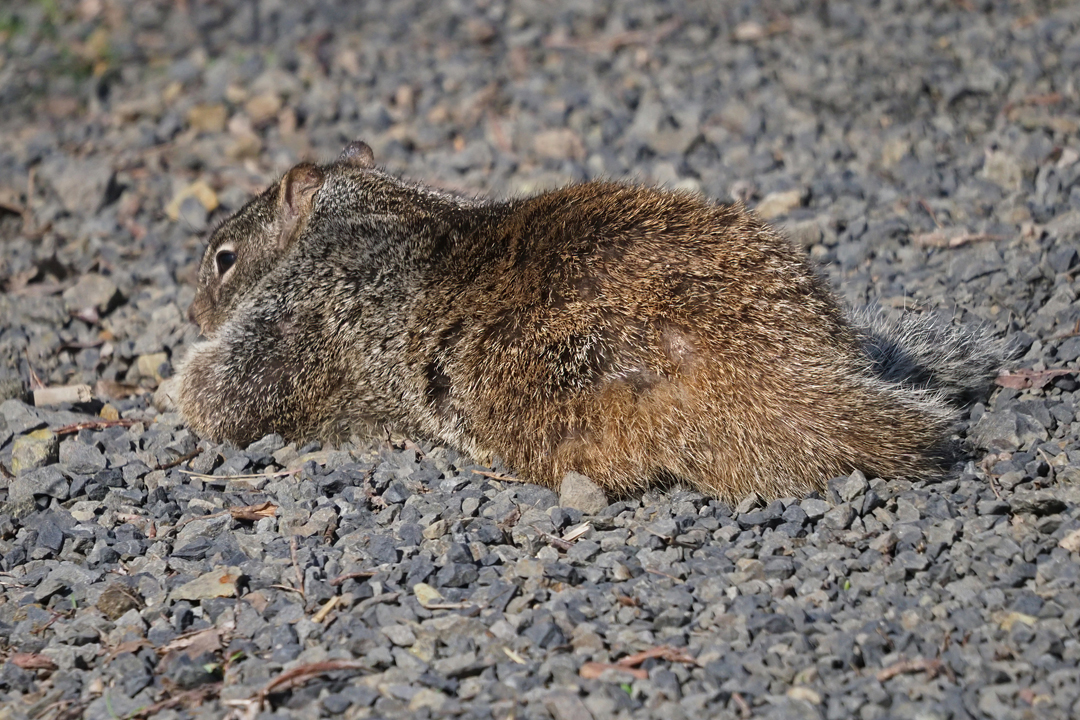
California Ground Squirrel, soaking up the sun

OLYMPUS DIGITAL CAMERA

Spotted Towhee

OLYMPUS DIGITAL CAMERA

Downy Woodpecker

OLYMPUS DIGITAL CAMERA

Bright sunlight makes it hard for me to get a decent of photo of an American Coot, but this bird’s yoga pose was too good not to share.

Happy Spring!

Jackson Bottom

Despite air temperatures in the 40s, the sunshine brought out some signs of spring on a recent visit to Jackson Bottom Wetlands Reserve in Hillsboro.

tree swallowTree Swallows are usually the first swallow species to arrive in spring. When the weather is still cold, they hunt for insects close to the water’s surface.

tree swallo perchedSome Tree Swallows were already laying claim to the many nest boxes at this site.

ca ground squirrel smallThis California Ground Squirrel was singing (screaming) from a log perch.

Northwestern Garters instaThe sunshine brought out a good number of snakes, despite the cold temperature. These are Northwestern Garters.

Common Garter instaThis is a typical Common (Red-spotted) Garter.
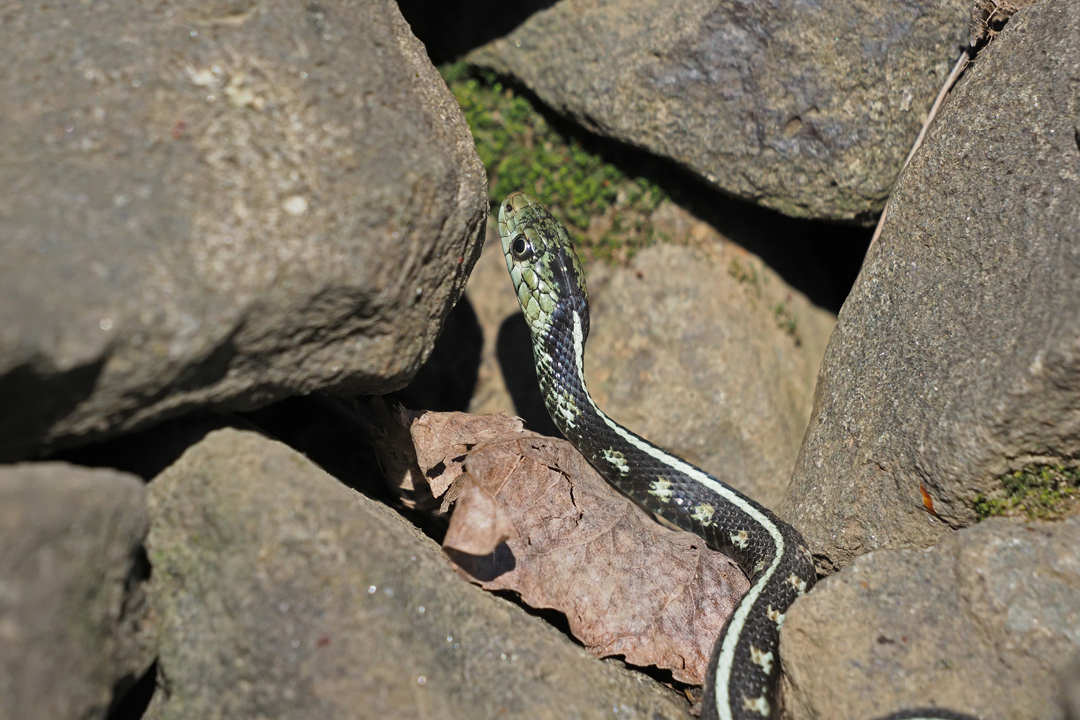
pale Common Garter left instaThis Common Garter is lacking the red pigment shown by most members of this subspecies.

Long-toed SalamanderThis Long-toed Salamander was hanging out under a big piece of bark.
Happy last days of winter.

New year’s birds

The end of the year brings cold wet weather and busy schedules, so I look forward to the start of the new year to get back out in the field. The weather is still bad most of the time, but schedules allow a better chance to get out if there is a dry patch.

OLYMPUS DIGITAL CAMERA
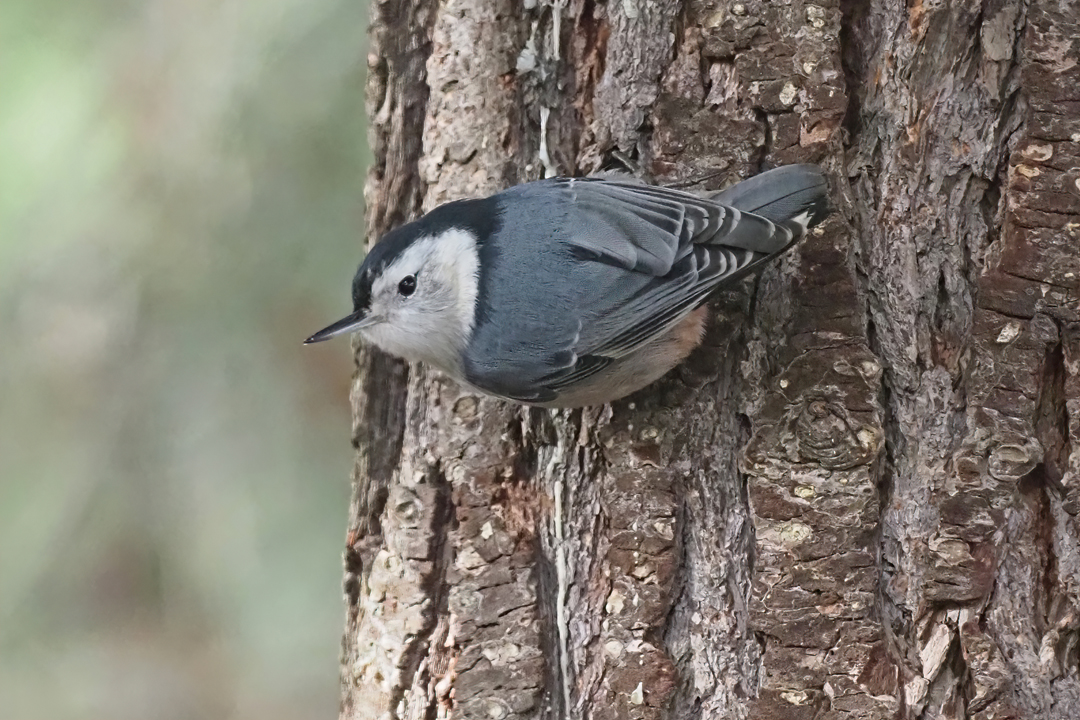
This White-breasted Nuthatch put on a nice show in the back yard.

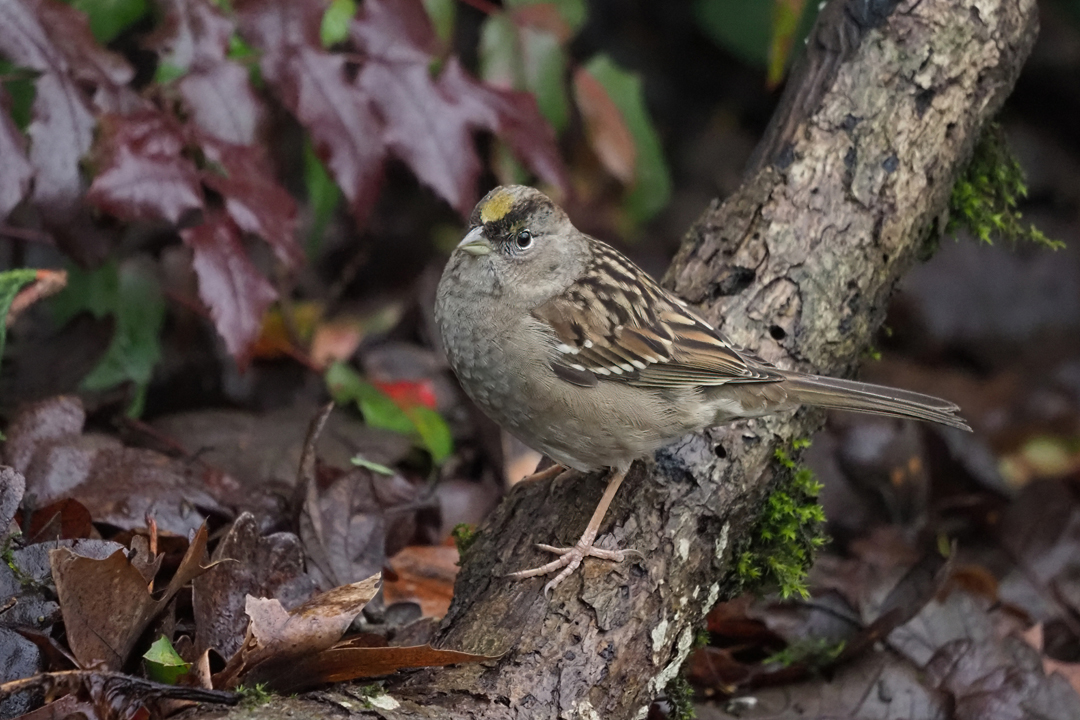
golden-crowned leftThis Golden-crowned Sparrow was foraging around the shrubs at the Hillsboro library.

white-crowned smallHere’s a young White-crowned Sparrow for comparison.
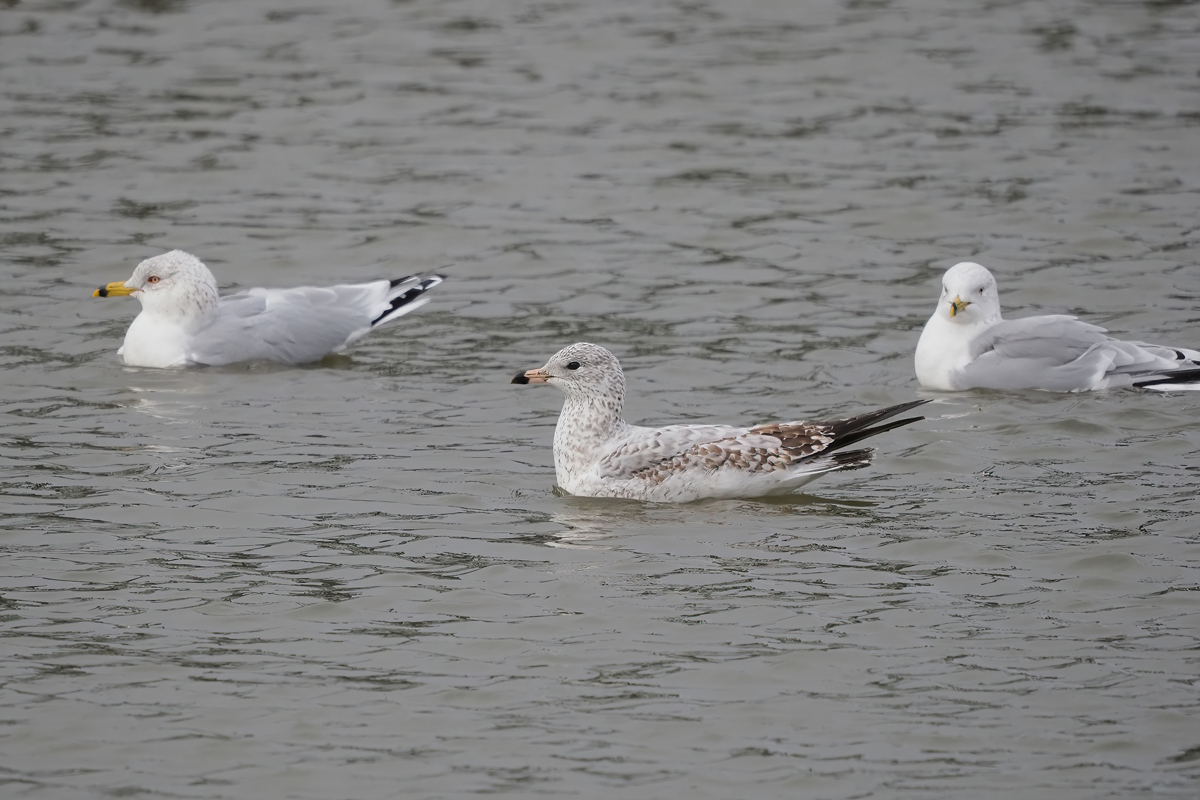
ring-billedWe still have about a month to enjoy a good diversity of gull species before they start to disperse. This first-cycle Ring-billed Gull was swimming with two adults.
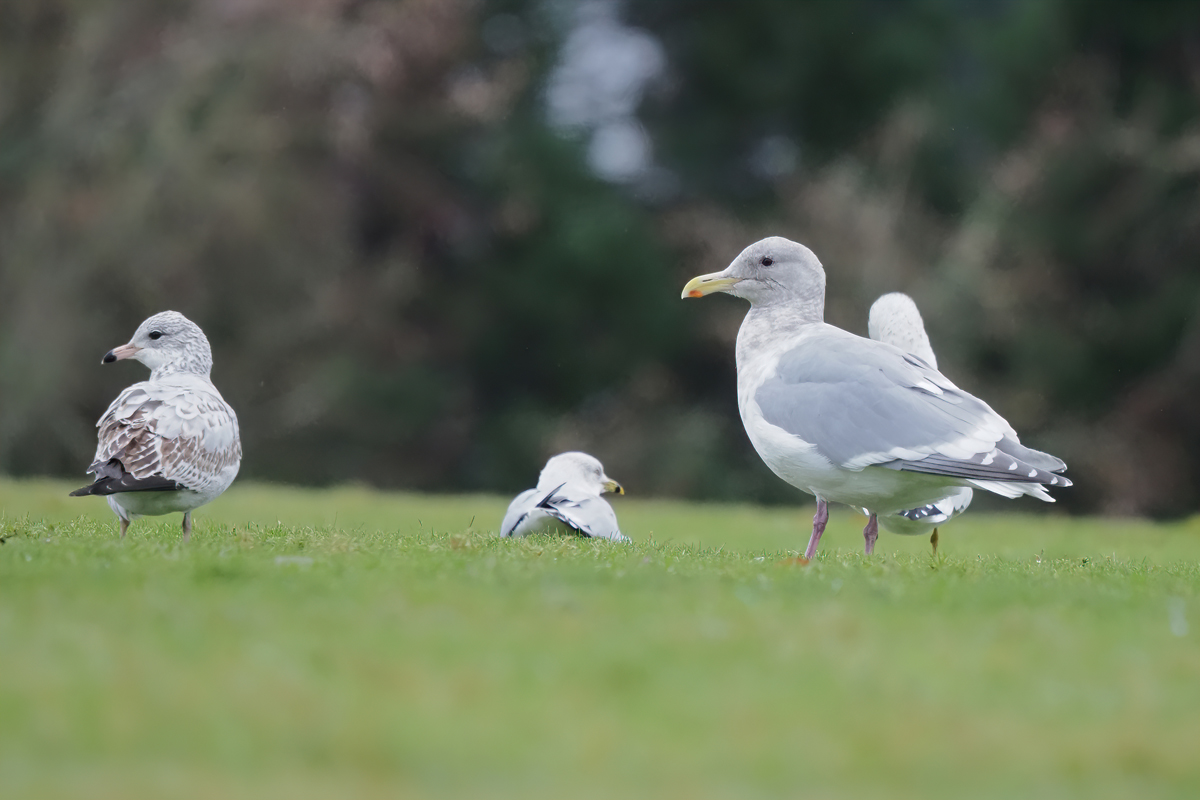
gullsThis Olympic Gull (Glaucous-winged X Western hybrid) was hanging out with the Ring-billed Gulls.

At least in western Oregon, January provides some really good winter birding. Get out and enjoy it before the February doldrums kick in.

Happy Winter