Washington County Wetlands

I visited several sites in Washington County to check for migrant shorebirds, inspired by the recent appearance of a Spotted Redshank at Fern Ridge Reservoir (Birding Oregon p 89) . I didn’t find anything so rare, but a few birds are moving through and there is promising mudflat habitat available.

A lot of work is being done at Fernhill Wetlands (Birding Oregon p. 61), resulting in the closure of a small section of the trail around Fernhill Lake.
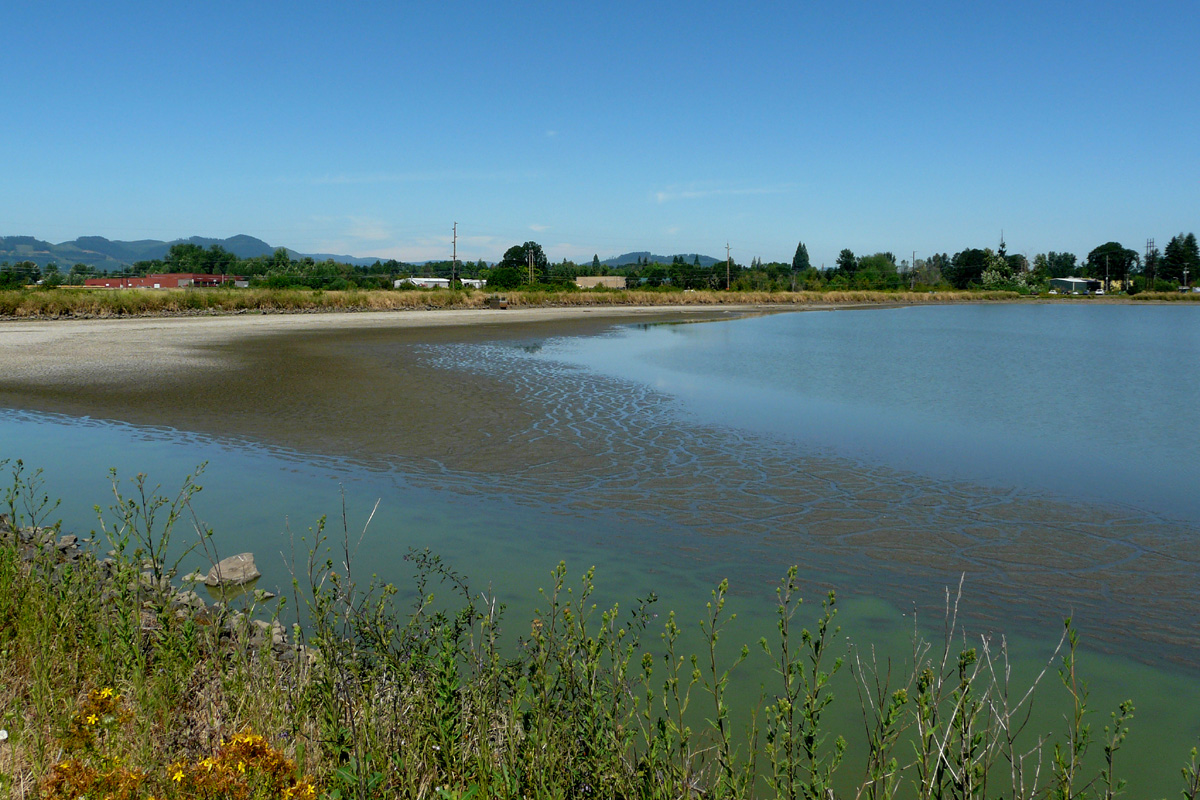
The big news at Fernhill is the low water level of Fernhill Lake, creating mudflats along the shore for the first time in many years. Several species of shorebirds were feeding there today.
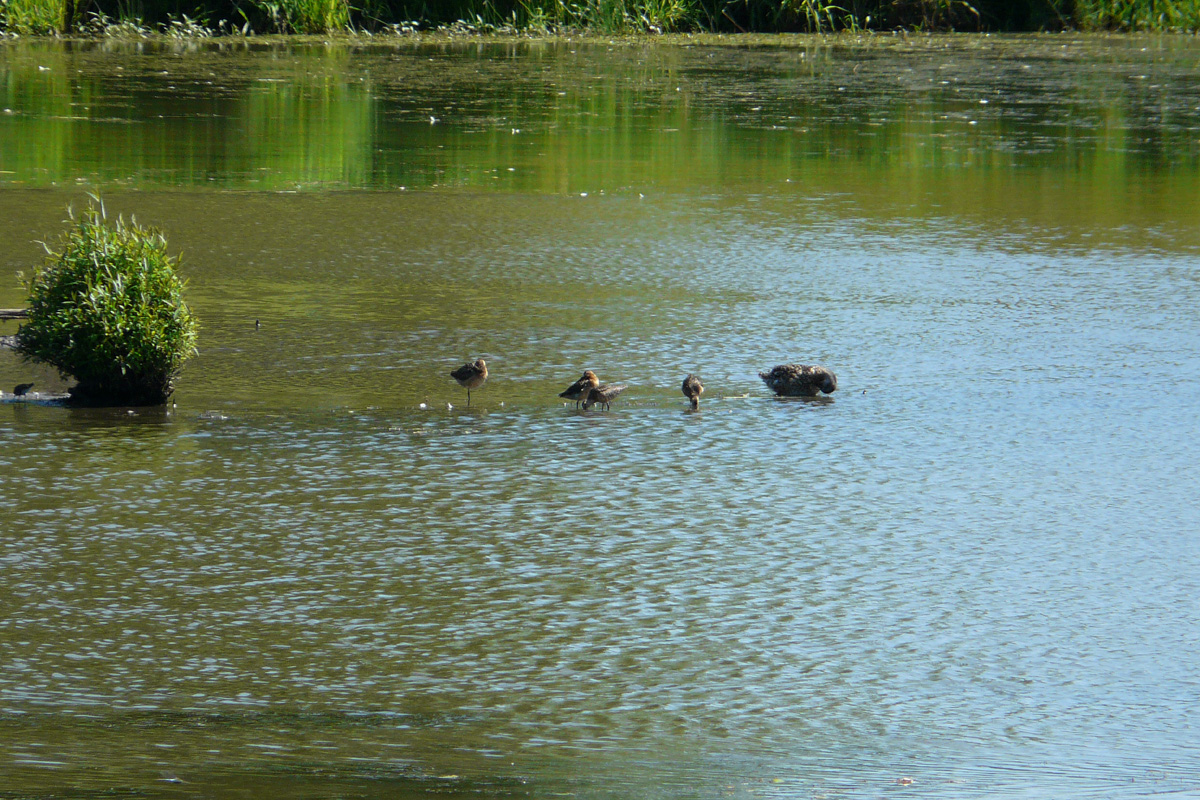
Water levels in Mitigation Marsh are quite high, so there wasn’t much mud. These Long-billed Dowitchers were hanging out with a Mallard.

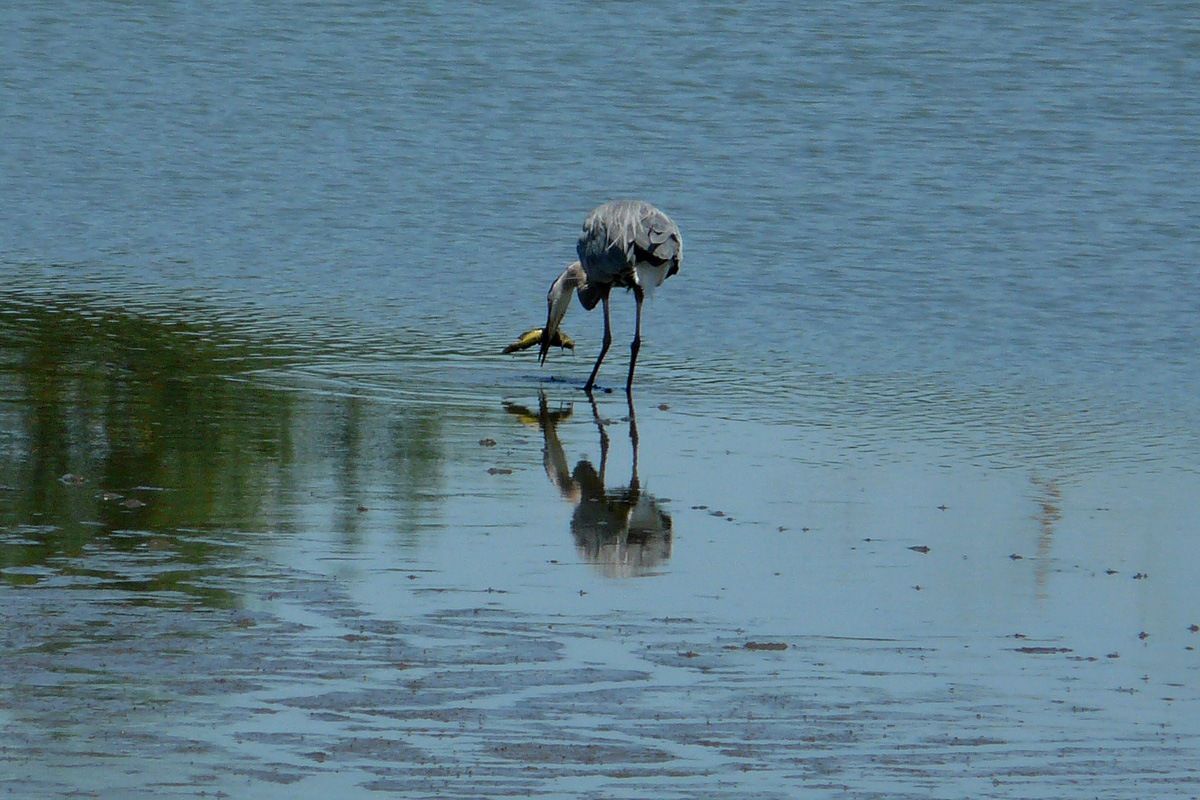
This Great Blue Heron caught a Bullhead (I can’t tell if it is a Yellow or Black Bullhead). He caught the fish near the middle of the lake, then flew to the shore to eat it.

There was some mudflat habitat at Jackson Bottom Wetland (Birding Oregon p. 60), but not a lot of shorebirds yet. The Hardhack is in bloom, adding a splash of color to the marsh.
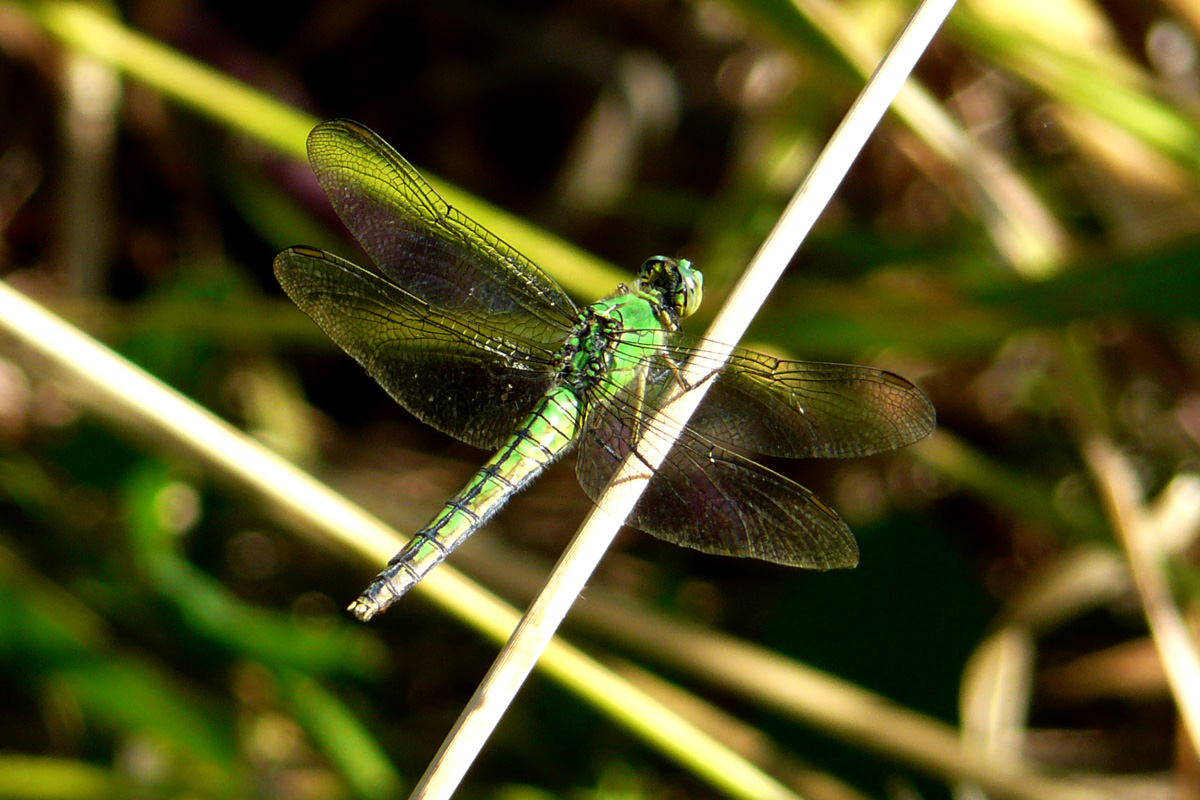
One of these days I may have to break down and buy a field guide to dragonflies. Or maybe I will just learn to appreciate beautiful creatures without putting a name to them.
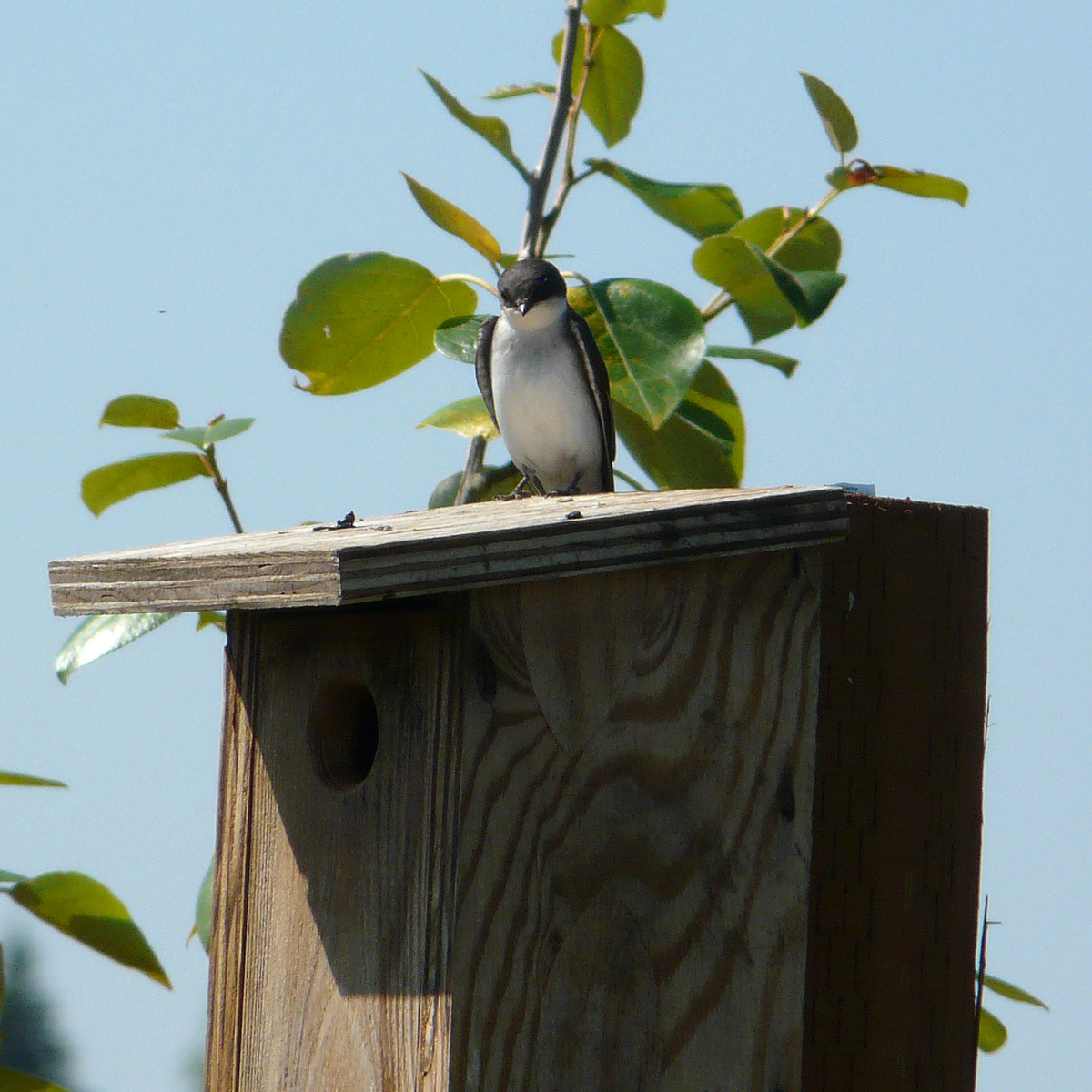
Tree Swallows are thick at Jackson Bottom. Notice the dusky wash across the upper breast. Young Tree Swallows can show extensive dark coloring here, leading some birders to confuse them with Bank Swallows.


Sandy River Delta

Migration is winding down and the summer residents are back in force at the Sandy River Delta. Specialty species such as Eastern Kingbird and Yellow-breasted Chat put in appearances, but were not photogenic.


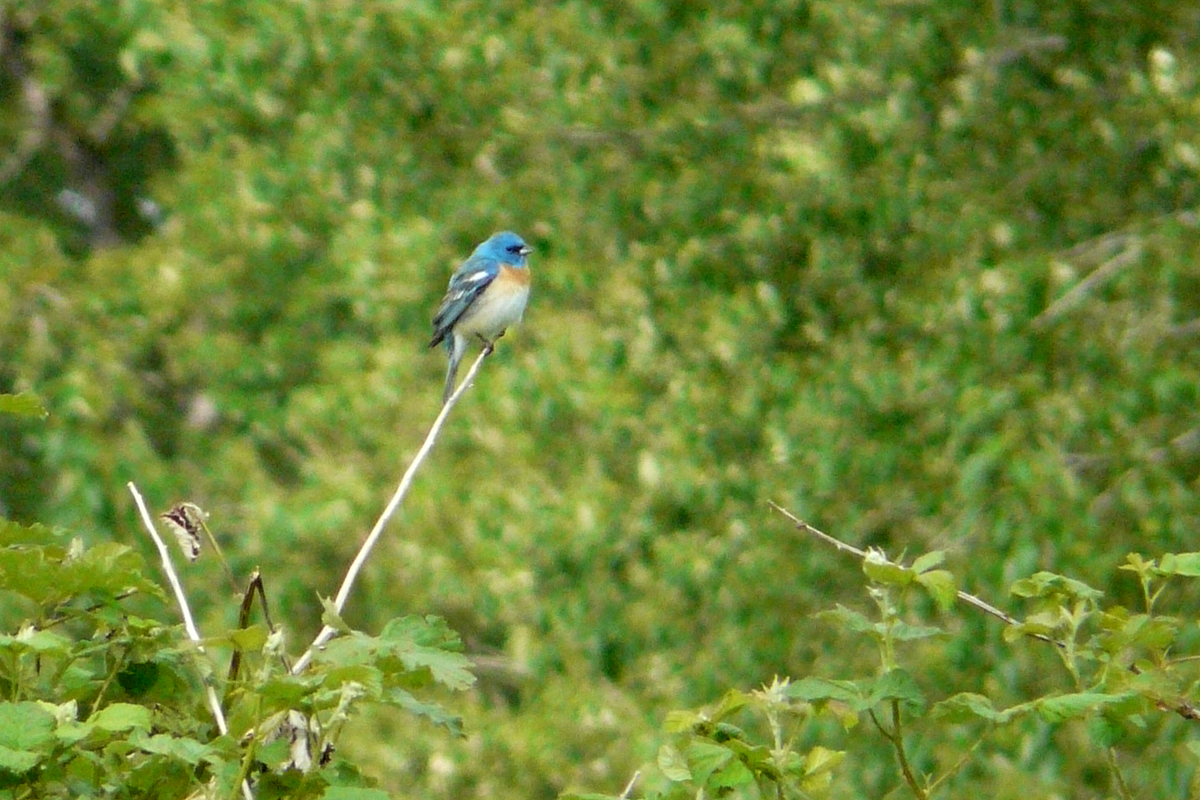
Lazuli Buntings can be found singing from virtually every blackberry thicket.


This male Brown-headed Cowbird was wooing a female. Cowbirds don’t really form pairs. The males display, sometimes in groups, to attract a female. After mating, the two go their separate ways. Since the female deposits her eggs in the nests of other species, there is no need for the male to stick around to help.


I never tire of seeing Bullock’s Orioles, especially when they pose in the open sunshine.


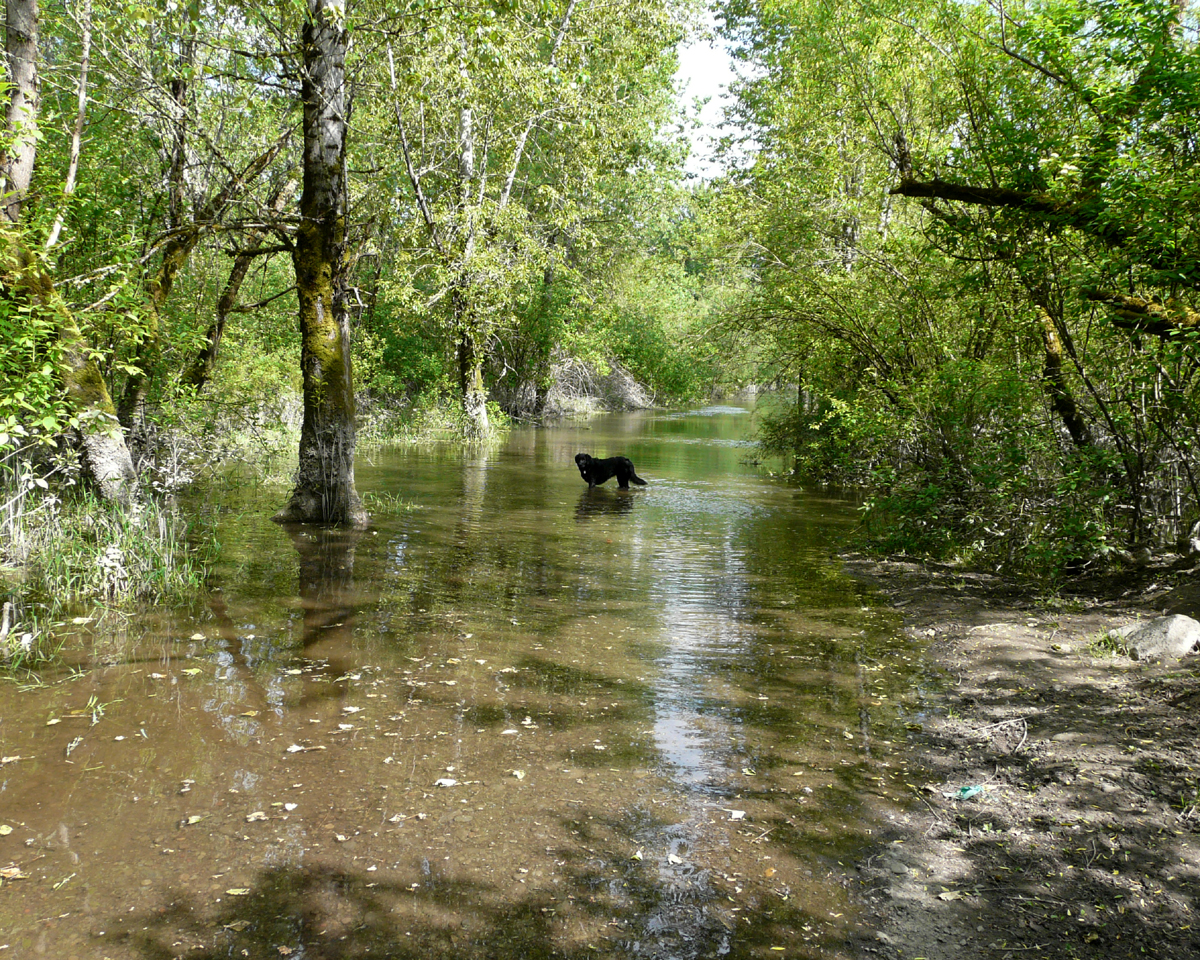
River levels are still very high, so some of the trails at the north end of the site are flooded. Nala, the all-weather, all-terrain, all-the-time puppy, does not mind at all.

Random Images

Early May is always a good time for seeing returning migrants and other signs of spring. Despite our cool damp weather, spring continues to slowly make inroads. Here are some random images from the past week.


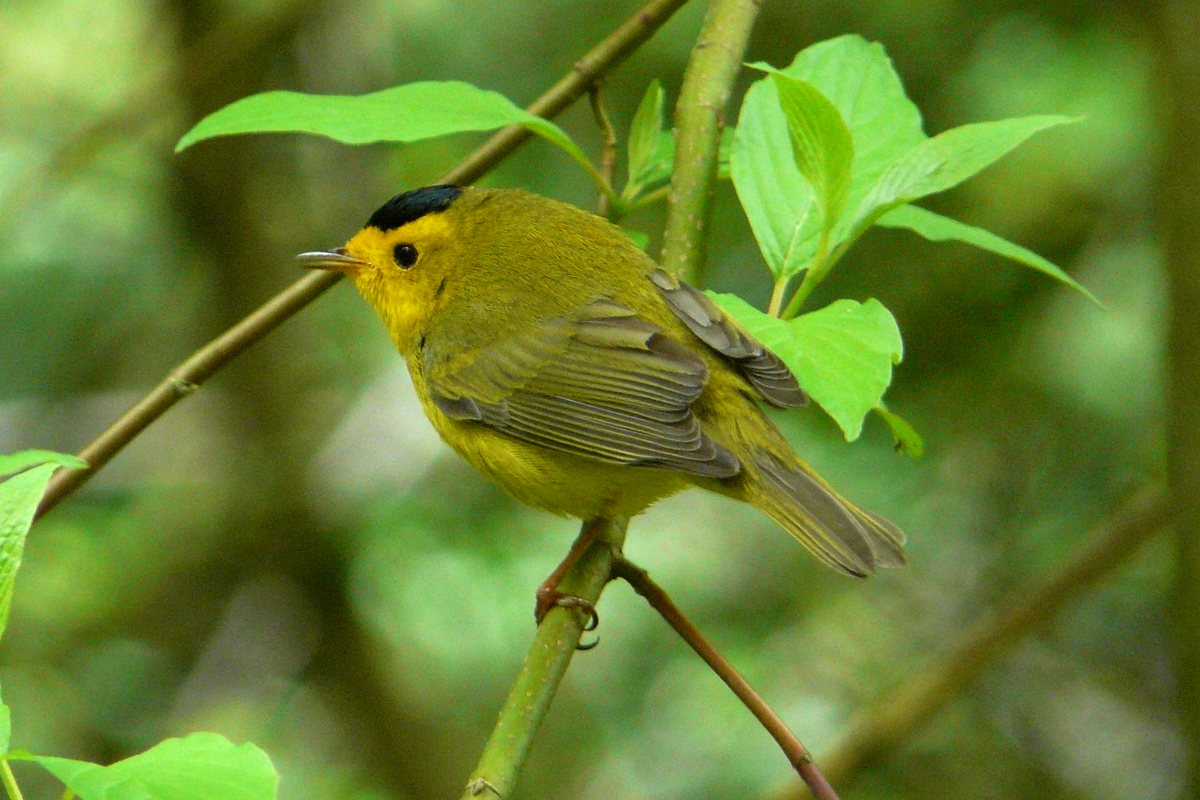
May is warbler month across most of North America. This Wilson’s Warbler was feeding just outside our living room window.


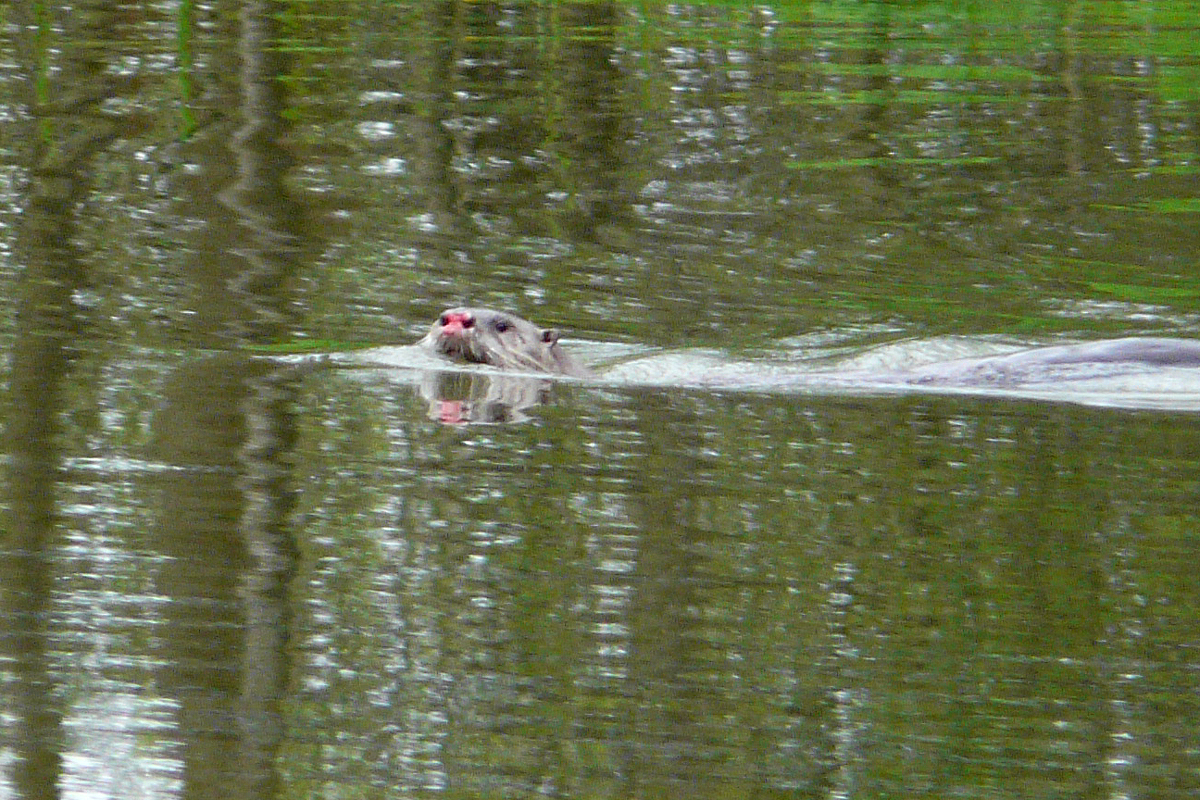
Two River Otters were swimming in the wastewater ponds at Cannon Beach.

This otter had a pink nose, perhaps from an injury.


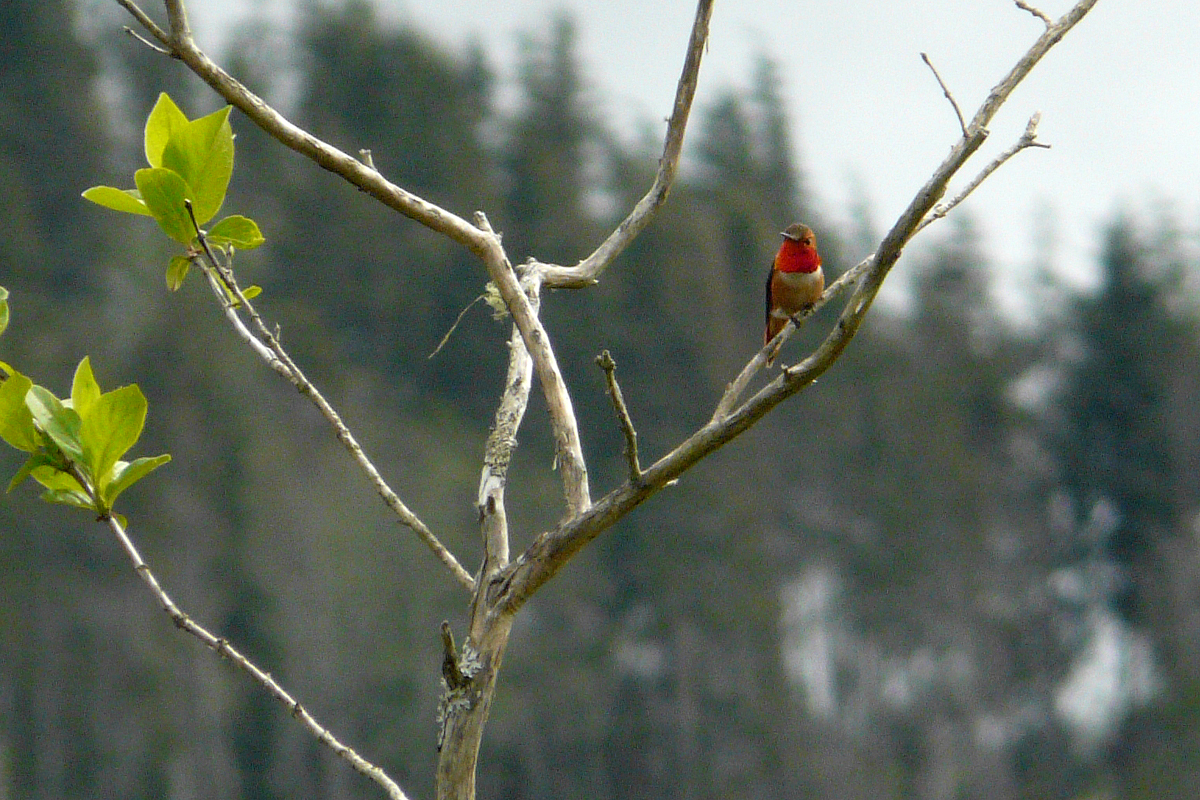
This male Rufous Hummingbird was flashing his colors at Stanley Lake in Seaside.


Surf Scoters at Fort Stevens


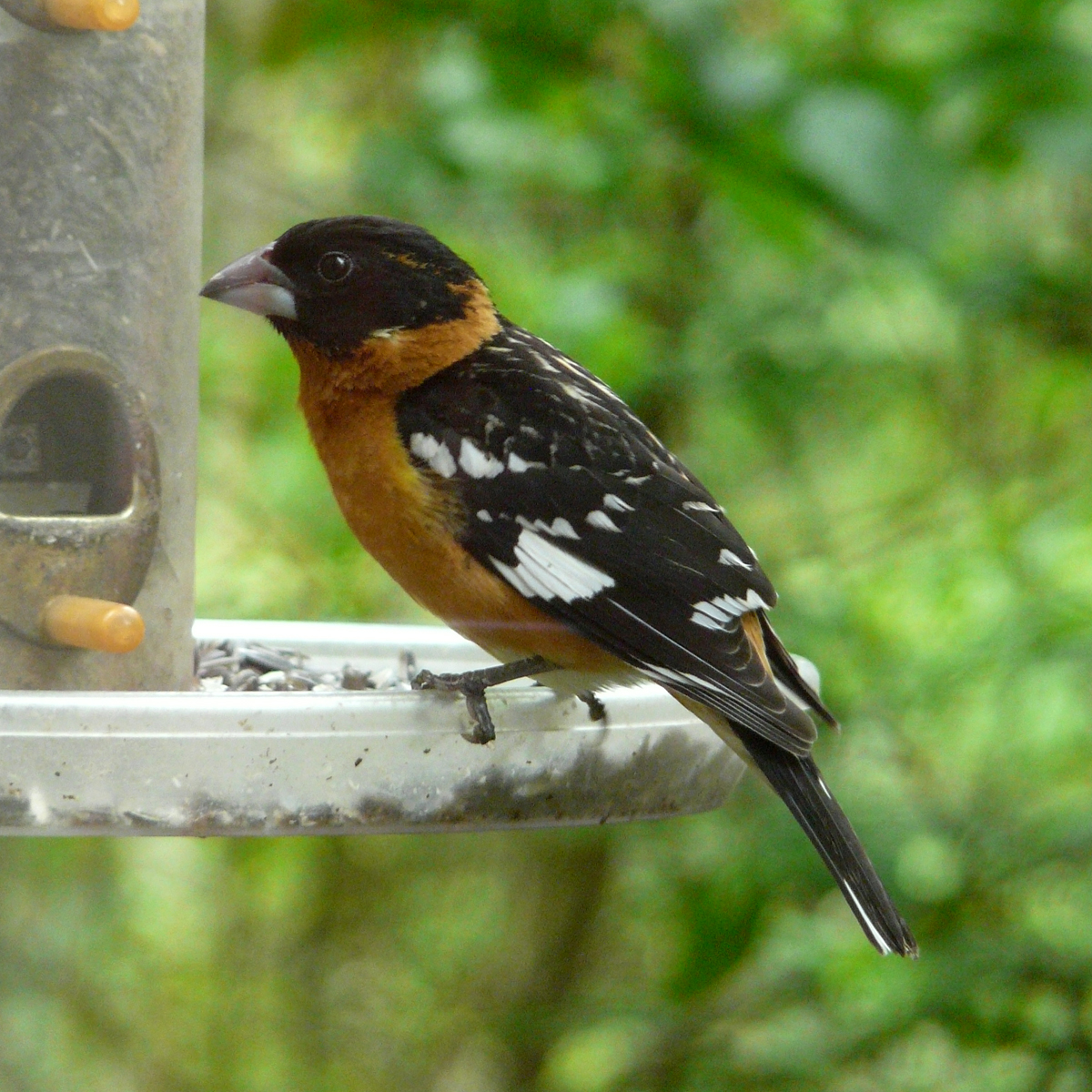
Black-headed Grosbeaks returned this week. After a winter of little finches, these birds make a bold impression when they appear at the feeder.

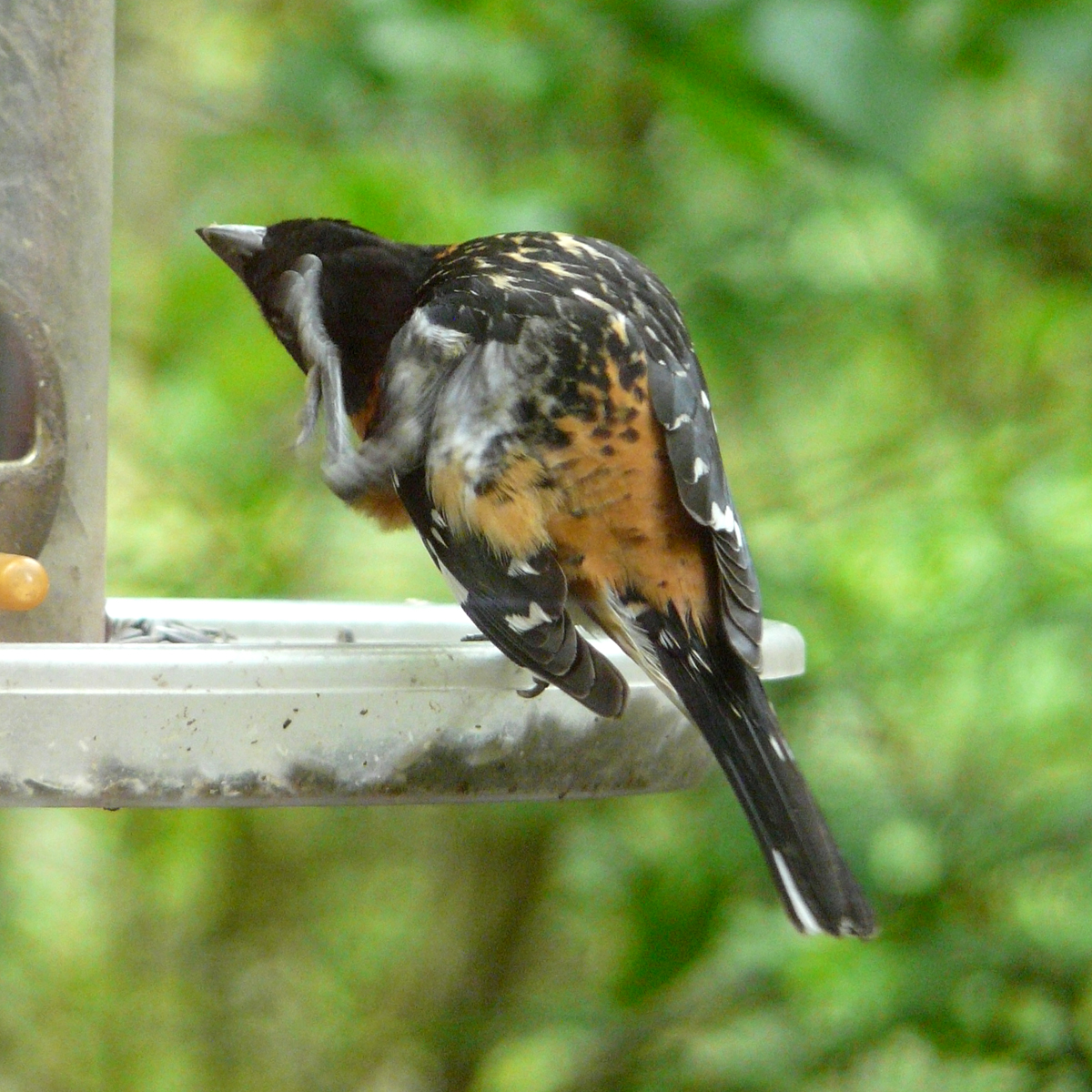
Like most birds, this grosbeak brings his leg up over his wing to scratch his head. I would think it would be easier to go under, but it seems to be working for him.


This Raccoon was soaking up a bit of sun at the Sandy River Delta.


This large aquatic mammal was also seen at the Sandy River Delta engaging in an activity known as “fetching.” Scientists still have not determined the purpose of this obsessive behavior.

Jackson Bottom 4/26/12

I took a client to Jackson Bottom Wetlands Reserve in Hillsboro (Birding Oregon p. 60).  Continuing restoration efforts at that site are creating some nice habitat, and the birds are responding.


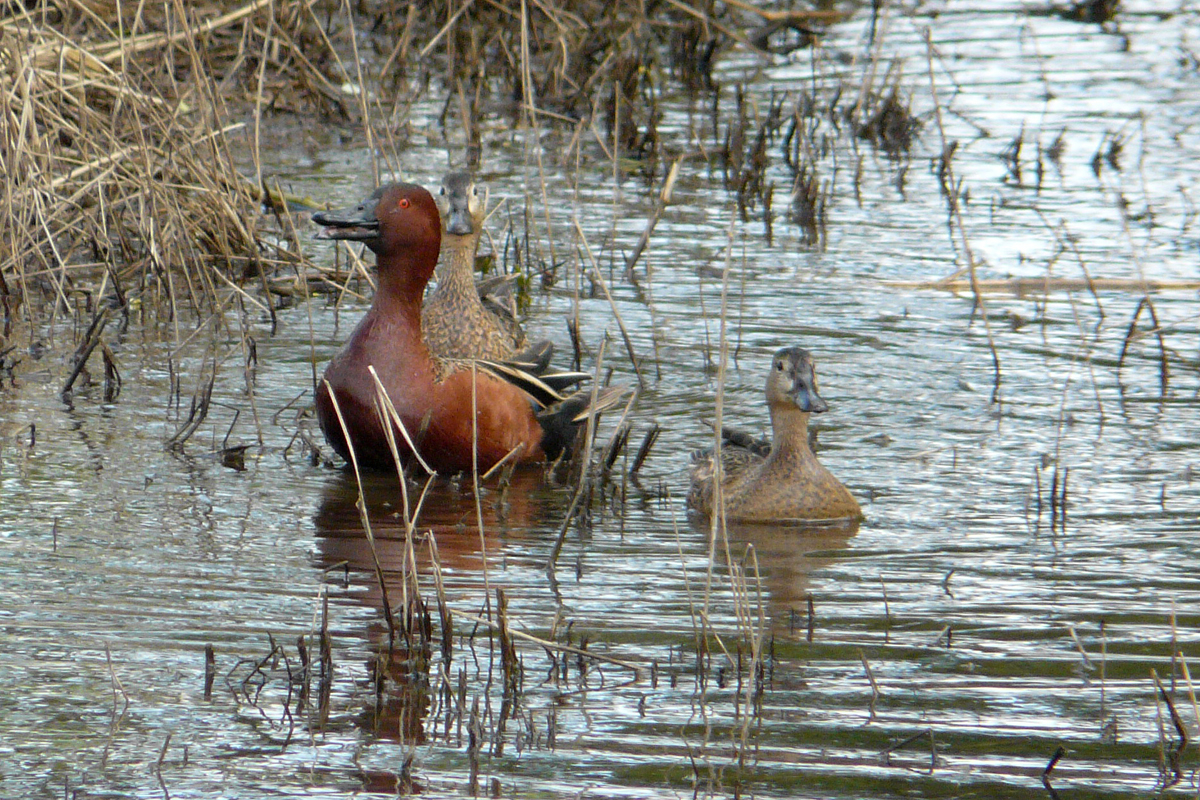
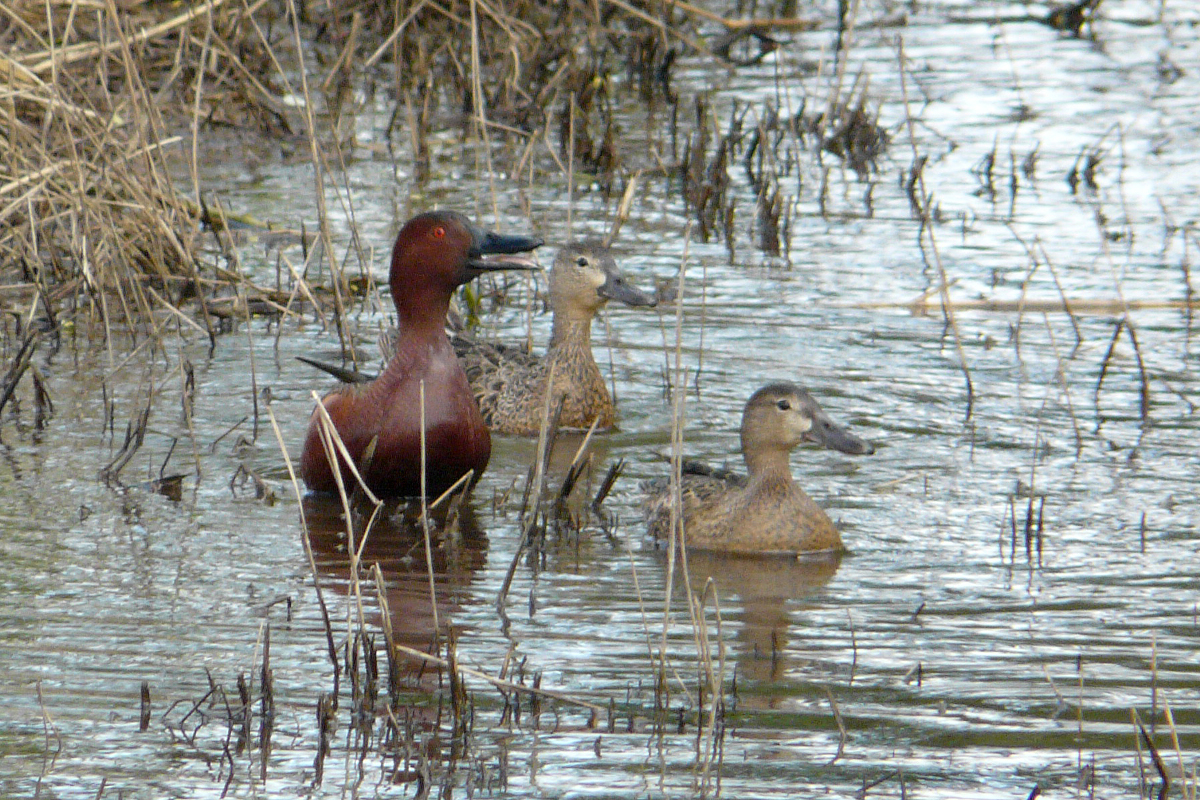
Cinnamon Teal were actively courting.

There was lots of head bobbing and chasing of rival males.

taking a break


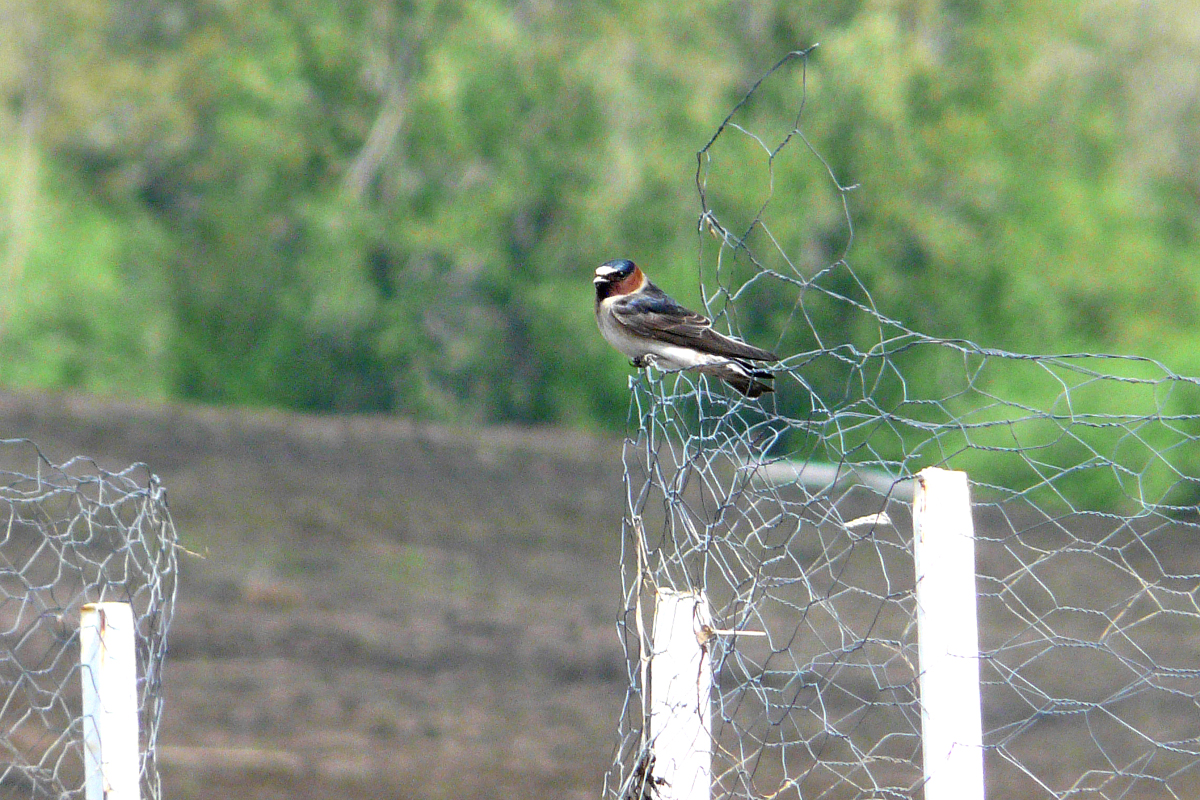
Jackson Bottom is swarming with swallows. Tree Swallows claim most of the many nest boxes.


Cliff Swallow


Restoration work has created shallow ponds and open mud, which is attractive to migrant shorebirds like these Western Sandpipers.


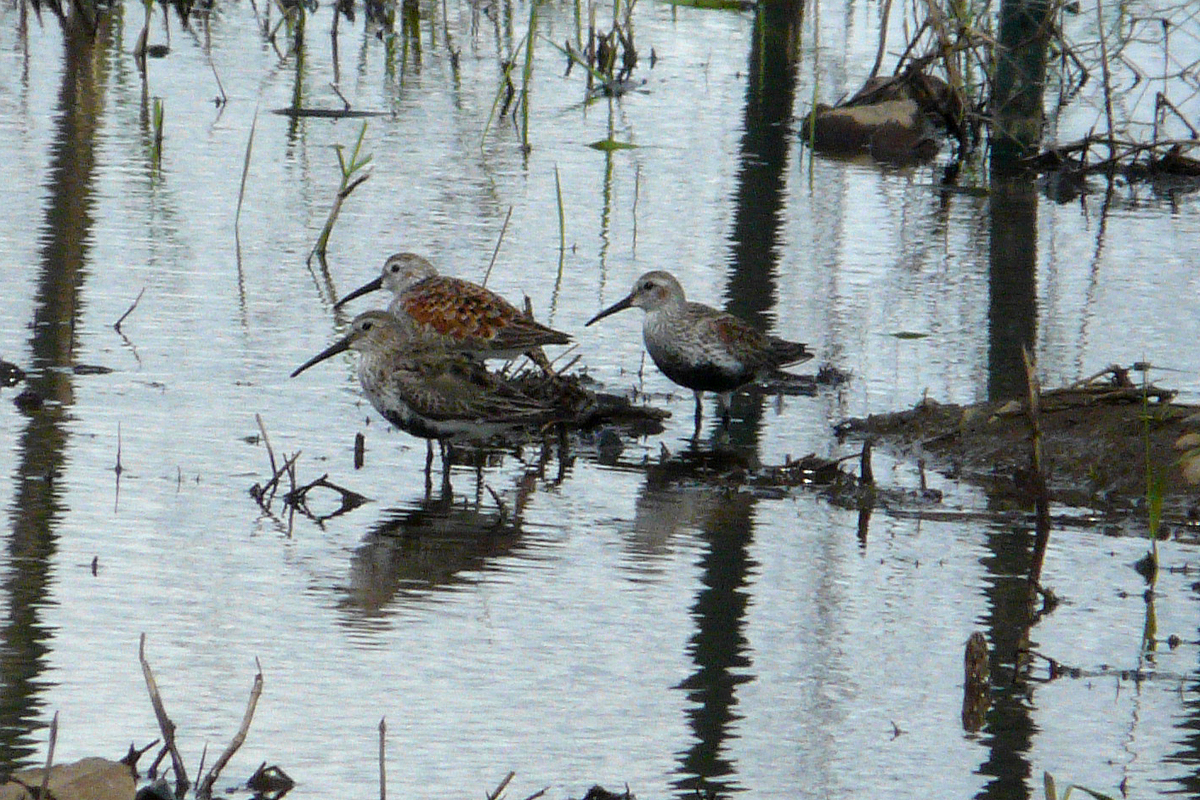
Three Dunlins in various states of molt. The front bird is least advanced, while the bird in back is in full breeding plumage.


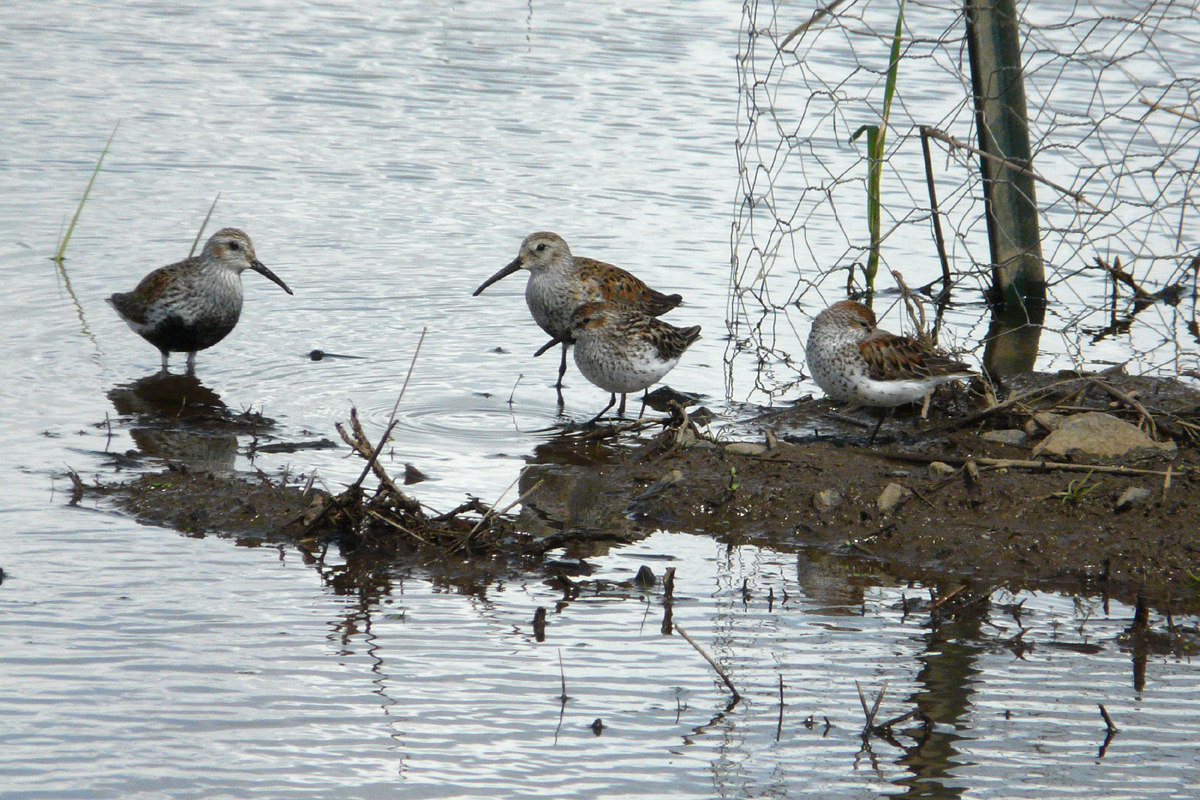
Two Dunlins on the left, Western Sandpipers on the right.


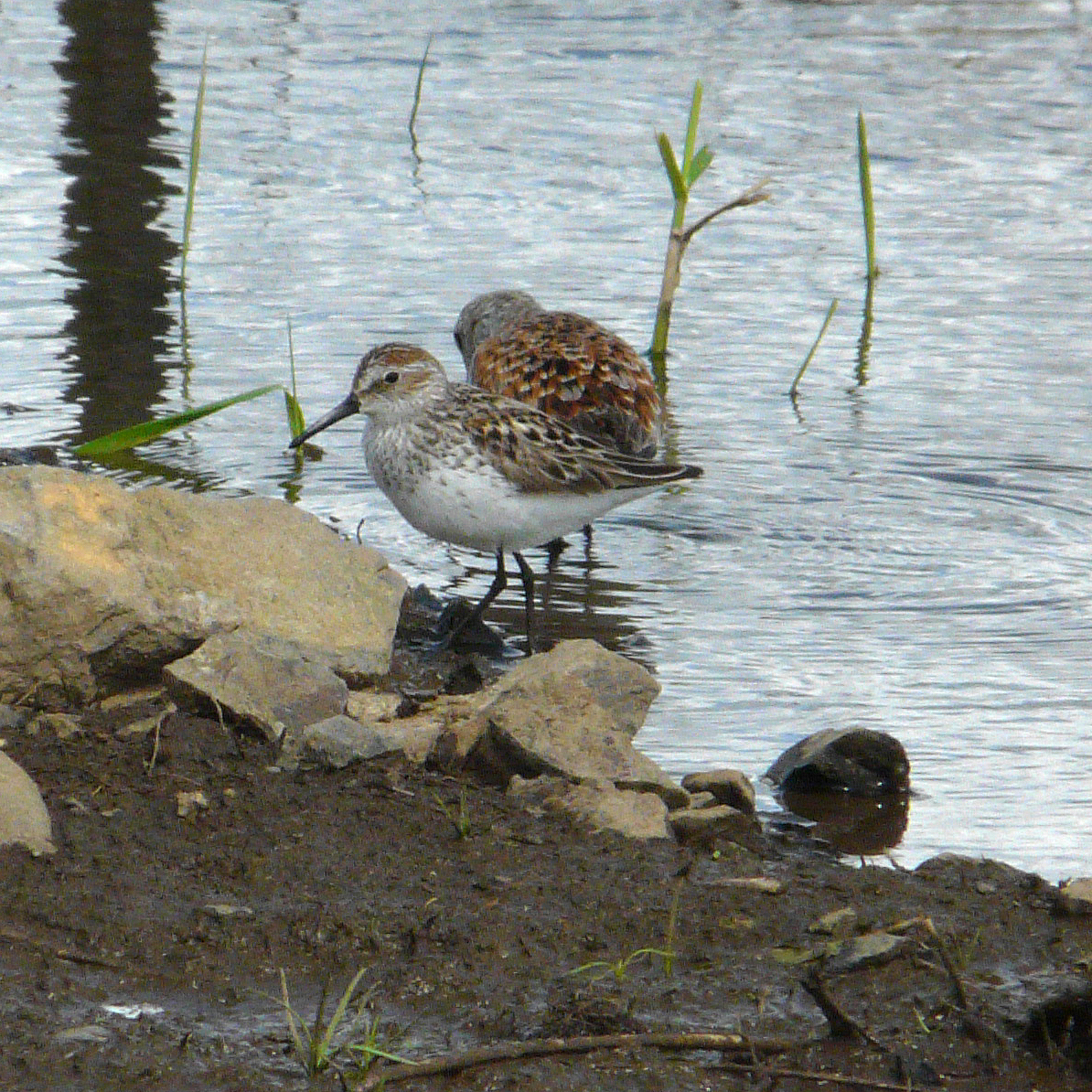
Western Sandpiper, with Dunlin in the background


Least Sandpipers


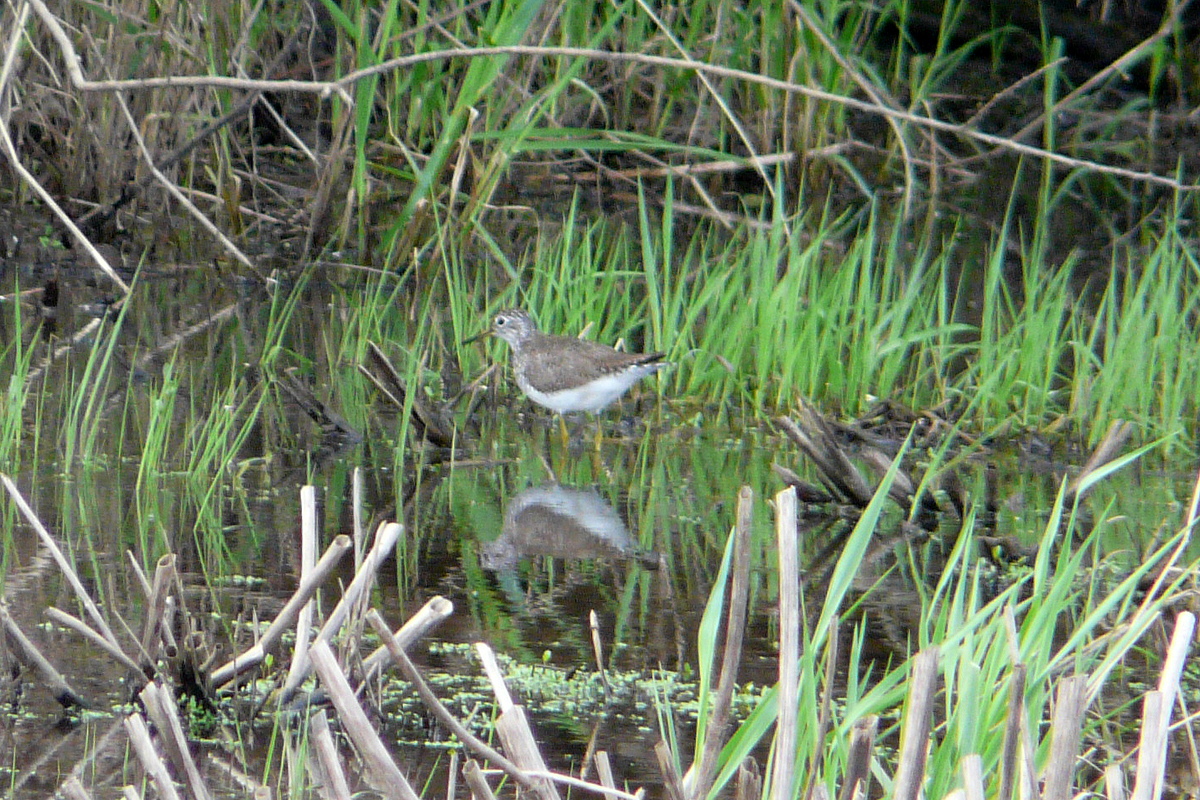
This Solitary Sandpiper was a nice surprise. They are an uncommon spring migrant.


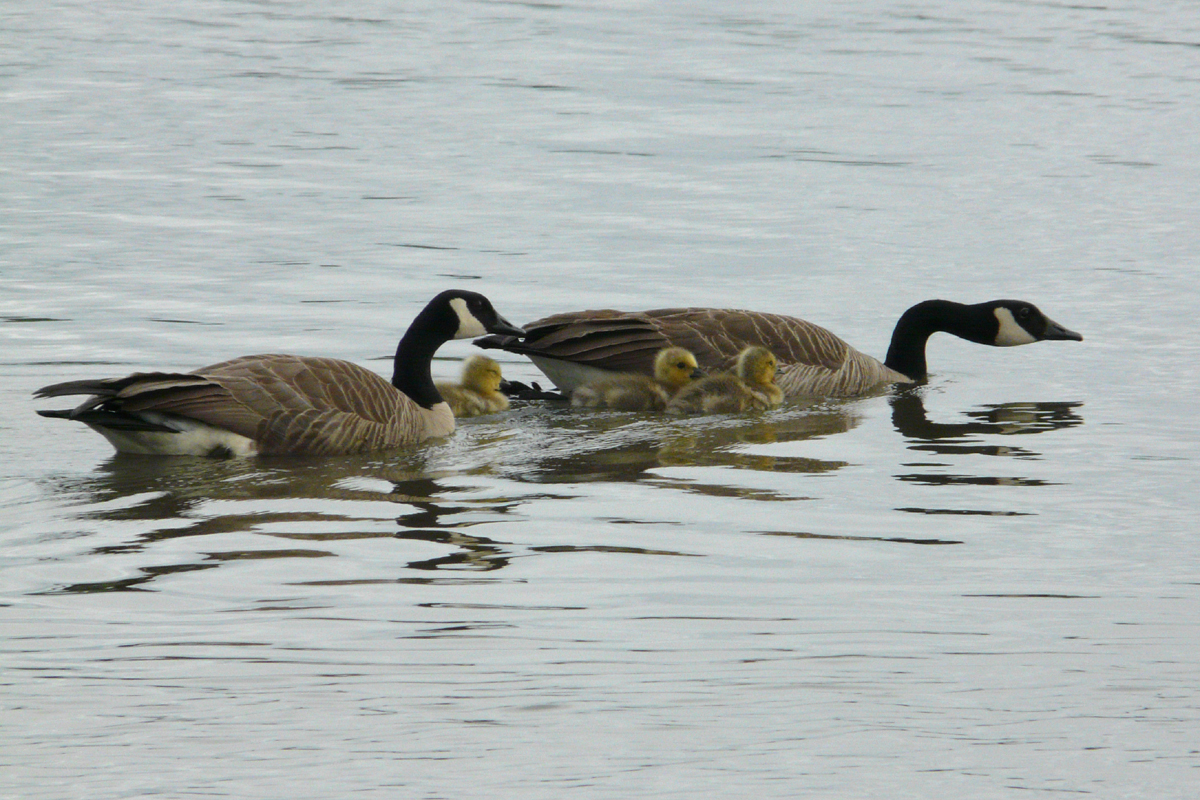
The resident Canada Geese have already hatched their broods.

April Teasers

After the wettest March on record, April has  provided a few sunny days to help awaken us from our rain-induced torpor.


I made a quick trip out to Fernhill Wetlands to look for the Swamp Sparrow that has been reported there. Between the sunbreaks, I still had to dodge a few passing squalls.


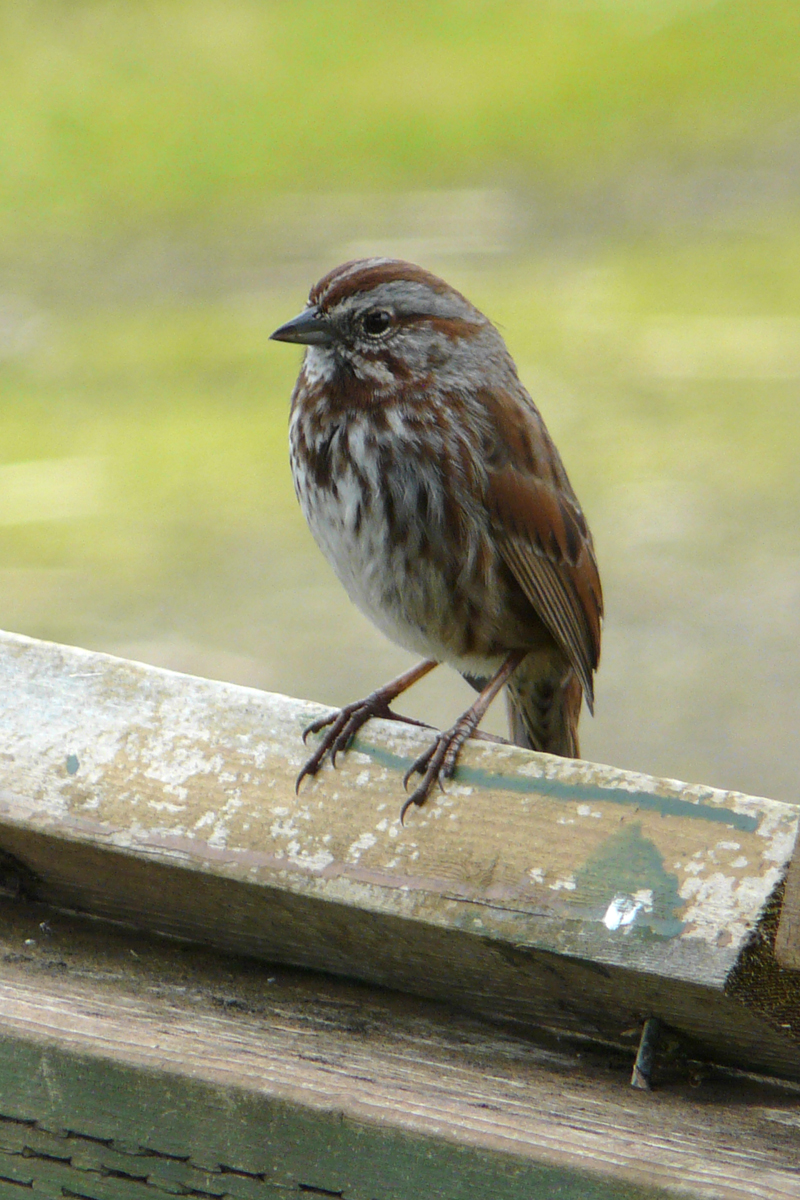
I missed the Swamp Sparrow, but this Song Sparrow was very cooperative.


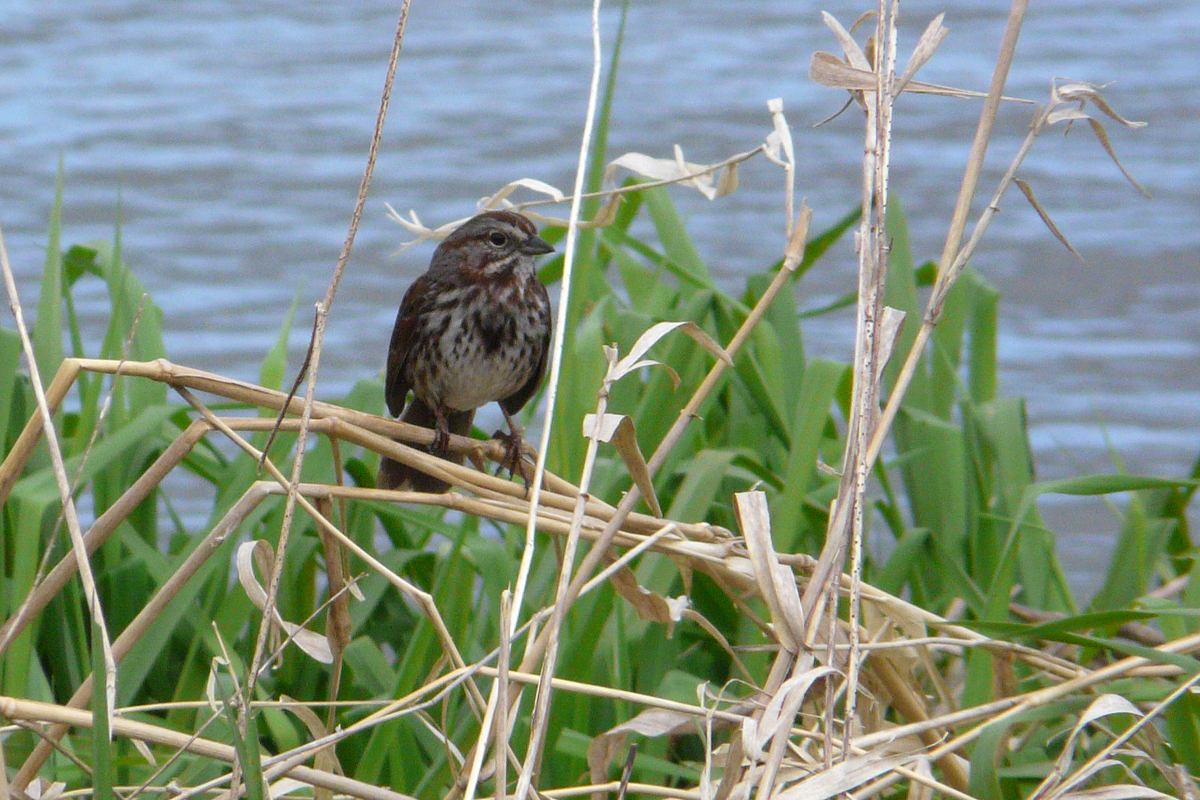
Here is the same Song Sparrow in a little more natural setting, if you consider invasive Reed Canary Grass to be natural.


Much of the loop around Fernhill Wetlands has been blocked off, supposedly to reduce disturbance to the new Bald Eagle nest.

A pair of eagles has been hanging out in this little grove of cottonwoods for years, so I would imagine they are used to birders and joggers going by, but better safe than sorry.


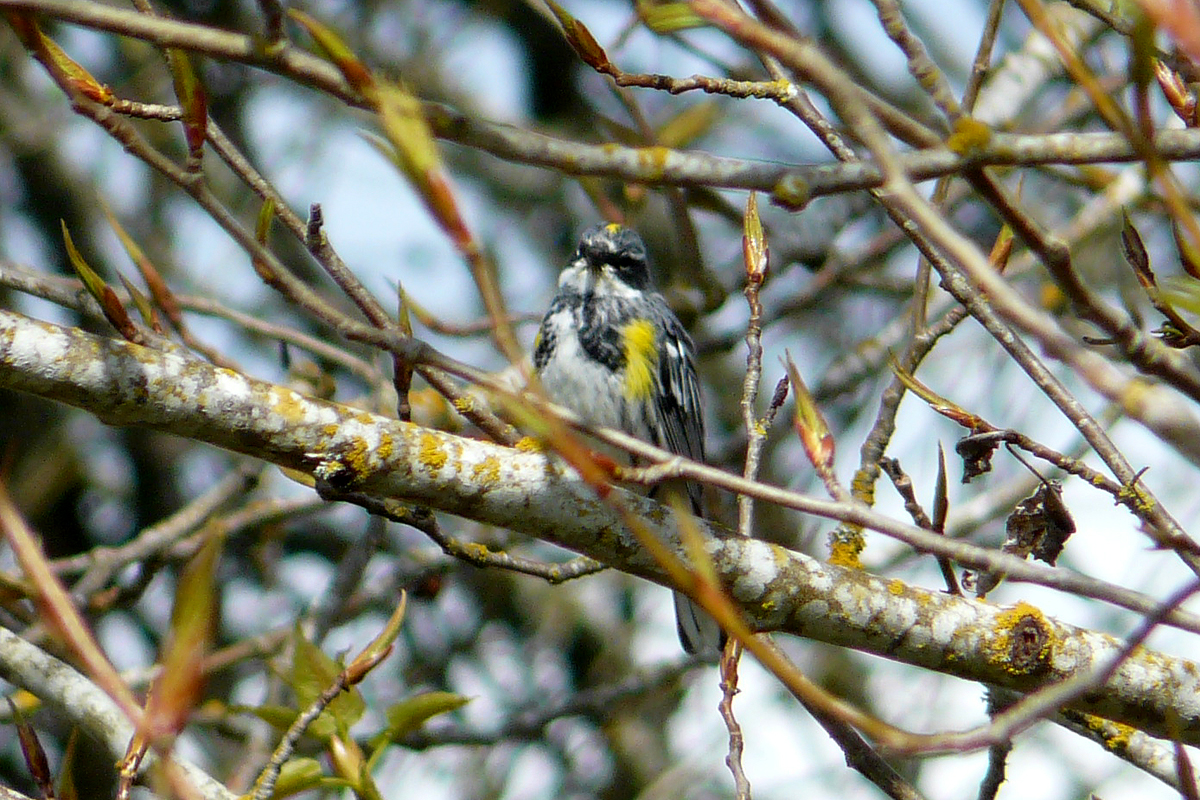
The Yellow-rumped Warblers have molted into their flashy breeding plumage. This one is an example of the “myrtle” race.


On Saturday I took some clients out to Sauvie Island for a morning of birding. This view of Mt. St. Helens is from the west end of Rentenaar Road.


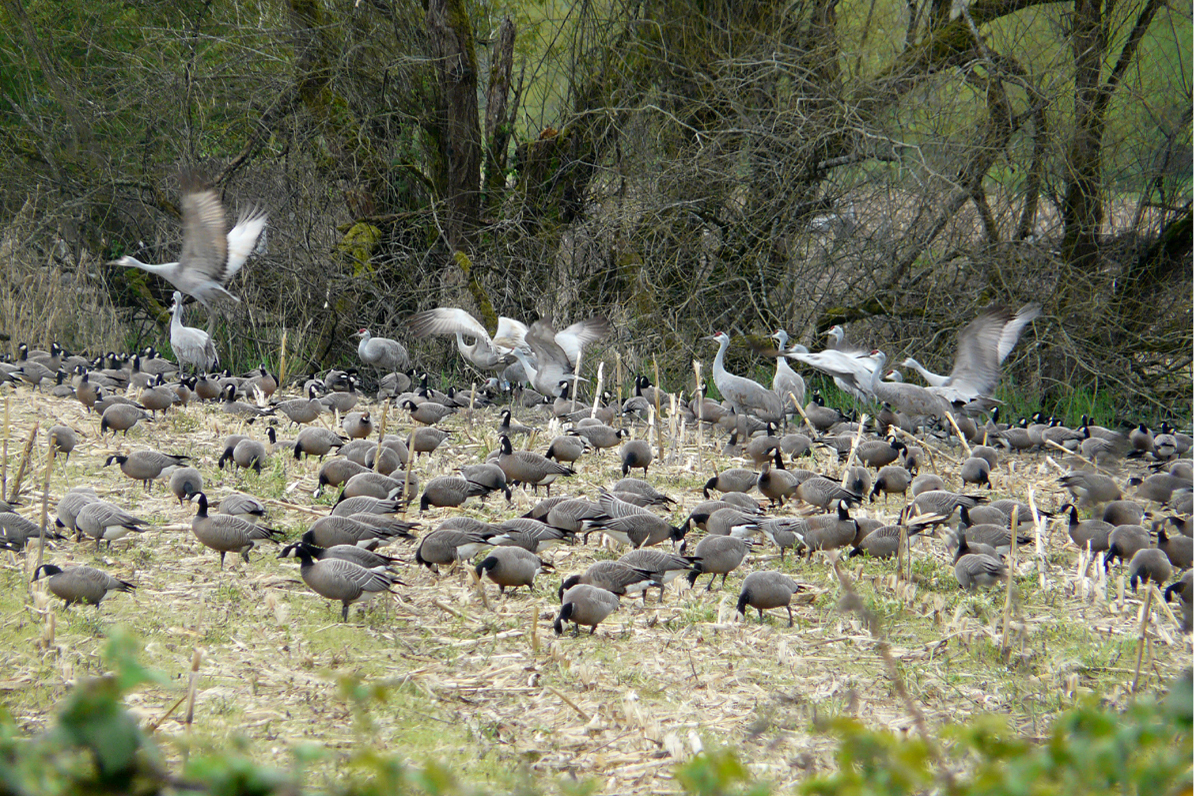
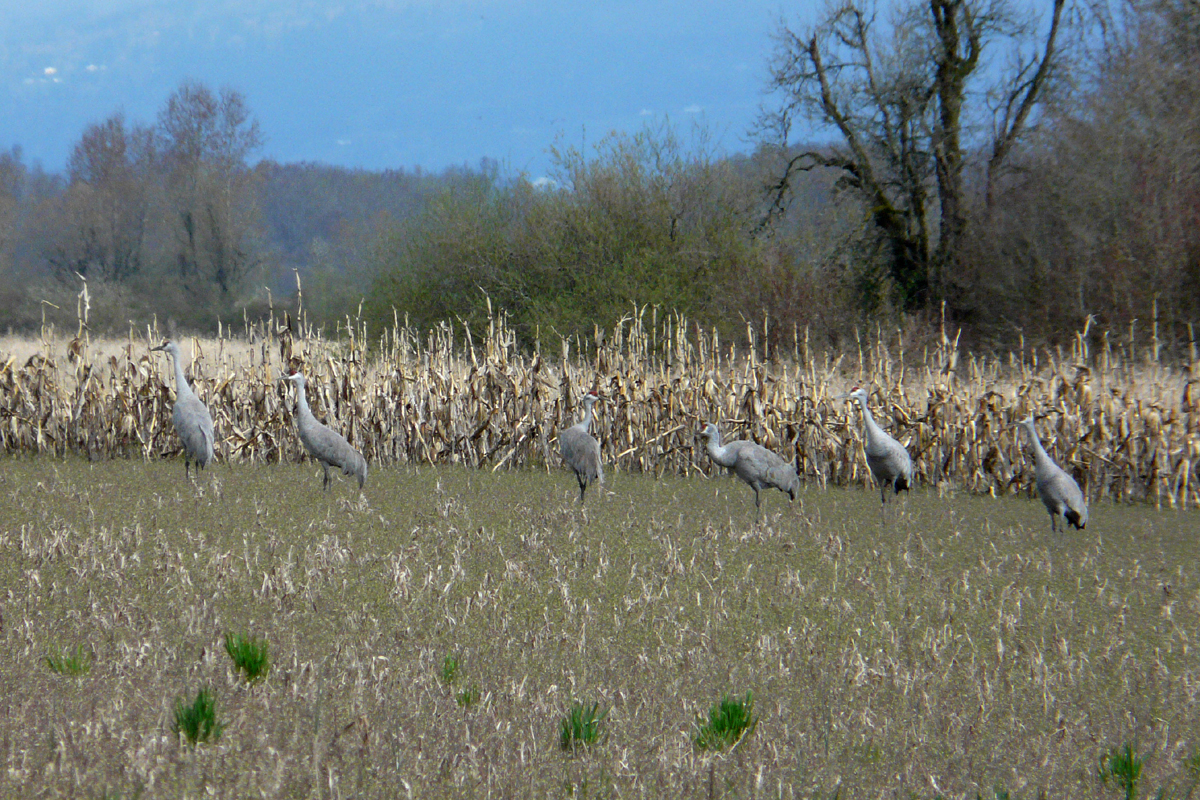
Sandhill Cranes, seen here with a flock of Cackling Geese, were common in the morning.  But as the day progressed, many birds circled up on thermals and then headed north. By noon, most of the cranes were gone.


Most of the sparrows seen just a week earlier had moved on. Two White-throated Sparrows were a treat. Singing Orange-crowned Warblers and five species of swallows were other good signs that migration is stepping up. I’m looking forward to the next sunny day.

Sauvie Island 4/5/12

I took advantage of the dry weather to scout Sauvie Island (Birding Oregon p. 55) for my Little Brown Birds field trip.


Sandhill Cranes are still present in good numbers.


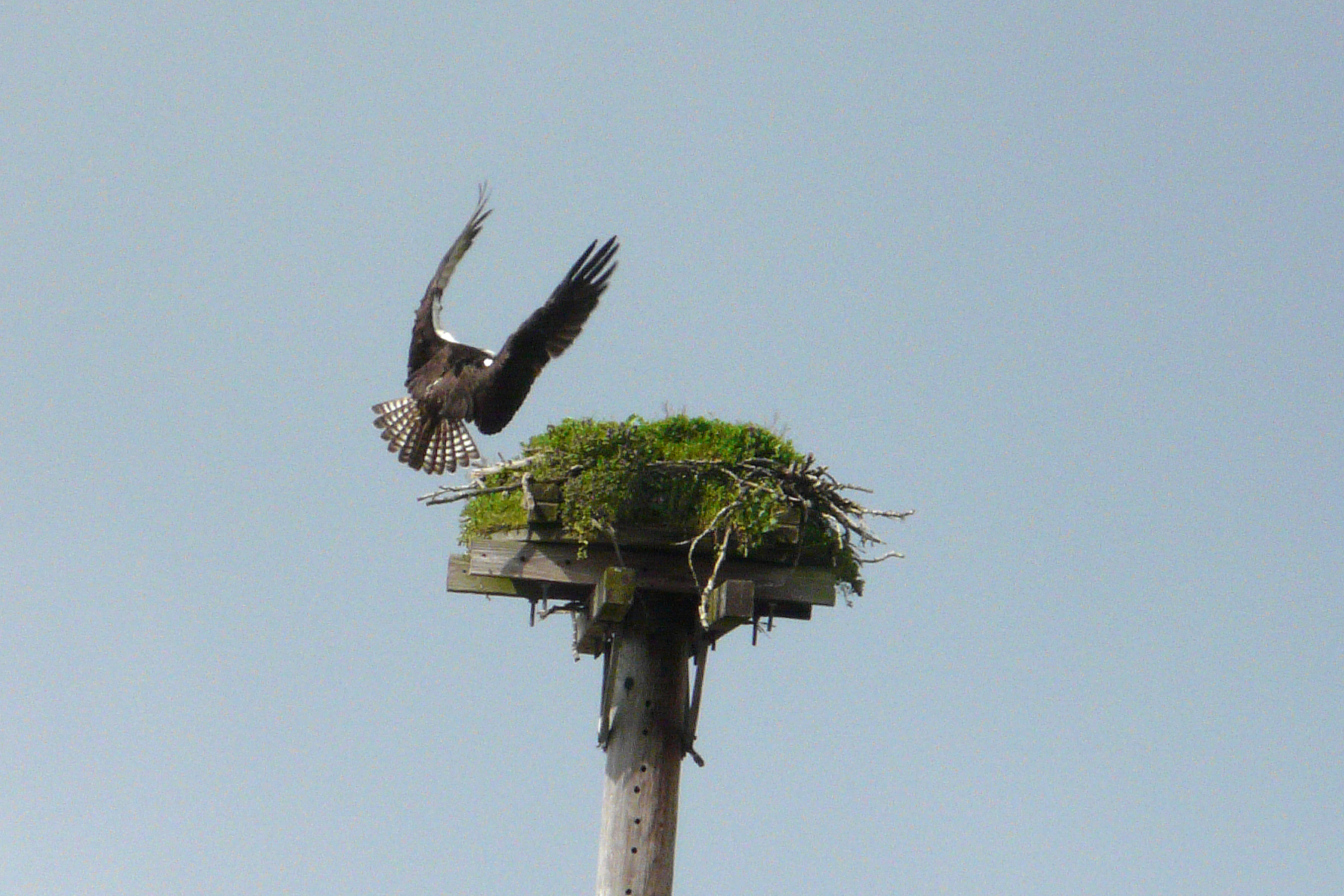
The Osprey nest along Rentenaar Road is occupied again.


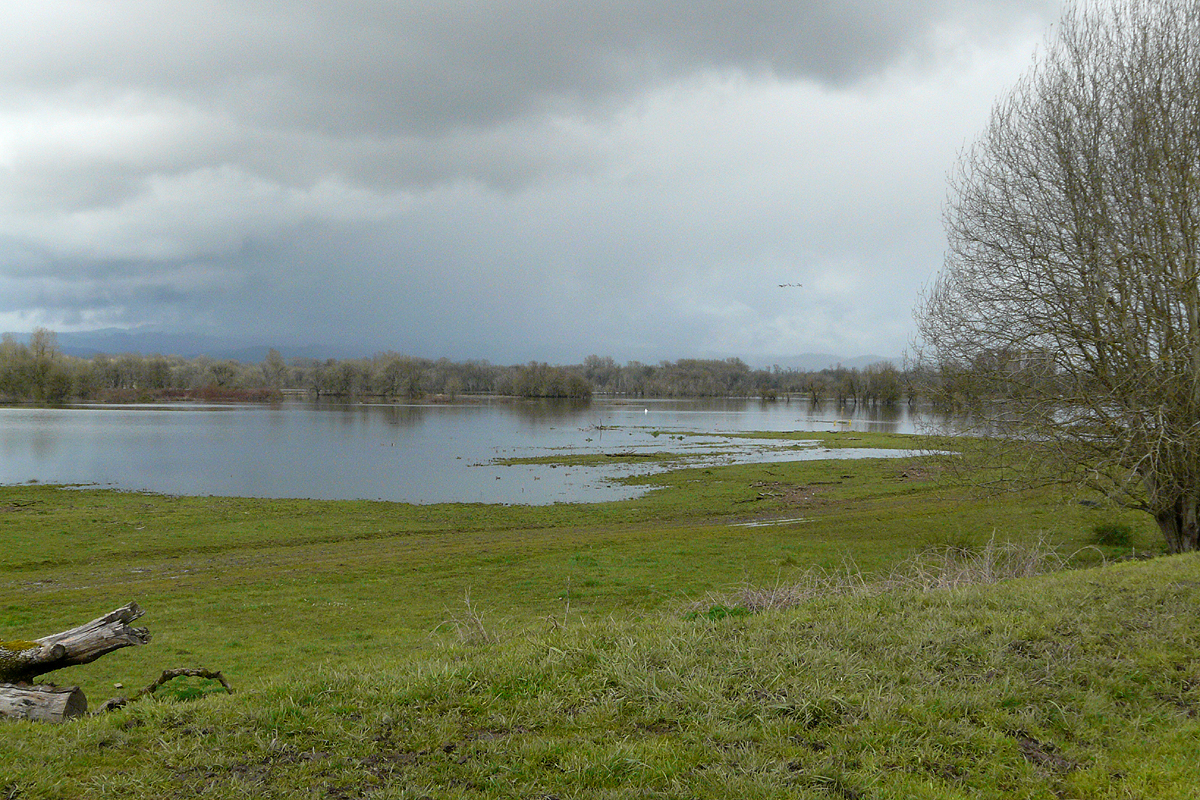
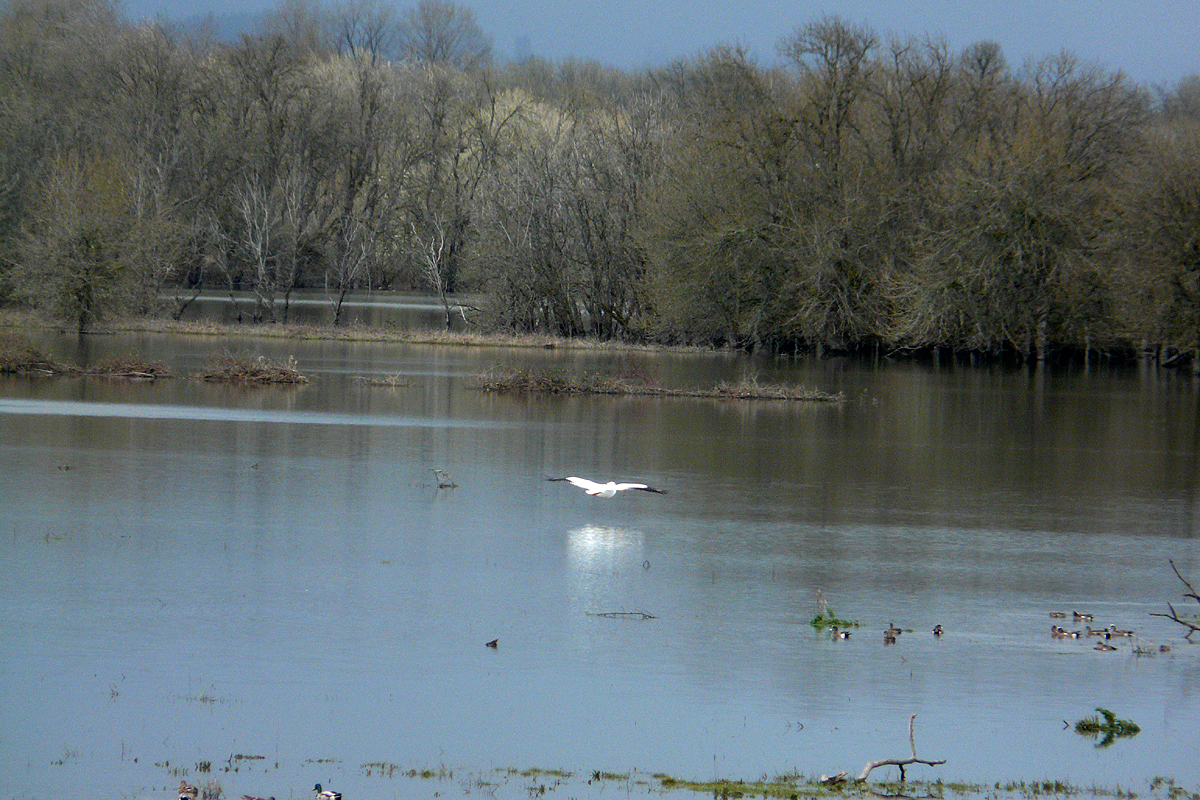
We just had our wettest March on record, so water levels are high. This is the view from the end of Rentenaar Road. The white speck on the lake is an American White Pelican. White Pelicans have become increasing common on Sauvie Island in recent summers, but sightings this early in the year are unusual.


Here is the same bird coming in to land.


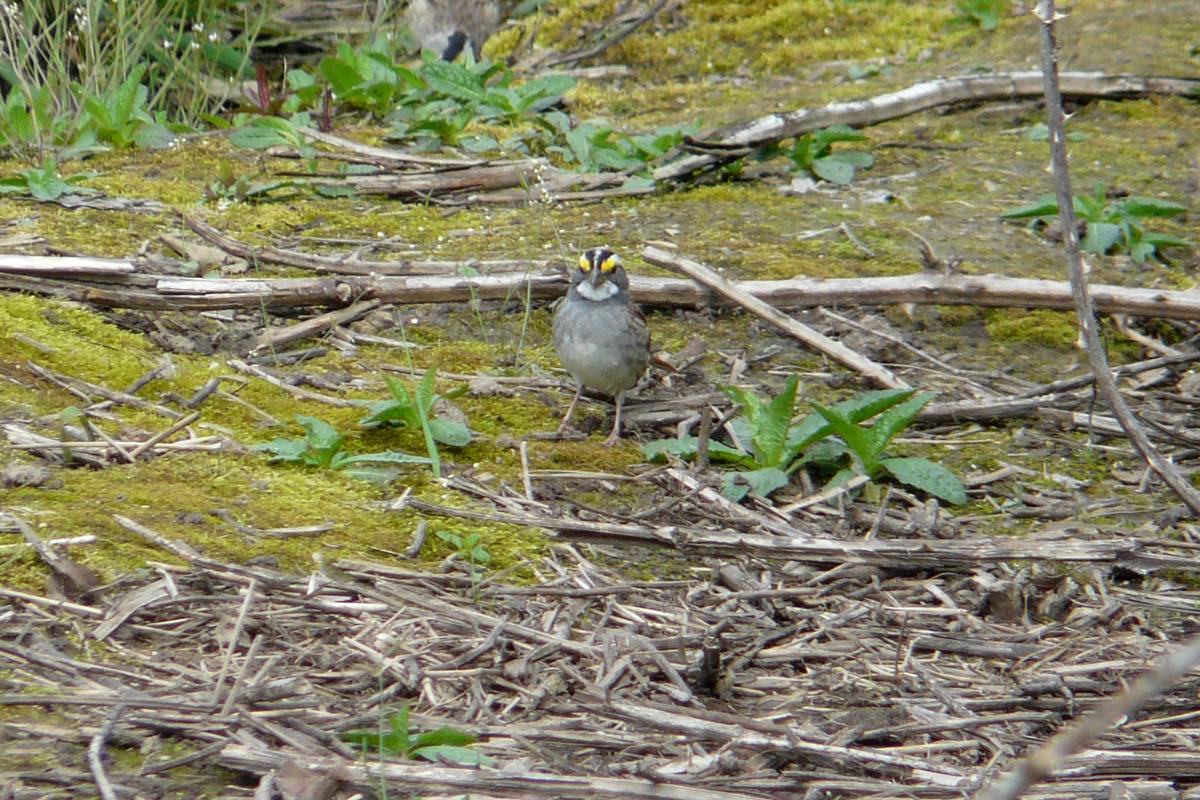
I take my LBB class to Sauvie for the abundance of sparrows. (We ended up with ten species of sparrow on our trip.) Here is a White-throated Sparrow, one of the rarer species in our area.

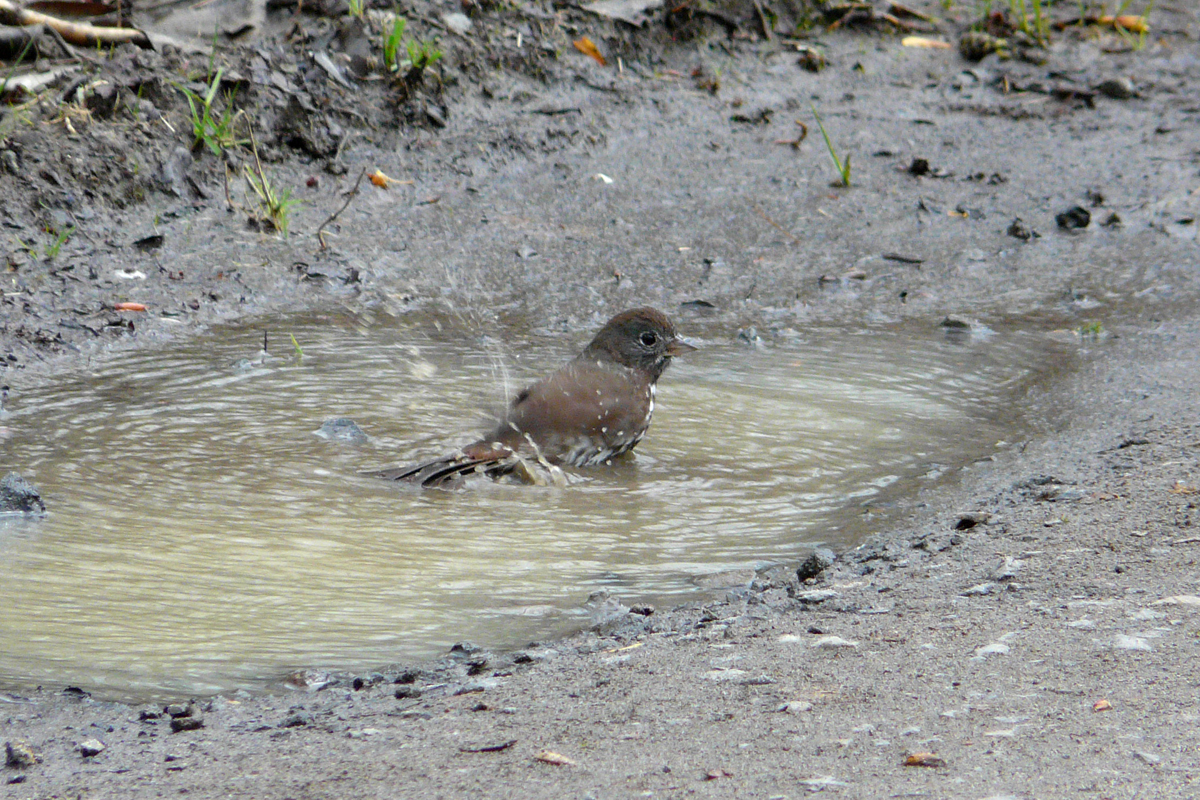
This Fox Sparrow was bathing in a puddle.


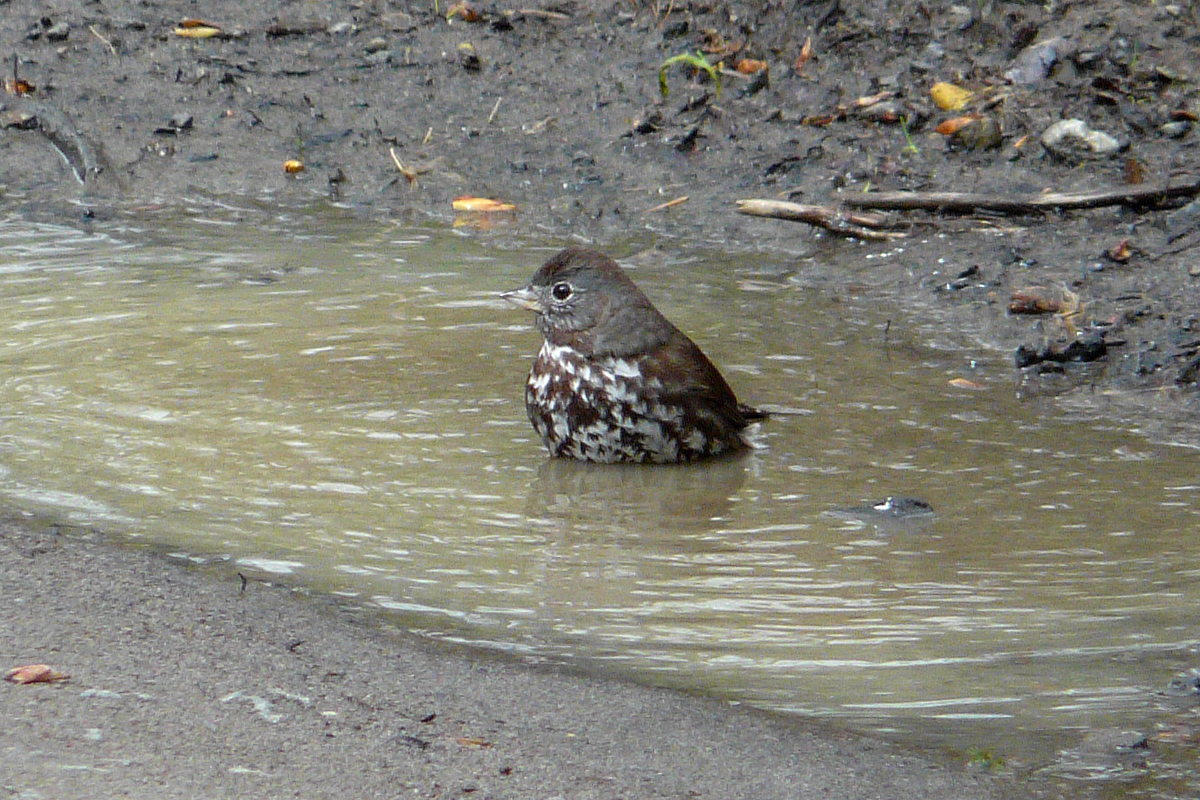
still bathing


all clean

Ankeny NWR 2/23/12

I birded Ankeny National Wildlife Refuge in preparation for my waterfowl class. Waterfowl numbers have dropped considerably in the past week, suggesting that some birds have already started their northward migration.
Pintail Marsh


Pintail Marsh hosted this small flock of Tundra Swans and Dusky Canada Geese. Protecting winter habitat for the rare Duskies was the main reason for establishing the Willamette Valley National Wildlife Refuge Complex.


Most of the wintering geese were grazing in fields surrounding the marshes. The flock consists mostly of Taverner’s Cackling and Ridgeway’s Cackling Geese.


These very alert Northern Pintails seemed to be keeping watch over the nearby Green-winged Teals and American Wigeons.


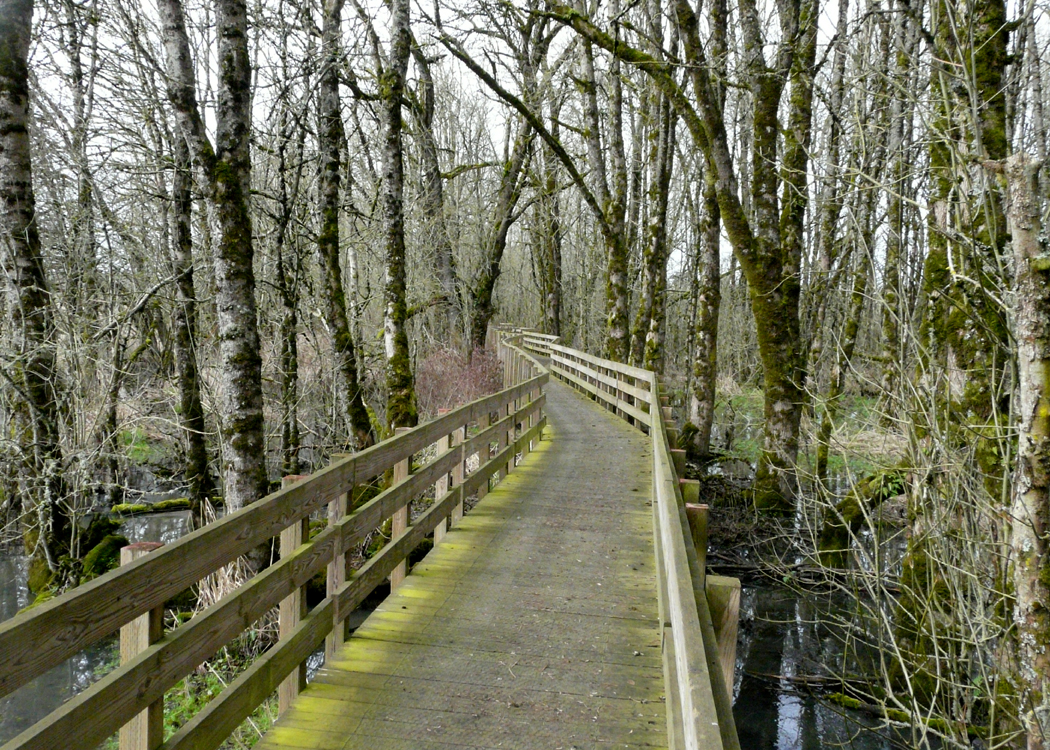
Ankeny has two boardwalks that provide access to flooded woodland habitat. This is the Rail Trail.


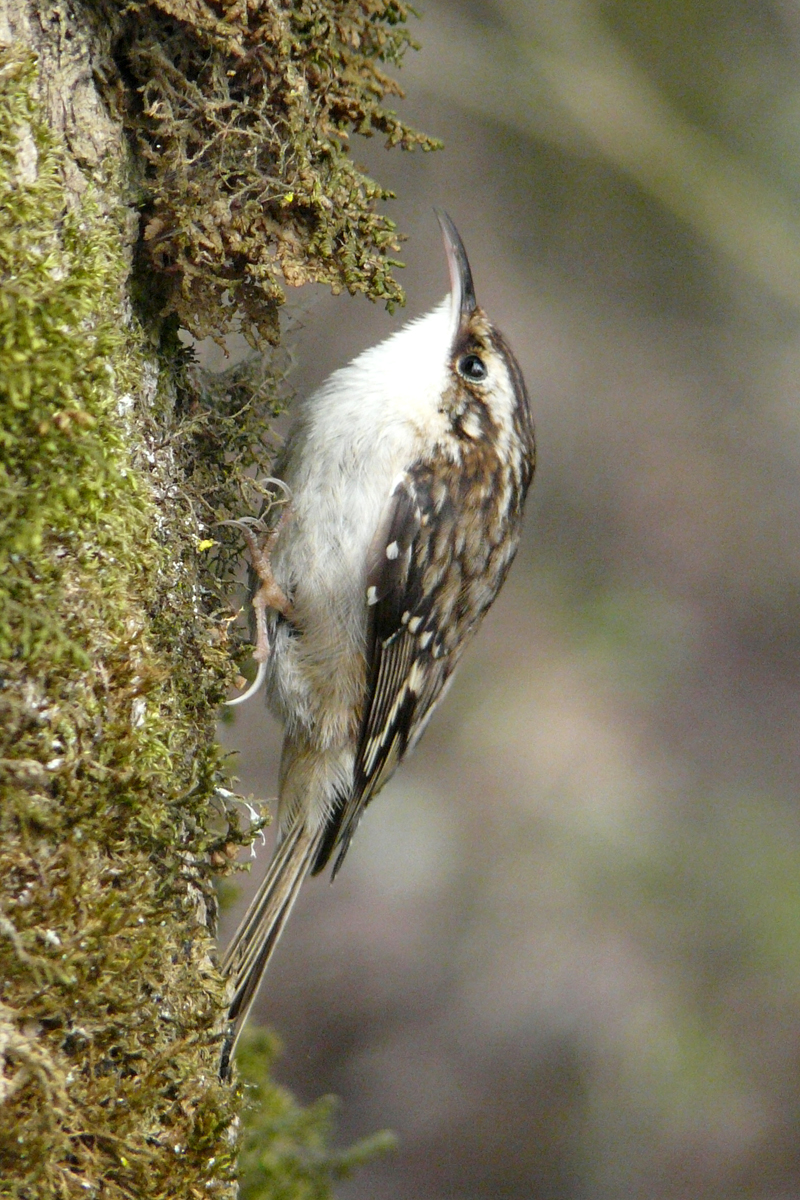
This Brown Creeper was probing patches of moss on the tree trunk.


If you look closely you can see he is holding a tiny organism in his bill.

Sparrowpalooza

I spent the morning in Scappoose, OR, this morning looking for a Brambling that was seen about a week ago. I didn’t have any luck with the Brambling, but it was great fun watching the variety of sparrows that were feeding in the area. Winter brings great flocks of sparrows to the Portland area. I saw the eight species pictured below, all within a few minutes, while sitting at the edge of the trail.


Dark-eyed Junco


Song Sparrow


Lincoln’s Sparrows are among the most beautiful sparrows in North America, but are also rather shy, so they tend to stay out of range of point-and-shoot photography.


Lincoln’s Sparrow, with a Song Sparrow in the background


Fox Sparrows tend to lurk in the thicker cover.


He finally emerged for some millet.


White-crowned Sparrow


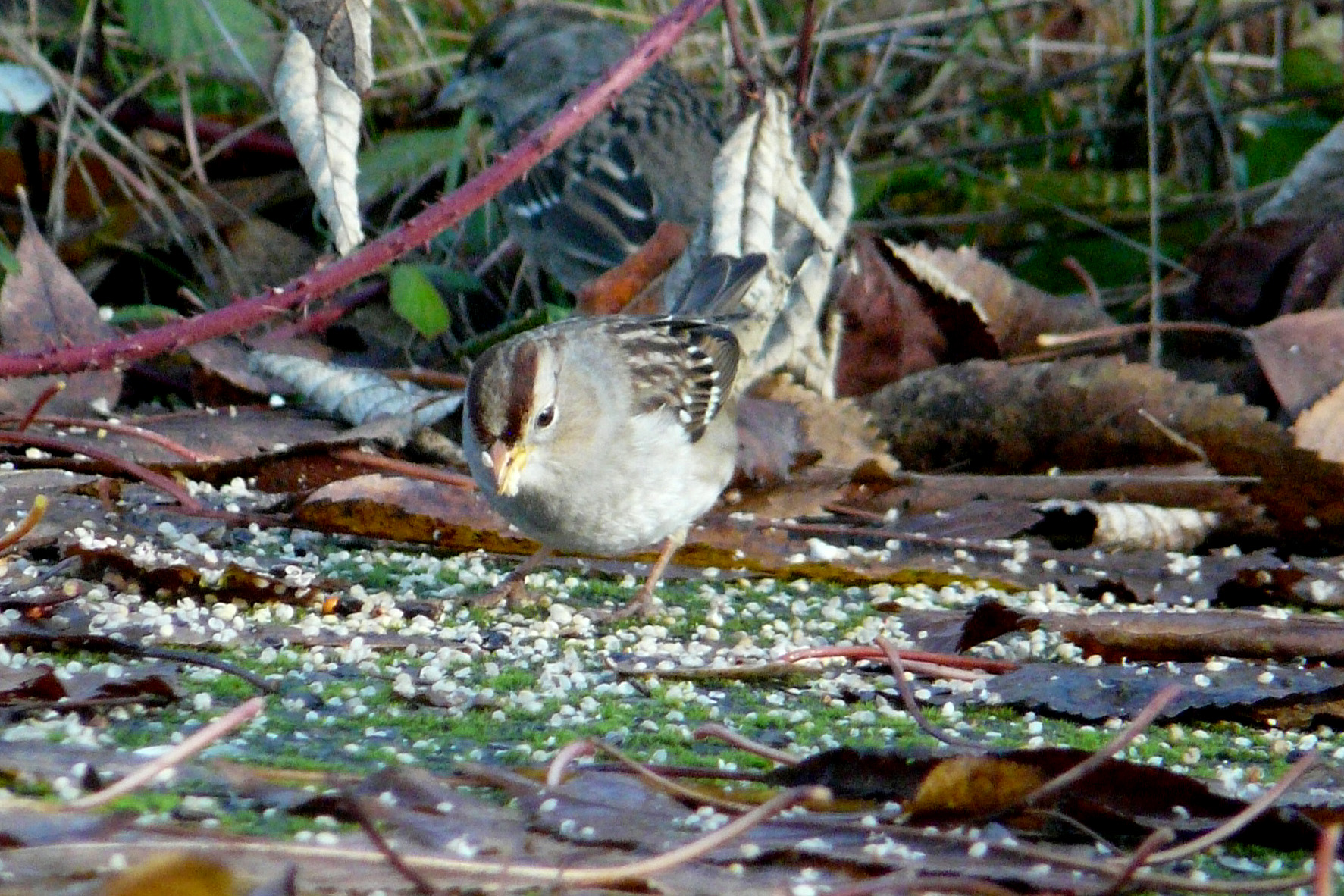
White-crowned Sparrow, first winter


Golden-crowned Sparrow


White-throated Sparrow, with a Golden-crowned in the background


Spotted Towhee

Ft. Stevens, 11-10-2011


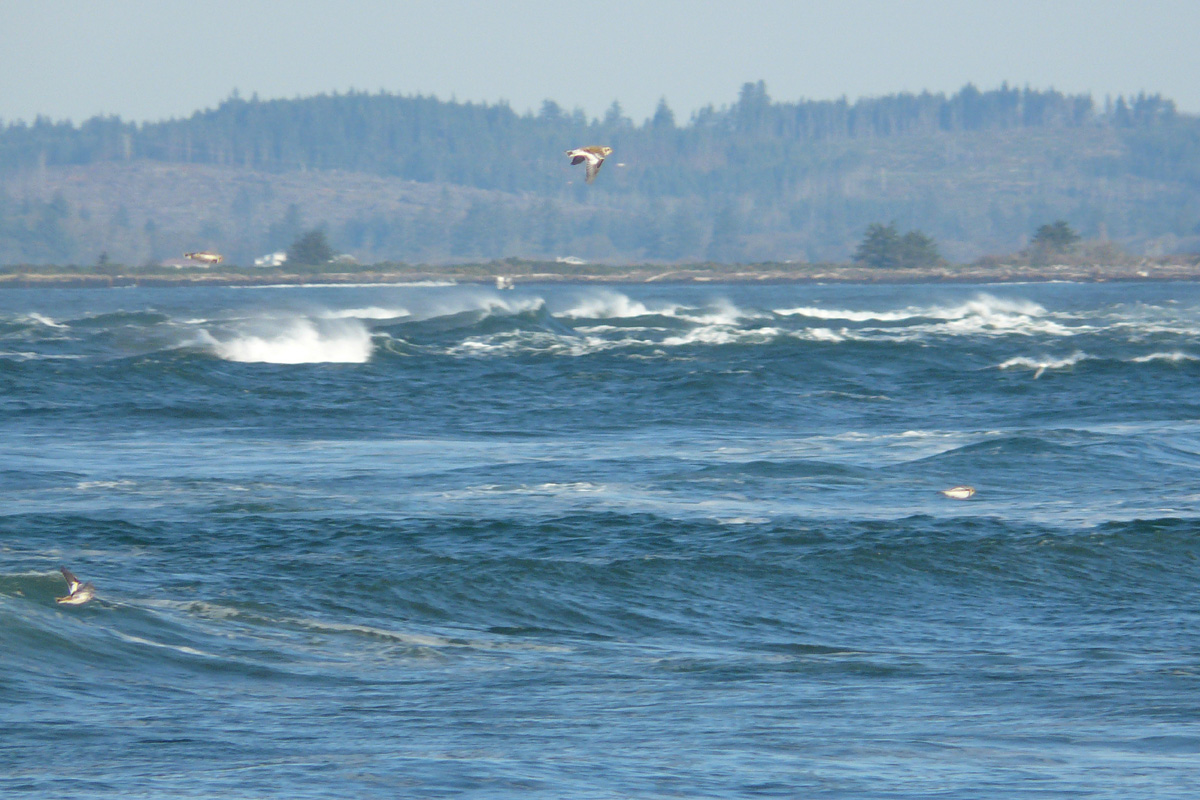
I spent a warm sunny November day at Ft. Stevens (Birding Oregon p. 119). The tide and winds were both high, so the sea was too rough to find any birds on the water near the south jetty at parking lot C.


The best birds of the trip were a flock of five Snow Buntings, a species that has eluded me in Oregon until now. They appeared on the beach near the jetty, then quickly moved on.


This image shows three Snow Buntings in flight. No, really.


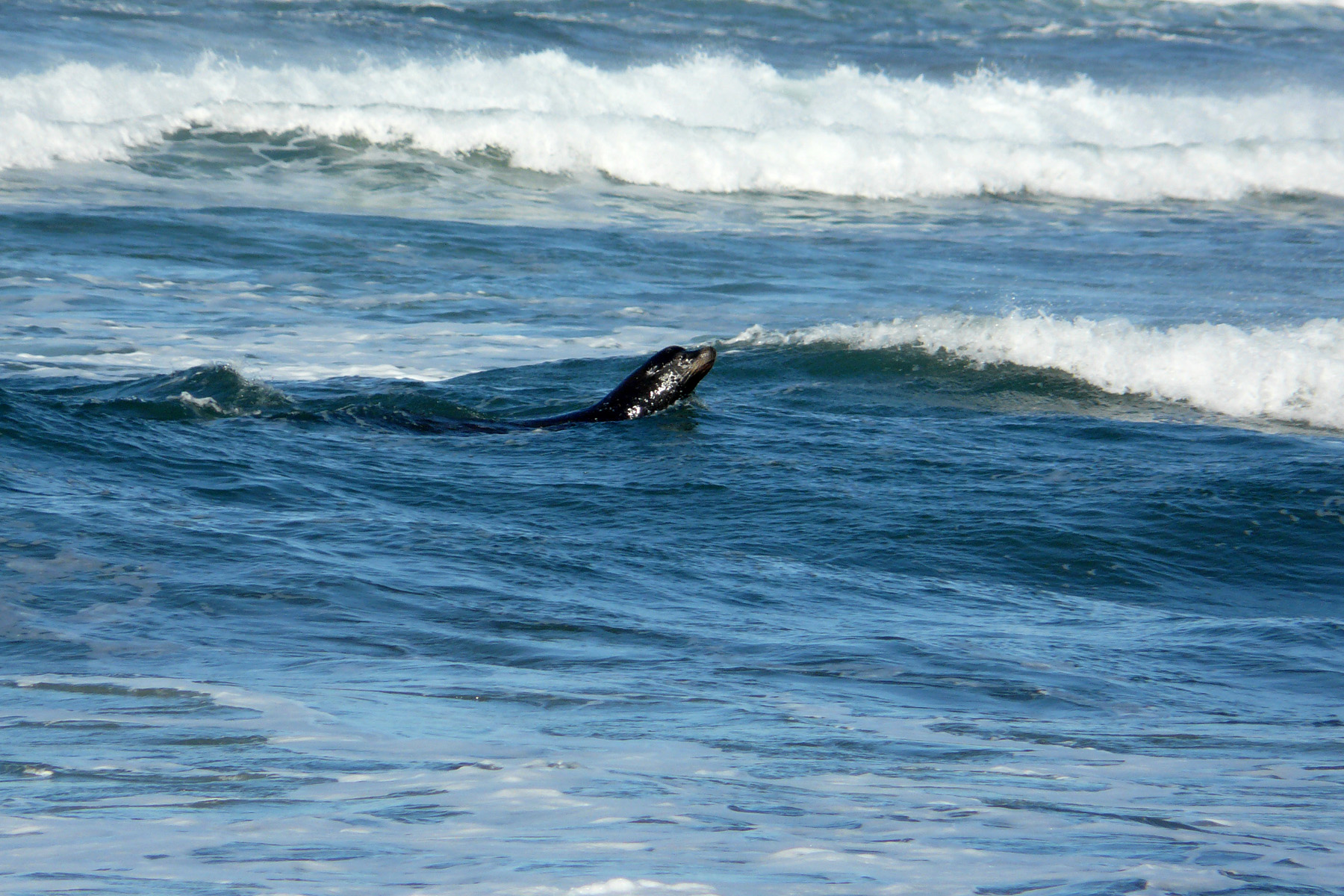
There were hundreds of California Sea Lions in the area, both on the jetty and in the surf.


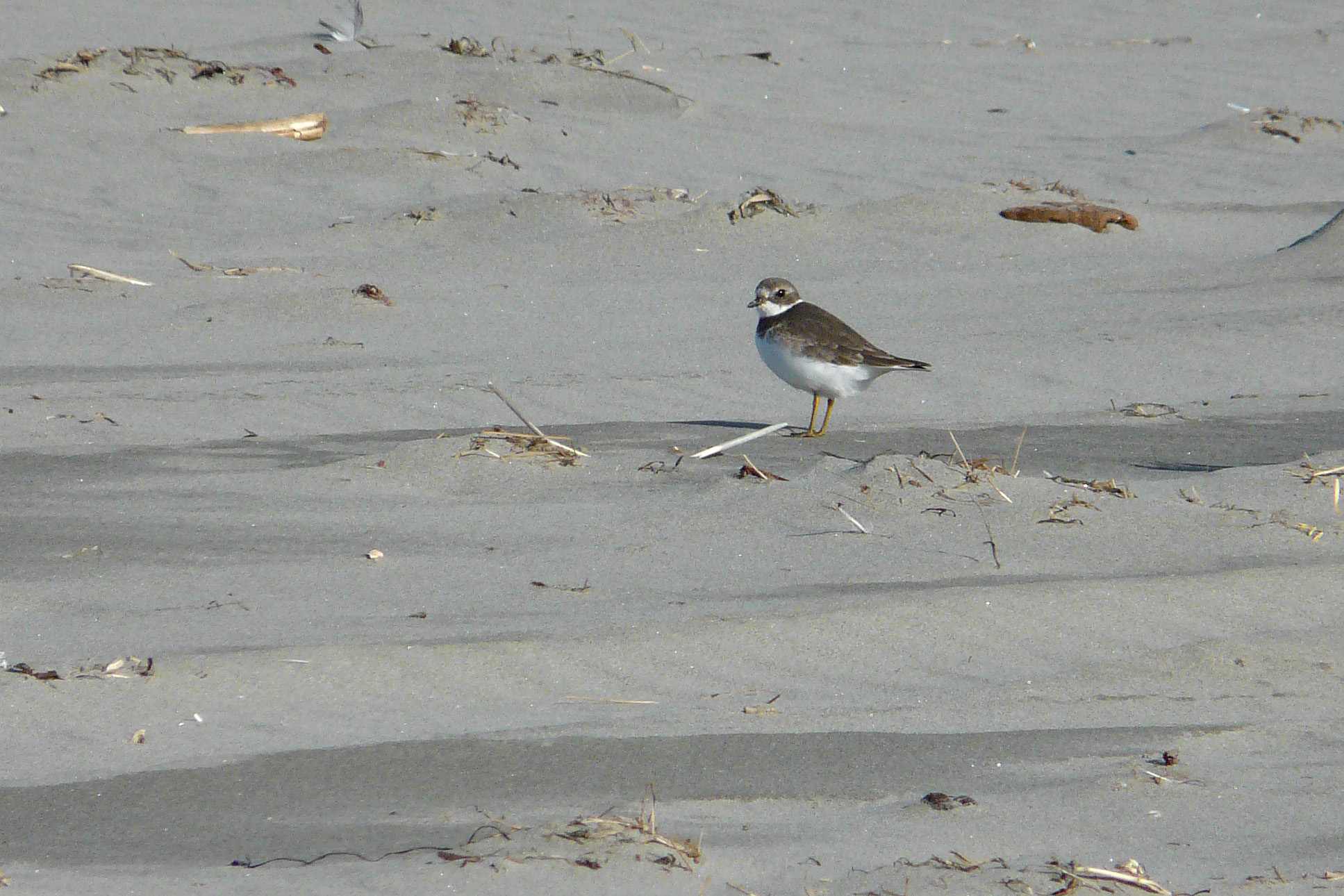
A flock of at least 35 Semipalmated Plovers were working the wrack line. There are ten in this image. No, really.


Here’s a better view of a Semipalmated Plover.


This Palm Warbler was a nice surprise. This species is rare along the coast in autumn.


Brown Pelicans were very common. The Heerman’s Gulls that harass them during the summer have already moved south for the winter, so the pelicans can feed in relative peace.


An adult (left) and juvenile Brown Pelican


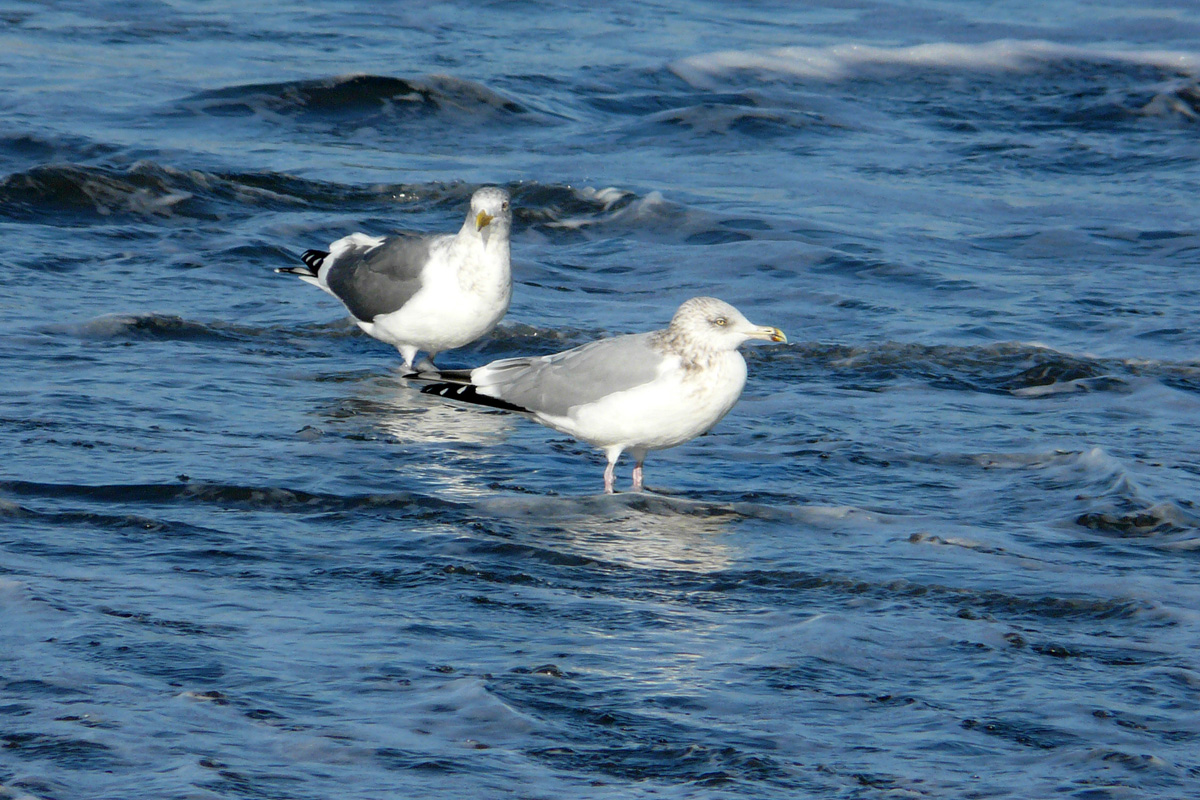
Western Gull (left) and Herring Gull. The gulls on the beach are much more wary than those that spend the winter in Portland.


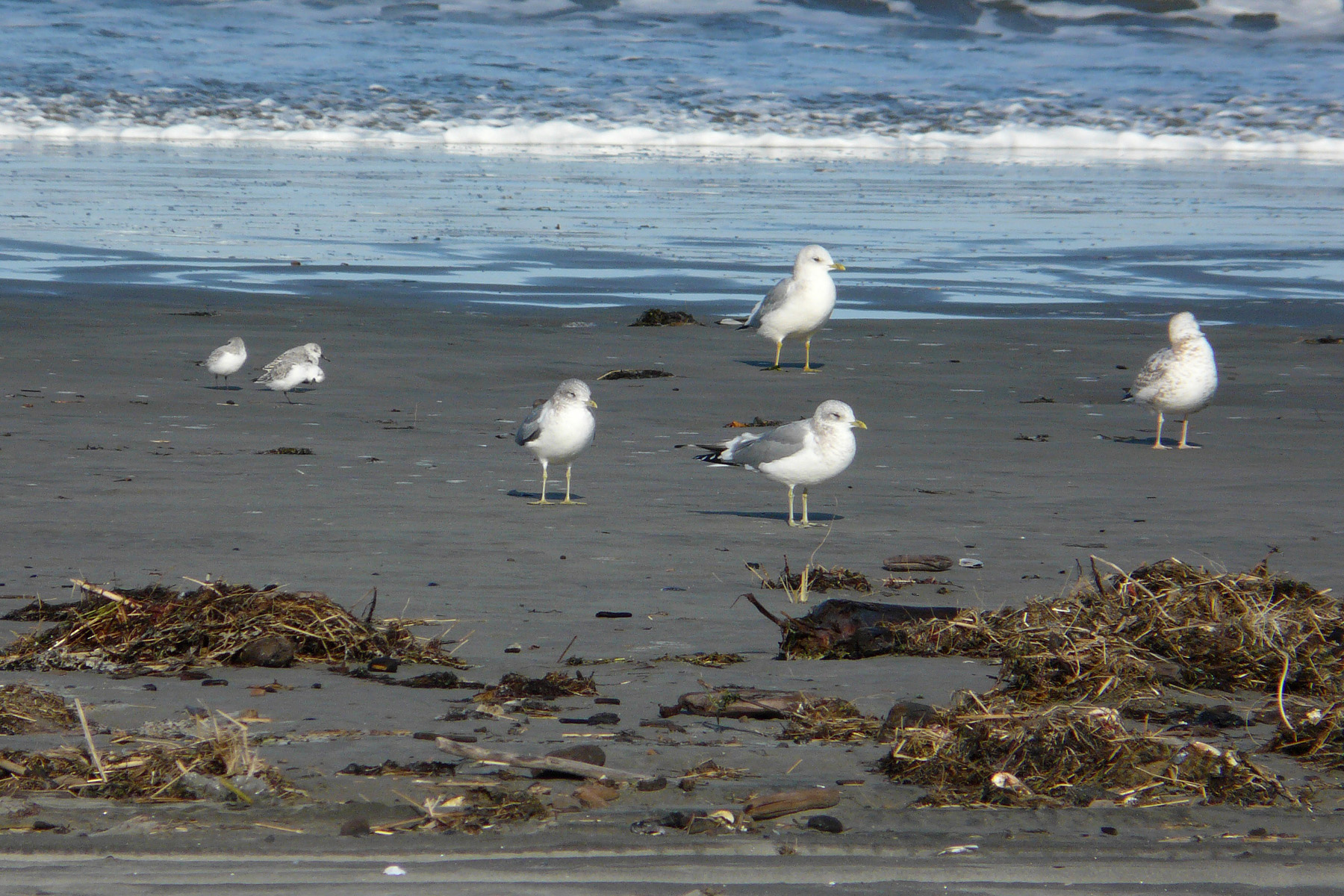
Sanderlings and Mew Gulls

Other goodies that escaped the camera were a Peregrine Falcon on the beach, a Northern Shrike, and three Western Meadowlarks. It was a great day to enjoy the sun before the cold wet weather settles in to stay.

Westmoreland Park

Westmoreland Park (Birding Oregon p. 69) is one of Portland’s premier loafing spots for gulls and waterfowl in autumn and winter. The city is planning to restore the natural flow of the creek in what is now an urban duck pond, so it will be interesting to see how these changes will affect bird use over time.


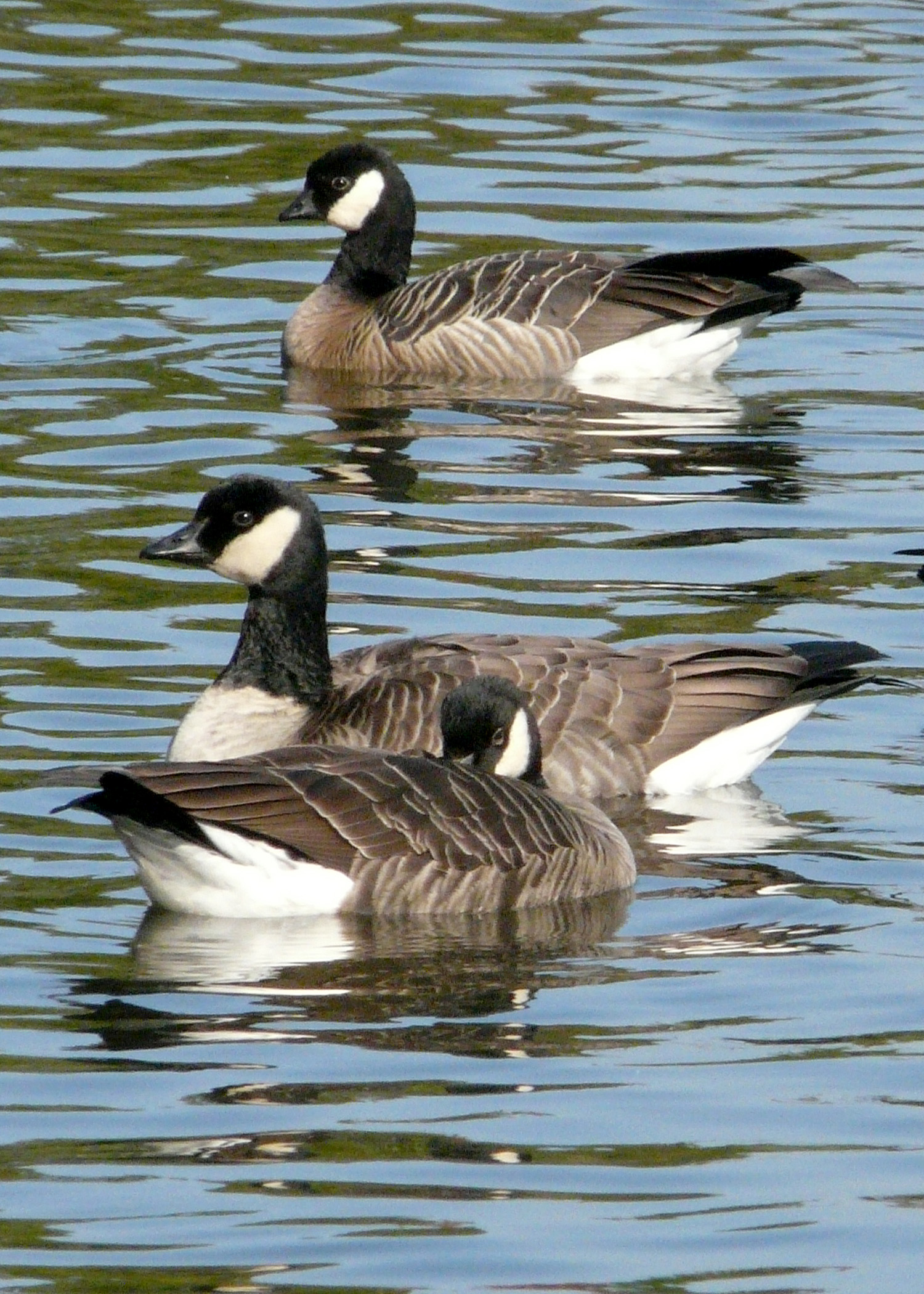
The main pond, with a few hundred Cackling Geese


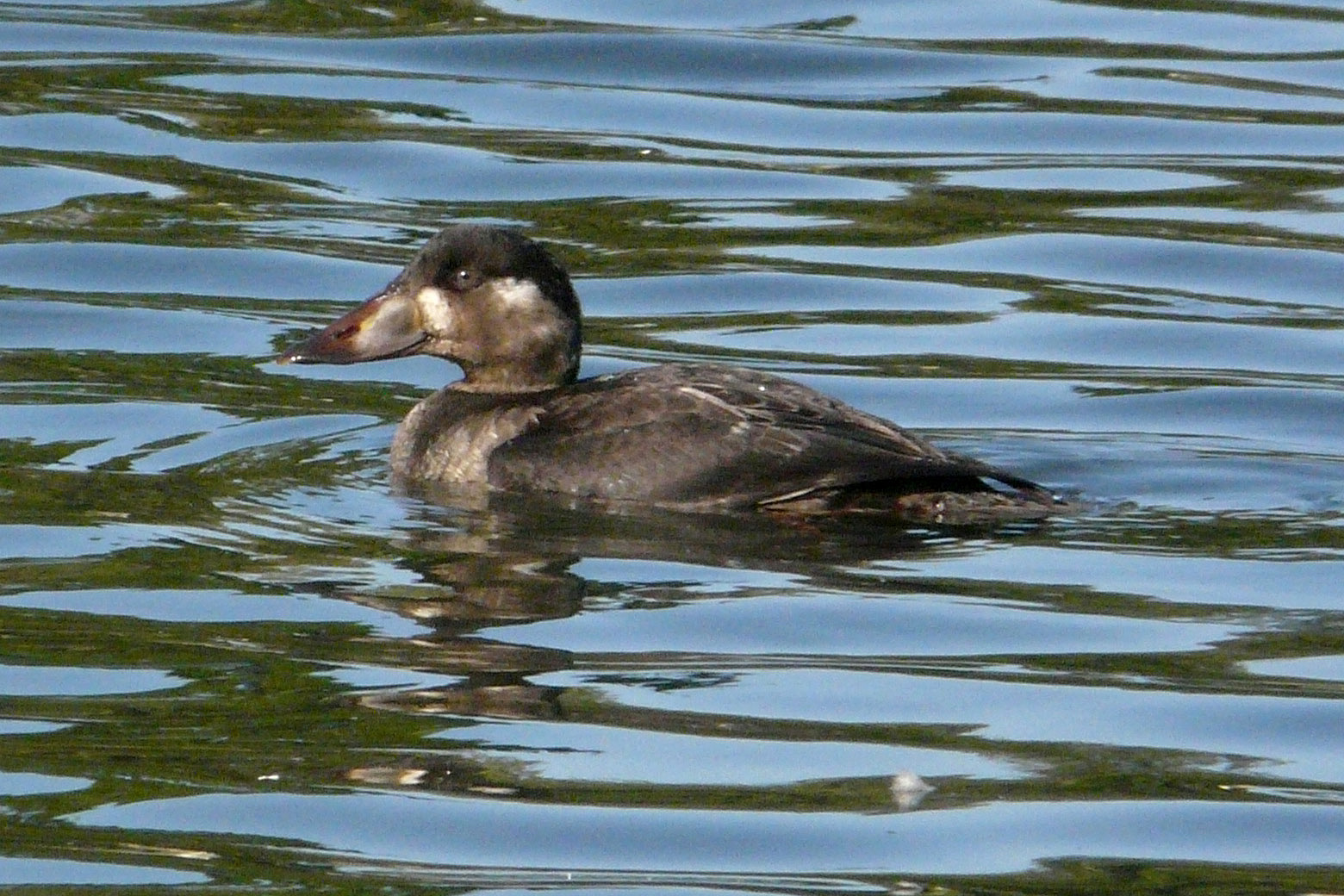
This female Surf Scoter has been hanging out for about a week. She is apparently finding enough mollusks to eat in this muddy pond. A few of these sea ducks are found on the Columbia River and on larger bodies of water in winter, but they are unexpected on such a small pond.


She spent a lot of time feeding under water.


Westmoreland is one of the easier places to find a cooperative Thayer’s Gull.


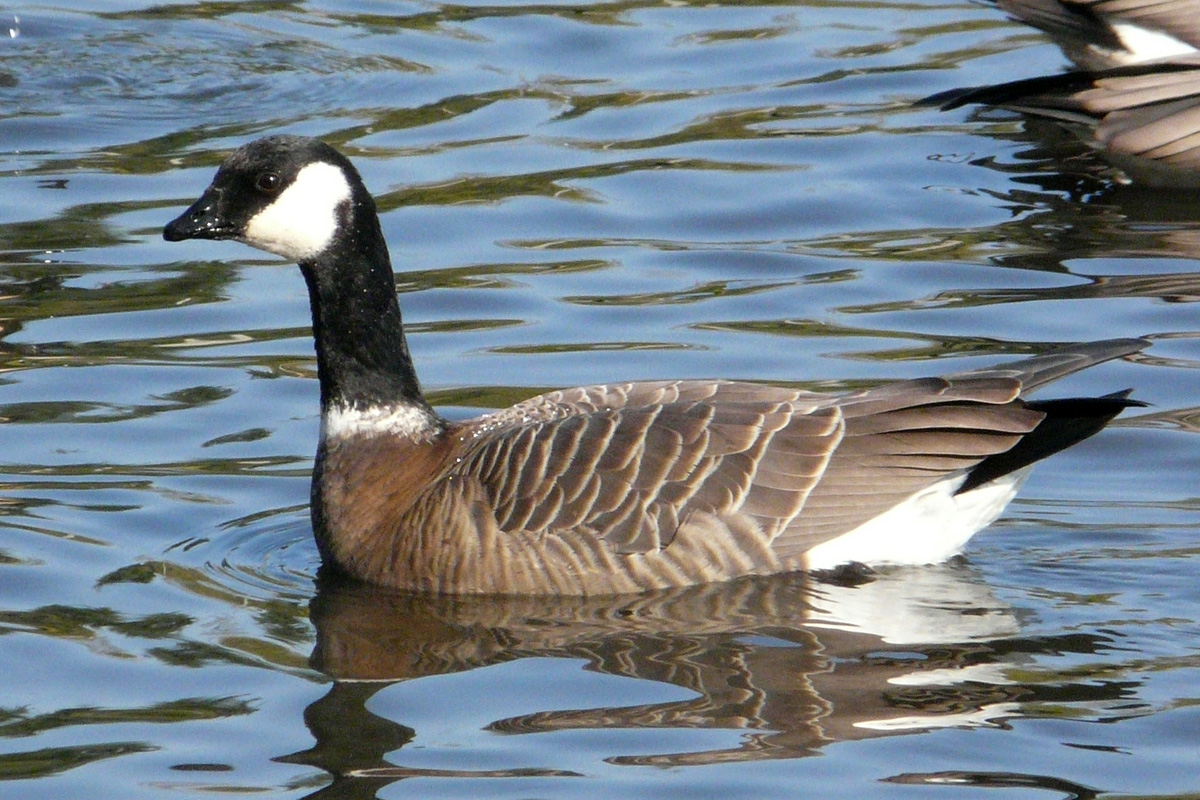
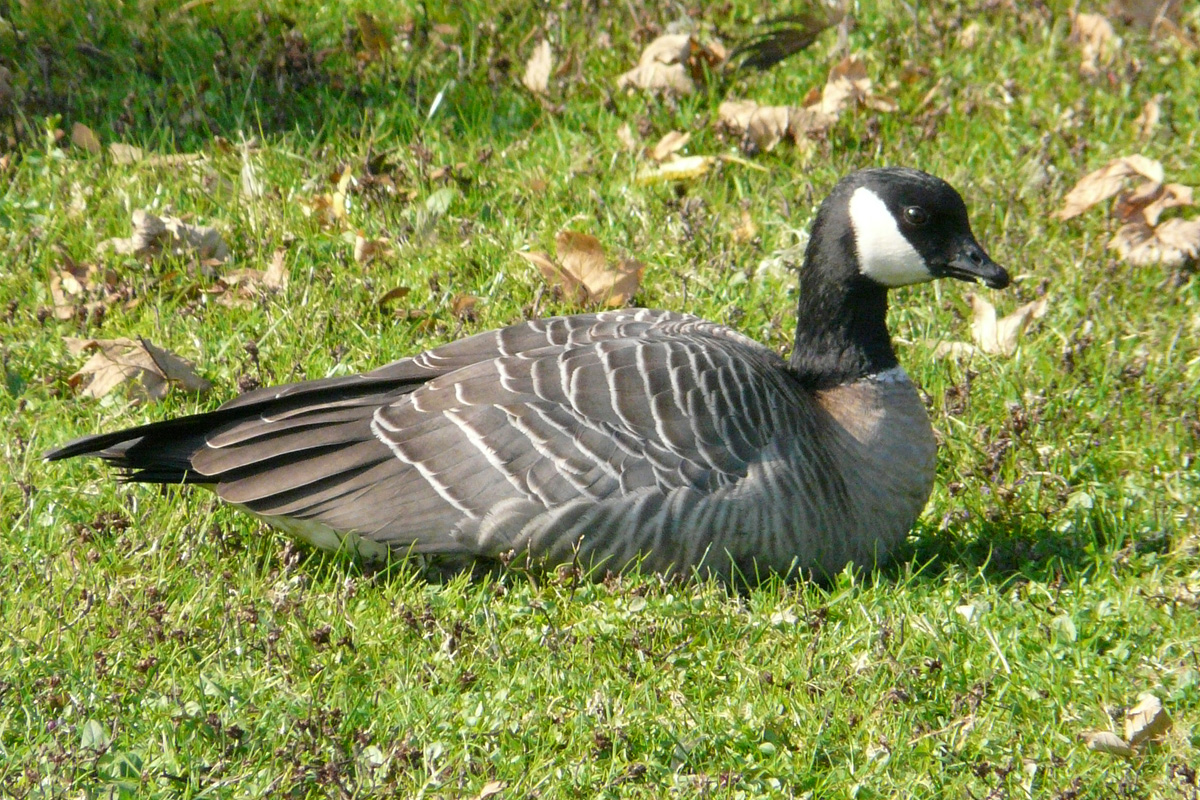
Ridgeway’s Cackling Goose (Branta hutchinsii minima) is the most common of the “white-cheeked” geese in the Willamette Valley in winter.


The Cackling Geese graze in the lawns at Westmoreland, but are more cautious than some of the other waterfowl.


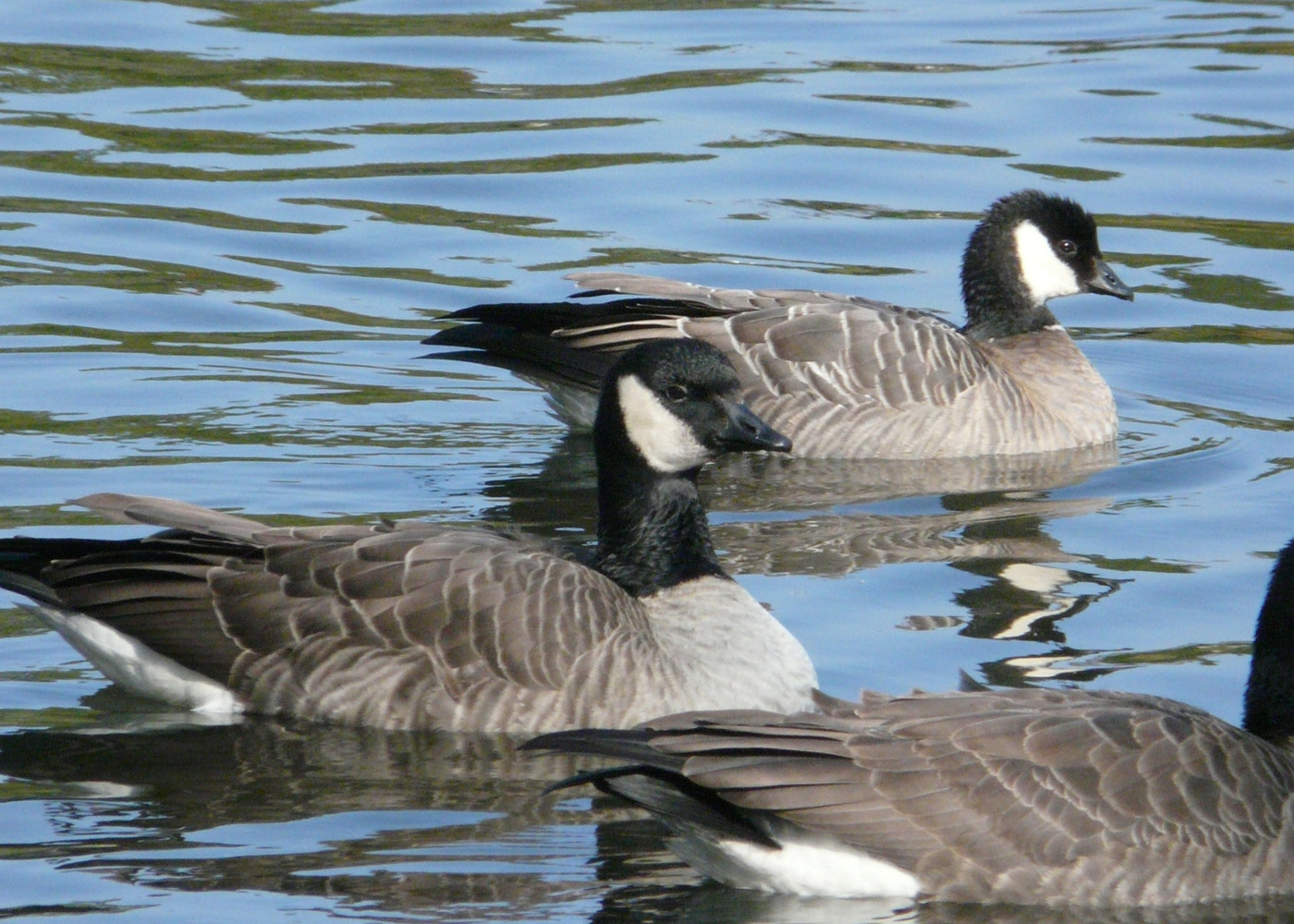
Taverner’s Cackling Goose (B. h. taverneri) in the foreground, with a Ridgeway’s Cackling Goose in the background


Taverner’s Cackling, with another Ridgeway’s Cackling in the background


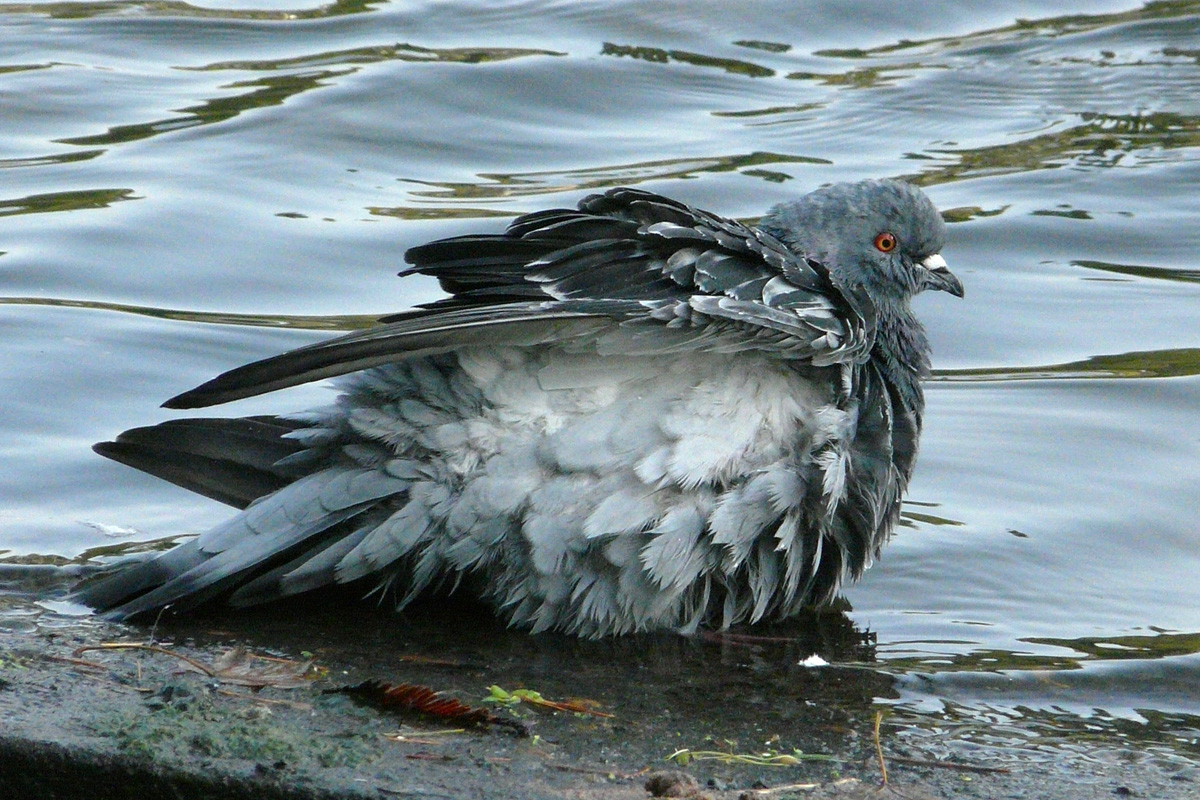
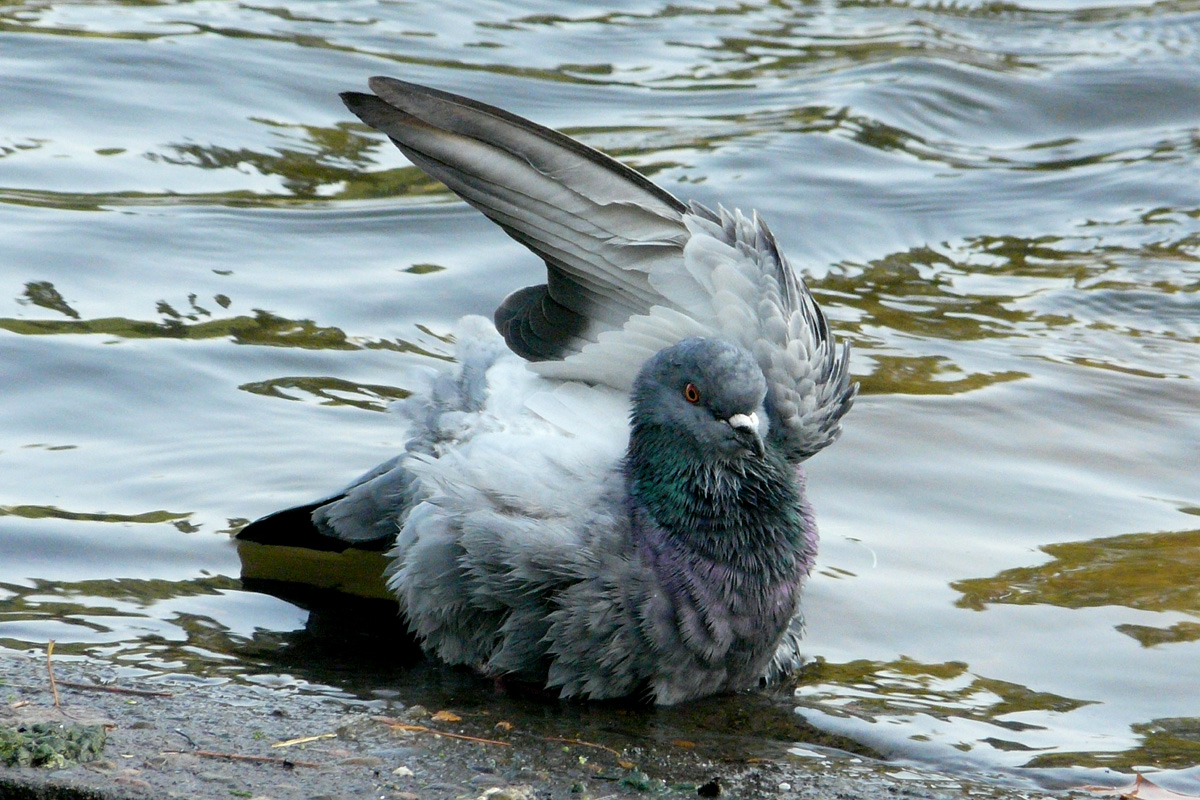
This Rock Pigeon was enjoying a bath at the pond’s edge.