Fort Stevens State Park

When the tides are right, the area around Parking Lot D at Fort Stevens State Park can be very productive.
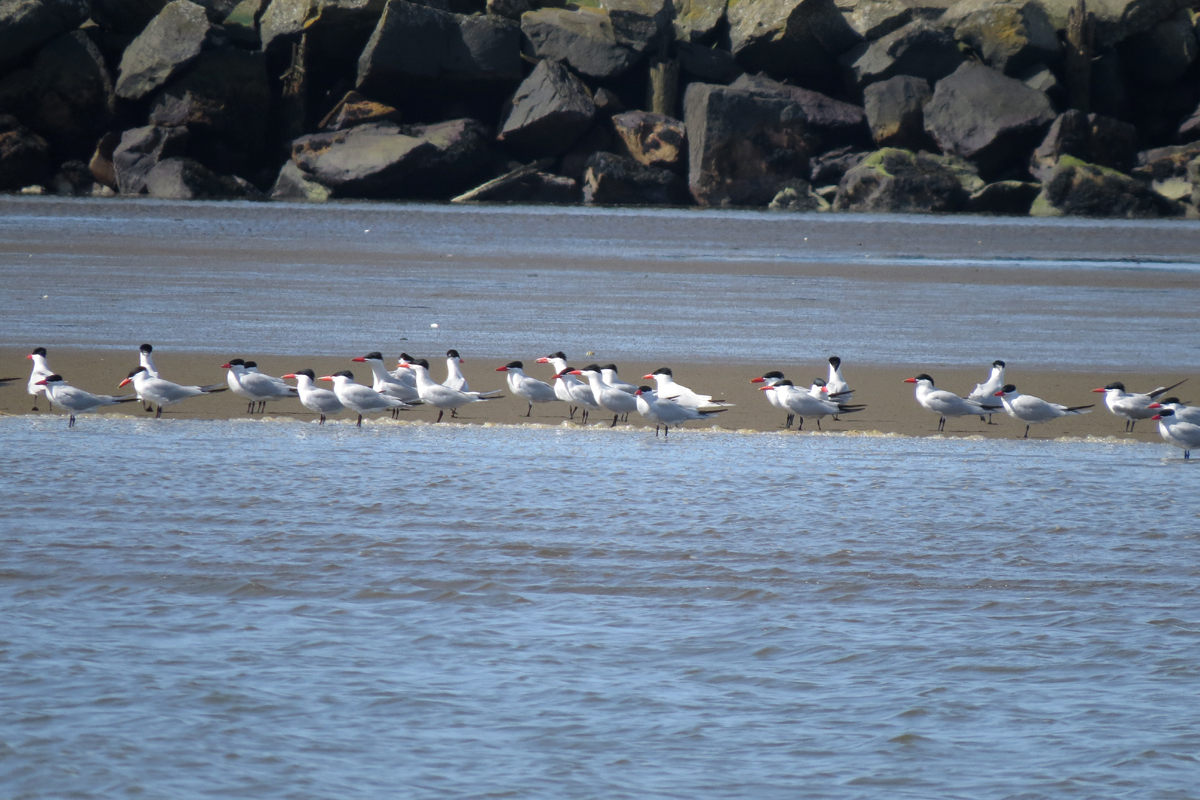
caspian ternsOn my recent visit, I found about 400 Caspian Terns in the bay. Many of the birds were presenting fish to their lady loves, and a few were rewarded accordingly (nudge, nudge, wink, wink). A Bald Eagle would occasionally take a pass at the flock, sending the terns off in a big swirling mass, but the birds would quickly settle down again.
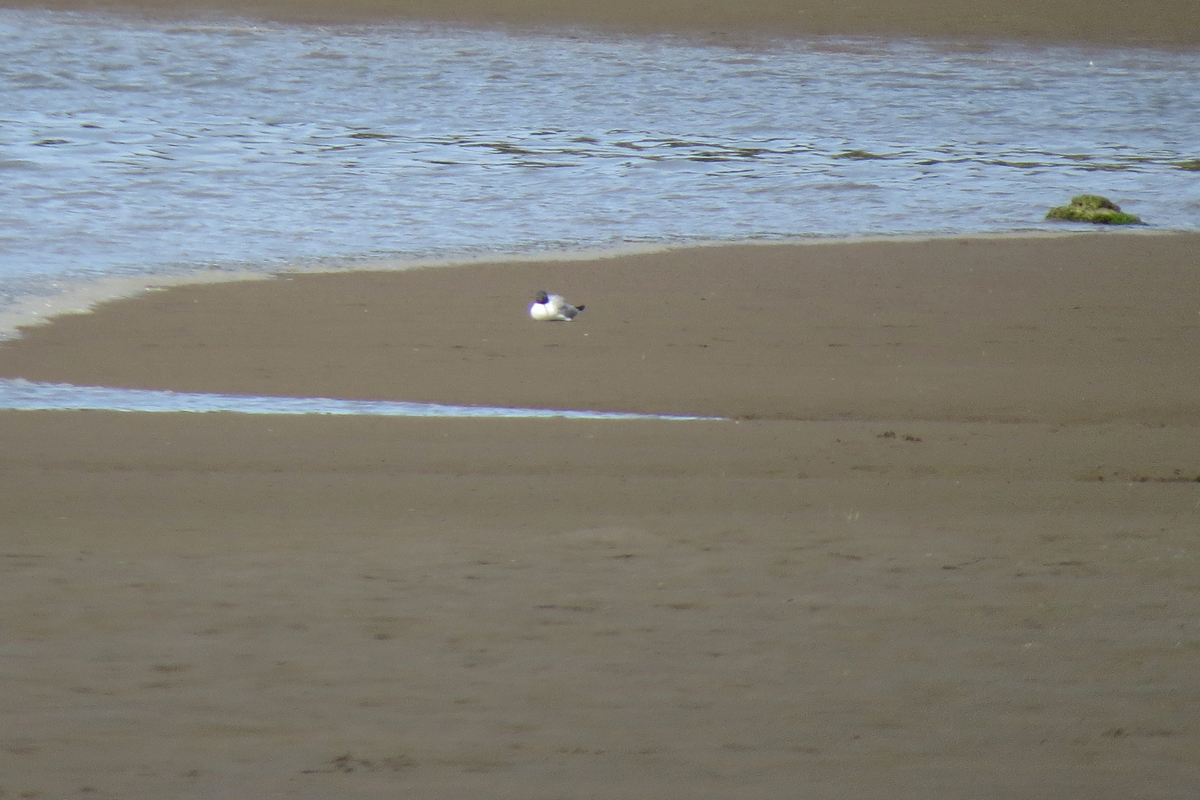
bonaparte's gullOne of my favorite birds of the day was this breeding plumaged Bonaparte’s Gull. I watched the bird fly in and settle on the mud flat. I snapped a couple of frames from a great distance, planning on getting better views. But, as is often the case, the bird took off before I could get any closer.

shorebird flockOver the past few years, this site has been become a productive spot for shorebirds. The spring shorebirds migration is well past its peak, but there were still a few birds around. This little flock was actively feeding along the shore, so I sat on my knees in the sand and waited for the birds to come to me. Shorebirds are very wary of people standing upright, but if you sit down, or better yet, lie down, the birds will come quite close.

dunlinThis blurry Dunlin was the only member of her species in the flock.
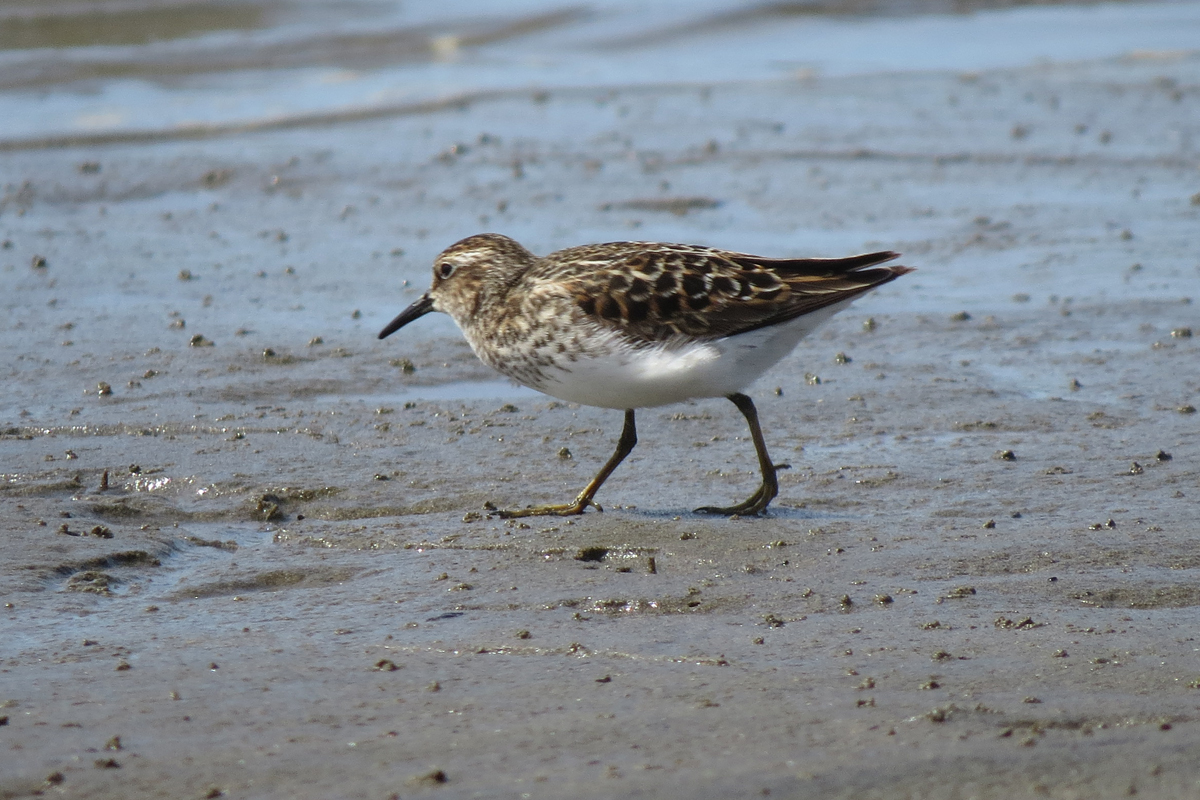
least sandpiperLeast Sandpiper

western sandpiper 3Western Sandpiper

semipalmated plover and least sandpiperSemipalmated Plover and Least Sandpiper

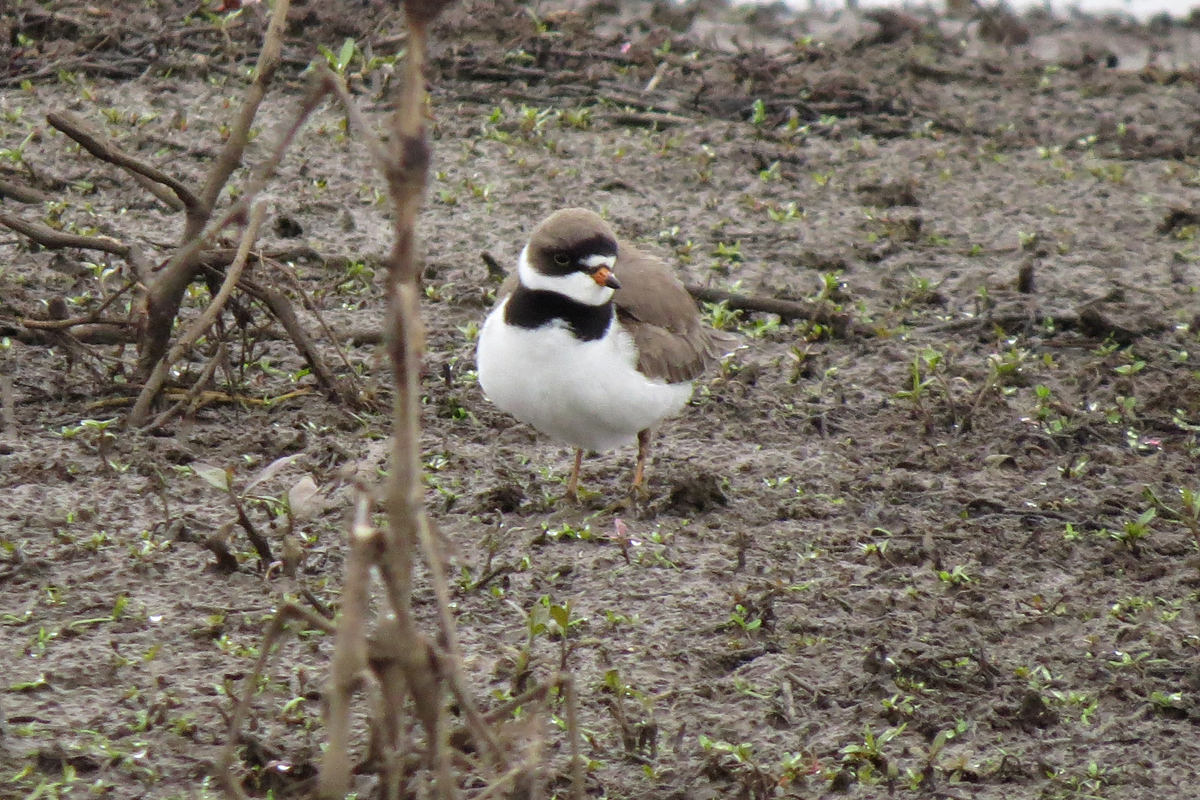
semipalmated ploverSemipalmated Plovers made up the bulk of this flock.
semipalmated plover feedingWhile the spring shorebird movement is about done, the southbound migration begins in about six weeks, so we don’t have too long to wait for another shorebird fix.
Spring Shorebirds

I had hoped to get to the coast this week, but a big weather system was blowing in so I  visited Fernhill Wetlands and Jackson Bottom. Both sites had a few shorebirds sporting their breeding plumage.

semipalmated plover fluffySemipalmated Plover

semipalmated plover 1

dunlinDunlin

least sandpipersLeast Sandpipers

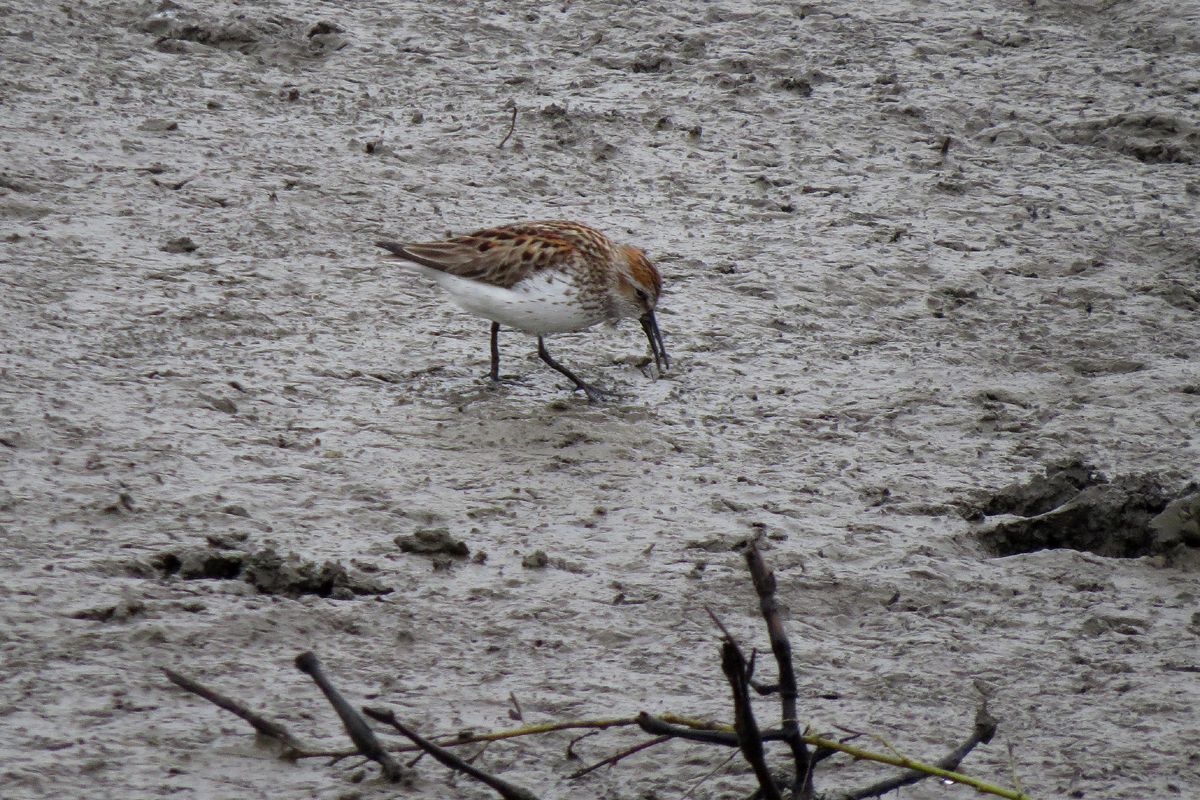
western sandpiperWestern Sandpiper

long-billed dowitchersLong-billed Dowitchers at Jackson Bottom. The sticks in the foreground are willow stakes planted by Clean Water Services. As these willows grow, they form a canopy over the mud flats, making the habitat useless to migrating shorebirds. Birders have been complaining about the practice at this site for years, to no avail.

Any Minute Now

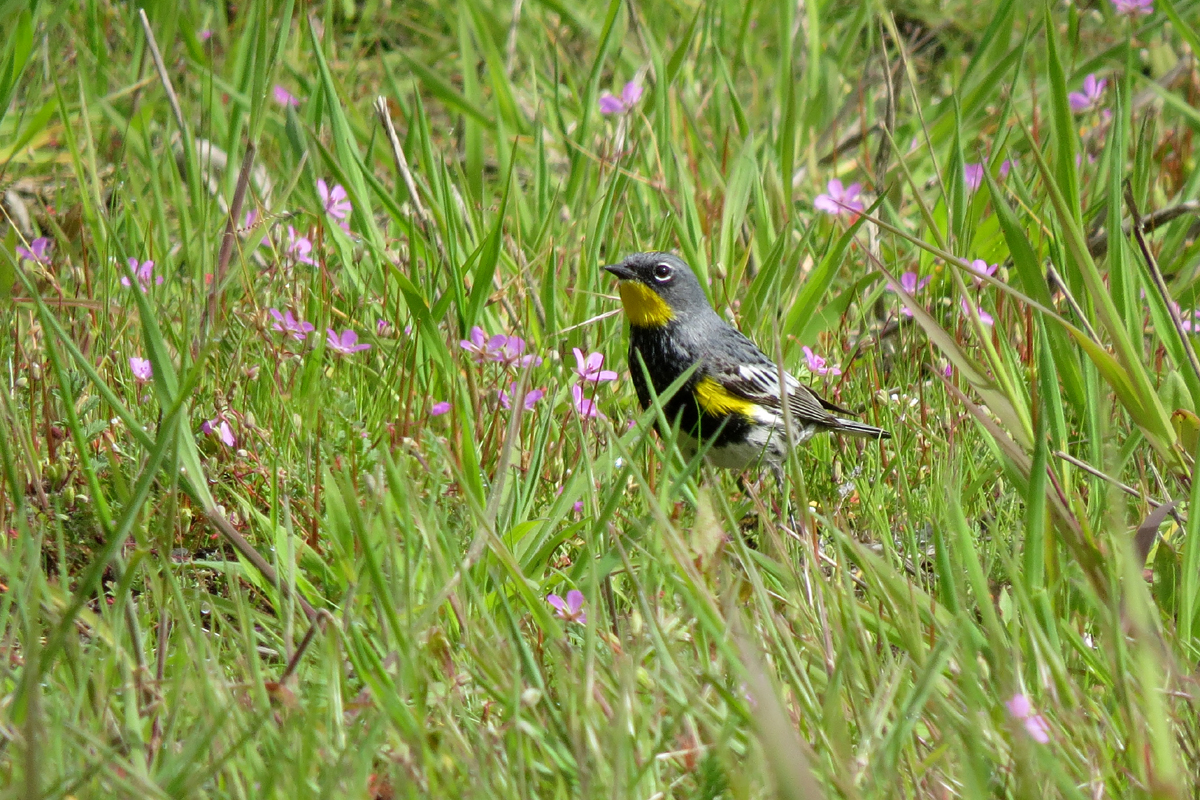
yellow-rumpedSpring migration is picking up, with good numbers of warblers just starting to arrive, just in time for my Warblers and Flycatchers class next week. Here is a Yellow-rumped Warbler in a field of little flowers which I think are spring beauties. How appropriate is that?

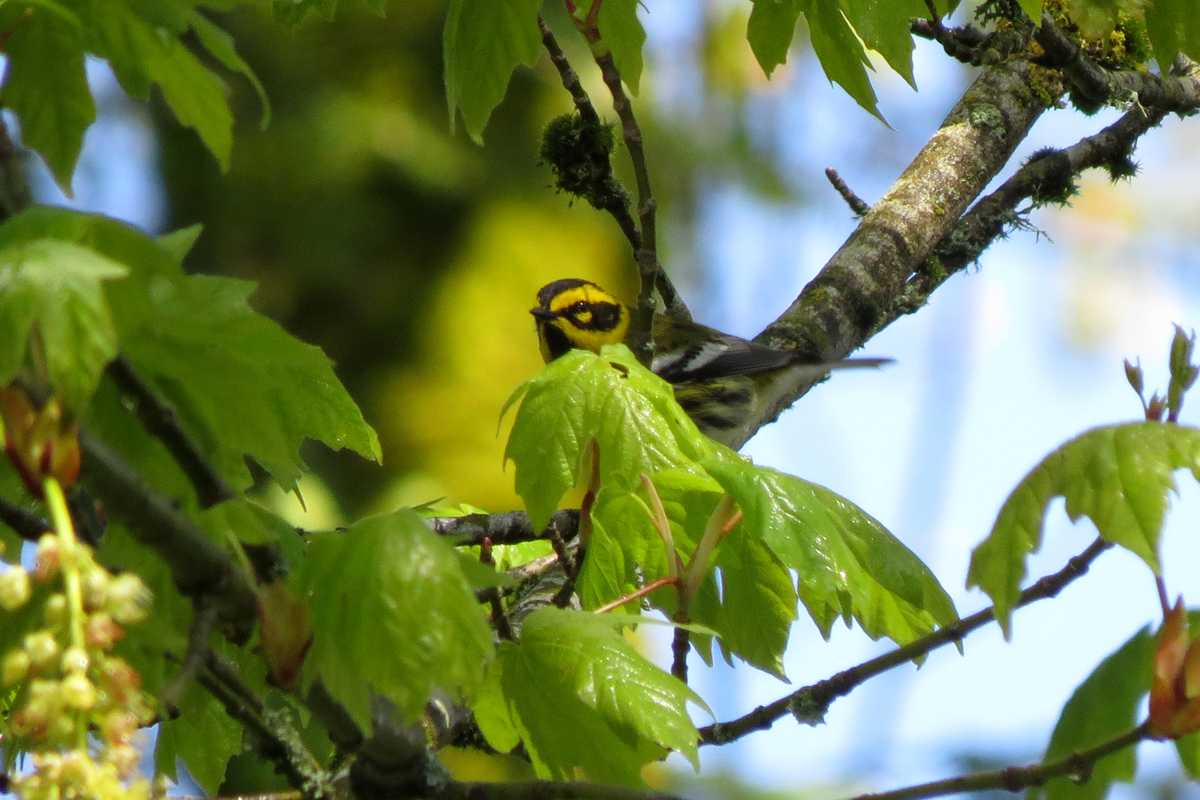
Townsend's WarblerTownsend’s Warbler

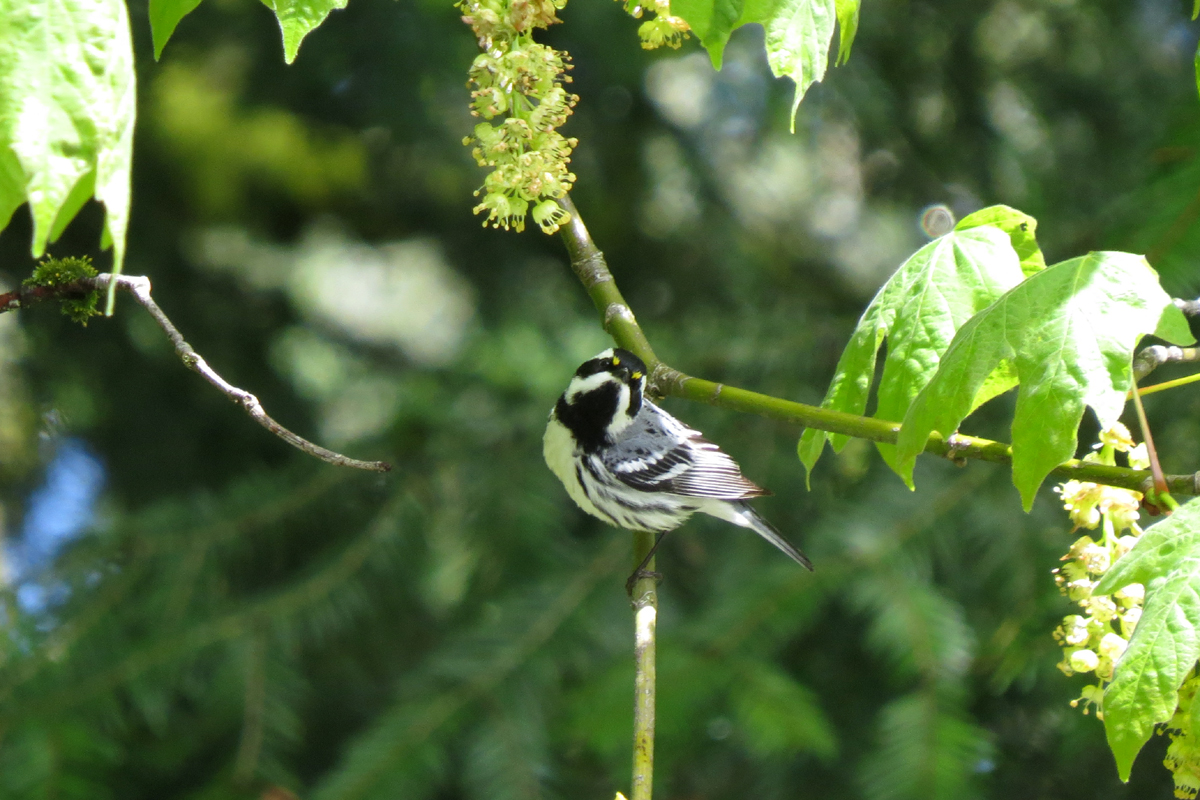
black-throated gray sideBlack-throated Gray Warbler
black-throated gray frontMigrant warblers are often found in big leaf maples this time of year. The blossoms attract insects that the birds feed on.

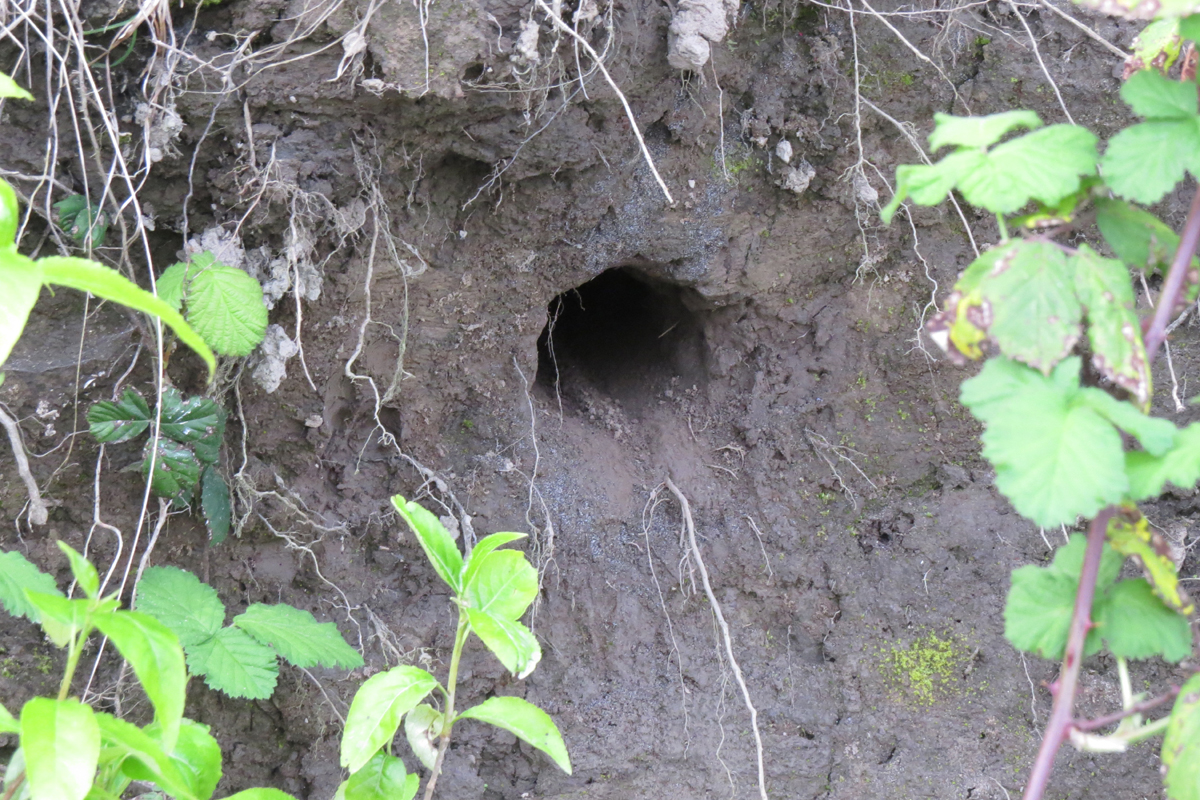
kingfisher burrowNot a warbler, but still a neat find is this Belted Kingfisher burrow along the Columbia River. The burrow is pretty low, and in a area that gets a lot of human and dog traffic, so it will be interesting to see if the birds can successfully nest here.

Fernhill Wetlands 10 April 2014

I took a quick tour of Fernhill Wetlands this week. Great changes are planned for this site. The main lake will be made smaller, and the other two impoundments will be replaced with emergent wetlands. I am looking forward seeing how things progress. Here are some birds and other critters from the trip.

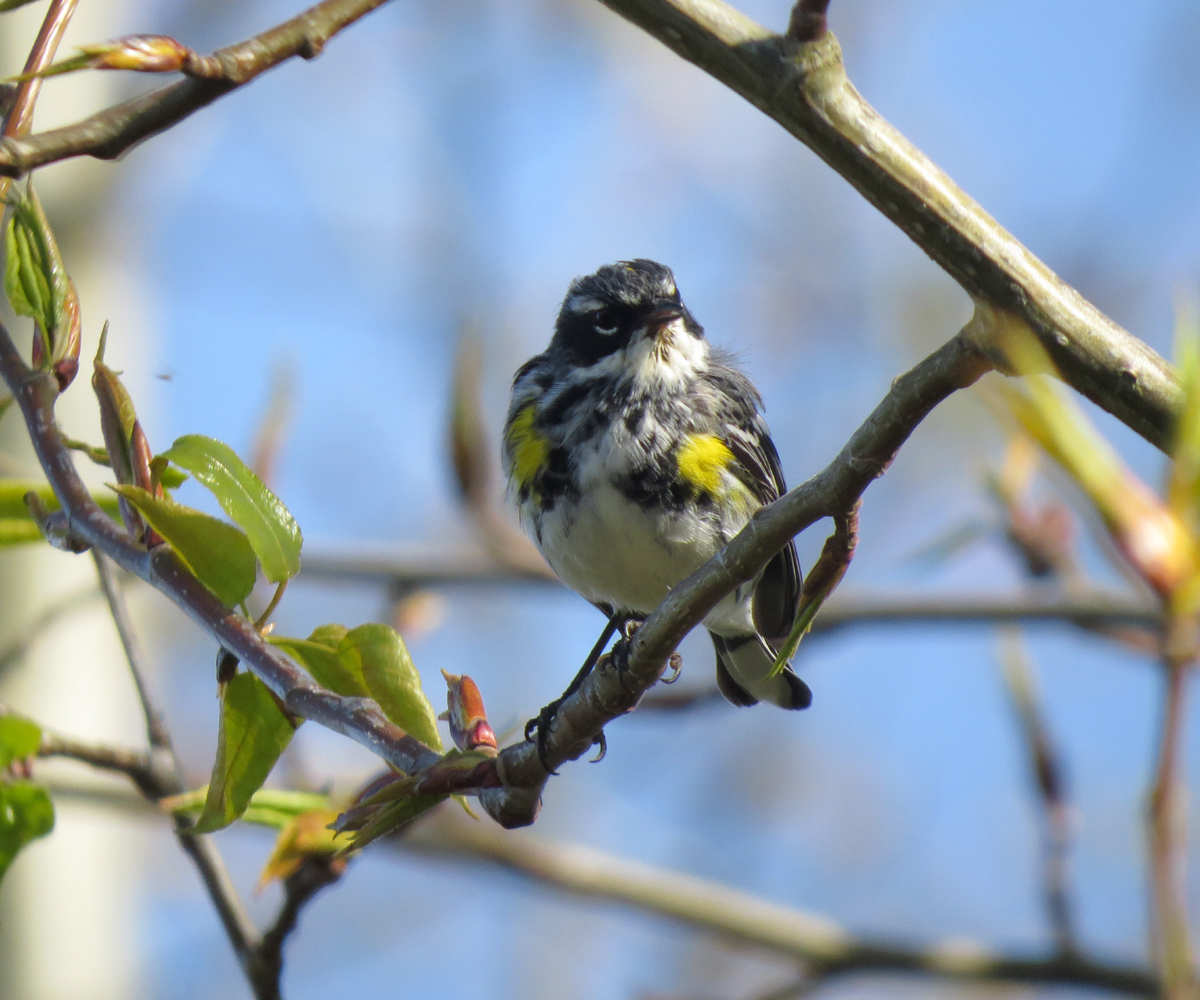
yellow-rumped warblerMany Yellow-rumped Warblers were passing through, mostly the Myrtle race, with only one Audubon’s.

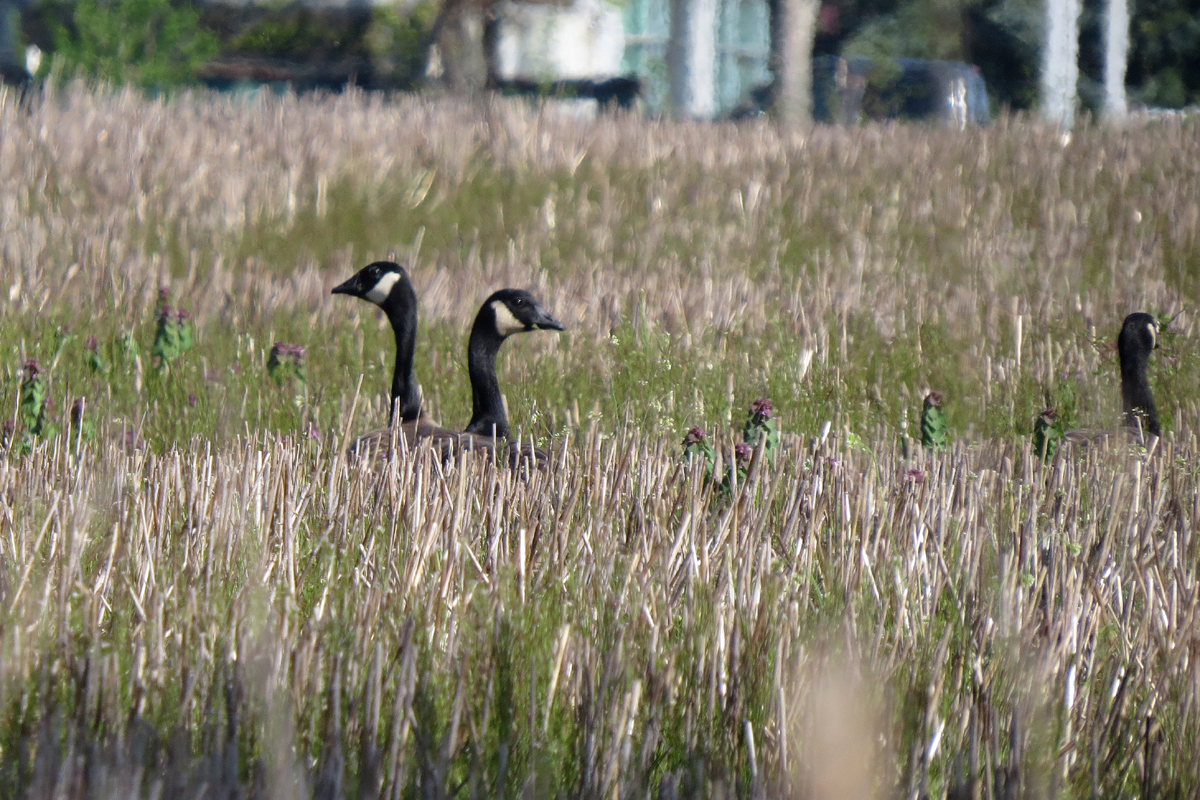
cackling geeseFlocks of Taverner’s Cackling Geese were feeding in the fields north of the main lake.

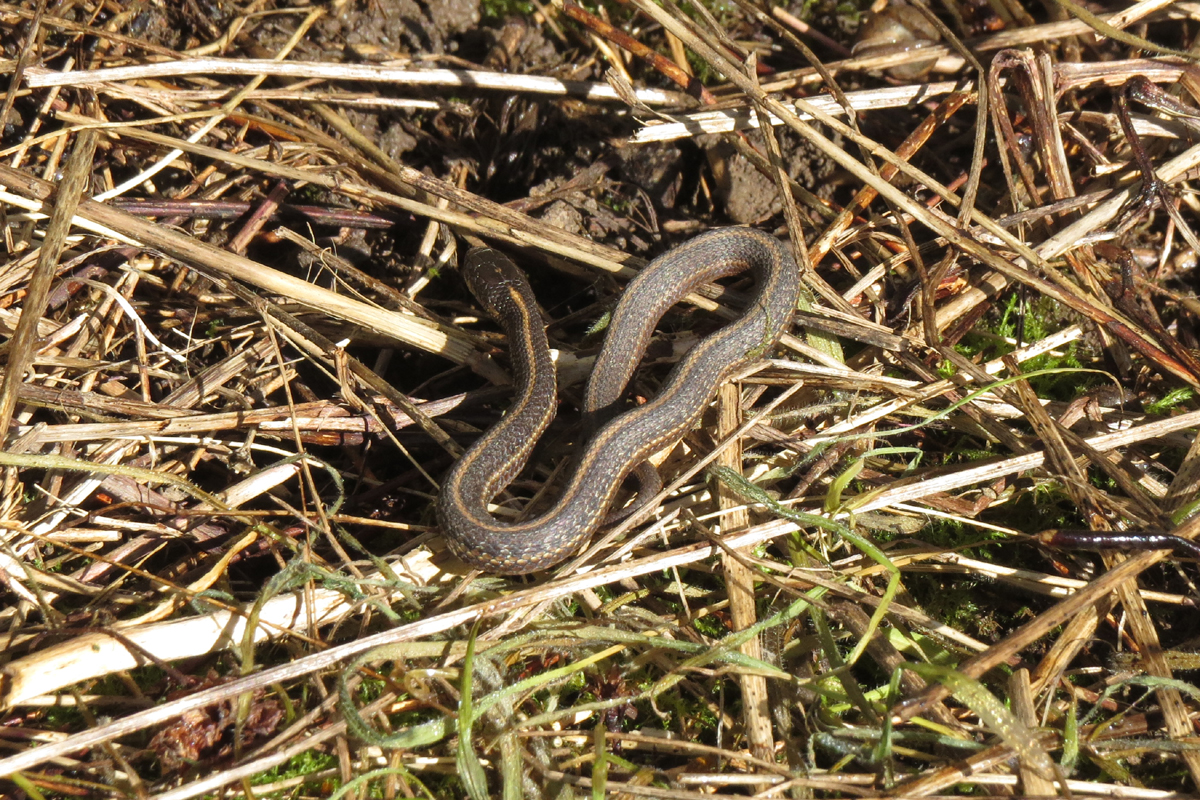
garter snakebaby Garter Snake. I’m not sure if this is a Common or Northwestern Garter.

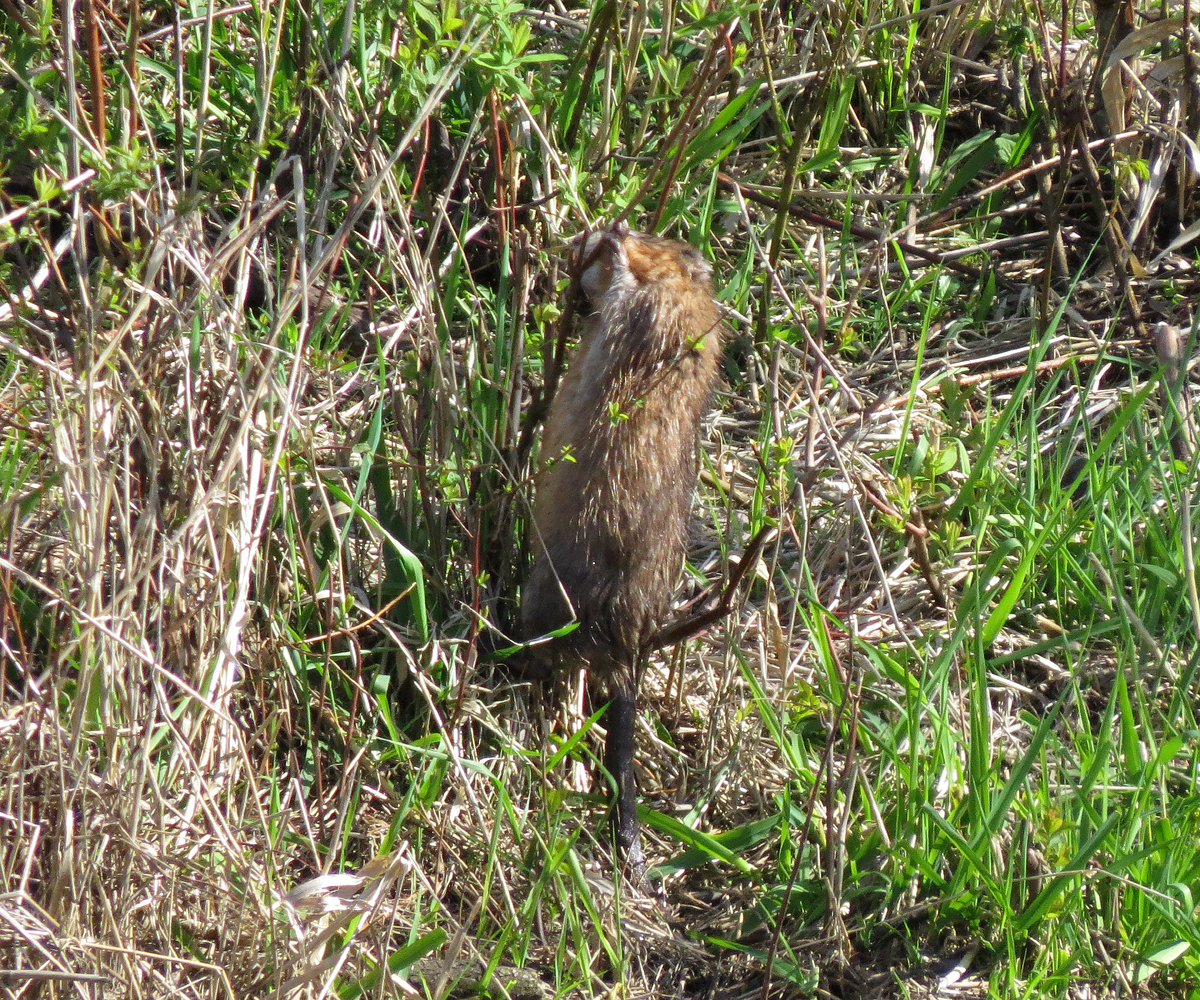
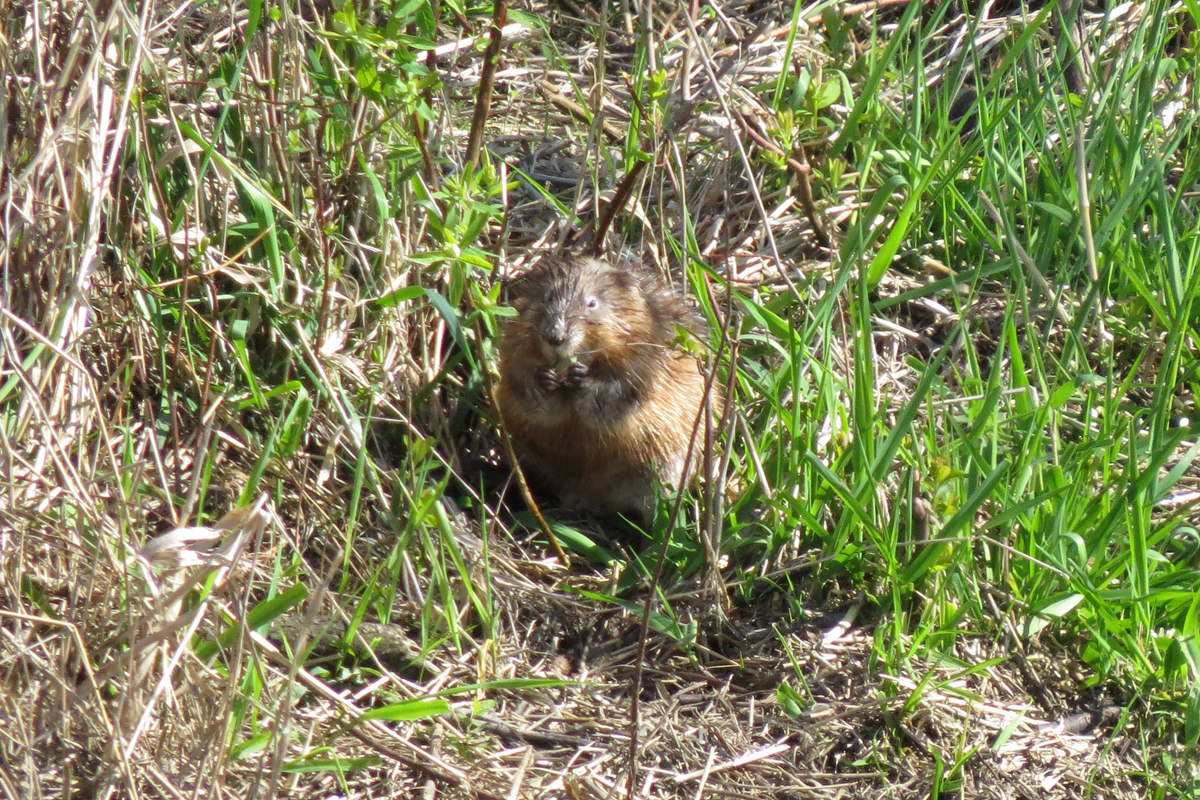
muskrat climbingI don’t think I’ve ever seen a Muskrat climbing a tree before. This one was gnawing off a branch to get to the leaves.
muskrat front

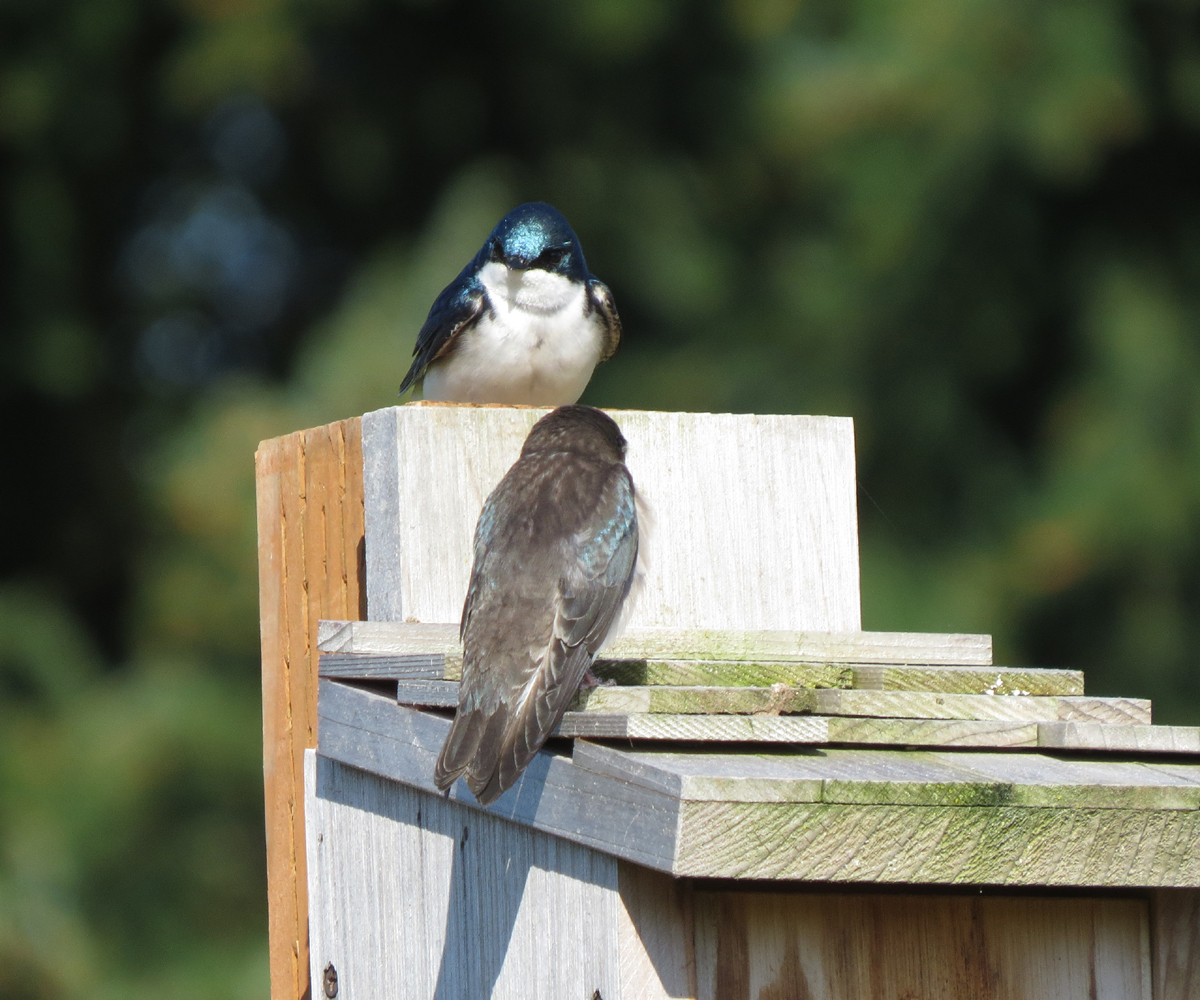
tree swallowTree Swallows are swarming around Fernhill Wetlands, no doubt encouraged by the many nesting boxes that have been installed at the site.
tree swallows

northern shovelersNorthern Shovelers were the most common duck species on the lake.

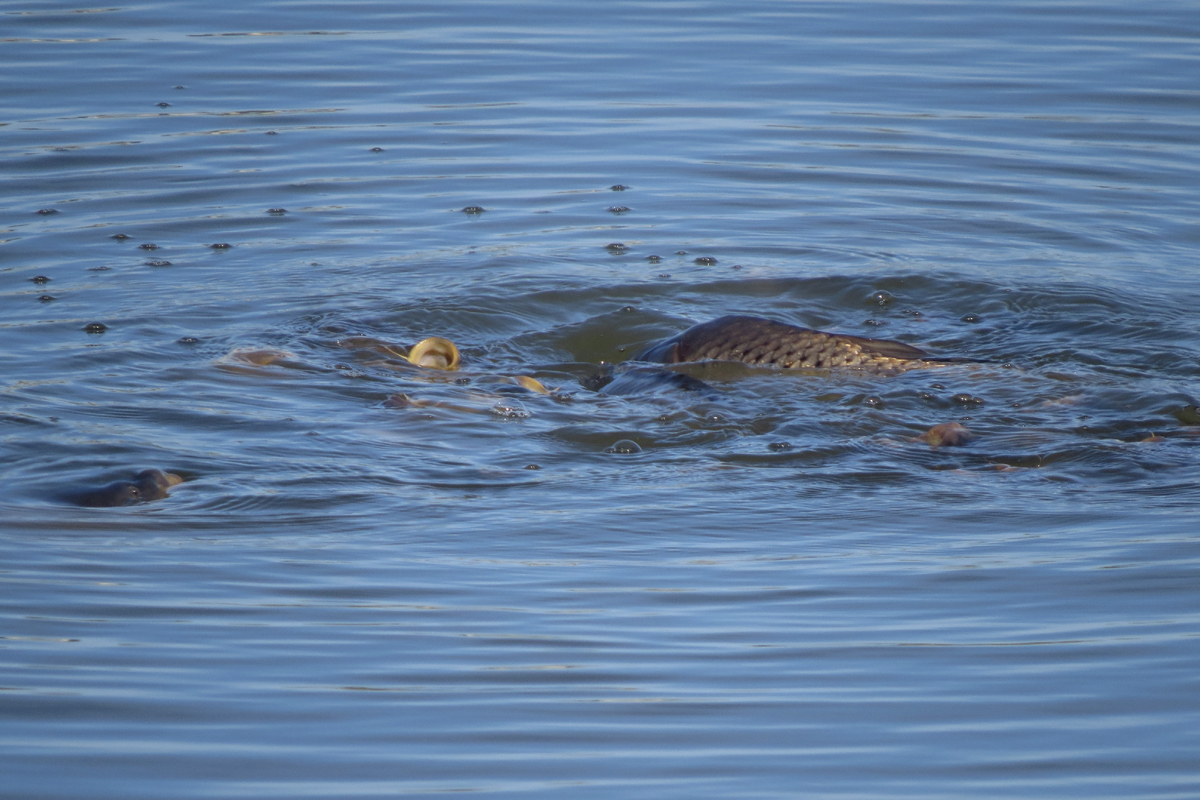
carpSeveral schools of Common Carp were active at the surface. I don’t know if they were feeding on aquatic insects or involved in spawning.

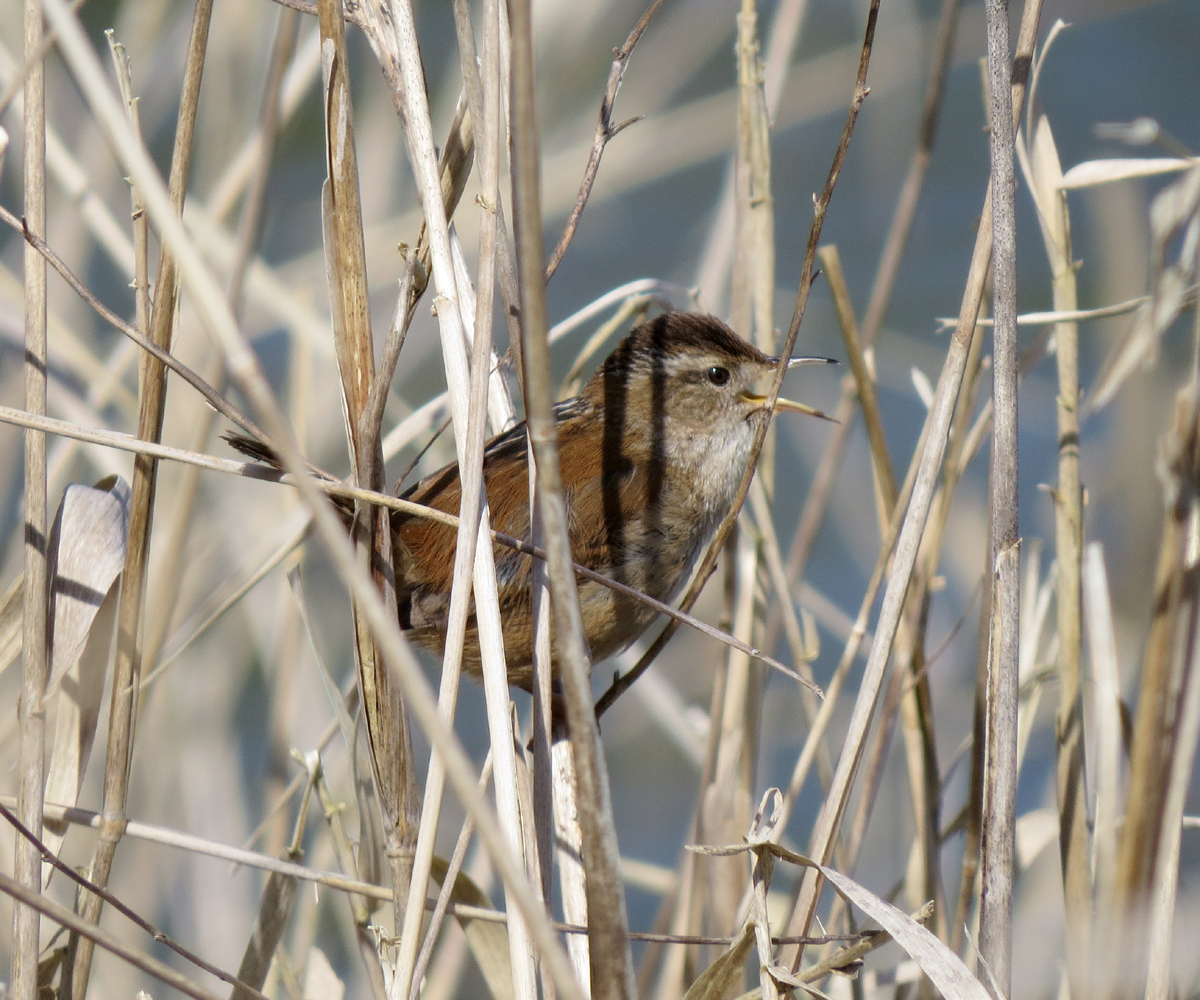
marsh wren singingMarsh Wrens are starting to sing.

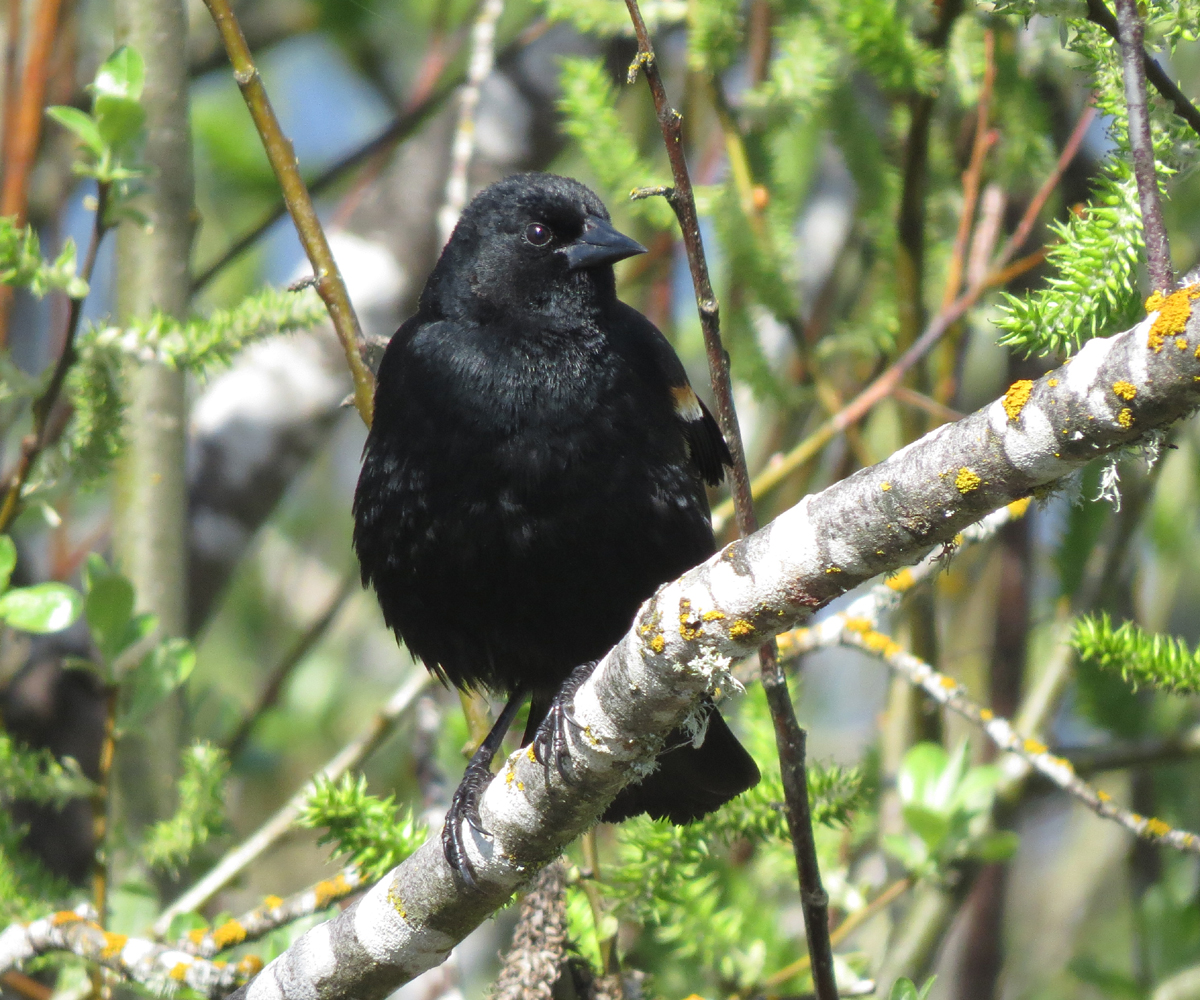
red-winged blackbirdA few Red-winged Blackbirds were displaying. There aren’t very many Red-wings at Fernhill since most of the cattails died off several years ago.

Slow Spring

The end of March and beginning of April have been cool and wet. Spring is progressing, but seemingly very slowly. Here are a few images from the past week.

pacific wren frontPacific Wrens are singing everywhere. This bird was at Powell Butte Nature Park in SE Portland.

savannah sparrow frontSavannah Sparrows are staking out their territories in the grassland at the top of Powell Butte.
savannah sparrow side

ruddy duckThis Ruddy Duck at Vanport Wetlands is sporting his spring colors.

pileated woodpecker 2This Pileated Woodpecker is excavating a cavity at Tualatin Hills Nature Park. Thanks to Michele for sharing the location of this nest.
pileated woodpecker 3

common garterThis tiny Common Garter was also at Tualatin Hills.

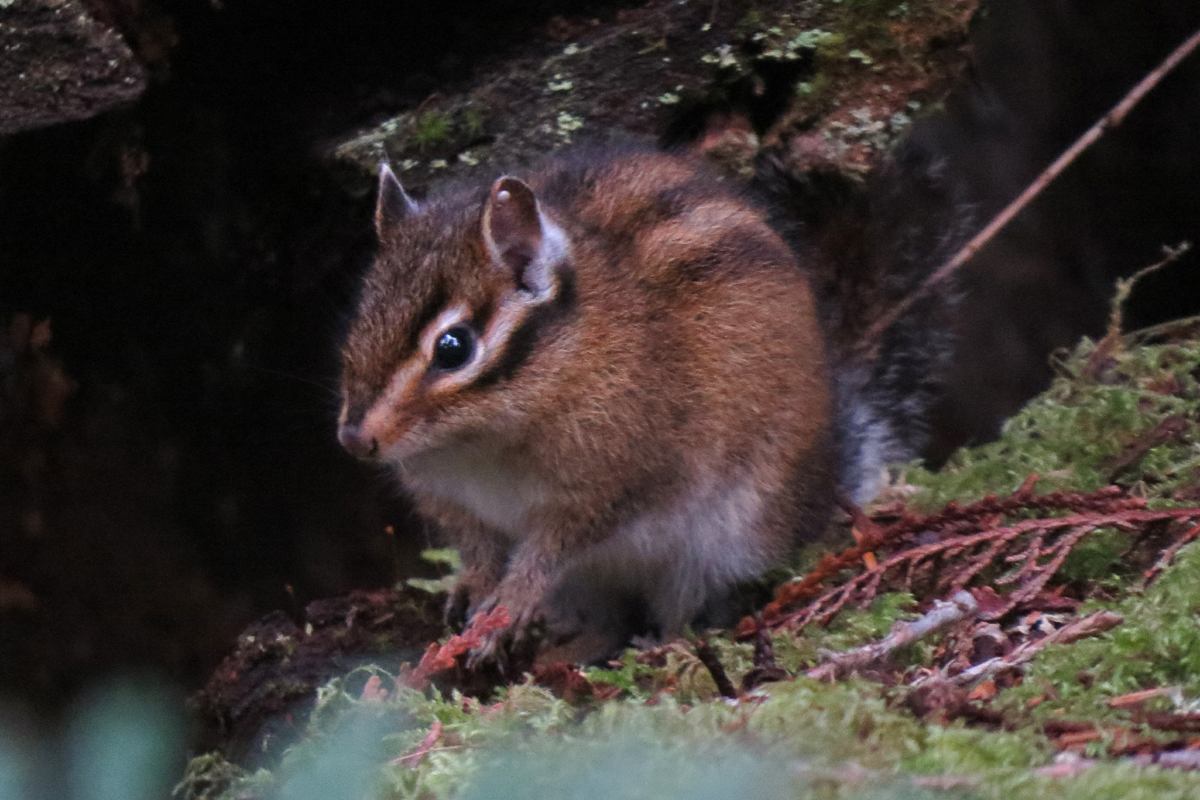
townsend's chipmunkAs was this Townsend’s Chipmunk.

nala frontNala is far more interested in fetching sticks from the river than looking at birds. This “stick” in the Columbia is probably her biggest to date.
nala back


Sauvie Island

I took my Little Brown Birds class to Sauvie Island. A walk along the length of Rentenaar Road is always good for sparrows.

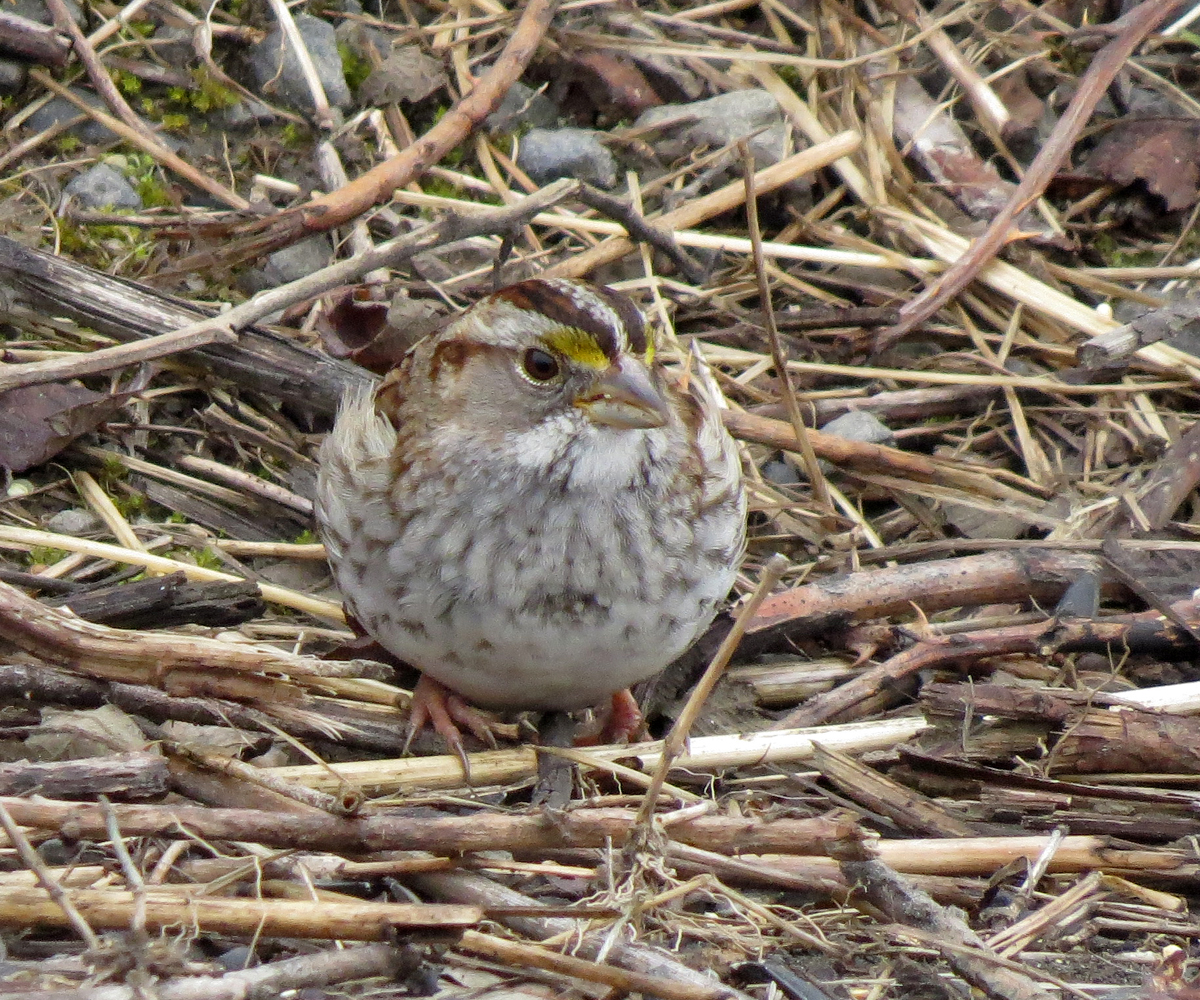
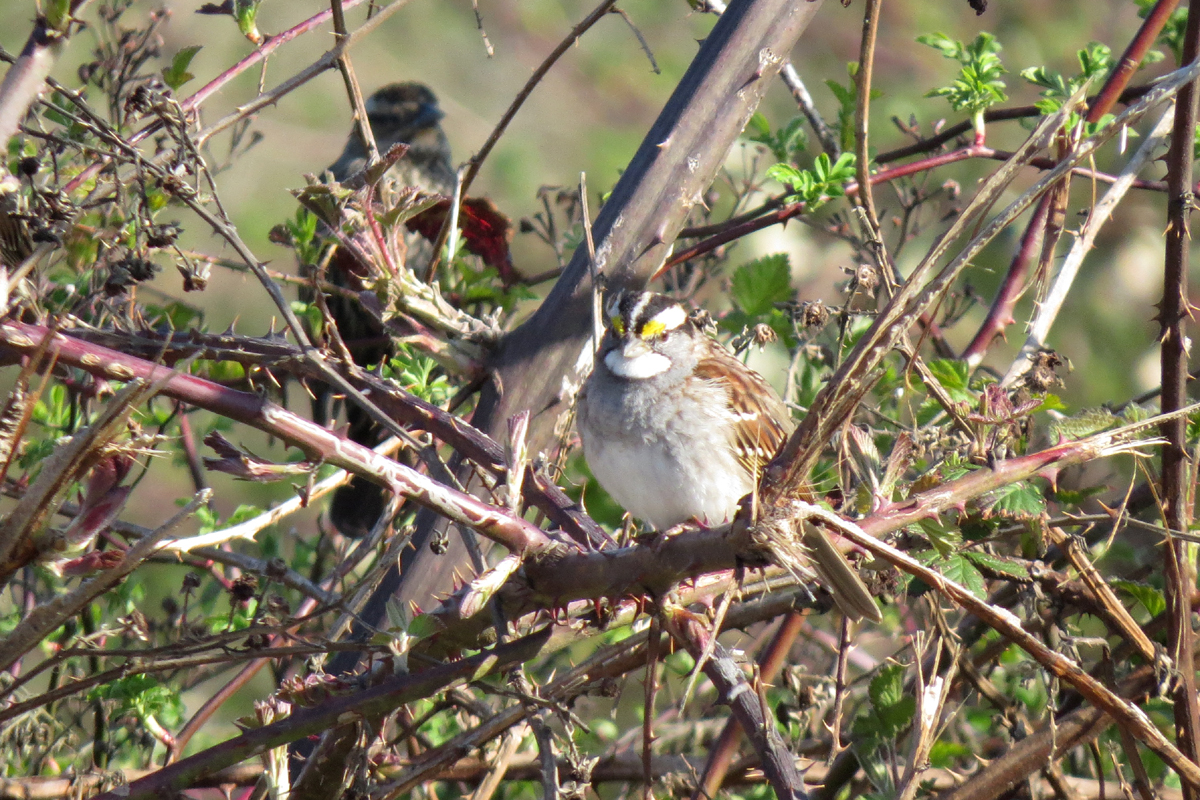
white-throated sparrow front 3We found at least four White-throated Sparrows. This species was considered quite rare in Oregon ten years ago, but seem to be increasingly common in winter.
white-throated sparrow white stripe formThis individual is an example of the “white striped” form of White-throated Sparrow.

fox sparrowFox Sparrow

song sparrowSong Sparrow

golden-crowned sparrow leftGolden-crowned Sparrow

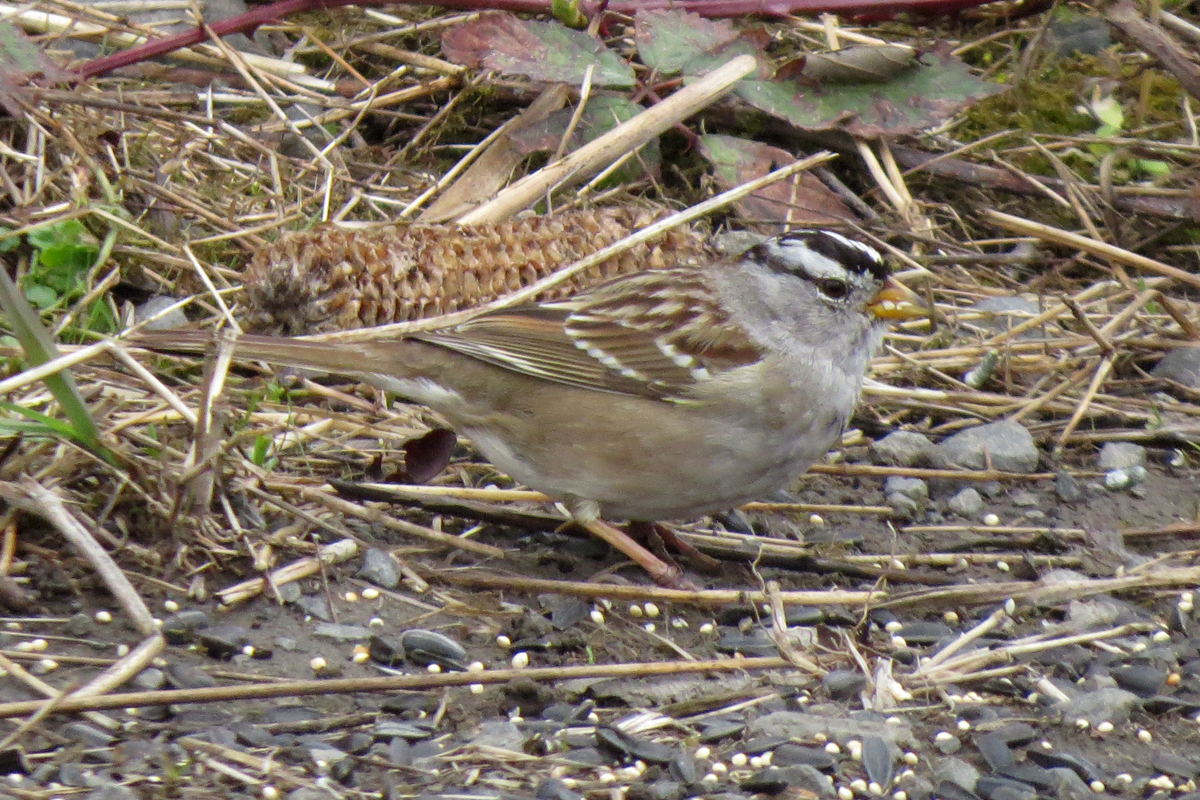
white-crowned sparrow rightWhite-crowned Sparrow

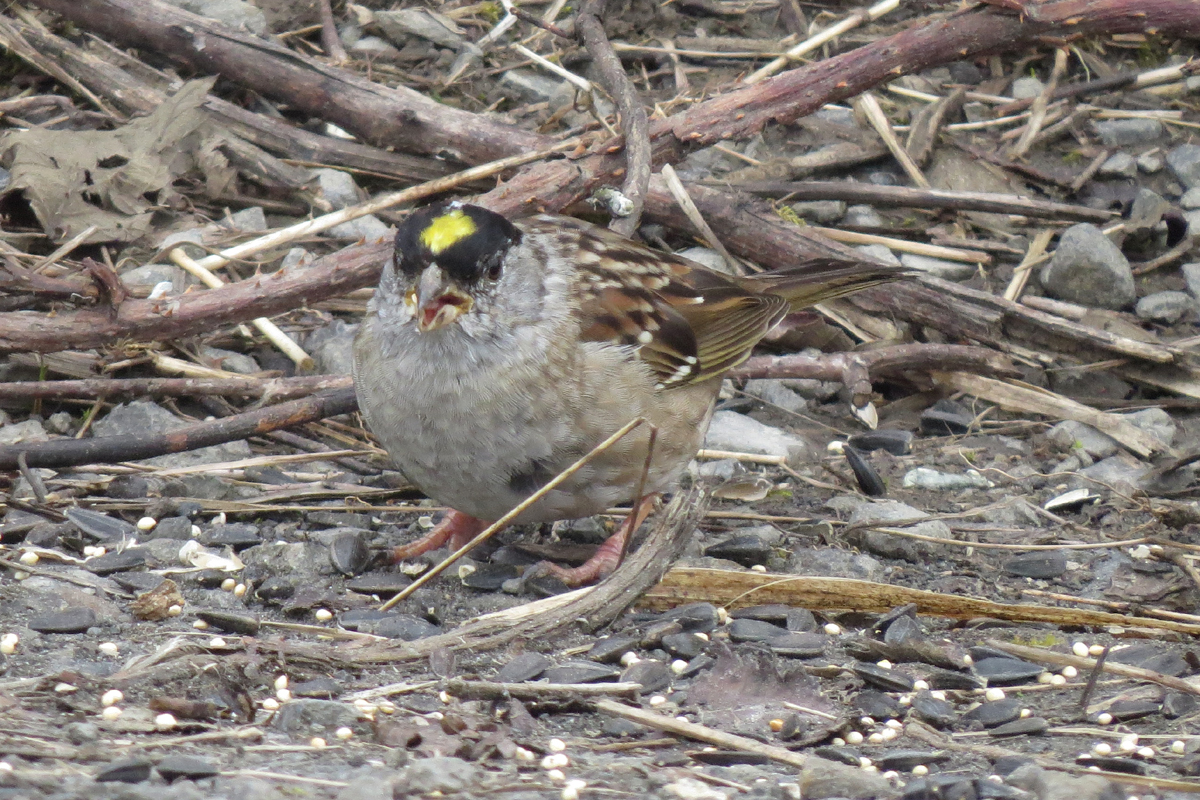
leucisitic golden-crowned sparrowOne of the more interesting birds of the day was this leucistic Golden-crowned Sparrow. He was a uniform buffy gray with a splash of yellow on the crown.
leucistic golden-crowned sparrow front
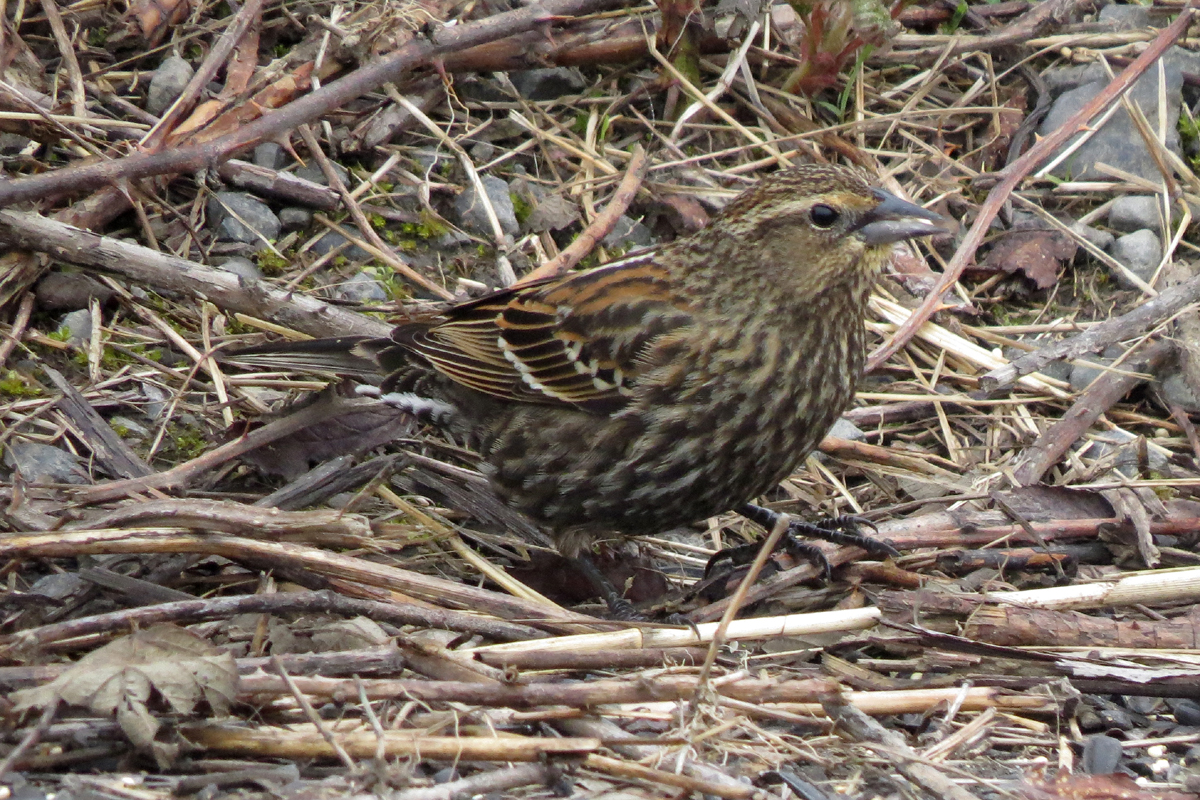
red-winged blackbird 1Red-winged Blackbird

snow geeseThere are still large flocks of Snow Geese on the island.

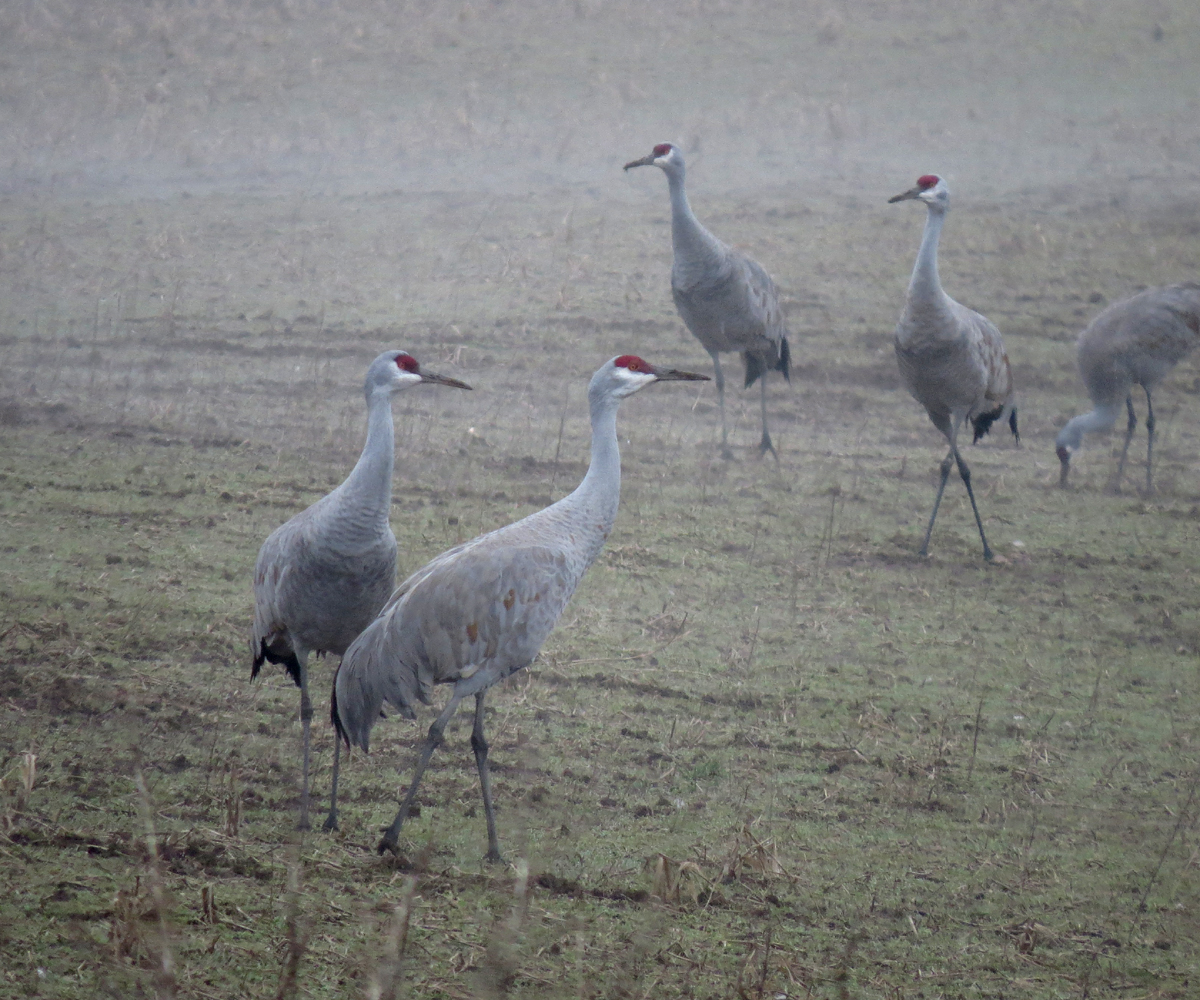
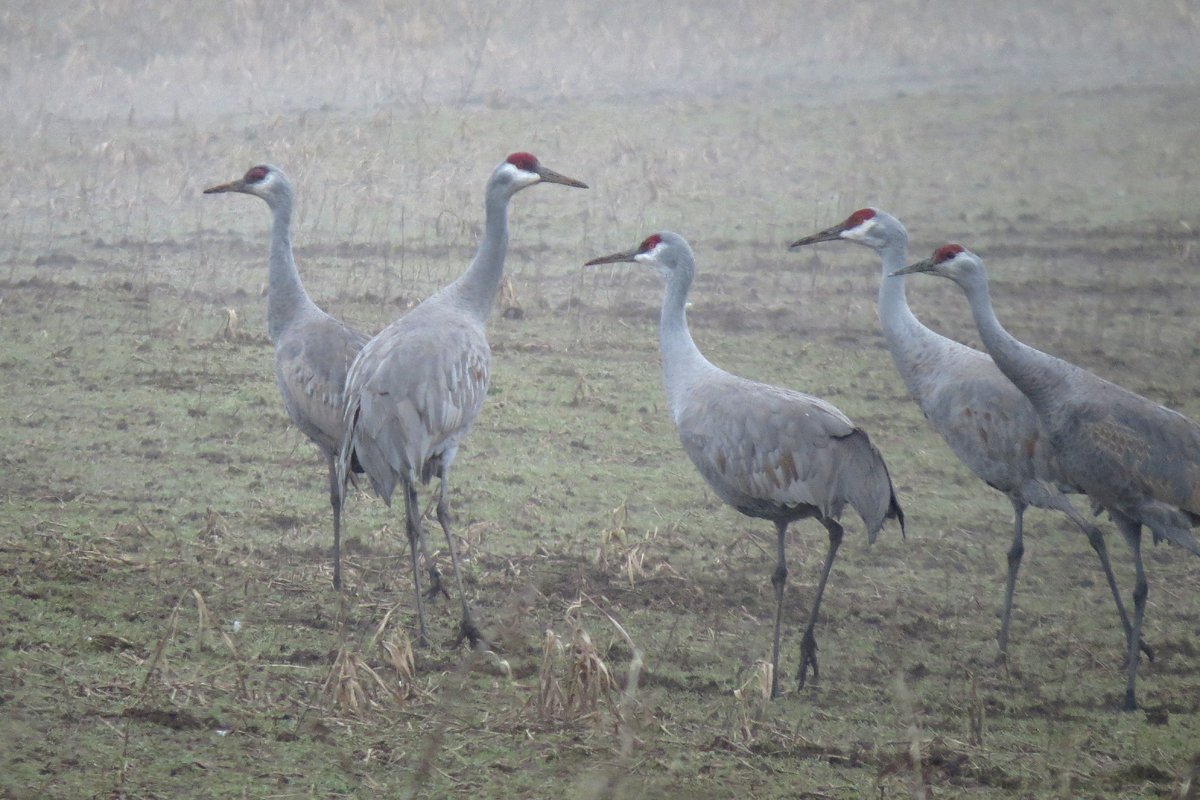
sandhill crane 1Sandhill Cranes are always a treat.
sandhill crane 2

Smith and Bybee Wetlands 24 Oct. 2013

wf geese duoThe morning at Smith and Bybee Wetlands in northwest Portland started out foggy. At the Smith Lake canoe launch, 12 Greater White-fronted Geese were among the many waterfowl. It is getting late for White-fronts in the Willamette Valley.

waxwing 1There were a lot of Cedar Waxwings flycatching and feeding on various fruiting trees. This is a young bird, given the overall scruffy appearance and the lack of red tips on the tertials.

pileatedThis Pileated Woodpecker was very vocal and perched out in the open on a distant utility pole.

rs hawkThis Red-shouldered Hawk was among the many Red-tailed Hawks and Northern Harriers present on the property.

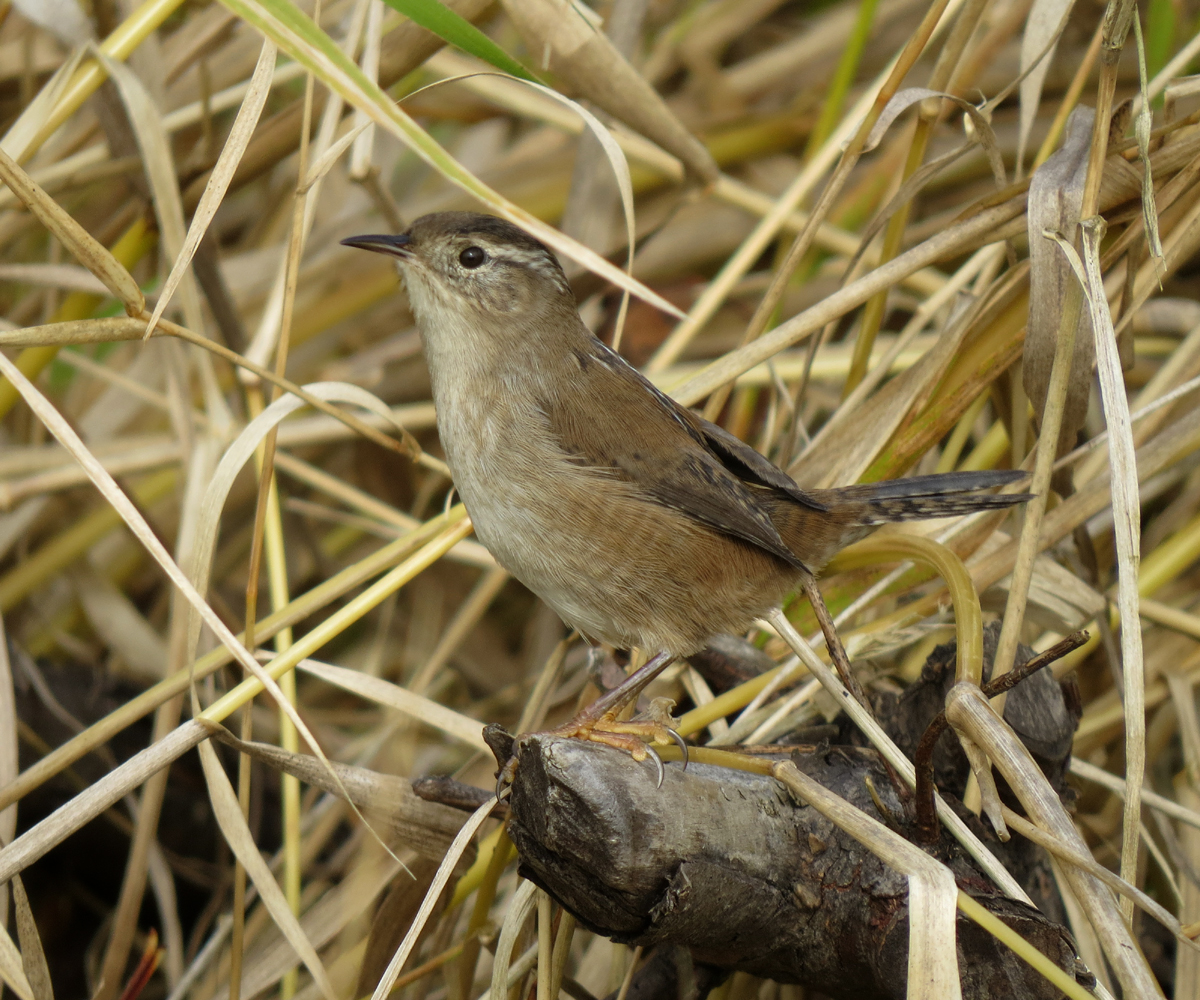
marsh wren front 1The current low water levels allow you to hike quite a ways out into the wetlands. Marsh Wrens are common in the shrubs and reed canary grass.
marsh wren side 2

song sparrowSong Sparrows are also common in the tall grasses. The best bird of the day was a Swamp Sparrow, but he eluded the camera.

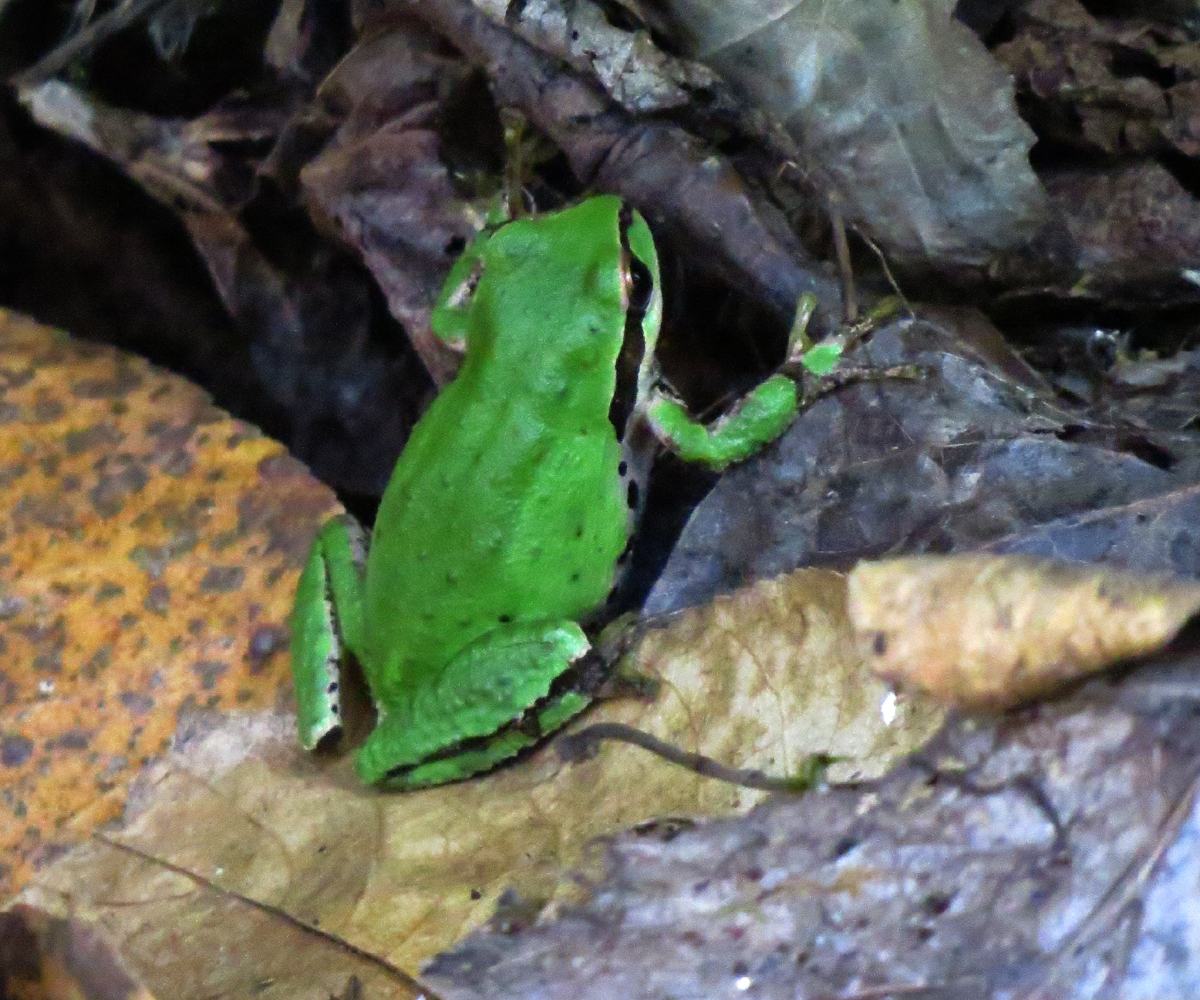
frog 3Pacific Chorus Frogs were singing everywhere, but this is the only individual I could see.

North Coast

haystack rockI spent a warm sunny morning around Cannon Beach and Seaside. The first stop was Silver Point, just south of Cannon Beach, for a sea watch. There were plenty of birds out there, way out there. It is what I call birding at the edge of imagination. You have an idea of what you are seeing, but realistically, there is a lot of guessing involved. I did see the wing flash of Sooty Shearwaters and several flocks of White-winged and Surf Scoters, but most of what I saw were unidentifiable specks. Nala was waiting somewhat patiently in the car, so we soon went to Tolovana Wayside and walked to Haystack Rock.

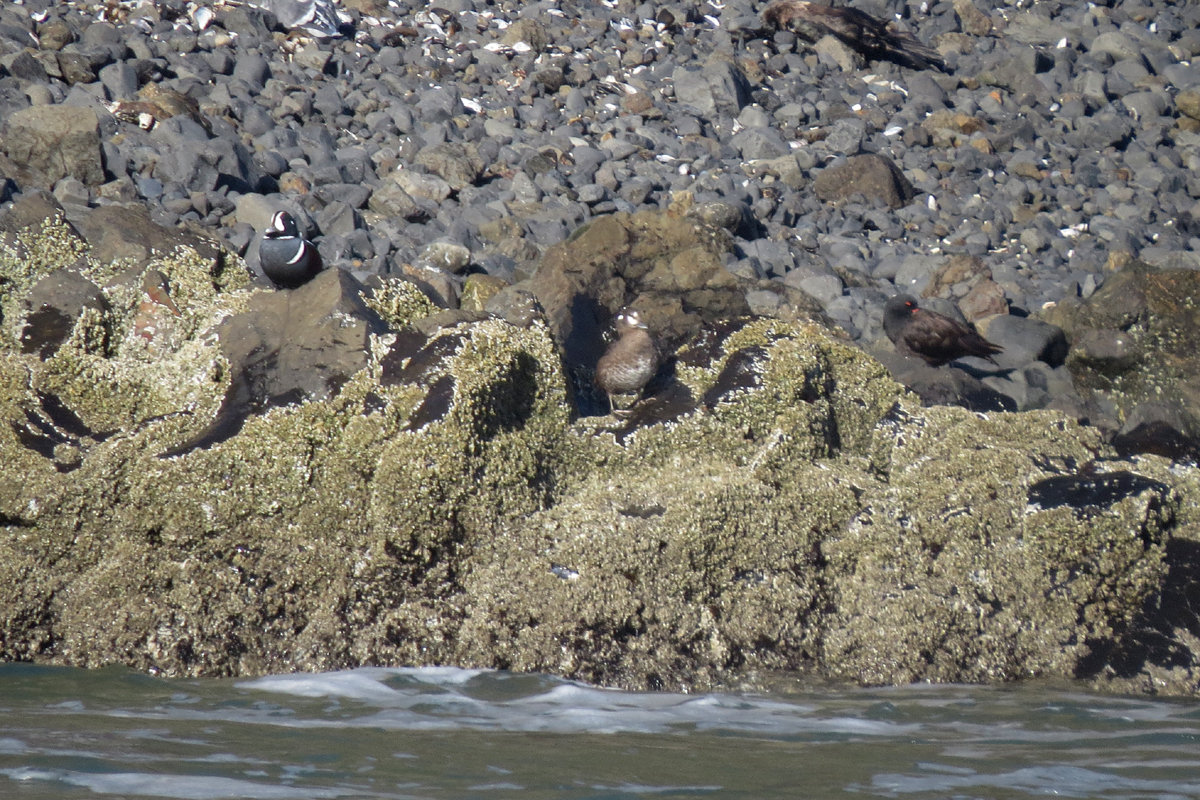
harlequinsThe tide was coming in, so I couldn’t get too close to the rocks. Still, you could see several Harlequin Ducks. Here is a male and female, with a Black Oystercatcher on the right. I didn’t see the Oystercatcher when I was in the field, only when I developed the photo.

oystercatcheranother Black Oystercatcher

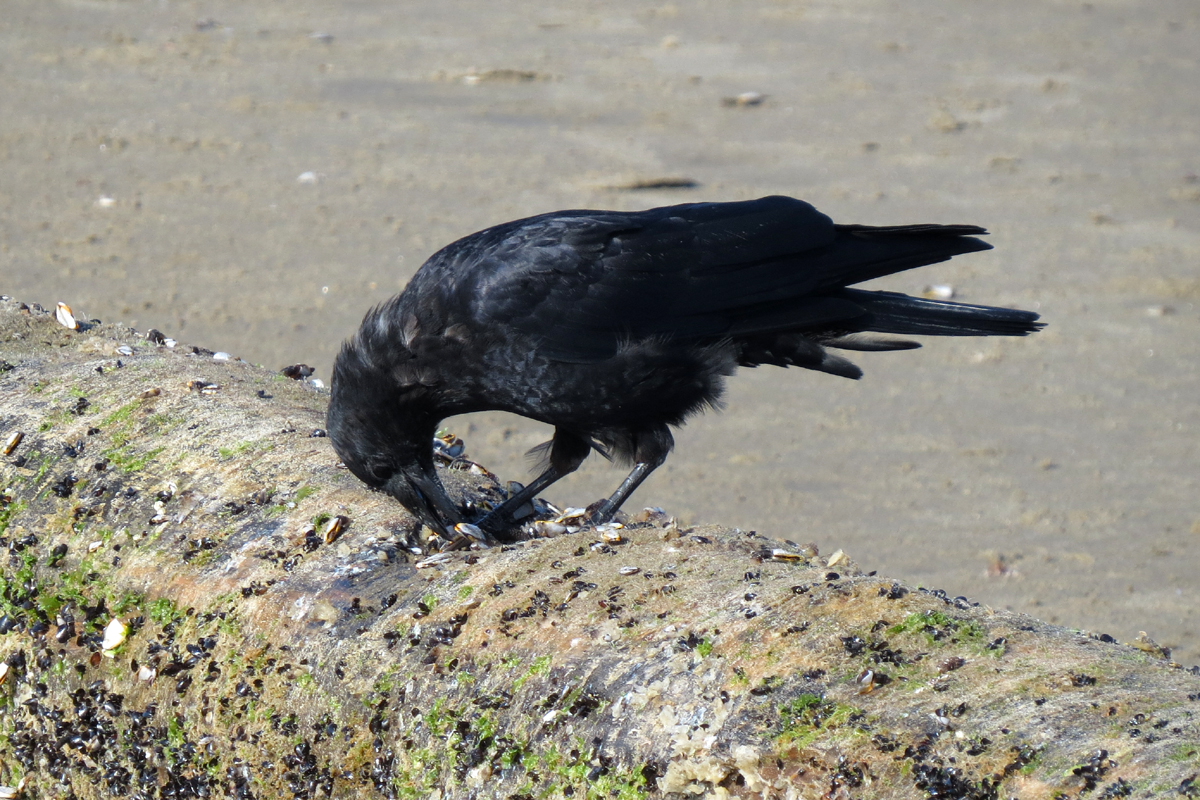
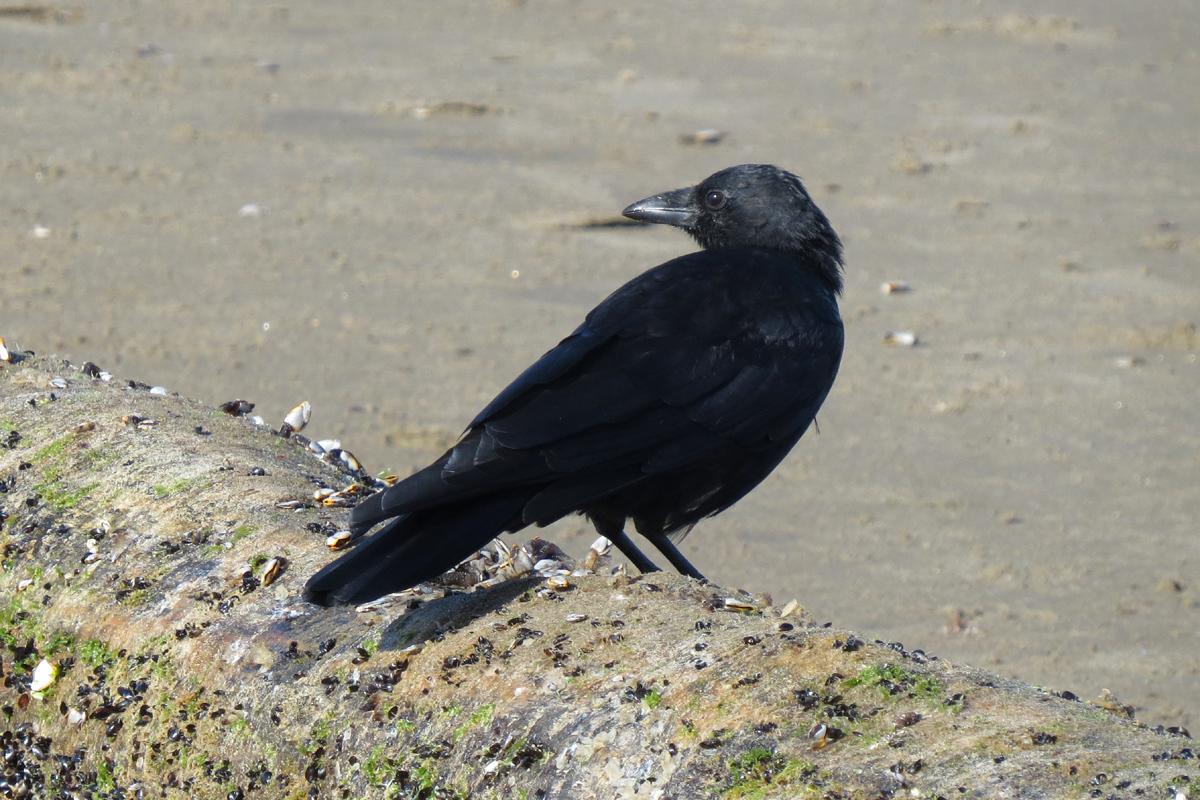
crow eatingA log, which has obviously been in the water for a long time, had washed up on shore, and the American Crows were busy picking at the barnacles.
crow

nala in streamNala, taking a break

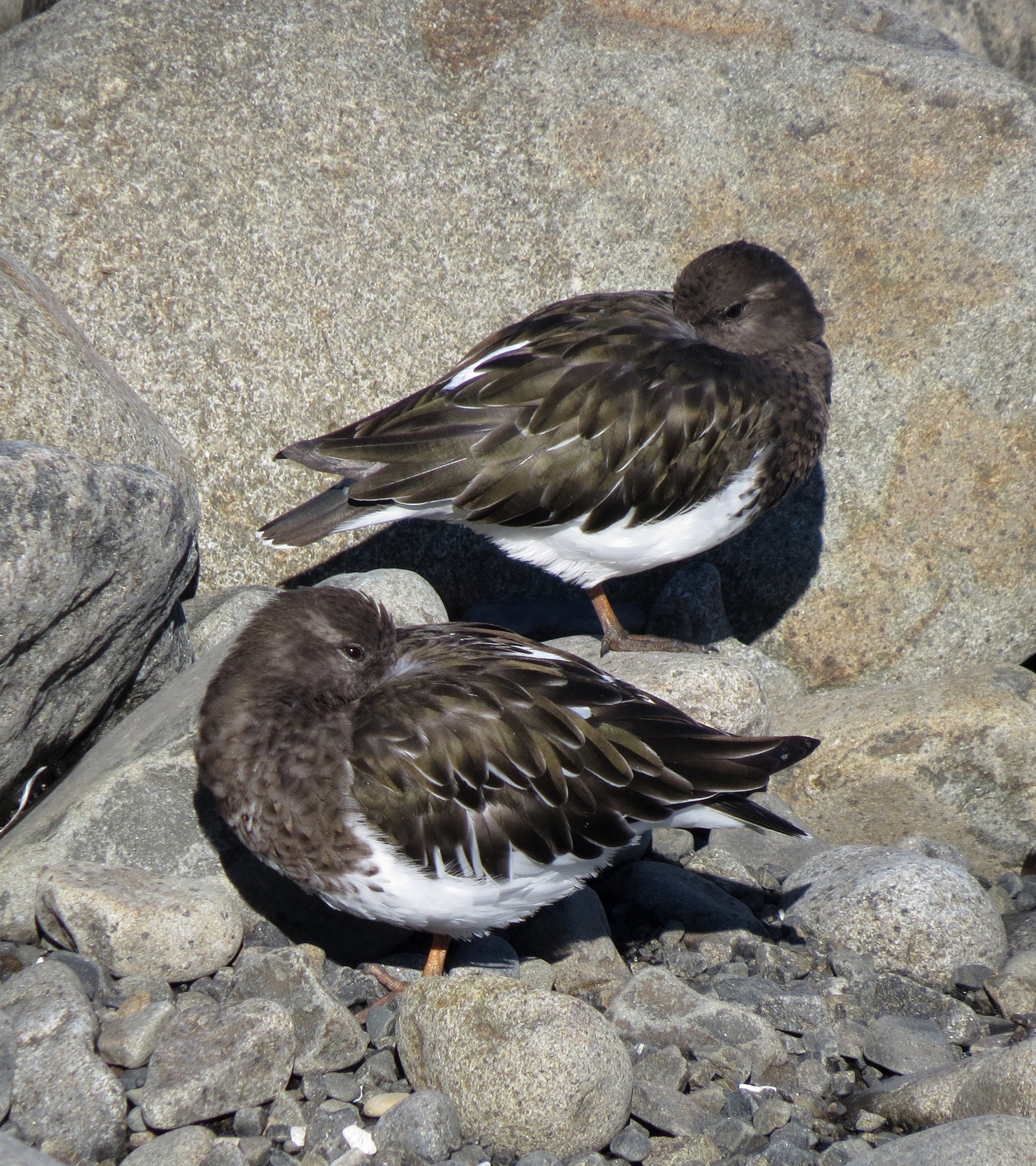
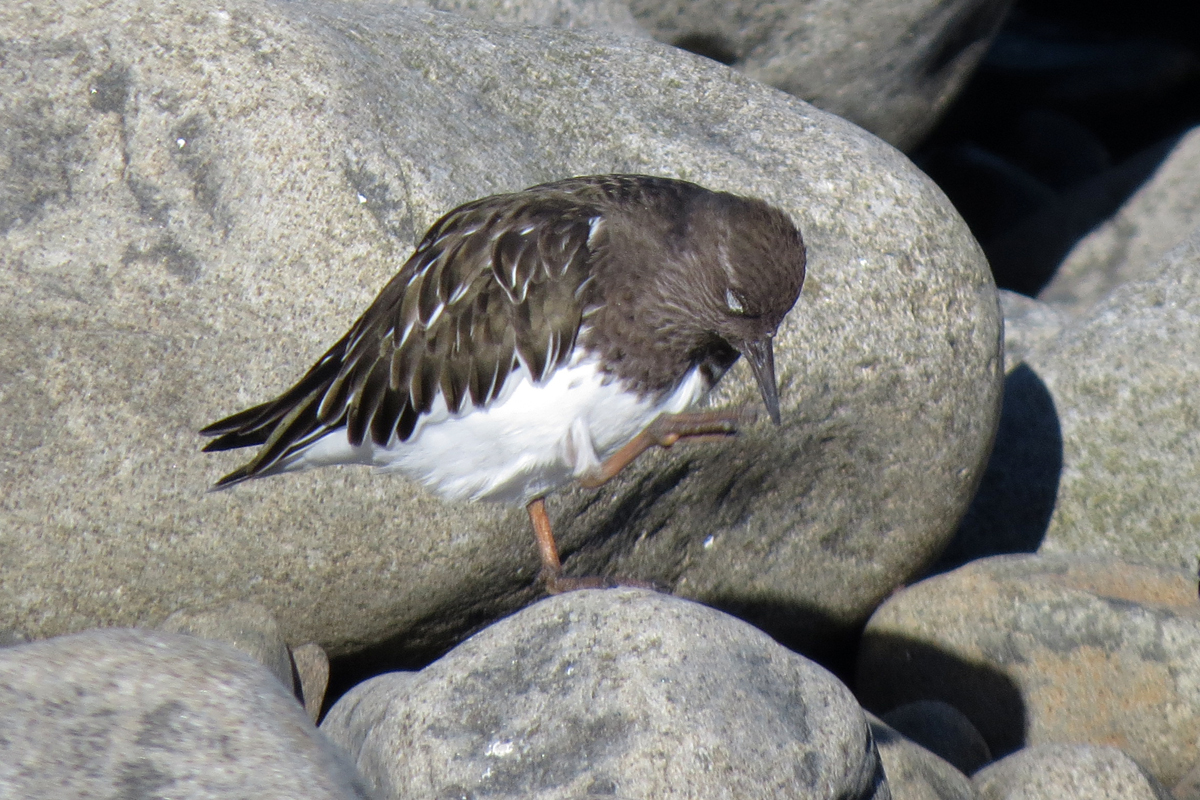
turnstones sleepingThe next stop was the Cove, at Seaside. As is often the case, there was a nice congregation of Black Turnstones on the rocks.
IMG_3241

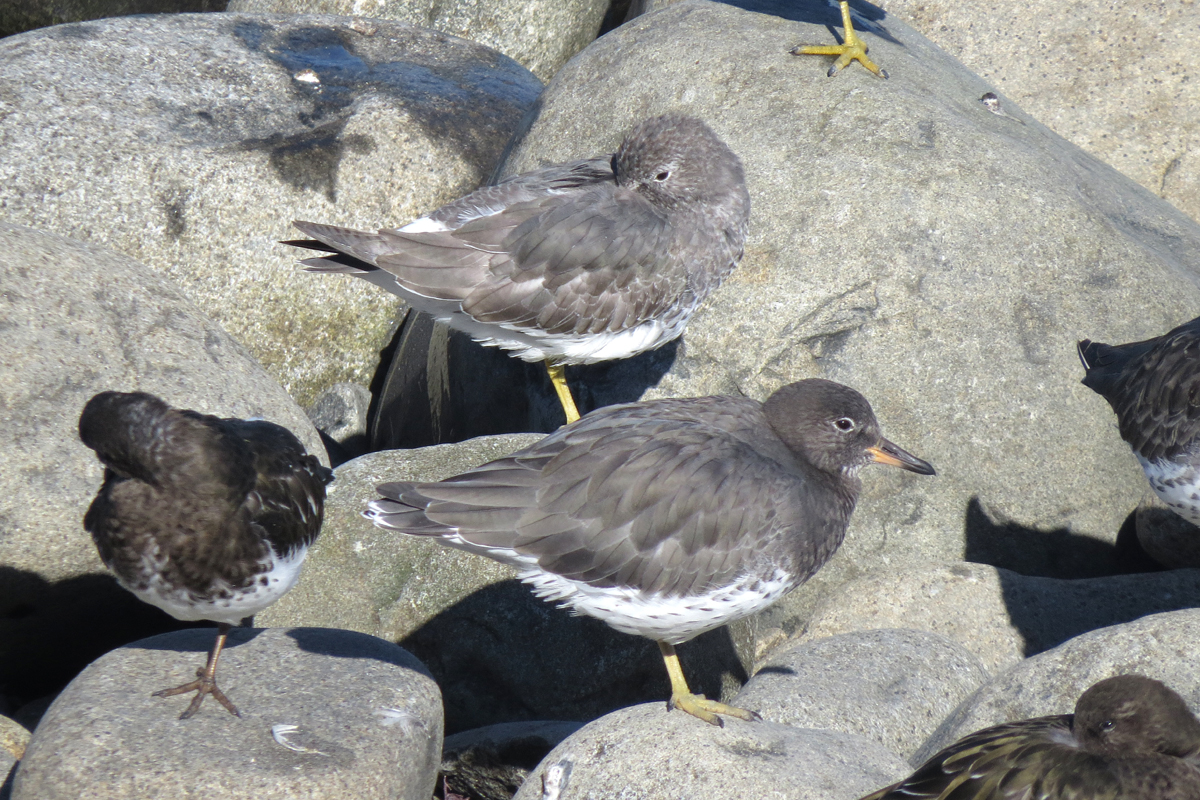
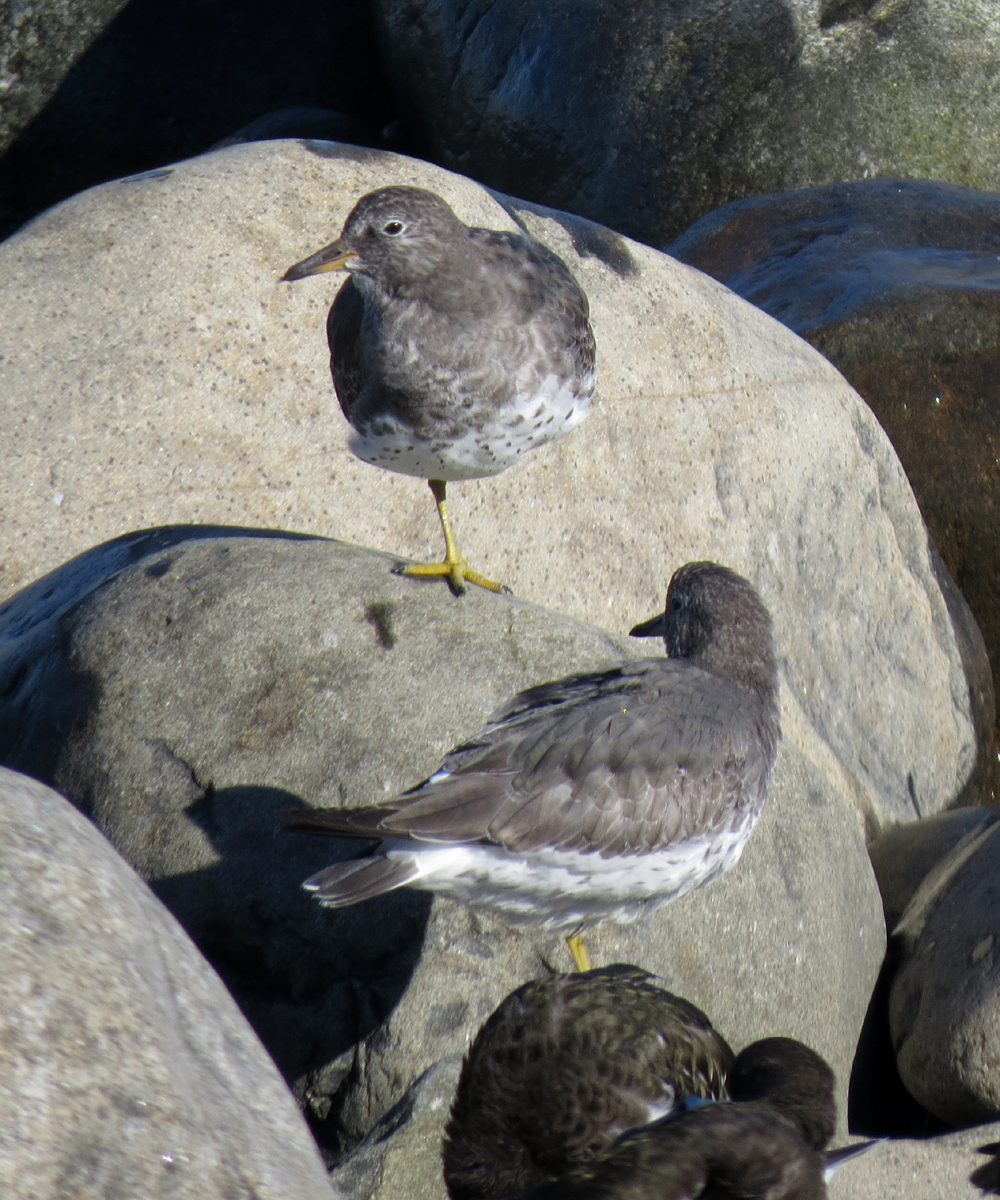
surfbirdsThere were also good numbers of Surfbirds.
surfbirds vertical

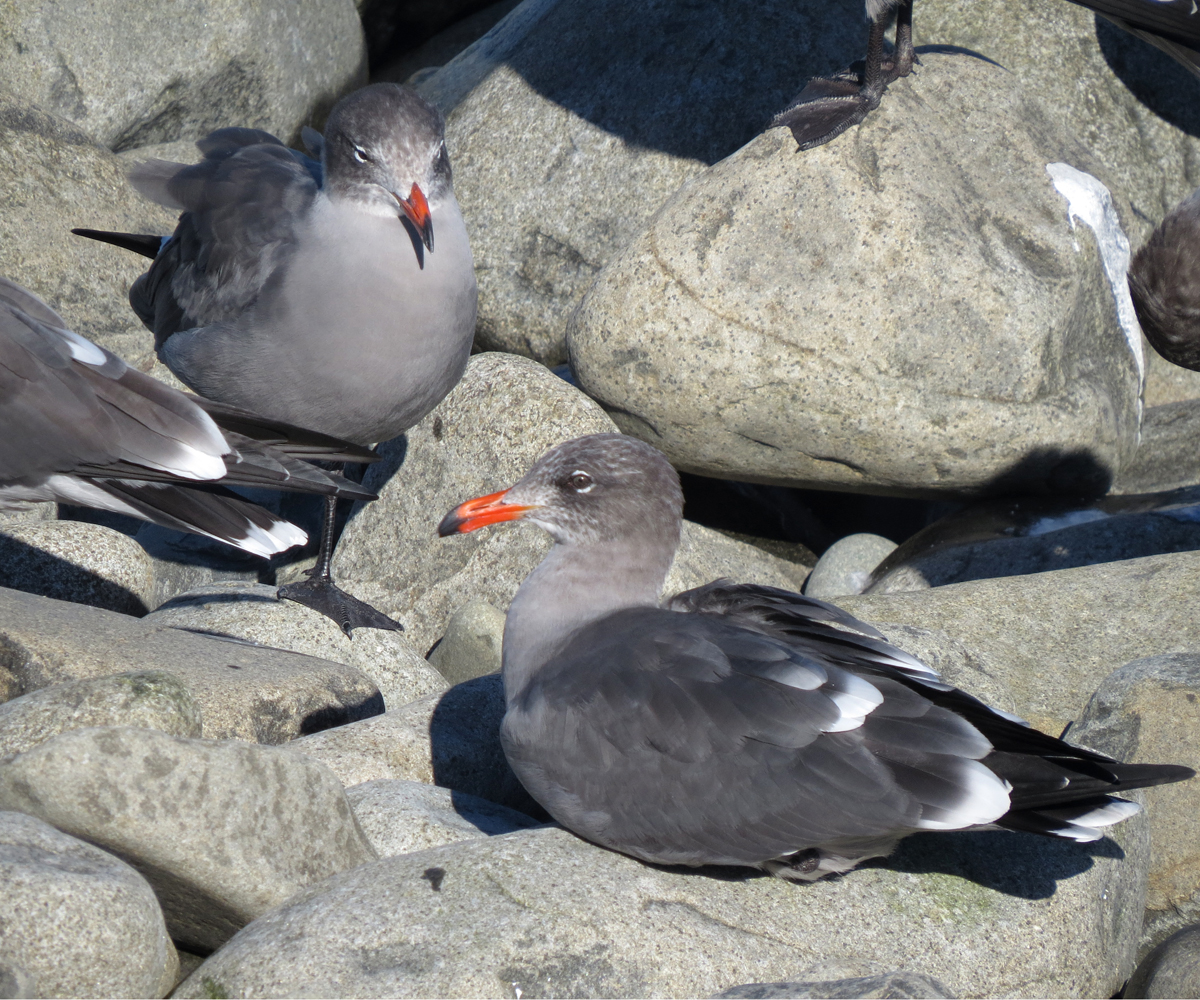
Heermann'sHeermann’s Gulls should be heading south very soon.

caspiansOur last stop was the Necanicum Estuary. This spot is very hit-or-miss, with either lots of birds or none. Today was closer to the latter. But along with the few California Gulls were several Caspian Terns still feeding young. Most Caspian Terns have already moved south, so it seems late to have begging fledglings still around.

Fernhill Wetlands

fernhillFernhill Wetlands, south of Forest Grove, is a great place to see the onset of autumn. Water levels on the main lake are still very low, but the recent rains will soon change that.

westernsMigrant shorebirds, like these Western Sandpipers, are enjoying the mudflats. Shorebird numbers are starting to thin out.

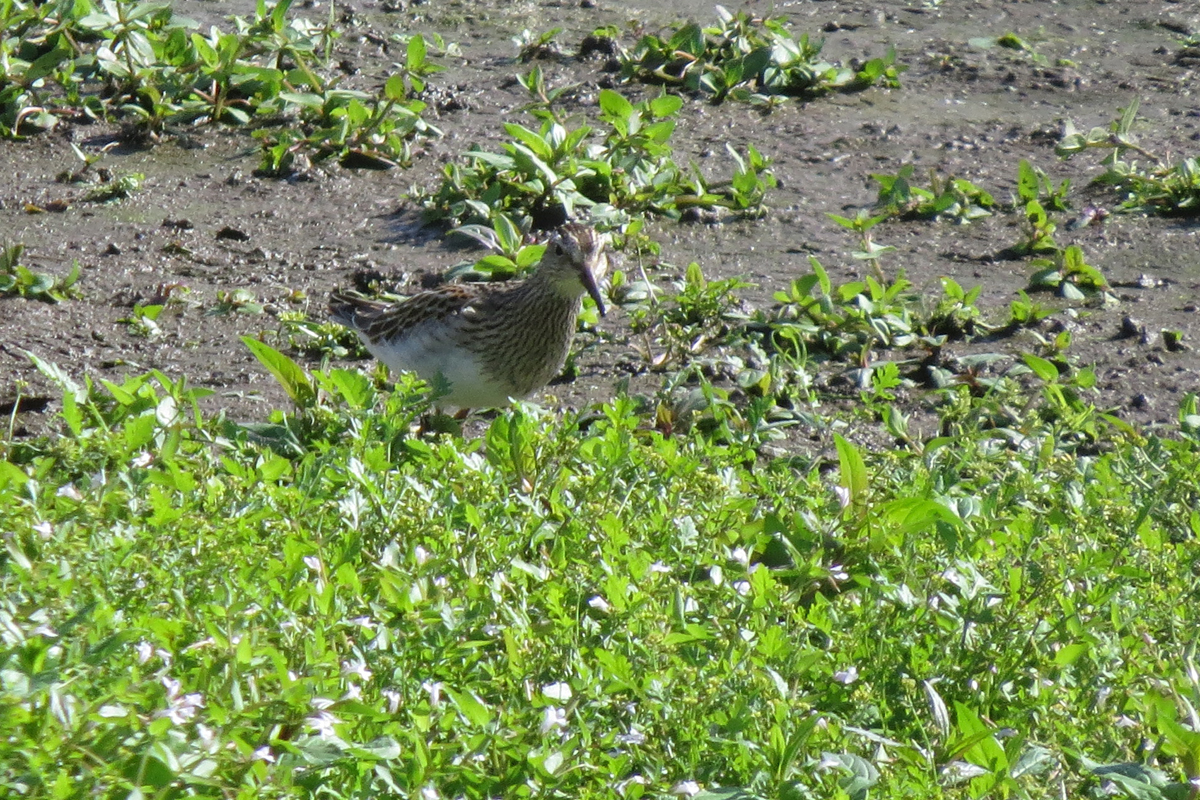
pectoralThis Pectoral Sandpiper was checking out the new vegetation on the lake bed.
pectoral walking

cacklersThe first Cackling Geese have arrived. They will soon be joined by a few thousand more.

merganserThis Common Merganser was resting on an exposed mud bar. I don’t get to see mergansers out of the water very often.

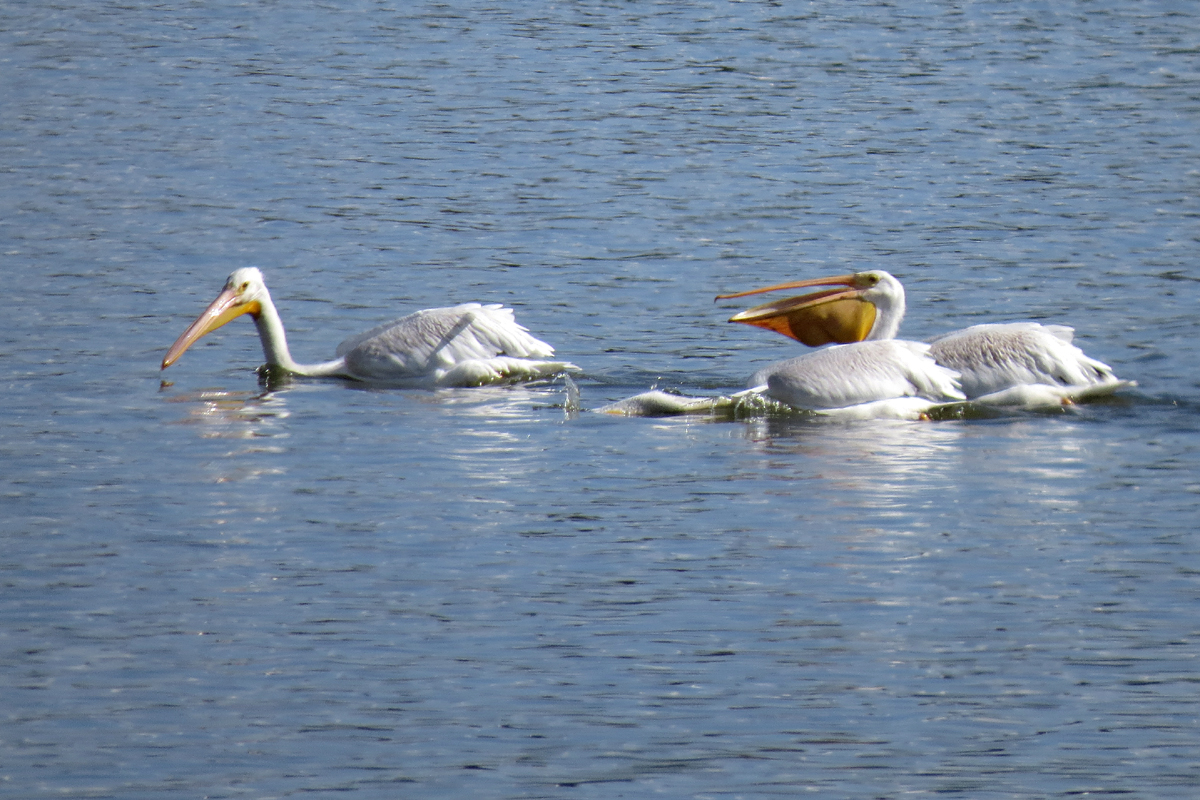
pelicansAmerican White Pelicans, once considered rare in the Willamette Valley, are now an expected species in late summer.

collared dove 1Eurasian Collared-Doves are another species that are increasingly common in the area.
collared dove 2

The annual Fernhill Wetlands Birds and Brew Festival will be held on October 12. I will be leading the 8:00 tour for that. Here is a link for more info.

Smith and Bybee Wetlands

westernsSmith and Bybee Wetlands Natural Area (aka Smith and Bybee Lakes) in northeast Portland is a great spot in late summer as the water levels drop. Large flocks of American White Pelicans, California Gulls, Great Egrets, Great Blue Herons, and various shorebirds gather to feed in the shallow water and on the mudflats. On this visit, most birds were pretty far away, but could be scanned with a scope. Western and Least Sandpipers were the only shorebirds I could pull out of the distant flocks, but other species have been reported recently.

green heronThis juvenile Green Heron was hanging out at the canoe launch on Smith Lake.

peregrine 2In the same area, this Peregrine Falcon was surveying the mudflats for tasty shorebirds.
peregrine1

egretsOn Bybee Lake, large numbers of Blue Herons and Great Egrets were gathered. At the edge of the group was this Snowy Egret, an uncommon visitor to the Portland area. Here is a nice comparison with the larger Great Egret.

egrets 2The lumps on the shoreline are dead and dying waterfowl, mostly Northern Shovelers. Warm temperatures and low water levels sometimes lead to outbreaks of avian botulism. Outbreaks usually subside with cooler temperatures and rain, which we are now getting in Portland.