North Coast

I made two trips to the coast for my shorebird class last week. Migration is picking up, and the sun is actually making  occasional appearances.
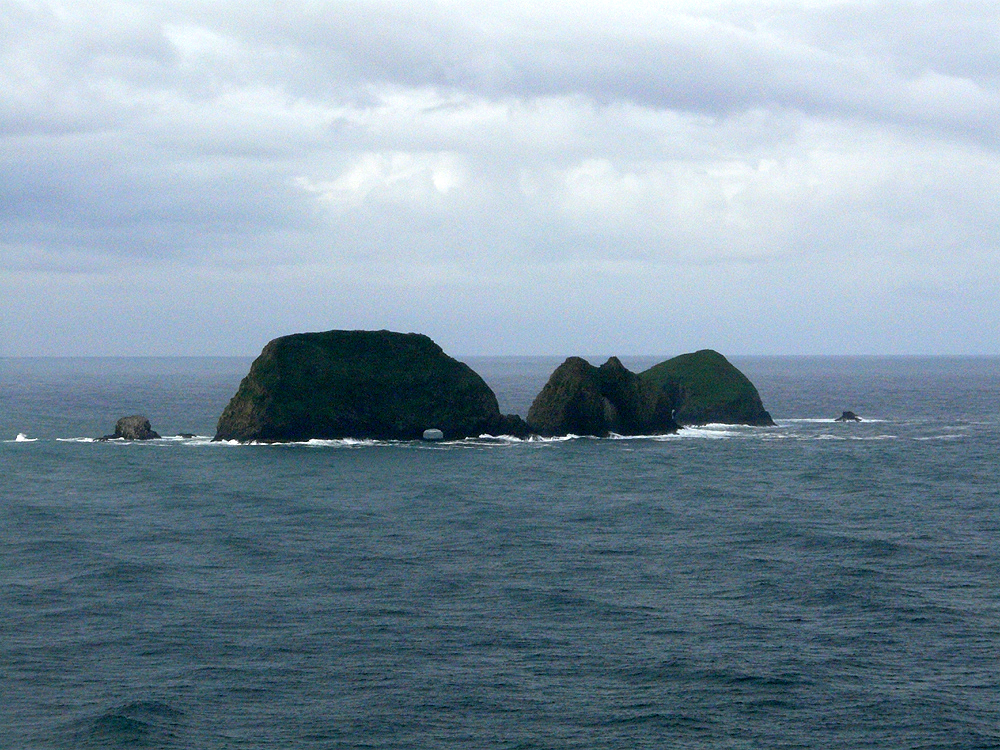

Three Arch Rocks, viewed from Cape Meares (Birding Oregon p. 129) This is the site of large seabird nesting colonies, but the rocks are too far out to see much. The small rock on the far left is a favorite haul out site for Steller’s Sea Lions, which you can see with a decent scope.
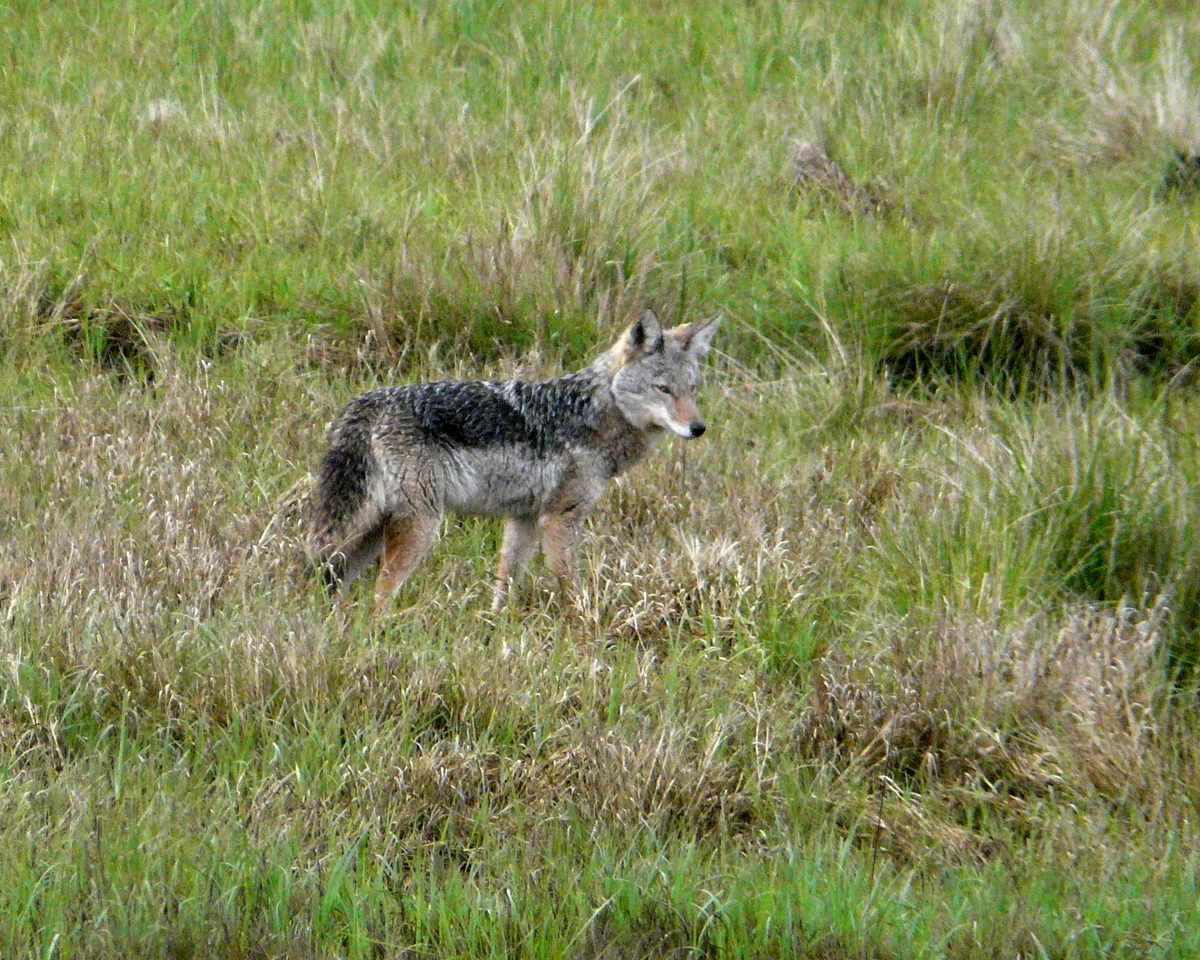

Two Coyotes were hunting in a meadow along Tillamook Bay. There is no shoulder along much of Bayocean Road, so I had to make a brief stop in the middle of the road to snap a couple of photos. I was struck by how dark these animals were, compared to Coyotes I see inland.
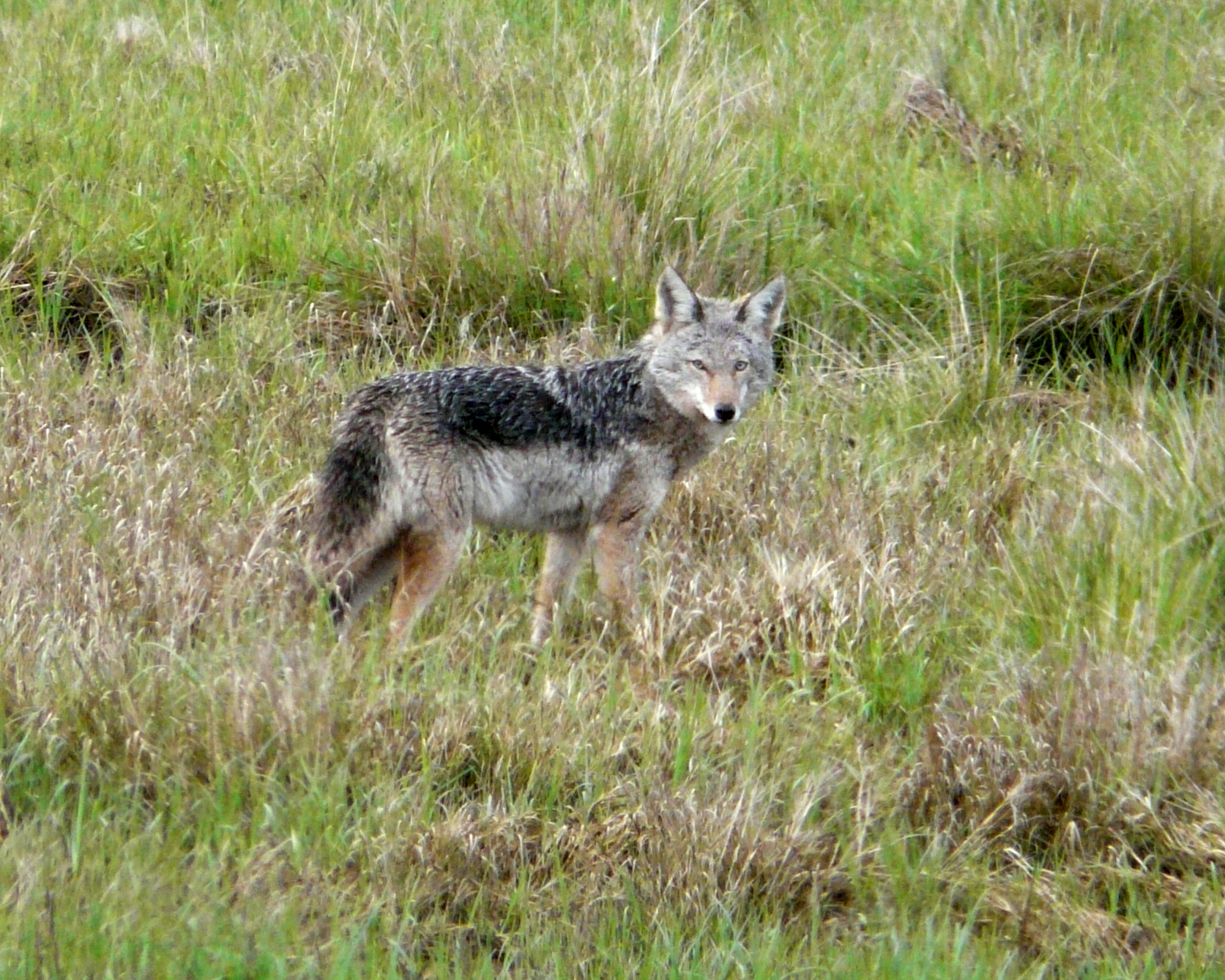

Keeping an eye on me. Coyotes are right to be nervous whenever a vehicle slows down nearby. Luckily, this human was only pointing a camera.


Black Oystercatcher on Barview Jetty (Birding Oregon p. 125) This jetty was recently rebuilt. As a result, the surface is smooth and easy to walk on, allowing you to go out much farther than before. But please don’t get the impression that it is EVER safe to walk out on a jetty. Even though you don’t have to hop from rock to rock, sneaker waves can still knock you onto the rocks or into the ocean. The jetty might have to age a bit before it attracts as many birds as before, since newer rocks don’t have as much sea life encrusted onto them.
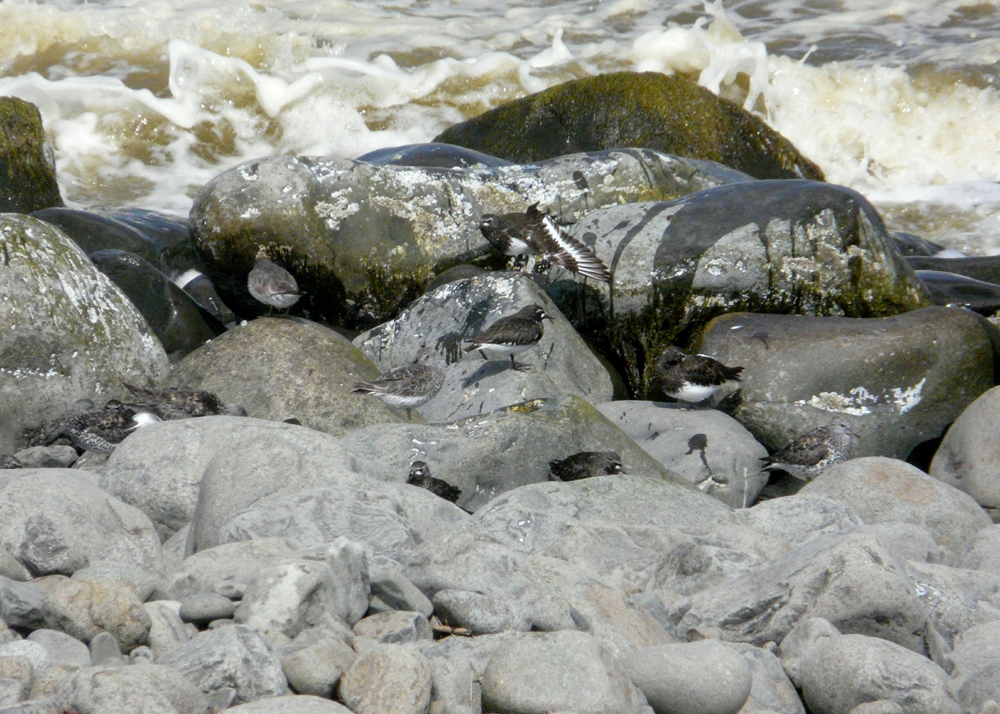

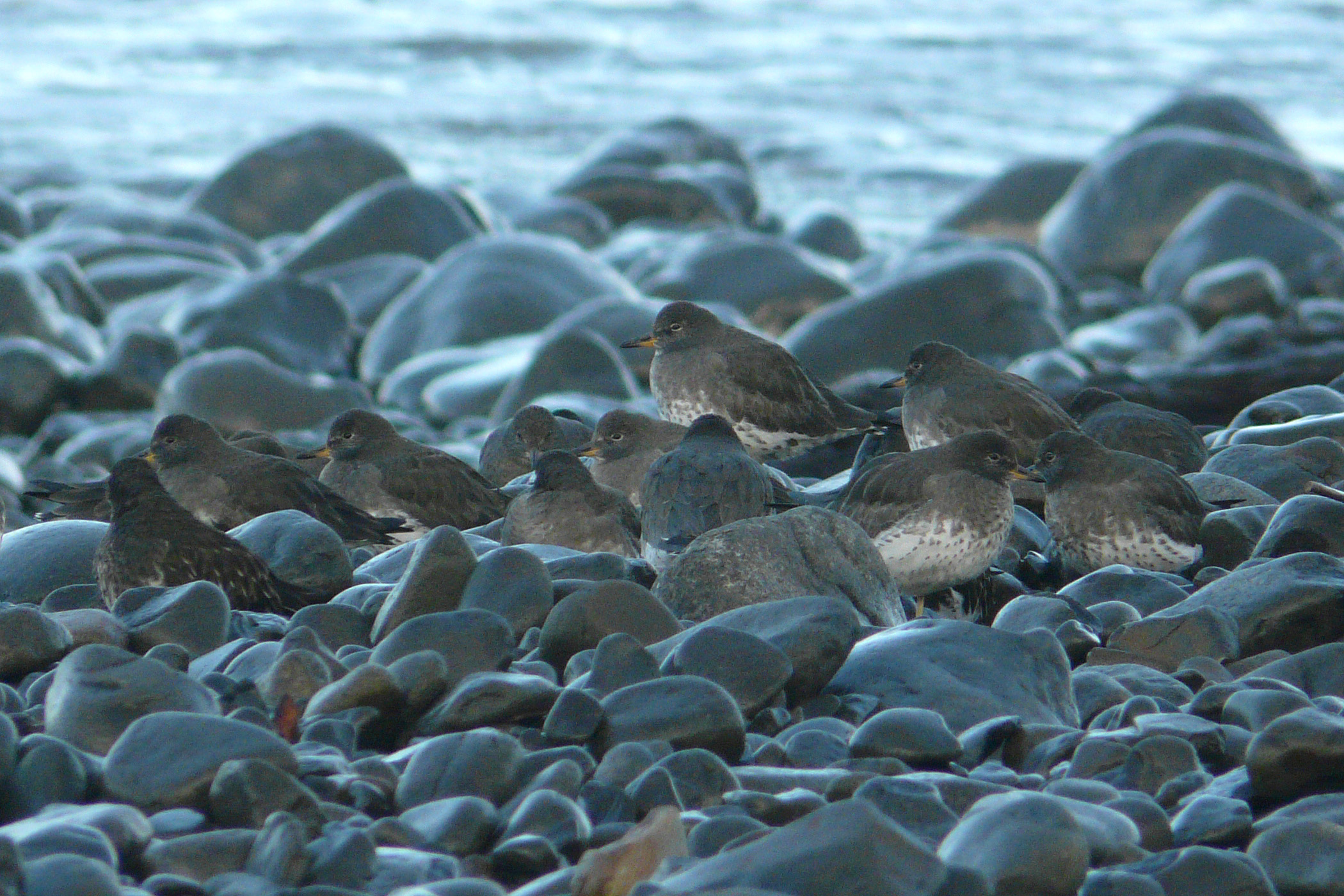
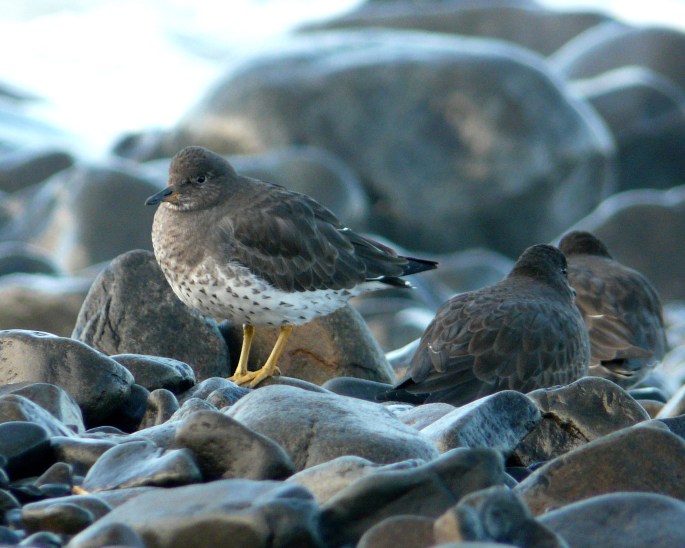
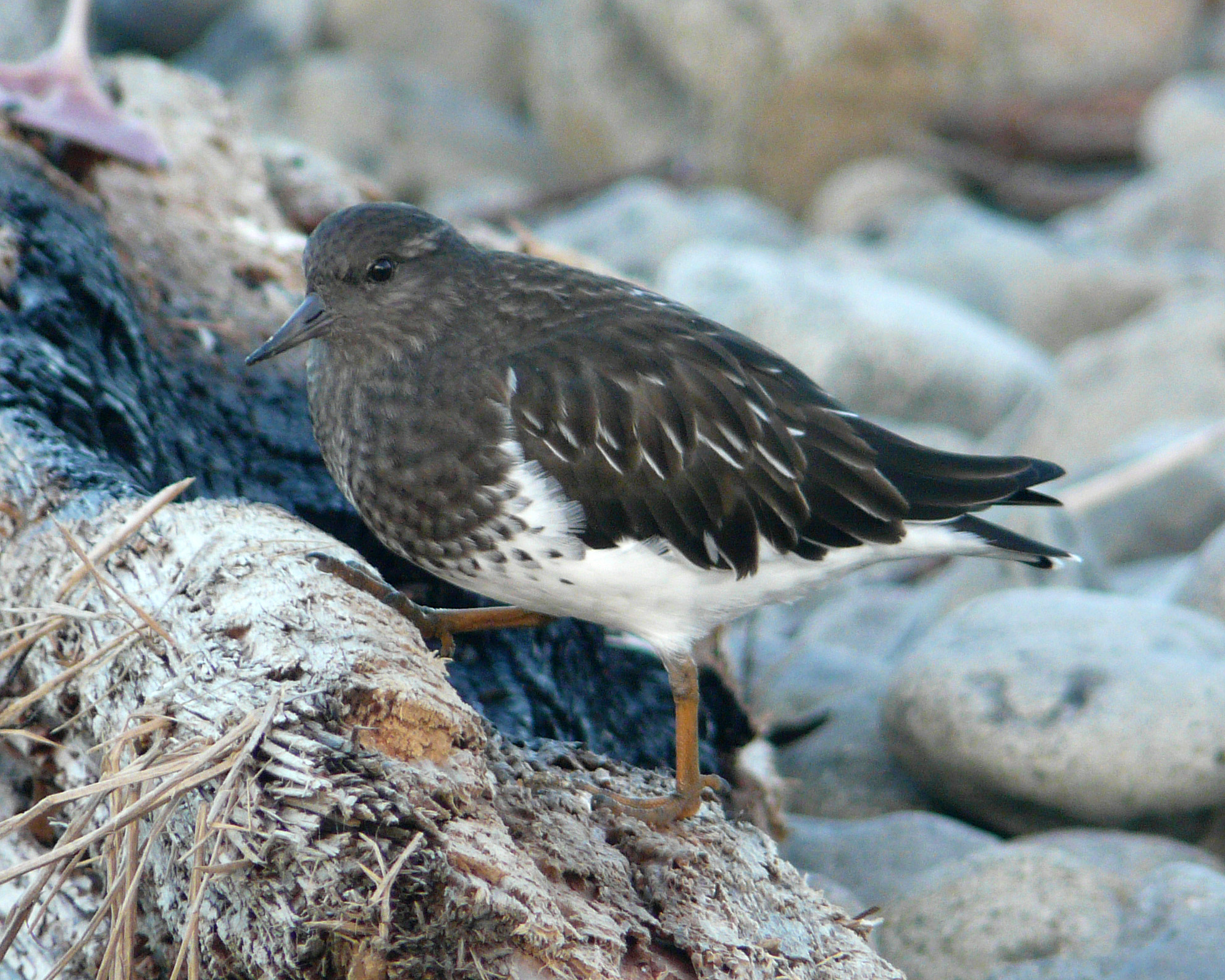
Black Turnstones and Surfbirds at The Cove in Seaside (Birding Oregon p. 121) These birds put on a great show for my shorebird class.

Pittock Mansion 4-21-11


The grounds around Pittock Mansion in northwest Portland are a favorite spot for spring migrants. Most people visit this park to tour the ostentatious limestone house, but birders prefer the brushy hillsides and the woods around the parking lot.

Since we are still locked into a cold, damp weather pattern, most of the spring migrants have not yet arrived, but good numbers of winter residents were flocking and ready to move out.


Fox Sparrow


Pine Siskin


Several species of thrush were common today. Here is a blurry Hermit Thrush.


an equally blurry male Varied Thrush


female Varied Thrush


American Robin


Varied Thrush and American Robin feeding together


Chestnut-backed Chickadee

Sauvie Island 4/9/11

Scouting for and leading two field trips for my Little Brown Birds class gave me opportunity to bird Rentenaar Road on Sauvie Island (Birding Oregon p. 57) three mornings in a row. It was interesting to see how the species list varied each day. It served as a reminder that every birding trip, no matter how often you cover the same spot, has the potential for something new.


The Ospreys that nest on this platform have returned within the past week. This was the only species that seemed willing to pose for the camera.

This location is one of the best in the Portland area to study sparrows this time of year. Between the two field trips, my class saw ten species; Golden-crowned, White-crowned, White-throated, Harris’s, Song, Fox, Lincoln’s, Savannah, Dark-eyed Junco, and Spotted Towhee. Many of these birds will have moved on in the next few weeks.

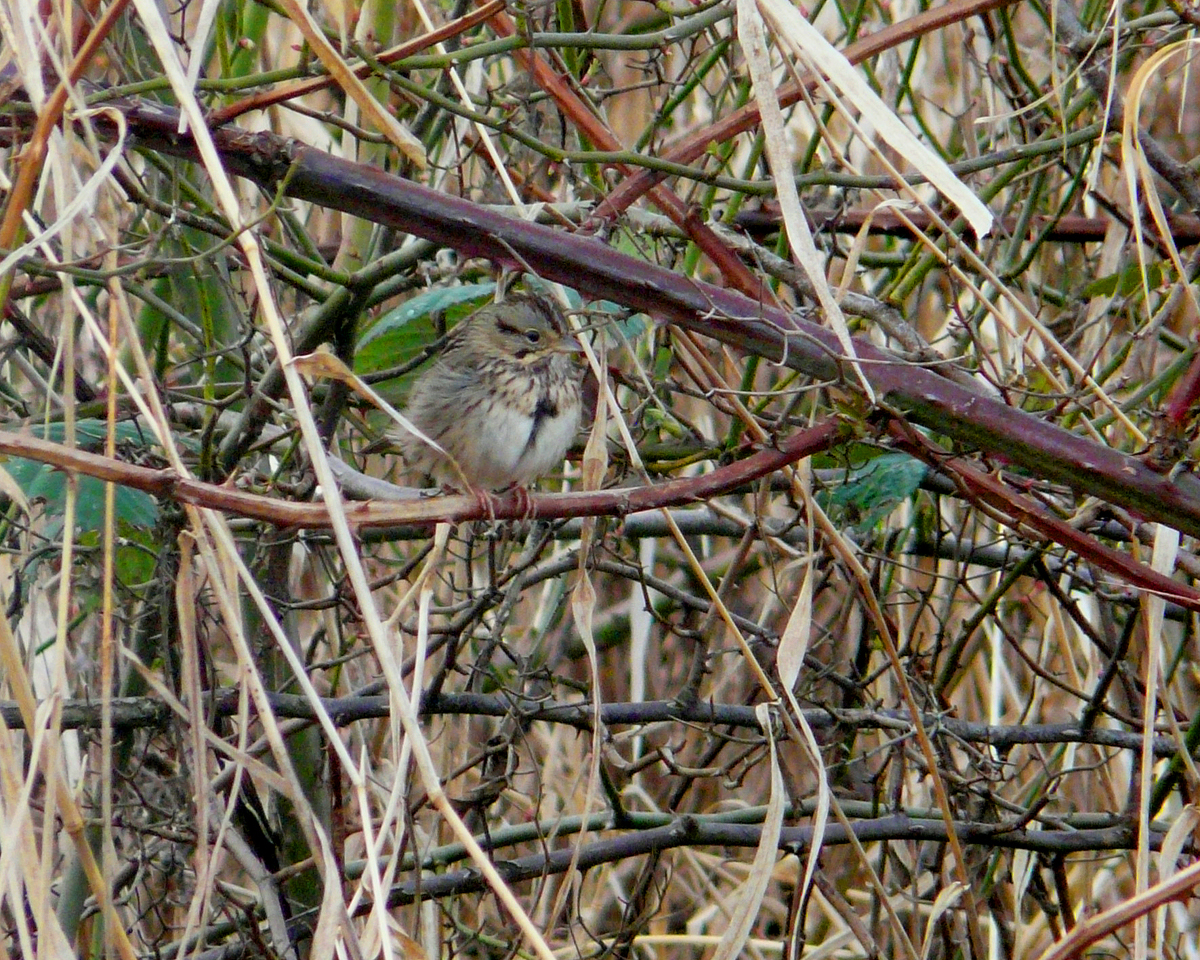
Lincoln’s Sparrow


I was headed to the coast early last Friday when I heard on the radio that the area was under a tsunami warning. While a true hard-core birder might have continued on, I decided to turn around and ended up walking parts of Sauvie Island instead. This Lincoln’s Sparrow was preening in a blackberry thicket along Rentenaar Road (Birding Oregon p.57). The dark spot and line on the bird’s breast are a result of the feathers being fluffed out.

This stretch of dirt road is one of the spots we will visit for my upcoming Little Brown Birds class for The Audubon Society of Portland. The Saturday field trip is full, but a few spaces remain on the Friday trip. For information, go to  http://audubonportland.org/trips-classes-camps/adult/classes/lbbs2011.

Frozen Fernhill

An arctic air mass brought cold temperatures and ice to Fernhill Wetlands (Birding Oregon p. 61), but there was no shortage of birds. Here are some grainy gray photos from a lap around the ponds.


Horned Grebe


Tundra Swans and California Gull


Taverner’s Cackling Goose and Northern Shovelers


Cackling Geese and Northern Pintails


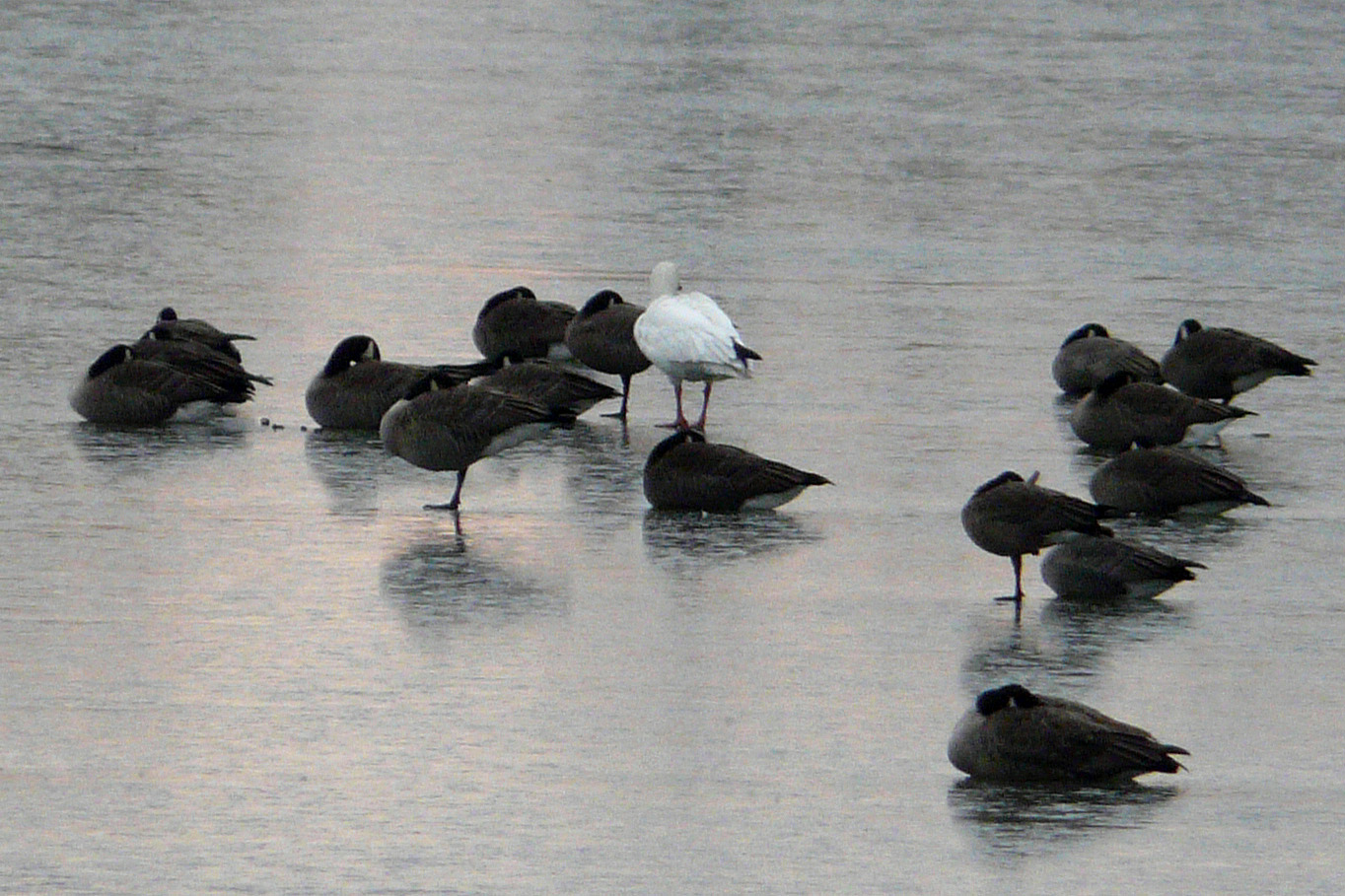
Snow Goose and Cackling Geese


American Kestrel


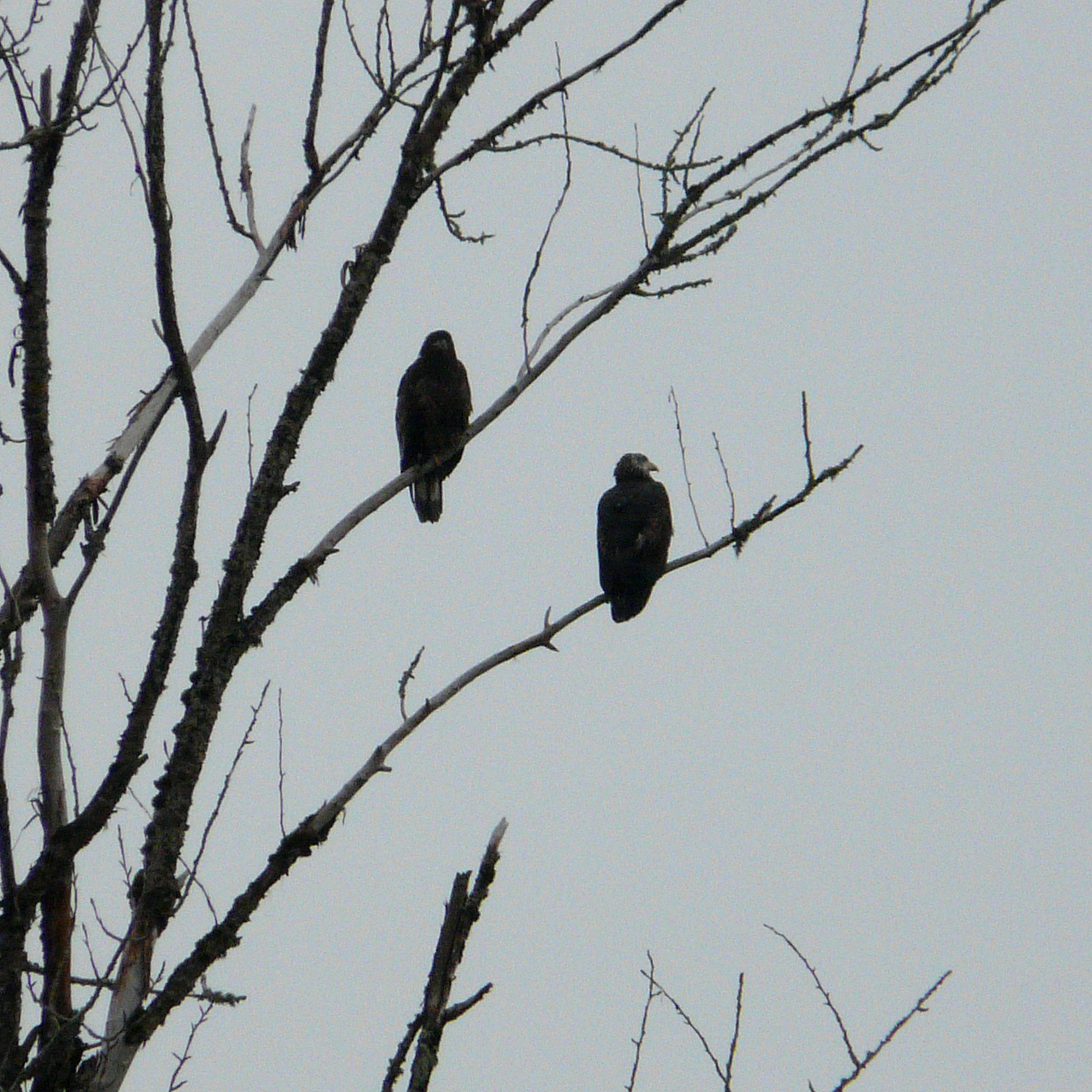
immature Bald Eagles


This American White Pelican, a very late straggler, was circling high overhead, trying to find a thermal on this cold cloudy morning.


Cackling Cackling Geese


Great Blue Heron standing on a Beaver dam. Note the frost on the bird’s back.

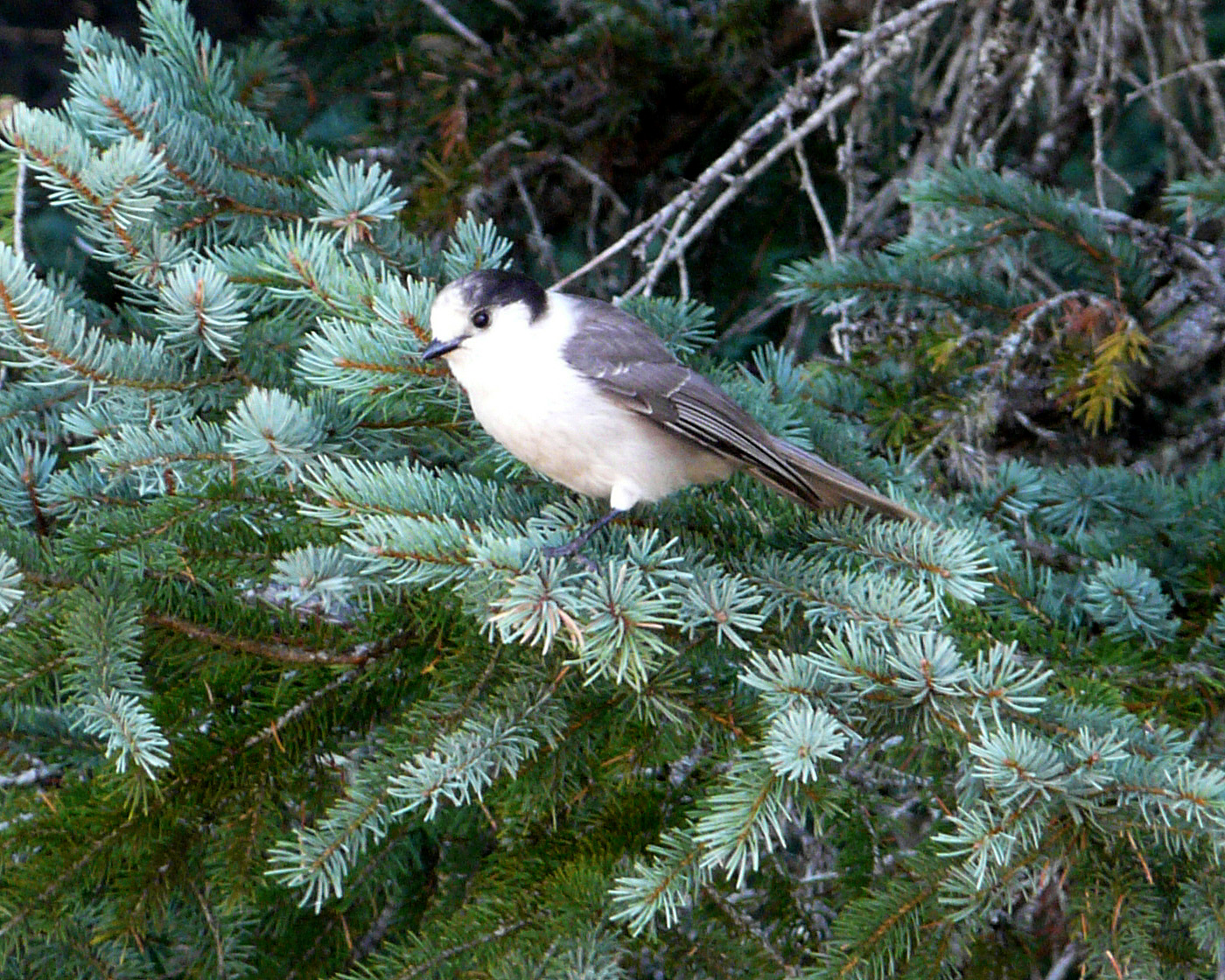
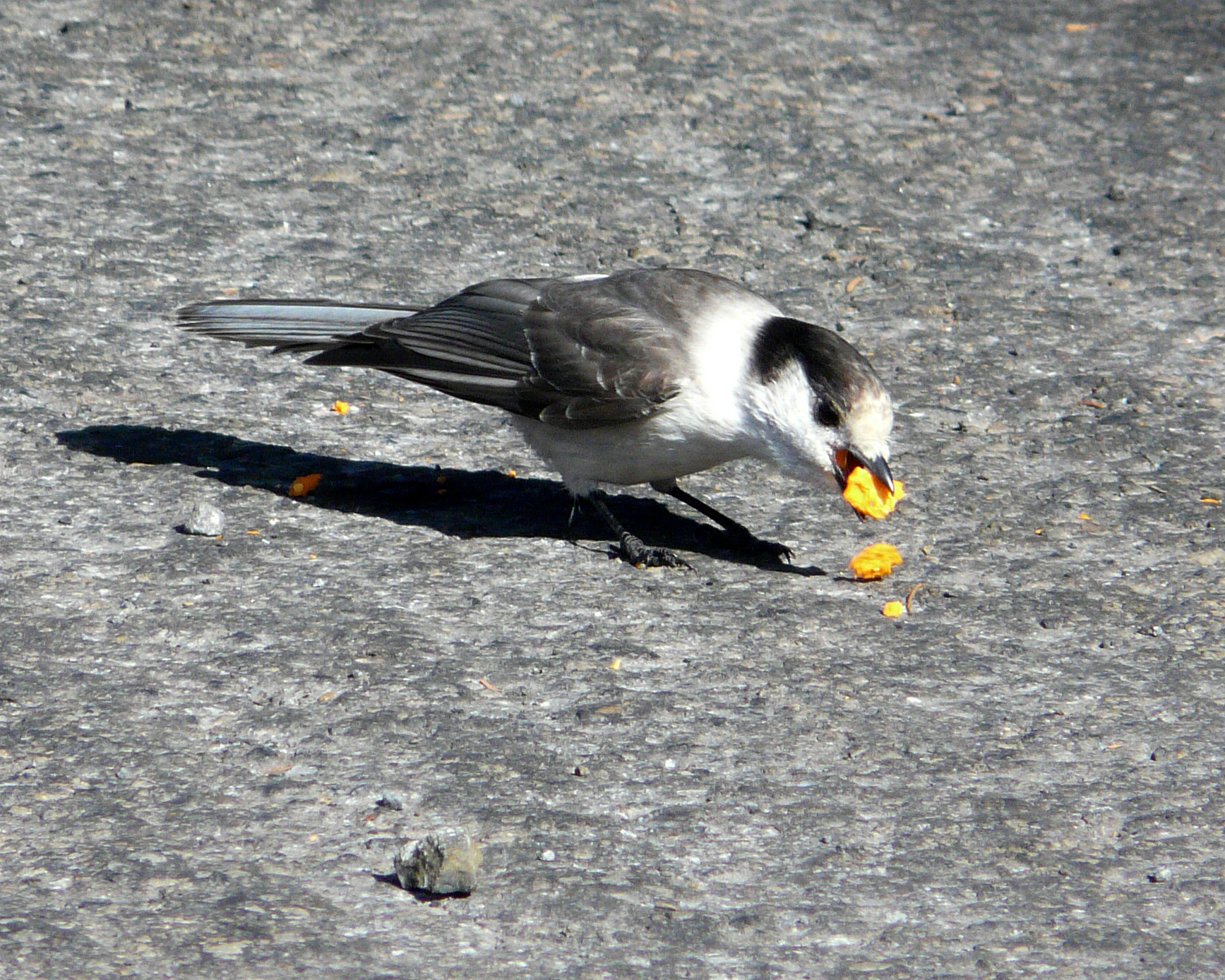
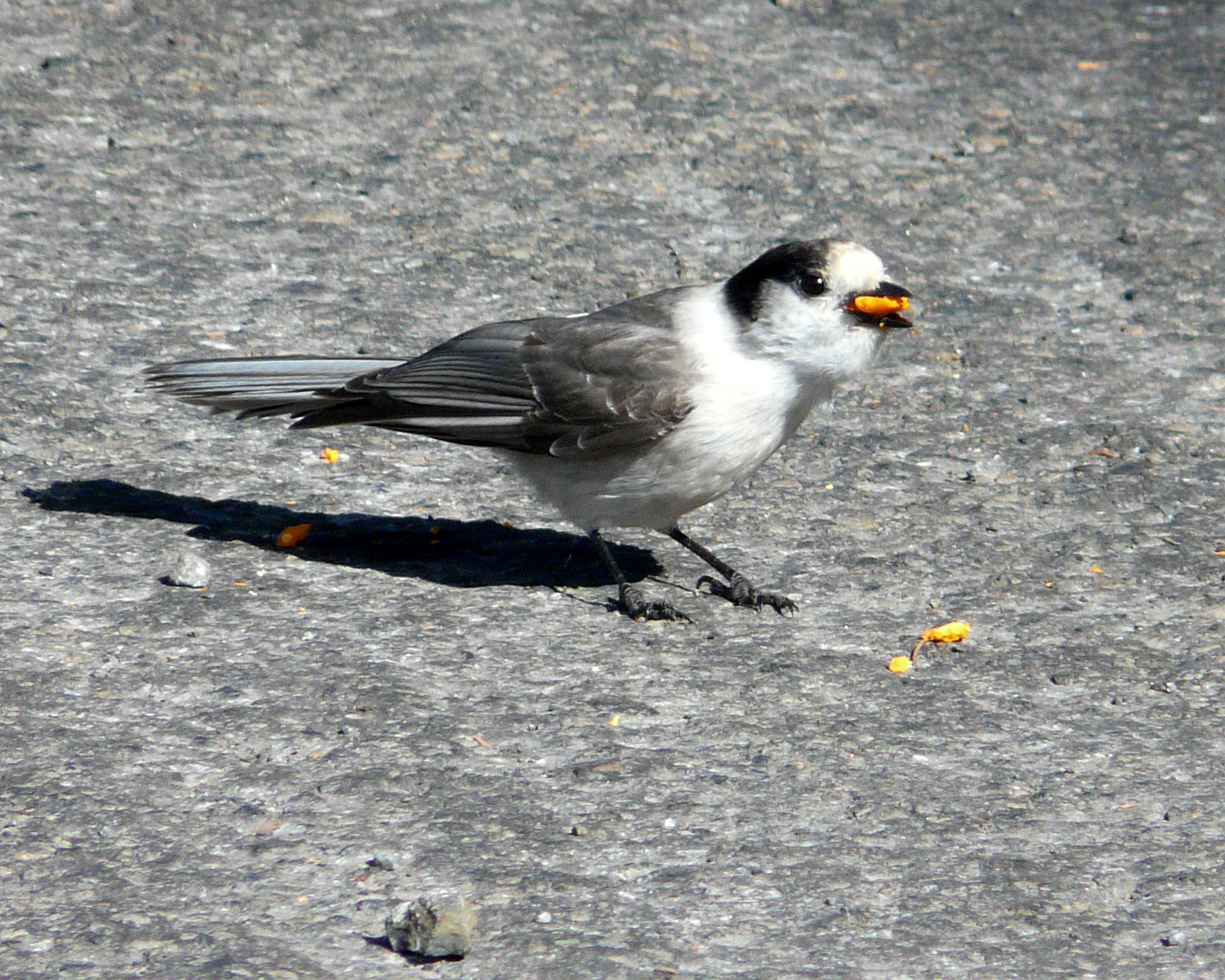
Gray Jays


While exploring areas around Mt. Hood, my Portland Audubon class encountered a flock of Gray Jays at the Little Crater Lake Campground (Birding Oregon p. 75). When I find this species in the woods, they seem rather shy to me. But when the birds have been enjoying the easy pickings at a campground, one can quickly see how they got the nickname, Camp Robber. Jays were landing on fingers, binoculars, and hats in hopes of getting a handout. Their efforts were rewarded with nuts and crackers, a small price to pay for such an enjoyable close encounter with a beautiful bird.

Mt. Hood National Forest

Here are some photos from a recent scouting trip to Mt. Hood for my upcoming Portland Audubon class.


Timothy Lake, a good spot to look for migrant loons and grebes


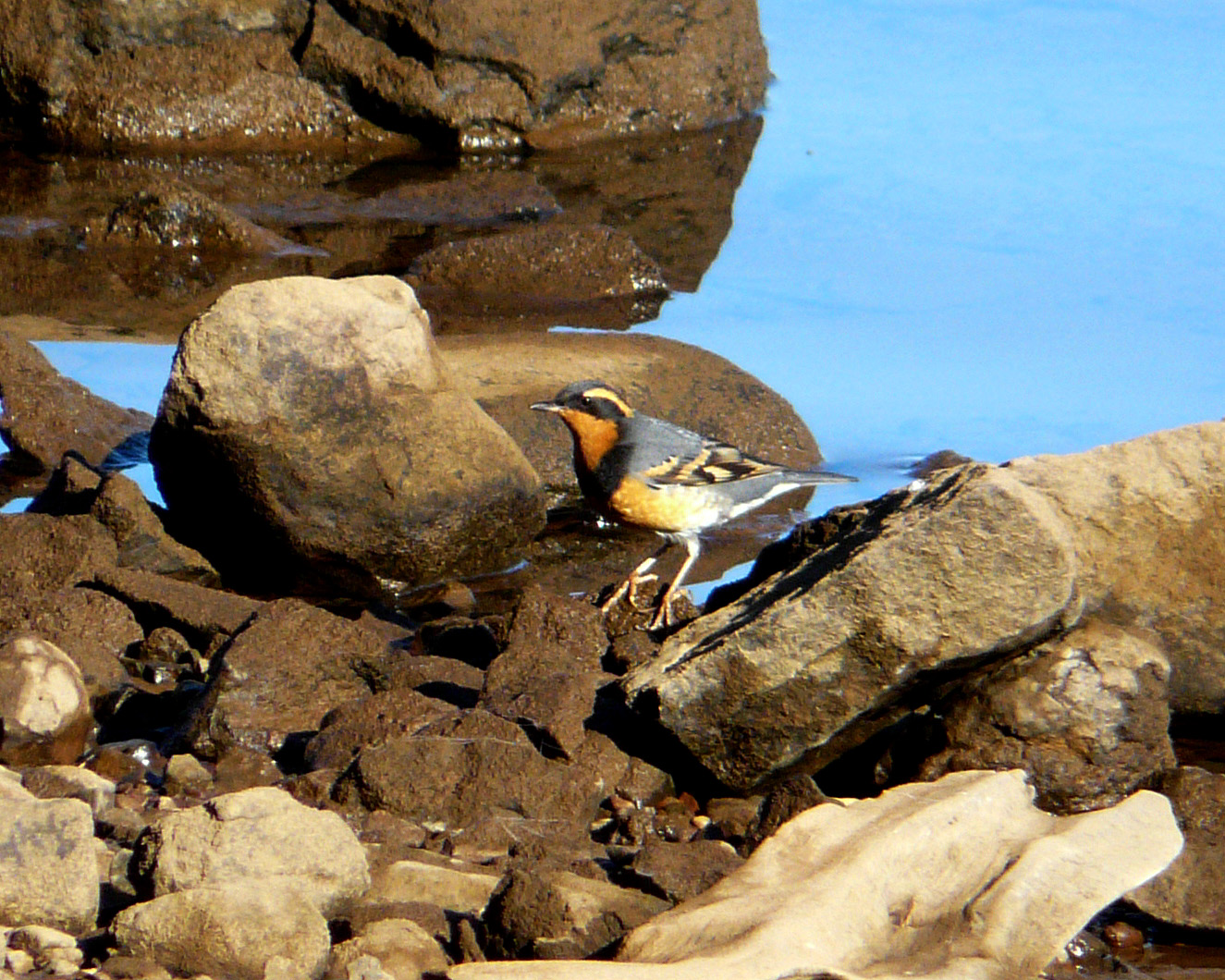
Varied Thrush on the shore of Timothy Lake


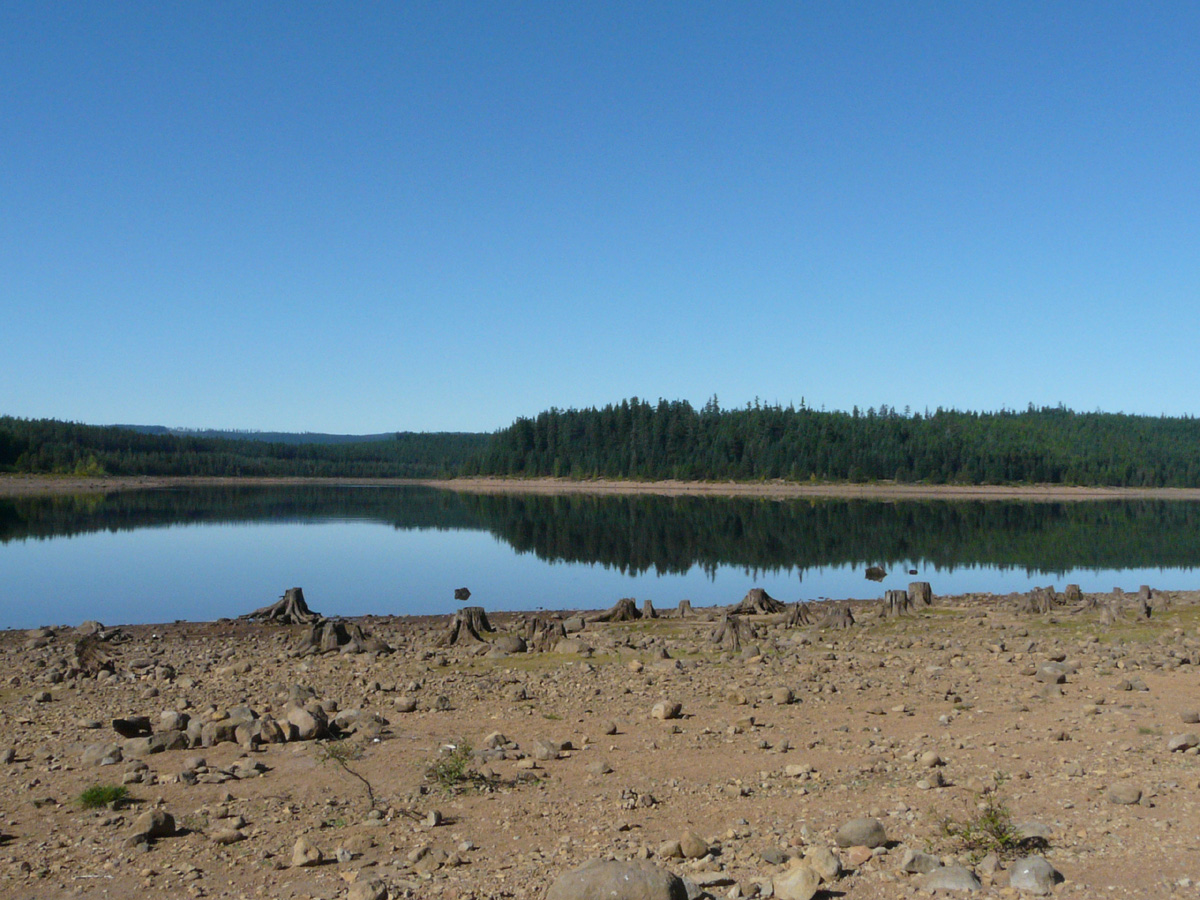
Clear Lake is very low this time of year, but still attracts waterfowl.


Greater White-fronted Goose on the shore of Clear Lake


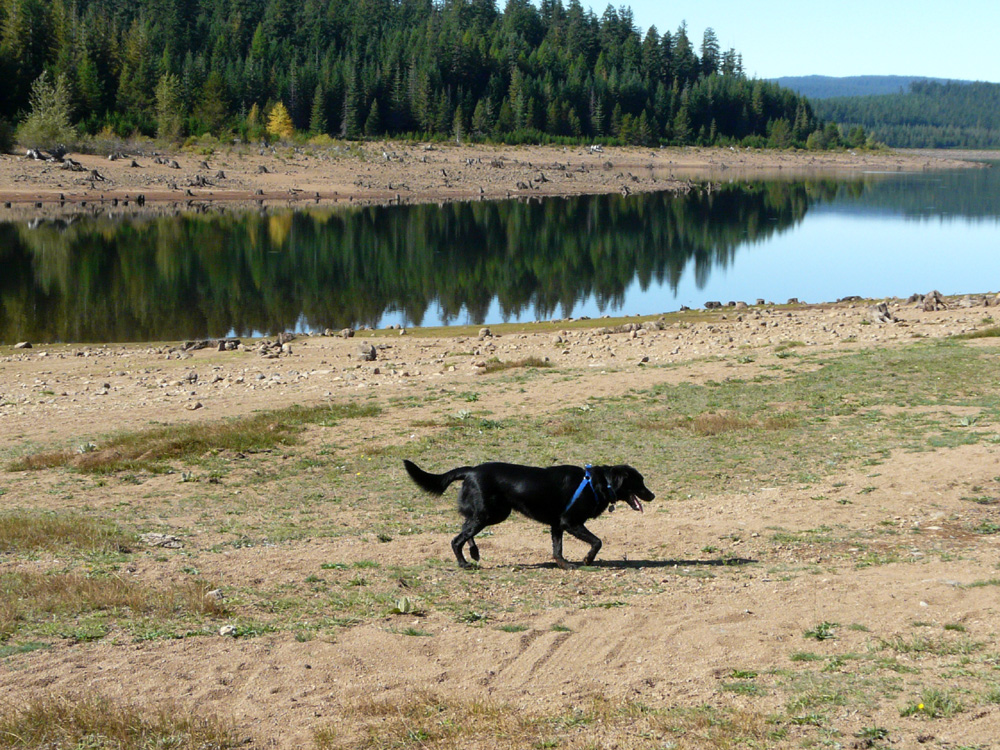
Nala, the Birding Dog, after adding Greater White-fronted Goose to her life list. She apologizes for chasing the goose into the lake, but she just couldn’t help it.


A burned section of forest near Cooper Spur on the northeastern part of the mountain. Burned forest is a magnet for woodpeckers.


A really bad photo of an American Three-toed Woodpecker in the burn


The giant gravel pile that is Mount Hood, above Timberline Lodge


Townsend’s Solitaire

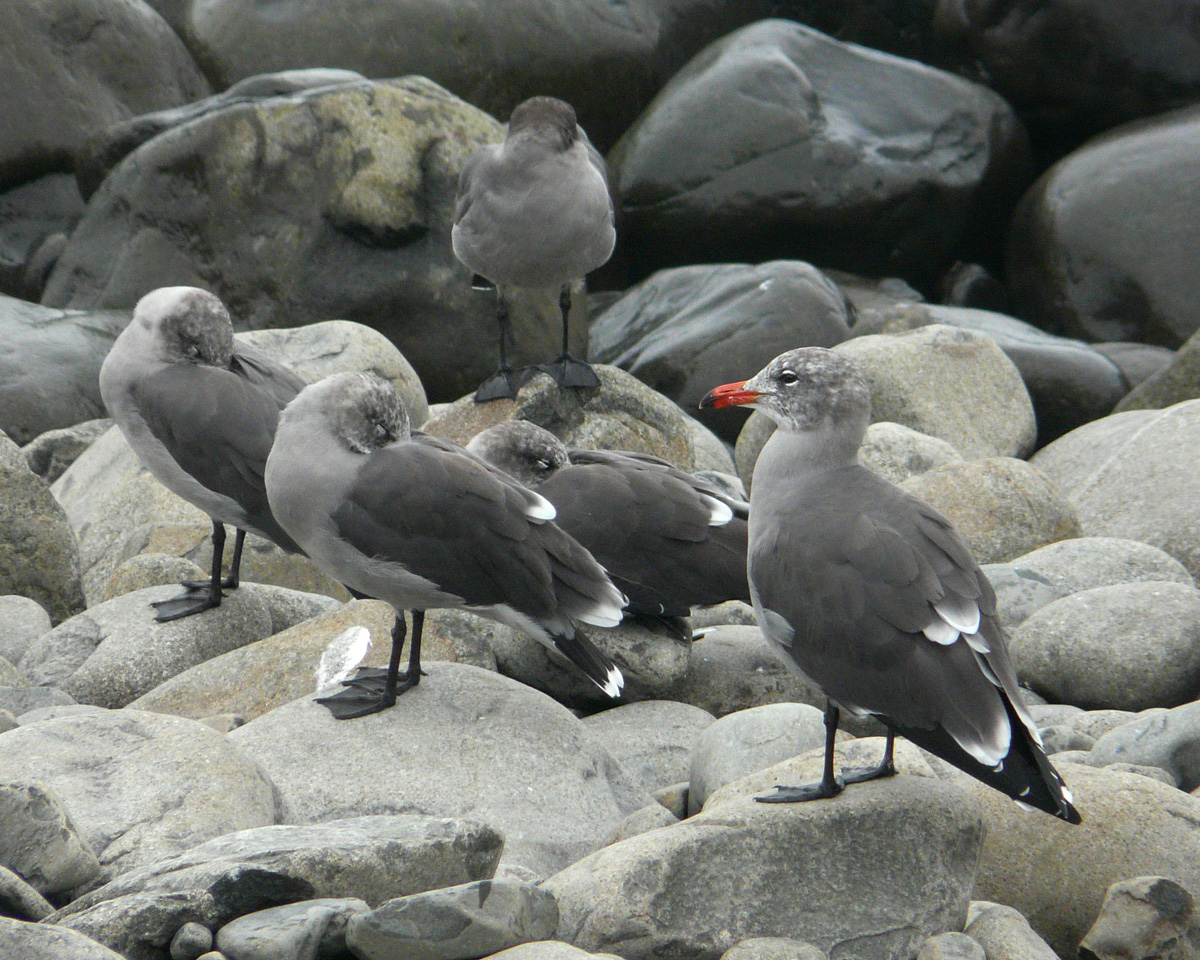
Studies in Gray; Heerman’s Gull

The rocky shore of The Cove in Seaside (Birding Oregon p. 121) is a favorite loafing spot for Heerman’s Gulls. The gray stones match the velvety gray of the gulls, and make the flash of brilliant red from the gulls’ bills even more stunning. Heerman’s Gulls are certainly among the most beautiful birds in North America.
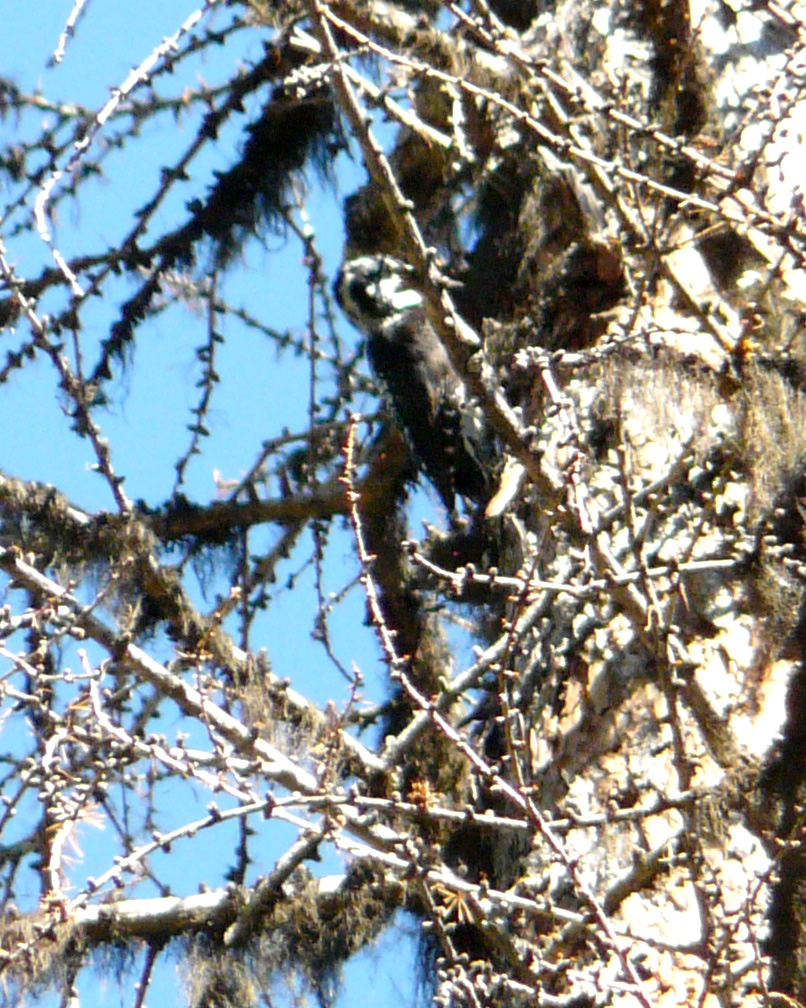

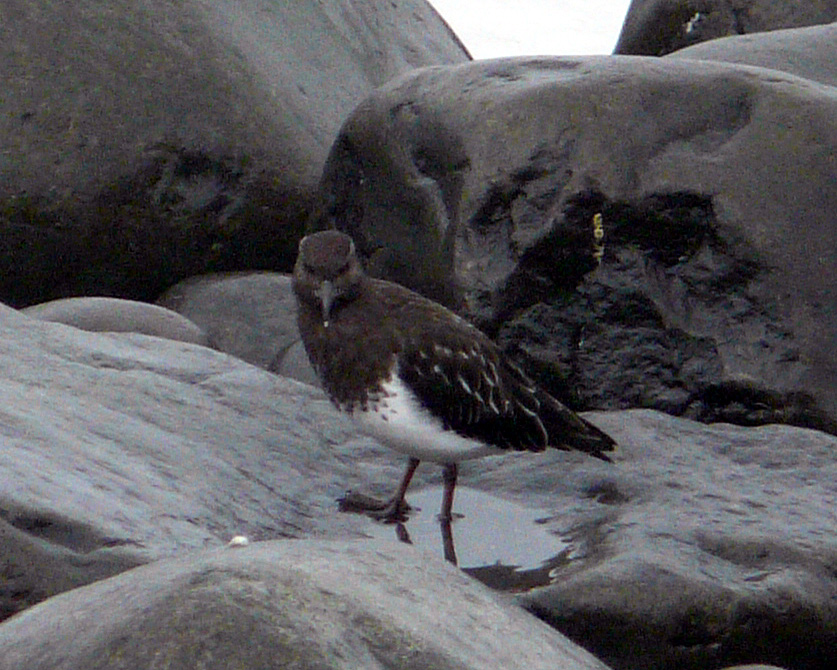
Black Turnstones also blend in with the rocky shore.

Ft. Stevens State Park, 9-28-’10

I took a client birding along the northern coast this week. Ft. Stevens State Park (Birding Oregon p.119) is a mandatory stop when spending a day in this area.


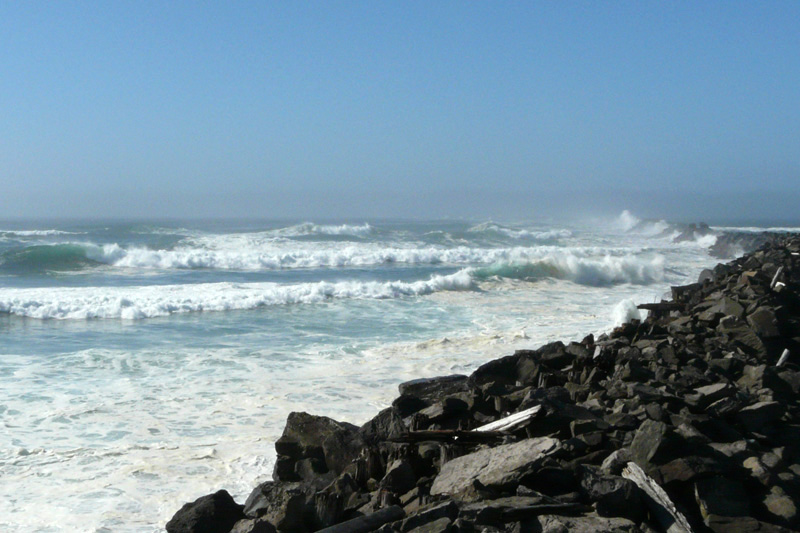
An observation deck overlooks the south jetty of the Columbia River. This is usually a great place to find birds on the water, but the surf was very rough on this day. Notice the waves washing over the jetty.


This California Sea Lion had hauled out onto the beach to take a break from the big surf.


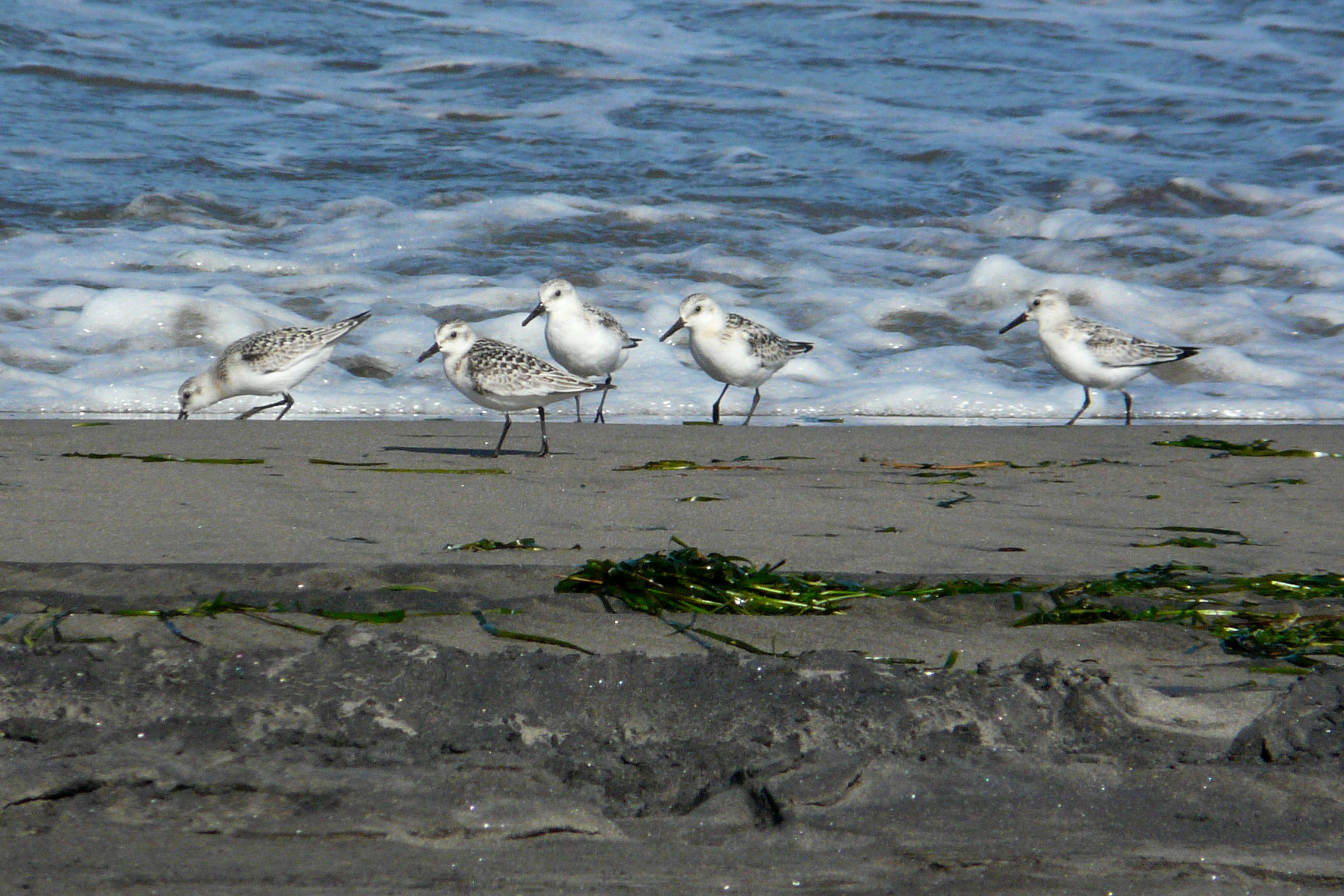
This flock of Sanderlings was feeding on the calmer side of the spit.


Notice how the second bird from the right is bending his upper mandible. Shorebird bills are flexible, allowing the birds to grab onto prey beneath the surface of the sand.


Running along at the very edge of the waves is typical behavior for Sanderlings.


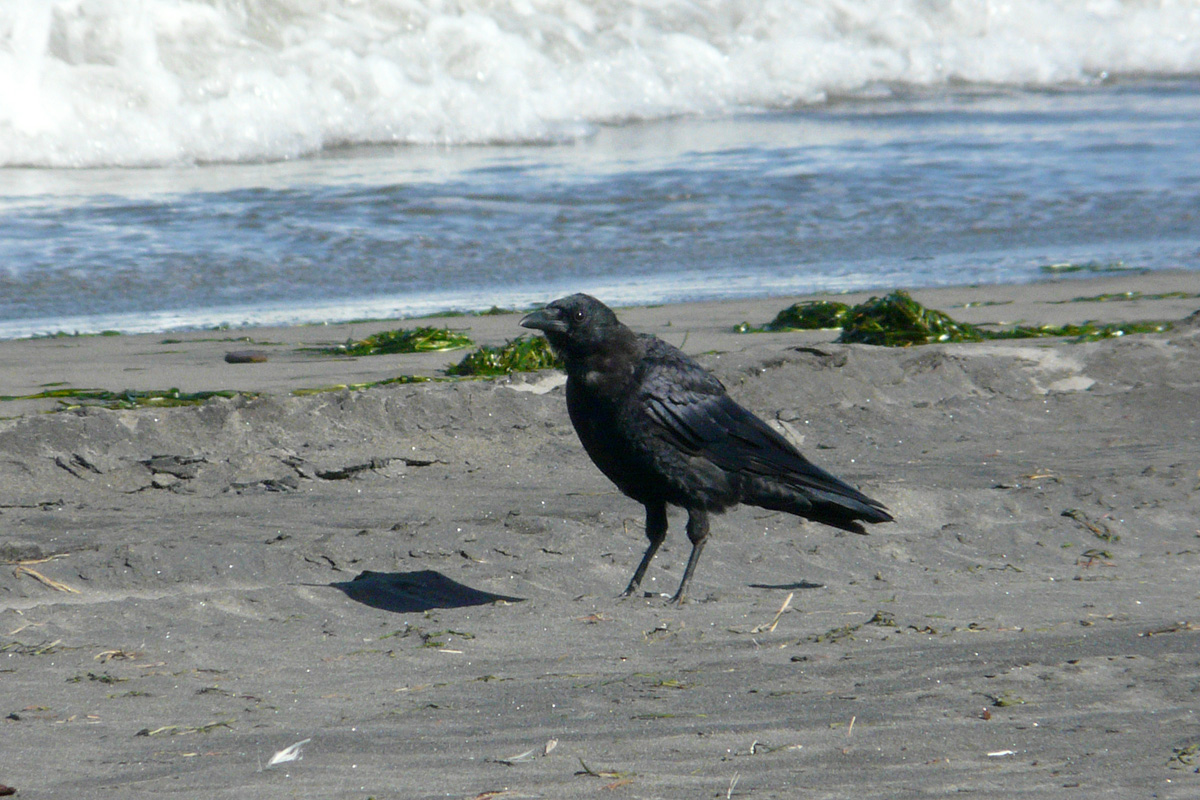
An American Crow on the beach. Some sources list Northwestern Crows as occurring at Fort Stevens, but there is no physical evidence to show that Northwestern Crows have ever inhabited Oregon. The race of American Crow found along the West Coast is considerably smaller than the races found inland. This might lead to confusion among visitors who are used to seeing larger crows.