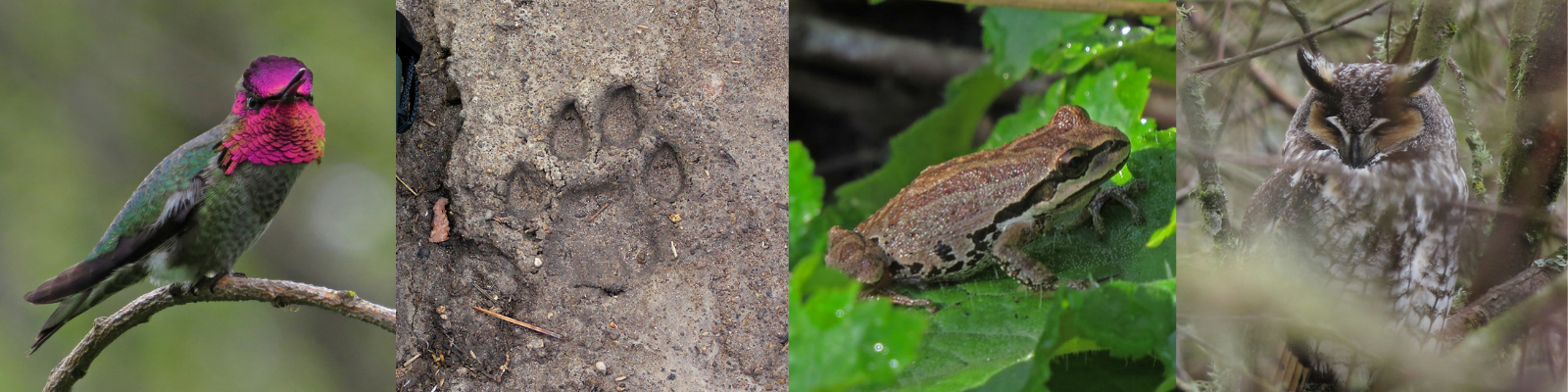
My annual gull class visited the Coast from Cannon Beach to Gearhart. Stormy weather caused us to postpone the trip by a week. The weather was lovely the day of our trip, but nice weather, combined with the week’s delay, kept our gull total to a modest seven species.
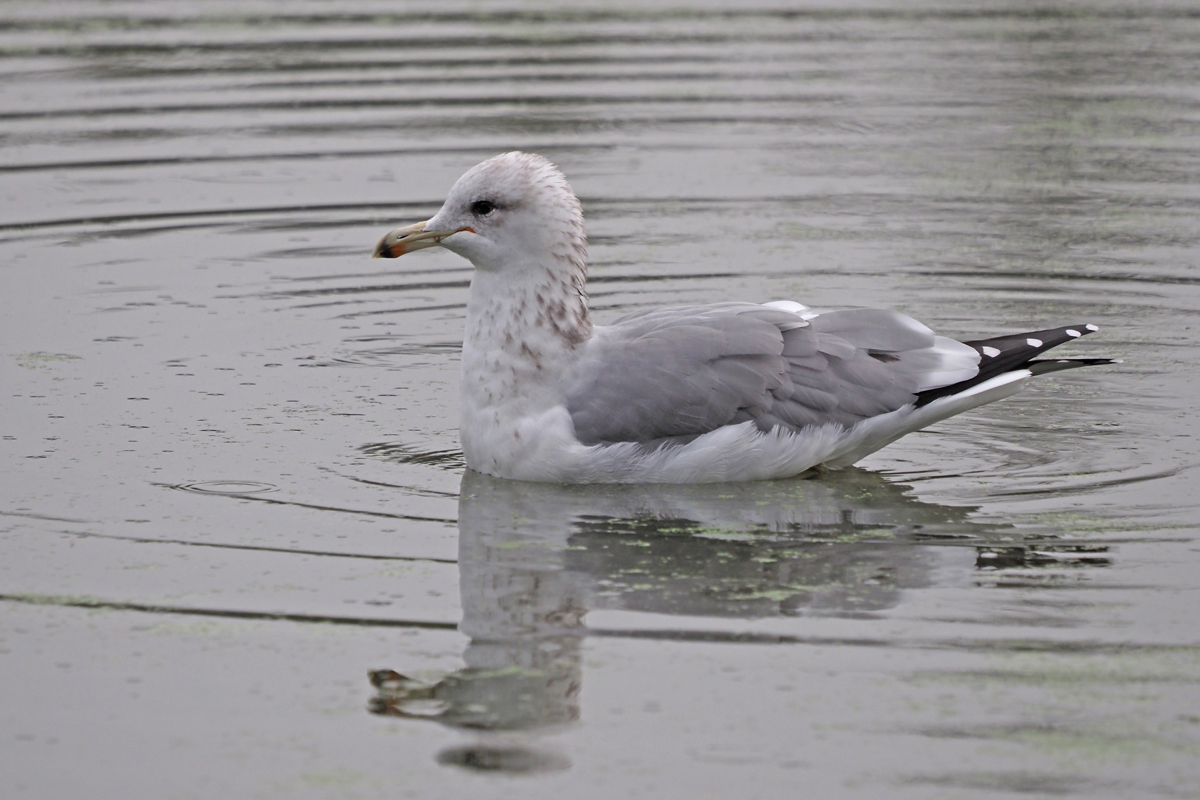
California Gulls are among the most common species on the coast right now.
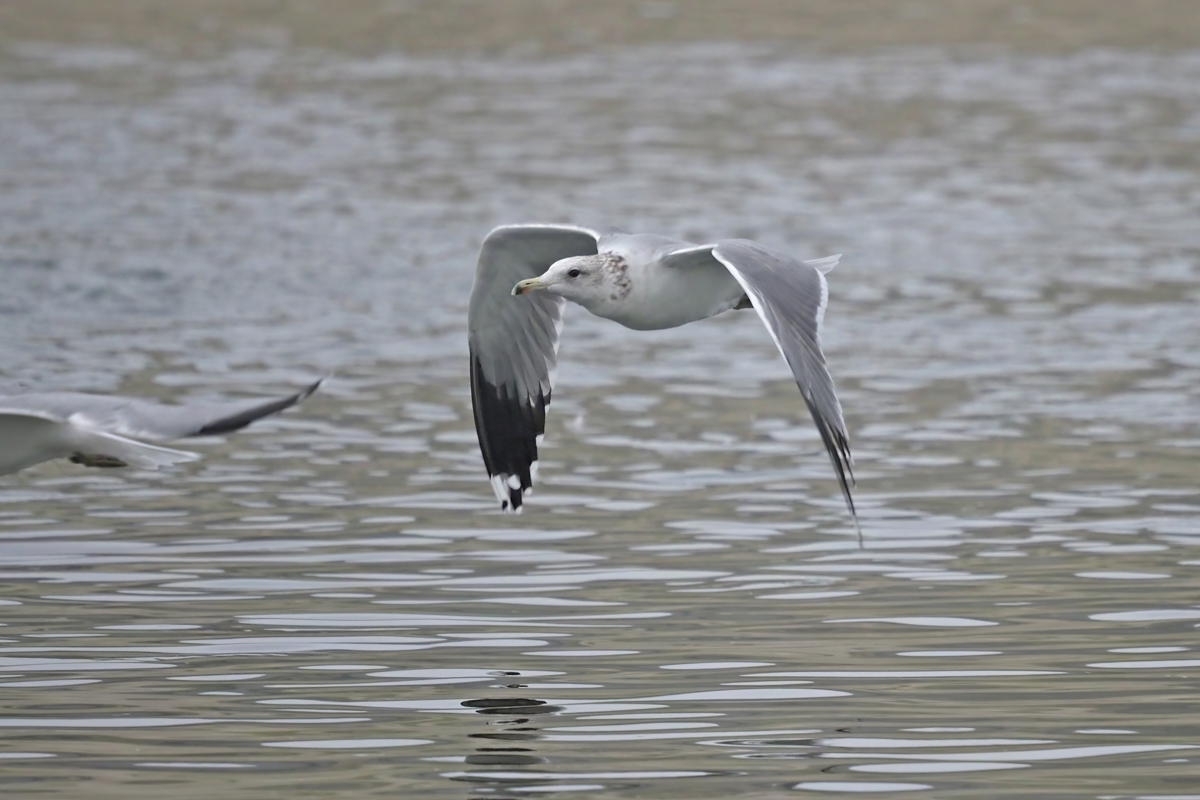
California Gull in flight, showing the extensive black in the primaries
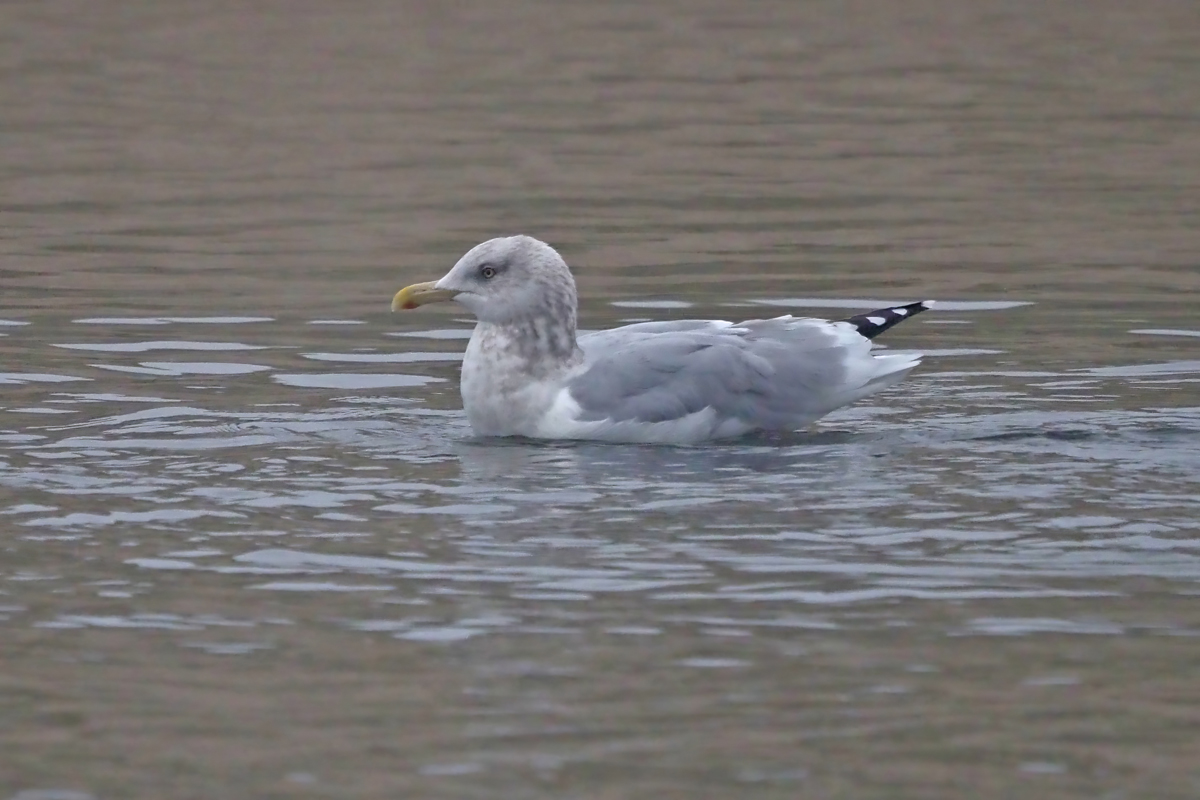
Herring Gull
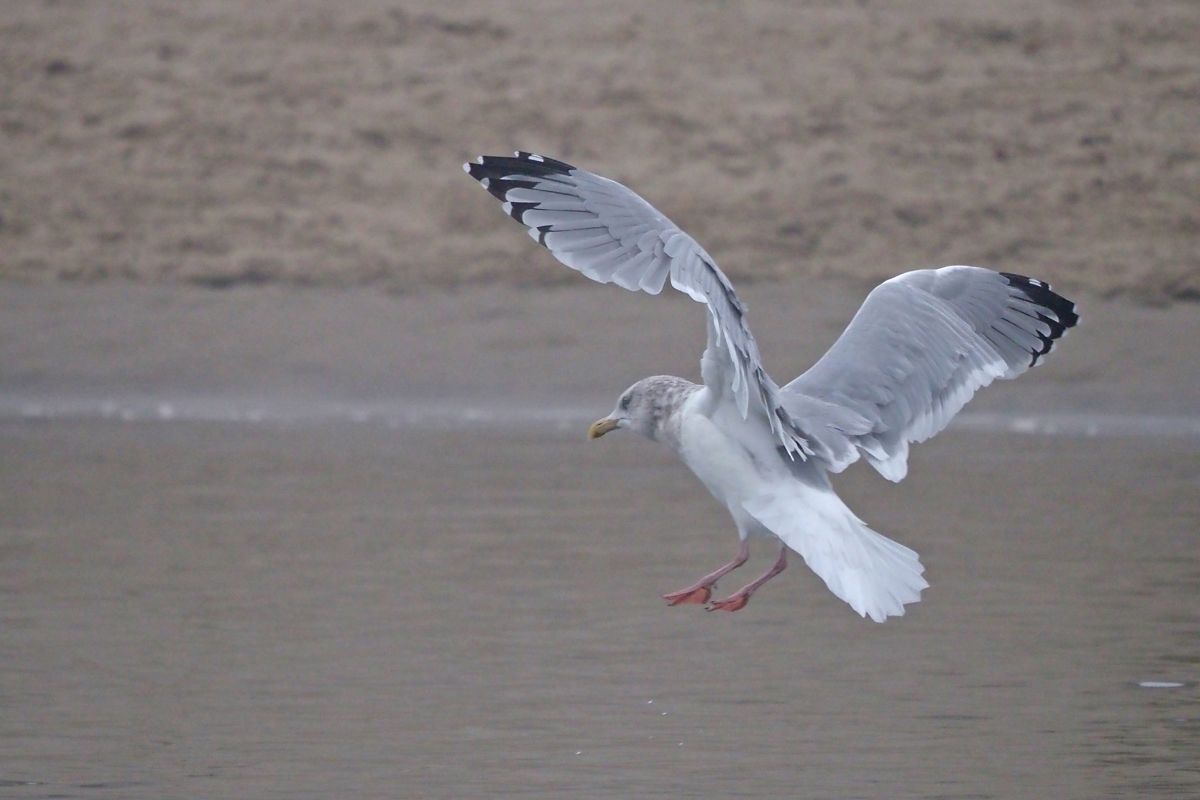
Herring Gull coming in for a landing
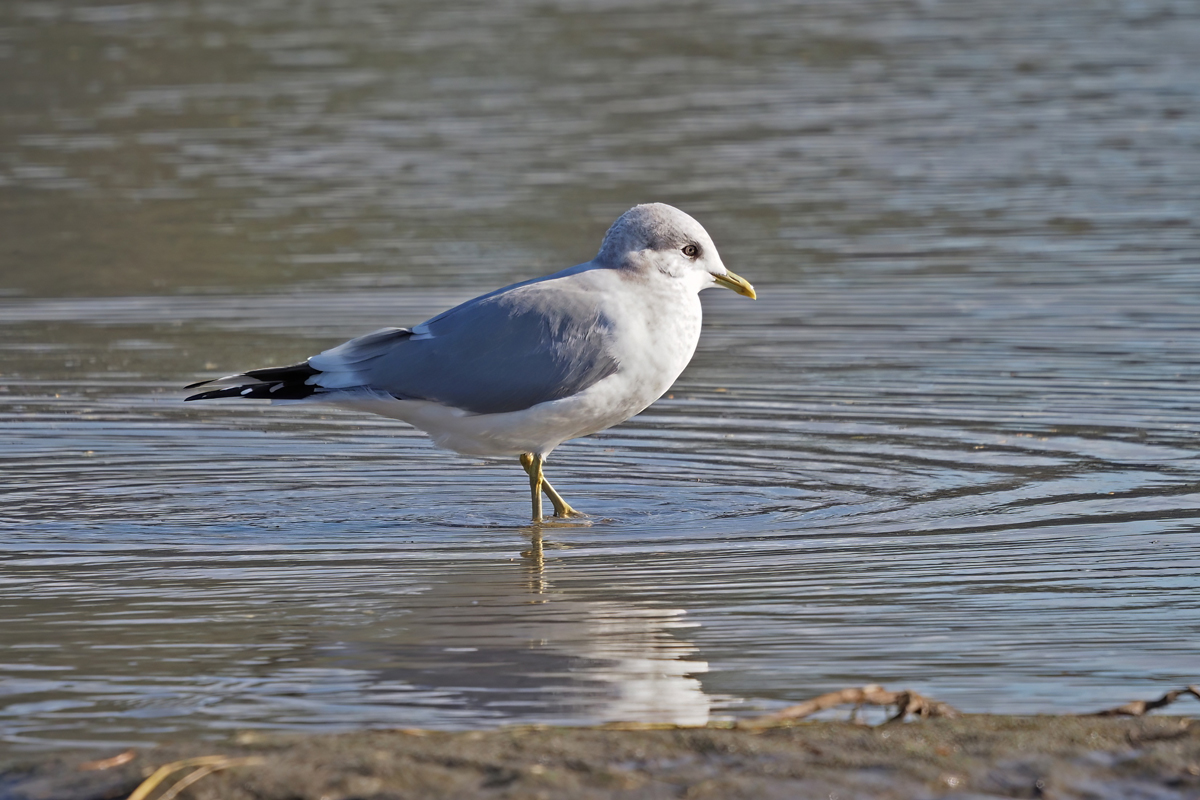
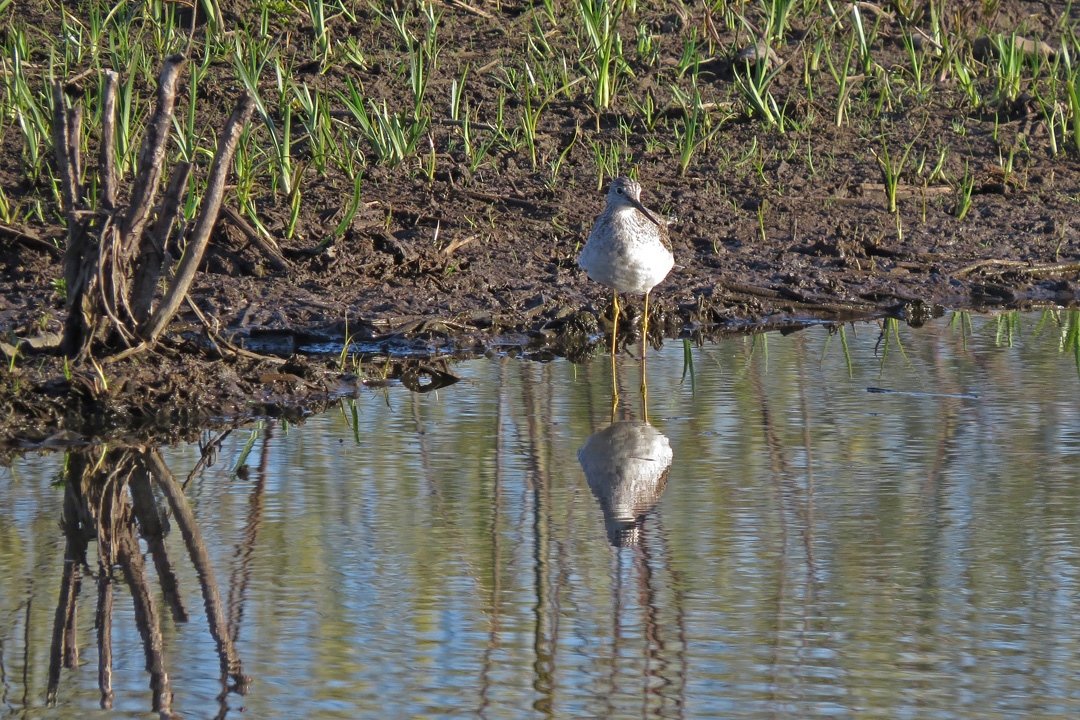
Short-billed Gulls frequent the Necanicum River Estuary in Gearhart. This bird was stamping their feet in the shallow water to stir up food items.
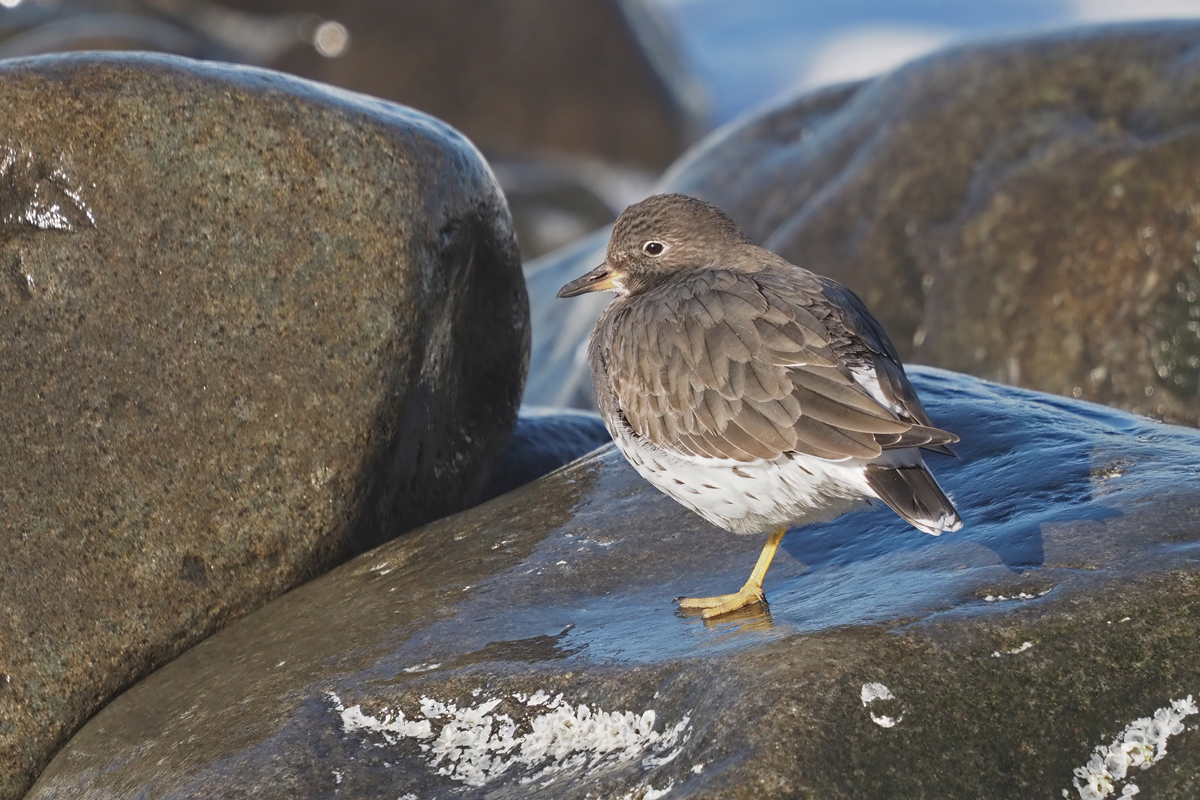
A stop at the Seaside Cove produced a large flock of Surfbirds.
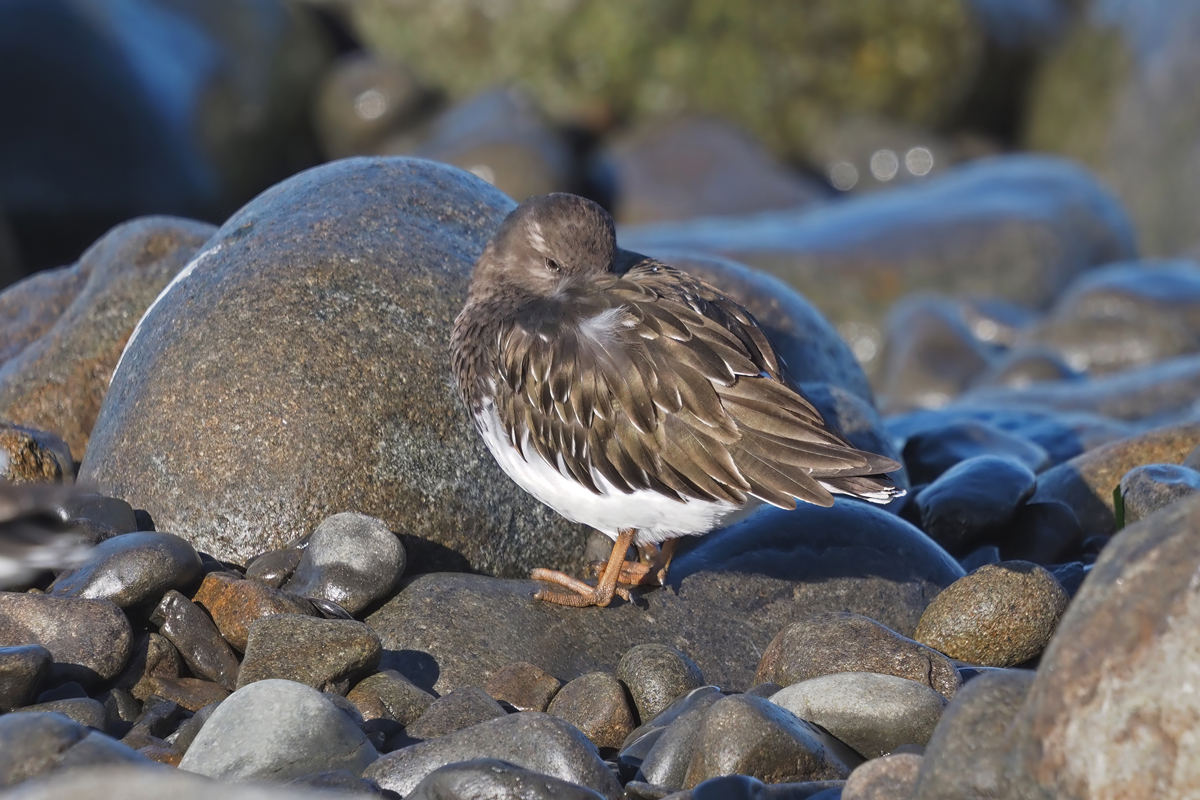
Just a few Black Turnstones were mixed in with the Surfbirds.
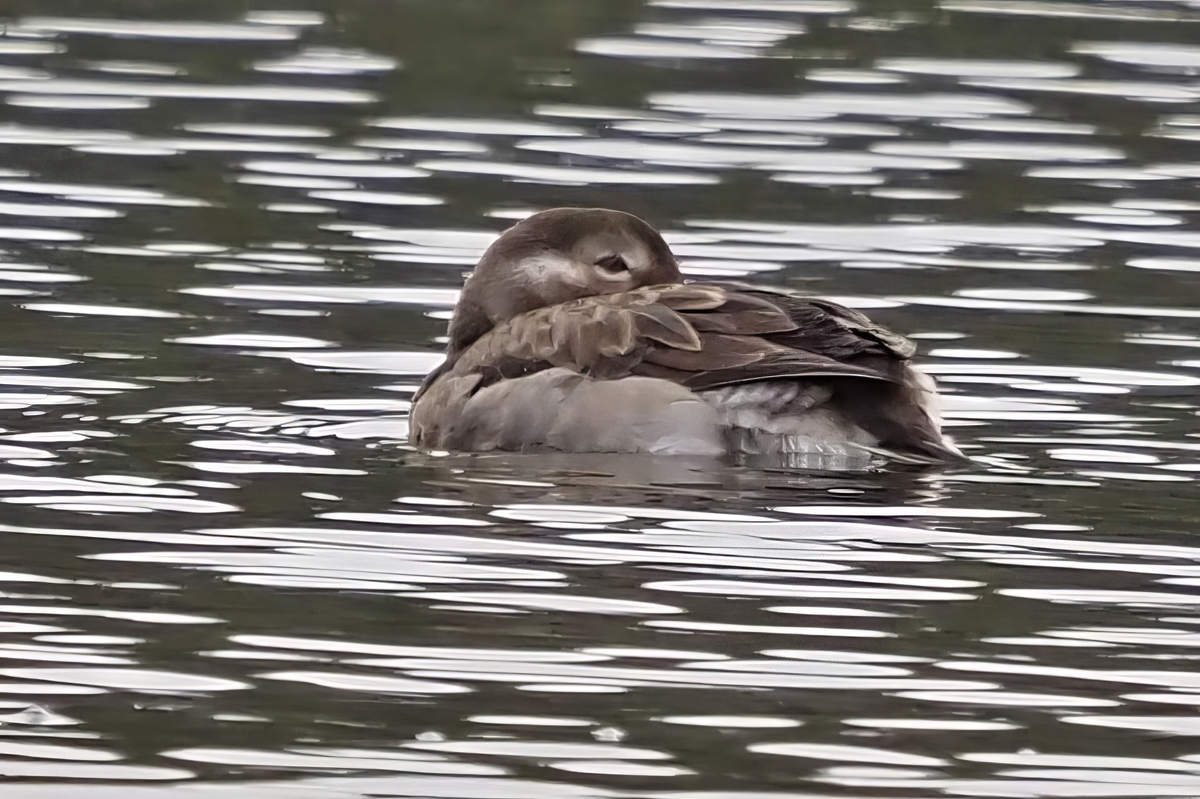
The most unusual bird of the trip was this Long-tailed Duck at the Cannon Beach Settling Ponds. This is a young female, whose dark coloring blended in surprisingly well with the water’s surface.
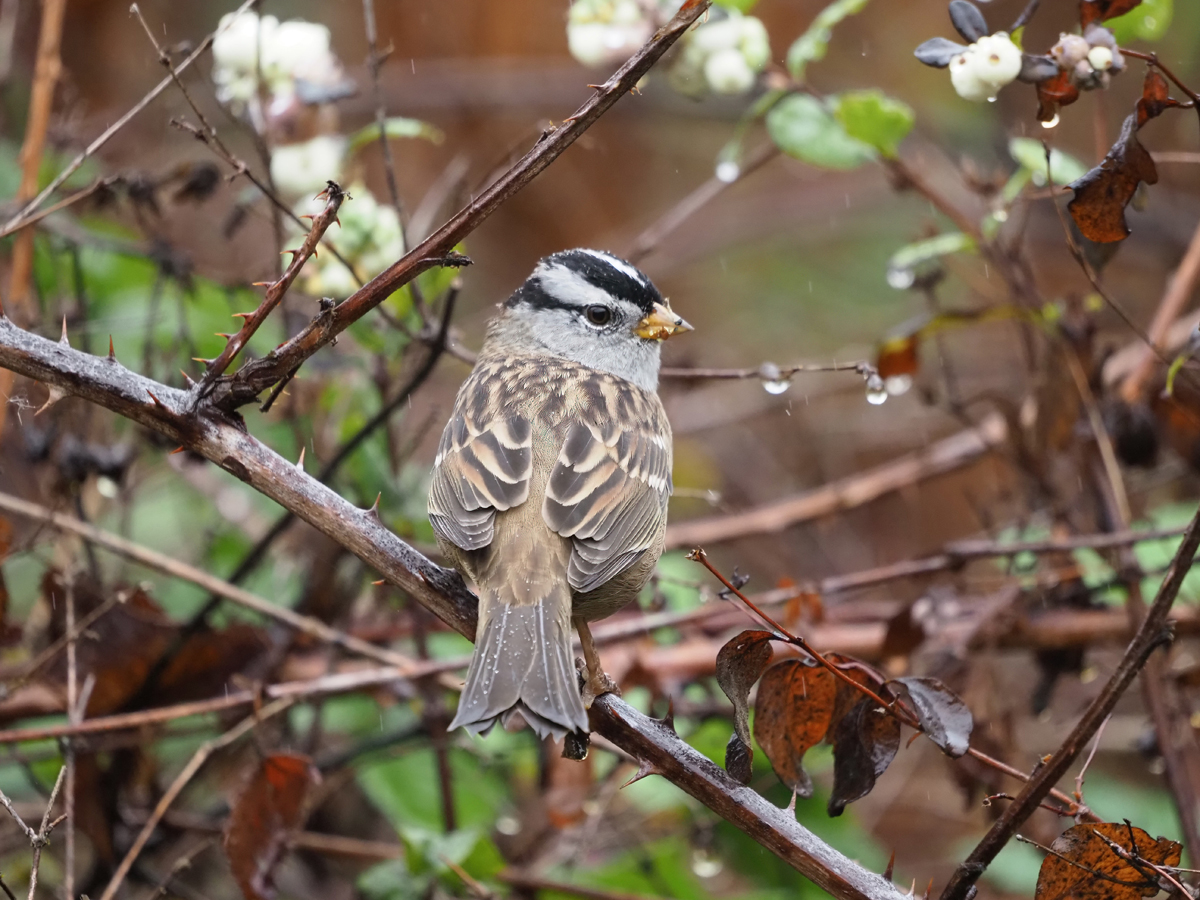
We didn’t have much time to look for songbirds, but White-crowned Sparrows are always obliging.
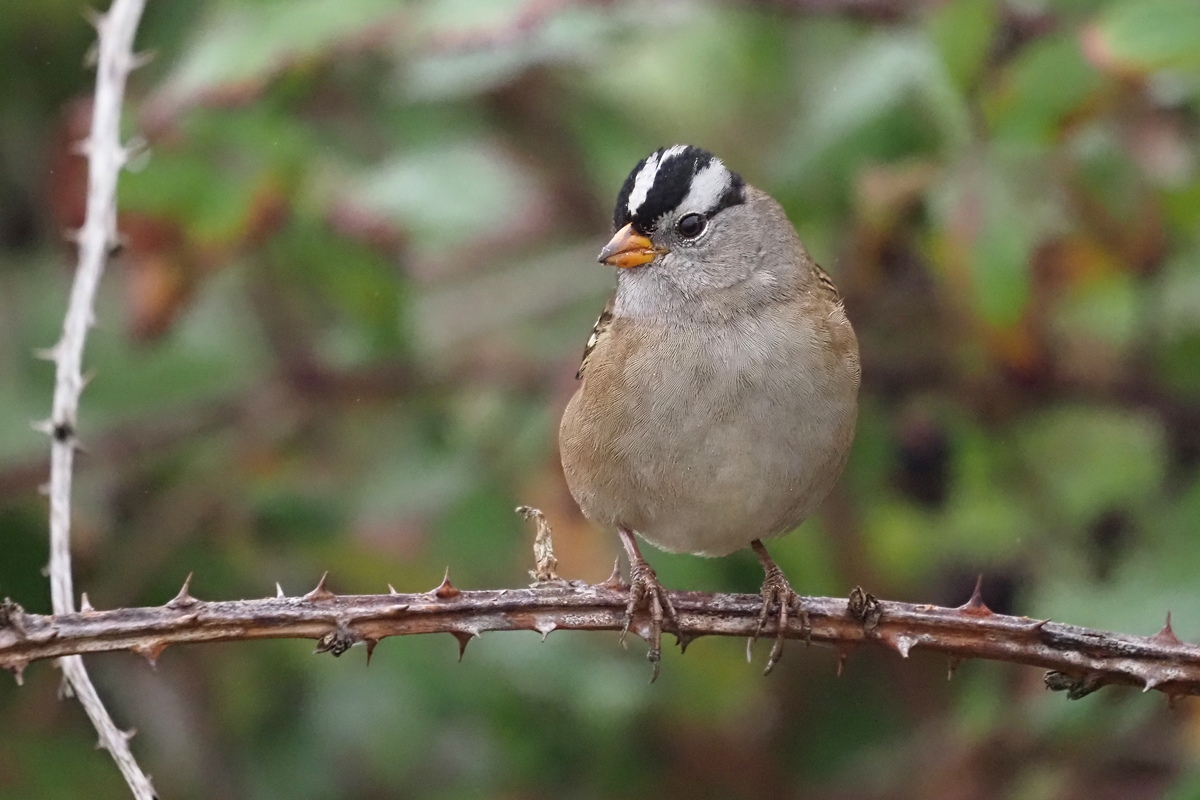
Happy Autumn
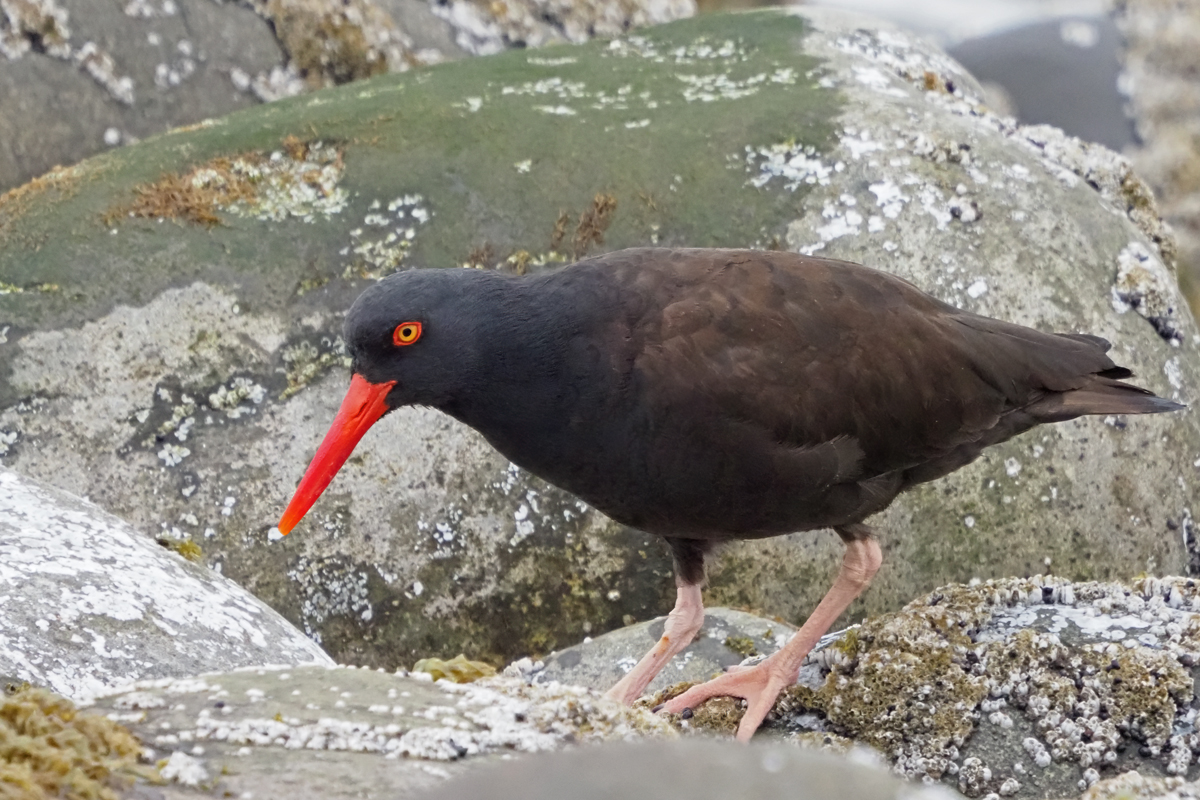


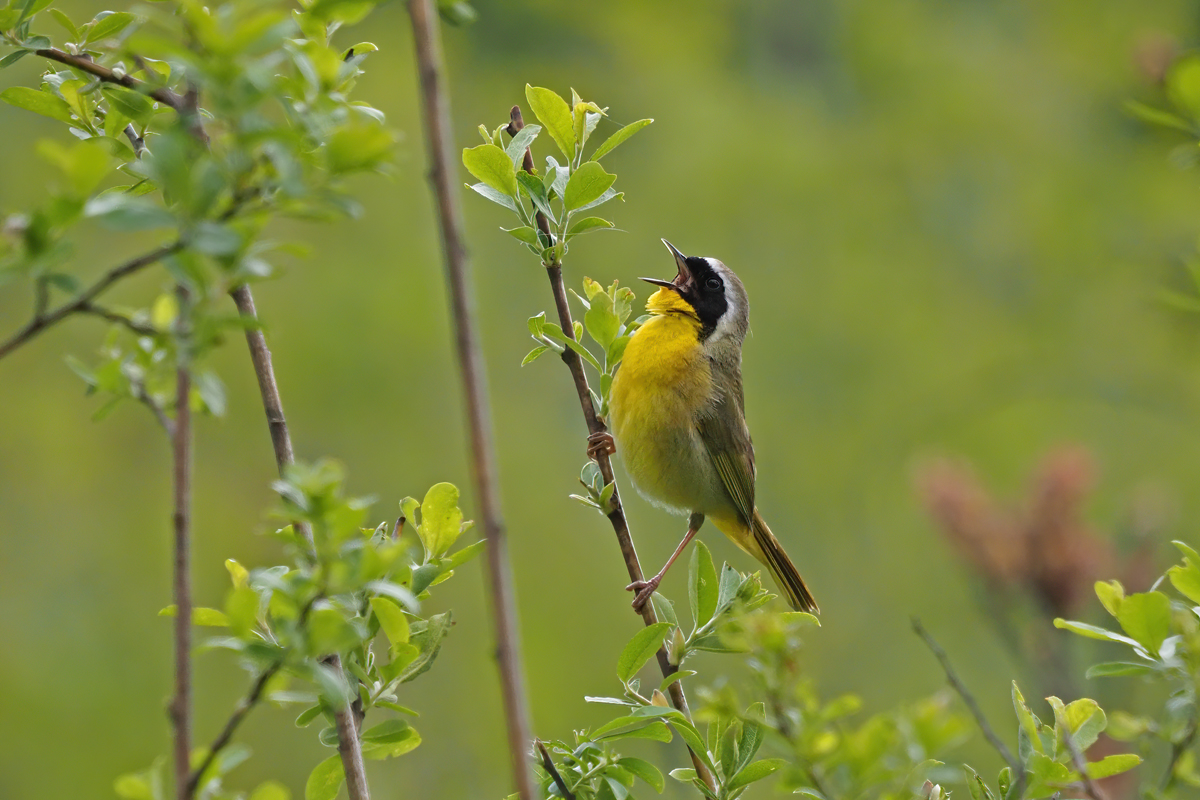
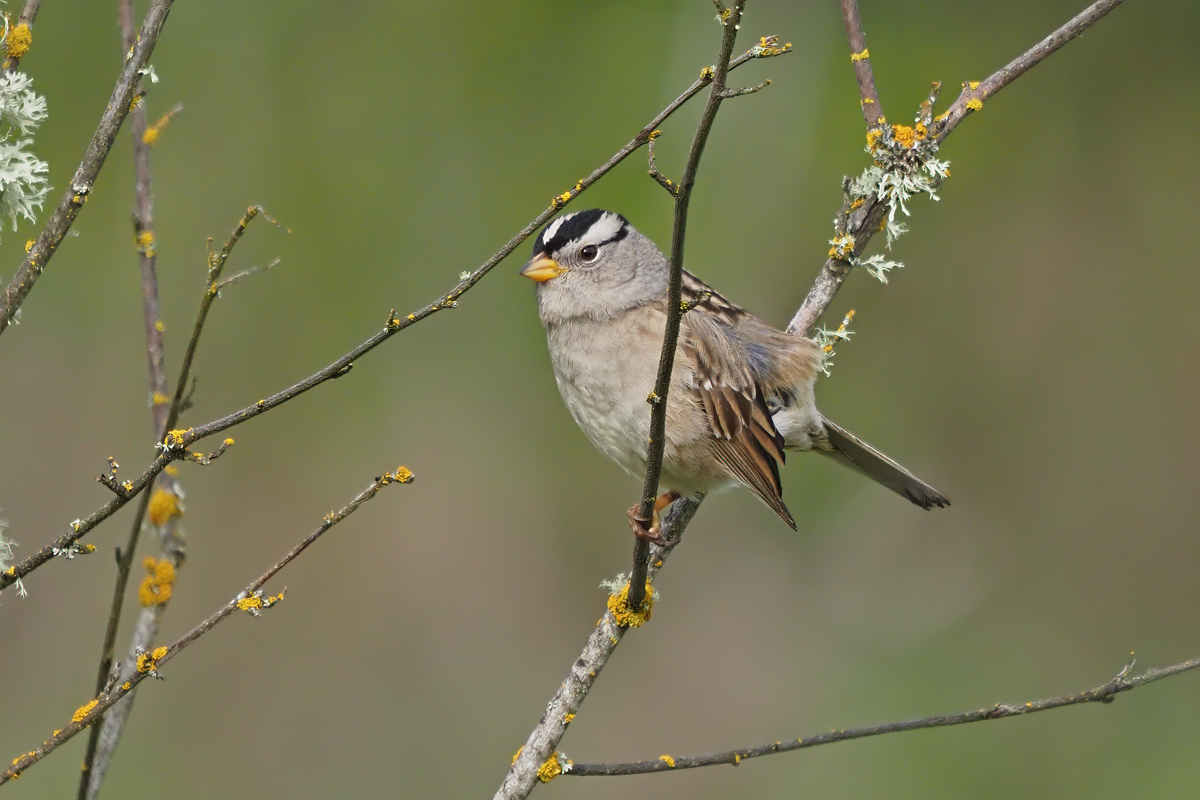

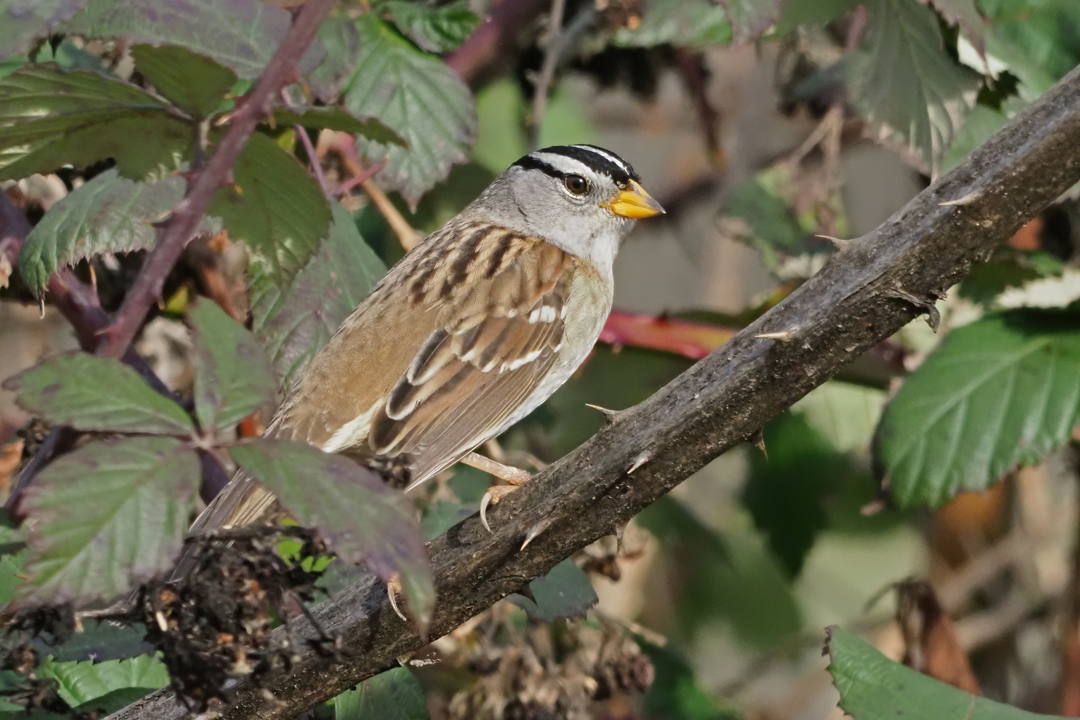 Rentenaar Road on Sauvie Island remains one of the better sites in the Portland area to find a nice diversity of winter sparrows, along with other songbirds and waterfowl. While this trip did not produce any rarities, there were plenty of birds and sunshine to make the trip worthwhile. White-crowned Sparrows, pictured above, are among the more common species.
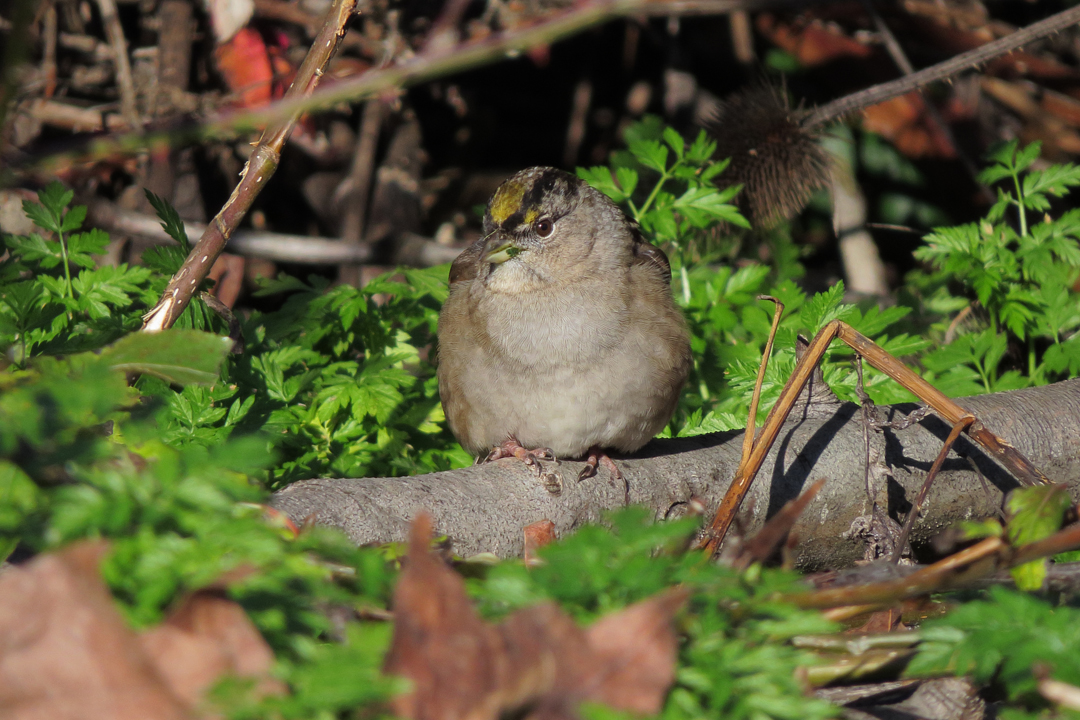
 Golden-crowned Sparrows are usually the most common sparrow in the winter flocks.
 This Fox Sparrow kept close to the heavy cover.
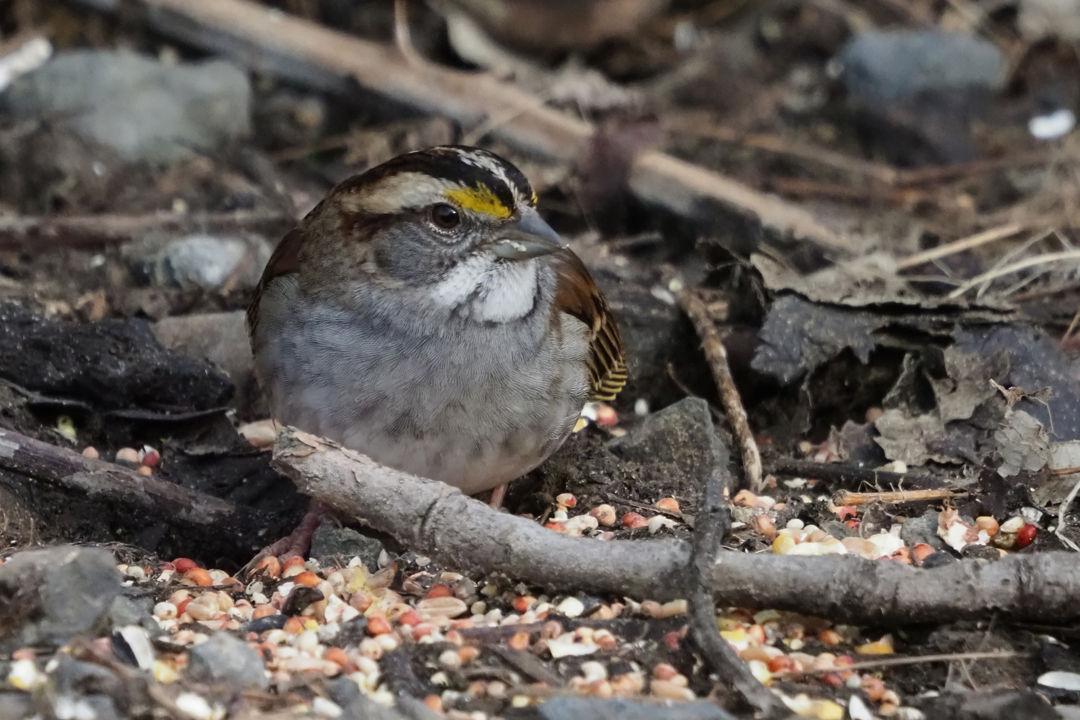 Once considered a rarity in this area, White-throated Sparrows are now reliable winter residents.
 Red-winged Blackbirds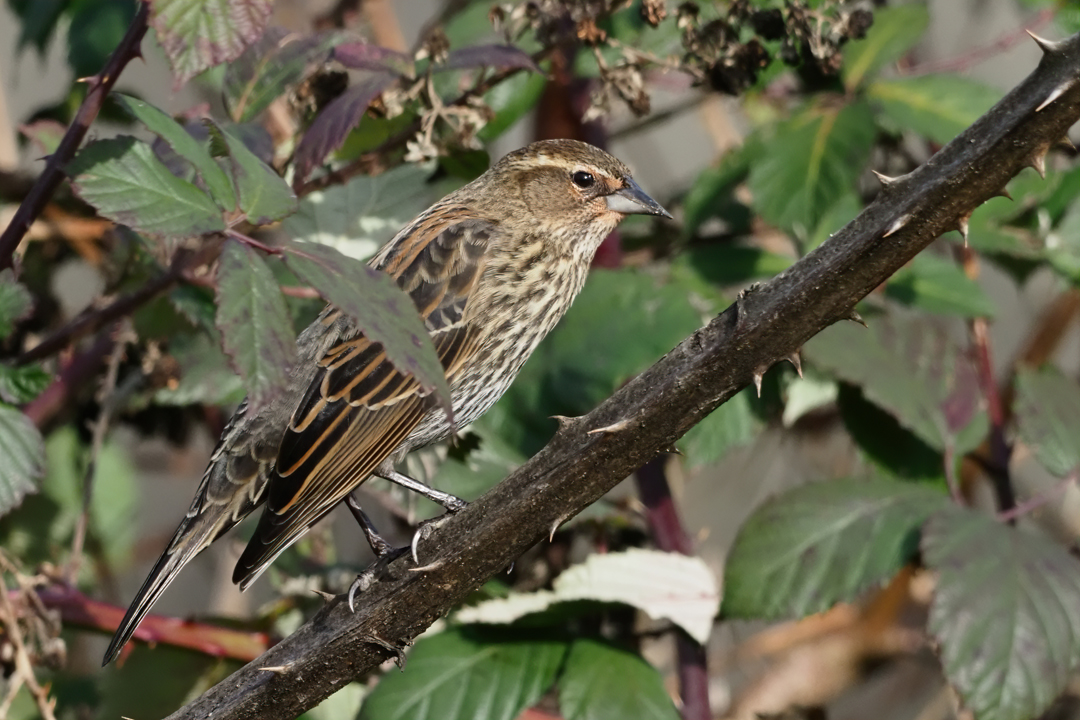
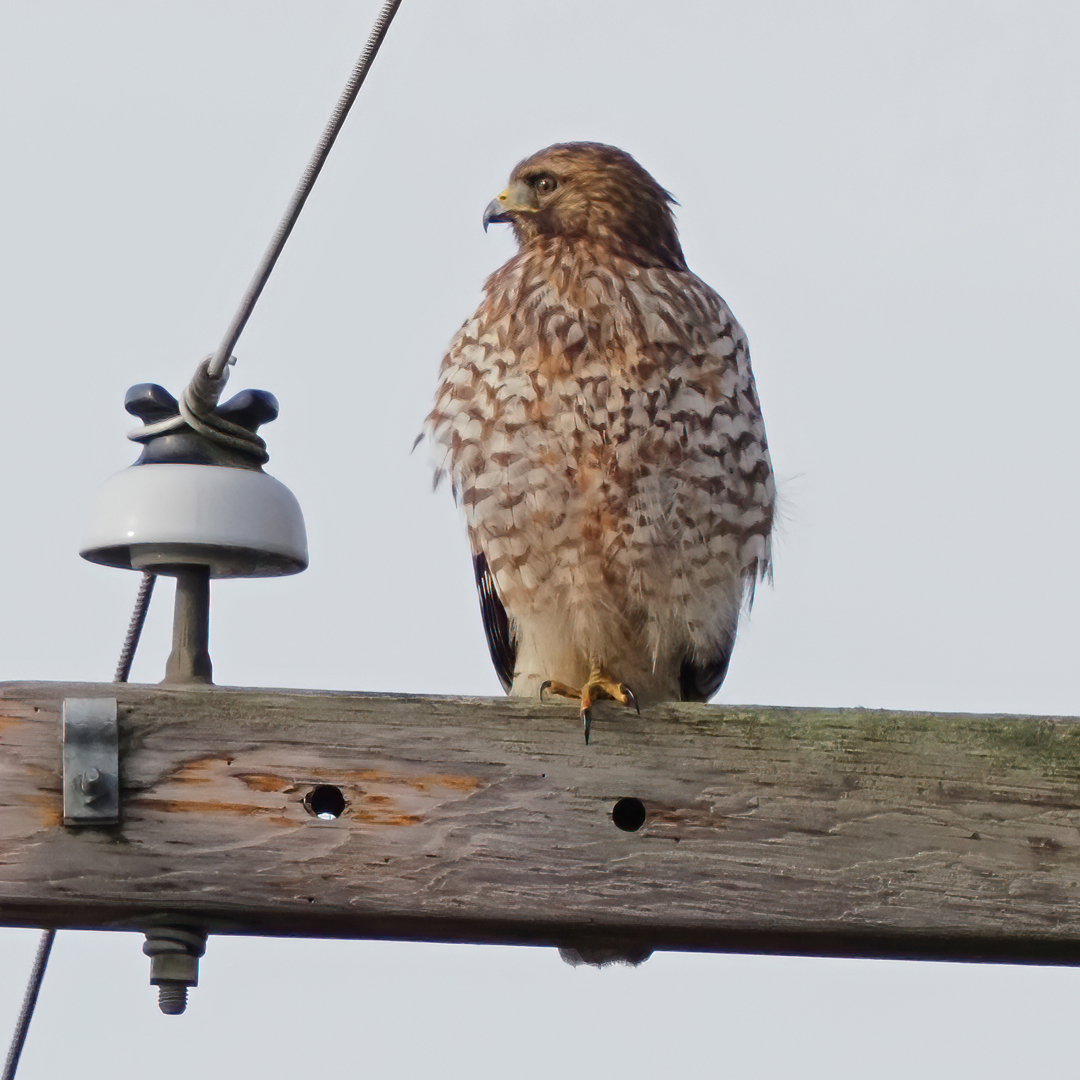 This Red-shouldered Hawk was the most unusual find of the day.
 Several birds were bathing in puddles in the road. Here a male Purple Finch cavorts with a female House Finch.
 Waterfowl numbers were a little low on this trip. Ducks and geese face pretty heavy hunting pressure on Sauvie Island. Numbers should increase in the next month as hunting seasons expire and some birds start moving north. This flock of Tundra Swans kept their distance from the road.
 As the weather was clear on this day, there were nice views of Mount St. Helens, here with a lenticular cloud.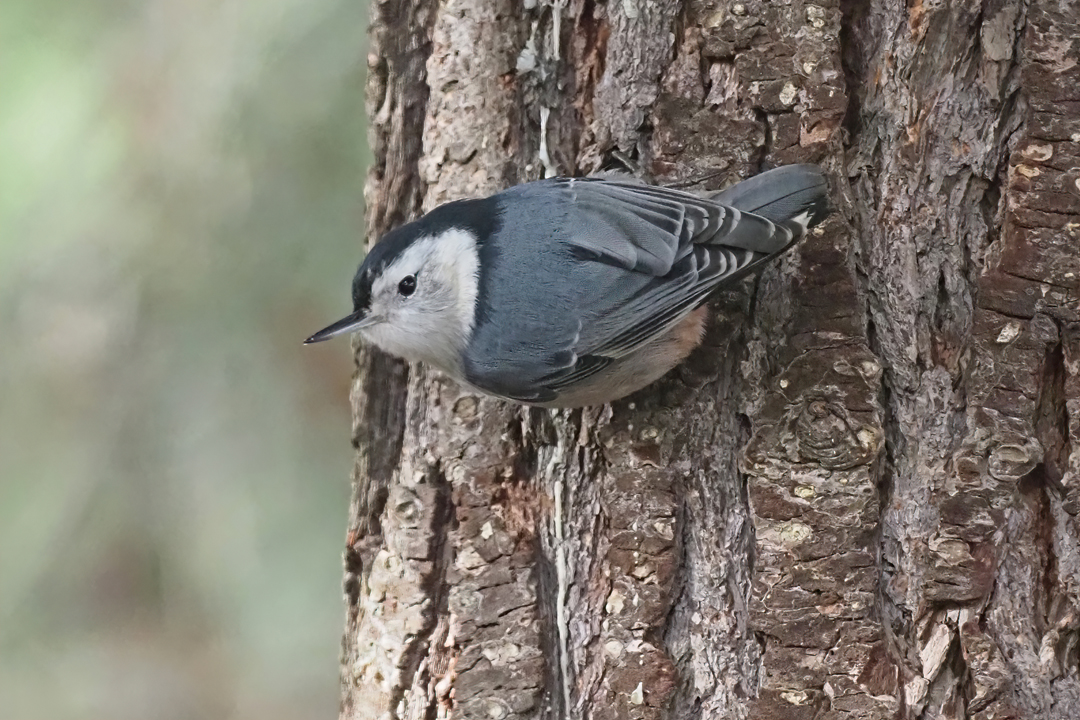
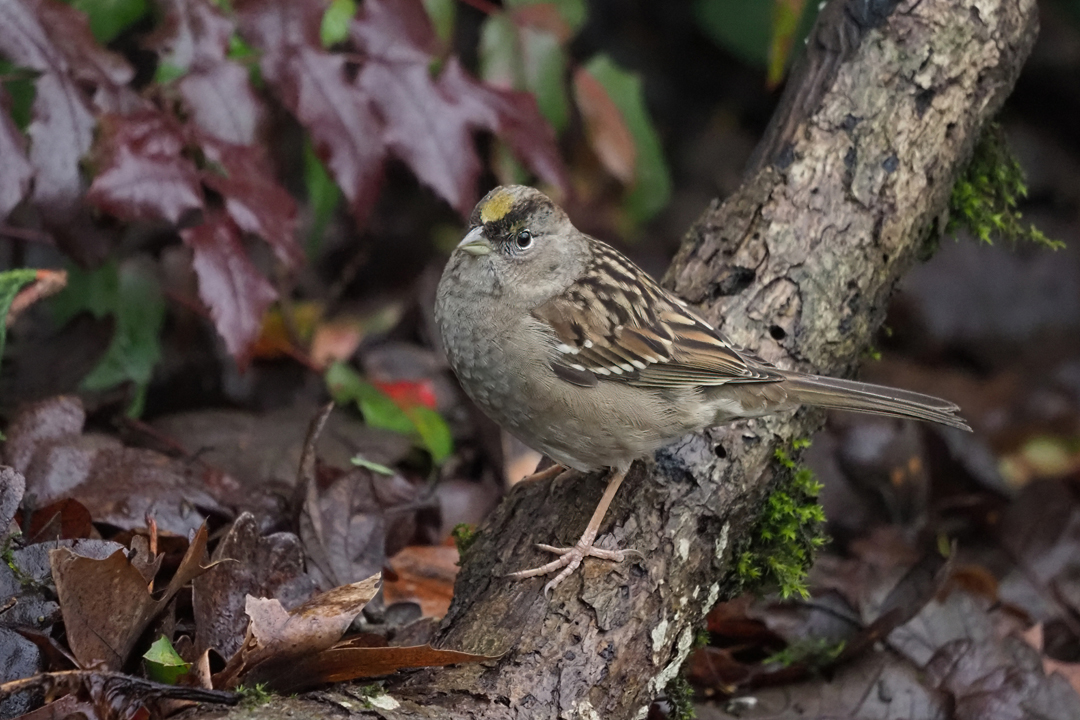 This Golden-crowned Sparrow was foraging around the shrubs at the Hillsboro library.
 Here’s a young White-crowned Sparrow for comparison.
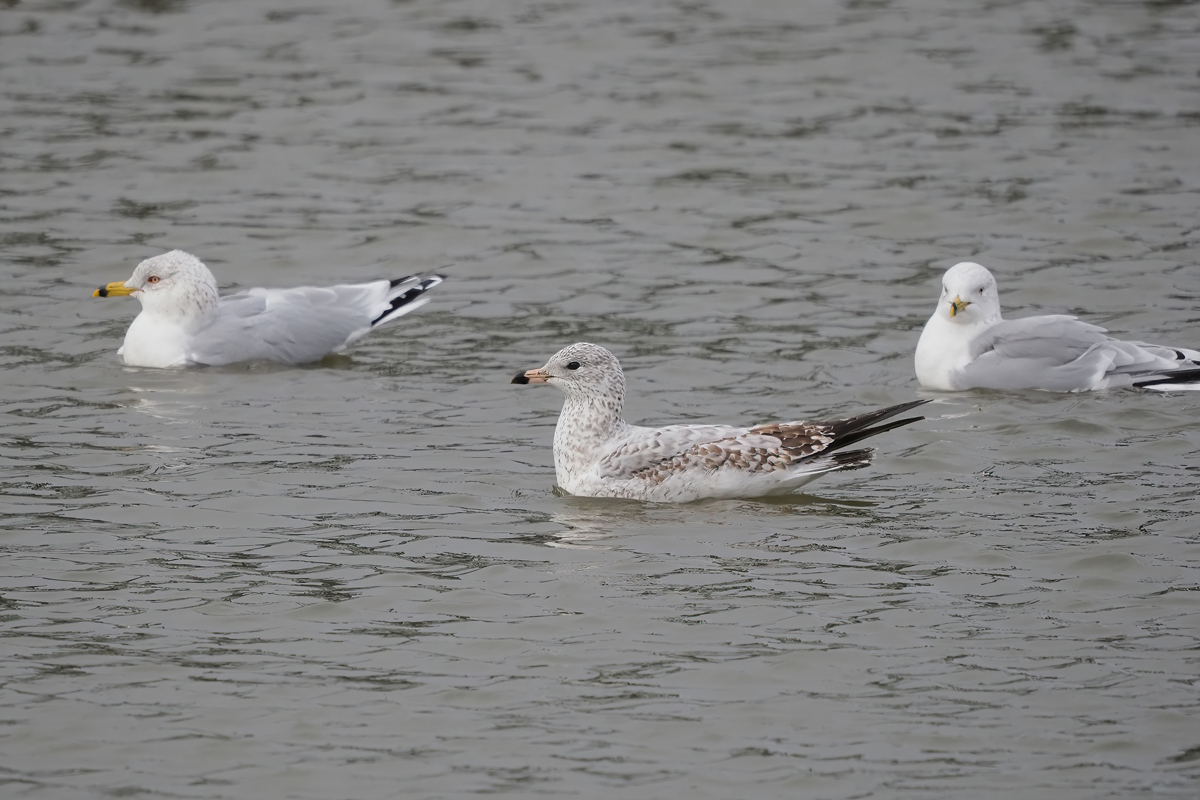 We still have about a month to enjoy a good diversity of gull species before they start to disperse. This first-cycle Ring-billed Gull was swimming with two adults.
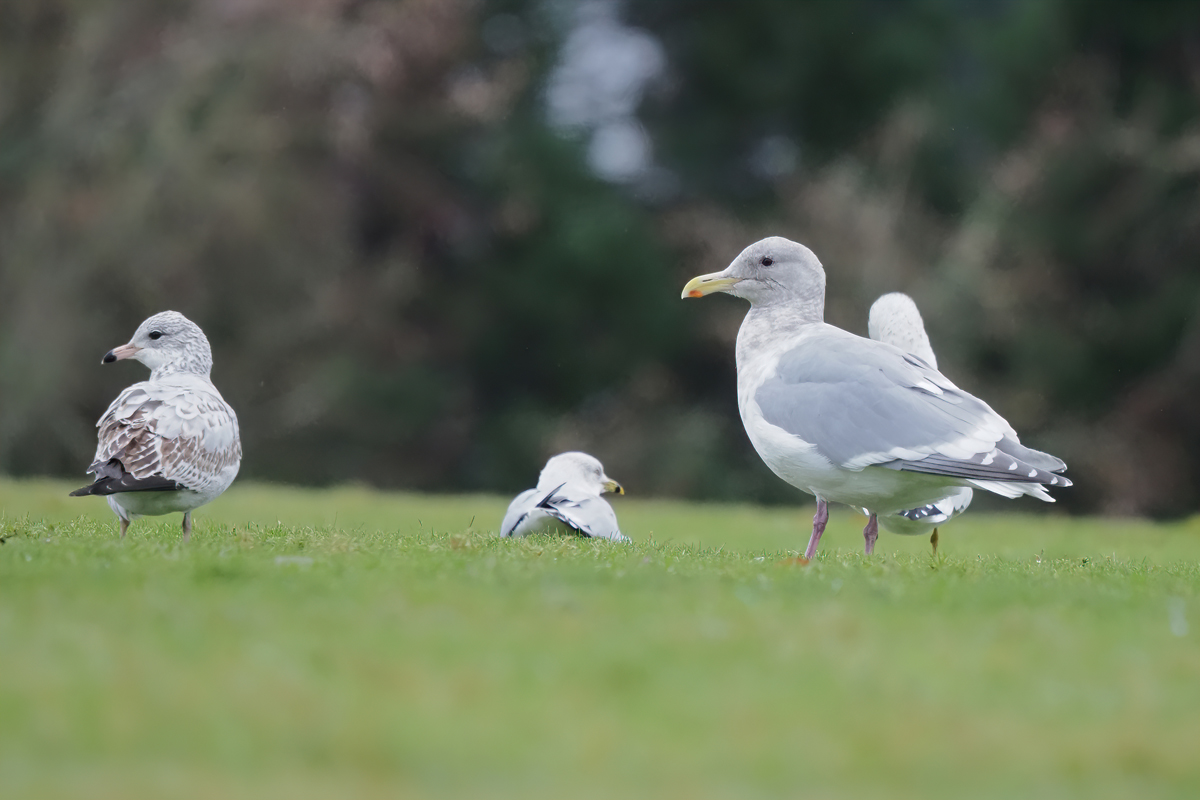 This Olympic Gull (Glaucous-winged X Western hybrid) was hanging out with the Ring-billed Gulls.
 Belted Kingfisher on a very fancy perch
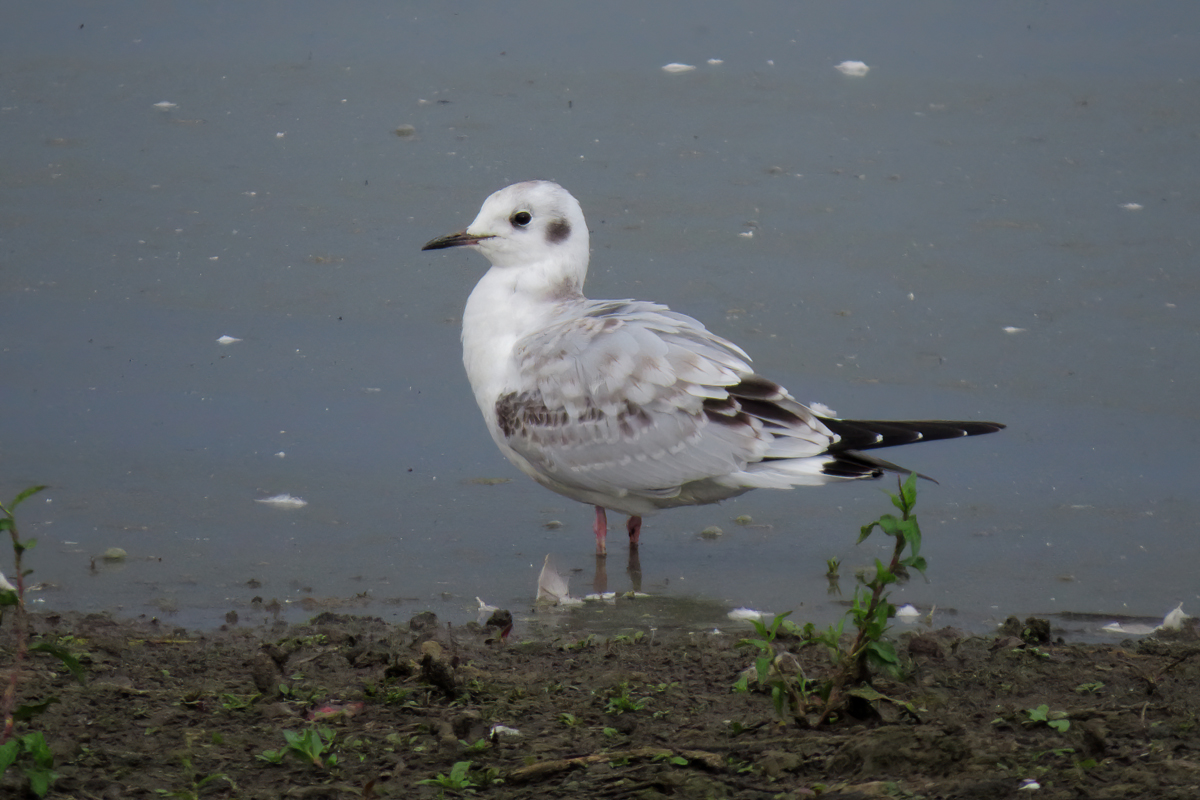 Bonaparte’s Gull in first winter plumage
 Gull Season is just around the corner.
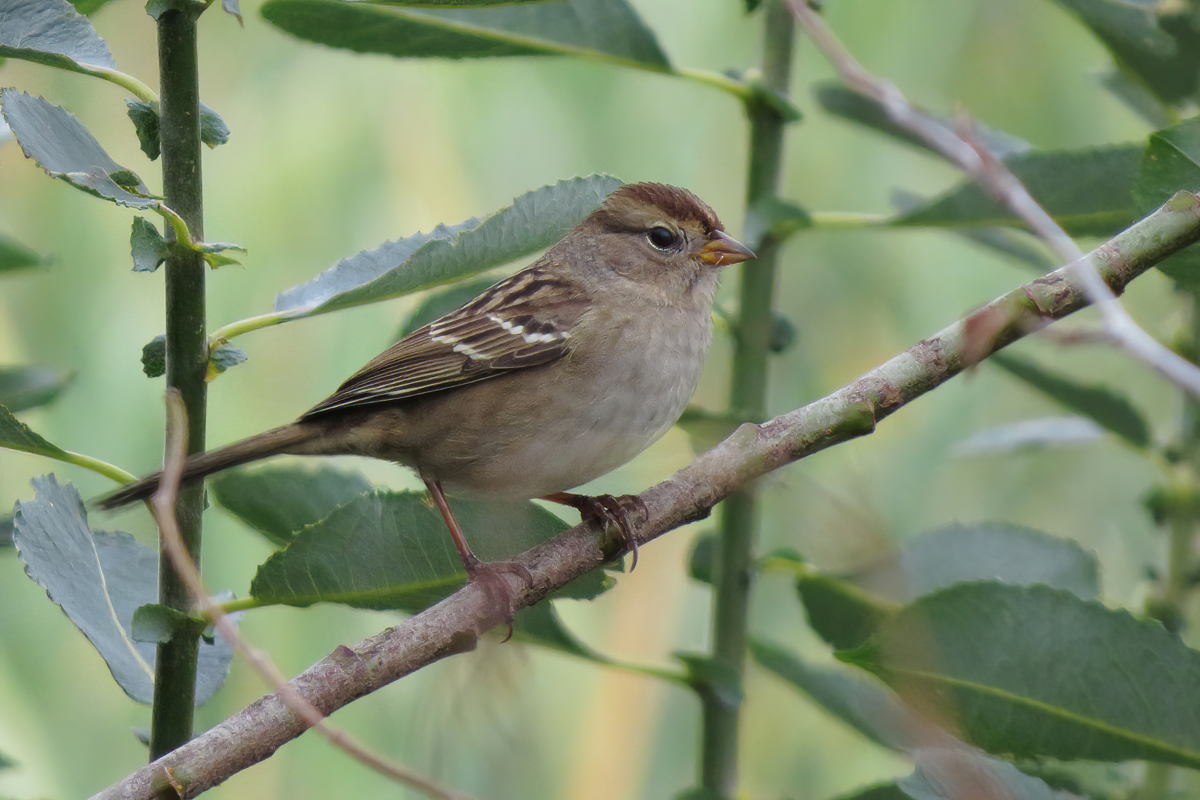 juvenile White-crowned Sparrow
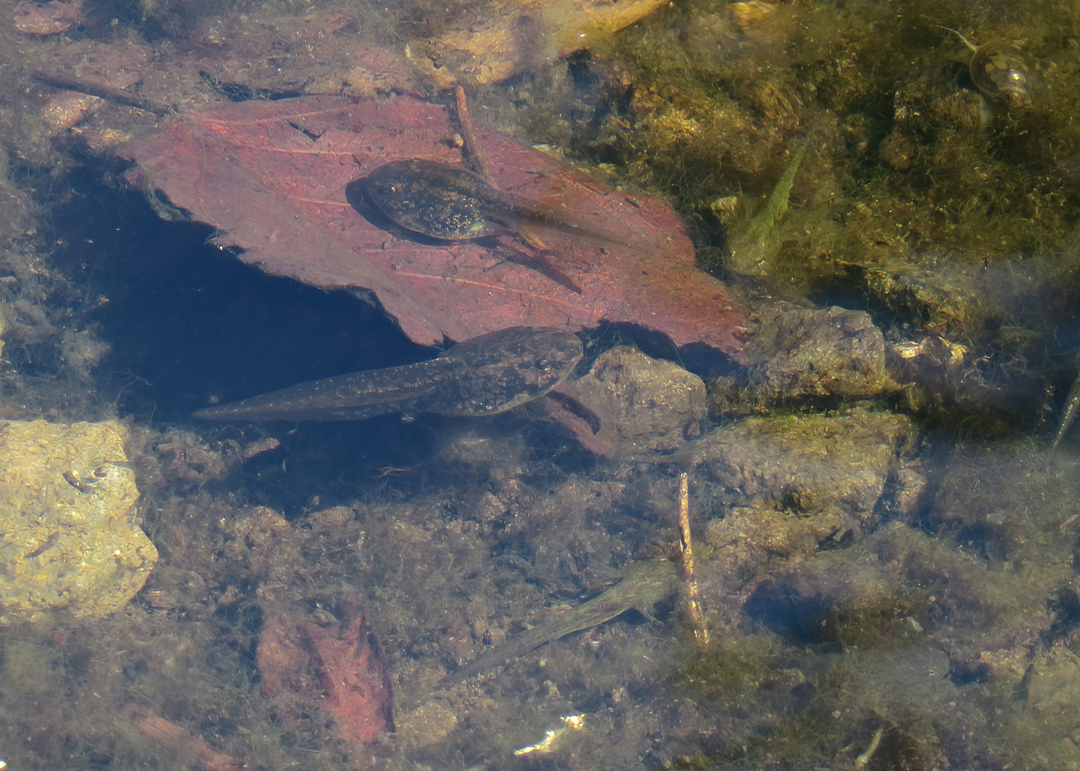
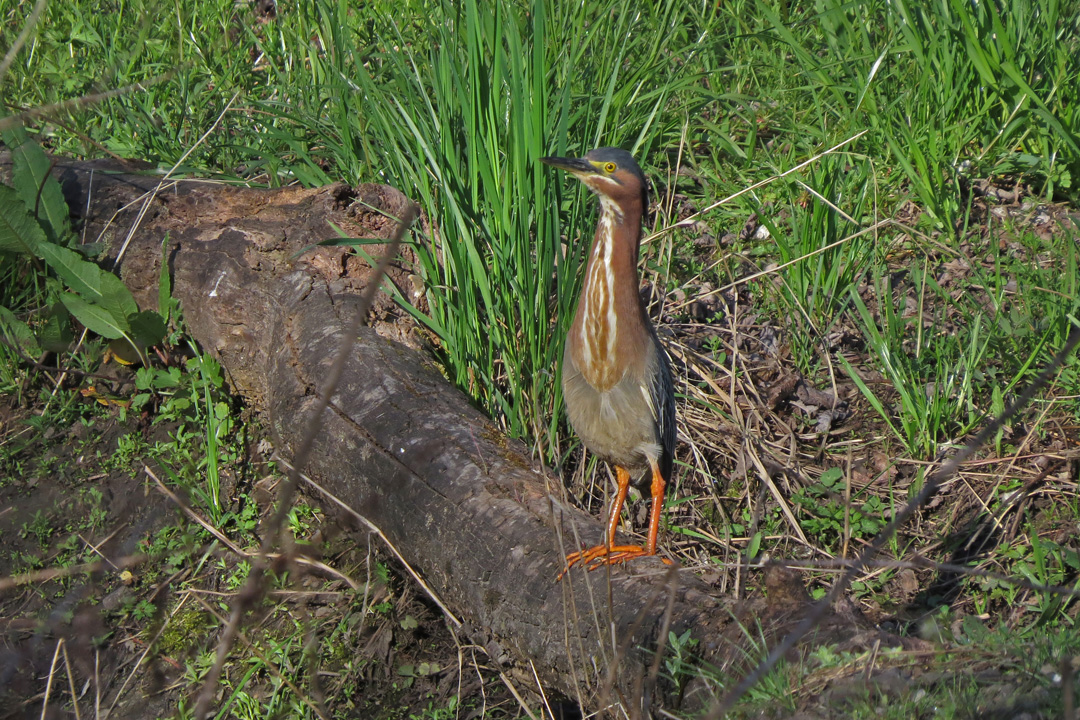
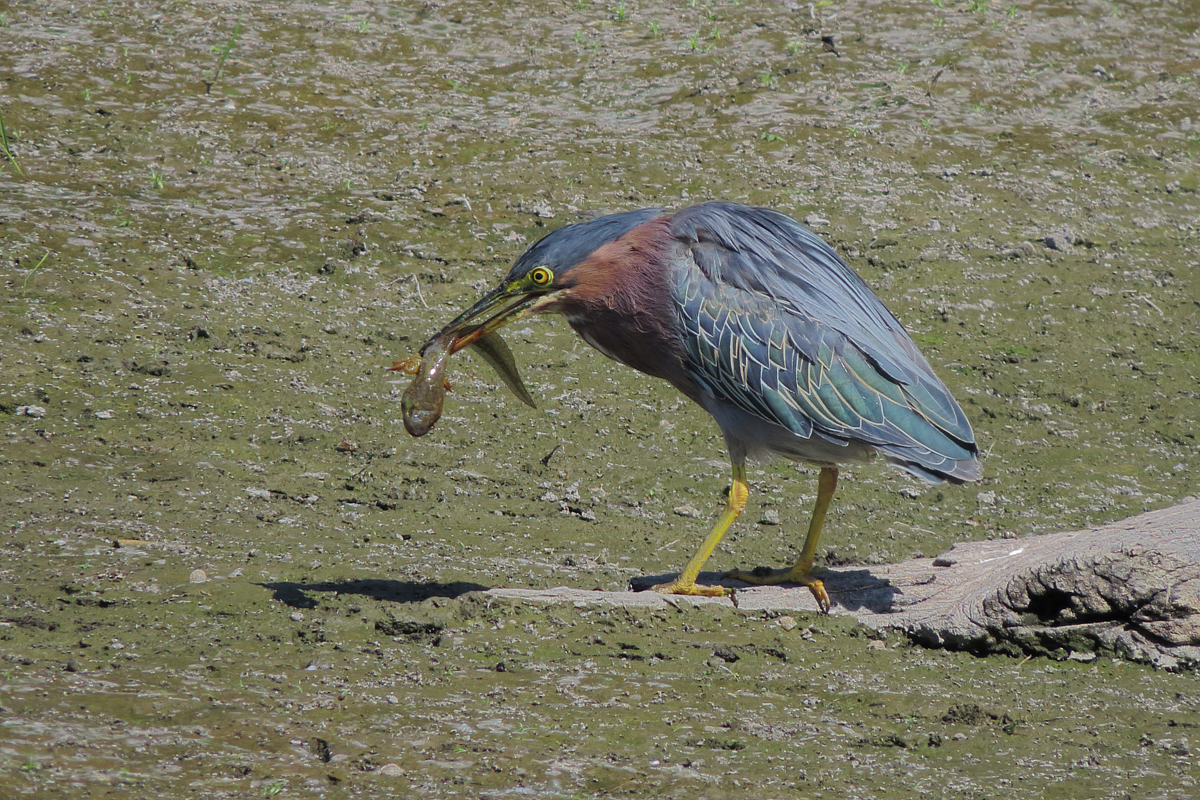 Green Heron with an American Bullfrog tadpole. It is nice when the native species eat the invasive ones. It is often the other way around.
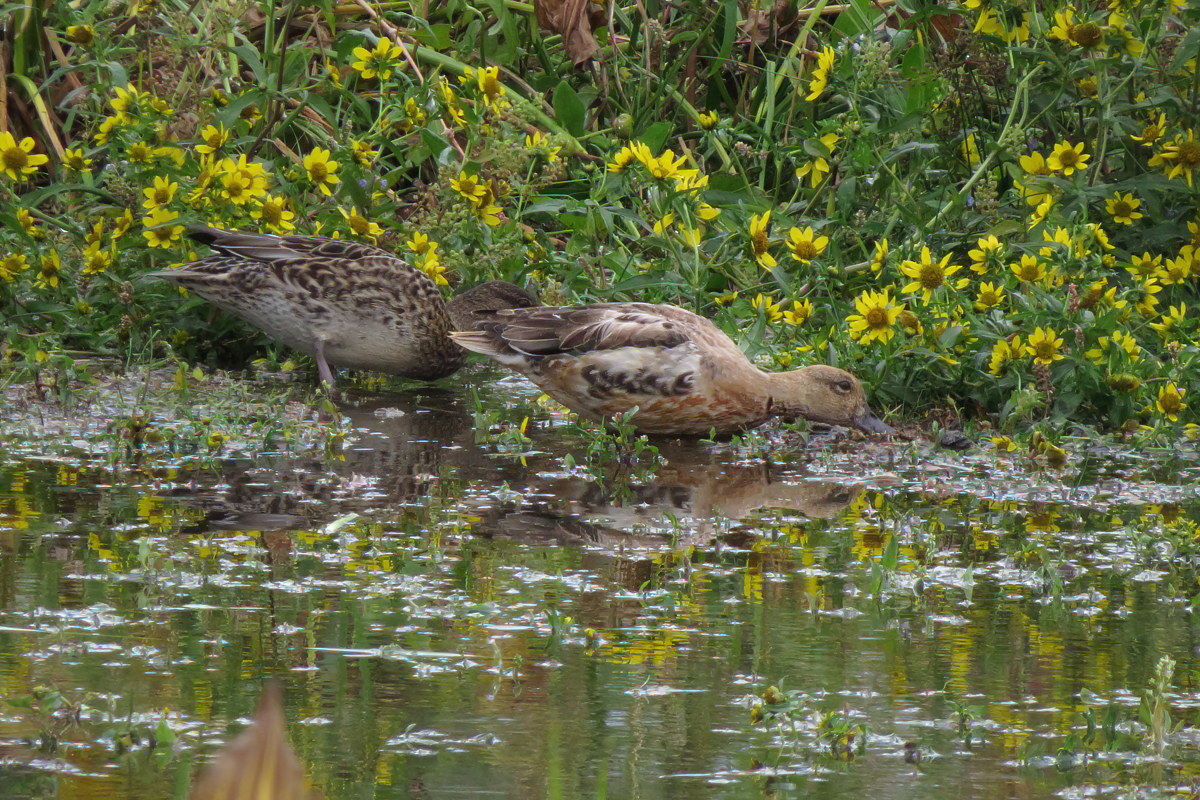 This is an odd duck. It is a teal, probably Cinnamon, but is either leucistic or is going through a brutal molt.
 American White Pelicans are now common in the Portland area in late summer.
 American White Pelican coming in for a landing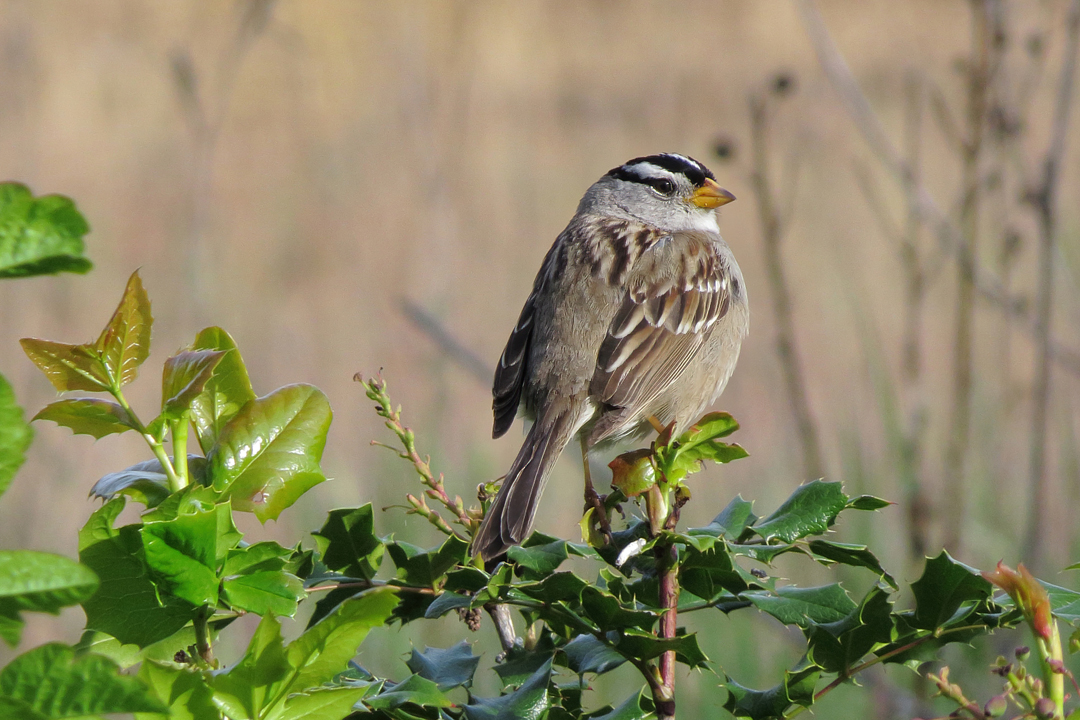
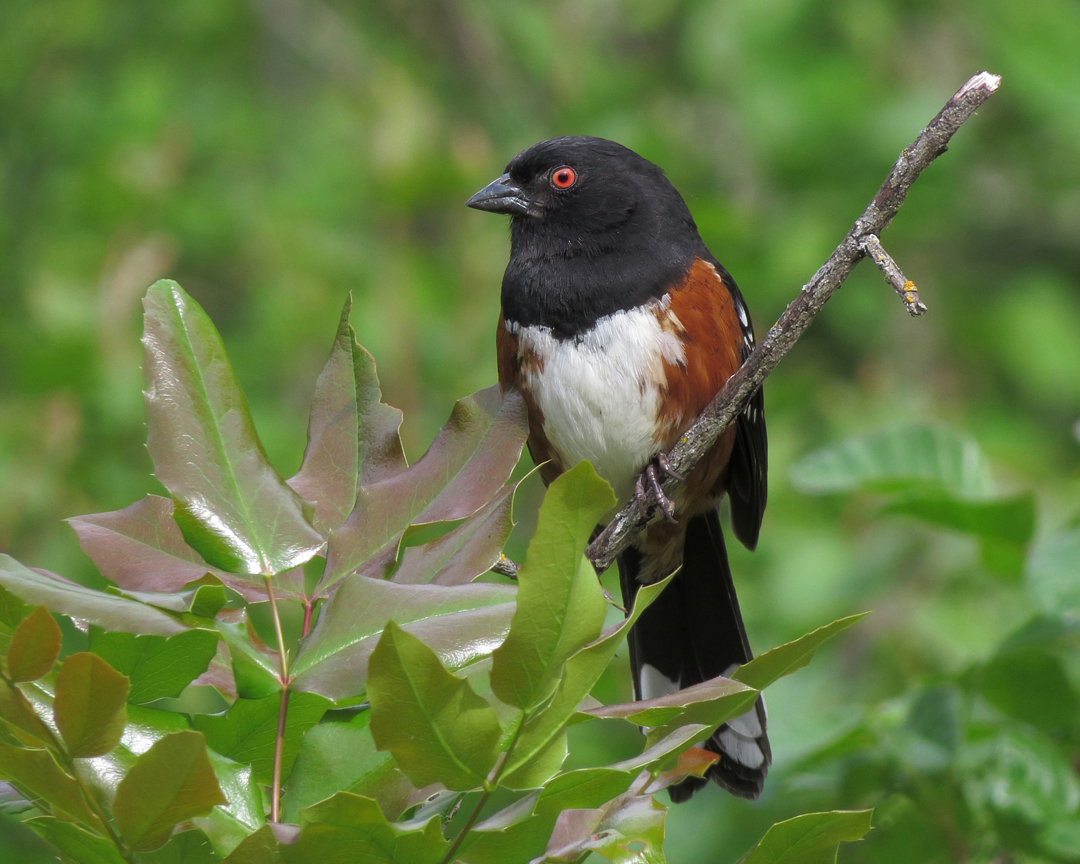 Spotted Towhee, really working that red eye in the sunlight
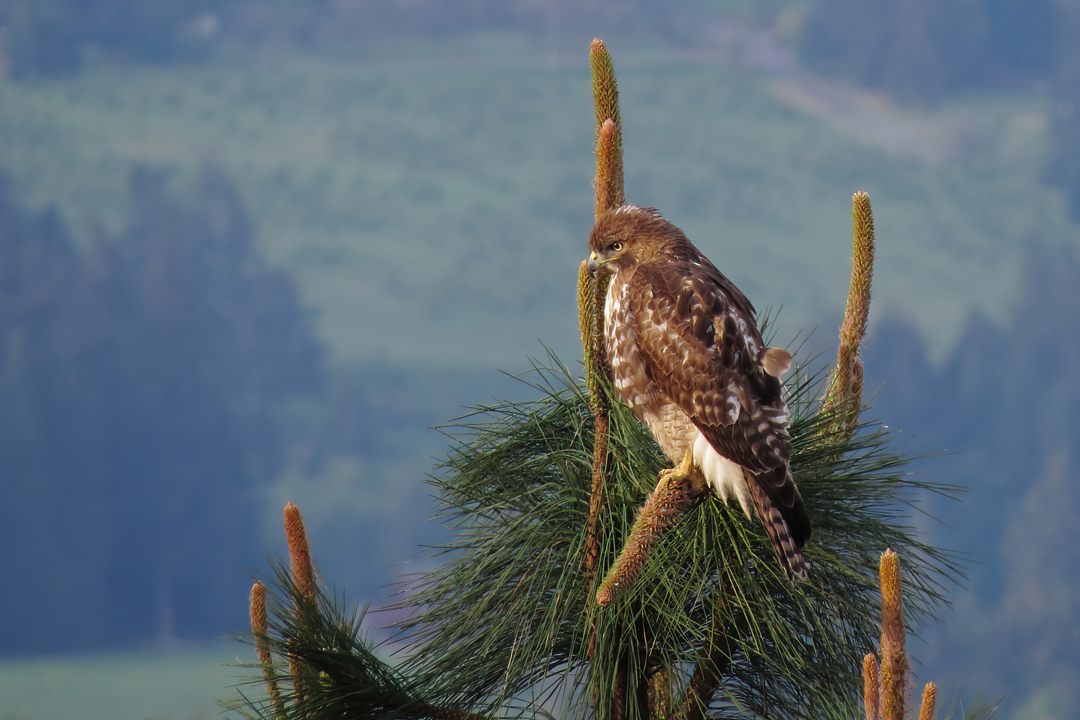 This young Red-tailed Hawk was checking out the meadow.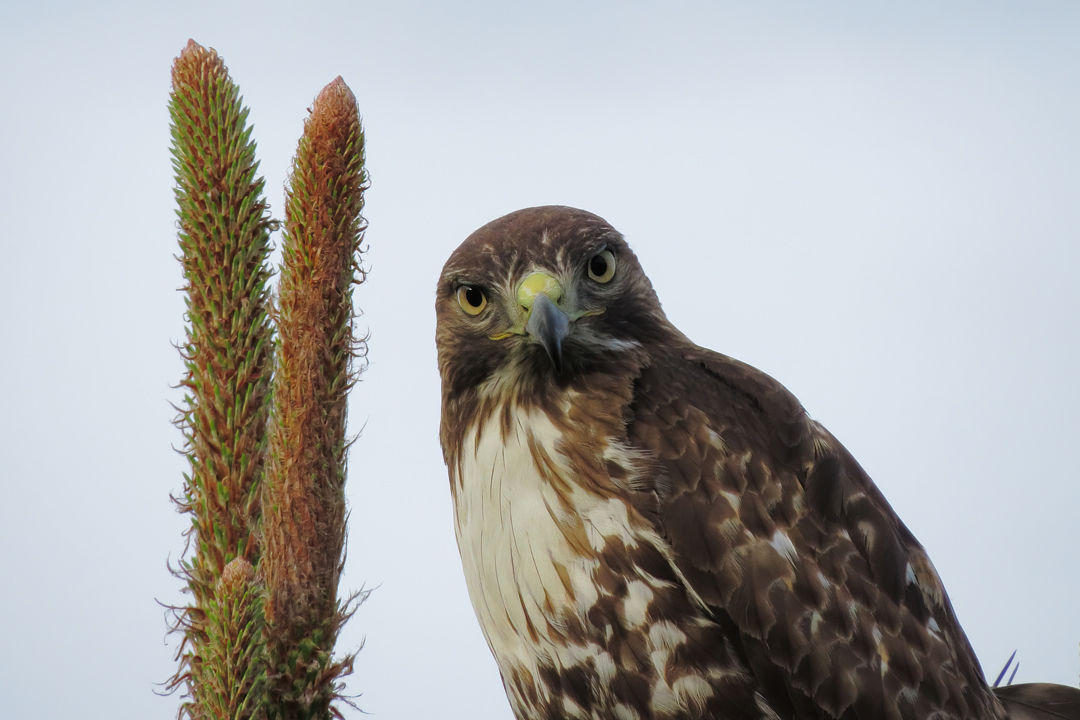
 A young Northwestern Garter Snake crossing the trail
 The local Dark-eyed Juncos have seemed quite tame lately. I wonder if they are just really busy gathering food for their nestlings.
 Another White-crowned Sparrow. Despite their limited color palette, I have always thought this species was especially attractive.










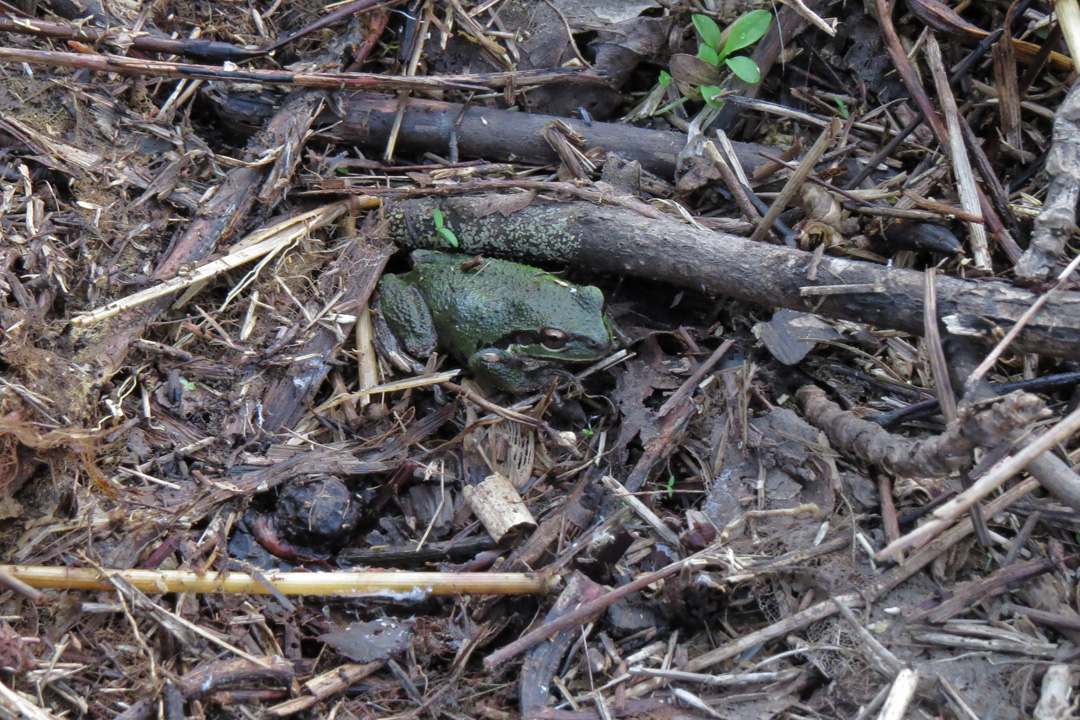


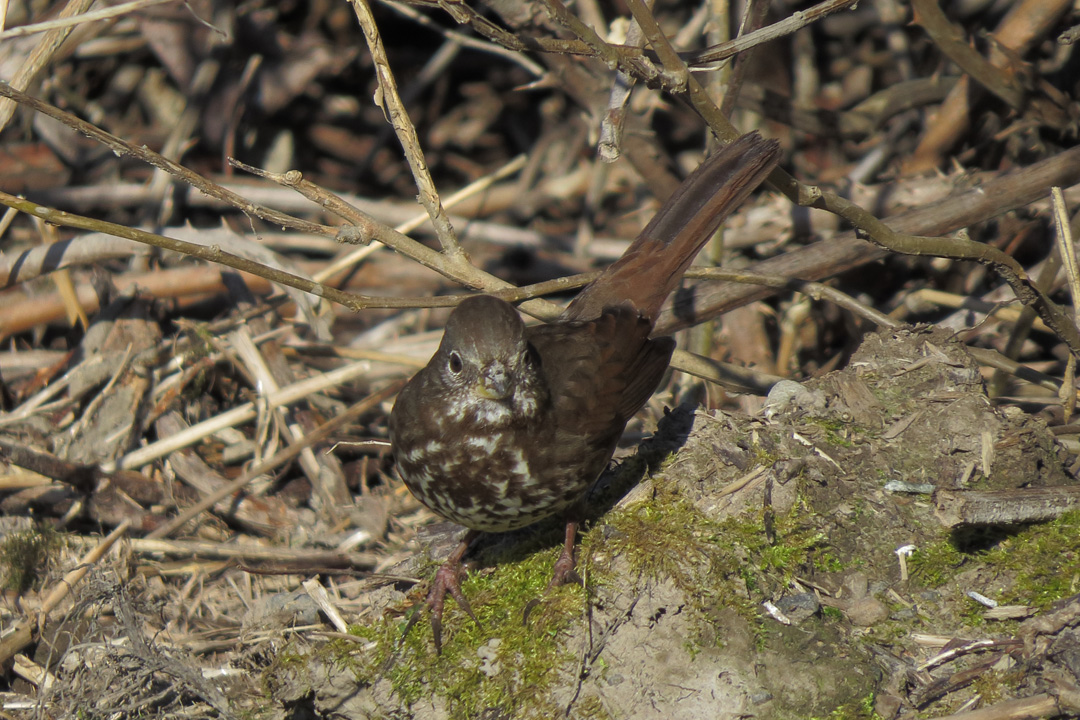 Late winter is when I typically concentrate on sparrows. There isn’t much else going on this time of year, and the vegetation is worn down enough that visibility is pretty good. Rentenaar Road on Sauvie Island continues to be the best spot in the area for a variety of little brown birds. Some would say that the birding is too easy when you just throw down some seed and watch the birds swarm in, but I love the opportunity to see 10 sparrow species side-by-side at close range. Here is a Fox Sparrow.
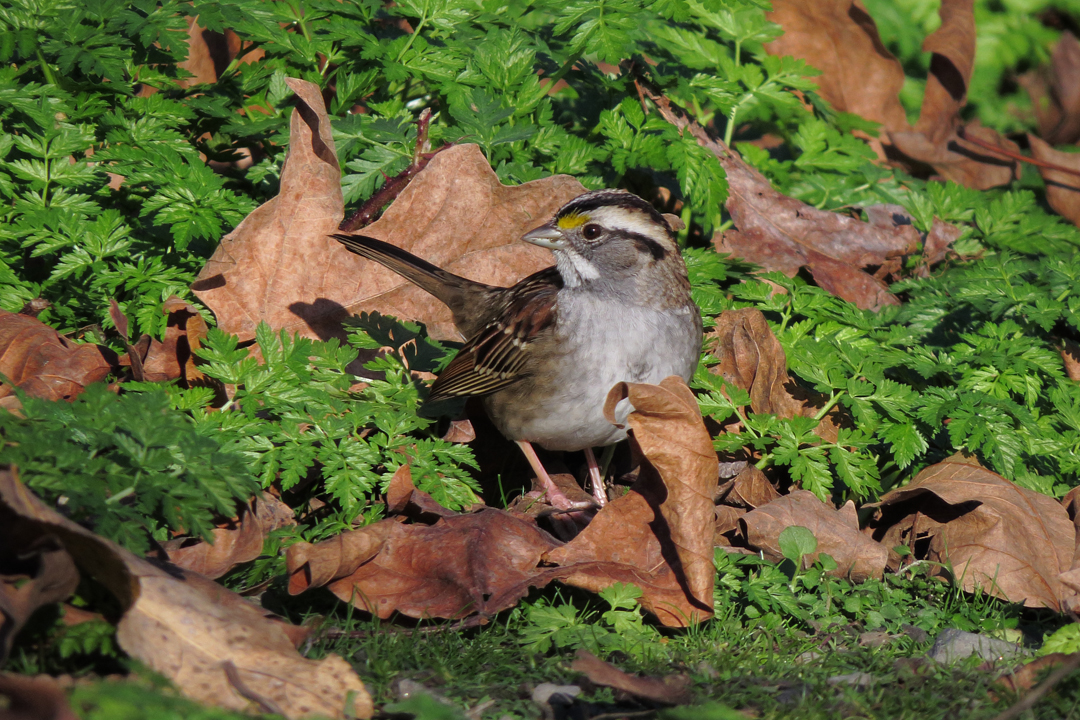
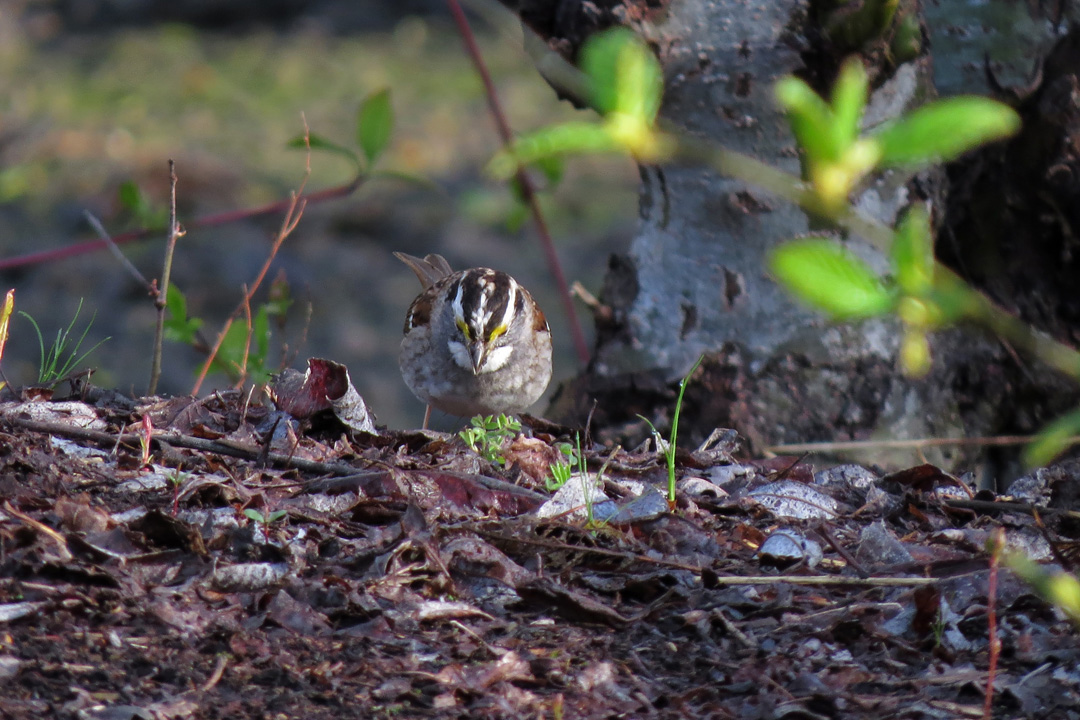
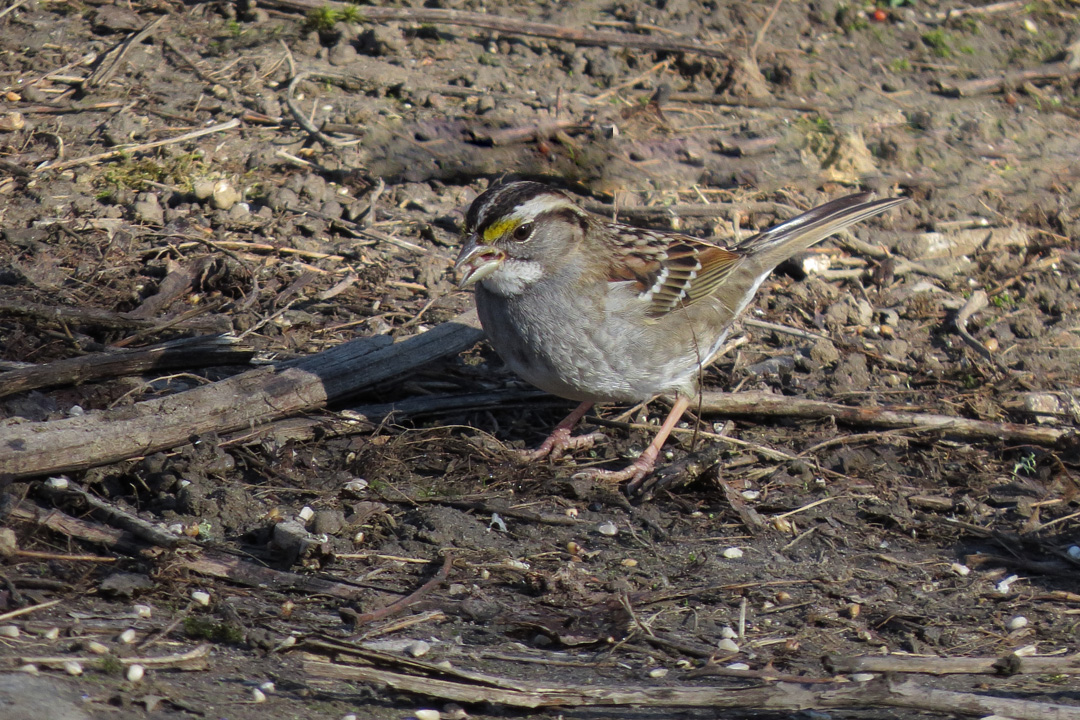 White-throated Sparrows were a rare treat around here 15 years ago, but they are an expected species now.
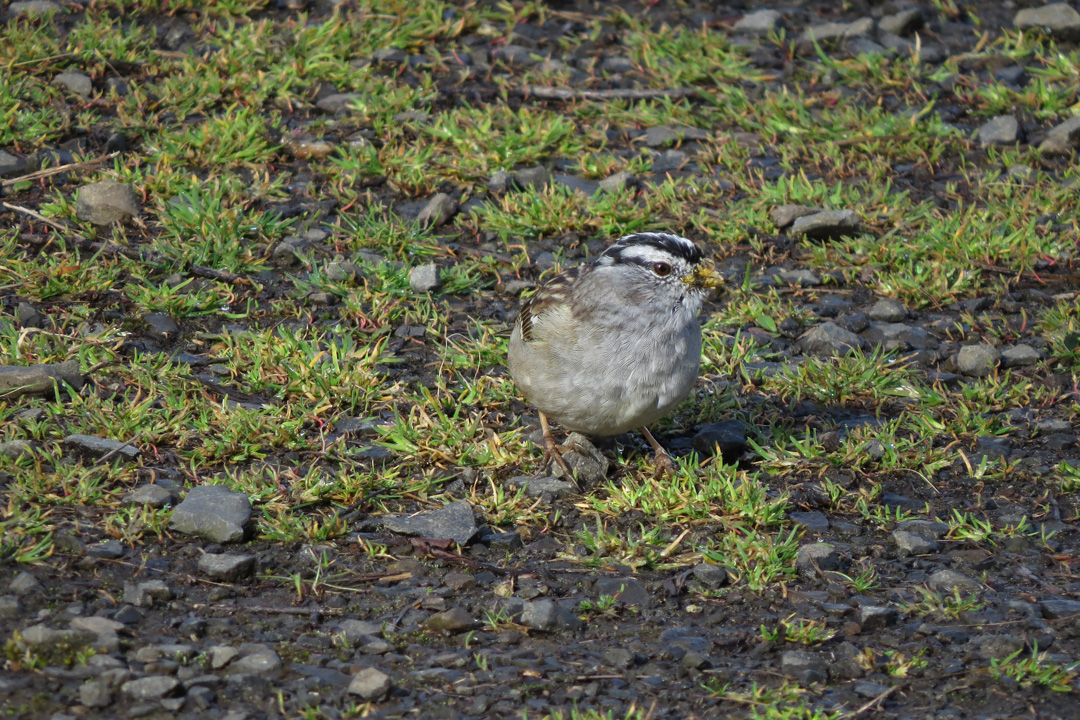
 White-crowned Sparrow, always dapper
 There is usually a small flock of Savannah Sparrows along Rentenaar Road in winter. They tend to keep to themselves and don’t come in to feed at the chumming spots.
 The most noteworthy little brown bird in the area this winter has been the Siberian Accentor in Woodland, WA. I don’t keep a Washington list, but I did cross the river to see this bird. They are quite rare anywhere in North America, so this was probably my only chance to add this bird to my life list. It would have been much better for me if the bird had flown ten miles to the southwest and hung out in Oregon, but Asian vagrants don’t seem to care about my state list.
 This was my first snake of the season, found at Wapato Greenway State Park on Sauvie Island. I am not sure if this is a Common Garter or a Northwestern Garter. The body pattern most closely matches the local race of Common Garter, but they typically have red heads. Our local Northwestern Garters do not show red spots on the sides, but do have small dark heads. I did not apply one test that has often worked for me; If you pick them up and they bite you, they are Common Garters. If they don’t try to bite, they are Northwestern. I don’t know if other herpers have noticed this trend, but I have found it to be true of individual snakes of known identity.
 Ethical Birder