Broughton Beach, Portland

Broughton Beach is along the Columbia River, right next to the Portland airport. It can be a challenging place to bird, with dogs and children chasing the birds, police carrying body bags down the beach, etc. But if you catch it on a good day you can find some excellent birding. The great attraction this past week was a Pacific Golden Plover, which spent two days there, avoiding me with great success (thus that specie’s designation as one of my nemesis birds).  I tried for the plover twice with no luck, but found several other goodies along the way.
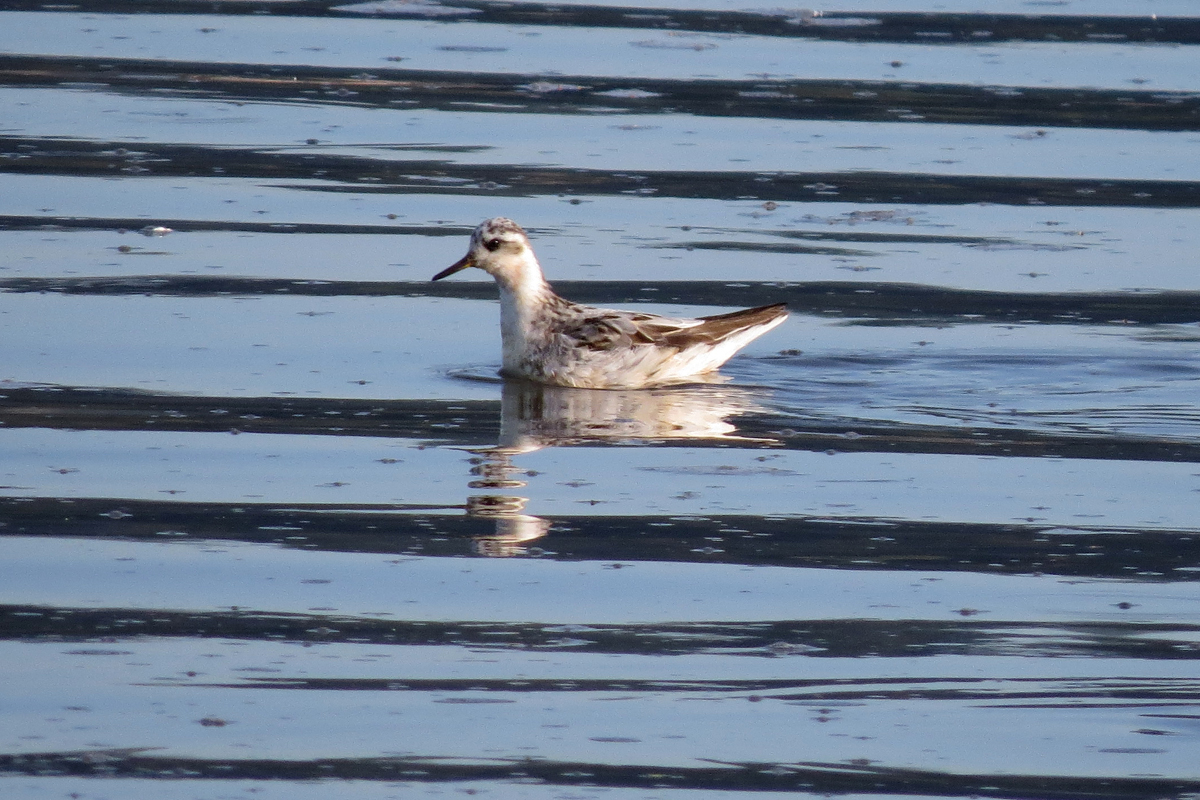
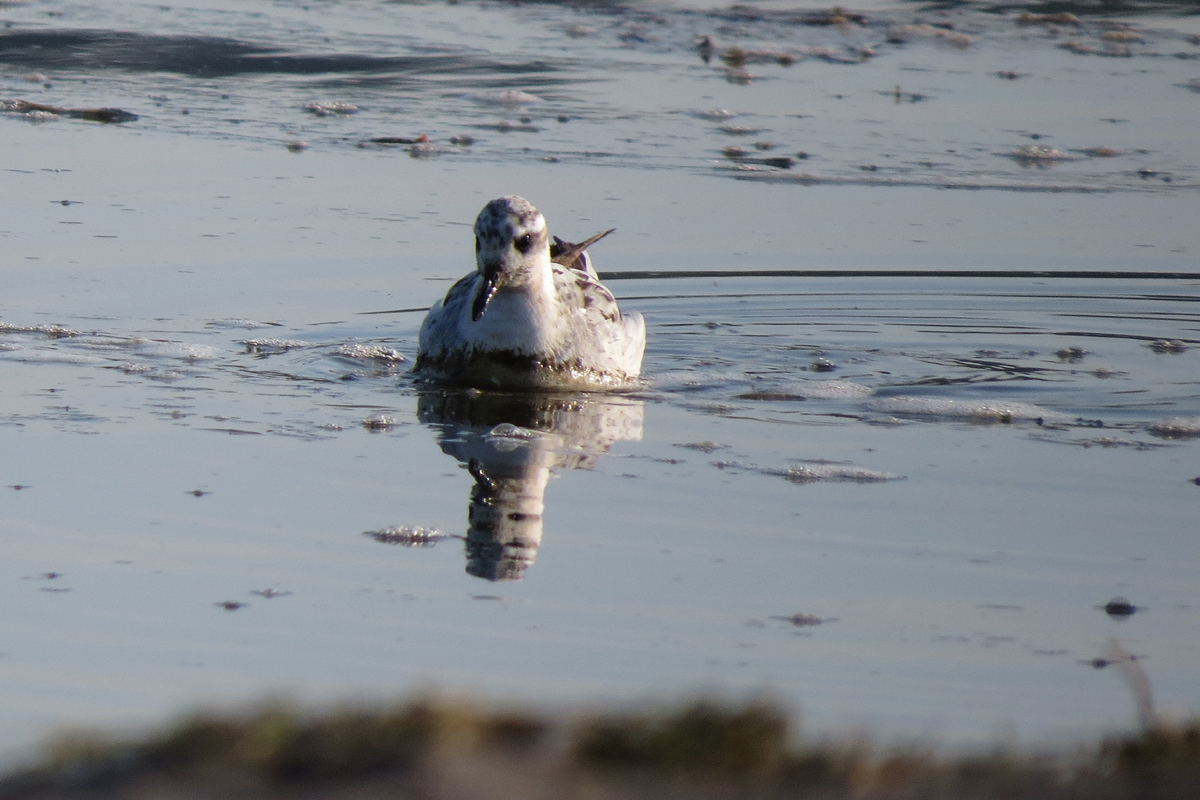
red phalarope 1The most unexpected species was this Red Phalarope. At first glance, I wrote this bird off as a Red-necked, since Reds are very unusual inland in August, and Red-neckeds are expected. Once I looked at the photographs, however, I saw my error and got a good reminder to LOOK AT THE BIRD! That heavy bill with the light-colored base is a dead giveaway for Red Phalarope.
red phalarope 2
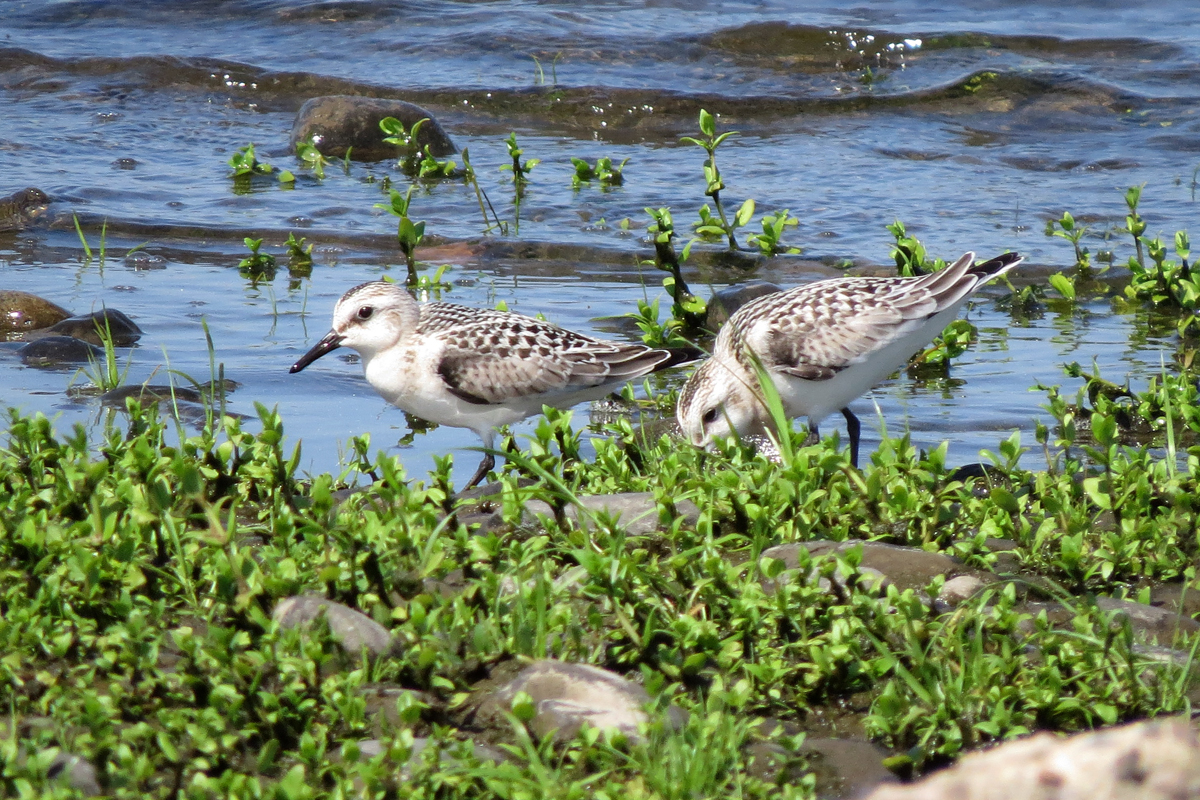
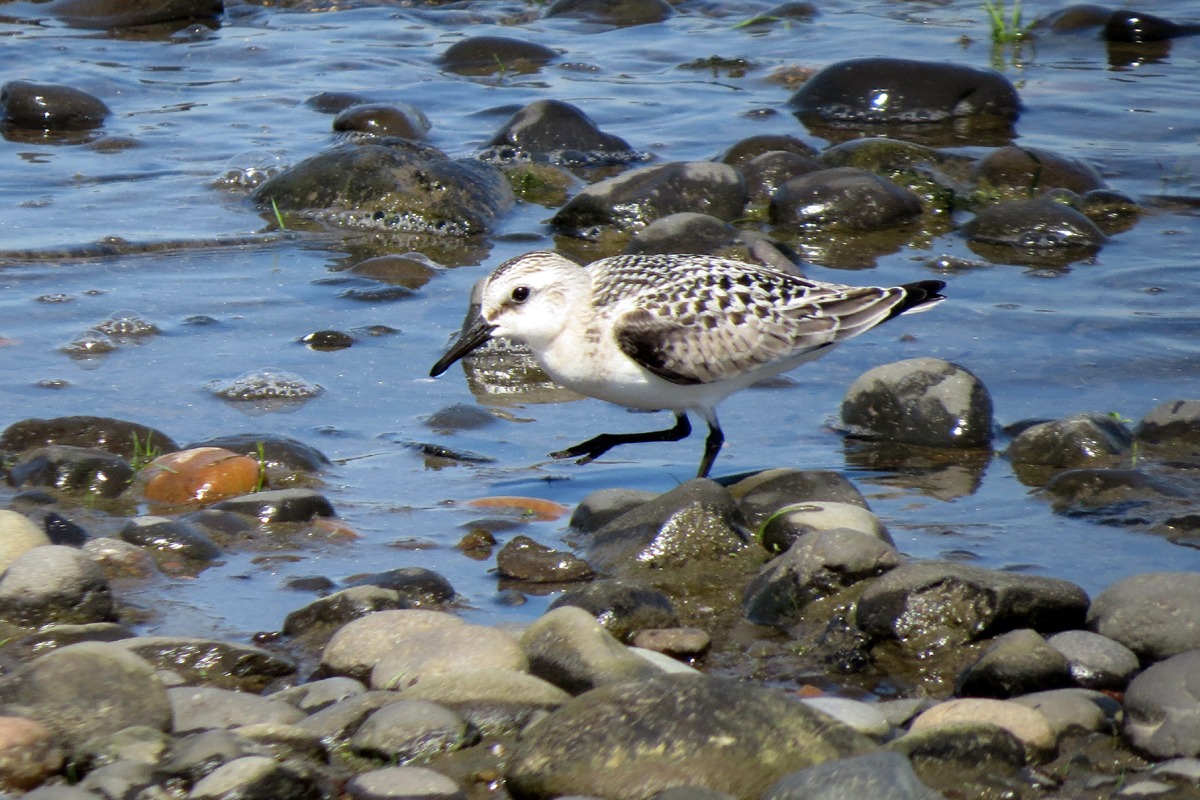
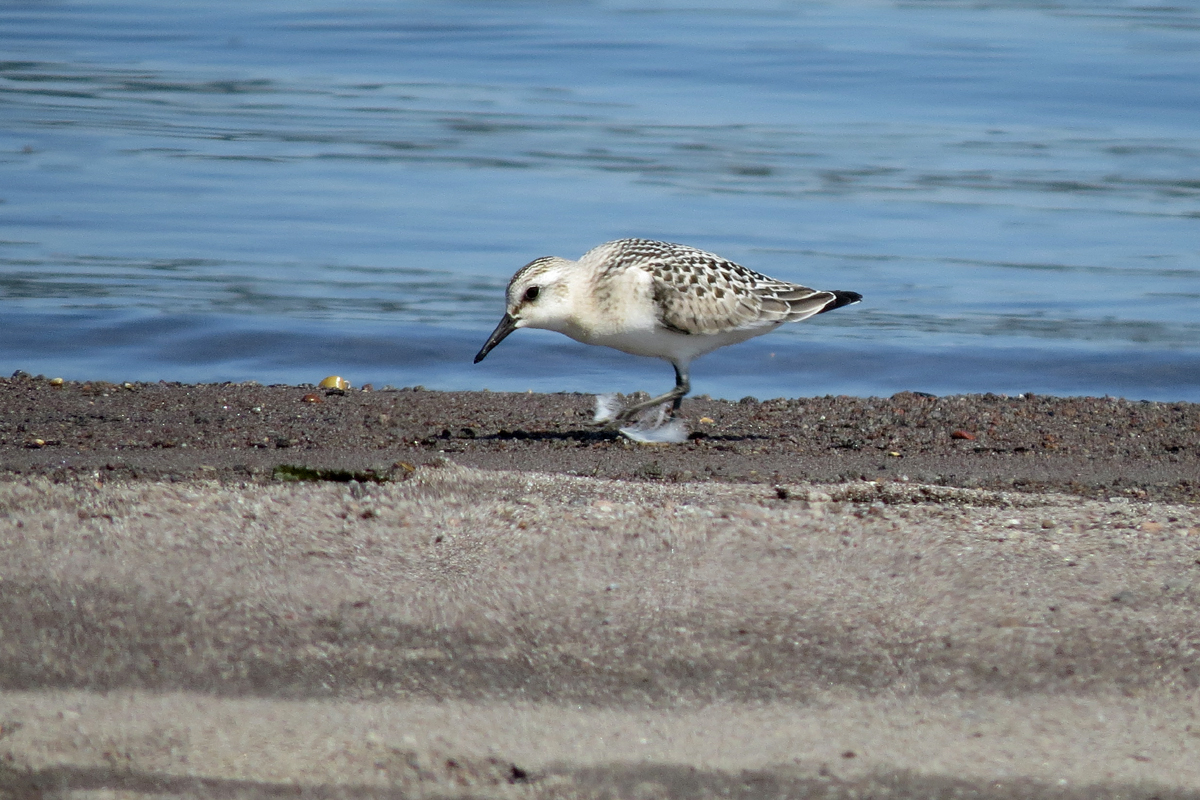
Another coastal species along Broughton Beach was Sanderling.
sanderling 2
sanderlings 2
sanderling 7It is nice to see Sanderlings at inland locations, since you can often get closer to them there than you can at the coast.

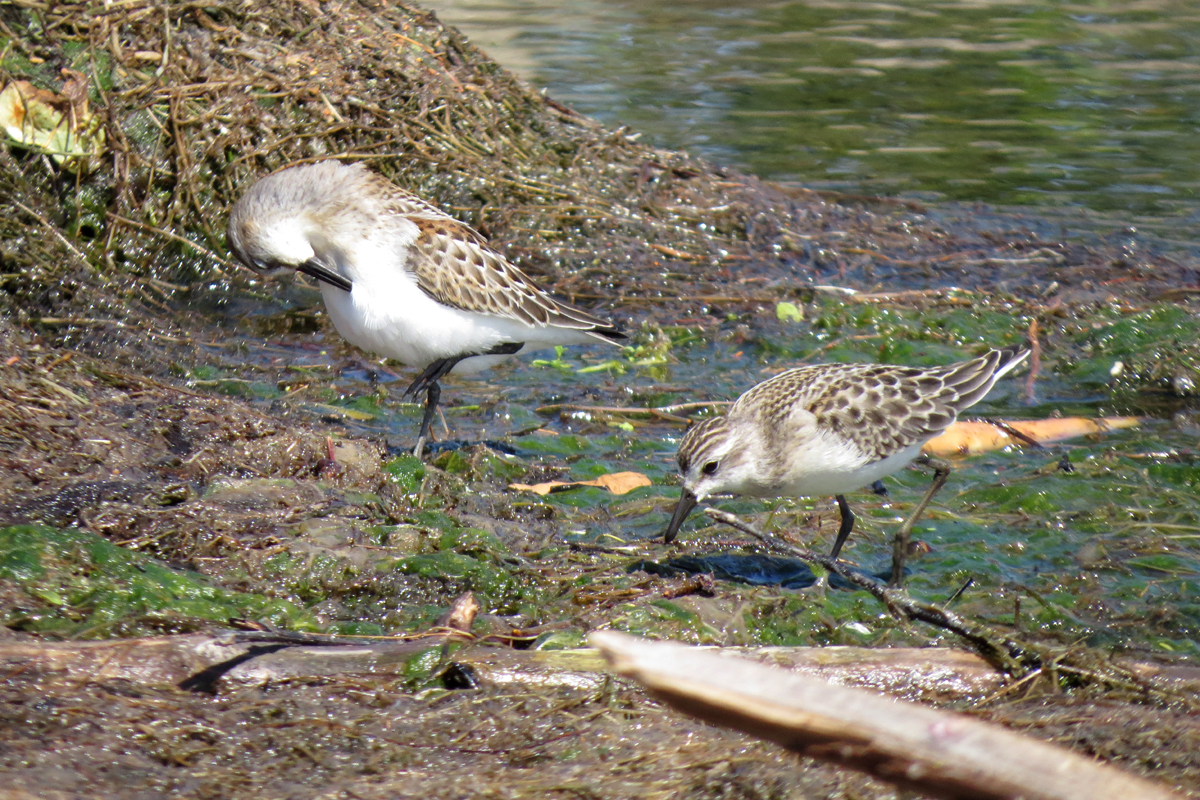
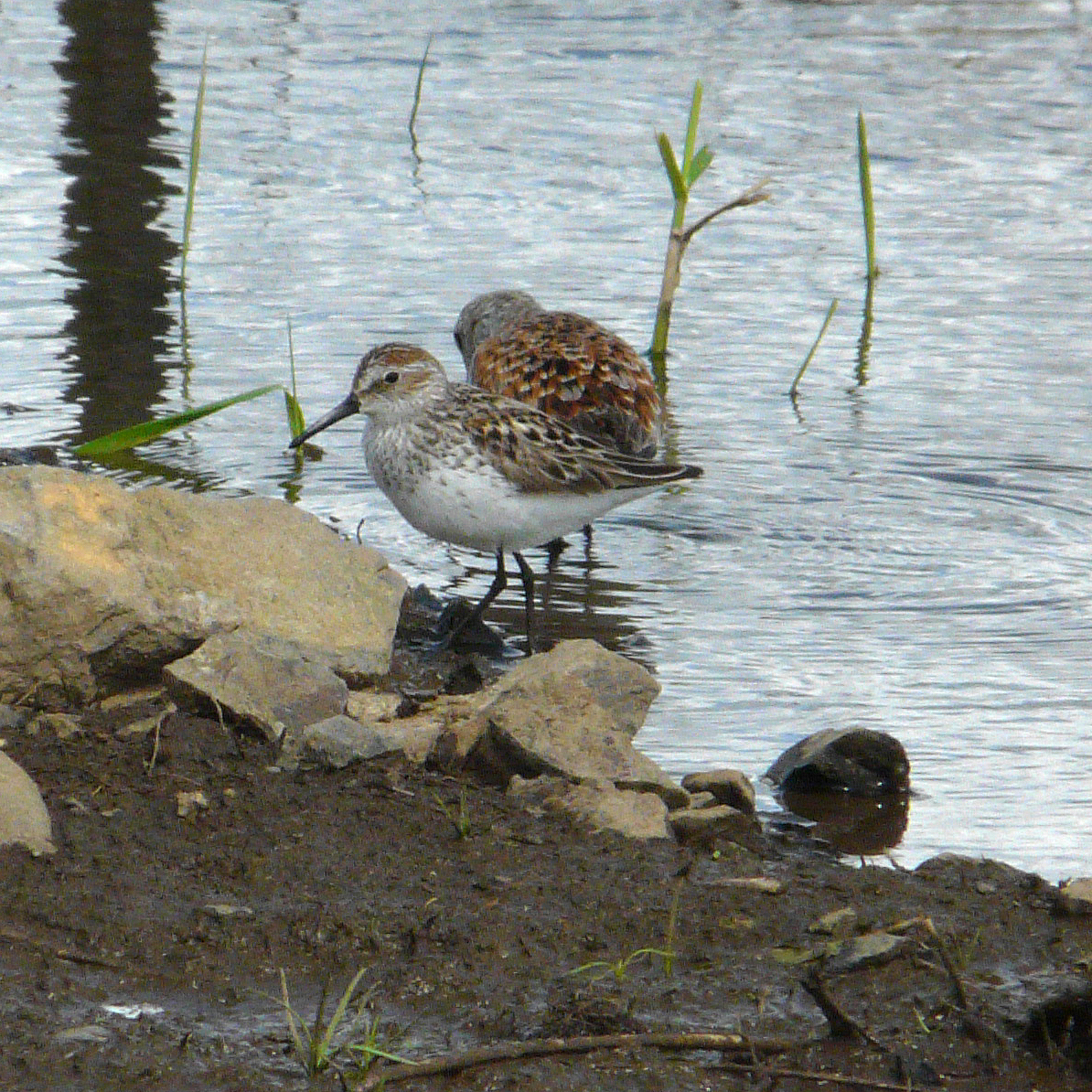
semipalm 1Another nice find was this Semipalmated Sandpiper. You can see the partial webbing between the outer toes that gives this species its name. Ten years ago, a Semipalmated Sandpiper anywhere in Oregon was a pretty big deal, but now quite a few individuals are reported every year. Either the bird has become a more common migrant in this state, or people are just better at recognizing them.
semipalm 9
semipalm and westernSemipalmated Sandpiper (r) and Western Sandpiper (l)

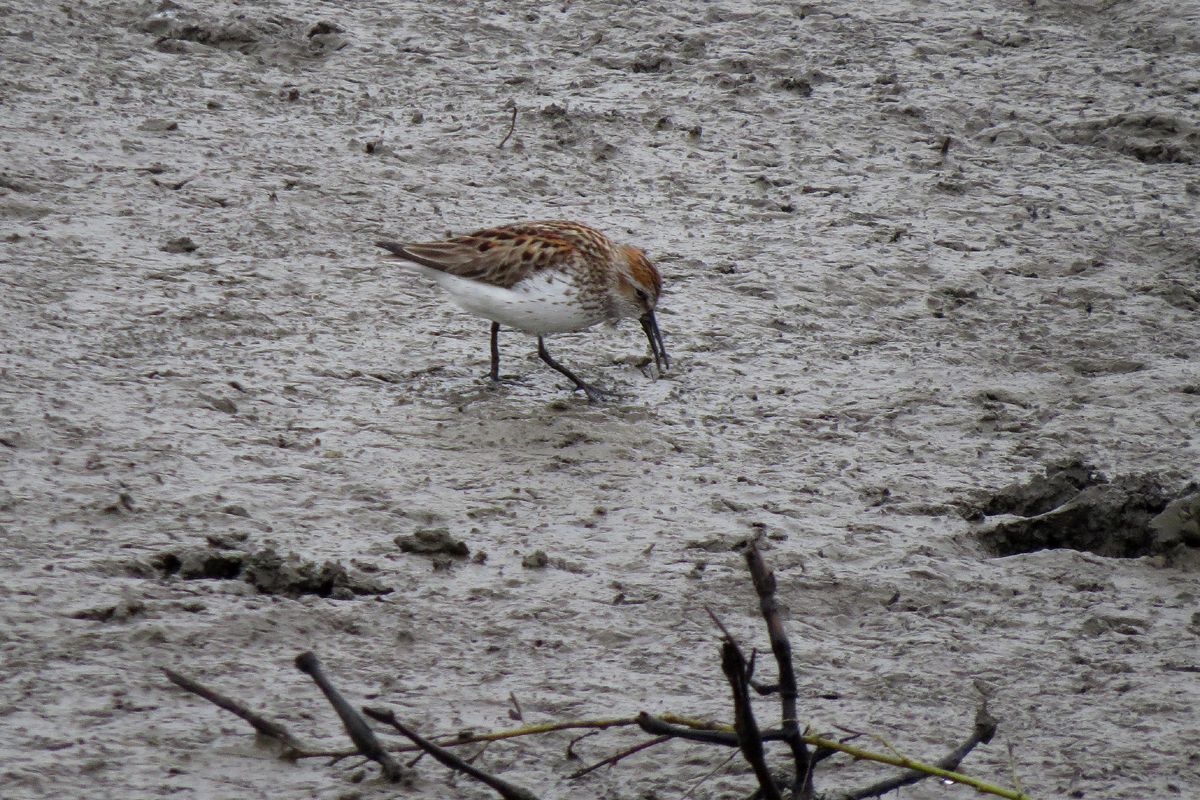
western 3Western Sandpipers were present in small numbers. . .
western 2

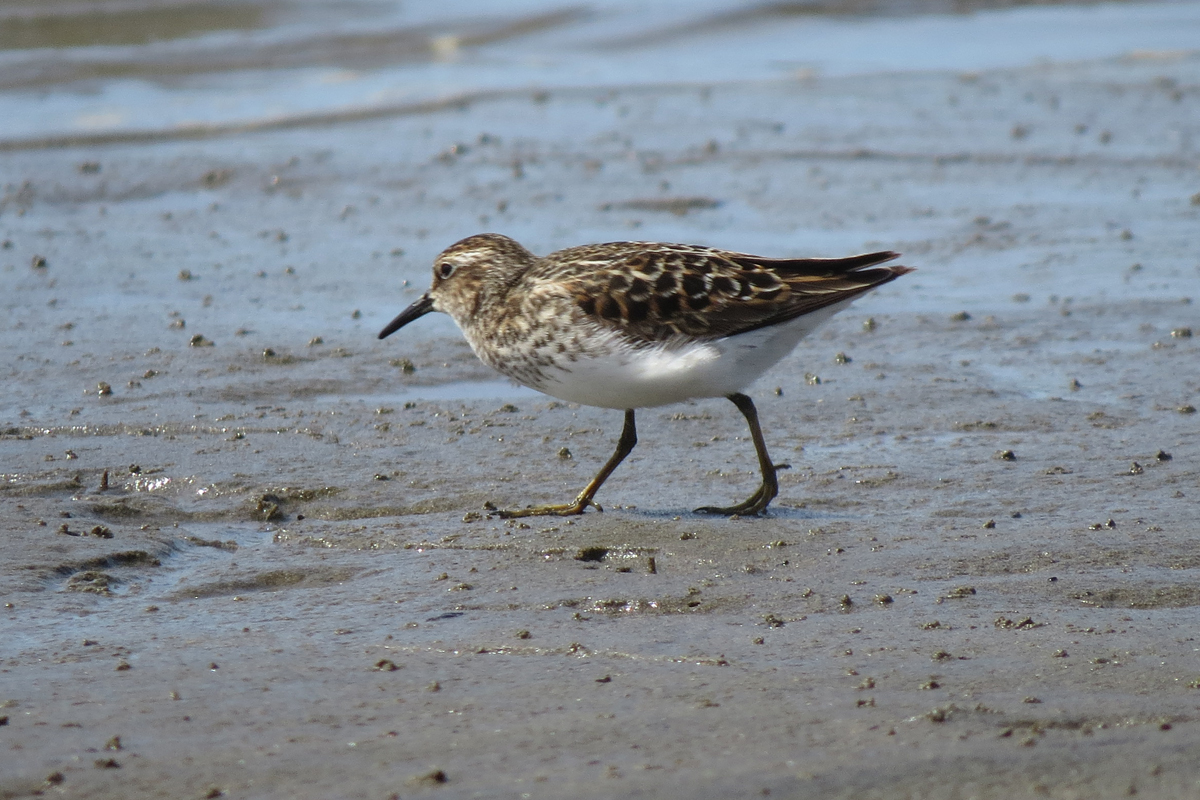
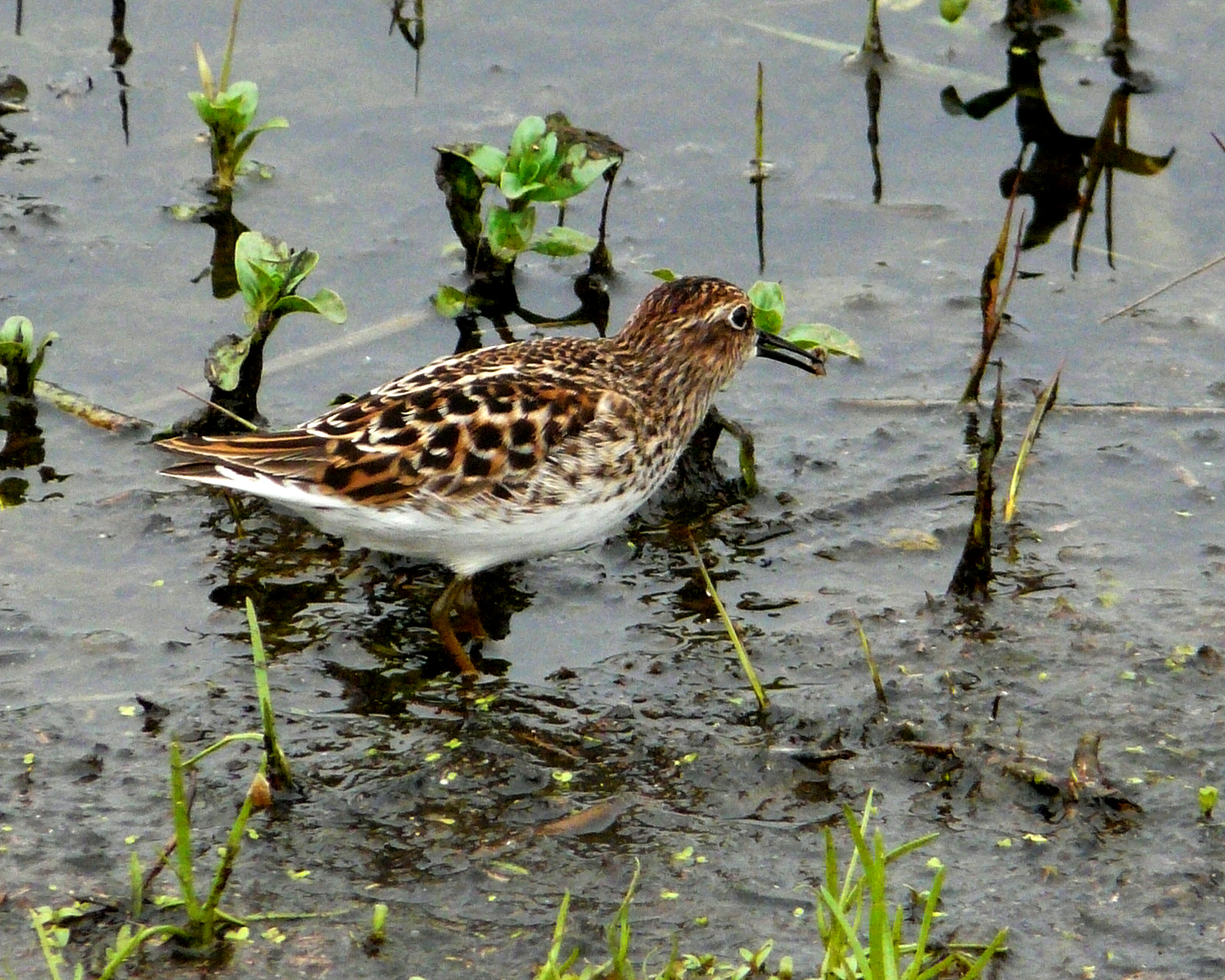
least 2as were Least Sandpipers.
least 6
california gullCalifornia Gulls like to hang out on a little sand spit that extends into the river at low tide. A few Glaucous-winged Gulls have arrived, and will become more common as autumn approaches.

common loonThis Common Loon seemed a little out of place for August. In the winter months, this species is often seen at this site with large rafts of grebes and diving ducks. There are fewer kids and dogs then, too.
Wetland Birds

While spring migration has not really ramped up yet, locally nesting birds at Fernhill Wetlands and Jackson Bottoms are starting to pair up, and the winter flocks are breaking up.

least sandpiperA few Least Sandpipers have arrived at Fernhill.

killdeer quartetThese Killdeer were vying for position. I think this species would be more highly regarded if their voices weren’t so grating. Their plumage and red eye ring are rather stunning, but they just don’t shut up.

bushtitI found a pair of Bushtits weaving a nest. The normally gray birds were stained bright yellow with pollen.

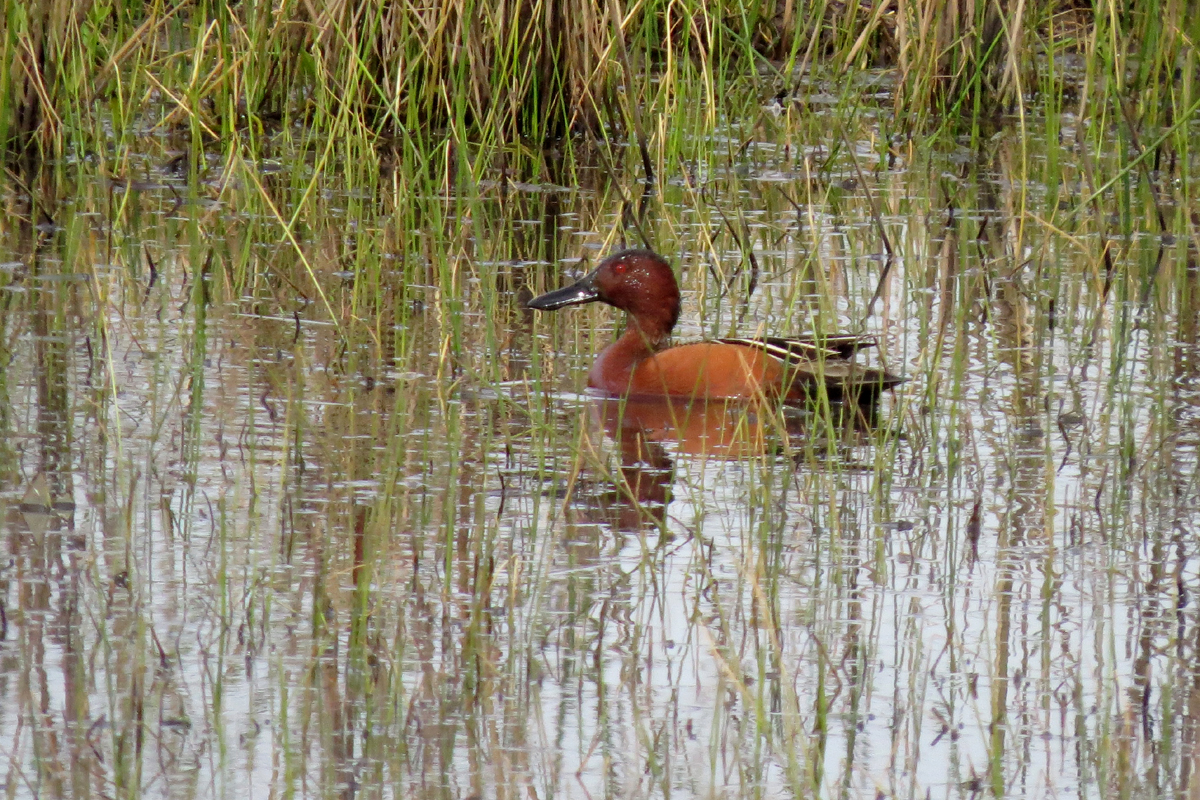
cinnamon tealCinnamon Teal, looking all dapper

golden-crowned frontGolden-crowned Sparrow

white cheeked golden-crownedThis Golden-crowned Sparrow had odd white patches on the cheeks, and a few white feathers on the nape.

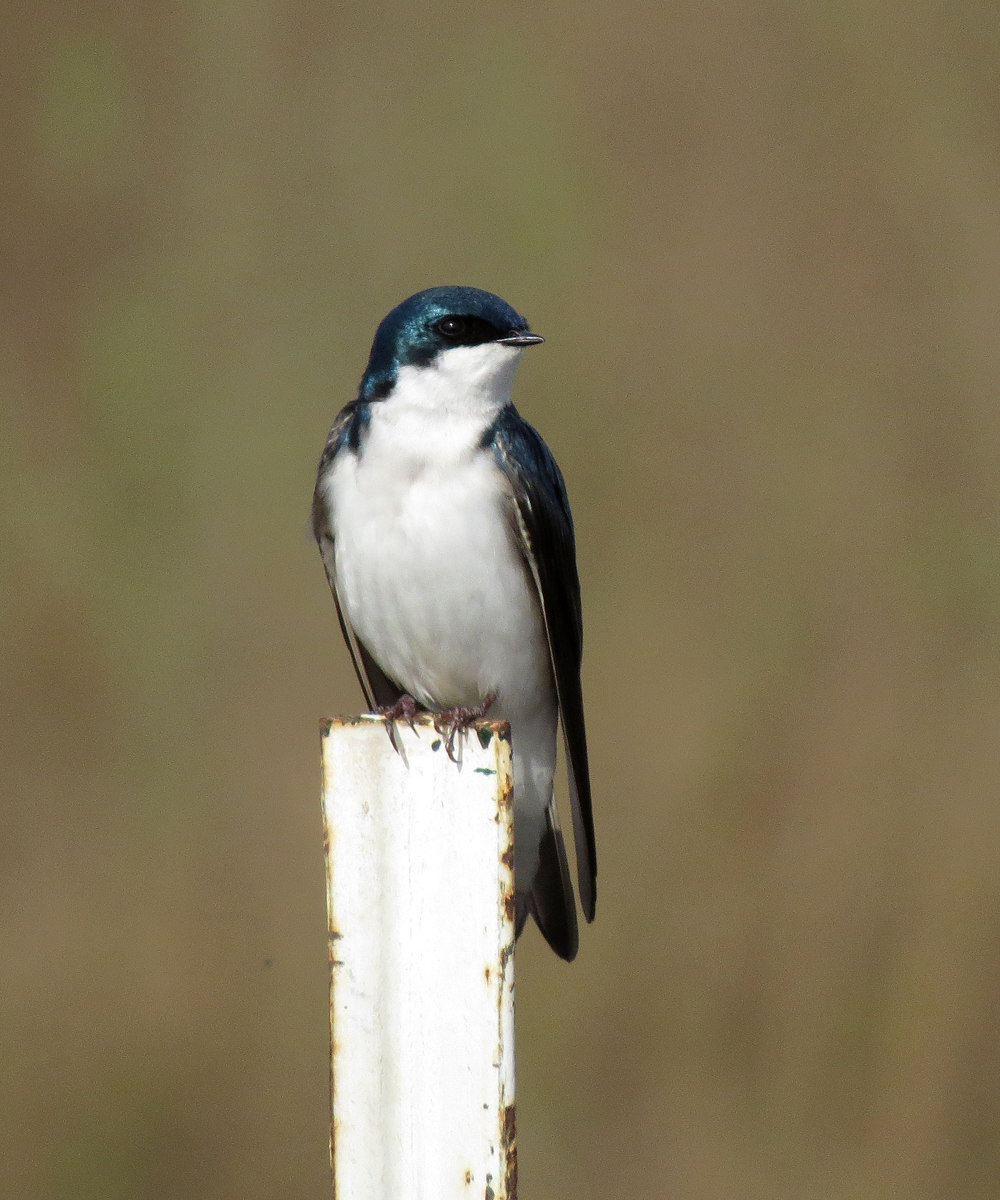
tree swallowTree Swallows are everywhere, pairing up and claiming nest boxes.

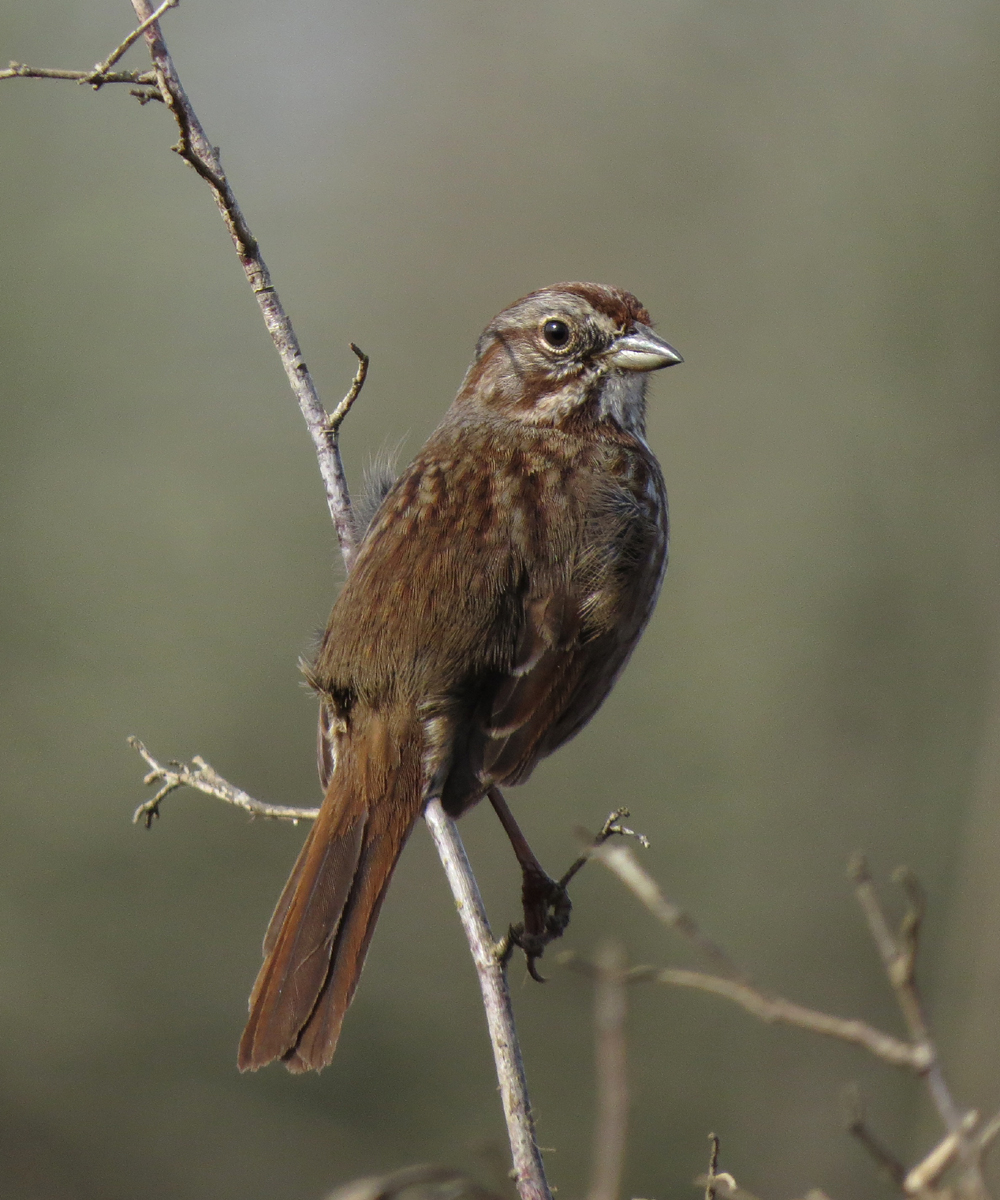
song sparrow 3Song Sparrow, not unusual, but unusually cooperative

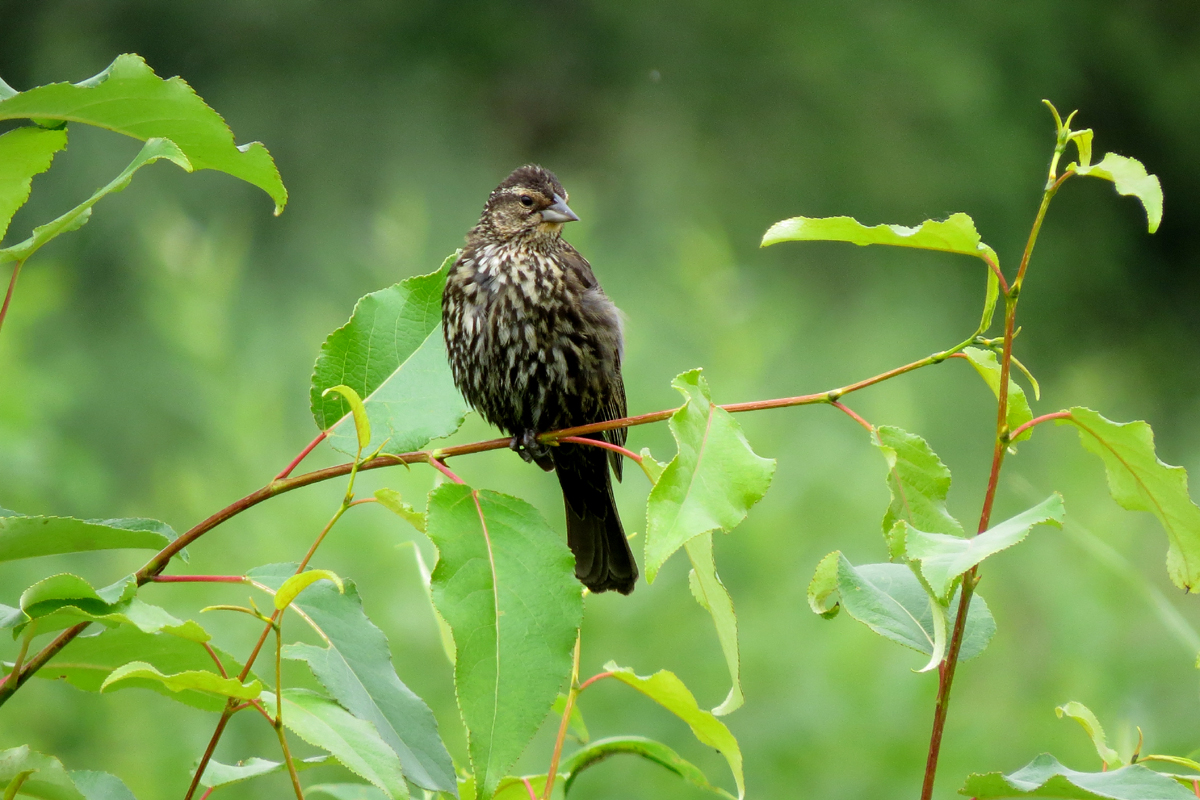
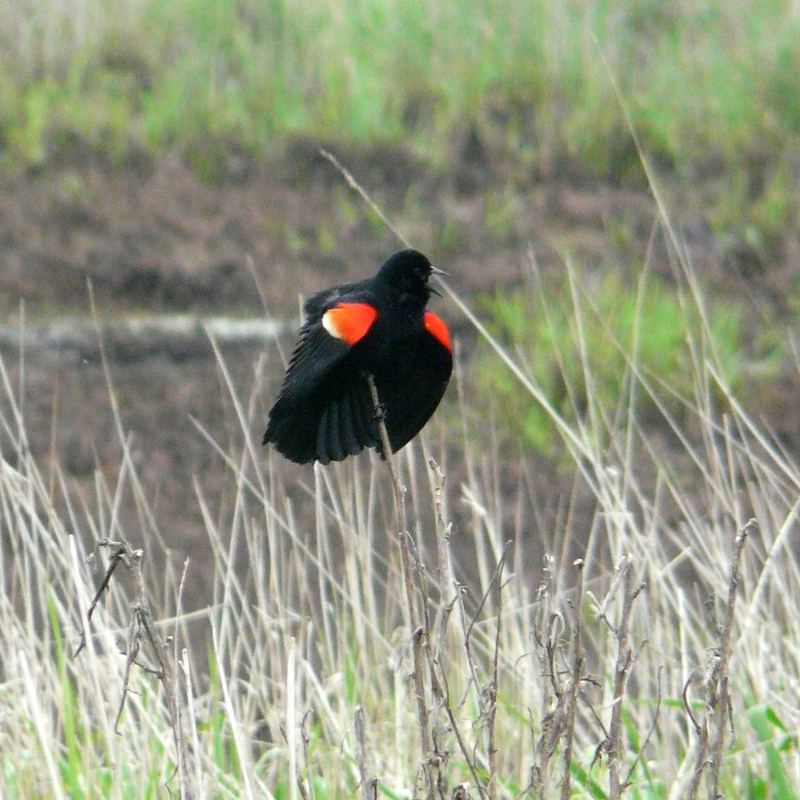
red-winged blackbirdRed-winged Blackbird. Females and immature males have much more interesting plumage than that of the adult males.

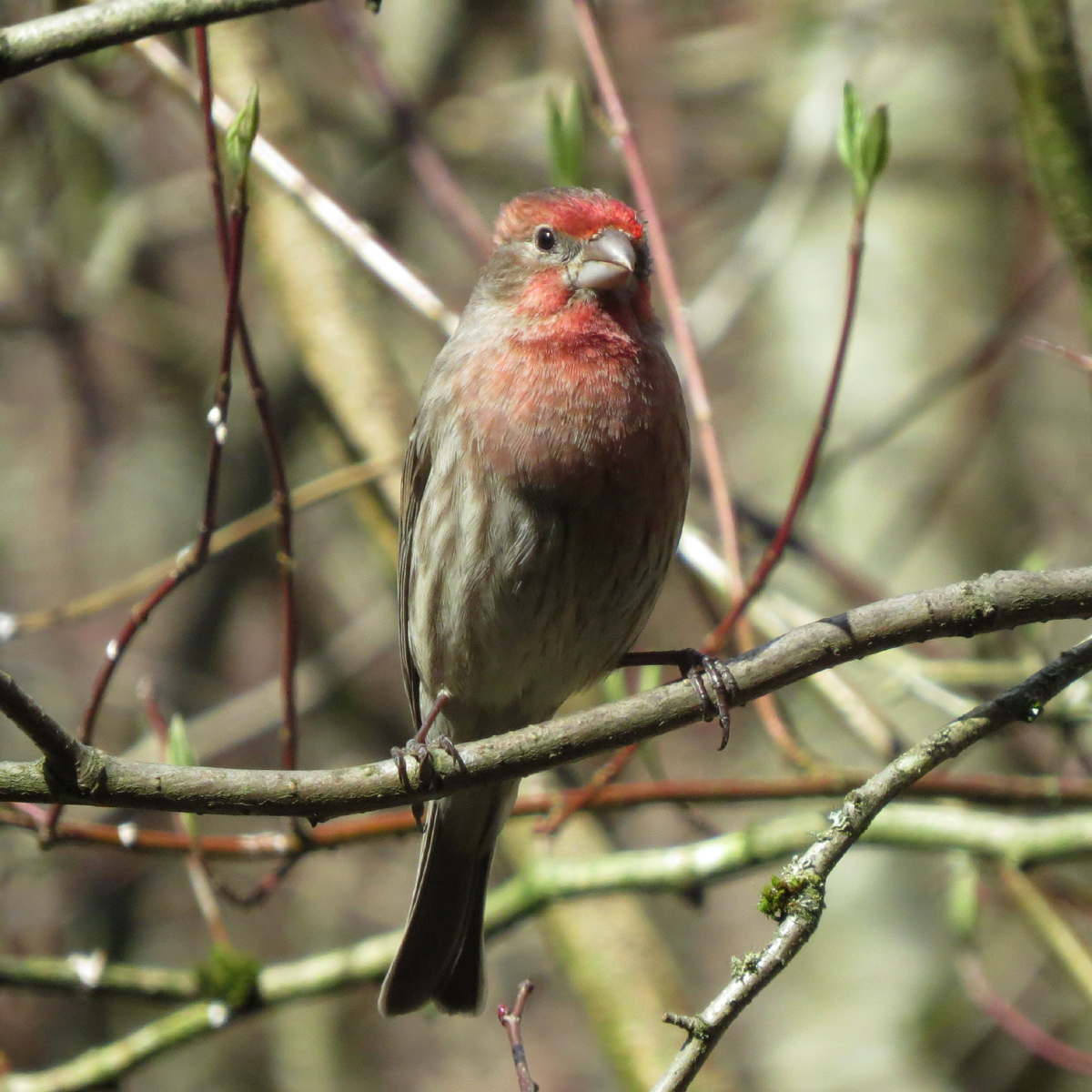
house finch 1House Finch, just because

Washington County Wetlands

fernhill lake
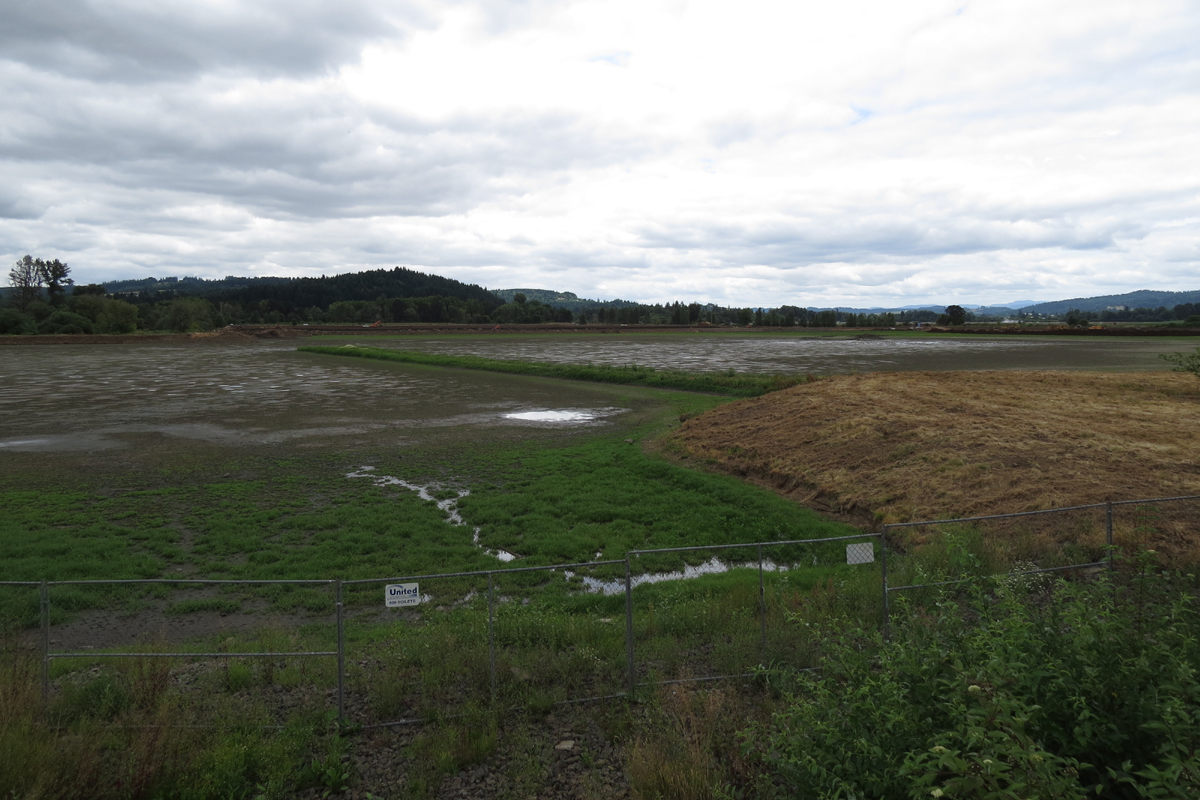
There are big changes underway at Fernhill Wetlands. The main lake has been drained, and the two impoundments to the south are completely gone. This is all to make way for large emergent wetlands that will replace the ponds. This should greatly increase the bird diversity at the site when work is completed.
fernhill
There weren’t any shorebirds on these newly exposed flats, but I would imagine this area would be pretty appealing to a passing plover or Baird’s Sandpiper.

american goldfinchThis American Goldfinch was enjoying the water.

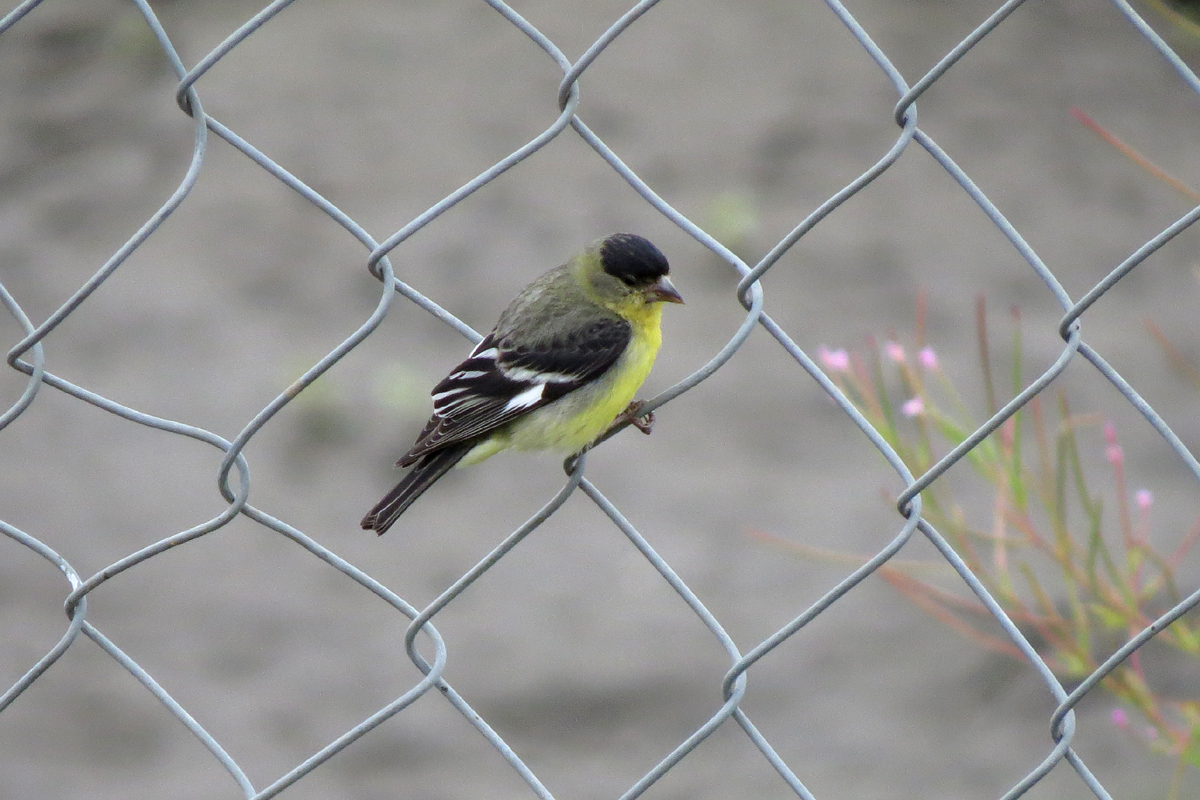
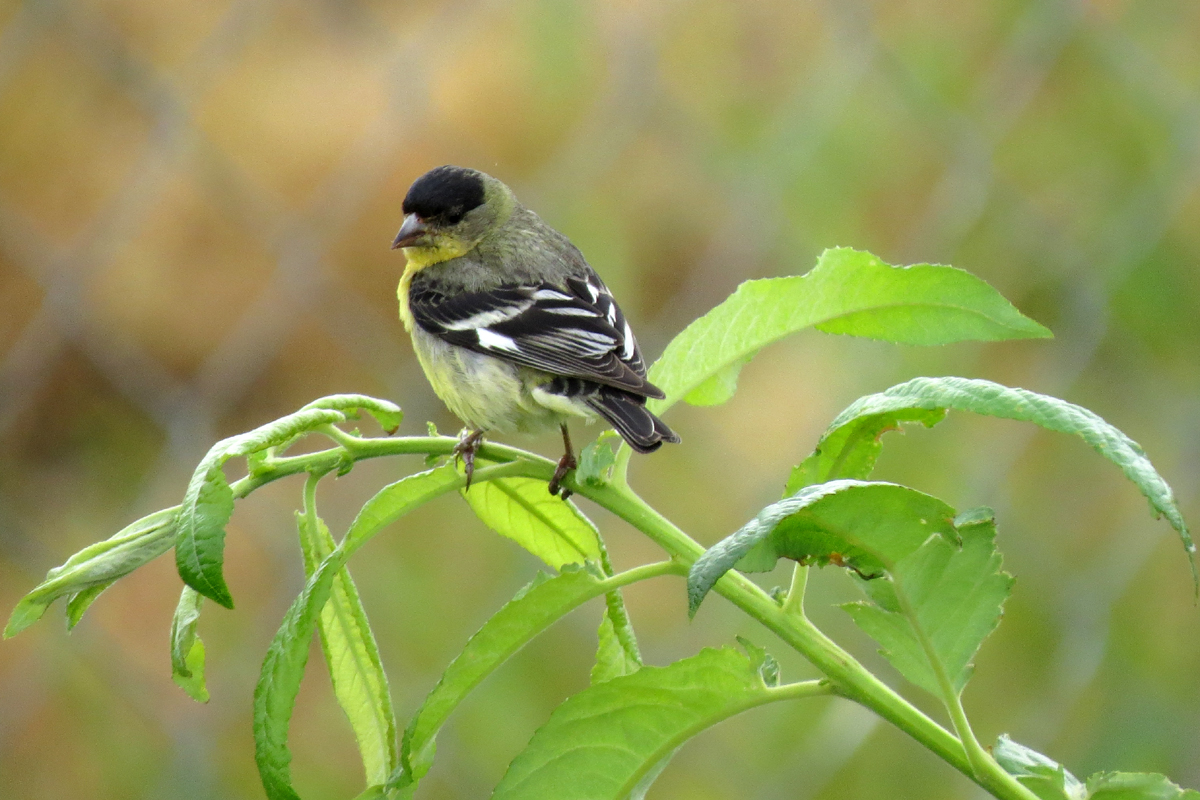
lesser goldfinch right lesser goldfinchLesser Goldfinch

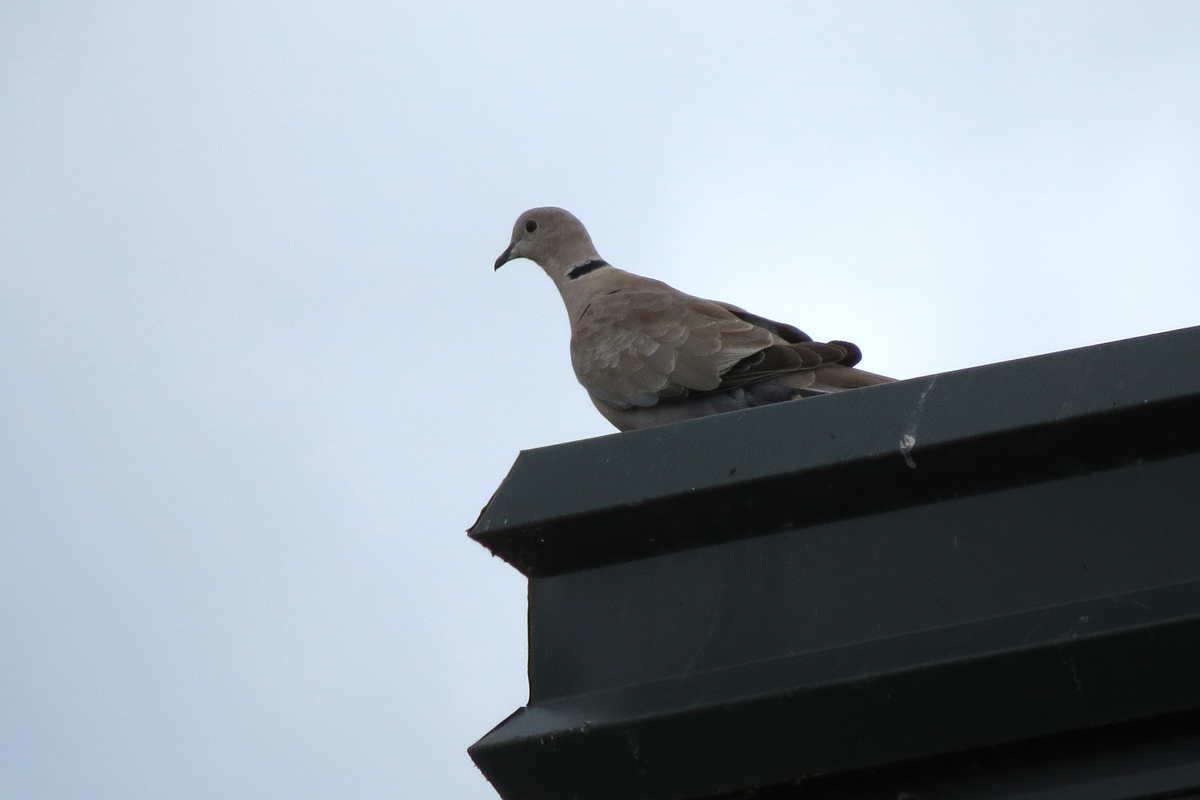
eurasian collared doveEurasian Collared Dove

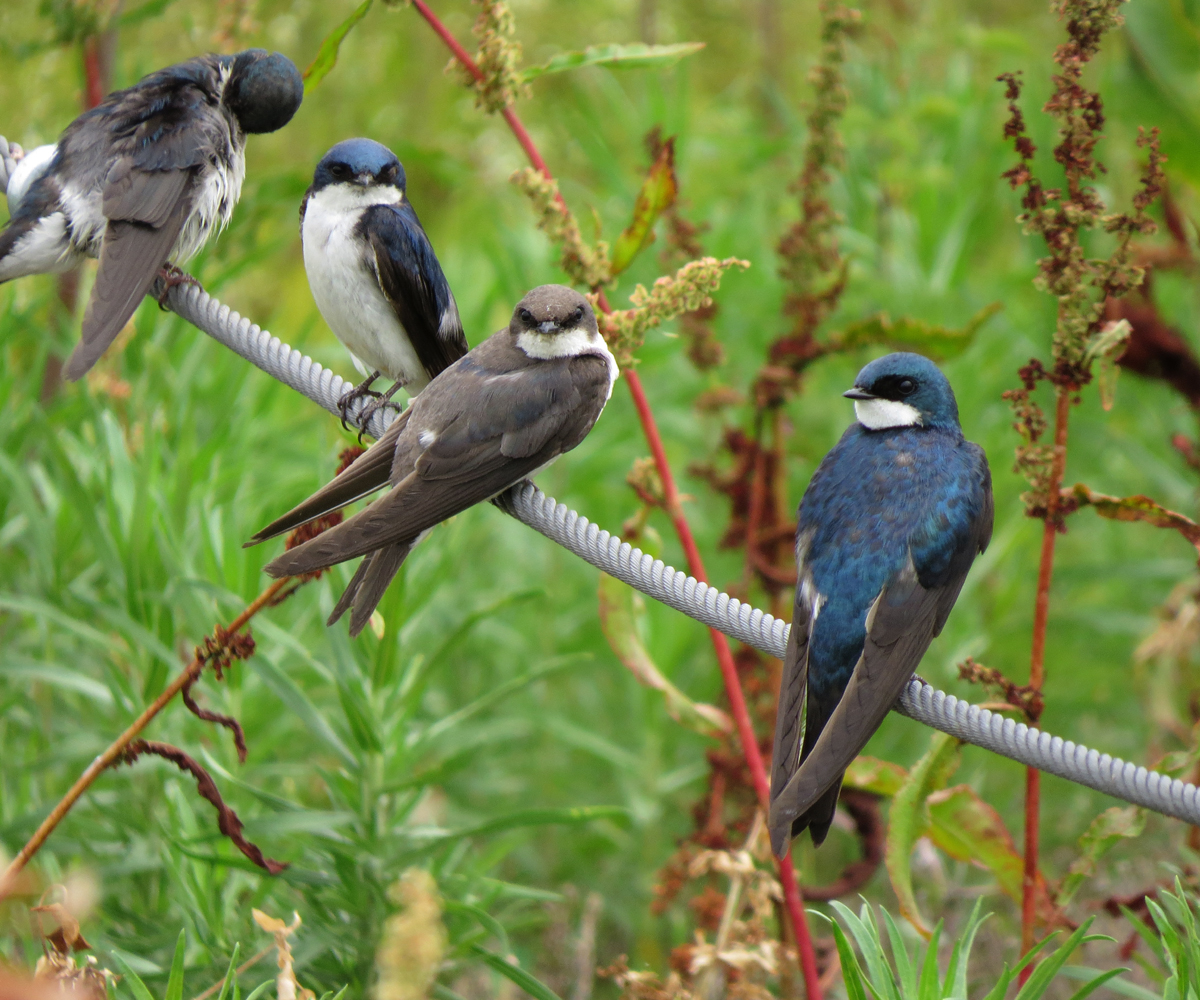
tree swallowsAt Jackson Bottom, swallows were everywhere, with young birds out of the nest and waiting around for parents to feed them. Tree and Barn were the two species I noticed.

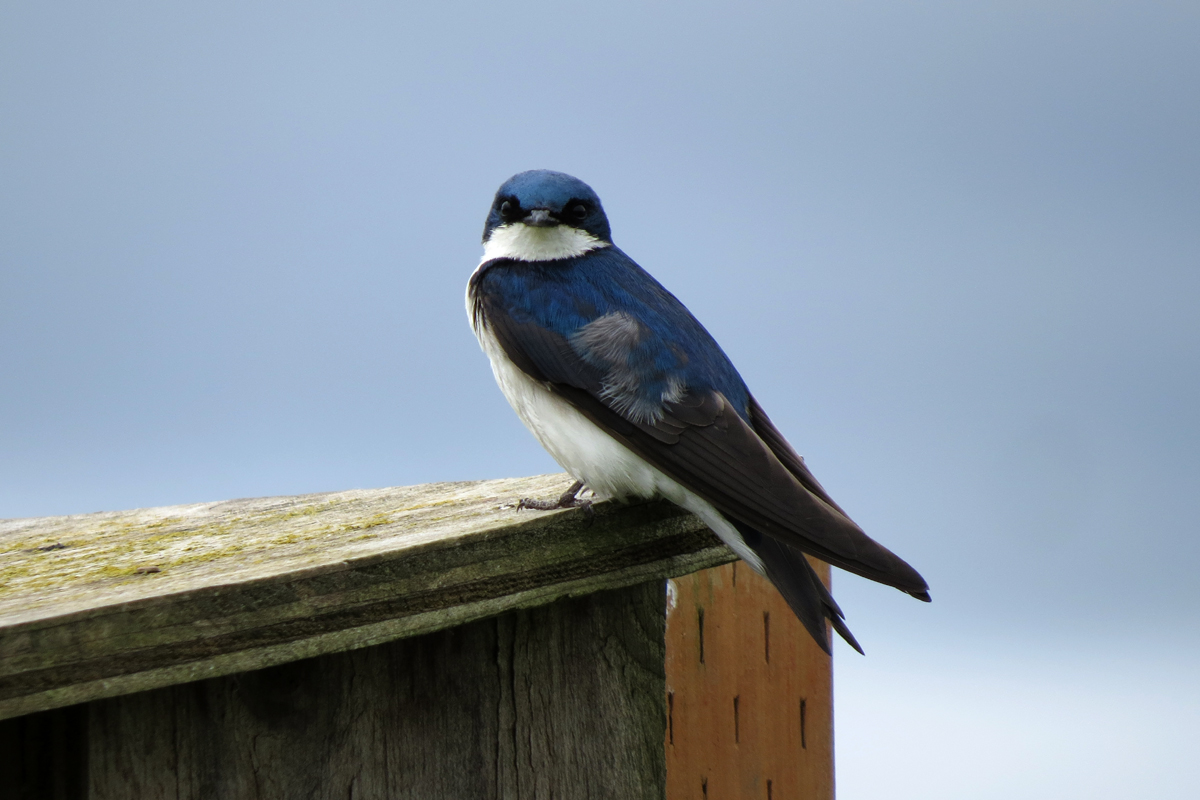
tree swallow female tree swallow maleTree Swallows

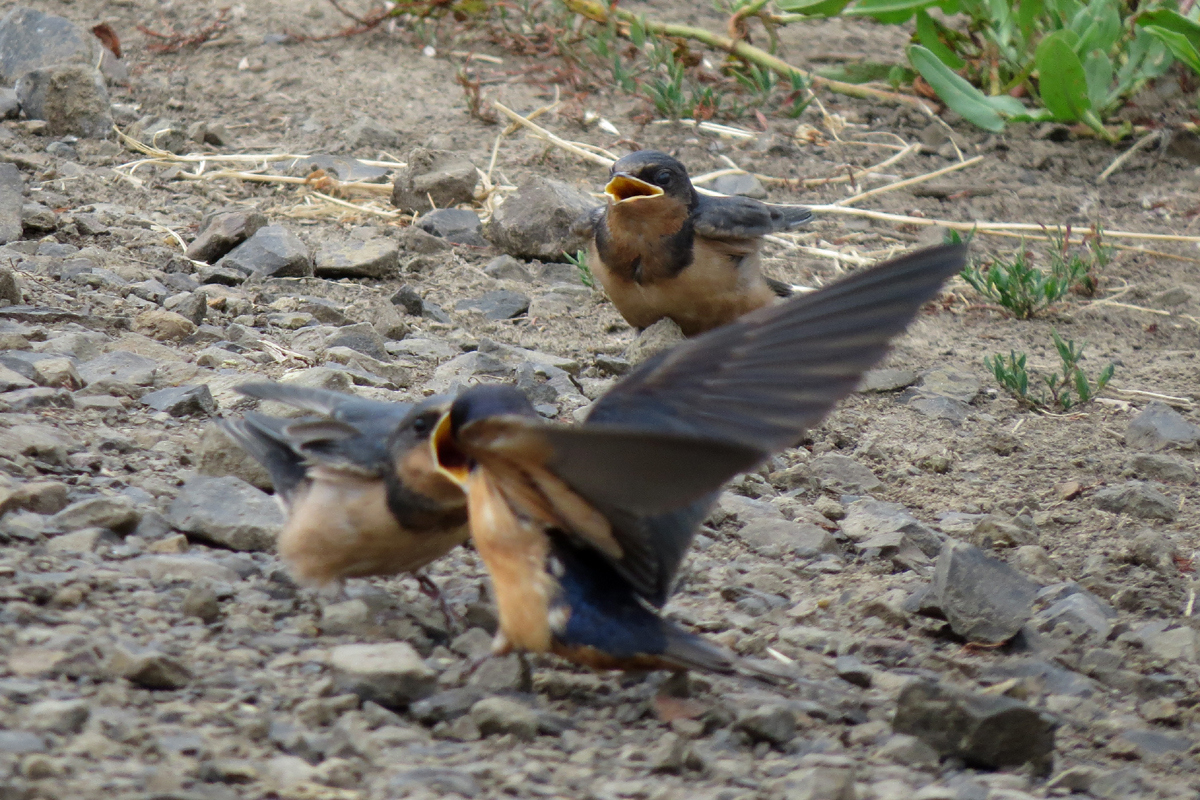
baby barn swallow barn swallowsBaby Barn Swallows

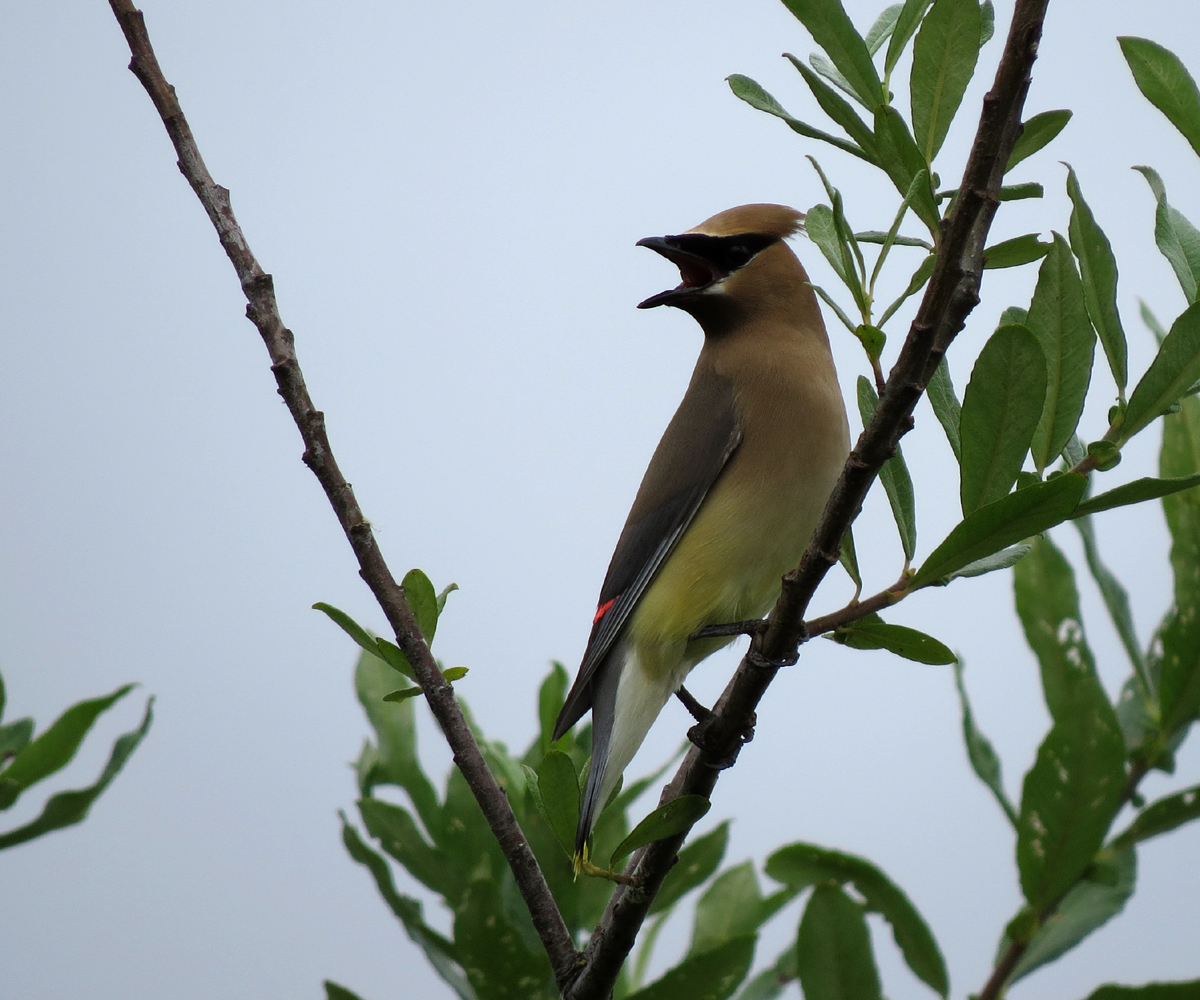
cedar waxwingCedar Waxwing

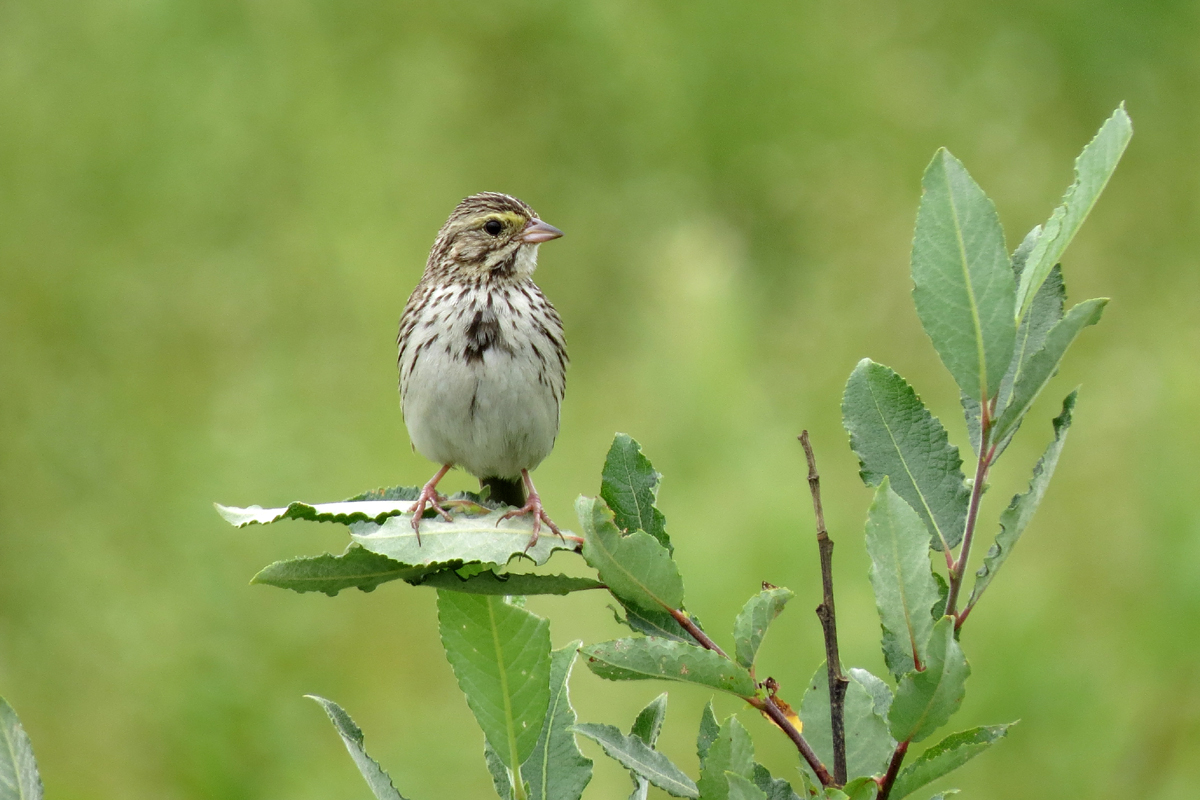
savannah sparrowSavannah Sparrow

red-winged blackbirdRed-winged Blackbird

least sandpiperThere were lots of Least Sandpipers about. These are birds that either didn’t make it all the way to the Arctic, or had failed nesting attempts and headed back south. Shorebird migration will really pick up in about two weeks.

wilson's phalaropeThis male Wilson’s Phalarope was reported with three downy chicks earlier in the week, but I did not see any young when I was there. Hopefully the little ones were off hiding somewhere.

Fort Stevens State Park

When the tides are right, the area around Parking Lot D at Fort Stevens State Park can be very productive.

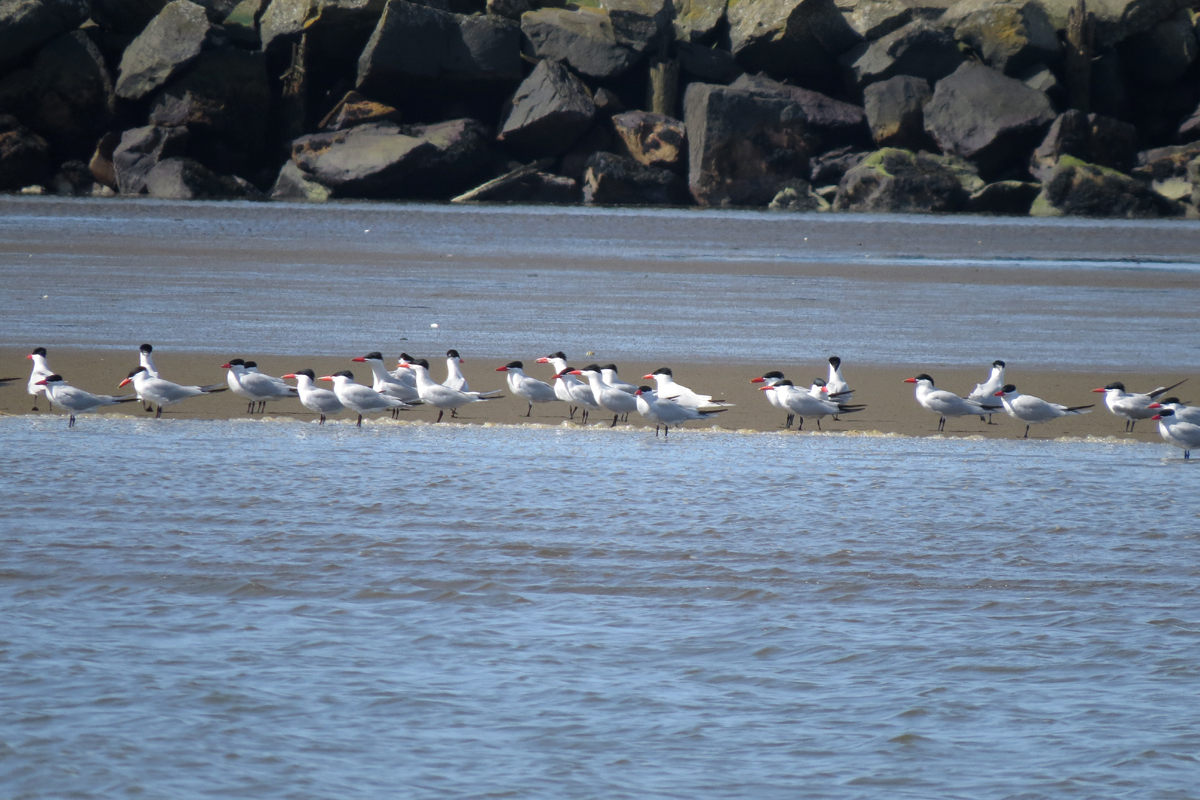
caspian ternsOn my recent visit, I found about 400 Caspian Terns in the bay. Many of the birds were presenting fish to their lady loves, and a few were rewarded accordingly (nudge, nudge, wink, wink). A Bald Eagle would occasionally take a pass at the flock, sending the terns off in a big swirling mass, but the birds would quickly settle down again.

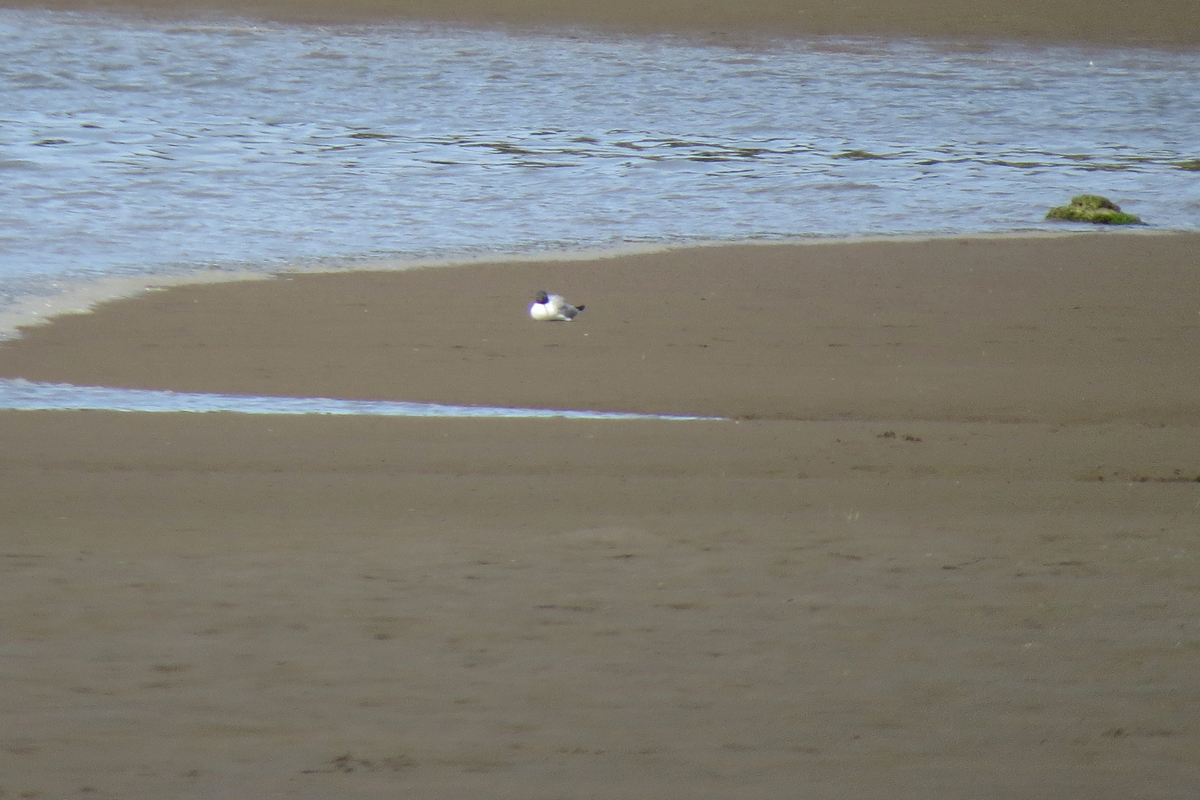
bonaparte's gullOne of my favorite birds of the day was this breeding plumaged Bonaparte’s Gull. I watched the bird fly in and settle on the mud flat. I snapped a couple of frames from a great distance, planning on getting better views. But, as is often the case, the bird took off before I could get any closer.

shorebird flockOver the past few years, this site has been become a productive spot for shorebirds. The spring shorebirds migration is well past its peak, but there were still a few birds around. This little flock was actively feeding along the shore, so I sat on my knees in the sand and waited for the birds to come to me. Shorebirds are very wary of people standing upright, but if you sit down, or better yet, lie down, the birds will come quite close.

dunlinThis blurry Dunlin was the only member of her species in the flock.

least sandpiperLeast Sandpiper

western sandpiper 3Western Sandpiper

semipalmated plover and least sandpiperSemipalmated Plover and Least Sandpiper

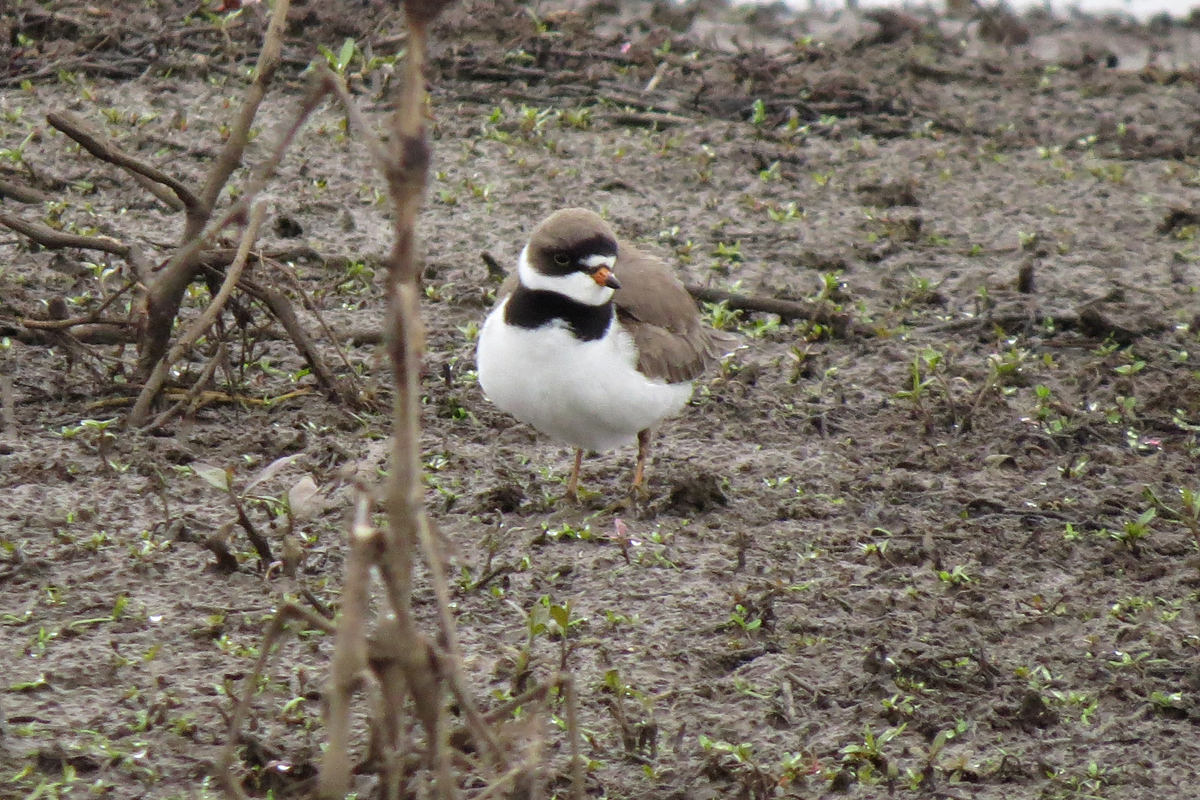
semipalmated ploverSemipalmated Plovers made up the bulk of this flock.
semipalmated plover feedingWhile the spring shorebird movement is about done, the southbound migration begins in about six weeks, so we don’t have too long to wait for another shorebird fix.

Spring Shorebirds

I had hoped to get to the coast this week, but a big weather system was blowing in so I  visited Fernhill Wetlands and Jackson Bottom. Both sites had a few shorebirds sporting their breeding plumage.

semipalmated plover fluffySemipalmated Plover

semipalmated plover 1

dunlinDunlin

least sandpipersLeast Sandpipers

western sandpiperWestern Sandpiper

long-billed dowitchersLong-billed Dowitchers at Jackson Bottom. The sticks in the foreground are willow stakes planted by Clean Water Services. As these willows grow, they form a canopy over the mud flats, making the habitat useless to migrating shorebirds. Birders have been complaining about the practice at this site for years, to no avail.

Shorebird Class

My Shorebirds of the Willamette Valley class had their first field trip on Saturday. We found nine species of shorebirds, a nice collection of the expected species. We missed the Semipalmated Sandpiper that had been reported earlier in the week. All the migrants we saw were adults. The juveniles should be arriving soon, hopefully in time for our next field trip. Since I was leading the trip, I didn’t have much opportunity to seek out photos, but here are a few back-lit images.

leastLeast Sandpiper was the most common species of the day.

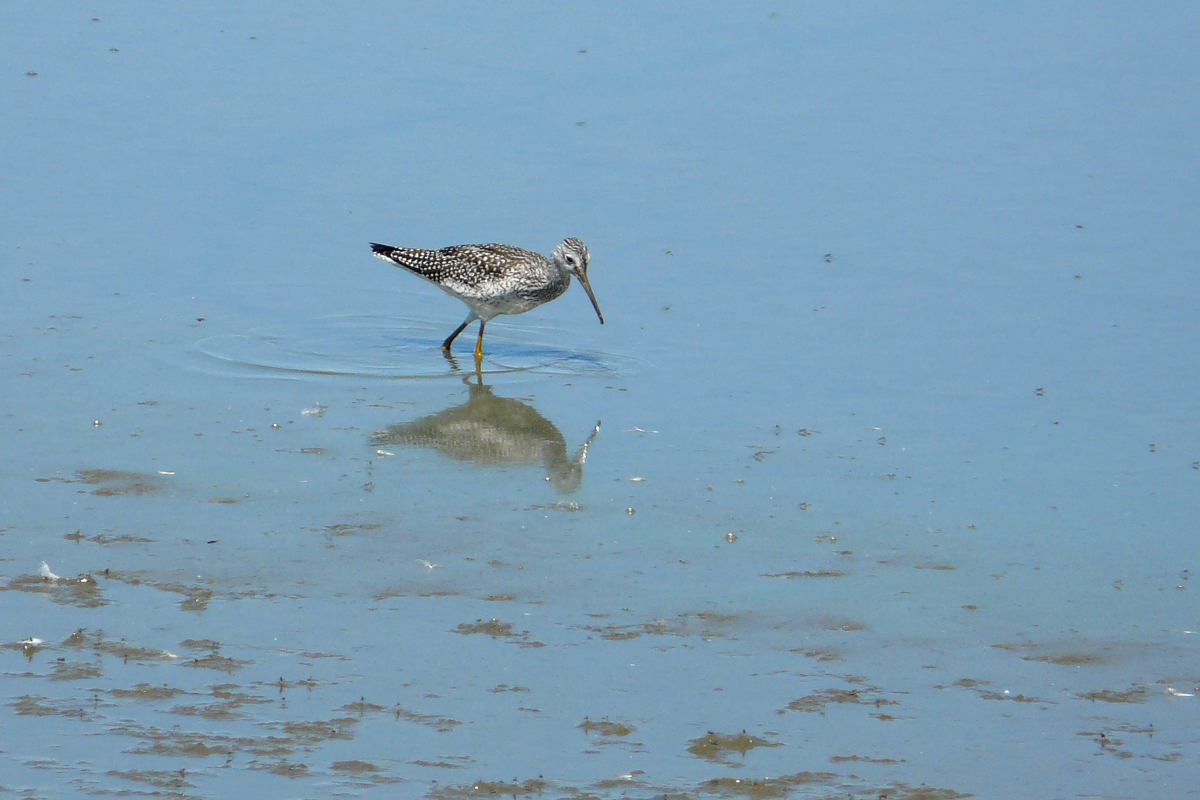
lesser yellowlegsWe found one Lesser Yellowlegs at Jackson Bottom and one at Fernhill Wetlands. The one at Jackson very cooperatively posed next to some Greater Yellowlegs for direct comparison.

western and semipalmThis Semipalmated Plover, to the right of the Western Sandpiper, was the only one of the day. He nestled down into the mud, perhaps to cool off.

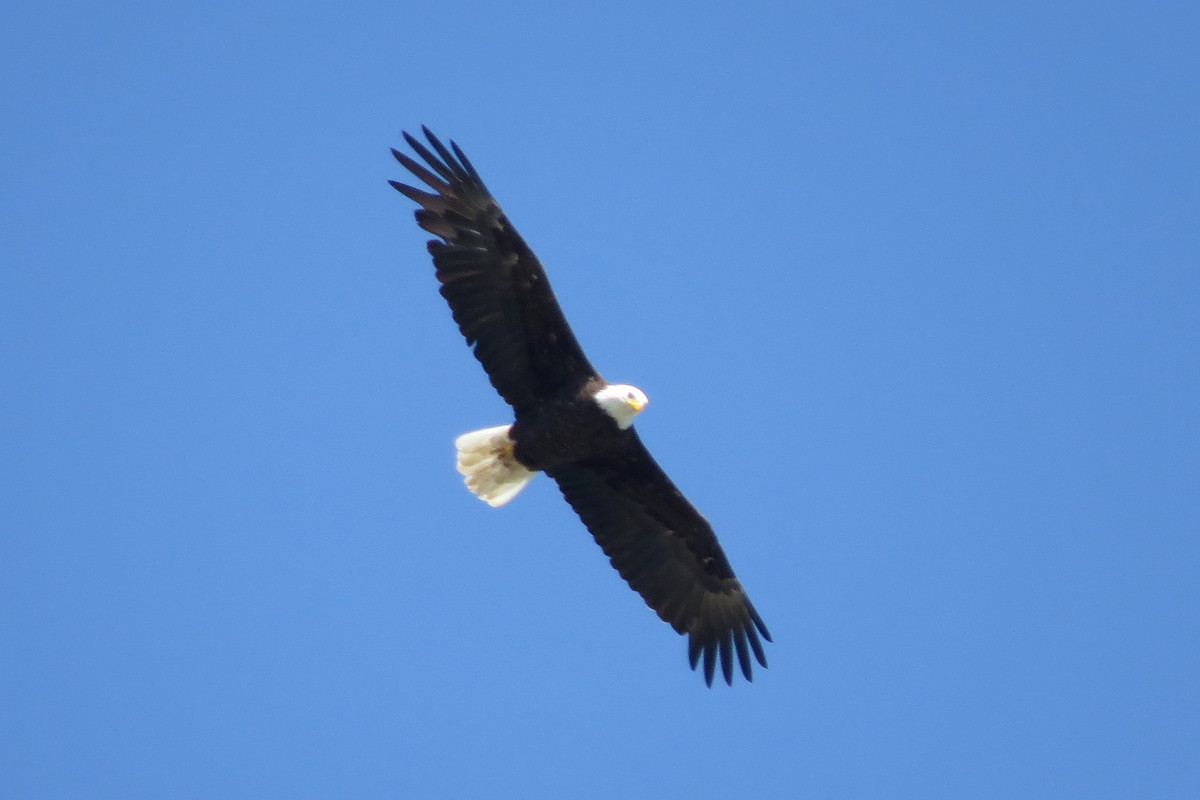
bald eagleA blurry Bald Eagle at Fernhill Wetlands didn’t pose much of a threat to the shorebirds, but did make the waterfowl nervous.

westernWestern Sandpiper at Fernhill Wetlands

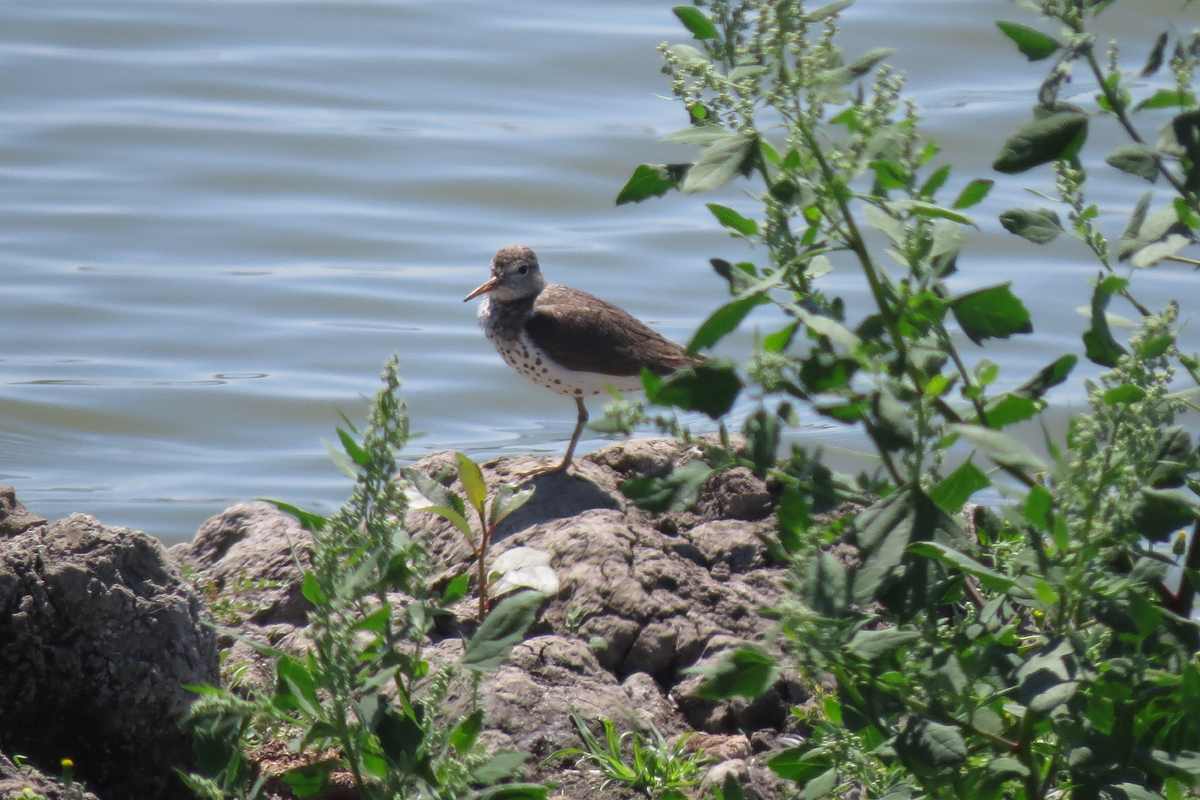
spottedLots of Spotted Sandpipers remain at both Jackson Bottoms and Fernhill.

Fernhill Wetlands 8/3/12

I scouted Fernhill Wetlands for the Willamette Valley portion of my shorebird class. After a cool summer, we have finally gotten some triple-digit temperatures, making birding a little challenging. But there is a lot of mud and the shorebirds are moving in, joining the typical and not-so-typical summer residents.

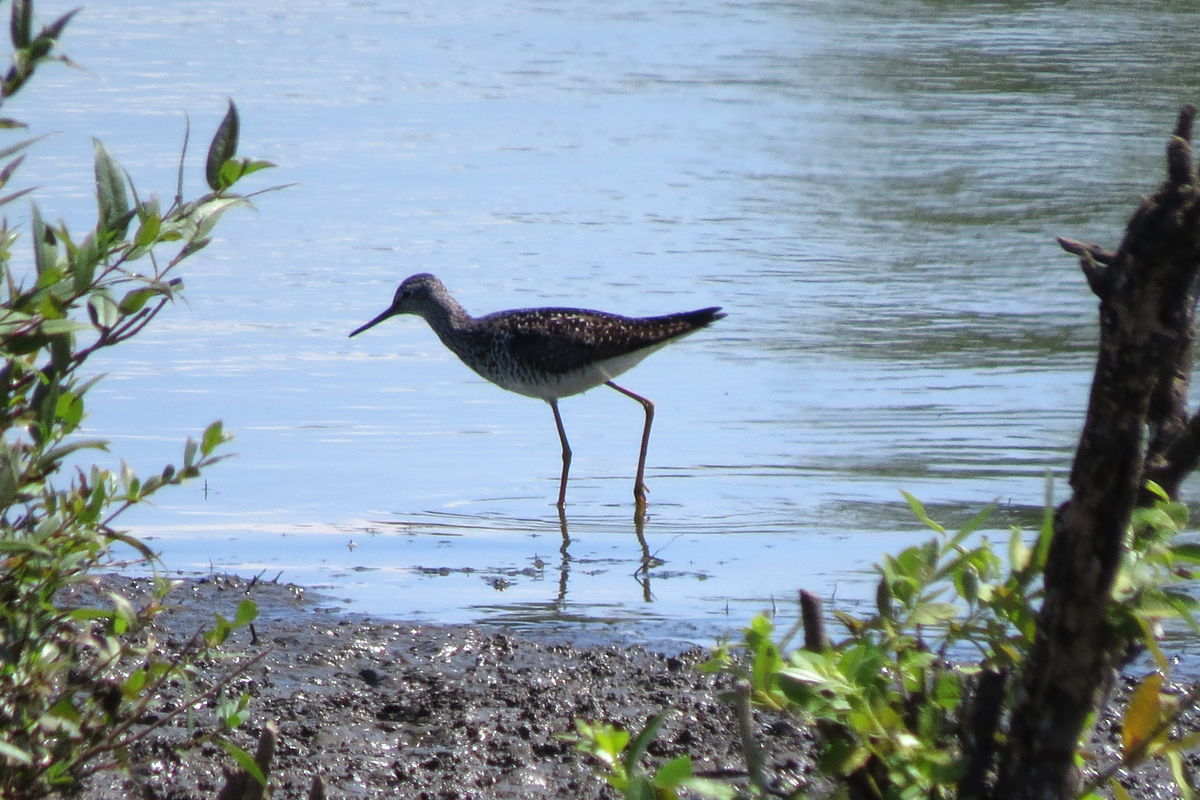
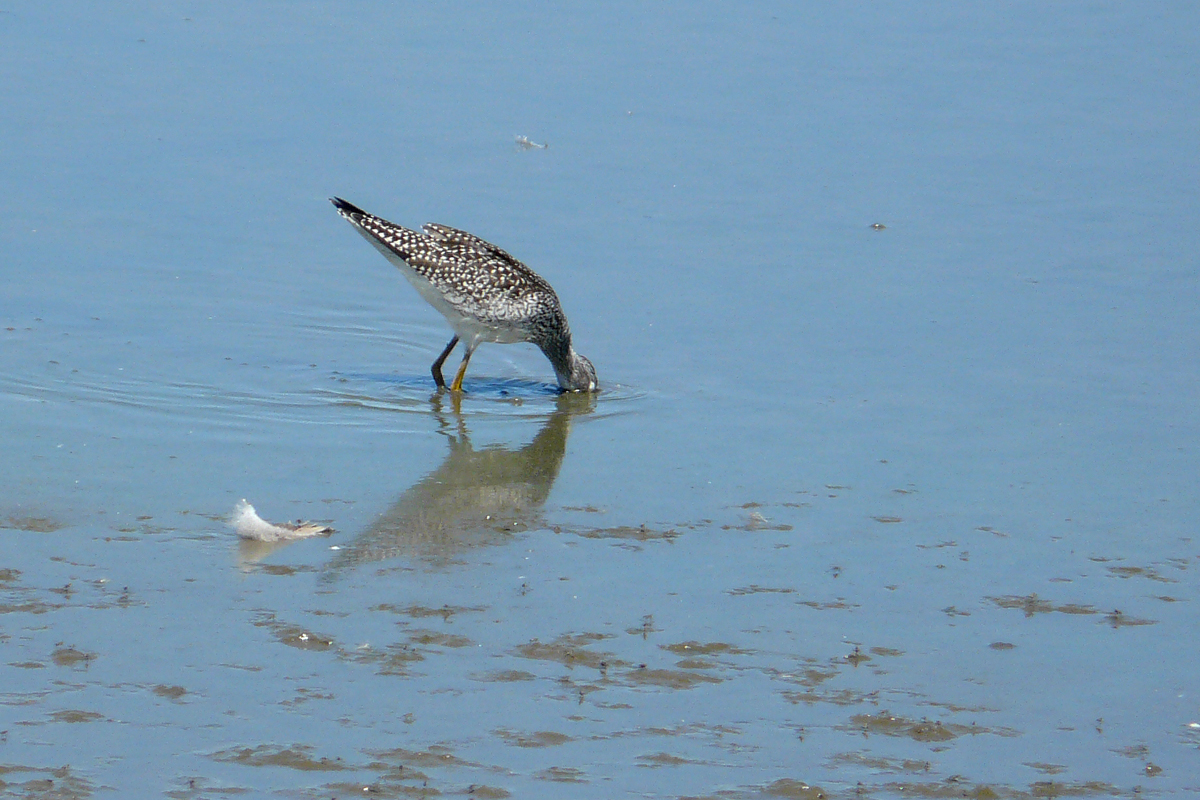
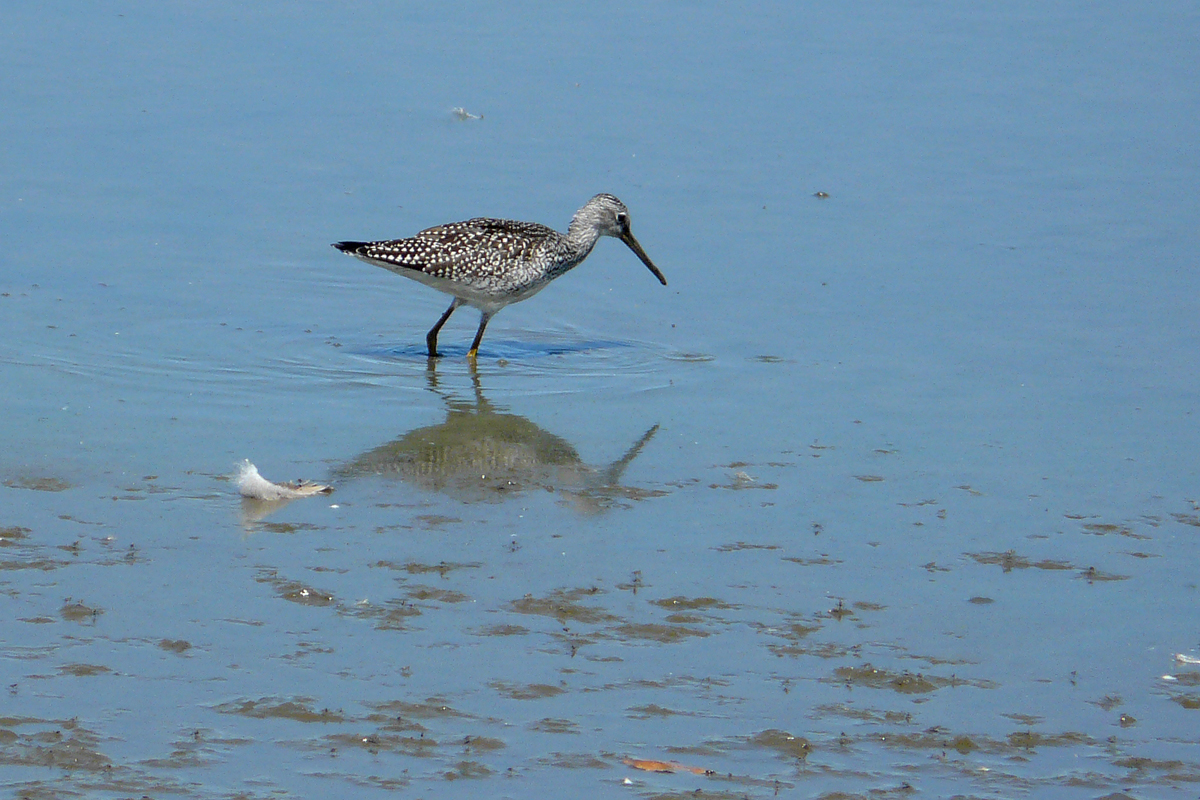
Greater Yellowlegs are common right now, taking advantage of the shallow water in most of the area’s wetlands.

Lunchtime

I don’t think he caught anything on that dive.

Least Sandpiper

another Least

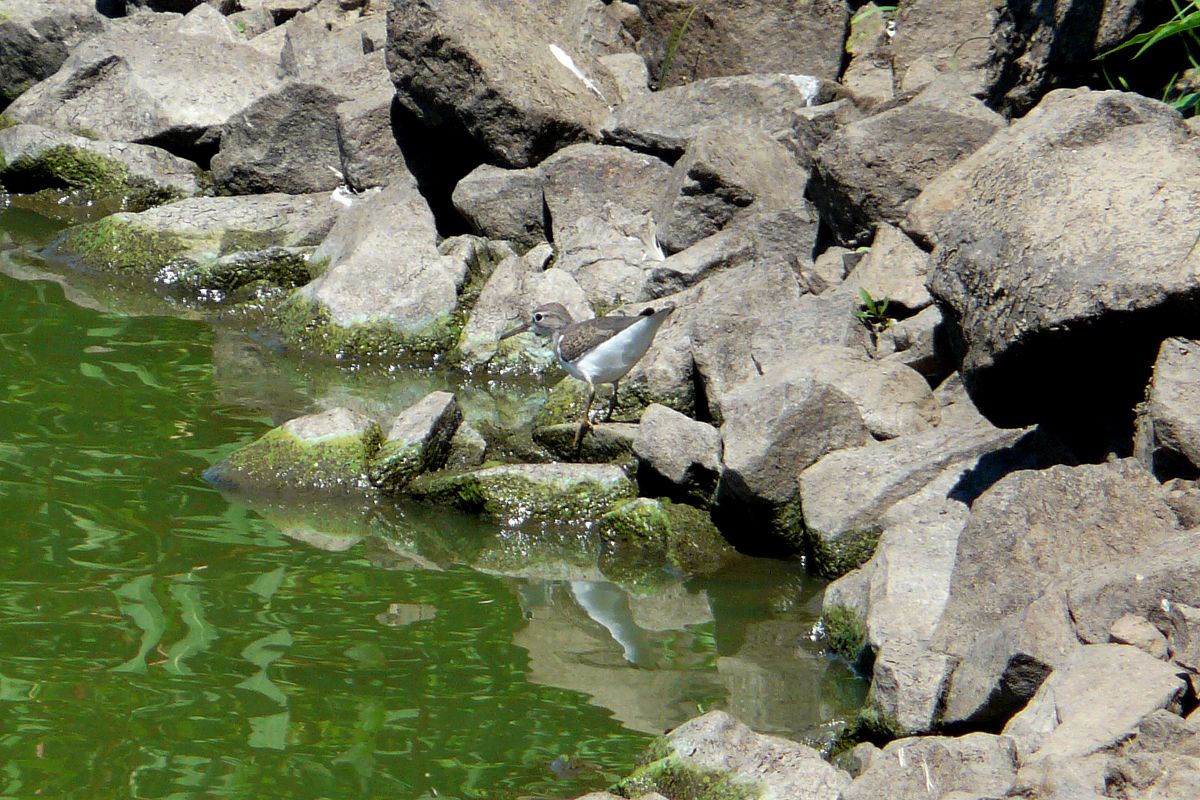
Spotted Sandpipers are often found along the rocky shoreline of Fernhill Lake.

This is a young Spotted Sandpiper, distinguished by the barring on the wing coverts (and the lack of spots).

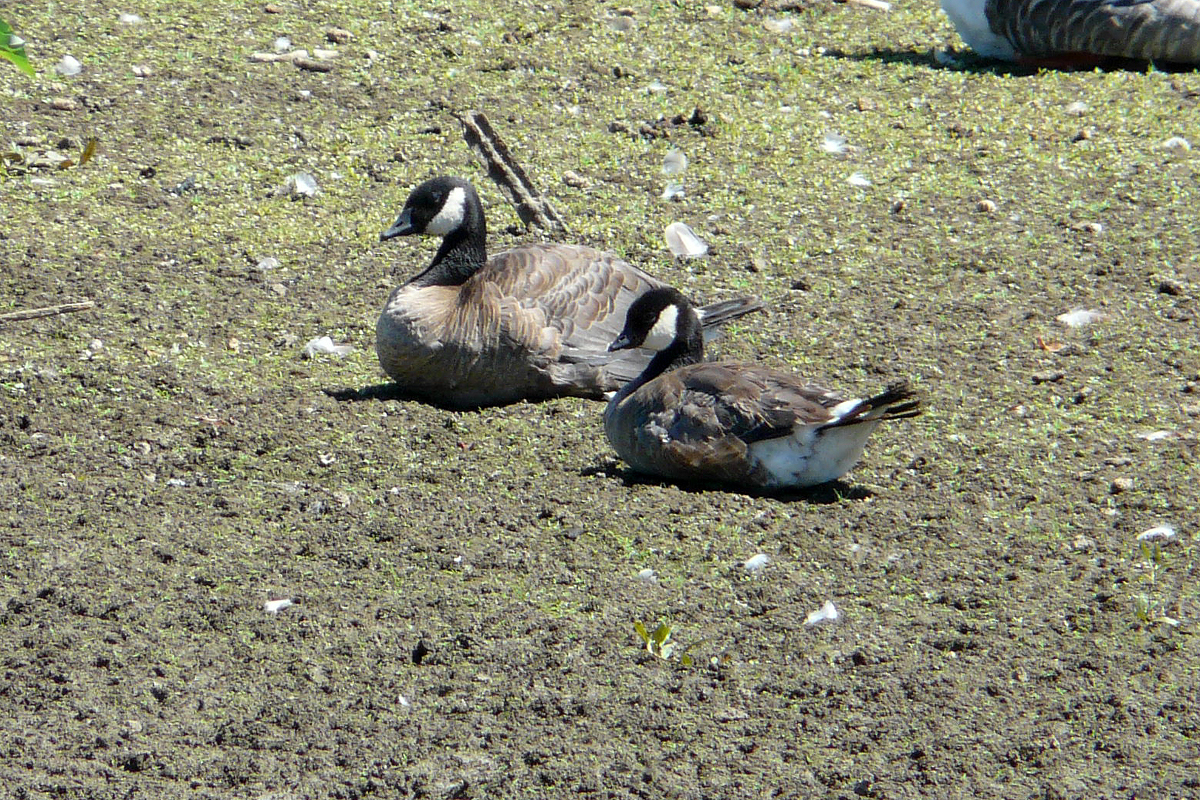
Cackling Geese, which winter here in the tens of thousands, are a rare sight in summer. The exposed white rumps on these birds are an indication that the birds are molting their primaries, so they have obviously spent the summer here.

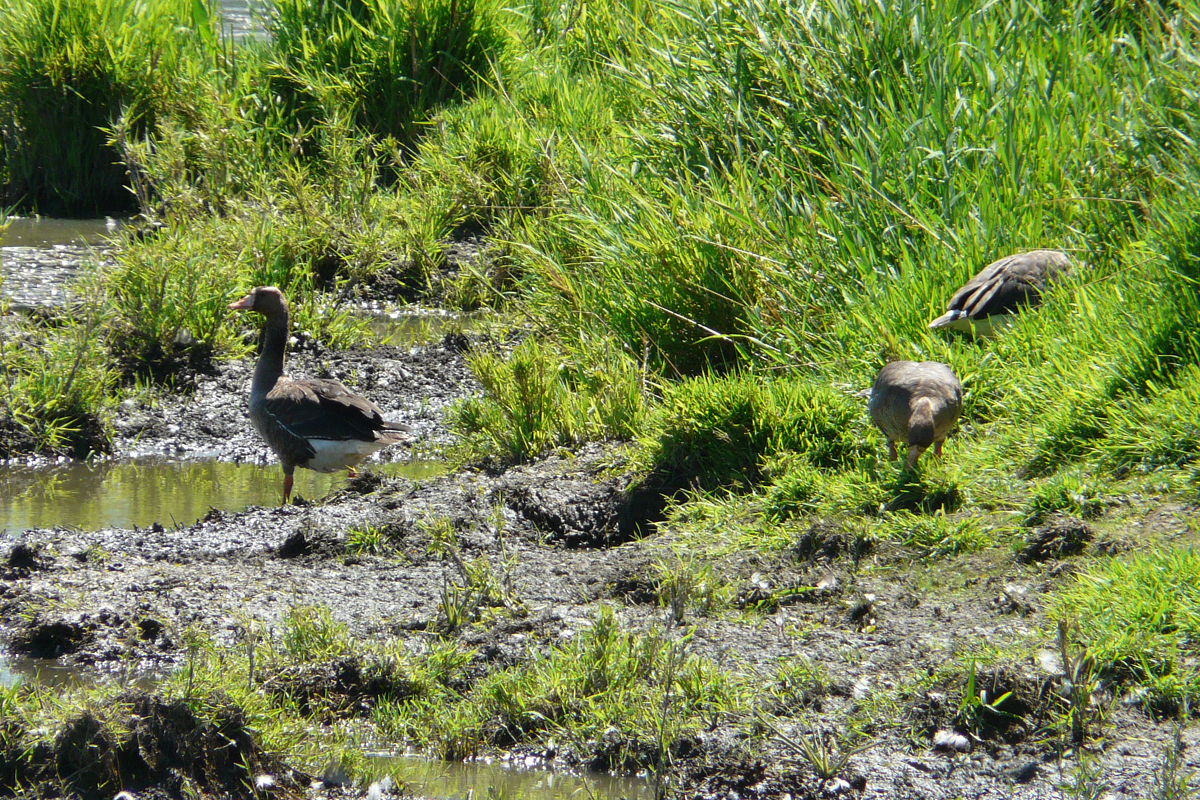
These three Greater White-fronted Geese are also several months too early.

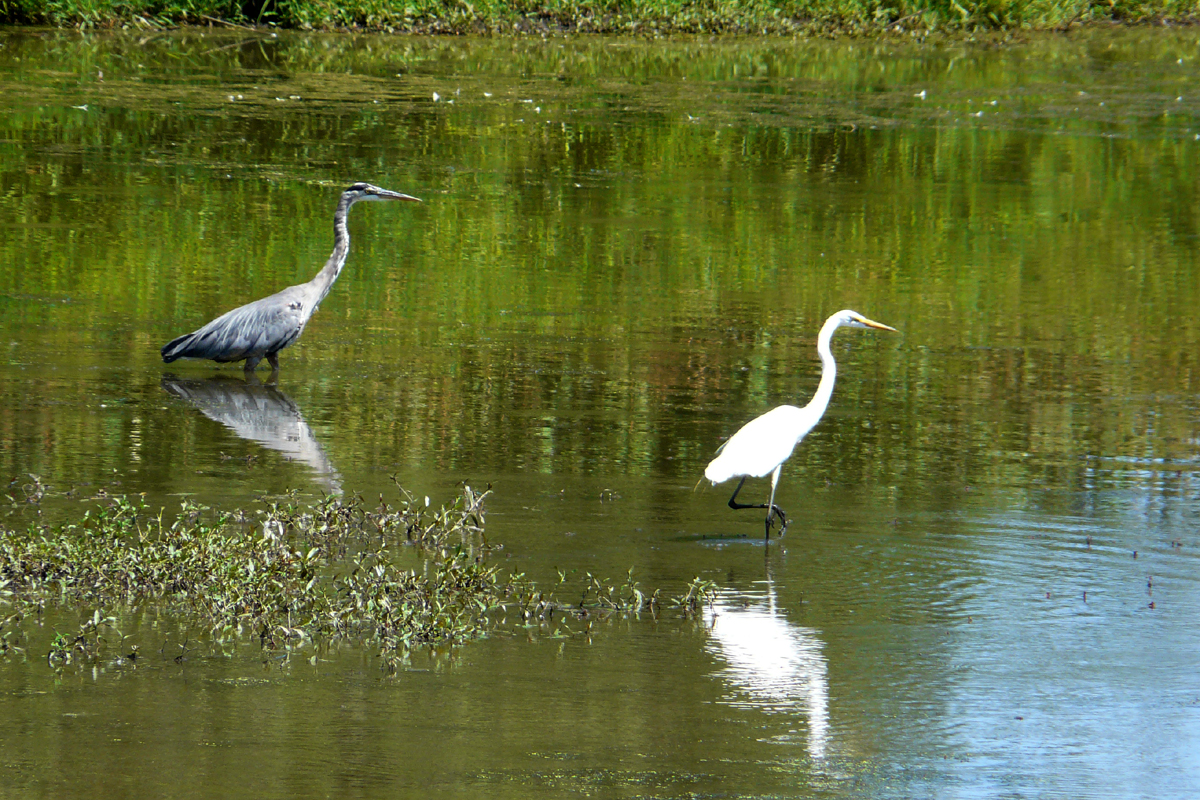
Great Blue Heron and Great Egret

Green Heron

August is the time for baby Bullheads. Several schools were visible in the murky water.

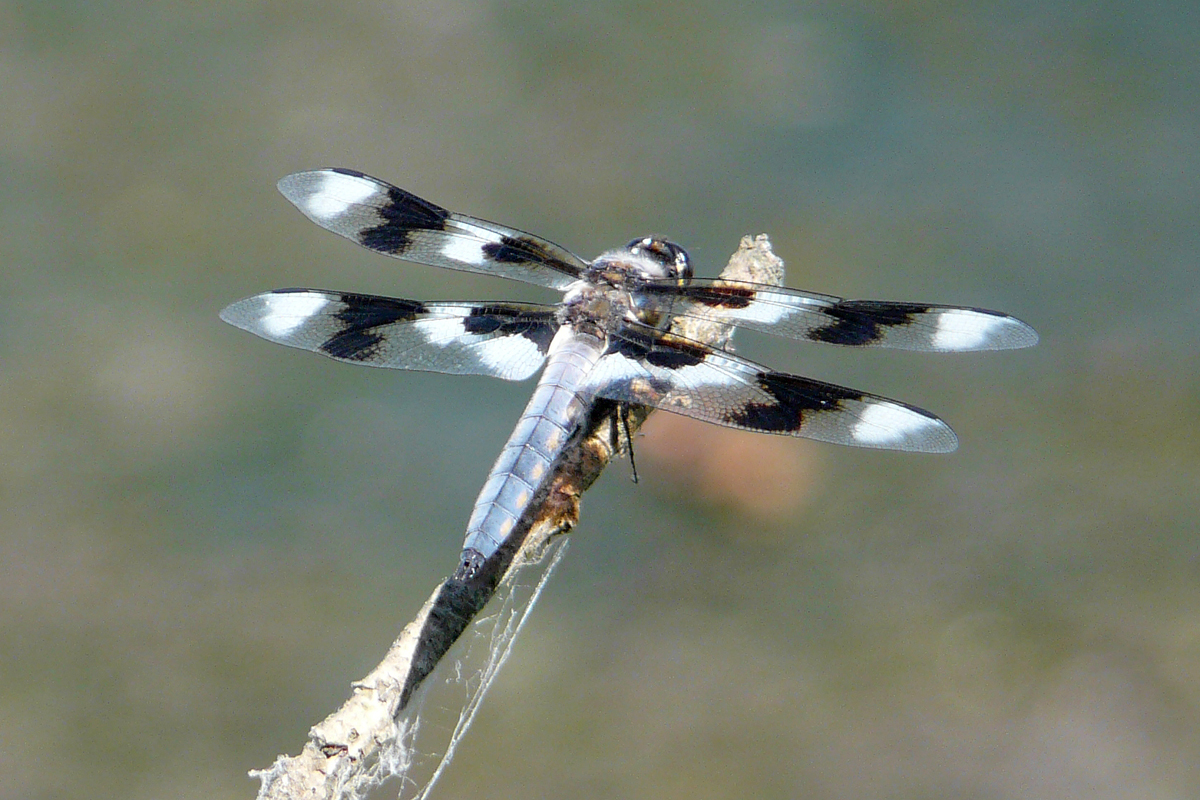
Eight-spotted Skimmer, one of the few dragonflies that I can identify

Jackson Bottom 4/26/12

I took a client to Jackson Bottom Wetlands Reserve in Hillsboro (Birding Oregon p. 60).  Continuing restoration efforts at that site are creating some nice habitat, and the birds are responding.


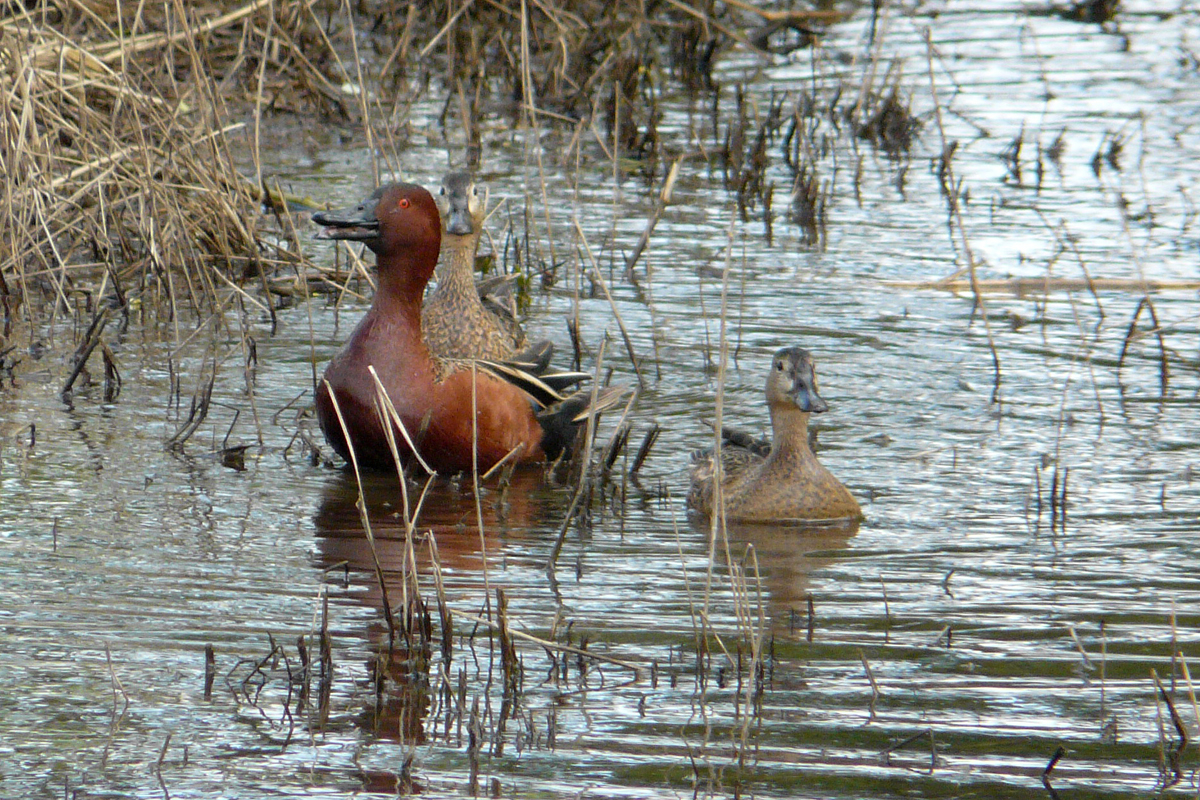
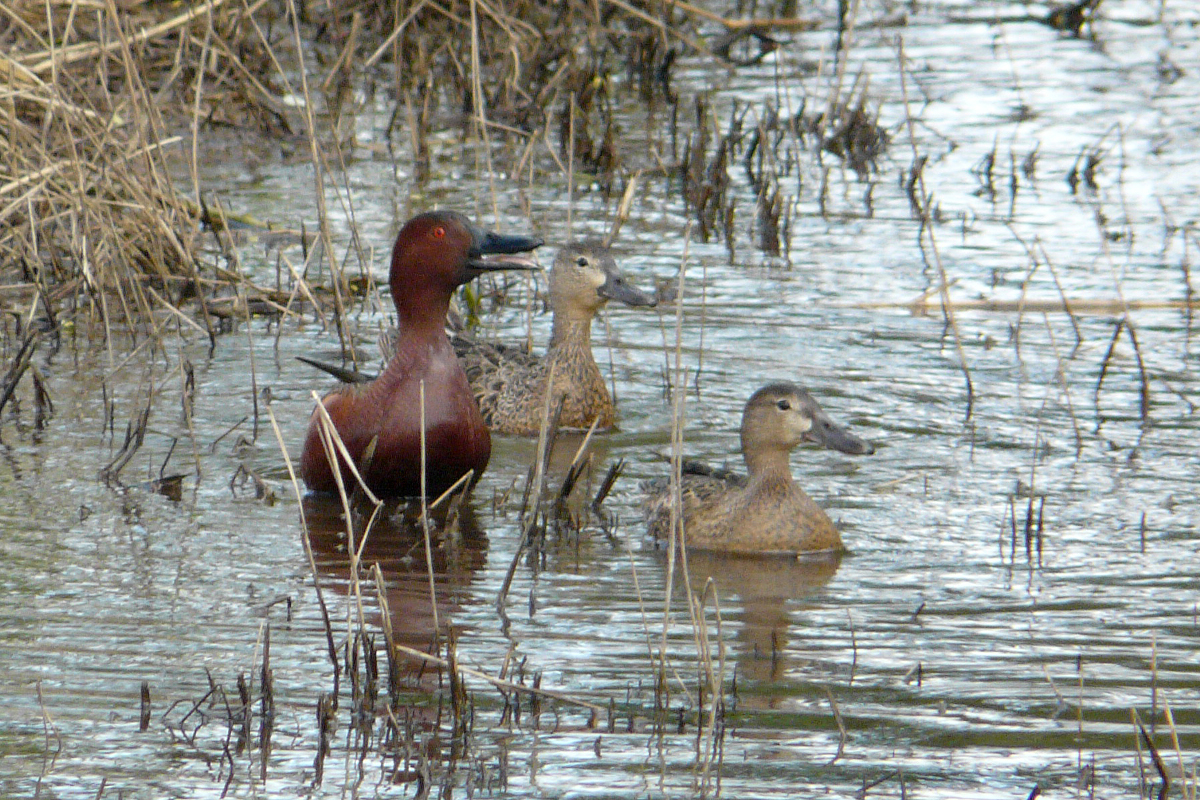
Cinnamon Teal were actively courting.

There was lots of head bobbing and chasing of rival males.

taking a break


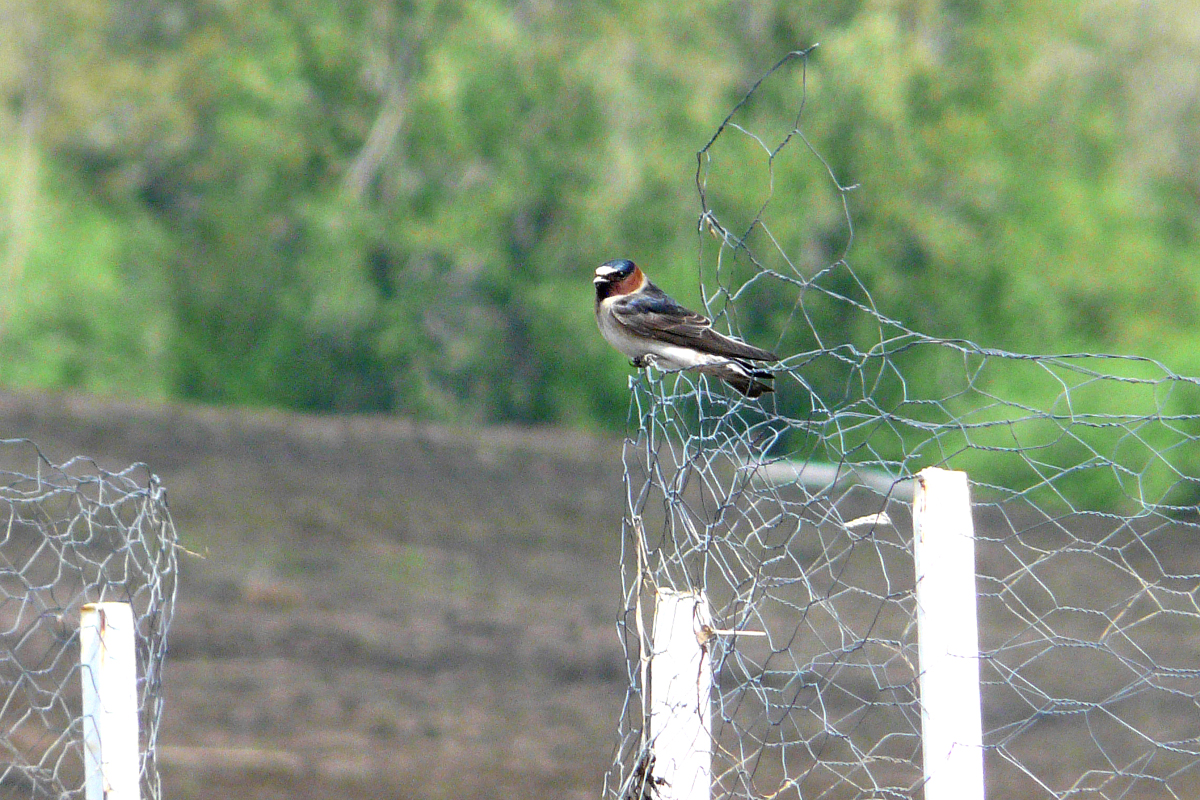
Jackson Bottom is swarming with swallows. Tree Swallows claim most of the many nest boxes.


Cliff Swallow


Restoration work has created shallow ponds and open mud, which is attractive to migrant shorebirds like these Western Sandpipers.


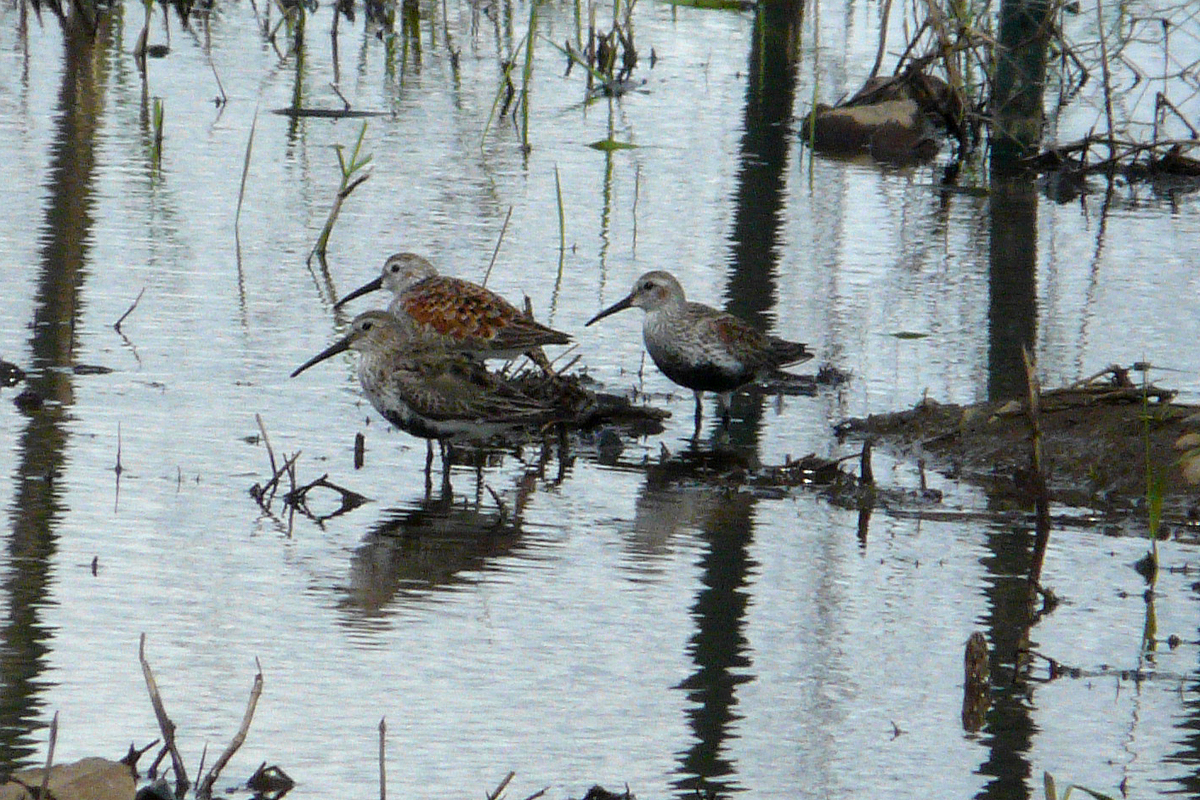
Three Dunlins in various states of molt. The front bird is least advanced, while the bird in back is in full breeding plumage.


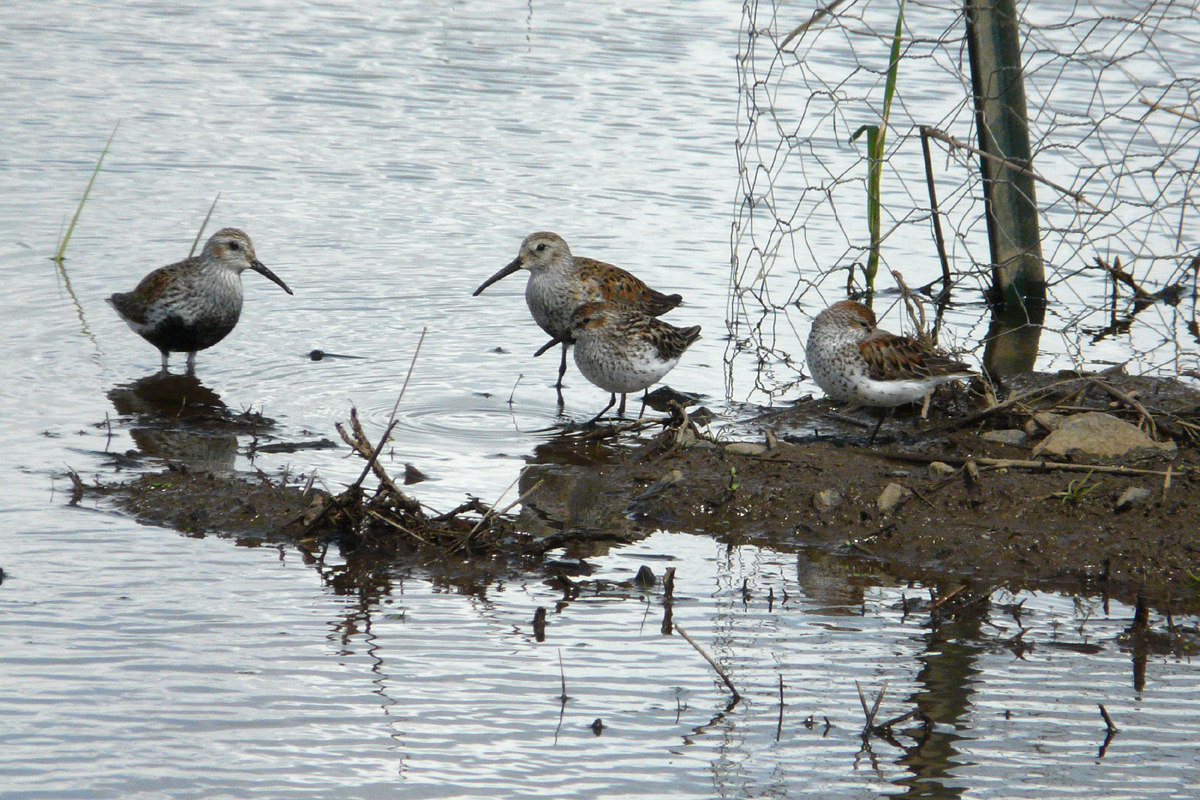
Two Dunlins on the left, Western Sandpipers on the right.


Western Sandpiper, with Dunlin in the background


Least Sandpipers


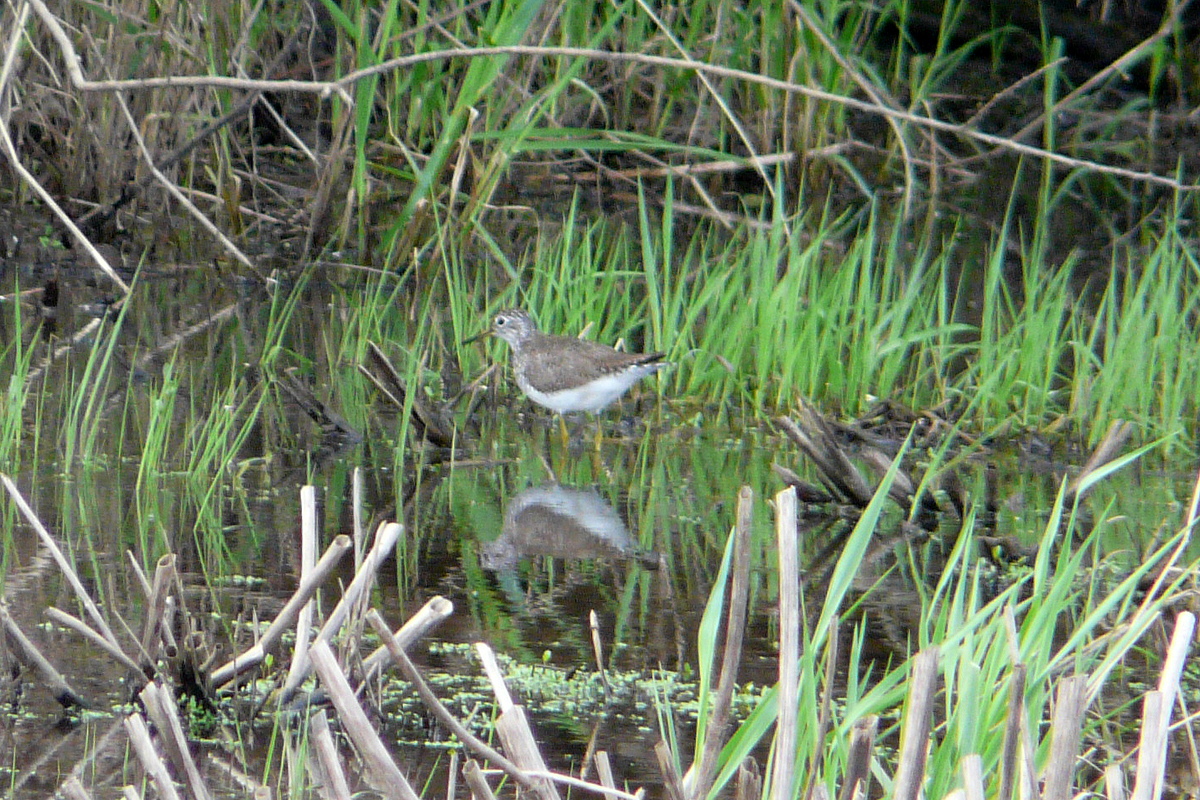
This Solitary Sandpiper was a nice surprise. They are an uncommon spring migrant.


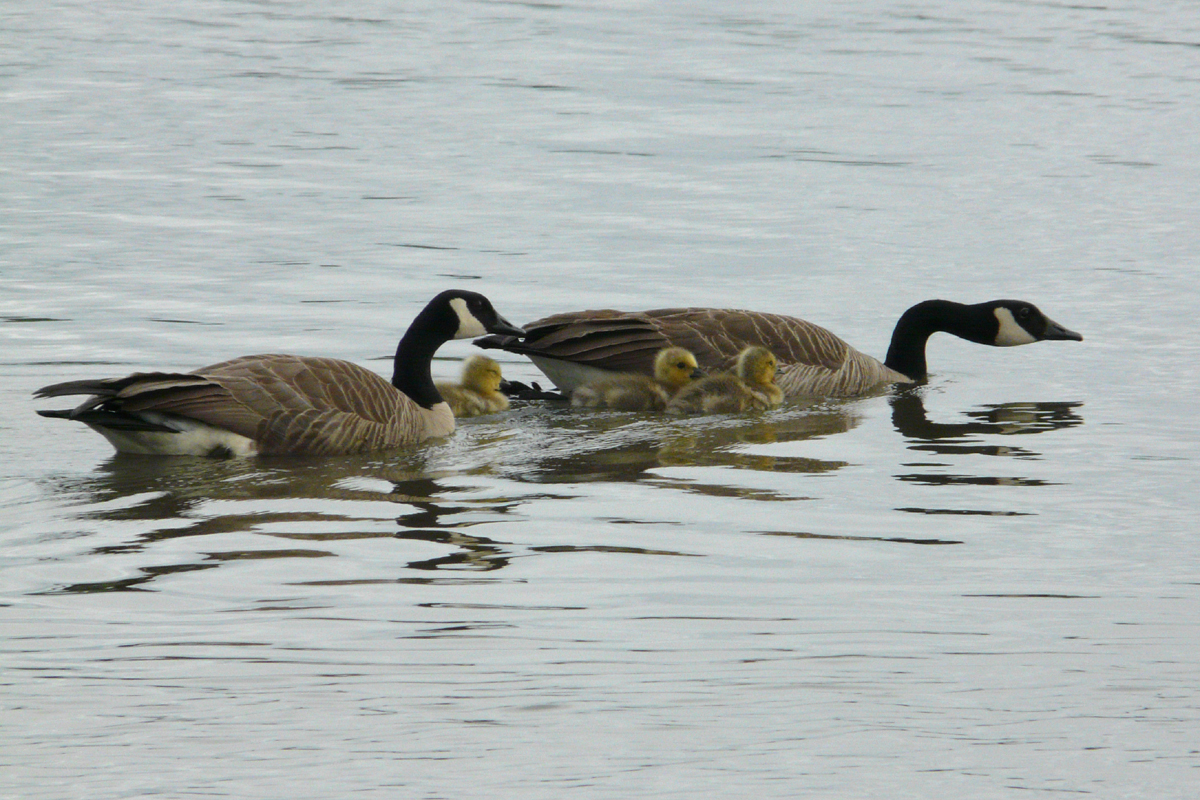
The resident Canada Geese have already hatched their broods.

Seaside, OR 8-4-11

I spent the day birding sites around Seaside, OR (Birding Oregon p. 121).


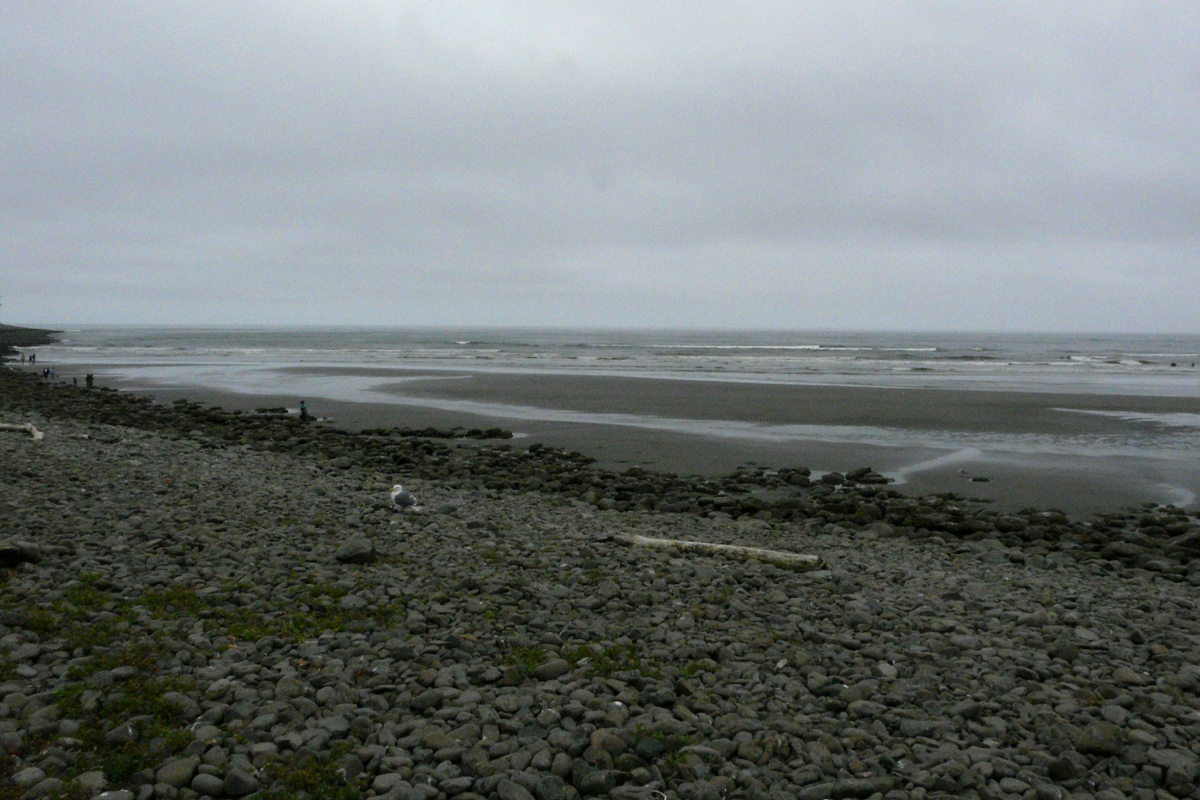
The tide was the lowest I have seen at The Cove, revealing its sandy bottom.


The low tide allowed lots of beach-combers to wander along the rocky edges, so the only shorebirds present was a small flock of Black Turnstones.


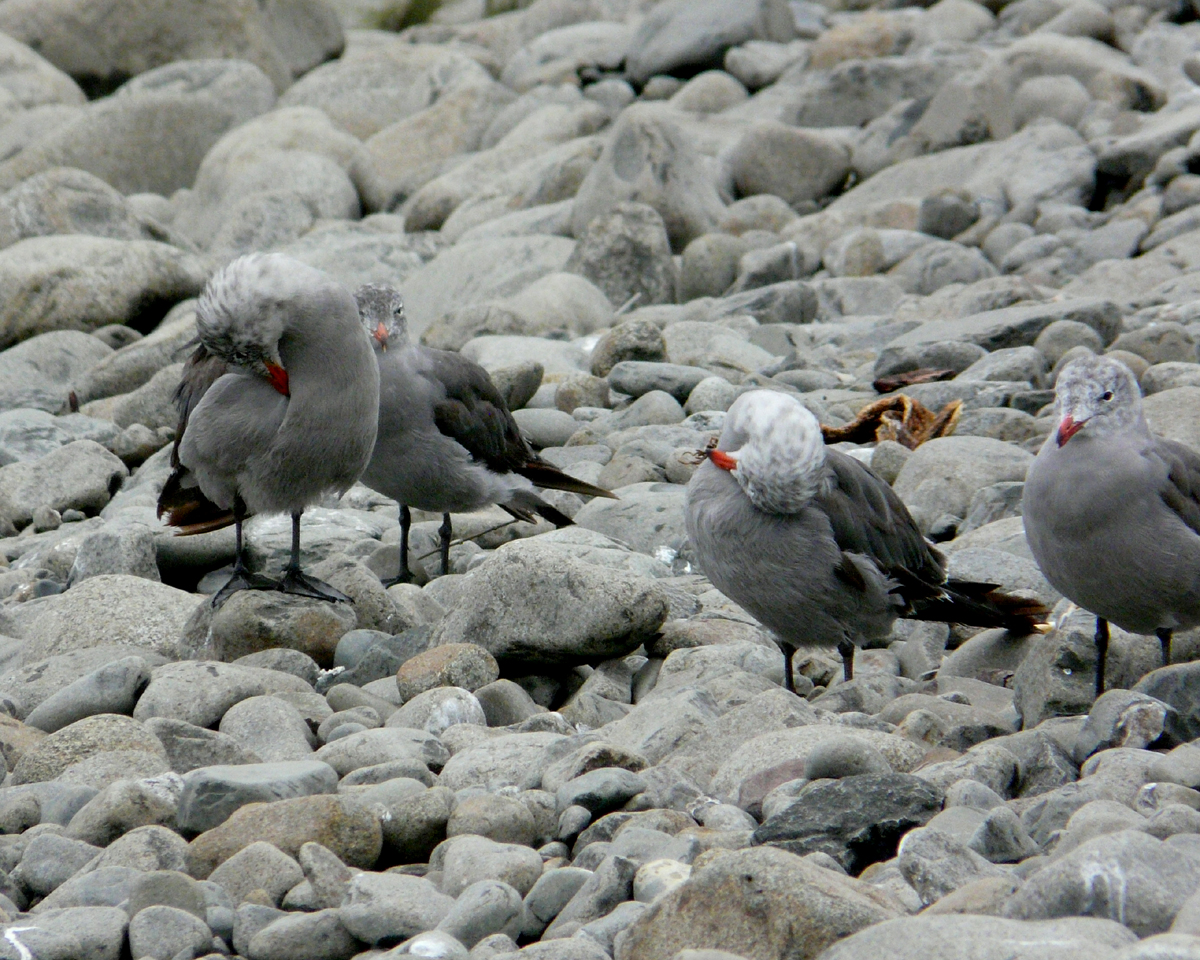
This is a Western Gull in very worn plumage. Note the black-tipped primary just starting to grow in. The lumpy neck on this bird was caused by the large sea star he had just swallowed.


Heerman’s Gulls are normally one of the most beautiful gull species, but this individual was also extremely worn.


These birds were in better shape.


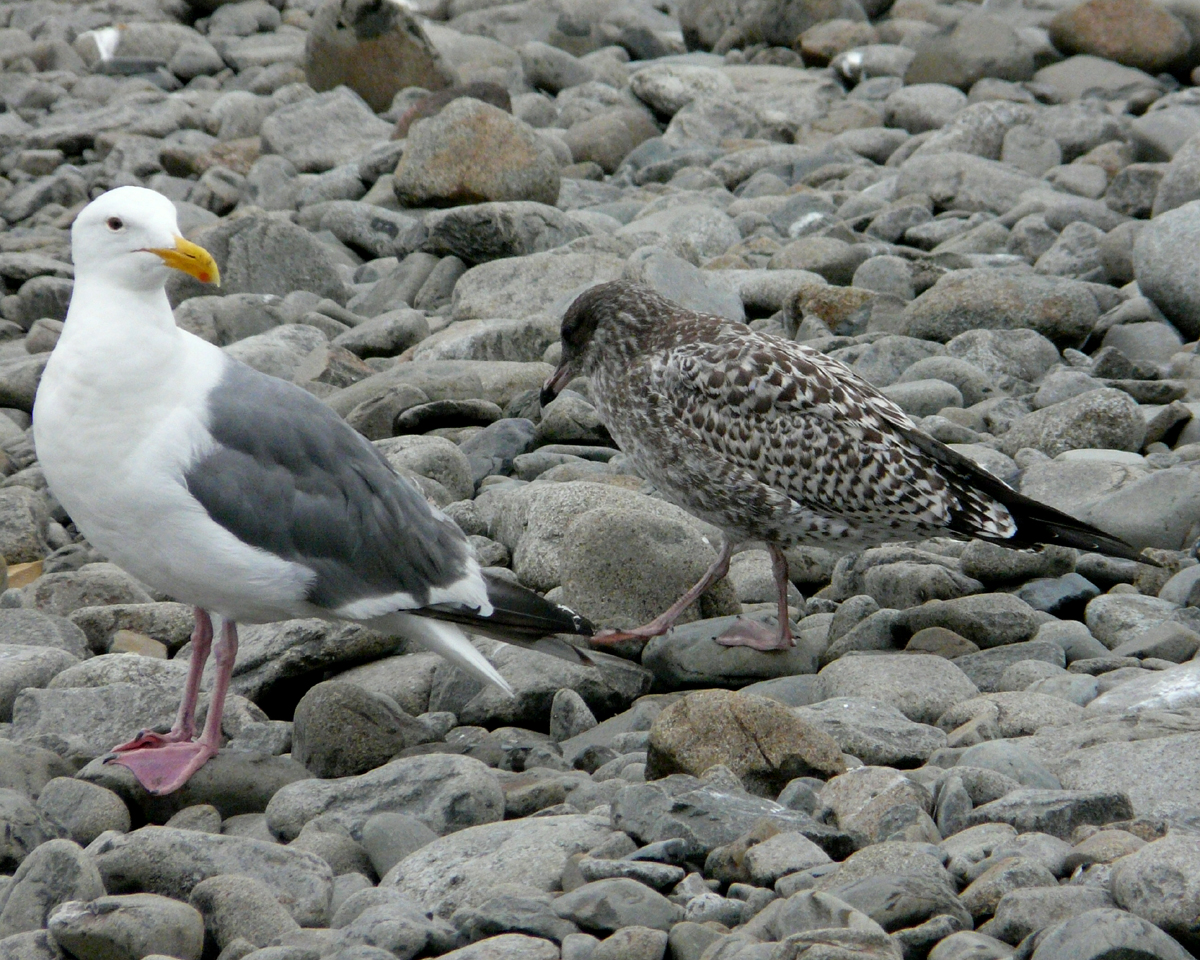
California Gulls are starting to gather along the Oregon coast. This juvenile was keeping company with an adult Western Gull.


At the north end of town is the Necanicum Estuary, also at very low tide. The exposed mud and aquatic vegetation attracted nice numbers of shorebirds.


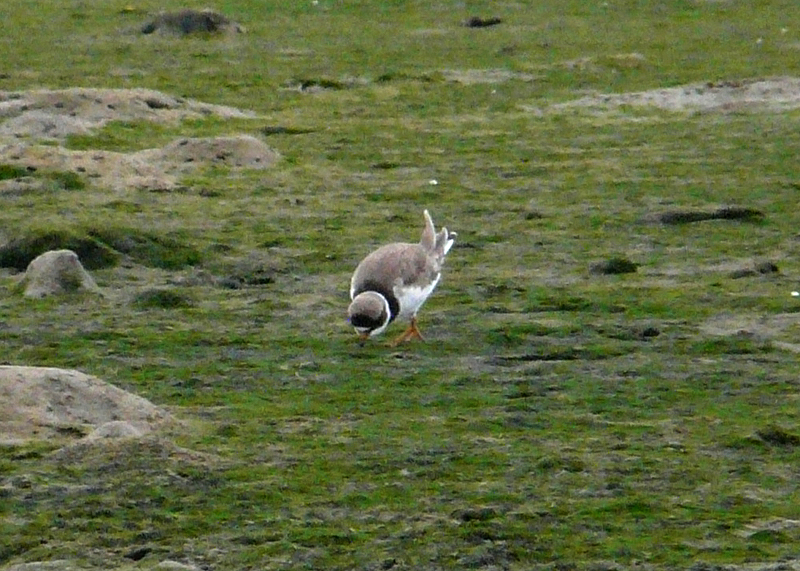
Semipalmated Plover


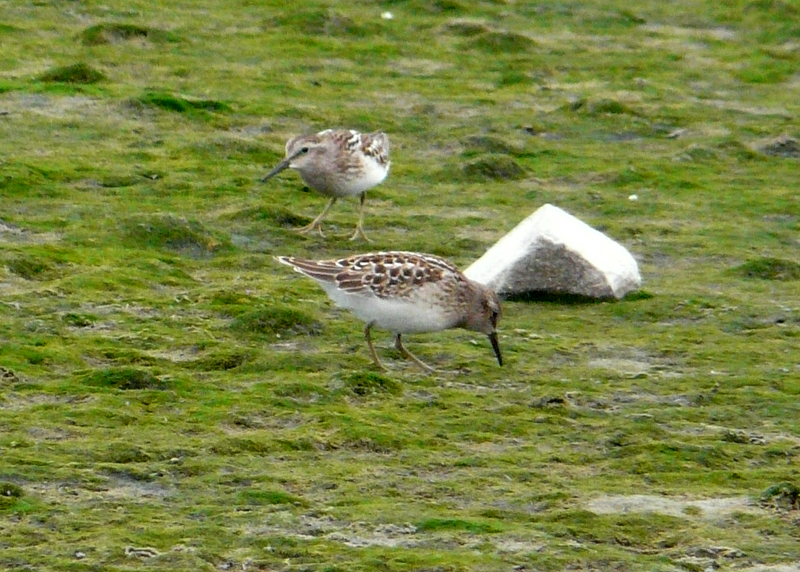
Least Sandpipers


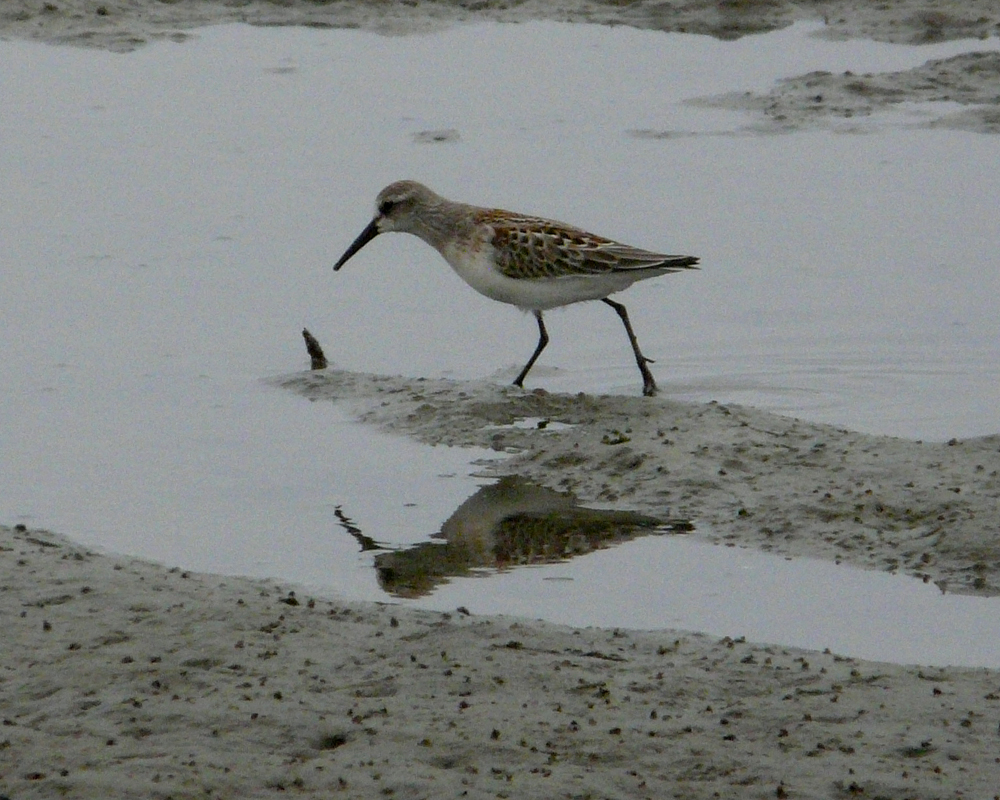
Western Sandpiper


The rarest bird of the day was this Semipalmated Sandpiper.


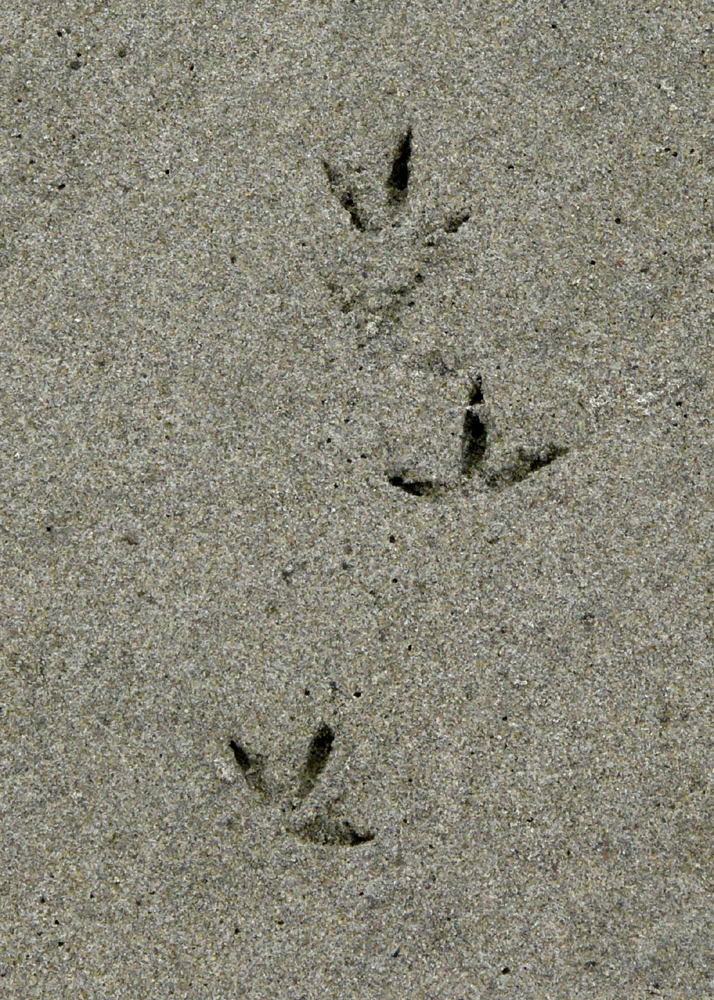
Notice on these shorebird tracks that the toes are partially webbed, or semipalmated. So these tracks were made by either a Western Sandpiper, Semipalmated Plover, or Semipalmated Sandpiper.


These tracks don’t show any sign of webbing, so they were probably made by a Least Sandpiper.


The estuary is a favorite hang-out for Caspian Terns, here joined by California Gulls.


Tualatin River NWR

Having just opened to the public within the past few years, Tualatin River National Wildlife Refuge is a great birding spot just a few miles west of Portland on Hwy 99W. Habitats include marshes, riparian forest, and a small patch of upland forest. Like other Willamette Valley refuges, much of the area is closed to public access from October through April to provide refuge for waterfowl.


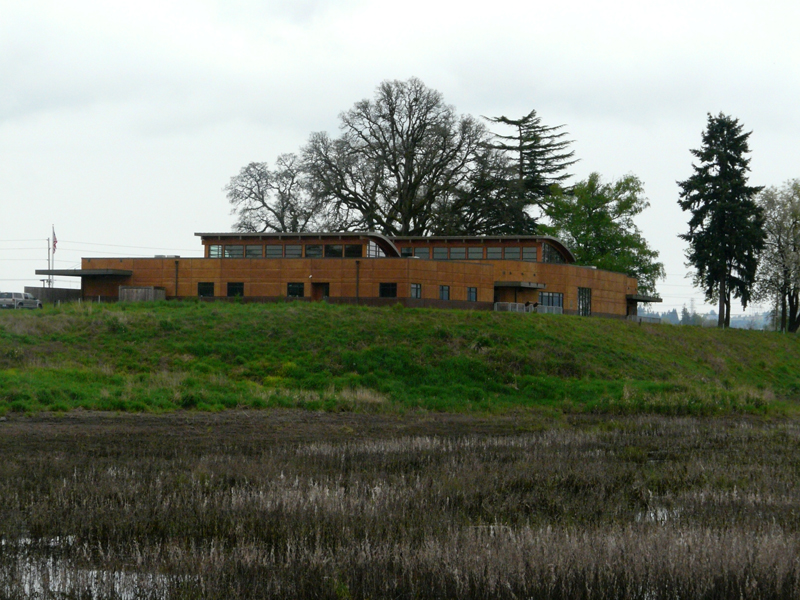
The visitor’s center has nice displays and a store selling books and art.


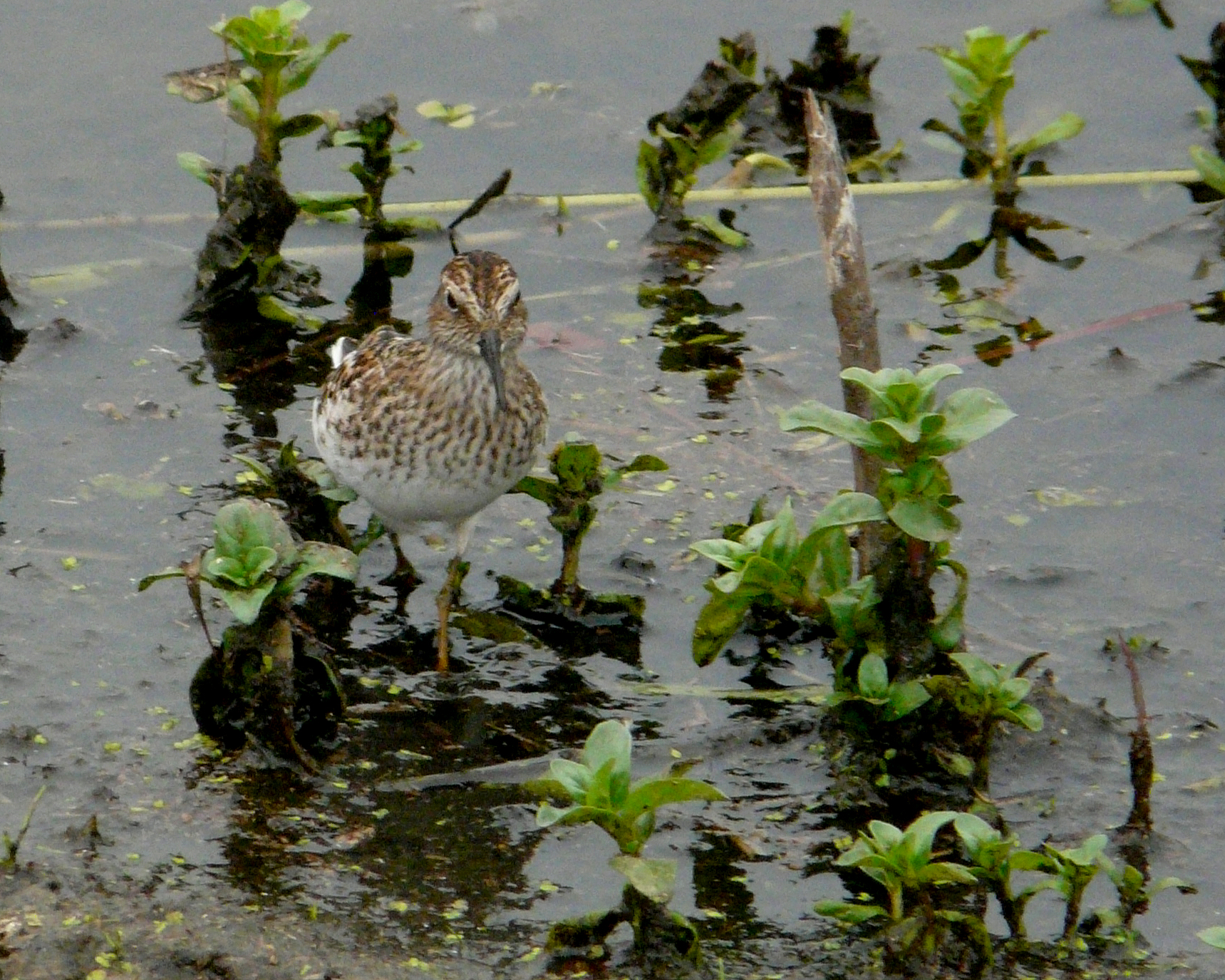
The refuge can attract nice numbers of shorebirds, especially in late summer when water levels are low. Several Least Sandpipers allowed close study on a recent visit.


Red-winged Blackbirds are common in the marshes.


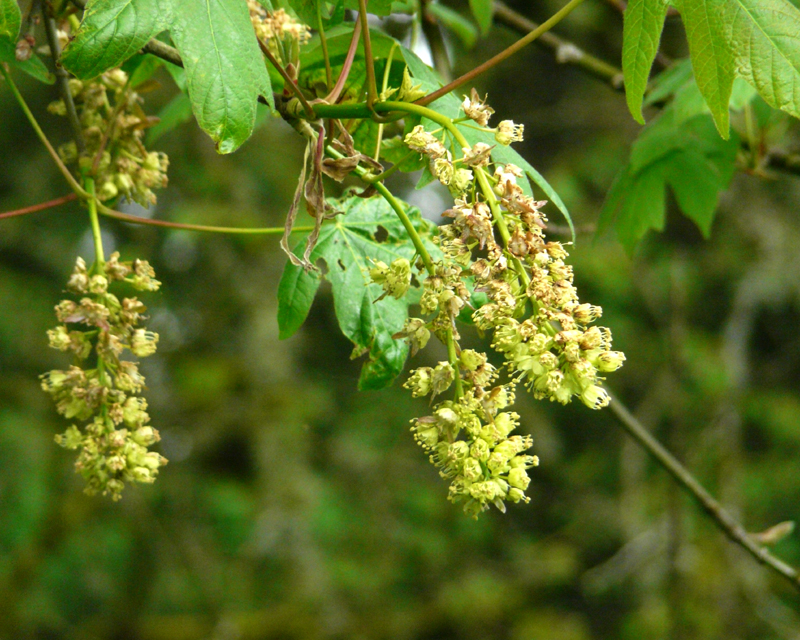
During spring migration, many migrant warblers and vireos are found feeding in Big-Leaf Maples. The flowers attract insects, which in turn attract the birds.

To learn more about Tualatin River National Wildlife Refuge, visit their web site.