“Autumn” Shorebirds

While we still have a lot of summer to go, the southbound shorebird migration has begun. This adult Least Sandpiper was working the Columbia River shoreline at Broughton Beach.

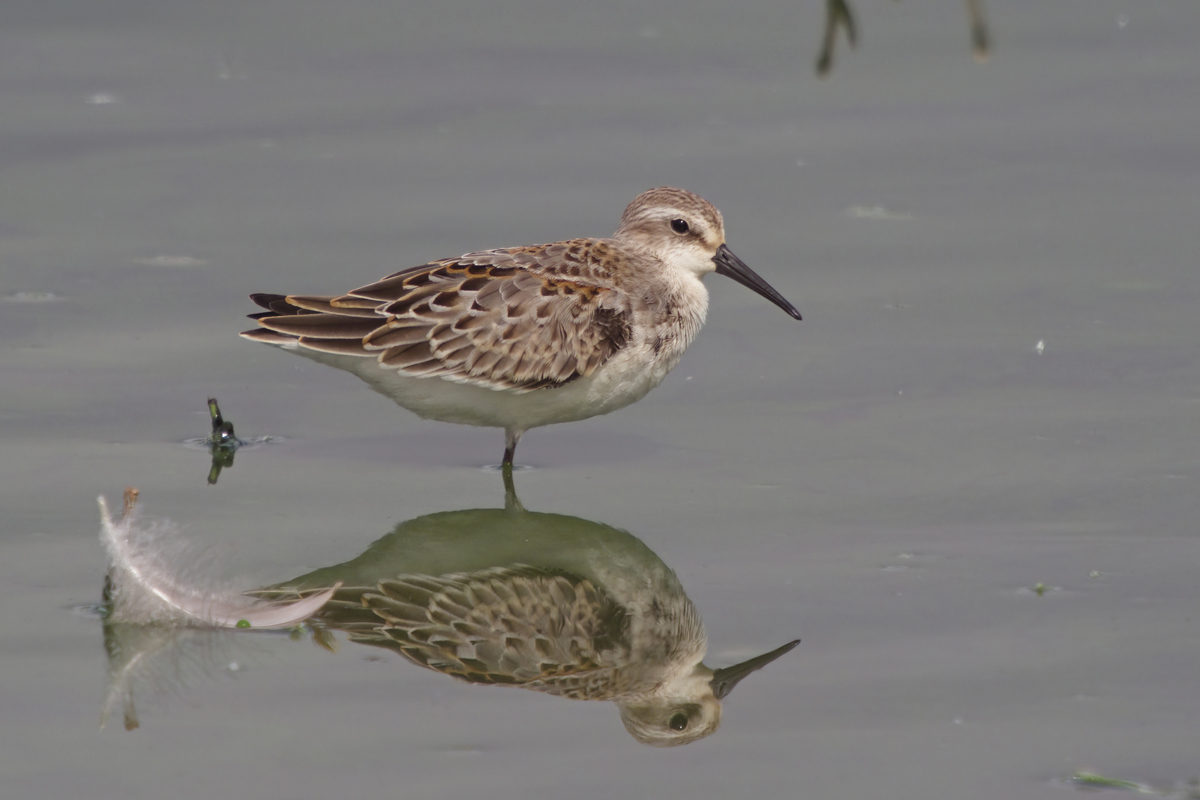
Most of the birds that migrate early in the season are adults, but I found one juvenile Least Sandpiper mixed in with the flock. Note the brighter colors typical of young birds.

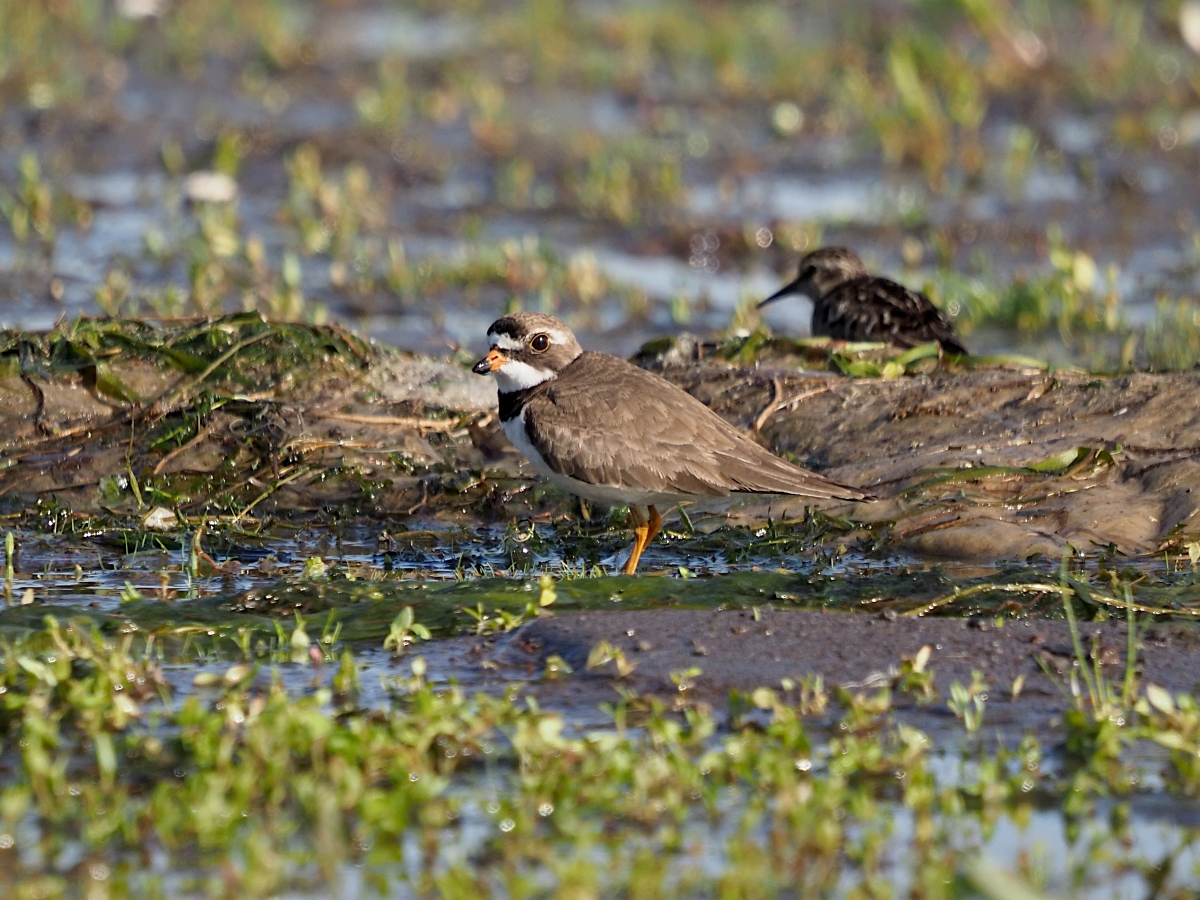
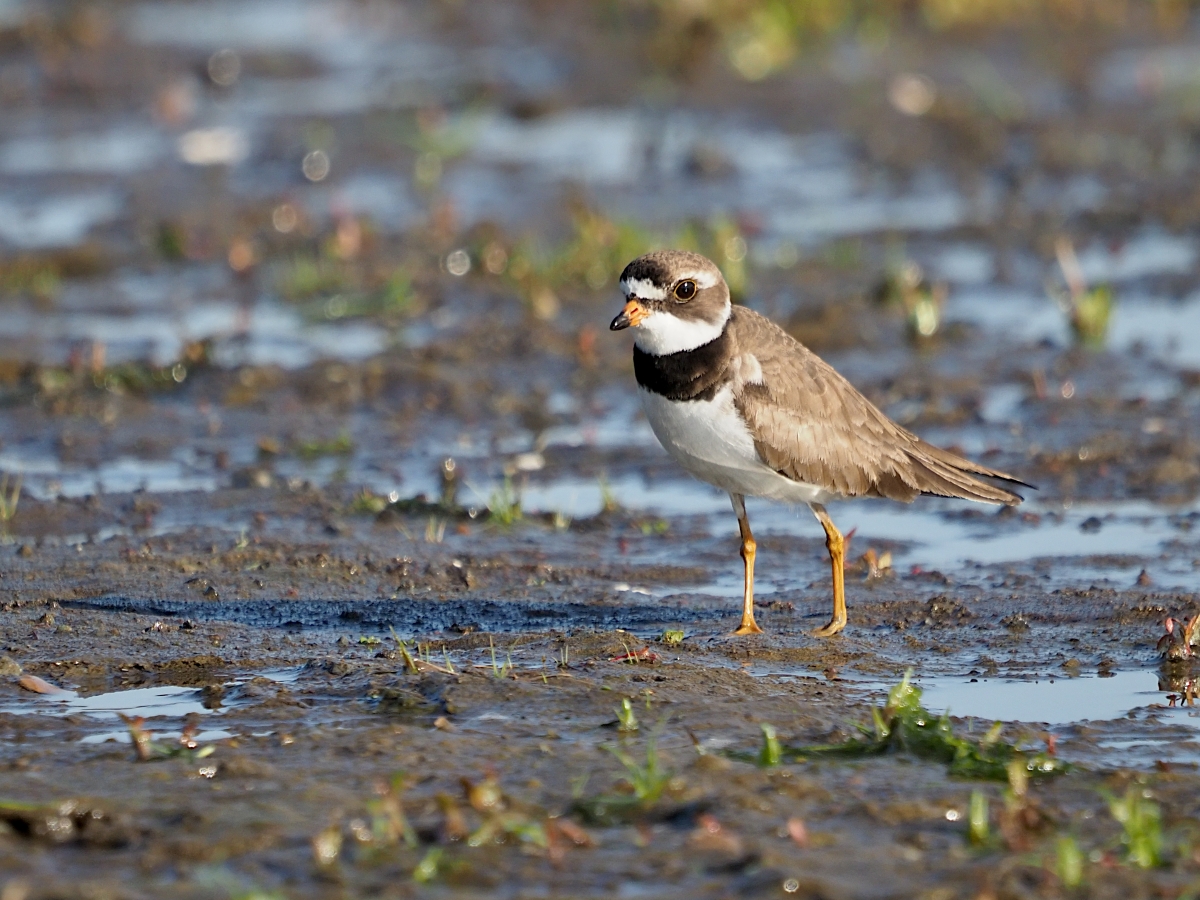
A small flock of Semipalmated Plovers shared the river beach with the Least Sandpipers. It is always a treat to see the Semipalms still in breeding plumage.

So handsome

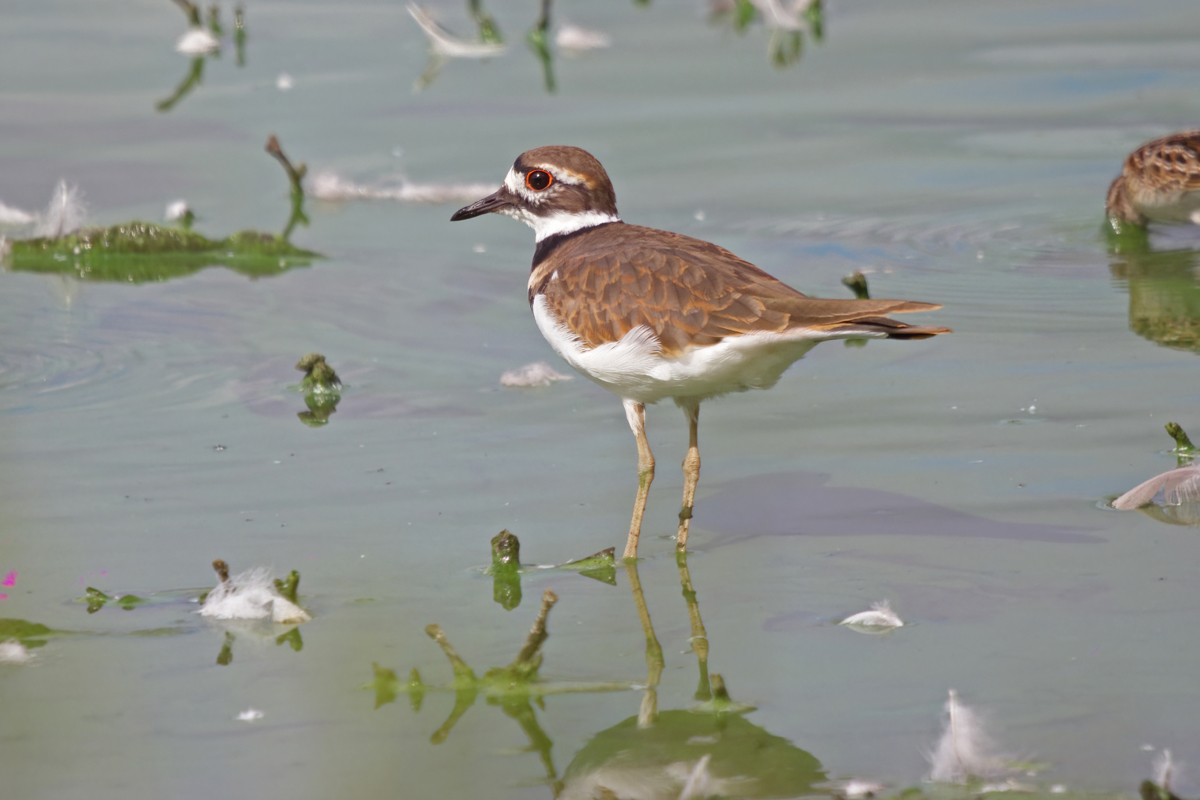
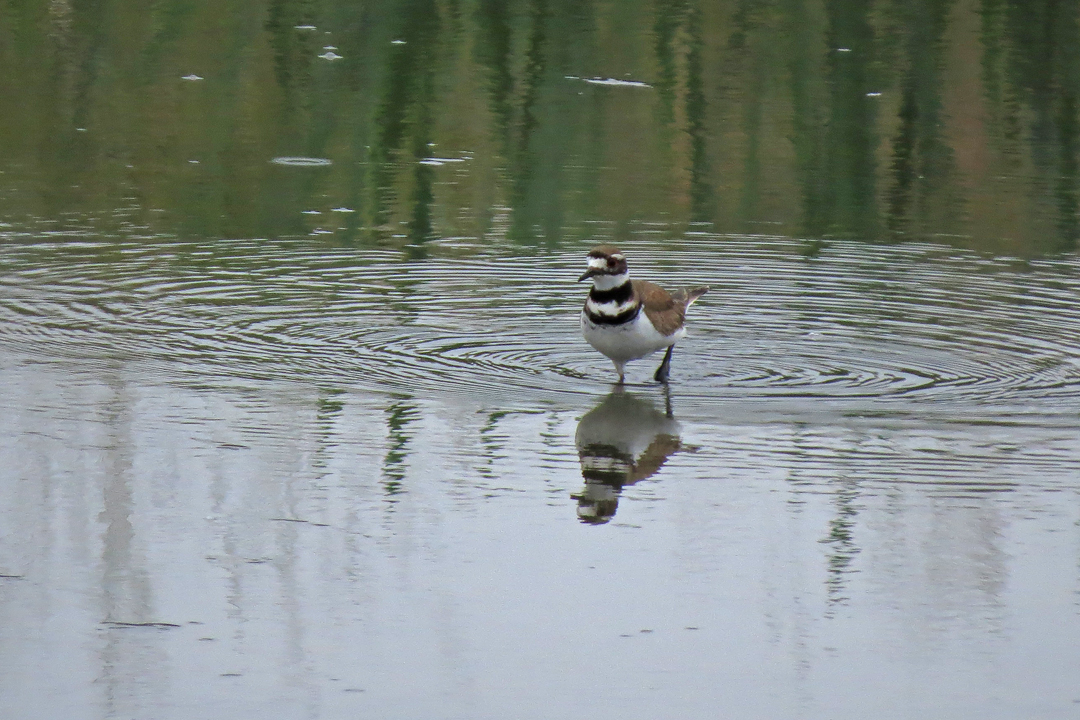
I don’t really count Killdeer as migrants, since you can usually find some around all year, but they are lovely birds.

Numbers and species diversity should pick up a lot in the next few weeks.

Happy Autumn (in summer)

Shorebirds

OLYMPUS DIGITAL CAMERA

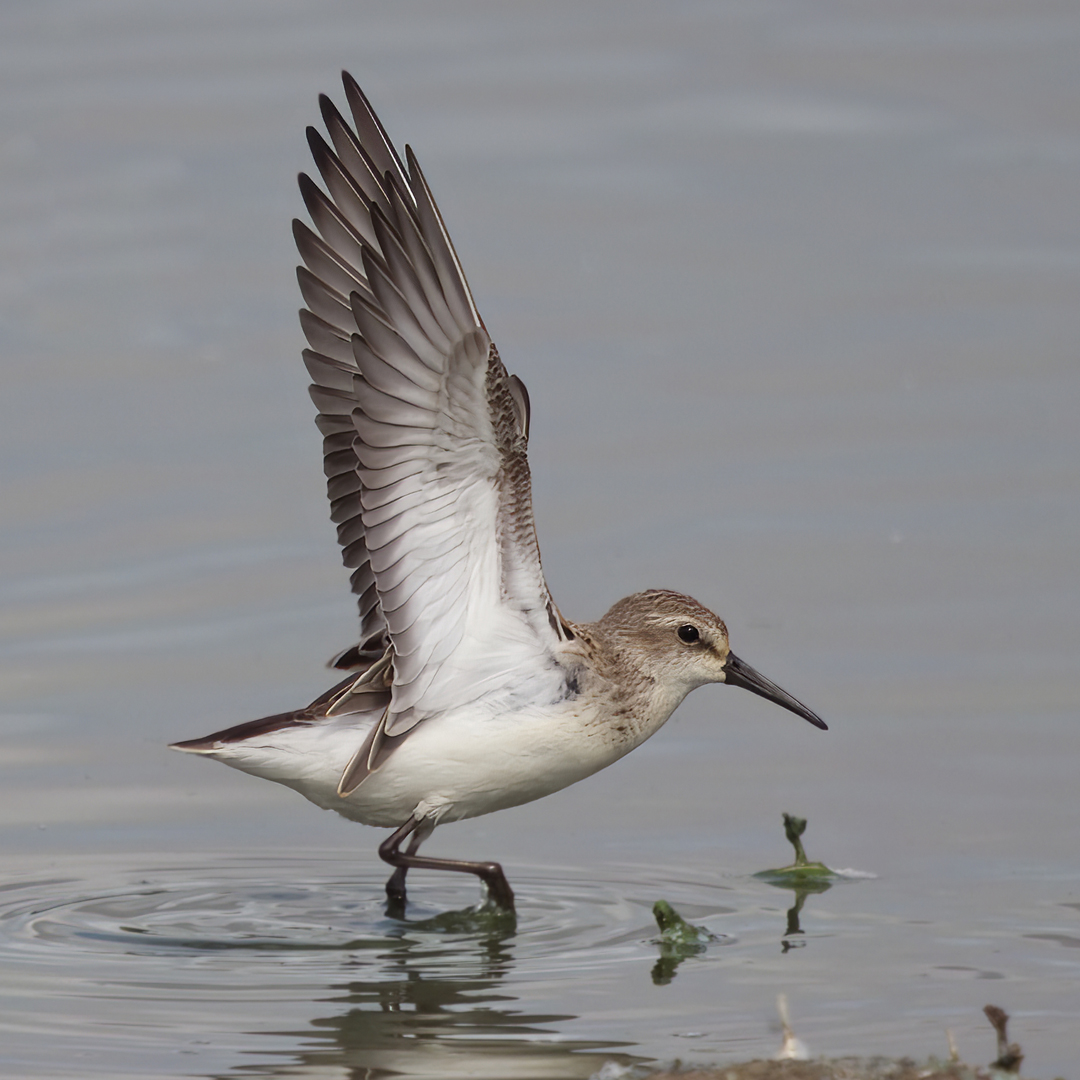
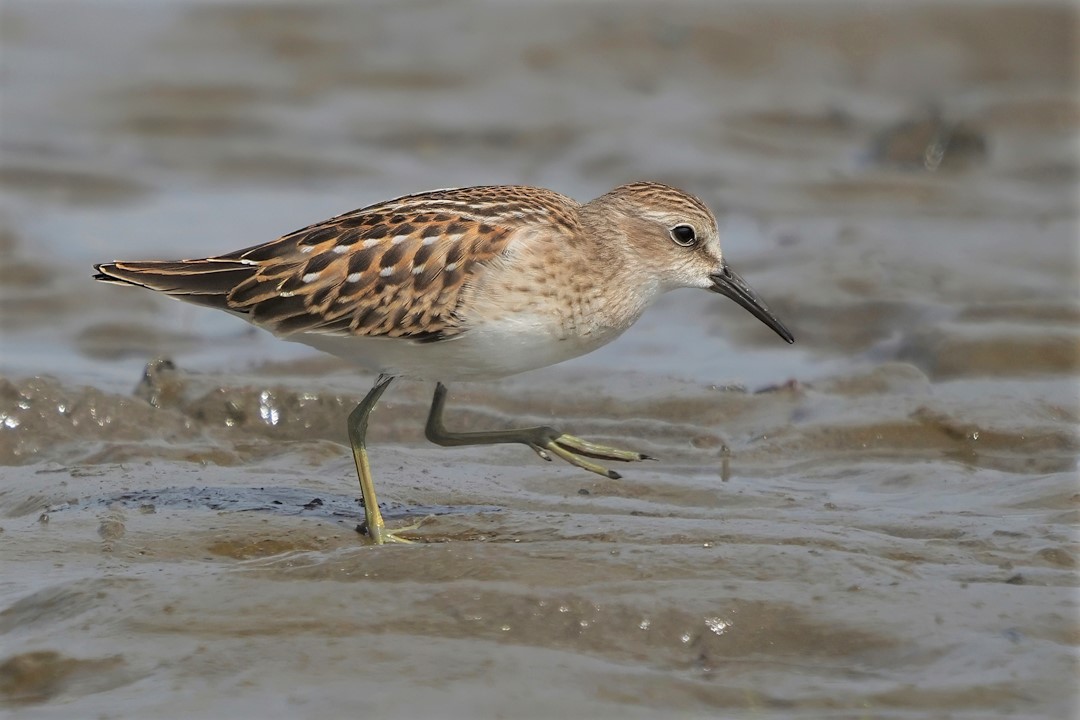
Late summer is shorebird season. There isn’t a lot else going on, bird-wise, so now is the time to study these long-distance migrants and hope for something unusual to show up. Western Sandpipers are among the most common species.

OLYMPUS DIGITAL CAMERA

This juvenile Western Sandpiper is already molting into their first winter plumage. Some gray feathers are appearing on the wings and the rusty “suspenders” that young Westerns are known for are fading.

OLYMPUS DIGITAL CAMERA

Here is a Least Sandpiper in fresh juvenile plumage.

OLYMPUS DIGITAL CAMERA

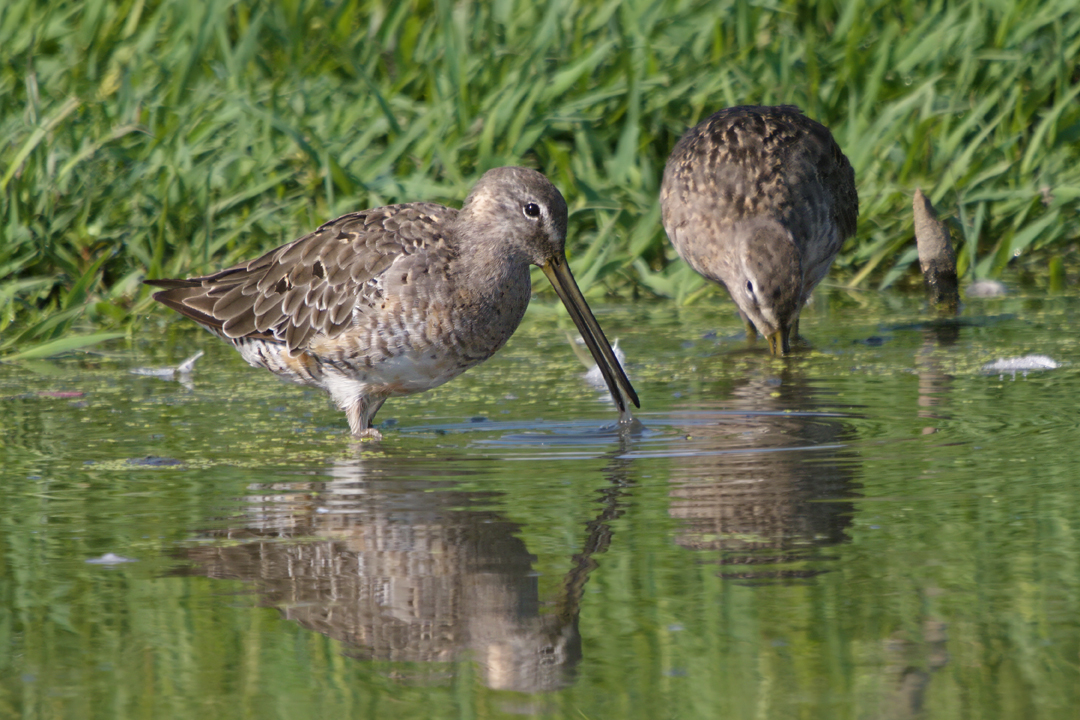
Long-billed Dowitchers

OLYMPUS DIGITAL CAMERA

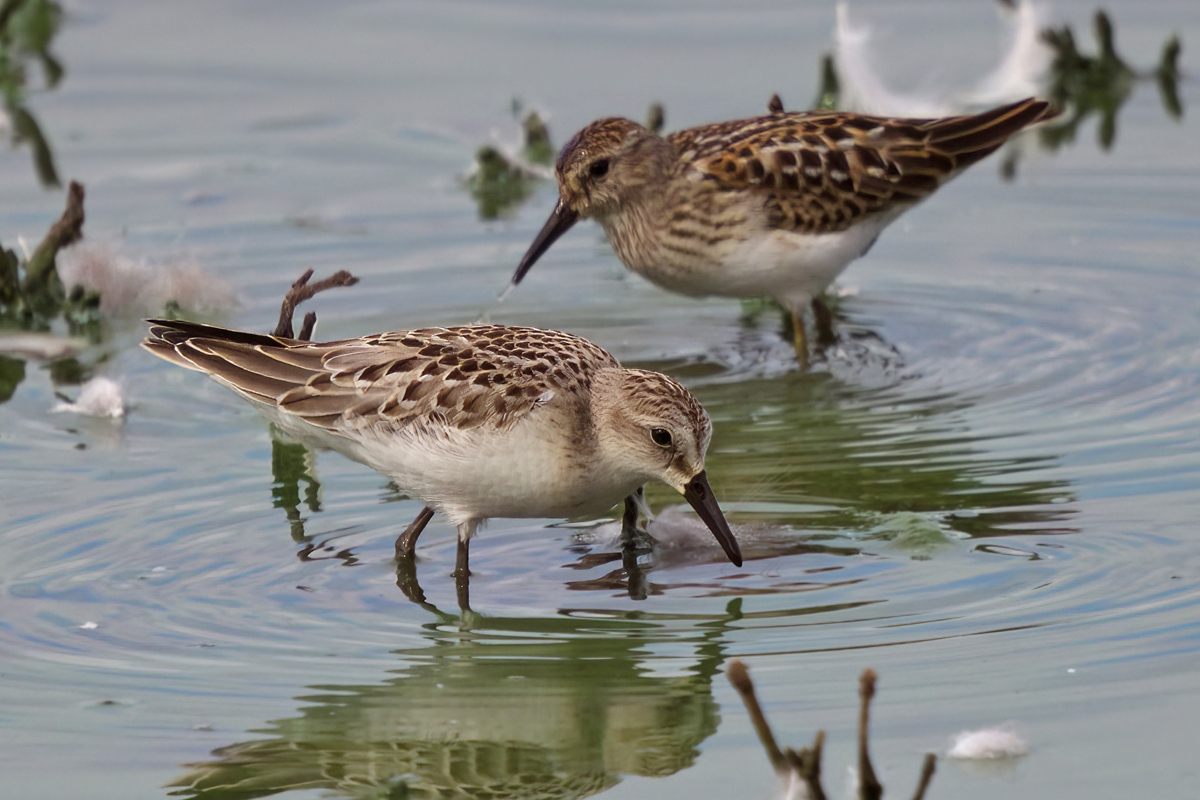
This is a juvenile Semipalmated Sandpiper with a Least in the background. Semipalmateds were a really big deal anywhere in Oregon 20 years ago, but I think birders are just getting better at recognizing them now.

OLYMPUS DIGITAL CAMERA

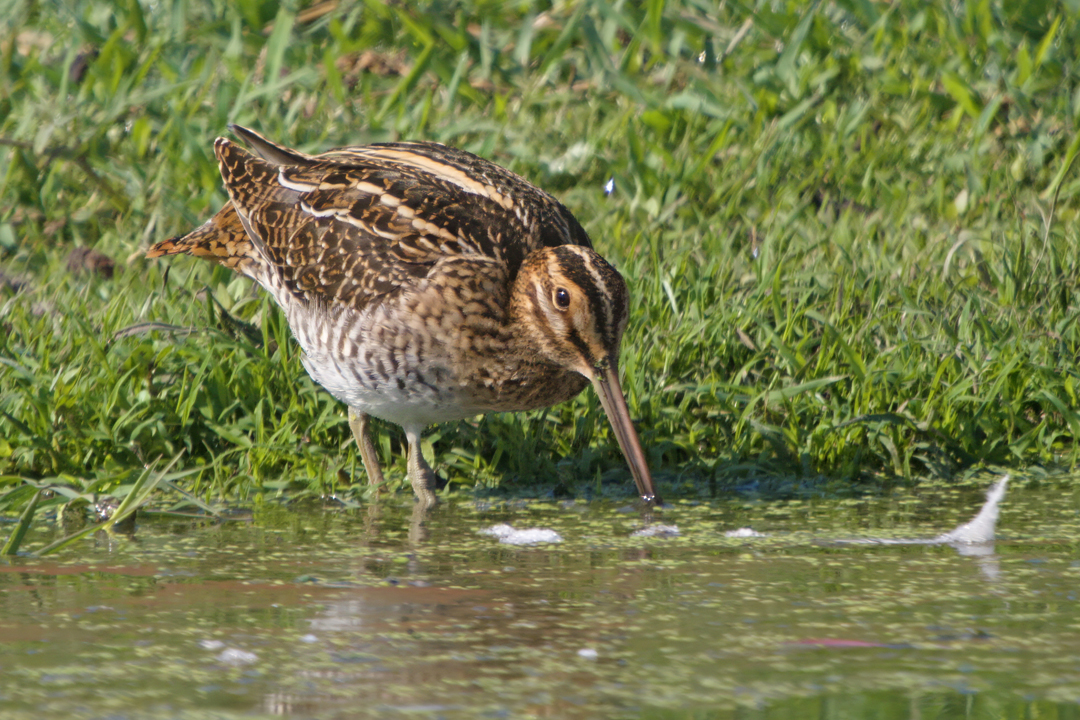
It is always nice when a Wilson’s Snipe comes out into the open.

OLYMPUS DIGITAL CAMERA

Killdeer

OLYMPUS DIGITAL CAMERA

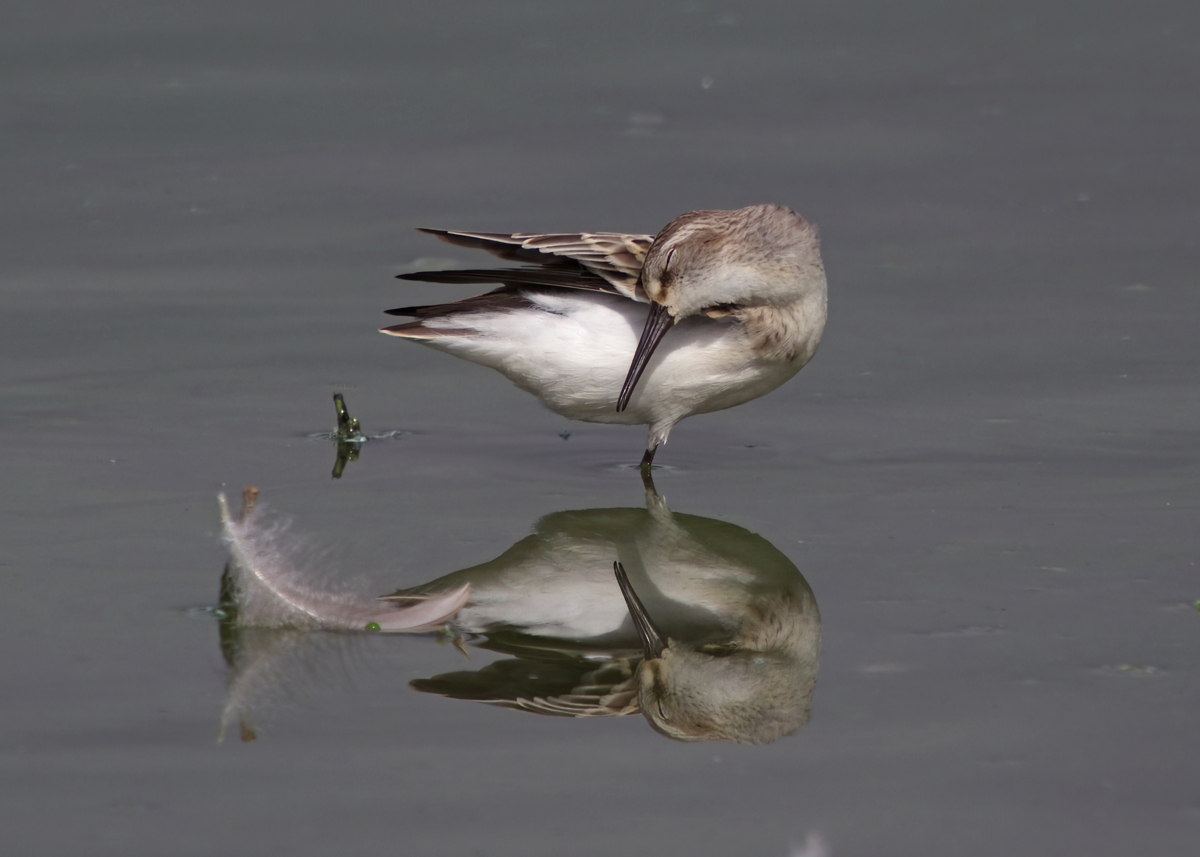
Western Sandpiper preening

Happy (late) summer!

Late Summer

Summer birding can be tough. Songbird activity has slowed way down. Shorebirds are starting to come through on their southward migrations, but hot and bright conditions limit one’s birding to the early morning hours. Unfortunately for me, our young dog also demands attention in the early morning hours, so my outings have been limited. Here are a few photos from recent weeks.

OLYMPUS DIGITAL CAMERA
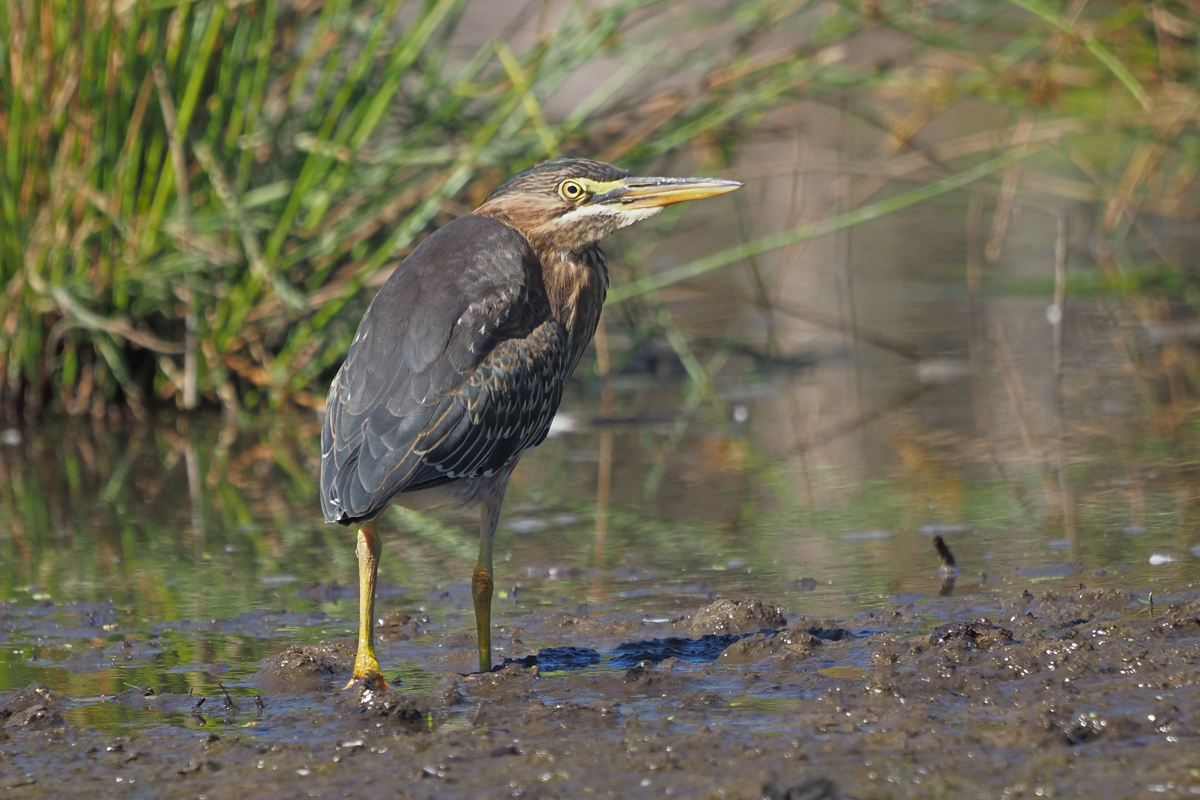
Green Herons are fickle. They often stay hidden in thick vegetation along the shore, but sometimes they will just strut out into the open sunshine.

OLYMPUS DIGITAL CAMERA
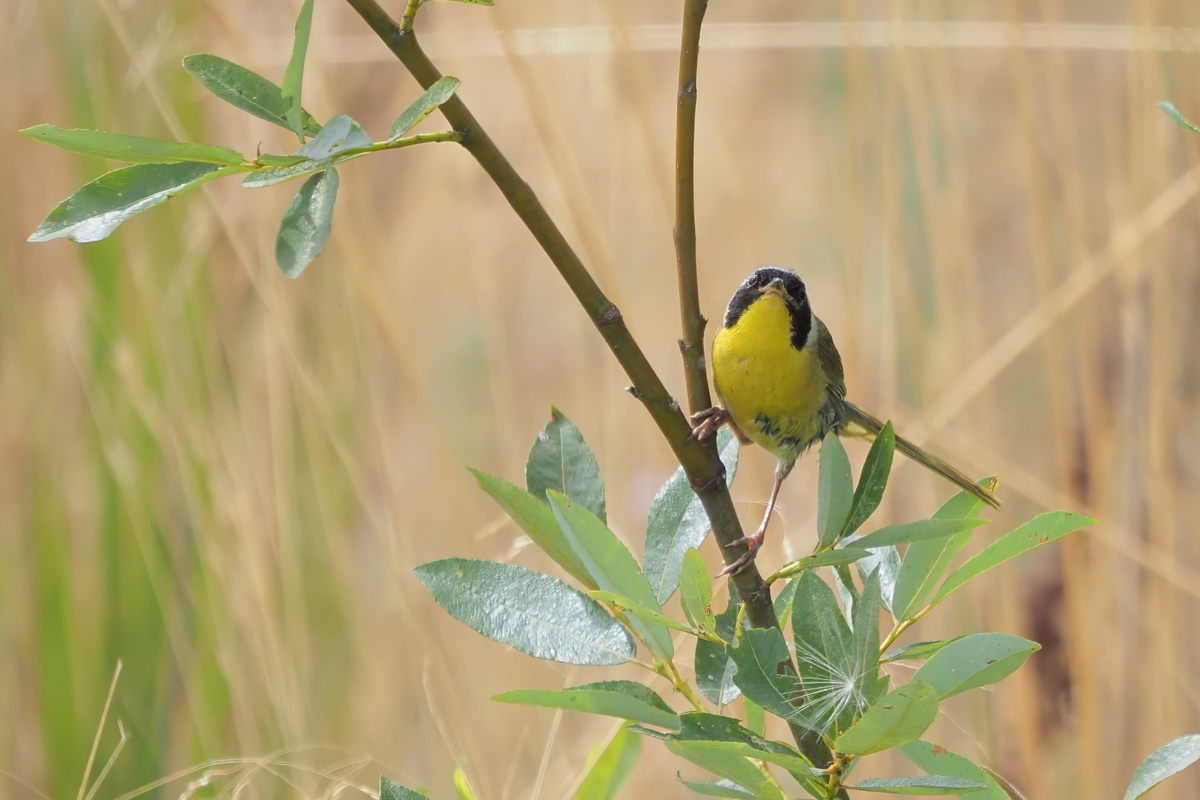
Common Yellowthroat, showing off his namesake

OLYMPUS DIGITAL CAMERA
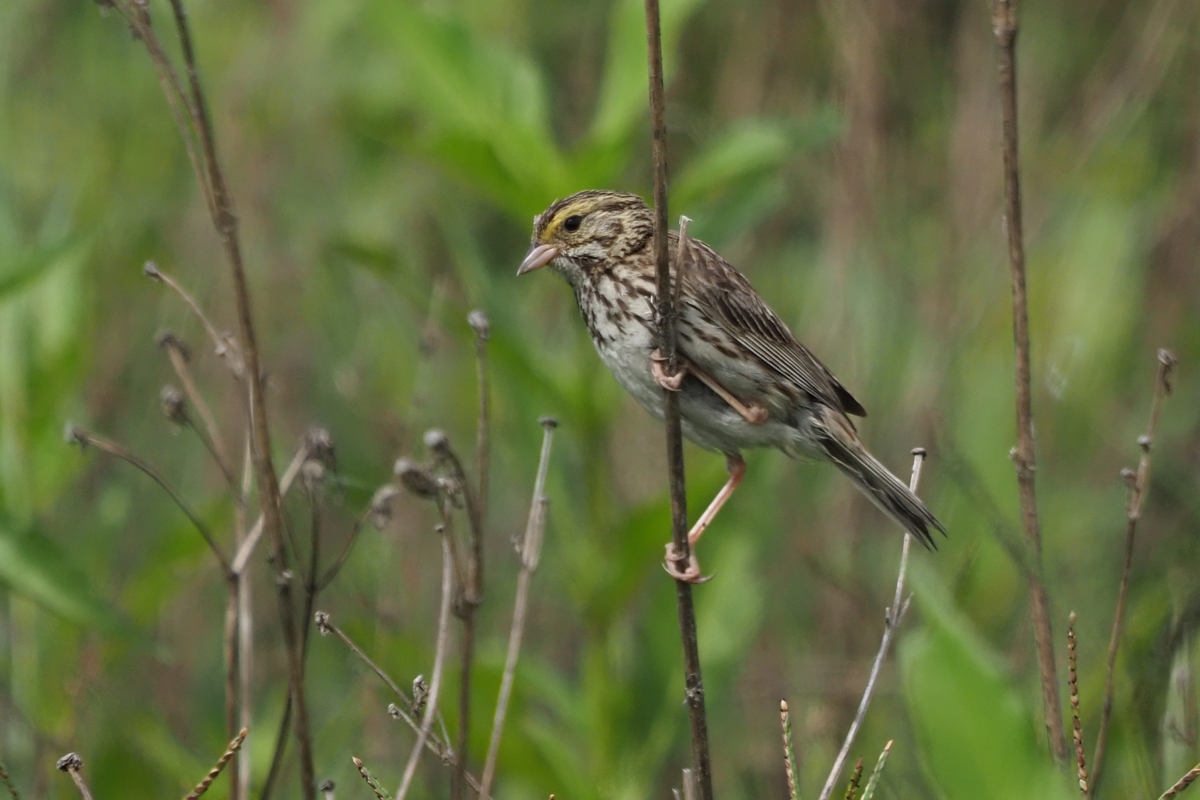
Savannah Sparrow

OLYMPUS DIGITAL CAMERA
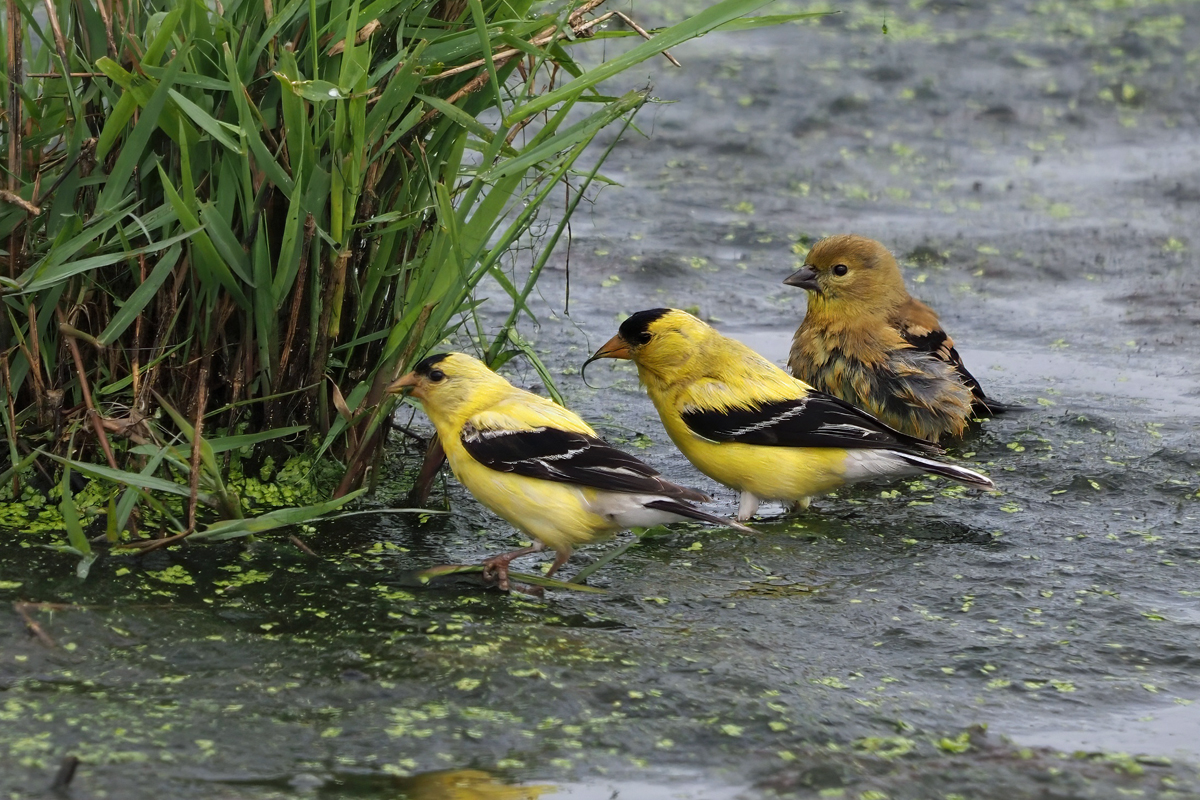
These American Goldfinches were wading into the wetland at Tualatin River NWR to find food.

OLYMPUS DIGITAL CAMERA
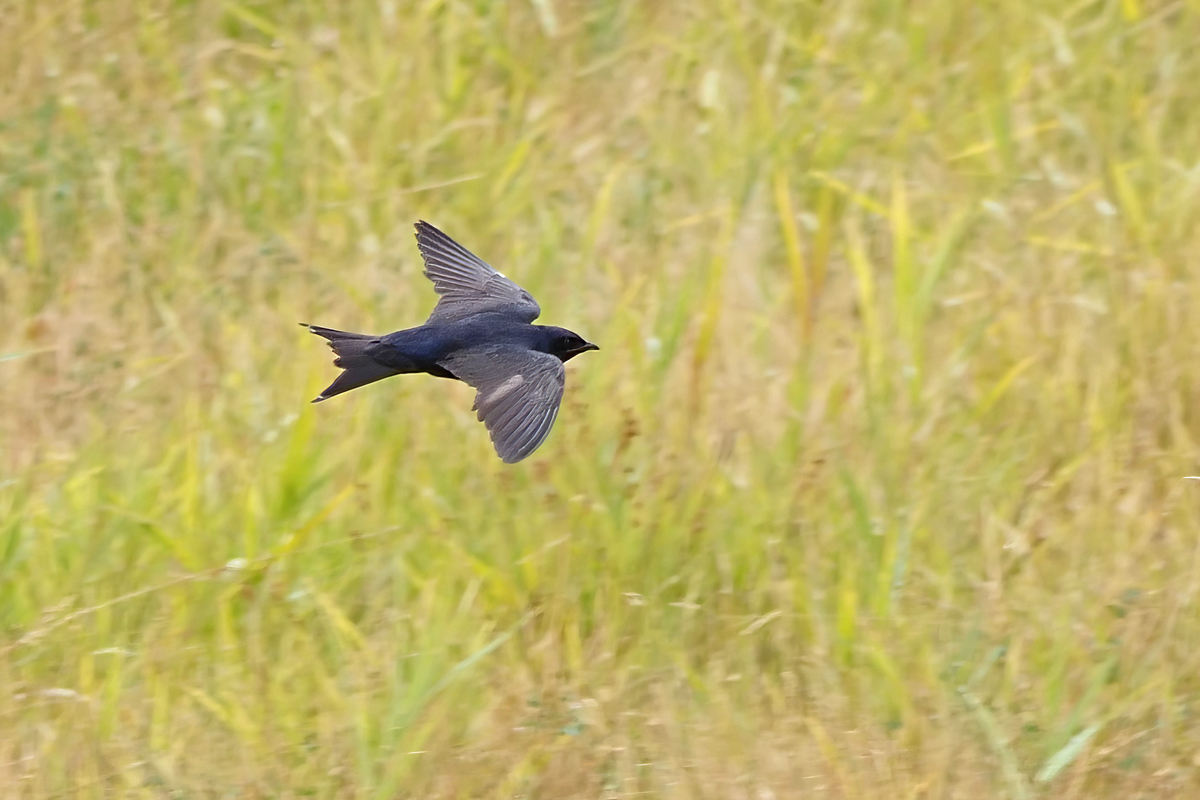
A male Purple Martin from the colony at Tualatin River NWR

OLYMPUS DIGITAL CAMERA
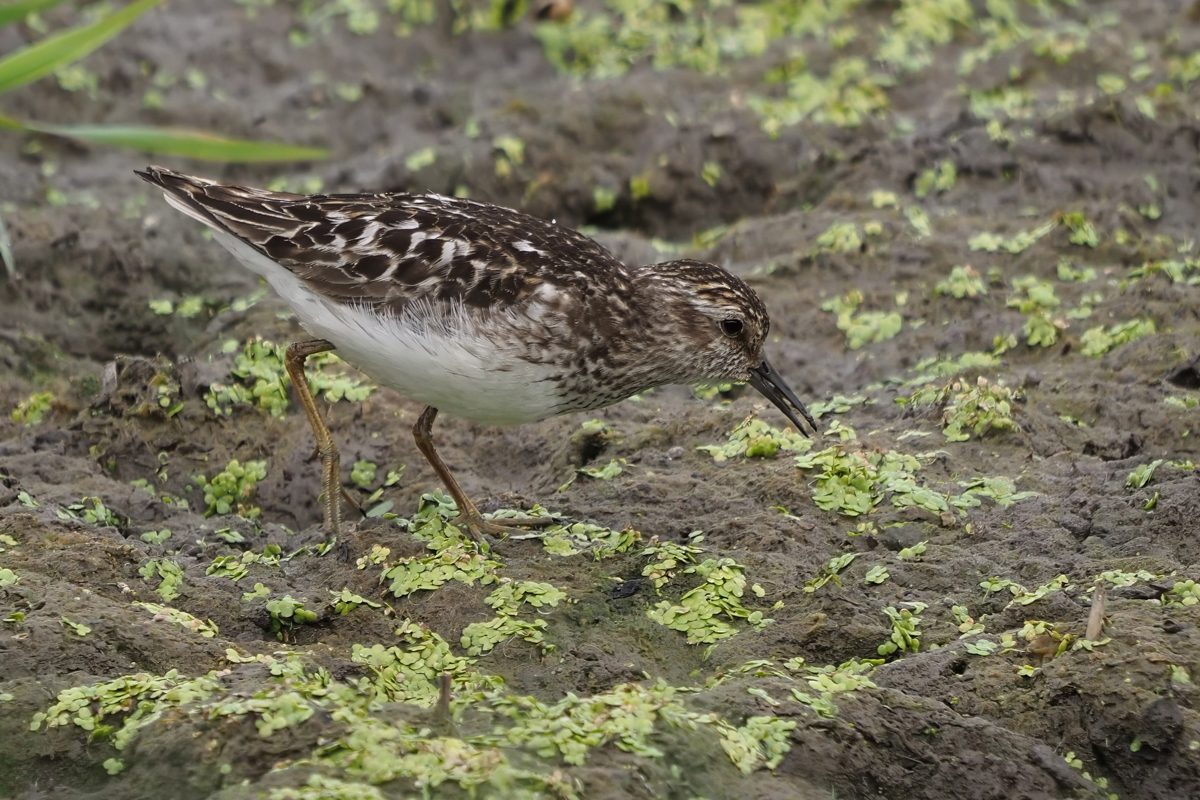
As I mentioned, shorebirds are starting to come through. This is a Least Sandpiper.

OLYMPUS DIGITAL CAMERA
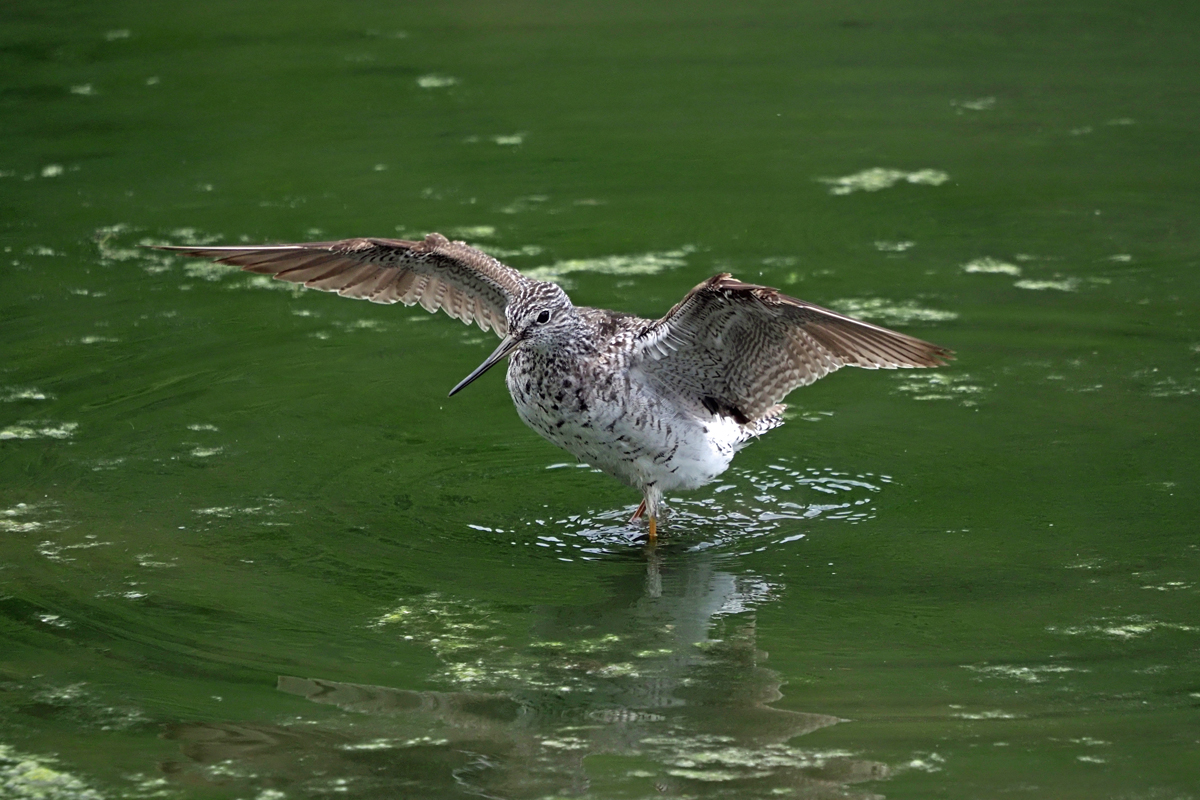
Greater Yellowlegs

OLYMPUS DIGITAL CAMERA
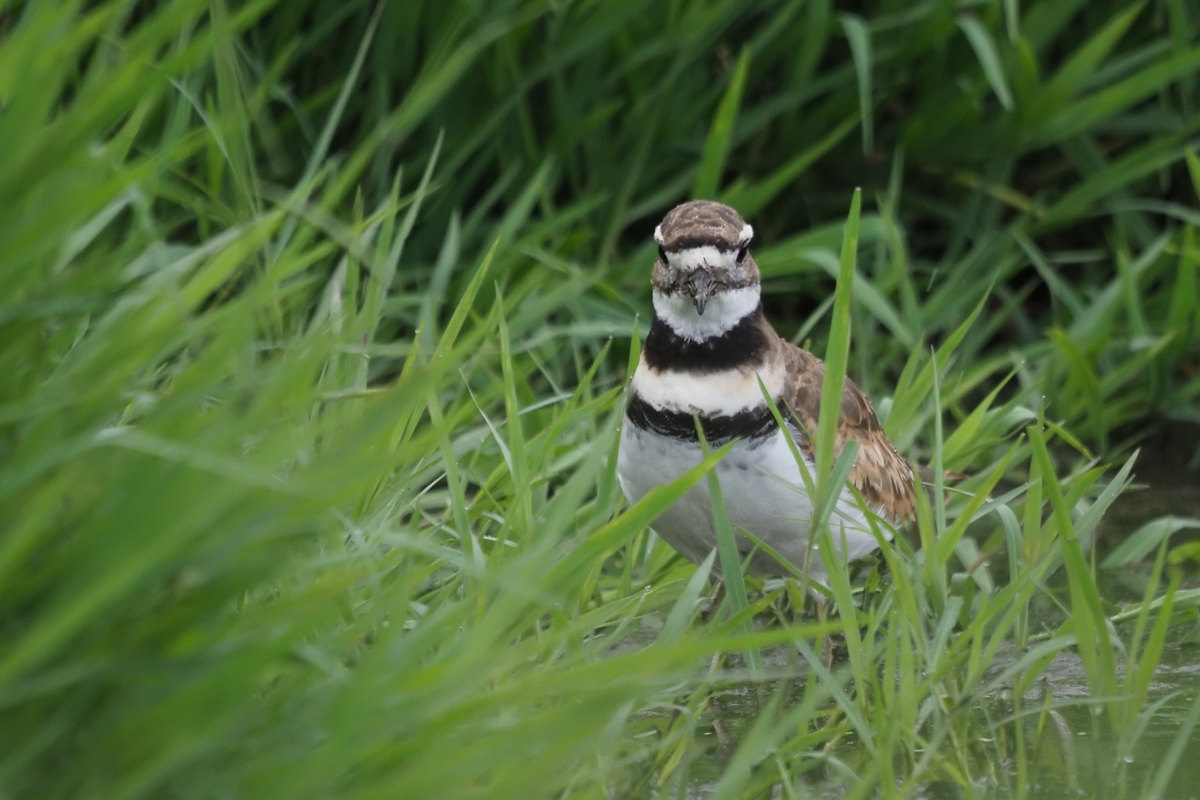
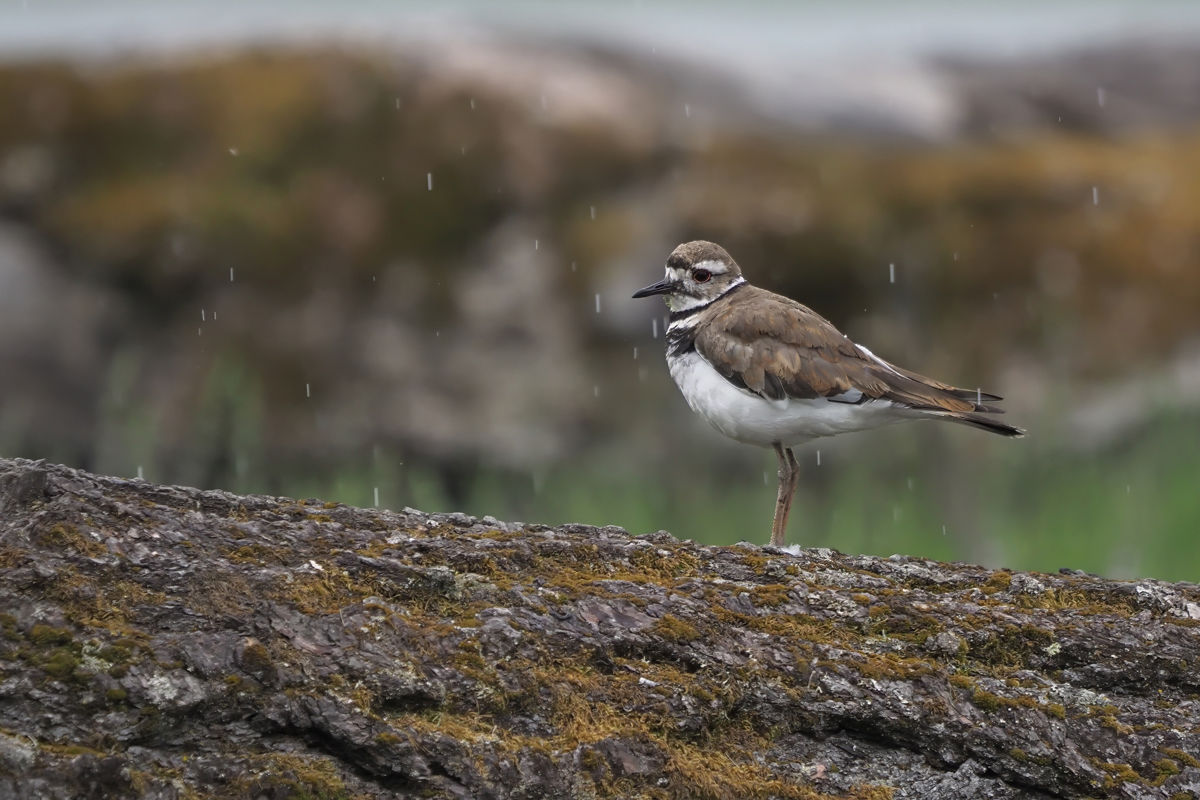
Killdeer are common and noisy, and can be found here most of the year, but they are really lovely shorebirds.

OLYMPUS DIGITAL CAMERA
We actually had a few minutes of rain in late July.

Happy summer.

Farewell to Autumn

OLYMPUS DIGITAL CAMERA

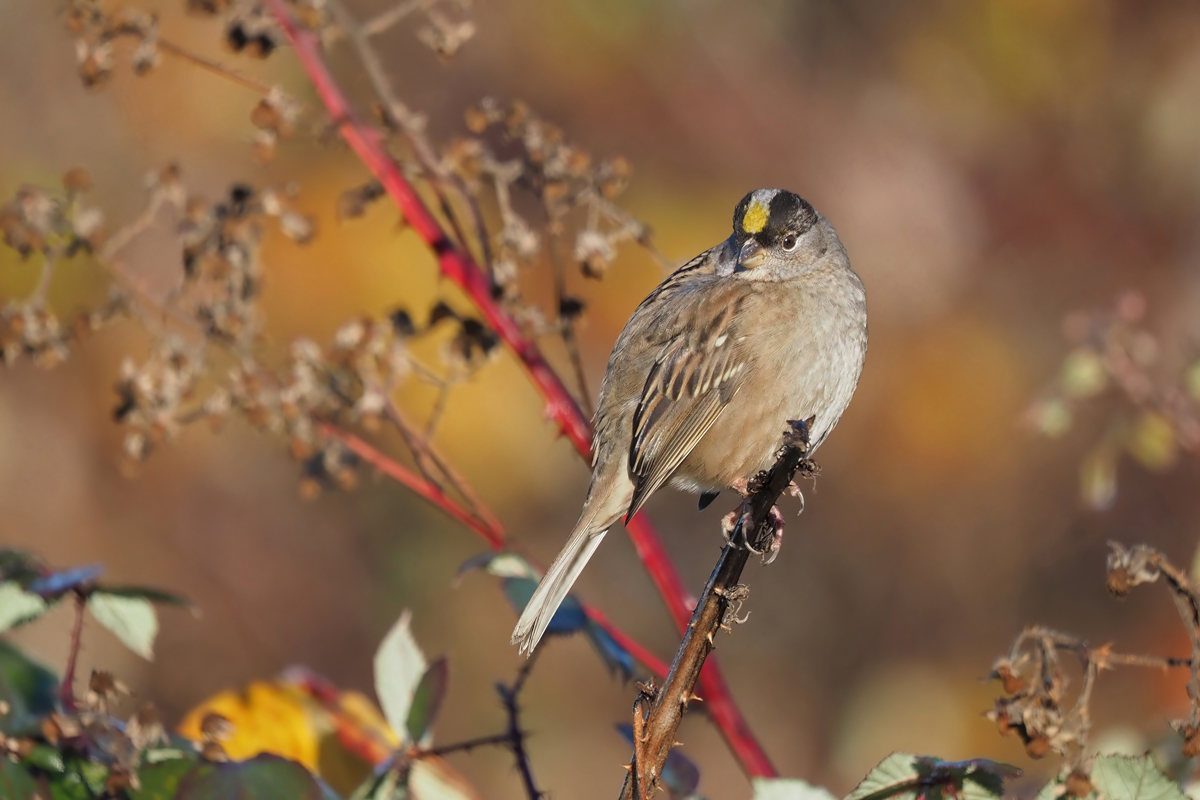
As winter finally locks in, here is a last look at some autumn colors, starting with this Golden-crowned Sparrow.

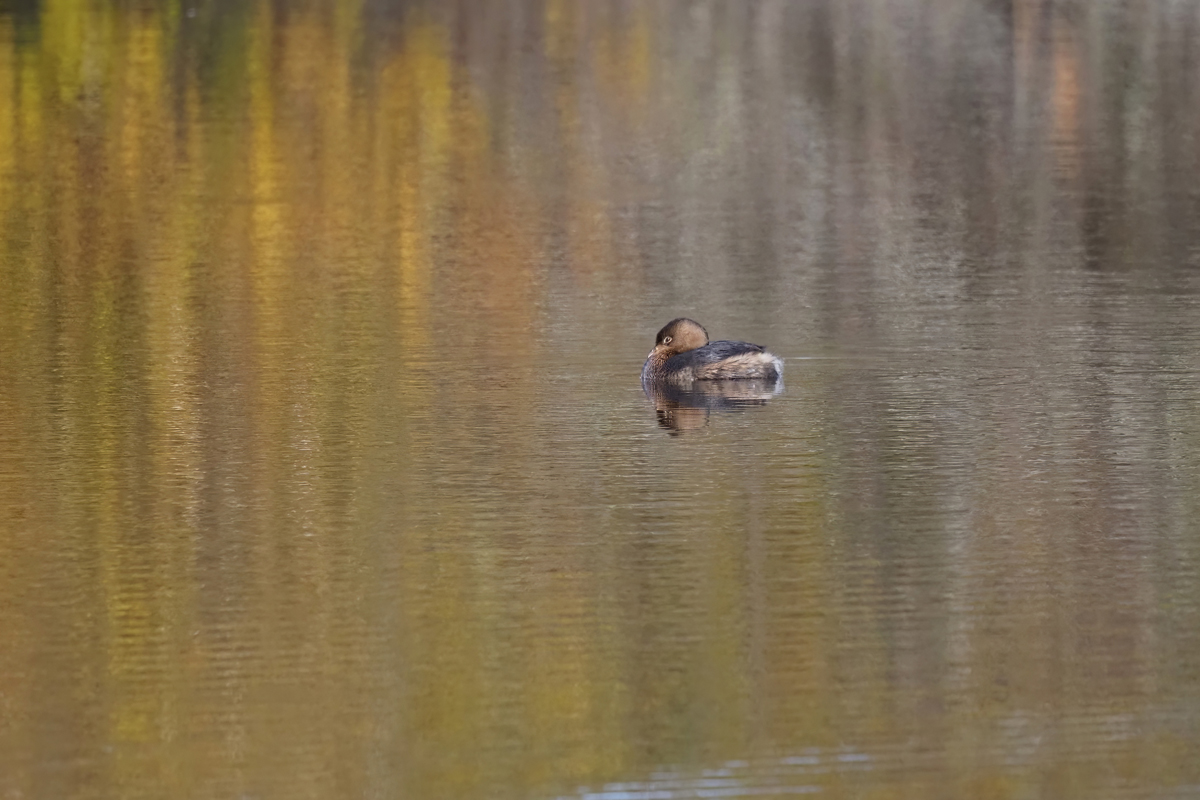
Pied-billed Grebe
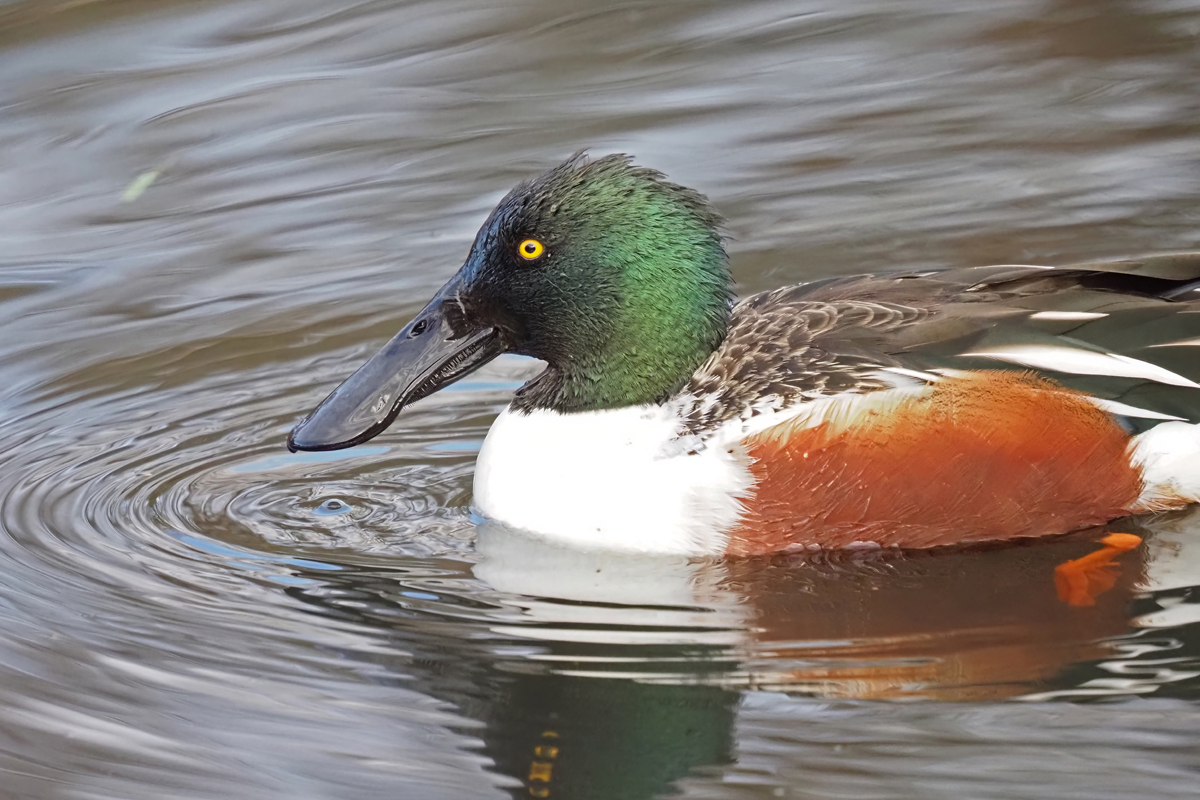
Northern Shoveler, providing a splash of white, green, and copper
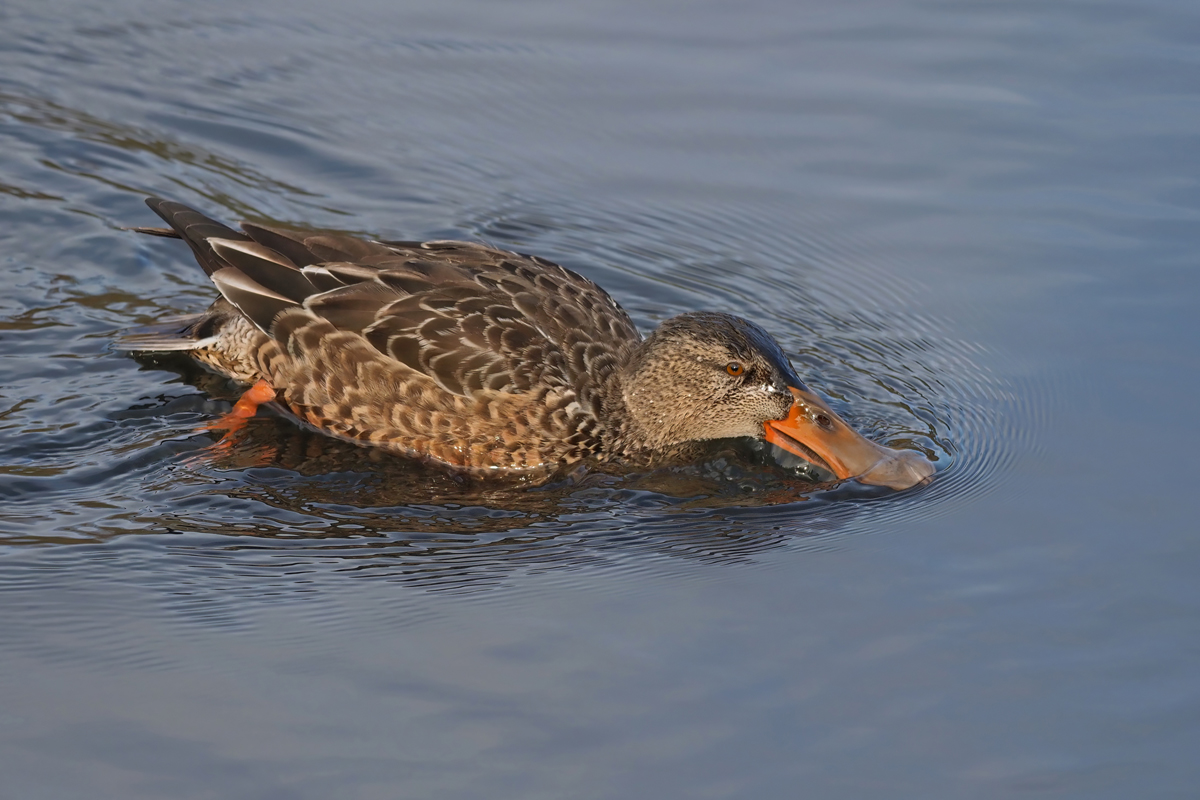
Northern Shovelers often swim with their faces in the water. I know they are filter-feeding along the surface, but it is easy to imagine that those enormous bills are just too heavy to hold up.
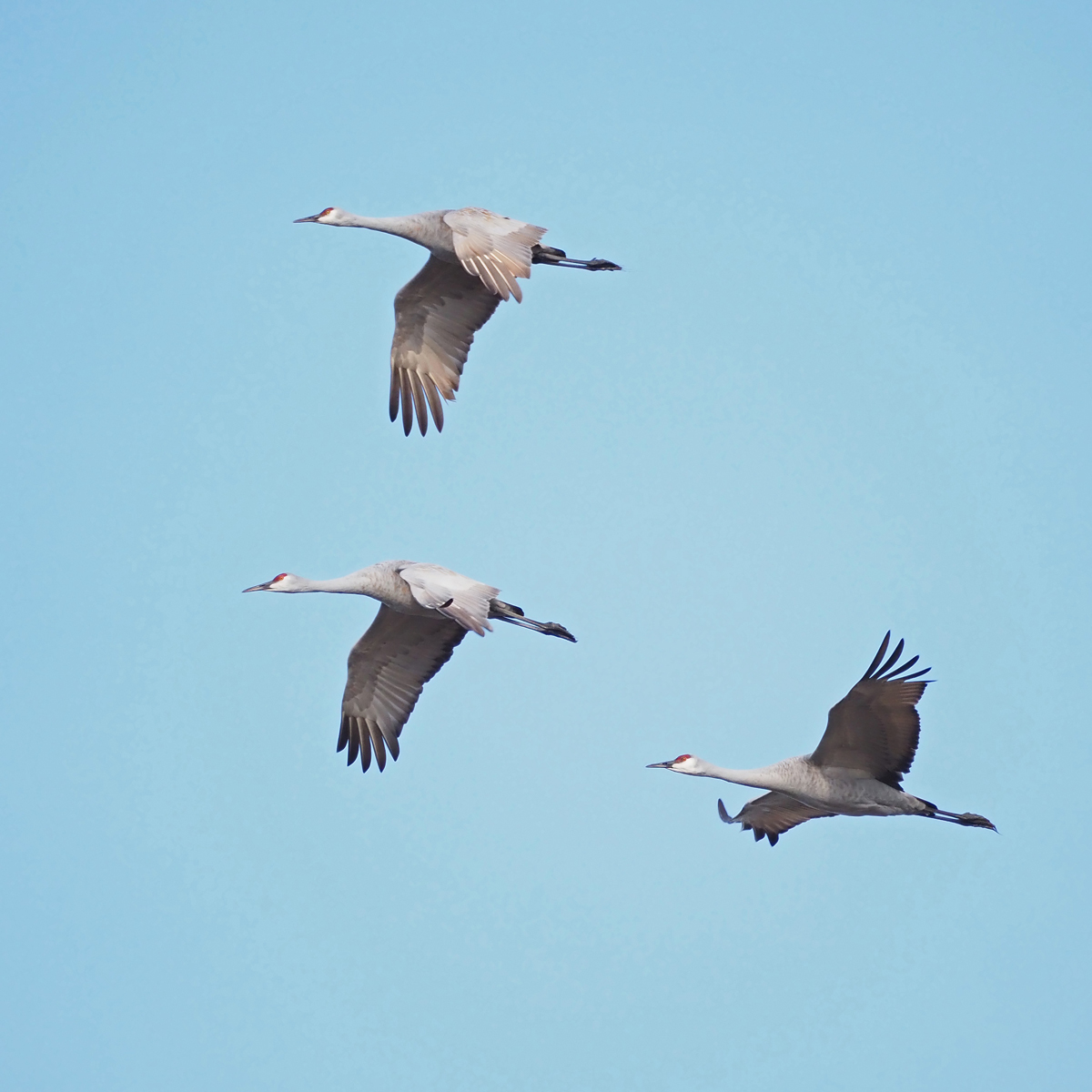
Sandhill Cranes flying over Sauvie Island
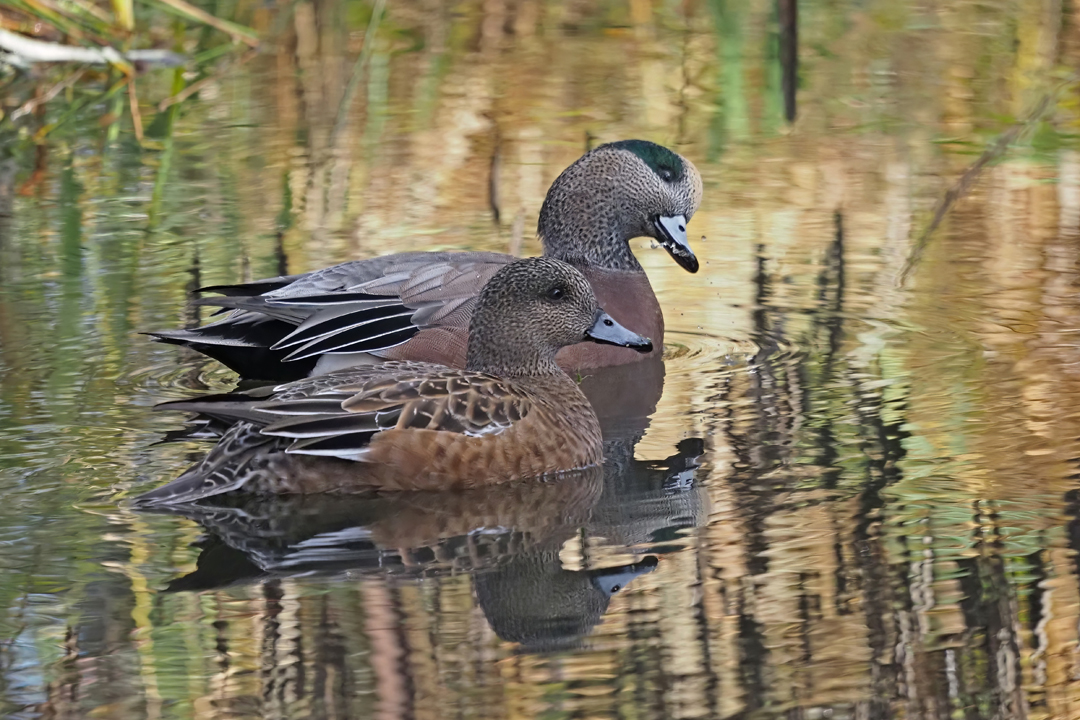
American Wigeon reflected in a sheltered backwater pool
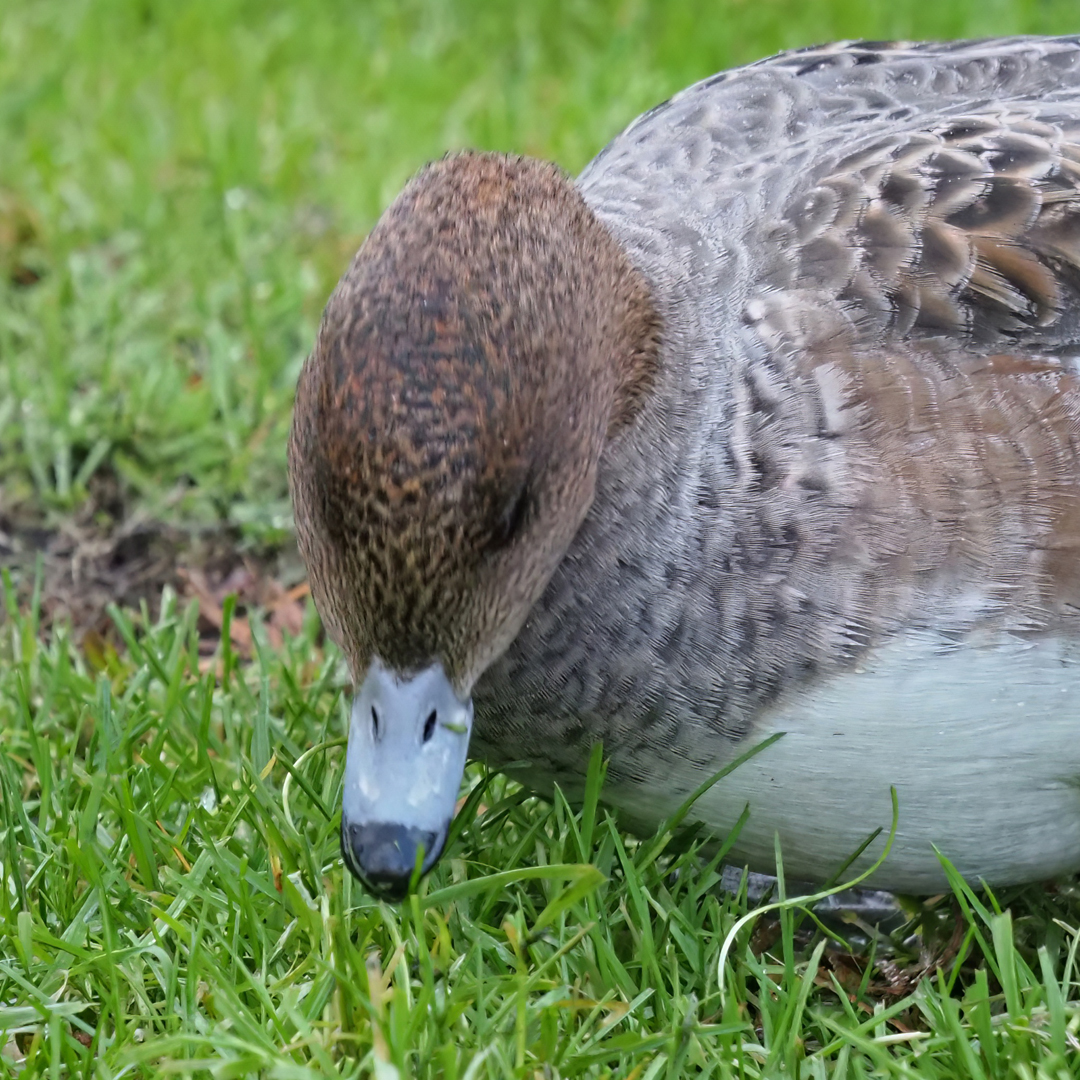
Eurasian Wigeon feeding in the lawn at Commonwealth Lake. Note the lack of a black outline around the base of the bill, which would be present on an American Wigeon.
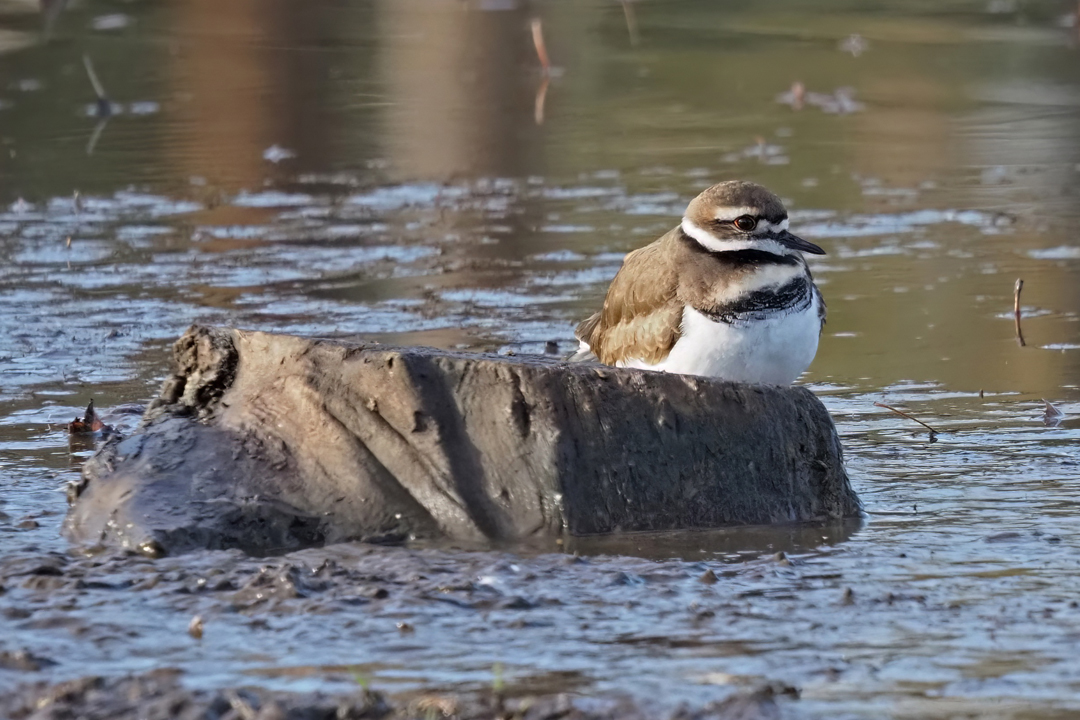
Killdeer, contemplating whether to head farther south before the weather turns really bad. We have had a hard freeze since this photo was taken. I wonder what they decided.
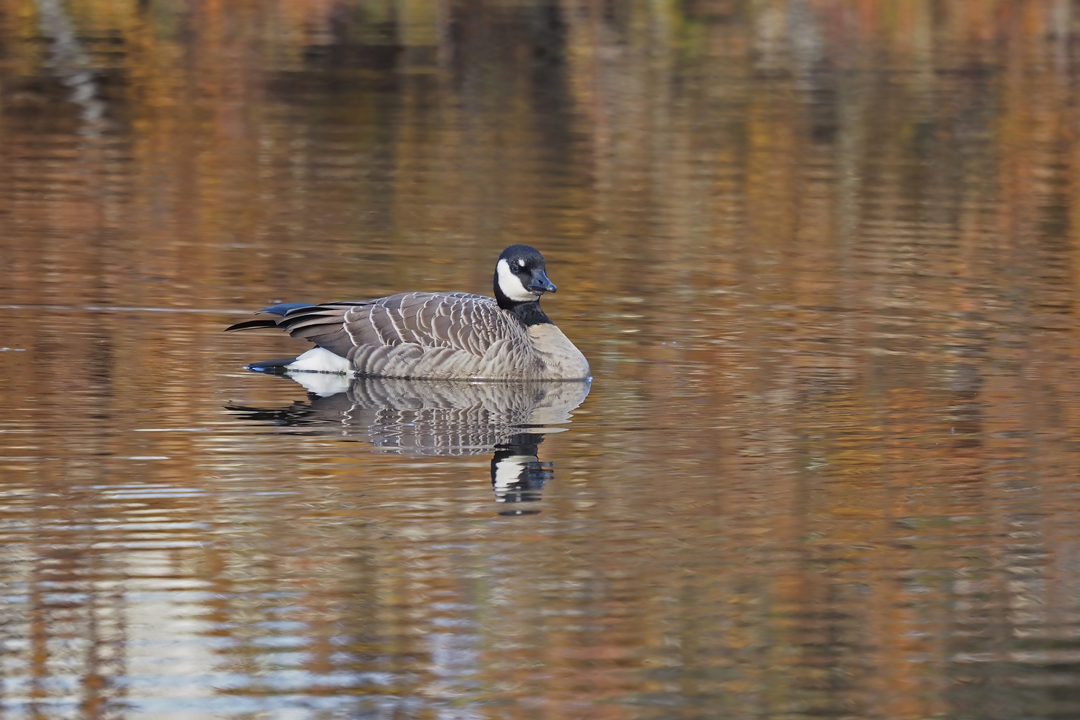
Taverner’s Cackling Goose. I like the little white eyebrow on this individual.
This Red-winged Blackbird has some fresh rusty edges to his back feathers. Those will wear off with time.

As we approach two to three months of dark and dreary weather, remind yourself to get outdoors anyway.

Happy Winter

Fernhill Wetlands

The rainy season has been slow to arrive this year, so we have had strings of sunny autumn days. While the dry conditions are preventing many of the seasonal wetlands from filling, the clear skies do make for some pleasant birding. Here are a few shots from Fernhill Wetlands.

This Mourning Dove was blending in nicely with the gravel on one of the wastewater filtering beds.

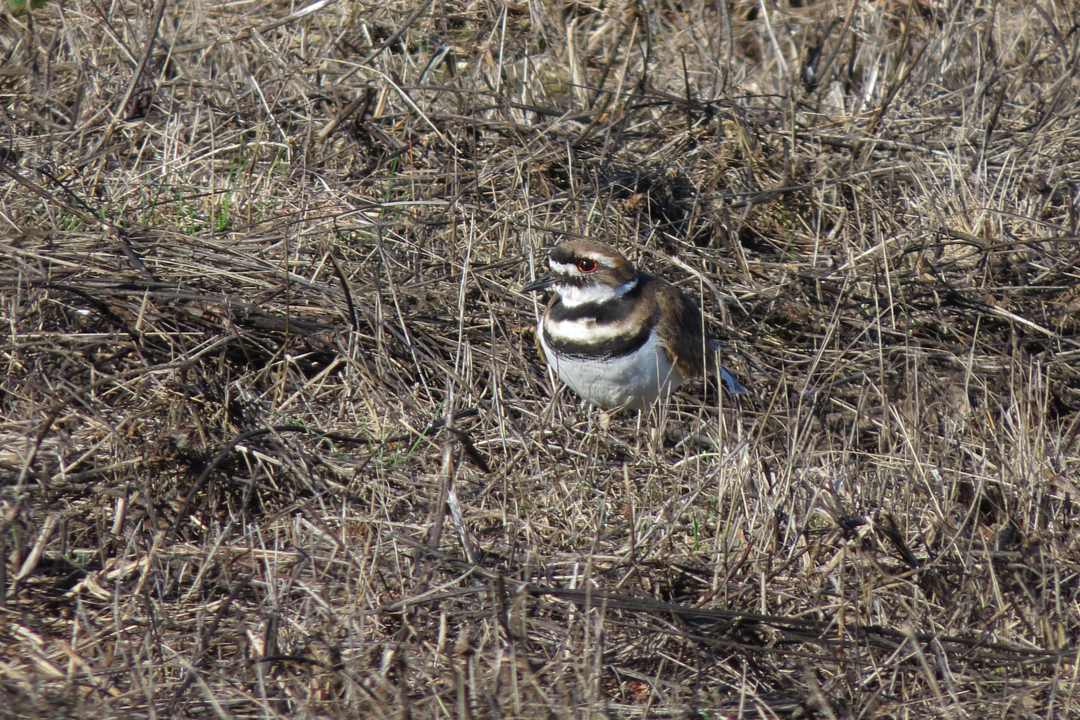
The Killdeer’s pattern provides good camouflage on a rocky background, but doesn’t do as well in dead grass.

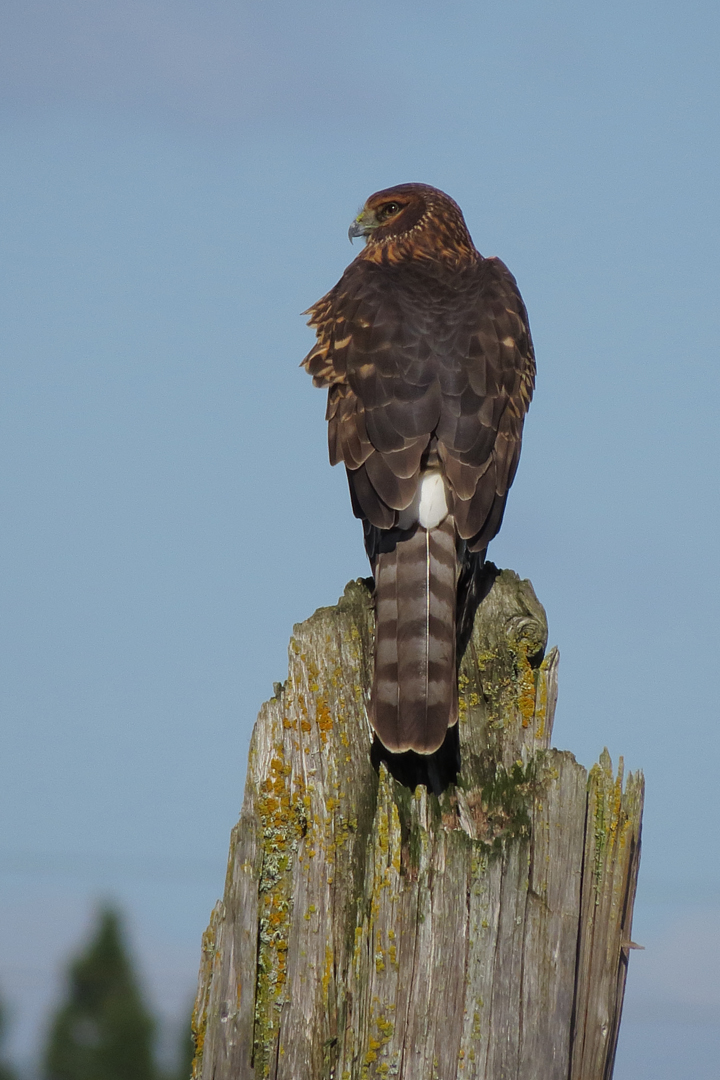
Northern Harrier

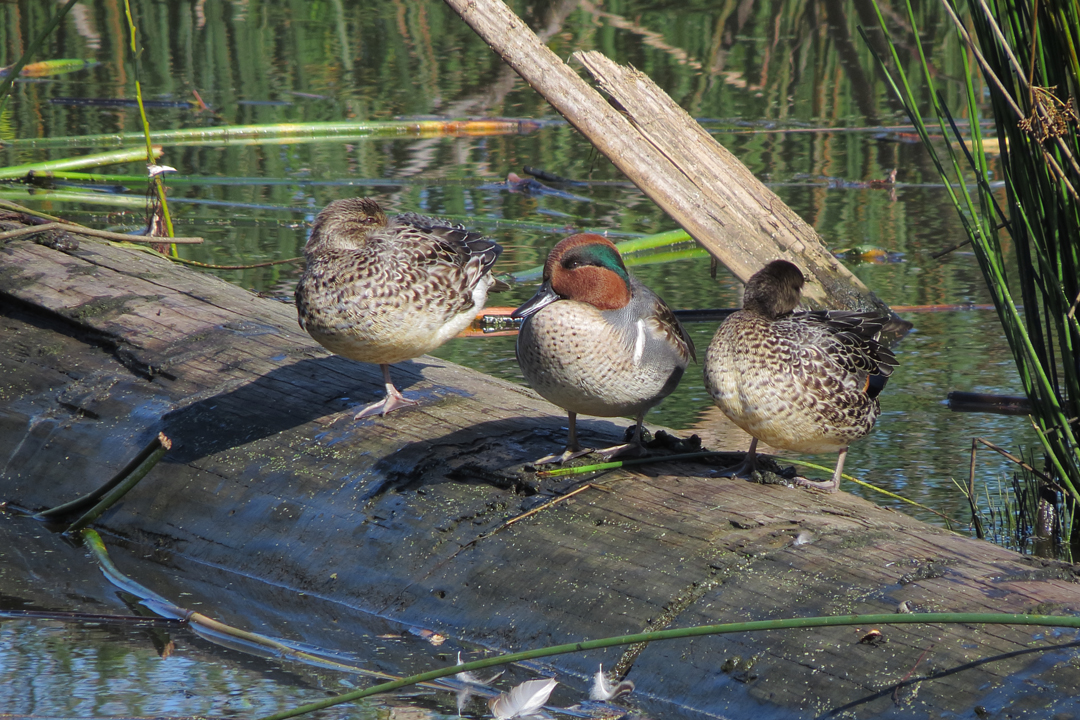
The Green-winged Teal are starting to get some nice color.

Cinnamon Teal

The Cackling Geese are back in good numbers. There is currently an outbreak of aspergillus, a fungal infection that causes respiratory distress and pneumonia, that has killed dozens of birds at this site.

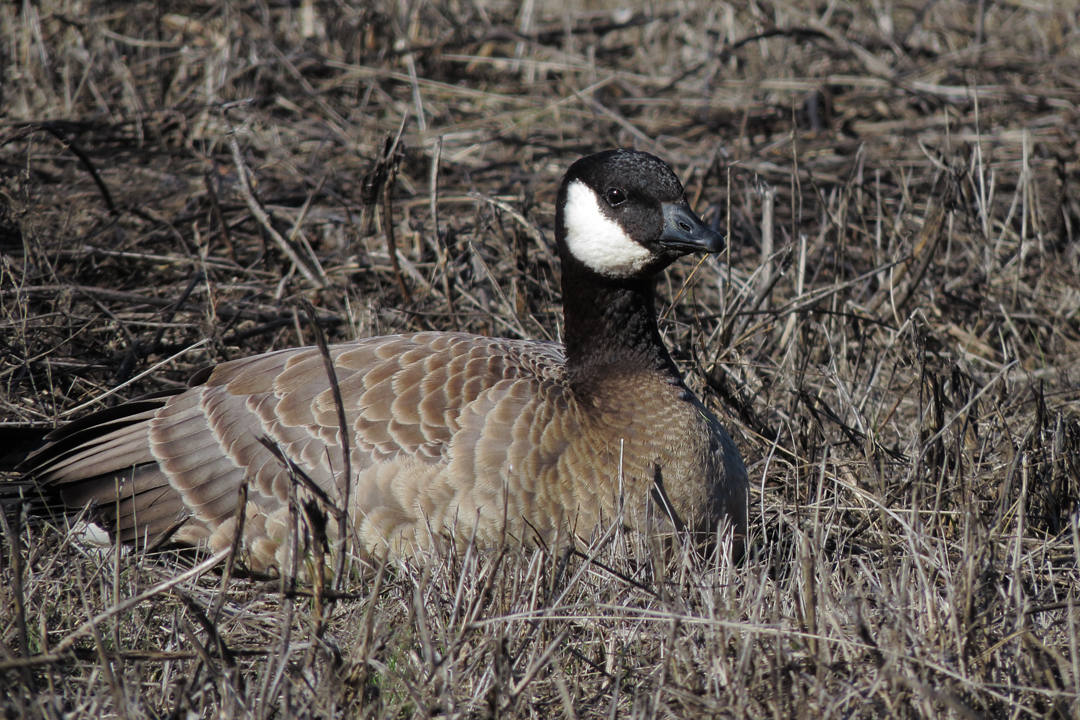
Ridgeway’s Cackling Goose

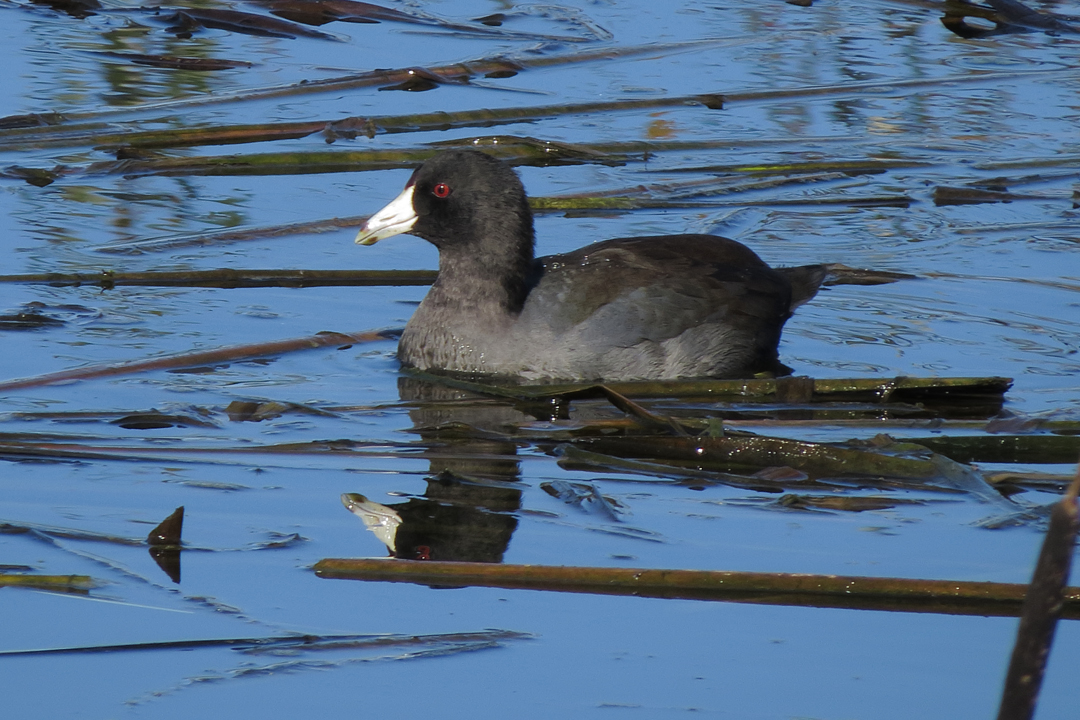
American Coot in the sunshine

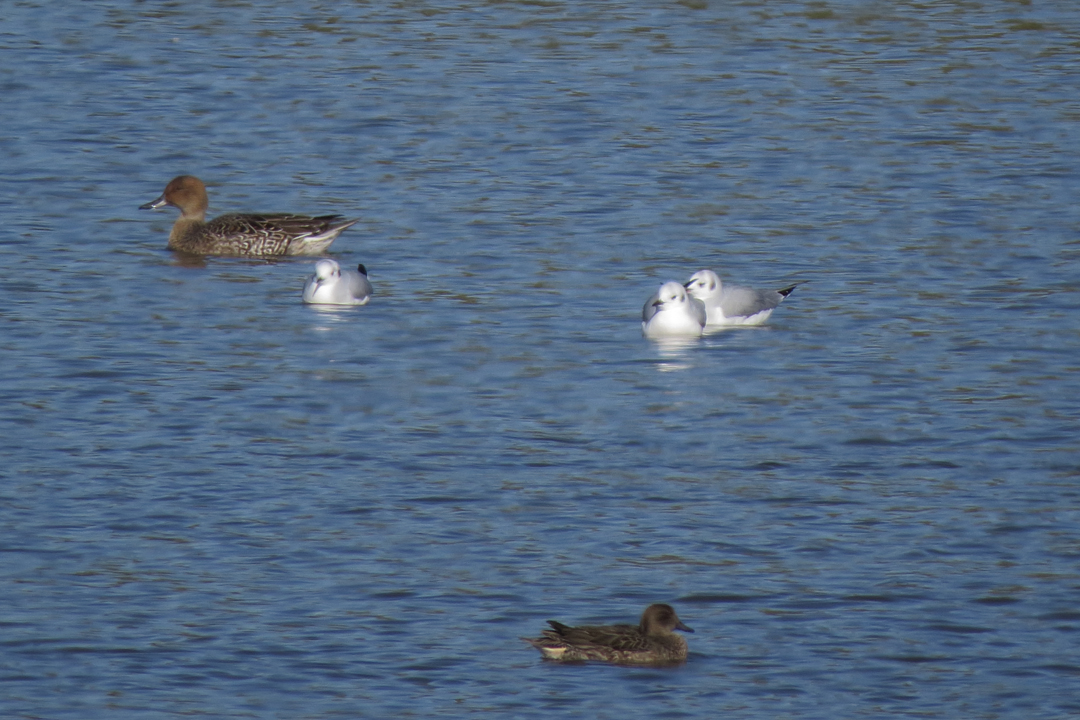
The only gulls on this visit were these three Bonaparte’s Gulls, swimming with a Northern Pintail and a Green-winged Teal.

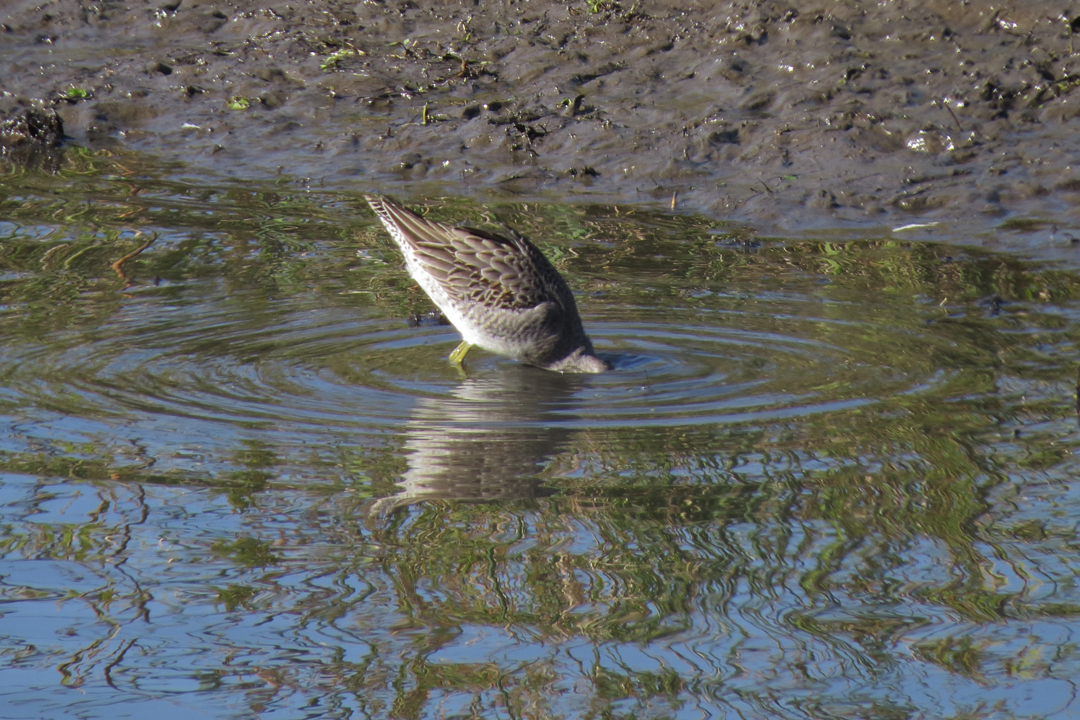
Most of the migrant shorebirds are long gone, but there are still some Long-billed Dowitchers around. Note the pattern on the tail showing wider black bars and narrow white bars. This pattern would be reversed on a Short-billed Dowitcher.

Happy Autumn

“Autumn” Shorebirds

Late summer is a challenging time to bird. The local nesters have finished raising their families and have grown quiet and harder to see. Most southbound migrants have not arrived yet. The weather is hot and many parks are crowded. The biggest return on your birding investment this time of year is shorebirds. Southbound migrants are showing up in good numbers and species diversity is increasing. Here are few shorebirds from the past week.

Baird’s Sandpiper, Gearhart. Most individuals of this species migrate through the Great Plains and the Rocky Mountains, but Oregon always gets a few juveniles that head a little too far west.

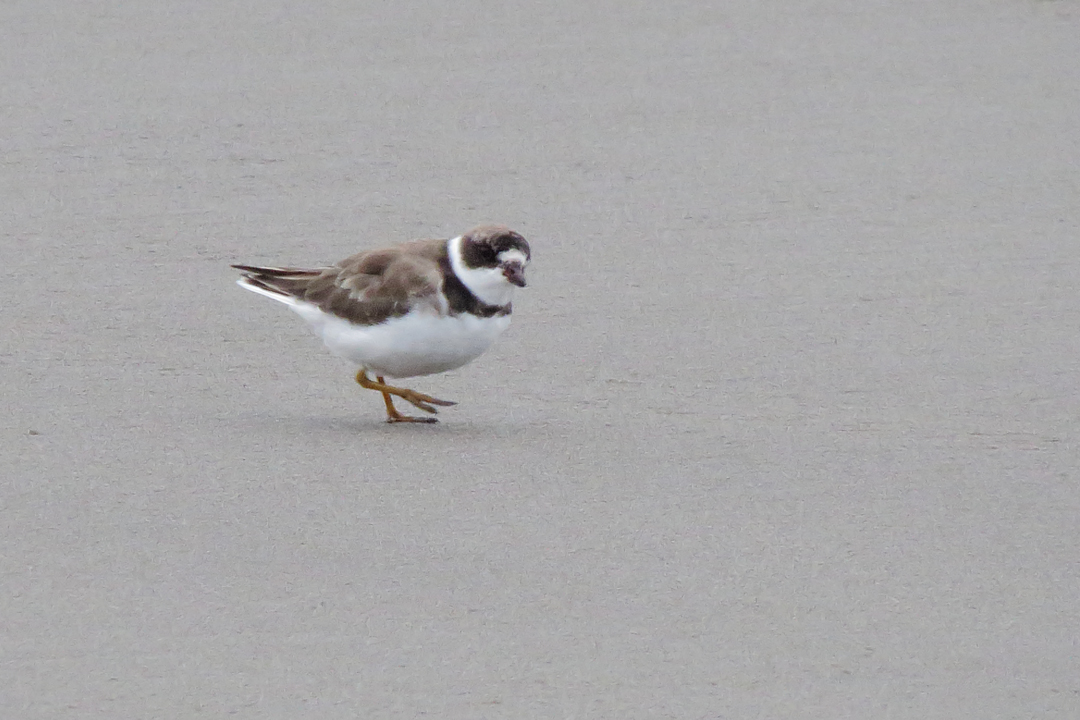
Semipalmated Plover, Fort Stevens SP. While these adorable little plovers can be found anywhere in migration, a great many are found working the coastal beaches.

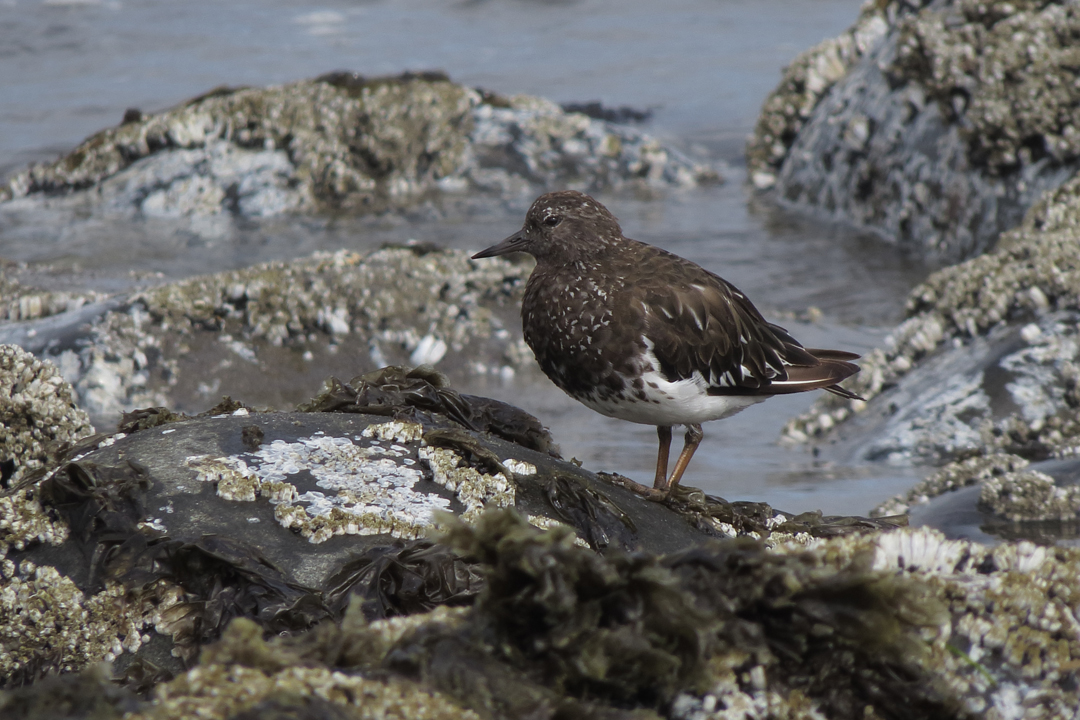
Black Turnstone, Seaside. A quick stop at the Seaside Cove will usually turn up a lot of Black Turnstones.

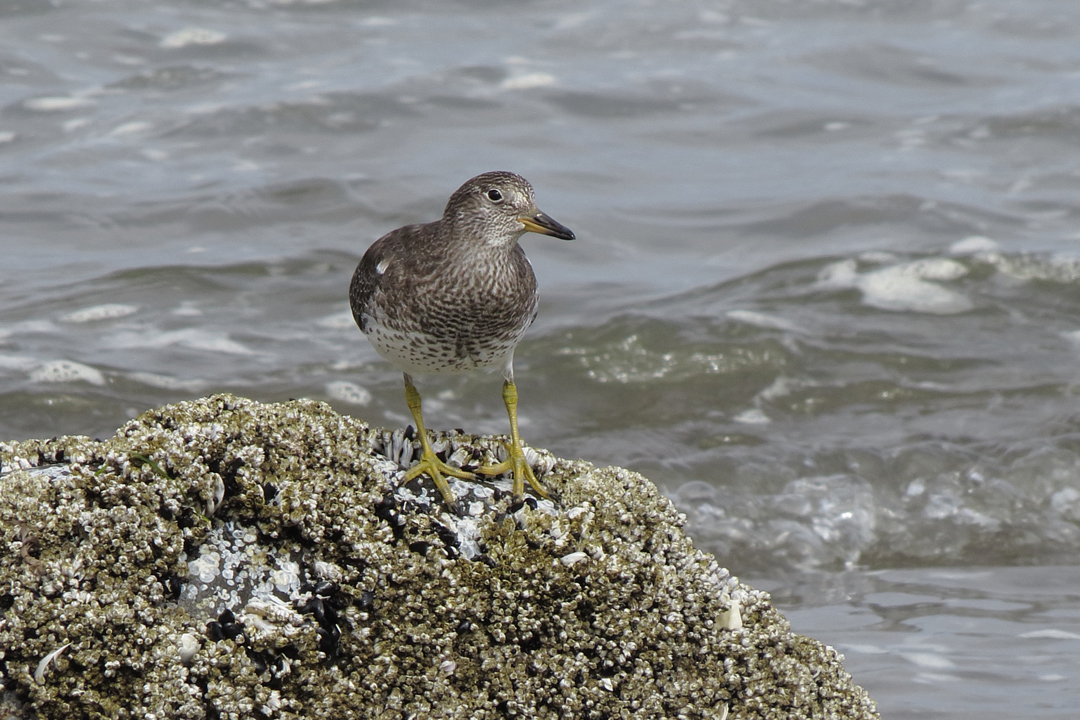
Surfbird, Seaside. Surfbirds are also regular at the Cove, still sporting a little of their breeding plumage.

Ruddy Turnstone, Seaside. Scanning the flocks of Black Turnstones will often produce one or two Ruddy Turnstones.

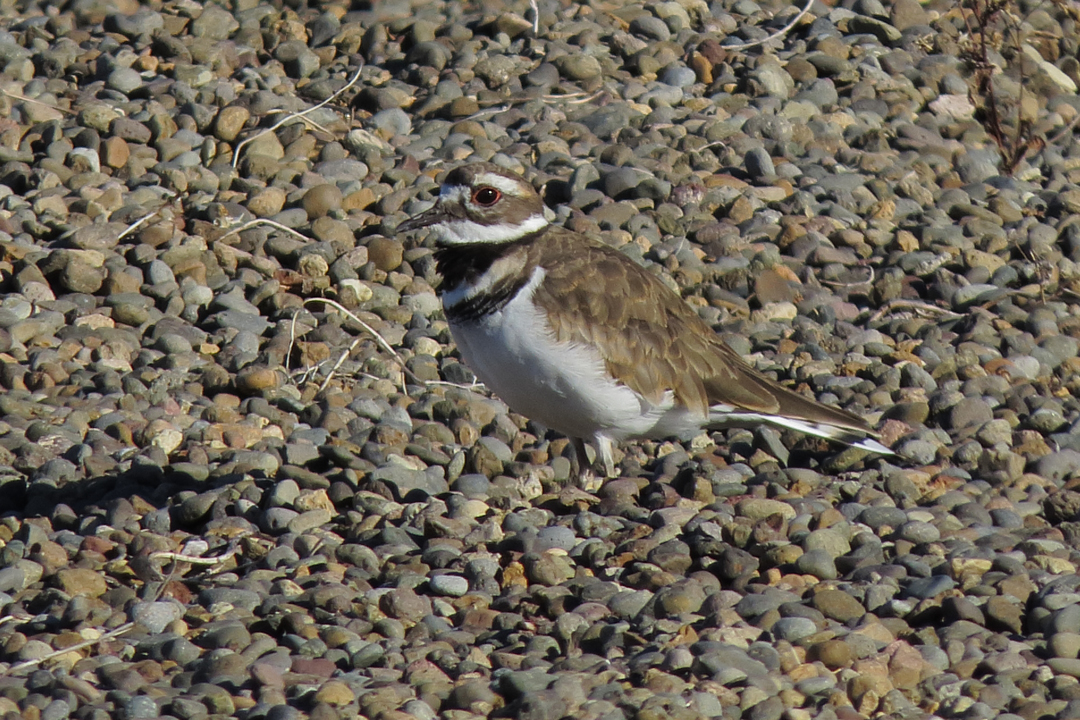
Killdeer, Fernhill Wetlands. Not a migrant, but Killdeer still counts on a shorebird list.

Pectoral Sandpiper, Fernhill Wetlands. I have seen several Pectoral Sandpipers lately. It seems a little early for them, as they are often found well into October.

Shorebird numbers should continue to build for the next couple of weeks, and by then we should start seeing some other migrants as well.

Happy Migration

Into the Woods

We left Portland for ten days to escape the fireworks which terrify our dogs. We stayed on a farm in the Coast Range in Benton County. The birds where we stayed were typical Coast Range birds which stayed high in the dark trees, so no great photos there.
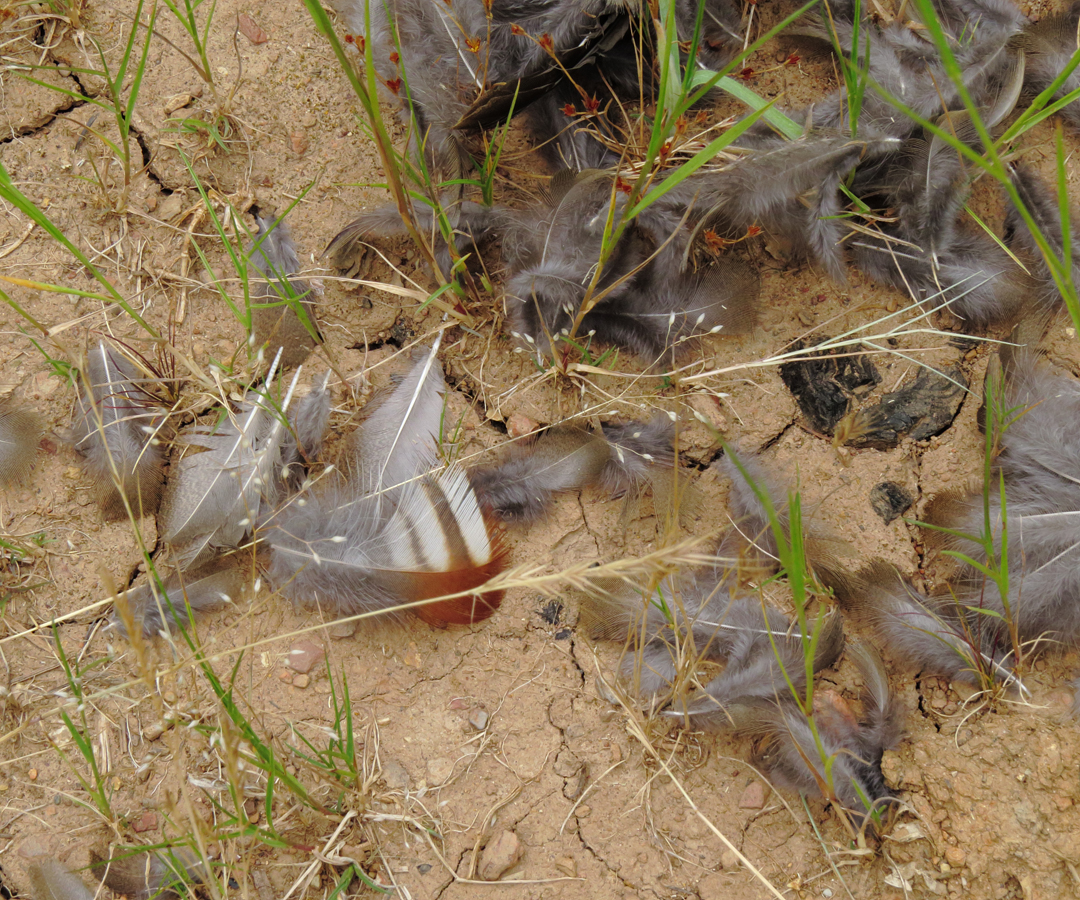
I think this pile of feathers is the result of someone munching on a Sooty Grouse.

Bodhi and I flushed four Black-tailed Deer on the far side of a clear-cut.

This very old scat consisted of just fur and bone. From the size, I am assuming it is from a Mountain Lion.
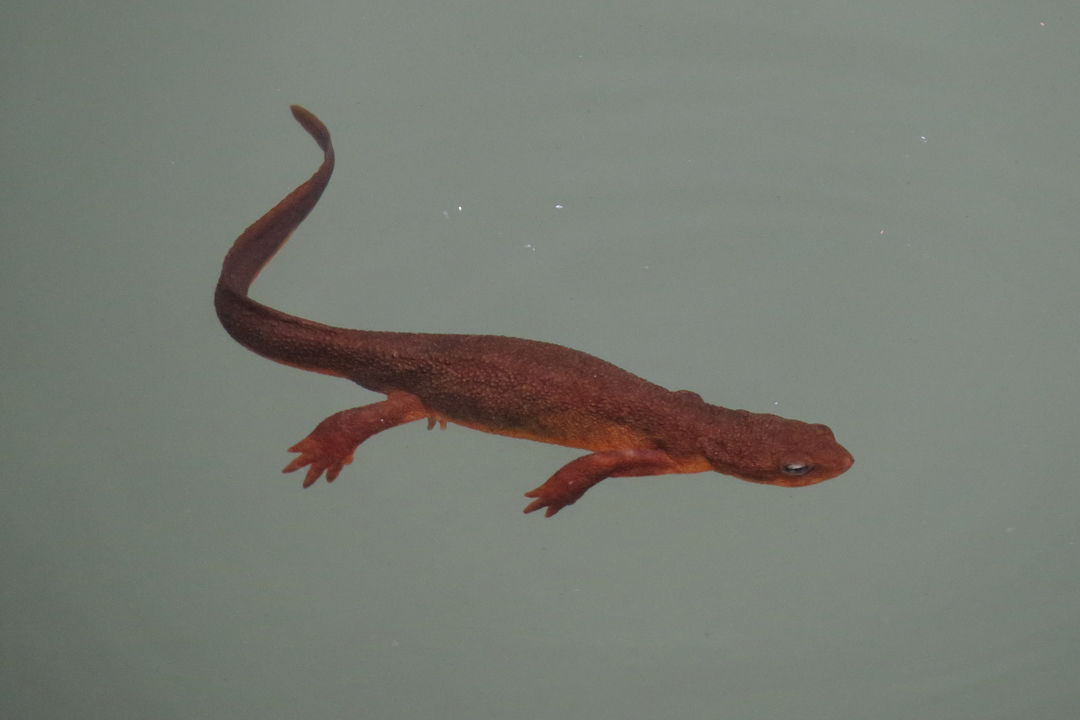
The pond at the farm where we were staying was full of Rough-skinned Newts. I assume they were congregating to lay eggs.

To bee, or not to bee? This newt actually did take a swipe at the honeybee, but I don’t think she was able to get it down.
We didn’t get in the car very often on this trip, but when we did we usually saw Wild Turkeys along the road. Here is a crappy cell-phone-through-the-dirty-windshield shot.

I have never had a reaction to Poison Oak, but I take great care to avoid direct contact.

One morning a drove down to Fern Ridge Wildlife Area in Lane County. There wasn’t as much shorebird habitat as I had hoped for, but the Black-necked Stilts were well represented. Here is a juvenile Black-necked Stilt passing in front of a Killdeer. The juveniles are recognized by their scaly backs and dull legs.
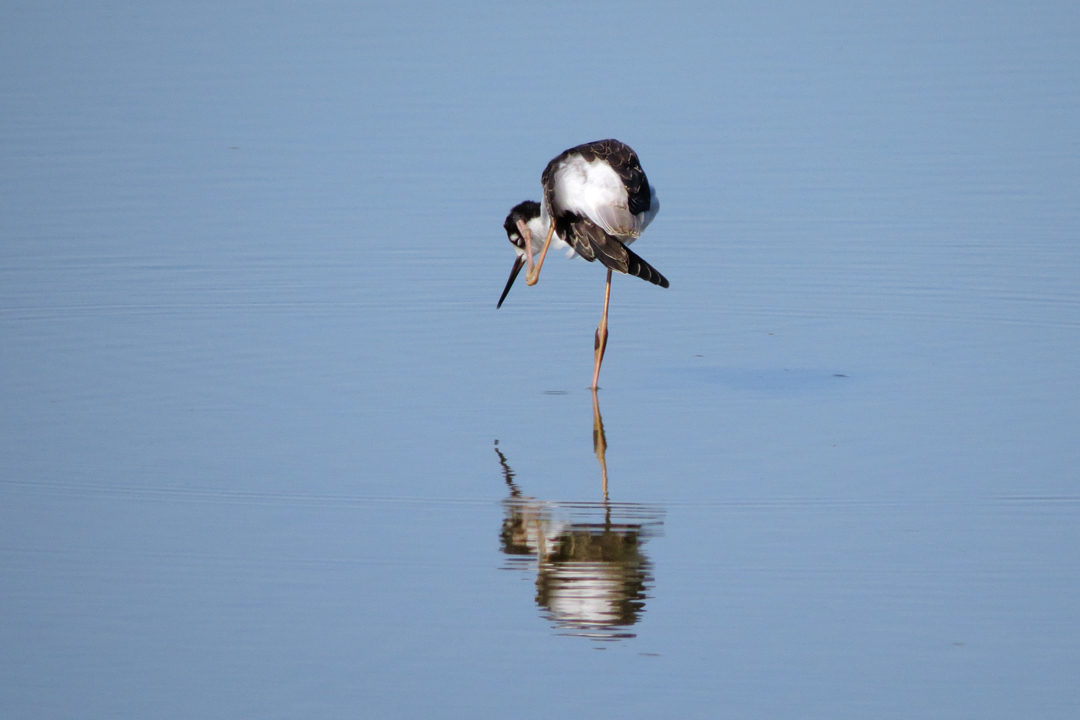
Like most birds, they bring their leg over their wing when they need to scratch their head.
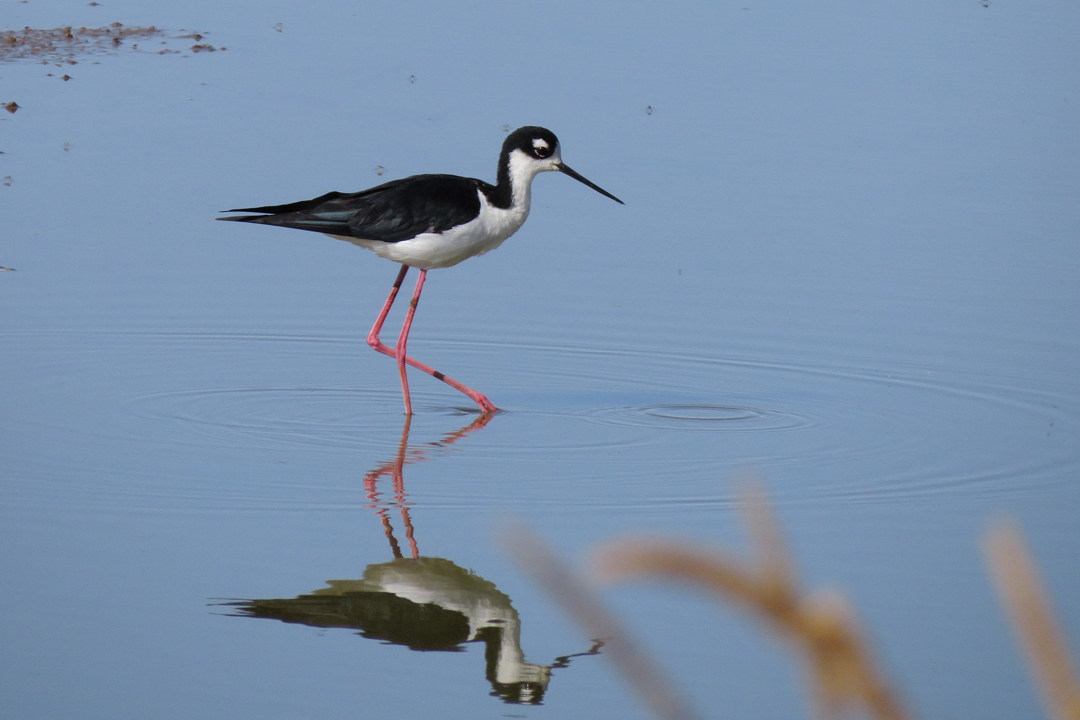
Here’s a lovely adult Black-necked Stilt, with solid black upperparts and bright pink legs.

Black-necked Stilts are fairly common breeders east of the Cascades, but harder to find on the west side. Fern Ridge, at the southern end of the Willamette Valley, is a consistent breeding site for this species. Southbound shorebird migration is starting to rev up.

Happy Summer
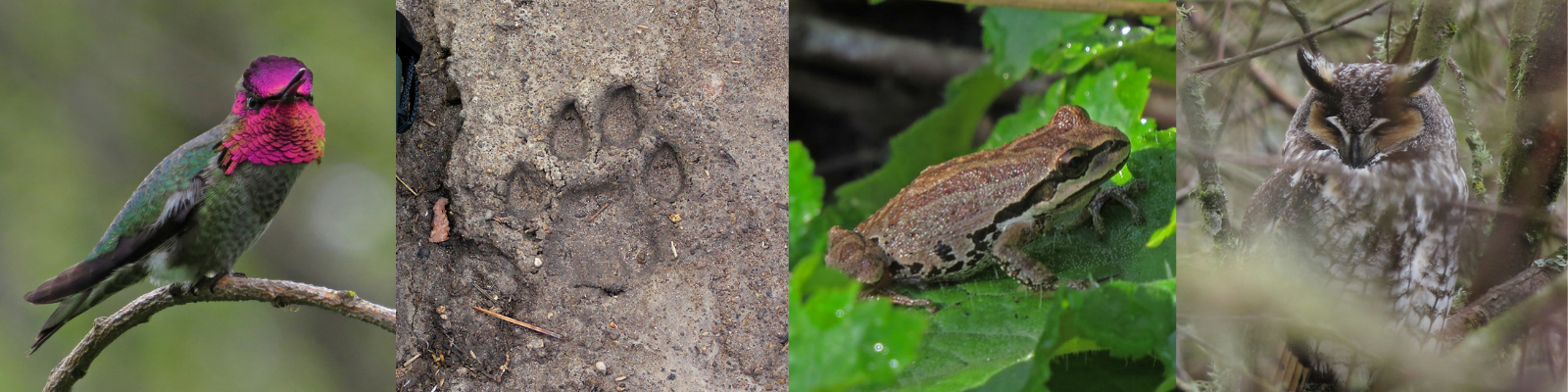
Fernhill Wetlands

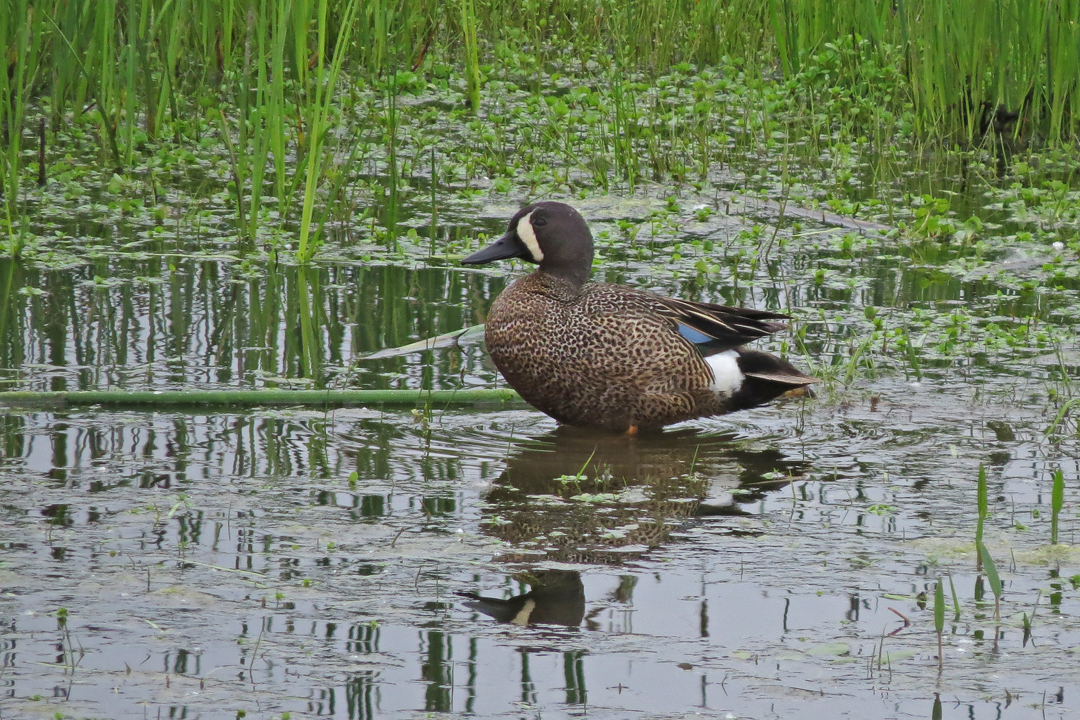
Summer is settling in at Fernhill Wetlands. The birds that are here now are probably nesting. Always a treat this far west is this handsome Blue-winged Teal. I hope he has a mate sitting on eggs somewhere.
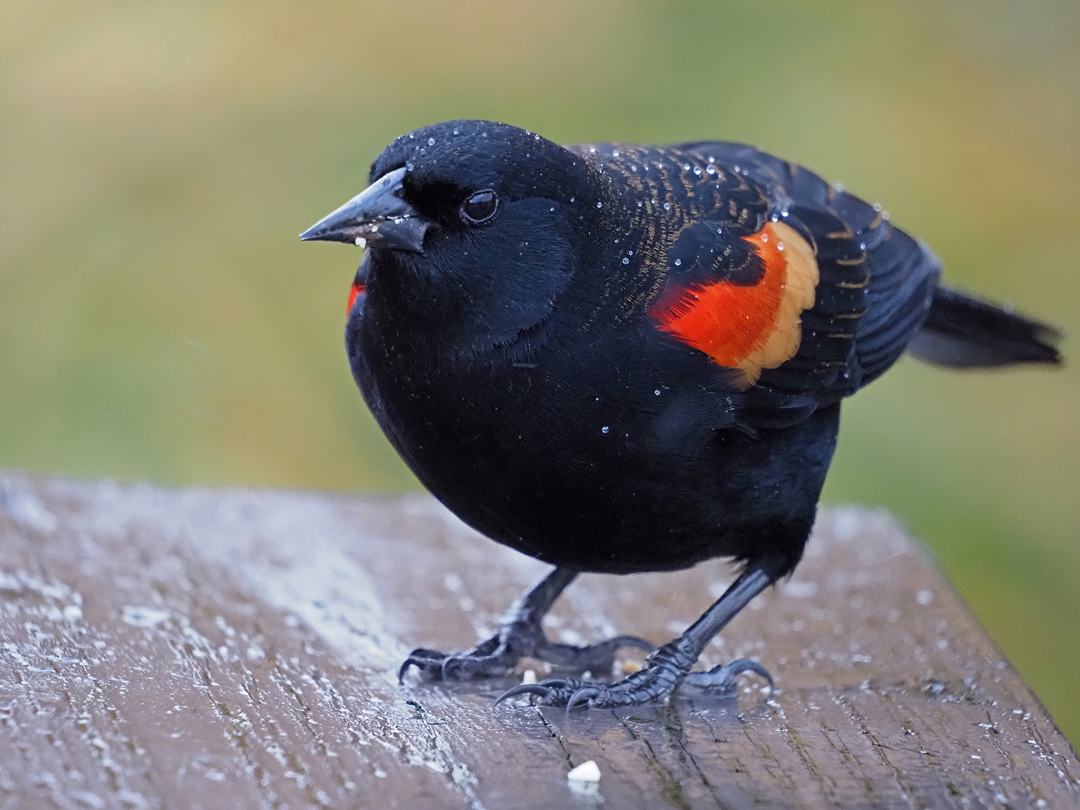
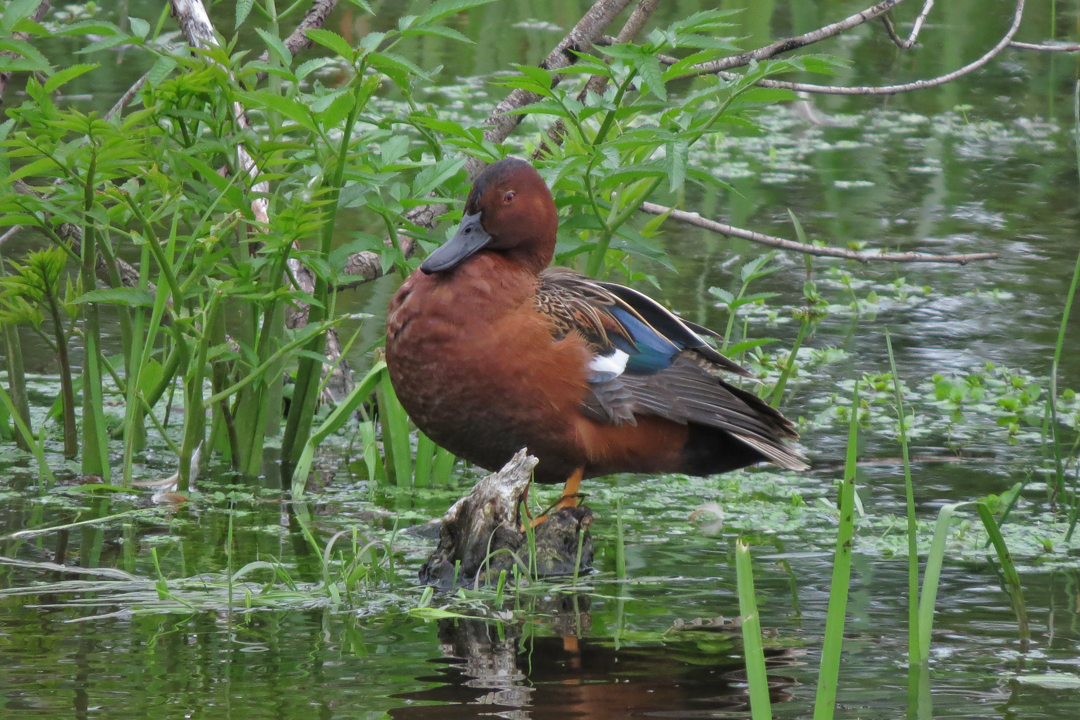
Just as lovely, and more expected here, is this Cinnamon Teal. A friend refers to them as “spicy.”

All the migrant shorebirds are gone, so we can stop to enjoy the resident Killdeer.

I have been spending more time around the back side of Dabblers Marsh at Fernhill. The wooded habitat attracts more songbirds, like this Cedar Waxwing.

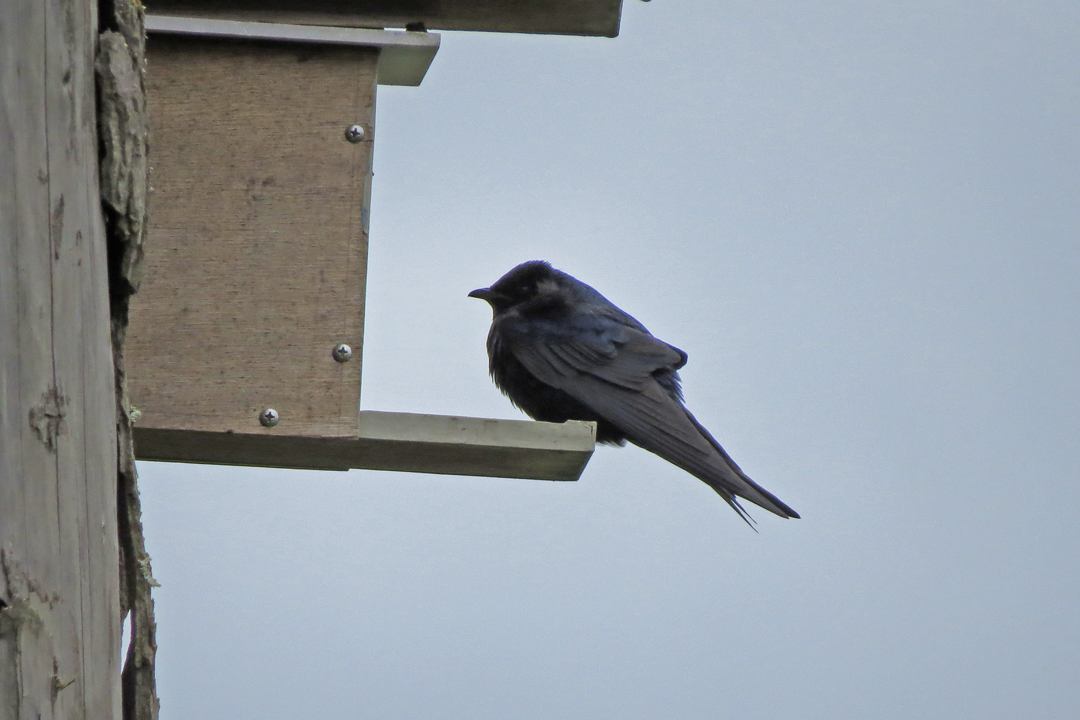
Purple Martins have reclaimed their nest boxes by the lake.

This Great Egret was hanging out close to the main trail. They are often farther out in the marsh.

I have seen California Ground Squirrels here in the past, but this is the first I have seen since the major renovations. I am glad to see this species is still using the site.

This Long-toed Salamander was my only herp of the day. If you look at the back feet, you can see the extra long fourth toe that gives this species its name.

Happy Spring/Summer
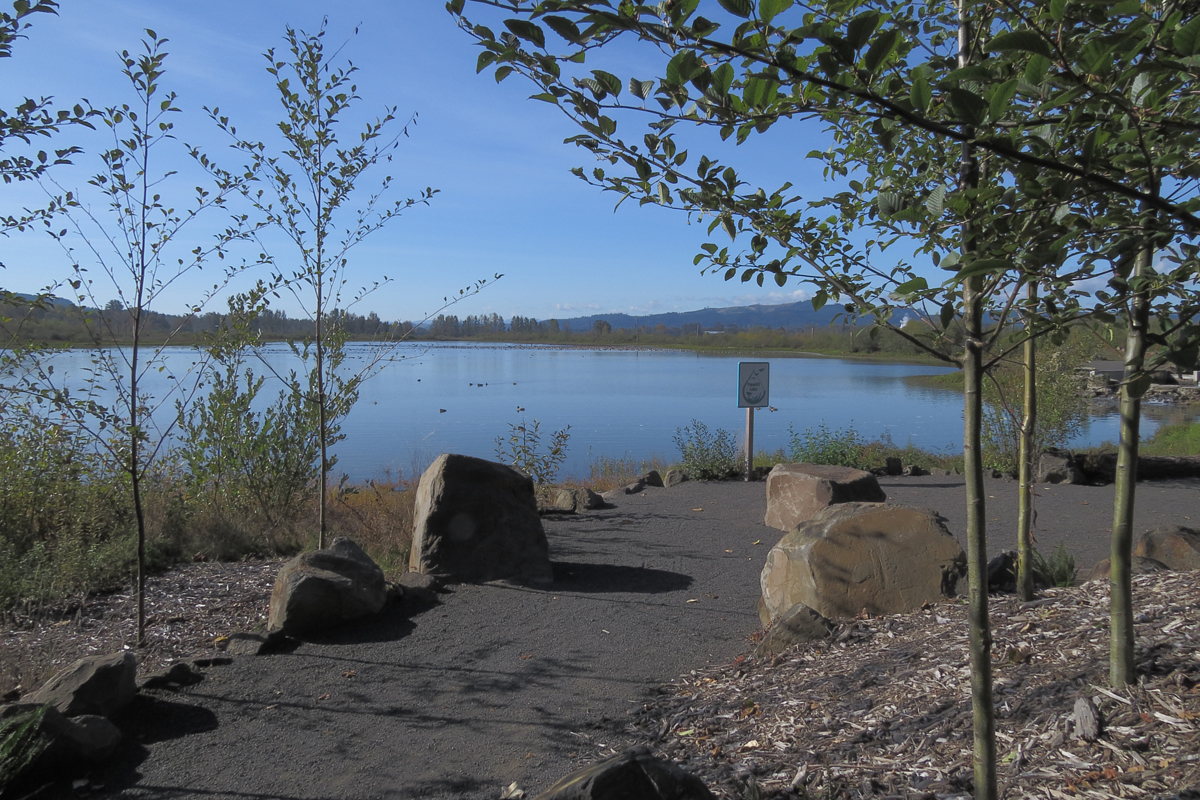
Still Waiting for Spring – Jackson Bottom

Jackson Bottom is another site that I can visit during the pandemic, assuming I get there early. The big push of spring migration has not hit, but you can tell it’s so close. Tree Swallows have been back for quite a while now. They are usually perched on the many bird houses at this site, so it was nice to catch a couple actually using a tree.
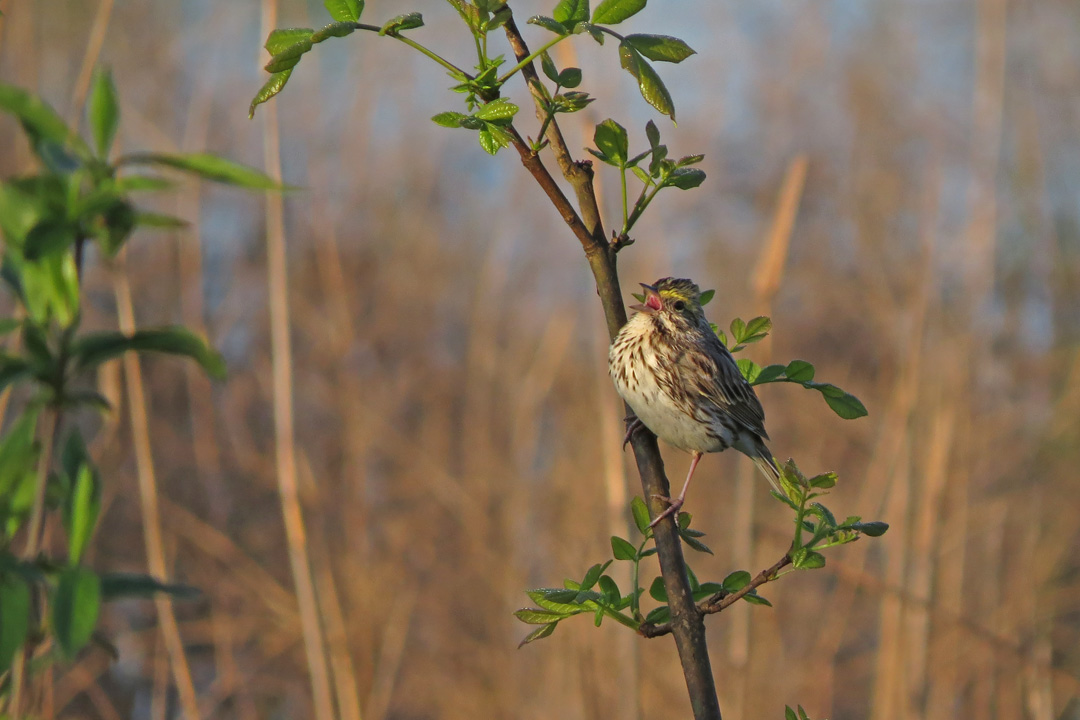
The Savannah Sparrows are setting up territory. This would have been a nice shot if I could have caught a reflection in the bird’s eye.

There we go.

This Osprey spent a lot of time preening while I was there. He still looks pretty disheveled.

Anna’s Hummingbird, just high enough that I can’t get a good flash from his gorget

Common Yellowthroat

witchity-witchity-witchity

I’m still waiting for shorebirds to show up. Greater Yellowlegs have been the only arrivals so far.

Some Killdeer have started nesting already.

Brush Rabbit

Long-toed Salamander

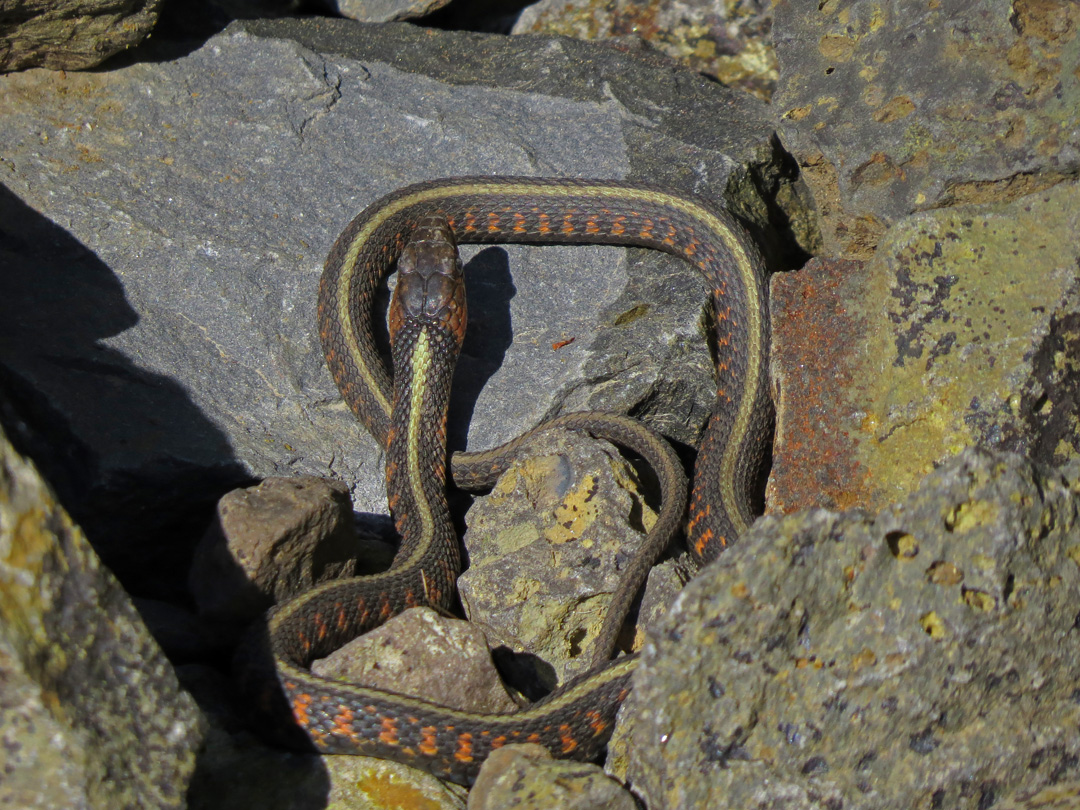
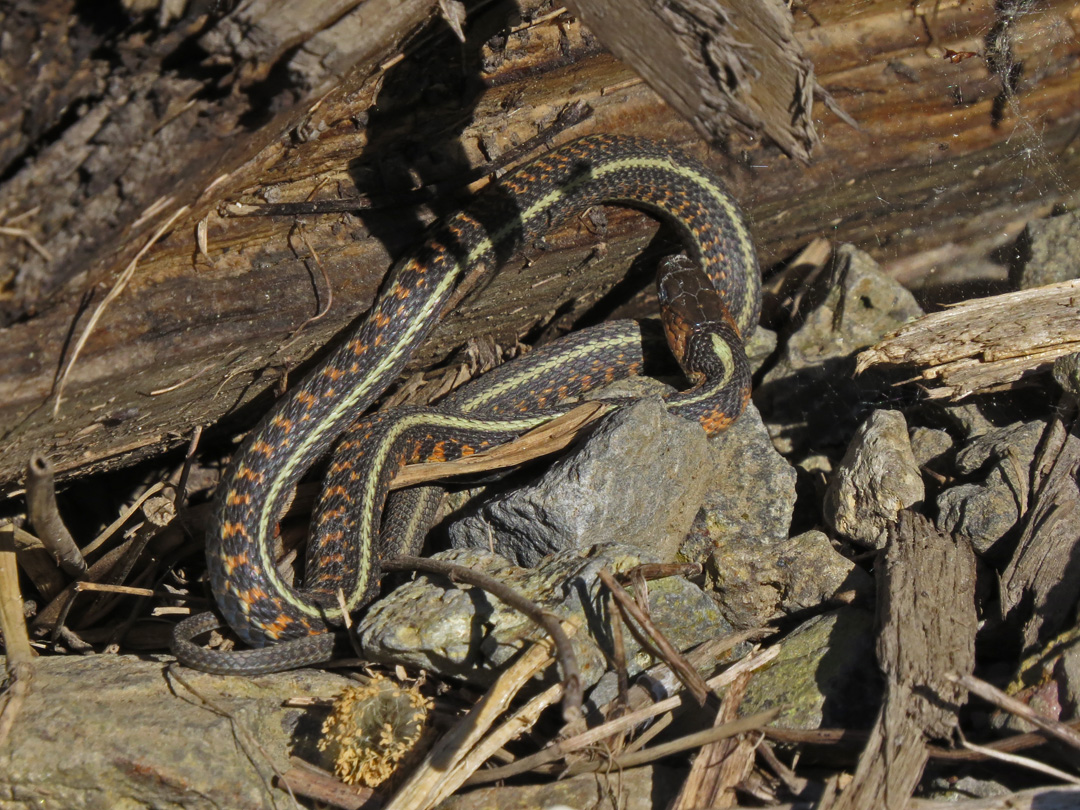
Several Common Garters (Red-spotted) were sunning themselves on this rock pile.

This garter had propped her body up against a log to better catch the morning sun.

I don’t remember seeing Camas at Jackson Bottom before, but they were in full bloom on this trip.

Happy spring

Late Summer Wetlands
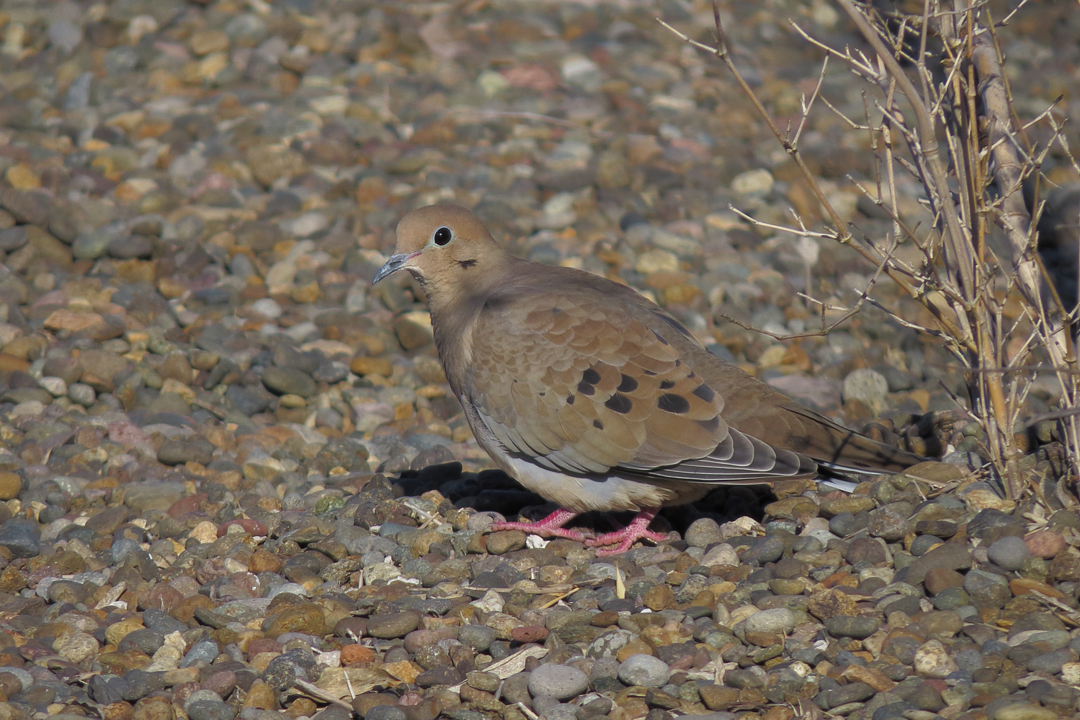
I made a quick trip to Fernhill Wetlands and Jackson Bottom to look for shorebirds. My first bird of the morning was this Killdeer standing on the sidewalk. I guess that counts.
There is a frustrating lack of mudflats in area wetlands this year. Areas are either dry with lots of vegetation or are full of water. I did manage to find this Wilson’s Snipe (front) feeding with a juvenile Short-billed Dowitcher.

Young Spotted Sandpiper on a log

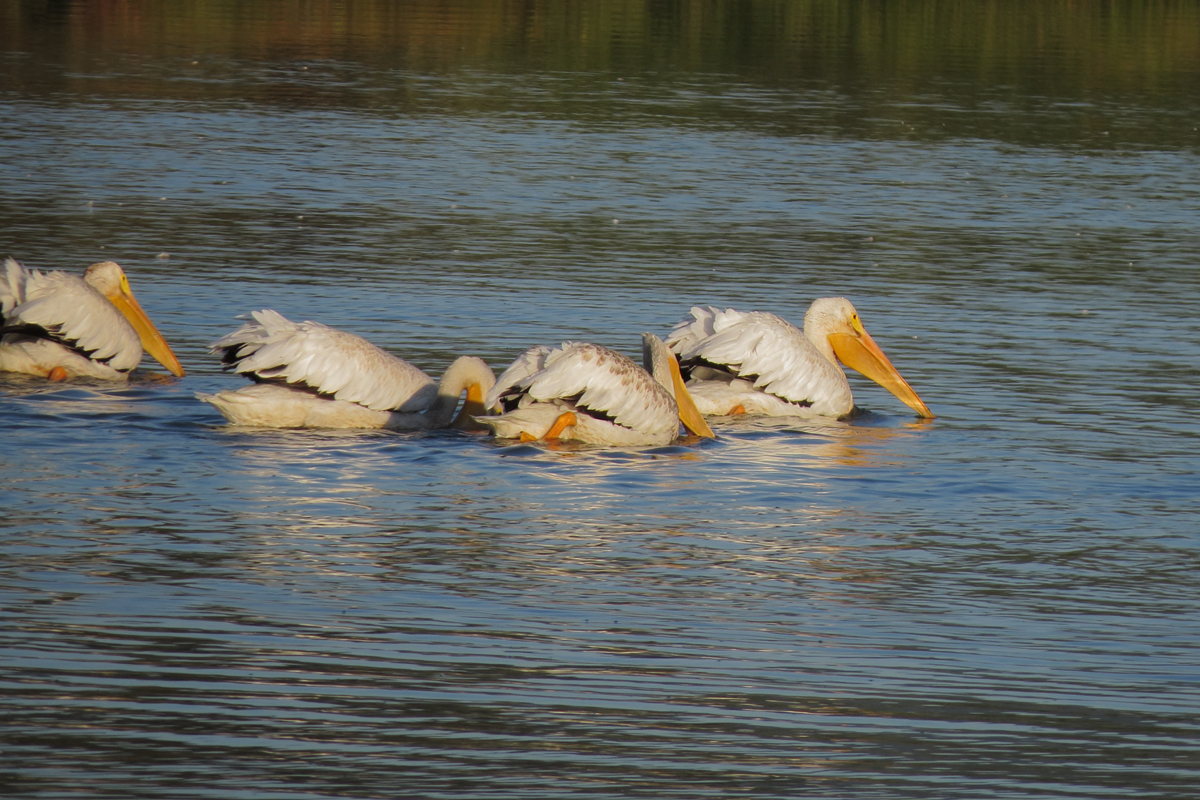
Lots of American White Pelicans are in the Willamette Valley right now.

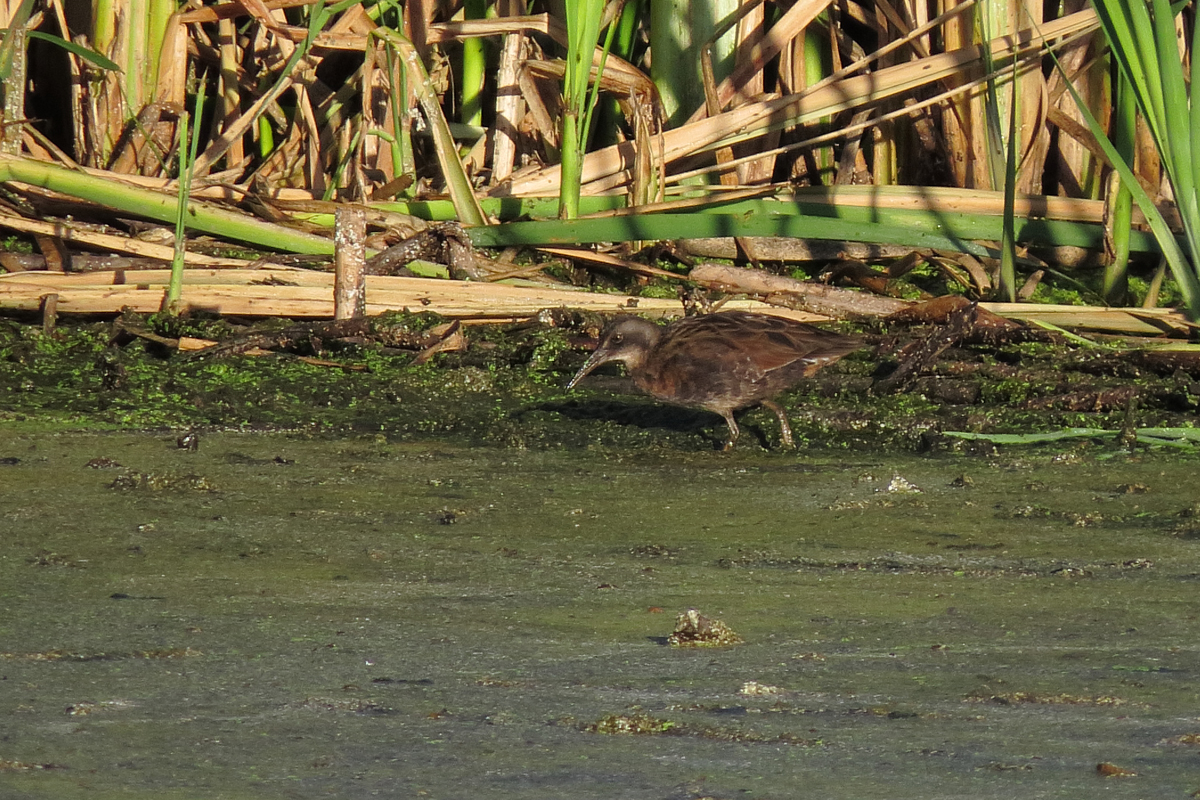
The wetland rehabilitation at Fernhill Wetlands has resulted in much less exposed mud, but the thick emergent vegetation is hog heaven to rails, like this Virginia Rail.

In the “invasive but adorable” category are this Nutria with her baby.

Brush Rabbits rule the “native AND adorable” category.
So cute

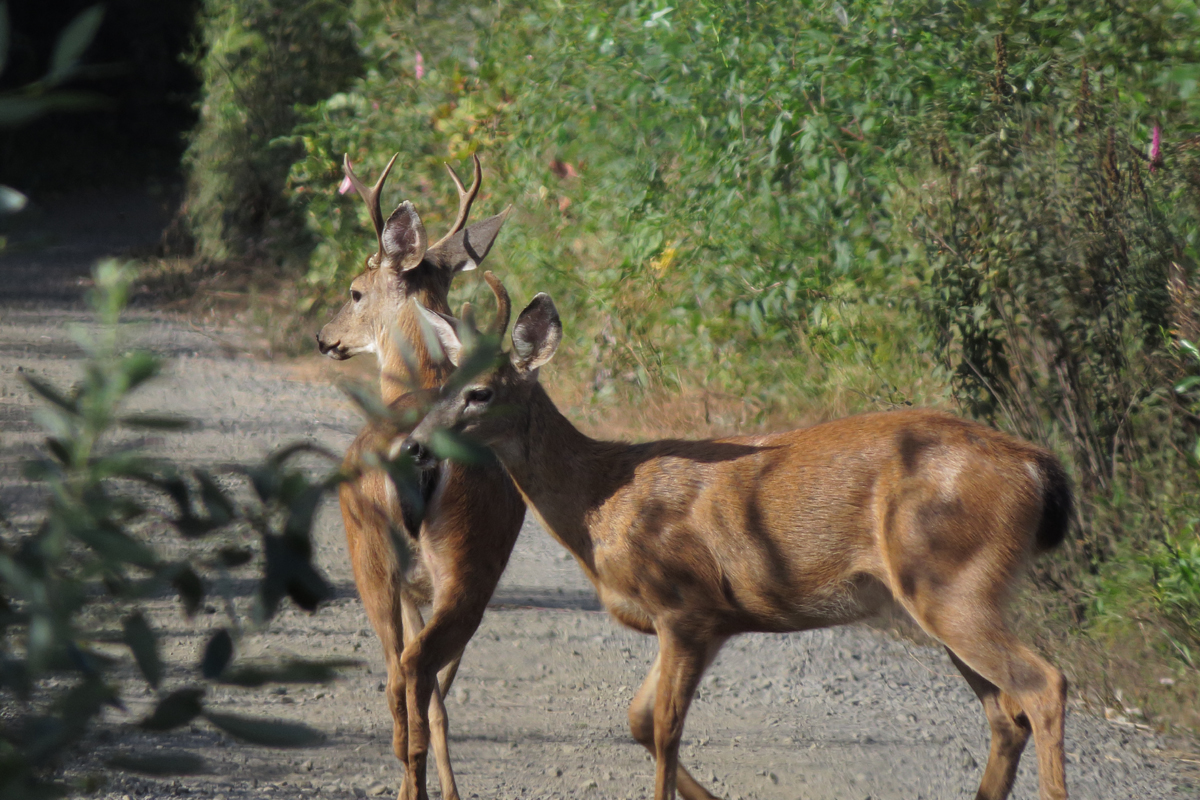
These two Black-tailed Deer were at Jackson Bottom. I found it interesting that the little spike buck in front still had his antlers completely encased in velvet while the fork buck in back has already shed his velvet to reveal polished antler.

There is still about a month of shorebird migration left. I hope we get some good mudflats to bring them in. Happy Summer.