
I led a field trip to Powell Butte Nature Park on the east side of Portland. This is a wonderful park with a nice variety of habitats. I don’t make the trek across town to visit very often, but I am always glad when I do. Columbian Black-tailed Deer are often found in the grassland habitat.

Common Yellowthroats are, wait for it, common in the thickets.

Lazuli Buntings are always a crowd favorite.
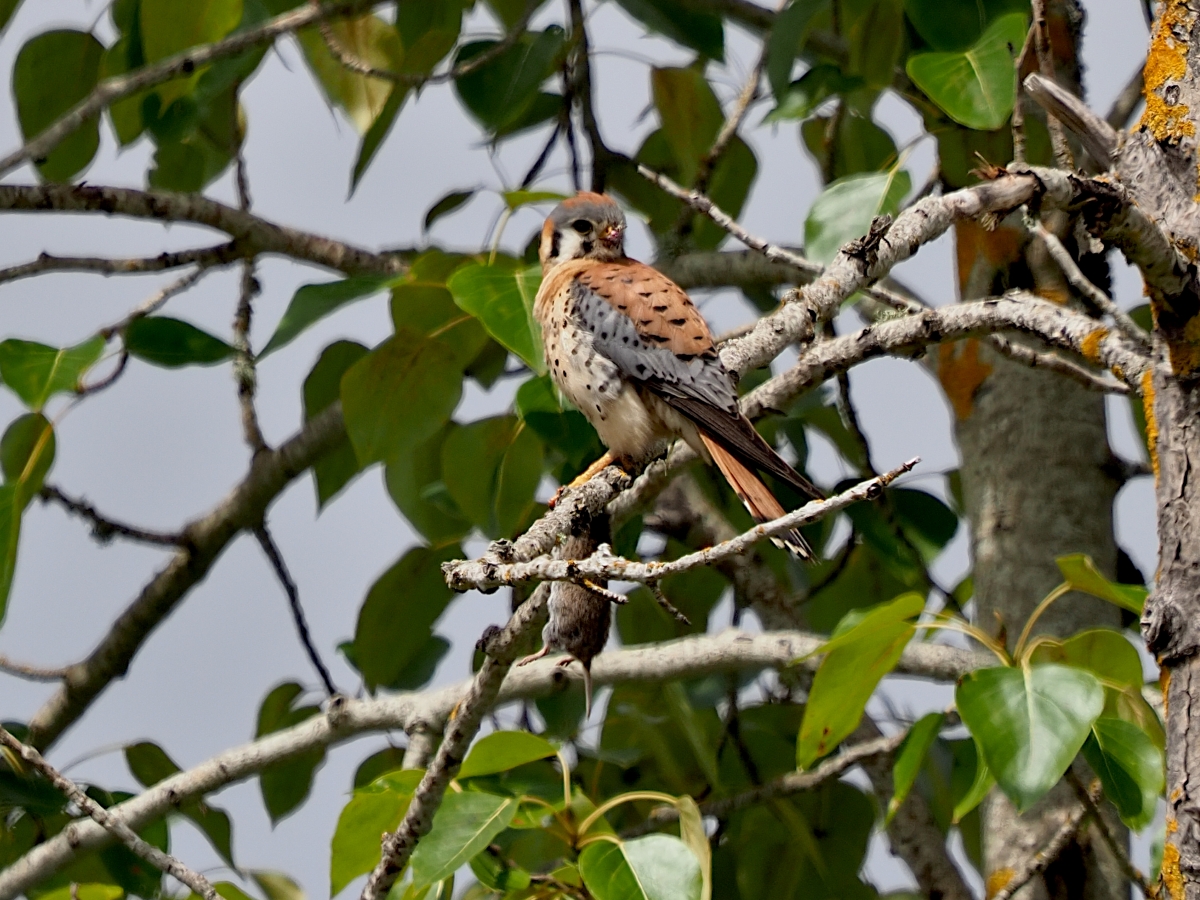
This American Kestrel had caught a vole. It amazes me how these birds can spot little rodents in the tall grass.

Powell Butte is a great spot to find Savannah Sparrows. This particular bird was perched on a banana peel that some moron had left on a trail marker. Pack out your trash, people.

Speaking of bananas, this Banana Slug was munching away on a cheese puff that had been dropped on the trail. Salt is deadly to slugs, causing rapid dehydration. I’m hoping the salt content of this snack item is not too high.

As parasitic nesters, Brown-headed Cowbirds get a bad rap, but I have always appreciated the subtle beauty of this species.
Happy summer!
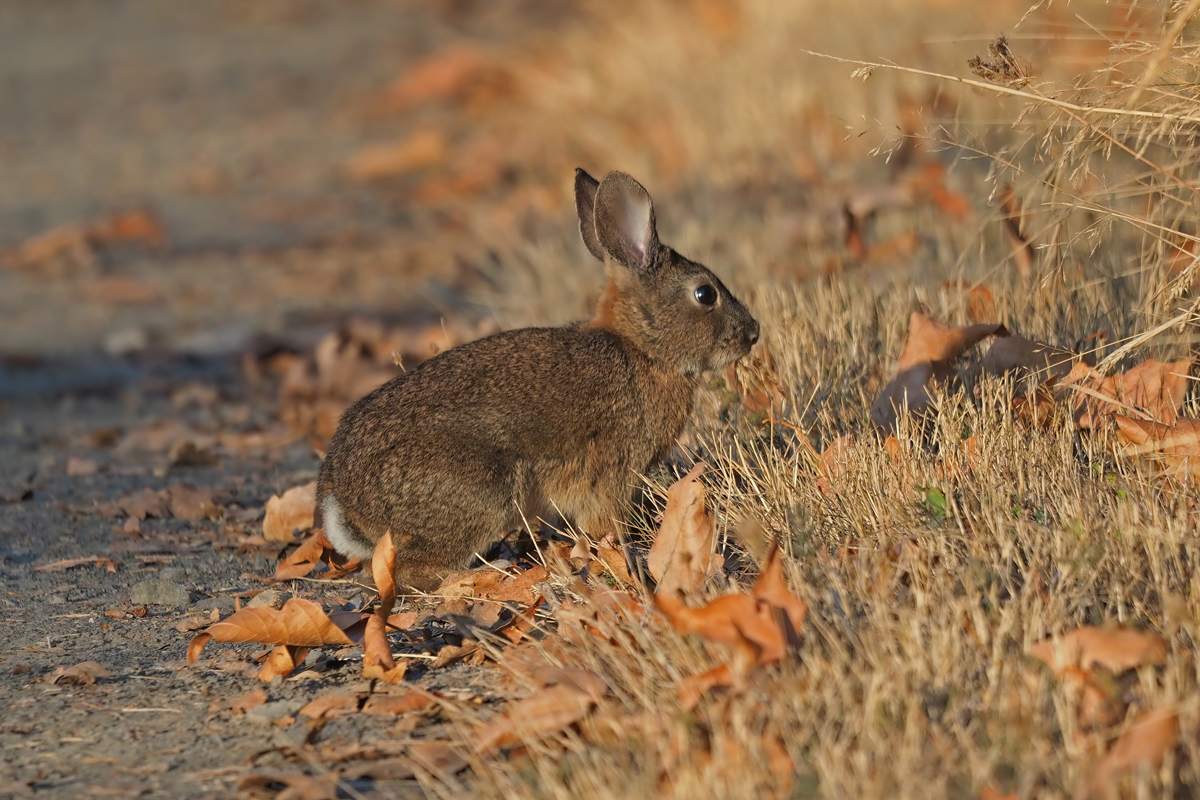
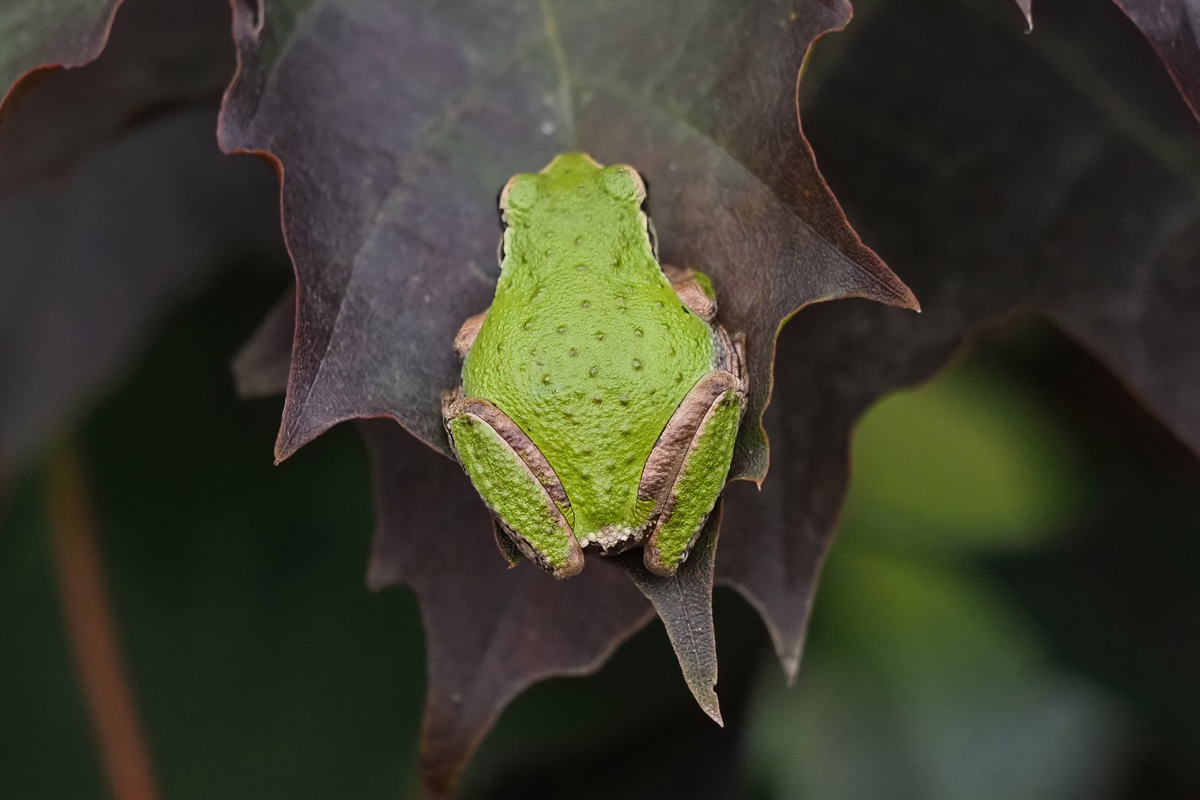
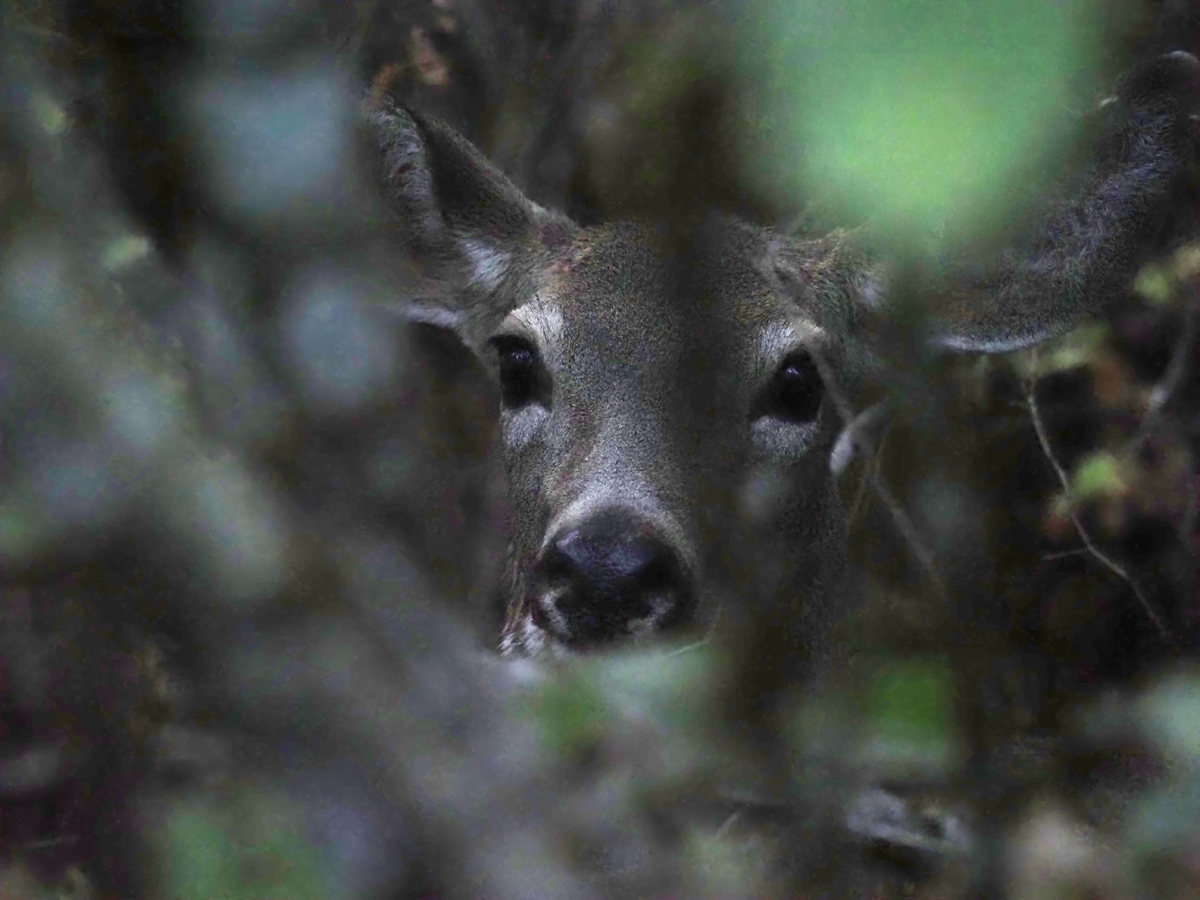
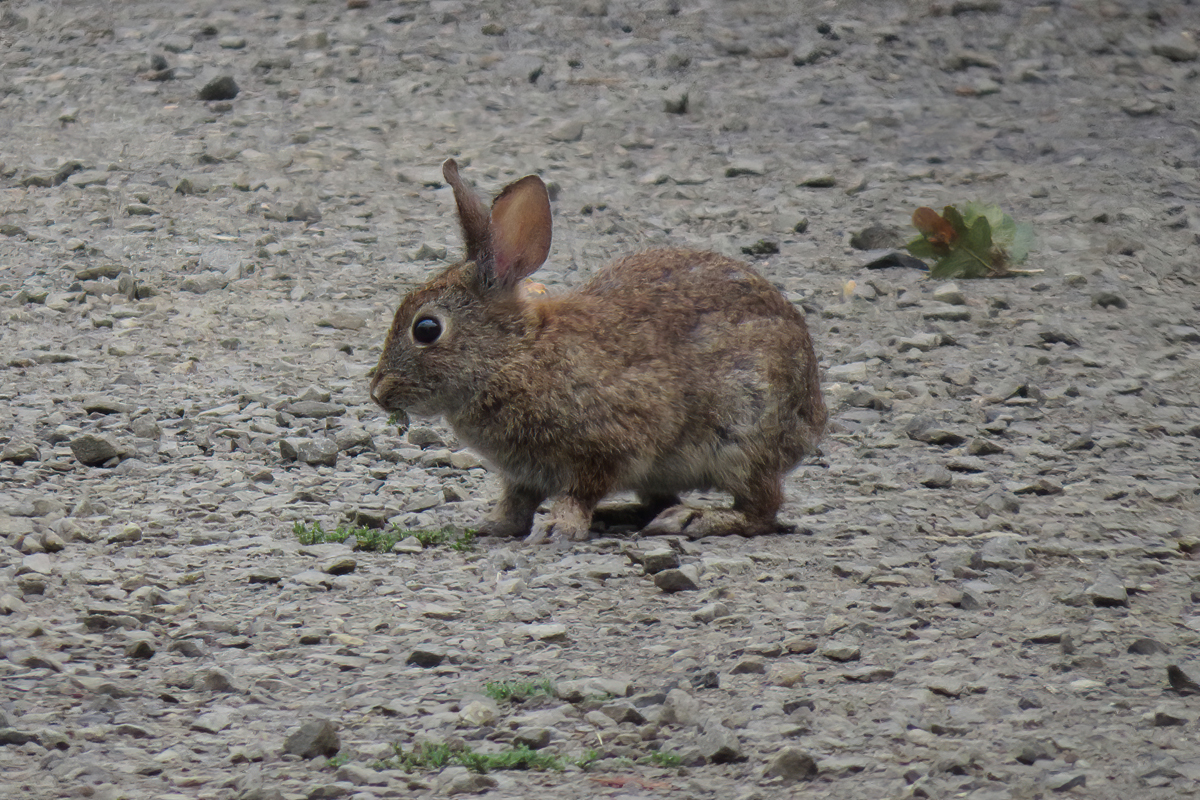 Brush Rabbit, Fernhill Wetlands
 The top image shows a massive male American Bullfrog found at Dober Reservoir. Note the injury around his right eye. The bottom image is of a newly emerged female. At this stage, she was about the size of the males head, but females typically grow larger than males of this species.
 Orange Sulphur, found at Jackson Bottom. Unfortunately, this species perches with their wings closed, so you can’t see the vibrant colors on the top.
 This Mylitta Crescent at Fernhill Wetlands was much more cooperative.
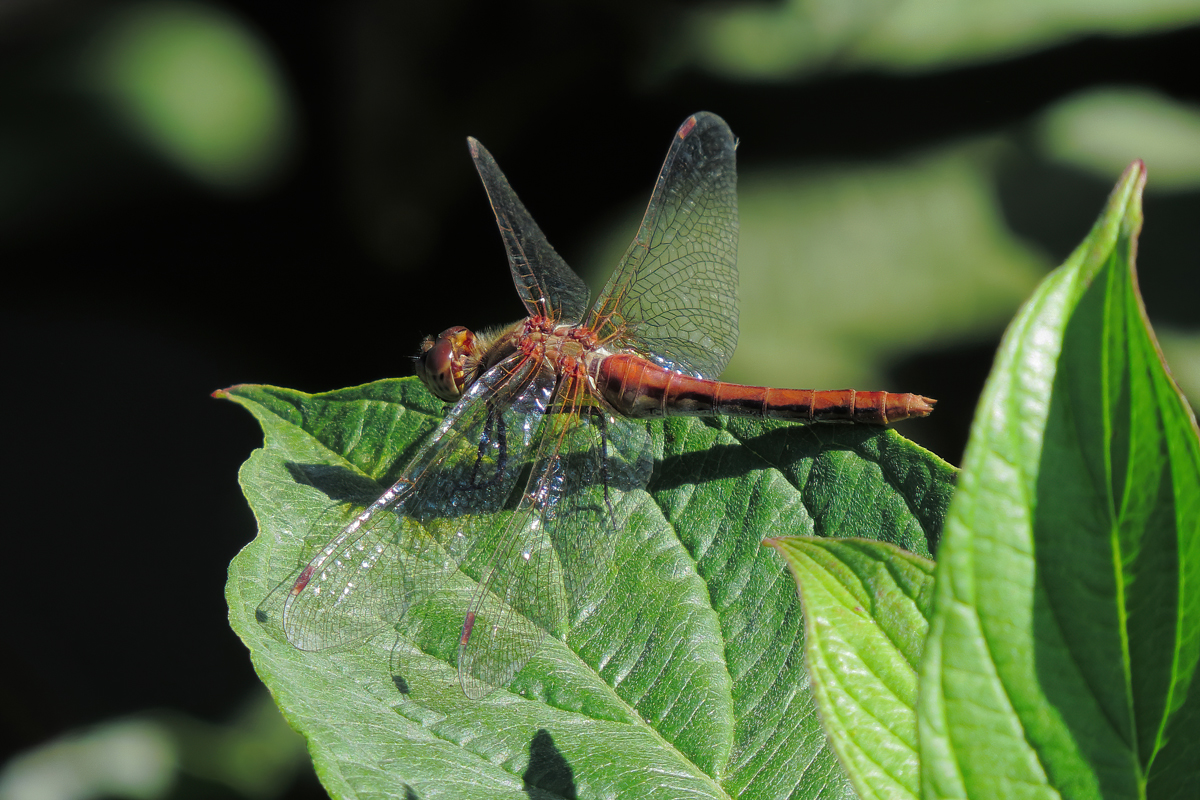 I don’t know the dragonflies, but I am told this individual from Fernhill Wetlands is a Striped Meadowhawk.
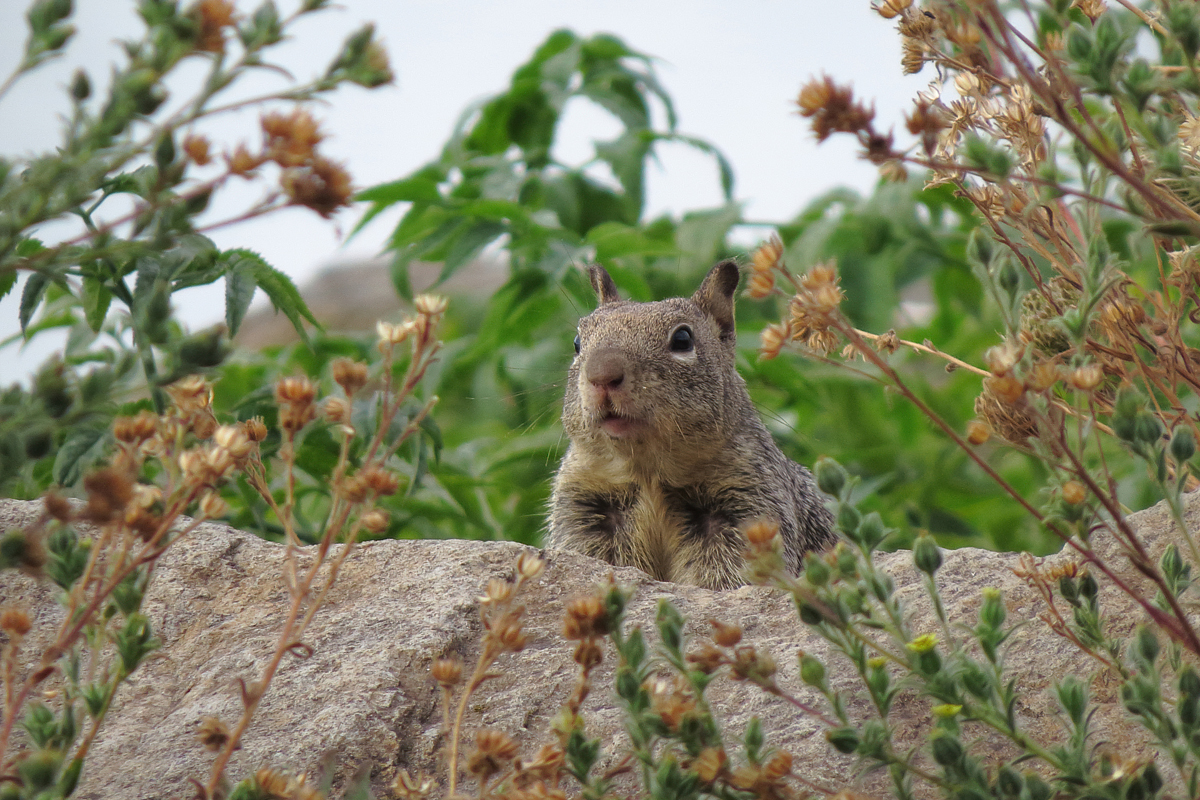 California Ground Squirrels, one of my favorite rodents, have become more common at Fernhill Wetlands since the reconstruction a few years ago.
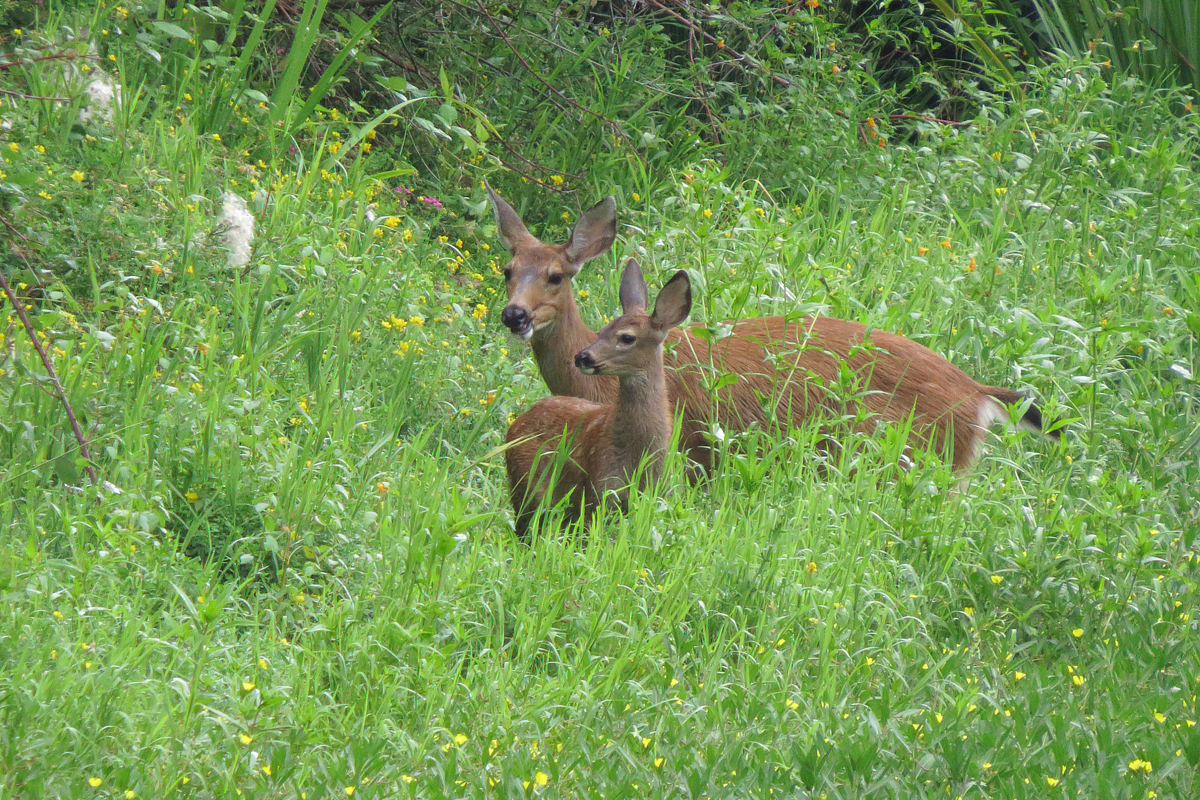 This Black-tailed Deer and her fawn were enjoying the lush vegetation at Smith and Bybee Wetlands.
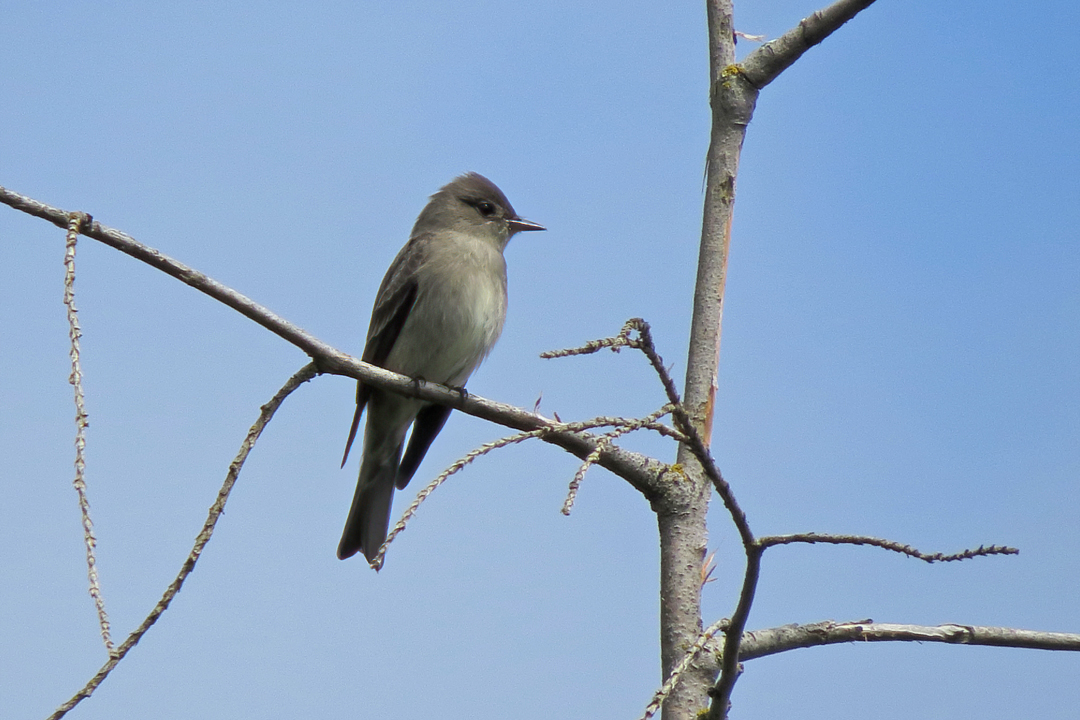 Our team for the Audubon Society of Portland’s Birdathon birded several sites in the northern parts of Portland. The weather was cool and rainy, not conducive to photography or bird activity, but we ended our efforts with 76 species for the day. This Western Wood-Pewee at Whitaker Ponds was one of the few photogenic individuals.
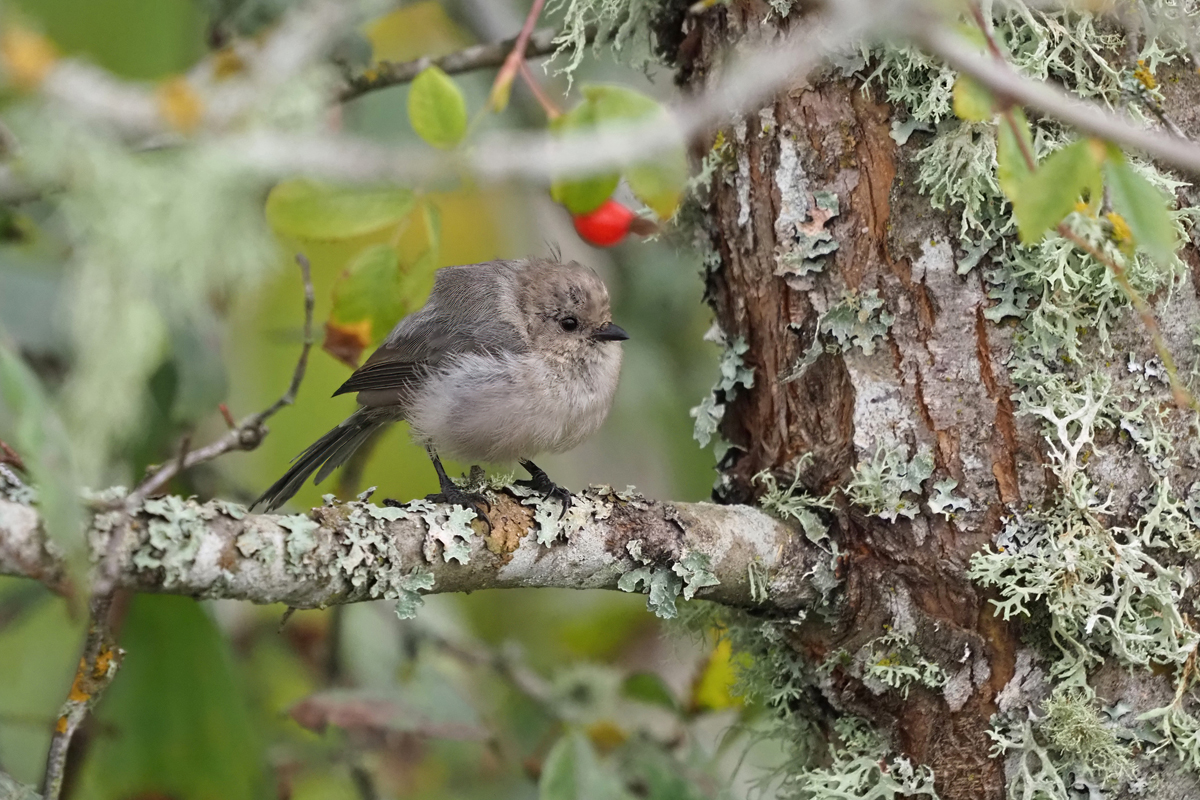
 Bushtit, also at Whitaker Ponds
 This Black-tailed Deer, with his new antlers just starting to sprout, was at Smith and Bybee Wetlands.
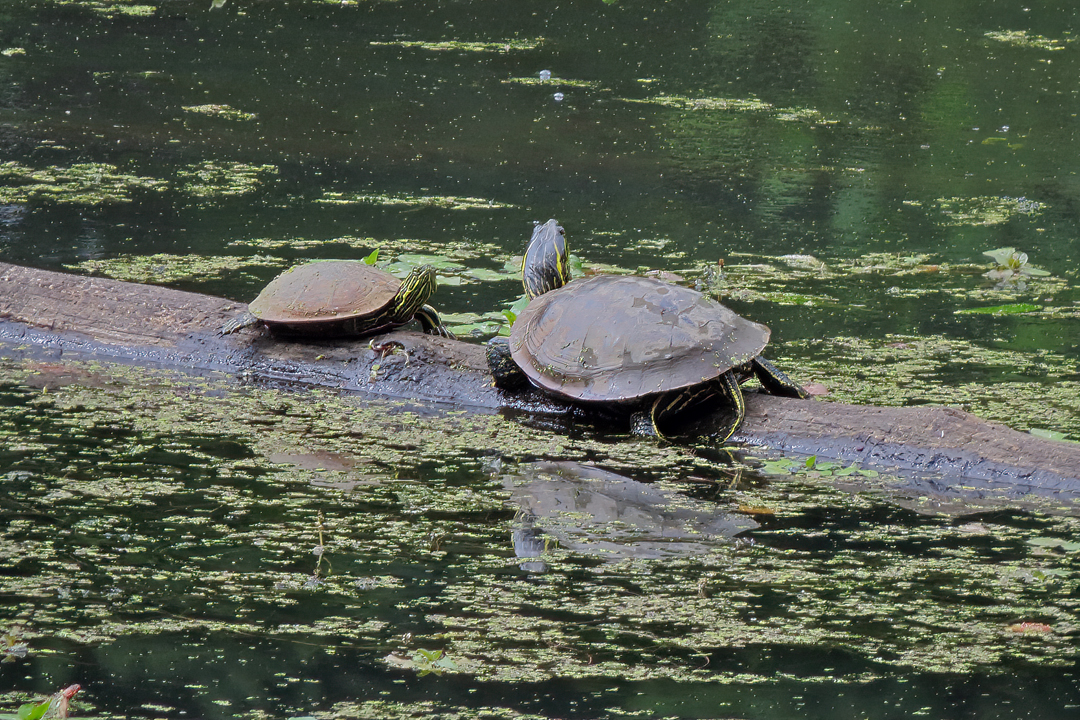 There are only two native species of turtle in Oregon, both of which are considered at risk do to habitat loss and pollution. Smith and Bybee Wetlands is a local stronghold for Western Painted Turtles.
 Here is a Western Painted Turtle on the left, with a Red-eared Slider on the right. Red-eared Sliders are native to the southeastern U.S., but have been introduced into many areas, usually by people disposing of unwanted pets. Introduced species compete with native species for food and nesting habitat.
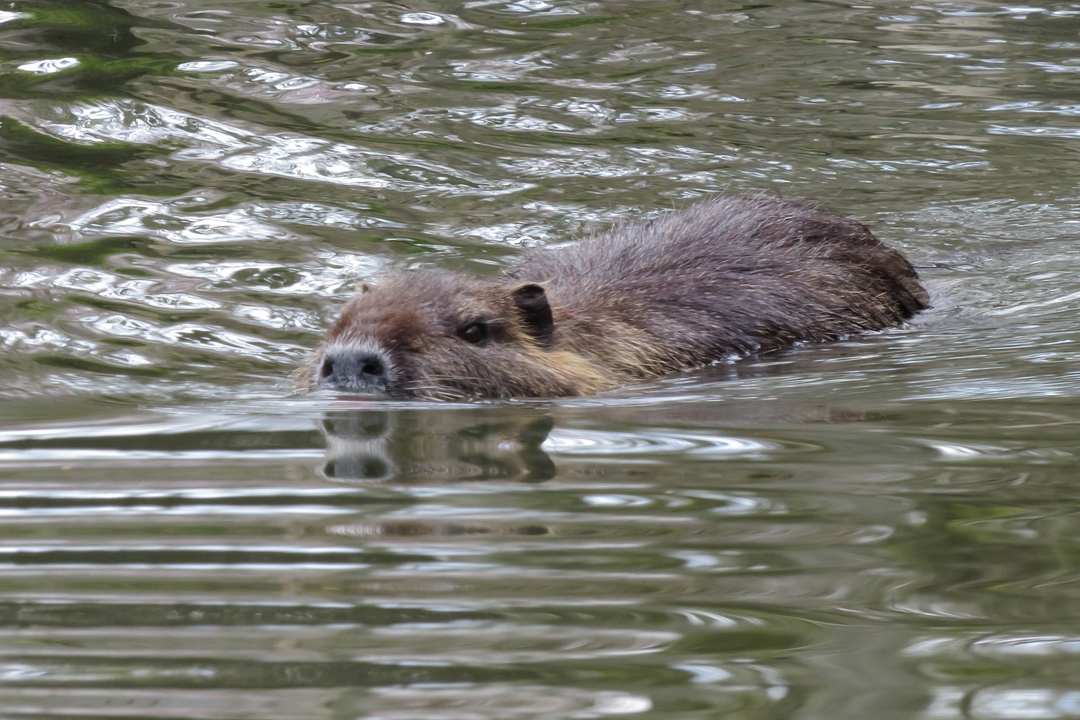 I very rarely get to see Beaver, but Nutria (pictured above) are everywhere, giving me my daily allowance of large aquatic rodents.
 It is always a treat to see Black-tailed Deer.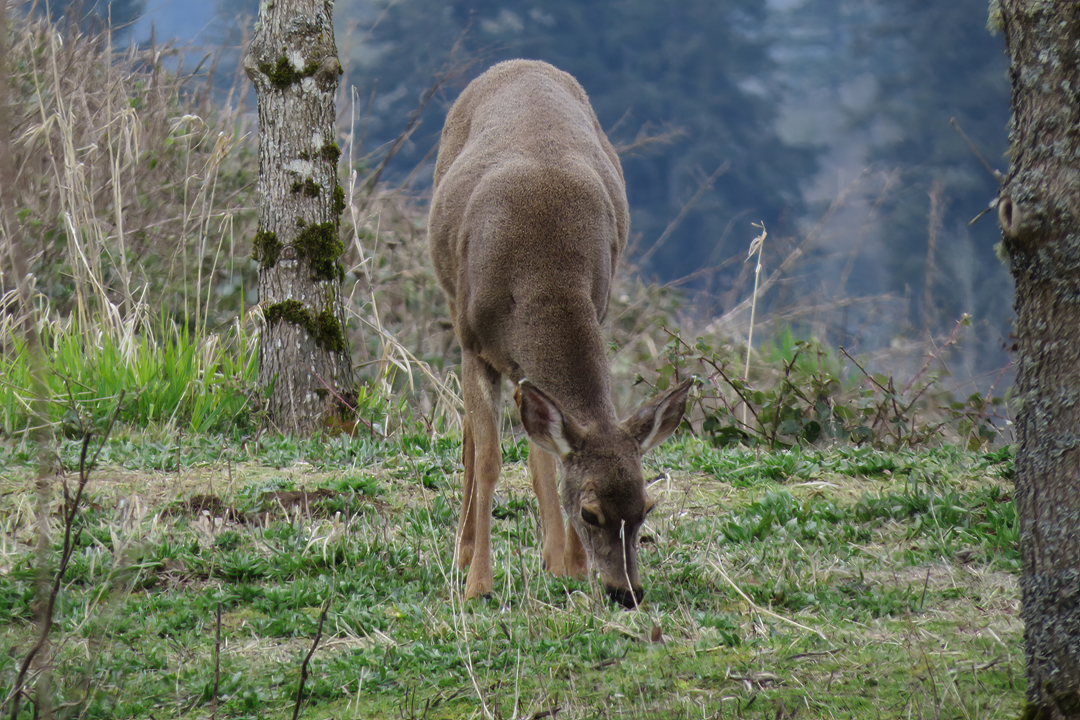

 Partially because birding has been slow, and partially because I am preparing for a herping class in May, I have been looking for amphibians and reptiles a lot this spring. This is an Oregon Ensatina, a very small specimen that was about two inches long. Ensatinas are recognized by their proportionally large head and eyes. The Oregon subspecies typically has the yellow coloring at the base of the legs.
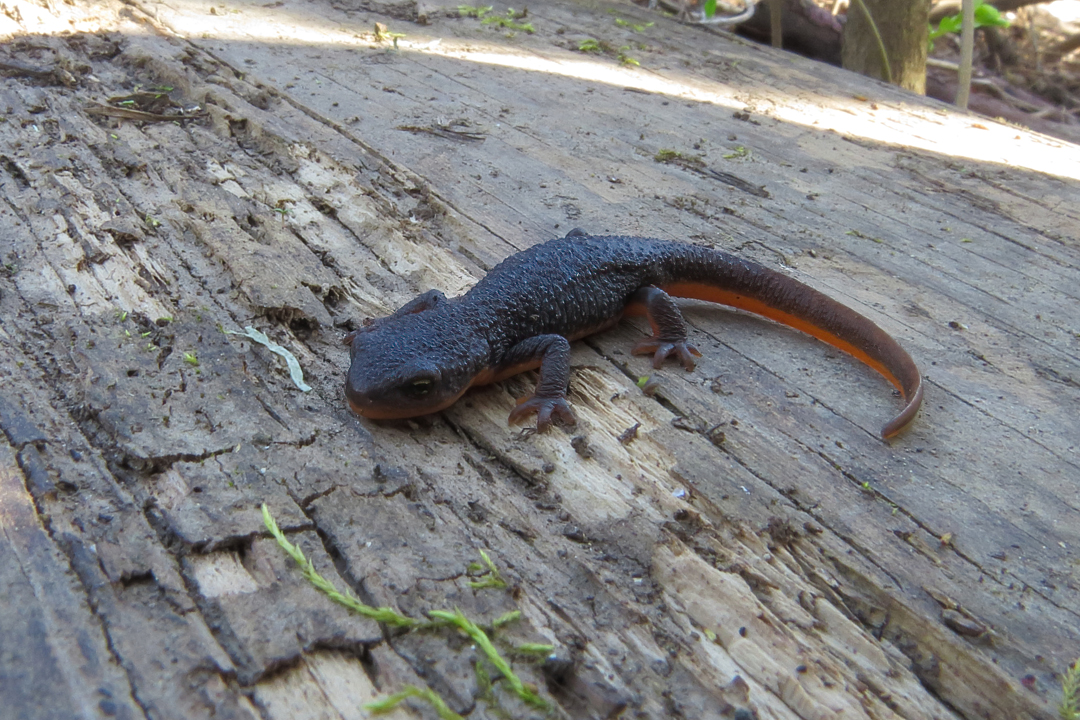 This is the smallest Rough-skinned Newt I have seen, about two inches long.
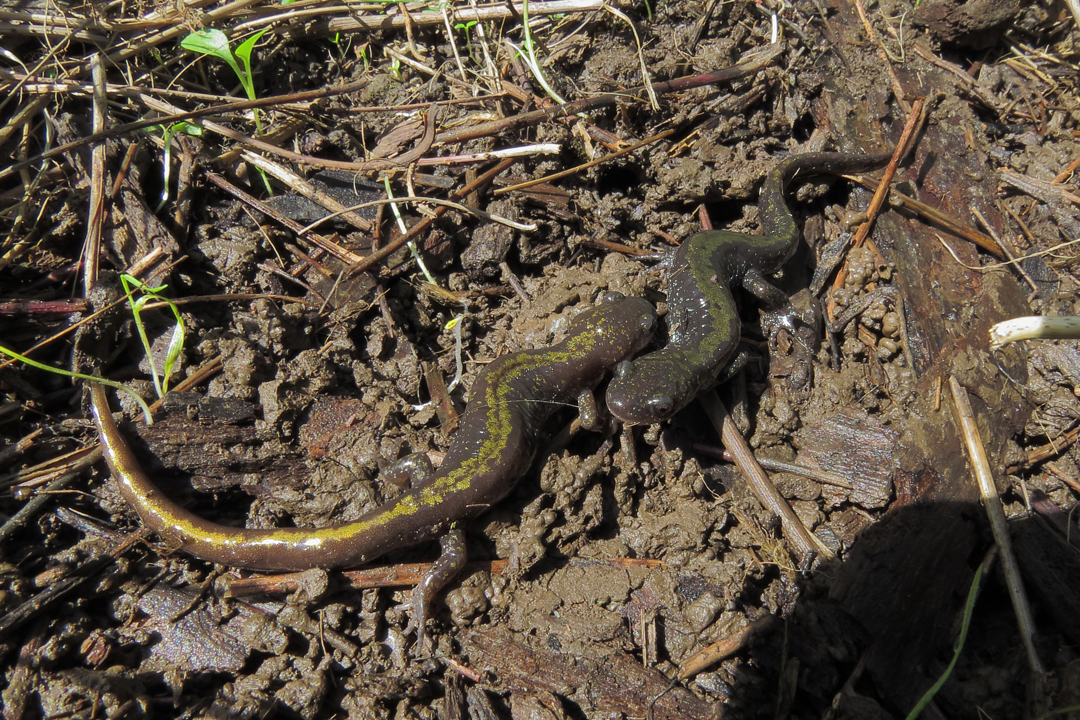 These Long-toed Salamanders were creating some neat shapes.
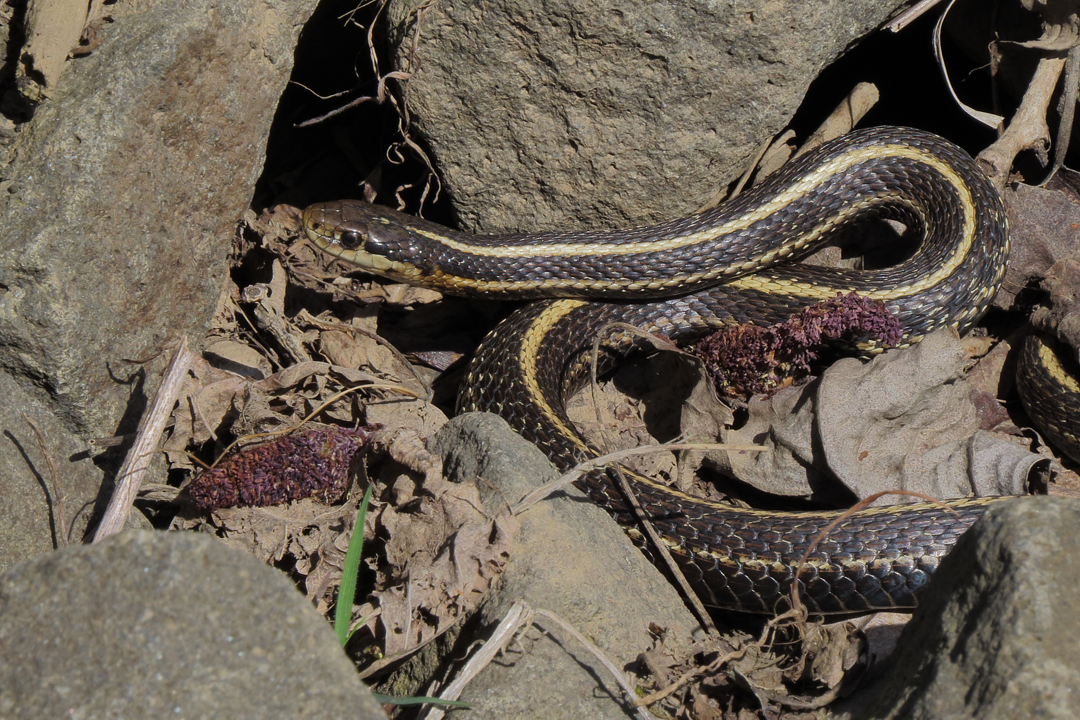 Northwestern Garter Snake
 Two courting Northwestern Garter Snakes. Notice the variation in color pattern, typical of this species.
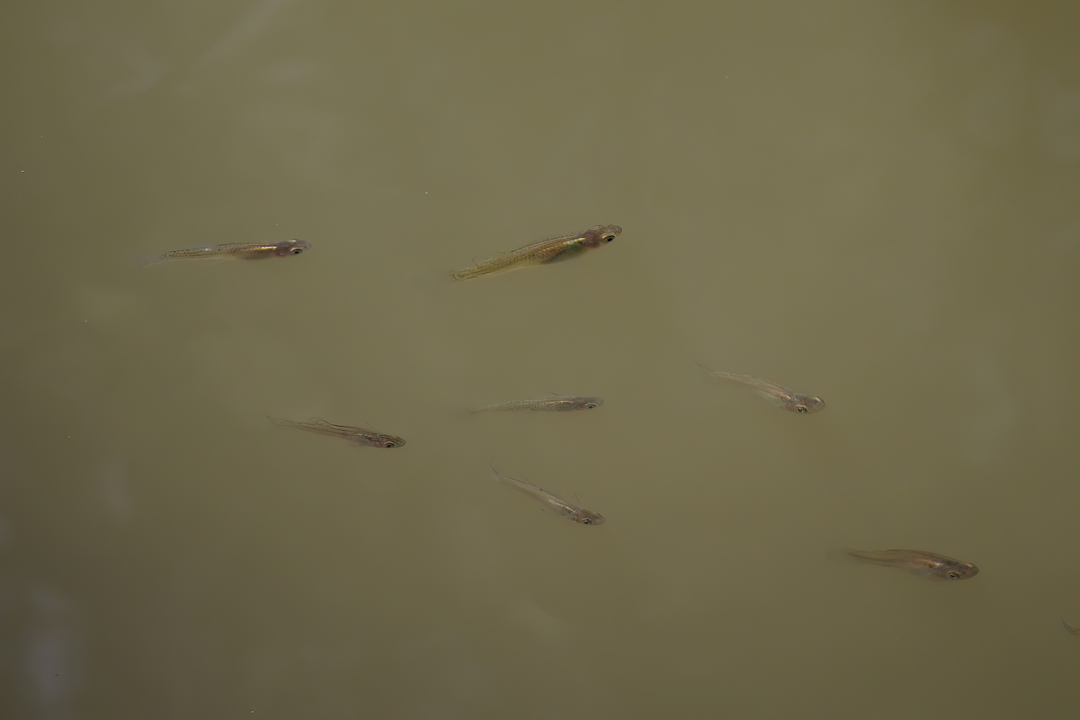 Western Mosquito Fish






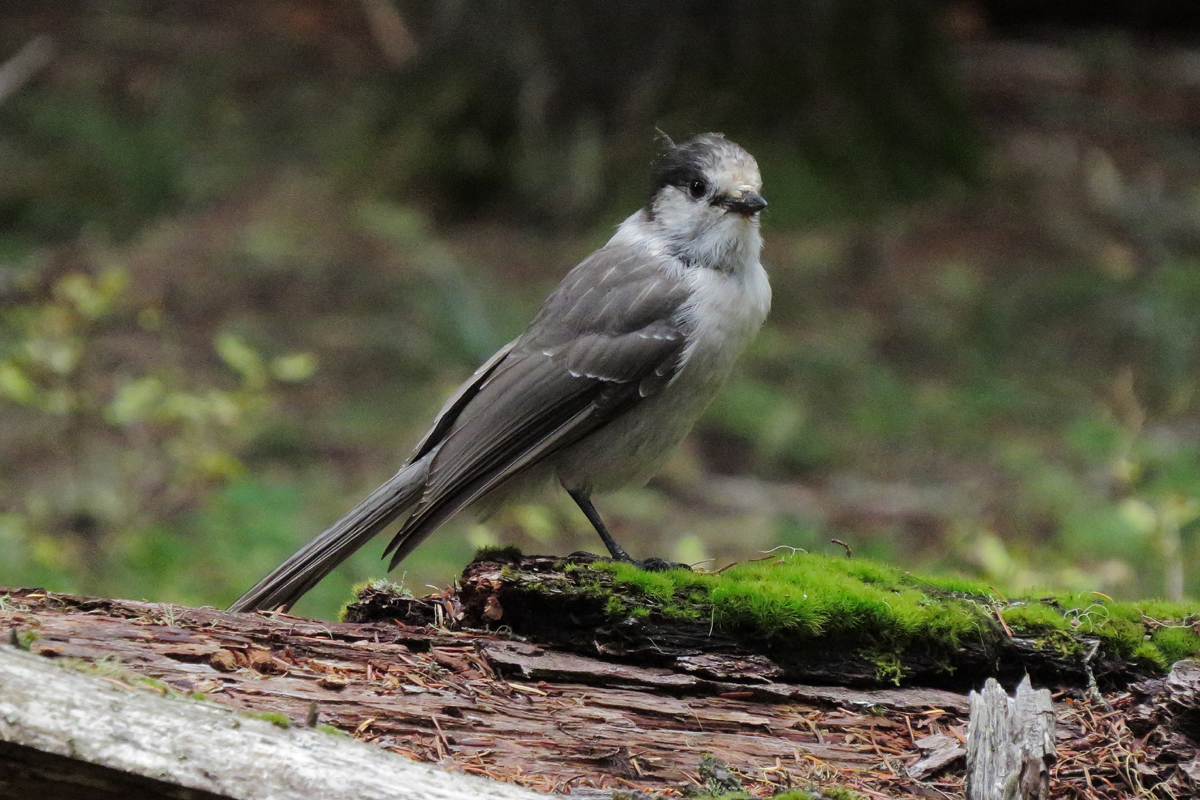 Birding in the forests this time of year can be deadly slow, but we did encounter two groups of Canada Jays. Even when you don’t have food, these birds will come in close to check you out.
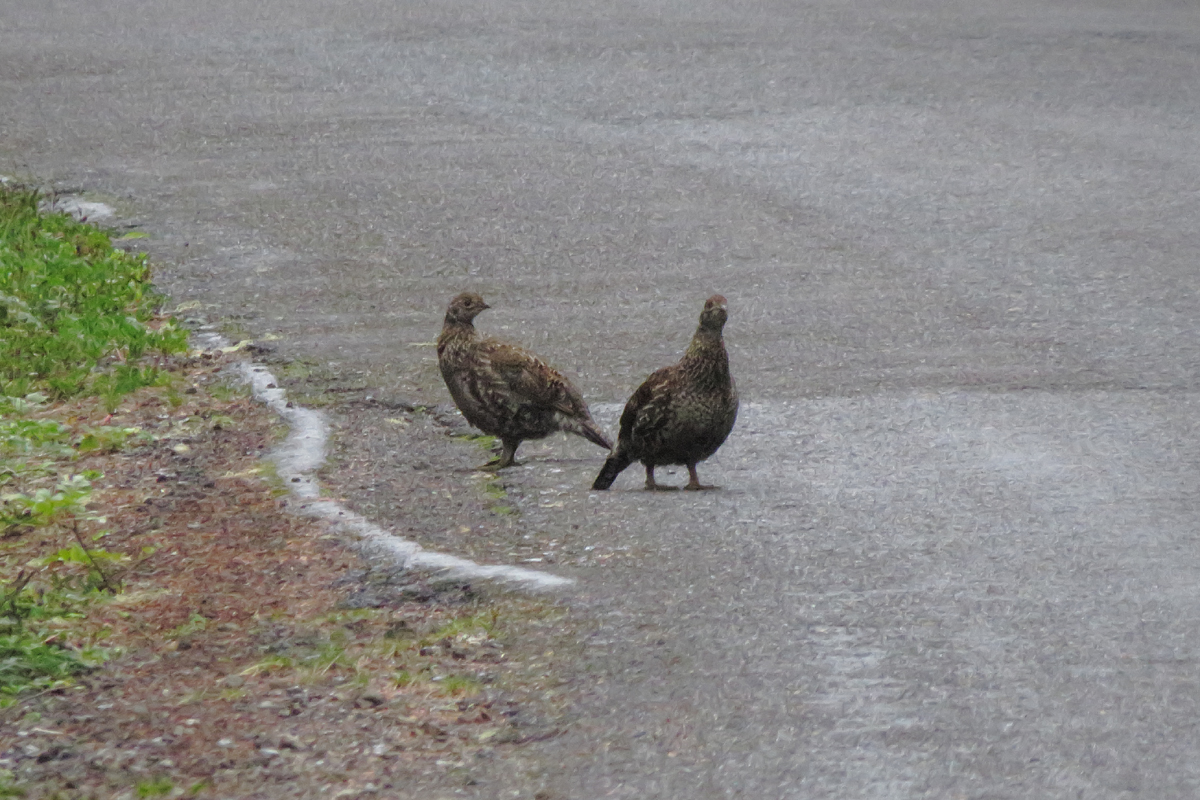 On the way back from Little Crater Lake, we came across a group of six Sooty Grouse. This was a lifer for my client, and the largest “flock” that I have seen.
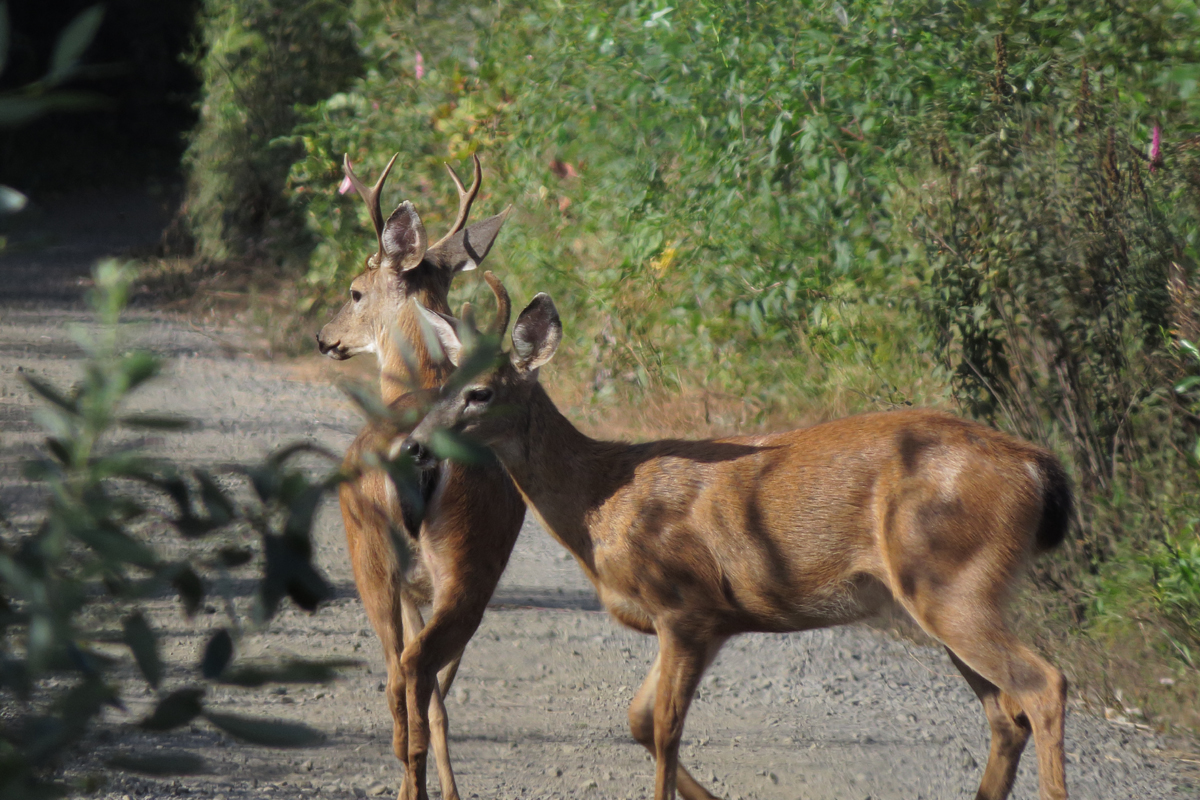
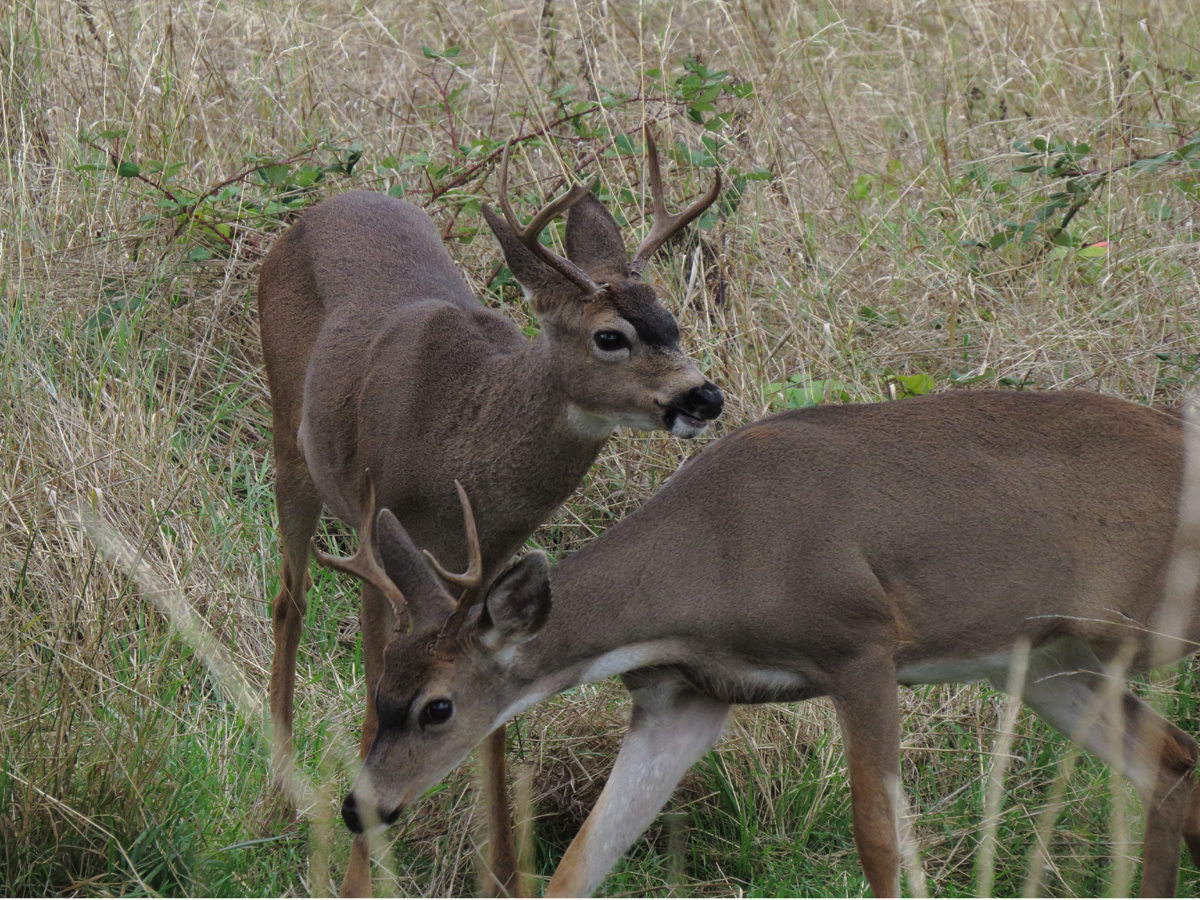 After a second trip up to Timberline proved equally unbirdable, we decided to head back toward Portland to look for sparrows and other grassland species at Powell Butte Nature Park. We found a few sparrows, but the highlight of this spot was the group of three Black-tailed Deer feeding on fallen apples.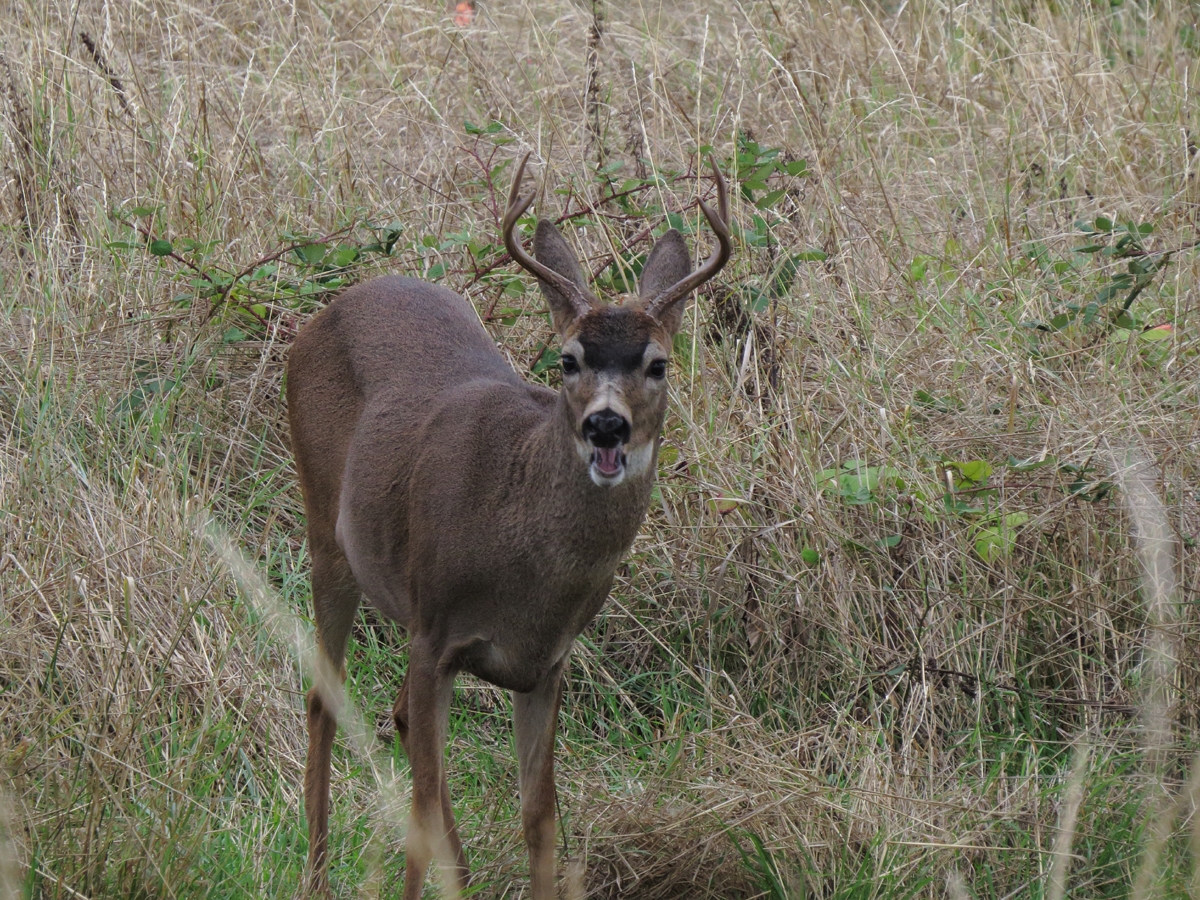
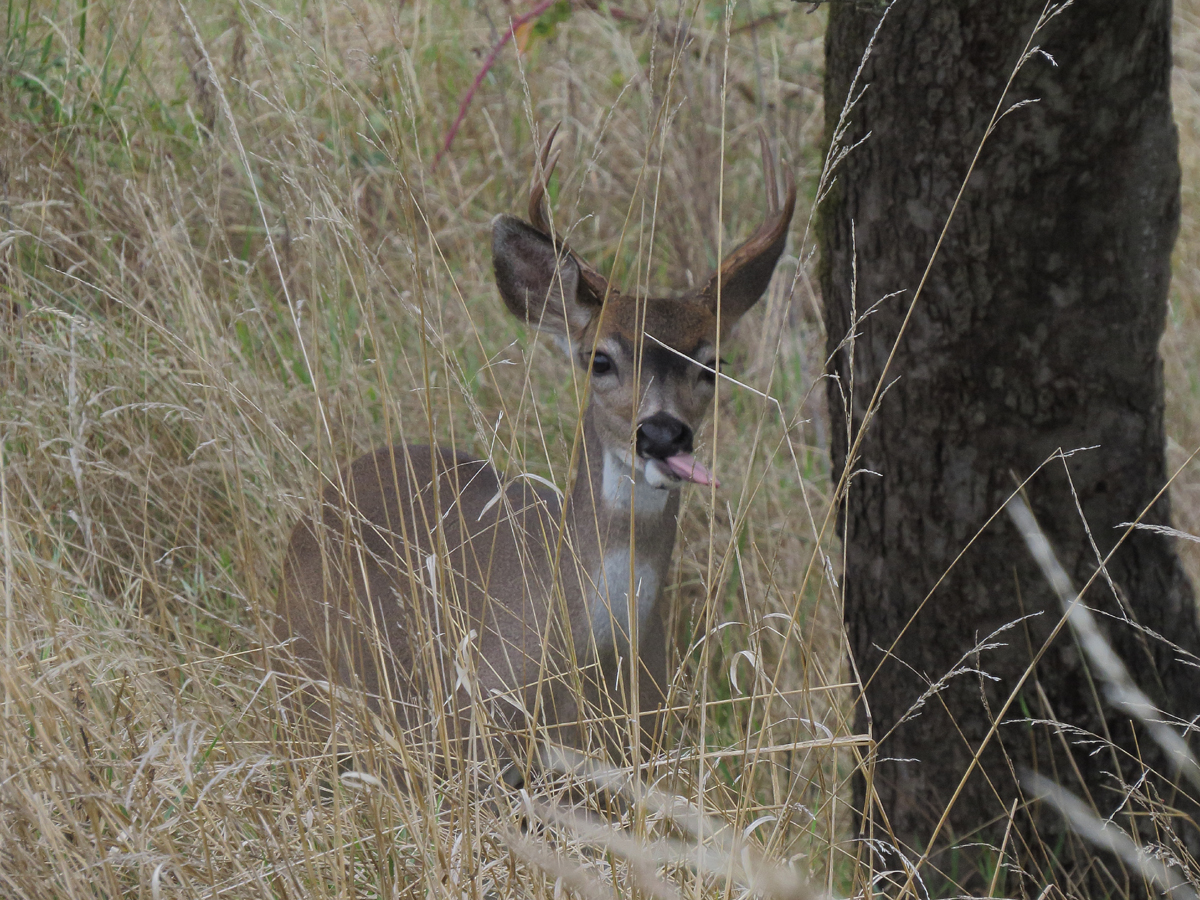
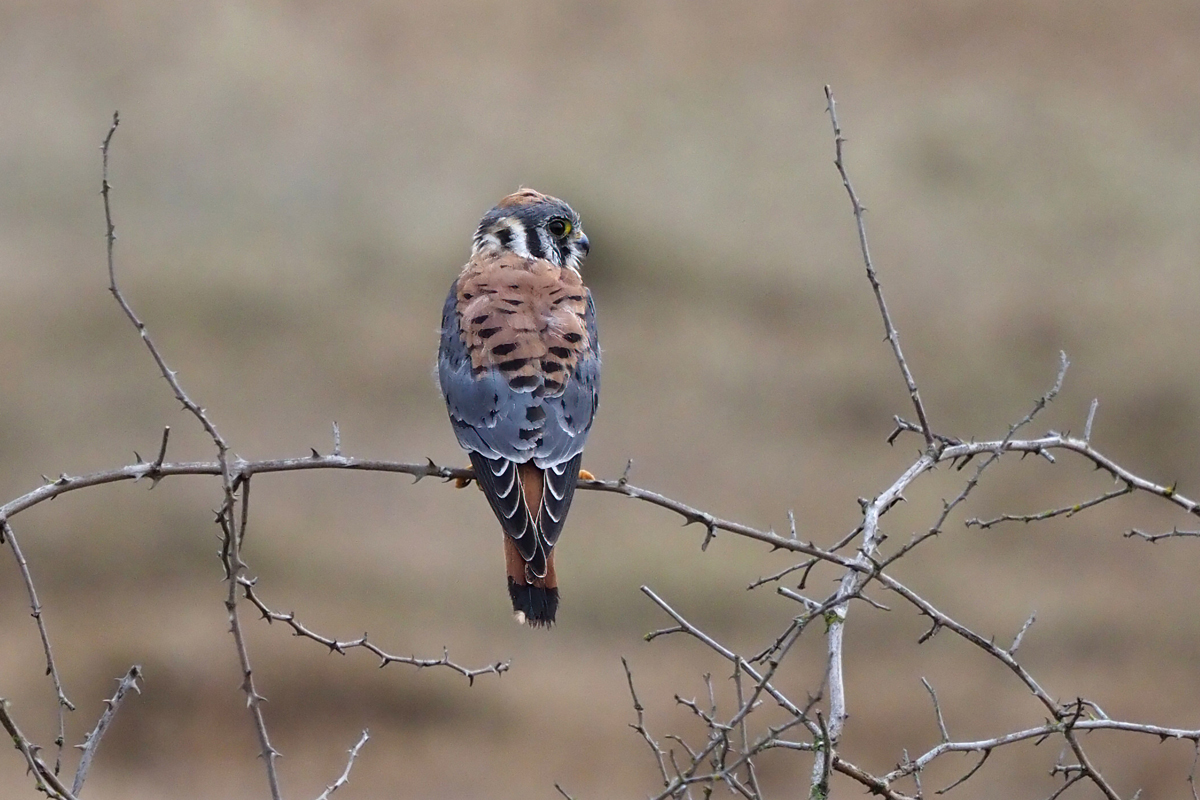
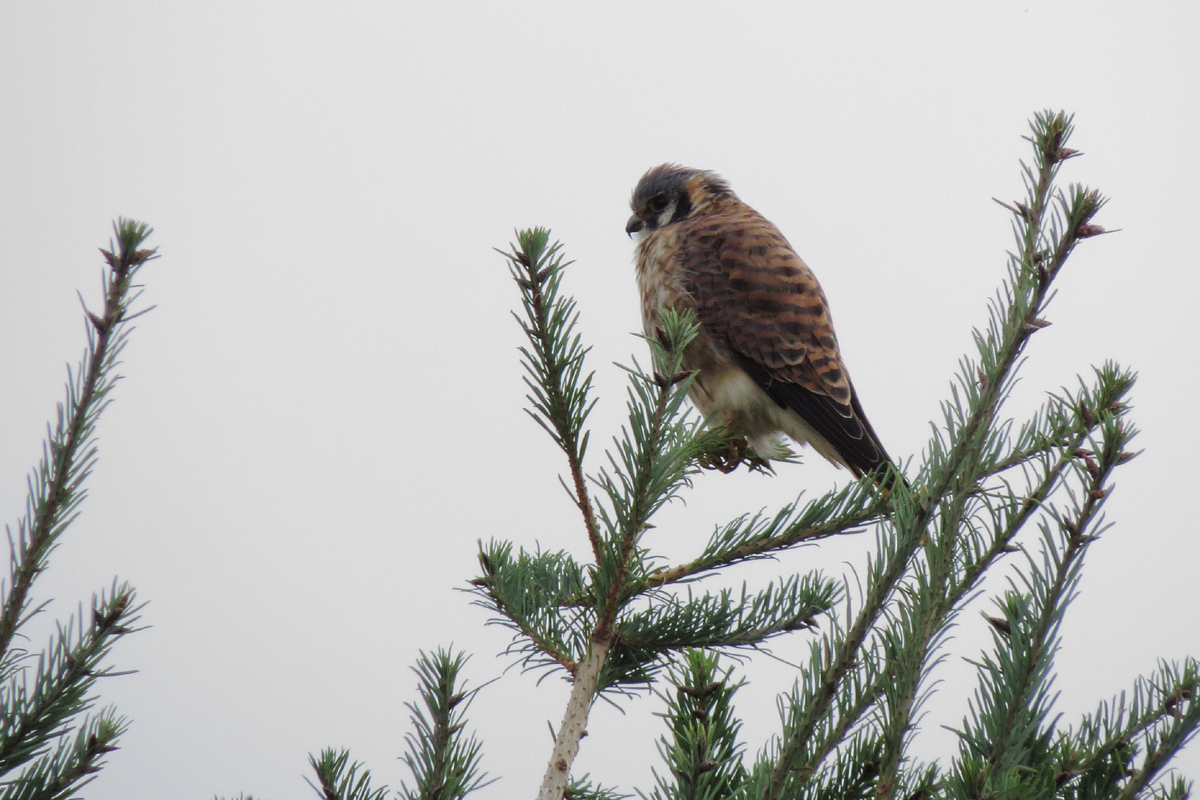 One reason songbirds may have been so hard to come by at this site was the pair a American Kestrels (female shown here) that were actively hunting. A Sharp-shinned Hawk was also lurking about, so the sparrows may have been keeping a low profile.














 Ethical Birder