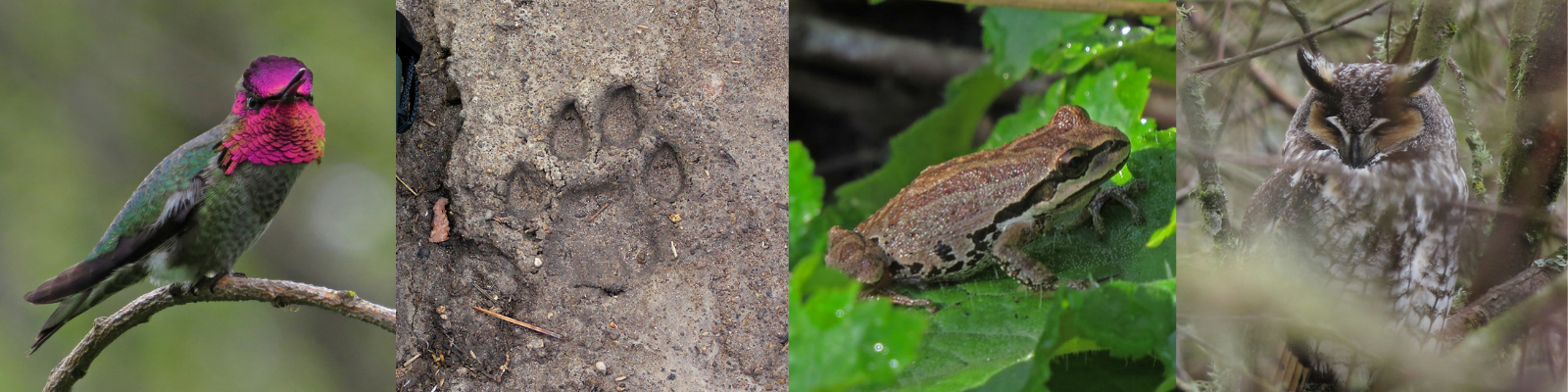
Here are a few images of various animals I have seen lately. When the birds refuse to pose for photos, it is nice to find other creatures that are more cooperative. As I have said, there is always something to see.
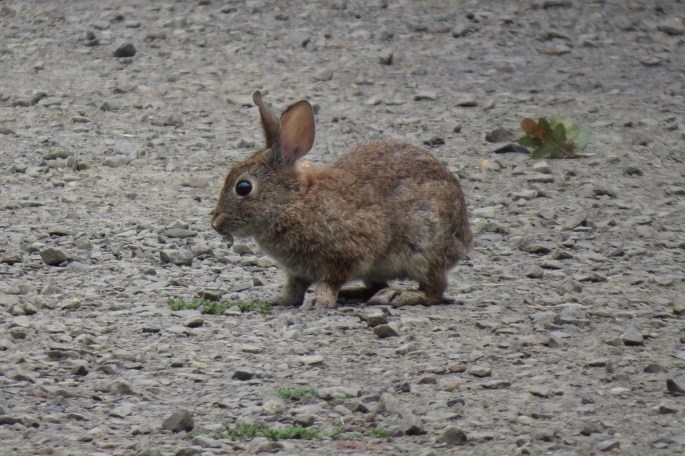 Brush Rabbit, Fernhill Wetlands
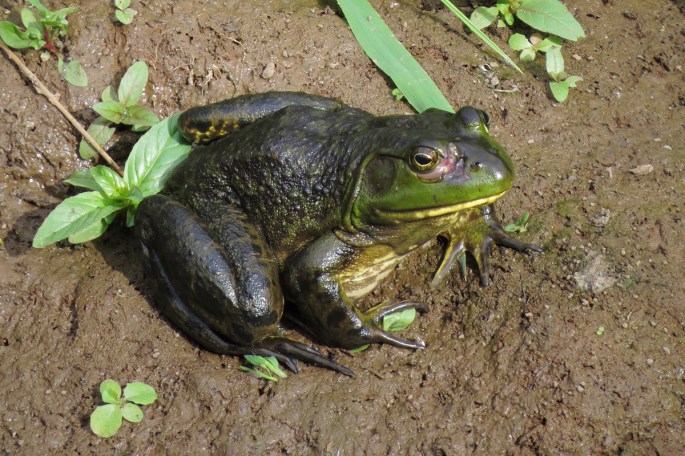
 The top image shows a massive male American Bullfrog found at Dober Reservoir. Note the injury around his right eye. The bottom image is of a newly emerged female. At this stage, she was about the size of the males head, but females typically grow larger than males of this species.
 Orange Sulphur, found at Jackson Bottom. Unfortunately, this species perches with their wings closed, so you can’t see the vibrant colors on the top.
 This Mylitta Crescent at Fernhill Wetlands was much more cooperative.
 I don’t know the dragonflies, but I am told this individual from Fernhill Wetlands is a Striped Meadowhawk.
 California Ground Squirrels, one of my favorite rodents, have become more common at Fernhill Wetlands since the reconstruction a few years ago.
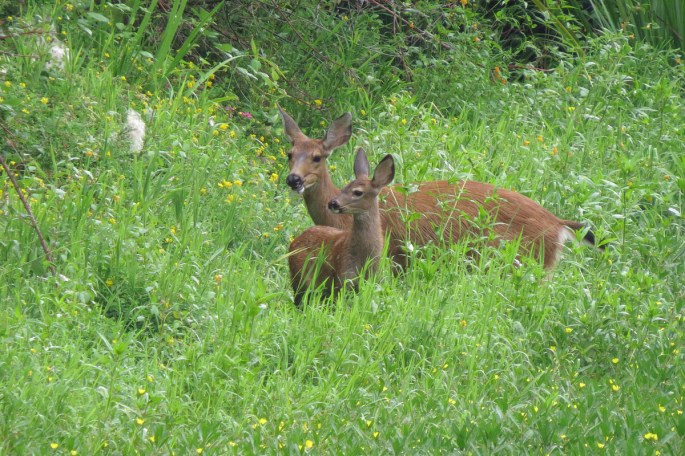 This Black-tailed Deer and her fawn were enjoying the lush vegetation at Smith and Bybee Wetlands.

Back to birds next time.
Happy Autumn
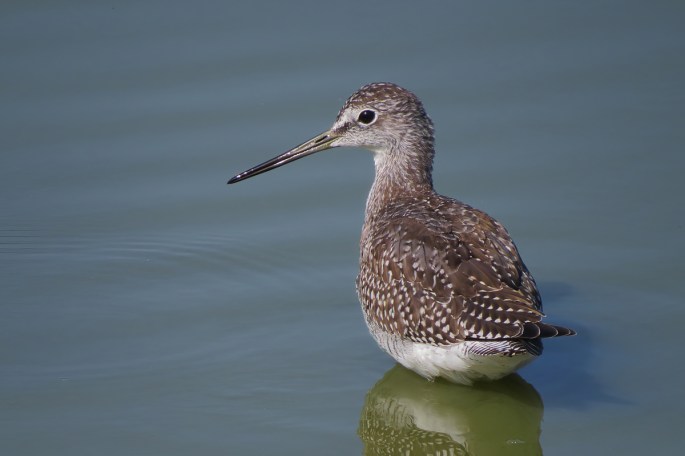
 Typically seen wading, Greater Yellowlegs will occasionally swim in groups to catch small fish.
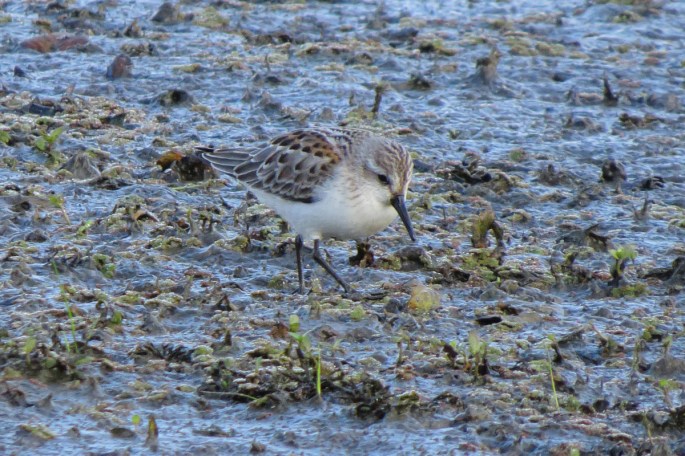 This juvenile Western Sandpiper, showing the characteristic rusty suspenders, was taking advantage of low water levels at Smith and Bybee Wetlands.
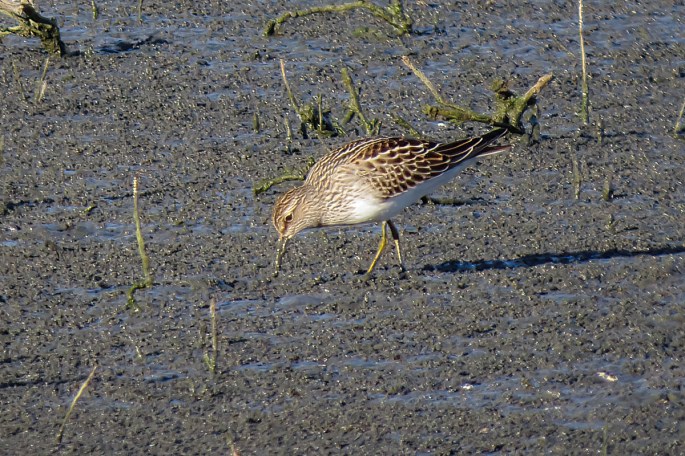 The main lake at Fernhill Wetlands has receded enough to create some nice mudflats, here being enjoyed by a Pectoral Sandpiper.
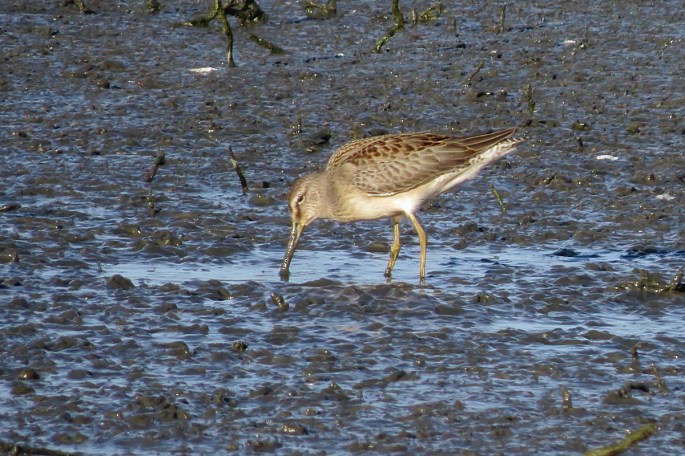 juvenile Long-billed Dowitcher, showing the characteristic solid dark tertials
 juvenile Short-billed Dowitcher, showing the characteristic tiger-striped tertials
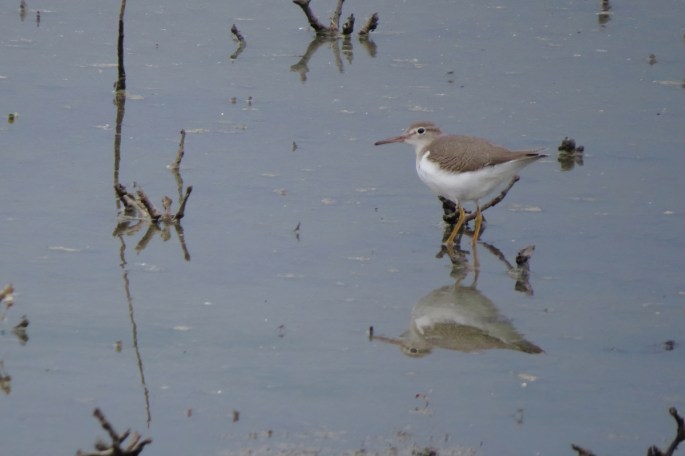 Spotted Sandpipers nest in the Portland area. Juveniles, like this one, can be recognized by the barring on the wing coverts.
 Semipalmated Plovers are surely one of the cutest shorebirds. The scaly pattern on the wings tells us that this is a juvenile.
 Trestle Bay, just off Parking Lot D at Fort Stevens State Park, can be one of the more productive shorebird spots on the north coast. Timing is critical, as the bay fills completely with the high tide.
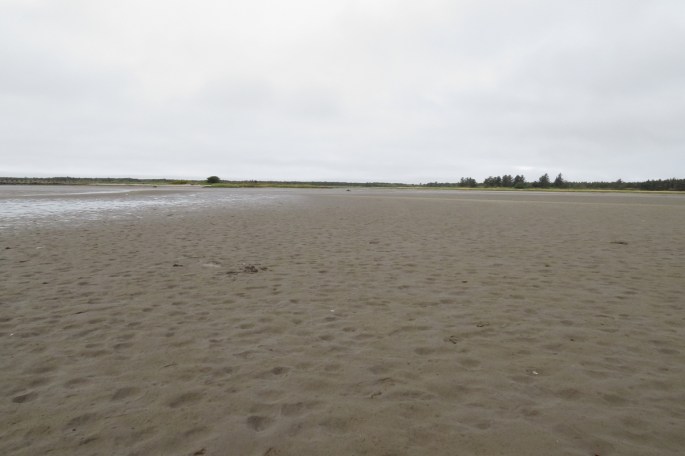 When the tide is out, the bay provides extensive mudflats. With this much exposed mud, the birds can be quite distant, so timing your visit when the tide is coming in can produce some nice viewing.
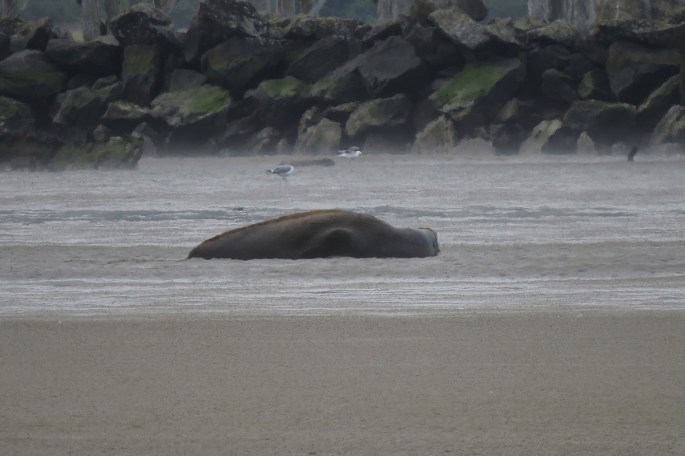 On this visit we observed what we thought was a California Sea Lion carcass way out on the flat.
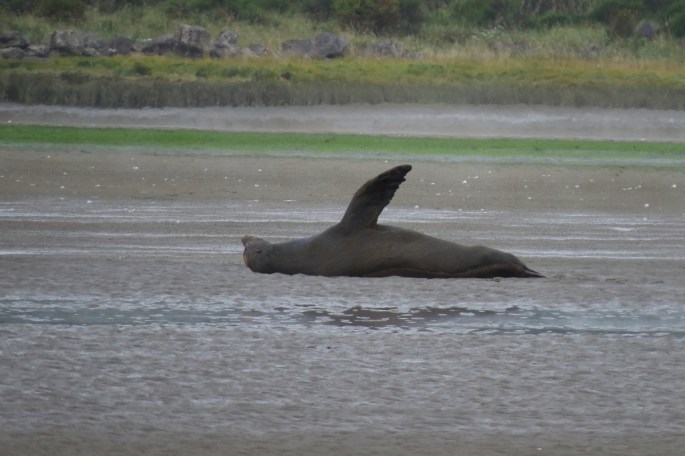 Later we noticed the the sea lion had rolled over and extended a flipper. Apparently he was just hanging out on the mudflat catching some sun.
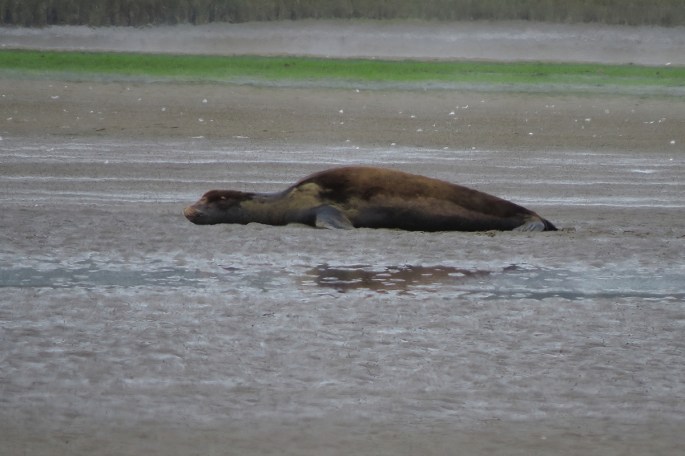 I normally see these animals basking on rocks, but the mud was apparently working for this guy.
 Southbound shorebird migration tends to come in waves, and we were between waves on this visit. Our consolation birds were this flock of Common Mergansers with a California Gull.
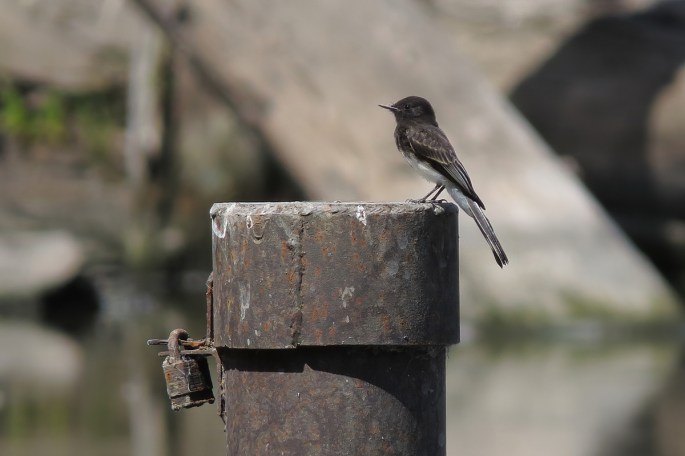 The first record of Black Phoebe in Washington County was in 2006 (by yours truly). Now they are rare but regular at both Jackson Bottom and Fernhill.
 Shorebird migration is in full swing. Numbers are better at the coast, but some birds are finding the small patches of mud at inland locations. This Least Sandpiper was feeding on some newly exposed mud at Jackson Bottom.
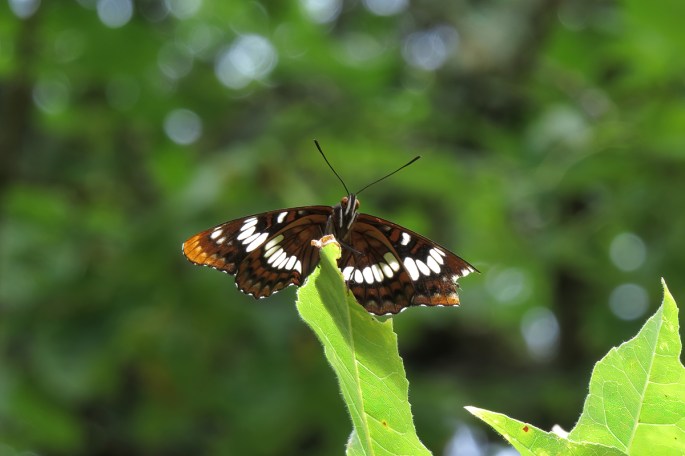 Here is the underside of a Lorquin’s Admiral. Those red eyes are intense.
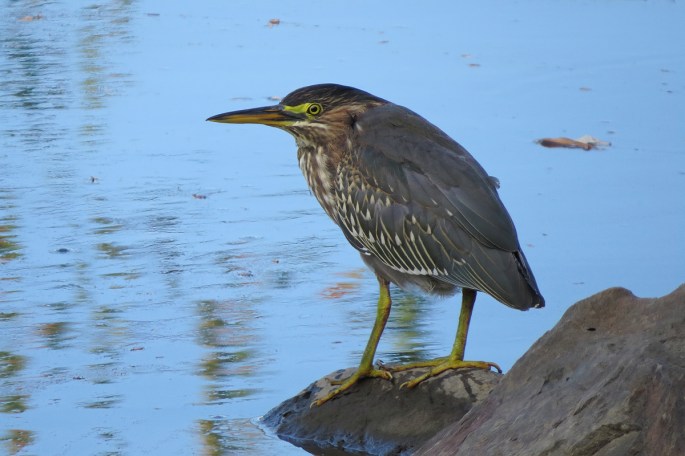 Green Heron at Fernhill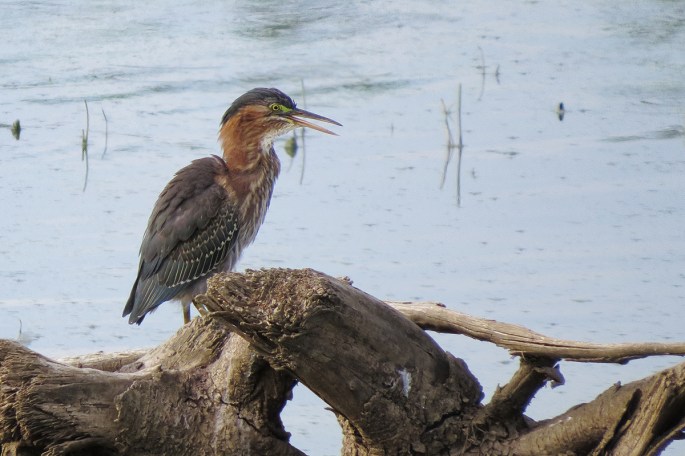
 American White Pelican is another species that has become more common in the Portland area is recent years. They don’t nest here, but summer brings large numbers of young birds and post-breeding adults.
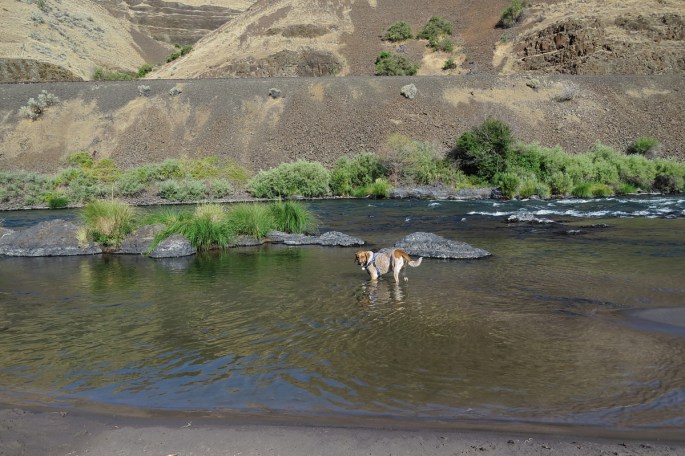 Here are a few more images from my trip to central Oregon. The main purpose of the trip was to get the dogs away from the fireworks in Portland, but I always enjoy a trip to the dry side of the Cascades. It was indeed dry, and very hot. Bodhi cooled off a little in the Deschutes River.
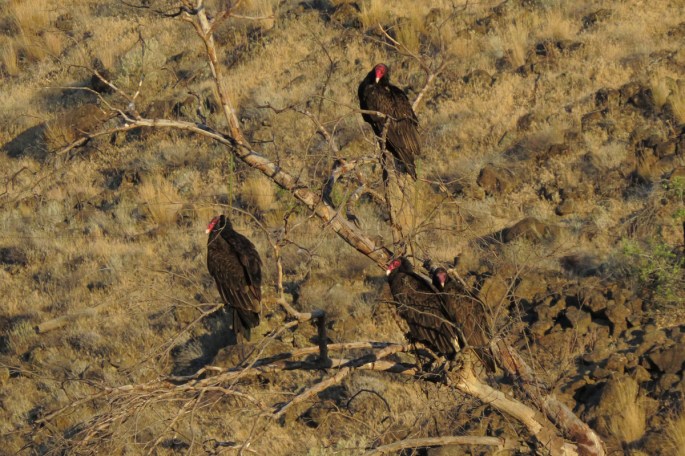 I found a small flock of Turkey Vultures roosting along the river one morning.
 Even in the early morning the sun was pretty intense.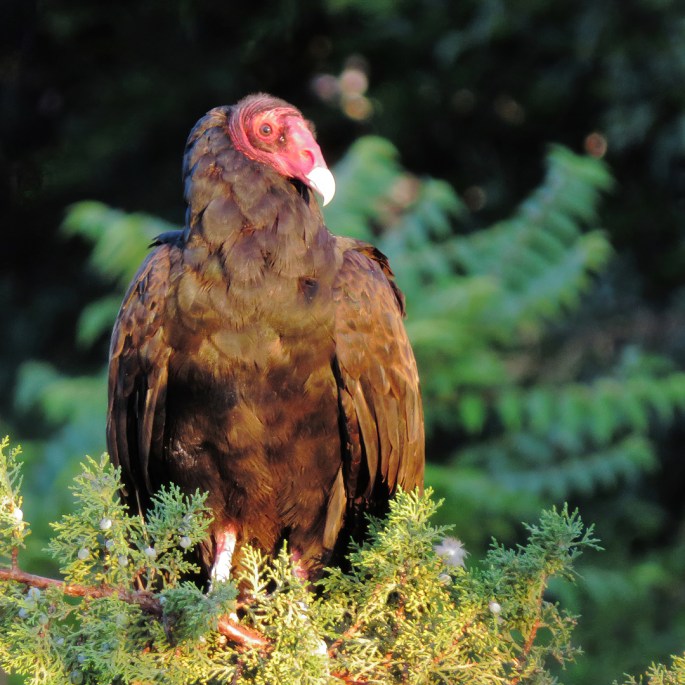
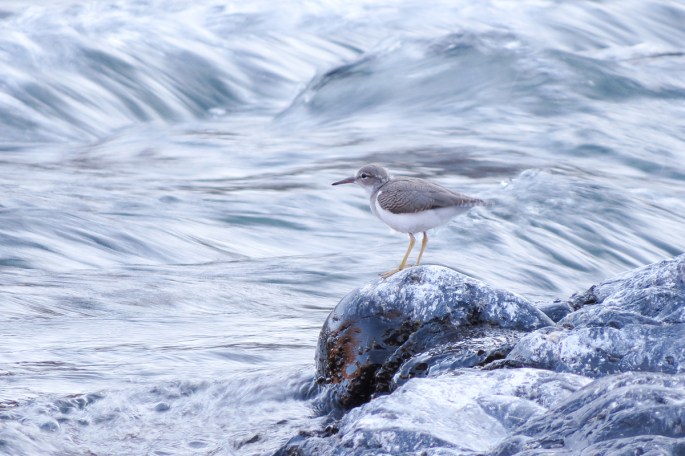 This young Spotted Sandpiper was perched on a rock in the river.
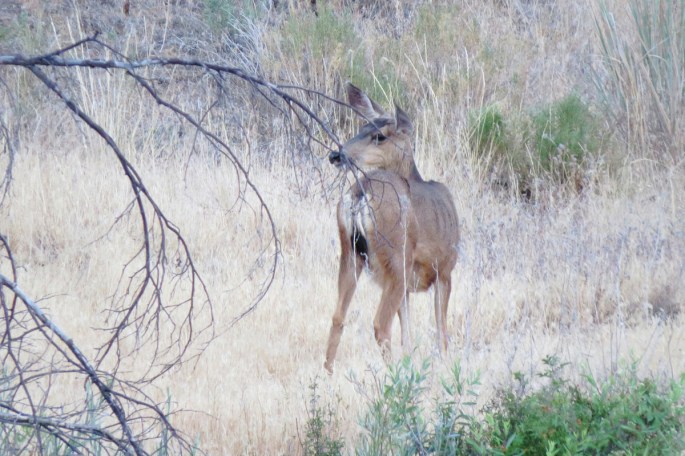 The Mule Deer were usually found along the river, which provided the only green vegetation in the area.
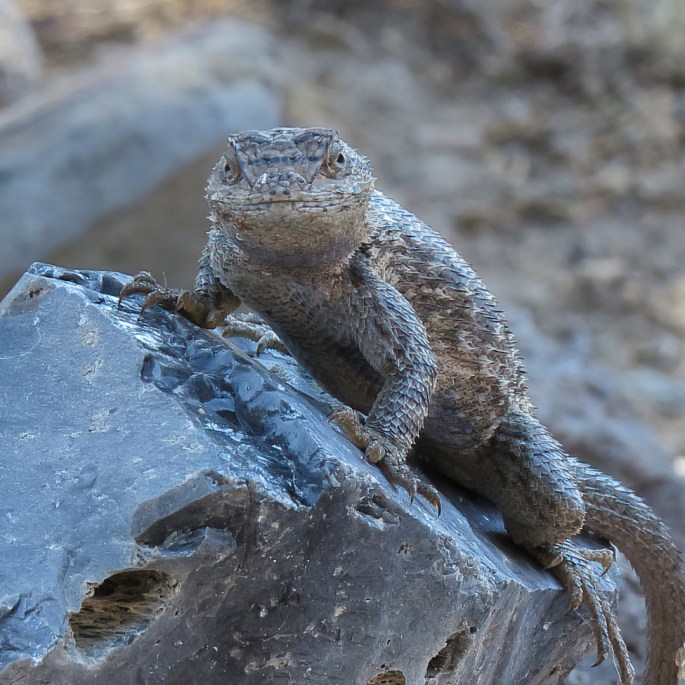 Since birding was pretty slow, I spent a lot of time with Western Fence Lizards. This individual was basking on a big piece of obsidian. Since it was so hot, these lizards usually basked in the shade except during the early morning.
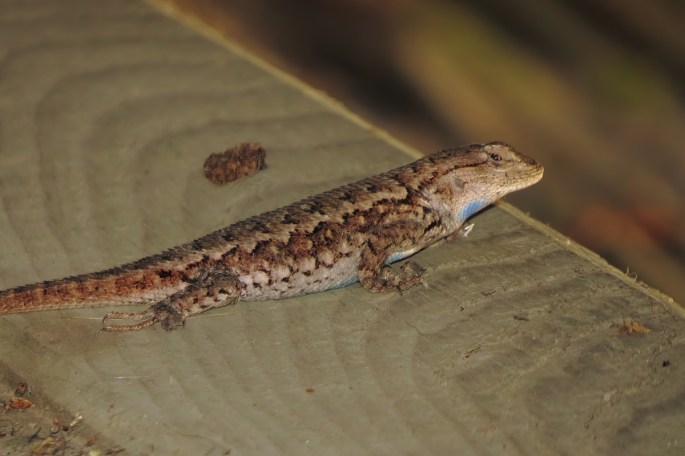 This individual was hanging out under the deck where we were staying. I had to use a flash in this dark environment. I normally don’t like the results of flash photography, but the flash really brought out the pattern on this lizard.
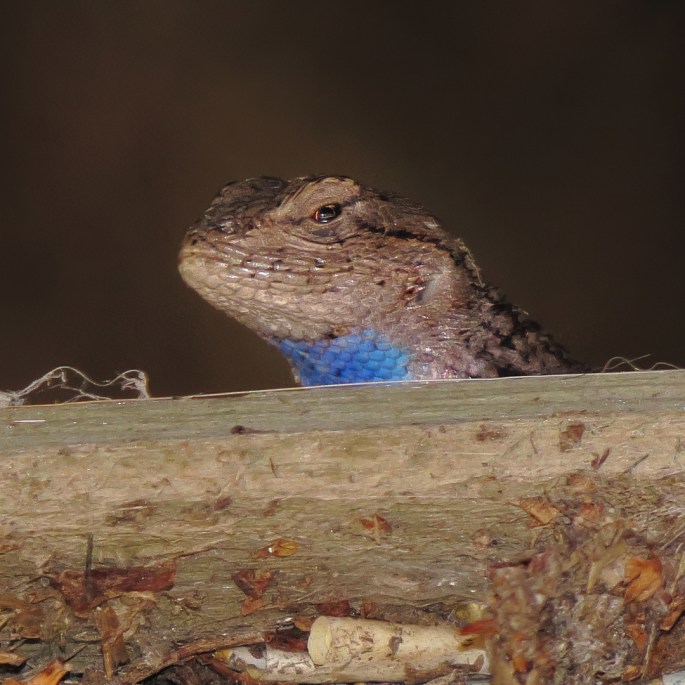 an adorable little dragon
 I had a chance to visit Crooked River Wetlands near Prineville. Like Fernhill Wetlands, this site was constructed as part of a wastewater treatment system. But Crooked River Wetlands was designed from the beginning to accommodate both birds and birders. The parking lot has a covered picnic area (the only shade on the property) and a restroom. Paved and gravel paths provide easy viewing of the wetlands.
 There are 15 bodies of water in the complex, which is right next to the Crooked River. Water levels vary with the seasons, so there is a variety of water depths which attract different species.
 Shorebird migration is getting underway. Here are some Western Sandpipers.
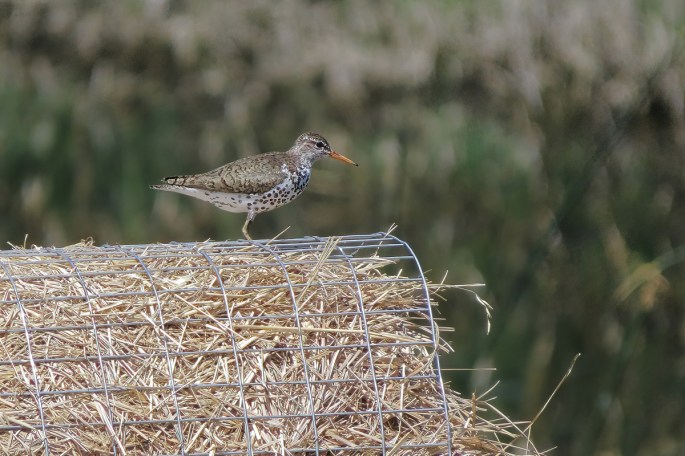 Spotted Sandpiper
 One of the deeper ponds held this pair of Ruddy Ducks.
 Eared Grebe with baby
 Between the river, the ponds, and the adjacent wastewater plant, this site attracts swarms of swallows. Tree Swallows use the many nest boxes.
 This is one of the easiest places I know to see Bank Swallows.
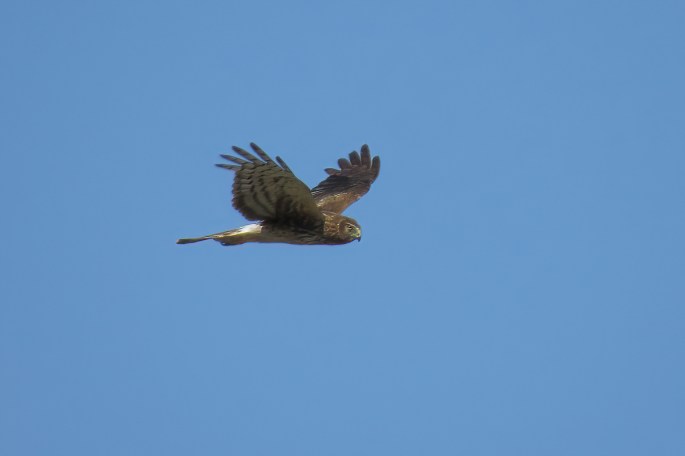 Northern Harrier
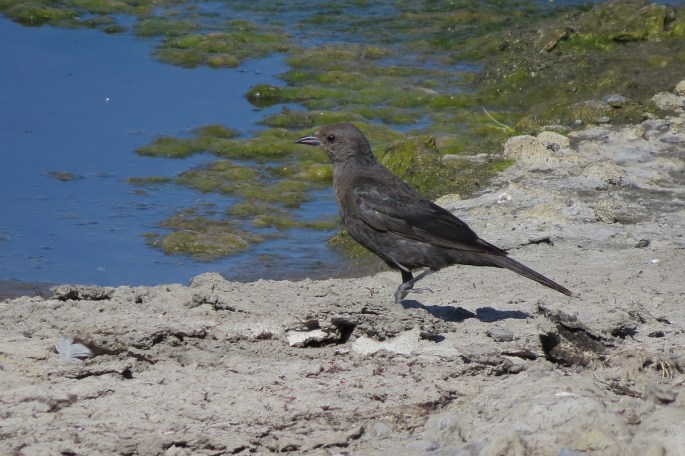 Brewer’s Blackbird was one of five blackbird species I saw on this visit.
 Tricolored Blackbirds can be hard to find in Oregon, but this site is pretty reliable.
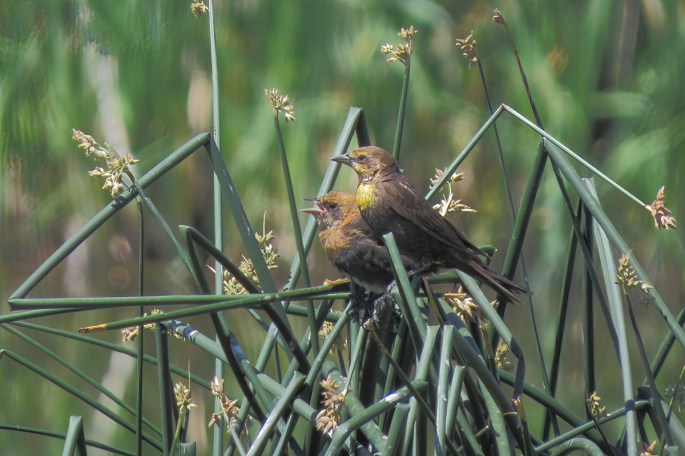 Yellow-headed Blackbirds are common here. The males tended to hide in the reeds, but this female and youngster posed nicely.
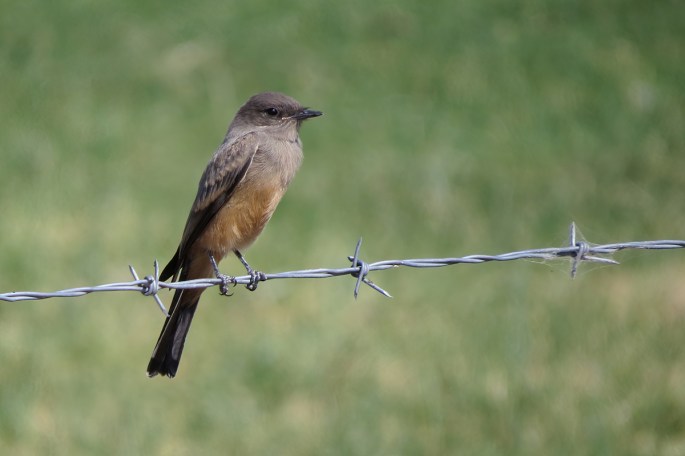 This is one of two Say’s Phoebes that were working the fence line at the edge of the property.
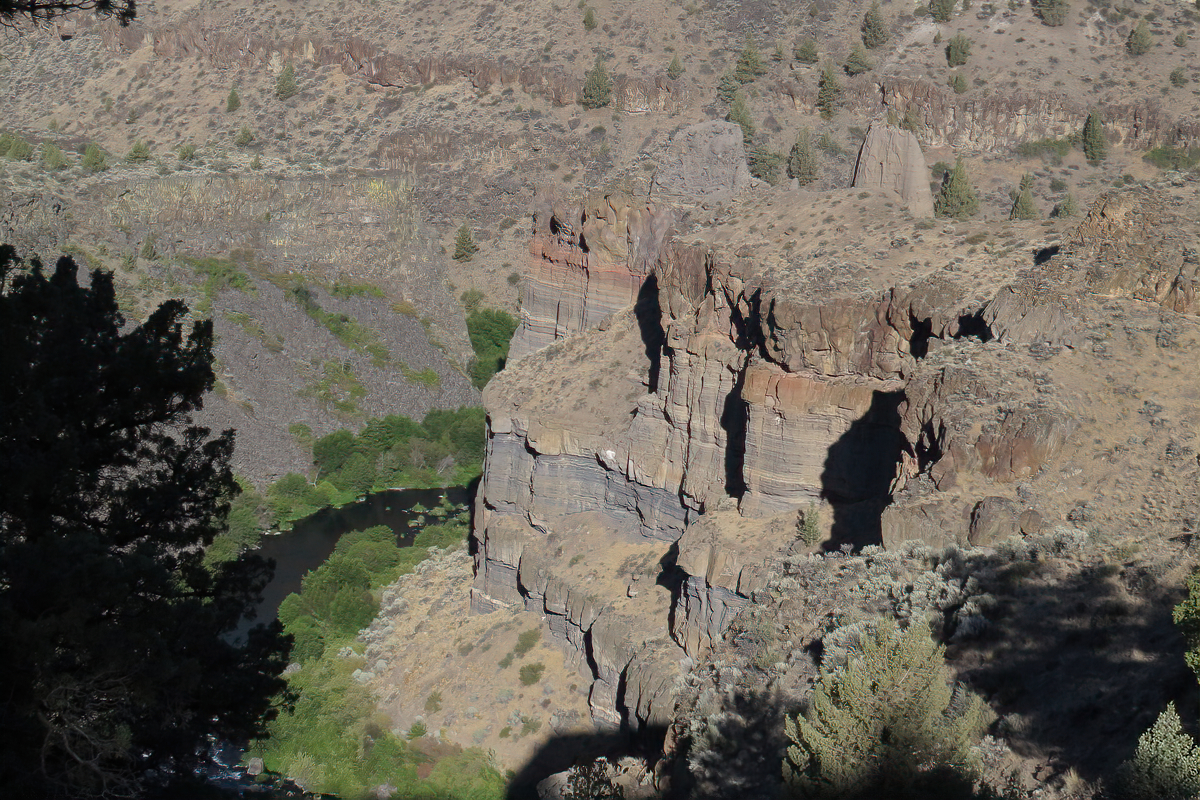 The Scout Camp Loop Trail is a lovely 2.2 mile hike northwest of Terrebonne. It is not particularly birdy. I logged 11 species on my trip, and the top eBird list for this site is only 17. (eBird calls this site Scott Camp Loop Trail, a typo that I hope will be corrected soon.) Despite the low diversity, it was well worth it to spend a few hours along this stretch of the Deschutes River.
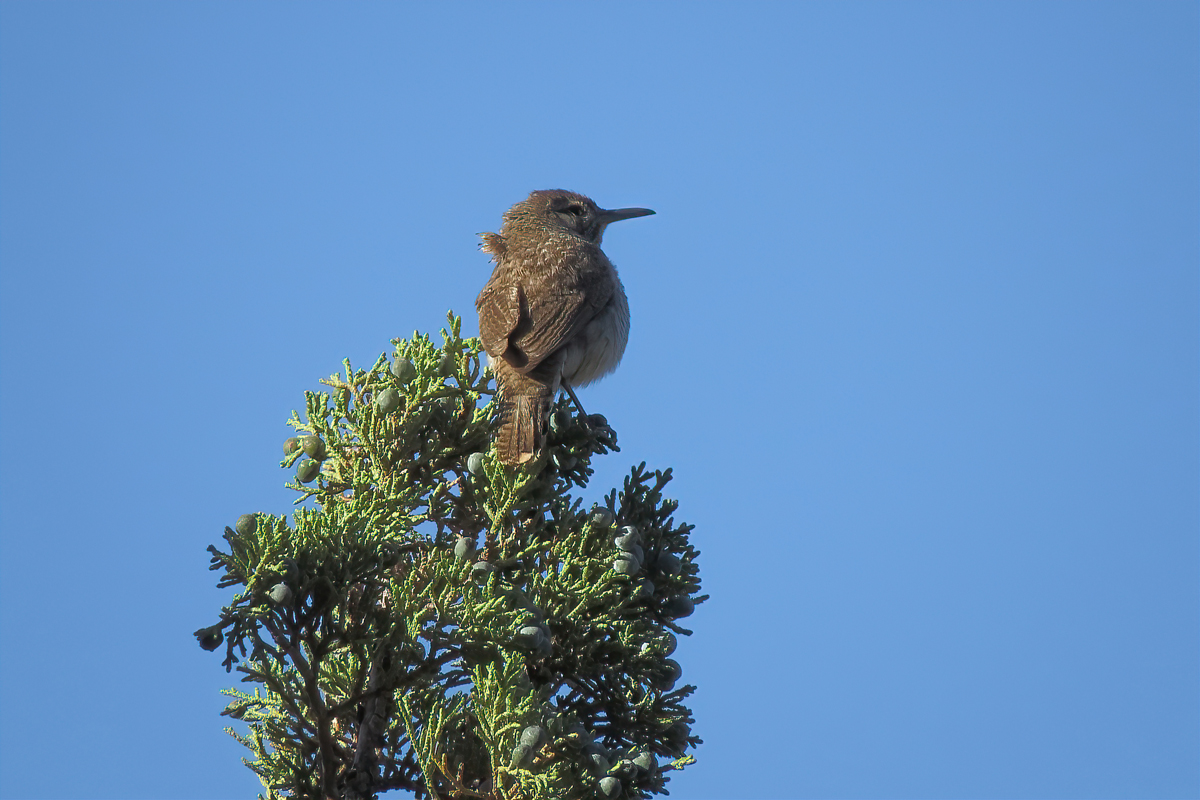 This Rock Wren was singing up a storm, but insisted on doing so from a high backlit perch.
  With the recent high temperatures and lack of rain, most of the vegetation on the slopes was dried to a crisp. But the Blazing Stars were in full bloom, in defiance of the harsh conditions.
  Down at the river’s edge was a lush ribbon of greenery.
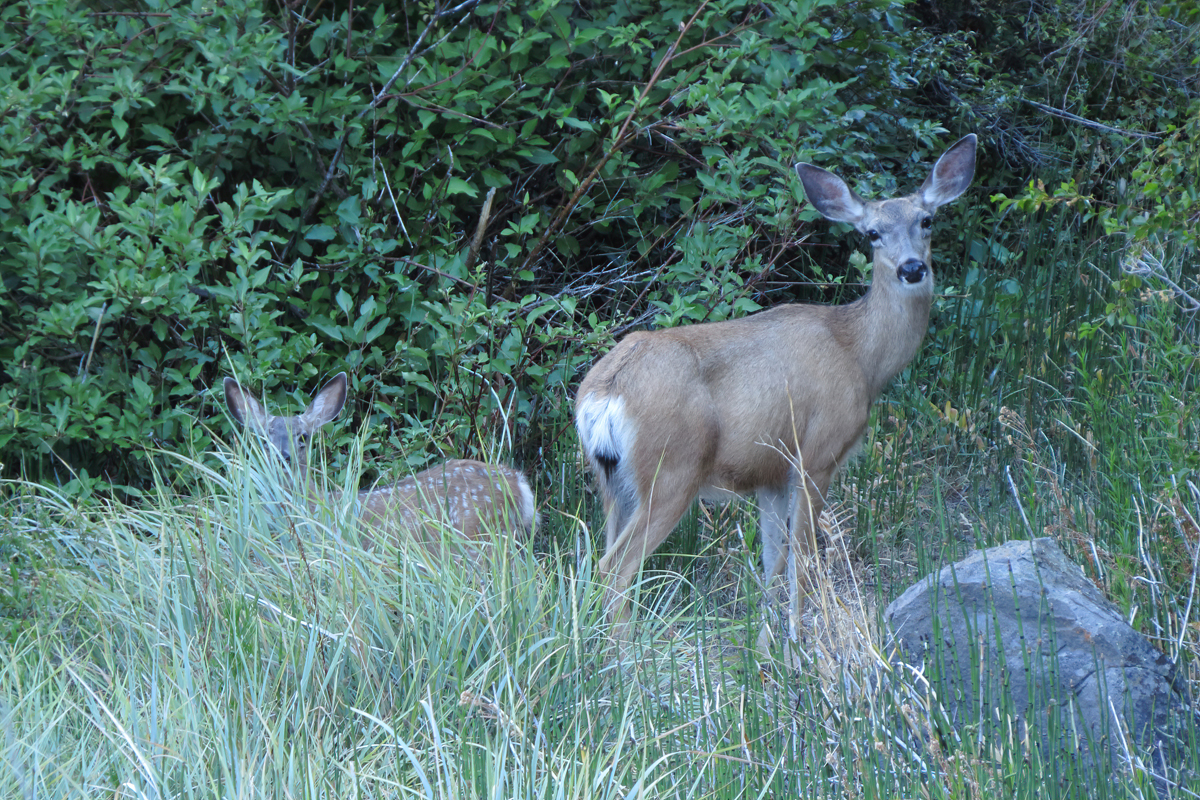 Several Mule Deer were taking advantage of the lush growth.
 Aside from the Violet-green Swallows flying over the water, the most common bird along the river was Yellow-breasted Chat. There were at least six individuals working the riparian corridor.
 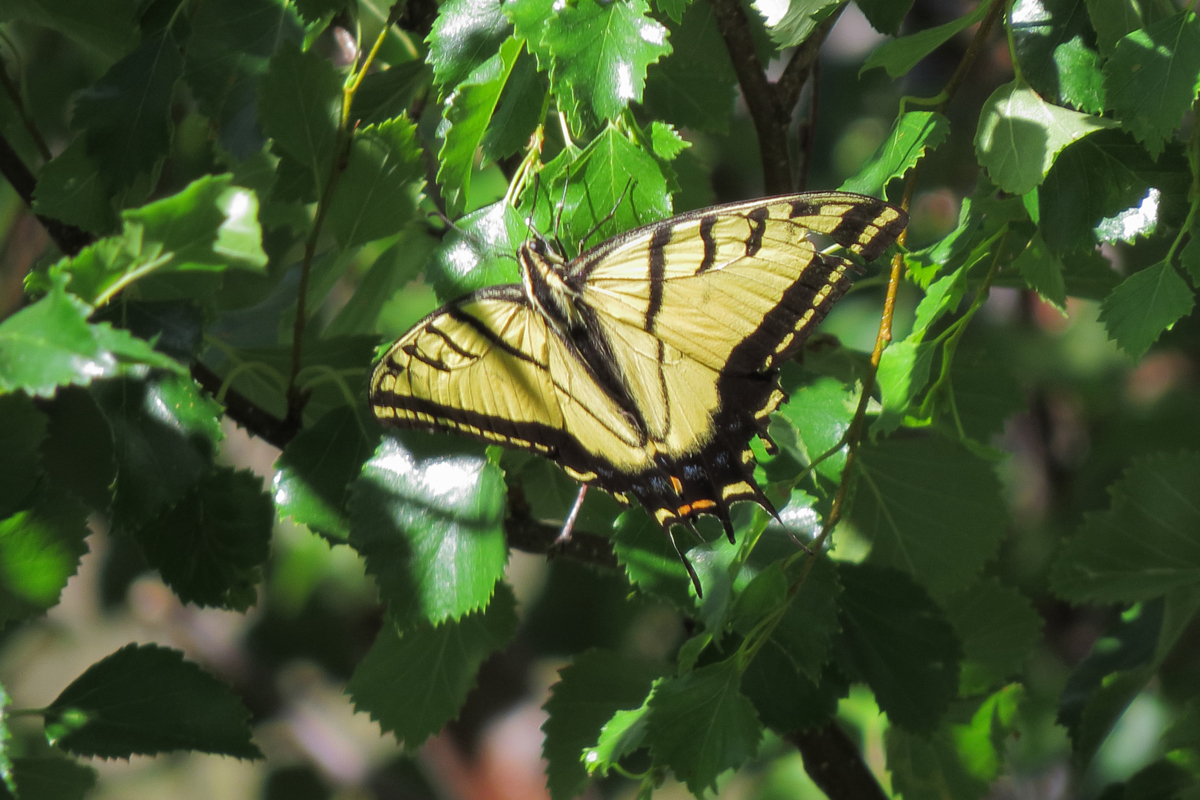 I don’t study butterflies much, but this Two-tailed Swallowtail was a new one for me.
 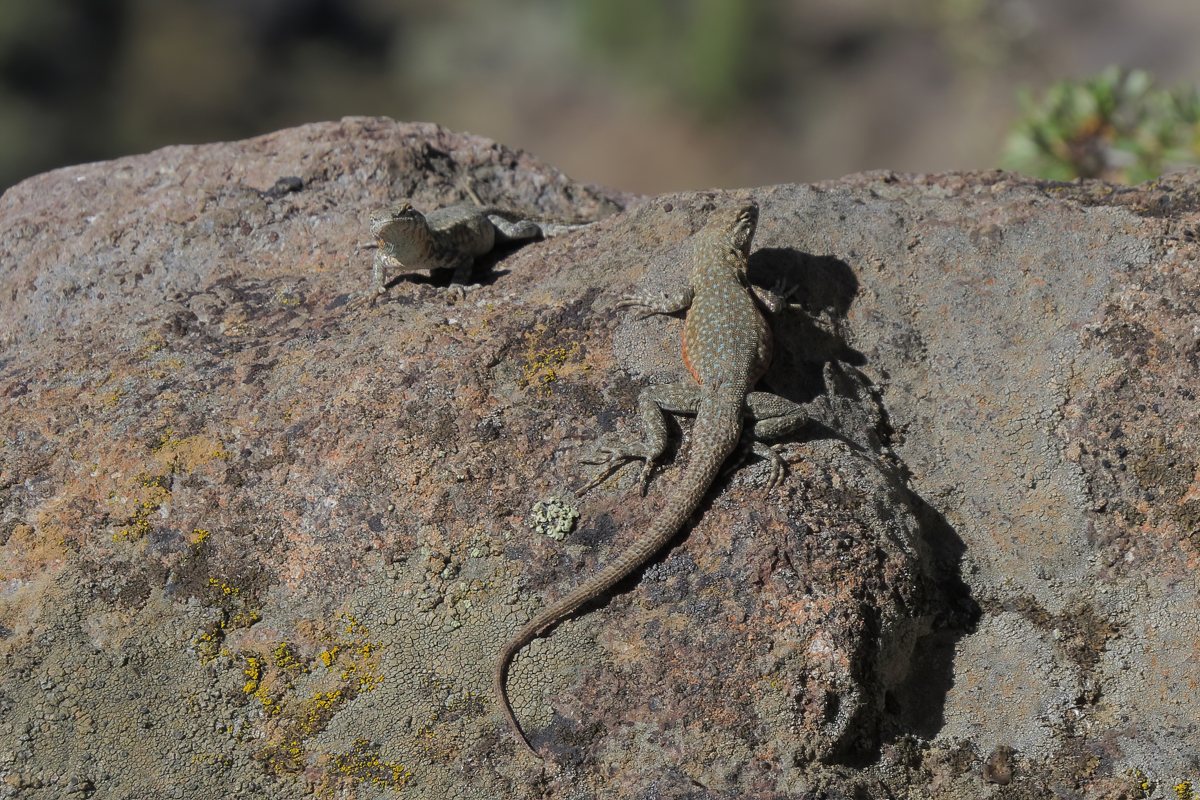 Whenever I visit eastern Oregon I am especially on the lookout for herps. This pair of Common Side-blotched Lizards was the only herp sighting of this hike, but the species was new to me.
 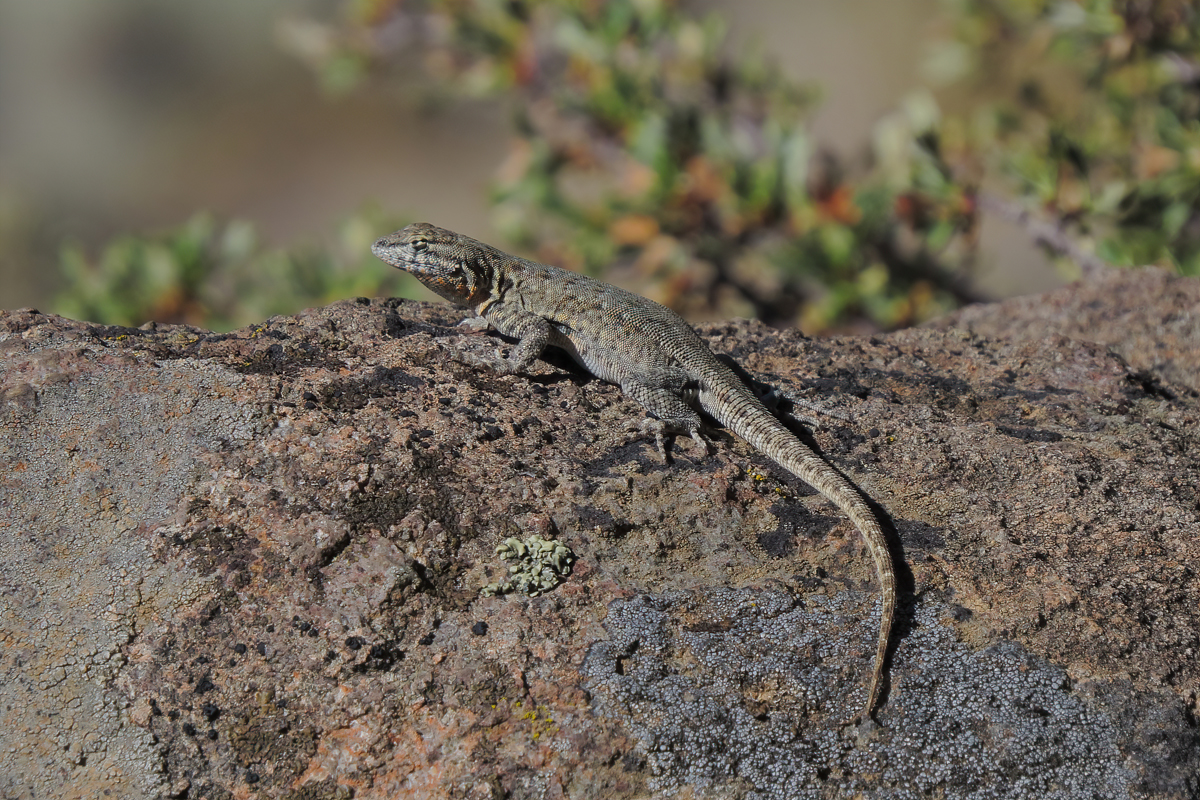 Here is the female, whose colors are more muted.
 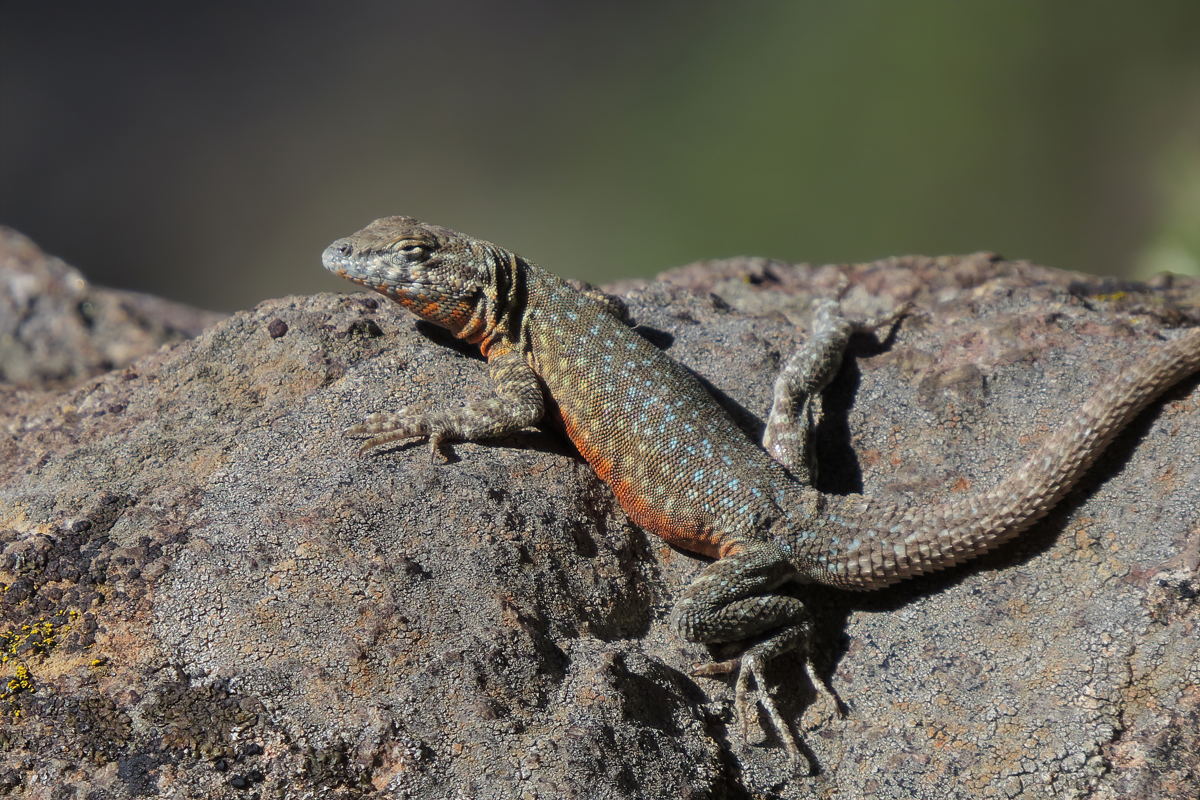 The male was really colorful, with blue spots on the back and orange underneath.
  Another look at the male. The two didn’t seem to mind my presence. I think they were more interested in each other.
 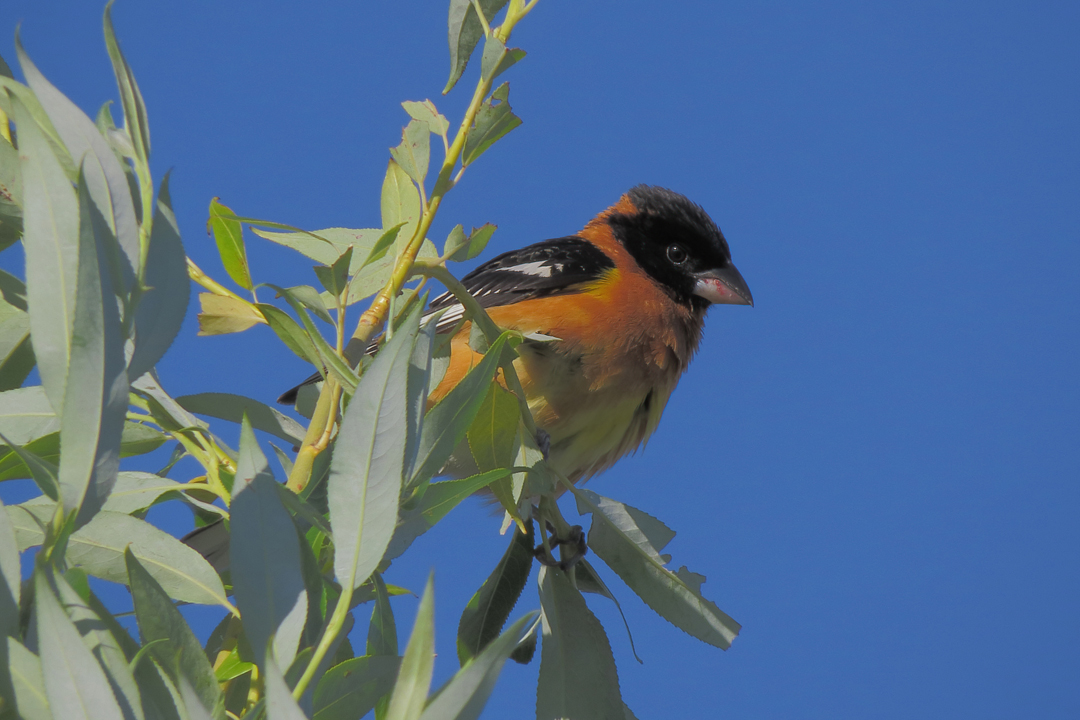 Black-headed Grosbeaks are one of our more attractive summer residents.
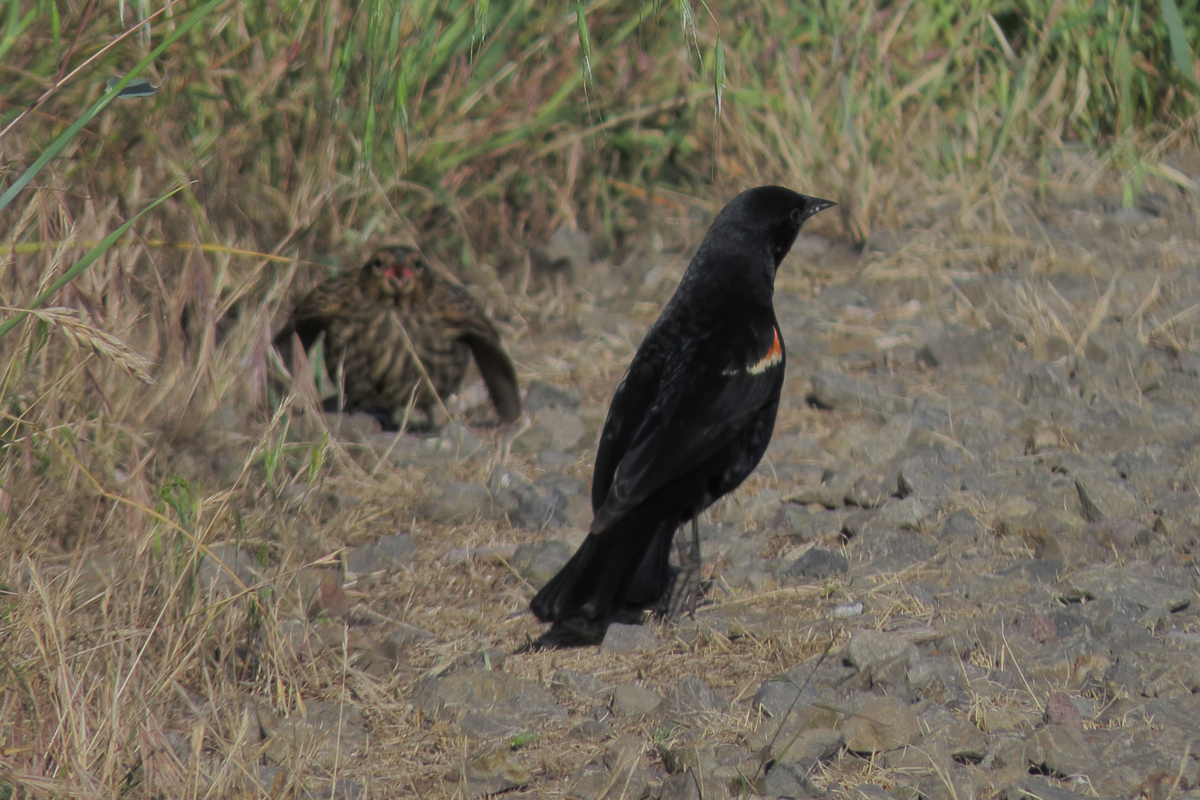 Lots of babies have already fledged. Here a Red-winged Blackbird is being harassed by a hungry youngster.
 It has been such a delight to have an active Purple Martin colony at Fernhill the past few years.
 Purple Martin on an unclouded day
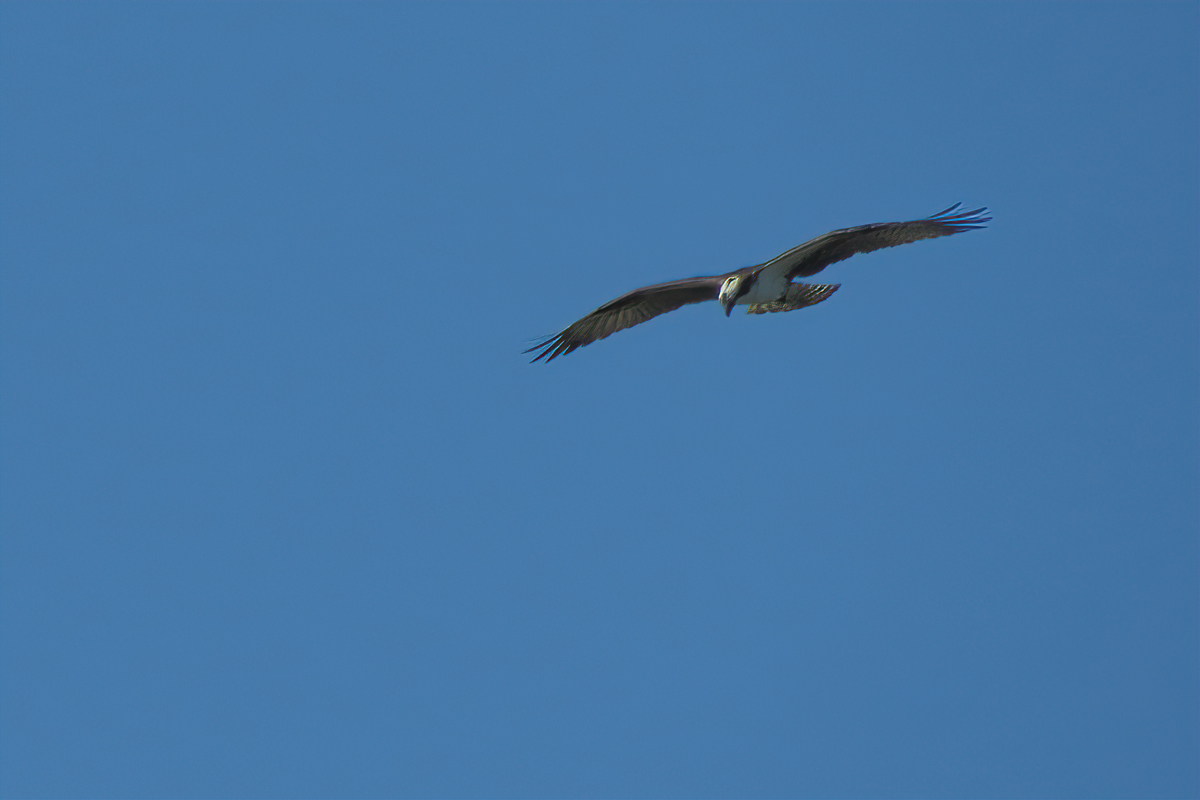 Ospreys were soaring high over Fernhill Lake. I didn’t see any dive for fish while I was there.
 The ducks have started their summer molt, but the Pied-billed Grebes are still looking dapper.
 A lovely Mourning Dove on an ugly fence
 The most unusual bird of the day was this Western Grebe. They are frequent winter visitors here, but they do not nest anywhere nearby.
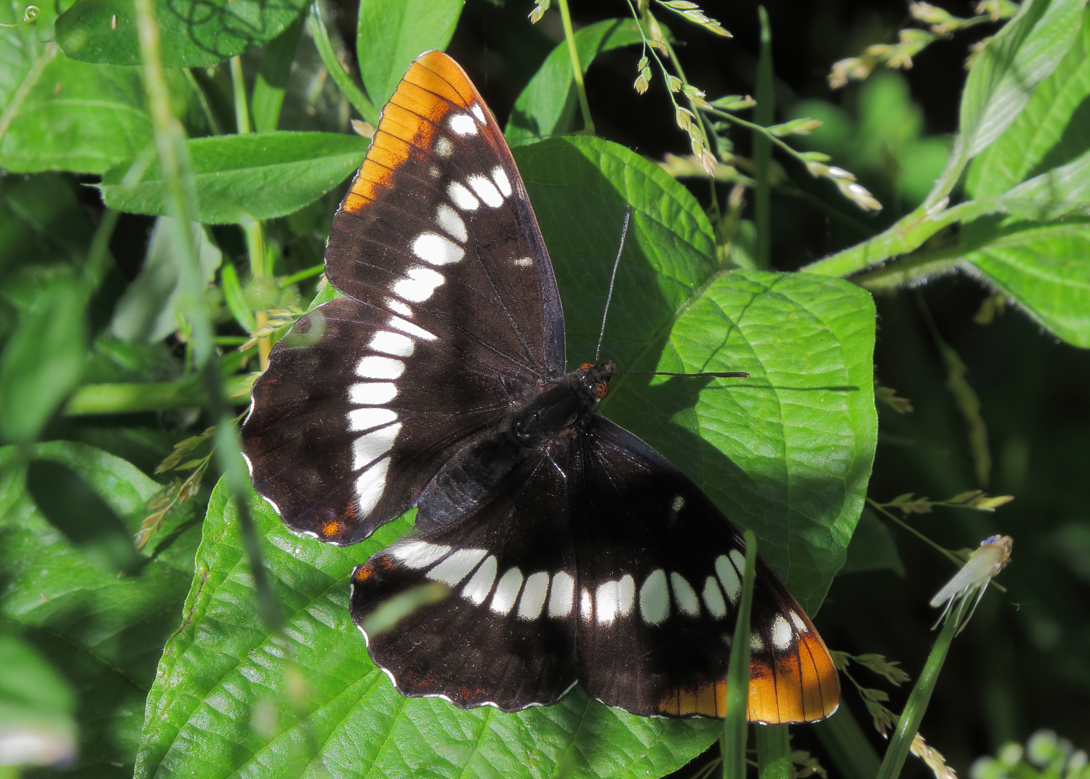 I don’t spend a lot of effort looking for butterflies, but I do appreciate it when one poses for me. This is a Lorquin’s Admiral.
 This Northwestern Garter was hiding under a piece of bark near a stump. The cloudy eyes indicate that the snake is about to shed. Snakes in this condition cannot see well, so I generally avoid handling them.
 I am having trouble distinguishing Brush Rabbits from the introduced Eastern Cottontail. I have recently learned that the two species will hybridize, making identification even harder. The rusty nape on this individual makes me think it is an Eastern Cottontail.
 I first saw this Long-tailed Weasel chasing a Brush Rabbit down the trail and into the vegetation. After a brief tussle, the rabbit was subdued.
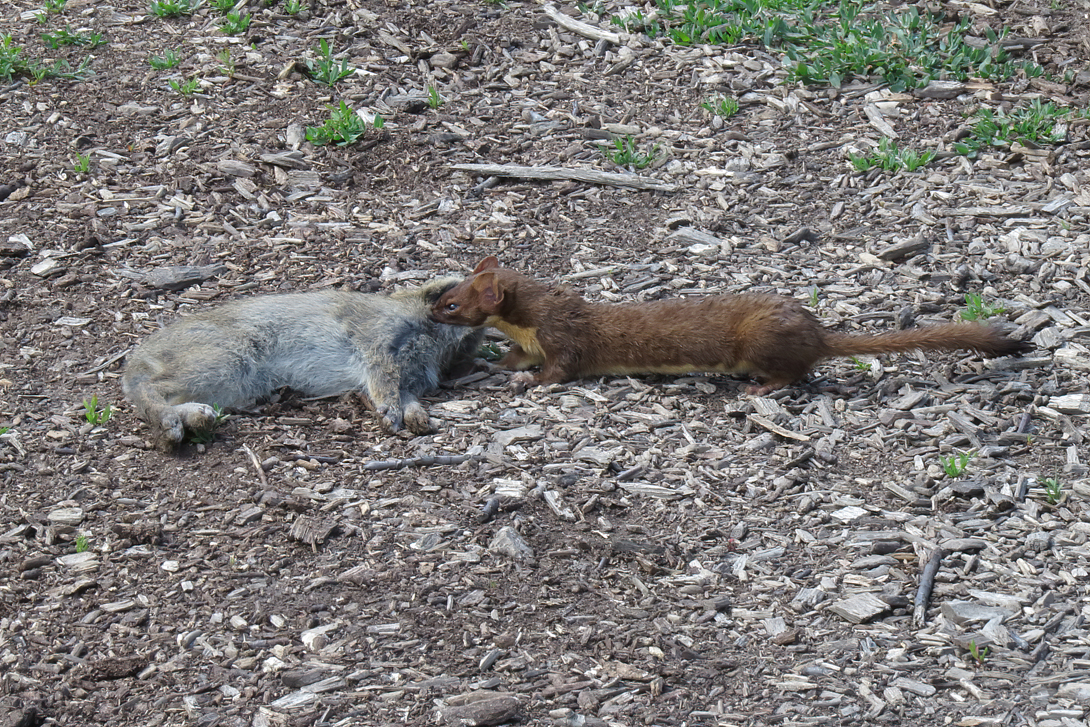 The weasel then dragged the rabbit across the trail and into the brush, despite the fact that the rabbit was significantly heavier than the weasel. These are impressive little predators.
 Spring migration has come and gone, and many birders agree that it was a dud. Numbers and diversity seemed quite low in the Portland area this spring. So now we concentrate on the summer residents, like this Black-headed Grosbeak.
 Most Golden-crowned Sparrows are gone by late May, so this bird found on June 2 was noteworthy.
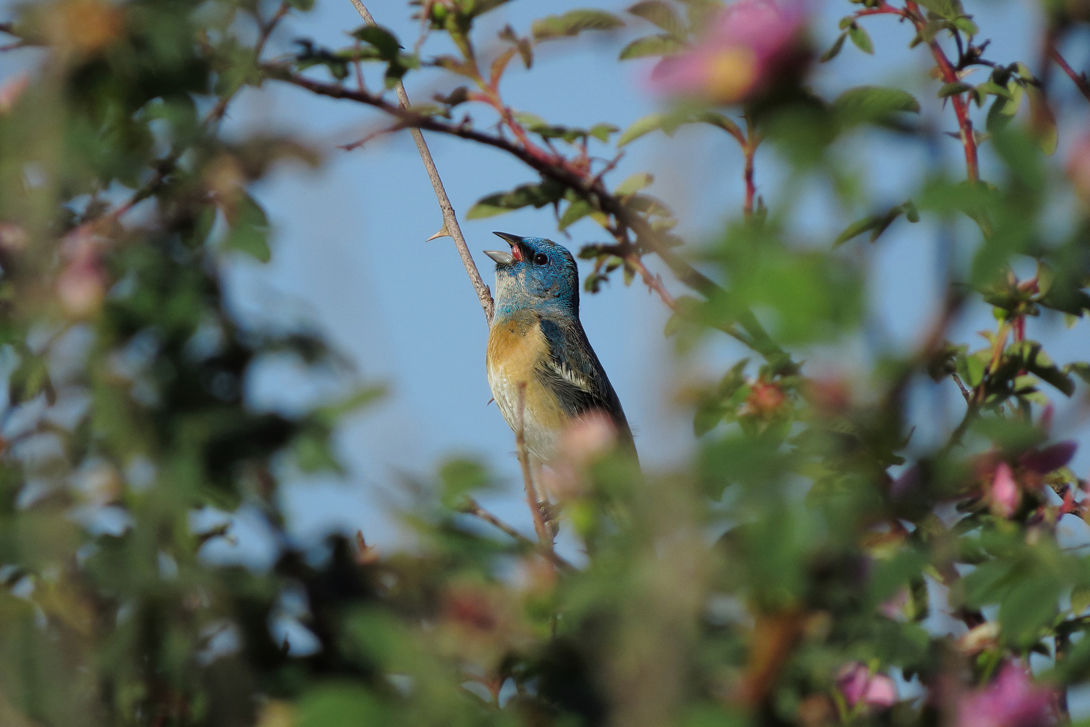 At Tualatin River NWR, this Lazuli Bunting was singing in the same patch of Nootka Rose that has hosted them in previous years.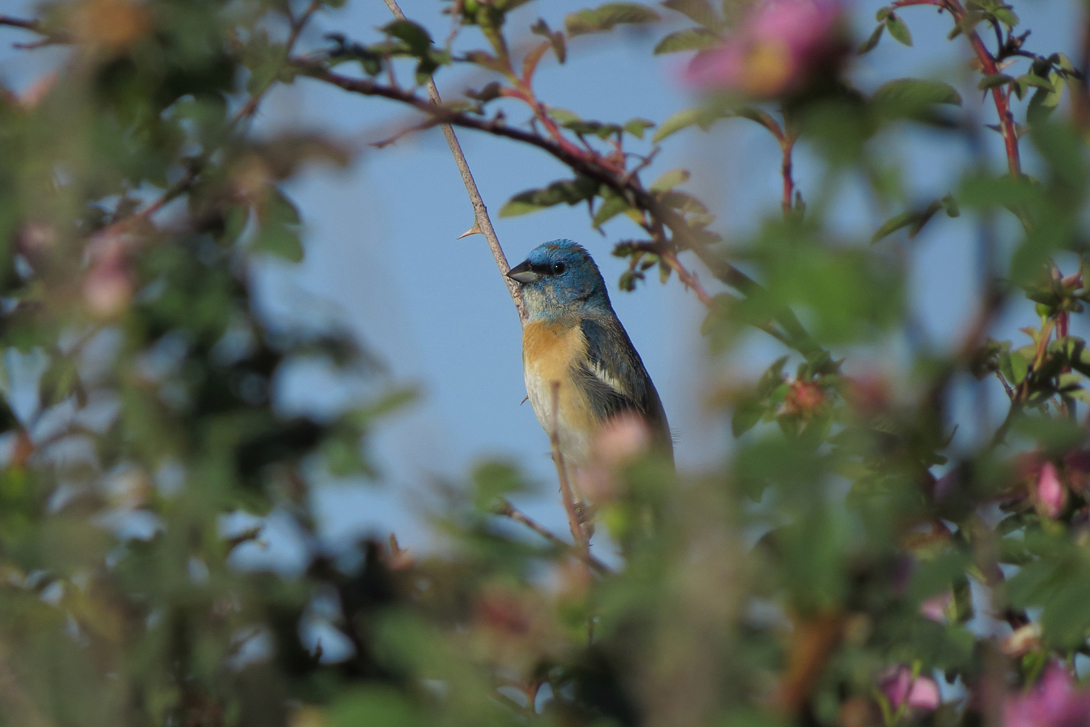
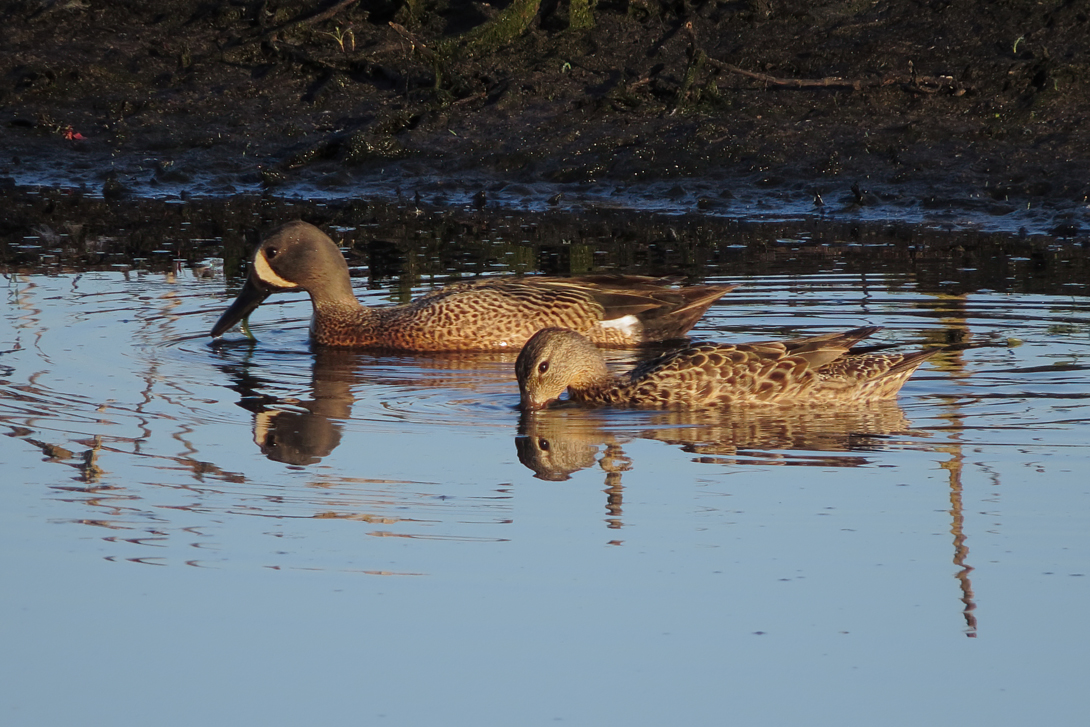 Tualatin River NWR is hosting at least two pairs of Blue-winged Teal this summer.
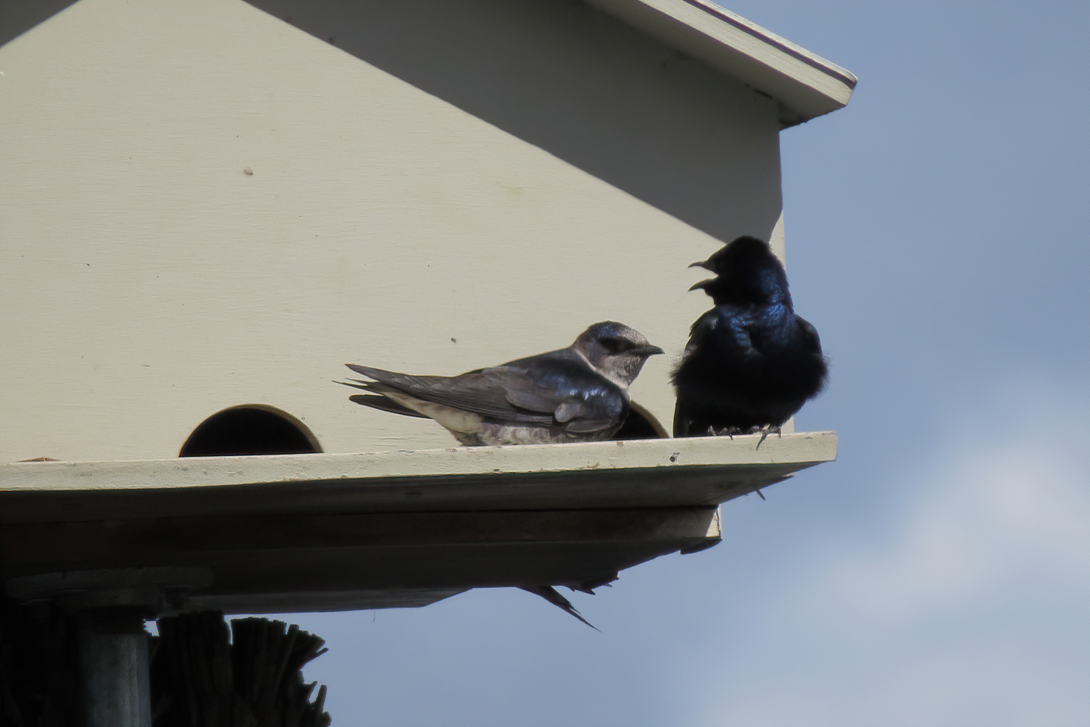 Purple Martins at Fernhill Wetlands
 Bewick’s Wren are usually working heavy cover, so it was a treat to find this one dust bathing in the middle of a gravel road.
 Hooded Merganser preening at Fernhill Wetlands
 Spotted Sandpiper
 This Gadwall is already starting to molt into his dull summer alternate plumage. I often refer to late summer as Ugly Duck Season. It seems a little early for ducks to be losing their sharp breeding colors.
 Ethical Birder