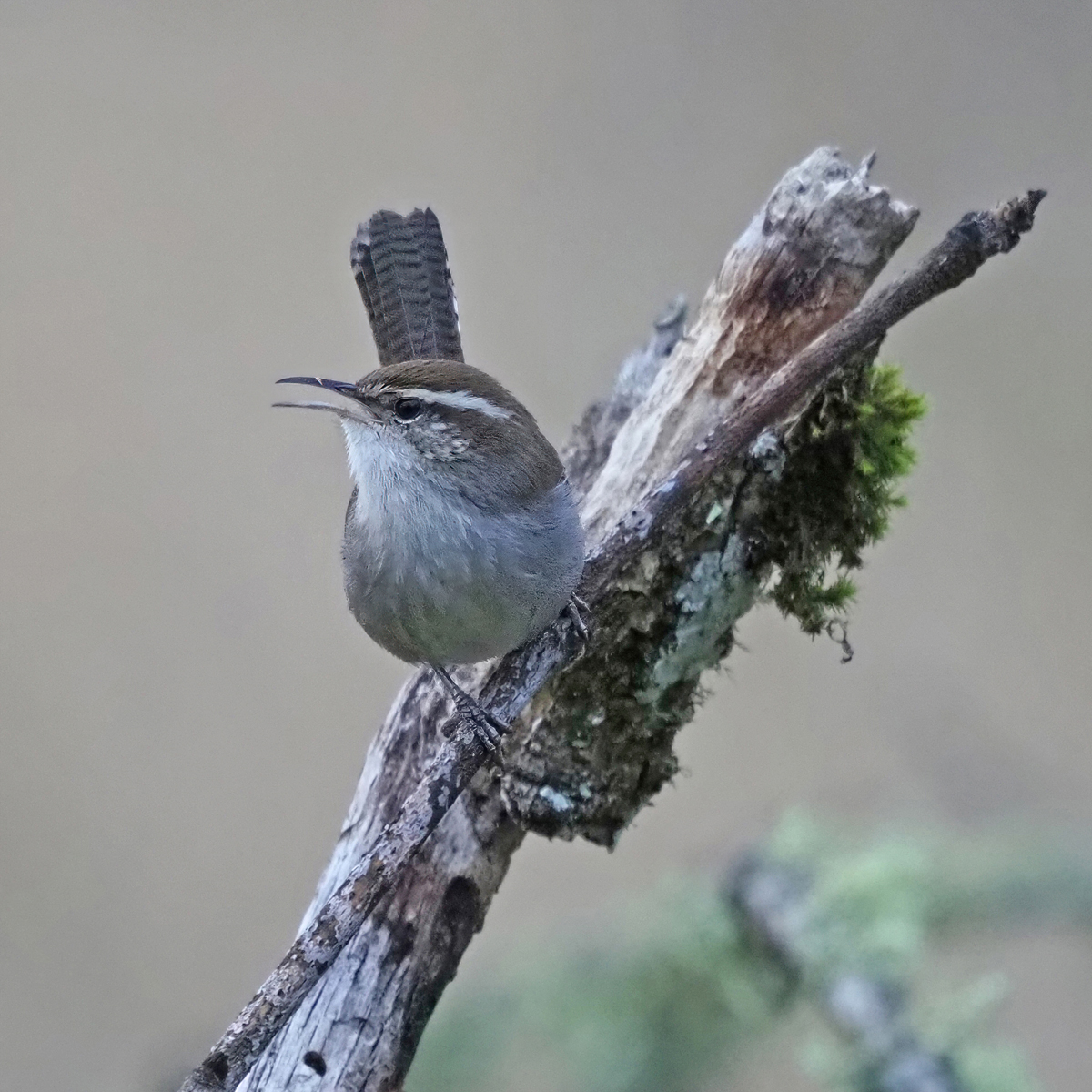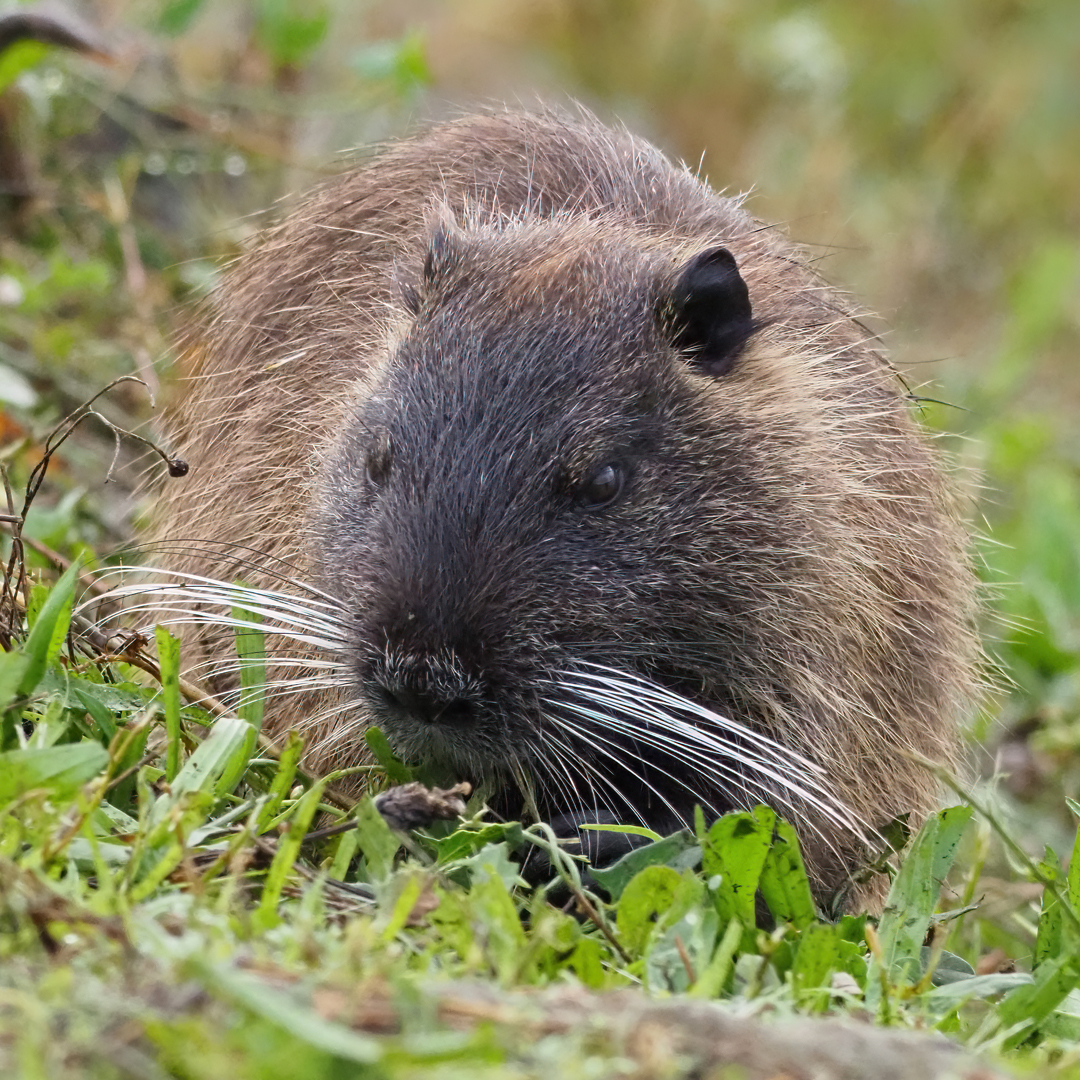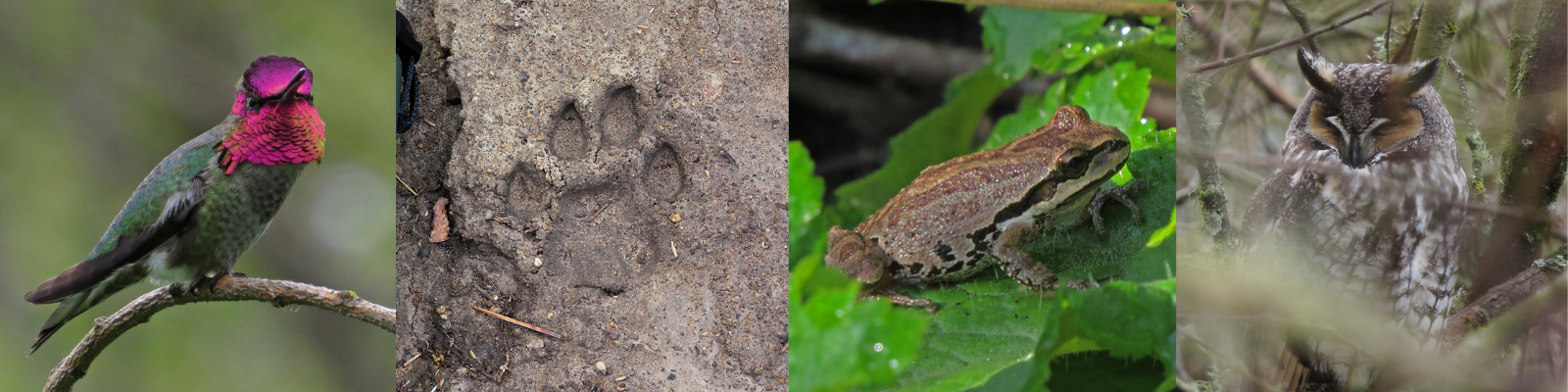
 I think we had more snow in April than we did in December. It has been cold and wet most of the month, and while I am very grateful for the rain and the added mountain snowpack, the weather has seemed to delay the onset of spring. Migrants have been few, and resident species a just starting to get revved up for the season. This Pacific Wren was trying out his song at Tualatin River NWR.
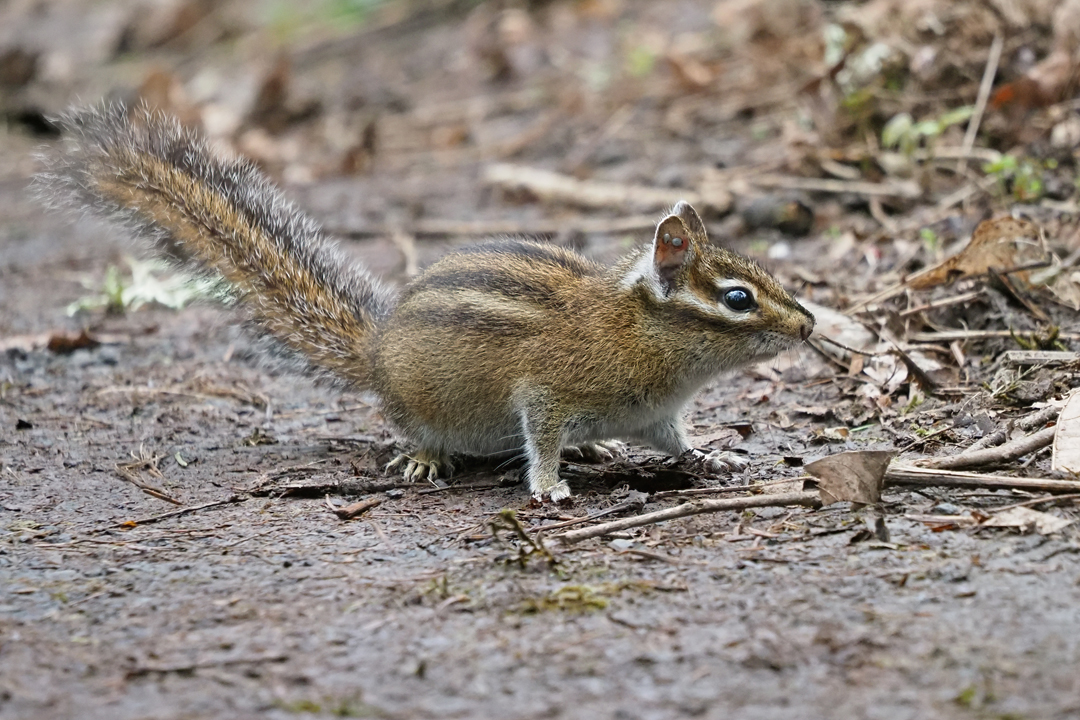
The Townsend’s Chipmunks are out and about. I think the two lumps in this one’s ear are ticks.
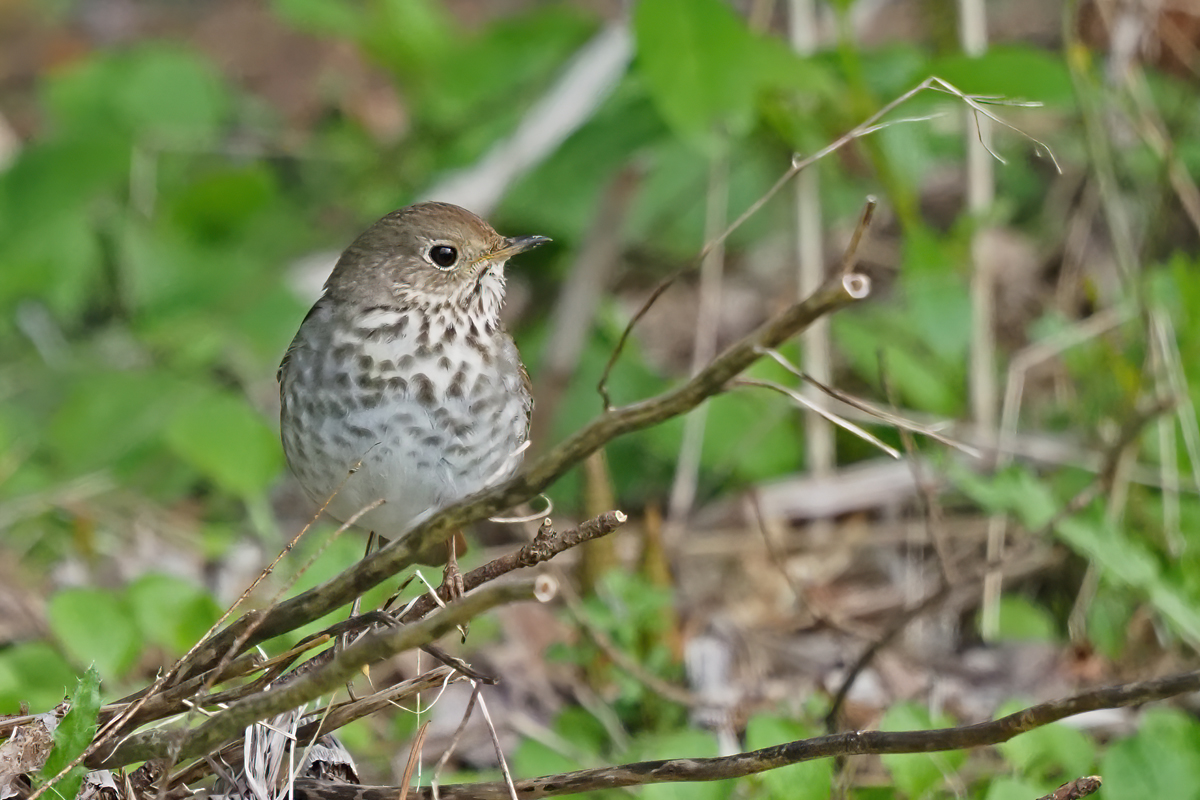
Hermit Thrushes, which are considered a winter species here in the Willamette Valley, are still around.
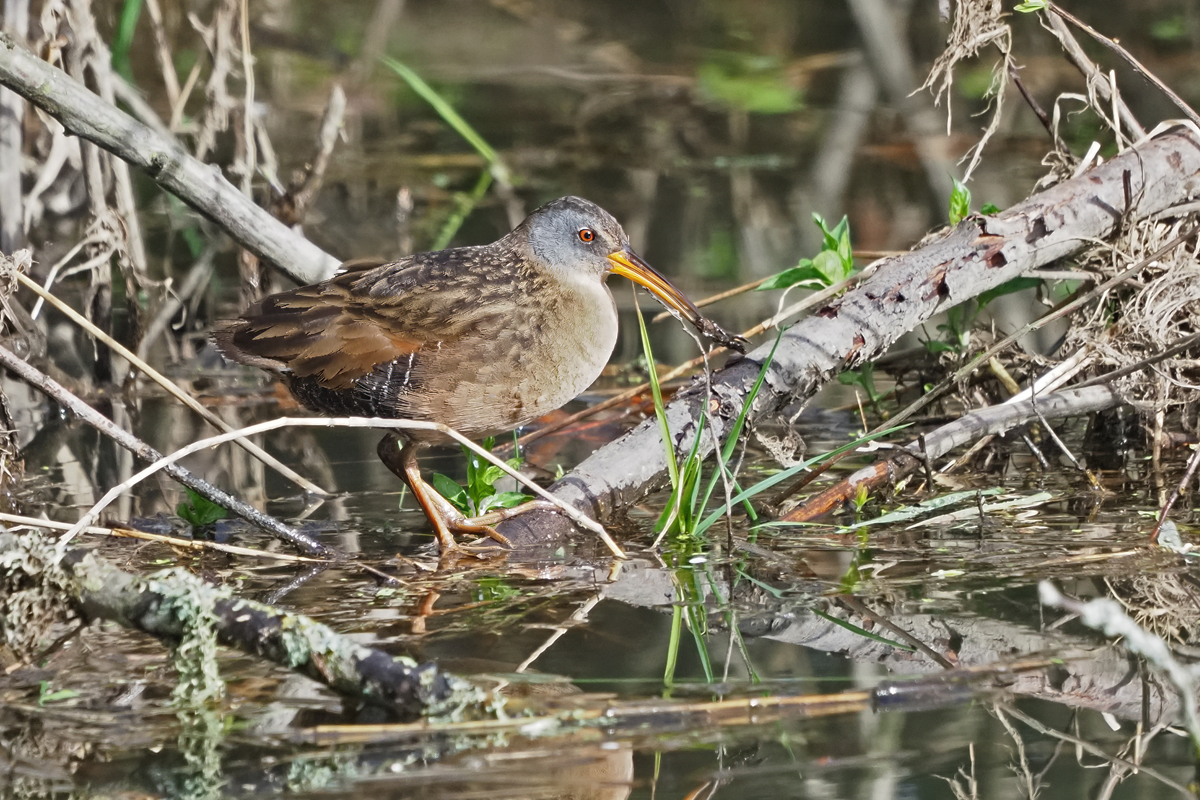
This Virginia Rail put on a nice show at Commonwealth Lake Park.
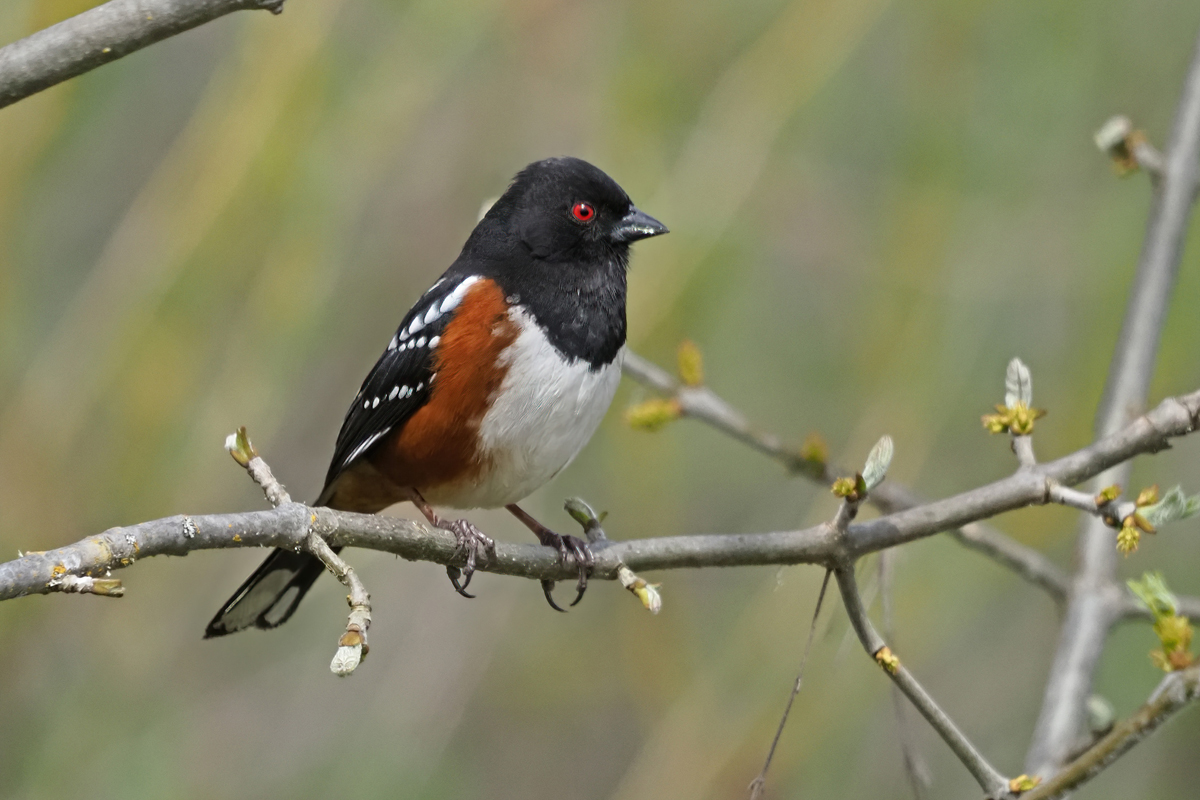
If we can’t have spring migrants yet, we might as well enjoy the local residents. Spotted Towhees never fail to impress.

On a recent semi-birdless outing, I noticed a nice flight of these, Western White-ribboned Carpet Moth. These are tiny, with a wingspan of about an inch and a stunning pattern. It is always great to learn a new species.
So, colorful migrant birds and will show up any minute. Right?
Happy Spring


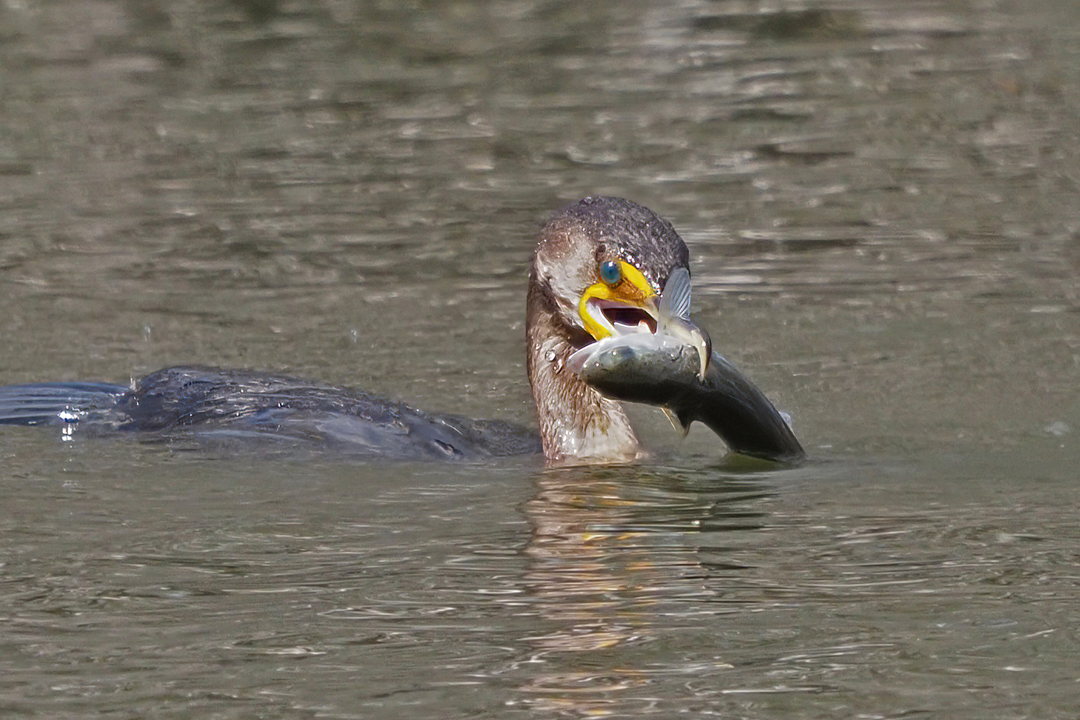




 Tree Swallows are usually the first swallow species to arrive in spring. When the weather is still cold, they hunt for insects close to the water’s surface.
 Some Tree Swallows were already laying claim to the many nest boxes at this site.
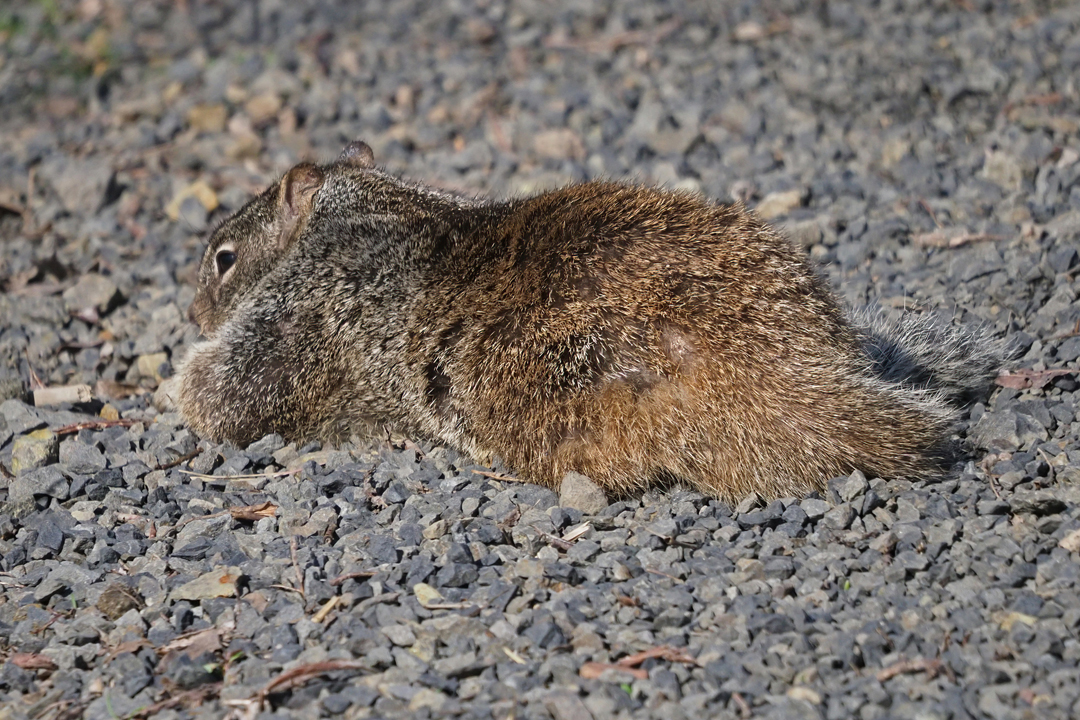
 This California Ground Squirrel was singing (screaming) from a log perch.
 The sunshine brought out a good number of snakes, despite the cold temperature. These are Northwestern Garters.
 This is a typical Common (Red-spotted) Garter.
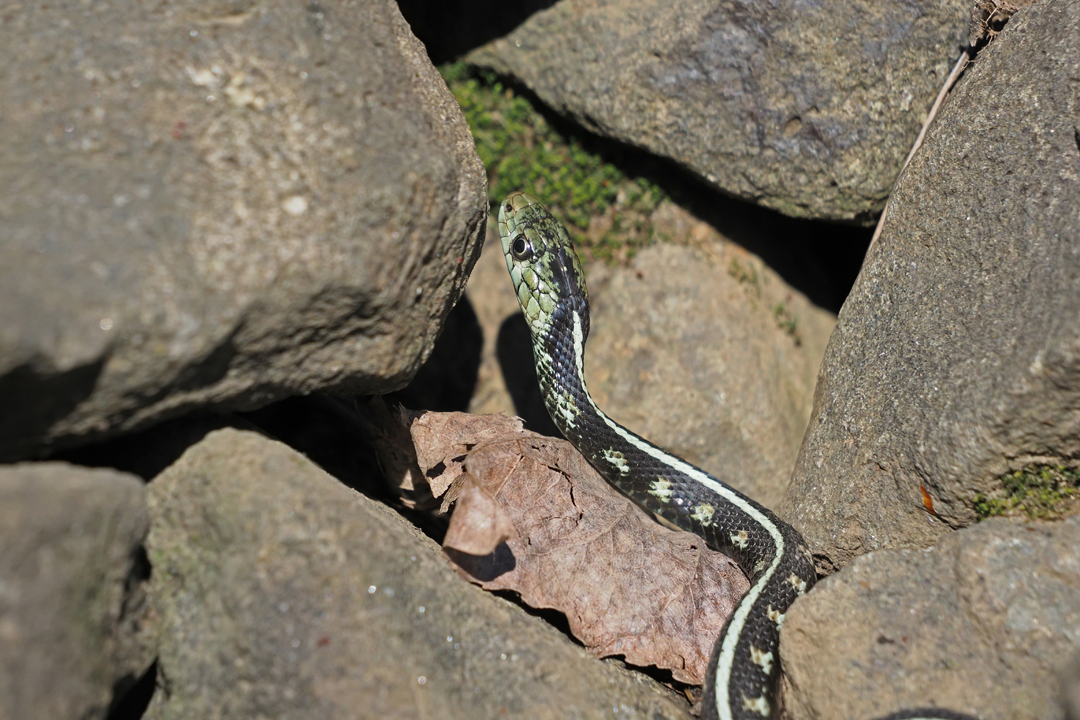 This Common Garter is lacking the red pigment shown by most members of this subspecies.
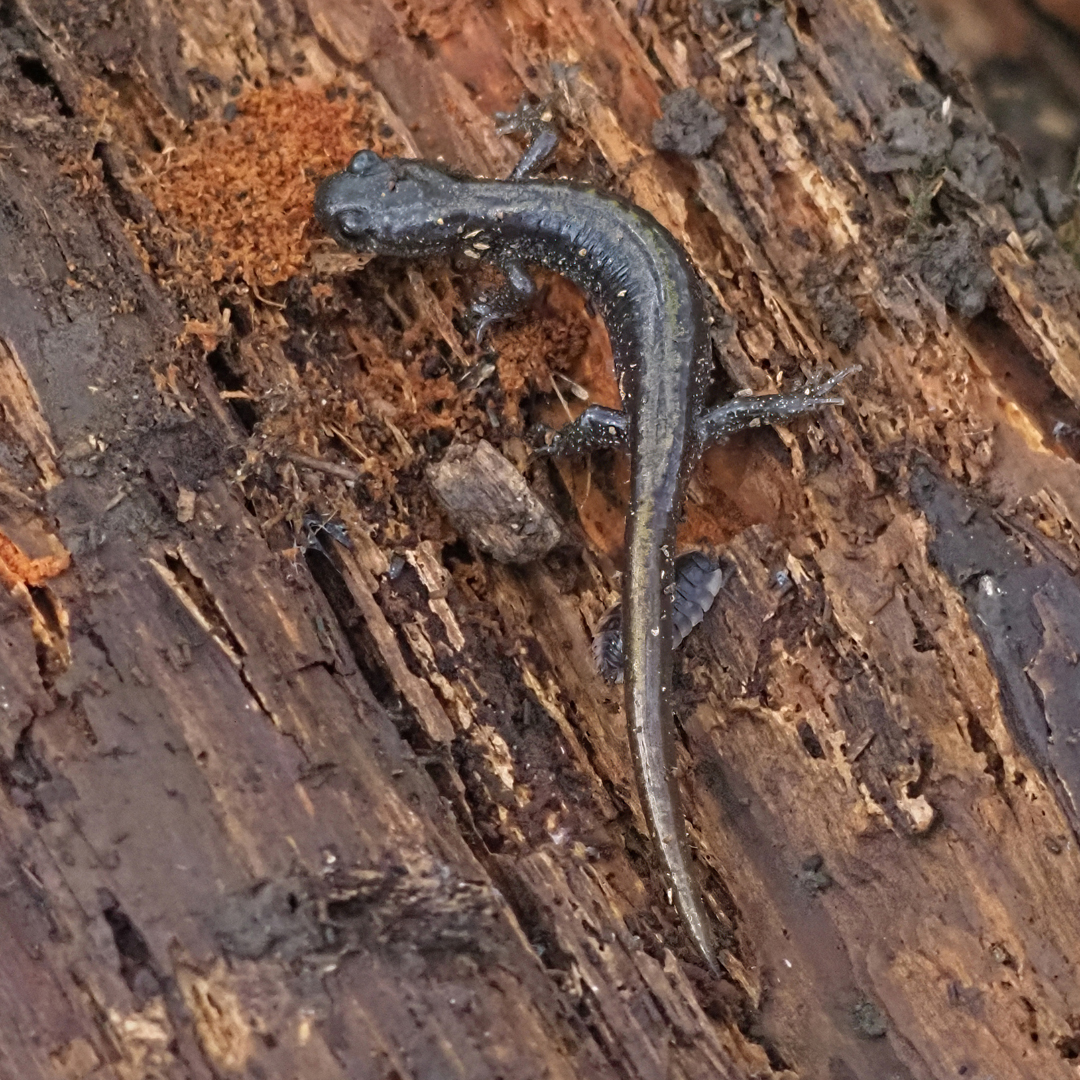
 This Long-toed Salamander was hanging out under a big piece of bark.
 This Cooper’s Hawk had just bathed and was helping their feathers dry by fluffing them out. From a distance, this bird appeared to show a broad breast with rusty barring and a broad, banded tail. The drooping wings made the tail seem shorter. These are all great marks for a Red-shouldered Hawk.
 After a while, the bird smoothed their feathers down, revealing a slender build and a long rounded tail typical of a Cooper’s Hawk. So shape alone is enough to identify this bird, but we had to observe the bird long enough to see what their shape actually was. This is another reason to take the time to study every bird you come across. A quick glance or a single photo can be misleading. (How many times have plastic bags been identified as Snowy Owls?)
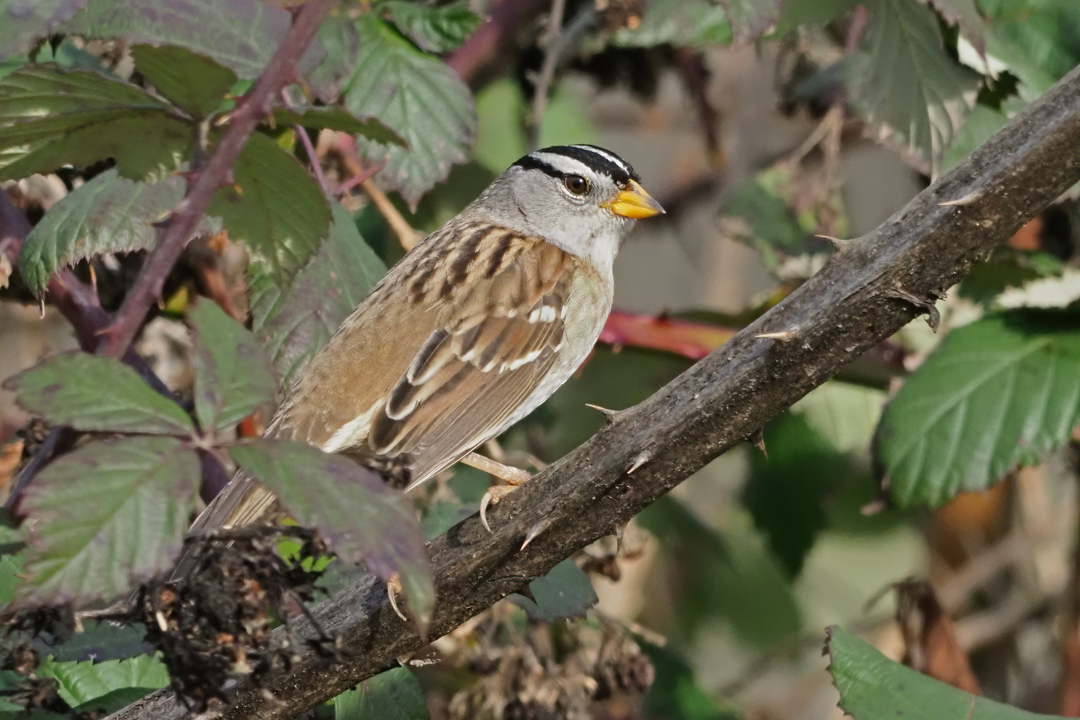 Rentenaar Road on Sauvie Island remains one of the better sites in the Portland area to find a nice diversity of winter sparrows, along with other songbirds and waterfowl. While this trip did not produce any rarities, there were plenty of birds and sunshine to make the trip worthwhile. White-crowned Sparrows, pictured above, are among the more common species.
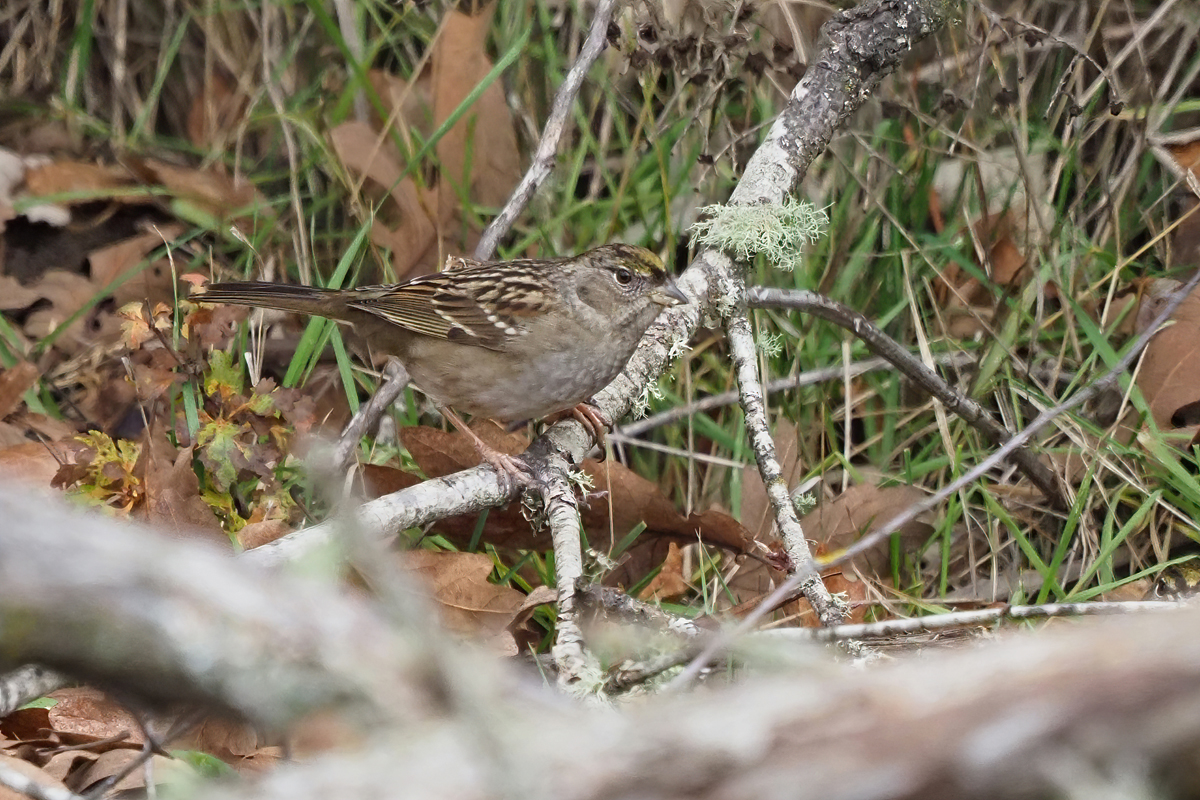
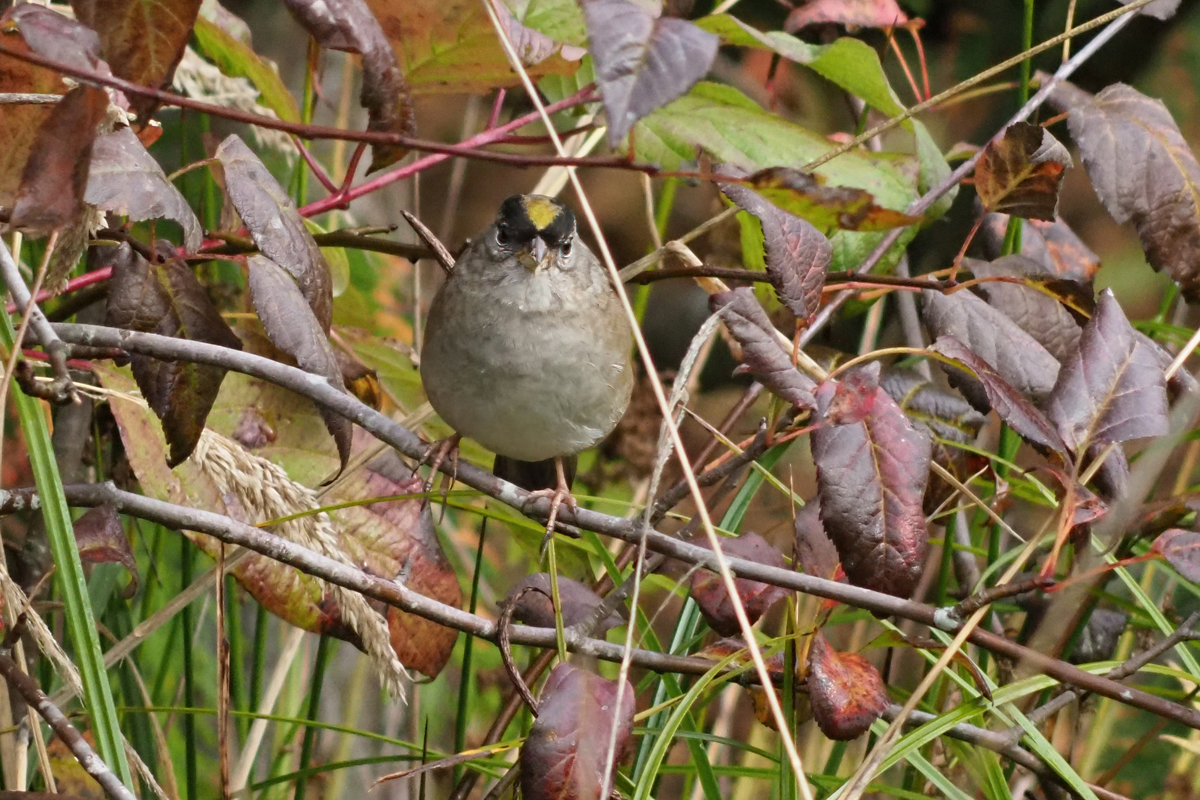
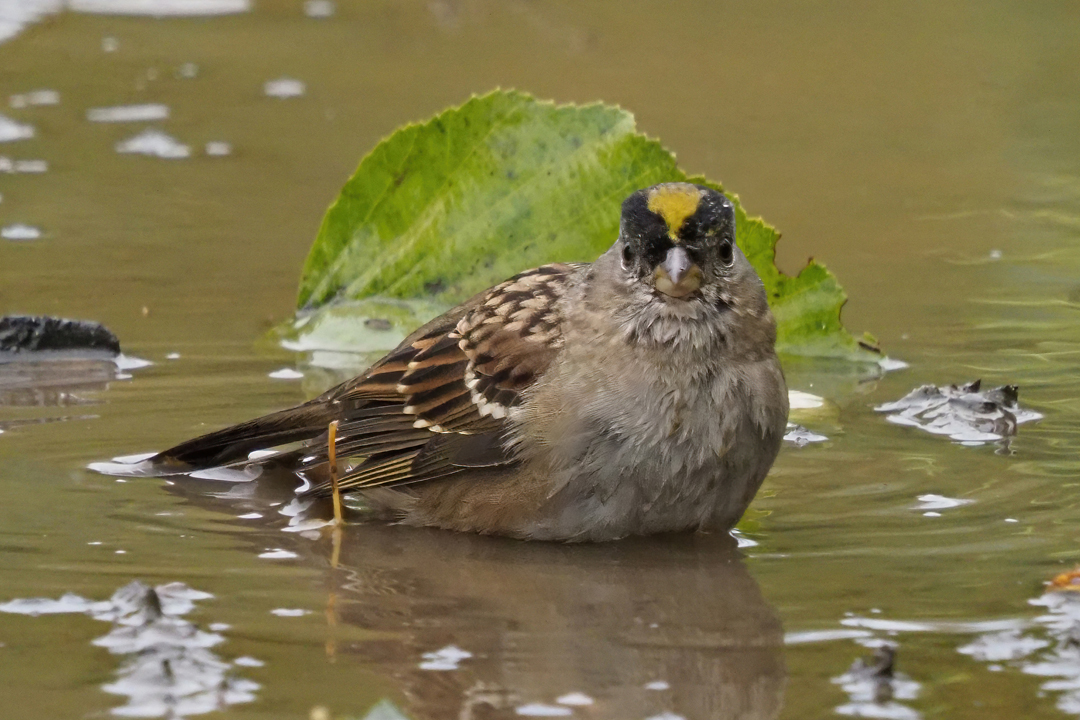
 Golden-crowned Sparrows are usually the most common sparrow in the winter flocks.
 This Fox Sparrow kept close to the heavy cover.
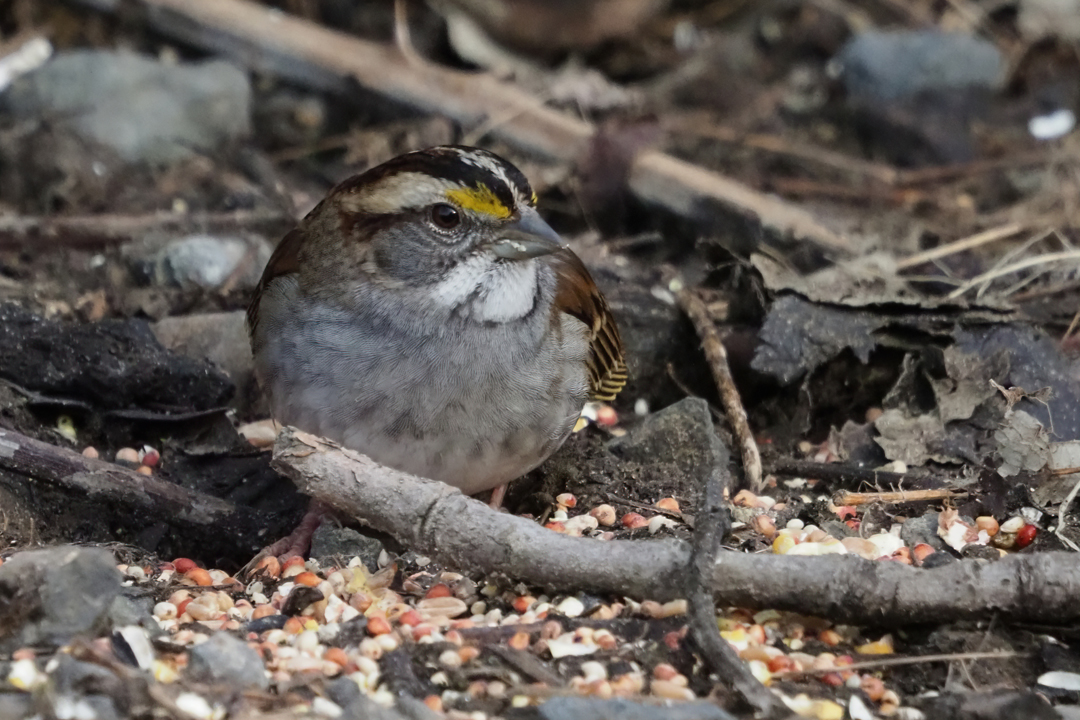 Once considered a rarity in this area, White-throated Sparrows are now reliable winter residents.
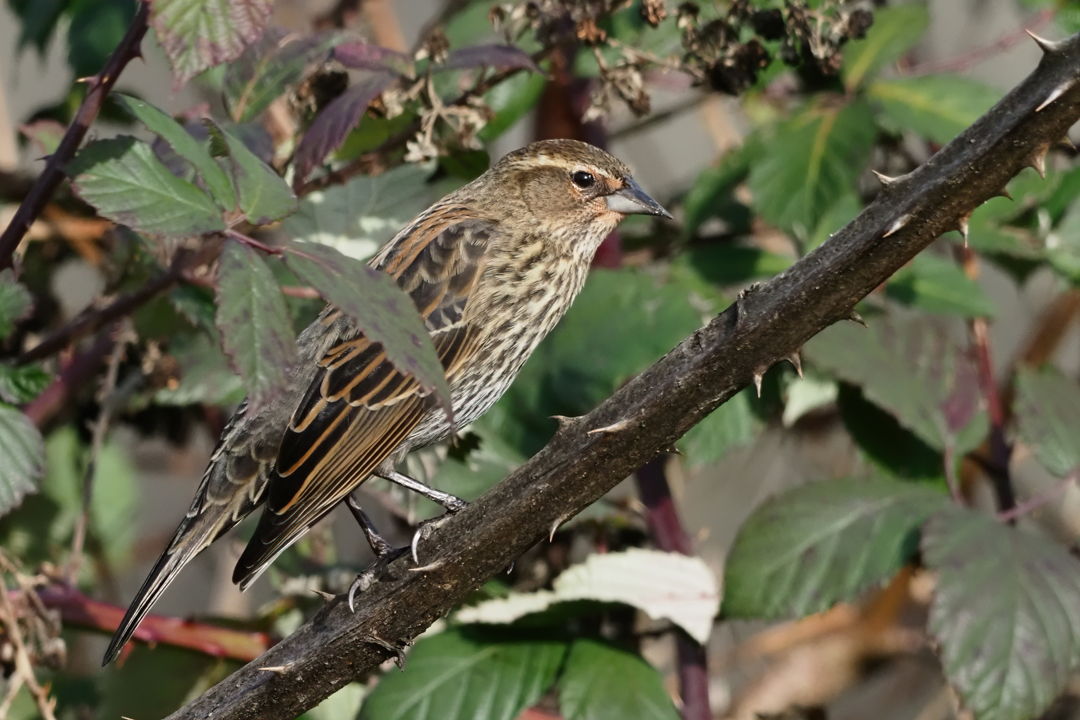
 Red-winged Blackbirds
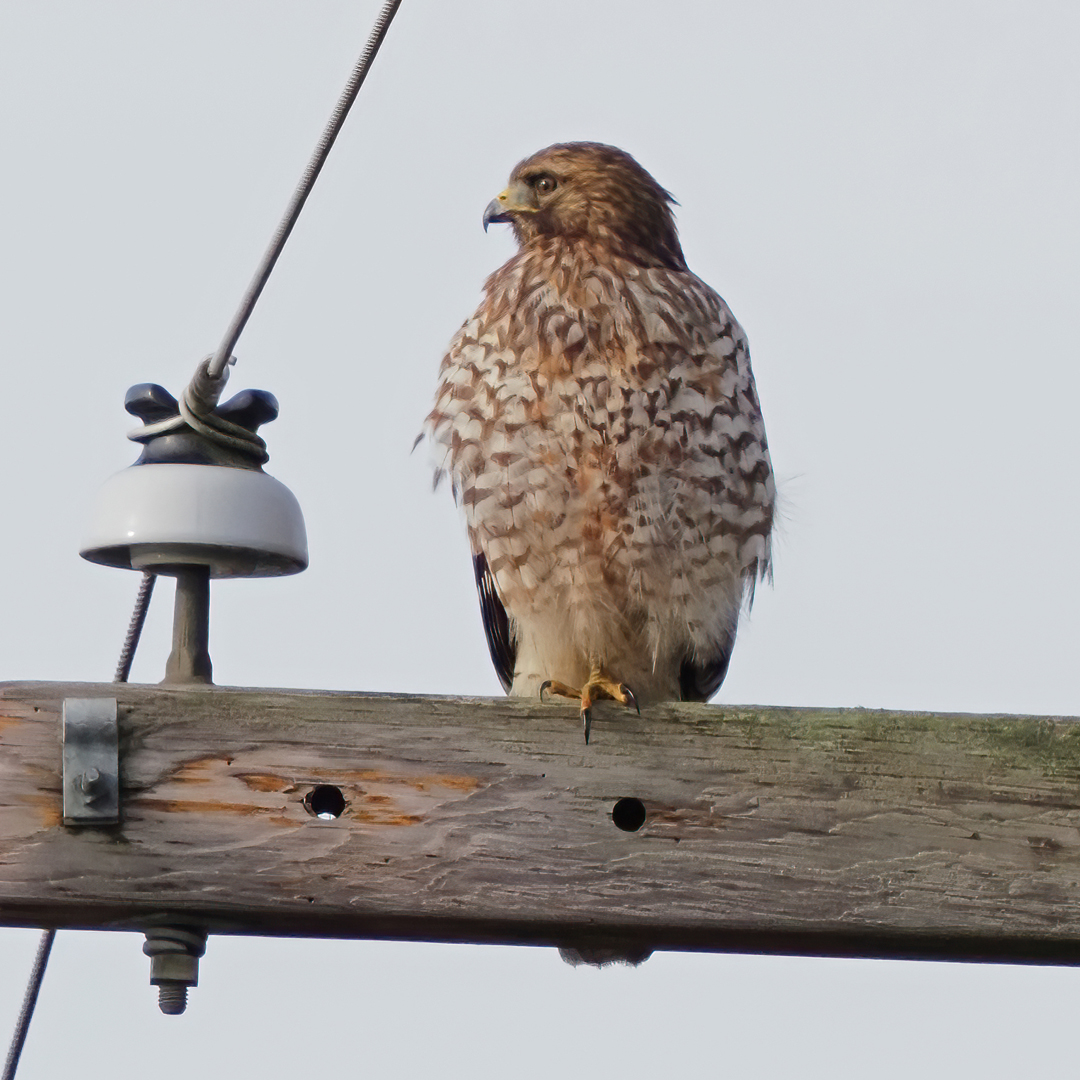 This Red-shouldered Hawk was the most unusual find of the day.
 Several birds were bathing in puddles in the road. Here a male Purple Finch cavorts with a female House Finch.
 Waterfowl numbers were a little low on this trip. Ducks and geese face pretty heavy hunting pressure on Sauvie Island. Numbers should increase in the next month as hunting seasons expire and some birds start moving north. This flock of Tundra Swans kept their distance from the road.
 As the weather was clear on this day, there were nice views of Mount St. Helens, here with a lenticular cloud.
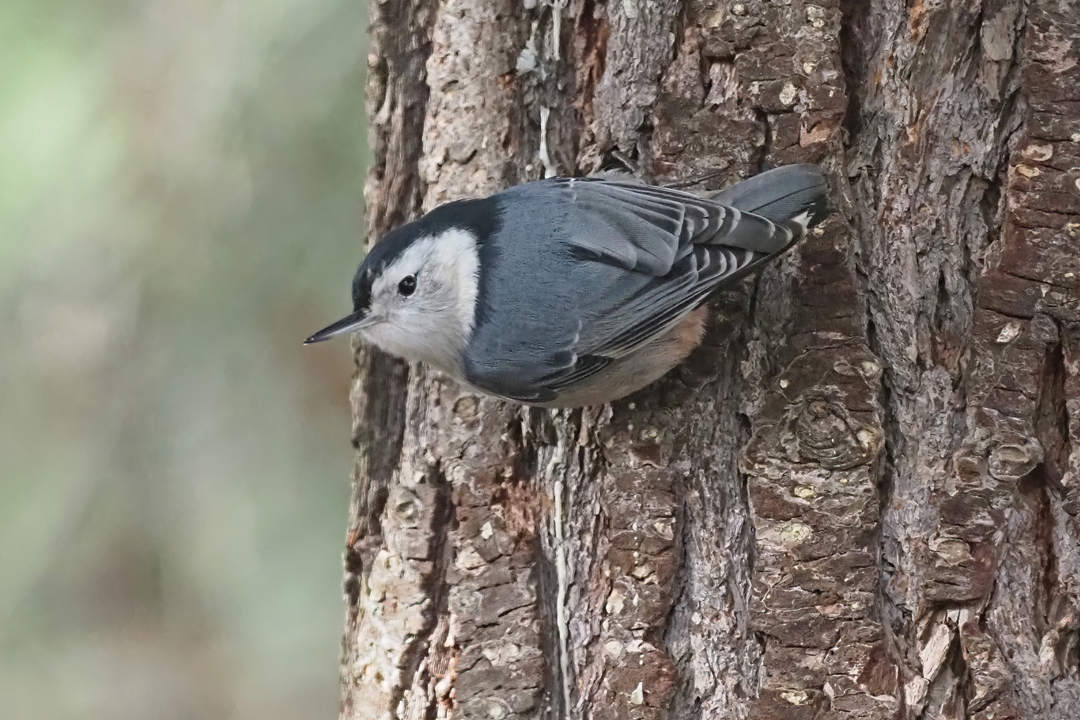
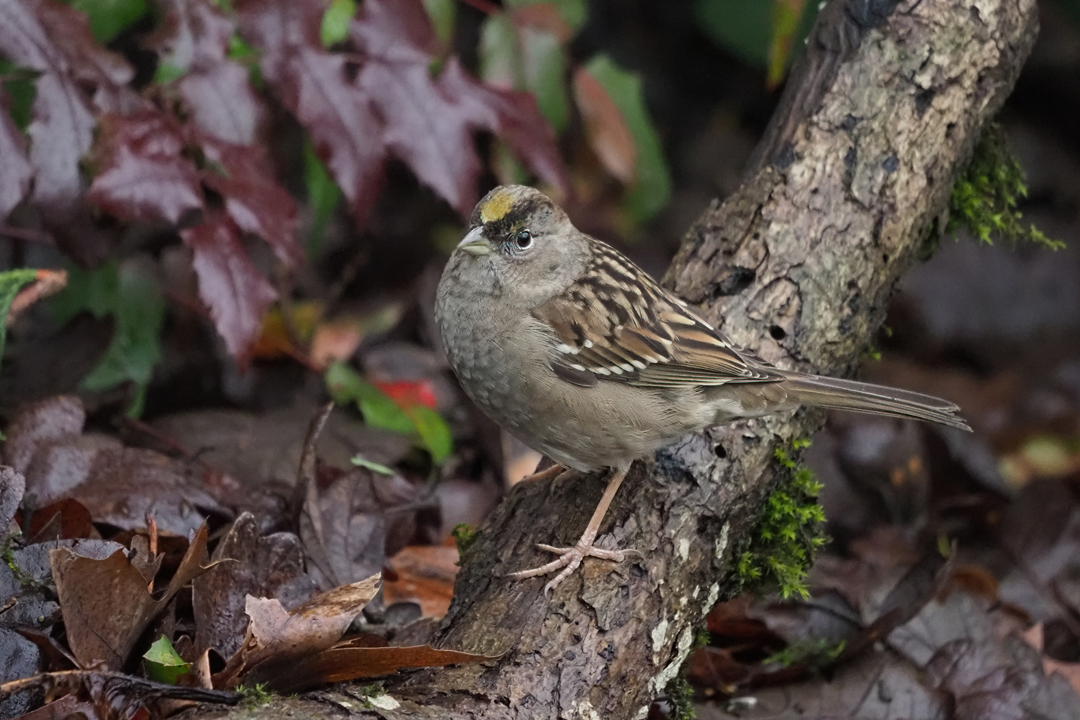 This Golden-crowned Sparrow was foraging around the shrubs at the Hillsboro library.
 Here’s a young White-crowned Sparrow for comparison.
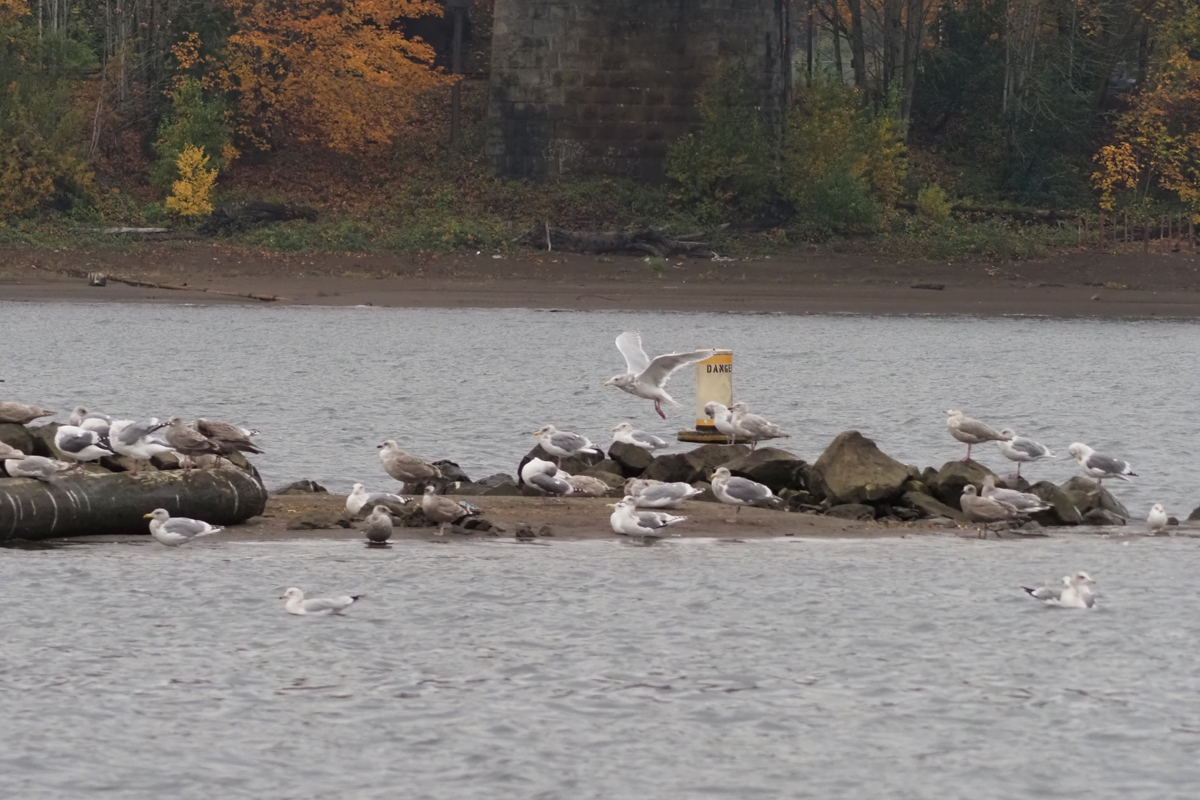
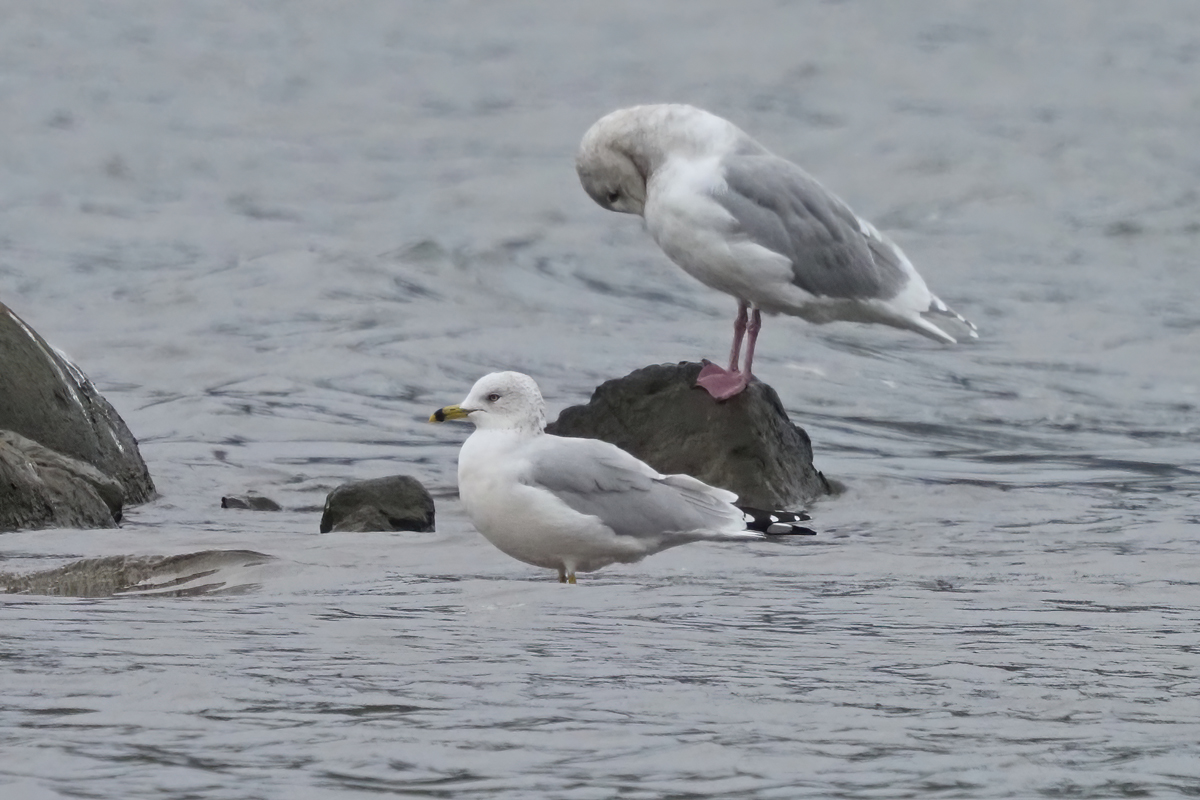
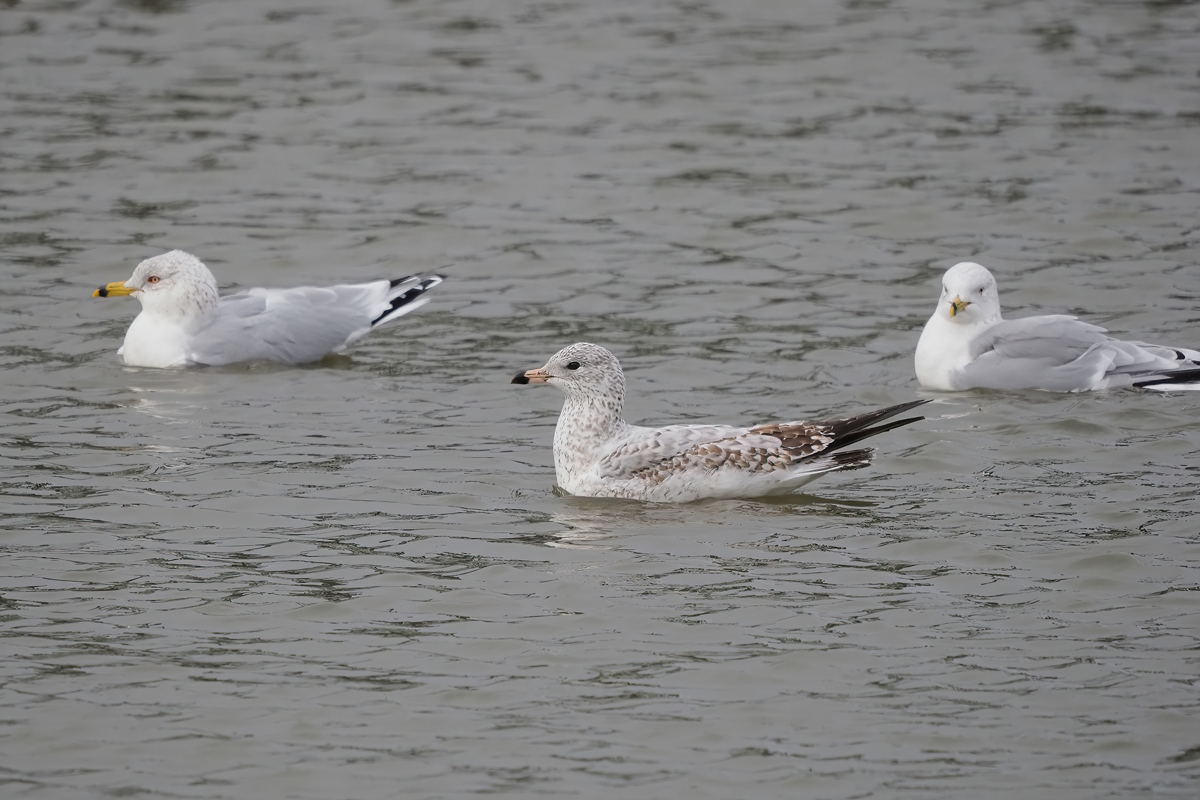 We still have about a month to enjoy a good diversity of gull species before they start to disperse. This first-cycle Ring-billed Gull was swimming with two adults.
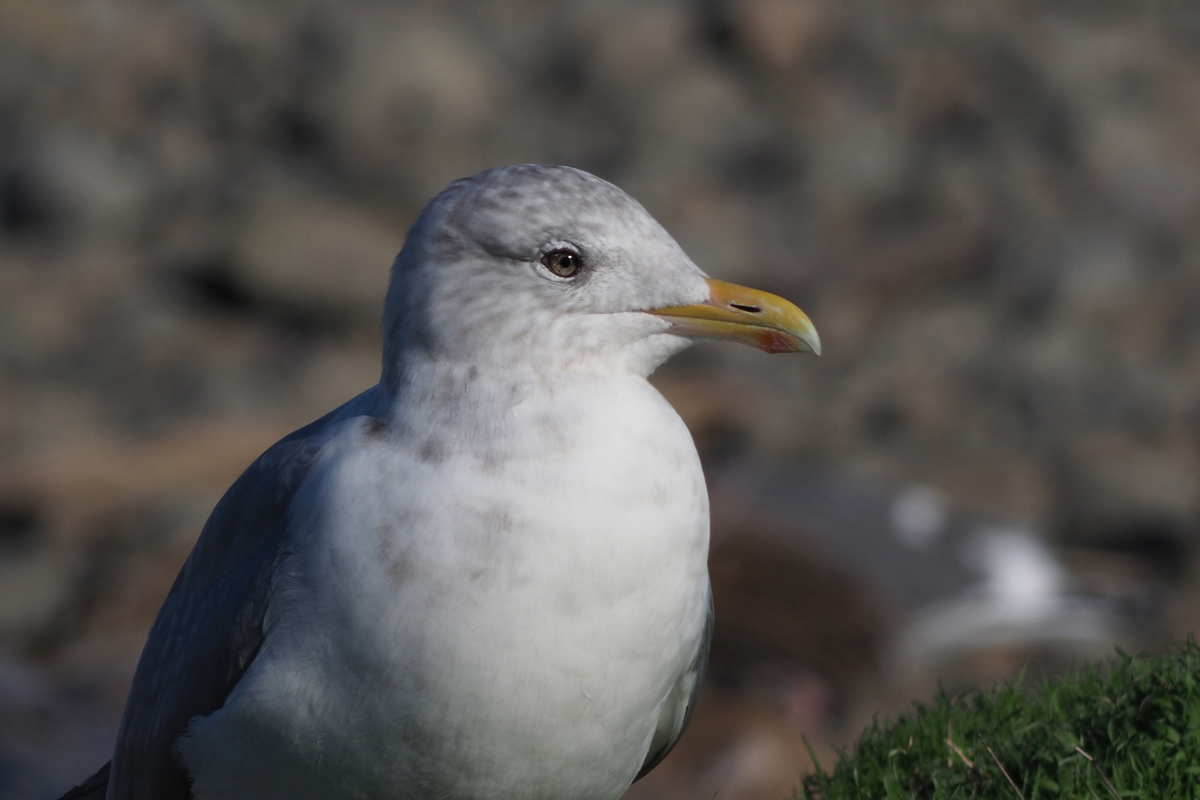
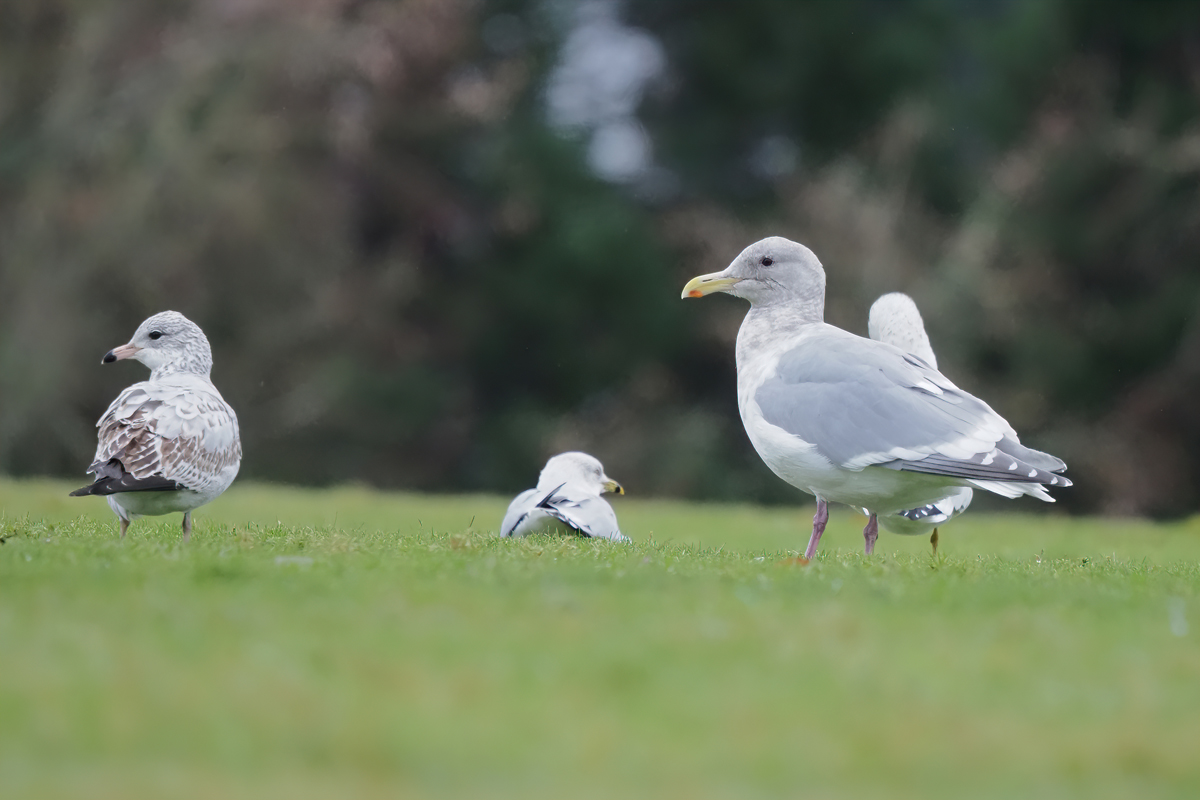 This Olympic Gull (Glaucous-winged X Western hybrid) was hanging out with the Ring-billed Gulls.