Tufted Ducks

Two male Tufted Ducks (Aythya fuligula) have been spending the winter on the Columbia River near the Portland airport (Birding Oregon p. 63). One of these birds appears to be a Tufted Duck X scaup hybrid.


Bearing in mind that I have no experience with young Tufted Ducks, these are the features that cause me to question this bird’s parentage:

  • The back is a dark gray, not black as expected on a male Tufted Duck.
  • The sides are dingy, not brilliant white, but this is common on young Tufted Ducks.
  • The bill is virtually identical to that of a Greater Scaup. A Tufted Duck should show more black on the bill tip.
  • The tuft, though short, is very thick and stiff, not whispy as I would expect on a molting Tufted.


Here is the same bird with some Greater Scaups. Notice that the back is darker gray, but not really black, and the sides and bills of the two species are identical.


Here is an adult male Tufted Duck. Note the gleaming white sides and black back.


Adult Tufted Duck with female Common Goldeneye and some scaup.

The Stokes, Redeemed

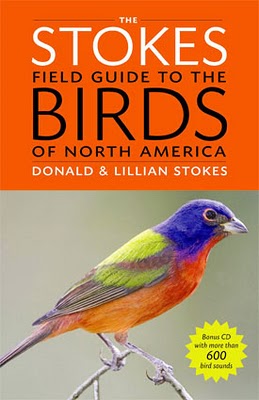
While their beginner guides (shorebirds, hummingbirds, etc.) are very good, I have never been impressed with the larger field guides to birds by Donald and Lillian Stokes. Their eastern and western guides include one or two photos for most birds, not enough to provide a good presentation of many species. So when I heard that the Stokes were releasing a new guide to the birds of North America, I wondered what they might bring to the already glutted field guide market.

What they brought was the most comprehensive field guide on the market to date. Each species is represented by two to twelve photos. The species that have complex plumage cycles, such as gulls and shorebirds, are shown in every plumage type. You can actually see a photo of a third-cycle Thayer’s Gull. Not even the National Geographic guide goes that far. All four subspecies of Cackling Goose are illustrated, with close-ups showing the bill shapes.

In addition to extensive coverage of the regularly occurring species, the Stokes have included virtually all the vagrants reported from North America. There are three photos each of Great Spotted Woodpecker and White-throated Thrush. The Sibley Guide doesn’t even mention these species.

Whenever you have a collection of several thousand photos, there will be a few that don’t look quite right. The adult Glaucous-winged Gull looks way too dark to me. As with most photographic guides, the seabirds are short changed. Many of the pelagic species are represented by distant grainy images. While some would argue that those poor distant views are similar what you are likely to experience in the field, I think a field guide should show as much detail as possible.

Many birders, myself included, prefer good paintings to photos. My ideal guide would be the Sibley Guide to Birds with an additional hundred or so species to make it a comprehensive guide to North America. But even those of us who prefer paintings still benefit from photos on occasion. And there is currently no better photographic guide to all the birds of North America than the new Stokes. This book has taken the Stokes from the periphery of the field guide genre to the forefront.
Lesser Canada Goose

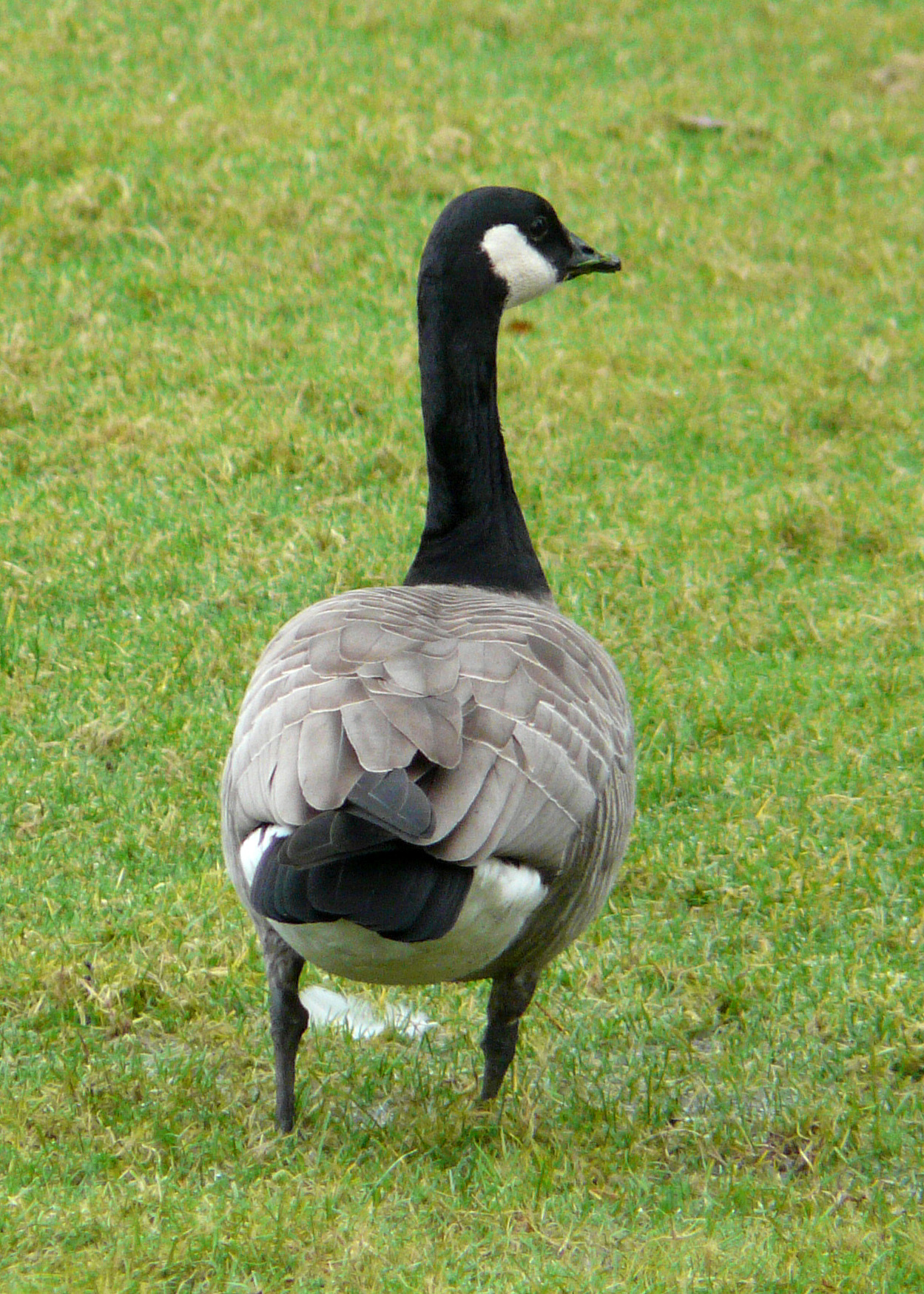
It is time for another installment in the constant effort to separate Lesser Canada Goose (Branta canadensis parvipes) from Taverner’s Cackling Goose (Branta hutchinsii taverneri). The two species overlap in size and coloring, but structural differences are often apparent to those of us nerdy enough to study lawns covered in geese.


Here are two Western Canada Geese (B. c. moffitti) and a Lesser Canada Goose. They are nearly identical in color and shape, but the Lesser is about 2/3 the size of the Western. This is your best clue to identifying Lessers.


Without the size comparison, you might be hard pressed to distinguish this Lesser Canada from a Western. The neck is long and thin. The bill and forehead form a smooth, gentle slope.


Compare these Taverner’s to the Lesser. On a Taverner’s Cackling Goose, the neck appears thicker and often shorter. The forehead forms a noticeable bump where it meets the bill. (This causes the bill to appear stubby, but there actually isn’t much difference in the bill shape between the two species.) The breast on Taverner’s is often lighter in color than that of Lesser Canada, but both species show a lot of individual variation.

Third Cycle Western Gull

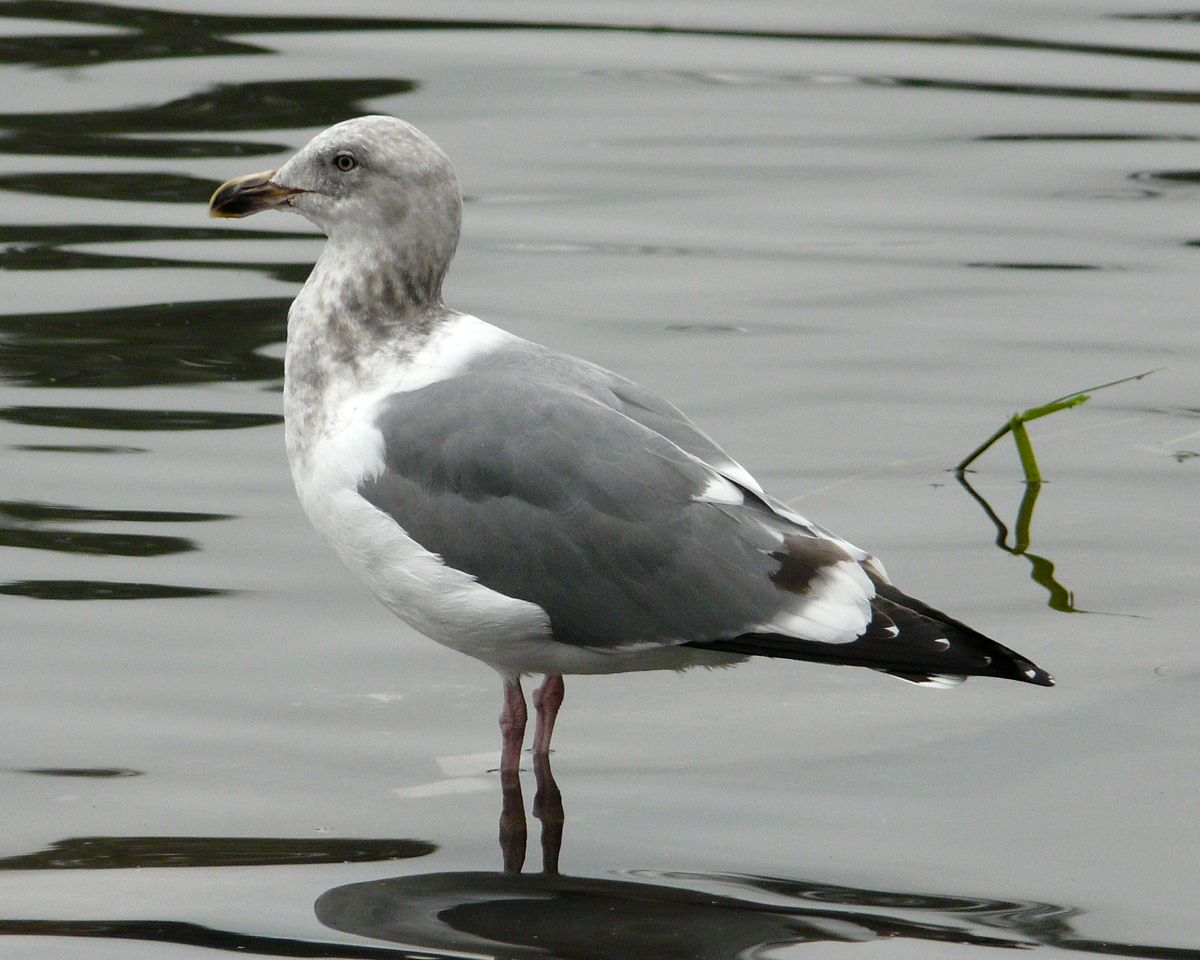
On a recent sweep through Portland’s Westmoreland Park, this gull immediately stood out from the flock. When you see a large gull that just doesn’t fit, chances are good that it is in its third plumage cycle. Large gulls (Western, Glaucous-winged, Thayer’s, Herring, to name a few) go through four plumages to reach their adult look. These species are often referred to as “four-year” gulls, but that term is not always correct. Some individuals go through all four plumages in less than four years, while others may take longer. It is more accurate to refer to these birds as four-cycle gulls.

The third cycle can be confusing for two reasons. Birds in their third cycle are the least common, as many individuals from their hatch year have not survived to make it to their third plumage cycle, so you don’t see that many third cycle birds. Secondly, third cycle birds look very similar to an adult, but with a lot of little oddities that can throw you off.

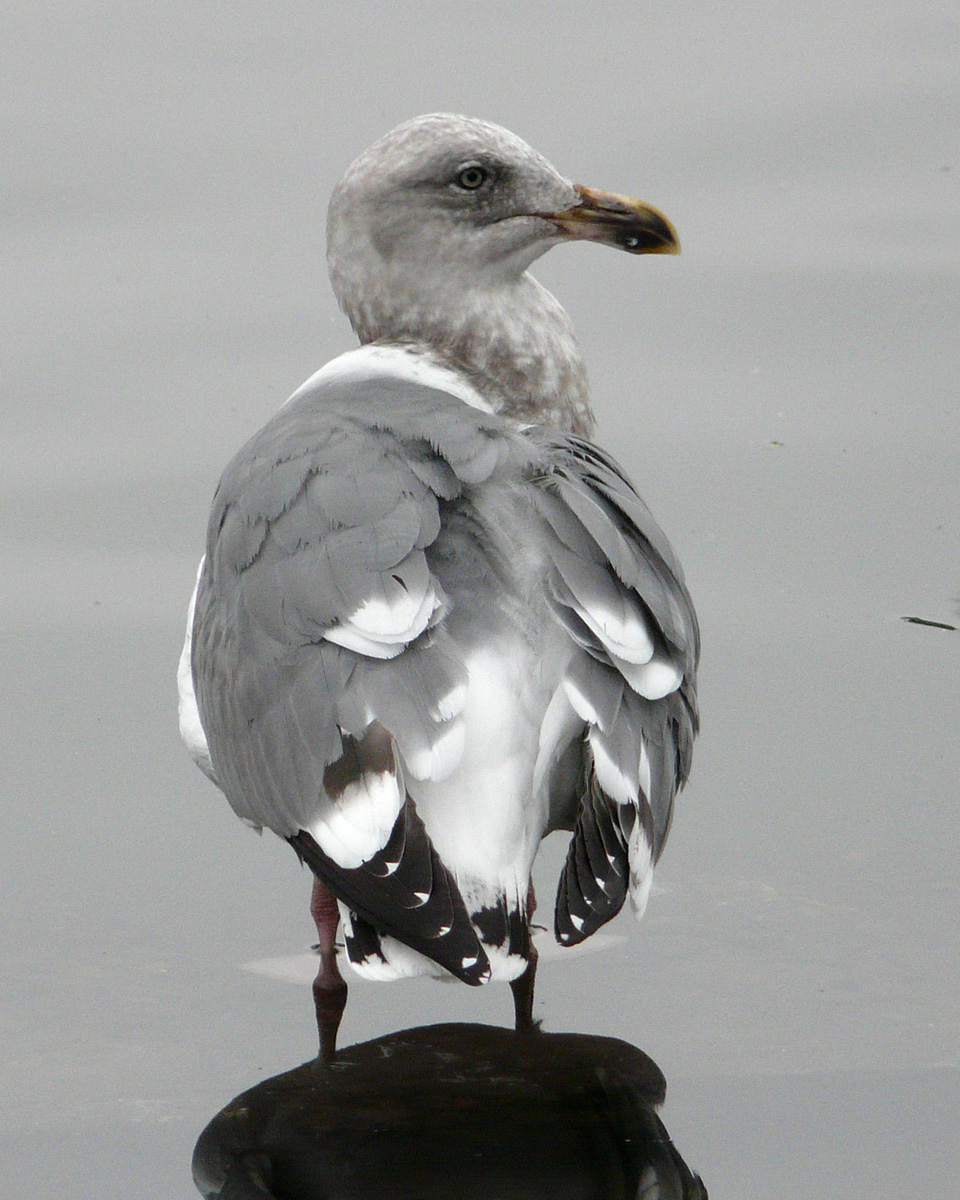
The bird from Westmoreland has a dark gray mantle, pink legs, and a ridiculously thick paddle-shaped bill. This all points to Western Gull. Some marks that keep this from being an adult Western include:

  • Extensive mottling on the head, neck, and upper breast. Adults never show this. (It could also indicate cross-breeding with Glaucous-Winged Gull, a common occurrence in Oregon.)
  • Black primaries with tiny white tips. An adult’s outer primaries have large white spots (mirrors).
  • Big black blotches on the tertials
  • A ragged black band on the tail. An adult’s tail is pure white.
  • Instead of the bill being school-bus-yellow with a red spot on the lower mandible, this billed is marbled.

So when you find a gull that looks mostly like an adult, but has a little black on the tail, primaries darker than normal, and an oddly colored bill, chances are good that you have a third cycle bird.

Lesser Goldfinch


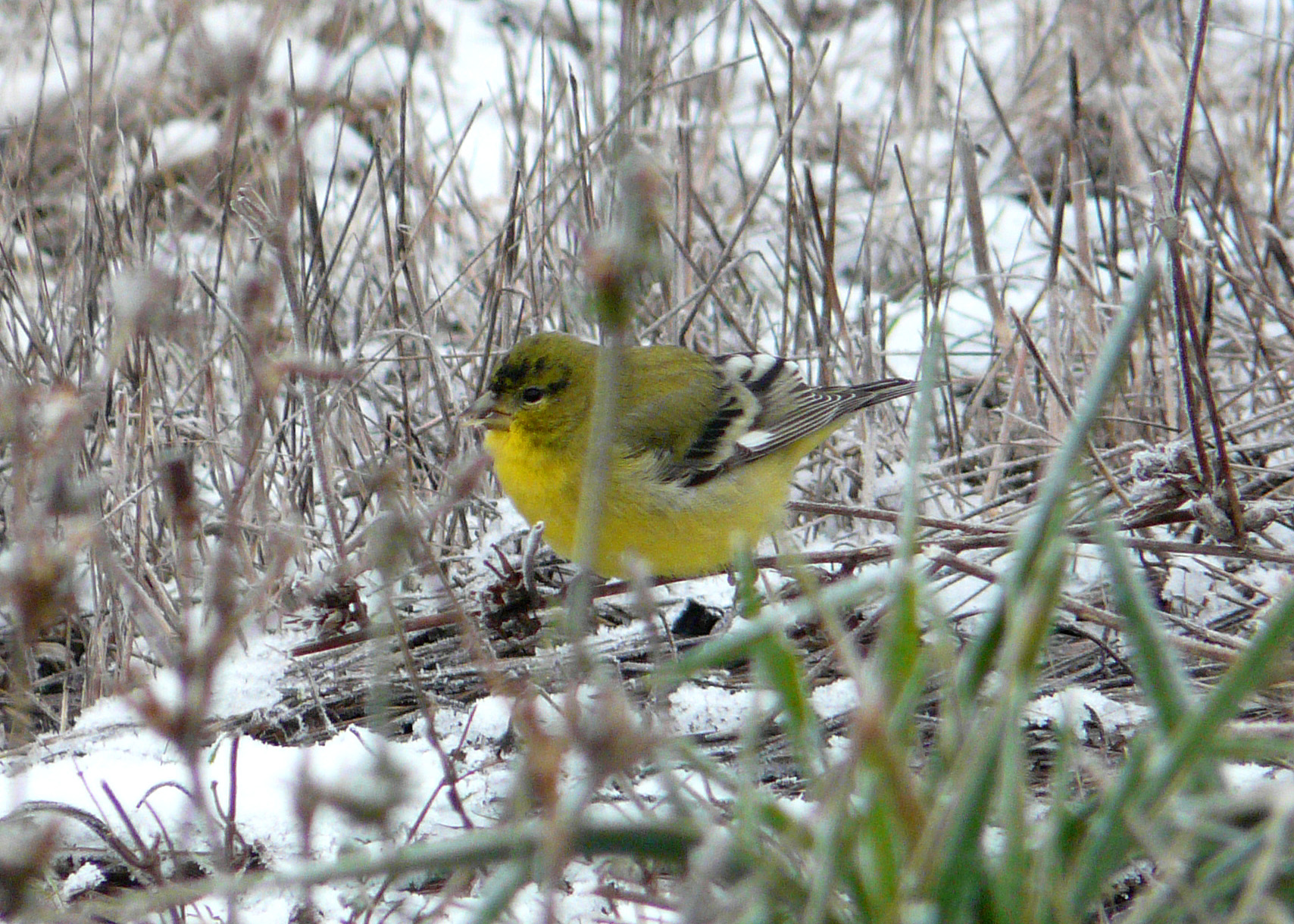
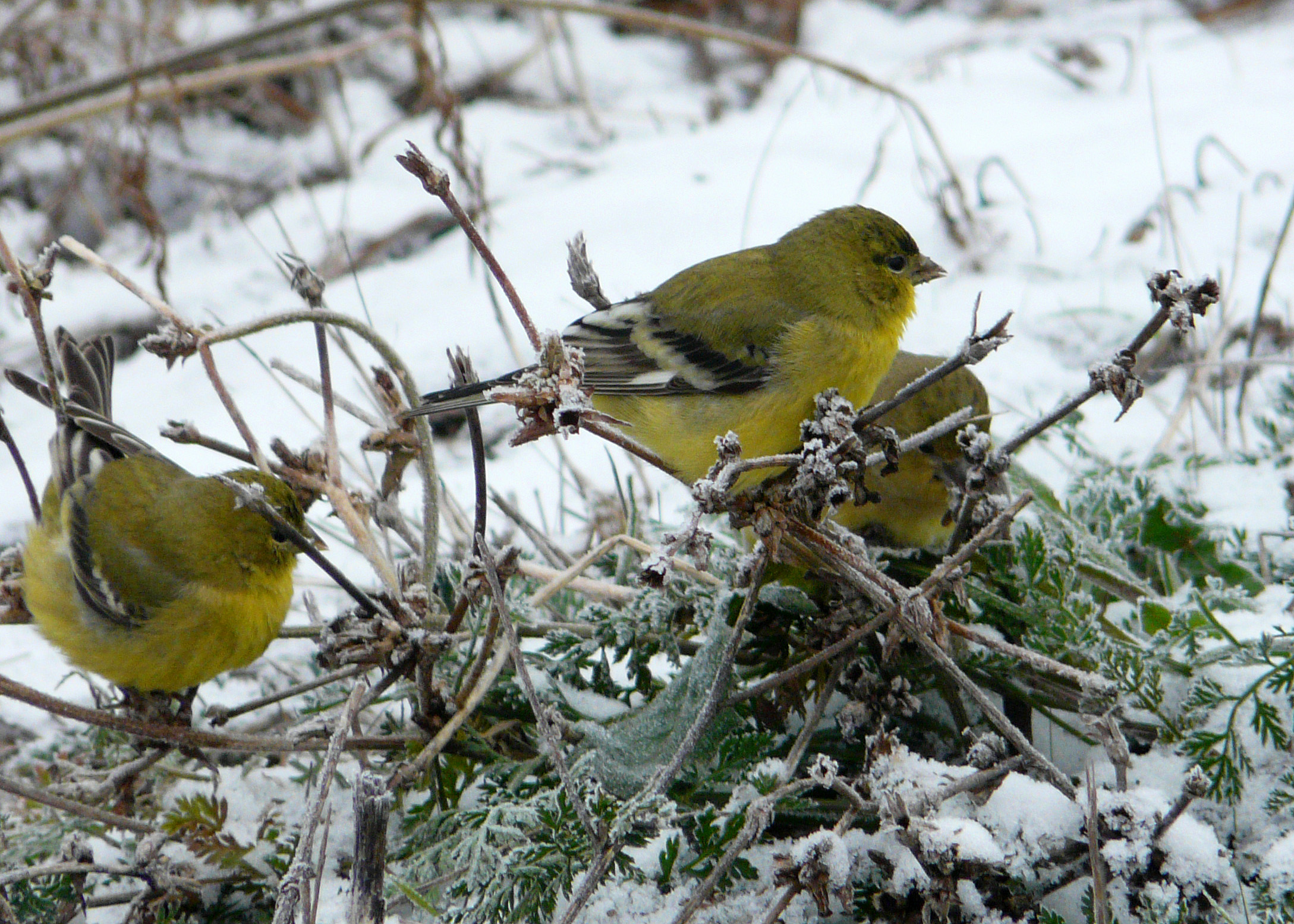
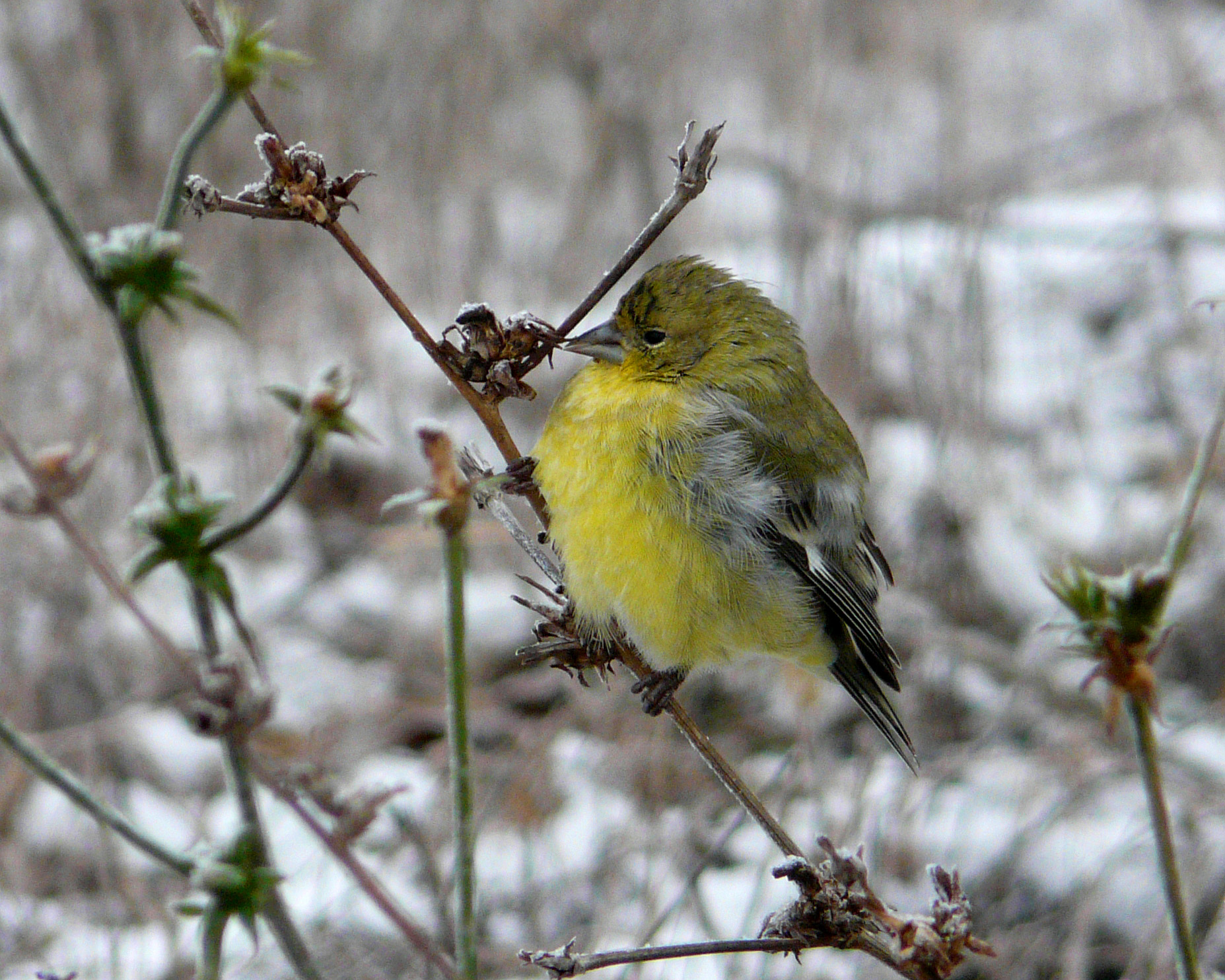
I recently came across a small flock of Lesser Goldfinches. This species has become much more common in the northern Willamette Valley in the past decade.


This species really stands out in the winter with their bright yellow underparts and cold greenish backs. Note the white wing bar and the little white patch at the base of the primaries. The more common American Goldfinch has a warmer golden brown cast in winter, and has buffy, not white, wing bars.


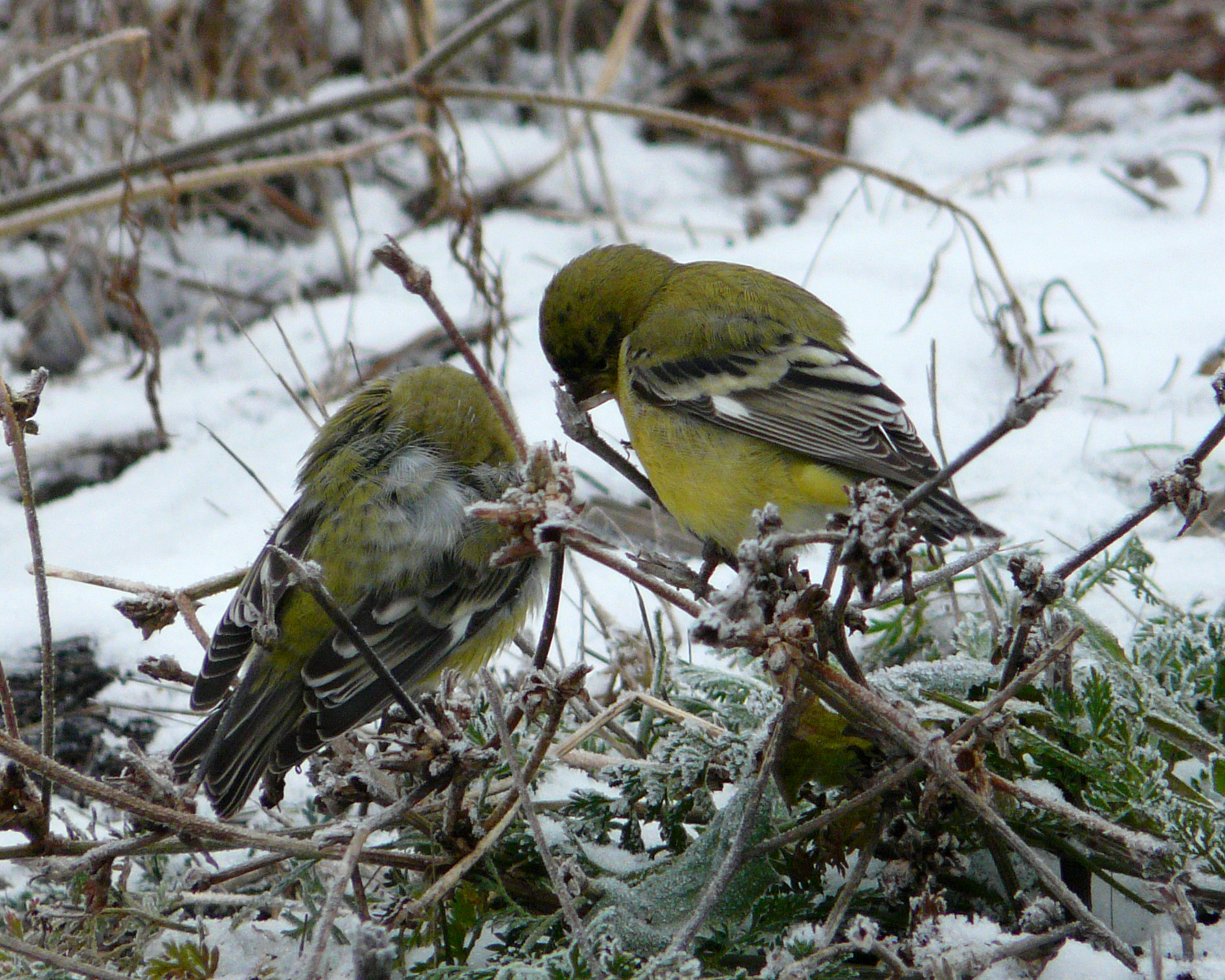
This is a male, probably a young bird given the lack of an extensive black cap. Notice the white patch on the spread tail feather. Females do not have white patches on their tails.


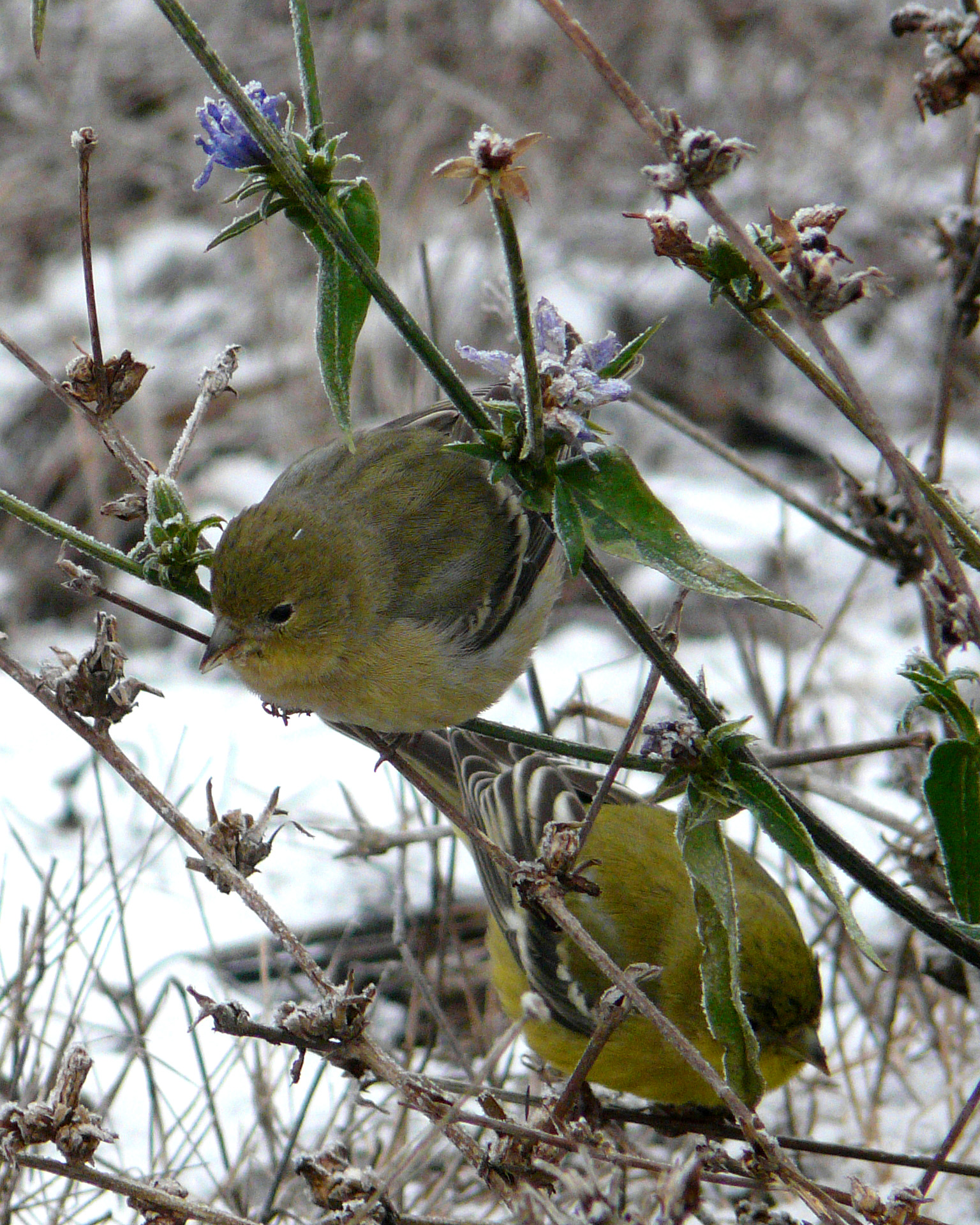
Pale females, like the top bird, are harder to distinguish from female American Goldfinches, as they lack the bright yellow underparts. Note the cold greenish back (not golden brown) and the white (not buffy) wing bars.


Compare this female American Goldfinch to the Lessers above and below.

Frozen Fernhill

An arctic air mass brought cold temperatures and ice to Fernhill Wetlands (Birding Oregon p. 61), but there was no shortage of birds. Here are some grainy gray photos from a lap around the ponds.


Horned Grebe


Tundra Swans and California Gull


Taverner’s Cackling Goose and Northern Shovelers


Cackling Geese and Northern Pintails


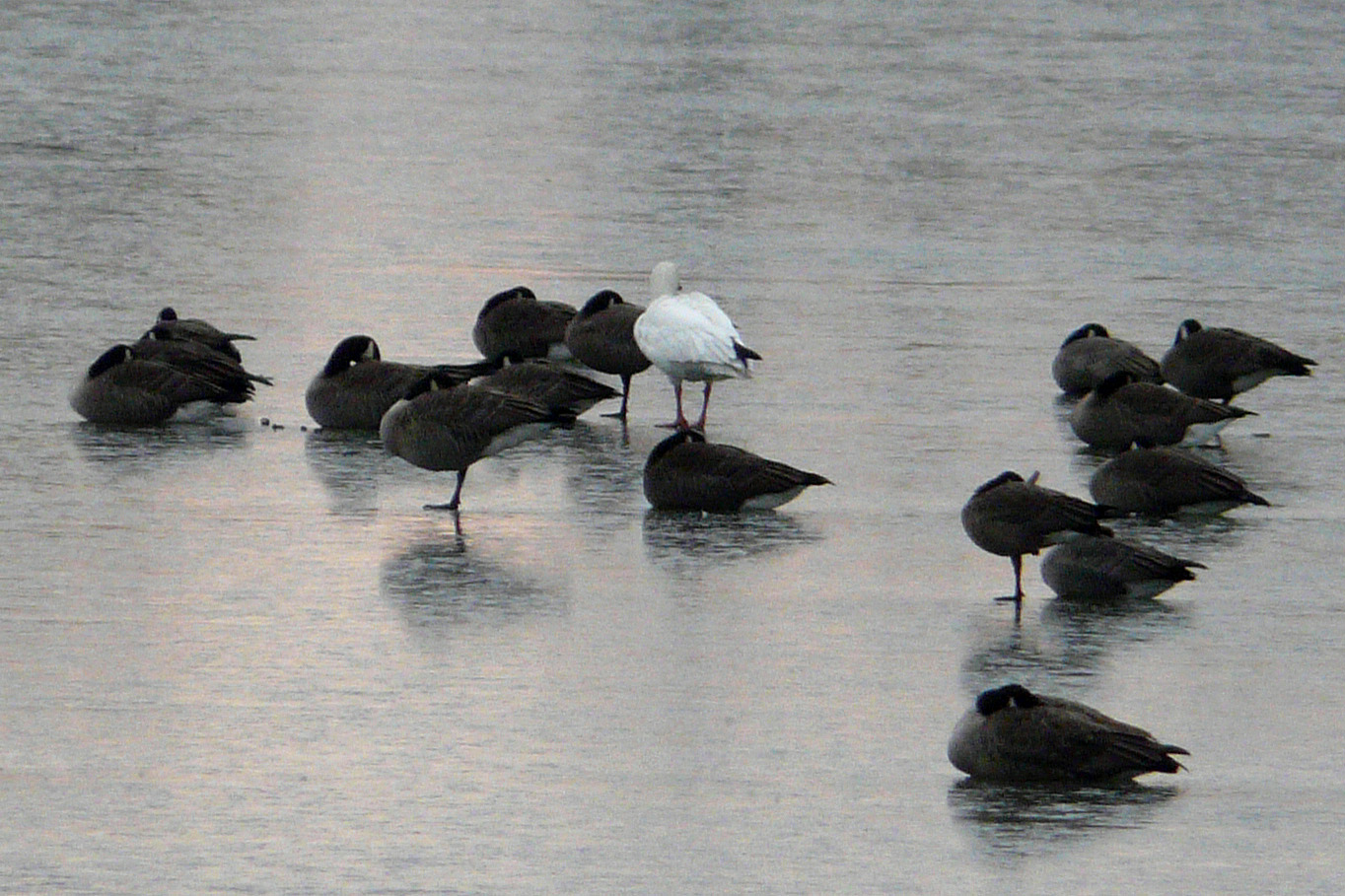
Snow Goose and Cackling Geese


American Kestrel


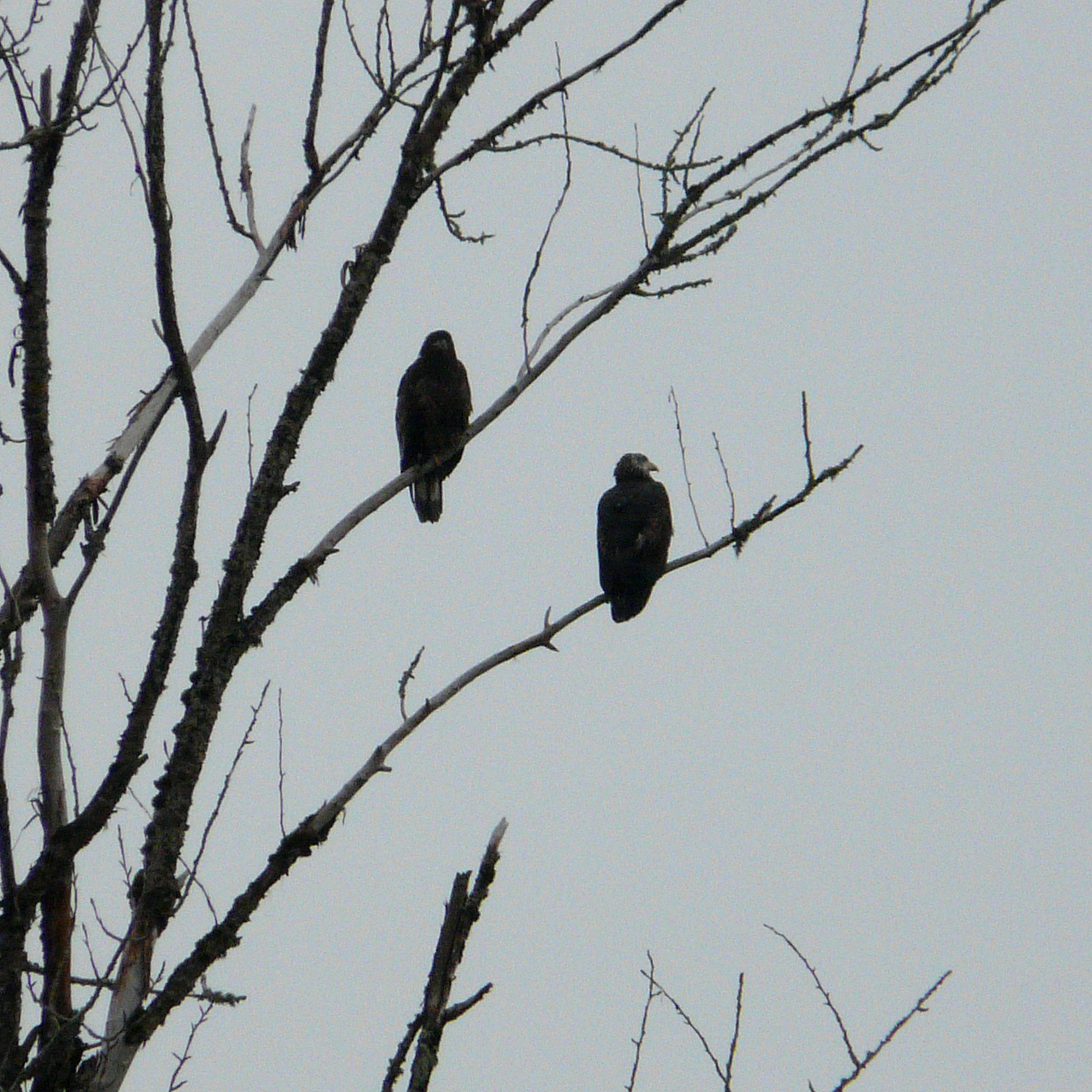
immature Bald Eagles


This American White Pelican, a very late straggler, was circling high overhead, trying to find a thermal on this cold cloudy morning.


Cackling Cackling Geese


Great Blue Heron standing on a Beaver dam. Note the frost on the bird’s back.

Updates

I have made several updates to the website you might want to check out.

On the Birding Oregon page, I added a new update clarifying the directions to Cold Springs NWR. Different maps list different road names, but hopefully this will make things clear. Thanks to reader, Jen, for pointing out the problem.

On the Classes page, I have listed three upcoming classes I’m teaching for Portland Audubon. These include gulls, waterfowl, and little brown birds.

On the Sample Clips page, I cleaned out some dead links, deleted a couple of  fuzzy scanned articles, and added two new pieces from recent issues of Bird Watcher’s Digest. These are nice clear digital versions from that magazine’s new online editions.

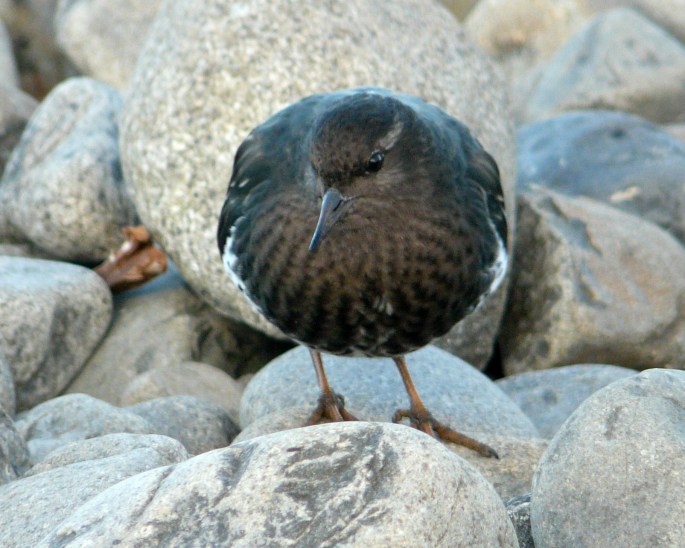
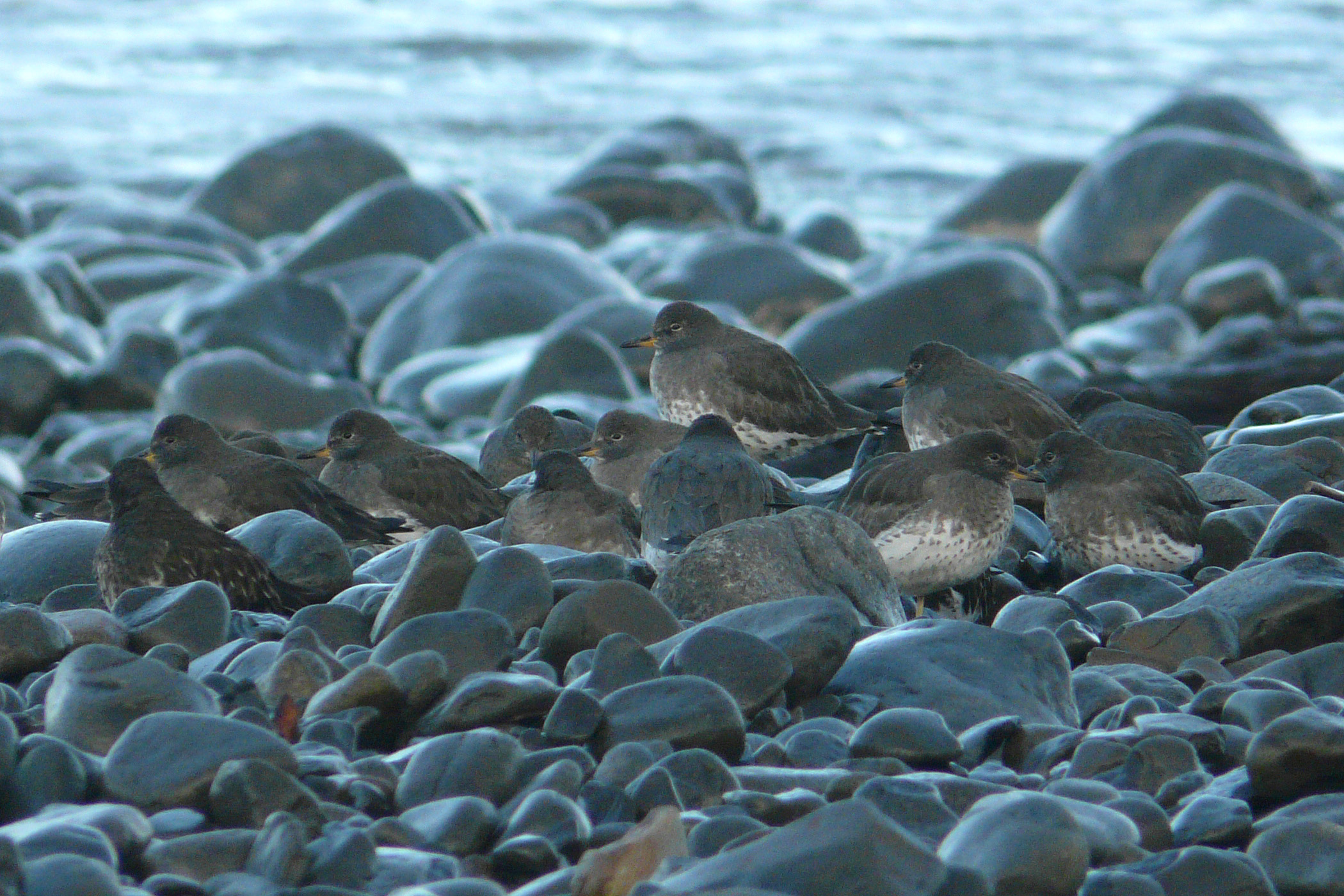
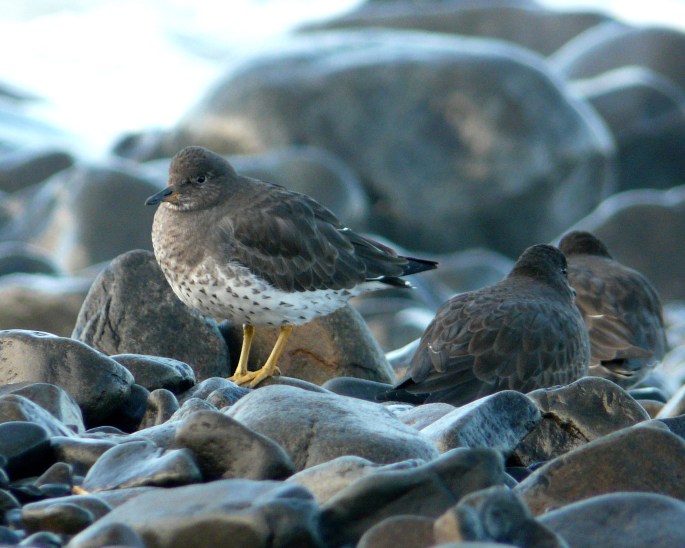
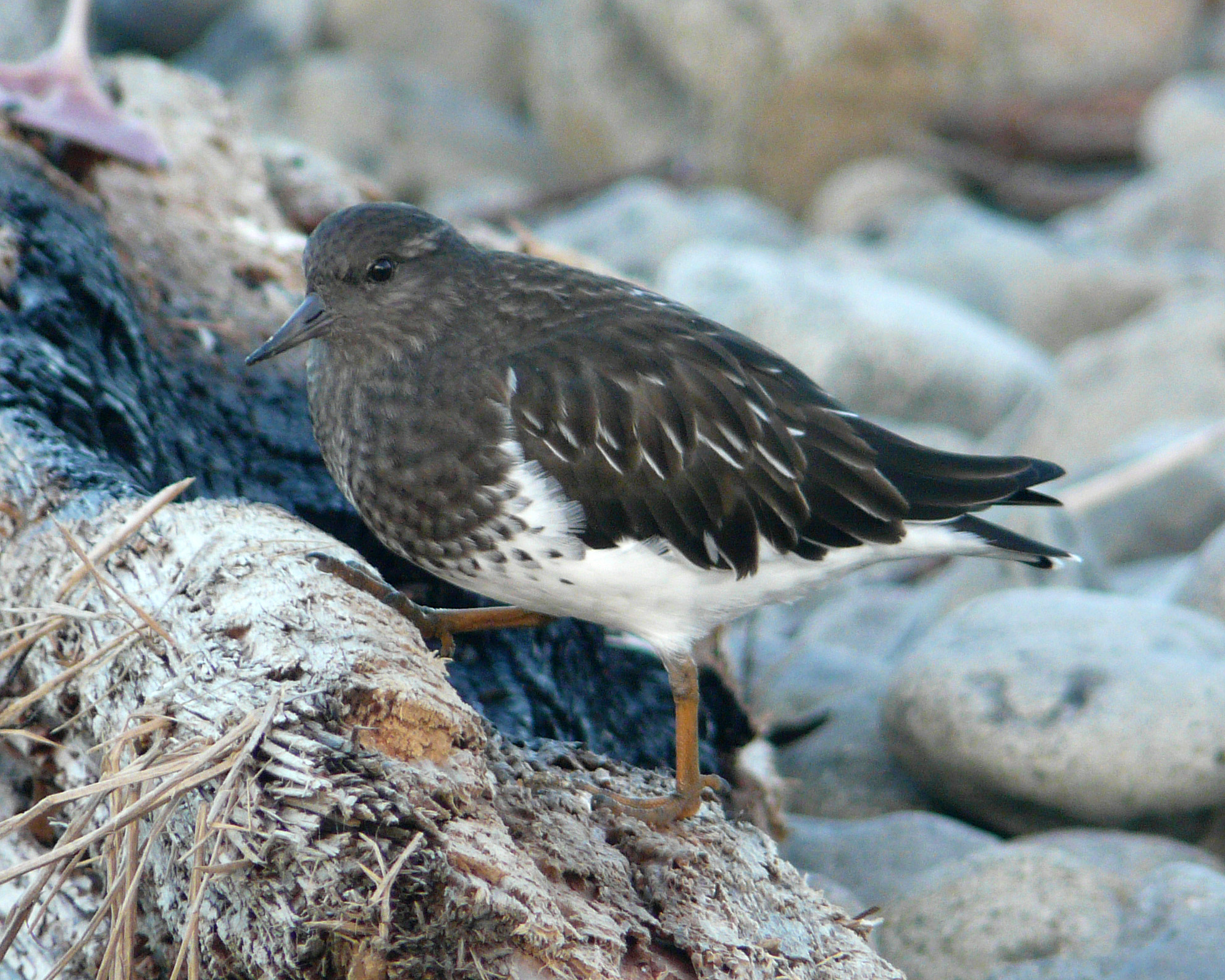
As a reward for looking at the updates, here is a picture of a cute Black Turnstone.
Random Rodents

Here are some photos from recent encounters with non-native rodents.


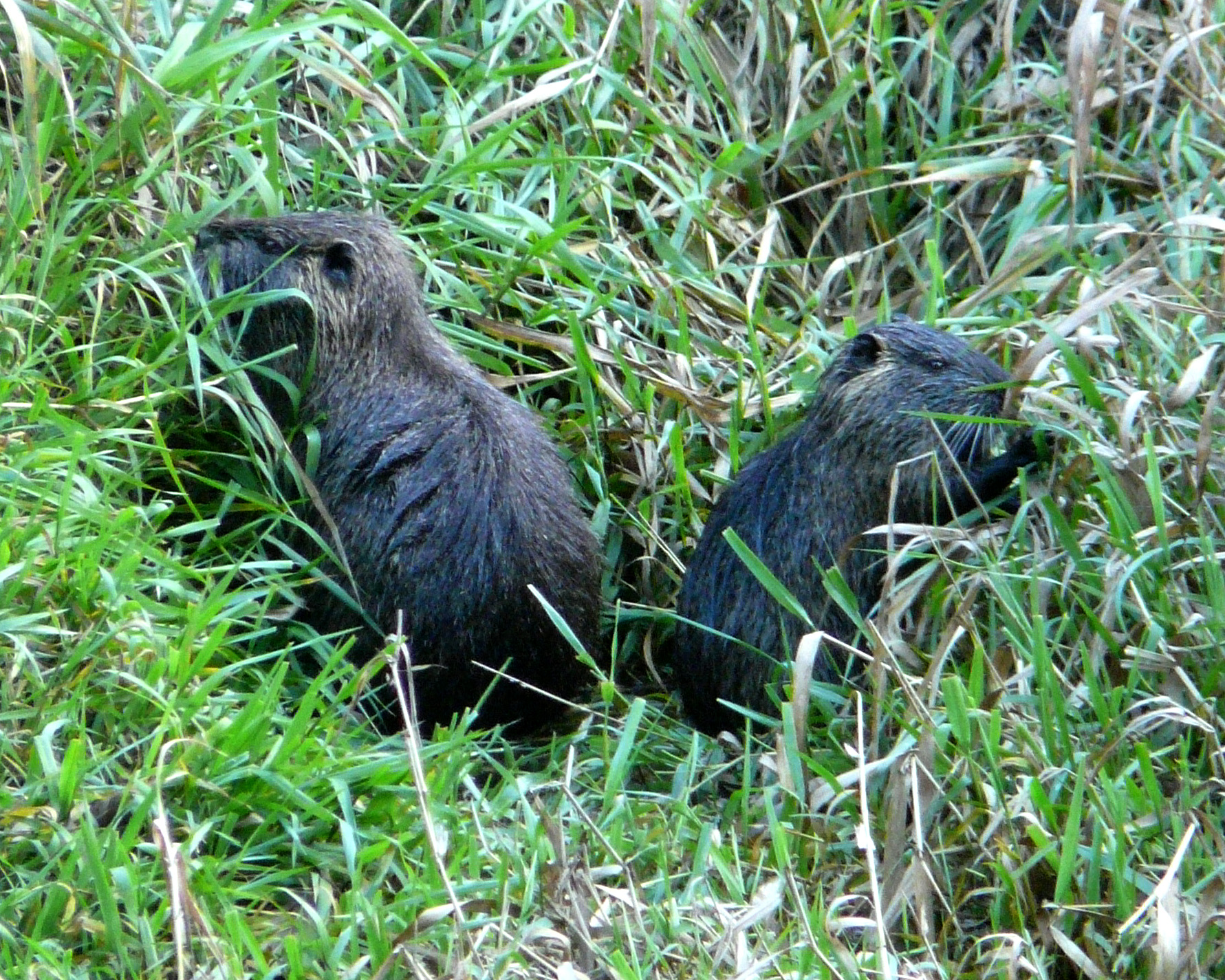
Two Nutria (Myocastor coypus) munching on grass. This species is native to South America. They were brought to the U.S. in the 1930s to be raised for fur. When the “raise Nutria for fun and profit” dreams proved to be unprofitable, many animals were simply released into the wild. In areas that don’t receive severe winter weather, such as western Oregon, the animals thrived. Nutrias are considered an invasive species, as their appetite for marsh vegetation alters local ecosystems and threatens some native species.


Eastern Fox Squirrel. I don’t know when or why this species was introduced to Oregon. In their native range, they prefer oak savannah and forest edge.


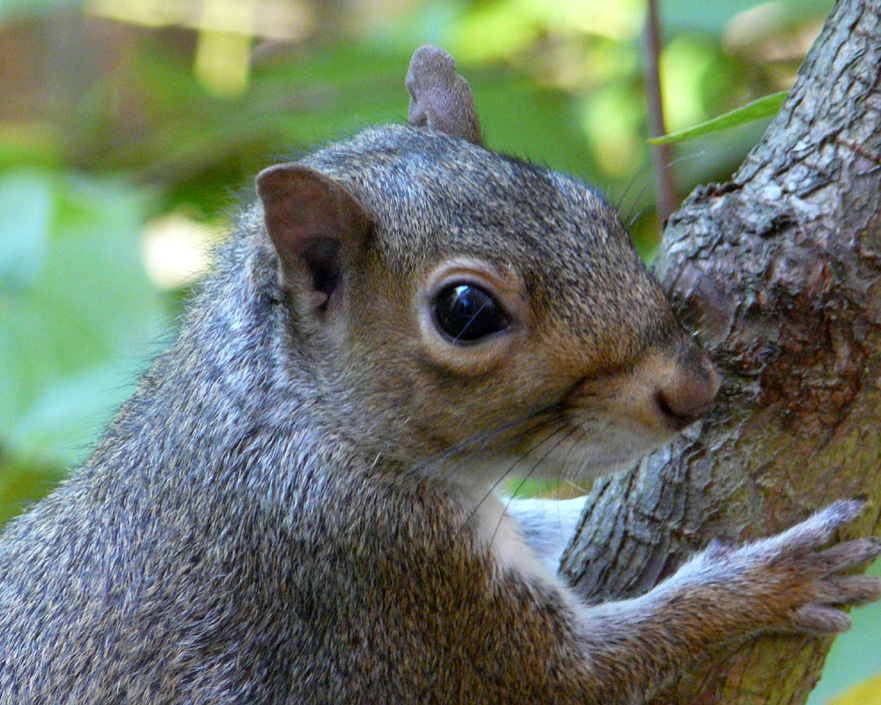
Eastern Gray Squirrel, another species introduced from the eastern U.S. While quite at home in Portland, in their native range they prefer extensive deciduous forests.