Random Spring Migrants

Our sunny warm spring has turned cool and wet. This is a good thing, as we continue to be far below average in rainfall amounts, but the weather has put a bit of a damper on birding and photography. This Tree Swallow put on a nice show at Koll Center Wetlands. I believe this is a young male, hatched last summer and just now molting into full adult plumage.
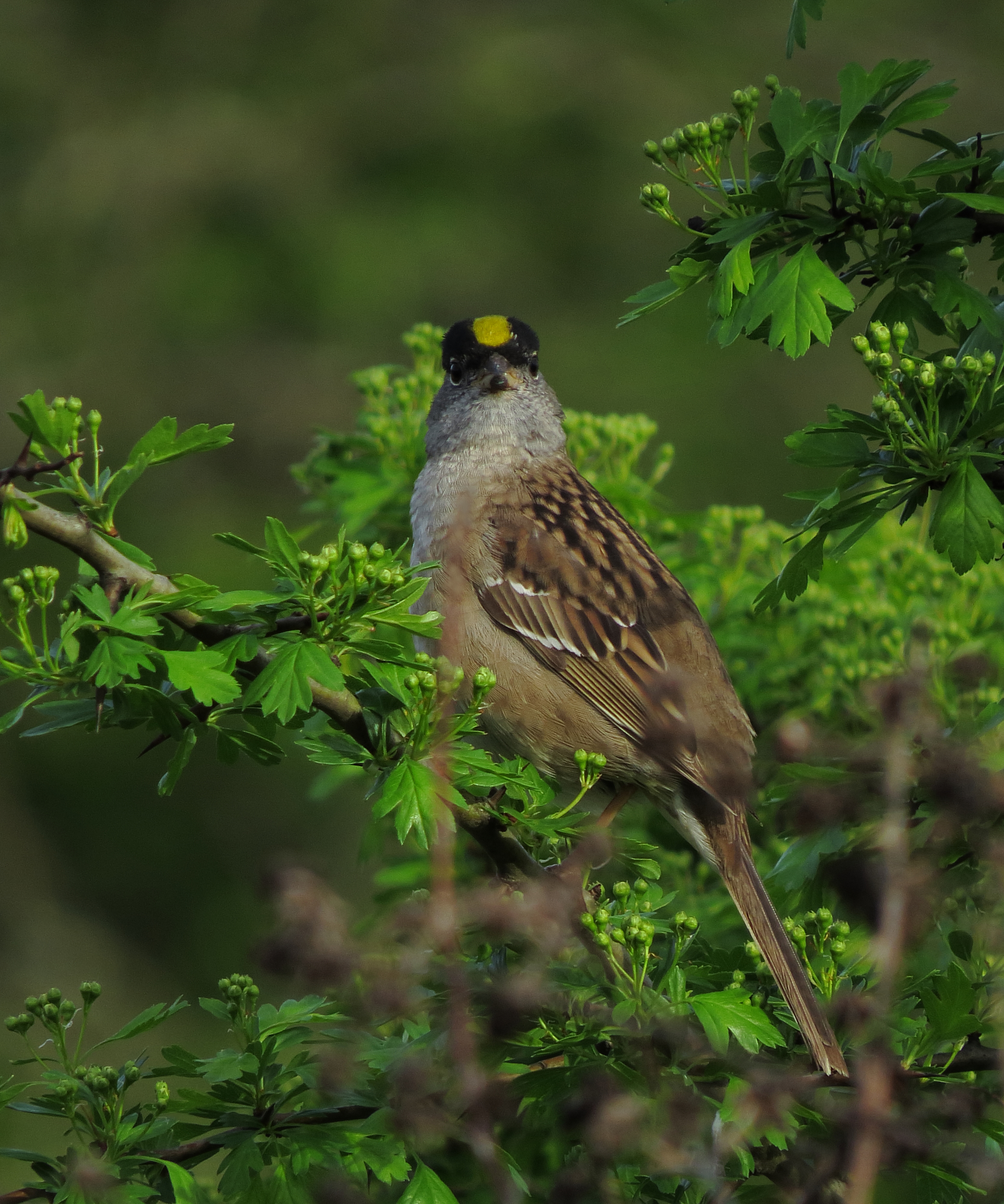
Most Golden-crowned Sparrows have returned north by now, but the few that remain are in full breeding plumage.
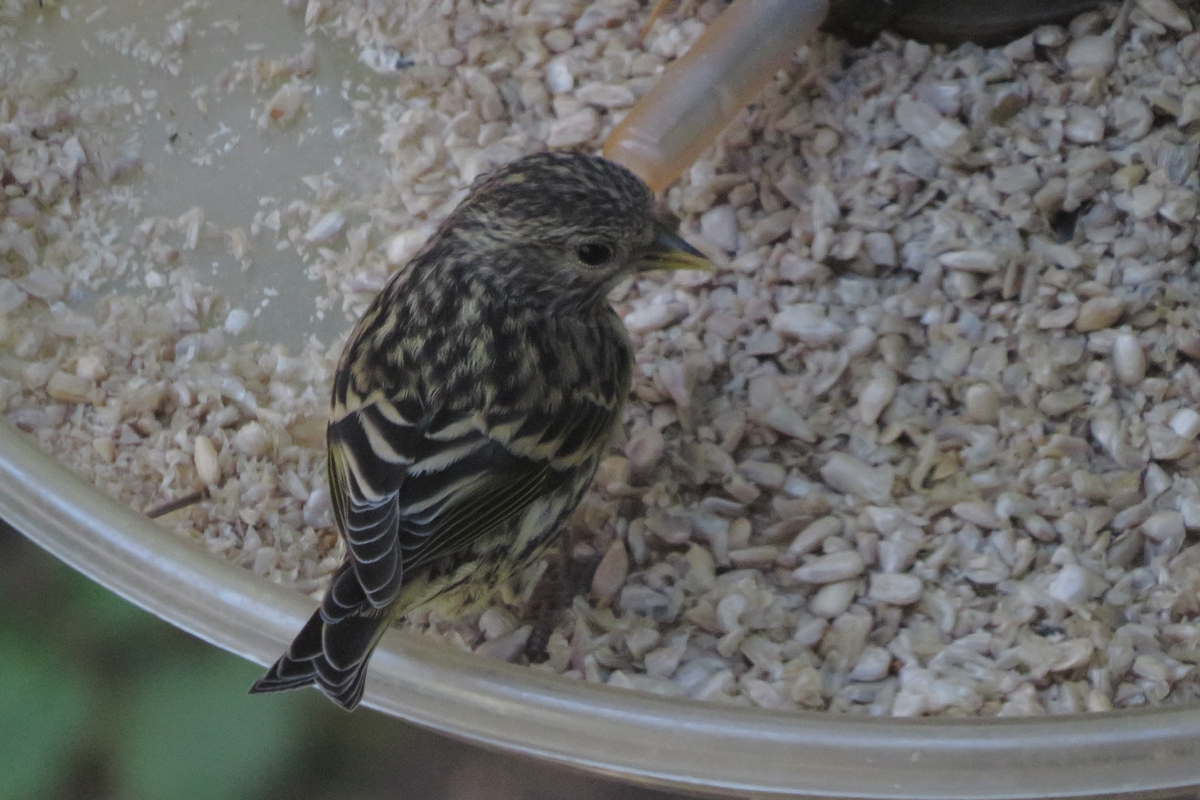
This past winter was not a big year for Pine Siskins, but one or two have recently been showing up at my feeder.
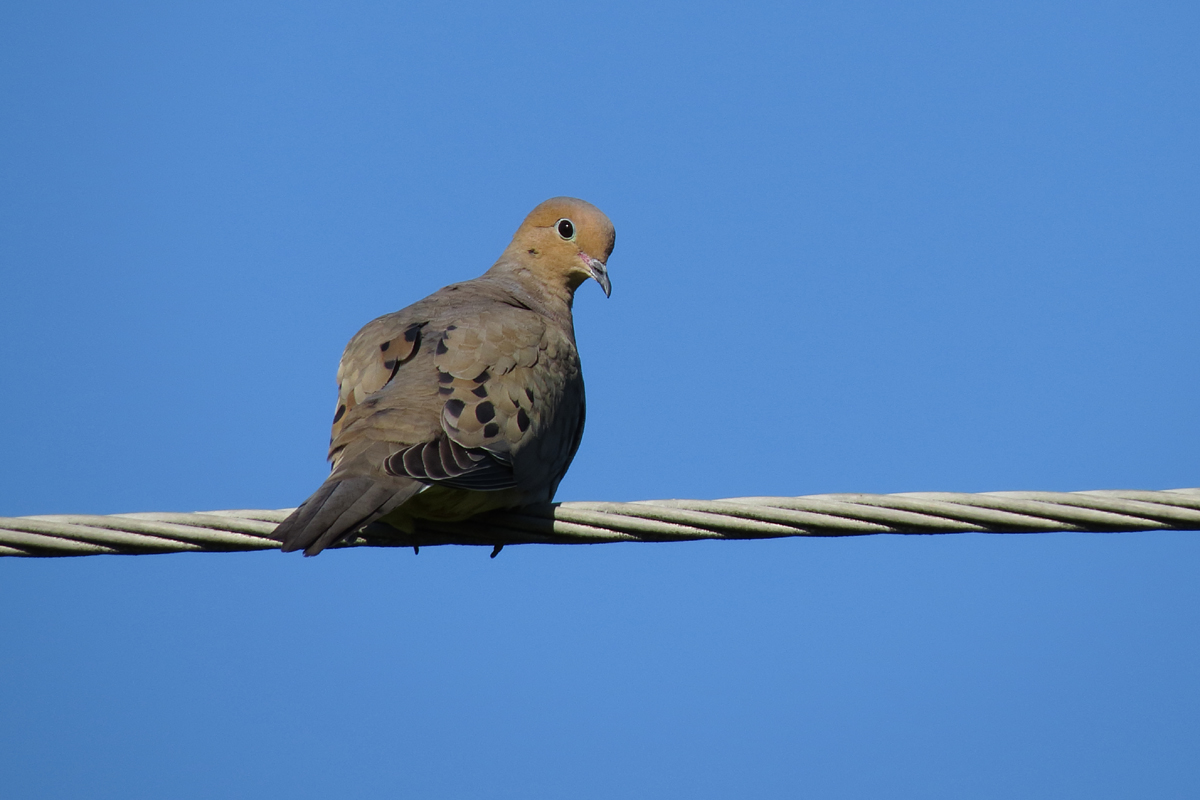
Mourning Dove at Tualatin Hills Nature Park
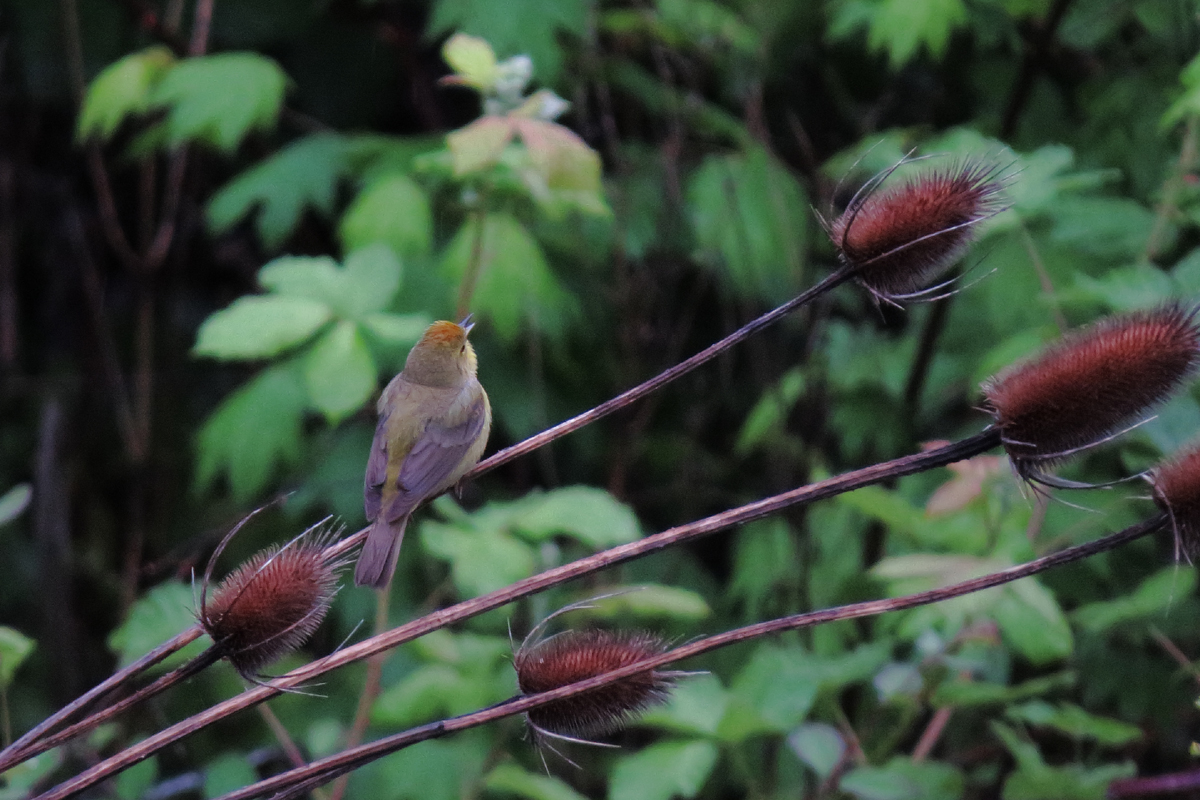
This singing Orange-crowned Warbler was actually displaying his orange crown at Pittock Mansion.
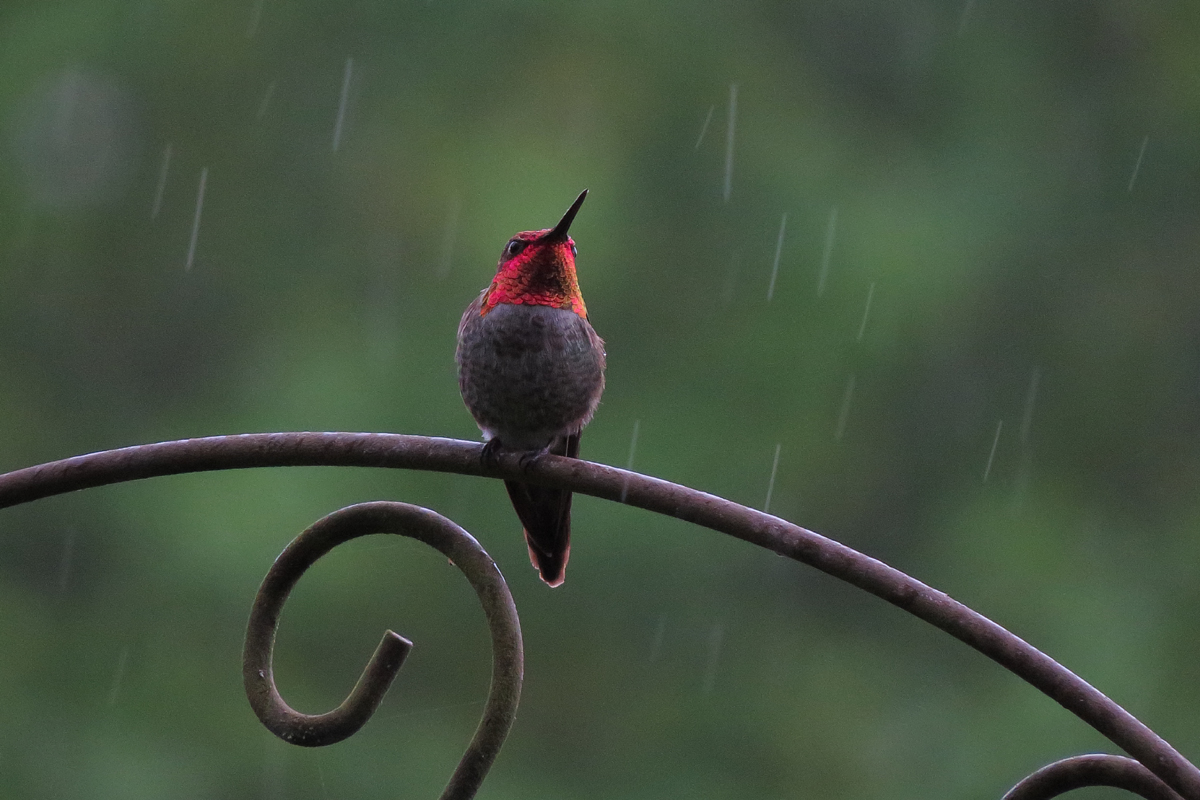
Male Anna’s Hummingbird, singing in the rain at Pittock Mansion

This next week will see spring migration winding down and the local nesting season kick into high gear. The slower pace will provide an opportunity to really study the local nesters, provided the rain stops.

Happy Spring

Inland Shorebirds

From the end of April through the middle of May, migrant shorebird numbers peak along the Oregon coast. I haven’t made it out to the coast yet this spring, but my local inland sites have produced a few species. There isn’t much shorebird habitat in the Portland area in the spring since most bodies of water are full and thus lack mudflats. Muddy edges and flooded soccer fields have to do.

The most unusual find so far has been this Solitary Sandpiper. Solitaries are quite rare in spring (They are pretty rare in autumn, too.) so this bird was a nice surprise.

Least Sandpipers have been passing through in small flocks. This individual is modeling all the classic marks of the species; yellowish legs, upperparts that are brown but not too rusty, and a tiny drooping bill.

On the coast, Western Sandpipers travel in flocks of hundreds, if not thousands, of individuals. In my 5-mile radius so far, I have seen two. Note the dark legs, longer bills, and more rusty coloration.

Other shorebirds seen but not photographed include a flock of Long-billed Dowitchers, the local Killdeer, and my first Spotted Sandpiper of the year.

A trip to the coast next week should give me a good taste of spring shorebird migration. It will seem odd venturing out of my 5MR, but sometimes you have to go to where the birds are.

Happy Spring

Early Spring in the 5MR

The weather has gone from winter rain to spring rain, still rather gloomy but definitely more pleasant overall. Spring migration is slowly picking up with new species gradually accumulating in my 5-Mile Radius.

Most of the new sites that I have explored in my 5MR have been very underwhelming, but I was recently introduced to Cedar Mill Wetlands in Beaverton. This little site has produced 45 species in two short visits, as well as this encounter with a Coyote.

Sharp-shinned Hawk at Cedar Mill Wetlands

Great Egret, sporting their nuptial plumes

The little wetland associated with Commonwealth Lake Park continues to be a favorite site with local birders. The flock of Wilson’s Snipes has thinned out a bit.

This Greater Yellowlegs was a nice surprise at Commonwealth. Hopefully the habitat will attract other shorebirds as the spring progresses.

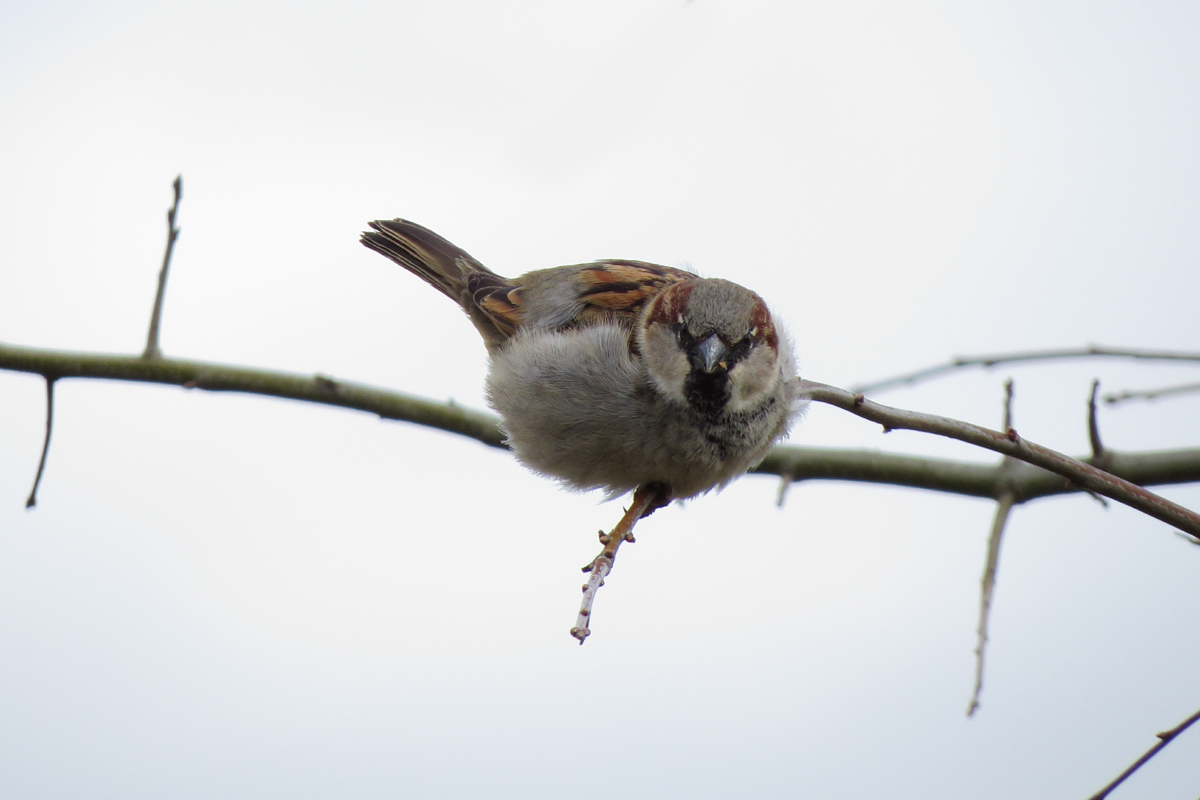
Commonwealth is the only reliable spot in my 5MR for House Sparrow.

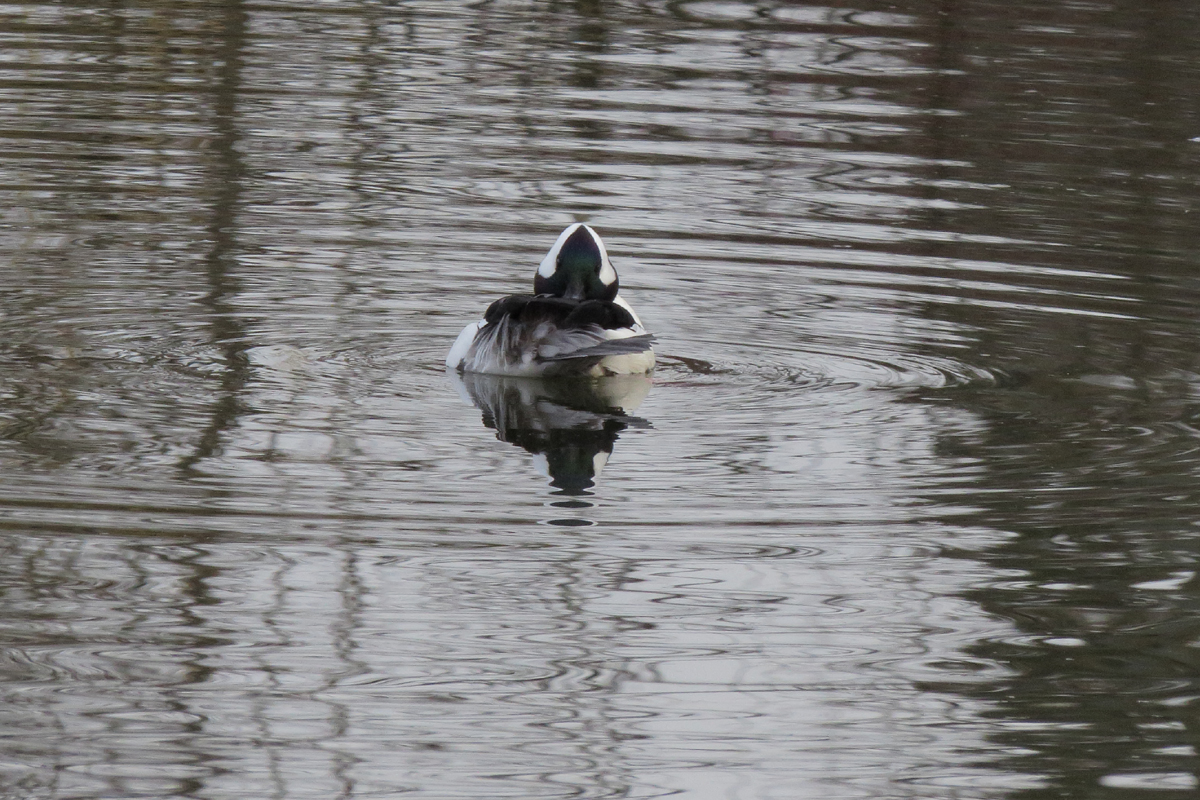
Bufflehead, Commonwealth Lake

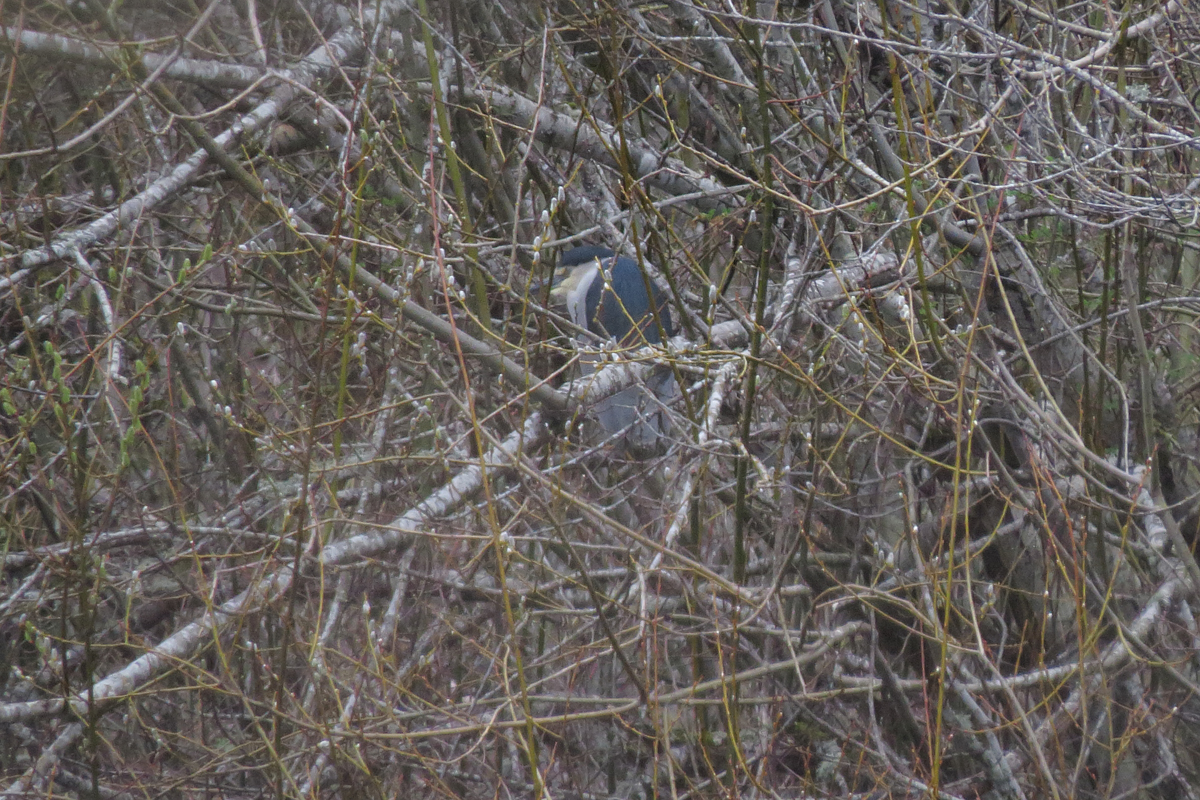
Koll Center Wetlands in Beaverton is not the most pleasant place to bird. You are basically peering into the wetlands from various parking lots. But there are a few species here that are hard to find elsewhere. This Black-crowned Night-Heron was barely visible through the brush.

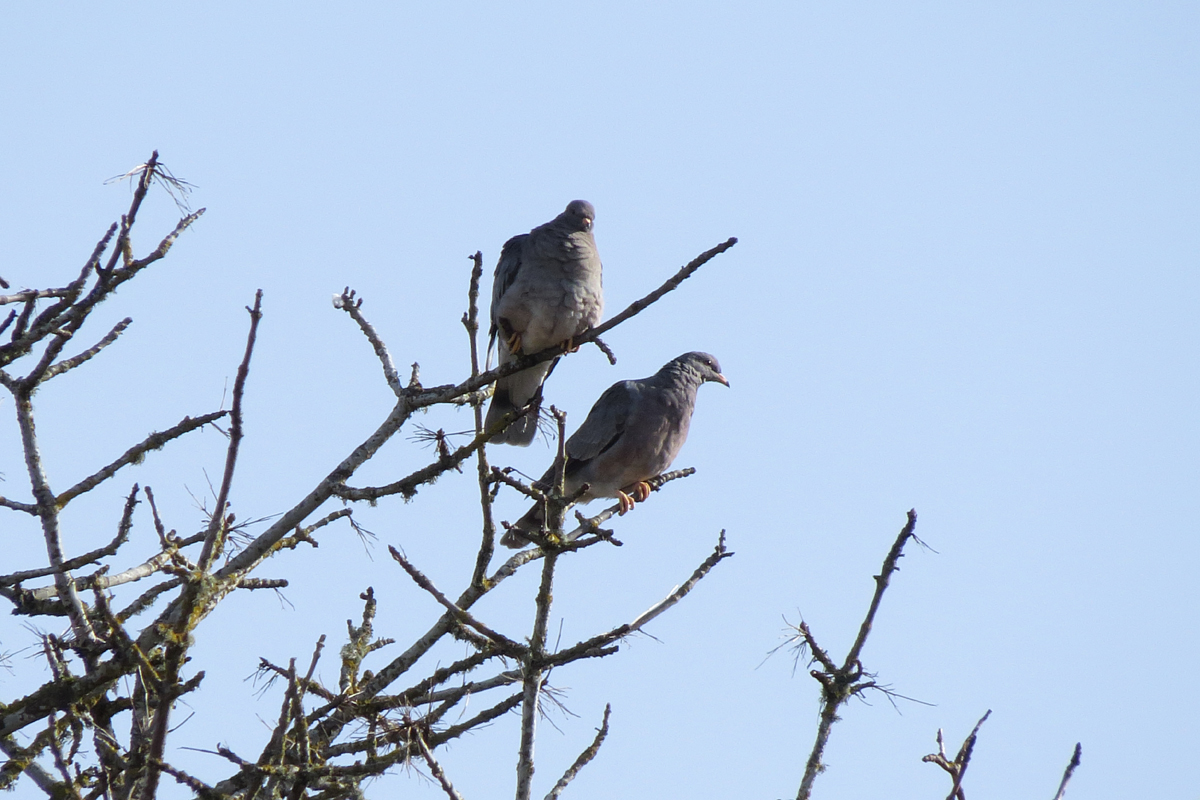
A small flock of Band-tailed Pigeons is reliable at Koll.

Yellow-rumped Warblers have been common all year at Koll, but some are just now molting into breeding plumage.

I have only birded outside my 5MR twice so far this year, both times while teaching Little Brown Bird Classes. This Rufous Hummingbird was at Jackson Bottom Wetlands in Hillsboro. I have yet to find this species in my 5MR, but it is one of many that I expect to see in the coming weeks.

Happy Spring
Dreary February

February weather can be the most challenging, with cold temperatures and frequent rain. We desperately need the moisture so I am not complaining, but it is harder to get motivated to get out into the cold and damp. I continue to concentrate on my 5-mile radius, with my total currently sitting at 70 species for the year. I expect that to jump up a bit this week.

This lovely American Wigeon has been hanging out at Commonwealth Lake Park. Birds with this much white on the head are known as Storm Wigeon.

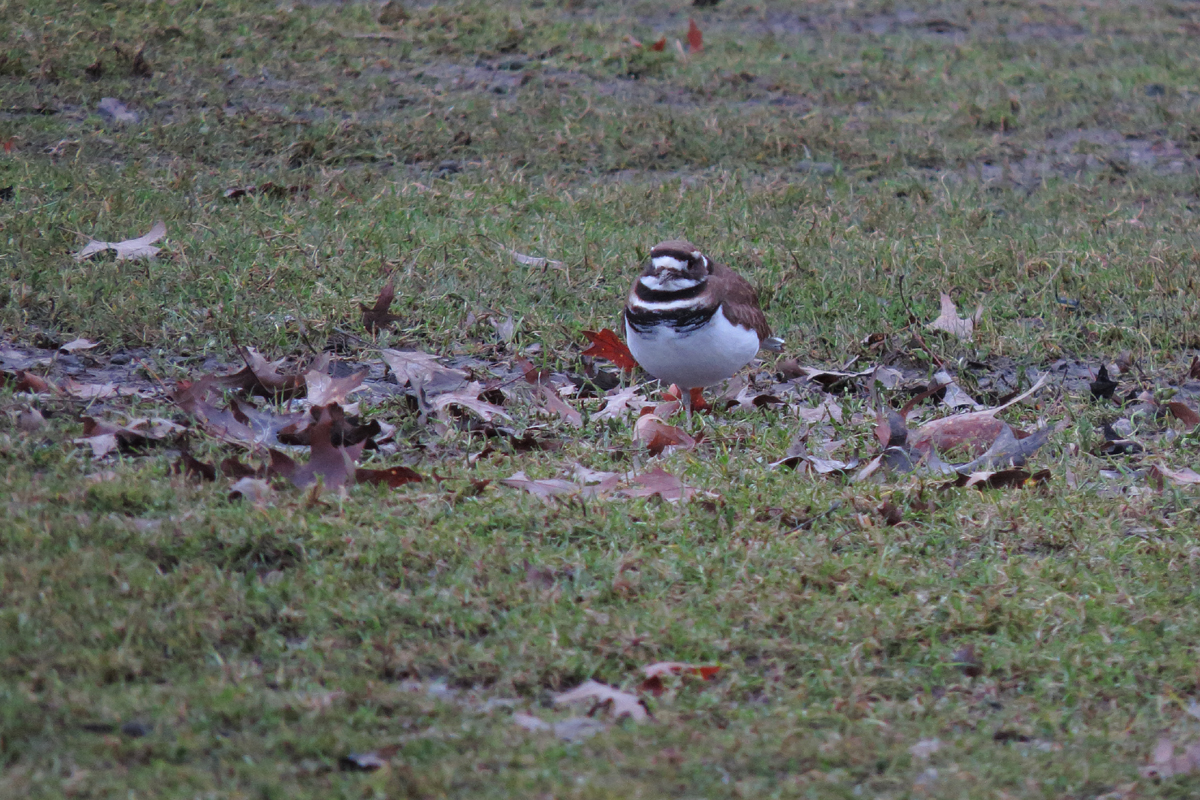
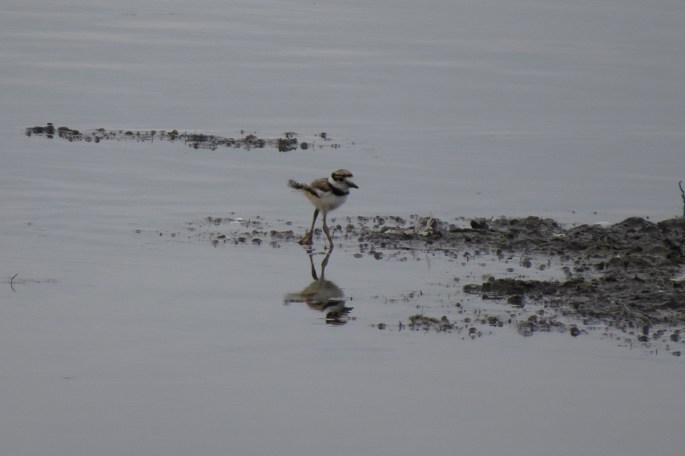
This Killdeer, along with two others, was doing a pretty good job hiding in a little clump of leaves.

Wilson’s Snipes continue to be common at Commonwealth. That long bill helps him blend in with the sticks.

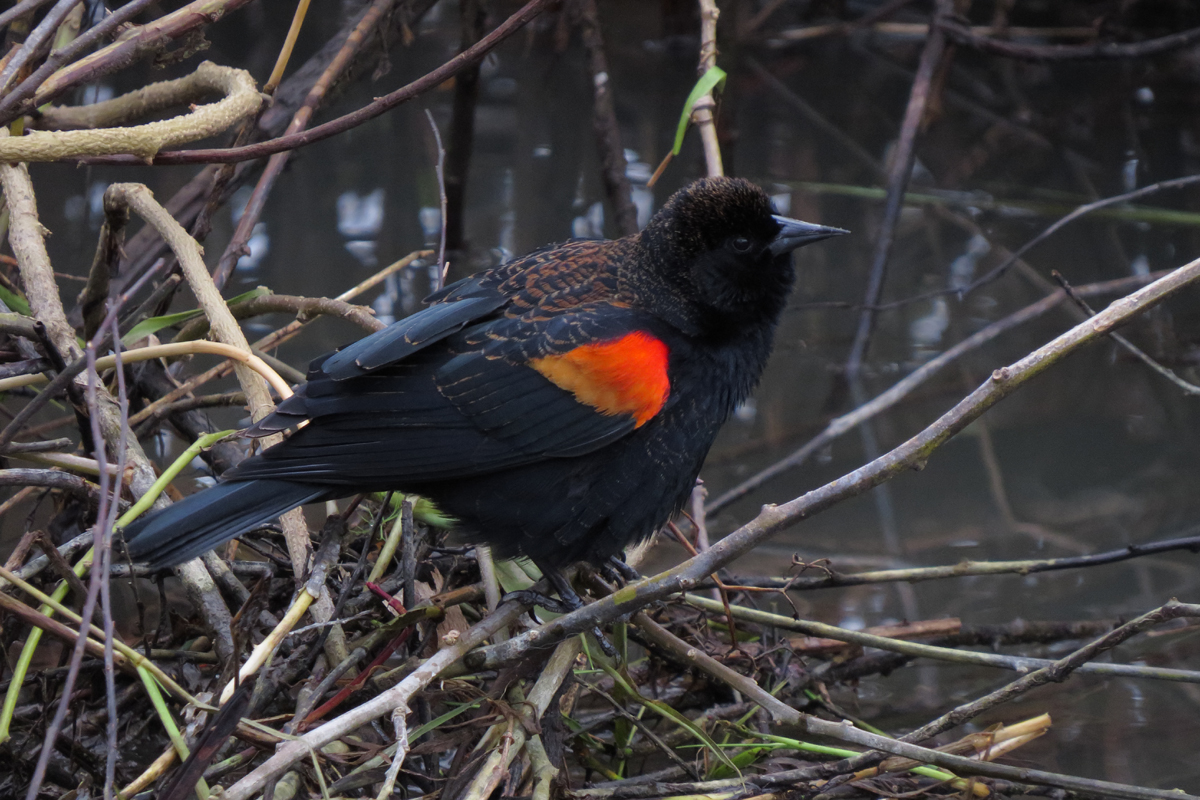
Red-winged Blackbird in fresh spring plumage. I imagine those rusty fringes will wear off to reveal a more uniform black outfit soon.

Happy winter

Random Ramblings

Most of my recent outings have been while leading trips or in dreary conditions, both of which limit any photo opportunities. So here are some dribs and drabs from recent weeks.

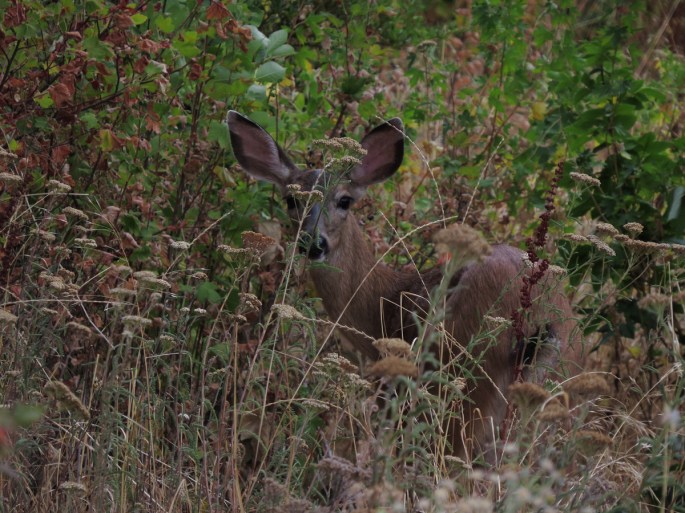
This Black-tailed Deer and her fawn were at Cooper Mountain Nature Park in Beaverton. There was a second fawn present out of frame.

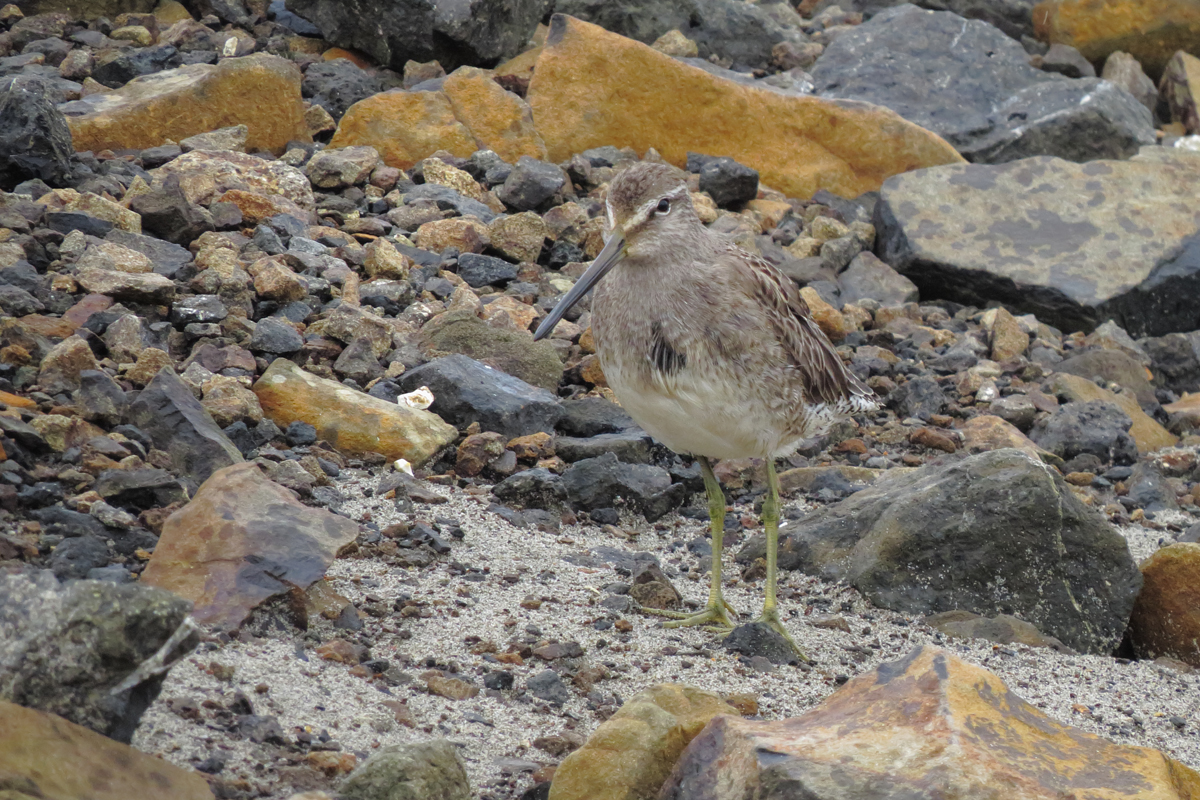
This Long-billed Dowitcher was blending in well with the rocks at Parking Lot C at Fort Stevens State Park. I often find shorebirds, usually Least Sandpipers or Dunlin, in this little patch of rocks.

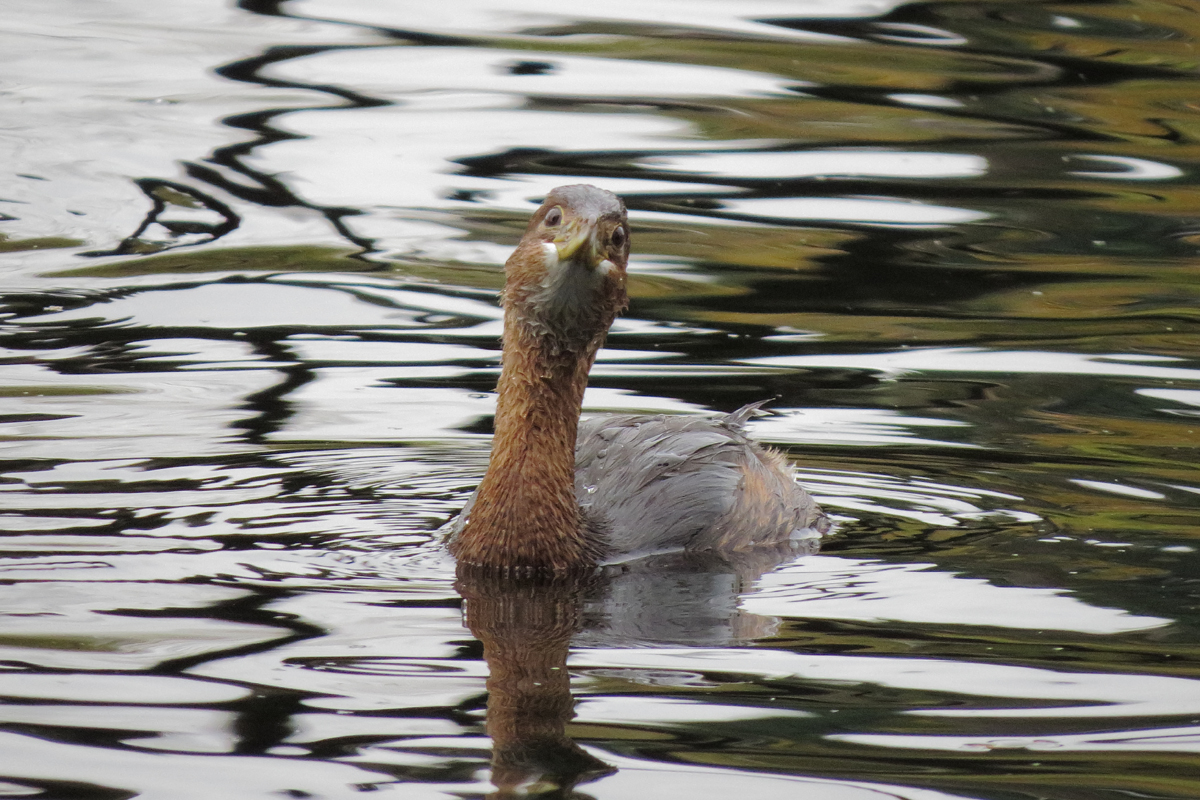
I saw this Pied-billed Grebe on a cloudy morning at Crystal Springs Rhododendron Garden.

Crystal Springs is thick with Wood Ducks.

Eastern Gray Squirrel at Crystal Springs

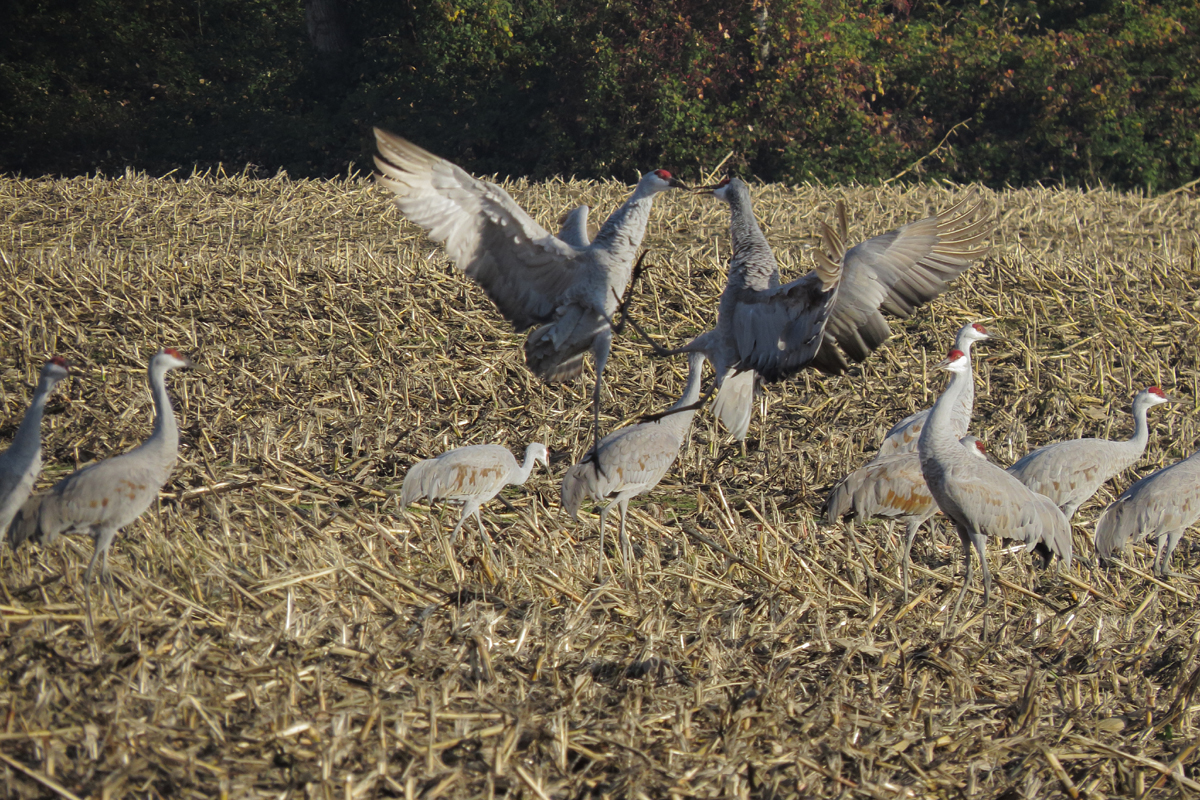
Sandhill Cranes have arrived in good numbers at Sauvie Island.

Crane fight

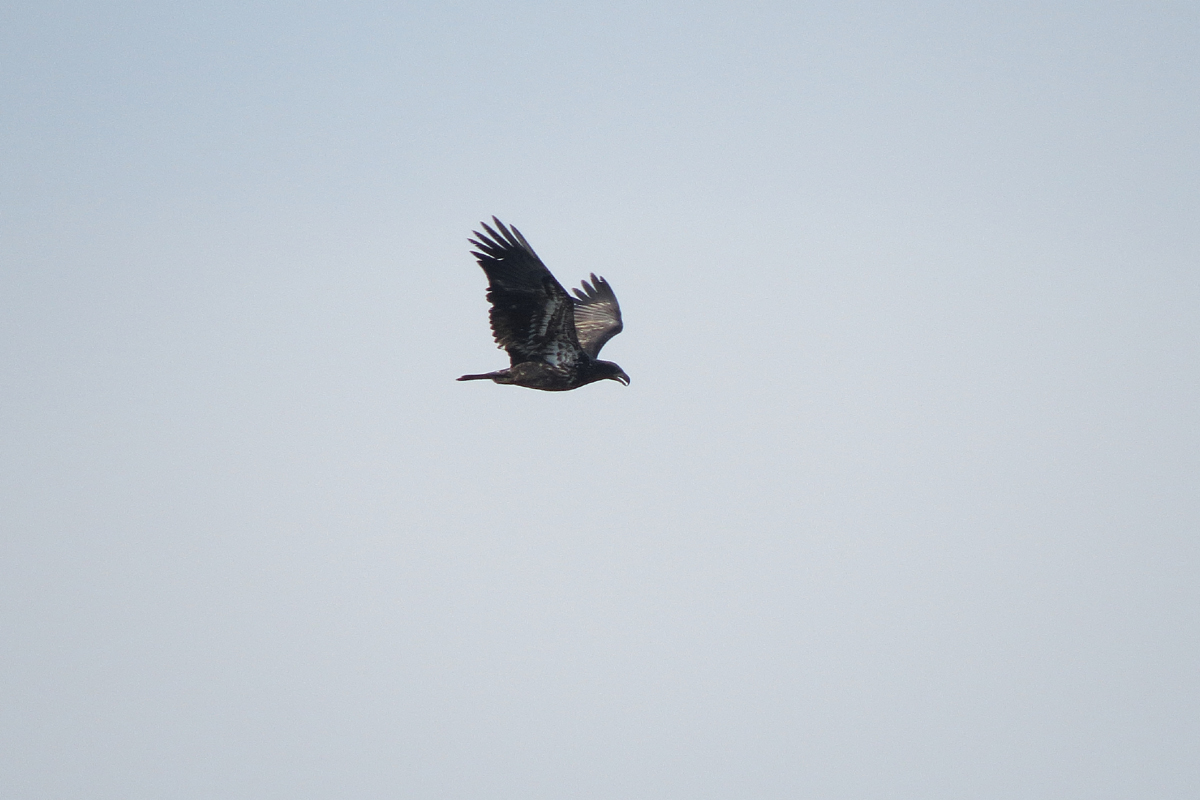
A young Bald Eagle flying by on Sauvie

This White-crowned Sparrow posed nicely in filtered sunlight along Rentenaar Road on Sauvie Island. This is a first winter bird, but he was singing from this perch for a while.

Most shorebird migration is long past, but this mixed flock of Dunlin and Long-billed Dowitchers were hanging out at the small ponds near the parking lot at Fernhill Wetlands.

Long-billed Dowitcher at Fernhill. This intense sunlight is certainly not the norm for mid-November, but the rains will return soon enough.

Happy Autumn

Summer Shorebirds

There isn’t much going on bird-wise in mid-summer besides shorebirds. It is nice to have an opportunity to really focus on a single group of birds. Here are a few images from recent weeks.

IMG_0796
This Long-billed Dowitcher, to the right of the Killdeer, really caught my eye since she was still in nearly pristine breeding plumage.
IMG_0808
The bright cinnamon color goes all the way down through the undertail coverts. This bird was at Jackson Bottom Wetlands.

IMG_0832
more Long-billed Dowitchers at Jackson Bottom. These birds are already fading into their duller winter plumage.

IMG_0813
Spotted Sandpiper, still in breeding plumage, perched on a spotted log

IMG_0826
From the cuteness department comes this fuzzy baby Killdeer. Seeing a young Killdeer with his single breast band this late in the summer might suggest a Semipalmated Plover. But the fluffy plumage and the long legs (not to mentions the tiny wings) let us know we are looking at a fledgling.

IMG_0839
Take the time to look at shorebird specimens whenever you have the chance. The first thing you will notice is just how small these birds are. Since we usually look at shorebirds through powerful optics, we tend to think they are actually larger than they are. (A Least Sandpiper is a little smaller than a House Sparrow.) Here we have a nice comparison of a Greater and a Lesser Yellowlegs. Note the differences in the proportions of the bills.

IMG_0814
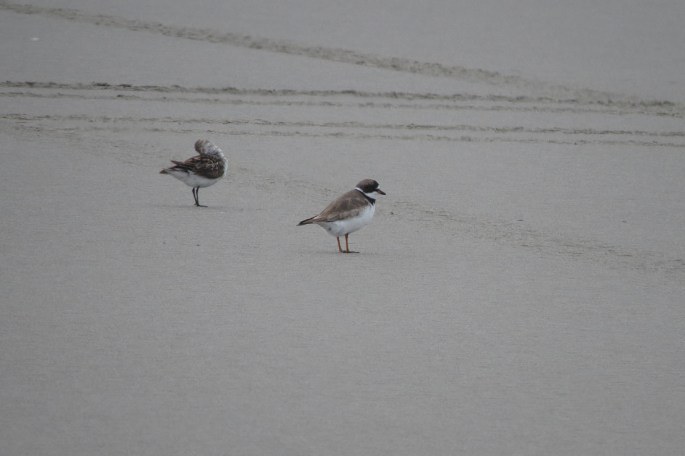
A trip to the coast provided good numbers of Semipalmated Plovers, seen here with a Western Sandpiper.

IMG_0819
Several hundred Marbled Godwits spent a couple of weeks at the beach in Fort Stevens State Park.

blue small
Dragonflies provide a nice burst of color in the summer. I believe this a Blue Dasher, but please correct me if I am wrong.

8 spot
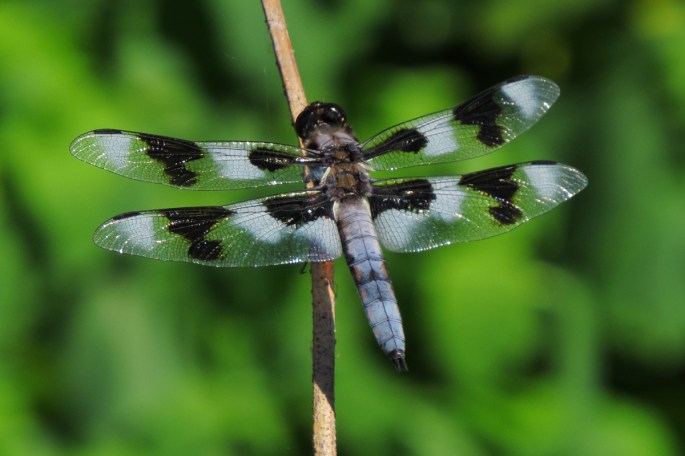
Eight-spotted Skimmer

black-tailed small
This Black-tailed Deer was behind the visitor center at Jackson Bottom.

Shorebird migration will be the big thing for another few weeks, but it will be gull season before you know it.

Spring in the wetlands

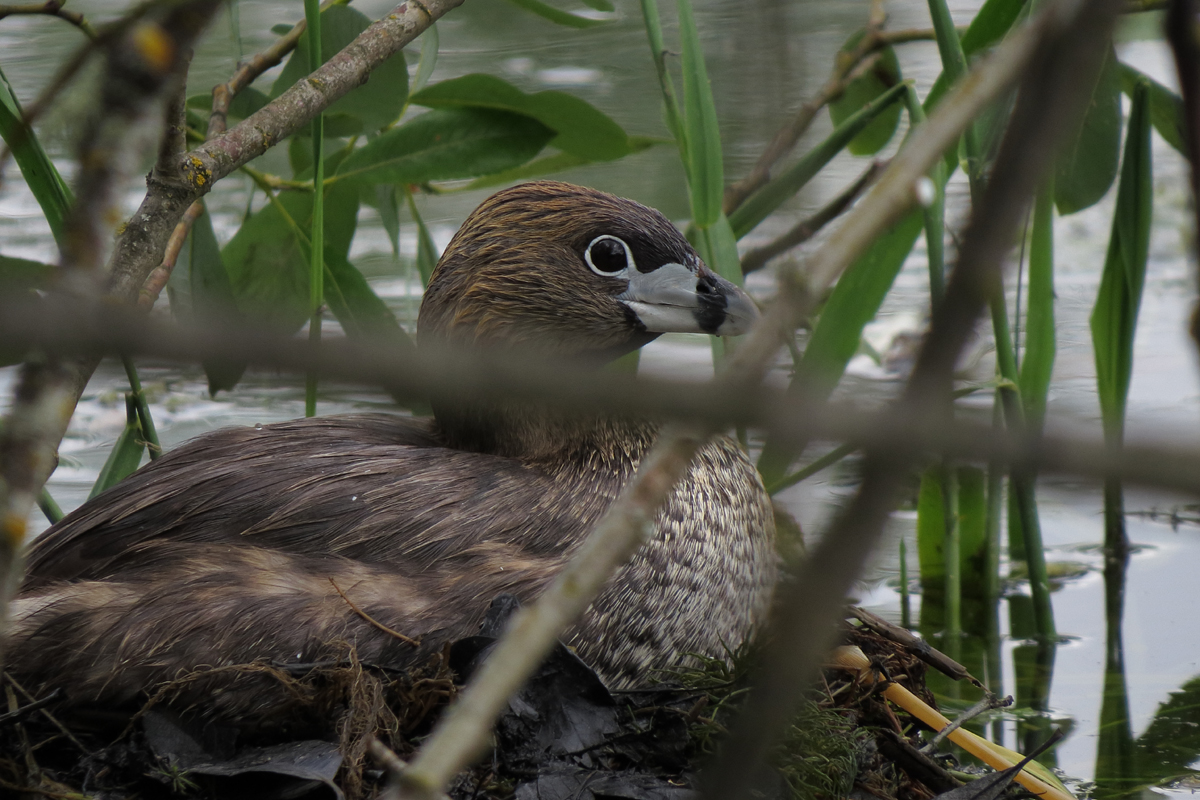
Nesting season continues to progress. While some songbirds have already fledged a batch of babies, other species are just getting under way. This Pied-billed Grebe was sitting on a nest at Commonwealth Lake.

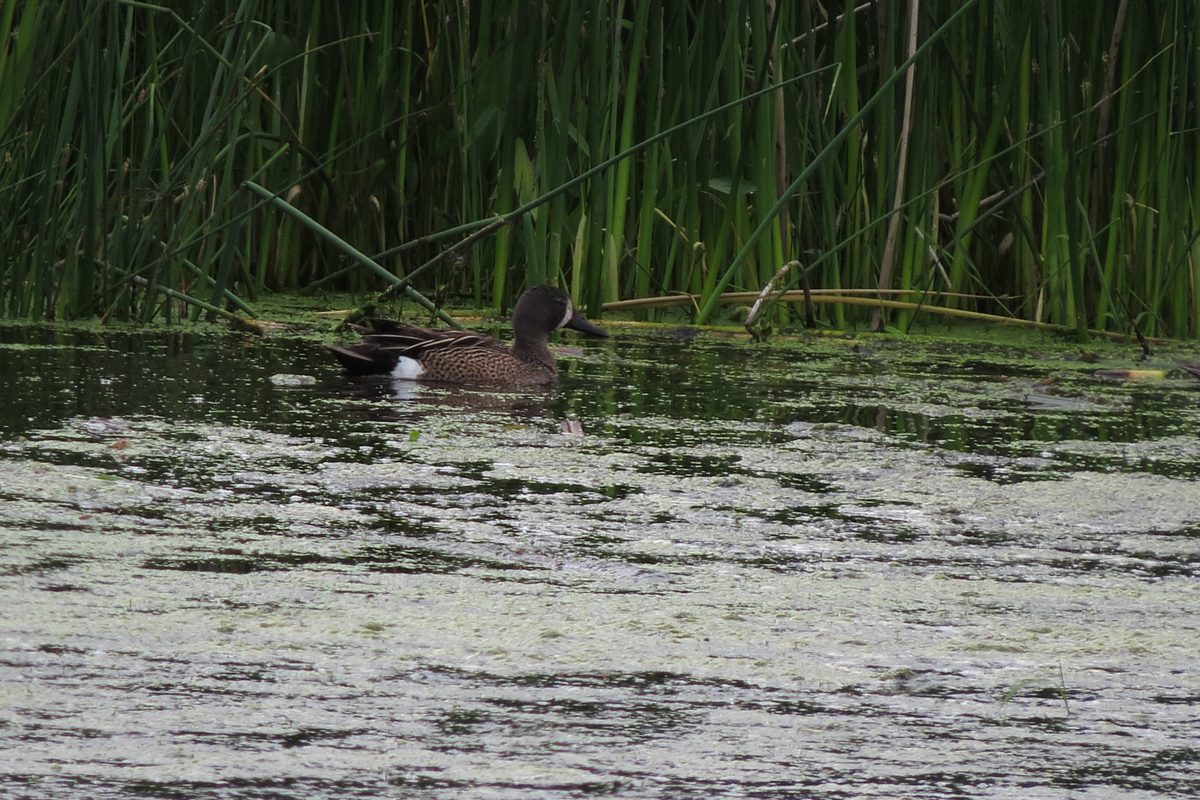
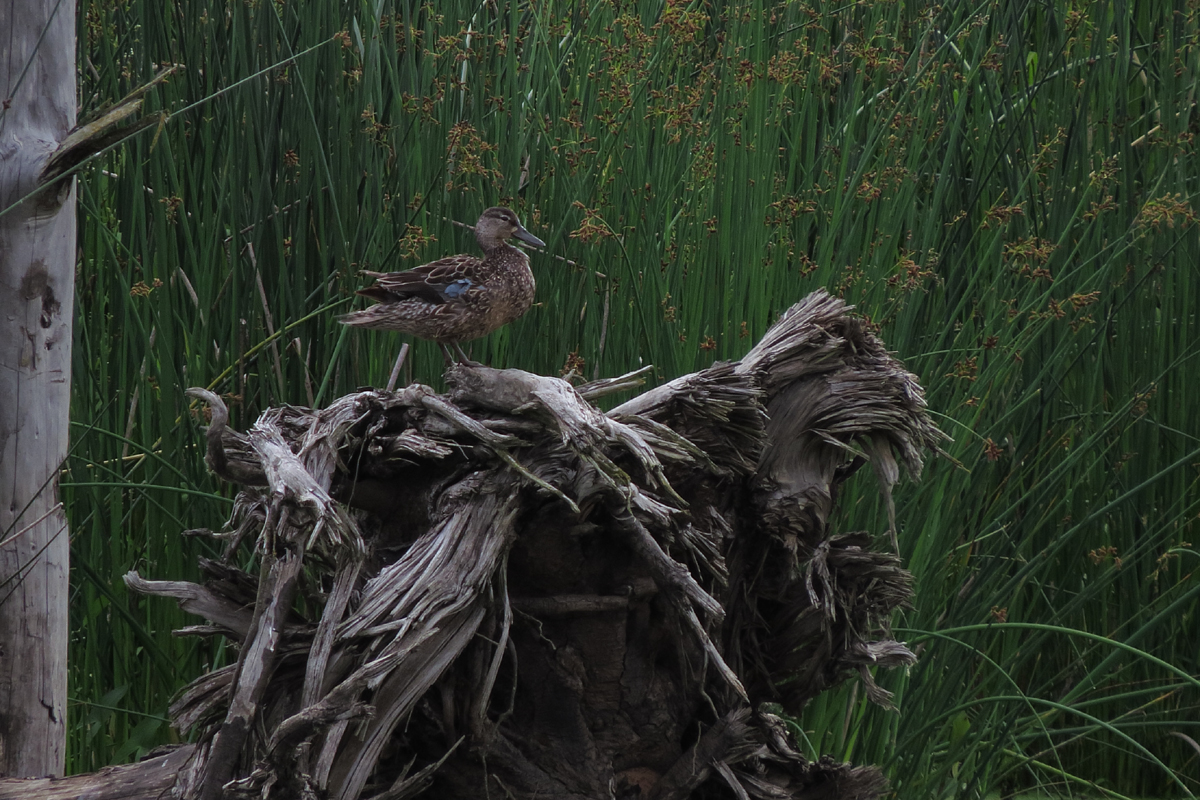
Blue-winged Teal can be hard to find in the Willamette Valley at any time, so it was nice to see a pair at Fernhill Wetlands.

female Blue-winged Teal

Eurasian Collared-Doves continue to expand their range and numbers in Oregon. It wasn’t all that long ago that these birds were first found in the state, or maybe I am just old. This bird was singing at Fernhill.

Song Sparrow at Fernhill, living up to his name

A few Purple Martins have returned to the nest boxes at Fernhill. They are still a treat to see here.

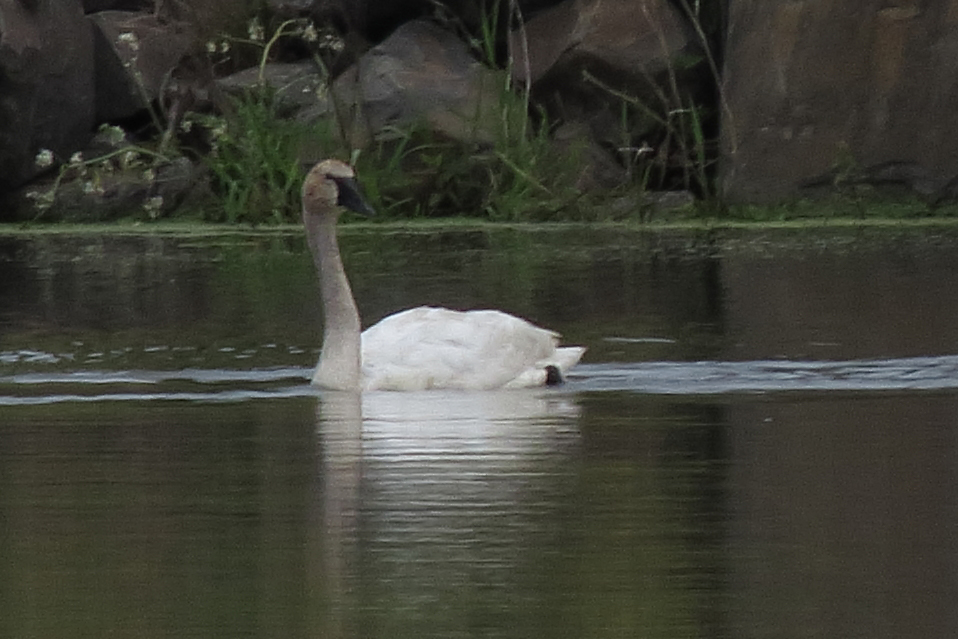
While most of the Tundra Swans that winter in Oregon left for the breeding grounds long ago, this individual continues to hang out at Fernhill. A few observers have reported this bird as a Trumpeter Swan, but the straight feathering across the forehead (as opposed to the widow’s peak on a Trumpeter) is consistent with Tundra.

Whimbrels

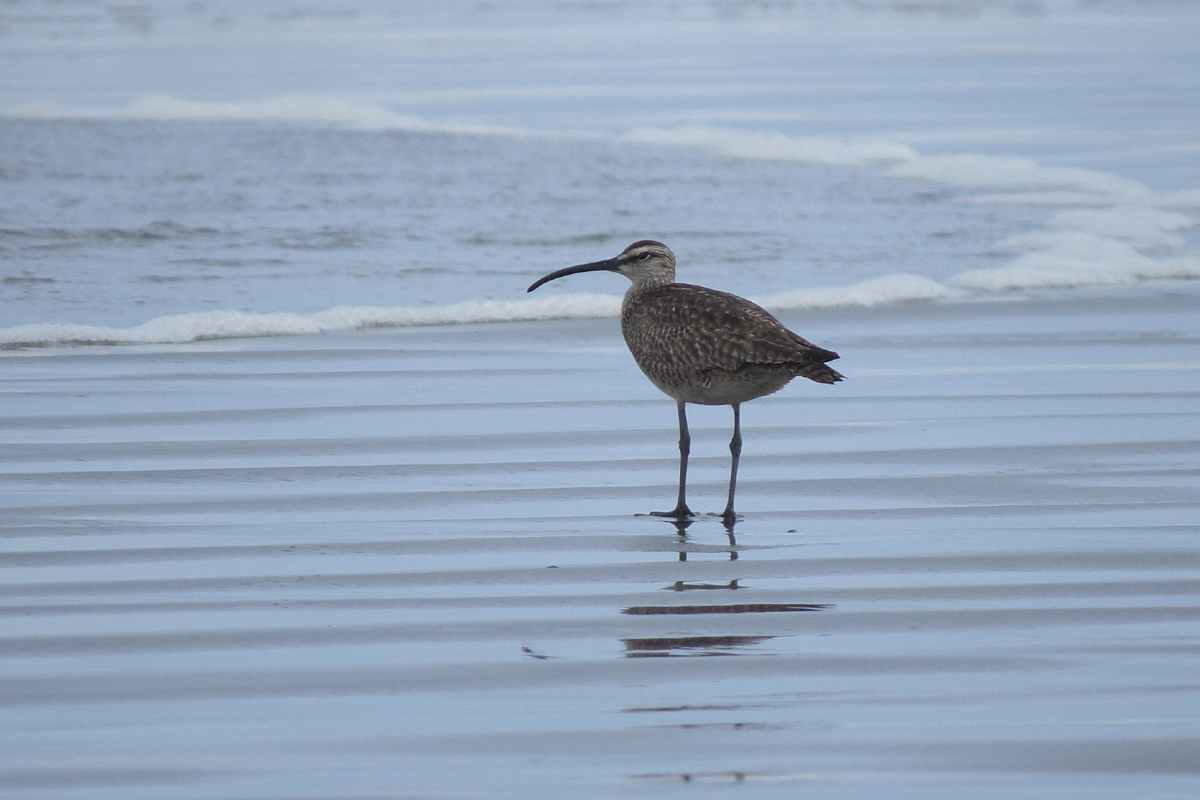
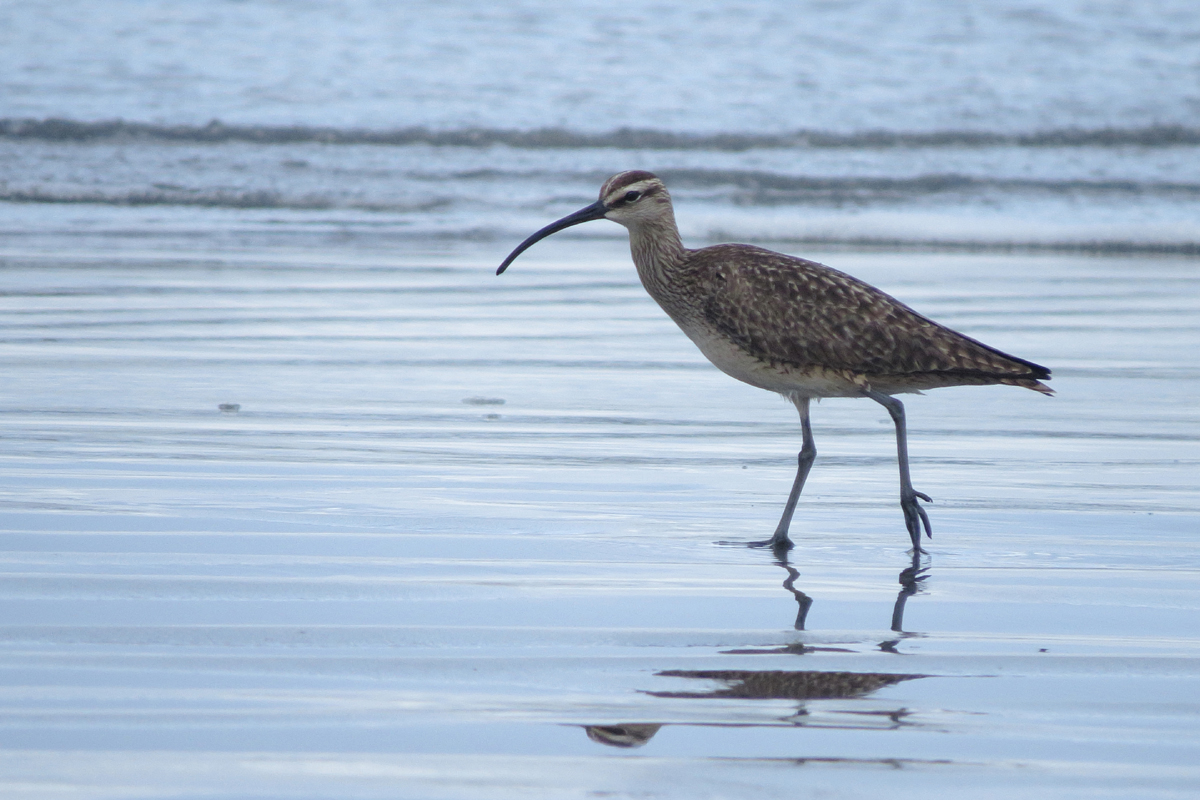
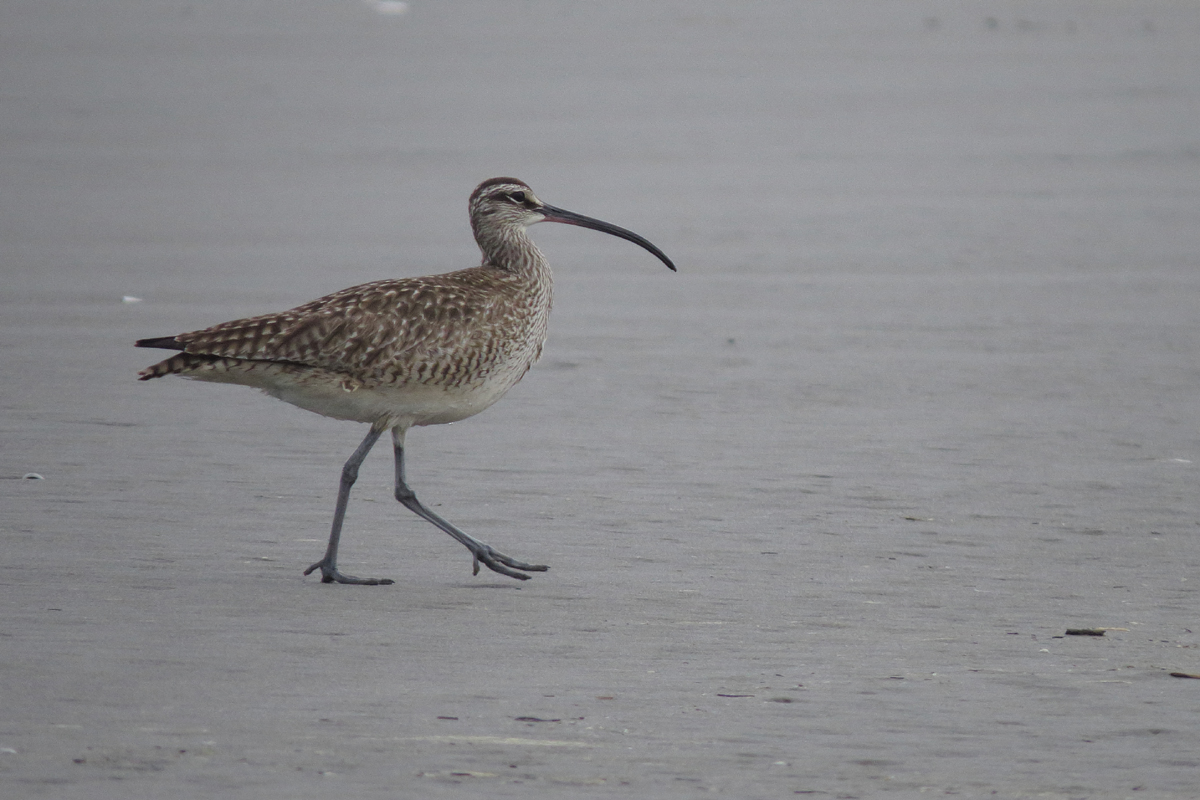
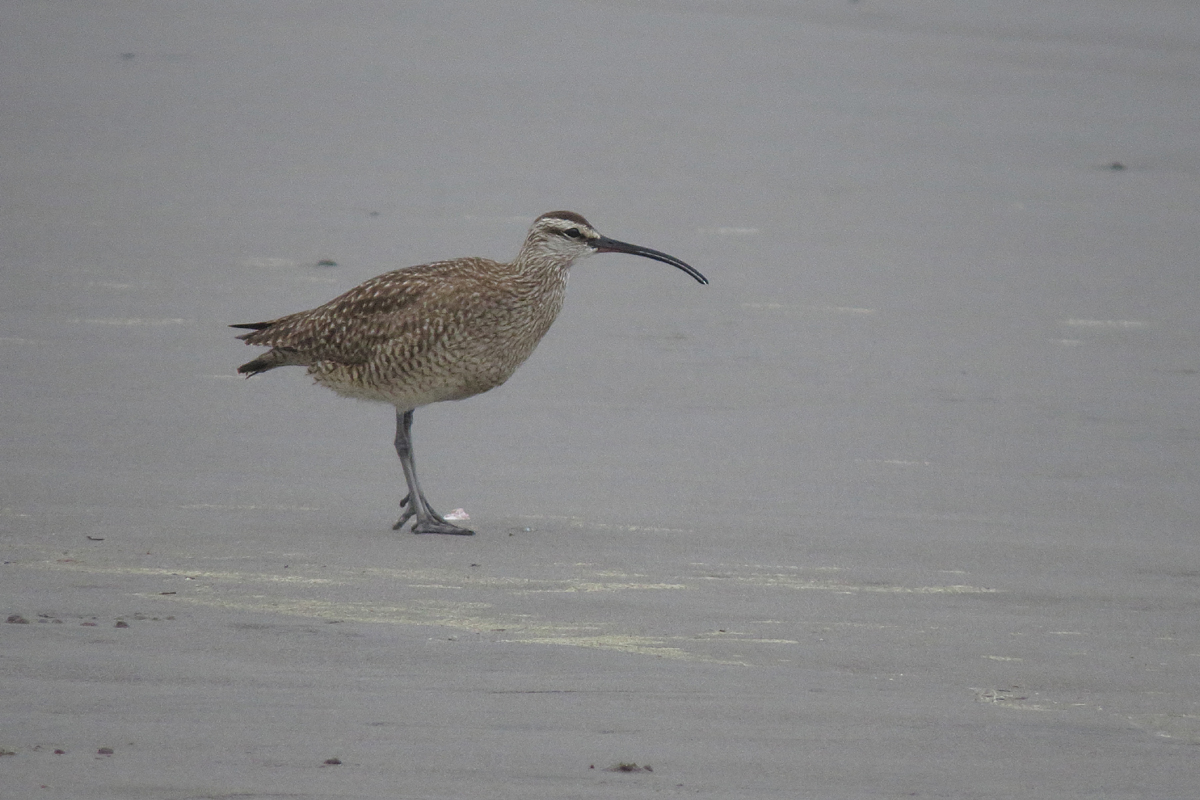
This spring has seen pretty calm weather. While the sunny days may make for pleasant birding, they do not necessarily lead to great birding. It usually takes some good storms to cause a lot of shorebirds to put down on the Oregon coast. But even in leaner years like this one, we are lucky to have good numbers of Whimbrels working the beaches.

I found a flock of about 35 Whimbrels just north of the Seaside Cove and hung out with them for a while. There is a lot of individual variation among the birds; size, length of bill, and coloring. Here are a few.

Spring migration has wound down, but the southbound migration starts in about three weeks so we don’t have to wait long for more shorebirds.
Spring Continues

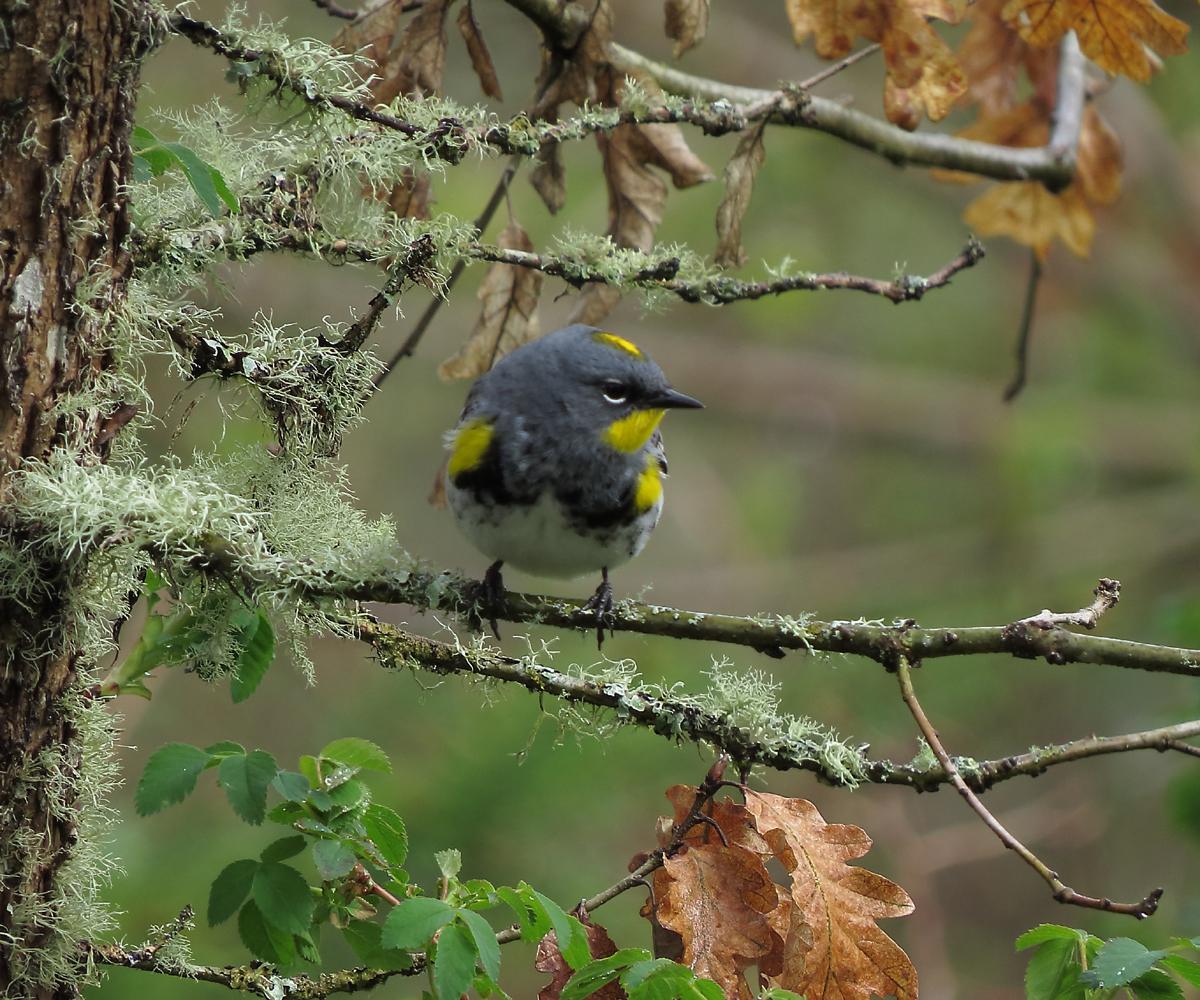
Spring migration continues to rev up. Warbler numbers and diversity are increasing along with other songbirds. This Yellow-rumped (Audubon’s) Warbler was at Tualatin River NWR.
Downy Woodpecker showing his tongue
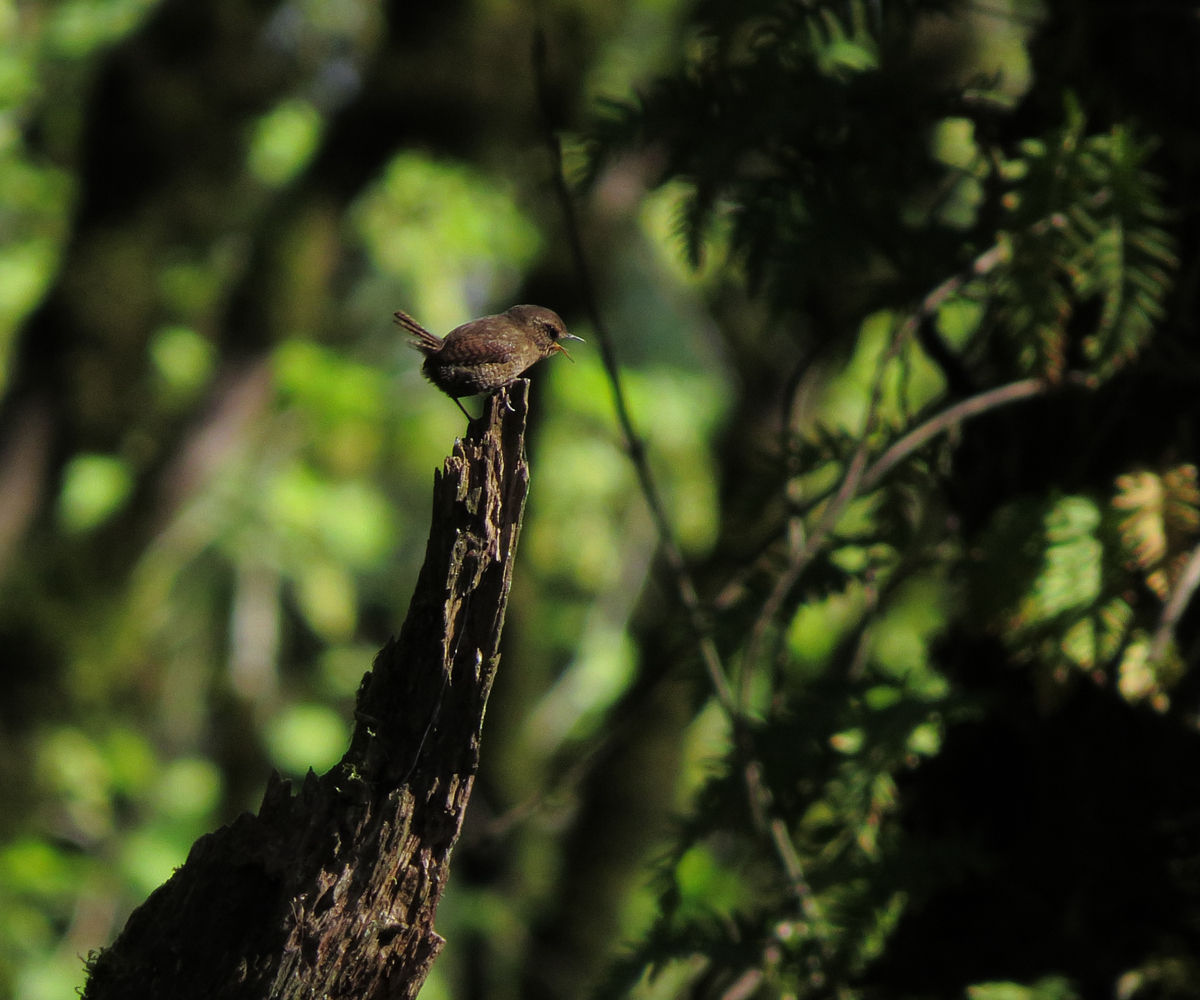
This Pacific Wren was singing at Pittock Mansion. These birds are usually concealed in the thickest cover. But when a male is in full song, they will often find a tall perch in the open and put on a show.

This Red-breasted Sapsucker posed on a fence at Cooper Mountain Nature Park. It is always nice to see this species at eye level.

Along with the influx of migration, another sign of spring is Birdathon, the annual fundraiser for the Audubon Society of Portland. This is a highly effective conservation organization in the Pacific Northwest. ASP also offers classes for children and adults, and runs the only wildlife rehabilitation facility in the Portland area. I am part of the team from the Backyard Bird Shops, the Retailed Hawks. We will be birding the southern Willamette Valley before crossing the Cascades to the high desert. Please consider making a donation here.

Spring in the Wetlands

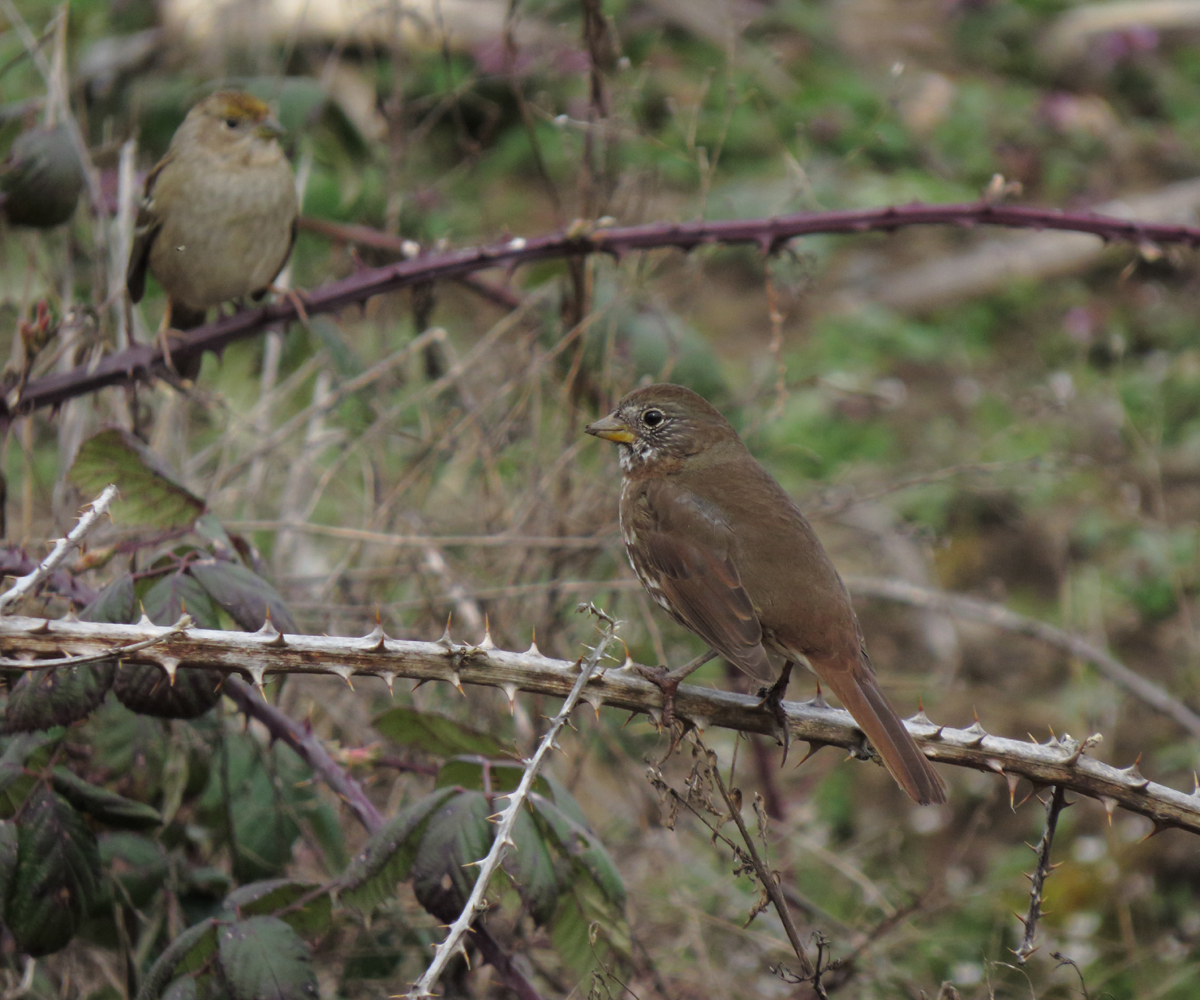
Spring is coming on strong, despite the cold latter half of March. The season is most obvious in the open habitats around wetlands. Local nesters are starting to pair up and collect nesting material.The winter sparrow flocks are starting to thin out, but the birds that remain are active and vocal. This Fox Sparrow (with a Golden-crowned Sparrow in the background) was at Fernhill Wetlands.

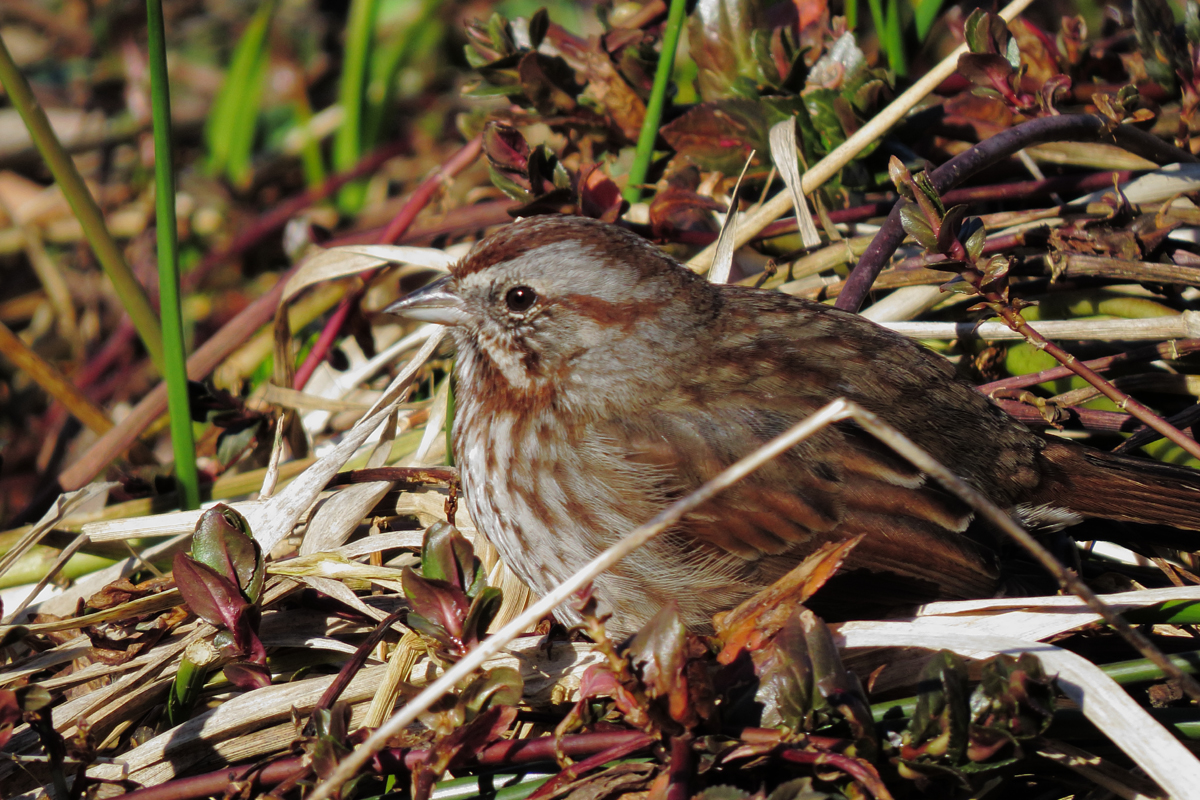
The local Song Sparrows are paired up and are defending territories.

Bushtits are still in their winter flocks, but should be pairing off soon.

This male Hooded Merganser caught a large crayfish at Westmoreland Park, but did not share it with the female that was nearby.

Anna’s Hummingbird, feeding on currant

This is one of five subadult Bald Eagles that flew over Westmoreland Park in a tight group. I don’t recall seeing a flock of Bald Eagles moving together like that before.

Western Canada Goose, the locally nesting subspecies. I am trying to collect portraits of the various Canada and Cackling Goose subspecies for side-by-side comparison.

These Red-eared Sliders were basking at Commonwealth Lake. There are only two native species of freshwater turtle in Oregon, and this is not one of them. This species is often released from the pet trade.

In the next few weeks, warblers and flycatchers should start arriving in good numbers, then the rush of spring shorebird migration.