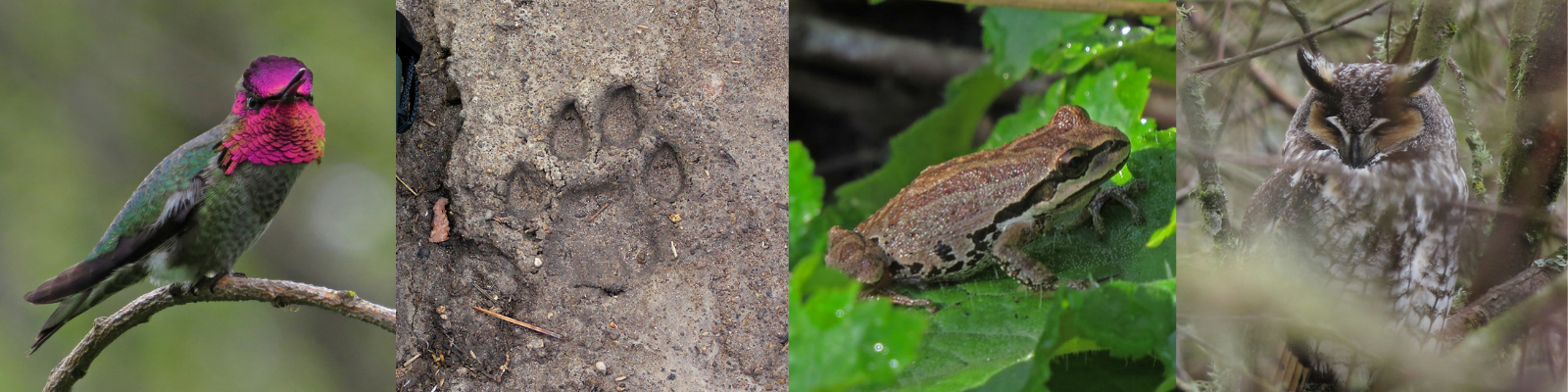
The pandemic birding continues. While the visitor center and parking lot are closed, you can still walk the trails at Tualatin River NWR.
 Social distancing, birder style
 The big news at the refuge this spring has been this pair of American Avocets, a rare species on Oregon’s west side.
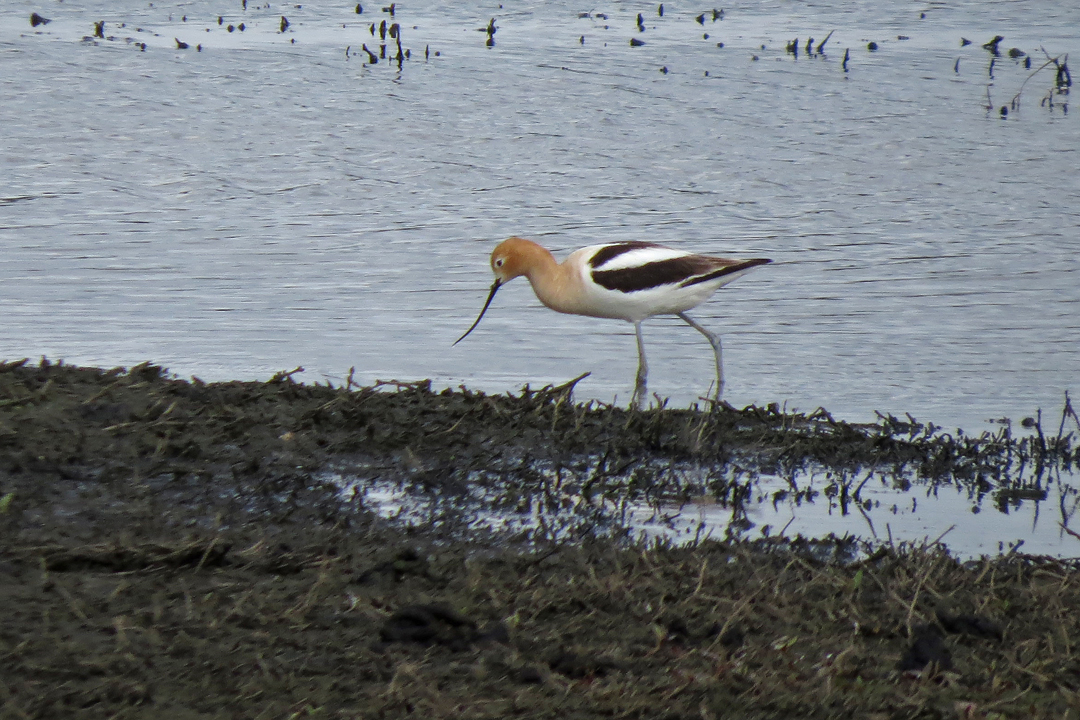 It’s always a treat to see these guys, especially this year when the shorebird migration has been rather lackluster.
 This Bonaparte’s Gull was hanging out with the Avocets for a while.
 This distant pair of Long-billed Dowitchers was the only other evidence of shorebird migration on the refuge this morning.
 This Purple Finch was keeping with the “birds at a distance theme” that prevailed this trip.
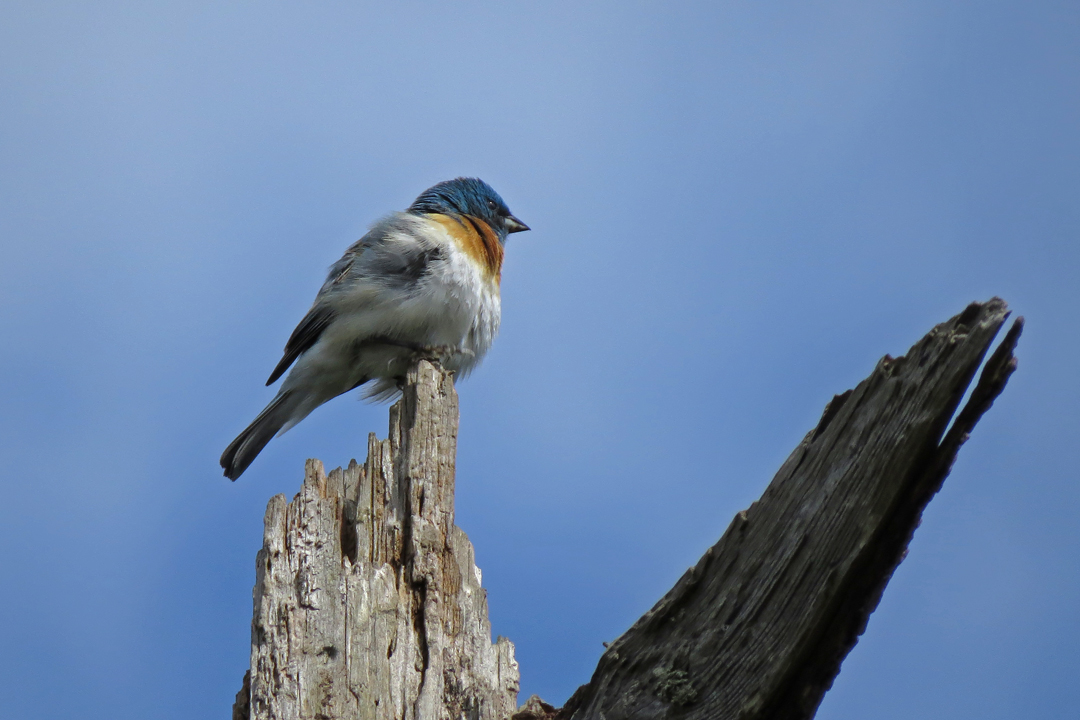 Lazuli Bunting, not quite as distant
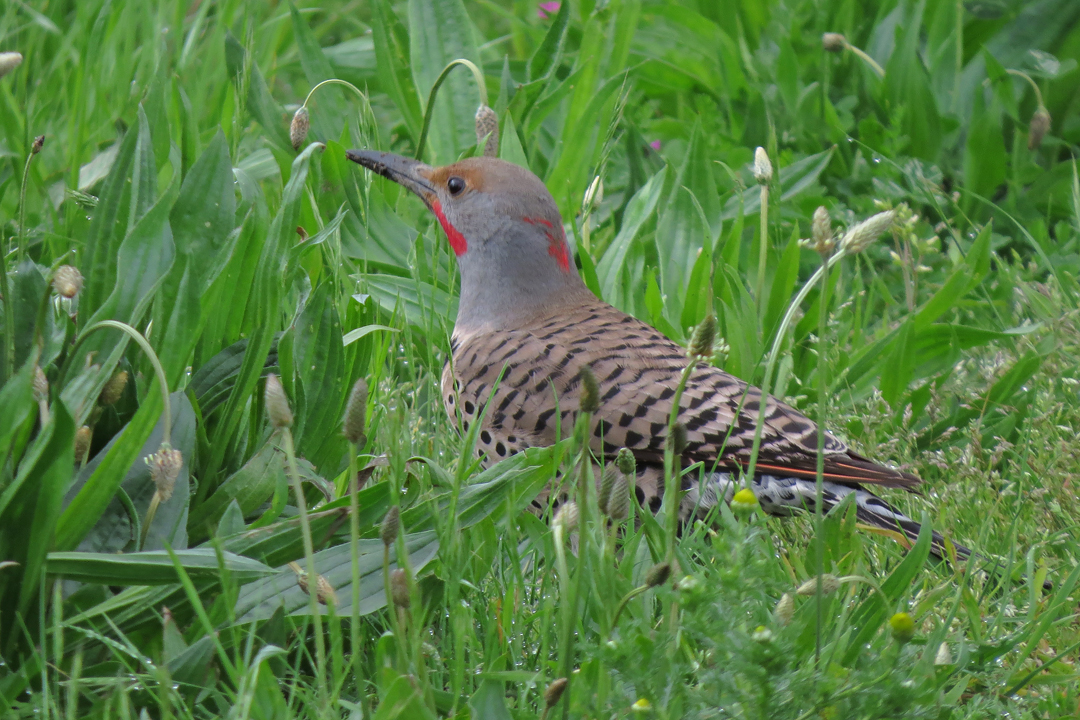 Probably the most unusual bird of the trip was this intergrade Northern Flicker. He shows the normal red mustache of the Red-shafted form and the red nape of the Yellow-shafted form.
Happy Spring
 I visited Pittock Mansion in northwest Portland the other morning. The gate to the park is locked, but you can park in the neighborhood and walk up the hill. It is nice to be able to bird the entrance road without having to worry about cars.
 This Wilson’s Warbler was down in his normal level of undergrowth. Of course, it is a law of nature that every warbler must keep at least one branch between themselves and my camera lens.
 Two Golden-crowned Sparrows obliged by posing on the open ground. I do enjoy seeing them in their breeding plumage.
 This Spotted Towhee posed right at eye level, showing her red iris with a nice eye catch. Who needs a flashy warbler, anyway?

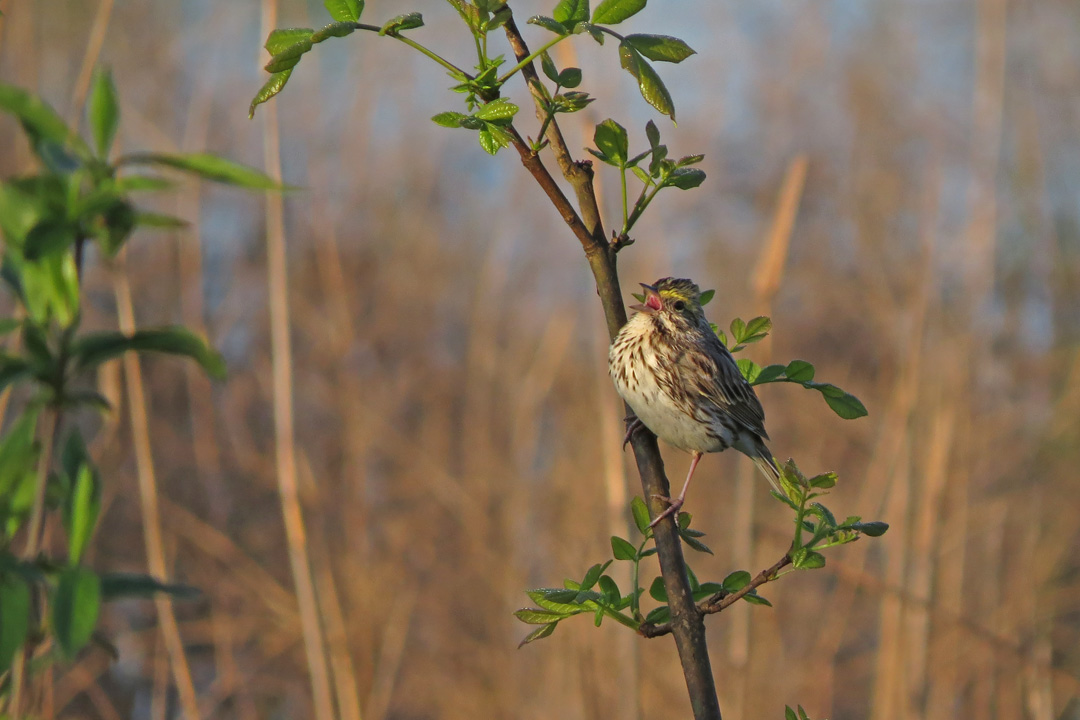




 Late winter is when I typically concentrate on sparrows. There isn’t much else going on this time of year, and the vegetation is worn down enough that visibility is pretty good. Rentenaar Road on Sauvie Island continues to be the best spot in the area for a variety of little brown birds. Some would say that the birding is too easy when you just throw down some seed and watch the birds swarm in, but I love the opportunity to see 10 sparrow species side-by-side at close range. Here is a Fox Sparrow.
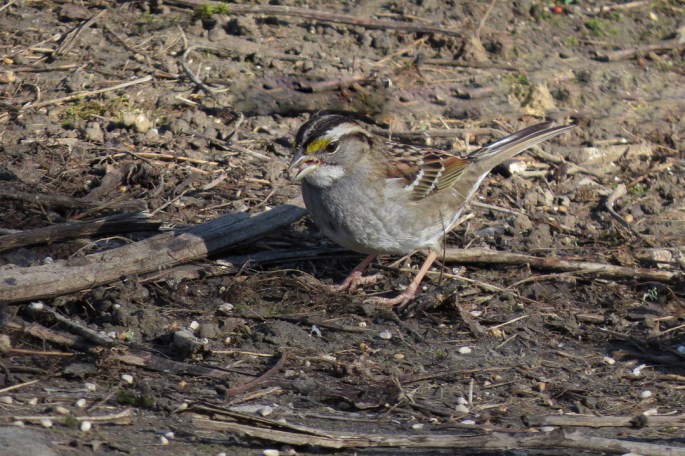 White-throated Sparrows were a rare treat around here 15 years ago, but they are an expected species now.
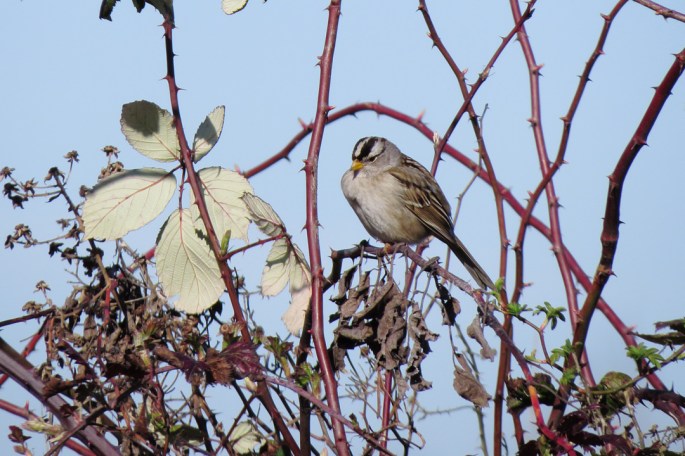 White-crowned Sparrow, always dapper
 There is usually a small flock of Savannah Sparrows along Rentenaar Road in winter. They tend to keep to themselves and don’t come in to feed at the chumming spots.
 The most noteworthy little brown bird in the area this winter has been the Siberian Accentor in Woodland, WA. I don’t keep a Washington list, but I did cross the river to see this bird. They are quite rare anywhere in North America, so this was probably my only chance to add this bird to my life list. It would have been much better for me if the bird had flown ten miles to the southwest and hung out in Oregon, but Asian vagrants don’t seem to care about my state list.
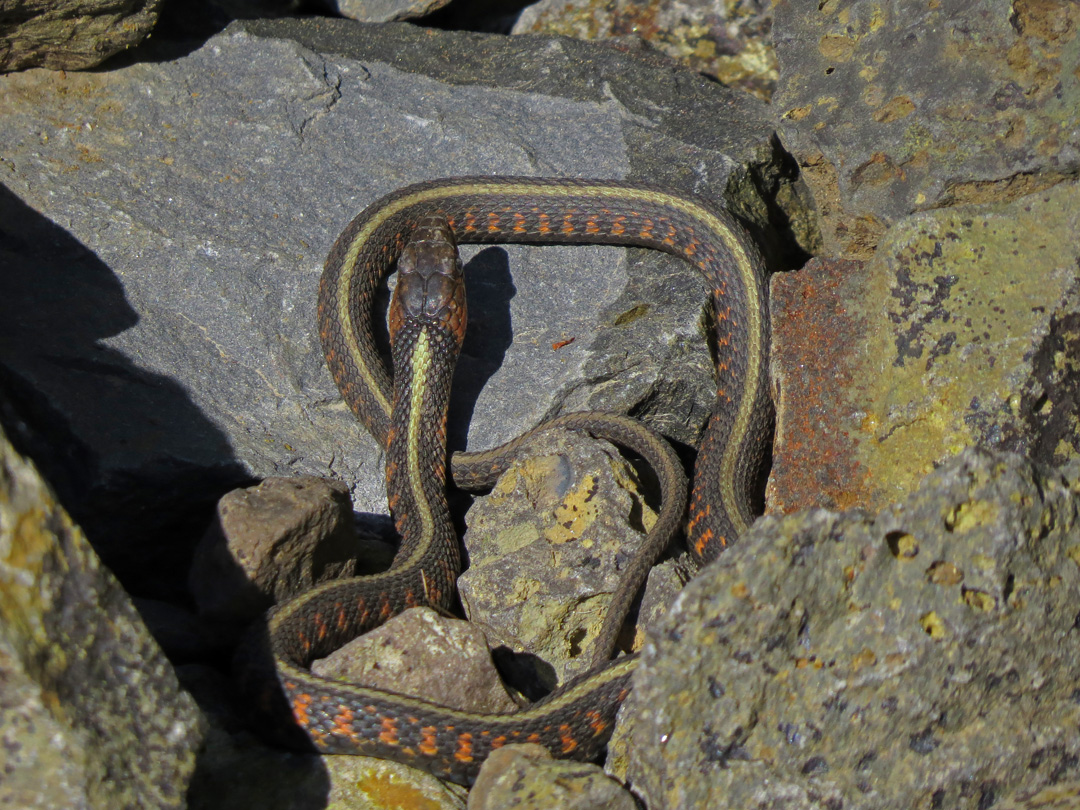
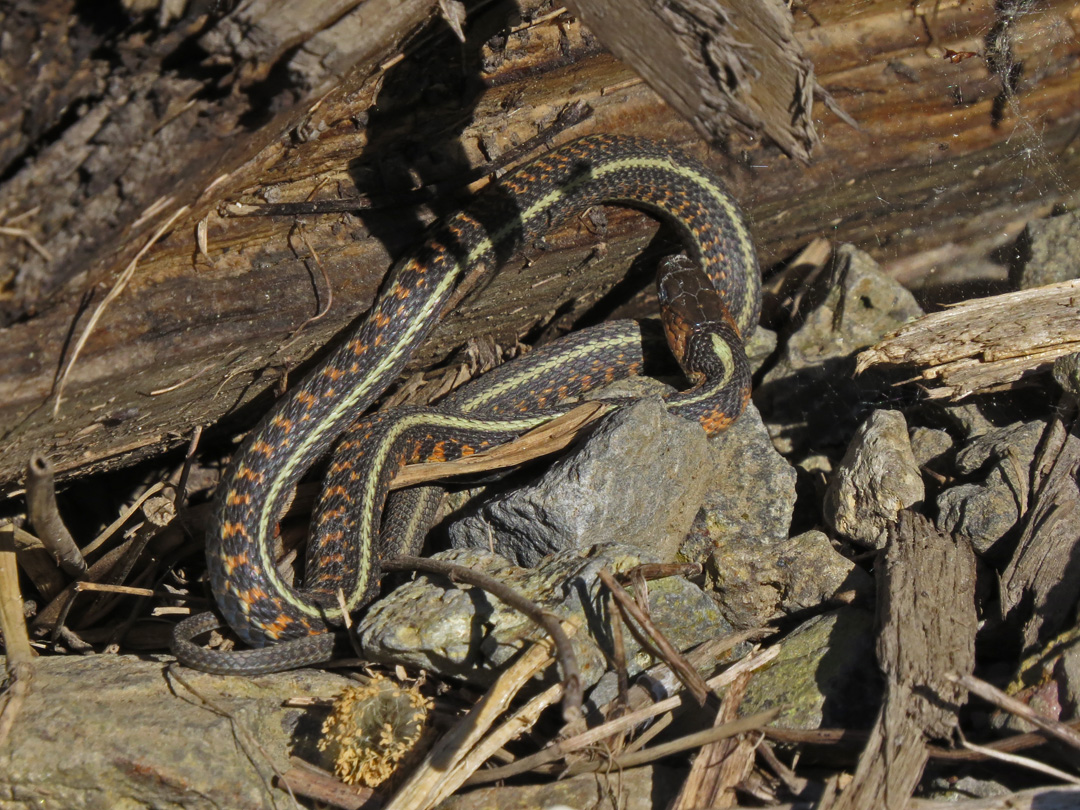
 This was my first snake of the season, found at Wapato Greenway State Park on Sauvie Island. I am not sure if this is a Common Garter or a Northwestern Garter. The body pattern most closely matches the local race of Common Garter, but they typically have red heads. Our local Northwestern Garters do not show red spots on the sides, but do have small dark heads. I did not apply one test that has often worked for me; If you pick them up and they bite you, they are Common Garters. If they don’t try to bite, they are Northwestern. I don’t know if other herpers have noticed this trend, but I have found it to be true of individual snakes of known identity.





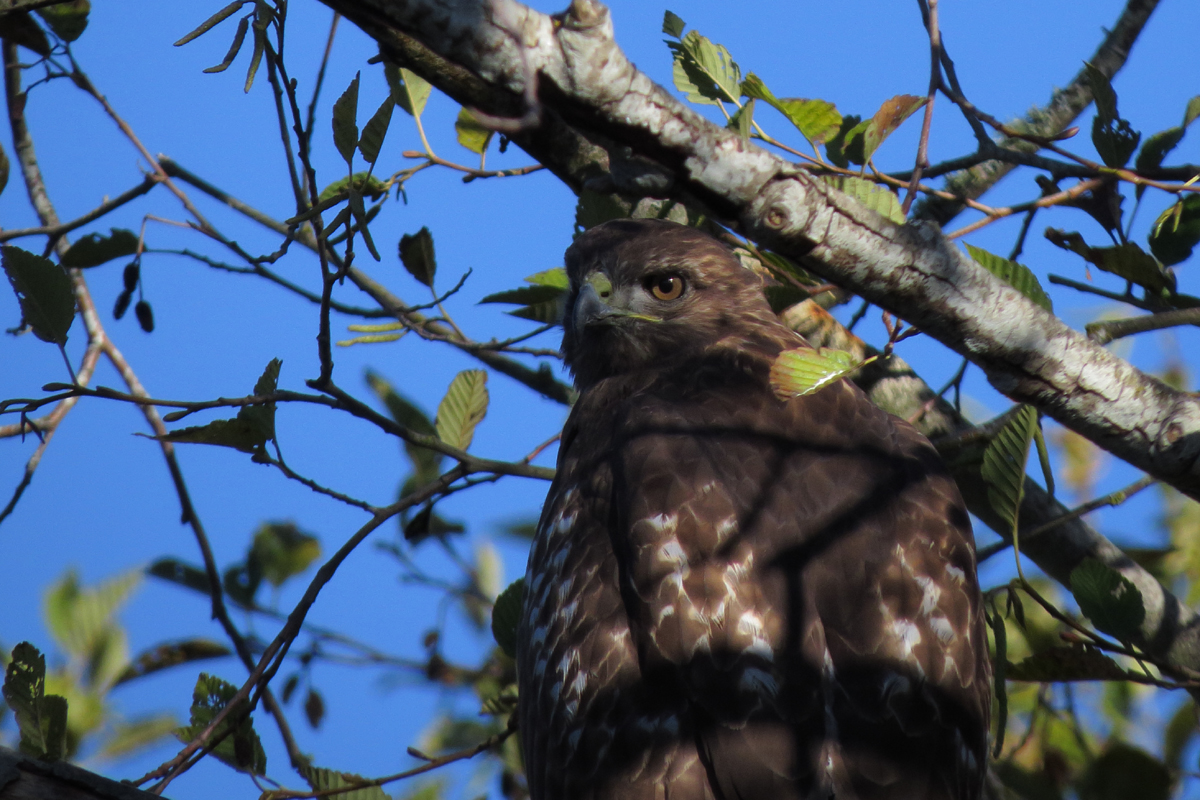

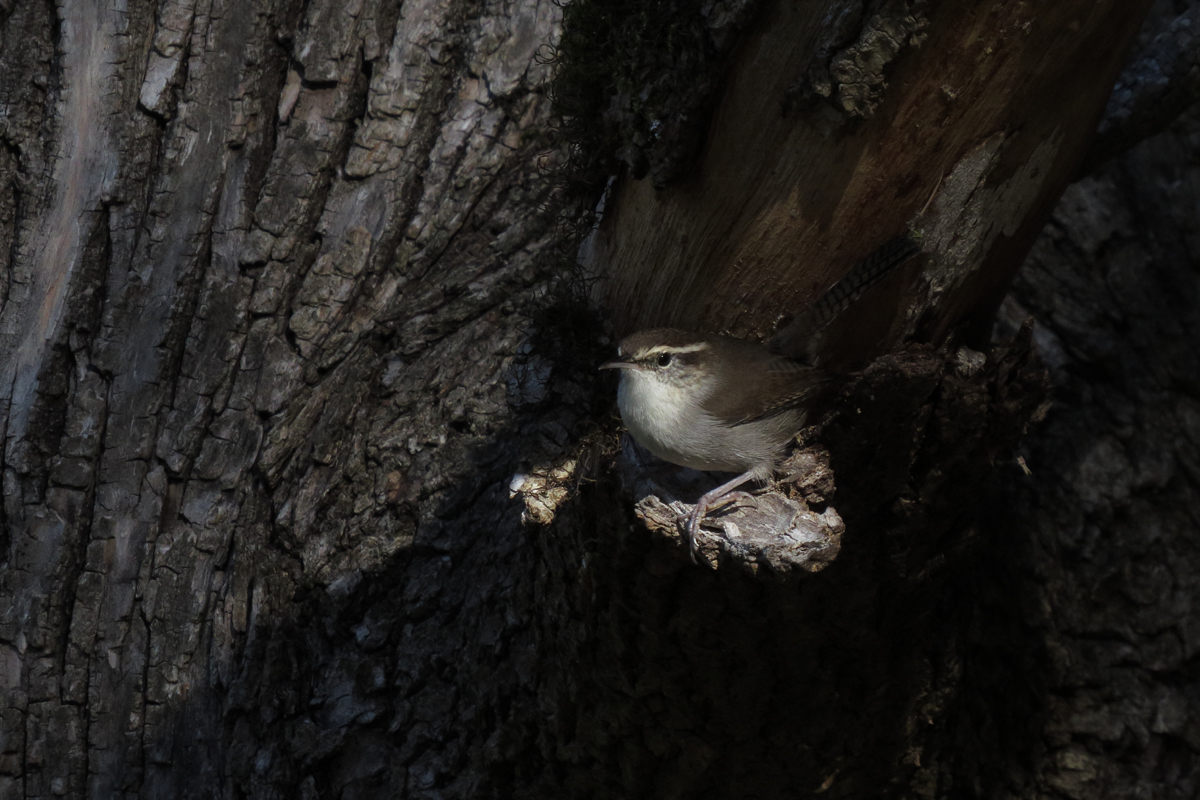

 Birding in the forests this time of year can be deadly slow, but we did encounter two groups of Canada Jays. Even when you don’t have food, these birds will come in close to check you out.
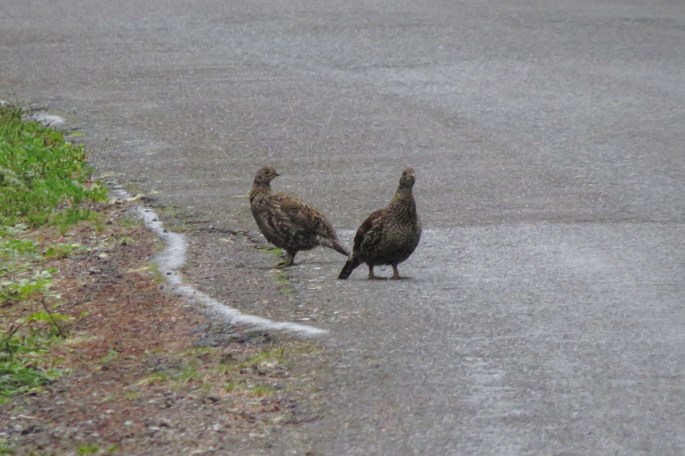 On the way back from Little Crater Lake, we came across a group of six Sooty Grouse. This was a lifer for my client, and the largest “flock” that I have seen.
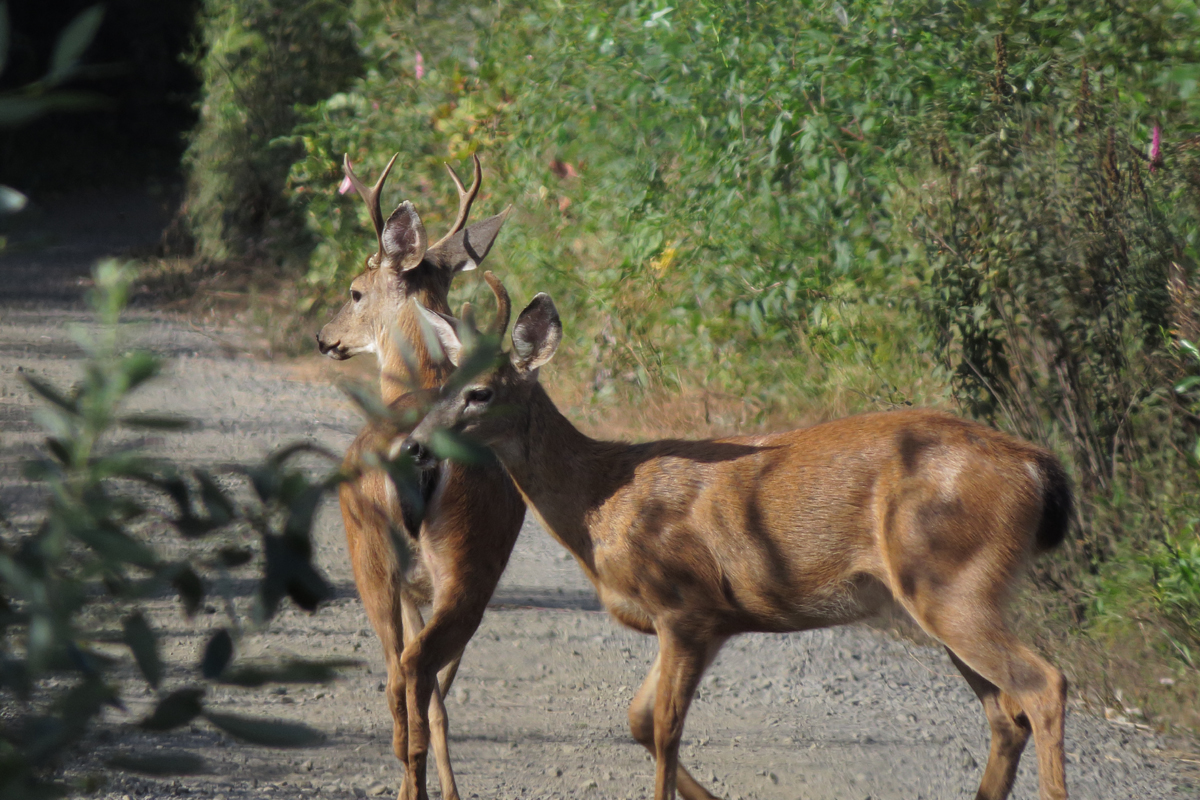
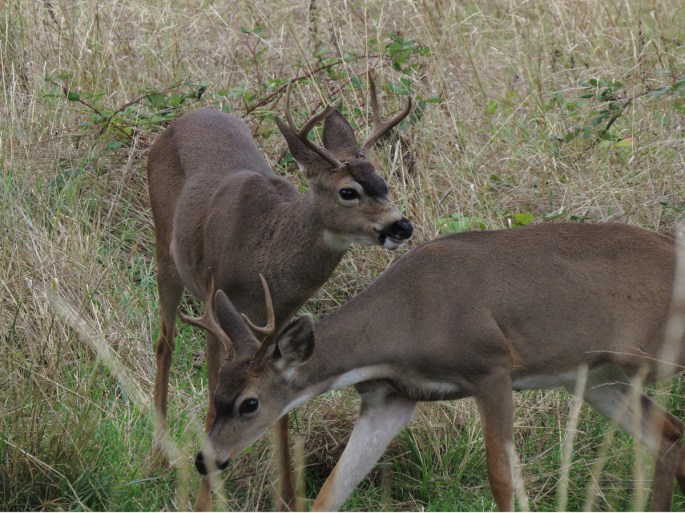 After a second trip up to Timberline proved equally unbirdable, we decided to head back toward Portland to look for sparrows and other grassland species at Powell Butte Nature Park. We found a few sparrows, but the highlight of this spot was the group of three Black-tailed Deer feeding on fallen apples.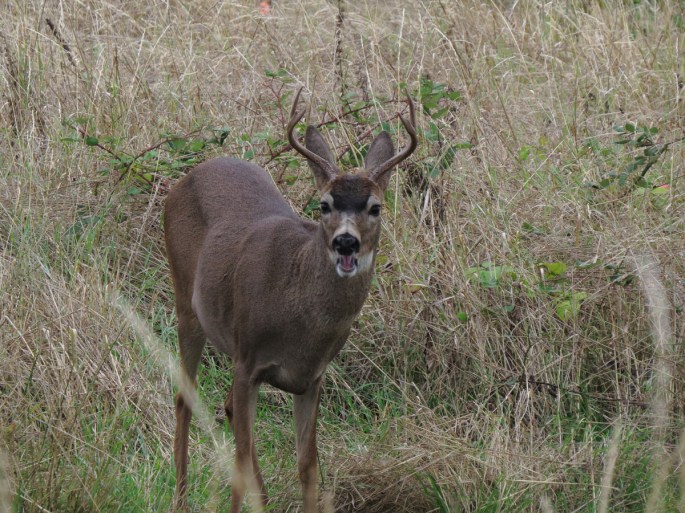
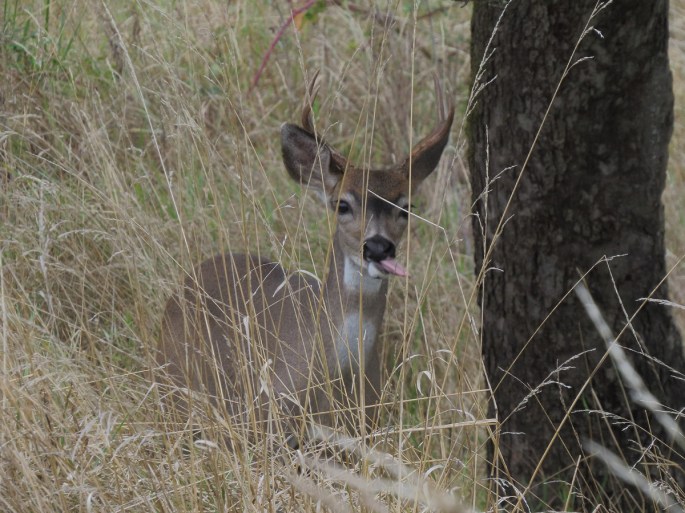
 One reason songbirds may have been so hard to come by at this site was the pair a American Kestrels (female shown here) that were actively hunting. A Sharp-shinned Hawk was also lurking about, so the sparrows may have been keeping a low profile.








 Ethical Birder