Fernhill Wetlands, 10/19/2011


Wintering waterfowl are returning to Fernhill Wetlands (Birding Oregon p. 61). Cackling Geese started arriving this week, and will soon be joined by a few thousand more.


a former waterfowl


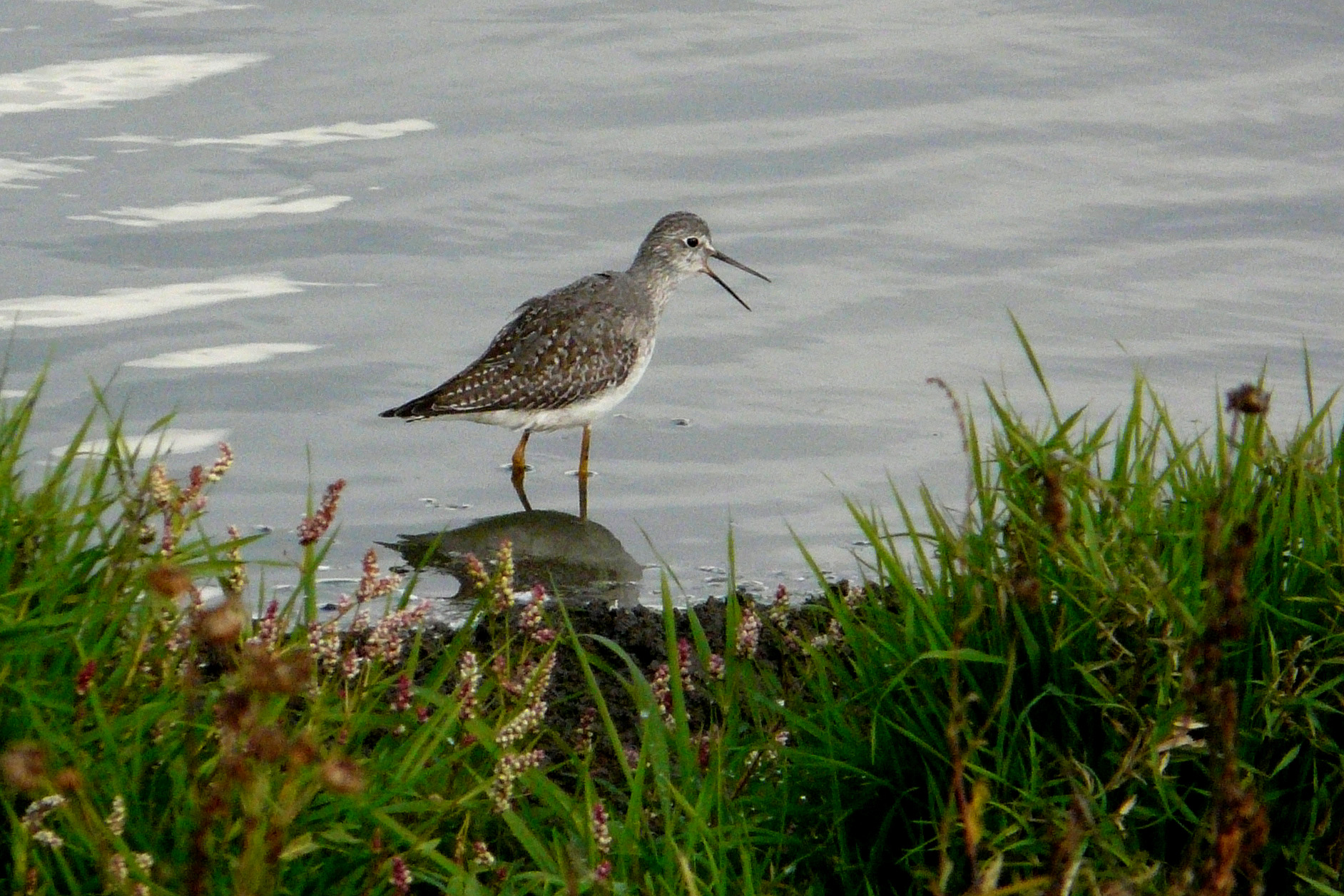
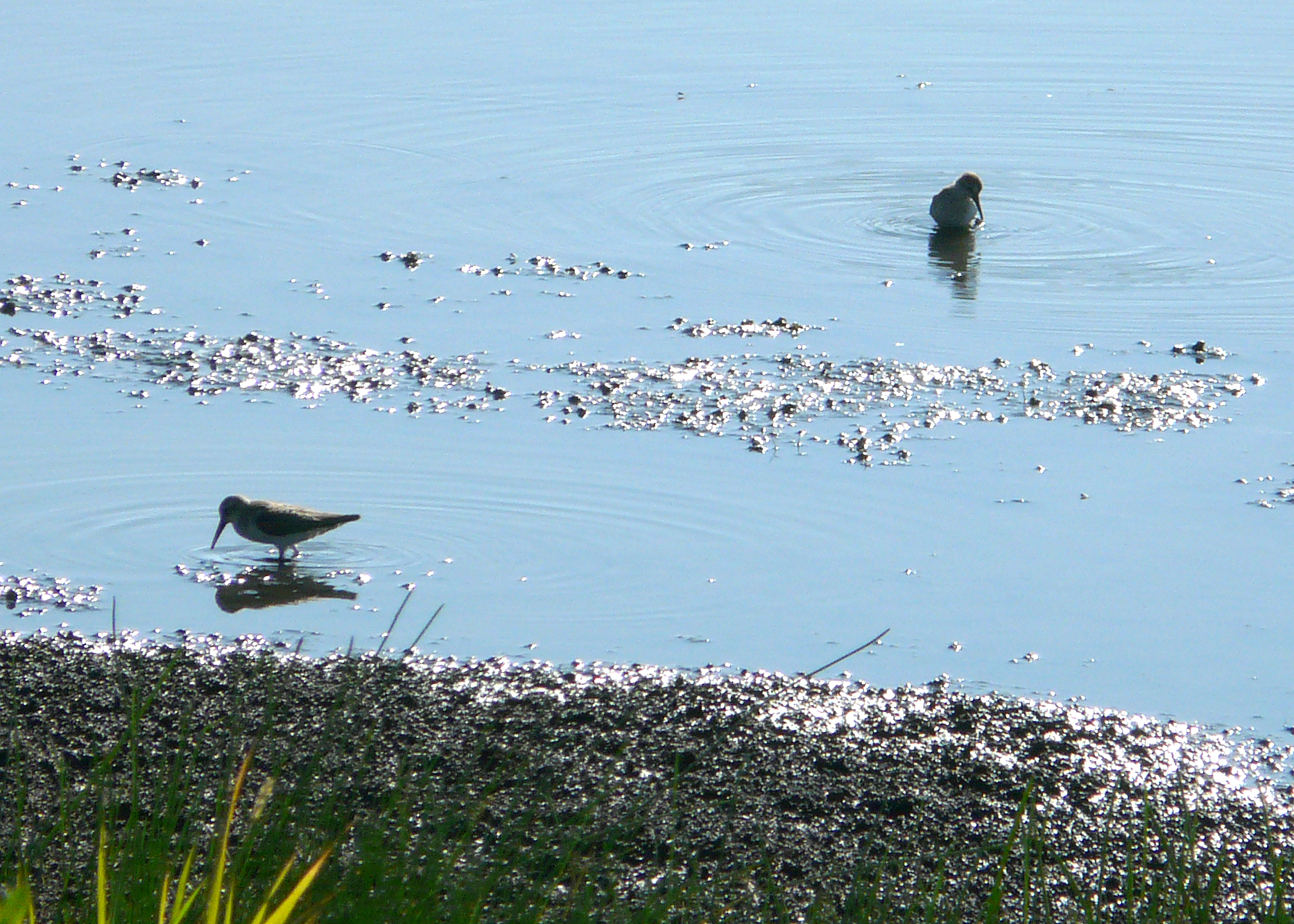
Most shorebirds have moved on by now. This Lesser Yellowlegs was feeding by himself.


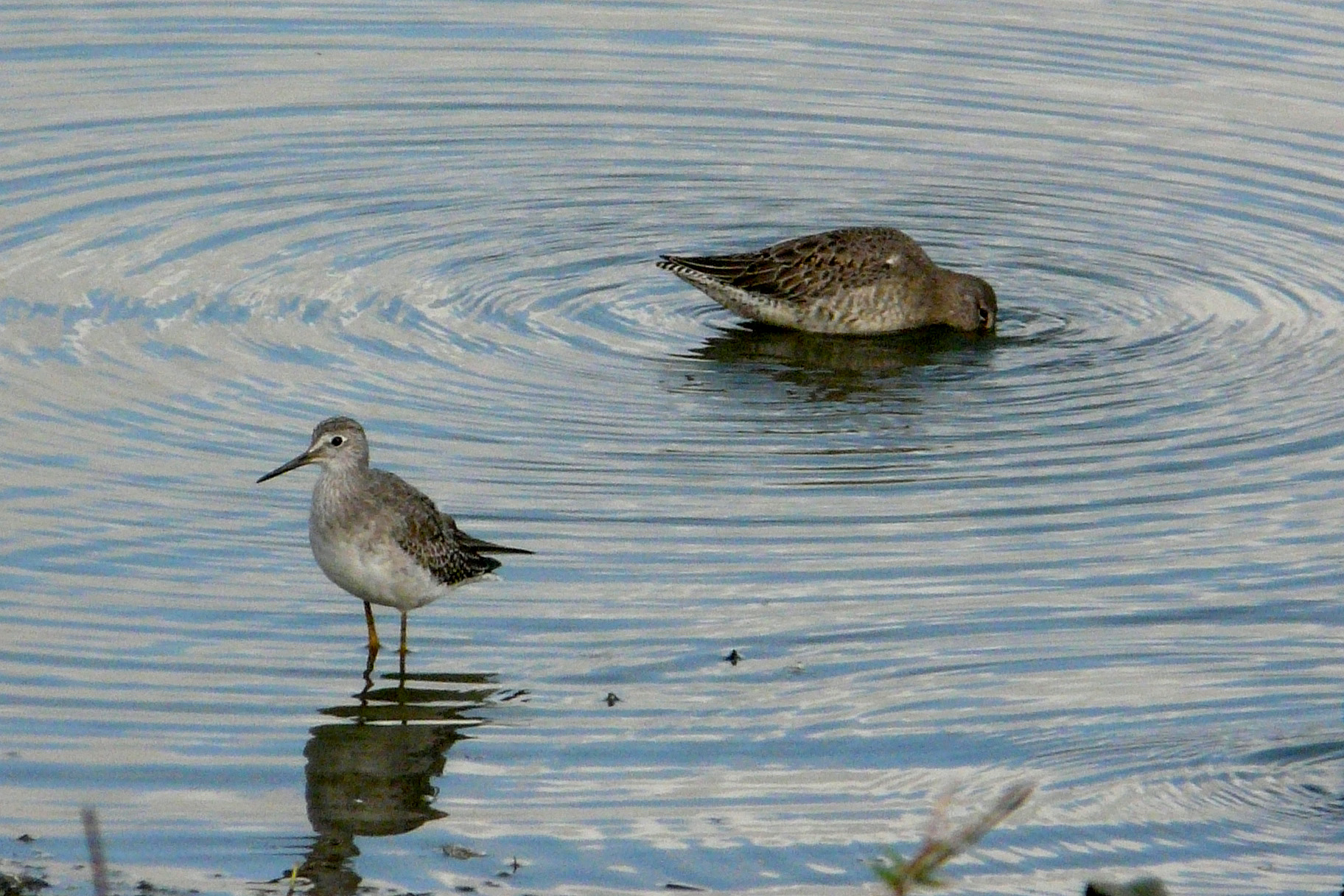
The Lesser Yellowlegs was eventually joined by a small flock of Long-billed Dowitchers.


One of the paths at Fernhill has recently been extended around the back side of Dabblers Marsh. This brushy area hosted a large flock of Bushtits (a female above), along with Mourning Doves, Northern Flickers, Black-capped Chickadees, and my first-of-season Golden-crowned Sparrow.


male Bushtit

Mt. Hood National Forest, 9/17/2011


Nala and I walked part of the Pacific Crest Trail in Mt. Hood National Forest, starting at Little Crater Lake (Birding Oregon p. 75) and walking north for about seven miles before turning around. The edge of this old clearcut provides a view into the valley below. If it weren’t for the low cloud cover on this day, you would be able to see Mt. Hood in this photo.


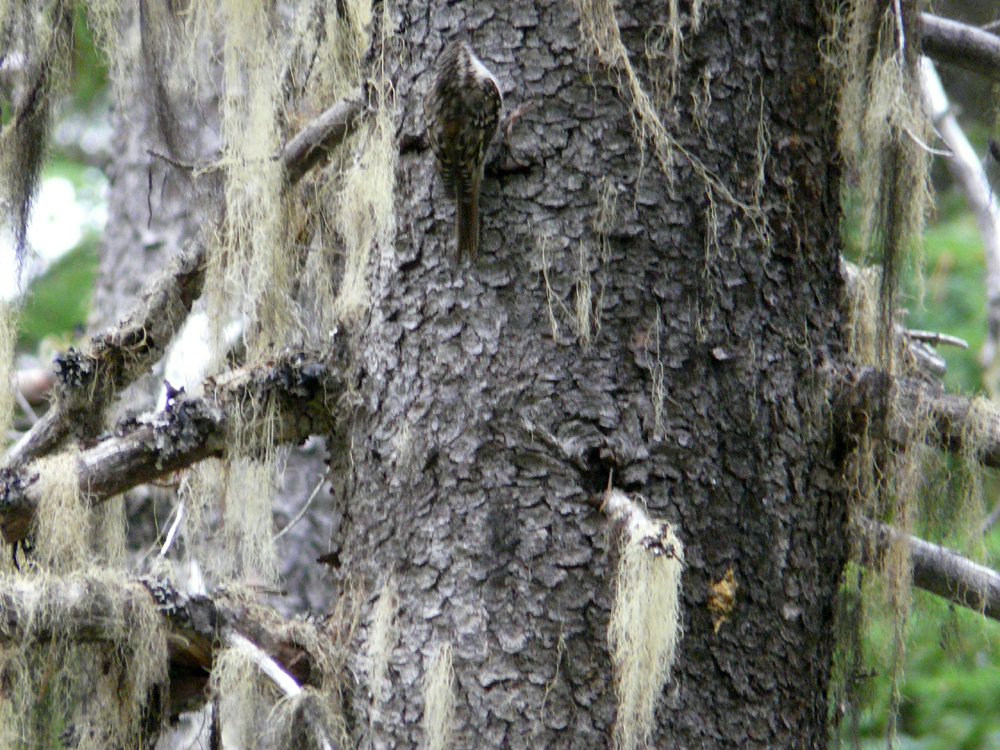
As expected this time of year, the forest held very few birds. Once the nesting season ends in July, most birds on the west slope of the Cascades take off. For some reason, forests on the east slope maintain a higher species diversity. In five hours of walking, I found (in order of decreasing abundance) Chestnut-backed Chickadees, Red Crossbills, Gray Jays, American Robins, Swainson’s Thrushes, Red-breasted Nuthatches, Common Ravens,  Dark-eyed Juncos, and singles of Brown Creeper (above) and Wilson’s Warbler.


There was plenty of evidence of woodpecker activity. The rectangular holes suggest Pileated Woodpecker.


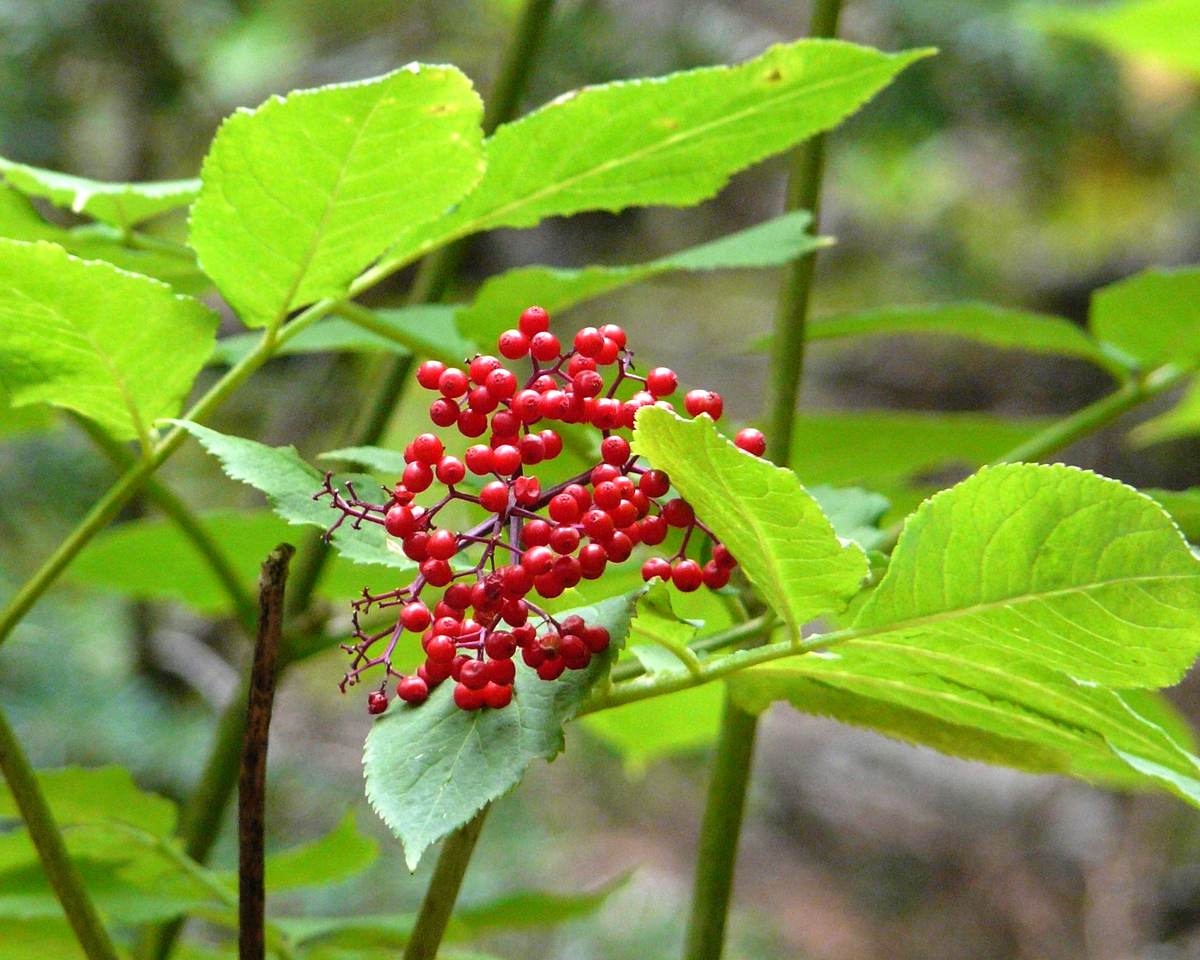
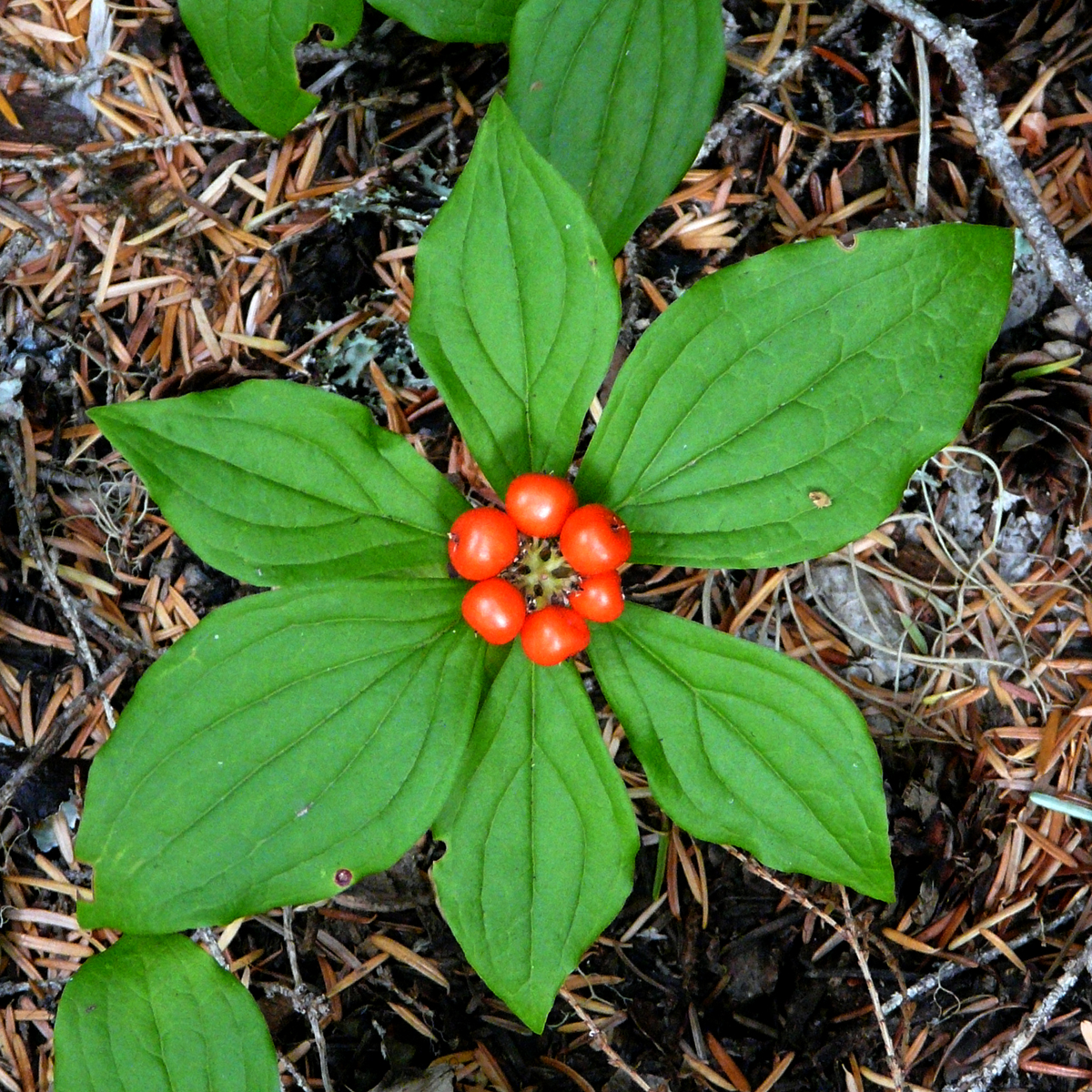
Various berries provided a dash of color.


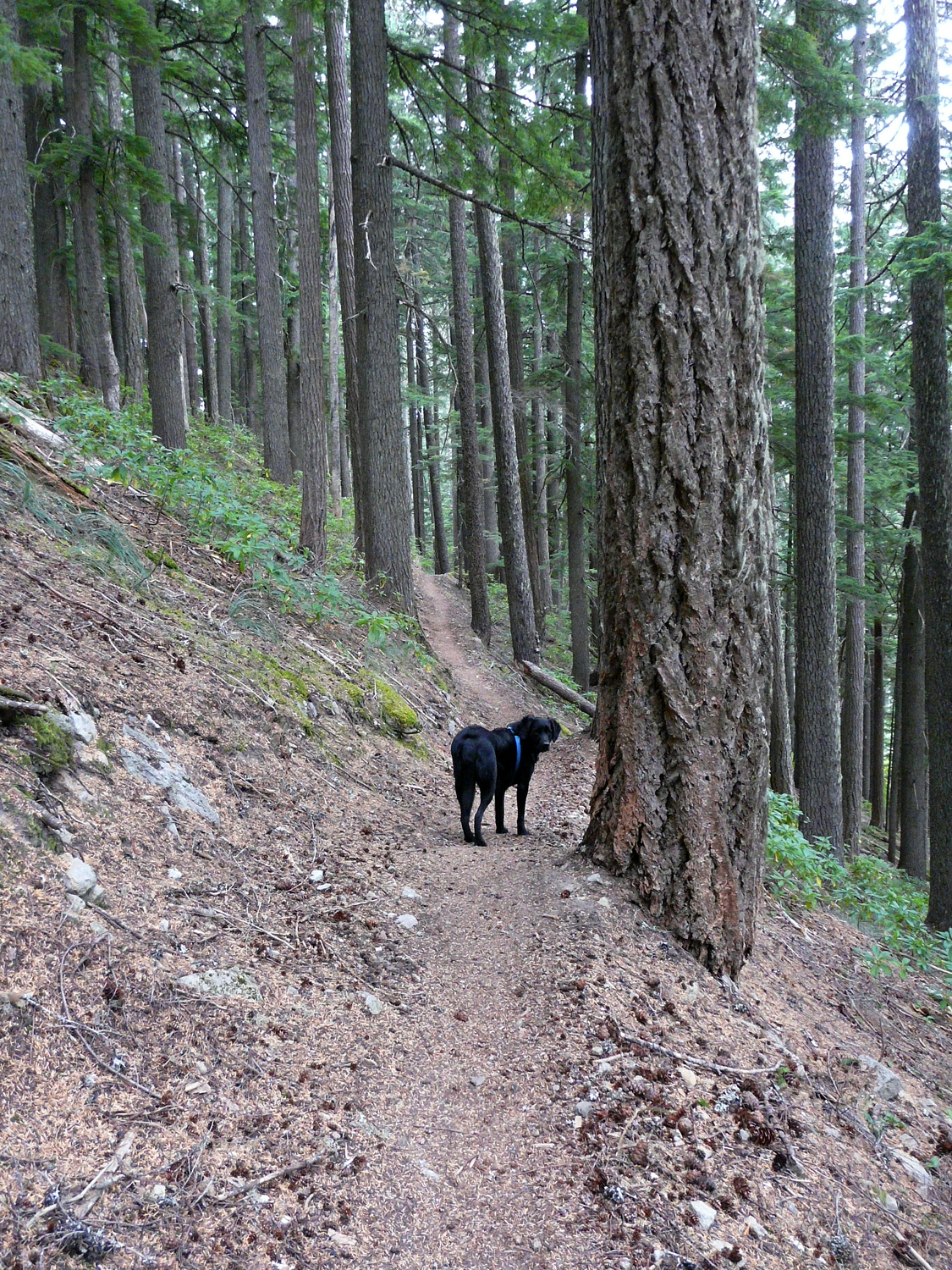
Nala on the trail


Douglas’ Squirrel


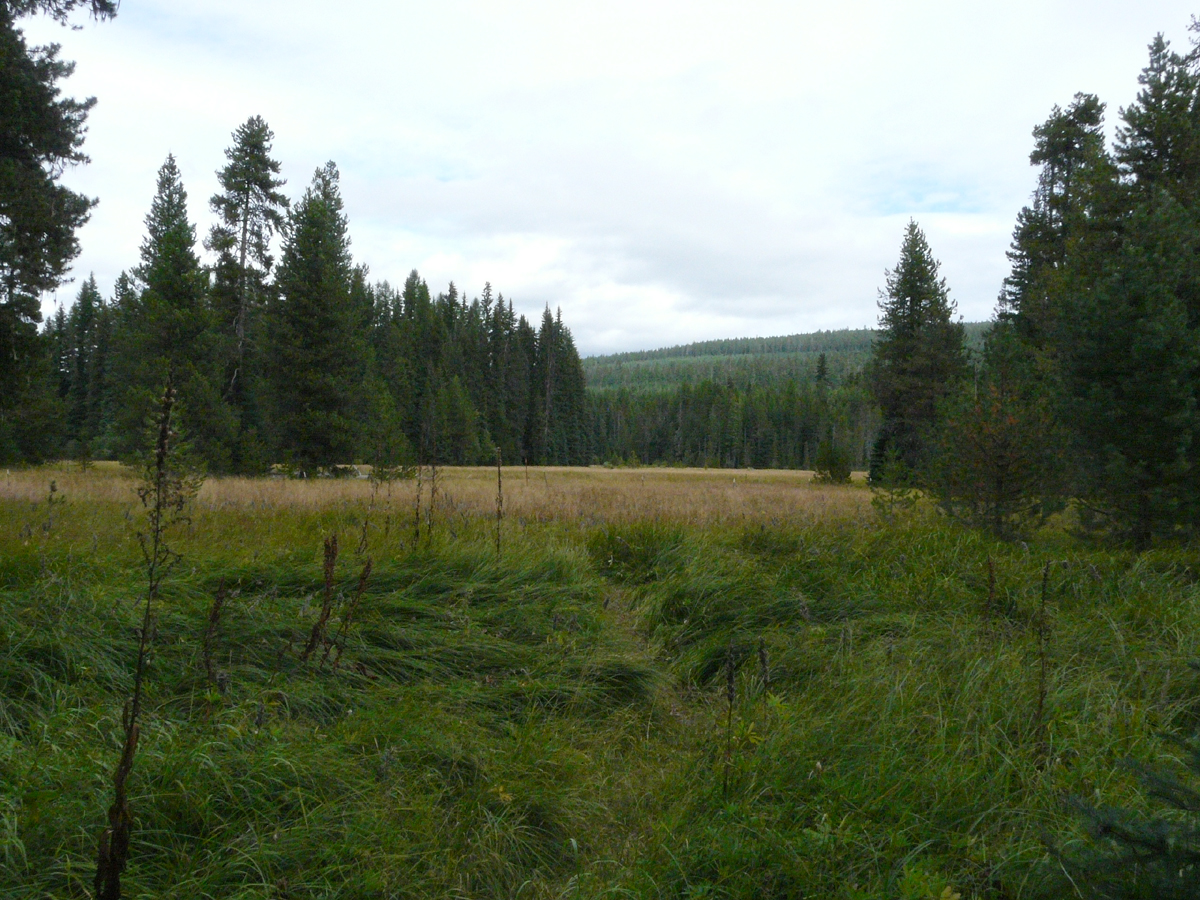
the wet meadow near Little Crater Lake

Fernhill Dog Days

In preparation for my shorebirds class for Portland Audubon, I have made several trips to Fernhill Wetlands (Birding Oregon p. 61) in recent weeks. As expected in the Willamette Valley in late summer, species diversity is fairly low, but there is always something to see.


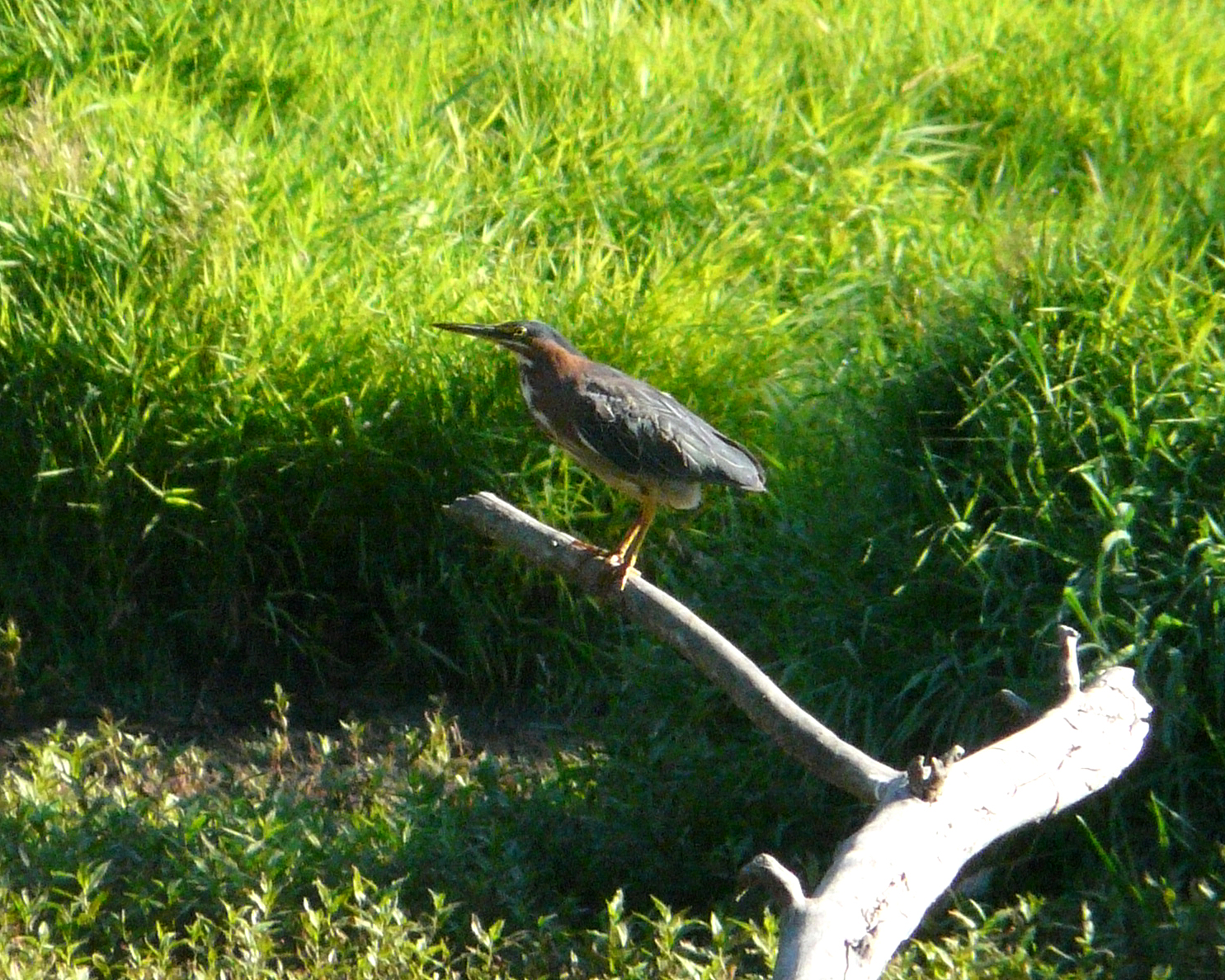
Green Herons are common at this site, flushing from the shores of the main lake or hunting in Dabblers Marsh.


High water levels this year have left little mud for the shorebirds. This Killdeer has found some higher ground.


Greater Yellowlegs


The shorebird class found at least six Stilt Sandpipers on their field trip. This species is a rare migrant in Oregon. I had only seen one individual in Oregon prior to this trip, also at Fernhill.

Two Stilt Sandpipers


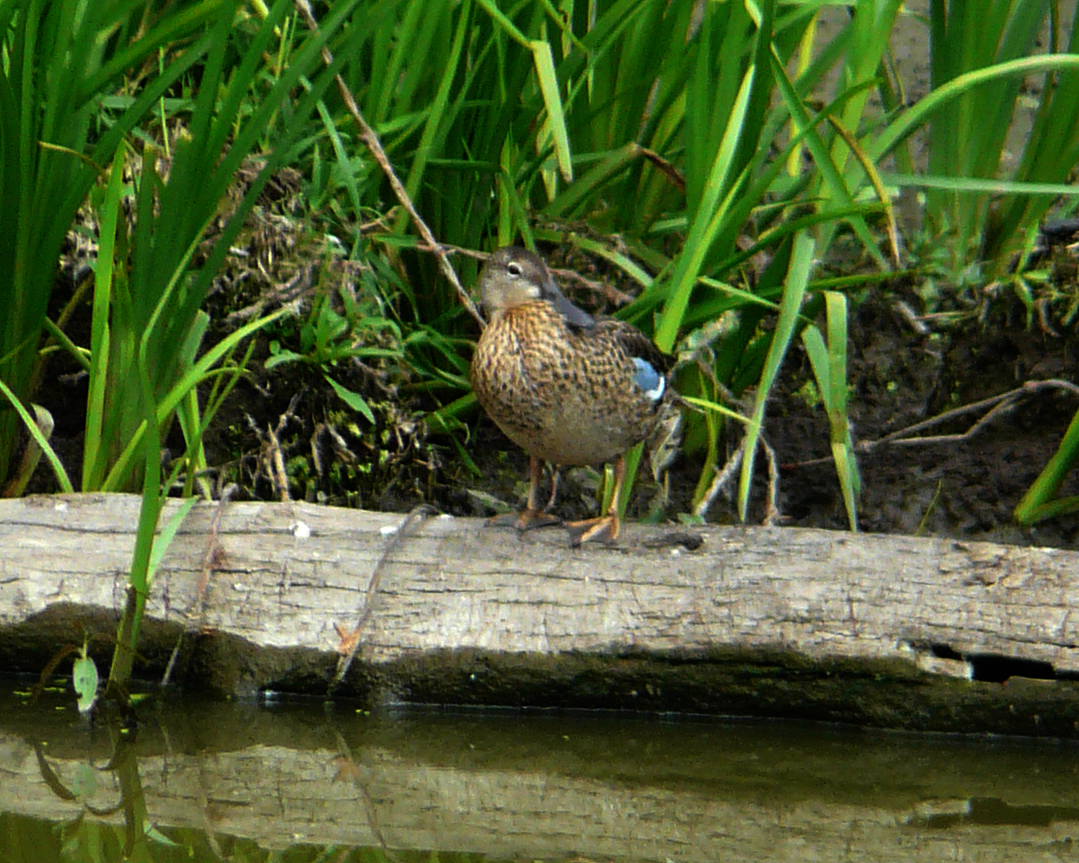
Late summer is the ugly duck season, with most birds in their summer alternate, or “eclipse” plumage. I think I know what this little duck is, but I would be interested in your opinions. Leave a comment.


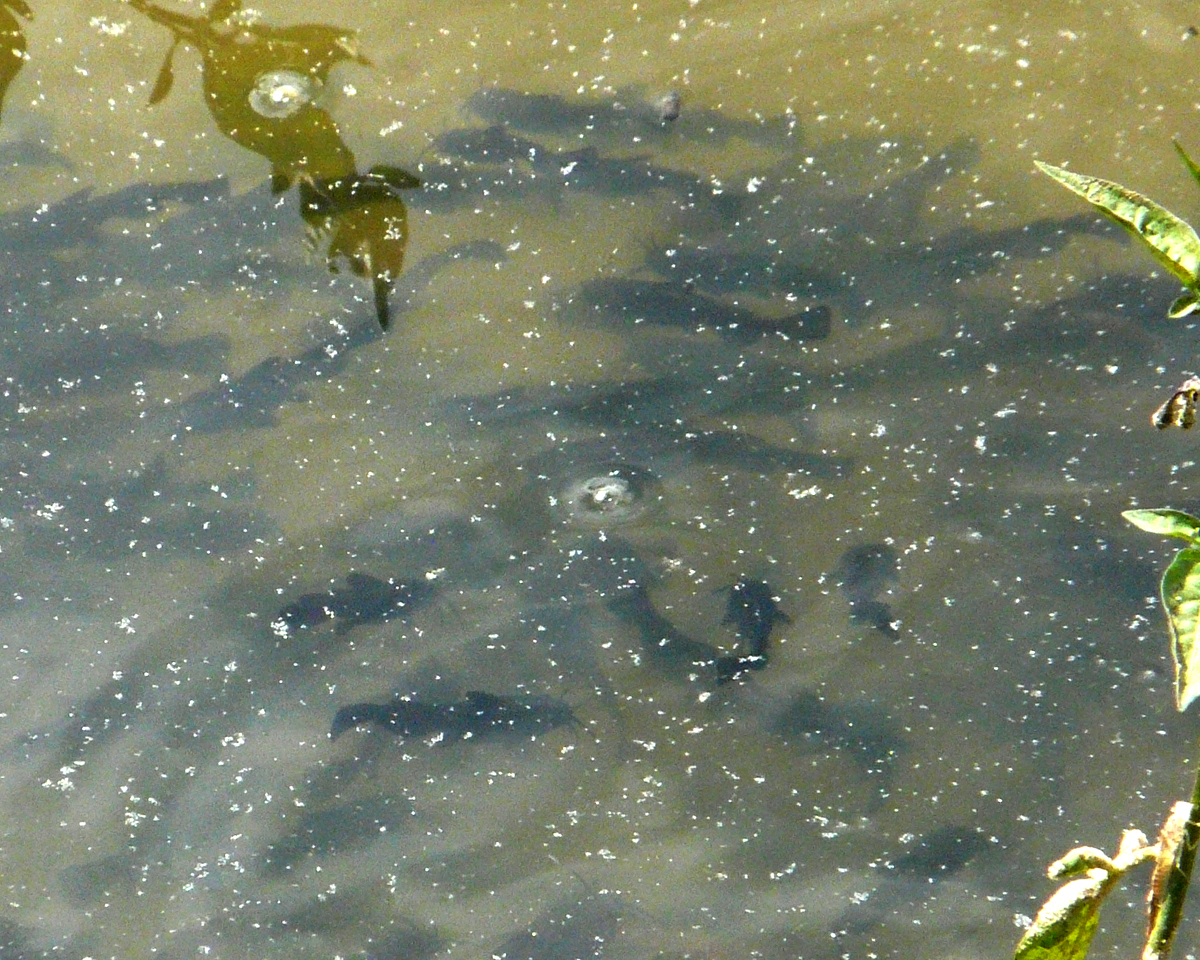
This is a school of young bullheads, I assume Black Bullheads. The young school together while the adult male stays close by to protect them. There were many broods of these little fish in Cattail Marsh.


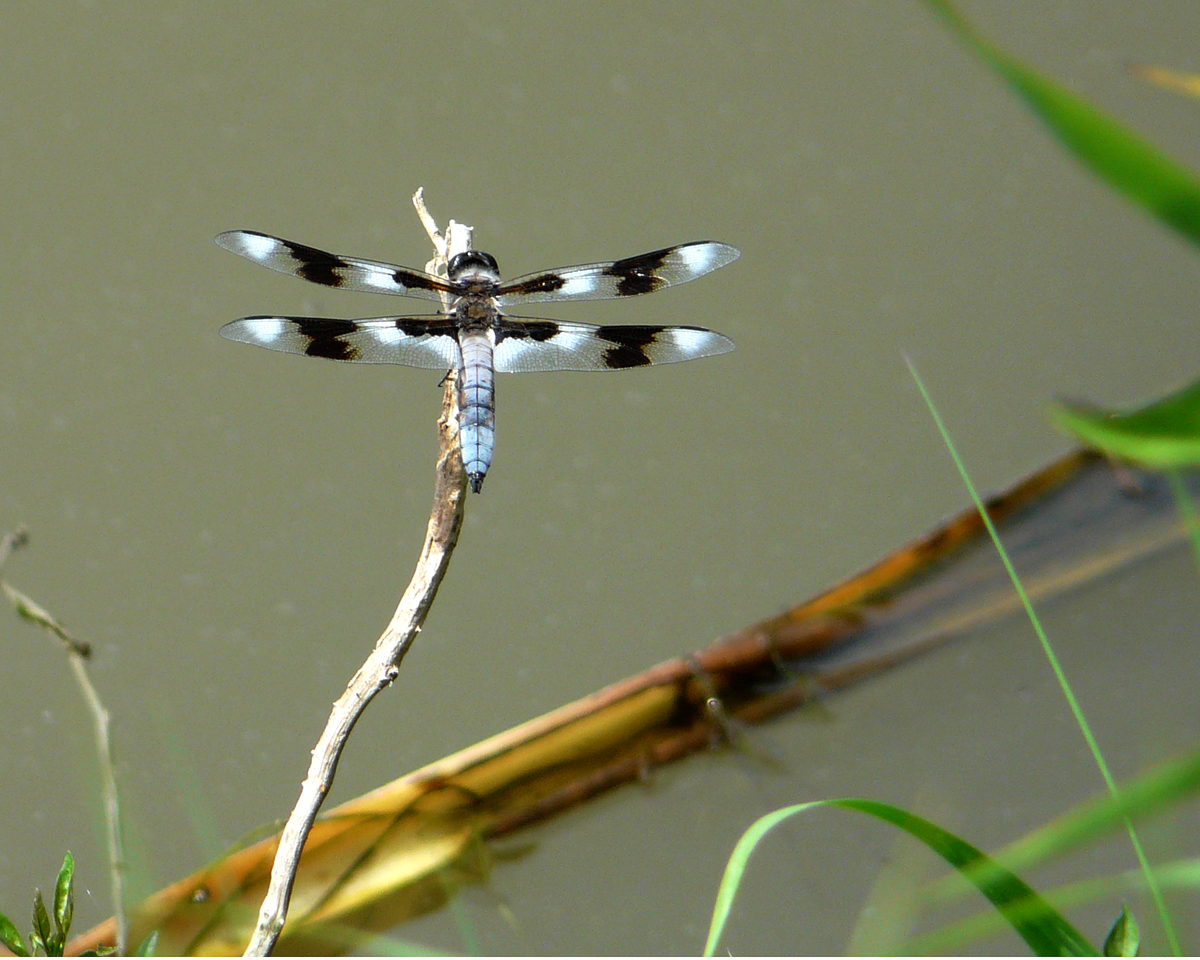
I haven’t learned to ID the local dragonflies, so if you know who this is, leave a comment.

Barview Jetty


Barview Jetty (Birding Oregon p. 125) forms the northern edge of the entrance to Tillamook Bay. It is a good site for viewing rock-loving shorebirds, gulls, and seabirds. The jetty was rebuilt last year, so the surface is now smooth enough that you can walk out all the way to the end. After the first few winter storms, most of the gravel and smaller rocks will wash away, leaving the jetty too rough to safely walk on. The photo was taken from the end of the jetty. I broke my first rule of jetty birding to take this picture; Never turn your back on the ocean. One never knows when a big sneaker wave will wash over the jetty, sweeping oblivious bird-nerds such as myself into the sea.


The only shorebirds visible on this visit were this flock of Red-necked Phalaropes swimming near the end of the jetty. A cold front had just gone through, creating strong NW winds. You might think those conditions would have brought in migrating shorebirds. But it has been my experience that cold fronts move out any shorebirds that have been staging in an area. It then takes several days for new migrants to trickle in. So the the longer it has been since the last cold front, the more likely it is that you will find larger numbers of south-bound migrants.


Two Harbor Seals were swimming in the channel, along with a few Pelagic and Double-crested Cormorants, and a very distant Rhinoceros Auklet.

Seaside, OR 8-4-11

I spent the day birding sites around Seaside, OR (Birding Oregon p. 121).


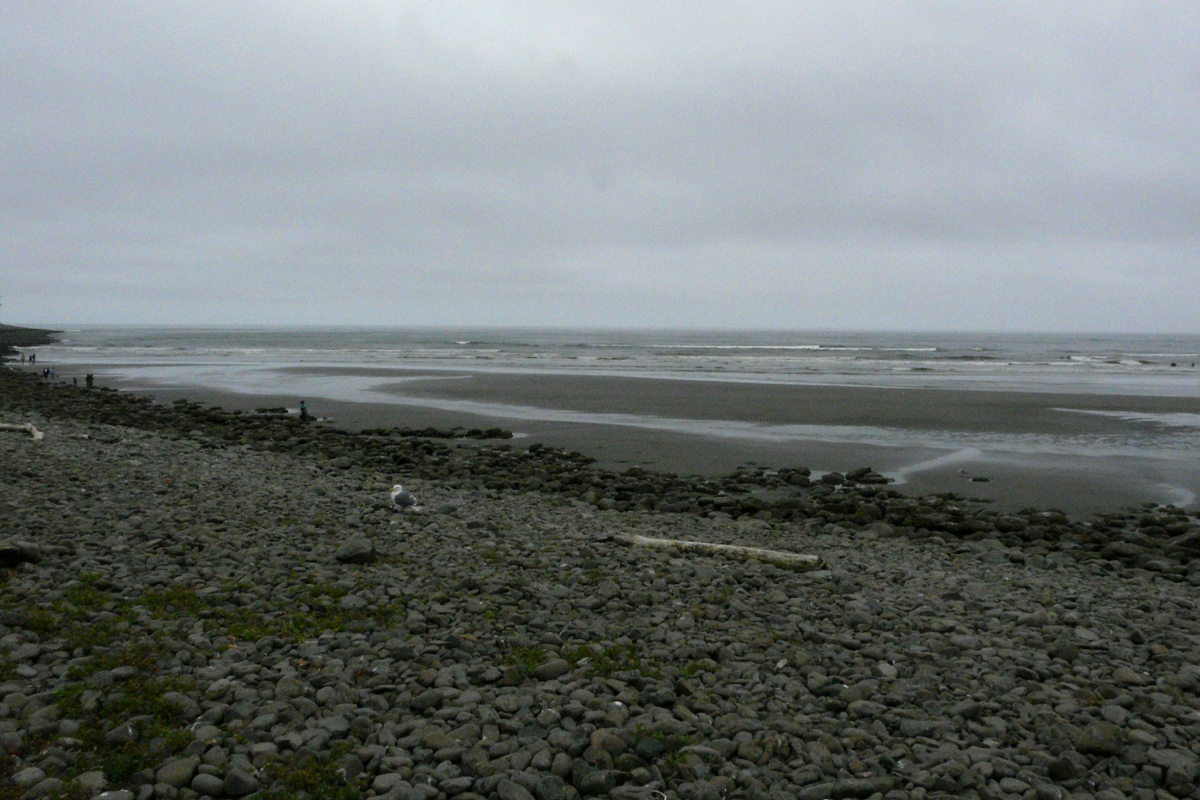
The tide was the lowest I have seen at The Cove, revealing its sandy bottom.
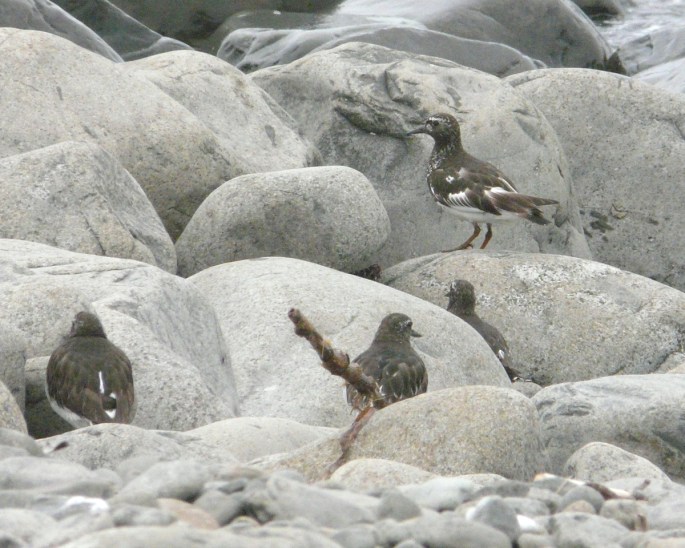

The low tide allowed lots of beach-combers to wander along the rocky edges, so the only shorebirds present was a small flock of Black Turnstones.


This is a Western Gull in very worn plumage. Note the black-tipped primary just starting to grow in. The lumpy neck on this bird was caused by the large sea star he had just swallowed.
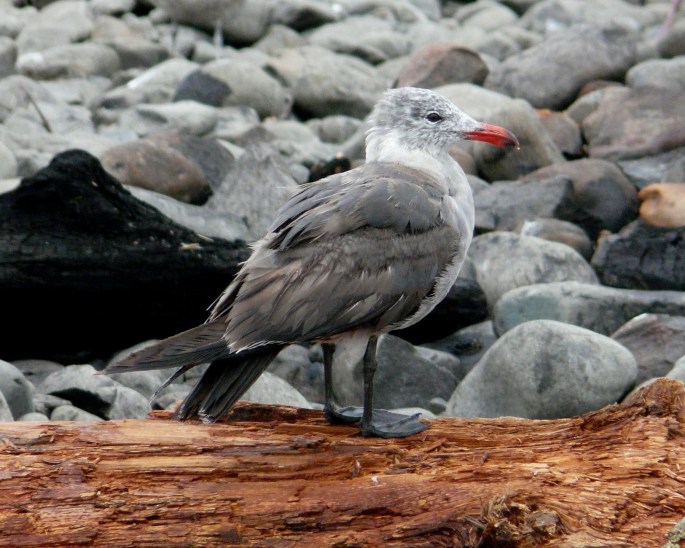

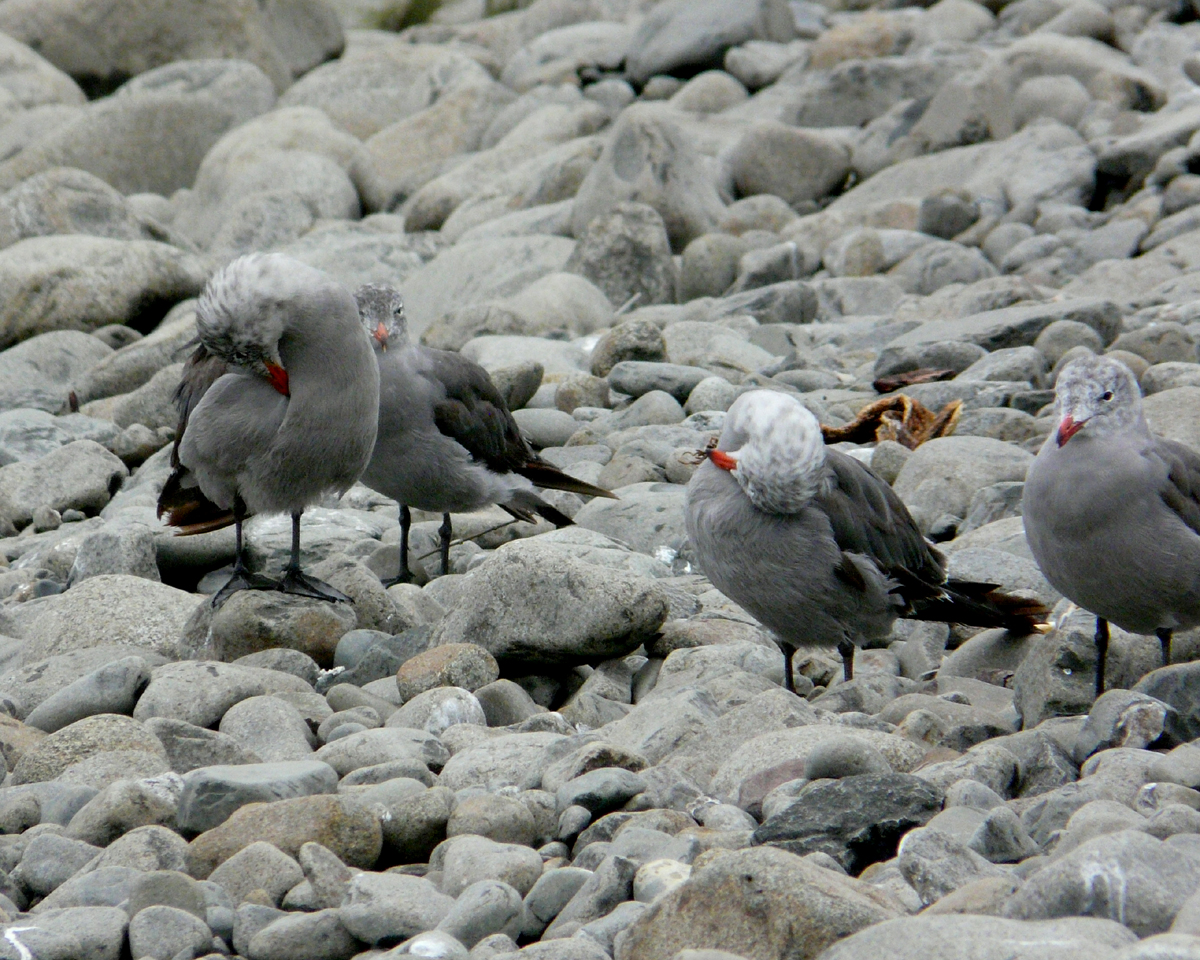
Heerman’s Gulls are normally one of the most beautiful gull species, but this individual was also extremely worn.


These birds were in better shape.


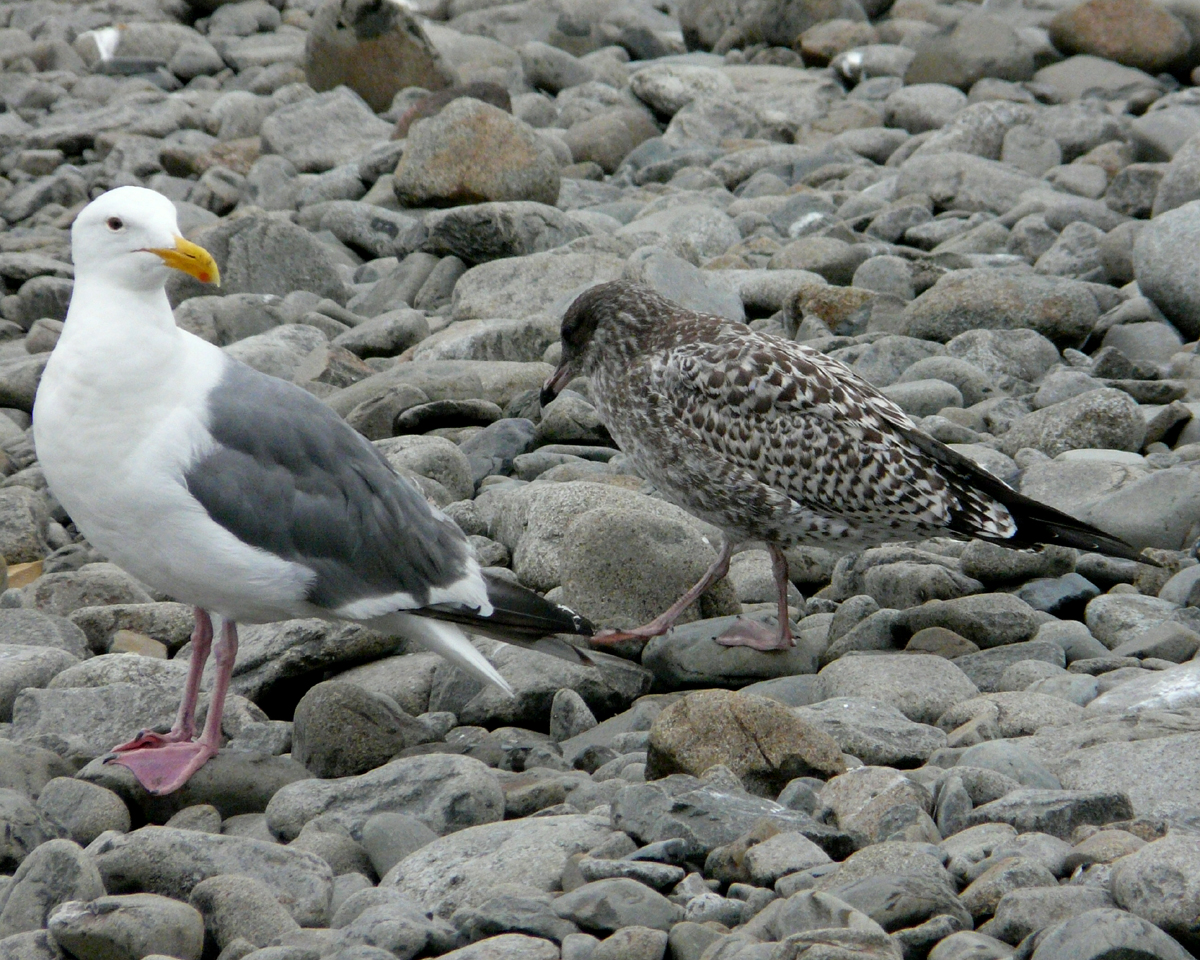
California Gulls are starting to gather along the Oregon coast. This juvenile was keeping company with an adult Western Gull.


At the north end of town is the Necanicum Estuary, also at very low tide. The exposed mud and aquatic vegetation attracted nice numbers of shorebirds.


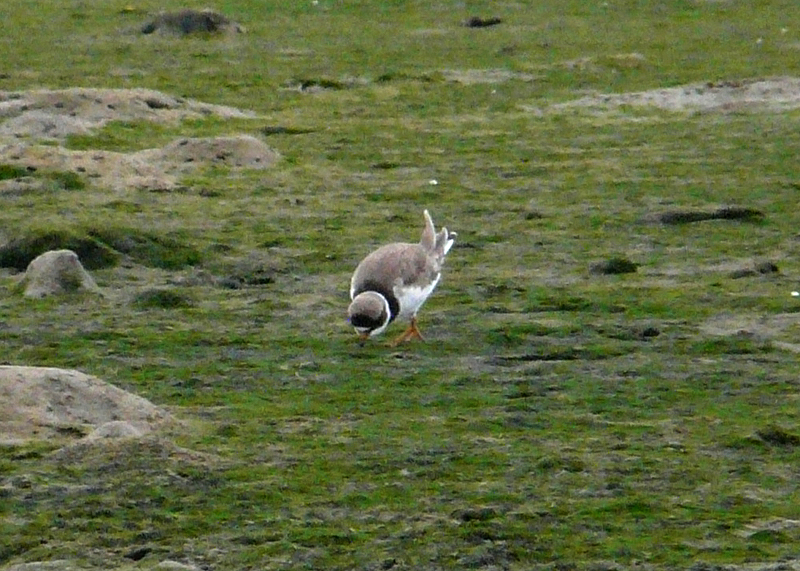
Semipalmated Plover


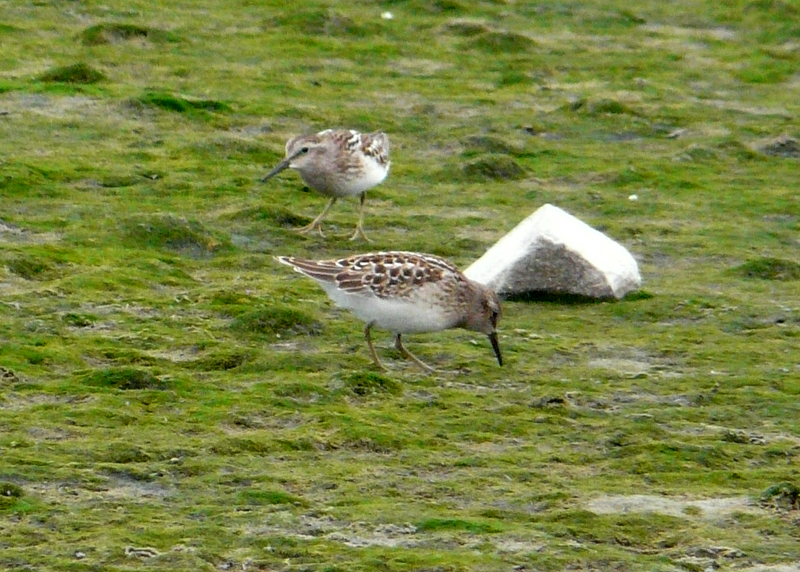
Least Sandpipers


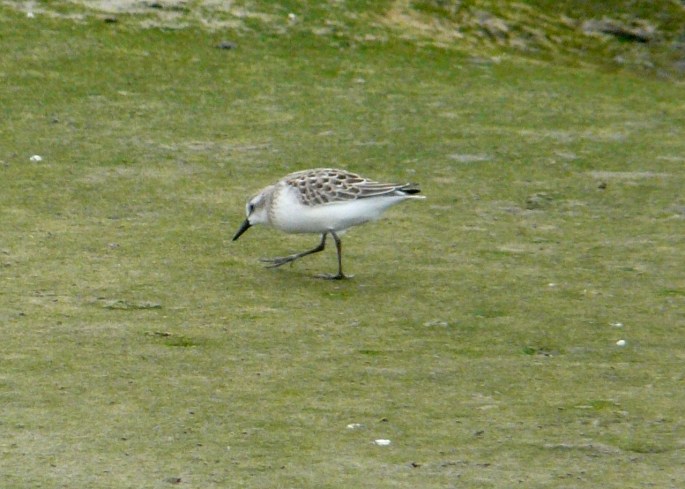
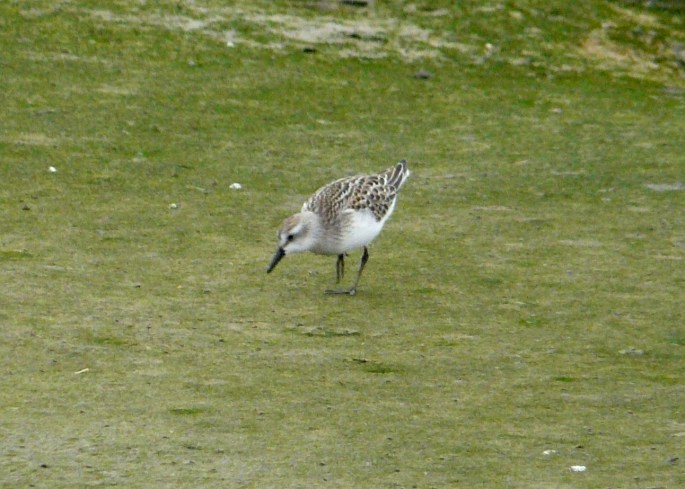
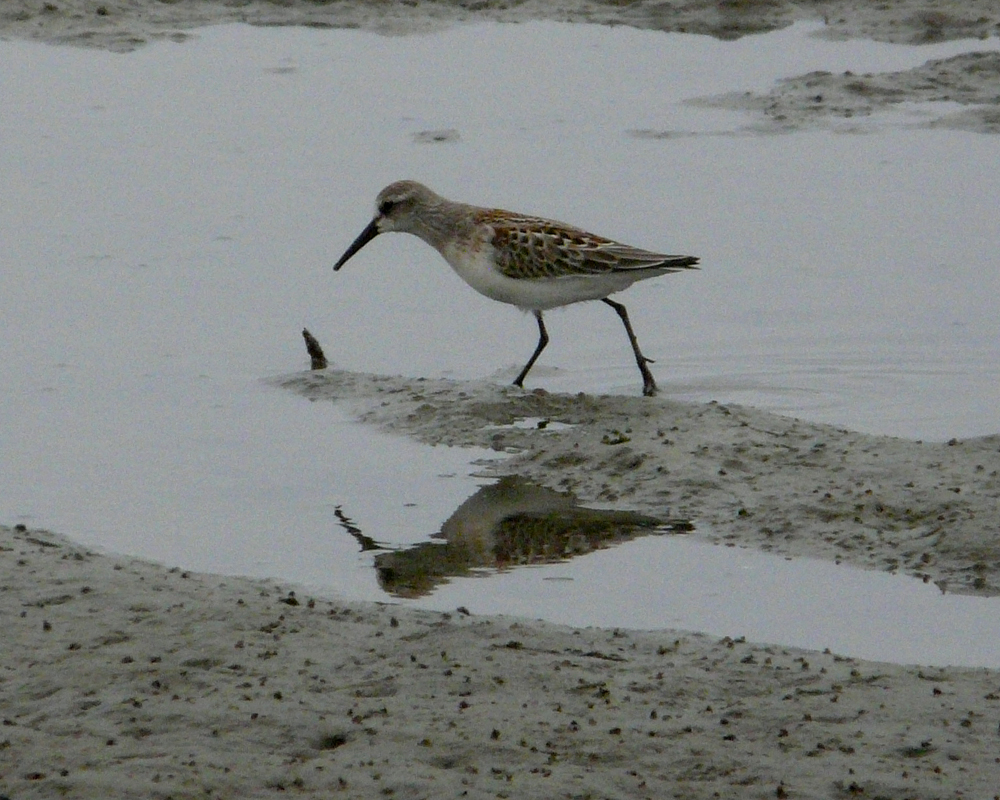
Western Sandpiper

The rarest bird of the day was this Semipalmated Sandpiper.

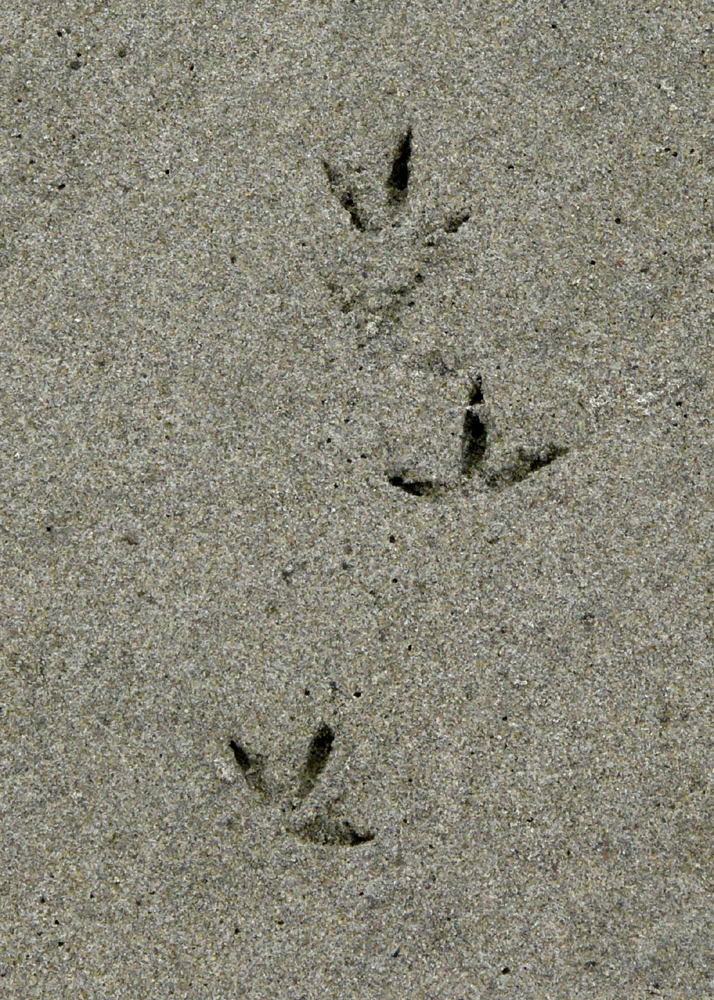
Notice on these shorebird tracks that the toes are partially webbed, or semipalmated. So these tracks were made by either a Western Sandpiper, Semipalmated Plover, or Semipalmated Sandpiper.


These tracks don’t show any sign of webbing, so they were probably made by a Least Sandpiper.


The estuary is a favorite hang-out for Caspian Terns, here joined by California Gulls.
 

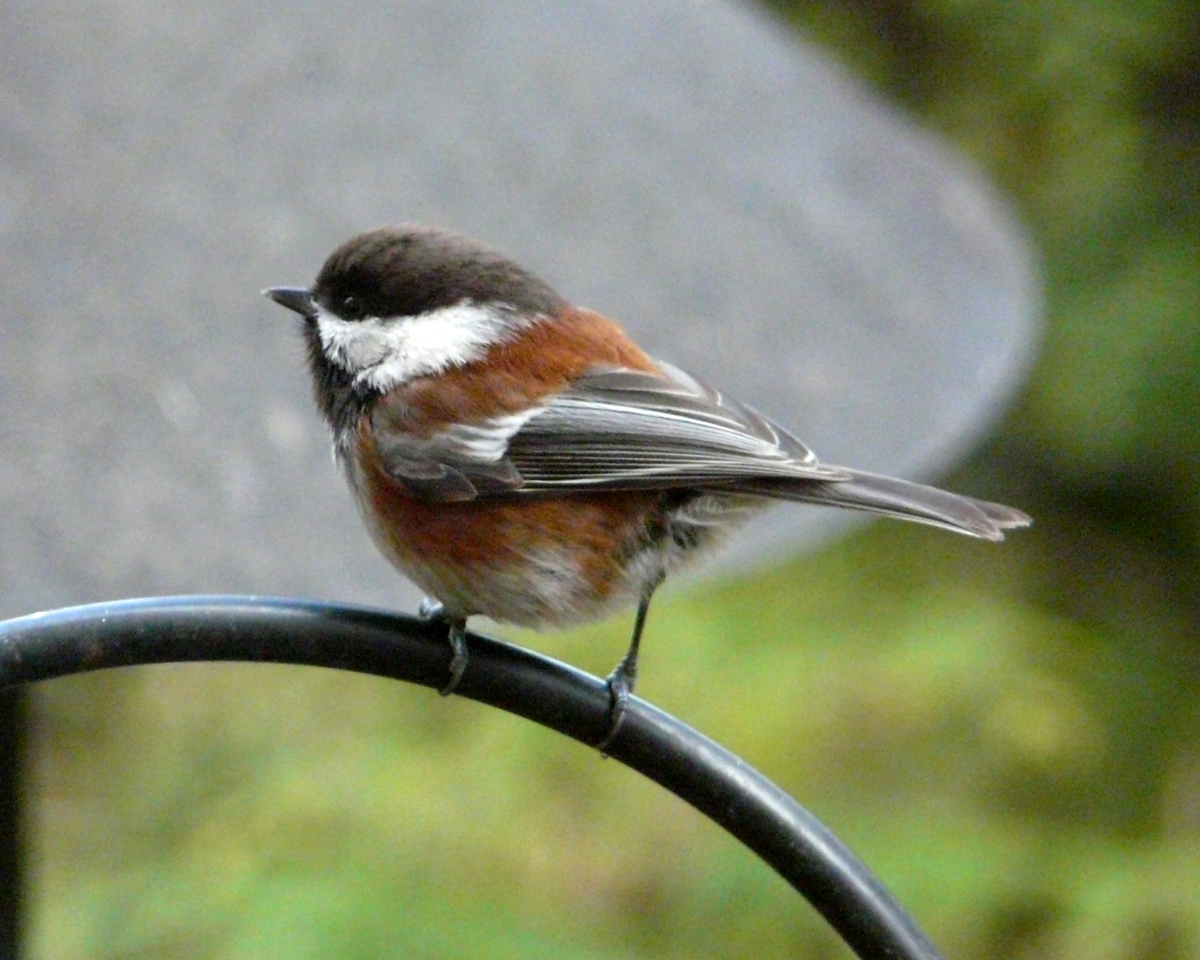
Chestnut-backed Chickadee


A pair of Chestnut-backed Chickadees has been lingering in the yard this week.  They will soon leave for the summer, as this species prefers large conifers and higher elevation, unlike the more suburban Black-capped Chickadees.

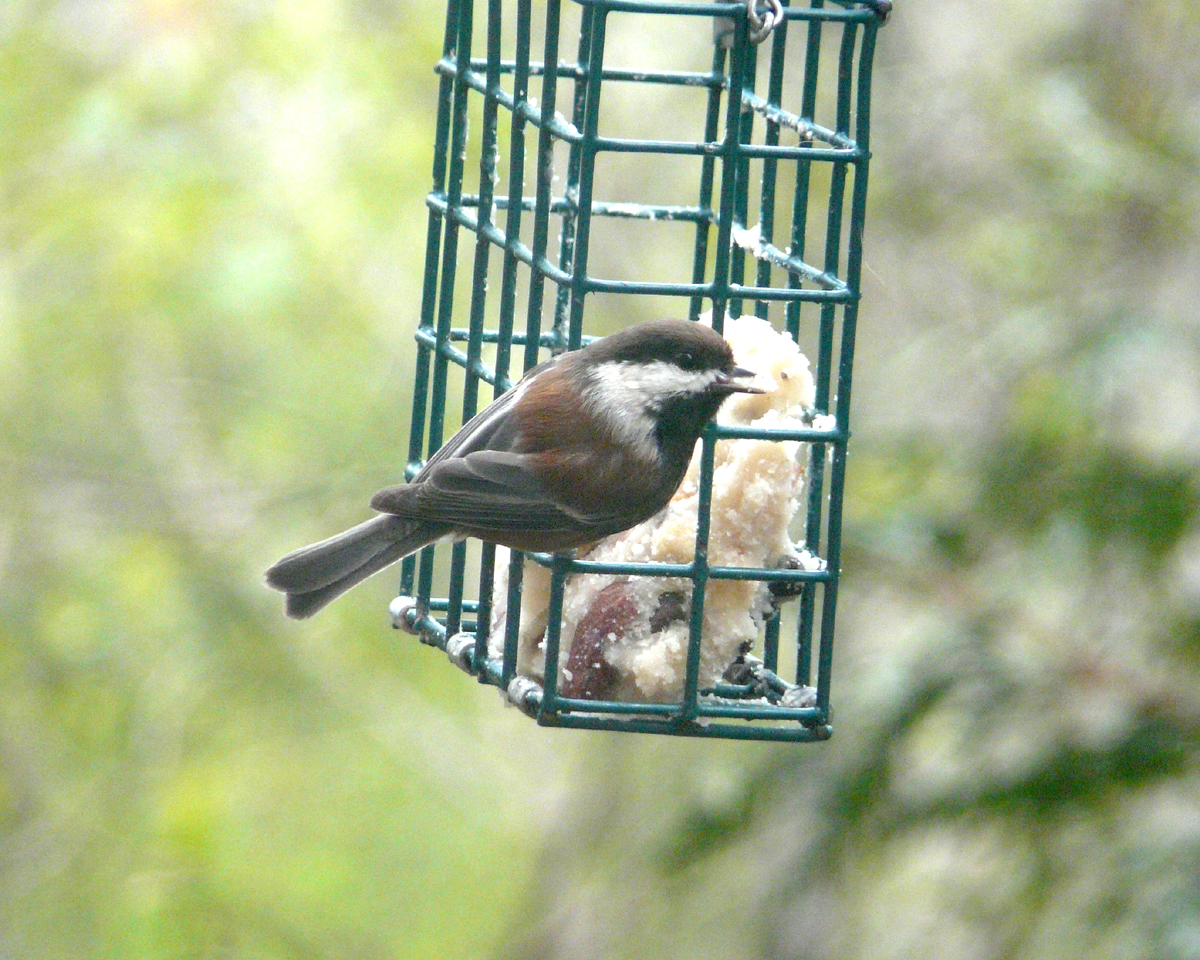
While the Chestnut-backs readily take sunflower seeds from the feeder, these birds were especially fond of a vegan suet block, currently in development by Nepo Suet Company . It is made from coconut oil. While not available yet, it promises to be a great alternative for those of us who don’t buy animal products.

Pittock Mansion 4-21-11


The grounds around Pittock Mansion in northwest Portland are a favorite spot for spring migrants. Most people visit this park to tour the ostentatious limestone house, but birders prefer the brushy hillsides and the woods around the parking lot.

Since we are still locked into a cold, damp weather pattern, most of the spring migrants have not yet arrived, but good numbers of winter residents were flocking and ready to move out.


Fox Sparrow


Pine Siskin


Several species of thrush were common today. Here is a blurry Hermit Thrush.


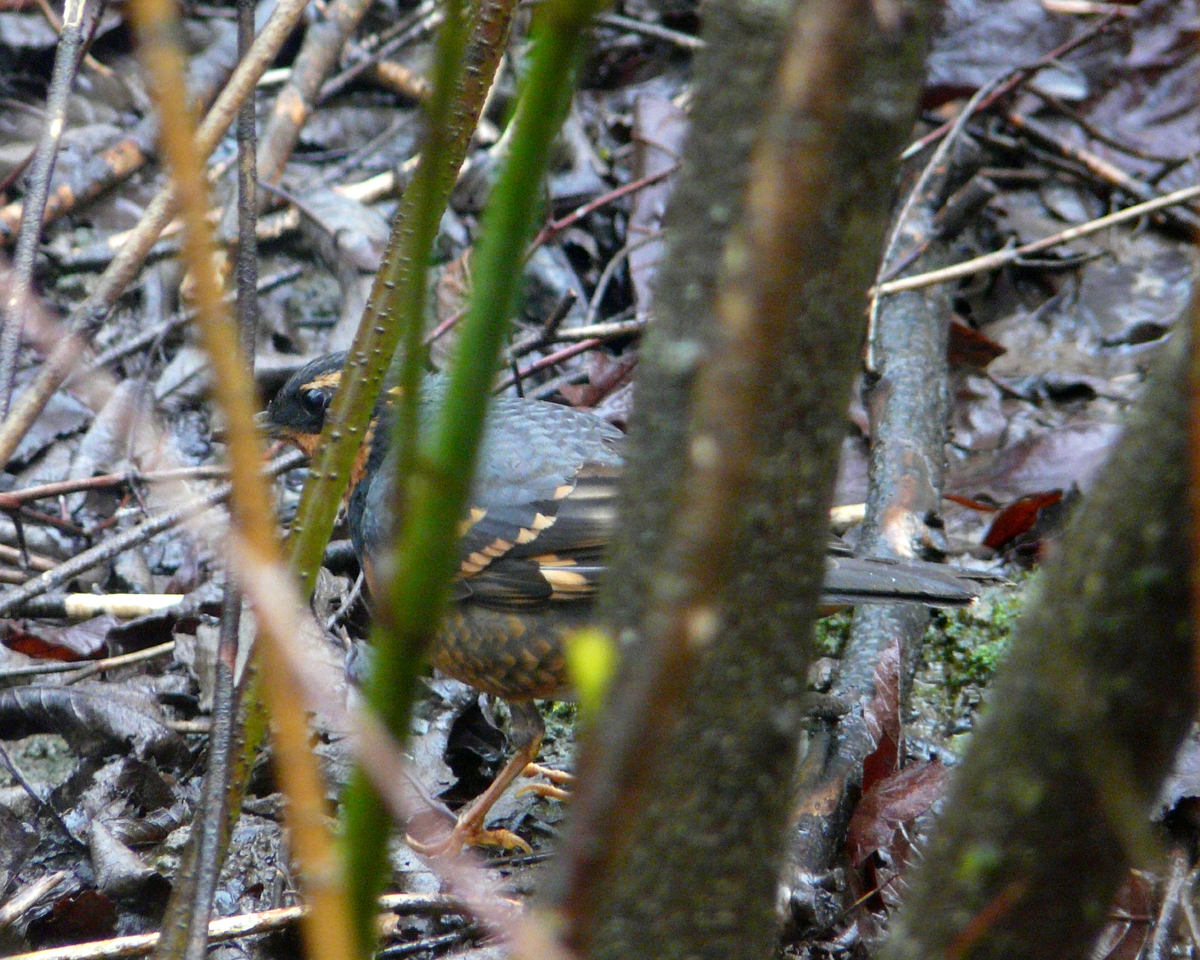
an equally blurry male Varied Thrush


female Varied Thrush


American Robin


Varied Thrush and American Robin feeding together


Chestnut-backed Chickadee

Sauvie Island 4/9/11

Scouting for and leading two field trips for my Little Brown Birds class gave me opportunity to bird Rentenaar Road on Sauvie Island (Birding Oregon p. 57) three mornings in a row. It was interesting to see how the species list varied each day. It served as a reminder that every birding trip, no matter how often you cover the same spot, has the potential for something new.


The Ospreys that nest on this platform have returned within the past week. This was the only species that seemed willing to pose for the camera.

This location is one of the best in the Portland area to study sparrows this time of year. Between the two field trips, my class saw ten species; Golden-crowned, White-crowned, White-throated, Harris’s, Song, Fox, Lincoln’s, Savannah, Dark-eyed Junco, and Spotted Towhee. Many of these birds will have moved on in the next few weeks.

Stalled Spring

This March has been one of the coolest and wettest on record in the Portland area. Aside from keeping me indoors far more than I would like, the weather has created a bit of a stall in spring’s progress.


The winter residents, like this skulking Varied Thrush, have started to thin out. There are still a lot of waterfowl around, but gull numbers are greatly reduced.


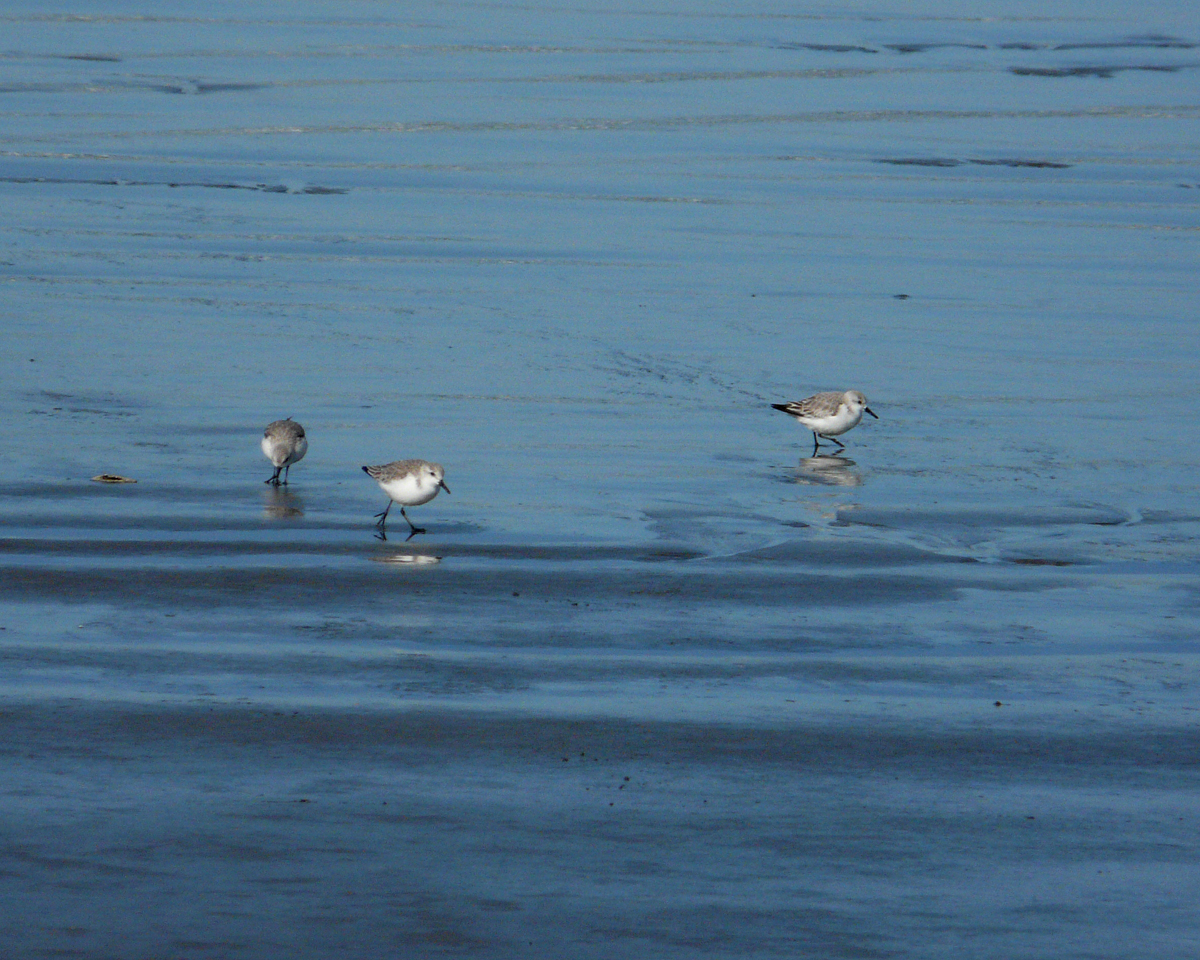
A long walk on the beach north of Gearhart produced a few Sanderlings, but the northbound shorebirds haven’t arrived yet.


Activity at the bird feeder has slowed down as the winter flocks are breaking up and the local birds start pairing up. Here is one of the resident Black-capped Chickadees.


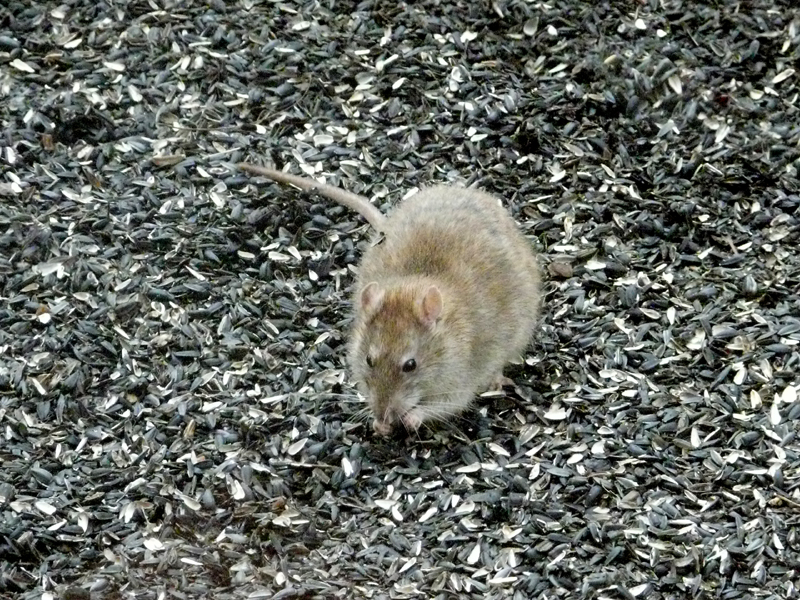
A Norway Rat has been taking advantage of the seeds the birds drop.


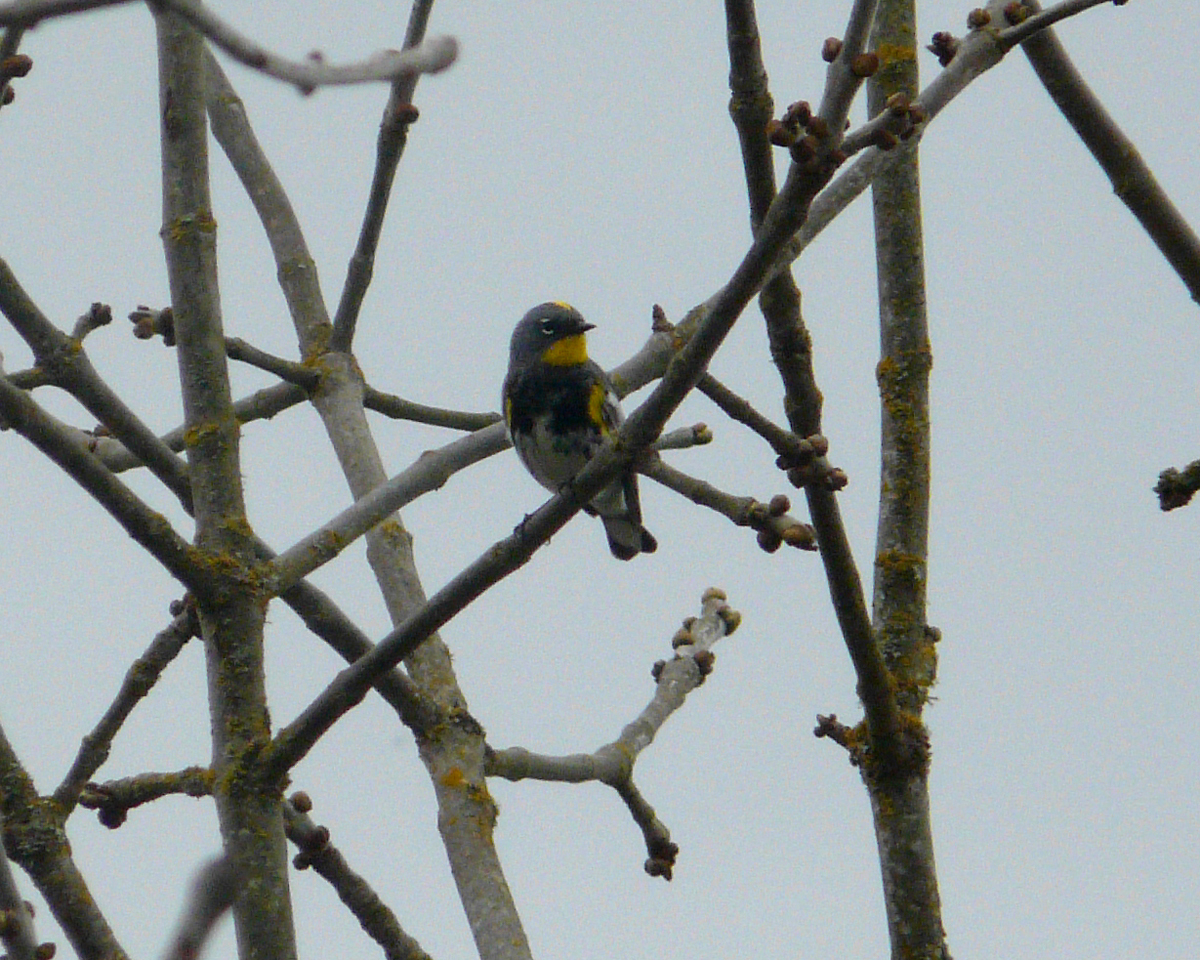
Despite the dreary weather, there are signs of the coming breeding season. This Yellow-rumped Warbler (Audubon’s race) is showing off his fresh breeding plumage.

When we experience long bouts of bad weather, and spending the month of March in Arizona sounds very appealing, we still need to get out into the field. Spring may be slow in coming, but there are still birds out there. Slow birding gives you the chance to study the common local species more carefully, and you never know what might turn up.

Frozen Fernhill

An arctic air mass brought cold temperatures and ice to Fernhill Wetlands (Birding Oregon p. 61), but there was no shortage of birds. Here are some grainy gray photos from a lap around the ponds.


Horned Grebe


Tundra Swans and California Gull


Taverner’s Cackling Goose and Northern Shovelers


Cackling Geese and Northern Pintails


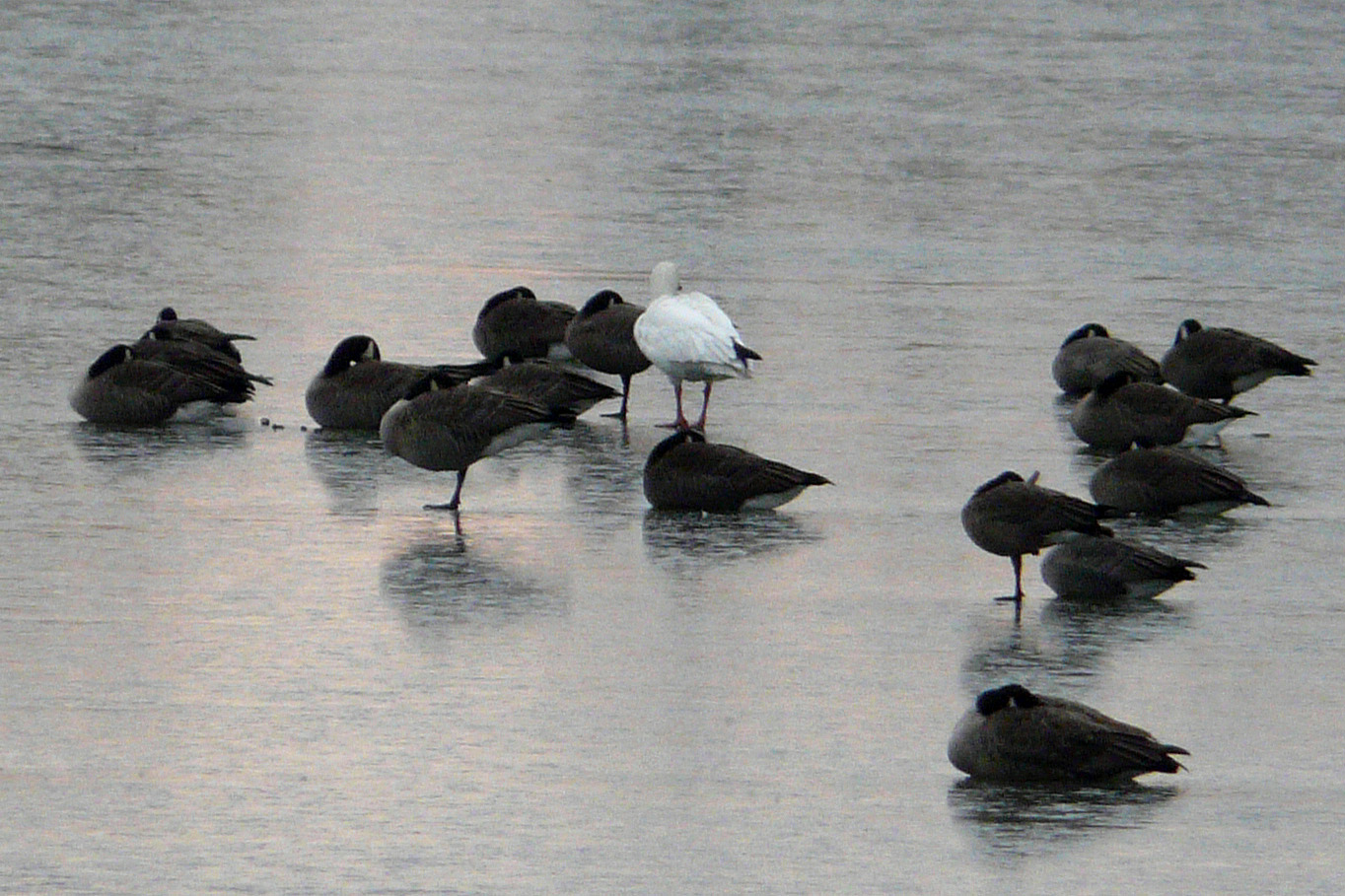
Snow Goose and Cackling Geese


American Kestrel


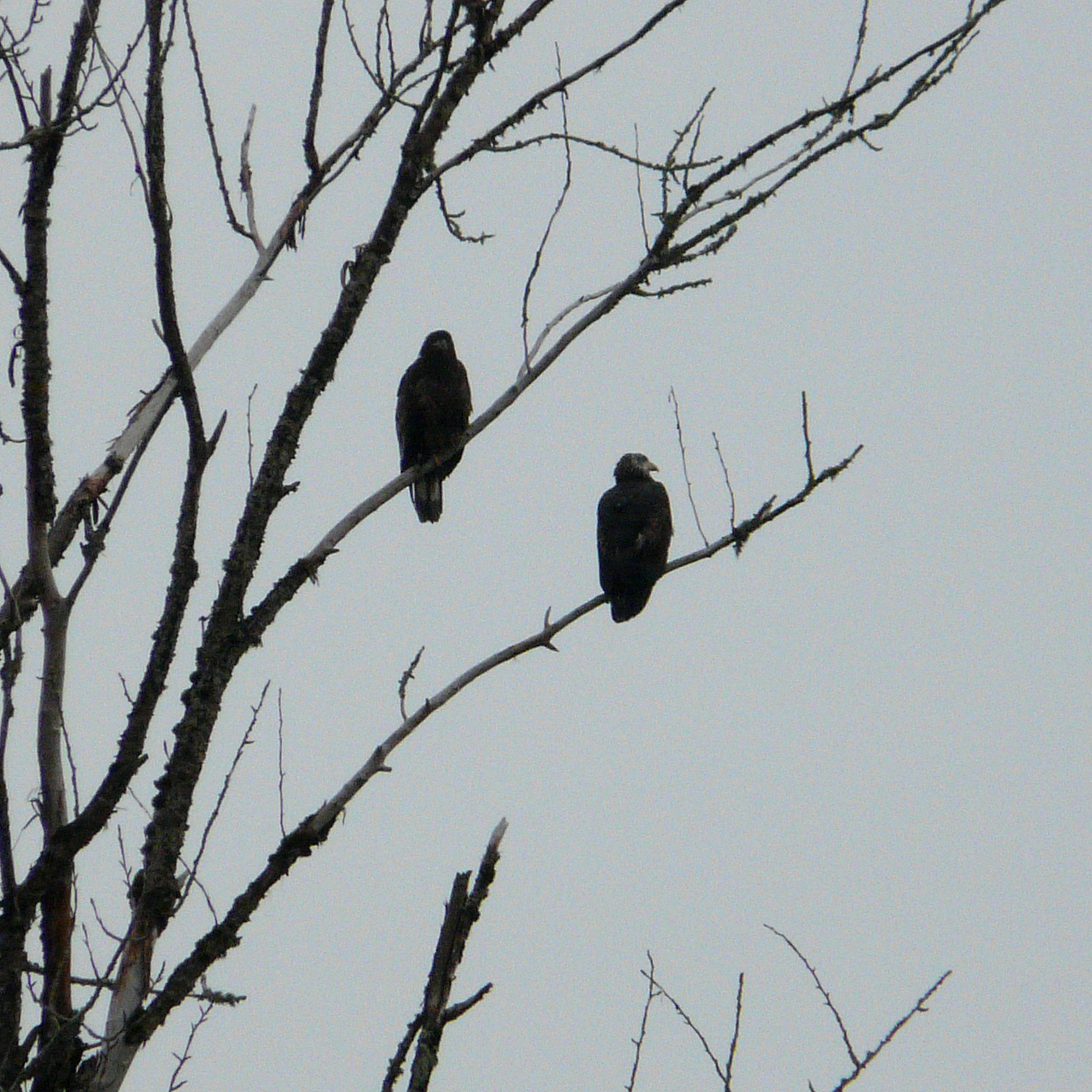
immature Bald Eagles


This American White Pelican, a very late straggler, was circling high overhead, trying to find a thermal on this cold cloudy morning.


Cackling Cackling Geese


Great Blue Heron standing on a Beaver dam. Note the frost on the bird’s back.