Youngsters

Two species have brought fledglings around recently. Both were visiting bird feeders, but for different reasons.

lesserThis Lesser Goldfinch was eating the dead needles from a cedar tree near the feeder. The fluffy “horns” and general clumsiness reveal the bird as a youngster.

cooper's hawk A Cooper’s Hawk with two young visited my neighbor’s feeder the other evening. Low light conditions only allowed this photo of one of the babies. They were constantly screaming and crashing through the branches, so I don’t think their hunting trip was successful.

Shorebird Class

My Shorebirds of the Willamette Valley class had their first field trip on Saturday. We found nine species of shorebirds, a nice collection of the expected species. We missed the Semipalmated Sandpiper that had been reported earlier in the week. All the migrants we saw were adults. The juveniles should be arriving soon, hopefully in time for our next field trip. Since I was leading the trip, I didn’t have much opportunity to seek out photos, but here are a few back-lit images.

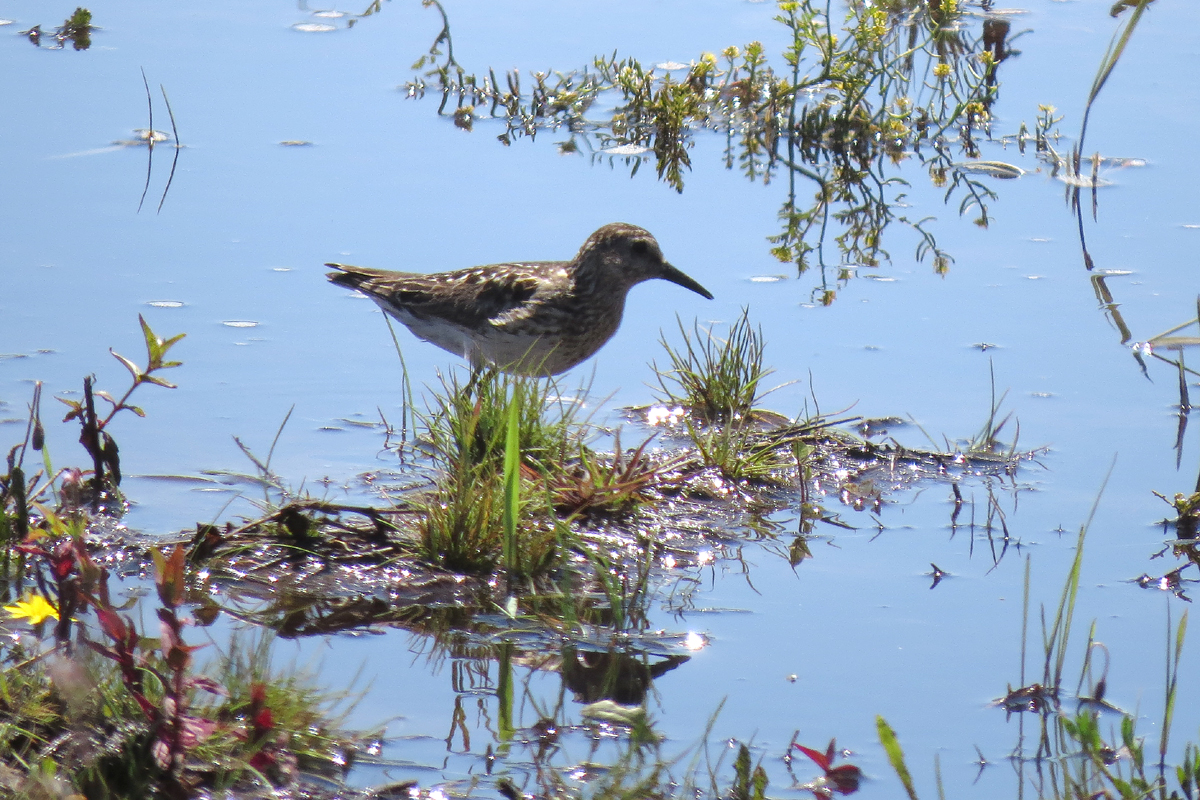
leastLeast Sandpiper was the most common species of the day.

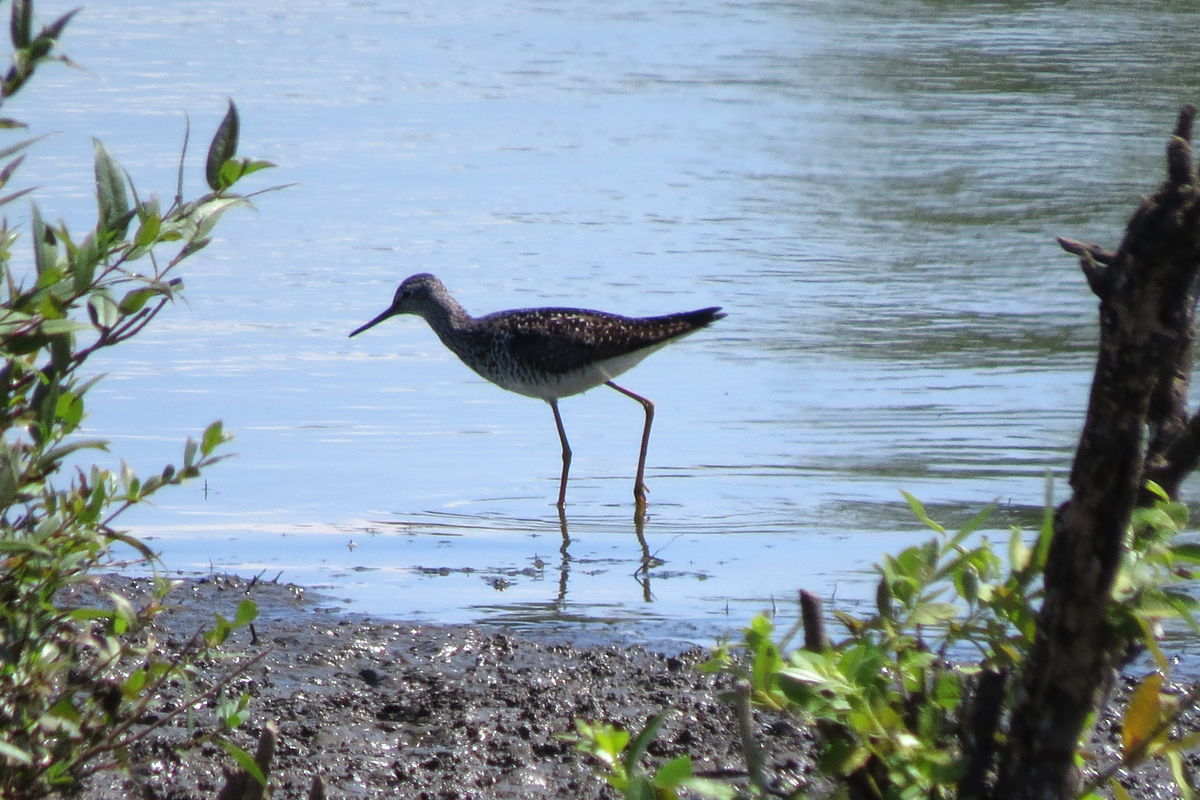
lesser yellowlegsWe found one Lesser Yellowlegs at Jackson Bottom and one at Fernhill Wetlands. The one at Jackson very cooperatively posed next to some Greater Yellowlegs for direct comparison.

western and semipalmThis Semipalmated Plover, to the right of the Western Sandpiper, was the only one of the day. He nestled down into the mud, perhaps to cool off.

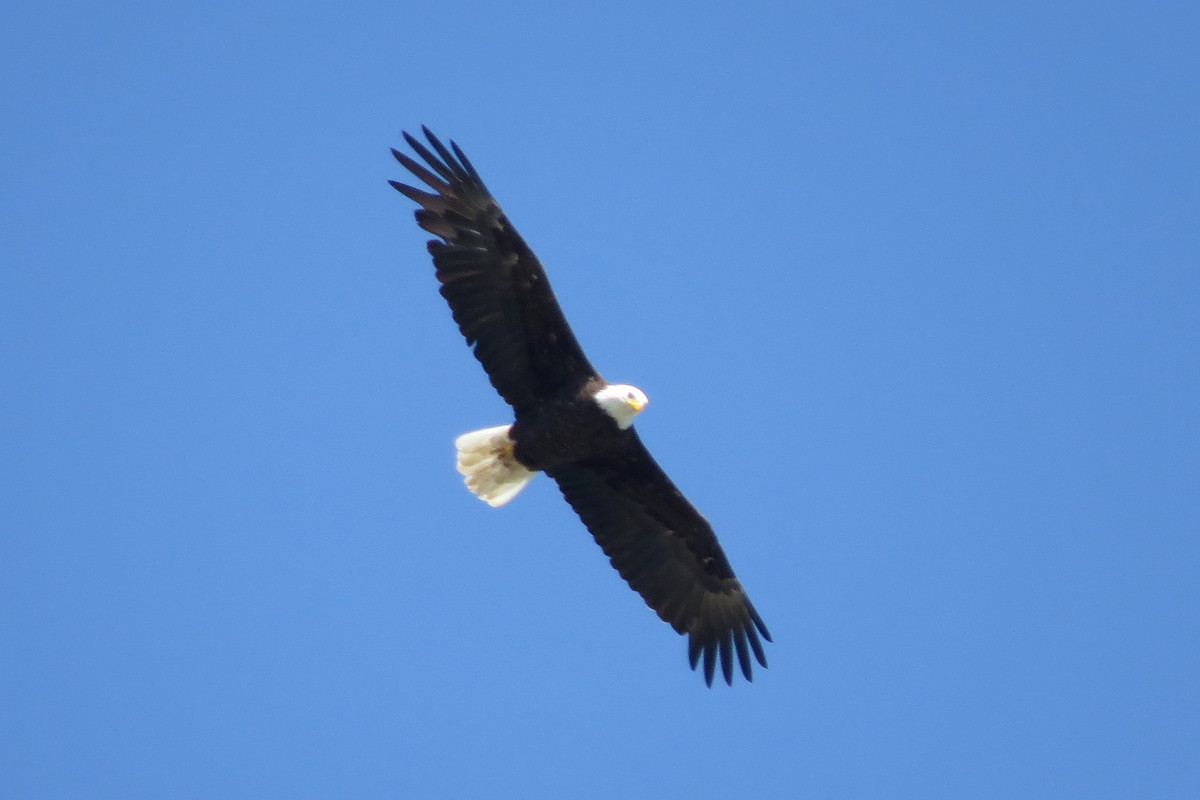
bald eagleA blurry Bald Eagle at Fernhill Wetlands didn’t pose much of a threat to the shorebirds, but did make the waterfowl nervous.

westernWestern Sandpiper at Fernhill Wetlands

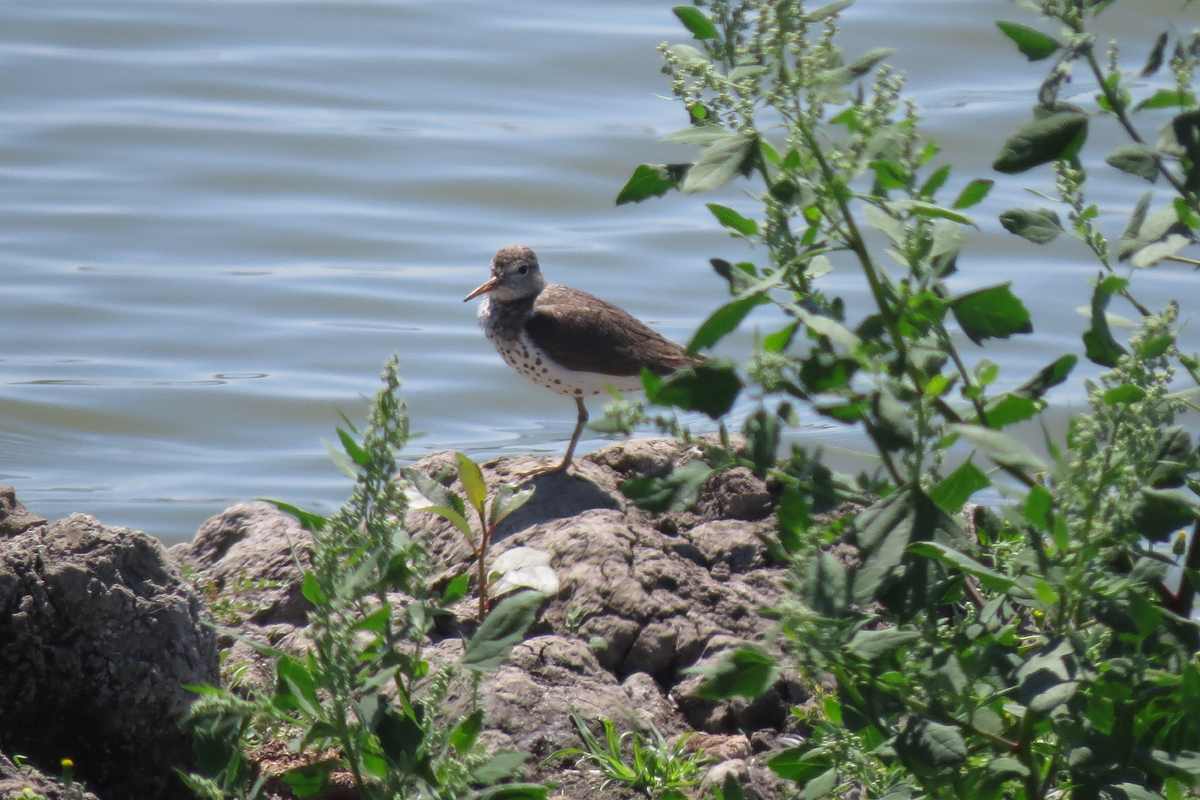
spottedLots of Spotted Sandpipers remain at both Jackson Bottoms and Fernhill.

Seasonal Mix

IMG_1929I did the Tillamook Death March this week, walking the six miles around Bayocean Spit (Birding Oregon p. 128). After two weeks of warm sunny weather, we have returned to a more normal gloomy, rainy pattern, so I only took out the camera for this Red-necked Grebe in nice breeding attire. There is currently an interesting mix of winter, migrant, and breeding species around. Tillamook Bay still held Common and Pacific Loons along with this grebe. All should be moving north very soon.

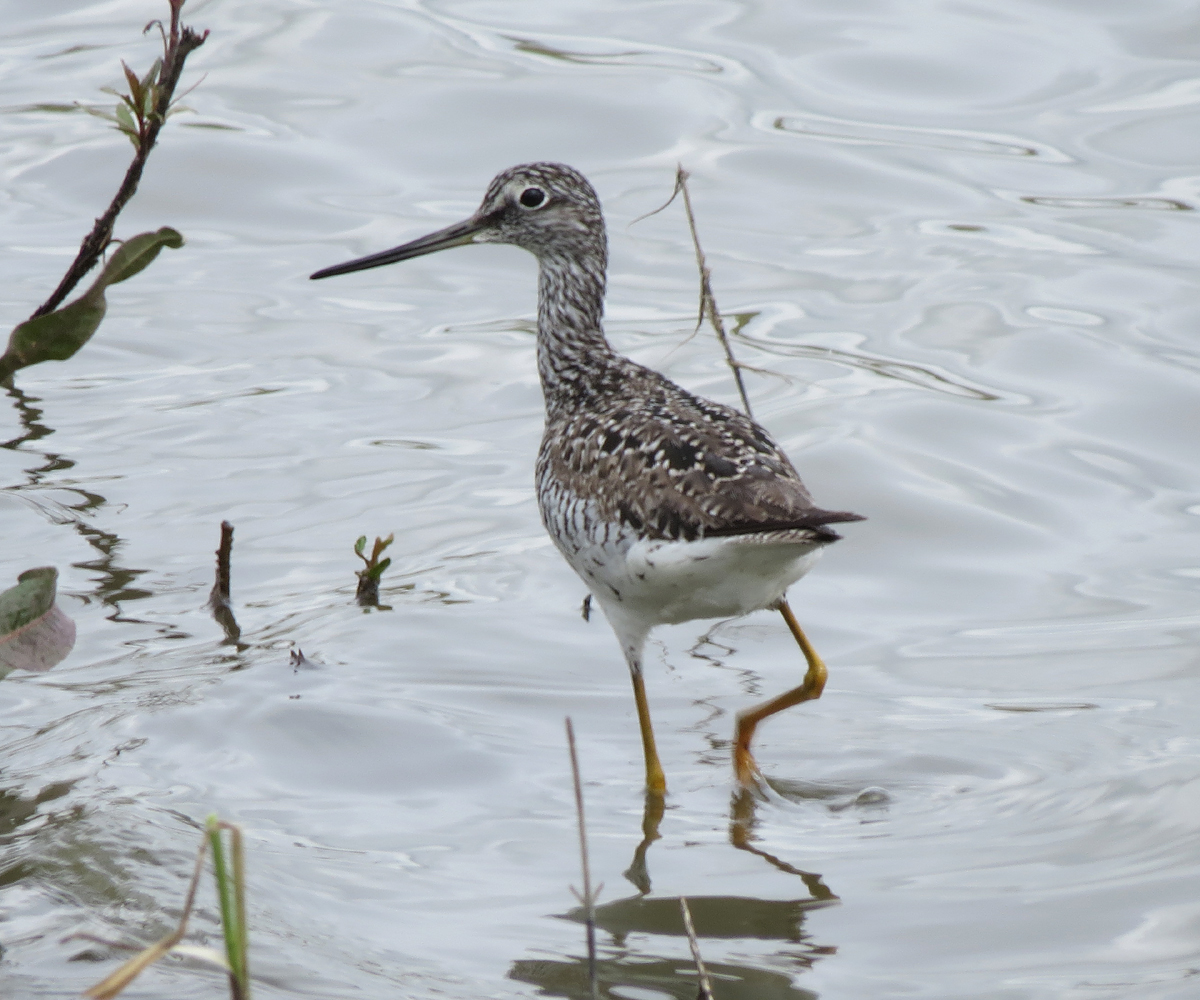
IMG_1937On the way home I stopped at Fernhill Wetlands and found this Greater Yellowlegs. Most migrant shorebirds have passed through already, but a few linger on.

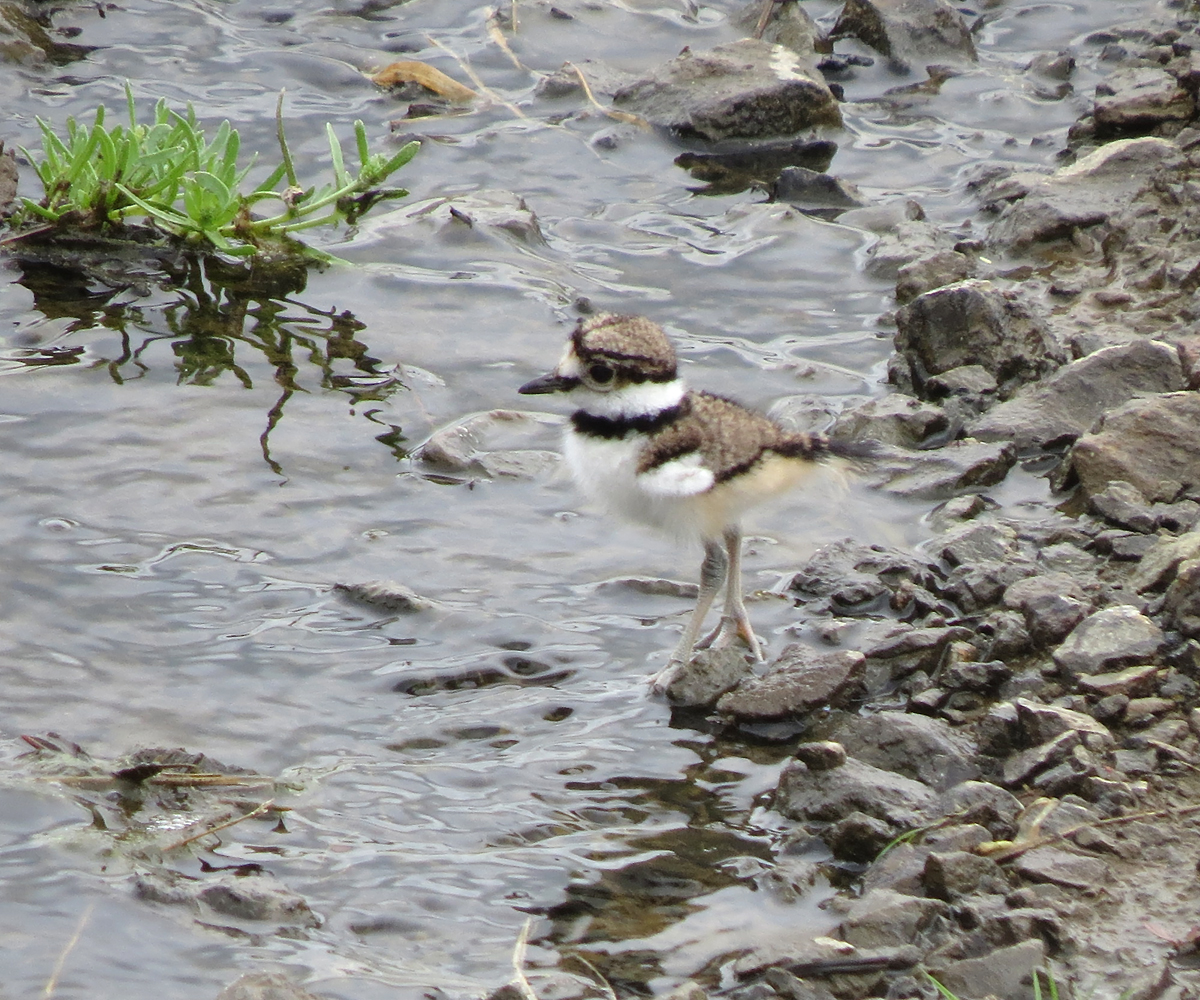
baby killdeerAlso at Fernhill was a pair of Killdeer with three fuzzy babies. Too cute.

Shorebird Class

black oystercatchersI took my shorebirds class to Seaside. At the Cove, we found Black Turnstones, Surfbirds, and these Black Oystercatchers.

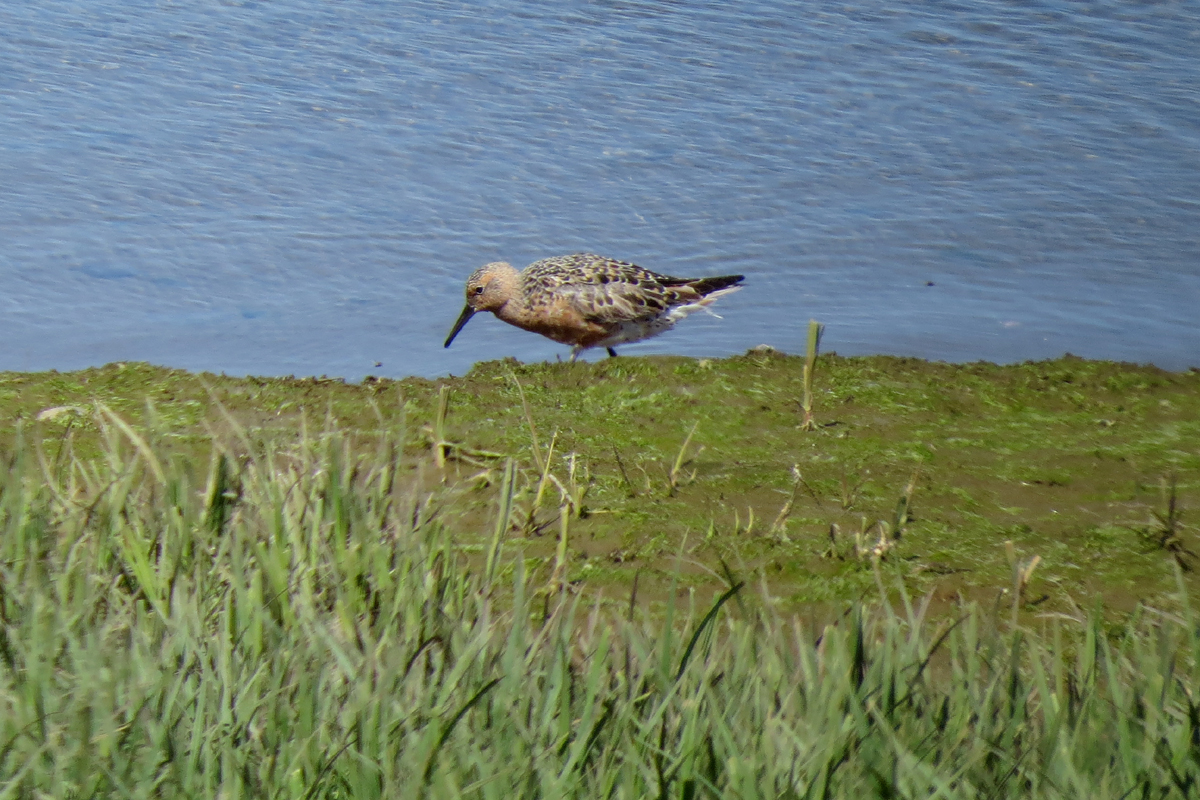
Red KnotBest bird of the day was this Red Knot at the Necanicum Estuary.

western gullOK, not a shorebird, but this Western Gull was just standing there, waiting to be photographed. (and Western Gulls are about the only species around right now)

Early Spring

This is that long awkward time of year between winter and spring. The big winter flocks have broken up, but the spring migrants haven’t returned yet. As I have said before, there is always something to see, but we have to find simple pleasures until the full decadence of spring migration commences in a month or so.

varied thrush frontOn a recent sunny day, this Varied Thrush perched outside the living room window. I don’t often see this species in sunlight. They are usually muted by the gloom of a rainy day or the shadows of the forest.
varied thrush profile

pine siskin sidePine Siskin at the nyjer feeder

pine siskin frontFor some reason, songbirds just look weird when viewed from the front.

lesser goldfinch backLesser Goldfinch

american goldfinchThe male American Goldfinches are starting to get their summer color.
american goldfinch clinging

golden-crowned 2Golden-crowned Sparrow, Vanport Wetlands

beaver chewThis fairly large tree has been felled by Beavers at Smith and Bybee Wetlands. None of the branches appear to have been eaten, so I don’t know why the Beavers felled it, perhaps because it was there.

northwestern garterNorthwestern Garter Snake, Tualatin Hills Nature Park. I am making the identification based on the small head, although I am not completely comfortable differentiating Northwestern Garter from Common Garter.
Westmoreland Park, 2/27

As spring approaches, the numbers and diversity at Portland’s Westmoreland Park are starting to wain. The winter gull flock is down to Glaucous-winged X Western hybrids and two Herring Gulls. While there is no shortage of white-cheeked geese, there were very few other species of waterfowl on this visit.

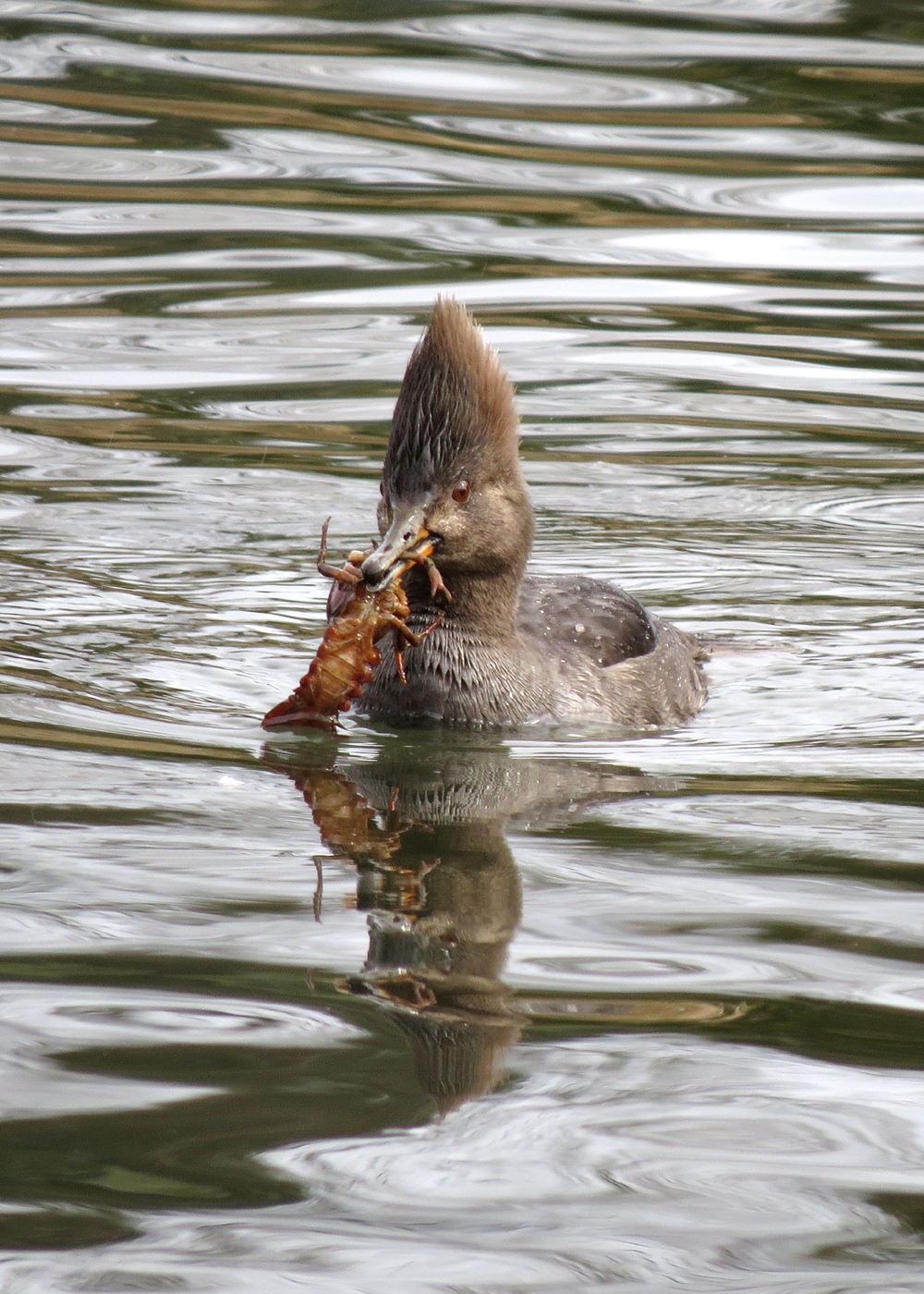
hooded merganserThe highlight of this trip was a pair of Hooded Mergansers squabbling over a large crayfish. The female finally won possession and, with a great deal of effort, swallowed the crustacean.

hooded merganser profileThere must be some powerful muscles in that little neck.

american and eurasian wigeonTwo Eurasian Wigeons, both females, remain with the local American Wigeon flock. Here is one of the Eurasians next to a male American.

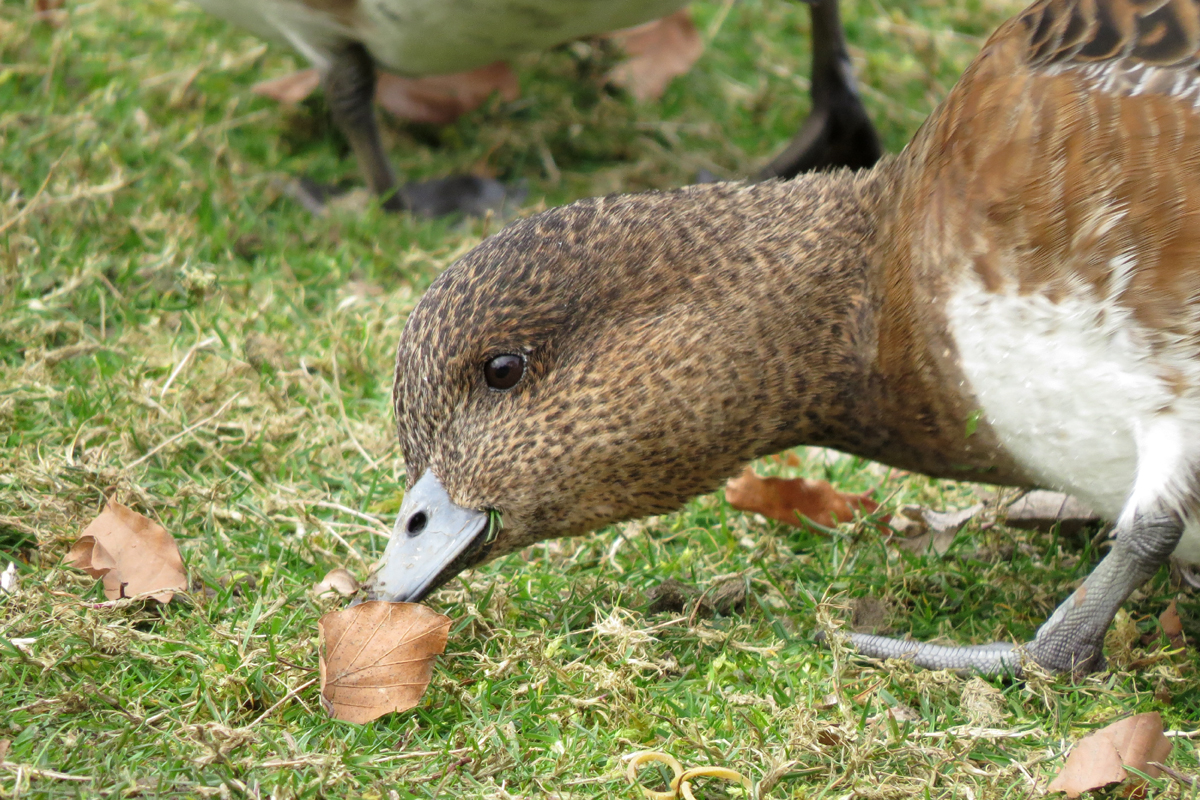
eurasian wigeon femaleHere is a close-up of the Eurasian Wigeon. Note the warm brown color and the lack of a black outline around the base of the bill.
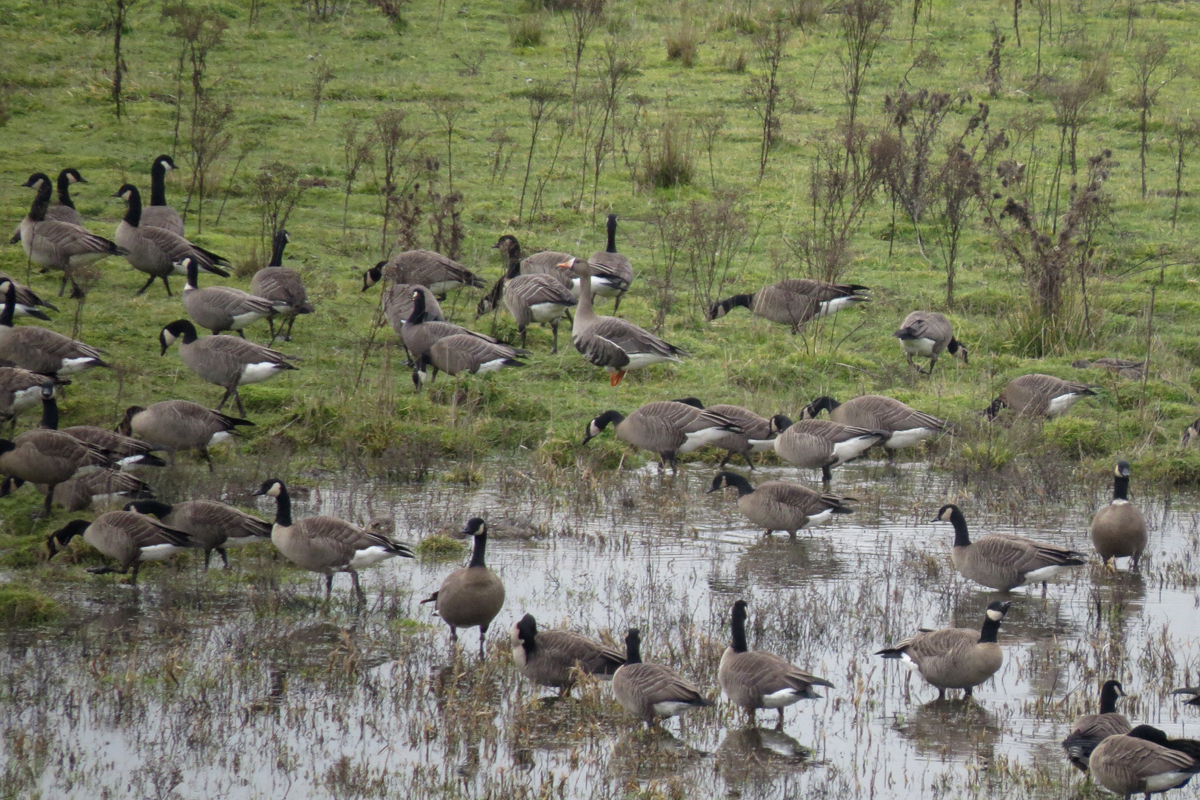
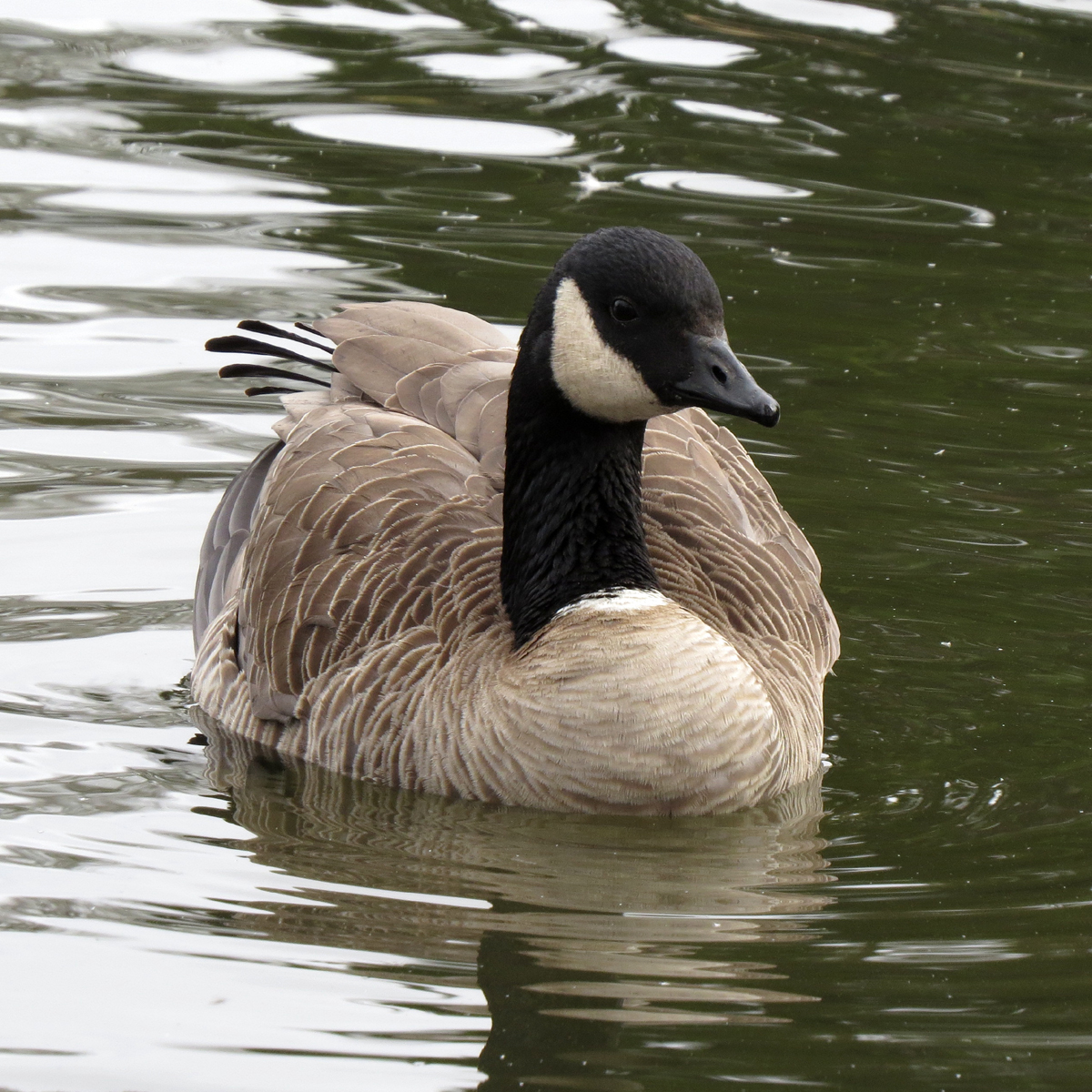
taverner's cackling gooseTaverner’s Cackling Goose, with a partial white neck ring. It will be just a few weeks before these birds head back north, and we will have to console ourselves with warblers and flycatchers.
Winter in the Wetlands

We are in that late winter season when birding seems to slow. I don’t know whether there are actually fewer birds around this time of year or we have just already seen the local winter residents so they don’t hold our attention. In any case, the best birding is usually found in and around wetlands. Here are some recent shots from area wetlands from the past couple of weeks.

great blue heron 1Great Blue Herons are always around, and have started hanging out in their nesting colonies.

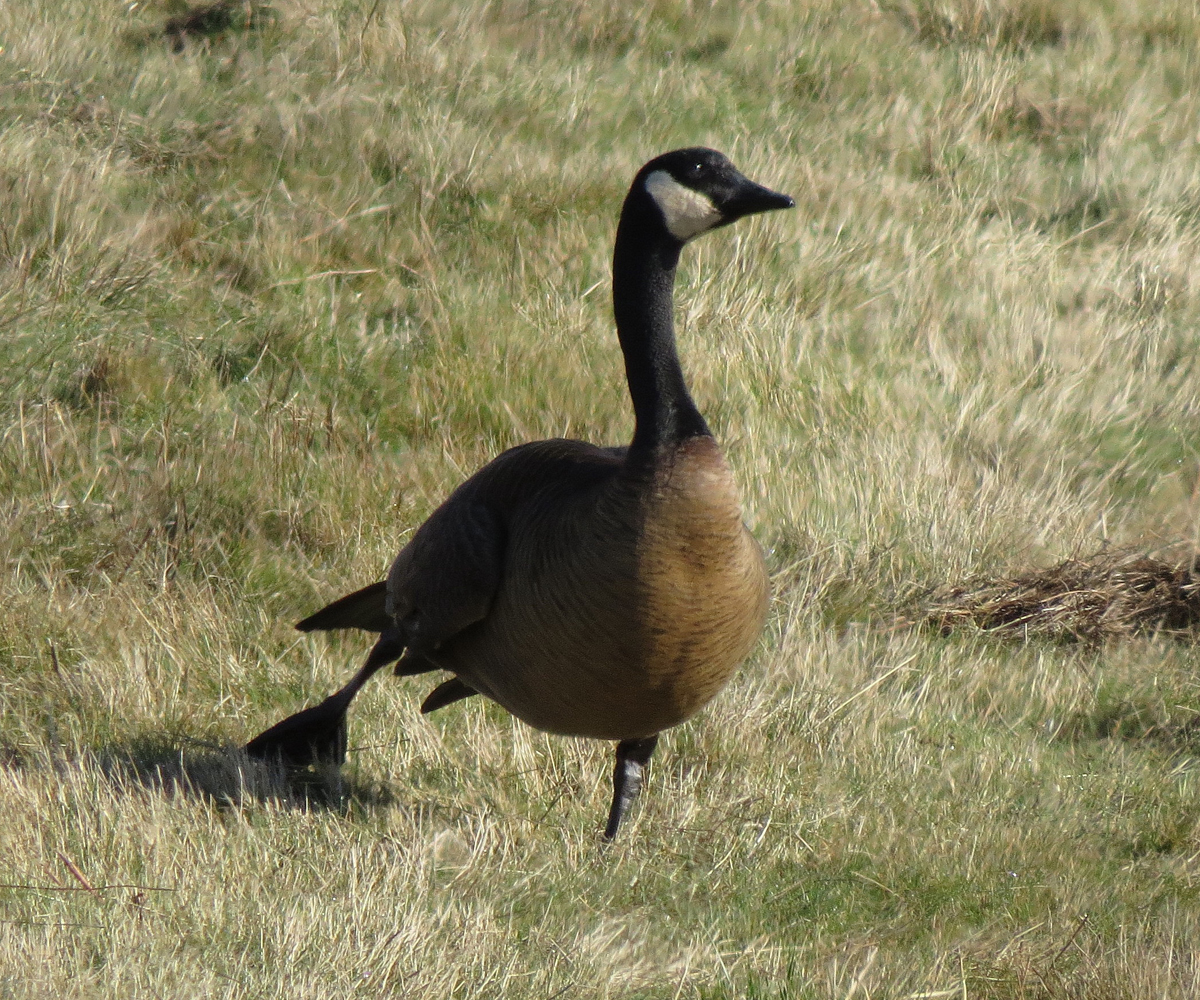
dusky canada stretchingThis Dusky Canada Goose was enjoying the sunshine at Ankeny NWR.

dusky canada feeding

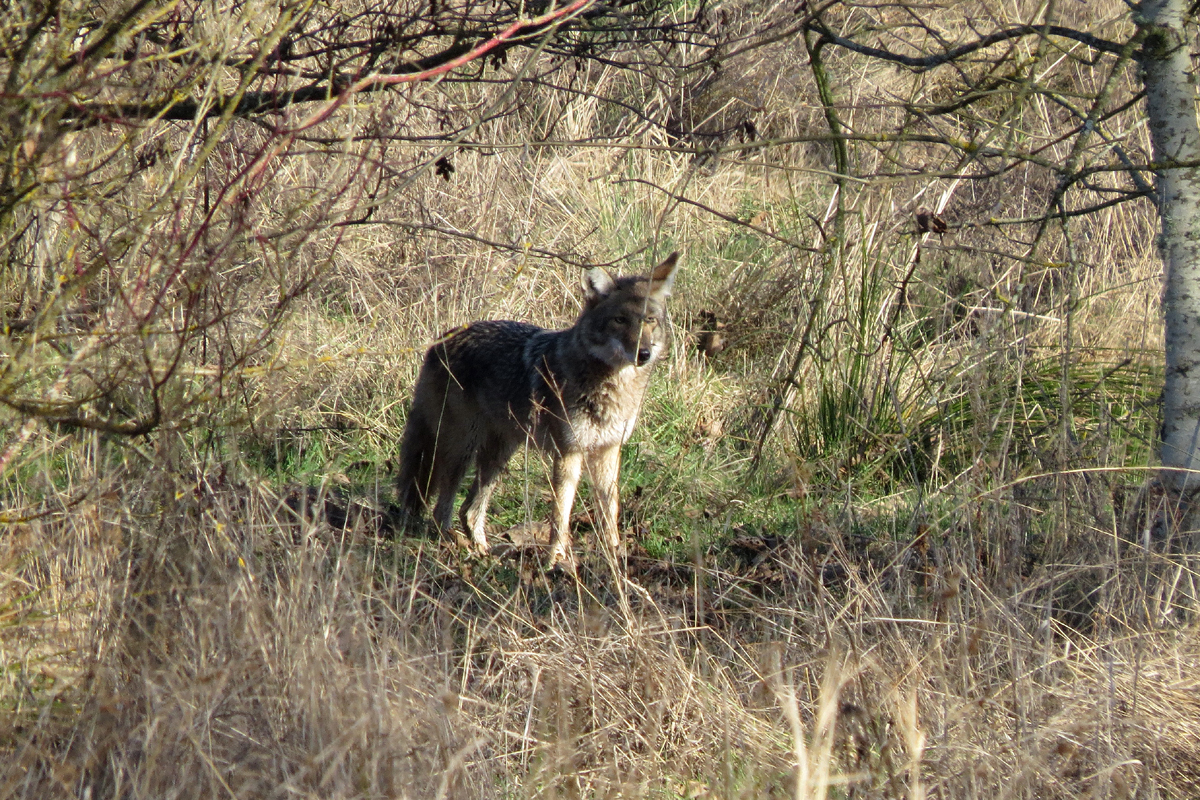
coyoteCoyote, Vanport Wetlands

coyote ankenyAnother Coyote, at Ankeny NWR

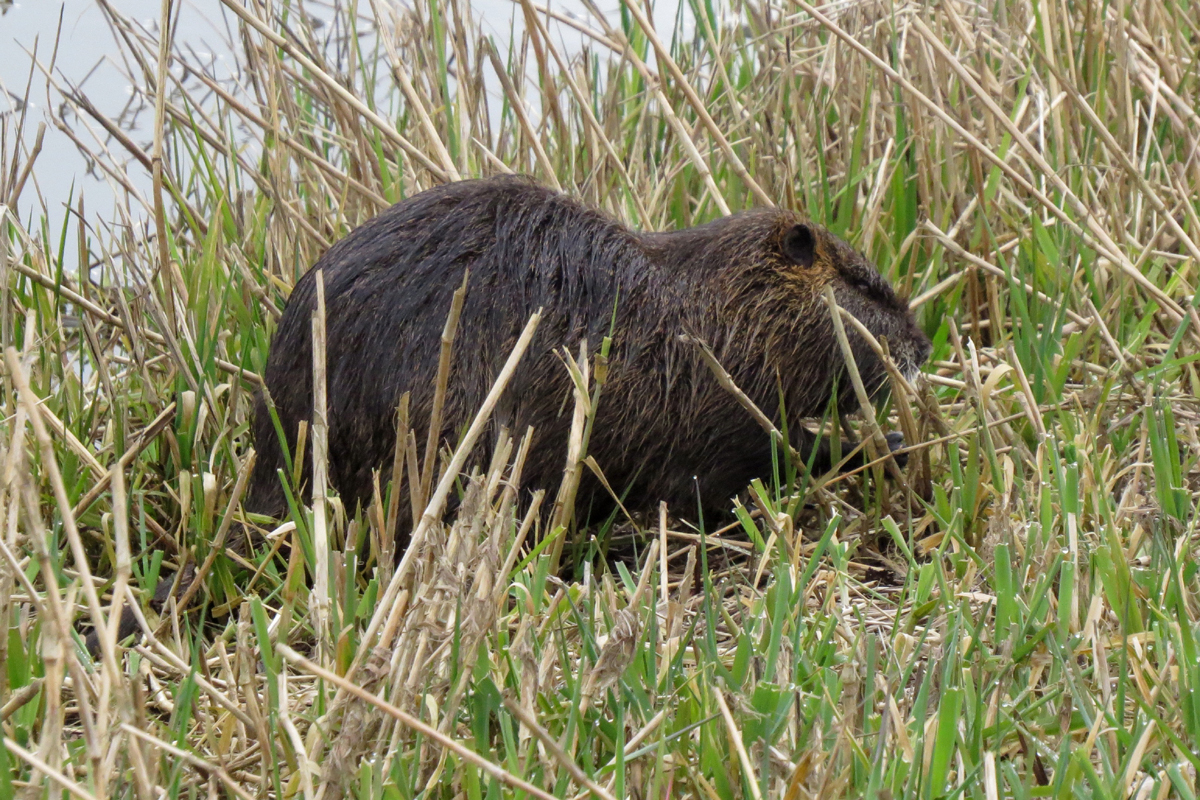
nutriaThis Nutia at Fernhill Wetlands seemed unconcerned with the group of birders walking by.

red-winged blackbird and lesser goldfinchHere is a Red-winged Blackbird sharing a nyjer feeder with a Lesser Goldfinch at Jackson Bottom. I don’t recall seeing blackbirds eating nyjer before.

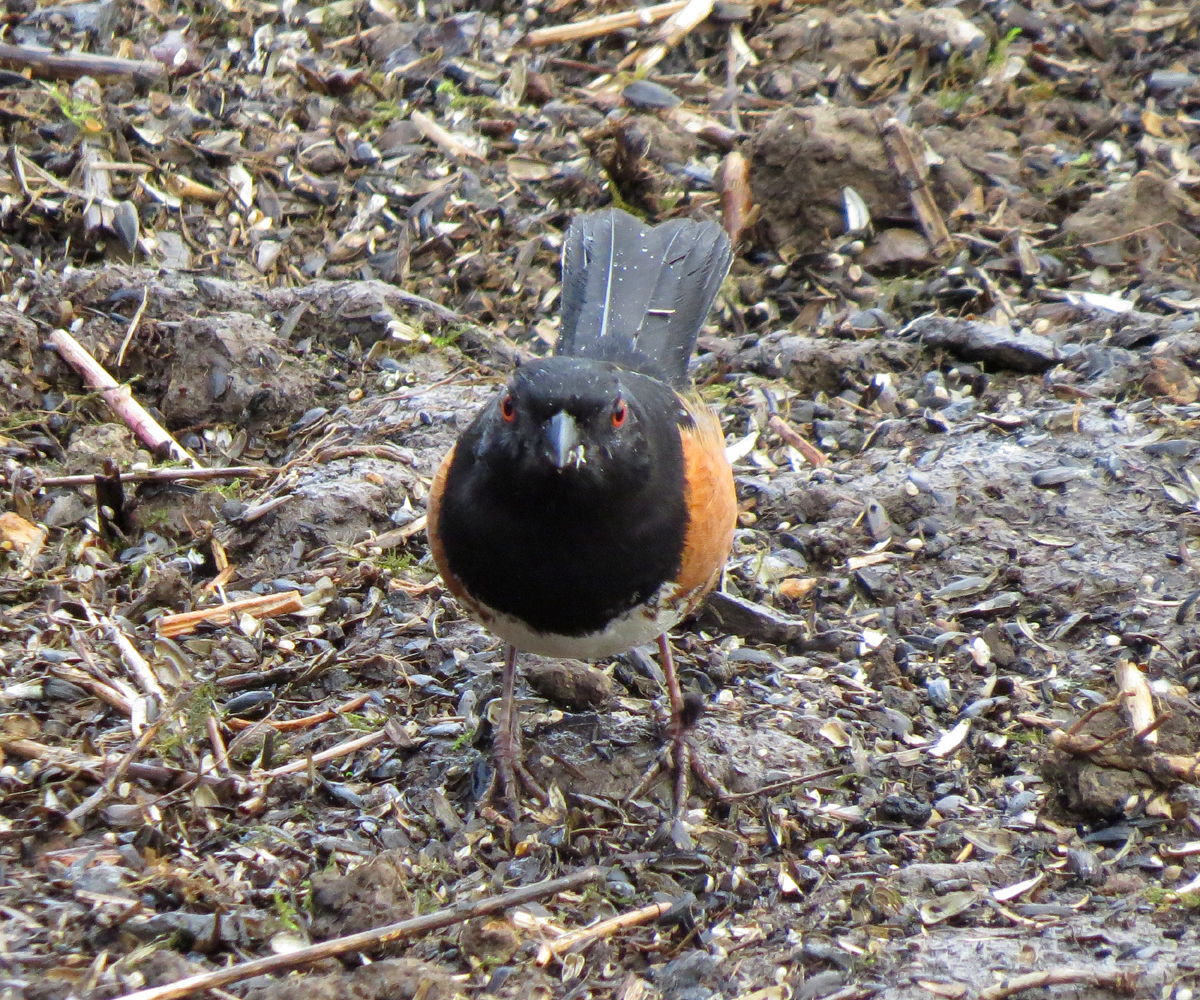
spotted towheeSpotted Towhee, Jackson Bottom

Sauvie Island

I led a tour on Sauvie Island this week. This is a great time of year for birding Sauvie, as the hunting season is over and there are still large flocks of waterfowl and wintering sparrows.

duskies, snowsHere are some Snow Geese within a flock of Dusky Canada Geese. If you look closely you will find one Taverner’s Cackling Goose and a couple of Mallards.

greater white-fronted gooseOne Greater White-fronted Goose was hanging out with the Taverner’s Cackling Geese. Greater White-fronts are hard to come by in winter, so we were fortunate to find this individual.

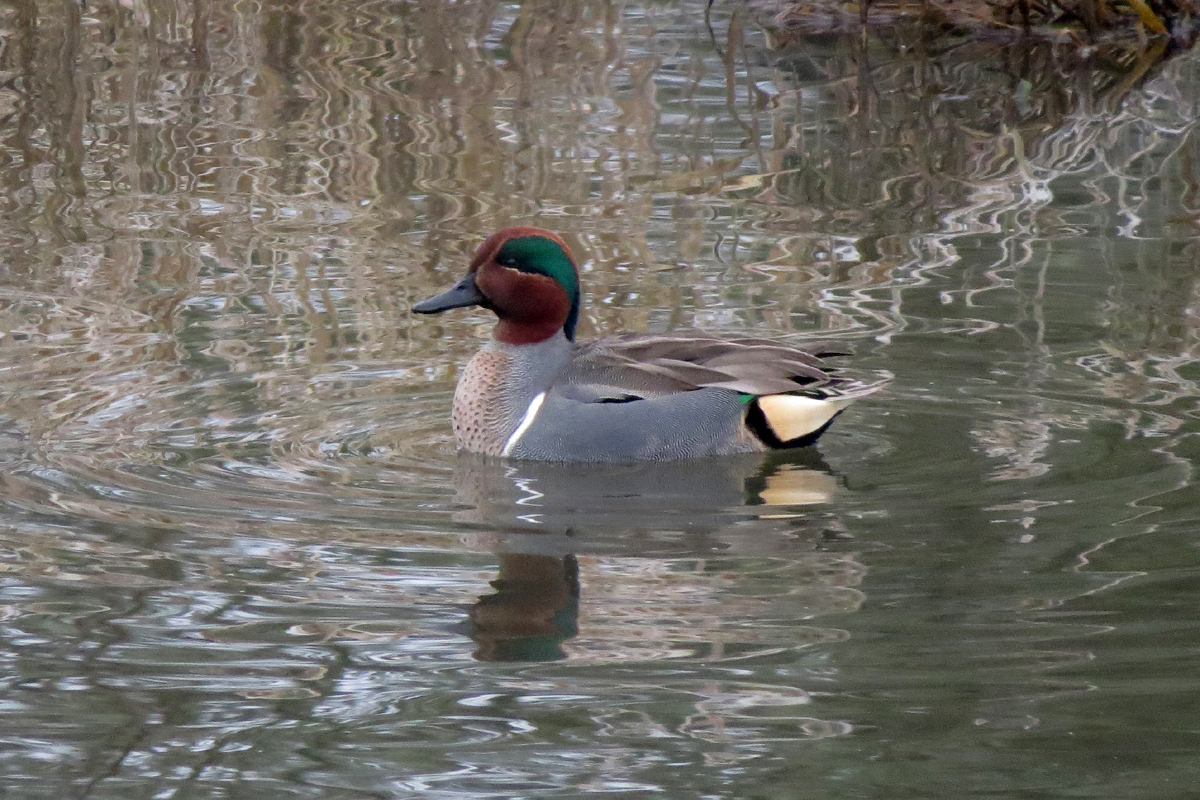
green-winged tealGreen-winged Teal, the smallest duck in North America, and one of the prettiest

rough-legged hawkA very distant view of a Rough-legged Hawk

In the Bleak Midwinter

In honor of the winter solstice, in a month that brought Portland 7″ of rain, here are a few dark grainy images from recent weeks.

orange-crowned warblerOrange-crowned Warbler

anna's hummingbirdAnna’s Hummingbird

dark-eyed juncoDark-eyed Junco

american and lesser goldfinchHere is a nice comparison of American (foreground) and Lesser Goldfinches. Notice that the American Goldfinch has white undertail coverts, while the Lesser has yellow.

american goldfinchHere is a very dull American Goldfinch (probable first-year female) in front of a Lesser (probable first-year male).

chestnut-backed chickadeeChestnut-backed Chickadee, looking ever perky