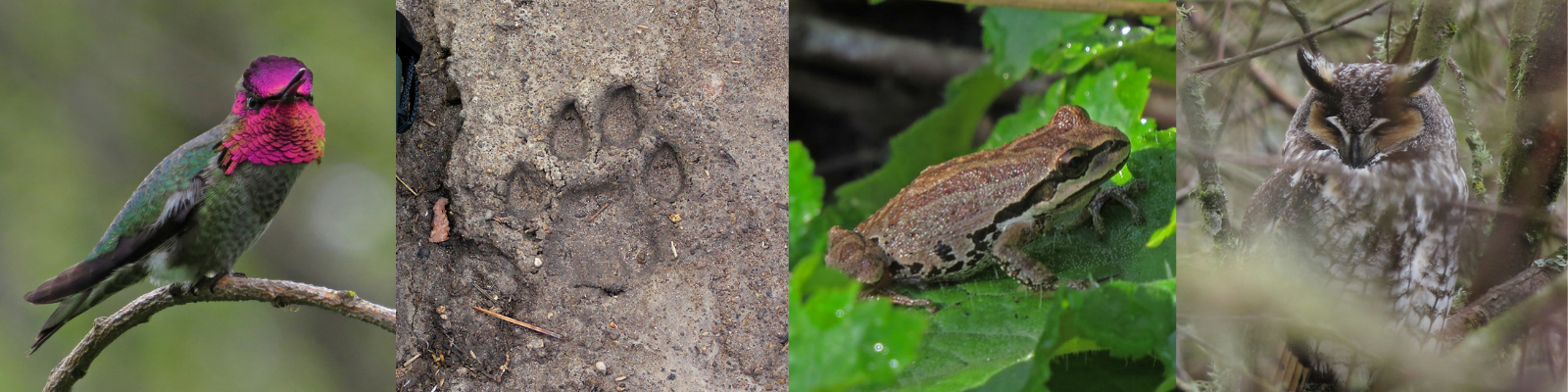
We left Portland for ten days to escape the fireworks which terrify our dogs. We stayed on a farm in the Coast Range in Benton County. The birds where we stayed were typical Coast Range birds which stayed high in the dark trees, so no great photos there.
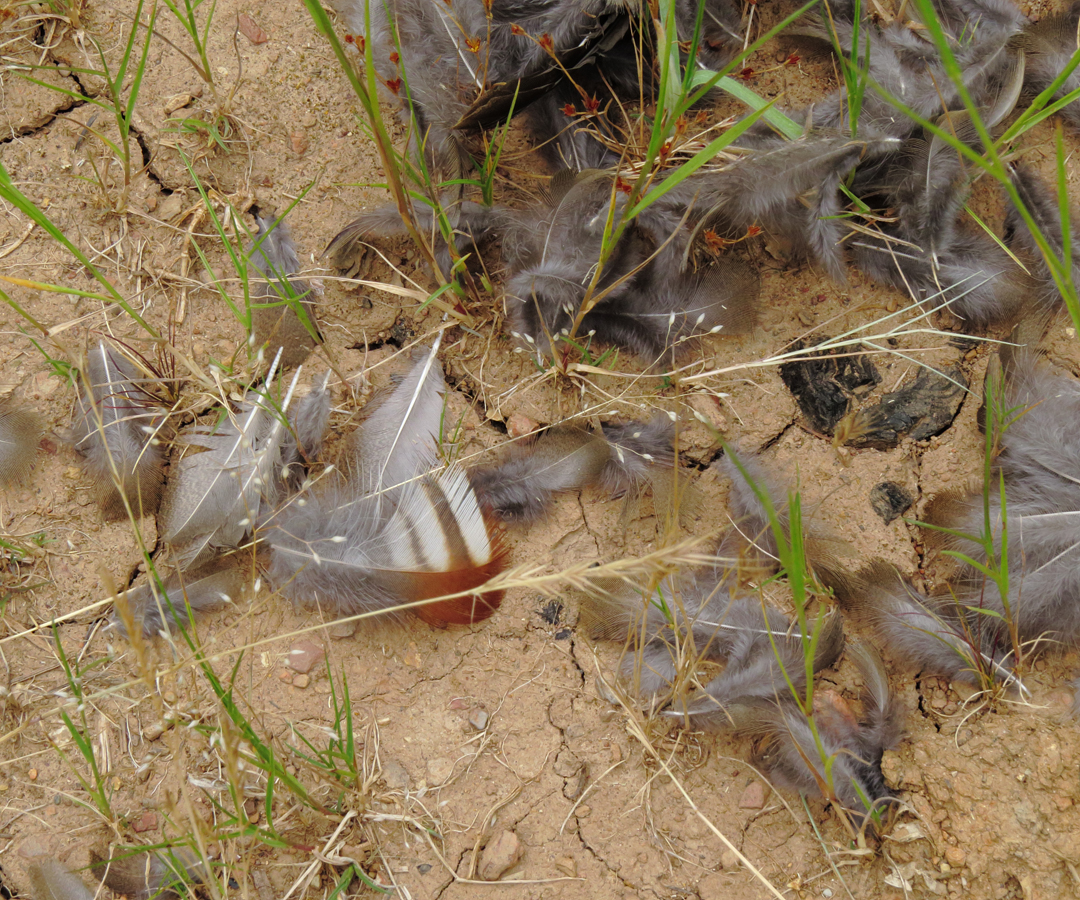 I think this pile of feathers is the result of someone munching on a Sooty Grouse.
 Bodhi and I flushed four Black-tailed Deer on the far side of a clear-cut.
 This very old scat consisted of just fur and bone. From the size, I am assuming it is from a Mountain Lion.
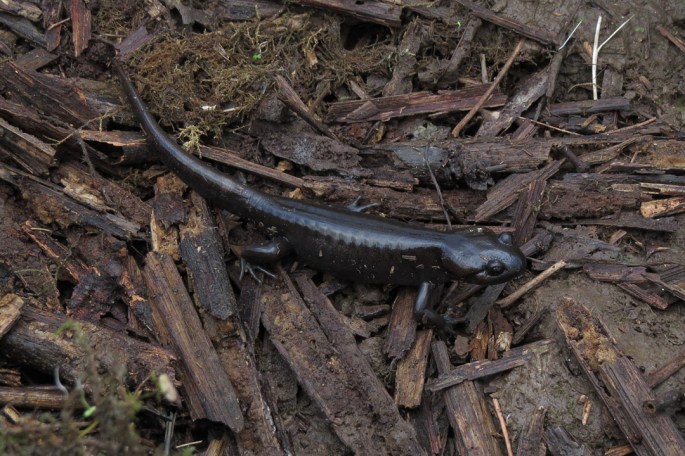
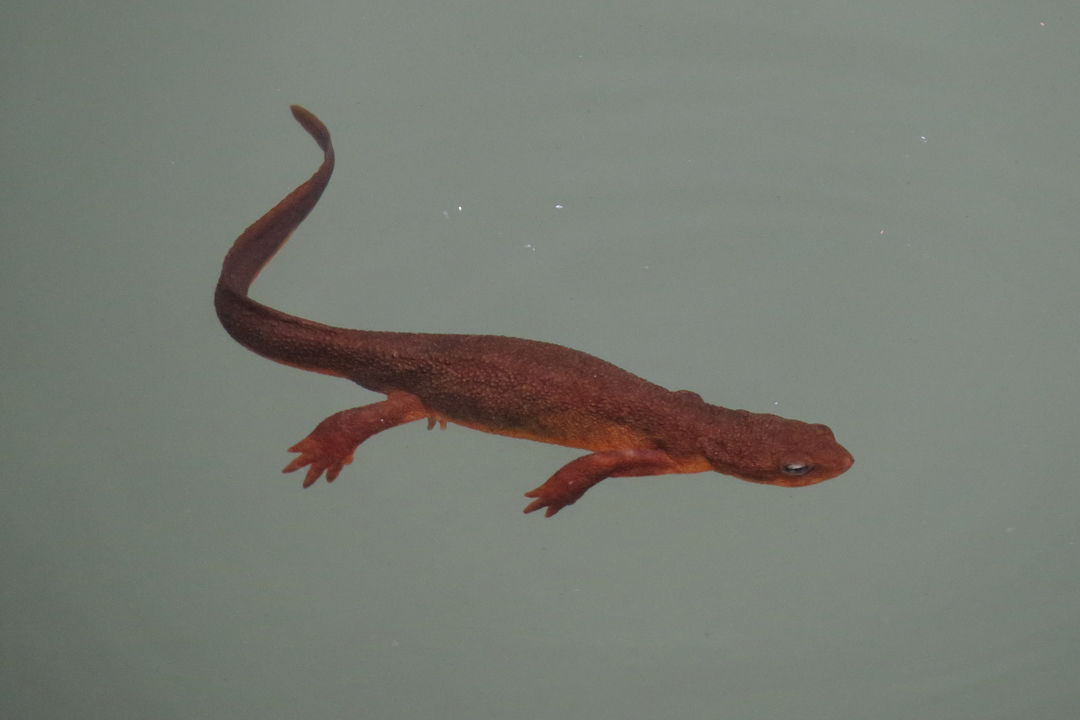 The pond at the farm where we were staying was full of Rough-skinned Newts. I assume they were congregating to lay eggs.
 To bee, or not to bee? This newt actually did take a swipe at the honeybee, but I don’t think she was able to get it down.
 We didn’t get in the car very often on this trip, but when we did we usually saw Wild Turkeys along the road. Here is a crappy cell-phone-through-the-dirty-windshield shot.
 I have never had a reaction to Poison Oak, but I take great care to avoid direct contact.
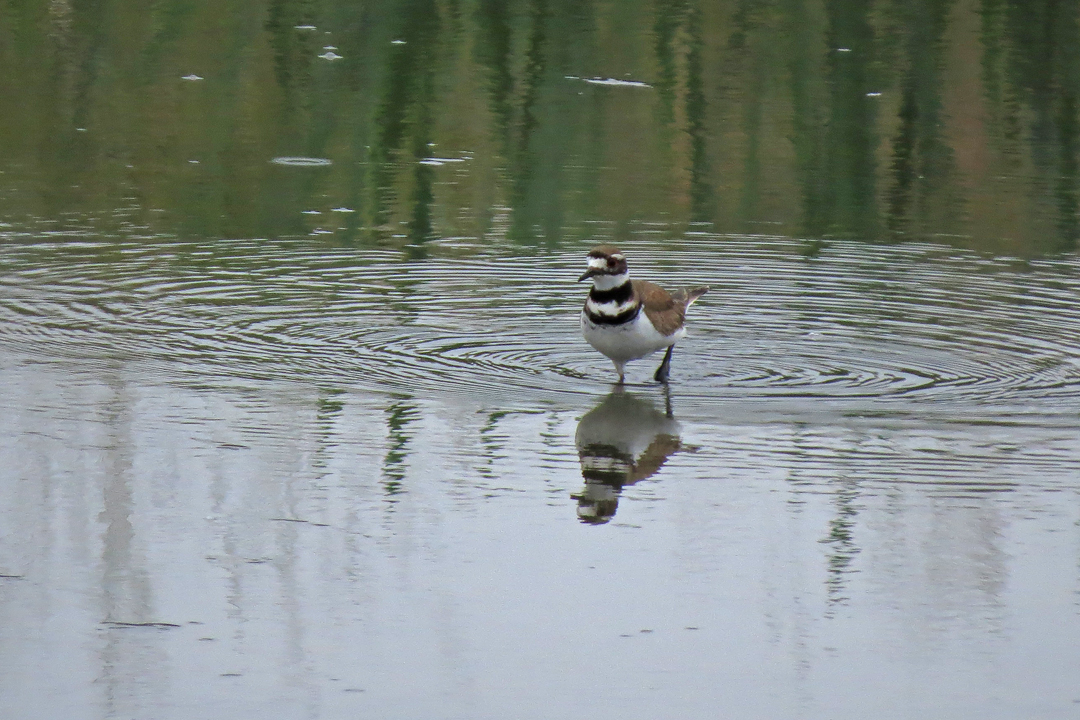
 One morning a drove down to Fern Ridge Wildlife Area in Lane County. There wasn’t as much shorebird habitat as I had hoped for, but the Black-necked Stilts were well represented. Here is a juvenile Black-necked Stilt passing in front of a Killdeer. The juveniles are recognized by their scaly backs and dull legs.
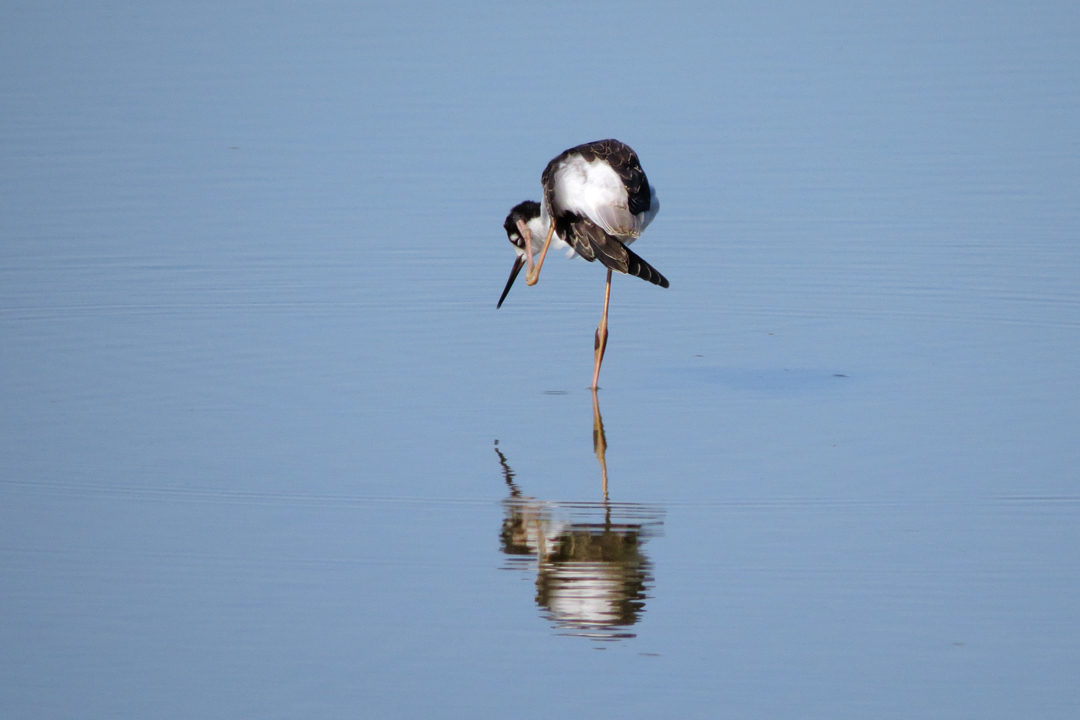 Like most birds, they bring their leg over their wing when they need to scratch their head.
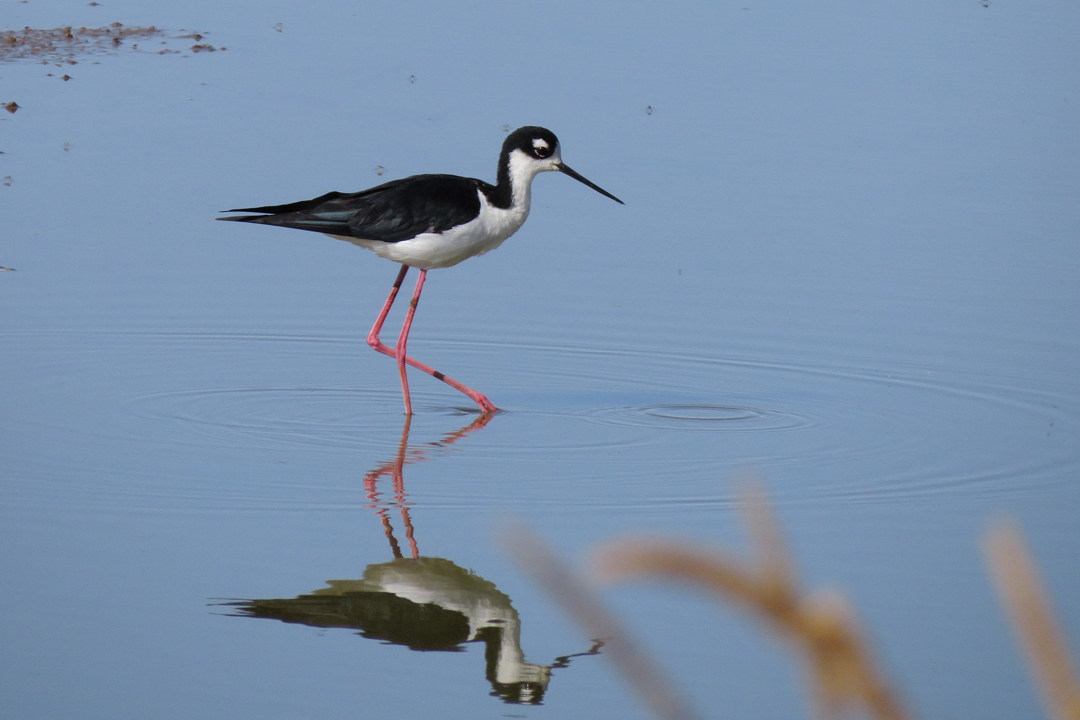 Here’s a lovely adult Black-necked Stilt, with solid black upperparts and bright pink legs.
 Black-necked Stilts are fairly common breeders east of the Cascades, but harder to find on the west side. Fern Ridge, at the southern end of the Willamette Valley, is a consistent breeding site for this species. Southbound shorebird migration is starting to rev up.
Happy Summer







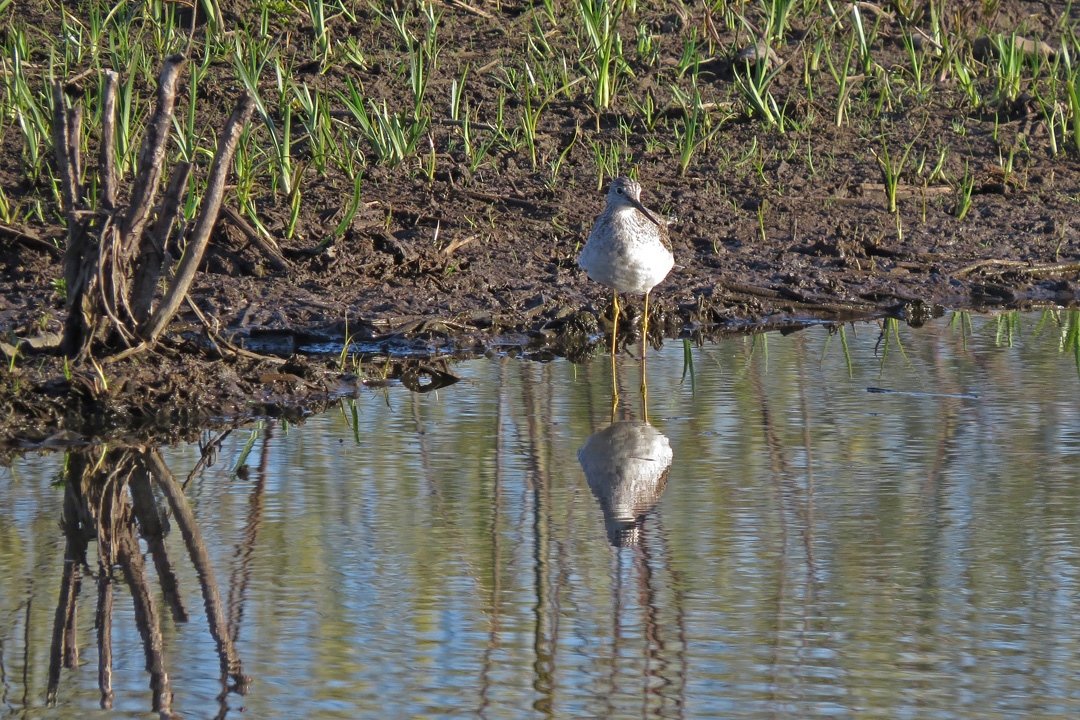
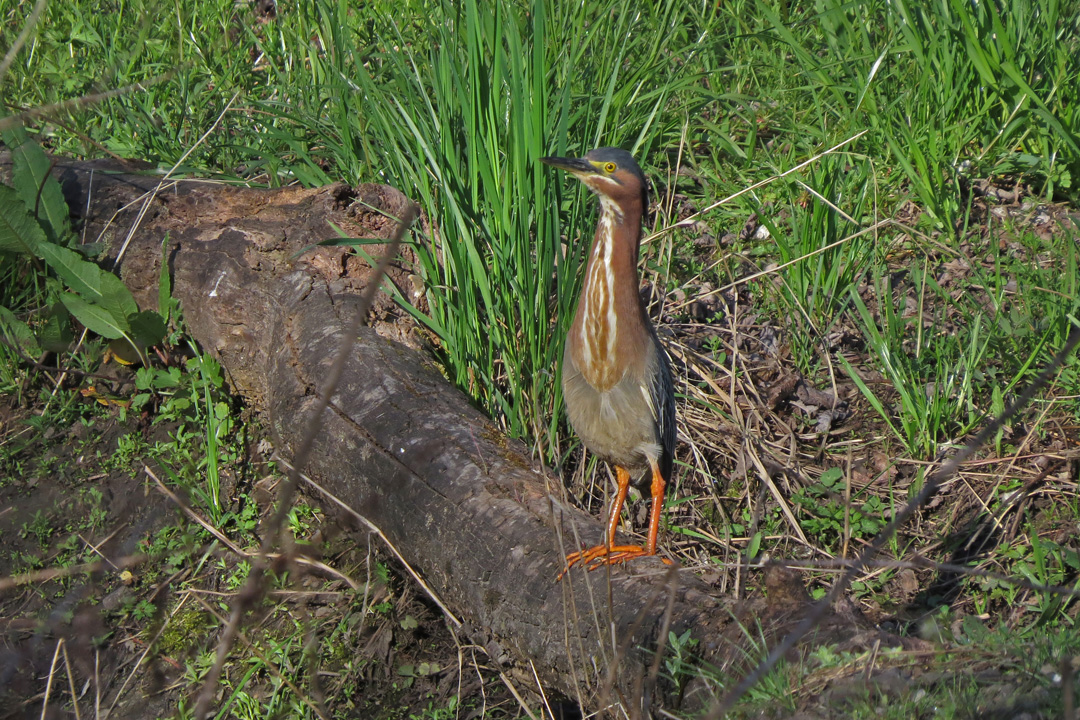


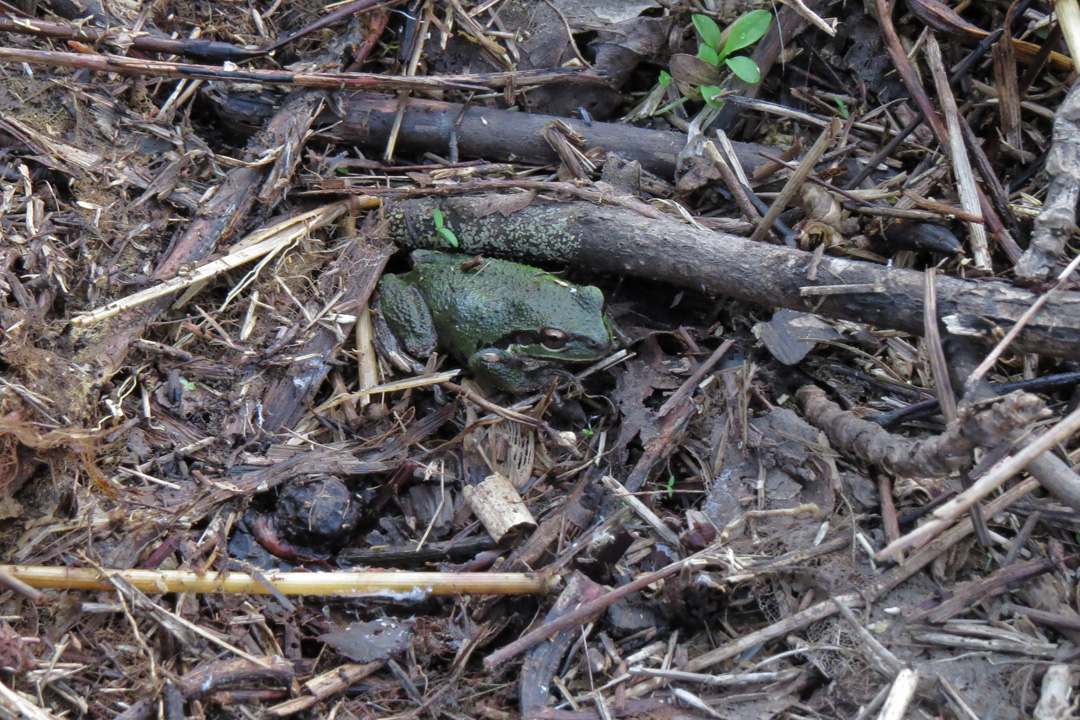


 Late winter is when I typically concentrate on sparrows. There isn’t much else going on this time of year, and the vegetation is worn down enough that visibility is pretty good. Rentenaar Road on Sauvie Island continues to be the best spot in the area for a variety of little brown birds. Some would say that the birding is too easy when you just throw down some seed and watch the birds swarm in, but I love the opportunity to see 10 sparrow species side-by-side at close range. Here is a Fox Sparrow.
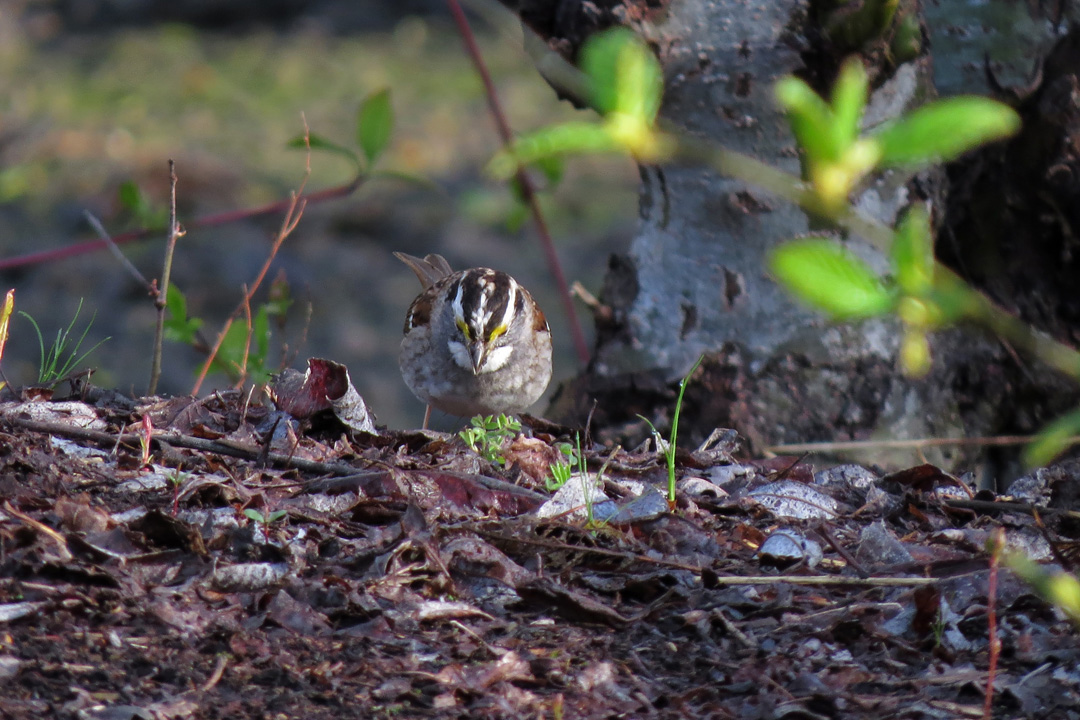
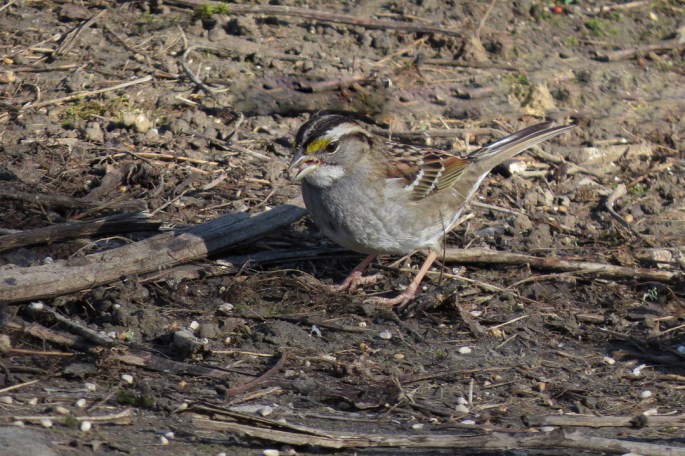 White-throated Sparrows were a rare treat around here 15 years ago, but they are an expected species now.
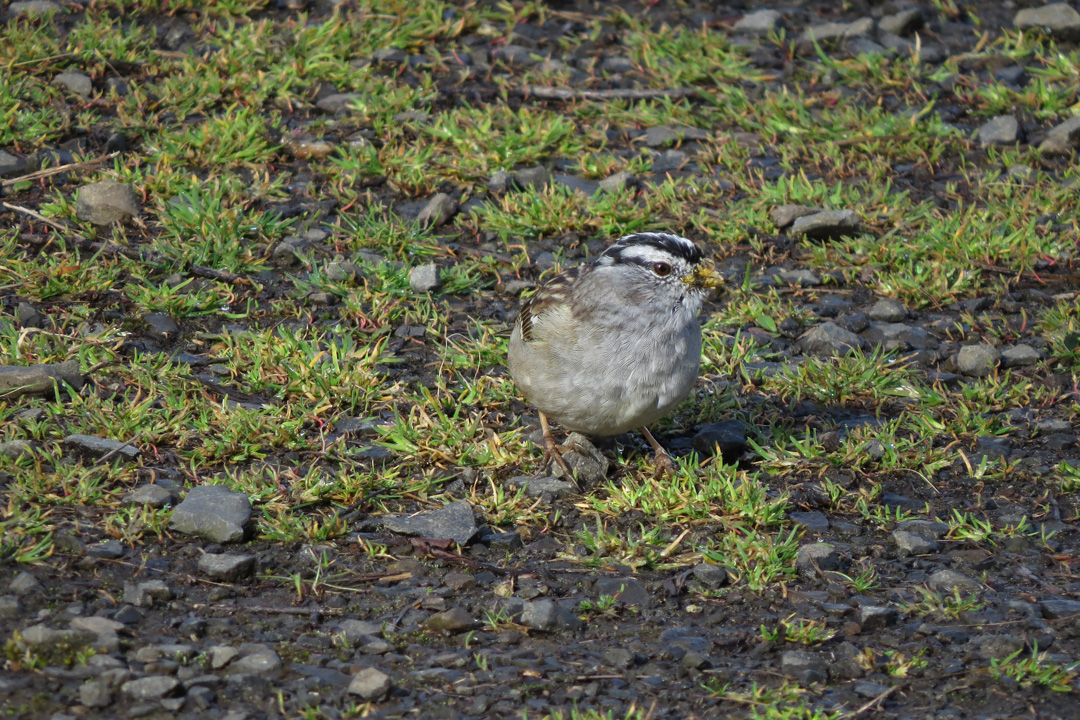
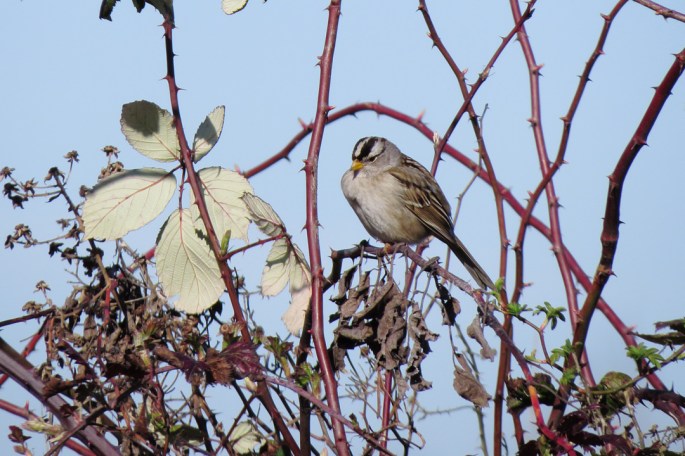 White-crowned Sparrow, always dapper
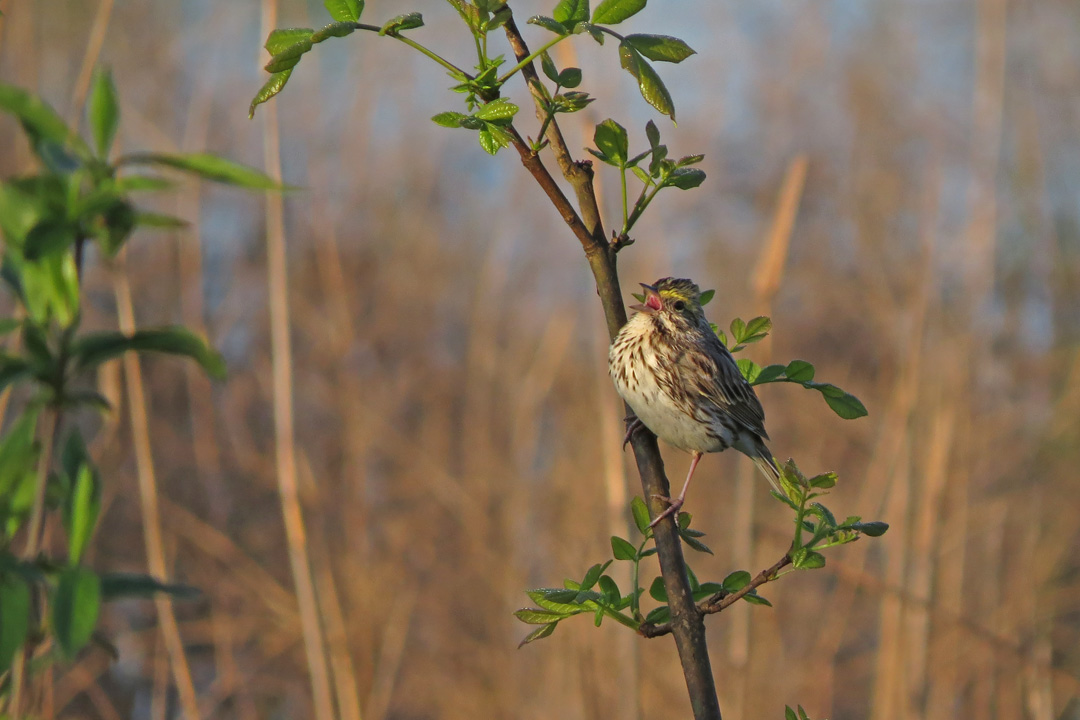
 There is usually a small flock of Savannah Sparrows along Rentenaar Road in winter. They tend to keep to themselves and don’t come in to feed at the chumming spots.
 The most noteworthy little brown bird in the area this winter has been the Siberian Accentor in Woodland, WA. I don’t keep a Washington list, but I did cross the river to see this bird. They are quite rare anywhere in North America, so this was probably my only chance to add this bird to my life list. It would have been much better for me if the bird had flown ten miles to the southwest and hung out in Oregon, but Asian vagrants don’t seem to care about my state list.
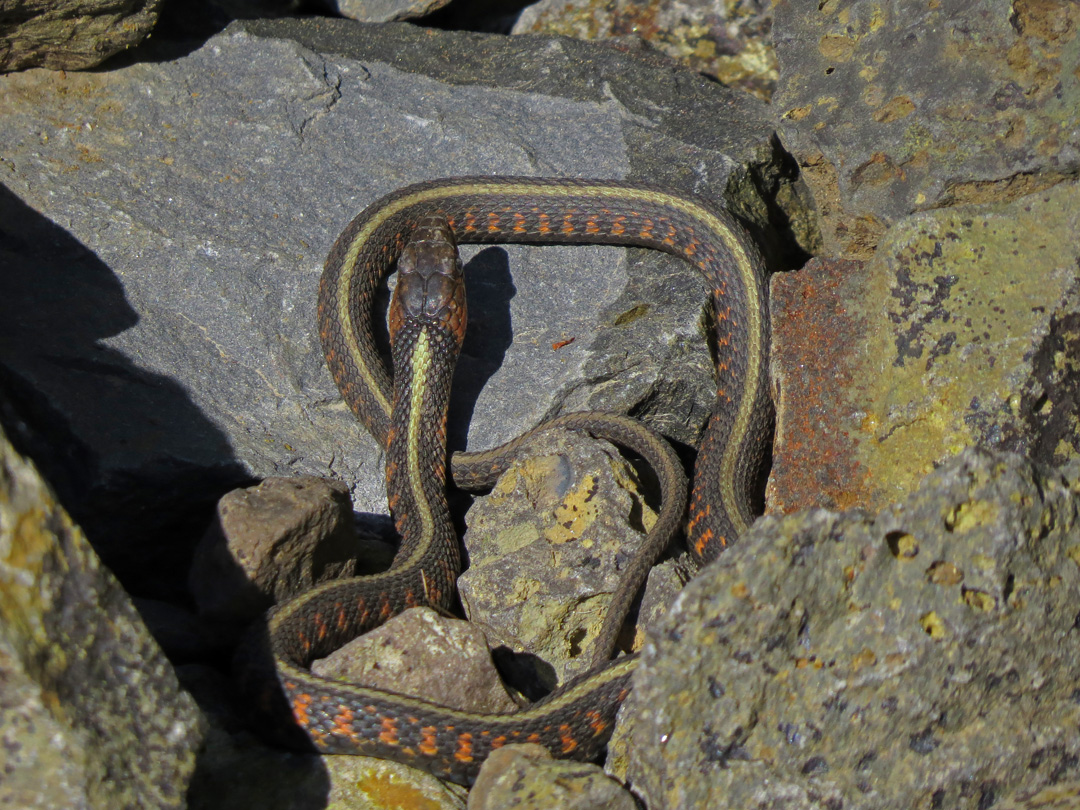
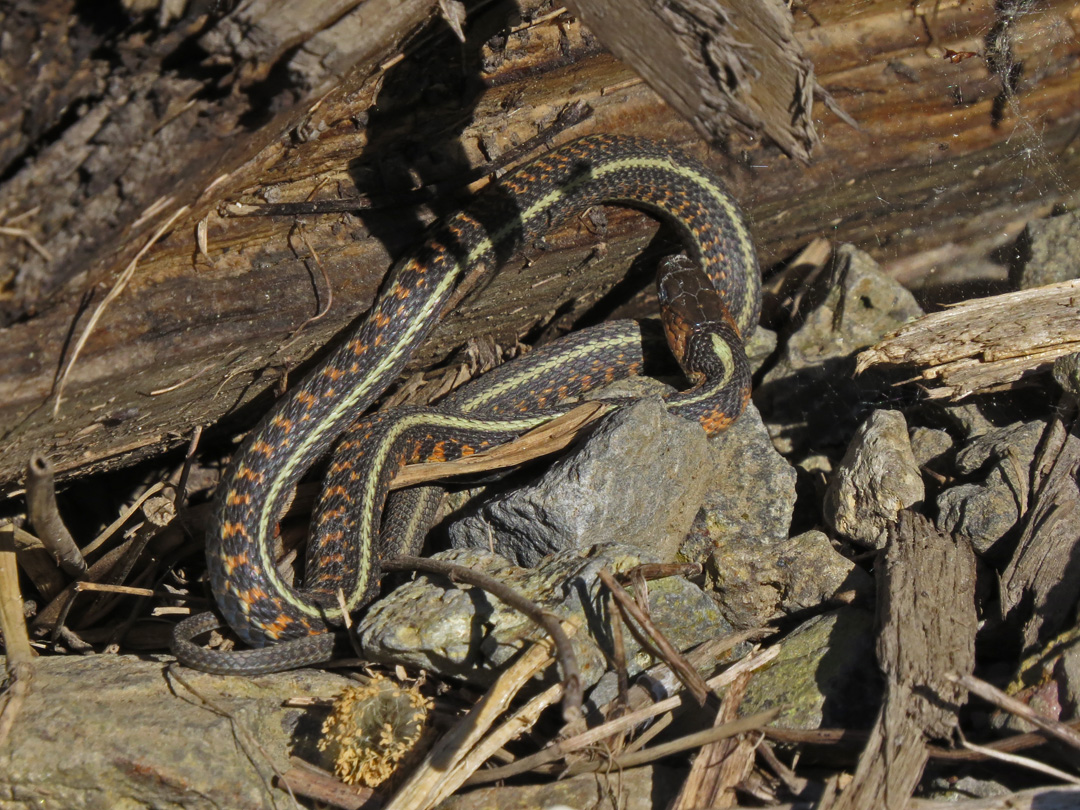
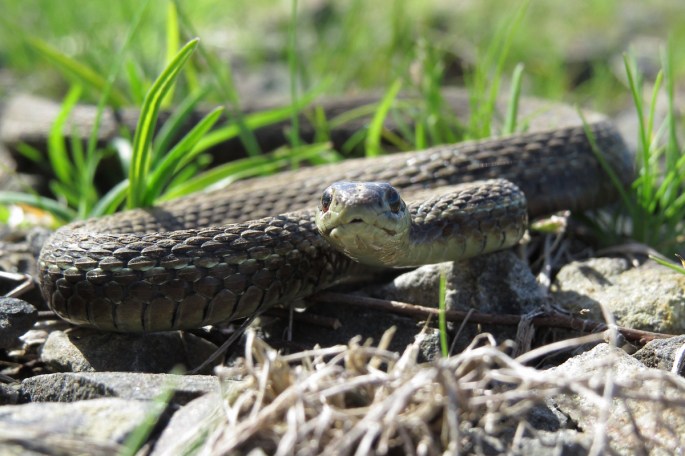
 This was my first snake of the season, found at Wapato Greenway State Park on Sauvie Island. I am not sure if this is a Common Garter or a Northwestern Garter. The body pattern most closely matches the local race of Common Garter, but they typically have red heads. Our local Northwestern Garters do not show red spots on the sides, but do have small dark heads. I did not apply one test that has often worked for me; If you pick them up and they bite you, they are Common Garters. If they don’t try to bite, they are Northwestern. I don’t know if other herpers have noticed this trend, but I have found it to be true of individual snakes of known identity.
















 Ethical Birder