Still Waiting for Spring – Jackson Bottom

Jackson Bottom is another site that I can visit during the pandemic, assuming I get there early. The big push of spring migration has not hit, but you can tell it’s so close. Tree Swallows have been back for quite a while now. They are usually perched on the many bird houses at this site, so it was nice to catch a couple actually using a tree.
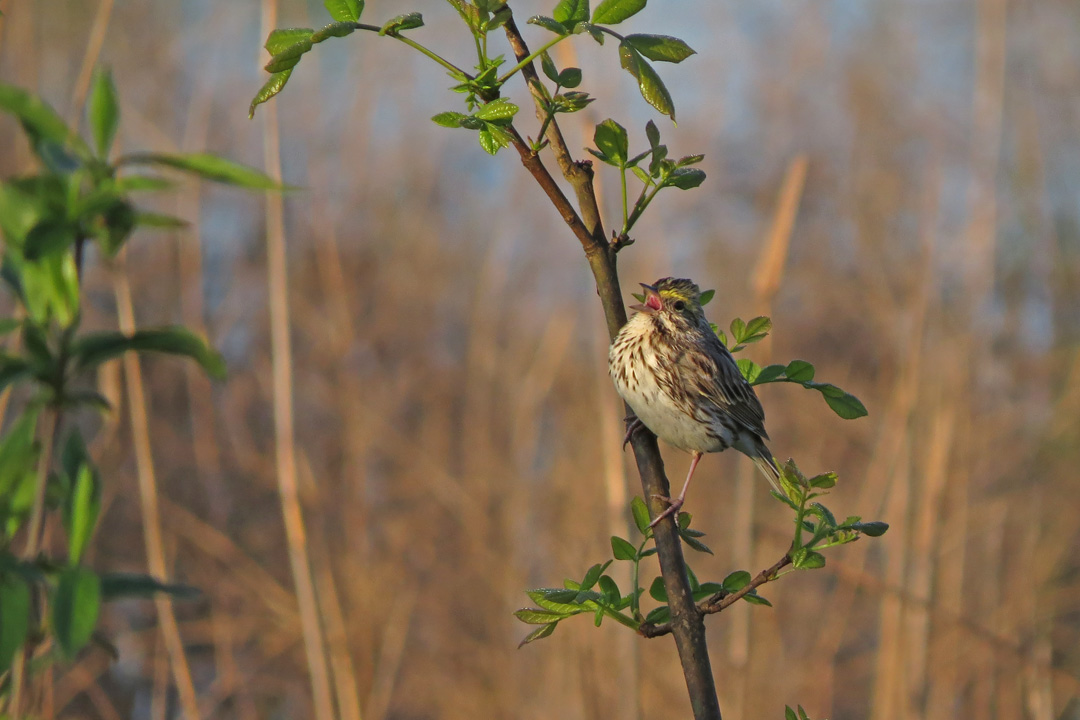
The Savannah Sparrows are setting up territory. This would have been a nice shot if I could have caught a reflection in the bird’s eye.

There we go.

This Osprey spent a lot of time preening while I was there. He still looks pretty disheveled.

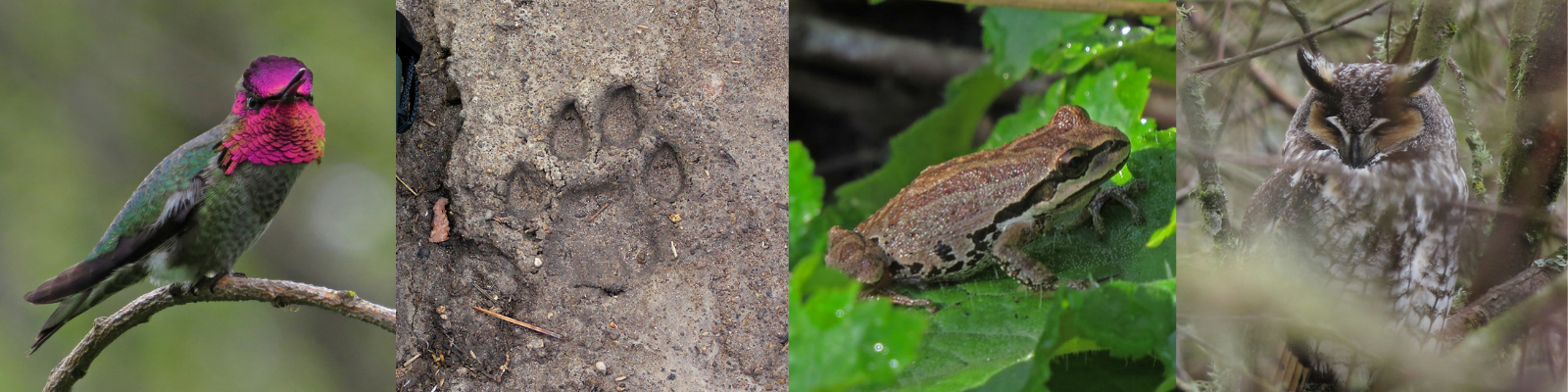
Anna’s Hummingbird, just high enough that I can’t get a good flash from his gorget

Common Yellowthroat

witchity-witchity-witchity

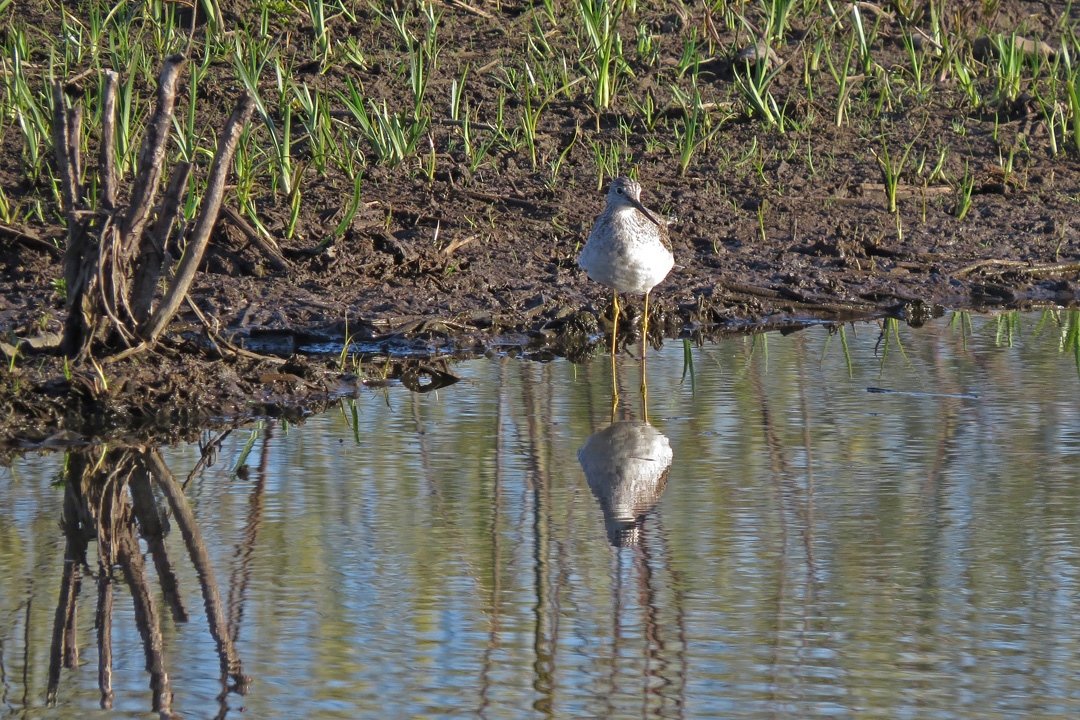
I’m still waiting for shorebirds to show up. Greater Yellowlegs have been the only arrivals so far.

Some Killdeer have started nesting already.

Brush Rabbit

Long-toed Salamander

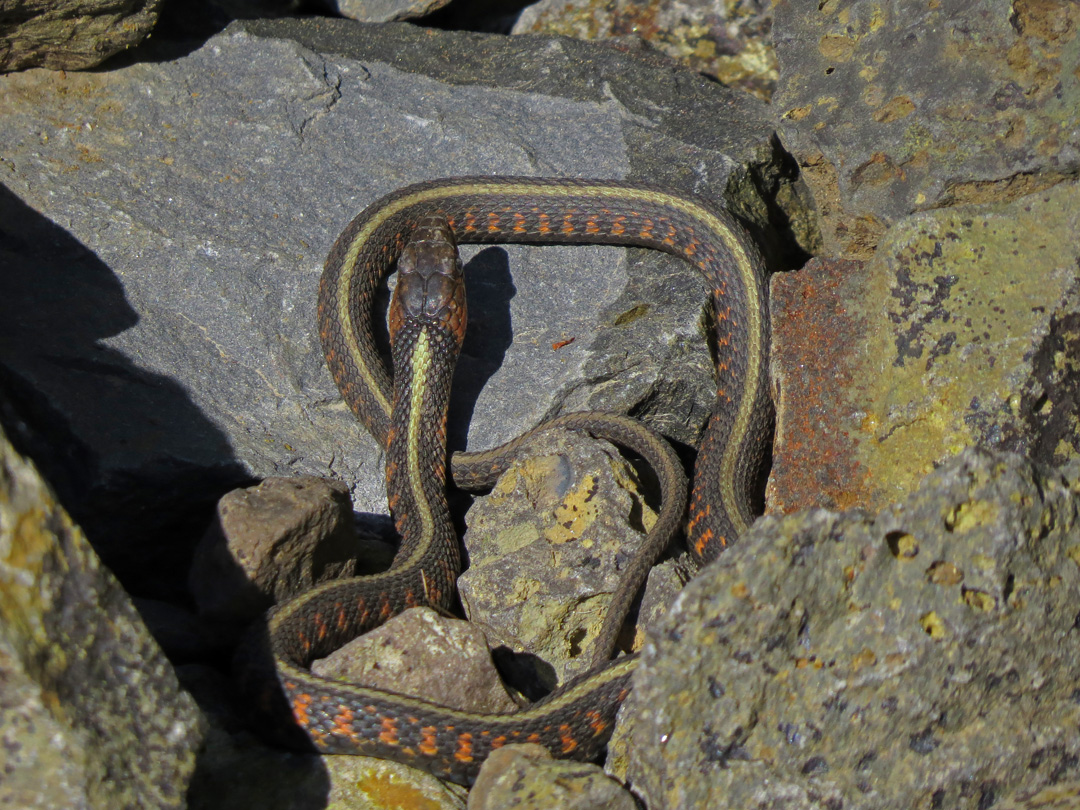
Several Common Garters (Red-spotted) were sunning themselves on this rock pile.
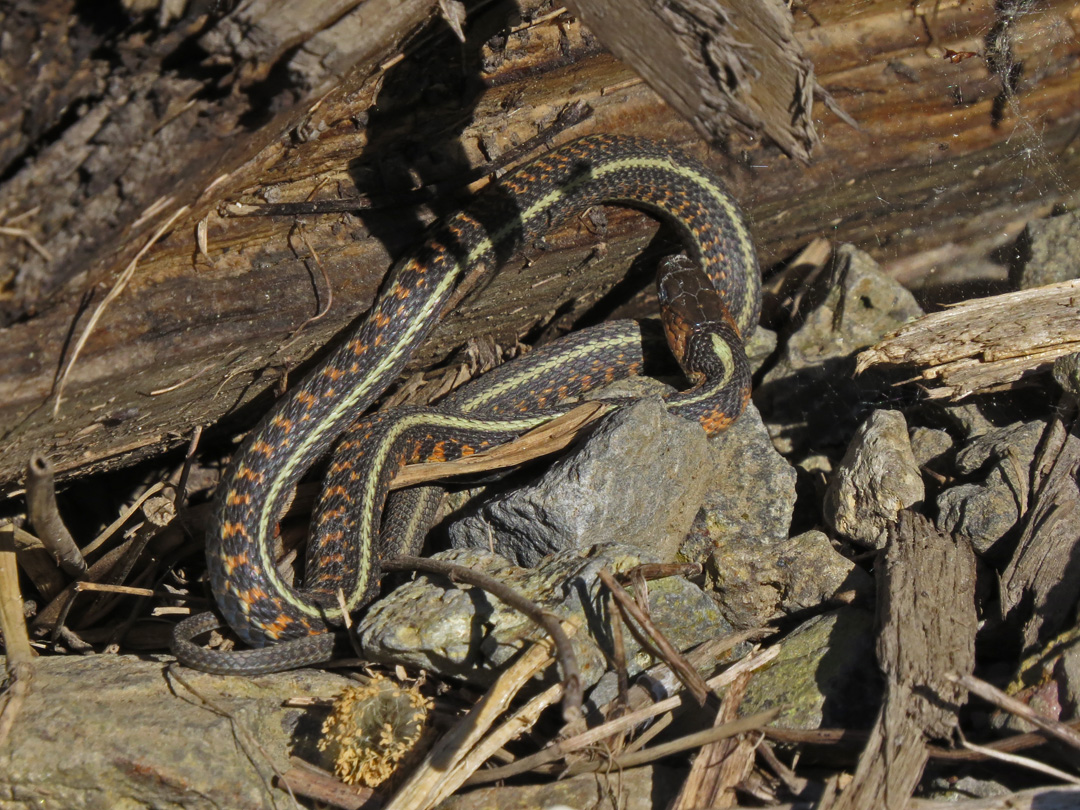
This garter had propped her body up against a log to better catch the morning sun.

I don’t remember seeing Camas at Jackson Bottom before, but they were in full bloom on this trip.

Happy spring

Fernhill Wetlands

During the current pandemic, it is not always easy to visit favorite birding sites. I have found that if I go very early, I can get some good birding in at Fernhill Wetlands without encountering too many folks. (Of course, this is my goal even without a pandemic.) This Marsh Wren put on a nice show.

Greater Yellowlegs is the only species of migrant shorebird I have seen so far this spring. We are still about two weeks away from the peak.

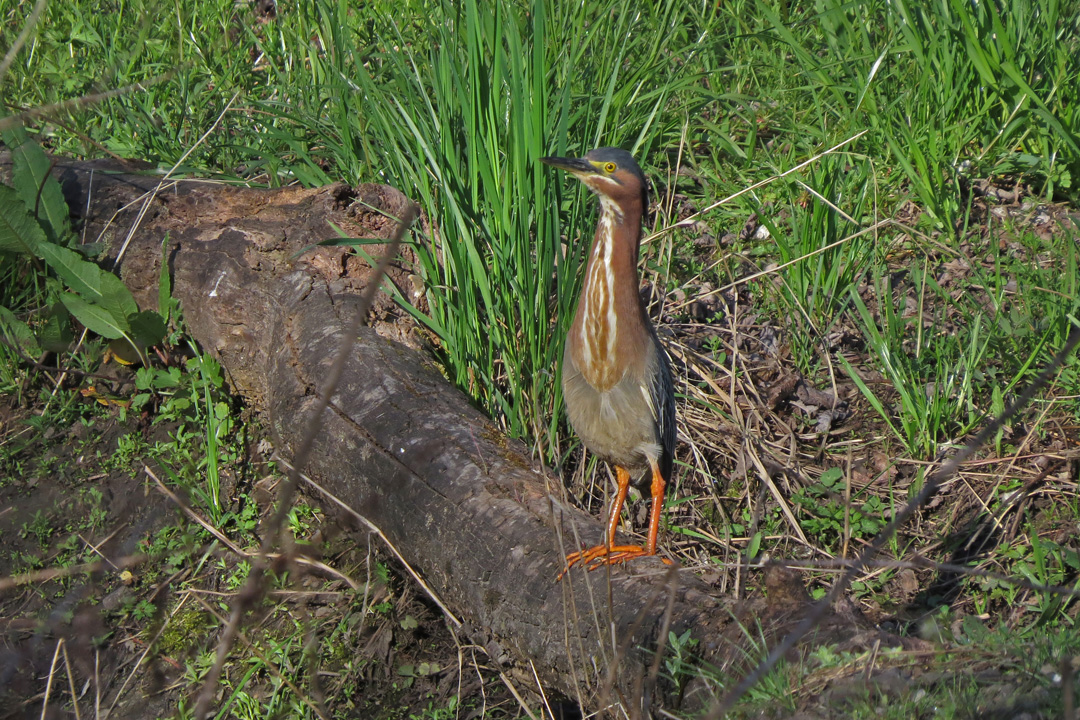
Green Heron, completely failing at camouflage. The auto-focus on my camera insists on focusing on the vegetation behind birds, rather than on the bird. (Yes, I am blaming the equipment.)

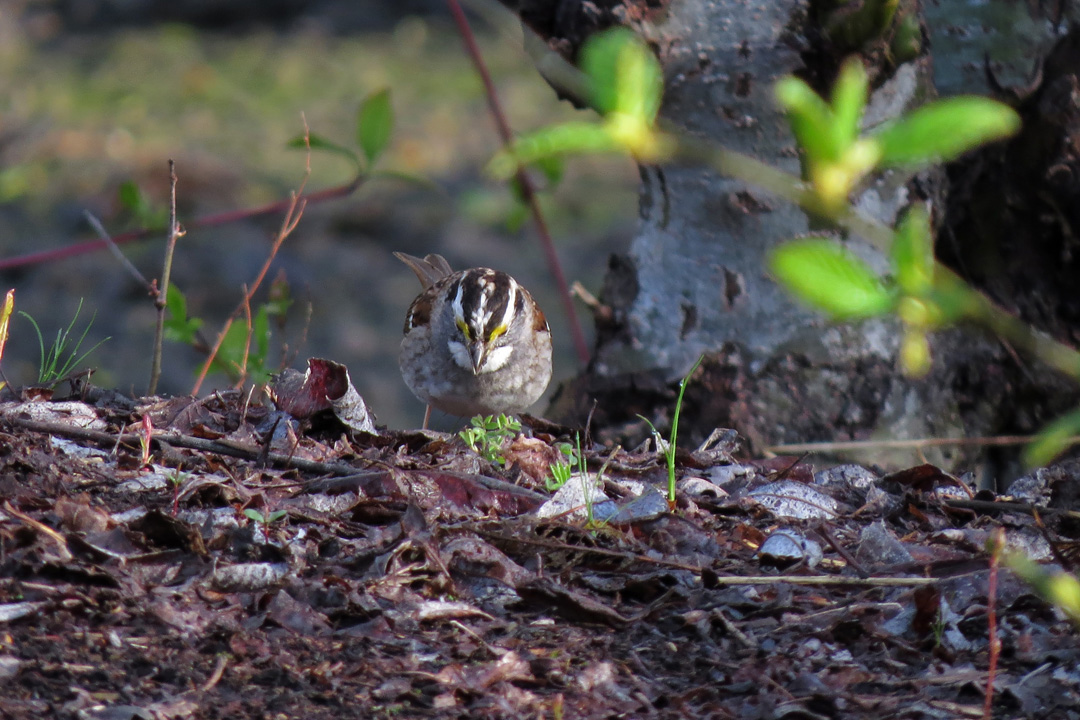
White-throated Sparrows have been regular at Fernhill lately.

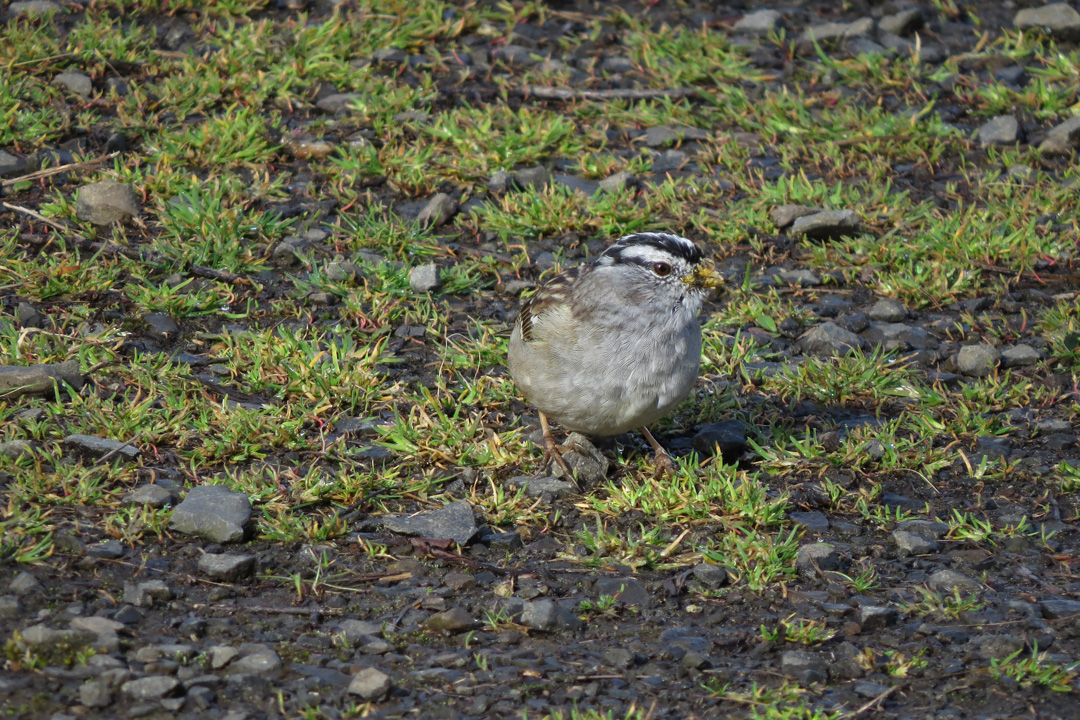
White-crowned Sparrow

Fox Sparrow

This Northern Flicker was hanging out on the gravel dike in the wetland, perfect woodpecker habitat.

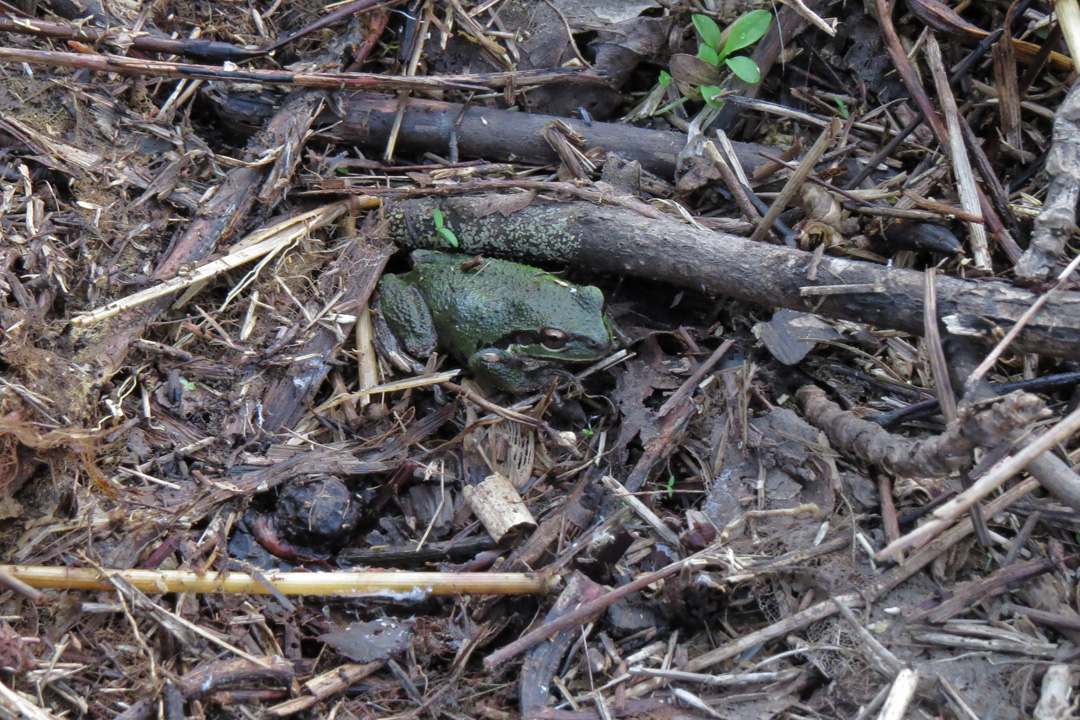
This Pacific Chorus Frog was hanging out under a log on a cold morning.

Long-toed Salamander is a lifer amphibian for me this year. As is typical when I see a new species of whatever, I now see them all the time.

More Long-toed Salamanders

This Muskrat would like to remind you to eat your greens.

Still waiting for spring migration to kick in.

Happy Spring

Jackson Bottom

Spring migration hasn’t really revved up yet, but a recent warm sunny day drew me out to Jackson Bottom Wetlands. I was as interested in herping as I was birding, and some cooperative herps easily filled the void created by relatively low bird numbers.

This Pacific Chorus Frog (also known as Pacific Tree Frog) was a neat find. I hear this species most of the year, but I seldom get a good look at one.

I normally leave herps that I find in situ, but I couldn’t resist picking up this little Northwestern Garter. The problem with combining birding and herping is that after an encounter like this, your hand smells like garter snake musk. So every time you raise your binocular to your face you get a nose full of snake skank.

Here is a much larger Northwestern Garter.

This Red-spotted Garter (a subspecies of Common Garter) was exploring a Red-flowering Currant. I don’t know what he was looking for, but he explored the whole bush before climbing back down.
Here is another Red-spotted Garter drinking at a water feature. This individual was at least three feet long.

I did actually see a few birds on this trip, although they were not nearly as photogenic.
There are still flocks of Golden-crowned Sparrows around. I would expect them to head north pretty soon.

Green-winged Teal

Green-winged Teal making friends

Happy Spring


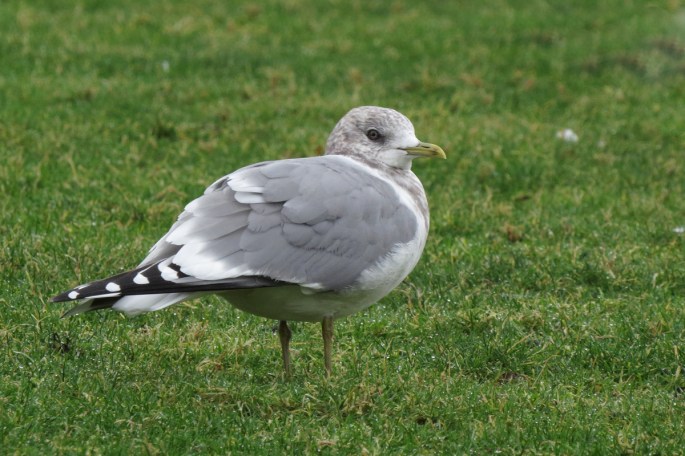
Mew Gulls

mew rightI made a quick trip to Amberglen Office Park in Hillsboro to check the lawn for gulls. Along with a small flock of Ring-billed Gulls were four Mew Gulls. Mews are one of my favorite gulls. They are easy to pick out of a mixed flock, they seldom if ever hybridize, and they possess a cuteness not found in most Larids.

Mew Gulls are found in Oregon from October to March. They are most common in estuaries along the coast, but you can find them in decent numbers in the Willamette Valley.

IMG_2306As gulls go, Mews are pretty petite with their short slender bills and round pigeon-like heads. Eye color variable, but tends toward the dark side. Like Ring-bills, Mews show very long wing projection beyond the tail.

dark mew leftThis individual is heavily marked on the head and breast compared to the bird above.
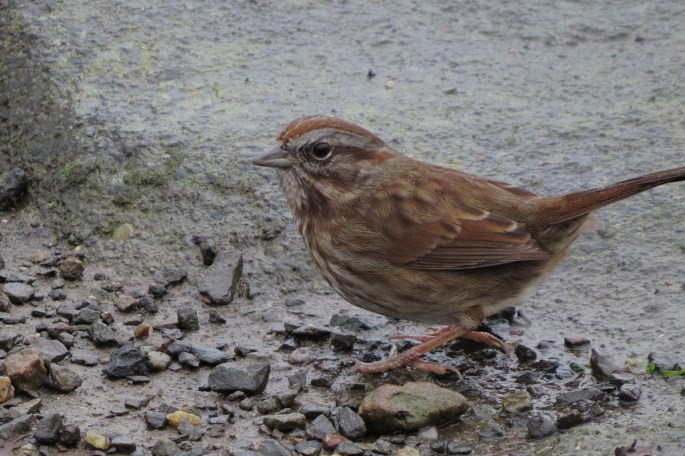
IMG_2320Amberglen is a good spot for waterfowl and attracts a few songbirds. Several sparrow species, including this Song Sparrow, were foraging around the main pond.

nutriaHere is my obligatory photo of a Nutria. Cuteness transcends their invasive species status.
Happy Winter

Mt. Hood National Forest

I had the opportunity to guide a lovely couple from Florida on a trip to Mt. Hood National Forest. The weather was not great, with dreary conditions at lower elevations and driving rain at Timberline Lodge. But we did manage to find some great birds.

Our first stop was Wildwood Recreation Site for riparian and lower elevation species. The first bird of the day was a Bald Eagle flying over the river; a nice start. Our main target was American Dipper, and the footbridge over the Salmon River is a pretty reliable spot.

IMG_2075
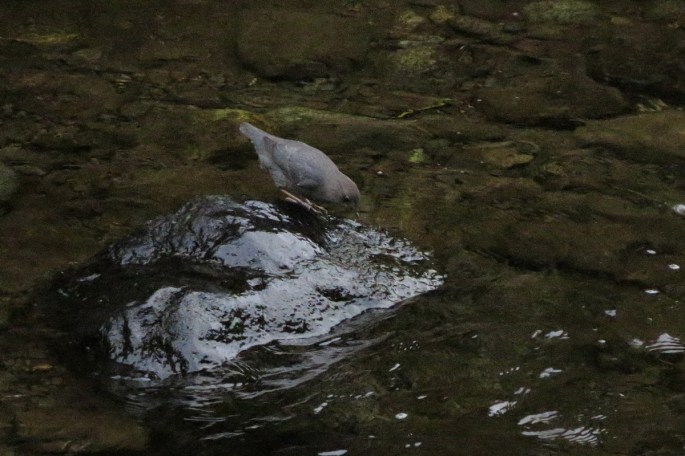
One of two American Dippers we spotted in the early morning gloom

We next tried to bird around Timberline Lodge for high-elevation species, but the rain and wind made birding impossible. So we headed down to Little Crater Lake.

IMG_2077Birding in the forests this time of year can be deadly slow, but we did encounter two groups of Canada Jays. Even when you don’t have food, these birds will come in close to check you out.
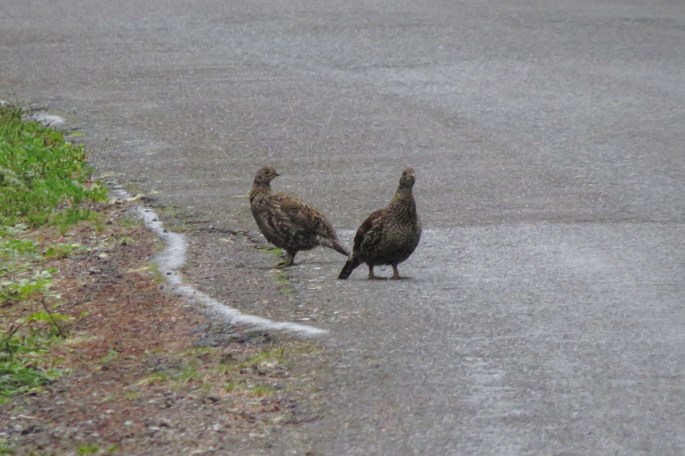
IMG_2079On the way back from Little Crater Lake, we came across a group of six Sooty Grouse. This was a lifer for my client, and the largest “flock” that I have seen.
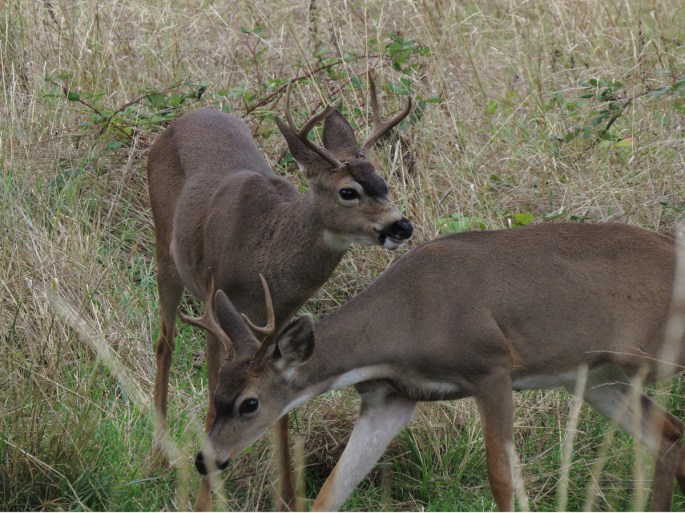
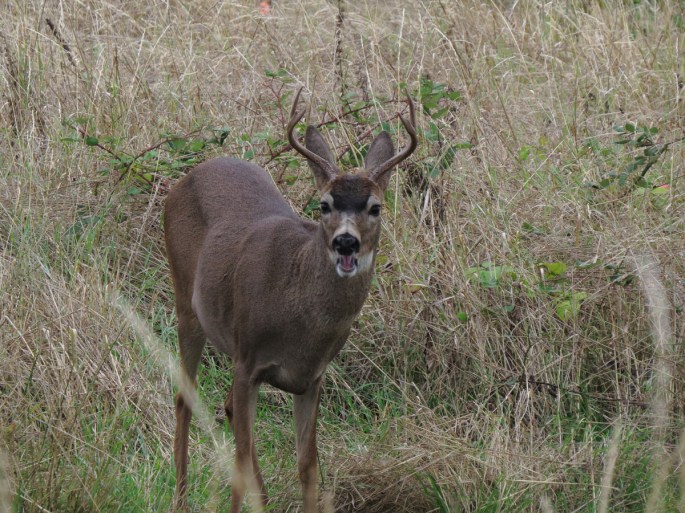
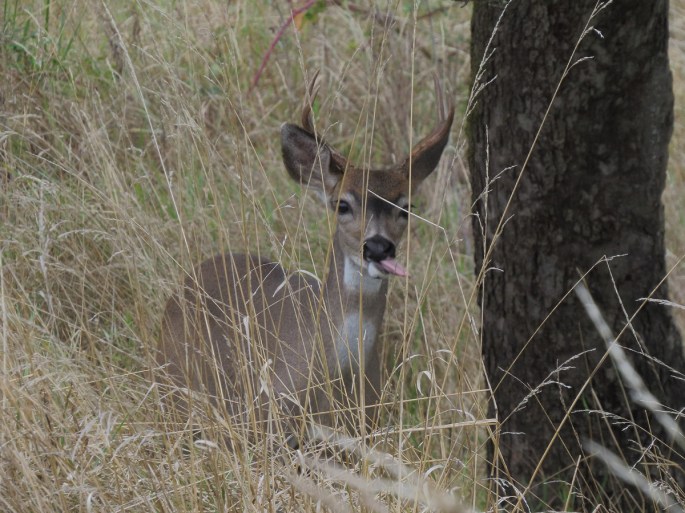
deer duoAfter a second trip up to Timberline proved equally unbirdable, we decided to head back toward Portland to look for sparrows and other grassland species at Powell Butte Nature Park. We found a few sparrows, but the highlight of this spot was the group of three Black-tailed Deer feeding on fallen apples.
IMG_2086

IMG_2088

IMG_2091One reason songbirds may have been so hard to come by at this site was the pair a American Kestrels (female shown here) that were actively hunting. A Sharp-shinned Hawk was also lurking about, so the sparrows may have been keeping a low profile.

Some nice birds and excellent company made for a good day, despite the dreary conditions.

Happy Autumn

Late Summer Wetlands

I made a quick trip to Fernhill Wetlands and Jackson Bottom to look for shorebirds. My first bird of the morning was this Killdeer standing on the sidewalk. I guess that counts.

There is a frustrating lack of mudflats in area wetlands this year. Areas are either dry with lots of vegetation or are full of water. I did manage to find this Wilson’s Snipe (front) feeding with a juvenile Short-billed Dowitcher.

Young Spotted Sandpiper on a log

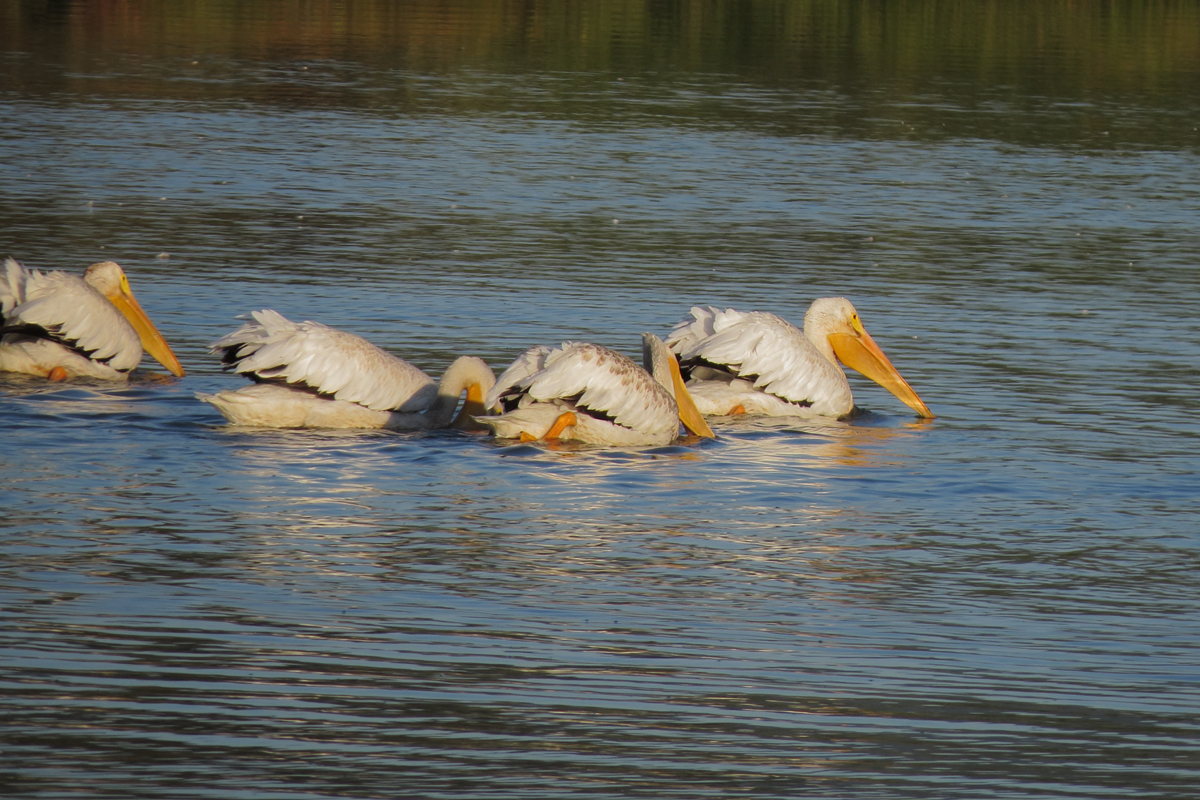
Lots of American White Pelicans are in the Willamette Valley right now.

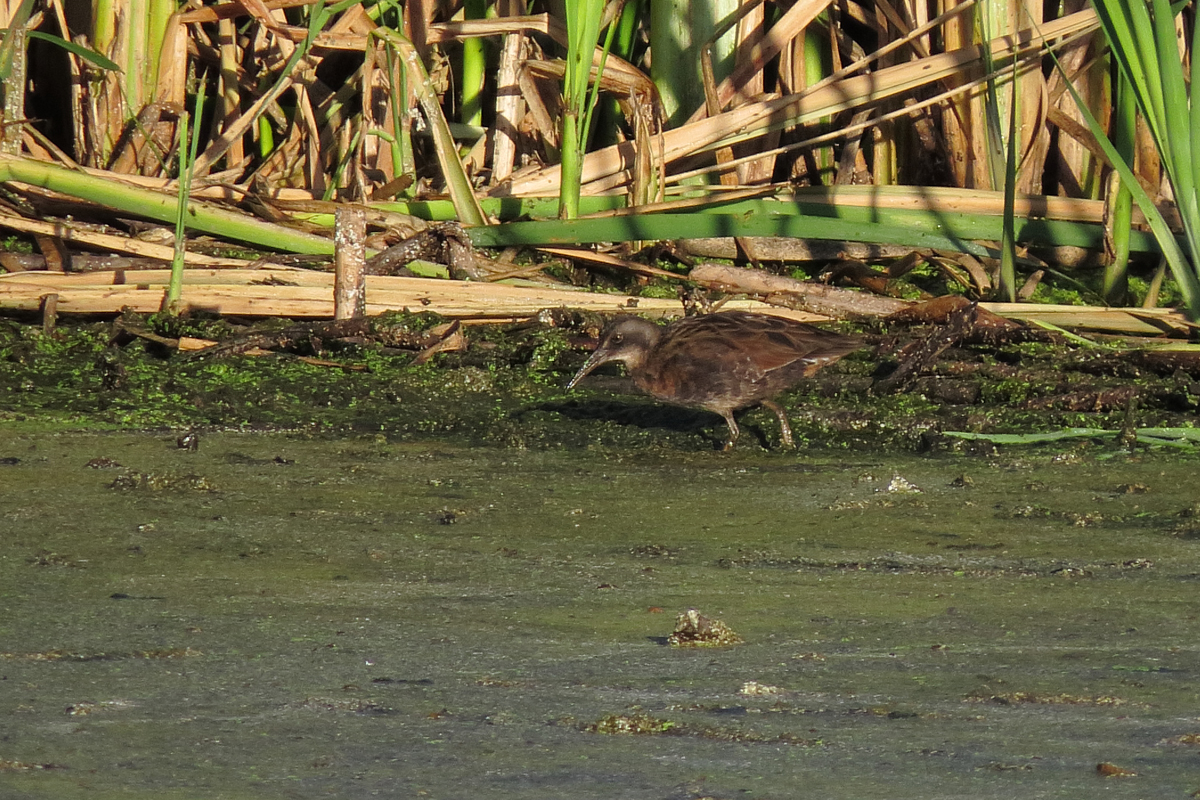
The wetland rehabilitation at Fernhill Wetlands has resulted in much less exposed mud, but the thick emergent vegetation is hog heaven to rails, like this Virginia Rail.

In the “invasive but adorable” category are this Nutria with her baby.

Brush Rabbits rule the “native AND adorable” category.
So cute

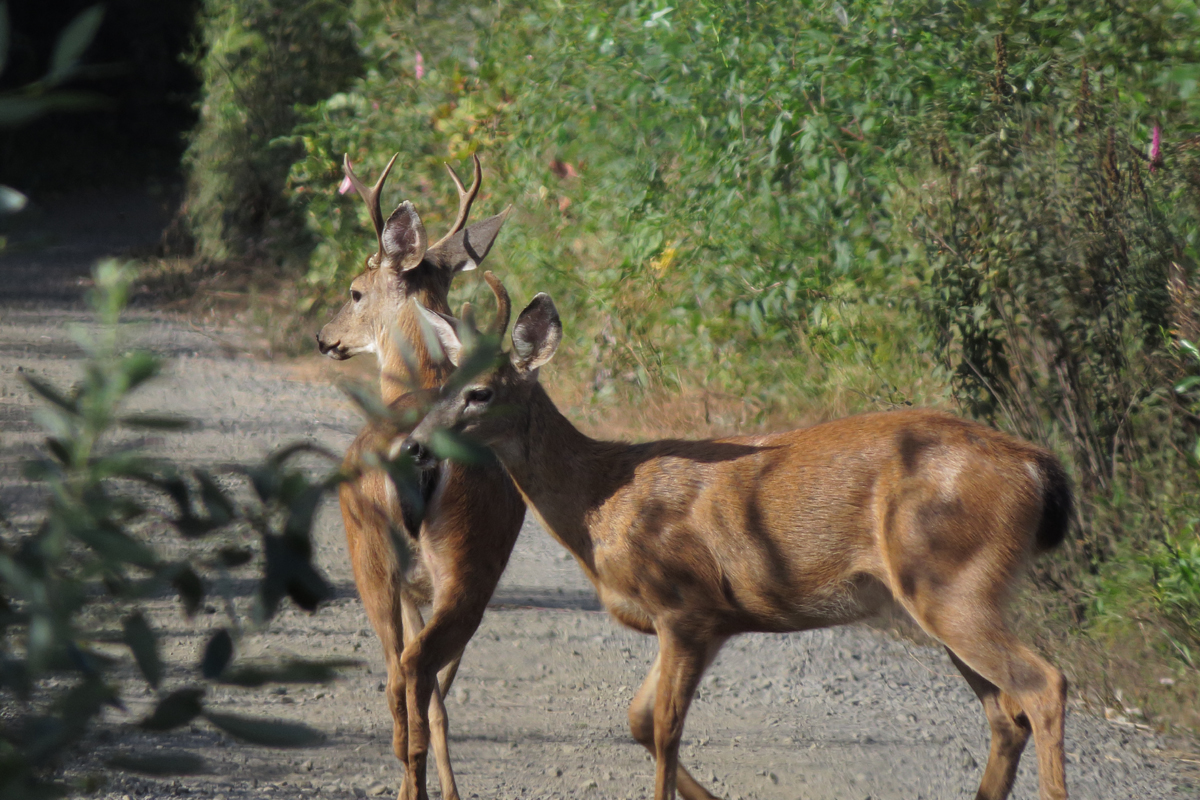
These two Black-tailed Deer were at Jackson Bottom. I found it interesting that the little spike buck in front still had his antlers completely encased in velvet while the fork buck in back has already shed his velvet to reveal polished antler.

There is still about a month of shorebird migration left. I hope we get some good mudflats to bring them in. Happy Summer.

Portraits from the coast

I made a trip out to the coast to scout for my shorebird class. Much of the trip consisted of running from site to site to check on conditions, but I did spend a little time at a few sites where the birds presented some nice close views.

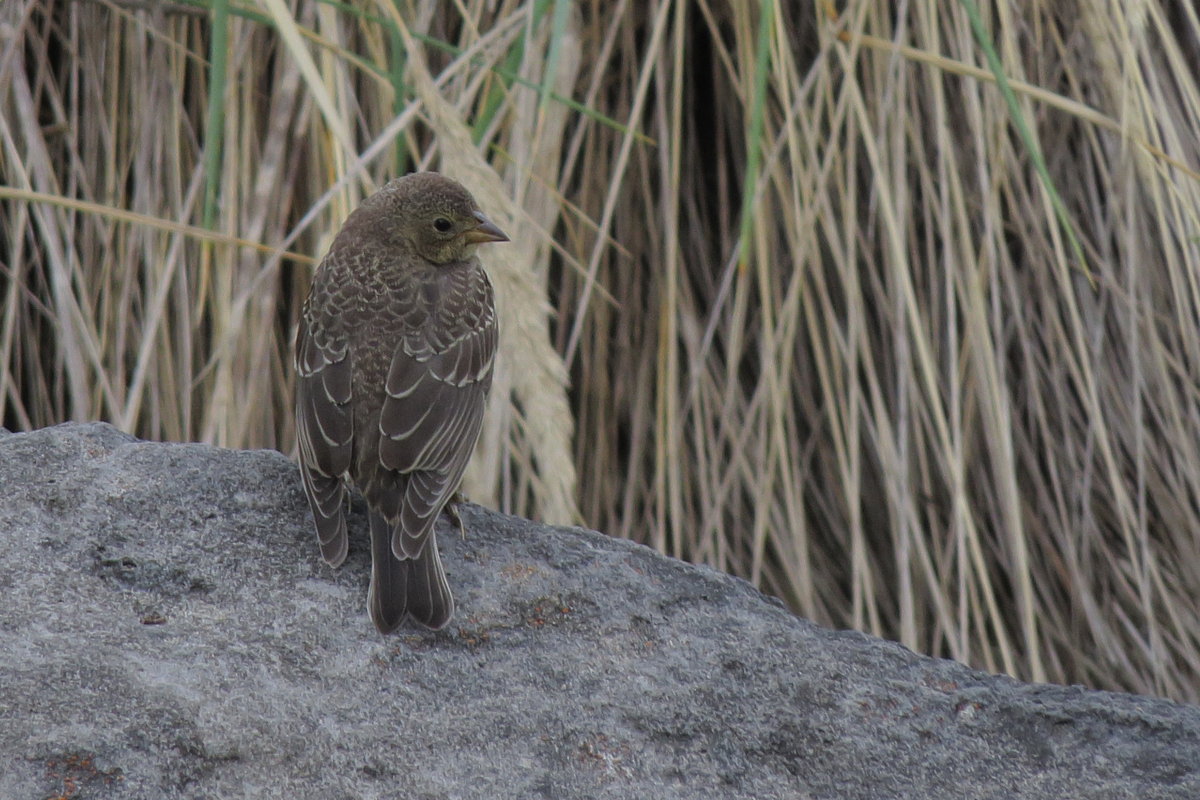
Parking Lot C at Fort Stevens had a lot of young Brown-headed Cowbirds flying around. It always amazes me how cowbirds can be raised by other species but still somehow figure out how to be cowbirds.

This young cowbird had a nice yellowish cast to the underparts.

This Purple Shore Crab was out in the open near the tidal ponds at Parking Lot C.

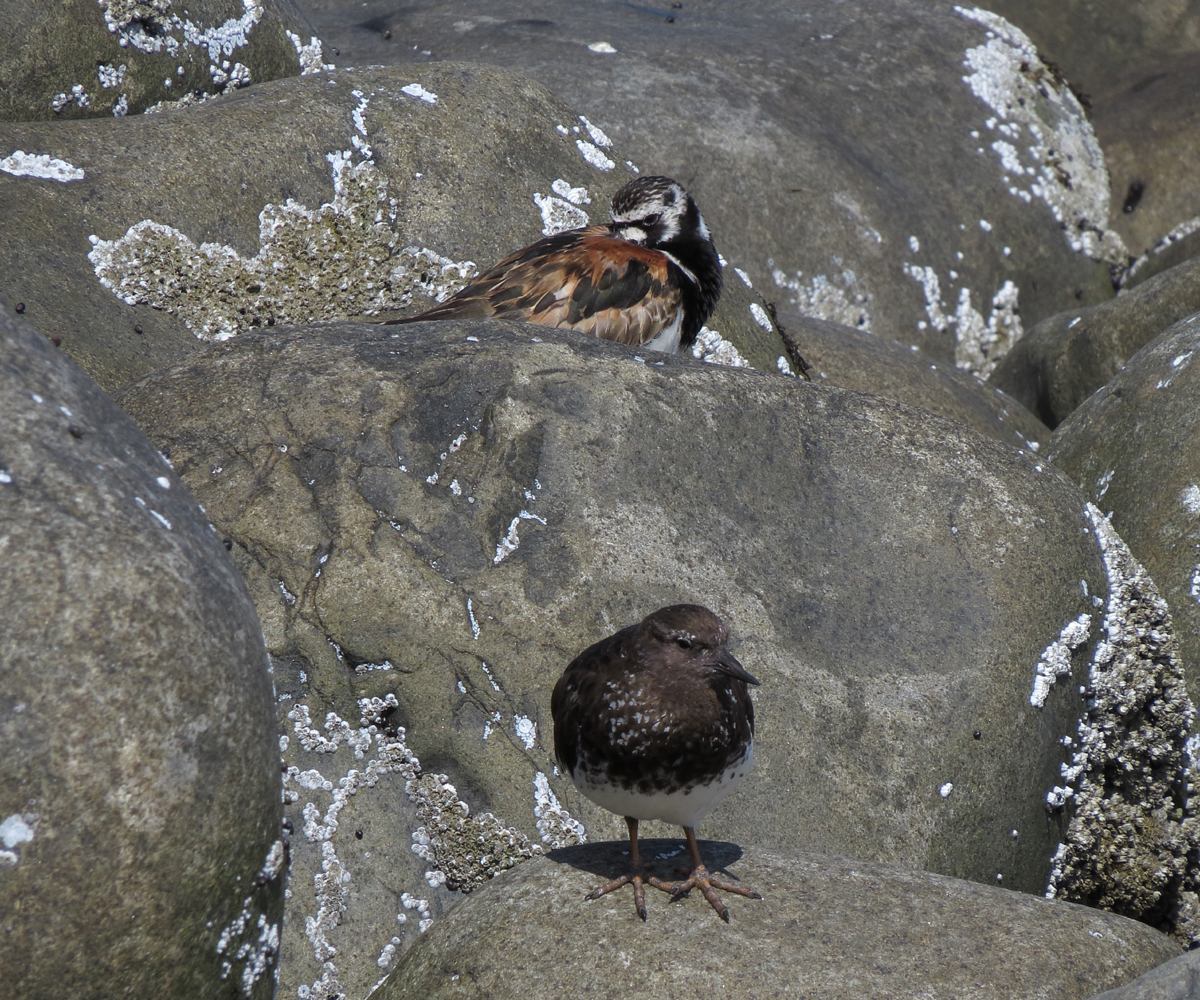
This Ruddy Turnstone was hanging out with the Black Turnstones at Seaside Cove. Ruddys are harder to find during autumn migration than they are in the spring.

Ruddy and Black Turnstones

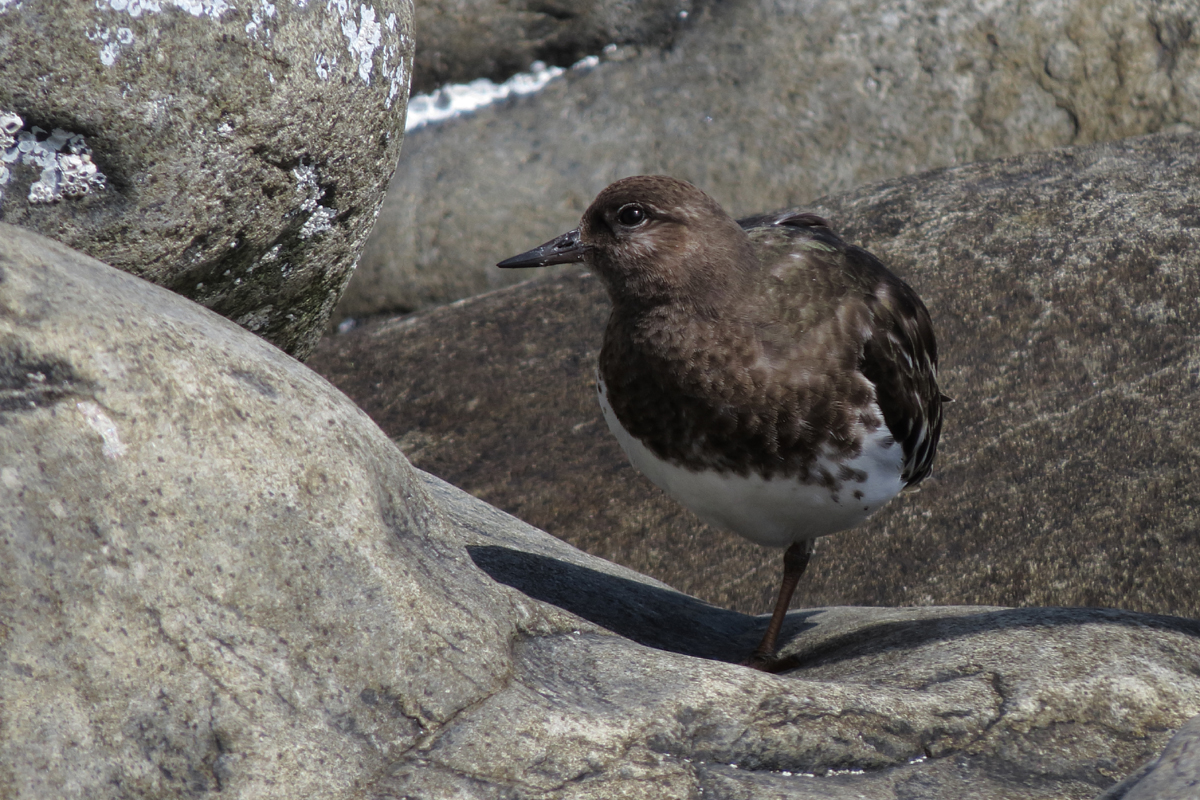
Black Turnstones are common at the Cove from autumn through spring.

A few Surfbirds are often mixed in with the turnstone flock.

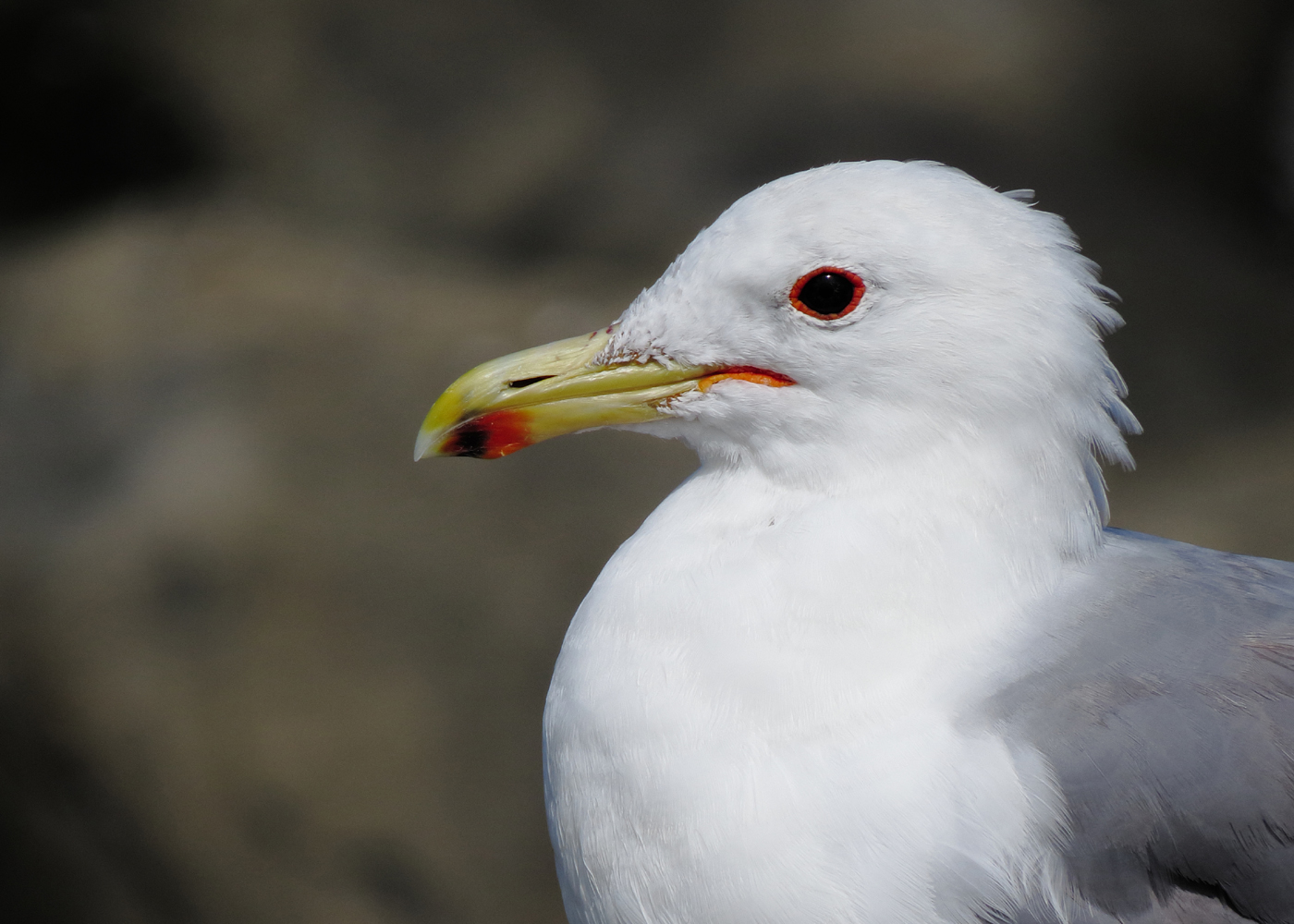
Late summer and early fall sees a buildup of California Gulls along the coast, often in very worn and tattered plumage. So I was surprised to see this individual still rocking some very intense colors in the eye-ring and gape.

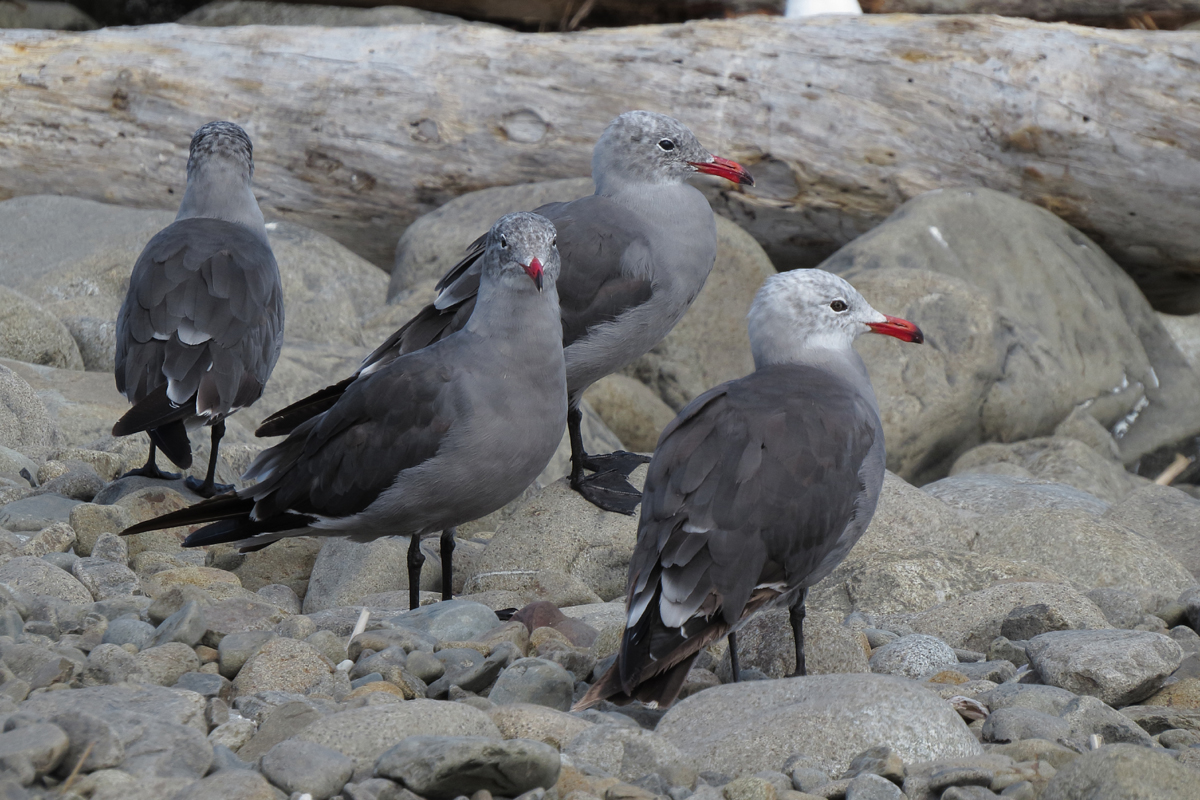
Heermann’s Gulls are always a favorite.

I didn’t find any juvenile Heermann’s on this trip. They experienced nearly complete nesting failures in recent years. Hopefully they had a little more success this year and we will see some young birds as the season wears on.


Early Spring in the 5MR

The weather has gone from winter rain to spring rain, still rather gloomy but definitely more pleasant overall. Spring migration is slowly picking up with new species gradually accumulating in my 5-Mile Radius.

Most of the new sites that I have explored in my 5MR have been very underwhelming, but I was recently introduced to Cedar Mill Wetlands in Beaverton. This little site has produced 45 species in two short visits, as well as this encounter with a Coyote.

Sharp-shinned Hawk at Cedar Mill Wetlands

Great Egret, sporting their nuptial plumes

The little wetland associated with Commonwealth Lake Park continues to be a favorite site with local birders. The flock of Wilson’s Snipes has thinned out a bit.

This Greater Yellowlegs was a nice surprise at Commonwealth. Hopefully the habitat will attract other shorebirds as the spring progresses.

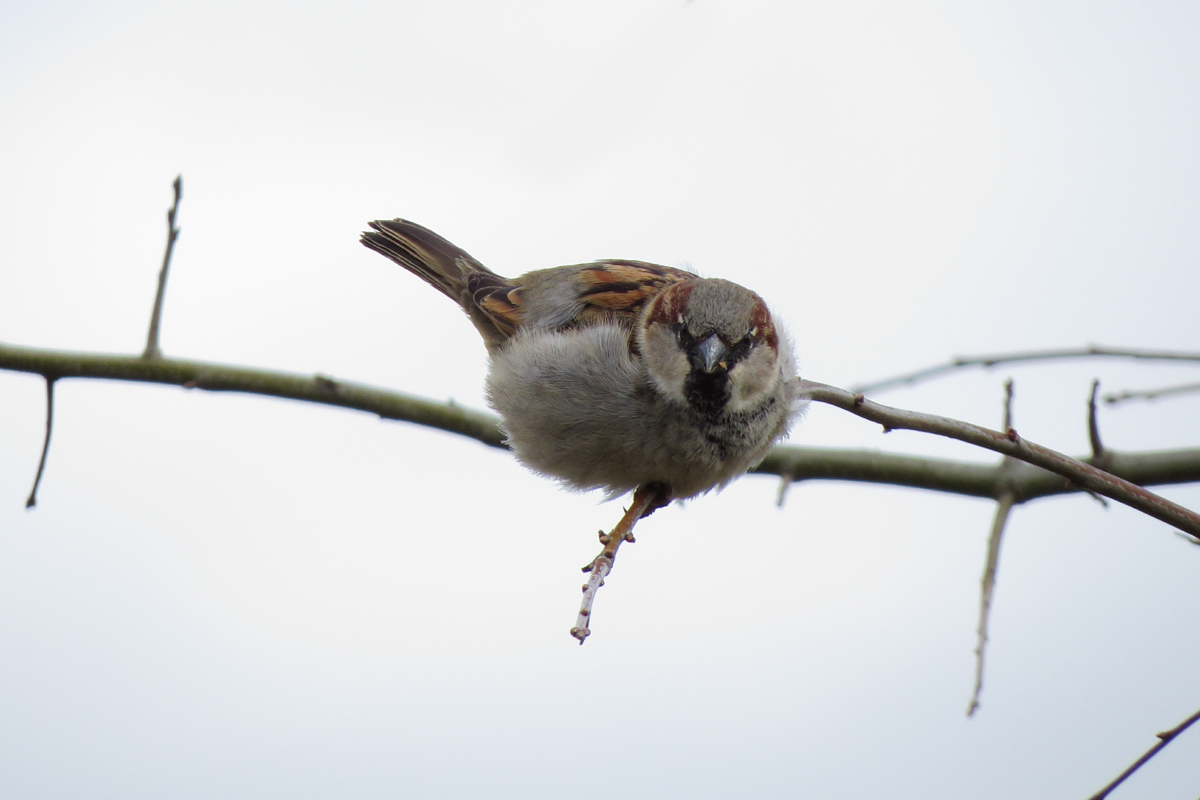
Commonwealth is the only reliable spot in my 5MR for House Sparrow.

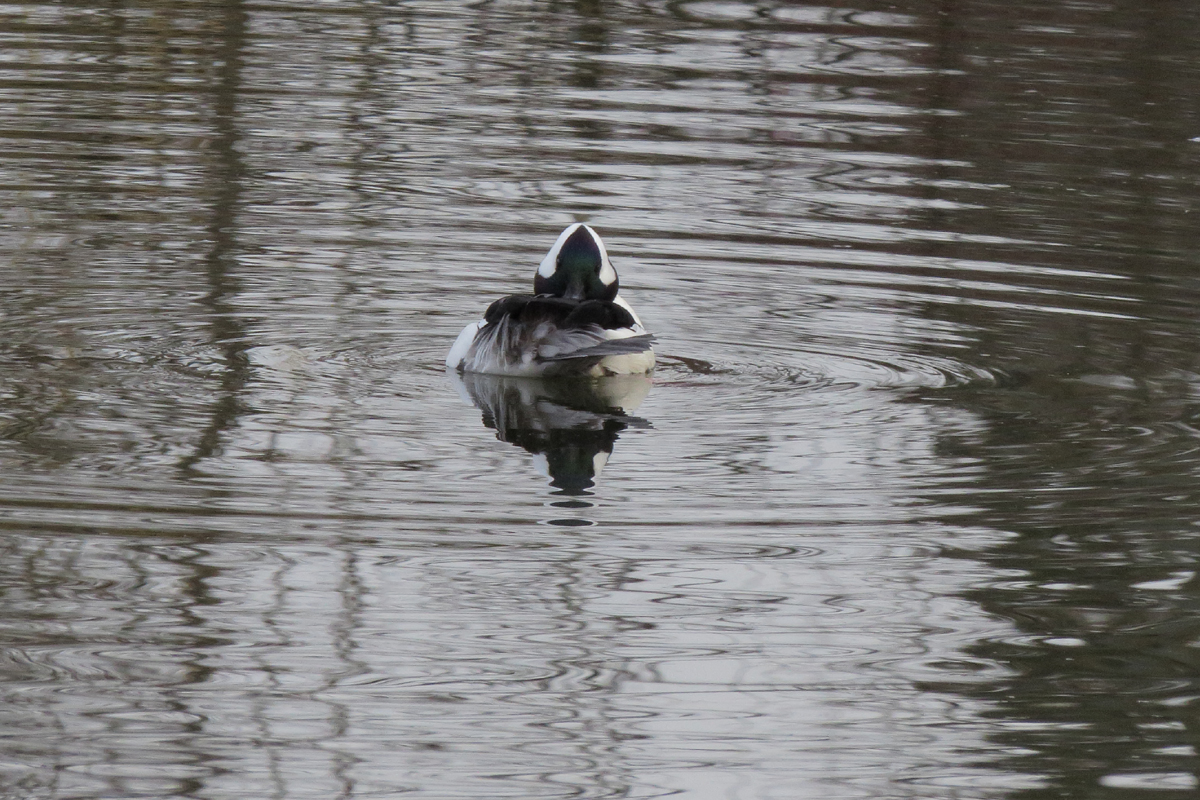
Bufflehead, Commonwealth Lake

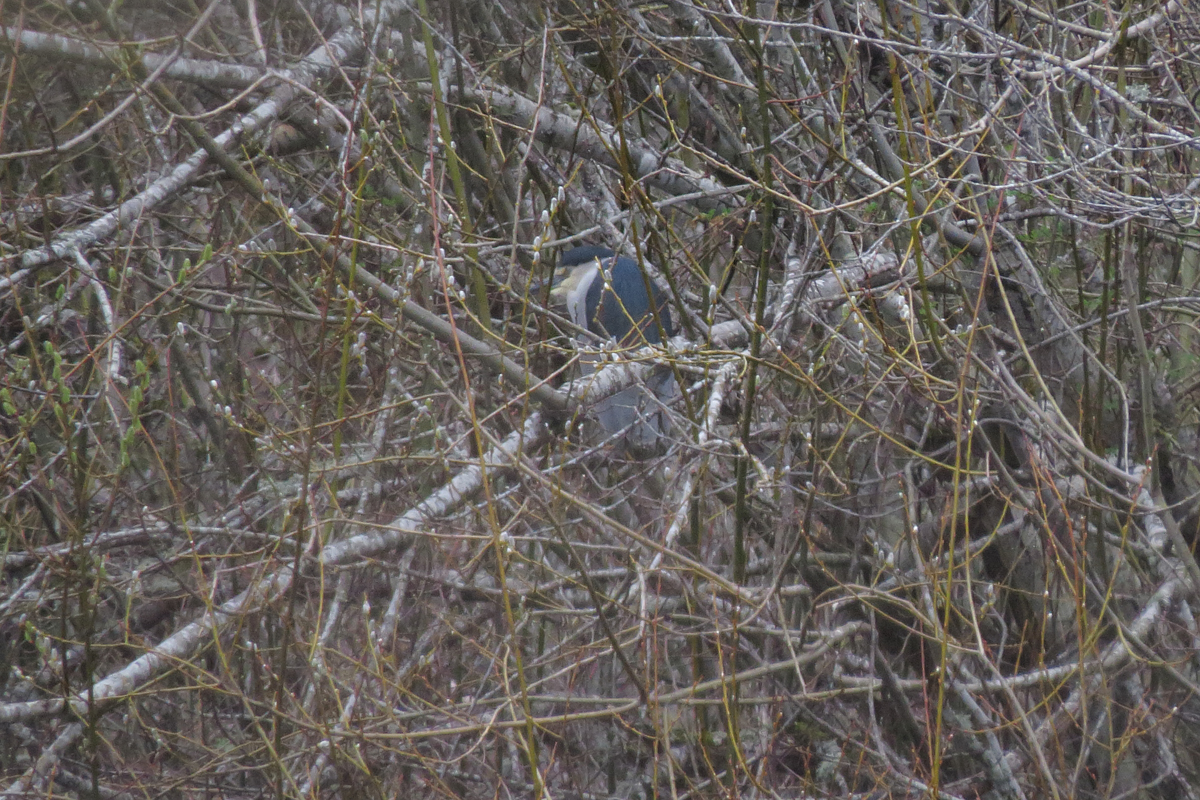
Koll Center Wetlands in Beaverton is not the most pleasant place to bird. You are basically peering into the wetlands from various parking lots. But there are a few species here that are hard to find elsewhere. This Black-crowned Night-Heron was barely visible through the brush.

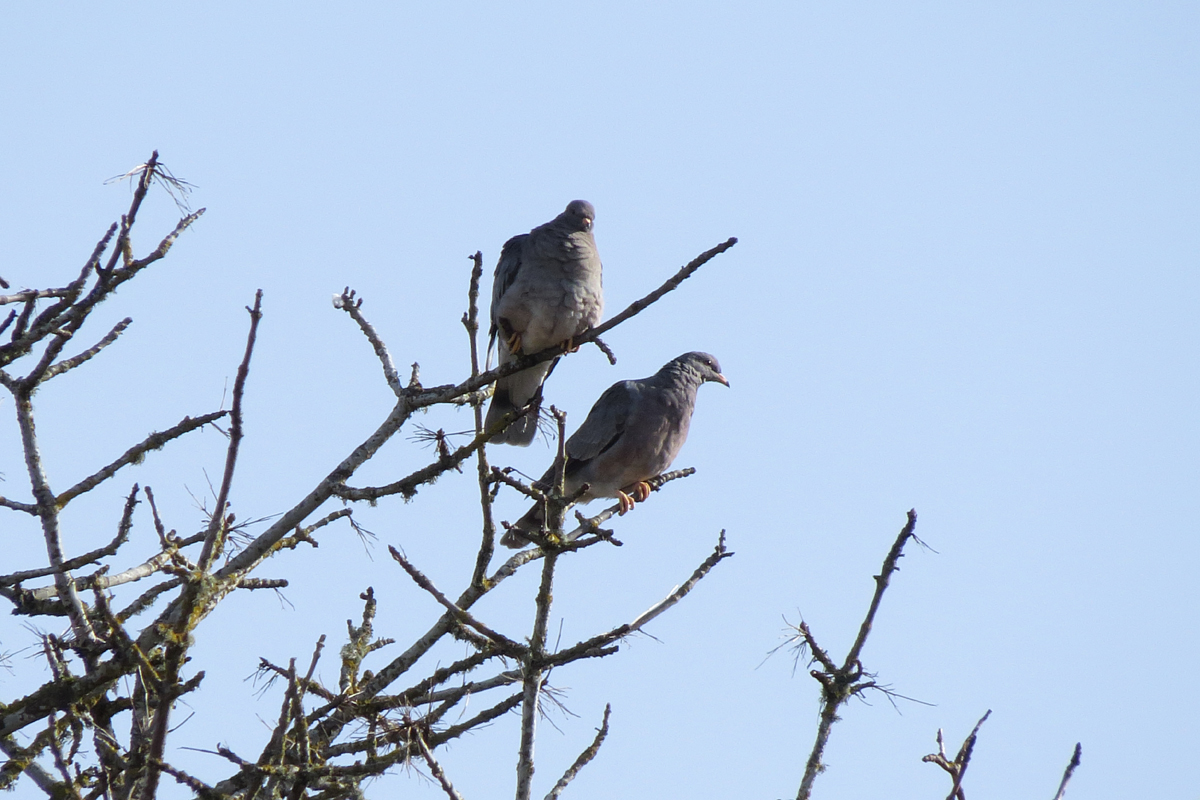
A small flock of Band-tailed Pigeons is reliable at Koll.

Yellow-rumped Warblers have been common all year at Koll, but some are just now molting into breeding plumage.

I have only birded outside my 5MR twice so far this year, both times while teaching Little Brown Bird Classes. This Rufous Hummingbird was at Jackson Bottom Wetlands in Hillsboro. I have yet to find this species in my 5MR, but it is one of many that I expect to see in the coming weeks.

Happy Spring

Virginia Rail

4

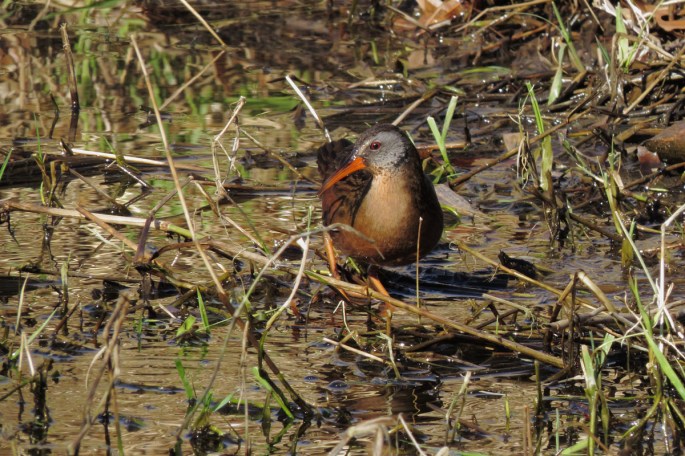
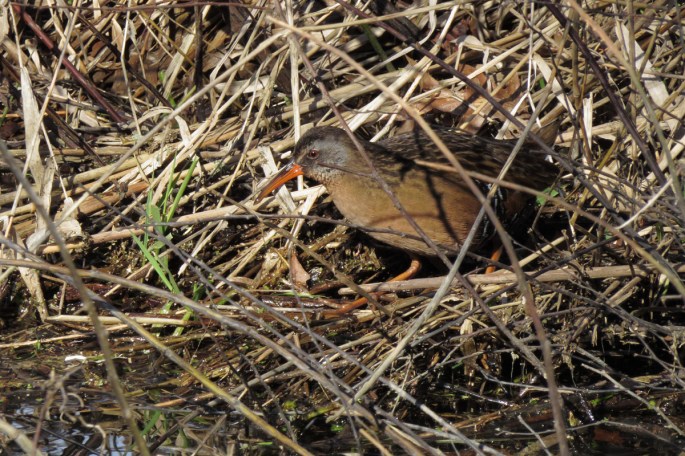
As many people are jumping on the “bird local” bandwagon, little Commonwealth Lake Park in Beaverton has been getting a lot of birding attention and producing an increasing array of interesting species. One of the stars of this winter is this Virginia Rail. While Virginia Rails are scarce in winter, and almost always hard to see, this individual has been venturing out into the open to feed, sometimes onto the athletic field.

2

We should appreciate the value of little parks like Commonwealth Lake to wildlife. But we should also remember that the reason birds can be easy to see in such places is because the habitat is so limited. This park is a small isolated patch of wetland surrounded by high-density housing. Wildlife thrives in large tracts of habitat. Since large tracts are no longer available in many areas, we should at least strive to preserve corridors between smaller parks to allow wildlife to safely travel from site to site, and to allow young to disperse.

5MR: The First Month

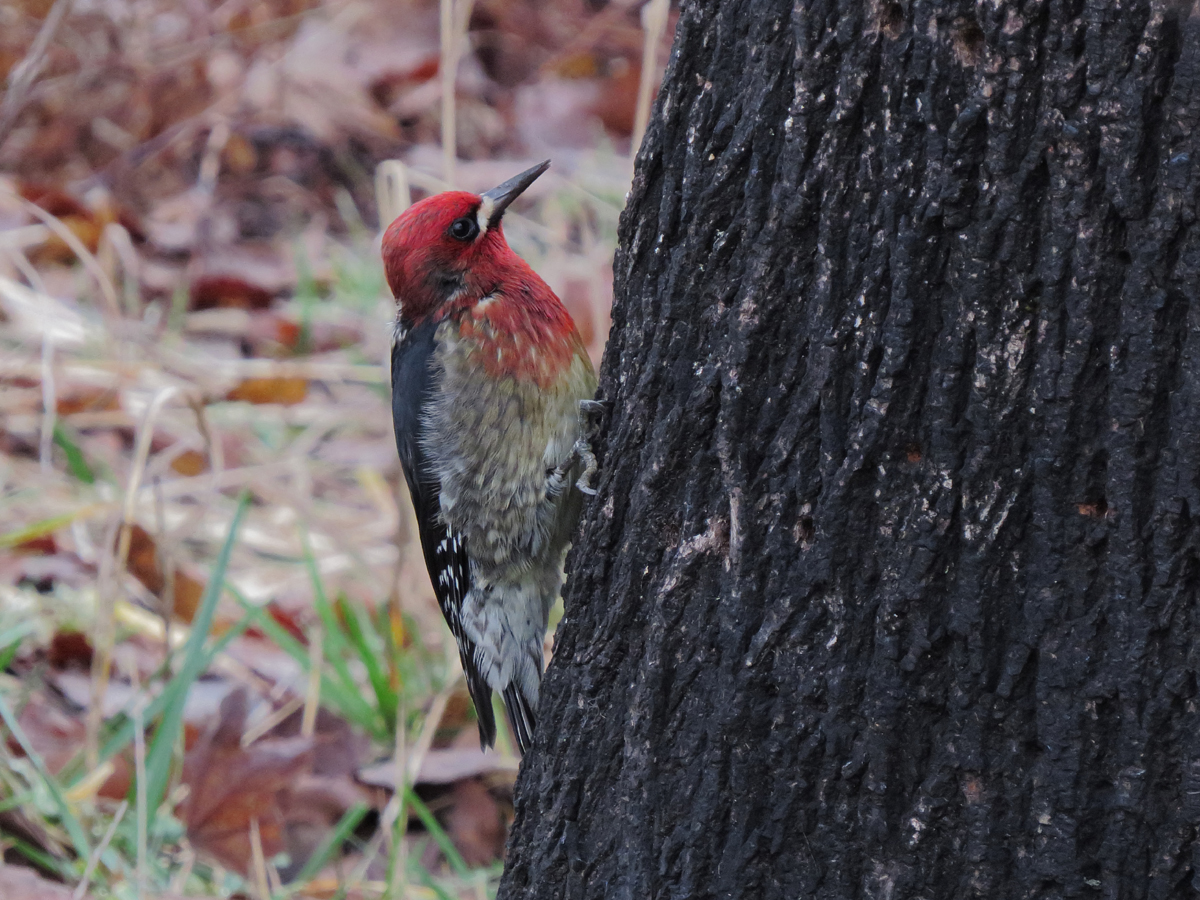
For the month of January, virtually all of my birding has been conducted within my 5 Mile Radius. This included dedicated birding trips and keeping track of birds while at the dog park and on family hikes.  (This Red-breasted Sapsucker was at Greenway Park.) Some birds came quite easily, like the Barred Owls that sang in my yard and at the dog park, while others were hard to find, like Rock Pigeon which I didn’t see until January 30.

The purpose of the 5 Mile Radius challenge, in addition to reducing your gas consumption, is to explore under-birded sites close to home. I visited several sites I had never birded before, and explored some familiar sites in greater detail.

The hope is that you will find previously unknown great birding spots, but this was not my experience. Of the new places I visited so far, all of which are eBird “Hotspots,” none of them are sites I am particularly motivated to visit again.

My circle has a few great birding sites that include wetlands, mixed forest, and hilltop migrant traps. If I concentrate my birding on five sites, I will have the opportunity to see the vast majority of species likely to occur within my circle. Yes, great birds can show up anywhere. If you are lucky enough to be able to go birding every day, then it makes a lot of sense to visit as many different sites as possible. But if your birding time is limited because you have a life (oops, did I say that out loud?), I think it makes more sense to spend your time in the best habitats. I also enjoy my birding more when the habitat is more pleasant. I have peeked into people’s back yards to see rare birds (Brambling, Black-throated Blue Warbler, Ovenbird, Costa’s Hummingbird), but I would much rather hike around a nice park.
Here are a few photos from the past month.

Brown Creeper, Greenway Park

Nutria at Koll Wetlands

Wilson’s Snipes at Commonwealth Lake

I dipped on the American Dipper that has been hanging out in my circle this winter, but I did see lots of dipper poop, so that should count, right?

Onward to February.