Fernhill Wetlands, 2-15-12

I walked around Fernhill Wetlands (Birding Oregon, p. 61) in the mid afternoon. Most of the waterfowl that roost here on winter evenings were still off feeding in the area fields, but there is always something to see.


A flock of Brewer’s Blackbirds were hanging out in a tree by the parking lot.


This American Kestrel was in the same tree as the blackbirds, but the two didn’t seem to pay any attention to each other.
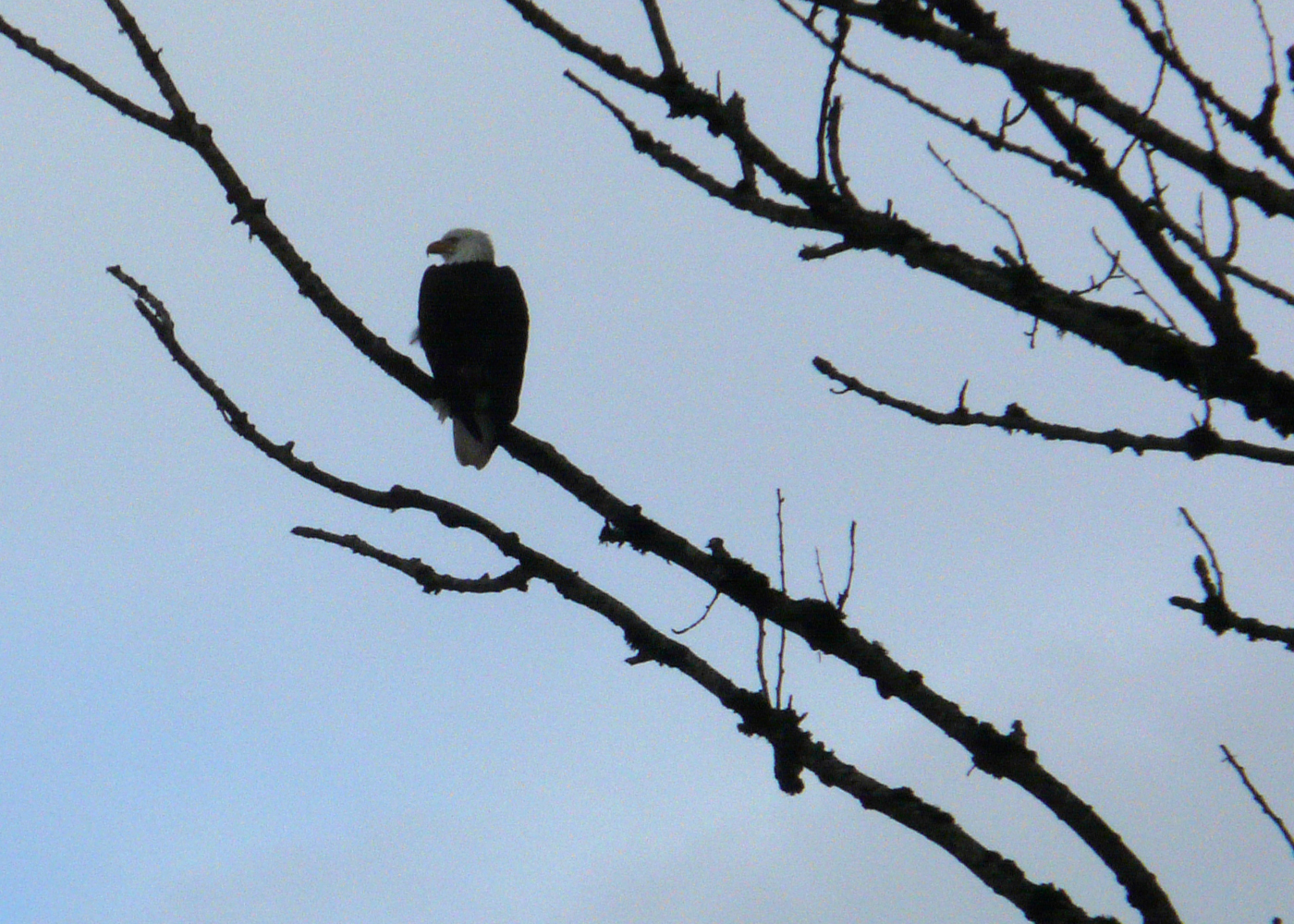

A pair of Bald Eagles is usually visible in the grove of large cottonwoods on the southeast corner of the property.


The eagles have started a new nest this year.
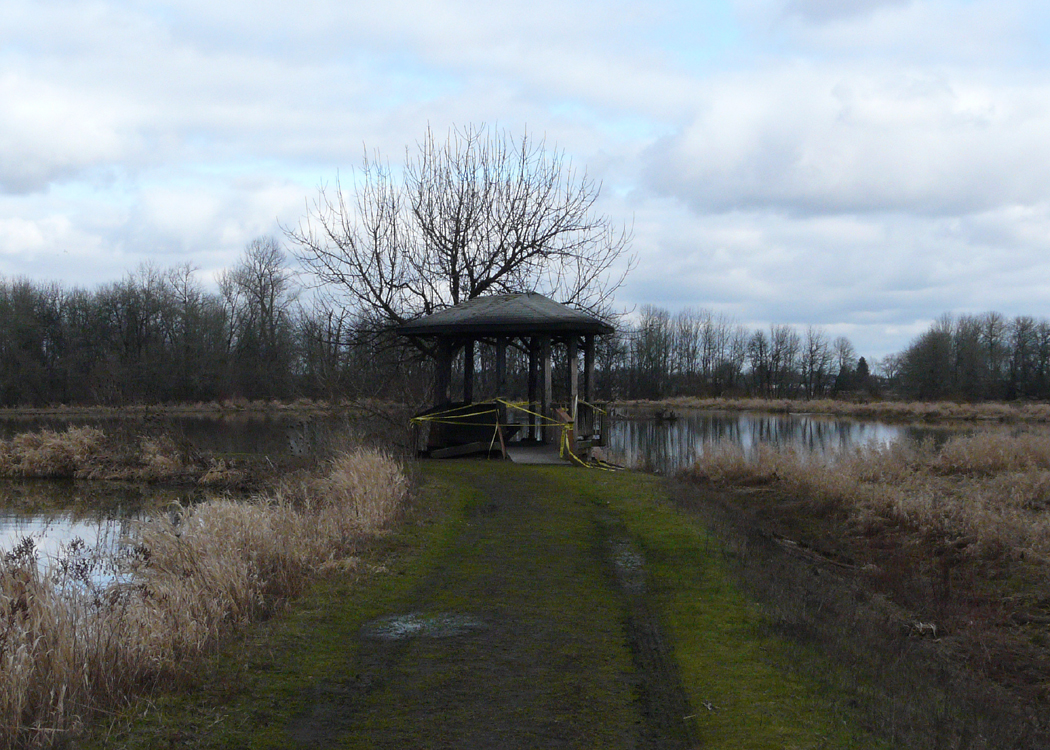

This observation platform was destroyed by arsonists. Fernhill Wetlands is not a park, but is owned by the area waste water department. As a result, there are few resources for facilities or habitat management.


Tundra Swans were flying in to roost. They tend to stay in the more distant parts of Mitigation Marsh.
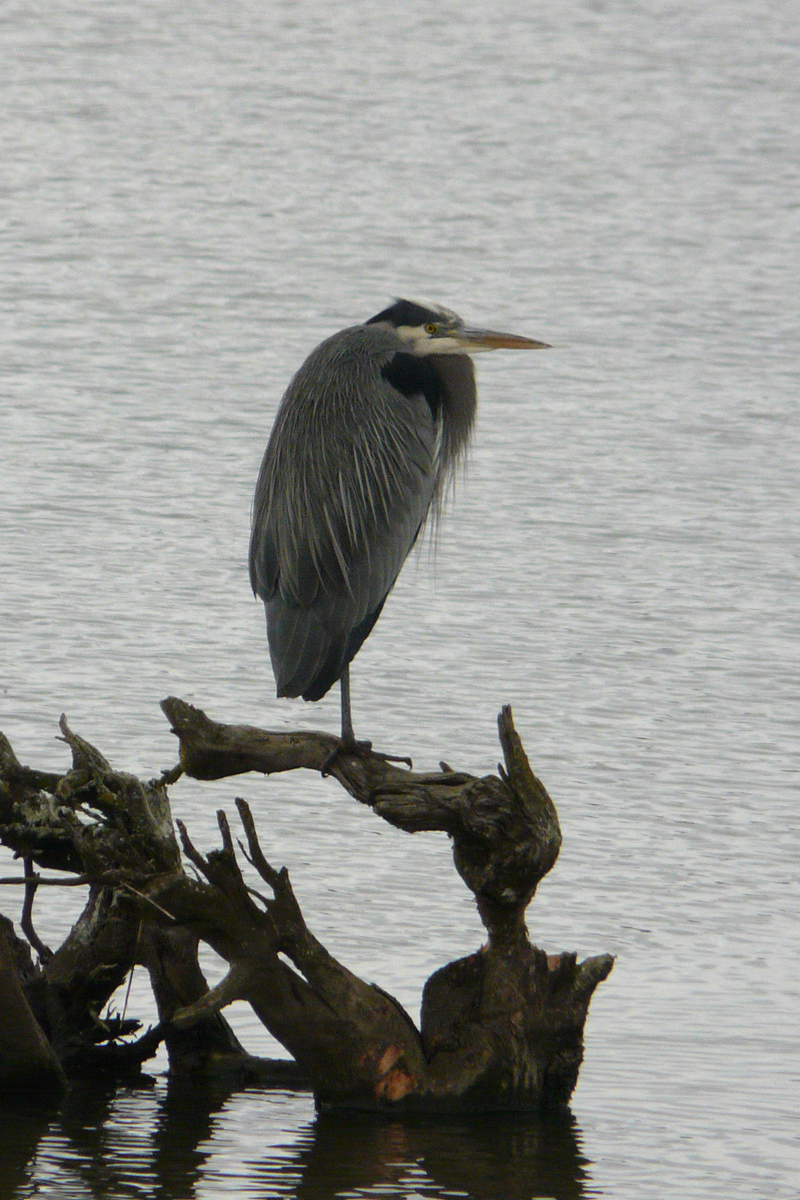

Great Blue Herons are nesting in the trees to the east of the wetlands. This individual was resting on a snag in Cattail Marsh.
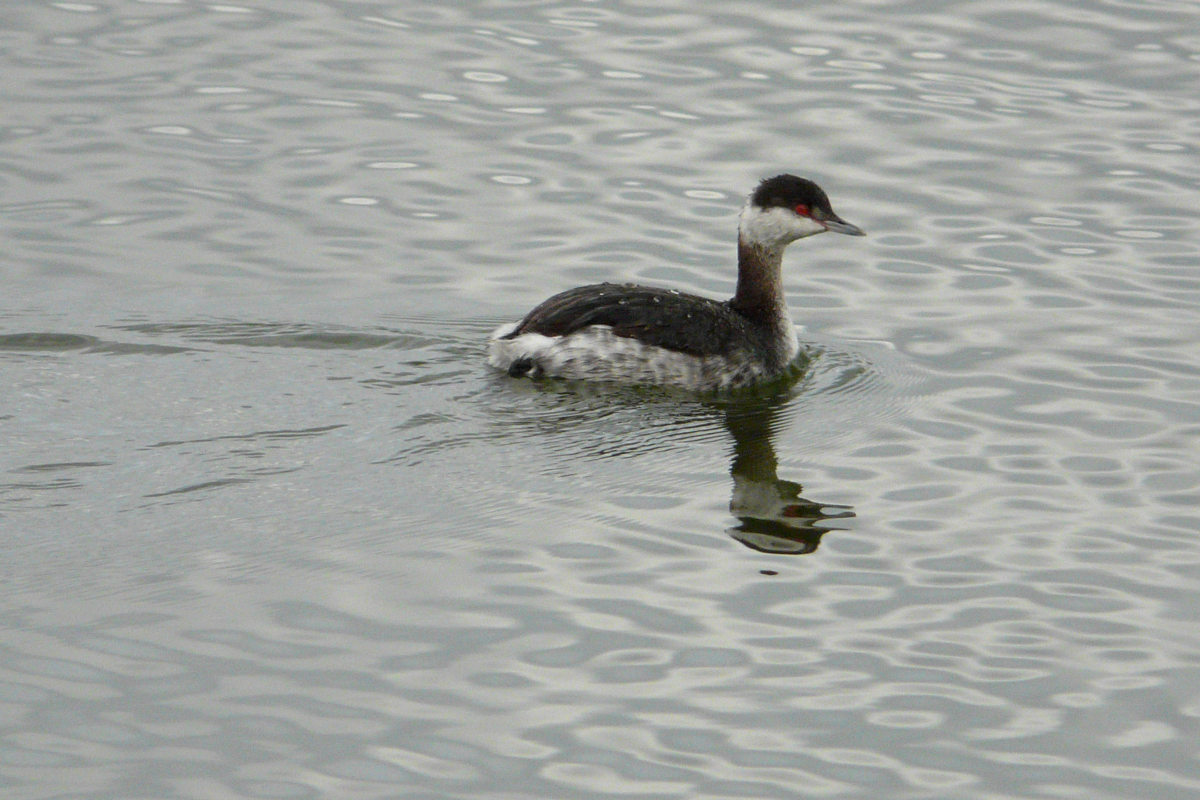

The deeper water of Fernhill Lake attracts divers like this Horned Grebe.
Siletz Bay area

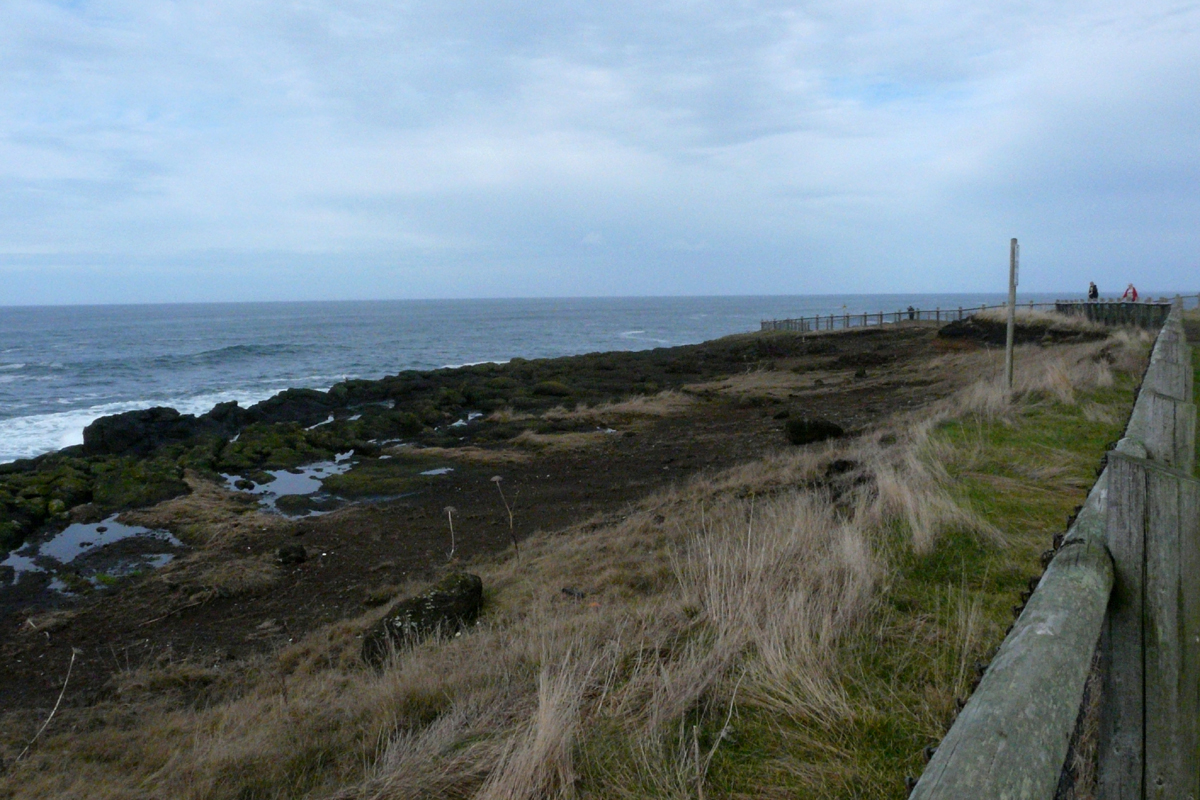
I spent a day birding around Siletz Bay (Birding Oregon chapter 37). This part of the coast is not one of the more scenic areas, but there are a couple spots tucked away that are worth a look.


The main stop for the day was Boiler Bay State Wayside. This spot gets a lot of press as one of the best birding sites on the Oregon coast. While it is true that Boiler Bay is the most likely spot to find a lot of seabird species from shore, the birding here is not easy. On many days, you must patiently scan the ocean with a scope, hoping to find a robin-sized seabird from several hundred yards away. While bird numbers were low overall, two hours of scanning produced a nice variety of birds, including Ancient Murrelets (a nemesis bird for me), Marbled Murrelet, Horned and Western Grebes, and a Rhinoceros Auklet.

Several Harbor Seals were snoozing near the mouth of Siletz Bay. You can often see seals hauled out on the beach near the entrance to the bay.


Cutler City Wetlands is a nice patch of woods worthy of exploration, especially during migration. From US 101, turn west onto SW 63rd Street. About one block from the highway, there is a small parking area on the right side of the road, just across from this sign.


The property has a nice network of trails through a variety of habitats.


This Pacific Wren put on a good show, singing and perching out in the open for a few minutes. This species is seldom so visible.

Tualatin River NWR


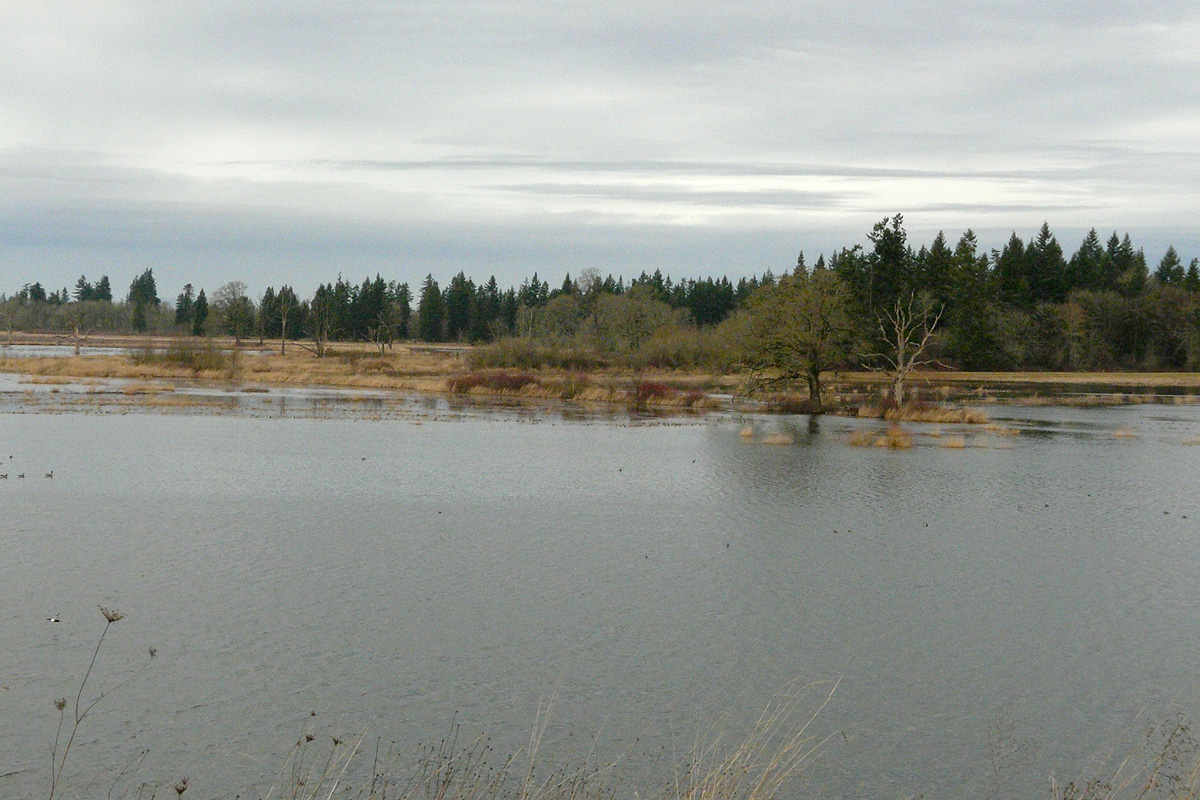
Tualatin River National Wildlife Refuge, located just a few miles southwest of Portland on Hwy 99W, is a wonderful refuge for wintering waterfowl, despite its location in such an urban area.


The dikes around the wetland areas are closed to public access in the winter to prevent disturbance to the birds. But the trail leading through the wooded habitat beyond the wetland is open year round.


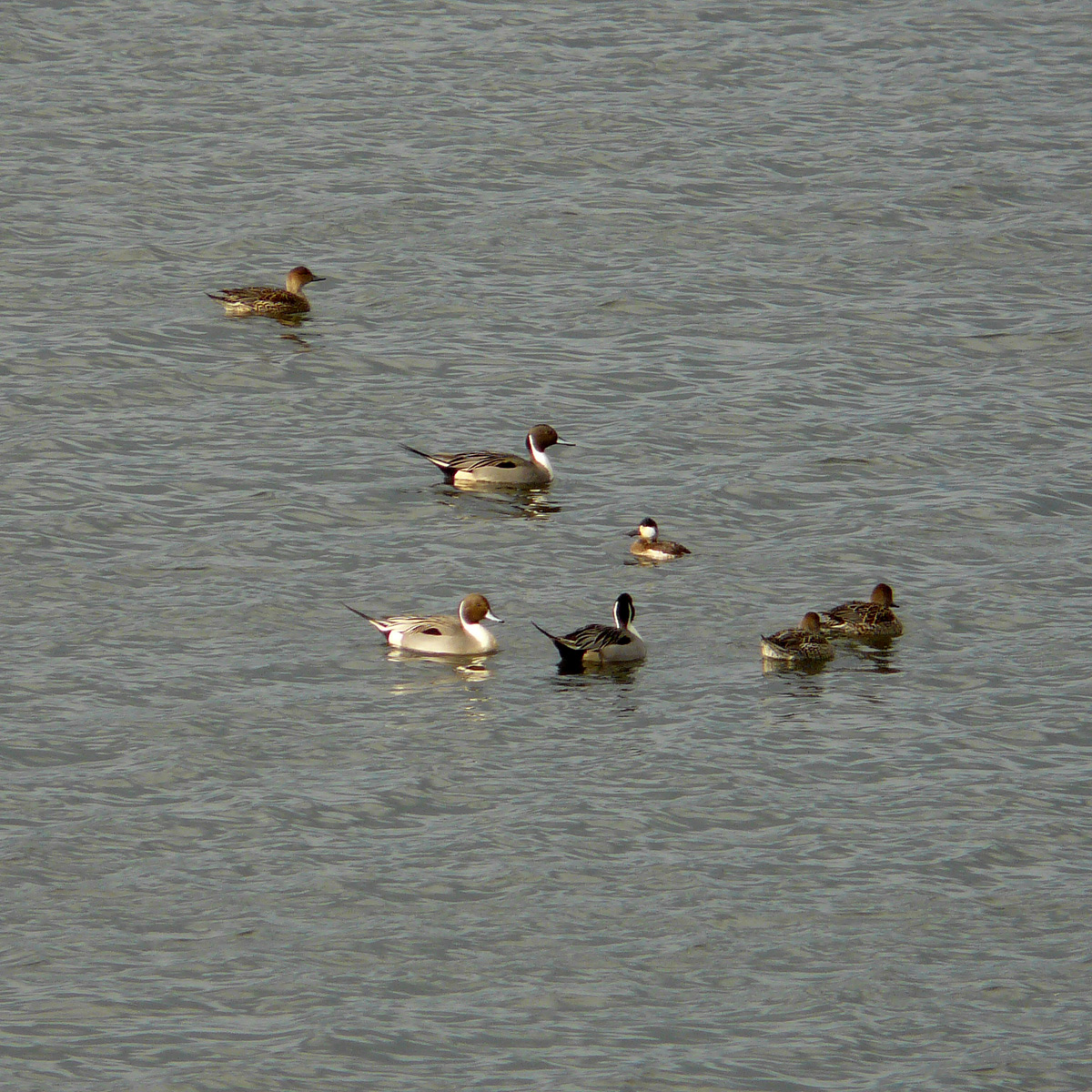
Northern Pintails and a Ruddy Duck


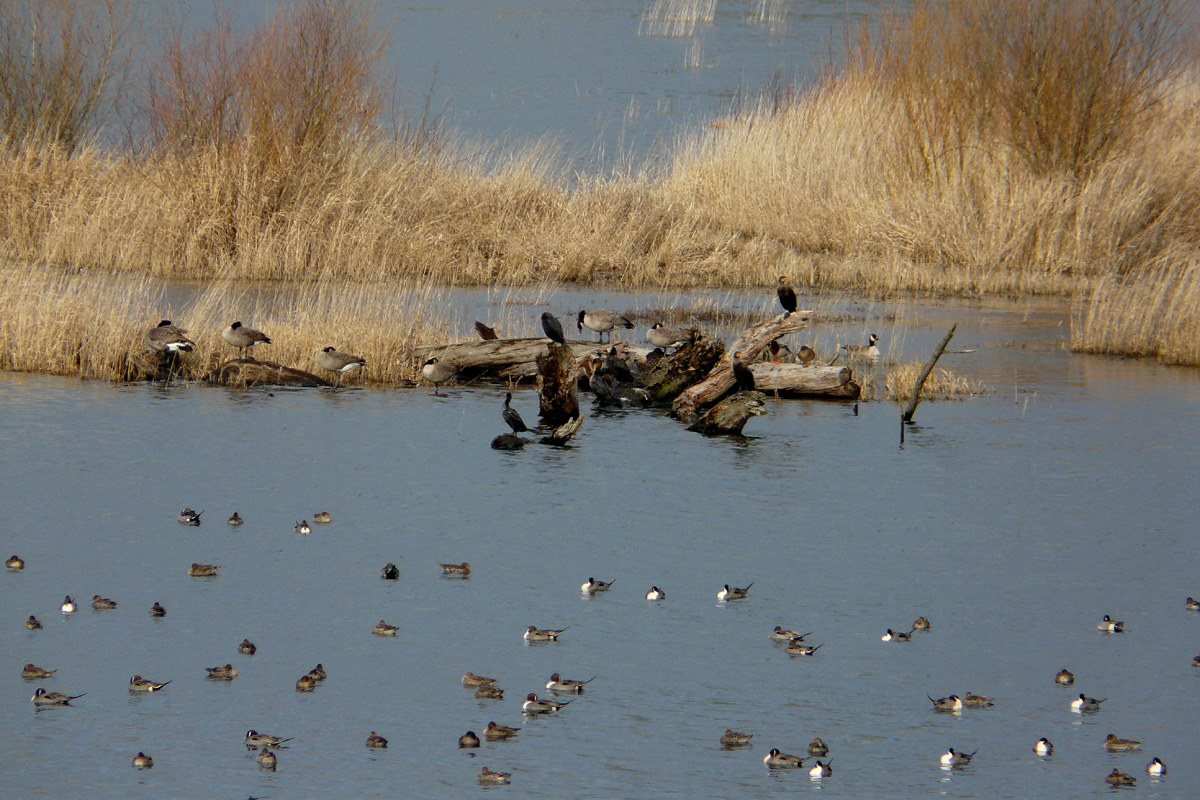
several Double-crested Cormorants perched on a log


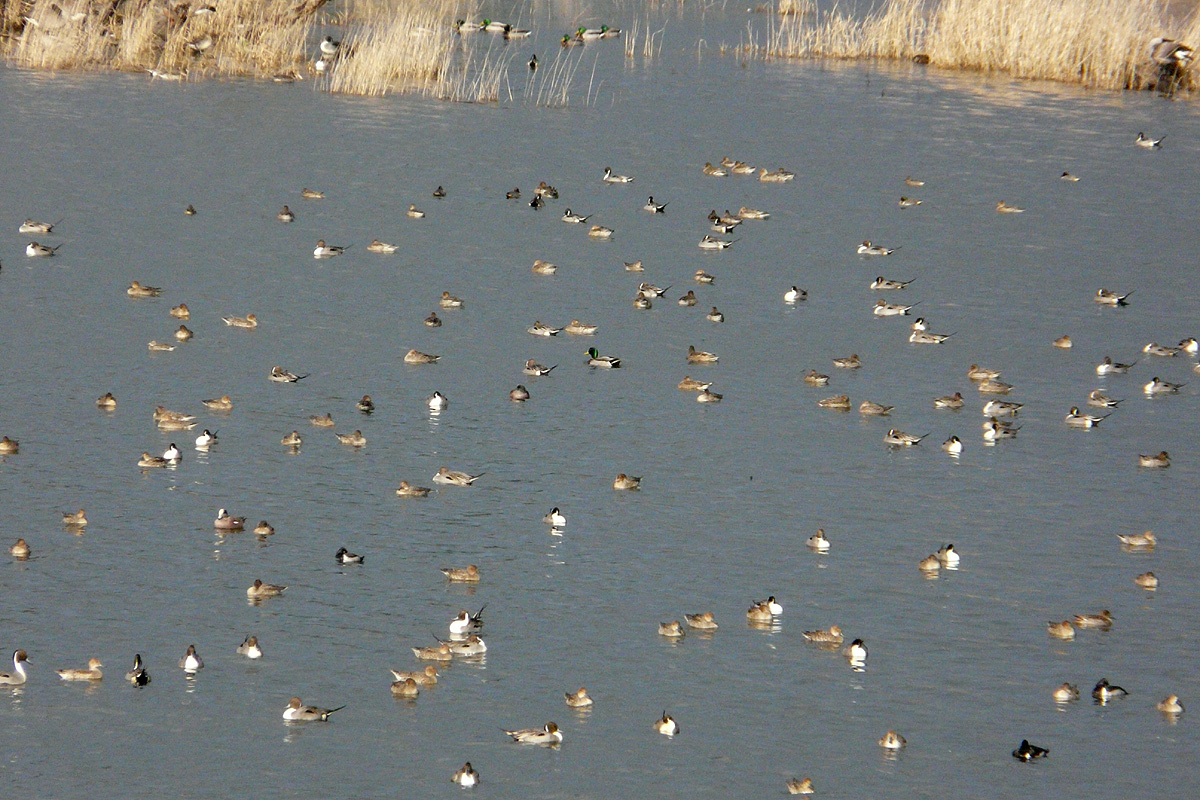
a congregation of Northern Pintails, Mallards, and Ring-necked Ducks


The star of the refuge in recent weeks has been a lone Emperor Goose. He is the pale gray blob with the white neck tucked under his wings, right in the center of the photo. No, really.


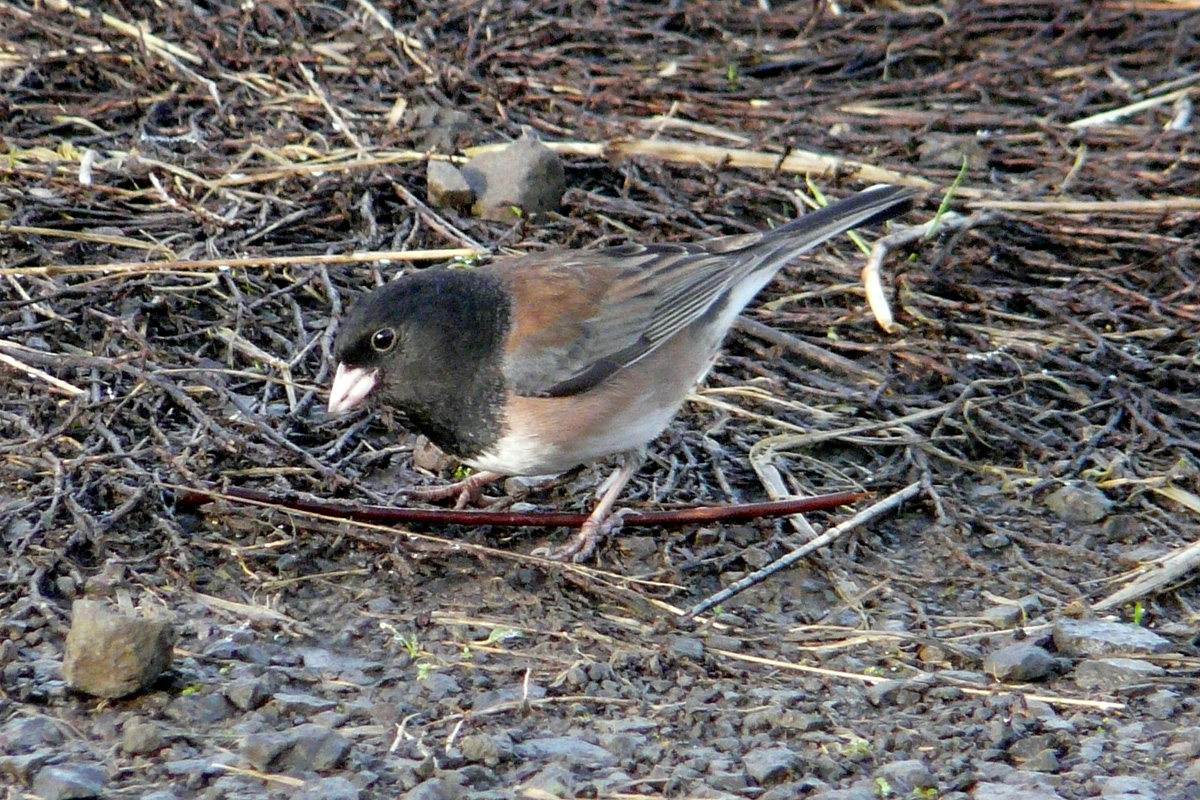
This Dark-eyed Junco was a little more photogenic than the goose was.


Given the amount of brown on the crown and hind neck of this Dark-eyed Junco, I’m guessing she is a first-year female.


Golden-crowned Sparrow and Dark-eyed Junco

Vanport Wetlands

I took advantage of the short breaks in the recent rainy weather to visit Vanport Wetlands in north Portland. The dark foggy conditions did not create great photo opportunities, but there are a lot of birds using this site.


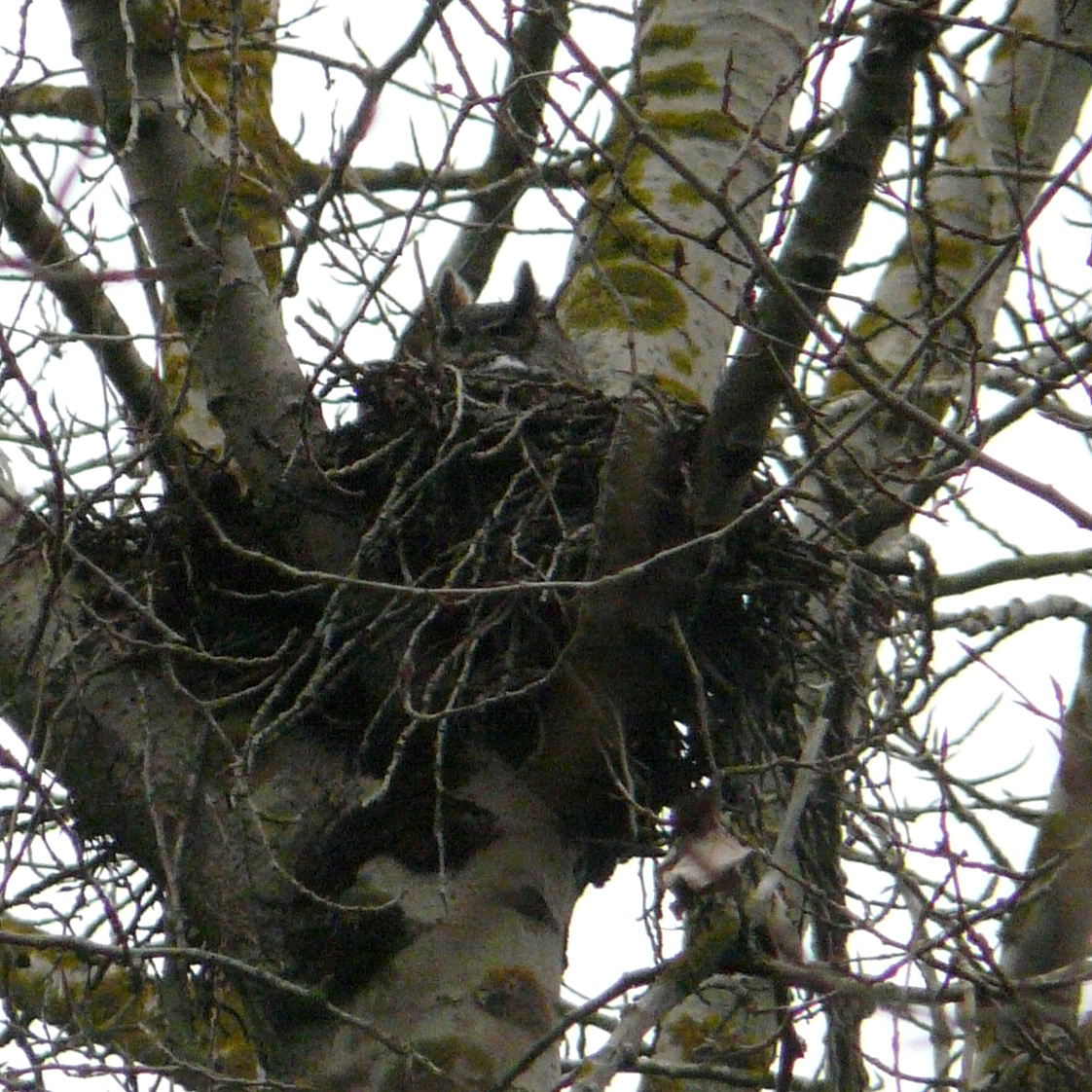
The local Great Horned Owl is already sitting on her nest. This nest successfully fledged young last year.


In another sign of spring, this Great Egret is already sporting long nuptial plumes.


These Cackling Geese (and one Glaucous-winged Gull) were hanging out on the nearby Heron Lakes Golf Course. A Brandt has been seen on the golf course this week, but I didn’t find him on this visit.


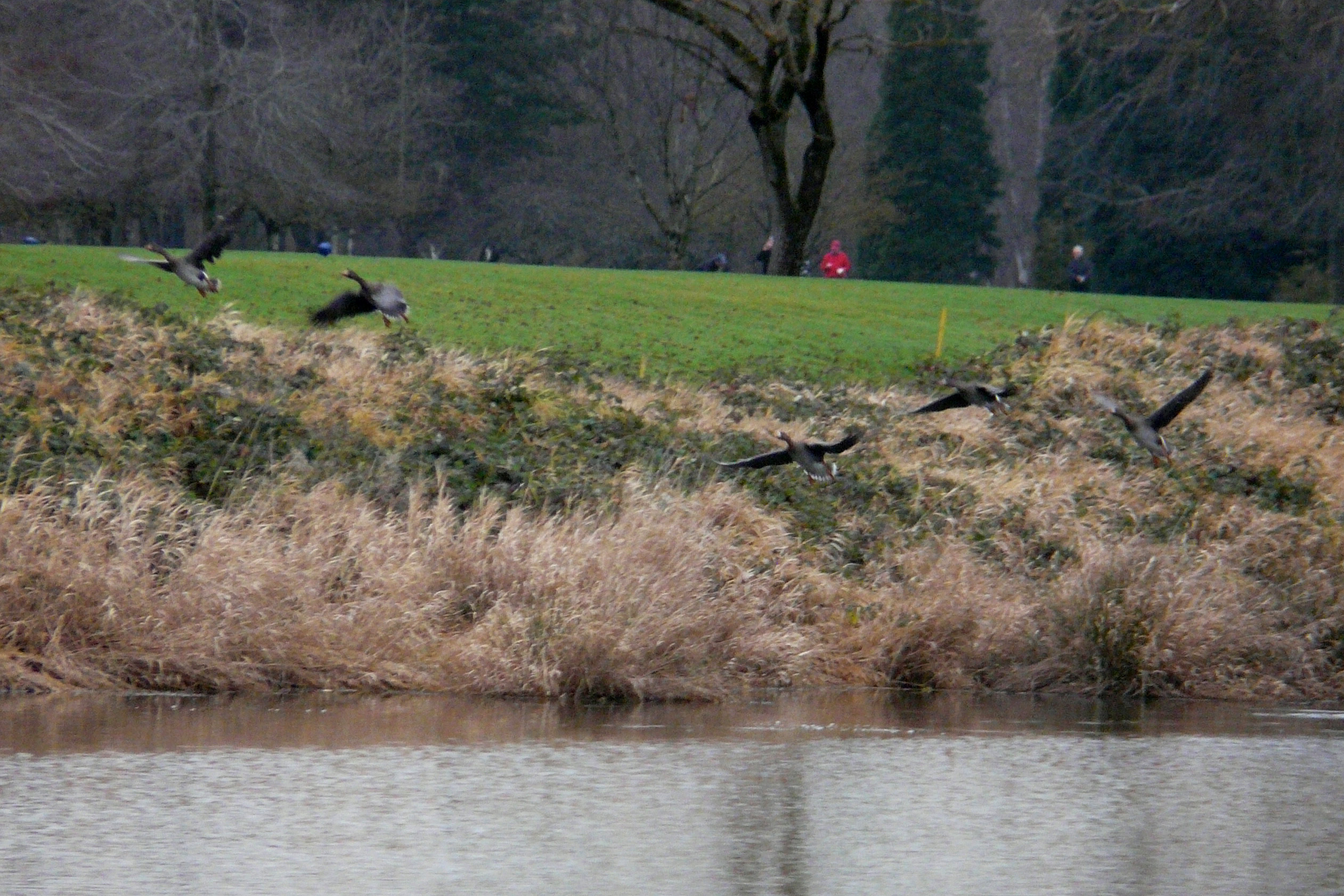
A flock of ten Greater White-fronted Geese were sitting on Force Lake, just north of the Vanport Wetlands.


These geese are young birds, lacking the black and white speckling seen on the bellies of adults.


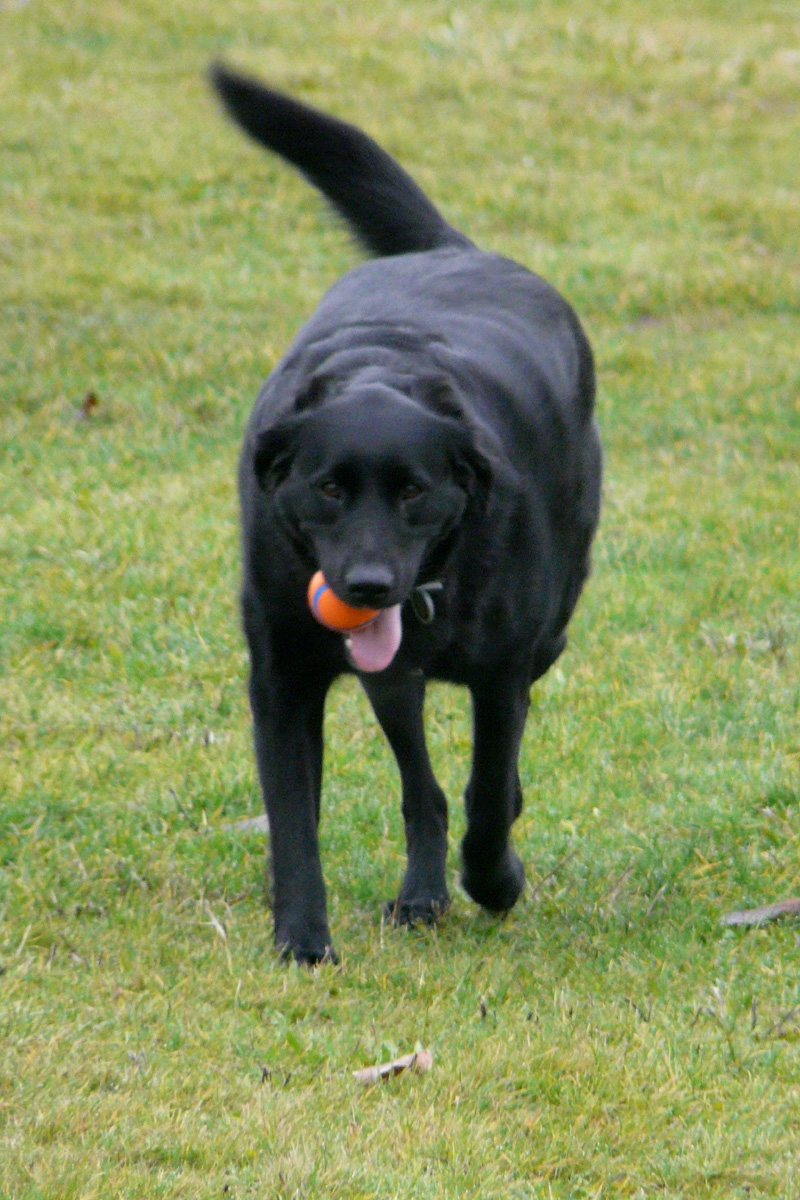
Nala is not nearly as interested in the birds of Vanport Wetlands as she is in the adjacent off-leash dog park, where she can pursue her prime interest, chasing the Orange Orb of Delight.

Sunny Day at Westmoreland Park


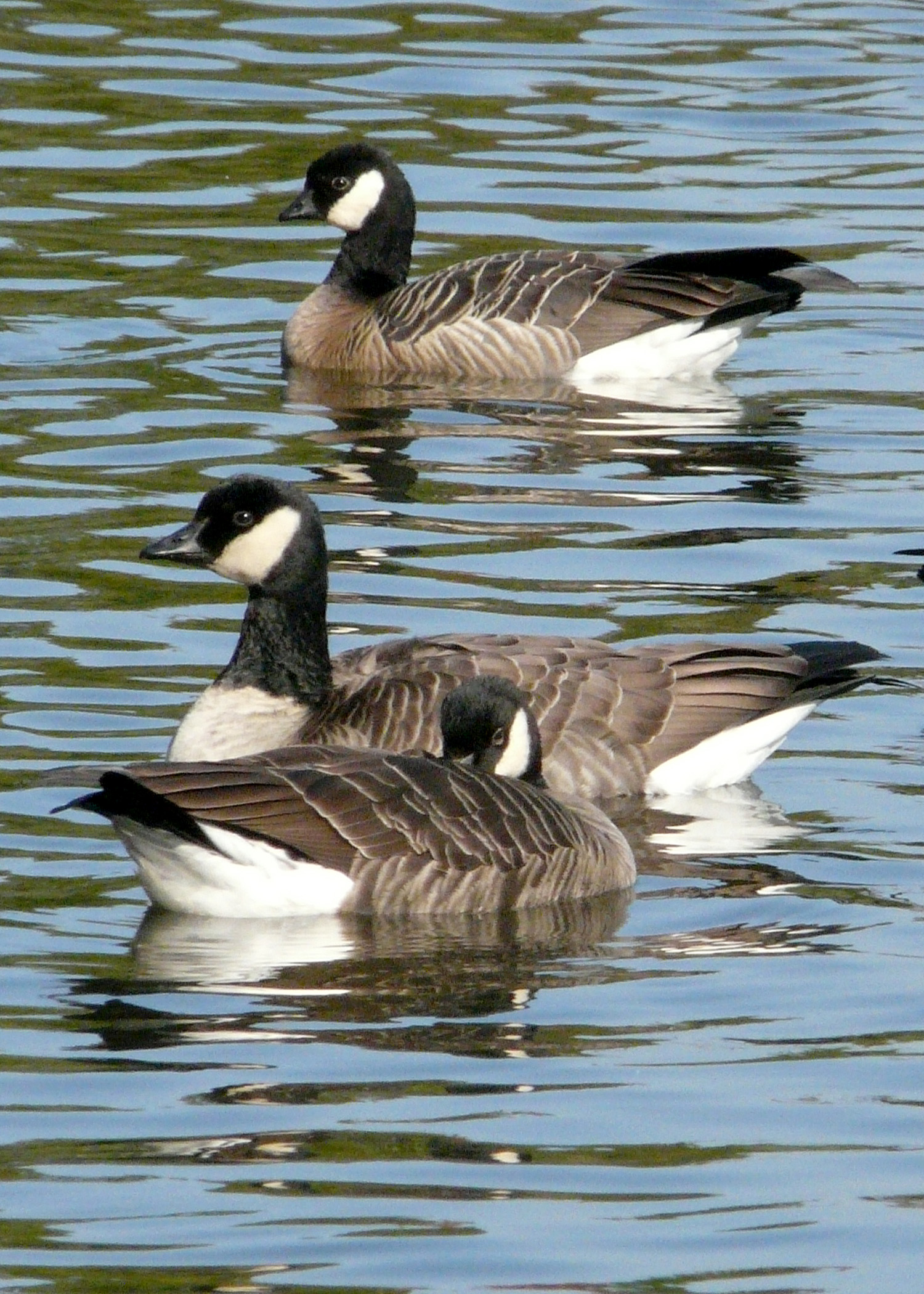
Best known as a local gull hotspot, Portland’s Westmoreland Park also hosts good numbers of Cackling Geese in winter. This December has been unusually dry and sunny, so instead of my photos being grainy and dark, they are now overexposed.


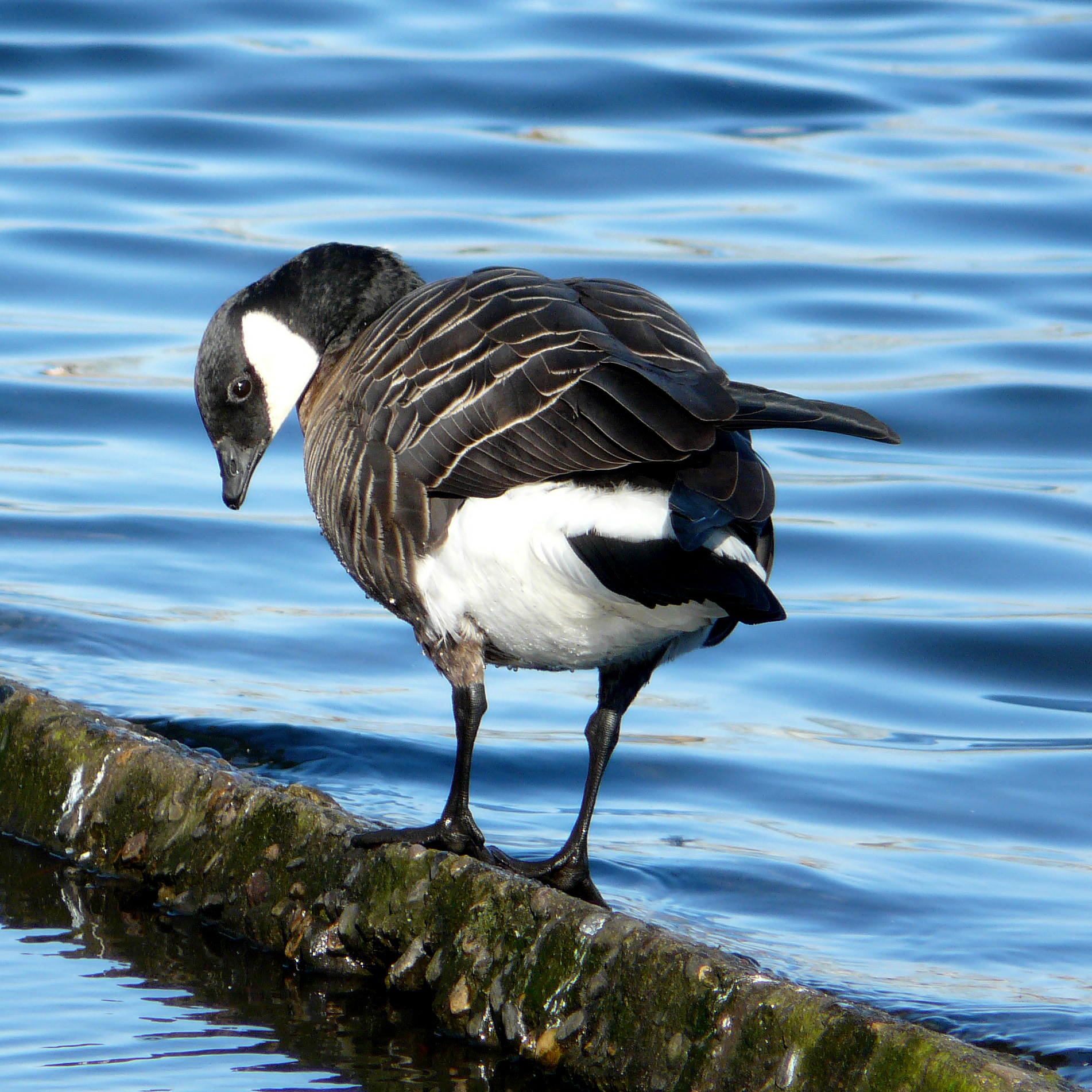
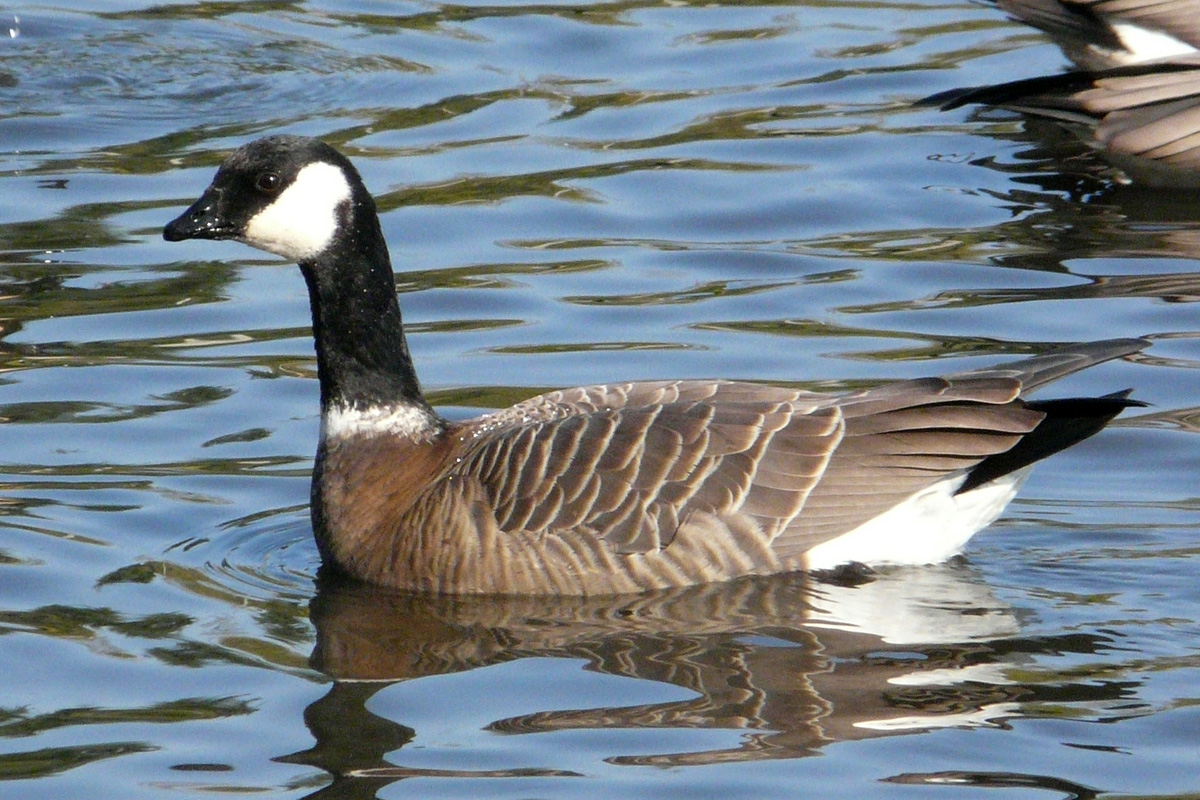
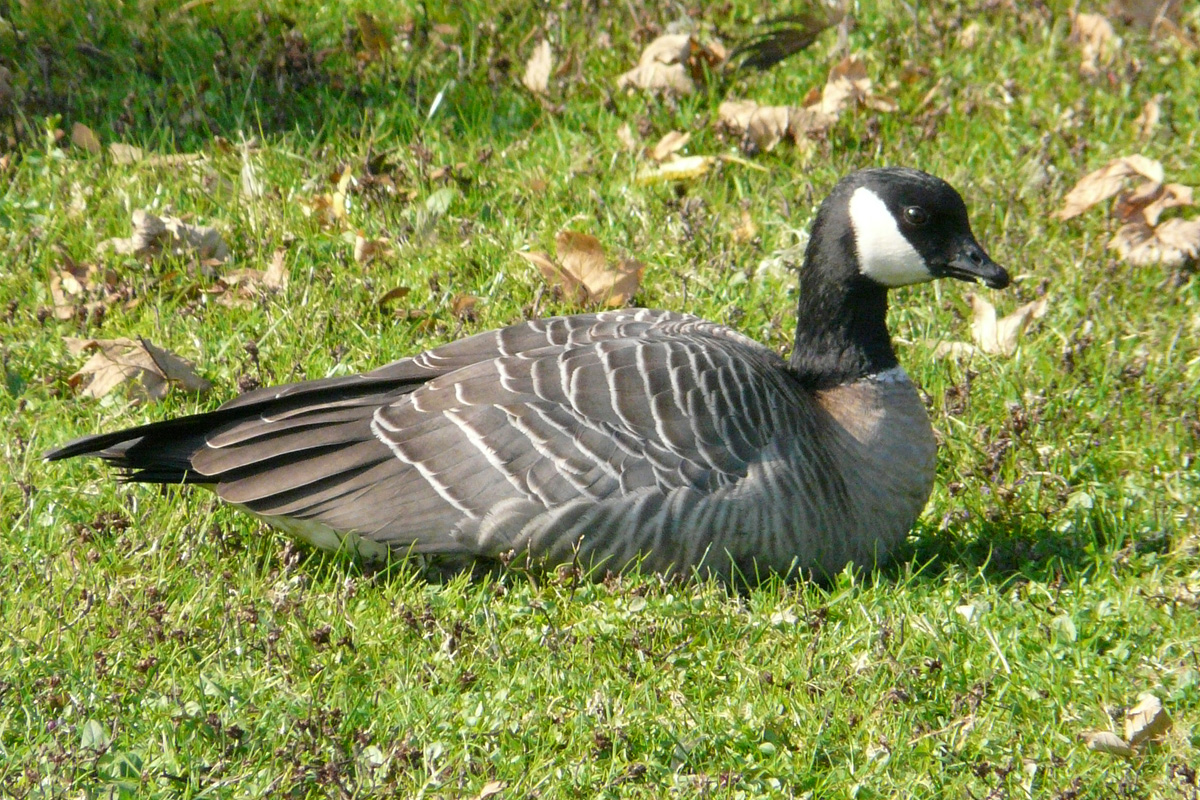
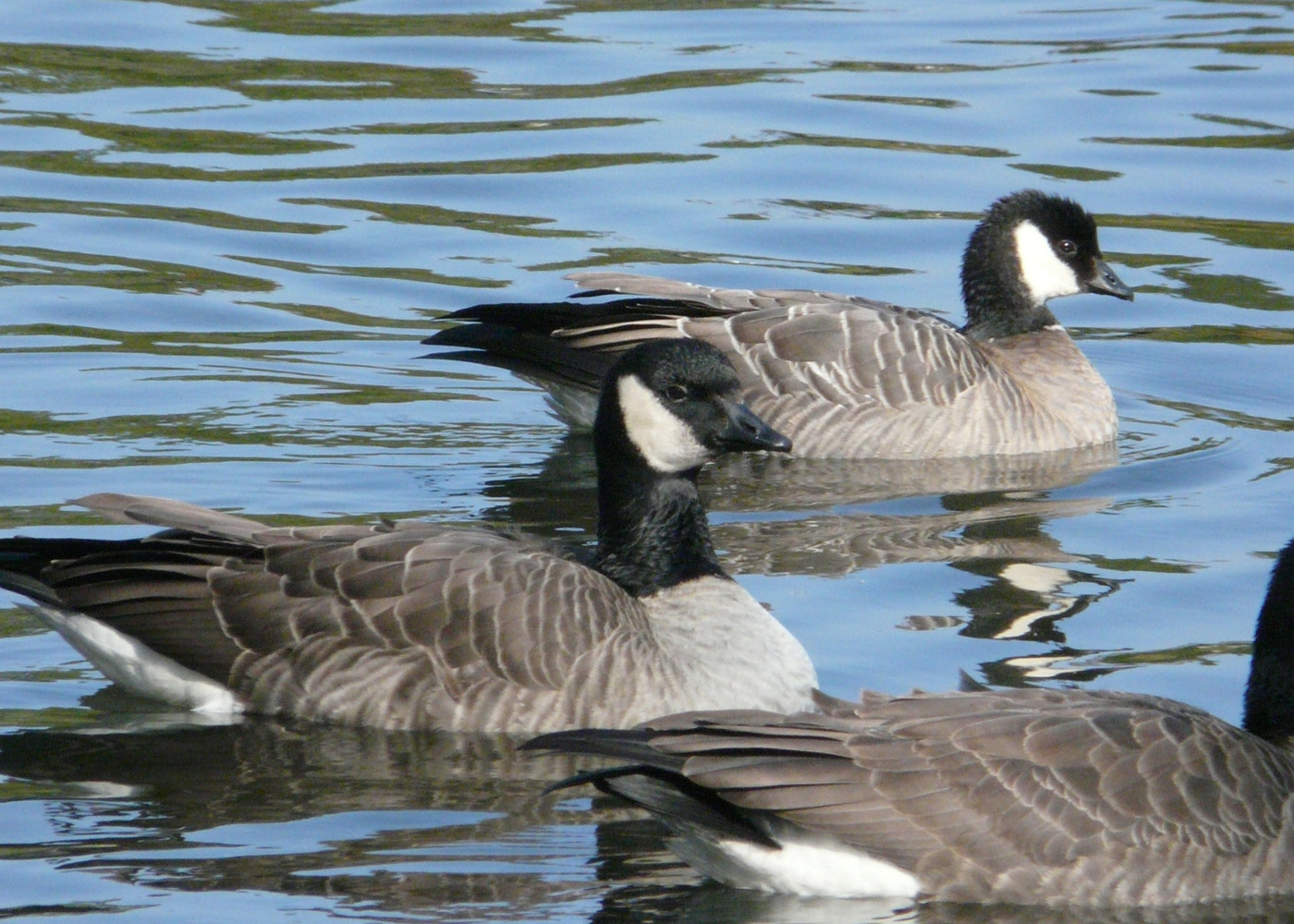
Ridgeway’s Cackling Goose (Branta hutchinsii minima) is the smallest race of Cackler, only slightly larger than a Mallard. Their stubby bills and purplish breasts are good field marks. Many individuals also display a prominent white collar.


cuteness


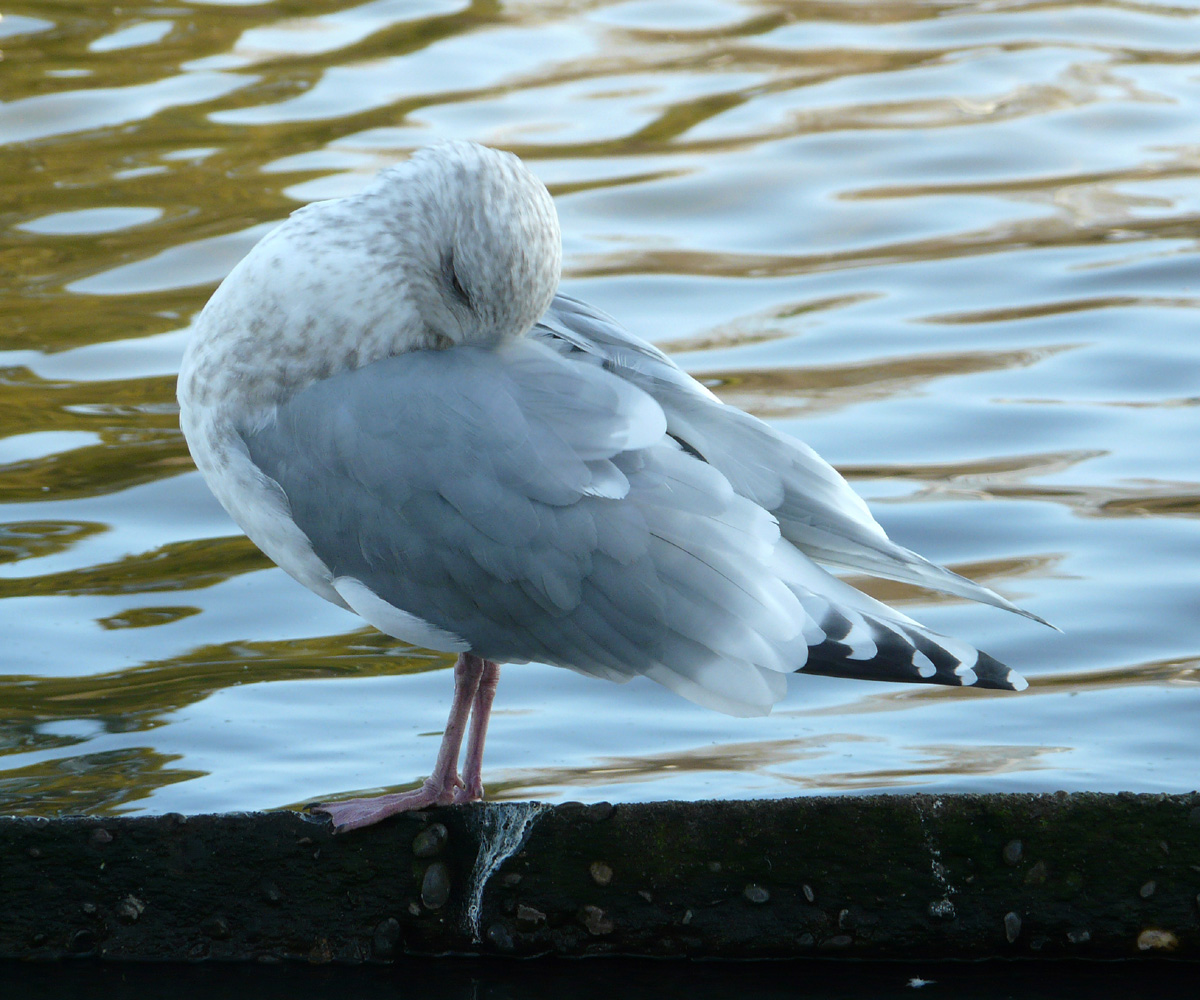
Of course, you can’t visit Westmoreland in winter without appreciating a Thayer’s Gull. This is such a hard bird to find throughout much of the country, I always stop to enjoy them, despite their local abundance. You can’t see this bird’s eye or bill, but the white underside of the far wing and the amount of white visible on the outermost primary (p10) on the near wing are both good clues to the bird’s ID. (yeah, I’m a bird nerd, and I’m proud.)


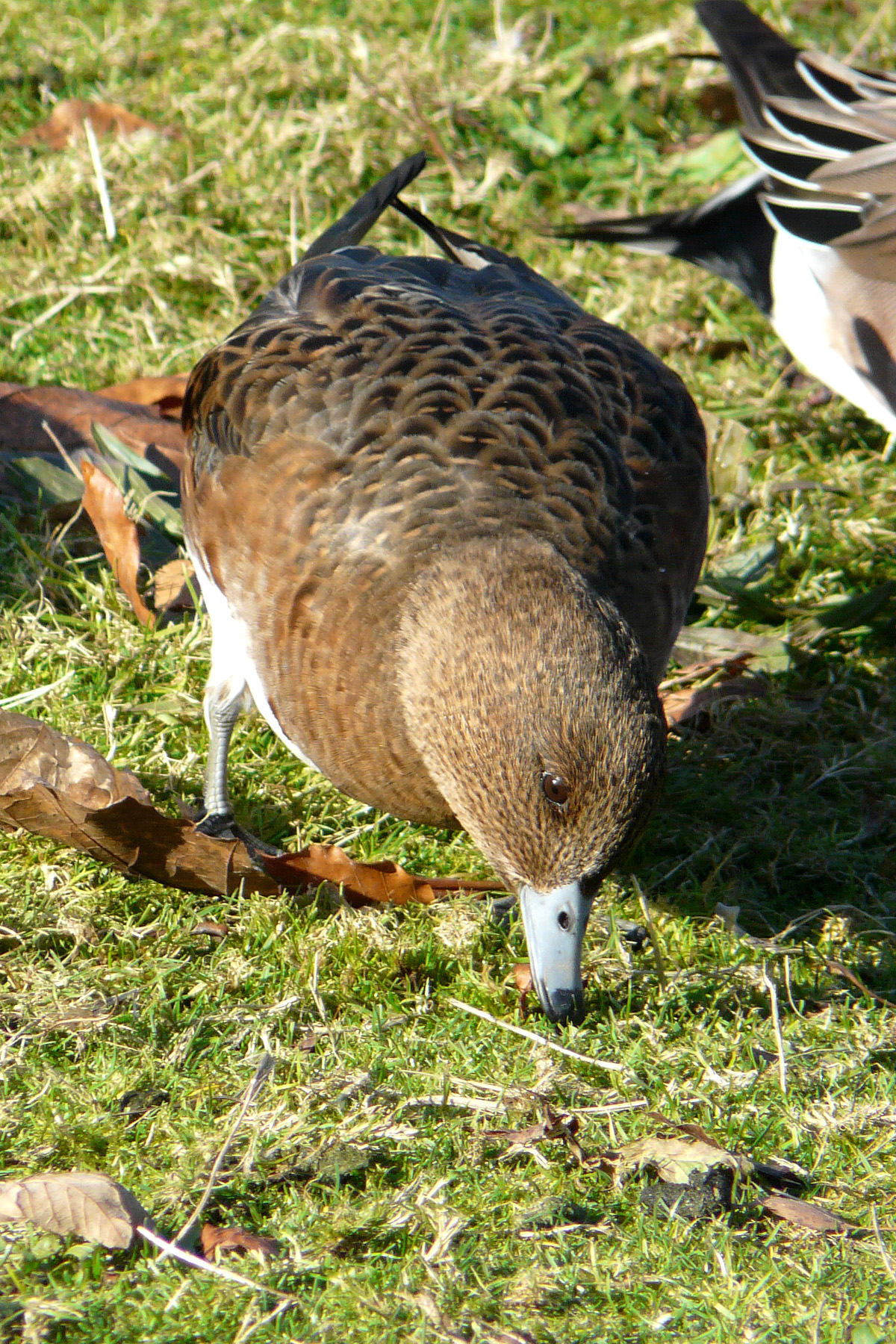
Eurasian Wigeon is another species that Portlanders enjoy on a regular basis, while birders elsewhere can only dream.

Seaside, 11/10/2011

Here are a few more images from a recent trip to the coast.


Black Turnstone at The Cove in Seaside (Birding Oregon p. 121)


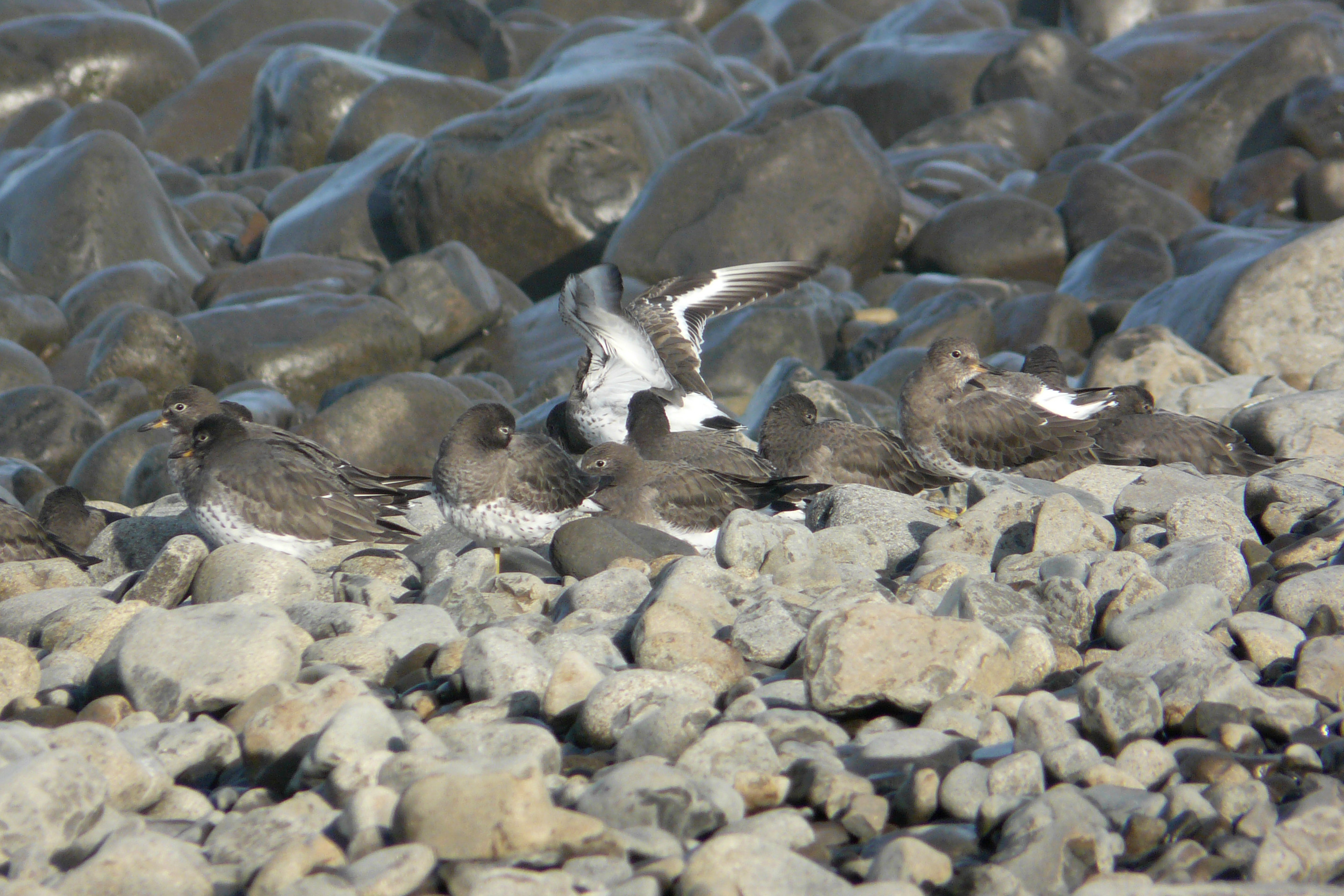
Surfbirds blend in with the rocks very well until someone opens their wings.


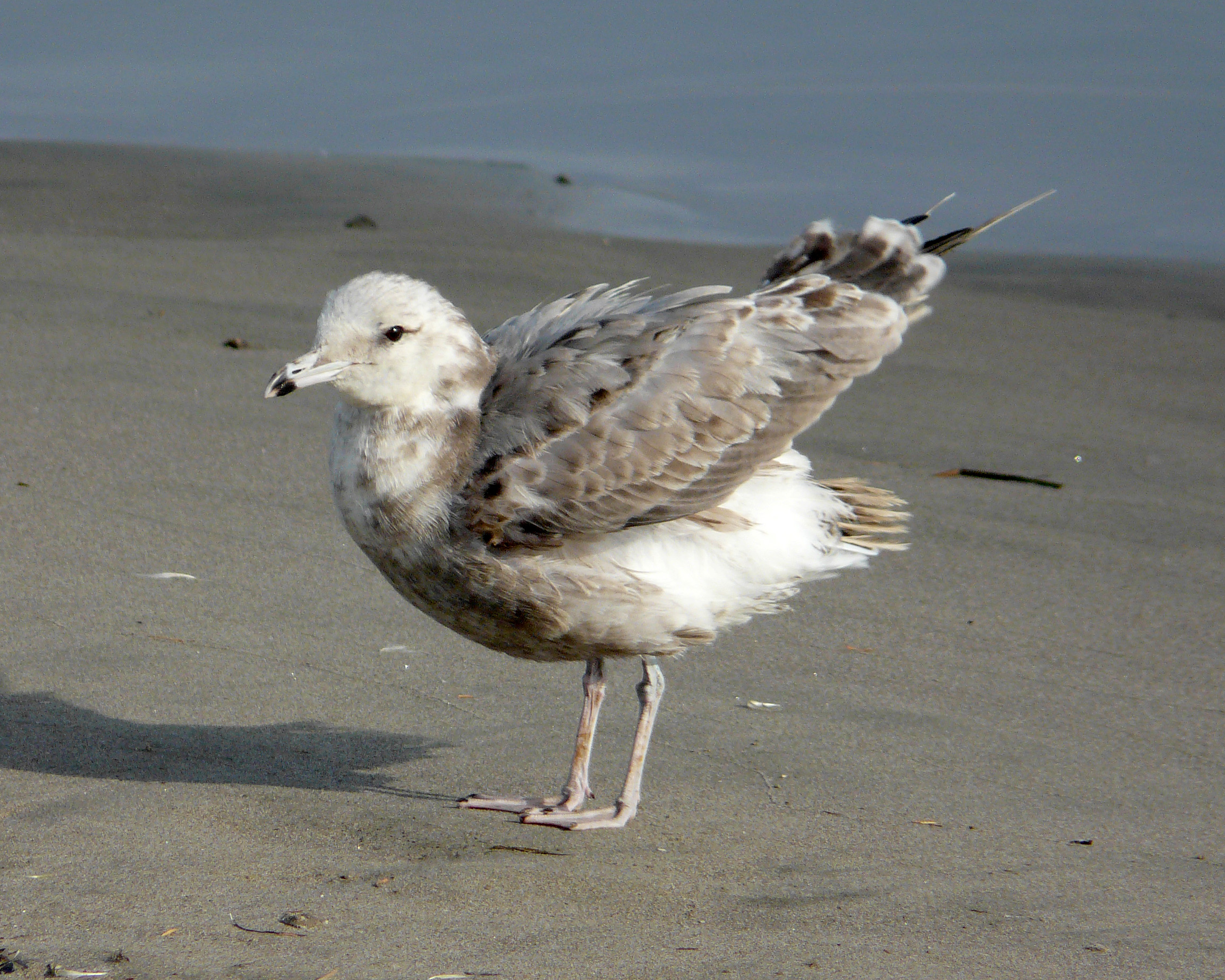
California Gull in extremely worn plumage. Notice how the primaries have worn down almost to the shaft.


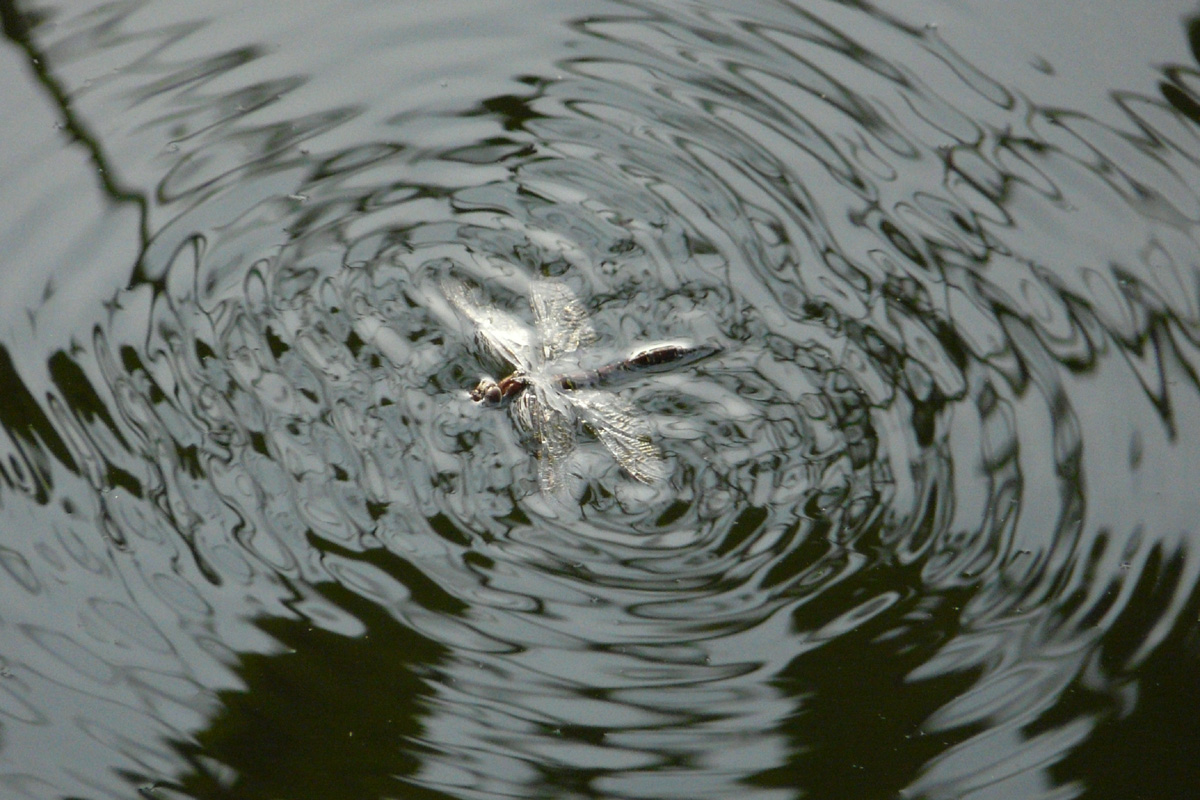
Dragonfly on the water, Neawanna Wetlands


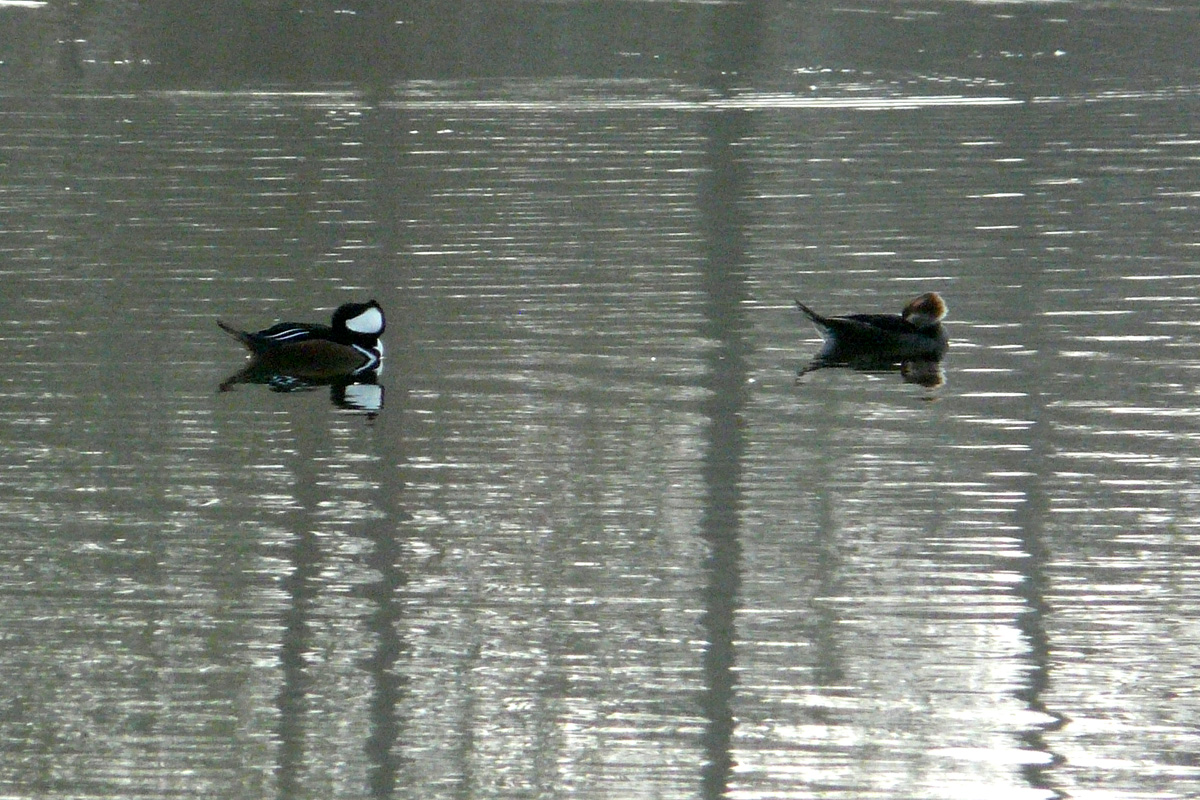
Hooded Mergansers, Neawanna Wetlands


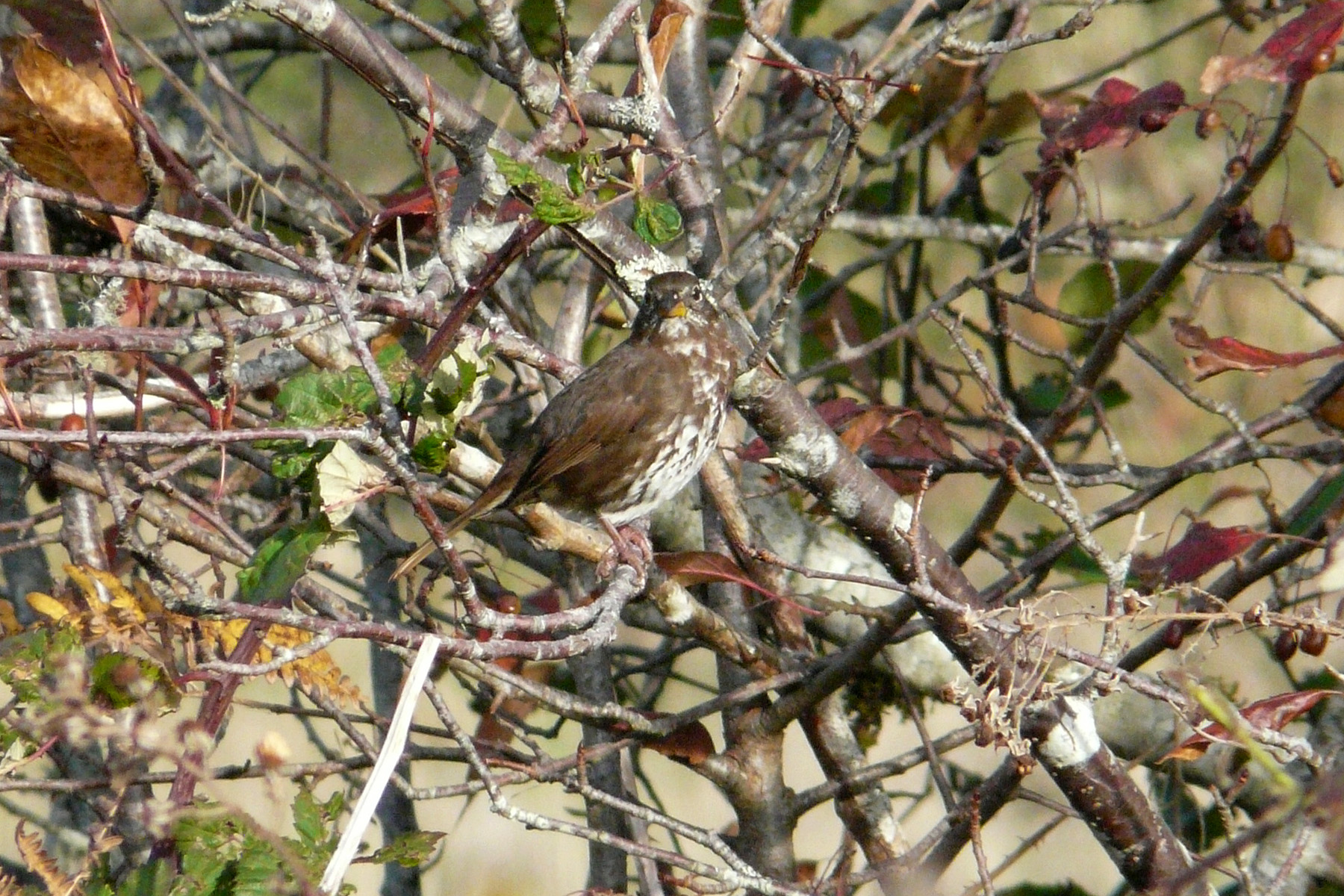
Fox Sparrow

Ft. Stevens, 11-10-2011


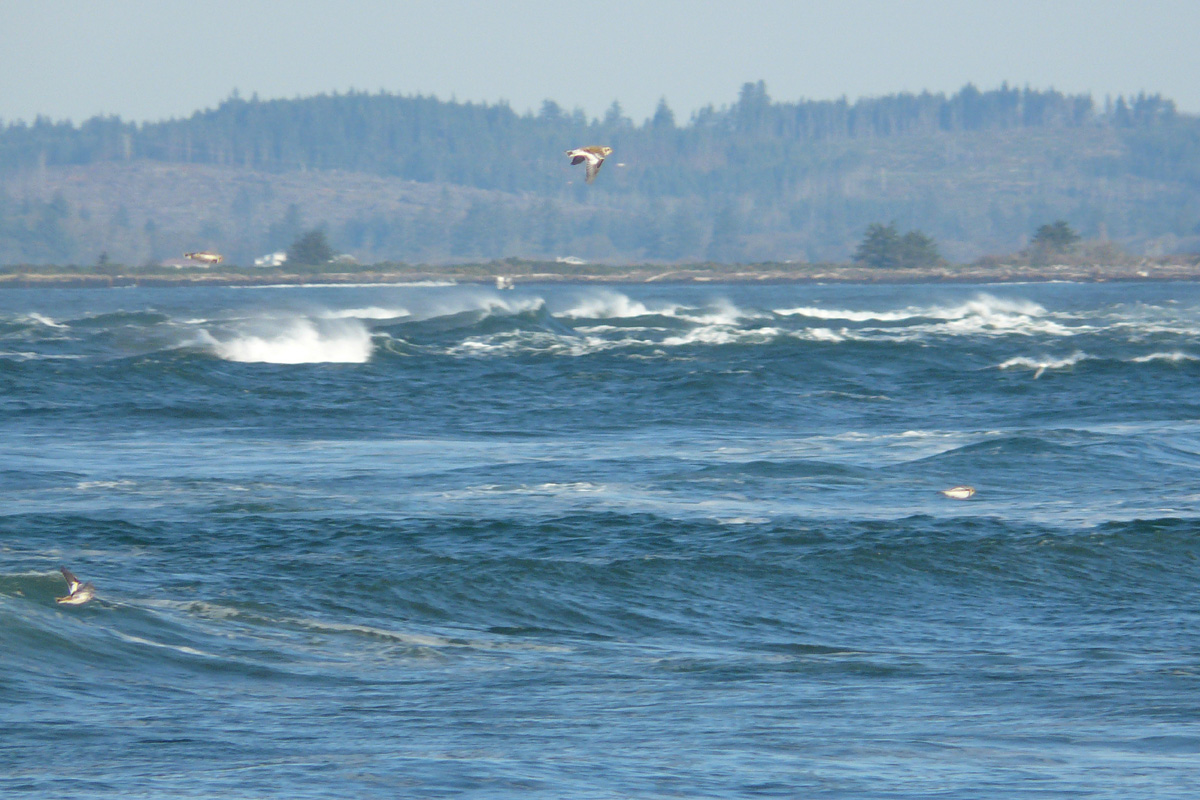
I spent a warm sunny November day at Ft. Stevens (Birding Oregon p. 119). The tide and winds were both high, so the sea was too rough to find any birds on the water near the south jetty at parking lot C.


The best birds of the trip were a flock of five Snow Buntings, a species that has eluded me in Oregon until now. They appeared on the beach near the jetty, then quickly moved on.


This image shows three Snow Buntings in flight. No, really.


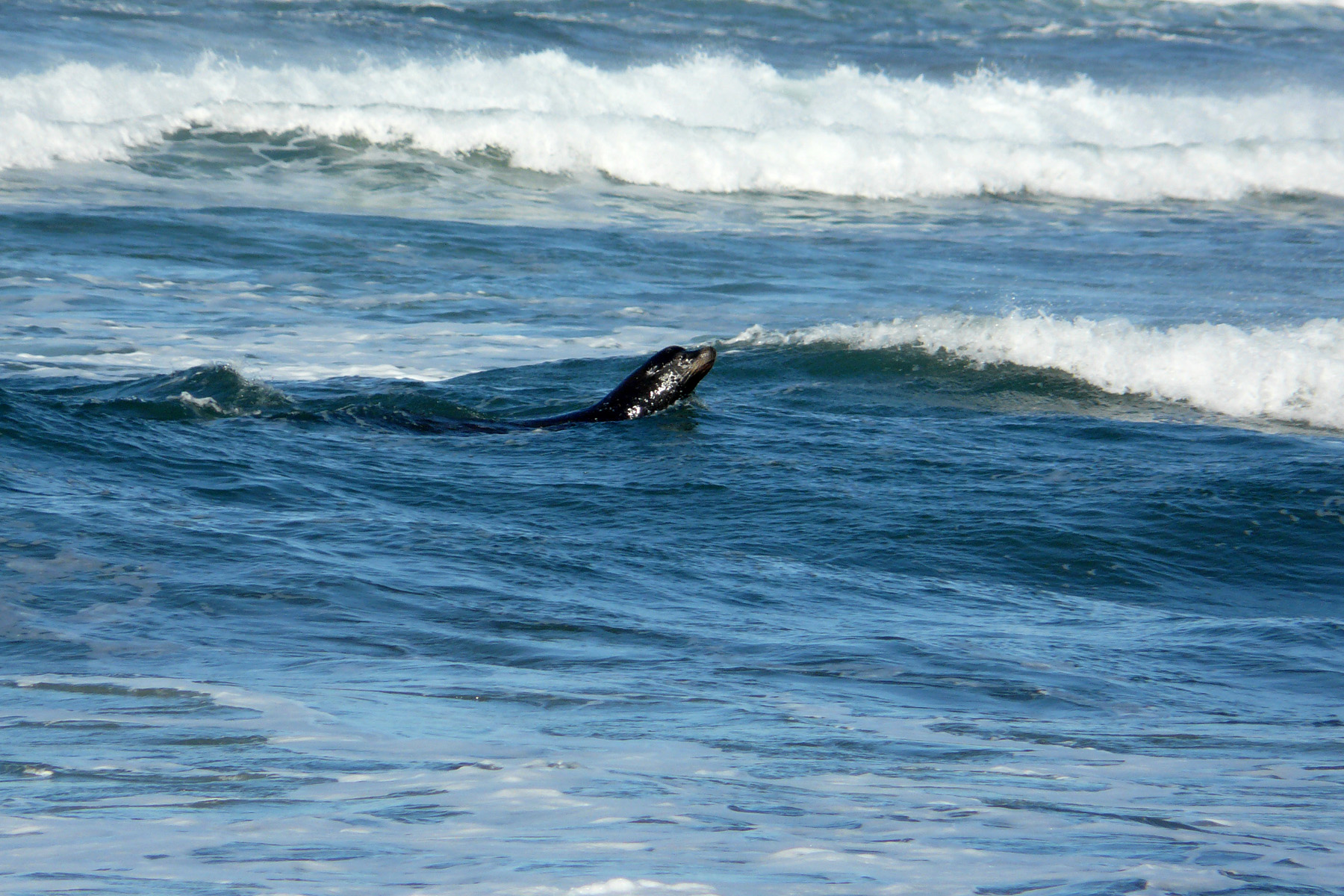
There were hundreds of California Sea Lions in the area, both on the jetty and in the surf.


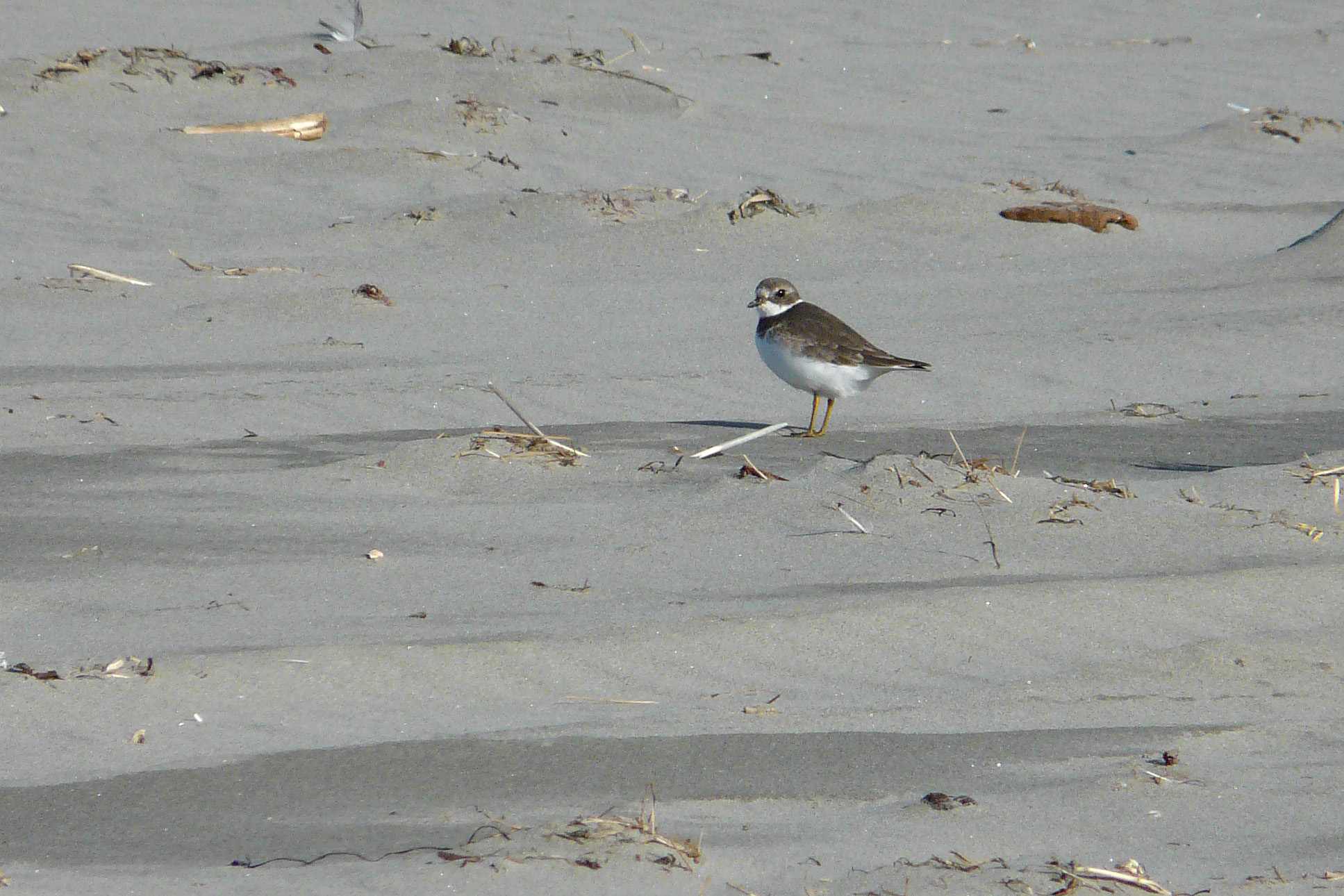
A flock of at least 35 Semipalmated Plovers were working the wrack line. There are ten in this image. No, really.


Here’s a better view of a Semipalmated Plover.


This Palm Warbler was a nice surprise. This species is rare along the coast in autumn.


Brown Pelicans were very common. The Heerman’s Gulls that harass them during the summer have already moved south for the winter, so the pelicans can feed in relative peace.


An adult (left) and juvenile Brown Pelican


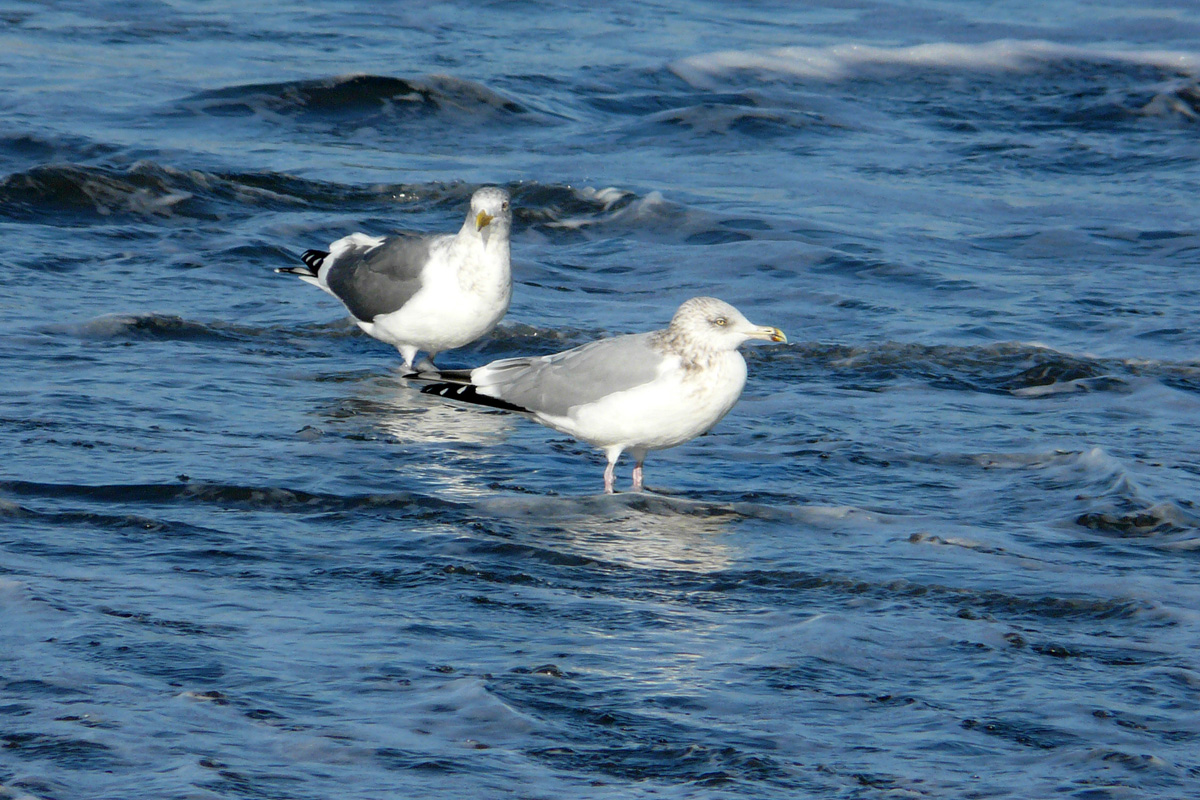
Western Gull (left) and Herring Gull. The gulls on the beach are much more wary than those that spend the winter in Portland.


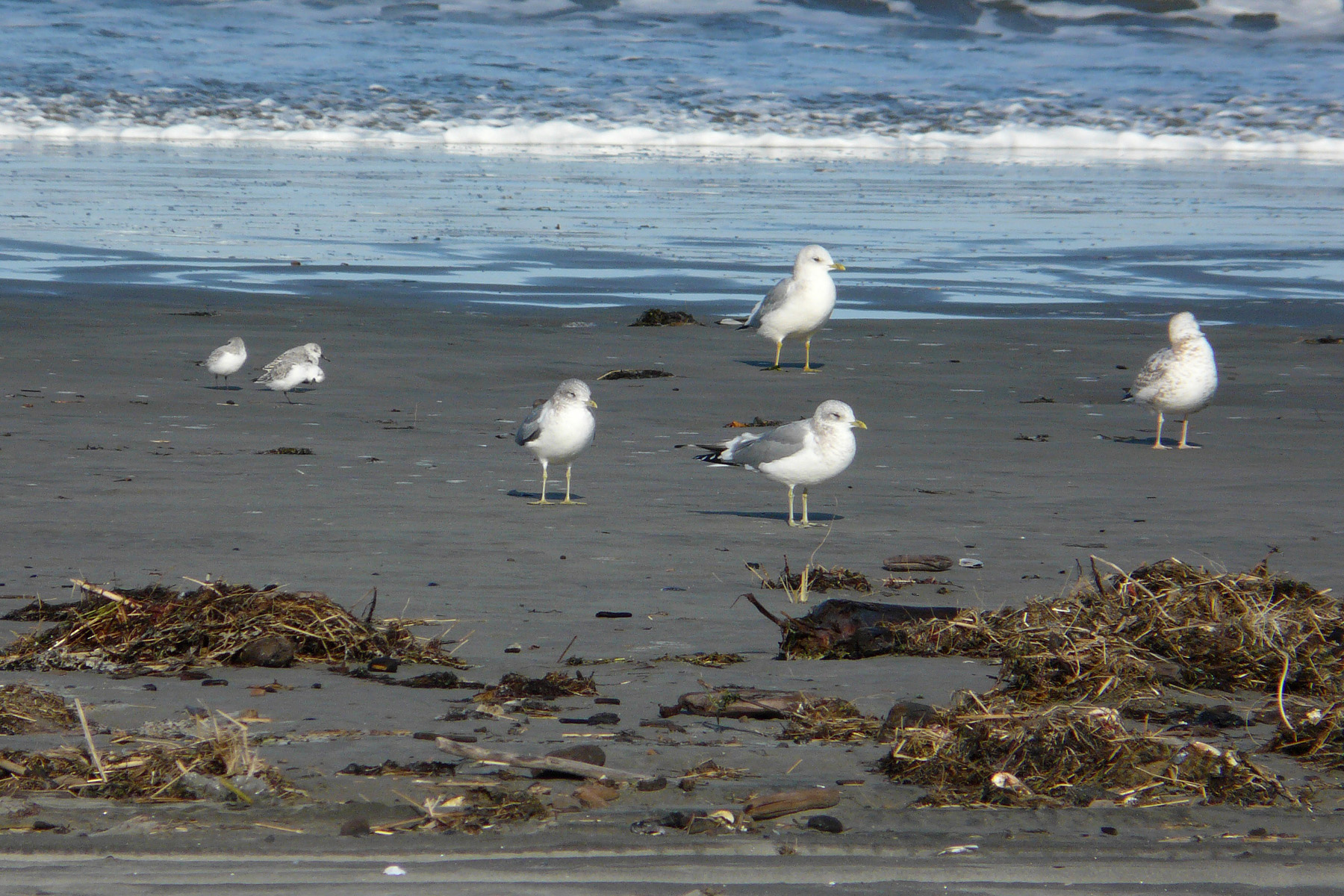
Sanderlings and Mew Gulls

Other goodies that escaped the camera were a Peregrine Falcon on the beach, a Northern Shrike, and three Western Meadowlarks. It was a great day to enjoy the sun before the cold wet weather settles in to stay.

Westmoreland Park

Westmoreland Park (Birding Oregon p. 69) is one of Portland’s premier loafing spots for gulls and waterfowl in autumn and winter. The city is planning to restore the natural flow of the creek in what is now an urban duck pond, so it will be interesting to see how these changes will affect bird use over time.


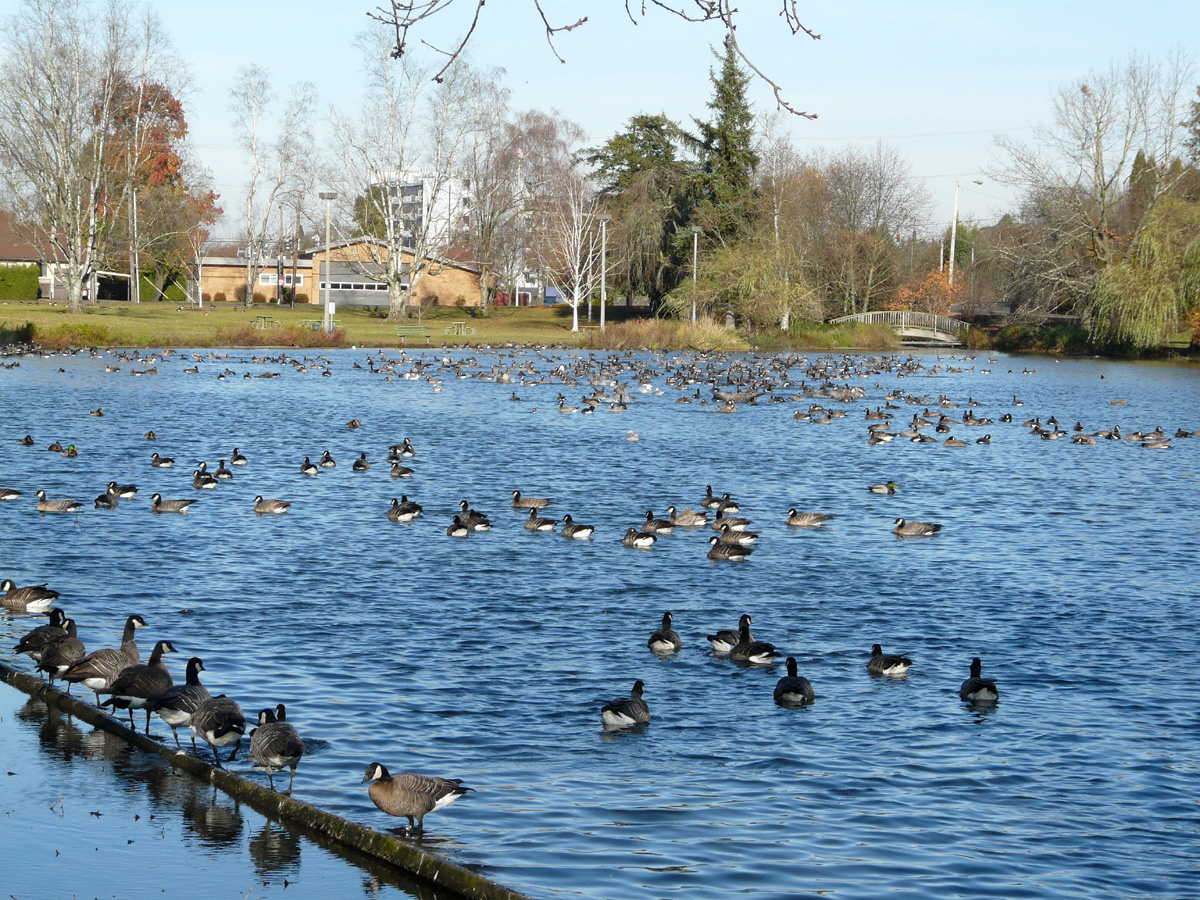
The main pond, with a few hundred Cackling Geese


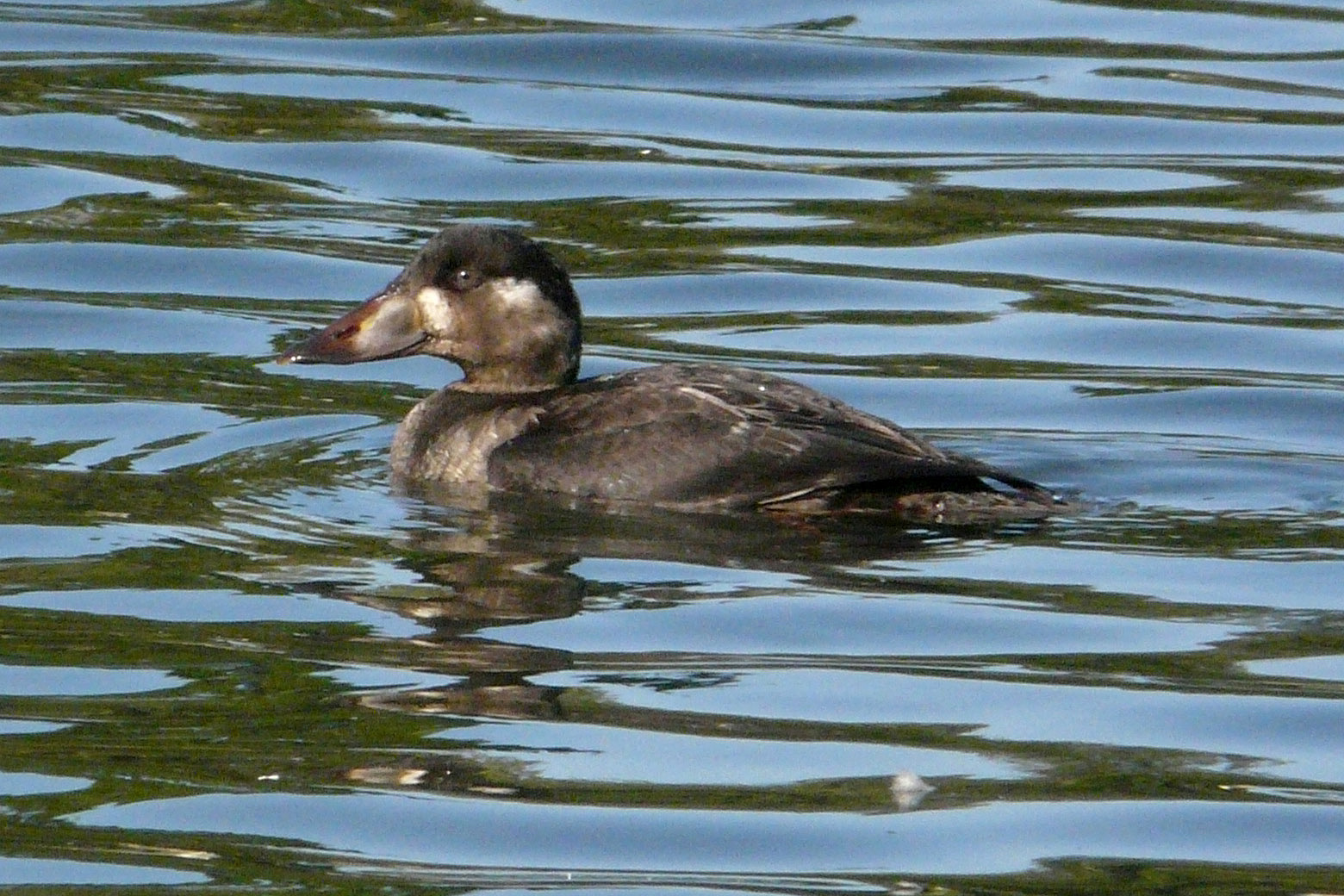
This female Surf Scoter has been hanging out for about a week. She is apparently finding enough mollusks to eat in this muddy pond. A few of these sea ducks are found on the Columbia River and on larger bodies of water in winter, but they are unexpected on such a small pond.


She spent a lot of time feeding under water.


Westmoreland is one of the easier places to find a cooperative Thayer’s Gull.


Ridgeway’s Cackling Goose (Branta hutchinsii minima) is the most common of the “white-cheeked” geese in the Willamette Valley in winter.


The Cackling Geese graze in the lawns at Westmoreland, but are more cautious than some of the other waterfowl.


Taverner’s Cackling Goose (B. h. taverneri) in the foreground, with a Ridgeway’s Cackling Goose in the background


Taverner’s Cackling, with another Ridgeway’s Cackling in the background


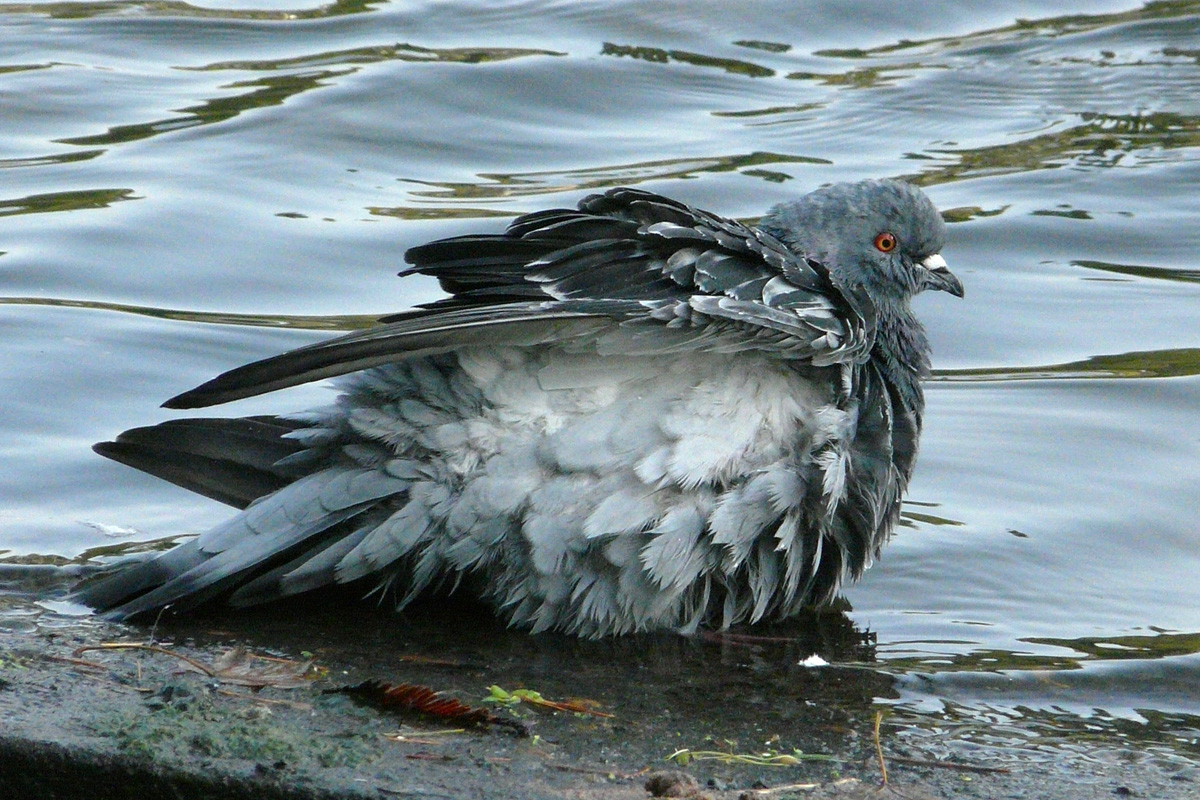
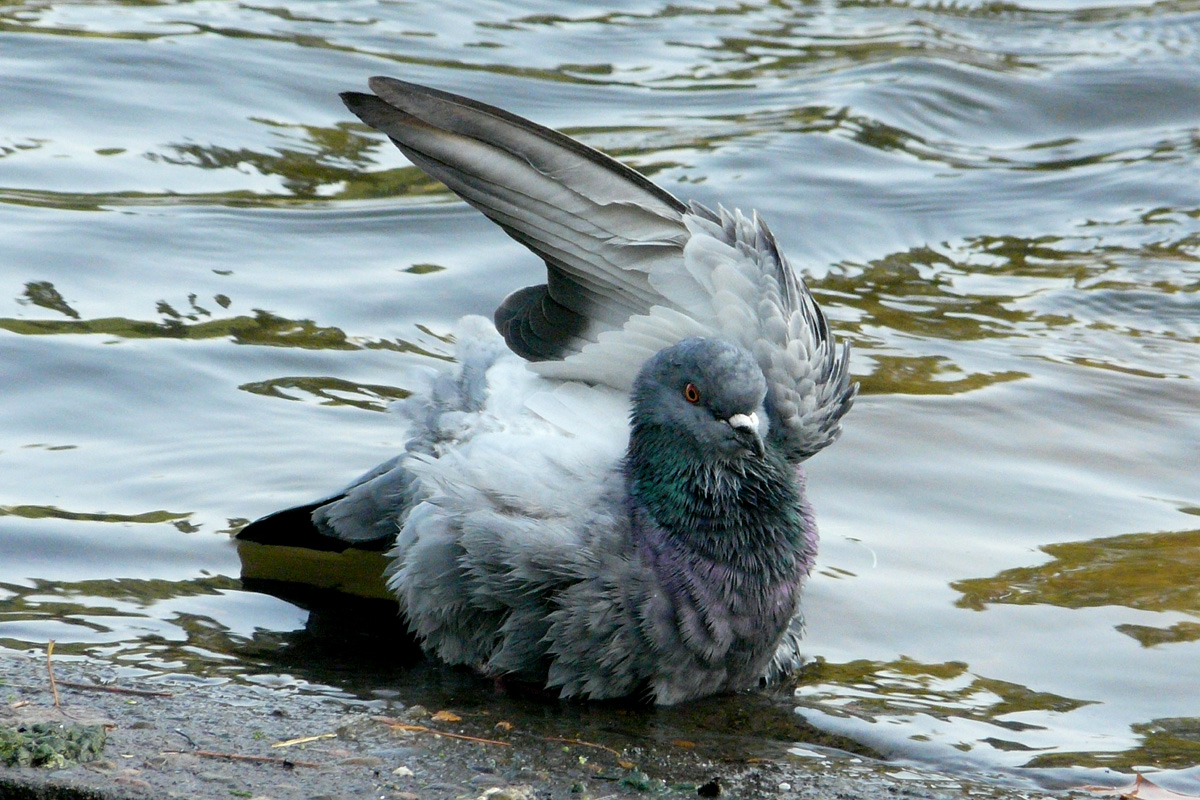
This Rock Pigeon was enjoying a bath at the pond’s edge.

Smith and Bybee Wetlands

Smith and Bybee Wetlands in NW Portland, (Birding Oregon p. 65) is a great spot for waterfowl, waders, and shorebirds in the late summer and autumn. Paved trails lead to observation platforms overlooking both lakes, and primitive paths are available to the more adventurous.


Great Egret, here with a couple of Great Blue Herons and numerous waterfowl on Bybee Lake, are common this time of year. Other waders that have occurred here include Snowy Egret and Little Blue Heron.


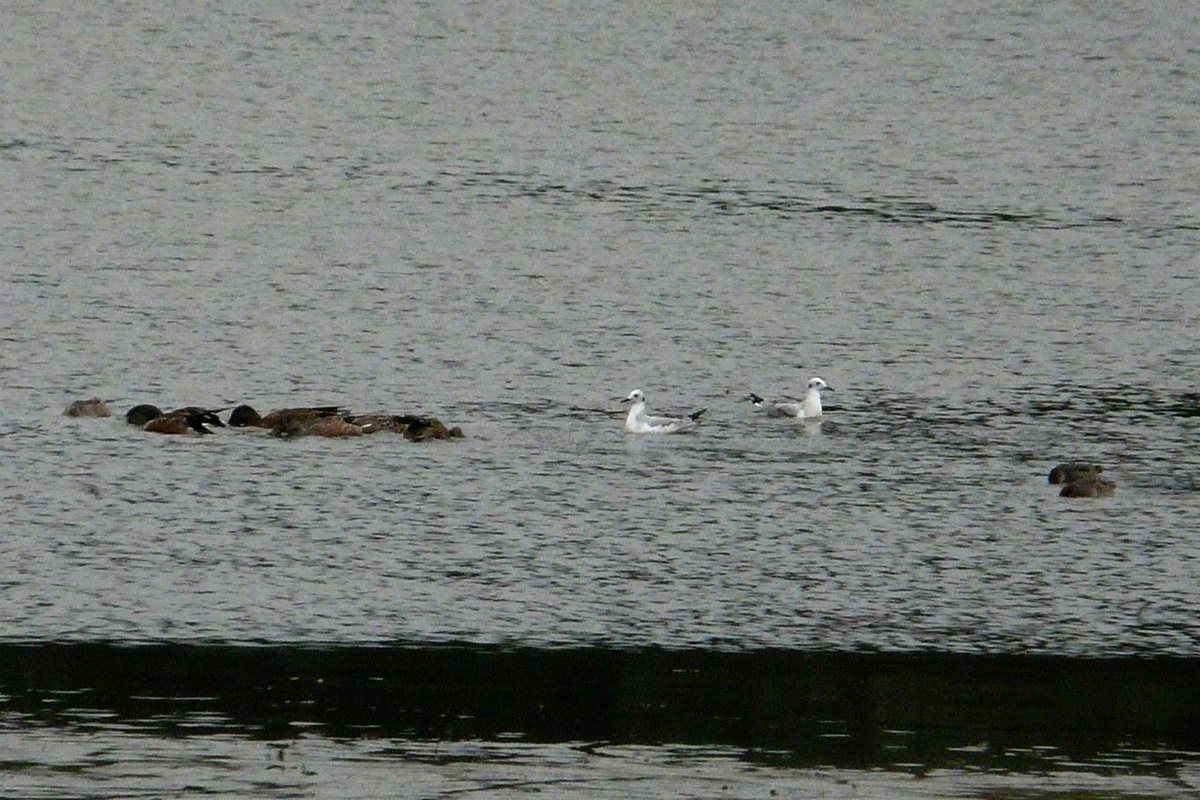
These Bonaparte’s Gulls were feeding with a flock of Northern Shovelers, picking up little food items stirred up by the ducks.


Many trees in this area have fencing around them to protect them from Beavers. Flood conditions last winter enabled the Beavers to float above the level of the fencing and nibble away.


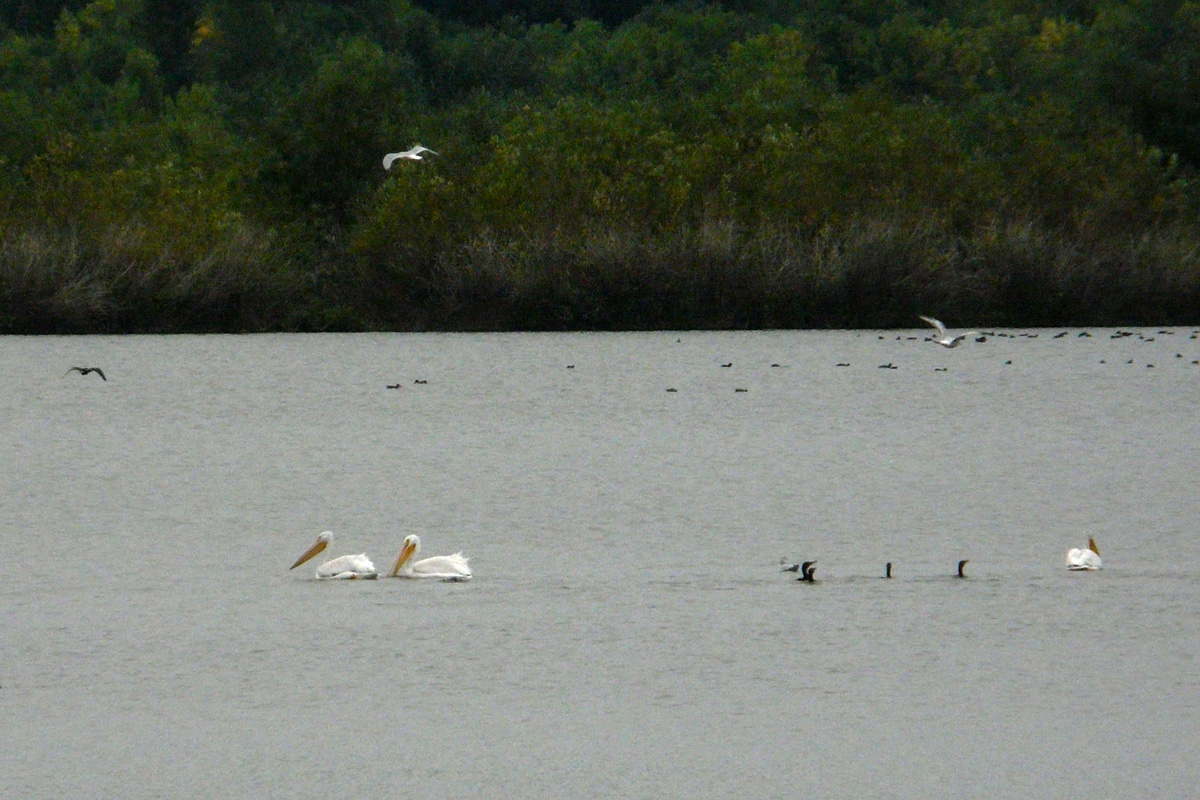
Three American White Pelicans swim with Double-crested Cormorants on Smith Lake. Ten years ago, pelicans were considered rare in Portland, but large flocks are now expected every summer and fall.


more American White Pelicans on Smith Lake

Tillamook Bay, 9/24/11


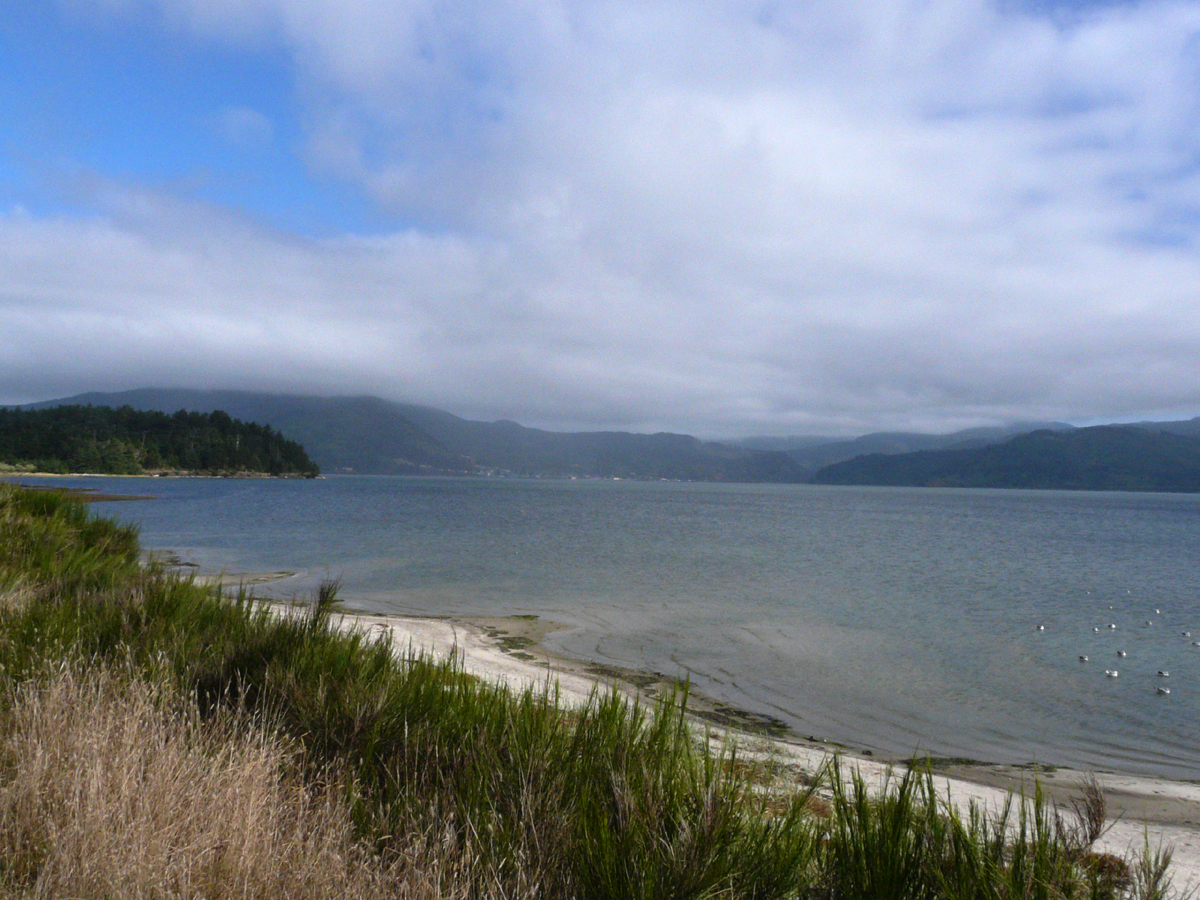
I took my Portland Audubon class to Tillamook Bay (Birding Oregon p. 125). We found strong winds, high tides, and rough seas, but the weather was warm and mostly sunny. This photo was taken on the bayside of Bayocean Spit. The water was high enough to cover the mudflats, so we didn’t find any shorebirds, but we did find good numbers of gulls loafing in the shallow water.


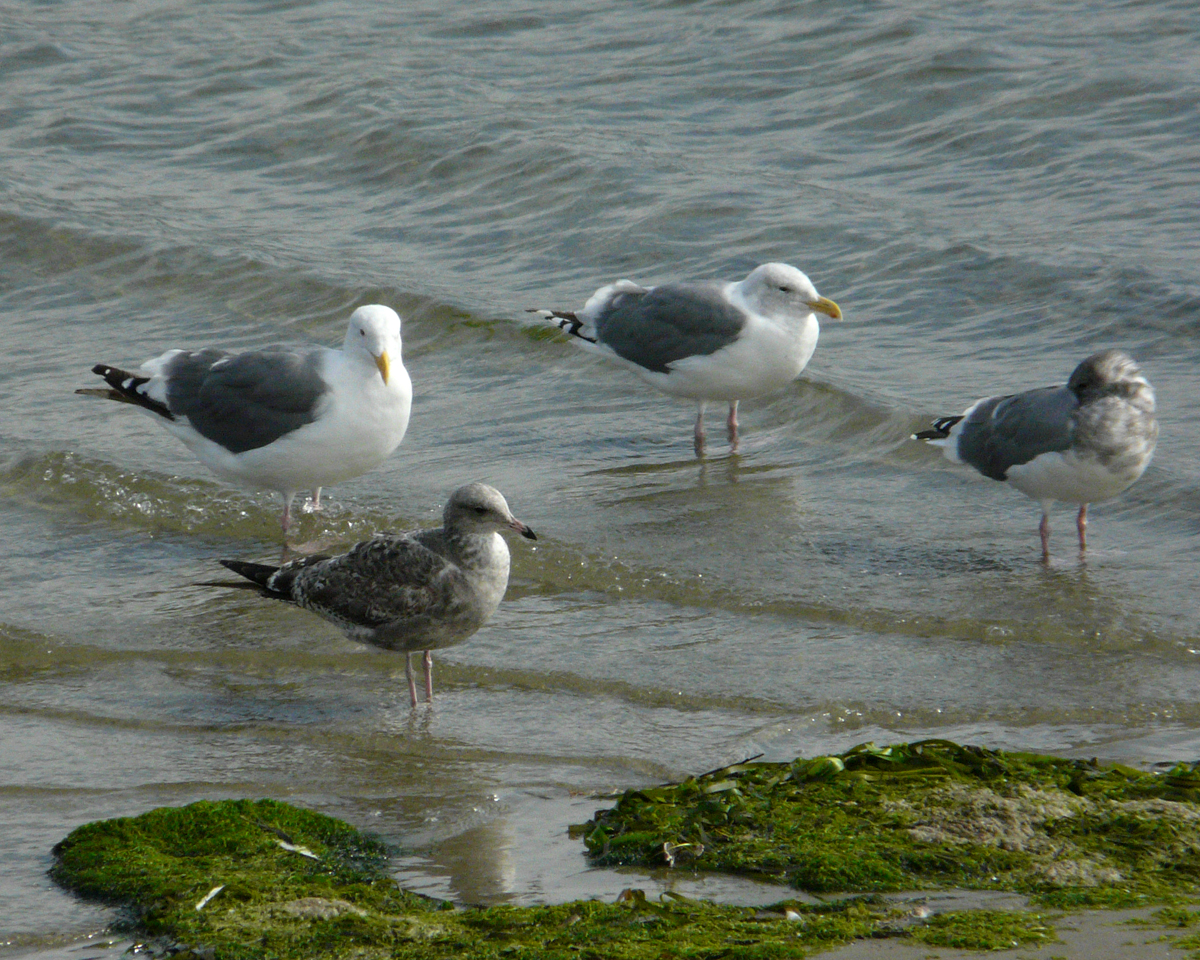
Here is a first-cycle California Gull with two adult Western Gulls and a probable third-cycle Western Gull.


The largest concentration of birds was at the Bay City Oyster Plant. This little jetty was covered with gulls, Brown Pelicans, and Black Turnstones.


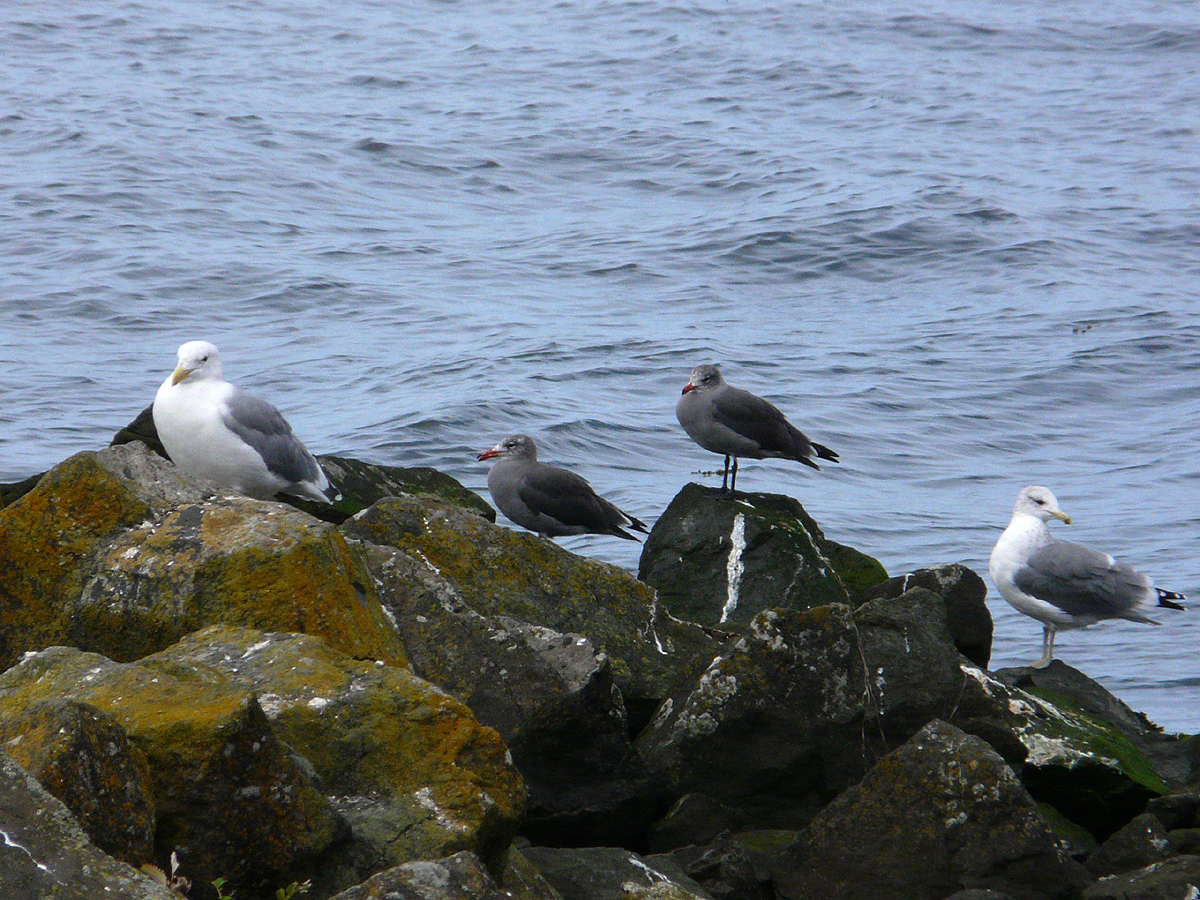
Western Gull, two Heerman’s Gulls, and a California Gull


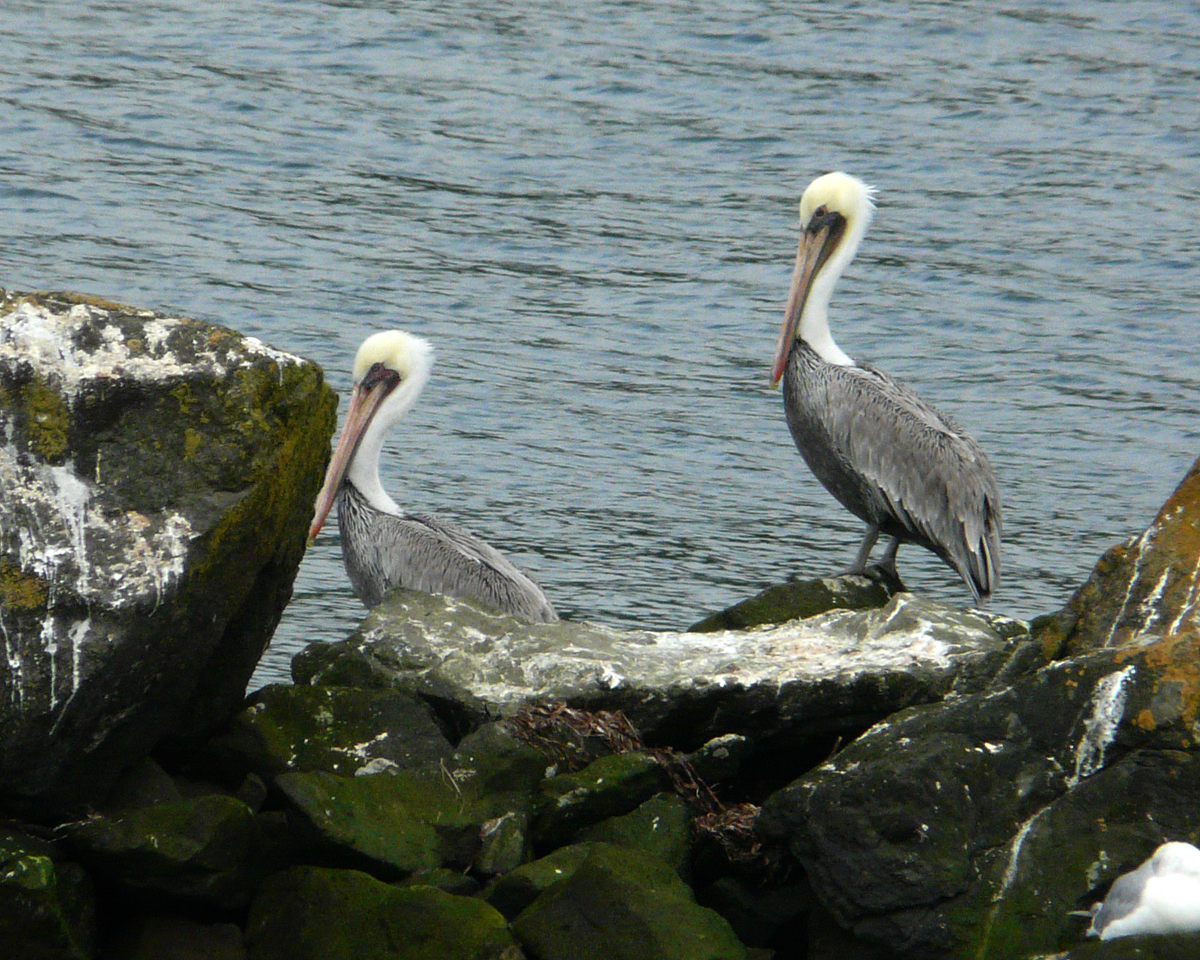
Brown Pelicans


juvenile Brown Pelican and Heerman’s Gull


We found at least four Black Oystercatchers at the Three Graces Tidal Area.


At Barview Jetty, the rough seas and howling winds kept the expected seabirds out of the channel. But the big waves did reveal lots of Ochre Sea Stars.


This lone Black Turnstone was the only shorebird we found braving the rough conditions.