North Coast

haystack rockI spent a warm sunny morning around Cannon Beach and Seaside. The first stop was Silver Point, just south of Cannon Beach, for a sea watch. There were plenty of birds out there, way out there. It is what I call birding at the edge of imagination. You have an idea of what you are seeing, but realistically, there is a lot of guessing involved. I did see the wing flash of Sooty Shearwaters and several flocks of White-winged and Surf Scoters, but most of what I saw were unidentifiable specks. Nala was waiting somewhat patiently in the car, so we soon went to Tolovana Wayside and walked to Haystack Rock.
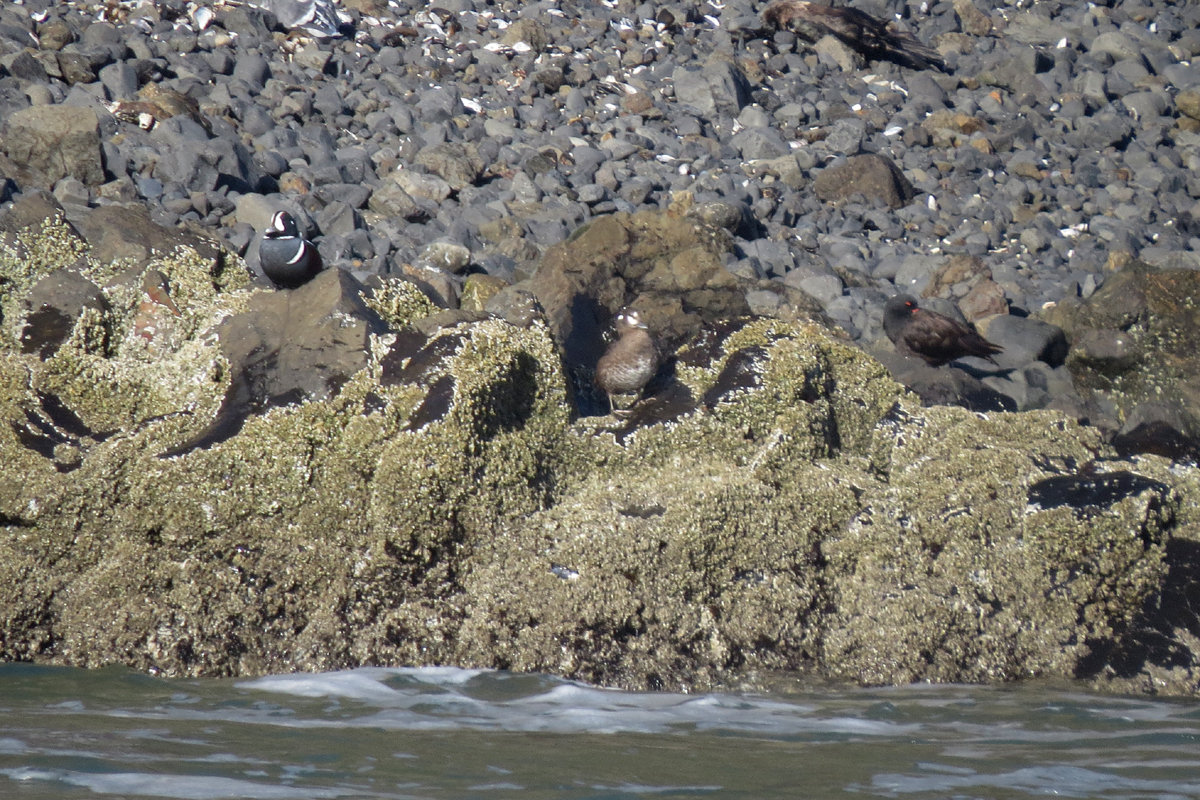
harlequinsThe tide was coming in, so I couldn’t get too close to the rocks. Still, you could see several Harlequin Ducks. Here is a male and female, with a Black Oystercatcher on the right. I didn’t see the Oystercatcher when I was in the field, only when I developed the photo.

oystercatcheranother Black Oystercatcher

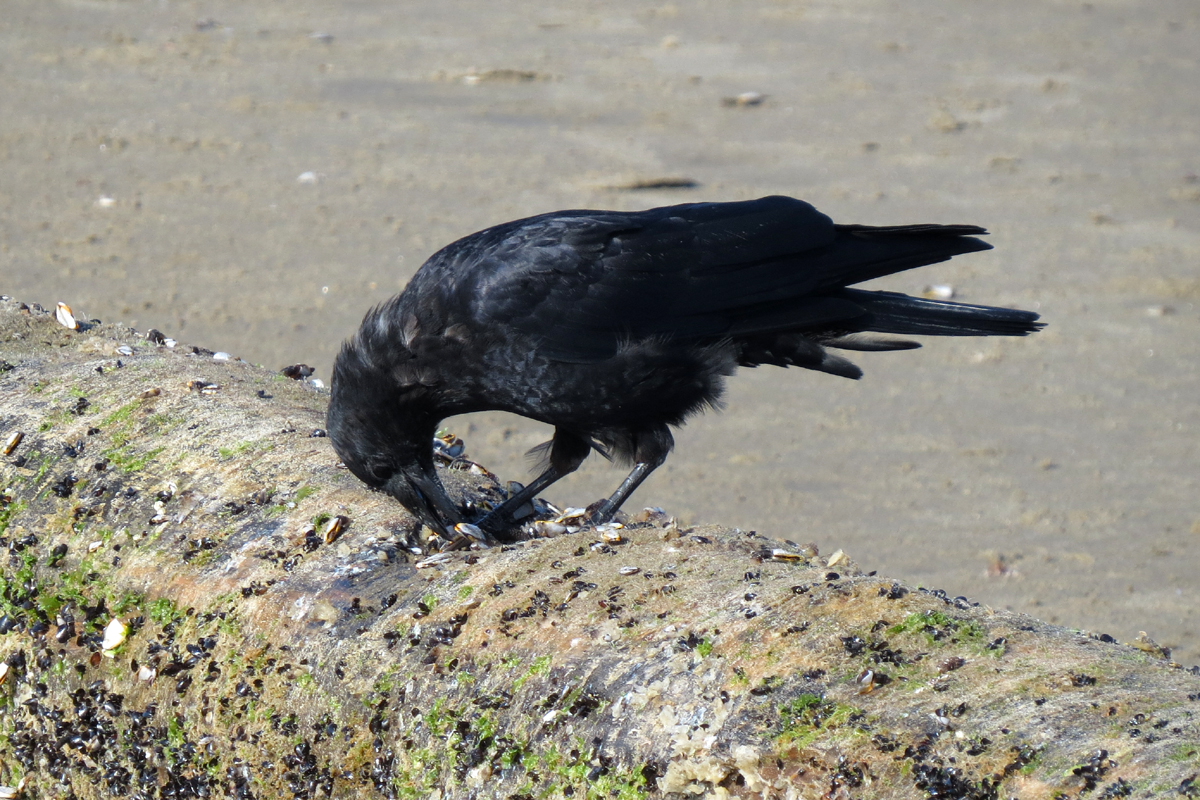
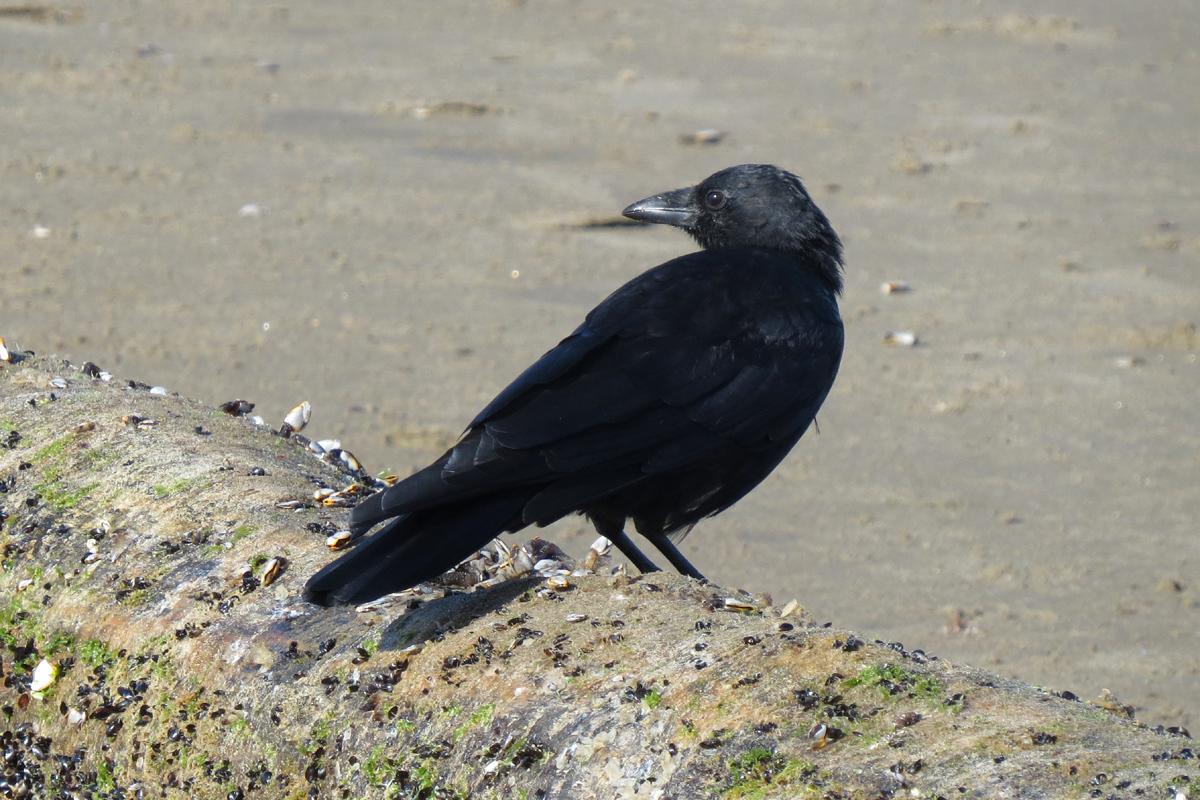
crow eatingA log, which has obviously been in the water for a long time, had washed up on shore, and the American Crows were busy picking at the barnacles.
crow

nala in streamNala, taking a break

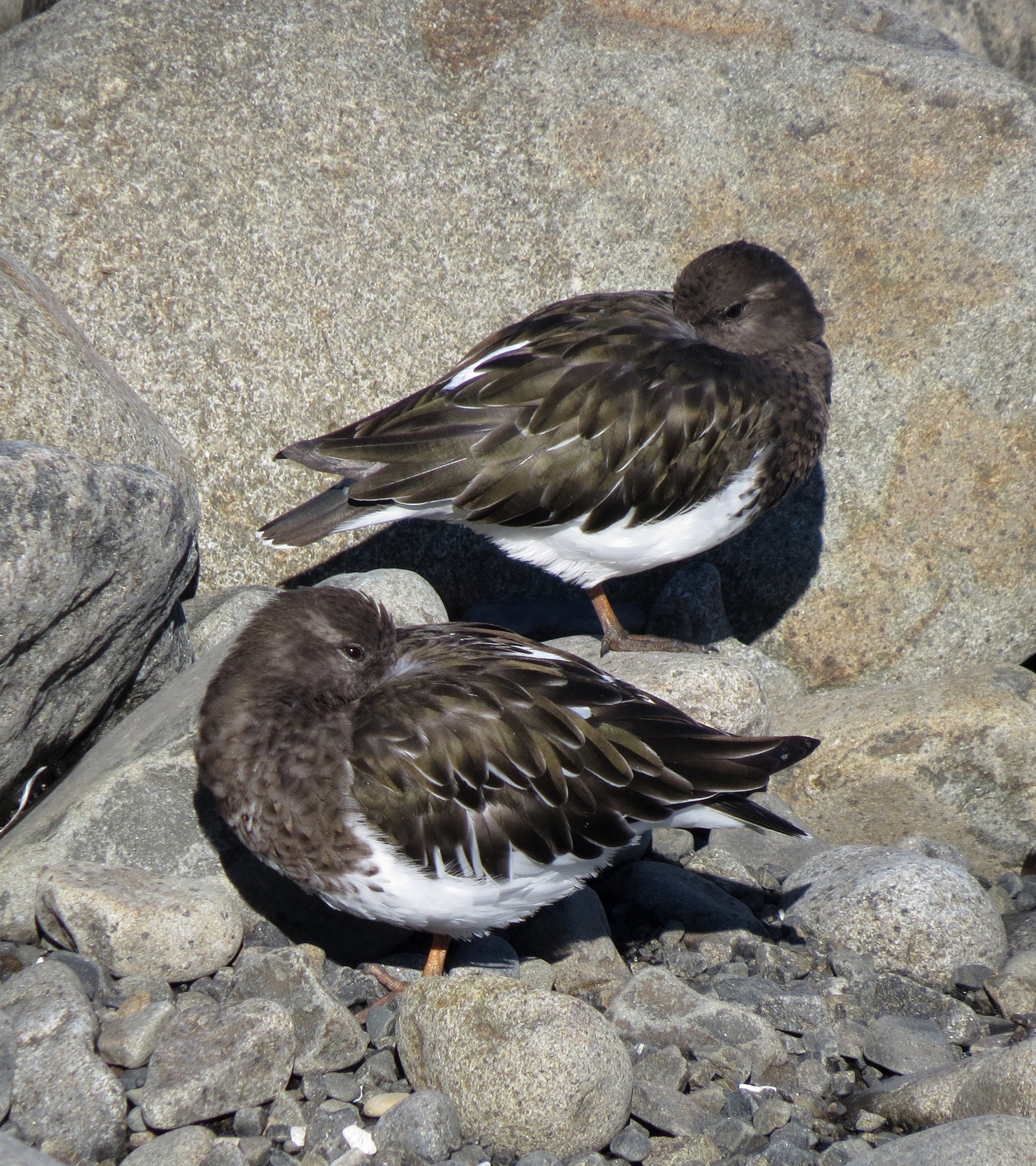
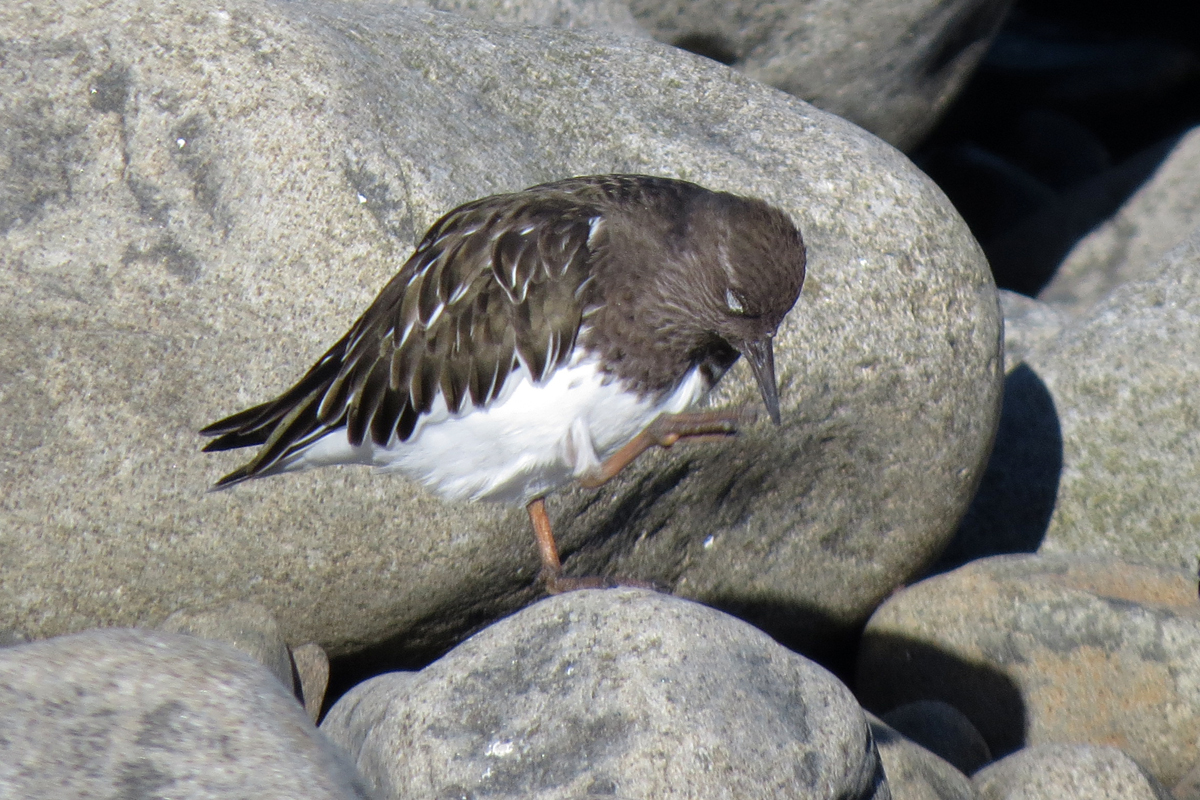
turnstones sleepingThe next stop was the Cove, at Seaside. As is often the case, there was a nice congregation of Black Turnstones on the rocks.
IMG_3241

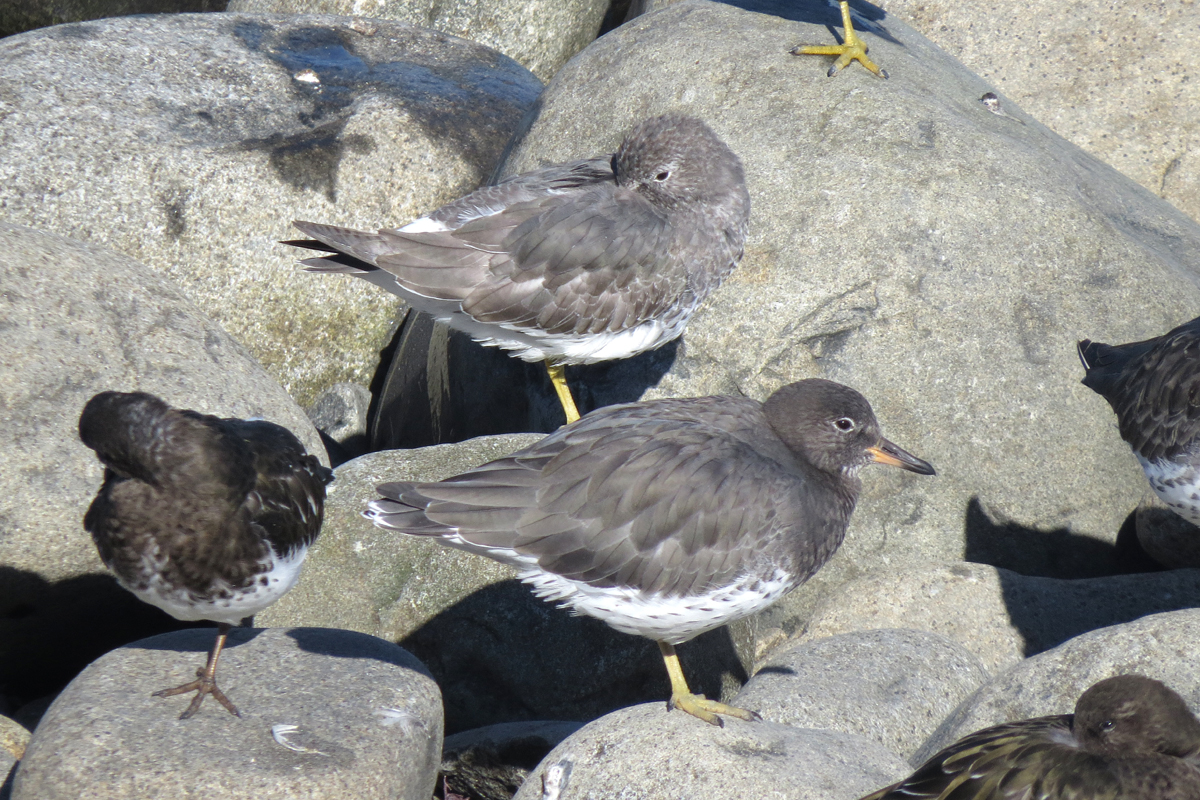
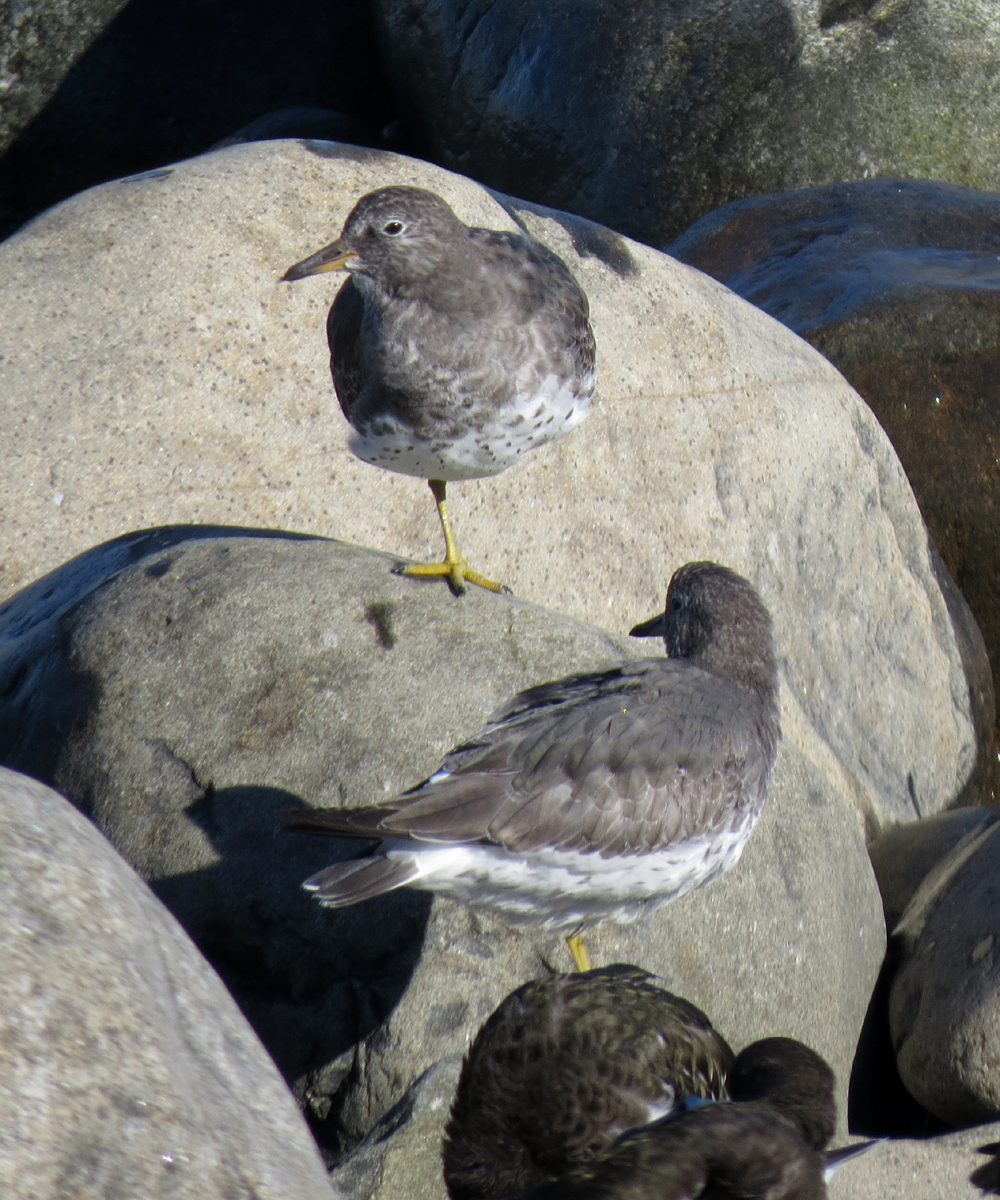
surfbirdsThere were also good numbers of Surfbirds.
surfbirds vertical

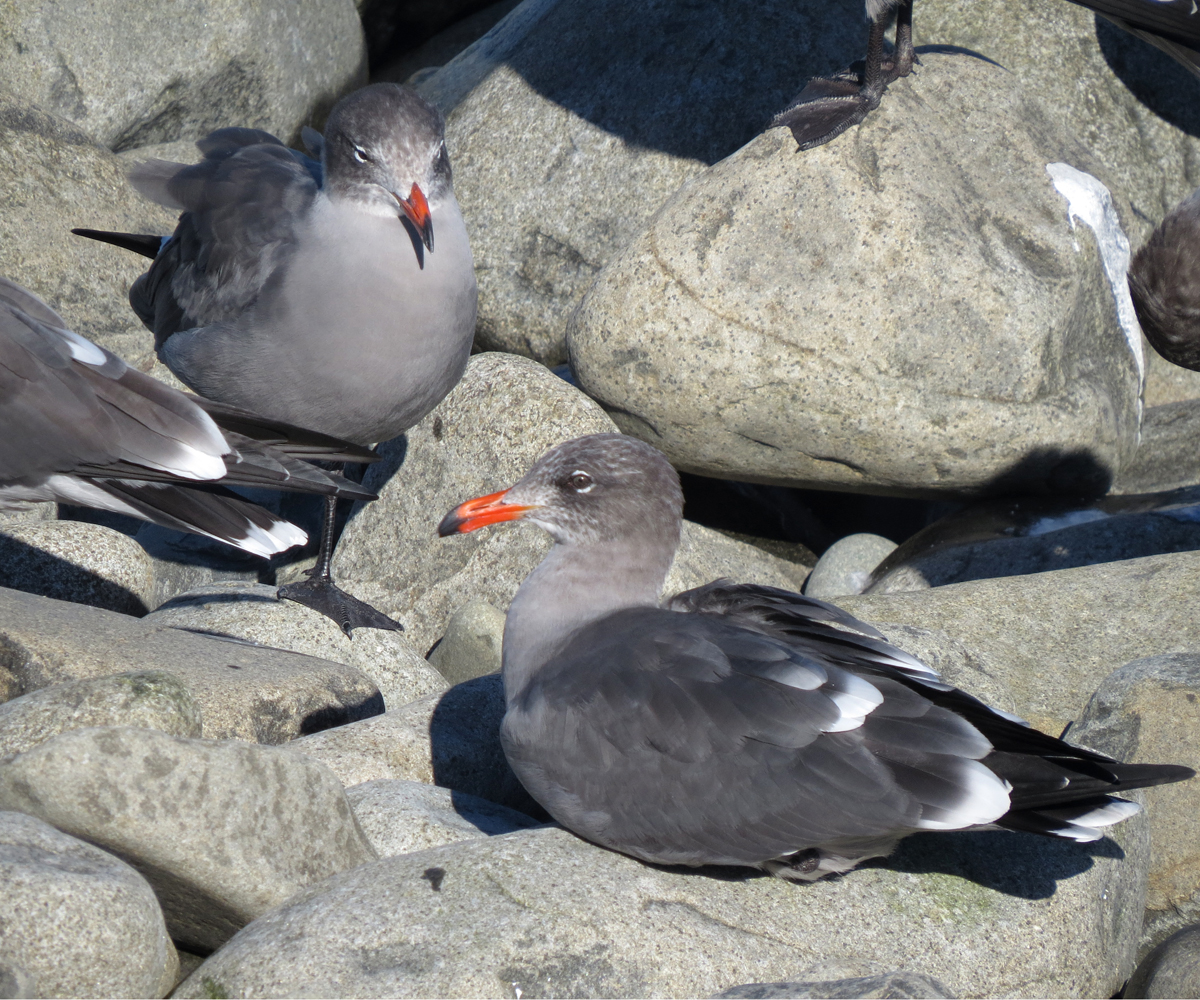
Heermann'sHeermann’s Gulls should be heading south very soon.

caspiansOur last stop was the Necanicum Estuary. This spot is very hit-or-miss, with either lots of birds or none. Today was closer to the latter. But along with the few California Gulls were several Caspian Terns still feeding young. Most Caspian Terns have already moved south, so it seems late to have begging fledglings still around.

Fernhill Wetlands

fernhillFernhill Wetlands, south of Forest Grove, is a great place to see the onset of autumn. Water levels on the main lake are still very low, but the recent rains will soon change that.

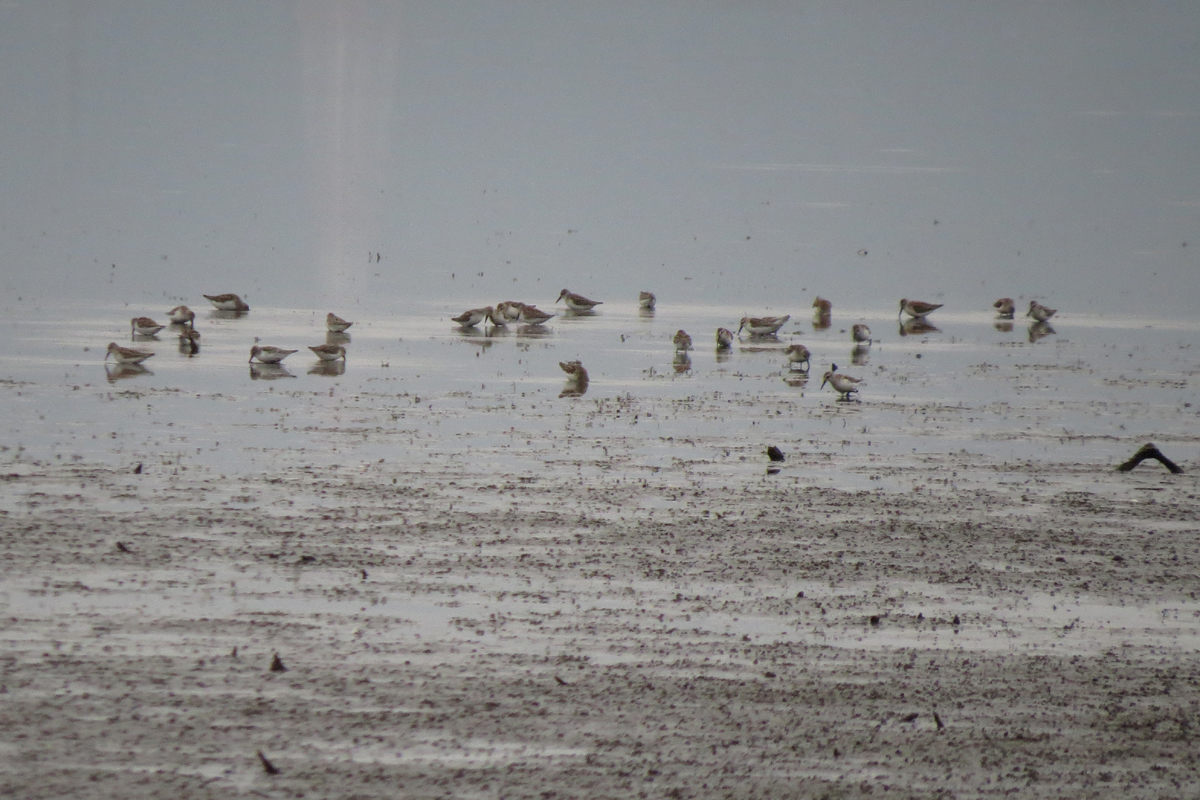
westernsMigrant shorebirds, like these Western Sandpipers, are enjoying the mudflats. Shorebird numbers are starting to thin out.

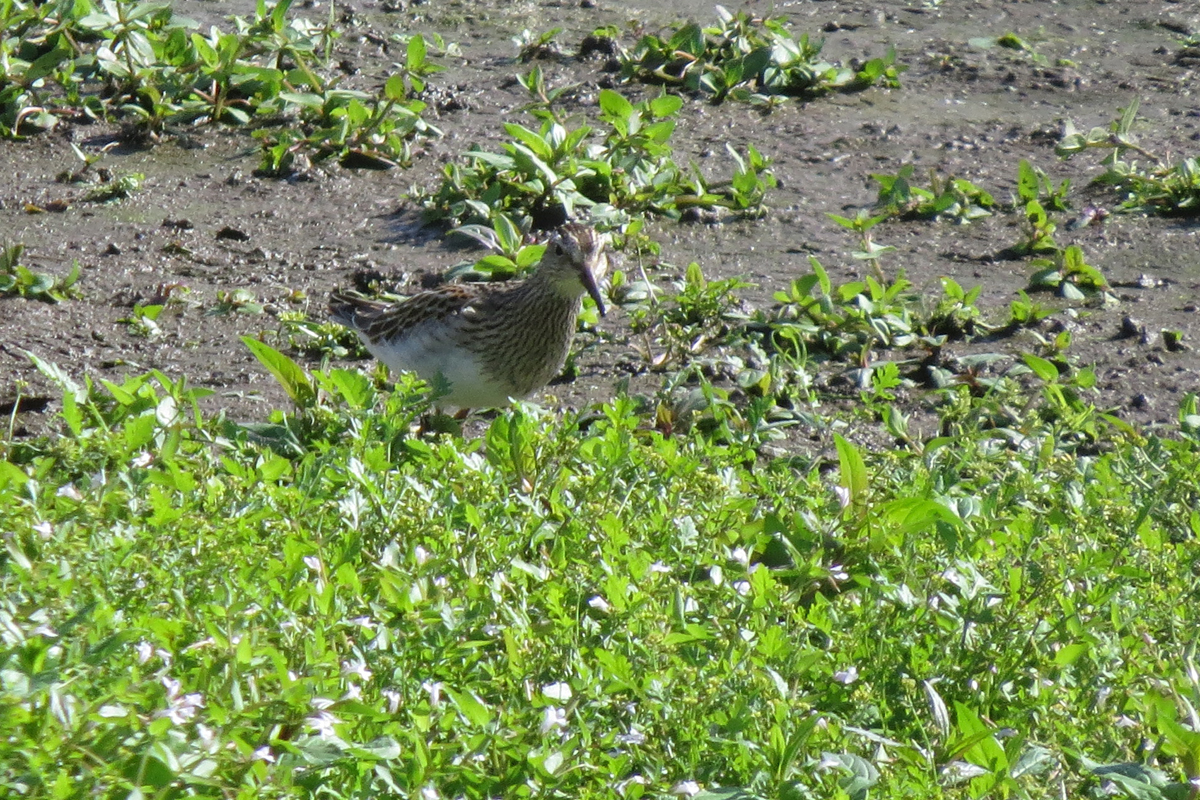
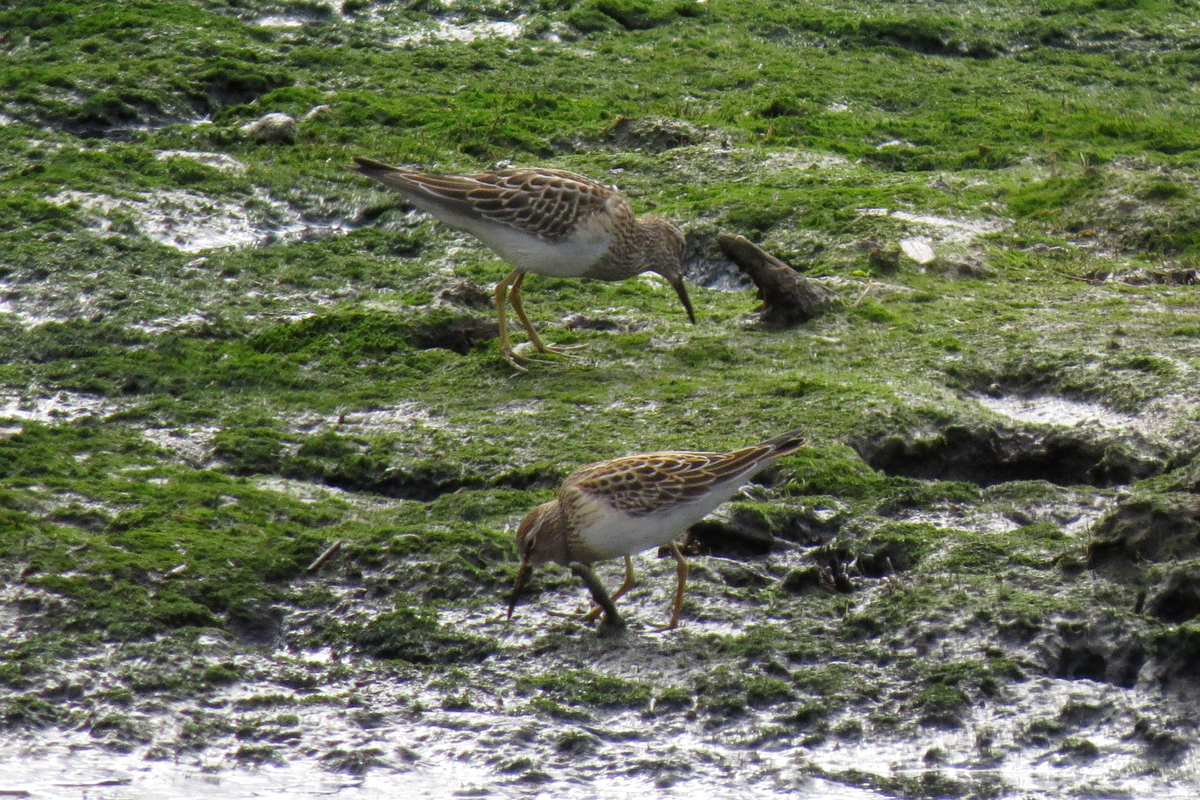
pectoralThis Pectoral Sandpiper was checking out the new vegetation on the lake bed.
pectoral walking

cacklersThe first Cackling Geese have arrived. They will soon be joined by a few thousand more.

merganserThis Common Merganser was resting on an exposed mud bar. I don’t get to see mergansers out of the water very often.

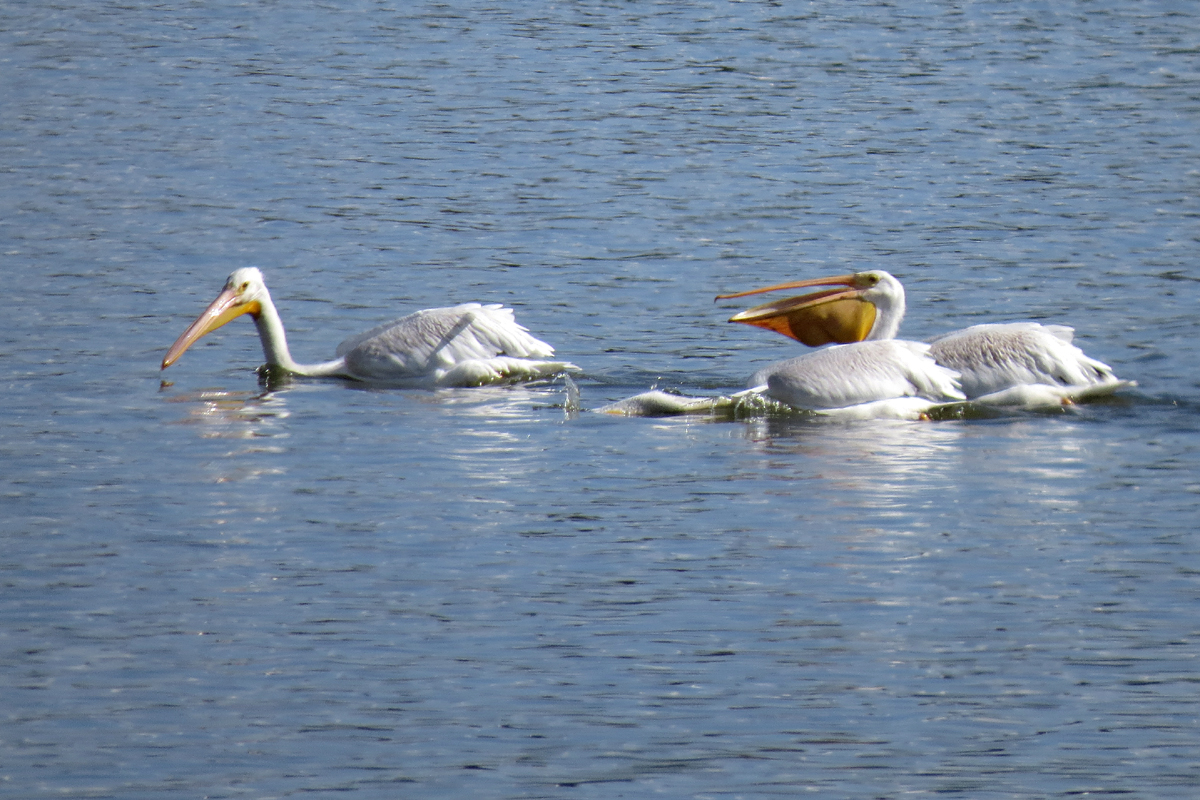
pelicansAmerican White Pelicans, once considered rare in the Willamette Valley, are now an expected species in late summer.

collared dove 1Eurasian Collared-Doves are another species that are increasingly common in the area.
collared dove 2

The annual Fernhill Wetlands Birds and Brew Festival will be held on October 12. I will be leading the 8:00 tour for that. Here is a link for more info.

Smith and Bybee Wetlands

westernsSmith and Bybee Wetlands Natural Area (aka Smith and Bybee Lakes) in northeast Portland is a great spot in late summer as the water levels drop. Large flocks of American White Pelicans, California Gulls, Great Egrets, Great Blue Herons, and various shorebirds gather to feed in the shallow water and on the mudflats. On this visit, most birds were pretty far away, but could be scanned with a scope. Western and Least Sandpipers were the only shorebirds I could pull out of the distant flocks, but other species have been reported recently.

green heronThis juvenile Green Heron was hanging out at the canoe launch on Smith Lake.

peregrine 2In the same area, this Peregrine Falcon was surveying the mudflats for tasty shorebirds.
peregrine1

egretsOn Bybee Lake, large numbers of Blue Herons and Great Egrets were gathered. At the edge of the group was this Snowy Egret, an uncommon visitor to the Portland area. Here is a nice comparison with the larger Great Egret.

egrets 2The lumps on the shoreline are dead and dying waterfowl, mostly Northern Shovelers. Warm temperatures and low water levels sometimes lead to outbreaks of avian botulism. Outbreaks usually subside with cooler temperatures and rain, which we are now getting in Portland.

Shorebird Class 7 September 2013

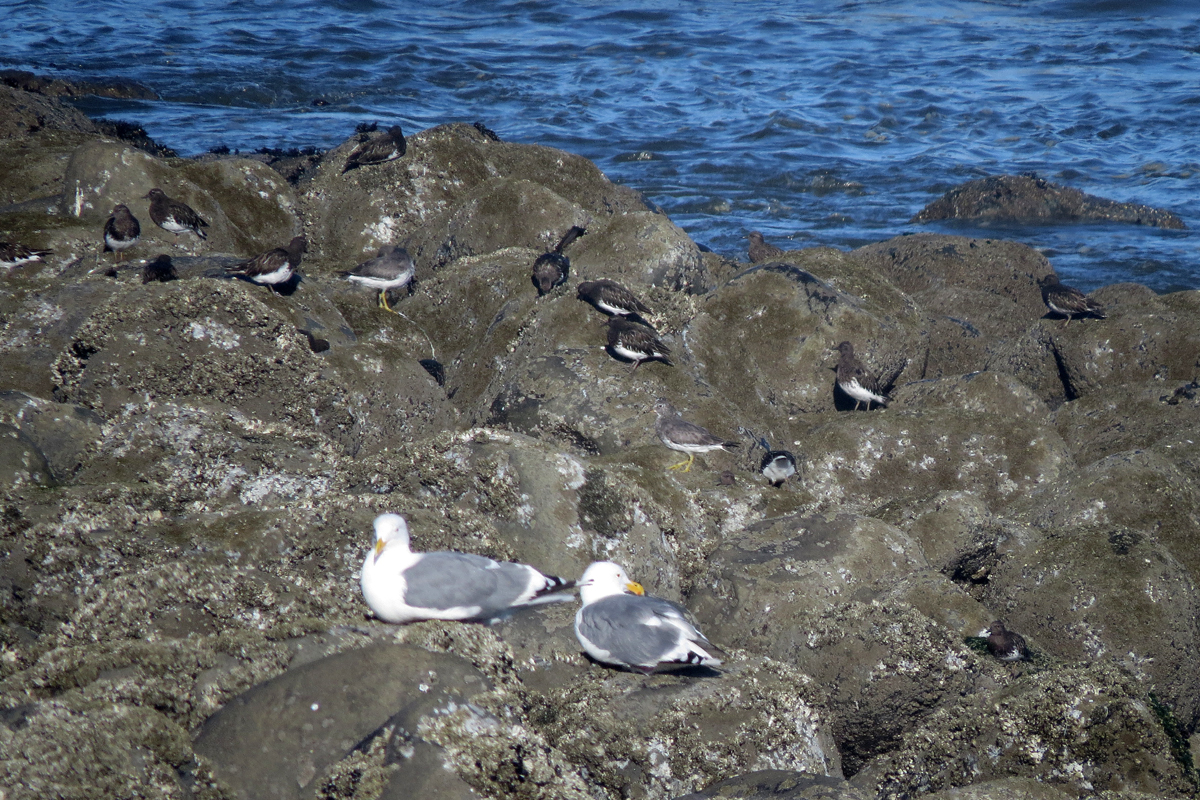
rockpipersI took my shorebird class to the north coast. We ended the day with 14 species of shorebirds, plus one that got away unidentified. Our first stop was The Cove in Seaside. The tide was very low so the birds were far away, but we still found a nice selection of rockpipers. Here is a large flock of Black Turnstones with a couple of Surfbirds.

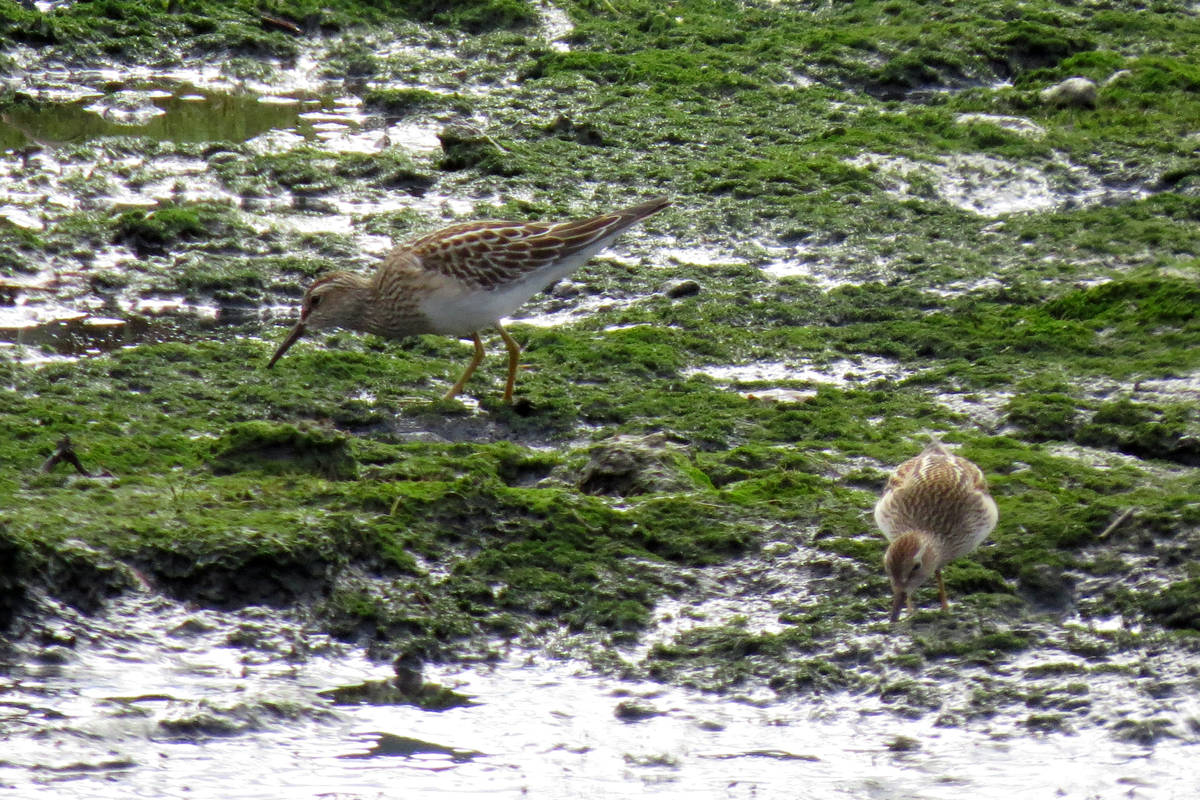
pectoral 1Stanley Lake hosted two Pectoral Sandpipers.
pectoral 3

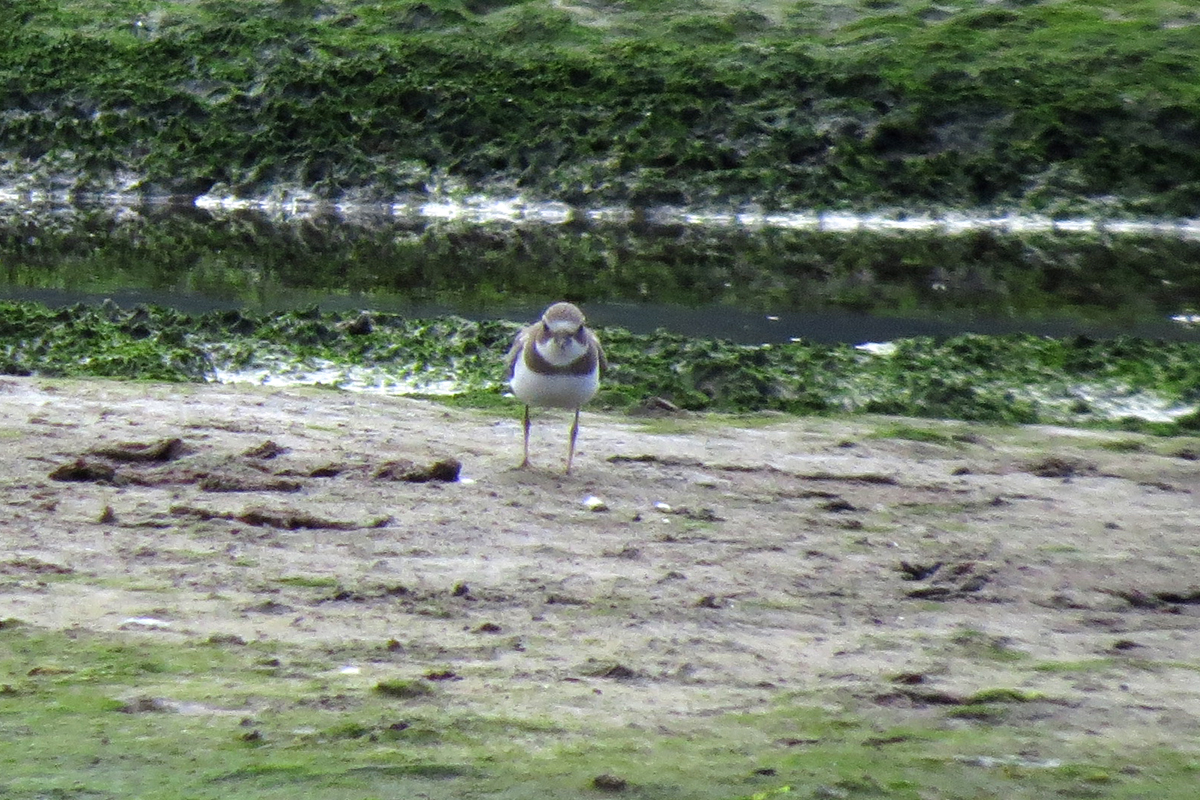
semipalm 1Semipalmated Plover, also at Stanley Lake
semipalm

heerman'sWe visited the Hammond Boat Basin, hoping for Whimbels and Marbled Godwits. Instead, we had to “settle” for several hundred Heerman’s Gulls (above), along with Brown Pelicans and Elegant Terns. It was a lovely sunny day at the coast.

Water Babies, Tualatin River NWR

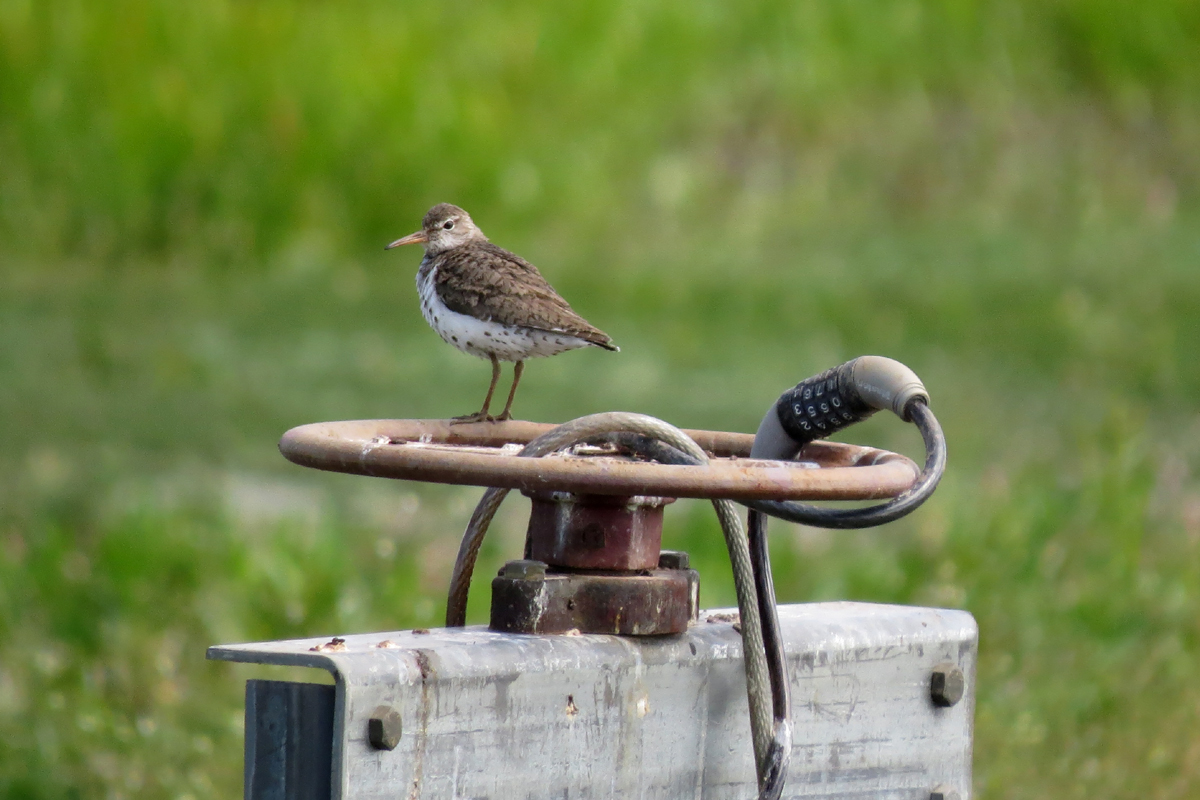
juvenile spotted walkingThere are lots of youngsters in the wetlands these days. We haven’t had any rain in July, so water levels are dropping, concentrating wetland animals into smaller areas. This is a Spotted Sandpiper in that awkward adolescent stage.

spotted in culvertThe same Spotted Sandpiper, peeking out of a culvert

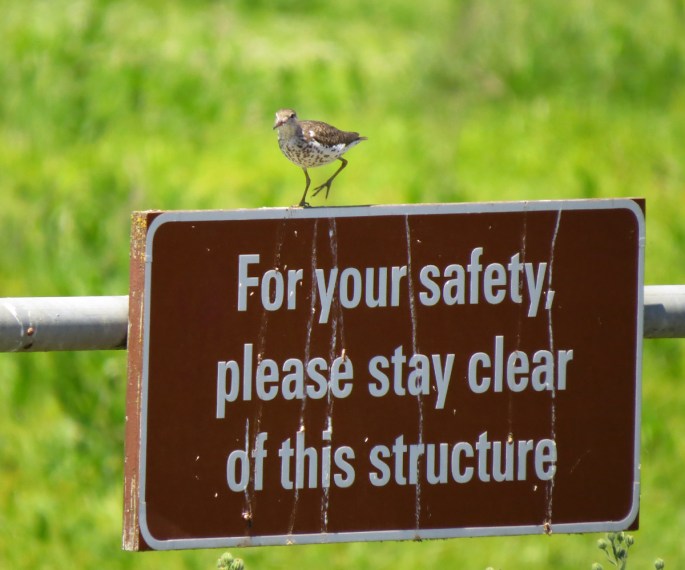
spotted 1This adult Spotted Sandpiper may be the parent of the juvenile pictured above. Like many birders, she assumes the sign does not apply to her.
spotted 2
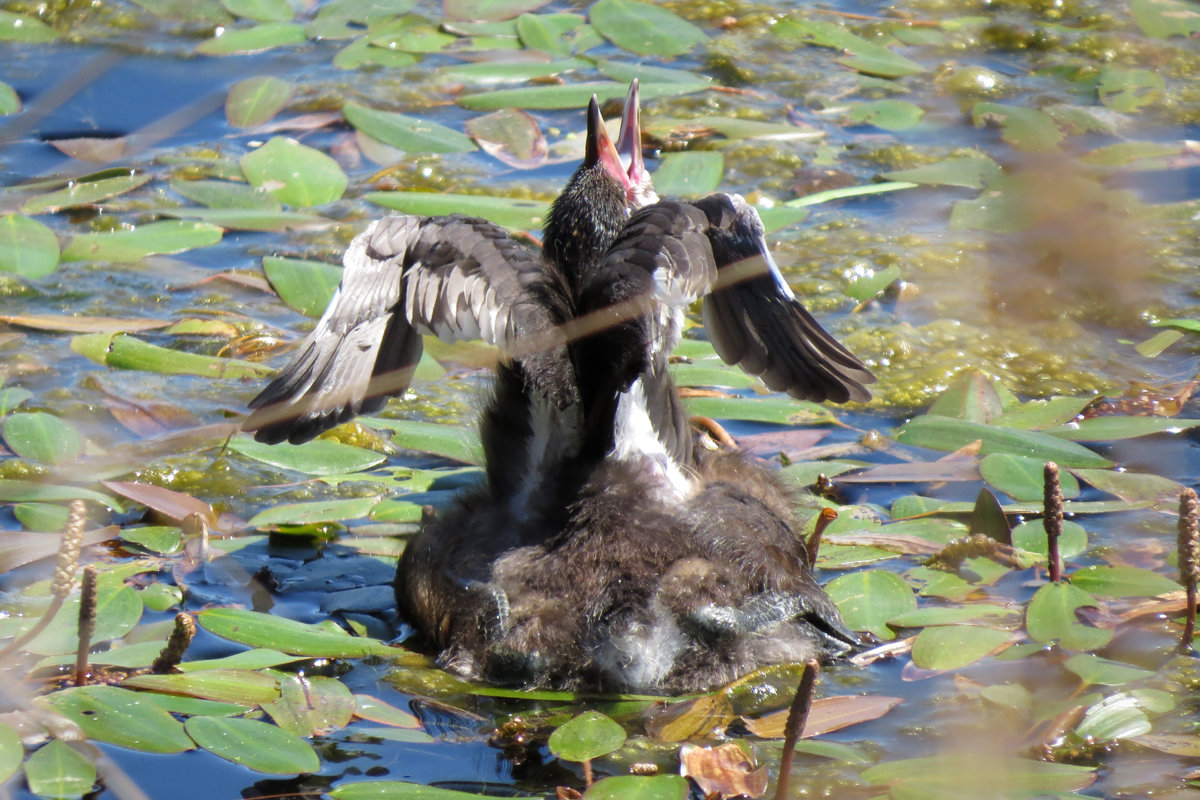
pb grebe scratchingThis young Pied-billed Grebe was grooming and stretching in the canal.
stretching pb grebe
pb grebe left

tadpolesThere are lots of tadpoles in the canal.
bullfrogUnfortunately, they belong to the invasive American Bullfrog.

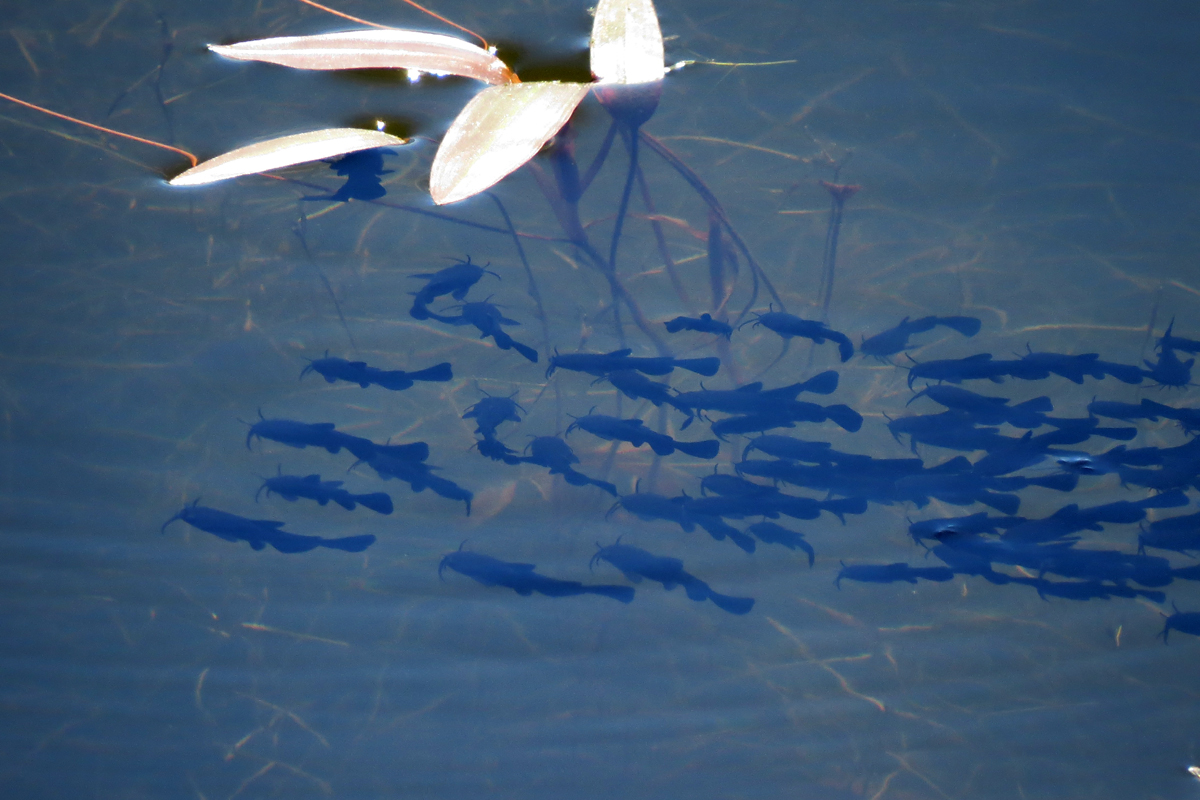
bullheadsEvery puddle has a school of baby bullheads this time of year.
bullheads 2

nutria eatingAnother invasive species, but darned cute, is this young Nutria nibbling on aquatic vegetation.
nutria eating 3

Jackson Bottom, 11 July 2013

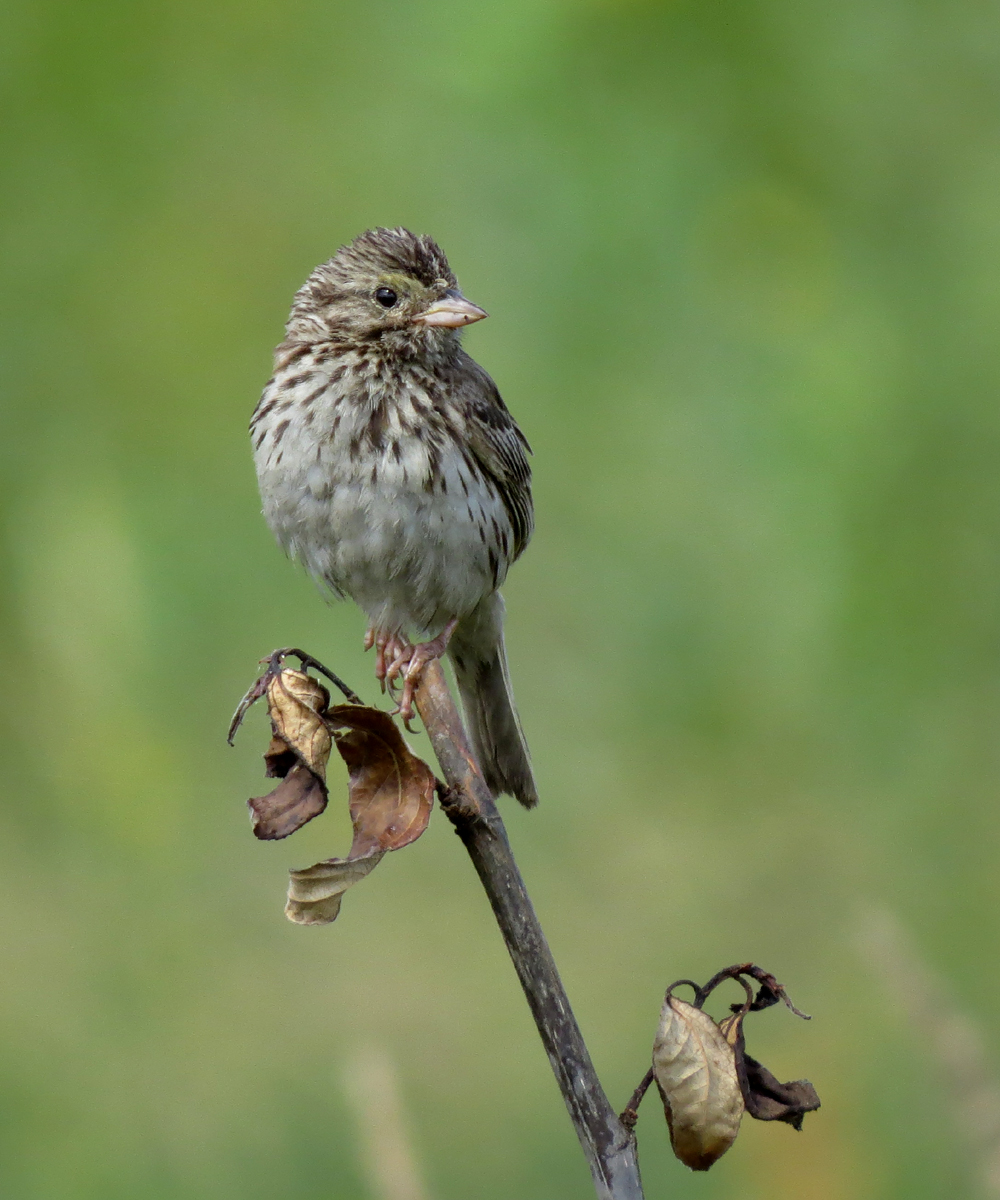
savannahI walked around Jackson Bottom in Hillsboro this morning. As you would expect at this time of year, there were lots of young birds around.  This young Savannah Sparrow posed nicely. His parents have not taught him to skulk in the weeds yet.

blue-winged and cinnamon tealThe best bird of the day was this male Blue-winged Teal (right foreground), always hard to find in the Willamette Valley. He flew in with a small flock of Cinnamon Teal.
blue-winged teal

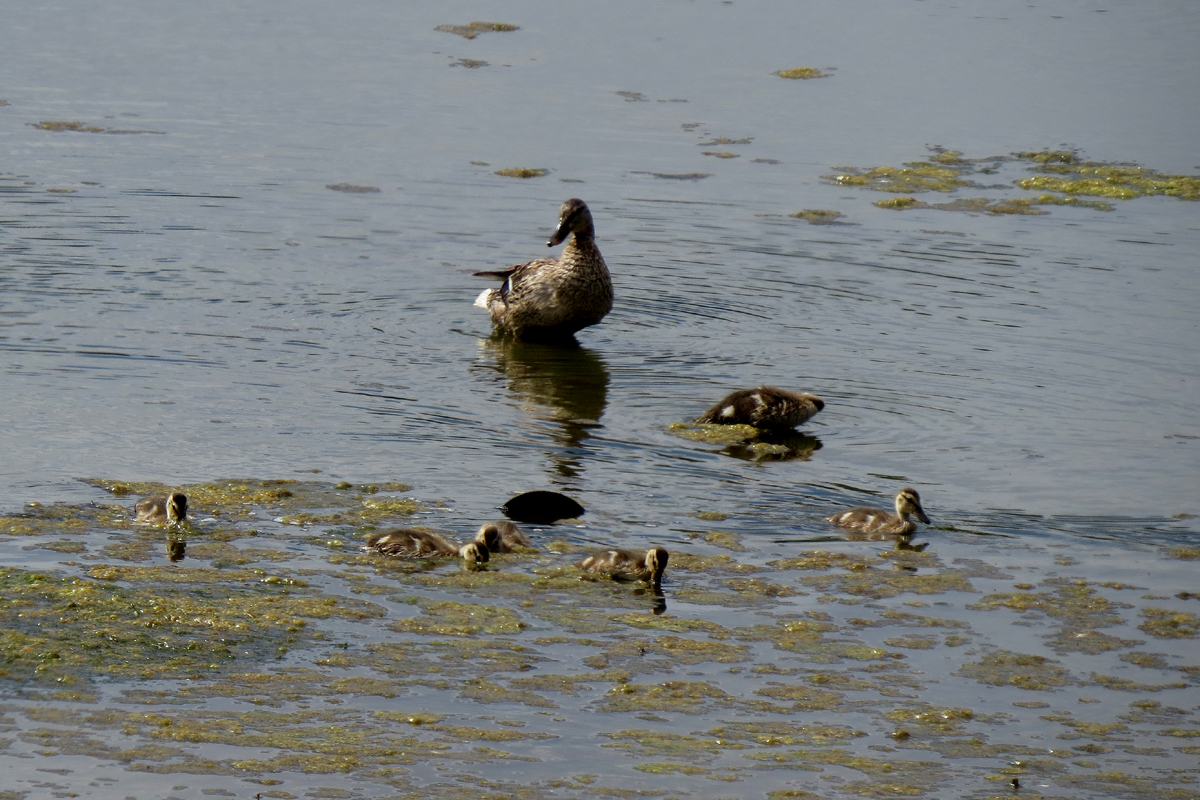
mallard familyFamilies of young Mallards were everywhere.

canada goose familyThese Canada Geese are mostly grown, but retain a bit of their cute fuzziness.

spotty left 1I was surprised by the lack of migrant shorebirds. The resident Spotted Sandpipers were well represented.

nutriaLots of Nutria were out this morning. Yes, introduced species often wreak havoc on native ecosystems, AND, Nutria look like adorable little bears.

Tualatin River NWR

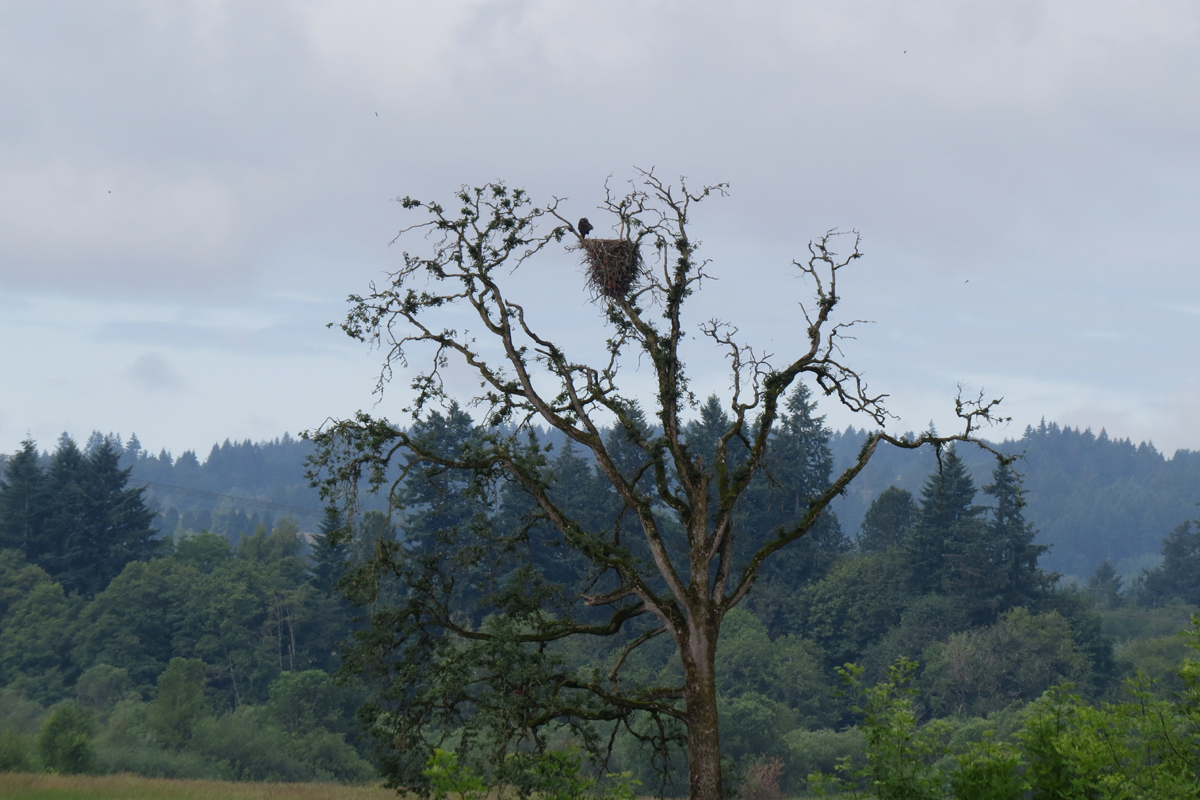
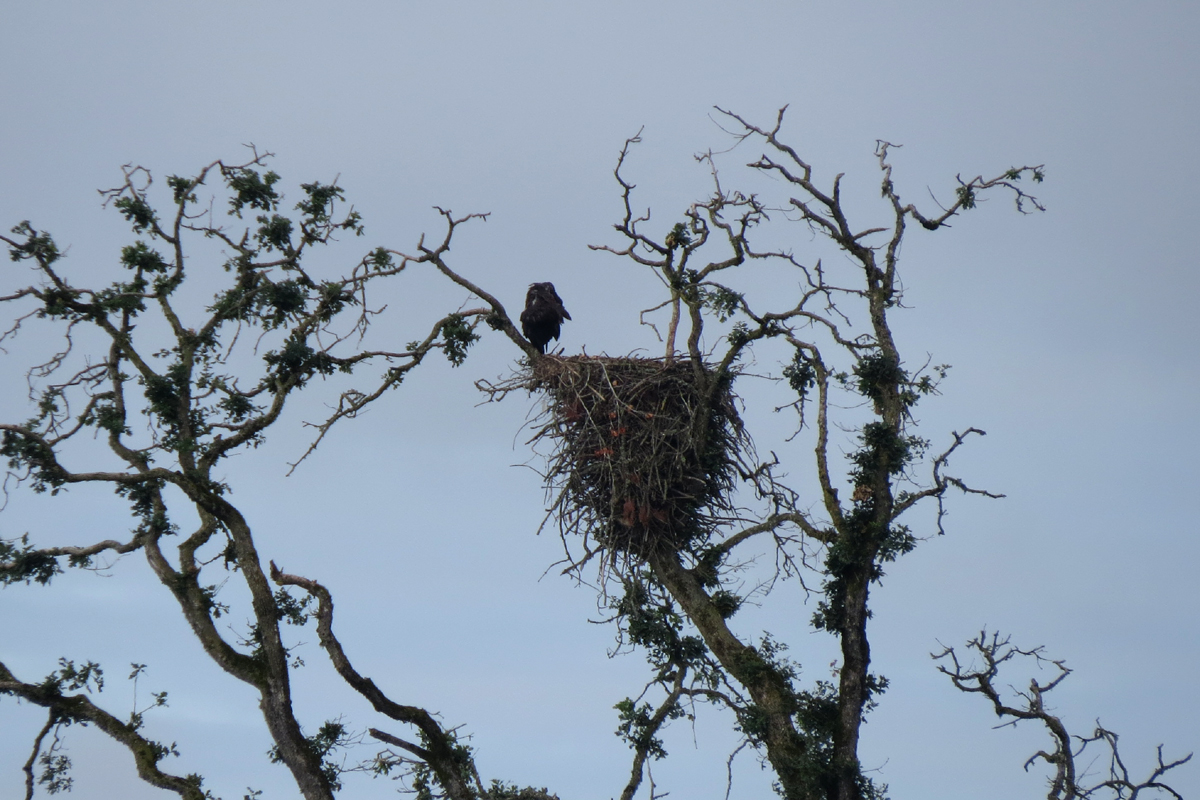
eagle nestWhile the bird diversity has thinned out considerably in the past couple of weeks, I had some nice views of the summer residents at Tualatin River NWR. The resident Bald Eagles still have one youngster in the nest. He is expected to fledge any day now.

eagle nest 2

bald eagleOne of the parents was hanging out near the refuge headquarters, looking all regal.

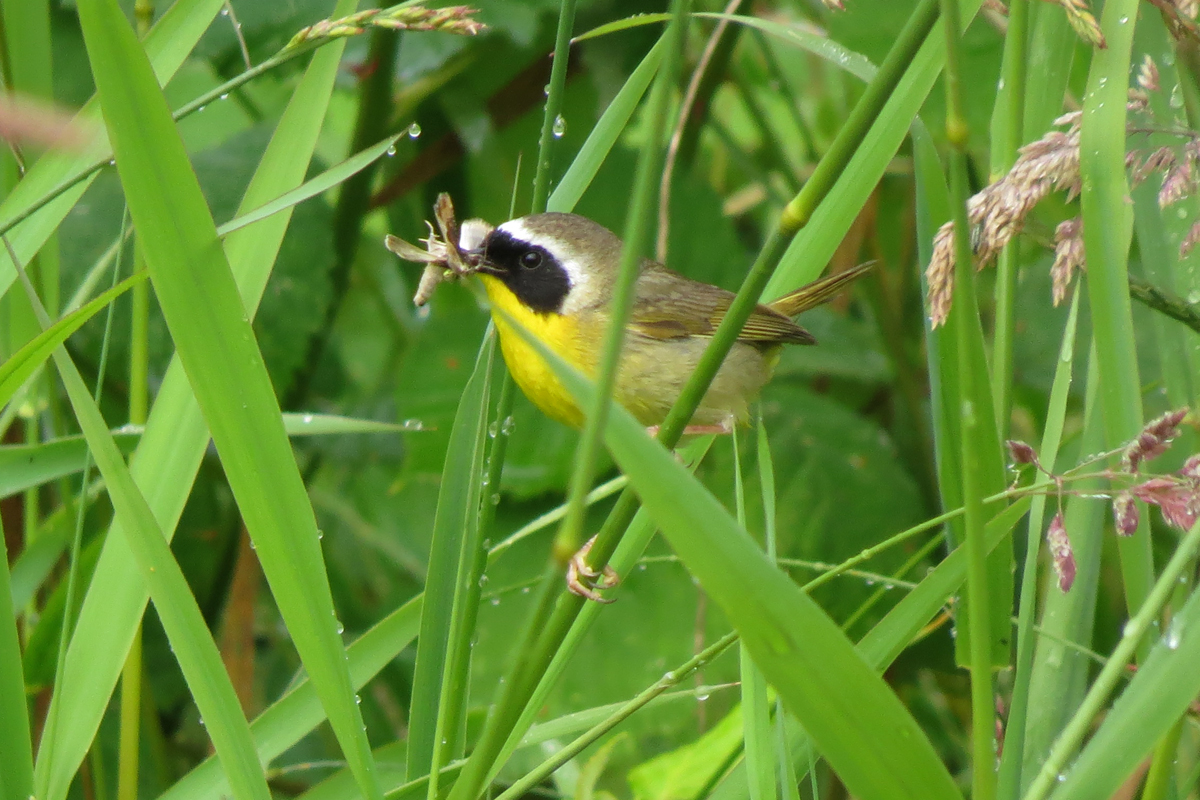
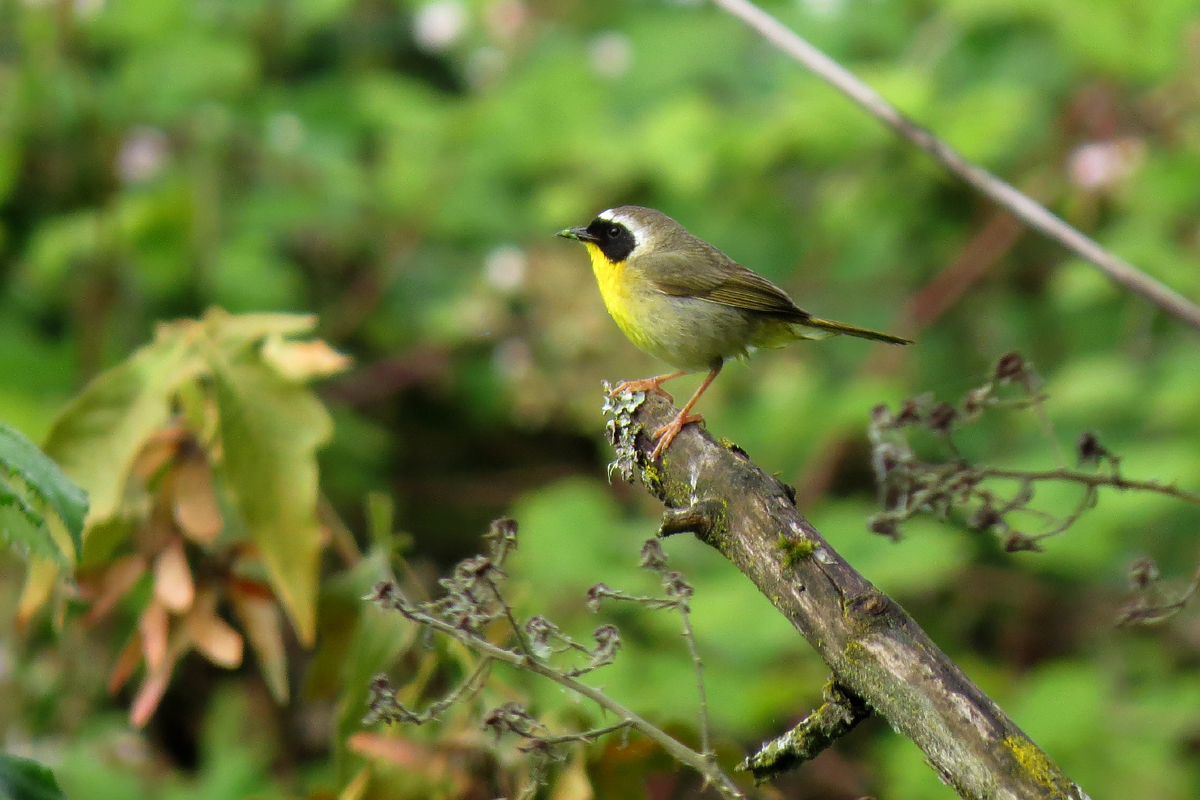
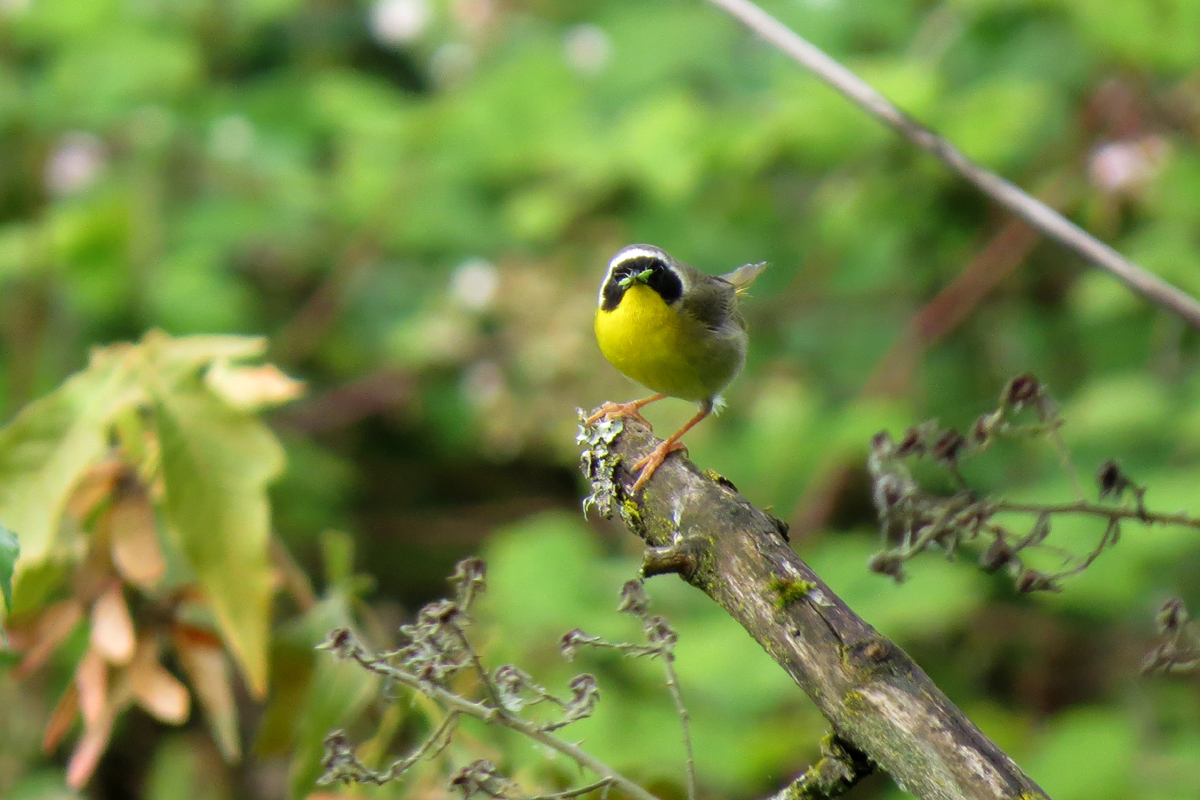
common yellowthroat 1This Common Yellowthroat was frequently seen carrying food, indicating he had a nest nearby.
common yellowthroat 2 common yellowthroat front

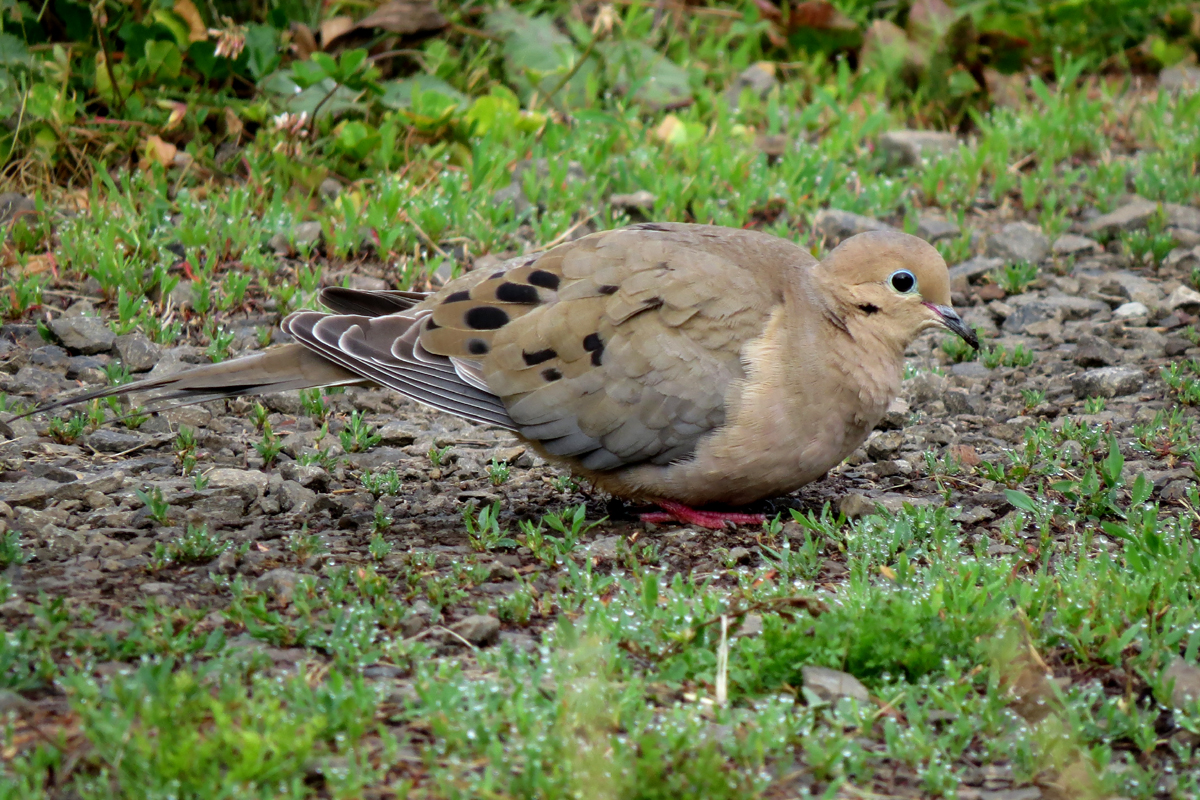
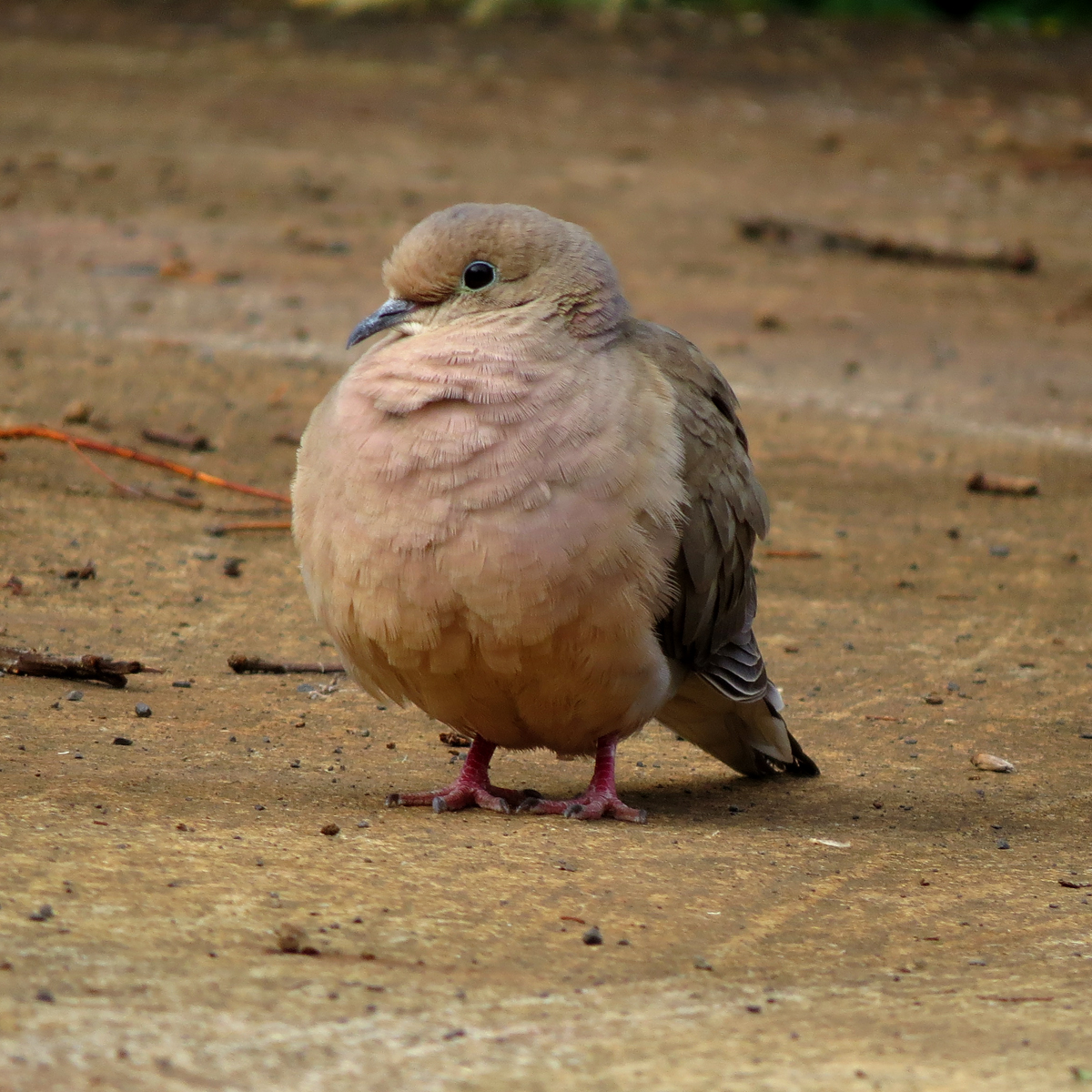
mourning dove3Mourning Dove, feeding on the gravel road.
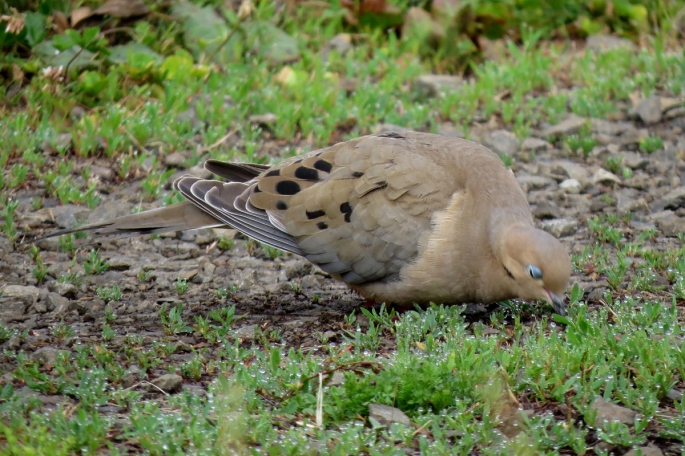
mourning dove eyes closedI think the blue eye shadow makes her look a little trashy.
mourning dove front

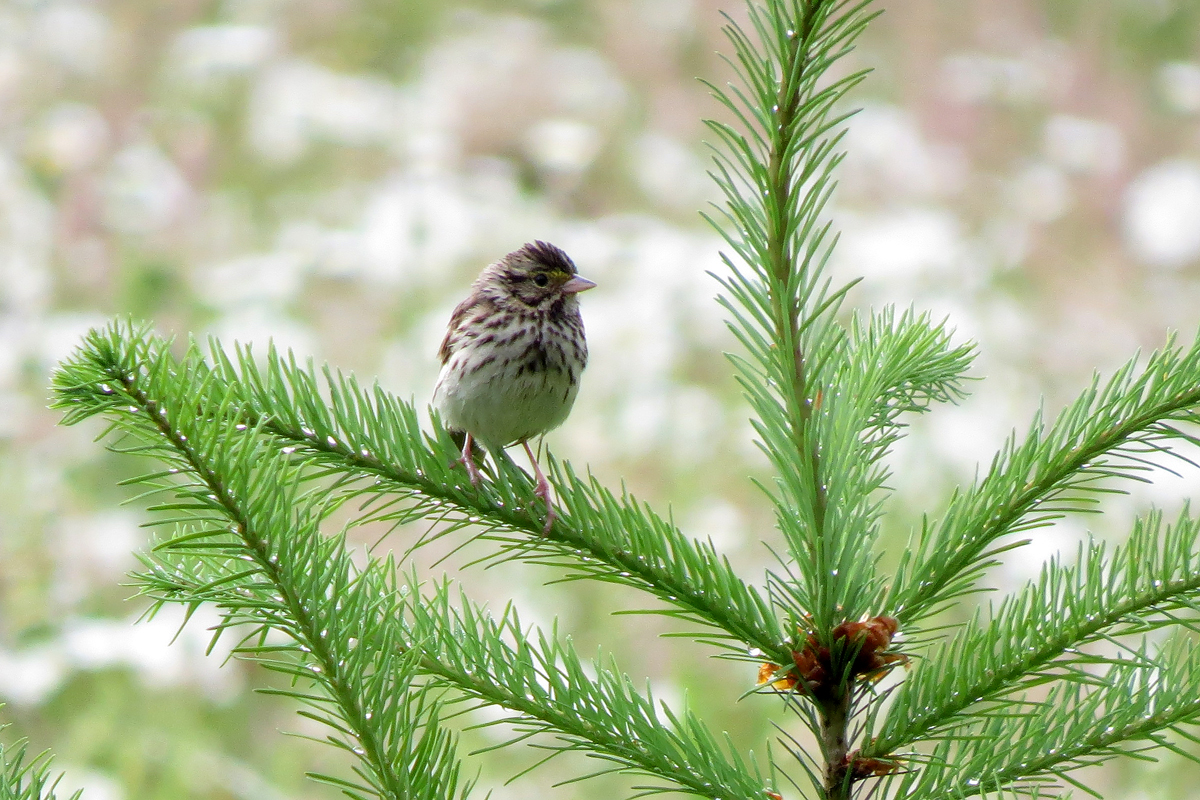
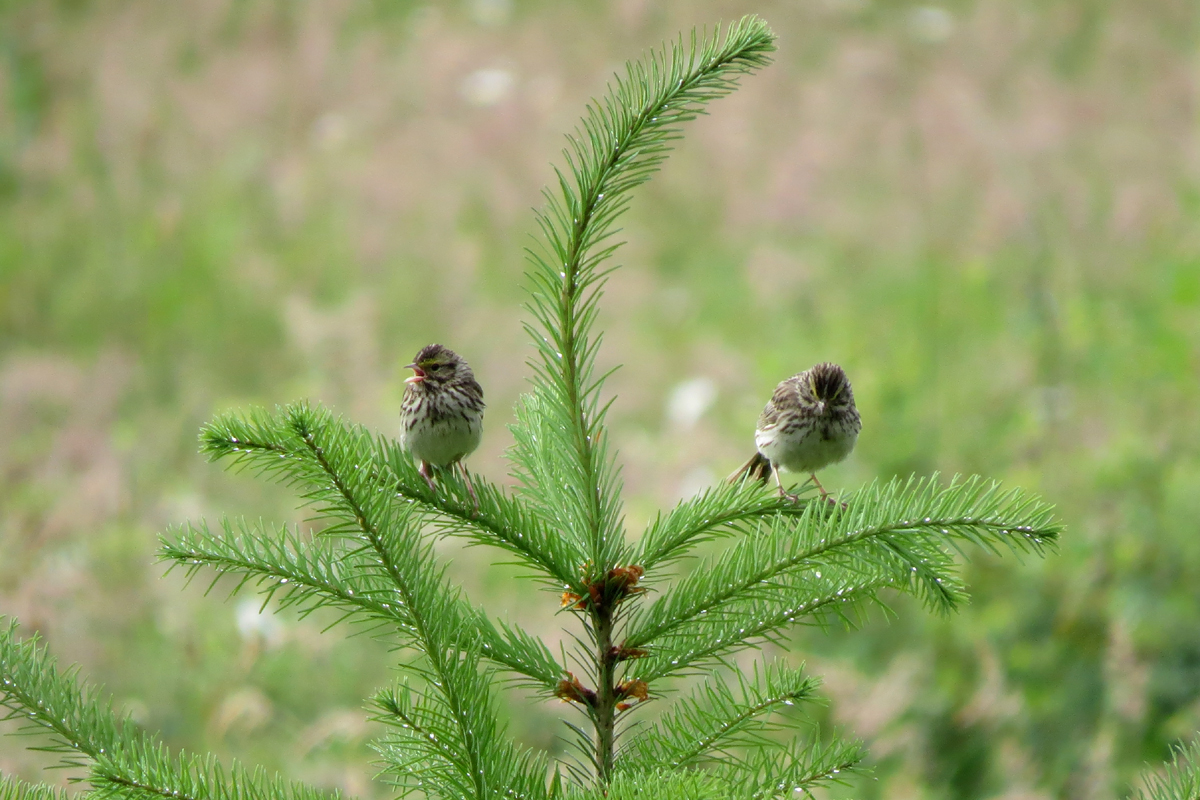
savannah sparrowsSavannah Sparrows are common in the open habitats here.
savannah sparrow

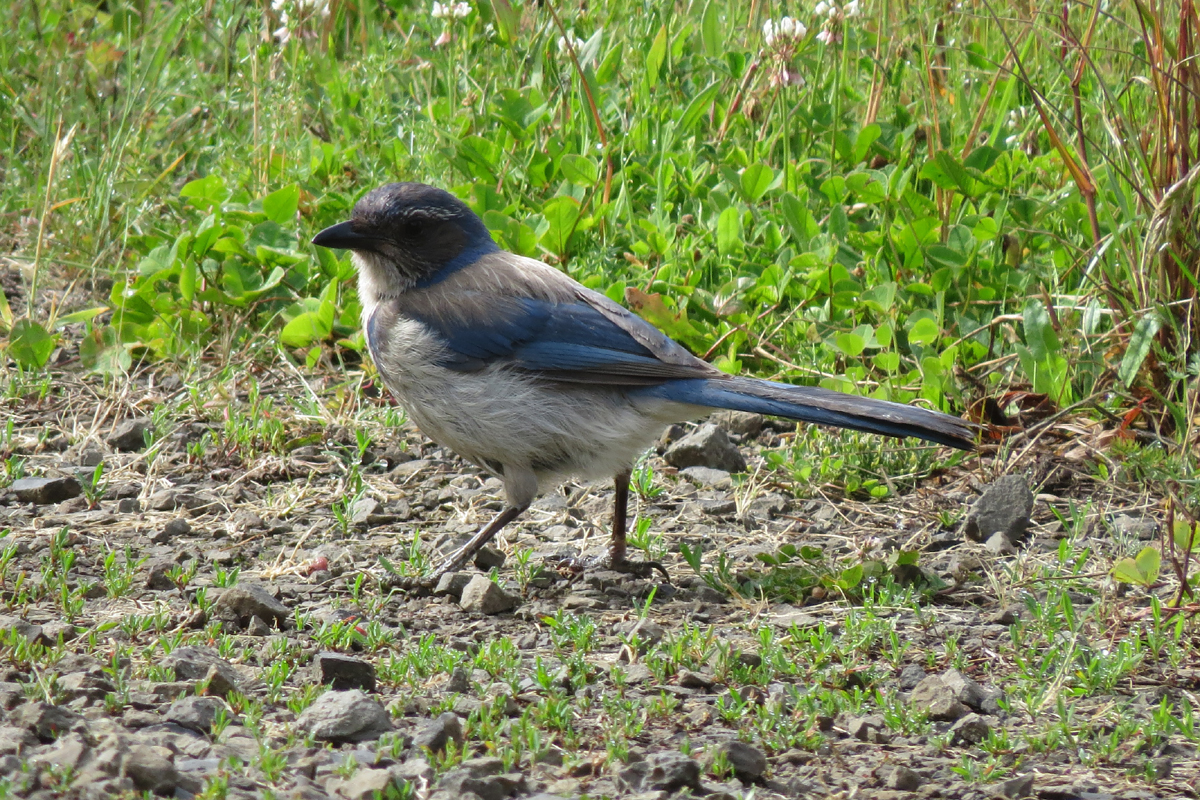
western scrub-jayWestern Scrub-Jay

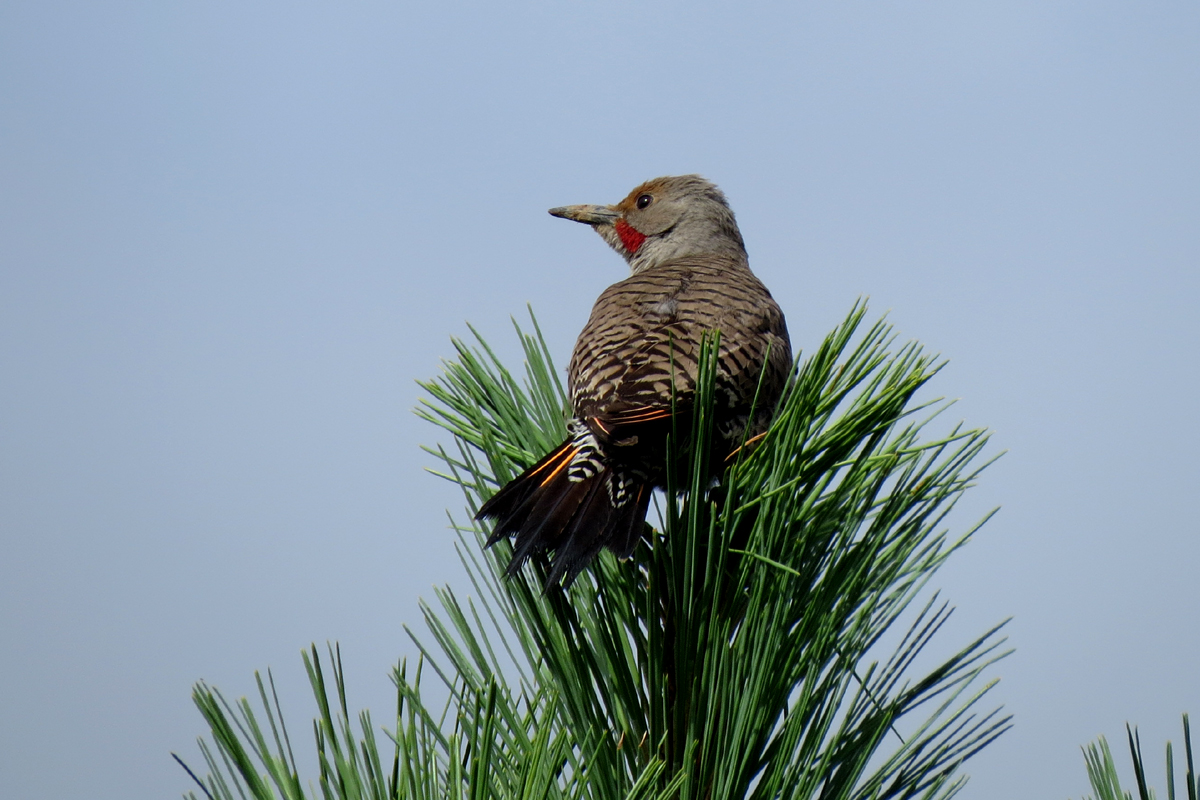
northern flickermale Northern Flicker

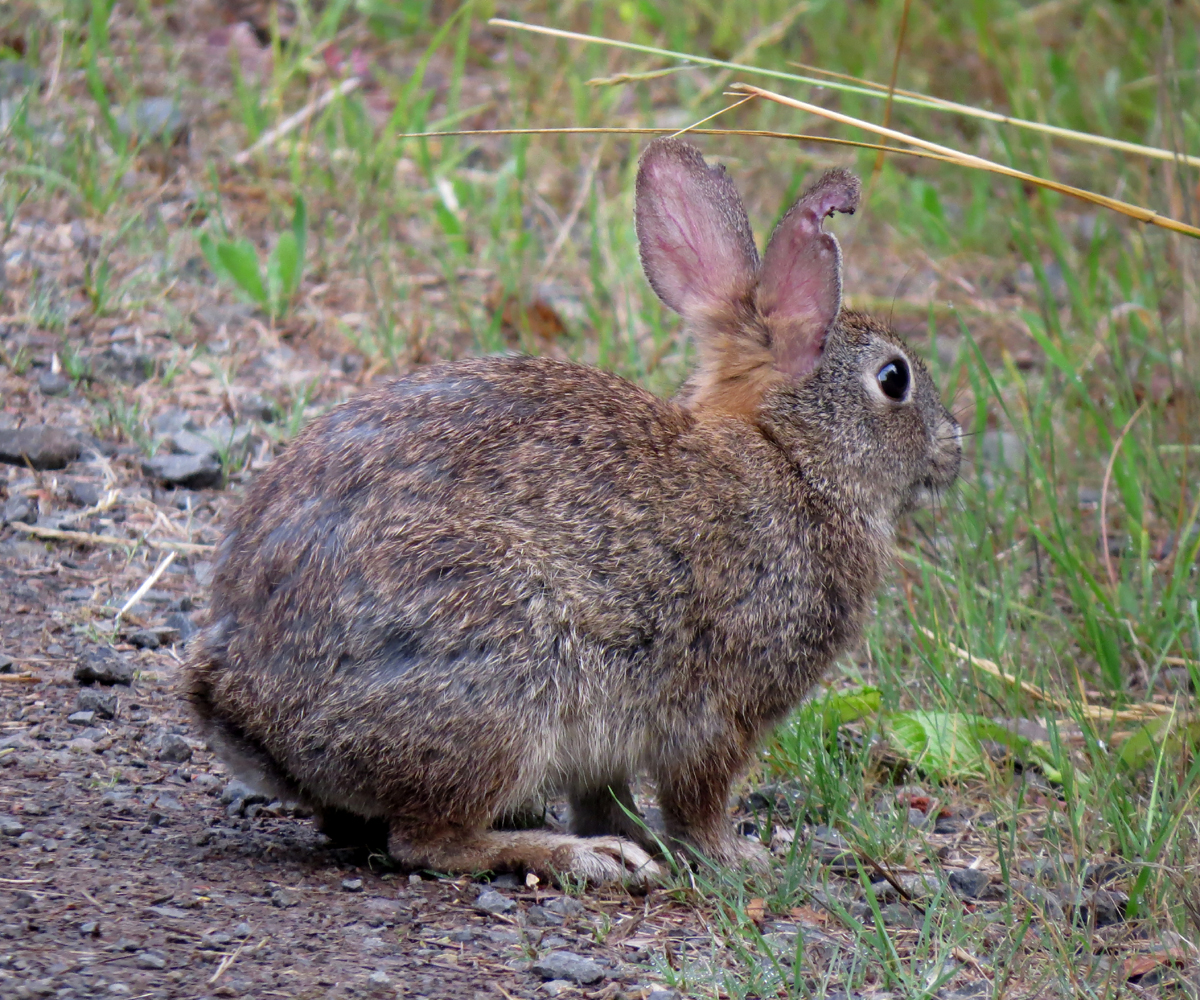
brush rabbit 1Brush Rabbit. The tattered ear suggests that he has had a close escape or two.

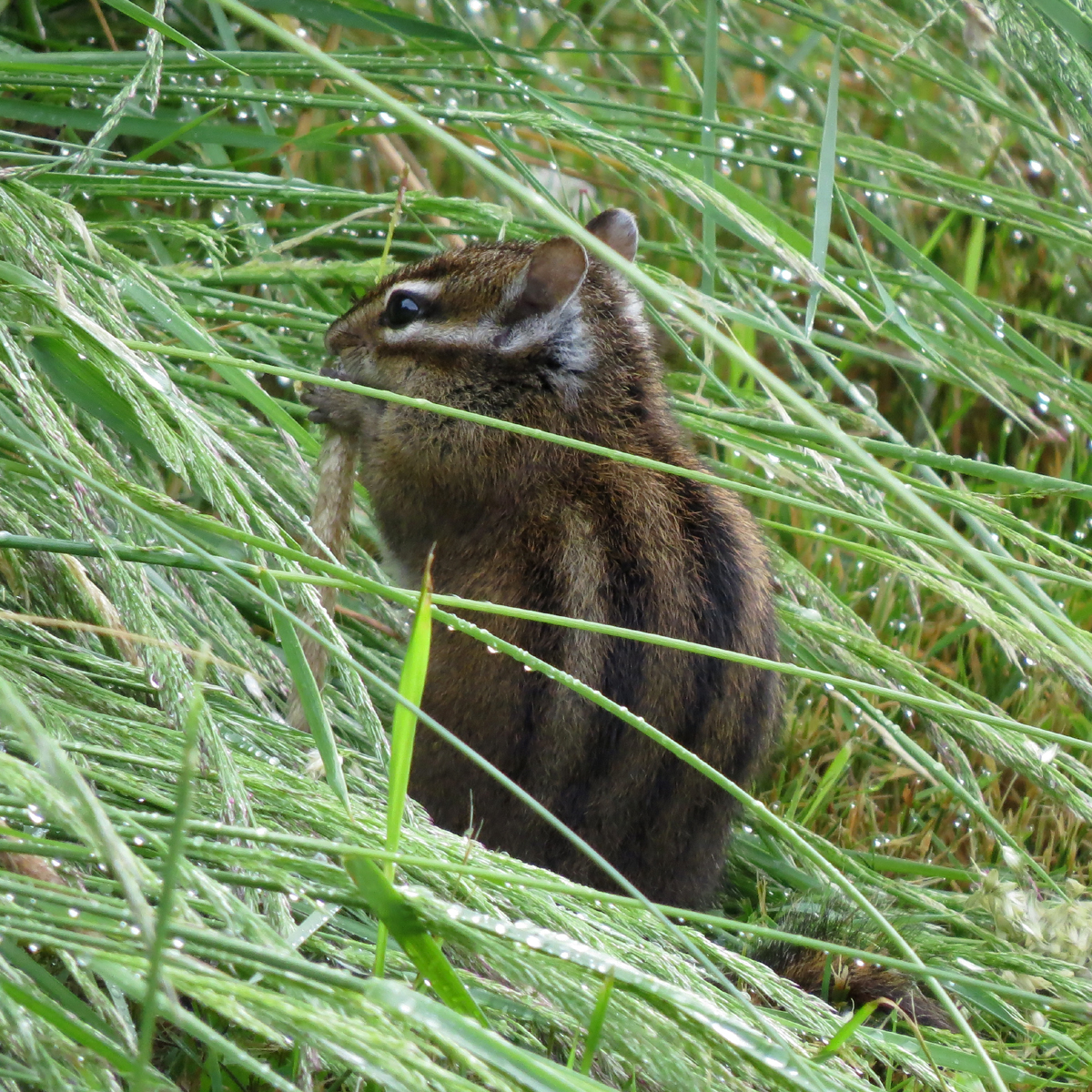
townsend's chipmunkThis Townsend’s Chipmunk was eating grass seeds.

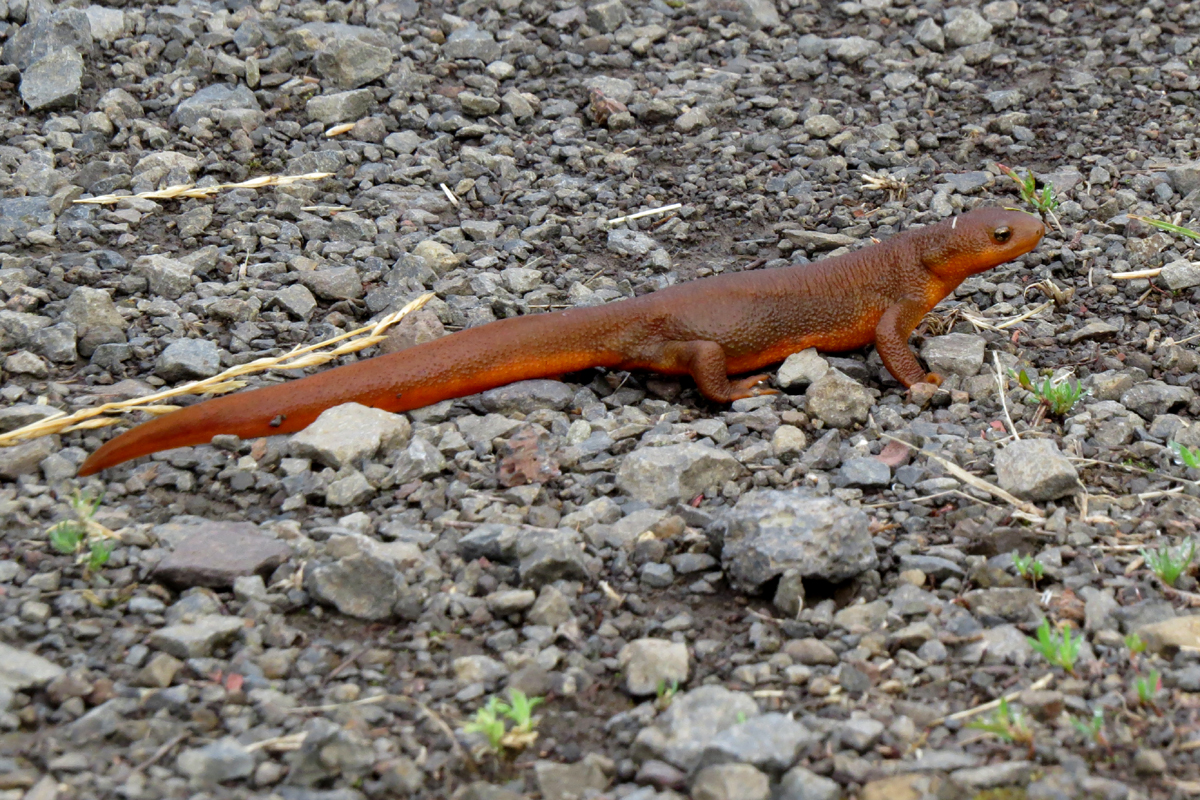
rough-skinned newt 2I saw two Rough-skinned Newts crossing the road. One of the most poisonous animals known to science, this species exudes equal amounts of toxins and cuteness.

Sandy River Delta, 5 June 2013

I took Nala on a hiking/swimming tour of the Sandy River Delta. We were there at midday, so we missed the dawn chorus, but the common species were still active and vocal.

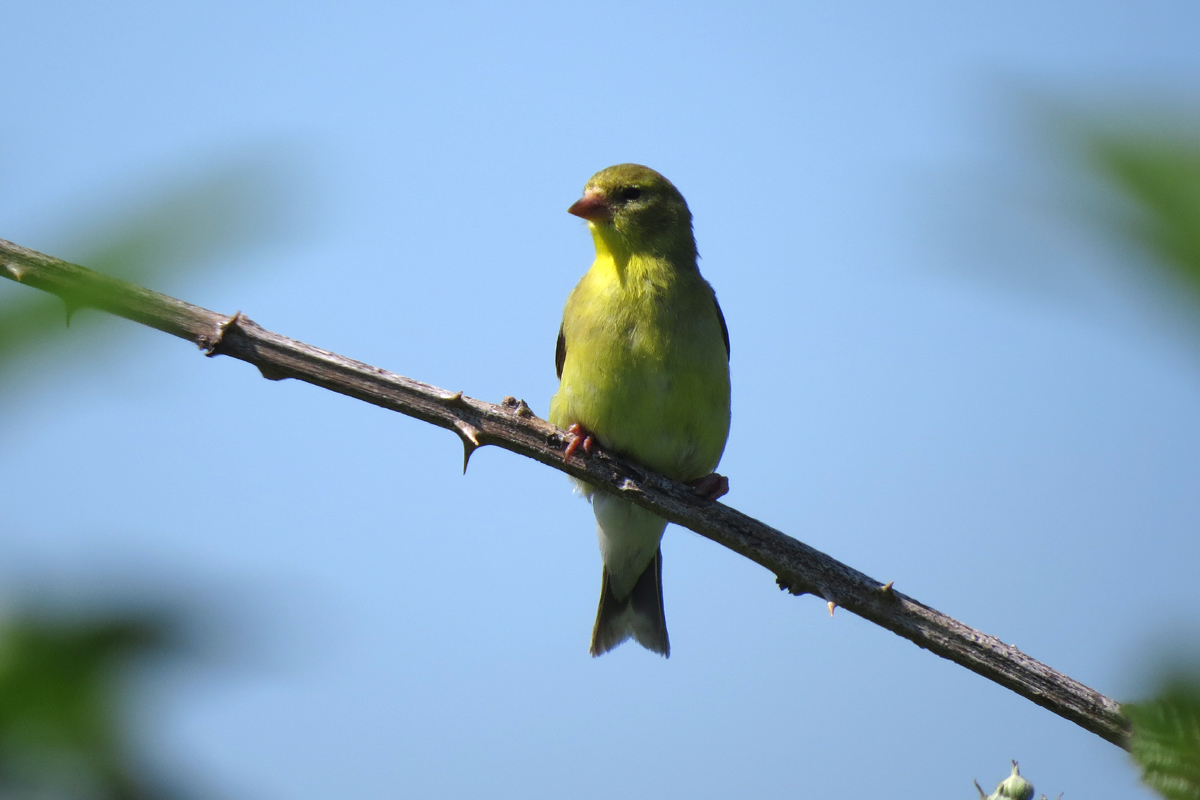
american goldfinchAmerican Goldfinch

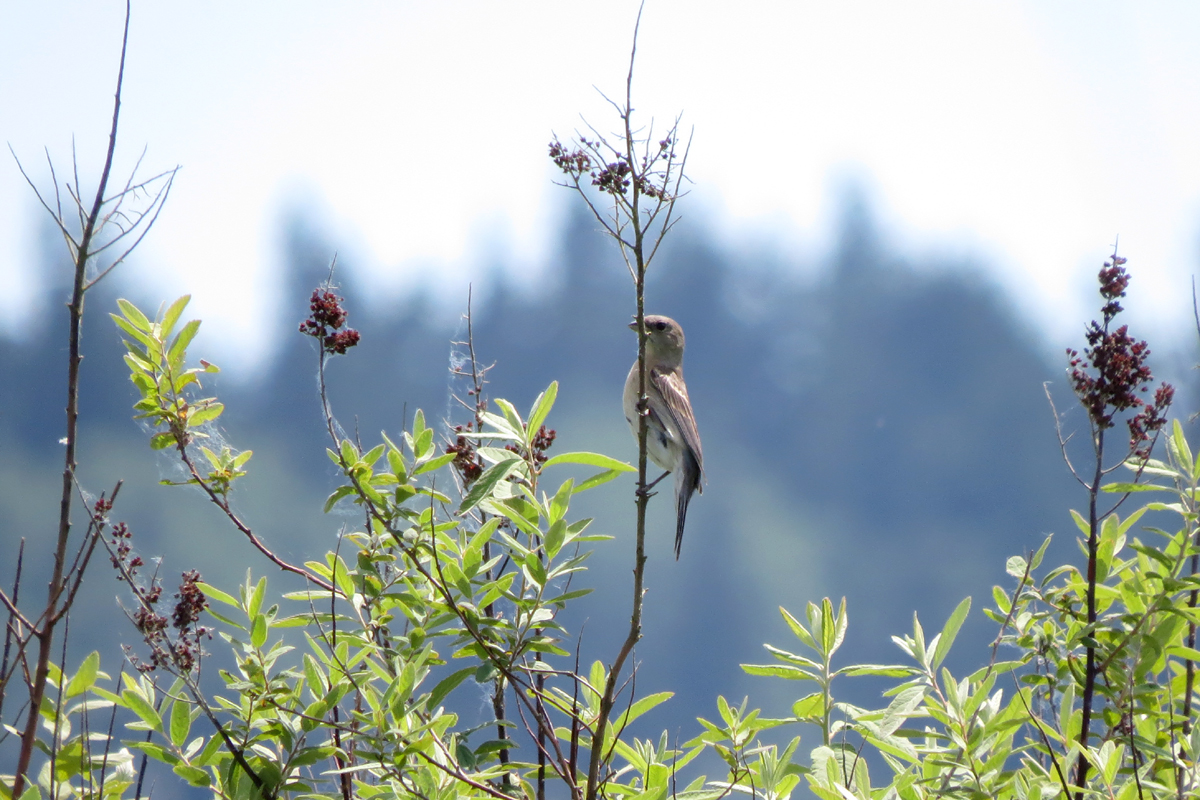
lazuli buntingIn the open brushy habitats, you can’t turn around without seeing a Lazuli Bunting.

lazuli bunting maleLazuli Bunting

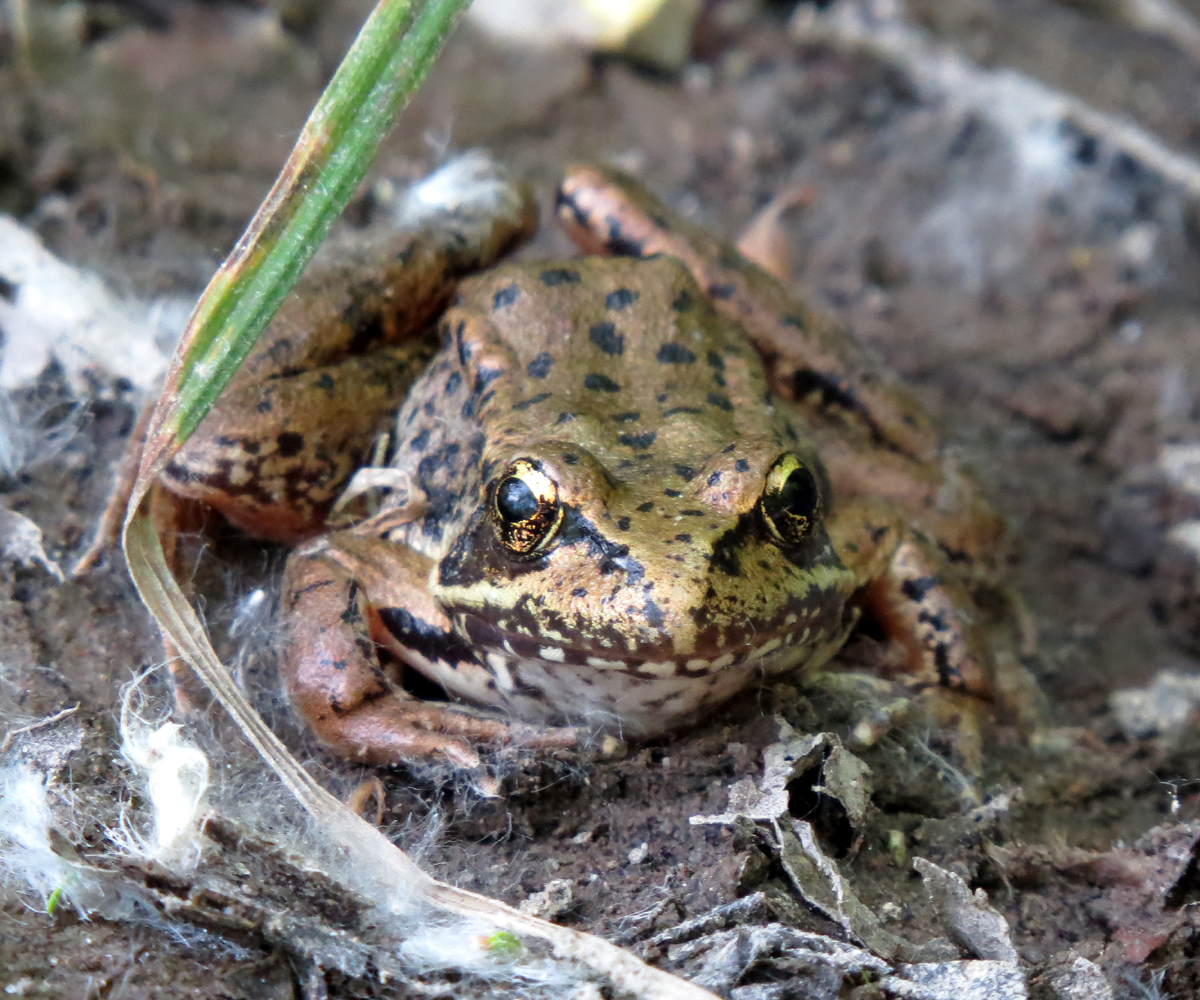
red-legged frog 4It was nice to find a couple of native Red-legged Frogs. This species often succumbs to introduced American Bullfrogs.
red-legged frog 3

Nala’s main interest in the trip was swimming. She swam in a vernal pool, the Sandy River, and the Columbia River.

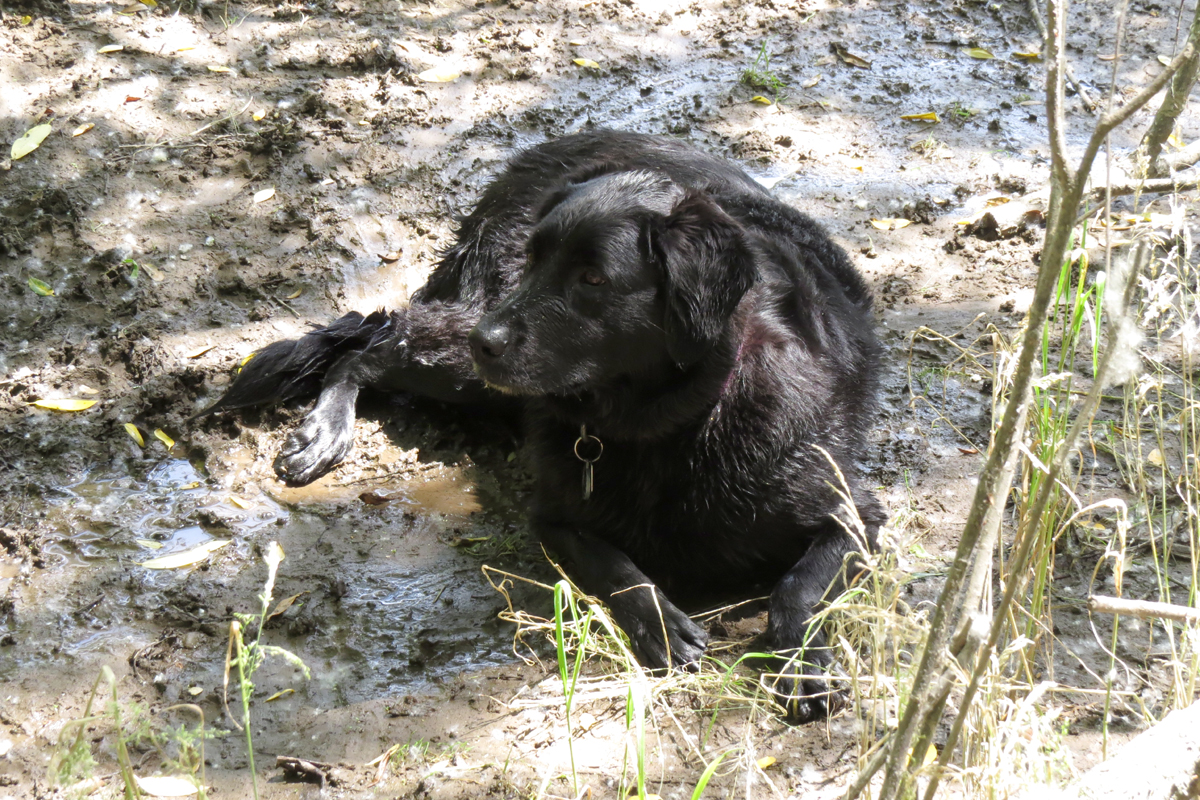
mud puppyDuring the long hot walk back toward the car, she needed to cool off in this convenient mud hole.

nala drinking

Seasonal Mix

IMG_1929I did the Tillamook Death March this week, walking the six miles around Bayocean Spit (Birding Oregon p. 128). After two weeks of warm sunny weather, we have returned to a more normal gloomy, rainy pattern, so I only took out the camera for this Red-necked Grebe in nice breeding attire. There is currently an interesting mix of winter, migrant, and breeding species around. Tillamook Bay still held Common and Pacific Loons along with this grebe. All should be moving north very soon.

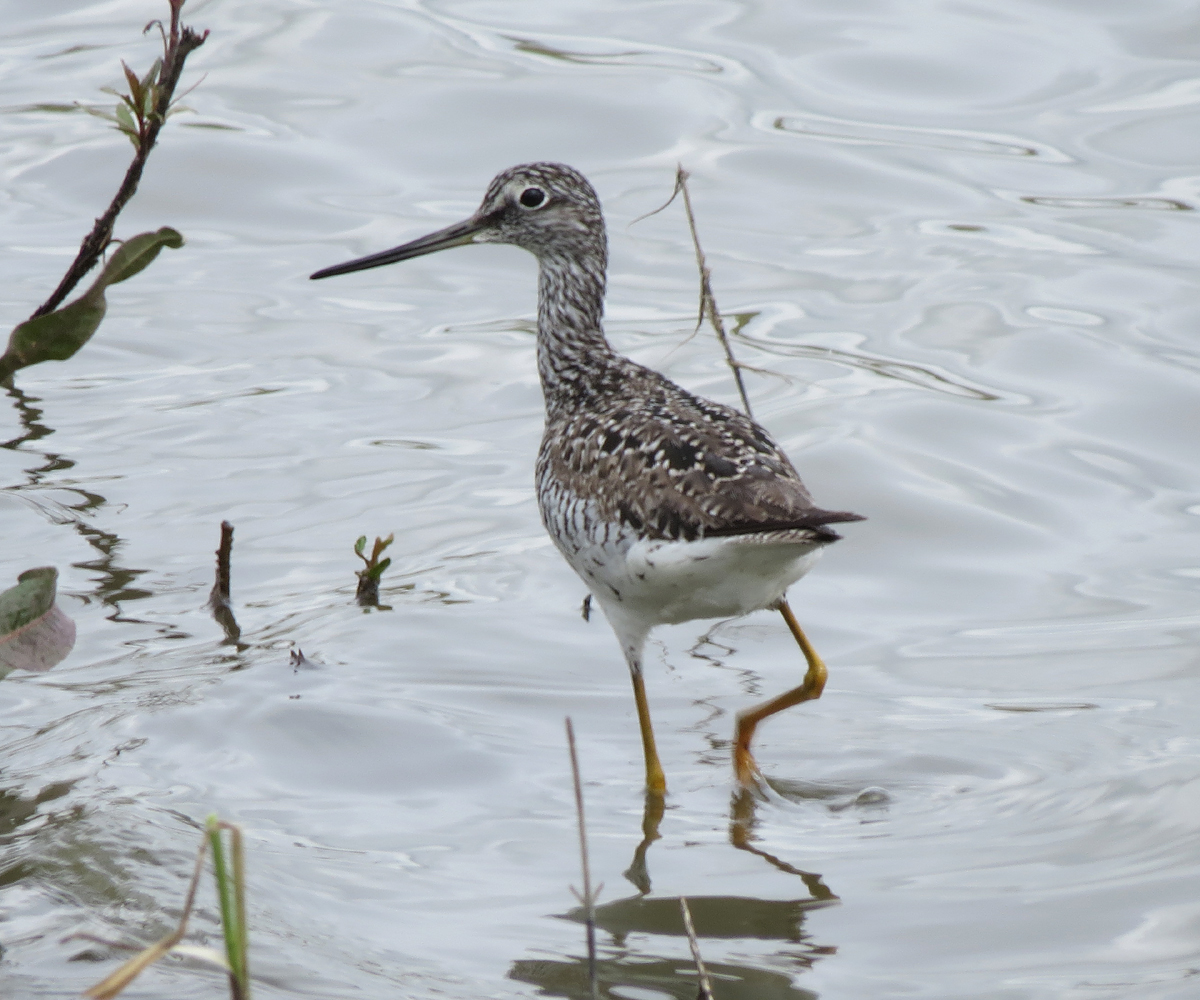
IMG_1937On the way home I stopped at Fernhill Wetlands and found this Greater Yellowlegs. Most migrant shorebirds have passed through already, but a few linger on.

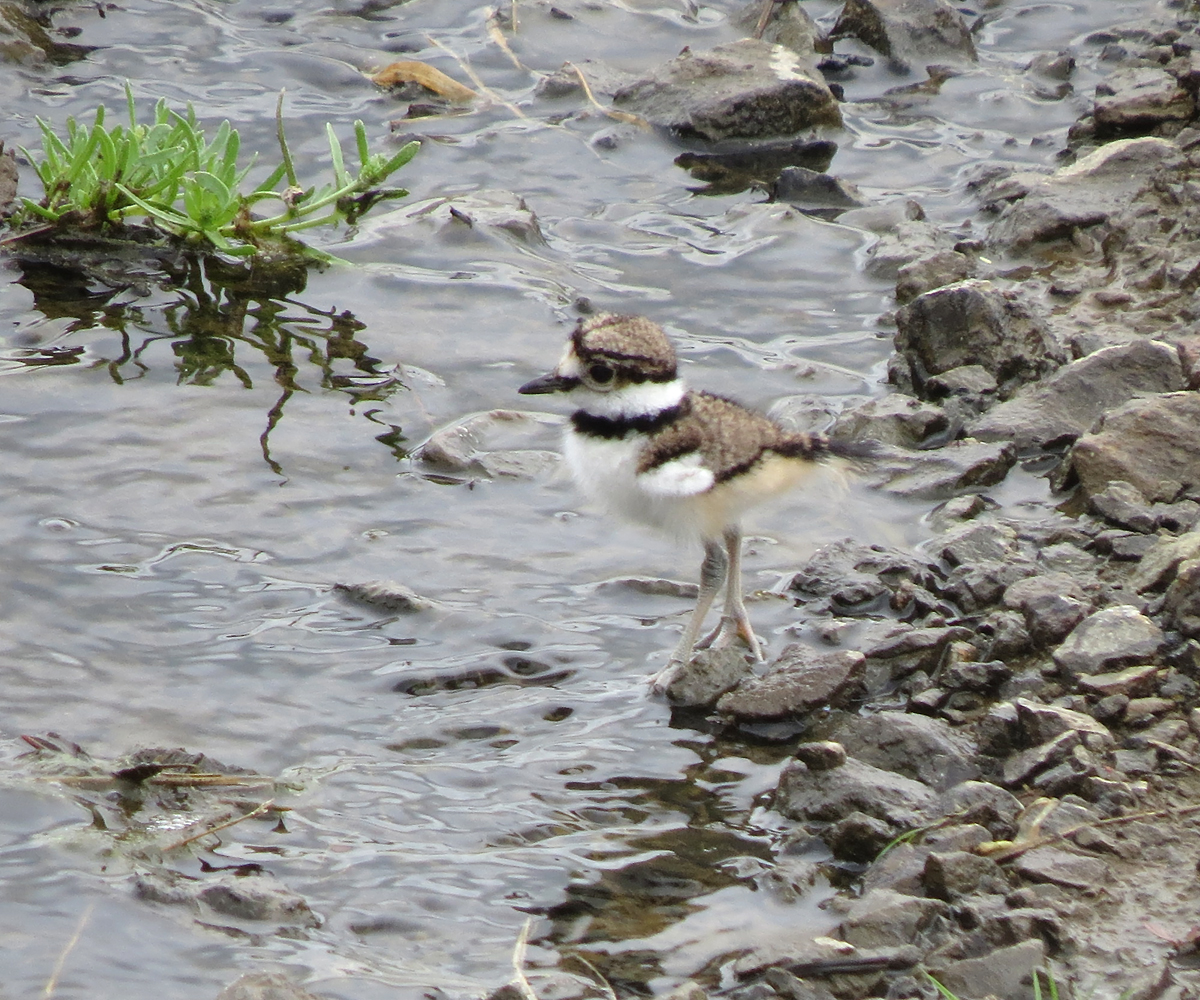
baby killdeerAlso at Fernhill was a pair of Killdeer with three fuzzy babies. Too cute.

Shorebird Class

black oystercatchersI took my shorebirds class to Seaside. At the Cove, we found Black Turnstones, Surfbirds, and these Black Oystercatchers.

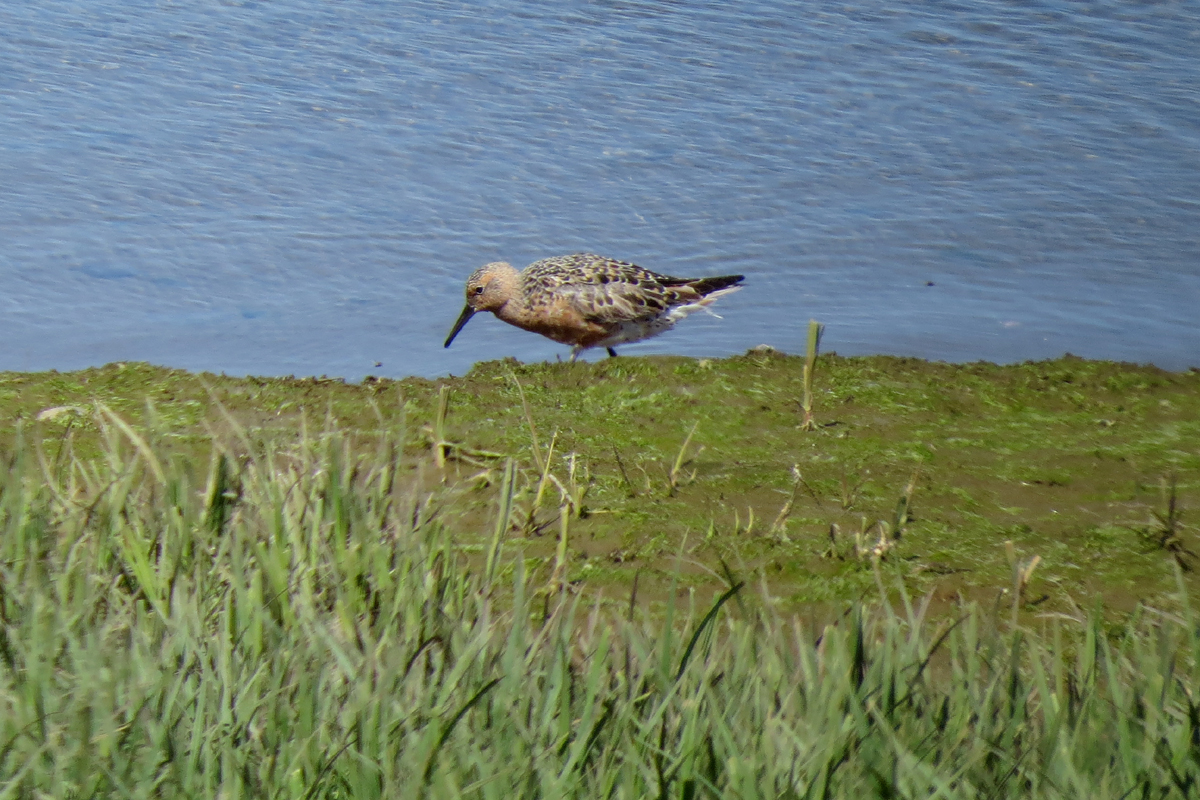
Red KnotBest bird of the day was this Red Knot at the Necanicum Estuary.

western gullOK, not a shorebird, but this Western Gull was just standing there, waiting to be photographed. (and Western Gulls are about the only species around right now)