Mt. Rainier NP

rainierWe made our first visit to Mt. Rainier NP in Washington last week. This park is an easy drive from Portland. I like getting above the tree line to the alpine meadows, seen here, but the park has large areas of forest, as well. The bird and mammal diversity was good on this trip, although the numbers of individuals were not as large as you usually find in parks such as Glacier or Yellowstone.

dipperThis American Dipper was swimming in one of the rivers; not very photogenic, but interesting behavior. The forested areas were too dark for bird photos, but Gray Jays, Varied Thrushes, and Red Crossbills were common.

cooper's hawkMost of the birds in the alpine habitats were fast fly-bys. I did manage this photo of a young Cooper’s Hawk. The Prairie Falcon that was hunting the ridge was way too fast. I was hoping for White-tailed Ptarmigan on this trip, but perhaps the abundance of raptors was keeping that species out of sight.

bear 1This Black Bear spent many hours feeding on vegetation along one of the trails. We kept a respectful distance, unlike many other park visitors. The bear didn’t seem too concerned with his fans. He did get a little nervous when a couple was taking selfies with him.

chipmunkYellow-pine Chipmunks are common in the meadows.

meadowAnother view of the mountain. I definitely want to explore more of this area.
North Coast

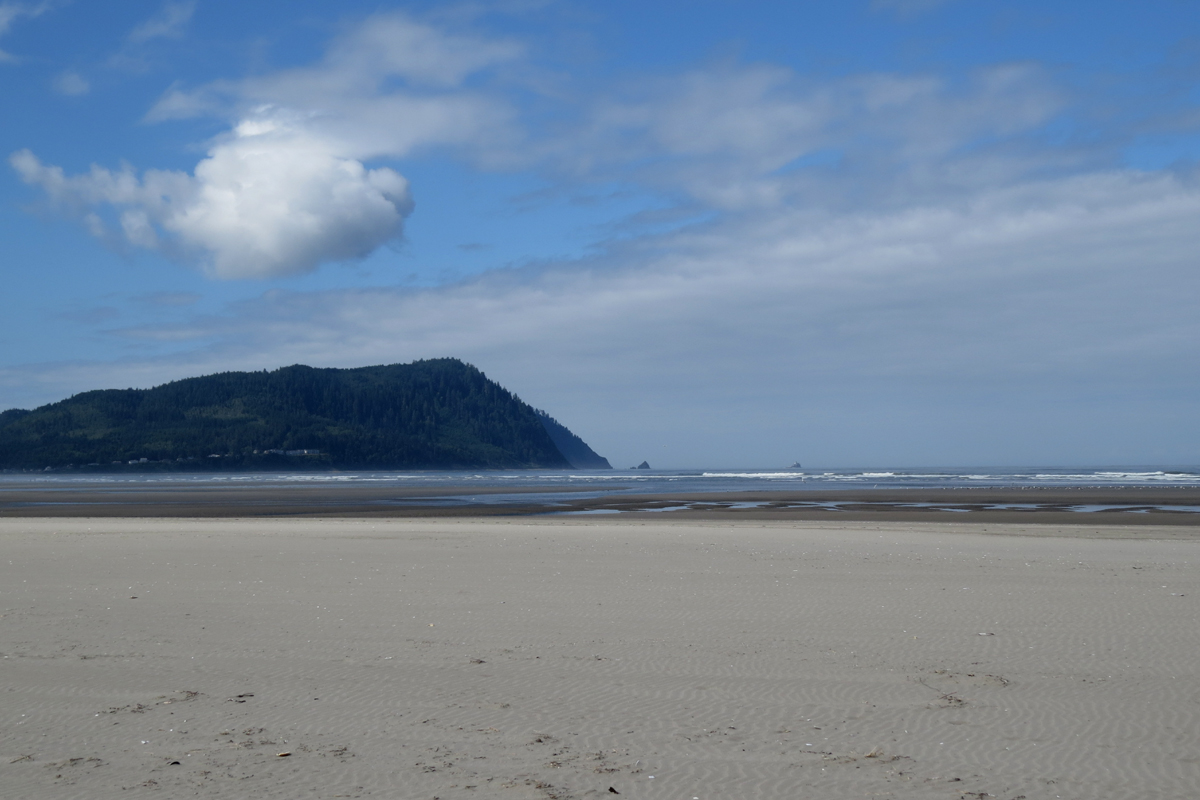
sceneI made two trips to the coast this week, once to scout for my Portland Audubon shorebird class, and again for the class itself. It is amazing how much difference a couple of days can make in the make-up of bird life in a given area. On Thursday, I found a total of 11 shorebirds of two species. During the class we found hundreds of individuals of 10 species. I am so glad it was not the other way around. This is the view from the Necanicum River Estuary, looking south. The tiny bump in the middle is Haystack Rock, about 12 miles away.
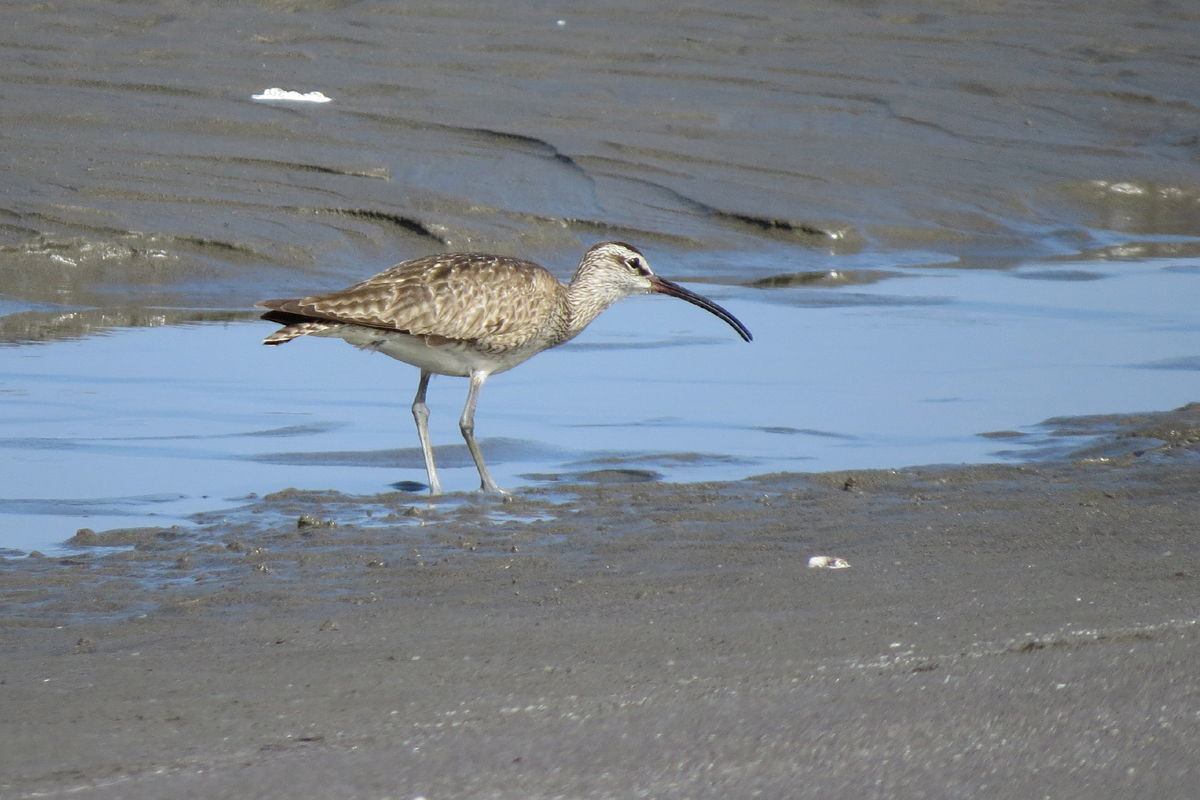
whimbrel leftWhimbrel, Necanicum Estuary
whimbrel right
caspian ternCaspian Terns are common and very vocal all along the coast.

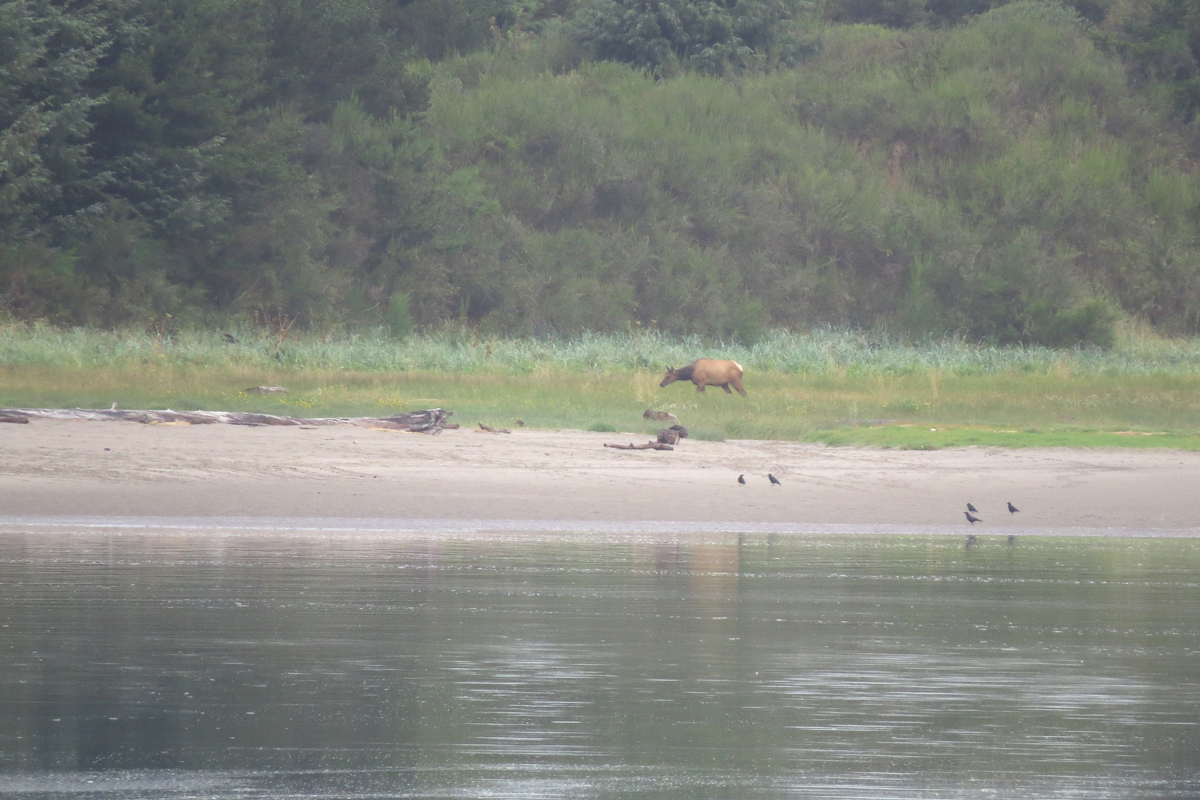
elkElk, Necanicum Estuary

semipalmated ploverThis Semipalmated Plover was the only shorebird at the tidal ponds at Fort Stevens.

raccoonRaccoon, on the mudflats near Parking Lot D, Fort Stevens (with a Caspian Tern and a California Gull)

ruddy turnstoneThis is one of two Ruddy Turnstones we found with a flock of Black Turnstones at the Seaside Cove.

white-crowned sparrowWhite-crowned Sparrow, Necanicum Estuary

california ground squirrelCalifornia Ground Squirrel, Hammond Boat Basin

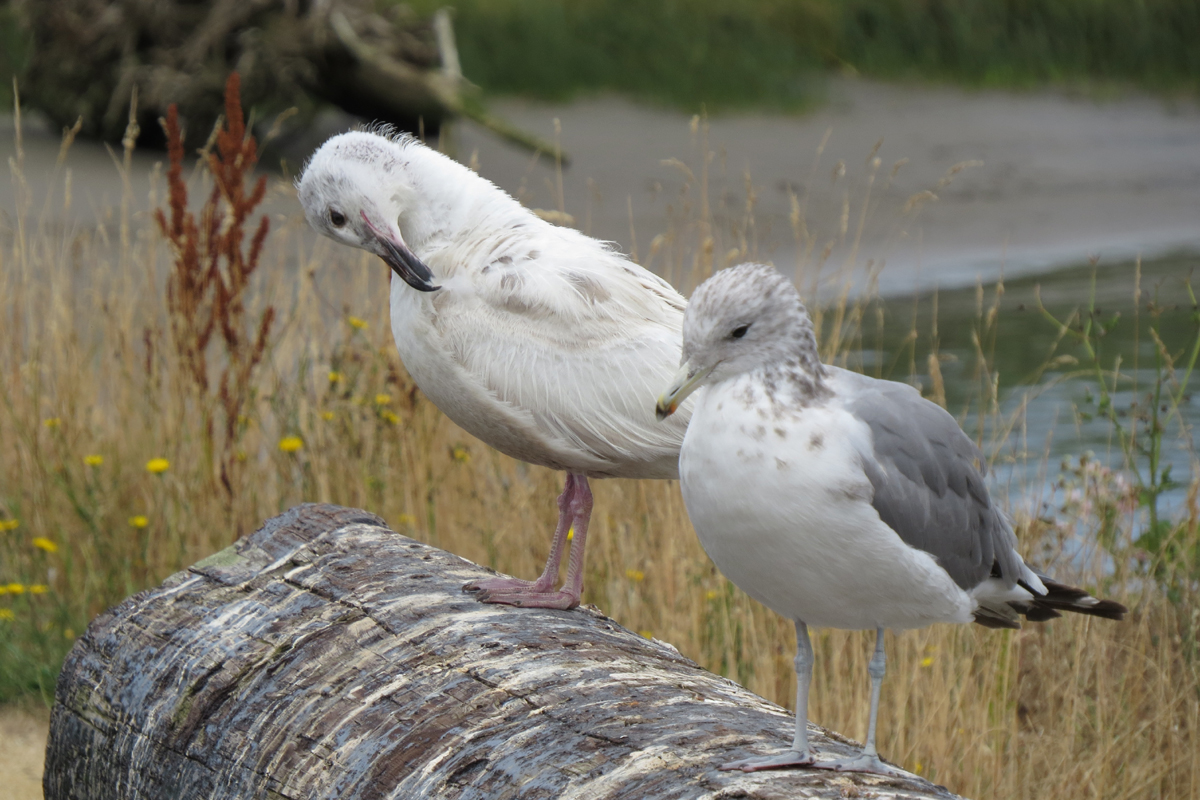
faded gullHere is a good example of why this time of year may not be the best for learning gull ID. The plumage on this gull is bleached out and very worn. Judging from the size, shape, and pink legs on this bird (next to a normal non-breeding California Gull) I’m guessing this is a Glaucous-winged Gull, perhaps in his second cycle. I hope he grows some new feathers soon, or it will be a very cold autumn and winter.

Ridgefield NWR

I don’t get up to Ridgefield NWR in Washington very often, even though it is a short drive from Portland. But lots of folks had recently seen adorable fuzzy little Virginia Rail babies, so I wanted to try my luck.

IMG_7595By the time I got there, the adorable fuzzy little babies had become rather unattractive adolescents, but it was still fun to see this usually shy species out in the open.
IMG_7603

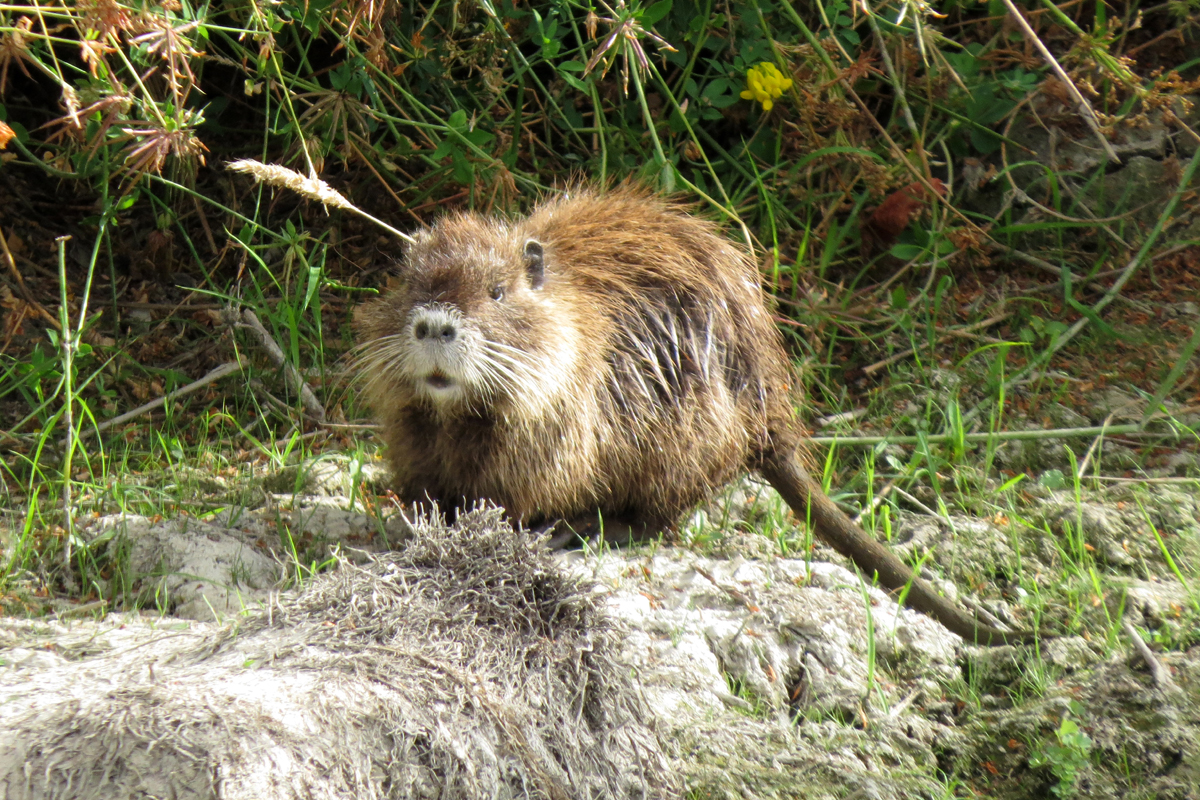
IMG_7618Another adolescent foraging near the rails was this little Nutria. The refuge staff tries to control the population of this introduced species, but they remain plentiful.
nutria

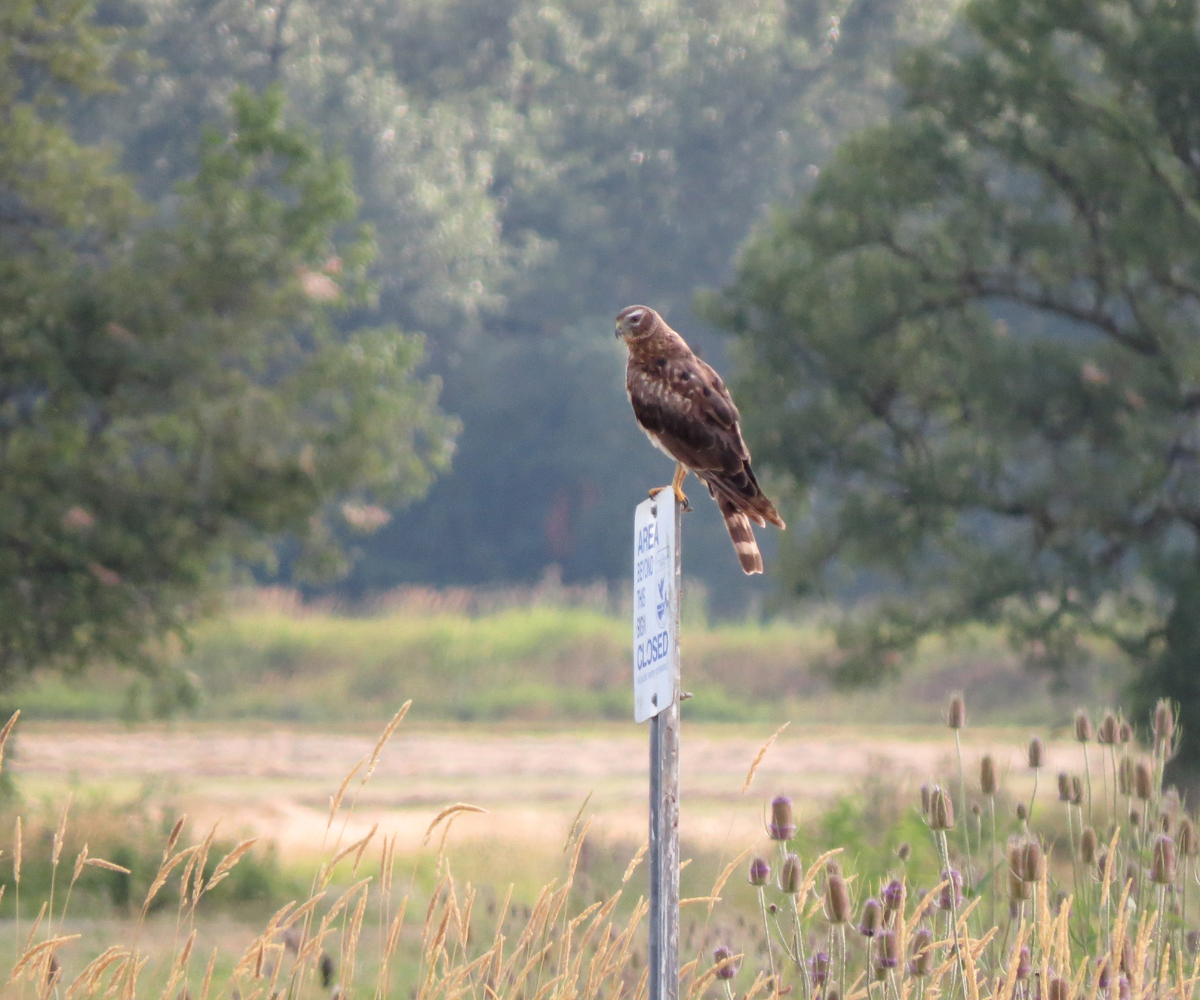
northern harrierNorthern Harrier

IMG_7583Black-tailed Deer, perfectly hidden among the teasel

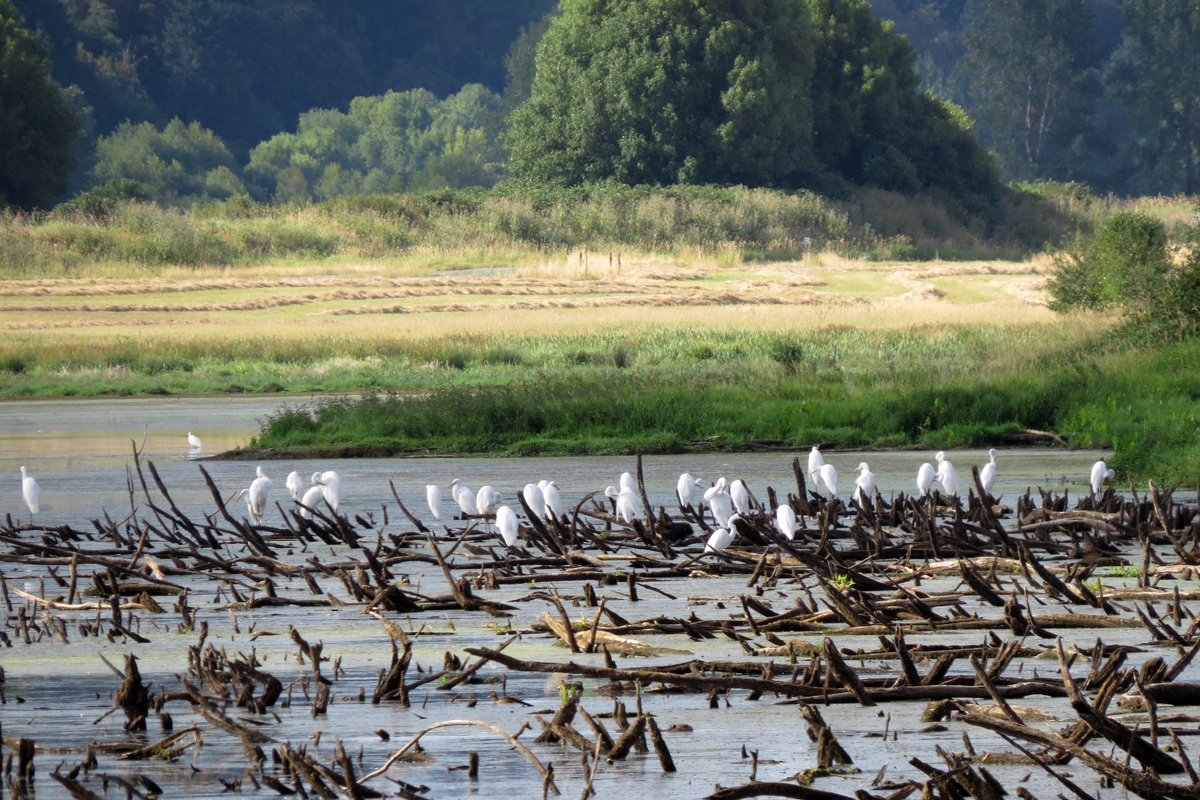
IMG_7591There is not a lot of water on the refuge right now, so the Great Egrets were gathered on one of the remaining ponds.

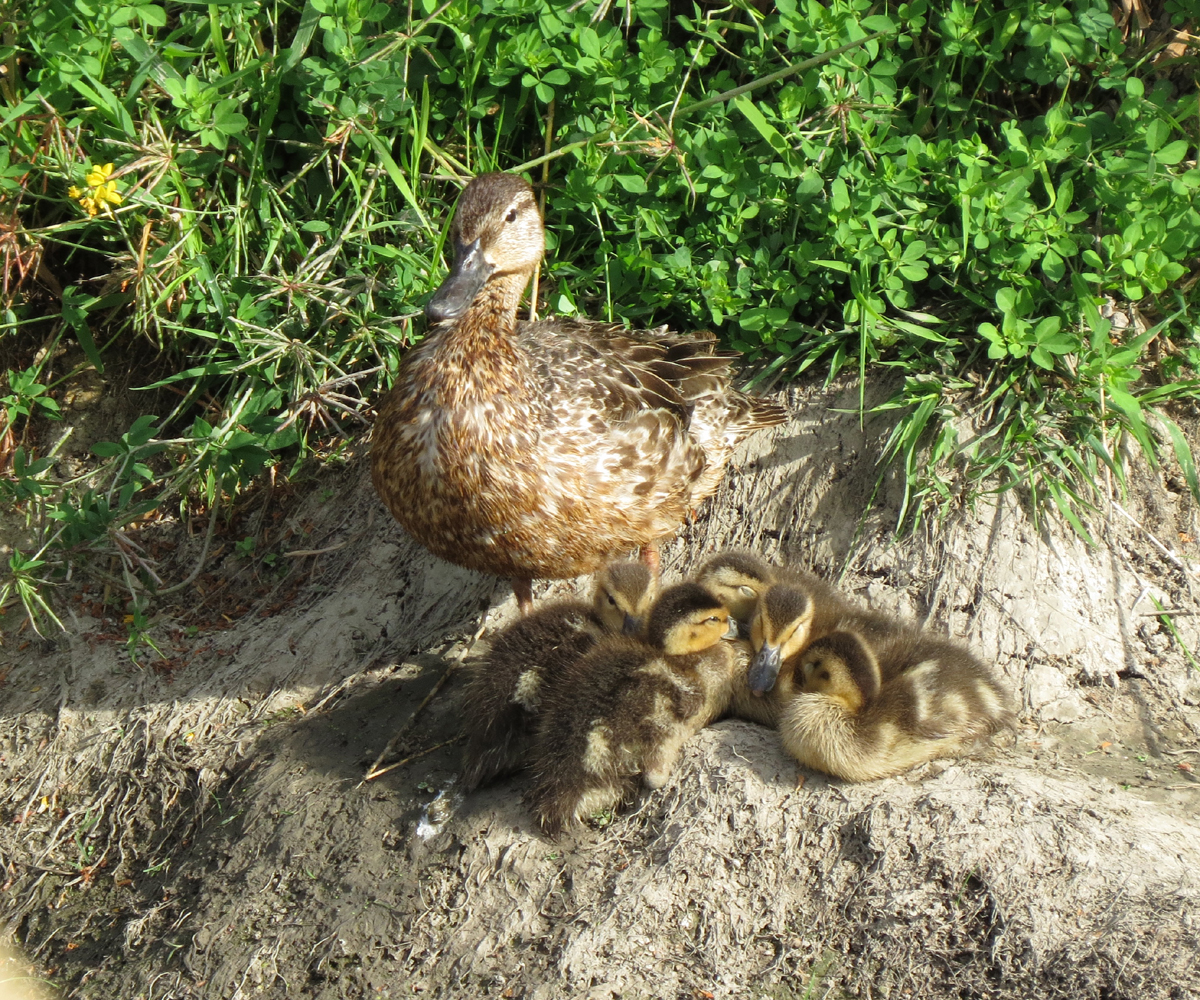
IMG_7581We are entering Ugly Duck Season, when adult ducks molt into identical ratty plumages, making them much harder to identify. I am going with Cinnamon Teal on this mama and babies (all-black bill, overall warm brown coloring).

IMG_7622On the way home we stopped at Kelly Point Park along the Columbia River in NW Portland. California Gulls were gathered on the pilings.

IMG_7623This young American Crow (note the pinkish gape) was begging for food.

IMG_7627Nala, the large aquatic mammal.

Tilley Jane Trail

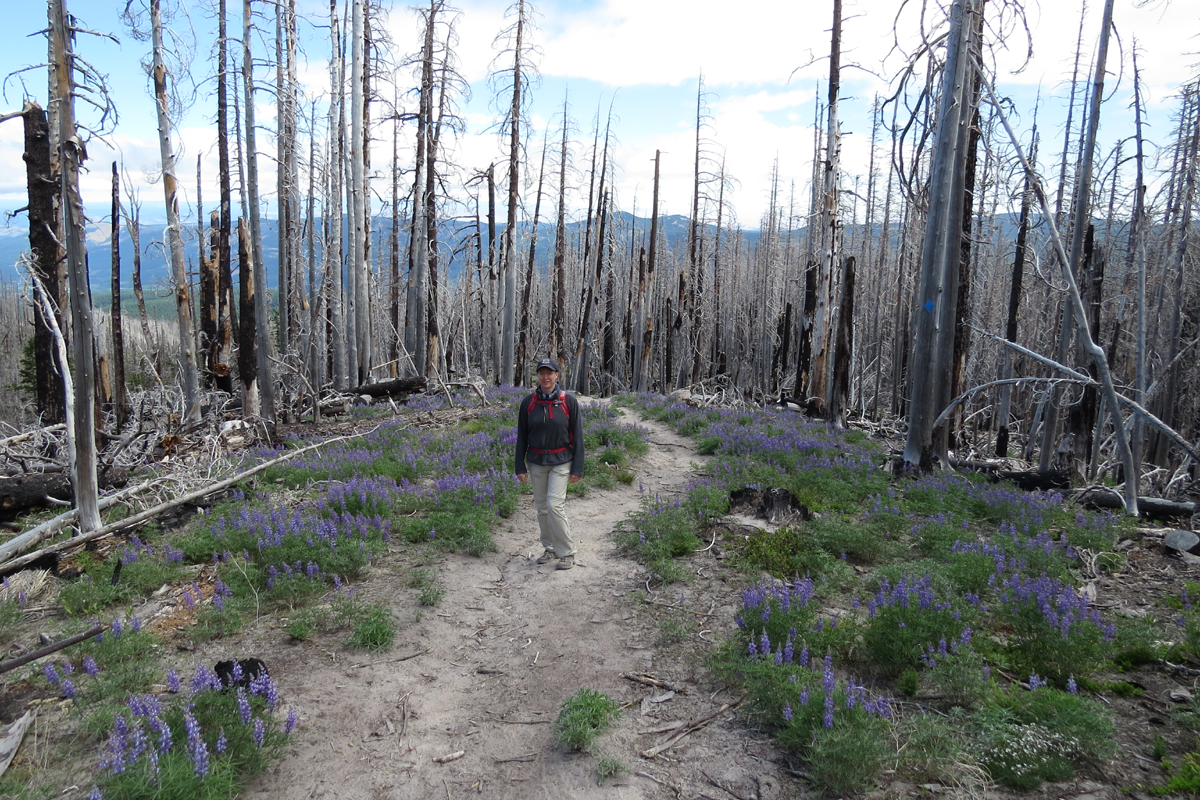
trail 5I walked the Tilley Jane trail on the east side of Mt. Hood. This trail starts near the Cooper Spur Ski Area and goes about two and a half miles up to the Tilley Jane Campground.

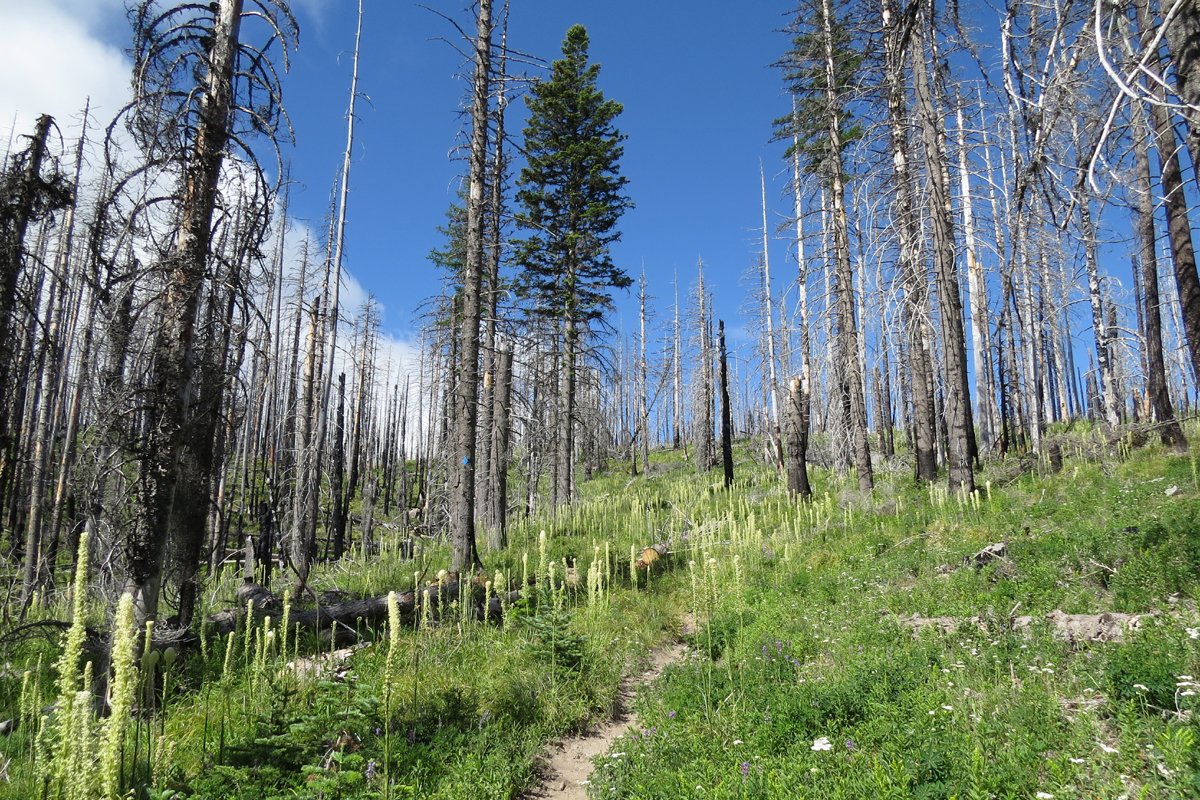
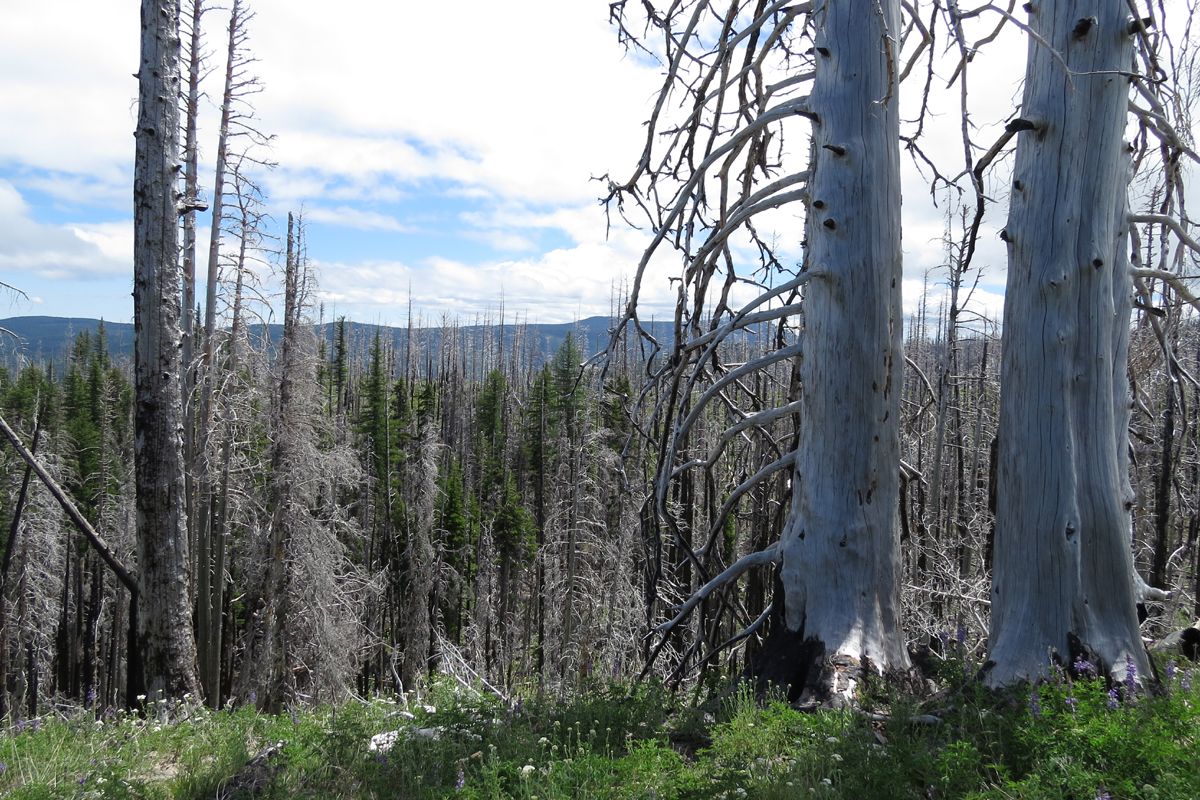
trail 1Much of the trail goes through an area that burned a few years ago, so there are lots of standing dead trees and wildflowers.

flickerBurned areas are great for woodpeckers and other cavity nesters. This is a young Northern Flicker that was peeking out of her nest hole.

olive-sided flycatcherOlive-sided Flycatcher

juncoDark-eyed Junco. Yes, I can see them out my living room window, but they look better on the mountain.

deer 2We came upon this Black-tailed Deer nursing her new fawn. If the fawn had been hidden, I think the doe would have taken off. But since the baby was exposed, they both just froze as we passed by.

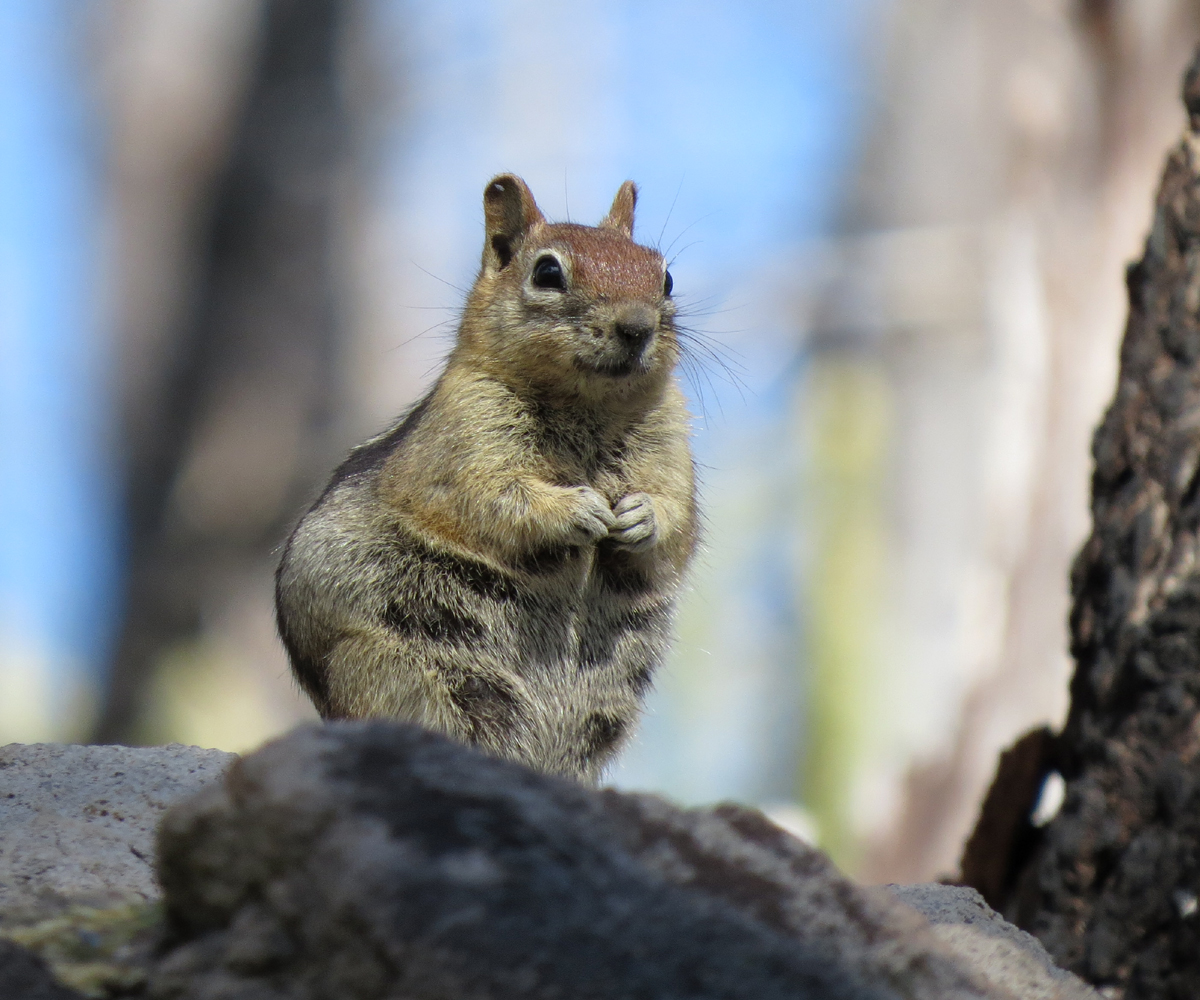
golden-mantled ground squirrel 1This Golden-mantled Ground Squirrel looks like she might be carrying a litter.
golden-mantled ground squirrel
m in lupinesCharismatic megafauna among the lupines

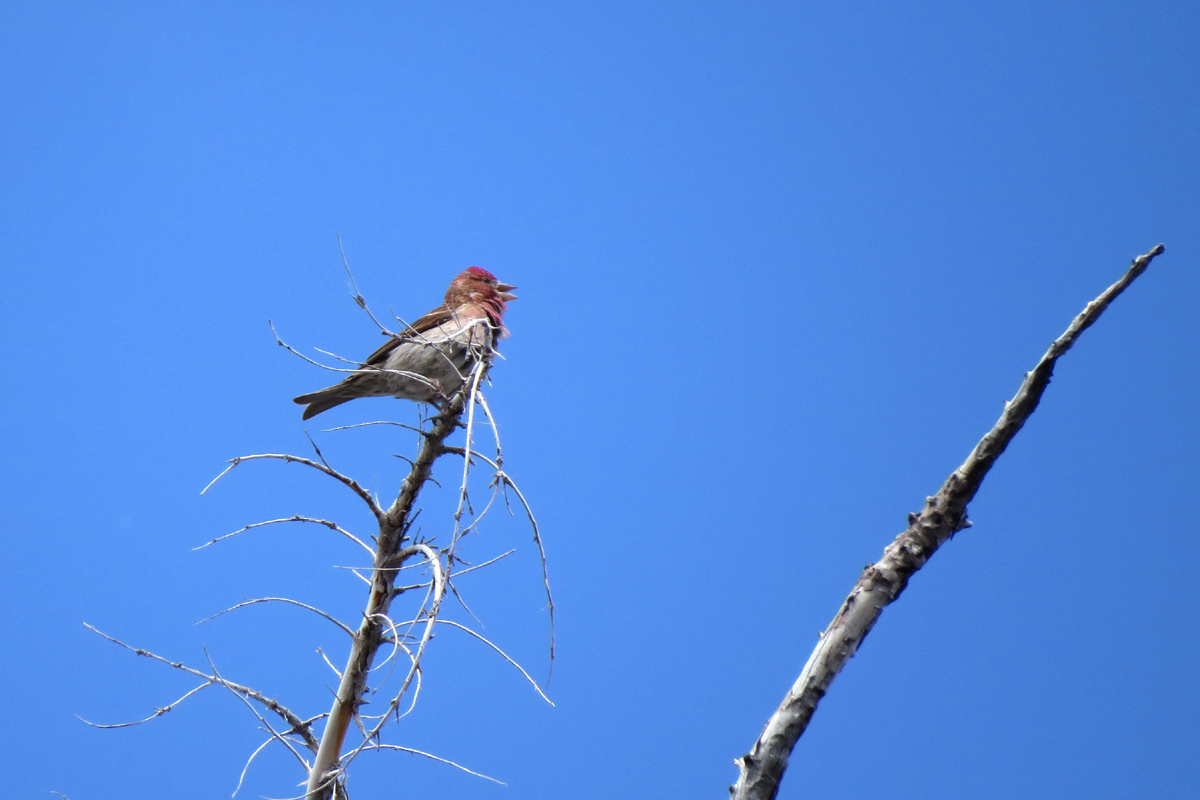
cassin's finchAt higher elevations, Cassin’s Finches became common, if not cooperative.

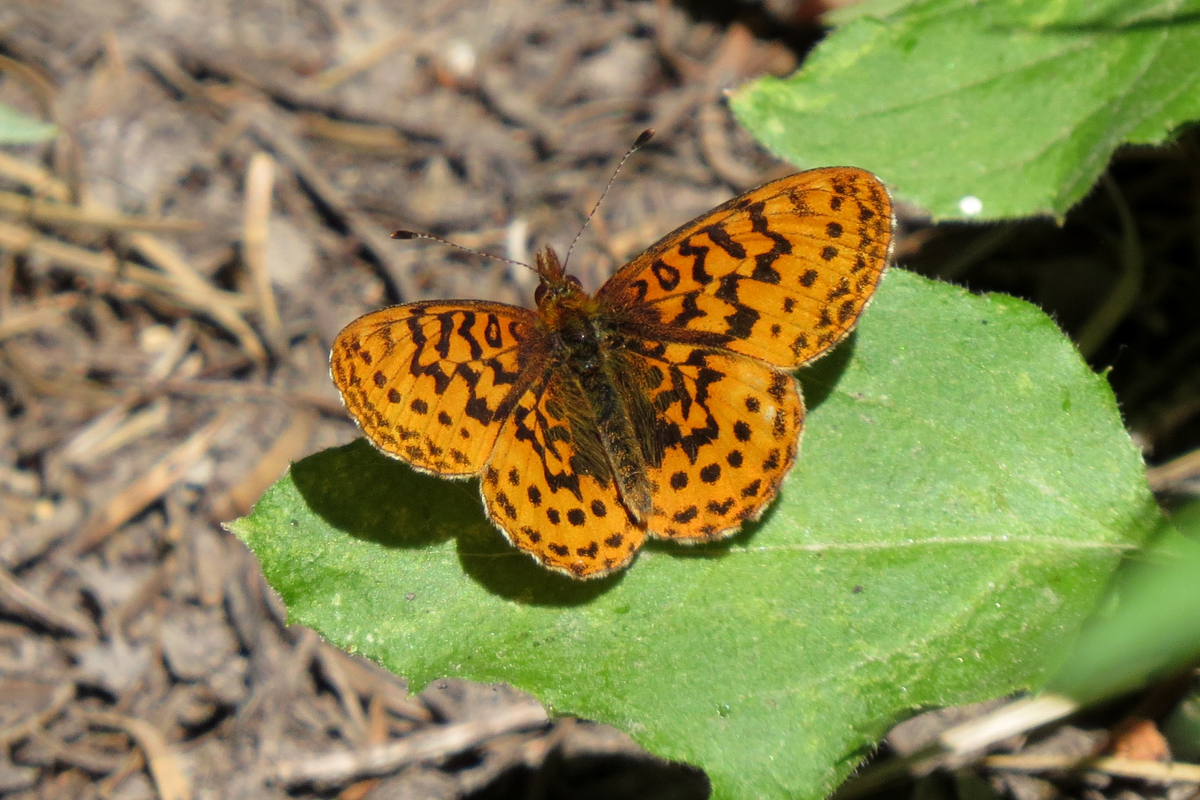
pacific fritillary 1Along with the wildflowers are butterflies. The flowers are interesting in person, but not so much in photos. A few butterflies, like this Pacific Fritillary, posed for good looks.

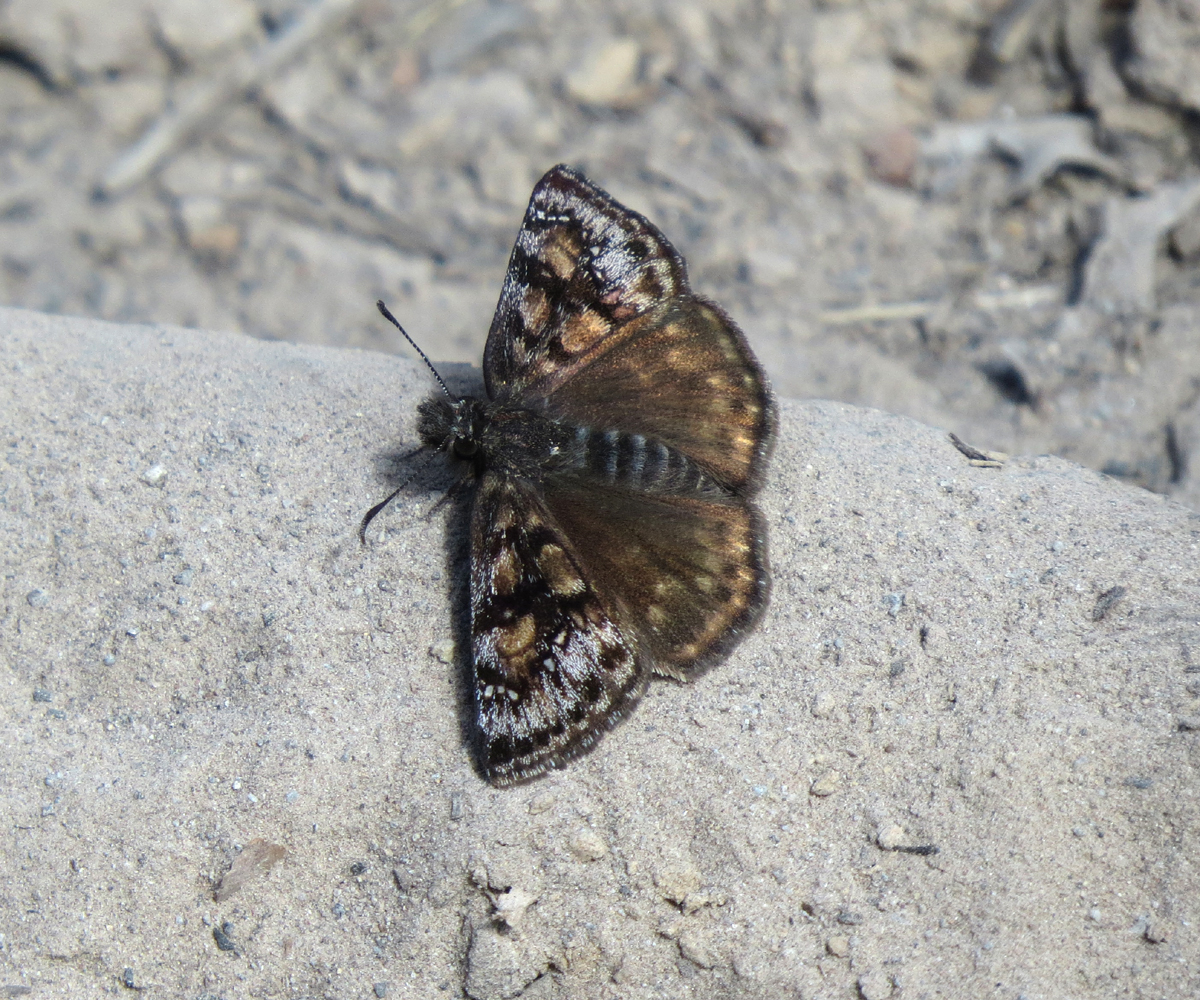
persius duskywing 1This is a Persius Duskywing, which I had never heard of before.

trail 4


Broughton Beach

Nala and I walked along the Columbia River from Broughton Beach to the Sea Scout base.

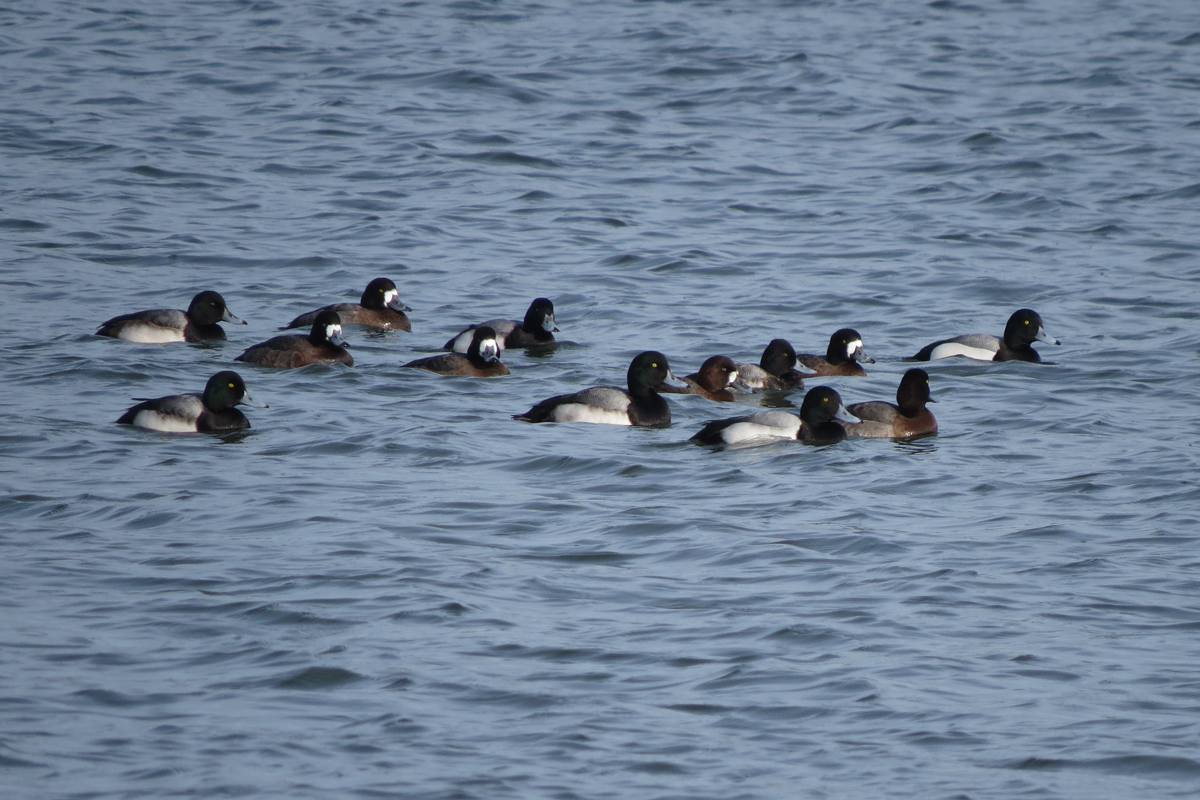
scaup flock 2Greater Scaup was the most numerous species on the river, with smaller numbers of Lesser Scaup (fifth bird from the right)
scaup flock 1Great Scaup (upper left) with Lesser Scaups, showing a nice comparison of size and head shape.

western grebeA few Western Grebes were snoozing on the water.

common goldeneye 1A Common Goldeneye came close enough to shore for some great looks.
common goldeneye 2
common goldeneye 3

song sparrow 4Broughton Beach usually holds some interesting songbirds, but this Song Sparrow was the only one I saw on this visit.
song sparrow 3

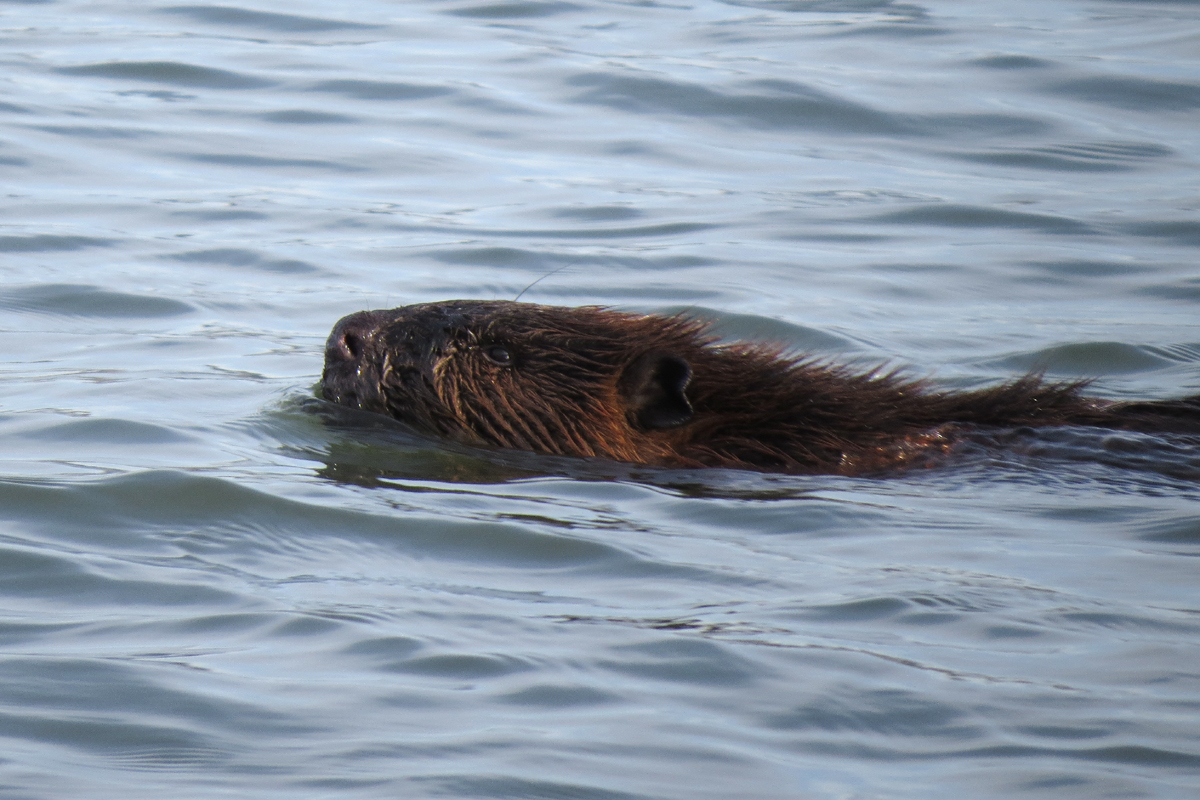
beaverA Beaver had been nibbling willow saplings when we approached. He swam out just a few feet offshore and continued downstream.

Smith and Bybee Wetlands

I walked through Smith and Bybee Wetlands after an unsuccessful gull chase in northwest Portland. Here are a few highlights.

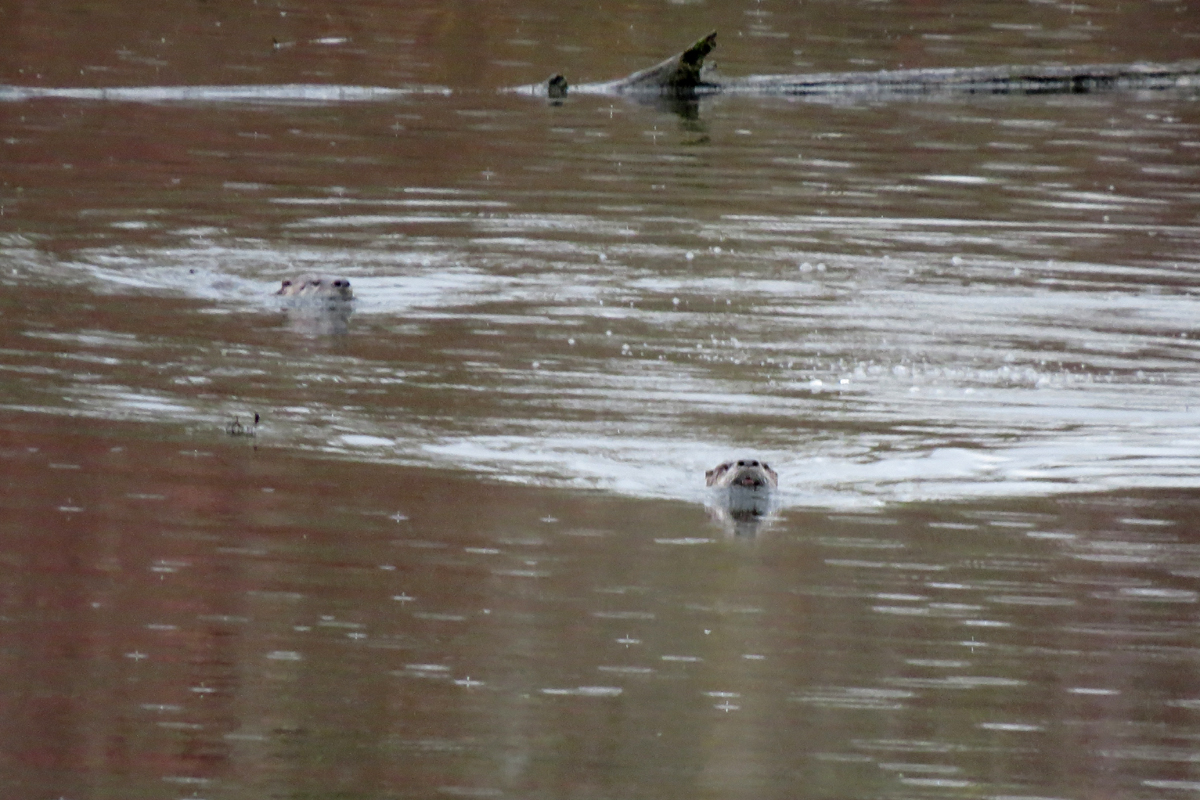
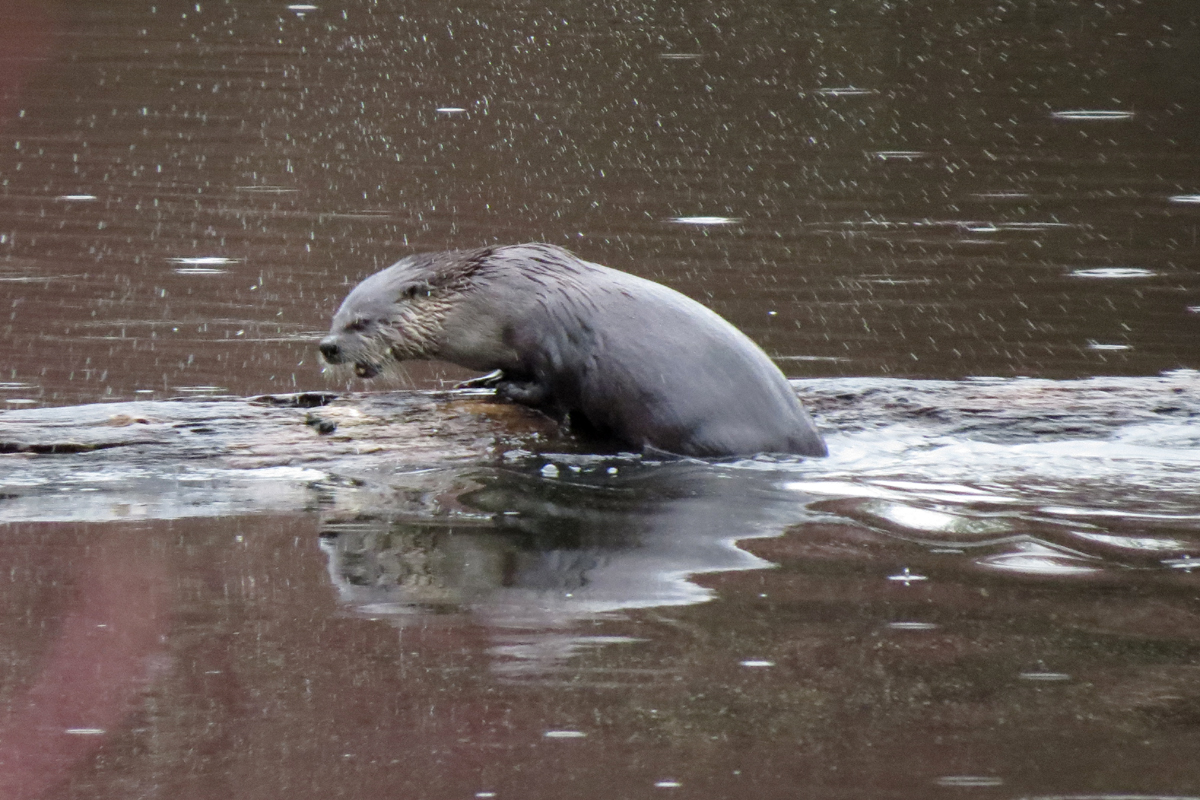
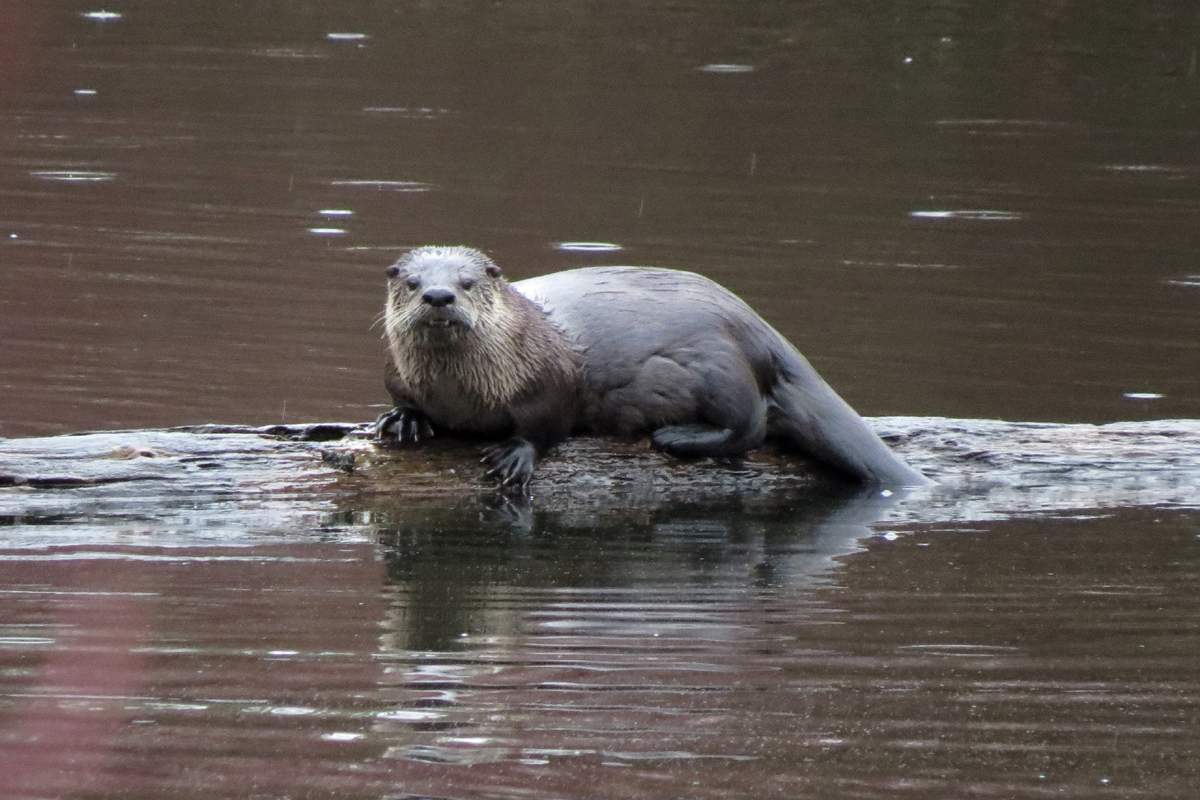
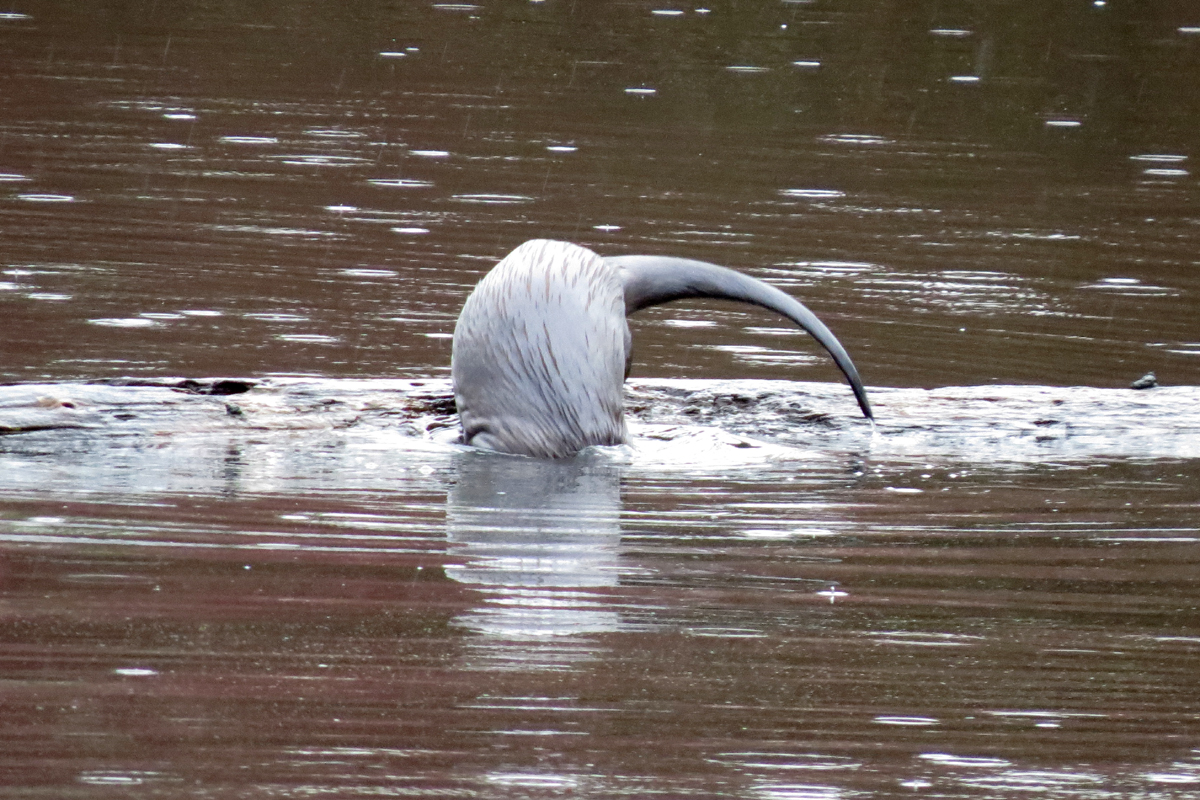
otter headsA pair of River Otters were in the slough. It is always a treat to see this species.
otter shakeotter tongueriver otter 1otter tail
There were actually a few birds around. I ran into several mixed flocks of small birds that defy point-and-shoot photography.

orange-crowned warblerOrange-crowned Warbler

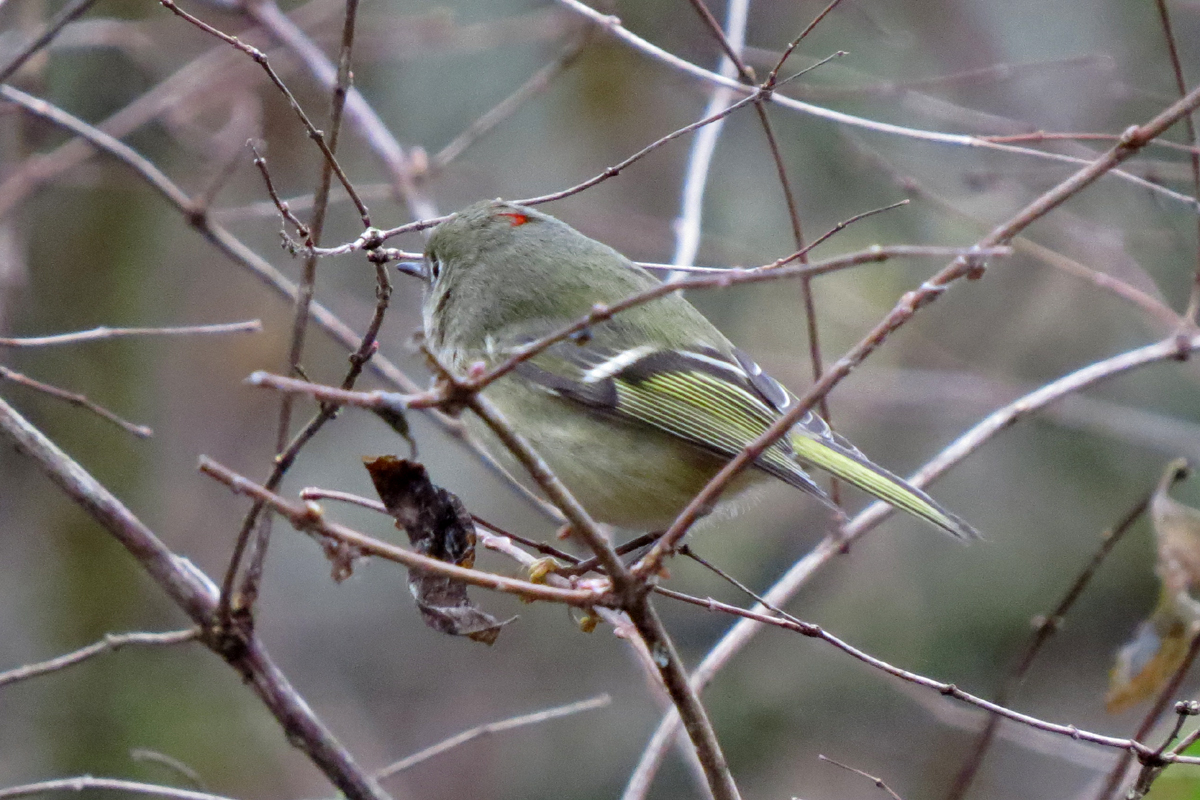
ruby-crowned kingletRuby-crowned Kinglet
ruby-crowned kinglet 2The same bird, showing just a peek of his namesake ruby crown.

american wigeonThe slough had a few waterfowl, all keeping a safe distance from the otters. Here is an American Wigeon.

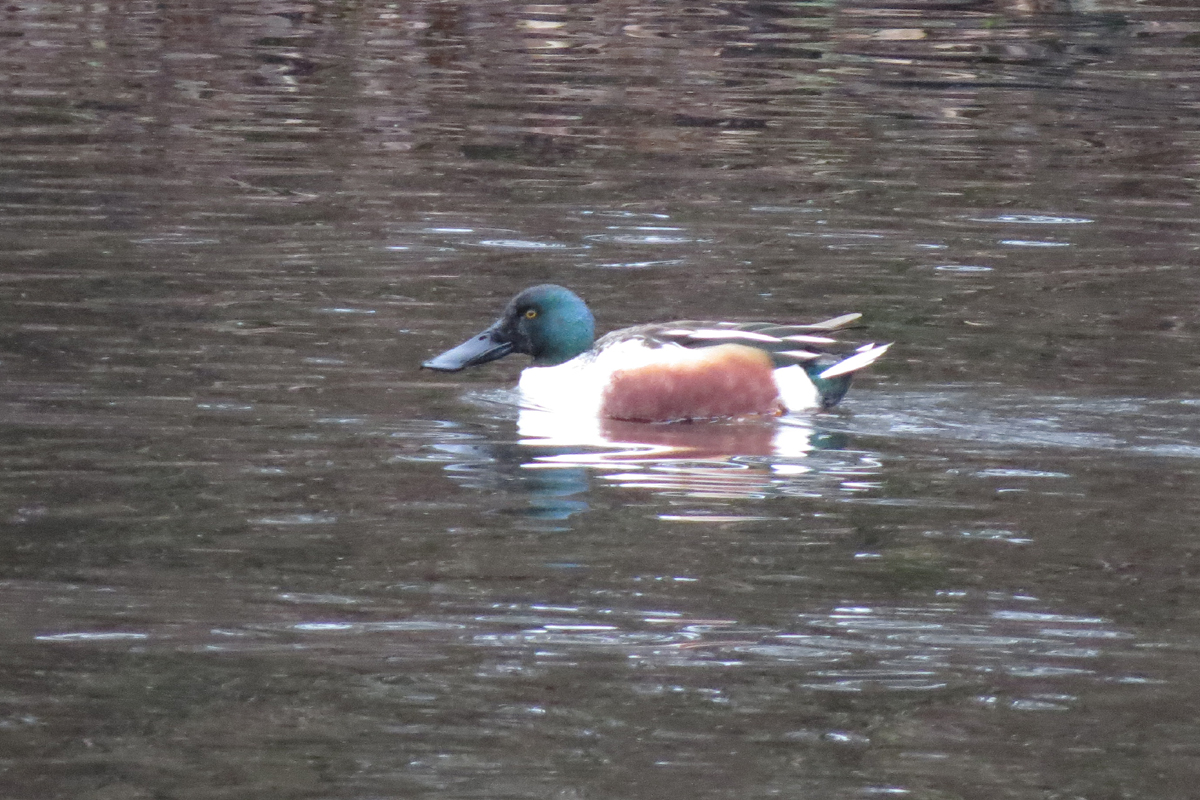
northern shovelerNorthern Shoveler

ring-necked duckRing-necked Duck

Raptors were well represented by Bald Eagles, Red-tailed Hawk, and Red-shouldered Hawk, none of which wished to be photographed. Despite the rainy conditions, it was a productive trip.

Yaquina Bay

Yaquina Bay, at the town of Newport, is one of the more productive sites on the Oregon coast. On this visit, high winds reduced the number of birds that were out and about, but there was still a lot to see.

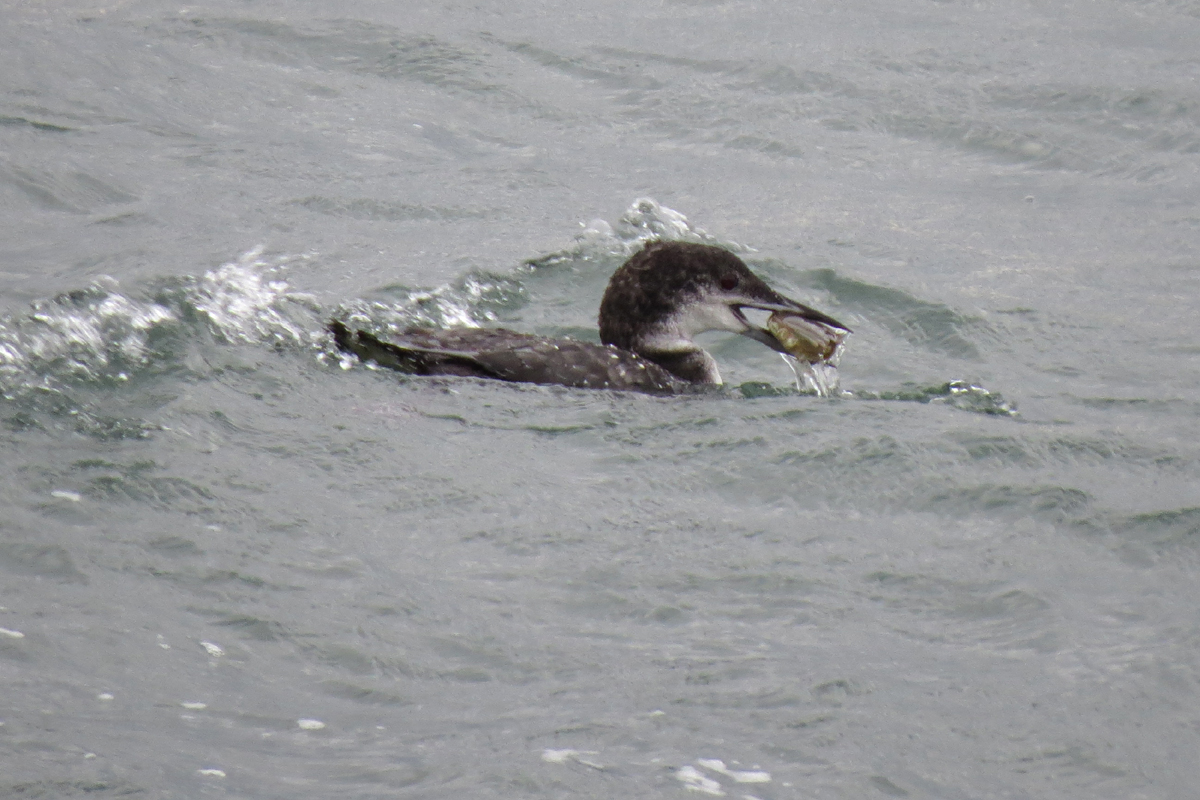
loon eatingCommon Loon with the catch of the day
common loon

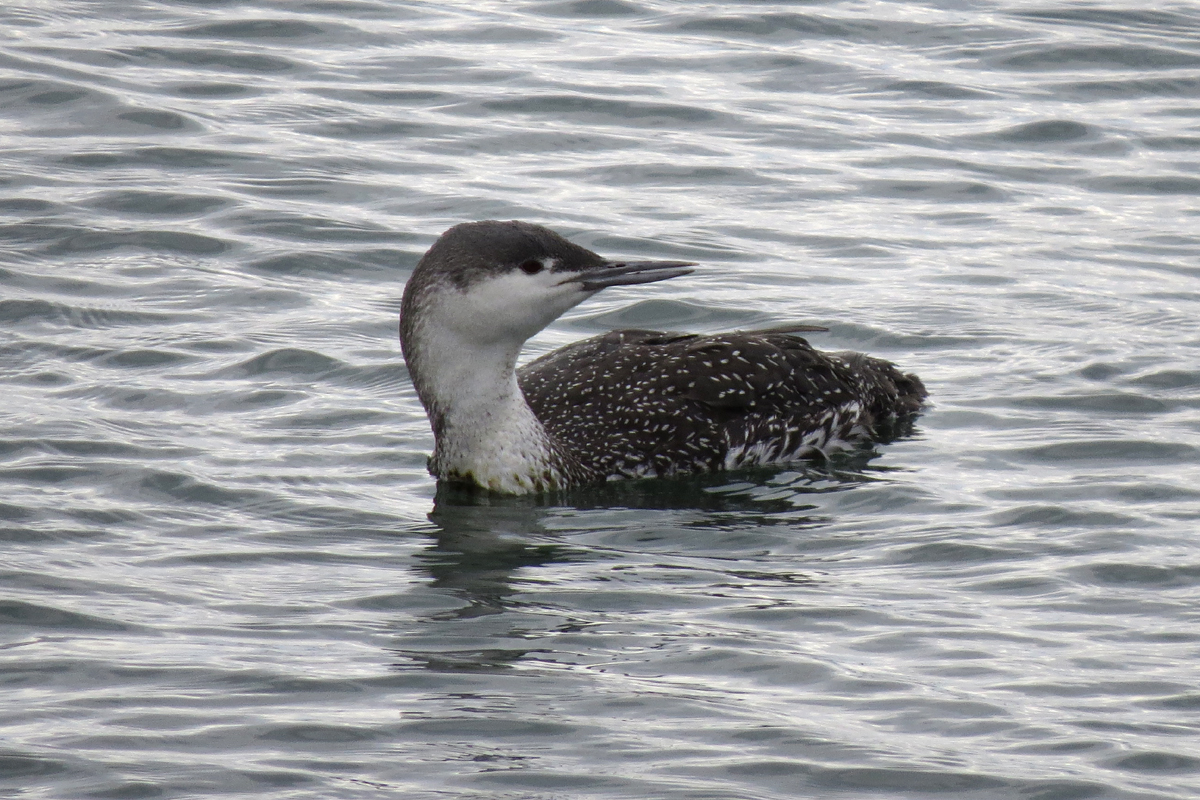
rt loon 1Red-throated Loon

pelagic cormorant 2Pelagic Cormorant

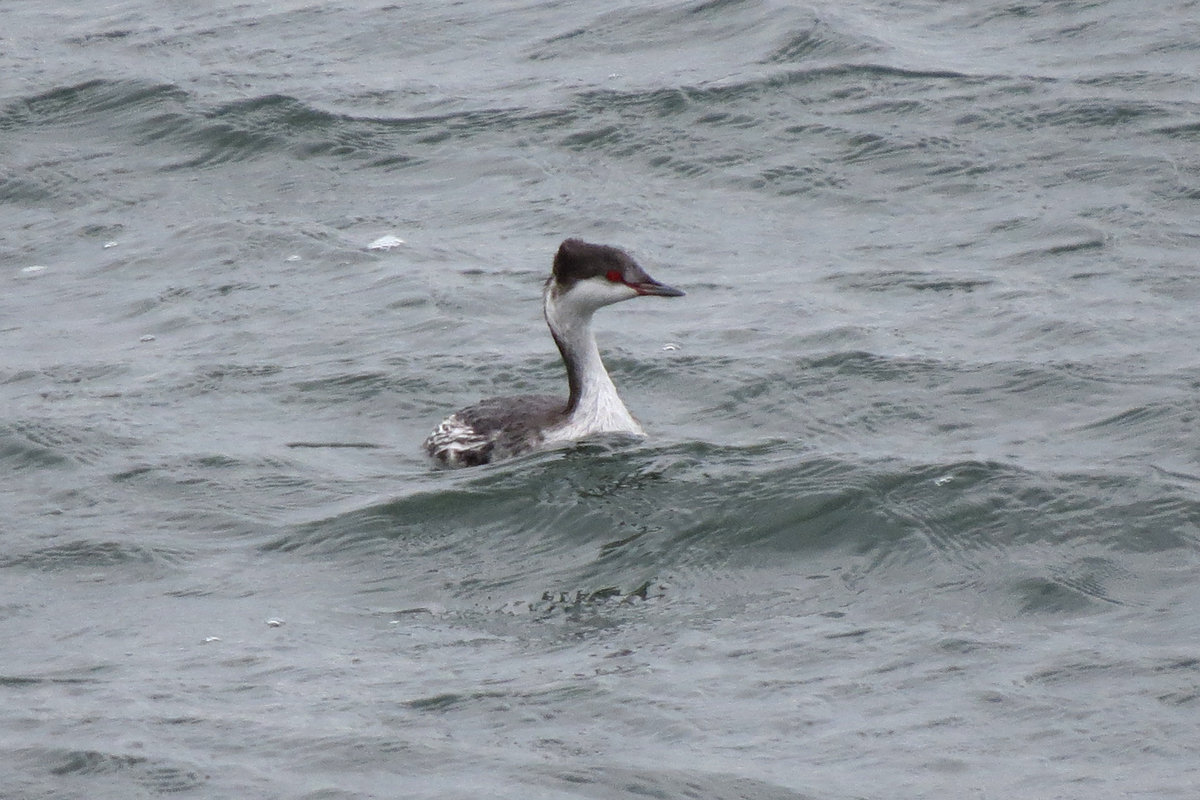
horned grebeHorned Grebe
horned and western grebesHorned Grebe (above) and Western Grebe

pelican yawnBrown Pelicans

long-tailed duck 2Long-tailed Duck

surf scoter 2Surf Scoter

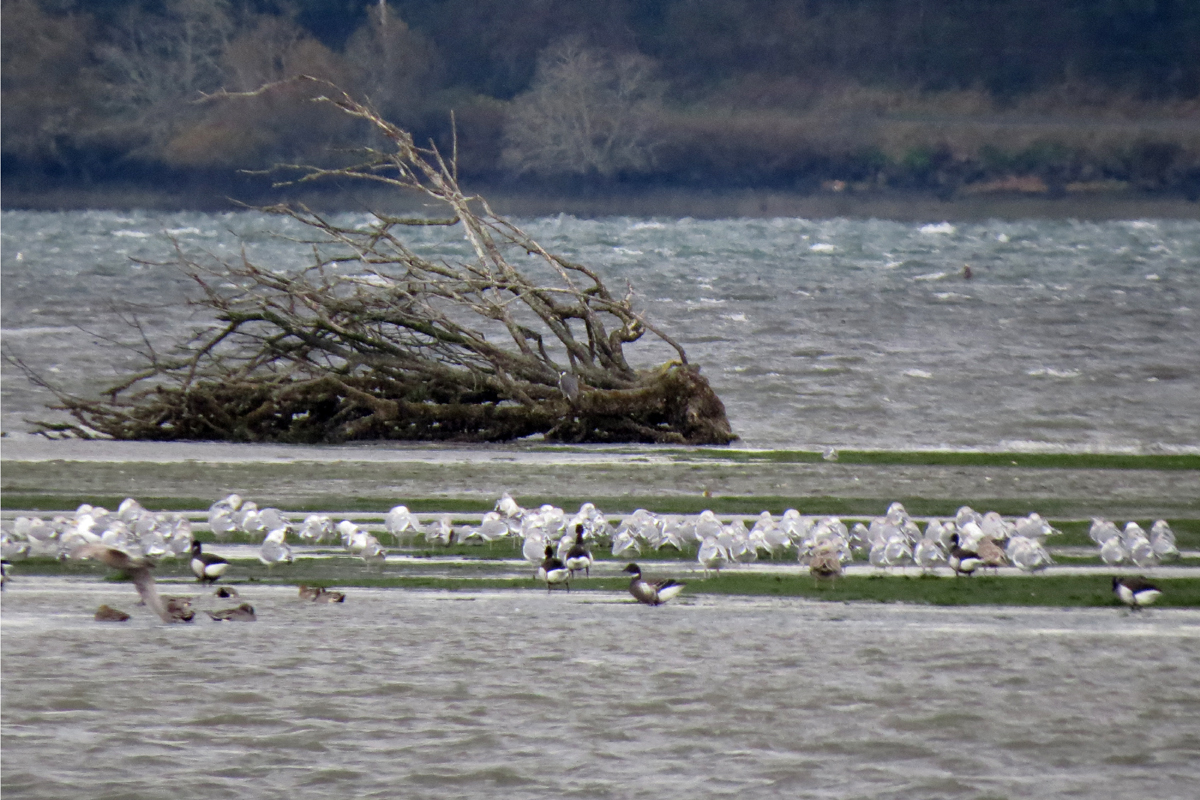
peregrineThe flats behind the Hatfield Marine Science Center. There were lots of Mew Gulls, some Brant, and Northern Pintails. Note the Peregrine Falcon at the base of the fallen tree.

california gullCalifornia Gull

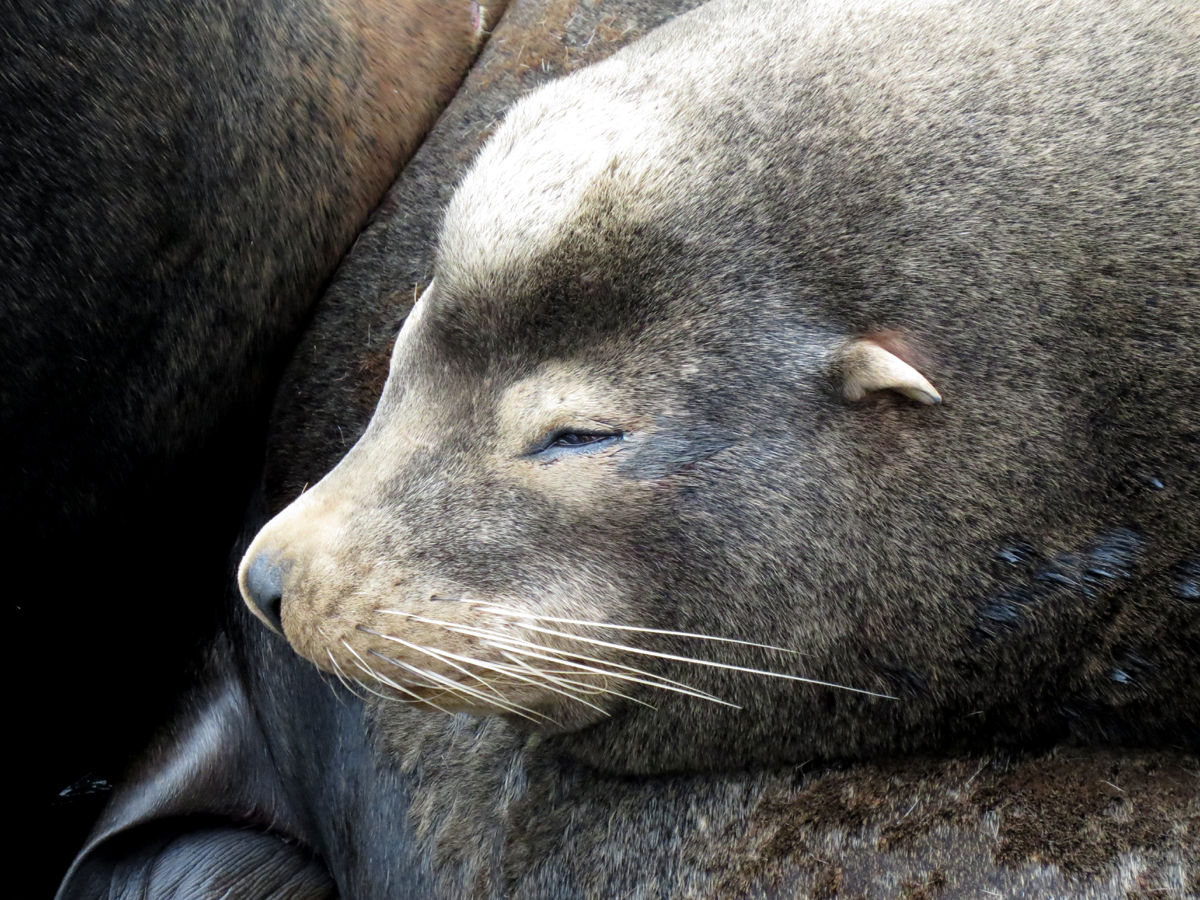
sea lion 1Large numbers of California Sea Lions loaf on the jetties and docks on the bay.
sea lion 2

Smith and Bybee Wetlands

Smith Lake, the larger body of water at Smith and Bybee Wetlands in NW Portland, currently has a lot of mudflat habitat, attracting good numbers of shorebirds and gulls.
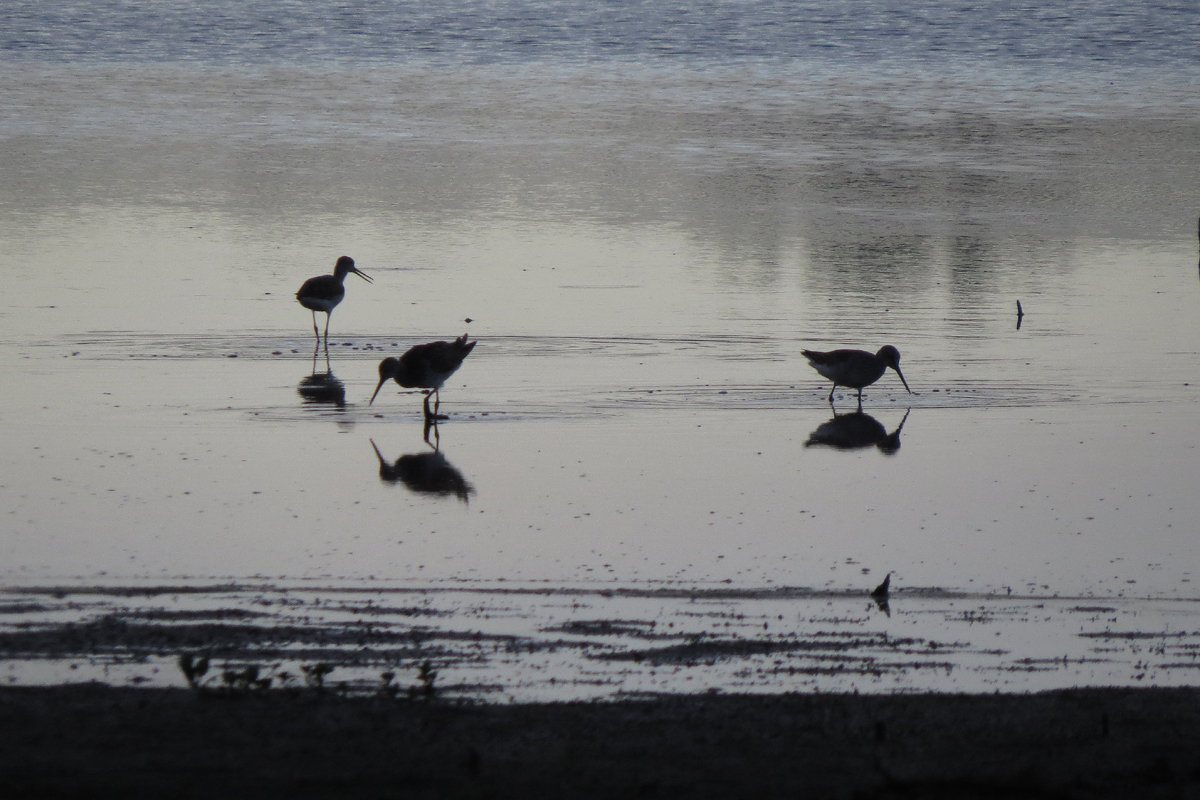
greater yellowlegsGreater Yellowlegs at sunrise

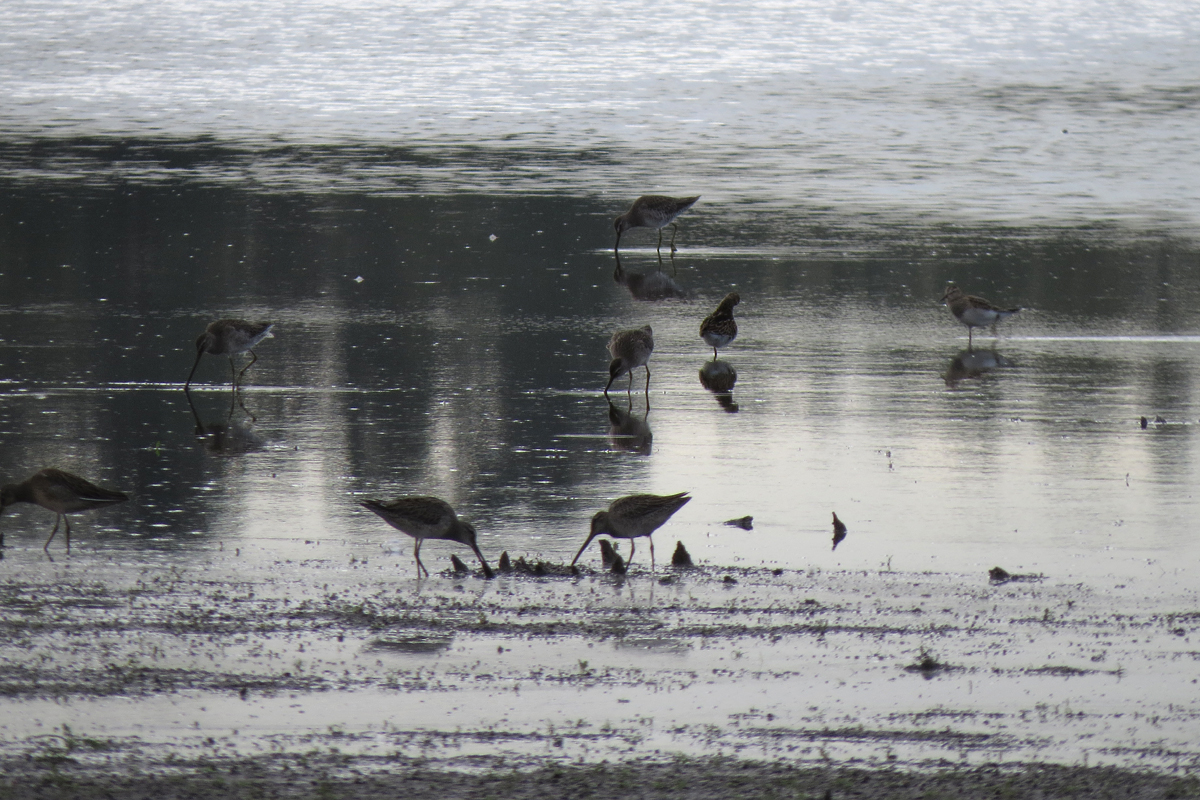
mixed flockLong-billed Dowitchers and Pectoral Sandpipers

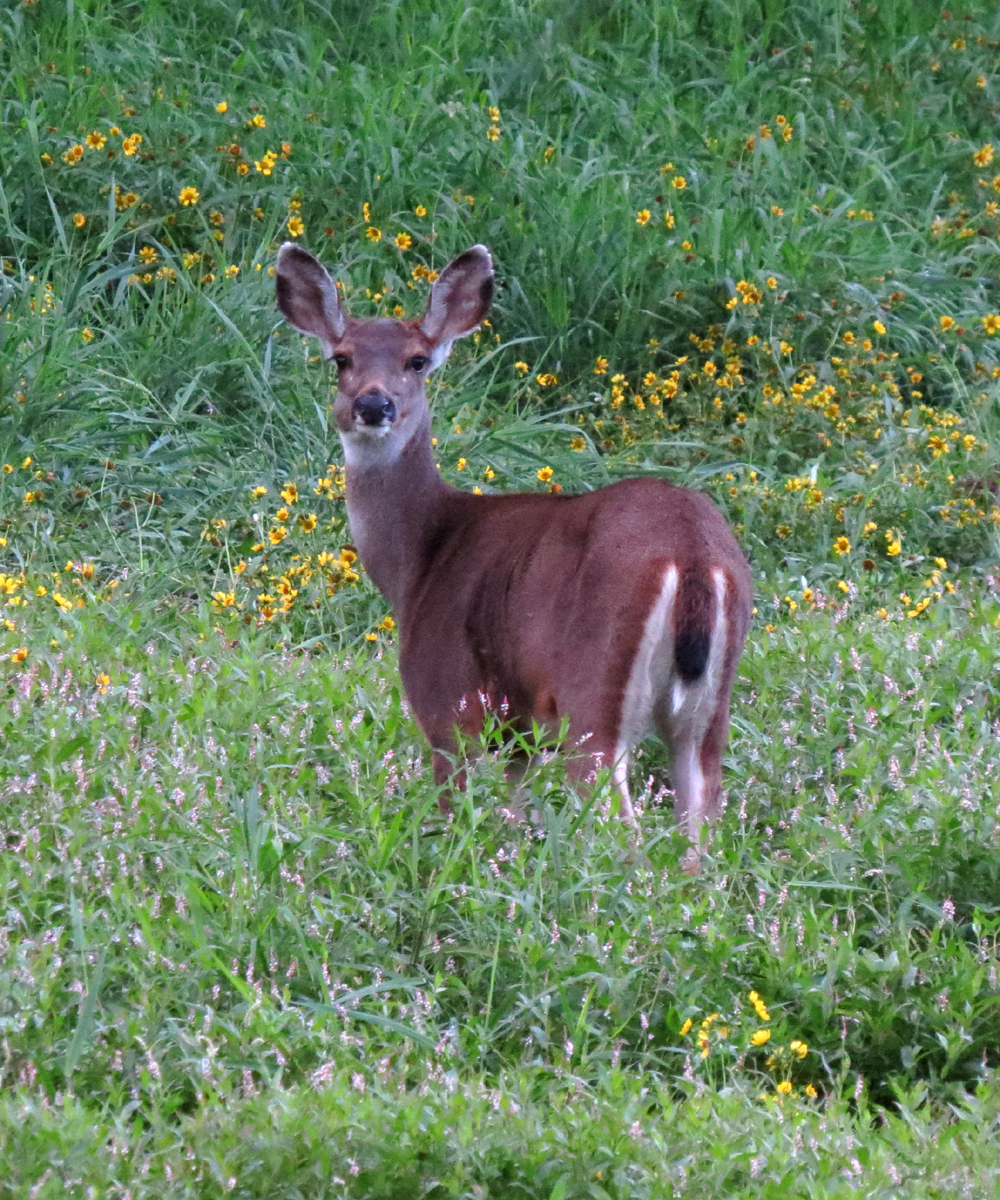
black-tailed deerBlack-tailed Deer

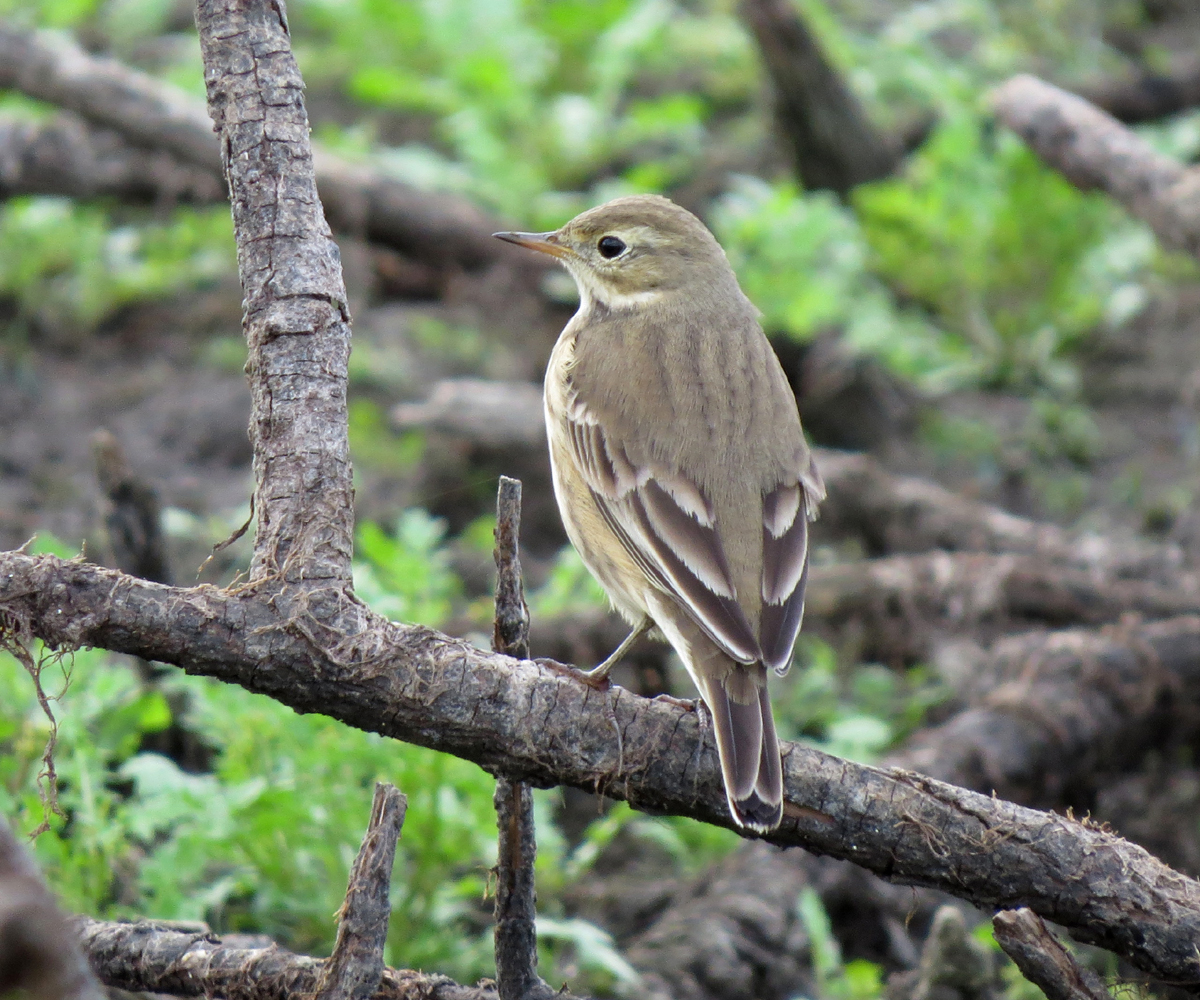
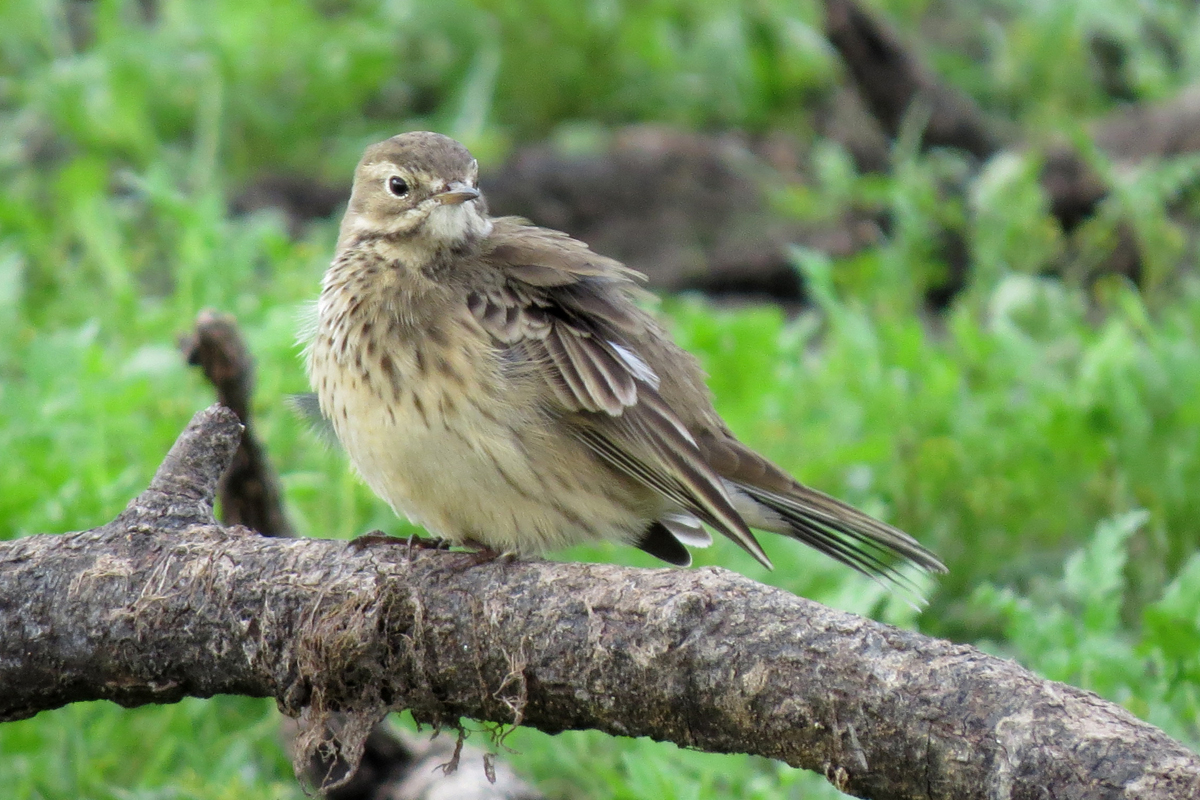
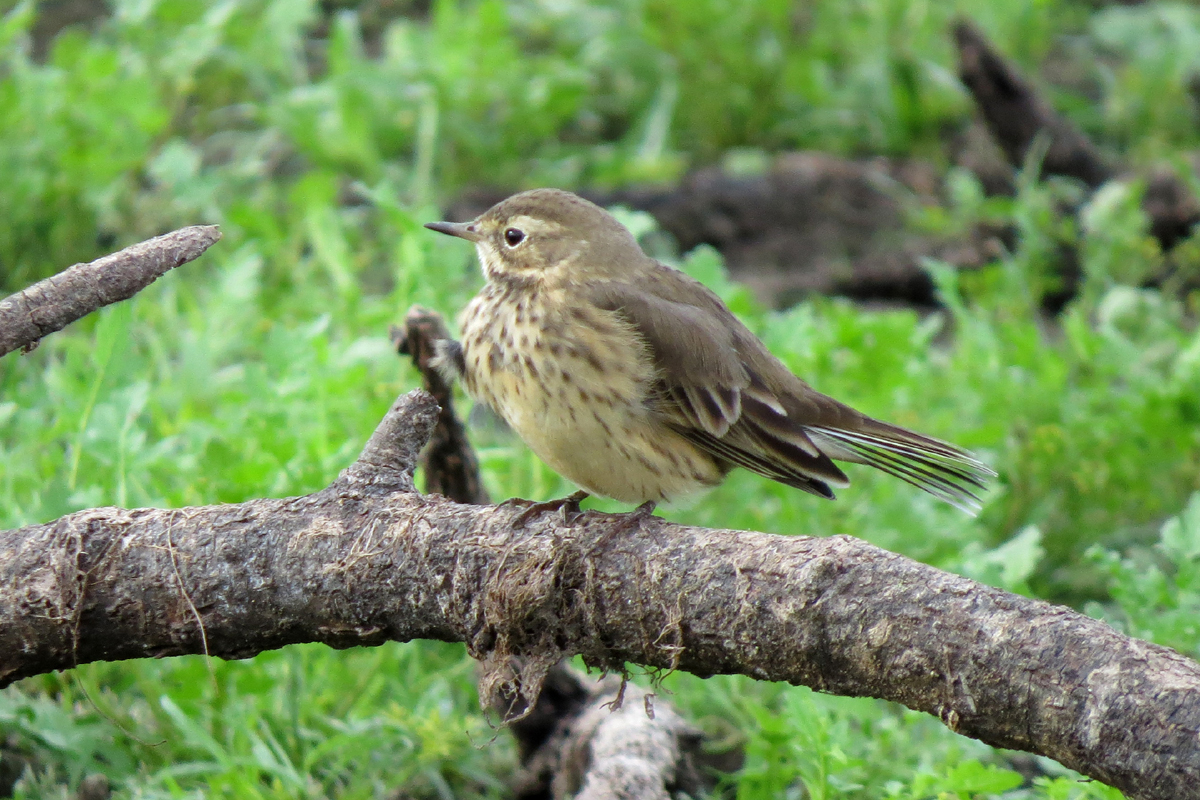
While the shorebirds and gulls kept their distance on the mudflats, thus no good photos, American Pipits were working the shoreline at close range.
pipit back pipit front pipit side

Boulder Birds

Here are a few birds I saw on a recent trip to Boulder, CO. There was nothing unusual, but there is always something to see.

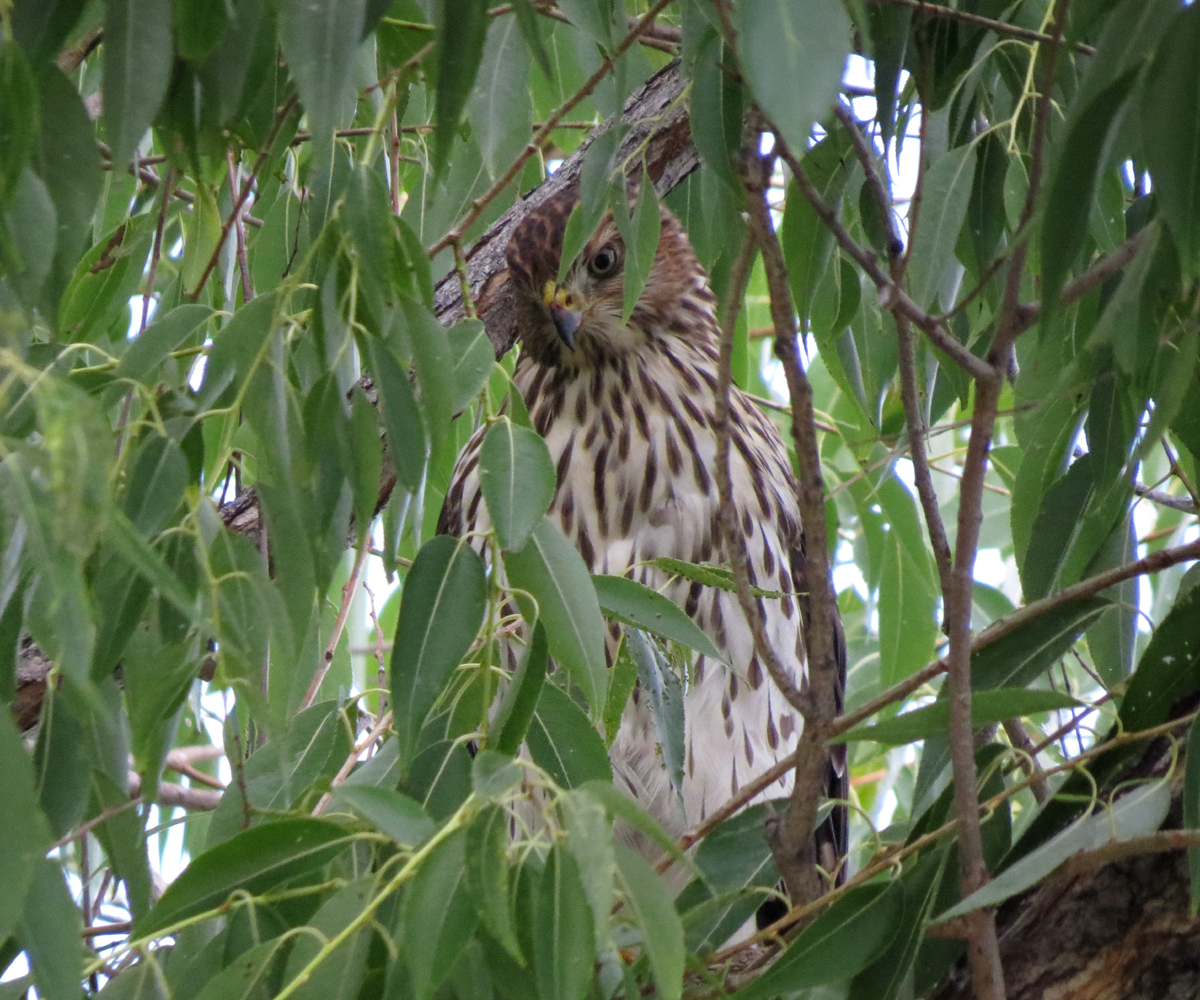
cooper's 1This young Cooper’s Hawk was amazingly tame.

oriole 2Bullock’s Oriole

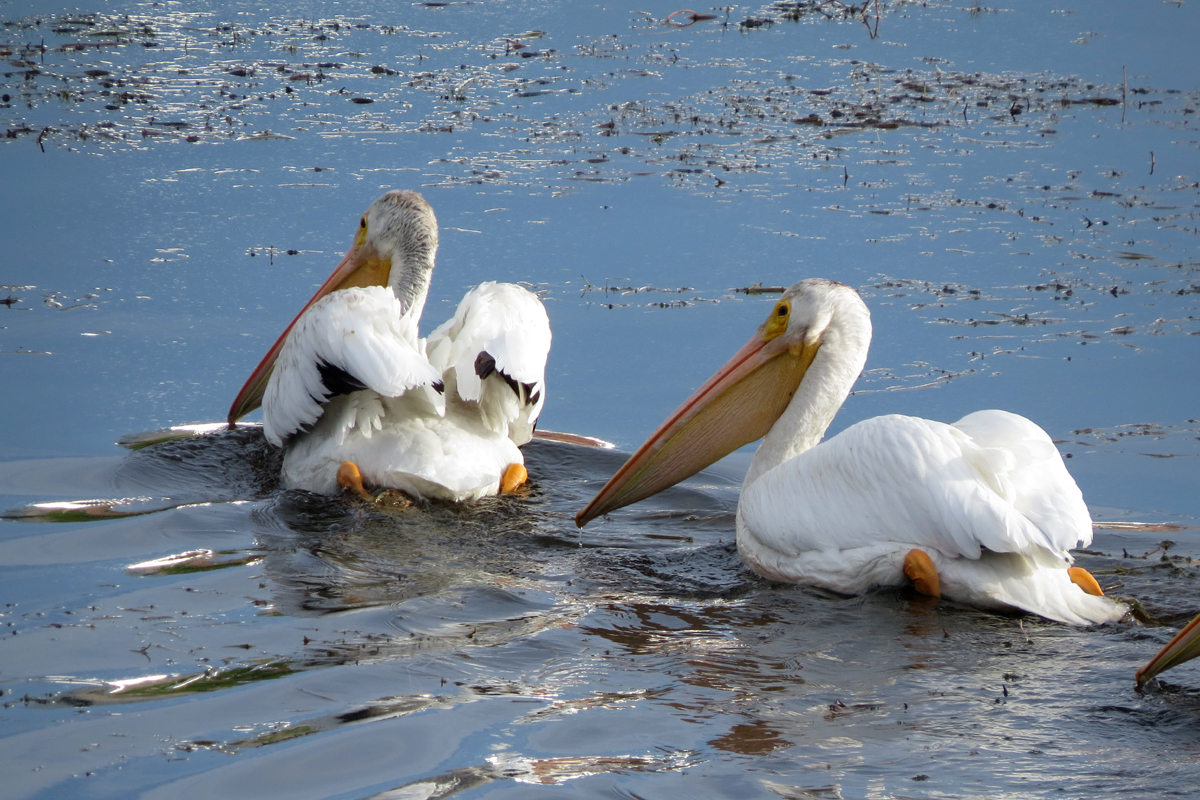
pelicansAmerican White Pelicans

nuthatch 1White-breasted Nuthatch. Despite the proximity to the Rocky Mountains, this individual appears to be of the eastern race (Carolina Nuthatch).

blue jayI heard a lot of Blue Jays, but this is the only individual that I got a look at.

rabbit 1Rabbits are everywhere around Boulder. I think this is an Eastern Cottontail.

Rocky Mountain National Park

sunriseI spent a recent morning in Rocky Mountain National Park. We arrived before sunrise, so we got to watch the sun come up from high elevation. Note the Common Raven in the center of the frame.

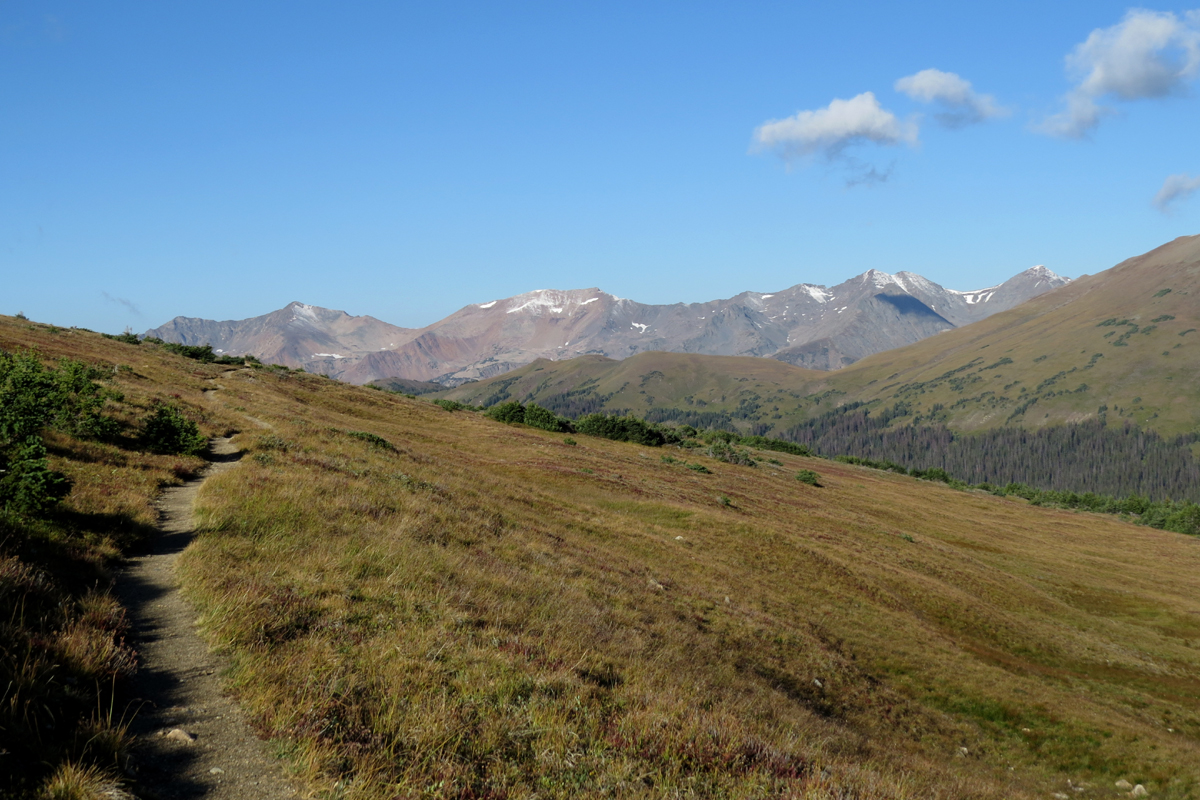
tundraMy main target of this trip was White-tailed Ptarmigan. But despite walking through some lovely tundra, with scattered rocks and stunted pines, I dipped on this species again. Sing it with me: I am a rock….I’m not a ptarrrrrrrrr-ar-miiii-gan.

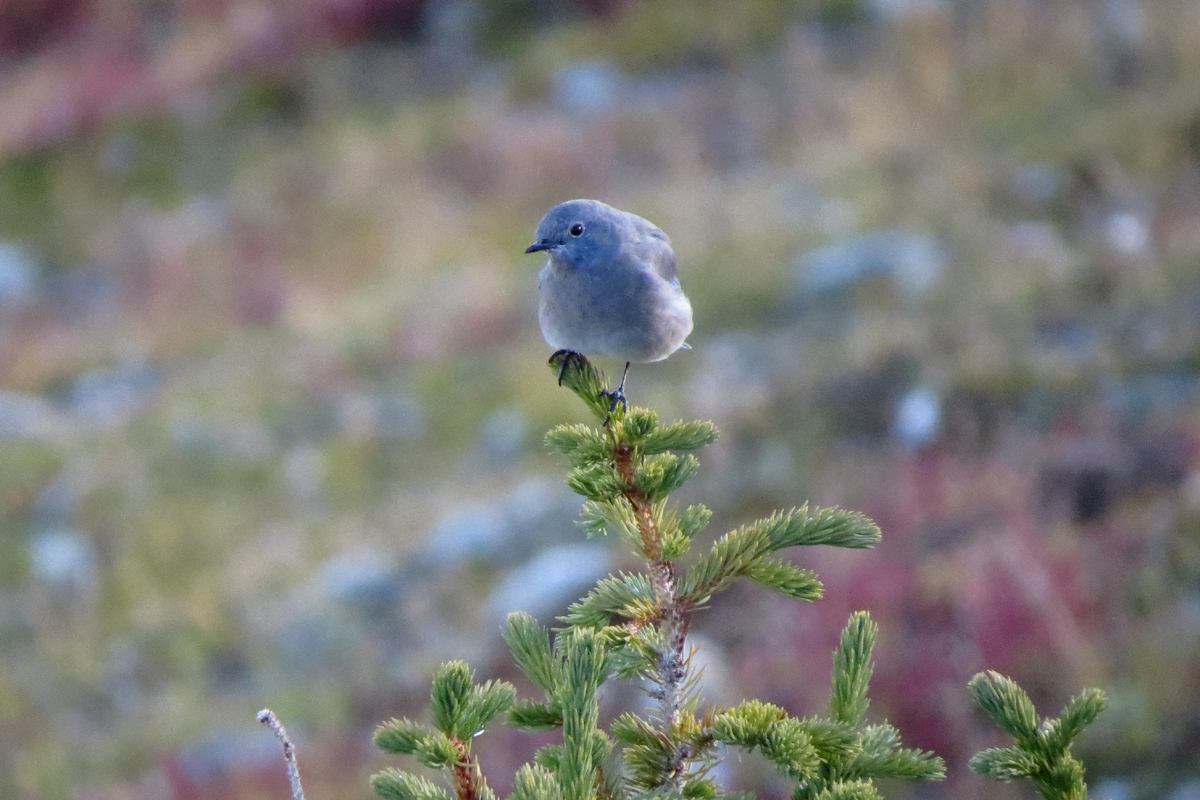
mountain bluebird 2I did manage to find a few birds, including this Mountain Bluebird.

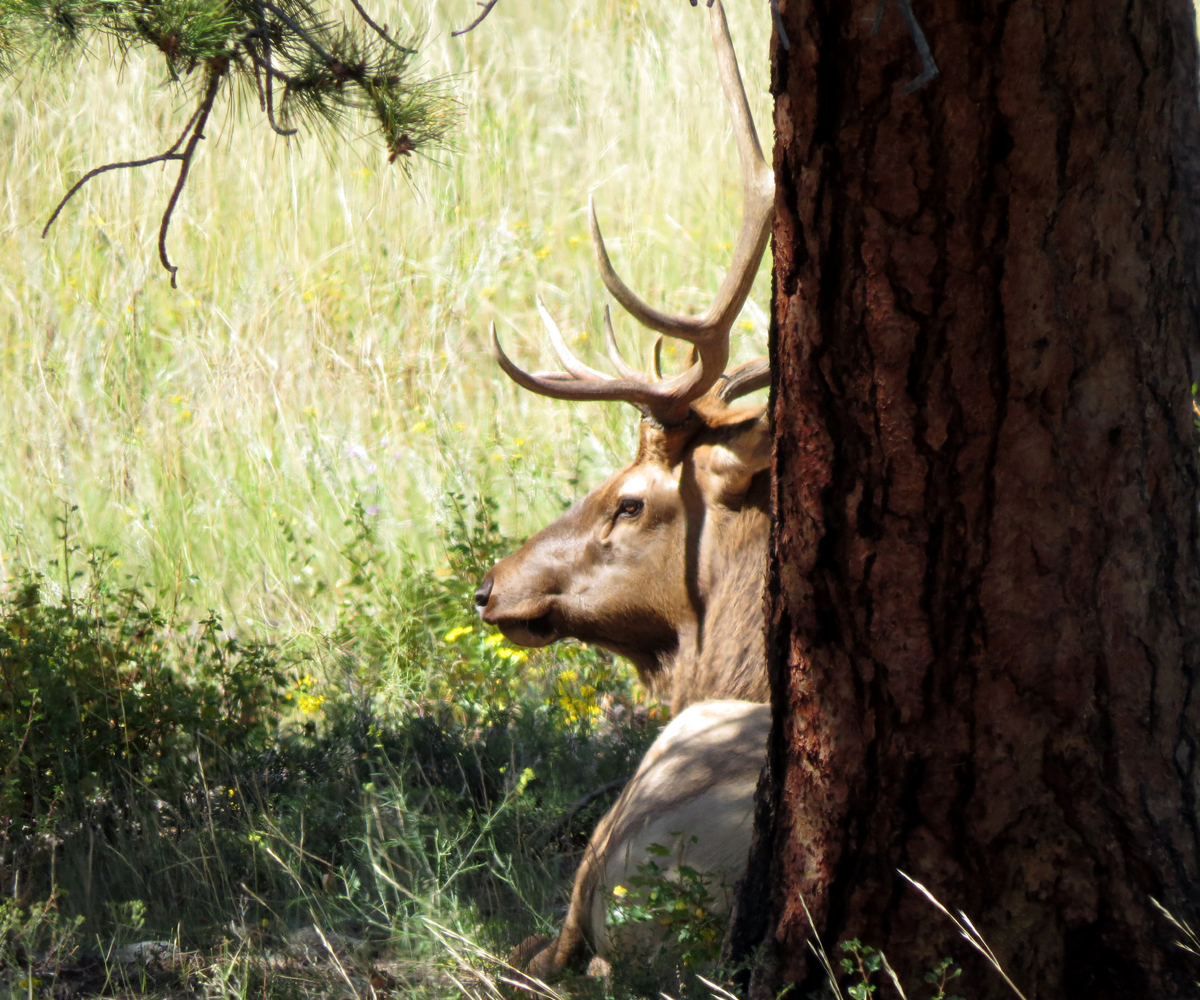
elk bull 1I think we saw more individual elk than all other birds and mammals combined. Here is an assortment of some of them.
elk herdelk cow 1elk treeelk woodselk spike bull