Mount Hood

I drove up to Timberline Lodge on Mount Hood today. This is a great area to search for alpine species, and the paved road makes it easy to access. Autumn has settled in already, with a fresh dusting of snow on the mountain. The ground had frozen overnight, and the thawing this morning released a near constant stream of falling rocks on the gravel slopes. (While it looks very dramatic when covered in snow, Mount Hood is actually a big pile of gravel and fine volcanic ash.) Most of the birds seem to have left the area around the lodge for lower elevations. I found a couple of Golden-crowned Sparrows, Robins, and Red-breasted Nuthatches. A flock of ten Common Ravens rode an updraft around the summit.
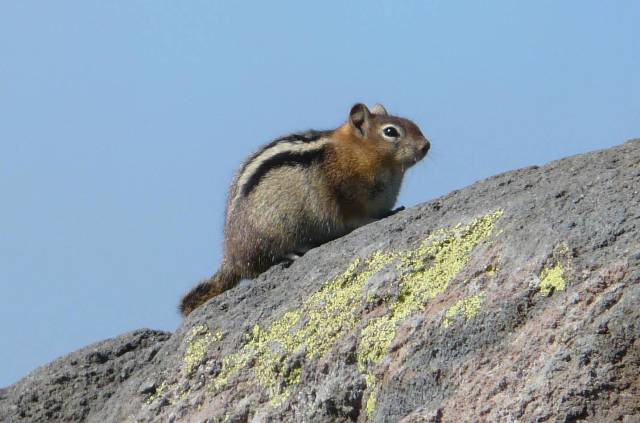

Golden-mantled Ground Squirrels are common on Mount Hood.

After descending the mountain, I visited the meadows and forest around Little Crater Lake (Birding Oregon p. 75). Gray Jays and a Pileated Woodpecker were the bird highlights. The color of this little lake is an eerie turquoise. Despite the near 40′ depth, you can see the bottom in great detail.

Urban Otters (and birds)

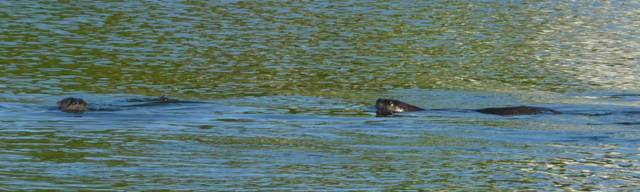
Two Northern River Otters have been hanging out at Koll Center Wetlands in Beaverton, so I went out this morning to see them. Otters are always a treat, but it is especially nice to see them thriving in such an urban setting.


Here is one of the two otters munching on a fish. Check out those teeth.


After breakfast, it is time to wrestle,

and then wrestle some more.


Then they were off to find something else to do.


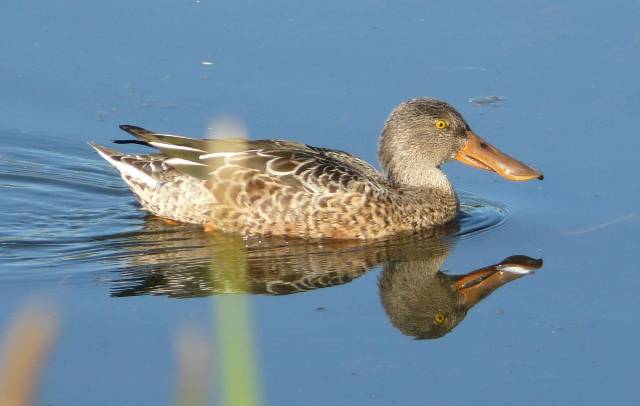
Good numbers of birds use this little wetland, as well. Here is a Northern Shoveler. How do they hold those massive bills up?


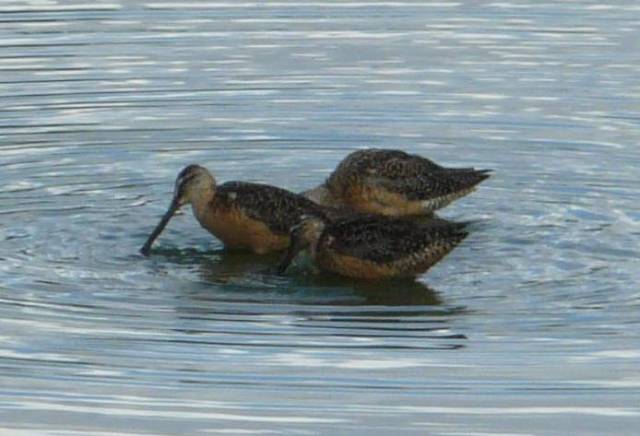
Two Killdeer feed within a flock of Long-billed Dowitchers. This flock flew off when a Cooper’s Hawk flew by.

Sauvie Island

I did a point count at Oak Island on Sauvie Island today, then birded several other areas. Migration is starting to pick up with large numbers of Purple Martins and several warblers and shorebirds on the move. I also saw four Sanhill Cranes, which seemed a bit early.


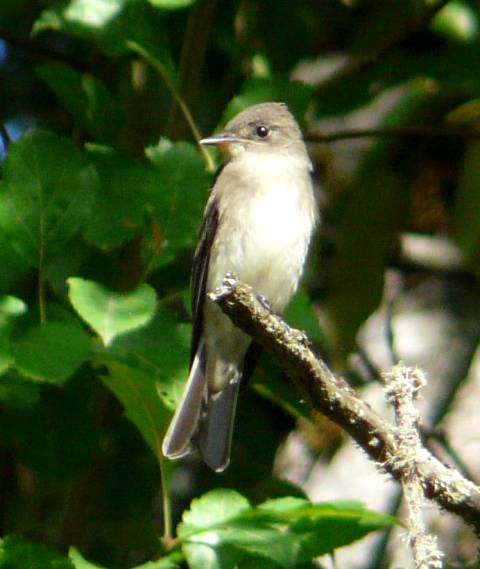
Western Wood-Pewees are everywhere, and still very vocal.


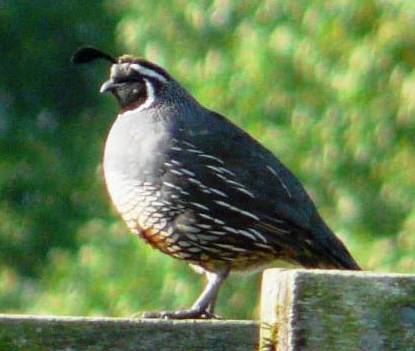
This California Quail spent some time on top of a corral fence, before disappearing into the blackberry brambles.


Here is a very distant shot of two Red-necked Phalaropes in front of a Cinnamon Teal. Notice the big blue patch on the extended wing of the teal.


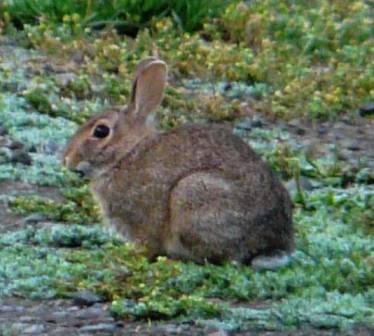
A Brush Rabbit, not a bird, nor uncommon, but still cute.


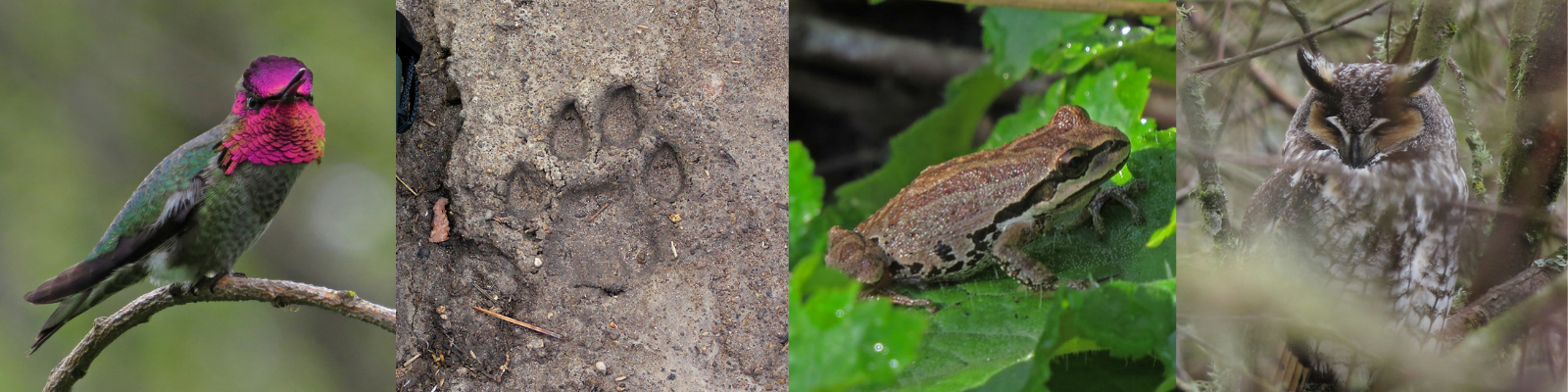
Pacific Treefrog. It is amazing how such a tiny animal (about 1 inch from snout to vent) can have such a loud call.

Hart Mountain

The Sept./Oct. issue of Bird Watcher’s Digest has my piece on Hart Mountain National Antelope Refuge (Birding Oregon p.20). This is a great area to explore for birds, other wildlife, scenery, and native petroglyphs. The article didn’t use any of the photos I sent with it, opting instead for a rather dreary view of the mountain. So here are a few photos from the refuge. For more information, check the refuge website.


Most of the refuge consists of a quarter of a million acres of sage steppe. While I appreciate trees and water as much as the next person, I really love the vastness of this habitat (one of the most threatened in North America).


Sunrise over Hart Mountain, viewed from the Warner Valley


Blue Sky is an island of Ponderosa Pine surrounded by sage steppe. These trees attract migrant and nesting species not found elsewhere on the refuge.


Hart Mountain refuge was originally established to protect the dwindling population of Pronghorns.


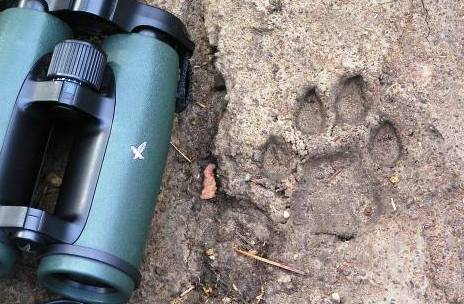
Mountain Lions are another mammal species that live on the refuge.


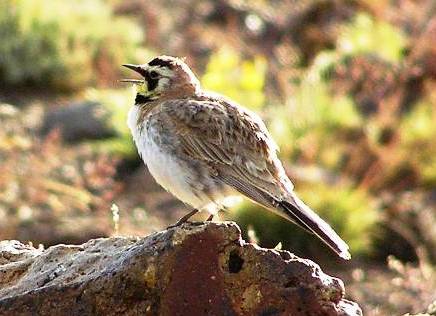
Horned Lark singing from atop a small rock


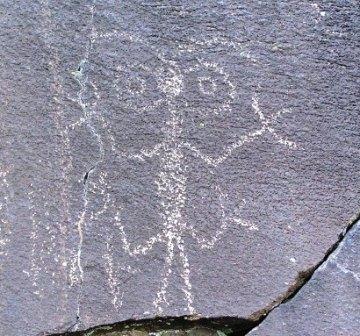
Many of the rocky outcroppings on the refuge contain native petroglyphs. Were these images drawn by shamans, artists, or just kids who liked to doodle?

Washington County

I checked some of the birding sites in Washington County recently. The first stop was Rogers Park in Forest Grove (Birding Oregon p. 62). This is the home of one of the northernmost colonies of Acorn Woodpeckers. These are fascinating woodpeckers, both for their habit of storing acorns in tree bark, utility poles, wooden siding, etc., and for their interesting pattern. One this particular day, a young Cooper’s Hawk was hanging out in the park, driving the woodpeckers and most other species into hiding.

The next stop was Fernhill Wetlands (Birding Oregon p. 61). While this is one of the best birding spots in Oregon, it is currently in the summer doldrums. The breeding season has about wrapped up, and the fall migrants haven’t begun in earnest. Shorebirds are starting to come through. There isn’t a lot of mudflat habitat available yet, but as water levels continue to drop conditions should improve.


Long-billed Dowitchers


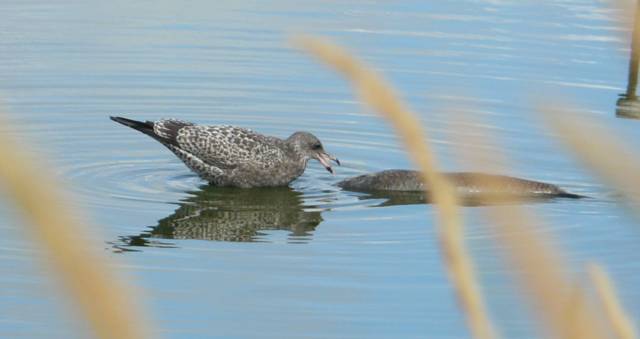
Here is a first cycle California Gull munching on a dead carp. (who says birding isn’t glamorous?) I know what you’re thinking. “It’s only August. Is he going to start with the gulls already?” You betcha! We know this is a young California Gull by the long thin bill with the clearly demarcated dark tip, and by the long dark wingtips that extend well beyond the tail. My friend, the Northwest Nature Nut, has not yet developed a love of gull ID, but I hope to gradually chip away her resistance.

An exploration of Haag Lake in Scoggins Valley Park didn’t reveal a lot of birds, but a Beaver lounging in one of the quiet arms of the reservoir was a nice treat. I don’t get to see Beaver out in the daylight very often.

Worst Pelagic Trip Ever

I made my second attempt to visit Machias Seal Island off the coast of Maine this week. On my first attempt last year, the seas were “the roughest we’ve had all season” and it was too foggy to see much on the way out. When we arrived at the island, it was deemed too rough to land, so we coasted back and forth in the lee of the island before heading back. We still saw lots of birds, but couldn’t get on shore for nice close looks.

So I was really looking forward to this year’s trip. The forecast was for calm seas and sun. But I am a magnet for rough seas. The ocean was angrier than last year and the fog was thicker. I caught a brief glimpse of a Wilson’s Storm-petrel on the way out, but that was it. We couldn’t land on the island (although it didn’t look that bad to me) so we cruised around looking at foggy birds.


Here’s a foggy Atlantic Puffin


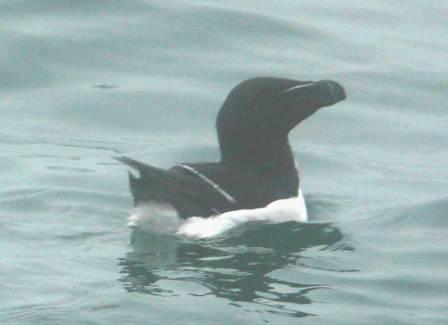
a foggy Razorbill


a very foggy Common Murre


This is our view of the island. Believe it or not, there is actually a lighthouse, several buildings, and observation blinds here.


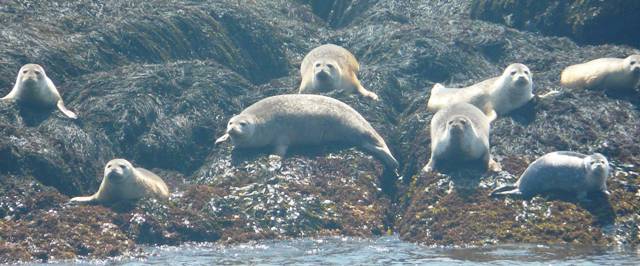
When we returned to the harbor in Jonesport, the sun emerged and revealed these harbor seals enjoying the beautiful summer weather. And so it goes. Perhaps, after enough time has passed to dull the memory of this trip, I will someday actually make it to the island and enjoy some face-to-face interaction with some Maine seabirds.

Oak Island

I am helping with a series of point counts on the Oak Island section of Sauvie Island (Birding Oregon p.56). The goal is to gather baseline information on bird species using this area before habitat restoration work begins. The habitat consists of large oaks, grassy fields, and scattered thickets along the shore of Sturgeon Lake.

The area has a nice variety of nesting species. Those who live in the wooded areas seldom display themselves in such a way that allows me to capture a photo. So here are some birds (and a couple of mammals) of the edge habitats.

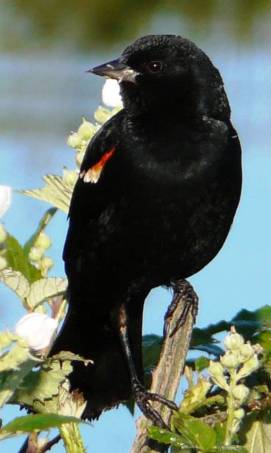
Red-winged Blackbird


Rufous Hummingbird


Black-headed Grosbeak


Townsend’s Chipmunk


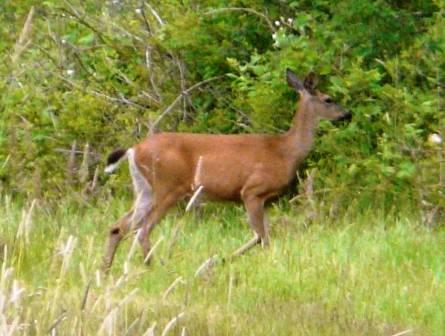
Black-tailed Deer

Bear Valley

While not nearly as scenic as Logan Valley, Bear Valley (Birding Oregon p. 33), west of Seneca, has its share of birds. It is the only site where birders have reported Upland Sandpipers this spring. My recent attempt to find these birds was unsuccessful, but the pastures hosted plenty of Long-billed Curlews, Willets, Wilson’s Phalaropes, and more Wislon’s Snipes than I have ever heard in one place.


As you would expect in a county that has only one stoplight, car traffic is pretty light. Traffic is delayed occasionally by herds of cattle crossing the highway.


Western Meadowlark


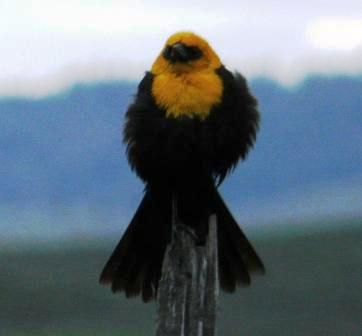
Yellow-headed Blackbird, showing off for the ladies


Mule Deer, displaying the enormous ears that give the species its name.

Logan Valley


On a recent trip to Grant County, I visited one of my favorite sites in Oregon. Located 17 miles west of Seneca, Logan Valley (Birding Oregon p.32) is a vast meadow. The area attracts the typical grassland species; Savannah Sparrow, Brewer’s and Red-winged Blackbirds, California Quail, and Western Meadowlarks.


Sandhill Cranes and Long-billed Curlews are two of the more dramatic birds found in the valley. This site used to host Upland Sandpipers, one of the rarest breeding birds in Oregon, but that species has not been reported from Logan Valley in recent years. One can always hope.

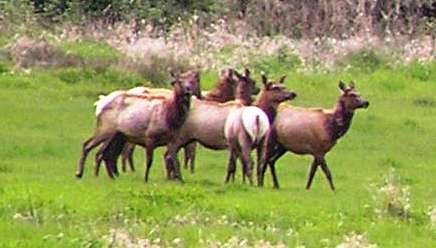
Aside from the birds, the main attraction of Logan Valley is watching the herds of grazing animals. Pronghorn, Mule Deer, and Elk can often been seen simultaneously.

Sauvie Island

Some lovely weather at last. I walked along Rentenaar Road on Sauvie Island today. Many of the geese have moved on, but there were still a few good flocks of Cackling Geese and Sandhill Cranes.

osprey-nest.jpg
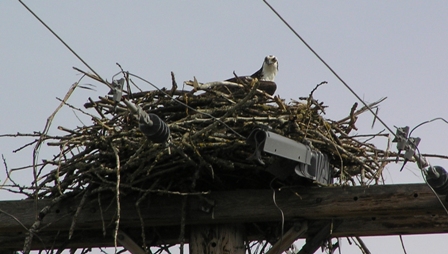
A pair of Ospreys are working on a nest. There is a platform built for them just a few yards from this spot, but these birds prefer to build on the power lines.

osprey.jpg
This individual was eating a fish while the other tended the nest.

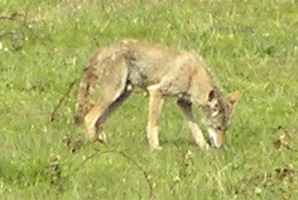
Two Coyotes were sniffing around in a pasture. I never get tired of watching these guys.
coyote.jpg coyote2.jpg