Petit Manan NWR, Maine

One of my favorite spots on the central Maine coast is Petit Manan National Wildlife Refuge. Two trails lead you through meadows, spruce forest, a cedar bog, and rocky coast.

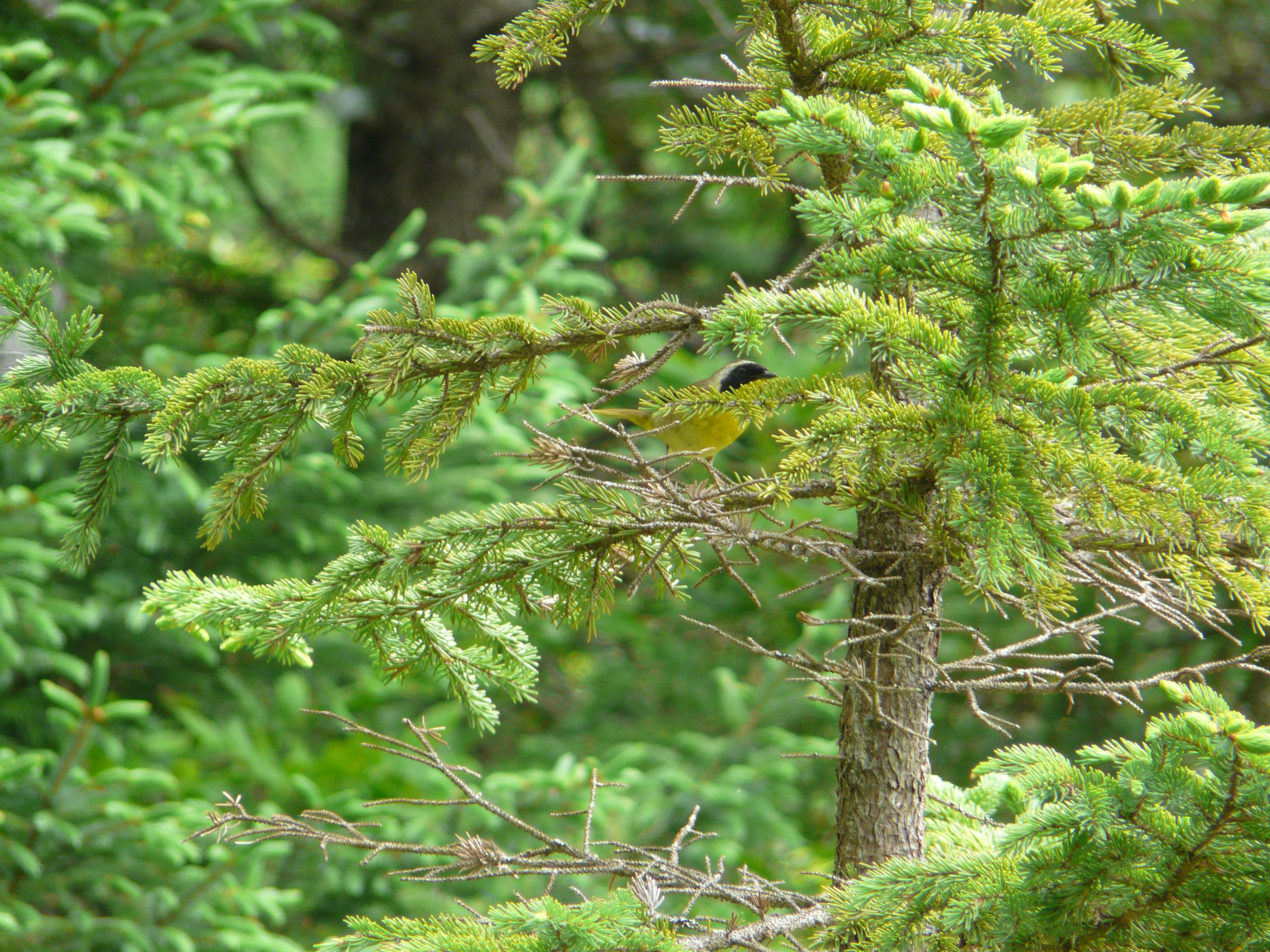
This Common Yellowthroat was playing hide-and-seek. In Oregon, I typically find this species in wetland habitats, but in Maine they are common in groves of small spruce.

The tide was out during my visit, so I did a little tidepooling. The crab was less than two inches wide. He was feeding on some sort of aquatic worm.

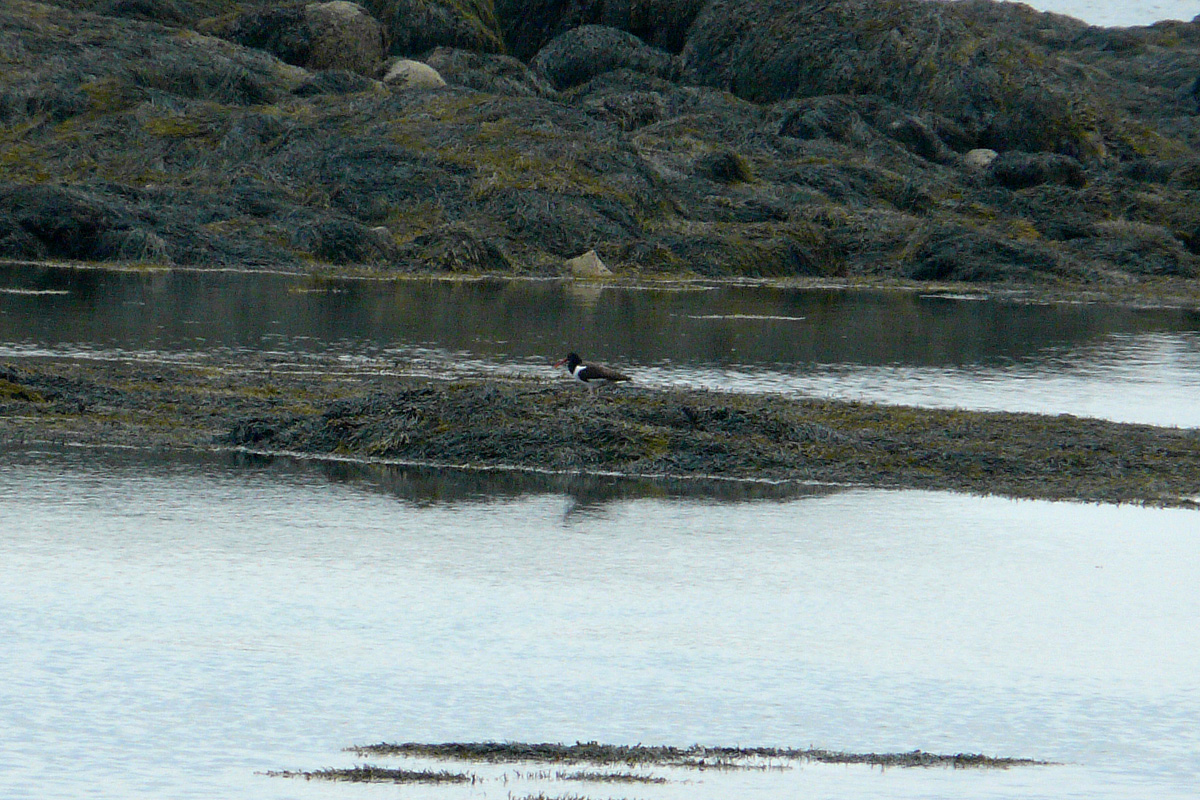
The best birds of the trip were two American Oystercatchers. This species is quite rare this far north.
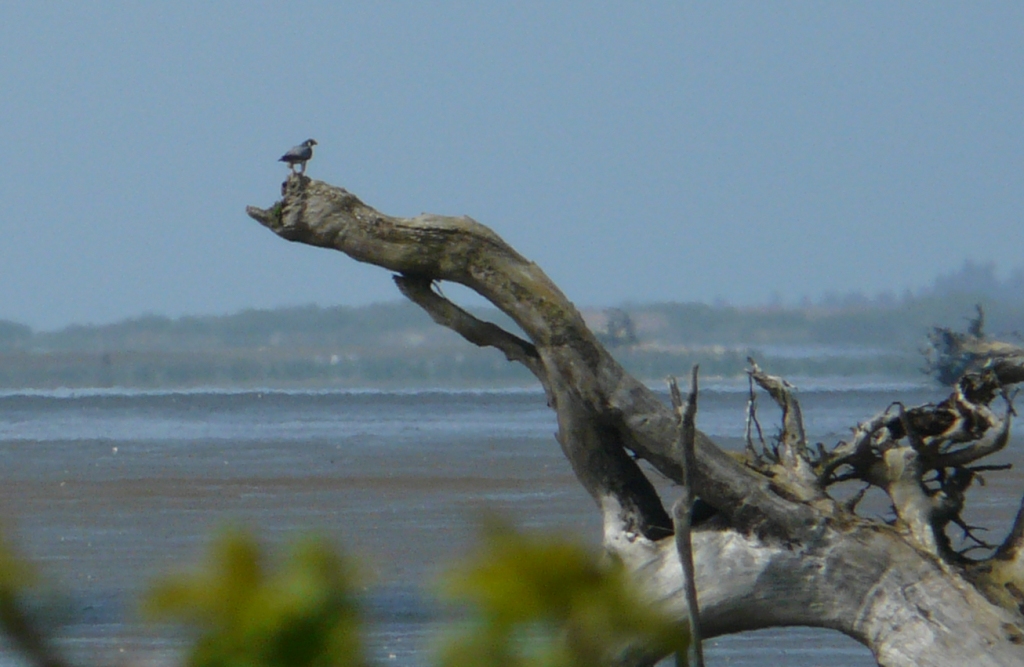
Despite the distance, this bird’s bold pattern makes for an easy ID.

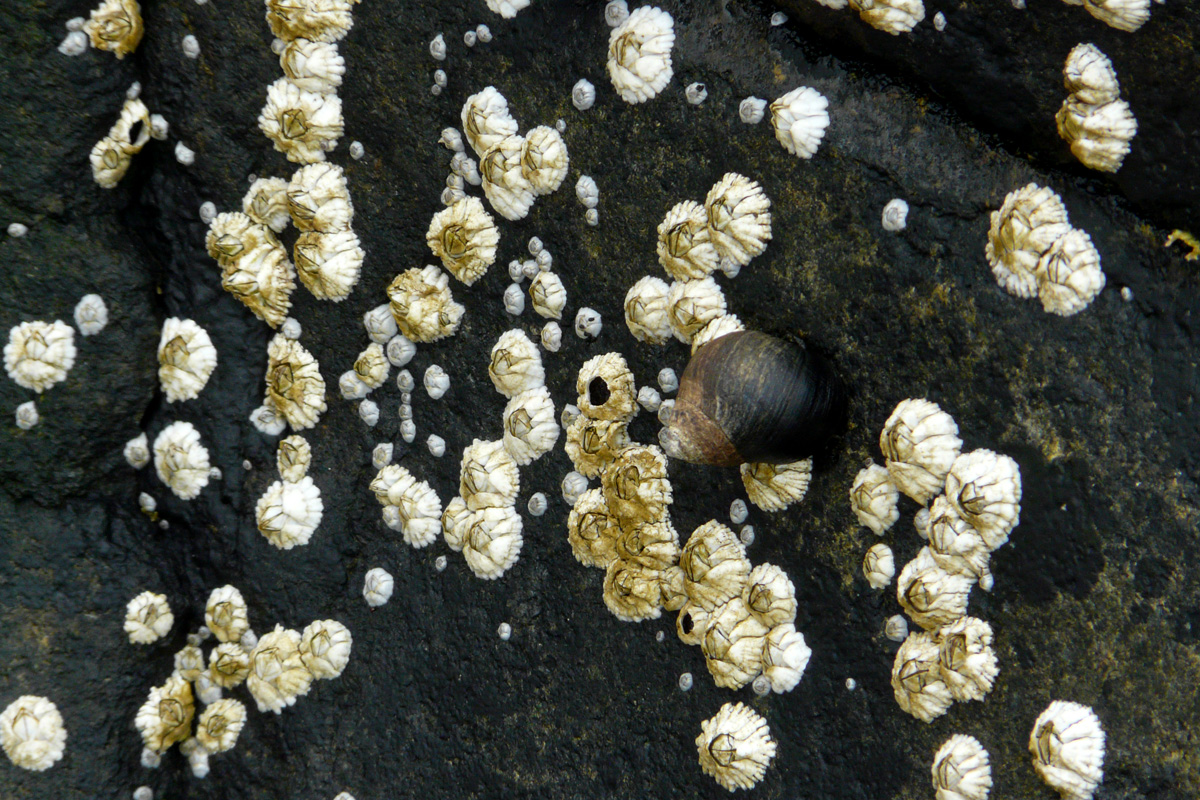
The exposed rocks were covered with barnacles and snails.

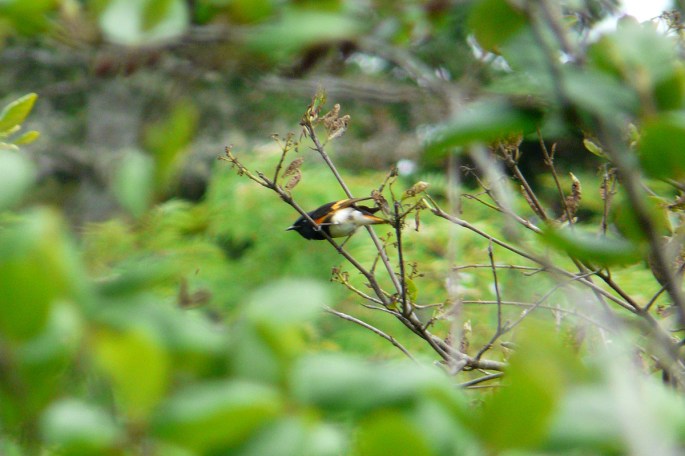
An American Redstart about to take off. This species does not like to sit still for me.

Of course, if there are lots of leaves between us, he will sit perfectly still. Jerk.

Black-tailed Gull

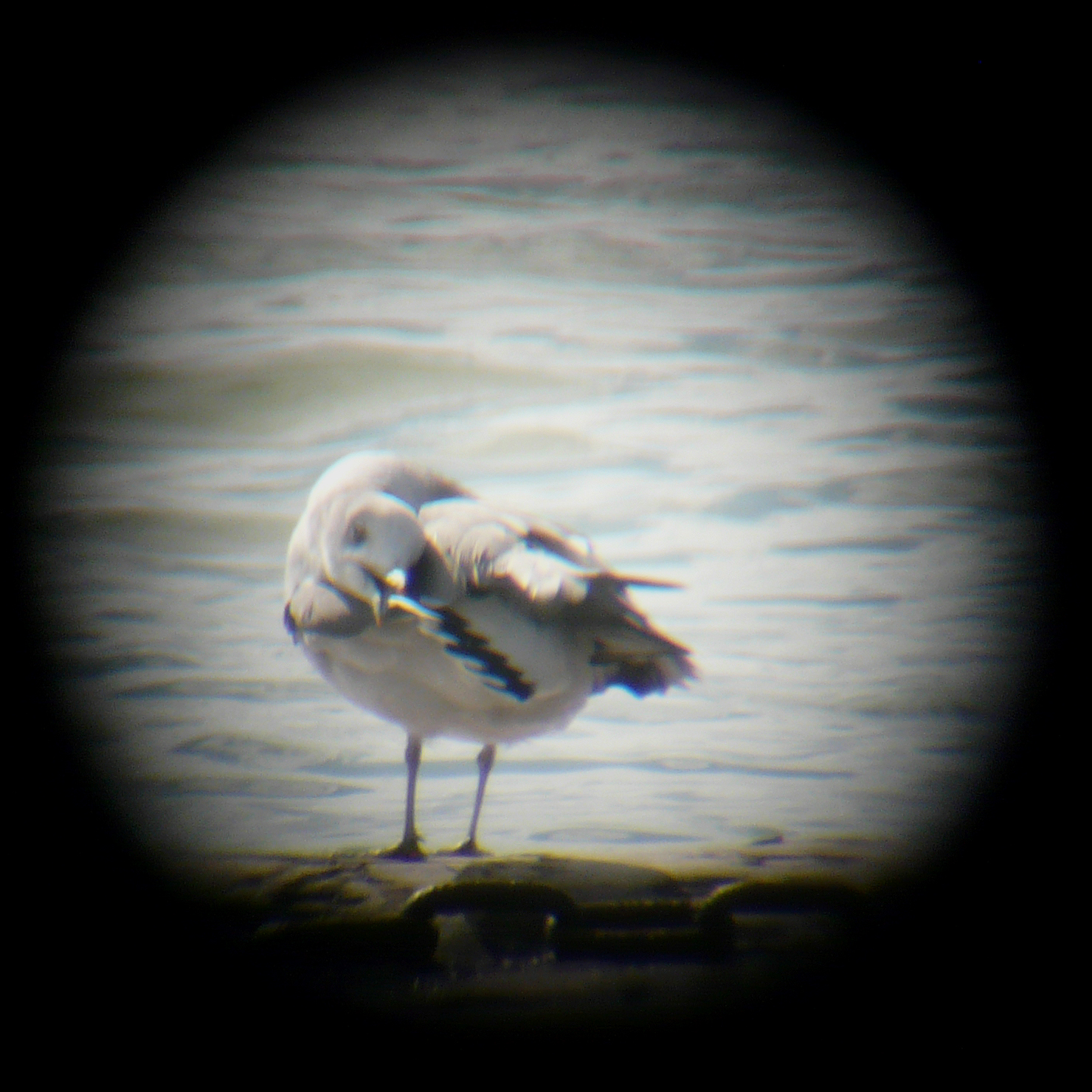
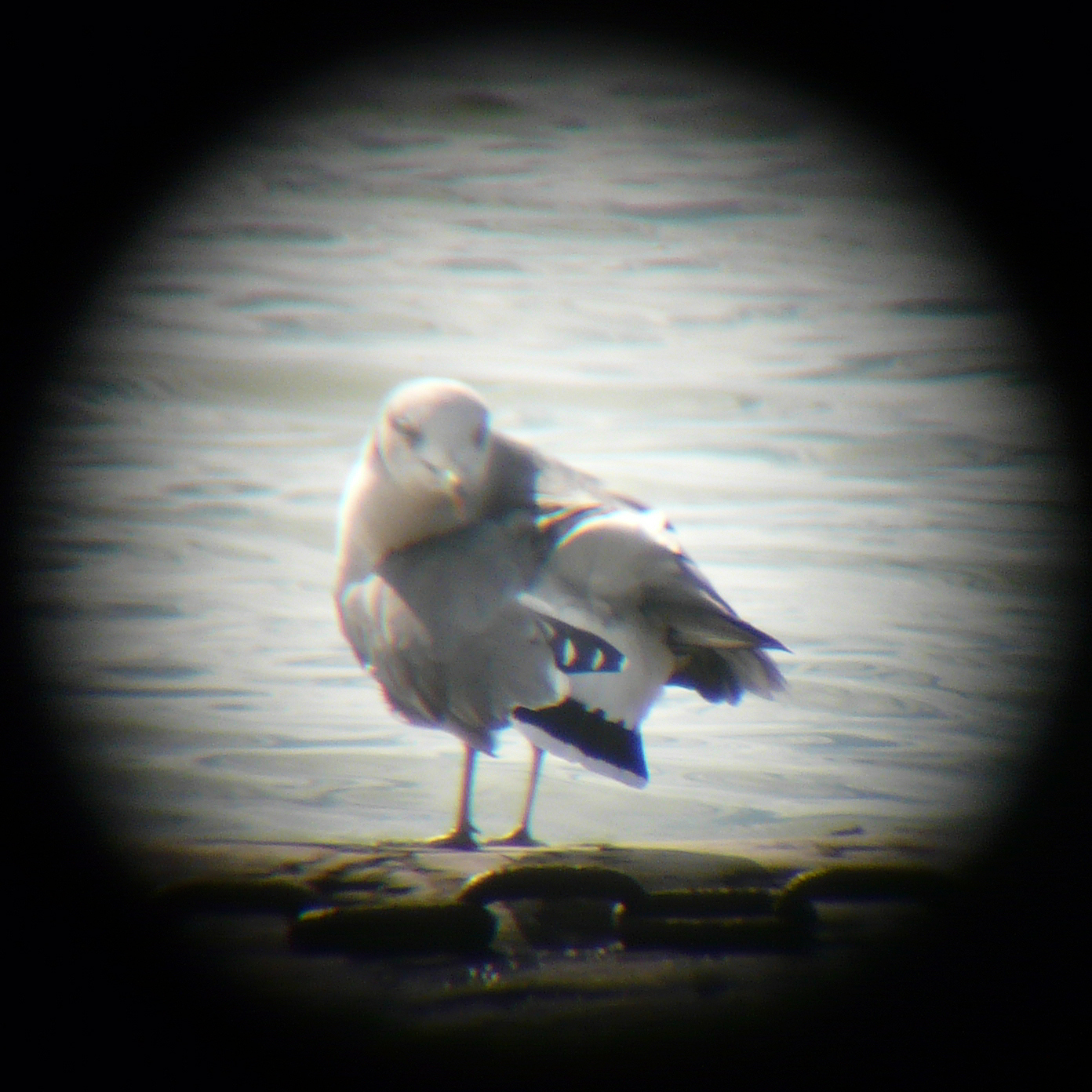
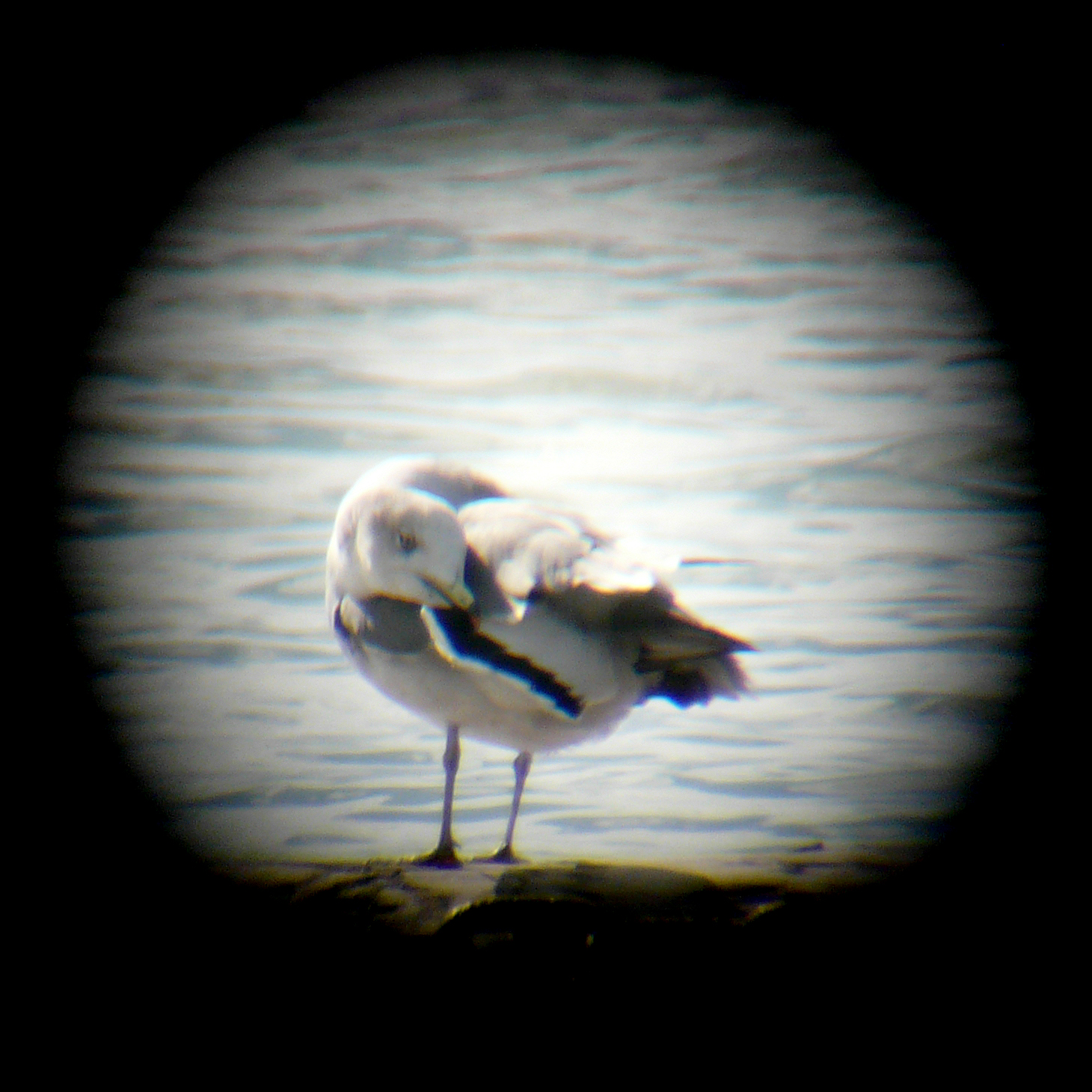
A Black-tailed Gull (Larus crassirostris) has been hanging out on a log boom in Tacoma, WA, for the past couple of weeks. Tacoma is normally far outside my “chase radius” for a single bird, but Marsha was working a conference in Seattle last Saturday, so it was only a half-hour drive from there to the bird. Since this is probably the only chance I will have to see this Asian species, I was happy to spend the four and a half hours standing on the shoreline waiting for this bird to appear.


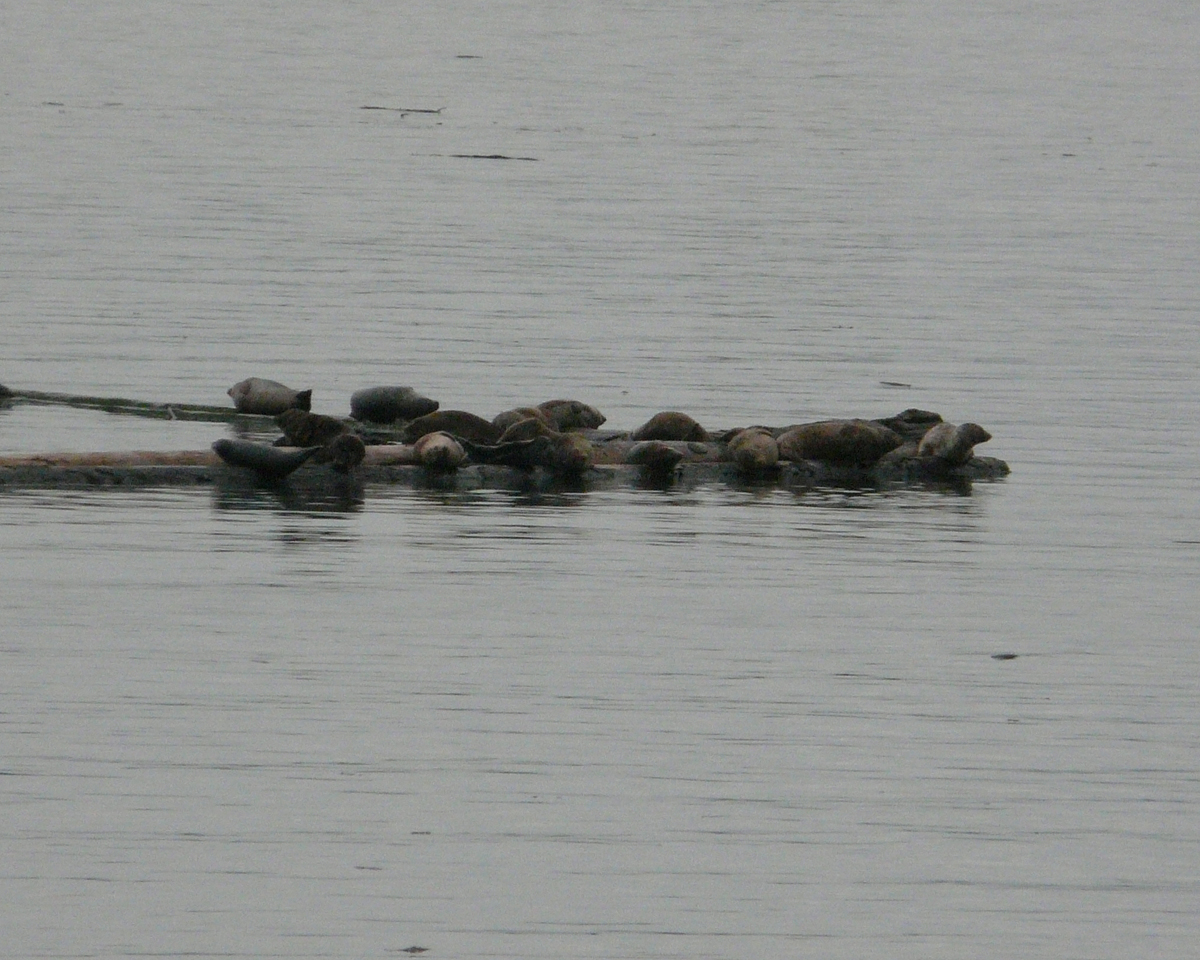
While waiting for the gull, I enjoyed watching the many Harbor Seals in the area. Most were just resting on the logs, while others swam around munching on salmon.


I really want to give this seal a belly rub.


The Black-tailed Gull finally arrived around 2:30 and provided extended views of the field marks that make this species so distinctive. This photo and the ones that follow were taken through my scope. While the camera and scope are obviously not compatible for digiscoping, these photos show that you can obtain documentation of rarities without a lot of special equipment. The key field marks for this species include: yellow drooping bill with bright red tip and black subterminal band, solid black tail with white terminal band, pale irises, white crescents above and below the eyes, and dusky markings on the nape that wrap around the head (winter).


Maine, 6-2011


I spent just over a week along the coast of Maine, visiting sites between Ellsworth and Cutler. It is always fun to get reacquainted with eastern bird species and to hike in the boreal forest.


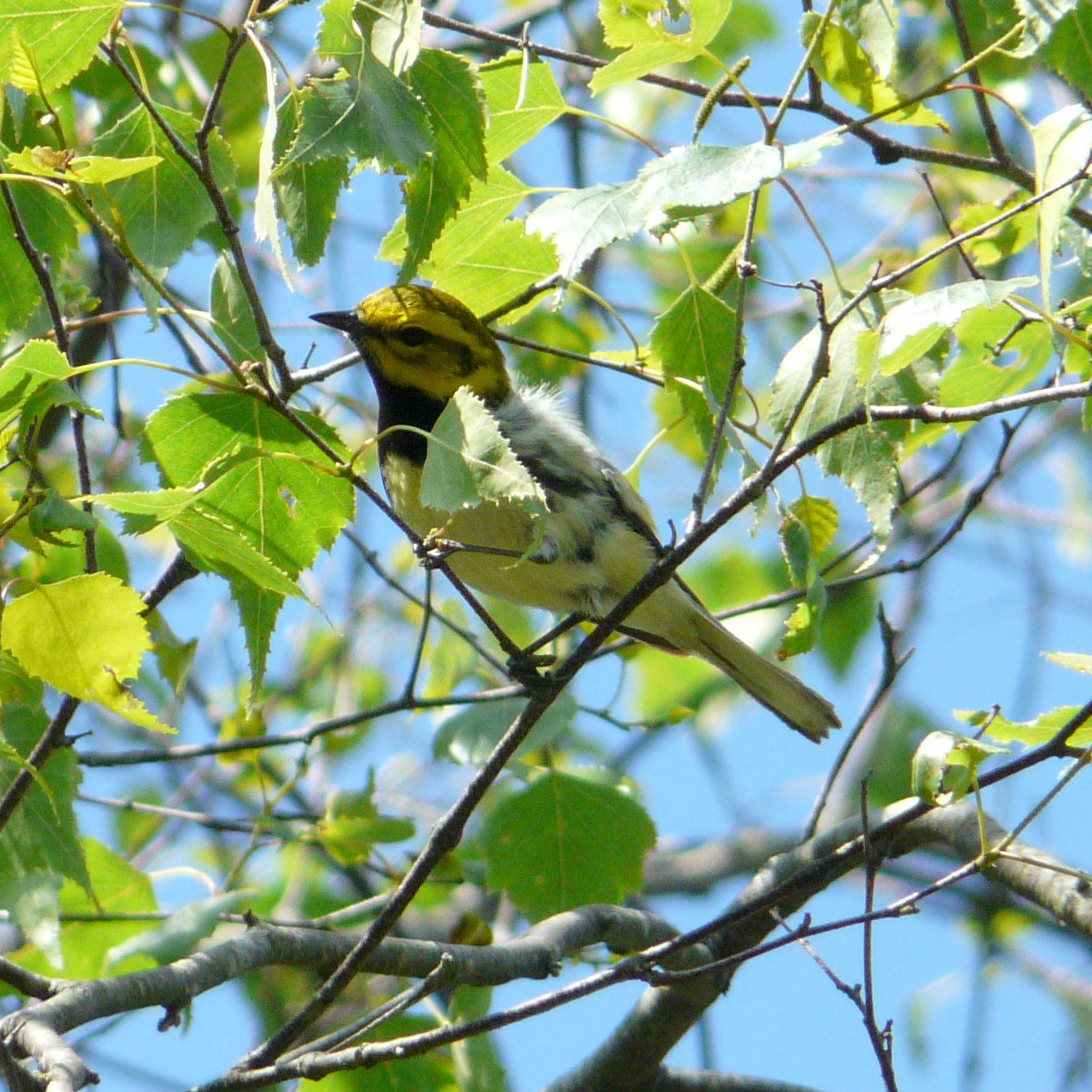
I saw 14 species of warblers on this trip. The vast majority of birds I saw were male, presumably because the females were on nests. Their small size, active habits, and dense habitat take them beyond the realm of point-and-shoot photography, but I managed to capture useuable images of two species. Black-throated Green Warblers were by far the most common species.


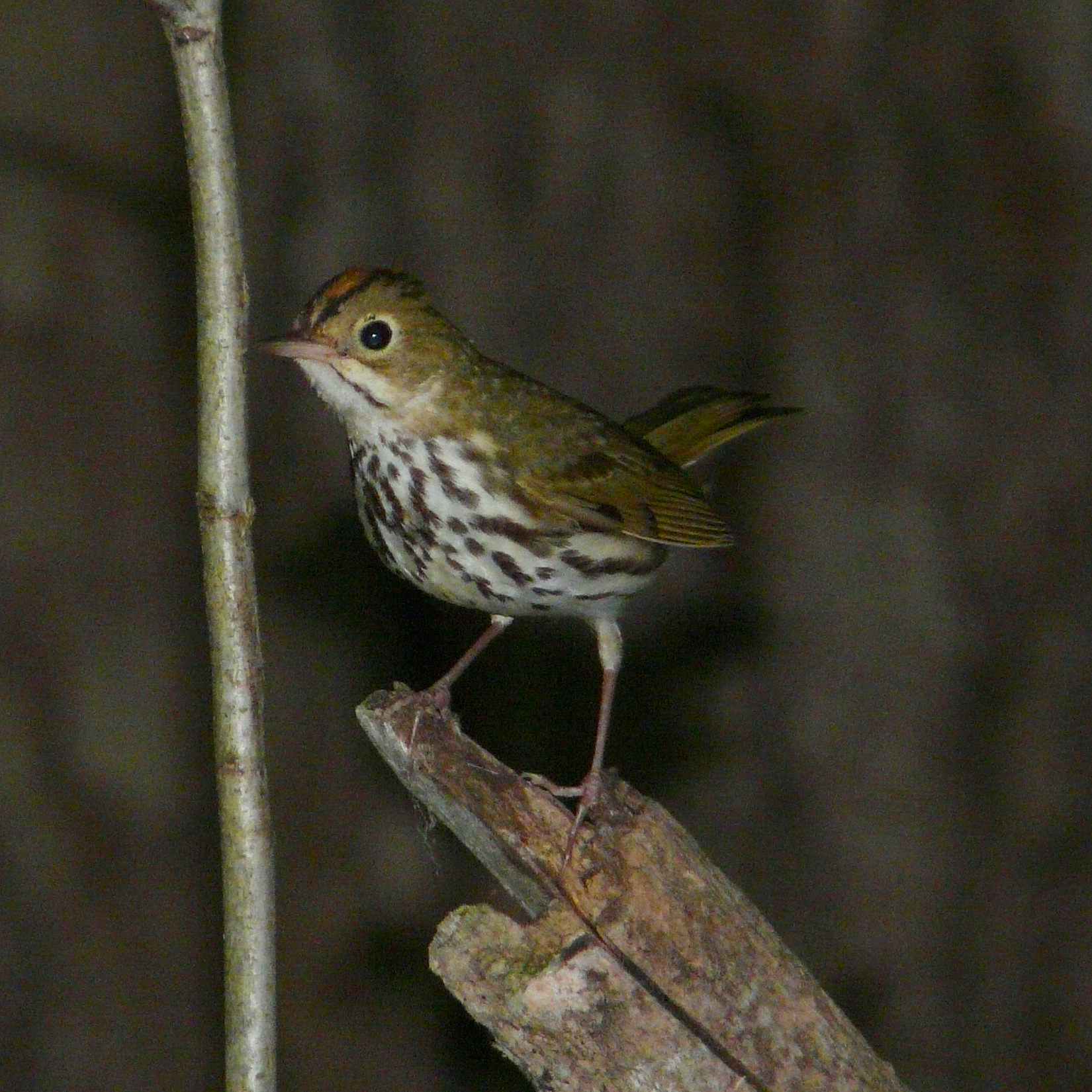
Ovenbird


This Spruce Grouse was at Petit Manan NWR. She had several downy chicks with her. The chicks are actually capable of flight, and flew into dense cover when startled. The adult remained on foot, keeping an eye on me and making contact calls to keep her brood together.


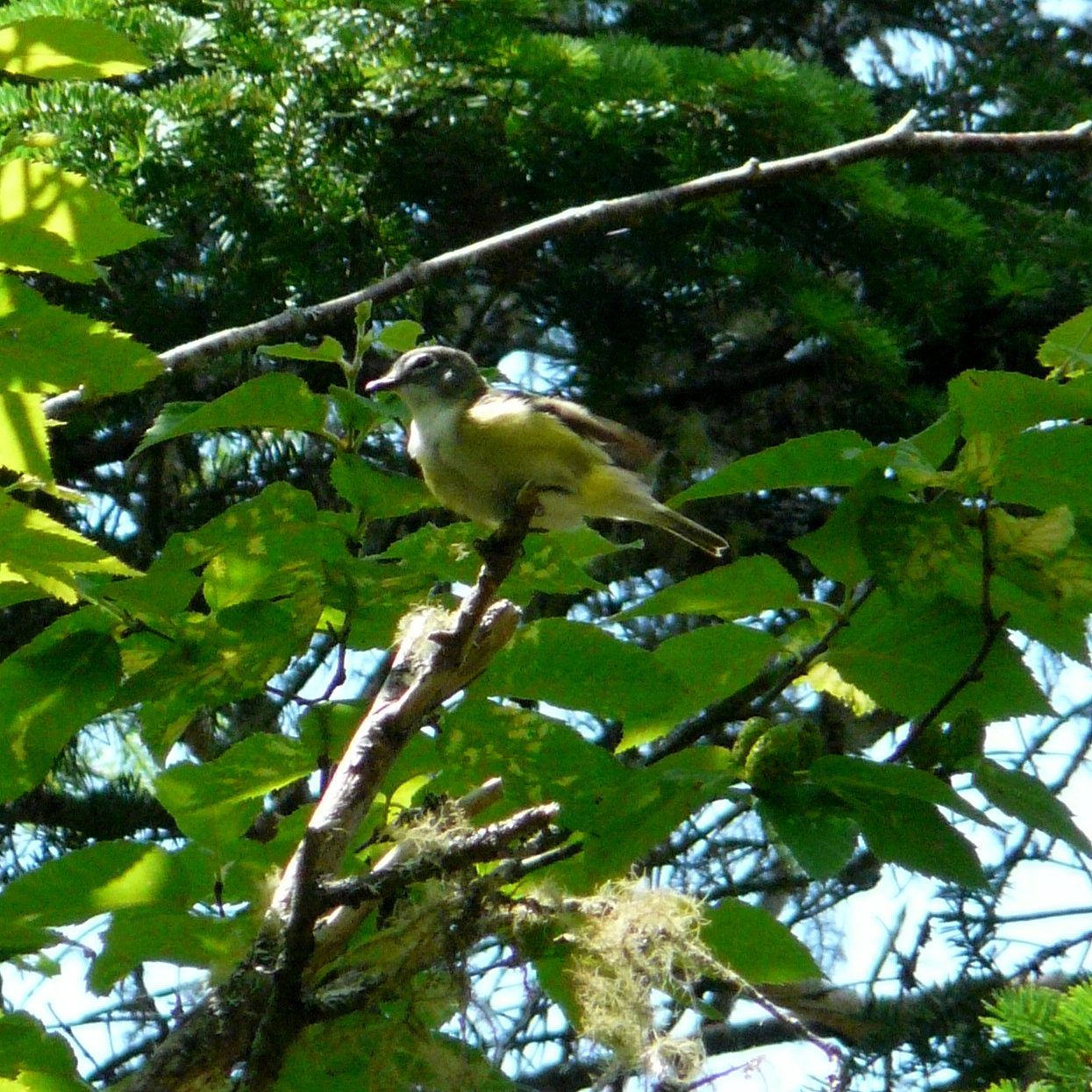
Blue-headed Vireo


White-throated Sparrow


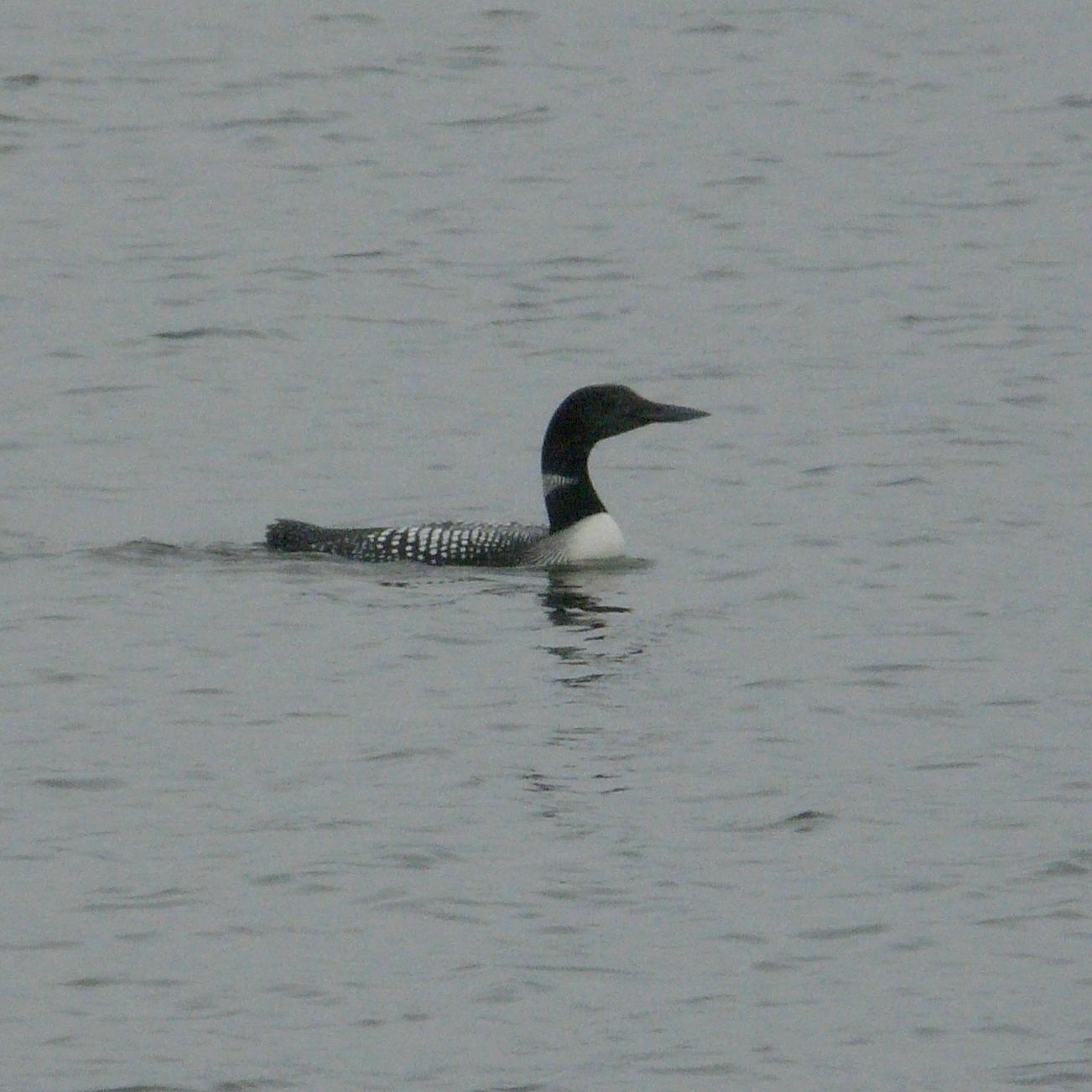
Common Loon


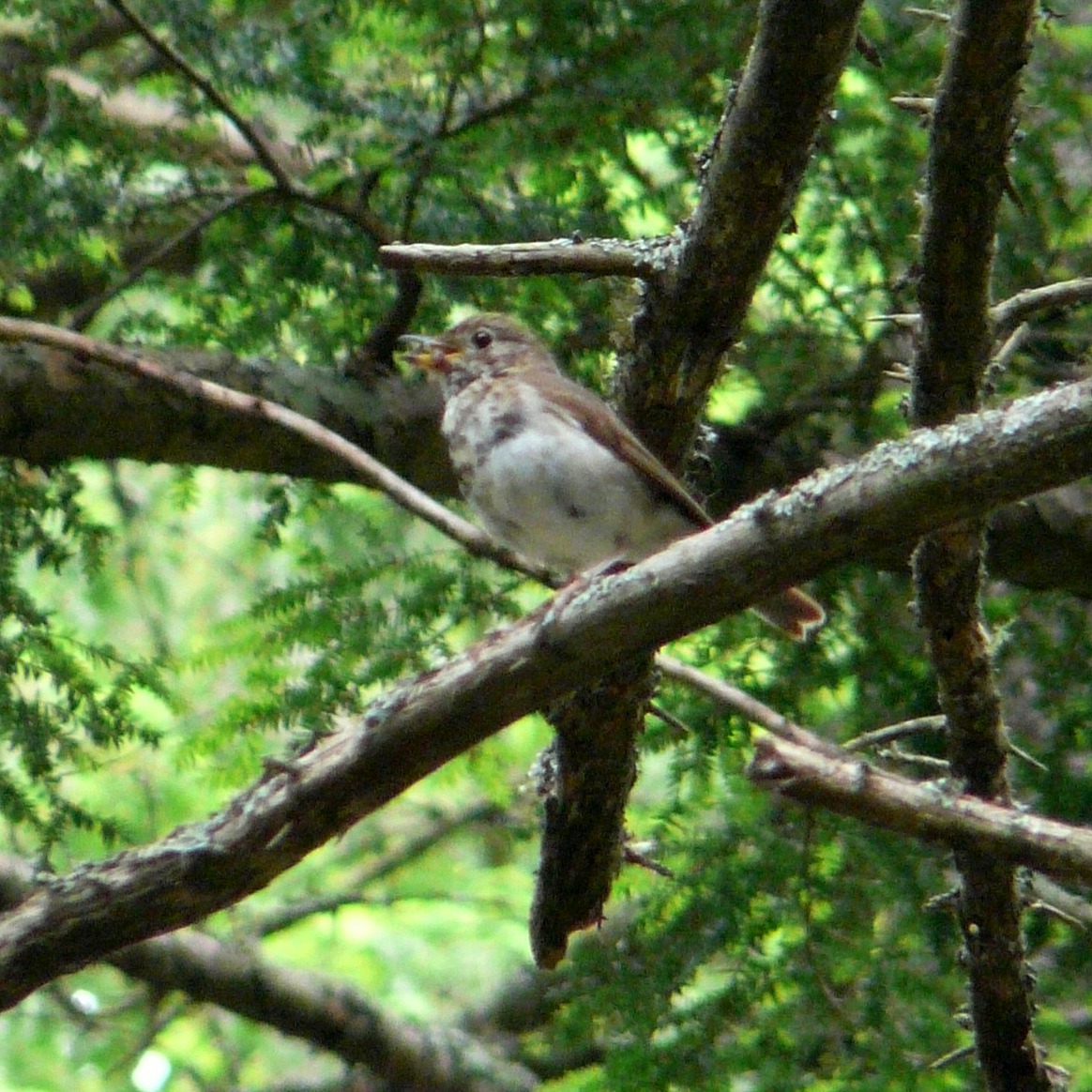
Hermit Thrush, calling with a bill full of food for nestlings.


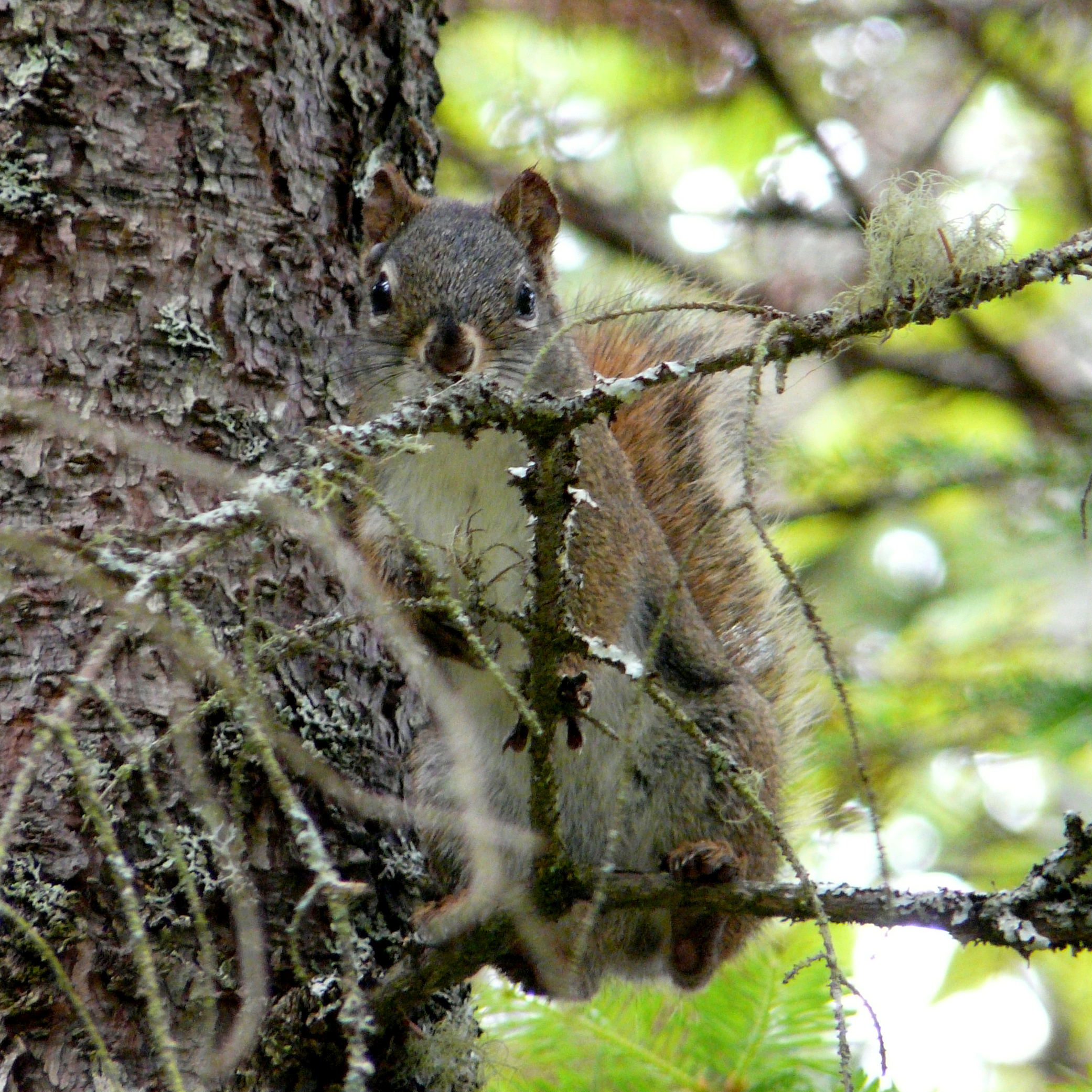
Red Squirrels were common and noisy in wooded areas.


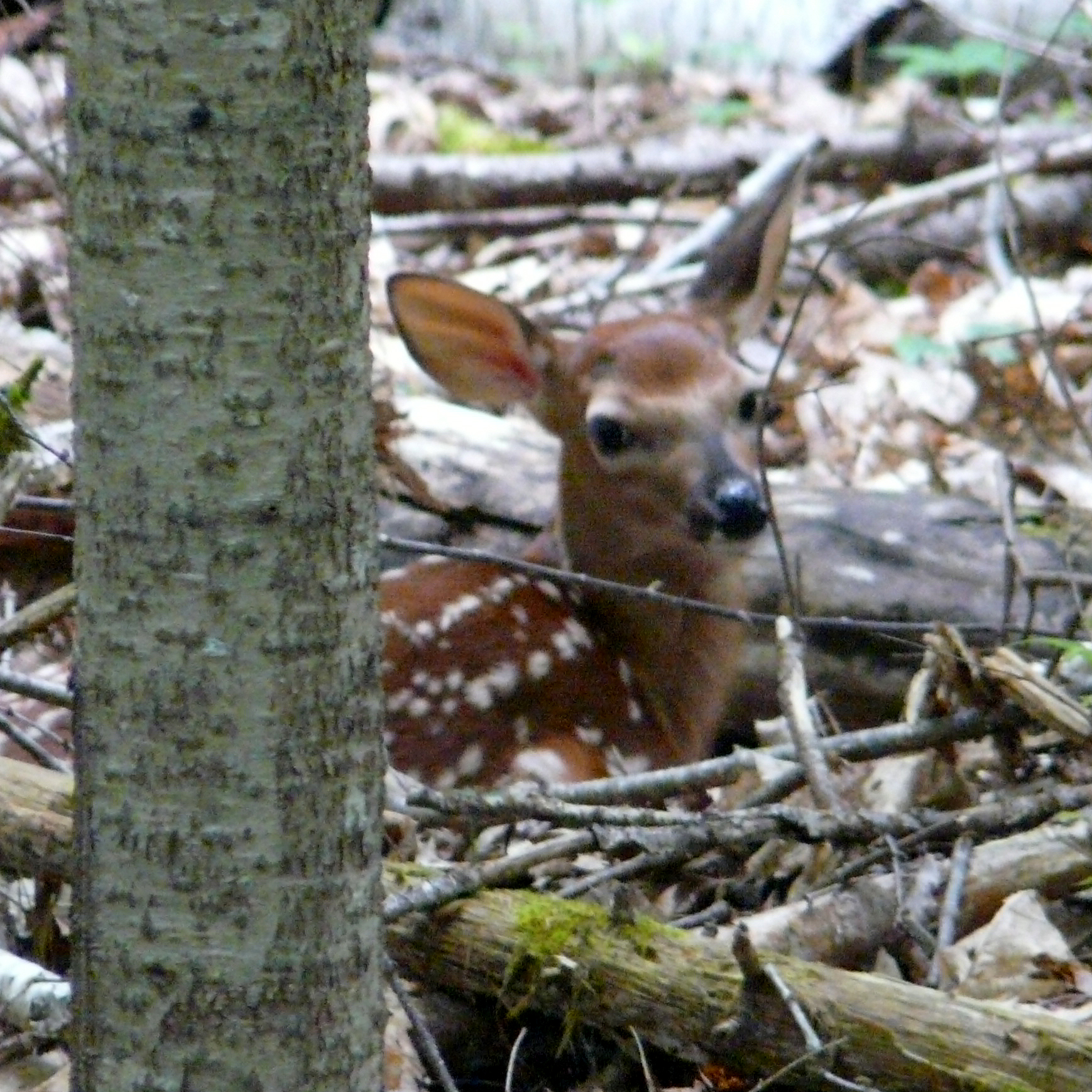
This White-tailed Deer fawn was well-hidden in the woods. I only located her because she got up to take a stretch just as I was looking in that direction.


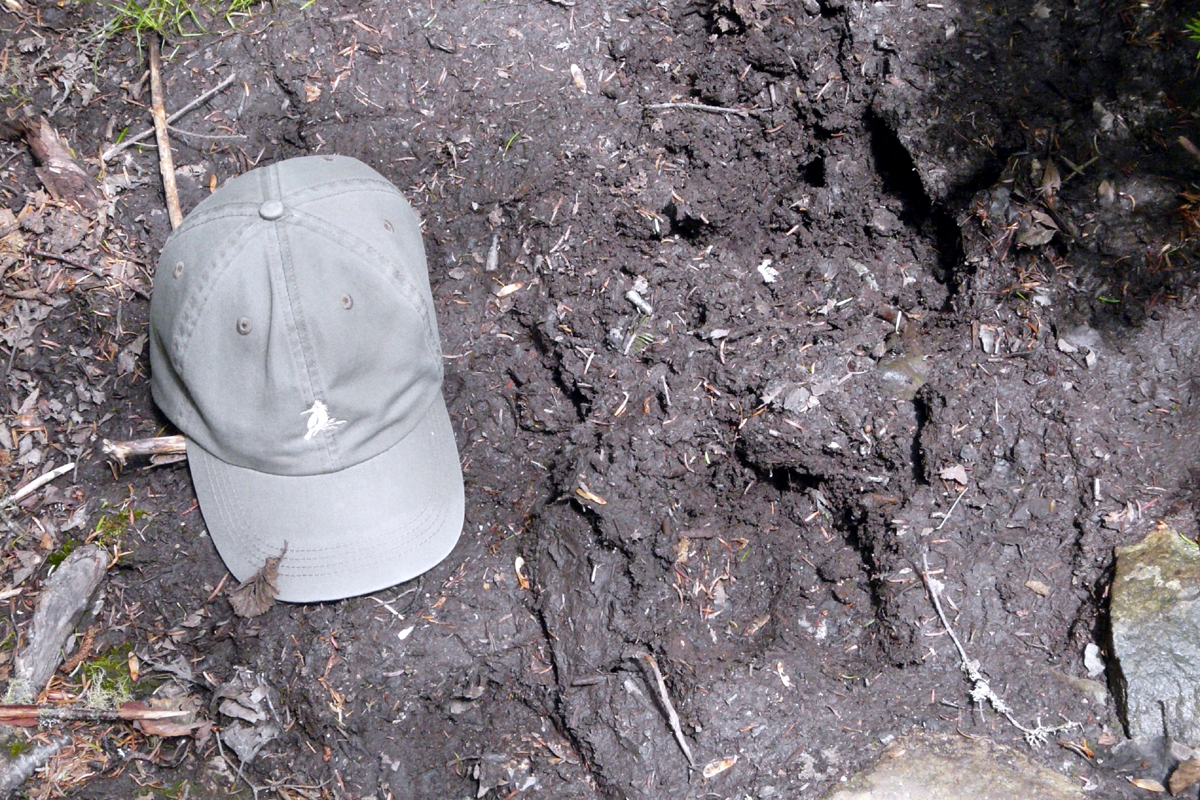
Moose tracks


Green Frog


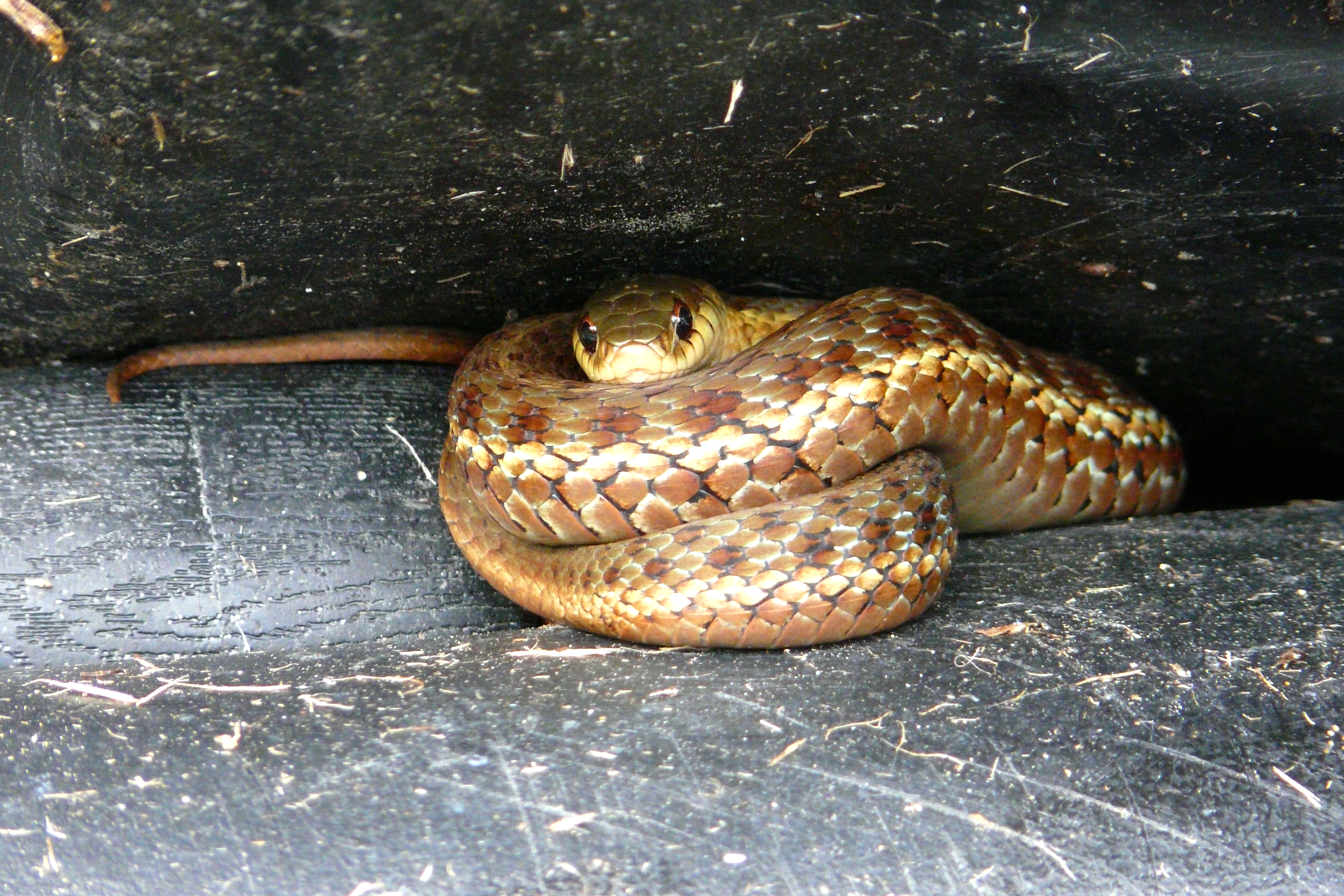
This Eastern Garter spent much of the day basking beneath a compost bin.


Rugged shoreline near Cutler.

Barnacle Goose


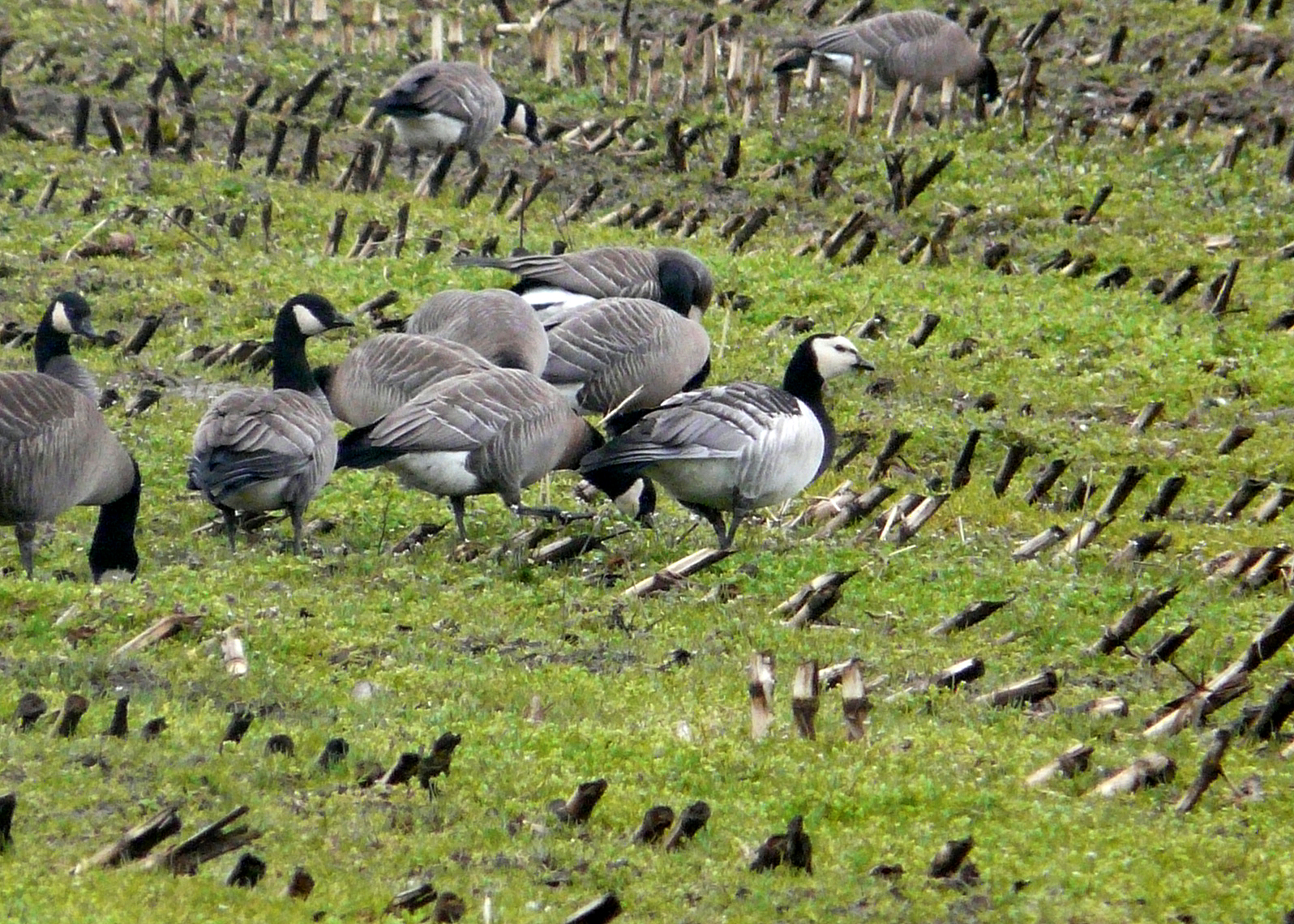
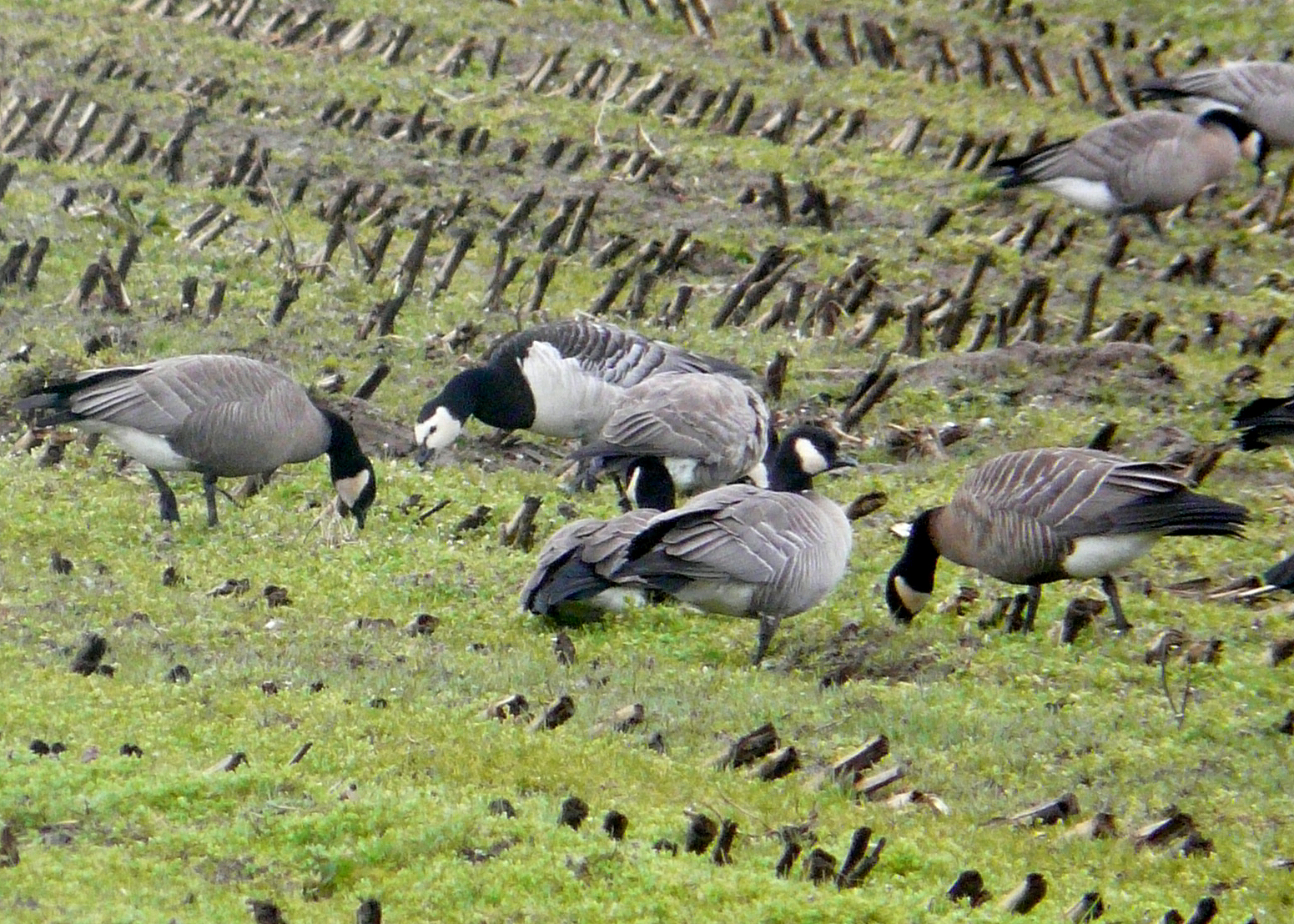
A Barnacle Goose was found at Ridgefield NWR in southwestern Washington this week. The bird was with a flock of Ridgeway’s Cackling Geese.


When an unexpected species of waterfowl appears, the discussion instantly turns to whether this is a “countable” bird (a bird that takes a wrong turn on its own to show up on  the wrong continent) or a bird that has escaped from captivity. Many species of waterfowl are kept in “collections,” and sometimes these birds escape their captors and join up with the locals. Many birders assume that a Barnacle Goose on the west coast of North America must be an escapee, or the direct descendant of an escapee. But the same could be said for every Eurasian Collared-Dove, European Starling, and House Sparrow currently in North America.

It is certainly plausible that a Barnacle Goose hatched in western Greenland, headed west instead of east, joined with a flock of Cackling Geese in the Arctic, and made his way to Washington. Populations of Barnacle Geese are increasing, and the species is showing up in eastern North America with greater frequency. At some point it seems inevitable that this species will occur in the western U.S. Unfortunately, the only way to prove where the bird came from would be if the bird had been banded on the nesting grounds. This particular bird wears no band, nor does he show any signs of captivity (clipped hind toes or unusual feather wear).


Given that this bird is associating with a flock of Ridgeway’s Cackling Geese (another long-distance migrant from the Arctic), and shows no sign of former captivity, I am inclined to consider him a naturally occurring vagrant. Of course, the goose doesn’t care what we call him. Whatever his origins, I am grateful for the opportunity to see a free-flying Barnacle Goose  without my having to visit Greenland or Scotland to do so.

Coyote


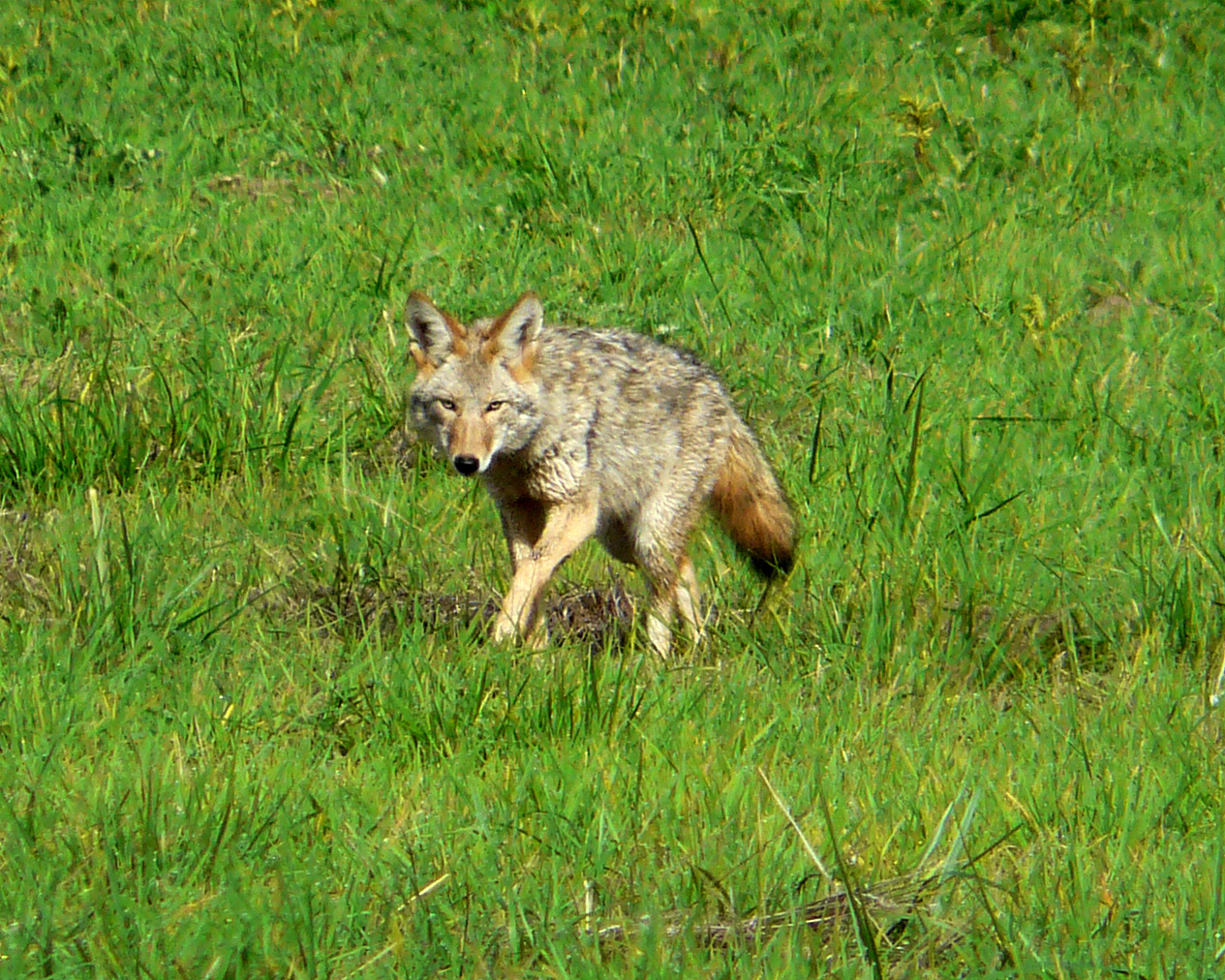
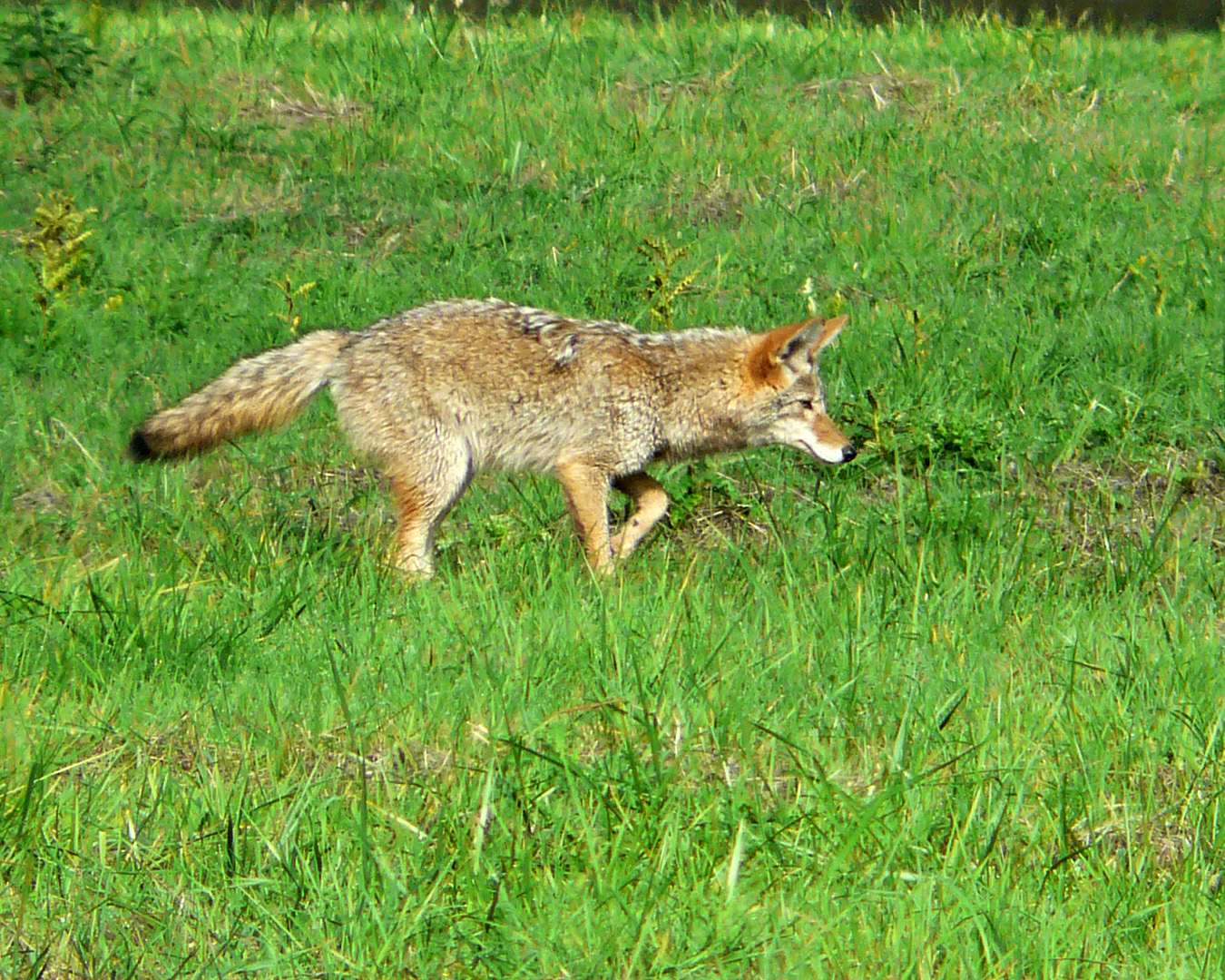
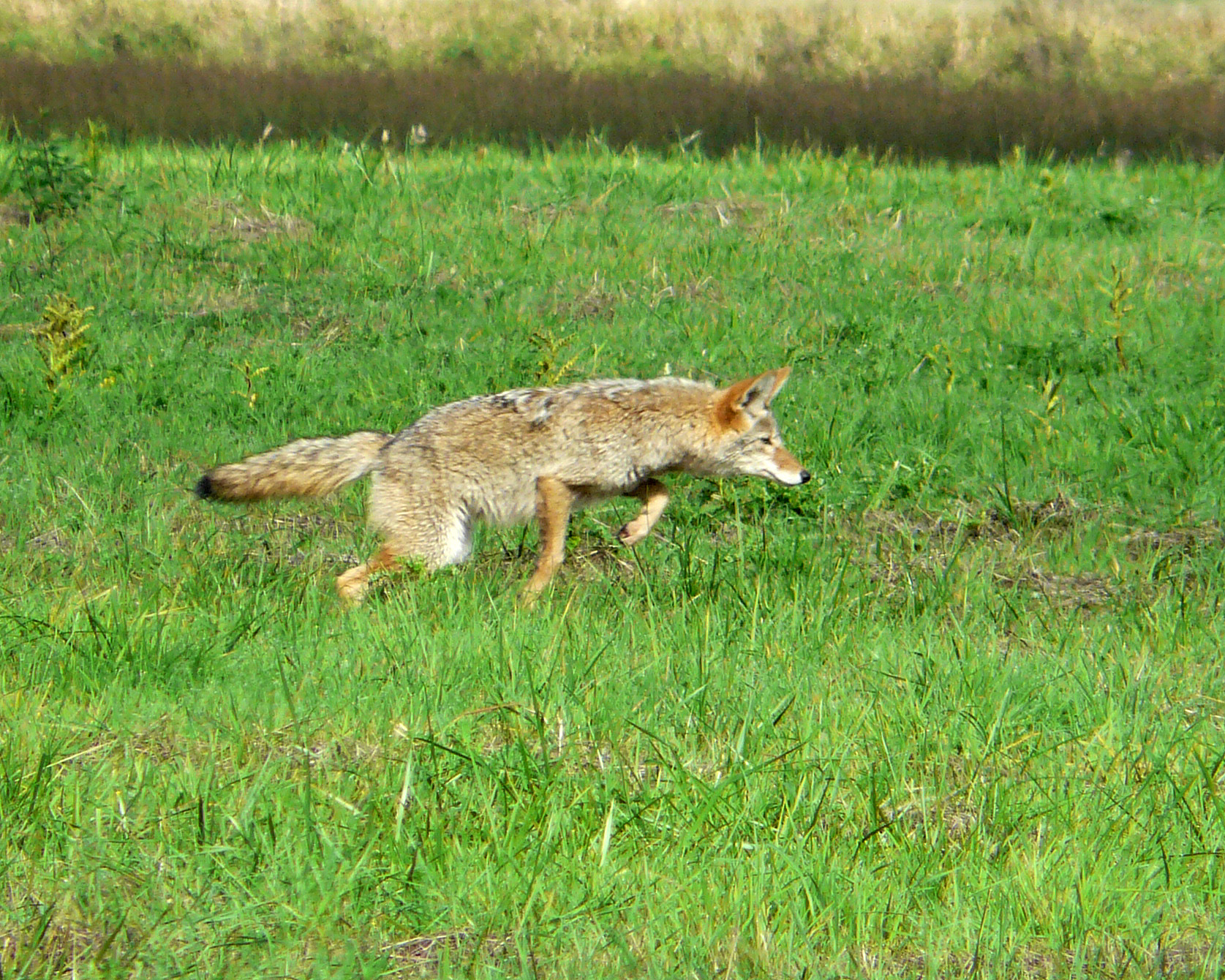
A recent trip around the Auto Tour Route at Ridgefield NWR in Washington provided a great opportunity to watch a Coyote hunting in a meadow. Ridgefield is one of those few places where Coyotes can go about their business without having to worry about idiots with rifles.


Here we can see the rufous ears, a key field mark for this species. The prey of the day was small rodents, I assume some species of vole, and hunting was good. The technique is illustrated in the four images below.


1. Listen


2. Leap


3. Pounce


4. Enjoy. Bon appetit!

Gray’s Harbor, WA

I’ve recently made two trips to Grays Harbor in Washington, once to scout and the other to lead my shorebird class. This estuary is a major staging area for migrating shorebirds in spring.


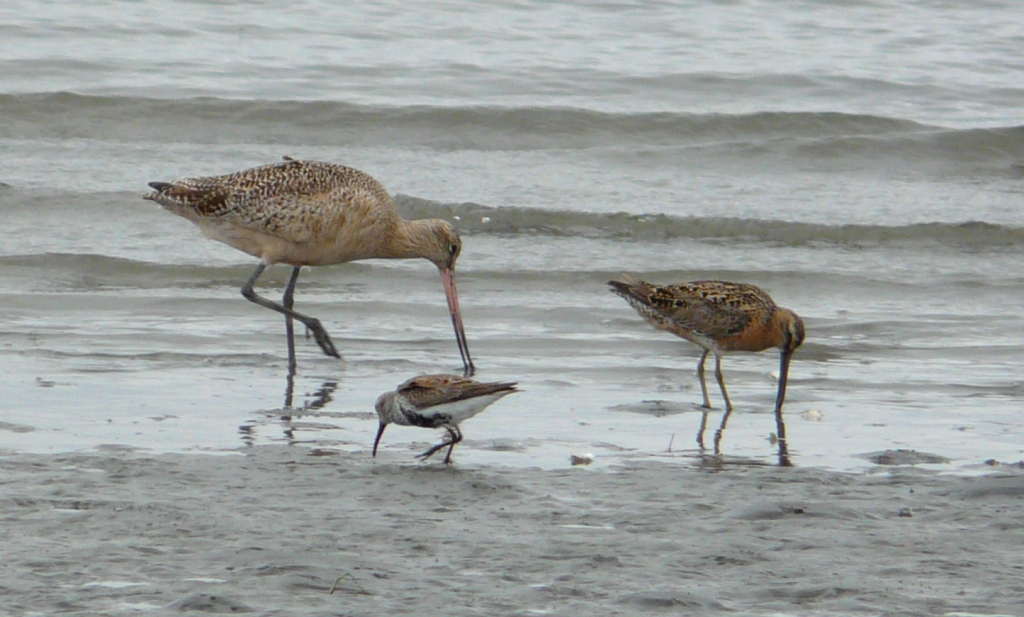
Marbled Godwit, Dunlin, and Short-billed Dowitcher feeding at Damon Point, near the mouth of the harbor


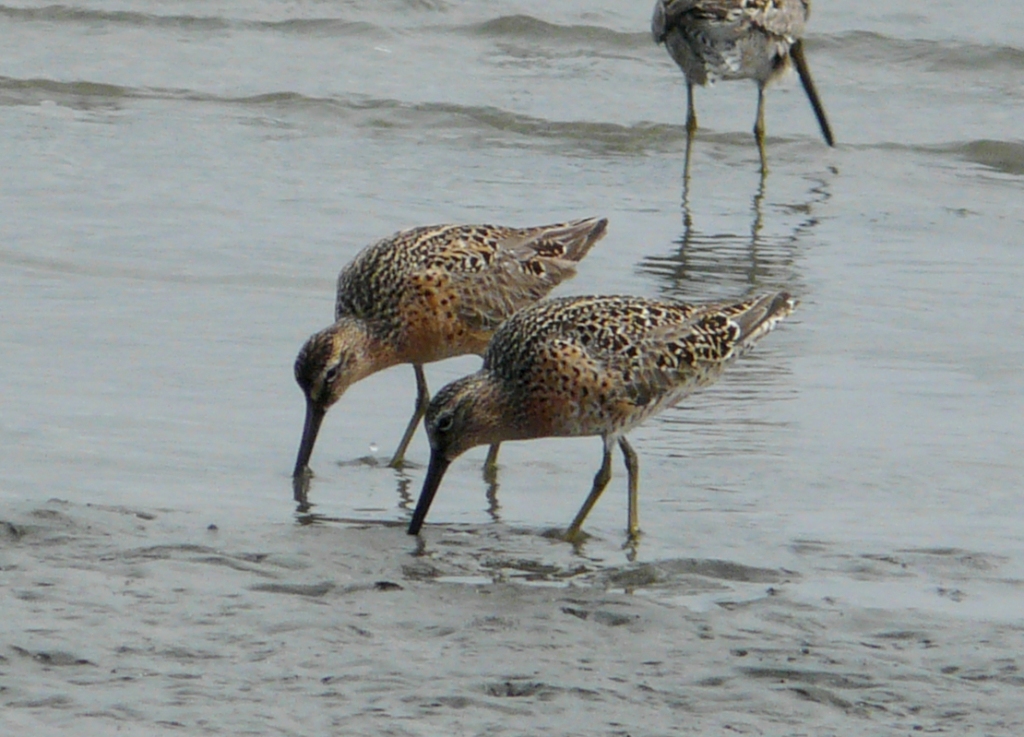
Short-billed Dowitchers


Don’t neglect to look at all the little brown ducks! This is a King Eider, a rare visitor from Alaska. It is distinguished from Common Eider by the slender bill and the scalloped markings on the sides.


Bowerman Basin is an inlet on the north shore of the harbor. It is the last area to fill during high tides, so shorebirds often congregate here. This is a view from the boardwalk.


Peregrine Falcons are attracted by the large numbers of shorebirds in the harbor.


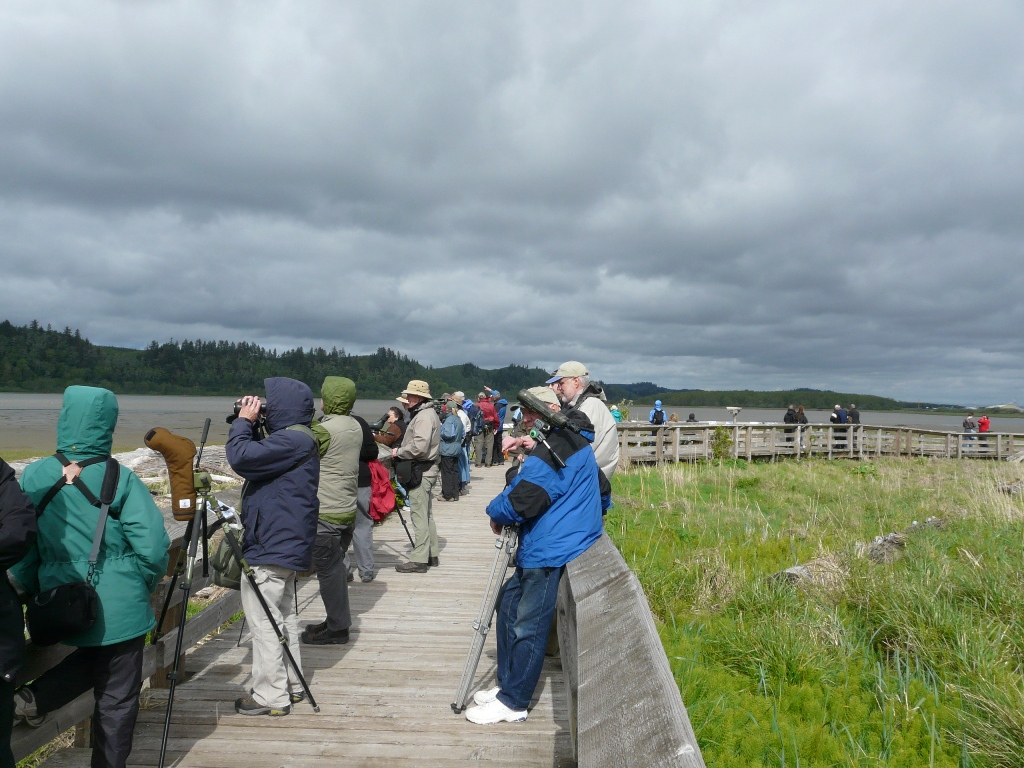
This is a view of the boardwalk on a Thursday morning.


This is the boardwalk on a Saturday afternoon. Unfortunately, birders outnumbered birds by about five to one on this afternoon.


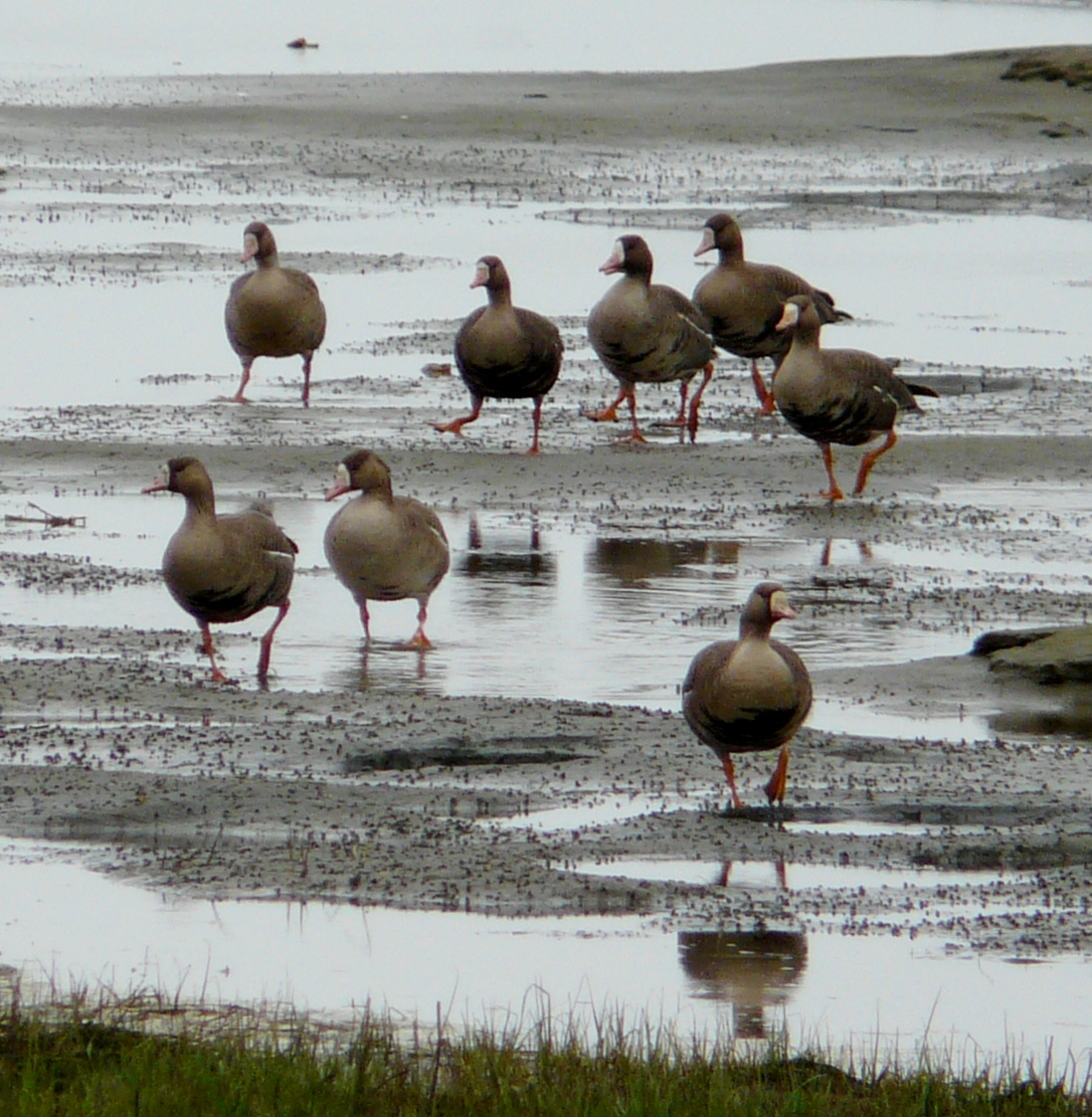
Greater White-fronted Geese


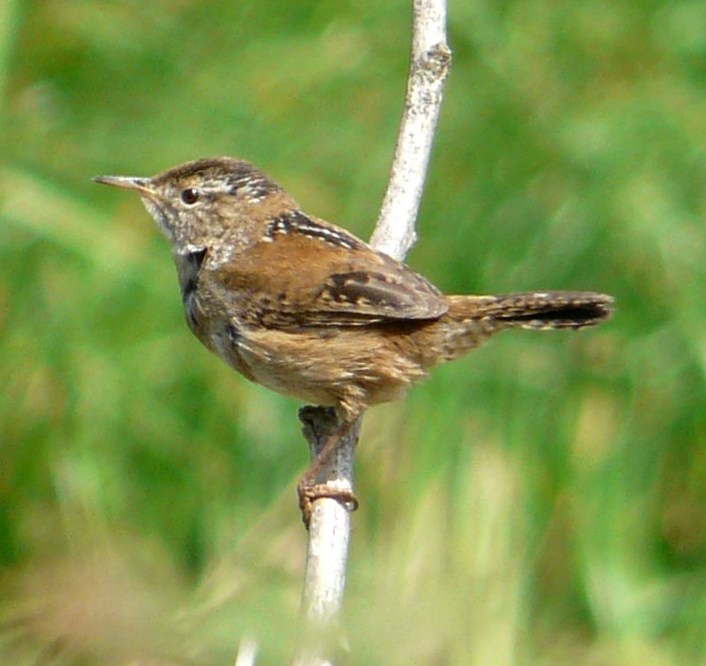
Marsh Wrens are common along the marshy edges of Bowerman Basin.


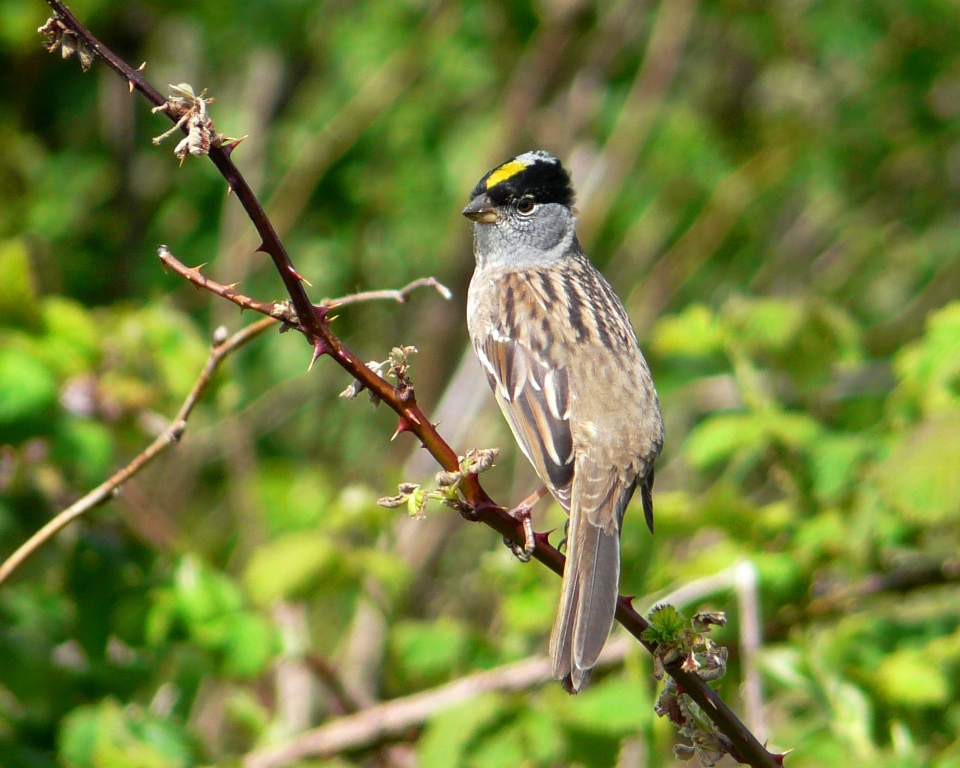
The willow thickets and woods along the boardwalk attract migrants like this Golden-crowned Sparrow.

Mississippi Kite

One of the highlights of my recent visit to Kansas was the opportunity to see Mississippi Kites. This raptor is common in towns, primarily because that’s where all the trees are. They feed on large insects, such as cicadas and dragonflies, and spend much of their time in the air, making them nearly impossible to photograph with a point-and-shoot camera.

ms kite
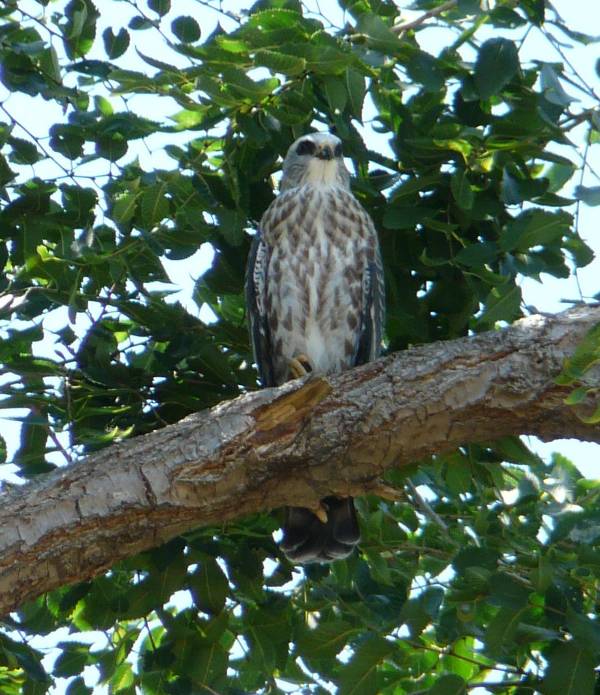
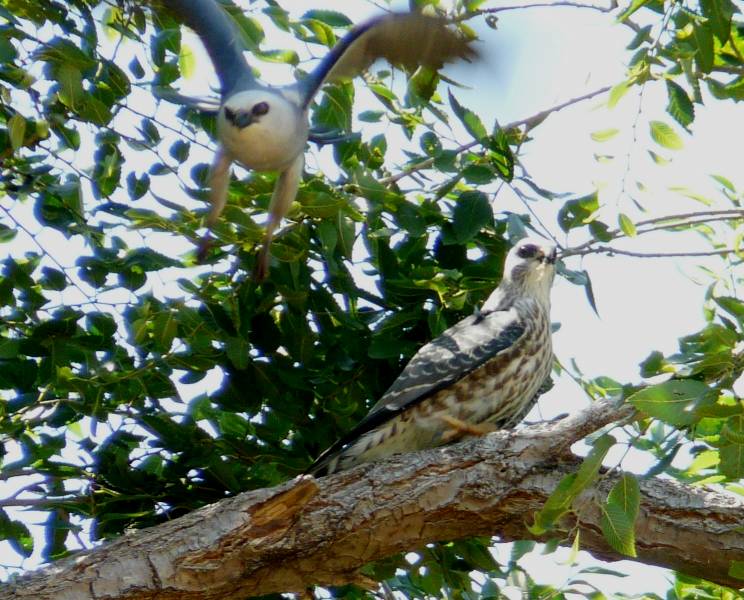
This juvenile spent much of the day in a tree by the house where I was staying. Young kites have an attractive pattern, with streaked breast, scaly upperparts, and banded tail, but the adults are a stunning pearly gray. You’ll just have to trust me on that.

ms kite calling
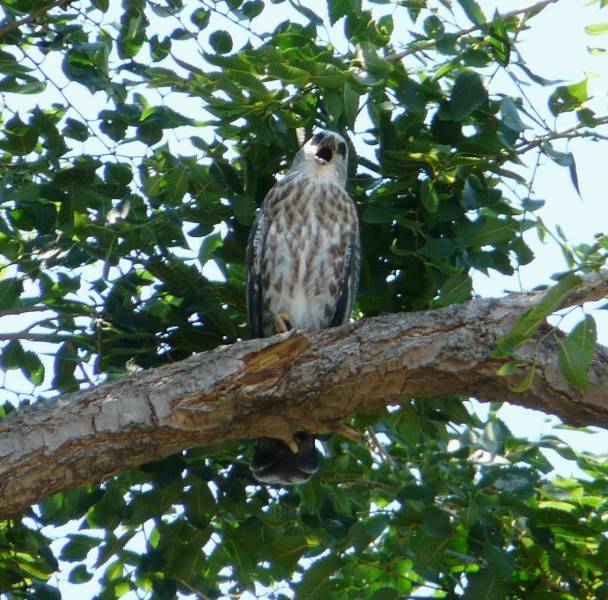
When hungry (all the time), the young kites make their long piercing PEE-PEEeeeeeee calls.

ms kite juv and adult
Eventually, a parent comes by to drop off a large insect and then quickly takes off again to continue hunting.

ms kite cleaning bill
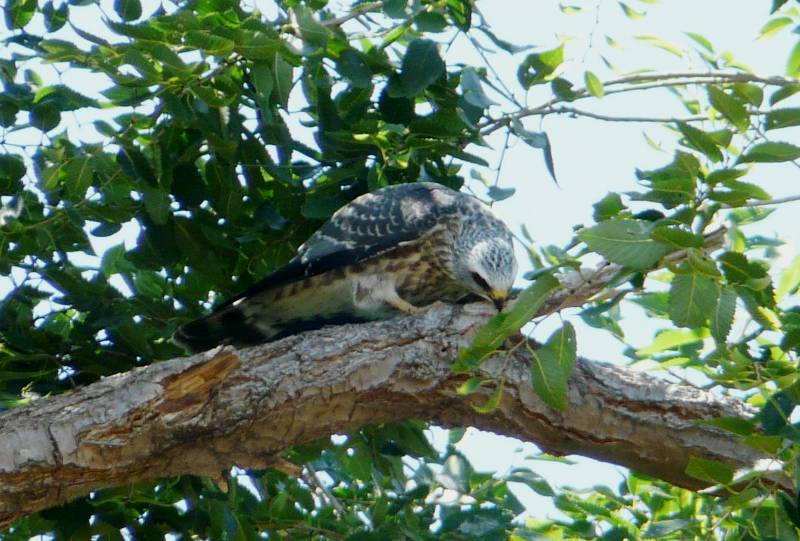
After downing the insect, the young kite wipes her bill on the limb and waits for her next mouthful to be delivered.

Cimarron National Grassland, Kansas

In the very southwest corner of Kansas lies the Cimarron National Grassland. This area, along with the nearby town of Elkhart,  is a favorite birding destination for Kansas birders. Several western species reach the eastern edge of their ranges here, and lost eastern migrants are attracted to the patches of trees in a sea of sand-sage prairie and cropland.

cimmaron river
Cottonwoods along the usually dry Cimarron River provide a wooded migration corridor from eastern Colorado through southwestern Kansas.

clay-colored sparrow
Middle Springs is one of several oases on the grassland that provide trees and water to migrants like this Clay-colored Sparrow.
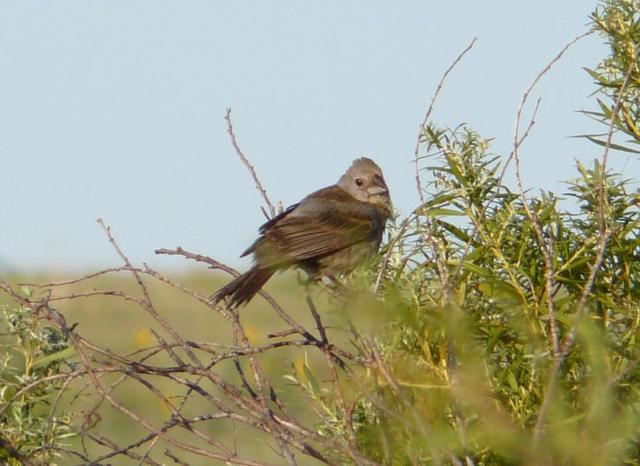
blue grosbeak female
female Blue Grosbeak

blue grosbeak male
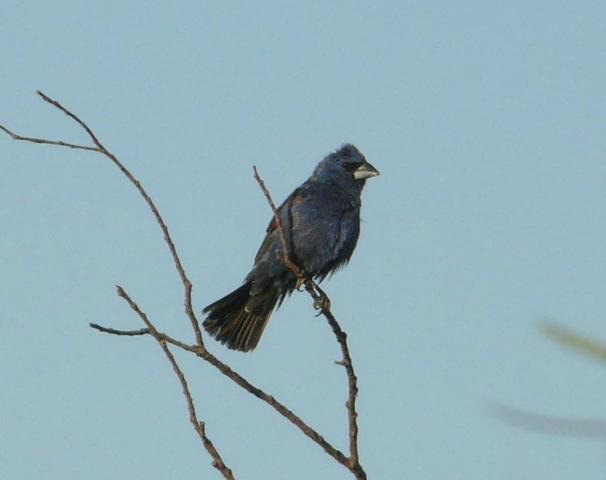
male Blue Grosbeak

pronghorn
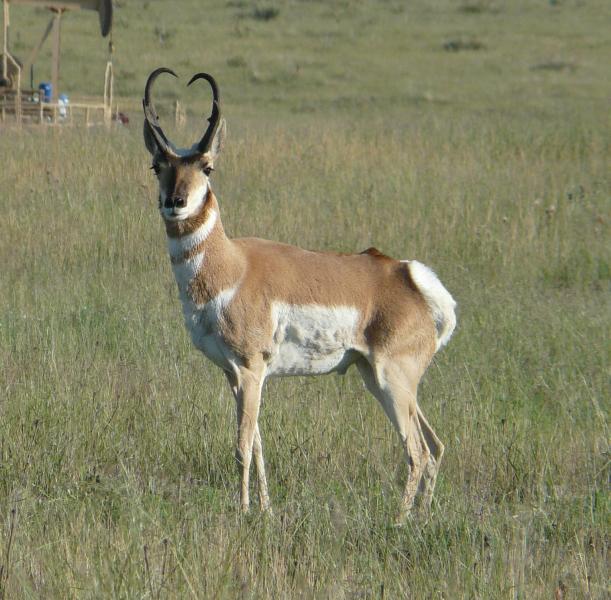
The fastest land animal in North America, Pronghorn evolved to outrun American Cheetahs, which became extinct somewhere between 10,000 and 20,000 years ago.

pronghorn back
The white backsides of Pronghorn are visible from great distances.
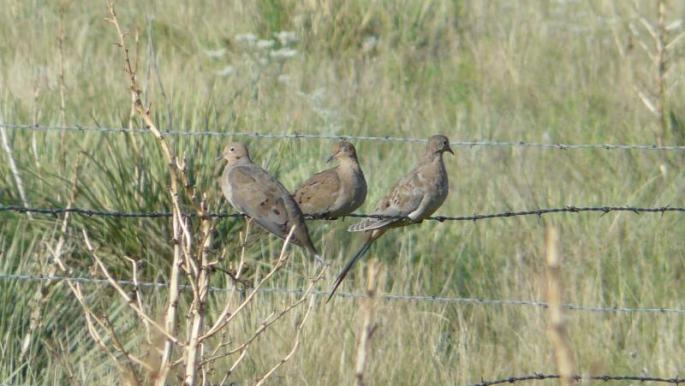
mourning doves
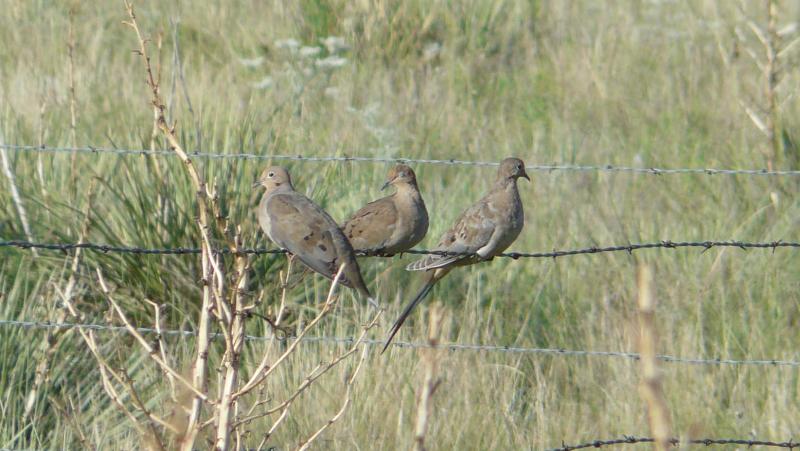
Mourning Doves were by far the most common species seen on this day, with Eurasian Collared-Doves coming in a close second.

barn owl
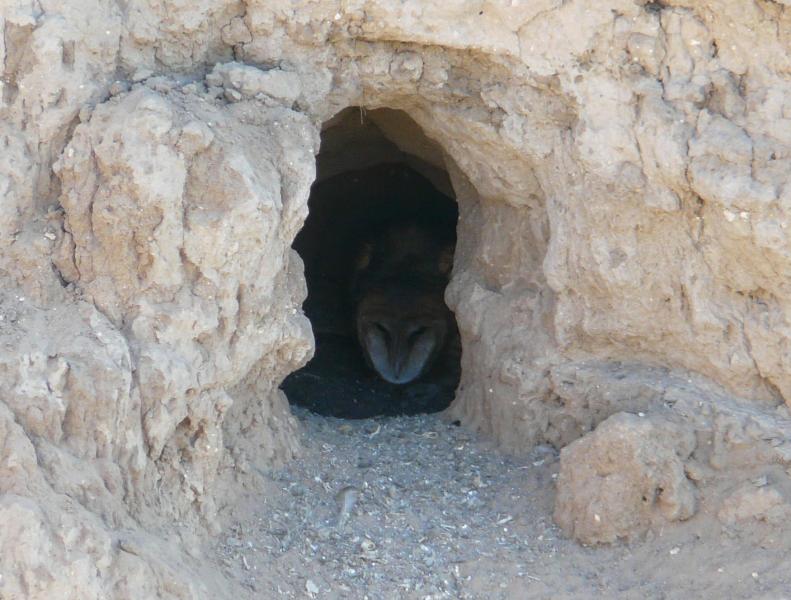
This Barn Owl was in a little cavern in a bluff overlooking the Cimarron River corridor. Note the little bones and other debris in front of the entrance.
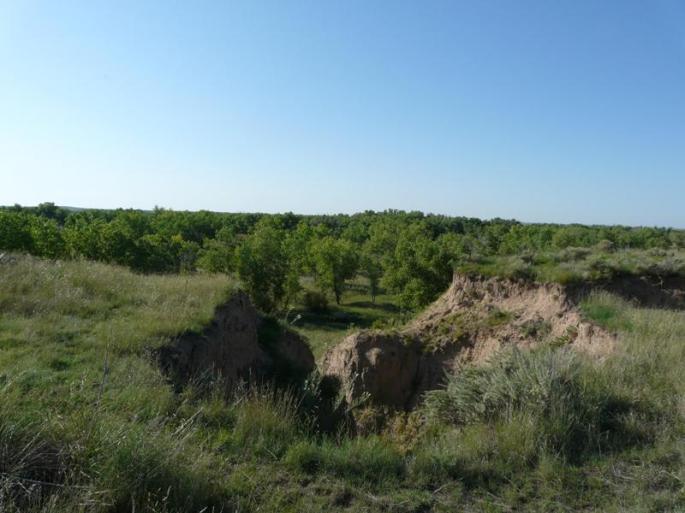
bluff
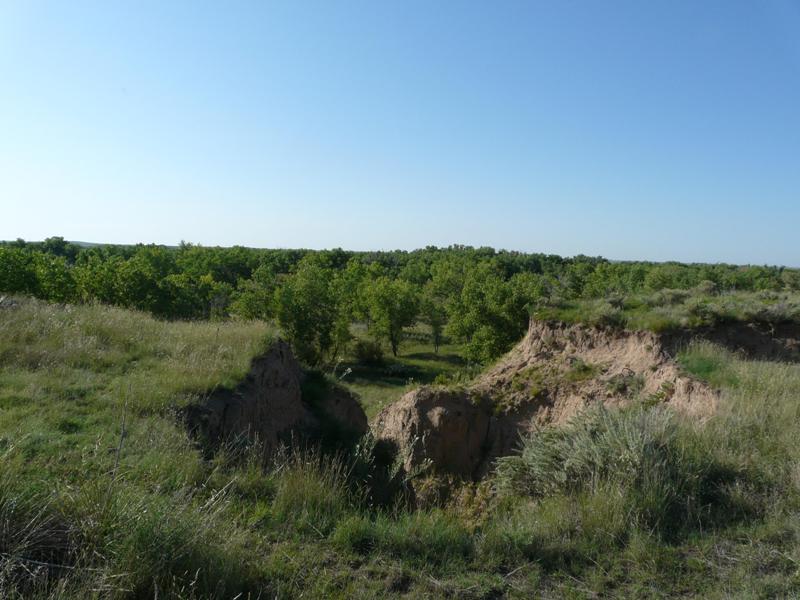
This is the bluff where the Barn Owl had her cavity.
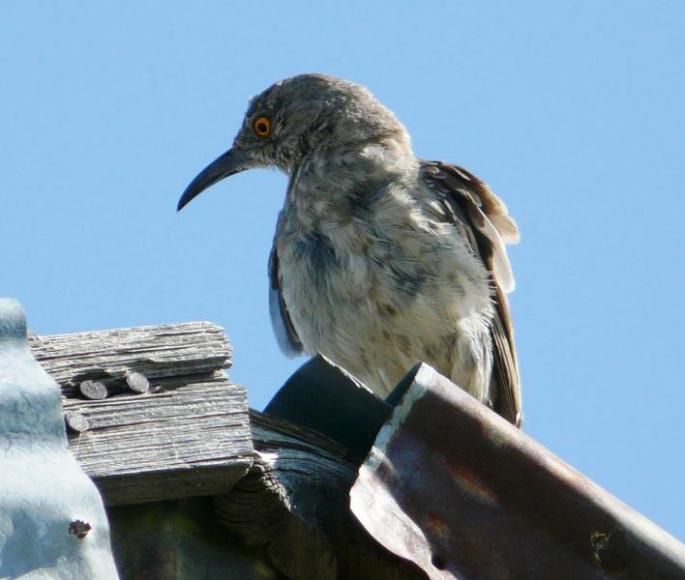
curve-billed thrasher
Curve-billed Thrasher

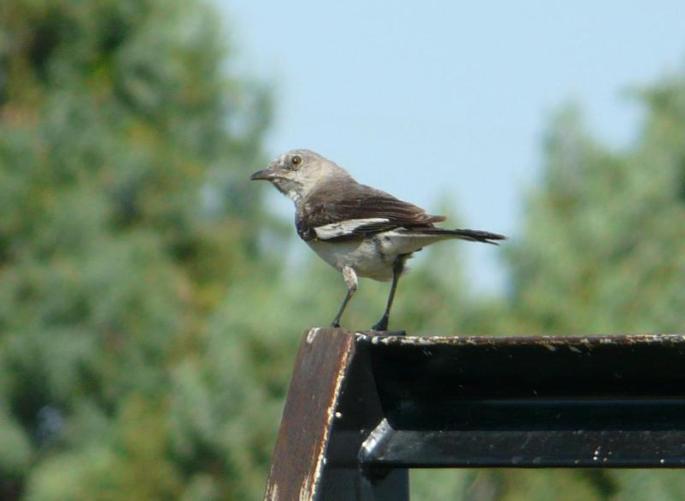
northern mockingbird
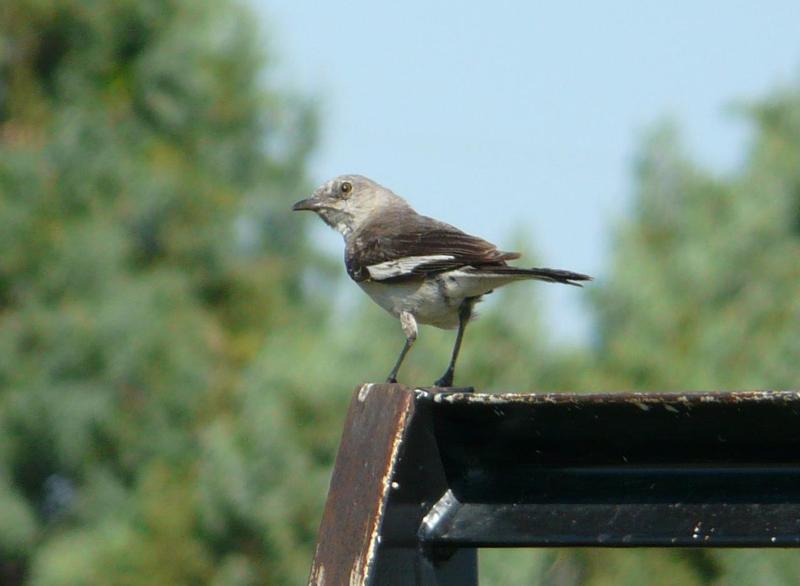
Northern Mockingbird

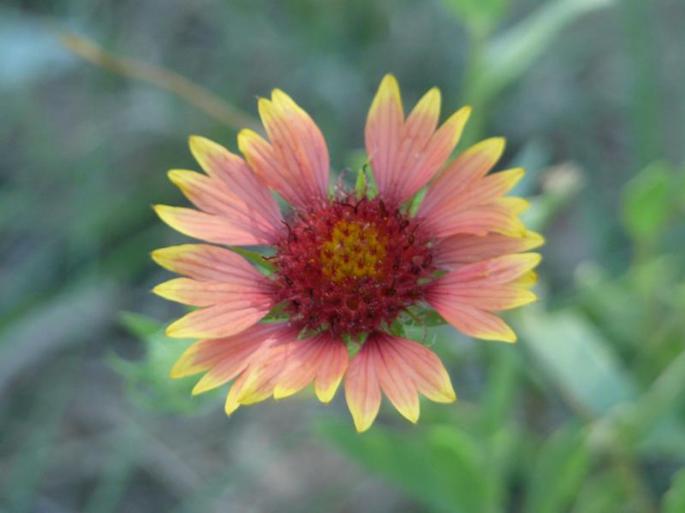
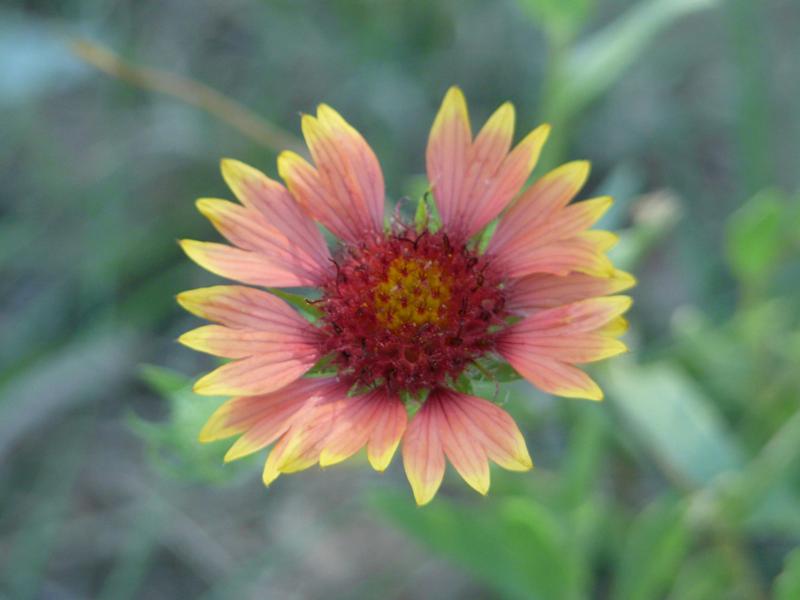
indian blanket
Gaillardia pulchella

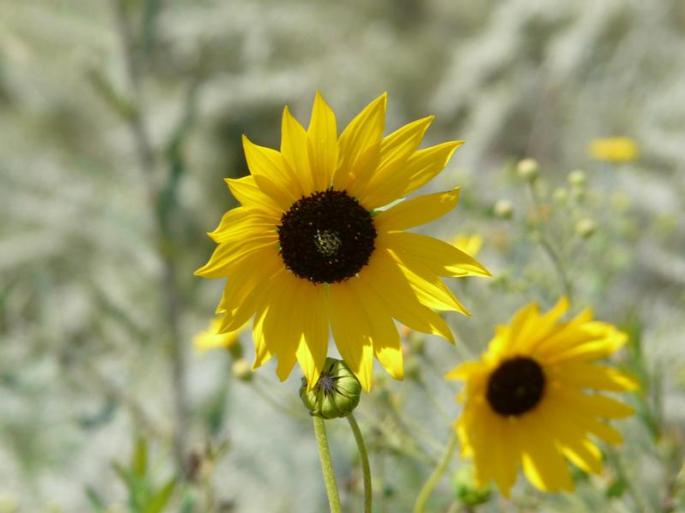
sunflower
As one would expect in the Sunflower State, these were everywhere.

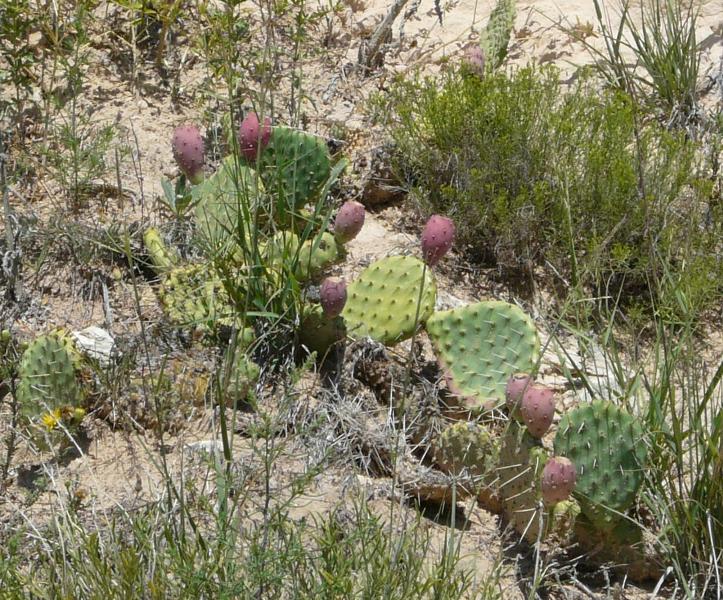
prickly pear
The abundant Prickly Pear cactus makes walking a challenge in many areas.
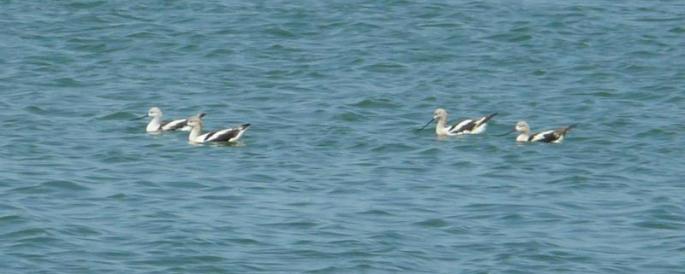
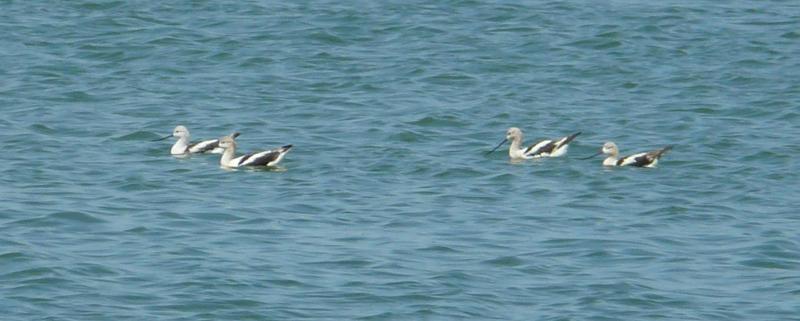
american avocet
The Elkhart sewage ponds are the only permanent bodies of water for many miles around, so they attract good numbers of migrant shorebirds and waterfowl. These American Avocets were swimming in the middle of one of the pools.

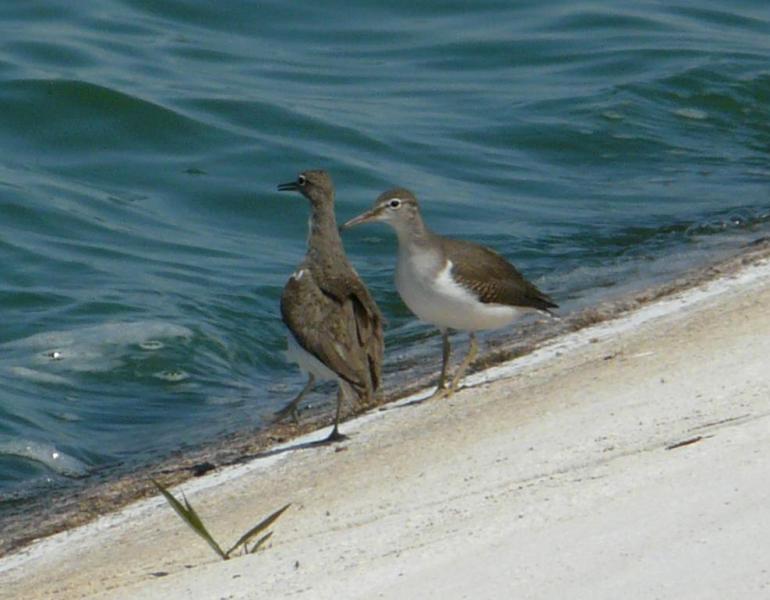
spotted sandpiper
Spotted Sandpipers

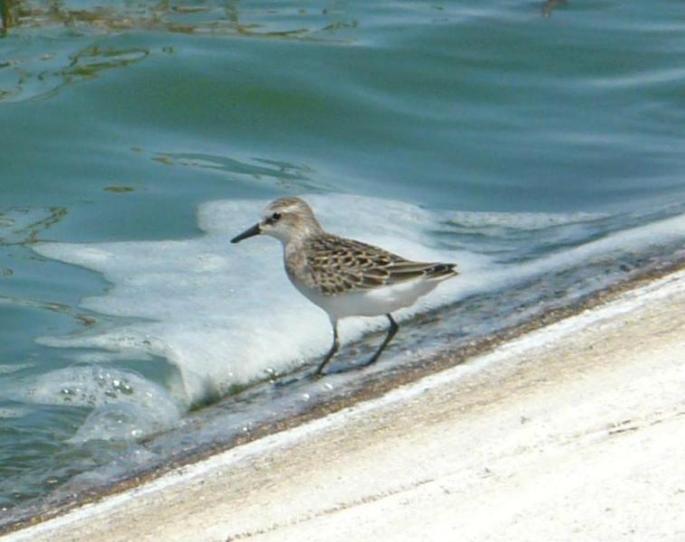
semipalmated sandpiper
Semipalmated Sandpiper

burrowing owl
Burrowing Owls are one of many species that rely on prairie dog towns for shelter or food. I found several Black-tailed Prairie Dog towns on this day, each containing an owl or two, but the dogs kept out of camera range.
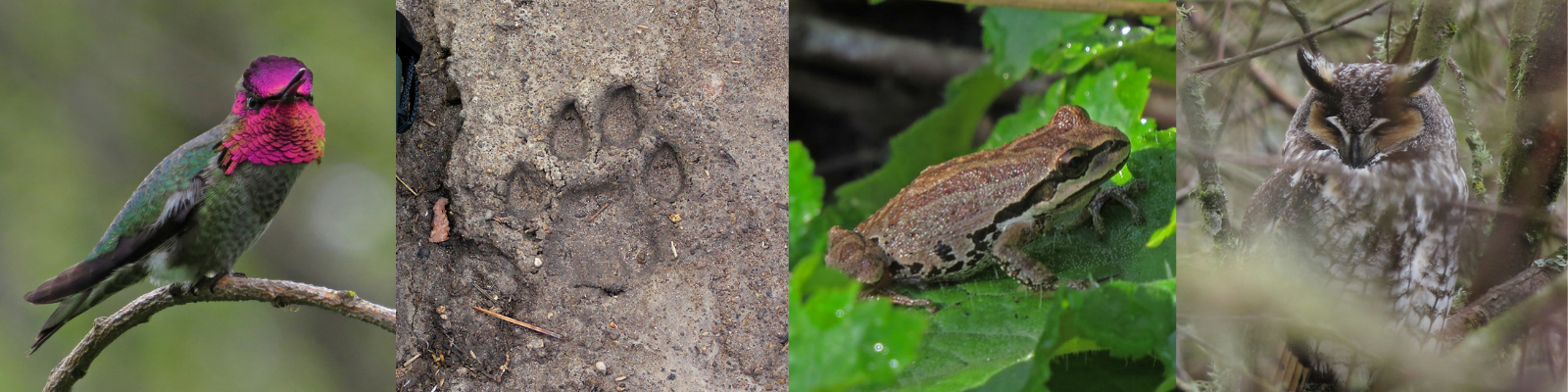
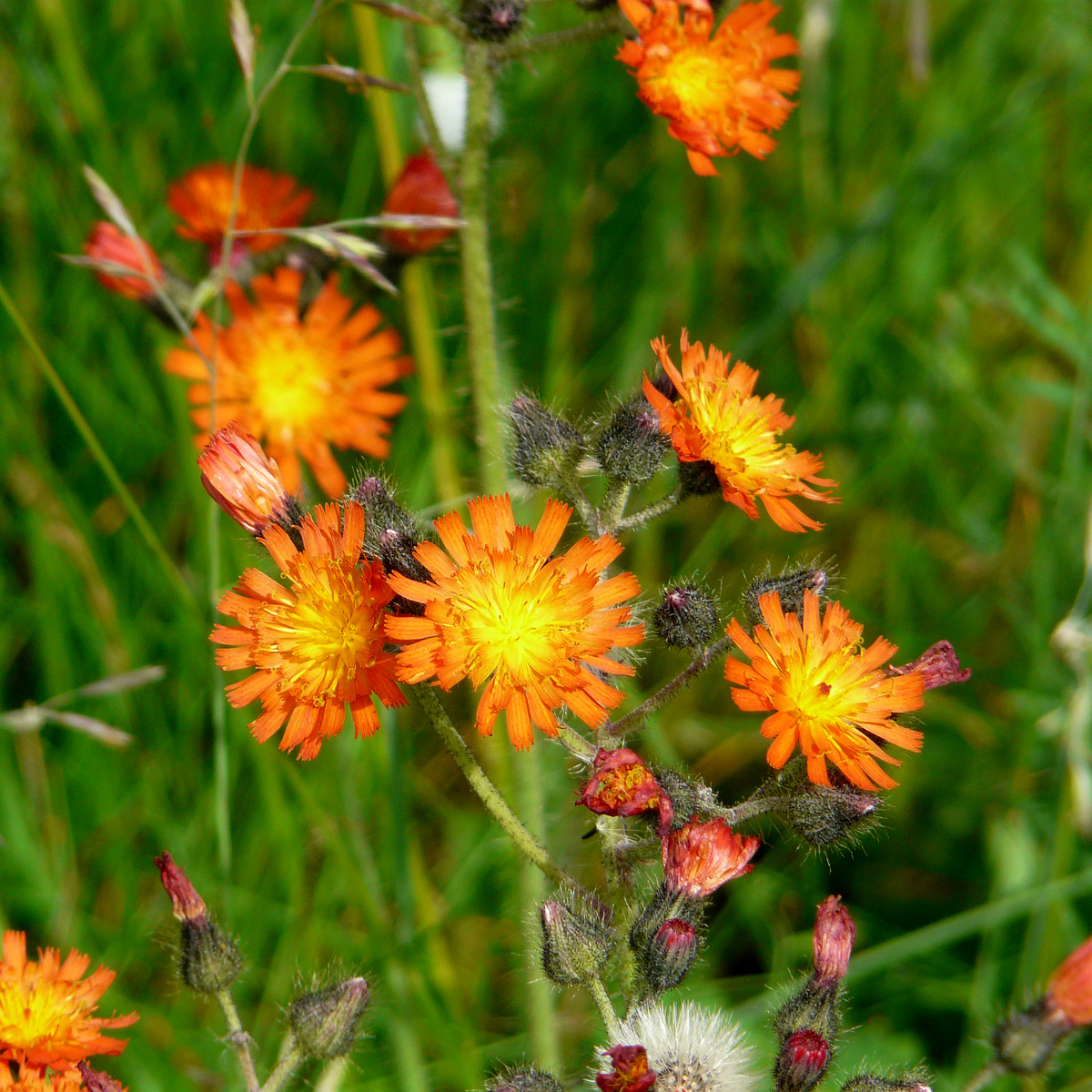
Sapsucker Woods

cornell sign
I recently had the opportunity to visit Sapsucker Woods, the headquarters of the Cornell Lab of Ornithology near Ithaca, NY. They have a great visitors’ center with various displays, artwork, a store, and windows overlooking multiple bird feeders and a large pond.
american goldfinch
The feeders attract a nice variety of birds, including this American Goldfinch. The large windows are covered with netting to prevent window strikes. That is great for the birds, but not so great for auto-focus cameras, which can’t ignore the netting in front of the intended target.

northern cardinal
Northern Cardinal

sapsucker wells
The sanctuary takes its name from the Yellow-bellied Sapsucker, a common resident here. Many of the trees bear rows of small holes drilled by these woodpeckers.

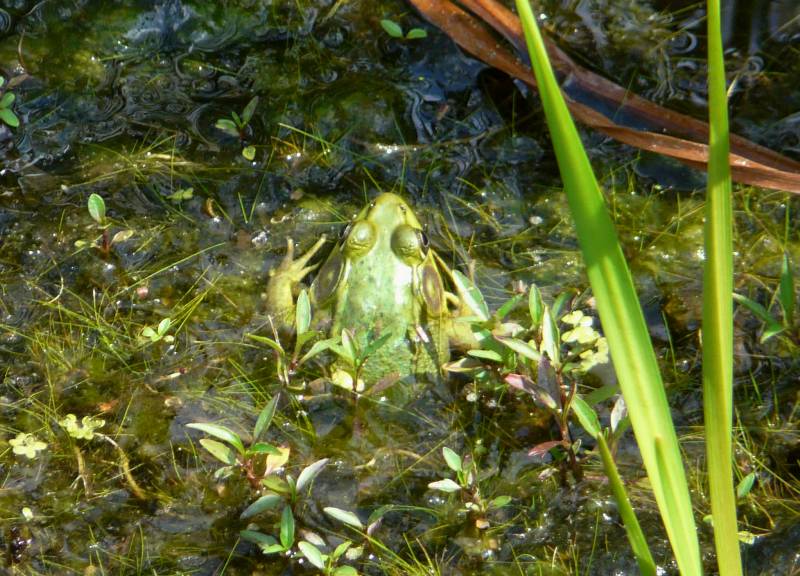
green frog
The marshy area near the building’s entrance attracted its share of wildlife, including this Green Frog (Rana clamitans)

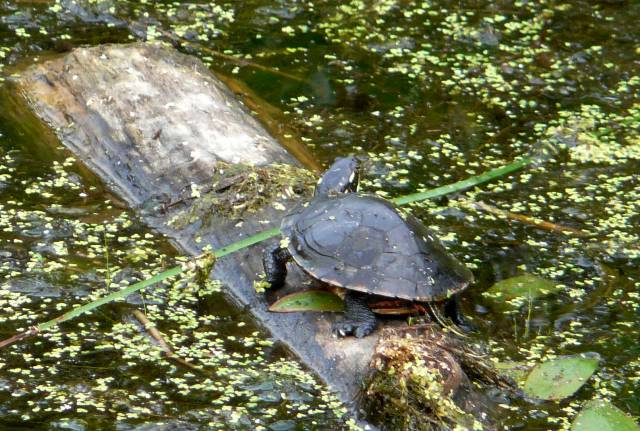
eastern painted turtle
and this Eastern Painted Turtle.

eastern cottontail
This Eastern Cottontail was enjoying a snack on the lawn.

eastern chipmunk
Eastern Chipmunks are common under the bird feeders.

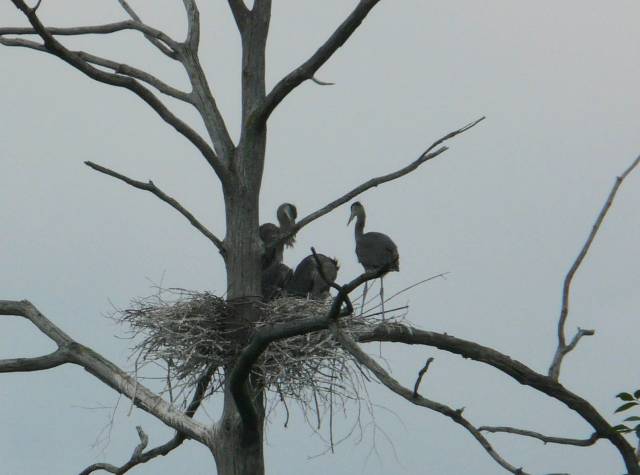
gb heron nest
The large pond behind the building attracts waterfowl and waders, including these Great Blue Herons nesting in a dead tree.

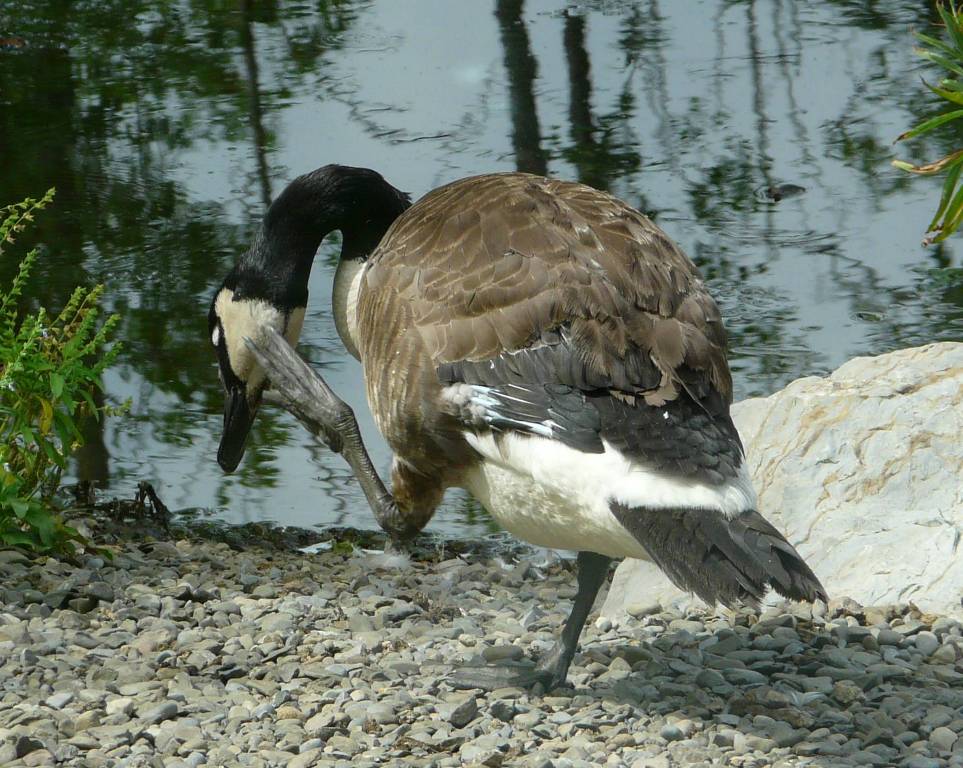
canada goose
The only waterfowl around the pond on this July day were Mallards and Canada Geese. Like other species of waterfowl, this Canada Goose molts all his flight feathers at once during the summer. This makes it impossible for the bird to fly, but it does give us a chance to see the birds blackish rump and the white band across the uppertail coverts.