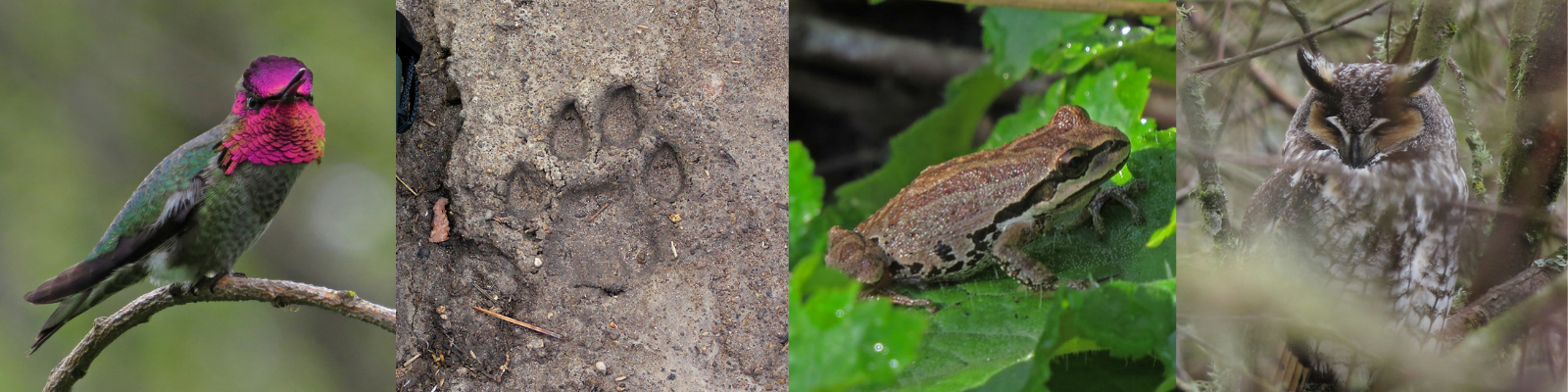
Westmoreland Park

Westmoreland Park (Birding Oregon p. 69) is one of Portland’s premier loafing spots for gulls and waterfowl in autumn and winter. The city is planning to restore the natural flow of the creek in what is now an urban duck pond, so it will be interesting to see how these changes will affect bird use over time.


The main pond, with a few hundred Cackling Geese
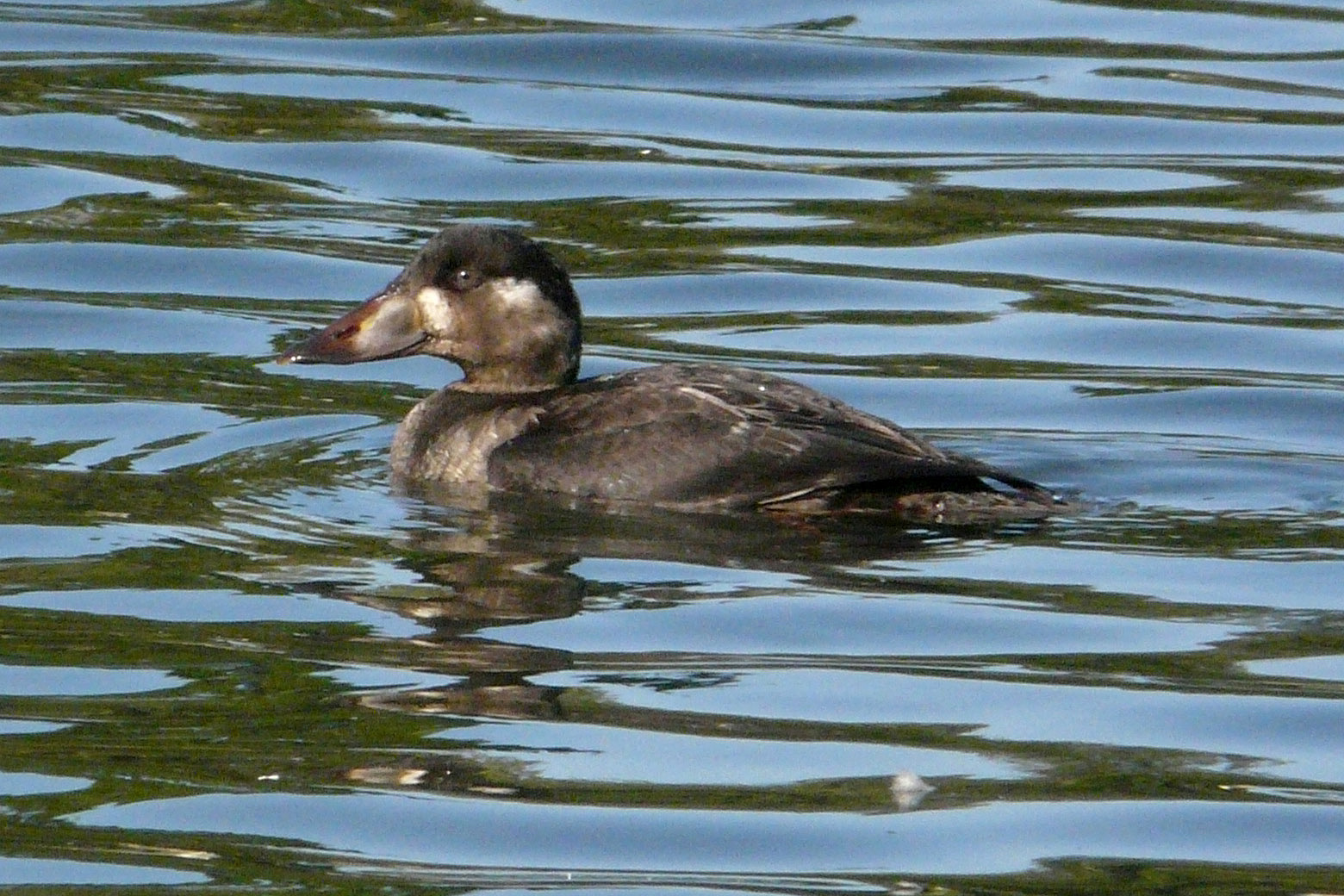

This female Surf Scoter has been hanging out for about a week. She is apparently finding enough mollusks to eat in this muddy pond. A few of these sea ducks are found on the Columbia River and on larger bodies of water in winter, but they are unexpected on such a small pond.


She spent a lot of time feeding under water.


Westmoreland is one of the easier places to find a cooperative Thayer’s Gull.
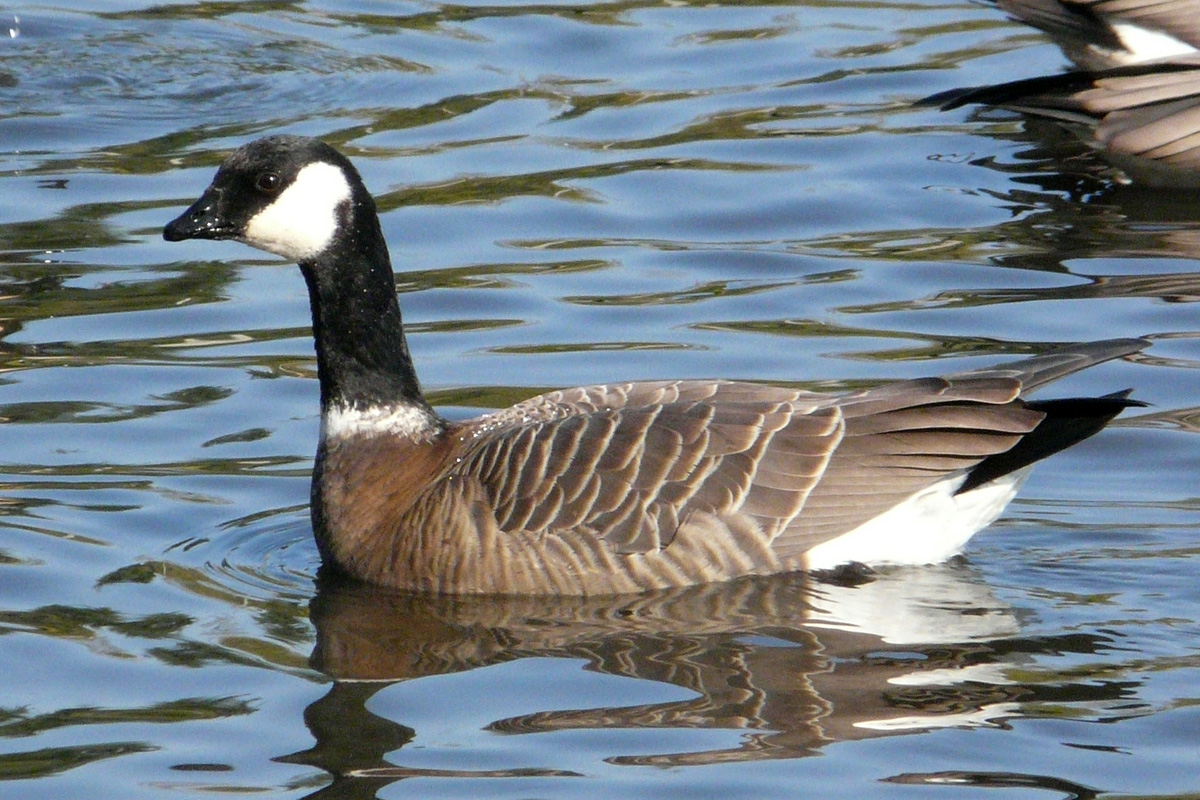

Ridgeway’s Cackling Goose (Branta hutchinsii minima) is the most common of the “white-cheeked” geese in the Willamette Valley in winter.
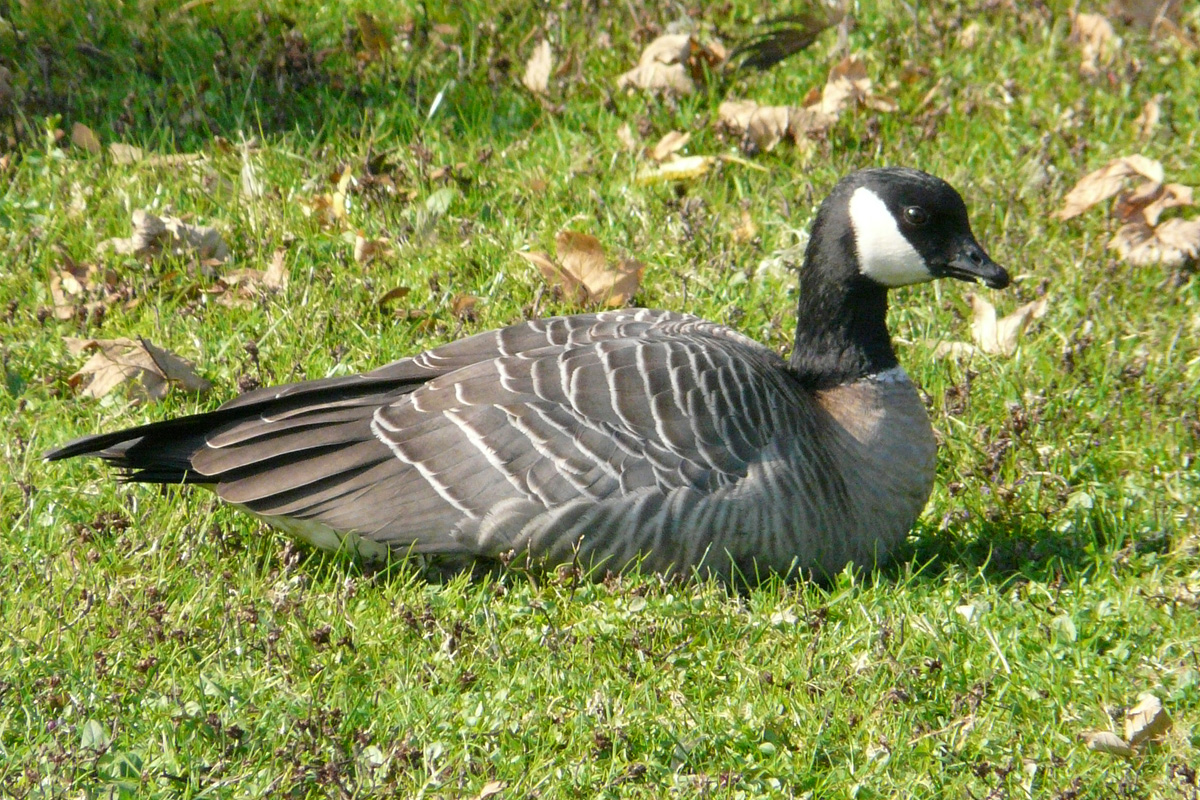

The Cackling Geese graze in the lawns at Westmoreland, but are more cautious than some of the other waterfowl.
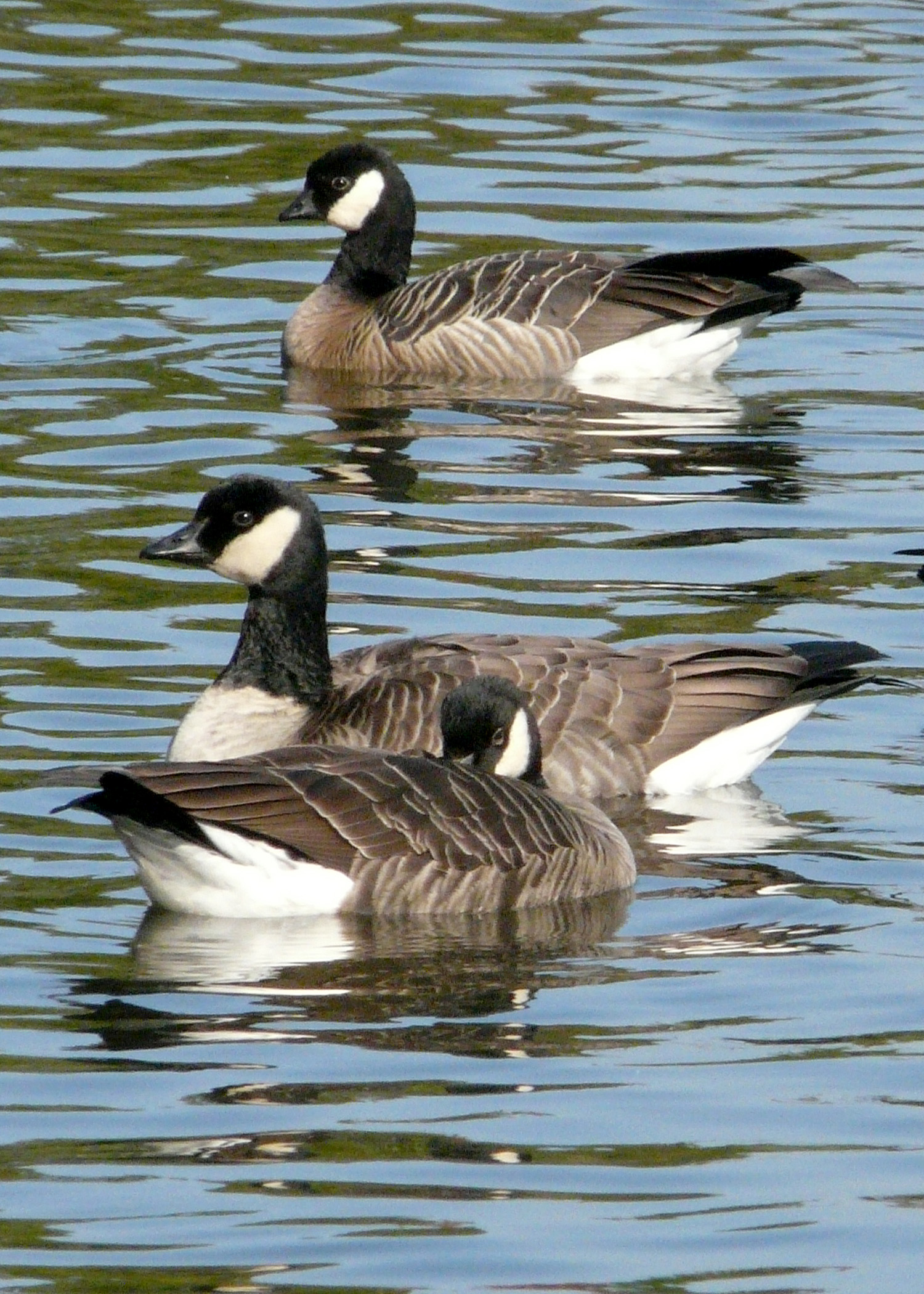

Taverner’s Cackling Goose (B. h. taverneri) in the foreground, with a Ridgeway’s Cackling Goose in the background
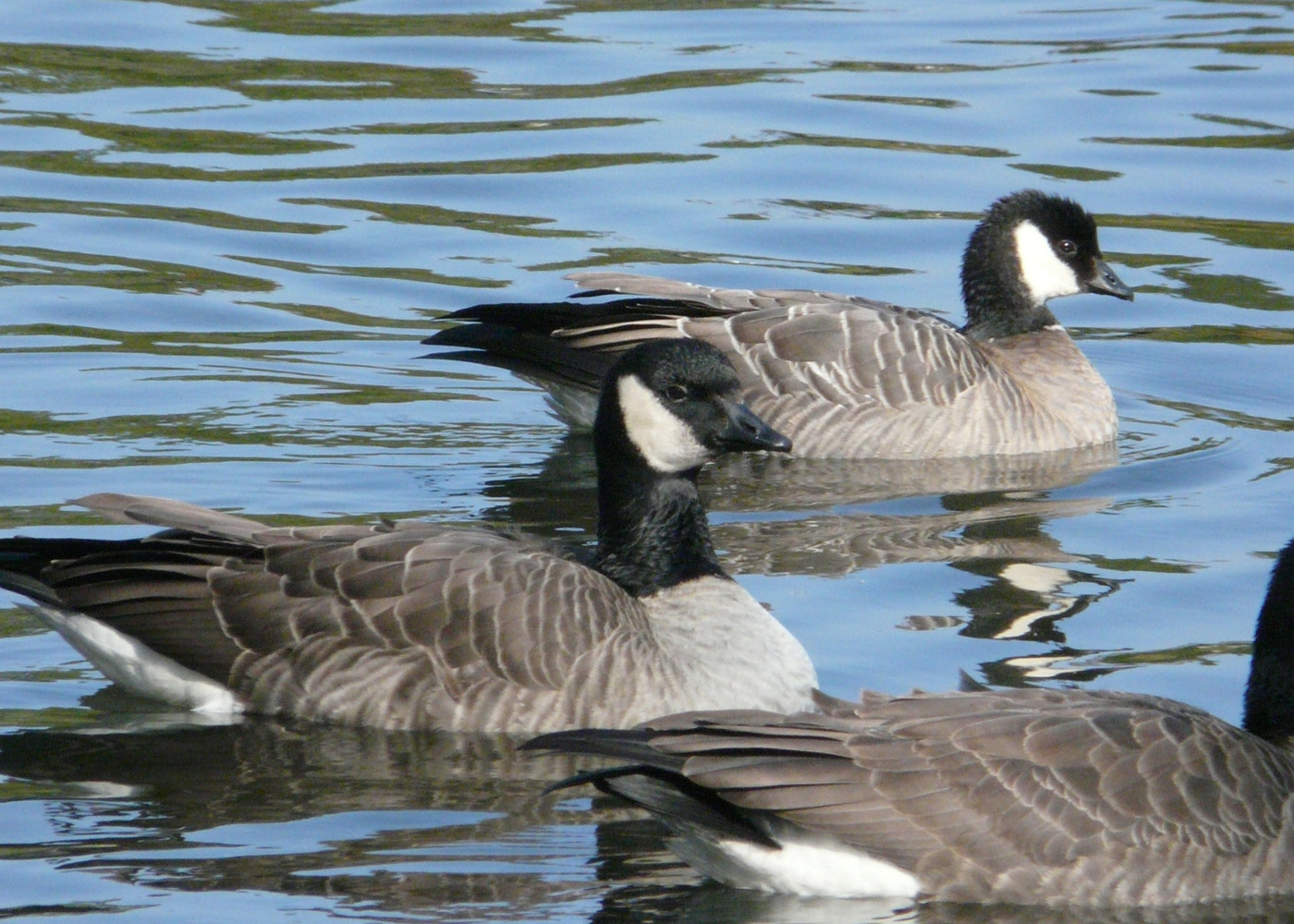

Taverner’s Cackling, with another Ridgeway’s Cackling in the background
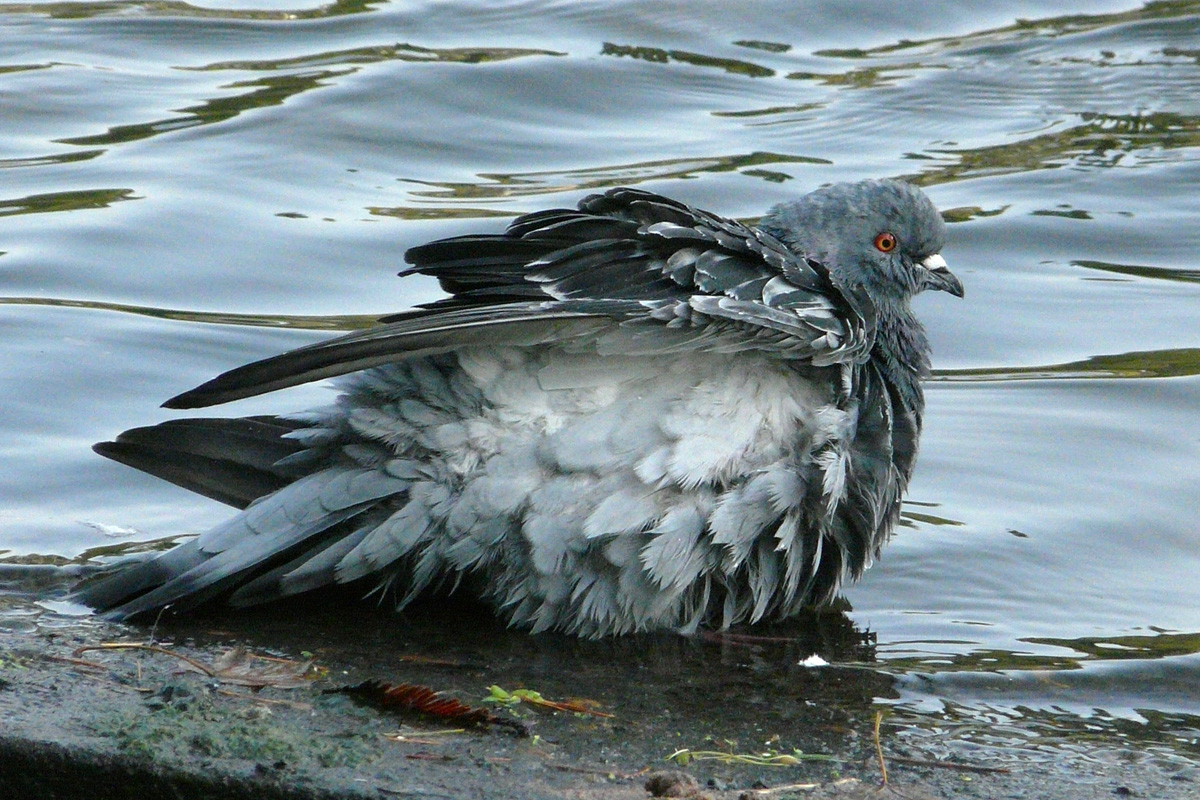

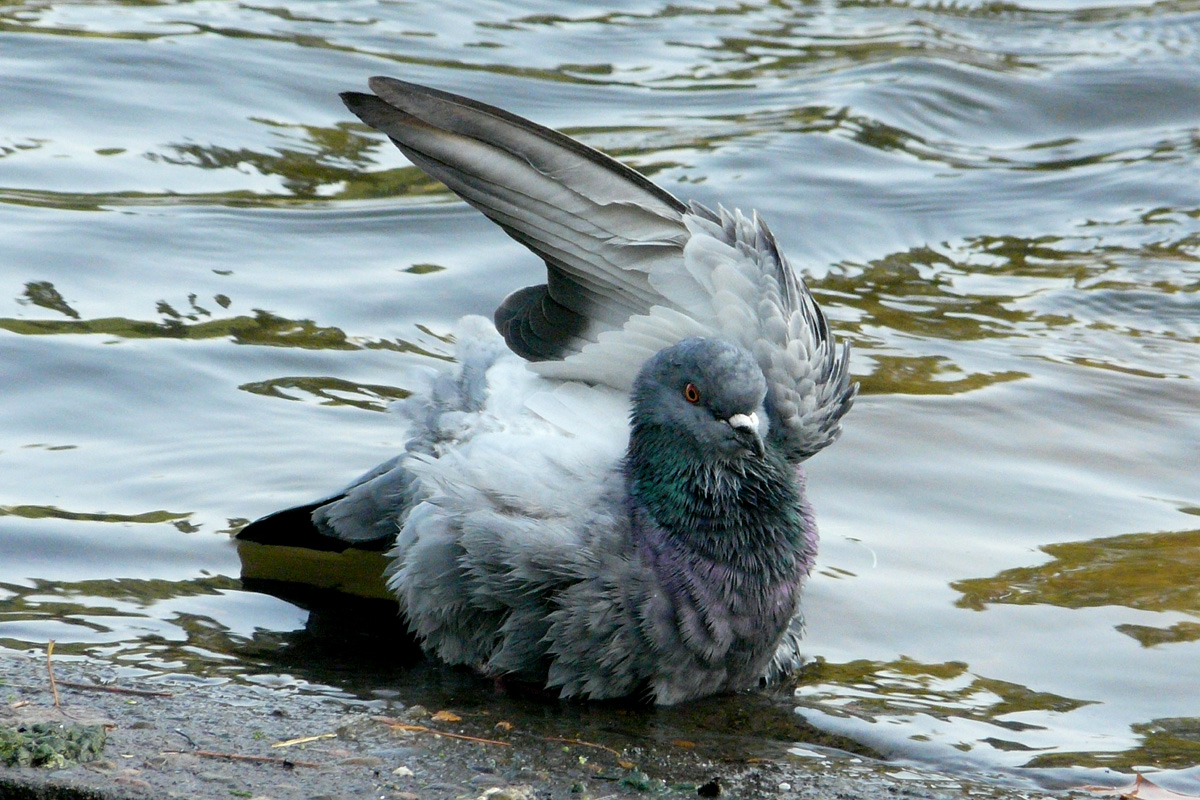
This Rock Pigeon was enjoying a bath at the pond’s edge.

Pelagic trip, September 10, 2011

On Saturday I went on another excellent pelagic trip out of Newport with Greg Gillson and his band of wonderful guides. The weather was cool, windy, and foggy. Seas were very rough, so many cookies were tossed and chunder was blown among my fellow birders. But thanks to Bonine, my stomach survived the trip unscathed. Rough seas made photography very challenging, but here are a few images from the day.


A foggy sunrise beneath the Yaquina Bay Bridge.

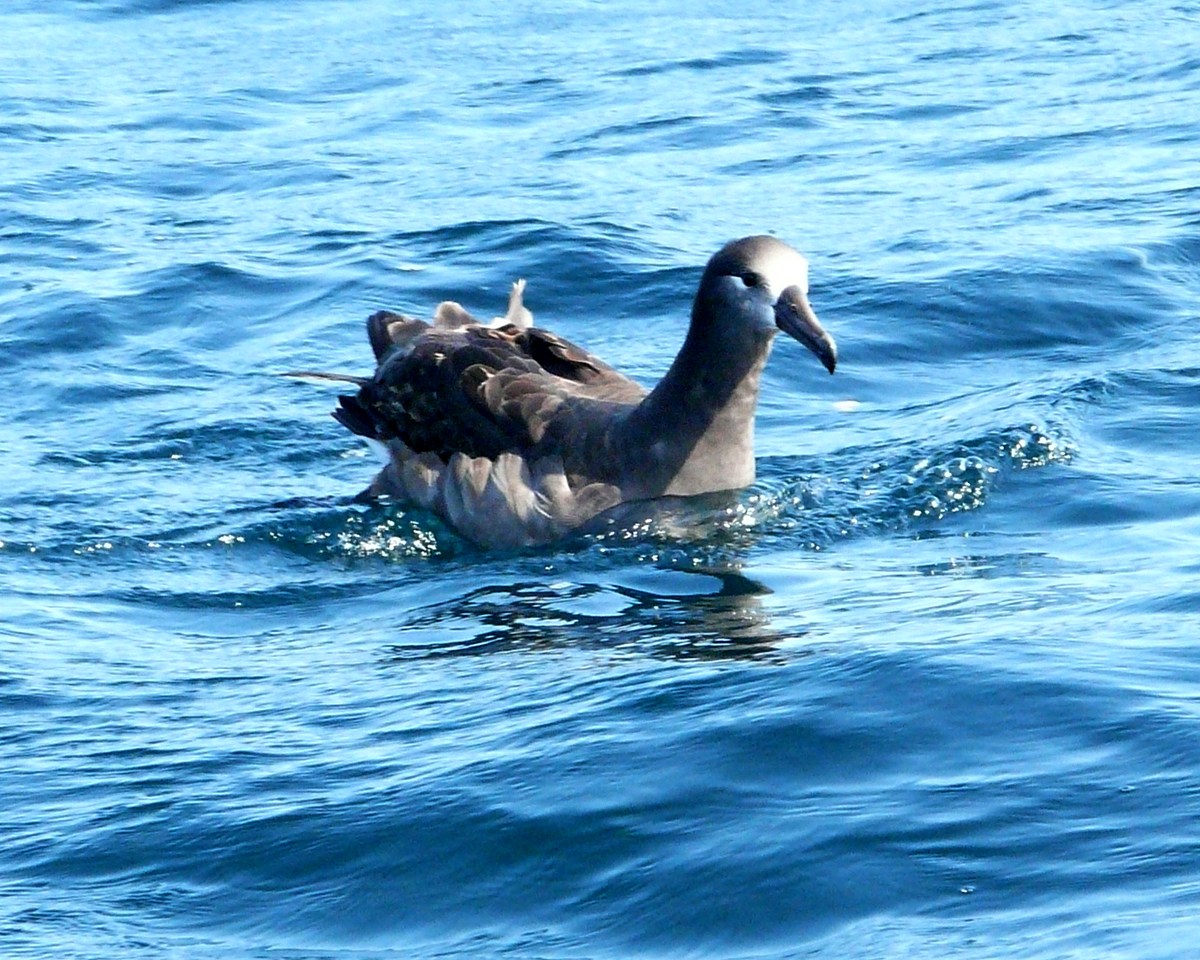
Once we we got well offshore, the fog cleared and the Black-footed Albatrosses appeared. These are common birds on virtually every Oregon pelagic trip, but they are always magnificent to see.


Black-footed Albatross


Black-footed Albatross next to a Northern Fulmar


This Northern Fulmar is dining on a chunk of beef fat.


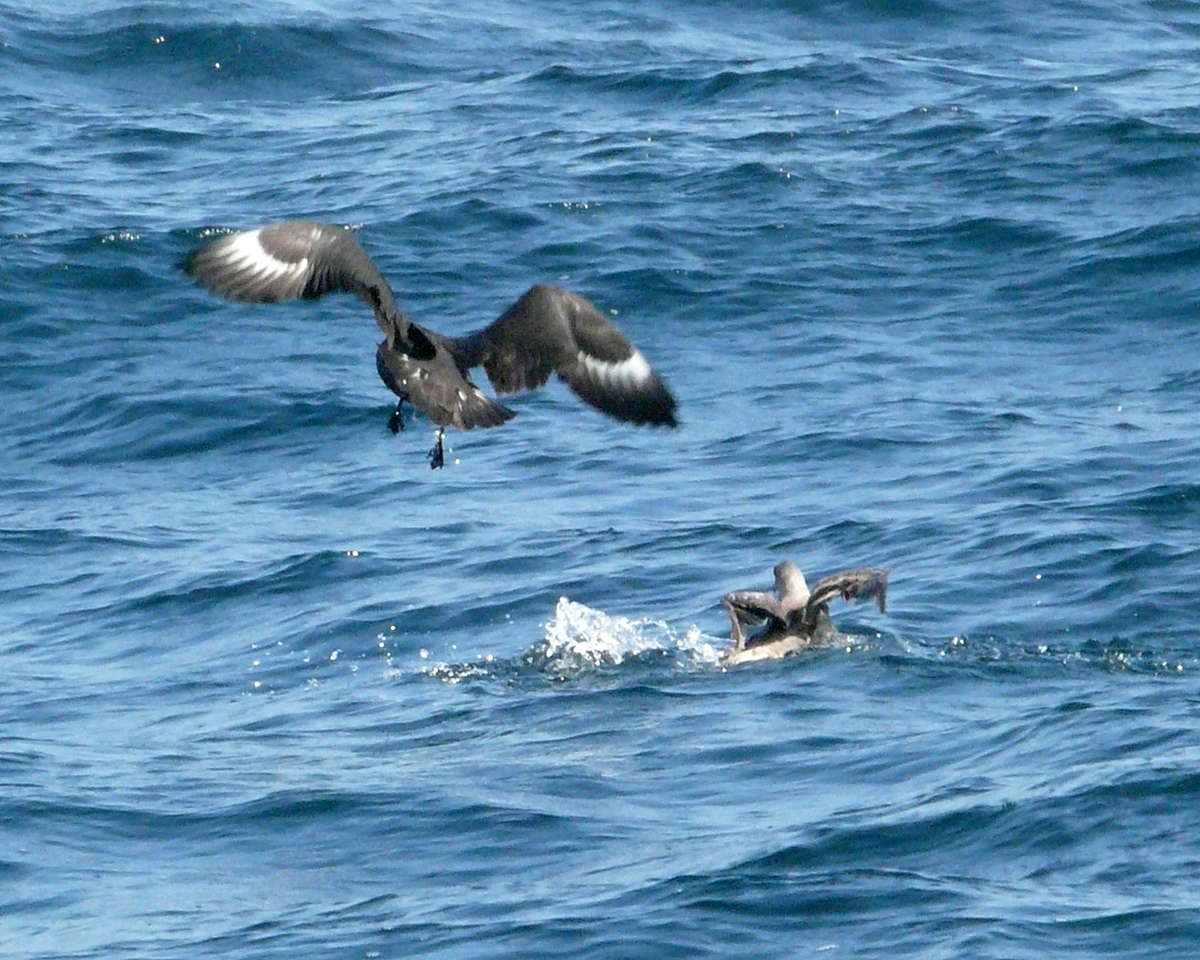
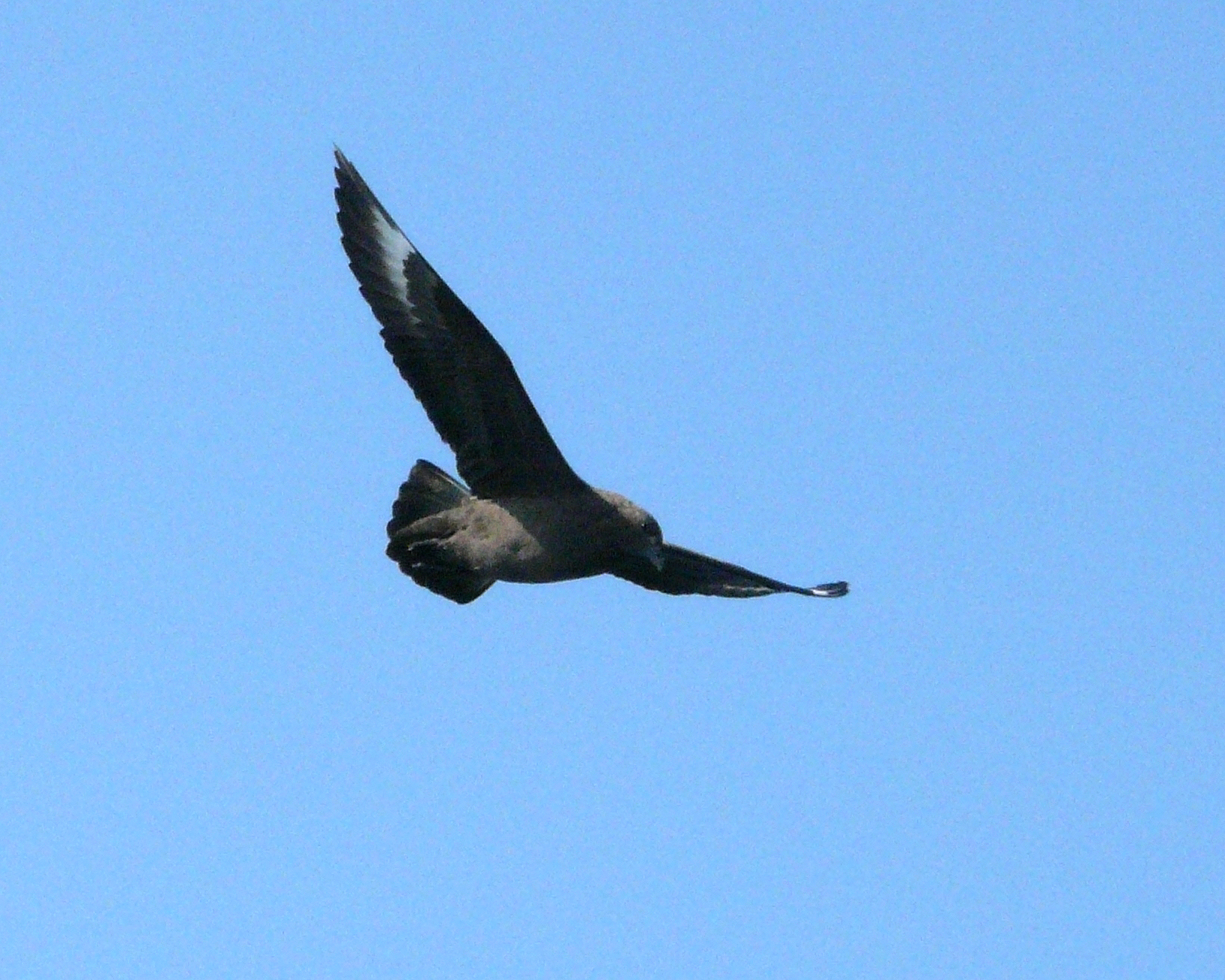
The Northern Fulmars make a hasty retreat at the appearance of a South Polar Skua. Skuas make their living beating up smaller seabirds and stealing their lunch.


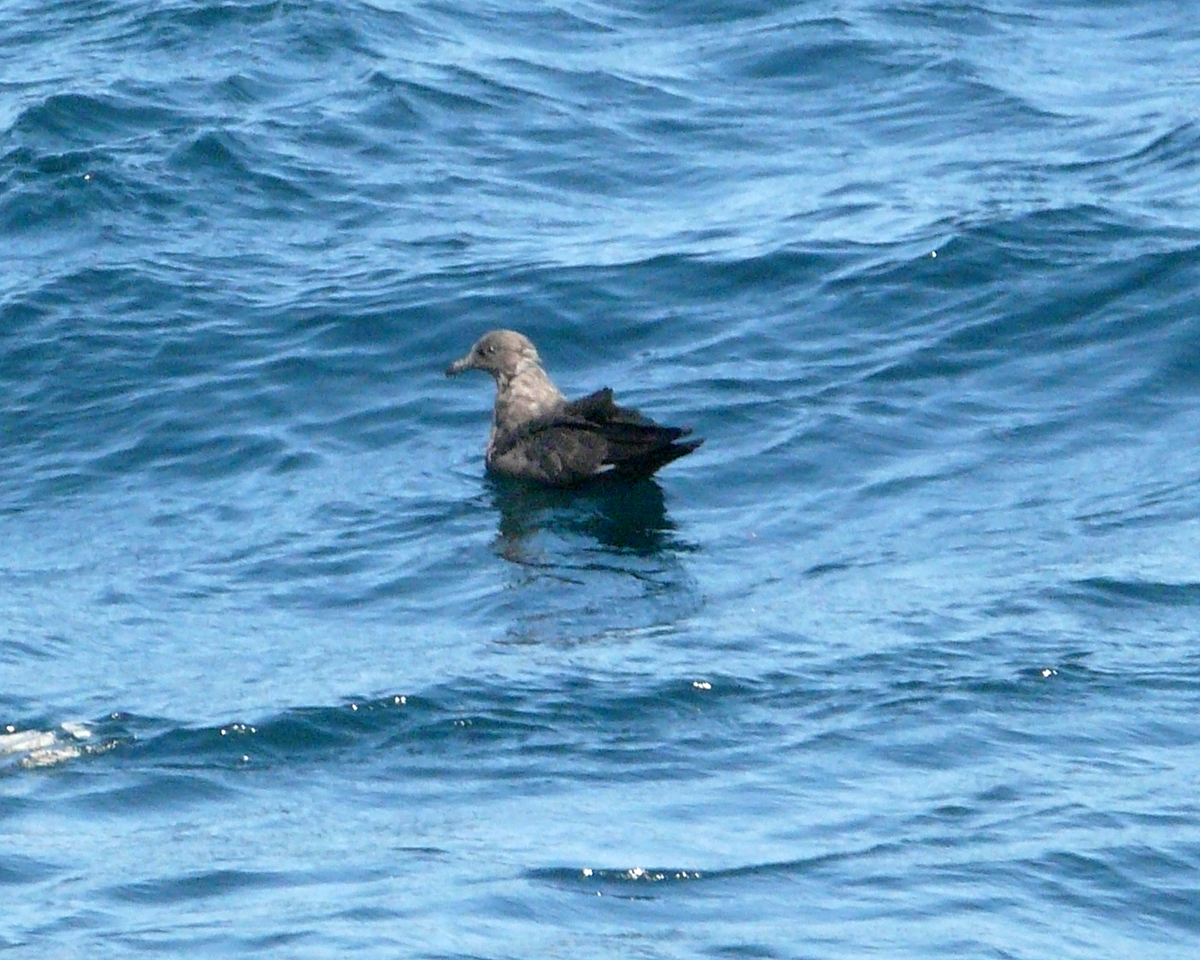
While I have seen South Polar Skuas on many other trips, this is the first time I have seen them resting on the water.


In flight, South Polar Skuas are easily recognized by their barrel-chested shape and white patches at the base of the primaries.


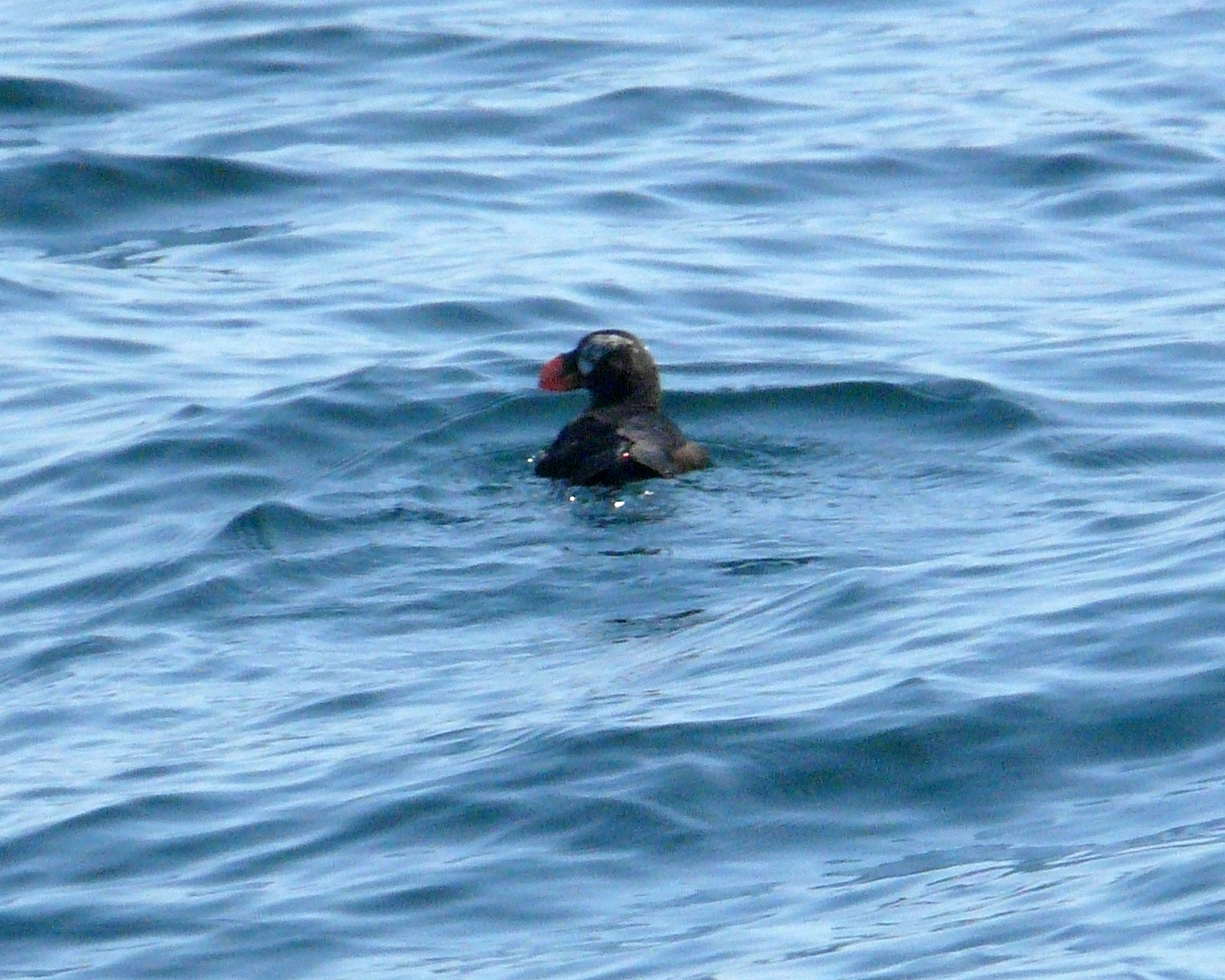
As we got back closer to shore, we found this Tufted Puffin.


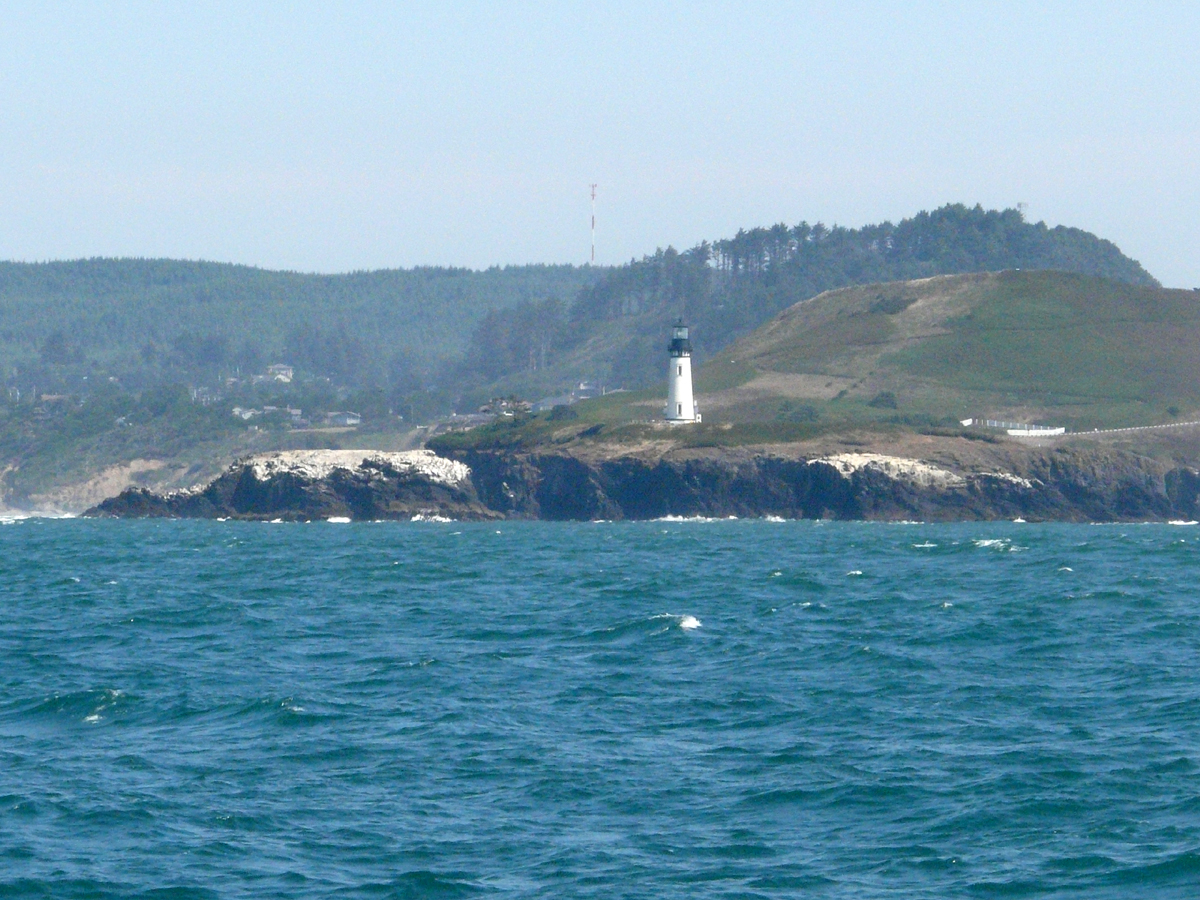
Yaquina Head, just north of Newport. The rocks just offshore here are important nesting colonies for many seabirds.

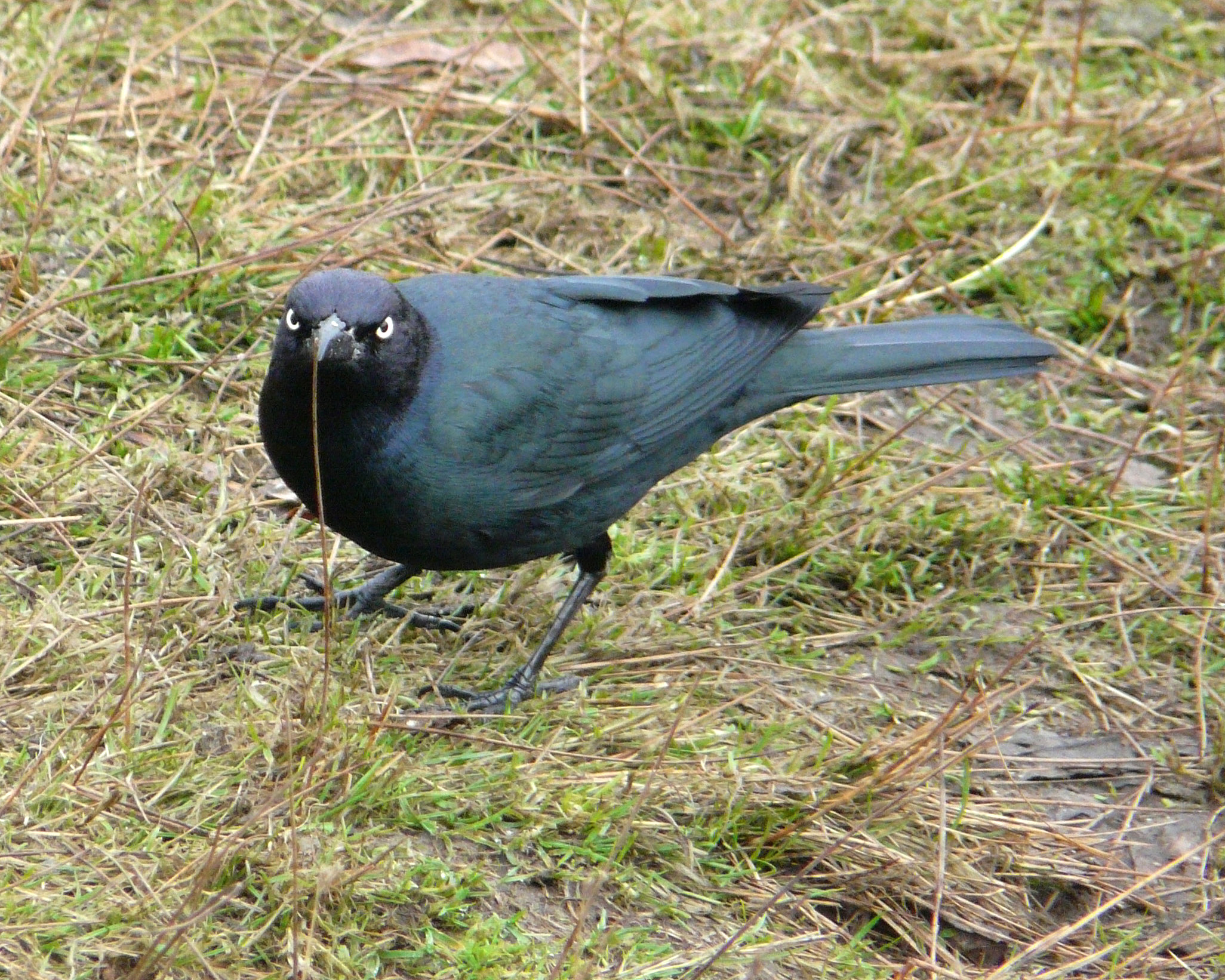
Brewer’s Blackbird


Brewer’s Blackbird is one of my favorite local species, with their subtle coloring and tame nature, but I have yet to get a decent photo of one. I am usually foiled by the challenge of photographing a black bird in a bright background. This individual insisted on hiding behind a single pine needle.


Here we see a male Brewer’s feeding by inserting his bill into the ground vegetation, then opening his bill to pry the vegetation apart in hopes of finding a food item. This is a common feeding method used by European Starlings, but I hadn’t witnessed it in Brewer’s Blackbird before.

Gray Jays


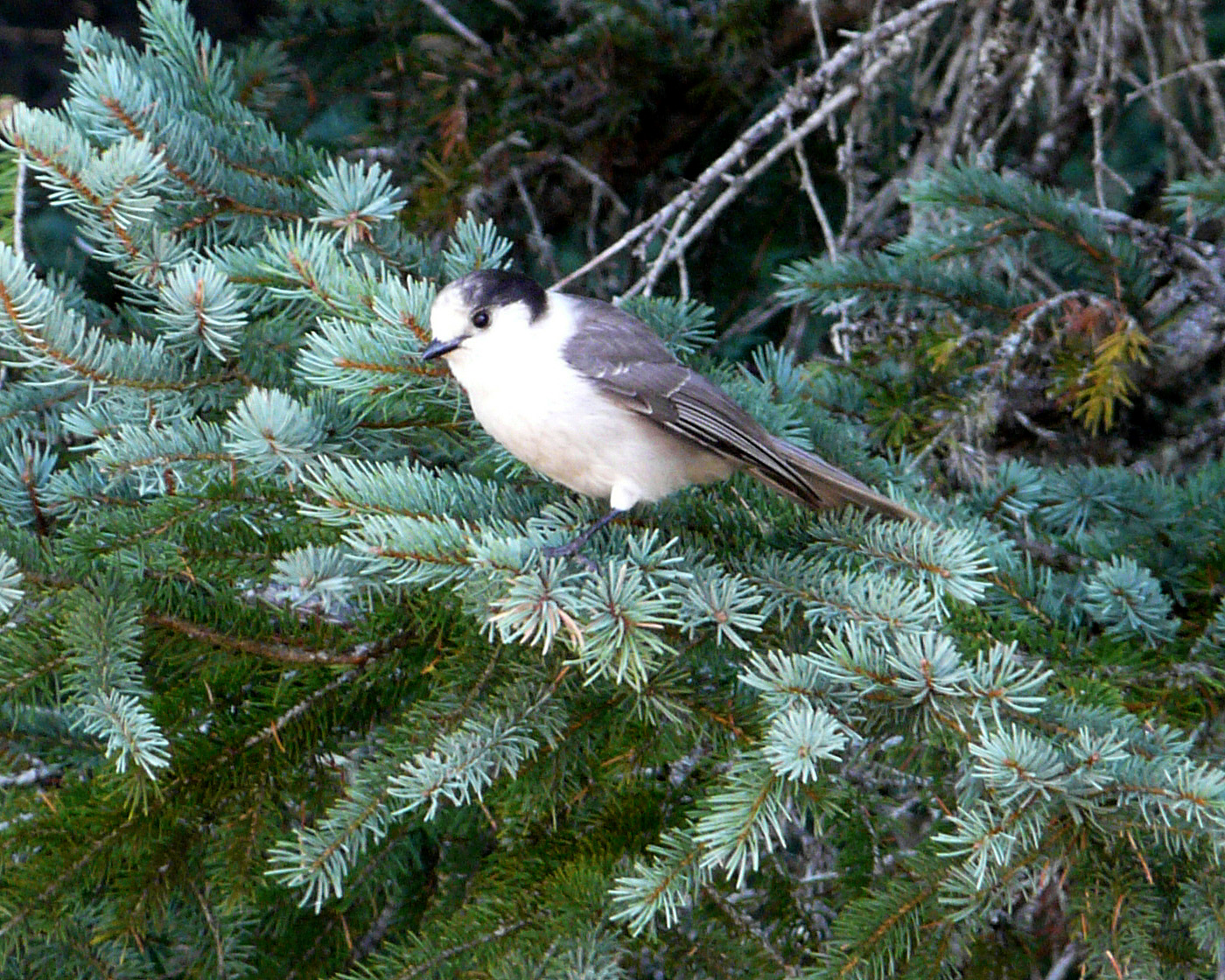
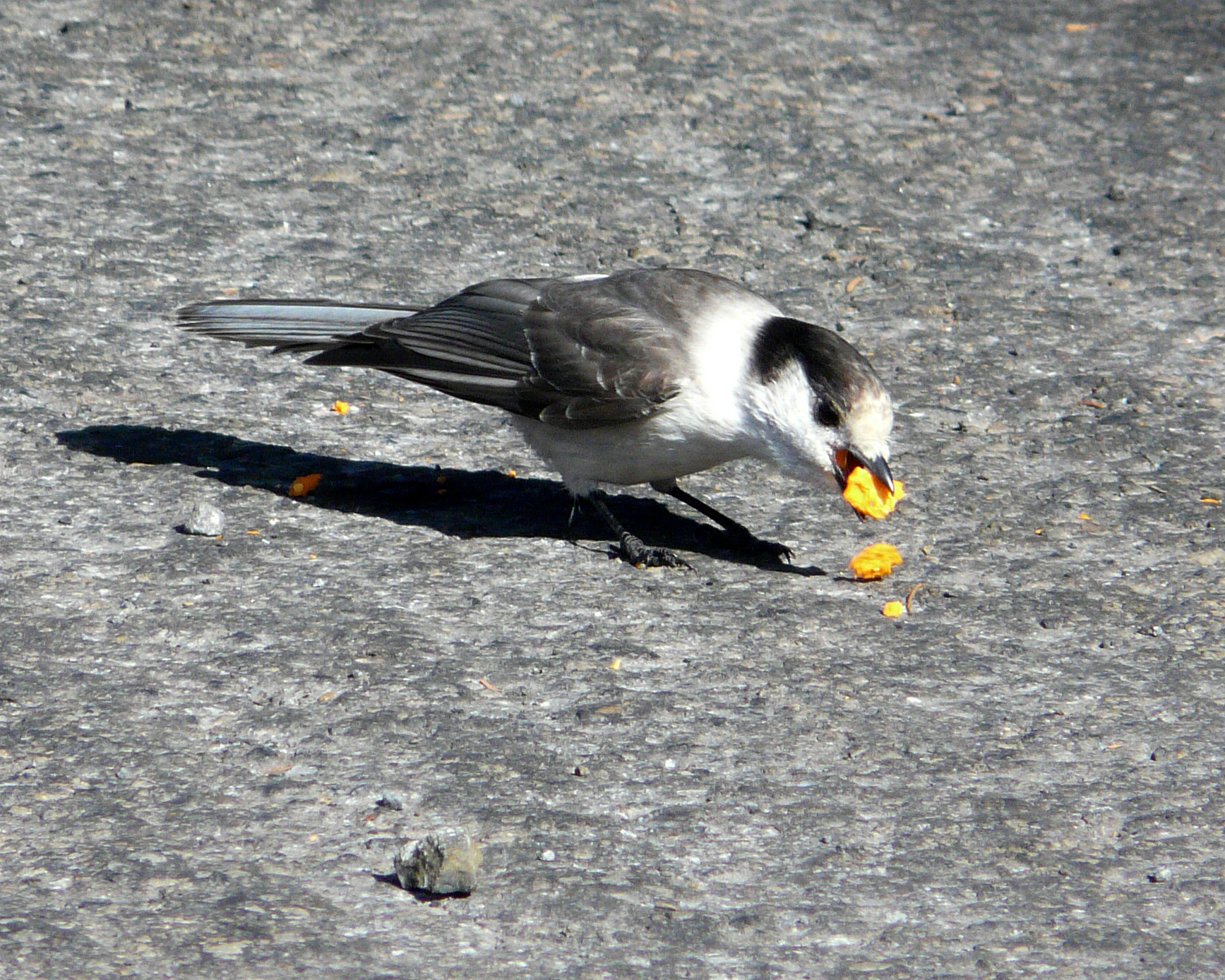
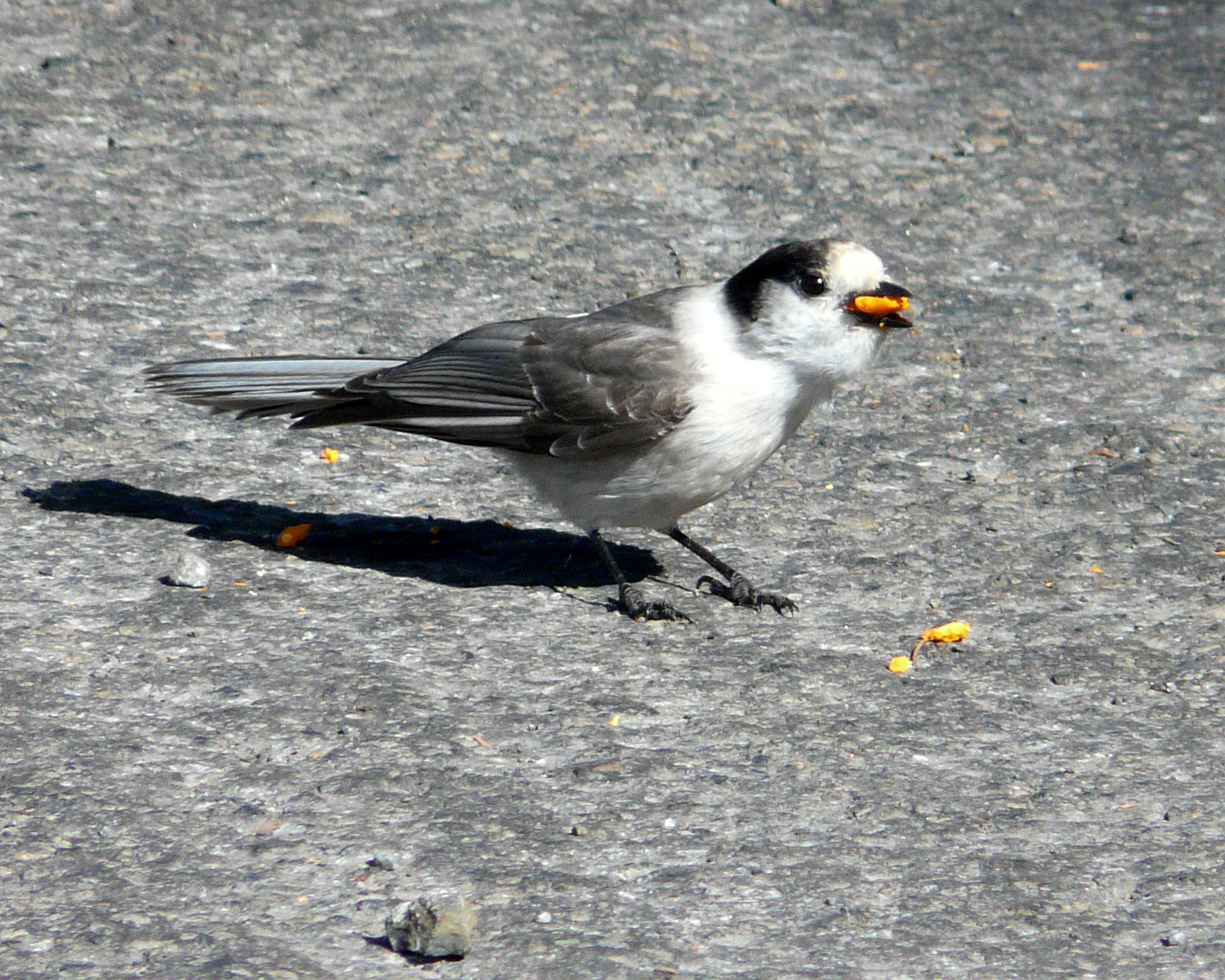
While exploring areas around Mt. Hood, my Portland Audubon class encountered a flock of Gray Jays at the Little Crater Lake Campground (Birding Oregon p. 75). When I find this species in the woods, they seem rather shy to me. But when the birds have been enjoying the easy pickings at a campground, one can quickly see how they got the nickname, Camp Robber. Jays were landing on fingers, binoculars, and hats in hopes of getting a handout. Their efforts were rewarded with nuts and crackers, a small price to pay for such an enjoyable close encounter with a beautiful bird.

Ft. Stevens State Park, 9-28-’10

I took a client birding along the northern coast this week. Ft. Stevens State Park (Birding Oregon p.119) is a mandatory stop when spending a day in this area.


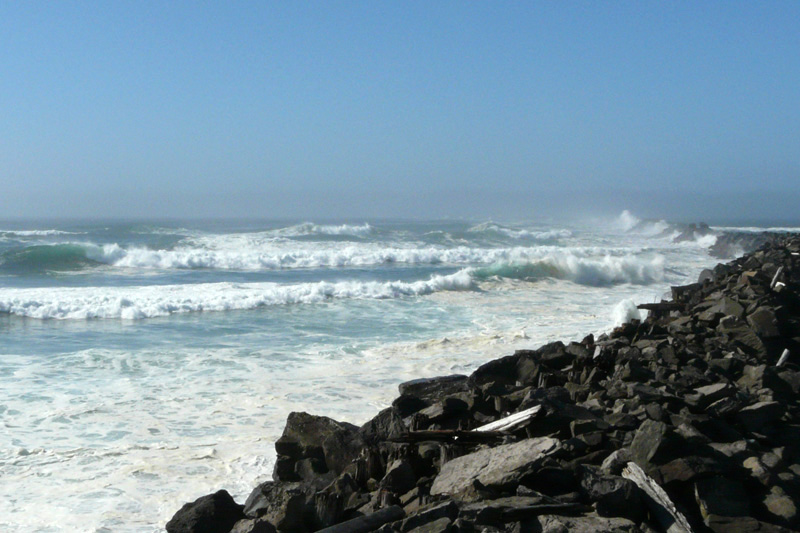
An observation deck overlooks the south jetty of the Columbia River. This is usually a great place to find birds on the water, but the surf was very rough on this day. Notice the waves washing over the jetty.


This California Sea Lion had hauled out onto the beach to take a break from the big surf.


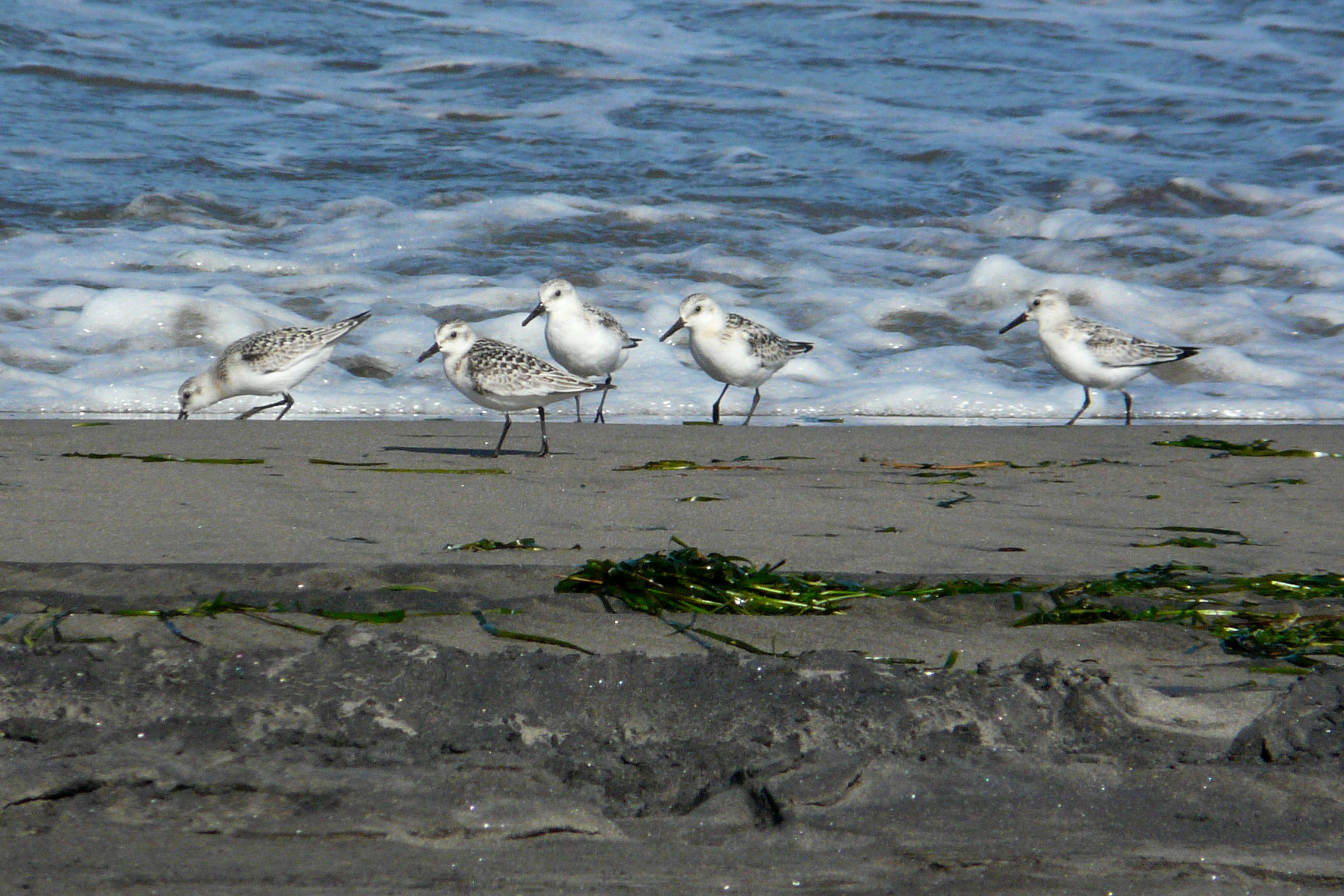
This flock of Sanderlings was feeding on the calmer side of the spit.


Notice how the second bird from the right is bending his upper mandible. Shorebird bills are flexible, allowing the birds to grab onto prey beneath the surface of the sand.


Running along at the very edge of the waves is typical behavior for Sanderlings.


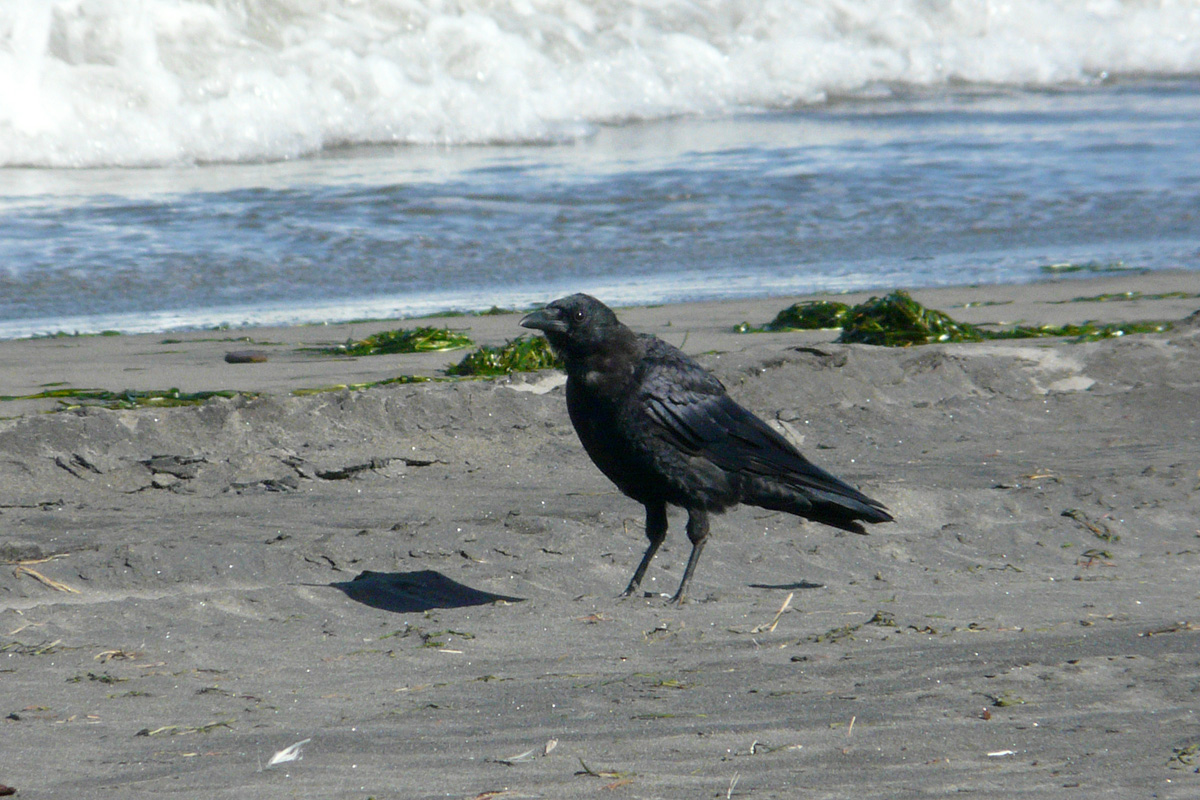
An American Crow on the beach. Some sources list Northwestern Crows as occurring at Fort Stevens, but there is no physical evidence to show that Northwestern Crows have ever inhabited Oregon. The race of American Crow found along the West Coast is considerably smaller than the races found inland. This might lead to confusion among visitors who are used to seeing larger crows.

Random Waterfowl

Here are some random shots of some of the many waterfowl species that winter in the Willamette Valley


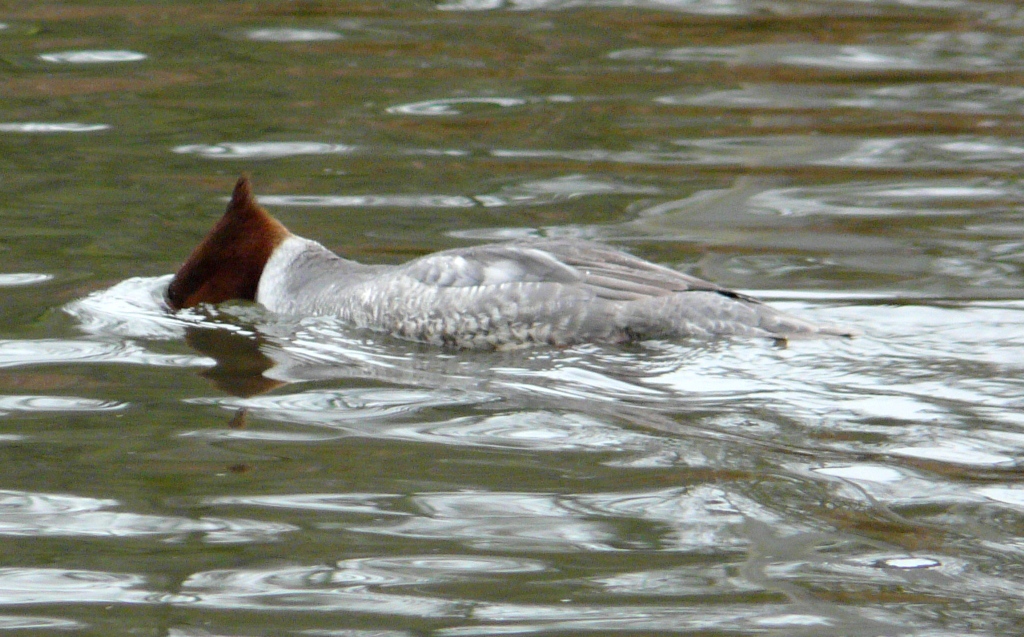
This Common Merganser was swimming with her face submerged, looking for fish. I have also seen loons hunt in this way.


the same bird preening


Here she finally shows her face. The clearly demarcated white chin helps to differentiate this species from the similar Red-breasted Merganser.


This female Eurasian Wigeon is recognized by her brown head. Notice the female American Wigeon on the right with her gray head.


Here is a distant shot of a mixed flock of waterfowl (click to enlarge). From left to right, you can see Ring-necked Duck, Canvasback, Cackling Goose, American Coot, and American Wigeon.