Ulysses, KS

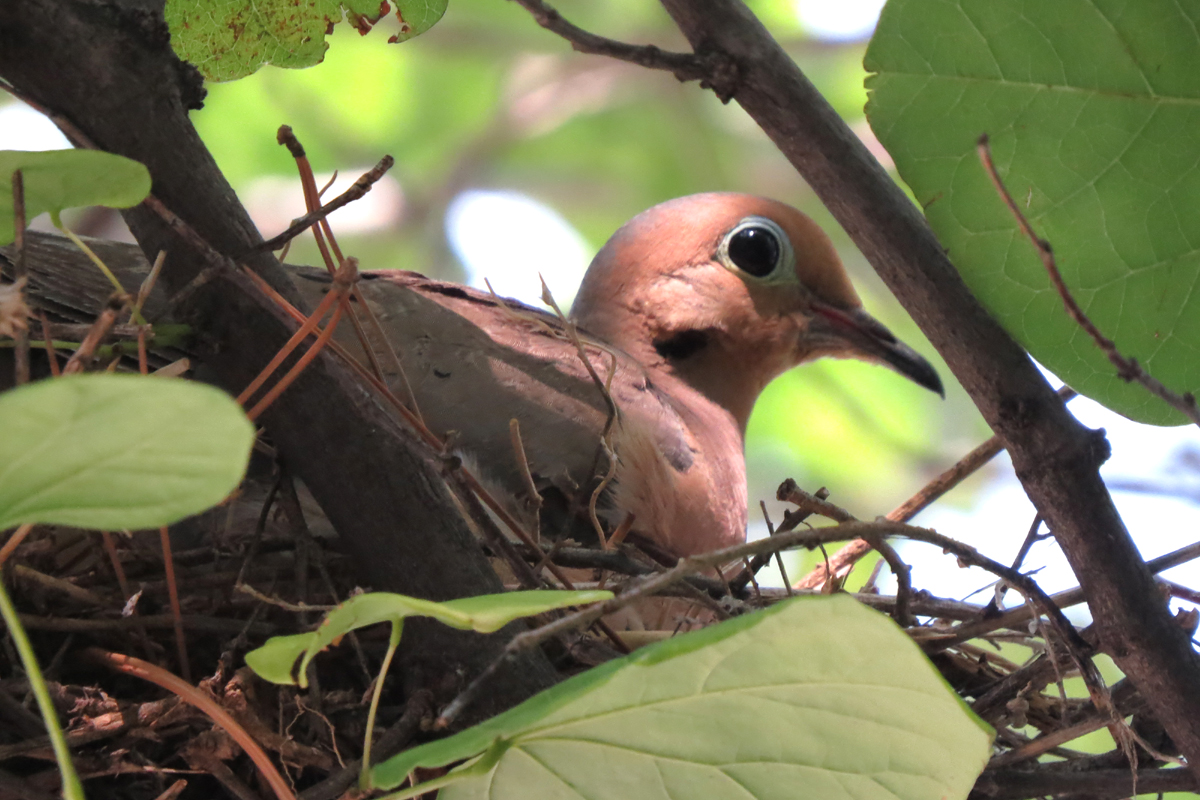
mourning doveWe were visiting family in Ulysses, KS, the past week. The town is swarming with doves. This Mourning Dove was sitting on a nest over my mother-in-law’s driveway.

mourning dove nestlingsThis nest with two young Mourning Doves was about 20 feet away from the nest pictured above.

eurasian collared 1Eurasian Collared-Doves are now much more common than Mourning Doves in town.

kitingAfter the two species of doves, the most conspicuous birds in Ulysses are Mississippi Kites. They are constantly flying over town, hunting dragonflies and cicadas.

miss. kite 2 Here is a rare look at a Mississippi Kite sitting still in the open.

red-headed 1It has been a good summer for Red-headed Woodpeckers. I saw several families with young (note the young bird below and to the right of the adult above).
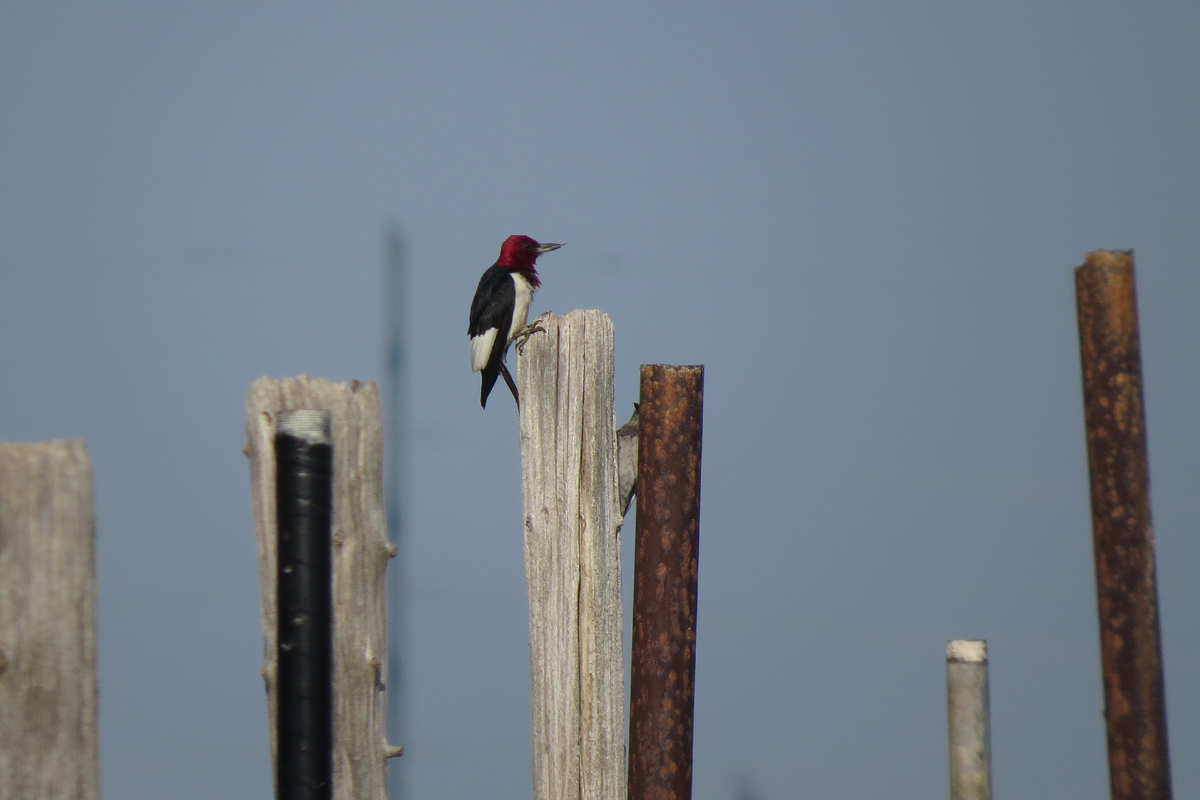
red-headed 2This is surely the most beautiful woodpecker in North America.

Cimarron National Grassland, 19 August 2013

cimarron riverI spent the day on the Cimarron National Grassland in southwestern Kansas. It is a frequent destination for Kansas birders lured by the possibility of southwestern species that only make it into Kansas here. The area has seen a lot of changes in recent years. A large fire swept through the area a few years ago, killing many of the cottonwoods in the riparian corridor. The last two years have seen severe drought, followed by four inches of rain in the past several weeks. I have been visiting this area since 1984, and this is the first time I have ever seen water flowing in the Cimarron River.

Even during the slow birding season of late August, you can count on finding Western Kingbirds in trees and on power lines.
kingbird 2

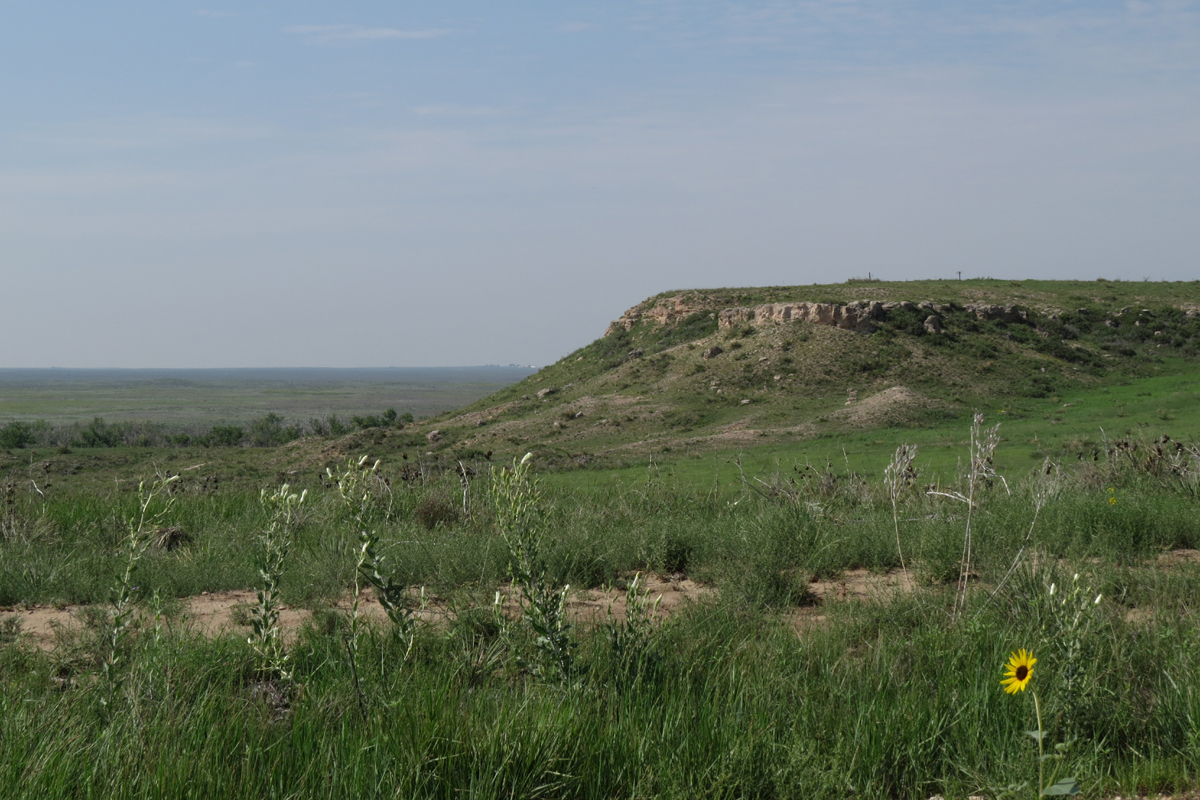
point of rocksThis is Point of Rocks, one of the few actual landmarks in this area.
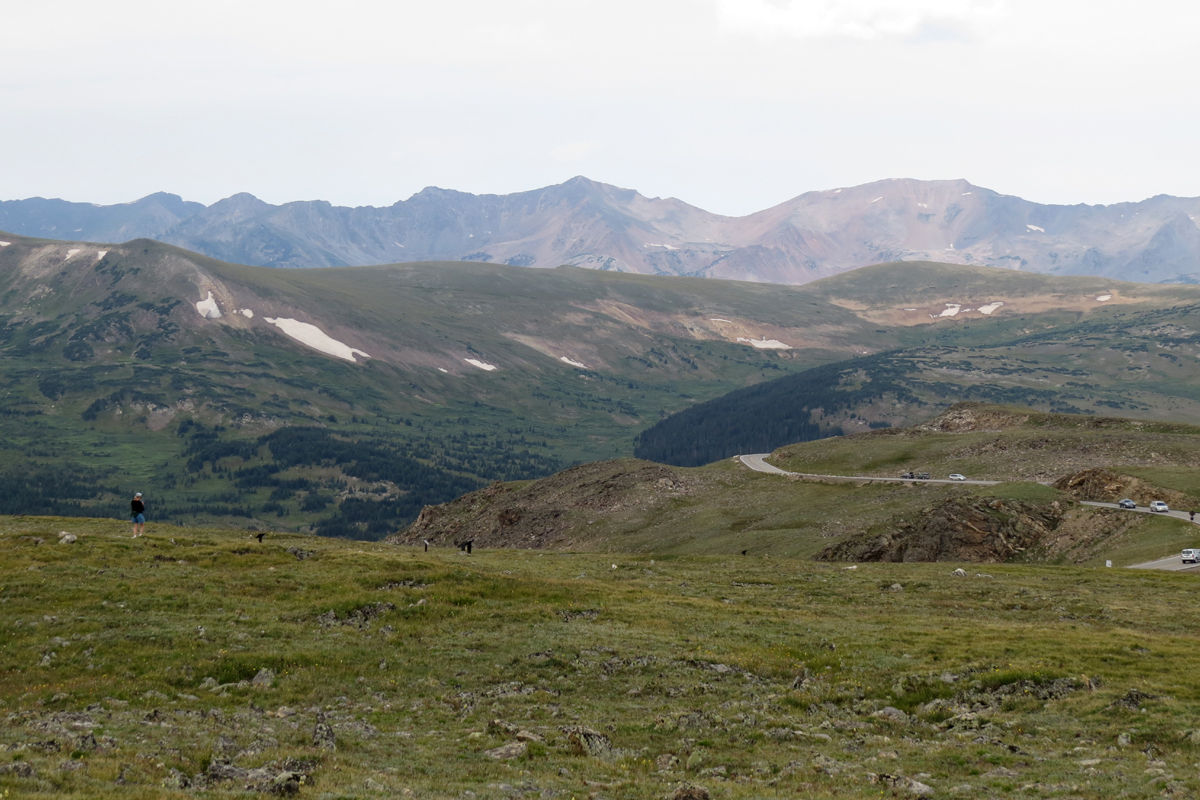
point of rocks 2This is the view from the top of Point of Rocks, with the Cimarron River corridor on the left. They say you can see wagon wheel ruts from the Sante Fe Trail from here, but I’m not sure which tracks were made by wagons and which were made by pickup trucks. Birding is usually slow here, but sometimes the brushy slopes attract interesting migrants, and raptors often fly by at eye level.
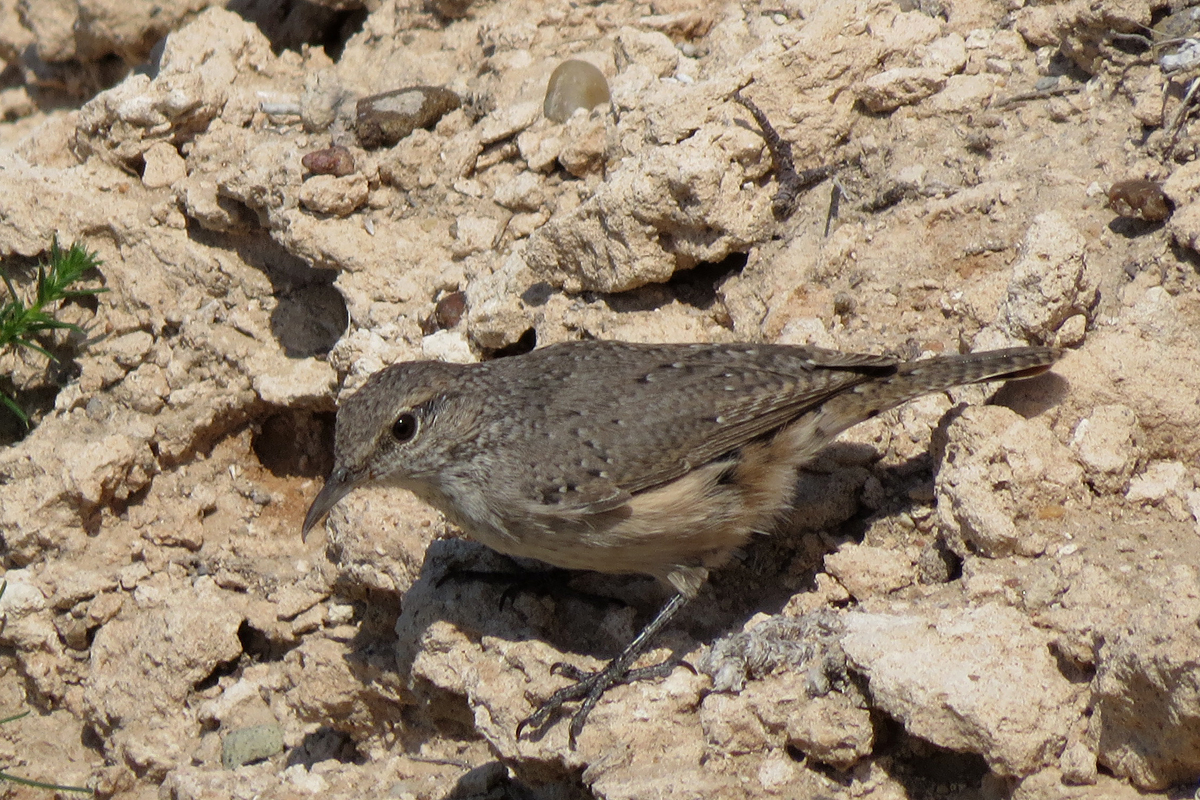
rock wrenNo matter how slow the birding, you can always find a Rock Wren or two at Point of Rocks.

wren 2Rock Wren scratching

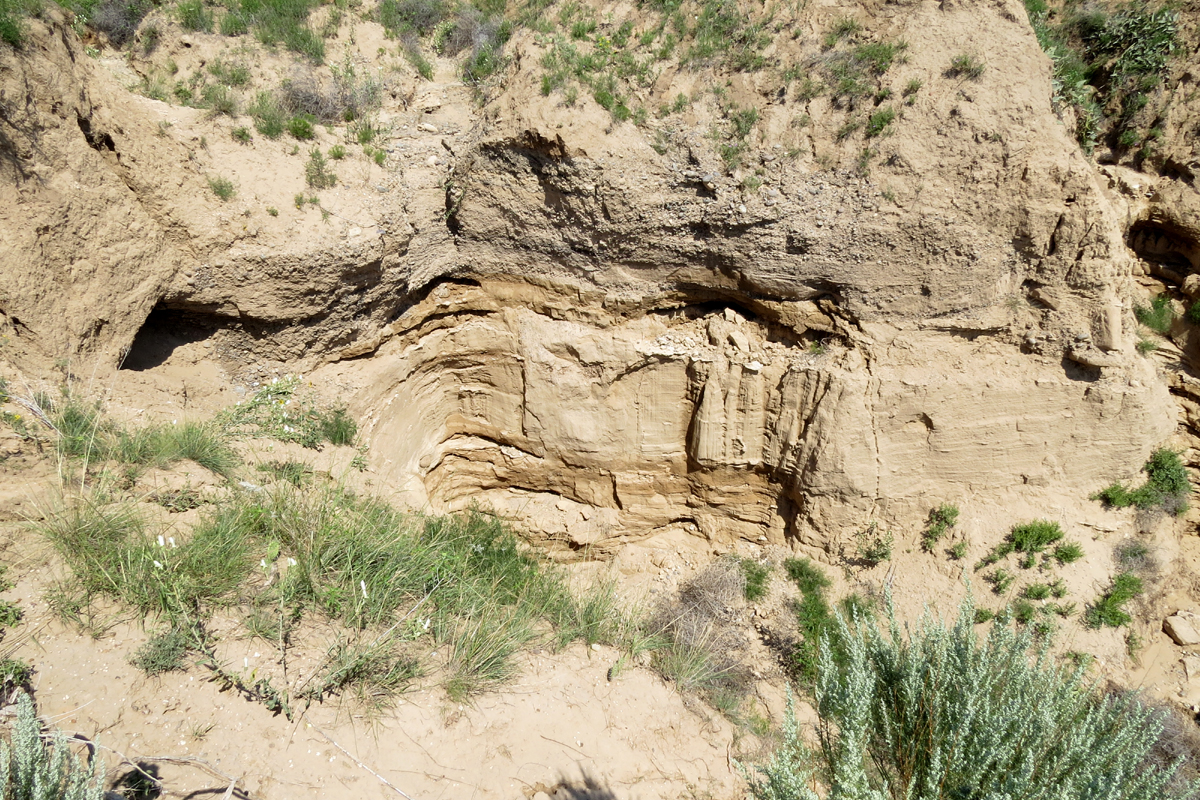
sand bluffWhile it may look like rock, this bluff above the Cimarron River is made of sand.

bullfrogDespite the dry climate, there are a few ponds on the grasslands. This American Bullfrog looked especially alert.

widow skimmerWidow Skimmer

moth 4This White-lined Sphinx put on quite a show.
moth 5

Sawhill Ponds, Boulder, CO

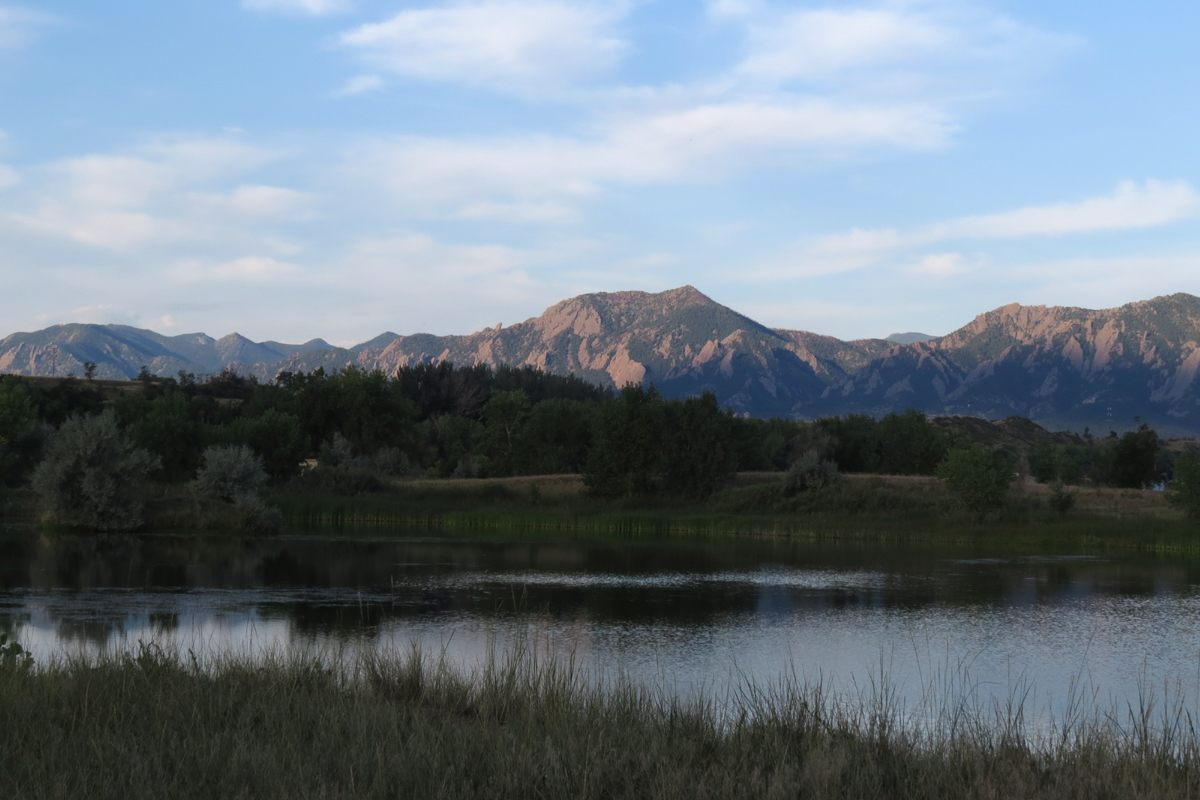
view 2I have been visiting family in Boulder, CO, for a few days. At the western edge of the Great Plains, the bird life isn’t that much different from the Willamette Valley in Oregon, with a few nice exceptions.

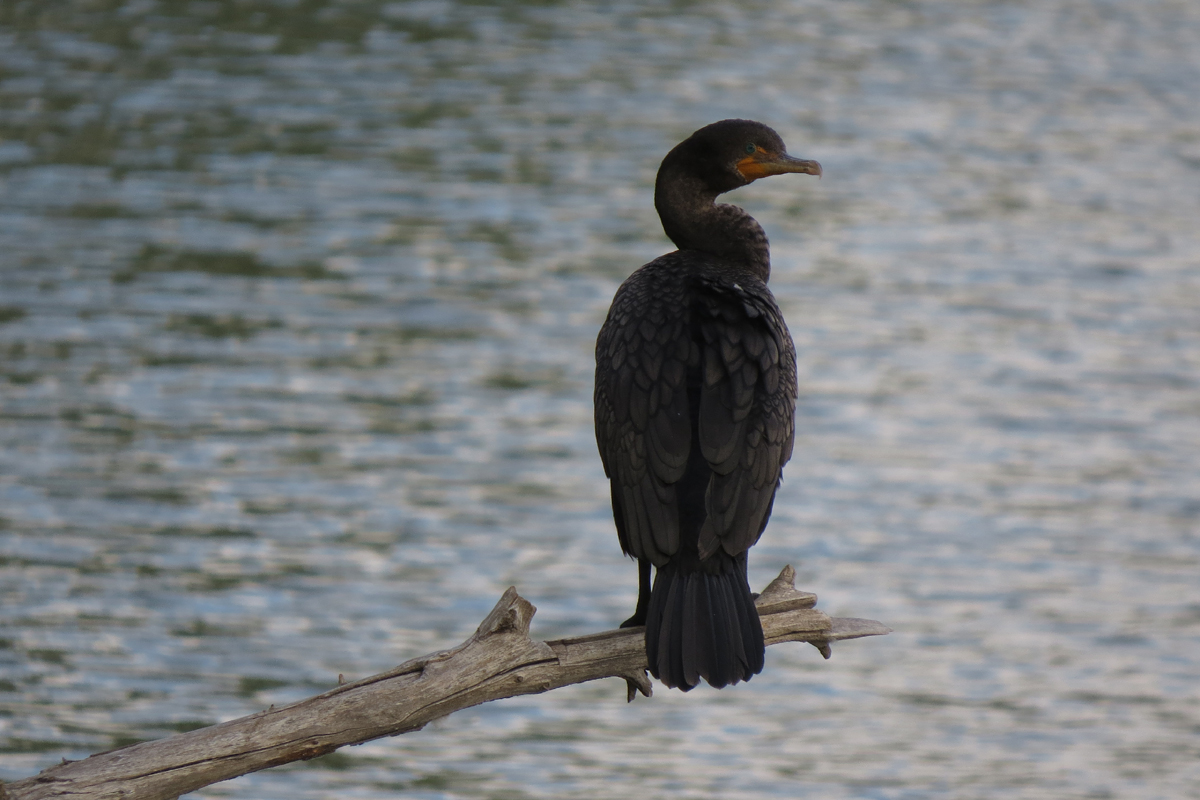
cormorant 1Double-crested Cormorant

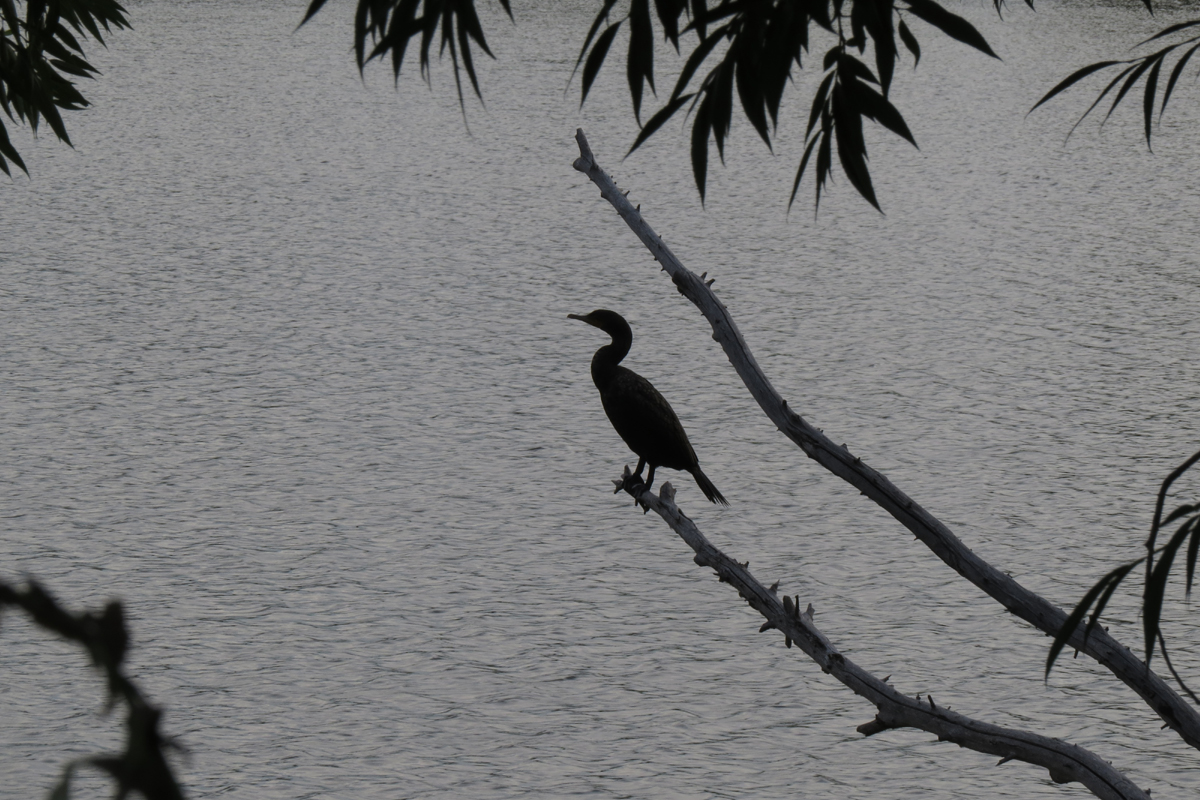
cormorant backlitan artsy image of the same Double-crested Cormorant

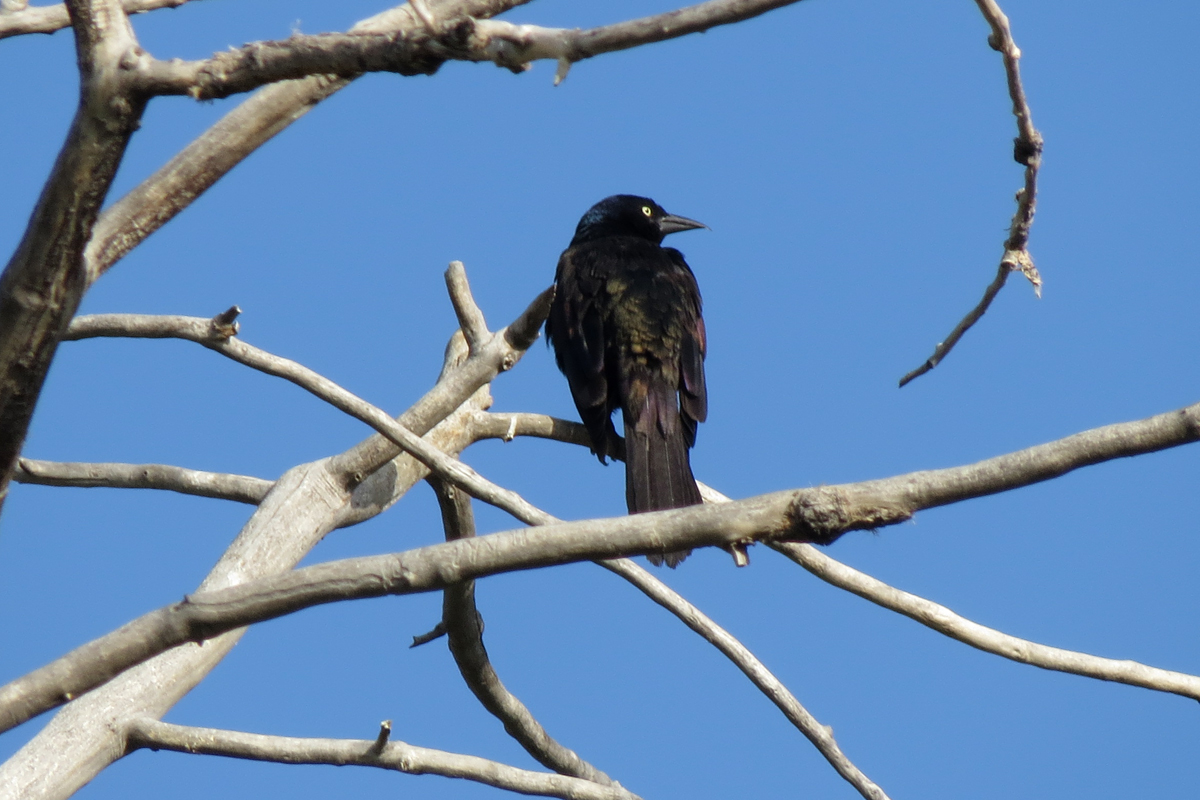
common grackleI am always happy to see Common Grackles, since they seldom make it to Oregon.

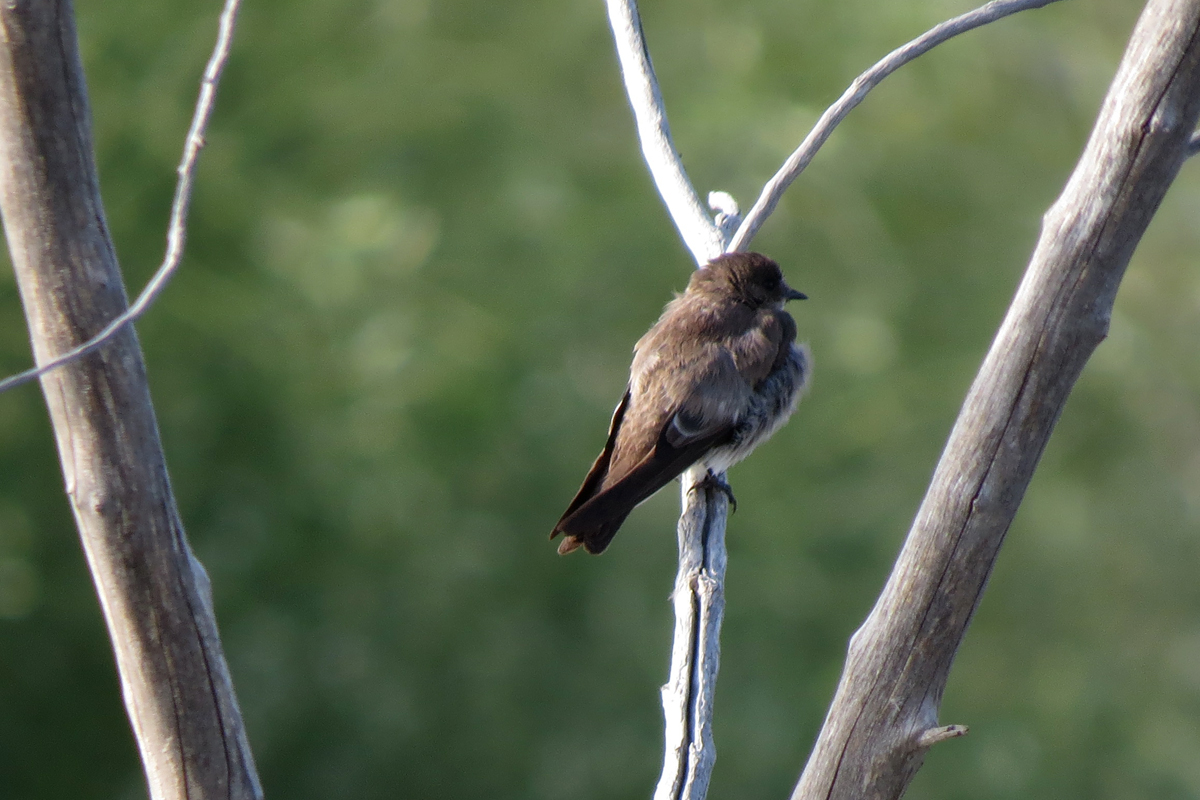
rough-winged swallowNorthern Rough-winged Swallow

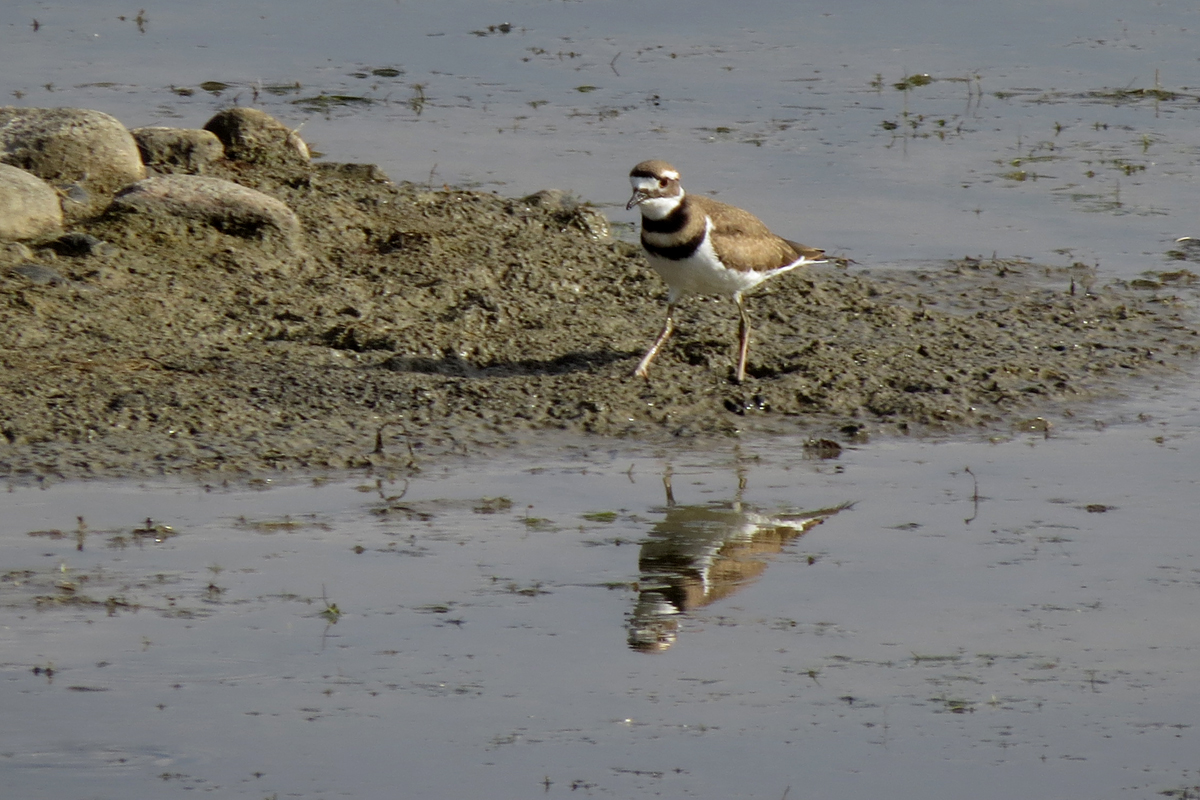
killdeerThis pond hosted several Killdeer (above), Spotted Sandpipers, American Avocets, and a Wilson’s Phalarope.

pelicansAmerican White Pelicans, with Canada Goose and Ring-billed Gulls

magpieBlack-billed Magpies are fairly common here, but they tend to be rather shy, never allowing a close approach.

eastern kingbirdI saw lots of Eastern Kingbirds at these ponds. I haven’t seen any Western Kingbirds around Boulder, which surprised me.

bullfrogAmerican Bullfrogs were the only amphibians I found. The only reptile was a Black-necked Garter Snake, a lifer for me.

cottontail Cottontails were very abundant at sunrise. I believe this is a Desert Cottontail, but please correct me if I am wrong.

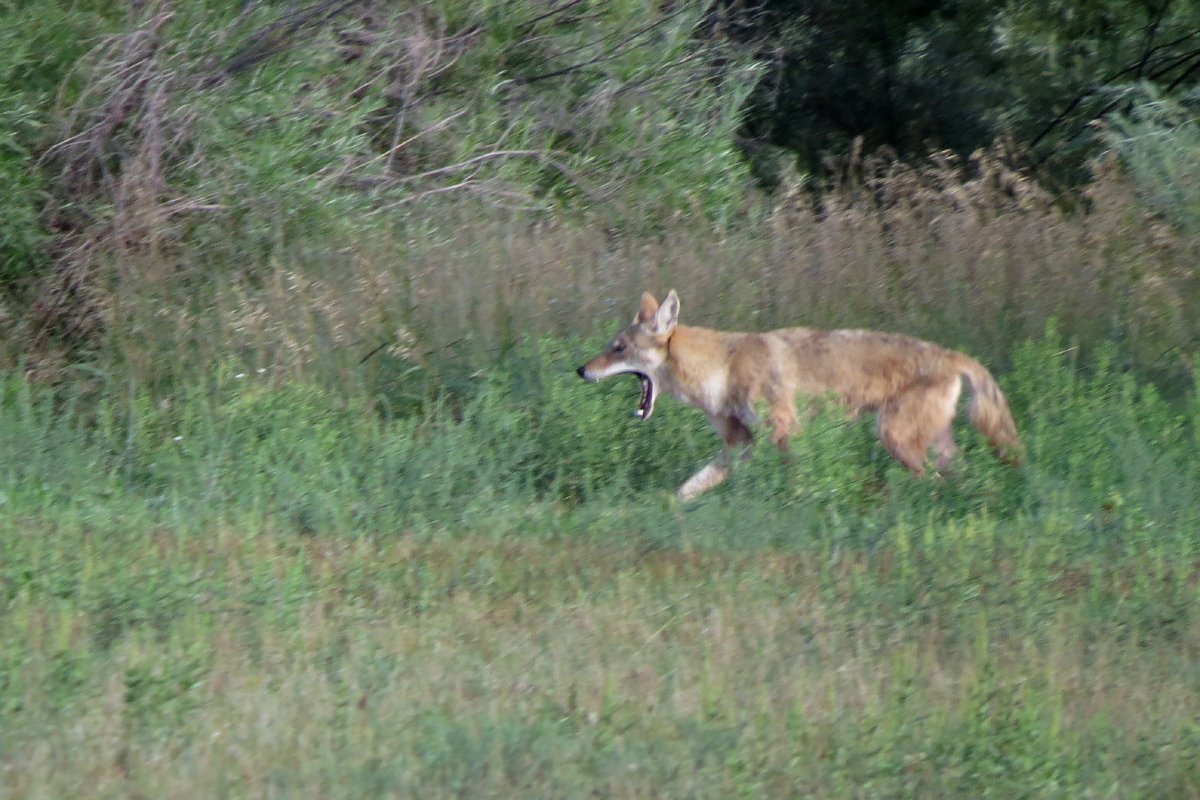
coyote yawninga sleepy Coyote

coyote

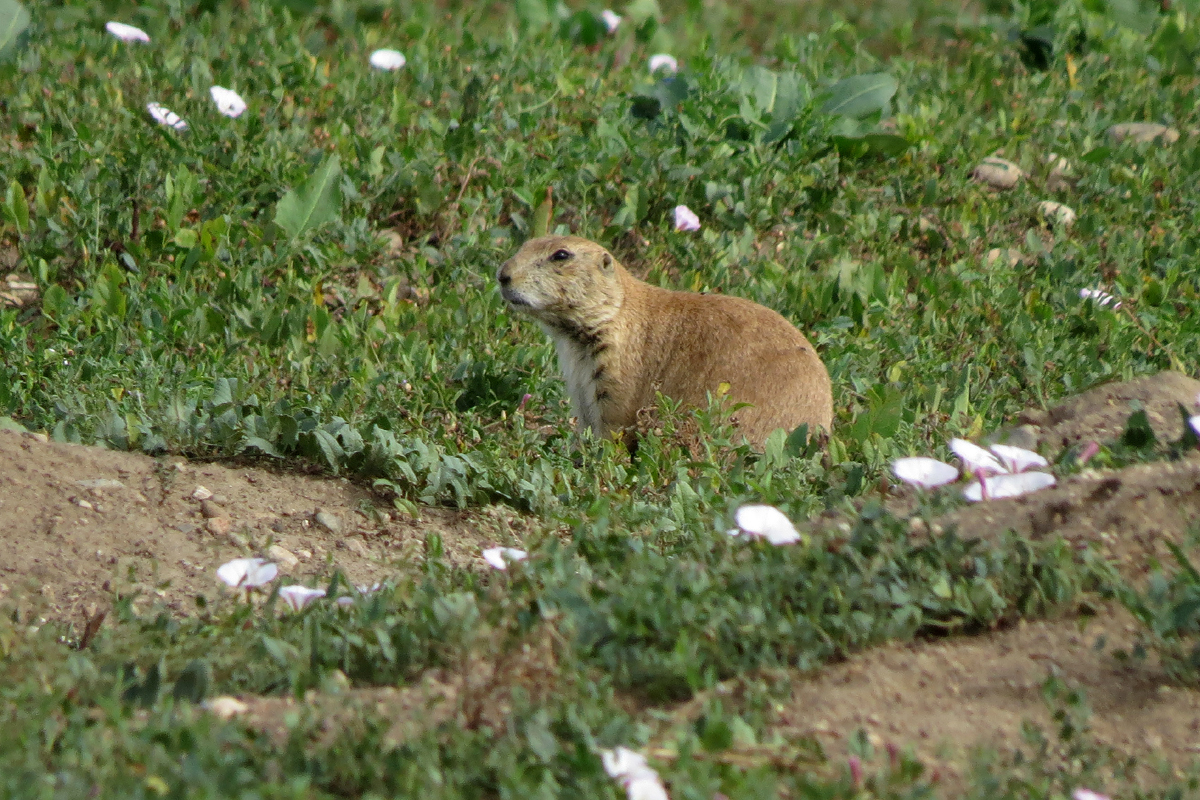
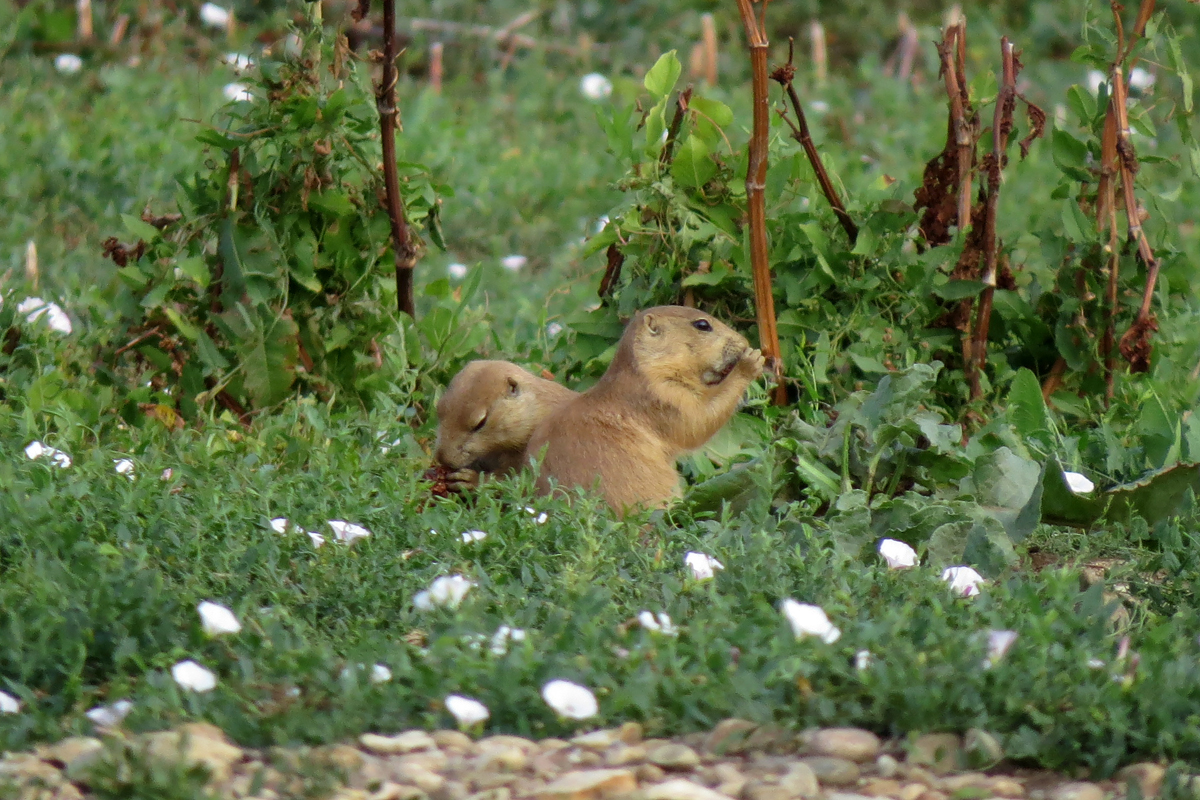
prairie dogIn the “adorable rodents” department, I bring you Black-tailed Prairie Dogs.

prairie dog duo 2
prairie dog peeking

viewAnother view of the Front Range of the Rockies.

Rocky Mountain National Park, Part 2, Mammals

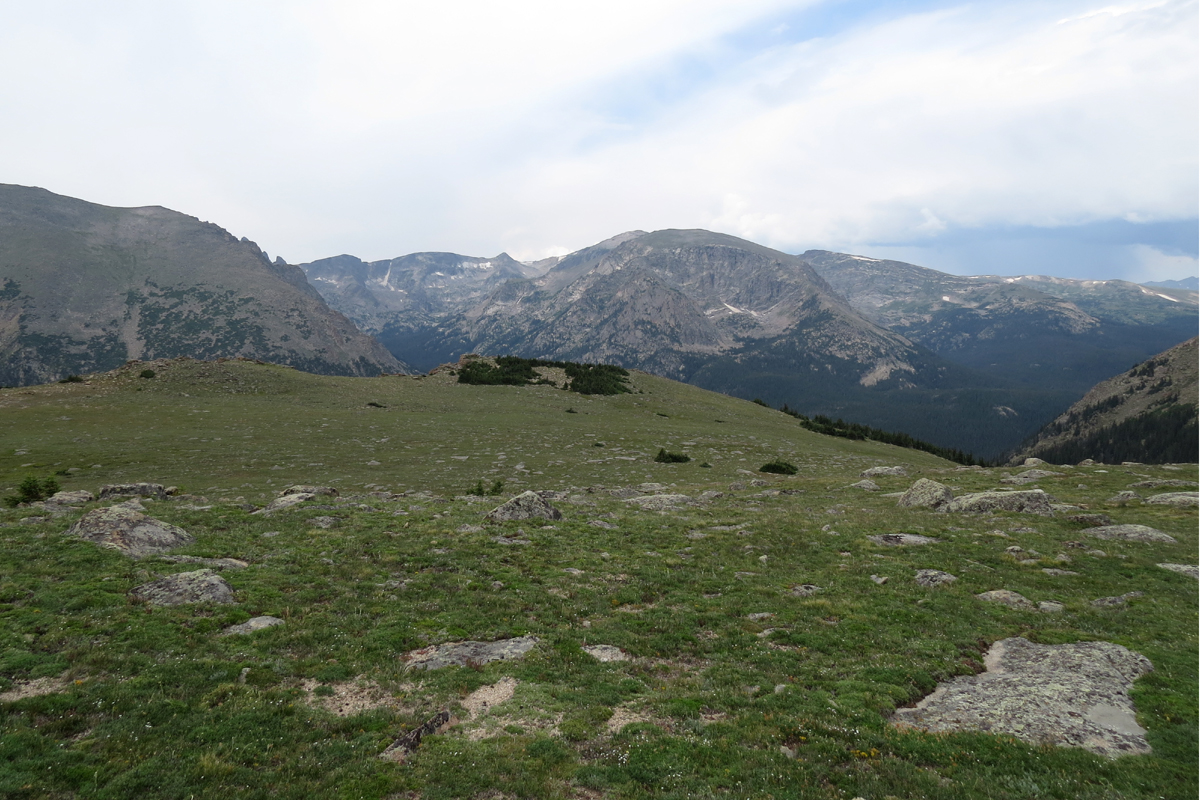
tundra 2A morning at Rocky Mountain National Park produced more mammals than birds, an unusual occurance in most areas. Despite the low numbers of birds, you always have to appreciate the charismatic megafauna.

single mule deerBehind this bush is a really large Mule Deer.

double mule deerHe was soon joined by a friend.

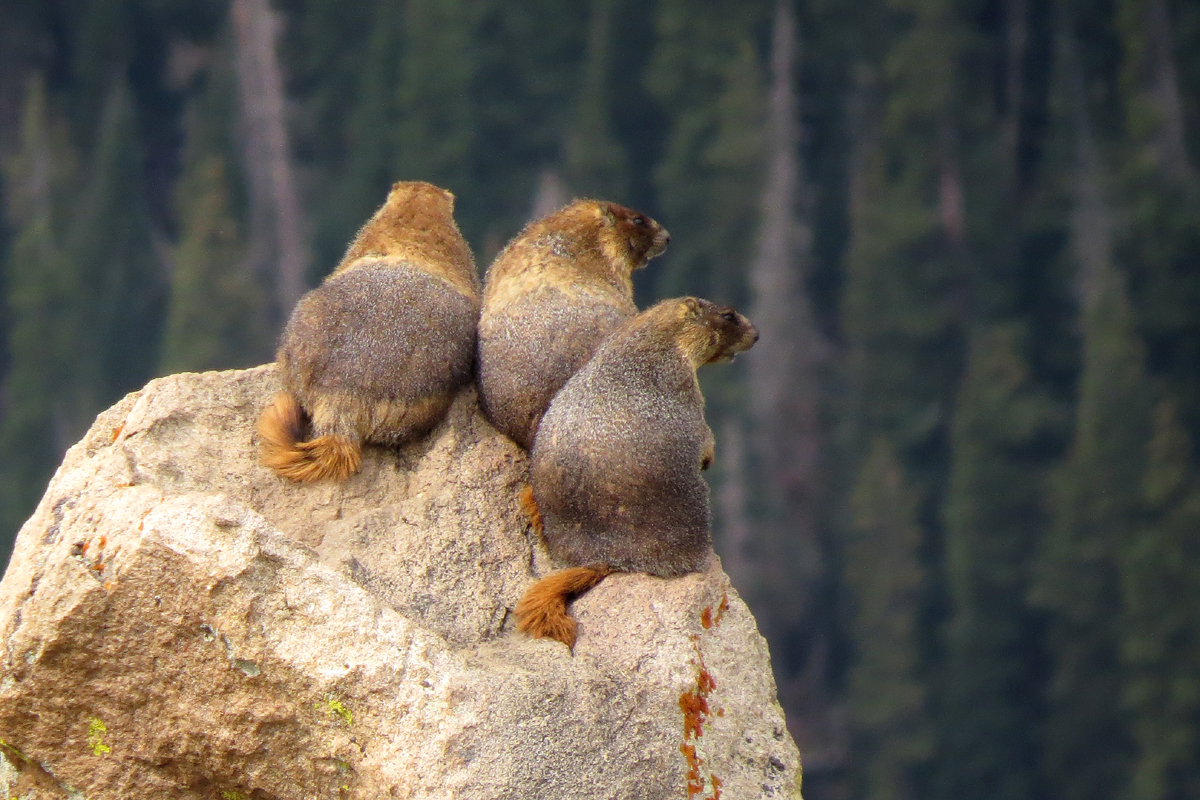
marmot 1Yellow-bellied Marmots have appeared on this blog before, and surely will again. In deference to those who are not as enamored with marmots as I am, I will limit this post to three photos.
marmot trio 2This marmot snuggle party was inspired by a Coyote that had just run through the area.
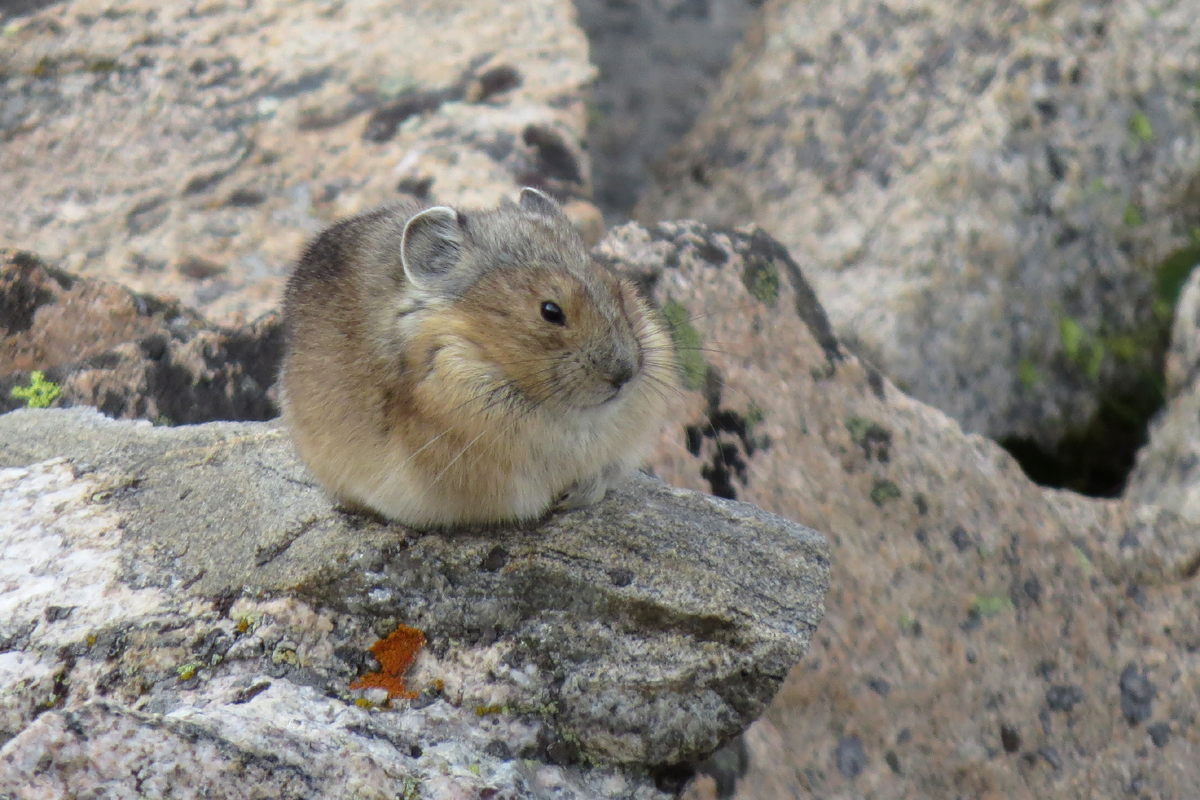
marmot 4You may ask, what could possibly be cuter than a baby Yellow-bellied Marmot? The answer. . .

pika 1a baby Pika! Who needs Brown-capped Rosy Finches when you have these little fluffballs scampering across the tundra?

pika 3more Pika adorableness

Mammals seen but not photographed that morning included Coyote, Rocky Mountain Elk, Bighorn Sheep, Snowshoe Hare, and an unidentified chipmunk. It was Mammalpalooza.

Rocky Mountain National Park, Part 1, Birds

tundraI spent a morning above the tree line in Rocky Mountain National Park. We saw more mammals than birds (next post), and the two target species, Brown-capped Rosy Finch and White-tailed Ptarmigan, both eluded me. But any trip to this area is well worth it, whatever you manage to find.

pipit frontOne of the more common species on the tundra is American Pipit.

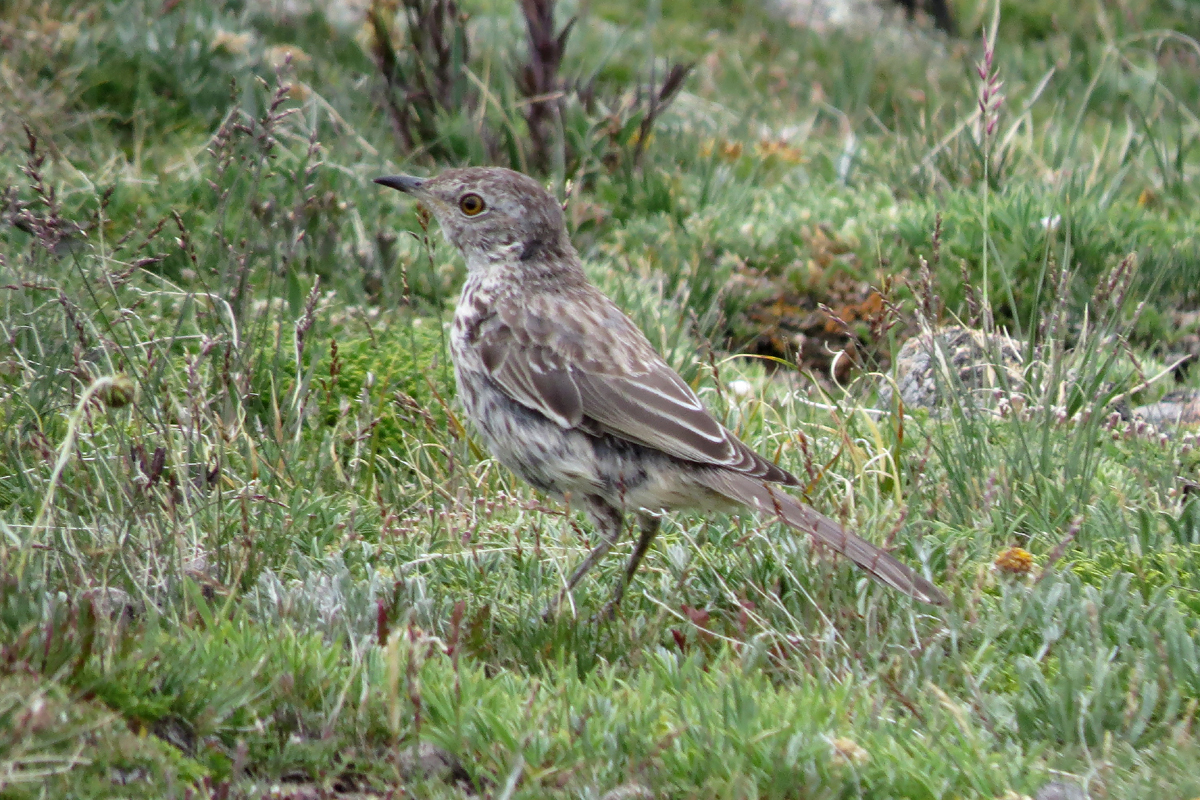
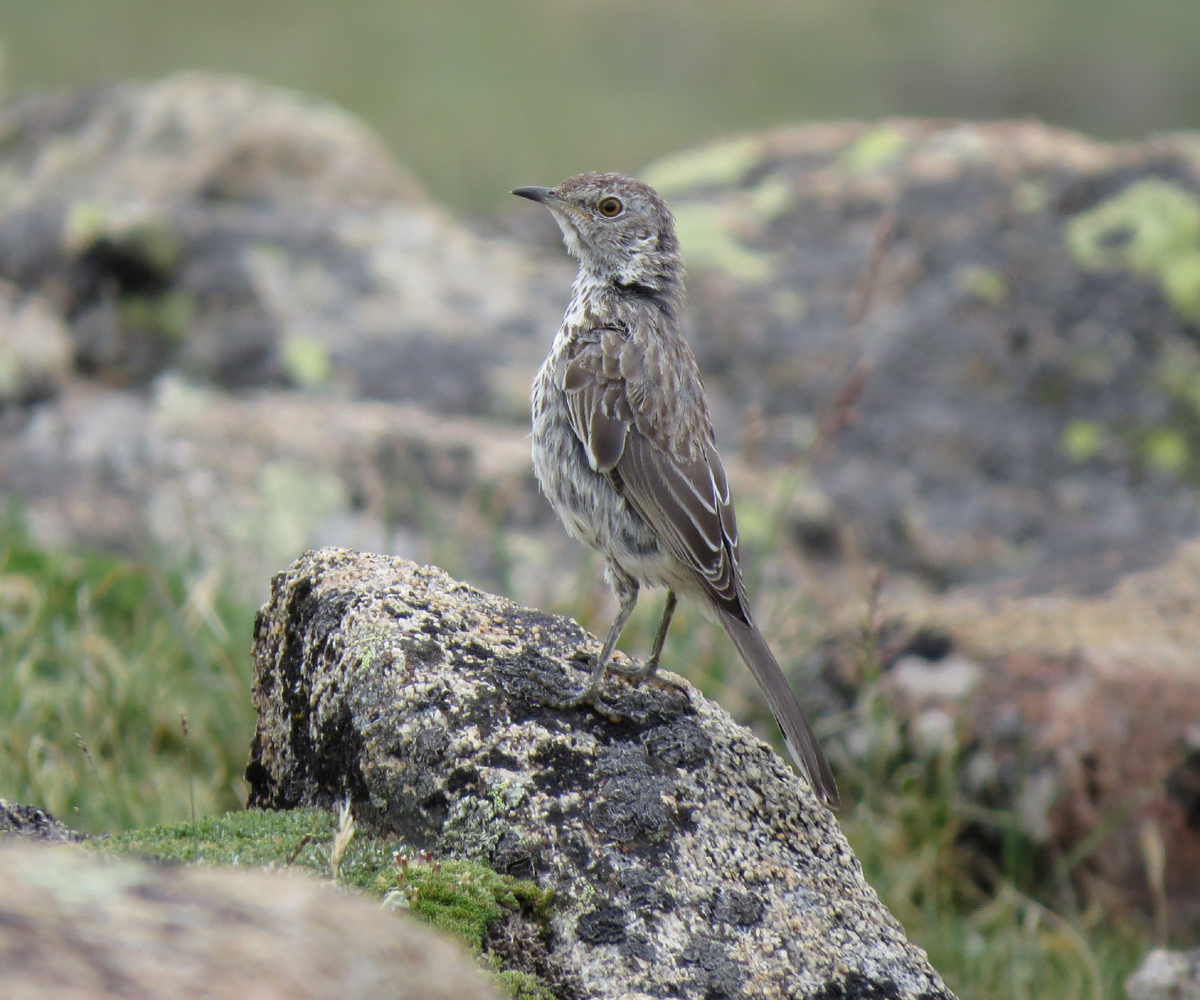
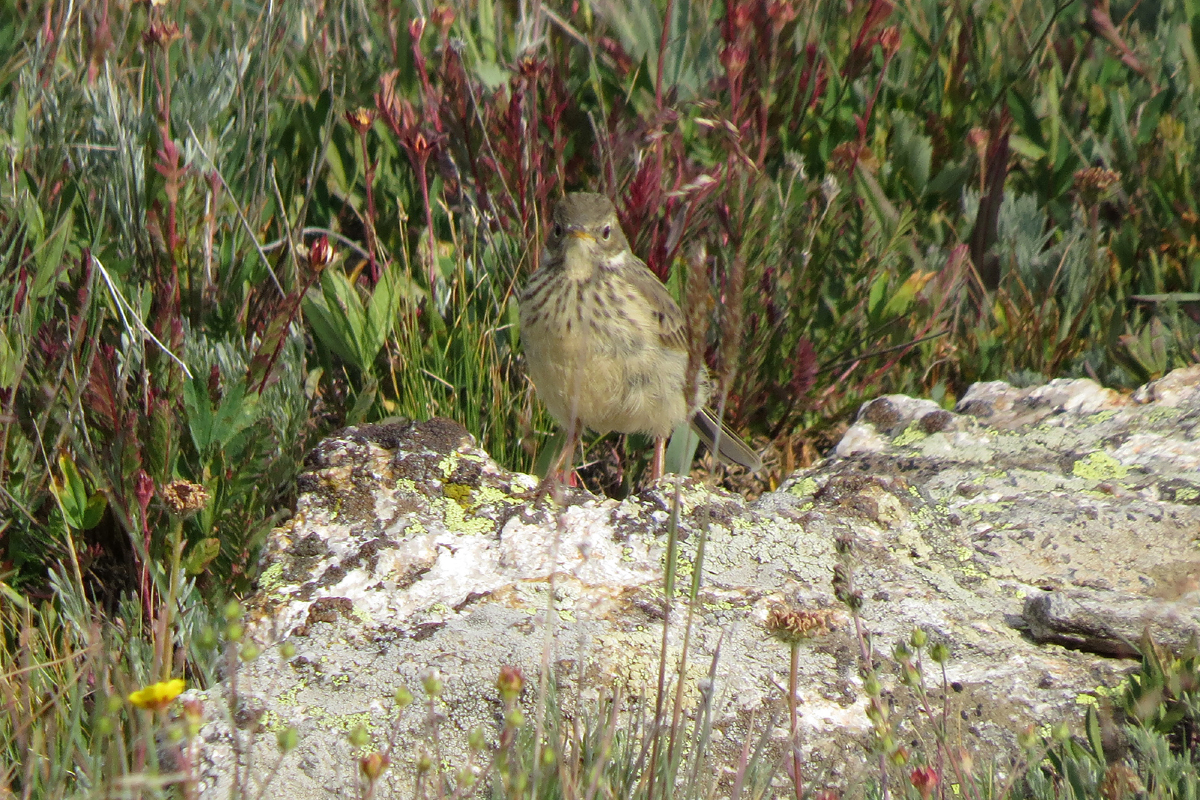
pipit 2The choice of habitat, along with the scruffy plumage, really threw me, but this seems to be a Sage Thrasher.
pipit 4

ravensThese Common Ravens were feeding on an Elk carcass.

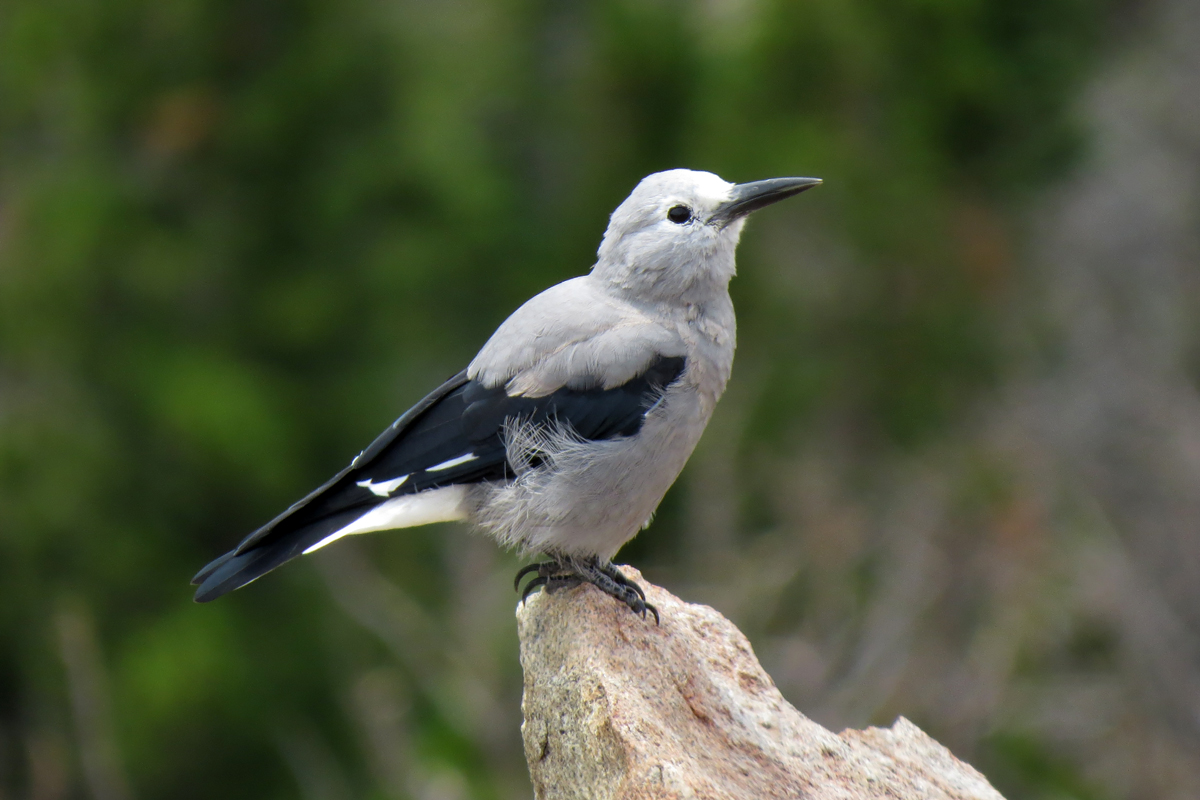
clark's nutcracker 2A few Clark’s Nutcrackers were hanging out near one of the parking lots.

Other species seen but not photographed included Golden Eagle, Horned Lark, and a couple of fly-by hummingbirds, probably Broad-tailed. So there was not a huge bird list by the end of the morning, but it is a treat to visit this habitat at an elevation over two miles higher than my home in Portland.

Youngsters

Two species have brought fledglings around recently. Both were visiting bird feeders, but for different reasons.

lesserThis Lesser Goldfinch was eating the dead needles from a cedar tree near the feeder. The fluffy “horns” and general clumsiness reveal the bird as a youngster.

cooper's hawk A Cooper’s Hawk with two young visited my neighbor’s feeder the other evening. Low light conditions only allowed this photo of one of the babies. They were constantly screaming and crashing through the branches, so I don’t think their hunting trip was successful.

Water Babies, Tualatin River NWR

juvenile spotted walkingThere are lots of youngsters in the wetlands these days. We haven’t had any rain in July, so water levels are dropping, concentrating wetland animals into smaller areas. This is a Spotted Sandpiper in that awkward adolescent stage.

spotted in culvertThe same Spotted Sandpiper, peeking out of a culvert

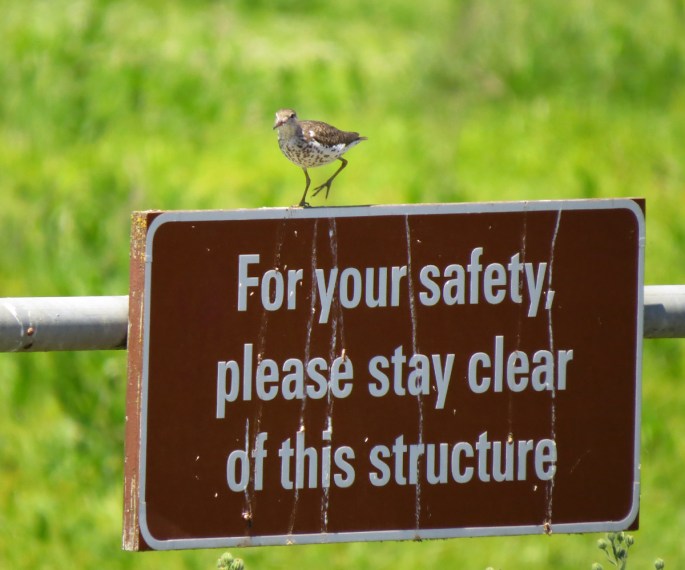
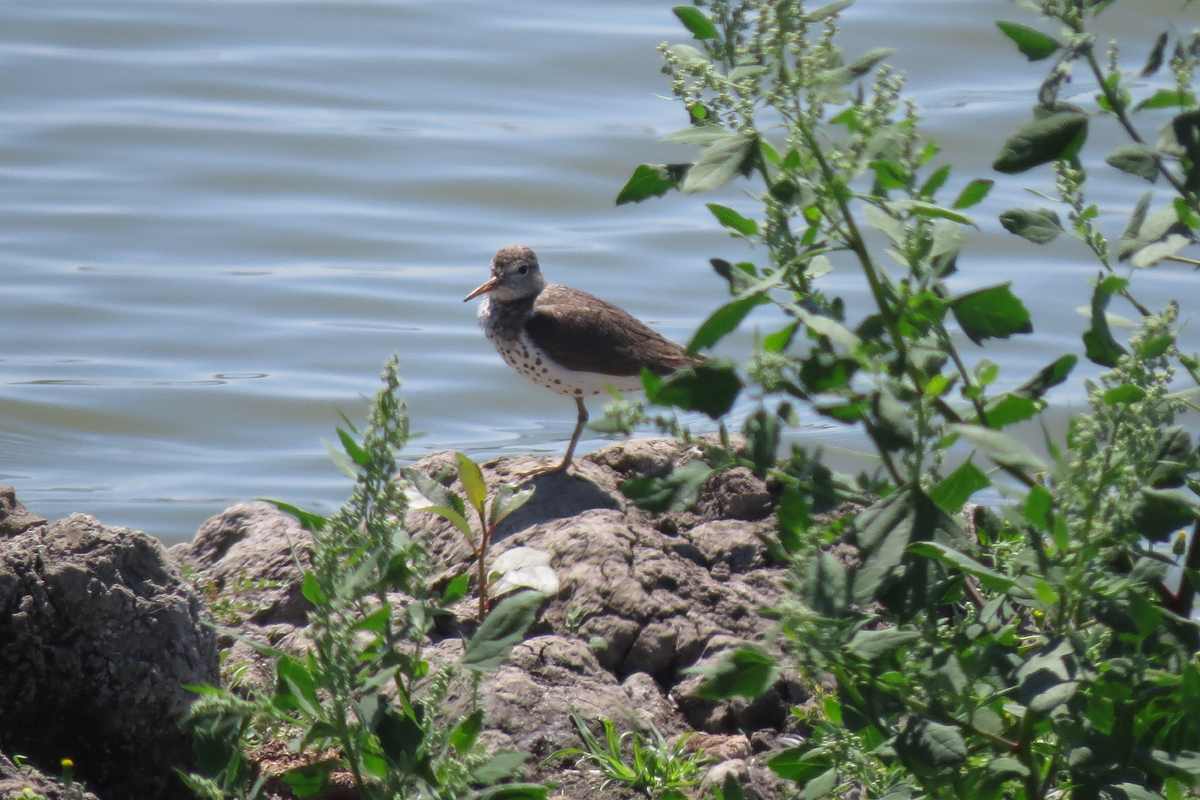
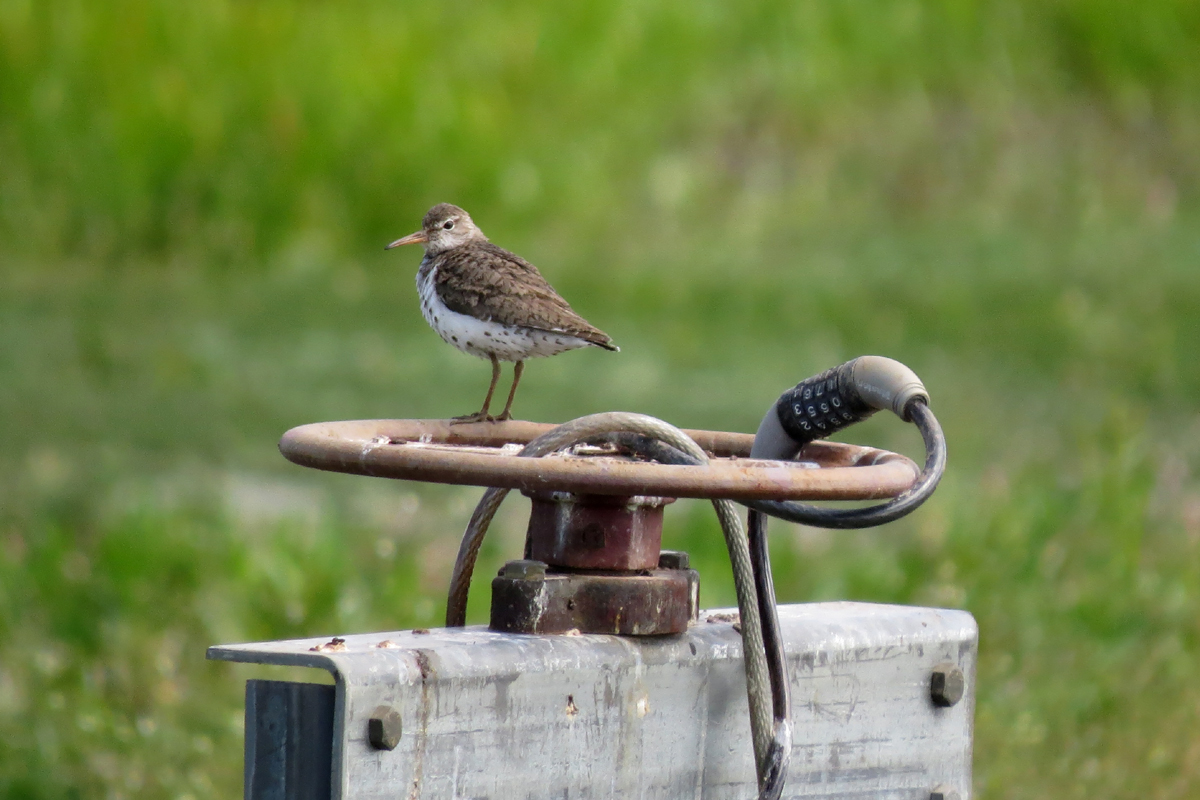
spotted 1This adult Spotted Sandpiper may be the parent of the juvenile pictured above. Like many birders, she assumes the sign does not apply to her.
spotted 2
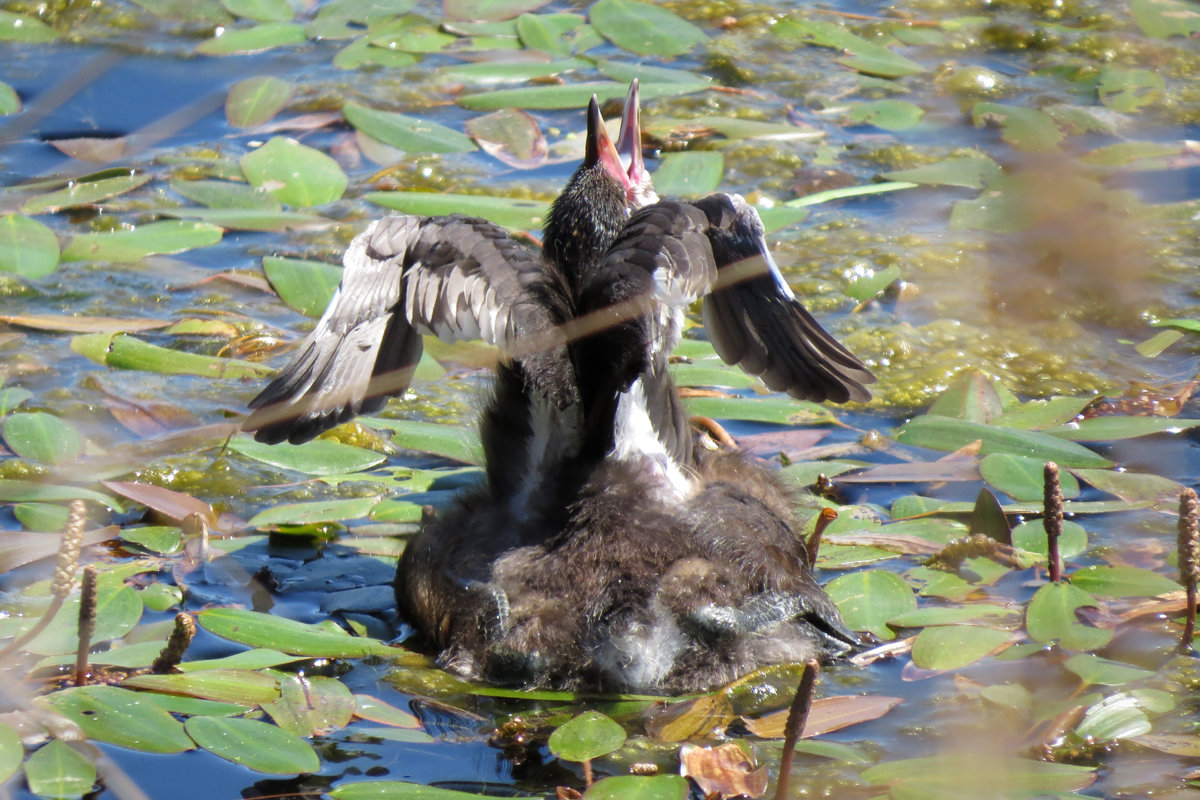
pb grebe scratchingThis young Pied-billed Grebe was grooming and stretching in the canal.
stretching pb grebe
pb grebe left

tadpolesThere are lots of tadpoles in the canal.
bullfrogUnfortunately, they belong to the invasive American Bullfrog.

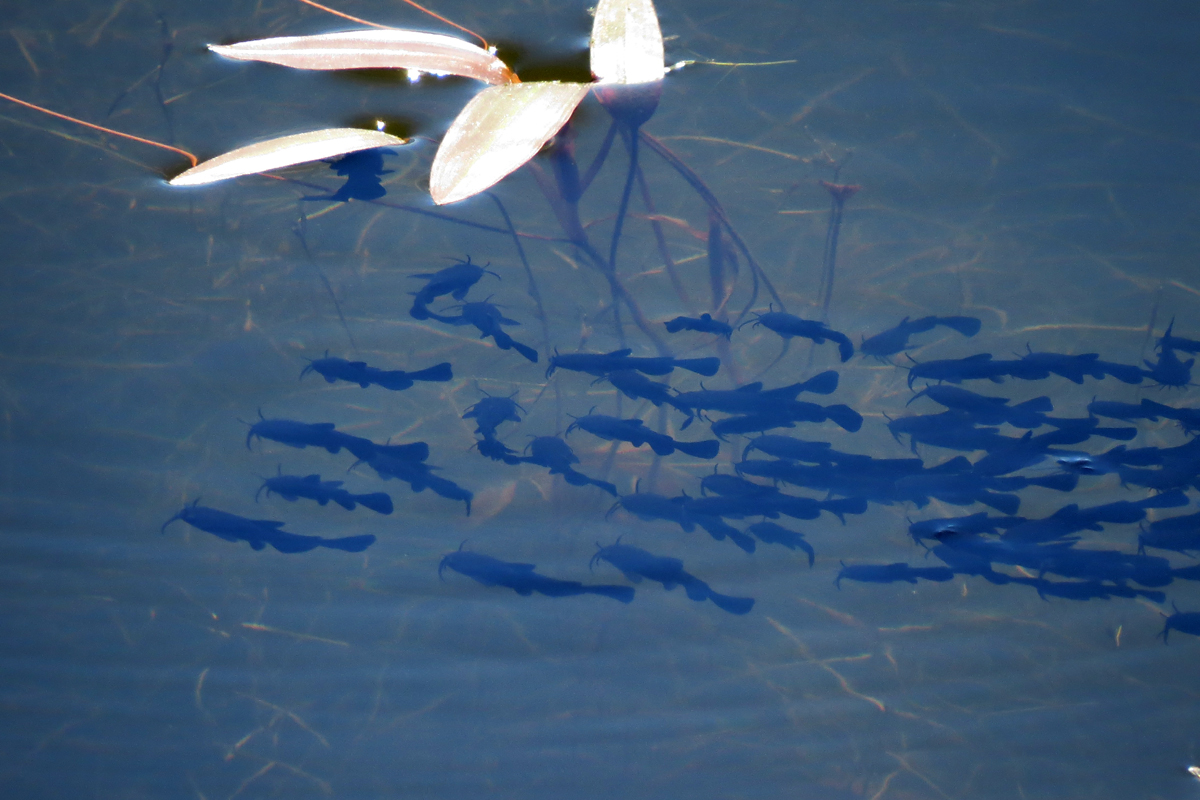
bullheadsEvery puddle has a school of baby bullheads this time of year.
bullheads 2

nutria eatingAnother invasive species, but darned cute, is this young Nutria nibbling on aquatic vegetation.
nutria eating 3

Shorebird Class

My Shorebirds of the Willamette Valley class had their first field trip on Saturday. We found nine species of shorebirds, a nice collection of the expected species. We missed the Semipalmated Sandpiper that had been reported earlier in the week. All the migrants we saw were adults. The juveniles should be arriving soon, hopefully in time for our next field trip. Since I was leading the trip, I didn’t have much opportunity to seek out photos, but here are a few back-lit images.

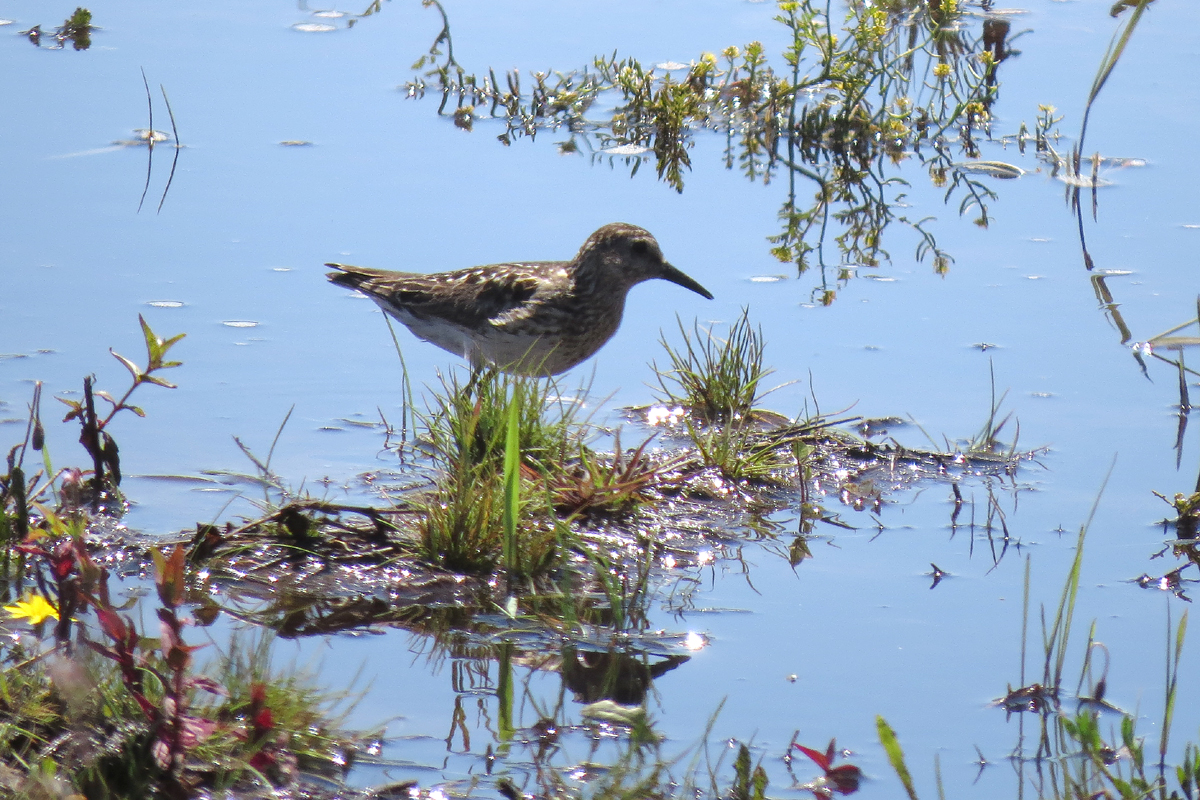
leastLeast Sandpiper was the most common species of the day.

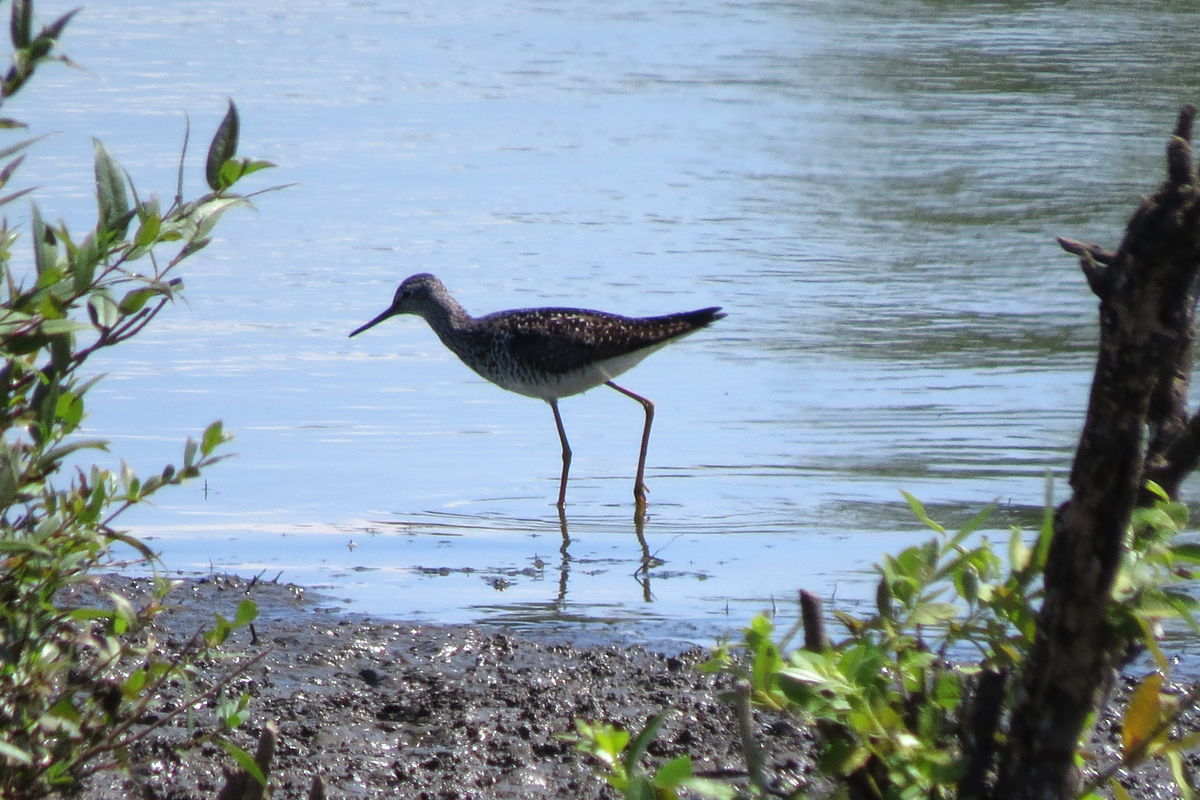
lesser yellowlegsWe found one Lesser Yellowlegs at Jackson Bottom and one at Fernhill Wetlands. The one at Jackson very cooperatively posed next to some Greater Yellowlegs for direct comparison.

western and semipalmThis Semipalmated Plover, to the right of the Western Sandpiper, was the only one of the day. He nestled down into the mud, perhaps to cool off.

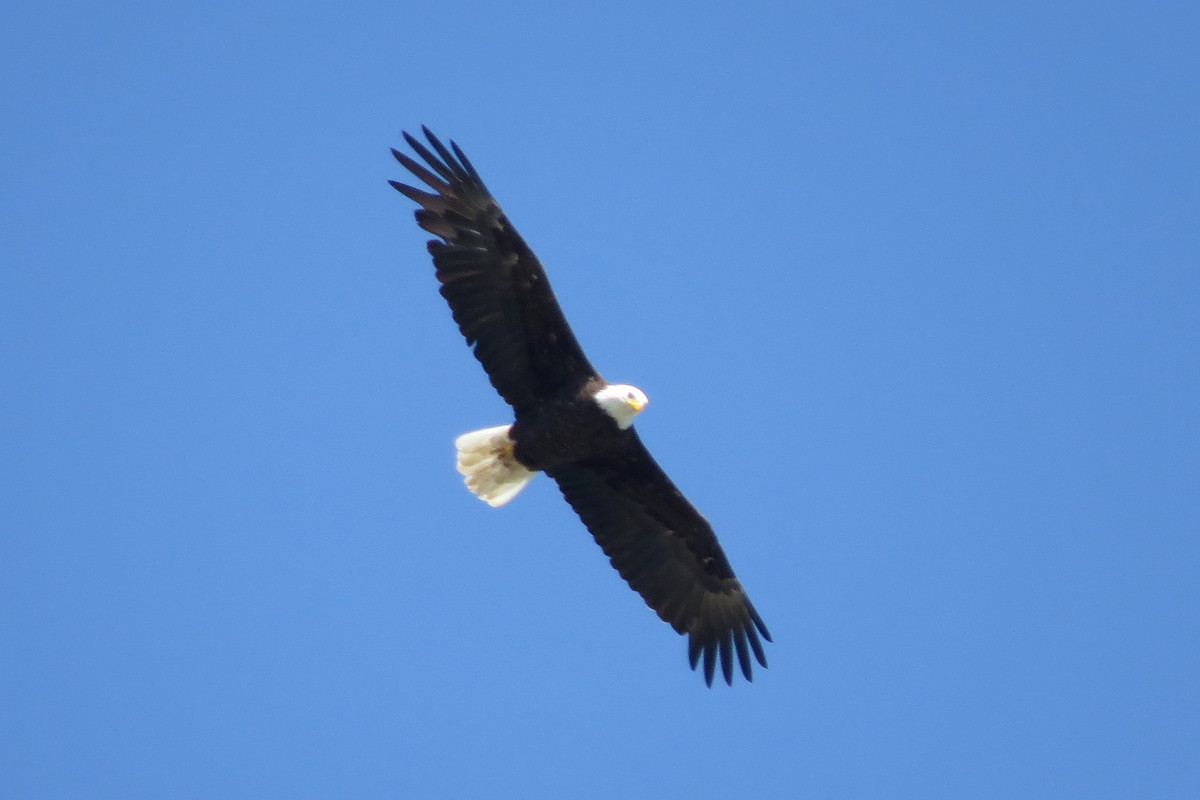
bald eagleA blurry Bald Eagle at Fernhill Wetlands didn’t pose much of a threat to the shorebirds, but did make the waterfowl nervous.

westernWestern Sandpiper at Fernhill Wetlands

spottedLots of Spotted Sandpipers remain at both Jackson Bottoms and Fernhill.

Jackson Bottom, 11 July 2013

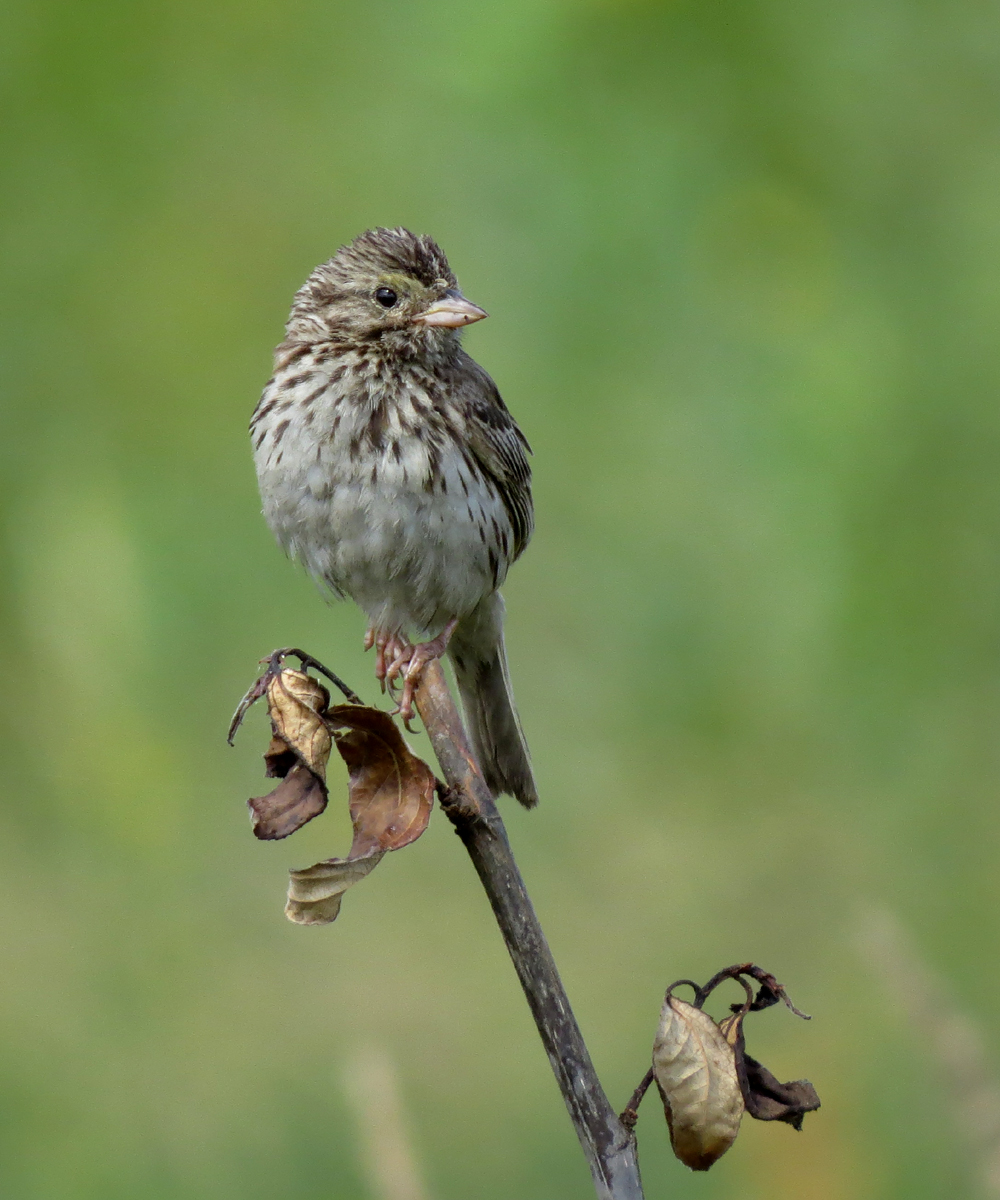
savannahI walked around Jackson Bottom in Hillsboro this morning. As you would expect at this time of year, there were lots of young birds around.  This young Savannah Sparrow posed nicely. His parents have not taught him to skulk in the weeds yet.

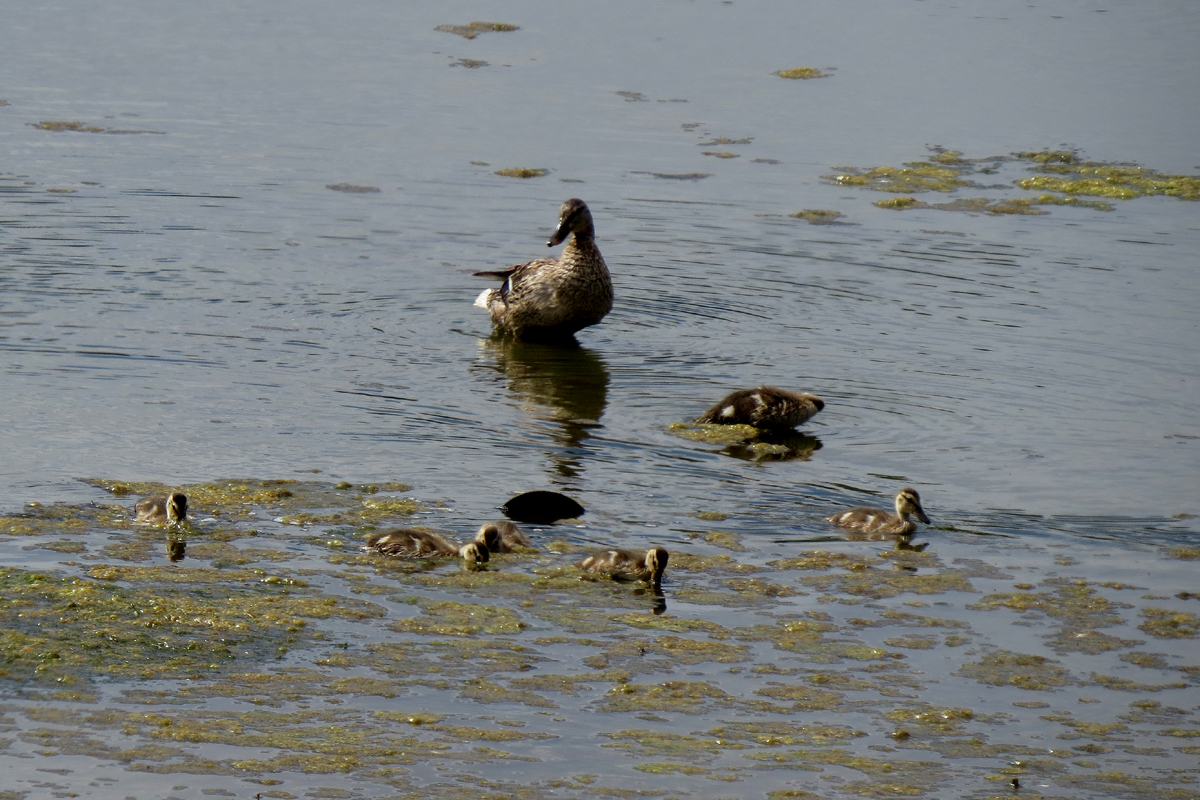
blue-winged and cinnamon tealThe best bird of the day was this male Blue-winged Teal (right foreground), always hard to find in the Willamette Valley. He flew in with a small flock of Cinnamon Teal.
blue-winged teal

mallard familyFamilies of young Mallards were everywhere.

canada goose familyThese Canada Geese are mostly grown, but retain a bit of their cute fuzziness.

spotty left 1I was surprised by the lack of migrant shorebirds. The resident Spotted Sandpipers were well represented.

nutriaLots of Nutria were out this morning. Yes, introduced species often wreak havoc on native ecosystems, AND, Nutria look like adorable little bears.

Maine, June 23-29, 2013

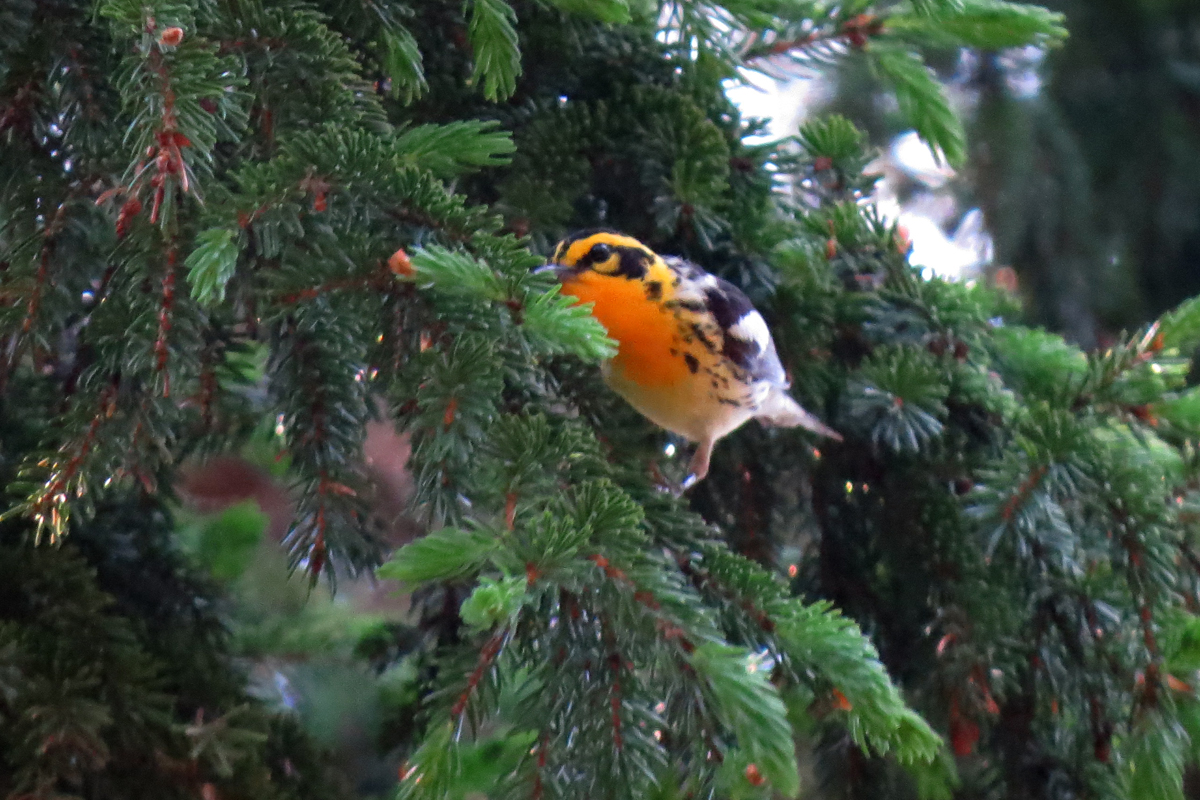
blackburnian warbler 2I spent last week in Maine, around Bangor and the central coast. The weather went from hot and muggy to cold and rainy, which might have to contributed to the overall poor birding compared to previous visits. I did see two lifers, one on the first day (Saltmarsh Sharp-tailed Sparrow) and one on the last (Great Cormorant). It is always nice to see some eastern warblers, like this Blackburnian.

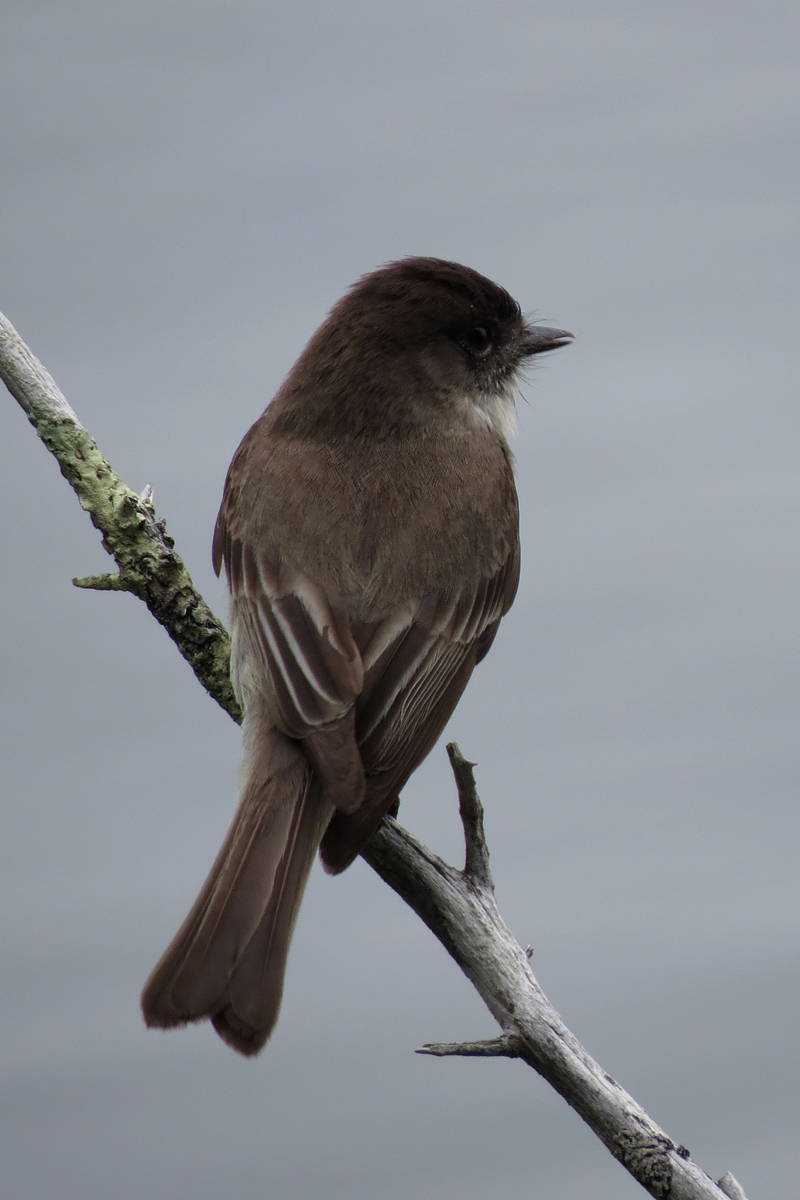
eastern phoebeEastern Phoebe, Mount Desert Island

great black-backed gullsGreat Black-backed Gulls, Schoodic Point

great black-backed gullGreat Black-backed Gulls in this area are rather shy, perhaps because biologists have been “discouraging” them from hunting on the offshore tern nesting colonies. The gulls do not allow a close approach and quickly take off if you point a camera at them.

herring gullThe Herring Gulls are happy to pose for mug shots.

great shearwaterGreat Shearwater, Gulf of Maine

great cormorant 1Great Cormorant, Schoodic Point, way out there, in the rain, but he still counts.

bullfrogAmerican Bullfrogs are an invasive species here in Oregon, so it was nice to see them in their natural range.

petit manan nwr MaineThis dragonfly species was common in wooded areas, where they blended in with the tree trunks.

petite manan nwr, METhis more colorful species was at the edge of a meadow.

spotted sandpiperSpotted Sandpiper, Petit Manan NWR

spotted and willet smallSpotted Sandpiper and Eastern Willet, Petit Manan NWR

willet 2aEastern Willet, looking a little sleepy
willet 3a