Broughton Beach

Broughton Beach is the stretch of shoreline along the Columbia River, just north of the Portland airport. It has been a popular spot to access the river to scan for waterfowl in winter, and the shore attracts some neat birds, like Horned Larks, American Pipits, and the occasional Short-eared Owl. There used to be free parking there, but that was eliminated when the adjacent public boat launch was expanded to include a nice new car parking lot (with a fee station).

horned grebeThere weren’t many birds on the water during my recent visit. Here is a distant Horned Grebe.
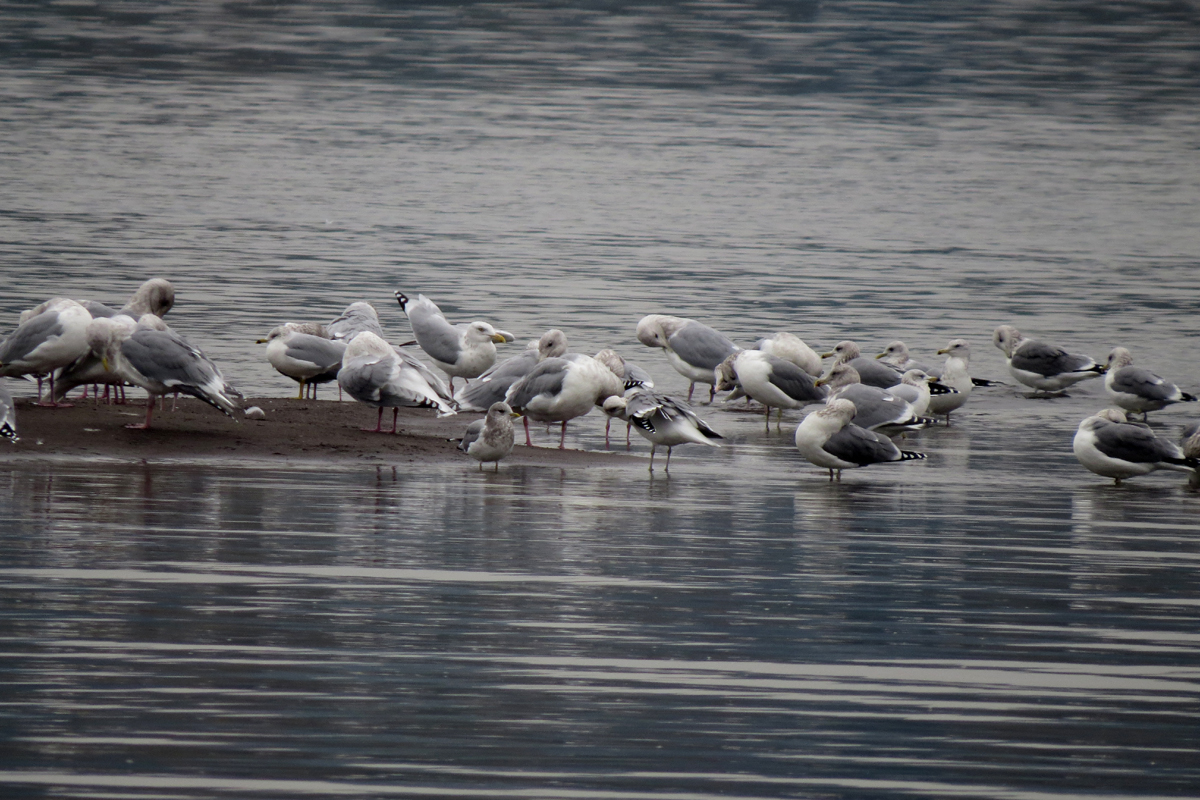
gull flockA mixed flock of gulls was loafing on a sand spit. There are at least four species in this photo, lots of California, a Mew, a Herring, and a few Ring-billed.

peregrine 1The gull flock was resting after being harassed by this guy. This Peregrine Falcon spent several minutes flying through the flock, taking half-hearted swipes at various gulls. Perhaps he was testing for any individuals that were injured or particularly slow.

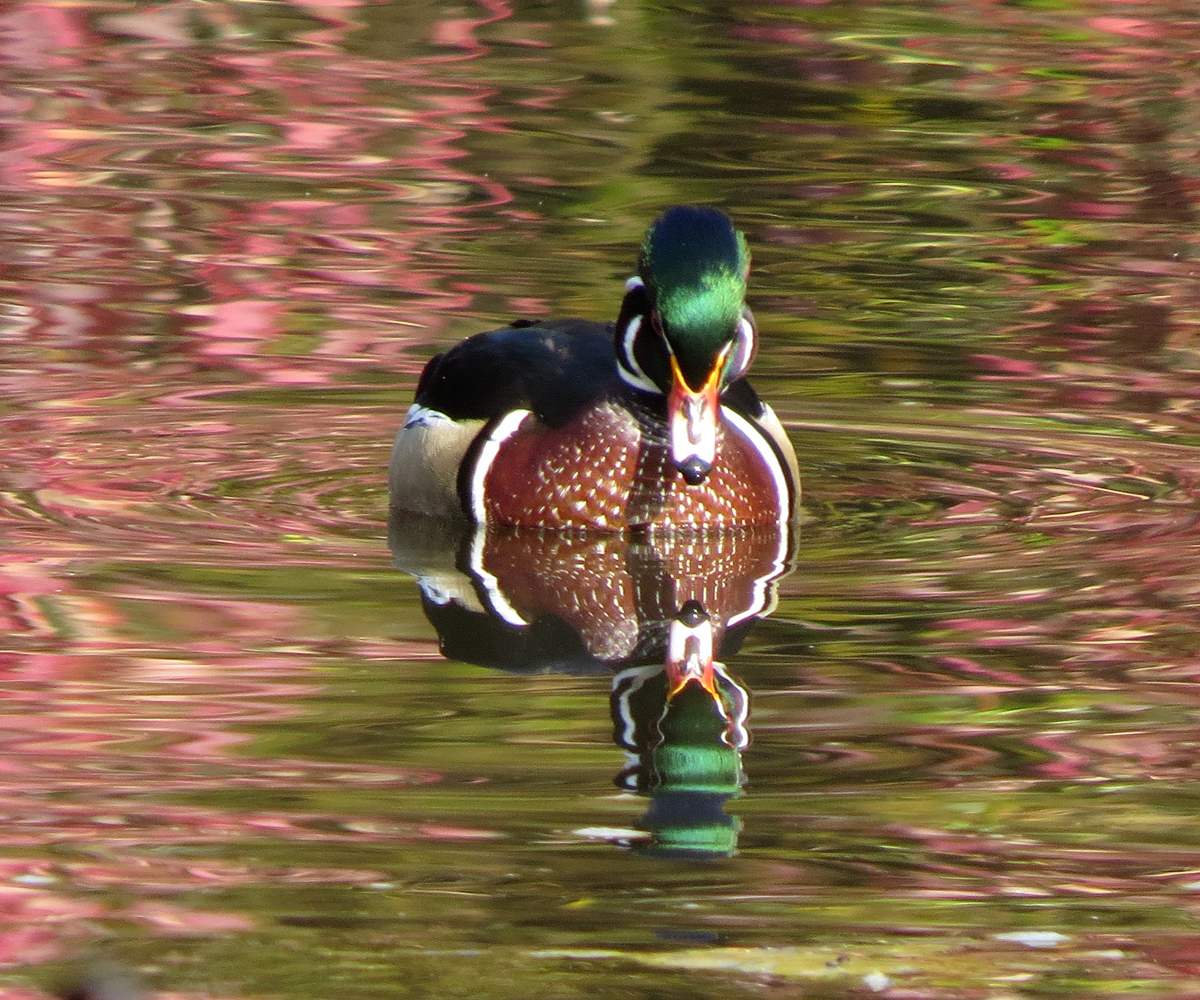
Dawson Creek

Nala and I went out to Dawson Creek Park in Hillsboro to look for a Rusty Blackbird reported the day before. This site, a private park associated with the office park behind the public library, is a manicured park with paved trails around a series of small ponds. It attracts good numbers of waterfowl in winter, some migrant songbirds, and a few resident Acorn Woodpeckers.

wood duck 5Wood Ducks are common in the ponds.
wood duck 2Some of the males were displaying to the females, swimming around slowly with their heads lowered.
wood duck 3Such a handsome boy

l cackling flockCackling Geese were grazing on the lawns.

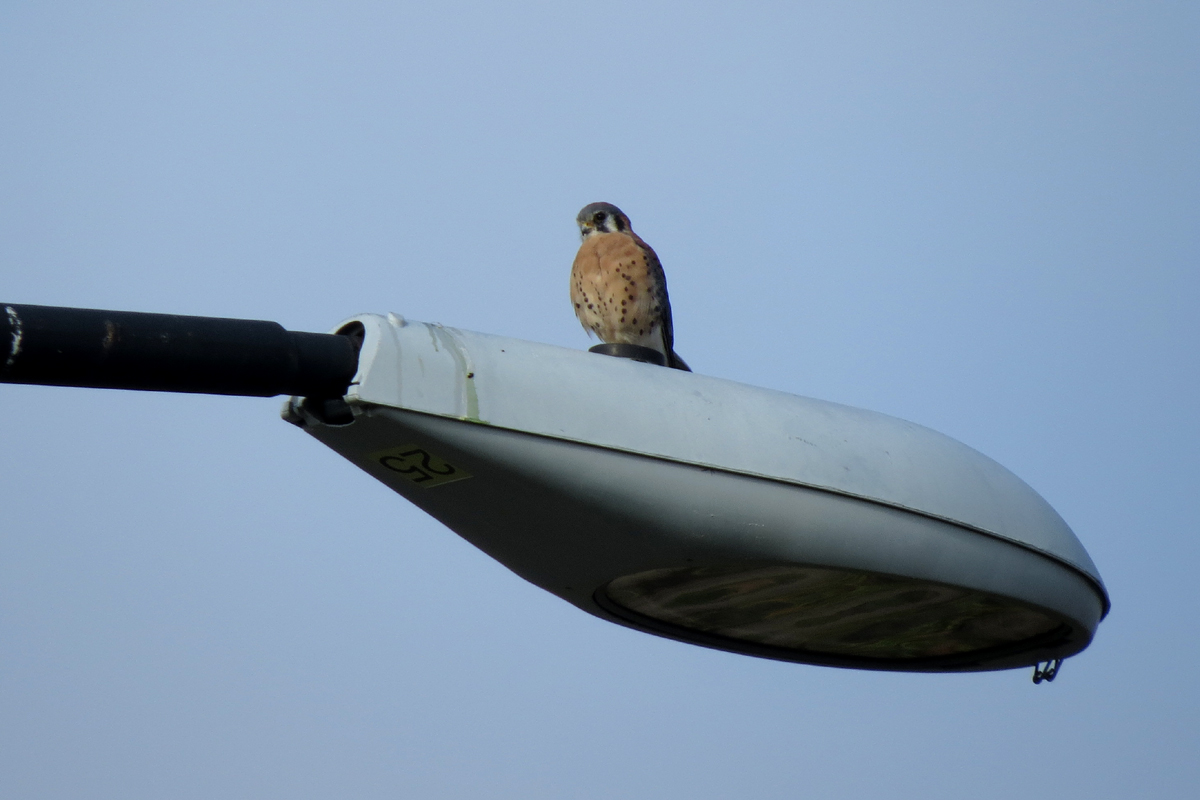
kestrel 1American Kestrel
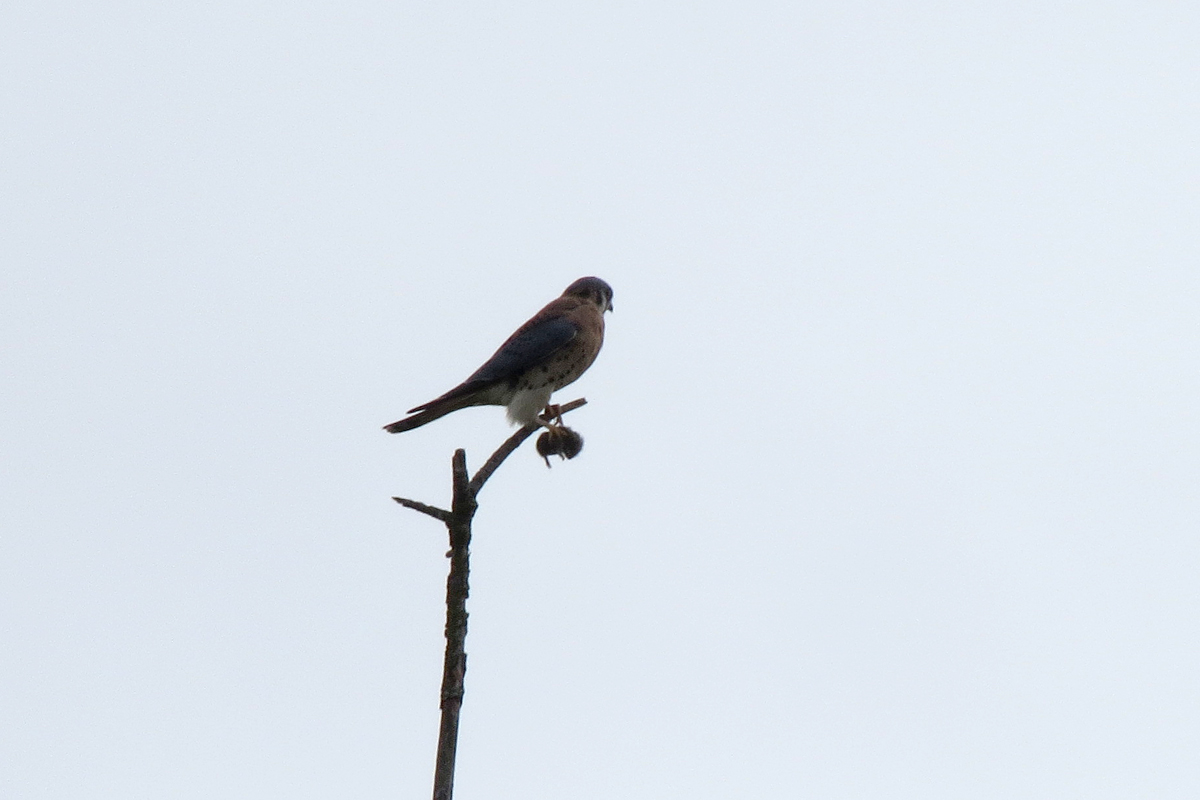
kestrel 2The same bird later, with lunch

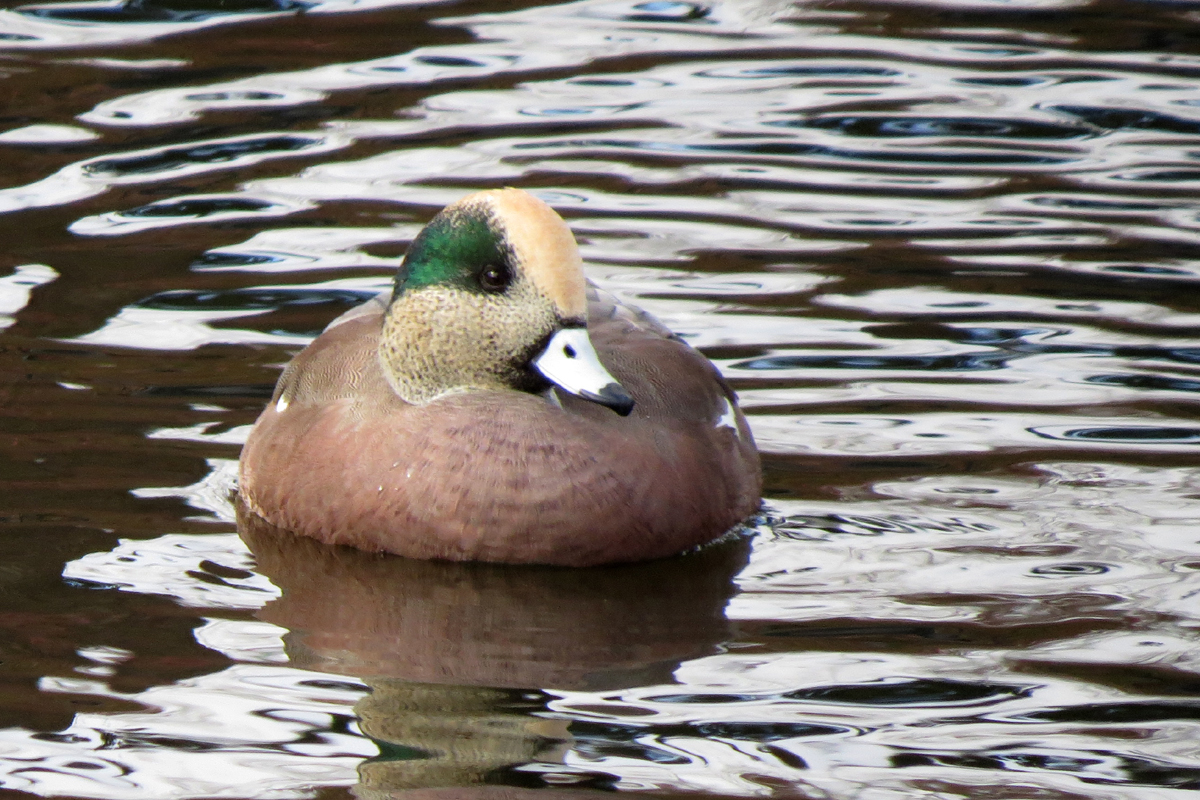
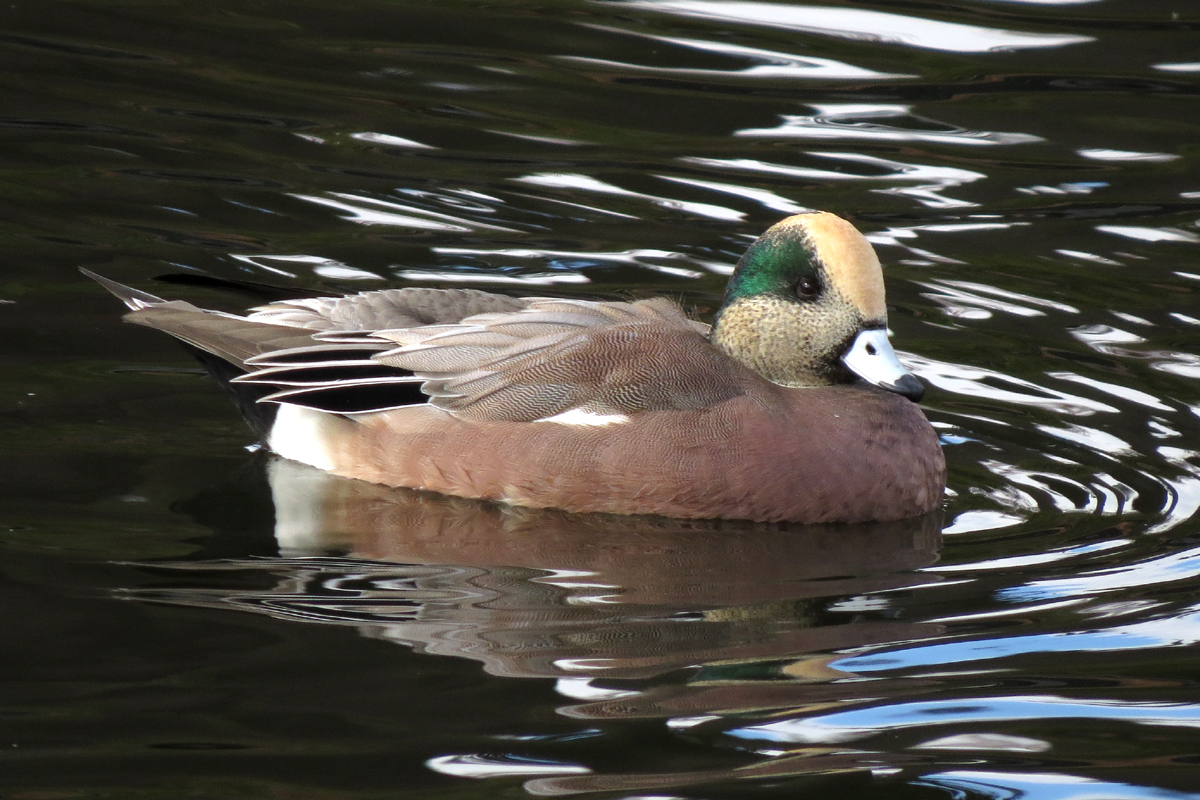
wigeon 1There were just a few American Wigeons in one of the ponds. I expect their numbers to increase at this site within the next couple of weeks.
wigeon 2

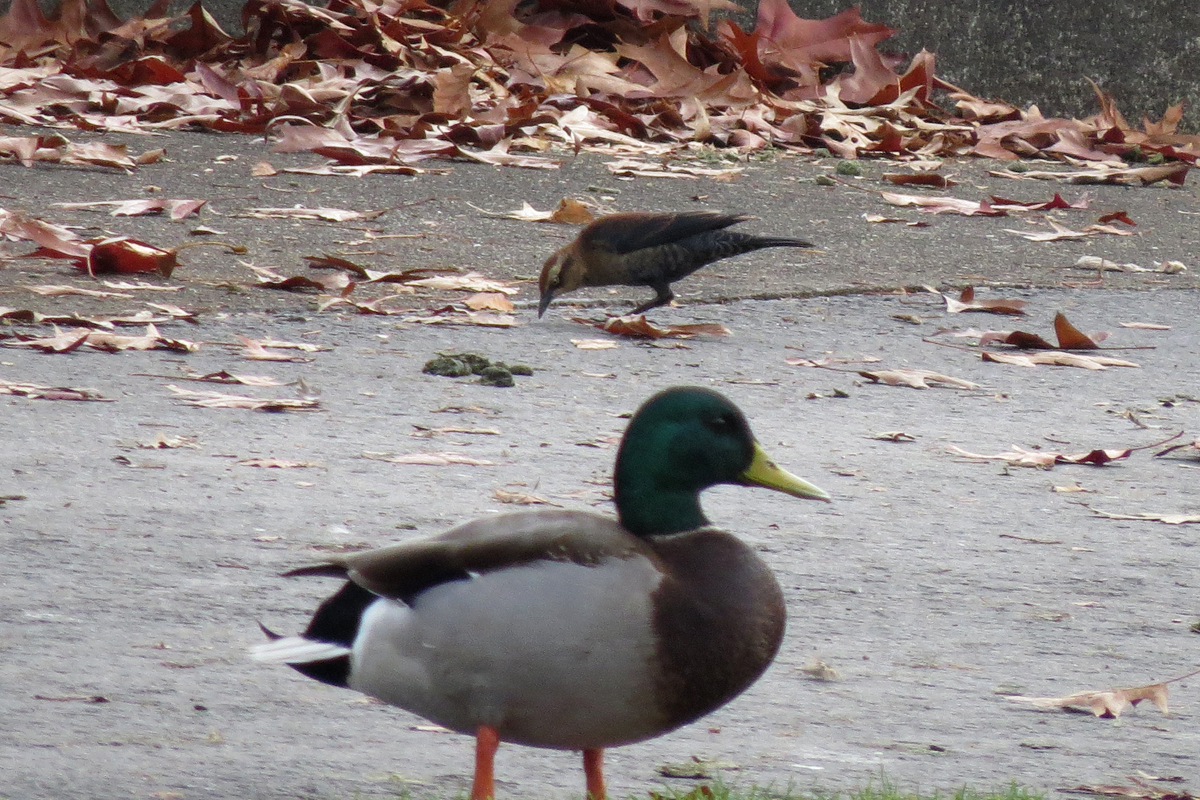
rusty blackbird 1Just as I was finishing my tour of the site, I finally saw my target bird (the Rusty Blackbird, not the Mallard). It would have been nice to get some full-frame photos like some other birders were able to get about three minutes earlier, but I was glad to add this species to my Oregon list. There are less than 20 accepted records of this species in the state. Rusty Blackbirds have experienced drastic population declines in the last few decades.

Smith and Bybee Wetlands 24 Oct. 2013

wf geese duoThe morning at Smith and Bybee Wetlands in northwest Portland started out foggy. At the Smith Lake canoe launch, 12 Greater White-fronted Geese were among the many waterfowl. It is getting late for White-fronts in the Willamette Valley.

waxwing 1There were a lot of Cedar Waxwings flycatching and feeding on various fruiting trees. This is a young bird, given the overall scruffy appearance and the lack of red tips on the tertials.

pileatedThis Pileated Woodpecker was very vocal and perched out in the open on a distant utility pole.

rs hawkThis Red-shouldered Hawk was among the many Red-tailed Hawks and Northern Harriers present on the property.

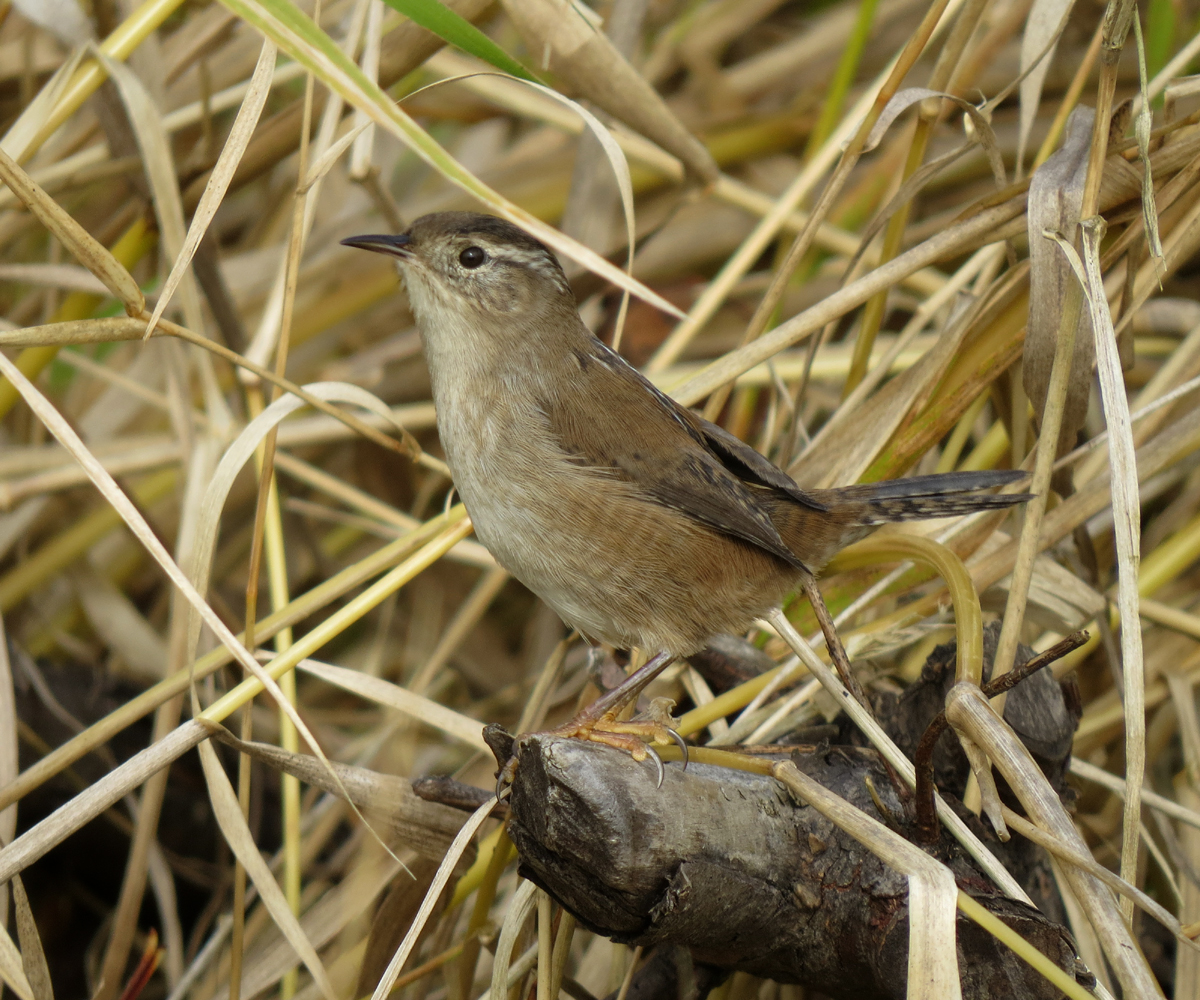
marsh wren front 1The current low water levels allow you to hike quite a ways out into the wetlands. Marsh Wrens are common in the shrubs and reed canary grass.
marsh wren side 2

song sparrowSong Sparrows are also common in the tall grasses. The best bird of the day was a Swamp Sparrow, but he eluded the camera.

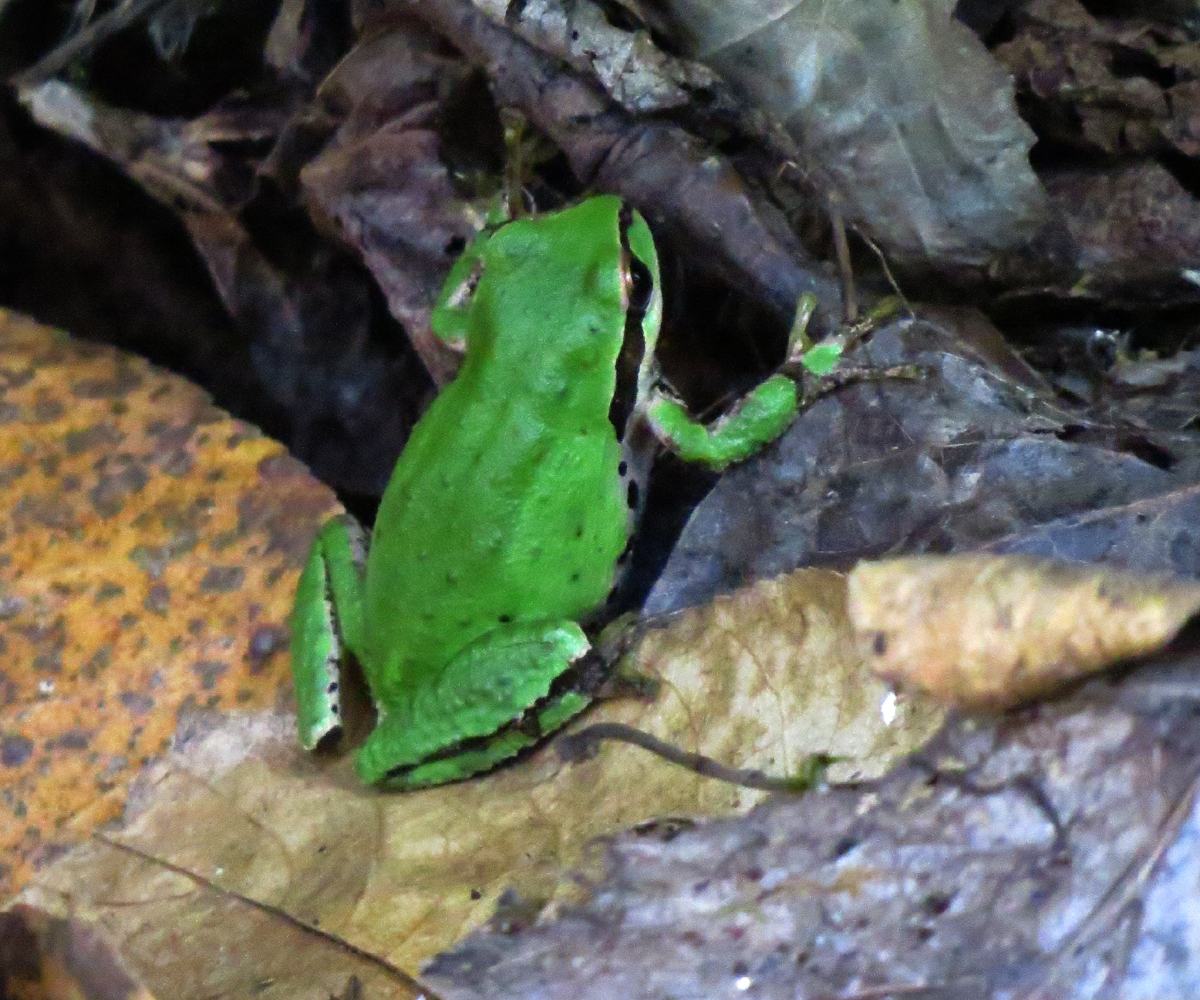
frog 3Pacific Chorus Frogs were singing everywhere, but this is the only individual I could see.

Delta Ponds, Eugene

I made a very brief stop at Delta Ponds in Eugene. Since the site is right by a major highway, the traffic noise effectively eliminates any birding by ear. But the ponds attract good numbers of waterfowl and herons. A Black Phoebe was a nice find.

egretGreat Egrets and Great Blue Herons were common. I am incapable of photographing white birds on a sunny day without them totally washing out.

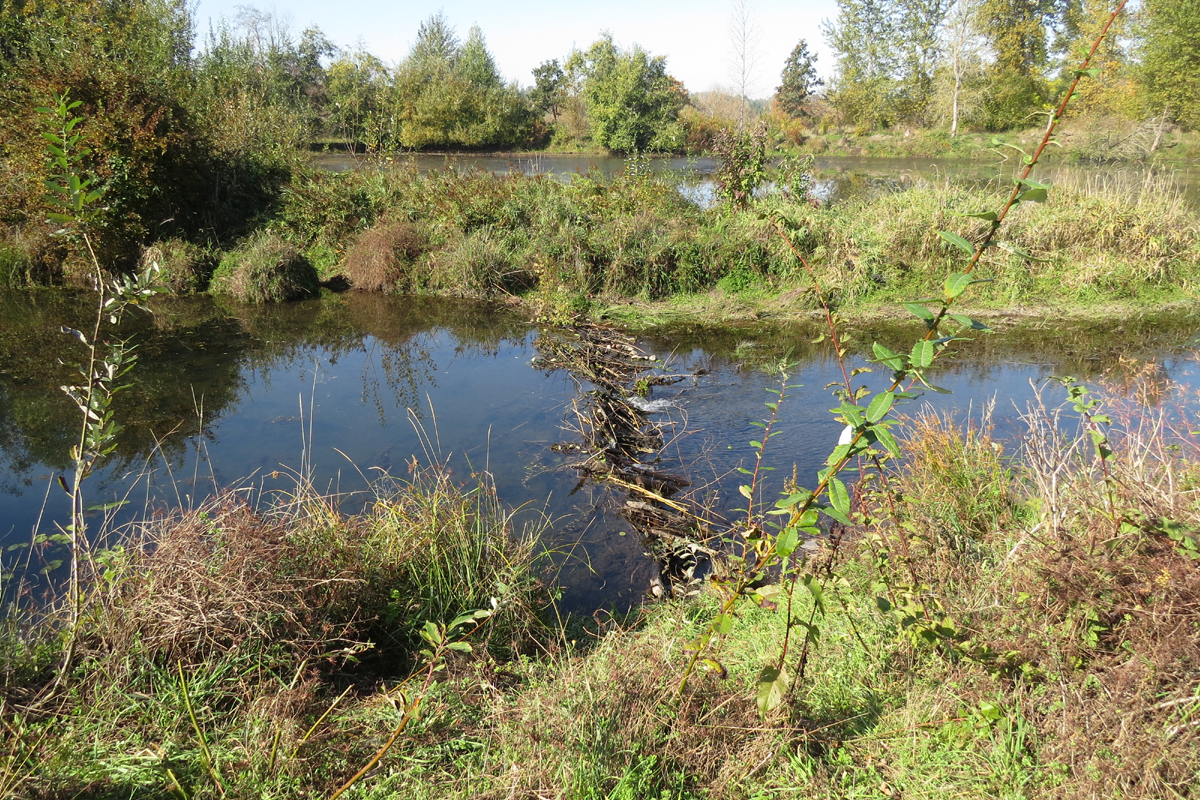
beaver dam low resBeaver dam. We didn’t see any Beaver, but we did find two River Otters.

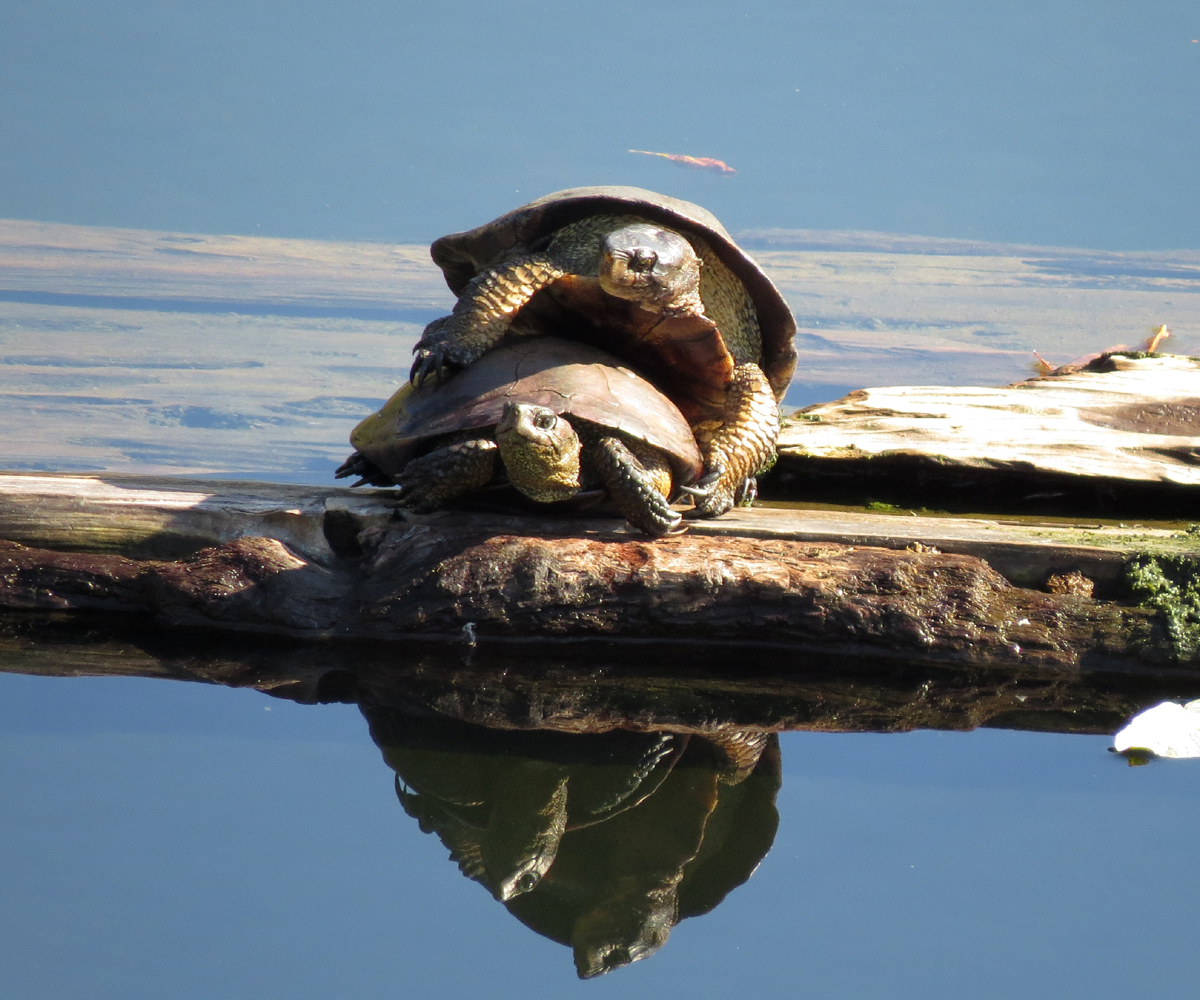
pond turtlesThe best sighting of the day, despite the slight social awkwardness, was this pair of Western Pond Turtles, a lifer for me. Western Pond Turtles, one of only two native turtle species in Oregon, are nearly extirpated from their range north of Eugene, and are listed as critical on the the Oregon list of sensitive species.

Birds and Brew Fest, 12 October 2013

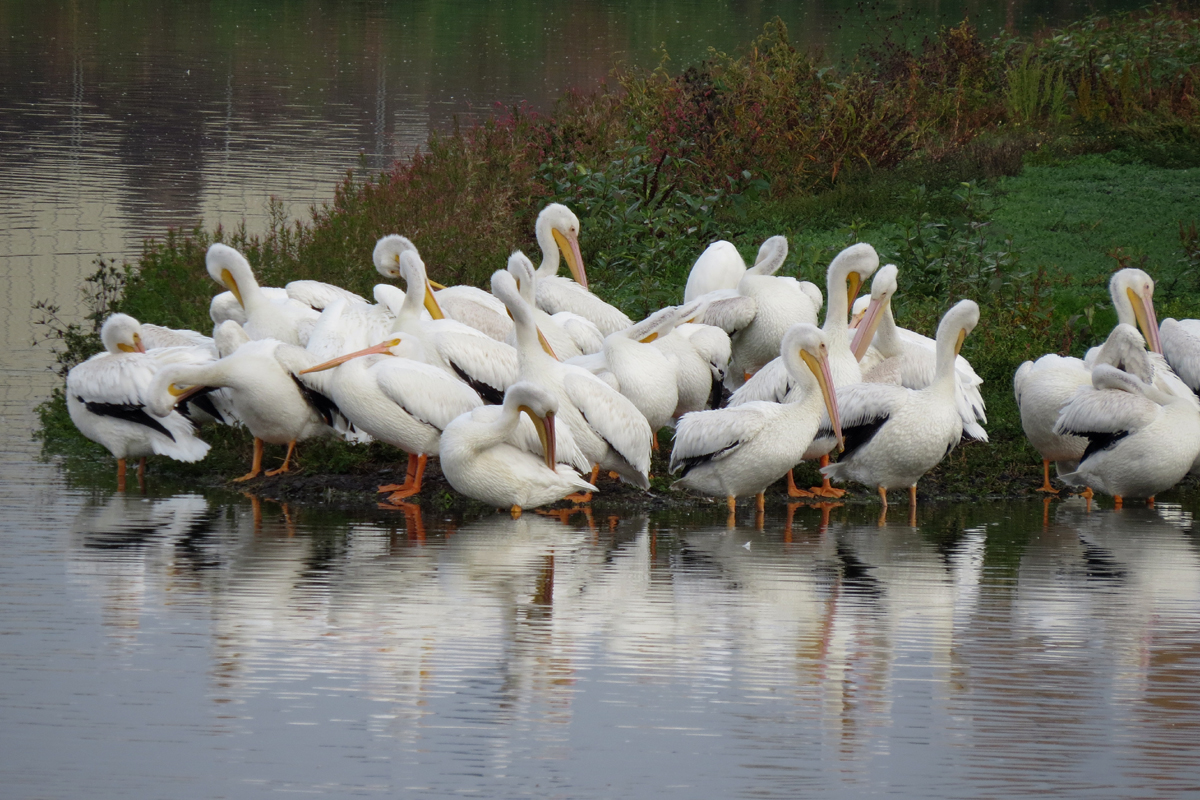
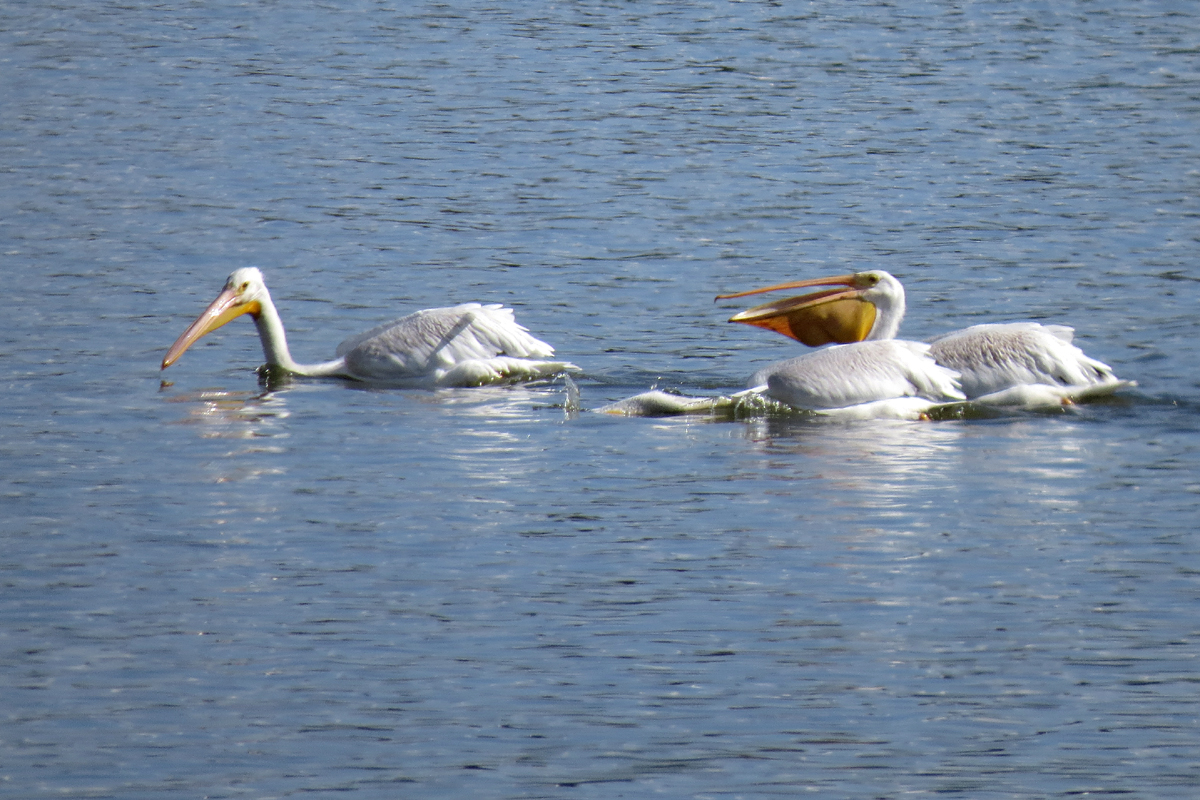
pelicansI led a tour of Fernhill Wetlands for the Birds and Brew Festival. Since there were about 50 people in the group, including many who didn’t have optics, we concentrated on the “charismatic mega-fauna,” like these American White Pelicans.

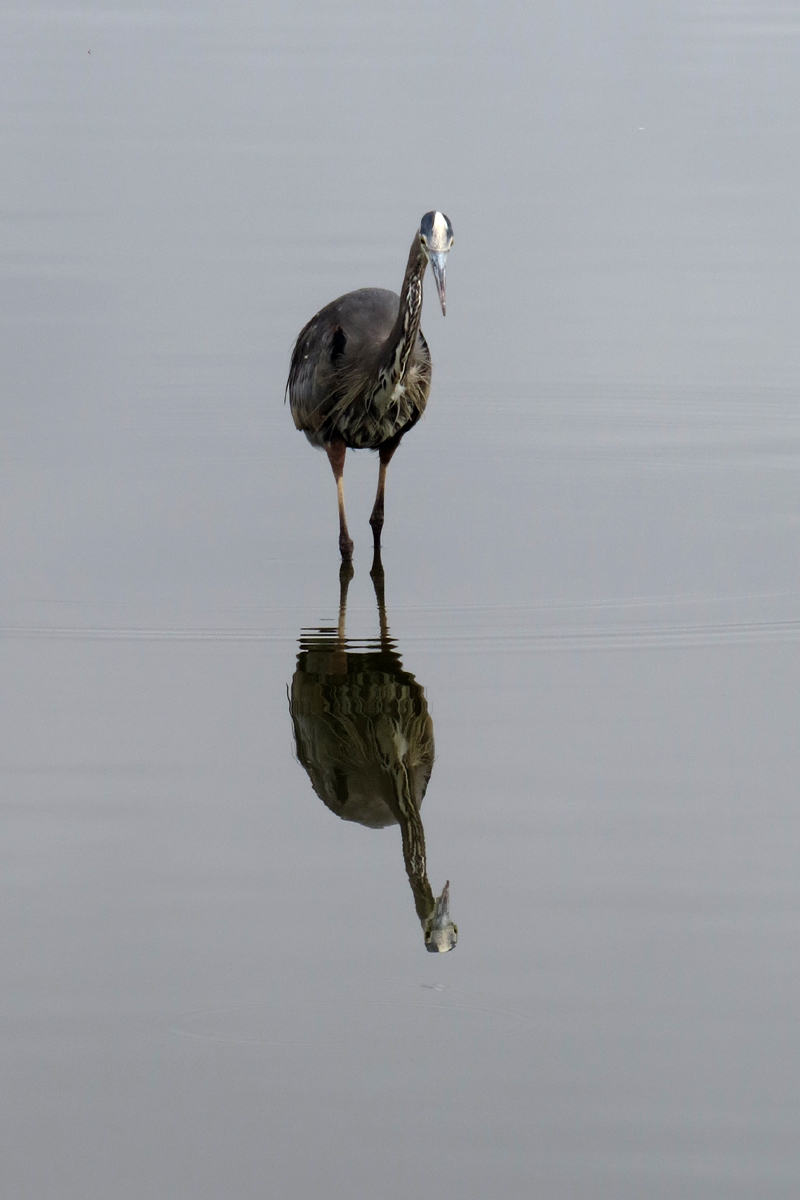
A Great Egret and a Great Blue Heron were looking all artsy with their reflections.

egret 2
egret 1
heron 2
heron 1

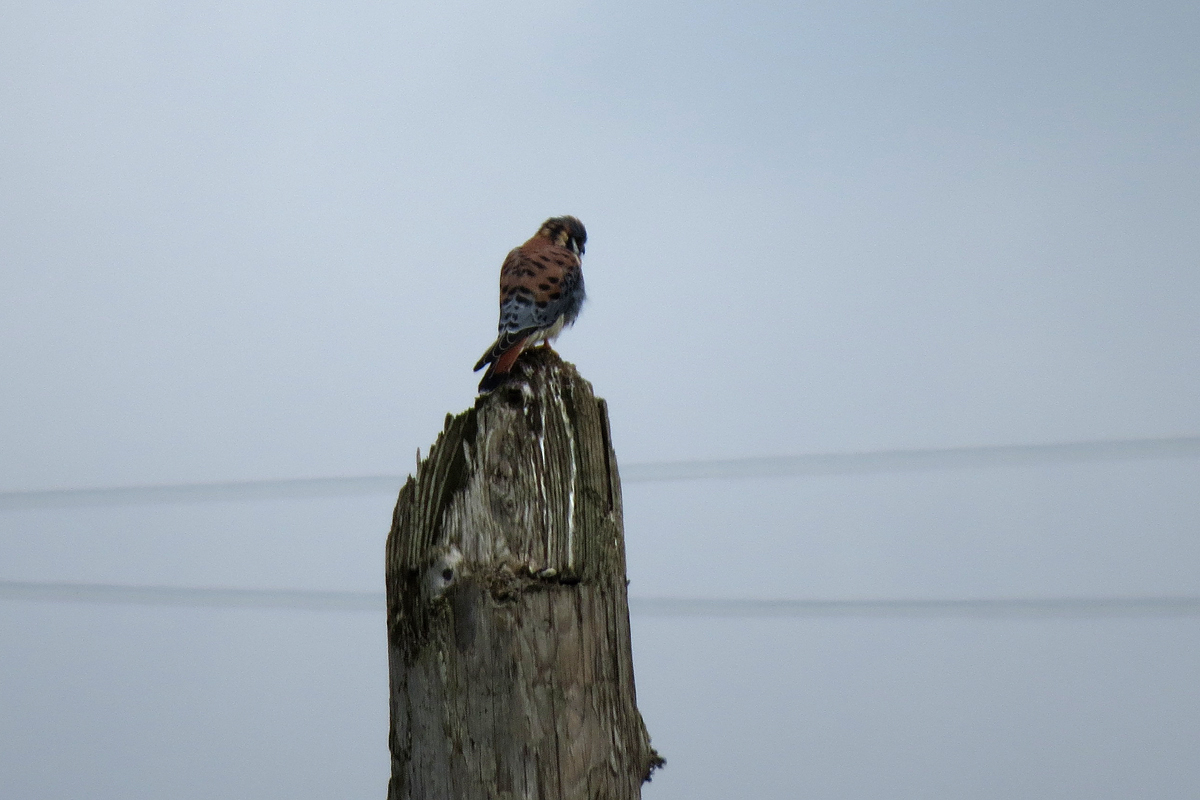
kestrelThis distant American Kestrel was showing off his colors.

yellow-rumpedAfter the group dispersed, I took another lap around the lake so I could check out the smaller birds. Along with five species of sparrow, there were lots of Yellow-rumped Warblers moving around.

North Coast

haystack rockI spent a warm sunny morning around Cannon Beach and Seaside. The first stop was Silver Point, just south of Cannon Beach, for a sea watch. There were plenty of birds out there, way out there. It is what I call birding at the edge of imagination. You have an idea of what you are seeing, but realistically, there is a lot of guessing involved. I did see the wing flash of Sooty Shearwaters and several flocks of White-winged and Surf Scoters, but most of what I saw were unidentifiable specks. Nala was waiting somewhat patiently in the car, so we soon went to Tolovana Wayside and walked to Haystack Rock.

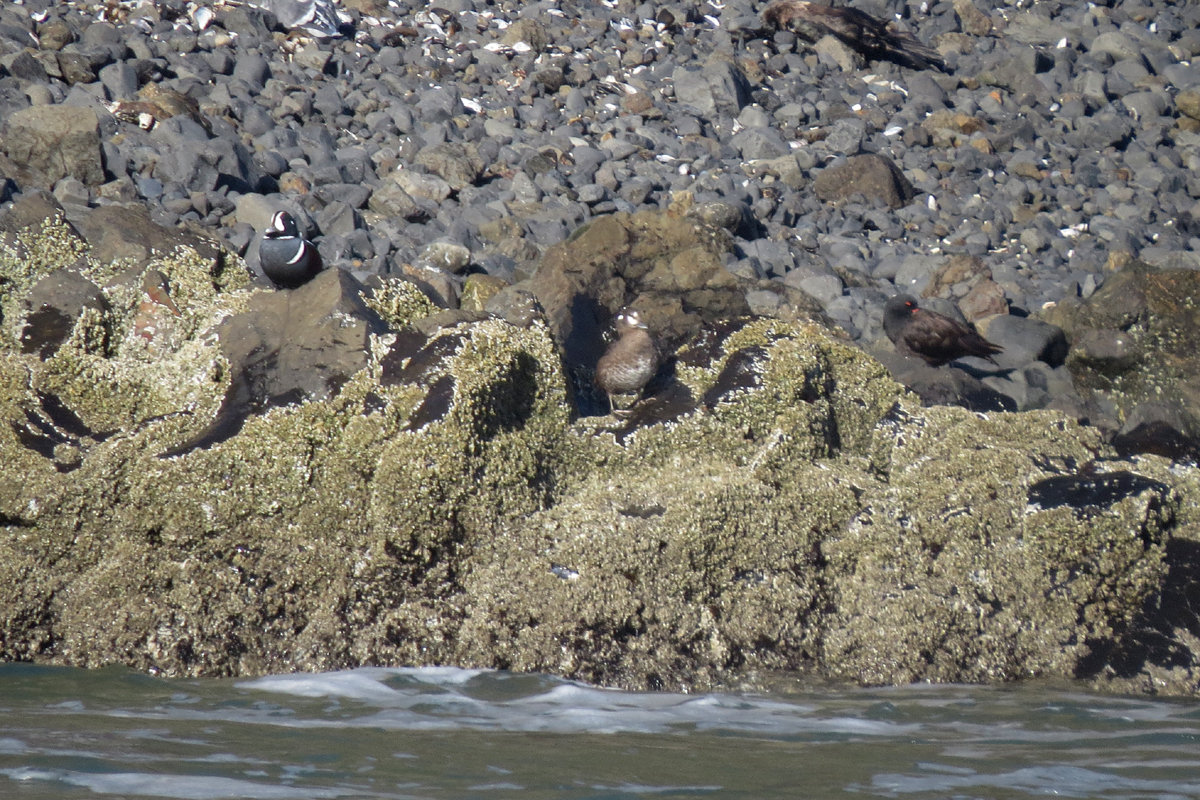
harlequinsThe tide was coming in, so I couldn’t get too close to the rocks. Still, you could see several Harlequin Ducks. Here is a male and female, with a Black Oystercatcher on the right. I didn’t see the Oystercatcher when I was in the field, only when I developed the photo.

oystercatcheranother Black Oystercatcher

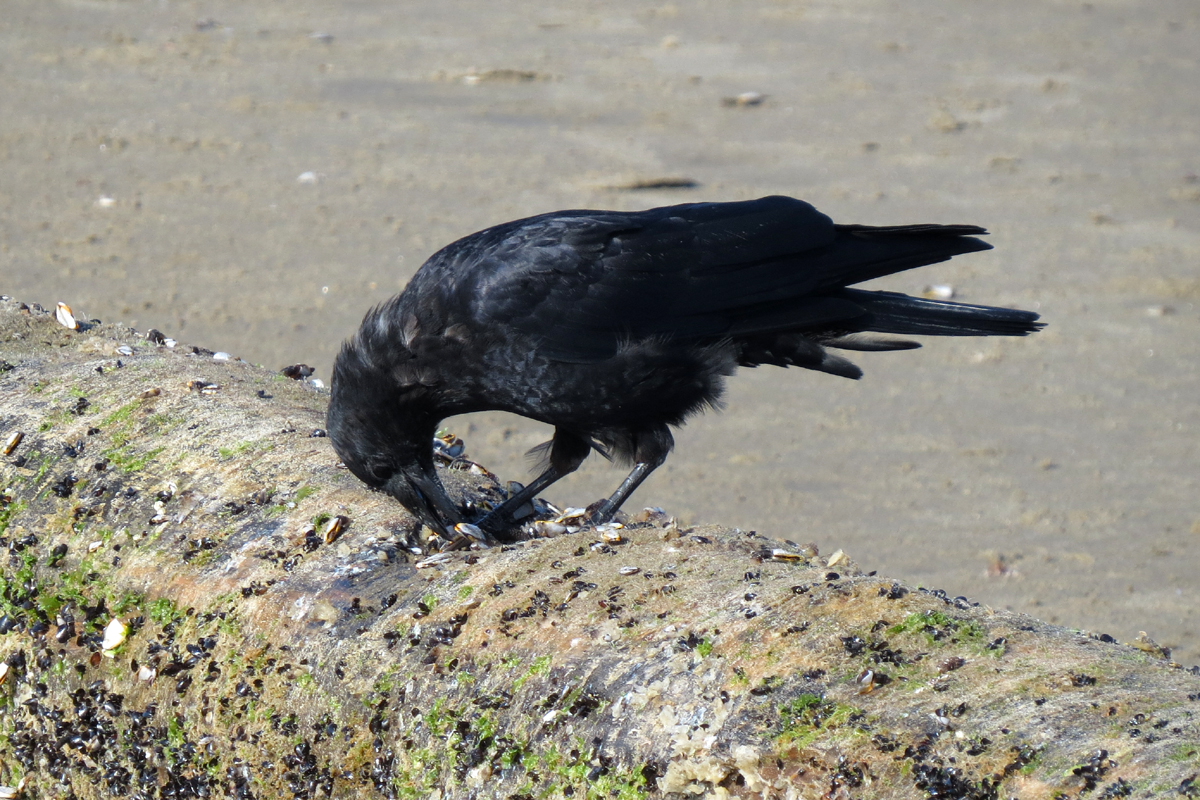
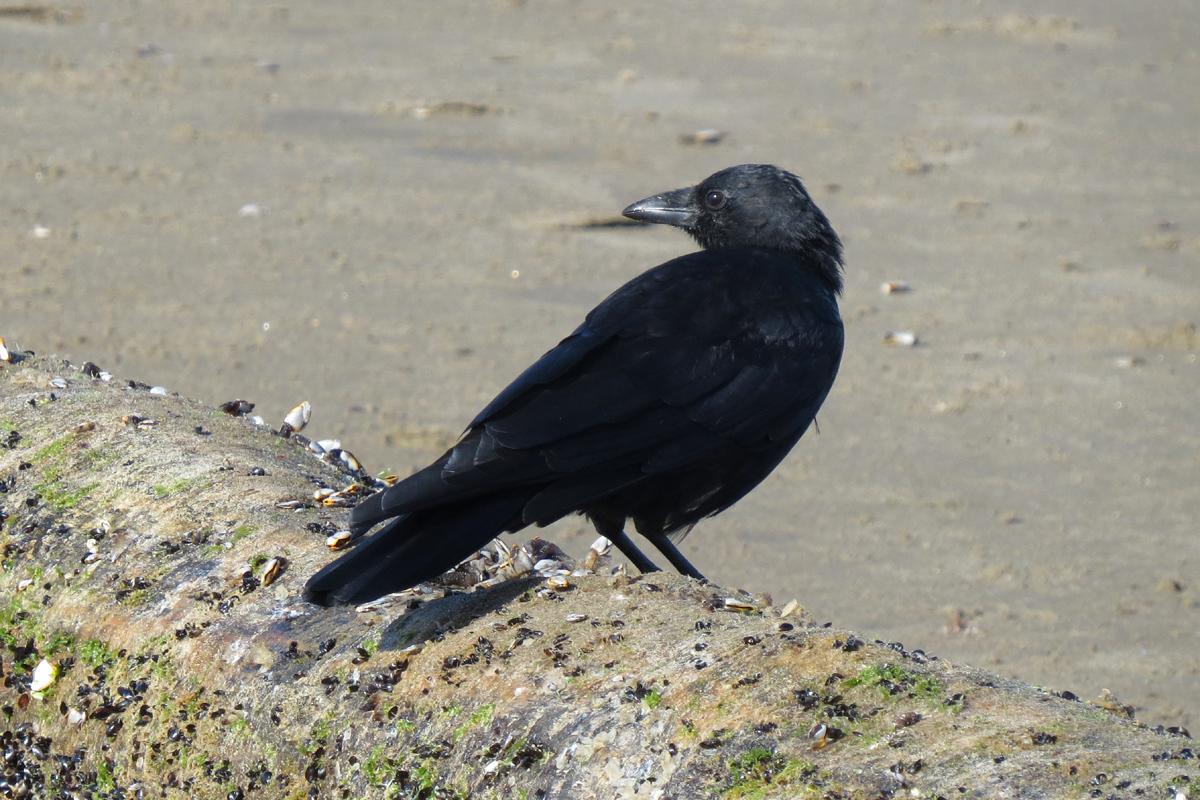
crow eatingA log, which has obviously been in the water for a long time, had washed up on shore, and the American Crows were busy picking at the barnacles.
crow

nala in streamNala, taking a break

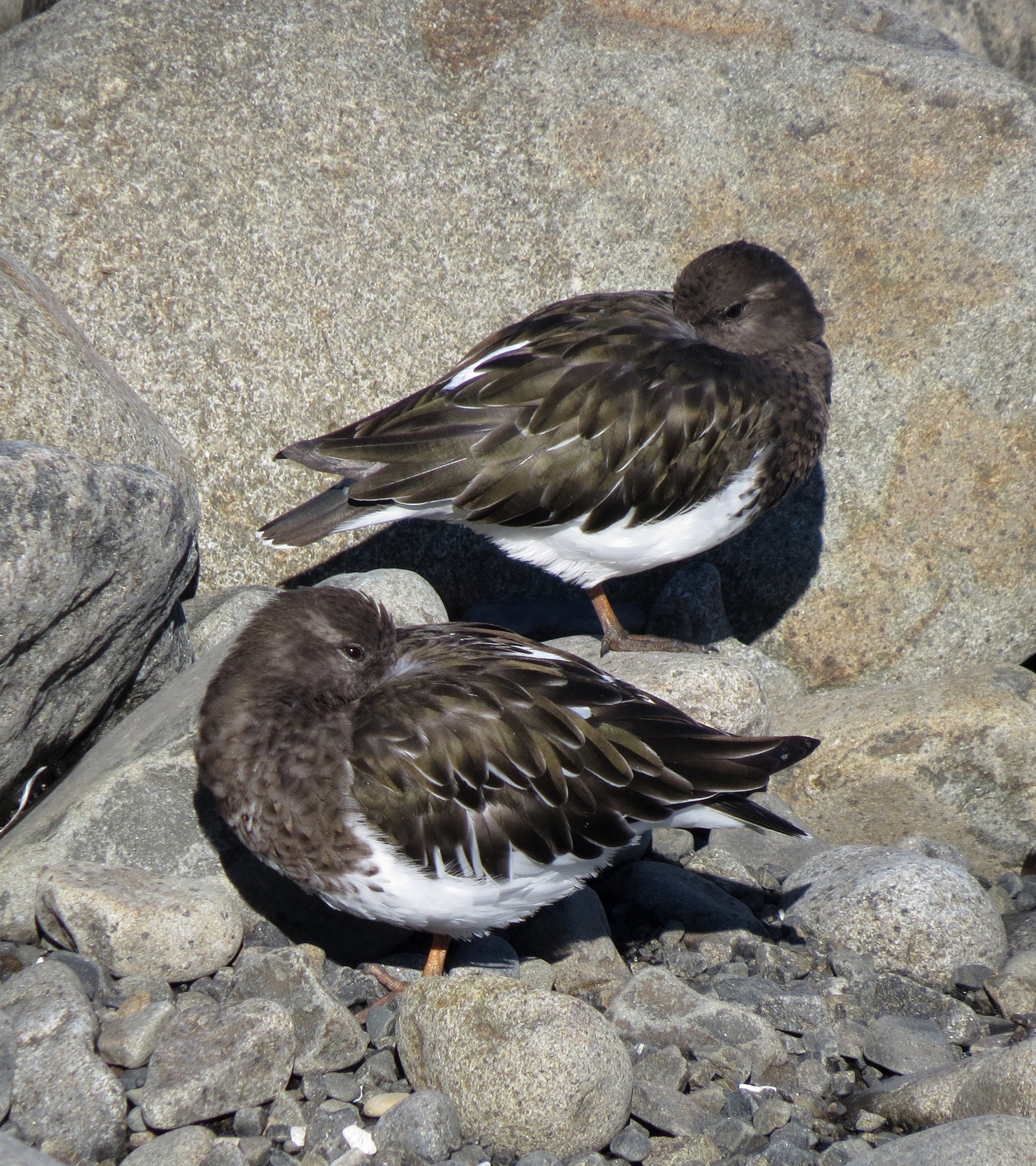
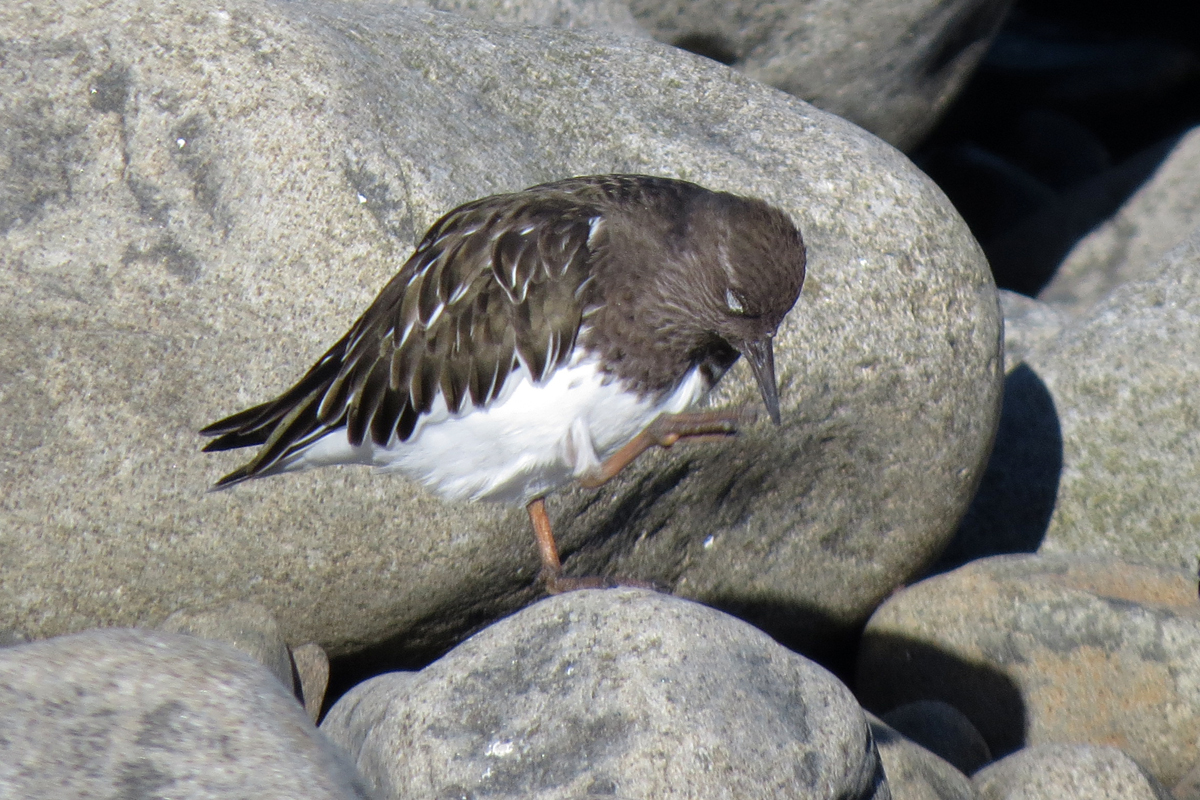
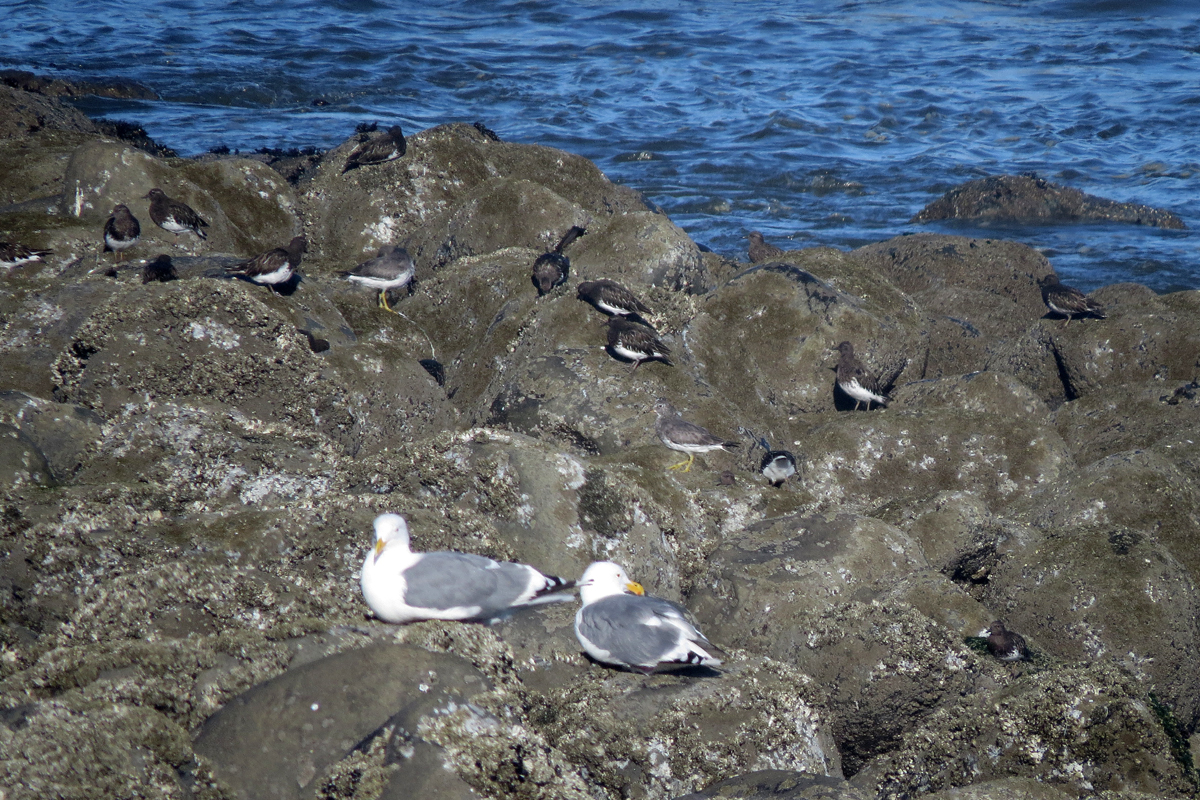
turnstones sleepingThe next stop was the Cove, at Seaside. As is often the case, there was a nice congregation of Black Turnstones on the rocks.
IMG_3241

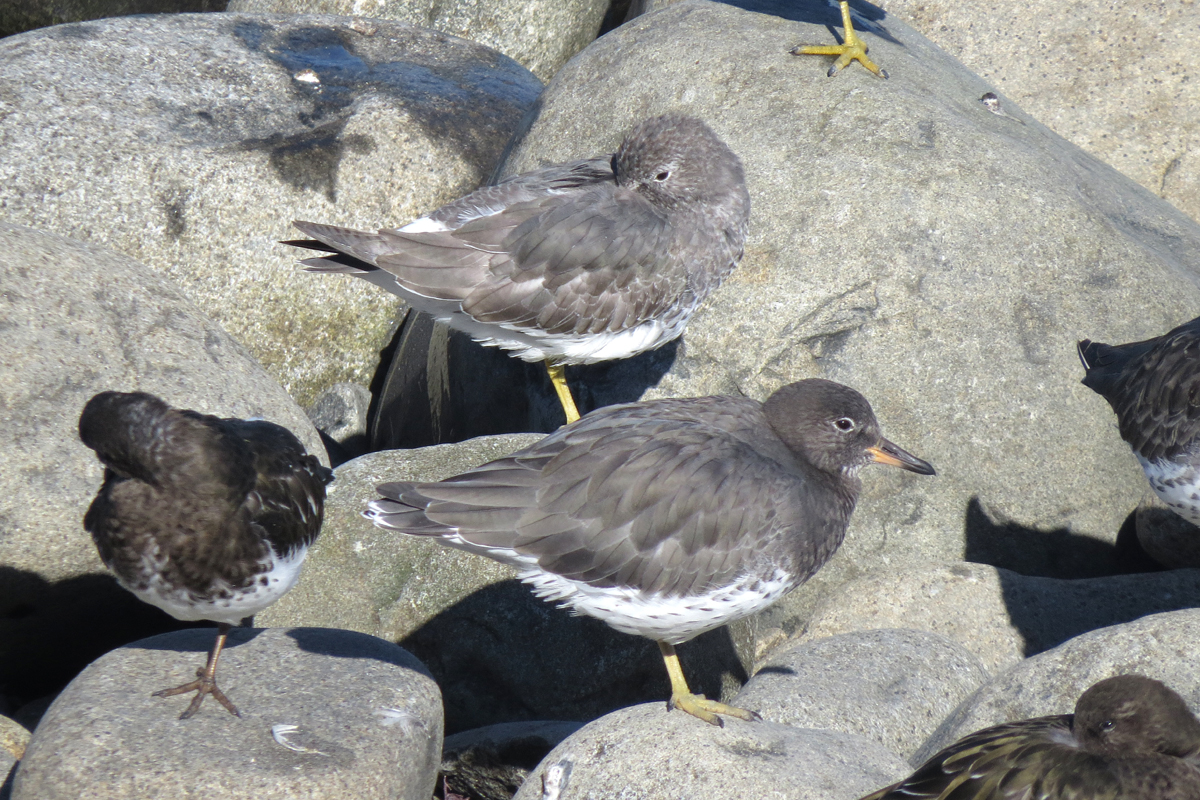
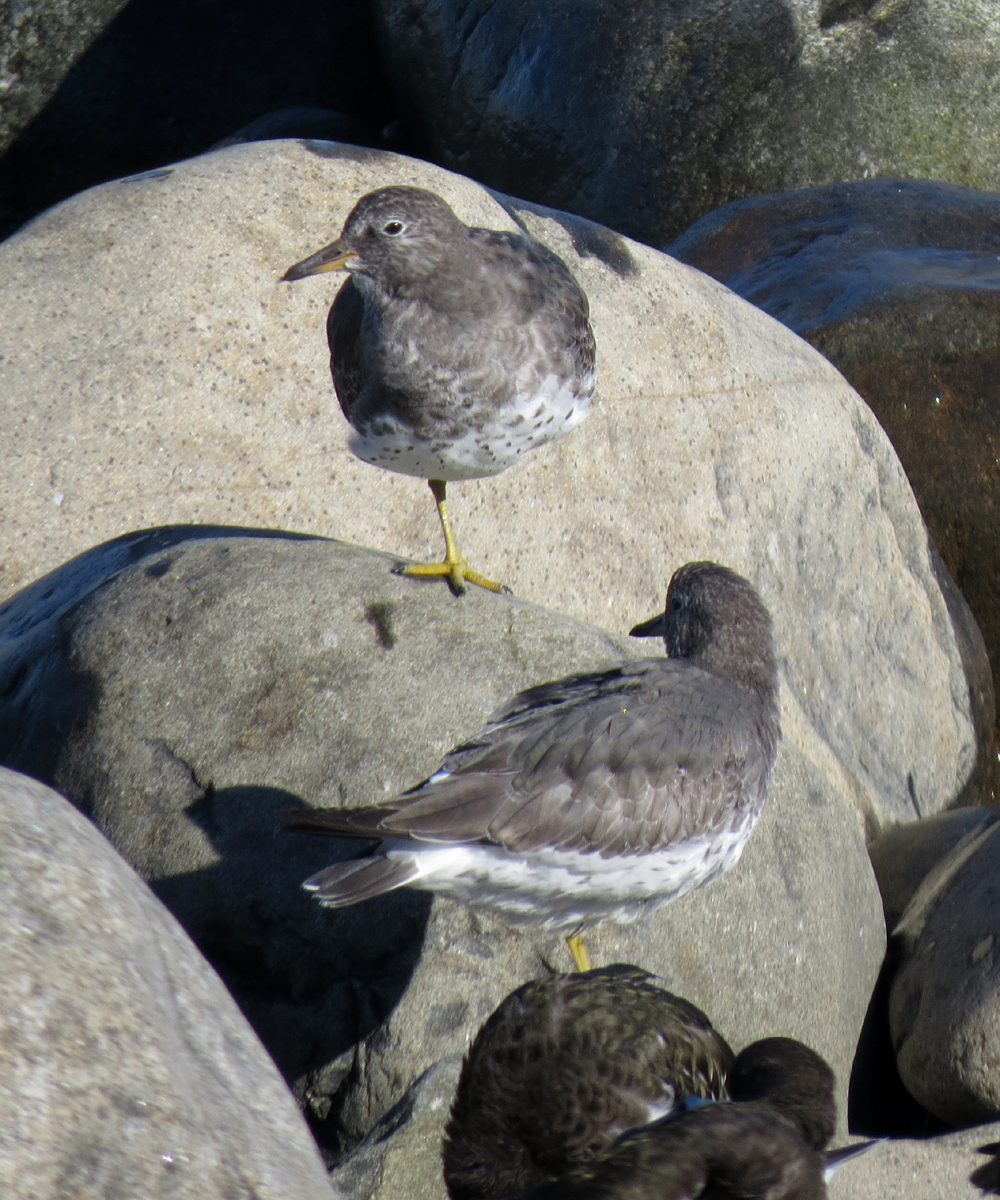
surfbirdsThere were also good numbers of Surfbirds.
surfbirds vertical

Heermann'sHeermann’s Gulls should be heading south very soon.

caspiansOur last stop was the Necanicum Estuary. This spot is very hit-or-miss, with either lots of birds or none. Today was closer to the latter. But along with the few California Gulls were several Caspian Terns still feeding young. Most Caspian Terns have already moved south, so it seems late to have begging fledglings still around.

Fernhill Wetlands

fernhillFernhill Wetlands, south of Forest Grove, is a great place to see the onset of autumn. Water levels on the main lake are still very low, but the recent rains will soon change that.

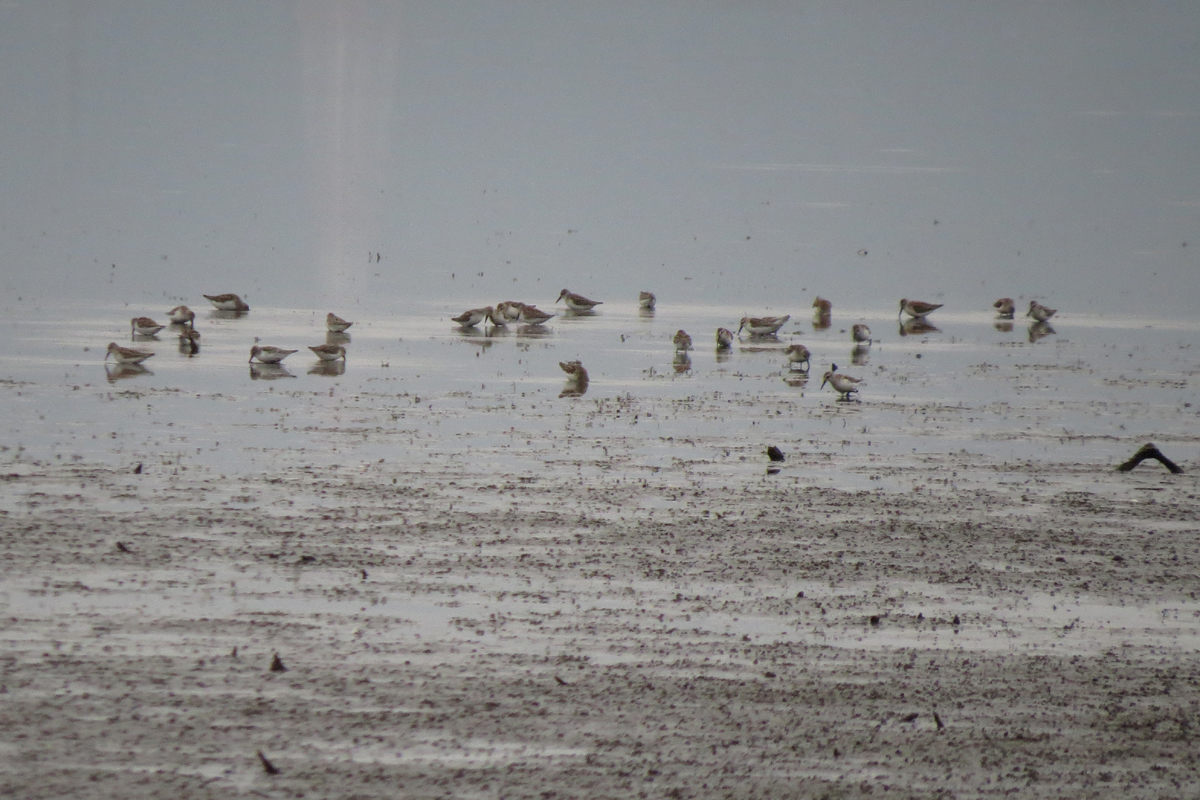
westernsMigrant shorebirds, like these Western Sandpipers, are enjoying the mudflats. Shorebird numbers are starting to thin out.

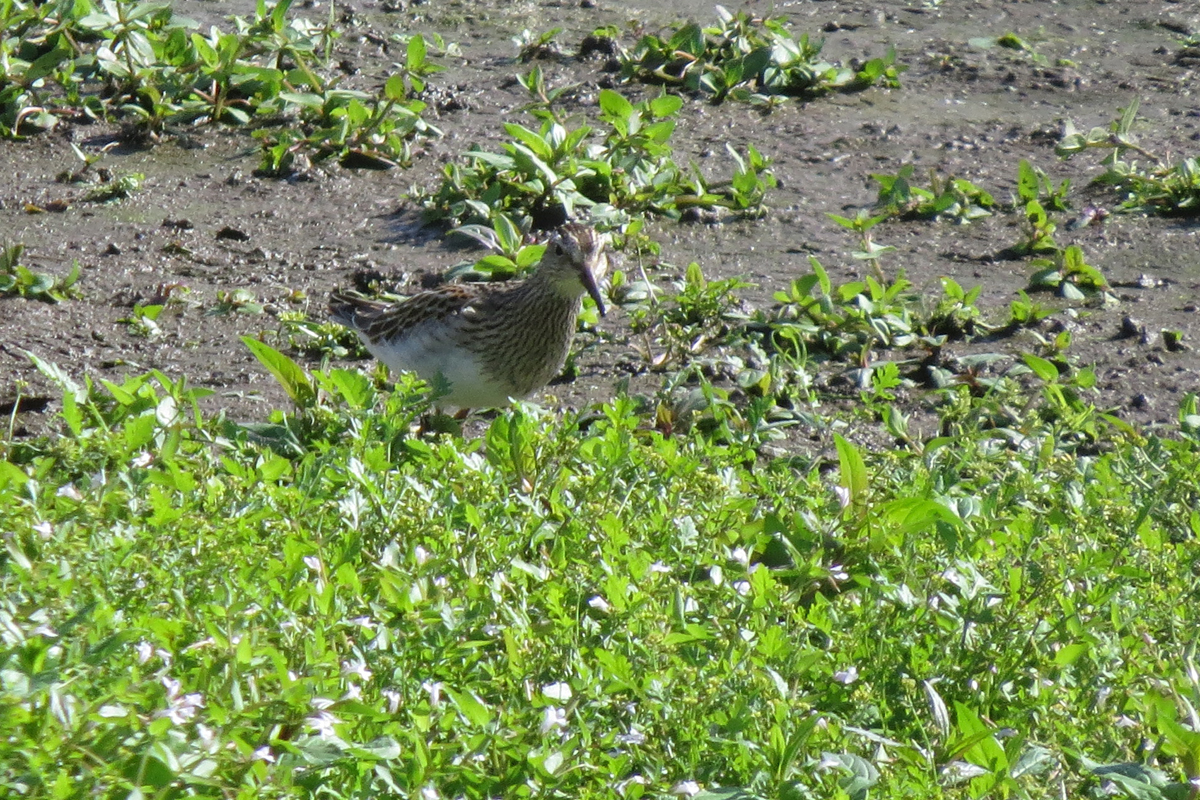
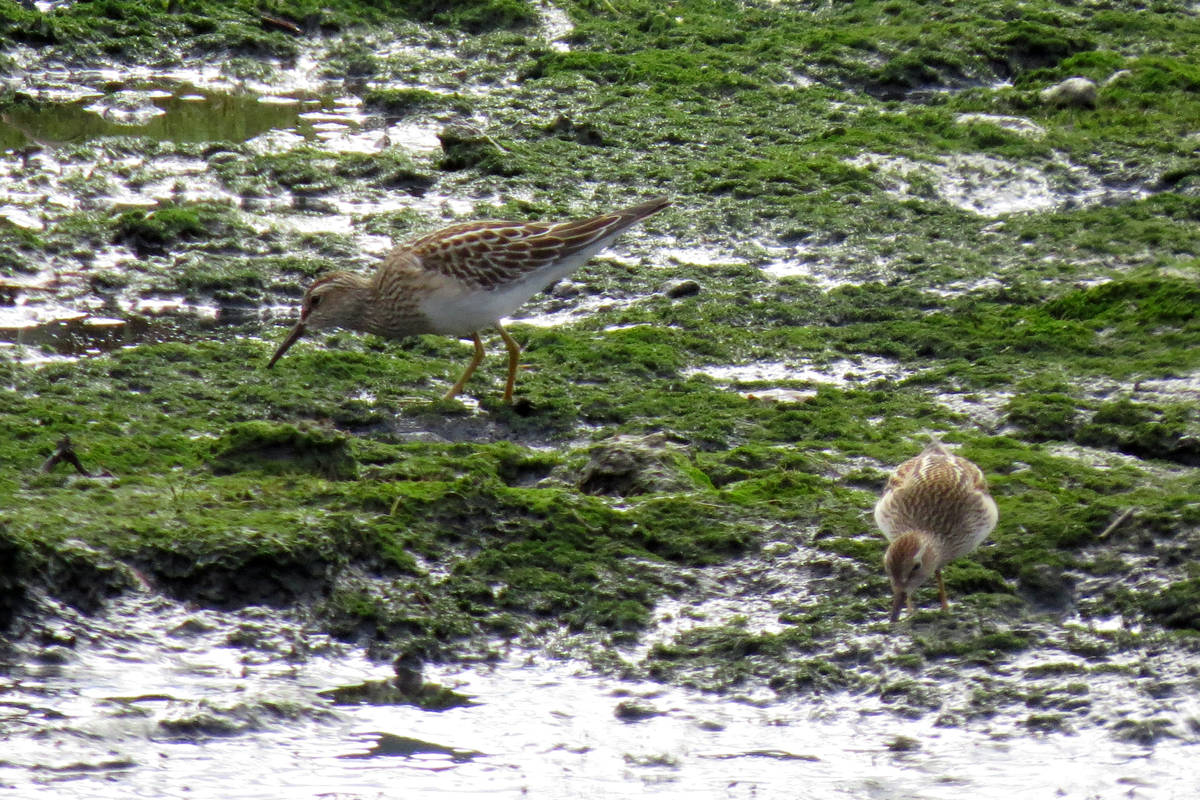
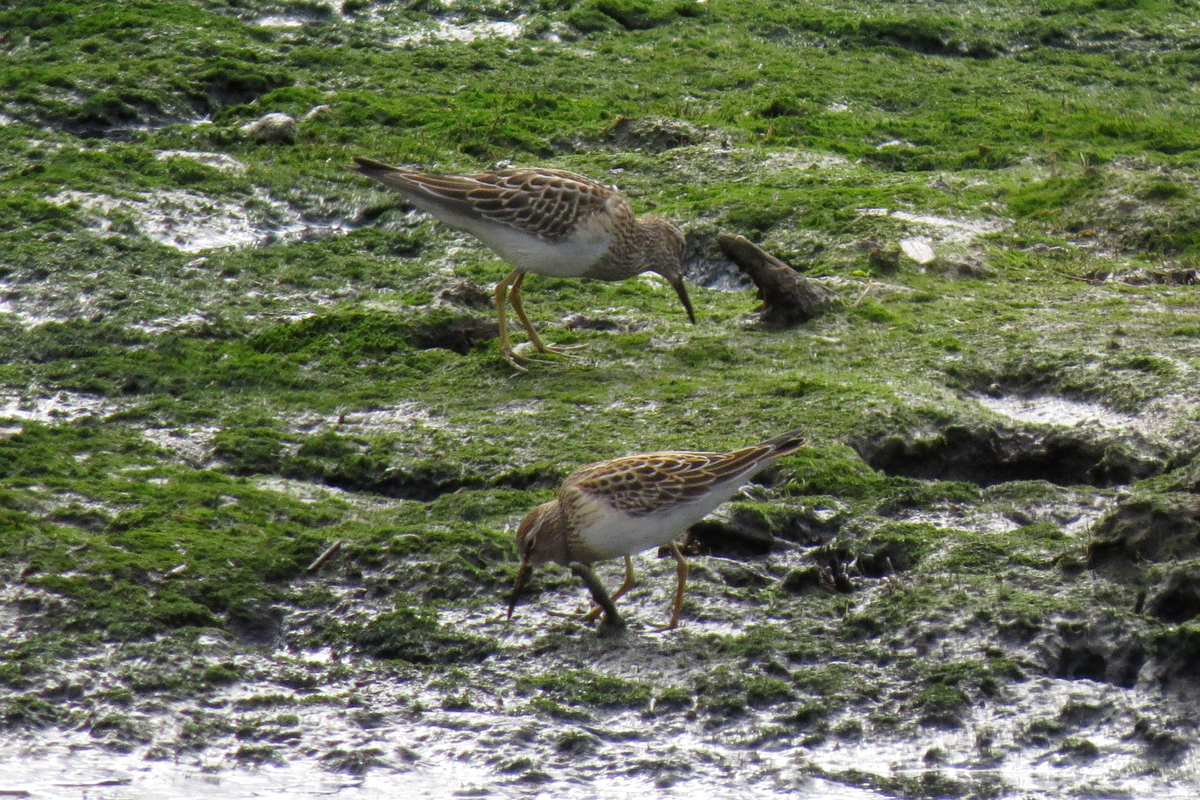
pectoralThis Pectoral Sandpiper was checking out the new vegetation on the lake bed.
pectoral walking

cacklersThe first Cackling Geese have arrived. They will soon be joined by a few thousand more.

merganserThis Common Merganser was resting on an exposed mud bar. I don’t get to see mergansers out of the water very often.

pelicansAmerican White Pelicans, once considered rare in the Willamette Valley, are now an expected species in late summer.

collared dove 1Eurasian Collared-Doves are another species that are increasingly common in the area.
collared dove 2

The annual Fernhill Wetlands Birds and Brew Festival will be held on October 12. I will be leading the 8:00 tour for that. Here is a link for more info.

Smith and Bybee Wetlands

westernsSmith and Bybee Wetlands Natural Area (aka Smith and Bybee Lakes) in northeast Portland is a great spot in late summer as the water levels drop. Large flocks of American White Pelicans, California Gulls, Great Egrets, Great Blue Herons, and various shorebirds gather to feed in the shallow water and on the mudflats. On this visit, most birds were pretty far away, but could be scanned with a scope. Western and Least Sandpipers were the only shorebirds I could pull out of the distant flocks, but other species have been reported recently.

green heronThis juvenile Green Heron was hanging out at the canoe launch on Smith Lake.

peregrine 2In the same area, this Peregrine Falcon was surveying the mudflats for tasty shorebirds.
peregrine1

egretsOn Bybee Lake, large numbers of Blue Herons and Great Egrets were gathered. At the edge of the group was this Snowy Egret, an uncommon visitor to the Portland area. Here is a nice comparison with the larger Great Egret.

egrets 2The lumps on the shoreline are dead and dying waterfowl, mostly Northern Shovelers. Warm temperatures and low water levels sometimes lead to outbreaks of avian botulism. Outbreaks usually subside with cooler temperatures and rain, which we are now getting in Portland.

Shorebird Class 7 September 2013

rockpipersI took my shorebird class to the north coast. We ended the day with 14 species of shorebirds, plus one that got away unidentified. Our first stop was The Cove in Seaside. The tide was very low so the birds were far away, but we still found a nice selection of rockpipers. Here is a large flock of Black Turnstones with a couple of Surfbirds.

pectoral 1Stanley Lake hosted two Pectoral Sandpipers.
pectoral 3

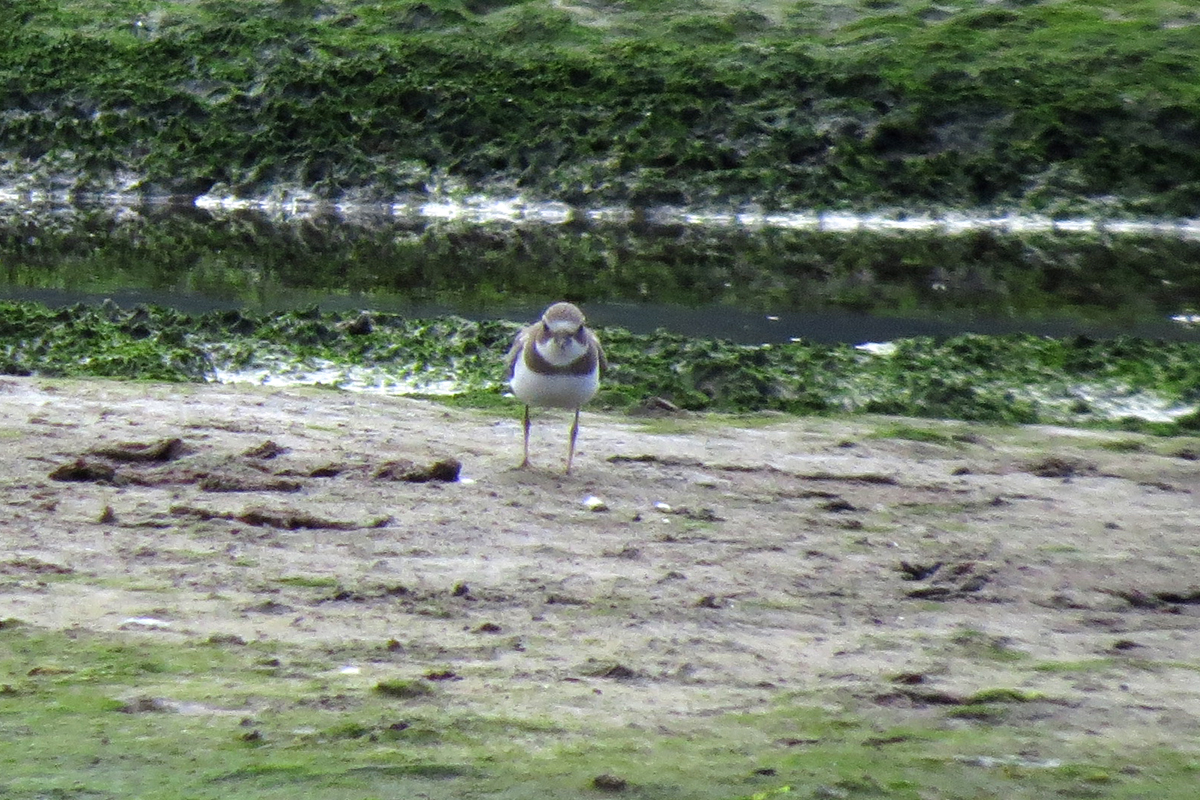
semipalm 1Semipalmated Plover, also at Stanley Lake
semipalm

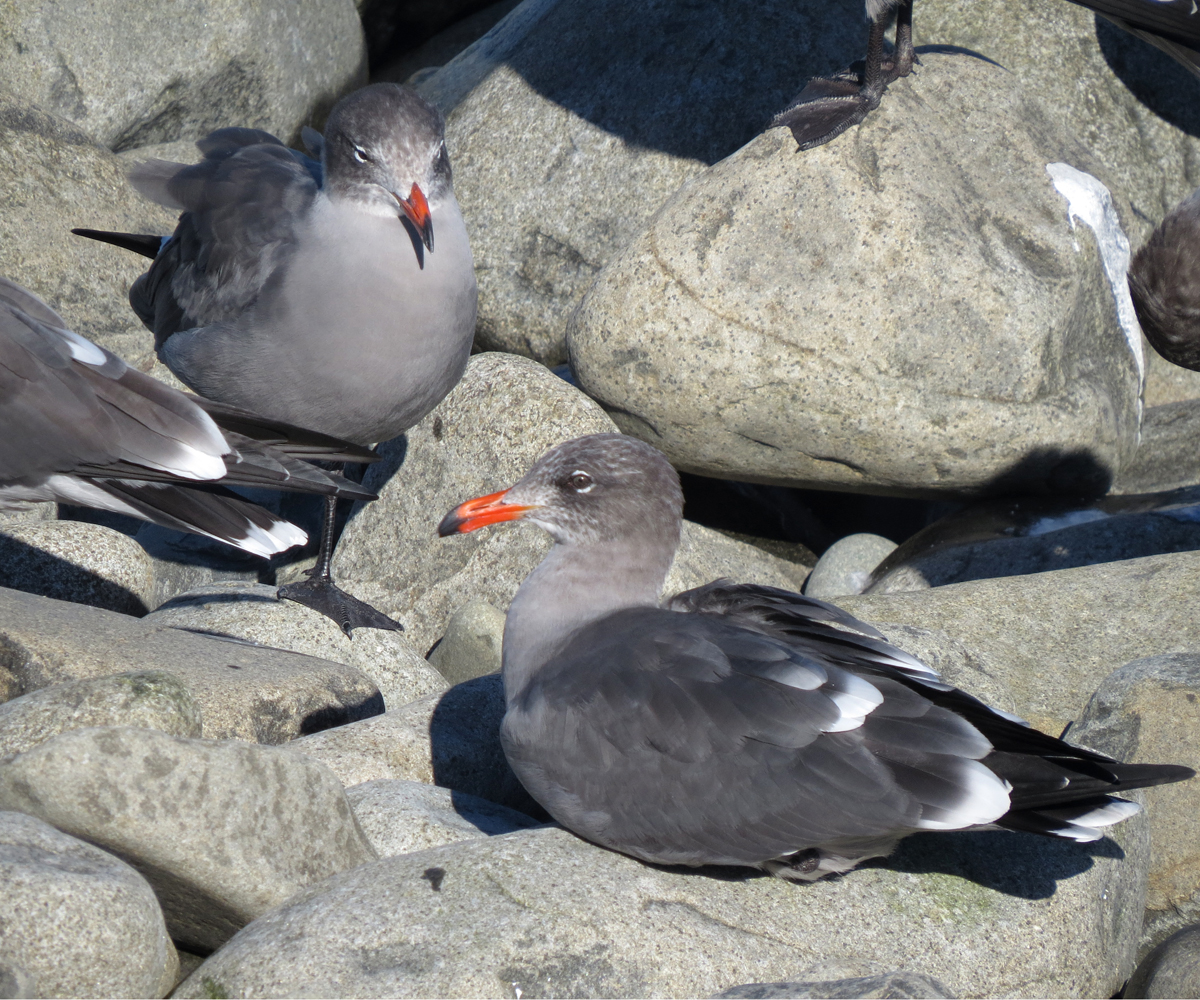
heerman'sWe visited the Hammond Boat Basin, hoping for Whimbels and Marbled Godwits. Instead, we had to “settle” for several hundred Heerman’s Gulls (above), along with Brown Pelicans and Elegant Terns. It was a lovely sunny day at the coast.

Long-billed Curlew, Seaside, OR

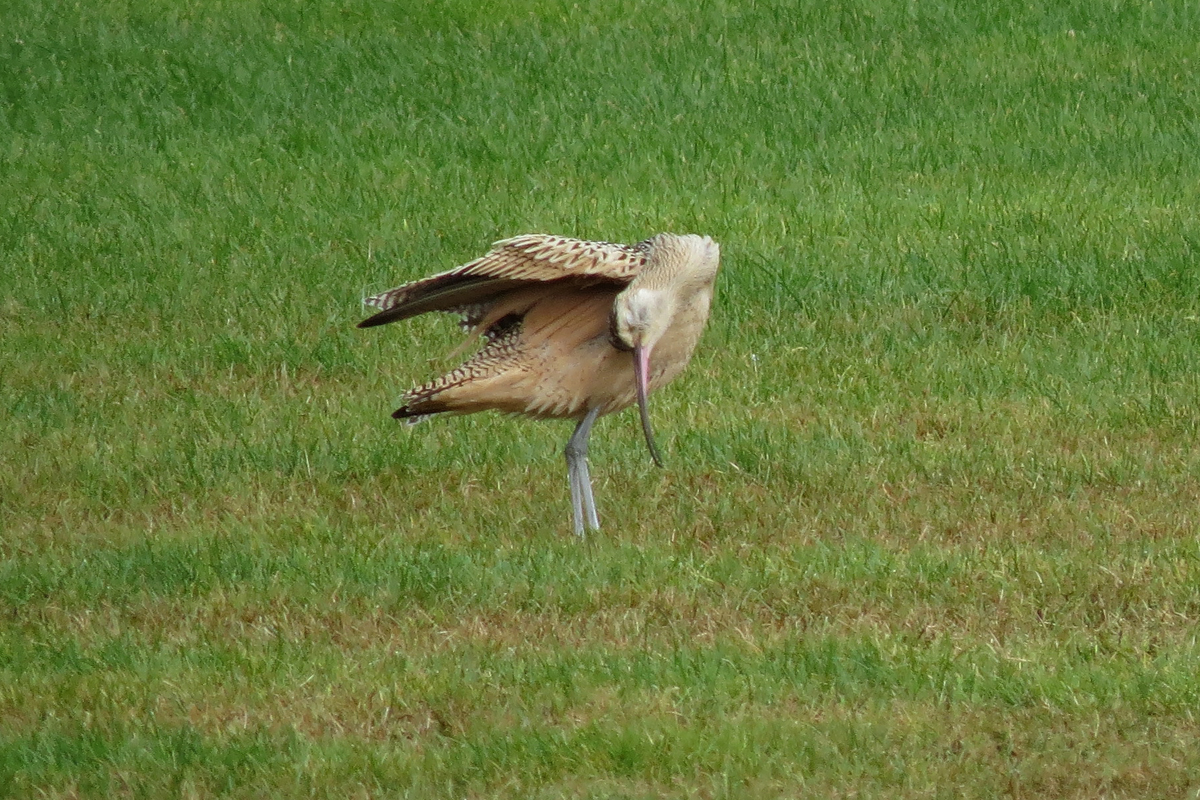
IMG_3016I guided a group of birders to the north coast this week. We saw a lot of good birds, but the rainy weather forced me to keep my camera in the car most of the time. The best surprise of the day was this bird, hanging out in the middle of the high school soccer field in Seaside. As we drove by, I thought we had a Marbled Godwit, but when got out to take a better look, we discovered he was a Long-billed Curlew. This is a common nesting species in southeastern Oregon, but is uncommon along the coast in migration.
IMG_3020This is a young bird, with fresh plumage and a bill that isn’t all that long for a Long-billed Curlew.

IMG_3022Here he is showing the cinnamon buff color under the wings, typical for this species.

IMG_3028I don’t know what he was finding to eat in the soccer field, but he seemed to be content there.