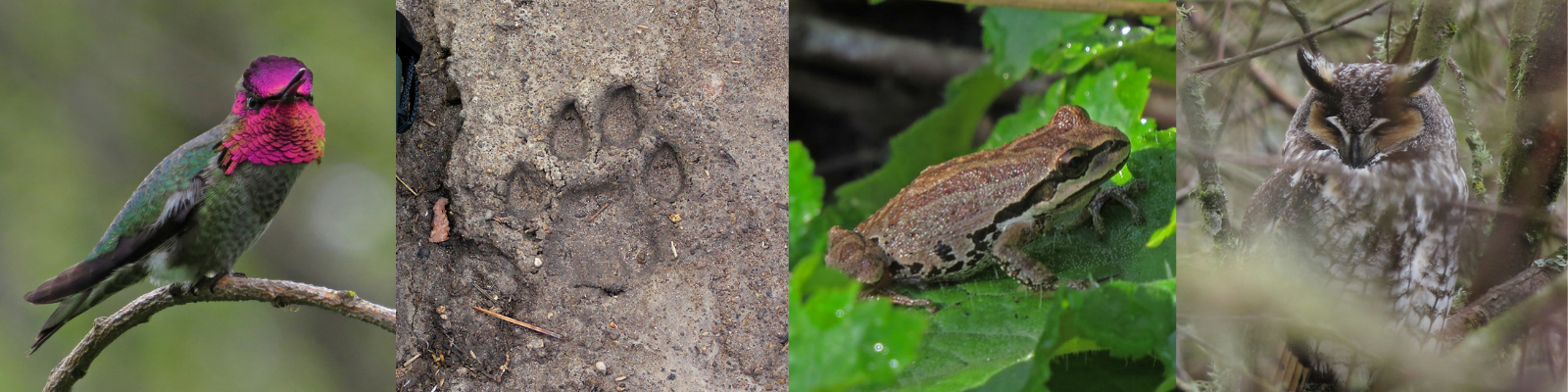
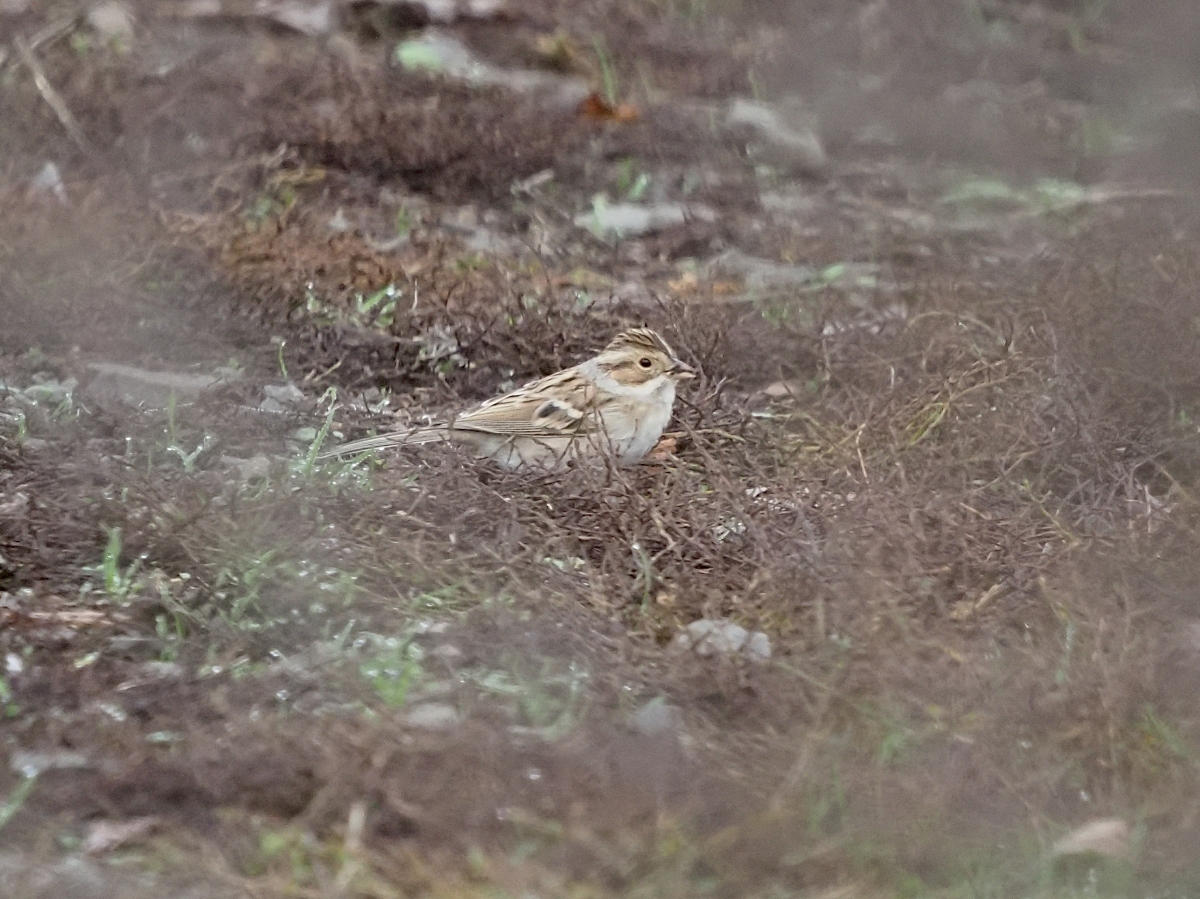
I ran out to Jackson Bottom Wetlands to see a Clay-colored Sparrow that has been hanging around. The bird was shy and didn’t allow a close approach, but the distinctive light coloring, gray nape, and strong face pattern made it easy to pick this bird out of the crowd. This species doesn’t make it to Oregon very often.
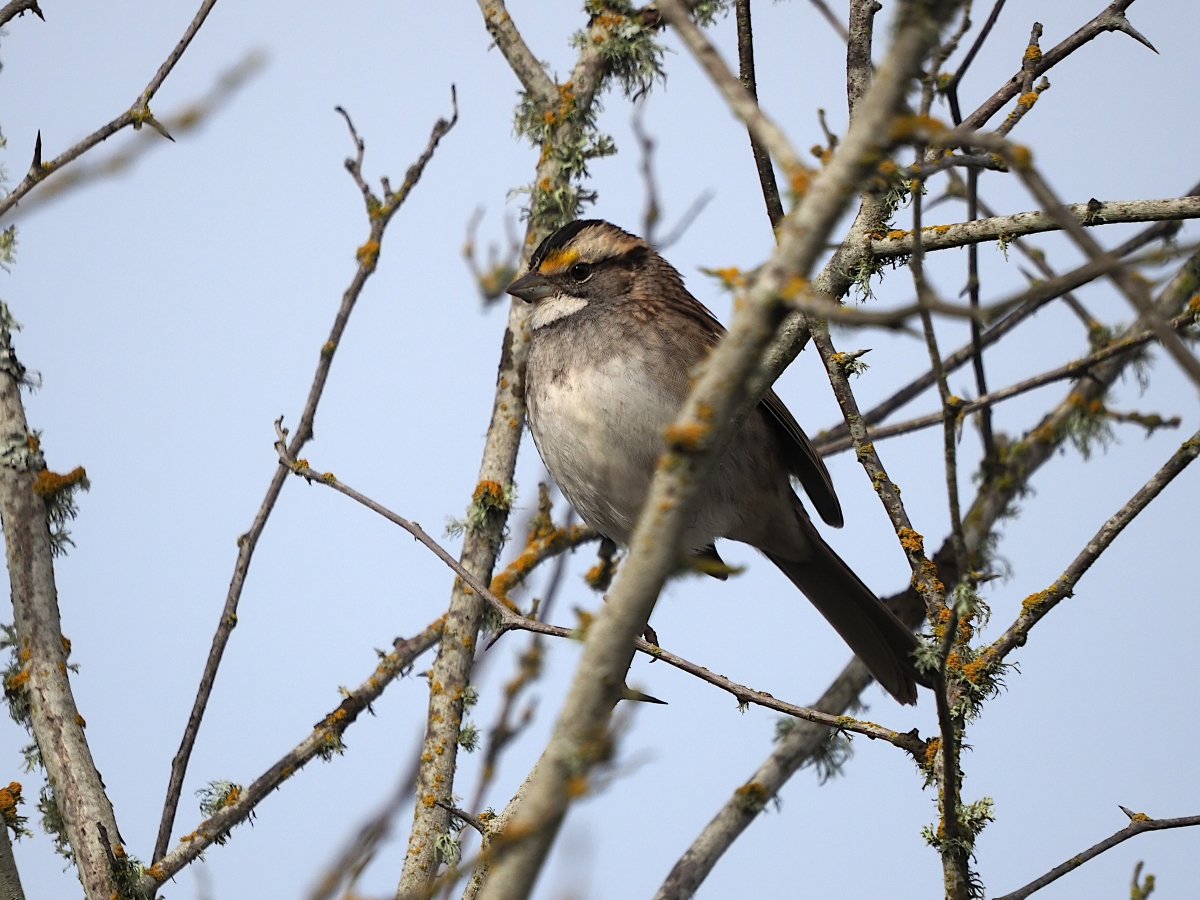
Formerly considered a rarity in Oregon, White-throated Sparrows are now expected among winter sparrow flocks in the state. I found at least three individuals on this trip.
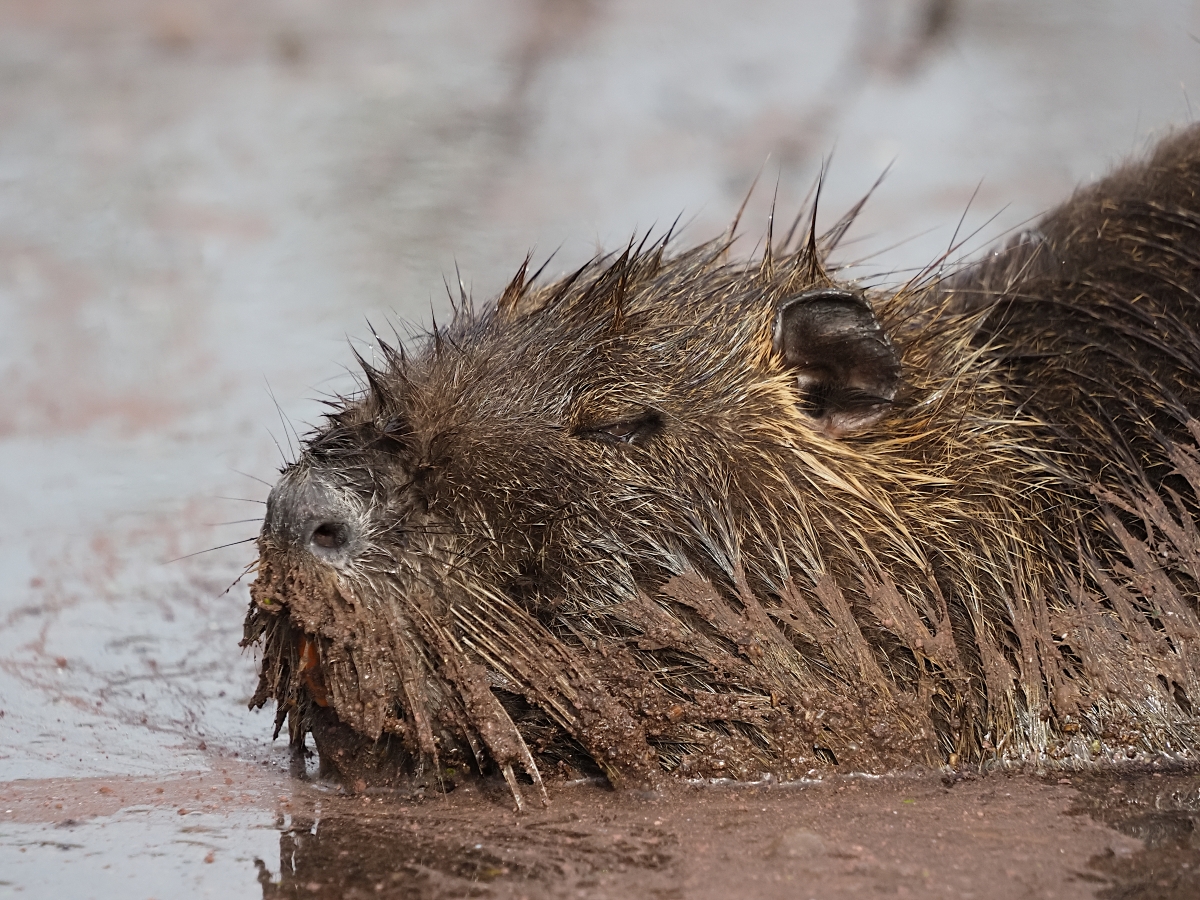
Nutria, in all its mucky, invasive species cuteness.
Sleepy rodent. I actually saw a native Muskrat on this trip, but he eluded my photographic efforts.
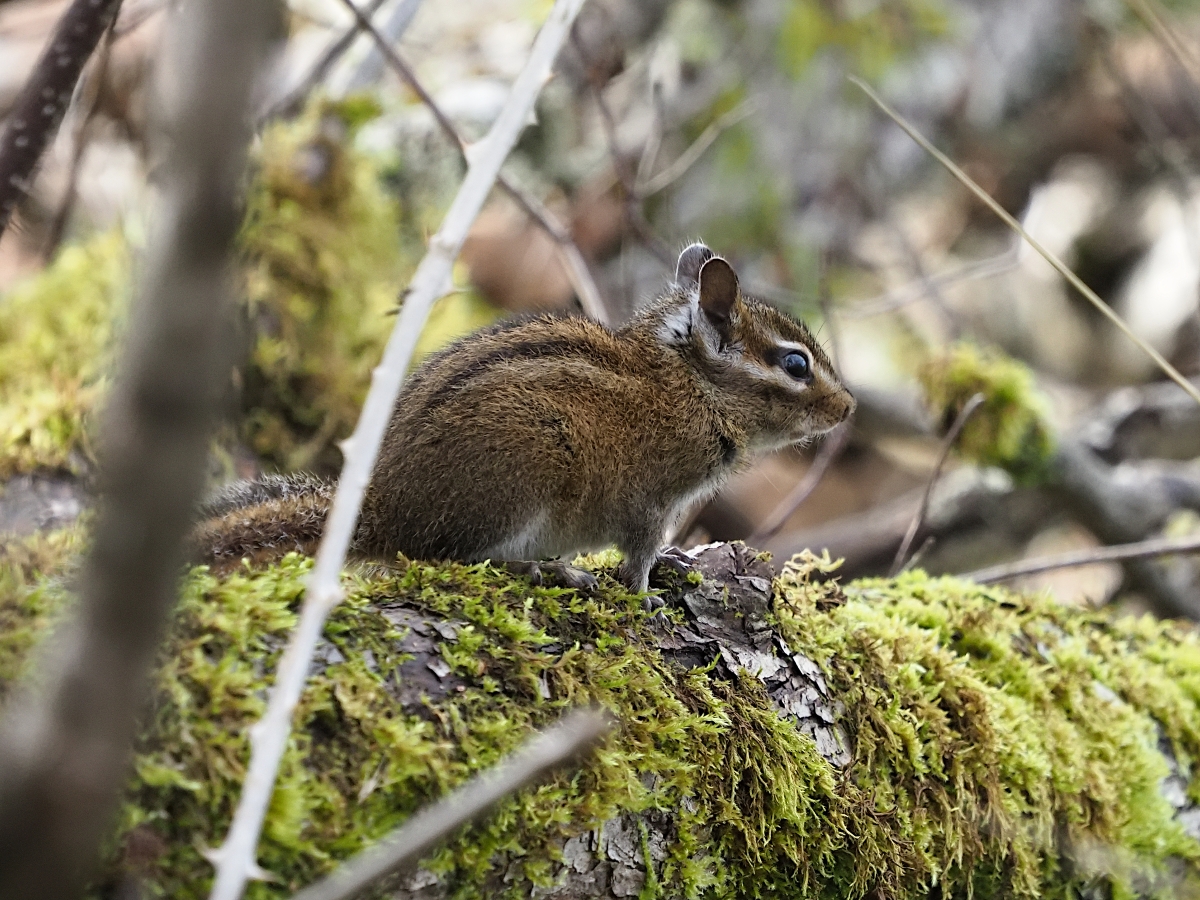
One native rodent I did manage to capture was this Townsend’s Chipmunk. At higher elevations with snow cover, this species will hibernate, but they are active all year in the Willamette Valley.
While we still have a lot of summer to go, the southbound shorebird migration has begun. This adult Least Sandpiper was working the Columbia River shoreline at Broughton Beach.
Most of the birds that migrate early in the season are adults, but I found one juvenile Least Sandpiper mixed in with the flock. Note the brighter colors typical of young birds.
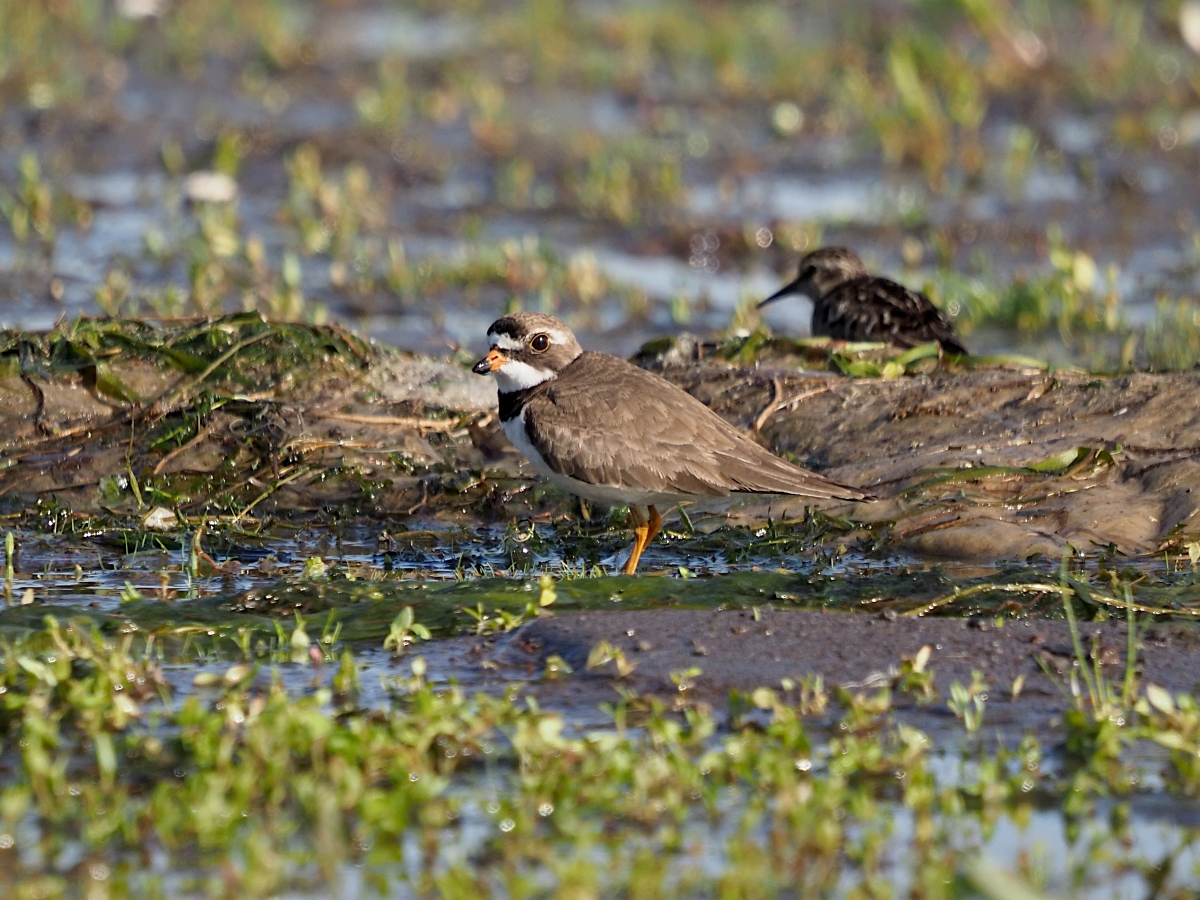
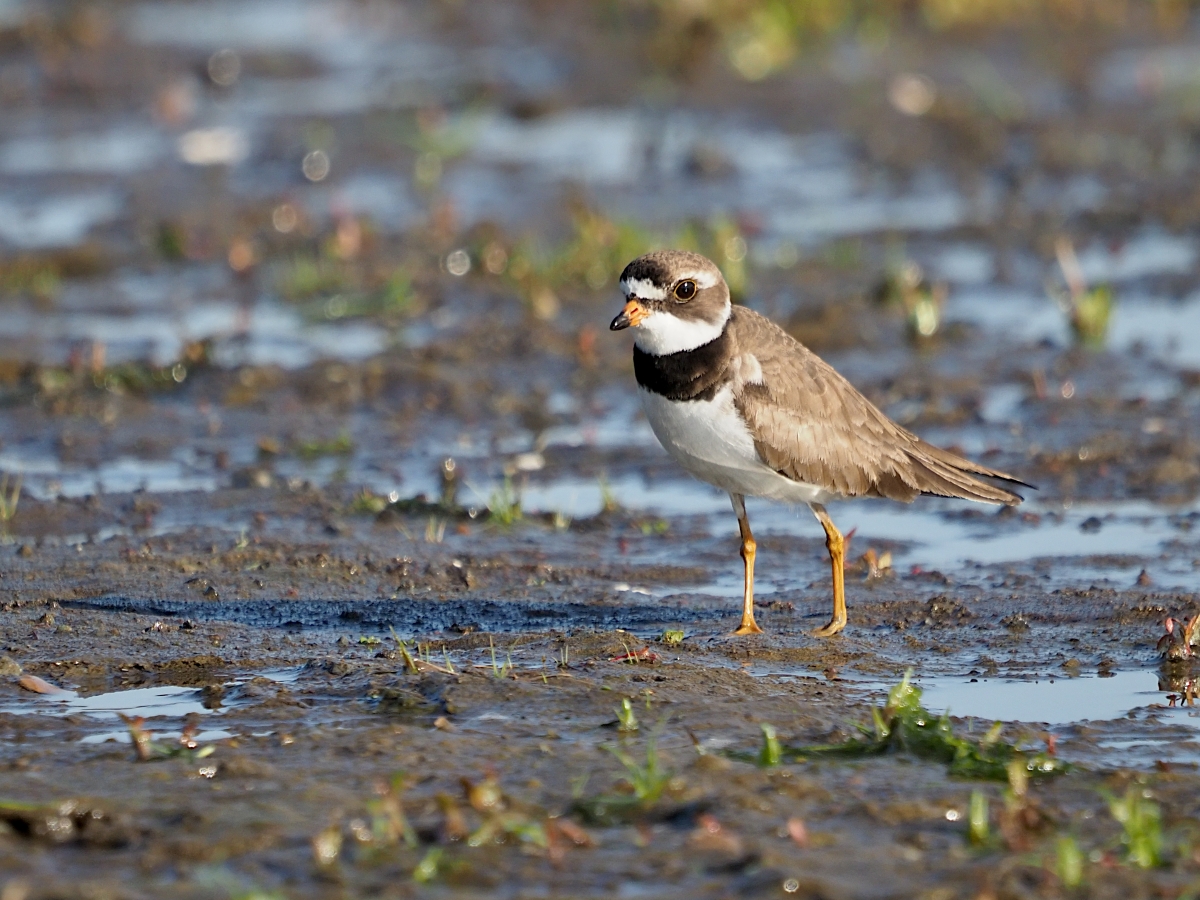
A small flock of Semipalmated Plovers shared the river beach with the Least Sandpipers. It is always a treat to see the Semipalms still in breeding plumage.
So handsome
I don’t really count Killdeer as migrants, since you can usually find some around all year, but they are lovely birds.
Numbers and species diversity should pick up a lot in the next few weeks.
I led a field trip to Powell Butte Nature Park on the east side of Portland. This is a wonderful park with a nice variety of habitats. I don’t make the trek across town to visit very often, but I am always glad when I do. Columbian Black-tailed Deer are often found in the grassland habitat.
Common Yellowthroats are, wait for it, common in the thickets.
Lazuli Buntings are always a crowd favorite.
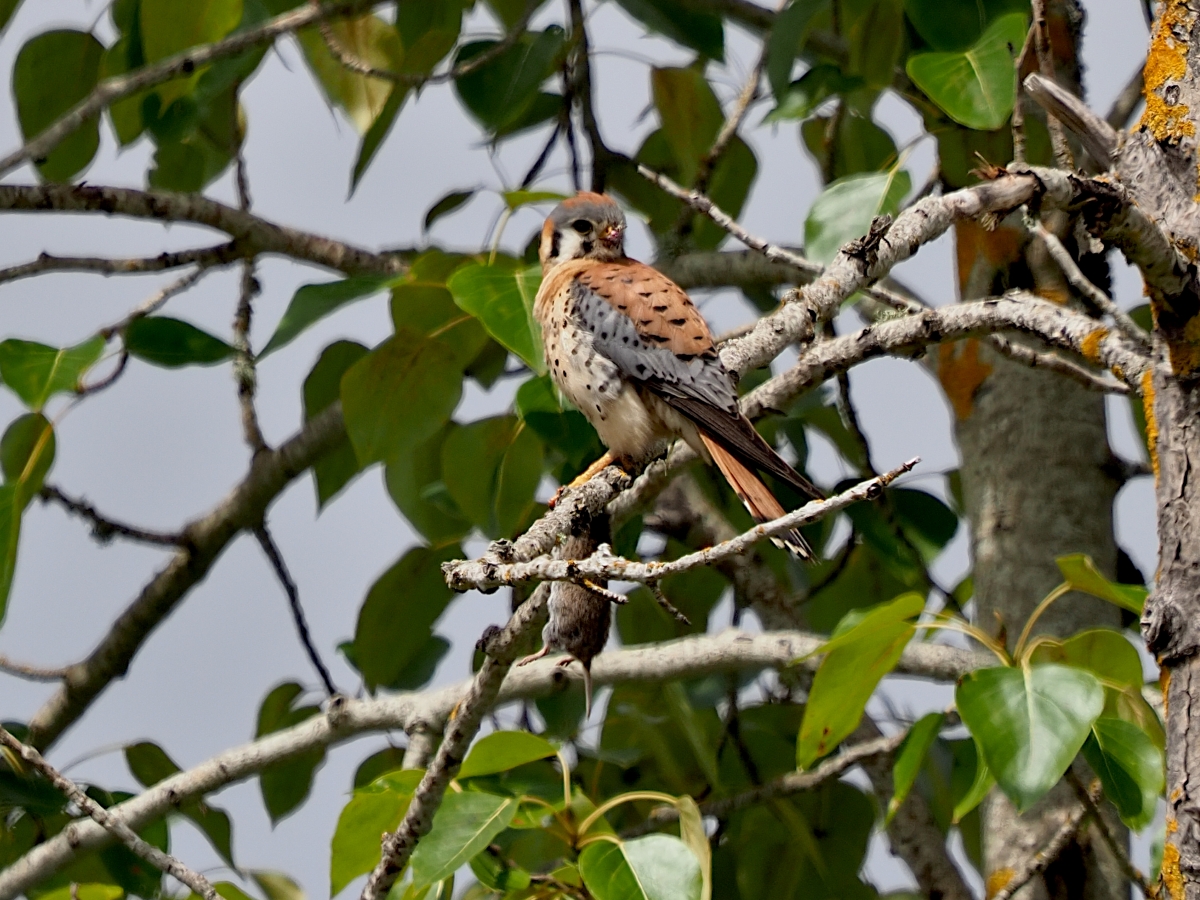
This American Kestrel had caught a vole. It amazes me how these birds can spot little rodents in the tall grass.
Powell Butte is a great spot to find Savannah Sparrows. This particular bird was perched on a banana peel that some moron had left on a trail marker. Pack out your trash, people.
Speaking of bananas, this Banana Slug was munching away on a cheese puff that had been dropped on the trail. Salt is deadly to slugs, causing rapid dehydration. I’m hoping the salt content of this snack item is not too high.
As parasitic nesters, Brown-headed Cowbirds get a bad rap, but I have always appreciated the subtle beauty of this species.
I haven’t seen any great rarities lately, but here are a few species that are encountered rarely enough to make them interesting.
Western Meadowlarks are sadly hard to find in the Portland area. This is one of three that were hanging out at Broughton Beach.
I know of three Eurasian Wigeons currently wintering on the west side of the Portland area, one each in three different parks. This one was at Amberglen.
The rarest bird I’ve seen lately is this Northern Mockingbird that has been hanging out at Koll Center Wetlands for the past month or so.
There have been some great birds found around Portland lately that I haven’t been able to chase. Winter is a great time for tracking down rarities, as they tend to stay put for long periods. Hopefully my schedule will open up enough that I can do some chasing soon.
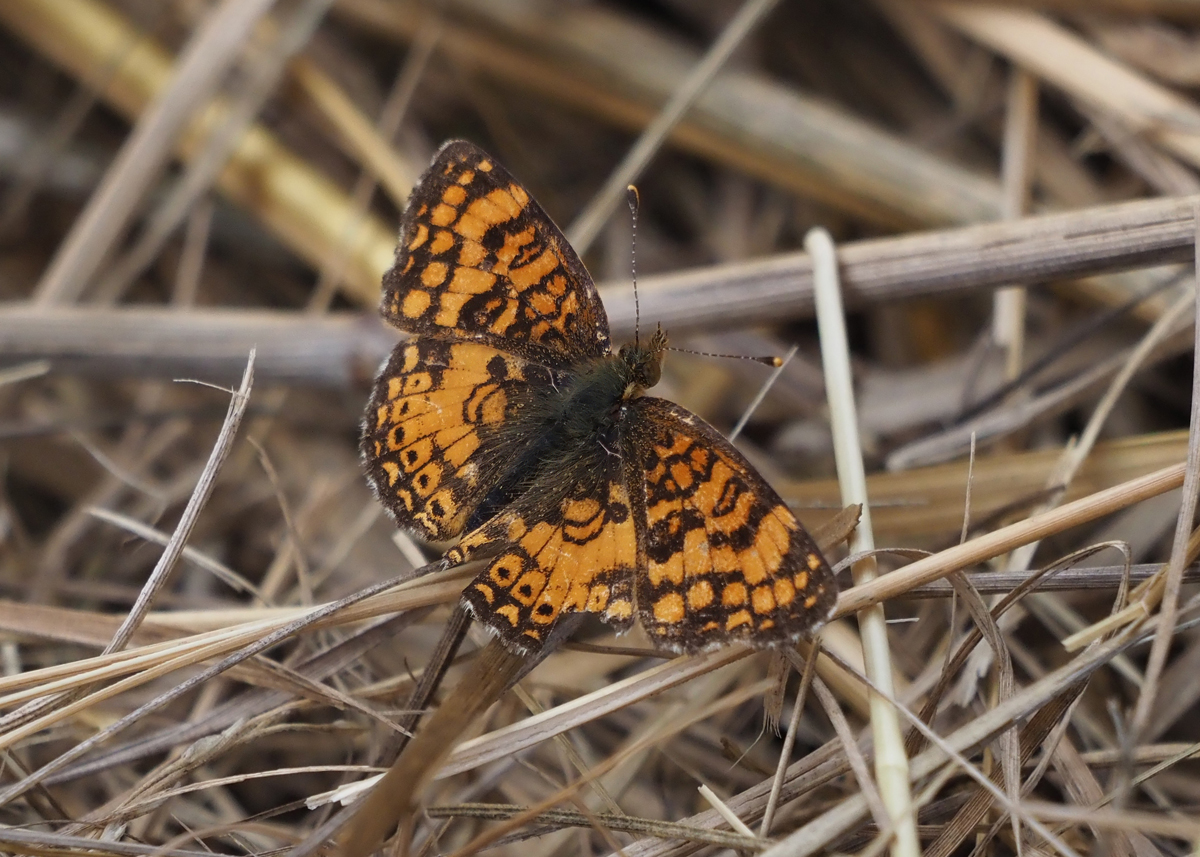
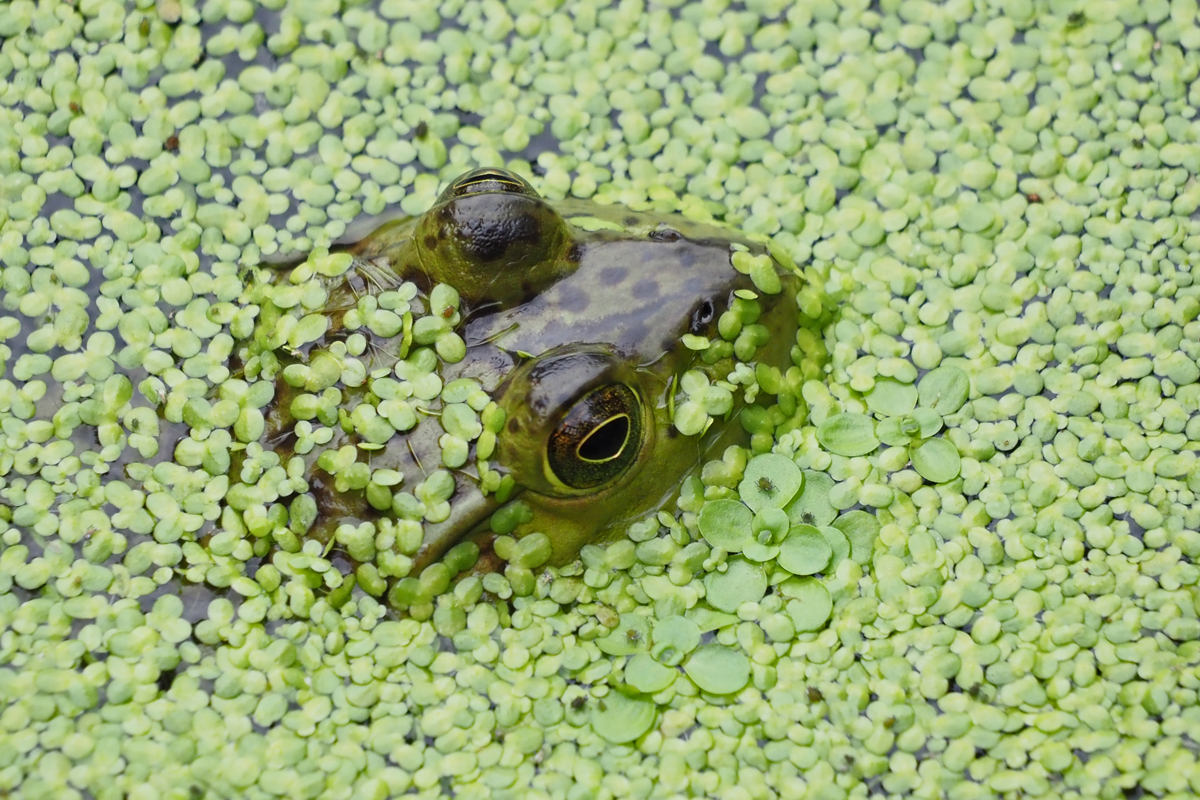
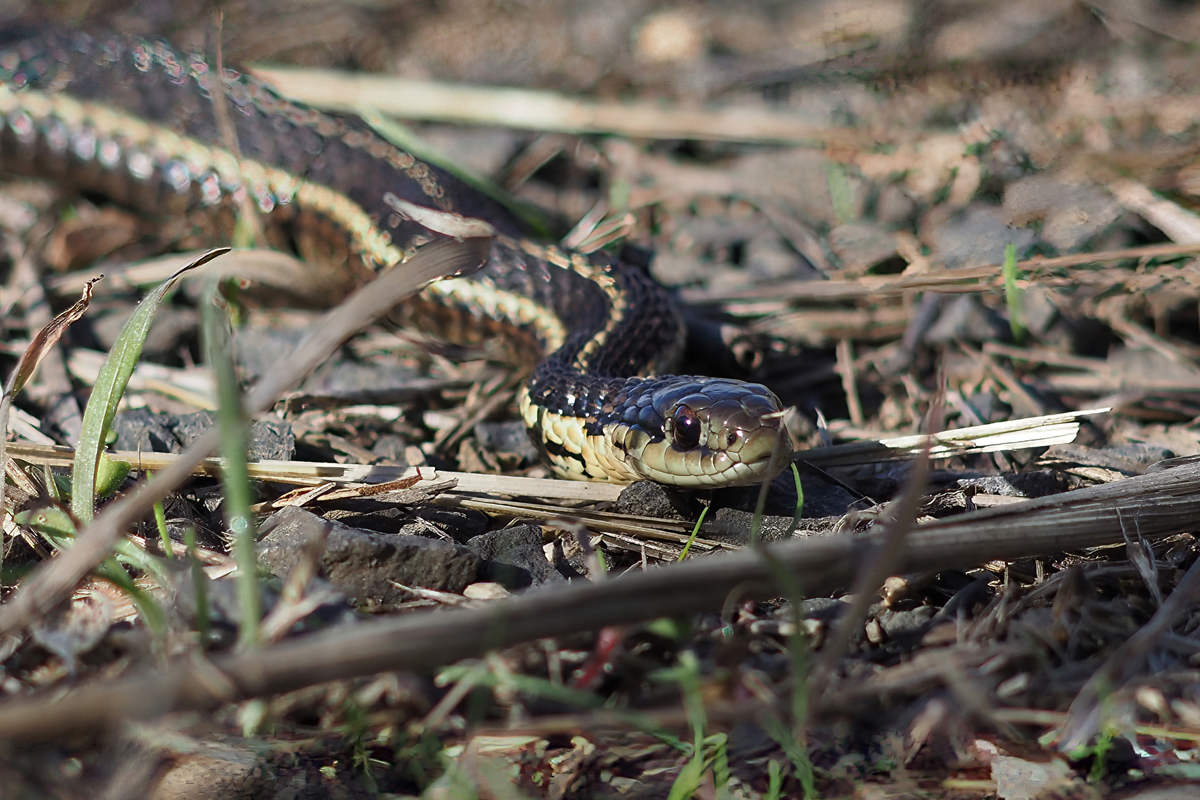
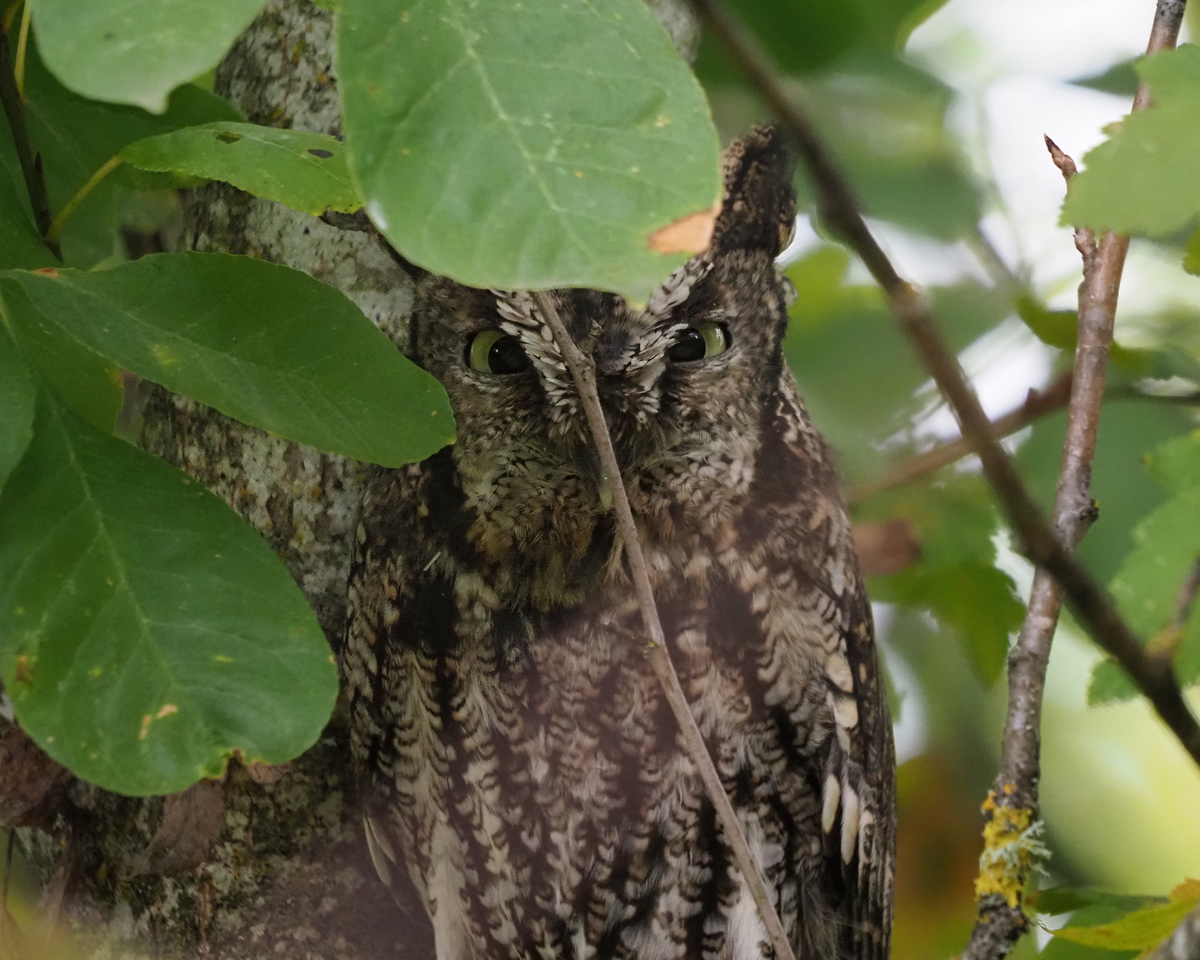
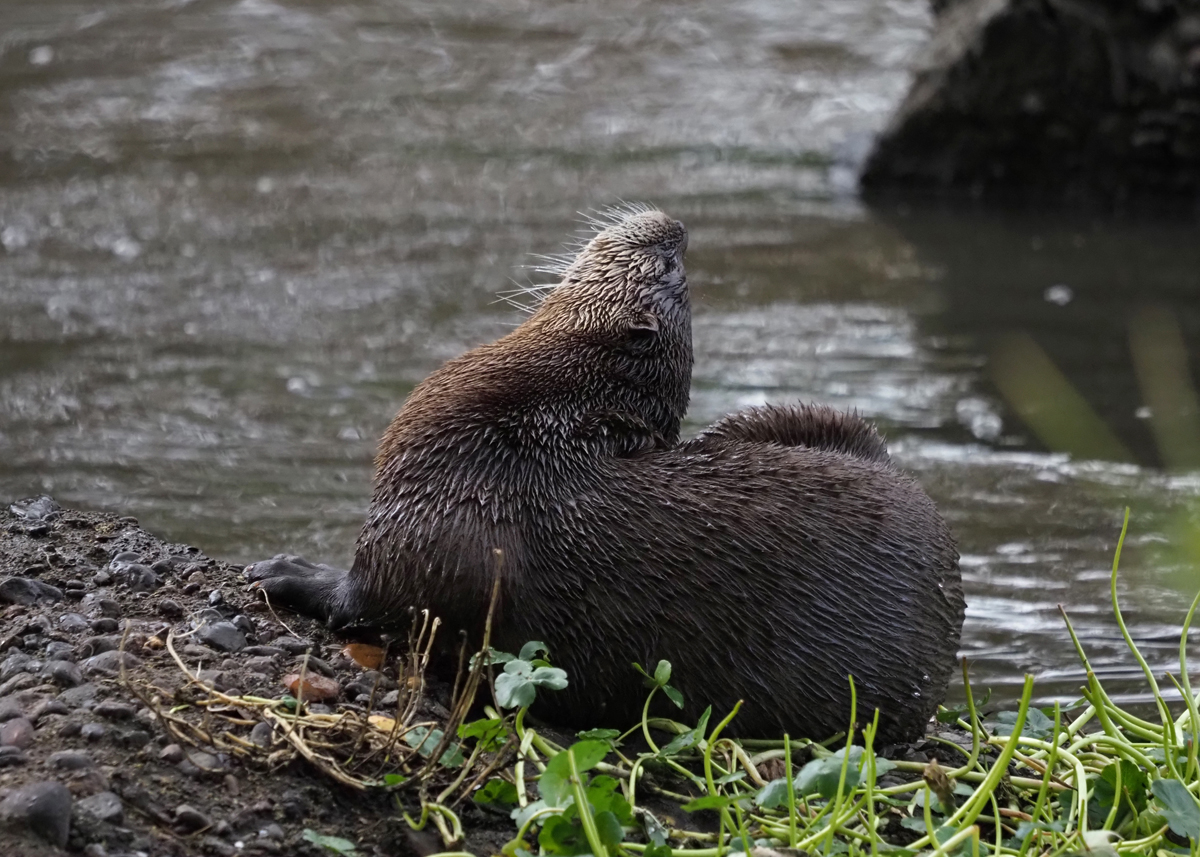
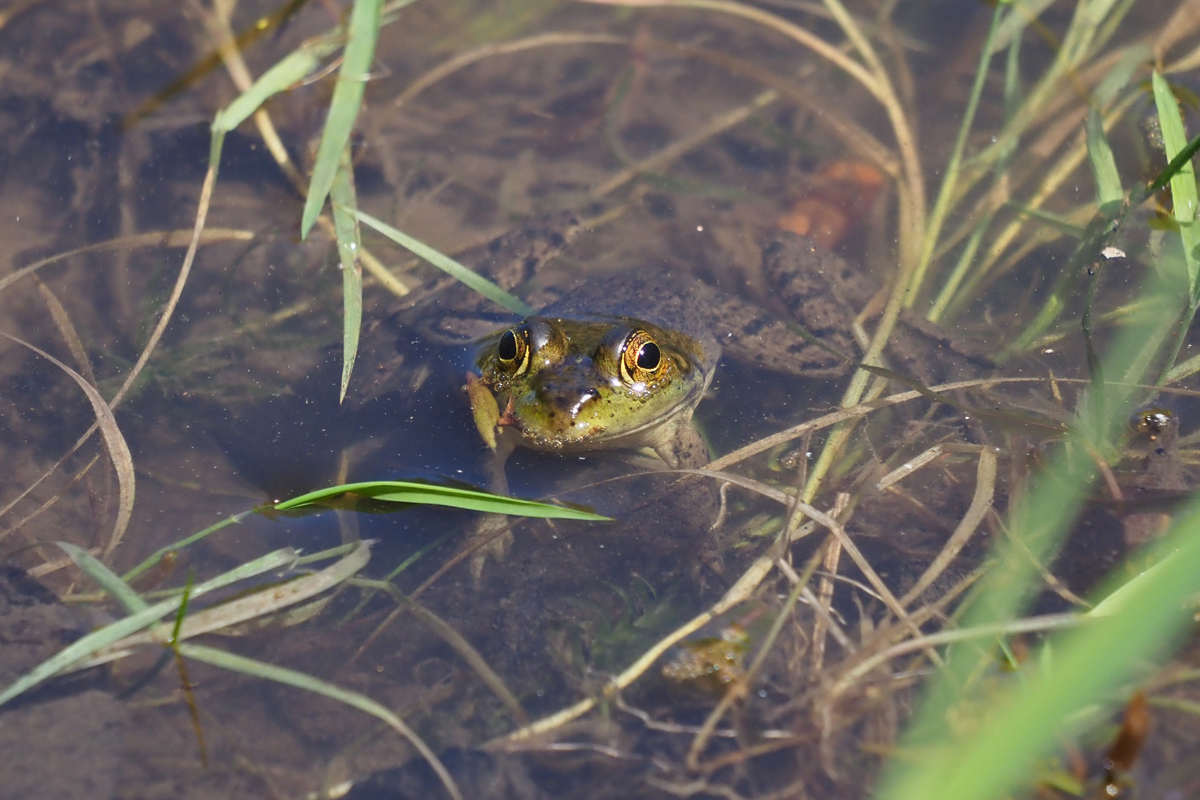
This little Mylitta Crescent was found at Ankeny NWR. I still don’t know my butterflies, so it is fun to identify a new one. This young Cooper’s Hawk was hunting near the visitor center at Ankeny. Of course, at the time, I was searching for recently arrived migrant sparrows so this guy wasn’t doing me any favors. Non-native American Bullfrog at Fernhill WetlandsAnother American Bullfrog, mostly hidden in the duckweedThe winter geese have returned. This Dusky Canada Goose seems to have an injured wing.This Red-spotted Garter was at Ankeny NWR. His red areas are more of a pumpkin spice color.This Northwestern Garter was spread out on the trail at Chehalem Ridge Nature Park, soaking up the sun on a cold morning. Great Blue Heron having a soakI was sorting through a flock of chickadees and kinglets when I found this Western Screech-Owl blending in with the tree bark.River Otters are always a treat. These were found at Koll Center Wetlands.
Hermit Thrushes have recently arrived for the winter. The weather has turned cooler and wetter, so we are about to settle into winter; lots of sparrows, waterfowl, and raptors; and fewer herps and warblers.
I led a trip to Baskett Slough National Wildlife Refuge, part of the Willamette Valley NWR Complex. It has a nice mix of wetland, grassland, and oak woodland.
Wilson’s Phalaropes are uncommon nesters in the Willamette Valley.
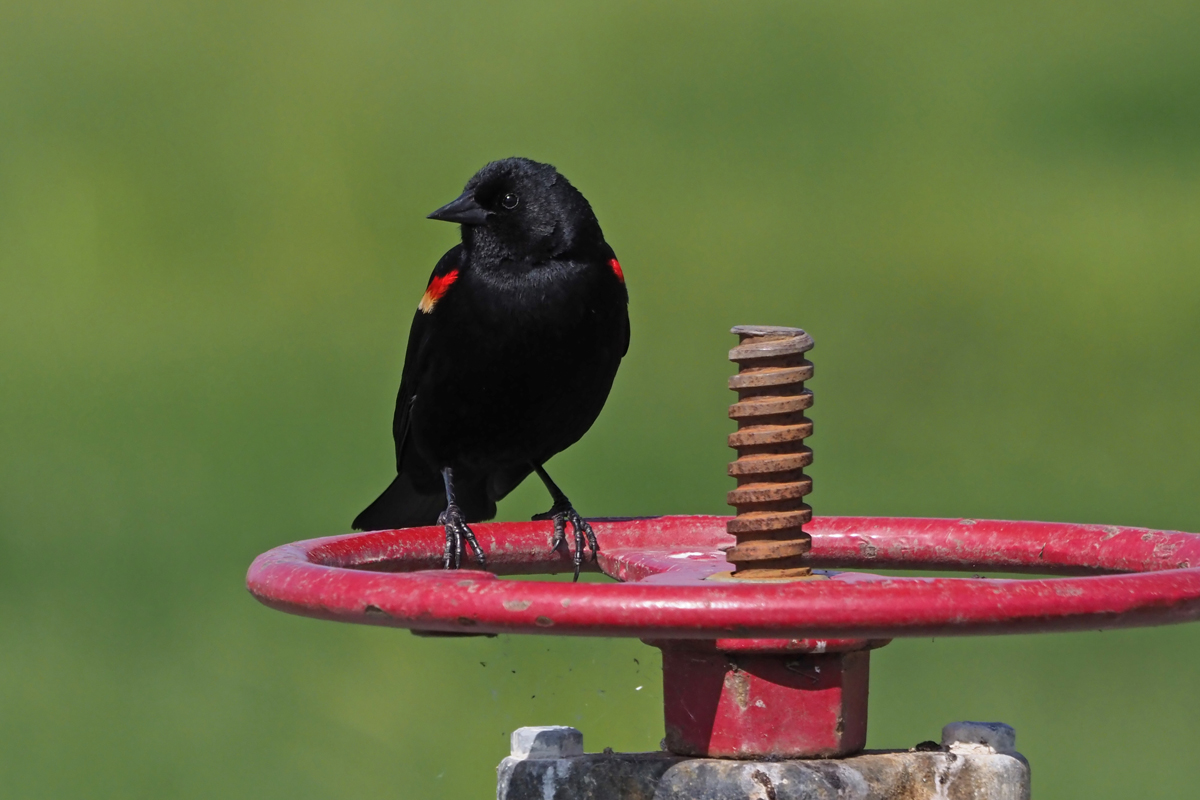
Red-winged Blackbird, color-coordinating with a water control structure
Brown-headed Cowbird, being slightly less colorful
Tree Swallow
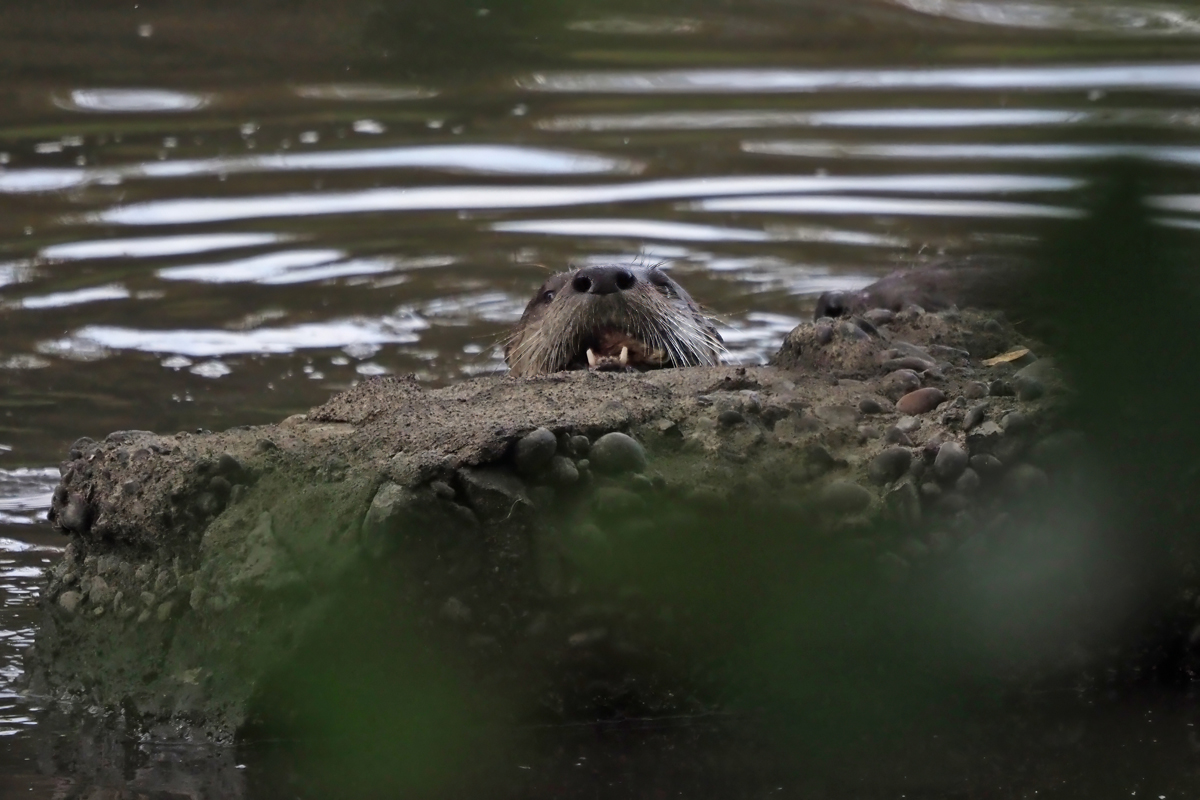
One of three River Otters seen on the trip
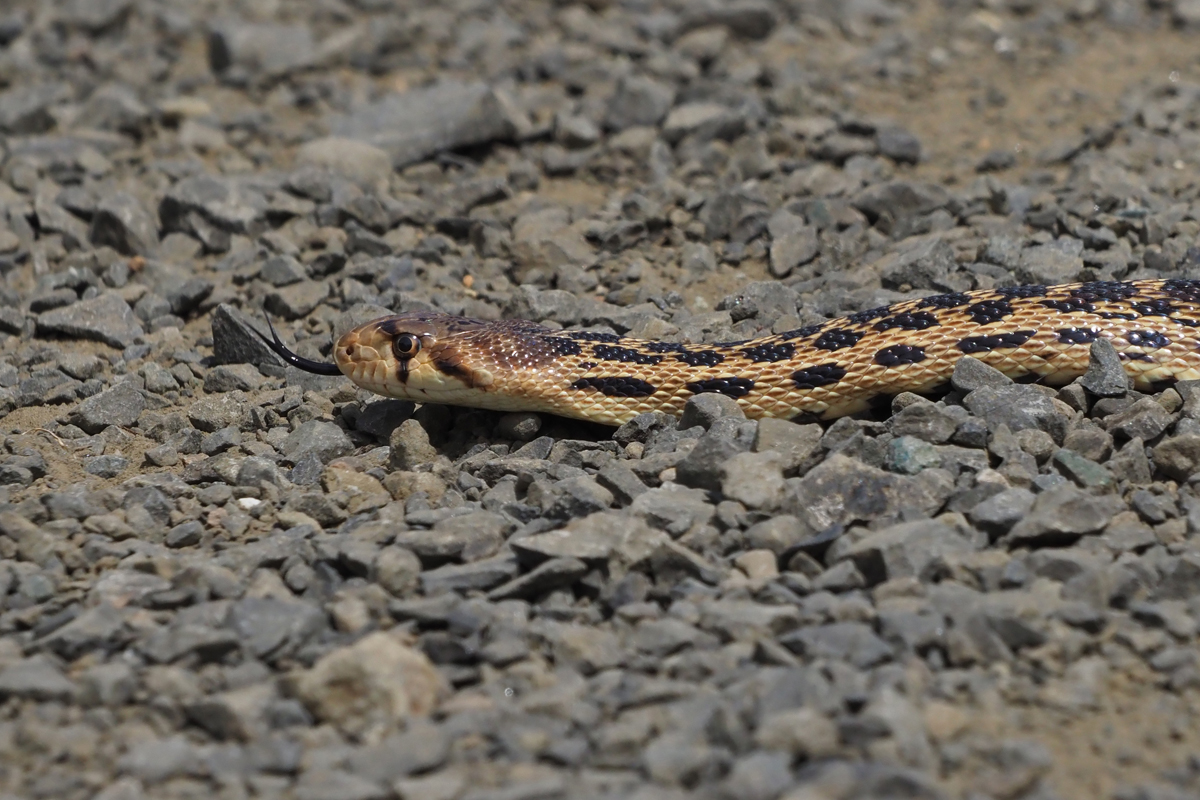
This Pacific Gopher Snake was a nice find in a grassland area of the refuge. I never see this species in the Portland area, even though we are just fifty miles to the north.
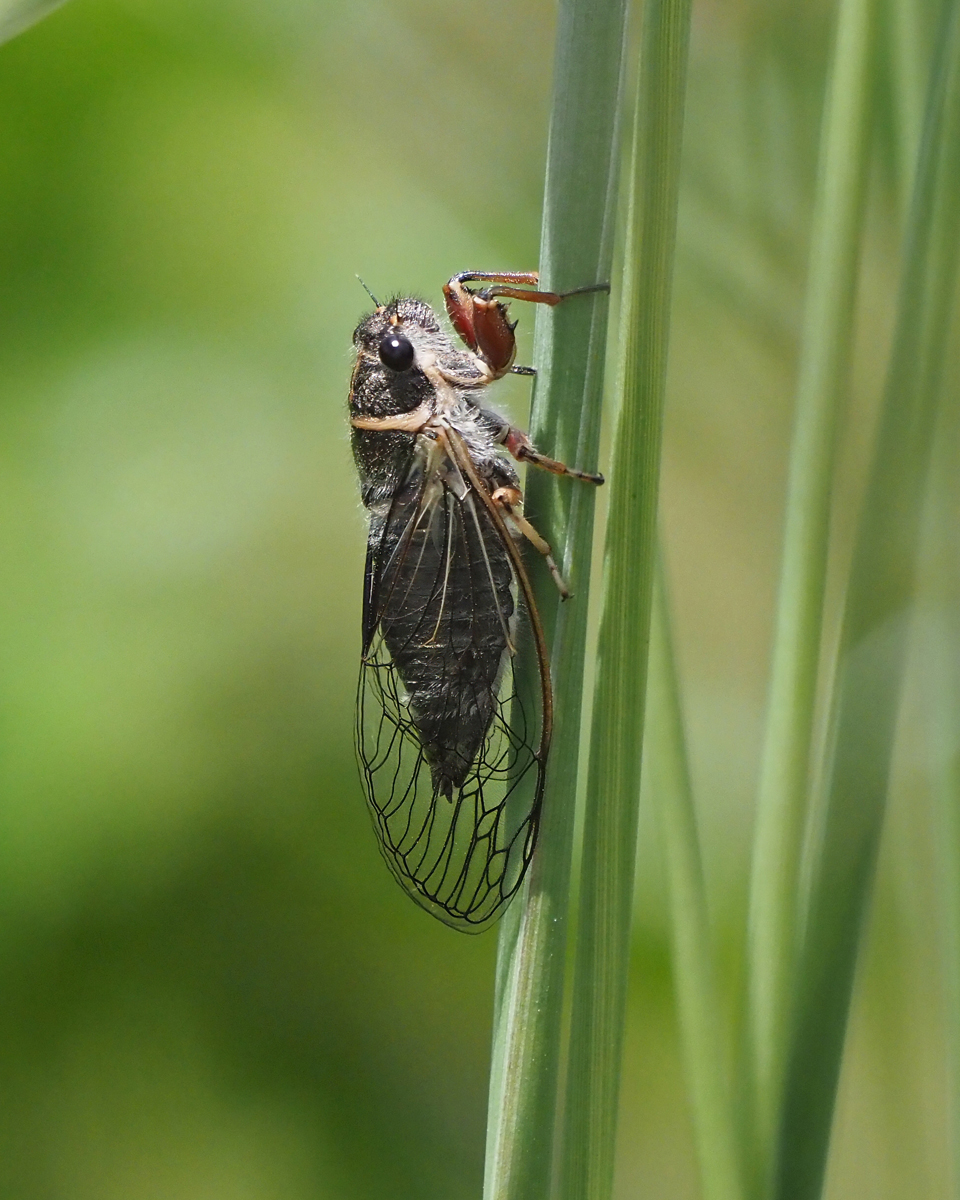
Another interesting find in the grasslands was this Salmonfly Cicada.
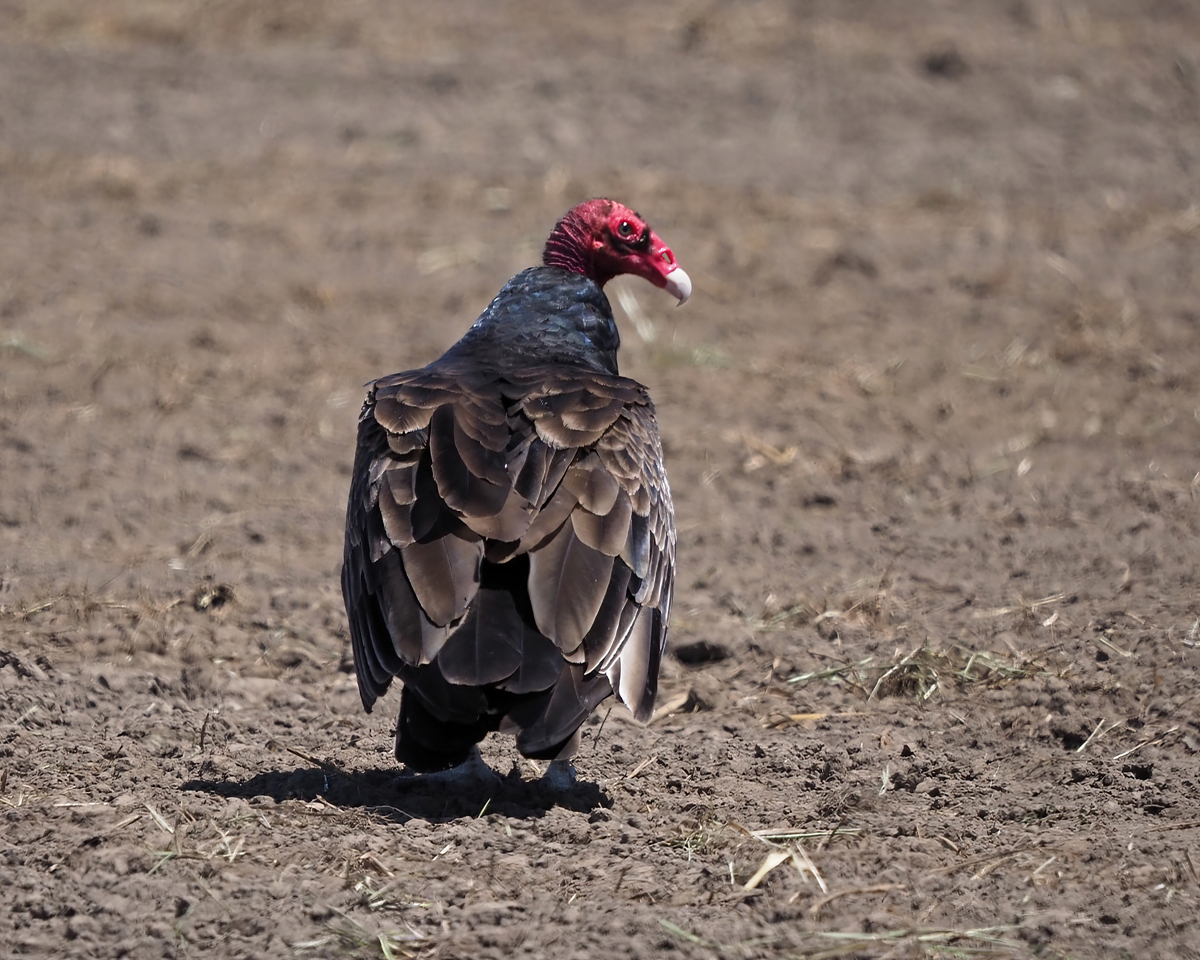
Several Turkey Vultures were hanging out in a freshly plowed field, perhaps scavenging critters displaced by the plow.
The oaks at Baskett Slough attract Acorn Woodpeckers.
This little Black-tailed Deer was browsing the woods with their mom.
The refuge can get pretty quiet during the heat of the summer, but things will pick up again in the fall when wintering waterfowl return.
Here are some images from a trip to Fernhill Wetlands a few weeks back. Every season is different, but there is always something going on at this site.
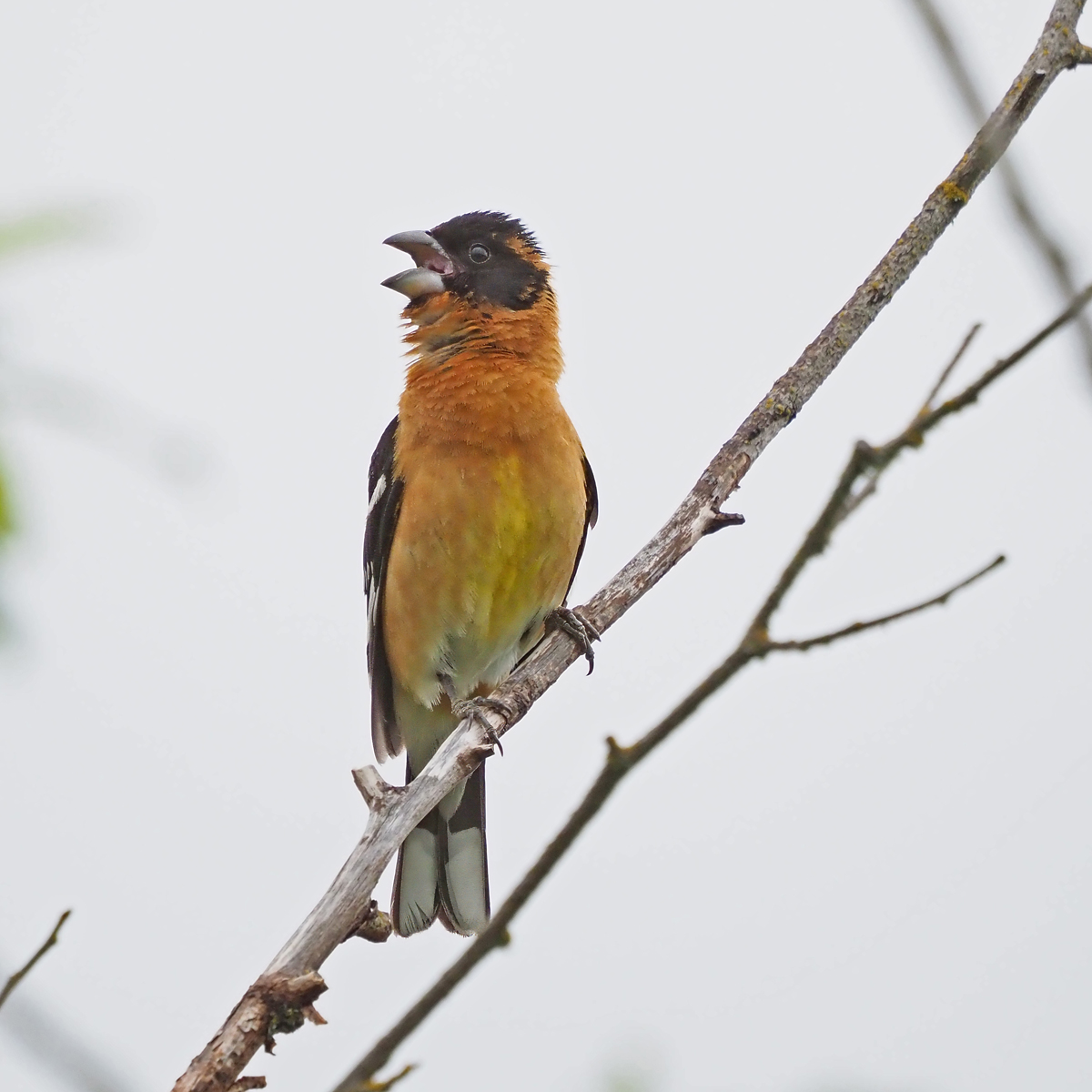
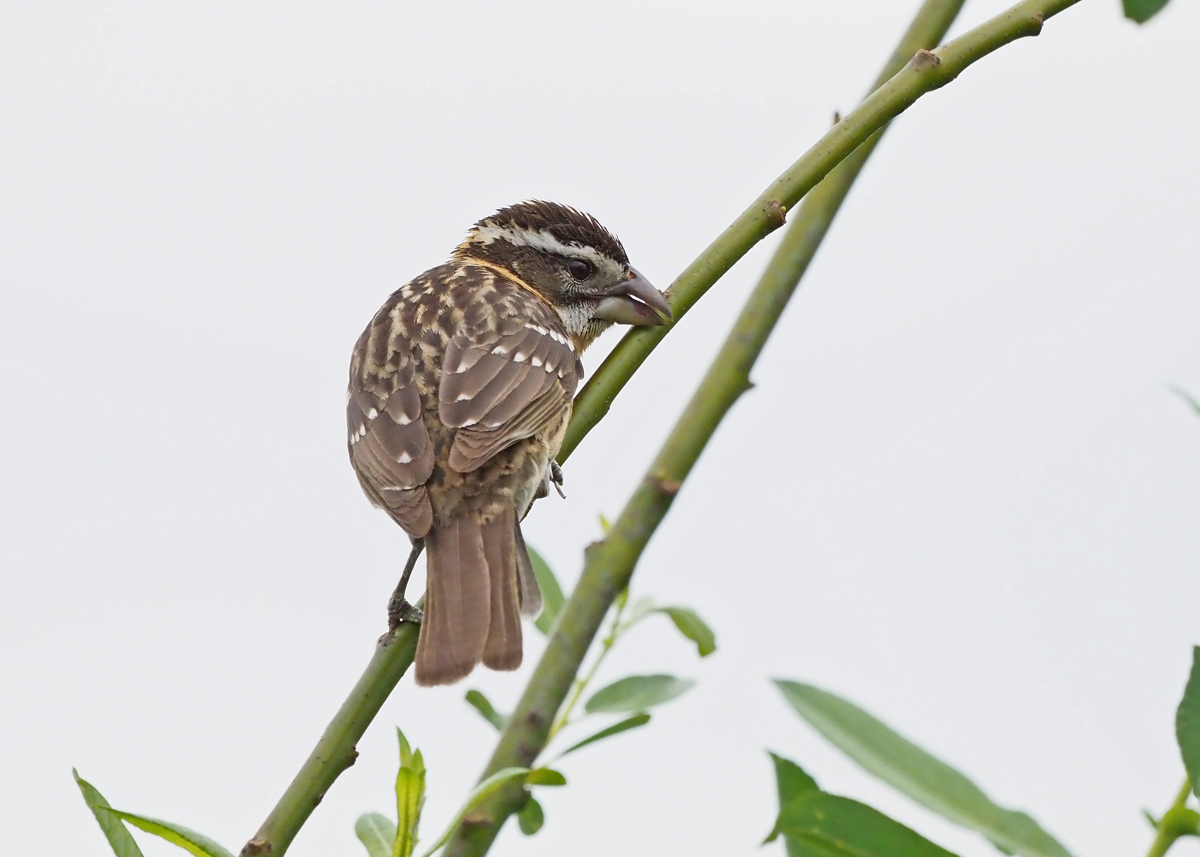
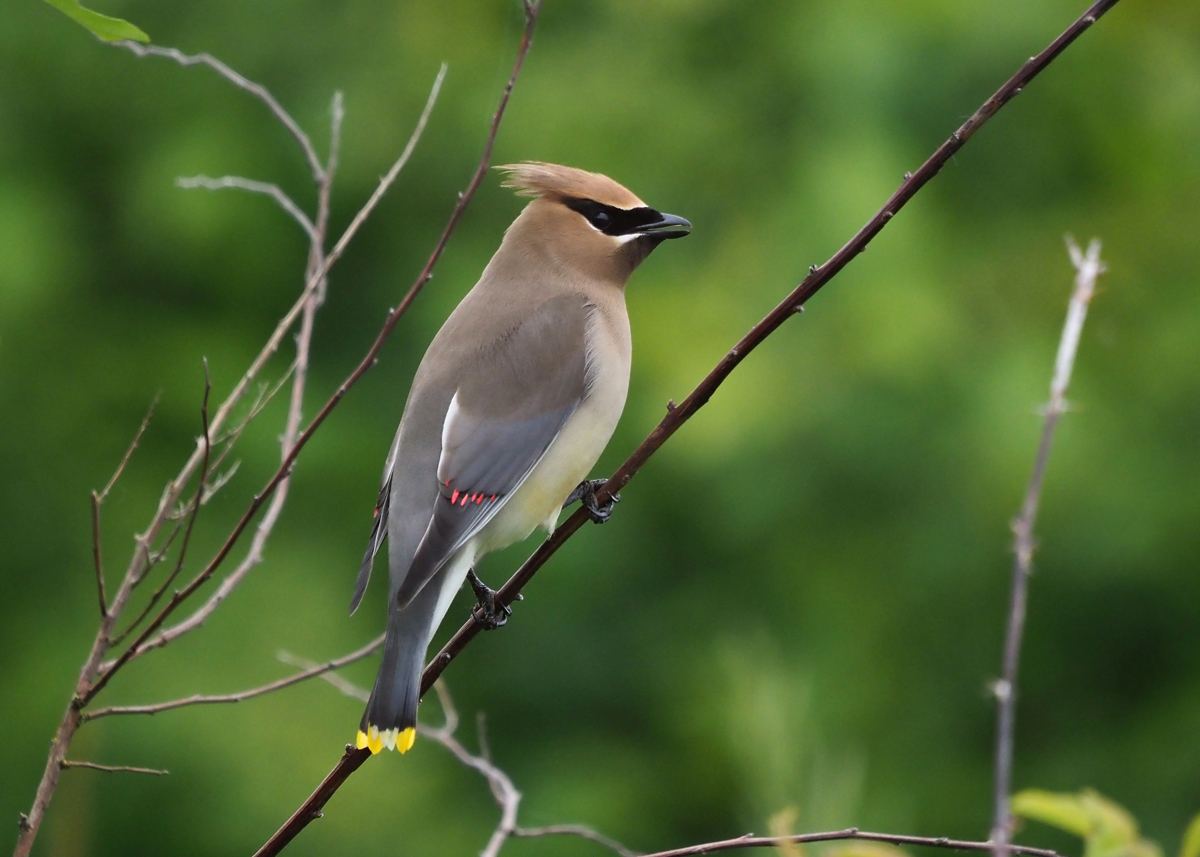
Black-headed Grosbeak singing his little heart outAnother Black-headed GrosbeakThis Brewer’s Blackbird was taking frog legs back to her nest to feed her young.While they are seldom very photogenic, Brush Rabbits are always a treat to see. California Ground Squirrels are well established at Fernhill.Cedar WaxwingCinnamon Teal pairThis massive Common Garter was basking on a log. I don’t know whether she had just eaten well or if she was full of babies.
While waiting for spring bird migration to pick up, I have been enjoying the local reptiles and amphibians. Here are a few highlights.
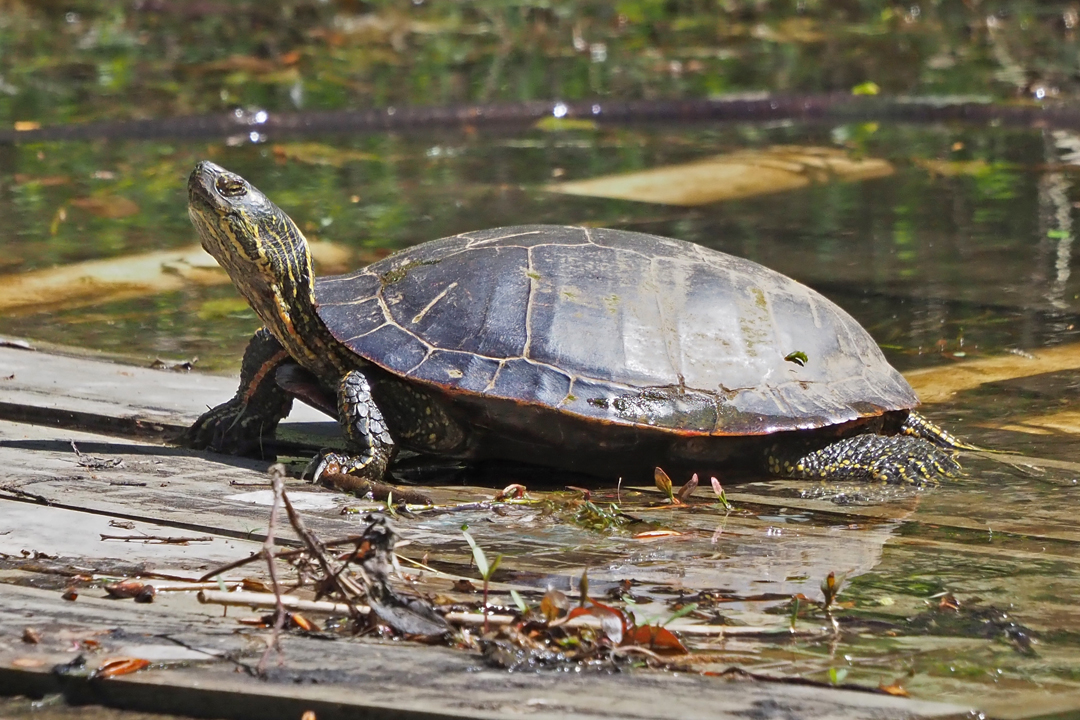
The first herps to appear each year (in February) are Common Garters. Our local subspecies is called Red-spotted Garter for obvious reasons.another Red-spotted Garter, paler in colorThis little specimen had the most intense red I have seen on this species. Last one, found climbing a tree stumpOur other species of garter is Northwestern Garter. They have smaller heads and lack the red on the face.This Northwestern Garter had an intensely red dorsal stripe. The only species of salamander I have found so far this year is Long-toed Salamander, but I have found them in several different locations. American Bullfrog is an invasive species that wreaks havoc on local wetland ecosystems, eating native frogs, baby turtles, and anything else they can catch. Another non-native is the Red-eared Slider (native to the southeastern U.S). When I was little, back when dinosaurs ruled the earth, you could buy baby turtles in pet stores. They were almost always this species. Unwanted pets were released into the environment, where they flourished. Western Painted Turtle is one of only two turtles native to Oregon. I was delighted to find this massive specimen at the Sandy River Delta.
Birding will be heating up in the next week, so I will have to start looking up again.
Red-tailed Hawk We are in that slow time when winter is starting to tire out and there are signs of spring. Here are some random images from the past few weeks.It is always a treat to get a good view of a Hutton’s Vireo.Great Blue Heron toying with an American BullfrogThis Cooper’s Hawk perched low in a thicket for some killer views. This American Beaver was sitting out on a piling in the Columbia River. Beavers are actually pretty common in the Portland area, but are typically nocturnal. I have read that Beavers were historically diurnal, but became nocturnal in response to intense hunting pressure. Nice to see this one out enjoying the sun.
I had the chance to visit Clatsop Spit at Fort Stevens State Park. Parking Lots C and D, the usual access points, are still compromised due to continued work on the south jetty of the Columbia. So the best place to access the beach along the Columbia River is the little road halfway in between the two parking lots. This road takes you to the access locally known as Social Security Beach.
One of the highlights of this trip was seeing many Snowy Plovers. This species just wasn’t found on the northern Oregon coast until a few years ago. It is great to see them making a comeback.
This Snowy Plover is sitting in a tire track from a large pickup that had just gone by. I really dislike that vehicles are allowed on so many beaches. Even if they are not directly squashing wildlife, they certainly disrupt and deface things. Baby Snowy Plovers have been known to get stuck in deep tire tracks.
While not threatened like the Snowy Plover, Black-bellied Plovers are always nice to see.
The Black-bellied Plovers were more wary and harder to approach than the Snowy Plovers.
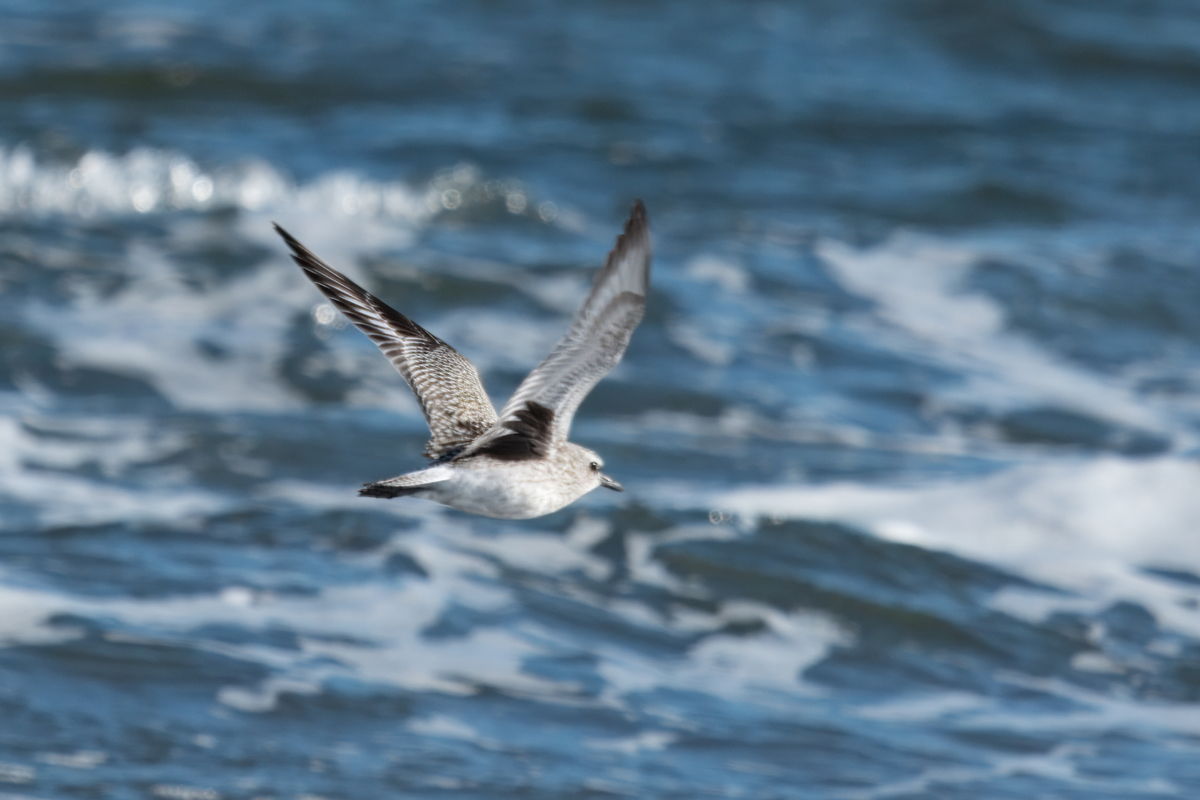
This blurry photo shows the black axillaries (wing pits) of a Black-bellied Plover. This mark makes the species identifiable from a great distance.
The most common shorebird of the day was Dunlin. While they don’t sport their bold markings this time of year, the dull brownish upperparts and bright white underparts are distinctive.
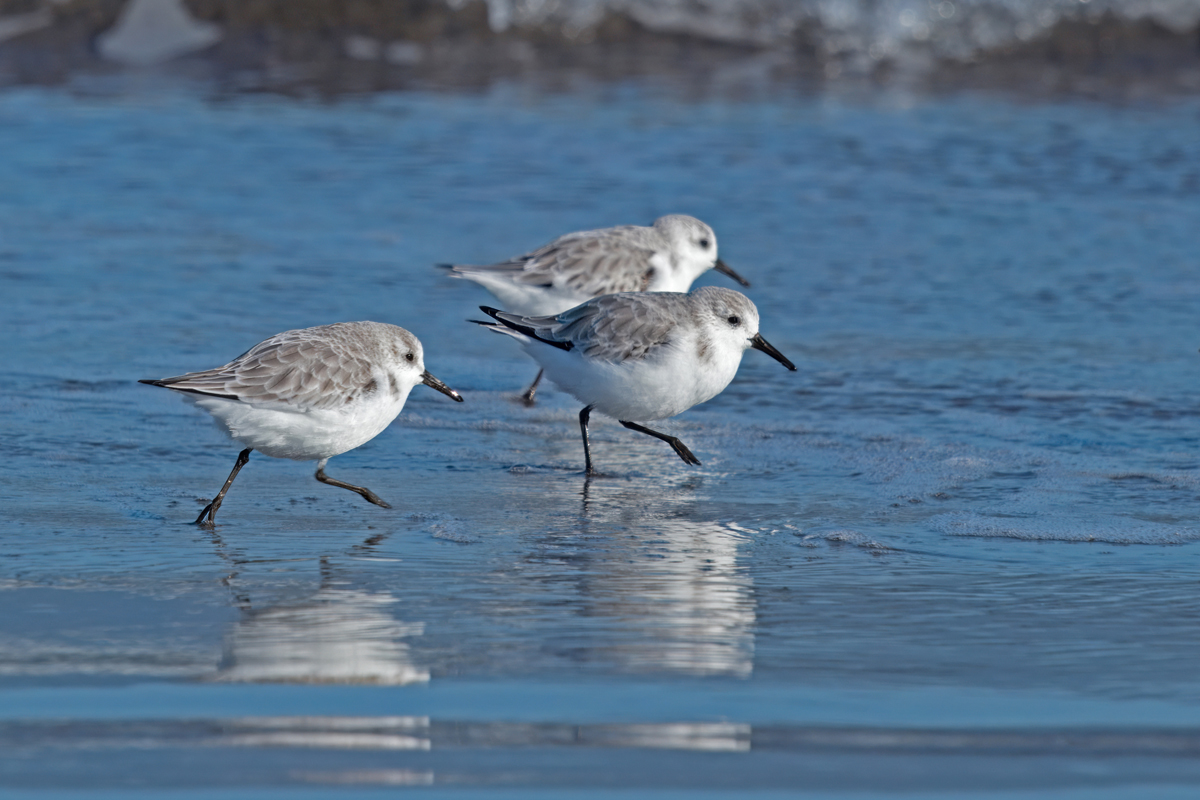
A lone Dunlin following a group of Sanderlings
More Sanderlings
Of course you have to stop and appreciate the gulls this time of year. Here is a dapper pair of Herring Gulls.
Short-billed Gull, until recently called Mew Gull. Some feel that Mew Gull is a better name.
A lone California Gull stands in front of a group of Short-billed Gulls.
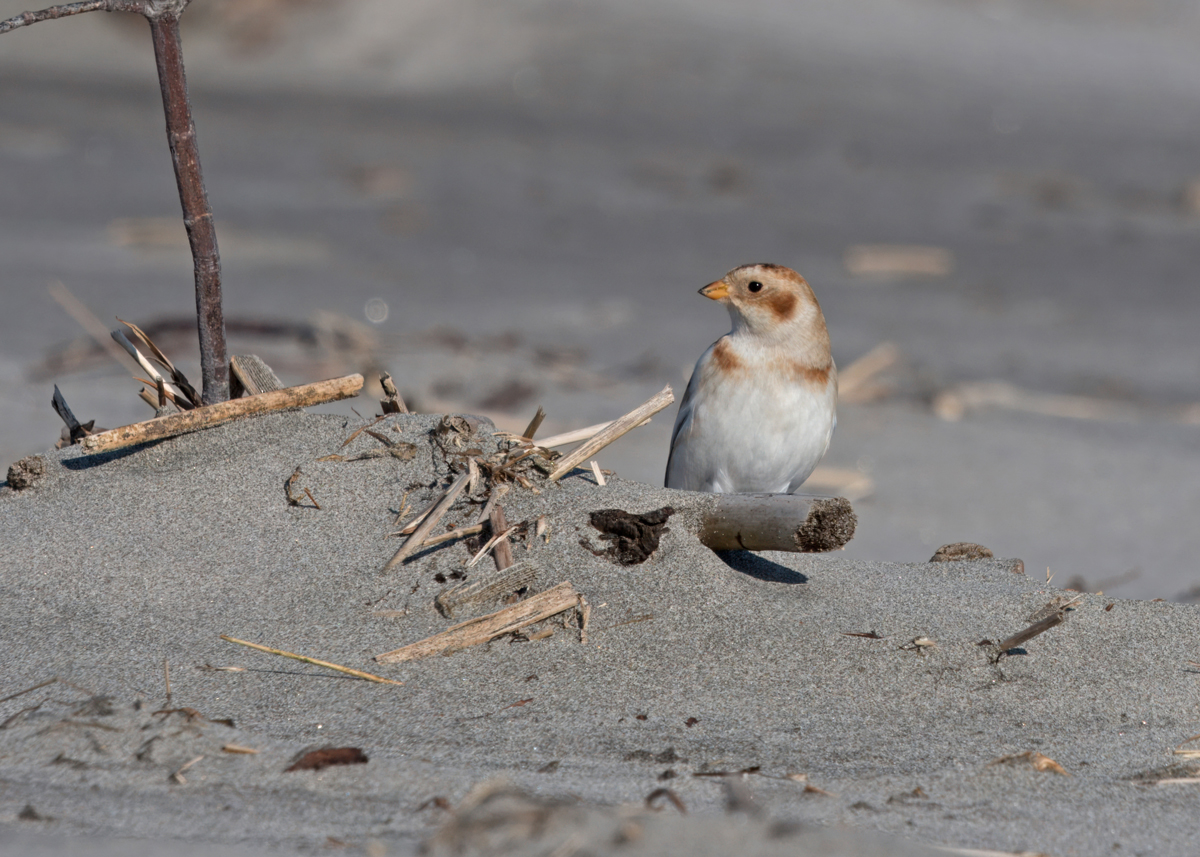
Probably the best bird of the trip was Snow Bunting. It is not unusual to find a few of these birds on the coast in winter, but it is hard to get them to sit still long enough for a photo.
Work on the jetty is scheduled to be completed by the fall of 2025. It will be nice to have easy access to all of Clatsop Spit again.






























 Ethical Birder