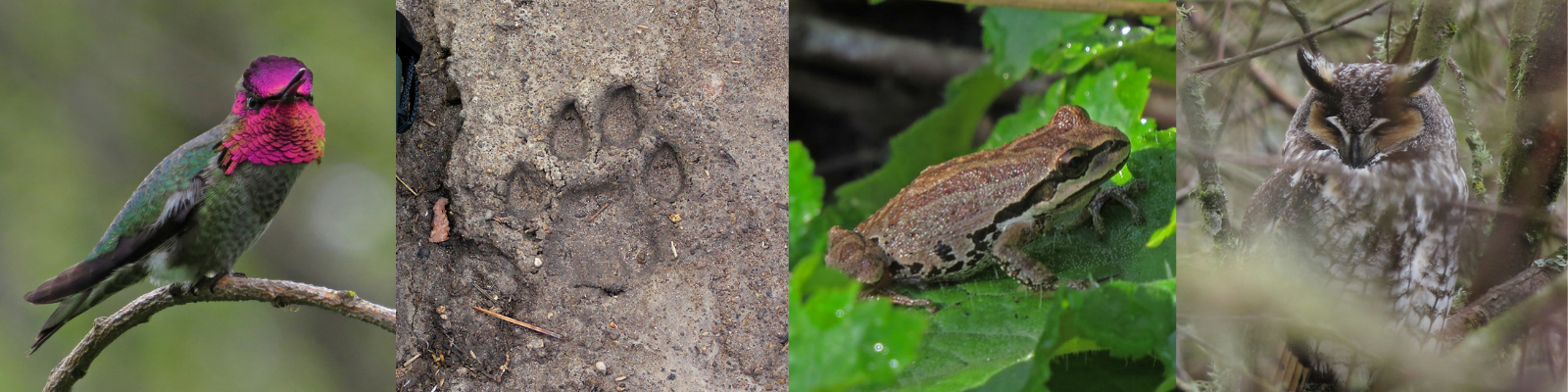

I led a field trip to Powell Butte Nature Park on the east side of Portland. This is a wonderful park with a nice variety of habitats. I don’t make the trek across town to visit very often, but I am always glad when I do. Columbian Black-tailed Deer are often found in the grassland habitat.

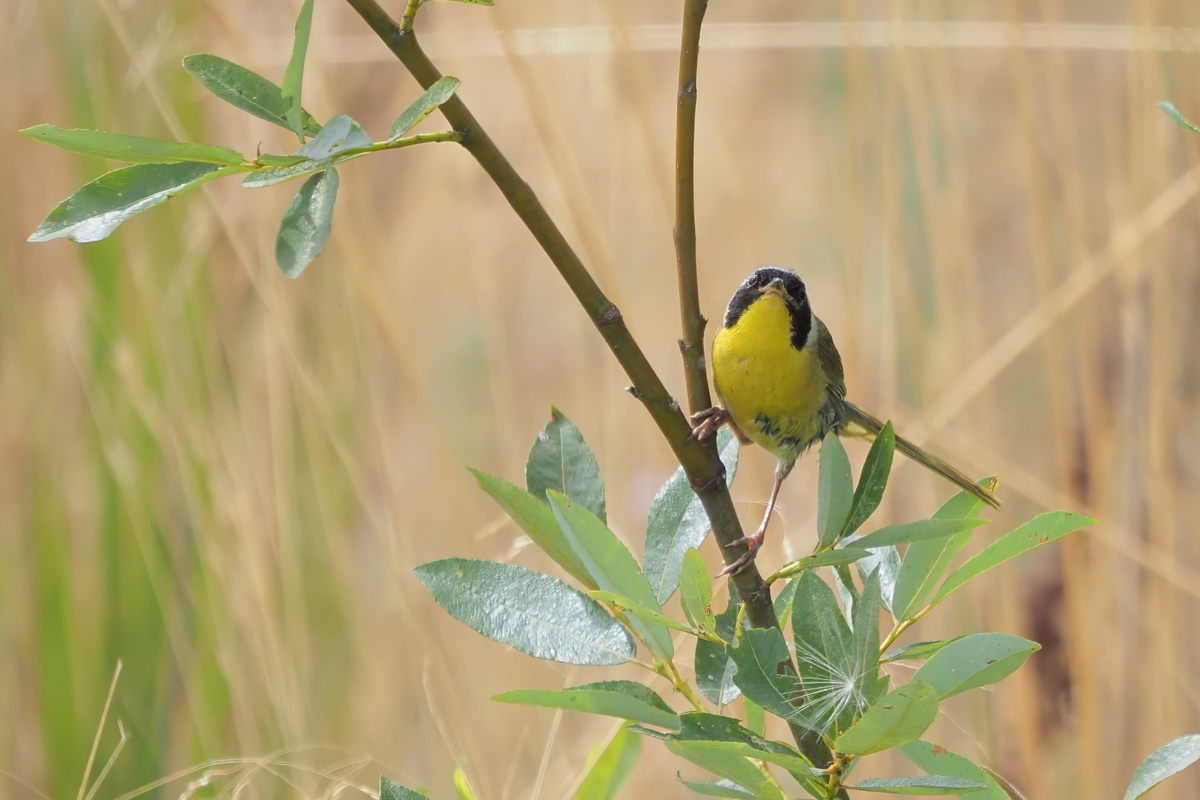
Common Yellowthroats are, wait for it, common in the thickets.

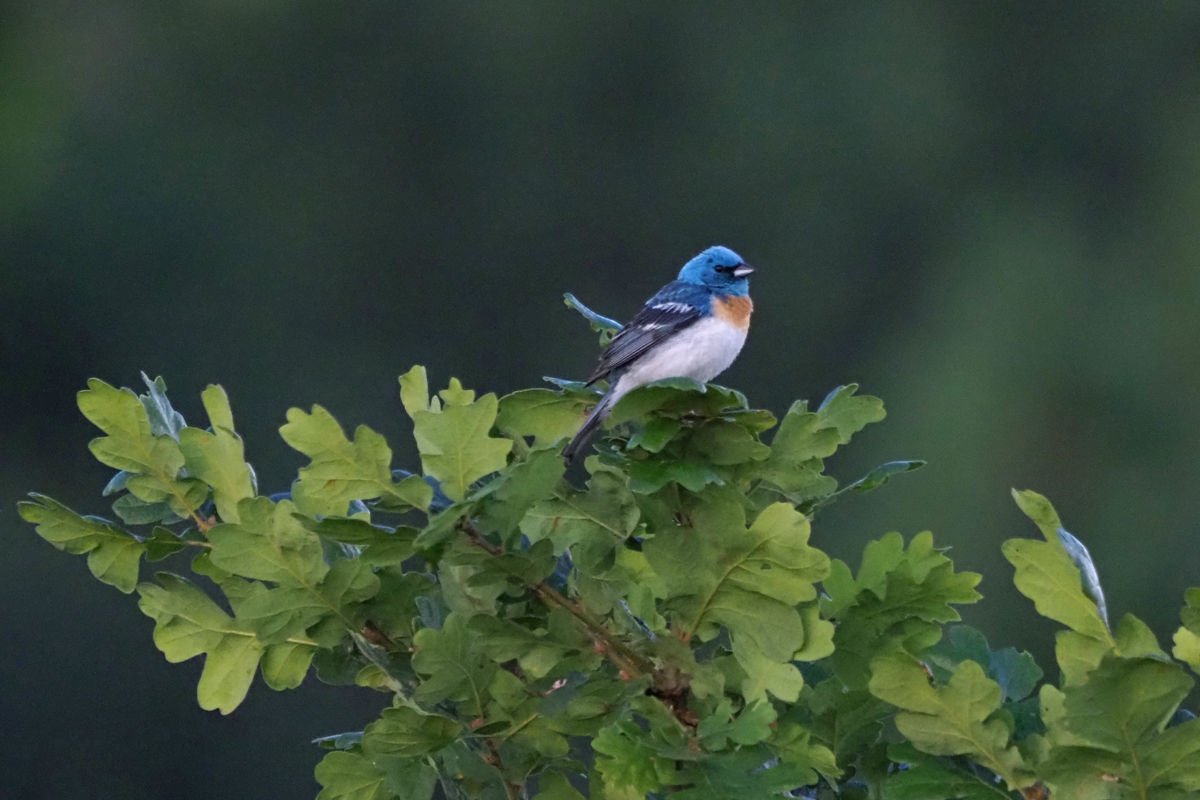
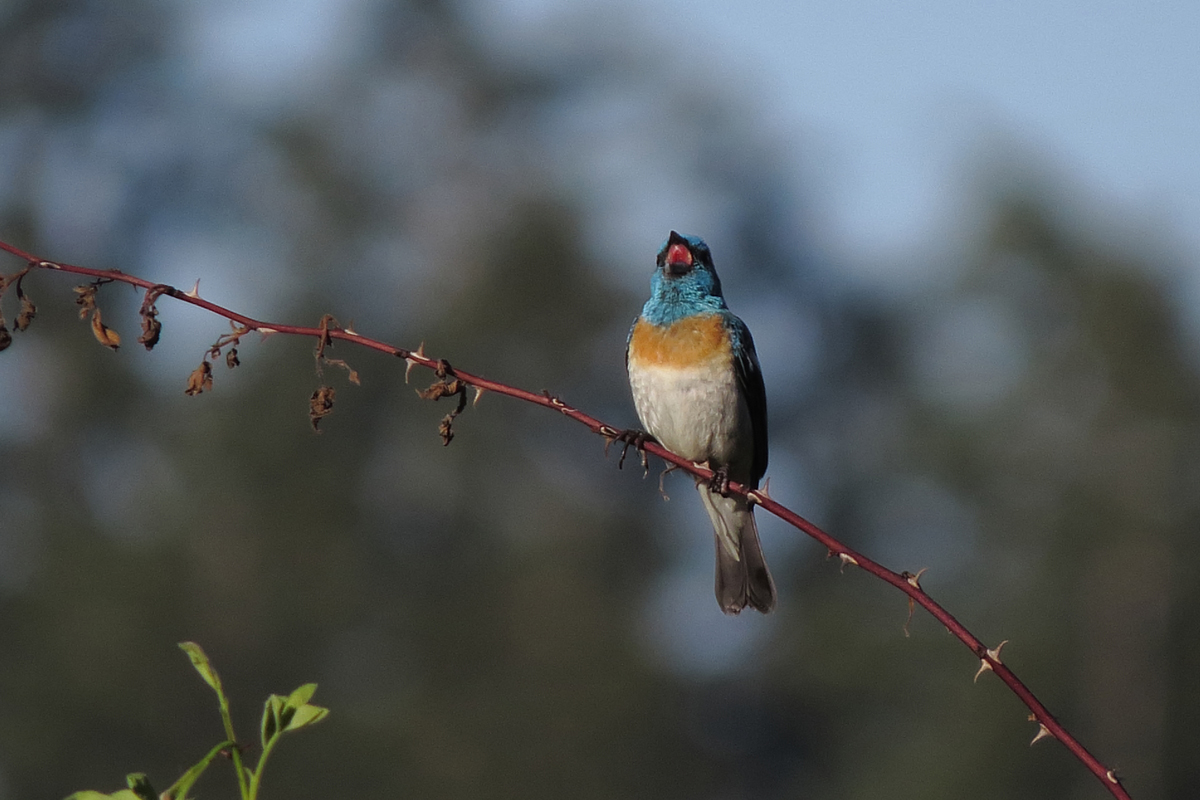
Lazuli Buntings are always a crowd favorite.
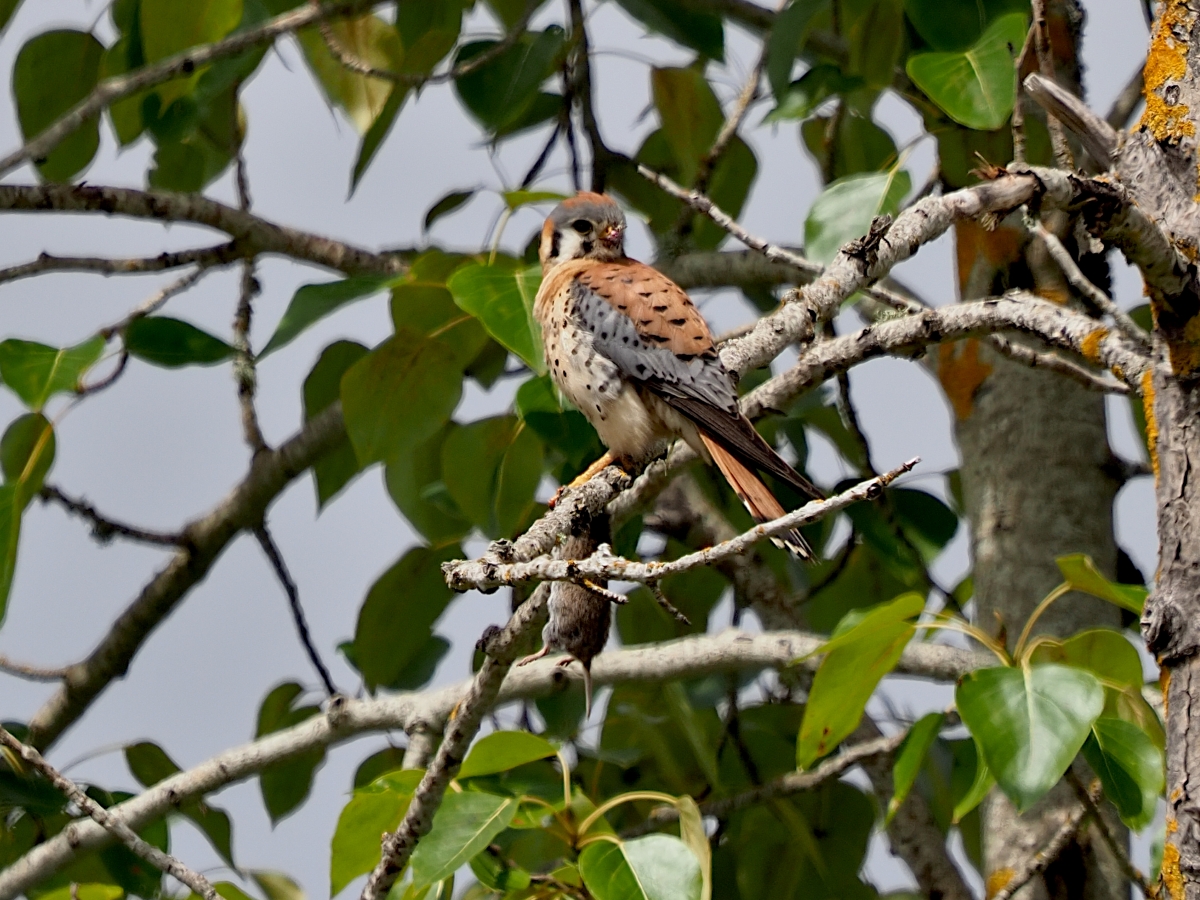
This American Kestrel had caught a vole. It amazes me how these birds can spot little rodents in the tall grass.

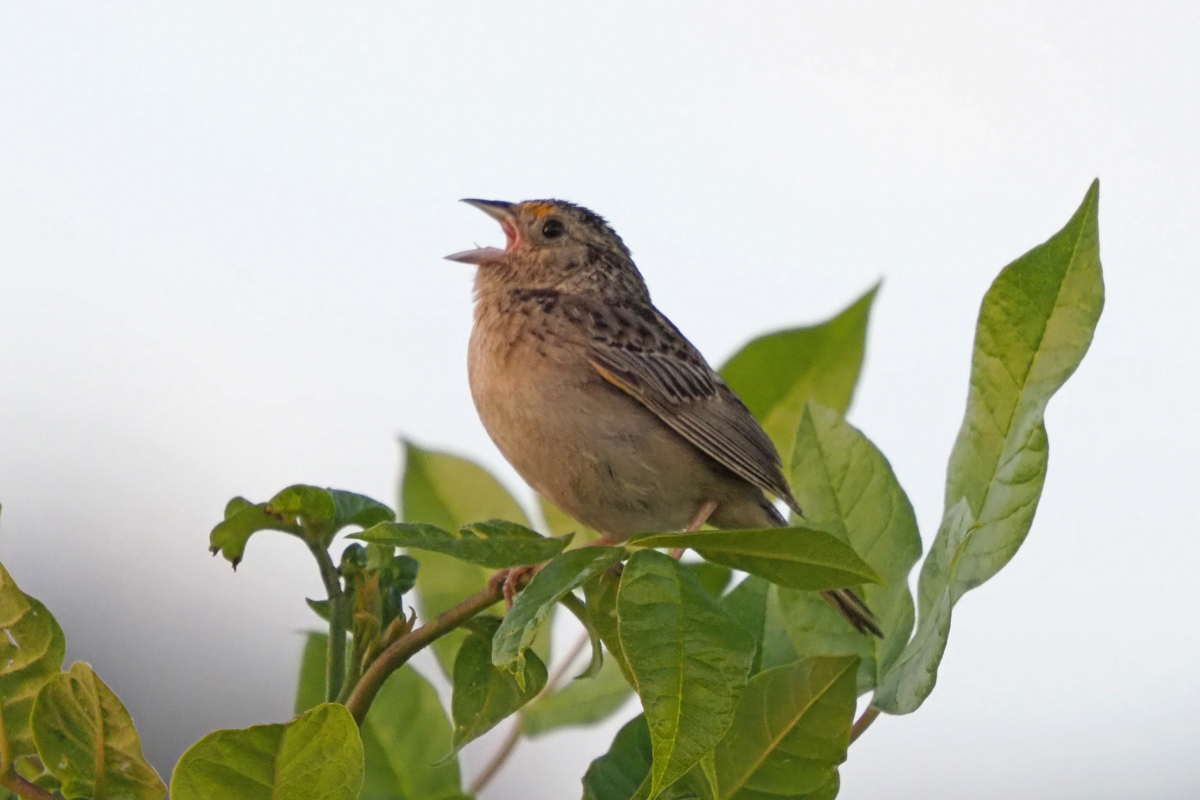
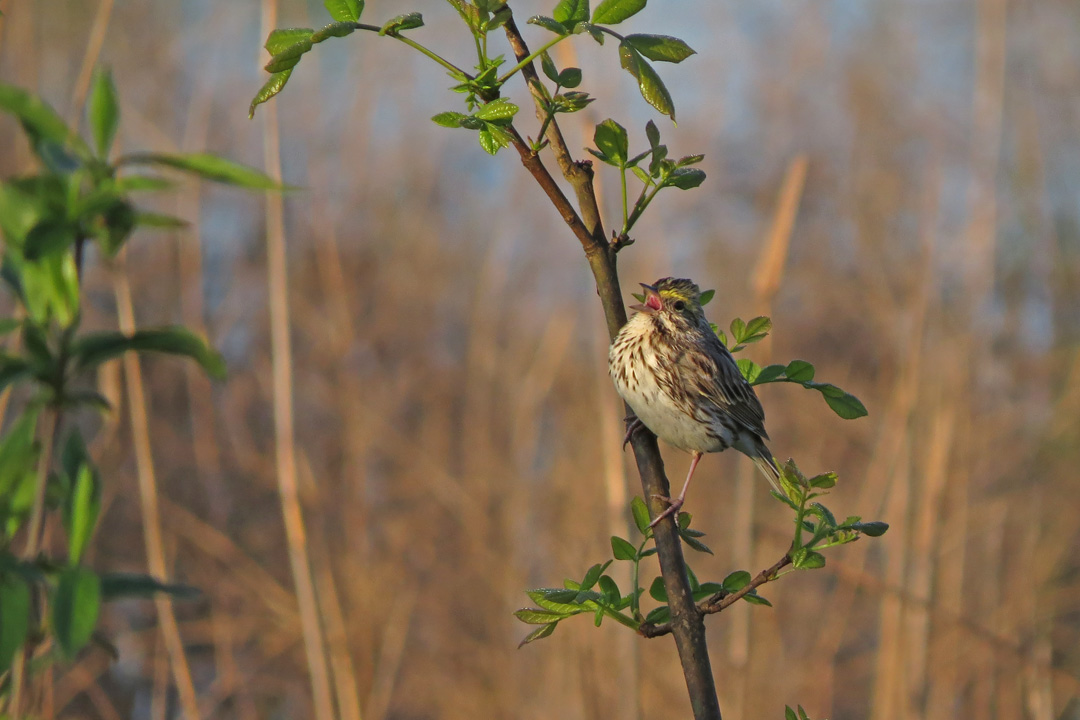
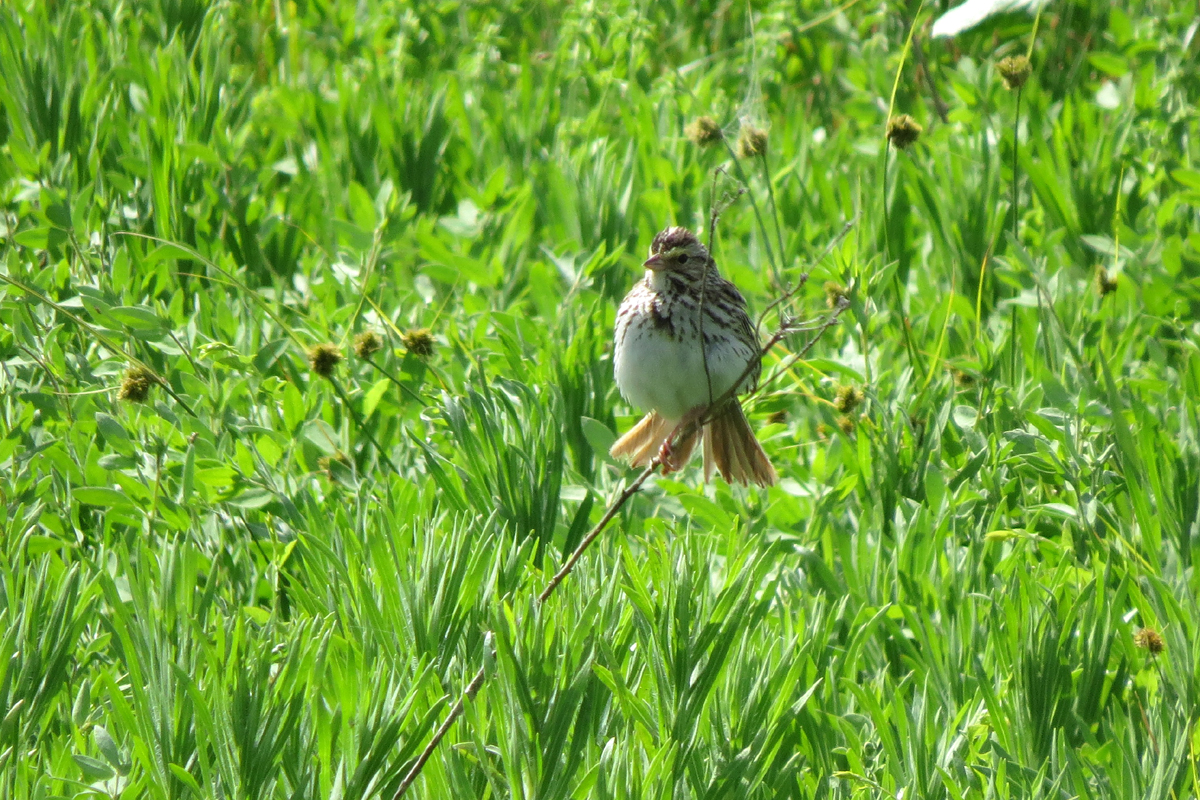
Powell Butte is a great spot to find Savannah Sparrows. This particular bird was perched on a banana peel that some moron had left on a trail marker. Pack out your trash, people.

Speaking of bananas, this Banana Slug was munching away on a cheese puff that had been dropped on the trail. Salt is deadly to slugs, causing rapid dehydration. I’m hoping the salt content of this snack item is not too high.

As parasitic nesters, Brown-headed Cowbirds get a bad rap, but I have always appreciated the subtle beauty of this species.
Happy summer!
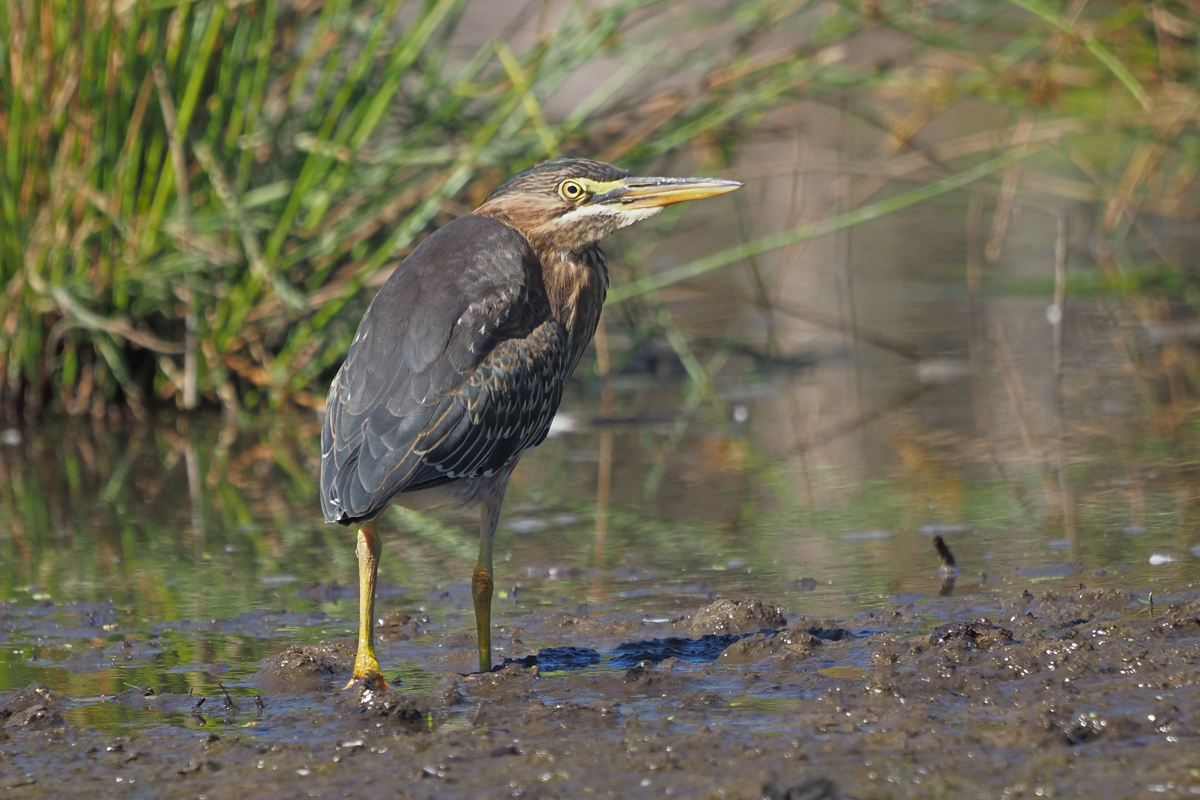
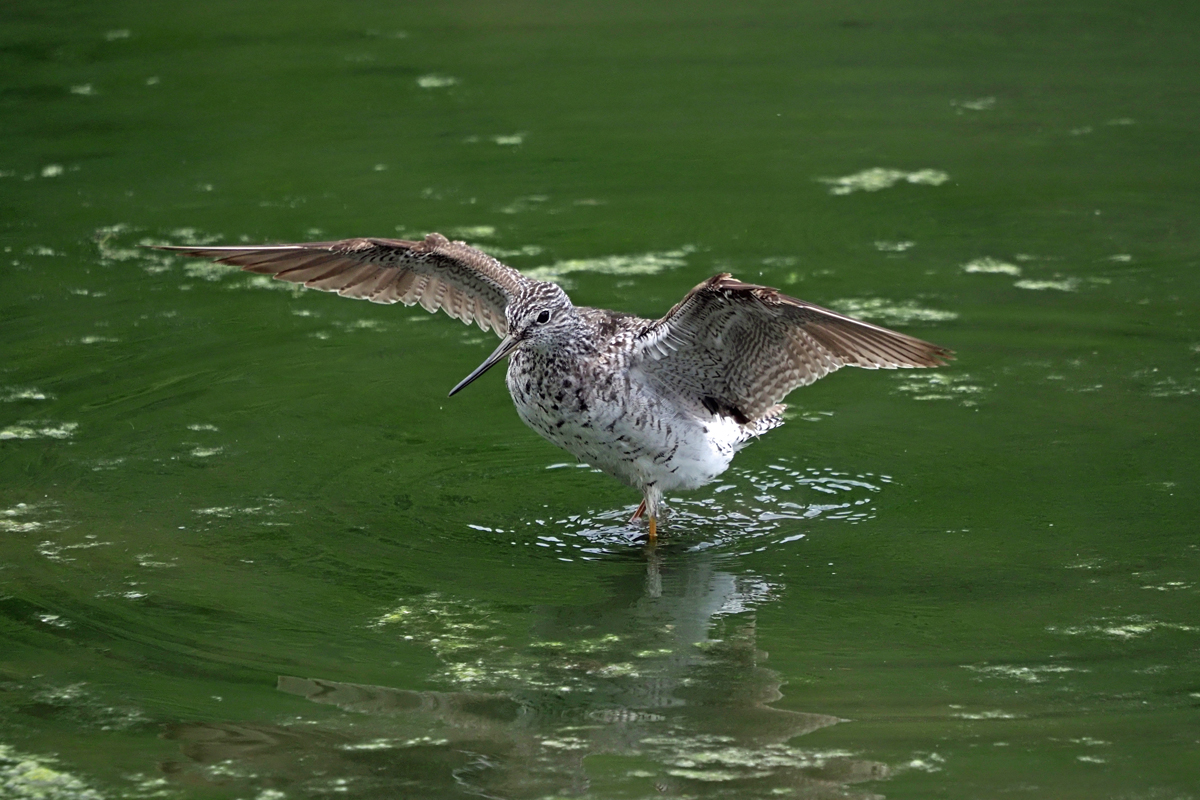
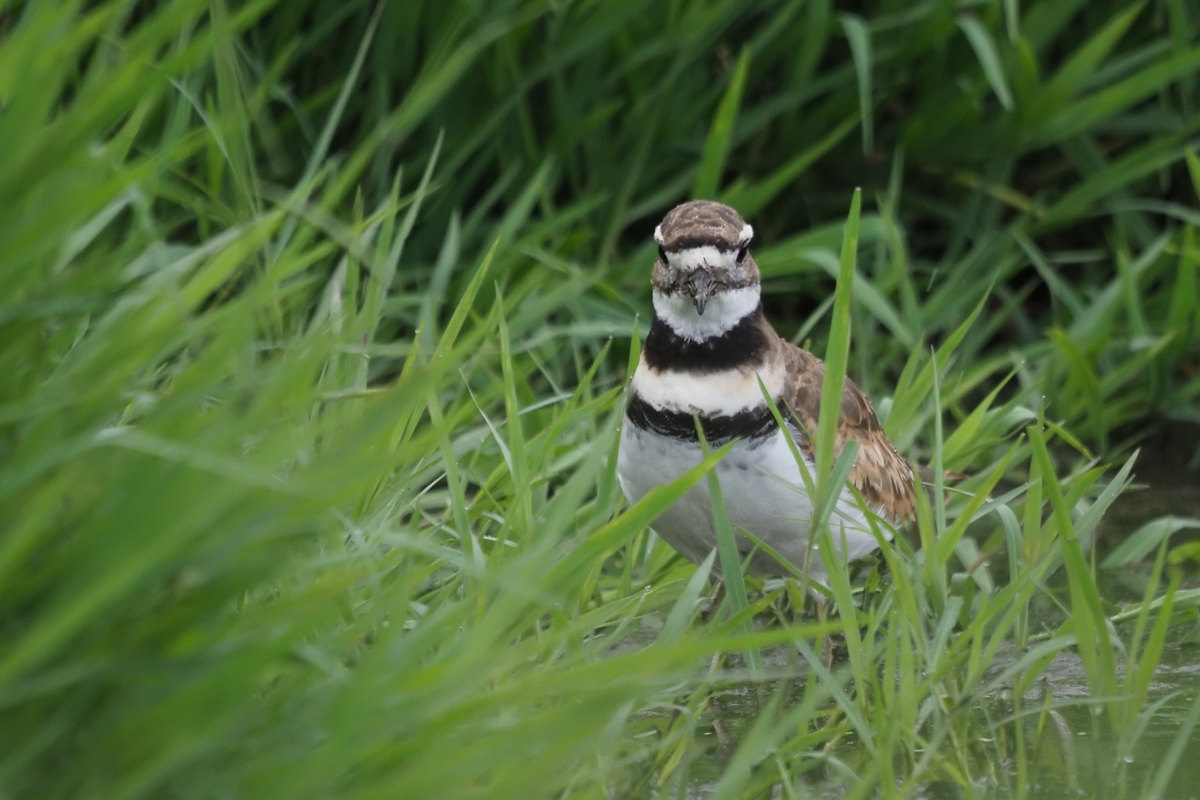
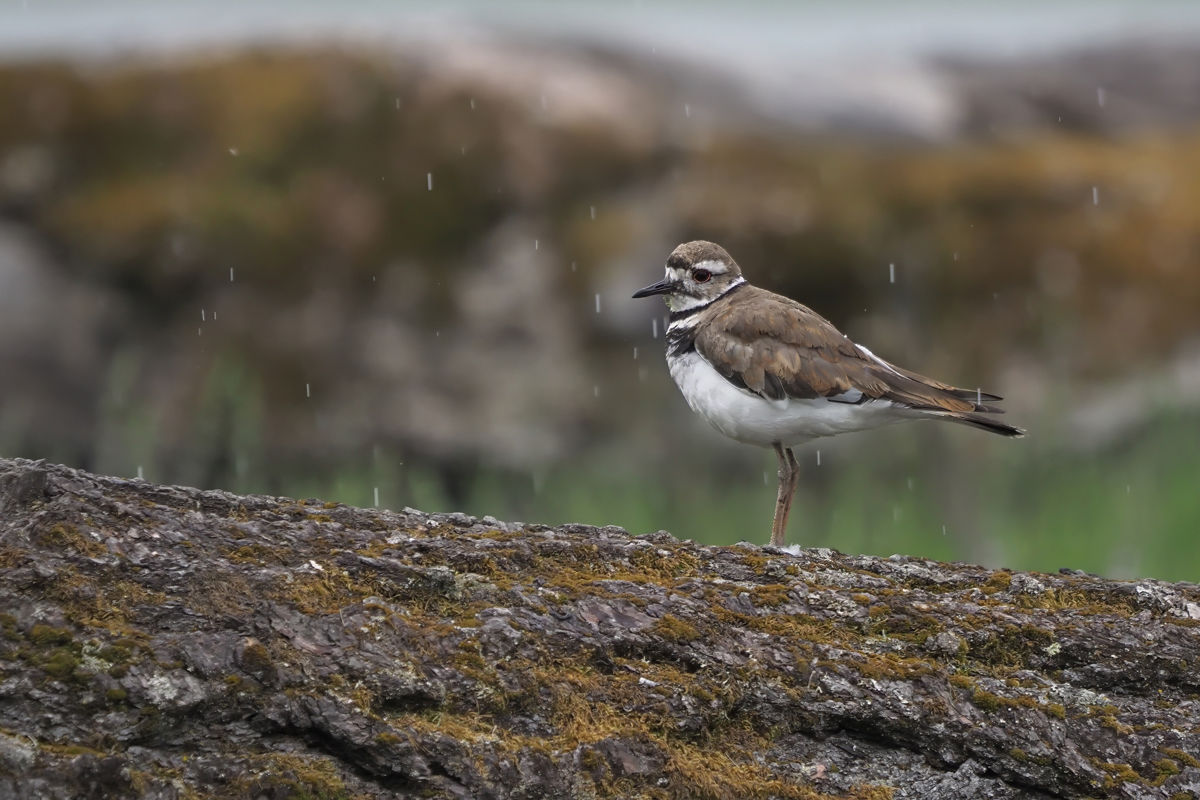





 This lone Greater White-fronted Goose was at the Tualatin River NWR. Not many of these geese touch down in the Portland area, but huge flocks pass overhead in spring and autumn.
 The western U.S. does not get to enjoy the great diversity of warblers found in the east, but we do get Yellow-rumped Warblers all winter. This male Audubon’s race is coming into breeding plumage.
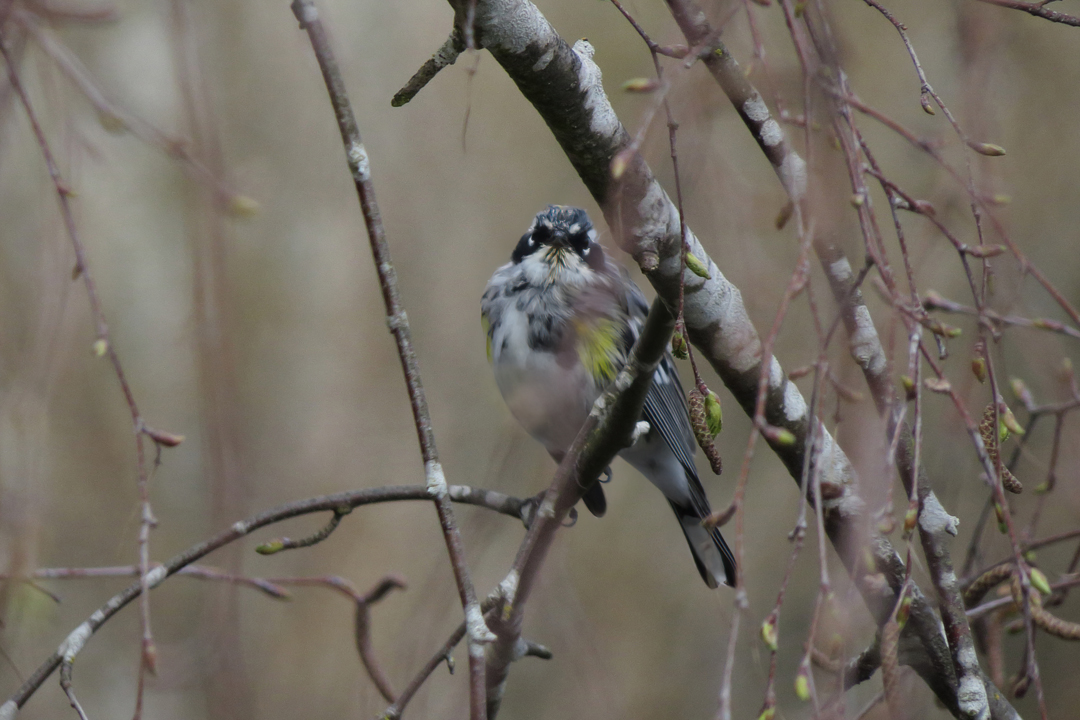 We also get Myrtle race Yellow-rumps in winter. I keep hoping that these two forms will be split into separate species, as they once were. This individual seems to have a little yellow on the throat, suggesting some mixed parentage somewhere in this bird’s family tree.
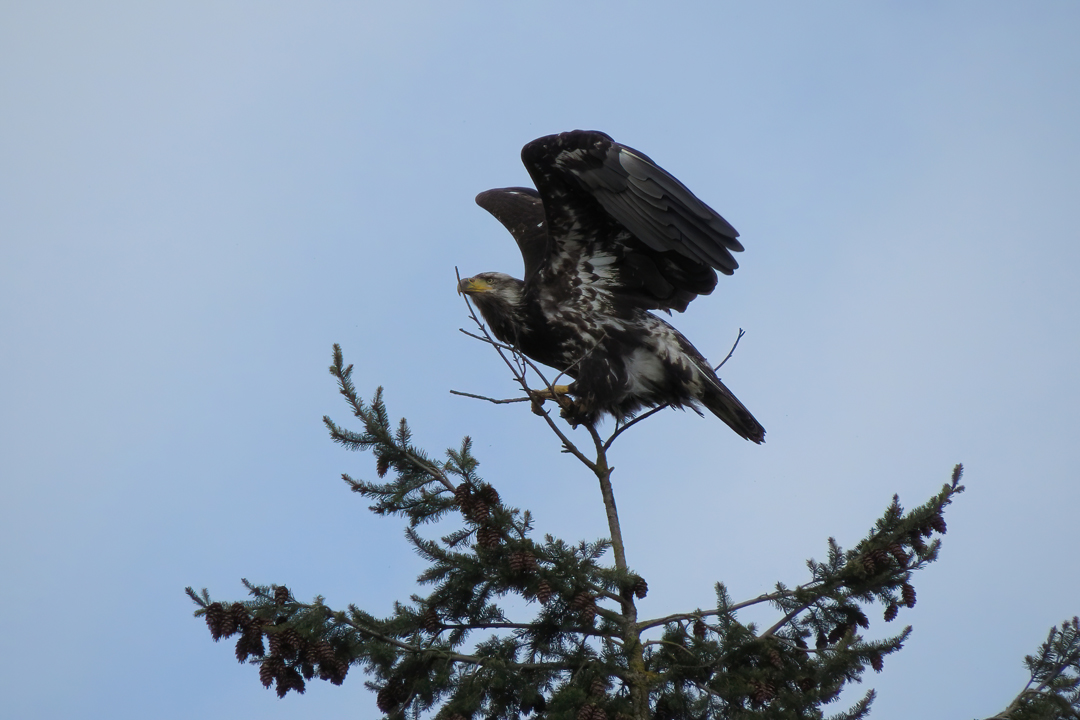 This young Bald Eagle was looking regal in a parking lot.
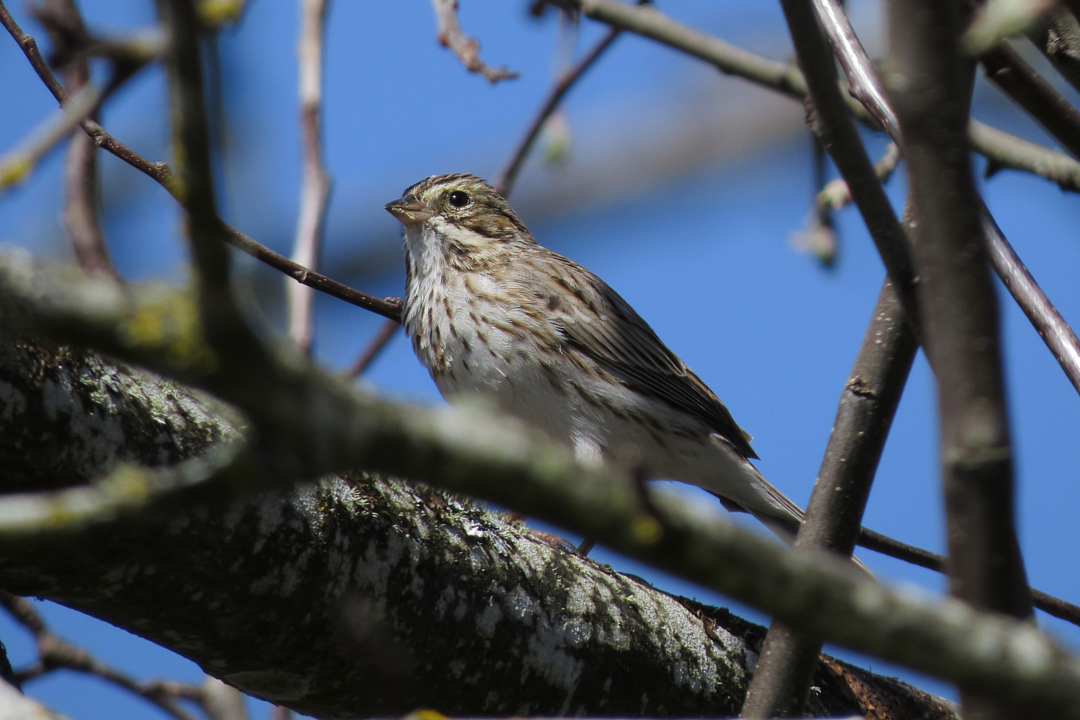 Savannah Sparrows have started returning to their nesting areas. This rather faded individual was at Jackson Bottom.




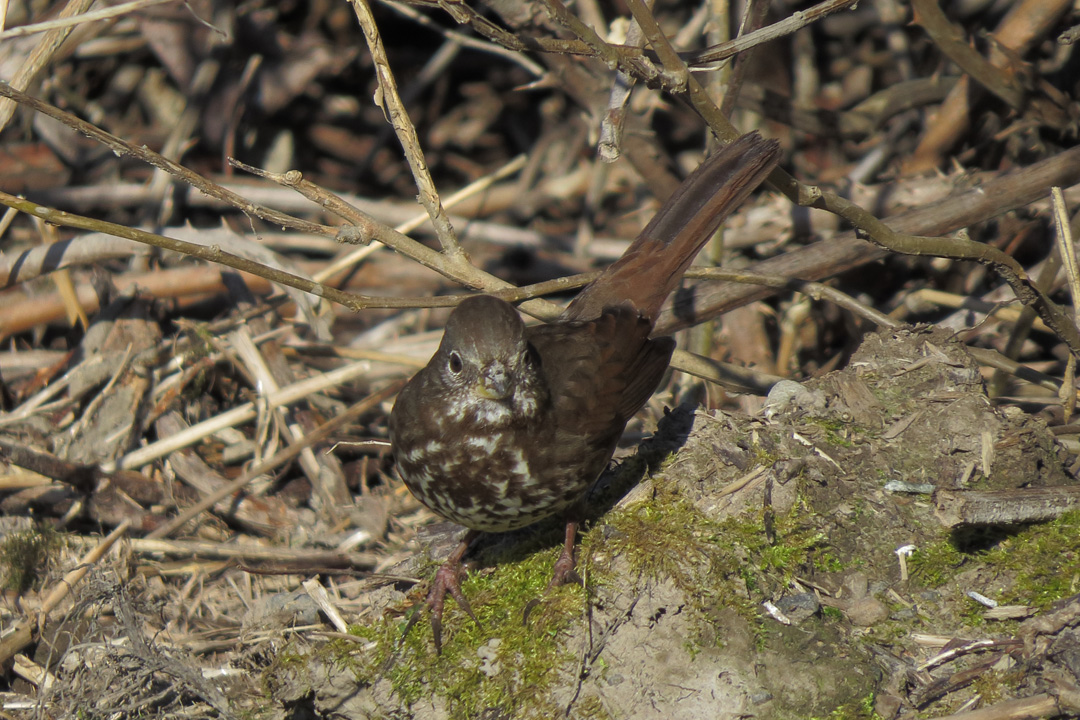 Late winter is when I typically concentrate on sparrows. There isn’t much else going on this time of year, and the vegetation is worn down enough that visibility is pretty good. Rentenaar Road on Sauvie Island continues to be the best spot in the area for a variety of little brown birds. Some would say that the birding is too easy when you just throw down some seed and watch the birds swarm in, but I love the opportunity to see 10 sparrow species side-by-side at close range. Here is a Fox Sparrow.
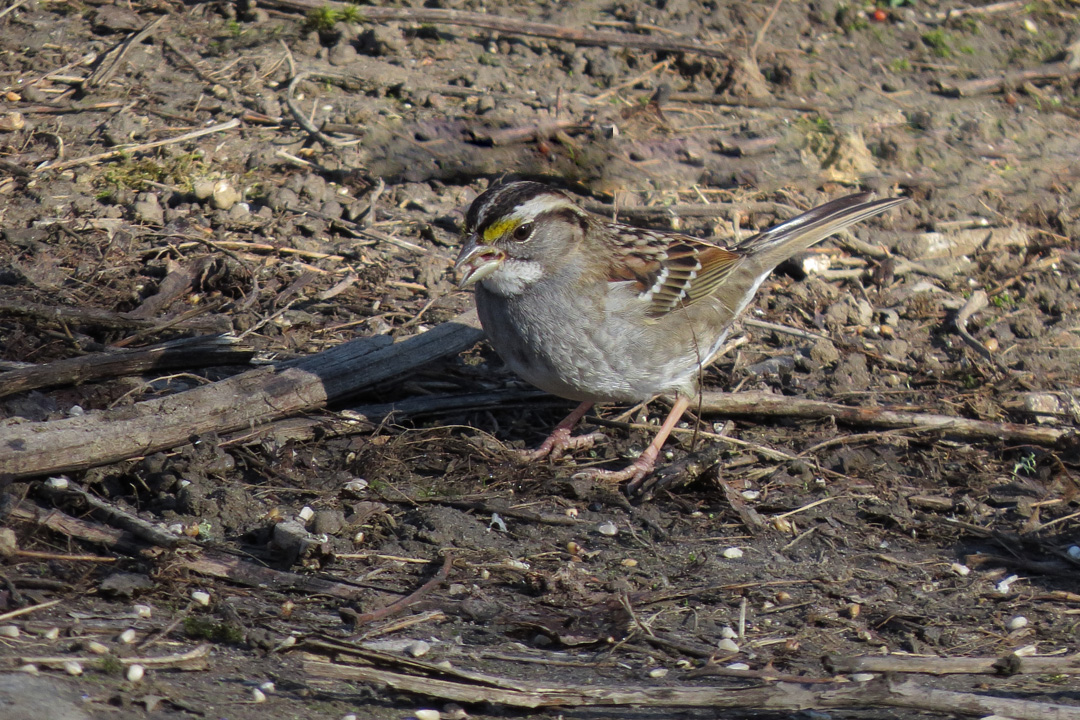 White-throated Sparrows were a rare treat around here 15 years ago, but they are an expected species now.
 White-crowned Sparrow, always dapper
 There is usually a small flock of Savannah Sparrows along Rentenaar Road in winter. They tend to keep to themselves and don’t come in to feed at the chumming spots.
 The most noteworthy little brown bird in the area this winter has been the Siberian Accentor in Woodland, WA. I don’t keep a Washington list, but I did cross the river to see this bird. They are quite rare anywhere in North America, so this was probably my only chance to add this bird to my life list. It would have been much better for me if the bird had flown ten miles to the southwest and hung out in Oregon, but Asian vagrants don’t seem to care about my state list.
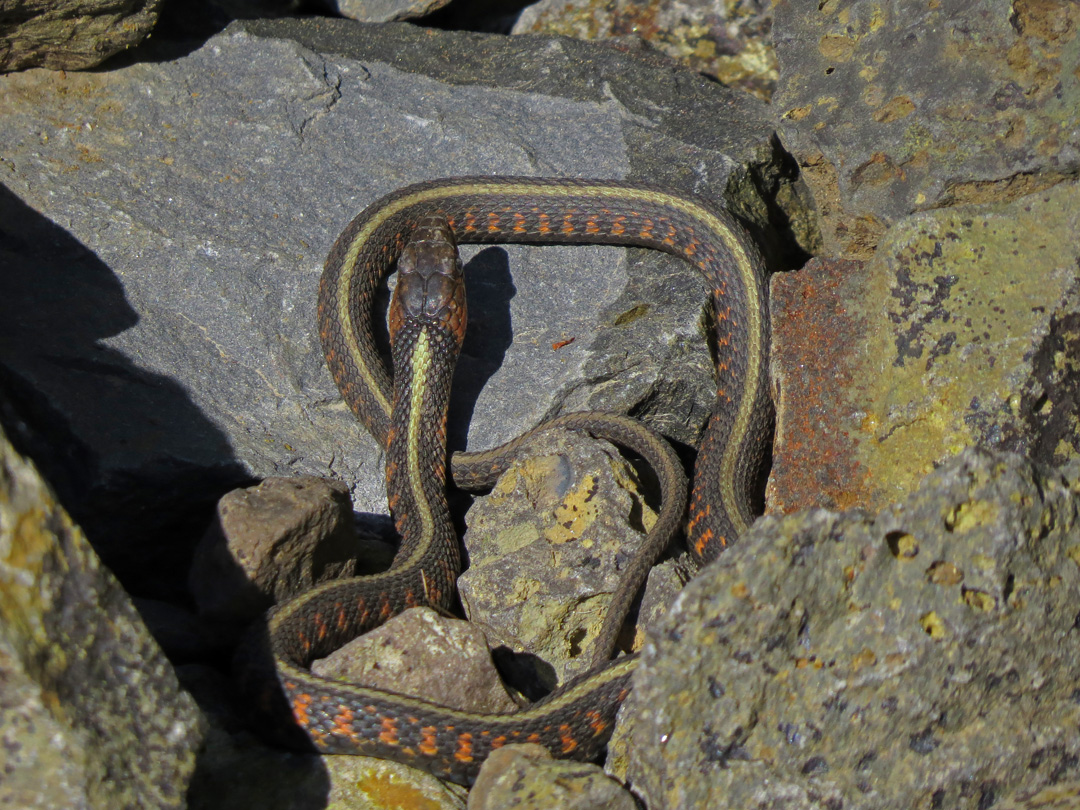
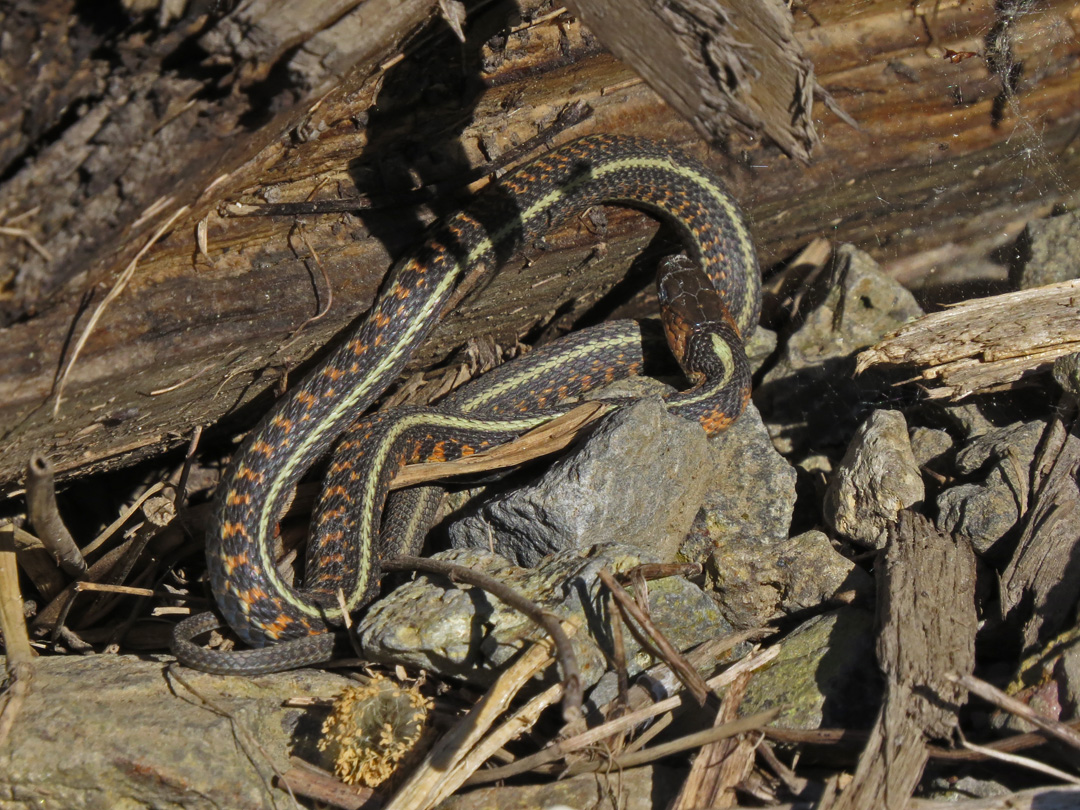
 This was my first snake of the season, found at Wapato Greenway State Park on Sauvie Island. I am not sure if this is a Common Garter or a Northwestern Garter. The body pattern most closely matches the local race of Common Garter, but they typically have red heads. Our local Northwestern Garters do not show red spots on the sides, but do have small dark heads. I did not apply one test that has often worked for me; If you pick them up and they bite you, they are Common Garters. If they don’t try to bite, they are Northwestern. I don’t know if other herpers have noticed this trend, but I have found it to be true of individual snakes of known identity.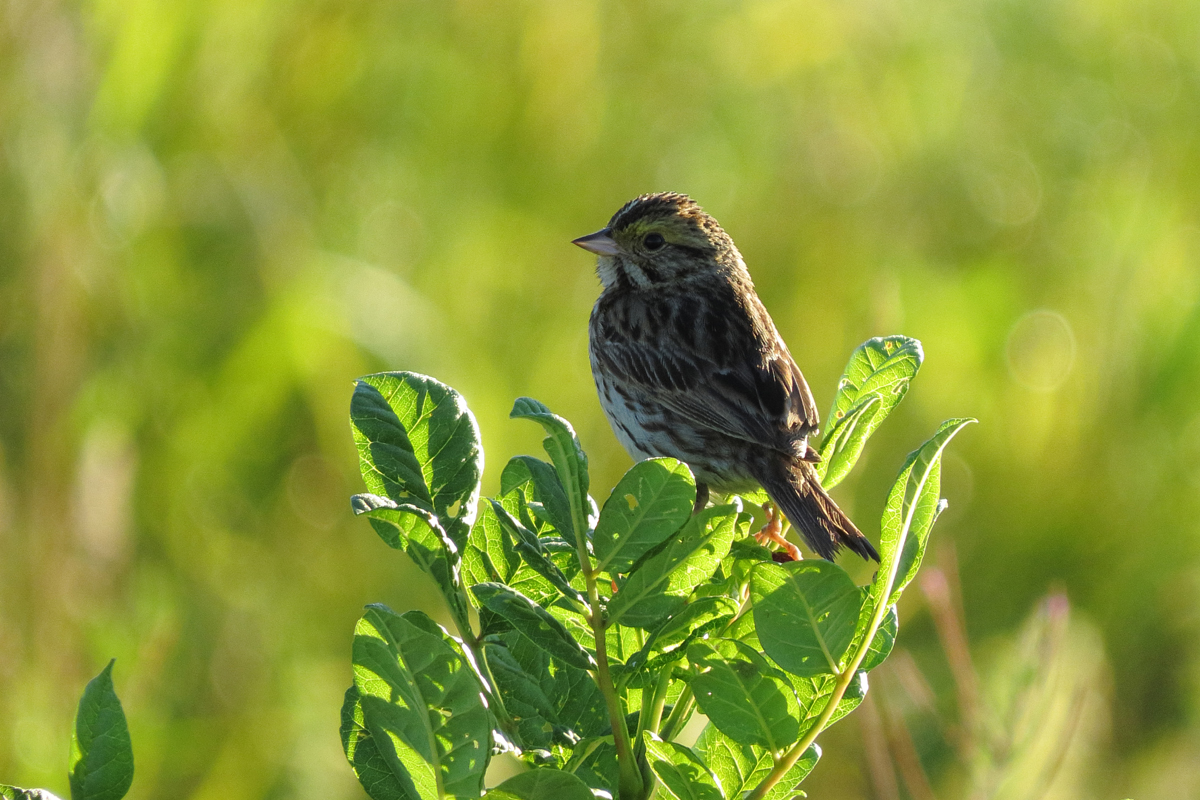
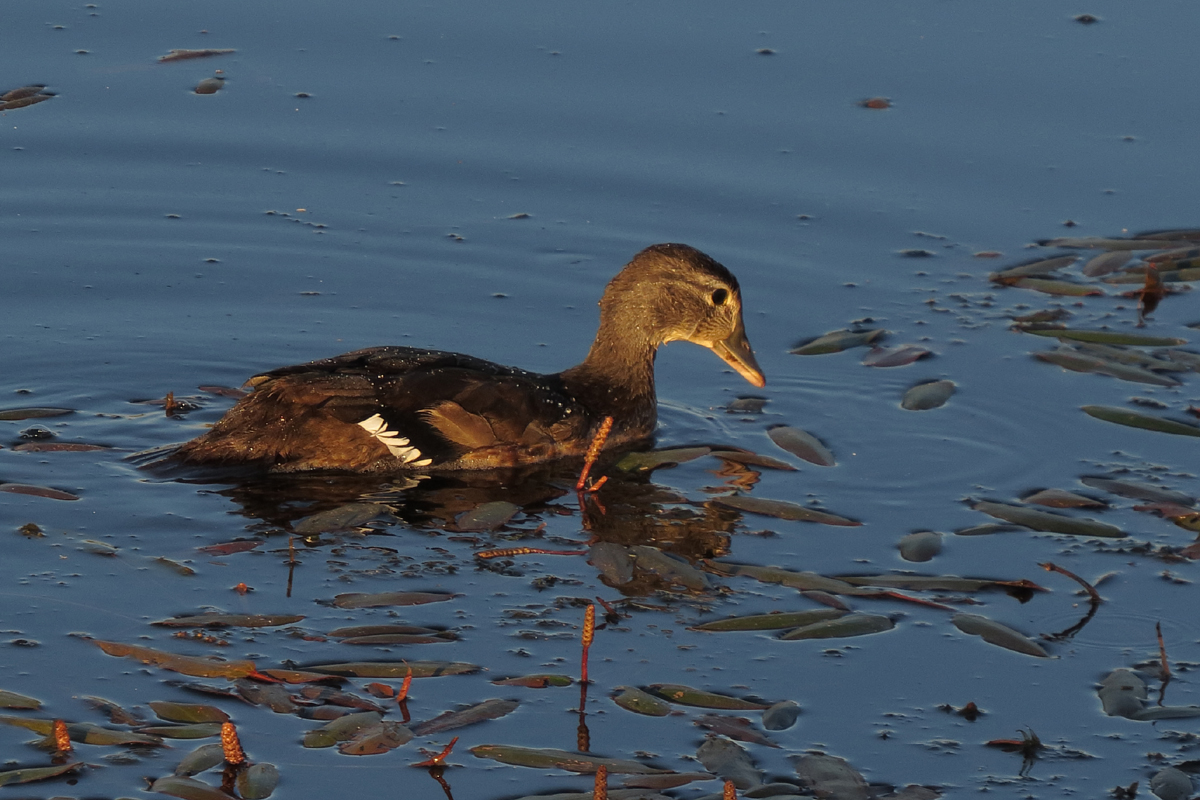
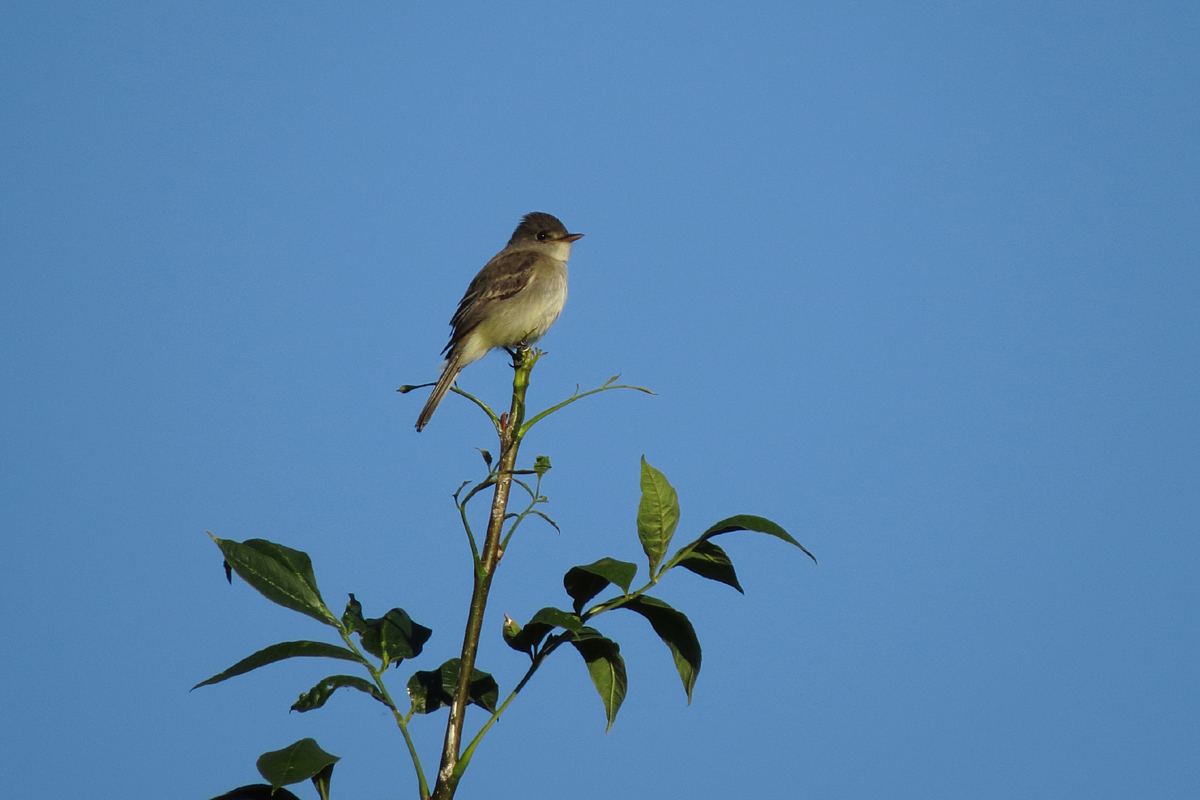

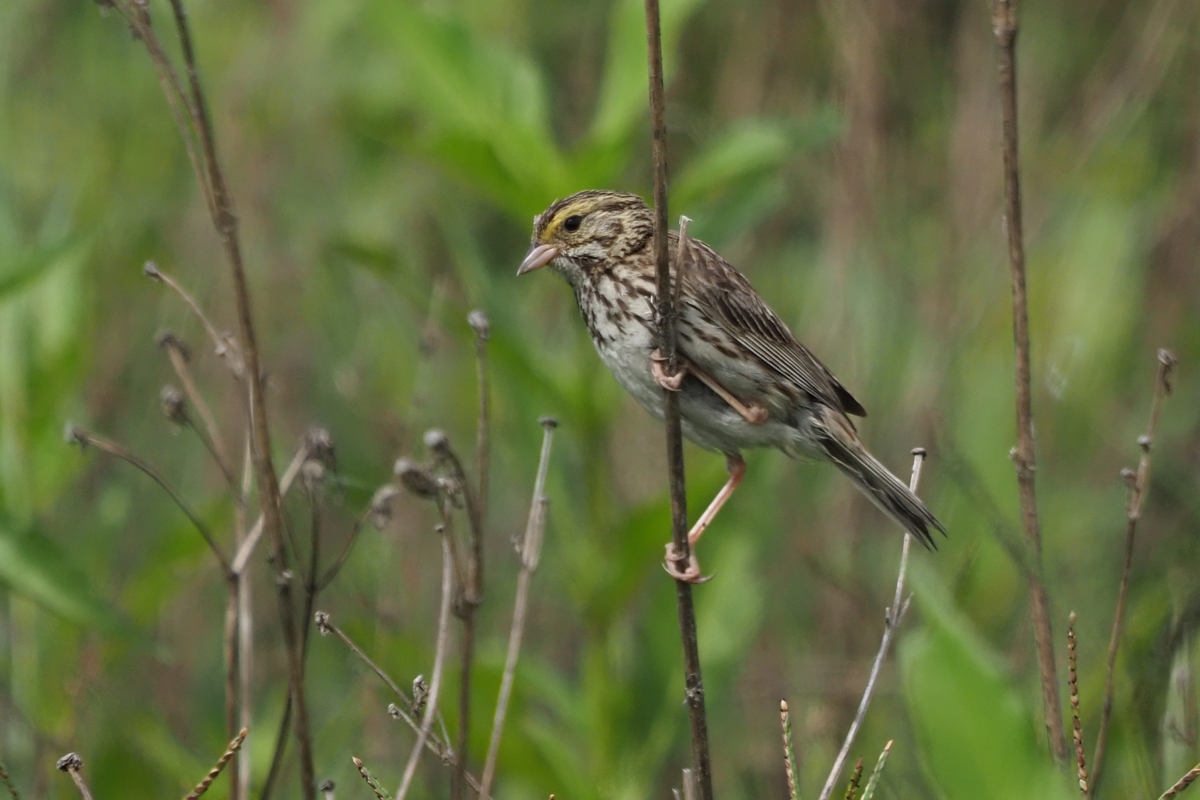
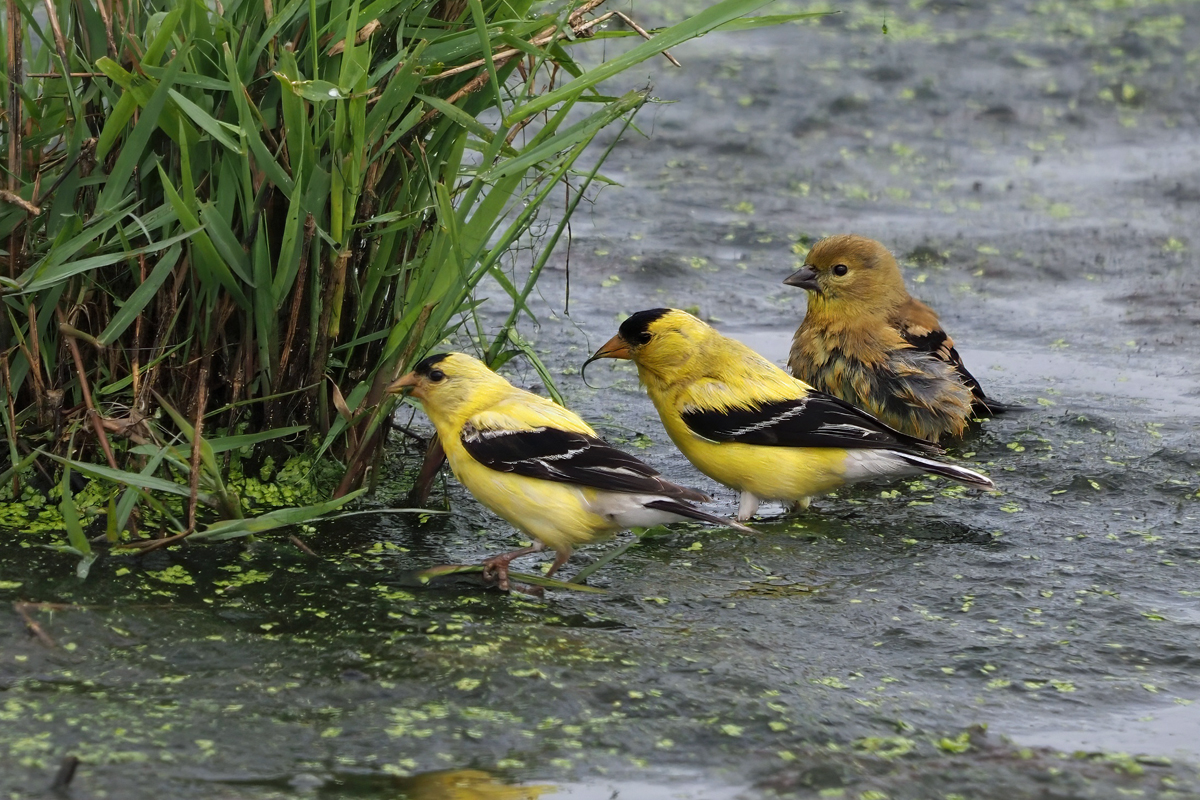
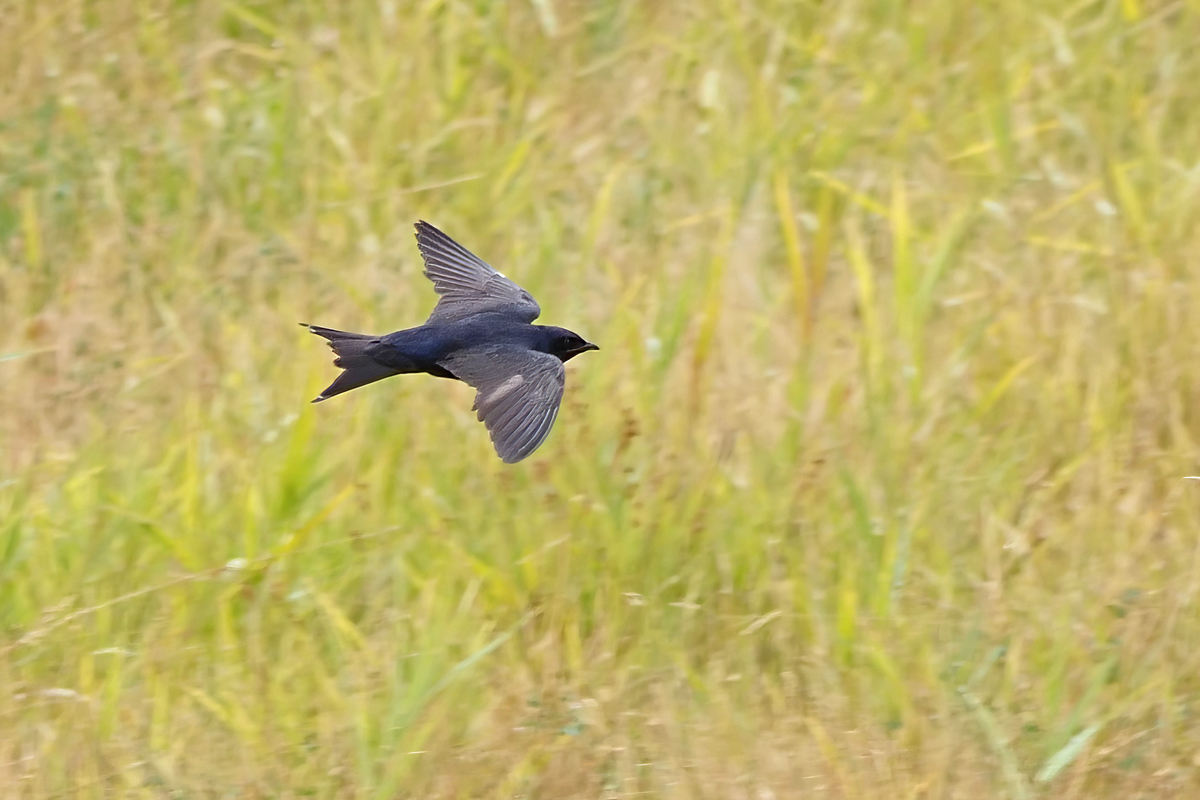
 I made a quick visit to Jackson Bottom in Hillsboro. This is a very busy spot in the summer. The Savannah Sparrows are still in full song.
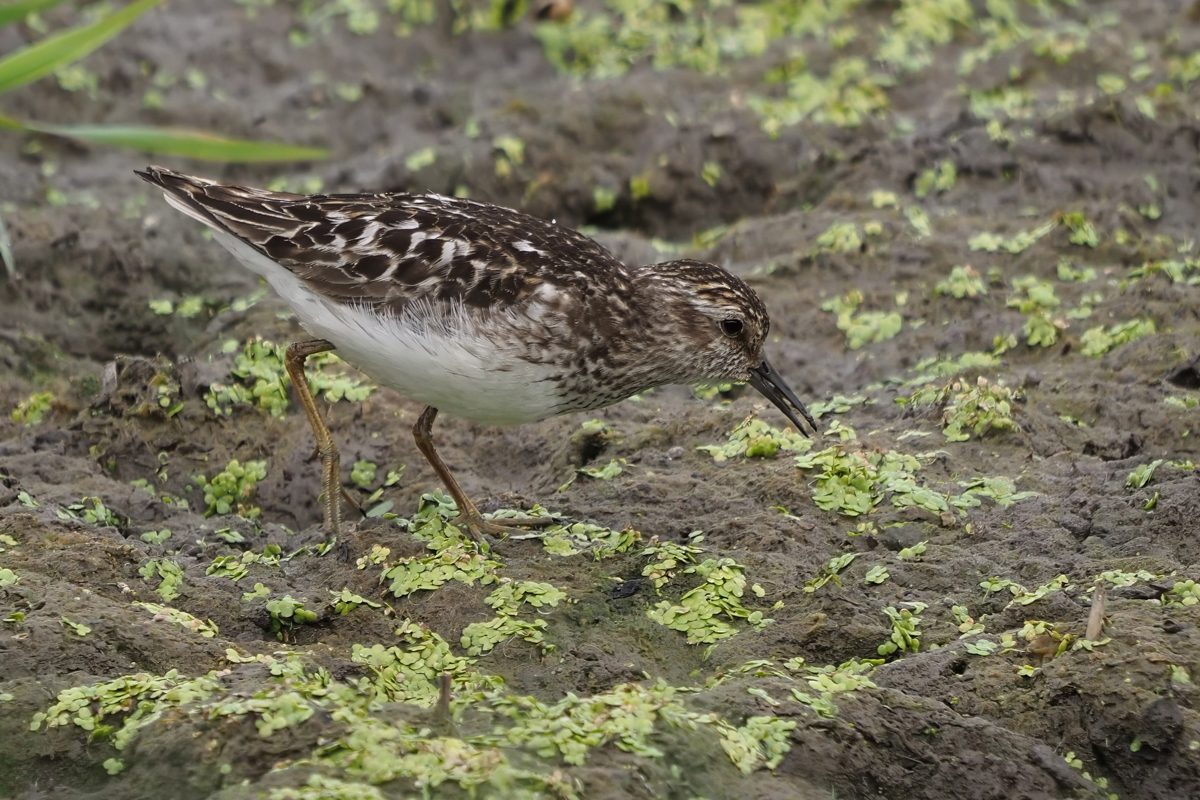
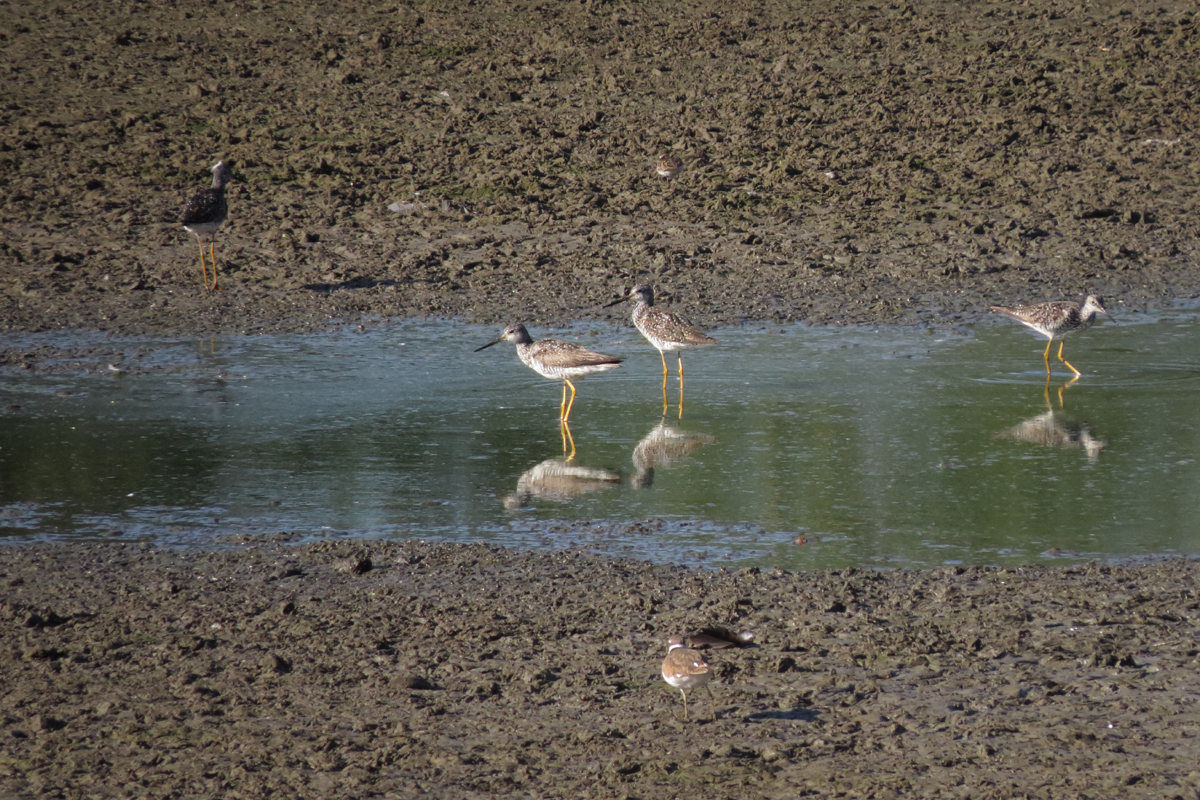
 Pintail Pond has been drained to accommodate some restoration work on the site, so it has dried out about two months earlier than normal. This is normally one of the better shorebird sites in the Portland area during the summer, so we will have to find other spot this year. There is only about three weeks between the end of northbound shorebird migration and the beginning of southbound migration. Western and Least Sandpipers have arrived in good numbers, and were feeding in the little puddle that remains of Pintail Pond.










 Ethical Birder