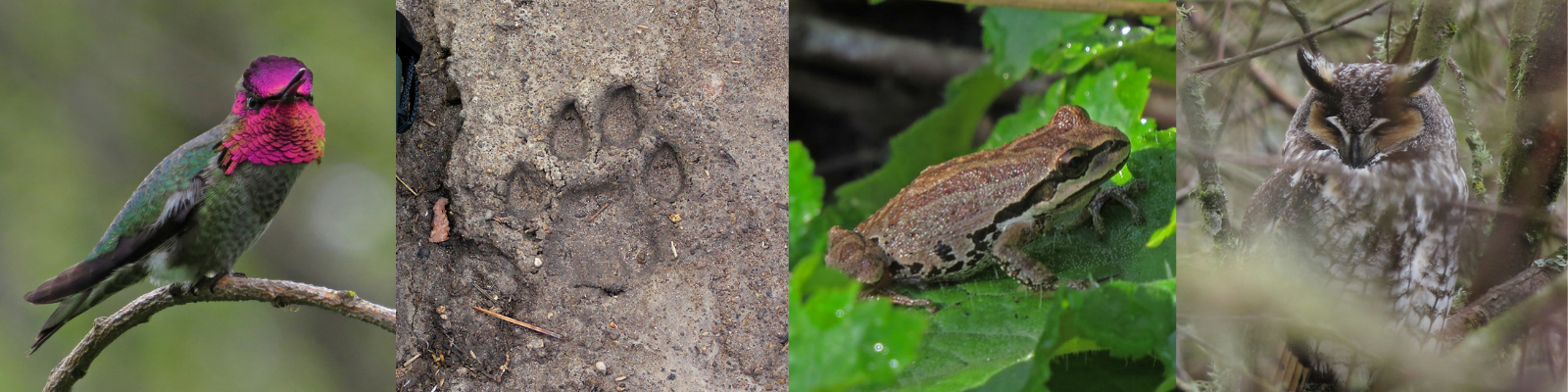
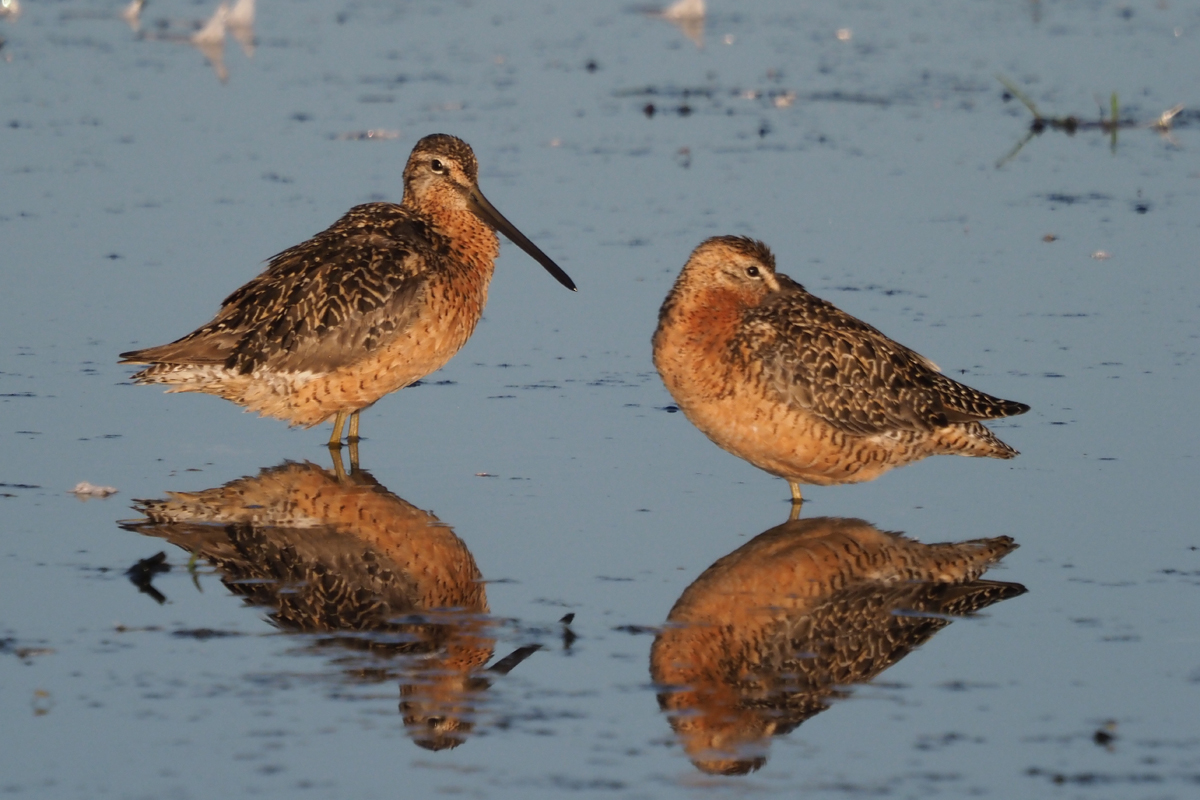
Tualatin River National Wildlife Refuge has been good for southbound shorebirds this summer. Early in the season, the Long-billed Dowitchers were still sporting their breeding plumage.
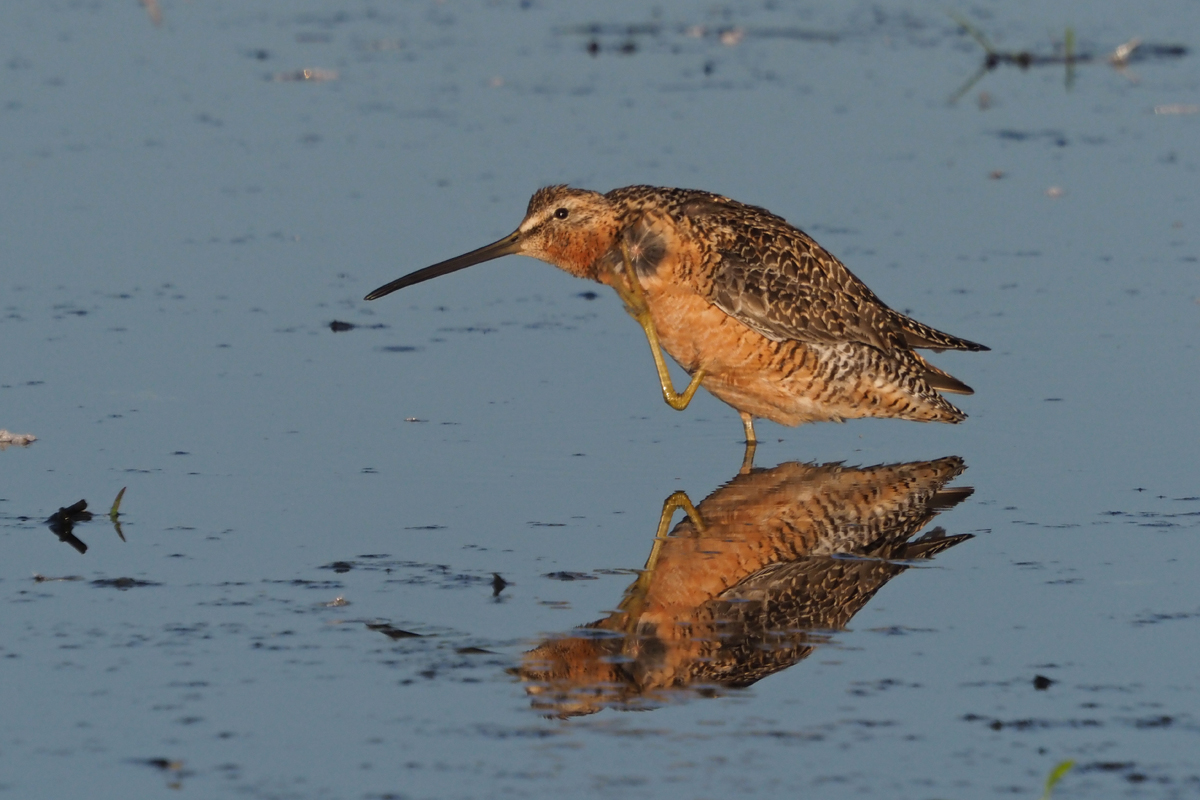
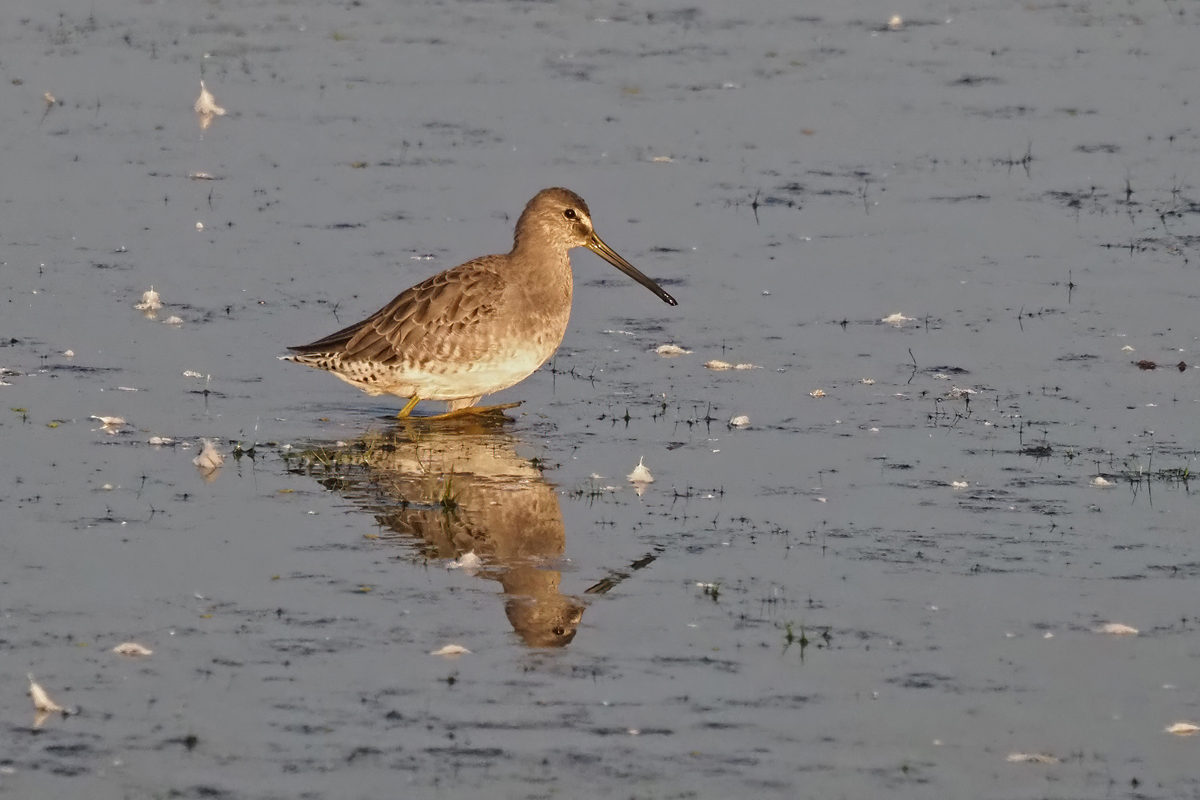
At this point, most of the dowitchers have molted into winter plumage.
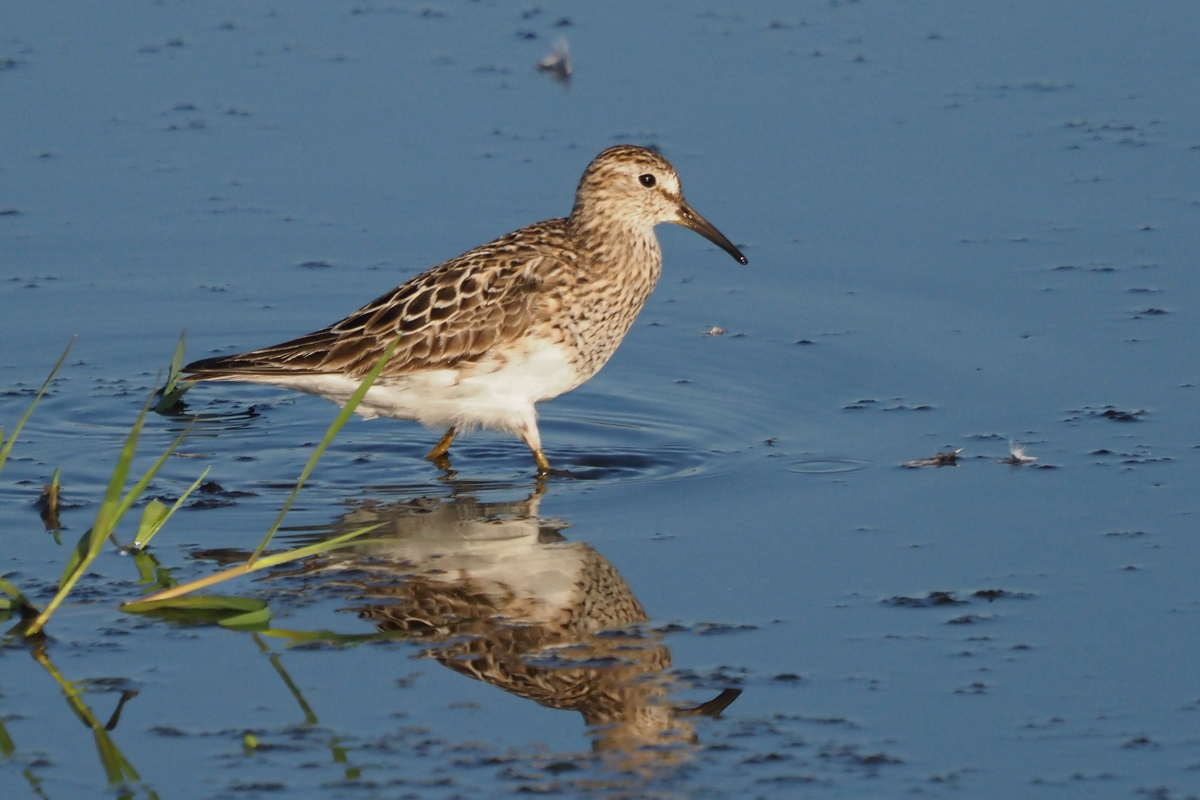
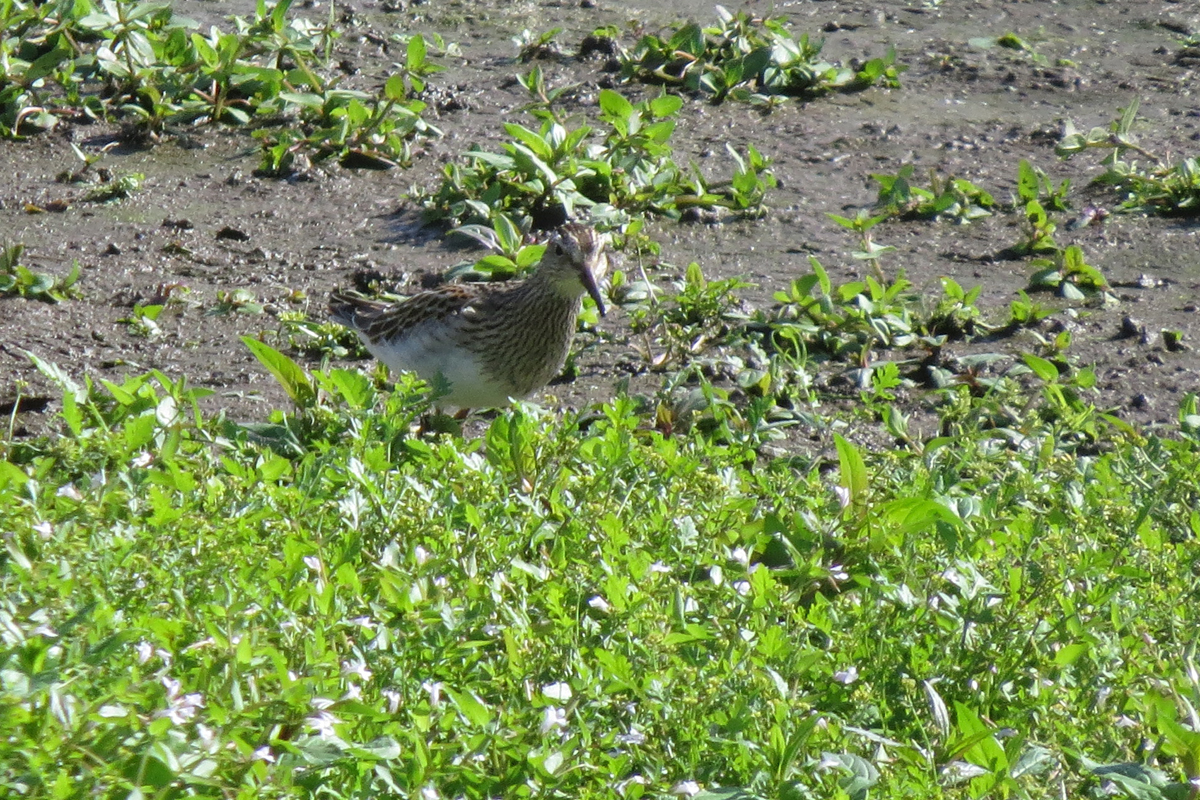
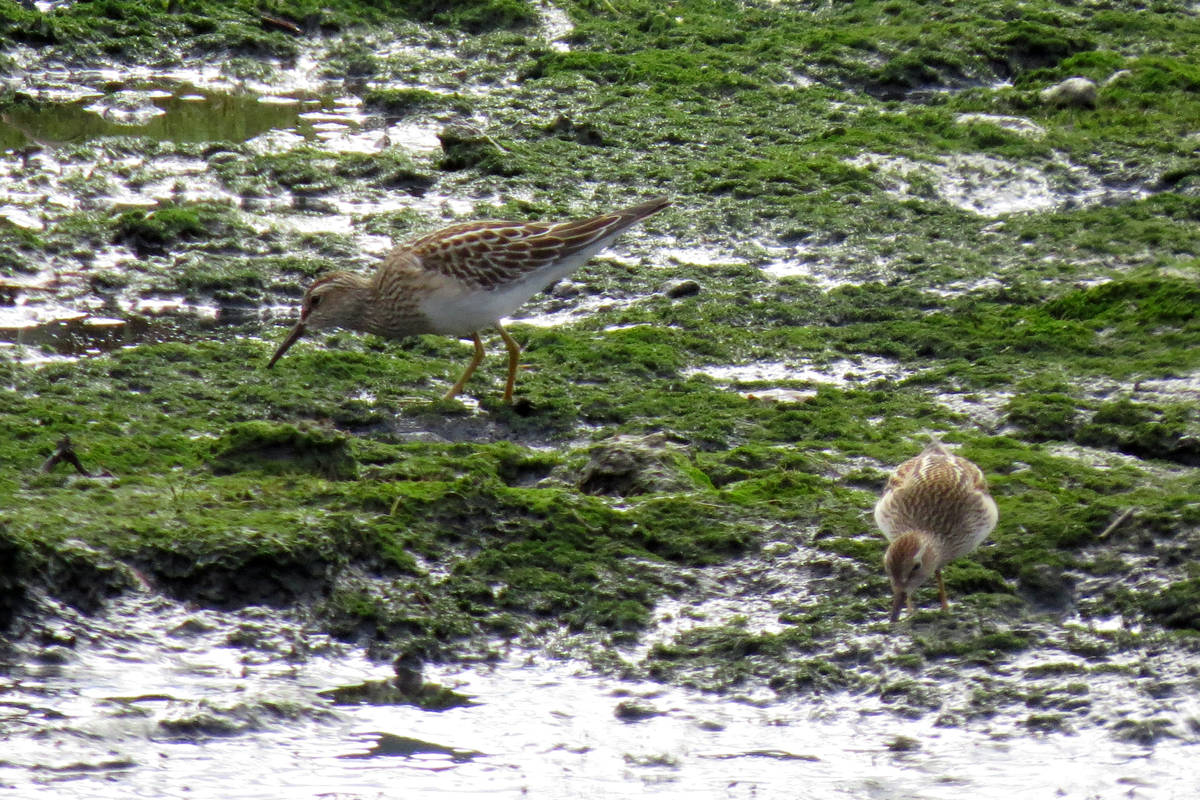
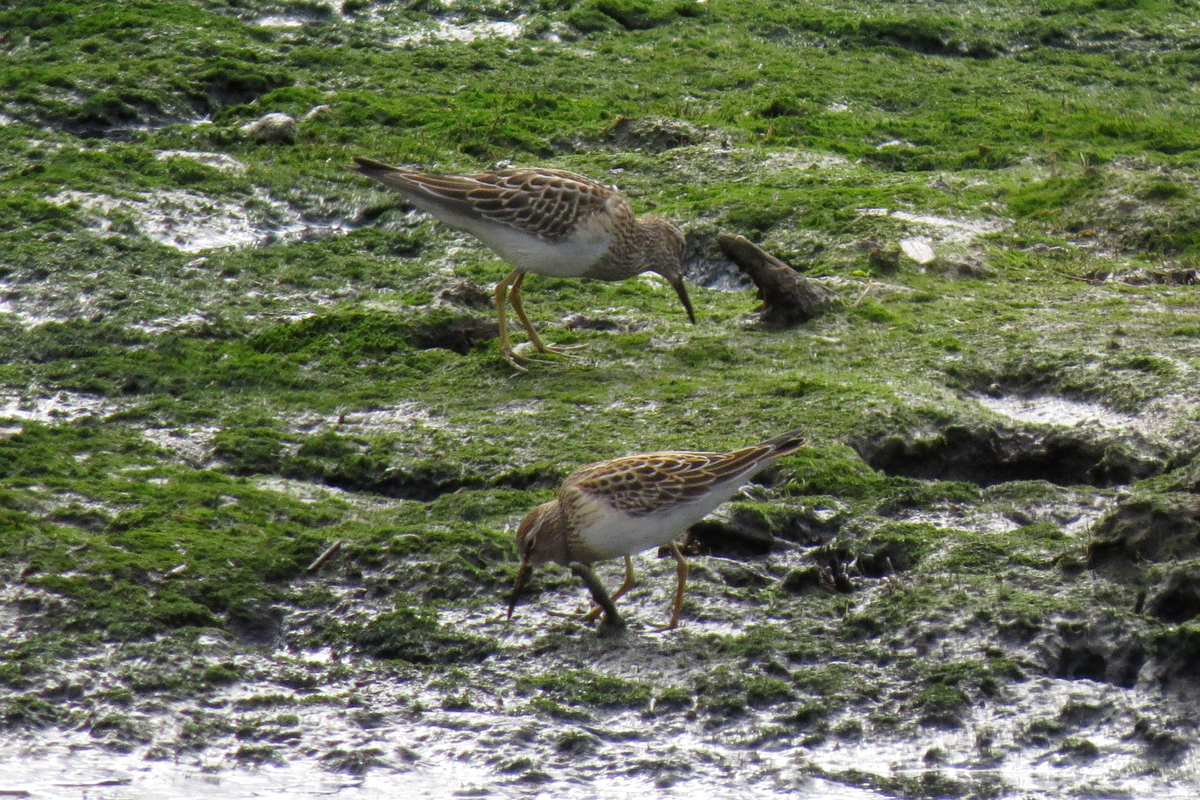
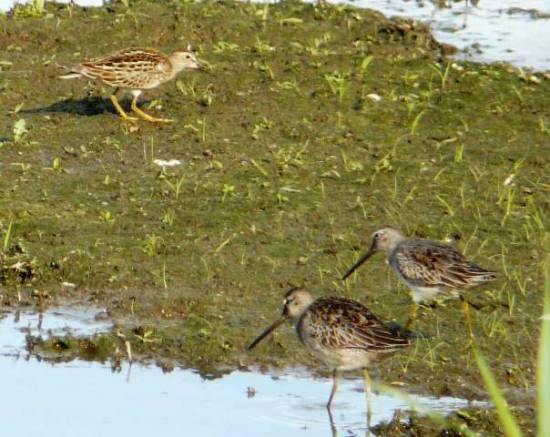
Normally seen later in the fall, a few Pectoral Sandpipers have made an appearance at the refuge.

Up to three young Wilson’s Phalaropes were at the refuge this summer.
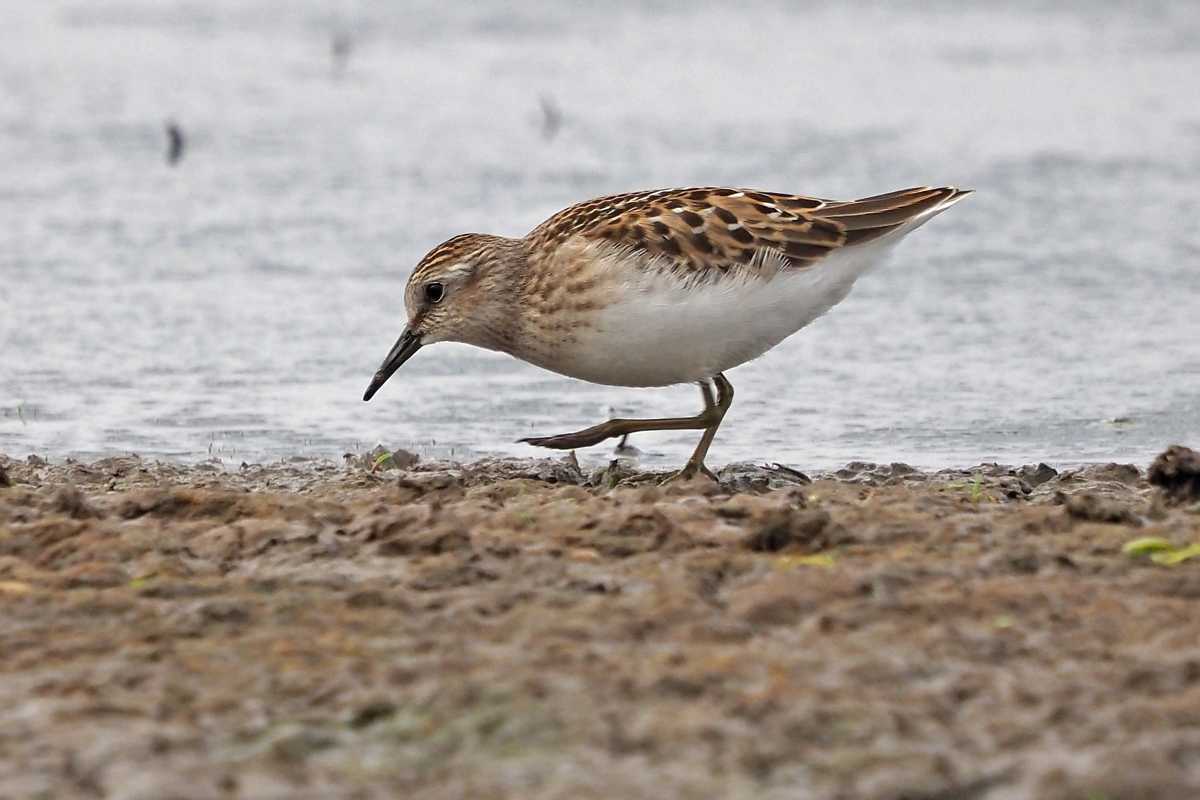
Least Sandpiper
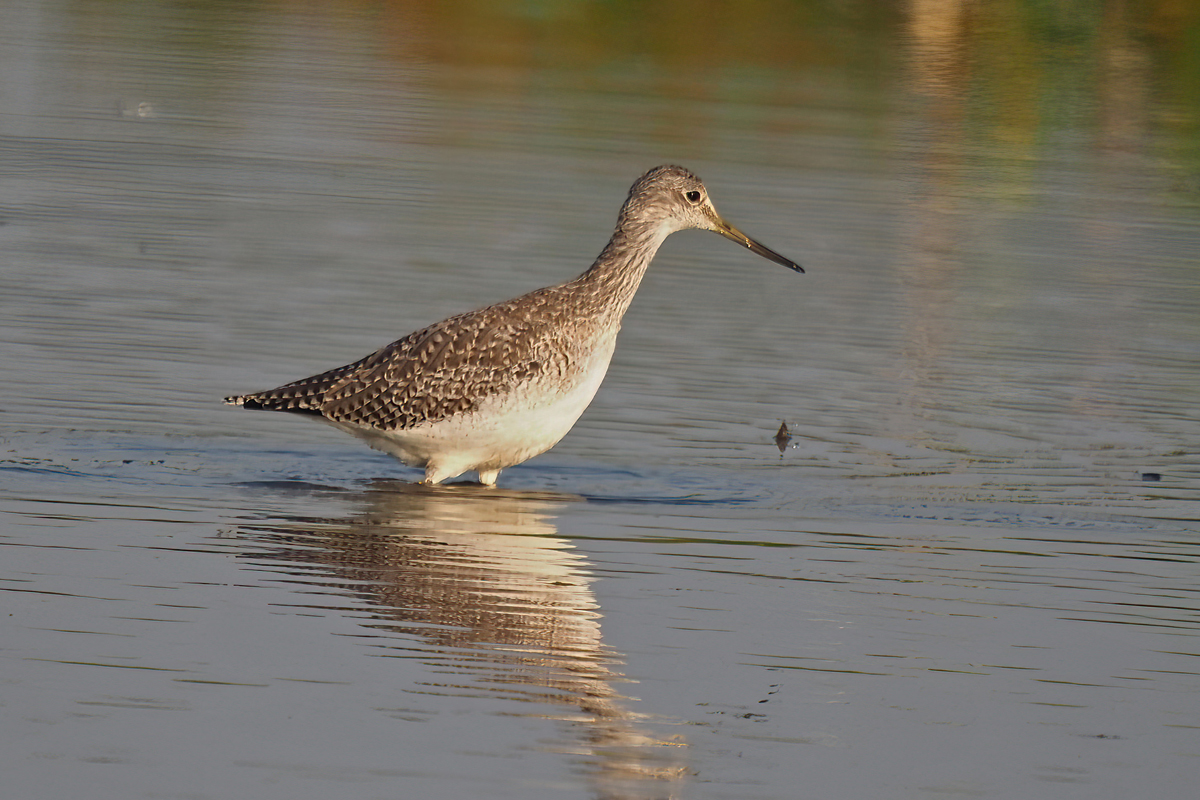
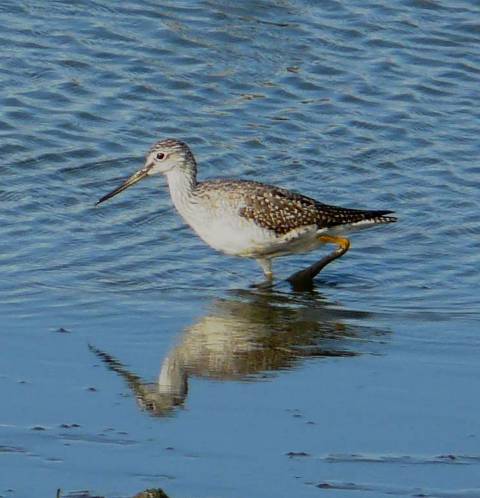
Greater Yellowlegs are one of the more common, and more vocal, of the migrant shorebirds.
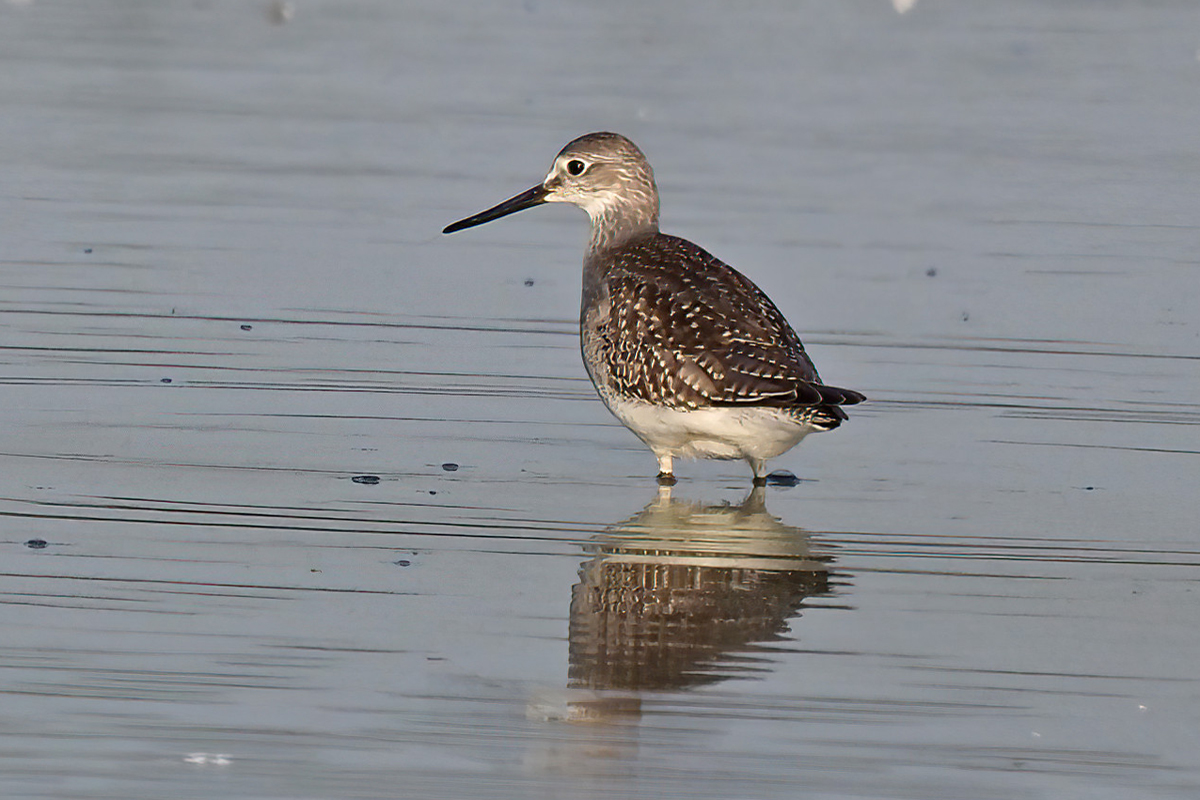
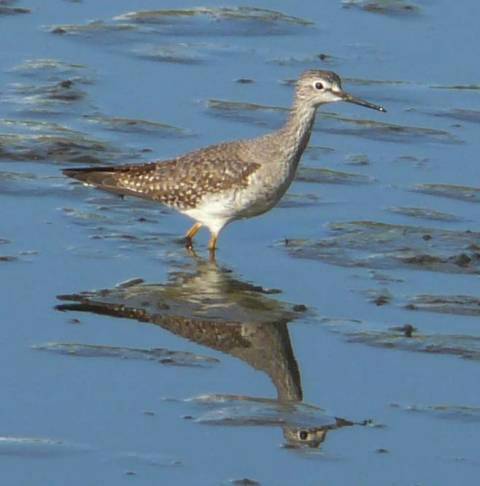
Lesser Yellowlegs are harder to find, but have been reliable at the refuge this summer.

Occasionally, the Greater and Lesser Yellowlegs will pose together for a nice comparison.
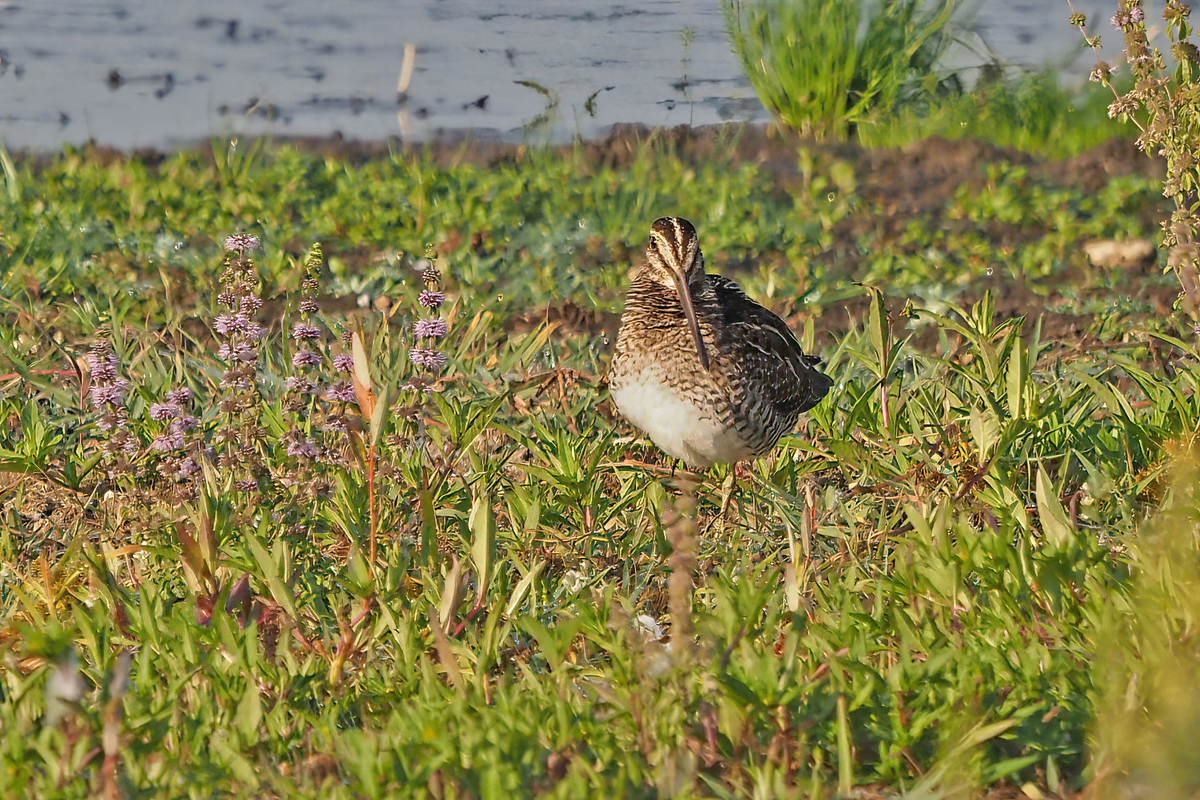
This Wilson’s Snipe made an unusual appearance out in the open.
Shorebird migration lasts through October, but the water at the refuge typically dries up before then. We’ll see how recent restoration efforts affect water levels this year.
Happy summer

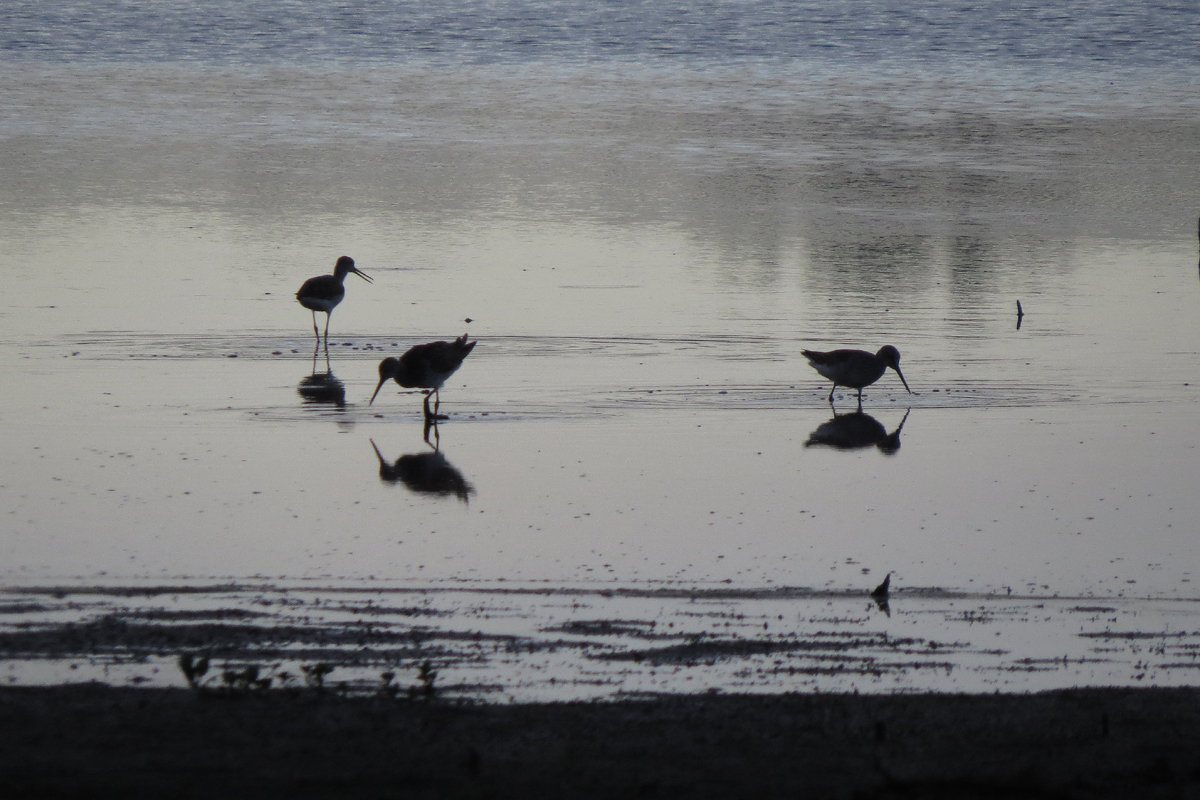
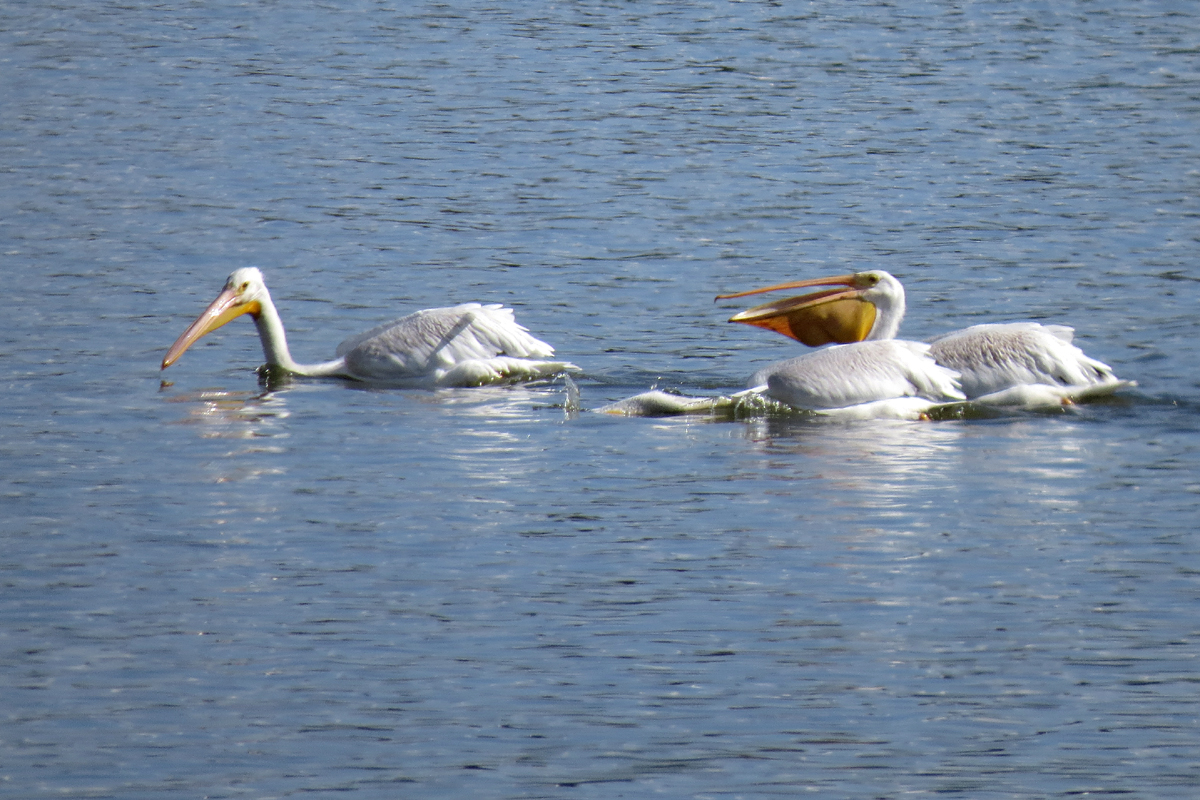
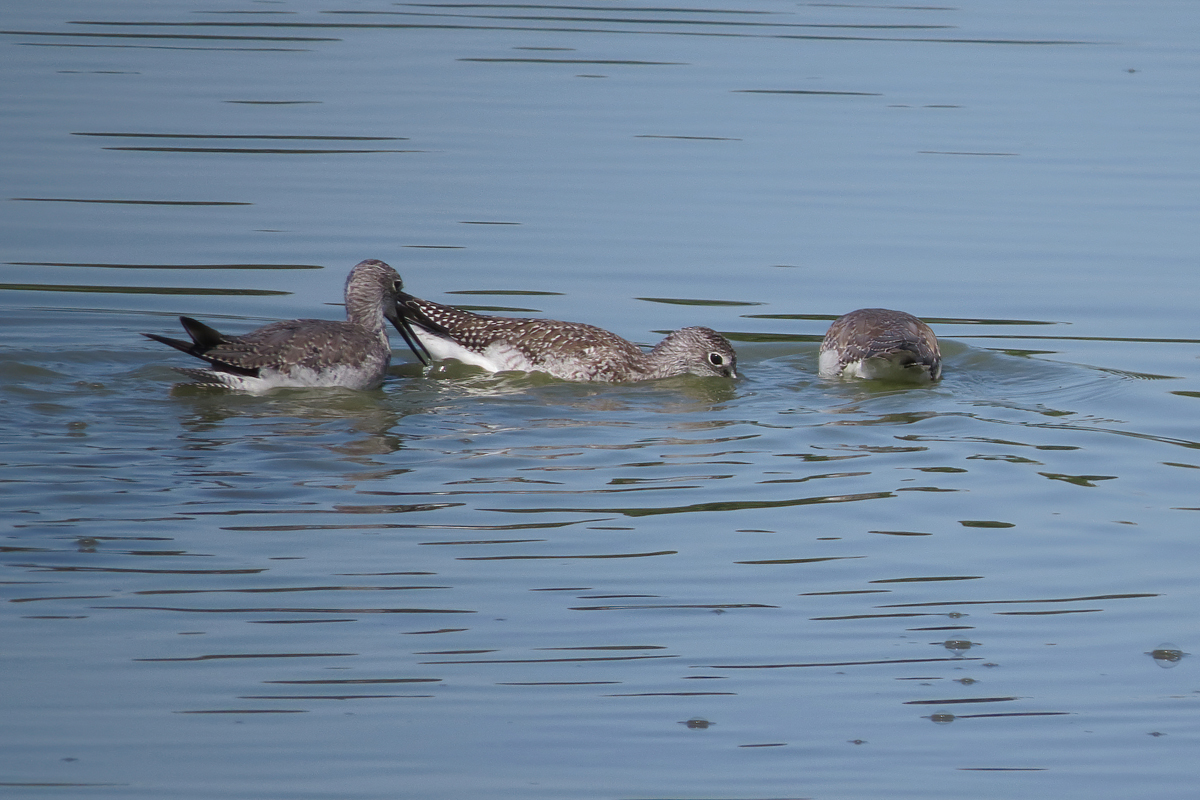 Typically seen wading, Greater Yellowlegs will occasionally swim in groups to catch small fish.
 This juvenile Western Sandpiper, showing the characteristic rusty suspenders, was taking advantage of low water levels at Smith and Bybee Wetlands.
 The main lake at Fernhill Wetlands has receded enough to create some nice mudflats, here being enjoyed by a Pectoral Sandpiper.
 juvenile Long-billed Dowitcher, showing the characteristic solid dark tertials
 juvenile Short-billed Dowitcher, showing the characteristic tiger-striped tertials
 Spotted Sandpipers nest in the Portland area. Juveniles, like this one, can be recognized by the barring on the wing coverts.
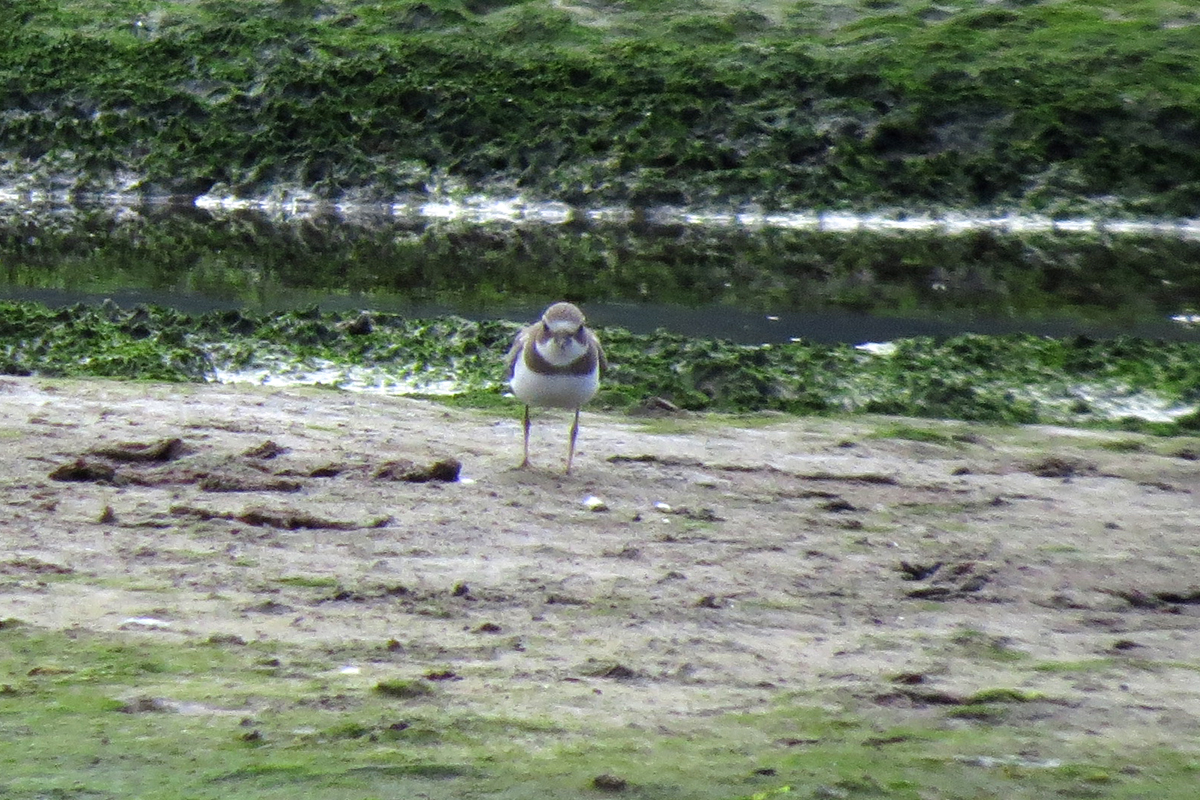
 Semipalmated Plovers are surely one of the cutest shorebirds. The scaly pattern on the wings tells us that this is a juvenile.
 The long hiking trail at Tualatin River NWR is open, and this refuge always offers some good birding in the spring and early summer. A pair of Blue-winged Teal was in the southwest pond.
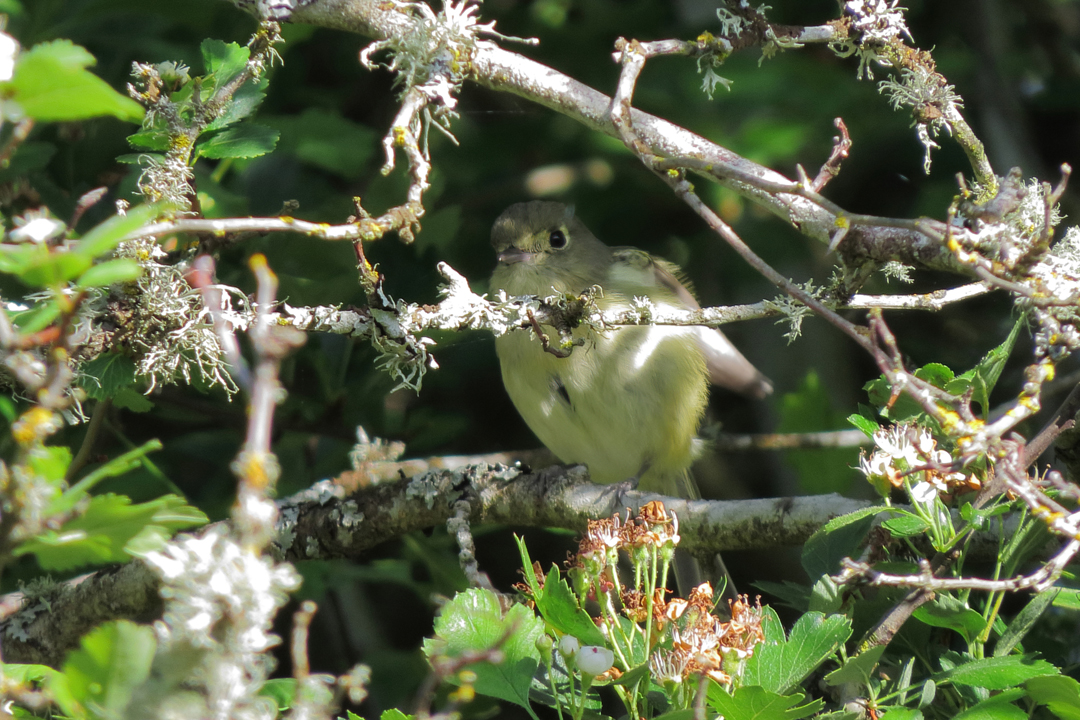 As is typical for this species, this Hutton’s Vireo stayed back in heavy cover.
 It is really hard to shoot a Brewer’s Blackbird against the sky without ending up with just a silhouette, but I keep trying.
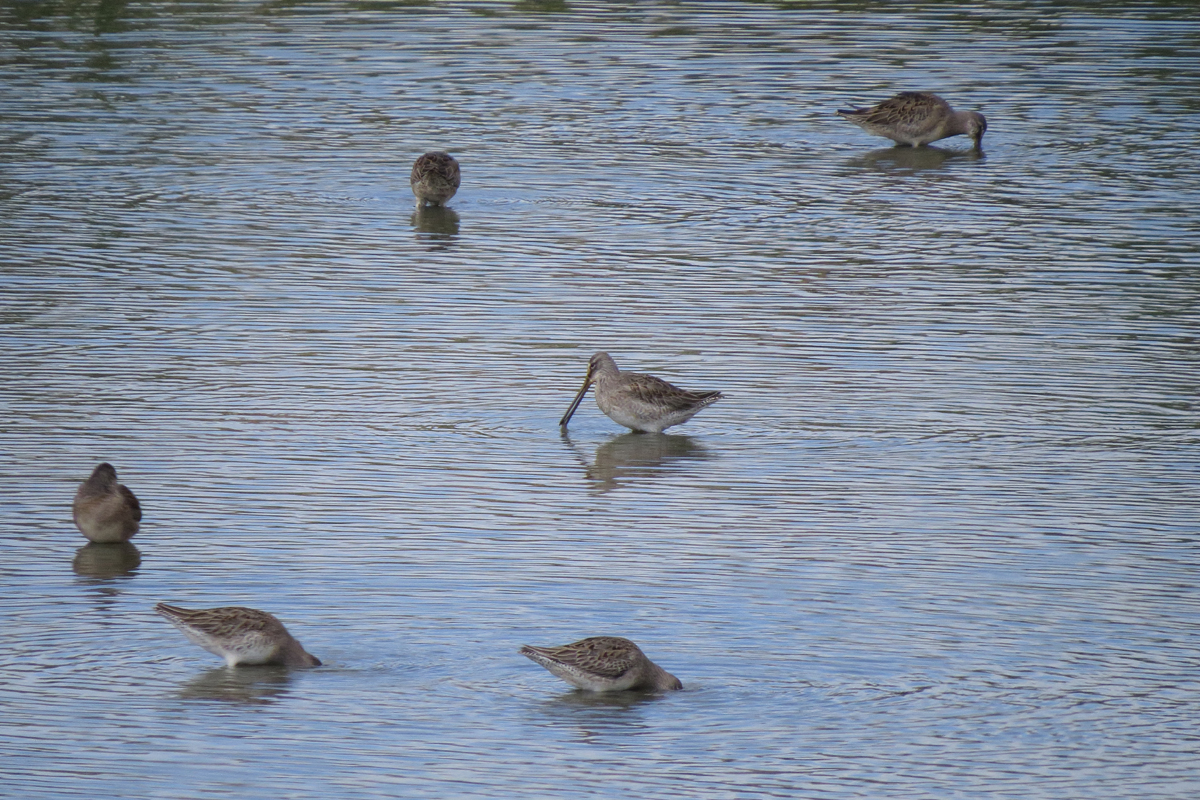
 Long-billed Dowitcher was the most common shorebird on this visit. It is nice to see them in full breeding plumage.
 The best bird of the trip was this Pectoral Sandpiper. Pectorals are regular autumn migrants in this area, but are very rare in spring.

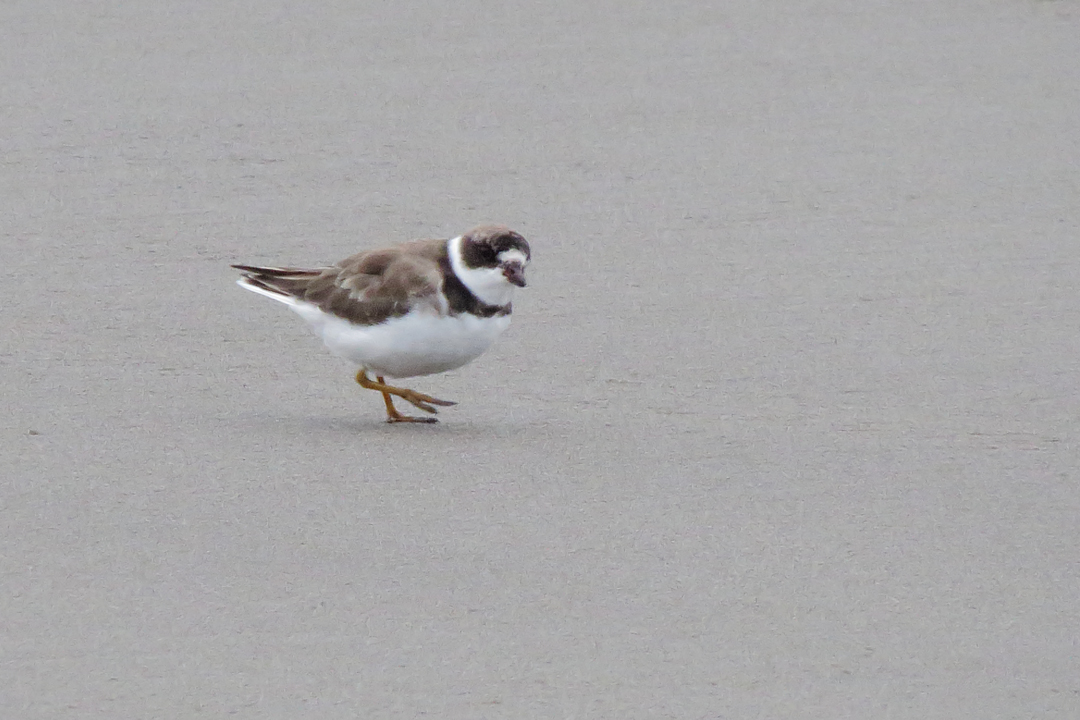










 Eurasian Collared-Doves are another species that are increasingly common in the area.



 Ethical Birder
