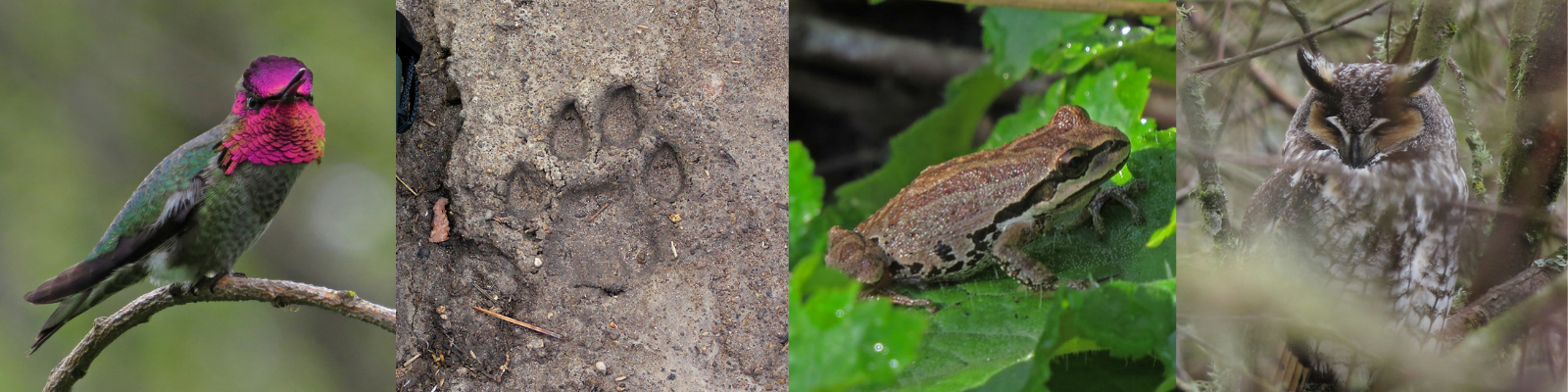
While I am usually looking specifically for birds, I enjoy whatever wildlife I encounter along the way.
 I don’t spend a lot of effort looking for butterflies, but I do appreciate it when one poses for me. This is a Lorquin’s Admiral.
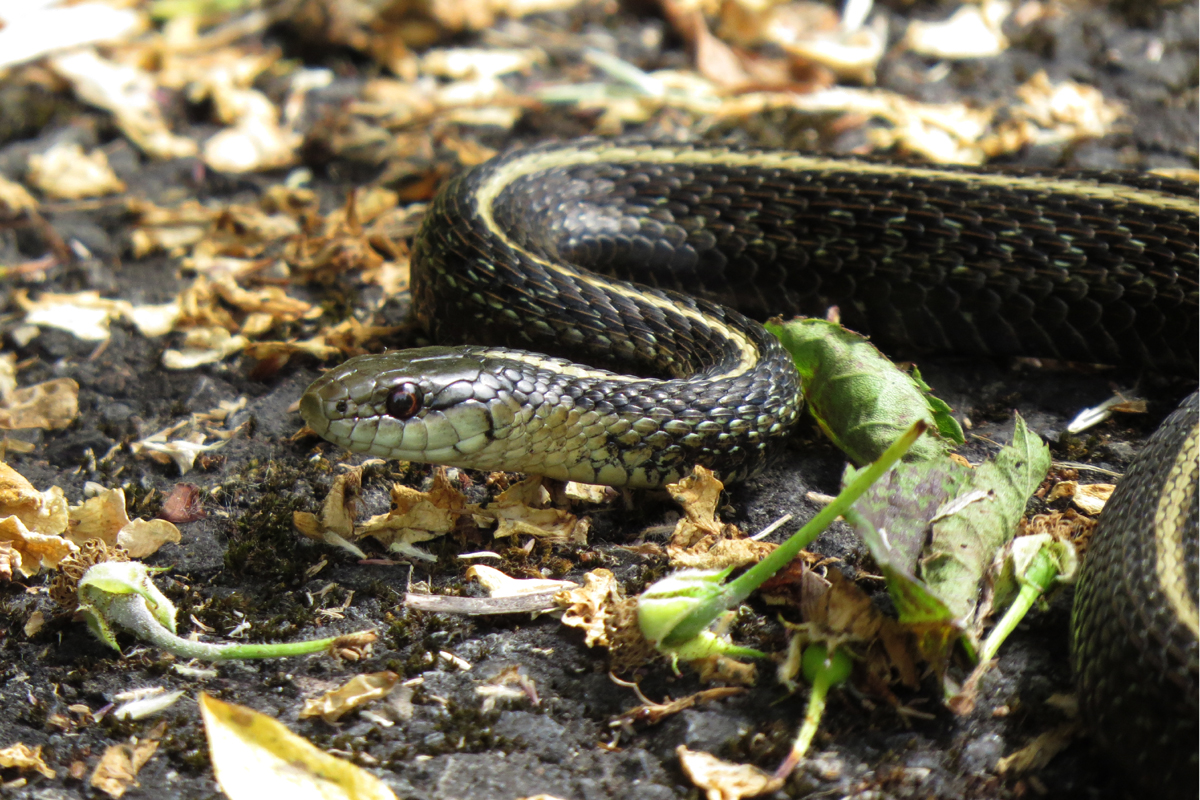
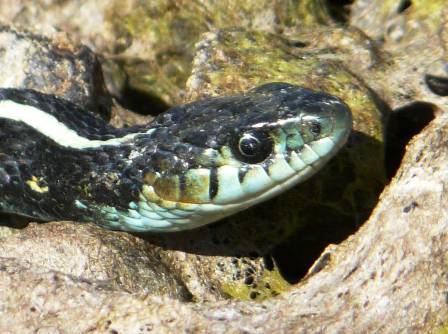
 This Northwestern Garter was hiding under a piece of bark near a stump. The cloudy eyes indicate that the snake is about to shed. Snakes in this condition cannot see well, so I generally avoid handling them.
 I am having trouble distinguishing Brush Rabbits from the introduced Eastern Cottontail. I have recently learned that the two species will hybridize, making identification even harder. The rusty nape on this individual makes me think it is an Eastern Cottontail.
One of the highlights of my most recent outing was the opportunity to watch a Long-tailed Weasel hunting. This is the first time I have seen this species for more than a few seconds. The weasel’s hunt was successful, so don’t go any farther if you find images of predation disturbing.

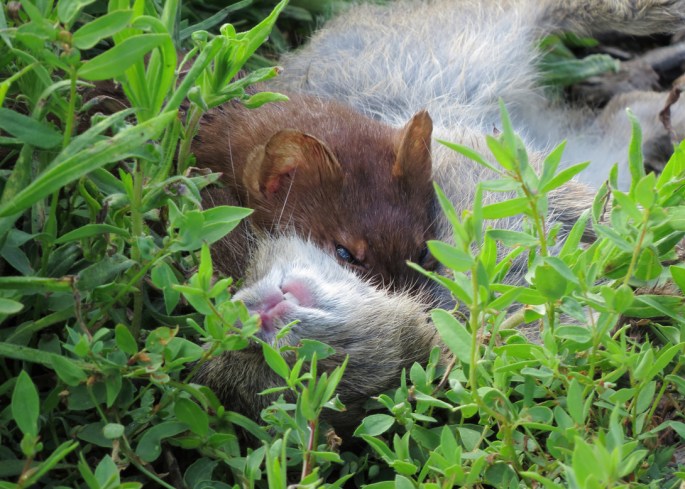 I first saw this Long-tailed Weasel chasing a Brush Rabbit down the trail and into the vegetation. After a brief tussle, the rabbit was subdued.
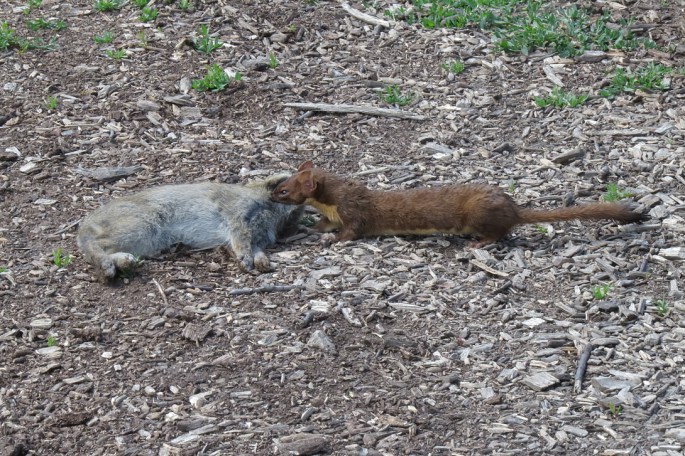 The weasel then dragged the rabbit across the trail and into the brush, despite the fact that the rabbit was significantly heavier than the weasel. These are impressive little predators.
Happy Summer

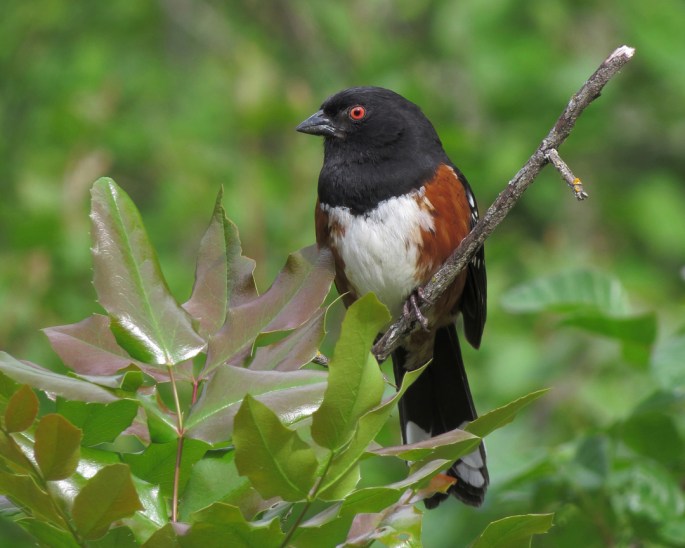 Spotted Towhee, really working that red eye in the sunlight
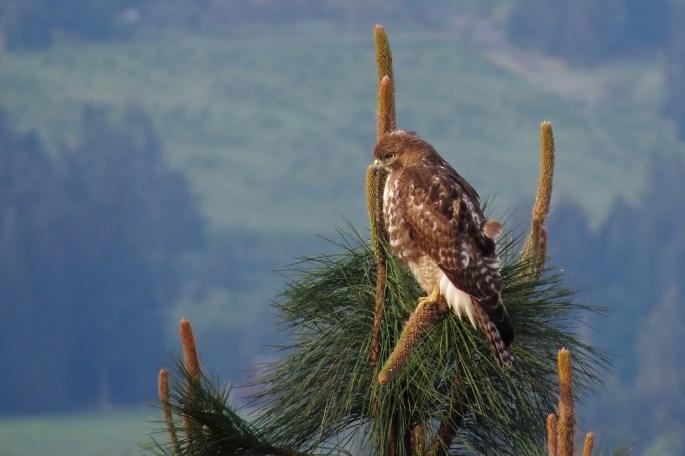 This young Red-tailed Hawk was checking out the meadow.
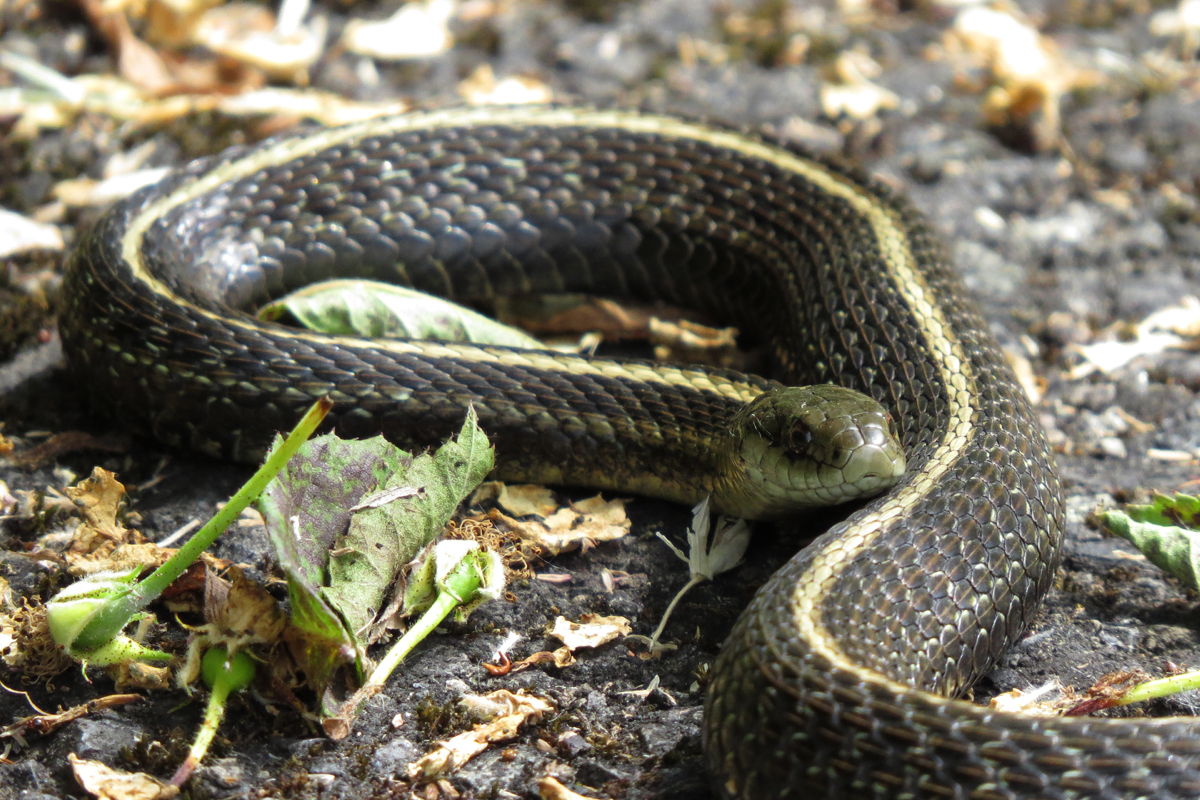
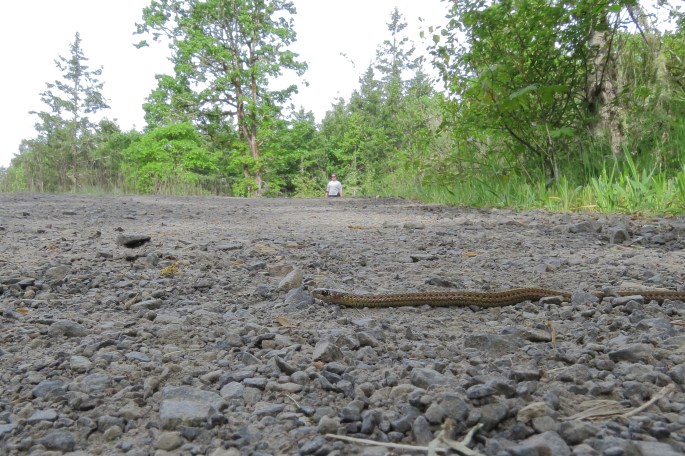 A young Northwestern Garter Snake crossing the trail
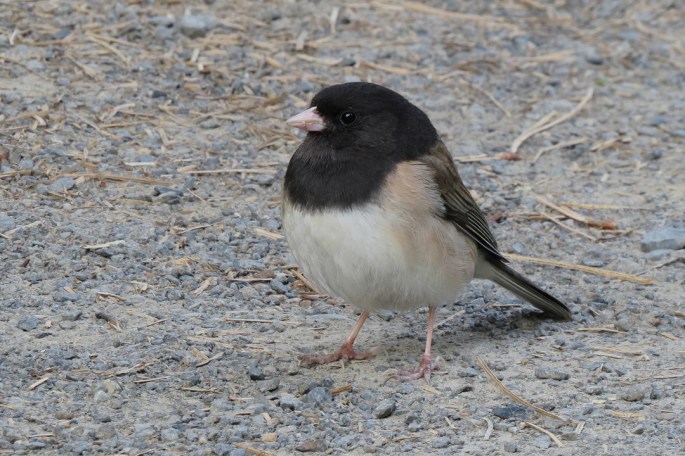 The local Dark-eyed Juncos have seemed quite tame lately. I wonder if they are just really busy gathering food for their nestlings.
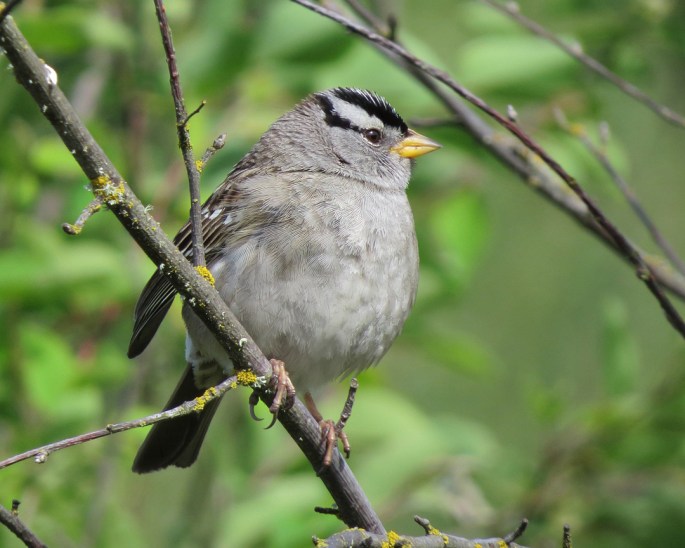 Another White-crowned Sparrow. Despite their limited color palette, I have always thought this species was especially attractive.


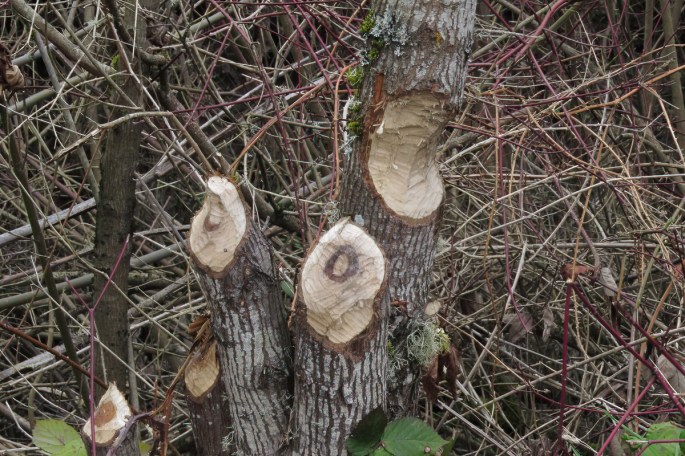
 I very rarely get to see Beaver, but Nutria (pictured above) are everywhere, giving me my daily allowance of large aquatic rodents.
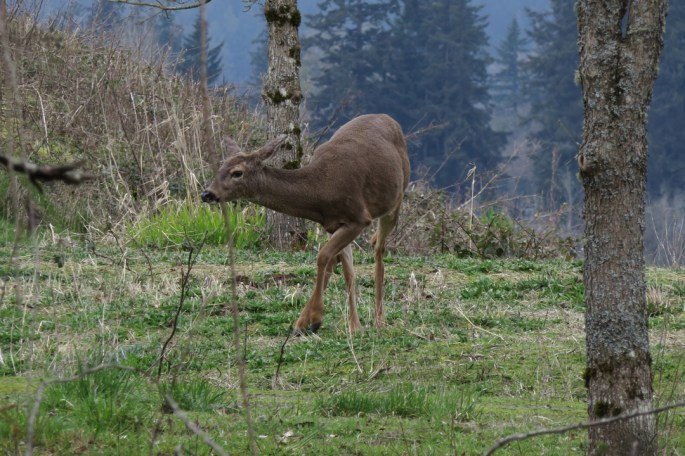
 It is always a treat to see Black-tailed Deer.
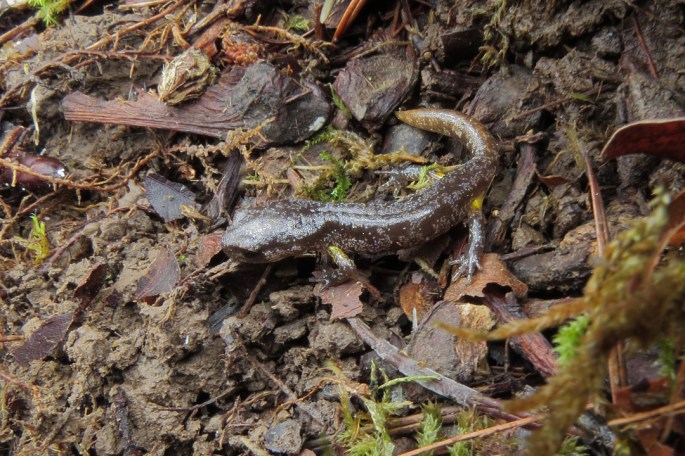 Partially because birding has been slow, and partially because I am preparing for a herping class in May, I have been looking for amphibians and reptiles a lot this spring. This is an Oregon Ensatina, a very small specimen that was about two inches long. Ensatinas are recognized by their proportionally large head and eyes. The Oregon subspecies typically has the yellow coloring at the base of the legs.
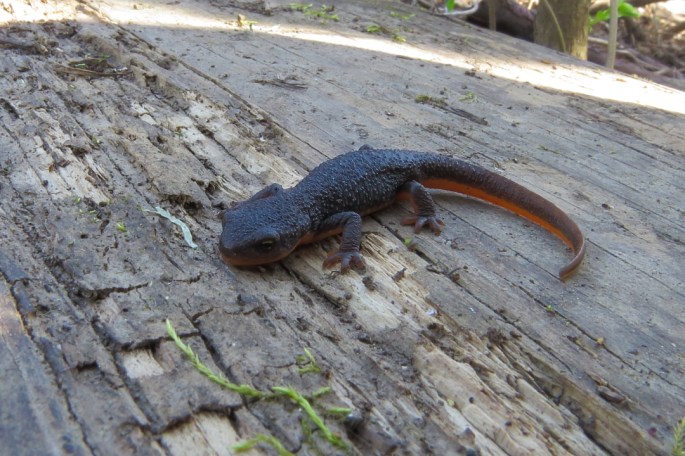 This is the smallest Rough-skinned Newt I have seen, about two inches long.
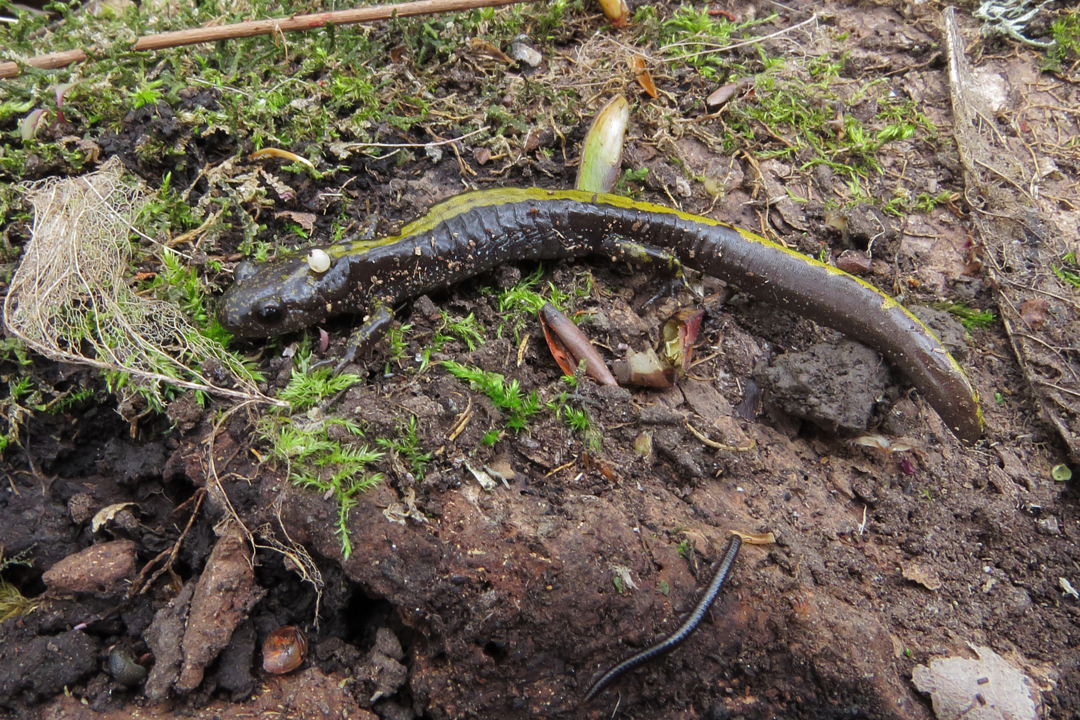
 These Long-toed Salamanders were creating some neat shapes.
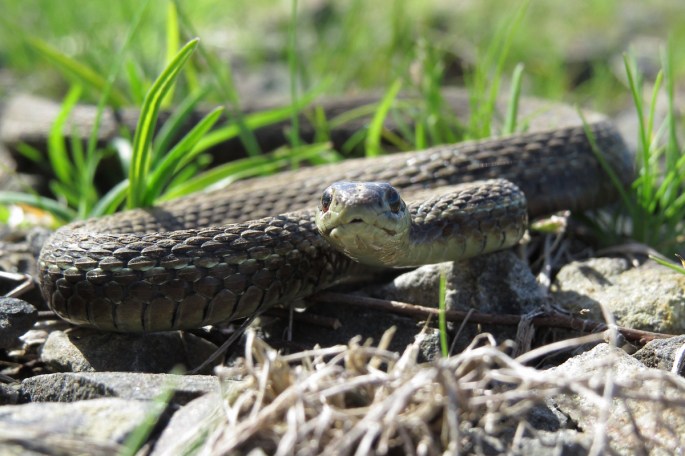
 Northwestern Garter Snake
 Two courting Northwestern Garter Snakes. Notice the variation in color pattern, typical of this species.
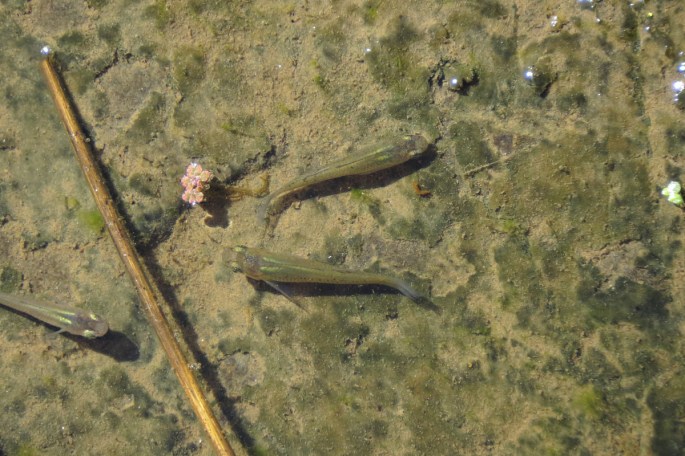
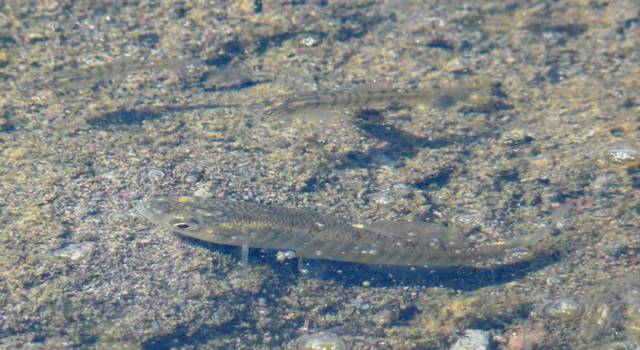
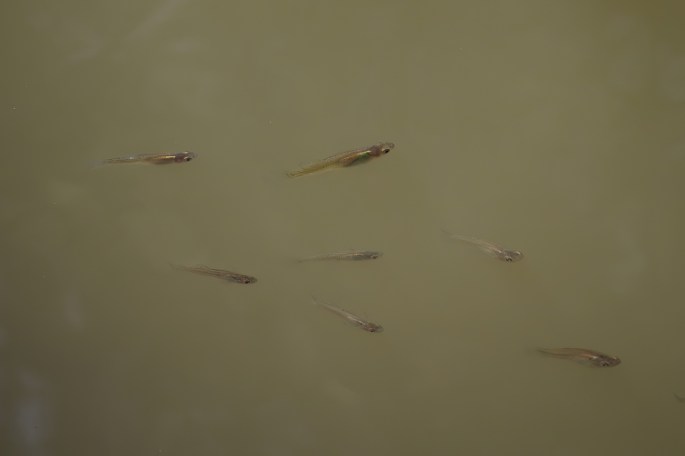 Western Mosquito Fish

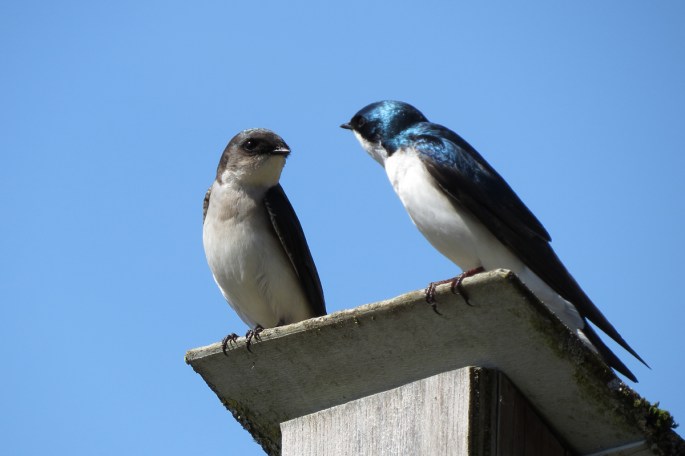











 Ethical Birder