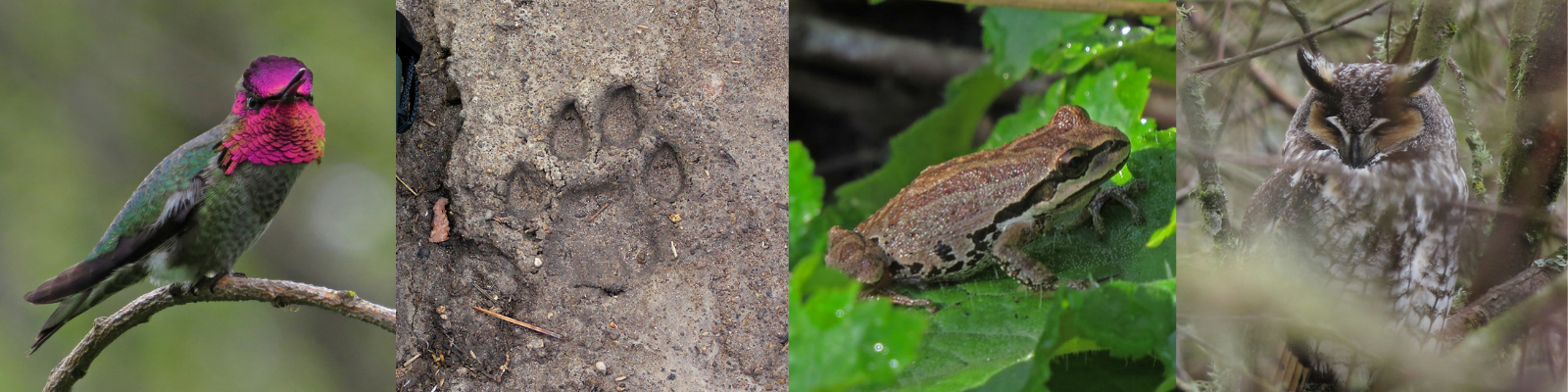

Late summer is shorebird season. There isn’t a lot else going on, bird-wise, so now is the time to study these long-distance migrants and hope for something unusual to show up. Western Sandpipers are among the most common species.

This juvenile Western Sandpiper is already molting into their first winter plumage. Some gray feathers are appearing on the wings and the rusty “suspenders” that young Westerns are known for are fading.
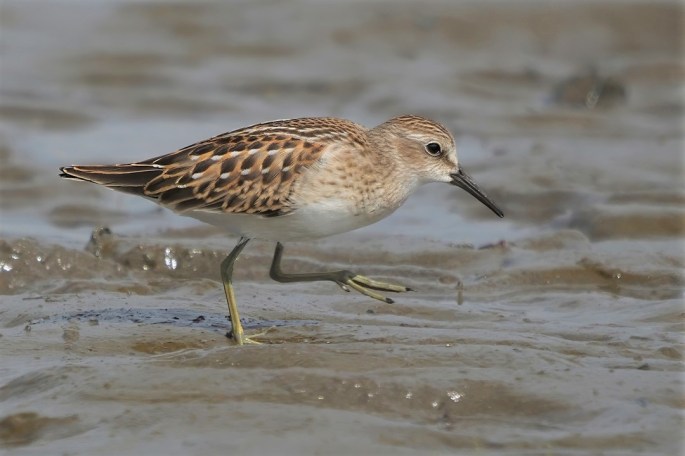
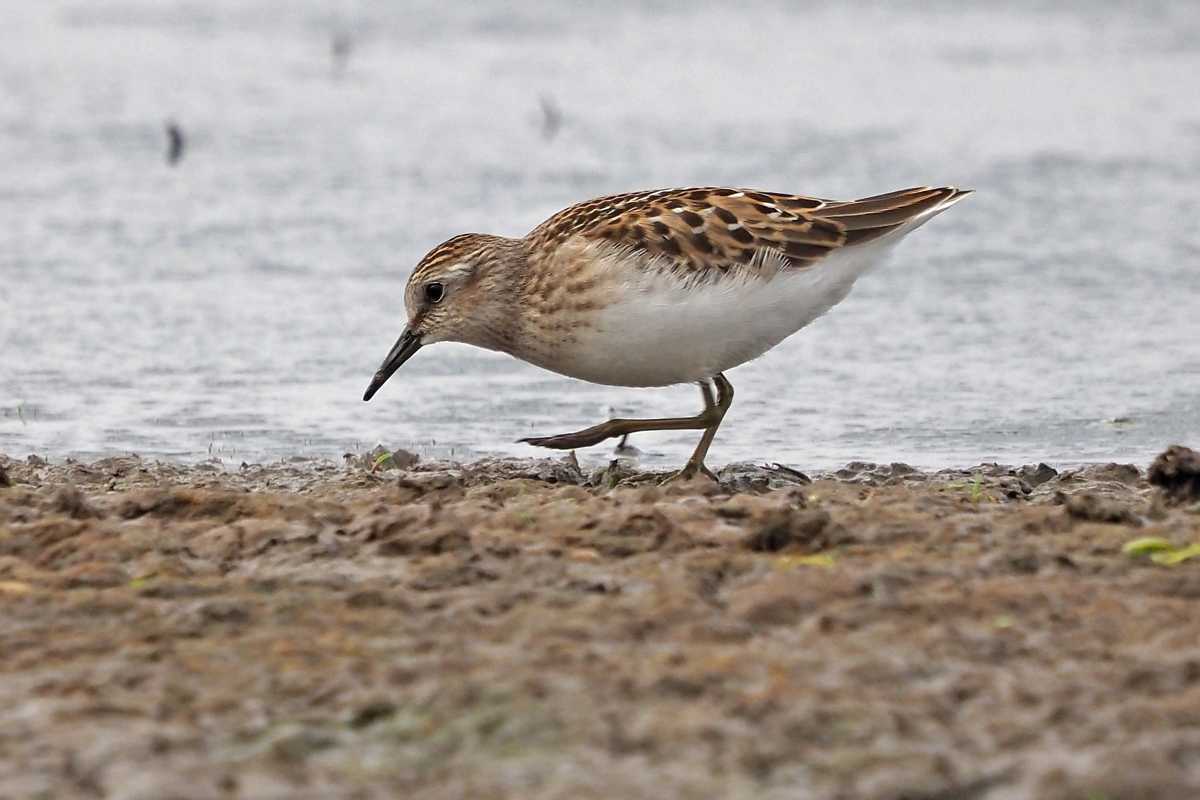
Here is a Least Sandpiper in fresh juvenile plumage.
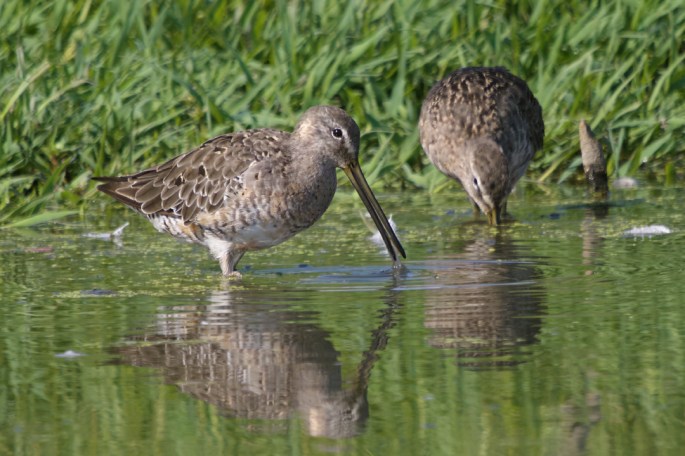
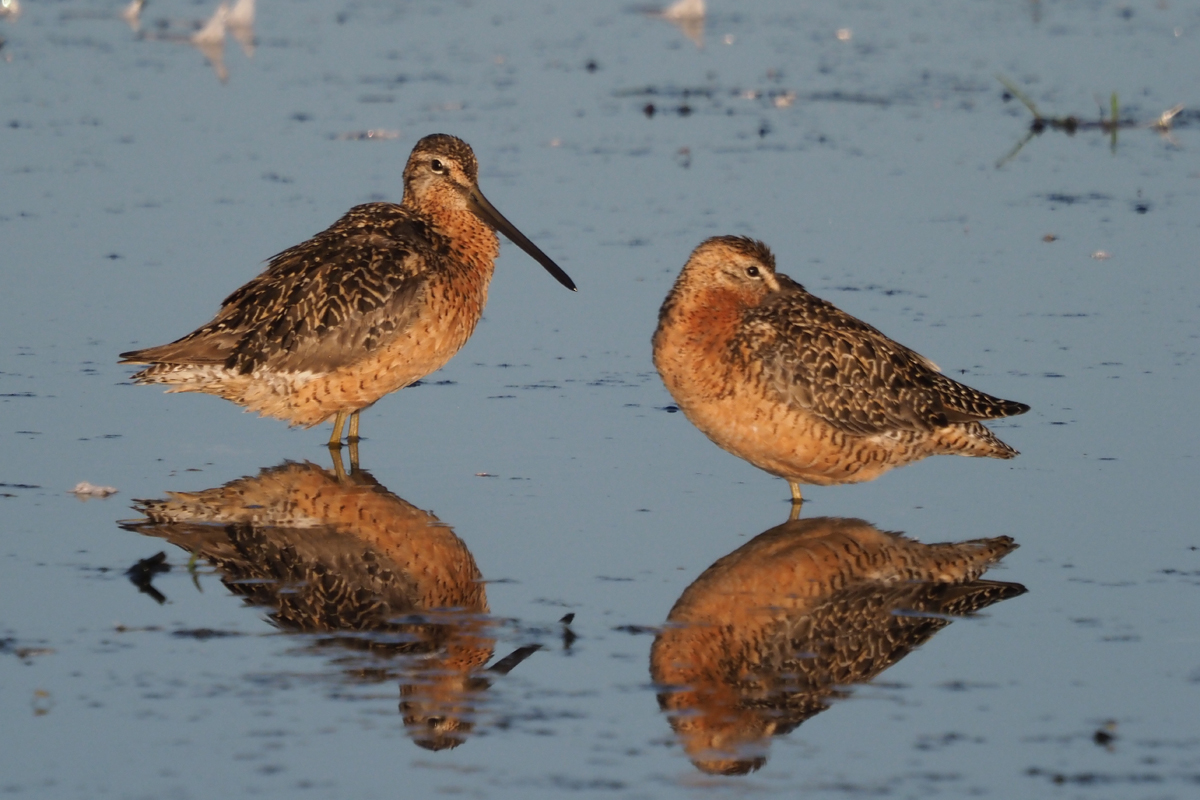
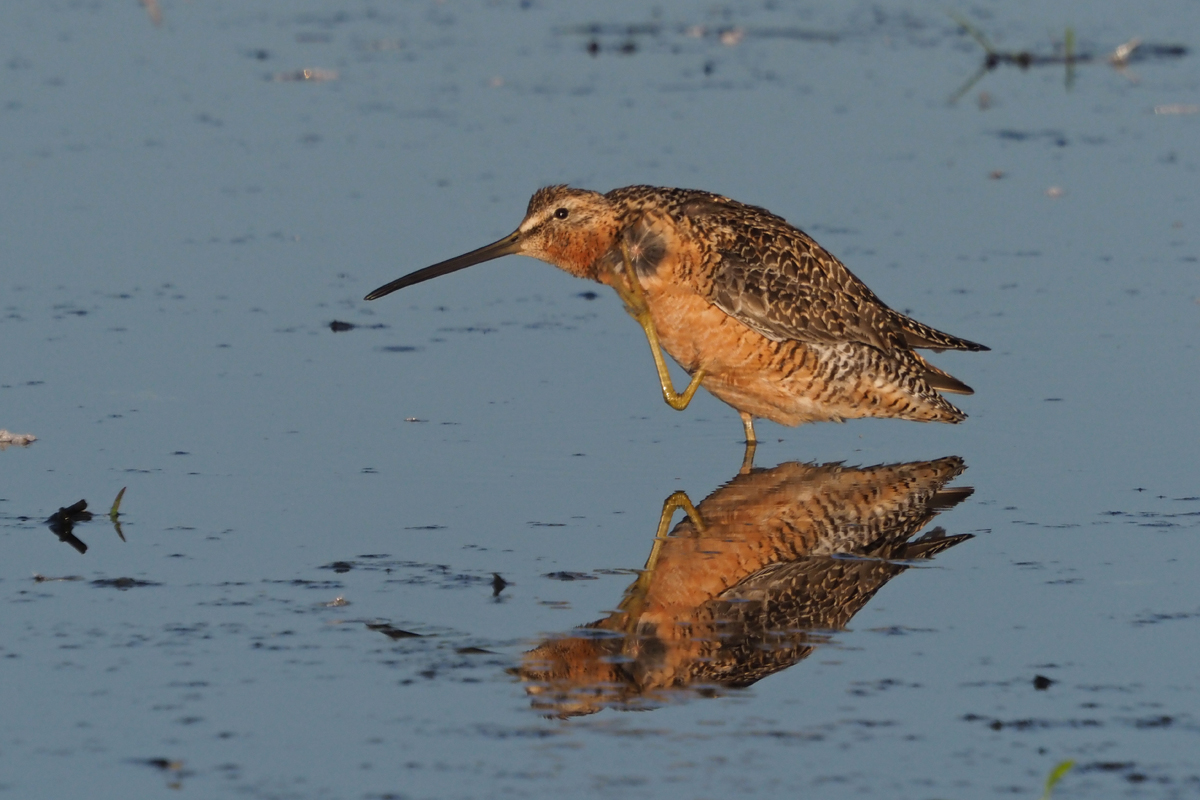
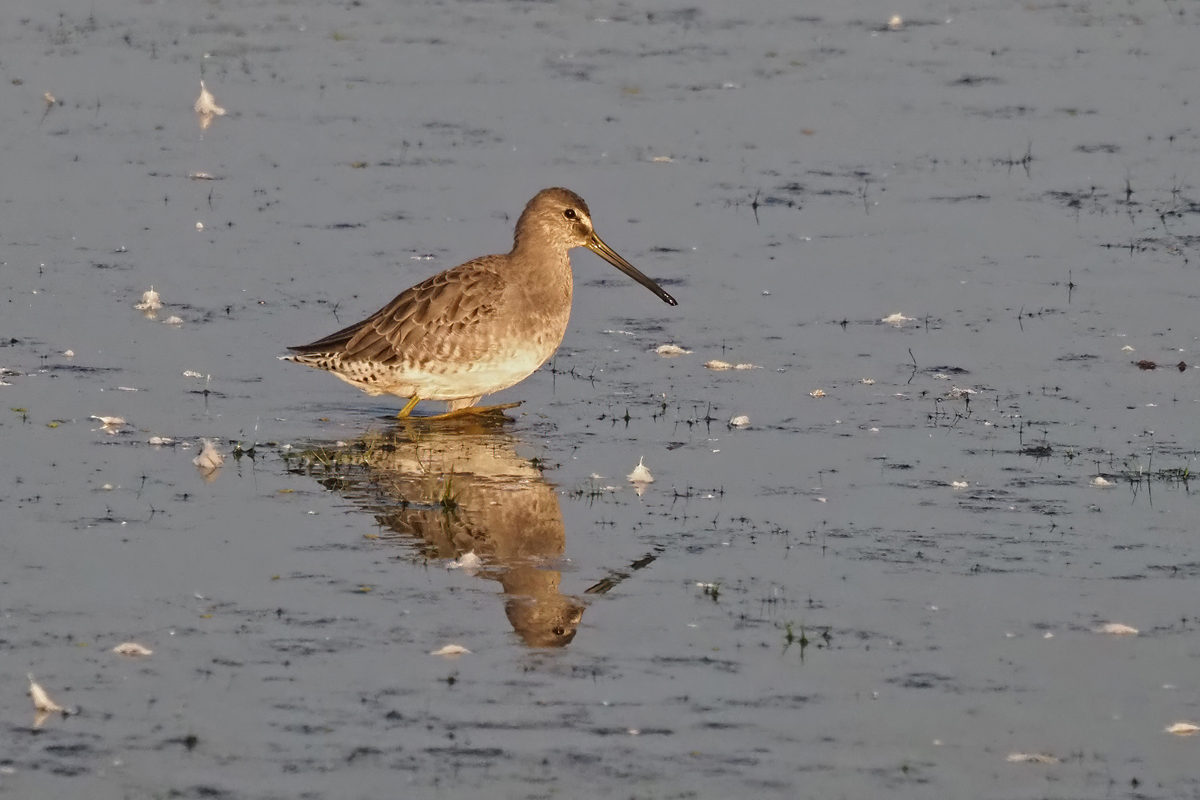
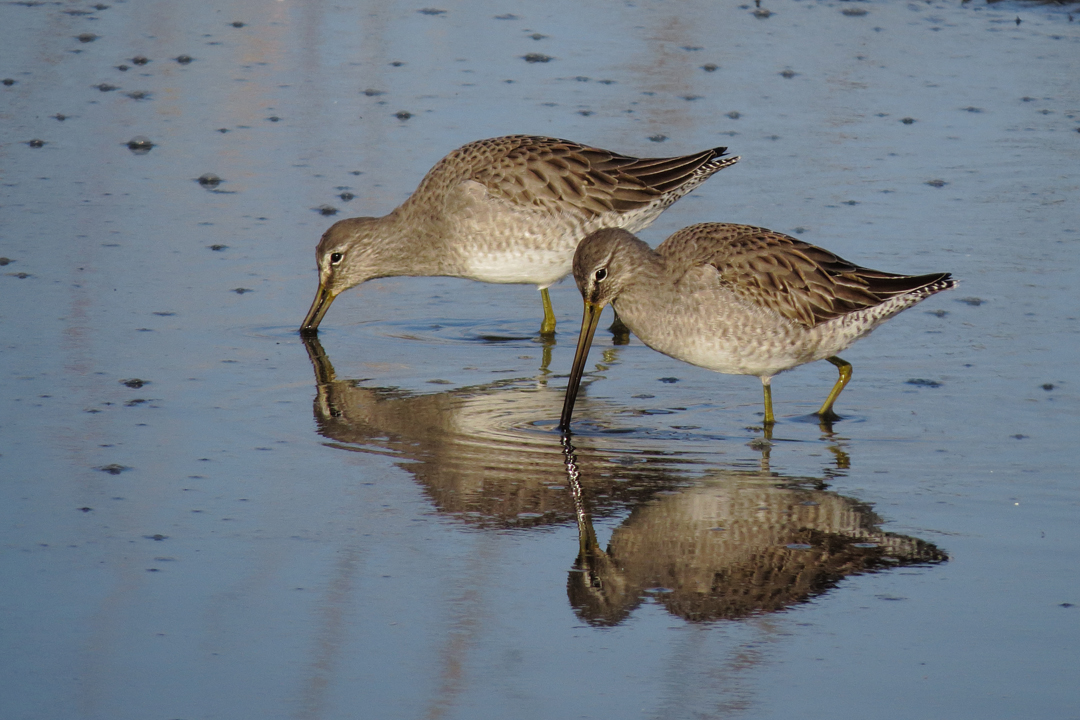
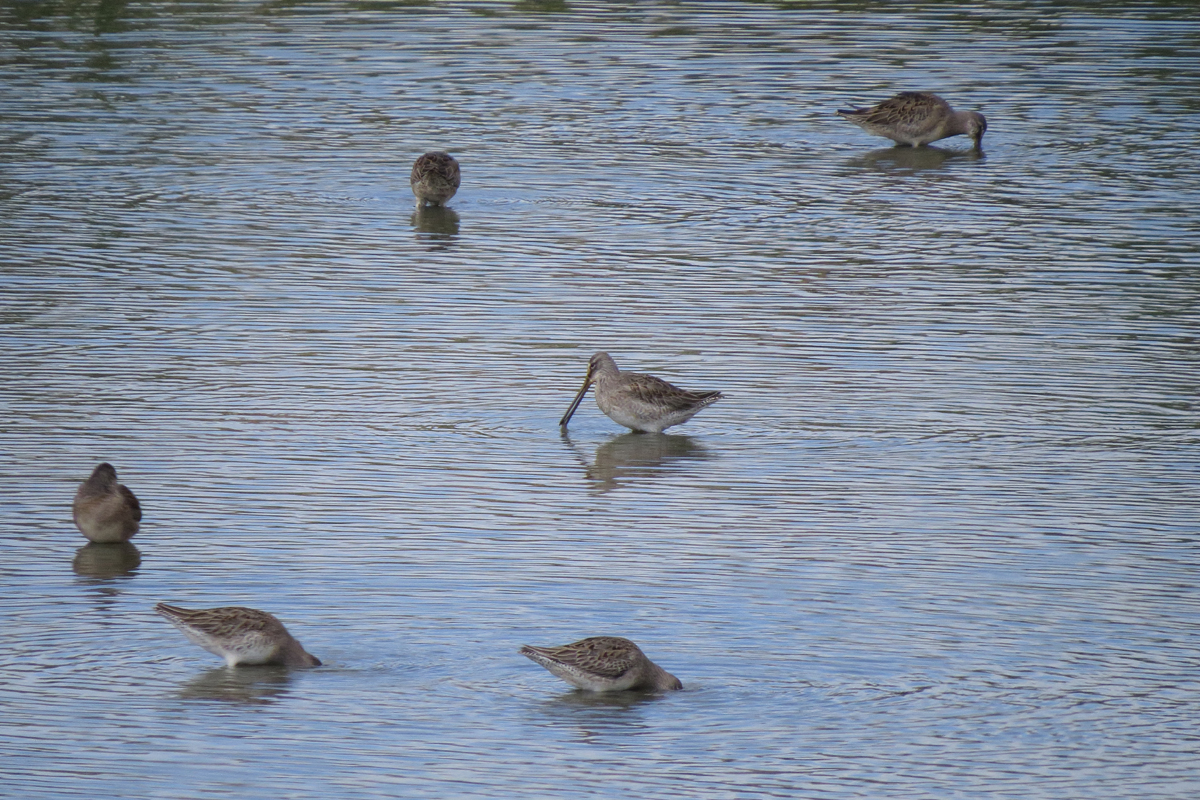
Long-billed Dowitchers

This is a juvenile Semipalmated Sandpiper with a Least in the background. Semipalmateds were a really big deal anywhere in Oregon 20 years ago, but I think birders are just getting better at recognizing them now.
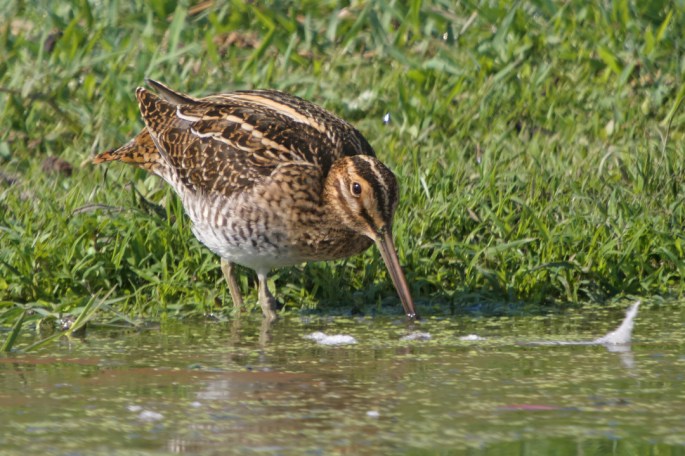
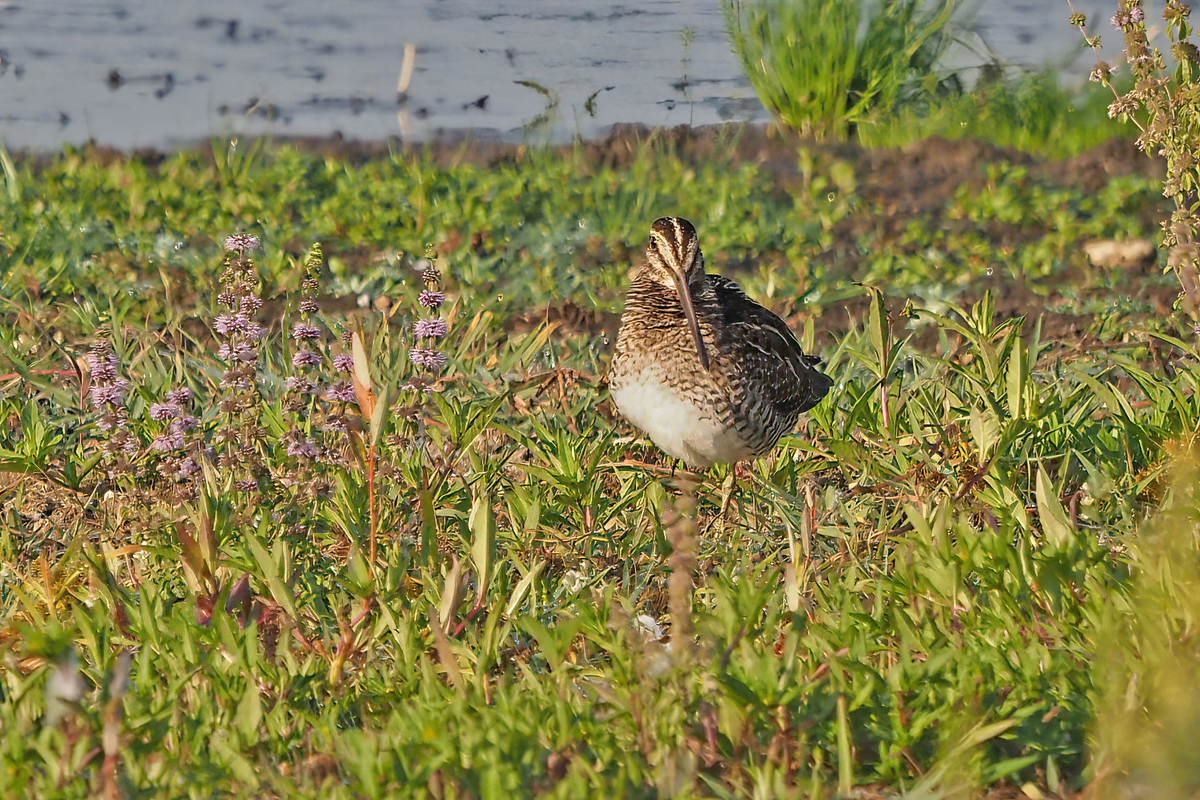
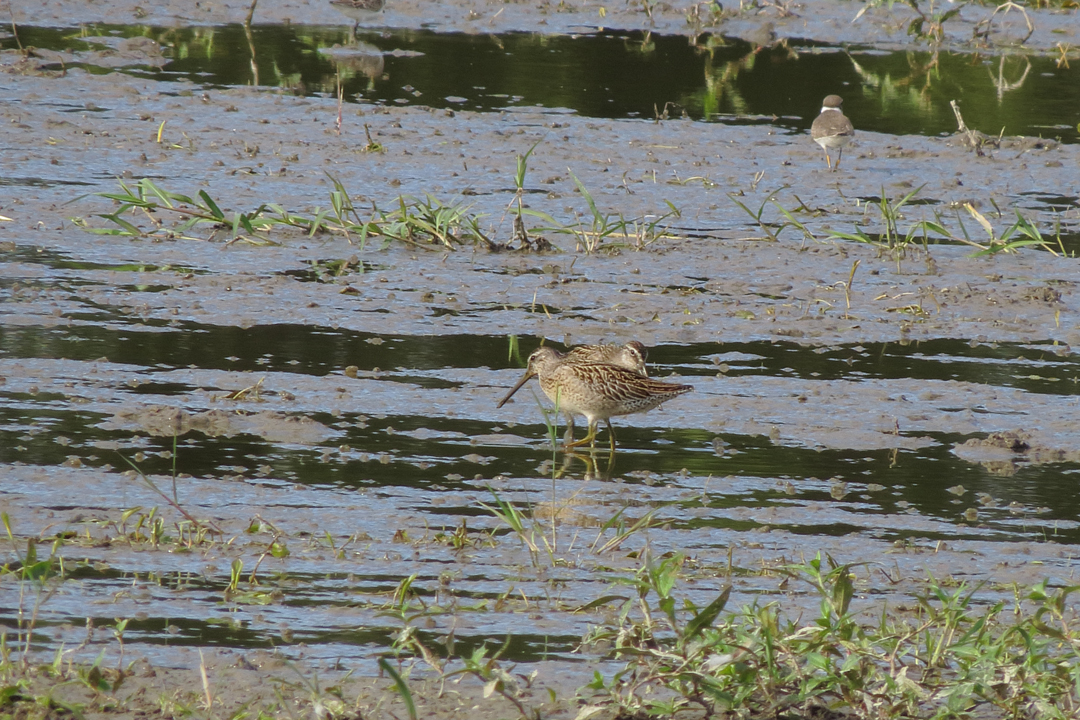
It is always nice when a Wilson’s Snipe comes out into the open.
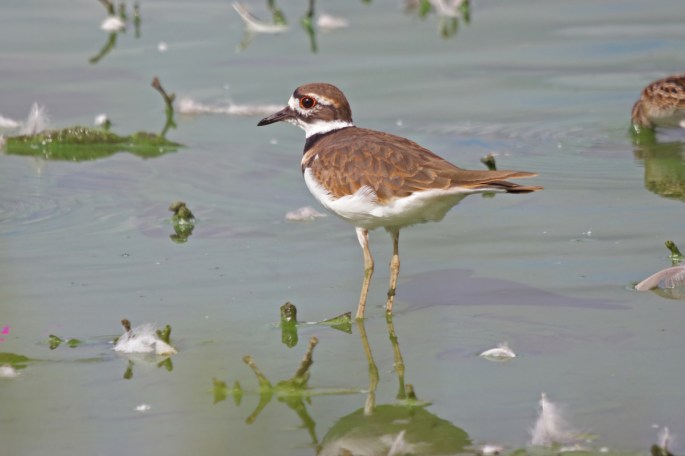
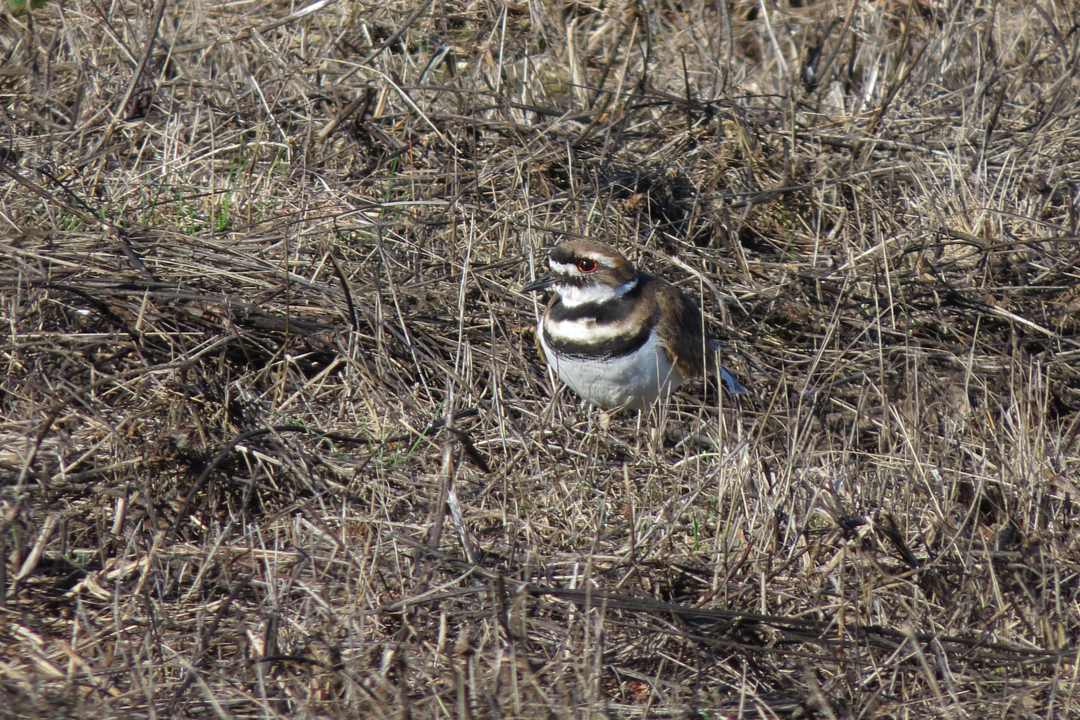
Killdeer

Western Sandpiper preening
Happy (late) summer!

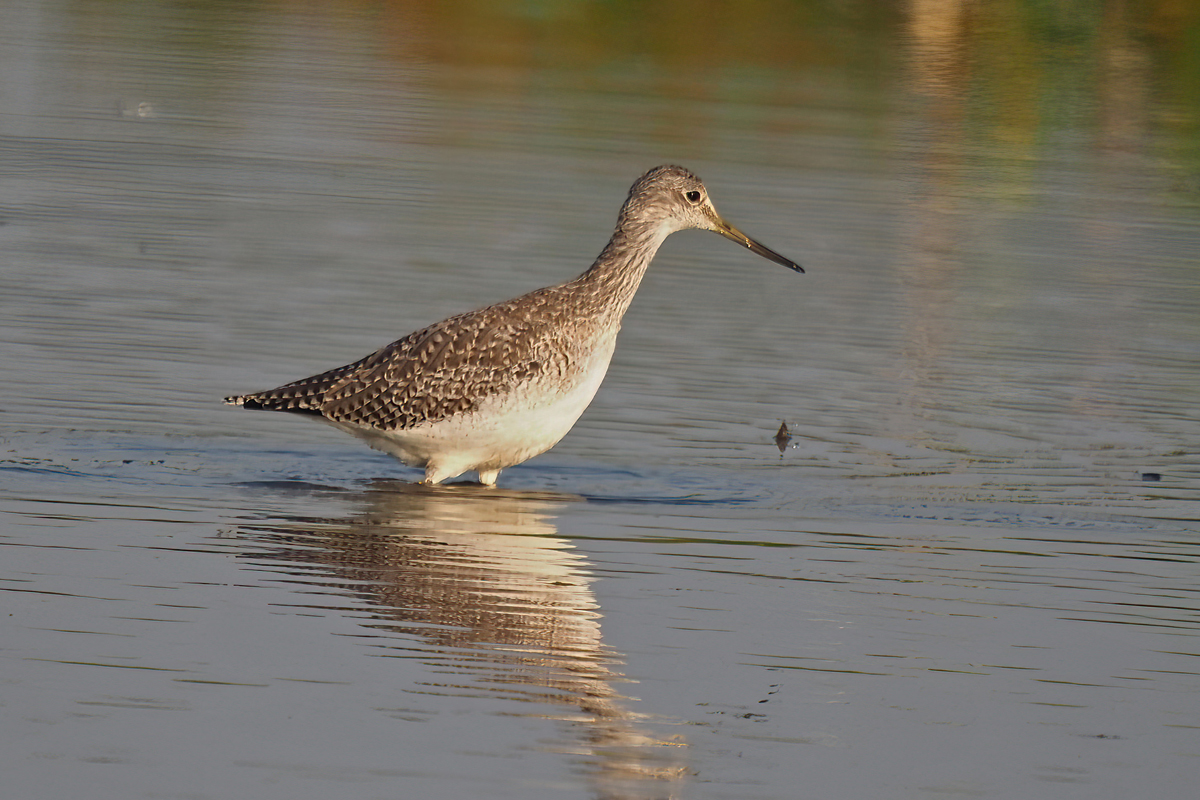
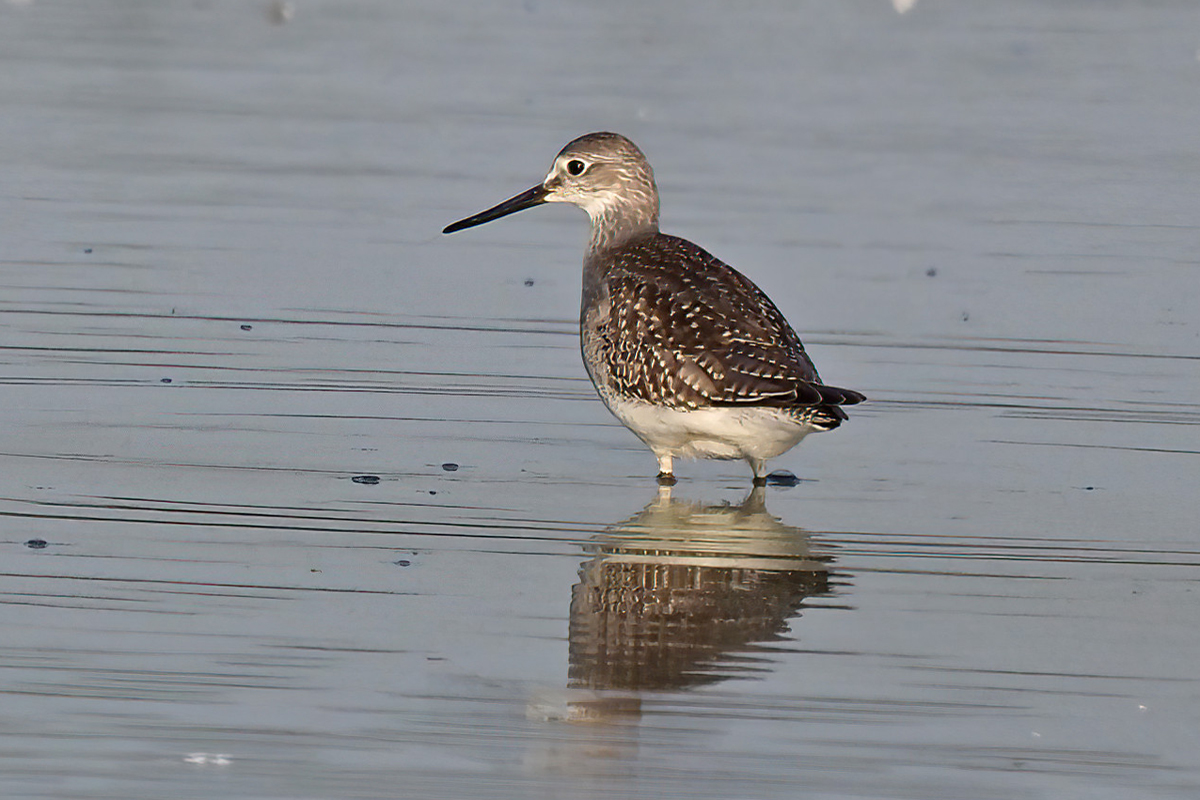


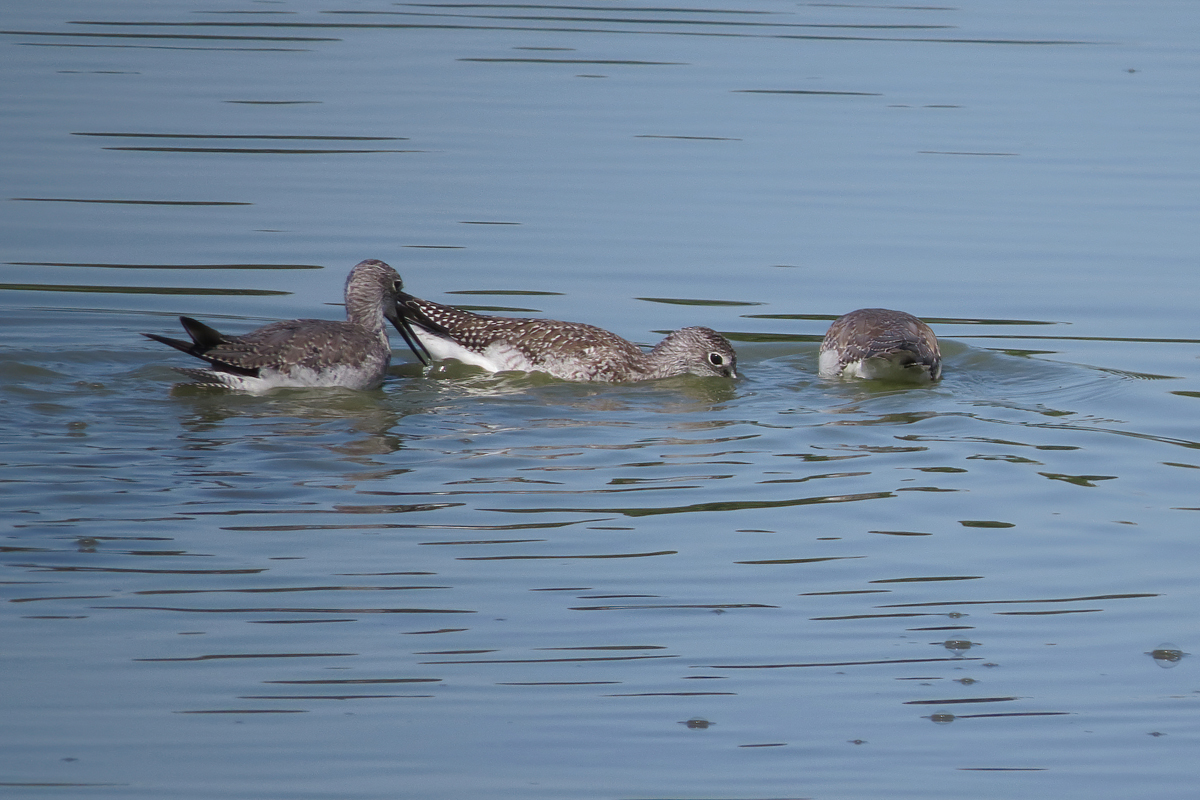 Typically seen wading, Greater Yellowlegs will occasionally swim in groups to catch small fish.
 This juvenile Western Sandpiper, showing the characteristic rusty suspenders, was taking advantage of low water levels at Smith and Bybee Wetlands.
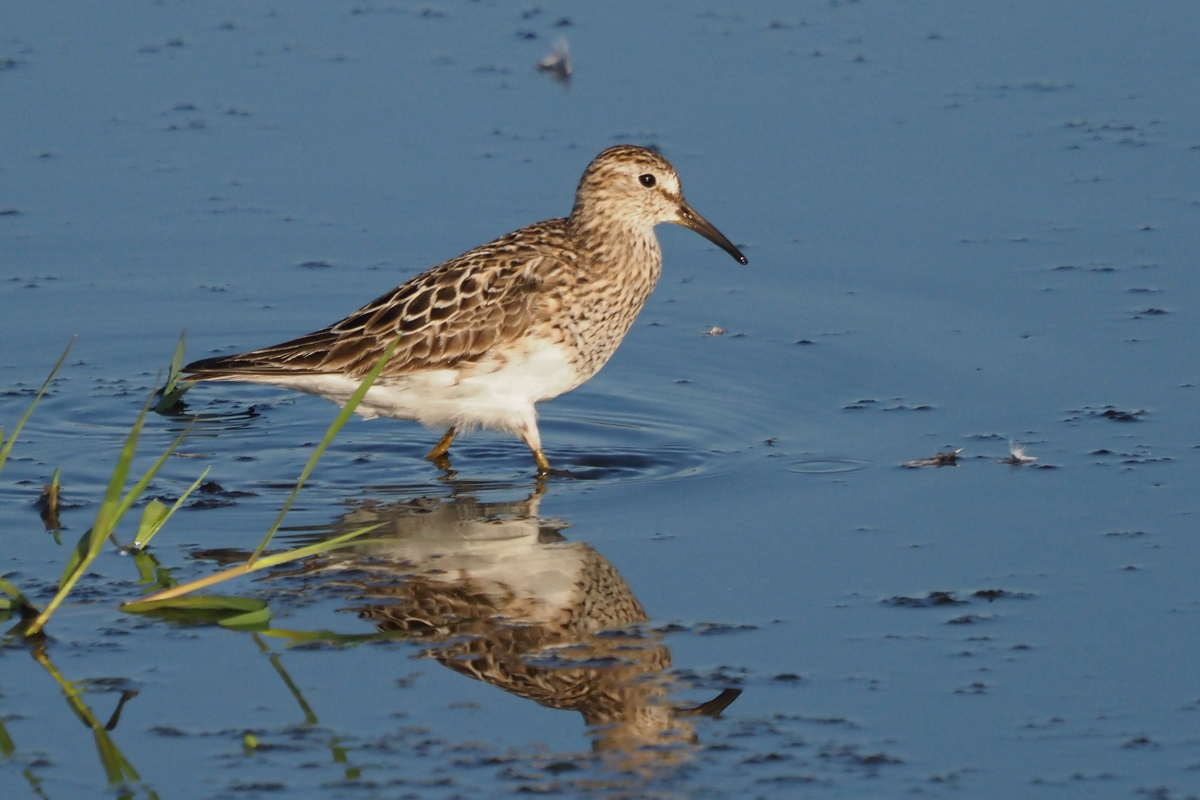
 The main lake at Fernhill Wetlands has receded enough to create some nice mudflats, here being enjoyed by a Pectoral Sandpiper.
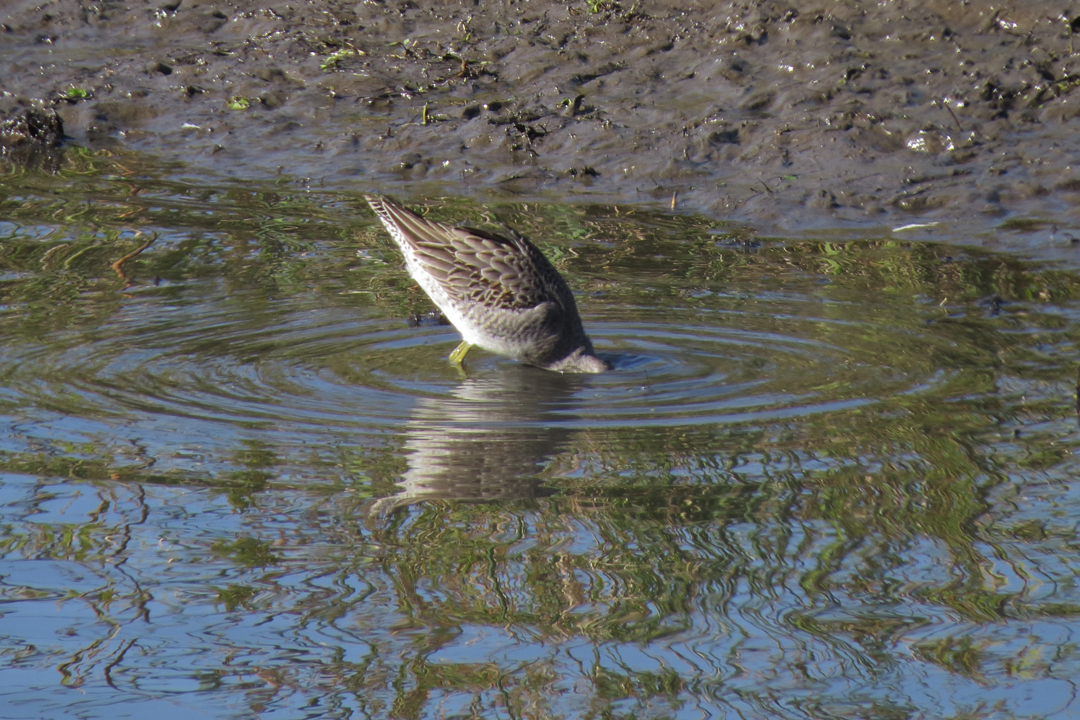
 juvenile Long-billed Dowitcher, showing the characteristic solid dark tertials
 juvenile Short-billed Dowitcher, showing the characteristic tiger-striped tertials
 Spotted Sandpipers nest in the Portland area. Juveniles, like this one, can be recognized by the barring on the wing coverts.
 Semipalmated Plovers are surely one of the cutest shorebirds. The scaly pattern on the wings tells us that this is a juvenile.
 The long hiking trail at Tualatin River NWR is open, and this refuge always offers some good birding in the spring and early summer. A pair of Blue-winged Teal was in the southwest pond.
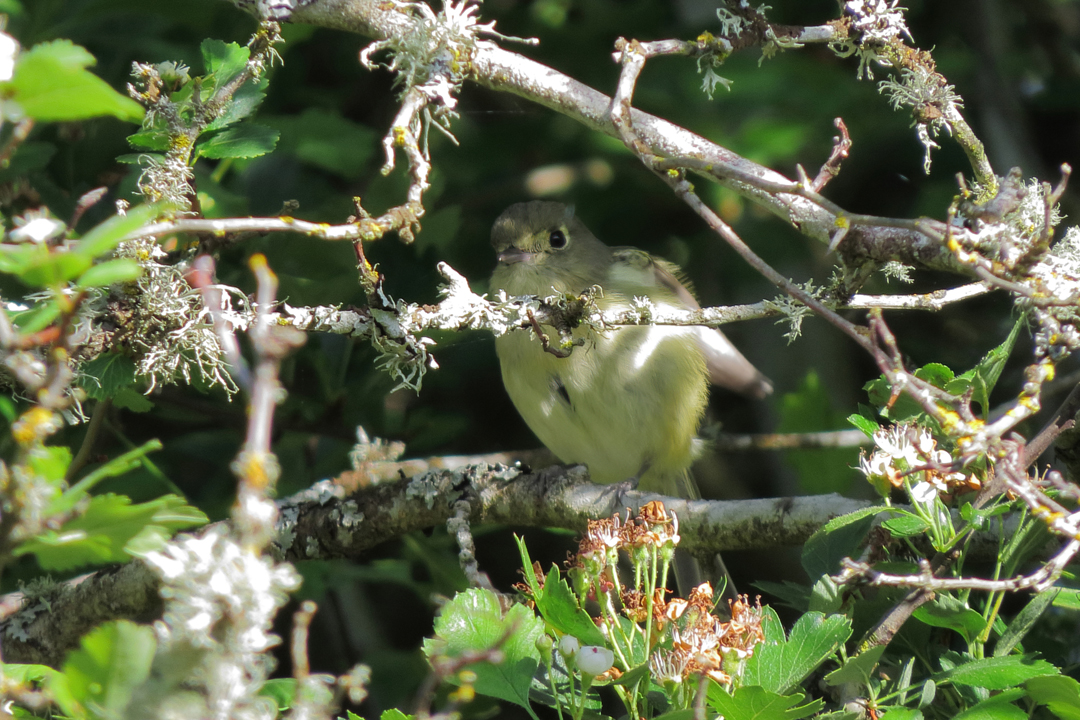 As is typical for this species, this Hutton’s Vireo stayed back in heavy cover.
 It is really hard to shoot a Brewer’s Blackbird against the sky without ending up with just a silhouette, but I keep trying.
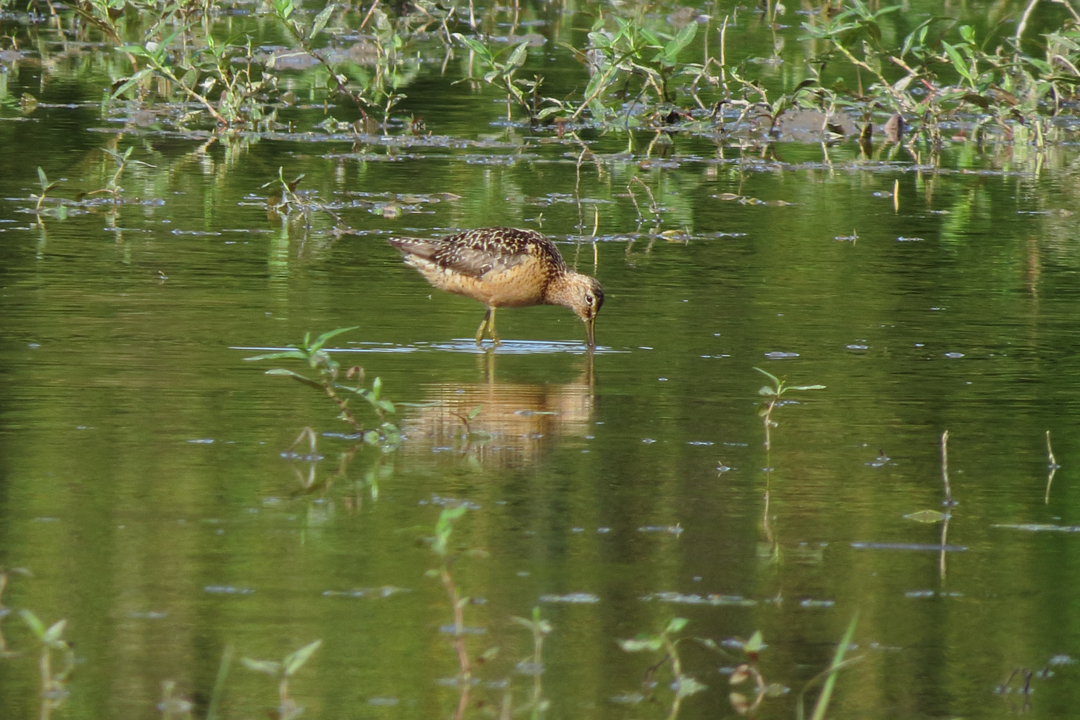
 Long-billed Dowitcher was the most common shorebird on this visit. It is nice to see them in full breeding plumage.
 The best bird of the trip was this Pectoral Sandpiper. Pectorals are regular autumn migrants in this area, but are very rare in spring.



















 Ethical Birder