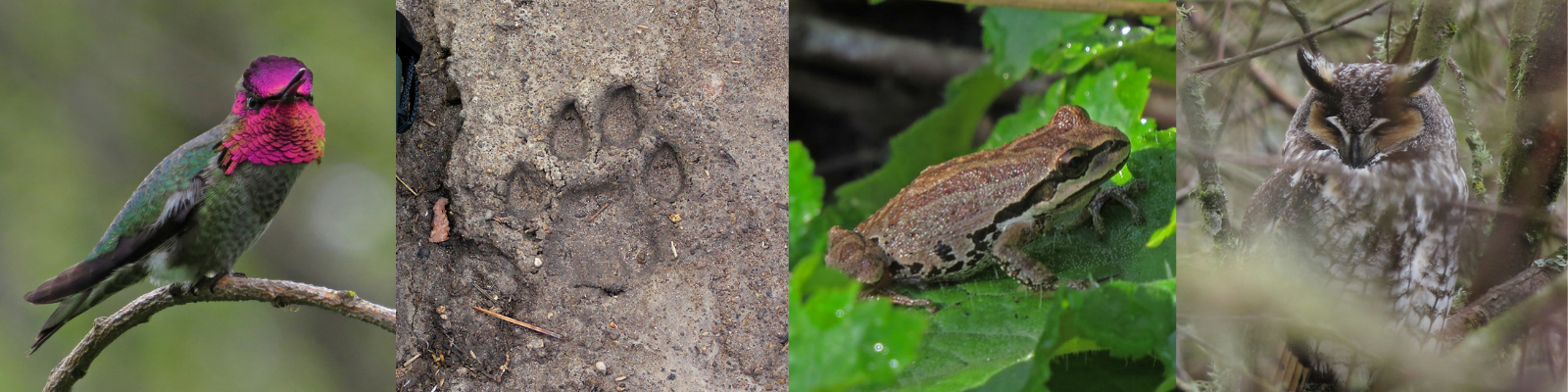
 About 14 miles south of Lakeview, Goose Lake State Park is always worth a quick stop for riparian birds and waterfowl. Goose Lake is large (8 miles wide, 20 miles long) and shallow (average 4 ft.), making it ideal for Western and Clark’s Grebes, dabbling ducks such as Gadwalls and Cinnamon Teal, and marsh species along the shores. Most of the lake lies in California, but a few miles of it extend into Oregon. During migration, large numbers of migrant waterfowl can be seen here, although I think it would be more pleasant to avoid waterfowl hunting season.
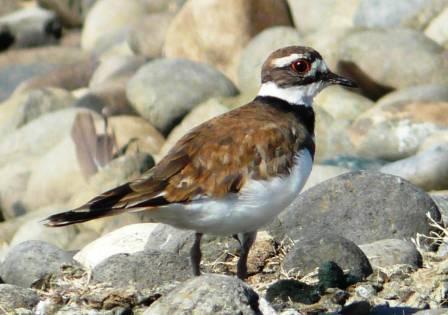
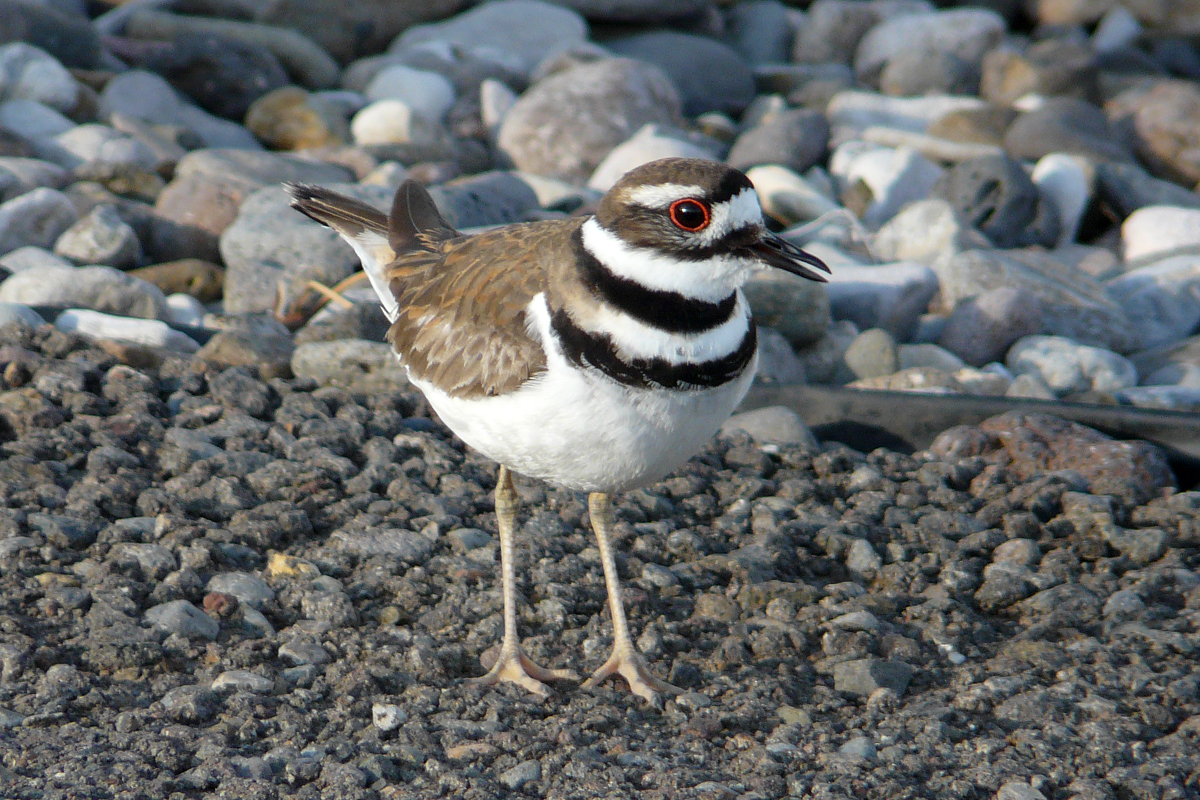 I think this Killdeer must have had a nest in this patch of gravel, because she stood her ground as I walked by. While their abundance, along with their persistently loud obnoxious calling, makes it easy to not appreciate Killdeer, they really are stunning shorebirds.
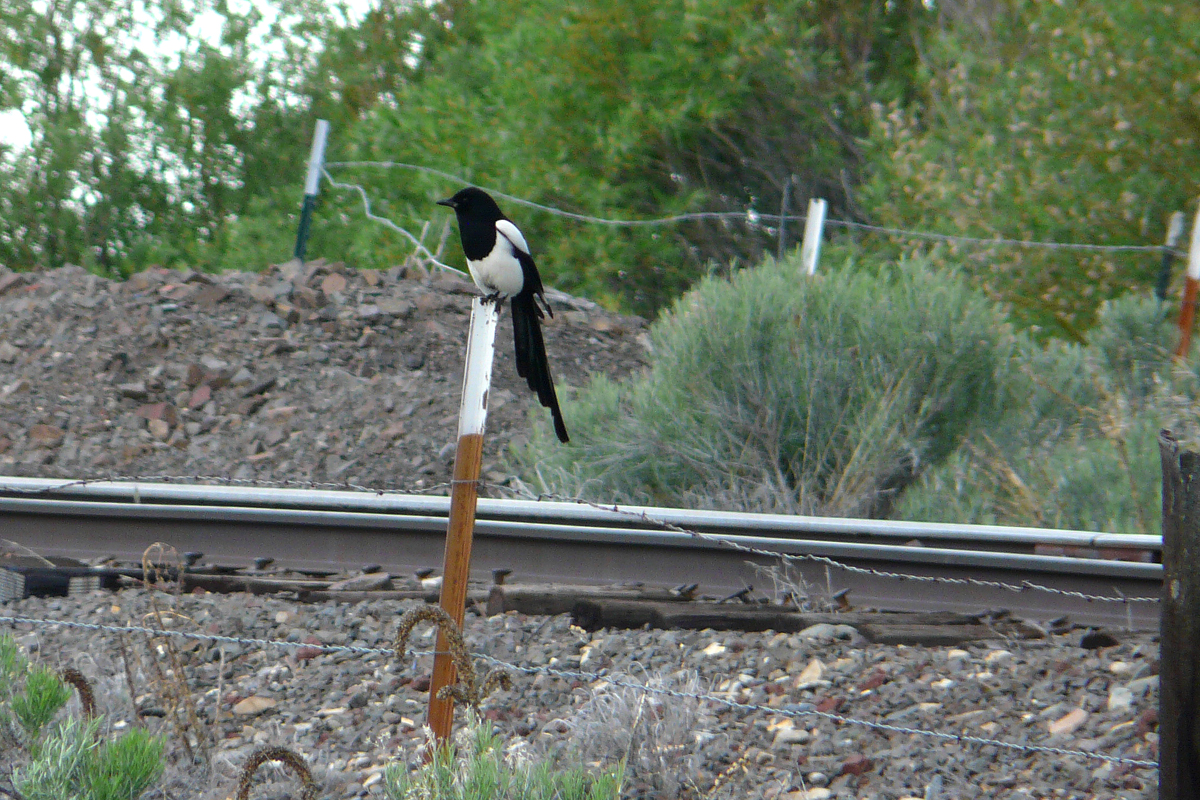 The brushy riparian habitat in the state park attracts a nice variety of birds. The site gained notoriety a few years ago when it hosted a White-eyed Vireo. I didn’t find any great rarities during my recent visit, but I always enjoy seeing Black-billed Magpies.
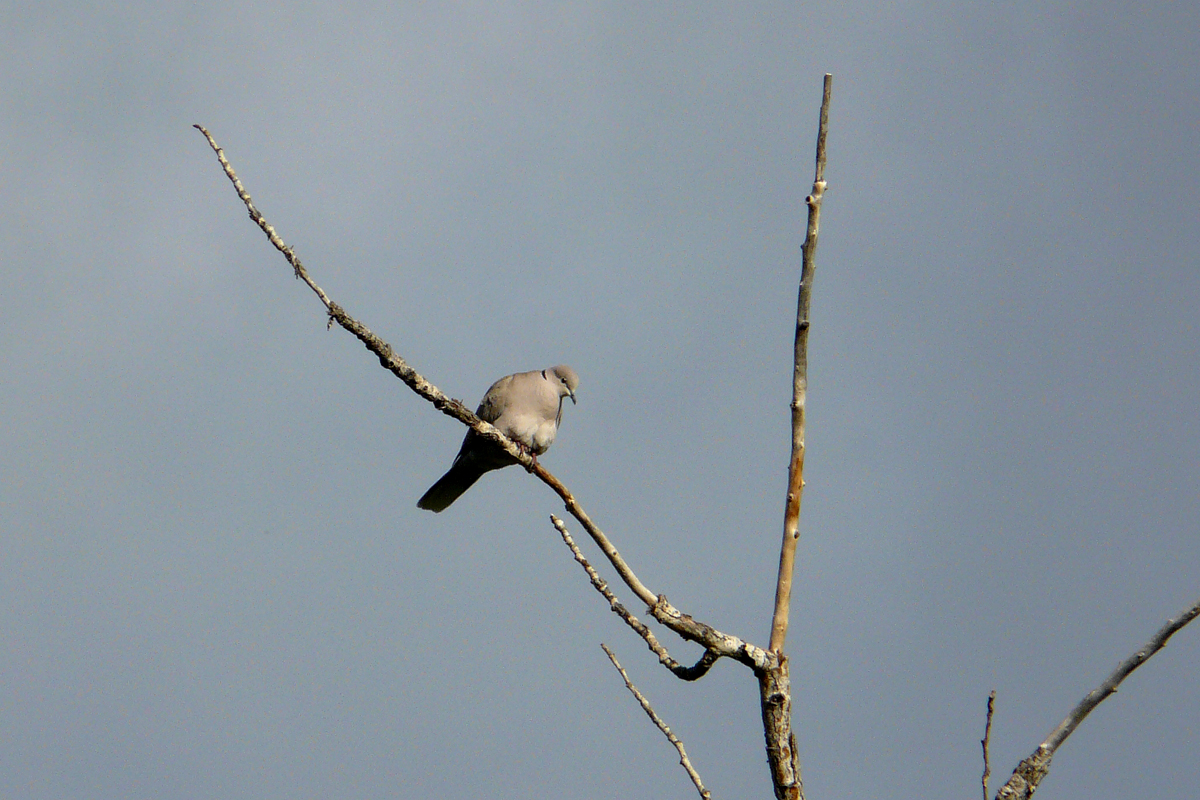 It is hard to believe that ten years ago, Eurasian Collared Doves were very rare in Oregon. They are now well established throughout much of the state.
 In the large lawn near the picnic area, the resident ground squirrels have created a web of rodent runways through the grass.





 Ethical Birder