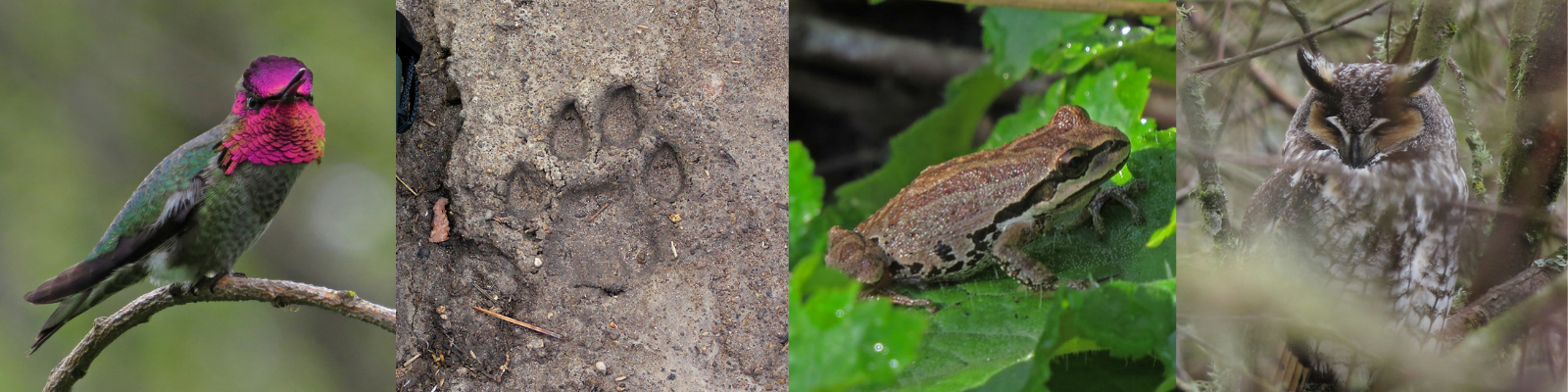
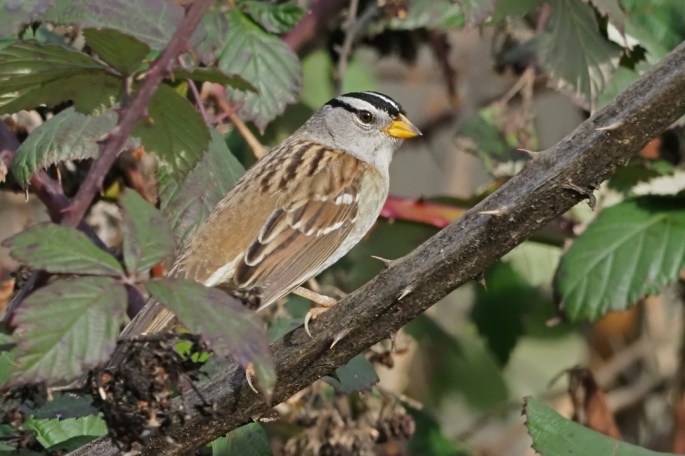
 Rentenaar Road on Sauvie Island remains one of the better sites in the Portland area to find a nice diversity of winter sparrows, along with other songbirds and waterfowl. While this trip did not produce any rarities, there were plenty of birds and sunshine to make the trip worthwhile. White-crowned Sparrows, pictured above, are among the more common species.
 Golden-crowned Sparrows are usually the most common sparrow in the winter flocks.
 This Fox Sparrow kept close to the heavy cover.
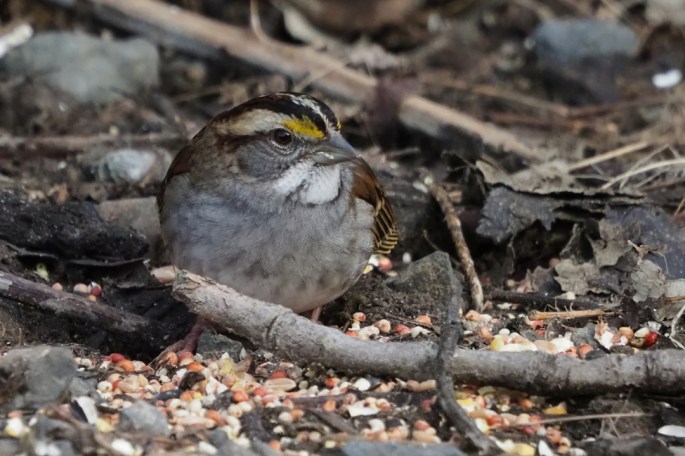 Once considered a rarity in this area, White-throated Sparrows are now reliable winter residents.
 Red-winged Blackbirds
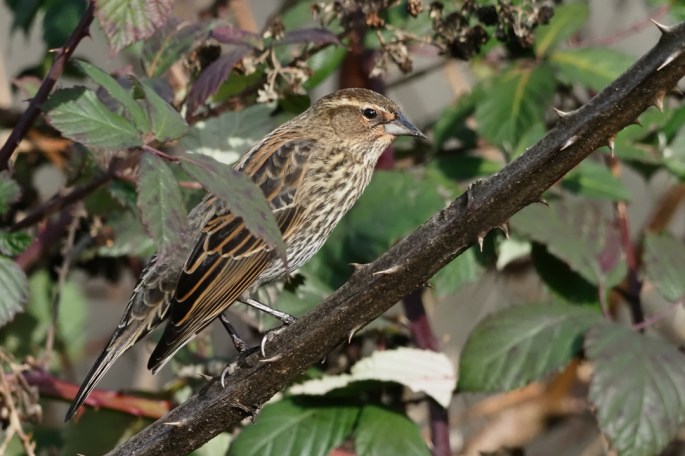
Another Red-winged Blackbird, showing off her colors
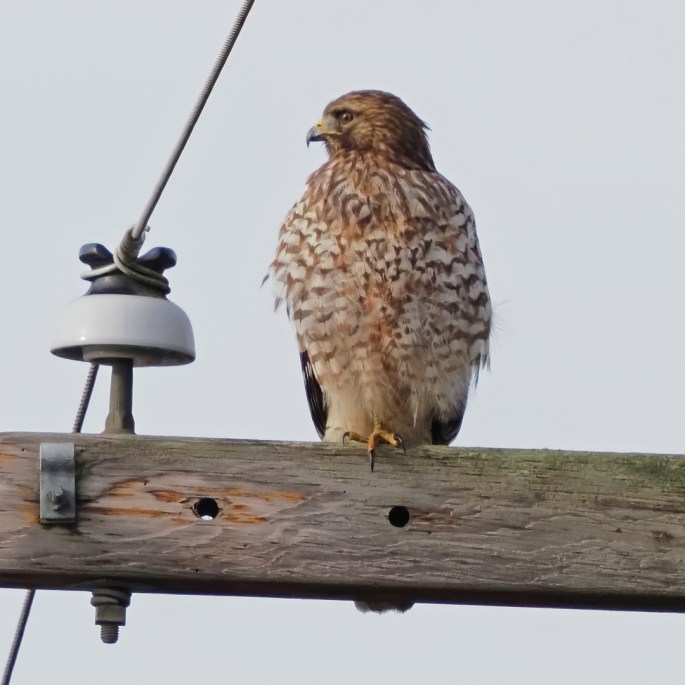 This Red-shouldered Hawk was the most unusual find of the day.
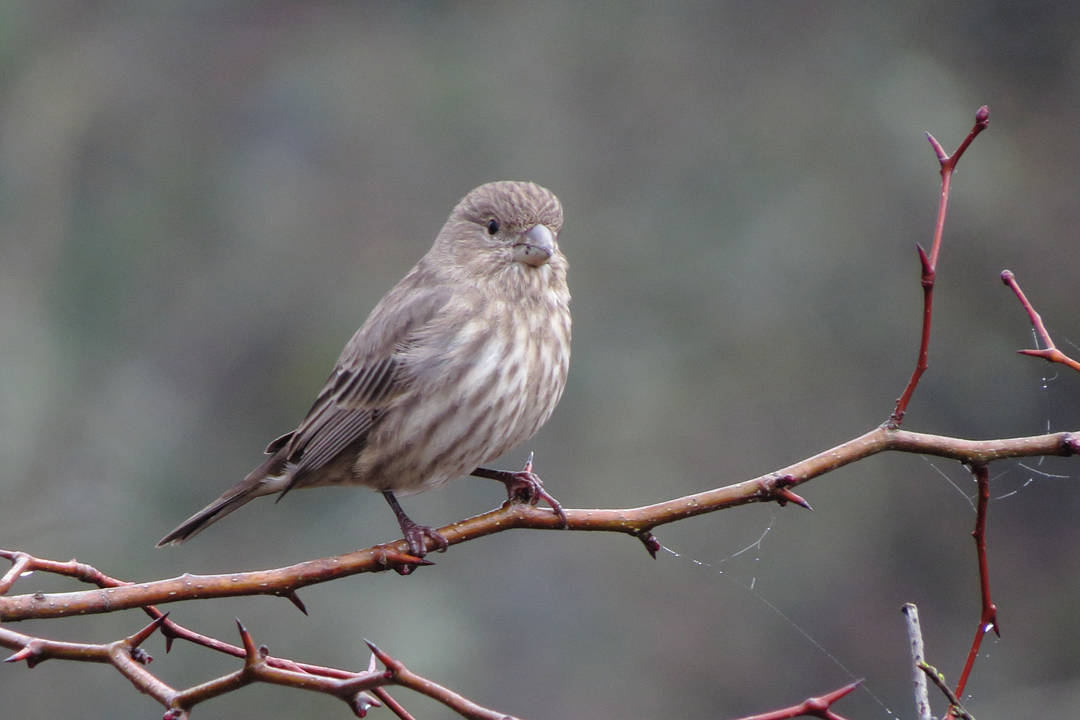
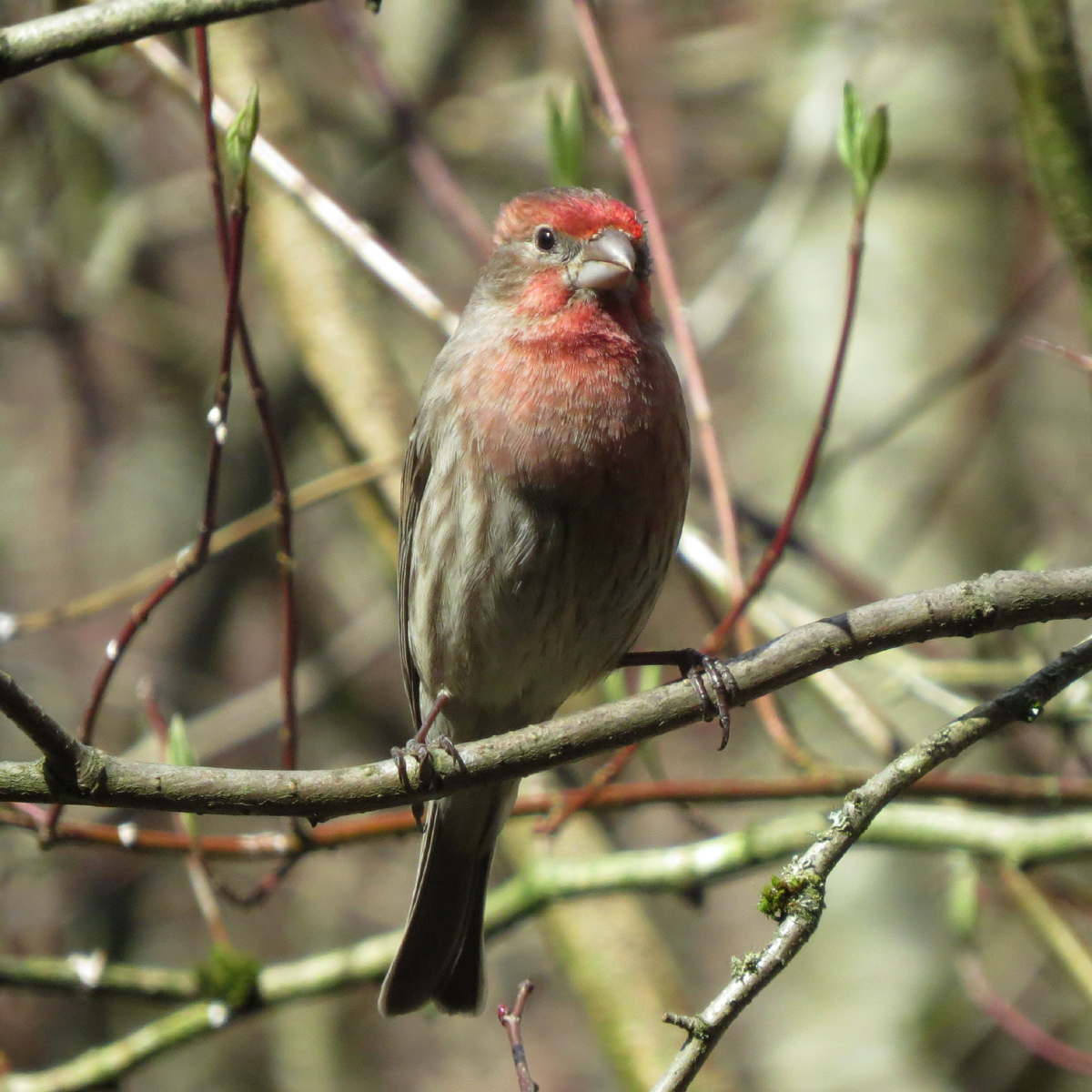
 Several birds were bathing in puddles in the road. Here a male Purple Finch cavorts with a female House Finch.
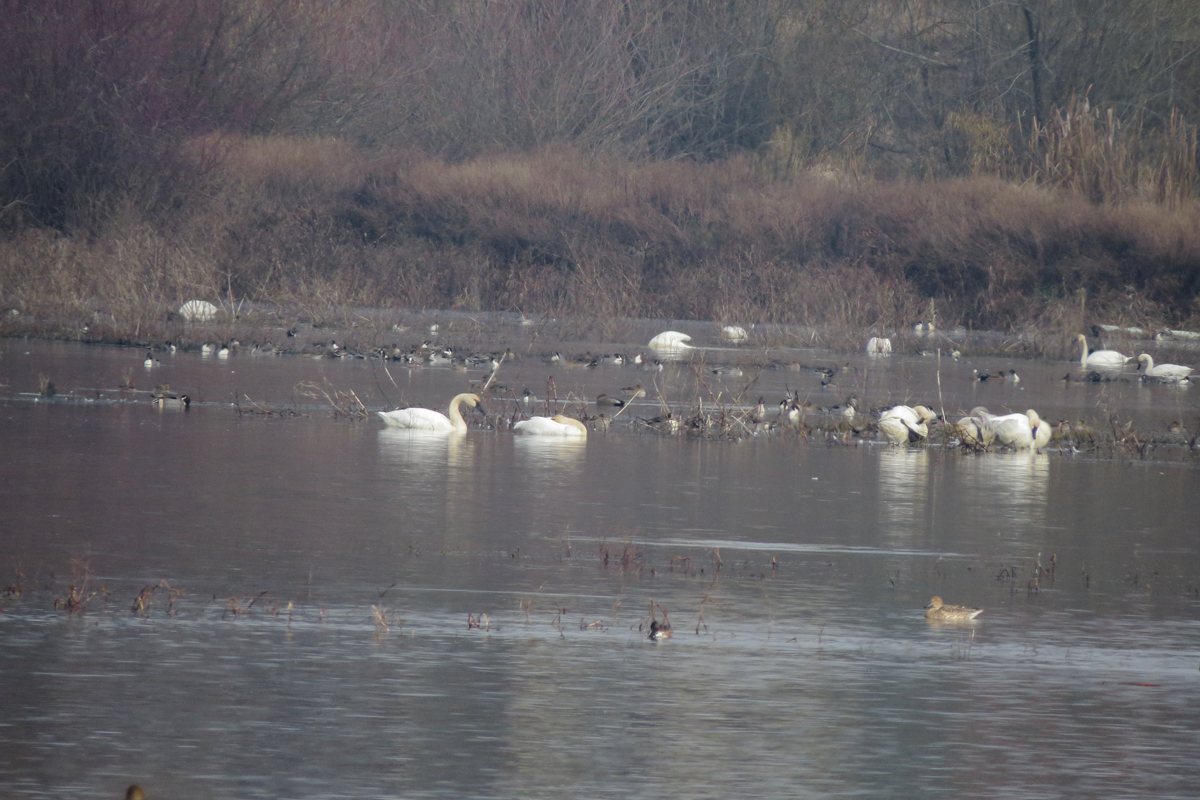
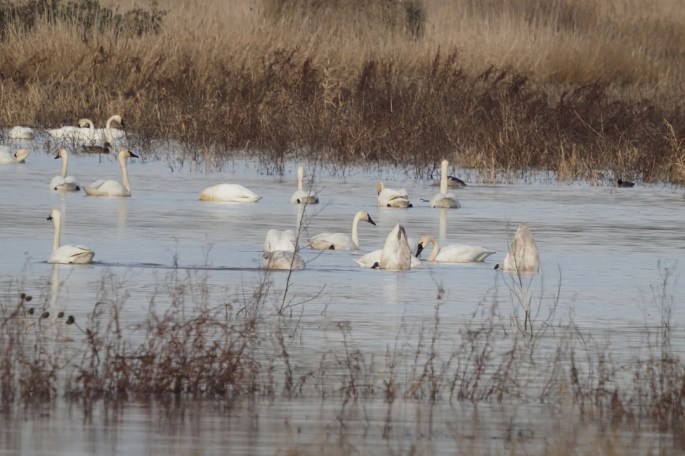 Waterfowl numbers were a little low on this trip. Ducks and geese face pretty heavy hunting pressure on Sauvie Island. Numbers should increase in the next month as hunting seasons expire and some birds start moving north. This flock of Tundra Swans kept their distance from the road.
 As the weather was clear on this day, there were nice views of Mount St. Helens, here with a lenticular cloud.
Happy Winter.







 This American Crow was finding either food or water in the top of the stop sign post on Mt. Tabor.
 Black-headed Grosbeaks returned to the Portland area in large numbers last week. This damp individual was singing in low brush on Mt. Tabor.
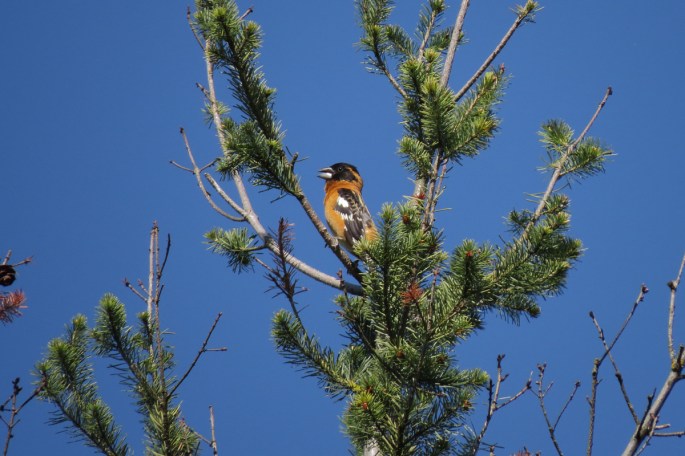 Another Black-headed Grosbeak singing in the sun at Cooper Mountain, but from the top of a tall tree
 An Olive-sided Flycatcher, singing in the rain. This species often hangs out at tree-top level, but this guy came down for some nice eye-level viewing.
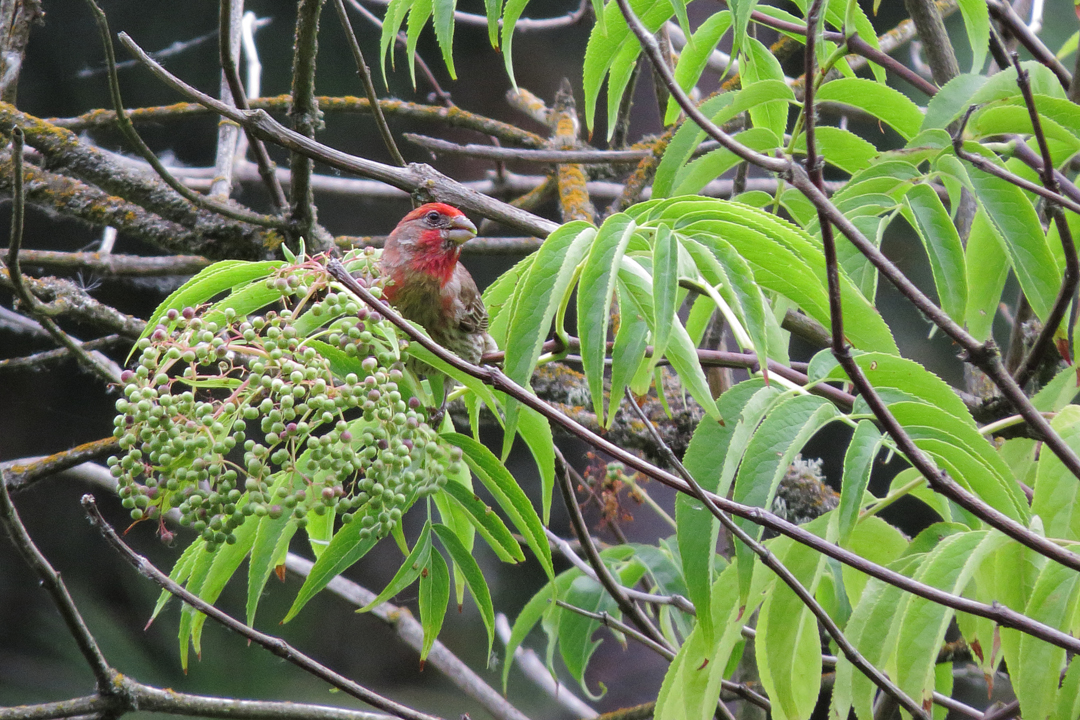
 House Finches were munching on dandelions on Mt. Tabor.
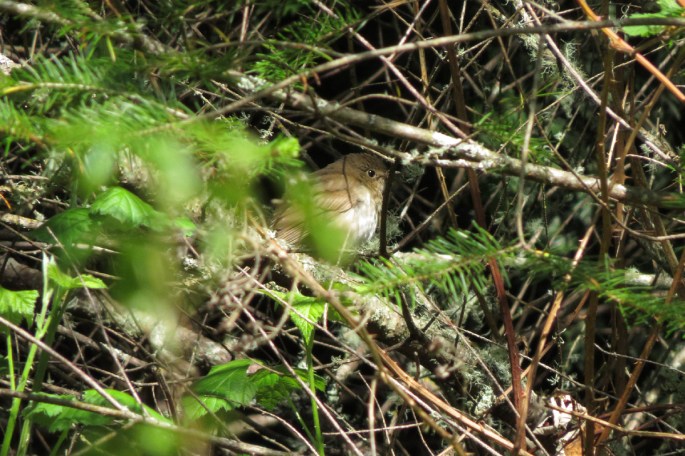 Here is a typical view of a Swainson’s Thrush, seen on Cooper Mountain during our Warbler and Flycatcher Class. This bird did not vocalize and stayed partially hidden in the brush the whole time, but we decided on the ID based on her warm buffy color, lack of dark spots on the breast, and lack of tail dipping behavior. Darker breast spotting and tail dipping would suggest Hermit Thrush.











 Ethical Birder