Mt. Hood National Forest

Here are some photos from a recent scouting trip to Mt. Hood for my upcoming Portland Audubon class.


Timothy Lake, a good spot to look for migrant loons and grebes
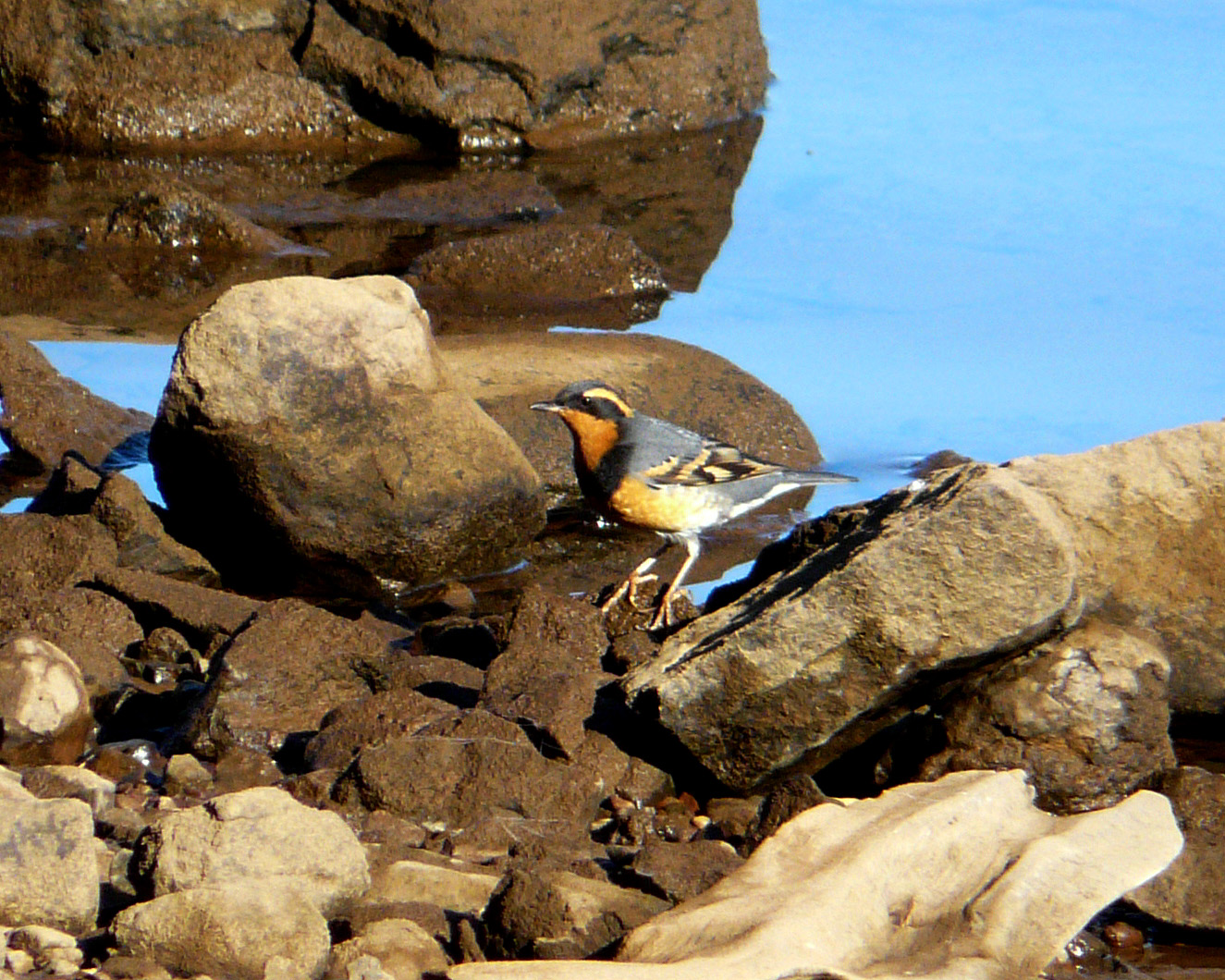

Varied Thrush on the shore of Timothy Lake
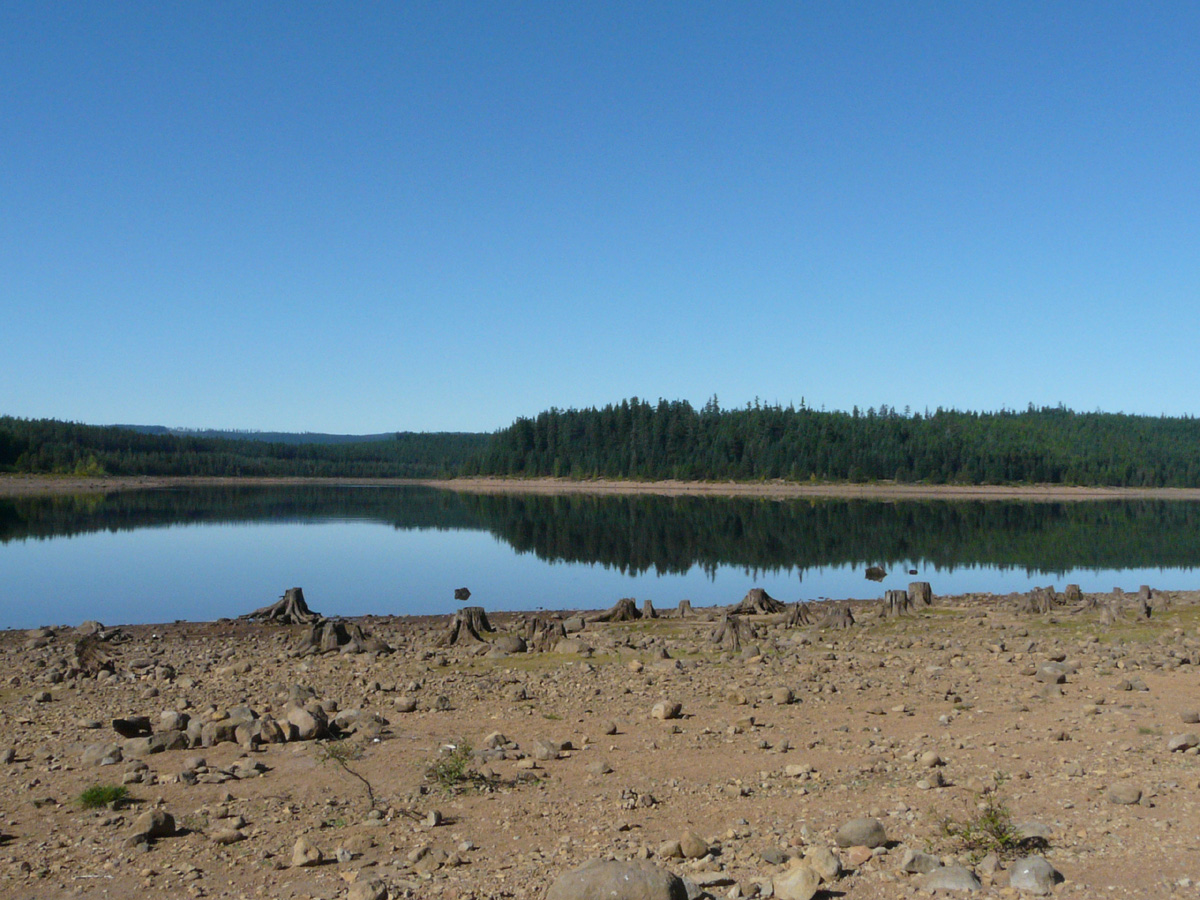

Clear Lake is very low this time of year, but still attracts waterfowl.


Greater White-fronted Goose on the shore of Clear Lake
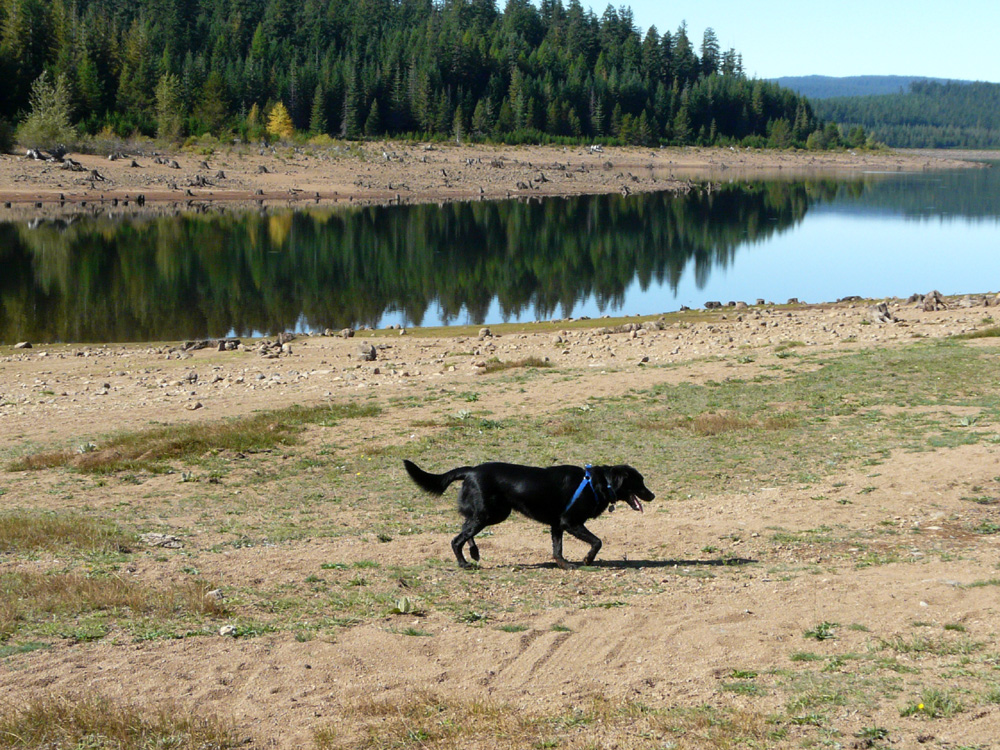

Nala, the Birding Dog, after adding Greater White-fronted Goose to her life list. She apologizes for chasing the goose into the lake, but she just couldn’t help it.


A burned section of forest near Cooper Spur on the northeastern part of the mountain. Burned forest is a magnet for woodpeckers.
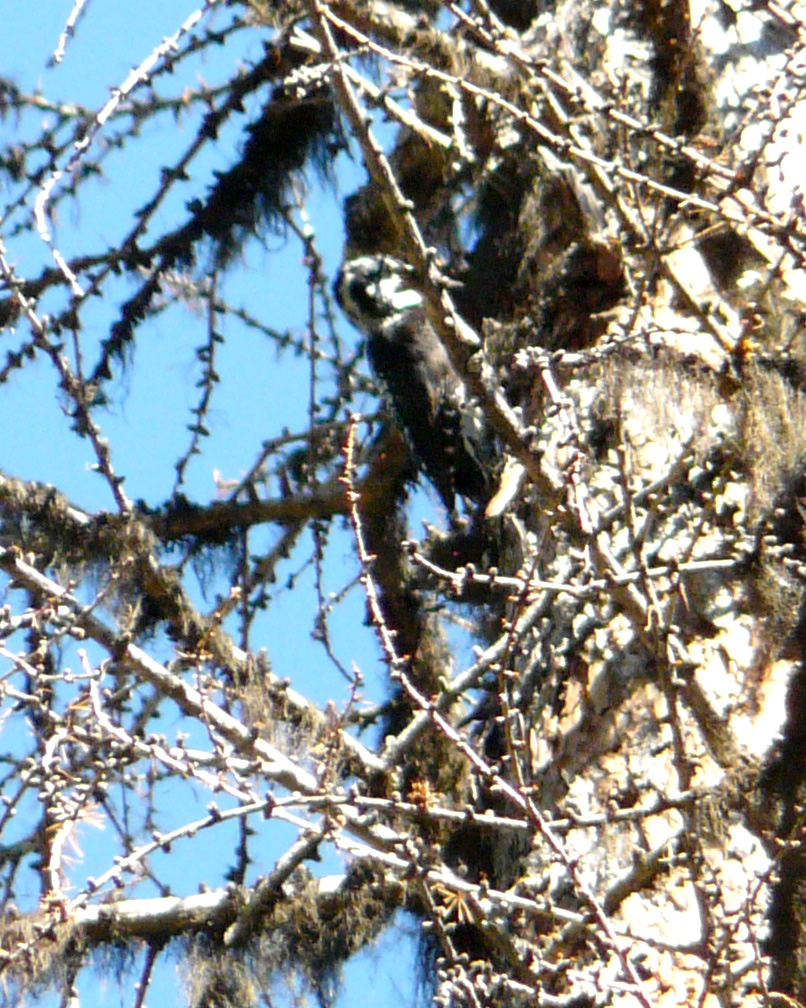

A really bad photo of an American Three-toed Woodpecker in the burn


The giant gravel pile that is Mount Hood, above Timberline Lodge


Townsend’s Solitaire
Gray’s Harbor, WA

I’ve recently made two trips to Grays Harbor in Washington, once to scout and the other to lead my shorebird class. This estuary is a major staging area for migrating shorebirds in spring.


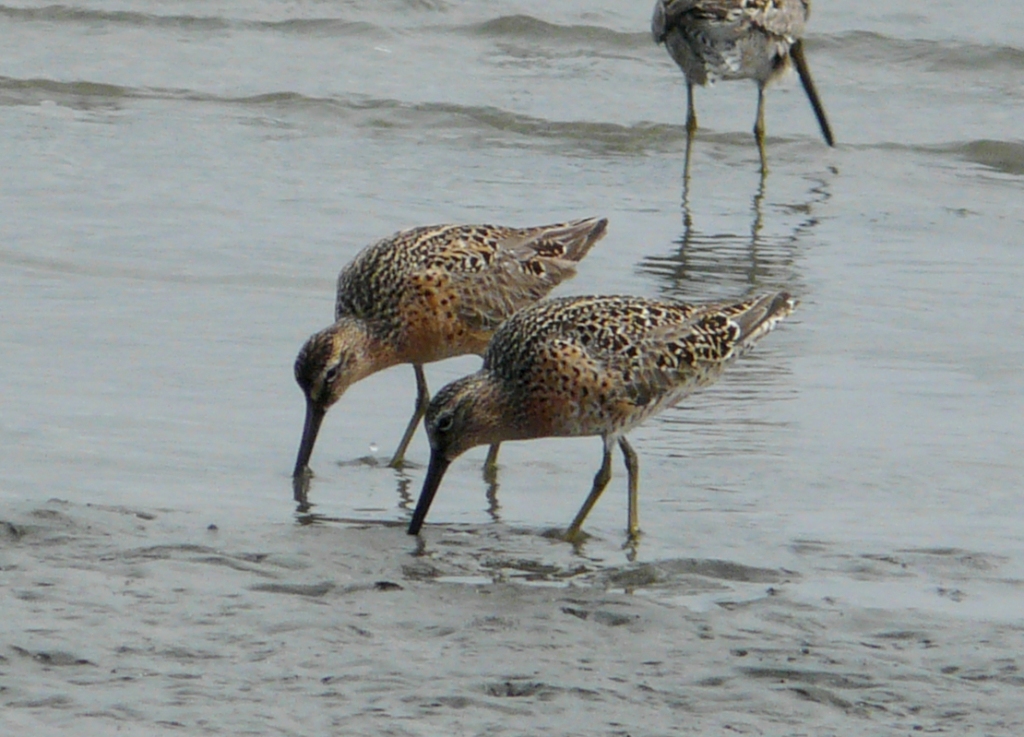
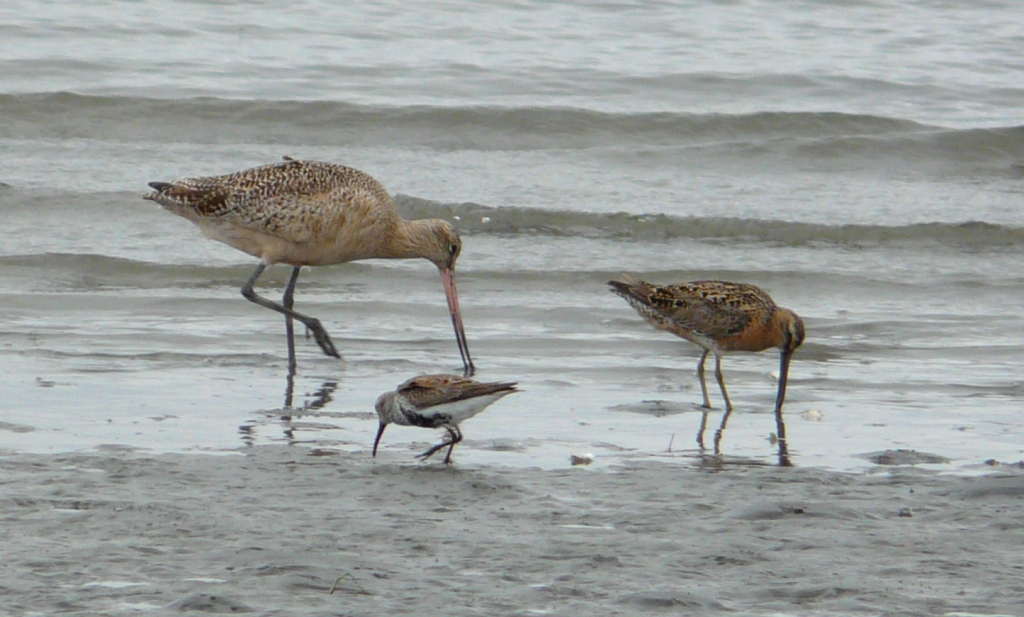
Marbled Godwit, Dunlin, and Short-billed Dowitcher feeding at Damon Point, near the mouth of the harbor


Short-billed Dowitchers


Don’t neglect to look at all the little brown ducks! This is a King Eider, a rare visitor from Alaska. It is distinguished from Common Eider by the slender bill and the scalloped markings on the sides.


Bowerman Basin is an inlet on the north shore of the harbor. It is the last area to fill during high tides, so shorebirds often congregate here. This is a view from the boardwalk.


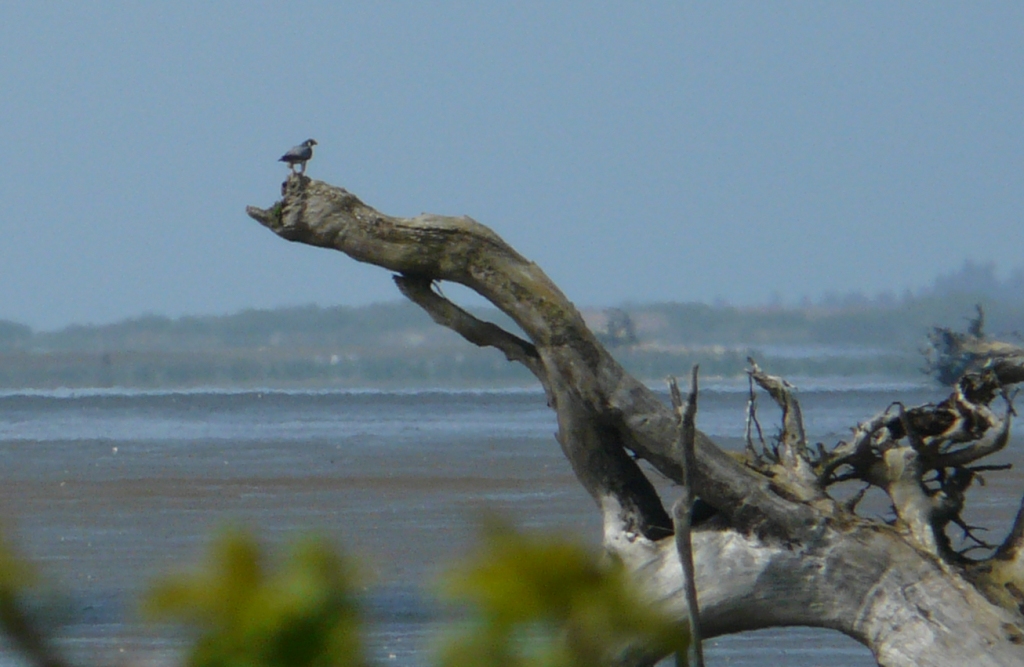
Peregrine Falcons are attracted by the large numbers of shorebirds in the harbor.


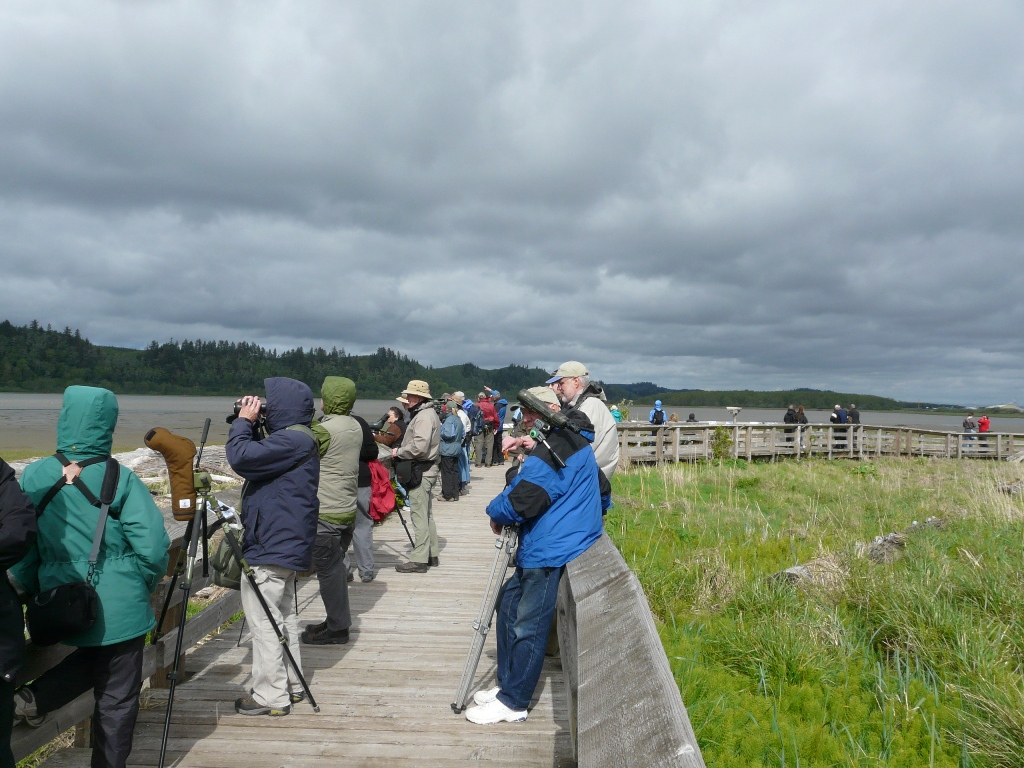
This is a view of the boardwalk on a Thursday morning.


This is the boardwalk on a Saturday afternoon. Unfortunately, birders outnumbered birds by about five to one on this afternoon.


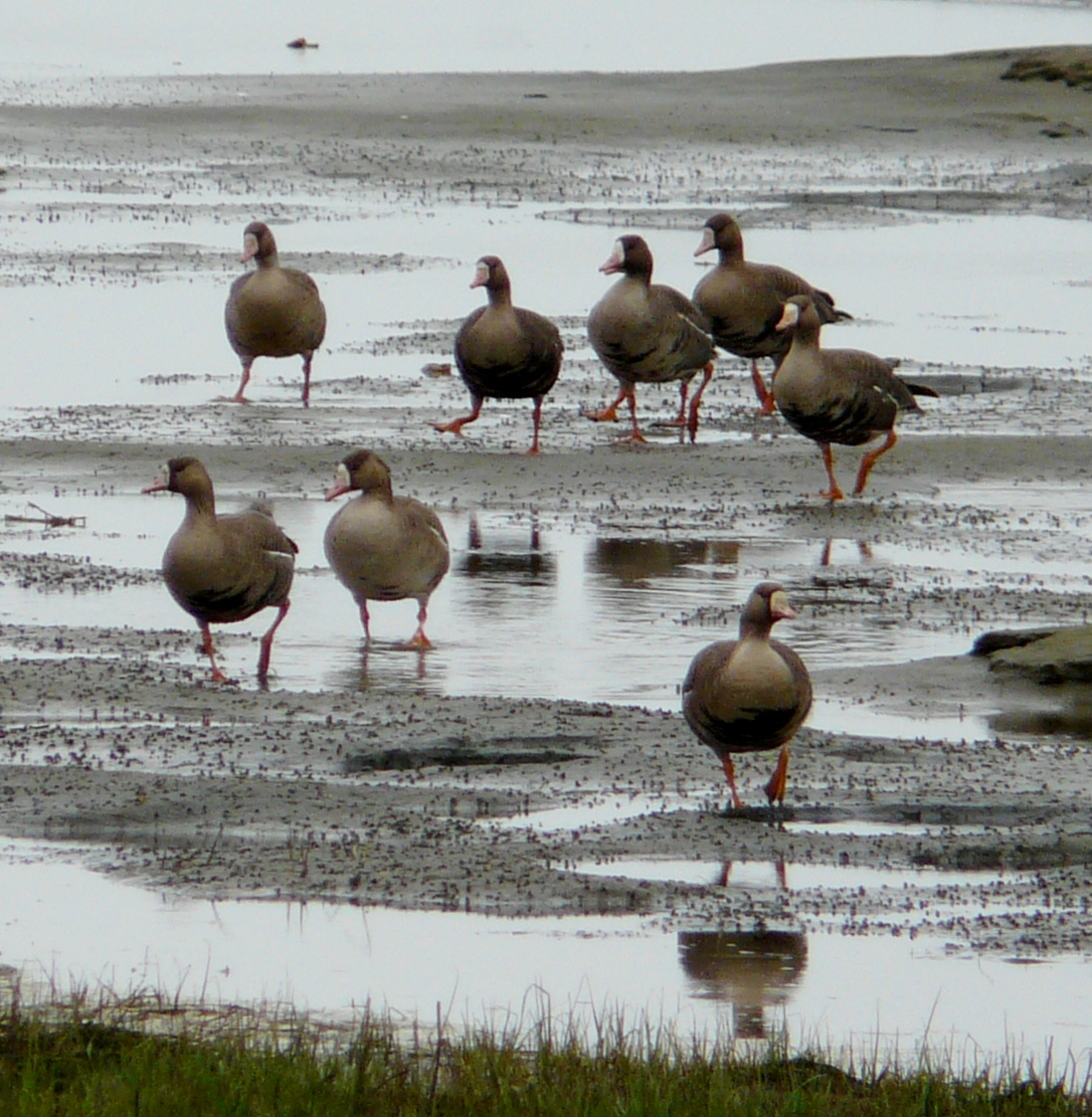
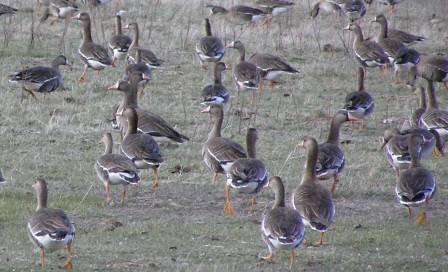
Greater White-fronted Geese


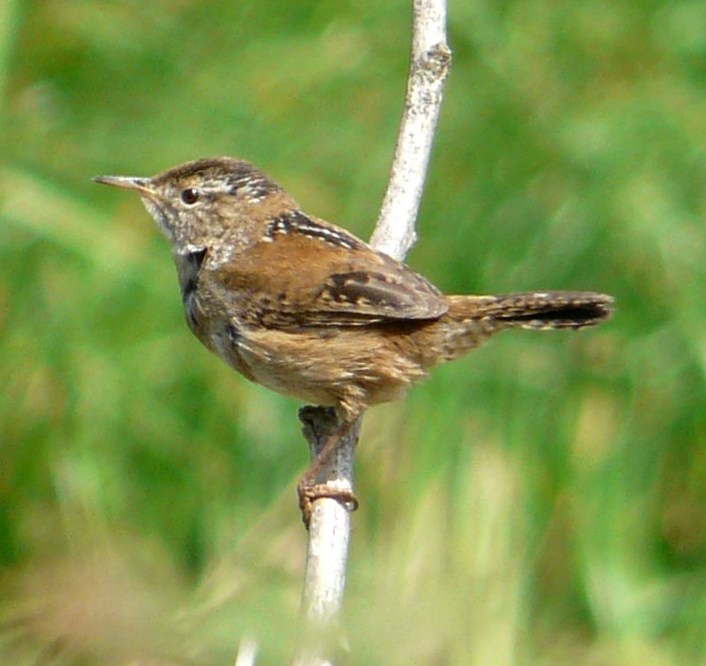
Marsh Wrens are common along the marshy edges of Bowerman Basin.


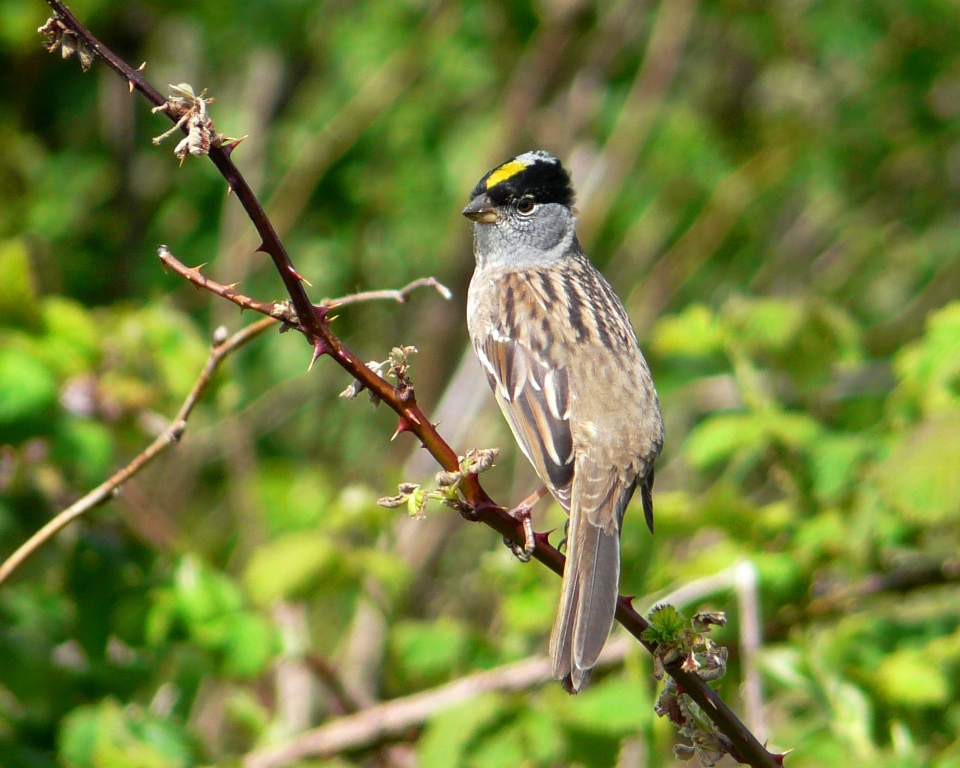
The willow thickets and woods along the boardwalk attract migrants like this Golden-crowned Sparrow.

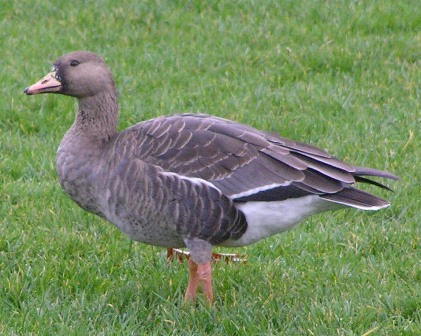
Greater White-fronted Goose

A trip to the local duck/gull hang-out revealed four Greater White-fronted Geese (Anser albifrons). While this species migrates over Portland in large numbers, it is always a rare treat to see them here in winter.


These birds are examples of the smaller subspecies (A.a. frontalis). The larger, rarer “Tule” White-fronted Goose (A.a. elegasi) also passes through Oregon, with some spending the winter in the Klamath Basin.


These birds were all immature, lacking the black speckles on the belly seen on adults,  and showing a blackish nail on the bill.

Klamath Basin

Some colleagues and I made a quick sweep through the Klamath Basin on April 30 and May 1. Late snows and cold weather have really delayed spring in that area, causing the Greater White-fronted Geese to remain in unusually high numbers. The morning of May 1 was clear and calm, inspiring thousands of geese to continue north.

Two of our favorite birding sites around Fort Klamath were snowed in, so we missed some upland species we were hoping for. We did spend some time at the Williamson River Day Use Area, across the highway from Collier State Park. As we were walking back toward the car, this Clark’s Nutcracker put on a nice show in the lawn.

A (relatively) dry day at last

After getting over 5″ of rain in a week, it was finally dry enough to get out today. I was hoping to photograph some Mew Gulls for an upcoming class, but the local gull park was Mewless. I did find one young Greater White-fronted Goose keeping company with the local Canadas.

wf-goose.jpg

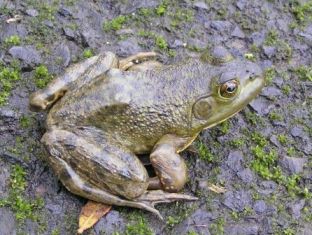
At Smith and Bybee Wetlands I found a young Bullfrog, very sluggish from the cold. Bullfrogs are a big problem in Oregon, as they eat smaller native frogs, baby turtles, and anything else they can catch.

bullfrog.jpg