Summer Shorebirds

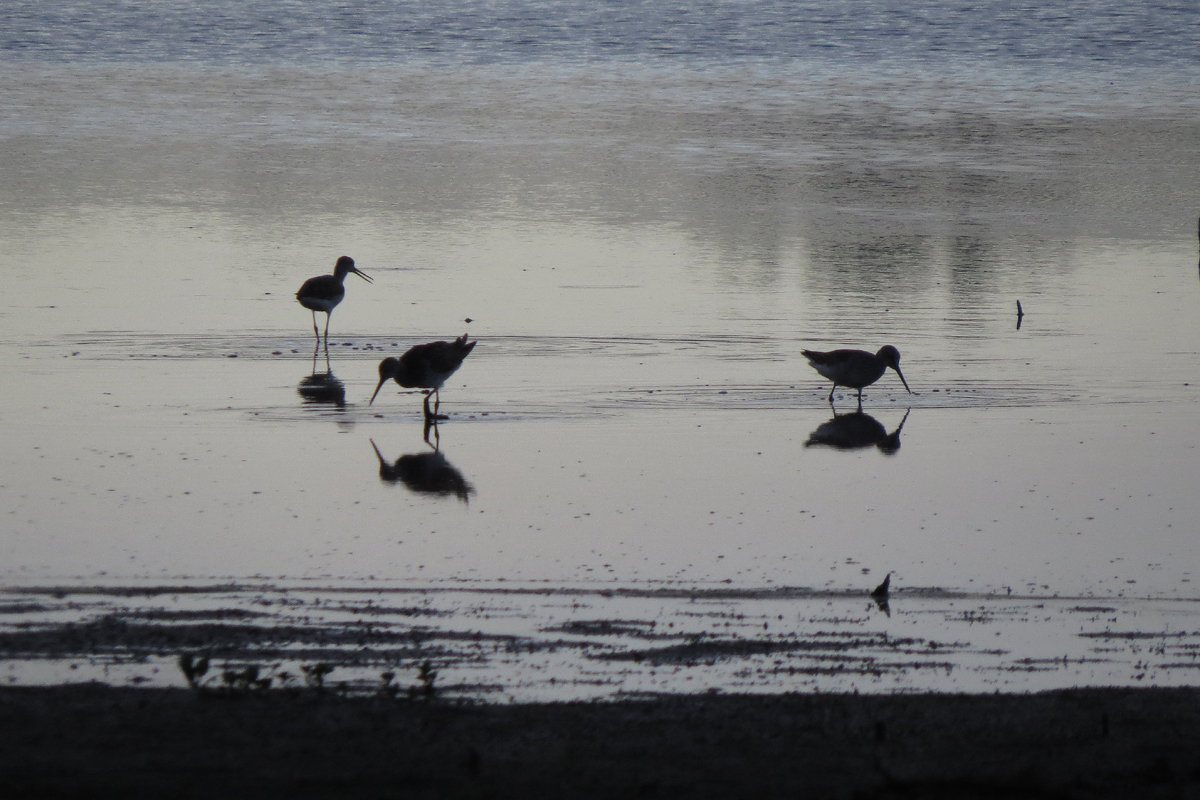
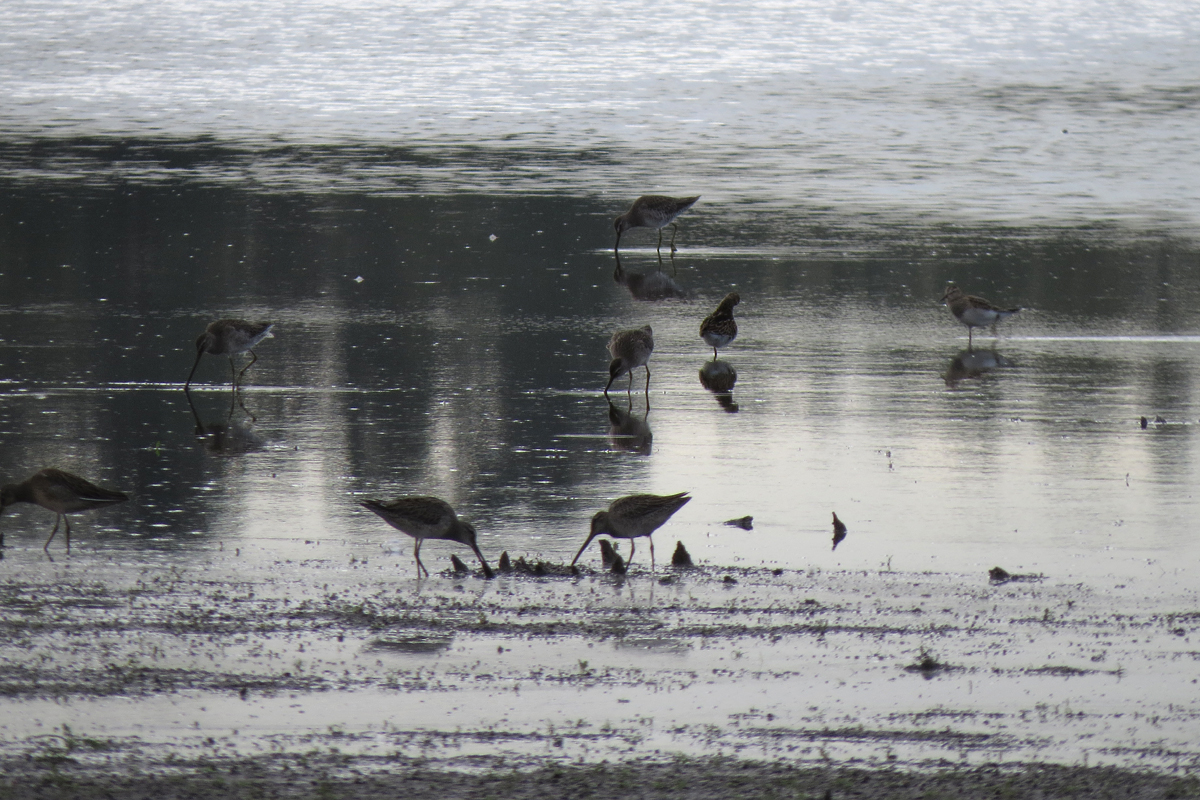
There isn’t much going on bird-wise in mid-summer besides shorebirds. It is nice to have an opportunity to really focus on a single group of birds. Here are a few images from recent weeks.

IMG_0796
This Long-billed Dowitcher, to the right of the Killdeer, really caught my eye since she was still in nearly pristine breeding plumage.
IMG_0808
The bright cinnamon color goes all the way down through the undertail coverts. This bird was at Jackson Bottom Wetlands.

IMG_0832
more Long-billed Dowitchers at Jackson Bottom. These birds are already fading into their duller winter plumage.

IMG_0813
Spotted Sandpiper, still in breeding plumage, perched on a spotted log
IMG_0826
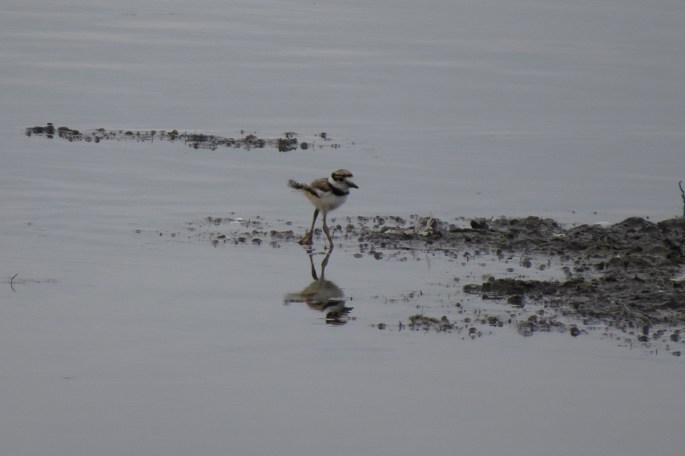
From the cuteness department comes this fuzzy baby Killdeer. Seeing a young Killdeer with his single breast band this late in the summer might suggest a Semipalmated Plover. But the fluffy plumage and the long legs (not to mentions the tiny wings) let us know we are looking at a fledgling.

IMG_0839
Take the time to look at shorebird specimens whenever you have the chance. The first thing you will notice is just how small these birds are. Since we usually look at shorebirds through powerful optics, we tend to think they are actually larger than they are. (A Least Sandpiper is a little smaller than a House Sparrow.) Here we have a nice comparison of a Greater and a Lesser Yellowlegs. Note the differences in the proportions of the bills.
IMG_0814
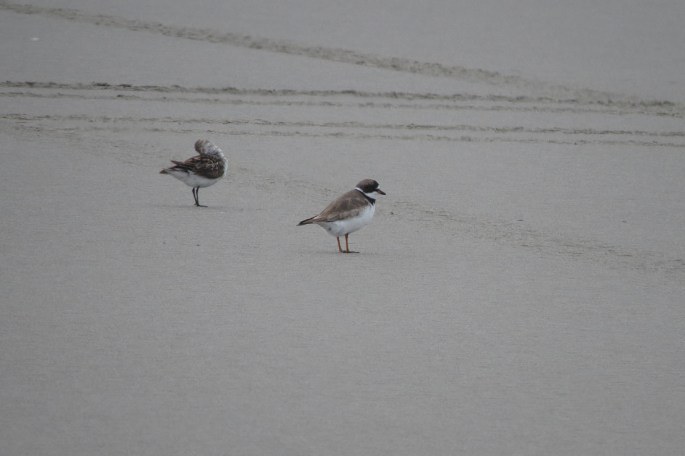
A trip to the coast provided good numbers of Semipalmated Plovers, seen here with a Western Sandpiper.

IMG_0819
Several hundred Marbled Godwits spent a couple of weeks at the beach in Fort Stevens State Park.

blue small
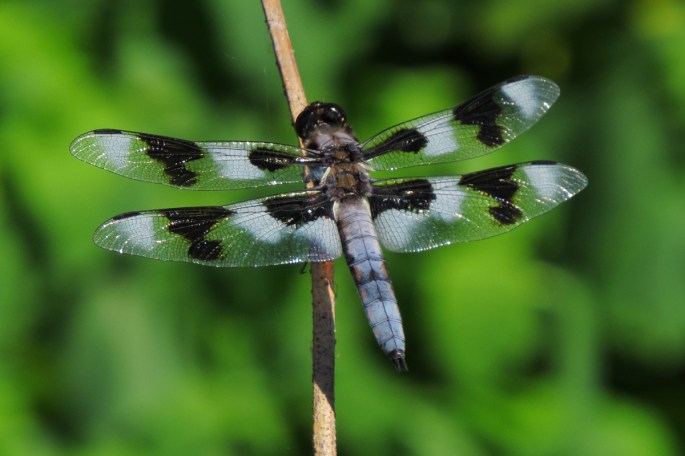
Dragonflies provide a nice burst of color in the summer. I believe this a Blue Dasher, but please correct me if I am wrong.
8 spot
Eight-spotted Skimmer

black-tailed small
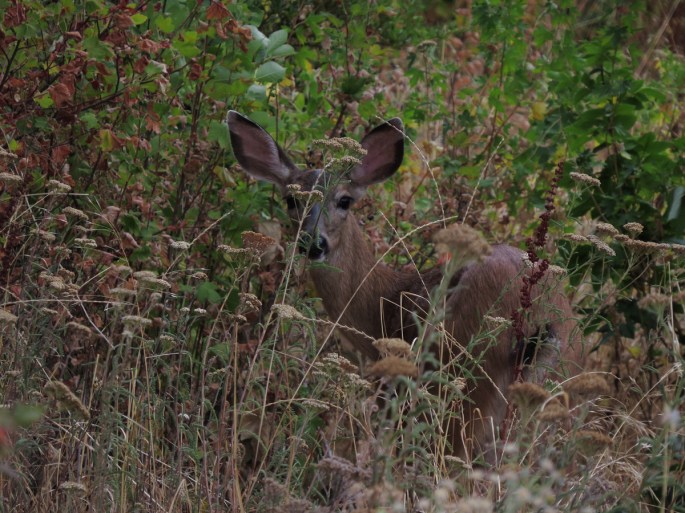
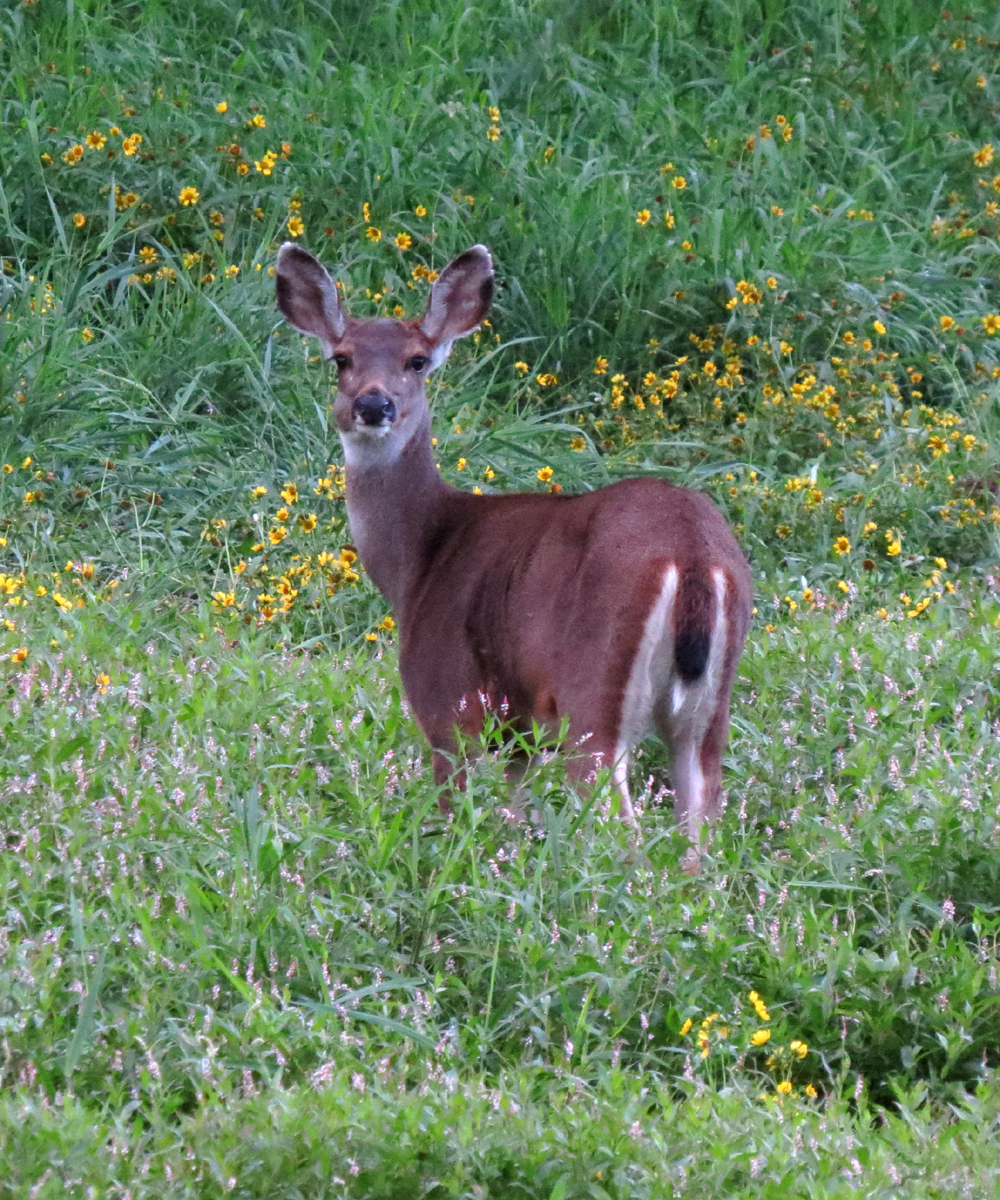
This Black-tailed Deer was behind the visitor center at Jackson Bottom.

Shorebird migration will be the big thing for another few weeks, but it will be gull season before you know it.

Ridgefield NWR

I don’t get up to Ridgefield NWR in Washington very often, even though it is a short drive from Portland. But lots of folks had recently seen adorable fuzzy little Virginia Rail babies, so I wanted to try my luck.

IMG_7595By the time I got there, the adorable fuzzy little babies had become rather unattractive adolescents, but it was still fun to see this usually shy species out in the open.
IMG_7603

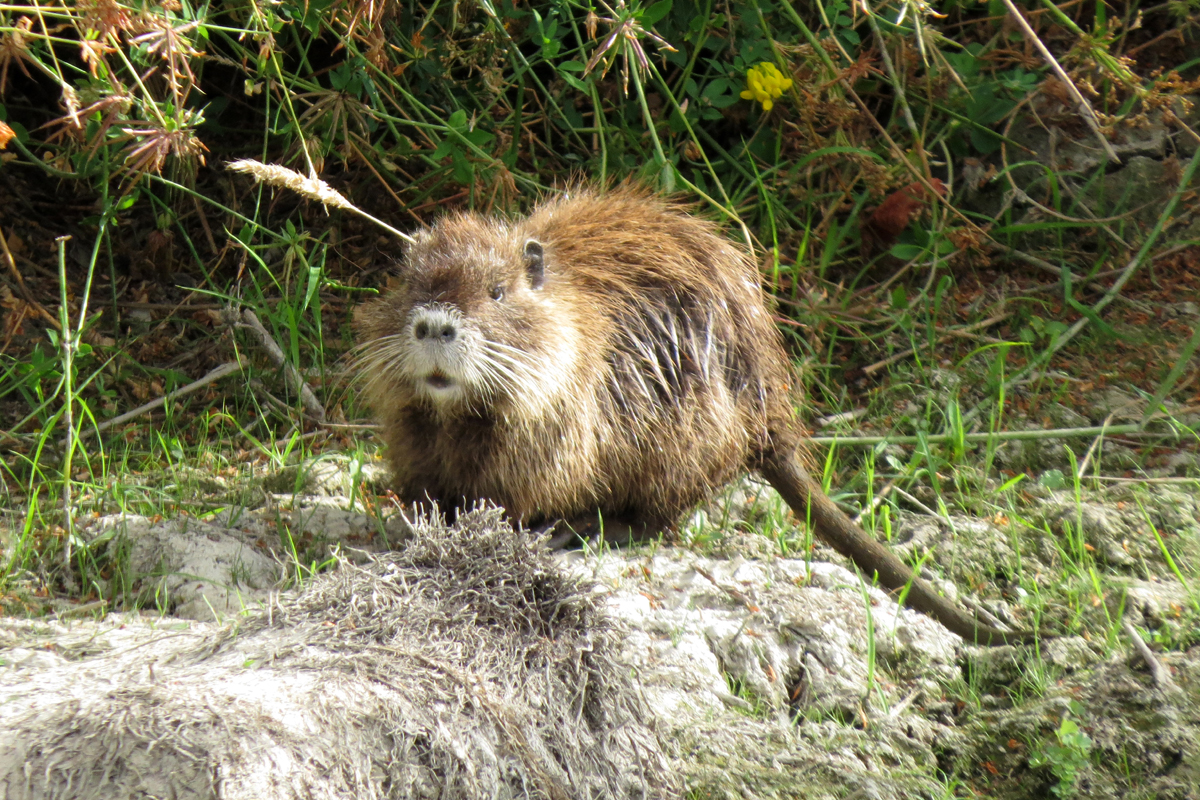
IMG_7618Another adolescent foraging near the rails was this little Nutria. The refuge staff tries to control the population of this introduced species, but they remain plentiful.
nutria

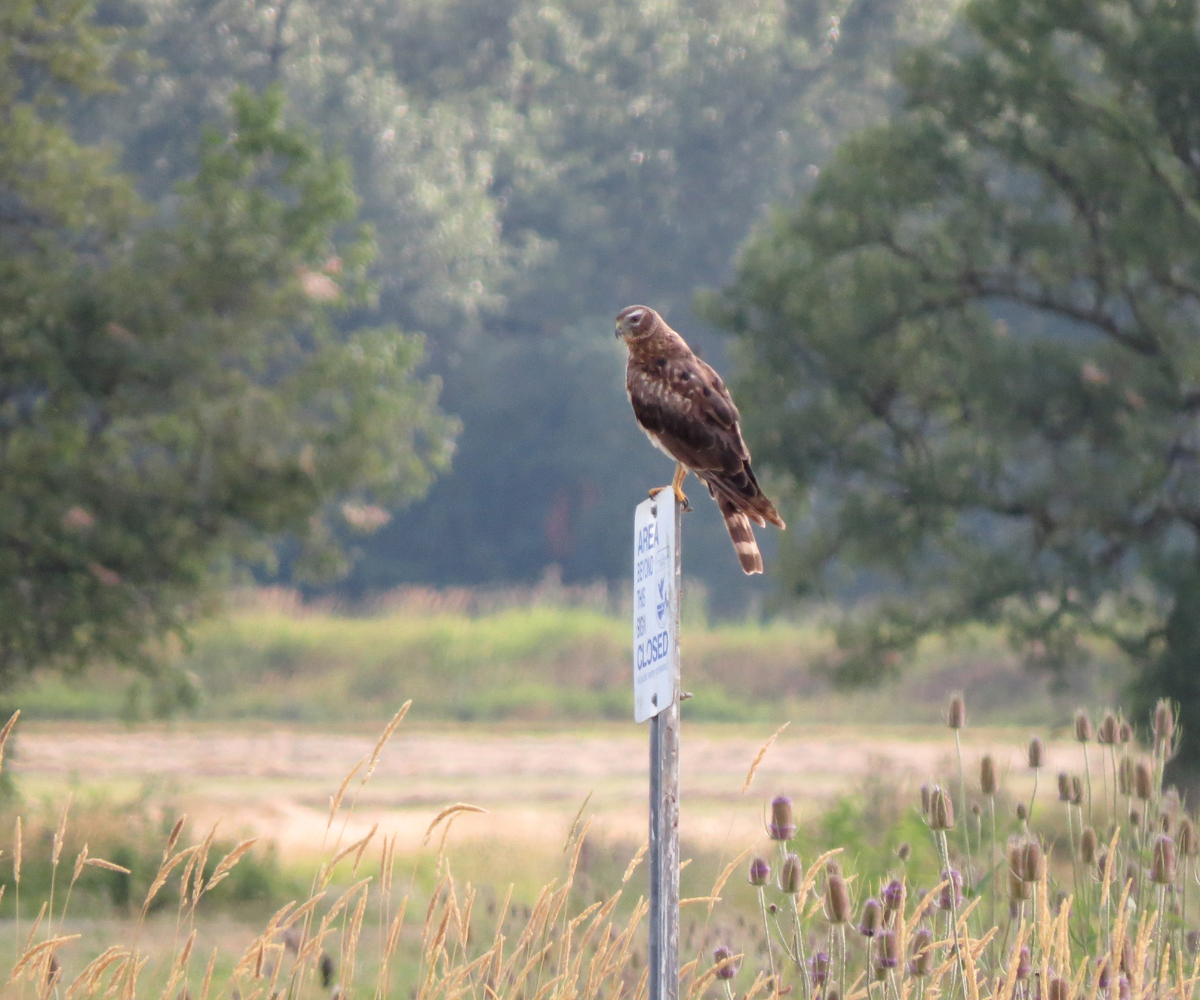
northern harrierNorthern Harrier

IMG_7583Black-tailed Deer, perfectly hidden among the teasel

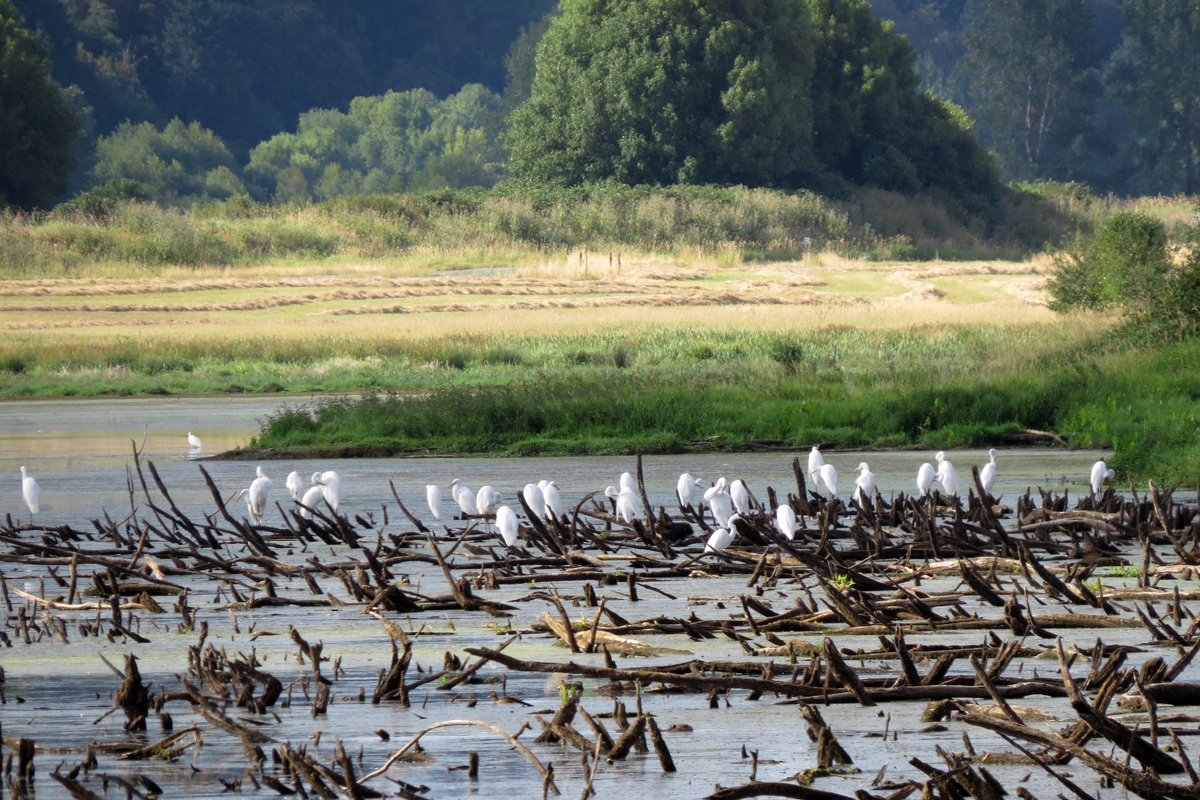
IMG_7591There is not a lot of water on the refuge right now, so the Great Egrets were gathered on one of the remaining ponds.

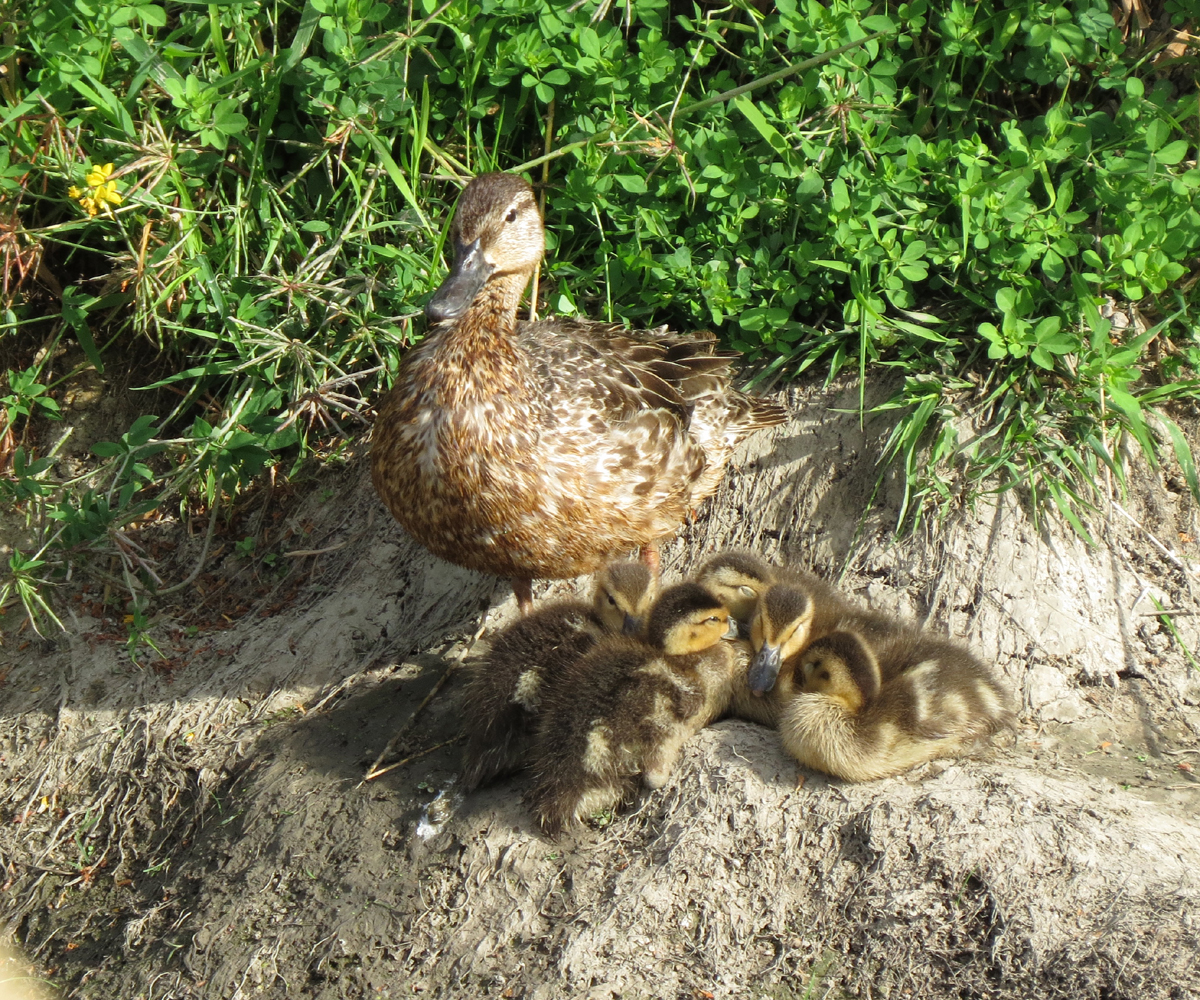
IMG_7581We are entering Ugly Duck Season, when adult ducks molt into identical ratty plumages, making them much harder to identify. I am going with Cinnamon Teal on this mama and babies (all-black bill, overall warm brown coloring).

IMG_7622On the way home we stopped at Kelly Point Park along the Columbia River in NW Portland. California Gulls were gathered on the pilings.

IMG_7623This young American Crow (note the pinkish gape) was begging for food.

IMG_7627Nala, the large aquatic mammal.

Tilley Jane Trail

trail 5I walked the Tilley Jane trail on the east side of Mt. Hood. This trail starts near the Cooper Spur Ski Area and goes about two and a half miles up to the Tilley Jane Campground.
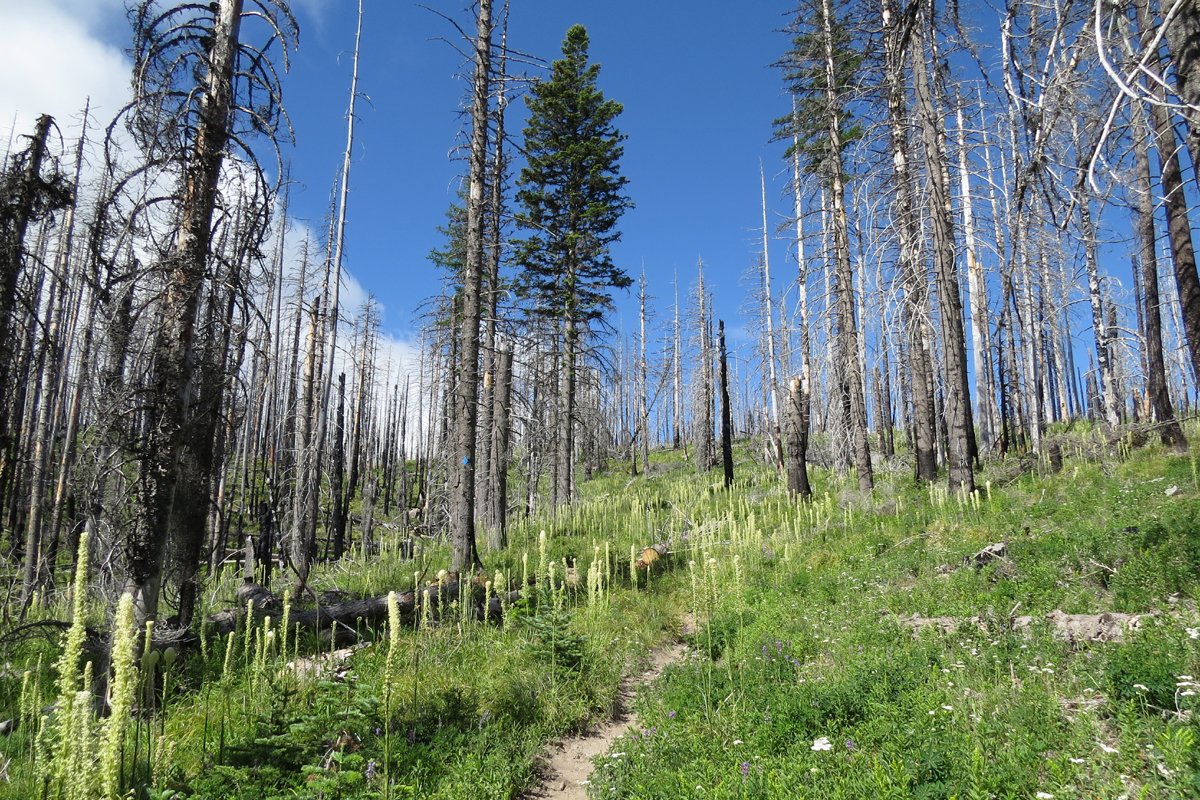
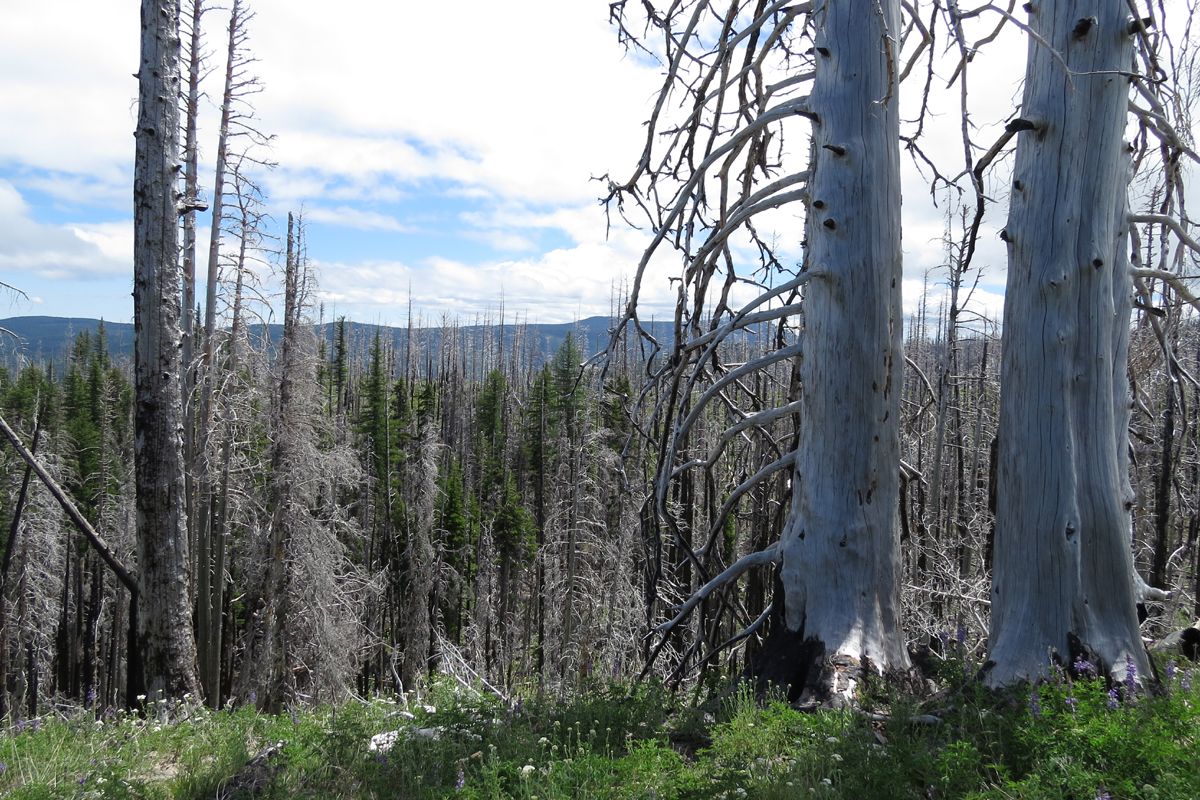
trail 1Much of the trail goes through an area that burned a few years ago, so there are lots of standing dead trees and wildflowers.

flickerBurned areas are great for woodpeckers and other cavity nesters. This is a young Northern Flicker that was peeking out of her nest hole.

olive-sided flycatcherOlive-sided Flycatcher

juncoDark-eyed Junco. Yes, I can see them out my living room window, but they look better on the mountain.

deer 2We came upon this Black-tailed Deer nursing her new fawn. If the fawn had been hidden, I think the doe would have taken off. But since the baby was exposed, they both just froze as we passed by.

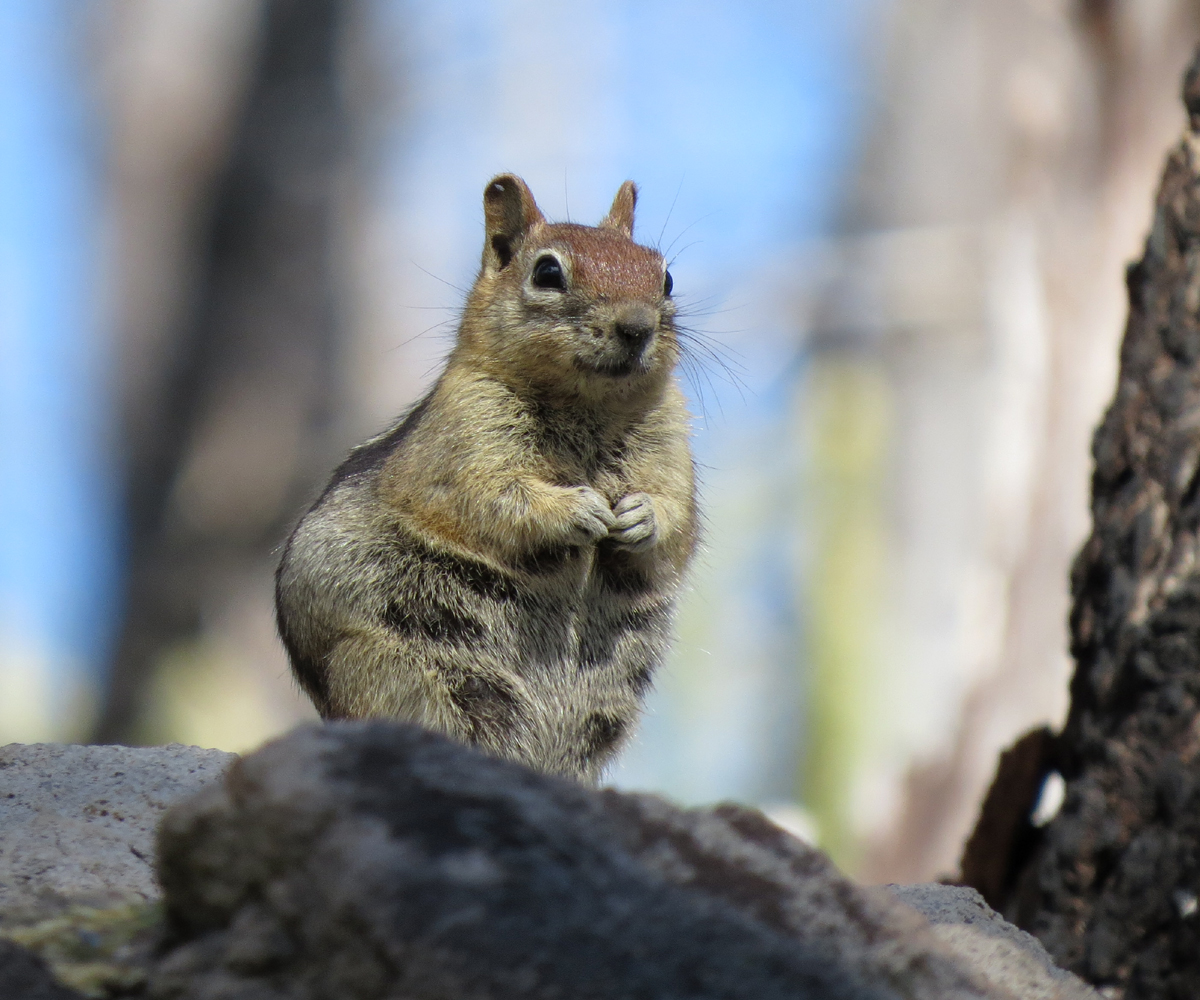
golden-mantled ground squirrel 1This Golden-mantled Ground Squirrel looks like she might be carrying a litter.
golden-mantled ground squirrel
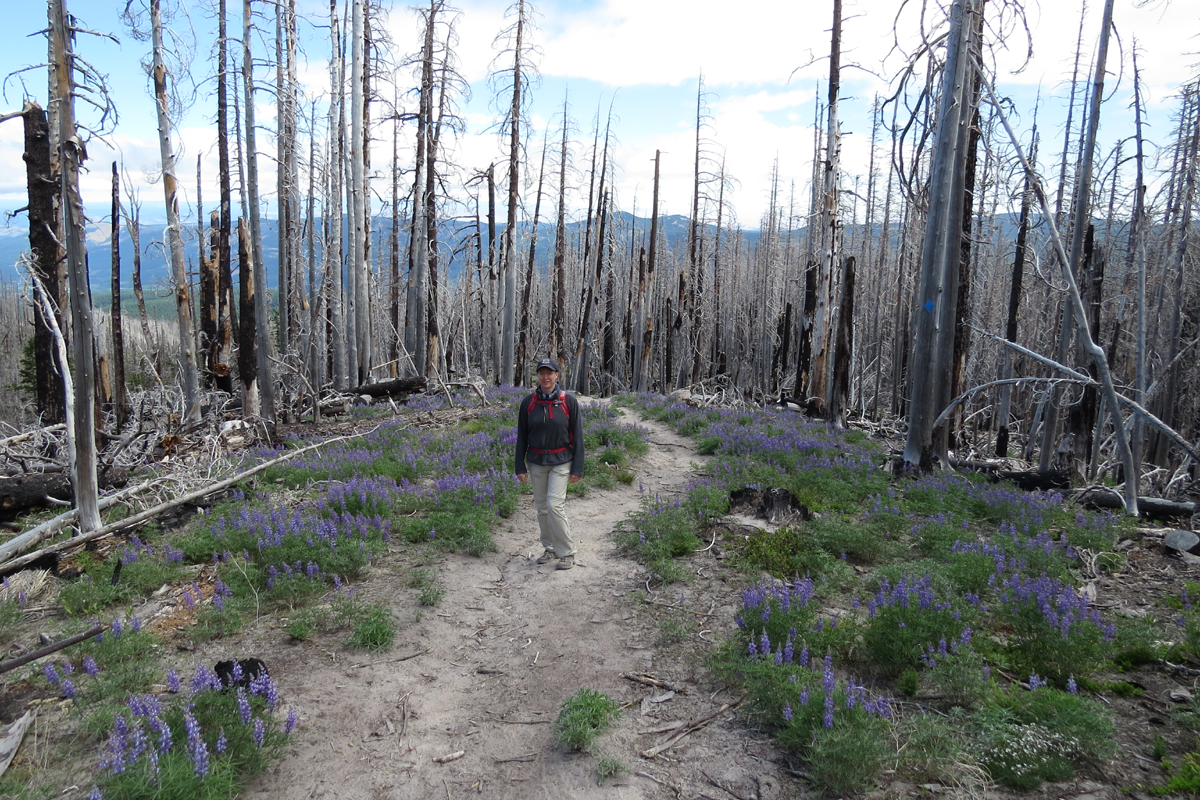
m in lupinesCharismatic megafauna among the lupines

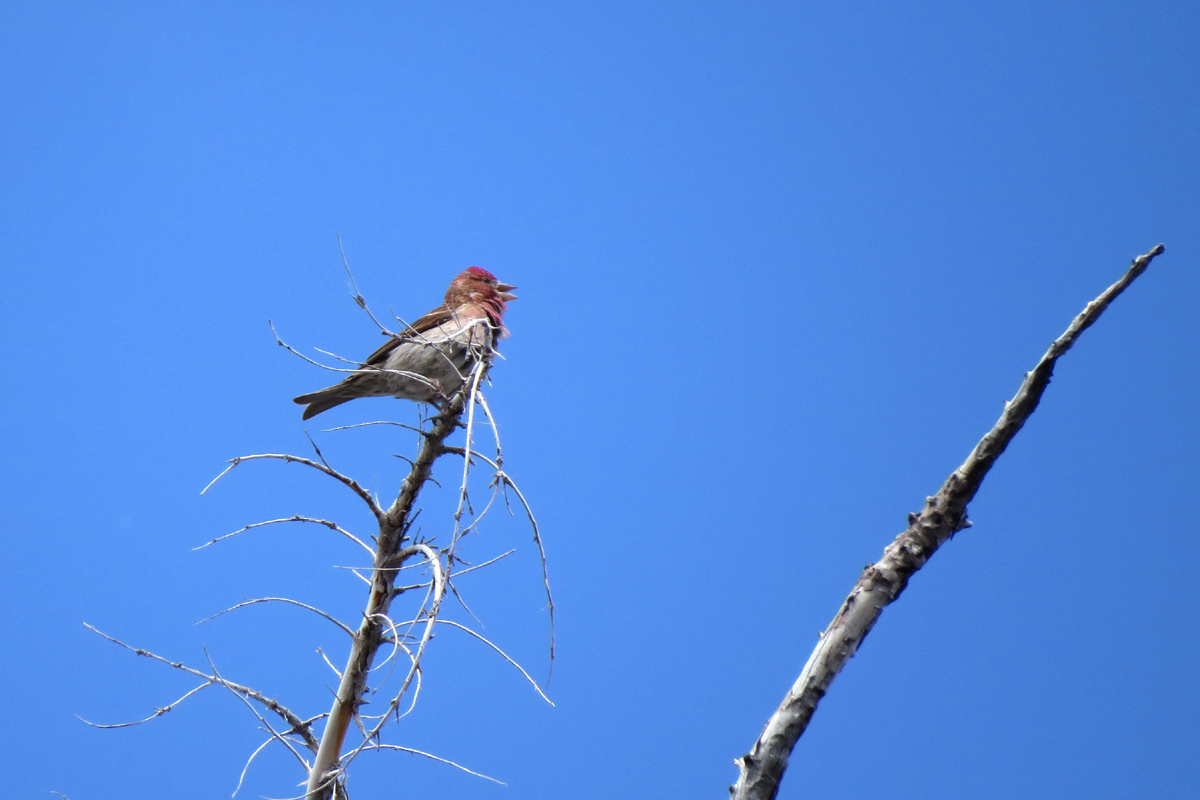
cassin's finchAt higher elevations, Cassin’s Finches became common, if not cooperative.

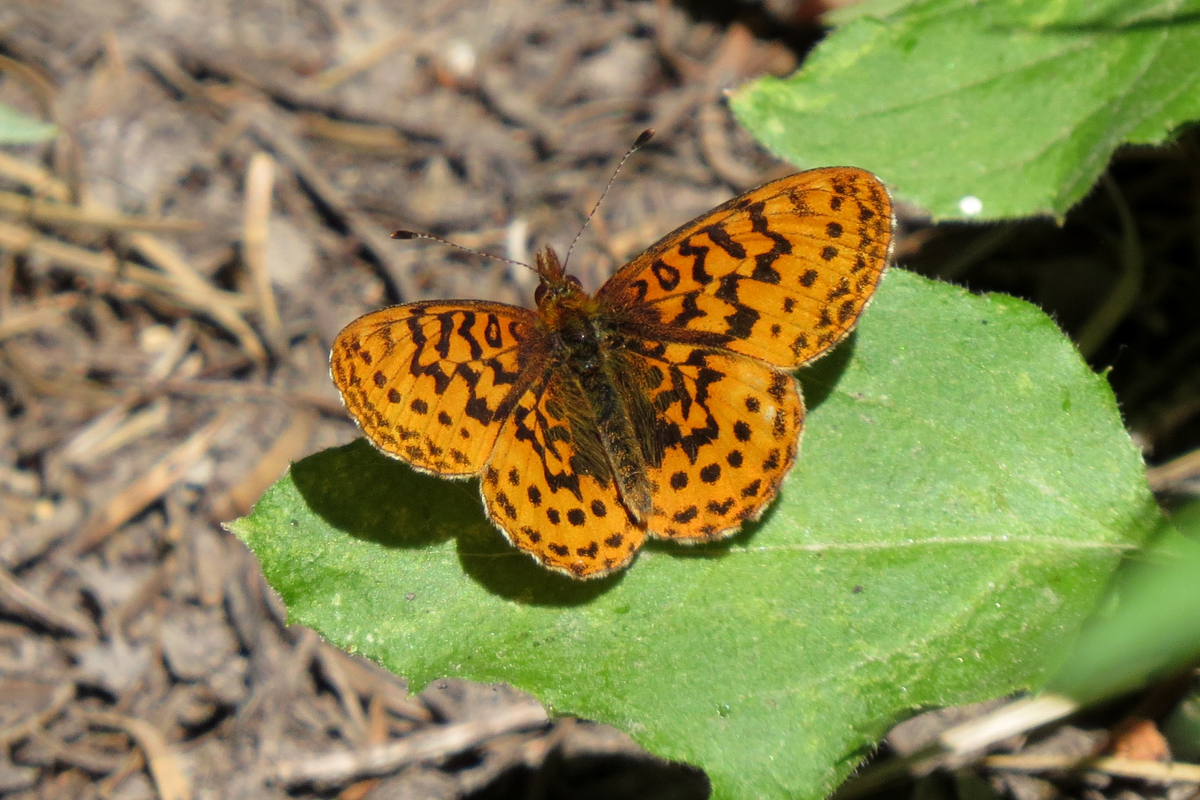
pacific fritillary 1Along with the wildflowers are butterflies. The flowers are interesting in person, but not so much in photos. A few butterflies, like this Pacific Fritillary, posed for good looks.

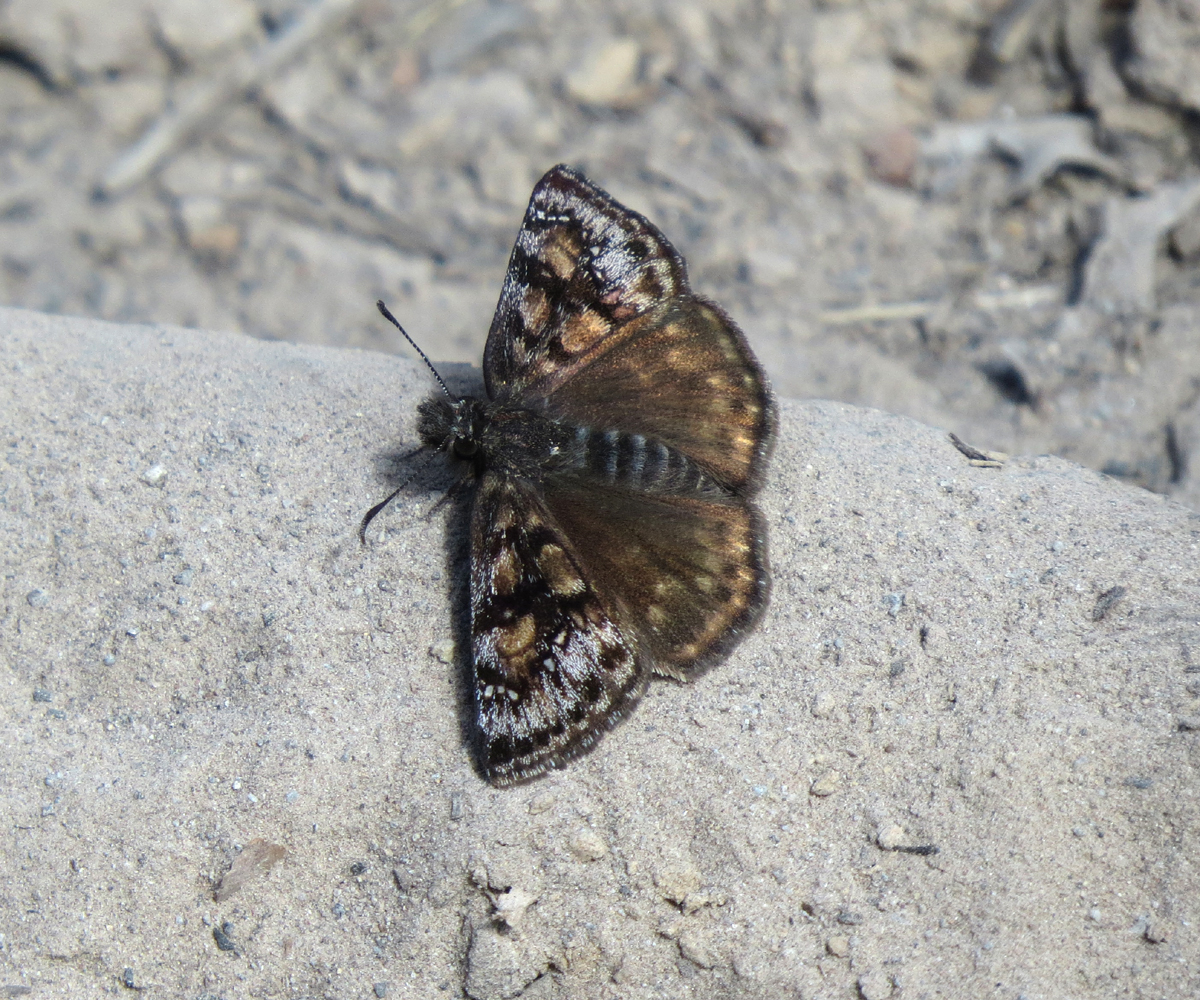
persius duskywing 1This is a Persius Duskywing, which I had never heard of before.

trail 4


Smith and Bybee Wetlands

Smith Lake, the larger body of water at Smith and Bybee Wetlands in NW Portland, currently has a lot of mudflat habitat, attracting good numbers of shorebirds and gulls.
greater yellowlegsGreater Yellowlegs at sunrise

mixed flockLong-billed Dowitchers and Pectoral Sandpipers

black-tailed deerBlack-tailed Deer

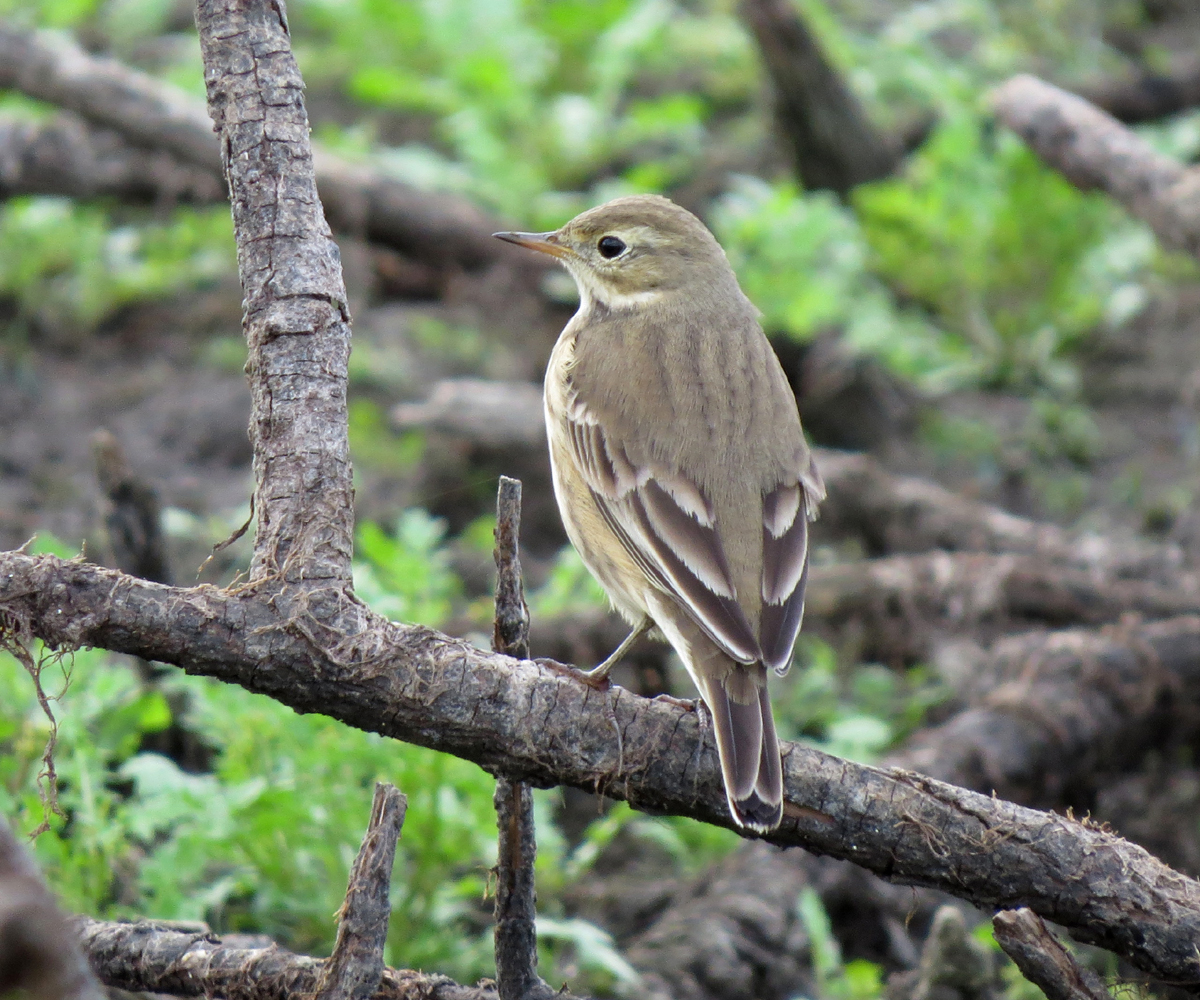
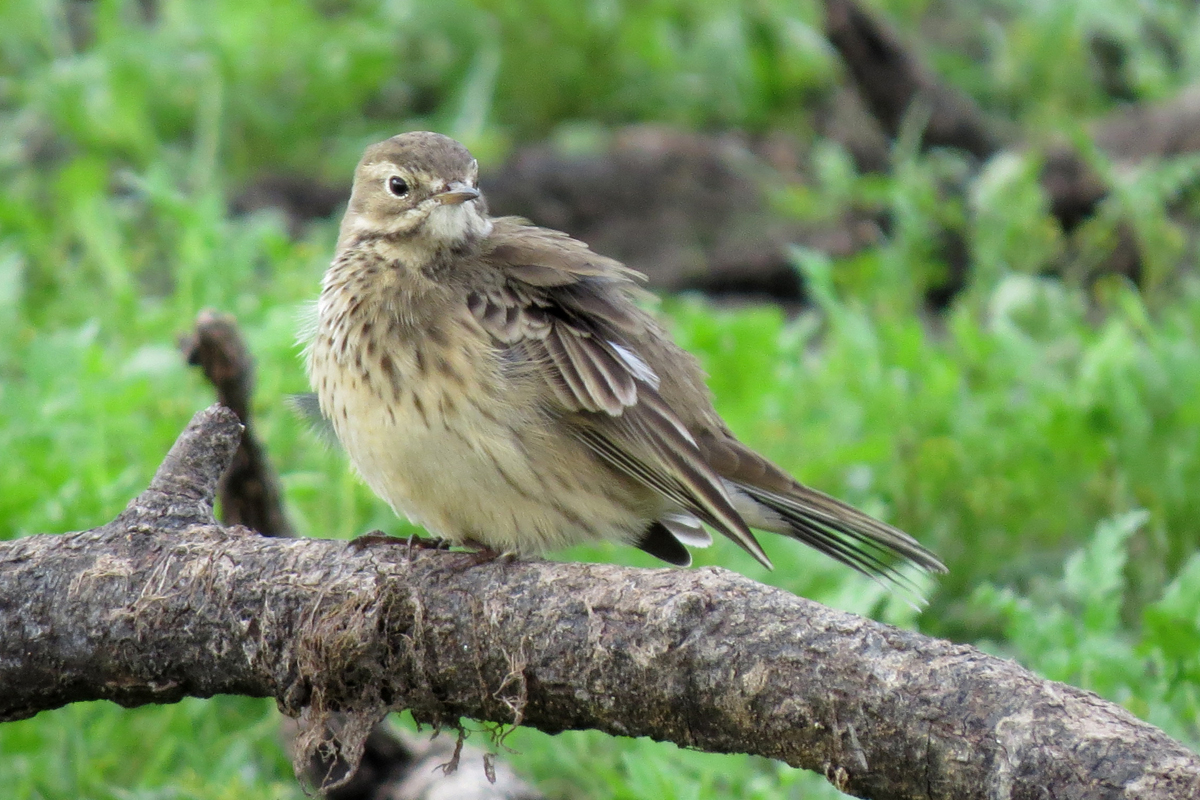
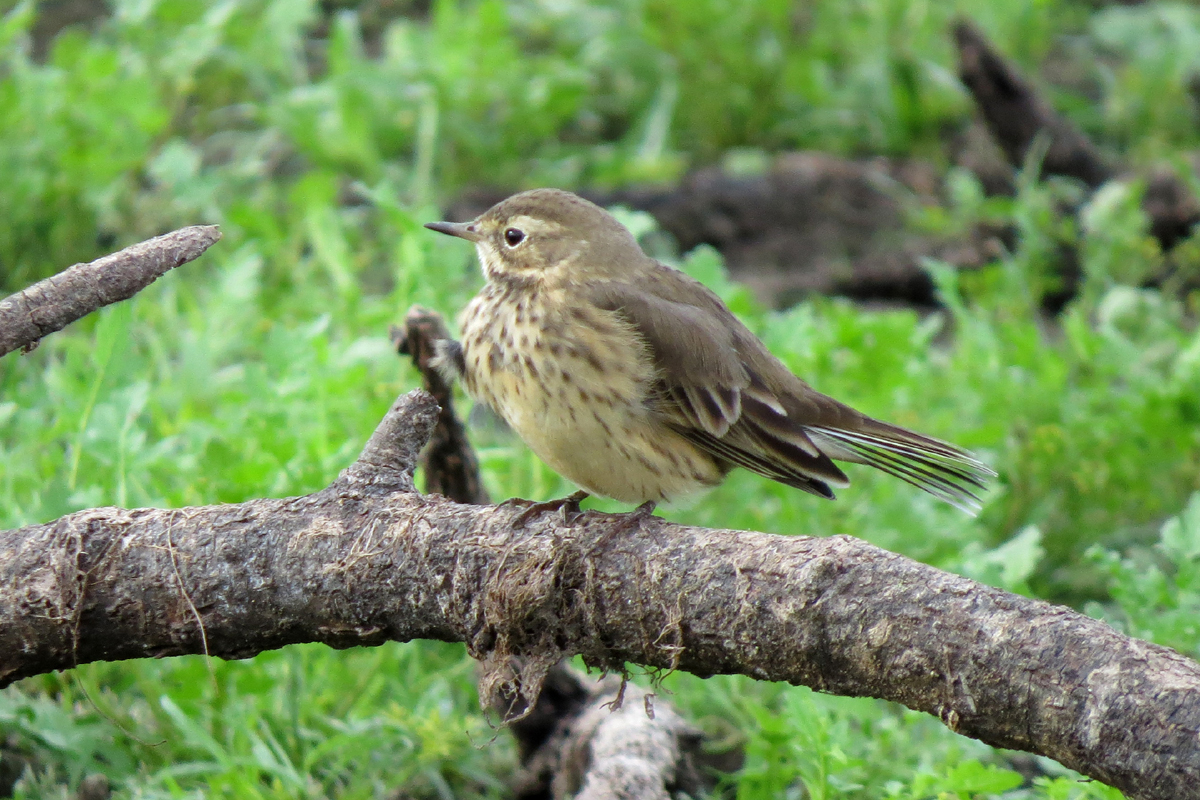
While the shorebirds and gulls kept their distance on the mudflats, thus no good photos, American Pipits were working the shoreline at close range.
pipit back pipit front pipit side

Autumn

Autumn officially started just over a week ago. Here are a few shots of the season.

black-tailed doe and fawn
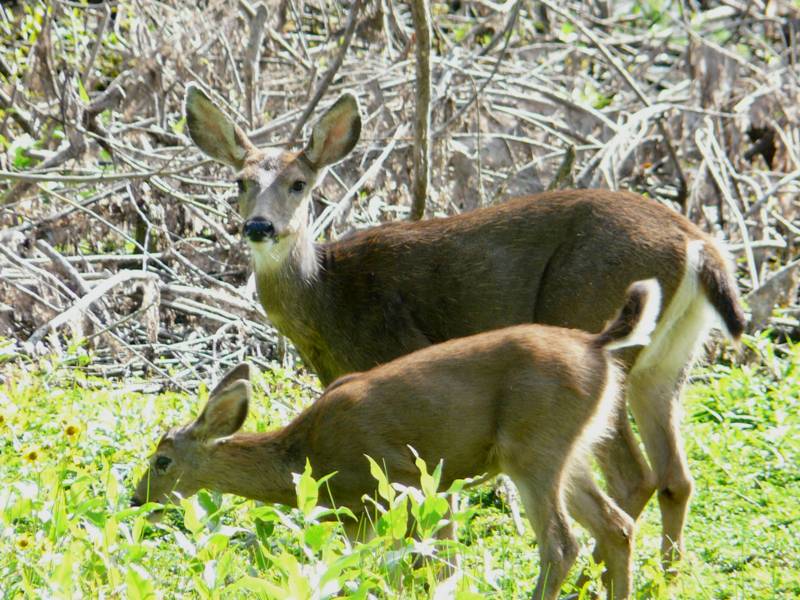
The Black-tailed Deer fawns have lost their spots, but are still smaller than the does.

black-tailed doe

cackling geese
The first flocks of Cackling Geese have arrived, soon to be followed by about 200,000 of their cohorts.

fungus
The cool nights and wetter weather bring out various fungi.

western gray squirrel
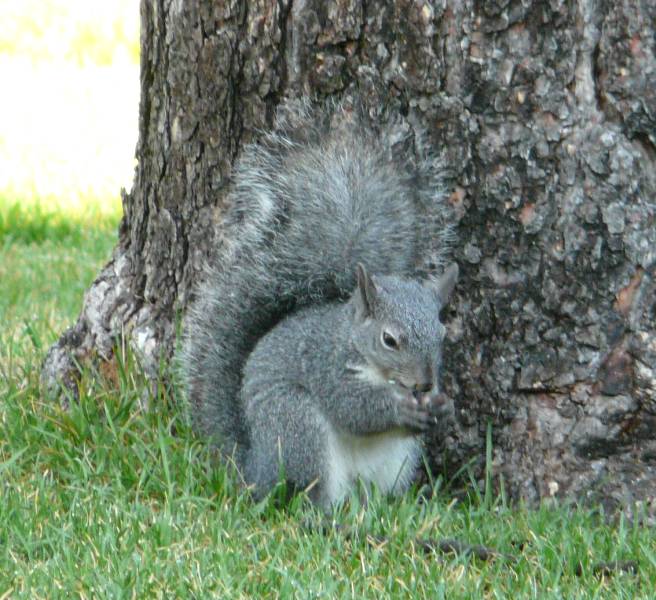
Squirrels, like this Western Gray Squirrel, are taking advantage of the acorn crop.

Finley NWR

I walked around much of William L. Finley NWR, one of the three in the Willamette Valley National Wildlife Refuge Complex. Of the three, Finley has the greatest diversity of habitats, as it lies right at the edge of the Coast Range.


At the heart of the refuge is Cabell Marsh, home to waterfowl, herons, and a small flock of American White Pelicans. Notable flyovers that day included White-tailed Kite and Red-shouldered Hawk.


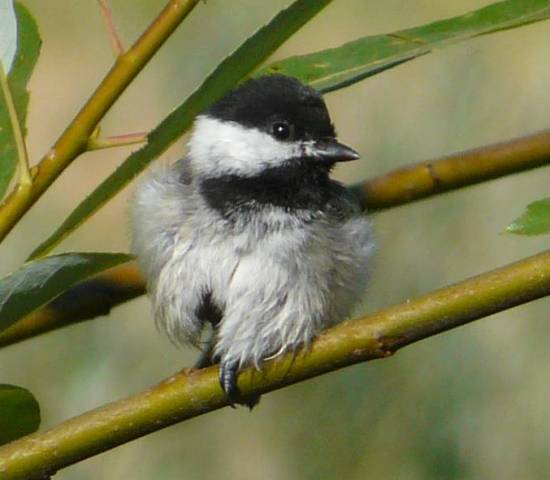
Black-capped Chickadees were everywhere, in the woods where you would expect them, and in the cattails which seemed a little odd.


Lazuli Buntings inhabit brushy areas in the oak savannahs.


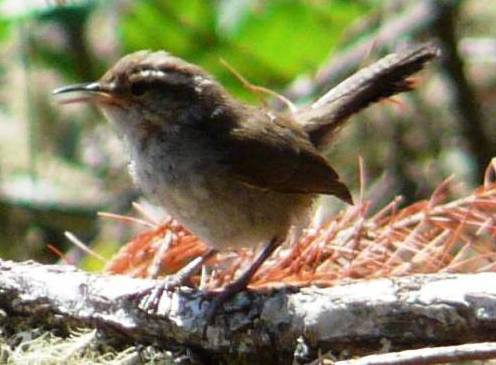
A family of Bewick’s Wrens were in a brush pile near the top of Pigeon Butte.


On the way home I stopped by Baskett Slough NWR, another refuge in the Willamette Valley complex. Most of the wetlands here were dry. South Slough Pond was actually being plowed. Cottonwood Pond still held water and was hosting these three American White Pelicans.


This Black-tailed Deer was panting as she walked across the dry grassland and crossed the road.

Oak Island

I am helping with a series of point counts on the Oak Island section of Sauvie Island (Birding Oregon p.56). The goal is to gather baseline information on bird species using this area before habitat restoration work begins. The habitat consists of large oaks, grassy fields, and scattered thickets along the shore of Sturgeon Lake.

The area has a nice variety of nesting species. Those who live in the wooded areas seldom display themselves in such a way that allows me to capture a photo. So here are some birds (and a couple of mammals) of the edge habitats.

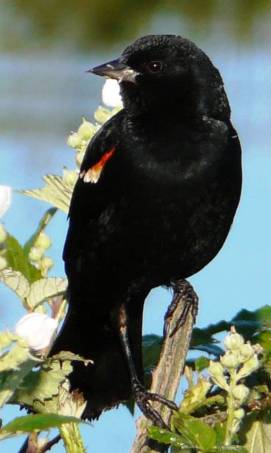
Red-winged Blackbird


Rufous Hummingbird


Black-headed Grosbeak


Townsend’s Chipmunk


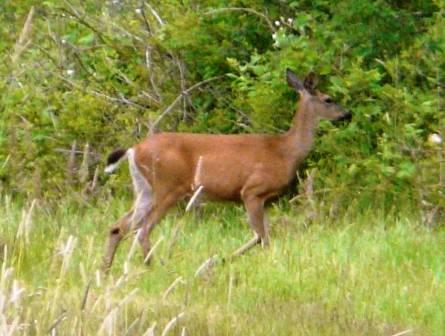
Black-tailed Deer